
Google now allows you to add your favorite new sources to Search
Google is adding more options to customize your search and Discover experiences.


The Netherlands has long held the reputation for being the gold standard of cycling culture, and yet somehow, they keep finding new ways to surprise you. The latest? A self-powered, chain-driven floating platform that lets cyclists cross the Piushaven river in Tilburg without a bridge, without a motor, and without waiting for anyone else to make it happen. It’s exactly the kind of design that should make the rest of us feel both inspired and slightly embarrassed that we hadn’t thought of it sooner.
The setup is deceptively simple. A flat floating platform sits on the water, connected to a submerged chain that stretches from one bank to the other. When you arrive at the edge of the Piushaven, you roll your bike onto the platform and turn a crank. That’s it. The crank mechanism pulls the platform along the chain, and you slowly drift to the other side. No waiting for a scheduled ferry. No detour to the nearest bridge. No fuel, no emissions, no infrastructure beyond what’s already in the water. Cranks are installed on both sides of the canal, so if the platform is docked on the opposite bank, you simply crank it over to your side first.
Designer: Tilburg City
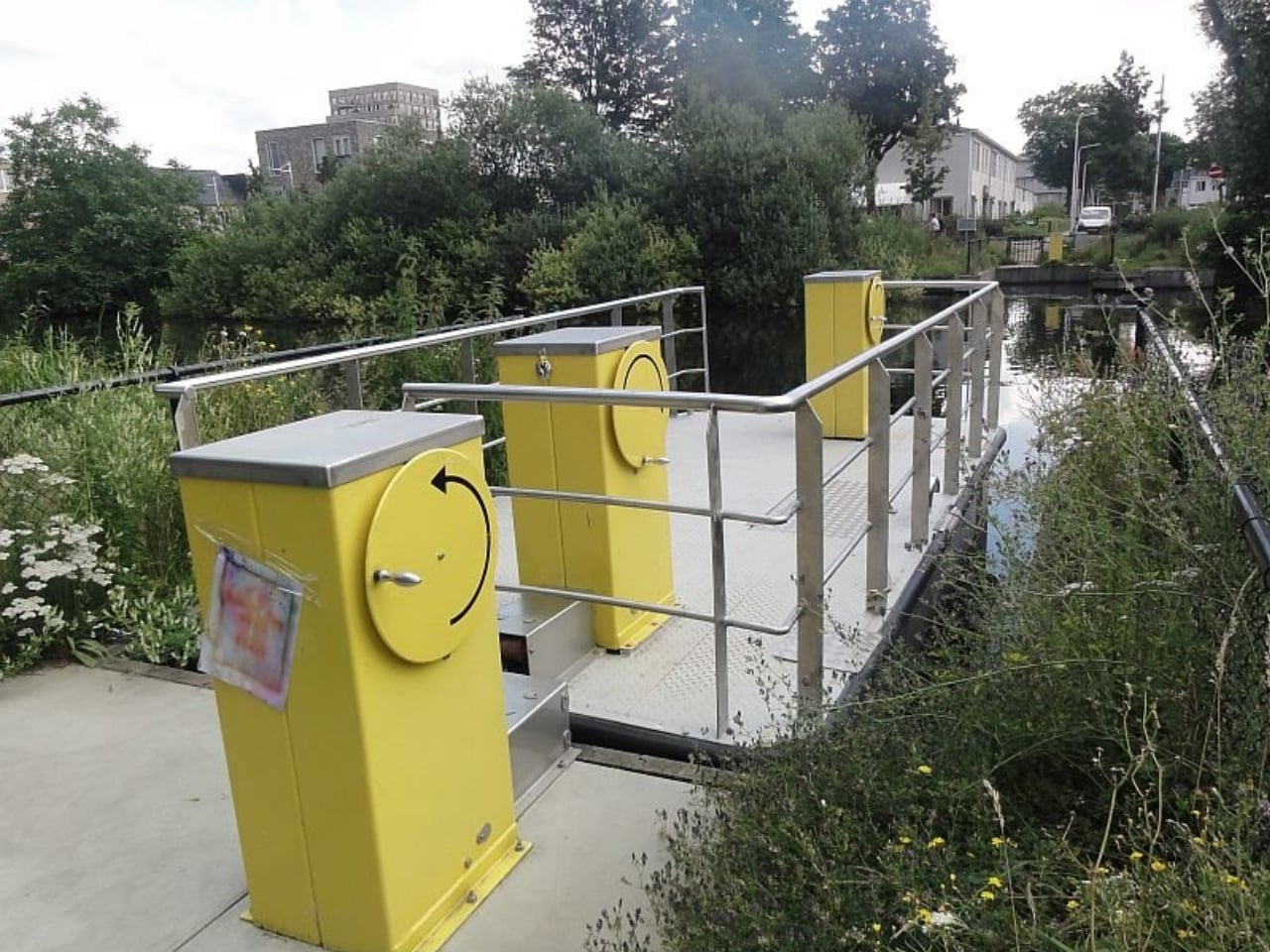
The Dutch have been managing waterways for centuries, which is probably why they’ve refined the logic of crossing them down to something this clean. The Netherlands is famously threaded with canals, many of which predate modern transit planning by hundreds of years. The challenge has never been the water itself but the question of how you move people across it without making the whole thing a logistical nightmare. A massive bridge requires significant investment. A permanent ferry service requires staff, a schedule, operating costs, and inevitably, maintenance headaches. What Tilburg built is neither. It’s closer to a tool than a transit system, a piece of infrastructure that behaves more like a piece of outdoor furniture than a public works project.

The restraint in that decision is the most clever part of the whole thing. The municipality didn’t try to solve the problem with more technology. They solved it with less. And the result is a crossing that works around the clock, requires minimal upkeep, and asks the user to contribute exactly as much energy as the task needs, no more. That runs counter to almost everything we tend to celebrate in modern design, where the default move is to add features, add connectivity, add intelligence. We rarely stop to ask whether less would simply work better.
Vijay Malhotra, an Indian bicycle vlogger who travels the world on two wheels, documented his encounter with the Tilburg ferry and the video has been making the rounds online. Watching it, you understand almost immediately why people are sharing it. Malhotra stumbles upon the crossing while following a bike route, and the whole encounter has this wonderfully mundane quality, like discovering a secret that the locals have simply accepted as ordinary life. That gap between “this is remarkable” and “this is just how we do things here” is where the best design tends to live.

It also puts a useful frame around what cycling infrastructure can actually look like when a city commits to it seriously. We talk a lot about bike lanes and protected paths, and those conversations matter enormously. But the Tilburg river crossing is a reminder that cycling infrastructure isn’t just about the roads. It’s about removing every friction point between a person and where they’re trying to go, whether that’s a missing sidewalk, a poorly timed signal, or a river with no crossing in sight. A hand-cranked floating platform is a solution that costs far less than a bridge and works far better than nothing.
The design won’t go viral the way a sleek concept car or a flashy product launch does, and that seems perfectly fine. The things that actually improve daily life rarely make headlines. They just show up quietly, sit on the water, and wait for someone to turn the crank.

The post The Dutch Just Built a Ferry You Power Yourself With a Crank first appeared on Yanko Design.

Most people who carry a power bank don’t have it when they need it. It’s in the other bag, on the counter, or still plugged into the wall. The problem isn’t that people don’t want backup power; it’s that a power bank asks too much of them. It’s a separate object with its own place in a routine that’s already too crowded, and the more something demands to be remembered, the more reliably it gets forgotten.
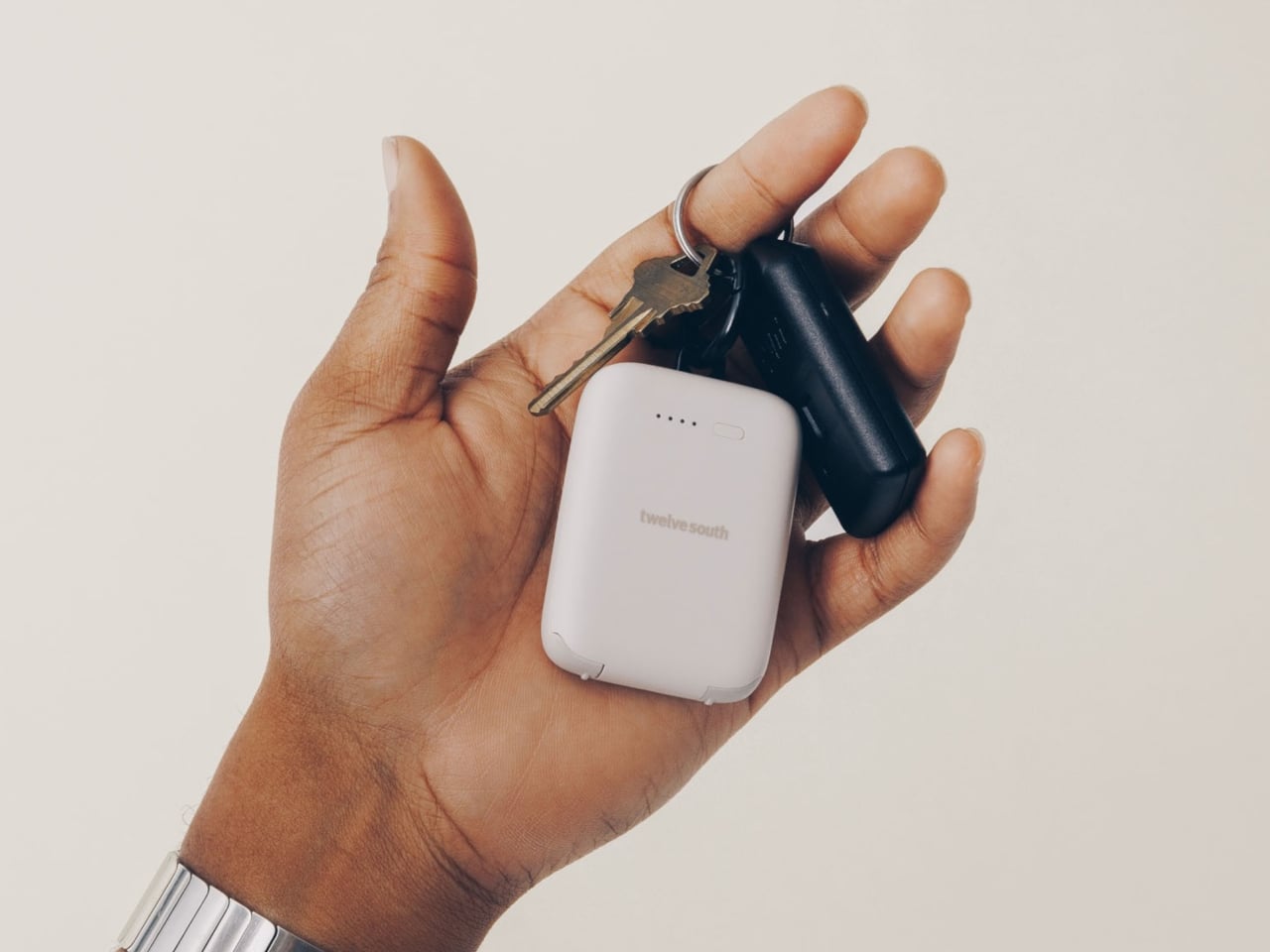
That behavioral friction is the design problem the Twelve South PowerClip is built to solve. Rather than starting with capacity or charging speed, the design starts with a simpler question: what would it take for a person to actually have this on them every day? The answer, apparently, is making it small enough and clipable enough that it attaches to what’s already in your pocket.
Designer: Twelve South
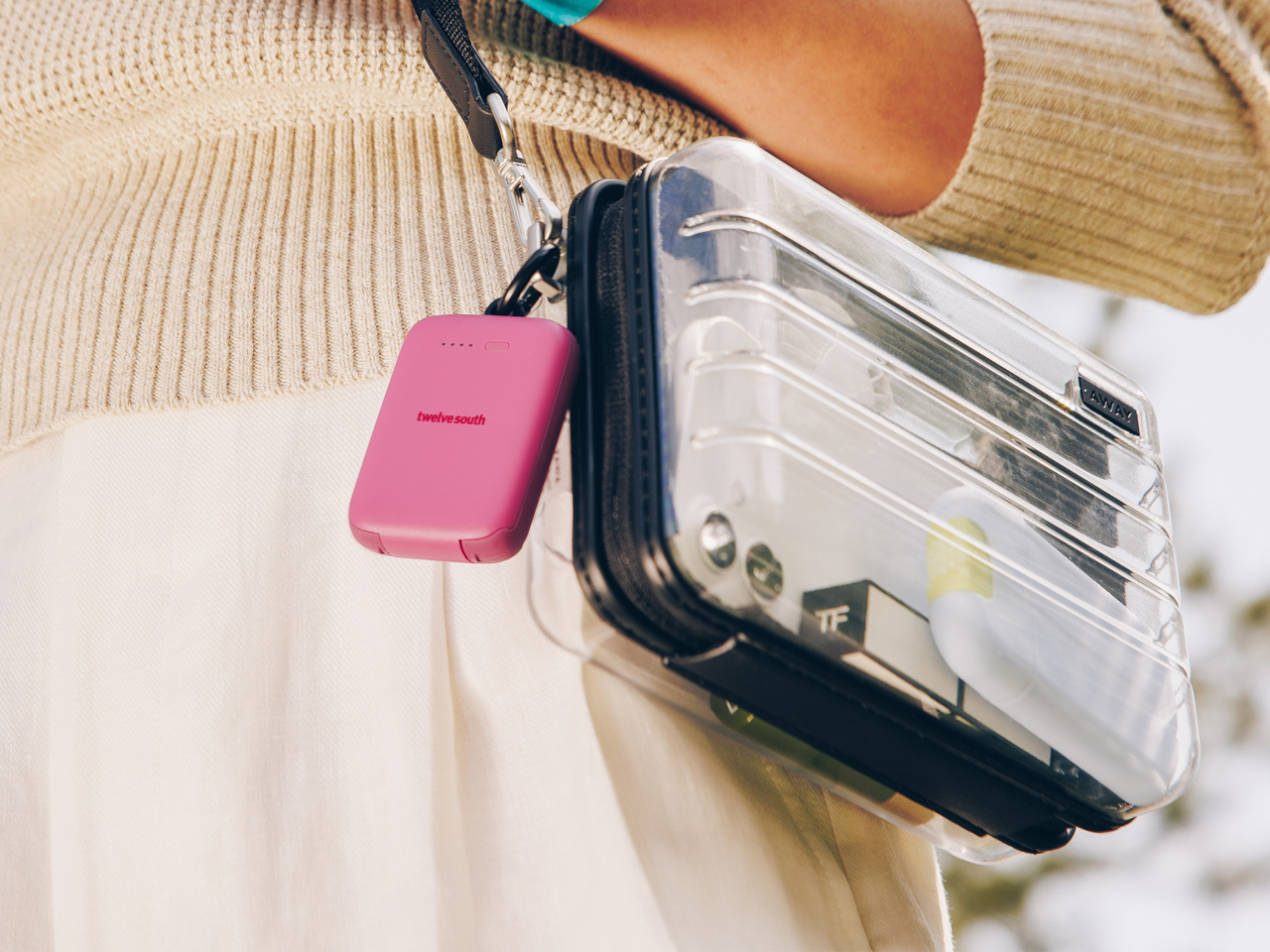
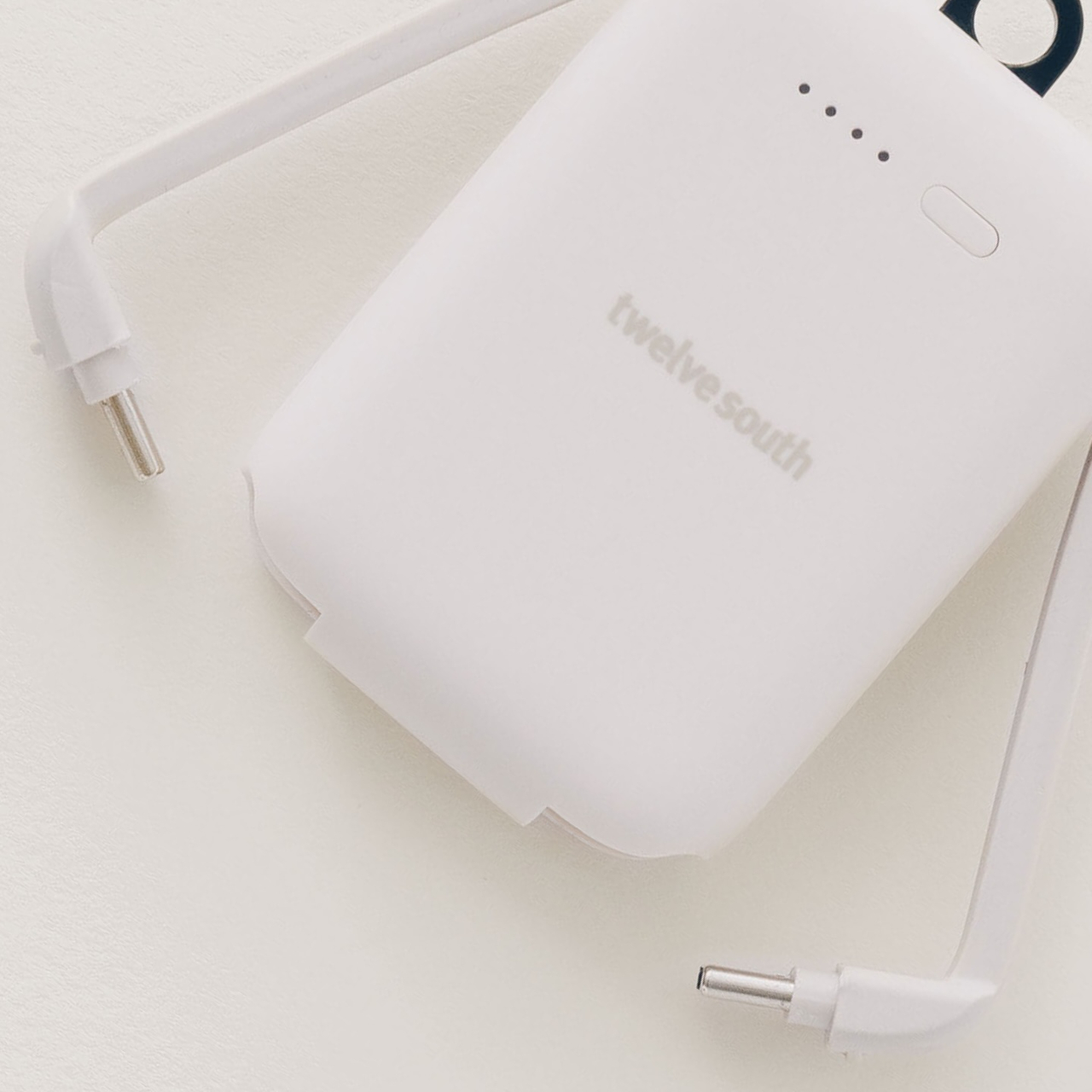
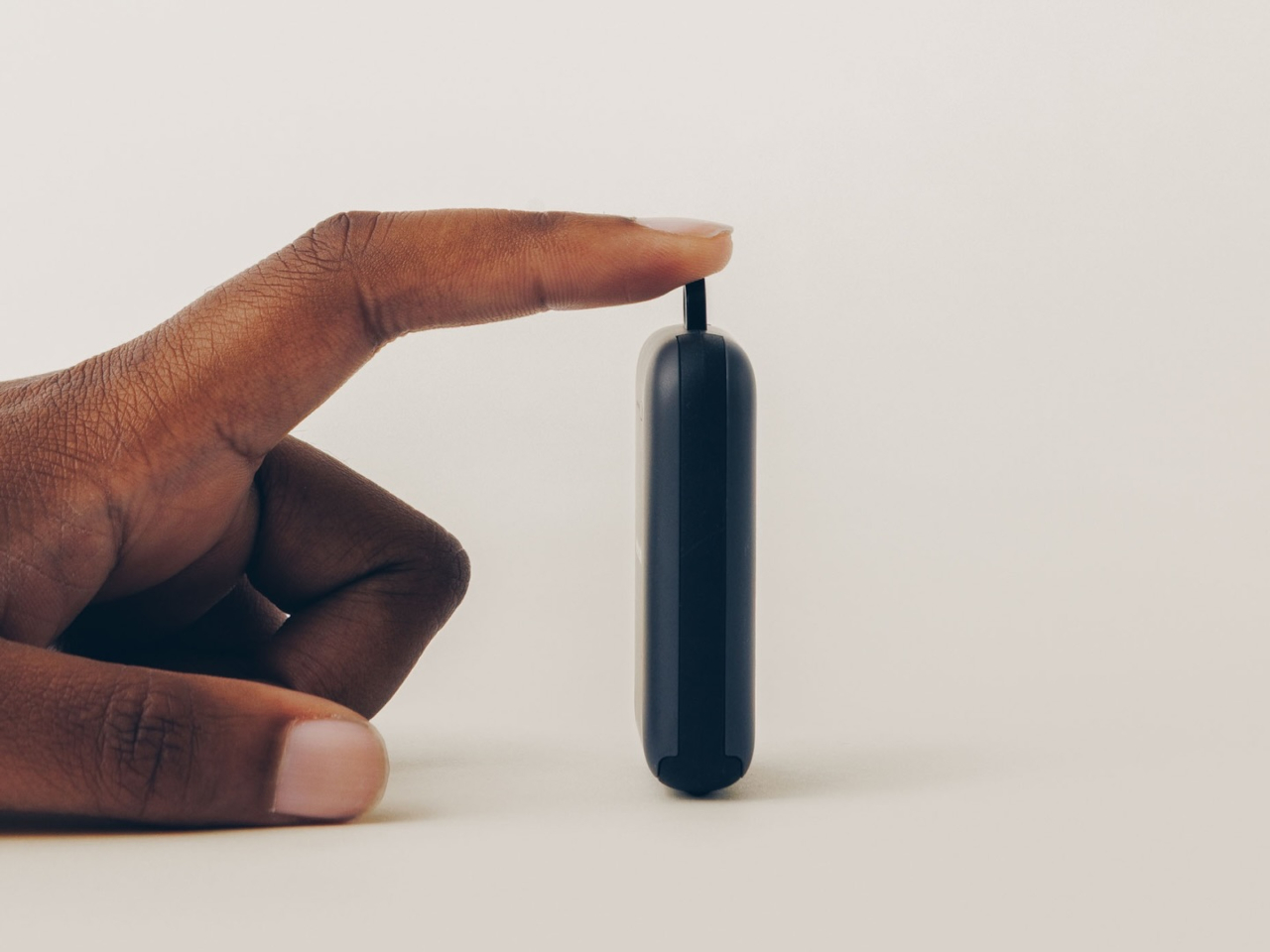
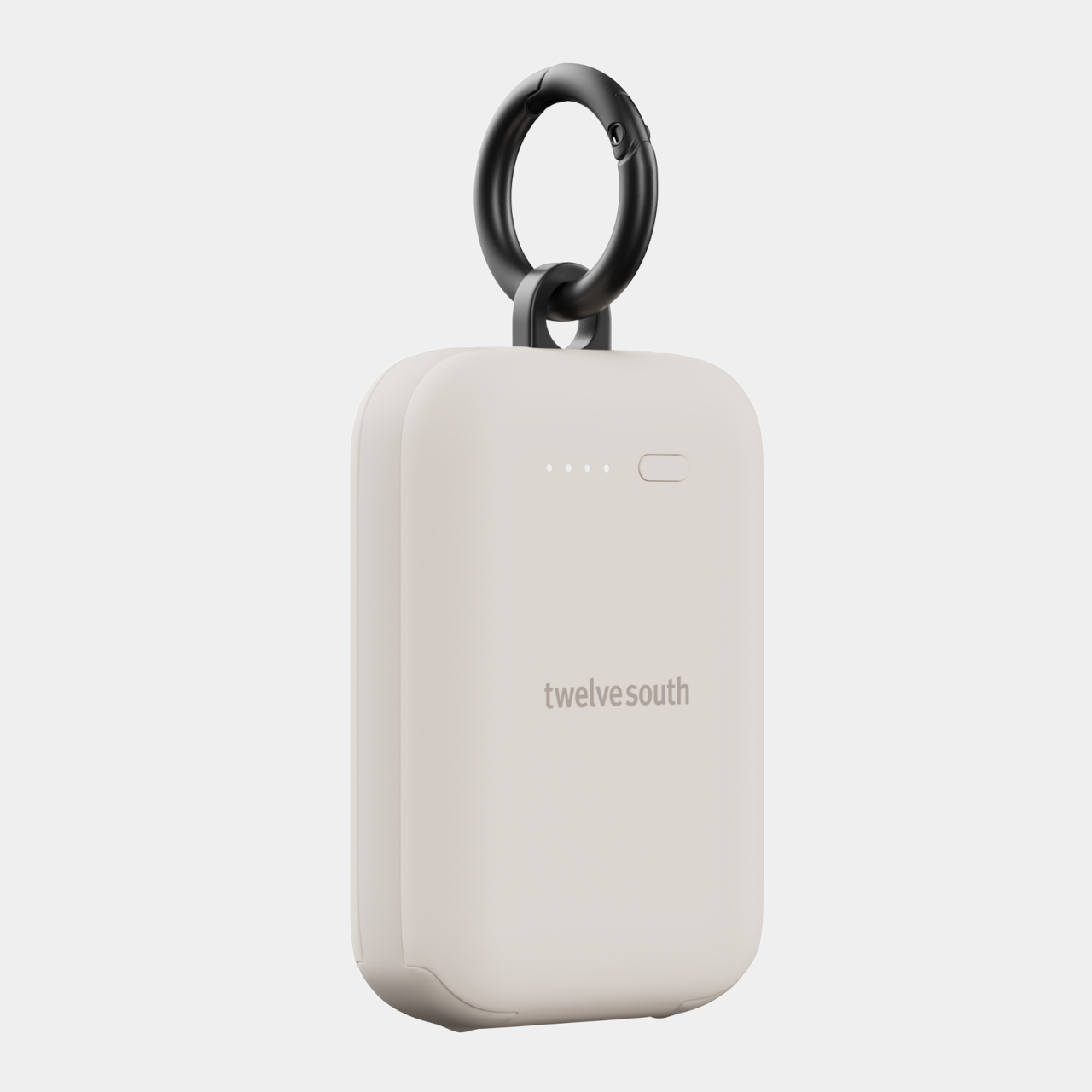
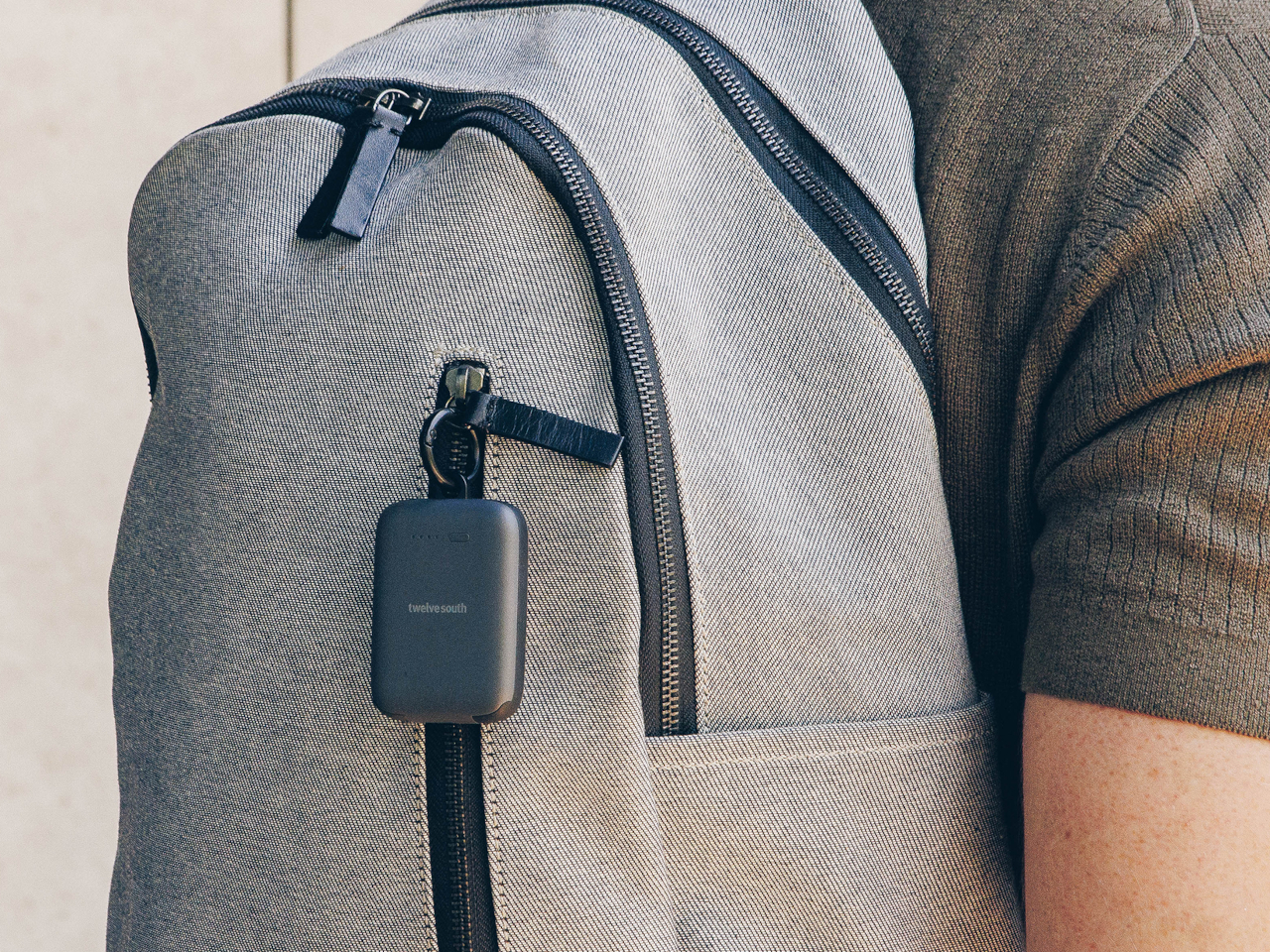
At 45g and roughly the footprint of a dental floss container, the PowerClip is designed to live on a keychain, a bag strap, or a belt loop via a zinc-alloy carabiner. It disappears into daily carry so completely that Twelve South’s own marketing describes the intended experience as: you stop thinking about it entirely, until the moment it saves you. That’s an unusually honest design brief for a consumer product.
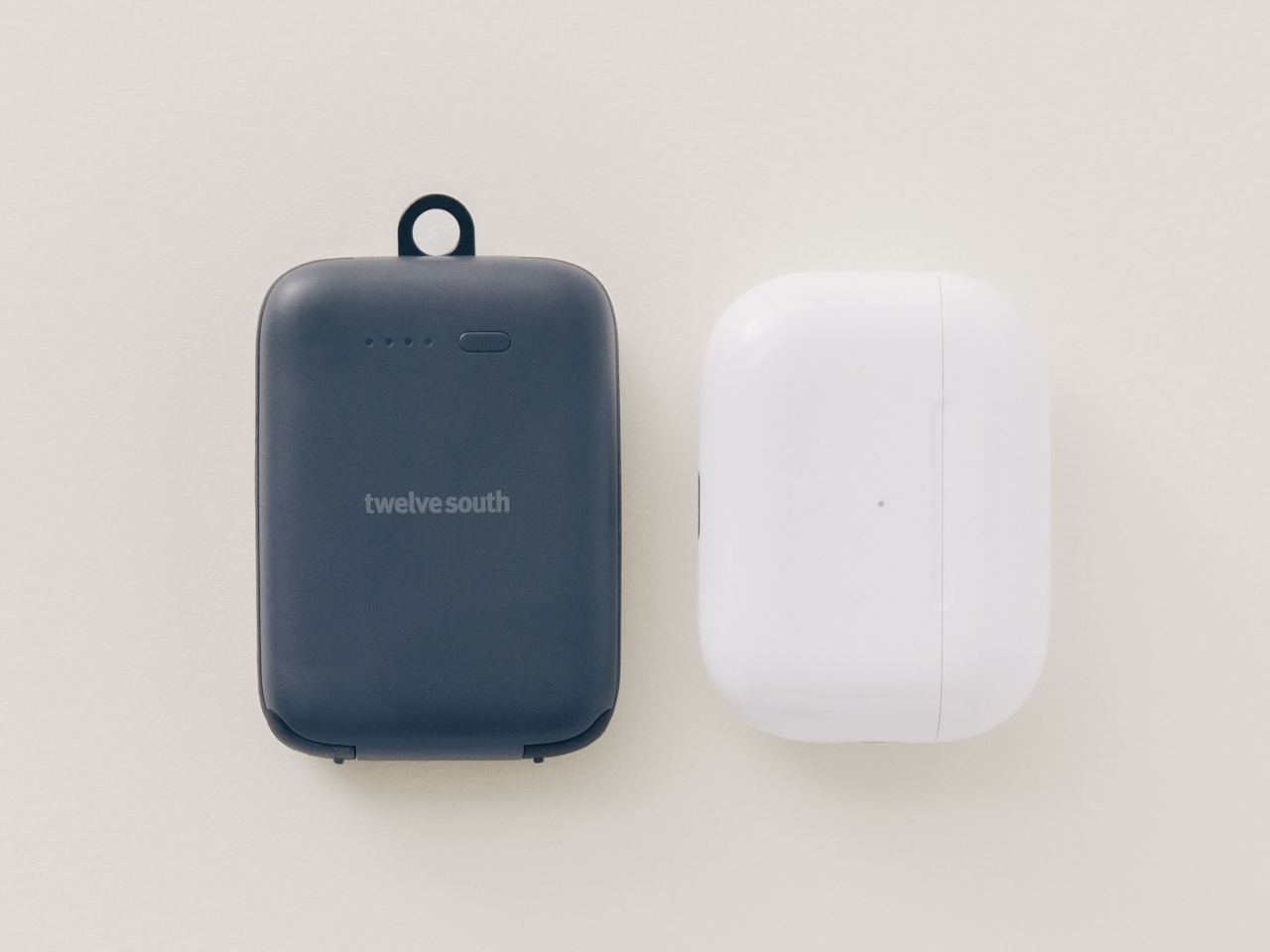
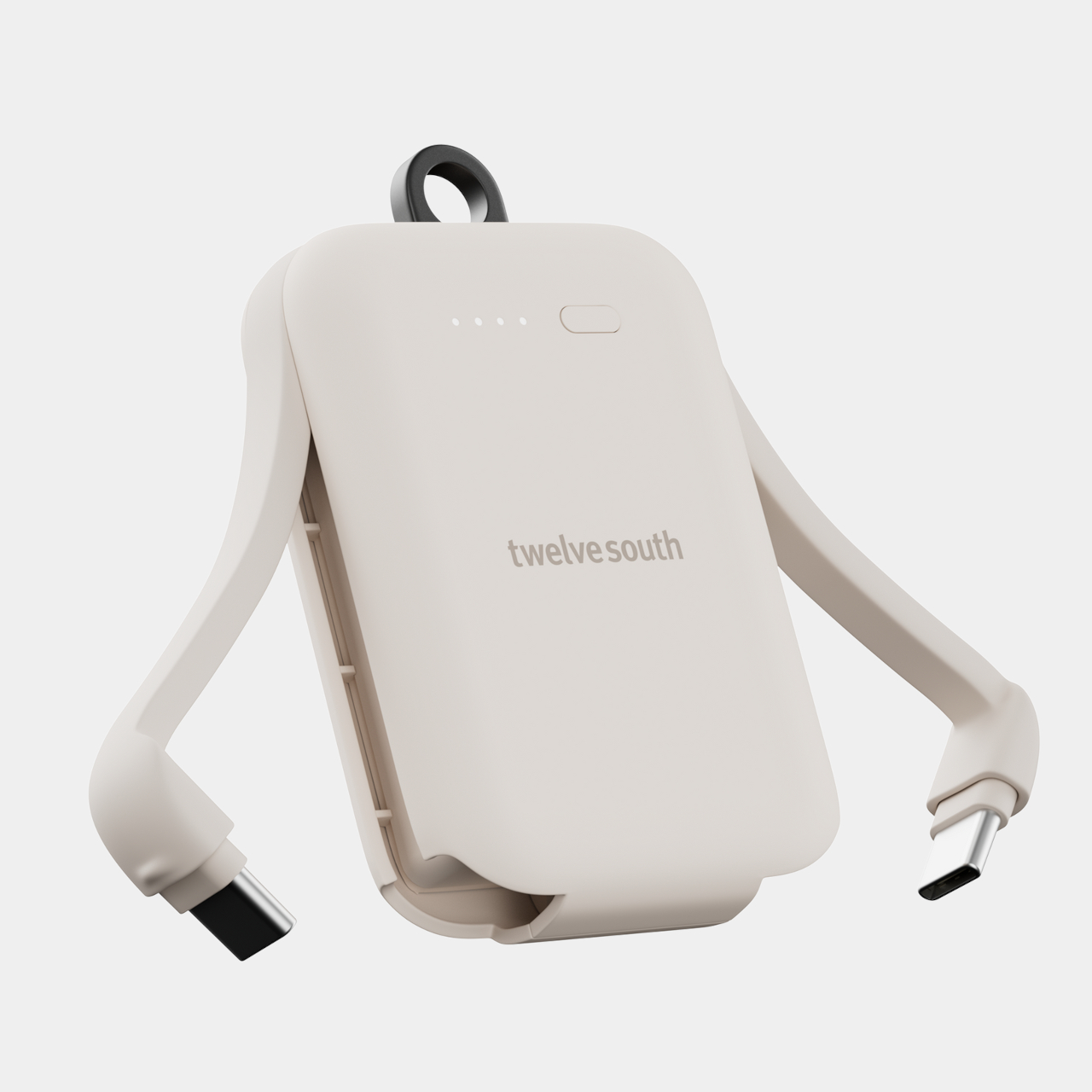
The integration extends to the cables. There’s no cord to pack or lose, because the USB-C cable is built directly into the unit. One side handles both input and output; a second port allows pass-through charging, so you can top up the PowerClip and a device simultaneously without interrupting either. The four LED indicators tell you the battery level at a glance. None of this requires setup, configuration, or carrying a separate adapter.
The 2,000mAh capacity is modest by the spec sheets of larger power banks, and deliberately so. The PowerClip isn’t trying to be a replacement for the bigger unit sitting in your desk drawer; it’s an emergency charge that gets your phone from 1% to enough to get home, make a call, or pull up a boarding pass. That scope defines the form rather than limiting it. Giving it more capacity would make it heavier, bulkier, and harder to justify clipping onto a set of keys.
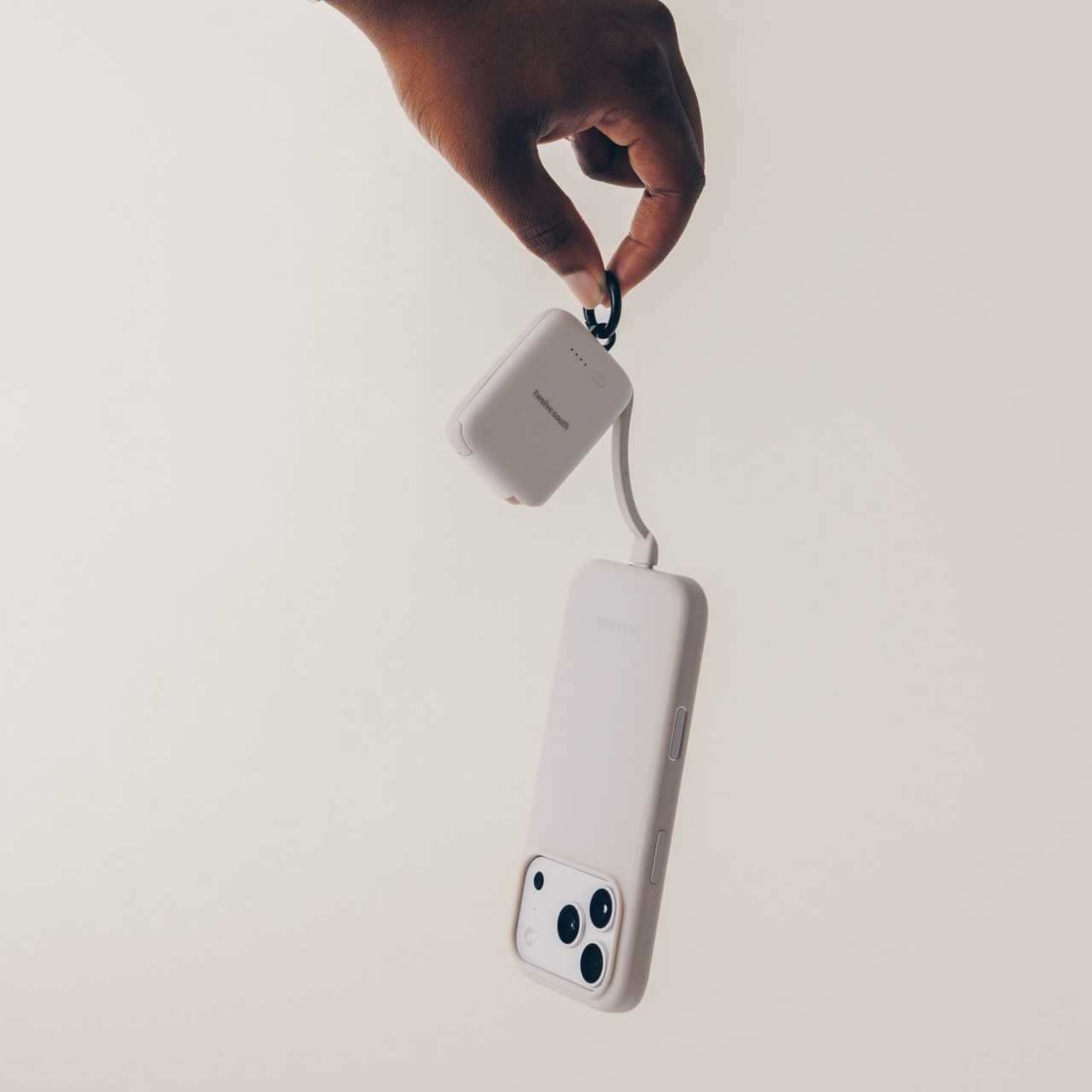
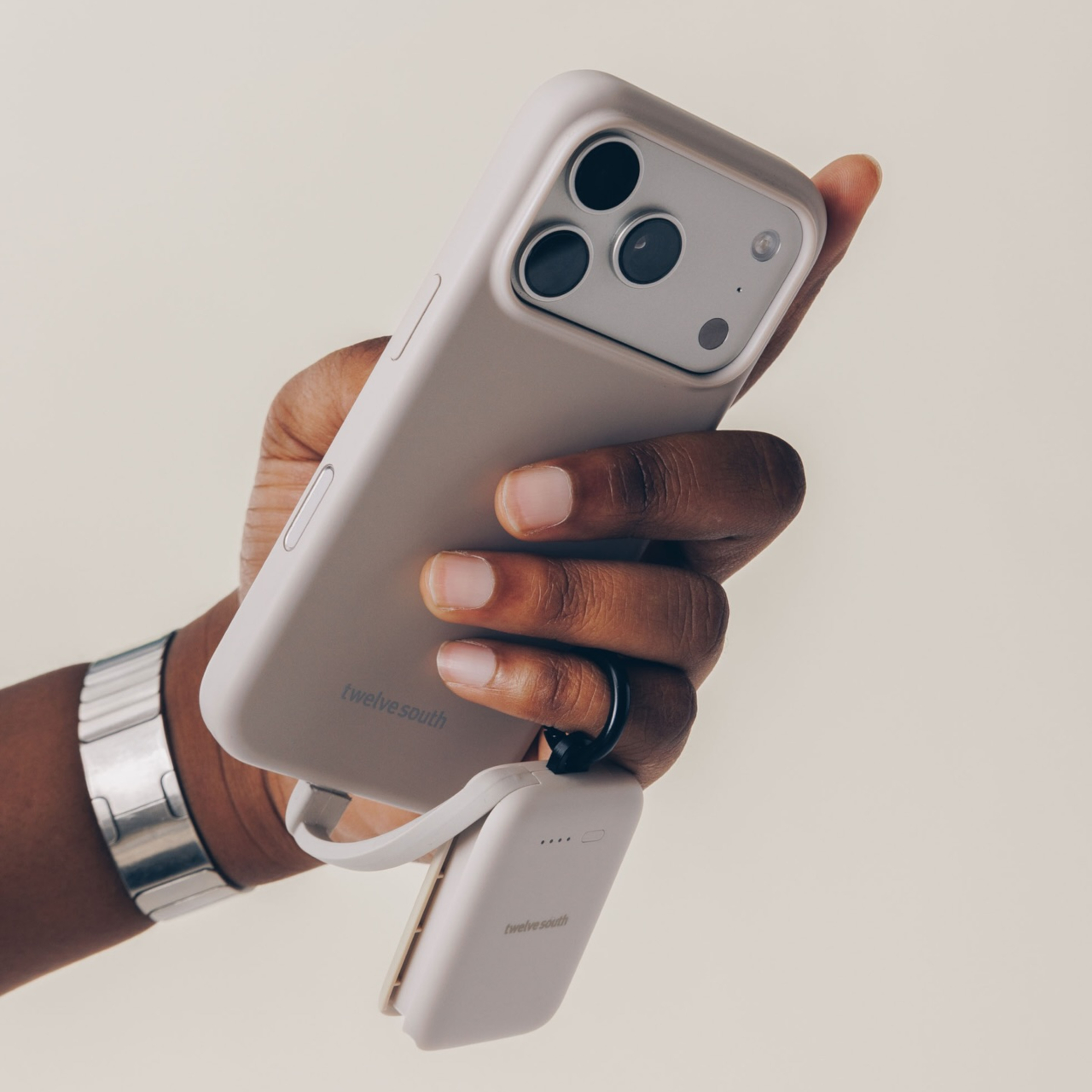
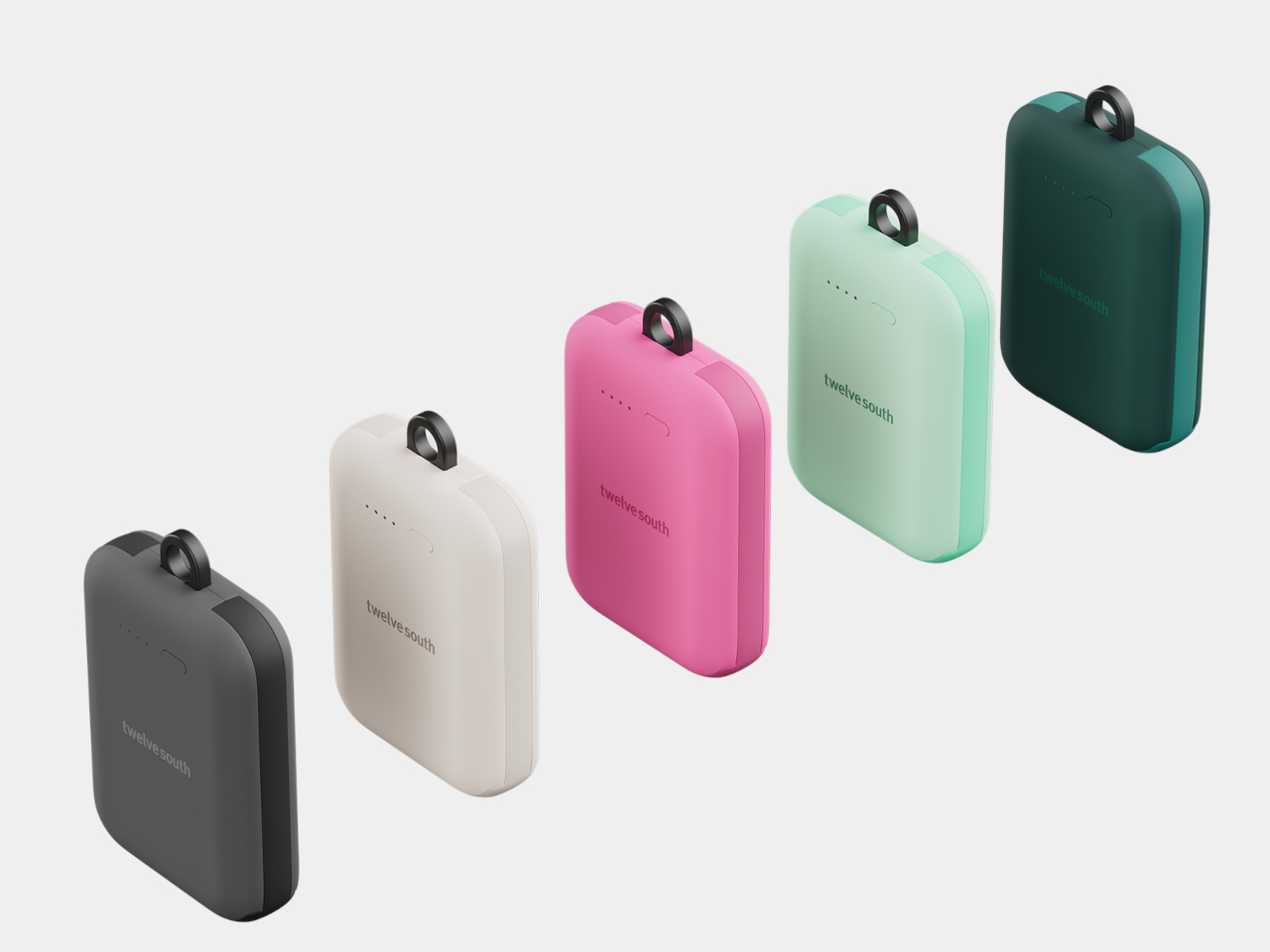
Five matte finishes, including Dune, Slate, Mint, Fuchsia, and Teal, let it function as an accessory rather than a utility. A limited-edition collaboration with Alpaka even produced a coordinated Micro Tote for carrying the PowerClip alongside small everyday essentials, treating the power bank as something worth designing around rather than stashing.
The PowerClip costs $39.99, which sits above the baseline for cheap power banks but below the premium tier of larger, feature-loaded alternatives. That positioning reflects the product’s design logic: it occupies a category that most manufacturers haven’t prioritized, not highest capacity or fastest charging, but highest likelihood of actually being with you when the battery dies. The specific insight here is that a power bank nobody carries isn’t worth much, and that solving the carry problem is a more interesting design challenge than chasing another thousand milliamp-hours.
The post The Power Bank You’ll Actually Have When Your Phone Hits 1 Percent first appeared on Yanko Design.

Apple is preparing to unveil the iPhone Air 2, a device poised to address the shortcomings of its predecessor while pushing the boundaries of ultra-thin smartphone design. By introducing a second rear camera and a larger battery, Apple aims to enhance both functionality and user satisfaction. However, these upgrades bring unique challenges, particularly in maintaining […]
The post Why the iPhone Air 2 May Get a Second Camera appeared first on Geeky Gadgets.
Blind box collecting has always run on a specific tension: you hand over money, you get a sealed package, and you don’t know what’s inside until it’s open. The appeal isn’t just the object, it’s the ritual, the anticipation, and the drive to complete the full set. That formula has worked for figures, keychains, and accessories for years. The Drakong PixelByte applies it to a gamepad.
The PixelByte Controller is a keychain-sized Bluetooth gamepad from Drakong, a gaming hardware brand under the Hyperkin umbrella. Each unit comes sealed in a blind box with no external indication of which character design is inside. Alongside the controller, every box includes a matching Chibi character charm and a collectible card. The first series is fully licensed around Attack on Titan, covering seven distinct designs across the lineup.
Designer: Drakong by Hyperkin


Those seven designs include Eren, Mikasa, Levi, Hange, Sasha, and Titan, plus an ultra-rare variant that appears in only one of every 30 boxes. Standard designs arrive at 1:6 odds per box, and a full case of six comes with no repeats across the common lineup. The ultra-rare replaces the common counterpart in those boxes, which means completing the set involves genuine unpredictability even when buying in bulk.

The controller works across iOS, Android, PC, Nintendo Switch 1 and 2, Mac, Steam, Linux, and Raspberry Pi via Bluetooth. Three switchable modes let it function as a gaming controller, a hybrid mouse-keyboard for productivity tasks like advancing slides or triggering PC hot keys, or simply as a fidget device between sessions. The D-pad can be remapped to replicate a thumbstick, and Turbo Mode is built in for rapid-fire inputs.
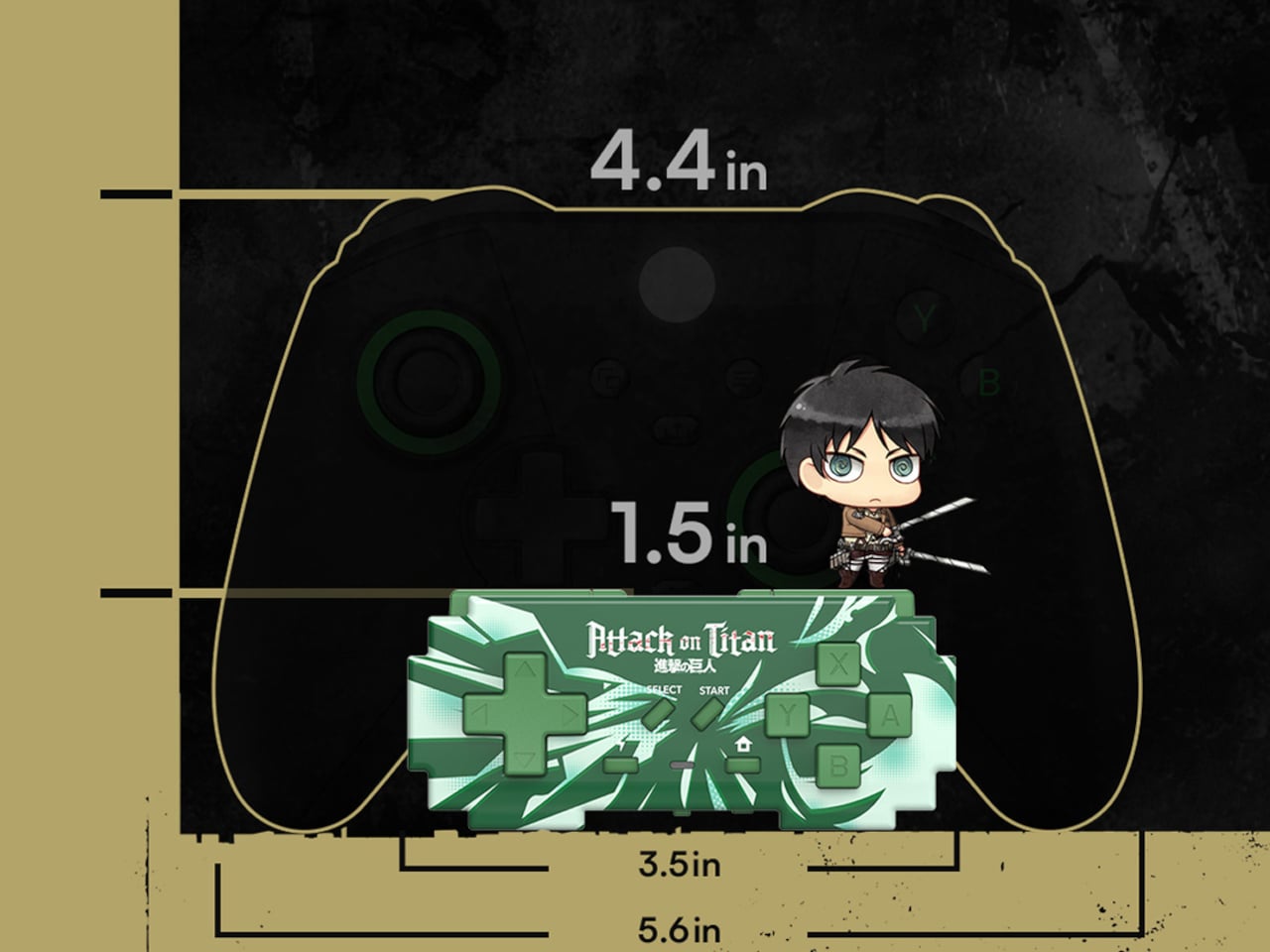
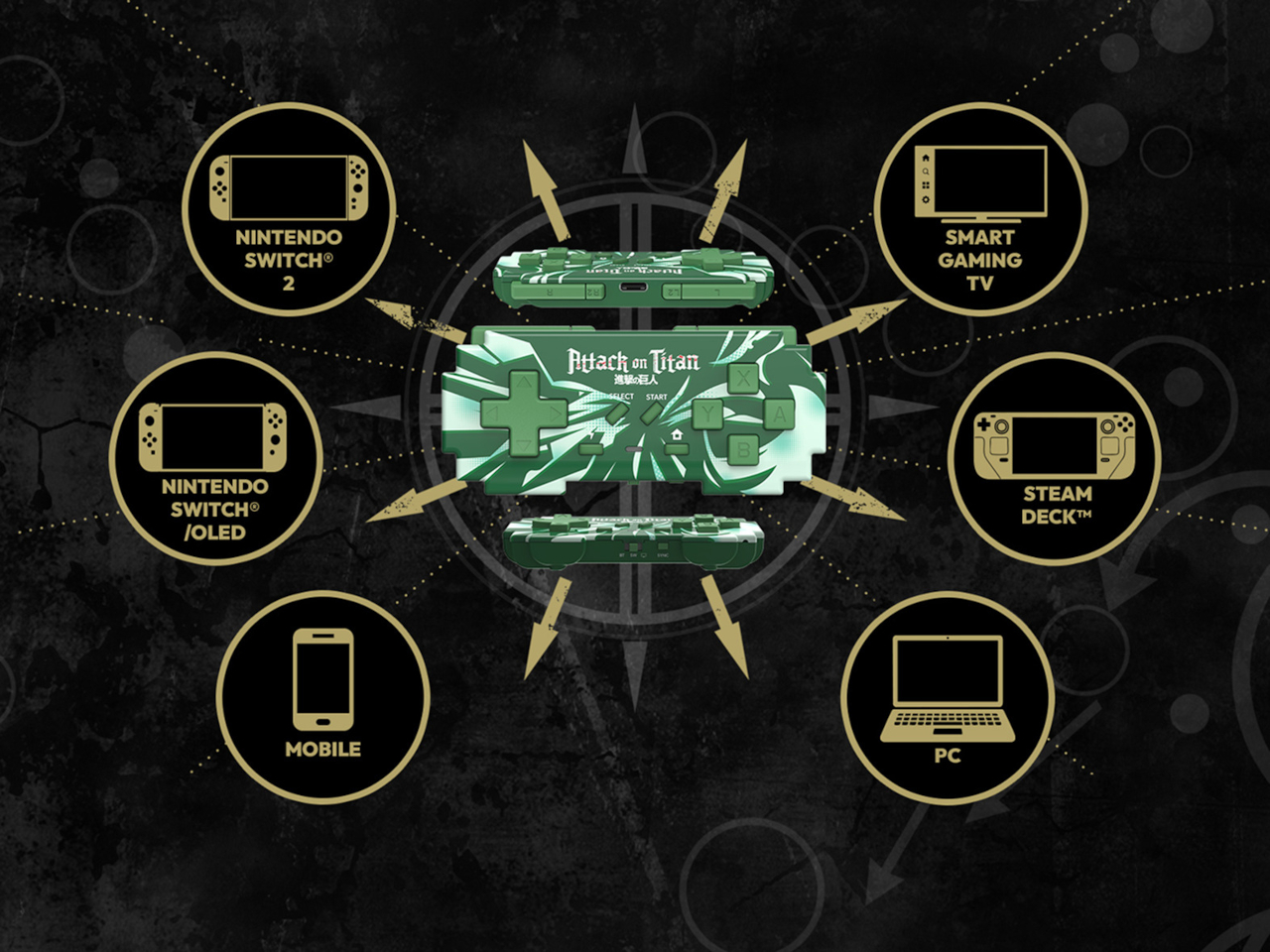
Battery life runs to approximately 12 hours per charge via USB-C. The integrated keychain loop clips onto bags, belt loops, console cases, or a set of keys, making it as carry-friendly as it is functional. The Chibi charm included in every box extends the collecting experience beyond the controller itself, giving fans two separate pieces to display alongside or separately from the hardware.
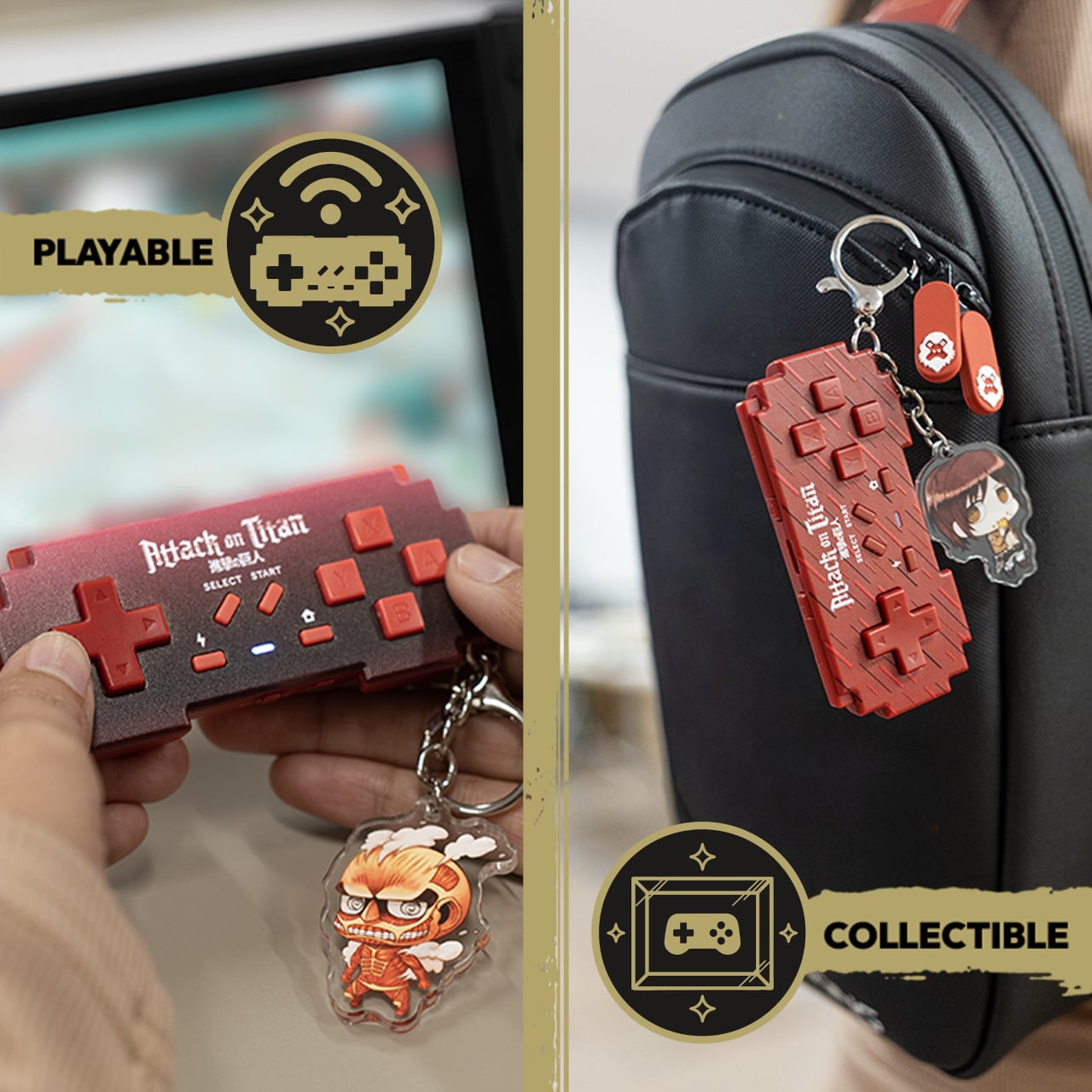
Drakong has confirmed additional series beyond Attack on Titan, spanning anime, games, and TV shows, without revealing which licenses come next. That open-ended roadmap is as central to the product’s long-term appeal as any single series. The blind box format was designed for repeat buying, and each new theme brings fresh character designs, new pull odds, and a fresh reason to try your luck again.
The Attack on Titan PixelByte Controller is priced at $24.99, or €24.99 and £19.99, and is available for pre-order through Drakong’s website, the Hyperkin store, and Amazon. That price point sits well within impulse-buy territory, which is almost certainly the point. For a collectible that clips to your bag and plays your games, the only downside is not knowing which character you’re taking home.

The post This Attack on Titan Blind Box Has a $25 Gamepad You Won’t See Coming first appeared on Yanko Design.

Docker Sandboxes offer a practical solution for running AI agents securely by creating isolated environments that prevent unauthorized access and unintended system changes. As highlighted by Sam Witteveen, these sandboxes use features like microVMs and customizable policies to ensure that AI agents operate within strict boundaries, safeguarding the host system. For instance, developers can use […]
The post Docker Sandboxes Isolate AI Agents from Your Host System appeared first on Geeky Gadgets.

Apple’s highly anticipated 20th-anniversary iPhone, envisioned as a new leap in smartphone design, has reportedly encountered significant obstacles. Often referred to as the “all-glass iPhone,” this device was expected to redefine Apple’s design philosophy and technological prowess. However, recent reports suggest that the project has either been shelved indefinitely or delayed due to substantial production […]
The post Report: Apple May Have Just Killed Its Ambitious iPhone 20 Design appeared first on Geeky Gadgets.