5 Climate-Proof Home Upgrades That Turned Homes Into Survival Shelters

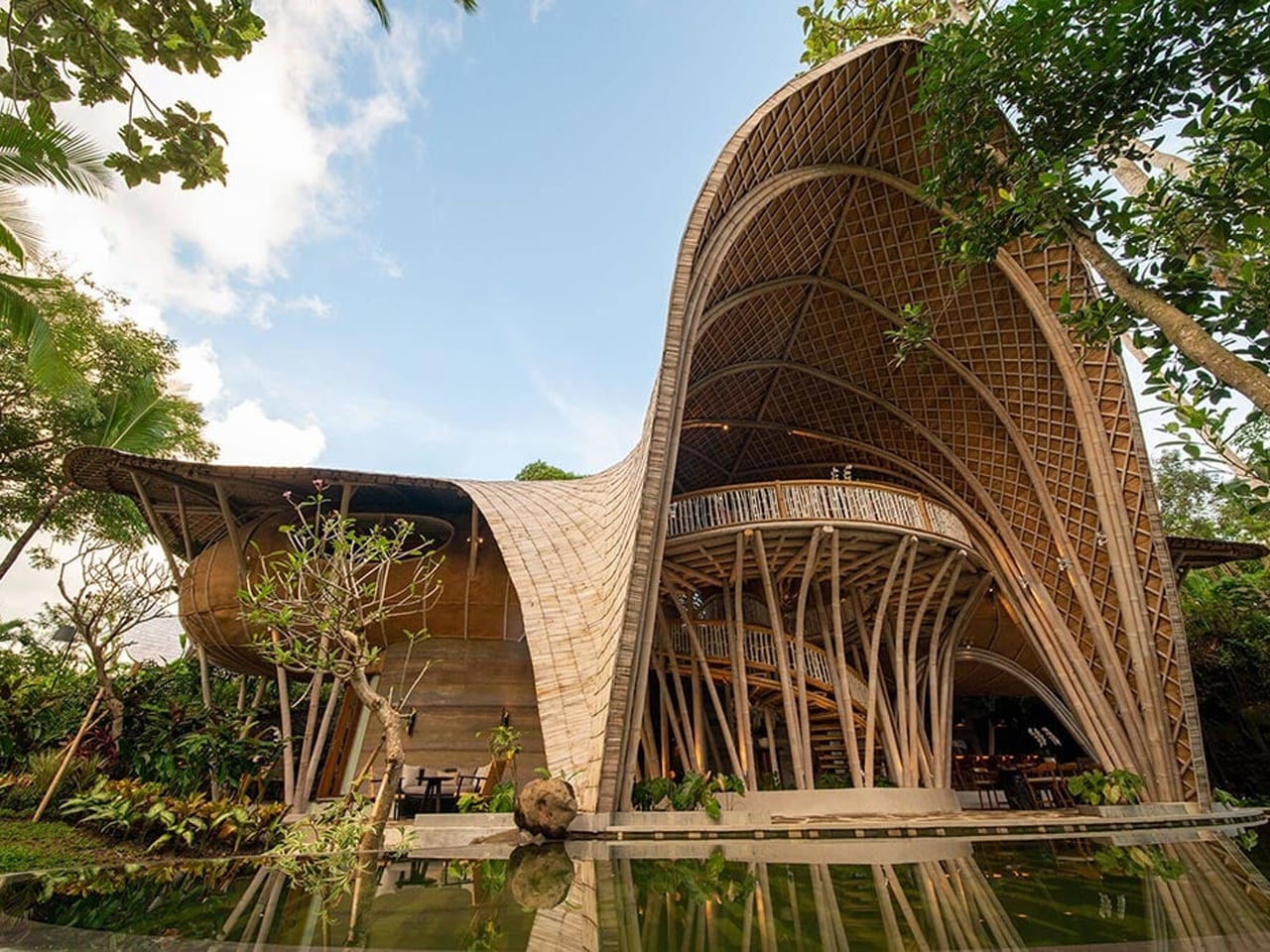
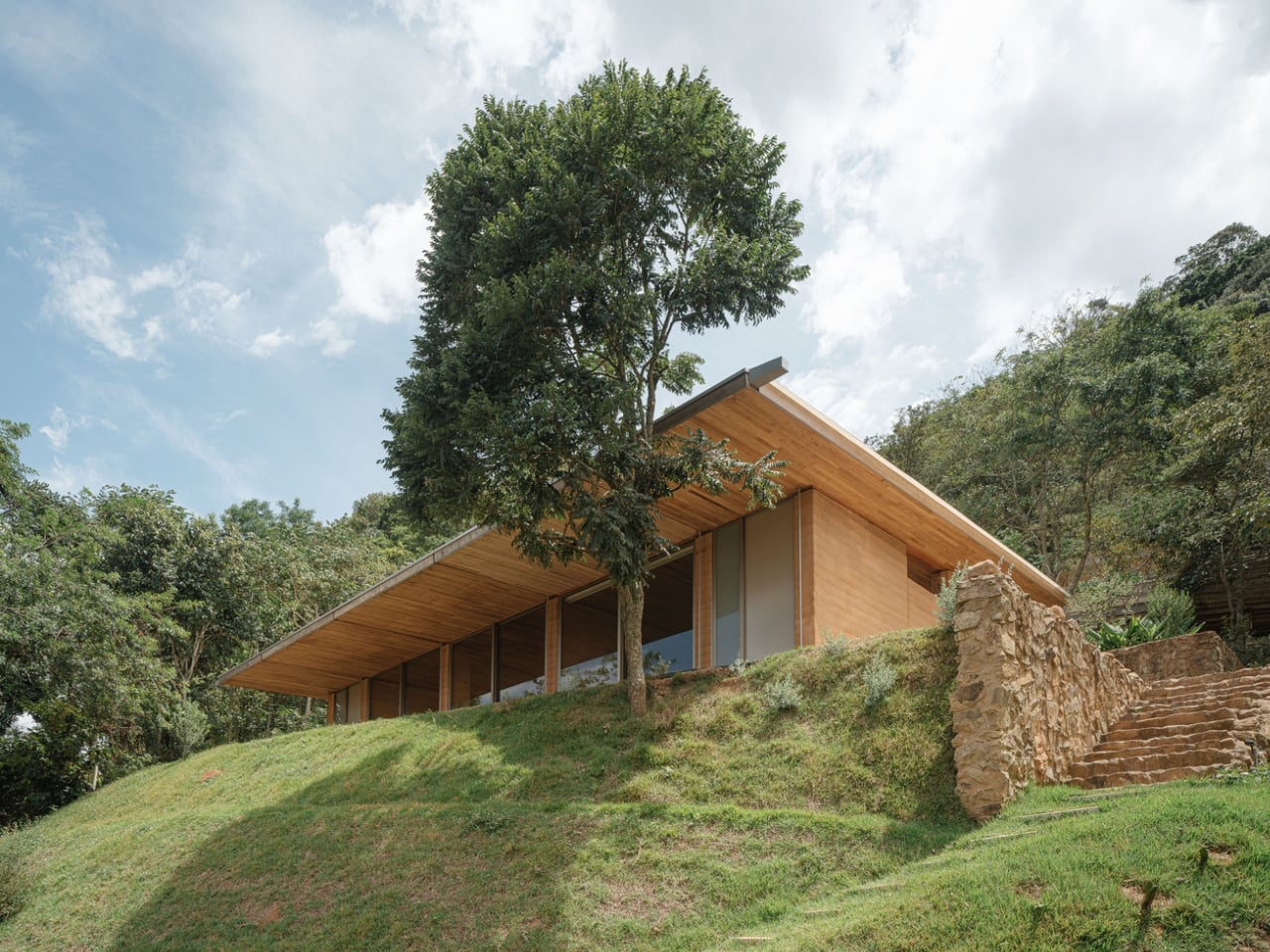
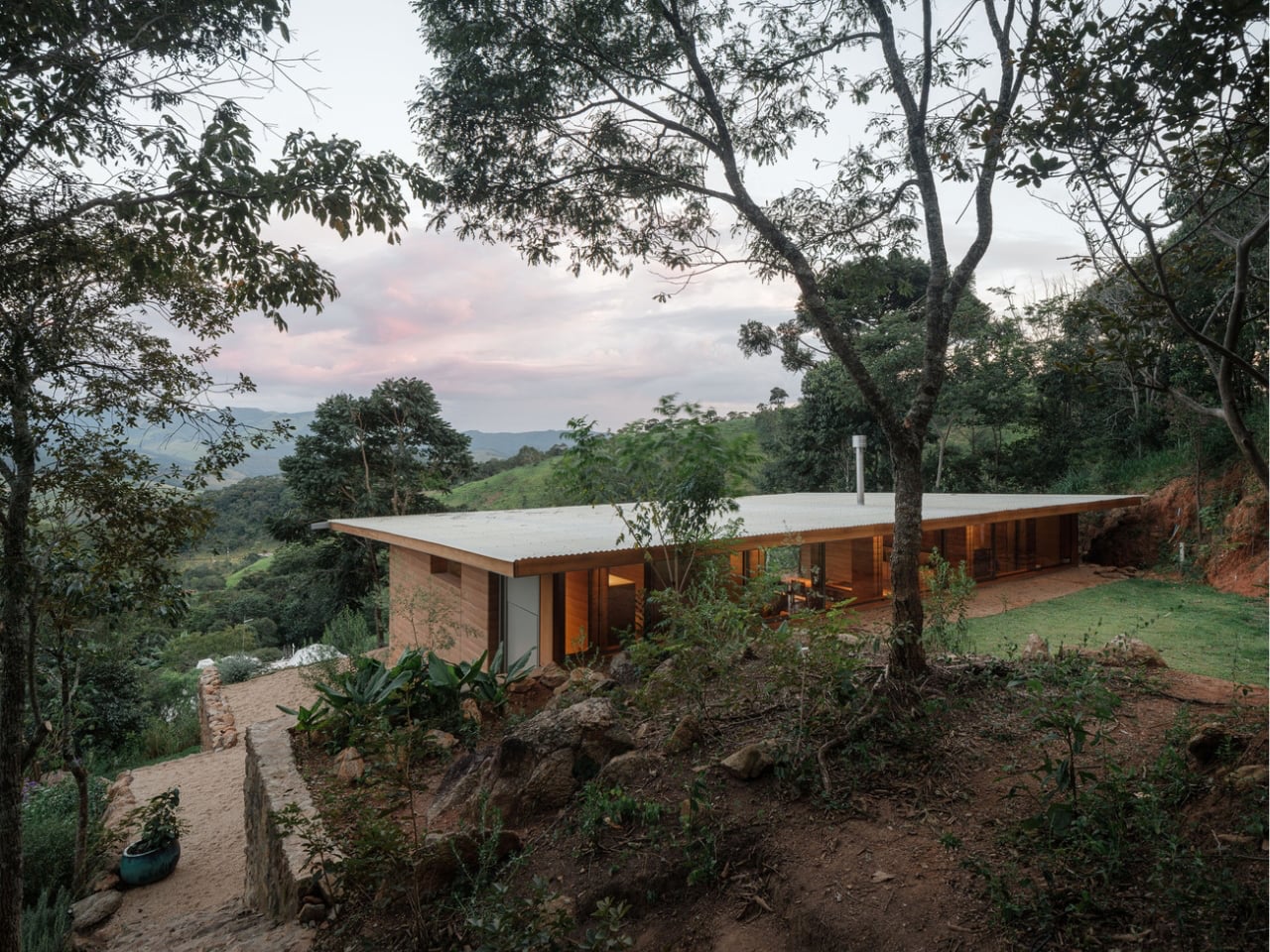
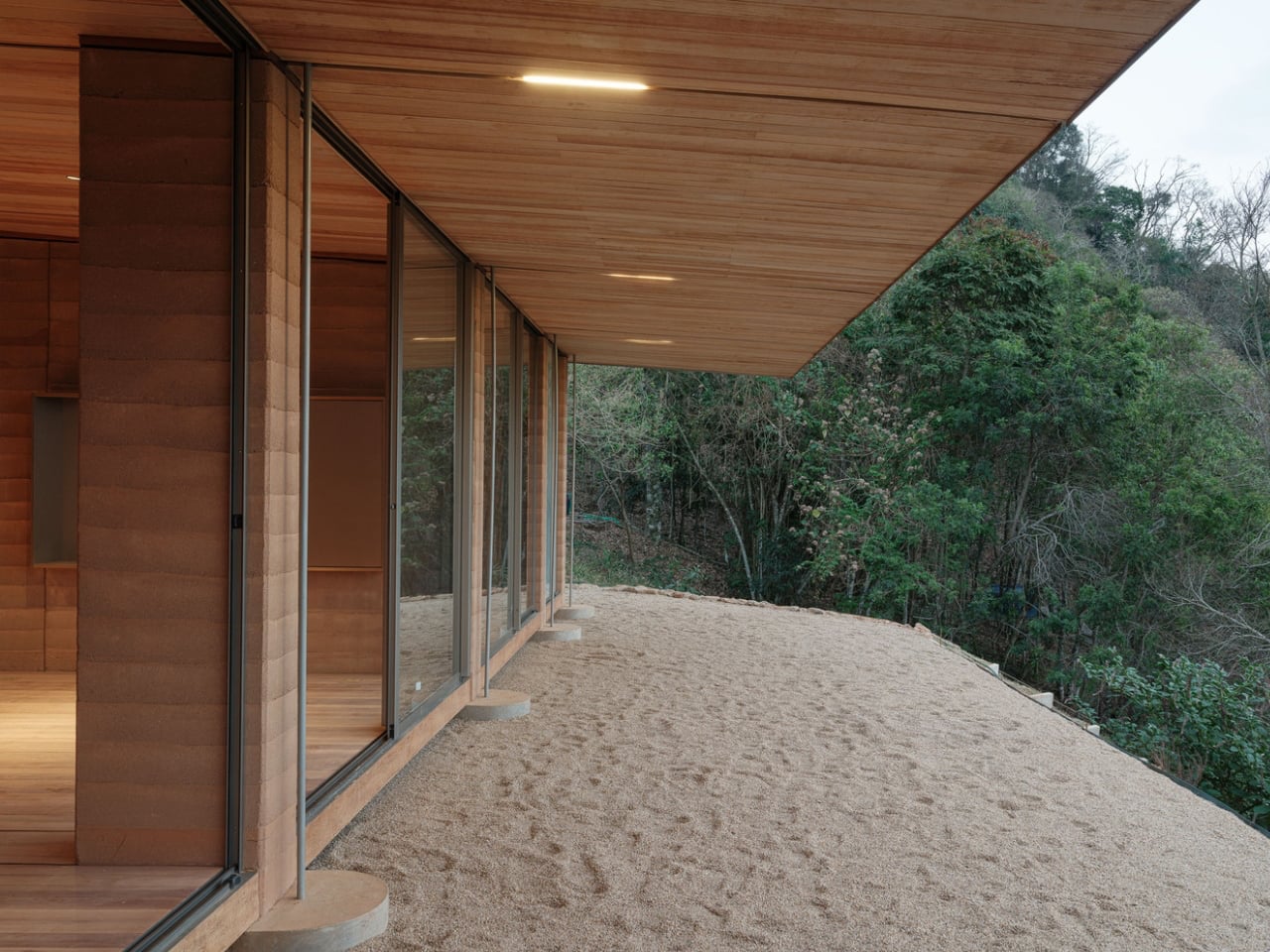
The climate crisis has shifted from distant concern to an urgent force redefining how you think about shelter. In this new reality, luxury aligns with resilience, autonomy, and intelligent material choices. Every element of design becomes a strategic response to a world where landscapes and weather patterns are increasingly unstable.

This analysis transcends conventional sustainability to explore proactive, life-supporting product design. Let’s understand what transforms a home into a regenerative ecosystem, one that protects, adapts, and restores. Together, they shape a biophilic refuge that safeguards long-term value, enhances thermal performance, and offers enduring stability amid global unpredictability.

1. Closed-loop Water Management Systems

Unpredictable rainfall patterns now demand a complete shift in how you manage water at home. In a future of scarcity, water can no longer be treated as a passive utility but as a carefully governed resource. Resilient living begins with systems that elevate conservation from habit to infrastructure.

Integrated rainwater harvesting and advanced greywater recycling units represent this evolution. These high-capacity, closed-loop technologies deliver strong returns by reducing dependence on strained municipal supplies and protecting against shortages. They sustain the landscape, stabilize daily use, and offer long-term security. Across leading practices, water autonomy is increasingly viewed as the strongest safeguard against climate volatility.

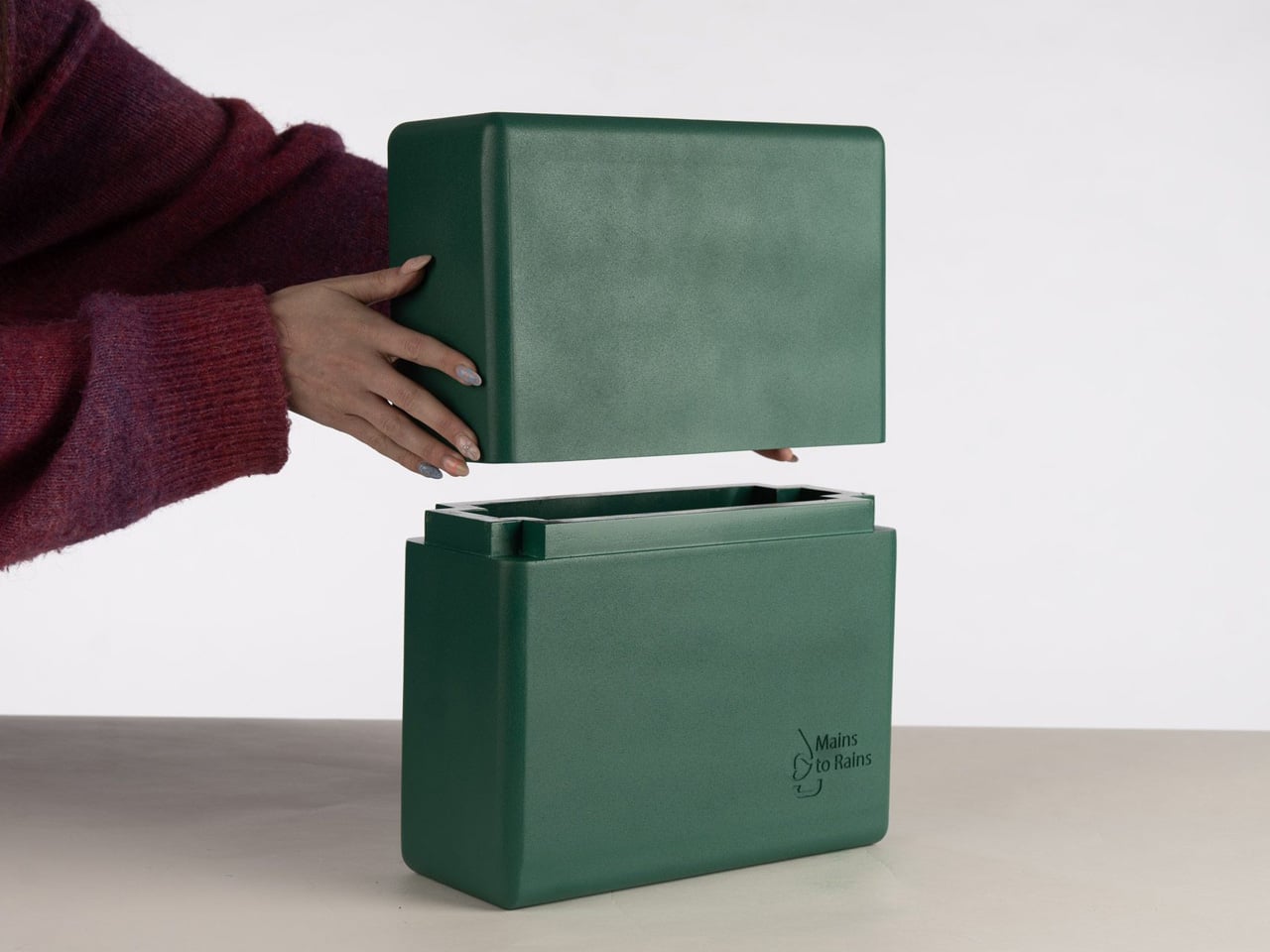
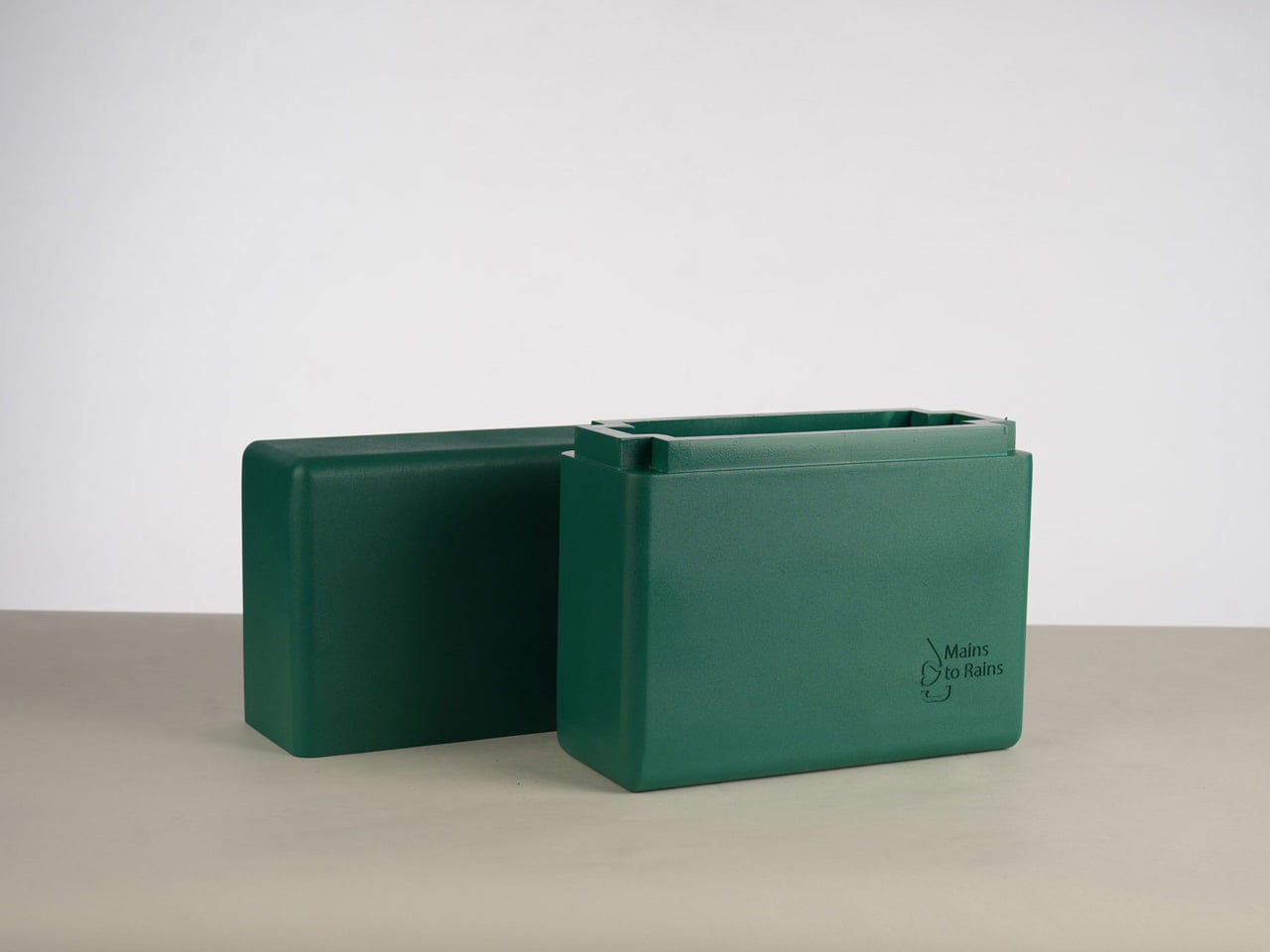
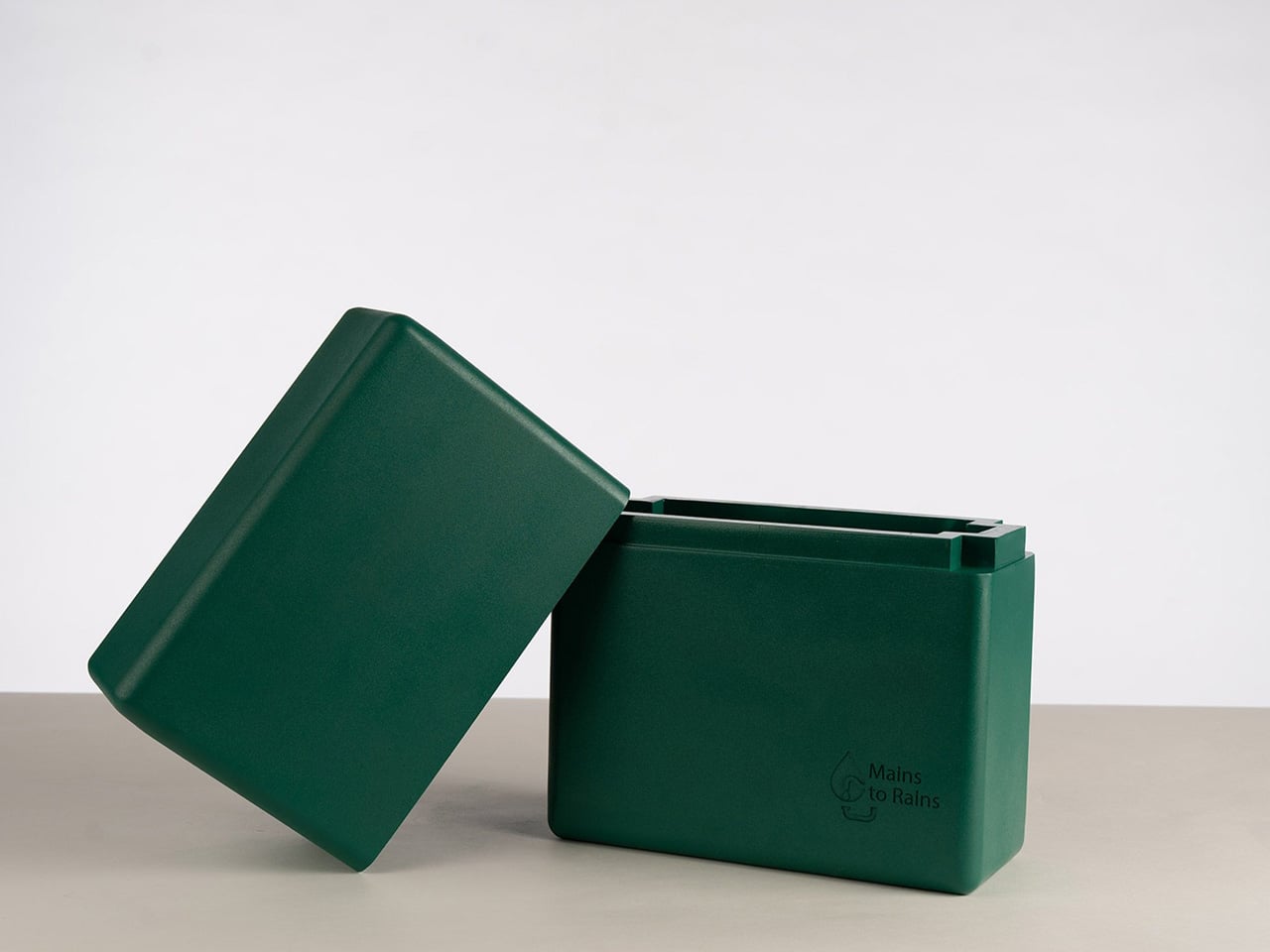
The Mains to Rains system is a smart, retrofit rainwater-harvesting kit designed to attach directly to your existing guttering without any structural changes. Instead of requiring contractors, permits, or expensive installations, the product simply clips onto standard drainpipes and immediately redirects rainwater into storage containers. Its plug-and-use design makes it accessible for any homeowner looking to manage water more efficiently, especially as bills rise and rainfall becomes increasingly unpredictable. The system works during heavy downpours to capture excess water that would normally overload storm drains, and it provides a reliable supply for everyday outdoor use during dry spells.

What sets Mains to Rains apart is its practicality and performance. The stored rainwater is naturally soft and chemical-free, making it ideal for plants and gardens. When used across multiple homes, the product helps ease pressure on municipal drainage and water systems while reducing household utility costs. It’s a simple, effective upgrade that turns every rainfall into a valuable resource.

2. Hybrid, Decentralised Energy Generation

A future-ready home must evolve from passive energy use to active energy production. Depending solely on a central grid has become a clear risk as extreme weather intensifies, making self-generated power an essential layer of protection and continuity for everyday living.

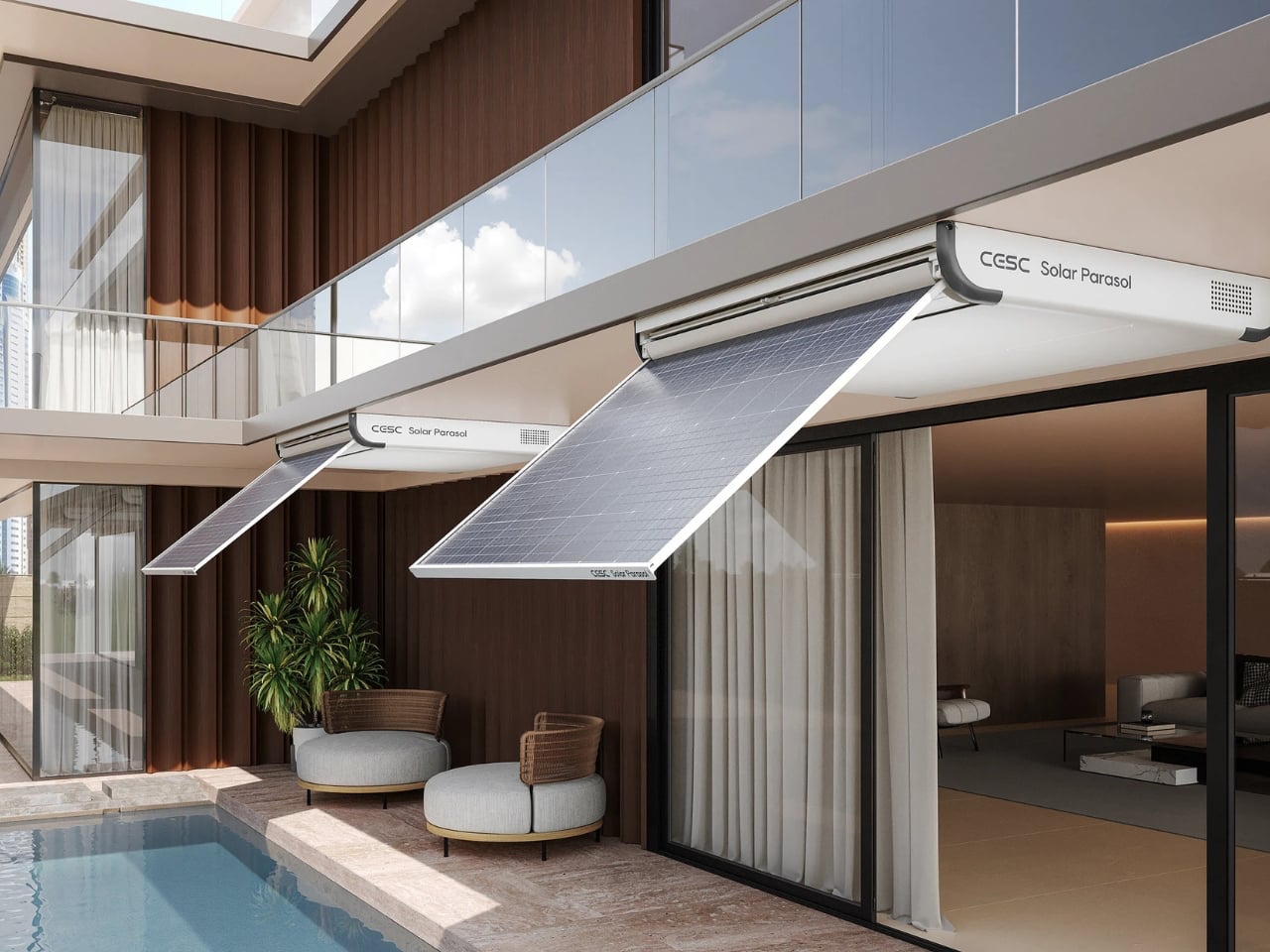
Building-integrated photovoltaics and modular battery storage deliver this shift with refined solar surfaces that double as architectural materials. Paired with high-density batteries capable of islanding the property, they create true energy independence. This dual-function approach maximizes material efficiency while ensuring critical systems like HVAC and communication remain operational during outages, protecting comfort, stability, and the long-term performance of the home.

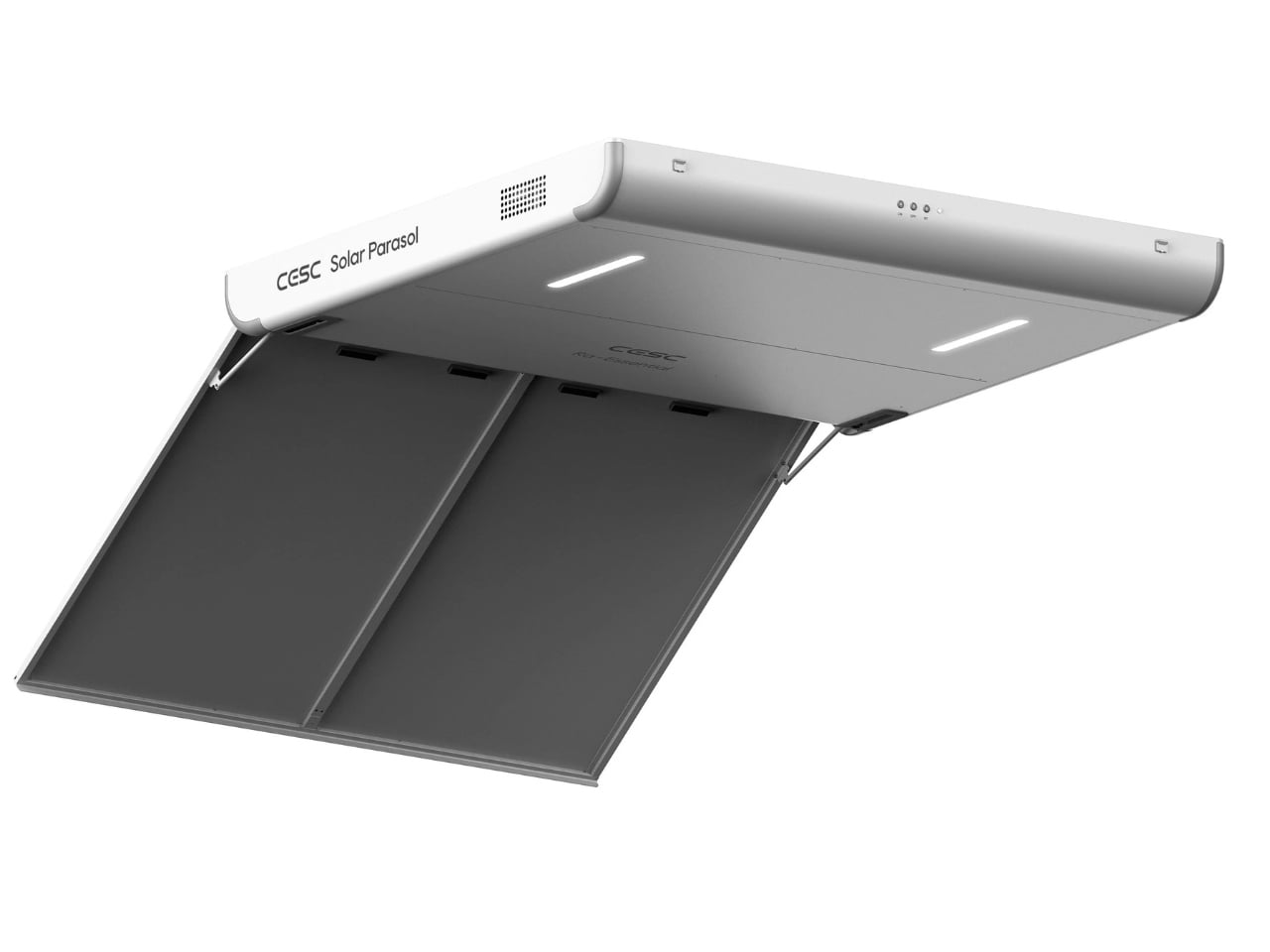
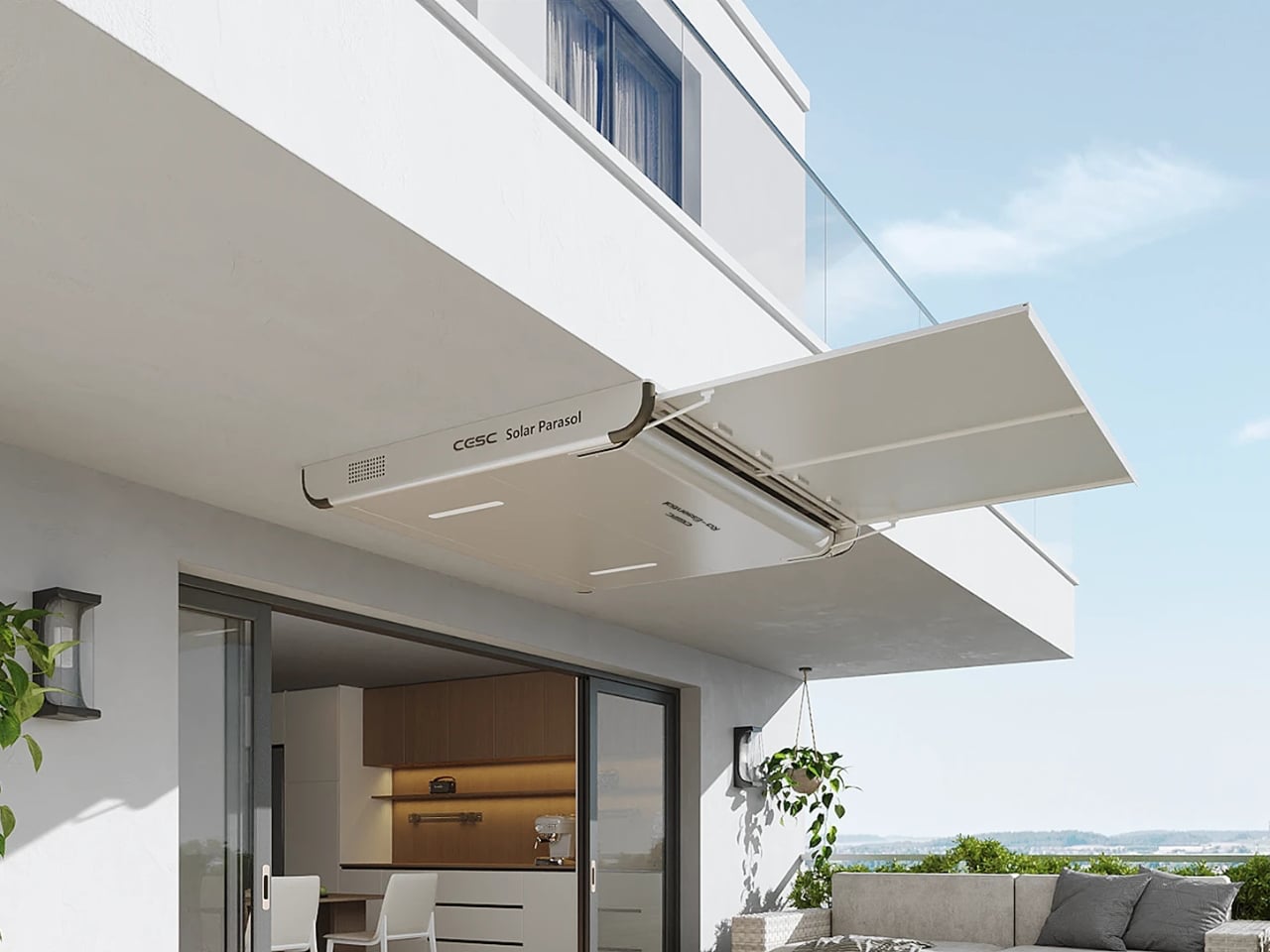
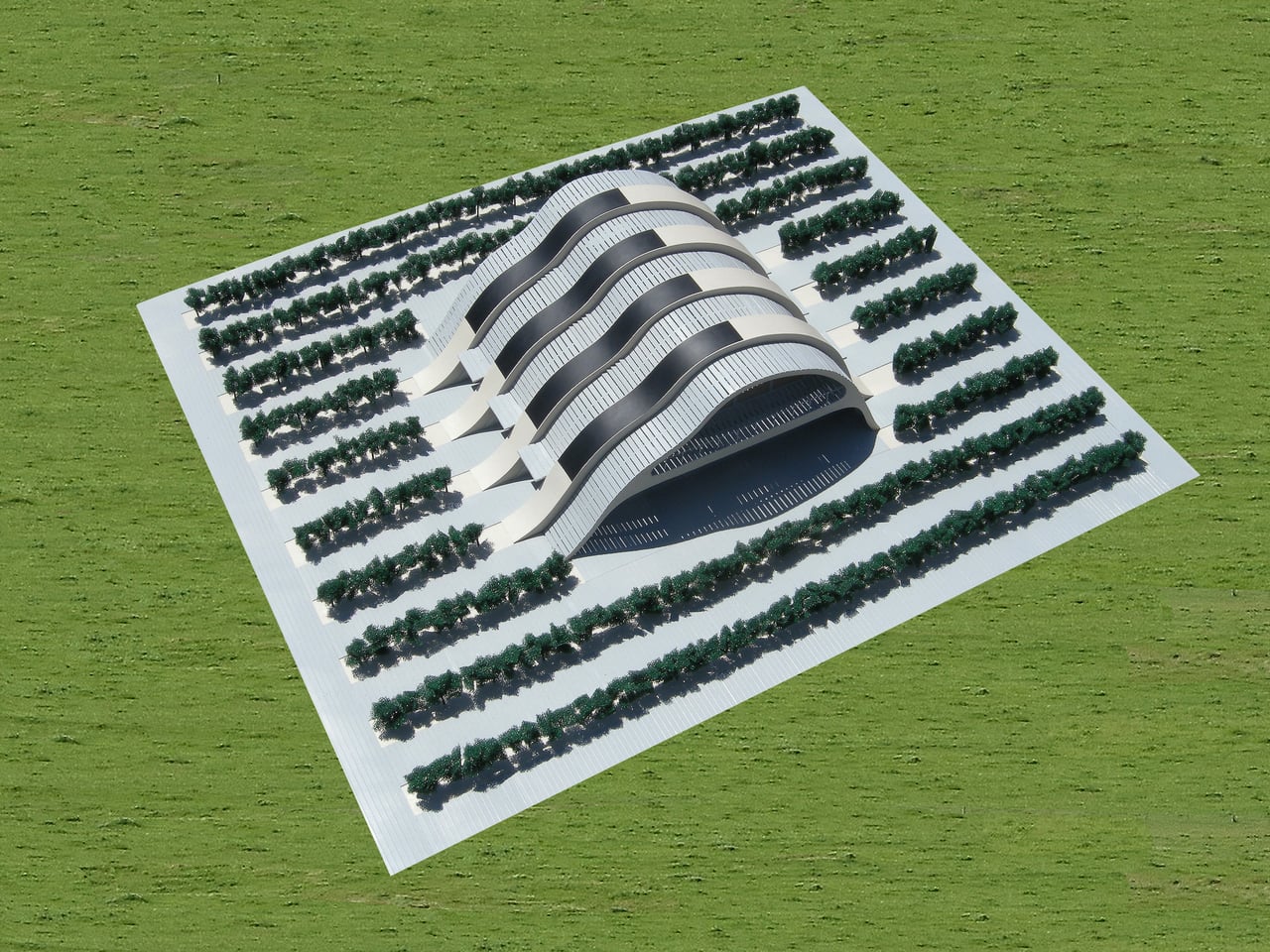
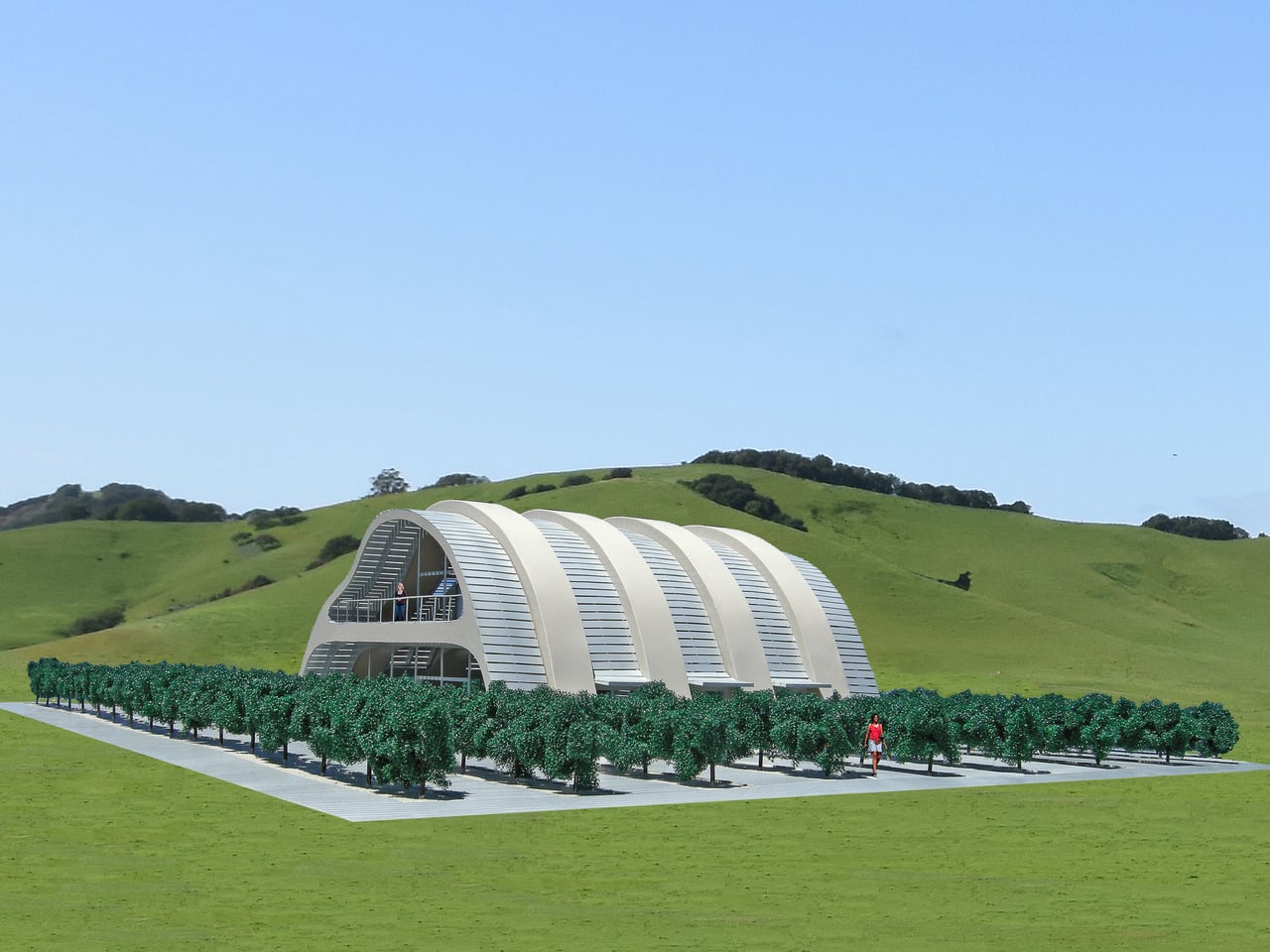
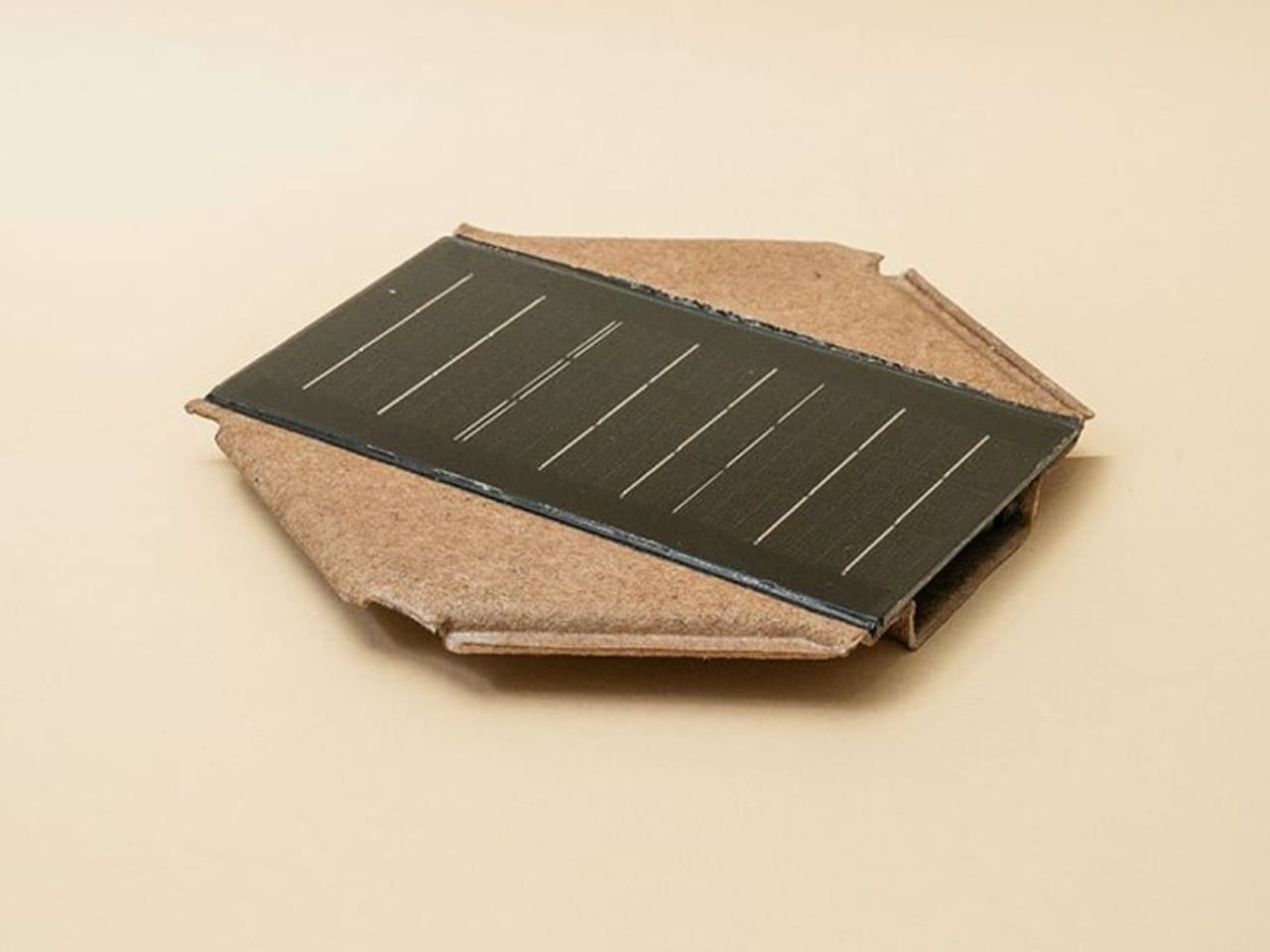
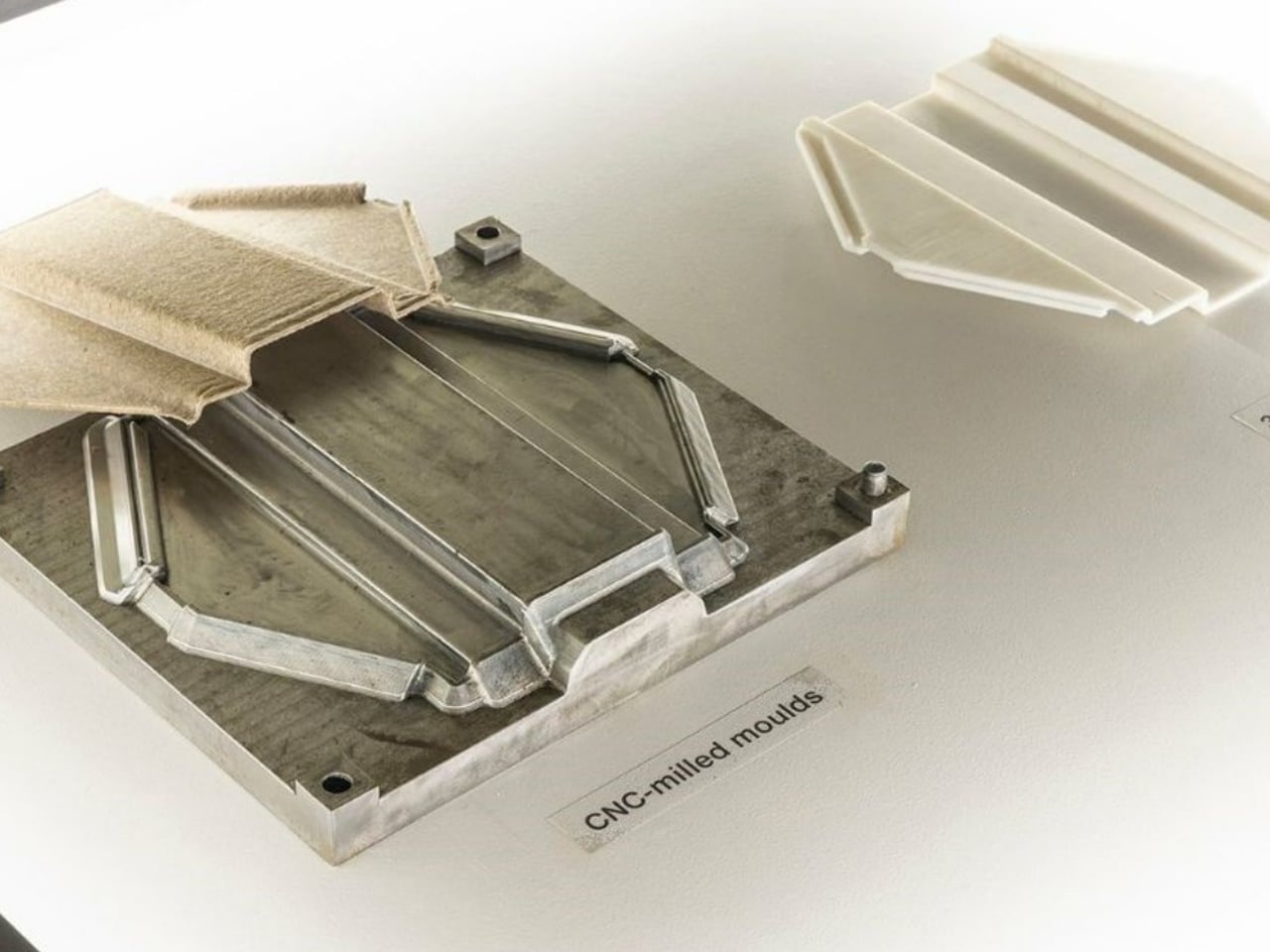
Studio SKLIM’s Lo-Hi Tech project demonstrates how primitive materials and advanced technologies can work together to create sustainable, high-performing solutions. Its Ke-Sol System (KSS) combines lightweight Kenaf fiber biocomposite tiles with custom monocrystalline solar panels, forming modular, tiltable roof units that generate clean energy. Produced through high thermal pressure, the Kenaf tiles become strong yet light, offering an eco-friendly alternative to conventional roofing. By transforming natural fibers into energy-producing surfaces, the KSS demonstrates how traditional materials can be upgraded to meet modern environmental needs.

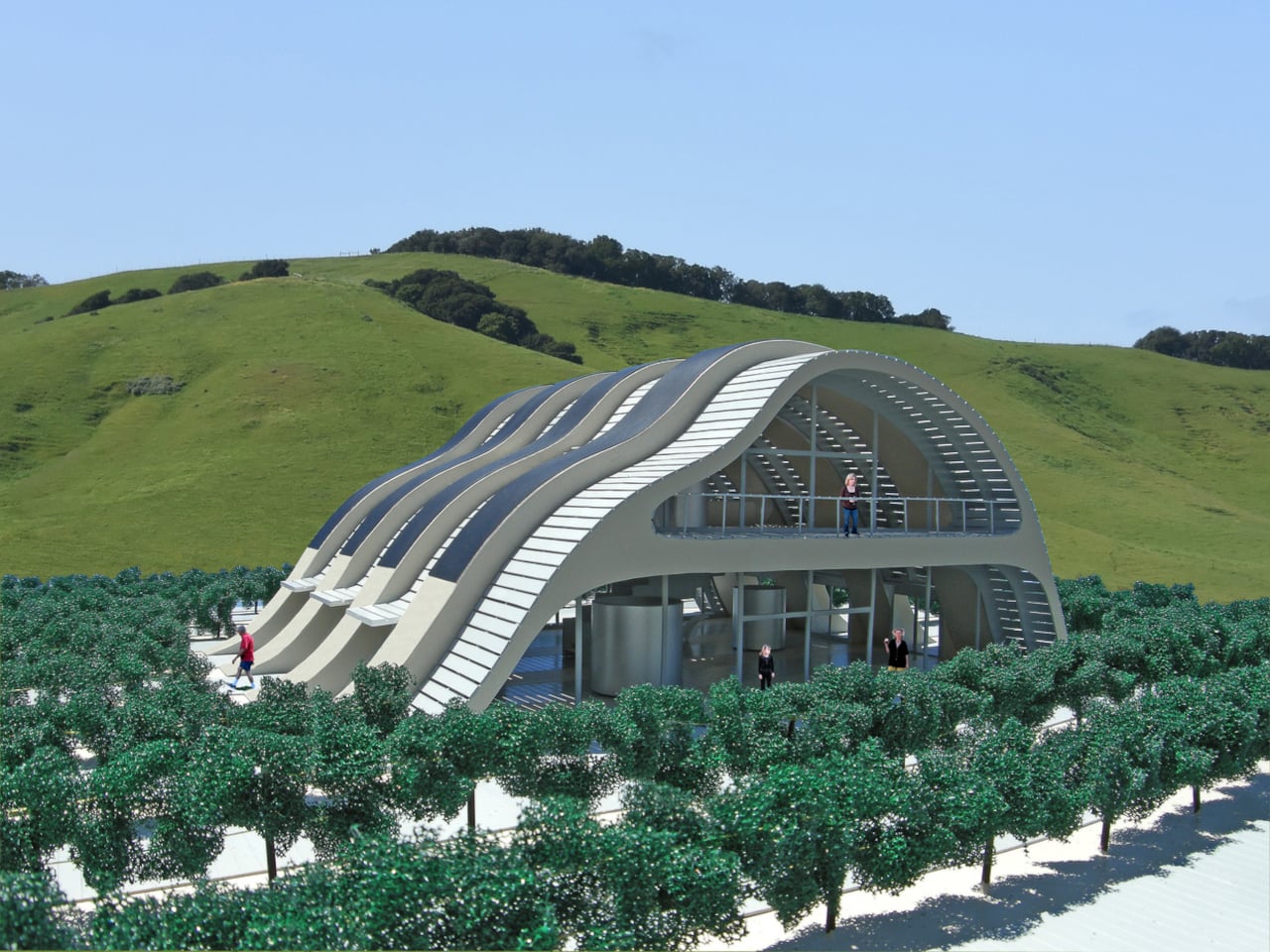
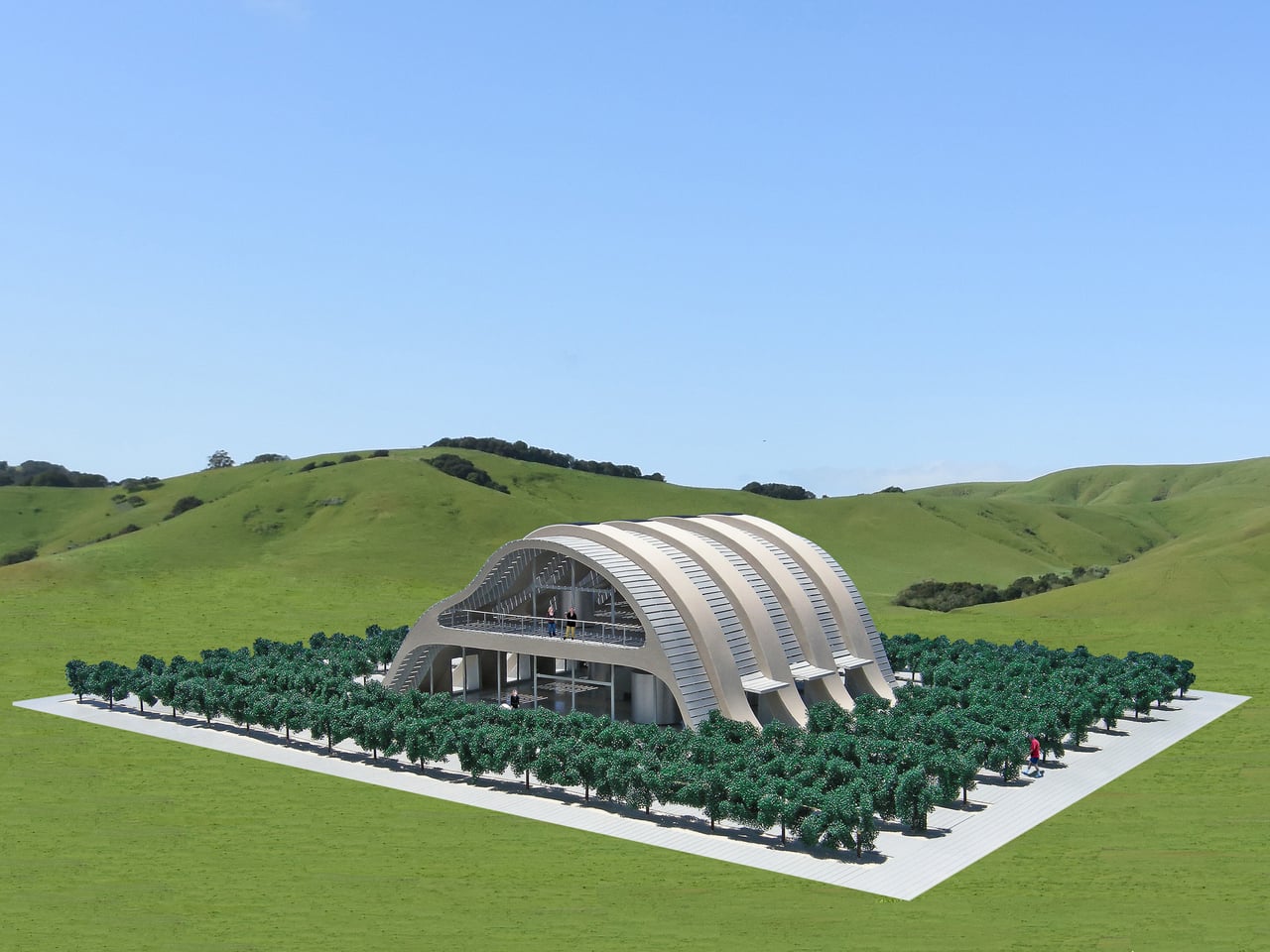
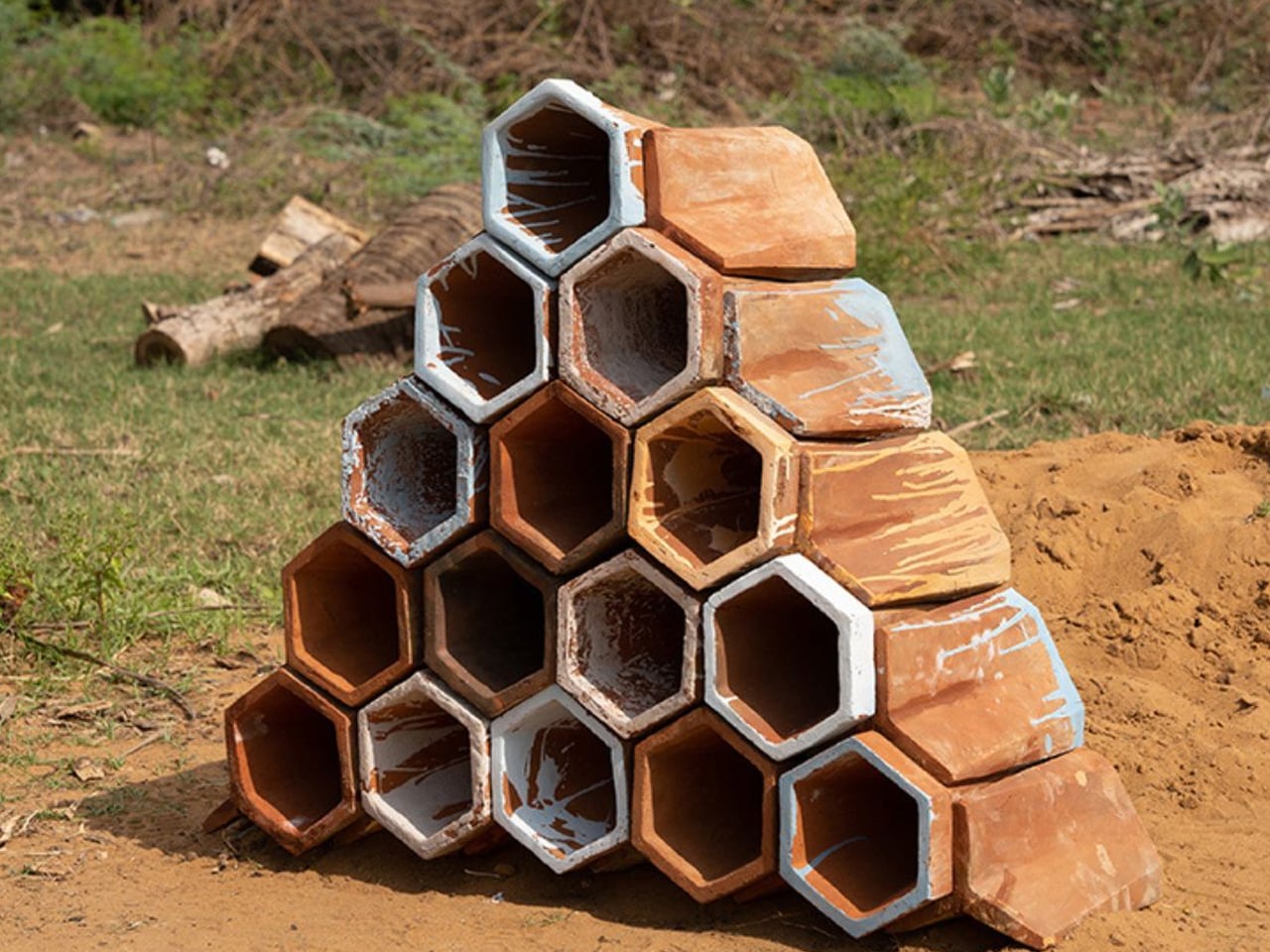
The Terra-Cooling System (TCS) uses terracotta’s natural cooling abilities to create wall components that act as both evaporative coolers and water tanks. With Hex and Tri modules refined through CFD simulations, the TCS can lower air temperatures by up to 6.5°C, making it ideal for applications such as EV-charging shelters that cool their surroundings while using solar lighting at night. Together, these systems highlight how craftsmanship and technology can shape a more sustainable future.

3. Passive Thermal Regulation Materials

Reducing the energy required for heating and cooling remains the most effective way to lower a home’s carbon footprint and operating costs. In this shift toward efficiency, the performance and integrity of materials become essential, shaping how naturally and consistently a space maintains thermal balance.

Phase Change Material (PCM), like integrated drywall and high-performance aerogel insulation, exemplifies this approach. PCMs store and release heat as temperatures fluctuate, while aerogels deliver exceptional insulation with minimal thickness. Together, they reduce HVAC peak loads, cut energy bills, and enhance interior comfort. Their high thermal mass and low conductivity ensure enduring performance and long-term material value.

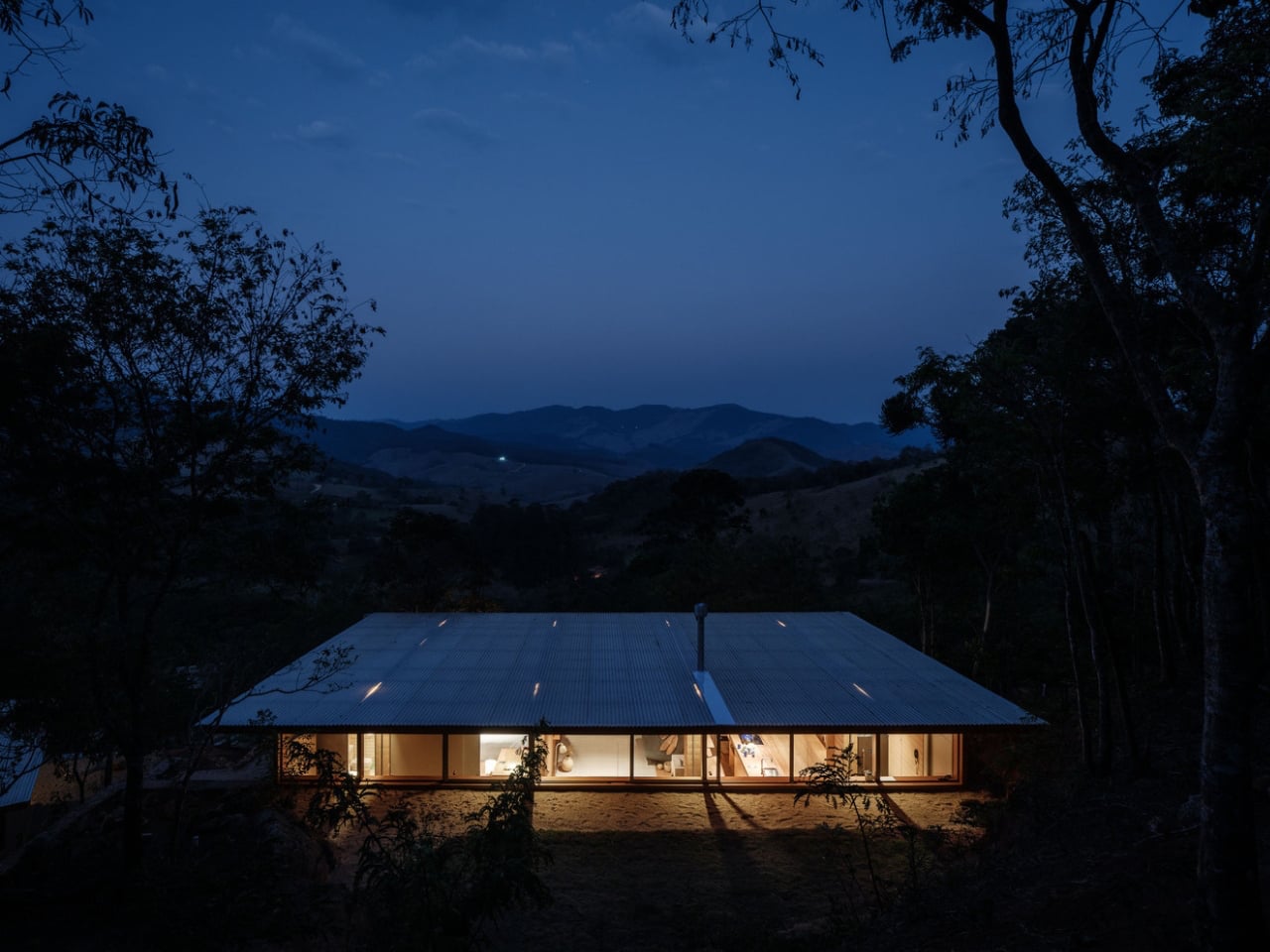
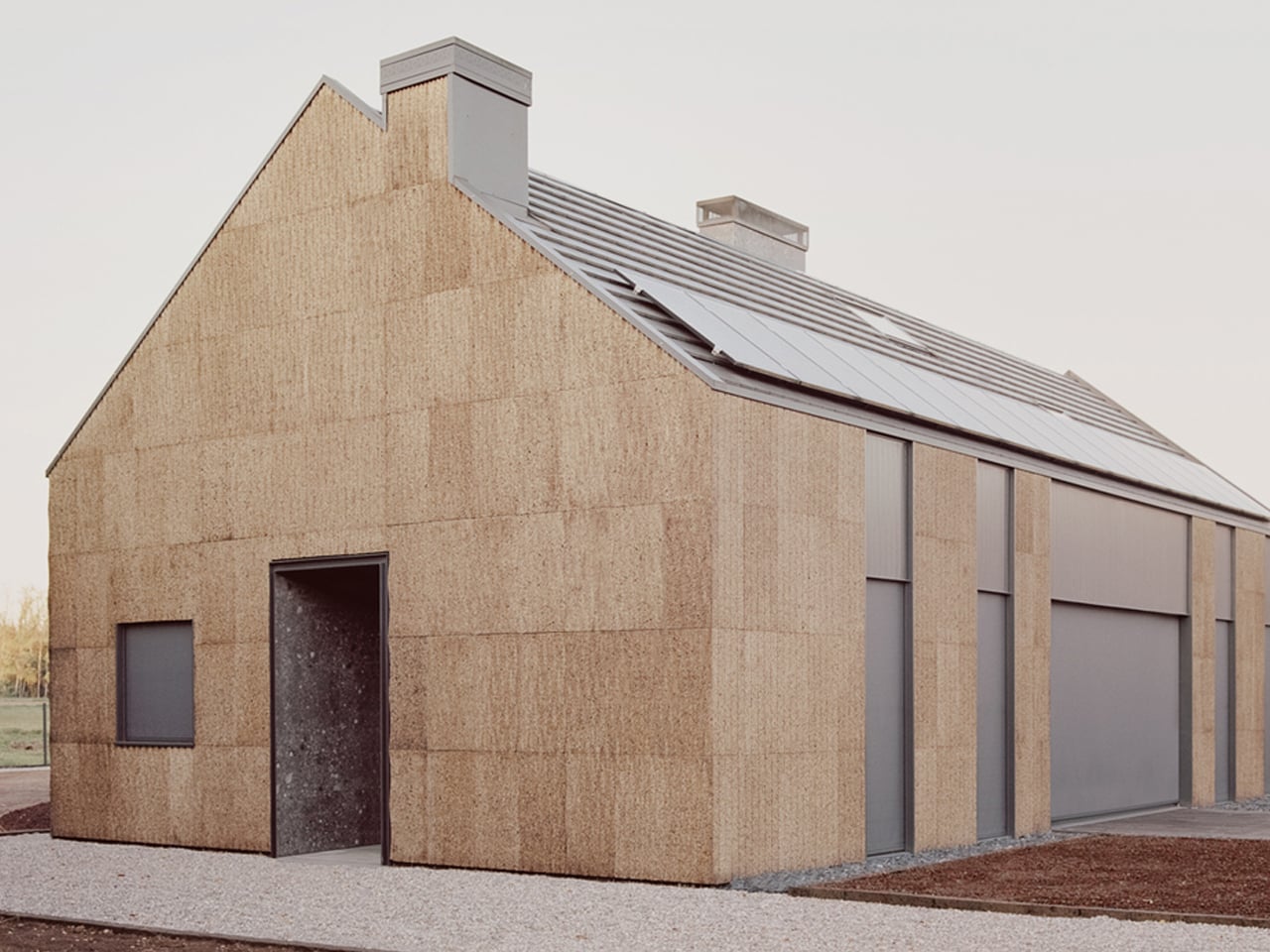
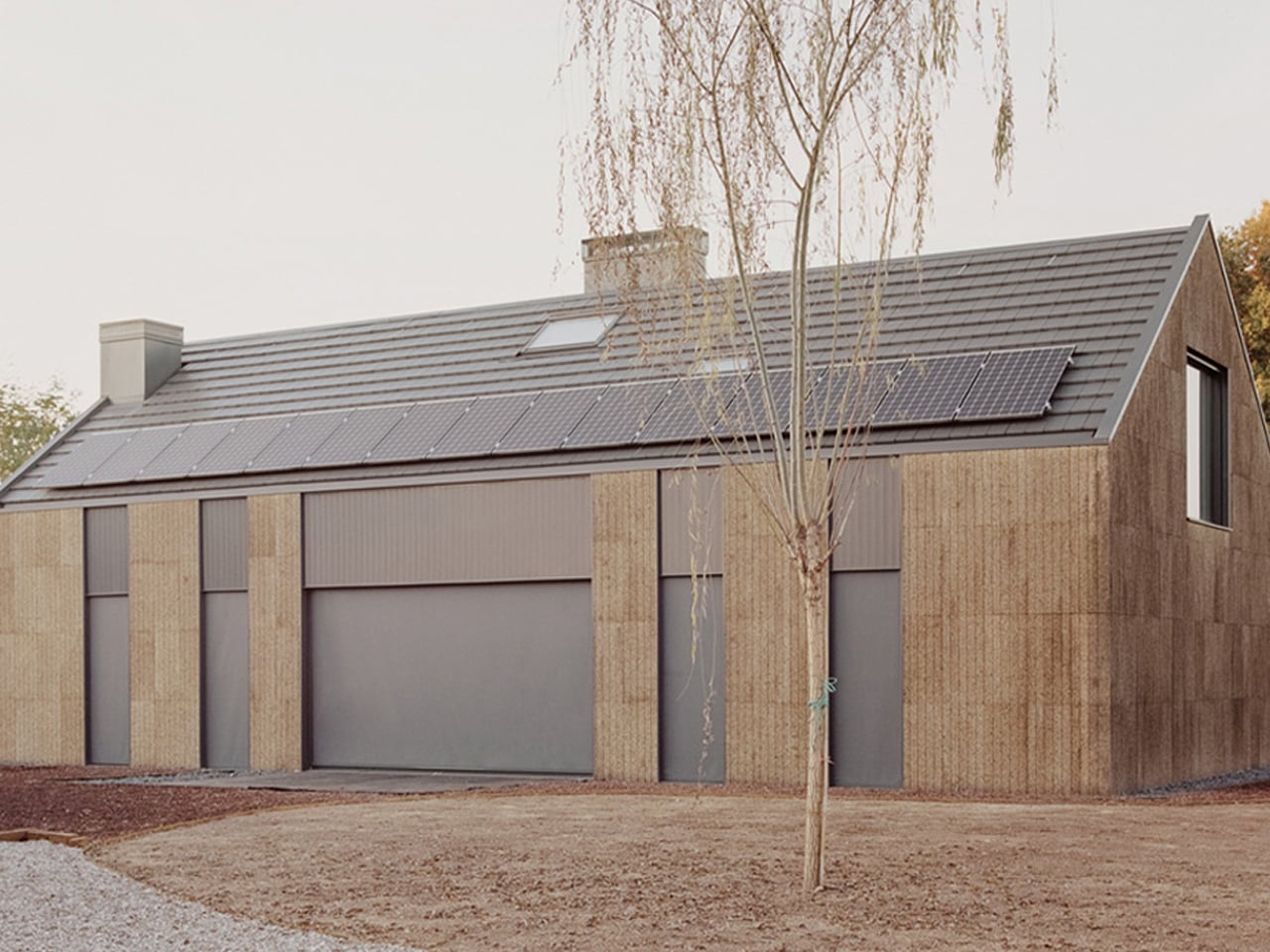
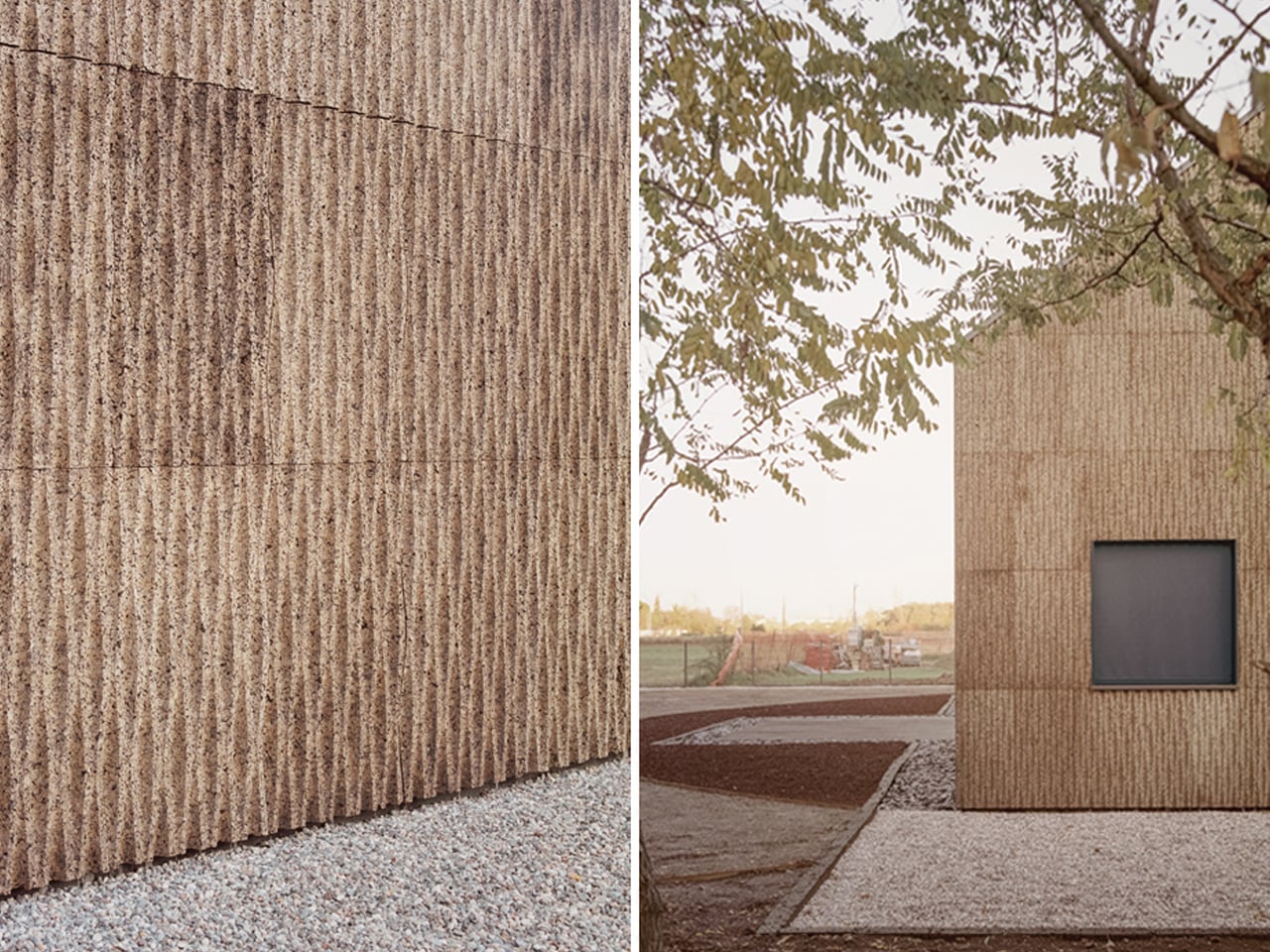
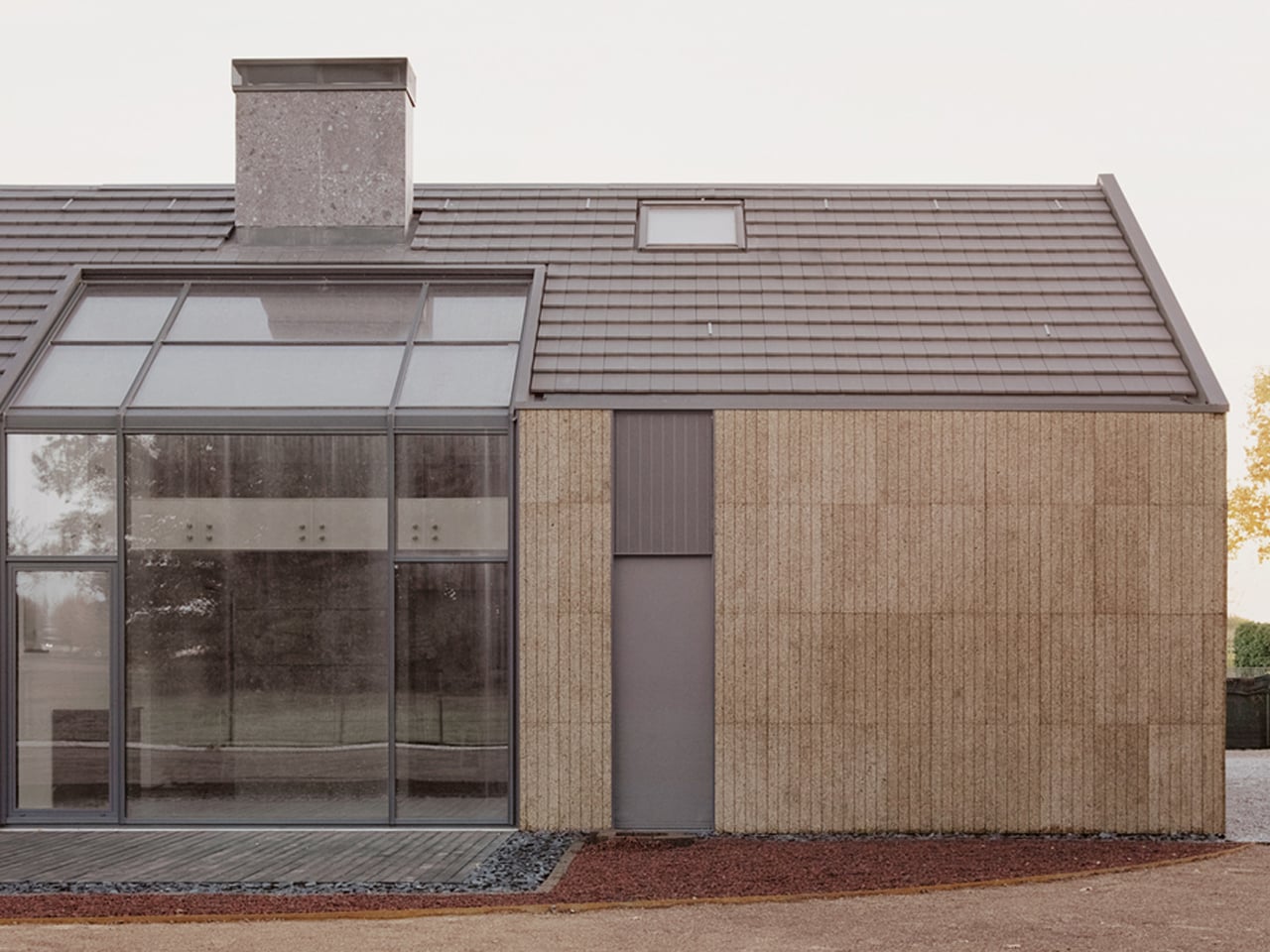
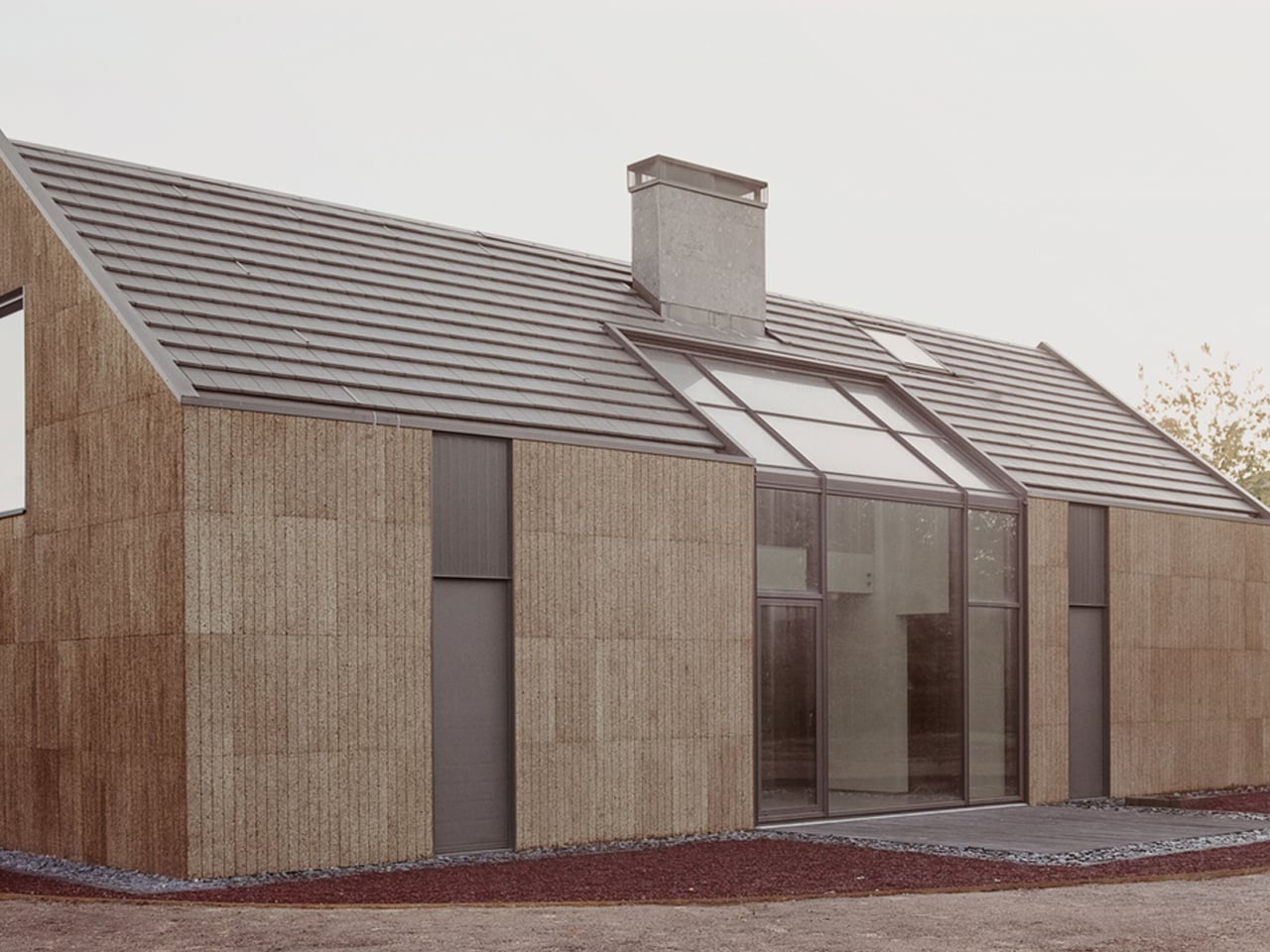
Just beyond a small Italian village, LCA Architetti has created the House of Wood, Straw, and Cork, a rural home designed with natural insulation at its core. Built for a pair of computer scientists seeking a sustainable lifestyle, the two-storey structure features a prefabricated timber frame wrapped in cork cladding. Harvested from cork oak bark, the cork exterior provides exceptional thermal performance while blending seamlessly with the surrounding farmland. The home’s primary insulation comes from straw, repurposed from discarded rice plants donated by local farmers. This straw infill, traditionally used in rural barns and henhouses, offers strong insulating properties while reducing agricultural waste.

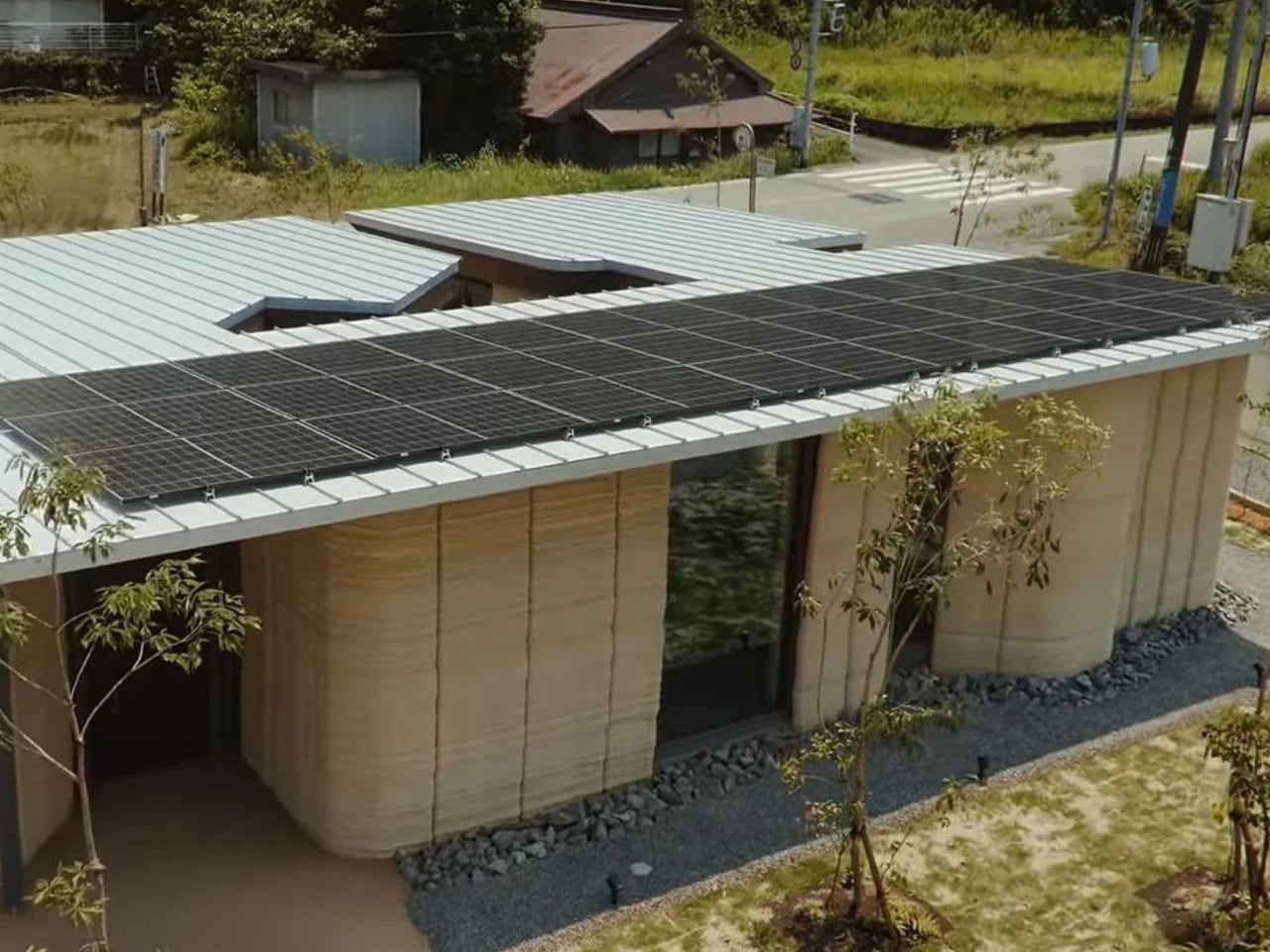
The house further enhances its energy efficiency with a rooftop array of solar panels, allowing it to produce much of its own power. By combining cork and recycled straw insulation with renewable energy, the home maintains comfortable indoor temperatures year-round while significantly lowering carbon emissions. Every material and method prioritizes environmental sensitivity, ensuring the home remains in harmony with its natural setting.

4. Integrated Indoor Vertical Farms

Food security is emerging as a fundamental pillar of domestic resilience. As climate pressures disrupt traditional agriculture, the fusion of architecture and controlled-environment growing systems offers a reliable, hyper-local source of fresh produce directly within the home.

Automated hydroponic or aeroponic vertical farming units deliver this capability through precise control of light, nutrients, and microclimate. Though the upfront cost is notable, the return lies in year-round nutritional certainty and a zero-mile food footprint. By reducing dependence on fluctuating supply chains, these systems transform the kitchen into a small-scale production hub, reinforcing biophilic living and reconnecting residents with the origin of their nourishment.

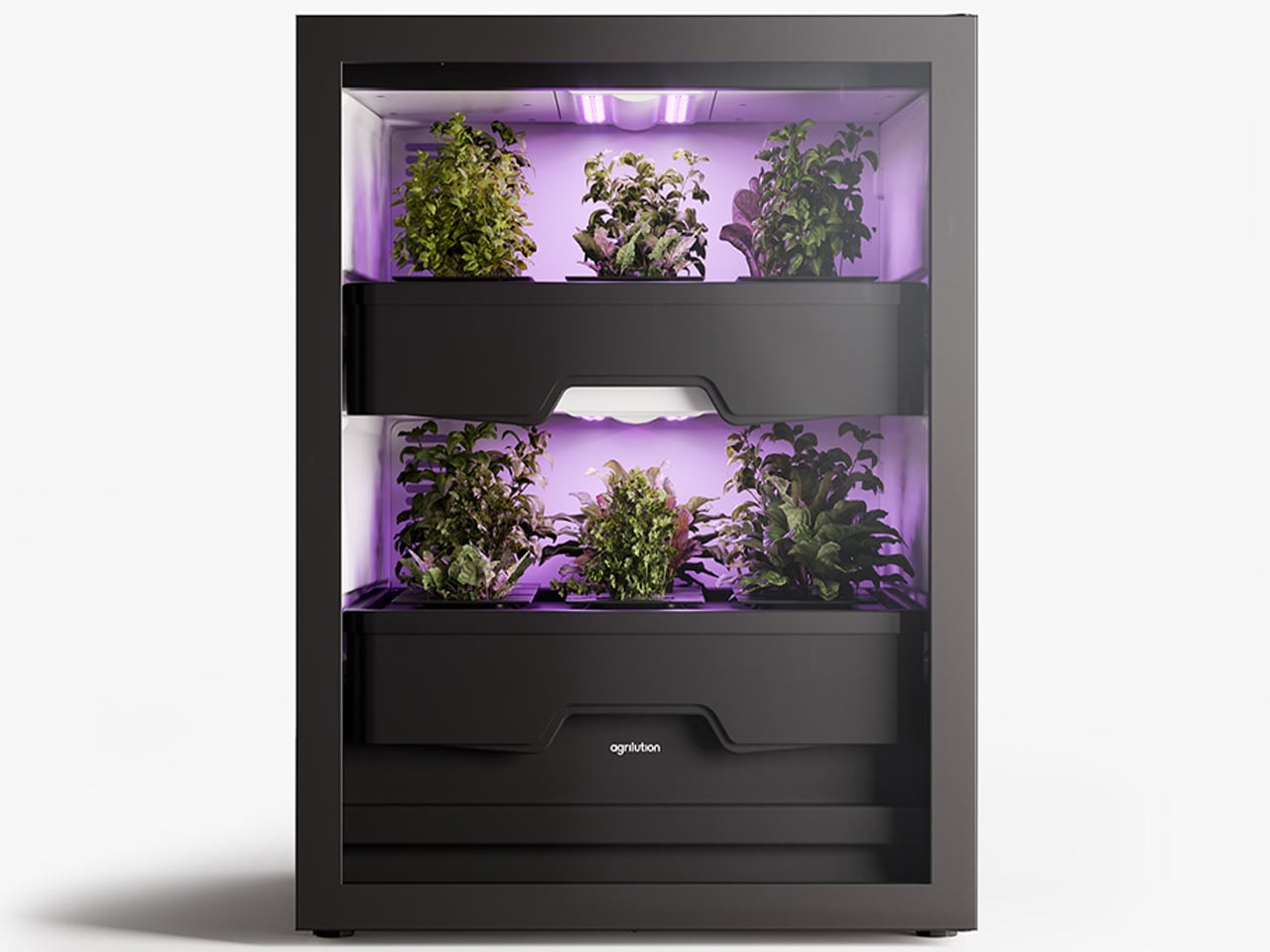
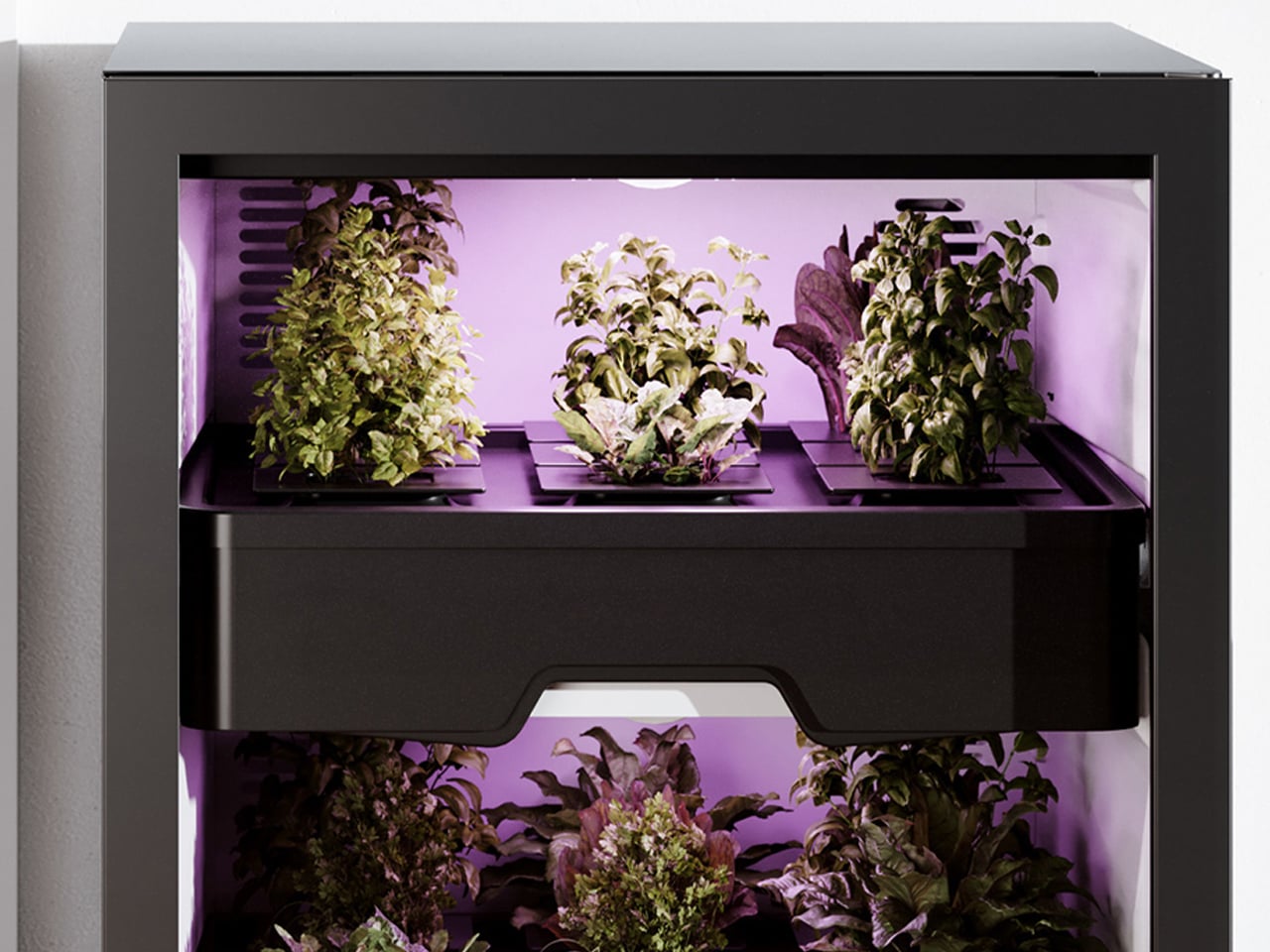
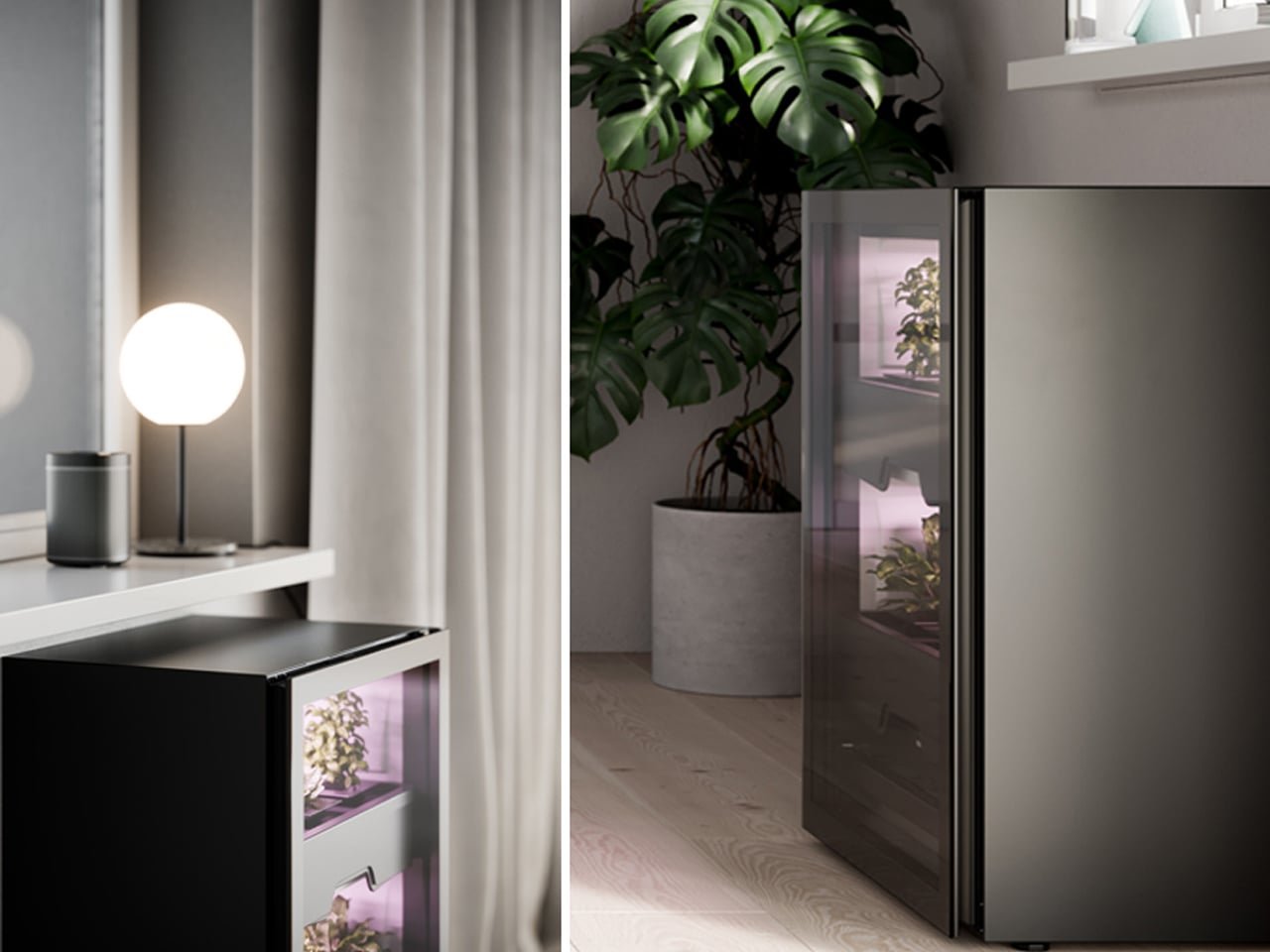
As more people embrace sustainable living, whether by growing vegetables or choosing reusable products, indoor vertical farming has become a popular solution for those with limited space. In response, Berlin-based design studio The Subdivision has envisioned Agrilution, a compact vertical farming appliance designed for modern homes. Shaped like a small refrigerator and nicknamed Plantcube, Agrilution features two sliding shelves that hold soil planters and crops. Built-in LED grow lights provide consistent artificial sunlight, ensuring plants receive the nourishment they need to thrive indoors.

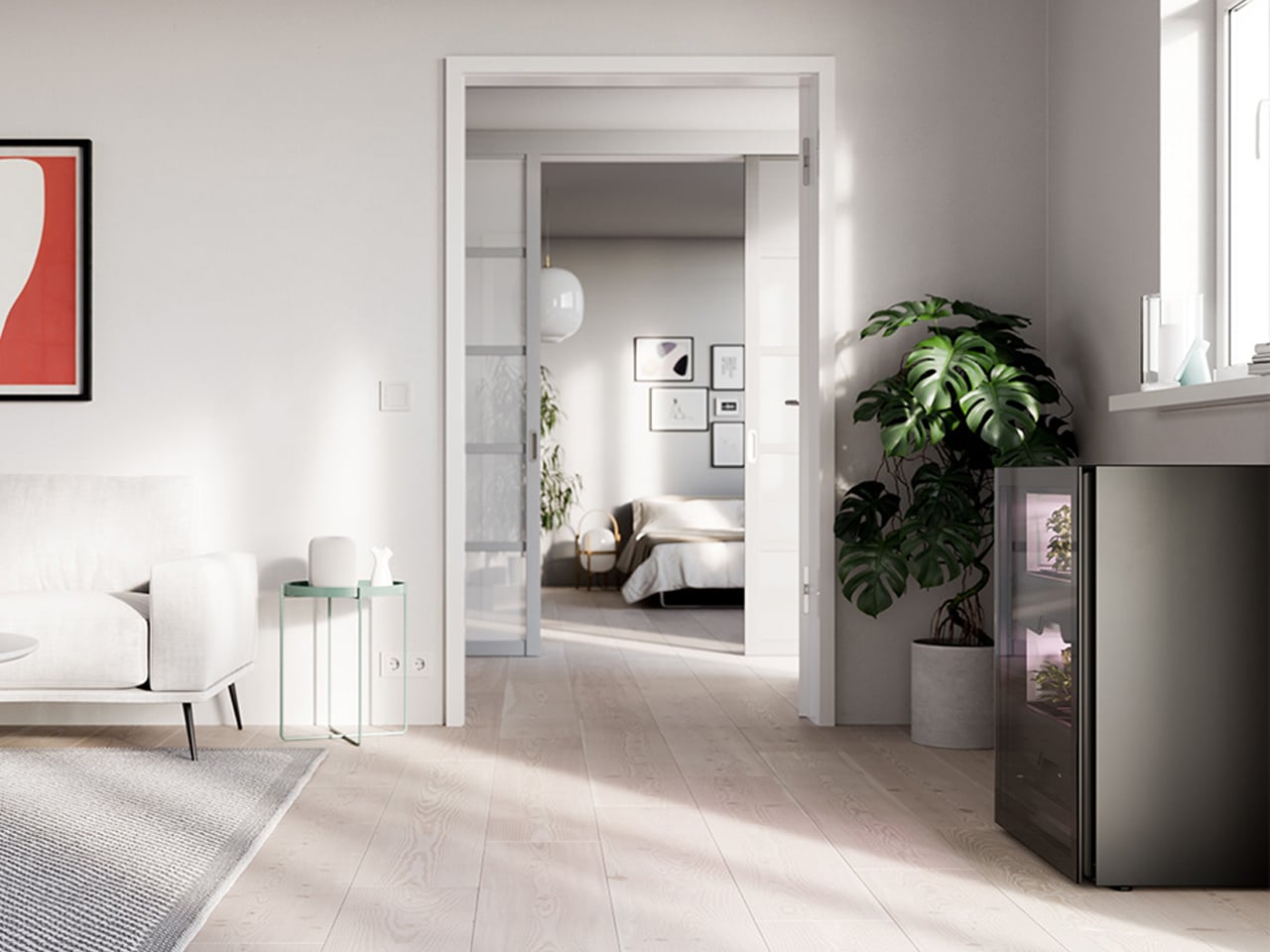
Agrilution also includes a smart app that guides users through plant care by signaling when water, nutrients, or soil replenishment are required. This combination of vertical farming and smart technology makes home gardening more accessible, even for beginners. With a sleek, black, minimalist design, the appliance blends effortlessly into contemporary interiors. As eco-friendly lifestyles gain momentum, Agrilution offers an elegant, easy way to bring sustainable food production directly into the home.

5. Resilient Homes For Rising Sea Levels

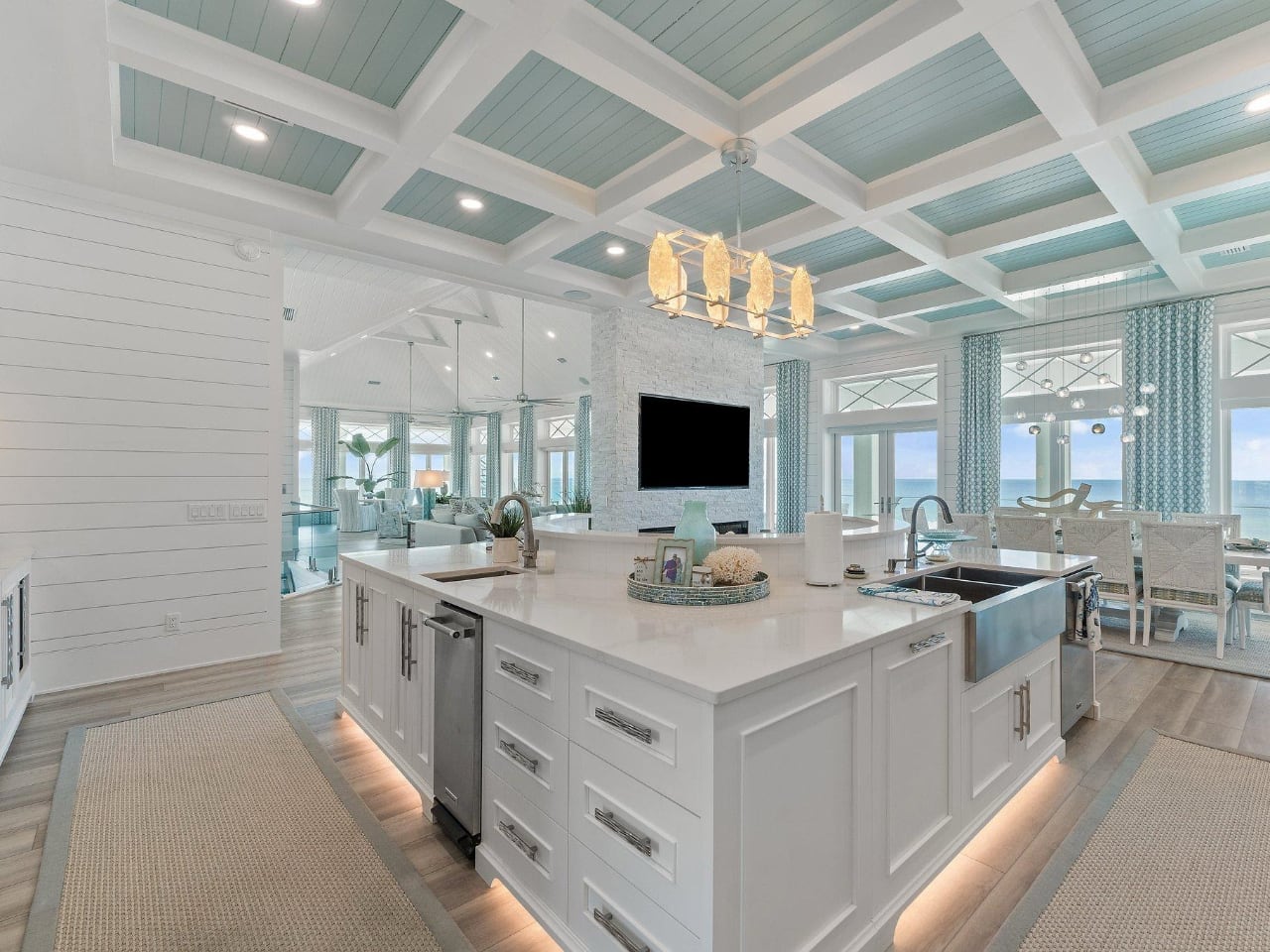
Homes built for rising sea levels must prioritize a strong, watertight building envelope capable of resisting frequent flooding, storm surge, and intensified coastal winds. As tides rise and soil becomes more saturated, foundations face higher stress, making durable structural systems essential. A reinforced shell that blocks moisture, prevents erosion damage, and maintains stability during extreme weather ensures long-term safety for occupants in vulnerable coastal areas.

Advanced materials further enhance resilience. Marine-grade, non-corrosive cladding protects against saltwater exposure, while impact-resistant glazing withstands high-pressure winds and floating debris. Corrosion-proof fasteners, elevated floor systems, and sealed joints reduce repair costs and prolong the lifespan of homes facing the realities of a changing coastline.

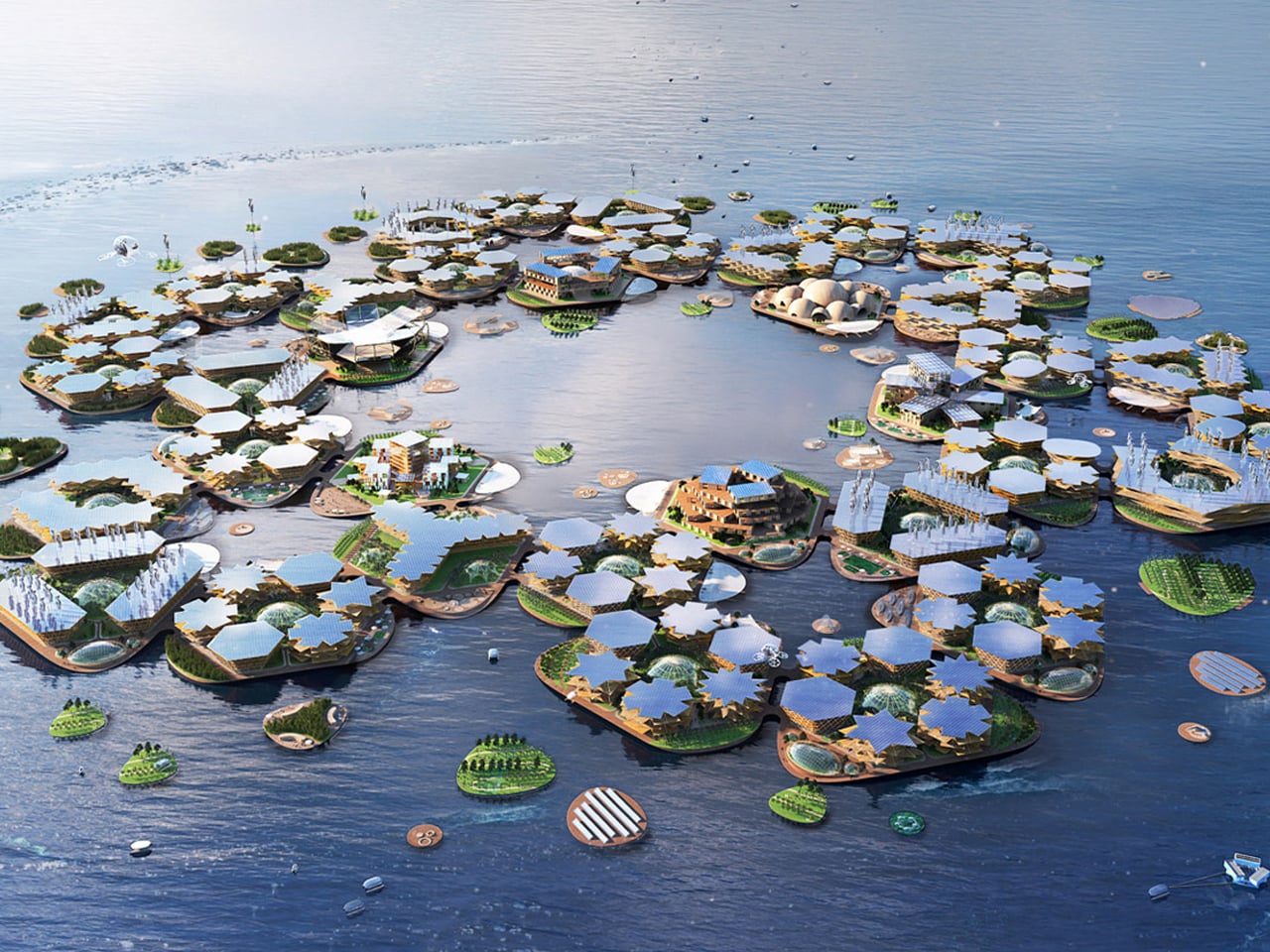
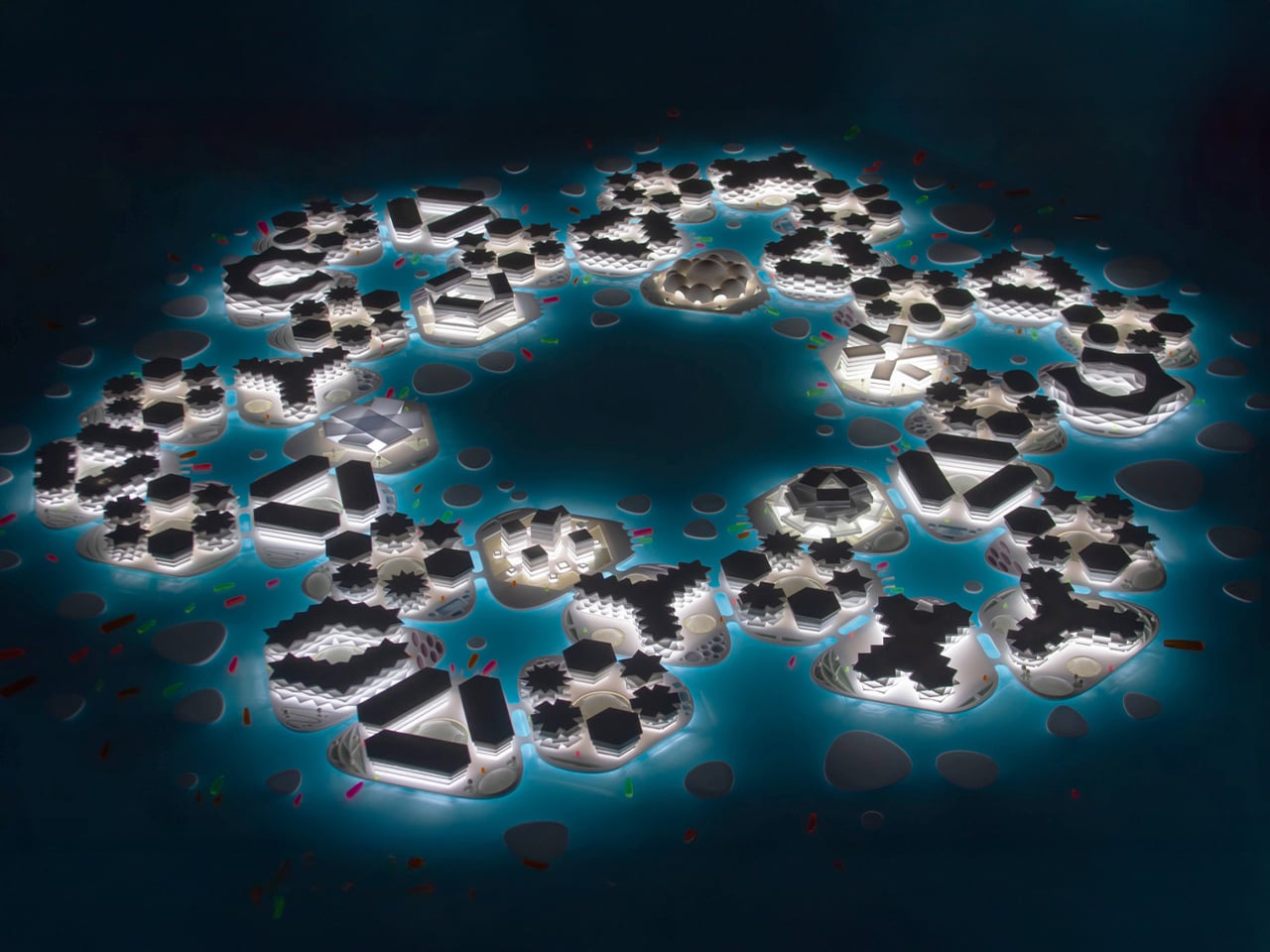
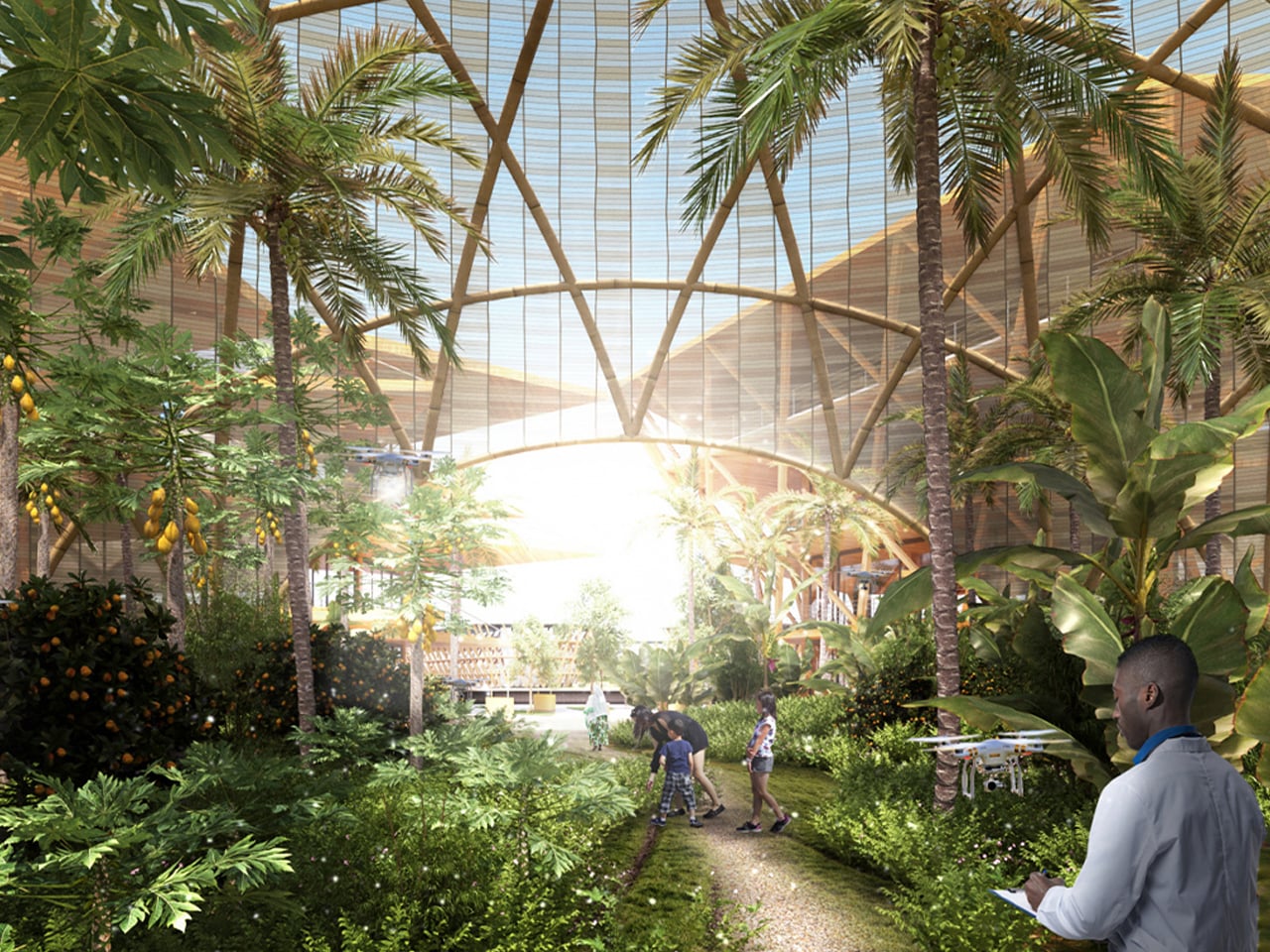
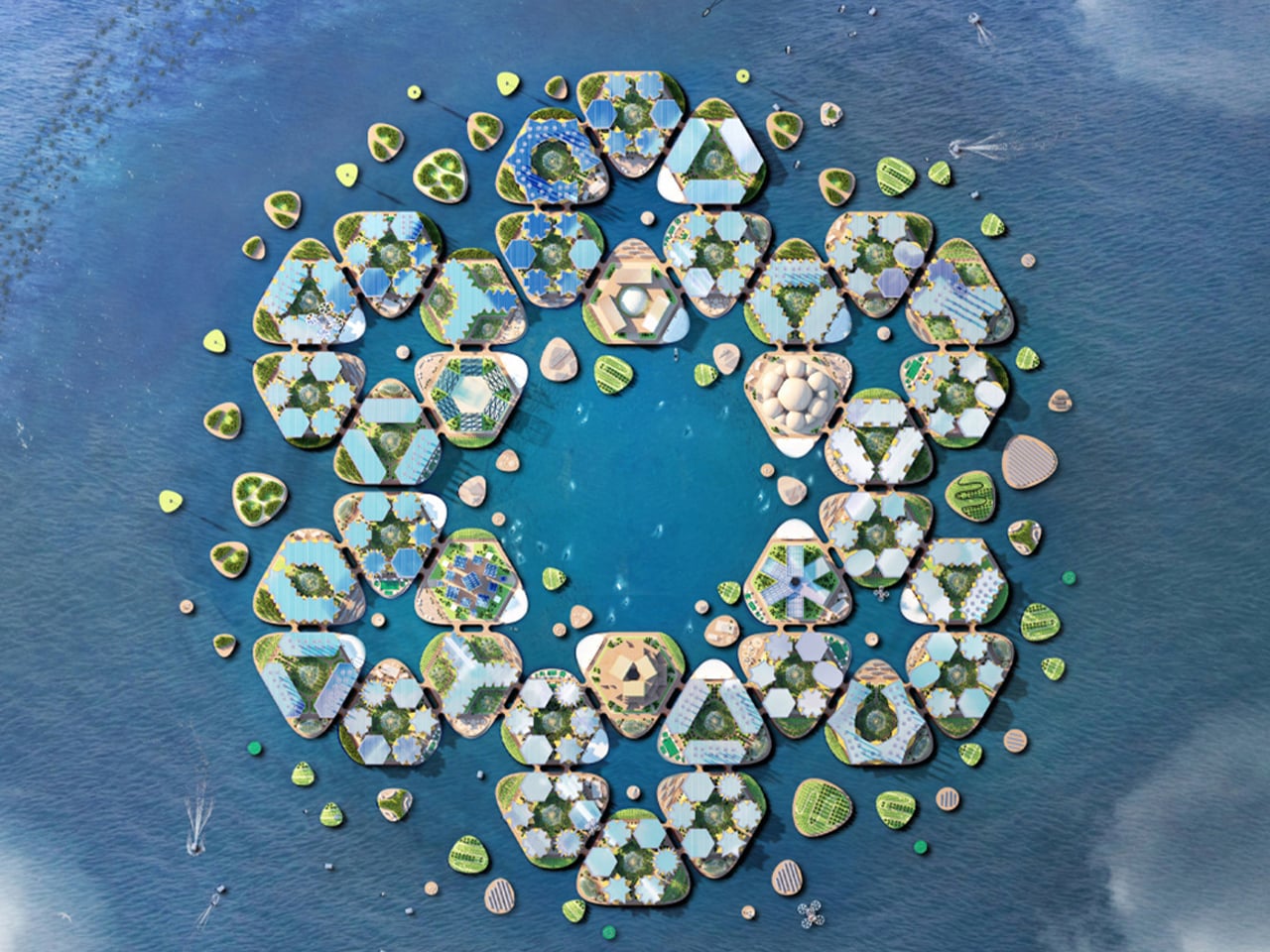
OCEANIX is an innovative floating city concept developed by BIG, Bjarke Ingels Group, envisioned for construction off the coast of South Korea. The project has received approval from UN-Habitat and the Metropolitan City of Busan, moving it closer to reality. Designed as a fully sustainable habitat, each 2-hectare module houses around 300 residents, and multiple modules can connect to form a 1,650-person village. These floating neighborhoods integrate underwater farming, greenhouses, and renewable energy systems to support long-term self-sufficiency. Residents can move easily on foot or by boat between the interconnected platforms.

Resilience is central to OCEANIX’s design. The floating city is engineered to endure extreme natural forces, including category 5 hurricanes, tsunamis, and rising sea levels. Its masterplan features homes, public squares, art installations, markets, sports facilities, and schools, offering all the functions of a modern community while maintaining safety and stability even under severe environmental stress.

Luxury today is defined not by display but by certainty. When the five core pillars of energy independence, water autonomy, resilient envelopes, adaptive materials, and hyperlocal food systems work in harmony, the home transforms into an active, self-sustaining organism. This marks a new architectural mandate: to design spaces that are elegant, regenerative, and secure, offering the lasting peace of mind that comes from true environmental mastery.

The post 5 Climate-Proof Home Upgrades That Turned Homes Into Survival Shelters first appeared on Yanko Design.

Floating Cities Might Actually Save Us (And They’re Gorgeous)

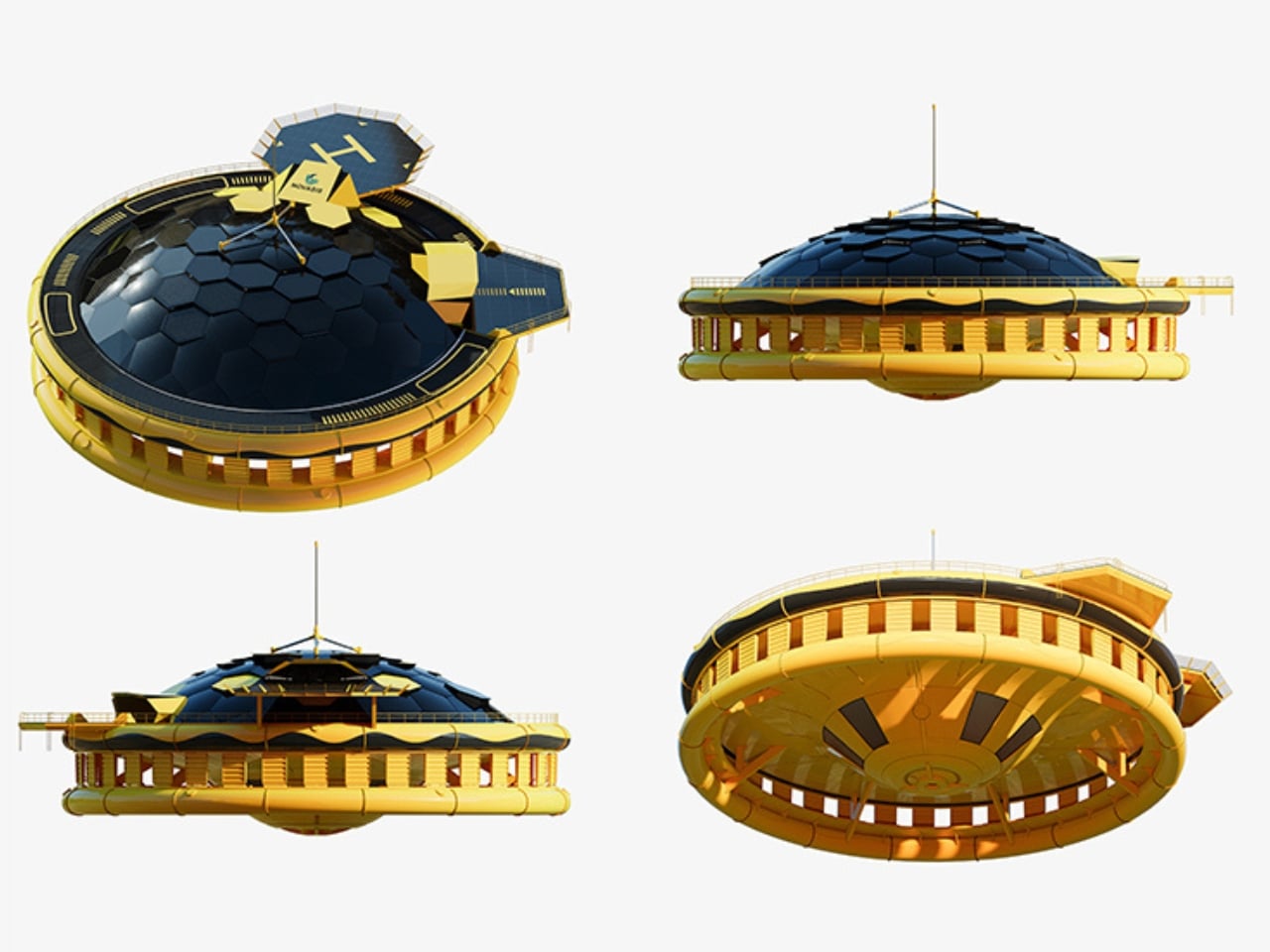
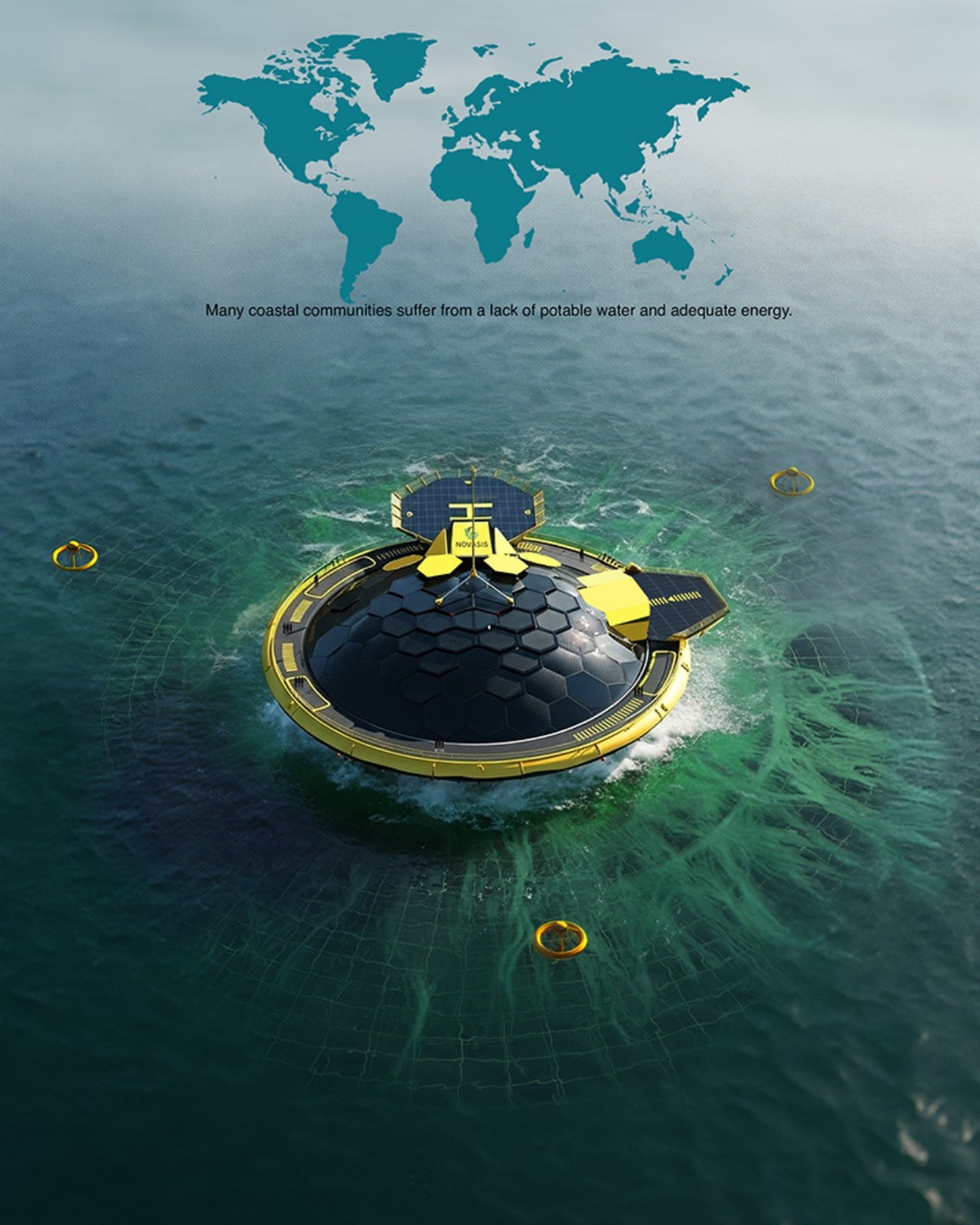
You know that feeling when you see a design concept that makes you go “wait, is this for real?” That’s exactly what happened when I came across Novasis, a floating platform project by designer Mohsen Laei that just won the Grand Prix Architecture and Innovation Award for the Sea 2025. And honestly? It’s not just another futuristic pipe dream. This thing might actually change how we think about living with our oceans.

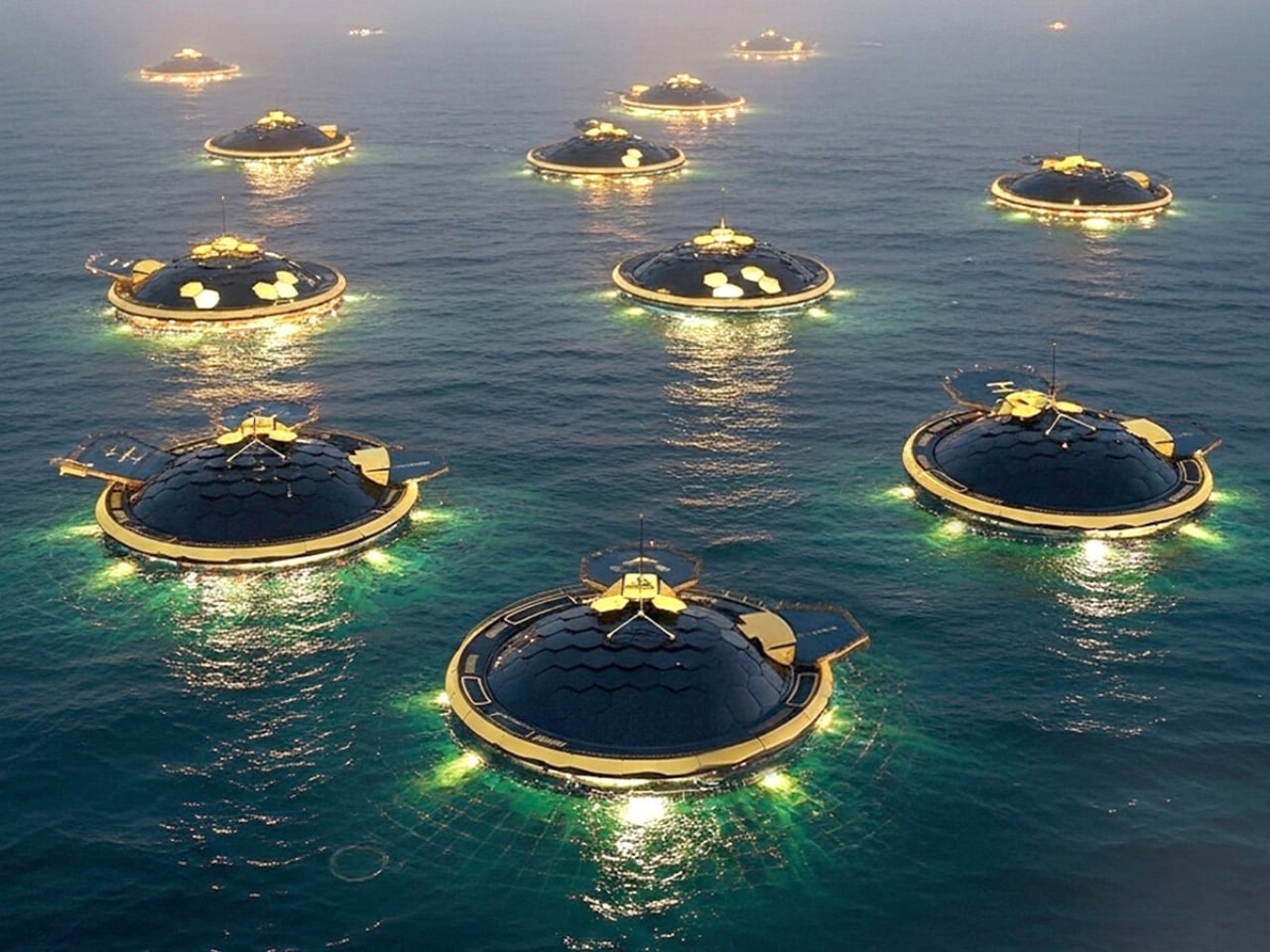
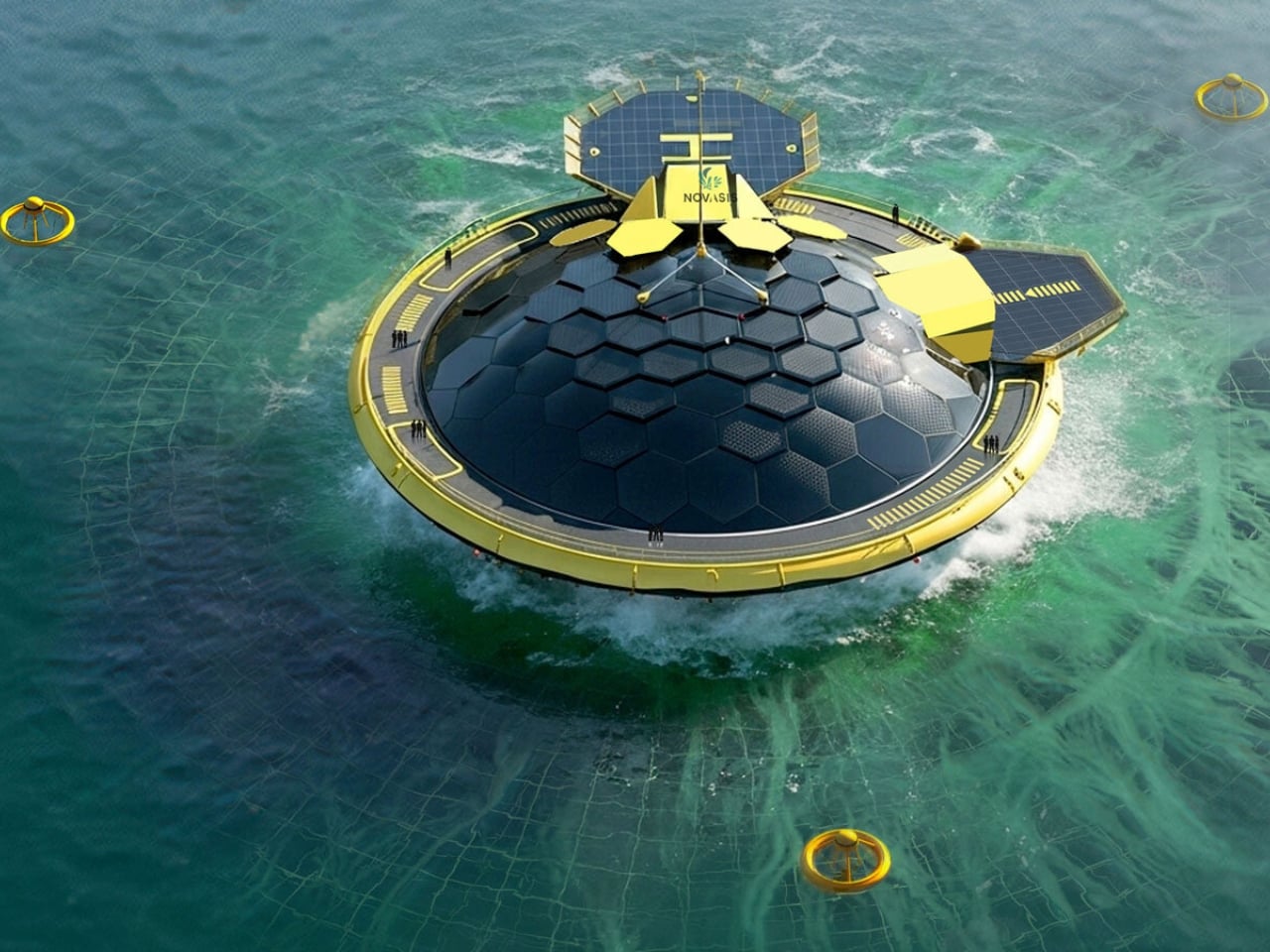
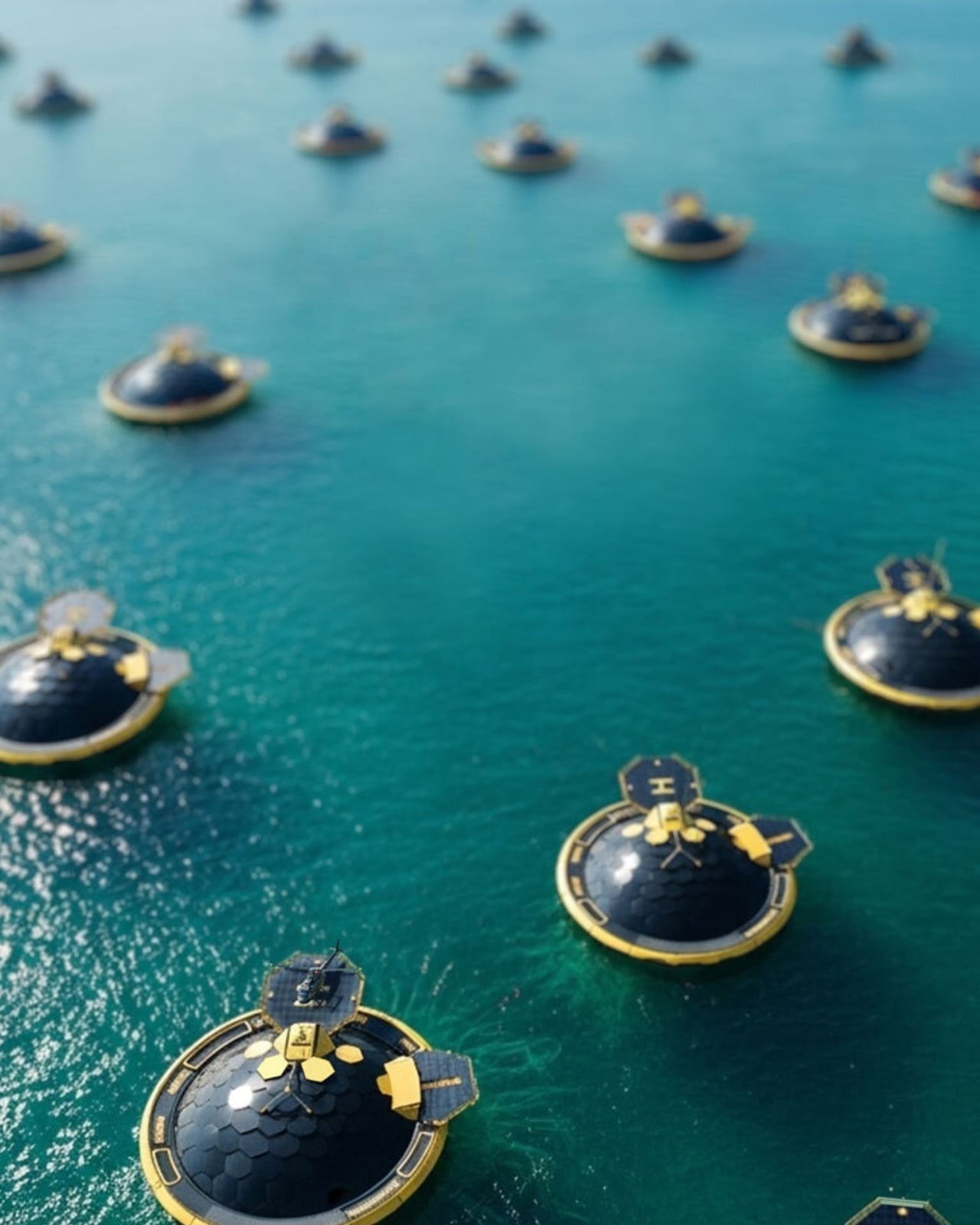
Here’s what makes Novasis so compelling. It’s a scalable floating structure that tackles three massive problems at once: climate change, resource scarcity, and marine ecosystem collapse. Unlike those dystopian visions of humans abandoning land because we’ve wrecked it, this platform is designed for genuine coexistence with the ocean. It cultivates algae on a massive scale, produces renewable energy, creates freshwater, and helps restore marine life, all while being modular, recyclable, and energy independent.

Designer: Mohsen Laei

Let’s talk about the algae part, because it’s actually the star of the show. The platform uses floating and submerged nets made from recycled PET to grow both macro and microalgae. Why does this matter? Algae is ridiculously versatile. It can be turned into biofuel, food supplements, pharmaceuticals, and even carbon-neutral materials. Plus, algae cultivation naturally absorbs carbon dioxide from the atmosphere, making this a genuinely climate-positive system. We’re talking about a design that doesn’t just minimize harm but actually reverses it.

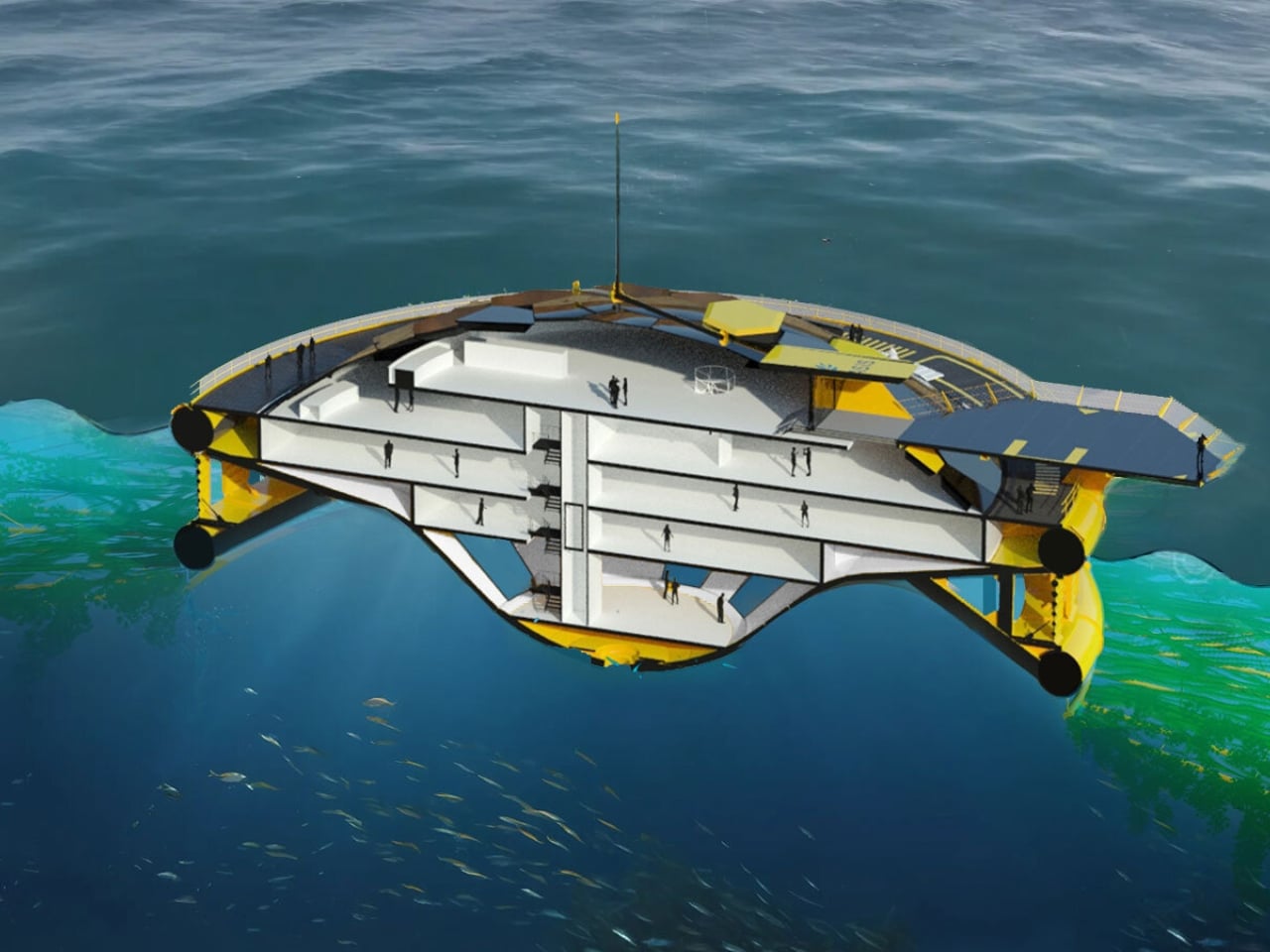
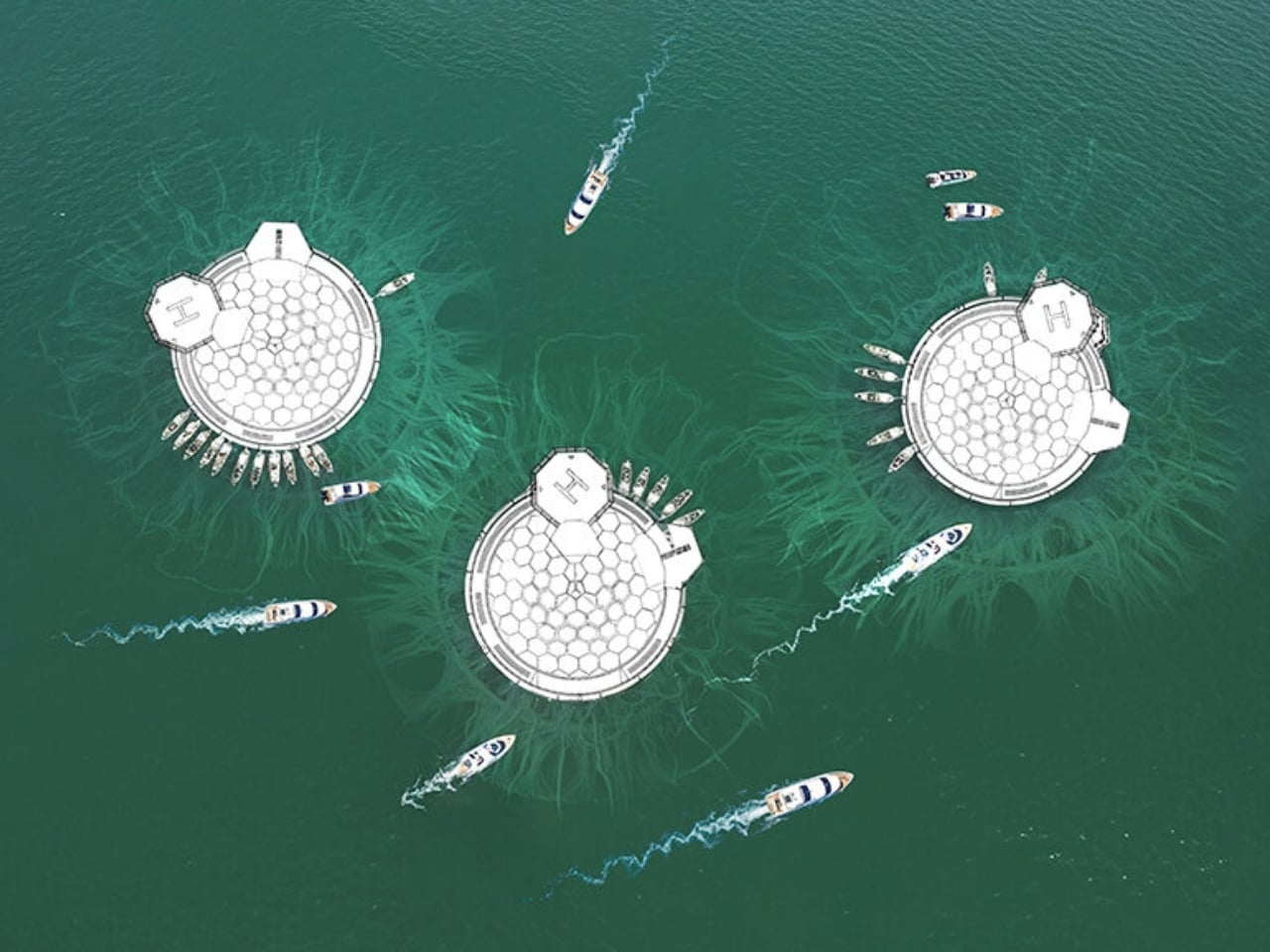
The structure itself is stunning in a practical way. Picture a circular floating platform with a central dome and perimeter walkway that organizes movement across the space. It’s designed to support research facilities, recreational areas, and even habitation. Freshwater gets produced through rainwater harvesting combined with solar and wave-powered desalination, meaning the whole thing functions as a self-sufficient ecosystem. No need to pipe in resources from mainland infrastructure.

What I find most exciting about Novasis is how it reimagines what “development” can look like in coastal and open-ocean contexts. Traditional marine construction tends to be either extractive (oil rigs, commercial fishing) or leisure-focused (luxury resorts, cruise ships). This platform flips that script entirely. It’s designed to be revenue-generating through biomass production and renewable energy, making it economically viable without requiring grants or subsidies.

Laei isn’t new to ambitious ocean-based concepts either. Back in 2021, he proposed Wind Island, another floating structure that combined wind, water, and solar power with residential and research spaces. That project used flag-like blades around a central tower to capture wind energy while creating shade and cooling for the platform below. You can see the evolution of his thinking from that earlier concept to Novasis, where the focus has sharpened on ecosystem restoration and practical resource production.

The timing couldn’t be more relevant. Floating solar farms have been gaining traction as a renewable energy solution, particularly because they preserve land for other uses and can actually help clean nutrient-polluted water. But most floating renewable projects focus on just one function. Novasis integrates multiple systems into one cohesive platform, which makes it far more resilient and useful.

Critics might call this concept too ambitious or unrealistic, but I’d argue we’re past the point where playing it safe makes sense. Our oceans are warming, acidifying, and losing biodiversity at terrifying rates. Coastal cities face rising seas and freshwater shortages. We need solutions that are as complex and interconnected as the problems we’ve created. Novasis offers exactly that: a model for how humans might actually contribute to ocean health rather than just taking from it.

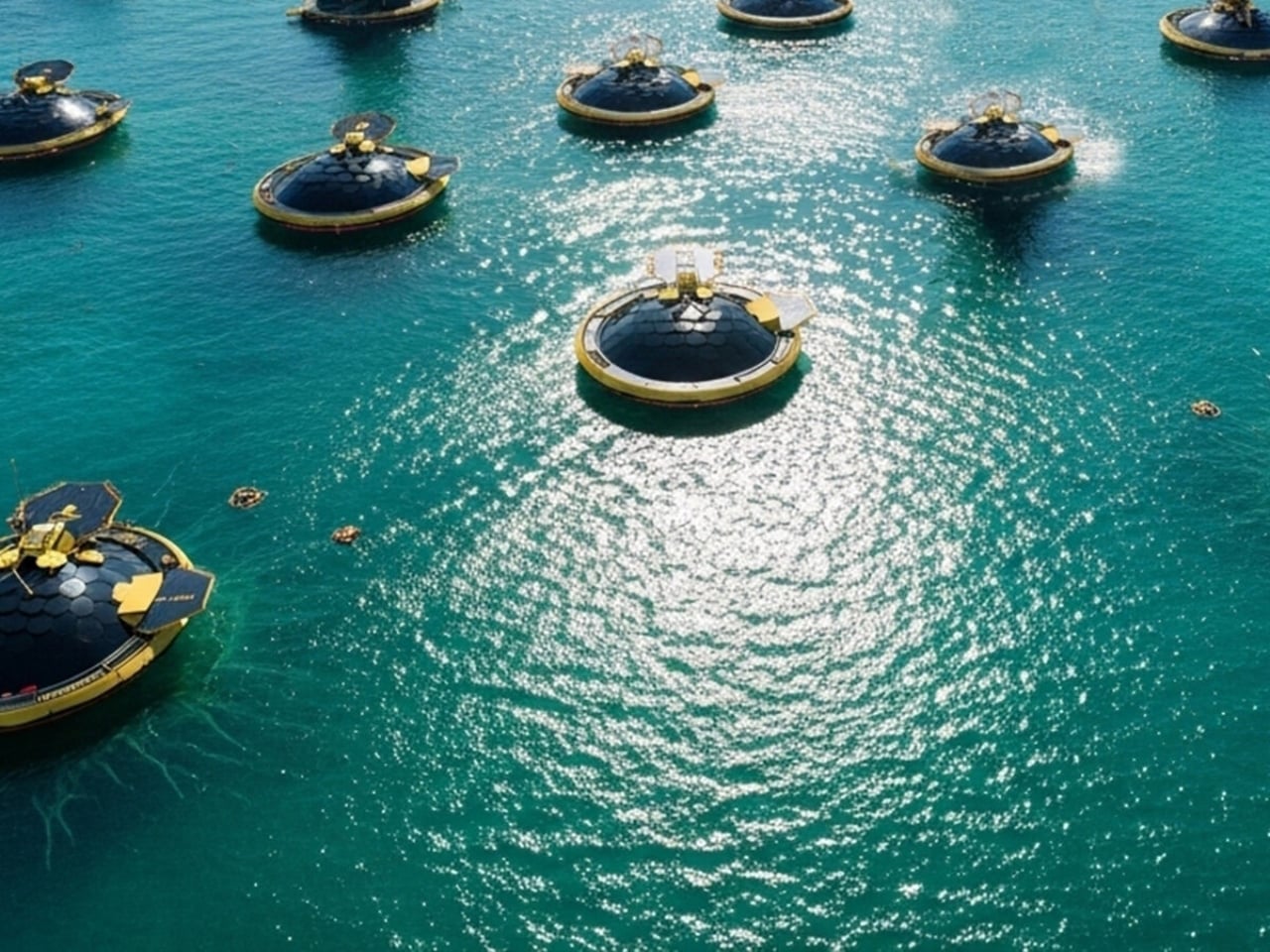
The best part? Because the system is modular, it can scale up or down depending on location and need. Small coastal communities could deploy a single unit. Larger installations could connect multiple platforms into floating networks. The design adapts rather than demanding a one-size-fits-all approach.

I’m genuinely curious to see where this goes. Will we see a working prototype in the next few years? Will governments and private investors recognize the potential here? For now, Novasis stands as proof that design can be both beautiful and functionally revolutionary, that we can build infrastructure that heals rather than harms. And in a world that desperately needs both hope and practical solutions, that feels like something worth getting excited about.

The post Floating Cities Might Actually Save Us (And They’re Gorgeous) first appeared on Yanko Design.

BDNY 2024: The Most Innovative Materials and Sustainable Design Take Center Stage

The 2024 Boutique Design New York (BDNY) trade fair, held at the Jacob K. Javits Center on November 10-11, brought together visionaries from the hospitality design world, revealing bold new trends and groundbreaking innovations. With over 700 exhibitors and a record-breaking attendance of 20,000, the event showcased cutting-edge products, inspiring discussions, and invaluable networking opportunities for industry professionals.
Flexibility Reimagined in Wood Paneling

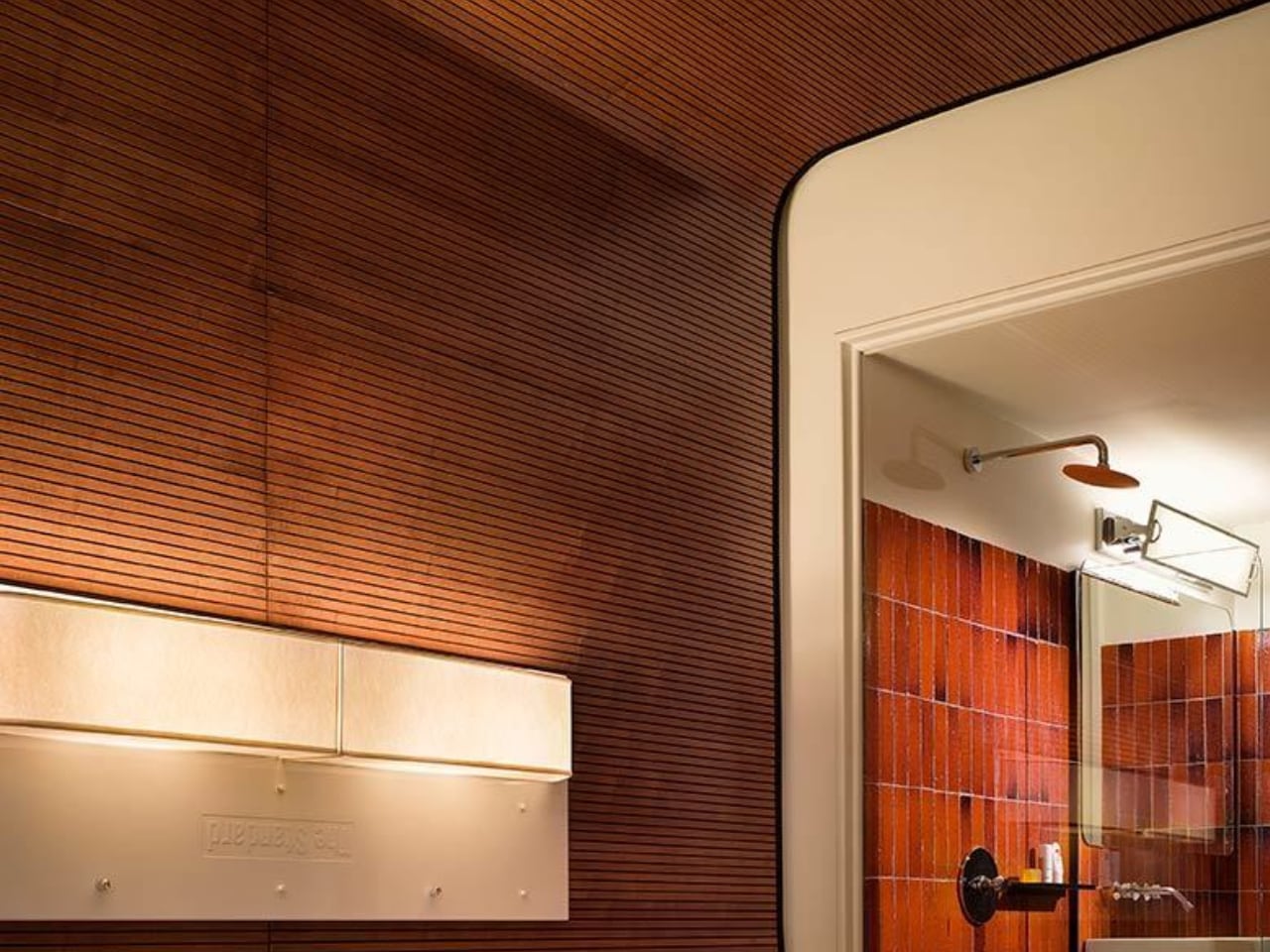
Surfacing Solution captured attention at BDNY 2024 with their innovative tambour panels and the introduction of Wide Plank Wood Wall and Ceiling Panels. With 37 years of industry experience, Surfacing Solution has become a leader in crafting versatile wood panels that address the evolving needs of hospitality design.
Surfacing Solution

Designer: Surfacing Solution + Zack Fistrovich

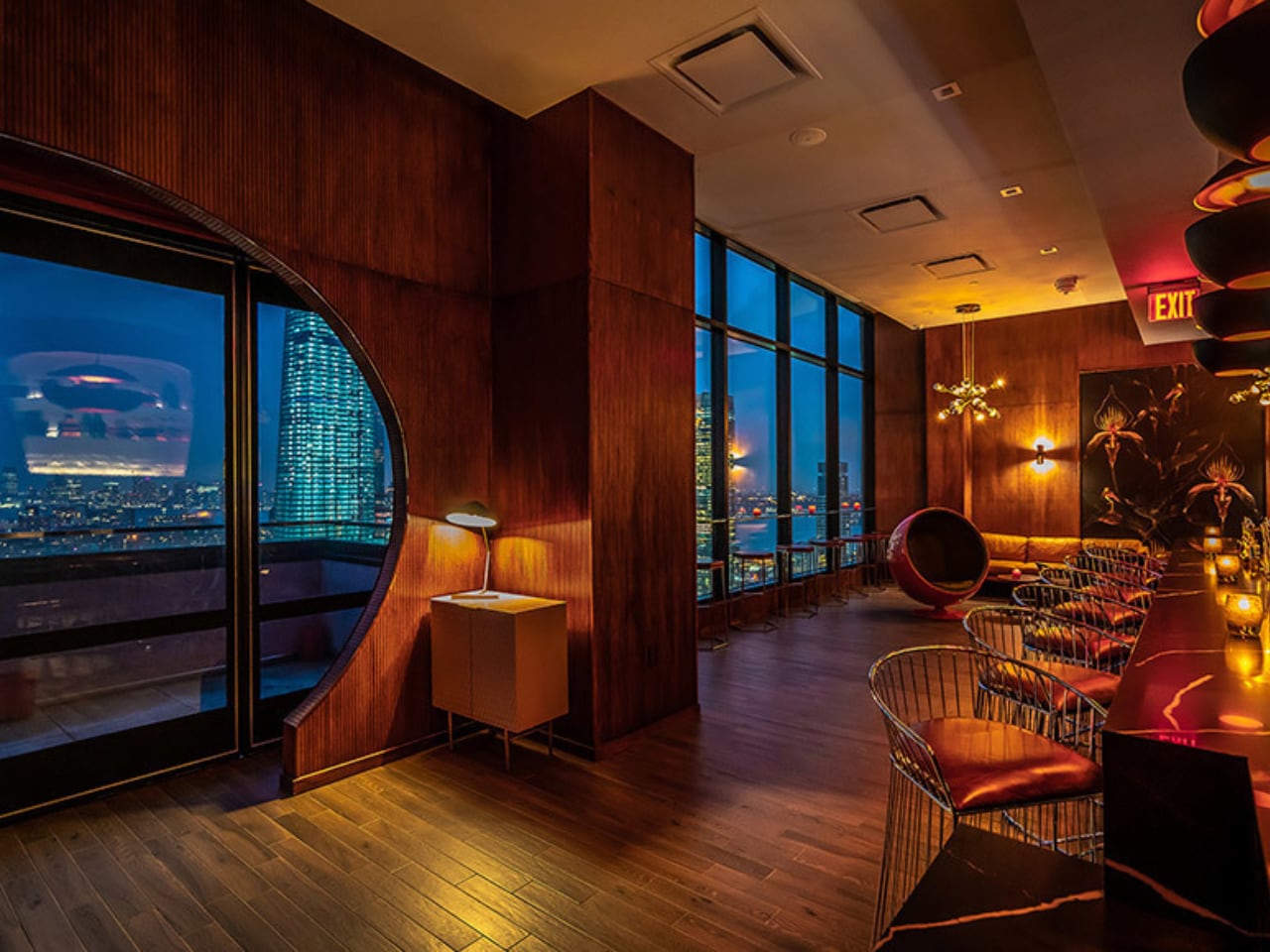
Inspired by the French word for drum, the company’s tambour panels blend aesthetics with functionality. These flexible wood panels bring warmth, texture, and visual appeal to surfaces such as walls, ceilings, pole wraps, wainscoting, and doors. Their standout feature is the seamless ability to cover flat surfaces and rounded corners, allowing designers to craft fluid wood surfaces that adapt to any architectural element.

Wide Plank Panels: A New Dimension in Design

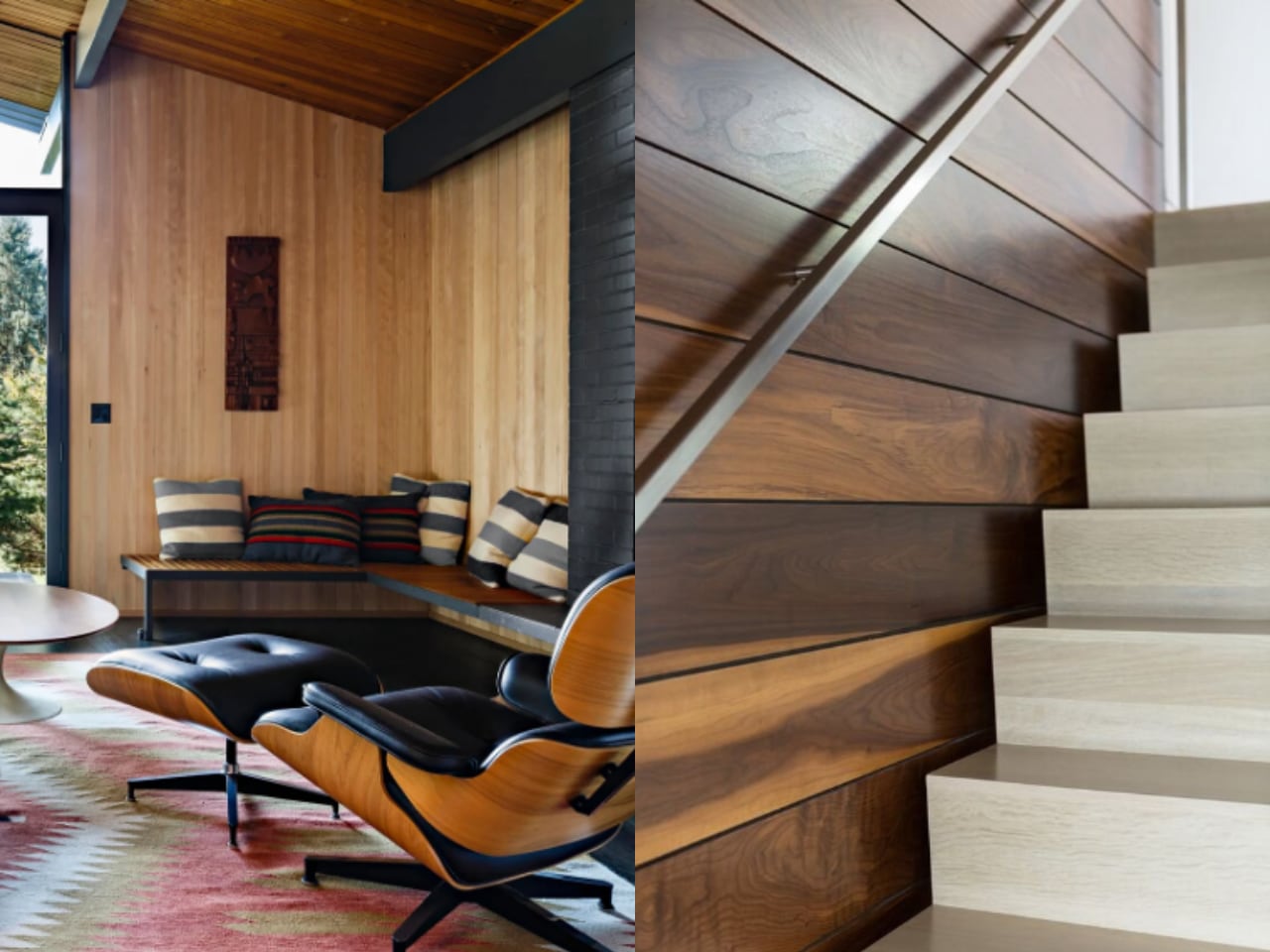
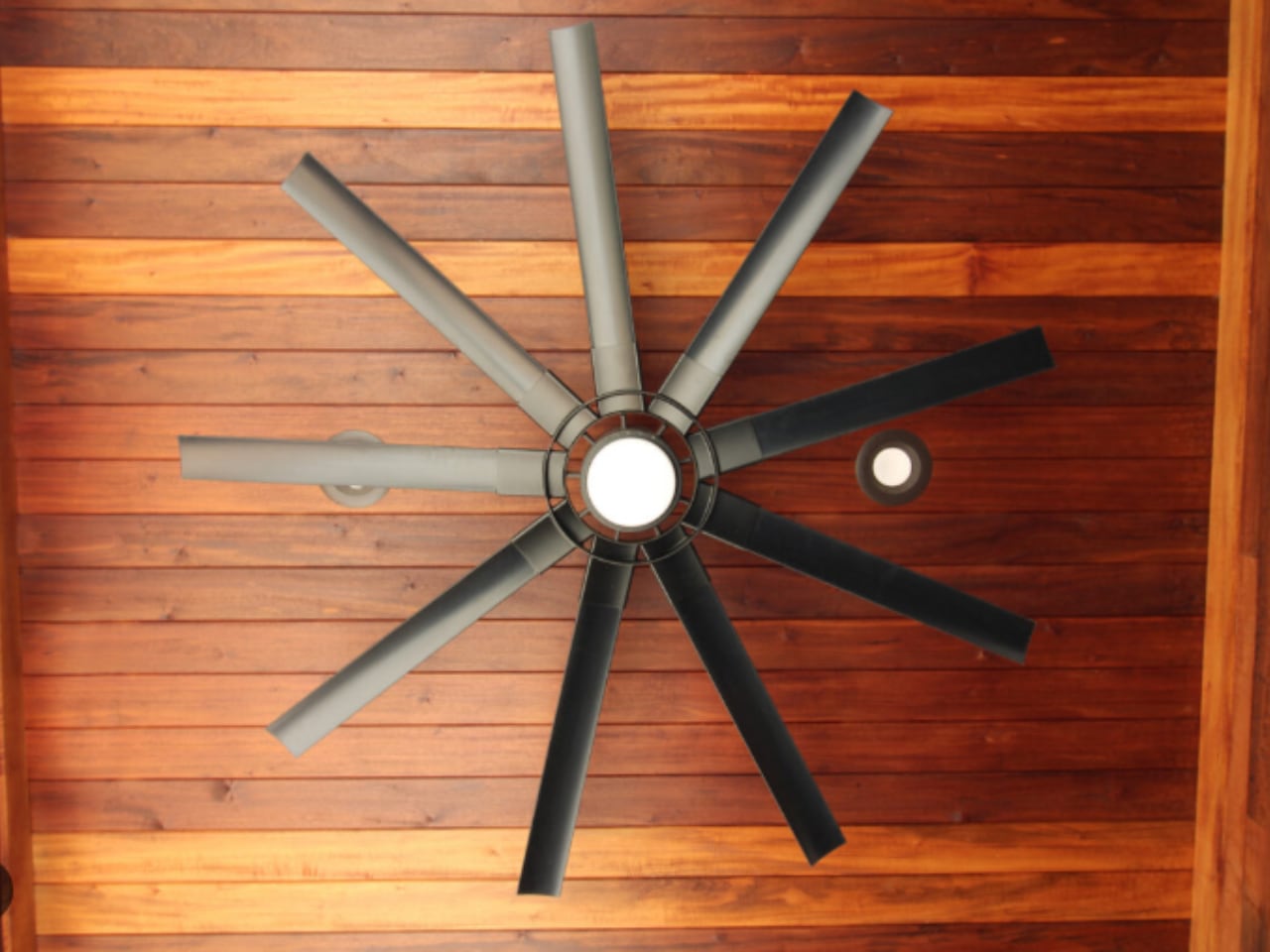
Surfacing Solution also showcased its new Wide Plank Wood Wall & Ceiling Panels. Crafted from premium North American hardwoods—with exotic wood species also available—these panels ensure both durability and visual sophistication. The Wide Plank collection blends timeless tradition with modern elegance, transforming interior spaces into refined, inviting environments.
Surfacing Solution

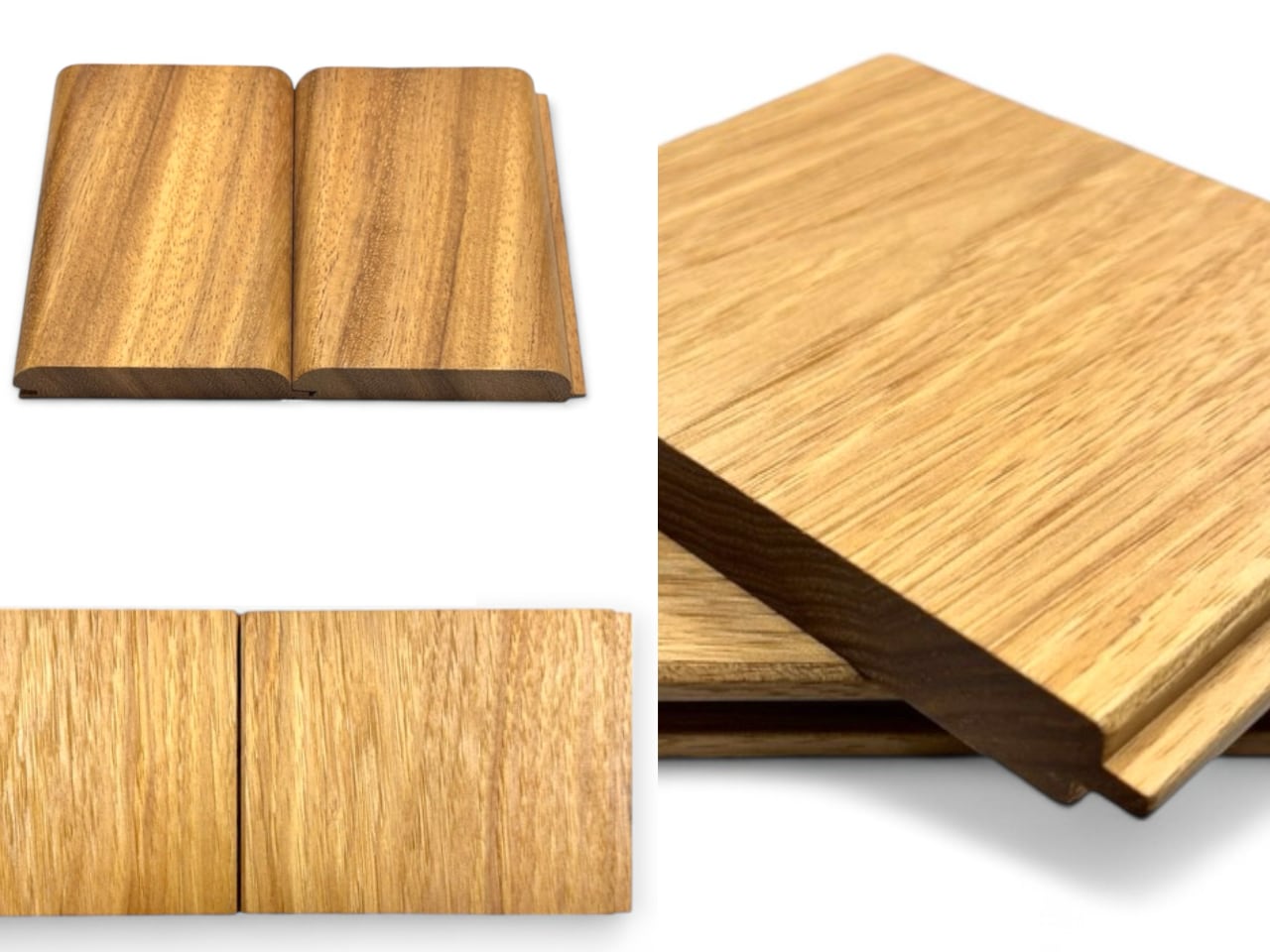
The panels come in various exciting profile shapes to cater to different design aesthetics:

  • V-Groove Joint: This traditional profile features a V shadow line, creating a classic lodge ideal for rustic aesthetics. The tongue-and-groove interlocking mechanism provides a secure fit.
  • Interlock Joint: Designed for a minimalist look, this tight-fitting, seamless joint works well in modern spaces, pairing perfectly with tambour panels for a unified design.
  • Shadow Gap Joint: This versatile profile offers varying widths and spacings to achieve anything from classic to contemporary styles. The nickel gap tongue-and-groove interlocking feature ensures both functionality and striking visual appeal.

Available in standard and custom specifications, the Wide Plank panels give designers limitless possibilities to bring their vision to life. The panels can be stained or painted, making them adaptable to any design scheme. Additionally, FSC-certified options make these panels a conscious choice for sustainability-focused projects.
Surfacing Solution

Tambour Panels: The Backbone of Versatility

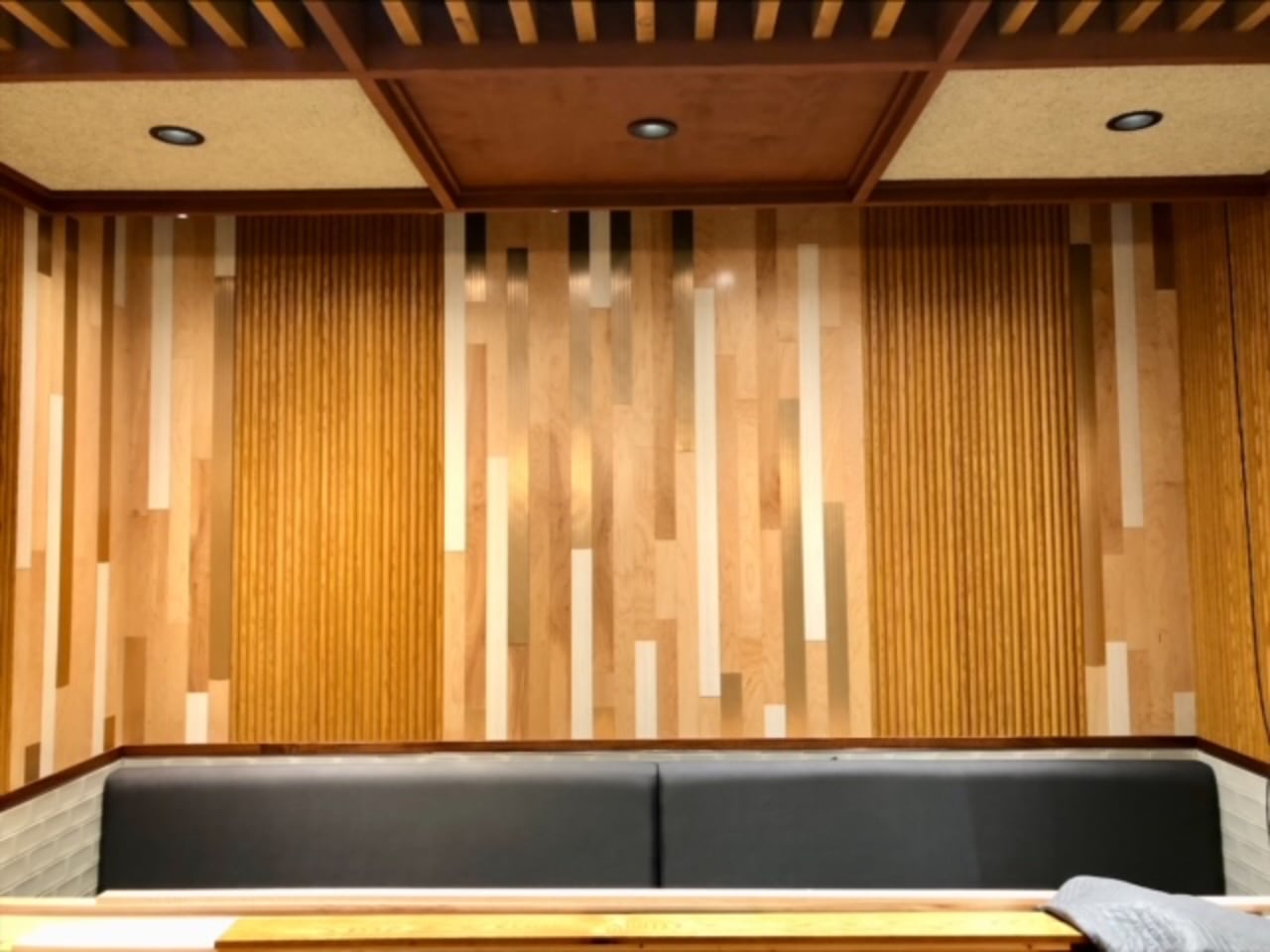
Surfacing Solution displayed a wide range of wood options for their tambour panels, including:

  • Standard woods: Red oak, white oak, poplar
  • Premium woods: Mahogany, cherry, ash, maple, walnut
  • Specialty woods: Purple heart, heat-treated ash/poplar

These panels are available in standard profiles of 1′ x 8′ or 1′ x 3′ lengths, with widths of 12″ or 16″. Custom sizes and profiles are also offered, with panels up to 12 feet in length for certain wood species—perfect for large-scale installations.
Surfacing Solution

The versatility of Surfacing Solution’s tambour panels was a key highlight at BDNY 2024. These panels can be stained or painted to align with any design vision, making them suitable for hospitality applications ranging from hotel lobbies to restaurants and bars.

Their new line of real wood veneer tambour panels also made waves, offering seamless installations up to 10 feet high with 4’x10′ veneers. Available in 4’x8′ sheets, these panels offer a cost-effective alternative to solid wood without compromising natural beauty. Species include birch, teak, white oak, and walnut.
Surfacing Solution

The wire-brushed finish option enhances grain depth and detail, adding a tactile, visually striking surface. Available in red oak, white oak, and ash, this finish is ideal for hospitality environments that seek a natural, organic feel.

Each slat is meticulously hand-selected to ensure a high standard of craftsmanship that distinguishes the company within the industry. This attention to detail, combined with the ability to produce custom profiles and sizes at low setup costs, makes Surfacing Solution an ideal partner for designers seeking high-quality, distinctive wood solutions.
Surfacing Solution

Sustainability Takes the Spotlight

Sustainability took center stage at BDNY 2024, with numerous exhibitors presenting eco-friendly materials and products. The Good Plastic Company won the sustainable product award for their Polygood material, which showcased how recycled plastic waste can be transformed into striking and functional design elements.
Designer: Havwoods

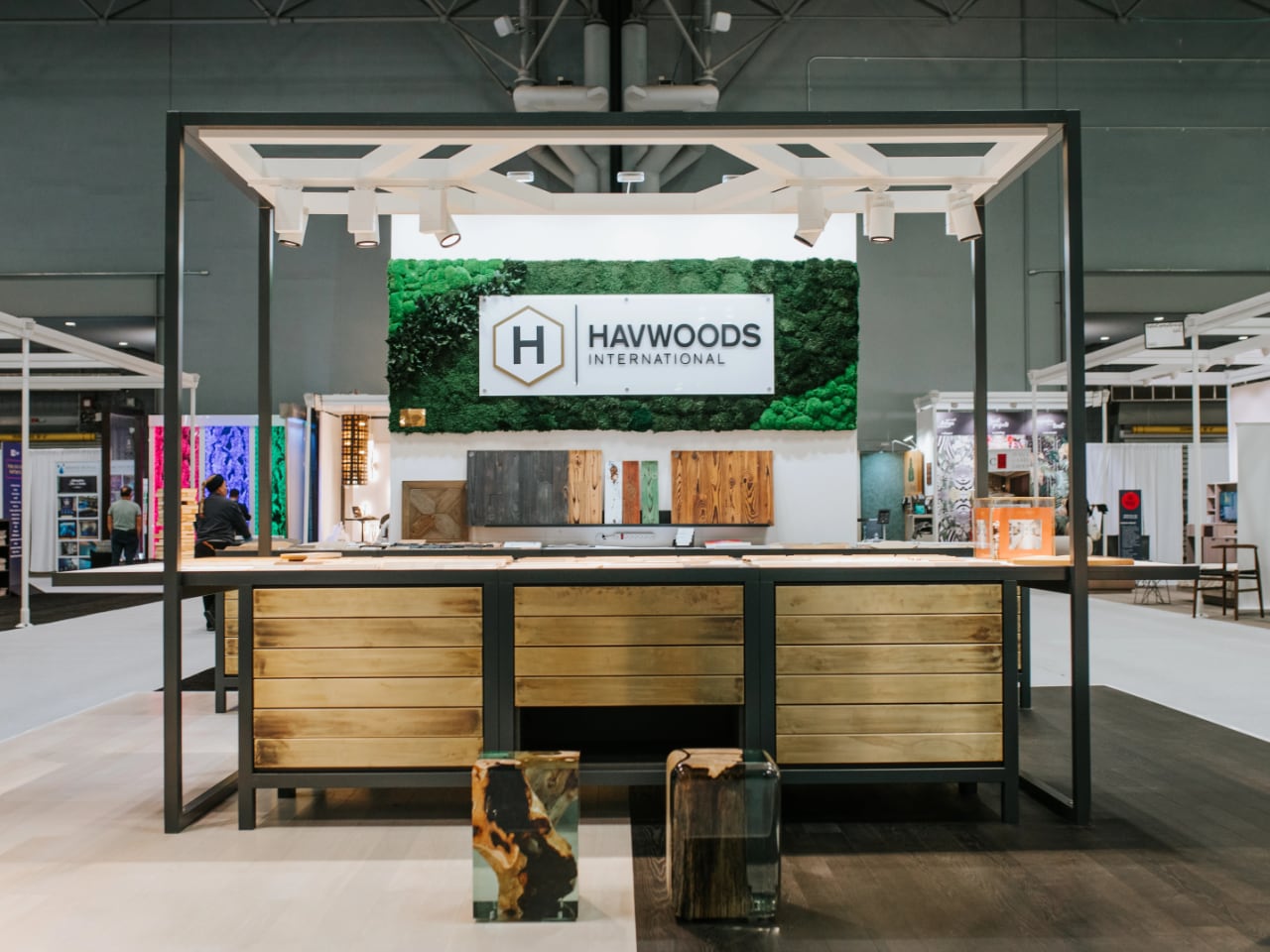
Havwoods also made a significant impact with their TreeAzzo material and Bog Oak flooring panels.

TreeAzzo: Modern Terrazzo Twist

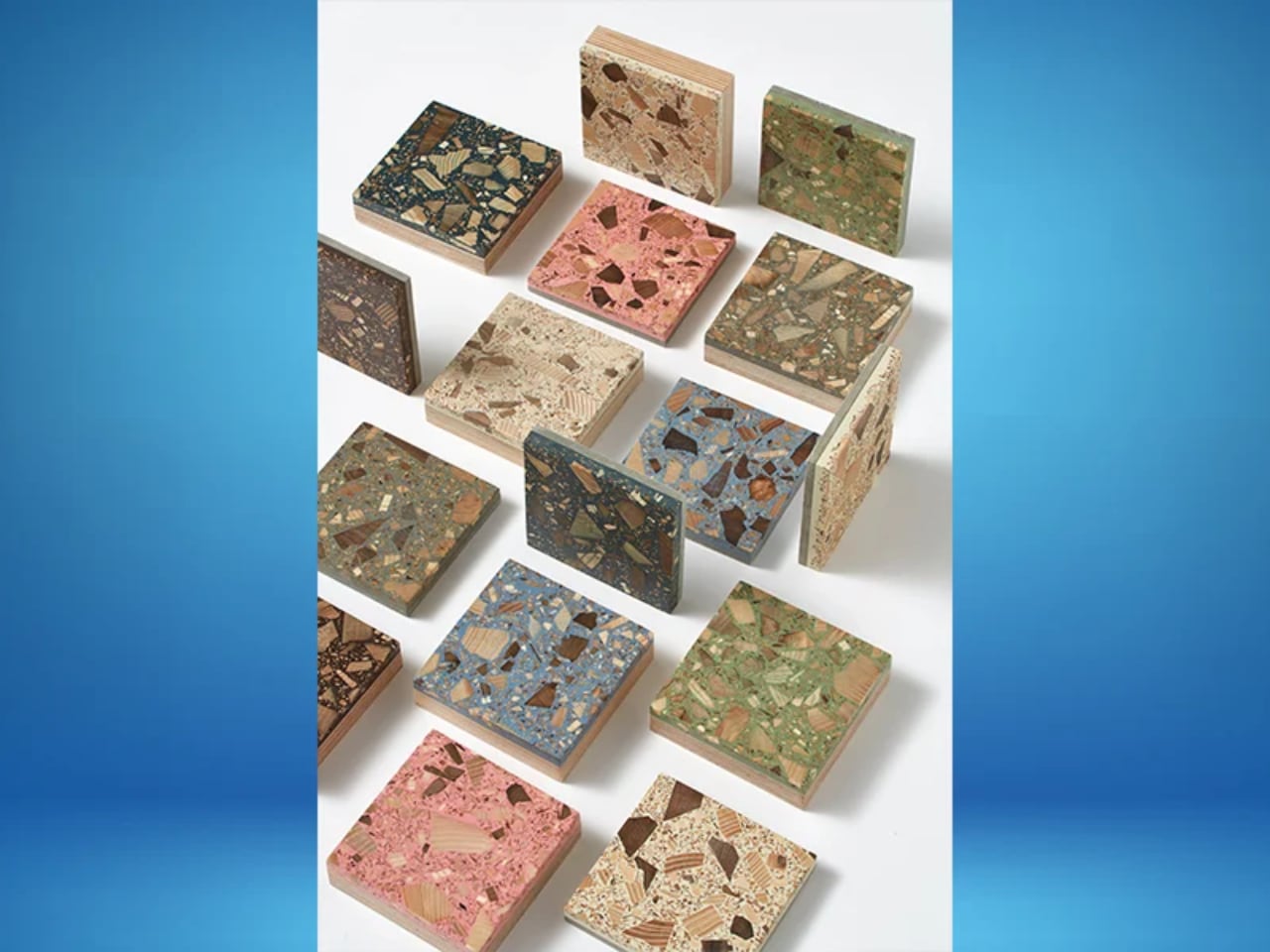
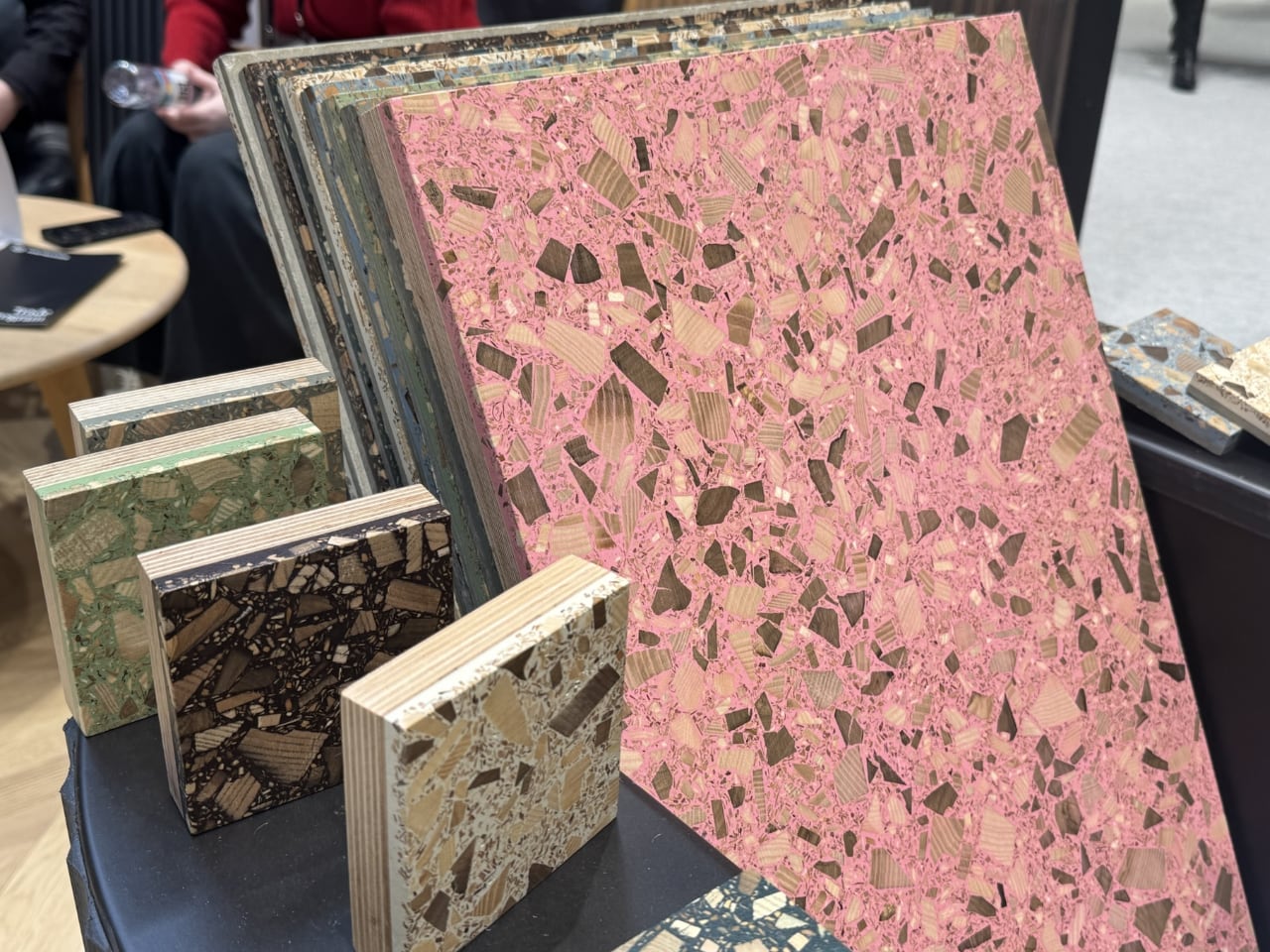
TreeAzzo represents an innovative approach to terrazzo flooring, offering a modern twist on the classic material. This unique surfacing solution combines reclaimed wood chips with premium, eco-friendly resin to create a fresh and sustainable alternative to traditional terrazzo.
Havwoods

The use of reclaimed wood chips in TreeAzzo provides a distinctive aesthetic that aligns with sustainable building practices by repurposing materials that might otherwise go to waste. This approach results in a surface that blends the organic warmth of wood with the seamless, continuous appearance characteristic of terrazzo.

TreeAzzo is available in a range of customizable resin colorways, including options such as Raspberry, Nougat, Fig, and Oyster. These color choices allow designers to tailor the appearance of TreeAzzo to suit various interior design schemes and preferences.
Havwoods

One of TreeAzzo’s features is that each panel is handcrafted, ensuring that no two installations are exactly alike. This approach adds a unique character and depth to the spaces where it’s used, making each application truly one-of-a-kind.

This material offers versatility in its applications. It can be used for flooring, wall cladding, cabinetry, and even worktops, providing designers with flexibility in how they incorporate this material into their projects.

TreeAzzo is available with either fiber cement or ply backing to accommodate different installation requirements. This option allows for greater adaptability to various substrate conditions and installation methods.
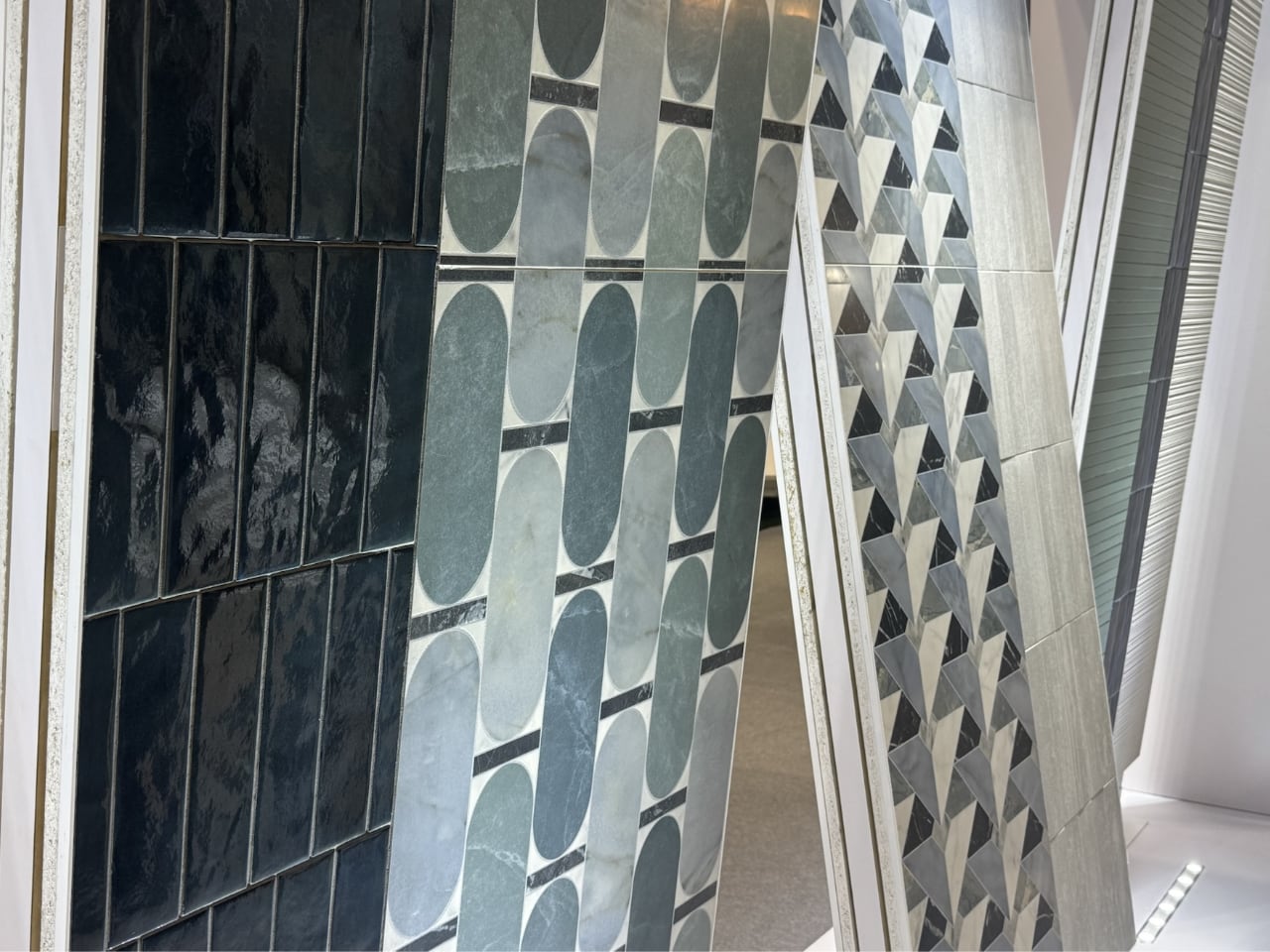
Havwoods

While TreeAzzo represents a departure from traditional terrazzo materials, it maintains the durability and design flexibility that terrazzo is known for, while adding a unique, eco-friendly twist. This innovative product offers architects and designers a new option for creating sustainable, visually striking surfaces in commercial and residential settings.

Bog Oak: Rich History and Luxurious Aesthetic

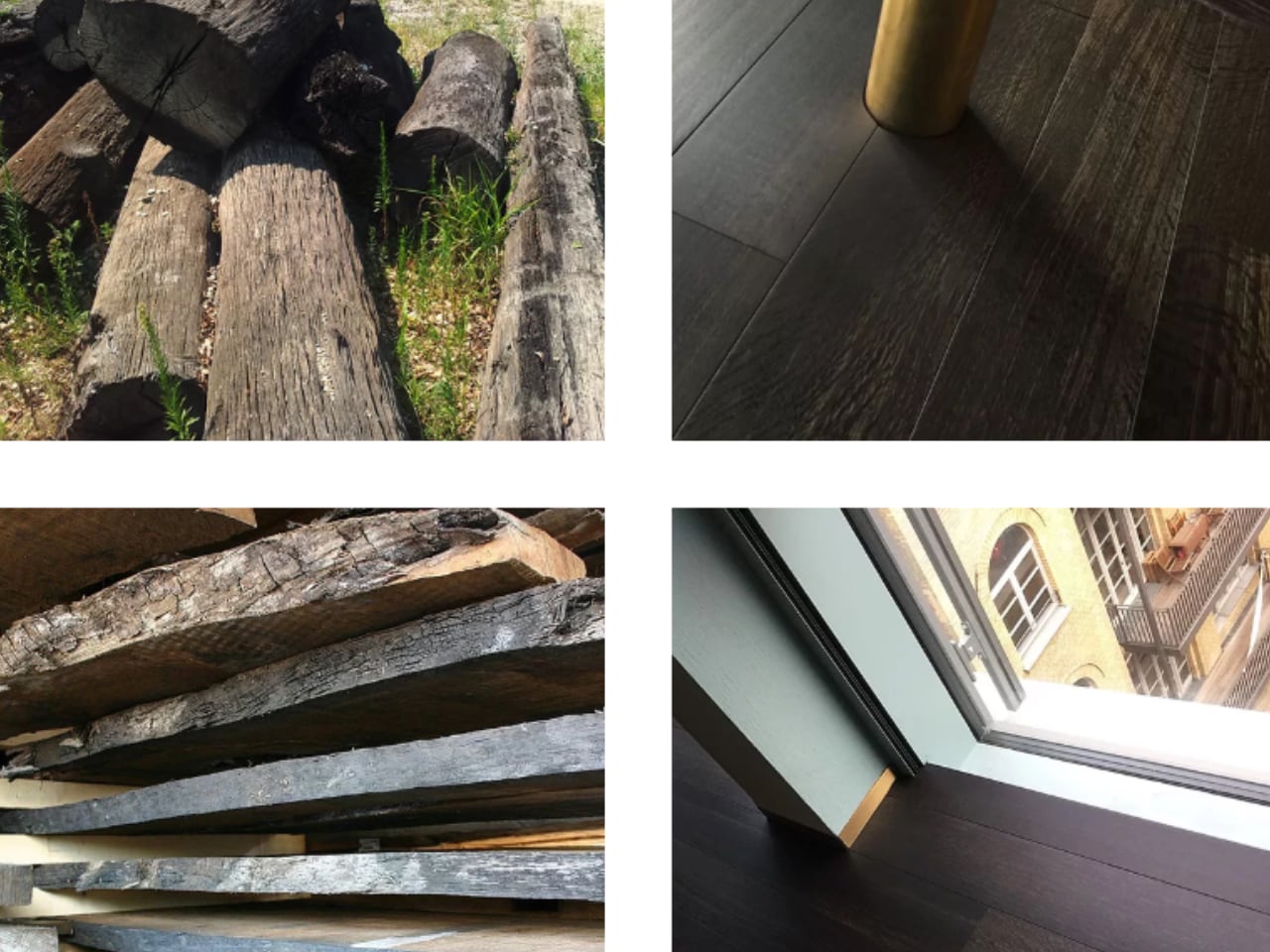
Bog Oak, also showcased at BDNY 2024, is crafted from semi-fossilized trees aged between 100 and 1,000 years. This unique wood offers a richly saturated black tone, achieved through a custom drying process that ensures consistency and durability. Bog Oak’s luxurious aesthetic and historical significance make it perfect for high-end interiors.
Bog Oak

Both products are strongly dedicated to eco-conscious design, blending historical significance with artistic craftsmanship.

Italian Grande and Crocodilo: Versatile Design Solutions

Havwoods also introduced two other products at BDNY 2024: Italian Grande and Crocodilo. Italian Grande, part of the Italian Collection, brings a rich, smokey tone in plank, herringbone, and chevron patterns—ideal for creating sophisticated interiors that balance beauty and cost-effectiveness. Crocodilo, an oak-veneered MDF panel, uses an embossing technique to create a crocodile texture, making it perfect for spaces like bars, restaurants, and hotel lobbies where visual depth is desired.

Textiles: Capturing Nature’s Spirit

HBF Textiles captivated BDNY 2024 attendees with their award-winning “Moments of Wander” collection, which claimed top honors in the fabric category. This collection captures the biophilic design trend, seamlessly blending artistic sensibility with functional performance.

HBF Textiles

Designer: HBF Textiles + Christiane Müller

Designed by renowned textile artist Christiane Müller of MüllerVanTol, the “Moments of Wander” collection includes three distinct patterns, each inspired by fleeting moments in nature:

  • Fields of Velvet: Soft, undulating textures evoke natural landscapes like grass or wheat fields.
  • Trails of Tweed: A rugged, textured aesthetic inspired by winding trails and natural paths.
  • Seeds of Colour: Vibrant, scattered patterns reminiscent of wildflower fields and colorful natural elements.

The unique strength of this collection lies in its versatility—it brings the softness of indoor fabrics while ensuring durability for outdoor use. This blend is especially valuable in hospitality, where the line between indoor and outdoor spaces is increasingly blurred.

Debuting in September 2024, the “Moments of Wander” collection showcases HBF Textiles’ most innovative work. By capturing both the macro- and micro-beauty of nature, these textiles provide designers with a tactile way to integrate outdoor elements into interior environments.

This aligns with hospitality’s broader push towards immersive, nature-inspired design. The “Moments of Wander” collection enables designers to evoke natural serenity, enhancing both comfort and well-being through biophilic design.

Silver Threads: Custom Window Treatments and Signature Spaces

Silver Threads, established in 1982, is recognized as one of the nation’s leading providers of custom window treatments for both the hospitality and residential sectors. At BDNY 2024, they showcased their work in the “Salone by Baskervill” space, a feature that drew considerable attention for its intricate design and execution.
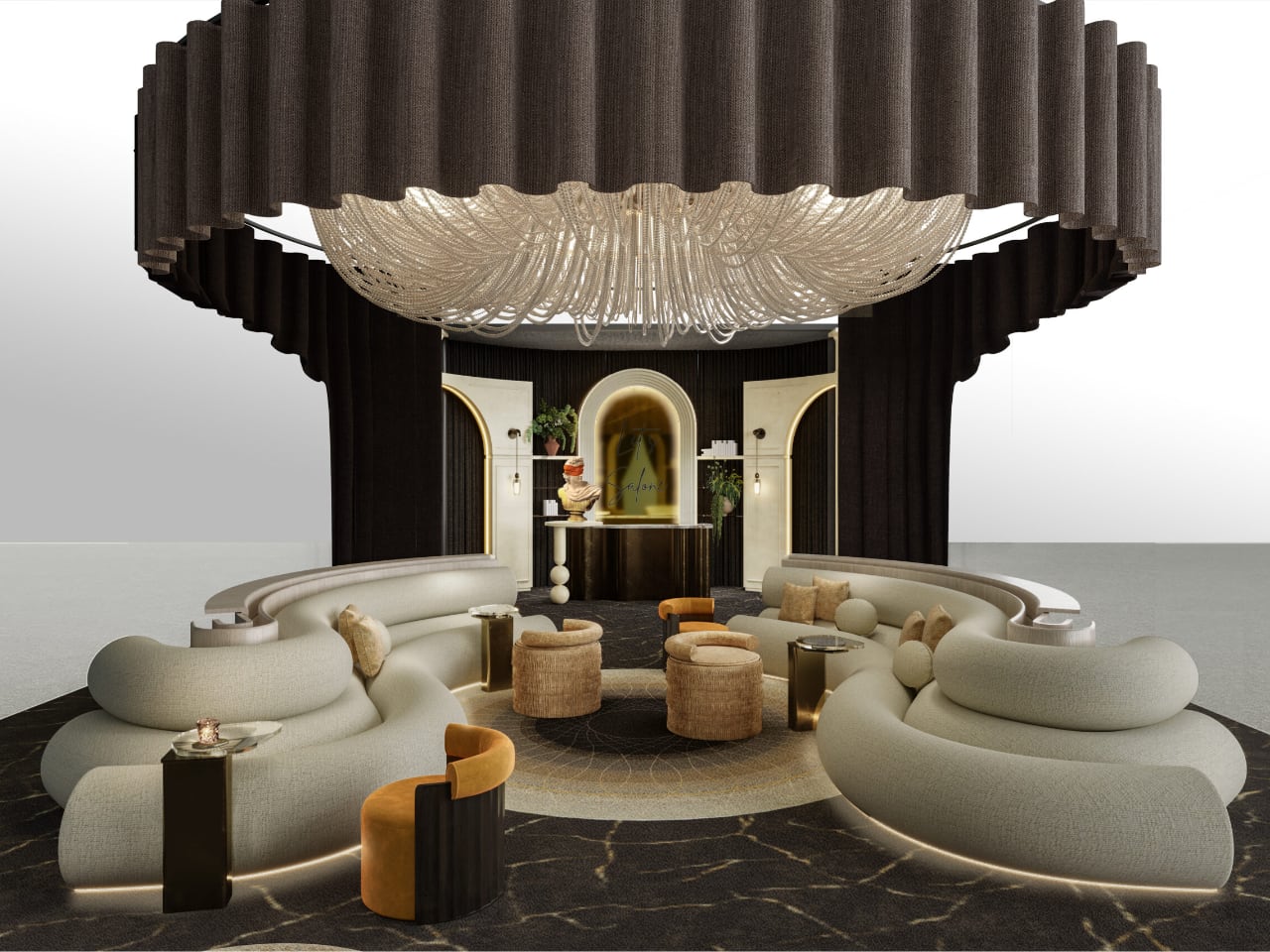
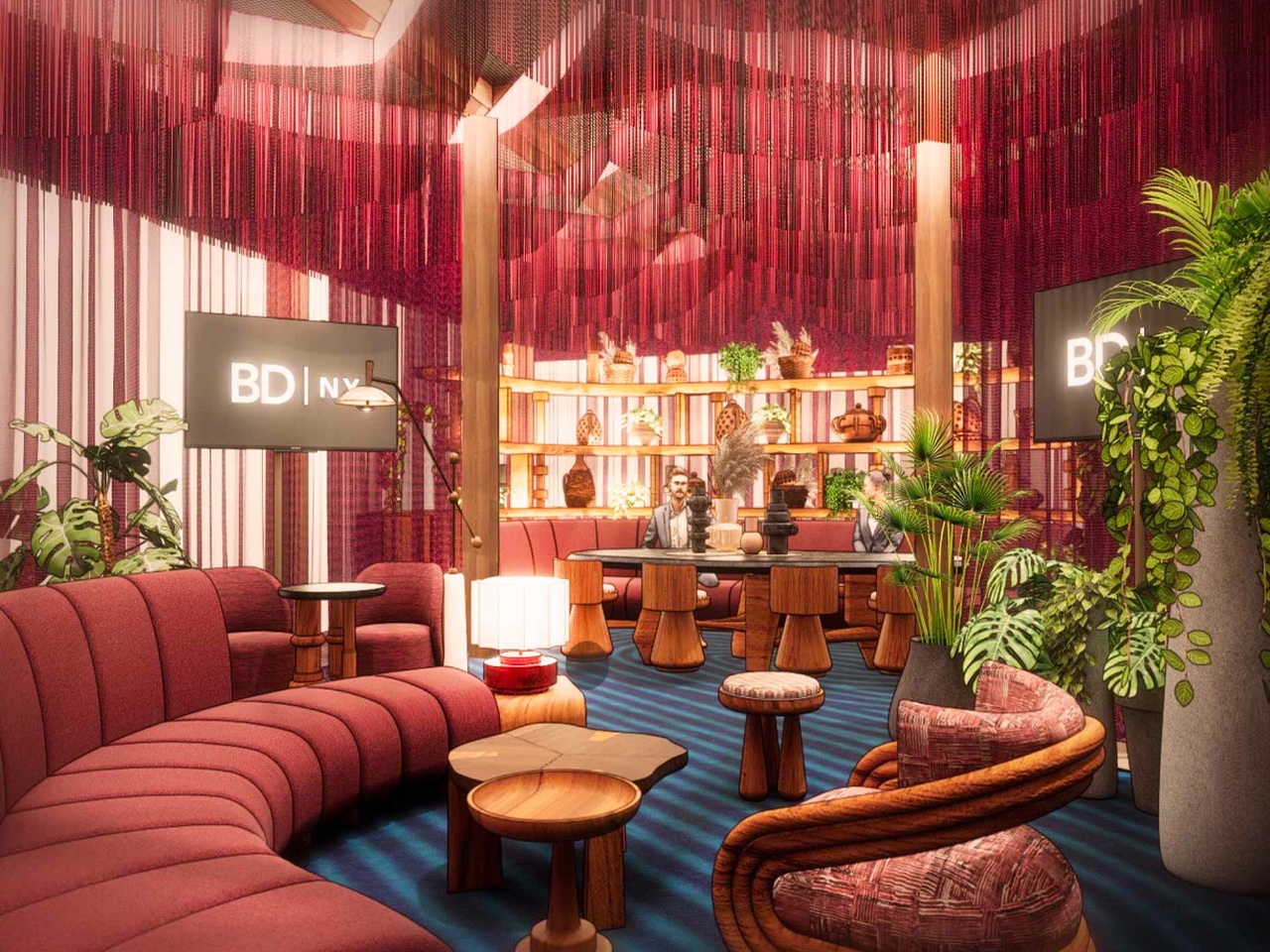
The “Salone by Baskervill” space took inspiration from the 15th-century salons, which were known for encouraging in-person dialogue and creative interaction. Silver Threads played a significant role in transforming this vision into reality. Their contribution included a stunning 19.5-foot-diameter central drapery that served as the focal point of the space. Additionally, custom drapery installations framed both ends, suspended elegantly from the ceiling using airline cables. This installation not only added visual grandeur but also contributed to the intimate, engaging atmosphere that the space was designed to evoke.

Silver Threads’ extensive experience in the industry is evident through its high-profile project portfolio, which includes notable locations such as the World Equestrian Center in Ocala, FL, the Crown Plaza in Indianapolis, and the Hilton Downtown Columbus. Their ability to execute complex, large-scale installations while maintaining an intimate feel demonstrates their versatility and expertise in crafting custom window solutions that enhance the aesthetic and functional aspects of any space.

Furniture and Lighting: Redefining Boundaries

Dedon took home the “Best in Show” award for their Cirql Nu chair, designed by Werner Aisslinger. The Cirql Nu features Dedon’s invert fiber, created through a co-extrusion process that merges two types of fiber into one. This innovative technique results in a distinctive 3D effect that is both visually captivating and functionally impressive, underscoring Dedon’s commitment to pushing the boundaries of outdoor furniture design.
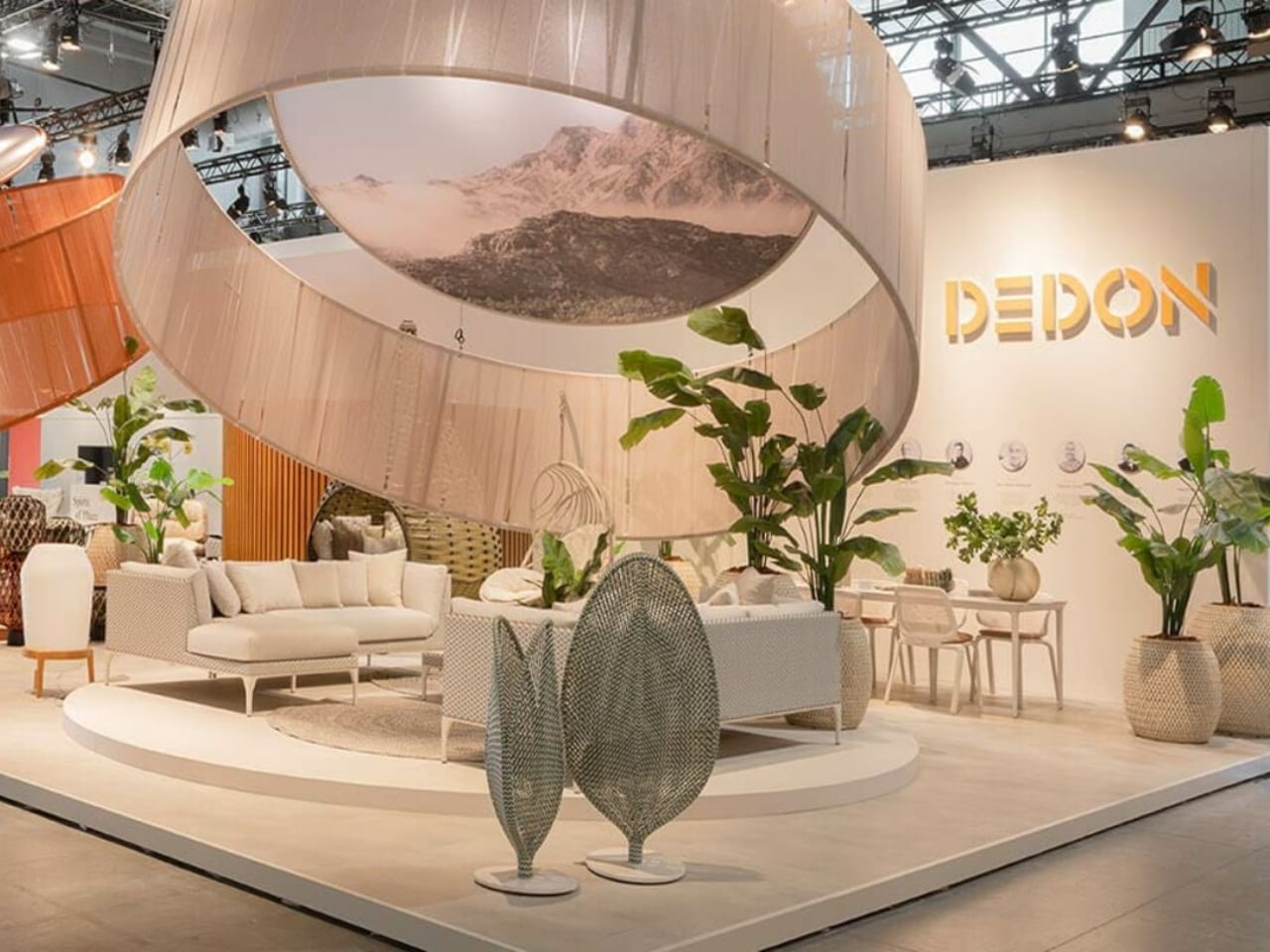
In lighting, Bover’s Kando collection stole the spotlight. The innovative designs illustrated how lighting transcends mere functionality—it serves as an artistic statement, transforming hospitality spaces with the perfect balance of beauty and utility.

Flooring Innovations: Adding Sensory Layers

Royal Thai’s Tactile Vernacular Collection, which won the flooring category prize, emphasized how crucial texture is in modern design. More than just an aesthetic element, the collection demonstrates how flooring can elevate the entire sensory experience of a space, affecting how guests perceive and interact with their surroundings.
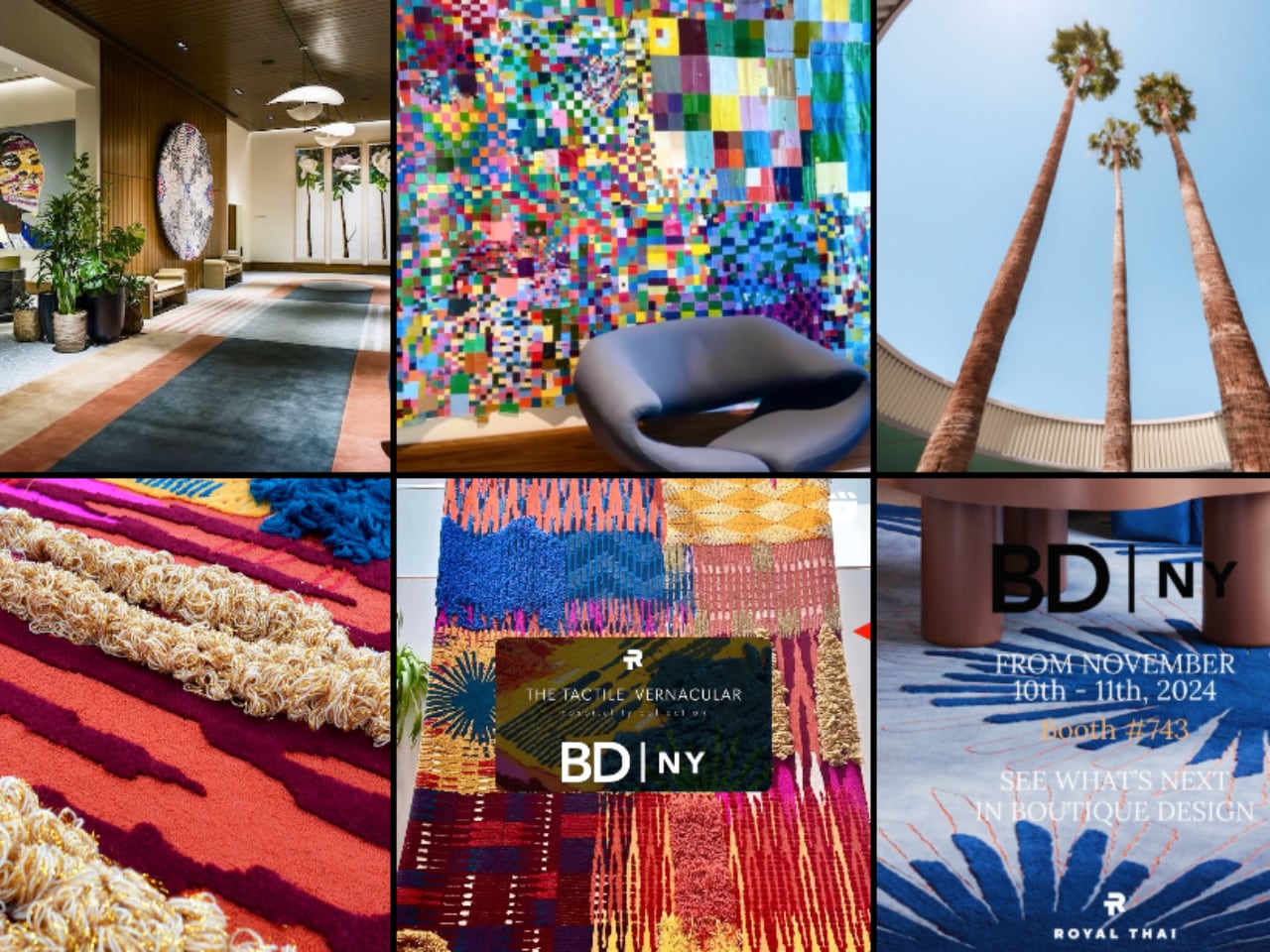
Royal Thai’s Tactile Vernacular Collection

The Tactile Vernacular Collection utilizes a variety of textures that invite touch and create a sense of depth, transforming flooring from a background element into a dynamic part of the environment. The collection’s diverse patterns and finishes provide designers with tools to create spaces that are not only visually striking but also engage multiple senses, enhancing comfort and ambiance.

This approach aligns with the hospitality industry’s broader goal of creating immersive environments that foster memorable experiences. By focusing on texture, Royal Thai’s innovative flooring contributes significantly to the sensory palette of a room, making it an integral component in the overall design narrative.

Looking Ahead: The Future of Hospitality Design

BDNY 2024 highlighted current trends while offering a clear view of the future of hospitality design. New initiatives like the Dine & Design: A BDNY PopUp area reflected the industry’s growing focus on adaptable and multifunctional spaces. This trend caters directly to the evolving needs of modern travelers, who prioritize flexibility, comfort, and experience-driven environments.

As the hospitality industry continues to redefine itself, BDNY plays a crucial role in bringing together the innovators and trendsetters shaping the future. From Surfacing Solution’s tambour panels to the sustainable offerings by Havwoods and The Good Plastic Company, the event spotlighted products driving the industry forward—embracing sustainability, versatility, and impactful design.

The post BDNY 2024: The Most Innovative Materials and Sustainable Design Take Center Stage first appeared on Yanko Design.
Omega x Swatch MoonSwatch Lava: A Fiery Review of Its Design and Performance

PROS:


  • Unique Colorway: The bright orange Bioceramic case is bold and eye-catching

  • Lightweight and Comfortable: Bioceramic material enhances comfort for daily wear

  • Iconic Design Elements: Combines classic Speedmaster design with modern touches

  • Durable and Sustainable: Bioceramic is tough, scratch-resistant, and eco-friendly

CONS:


  • Strap Comfort: Velcro strap can feel stiff and less breathable

  • Battery Changes: Requires regular battery replacements

  • Availability: High demand and limited release can make it hard to find

RATINGS:

AESTHETICS
ERGONOMICS
PERFORMANCE
SUSTAINABILITY / REPAIRABILITY
VALUE FOR MONEY

EDITOR'S QUOTE:

The MoonSwatch Mission to Earth Lava is a bold, vibrant take on a legendary design, seamlessly merging Omega’s legacy with Swatch’s innovative materials.

Omega and Swatch have teamed up again to release the latest MoonSwatch series, “Mission on Earth.” This collection introduces three exciting models: Lava, Polar Lights, and Desert. Each watch draws inspiration from natural elements found on Earth, infusing fresh and vibrant details into the iconic Speedmaster design.

Designer: Omega + Swatch

During a work trip to Tokyo, I timed my visit perfectly with the launch of these new models. The buzz around the MoonSwatch collection was undeniable, and the excitement was palpable. After waiting in line at the Swatch location in Ginza, I snagged the model I wanted: the Lava. Its bold color and unique design immediately caught my attention, and I was eager to see if it lived up to the hype. I picked one up from the boutique to thoroughly review it for Yanko Design.
Aesthetics

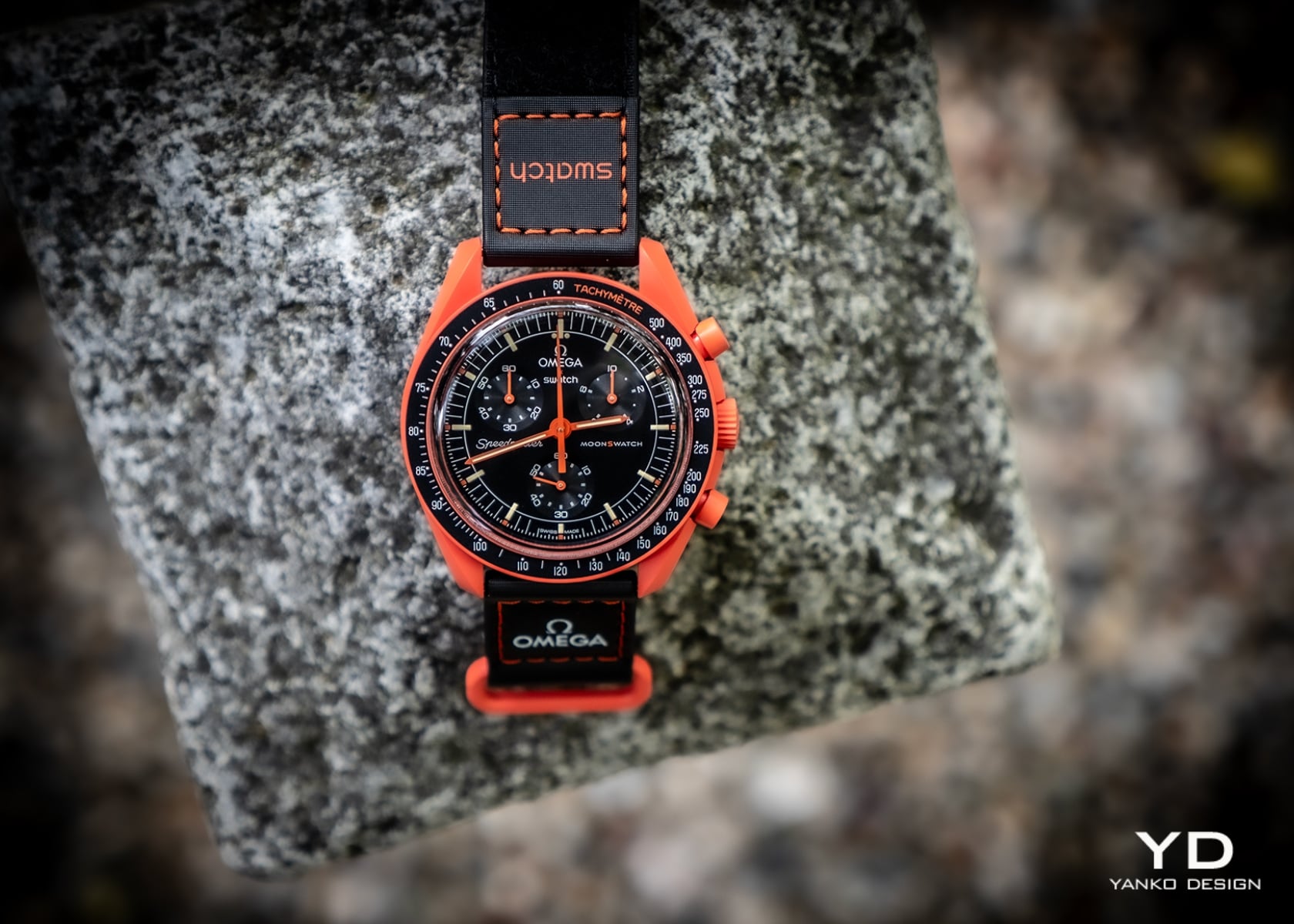
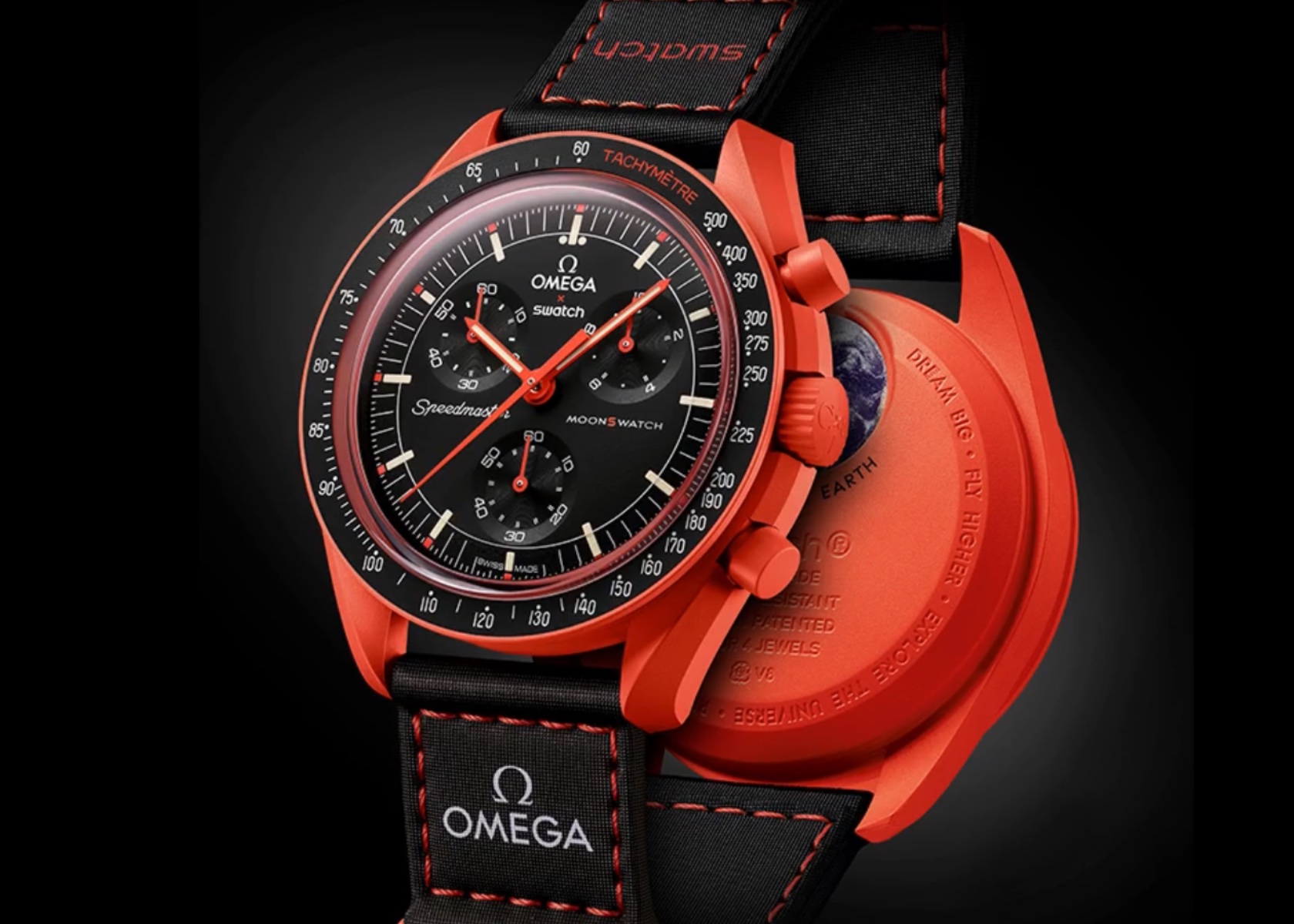
The Omega x Swatch MoonSwatch Mission to Earth Lava grabs attention with its bright orange bioceramic case. This vibrant color is more than just eye-catching; it’s a deliberate nod to the Speedmaster “Ultraman,” known for its striking orange seconds hand. The bright orange of the case brings a sense of energy and intensity, much like the molten lava it’s named after. This daring color sets it apart from traditional Speedmasters and makes it a standout piece.

Omega x Swatch MoonSwatch Mission to Earth Lava

The case retains the iconic twisted lug design that has been a hallmark of the Speedmaster since 1963. This feature, combined with the new bioceramic material, keeps the watch lightweight and durable. The satin/matte finish on the case avoids the cheap look that polished plastic can sometimes have, giving it a refined and sleek appearance. Every curve and edge of the case mirrors the classic Speedmaster design, ensuring it remains recognizable and authentic to its roots.

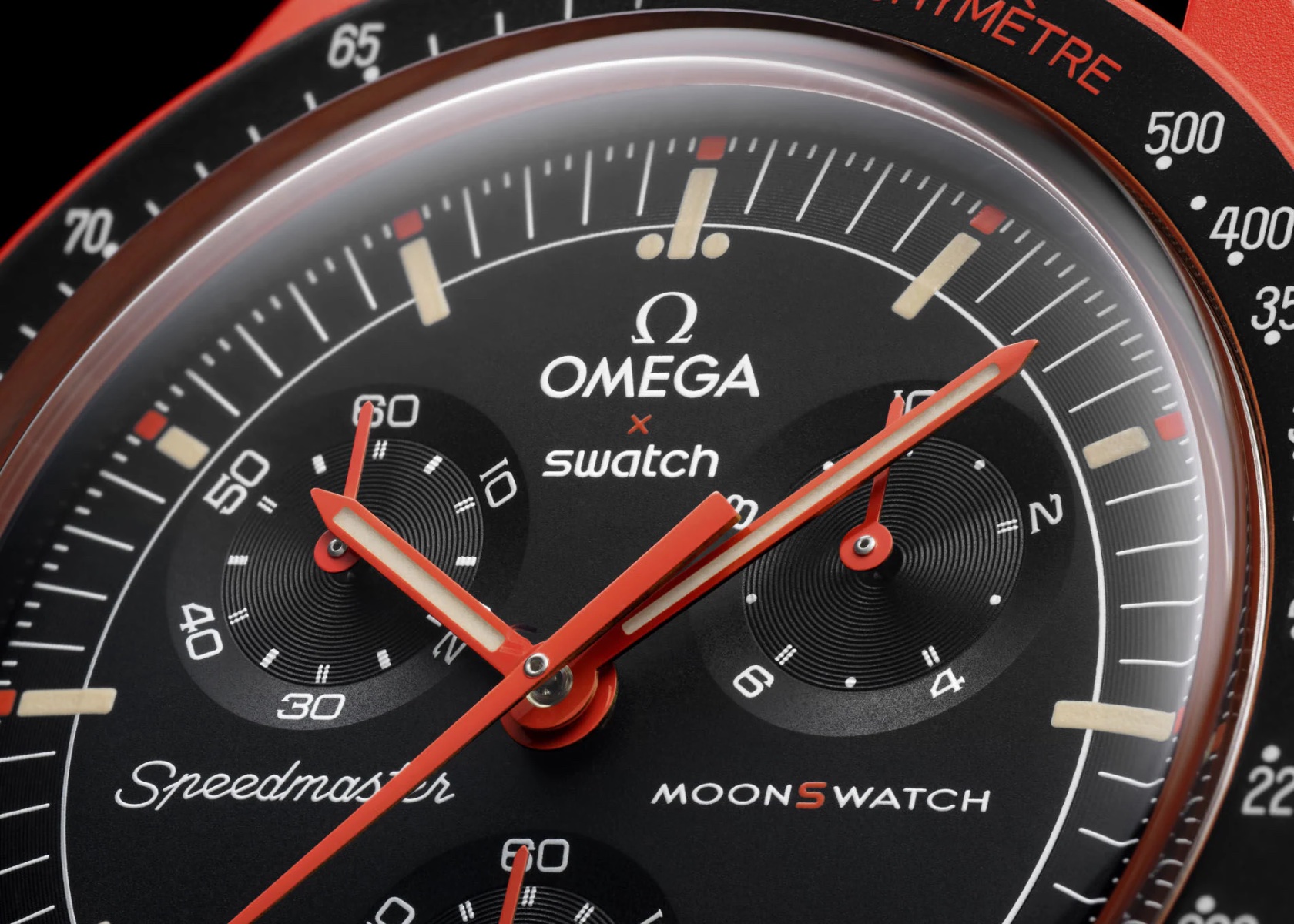
The black dial contrasts the orange case sharply, making the orange elements pop and enhancing readability. The dial is full of thoughtful design elements. The subdials, positioned at two, six, and ten, feature Arabic numerals and radial indexes. These subdials are a nod to the Speedmaster Alaska II and III projects, integrating a piece of Omega’s rich history into the design.
Mooonswatch Mission on Earth: Lava

A notable feature on the dial is the full black circle that marks where the “step” would be on older Speedmaster models. This line helps segment the dial, making reading and organizing information easier. While an actual step might add more depth, this design choice effectively maintains aesthetic and functional clarity.

The hands are another highlight. The chronograph functions are emphasized with deep orange, matching the case. The hour, minute, and active seconds hands are in dark khaki, complementing the overall color scheme. These hands are coated with Super-LumiNova, ensuring they glow brightly in the dark. This feature adds both functionality and a cool visual effect when the lights go down.
Mooonswatch Mission on Earth: Lava

The tachymeter scale on the bezel is classic Speedmaster, complete with the iconic “dot over 90” detail. Using orange for the tachymeter text ties it back to the overall color scheme. The tachymeter acts as an extension of the dial, maintaining the watch’s cohesive look.
Ergonomics

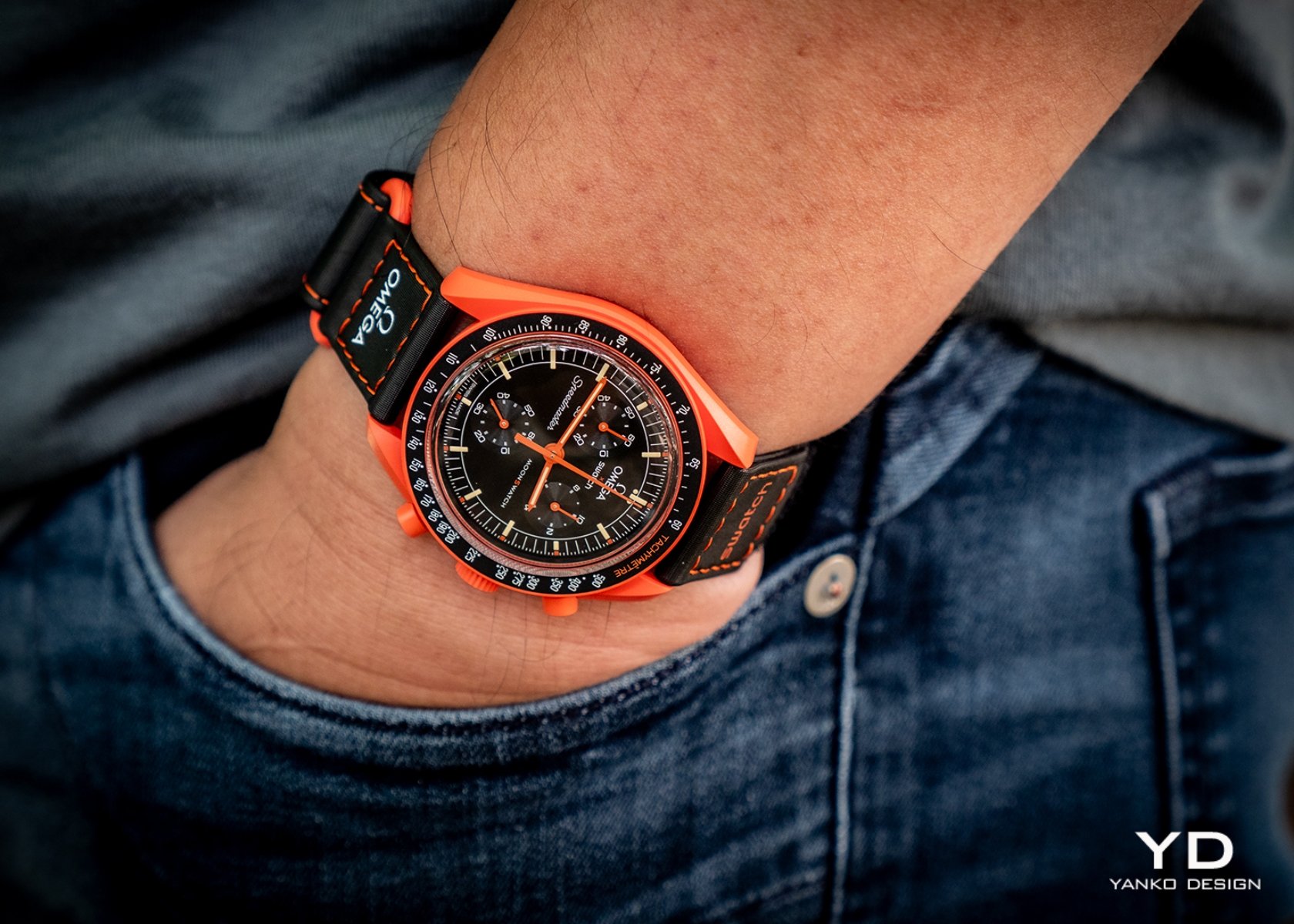
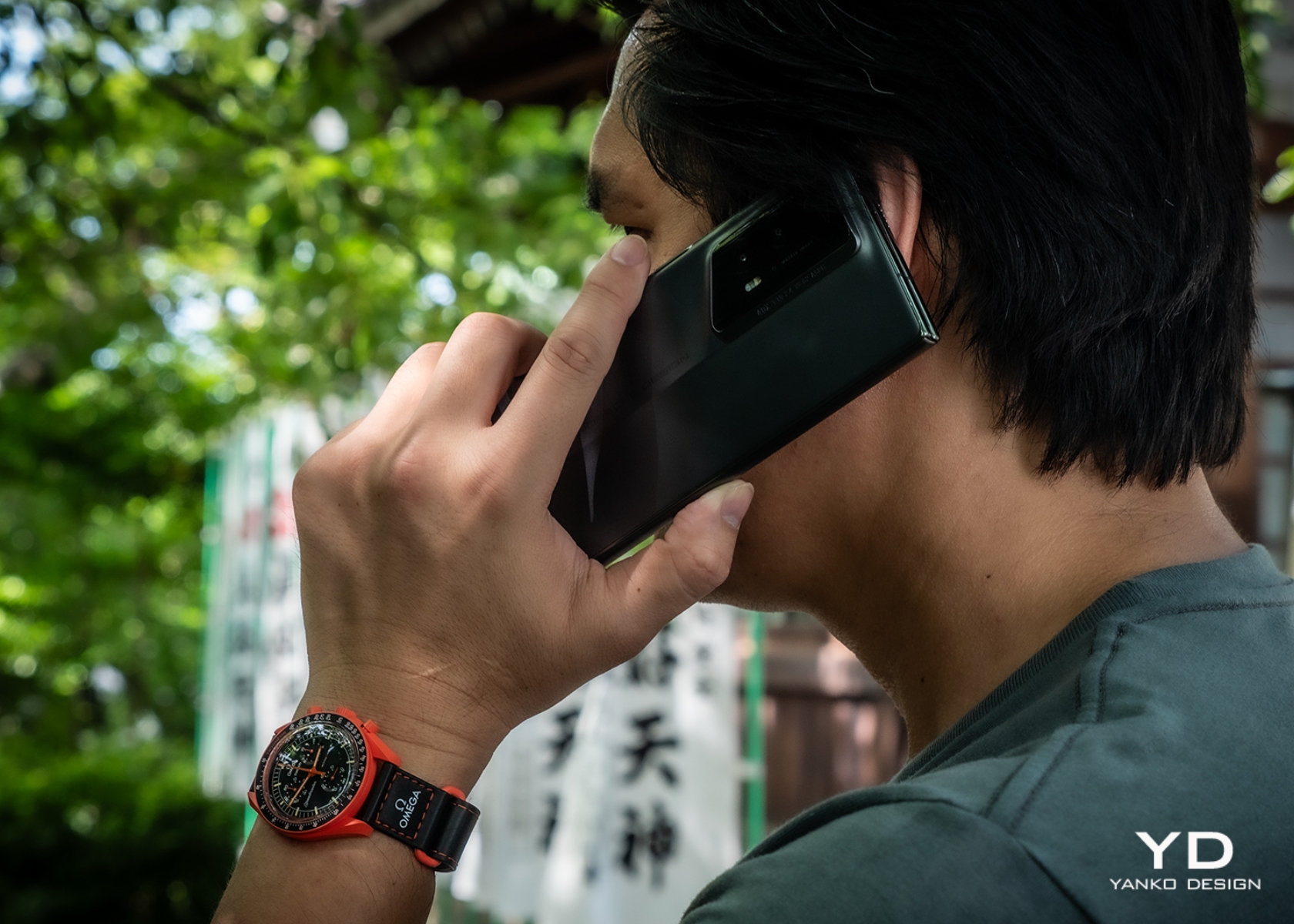
When it comes to ergonomics, the MoonSwatch Mission to Earth Lava delivers. The 42mm case diameter is a familiar size for Speedmaster fans, offering a balanced presence on the wrist. Bioceramic material (plastic) makes the watch notably lightweight, adding to its comfort during extended wear. This is a significant advantage over traditional steel cases, which can feel heavy after a long day.

Omega x Swatch MoonSwatch Mission to Earth Lava

The iconic twisted lugs enhance the watch’s aesthetic appeal and comfortable fit. They ensure the watch sits snugly on the wrist without causing discomfort. The 13.25mm thickness is slightly more substantial than some might expect, but it doesn’t detract from the overall wearability.

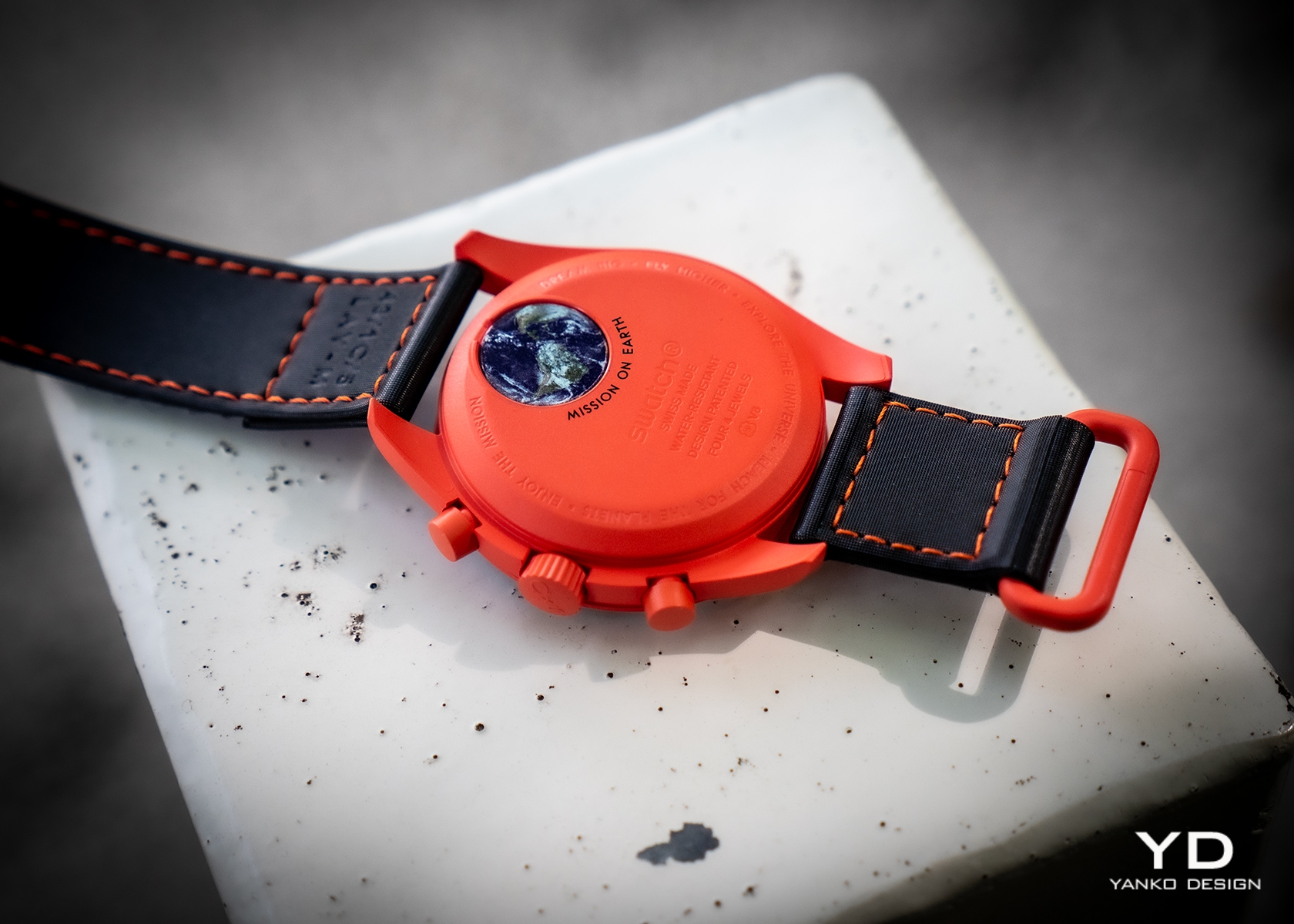
One area where the Lava could improve is the strap. While thematically fitting with the MoonSwatch series, the included Velcro strap may not offer the same level of comfort as a traditional leather or fabric strap. The strap can feel stiff and less breathable, which might be an issue in warmer climates or during physical activity. I appreciate the natural curve in the strap. However, for my wrist, it feels short. For my 14-year-old daughter’s wrist, it fits perfectly. The dial and case dimensions sit well on her wrist and look fantastic. She loves motorsport, especially F1, so this gift gave her a taste of the world of collecting watches without the high cost.

Despite this, the MoonSwatch Mission to Earth Lava’s overall ergonomics is impressive. It’s a watch designed for daily wear, providing visual appeal and practical comfort. Whether you’re a longtime Speedmaster fan or new to Omega, this watch offers a unique blend of style and wearability.

Performance

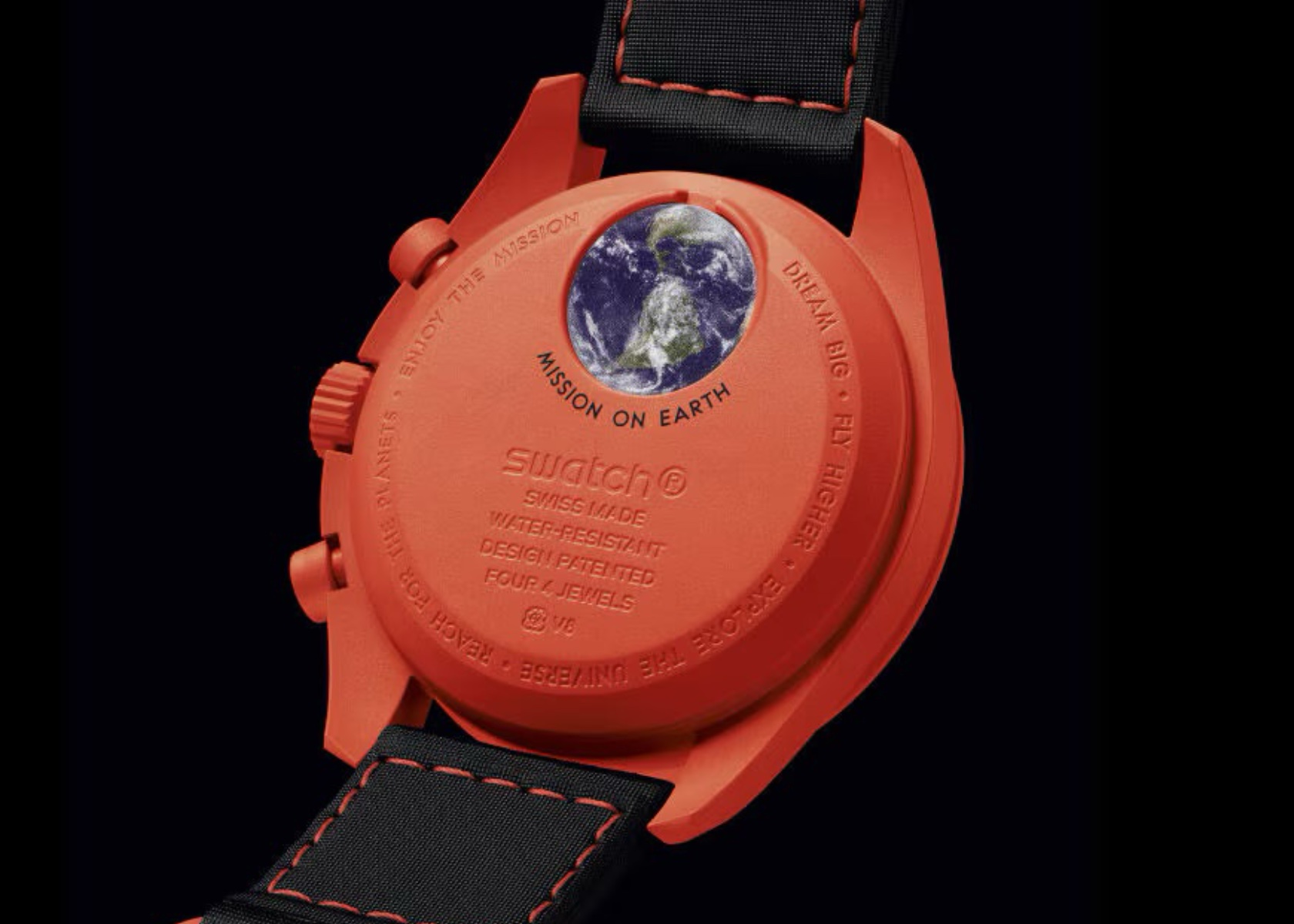
The Omega x Swatch MoonSwatch Mission to Earth Lava delivers solid performance for everyday wear. Powered by a precise quartz movement with four jewels, it ensures accurate timekeeping and smooth operation. This reliability means you won’t need to adjust the watch frequently, making it a hassle-free option for busy schedules.
Changing the battery is straightforward, unlike many high-end watches that require specialized tools and expertise. This user-friendly feature enhances the watch’s longevity, allowing you to keep it running smoothly for years without needing professional servicing.

Mooonswatch Mission on Earth: Lava

The push buttons on the Lava model are satisfyingly tactile, providing a responsive feel that makes using the chronograph functions enjoyable. This level of tactile feedback is usually found in much more expensive timepieces, adding to the overall value and user experience of the MoonSwatch.

Durability is another strong point of the MoonSwatch. The case is made from Bioceramic, which combines ceramic and bio-sourced plastic. Bioceramic is lightweight yet incredibly tough, resisting scratches and dents far better than traditional metal cases. This is a significant advantage over the “real” Omega Speedmaster, which, while iconic, can show wear and tear more readily. The Bioceramic material ensures that your watch maintains its pristine look even with regular use.

The Bioceramic case also contributes to the watch’s comfort. It remains temperature neutral so that it won’t get too hot or cold on your wrist, regardless of the weather. This feature enhances the overall wearing experience, making it an excellent choice for all-day wear.

Overall, the MoonSwatch Mission to Earth Lava offers a blend of style, practicality, and durability, making it an excellent addition to any watch collection. Whether you’re a seasoned collector or new to Omega, this watch delivers on performance and aesthetics.

Sustainability

Swatch has stepped up its game with the Bioceramic MoonSwatch collection, making significant strides in sustainability. Bioceramic is a blend of ceramic and bio-sourced plastic derived from castor oil. This innovative material reduces reliance on traditional petroleum-based plastics, helping to lower the carbon footprint of these watches.

Making Bioceramic is more sustainable, as it uses renewable resources and aims to minimize waste. Swatch is committed to energy efficiency and reducing environmental impact across its production practices, which is a big plus for eco-conscious consumers.

Moreover, the user-friendly battery replacement feature means you can keep your watch running for years, reducing the need for frequent replacements and reducing electronic waste. The robust and durable Bioceramic case also ensures that the watch lasts longer, decreasing the need for new materials and manufacturing.

Choosing a MoonSwatch means getting a stylish and functional timepiece and supporting a brand that is actively trying to protect the environment.

Value + Verdict

The Omega x Swatch MoonSwatch Mission to Earth Lava offers impressive value for its retail price of around $270. Given its enjoyment and unique features, this watch is well worth the money. The combination of Omega’s iconic design and Swatch’s innovative Bioceramic material creates a stylish and functional timepiece.

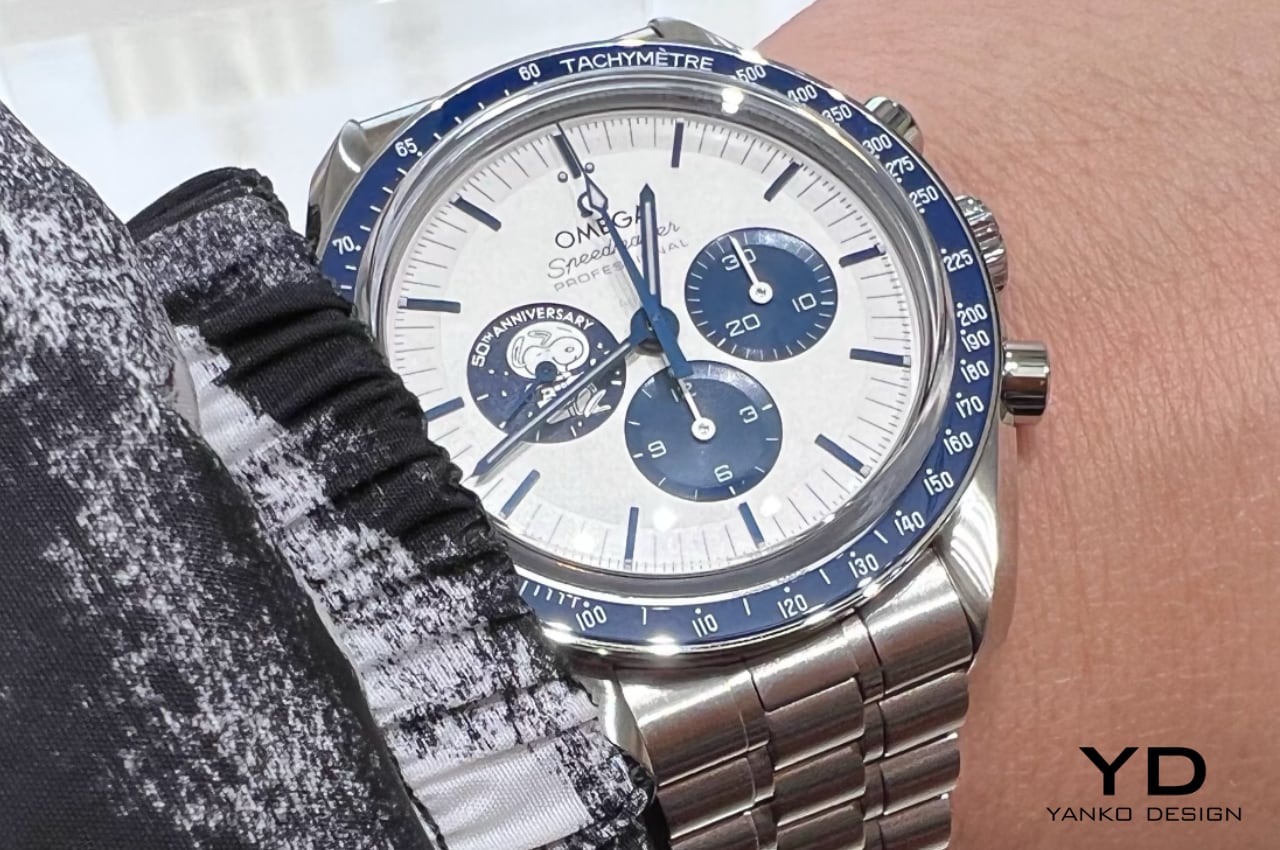
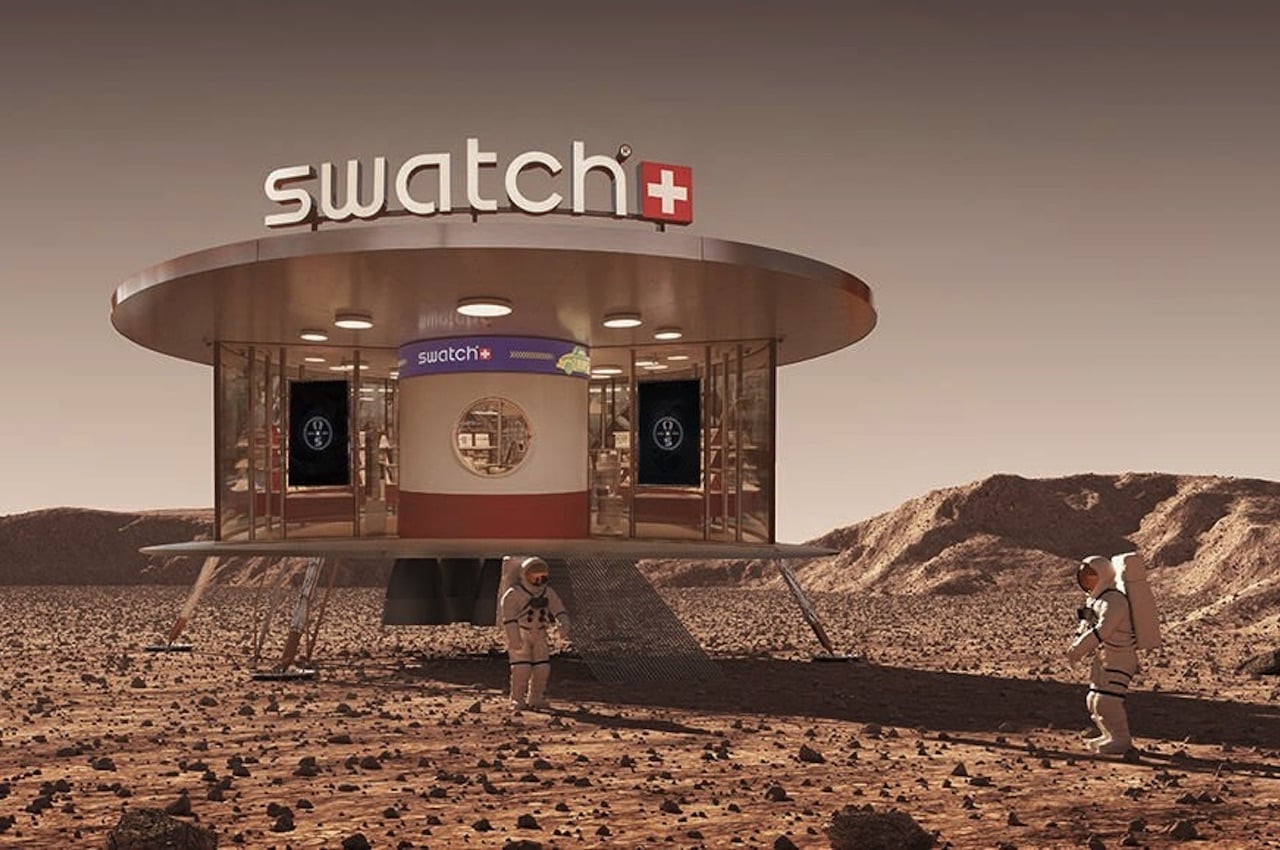
What makes the MoonSwatch series particularly appealing is the variety of models available. Each watch from Earth to Mars and beyond offers a unique design inspired by different celestial bodies. This variety allows for a fun collecting experience, as you can choose different models to match your attire or mood. The affordability of the MoonSwatch series makes it accessible to a wide range of watch enthusiasts, allowing you to build a versatile collection without breaking the bank.

Swatch x Omega Bioceramic Moonswatch Series

With its bold orange case and thoughtful design details, the Lava model stands out as a vibrant and unique addition to any watch collection. The user-friendly battery replacement and durable Bioceramic case ensure that this watch will provide enjoyment for years to come. Its lightweight and comfortable fit make it suitable for daily wear, while its striking aesthetics make it a conversation starter.

In conclusion, the Omega x Swatch MoonSwatch Mission to Earth Lava is a fantastic investment for anyone looking to add a distinctive and enjoyable watch to their collection. The classic Speedmaster design elements blend with modern materials and sustainability efforts, making this watch a standout choice. Whether you’re a seasoned collector or new to the world of watches, the MoonSwatch series offers something unique that will surely delight you.

The post Omega x Swatch MoonSwatch Lava: A Fiery Review of Its Design and Performance first appeared on Yanko Design.