
Senators press TikTok on ‘sinister’ experiment that held back an algorithm safety feature
A teen who died by suicide was reportedly part of the test.
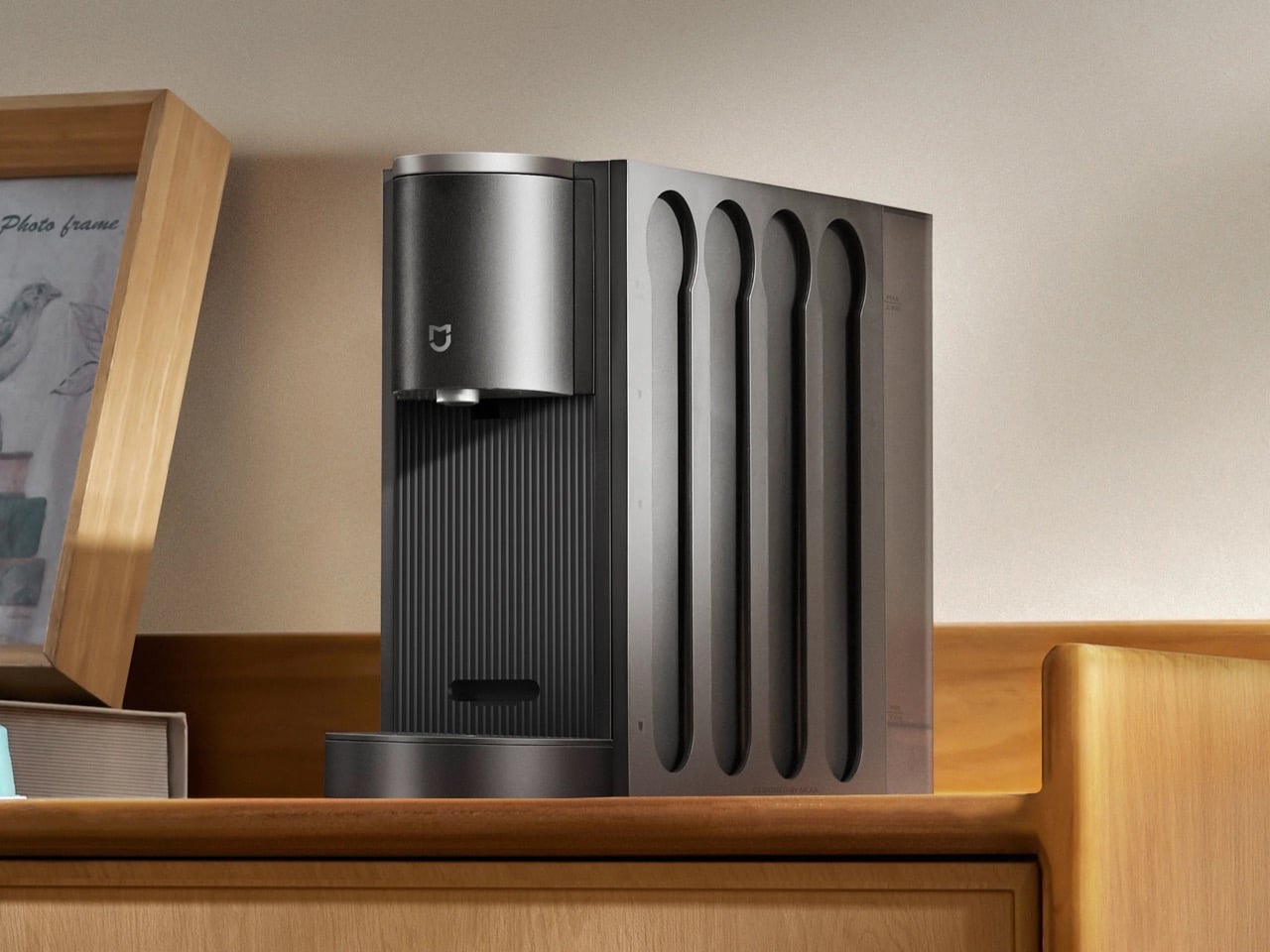
Xiaomi sells phones, electric cars, rice cookers, robot vacuums, air fryers, and now a capsule coffee machine, which means the company has quietly built a catalogue capable of furnishing your entire apartment and then driving you out of the garage. The playbook has not changed since: pick a category ruled by expensive Western brands, strip it to the essentials, price it like a provocation, and make it look far better than the price suggests. The Mijia Capsule Coffee Machine has been a China exclusive since February 2025. It just went international at €104.90 ($121 USD), sold directly by Xiaomi.
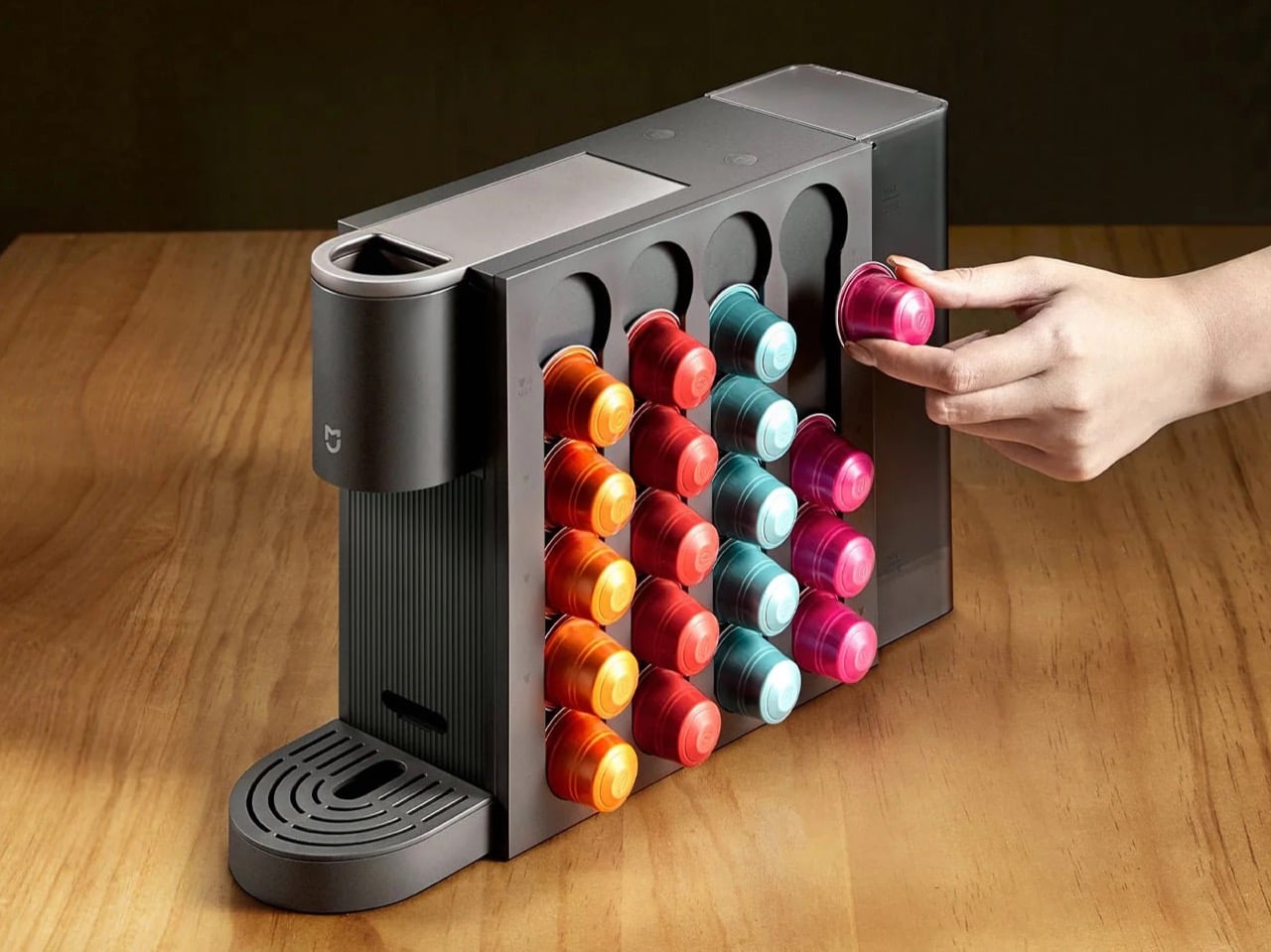
Xiaomi designed it in-house under the Mijia sub-brand with no external studio credited, and the object measures 33.2 x 9.0 x 21.2cm, roughly an A4 sheet standing on its edge. Inside sits a 19-bar ULKA pump from Italian manufacturer CEME, the same pump family Nespresso machines have used for years, alongside a 650ml removable tank and a 25-second preheat. The detail that actually matters is a magnetic capsule rack holding 20 capsules, sitting flush against the machine’s flank or clipping straight onto your fridge door. At ¥499 in China, this thing was a weapon. At €104.90 it lands in Nespresso Essenza Mini territory, which makes the argument far more interesting.
Designer: Xiaomi
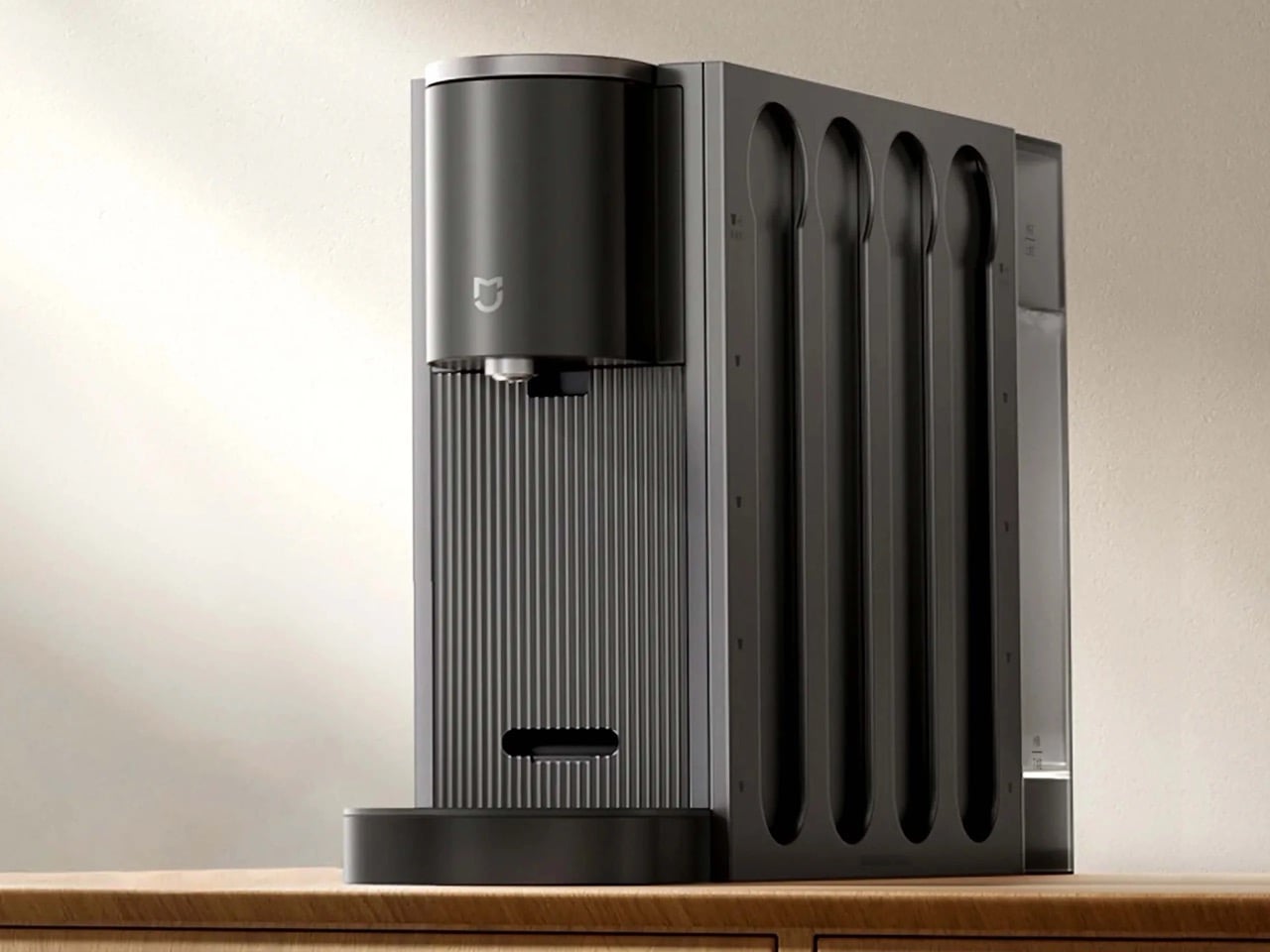
Most capsule machines are wide and squat, built to disappear into a corner counter next to the toaster. Xiaomi went the other direction and made this one narrow enough to stand like a book on a shelf, which is exactly how the brand shot it for launch, next to a picture frame rather than a fruit bowl. The front is split into a rounded brew head sitting above a column of fine vertical fluting, with a smoked panel at the back revealing the water level. Nothing here is flashy. It is the kind of quiet, considered grey object that photographs better than it has any right to, and Xiaomi clearly knew that when it wrote “extraordinary craftsmanship” into the marketing copy.
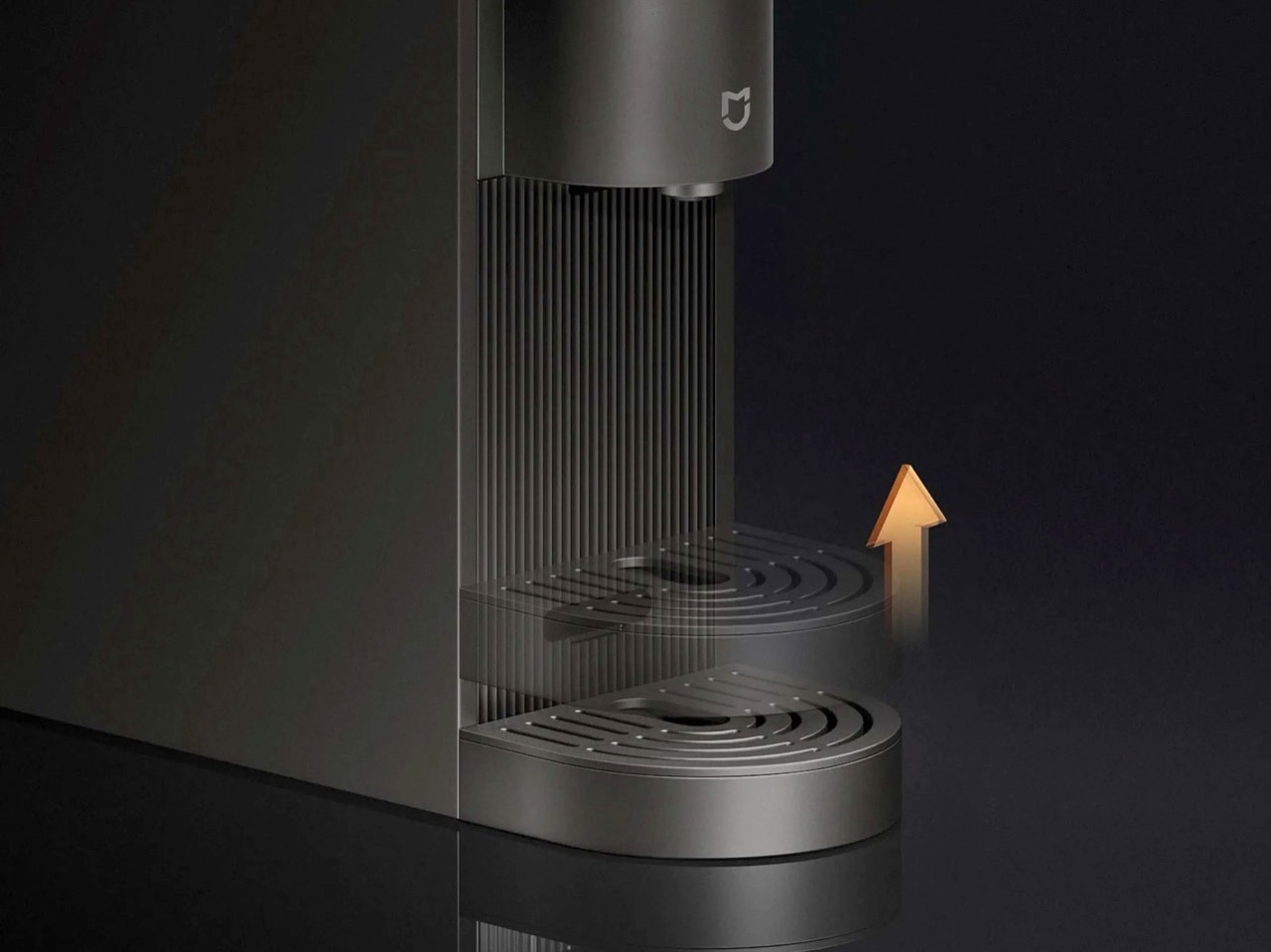
The rack is the smartest move in the whole design. Instead of selling capsule storage as a separate accessory the way Nespresso does, Xiaomi built it into the silhouette, a slab of twenty vertical slots that clips onto the machine’s side or peels off entirely to stick on a fridge door. It also happens to be the only place color shows up on the entire product, since every capsule you load is a small bright object against an otherwise monochrome machine. That is either genuinely clever industrial design or the tidiest lock-in mechanism I have seen on a kitchen appliance in a while, and honestly it can be both at once.
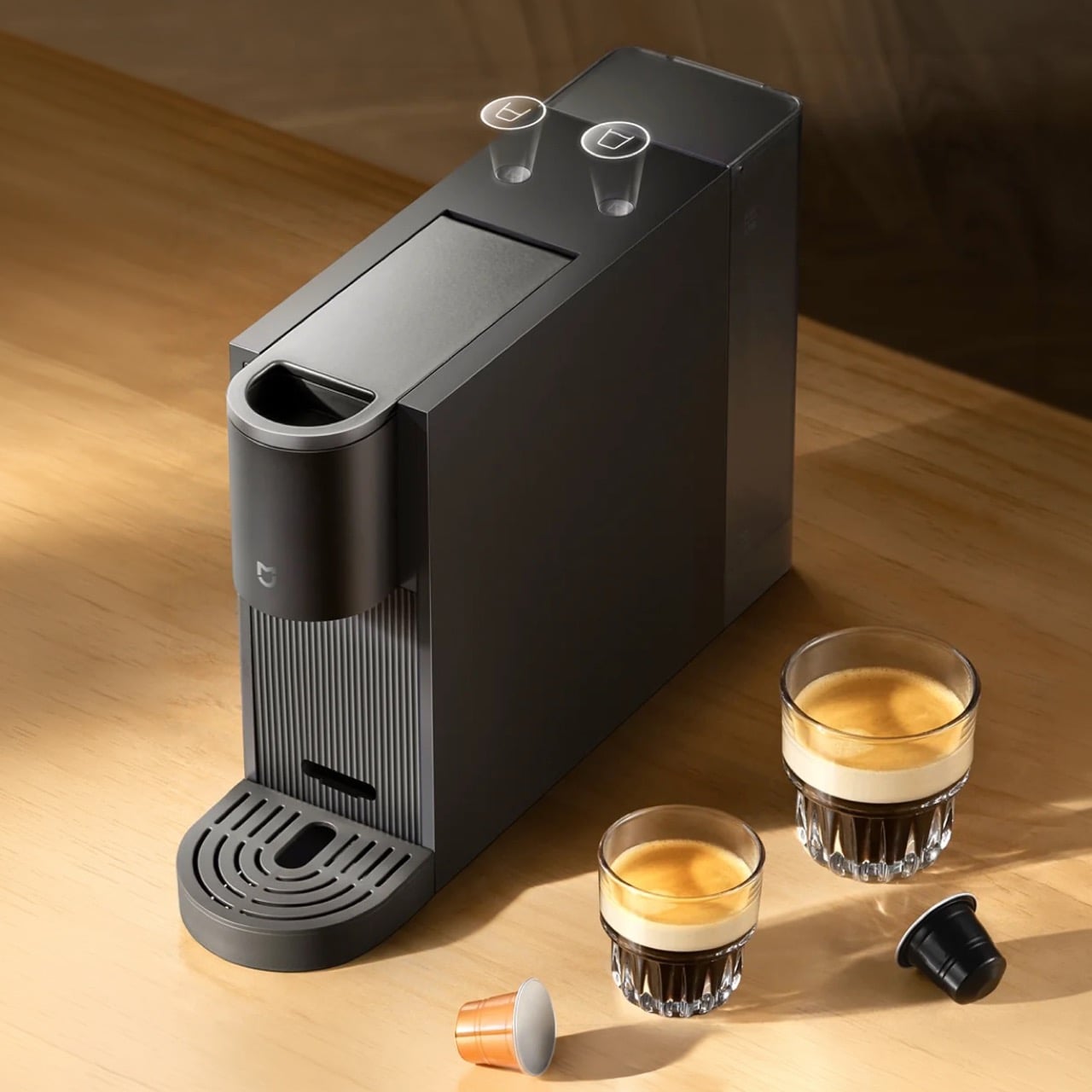
The internals are competent rather than flashy, which is fine, because this machine was never going to out-engineer a Breville. A 19-bar ULKA pump built by CEME S.P.A. in Italy handles pressure, paired with an NTC sensor and PID algorithm for temperature control, plus a 1400W heater and a 650ml tank you can pull off and rinse at the sink. Two cup sizes come preset at 40ml and 110ml, and both are adjustable by holding the button and tapping again once you hit your preferred pour. Xiaomi rates the whole thing at 55dB(A), quiet enough that it will not wake anyone sleeping down the hall. None of it screams for attention, and that restraint is sort of the point.
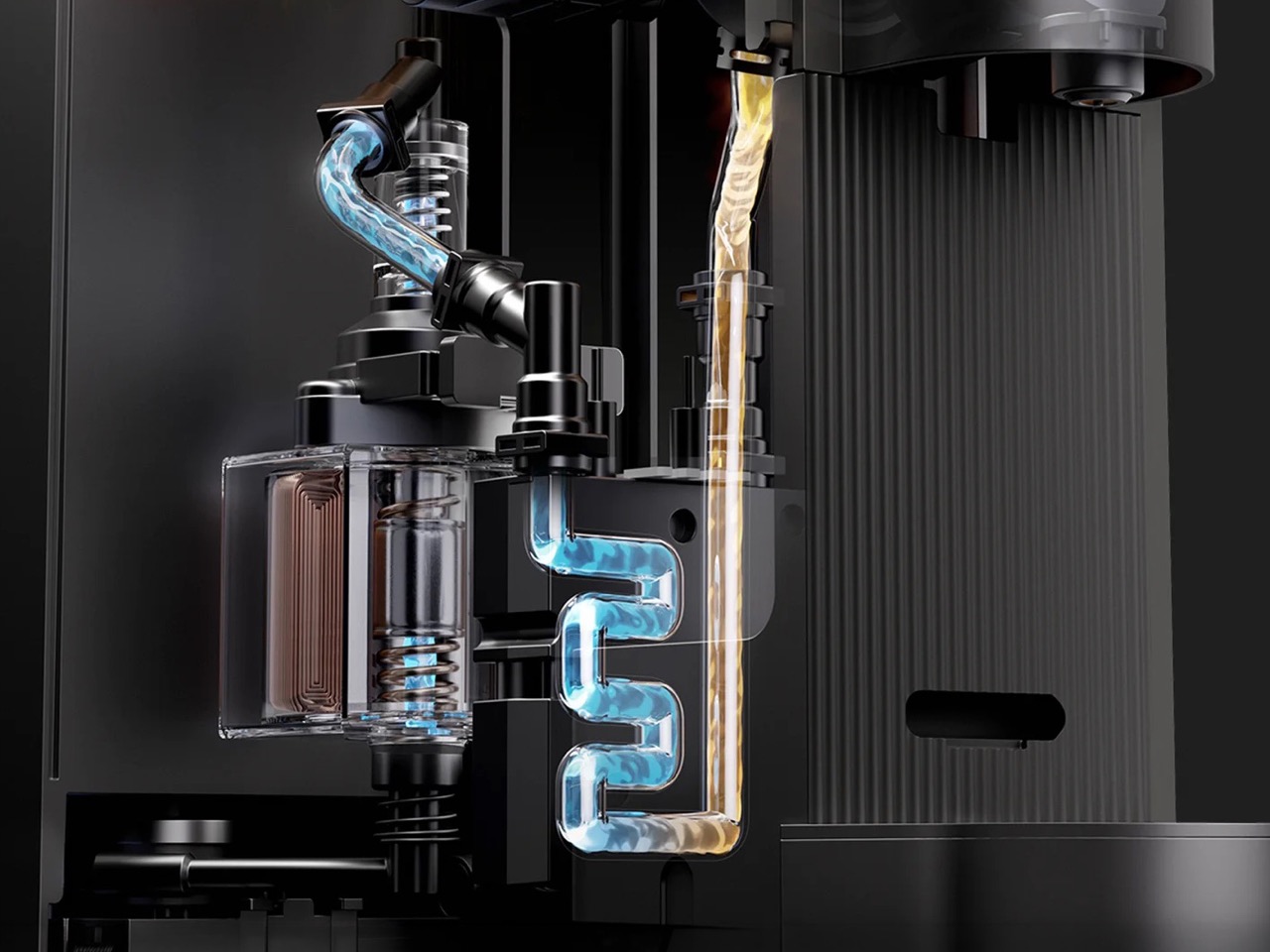
The internals are competent rather than flashy, which is fine, because this machine was never going to out-engineer a Breville. A 19-bar ULKA pump built by CEME S.P.A. in Italy handles pressure, paired with an NTC sensor and PID algorithm for temperature control, plus a 1400W heater and a 650ml tank you can pull off and rinse at the sink. Two cup sizes come preset at 40ml and 110ml, and both are adjustable by holding the button and tapping again once you hit your preferred pour. Xiaomi rates the whole thing at 55dB(A), quiet enough that it will not wake anyone sleeping down the hall. None of it screams for attention, and that restraint is sort of the point.
Worth saying plainly: Xiaomi never claims Nespresso compatibility. It lists four capsule diameter ranges instead and lets you do the math yourself, which is a neat bit of legal sidestepping dressed up as a spec sheet. It is also worth remembering that capsules cost more per cup than ground coffee and are harder on the planet, no matter how good the machine holding them looks. The bigger question is what happens to the price argument now that it has left China. At ¥499 this machine undercut everyone. At €104.90 it is going toe to toe with Nespresso on cost and betting the design carries the rest. Given what is actually sitting on that shelf, I would not bet against it.
The post Xiaomi Now Sells Coffee Machines, and This One Costs Just $121 first appeared on Yanko Design.


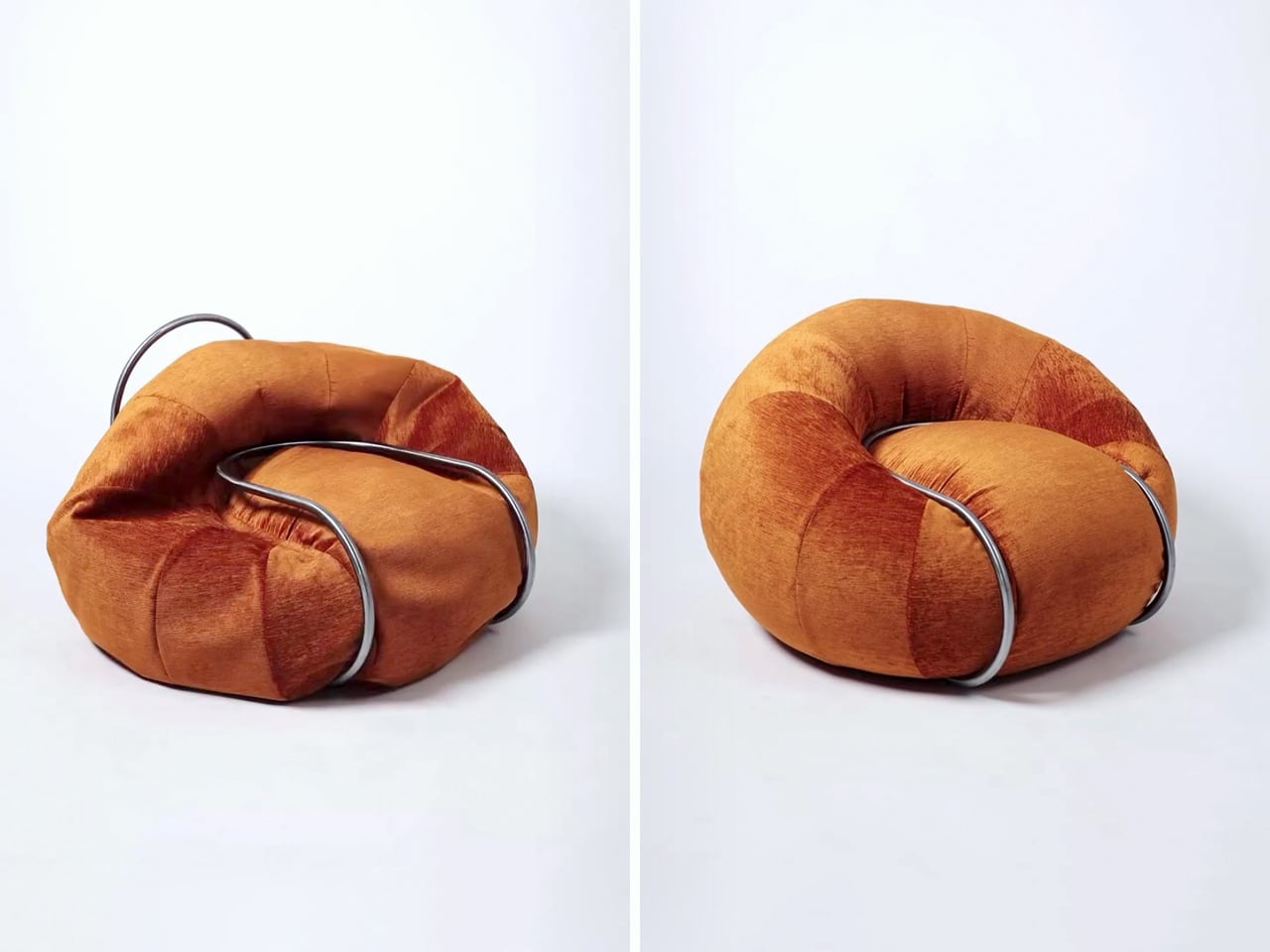
As a millennial with lower back issues, my biggest complaint with a beanbag is that it doesn’t provide enough stability. And my complaint with inflatable furniture is that it’s never looked classy. Carlo Livaja managed to hit two birds with one stone with his Sonnet Chair.
With the aura of a beanbag and the inner workings of an inflatable chair, the Sonnet is just a clever bit of furniture design, relying on an inflatable fabric ball that’s restrained/shaped by a bent stainless steel pipe. The result is something eye-catching and intriguing enough to make you want to sit down, while the Sonnet supports you perfectly in all the right places.
Designer: Carlo Livaja
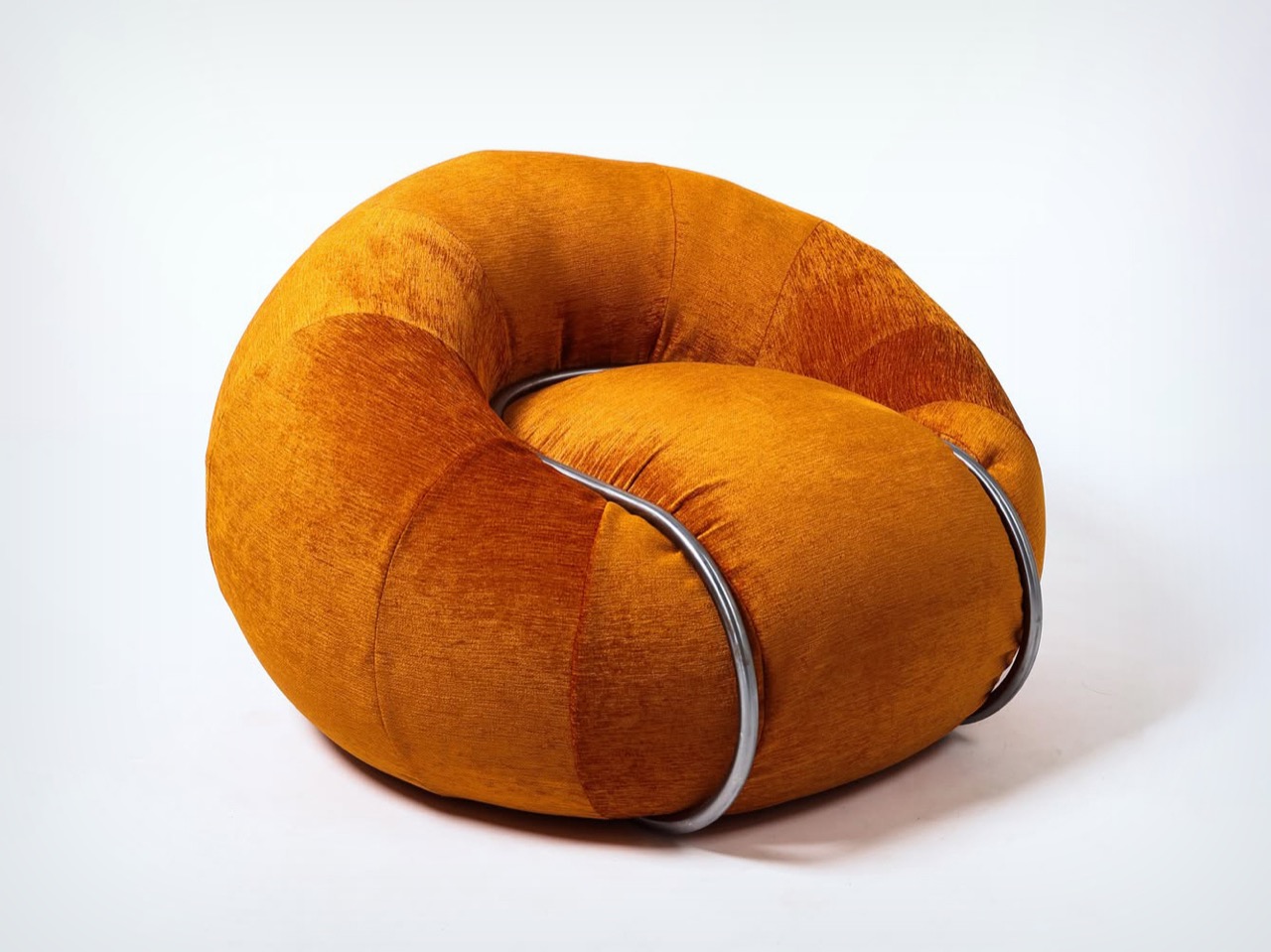
You get the lower support from the fact that the Sonnet’s base is a defined tongue-shaped seating element, while the backrest inflates into you, giving you enough “lean-back resistance” (I coined that term) just like an inflatable would. All this, while looking like a beanbag went and did a Masters in Design from Milan. It has the spiritual appeal of a beanbag without any of the collapsibility.
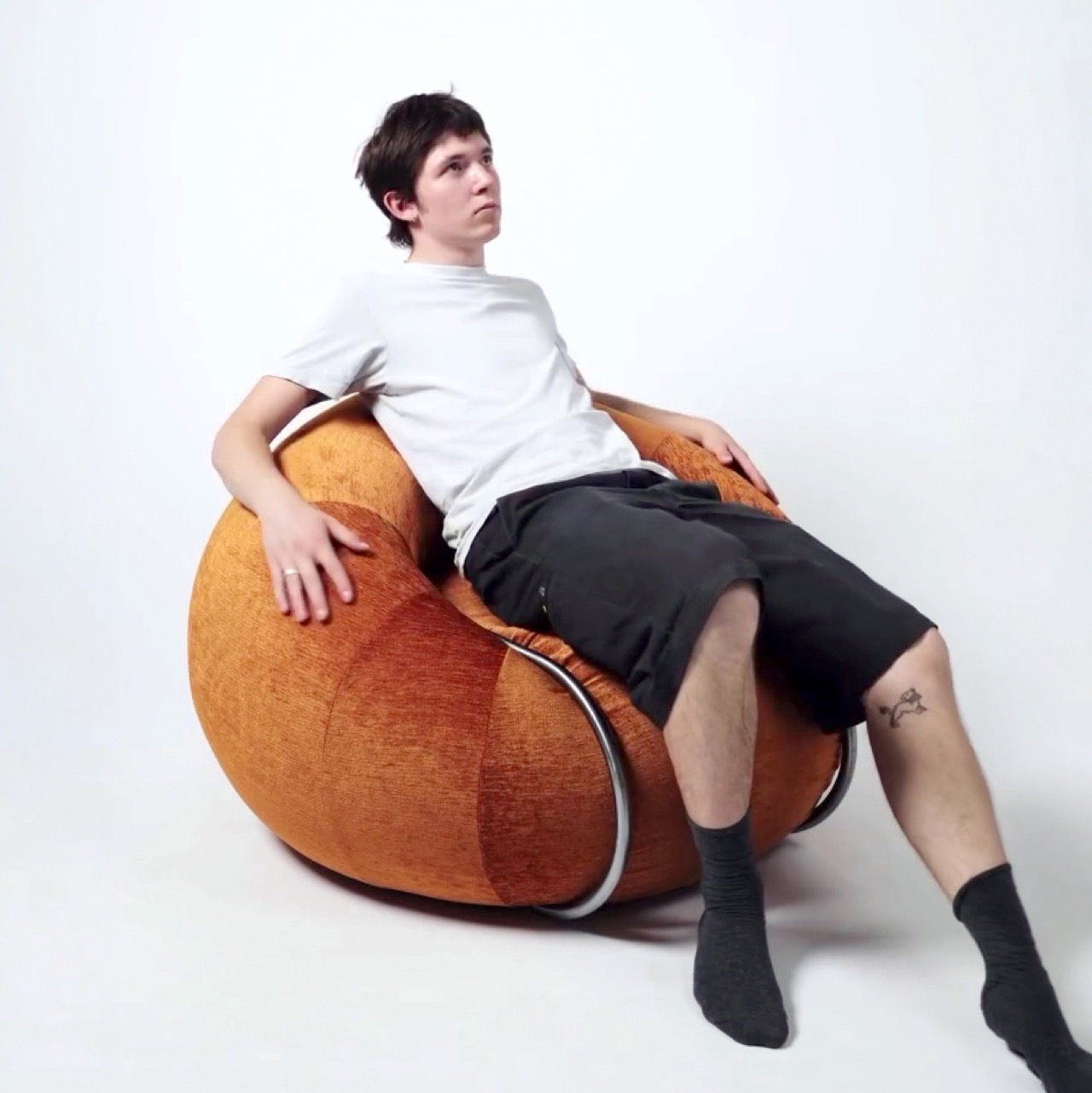
One’s immediate question is whether the metal pipe actually obstructs your seating, and my gut reaction is that it probably won’t. As long as you don’t jump into the chair, the Sonnet respects you back. Don’t lean back like you would in a recliner and your neck won’t hit the pipe at the back. It’s a chair built on clever compromise… clever being the more operative term there.
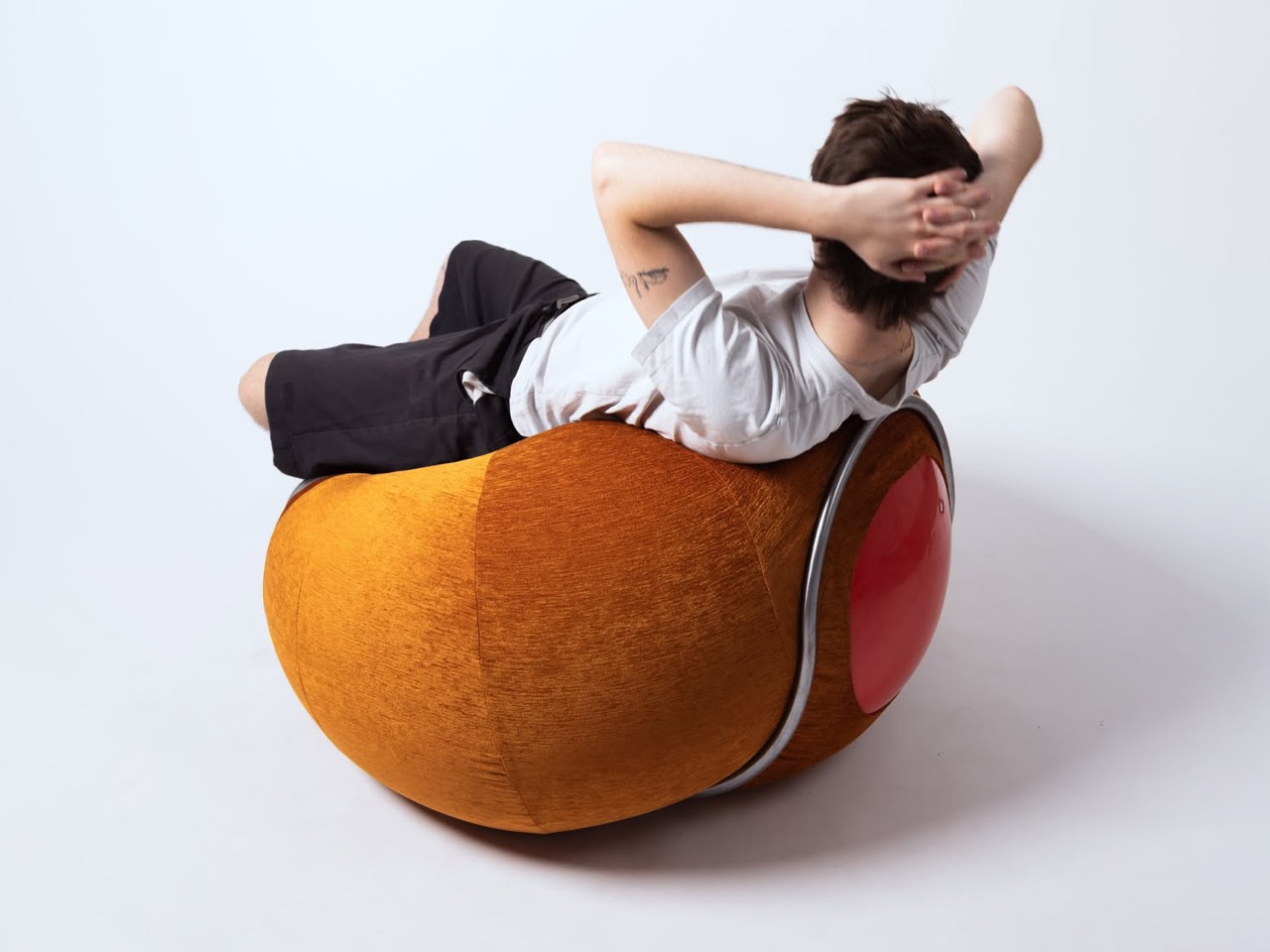
The beauty of the Sonnet (especially if you see its video on Instagram) lies entirely in its transformation. The fabric cover sits like a heap, gaining shape as air is blown into it. Immediately as it hits the frame restraining it, the chair begins taking its true shape, and stops once it can’t accept any more air. In essence, it’s a lot like IKEA’s inflatable chair showcased at Milan this year – rely on a rigid element to restrict the inflatability of your design and you’ve got something that’s constrained yet comfortable.
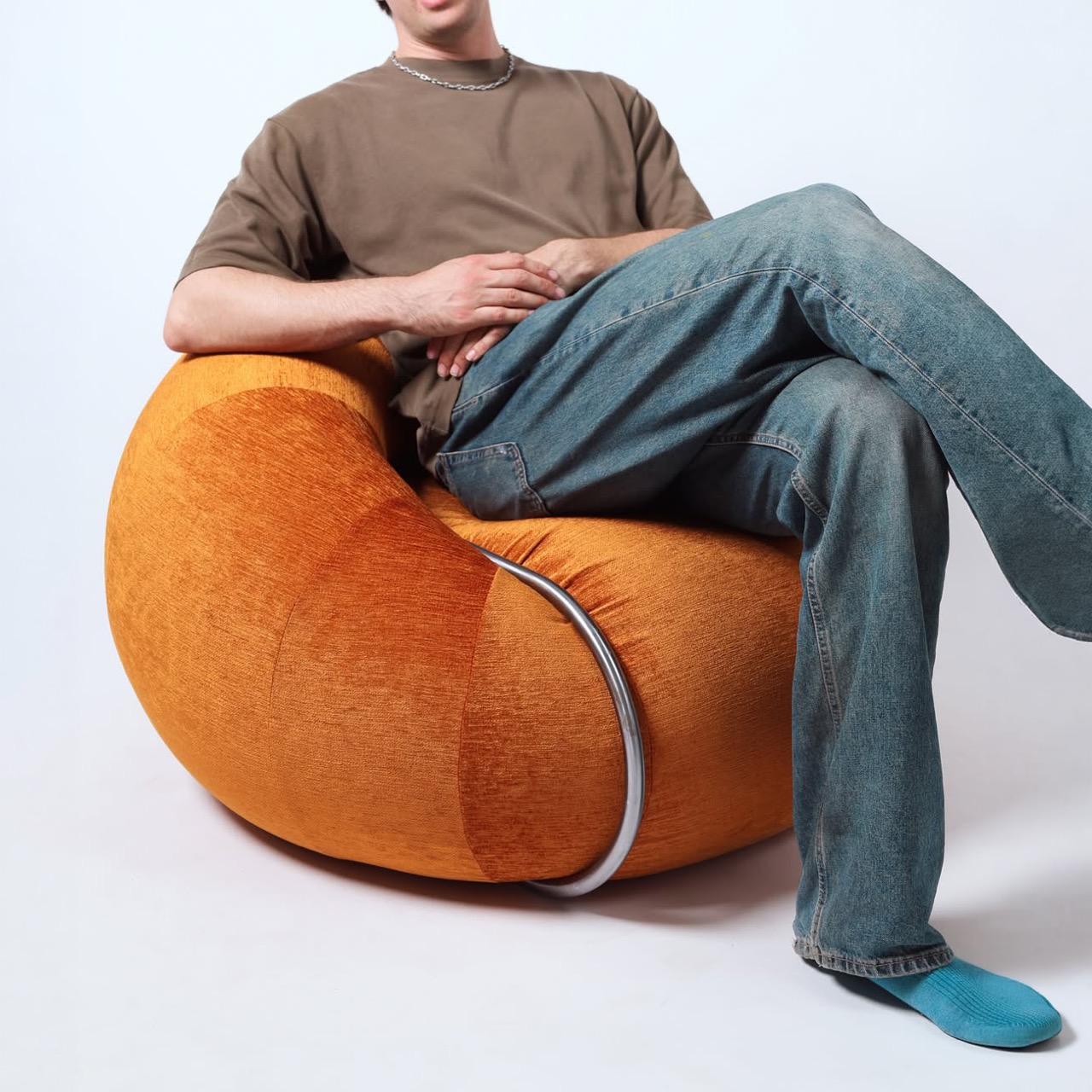
The post Here’s What You Get When You Combine A Beanbag With An Inflatable Chair first appeared on Yanko Design.


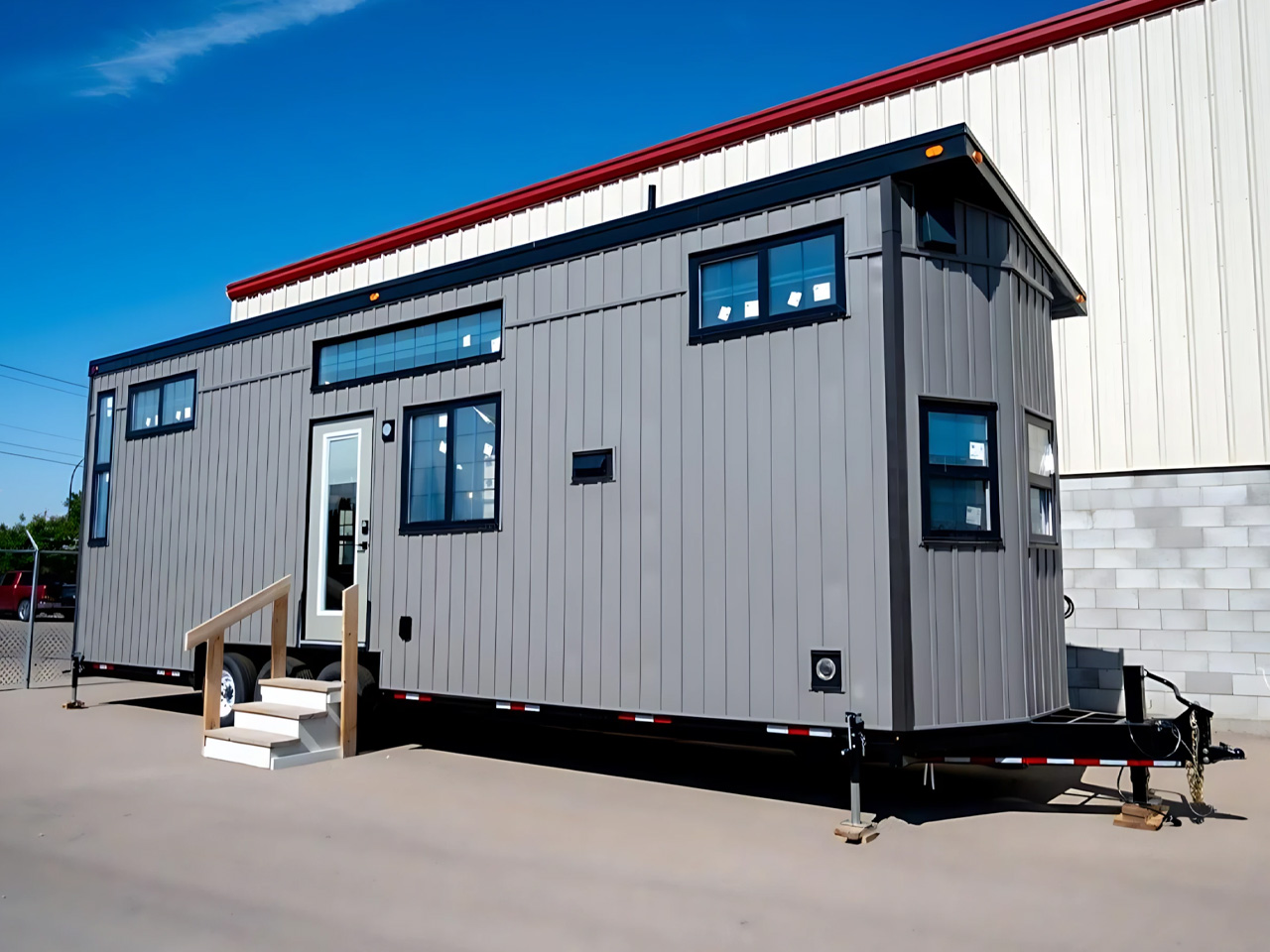
Tiny homes have a reputation for asking a lot of you. Give up the tub. Forget the dishwasher. Learn to love a twin mattress. The Ellice, a custom build by Alberta-based Teacup Tiny Homes, quietly ignores all of that.
Built on a triple-axle trailer and stretching 34 feet in length, the Ellice is based on Teacup’s Bernice floor plan — a range that starts at roughly US $123,000. What makes this particular build compelling isn’t its footprint or its price point. It’s the refusal to compromise where most tiny homes surrender without a fight.
Designer: Teacup Tiny Homes
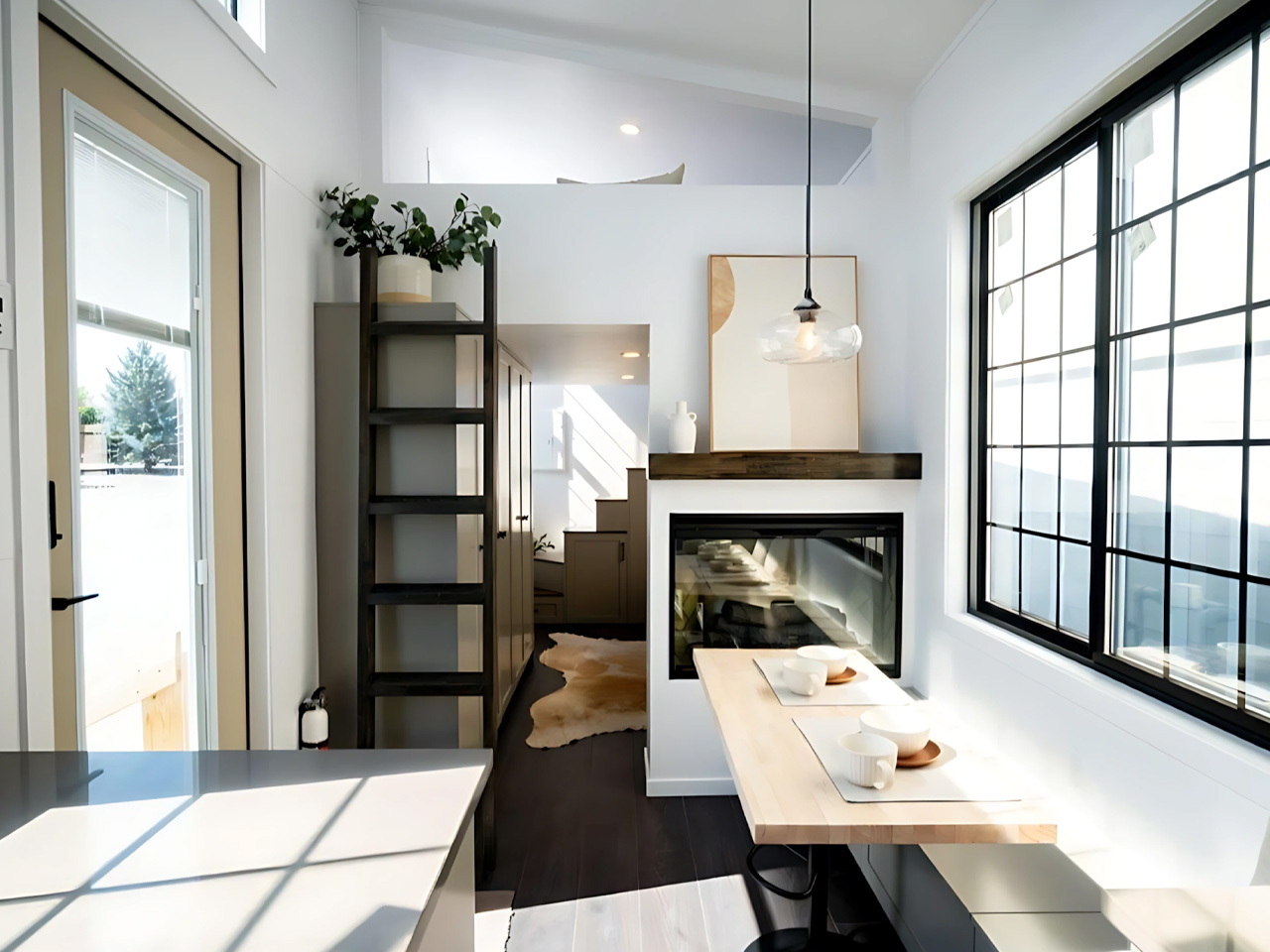
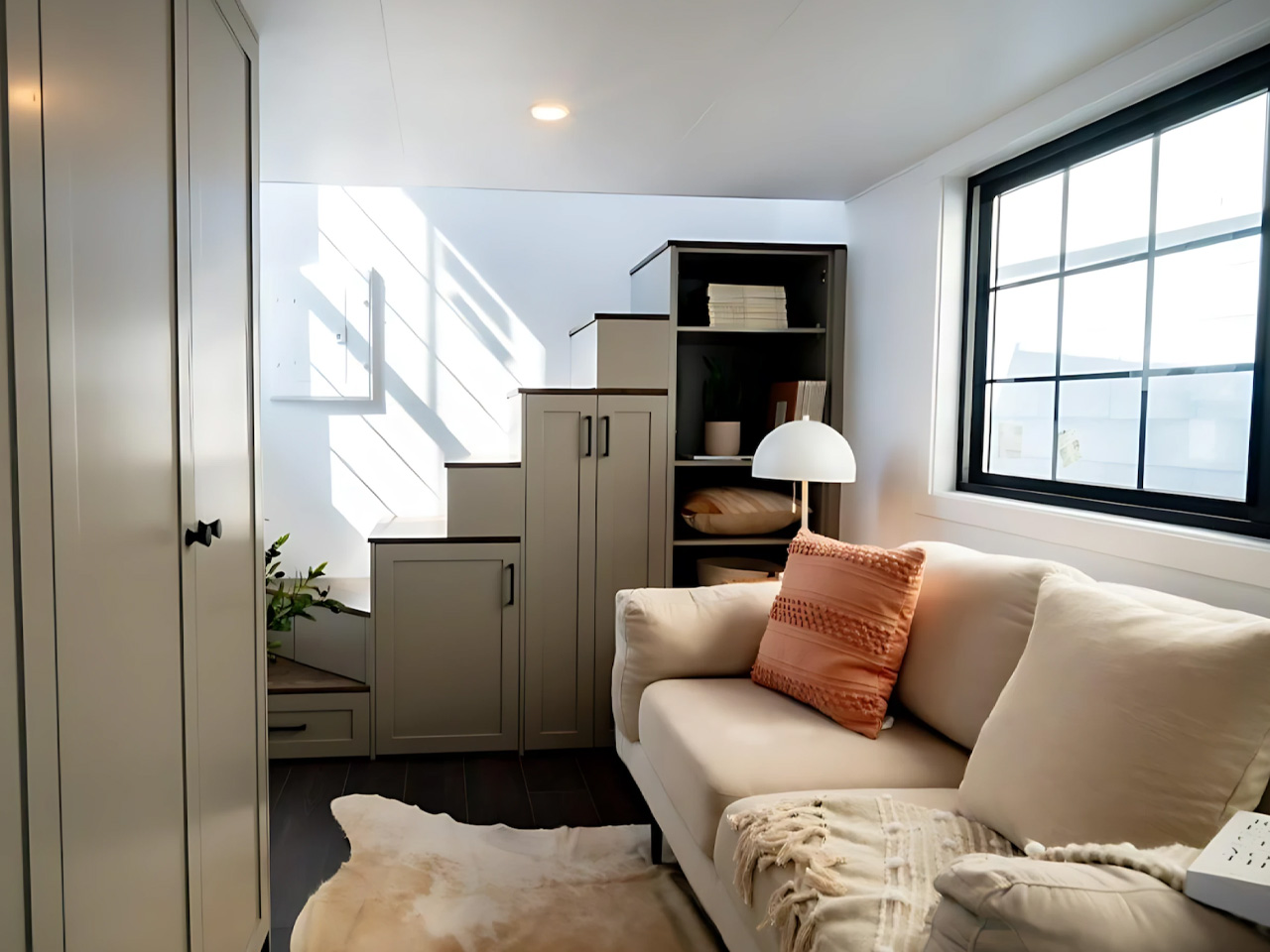
The exterior sets a confident tone. Dark vertical board-and-batten siding paired with black windows gives it a look that feels deliberate — somewhere between a Pacific Northwest cabin and a Scandinavian prefab. Step inside, and the contrast is immediate. The interior is almost entirely white, which keeps the space feeling open rather than boxed in.
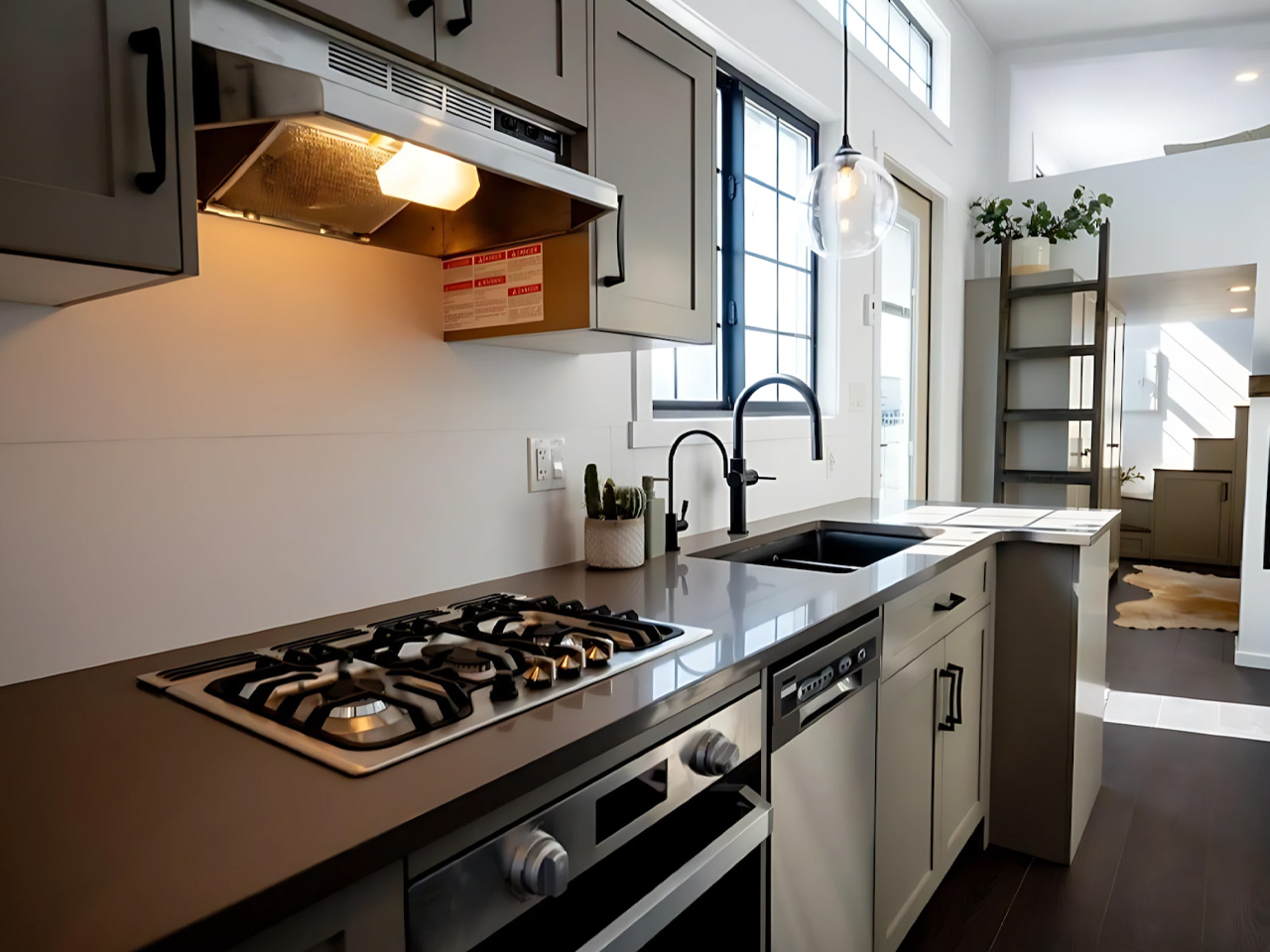
The kitchen anchors one end of the home in a galley layout and earns its place as the most impressive room in the build. It includes a fridge, a three-burner propane stove with a range hood, an oven, a dual-basin sink with a built-in water filtration tap, a pull-out pantry, and — the detail that stops most people — a dishwasher. That’s not something you find in tiny homes at this size, and its presence signals what kind of build this is. A washing machine and propane dryer are installed nearby, because the owners had no interest in trading daily convenience for the novelty of small living.
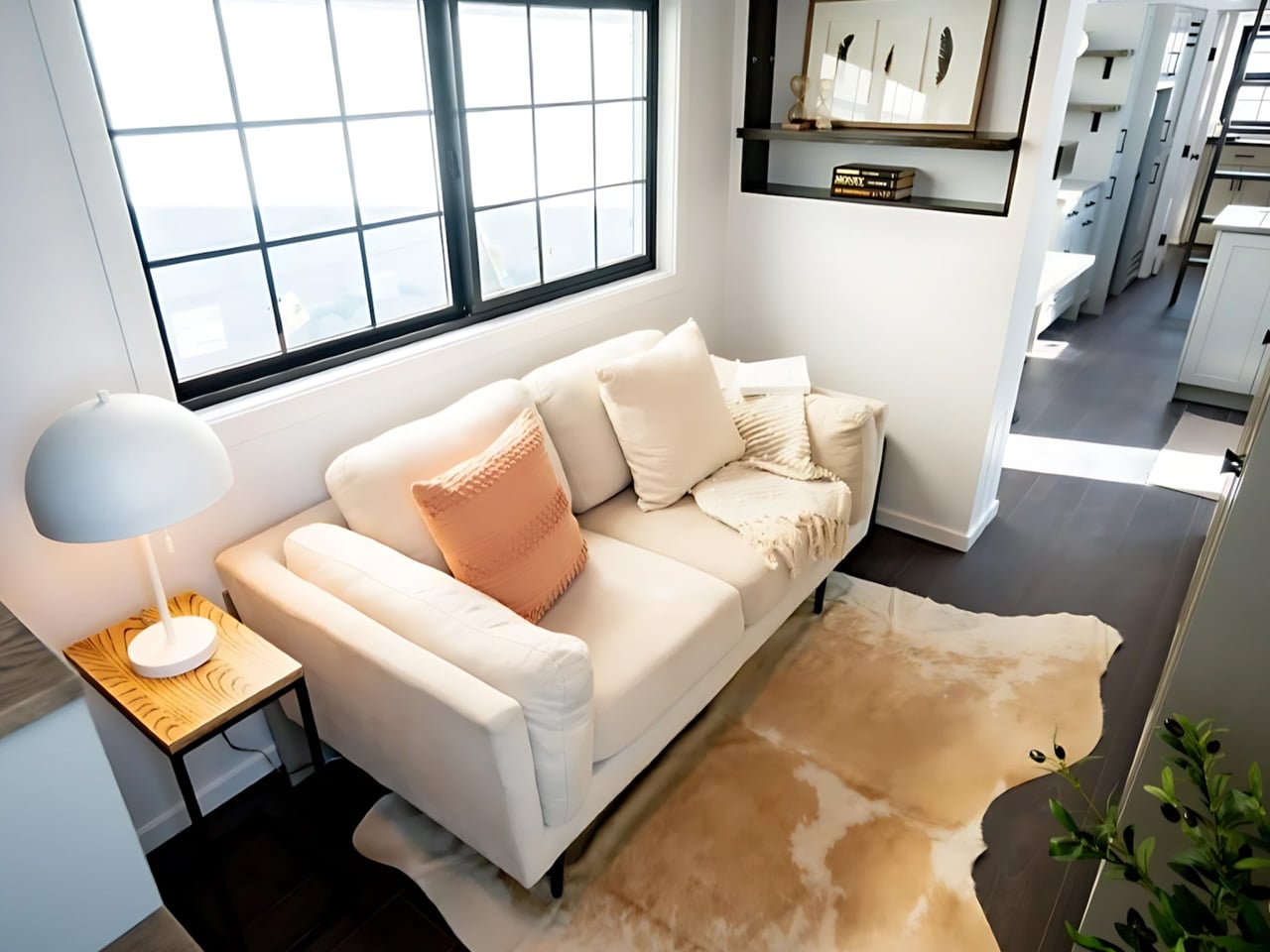
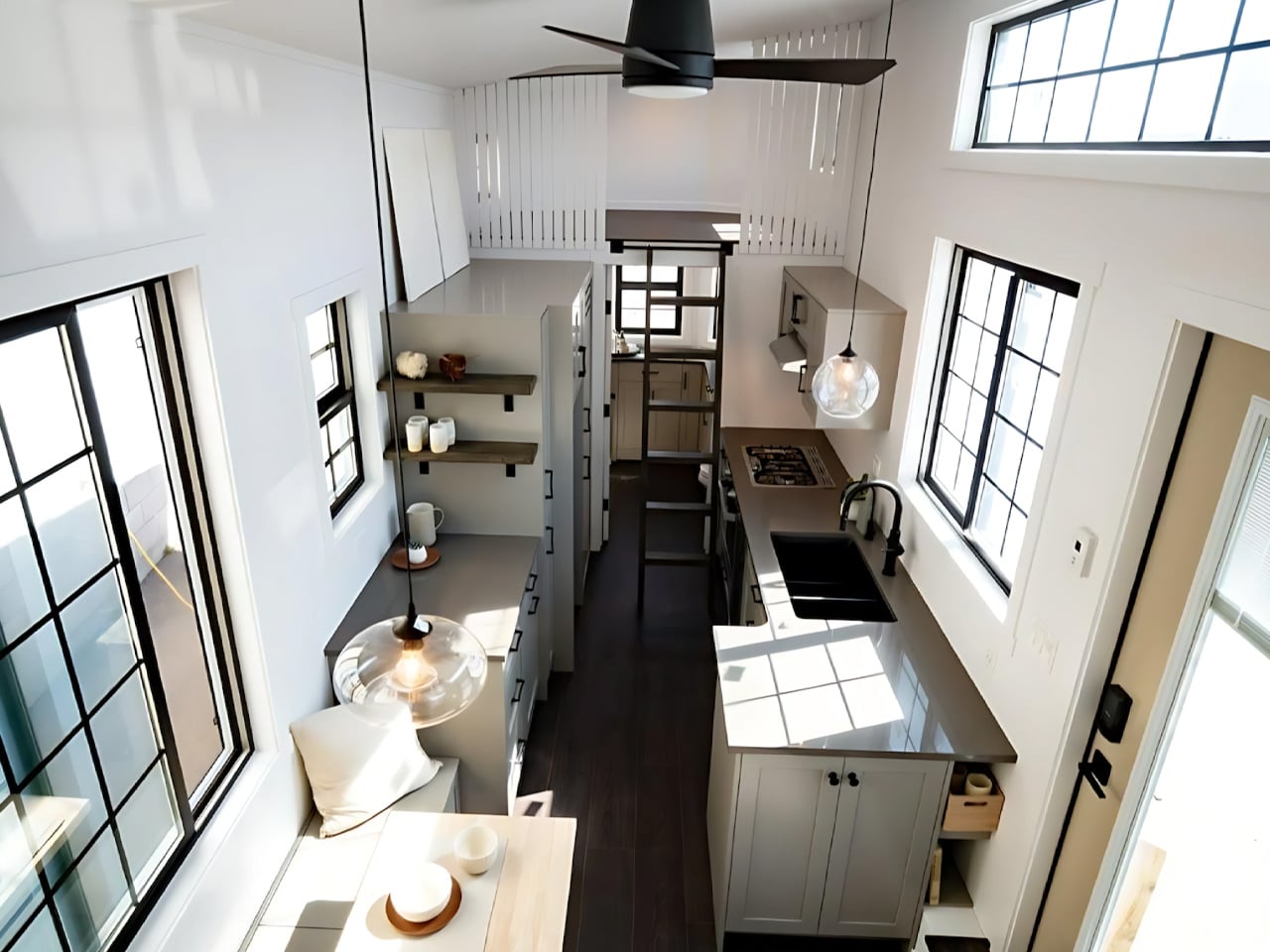
The dining area sits adjacent to the kitchen with a bench seat that integrates storage beneath it, an adjustable table, and an electric fireplace mounted against the wall. Underfloor heating runs throughout the ground floor. The living room, currently photographed with a sofa, is being repurposed by its owners as a home office — the flexibility is built into the plan from the start.
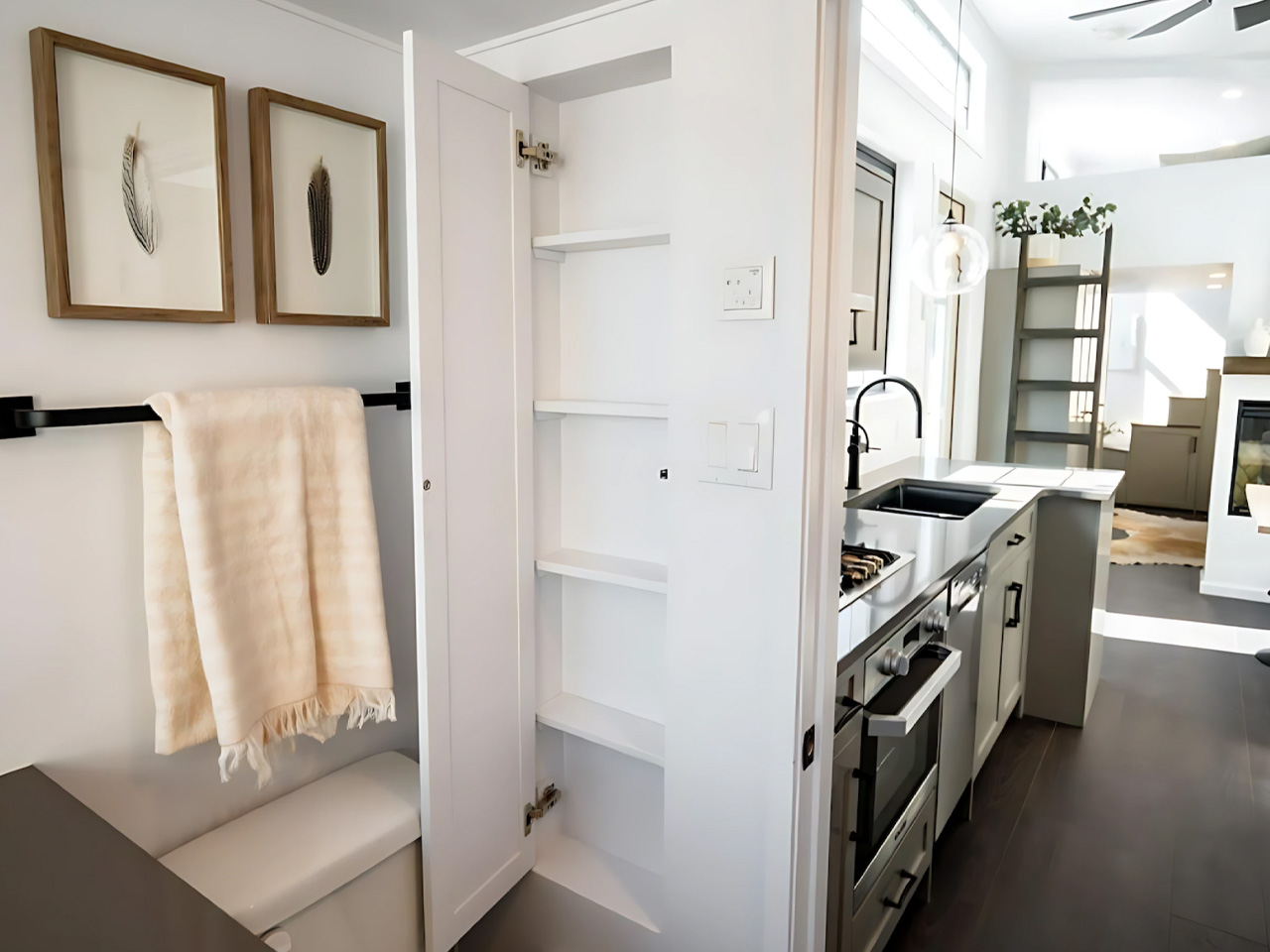
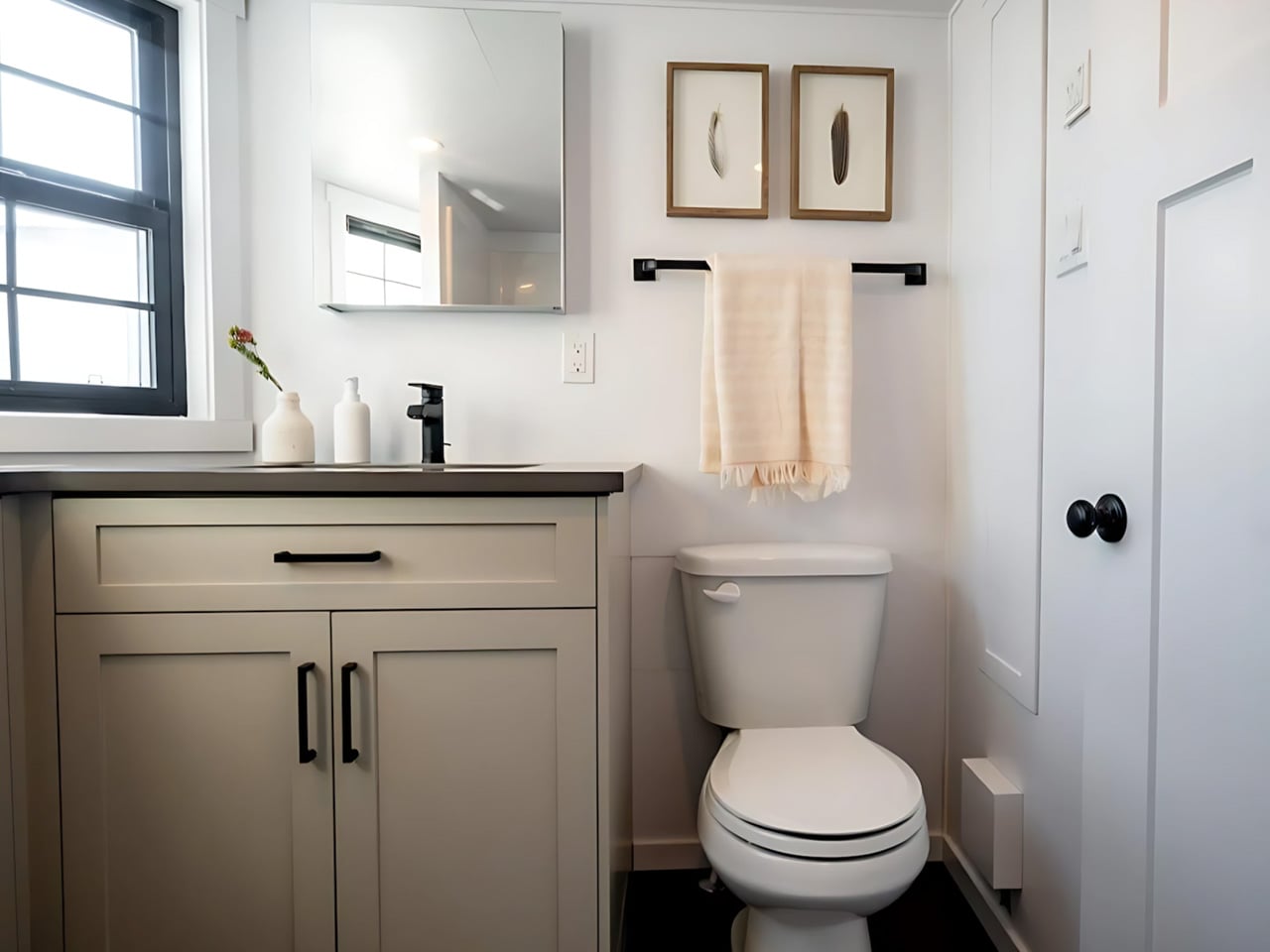
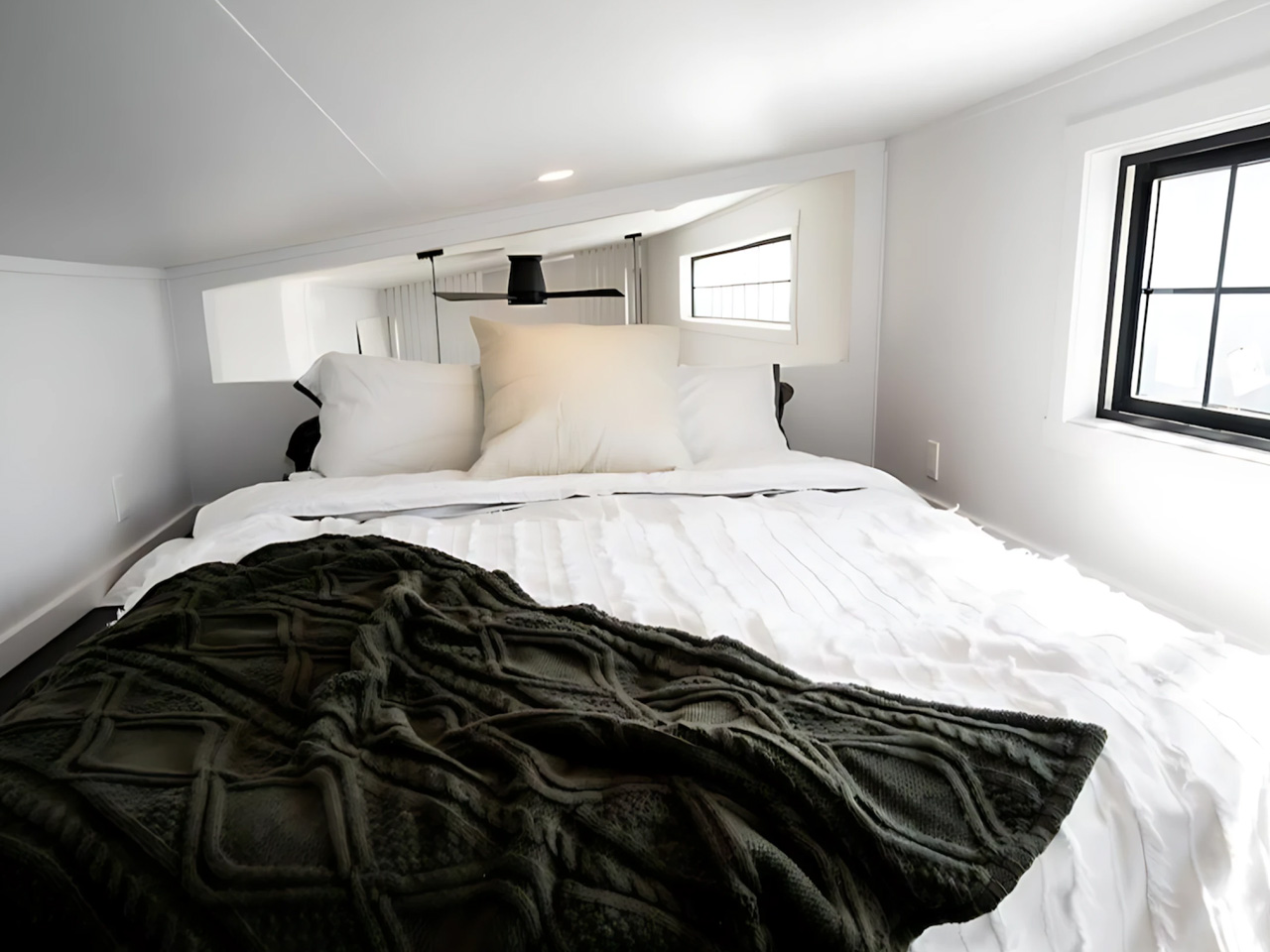
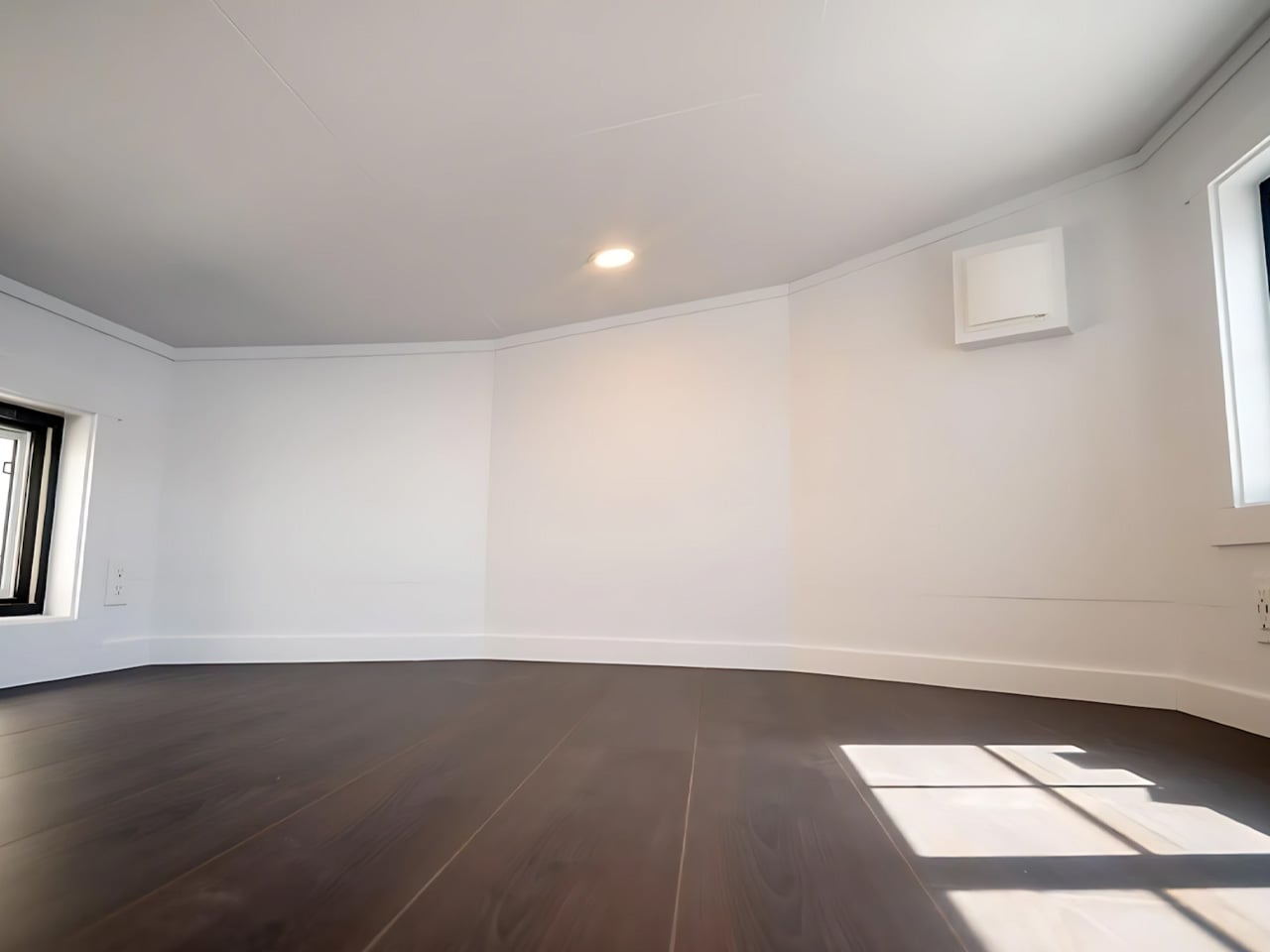
The bathroom is generously proportioned for the format, featuring a full bathtub and shower, a flushing toilet, and a vanity with additional storage. The master bedroom sits in the loft above the living room, accessed via a storage-integrated staircase, and fits a king-sized bed. A secondary loft above the bathroom is reached by a removable ladder and functions as either a guest room or additional storage depending on the day. The Ellice doesn’t reinvent what a tiny home can be. It simply builds one with enough intention and craft that you stop thinking about what’s missing.
The post This 34-Foot Tiny Home by Teacup Has a Dishwasher, a Bathtub, and a King-Sized Bed first appeared on Yanko Design.