In a blend of sustainable energy and outdoor adventure, Jackery is redefining the concept of off-grid living with its latest innovation: a rooftop tent that doubles as a powerful solar generator. Debuting at CES this year, this 1000W system, featuring retractable solar panels, is not just a fleeting showcase but a promising reality set to enter production in the latter part of 2024. Positioned atop a pickup, the tent unfurls to reveal a sizable solar array, angling gracefully toward the sun. The retractable panels are designed to generate up to 4.96kWh daily in the sunny western U.S., diminishing slightly to 4kWh as one travels eastward. While details about its wind resilience are pending, the focus, for now, is on its remarkable energy-harnessing capability.
Rooftop tents equipped with solar panels aren’t novel, but Jackery’s approach is. Traditional setups often rely on lightweight, flexible panels that don’t fully utilize the available surface area, leading to suboptimal energy conversion. Jackery changes the game by covering the entire roof with solar cells and extending them outward, ensuring maximum power generation and neatly integrating the necessary wiring to feed the Jackery power station.
The concept feeds into a separate 1.26kWh E1000 Plus power station, boasting 2000W of AC output, enough to power a range of appliances from a portable air conditioner to an electric cooker. Interestingly, the E1000 Plus isn’t just sun-dependent; it can also recharge from your car or a wall jack, offering flexibility for various travel scenarios.
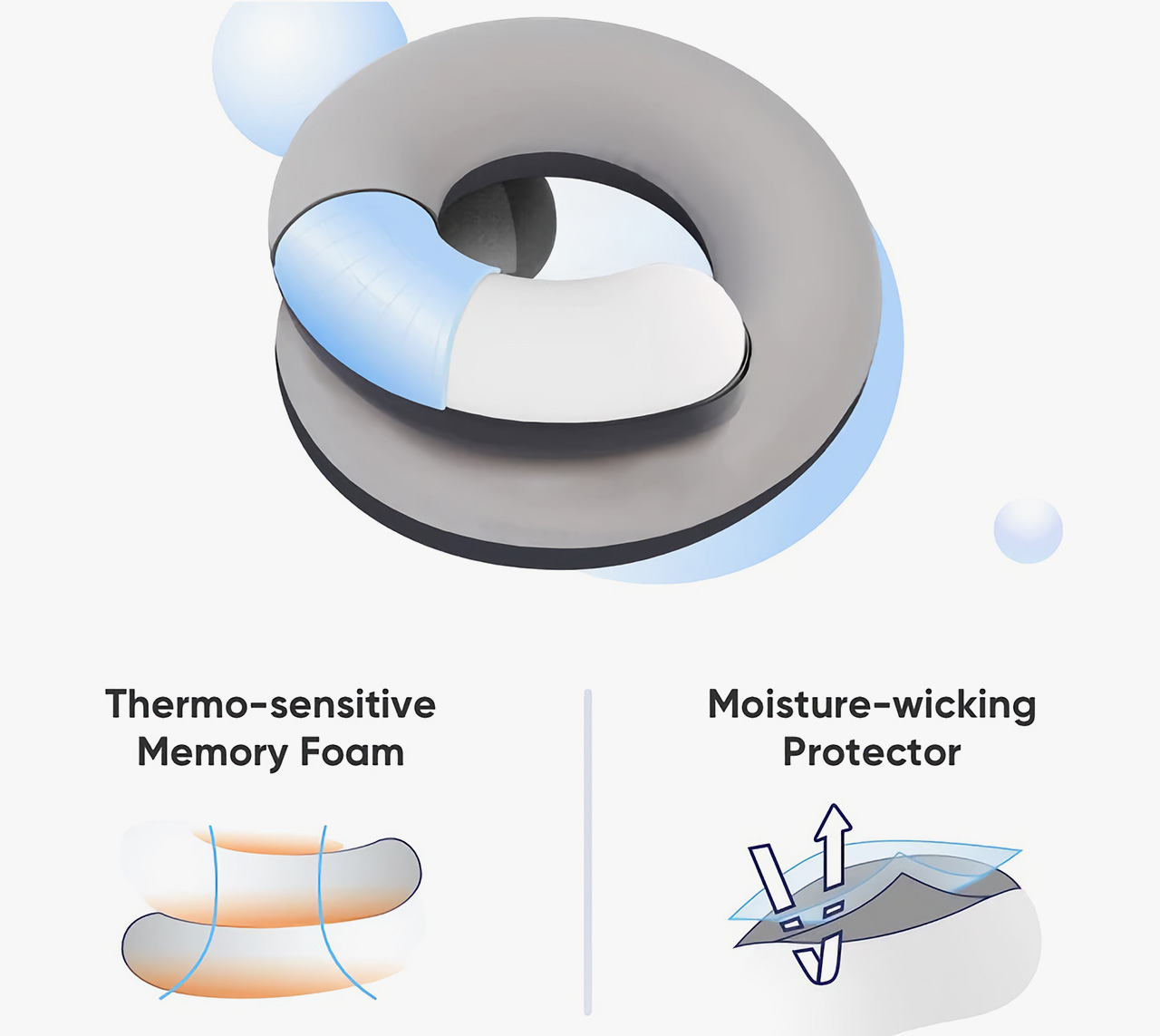
Beyond power, the tent promises comfort and convenience. It’s equipped with a memory foam mattress, insulation, dimmable and color-controllable lighting, and waterproof fabric with blackout windows. The promise of an “onboard charging module” in the production version adds a layer of anticipation to what’s already an exciting proposition.
As Jackery prepares to bring this concept to life, outdoor enthusiasts and tech aficionados alike wait with bated breath. The company’s innovation not only offers a greener way to travel but also promises a blend of comfort and convenience that’s often lacking in off-grid adventures. While we await more details and the eventual roll-out in Q4, one thing is clear: the future of outdoor living looks a lot brighter, and it’s powered by the sun.
We’re witnessing an age of creative explosion. Whether it’s the accessibility of fabrication tools like 3D printers and laser engravers over the past decade, or the rather recent barrage of AI-based tools that allow anyone to be an artist, never has the time been MORE perfect for the independent creator. For just a few hundred dollars, creators can get their hands on consumer-ready high-end prototyping tools, allowing them to build their creations whether they’re hobbyists, small businesses, or artisans. I’d like to think that 3D printers have gotten their time in the sun, but laser engravers still deserve their moment to shine (pun intended). Arguably more easy to use than 3D printers and CNC machines (since you don’t need to deal with CAD software), laser engravers allow creators to build and customize products like no other tool. You can cut through materials like paper, veneer, vinyl, cardboard, and even thin plastic sheets… but more importantly, a good laser engraver also lets you etch onto a vast variety of materials, like metal, wood, glass, and even ceramics.
Enter the LumiTool F20, a compact powerhouse that embodies this new era of creation. Designed to be a tabletop engraver that can also double as a handheld tool, the LumiTool F20 relies on a powerful industrial-grade 20W laser to effectively etch/carve through materials 10x faster than most standard laser engravers. Created for the home user in mind, the LumiTool is powerful but also intuitive, with a user-friendly experience that prioritizes safety while also offering the ability to work on a variety of materials and even surfaces (horizontal, vertical, and even tilted). When paired with the AI features built into LumiTool’s app, it forms an unstoppable combination, offering precision and speed that’s accessible to all.
The LumiTool F20 looks fairly different from any other laser engraver on the market, and a lot of that boils down to what it’s designed for. It comes with a vertical form factor, allowing you to place objects on its bed below and have the laser hover above, etching designs onto it… however, a handle on the LumiTool F20 also allows you to lift it and point it at other surfaces like door nameplates, mirrors, or larger immovable objects. The laser sits on a hinge too, allowing you to tilt it to engrave on tilted surfaces (to avoid warping and parallax during the job).
The heart of the LumiTool F20’s superiority lies in its fiber laser source, a feature that sets it apart from diode, CO2, and infrared lasers. The fiber laser delivers exceptional results on as many as 100+ materials, ranging from the run-of-the-mill wood, paper and plastic to even metals, glass, and ceramic. The sheer power output of the 20W laser allows it to engrave up to 1.5mm in metal, and a staggering 3mm in stone, giving you the ability to deeply carve into surfaces for high-contrast design work. It can cut into sheet materials too, helping make paper cutouts, acrylic profiles, and even sheet-metal stamps with the simple press of a button.
Equipped with LaserDrive Beam Control technology, the LumiTool F20 boasts engraving speeds up to 7000mm/s. That’s 10 times faster than typical hobbyist engravers, ensuring that your ideas don’t just stay ideas for long. Combine this with a high resolution of 8K (sharper engravings without jagged edges) and a fine granularity of 0.001mm, and you have a tool that captures every detail, ensuring crisp, clear, and precise designs every time. In fact, the F20 possesses the unique ability to engrave in color too, relying on laser wavelengths to bring out colors in metals while running a job.
With a remarkable 8K resolution and a fine granularity of 0.001mm, it achieves a striking level of engraving accuracy.
The LumiTool F20 boasts a work area of up to 150mm x 150mm (6 x 6 inches), and has a height-adjustable head that lets you move the laser module up or down, depending on how big or small the product you want to engrave on is. The laser engraver’s user interface is fairly simple to navigate, making it perfect for first-timers or even seasoned engravers. A dual-light positioning system lets you set the engraver’s focus in mere seconds, and single button lets you start or emergency-stop a job. The engraver comes with a removable tinted shield to protect your hands and eyes from the laser’s sparks, along with a pair of safety goggles to enhance protection.
The F20 pairs with a rather intuitive (and innovative) smartphone app that allows you to upload, adjust, and engrave designs. Sure, you can share jobs via a laptop/desktop too, and the folks at LumiTool are working on Lightburn integration too, but the app really helps break beyond the barrier of wires and complicated software. You can share DXF files for precise pathways for cutting jobs, or directly upload images if you want to engrave/etch something like a wooden frame, a mug, hip-flask, name-plate, or any other object. The app lets you share images directly from your mobile, but it also boasts Midjourney integration, letting you create AI-generated images right within the app itself. These novel AI images can then directly be etched onto objects in mere minutes, taking an otherwise week-long workflow and condensing it down to a 5-minute job.
The LumiTool F20 comes as a standalone device, but you can upgrade your kit with accessories like the safety shield as well as modules like a rotary attachment that lets the device etch on curved surfaces, a chuck rotary for more precise curved jobs like engraving on rings, and a slide extension for working on larger canvasses. The regular lens gives the F20 a 110mm x 110mm work surface, but a field lens upgrade unlocks the F20’s 150mm x 150mm potential. The LumiTool F20 starts at $1599 (that’s as affordable as you’ll ever get for industrial-grade engraving equipment), although the bundle with all the accessories will cost you $2299. The app remains free to use, barring the AI features which cost $99 a year. However, early bird backers get the first year free.
Compared to a decade ago, there are a lot of laptops now that are pretty powerful and can even go toe-to-toe with some of the desktops available in the market. But there’s still a lot of room for improvement especially when it comes to raw power. Of course having such a powerful device would mean sacrificing on the design and price elements but if you’re looking for something that’s extremely powerful, this latest device from a Chinese laptop company may be the one you’re looking for.
Designer: Zhanjiang Xinjuneng
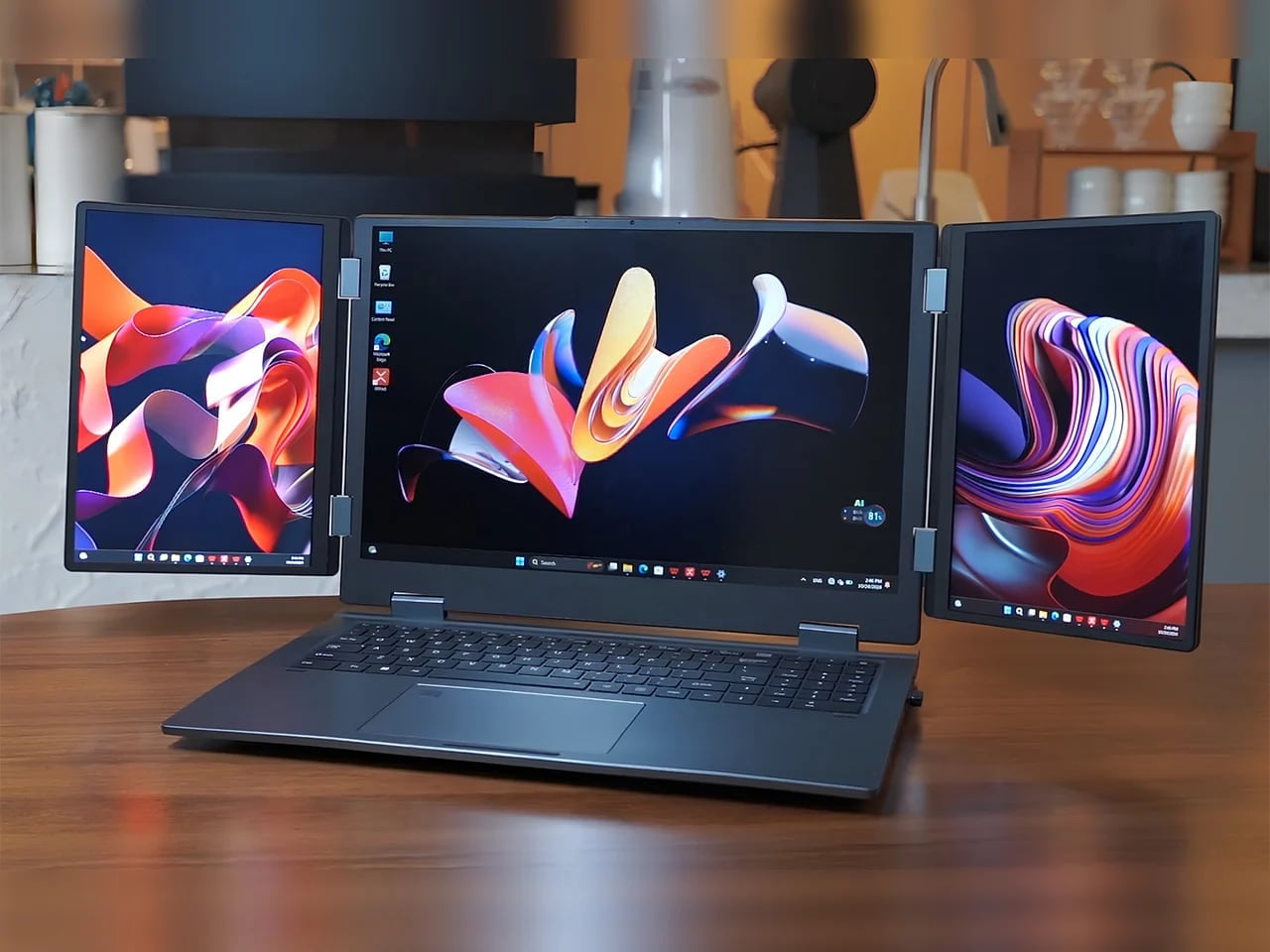
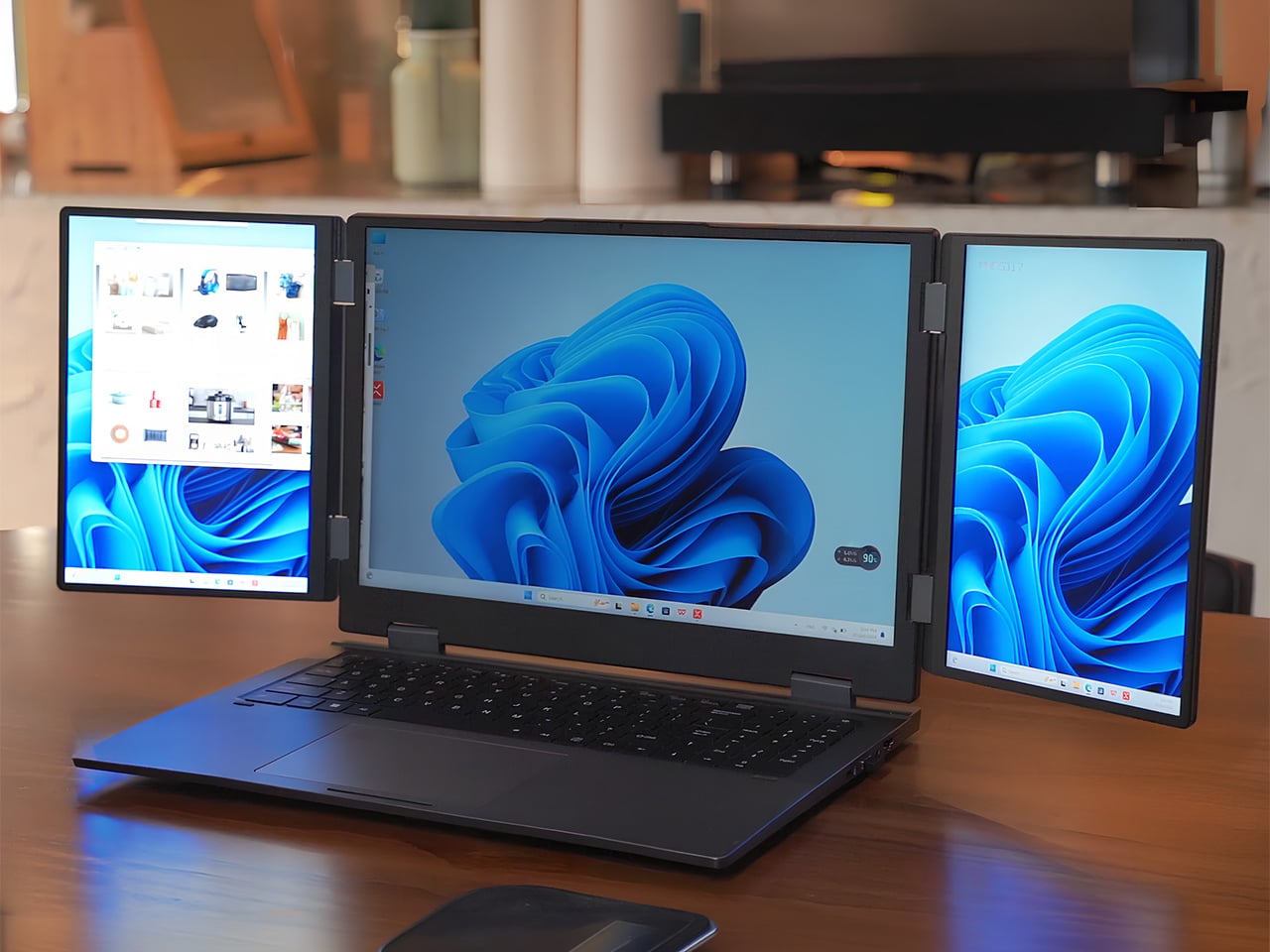
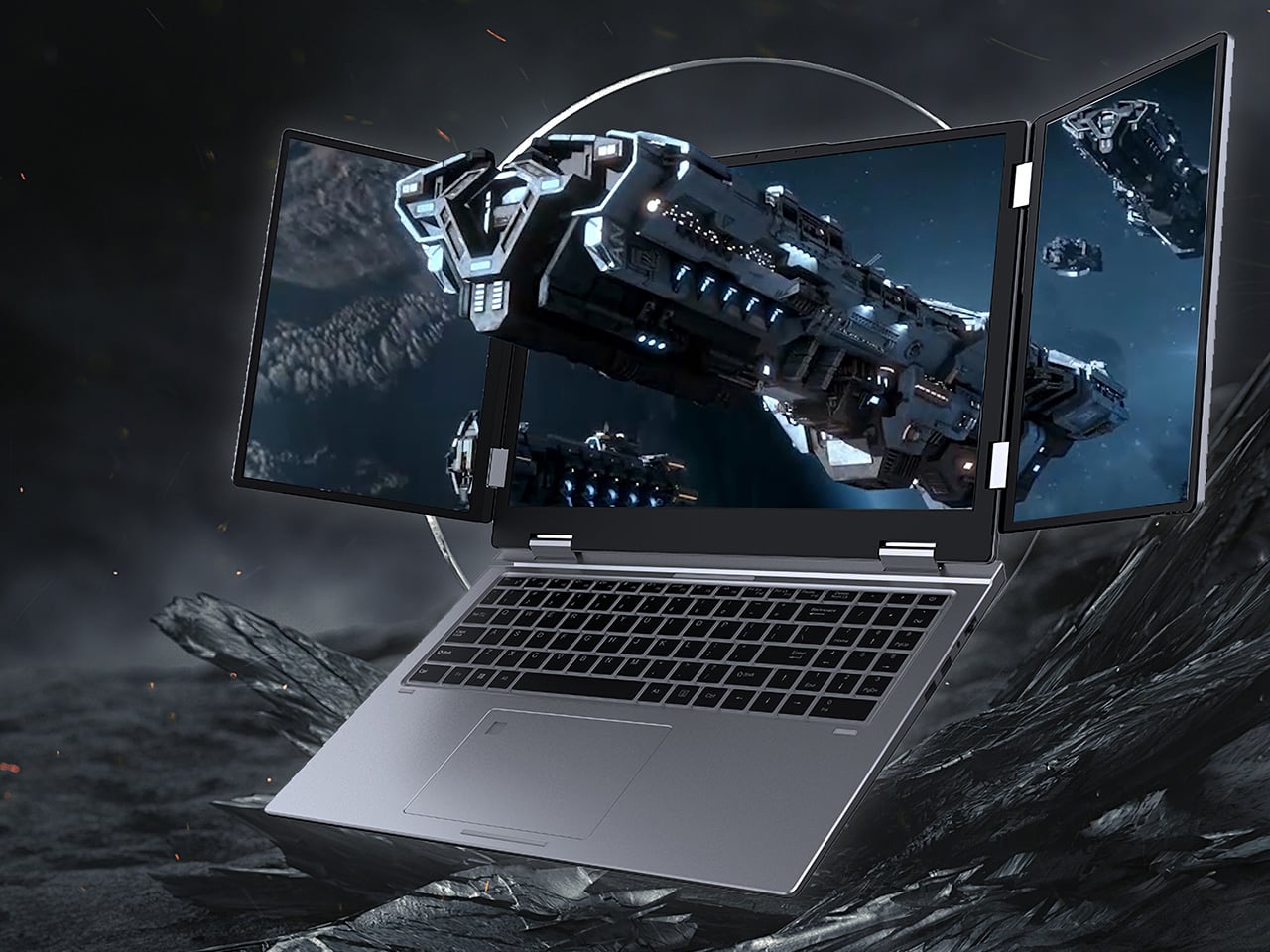
The REV-9 can be considered to be one of the most powerful laptop out there with its 64-core AMD Epyc CPU and a desktop class RTX 4080 card. There are two configurations offered with one a Zen 3-based Epyc 7713 CPU and the other a Zen 4 Epyc 9554. Since these are pretty heavy specifications, it comes with a built-in split liquid cooling system as well as a high-pressure water pump and water tank. It also has a large copper radiator so the cooling system seems to be working as it has a Cinebench R23 result of 49,000.
It has a 17.3-inch 2.5K screen with a 240Hz efresh rate but you also have an option for a 4K 120Hz display. With all of these hardware and built-in features, you probably won’t be able to lug the REV-9 around wherever you want. It is 16.5 x 12.79 x 1.8 inches and that doesn’t even include the weight. But looking at the photos, it will most likely not be light at all. Design-wise, you also can’t expect something sleek and pretty but it does come in different colors including gold, silver, rose gold, blue, purple, and red.
Of course another consideration for such a powerful device would be the price. The Epyc 9554 alone is already around $9,000 so you can expect a lot of zeroes for this laptop. It was supposed to be available on Taobao by December 19 but we couldn’t find any traces of it. Either the release was delayed or there were a lot of rich people who bought it already and now it’s sold out.
Compared to a decade ago, there are a lot of laptops now that are pretty powerful and can even go toe-to-toe with some of the desktops available in the market. But there’s still a lot of room for improvement especially when it comes to raw power. Of course having such a powerful device would mean sacrificing on the design and price elements but if you’re looking for something that’s extremely powerful, this latest device from a Chinese laptop company may be the one you’re looking for.
Designer: Zhanjiang Xinjuneng
The REV-9 can be considered to be one of the most powerful laptop out there with its 64-core AMD Epyc CPU and a desktop class RTX 4080 card. There are two configurations offered with one a Zen 3-based Epyc 7713 CPU and the other a Zen 4 Epyc 9554. Since these are pretty heavy specifications, it comes with a built-in split liquid cooling system as well as a high-pressure water pump and water tank. It also has a large copper radiator so the cooling system seems to be working as it has a Cinebench R23 result of 49,000.
It has a 17.3-inch 2.5K screen with a 240Hz efresh rate but you also have an option for a 4K 120Hz display. With all of these hardware and built-in features, you probably won’t be able to lug the REV-9 around wherever you want. It is 16.5 x 12.79 x 1.8 inches and that doesn’t even include the weight. But looking at the photos, it will most likely not be light at all. Design-wise, you also can’t expect something sleek and pretty but it does come in different colors including gold, silver, rose gold, blue, purple, and red.
Of course another consideration for such a powerful device would be the price. The Epyc 9554 alone is already around $9,000 so you can expect a lot of zeroes for this laptop. It was supposed to be available on Taobao by December 19 but we couldn’t find any traces of it. Either the release was delayed or there were a lot of rich people who bought it already and now it’s sold out.
Compared to a decade ago, there are a lot of laptops now that are pretty powerful and can even go toe-to-toe with some of the desktops available in the market. But there’s still a lot of room for improvement especially when it comes to raw power. Of course having such a powerful device would mean sacrificing on the design and price elements but if you’re looking for something that’s extremely powerful, this latest device from a Chinese laptop company may be the one you’re looking for.
Designer: Zhanjiang Xinjuneng
The REV-9 can be considered to be one of the most powerful laptop out there with its 64-core AMD Epyc CPU and a desktop class RTX 4080 card. There are two configurations offered with one a Zen 3-based Epyc 7713 CPU and the other a Zen 4 Epyc 9554. Since these are pretty heavy specifications, it comes with a built-in split liquid cooling system as well as a high-pressure water pump and water tank. It also has a large copper radiator so the cooling system seems to be working as it has a Cinebench R23 result of 49,000.
It has a 17.3-inch 2.5K screen with a 240Hz efresh rate but you also have an option for a 4K 120Hz display. With all of these hardware and built-in features, you probably won’t be able to lug the REV-9 around wherever you want. It is 16.5 x 12.79 x 1.8 inches and that doesn’t even include the weight. But looking at the photos, it will most likely not be light at all. Design-wise, you also can’t expect something sleek and pretty but it does come in different colors including gold, silver, rose gold, blue, purple, and red.
Of course another consideration for such a powerful device would be the price. The Epyc 9554 alone is already around $9,000 so you can expect a lot of zeroes for this laptop. It was supposed to be available on Taobao by December 19 but we couldn’t find any traces of it. Either the release was delayed or there were a lot of rich people who bought it already and now it’s sold out.
Compared to a decade ago, there are a lot of laptops now that are pretty powerful and can even go toe-to-toe with some of the desktops available in the market. But there’s still a lot of room for improvement especially when it comes to raw power. Of course having such a powerful device would mean sacrificing on the design and price elements but if you’re looking for something that’s extremely powerful, this latest device from a Chinese laptop company may be the one you’re looking for.
Designer: Zhanjiang Xinjuneng
The REV-9 can be considered to be one of the most powerful laptop out there with its 64-core AMD Epyc CPU and a desktop class RTX 4080 card. There are two configurations offered with one a Zen 3-based Epyc 7713 CPU and the other a Zen 4 Epyc 9554. Since these are pretty heavy specifications, it comes with a built-in split liquid cooling system as well as a high-pressure water pump and water tank. It also has a large copper radiator so the cooling system seems to be working as it has a Cinebench R23 result of 49,000.
It has a 17.3-inch 2.5K screen with a 240Hz efresh rate but you also have an option for a 4K 120Hz display. With all of these hardware and built-in features, you probably won’t be able to lug the REV-9 around wherever you want. It is 16.5 x 12.79 x 1.8 inches and that doesn’t even include the weight. But looking at the photos, it will most likely not be light at all. Design-wise, you also can’t expect something sleek and pretty but it does come in different colors including gold, silver, rose gold, blue, purple, and red.
Of course another consideration for such a powerful device would be the price. The Epyc 9554 alone is already around $9,000 so you can expect a lot of zeroes for this laptop. It was supposed to be available on Taobao by December 19 but we couldn’t find any traces of it. Either the release was delayed or there were a lot of rich people who bought it already and now it’s sold out.
Compared to a decade ago, there are a lot of laptops now that are pretty powerful and can even go toe-to-toe with some of the desktops available in the market. But there’s still a lot of room for improvement especially when it comes to raw power. Of course having such a powerful device would mean sacrificing on the design and price elements but if you’re looking for something that’s extremely powerful, this latest device from a Chinese laptop company may be the one you’re looking for.
Designer: Zhanjiang Xinjuneng
The REV-9 can be considered to be one of the most powerful laptop out there with its 64-core AMD Epyc CPU and a desktop class RTX 4080 card. There are two configurations offered with one a Zen 3-based Epyc 7713 CPU and the other a Zen 4 Epyc 9554. Since these are pretty heavy specifications, it comes with a built-in split liquid cooling system as well as a high-pressure water pump and water tank. It also has a large copper radiator so the cooling system seems to be working as it has a Cinebench R23 result of 49,000.
It has a 17.3-inch 2.5K screen with a 240Hz efresh rate but you also have an option for a 4K 120Hz display. With all of these hardware and built-in features, you probably won’t be able to lug the REV-9 around wherever you want. It is 16.5 x 12.79 x 1.8 inches and that doesn’t even include the weight. But looking at the photos, it will most likely not be light at all. Design-wise, you also can’t expect something sleek and pretty but it does come in different colors including gold, silver, rose gold, blue, purple, and red.
Of course another consideration for such a powerful device would be the price. The Epyc 9554 alone is already around $9,000 so you can expect a lot of zeroes for this laptop. It was supposed to be available on Taobao by December 19 but we couldn’t find any traces of it. Either the release was delayed or there were a lot of rich people who bought it already and now it’s sold out.
Compared to a decade ago, there are a lot of laptops now that are pretty powerful and can even go toe-to-toe with some of the desktops available in the market. But there’s still a lot of room for improvement especially when it comes to raw power. Of course having such a powerful device would mean sacrificing on the design and price elements but if you’re looking for something that’s extremely powerful, this latest device from a Chinese laptop company may be the one you’re looking for.
Designer: Zhanjiang Xinjuneng
The REV-9 can be considered to be one of the most powerful laptop out there with its 64-core AMD Epyc CPU and a desktop class RTX 4080 card. There are two configurations offered with one a Zen 3-based Epyc 7713 CPU and the other a Zen 4 Epyc 9554. Since these are pretty heavy specifications, it comes with a built-in split liquid cooling system as well as a high-pressure water pump and water tank. It also has a large copper radiator so the cooling system seems to be working as it has a Cinebench R23 result of 49,000.
It has a 17.3-inch 2.5K screen with a 240Hz efresh rate but you also have an option for a 4K 120Hz display. With all of these hardware and built-in features, you probably won’t be able to lug the REV-9 around wherever you want. It is 16.5 x 12.79 x 1.8 inches and that doesn’t even include the weight. But looking at the photos, it will most likely not be light at all. Design-wise, you also can’t expect something sleek and pretty but it does come in different colors including gold, silver, rose gold, blue, purple, and red.
Of course another consideration for such a powerful device would be the price. The Epyc 9554 alone is already around $9,000 so you can expect a lot of zeroes for this laptop. It was supposed to be available on Taobao by December 19 but we couldn’t find any traces of it. Either the release was delayed or there were a lot of rich people who bought it already and now it’s sold out.
In a world where the sun plays a significant role in shaping preferences for living spaces, a unique product has emerged to bridge the gap between lifestyle and the desire for a sun-soaked environment. The innovative SPOT, a pet plant inspired by the beloved Toy Story, brings a touch of whimsy and practicality to the lives of those who are away from home during the day.
Designer: Dami Seo
Koreans have a cultural inclination towards south-facing directions for their homes, favoring abundant sunlight throughout the day. However, modern lifestyles often lead people away from home during peak daylight hours, creating a paradox between their preference for sunlit spaces and their absence during the sunniest times.
Drawing inspiration from Toy Story, SPOT takes on a personality of its own when the owner is away. Just like Woody and his adventures, SPOT enjoys the warm sunlight in the south-facing direction, making the most of the daylight hours that the owner might miss.
The creators of SPOT have ingeniously crafted its form based on Woody’s rhythmic hat line, adding an extra layer of charm and nostalgia for fans of the iconic movie series. This attention to detail enhances the emotional connection users may feel with their sun-loving companion.
SPOT’s design mimics a sunflower’s ability to move towards the sun. Equipped with sensors, SPOT can adjust its position to capture the optimal amount of sunlight, ensuring that users can enjoy the warmth without the need to move the plant manually. This dynamic feature aligns with the varying sunlight patterns throughout the day.
For users returning home, SPOT adds an element of surprise and delight. By detecting the SPOT’s location, users can playfully interact with their sun-loving companion, creating a unique and entertaining experience. The wheels at the bottom of the product enable SPOT to move towards the sunlight source, making it a dynamic and engaging addition to any home.
SPOT’s ability to move is not only entertaining but also practical. Equipped with sensors on both sides, SPOT can navigate around objects in the house, ensuring a seamless and safe journey towards the sunlight. The autonomy of movement enhances user convenience, aligning with the modern desire for smart and responsive home devices.
To keep SPOT energized and ready for its sun-seeking adventures, a user-friendly charging unit is provided. SPOT can effortlessly navigate to the charging station, making the recharging process a hassle-free experience. Additionally, SPOT’s easy-to-clean and disassemble design ensures that maintenance is a breeze.
SPOT not only adds a touch of magic inspired by Toy Story to your home but also addresses the practical challenge of aligning sunlight preferences with a dynamic lifestyle. With its adaptability, autonomy, and entertaining features, SPOT is more than just a pet plant; it’s a delightful companion that brings joy and sunshine into the lives of its users.
At YD, we live by the fundamental belief that there’s nothing more powerful than an idea. Concepts have always enthralled us, because they represent what our future could look like, and that’s where designers come in with their unique skill – imagining this conceptual alternate reality on behalf of all of us. As we come to a grand close to 2023, we look back at some of the concepts that we (and you, surely) loved. These concepts represent some of the most intriguing ideas and visions of the year, like imagining what a proper PlayStation Portable in the modern age would look like, or even the Gen-2 CyberTruck for instance. We’re even crowning one of these concepts as our “Best Concept Design of 2023” for its sheer vision, attention to detail, and the fact that it just ever so slightly made us want to throw money at our screens. Want to know what it was? Want to also see the other concepts that made it to this ‘Best of’ list? Scroll down to find out!
1. MOI3D Gaming Console by Vadim Danilkov (Best Concept Design of 2023)
We loved this console for a few reasons. Aside from the fact that it’s detailed down to the last screw and capacitor (check the video), it’s also a tsunami of absolute nostalgia. The MOI3D is a handheld console concept that’s designed to run any PlayStation CD right back to the 1994 PS One. It comes with all the bells and whistles, starting from a screen on the front and a CD-reader on the bottom to action buttons (including L1/L2 and R1/R2), HDMI out, USB-C charging, a CD tray button, and front-firing speakers. Notably, it lacks a 3.5mm audio jack but more than makes up for it with backward compatibility with games from as long as 30 years ago when the PlayStation first debuted!
Why it’s noteworthy?
The Best Design title doesn’t come easy. We rate our designs on their brief, their output, the level of detail, their originality, and their overall appeal and the MOI3D smashed it out of the park on all levels. The amount of detail is dizzying, and the prospect of being able to play all your favorite PS games on one handheld console is even more exciting!
2. Tesla Cybertruck 2.0 by Dejan Hristov
As the Cybertruck FINALLY begins delivering to customers who first ordered it back in 2019 (if they were ready to pay that tear-jerking new price), we decided it was time to plan for the next big thing. Dejan Hristov’s Cybertruck 2.0 really caught our fancy for its unique design. It was eye-catching and iconic without being polarizing, and still somehow stuck to the Cybertruck’s design language without looking like it was made using origami. The gentle curves do a wonderful job of reflecting light and the world around it, creating the truck’s overall appeal, and if that rear truck bed wasn’t enough storage, this one also sports a frunk that opens like a drawer cabinet!

Why is it noteworthy?
Hristov’s design paints an arguably less polarizing picture of the Cybertruck but retains its overall soul. When Musk made a point that all pickup trucks looked the same, he wasn’t wrong. Hristov carries that torch but creates an EV that looks different without looking ugly.
03. Apple iPhone Ultra by Jimmy Huynh
We all thought Apple would drop an iPhone Ultra this year, but the company delivered something just as good – an iPhone Pro series made from titanium, with USB-C, and an Action button. Sure, it doesn’t look as captivating as this particular concept by Jimmy Huynh, but we love it all the same. As far as this iPhone Ultra concept goes, Huynh retained the Watch Ultra’s aesthetic beautifully, with a gorgeous crown, orange action button, and that nude titanium finish that culminates in those speaker grills at the bottom. Sure, some might find that odd bump on the side unappealing, but we appreciate anything we can rest our fingers against as we hold this phone up.
Why is it noteworthy?
It’s been a hot minute since Apple announced any new iPhone range. The Watch got an Ultra debut last year, but Apple’s stuck to the iPhone, SE, and Pro range for years now. Although some say there wouldn’t be much difference between the Pro and the Ultra, we disagree. The Ultra isn’t a creative-aligned iPhone. It’s an iPhone that’s built like a brick. Incredible sturdiness, game-changing resilience, and the kind of software security that would make it perfect for government officials (perhaps even the ones in the CCP)!
04. Nothing Power Bank by Subhav Menon Srivastava
Last year Nothing created waves with its first transparent-bodied smartphone, and while we got the Nothing Phone (2) this year, we were hoping for a few phone-adjacent accessories. A Nothing Power Bank, for example. This transparent portable charger from the mind of Subhav Menon Srivastava has us drooling because of how gorgeous it looks. While most power banks have nothing more than an Li-ion battery and a PCB, Srivastava makes things interesting with printed elements on the outer glass, and an LED display that shows the battery percentage of the power bank. You’ve also got a whopping 10,000 mAh battery on the inside, and a few LED lights that bring the power bank to life when plugged in.
Why is it noteworthy?
Our readers certainly loved the Nothing Power Bank, with 60,000 views on the concept. That pretty much affirms that there’s public demand for the Nothing Power Bank, so if Carl Pei is reading this…
05. Apple Mac Nano by Le KBM
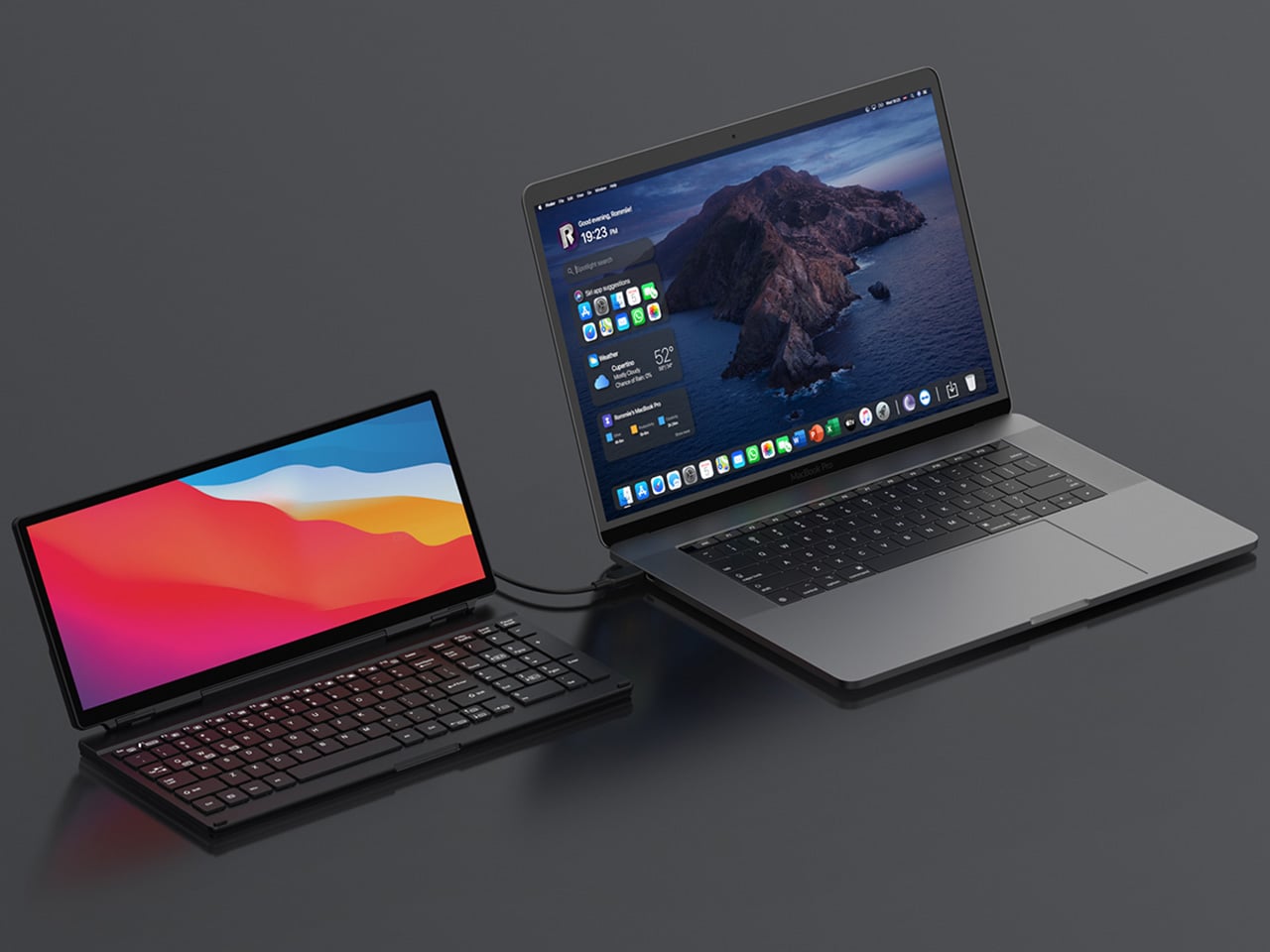
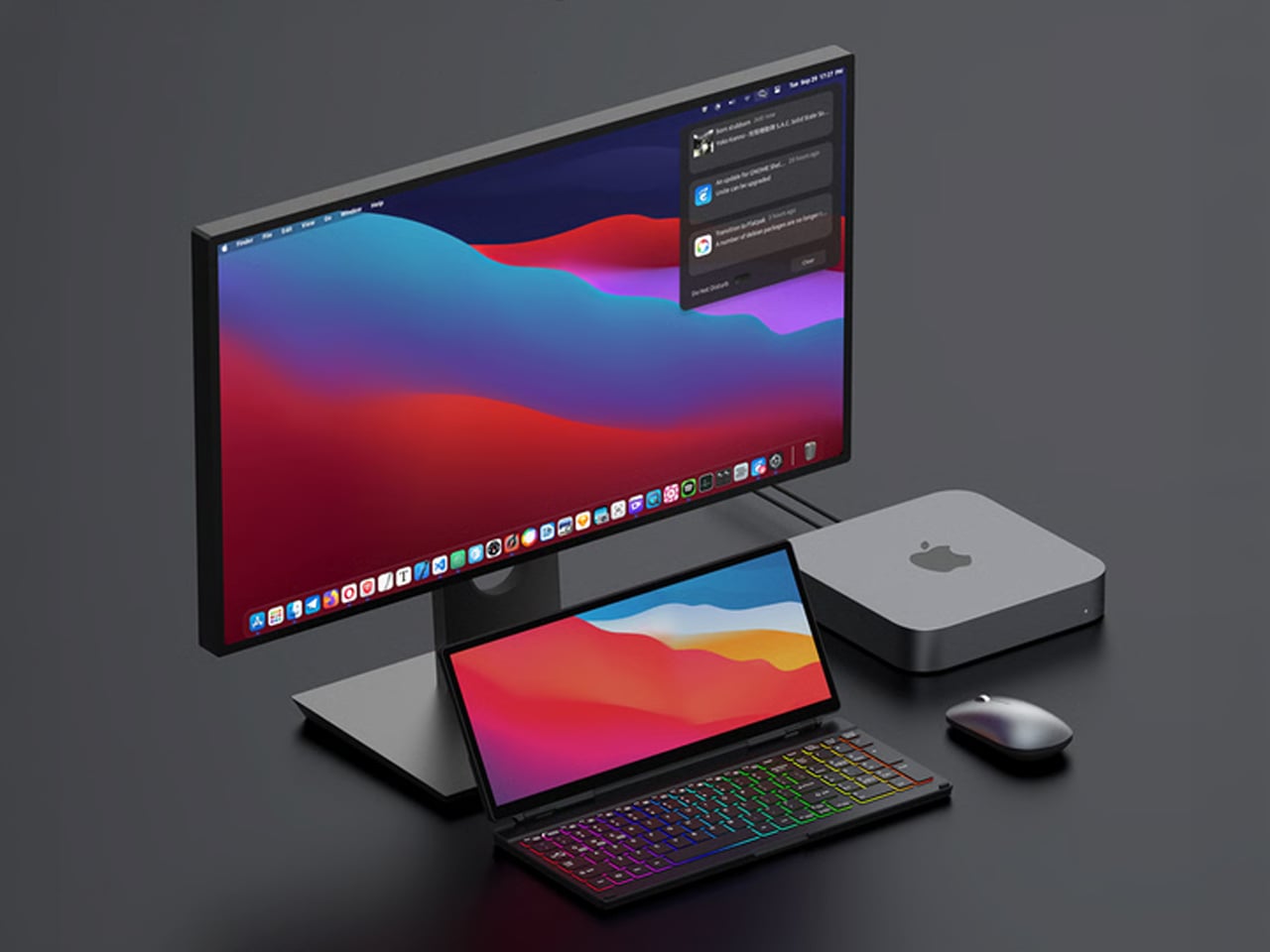
Sometime in 2022 (or probably earlier) a patent surfaced for an Apple keyboard with its own Mac computer built into it. Given that Apple was developing its own silicone line, at the time this made absolute sense. Fit an entire Mac into a keyboard and you had yourself a makeshift Mac Mini with you! Plug a display in and you were ready to go (maybe you’d need a trackpad or mouse too, but you get my drift). Designer Le KBM decided to build out this vision, creating the Mac Nano concept. The concept features a rejuvenated Magic Keyboard with a touchbar on top and an M-series chip inside, giving it laptop-worthy computing power in the format of a keyboard. Hook an iPad or an iPhone to it and you have yourself a renegade Mac with a touchscreen. What’s not to love?!
Why is it noteworthy?
Conceptually, the Mac Nano seems somewhat strange but then again, the Mac Mini was an odd concept too. Why create a portable Mac when the MacBook Pro was already a thing? Well, the Mac Mini sort of found its own place in the Apple ecosystem, and for people looking for an ‘Air’ version of that, the Mac Nano is the perfect choice! Plus, we haven’t seen a ‘nano’ Apple product in a while!
06. PocketMan P1 Handheld Console by Grzegorz Rozwadowski (Twig Studio)
The PocketMan P1, inspired by Teenage Engineering’s raw, industrial design, boasts a sleek metal-first aesthetic with exposed screws. It features essential controls like a D-pad, action buttons, multiple joysticks, and four shoulder buttons. It also offers a USB-C port, a 3.5mm aux jack, and card readers on both sides for game loading. The black-and-white screen gives it a retro touch, possibly with an option for a color display. While currently a concept, the P1 showcases minimalist metallic design, rejecting the need for excessive ergonomics and RGB lighting in gaming hardware.
Why is it noteworthy?
Aside from that nostalgic handheld form factor, there’s a lot to be appreciated about how wonderfully cyberpunk the PocketManP1 looks. When your eyes aren’t immersed in the game, they’ll probably be admiring every inch of the P1’s metallic design while your hands familiarize themselves with every single button, trigger, and joystick.
07. Note Digital+Analog Desk Accessory by Harshit Sahu
Part digital clock/calendar, part whiteboard, and part pinboard, this Note-taking desk accessory has the best of all worlds. It’s essentially a compact whiteboard that can flip over, doubling your writing space. One side features a dotted grid for diagrams, while the other can be plain or carry the same design. Sticky notes can also find their place on this versatile board. What sets Note apart is the addition of a multi-purpose vertical screen on the left side, displaying the time, calendar, and synced appointments from your phone. It even offers functions like a timer, world clock, and music player.



Why is it noteworthy?
“Paper can be simple, and apps can be quick, but not everyone needs all the commitment that these two different note-taking methods sometimes require,” says our Co-Editor-in-Chief JC Torres. This piece of digital stationery may not be a revolutionary device, but its creative integration of analog and digital concepts makes it a focused and efficient tool for specific needs. It simplifies your workflow without overwhelming you with unnecessary features, ensuring that your productivity remains the top priority.
08. Sony Playstation XPERIA by Santosh Palaniappan
This one’s a classic case of “what could have been”. Designed by Santosh Palaniappan, the PlayStation XPERIA is the perfect hybrid between a smartphone and a gaming device, combining the company’s two successful product lines. Featuring a sliding display that reveals gaming controls underneath, along with a triple-camera setup, it offers versatility beyond gaming. Messaging, internet browsing, selfies, movie watching, and social media game streaming become seamless possibilities. The PlayStation Xperia strikes a balance between smartphone and gaming device aesthetics, combining the functionality of a smartphone with the visual appeal of the PS5. Its white and black design with textured grips and the iconic PlayStation symbol microtexture on the rear exudes elegance. Front-facing speakers enhance the media and gaming experience, and sliding the screen transforms it into a handheld console.
Why is it noteworthy?
With a focus on both gaming and smartphone capabilities, the PlayStation Xperia concept offers a promising vision for Sony’s future product lineup, blending the best of both worlds for tech enthusiasts and gamers alike. It doesn’t compromise on anything a gamer would want in their phone or their handheld console, and let’s be absolutely honest, it looks positively drool-worthy!
09. Ford Mini Bronco by Naoto Kobayashi
Ever seen an off-roader coupe? Well, feast your eyes on the Ford Mini Bronco, a two-door off-roader that we absolutely wish was real. Crafted by designer Naoto Kobayashi, the Ford Mini Bronco boasts a unique design with distinctive pixel-inspired headlights in the front and dynamic taillights at the rear. It’s ideal for a group of two or three adventurers looking to hit the off-road and embrace an eco-friendly lifestyle. This compact EV offers SUV-like excitement without the fuel consumption of larger Ford vehicles. However, it’s important to note that the Ford Mini Bronco is currently just a concept, a vision of what the future of transportation could hold. We can only hope that one day, this remarkable concept will become a reality.
Why is it noteworthy?
The Mini Bronco is a small-format-large-ambitions car that really doesn’t compromise on space or features. The lack of two extra passenger seats means the Mini Bronco has a spacious rear, perfect for storing your outdoor gear. Its short wheelbase and minimal overhangs (on the front and rear) promise enhanced off-road capabilities, and Kobayashi even managed to fit a large-size tent on the top that people can sleep in!
10. Google G Spot Tracking Device by Obi Fidler
Google will help you search for a lot of things, but this is a first! Meet the G Spot, an audacious concept from the mind of Obi Fidler that doubles as Google’s first-ever tracking device. The G Spot is a sleek and compact GPS smart tracker that takes inspiration from Apple’s popular AirTag. This innovative device boasts a conveniently small form factor, making it a breeze to carry around discreetly. What sets it apart is its seamless integration with Google’s robust ecosystem, allowing you to effortlessly track its whereabouts through the Find My Device and Google Maps services… and obviously that name, which I will never tire of saying!
Why is it noteworthy?
This one makes the list just for how much of a belly laugh it gave us as we first saw it online. The entire project is an absolute riot, making fun of what could be Google’s tracking device. Hilariously named the G Spot, this tracking device comes equipped with a tensor chip and a whole lot of double entendres!