Researchers at MIT’s CSAIL division, which focuses on computer engineering and AI development, built two machine learning algorithms that can detect pancreatic cancer at a higher threshold than current diagnostic standards. The two models together formed to create the “PRISM” neural network. It is designed to specifically detect pancreatic ductal adenocarcinoma (PDAC), the most prevalent form of pancreatic cancer.
The current standard PDAC screening criteria catches about 10 percent of cases in patients examined by professionals. In comparison, MIT’s PRISM was able to identify PDAC cases 35 percent of the time.
While using AI in the field of diagnostics is not an entirely new feat, MIT’s PRISM stands out because of how it was developed. The neural network was programmed based on access to diverse sets of real electronic health records from health institutions across the US. It was fed the data of over 5 million patient’s electronic health records, which researchers from the team said “surpassed the scale” of information fed to an AI model in this particular area of research. “The model uses routine clinical and lab data to make its predictions, and the diversity of the US population is a significant advancement over other PDAC models, which are usually confined to specific geographic regions like a few healthcare centers in the US,” Kai Jia, MIT CSAIL PhD senior author of the paper said.
MIT’s PRISM project started over six years ago. The motivation behind developing an algorithm that can detect PDAC early has a lot to do with the fact that most patients get diagnosed in the later stages of the cancer’s development — specifically about eighty percent are diagnosed far too late.
The AI works by analyzing patient demographics, previous diagnoses, current and previous medications in care plans and lab results. Collectively, the model works to predict the probability of cancer by analyzing electronic health record data in tandem with things like a patient’s age and certain risk factors evident in their lifestyle. Still, PRISM is still only able to help diagnose as many patients at the rate the AI can reach the masses. At the moment, the technology is bound to MIT labs and select patients in the US. The logistical challenge of scaling the AI will involve feeding the algorithm more diverse data sets and perhaps even global health profiles to increase accessibility.
Nonetheless, this isn't MIT’s first stab at developing an AI model that can predict cancer risk. It notably developed a way to train models how to predict the risk of breast cancer among women using mammogram records. In that line of research, MIT experts confirmed, the more diverse the data sets, the better the AI gets at diagnosing cancers across diverse races and populations. The continued development of AI models that can predict cancer probability will not only improve outcomes for patients if malignancy is identified earlier, it will also lessen the workload of overworked medical professionals. The market for AI in diagnostics is so ripe for change that it is piquing the interest of big tech commercial companies like IBM, which attempted to create an AI program that can detect breast cancer a year in advance.
This article originally appeared on Engadget at https://www.engadget.com/mit-experts-develop-ai-models-that-can-detect-pancreatic-cancer-early-222505781.html?src=rss
The US government has reportedly approved AI-based memory loss prediction software for the first time. Darmiyan, a San Francisco-based brain imaging analytics company, says the FDA has granted De Novo approval for its product BrainSee. The software platform assigns “an objective score that predicts the likelihood of progression from aMCI to Alzheimer’s dementia within 5 years,” according to the medical company. Fierce Biotech first reported the announcement.
Darmiyan says BrainSee can predict memory loss progression using clinical brain MRIs and cognitive tests, which are already standard for patients worried about early signs of decline. After the program analyzes the imaging and cognitive assessments, it assigns a predictive score indicating the patient’s odds of memory deterioration within the following five years. At least in theory, that would lead to early treatment for some and peace of mind for others.
“This shifts the patient experience from prolonged anxiety to proactive management, which is crucial in an era of emerging Alzheimer’s treatments where accurate prognosis can help determine suitable treatment candidates,” Darmiyan wrote in a press release announcing the FDA approval. “The economic impact of BrainSee will be significant for all stakeholders in healthcare, promising to reduce the billions of dollars annually spent on Alzheimer’s care, through more effective management and treatment.”
The FDA’s “De Novo” designation means the product has no clear market predecessors but has proven its effectiveness and safety in clinical trials. BrainSee first received FDA “breakthrough” designation in 2021, an earlier stage of the approval path for a first-of-its-kind treatment.
Darmiyan says BrainSee is fully automated and provides results on the same day the scans and cognitive test scores are entered. The company views the tech as shifting the treatment of mild / early cognitive decline from biomarker-based methods to “non-invasive and actionable forecasts of future improvement or progression.”
This article originally appeared on Engadget at https://www.engadget.com/the-fda-has-reportedly-approved-an-ai-product-that-predicts-cognitive-decline-184534034.html?src=rss
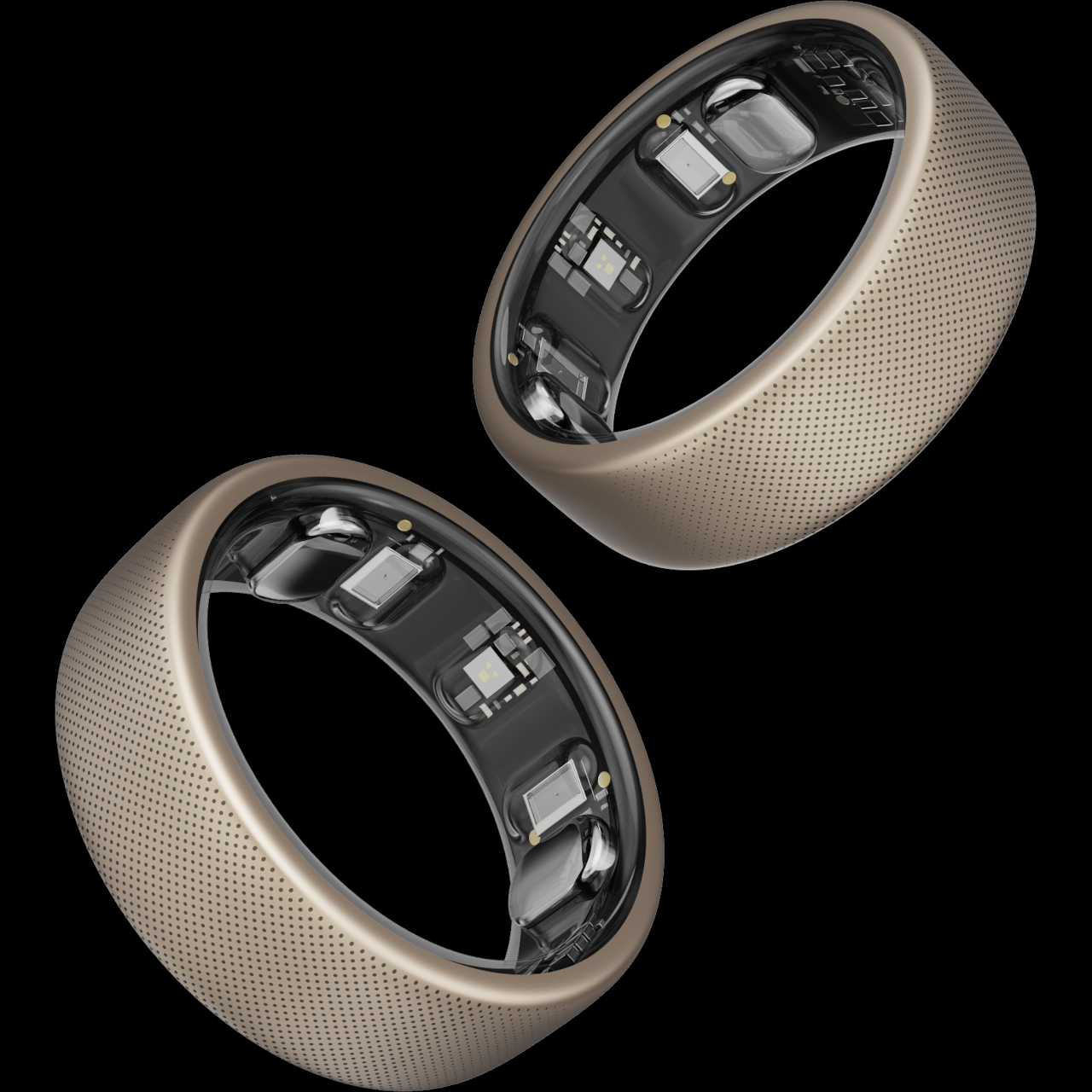
Now that smartwatches have more or less become more acceptable in society, it seems that the wearable tech market is setting its eyes on less conspicuous and less distracting designs for monitoring one’s health and fitness. And just like smartwatches in their early years, smart rings just aren’t resounding yet with people, though that could only be a matter of time. There hasn’t been much variety yet in this nascent market, which isn’t surprising given the physical limitations of a ring. Wearable tech brand Amazfit, however, believes it has something unique to offer, at least to athletes and very active people who are just as concerned with their mental health and recovery as they are with their steps and heart rate.
The niche that smartwatches have found themselves in seems to revolve around fitness and health, with features like activity tracking, health monitors, and the like. While those are indeed important metrics, they only represent a part of one’s overall well-being. Mental health is just as important, and giving your body and mind time to rest and recover is critical as well. Those are the points that the Amazfit Helio Ring is trying to emphasize in order to differentiate it from the likes of the Oura Ring, currently the leading name in this very young and small market.
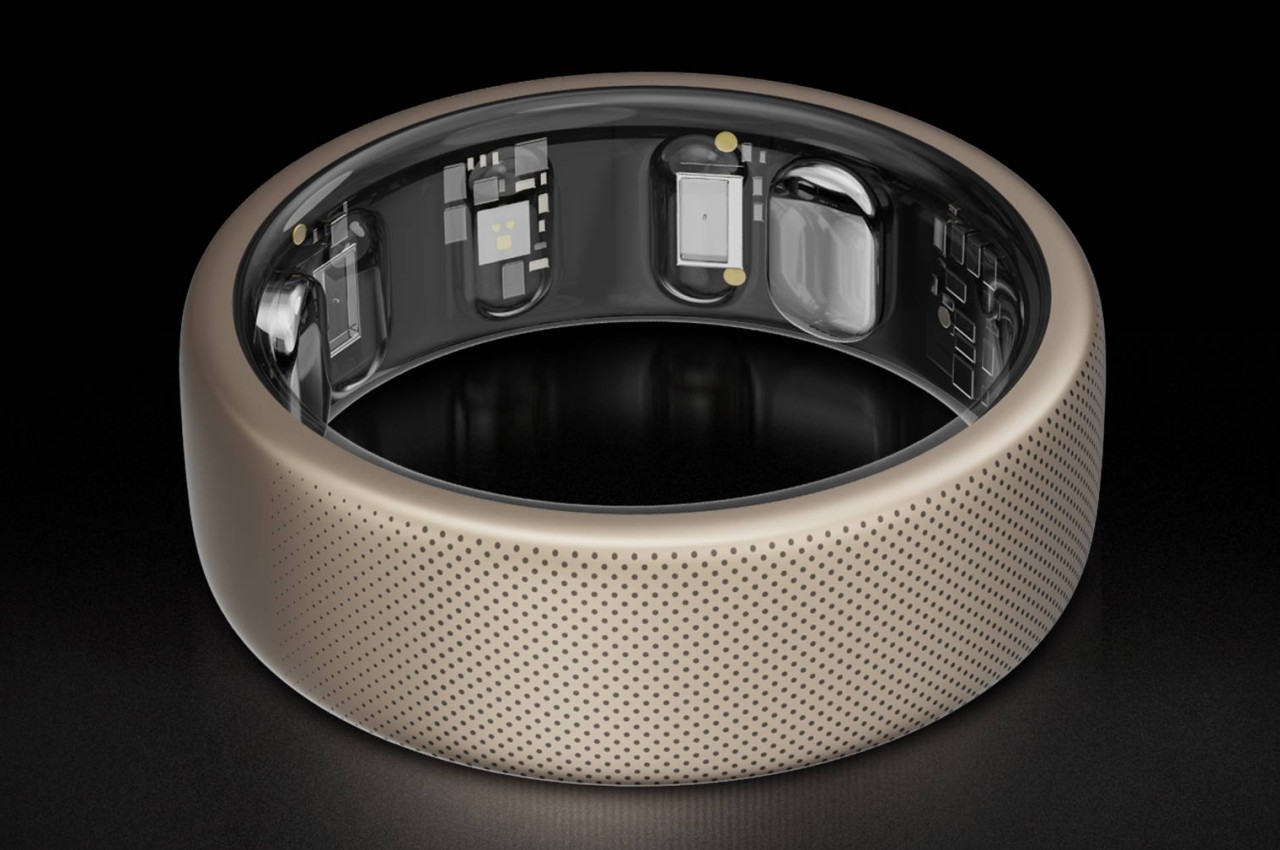
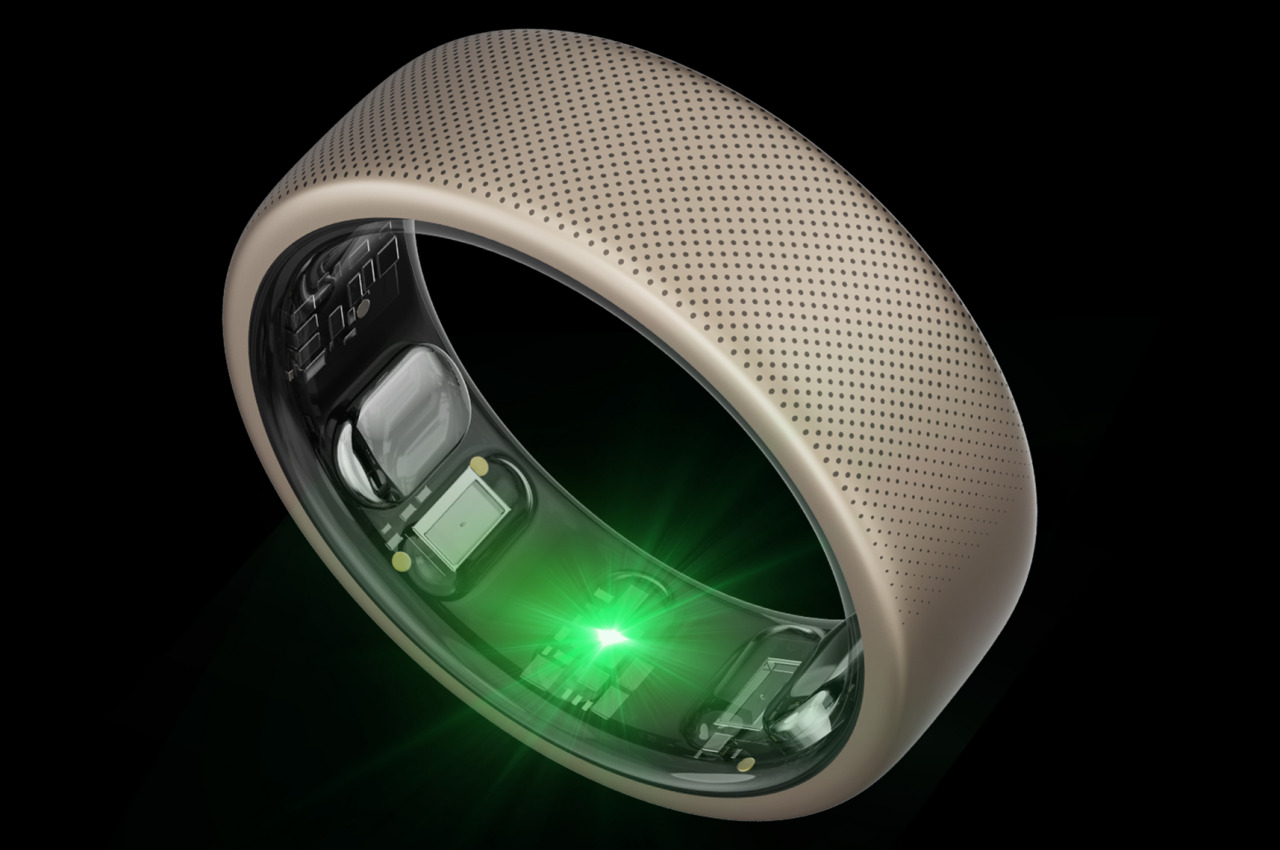
In a nutshell, the Amazfit Helio Ring takes the same data collected by sensors inside the ring but interprets them in a slightly different way. Of course, it still records your steps, tracks your blood oxygen levels, and even monitors your sleep, but it frames that information in light of stress levels, your mental health, and most importantly, how well you’re taking steps to recover from those. Amazfit will propose actionable steps to guide you toward recovery, which unsurprisingly include getting enough sleep and meditation.
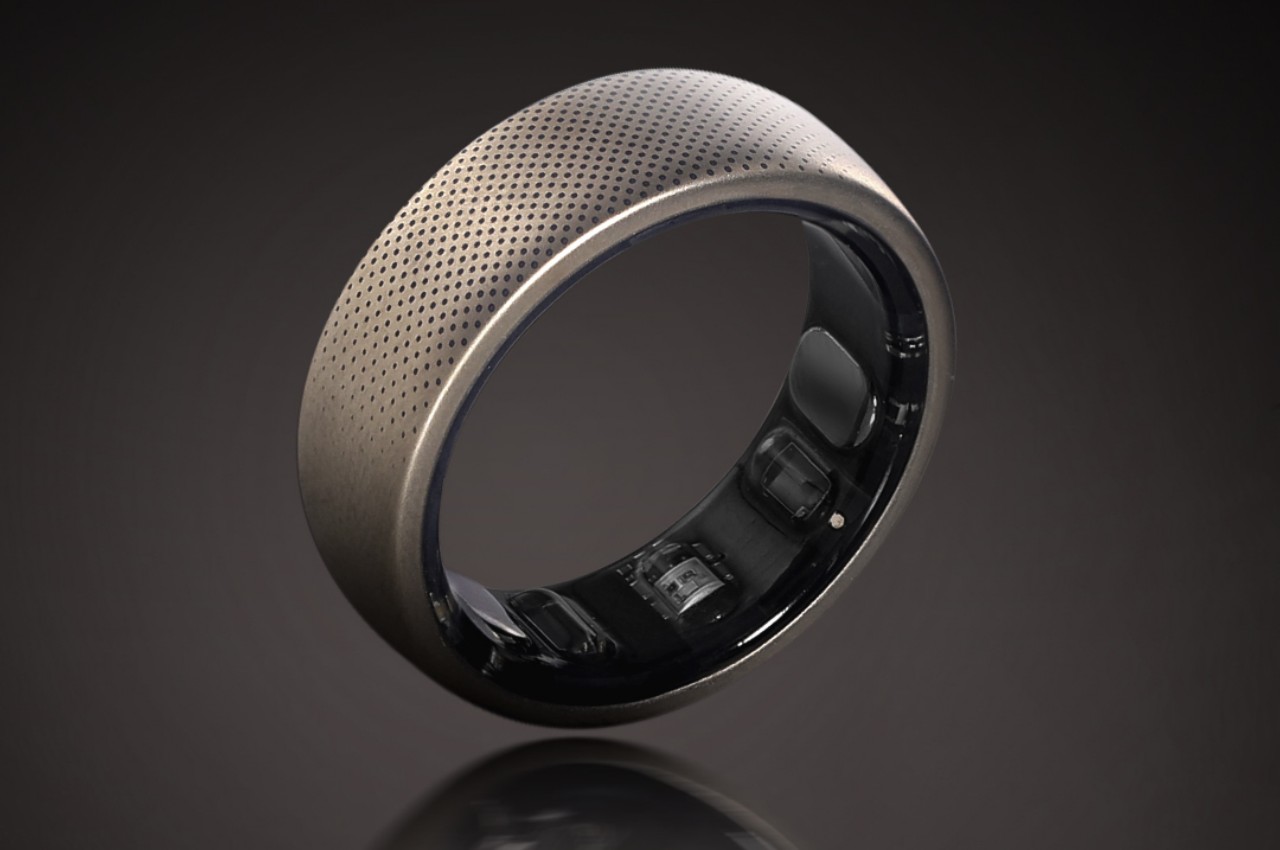
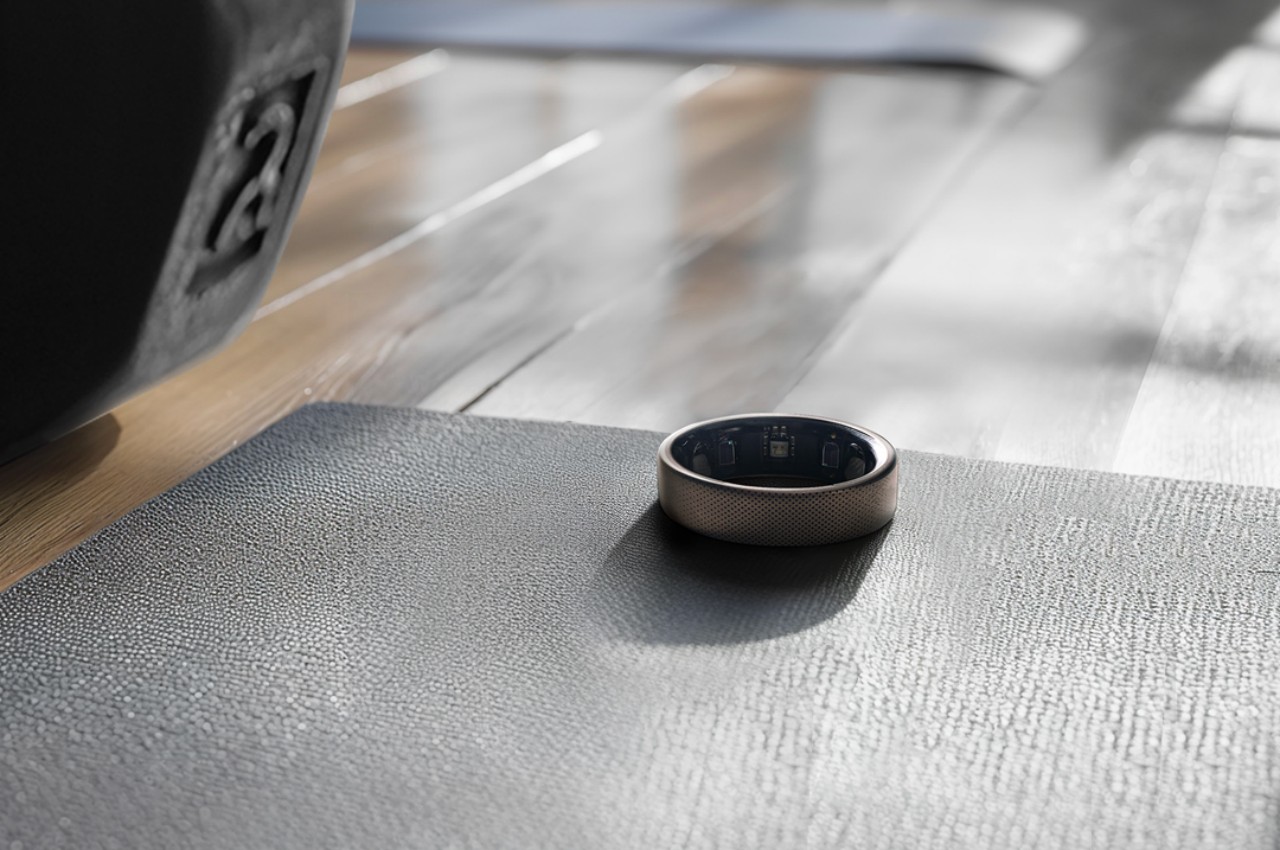
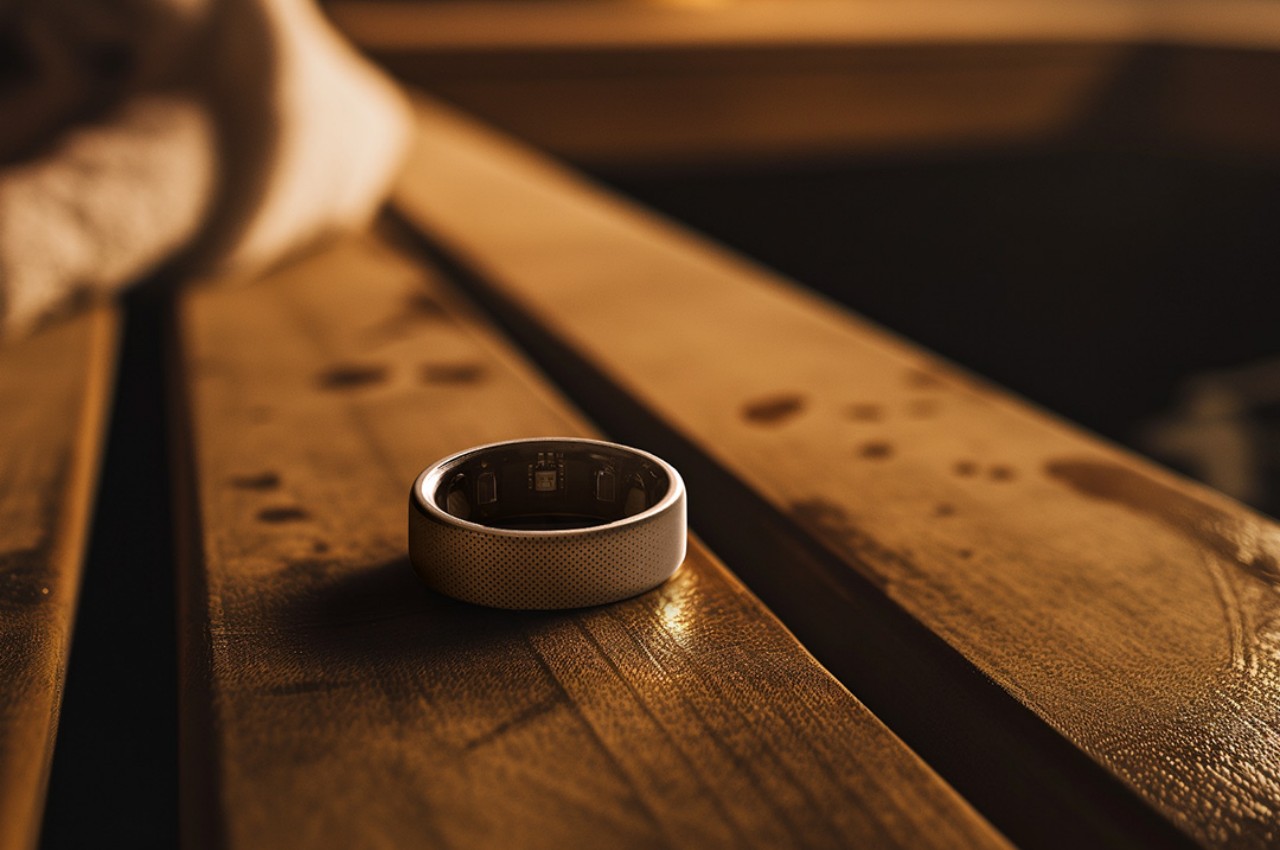
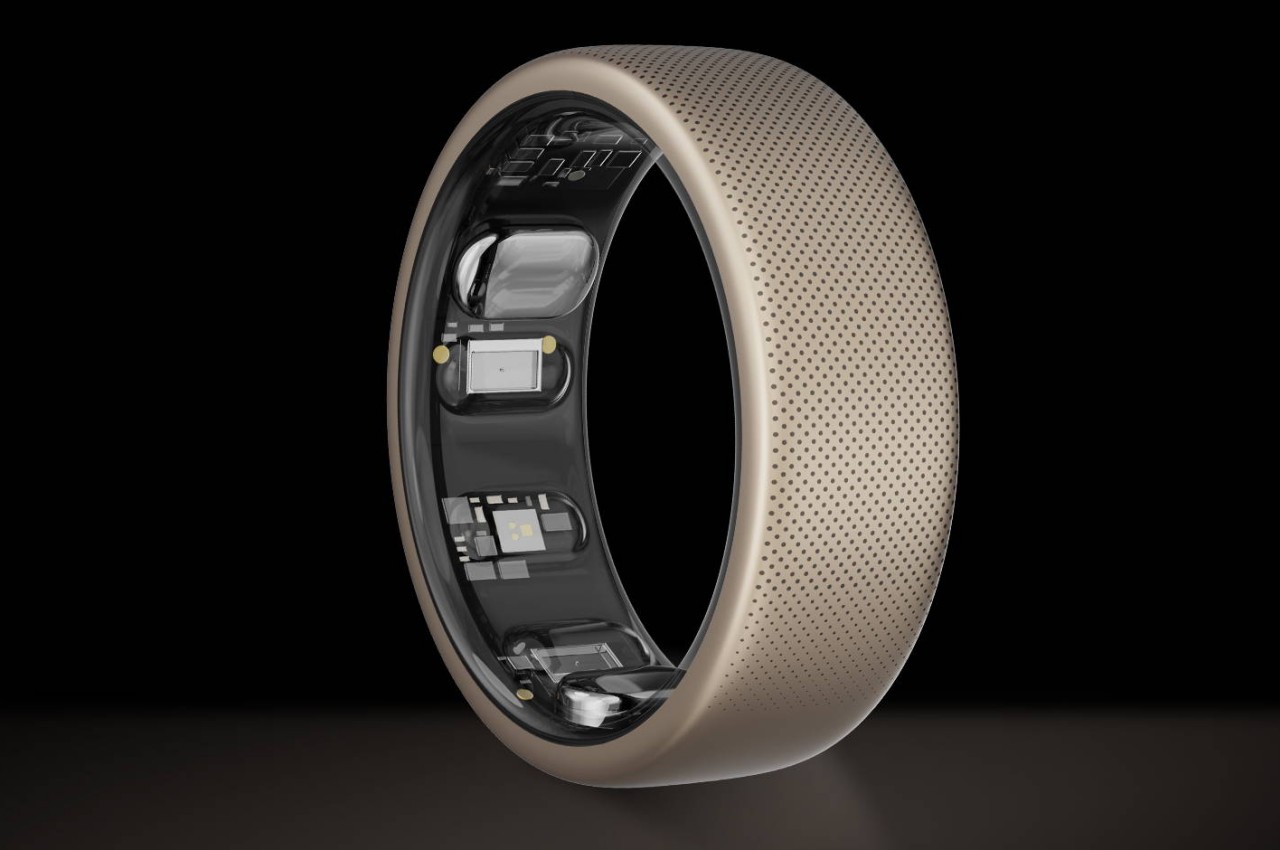
As for the device itself, the Amazfit Helios Ring is a bit of an outlier in that it doesn’t try to masquerade as a piece of jewelry. The dotted pattern on its surface is a dead giveaway that it is anything but luxurious, giving it a more rugged appearance that its target audience won’t mind anyway. In fact, it is intentionally designed for this group of people, using “skin-friendly” titanium alloy and ensuring water resistance of up to 10ATM, for those times when you need to take a swim.
The Amazfit Helios Ring can be used on its own, with or without an Amazfit smartwatch. Of course, you will need to pair with the mobile app, but you will also need to subscribe to the Zepp Aura rest and wellness service to really use the data it gives. A purchase of the ring will include a three-month free trial, but there are no pricing details available yet.
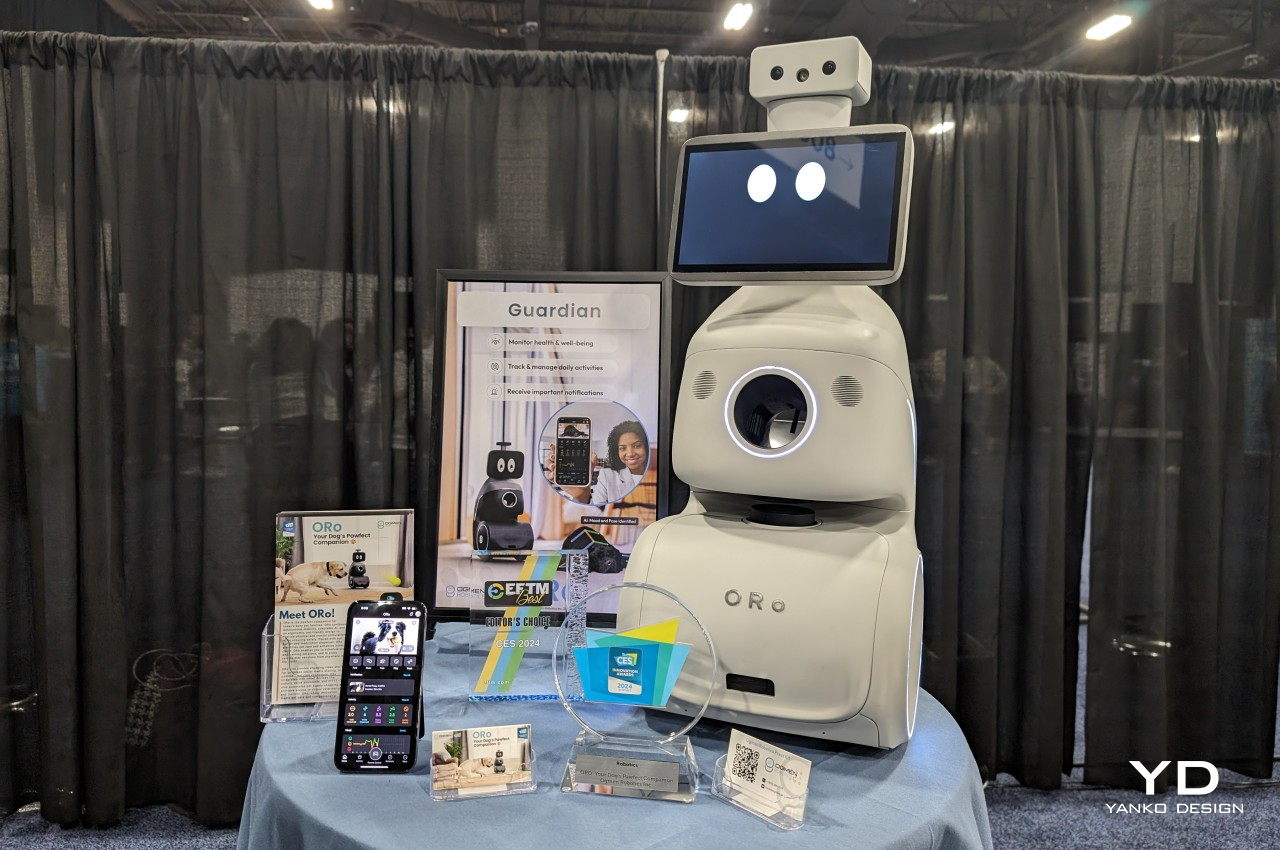
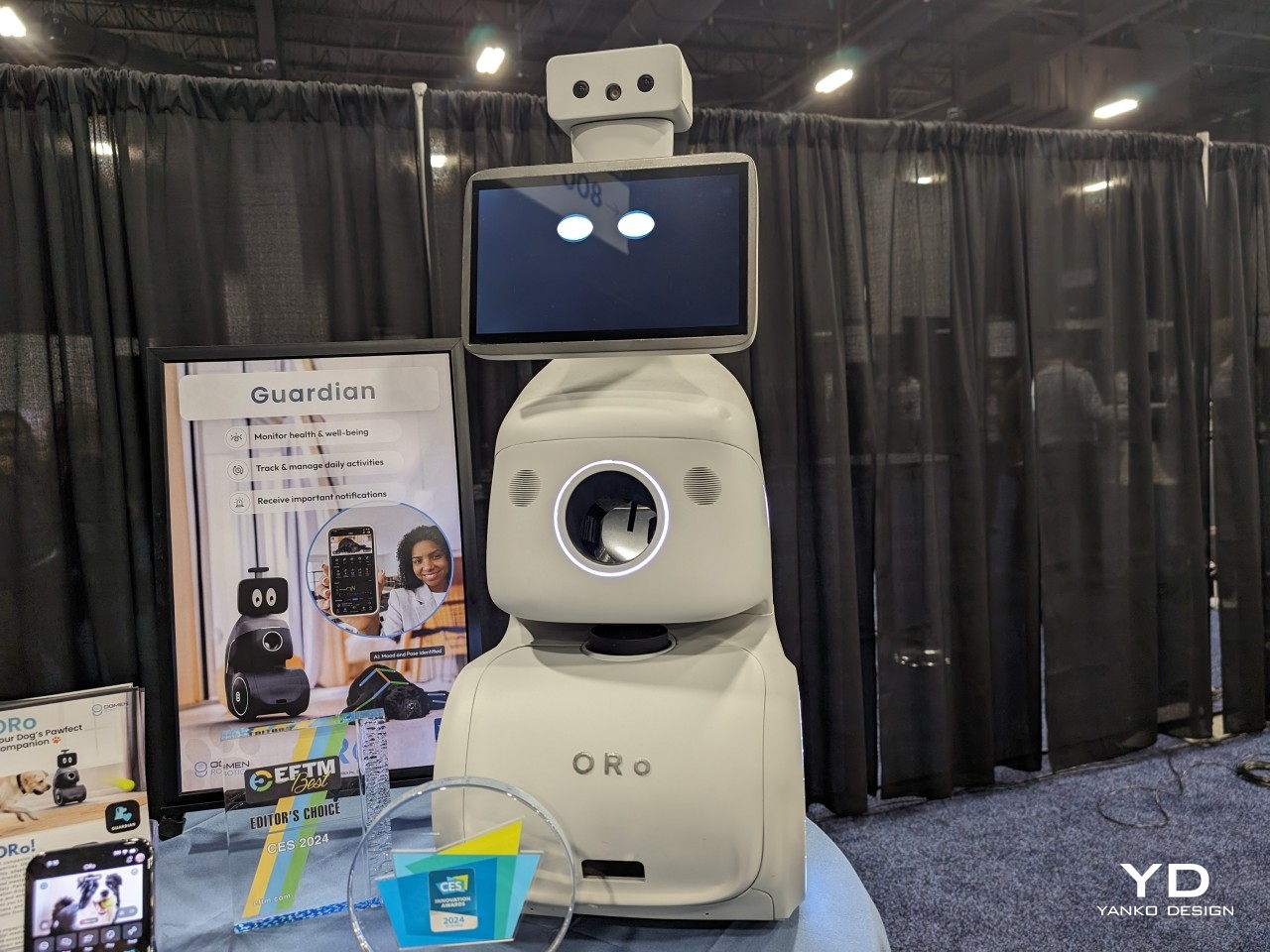
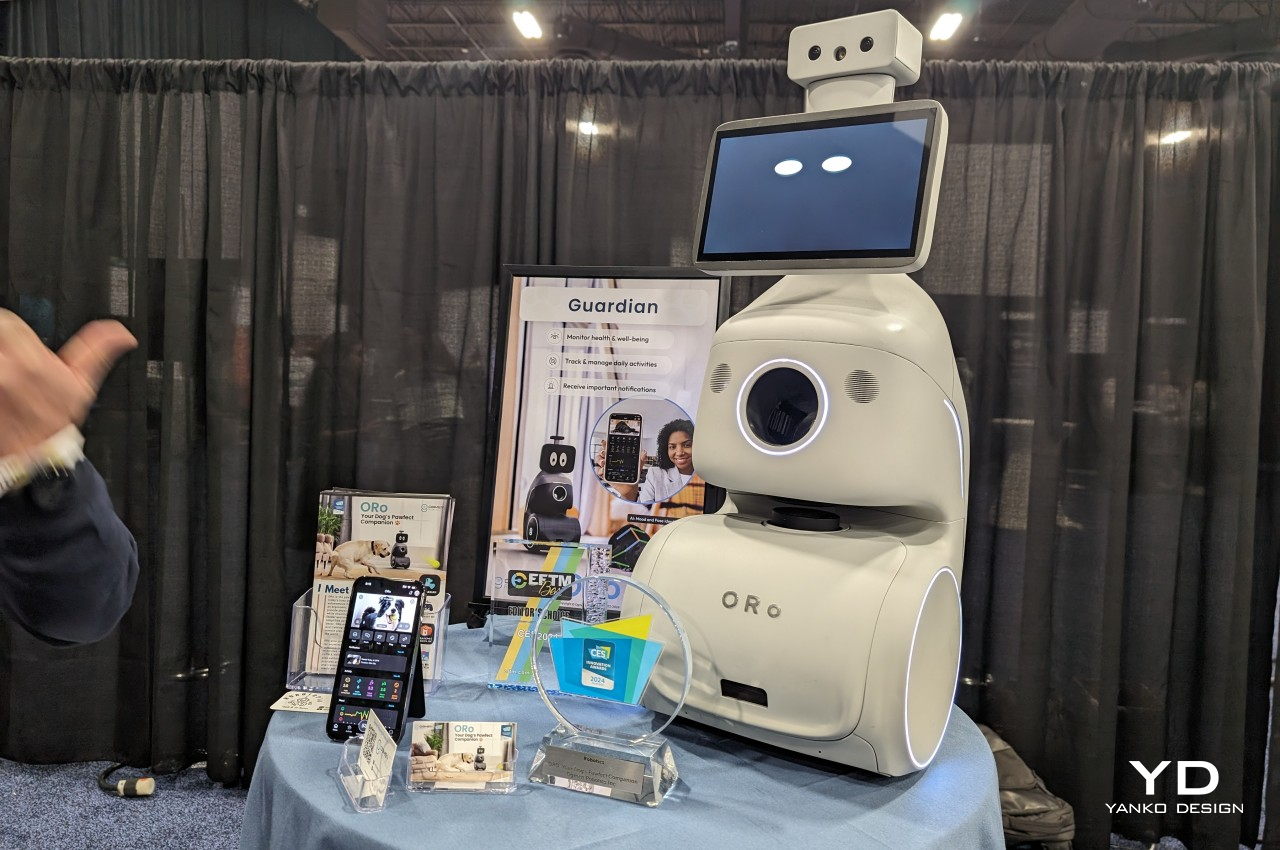
Robots are invading our homes, in one way or another. There are the rolling discs that are robot vacuum cleaners, and there are a growing number of cute robots that aim to provide entertainment and sometimes even security for the whole family. Well, at least the human members of the family. Some households have “small” a.k.a. furry family members, and these are often left unserved by these modern innovations. Worse, they’re sometimes even put at risk because of how some smart home robots are not designed with pets in mind. Turning the tables around, Ogmen Robotics is revealing at CES 2024 a kind of intelligent home robot that was designed from the ground up to be the “pawfect” playmate, guardian, and caretaker for your canine best friend.
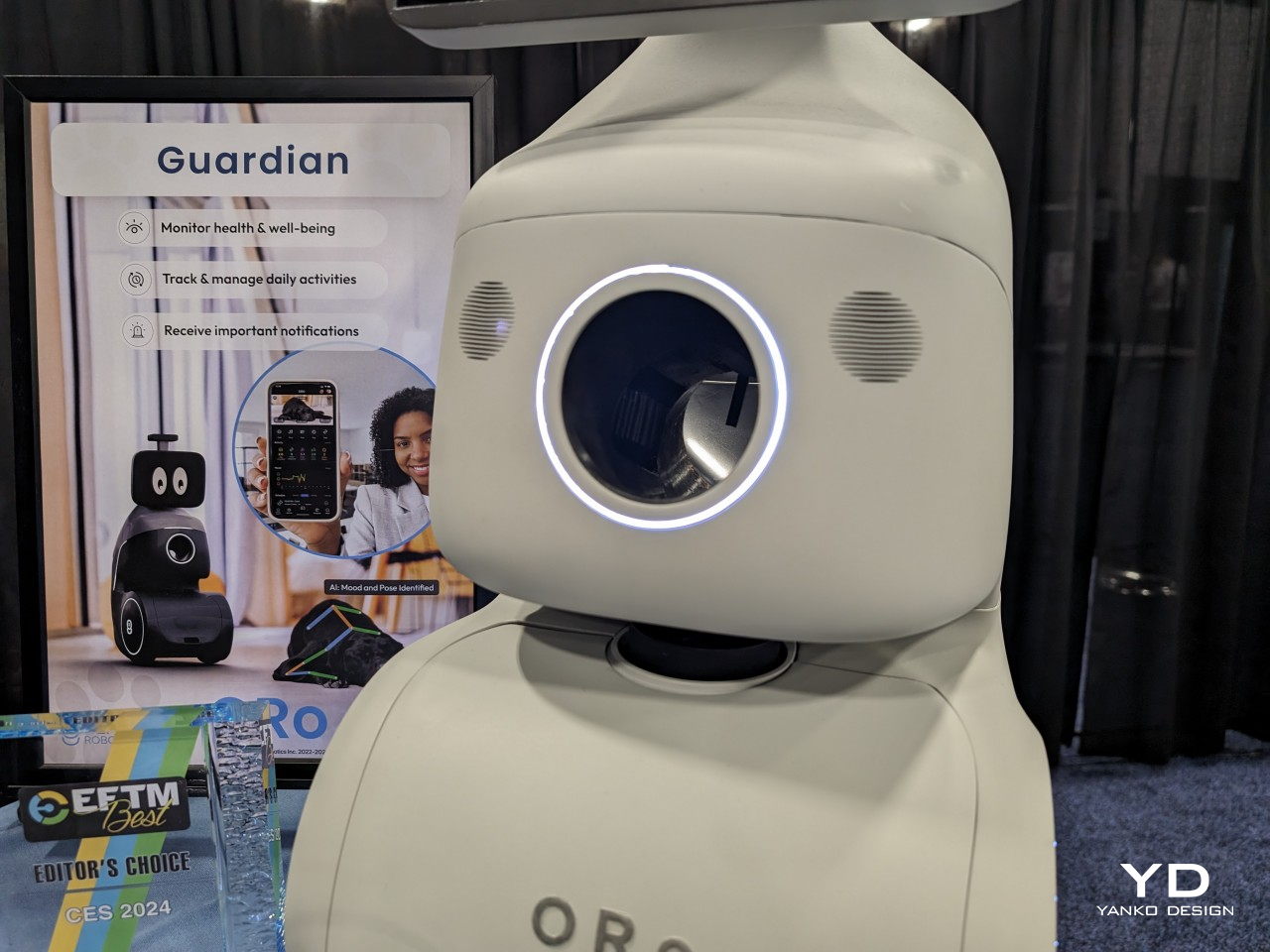
At first glance, the Ogmen ORo looks like one of those robots on wheels designed for human use. After all, it has the semblance of a face, or at least eyes, on a tablet-like screen and a somewhat tall frame that loosely resembles a body. They say that looks can be deceiving, and that’s definitely the case here since all of the ORo’s features were carefully selected for the benefit of dogkind primarily, and humans only by association.
At the top of the list of those features is its ability to provide physical, mental, and emotional stimulation through playful activities. It keeps track of the dog’s health and even detects when they’re feeling anxious, at which point ORo will play soothing music to help calm them down. It can even help owners train their dogs through obedience games and virtual training services right at home.
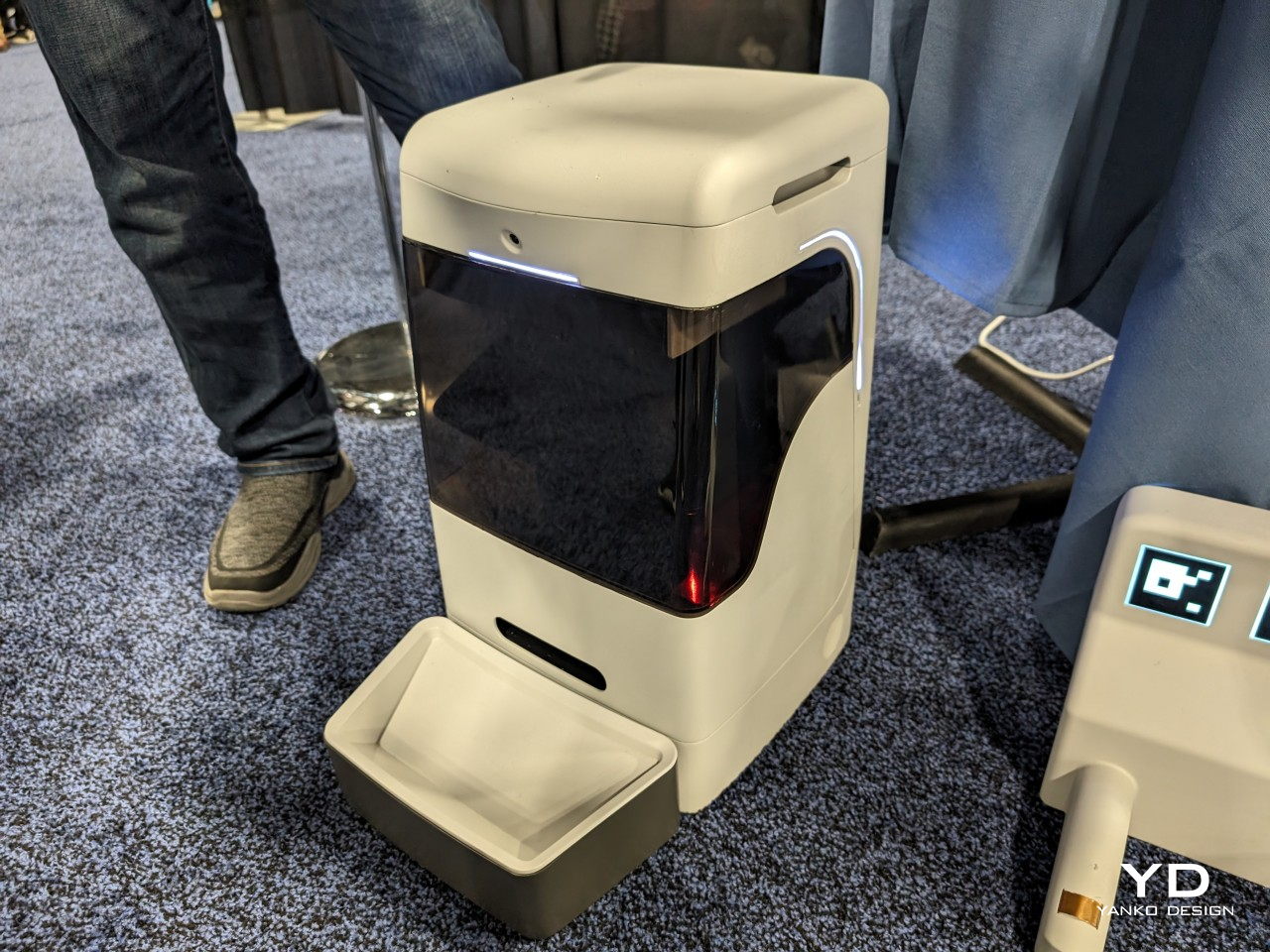
When paired with Orgmen’s food and medicine dispenser, the ORo robot ensures that the pooch gets a balanced diet while also monitoring their eating habits. For humans, ORo offers the benefits of remote connectivity and interaction, allowing owner and pet to bond even when they’re far apart. The robot can also take photos of the bet’s precious moments, allowing you to easily share and boast on social media.
Technology doesn’t need to benefit humans only. In fact, it should be used to benefit all, including the planet as well as our furry friends. Ogmen’s ORo puts those very same technologies that power human smart appliances and devices at the service of the four-legged members of the family. After all, having happy and healthy family members is a good thing for both humans and animals alike.
Following last year's smart toilet which debuted at CES 2023, Vivoo is at it again for CES 2024 with another urine analysis product. The company has unveiled an at-home digital urinary tract infection (UTI) testing kit that provides what it calls "gold standard accuracy results" via a two-minute test.
To use it, just pee on the provided UTI test strip and scan it to obtain results via Vivoo's app in "seconds," the company says. If the result is positive, customers can then connect with a doctor to obtain a prescription if required. The company says the product "saves customers time, prevents confusion in readings, and digitalizes the data so customers can share results with healthcare providers via the app, if instant treatment is desired." From the looks of it, the results are obtained via the strip, then deciphered by the app.
Vivoo notes that UTIs are the most common type of outpatient infection, with six in ten women experiencing them in their lifetimes. Normally, you'd send your urine off to a lab for analysis, or use an existing at-home test kit. The company says that the new product spares users the bureaucracy of lab testing while also keeping the relevant data for users who might need that, unlike regular testing kits.
In fact, many women experience recurrent UTIs, which have become resistant to at least one or even multiple types of antibiotics. By keeping a record of past infections, Vivoo's app could help patients and medical professionals track the problem and treat it appropriately.
Last year, the company unveiled a smart toilet device that clips onto existing toilets and provides data like your body's water, magnesium, PH, protein and sodium levels. Later on, it released strips for vaginal PH levels. The new home UTI test will come to market in Q2 2024, but pricing isn't yet available.
We're reporting live from CES 2024 in Las Vegas from January 6-12. Keep up with all the latest news from the show here.
This article originally appeared on Engadget at https://www.engadget.com/vivoos-new-at-home-uti-test-kit-and-app-can-tell-you-if-you-have-a-urinary-tract-infection-030021462.html?src=rss
Withings has a knack for turning up at CES with a gizmo that garners plenty of attention in the health-tech space. This year, at CES 2024, it’s showing off something called the BeamO, an all-in-one diagnostic tool that follows in the footsteps of its existing contact-free thermometer. Dubbed a “multiscope,” the $250 device will tell you how warm (or not) you’re feeling, measure your blood oxygenation, run a one-lead ECG and even act as a digital stethoscope. Put this to your chest and you can listen to the sounds your chest is making, or send the file to your physician for further analysis.
In the hand, the candybar-shaped BeamO is almost troublingly light, but while medical tech feels weighty, it doesn't actually need to be. You can cycle through its features with the joystick controller, letting you select between ECG / SpO2, Stethoscope, and the wireless temperature sensor. Despite the standalone display you'll need to use the companion app to guide you to use the stethoscope, since it's hard to offer that guidance while holding it at your chest. And you shouldn't have to worry about battery life, either, since the company says the BeamO will last for months at a time on a single charge.
As much as Withings markets its products to the worried well, the company says this may have some real impact in the telemedicine space. After all, these sorts of basic tests are the ones you’ll experience most of the times you visit a doctor, but aren’t that easy to do online. (Especially given the dangers of self-reporting, the ability for a professional to hear what’s going on in the chest cavity seems key.) The company adds that, pending the usual long delay with the FDA, BeamO will also be able to detect atrial fibrillation.
Health Mate is also getting a fairly muscular overhaul to help bolster BeamO's feature set. Now, up to eight users will be able to track their medication intake and even log the symptoms that are prompting them to take a reading. This data can then be exported to whoever you wish to share it with, including sharing the live audio from the stethoscope.
Withings
Once it has won its numerous approvals, it’ll be interesting to see if BeamO — silly name aside — will be seen as valuable by telehealth professionals. Certainly, paired with its class-leading Health Mate app, it’ll offer users an easy way to look at all of this data. We’ll just have to see if this helps doctors feel the same way, or if they’ll roll their eyes and stick to what they know. If nothing else, this is one way to help cut down on the number of health gadgets you'll need in your home. But we'll put this thing through its paces when the device begins shipping in June.
We're reporting live from CES 2024 in Las Vegas from January 6-12. Keep up with all the latest news from the show here.
This article originally appeared on Engadget at https://www.engadget.com/the-withings-beamo-is-an-all-in-one-thermometer-ecg-and-stethoscope-010017439.html?src=rss
2023 was an important year for patients with sickle cell disease. Prior to CRISPR, the only cure for the life-long ailment was a bone marrow transplant, which is notoriously dangerous and costly. This month, the FDA approved Vertex’s “Casgevy,” a CRISPR-based therapy for the treatment of sickle cell disease in patients 12 and older. The landmark approval made the therapeutic the first genetically edited therapy to reach the general market.
Casgevy, which also received the greenlight from regulators in the UK for another blood disorder called beta thalassemia, works by being administered in a single-infusion of genetically modified stem cells to a patient. Clinical study participants that took Casgevy were free from symptoms associated with sickle cell disease, like periodic episodes of extreme pain due to blocked blood flow through vessels, for up to a year.
CRISPR, which modifies precise regions of a human’s DNA strands, was once thought to be a far off scientific innovation. Human cells were first modified using CRISPR in clinical trials in China back in 2016. Less than a decade later, these landmark approvals have set the stage for future nods by regulators for other CRISPR-based therapies that can treat things like HIV, cancers and high blood pressure. “Gene therapy holds the promise of delivering more targeted and effective treatments,” Nicole Verdun, director of the Office of Therapeutic Products within the FDA’s Center for Biologics Evaluation and Research said in a recent press release.
ASSOCIATED PRESS
CRISPR-based gene editing can be designed as a therapeutic for a number of diseases. A scientist can either delete, disrupt or insert segments of DNA to treat conditions by either targeting specific genes or engineering new cell therapies. The editing process can occur ex vivo (outside the body), in the same way Casgevy does, or in vivo (inside the body). Using CRISPR, sickle cell patients’ blood stem cells are modified in a lab before they are re-infused via a single-dose infusion as part of a hematopoietic transplant.
Neville Sanjana, a core faculty member at the New York Genome Center and associate professor in the Department of Biology at New York University, runs the Sanjana lab, which develops gene therapies for complex diseases like autism and cancer. “One of the really fundamental characteristics of CRISPR is its programmability,” Sanjana told Engadget. While working at the Zhang lab at the Broad Institute of MIT and Harvard, Sanjana says he helped design the “guide RNA” that became the blueprint for Vertex’s Casgevy. “CRISPR screens can be powerful tools for understanding any disease or genetic trait,” Sanjana said. Right now, he said biomedical folks are focused on applying CRISPR-based therapies for really serious inheritable diseases.
While it does “set a precedent” to have these first CRISPR-based gene therapies out there, it could also mean that regulators and the general public will regard future innovations in the space as “less novel,” Katie Hasson, a researcher with the Center for Genetics and Society (CGS) told Engadget. The CGS is a public interest and social justice organization that is focused on making sure gene editing is developed and distributed for good. Hasson explained, it doesn't mean that because one got approved that all other innovative therapies to come after it will not get as much scrutiny.
LIVE NOW: The media call on the approval of the first gene therapies to treat sickle cell disease is happening now!
Beyond therapeutics, gene editing has very broad applications for the discovery and understanding of diseases. Scientists can use CRISPR to explore the origins of things like cancer and pave paths for therapeutics and incurable diagnoses, but that's not all there is to it. Scientists still need to conduct “considerable experimental research” when it comes to bringing an actual therapeutic to fruition, Sanjana said. “When we focus on therapeutic activity at a particular site in the genome, we need to make sure that there will not be any unintended consequences in other parts of the genome.”
Still, the spotlight will always shine a brighter light on the flashy developments of CRISPR from a therapeutic standpoint. Currently, a new gene editing method is being developed to target specific cells in a process called “cancer shredding“ for difficult-to-treat brain cancer. Scientists have even discovered a pathway to engineer bacteria to discover tumorous cells. However, there are barriers to using CRISPR in clinical practice due to the lack of “safe delivery systems to target the tissues and cells.”
“Maybe by curing one disease, you might give them a different disease — especially if you think of cancer. We call that a secondary malignancy,” Sanjana said. While there is strong reason for concern, one cure creating a pathway for other diseases or cancers is not unique to CRISPR. For example, CAR T cell therapy, which uses an entirely different approach to cell-based gene therapy and is not reflective of CRISPR, is a lifesaving cancer treatment that the FDA discovered can, in certain situations, cause cancer.
“We definitely don't want any unintended consequences. There are bits of the genome that if you edit them by mistake, it's probably no big deal but then there are other genes that are vitally important,” Sanjana said. Direct assessment of “off-target effects” or events in which a gene edit incorrectly edits another point on a DNA strand in vivo is challenging.
The FDA recommends that after a clinical trials’ period of investigatory study looking at the efficacy of a gene editing-based therapy, there needs to be a 15-year long term follow up after product administration. Peter Marks, director of the FDA’s Center for Biologics Evaluation and Research, said that the agency’s approval of Casgevy follows “rigorous evaluations of the scientific and clinical data.” Right now, researchers are focused on improving the precision and accuracy of gene editing and having the proper follow up is absolutely well merited, Sanjana explained. “The process right now is a careful one.”
Hasson believes that the 15-year recommendation is a good start. “I know that there is a big problem overall with pharmaceutical companies actually following through and doing those long term post-market studies.”
That’s where new approaches come into play. Base editing, a CRISPR-derived genome editing method that makes targeted changes to DNA sequences, has been around since 2016. Drugs that use base editing have already made headway in the scientific community. Verve Therapeutics developed a gene edited therapy that can lower cholesterol in patients with a single infusion. At higher doses, Verve said the treatment has the potential to reduce proteins associated with bad cholesterol for 2.5 years. Base editing, like CRISPR, has many potential applications for treatment and discovery. For example, base editing could repair a gene mutation that causes childhood blindness. Researchers at Weill Cornell Medicine also found base editing could help understand what genetic changes influence a patient’s response to cancer therapies.
Base editors use CRISPR to bring another functional element to a specific place in the genome. “But it doesn't matter whether it's CRISPR cutting or base editing… any time you're modifying DNA…you would want to know what the off target effects are and you can bet that the FDA wants to know that too. You're going to need to collect data using standard models like cell culture, or animal models to show there are zero or near zero off-target impacts,” Sanjana said.
CRISPR-based therapies already show high therapeutic potential for conditions beyond sickle cell disease. From blood based treatments, to edited allogeneic immune cells for cancers, there are a number of human clinical trials underway or expected to start next year. Trials for gene-edited therapies that target certain cells for cancer and autoimmune diseases are expected to begin in 2024.
Boston Globe via Getty Images
It won't be until 2025 before we get a better understanding of how Excision BioTherapeutics’ CRISPR-based therapy works to treat HIV. The application of gene editing as a therapeutic for Alzhiemer’s is still in the early stages, with mice at the forefront of research. Similarly, University College London researchers proved that CRISPR has promise as a potential therapeutic for treatment-resistant forms of childhood epilepsy. In a recent study, a gene edited therapy developed in the lab was shown to reduce seizures in mice.
But the clinical process of getting CRISPR to safely and effectively work as it's intended isn’t the only hurdle. The pricing of CRISPR and related therapies in general will be a huge barrier to access. The Innovative Genomics Institute (IGI), a research group that hopes to advance ethical use of these gene editing in medicine, estimates that the average CRISPR-based therapy can cost between $500,000 and $2 million per patient. The IGI has built out an “Affordability Task Force” to tackle the issue of expanding access to these novel therapies. Vertex’s sickle cell treatment costs a cool $2.2 million per treatment, before hospital costs. David Altshuler, the chief scientific officer at Vertex, told MIT Tech Review that wants to innovate the delivery of the therapeutic and make it more accessible to patients. “I think the goal will be achieved sooner by finding another modality, like a pill that can be distributed much more effectively,” Altshuler said.
“Access is a huge issue and it's a huge equity issue,” the CGS’ Hasson told Engadget. “I think we would also like to look at equity here even more broadly. It's not just about who gets access to the medication once it comes on the market but really how can we prioritize equity in the research that's leading to these treatments.” The US already does a poor job of providing equitable healthcare access as it is, Hasson explained, which is why it's important for organizations like CGS to pose roundtable discussions about implementing guardrails that value ethical considerations. “If you support people having access to healthcare, it should encompass these cutting edge treatments as well.”
This article originally appeared on Engadget at https://www.engadget.com/2023-was-a-big-year-for-crispr-based-gene-editing-but-challenges-remain-160009074.html?src=rss
A Senate Finance Committee inquiry revealed on Tuesday that police departments can get access to private medical information from pharmacies, no warrant needed. While HIPAA may protect some access to personally identifiable health data, it doesn't stop cops, according to a letter from Senator Ron Wyden, Representative Pramila Jayapal and Representative Sara Jacobs to the Department of Health and Human Services. None of the major US pharmacies are doing anything about it either, the members of Congress say.
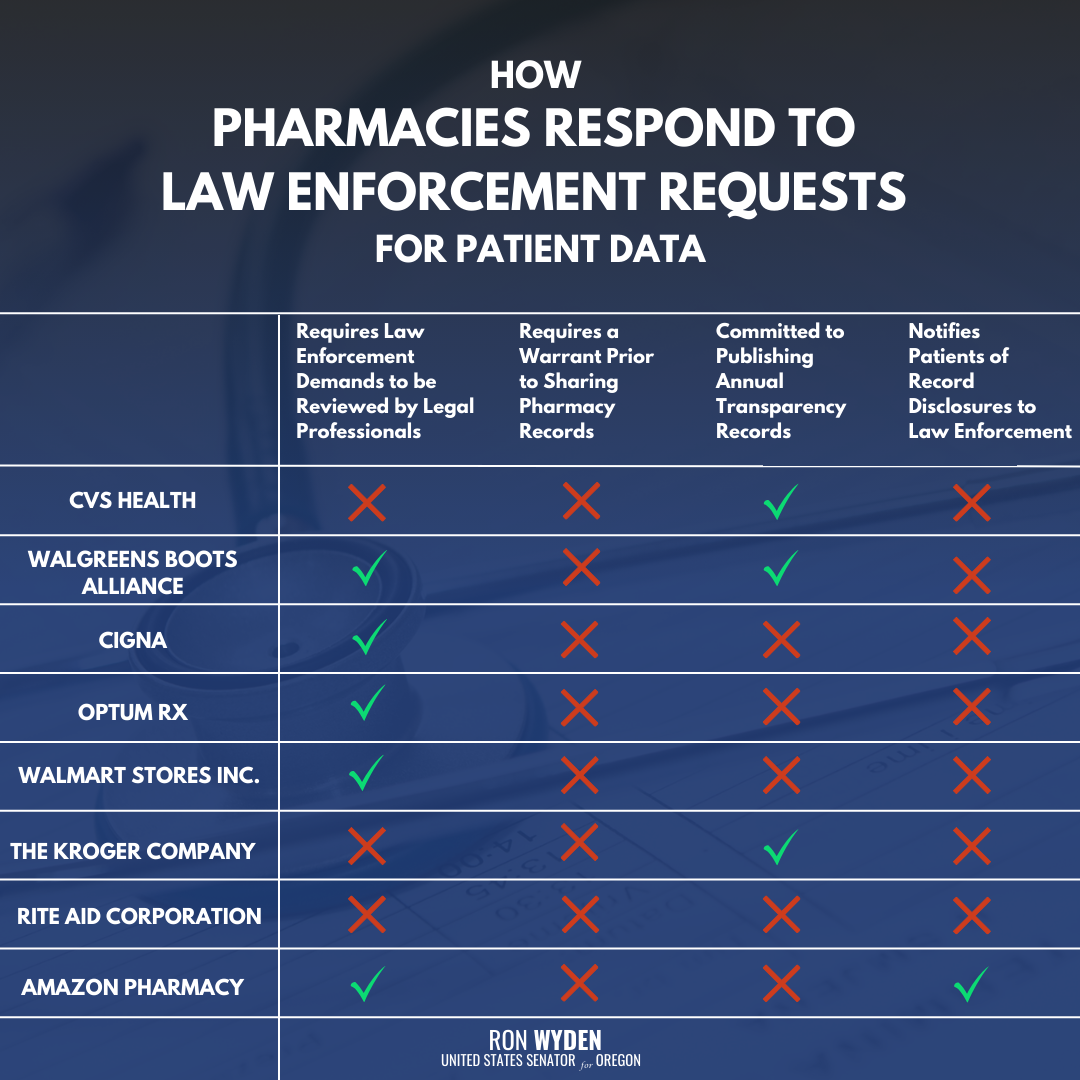
"All of the pharmacies surveyed stated that they do not require a warrant prior to sharing pharmacy records with law enforcement agents, unless there is a state law that dictates otherwise," the letter said. "Those pharmacies will turn medical records over in response to a mere subpoena, which often do not have to be reviewed or signed by a judge prior to being issued."
The committee reached out to Amazon, Cigna, CVS Health, The Kroger Company, Optum Rx, Rite Aid Corporation, Walgreens Boots Alliance and Walmart about their practices for sharing medical data with police. While Amazon, Cigna, Optum, Walmart and Walgreen said they have law enforcement requests reviewed by legal professionals before complying, CVS Health, The Kroger Company and Rite Aid Corporation said they ask in-store staff to process the request immediately.
Engadget asked the pharmacies mentioned in the letter for comment about the claims. CVS said its pharmacy staff are trained to handle these inquiries and its following all applicable laws around the issue. Walgreens said it has a process in place to assess law enforcement requests compliant with those laws, too, and Amazon said that although law enforcement requests are rare, it does notify patients and comply with court orders when applicable. The others either haven't responded or refuse to comment.
The pharmacies mostly blamed the current lack of legislative protections for patient data for their willingness to comply with cop requests. Most of them told the committee that current HIPAA law and other policies let them disclose medical records in response to certain legal requests. That's why the Senate Finance Committee is targeting HHS to strengthen these protections, especially since the 2023 Dobbs decision let states criminalize certain reproductive health decisions.
Under current HIPAA law, patients have the right to know who is accessing their health information. But individuals have to request the medical record disclosure data, instead of health care professionals being required to share it proactively. "Consequently, few people ever request such information, even though many would obviously be concerned to learn about disclosures of their private medical records to law enforcement agencies," the letter states. The letter also urges pharmacies to change their policies to require a warrant, and publish transparency reports about how data is shared.
This article originally appeared on Engadget at https://www.engadget.com/police-are-using-pharmacies-to-secretly-access-medical-information-about-members-of-the-public-182009044.html?src=rss
In a landmark decision, the FDA greenlit two new drugs for the treatment of sickle cell disease in patients 12 and older, one of which —Vertex’s drug Casgevy — is the first approved use of genome editing technology CRISPR in the US. Bluebird Bio’s Lyfgenia also is a cell-based gene therapy, however, it uses a different gene modification technique to deliver tweaked stem cells to the patient.
Both approvals cultivate new pathways for the treatment of sickle cell disease, which is an inherited blood disorder that is characterized by red blood cells that can’t properly carry oxygen, which leads to painful vaso-occlusive crises (VOCs) and organ damage. The disease is particularly common among African Americans and, to a lesser extent, among Hispanic Americans. Bone marrow transplants are currently the only cure for sickle cell disease, but they require well-matched donors and often involve complications.
While both drug approvals use gene editing techniques, Casgevy’s CRISPR/Cas9 genome editing works by cutting out or splicing in DNA in select areas. Patients first have blood drawn so that their own stem cells can be isolated and edited with CRISPR. They then undergo a form of chemotherapy to remove some bone marrow cells, so the edited stem cells can be transplanted back in a single infusion.
Both drug approvals are based on studies that evaluated the effectiveness and safety of the novel therapies in clinical patients. With Casgevy, study participants reported that they did not experience “severe VOCs” for at least 12 consecutive months during the 24-month follow-up. Similarly, patients on Lyfgenia did not experience a “pain crisis” for six to 18 months after the therapy.
The FDA's decision comes shortly after UK regulators, as well as the National Health Regulatory Authority in Bahrain both approved Vertex’s Casgevy. The approval for a CRISPR-based treatment creates opportunity for further innovation in the gene editing space — for treatments ranging from cancers to heart diseases to Alzheimer’s. “Gene therapy holds the promise of delivering more targeted and effective treatments, especially for individuals with rare diseases where the current treatment options are limited,” Nicole Verdun, director of the Office of Therapeutic Products at the FDA’s Center for Biologics Evaluation and Research said. Casgevy is still currently under review by the European Medicines Agency.
This article originally appeared on Engadget at https://www.engadget.com/crispr-based-gene-editing-therapy-approved-by-the-fda-for-the-first-time-200726474.html?src=rss
If you’re conscious about how we’ve been treating Mother Earth the past few years, decades, centuries, measuring carbon emissions is something that you’ve probably looked into. There are a lot of tips out there on how you can keep track of your own carbon footprint and how you can slowly lessen it. It may sometimes require a huge lifestyle change and we also need a visible tool to help us do this and see how we can help our environment recover.
Designer: YeEun Kim
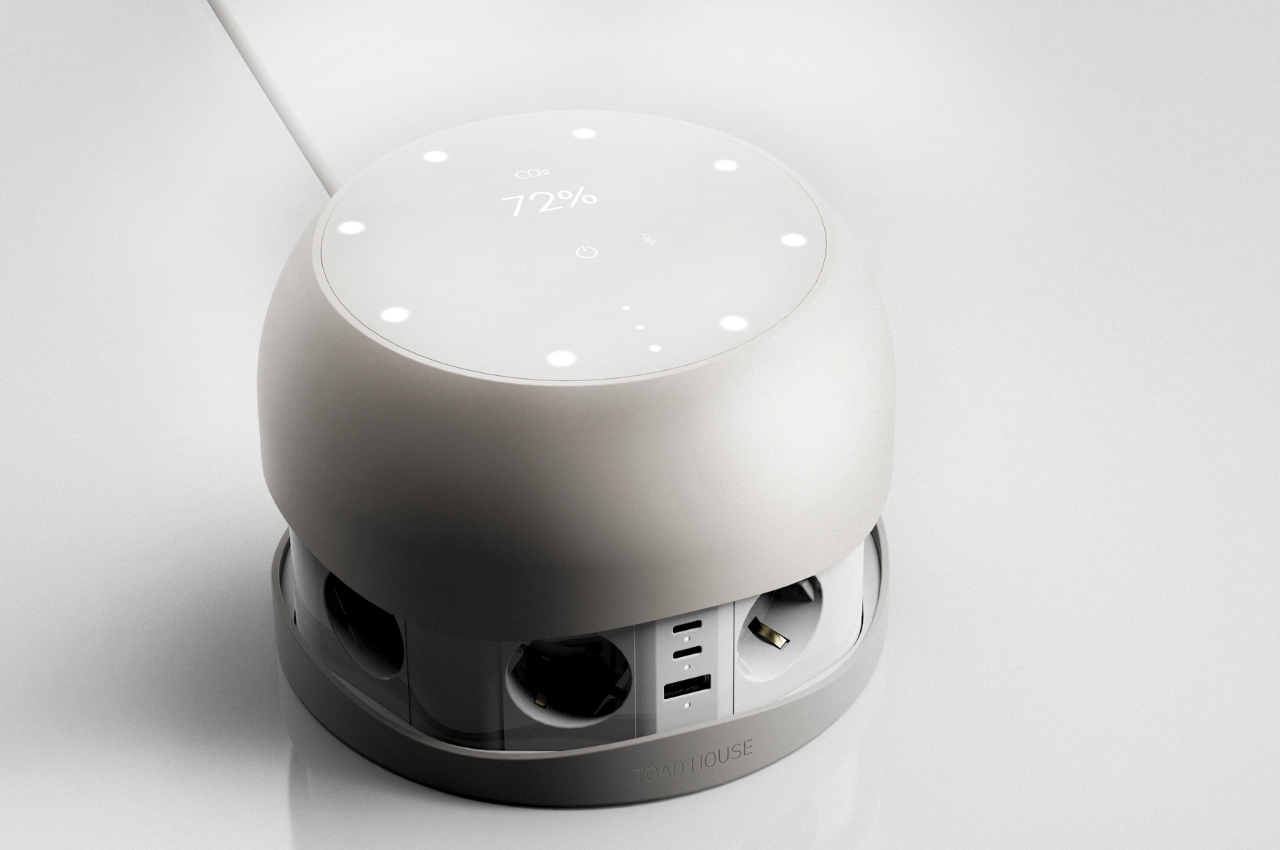
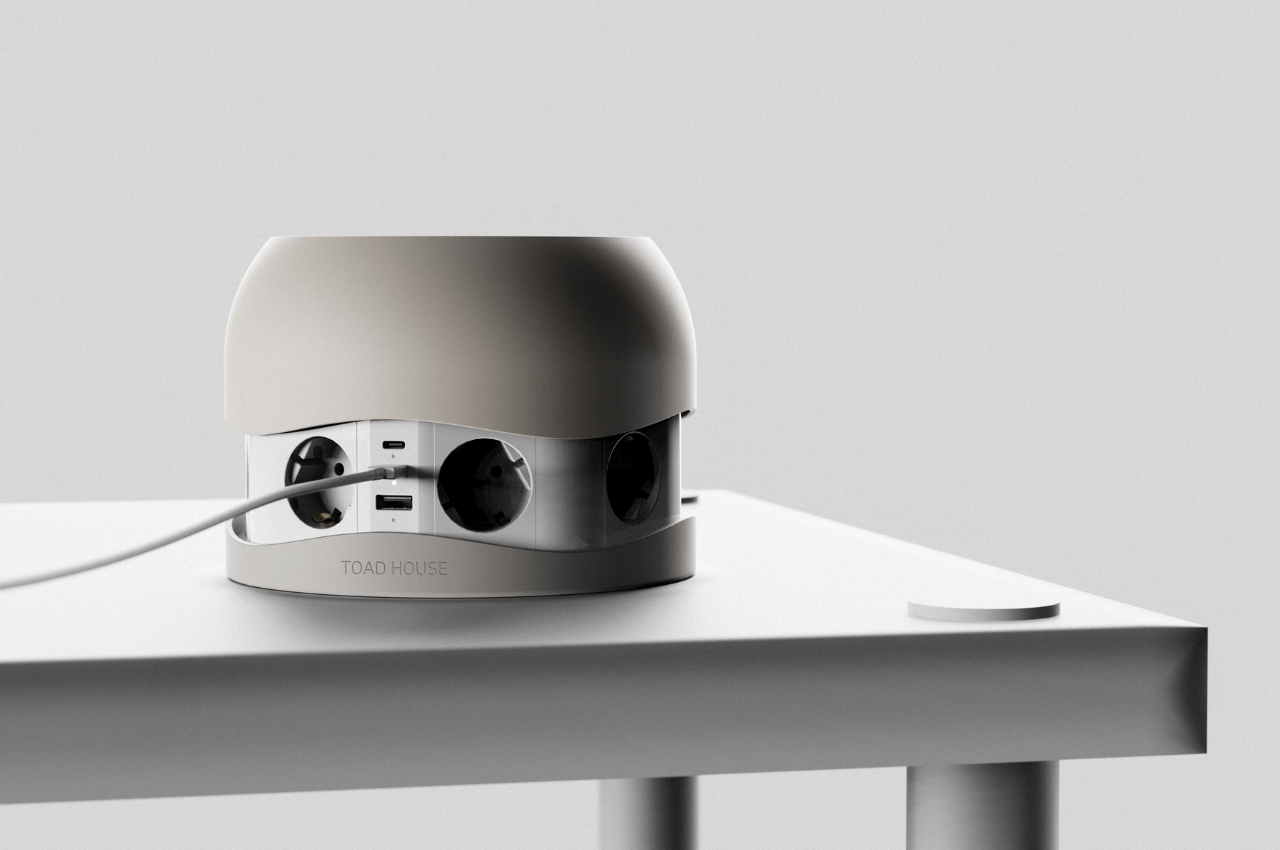
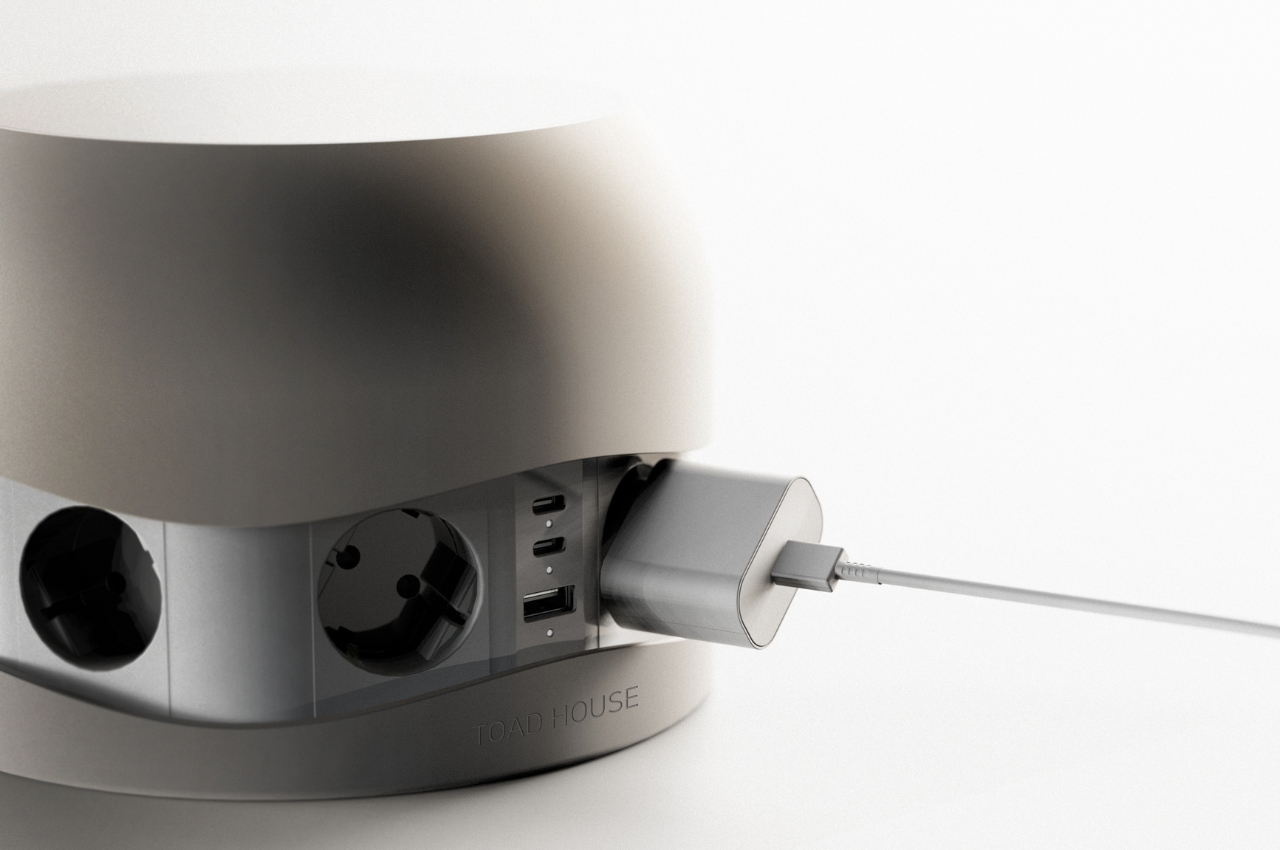
The Toad House is a device that looks like a cross between an air purifier and a smart speaker but is actually something you can use to monitor how much carbon emission you’re using when you’re at home and make the necessary adjustments. It is inspired by a Korean children’s song that talks about building a new house from an old one which can be a metaphor in how we can repurpose wasted energy.
The product description can be a bit vague on how the device can actually measure your carbon emissions but it says the interface at the top of the house is where you can check how much you’re already using. This is probably connected to the app on your smartphone where you set targets and also see the values of the various appliances and gadgets in your house. It also says that the wasted power from your devices can be stored and then used for wireless charging later on.
This is still a concept for now but if it eventually becomes a product, it would be interesting to see if a gadget like this can really affect how you use energy. Eventually, there can also be studies if it indeed lessens carbon emissions when you have a visual reminder of how much you’re using and leaving in your environment. Probably what’s needed now though is more education on how people can measure their carbon footprints, at least in their personal use.