5 Sushi-Inspired Designs For Japanese Product Fans That Look So Realistic You’ll Want to Eat Them

Sushi is more than food, as it is a lesson in design. Rising from humble beginnings to become a global icon, it reflects clarity, precision, and minimalism. Each element is carefully selected and crafted, revealing beauty through simplicity. Beyond the plate, sushi’s philosophy has influenced modern industrial design, inspiring products and spaces with its calm and purposeful aesthetic.

Its core principles of simplicity, harmony, and respect for materials offer timeless guidance for creators. By removing excess and focusing on what matters, designers achieve elegance through function, creating designs that are lasting, meaningful, and deeply connected to their purpose.

1. The Minimalist Blueprint

Sushi represents the essence of minimalism. A piece of nigiri, a form of hand-pressed sushi featuring a delicate slice of fresh fish atop perfectly seasoned rice, illustrates how true beauty emerges through restraint. There are no excessive garnishes or overpowering sauces, only a focus on pure, essential elements. This “less is more” philosophy directly aligns with industrial design, where simplicity, clarity.

From smartphones to furniture, this principle is reflected across modern design. Smooth, unembellished surfaces invite attention to function without distraction. These designs achieve harmony and refinement, ensuring every detail feels intentional. The result is timeless elegance, where functionality itself becomes the ultimate expression of beauty.

This suitcase collection is inspired by sushi, designed to turn a practical travel essential into a playful statement piece. Each piece mimics the look of nigiri, with white “rice” forming the base and a colorful topping representing popular ingredients. Three designs are featured: yellow egg (“tamago”) with a spiral pattern, brown eel (“unagi”), and orange salmon (“sake”), each with raised textures that reflect the natural ridges of the sushi they emulate. The dual-tone design aligns seamlessly with the suitcase’s two-halved construction, creating a visually striking yet functional piece.

Adding charm and utility, a strap wraps around the width of the suitcase, echoing the nori seaweed that holds sushi together. This strap doubles as a luggage tag, eliminating the need for additional accessories. Crafted with attention to materials and detail, the sushi-inspired suitcase combines durability with whimsical design, offering a unique, fun, and functional way to travel.

2. Precision and Craftsmanship

Sushi reflects the power of precision. The chef’s knife work, or hōchōbiki, is an art form, with each cut enhancing texture and flavor. Even the rice is prepared with exact care, from washing to seasoning, showing a dedication to detail at every stage.

This same principle shapes exceptional product design. It’s seen in seamless furniture joinery, the satisfying click of a well-made button, or the balanced weight of a tool. Such perfection in construction and finish gives products integrity and longevity, showing they were not just made but thoughtfully crafted with purpose and respect.

The Sushiville keycap set from Dwarf Factory is a meticulously crafted collection of six artisan keycaps inspired by iconic Japanese sushi. Each keycap is individually handmade from resin and carefully hand-painted to replicate the textures, colors, and intricate details of its culinary counterpart. The set features Umami Unagi with soy-basted eel, Shake Sugoii showcasing salmon nigiri with roe, Ikura Umee with vibrant salmon eggs, Zeppy Ebi topped with butterflied shrimp, Tako Saiko representing octopus, and Saba Shiawase with marinated mackerel. Every piece captures the realistic appearance of sushi, including rice, nori, and garnishes, providing a visually striking and playful miniature presentation.

Designed for mechanical keyboards, the Sushiville keycaps are compatible with Cherry MX switches and clones, offering both aesthetic appeal and functional integration. Combining craftsmanship with imaginative design, this collection appeals to food enthusiasts and keyboard collectors alike. The modular, tactile keycaps transform ordinary keyboards into unique display pieces, blending artisanal precision with a whimsical culinary theme.

3. Material-Driven Design

In sushi, ingredient quality is paramount. The chef honors the natural character of the fish, highlighting its texture, color, and freshness rather than altering it. This respect for materials mirrors Japanese industrial design, favoring authenticity over artificiality.

Designers embrace wood, stone, and natural fibers, showcasing their raw beauty. Unfinished wood may reveal its grain, while a single polished slab of stone becomes a statement surface. This approach fosters sustainability and a deeper bond with nature, creating products that age gracefully and gain character, becoming timeless expressions of their origin rather than disposable objects.

The Maki modular chair by Jin Kuramoto draws inspiration from the Maki sushi roll, translating culinary aesthetics into functional furniture design. Its minimal and refined silhouette features a gently curved, hollow backrest, creating a distinctive visual identity while providing practical versatility. The hollow space can serve as storage for books, throws, or small personal items, adding functionality without compromising the chair’s clean form.

Designed with modularity in mind, the Maki chair can function as a standalone seating solution or be combined with additional units in various configurations. Chairs can be aligned in a single row or arranged to face different directions, adapting to diverse interior layouts. Influenced by principles of minimalism and rationalism, the Maki chair achieves a balance between simplicity, functionality, and iconic design. The conceptual reference to sushi adds a playful yet sophisticated layer, making the chair a memorable and engaging addition to residential and professional environments.

4. Plate to Product Design

Sushi’s aesthetic has evolved into a design language. The geometry of a makizushi roll, the clean lines of oshizushi, and the graceful curve of a fish slice inspire modern product forms. These simple, often asymmetrical shapes create harmony and visual intrigue.

This influence appears in everything from electronics to kitchenware. A speaker might echo the lines of a bento box, while a knife handle reflects the smooth form of a fillet. The goal is to craft objects that feel familiar yet refined. Their shape should enhance function while subtly telling a story through form.

The OurPets feeder collection offers innovative and playful solutions for engaging pets during mealtime. Featuring two standout designs, the Sushi Tray and the Waffle Plate, these feeders combine functionality with interactive fun. Both models use sliding and rotating compartments to conceal treats, encouraging pets to problem solve in order to access their food. This design slows down fast eaters, prevents overeating, and provides mental stimulation that mimics natural foraging and hunting behaviors.

The Sushi Tray, designed for cats, includes sliding California Rolls with treat compartments underneath, allowing felines to paw and play while dining. The Waffle Plate, aimed at dogs, features a rotating maple syrup and butter element that pets must manipulate with their paws or snouts to reveal hidden treats. Crafted from durable, pet-proof plastics, both feeders are built to withstand enthusiastic play. By combining clever mechanics with whimsical design, the OurPets feeders transform mealtime into a fun, interactive, and enriching experience for pets.

5. The Experience of Simplicity

Sushi offers a pure, focused sensory experience, proving that true luxury comes from appreciating a few perfect elements. Its beauty lies in restraint and intention rather than excess, creating a sense of calm and clarity.

Product design follows the same philosophy. A well-crafted object should be seamless and effortless to use, free from unnecessary complexity. Beyond appearance, it should create a meaningful experience, where every detail feels intentional. Like a perfectly arranged plate of sushi, great design quietly celebrates quality and purpose, reminding us that simplicity is the highest form of sophistication.

This LEGO Ideas set reimagines the traditional Japanese sushi boat, or “funamori” platter, as a meticulously designed brick model. The build captures the theatrical presentation of sushi with precision and creativity, replacing raw fish with ABS plastic while maintaining the visual appeal. The set includes twelve assorted maki rolls, tamago sushi with a black nori wrap, twin nigiri, two scoops of ikura, and a stylized ebi with bold stripes. Color-blocking and printed tiles replicate cross-sections of fish and avocado, while a buildable place setting features a soy sauce dish, modular chopsticks, and garnishes including ginger, wasabi, and LEGO foliage mimicking shredded daikon. A sushi chef minifigure with a cleaver and traditional headband adds character to the scene.

The boat itself is constructed in tan bricks with a minimalist Japanese flag and central mast, resting on a blue base plate representing water. Comprising approximately 800-900 pieces, the modular design allows each sushi element to be removed, creating a versatile display or interactive play experience. The set blends playful whimsy with precise design, offering both collectors and LEGO enthusiasts a detailed homage to Japanese culinary artistry.

Sushi offers a powerful lesson in industrial design. Through minimalism, precision, respect for materials, and purposeful form, it inspires a global aesthetic. By stripping away excess and focusing on essentials, designers create products that are both beautiful and lasting. In its quiet elegance, the sushi plate becomes a timeless blueprint for meaningful, deliberate design.

The post 5 Sushi-Inspired Designs For Japanese Product Fans That Look So Realistic You’ll Want to Eat Them first appeared on Yanko Design.

5 Sushi-Inspired Designs For Japanese Product Fans That Look So Realistic You’ll Want to Eat Them

Sushi is more than food, as it is a lesson in design. Rising from humble beginnings to become a global icon, it reflects clarity, precision, and minimalism. Each element is carefully selected and crafted, revealing beauty through simplicity. Beyond the plate, sushi’s philosophy has influenced modern industrial design, inspiring products and spaces with its calm and purposeful aesthetic.

Its core principles of simplicity, harmony, and respect for materials offer timeless guidance for creators. By removing excess and focusing on what matters, designers achieve elegance through function, creating designs that are lasting, meaningful, and deeply connected to their purpose.

1. The Minimalist Blueprint

Sushi represents the essence of minimalism. A piece of nigiri, a form of hand-pressed sushi featuring a delicate slice of fresh fish atop perfectly seasoned rice, illustrates how true beauty emerges through restraint. There are no excessive garnishes or overpowering sauces, only a focus on pure, essential elements. This “less is more” philosophy directly aligns with industrial design, where simplicity, clarity.

From smartphones to furniture, this principle is reflected across modern design. Smooth, unembellished surfaces invite attention to function without distraction. These designs achieve harmony and refinement, ensuring every detail feels intentional. The result is timeless elegance, where functionality itself becomes the ultimate expression of beauty.

This suitcase collection is inspired by sushi, designed to turn a practical travel essential into a playful statement piece. Each piece mimics the look of nigiri, with white “rice” forming the base and a colorful topping representing popular ingredients. Three designs are featured: yellow egg (“tamago”) with a spiral pattern, brown eel (“unagi”), and orange salmon (“sake”), each with raised textures that reflect the natural ridges of the sushi they emulate. The dual-tone design aligns seamlessly with the suitcase’s two-halved construction, creating a visually striking yet functional piece.

Adding charm and utility, a strap wraps around the width of the suitcase, echoing the nori seaweed that holds sushi together. This strap doubles as a luggage tag, eliminating the need for additional accessories. Crafted with attention to materials and detail, the sushi-inspired suitcase combines durability with whimsical design, offering a unique, fun, and functional way to travel.

2. Precision and Craftsmanship

Sushi reflects the power of precision. The chef’s knife work, or hōchōbiki, is an art form, with each cut enhancing texture and flavor. Even the rice is prepared with exact care, from washing to seasoning, showing a dedication to detail at every stage.

This same principle shapes exceptional product design. It’s seen in seamless furniture joinery, the satisfying click of a well-made button, or the balanced weight of a tool. Such perfection in construction and finish gives products integrity and longevity, showing they were not just made but thoughtfully crafted with purpose and respect.

The Sushiville keycap set from Dwarf Factory is a meticulously crafted collection of six artisan keycaps inspired by iconic Japanese sushi. Each keycap is individually handmade from resin and carefully hand-painted to replicate the textures, colors, and intricate details of its culinary counterpart. The set features Umami Unagi with soy-basted eel, Shake Sugoii showcasing salmon nigiri with roe, Ikura Umee with vibrant salmon eggs, Zeppy Ebi topped with butterflied shrimp, Tako Saiko representing octopus, and Saba Shiawase with marinated mackerel. Every piece captures the realistic appearance of sushi, including rice, nori, and garnishes, providing a visually striking and playful miniature presentation.

Designed for mechanical keyboards, the Sushiville keycaps are compatible with Cherry MX switches and clones, offering both aesthetic appeal and functional integration. Combining craftsmanship with imaginative design, this collection appeals to food enthusiasts and keyboard collectors alike. The modular, tactile keycaps transform ordinary keyboards into unique display pieces, blending artisanal precision with a whimsical culinary theme.

3. Material-Driven Design

In sushi, ingredient quality is paramount. The chef honors the natural character of the fish, highlighting its texture, color, and freshness rather than altering it. This respect for materials mirrors Japanese industrial design, favoring authenticity over artificiality.

Designers embrace wood, stone, and natural fibers, showcasing their raw beauty. Unfinished wood may reveal its grain, while a single polished slab of stone becomes a statement surface. This approach fosters sustainability and a deeper bond with nature, creating products that age gracefully and gain character, becoming timeless expressions of their origin rather than disposable objects.

The Maki modular chair by Jin Kuramoto draws inspiration from the Maki sushi roll, translating culinary aesthetics into functional furniture design. Its minimal and refined silhouette features a gently curved, hollow backrest, creating a distinctive visual identity while providing practical versatility. The hollow space can serve as storage for books, throws, or small personal items, adding functionality without compromising the chair’s clean form.

Designed with modularity in mind, the Maki chair can function as a standalone seating solution or be combined with additional units in various configurations. Chairs can be aligned in a single row or arranged to face different directions, adapting to diverse interior layouts. Influenced by principles of minimalism and rationalism, the Maki chair achieves a balance between simplicity, functionality, and iconic design. The conceptual reference to sushi adds a playful yet sophisticated layer, making the chair a memorable and engaging addition to residential and professional environments.

4. Plate to Product Design

Sushi’s aesthetic has evolved into a design language. The geometry of a makizushi roll, the clean lines of oshizushi, and the graceful curve of a fish slice inspire modern product forms. These simple, often asymmetrical shapes create harmony and visual intrigue.

This influence appears in everything from electronics to kitchenware. A speaker might echo the lines of a bento box, while a knife handle reflects the smooth form of a fillet. The goal is to craft objects that feel familiar yet refined. Their shape should enhance function while subtly telling a story through form.

The OurPets feeder collection offers innovative and playful solutions for engaging pets during mealtime. Featuring two standout designs, the Sushi Tray and the Waffle Plate, these feeders combine functionality with interactive fun. Both models use sliding and rotating compartments to conceal treats, encouraging pets to problem solve in order to access their food. This design slows down fast eaters, prevents overeating, and provides mental stimulation that mimics natural foraging and hunting behaviors.

The Sushi Tray, designed for cats, includes sliding California Rolls with treat compartments underneath, allowing felines to paw and play while dining. The Waffle Plate, aimed at dogs, features a rotating maple syrup and butter element that pets must manipulate with their paws or snouts to reveal hidden treats. Crafted from durable, pet-proof plastics, both feeders are built to withstand enthusiastic play. By combining clever mechanics with whimsical design, the OurPets feeders transform mealtime into a fun, interactive, and enriching experience for pets.

5. The Experience of Simplicity

Sushi offers a pure, focused sensory experience, proving that true luxury comes from appreciating a few perfect elements. Its beauty lies in restraint and intention rather than excess, creating a sense of calm and clarity.

Product design follows the same philosophy. A well-crafted object should be seamless and effortless to use, free from unnecessary complexity. Beyond appearance, it should create a meaningful experience, where every detail feels intentional. Like a perfectly arranged plate of sushi, great design quietly celebrates quality and purpose, reminding us that simplicity is the highest form of sophistication.

This LEGO Ideas set reimagines the traditional Japanese sushi boat, or “funamori” platter, as a meticulously designed brick model. The build captures the theatrical presentation of sushi with precision and creativity, replacing raw fish with ABS plastic while maintaining the visual appeal. The set includes twelve assorted maki rolls, tamago sushi with a black nori wrap, twin nigiri, two scoops of ikura, and a stylized ebi with bold stripes. Color-blocking and printed tiles replicate cross-sections of fish and avocado, while a buildable place setting features a soy sauce dish, modular chopsticks, and garnishes including ginger, wasabi, and LEGO foliage mimicking shredded daikon. A sushi chef minifigure with a cleaver and traditional headband adds character to the scene.

The boat itself is constructed in tan bricks with a minimalist Japanese flag and central mast, resting on a blue base plate representing water. Comprising approximately 800-900 pieces, the modular design allows each sushi element to be removed, creating a versatile display or interactive play experience. The set blends playful whimsy with precise design, offering both collectors and LEGO enthusiasts a detailed homage to Japanese culinary artistry.

Sushi offers a powerful lesson in industrial design. Through minimalism, precision, respect for materials, and purposeful form, it inspires a global aesthetic. By stripping away excess and focusing on essentials, designers create products that are both beautiful and lasting. In its quiet elegance, the sushi plate becomes a timeless blueprint for meaningful, deliberate design.

The post 5 Sushi-Inspired Designs For Japanese Product Fans That Look So Realistic You’ll Want to Eat Them first appeared on Yanko Design.

Sway’s Compostable Bags Rethink Plastic as a Temporary Material

Sway continues to evolve its compostable plastic bags made from seaweed, offering a clear alternative to traditional plastic packaging that has long dominated retail and shipping. Instead of relying on petroleum-based materials that persist in landfills and oceans for decades, the team at Sway uses seaweed as a foundational input to create packaging that performs reliably during use and then safely returns to the soil. The result is a material that is designed to exist only for as long as it is needed, rather than becoming a permanent environmental burden.

According to the company, seaweed allows their bags to be stronger, easier to manufacture, more affordable at scale, and healthier for the environment overall. When these compostable plastic bags reach the end of their life, they are meant to break down naturally instead of fragmenting into microplastics. This means they do not linger in ecosystems or waterways, and instead decompose into soil that can support future growth.

Designer: Sway

The current range includes polybags, die-cut handle bags, and flexible film wraps, all produced using the same seaweed-based material system. Visually, the bags have a smooth surface with a soft frosted texture. Their translucent exterior allows users to see what is inside, which adds both practicality and a subtle design appeal. The die-cut handle bags are ideal for everyday shopping and in-store use, while the polybags are designed for businesses that need a secure option for shipping products.

All of these formats are made from a blend of seaweed, plant-based materials, and compostable polymers. It is clear that this packaging line is designed for composting rather than recycling. After use, the bags can be placed in home compost systems or industrial compost facilities, where they break down into healthy soil without leaving behind toxic residue. If composting is not available, the team advises disposing of the bags in the trash. While this outcome is not ideal, the material still avoids the long term damage associated with conventional plastic.

At the same time, the emergence of materials like this highlights a larger question. If bioplastics and compostable packaging already exist, why are they still not common in everyday life? Much of the challenge lies in the systems surrounding packaging rather than the materials themselves. Manufacturing infrastructure, pricing models, and waste systems have been optimized for traditional plastic for decades. Compostable materials often require new production processes and clearer consumer understanding of disposal. Confusion between recycling and composting, limited access to compost facilities, and expectations shaped by plastic durability all slow widespread adoption. As a result, innovations like Sway’s tend to move faster than the infrastructure meant to support them.

In January 2026, the Sway team shared that they had further improved their compostable plastic bags made from seaweed. Through processing changes, the material is now stronger, more refined in appearance, and available in higher volumes at a lower price point. The frosted design remains consistent, but the updated bags can carry heavier loads while still breaking down after use. Home compost certification for the newest versions is still in progress, while earlier versions have already received industrial compost certification from TUV Austria.

To expand access, Sway works with partners such as EcoEnclose to distribute the bags to businesses, small markets, and shipping operations. At the center of this effort is TPSea Flex, the company’s in-house material that blends seaweed, plant-based inputs, and compostable polymers. Together, these developments point toward a future where packaging serves its purpose and then steps aside, returning to the soil instead of remaining in landfills or oceans for generations.

The post Sway’s Compostable Bags Rethink Plastic as a Temporary Material first appeared on Yanko Design.

Sway’s Compostable Bags Rethink Plastic as a Temporary Material

Sway continues to evolve its compostable plastic bags made from seaweed, offering a clear alternative to traditional plastic packaging that has long dominated retail and shipping. Instead of relying on petroleum-based materials that persist in landfills and oceans for decades, the team at Sway uses seaweed as a foundational input to create packaging that performs reliably during use and then safely returns to the soil. The result is a material that is designed to exist only for as long as it is needed, rather than becoming a permanent environmental burden.

According to the company, seaweed allows their bags to be stronger, easier to manufacture, more affordable at scale, and healthier for the environment overall. When these compostable plastic bags reach the end of their life, they are meant to break down naturally instead of fragmenting into microplastics. This means they do not linger in ecosystems or waterways, and instead decompose into soil that can support future growth.

Designer: Sway

The current range includes polybags, die-cut handle bags, and flexible film wraps, all produced using the same seaweed-based material system. Visually, the bags have a smooth surface with a soft frosted texture. Their translucent exterior allows users to see what is inside, which adds both practicality and a subtle design appeal. The die-cut handle bags are ideal for everyday shopping and in-store use, while the polybags are designed for businesses that need a secure option for shipping products.

All of these formats are made from a blend of seaweed, plant-based materials, and compostable polymers. It is clear that this packaging line is designed for composting rather than recycling. After use, the bags can be placed in home compost systems or industrial compost facilities, where they break down into healthy soil without leaving behind toxic residue. If composting is not available, the team advises disposing of the bags in the trash. While this outcome is not ideal, the material still avoids the long term damage associated with conventional plastic.

At the same time, the emergence of materials like this highlights a larger question. If bioplastics and compostable packaging already exist, why are they still not common in everyday life? Much of the challenge lies in the systems surrounding packaging rather than the materials themselves. Manufacturing infrastructure, pricing models, and waste systems have been optimized for traditional plastic for decades. Compostable materials often require new production processes and clearer consumer understanding of disposal. Confusion between recycling and composting, limited access to compost facilities, and expectations shaped by plastic durability all slow widespread adoption. As a result, innovations like Sway’s tend to move faster than the infrastructure meant to support them.

In January 2026, the Sway team shared that they had further improved their compostable plastic bags made from seaweed. Through processing changes, the material is now stronger, more refined in appearance, and available in higher volumes at a lower price point. The frosted design remains consistent, but the updated bags can carry heavier loads while still breaking down after use. Home compost certification for the newest versions is still in progress, while earlier versions have already received industrial compost certification from TUV Austria.

To expand access, Sway works with partners such as EcoEnclose to distribute the bags to businesses, small markets, and shipping operations. At the center of this effort is TPSea Flex, the company’s in-house material that blends seaweed, plant-based inputs, and compostable polymers. Together, these developments point toward a future where packaging serves its purpose and then steps aside, returning to the soil instead of remaining in landfills or oceans for generations.

The post Sway’s Compostable Bags Rethink Plastic as a Temporary Material first appeared on Yanko Design.

LEGO Just Released a $120 Sea Otter Set That Connects So They Can Hold Paws

Sea otters hold hands when they sleep. It’s one of those facts that makes you stop scrolling and smile, the kind of detail that feels almost too charming to be true. But it is true, and now it’s immortalized in LEGO form.

The Floating Sea Otters set (21366) started as a fan submission by Maximilian Lambrecht and evolved into something even more endearing than the original design. What began as a single otter floating in kelp became a mother cradling her pup, complete with articulated arms and a secret feature that lets two sets connect so the otters can hold hands. The LEGO designers didn’t just approve the concept. They found ways to make it cuter.

Designers: LEGO & Maximilian Lambrecht

LEGO Ideas has always been the platform’s most interesting experiment in crowdsourced design, and this set demonstrates why the model works when it actually works. Lambrecht submitted his original concept in April 2024 after spending two months researching sea otter ecology and visiting the Berlin Zoo to nail the anatomical details. His submission hit 10,000 supporters, clearing the first hurdle, and then LEGO Designer Chris McVeigh got his hands on it. The transformation between fan concept and retail product tells you everything about how professional iteration elevates good ideas into genuinely compelling builds.

Lambrecht’s original design featured a single otter with movable paws, head, and mouth. Solid foundation, but McVeigh saw room to amplify the emotional hook. Adding the pup required rethinking the entire structural approach. The mother needed to be fully reclined rather than partially upright, which meant her arms had to articulate underwater to cradle the baby. That change cascaded into making the base thicker to accommodate the elbow joints, then extending the water elements over the edge of the base to maintain visual balance. Each decision triggered the next, the kind of iterative refinement that separates amateur builds from retail products.

Clear blue tiles layered over teal plates create the water surface, and the effect punches well above its complexity. You get depth and shimmer without overcomplicating the build or inflating the piece count. LEGO hasn’t released official specs yet, but based on the photos this looks like a 400 to 500 piece range, putting it in that sweet spot for display sets: complex enough to be satisfying, simple enough to finish in an evening. The technique isn’t revolutionary, but the execution nails the balance between realism and LEGO’s inherent abstraction. Sometimes the best design choices are the ones that don’t call attention to themselves.

Two sets can connect so the otters hold hands while floating. Real sea otters do this to avoid drifting apart while sleeping, and McVeigh could have easily skipped this feature in favor of simpler construction. But keeping that behavioral detail intact means the set works as both a display piece and an actual reflection of sea otter ecology. Lambrecht wanted the educational angle from the start. “The sea otter plays a key factor in maintaining and nurturing kelp forests as well as affecting rocky ecosystems,” he explained during development. “It was important to me to implement those aspects into my build as well.” McVeigh honored that intent instead of stripping it away for mass market appeal, which is rarer than you’d think in licensed product development.

Curved brown plates stack to suggest the otter’s rounded body, white shell pieces become claws, and the head construction uses enough articulation to give each build a slightly different personality. Lambrecht mentioned that “getting the head right was definitely a tough shell to crack,” which makes sense when you’re trying to capture organic shapes with rectangular bricks. The retail version keeps that challenge visible in a good way. You can see the construction technique, understand how it works, and still read it as unmistakably otter. Lambrecht’s kayaking encounter with a river otter stuck with him. “For me, this experience was truly magical. It’s a memory I wanted to cherish, brick by brick.” That kind of personal connection to source material shows up in the final product, which is probably why McVeigh’s team worked to preserve it rather than homogenize it.

The set is up for pre-order now at $119.99 and ships March 1, 2026. That’s steeper than I expected for the piece count, but Ideas sets have been creeping up in price across the board lately. You’re paying partly for the articulation engineering, partly for the fan designer royalty structure, and partly because LEGO knows people will pay premium for cute animal builds. If you want the hand-holding feature to actually work, you’re looking at nearly $240 for two sets, which is a tough sell unless you’re really committed to the bit. Still, for a single display piece with actual ecological messaging baked in, it’s competitive with other recent Ideas releases. Pre-orders tend to sell through fast on these, so if you’re interested, don’t sleep on it.

The post LEGO Just Released a $120 Sea Otter Set That Connects So They Can Hold Paws first appeared on Yanko Design.

Riot Games is laying off half of the 2XKO development team

Another day, another wave of gaming layoffs. Today it's Riot Games with the announcement that it's cutting jobs on its pair-based fighting game 2XKO. For context, a representative from Riot confirmed to Game Developer that about 80 people are being cut, or roughly half of 2XKO's global development team. 

"As we expanded from PC to console, we saw consistent trends in how players were engaging with 2XKO," according to the blog post from executive producer Tom Cannon. "The game has resonated with a passionate core audience, but overall momentum hasn’t reached the level needed to support a team of this size long term."

The console launch for 2XKO happened last month. Cannon said the company's plans for its 2026 competitive season have not altered with the layoffs. He added that Riot will attempt to place the impacted people at new positions within the company where possible.

This article originally appeared on Engadget at https://www.engadget.com/gaming/riot-games-is-laying-off-half-of-the-2xko-development-team-215423279.html?src=rss

Forget CarPlay: Sherpa’s AR Glasses Decode Road Signs and Dashboard Icons For Nervous New Drivers

The AR glasses market keeps promising us augmented productivity and enhanced experiences, then delivering expensive ways to check notifications without pulling out your phone. Sherpa takes a different approach by targeting a specific moment of genuine incompetence: those first few months behind the wheel when every intersection feels like a pop quiz you didn’t study for. The concept uses heads-up displays to overlay directional cues and translate dashboard indicators, theoretically keeping your eyes on the road instead of darting between the windshield and that mysterious warning light.

What makes this Hongik University project interesting isn’t the hardware, which looks like standard-issue smart glasses in white plastic. It’s the learning system built around it. After each drive, the companion app analyzes your performance and identifies patterns in your mistakes. Miss the same type of turn signal three times? The AI notices. Struggle with a particular intersection? It breaks down what went wrong. Most new drivers get feedback in the form of angry horns and passenger-seat panic. This proposes something more useful, assuming you’re willing to let an algorithm critique your lane changes.

Designers: Yeongjun Yun, Jaeyun Lee

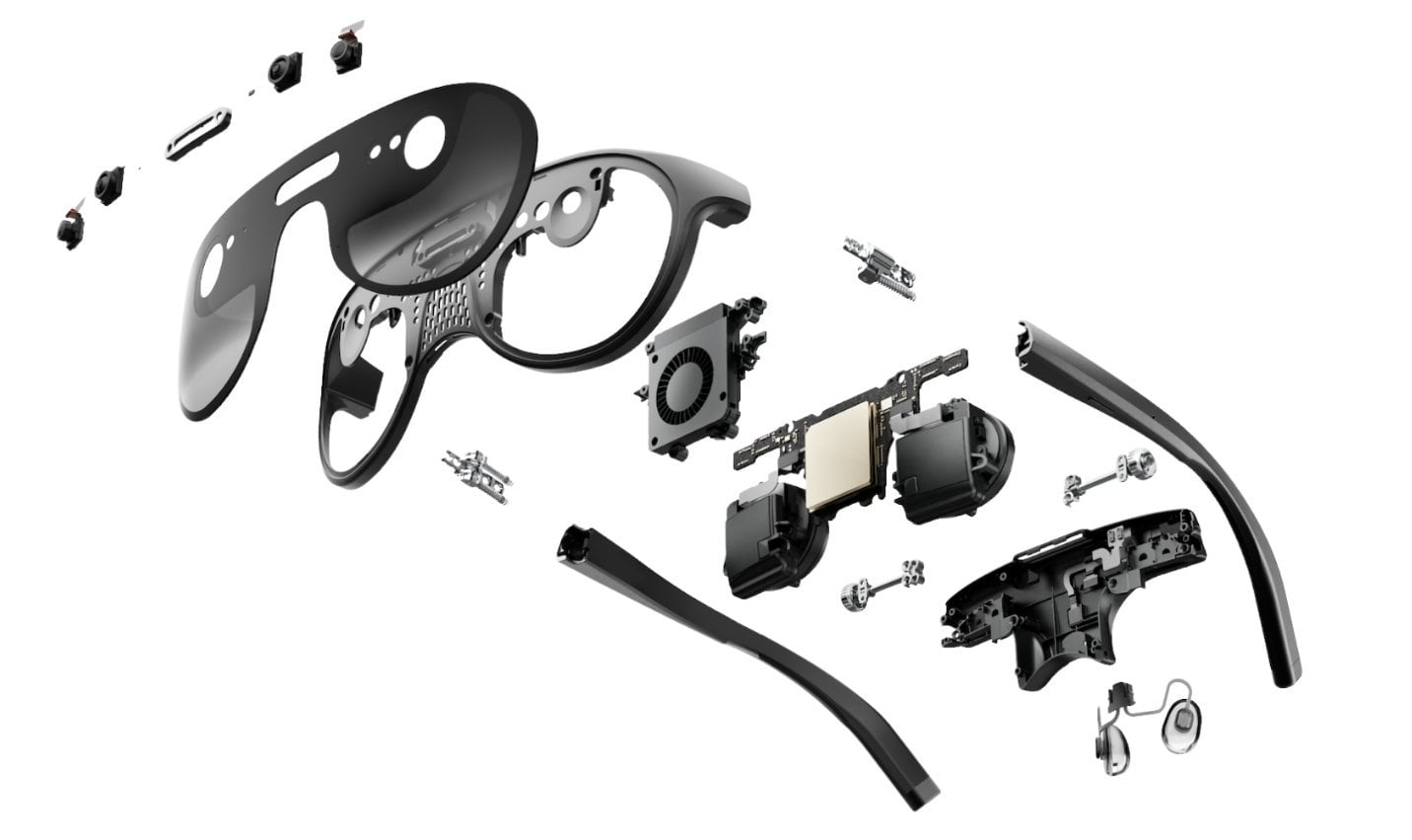
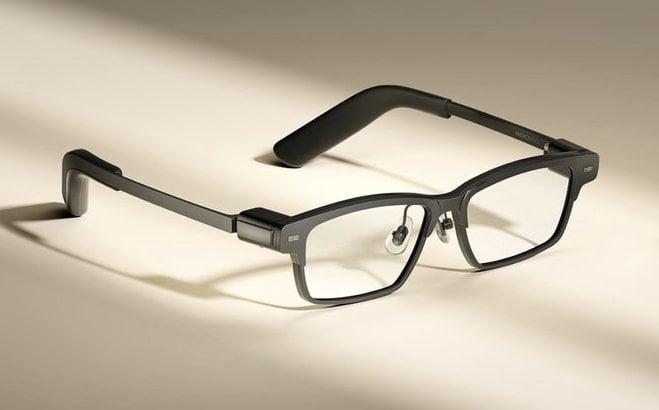
The hardware itself follows the current playbook for consumer AR: rounded frames thick enough to house display optics, visible sensor cutouts on the nose bridge (likely cameras for environmental and eye tracking), and an adjustable temple mechanism that looks borrowed from premium eyewear design. They’ve skipped the usual temptation to make it look aggressively futuristic, which matters when your target audience already feels self-conscious about their driving abilities. The cylindrical charging case suggests they’re thinking about daily use patterns rather than occasional deployment, treating this like essential equipment you grab before every drive during those first nervous months.

Where this gets genuinely clever is the integration with what they’re calling SDV, or software-defined vehicles. Modern cars already collect absurd amounts of data through their sensor arrays. Sherpa appears designed to tap into that information stream and translate it into actionable guidance. The system knows when you’ve entered a complex intersection, can read your hesitation through eye tracking, and overlay exactly what you’re supposed to watch for at that moment. Then it remembers that you struggle with this specific scenario and adjusts future guidance accordingly.

Unlike entertainment-focused AR wearables, this actually solves a real use case, which puts it ahead of most AR glasses the industry is trying to push down our throats. Driving schools teach you mechanics but abandon you at the precise moment when contextual learning would help most. If Sherpa can fill that gap between instruction and competence, it might be the first consumer AR application that people actually need rather than tolerate. Whether novice drivers will adopt glasses that broadcast their inexperience is a different question entirely, but at minimum someone’s finally asking AR to do actual work.

The post Forget CarPlay: Sherpa’s AR Glasses Decode Road Signs and Dashboard Icons For Nervous New Drivers first appeared on Yanko Design.

DOJ may face investigation for pressuring Apple, Google to remove apps for tracking ICE agents

House Judiciary Committee member Jamie Raskin (D-MD) has asked the US Department of Justice to turn over all its communications with both Apple and Google regarding the companies' decisions to remove apps that shared information about sightings of US Immigrations and Customs Enforcement officers. Several apps that allowed people to share information about where they had seen ICE members were removed from both Apple's App Store and Google's Play Store in October. Politico reported that Raskin has contacted Attorney General Pam Bondi on the issue and also questioned the agency's use of force against protestors as it executes the immigration policy set by President Donald Trump.

"The coercion and censorship campaign, which ultimately targets the users of ICE-monitoring applications, is a clear effort to silence this Administration’s critics and suppress any evidence that would expose the Administration’s lies, including its Orwellian attempts to cover up the murders of Renee and Alex," Raskin wrote to Bondi. He refers to Minneapolis residents Renee Good and Alex Pretti, who were both fatally shot by ICE agents. In the two separate incidents, claims made by federal leaders about the victims and the circumstances of their deaths were contradicted by eyewitnesses or camera footage, echoing violent interactions and lies about them that occurred while ICE conducted raids in Chicago several months ago.

This article originally appeared on Engadget at https://www.engadget.com/apps/doj-may-face-investigation-for-pressuring-apple-google-to-remove-apps-for-tracking-ice-agents-212145181.html?src=rss

Casio’s Origami-Inspired G-Shock watches blend Japanese craft with everyday toughness

Casio G-Shock line has seen so many variants over the years, still they feel refreshing every time a new version is released. The hand-forged tsuiki edition is one of their unique releases that’s forged by a single Japanese master edition. Each one of them is unique with hammer-print bespoke patterns, and Casio nailed the craft using titanium alloy and the DLC coating.

Now another edition showcases the brand’s love for Japanese artistry with two origami inspired variants. Although these are not hand built or carry the bespoke design element, still they are unique in their own rights.

Designer: Casio

Predictably, the two variants: DW5600RGM-1 and DW6900RGM-5 reflect the folding patterns of origami with the dotted lines. This gives off the illusion of mountain and valley folds with washi paper like texture on the bezel and band.  The origami theme carries further into the watch details. On both watches, Casio has included the silhouette of a crane – a globally recognized symbol in origami – within the LED backlight and engraved on the case back. The special packaging also echoes the traditional paper folding craft, enhancing the presentation with design cues drawn from folded forms.

Casio’s choice of materials balances durability with aesthetic intent. The cases, bezels, and bands of both models are made from bio-based resin that retains the strength and impact resistance expected of G-Shock watches while supporting the distinctive textured finish. Despite the artistic approach, these watches maintain the toughness that the G-Shock line is known for, including shock resistance and a 200-meter water resistance rating suitable for swimming and surface water sports.

In terms of dimensions and wearability, the DW-6900RGM-5 is the larger of the two, with a case measuring approximately 53.2 × 50 × 18.7 mm and a weight of about 67 grams. The DW-5600RGM-1 is more compact at around 48.9 × 42.8 × 13.4 mm and weighs roughly 53 grams, catering to those who prefer a smaller profile on the wrist. Both watches use mineral glass and offer comfortable fits for a range of wrist sizes

.

Underneath the origami-inspired shell, the core functionalities are consistent with what buyers expect from a digital G-Shock. Each model includes a 1/100-second stopwatch, a countdown timer with auto-repeat, a multi-function alarm, and an hourly time signal. Additional features include an LED backlight with afterglow, flash alerts linked to alarms and the timer, and a full automatic calendar that runs through the year 2099. Timekeeping supports both 12-hour and 24-hour formats with a monthly accuracy of ±15 seconds.

Powering these functions is a long-lasting CR2016 battery that Casio rates at up to five years under normal use. This longevity, combined with the rugged build and everyday tools, positions the origami editions as practical timepieces for daily wear rather than purely collector items.

Pricing for the DW-5600RGM-1 and DW-6900RGM-5 in the United States is set at around $165 each, making them accessible within the broader G-Shock lineup while offering a distinctive design narrative rooted in Japanese culture.

The post Casio’s Origami-Inspired G-Shock watches blend Japanese craft with everyday toughness first appeared on Yanko Design.

OpenAI starts testing ads in ChatGPT

Users on ChatGPT's free and Go plans in the US may now start to see ads as OpenAI has started testing them in the chatbot. The company announced plans to bring ads to ChatGPT. At the time, the company said it would display sponsored products and services that are relevant to the current conversations of logged-in users, though they can disable personalization and "clear the data used for ads” whenever they wish.

“Our goal is for ads to support broader access to more powerful ChatGPT features while maintaining the trust people place in ChatGPT for important and personal tasks,” OpenAI wrote in a blog post. “We’re starting with a test to learn, listen and make sure we get the experience right.”

These ads will appear below at the bottom of chats. They're labeled and separated from ChatGPT's answers. Ads won't have an impact on ChatGPT's responses.

Ads won't appear when users are conversing with ChatGPT about regulated or sensitive topics such as health, mental wellbeing or politics. Users aged under 18 won't see ads in ChatGPT during the tests either. Moreover, OpenAI says it won't share or sell users' conversations or data to advertisers. 

A source close to the company told CNBC that OpenAI expects ads to account for less than half of its revenue in the long run. Currently the company also takes a cut of items bought through its chatbot via the shopping integration feature. Also according to CNBC, OpenAI CEO Sam Altman told staff on Friday that the company will deploy "an updated Chat model" this week.

The tests come on the heels of Anthropic running Super Bowl ads that poked fun at OpenAI for introducing advertising. Anthropic's spot asserted that while “ads are coming to AI,” they won’t appear in its own chatbot, Claude.

This article originally appeared on Engadget at https://www.engadget.com/ai/openai-starts-testing-ads-in-chatgpt-191756493.html?src=rss