Rezvani Dune is Lamborghini Huracan turned into a desert trail beast on steroids

What if your supercar didn’t have to stay on the freeway? That’s essentially the notion that Rezvani shatters with an unusual performance machine that adopts the mid-engine character of a Lamborghini Huracán and reimagines it as a vehicle built for desert trails and rough terrain. Instead of lowering a sports car closer to the asphalt, Rezvani has gone in the opposite direction, creating an 800-horsepower off-road machine with the heart of a V10 supercar.

This is the Dune, a trail beast powered by a naturally aspirated 5.2-liter engine mounted behind the cabin. With up to 800 horsepower on tap, it retains the high-revving personality associated with Lamborghini’s V10 powertrain while introducing a very different way to experience it. Rather than keeping all that power confined to smooth roads and racetracks, the Dune is designed to take it into places where a conventional supercar would struggle to go. Sure, there is the Lamborghini Huracán Sterrato, but this one is an altogether different beast.

Designer: Rezvani

The biggest visual change here is the body, as Rezvani replaces the sleek proportions of the Huracán with custom carbon-fiber bodywork that gives the vehicle a much more aggressive, rugged personality. The sculpted panels, raised stance, and wide proportions make it look less like a supercar that has been modified for off-road driving and more like an entirely new species of performance vehicle. The increased ride height of 4.5 inches is matched by a suspension setup designed to cope with uneven terrain, while 31-inch mud-terrain tires on 20-inch wheels add to its ability to venture away from paved surfaces. The chassis is fitted with long-travel shocks that soak up the kind of bumps that would leave a traditional supercar scraping its belly. With a 25-degree approach angle and 35-degree departure angle, it’s built to venture off-road without constantly worrying about what’s happening underneath. Skid plates shield the undercarriage, while a roof-mounted snorkel keeps the engine breathing clean air when the trail gets deep.

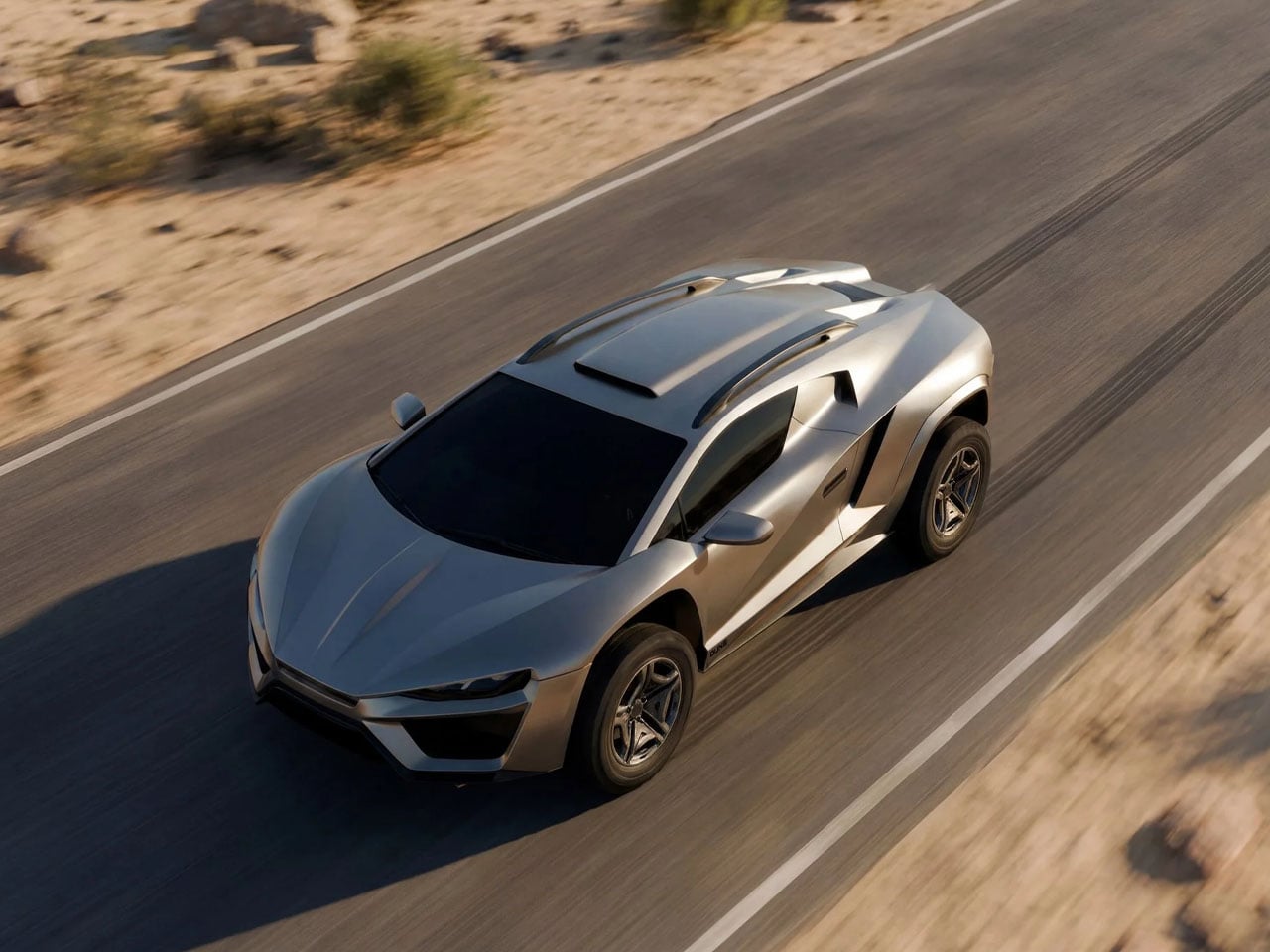
The usual formula for a supercar is essentially to be more aerodynamic, while off-road vehicles follow a very different philosophy, favoring ground clearance and suspension travel. Dune brings these contrasting ideas together, pairing the drama of a naturally aspirated V10 with the stance and capability expected from a vehicle designed to tackle rough ground. The carbon-fiber construction also helps distinguish the Dune from conventional off-road builds. It keeps the custom bodywork lightweight while giving Rezvani the freedom to dramatically reshape the vehicle’s appearance around the underlying supercar architecture. The result is a design that feels deliberately exaggerated, with the visual aggression to match its substantial power output. Rezvani has respected the Huracan’s interior and kept it the same as the donor car, which is a great compliment to Lamborghini’s design sense.
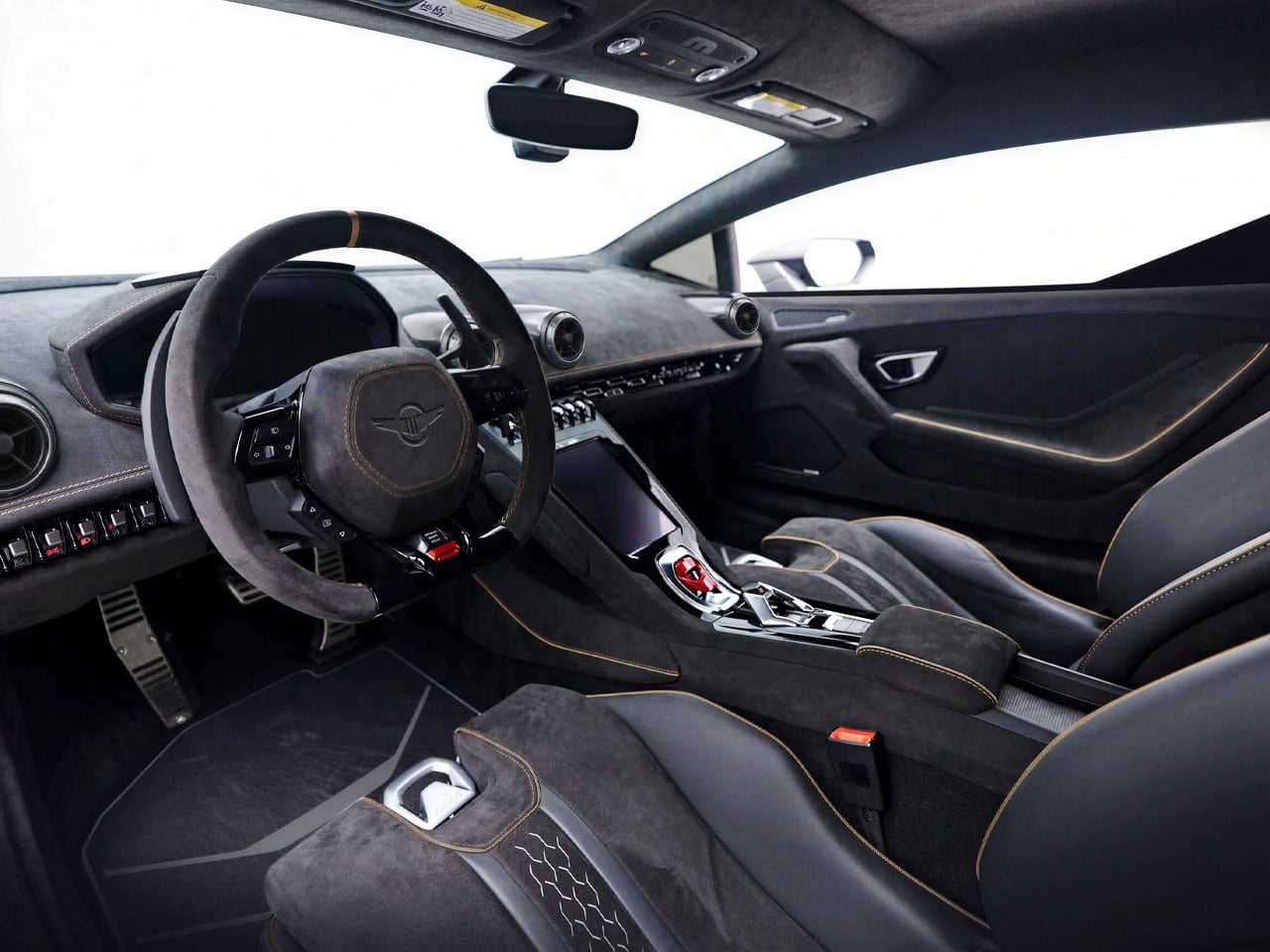
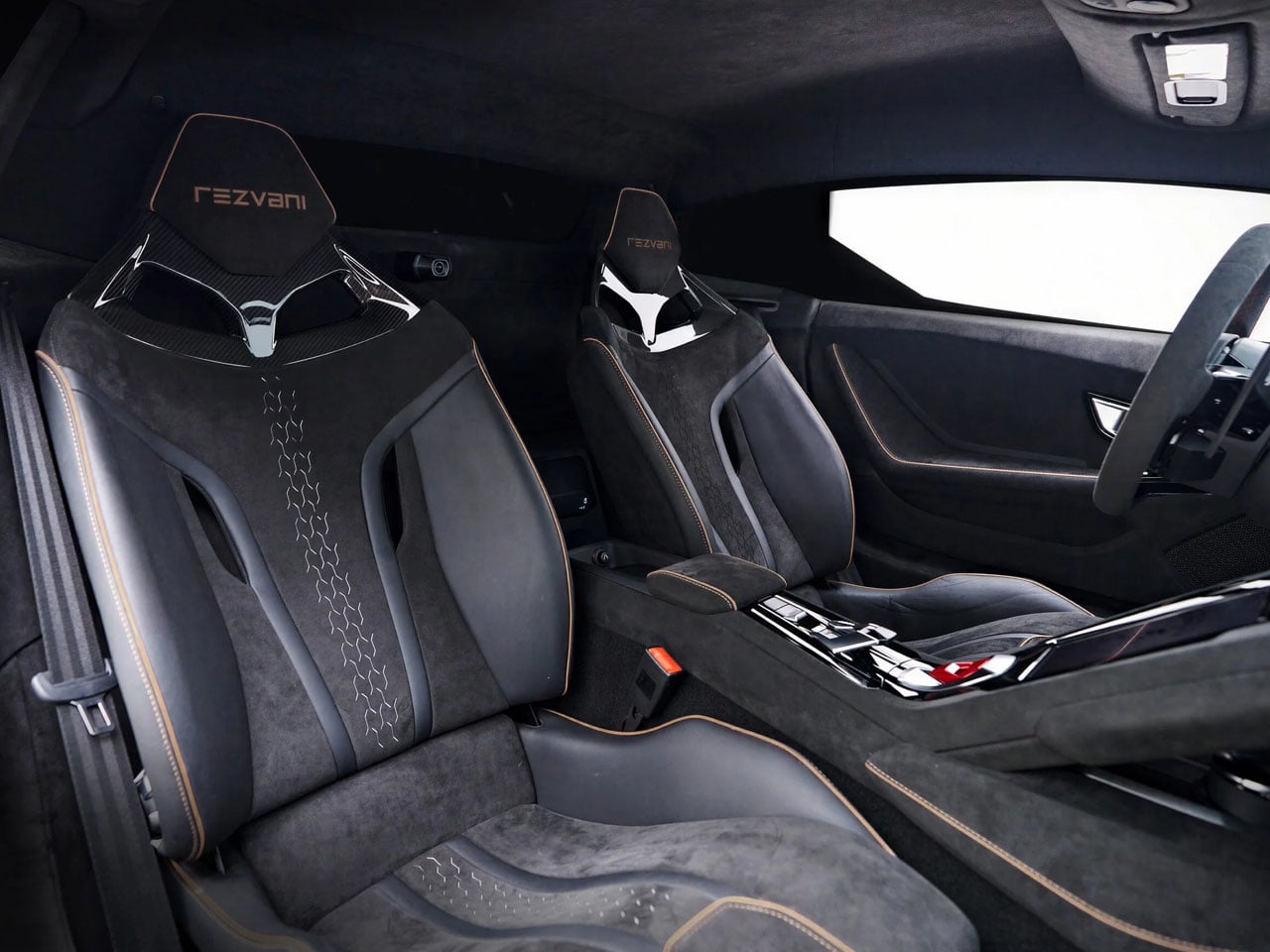
For the California-based automaker, this off-roading-capable supercar is yet another experiment in pushing familiar automotive formulas into unexpected territory. Only seven examples will ever be made, with each one built as a one-off, making this an ultra-exclusive supercar you’re unlikely to see twice. A refundable $1,500 deposit secures a place in the production queue, although deliveries aren’t expected until 2028. As for the price, Rezvani is keeping that under wraps for now. Previous models have started with donor vehicles and climbed into six-figure territory, so this one is unlikely to come cheap!


The post Rezvani Dune is Lamborghini Huracan turned into a desert trail beast on steroids first appeared on Yanko Design.

Sennheiser’s $200 Clip-On Buds Defeat Bose Ultra Open on Battery — And Skip the US

Clip-on earbuds were always going to go mainstream; the category just got there in the east first. Huawei’s FreeClip became roughly as ubiquitous as AirPods in Chinese cities, building an installed base for open-ear wearables that Western brands are only now beginning to seriously contest. The appeal is not complicated: a form factor that keeps the ear canal open, lets ambient sound in naturally, and eliminates the sealed pressure that makes conventional in-ears uncomfortable after long sessions. Asia ran that experiment at scale, and the results were settled long before the Western audio press started treating it as a breakthrough.

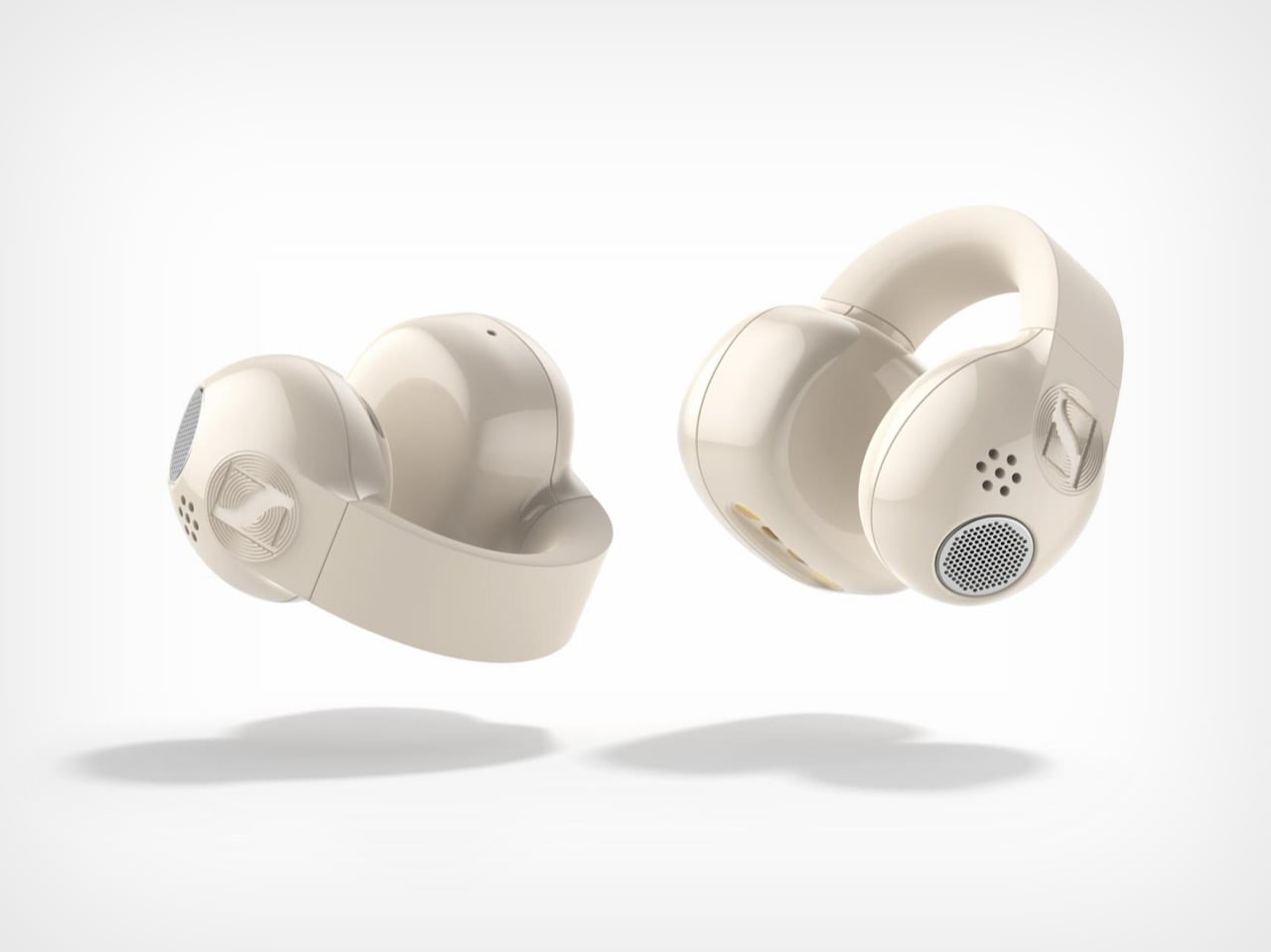
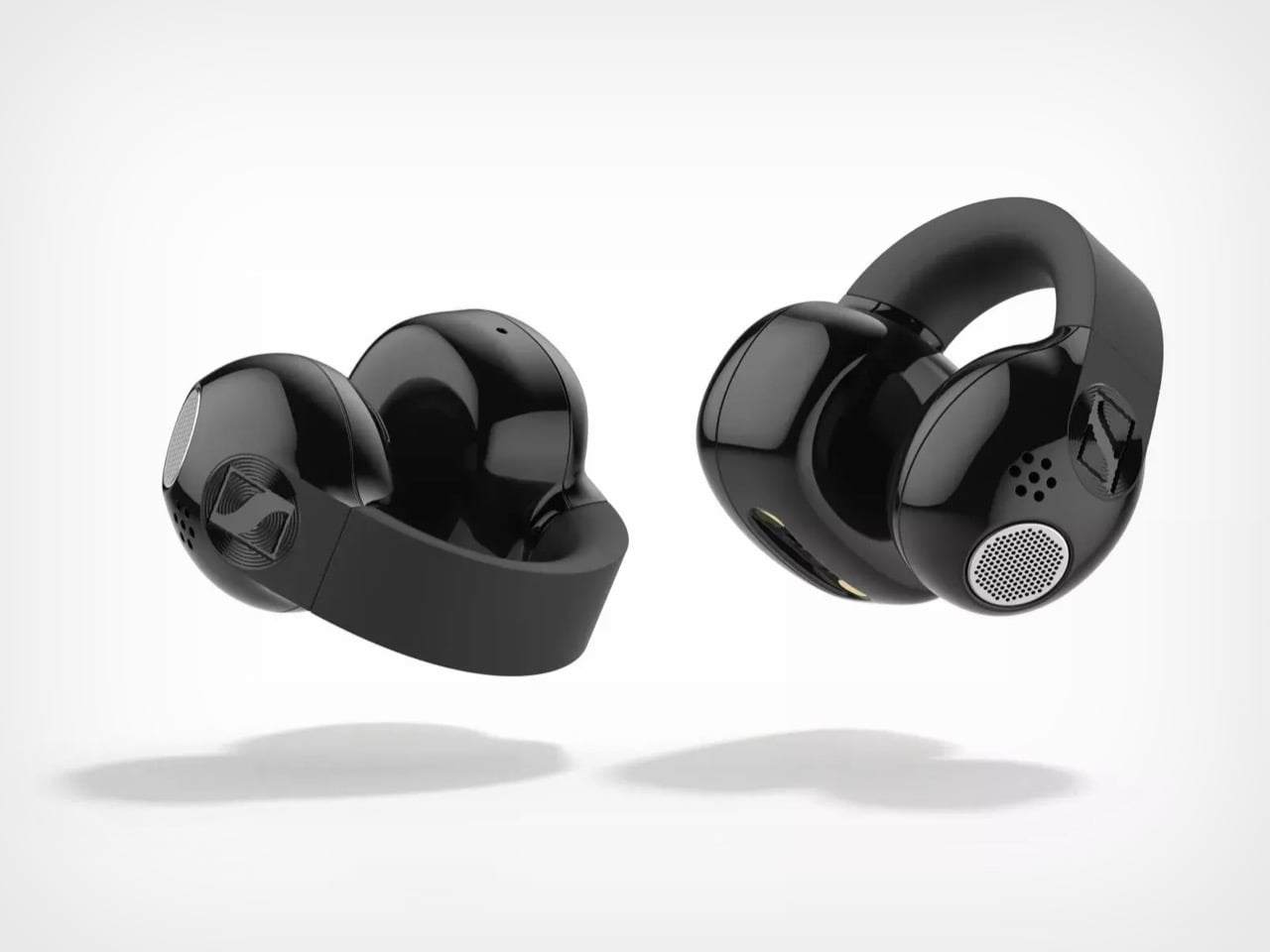
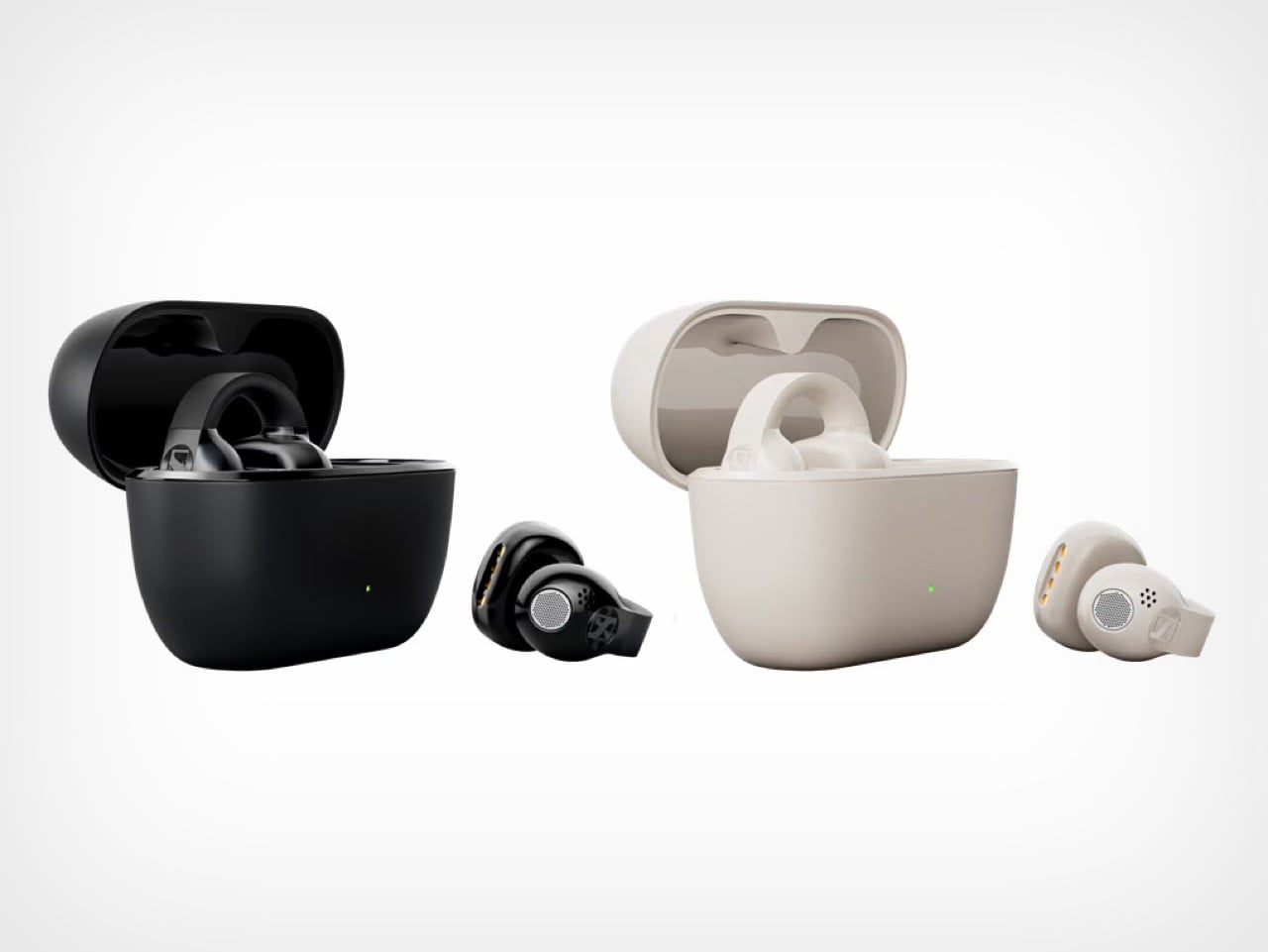
Sennheiser enters the conversation on July 23 with the Accentum Clip, a product priced at £149 that brings Bluetooth 6.0, LDAC support, IP54 protection, and 36-hour total battery life to a category where Bose has been setting the reference point at a higher price. The launch covers the UK, EU, and Canada. For US consumers, the Accentum Clip joins a lengthening list of globally significant products that simply will not be available at their local retailer, a pattern this publication has been tracking across categories as diverse as electric vehicles, smartphones, and now, apparently, open-ear audio.

Designer: Sennheiser

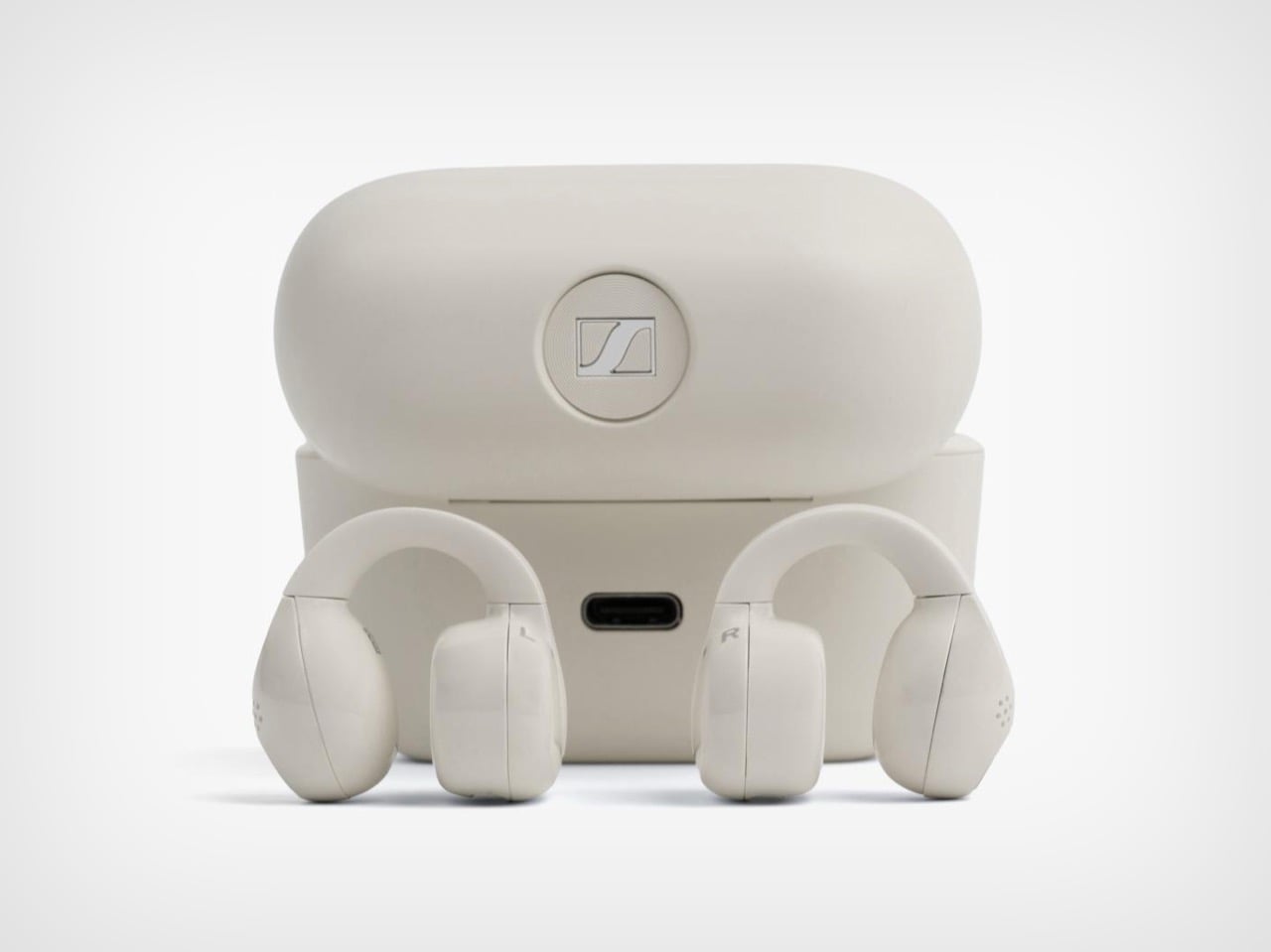
The Accentum Clip earbuds promise nine hours of playback on a single charge, with the case providing a total of 36 hours. This is a deliberate and significant advantage over the Bose Ultra Open Earbuds, which offer around 7.5 hours per charge and a total of 27 hours with their case. In a category built for all-day wear, that extra nine hours is a direct appeal to users who want to leave the charging cable at home.

The Accentum Clip uses a 12mm dynamic driver, but the more interesting detail is its support for the LDAC codec. Including a high-bitrate codec like LDAC is a bold choice for an open-ear design, which by its nature lets sound escape and ambient noise in. It signals a confidence in the driver’s ability to deliver a detailed audio experience, even if it is not a closed, isolating one. Paired with Bluetooth 6.0, which promises more stable multipoint connections, the package is technically robust for commuters and office workers who need to switch between devices seamlessly.

Sennheiser opted for a flexible silicone bridge to connect the driver unit and the battery component, quite like Bose’s offering. At 6.8 grams per bud, the design focuses on a gentle, secure clamping force that distributes weight evenly around the ear’s cartilage. The goal is a “barely there” feeling that encourages leaving them on for hours, which aligns perfectly with the product’s impressive battery life. The IP54 rating for dust and splash resistance makes them durable enough for workouts, even if they are not explicitly marketed as fitness gear.

These engineering choices culminate in a fairly reasonable price tag. At £149 or €179 (around $200 USD), the Accentum Clip is positioned aggressively beneath the Bose Ultra Open, which launched at $299. Sennheiser is not trying to create a new category; it is trying to win the one Bose popularized by being a better value on paper. It is a classic challenger strategy: arrive a little late to the party, but bring a better spec sheet and a more accessible price. For European and Canadian buyers, the choice between the two just became much more interesting.

Which brings us back to that curious launch map. The decision to omit the United States, the world’s largest single market for high-end audio, feels a lot like a symptom of a broader shift in the tech industry. Whether due to the complexities of FCC certification, a desire to test the product in smaller markets first, or the simple fact that the US is becoming a harder place for global brands to operate, the absence is loud.

The post Sennheiser’s $200 Clip-On Buds Defeat Bose Ultra Open on Battery — And Skip the US first appeared on Yanko Design.

A Walnut and Brass Desktop PC That Still Runs an RTX 5090

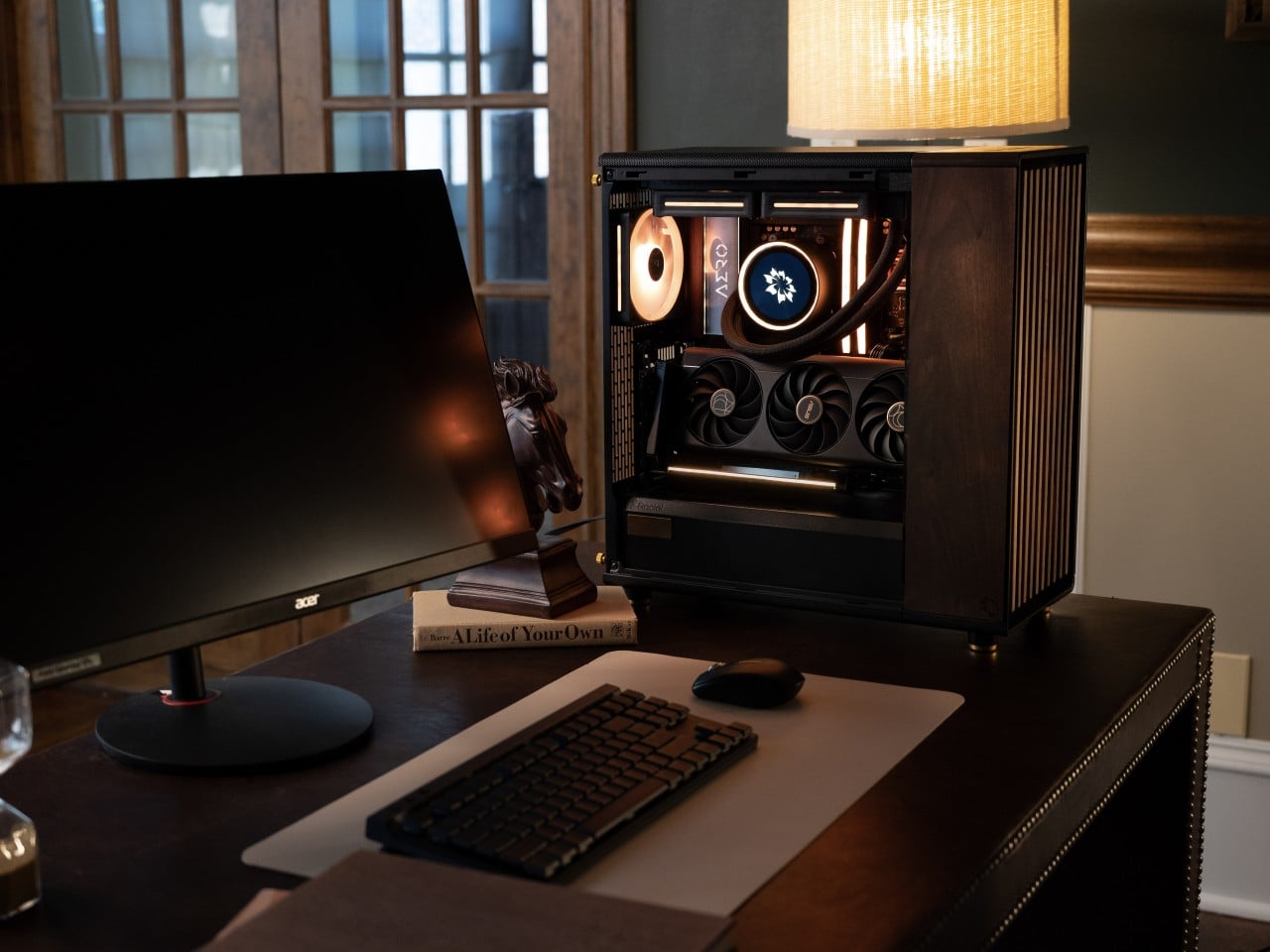
The PC industry has spent decades optimizing for a buyer who tolerates ugly hardware. Not a buyer who wants it, necessarily, but one who accepts it as the cost of performance. The tradeoff between raw computing power and the aesthetic quality of the object sitting on a desk has been so consistent for so long that it’s stopped feeling like a compromise. Most high-performance desktop computers look like something between a server rack and a concept car that got stuck in the concept phase, and they live under desks partly because there’s no reason to keep them visible.

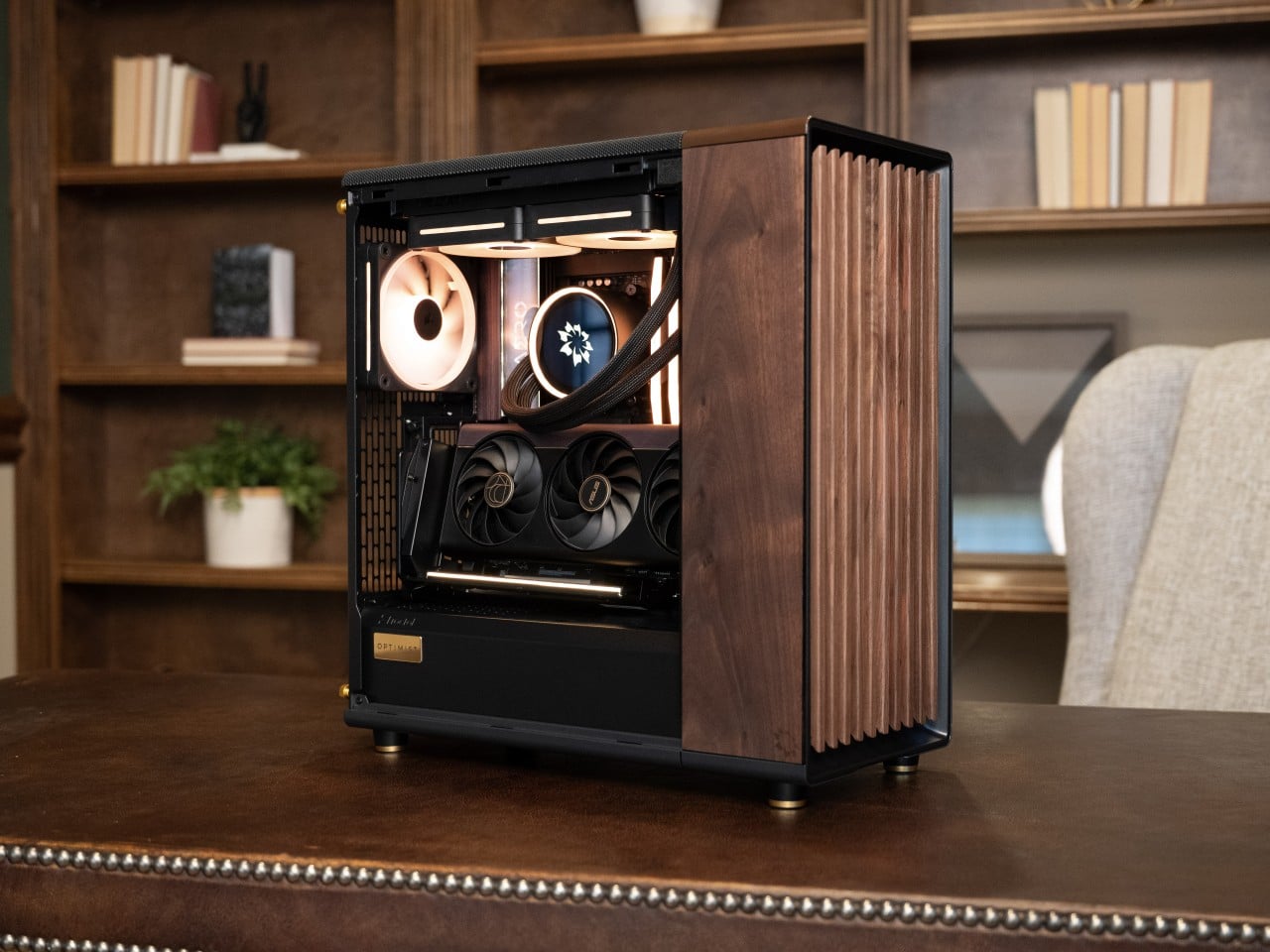
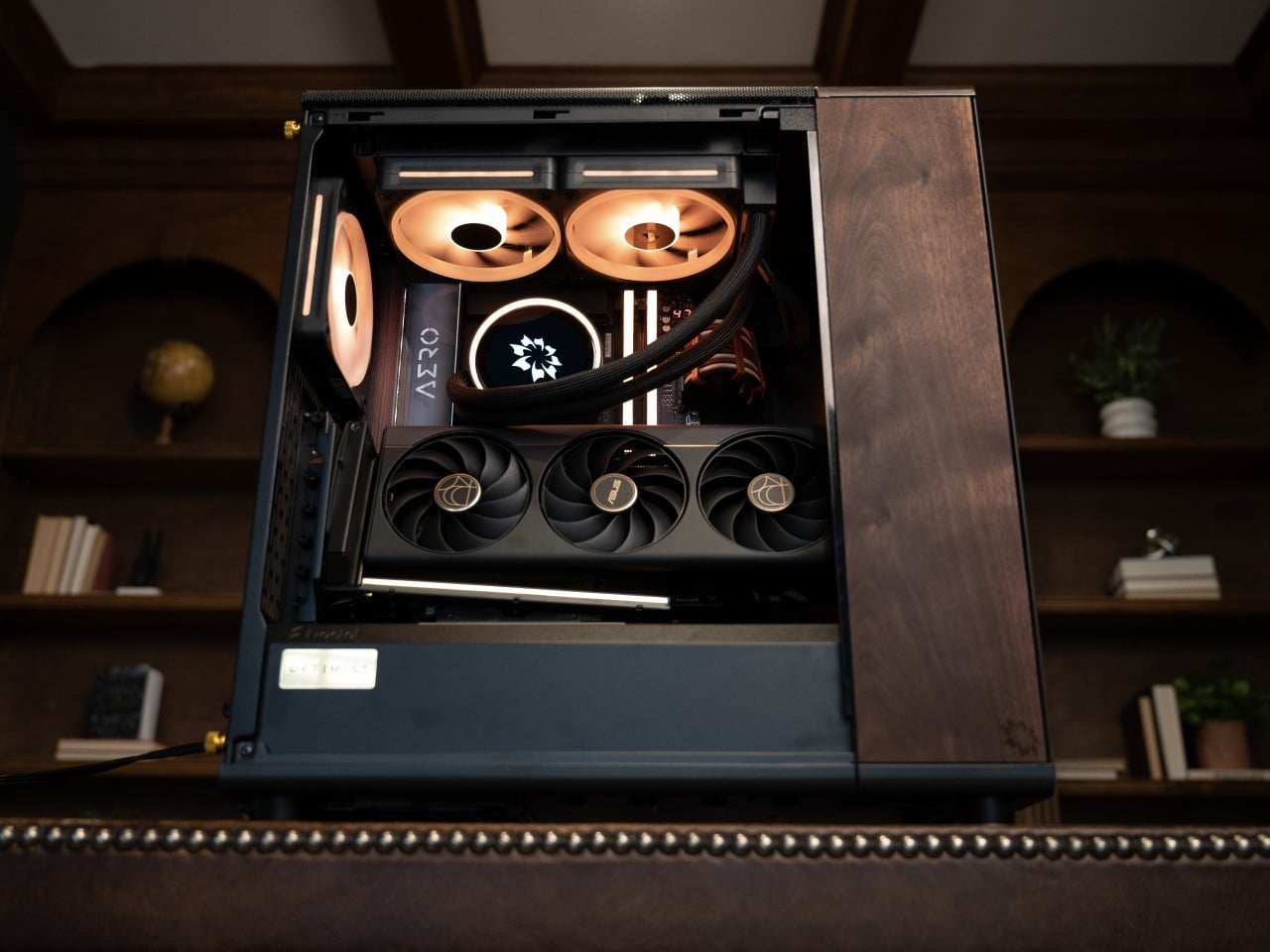
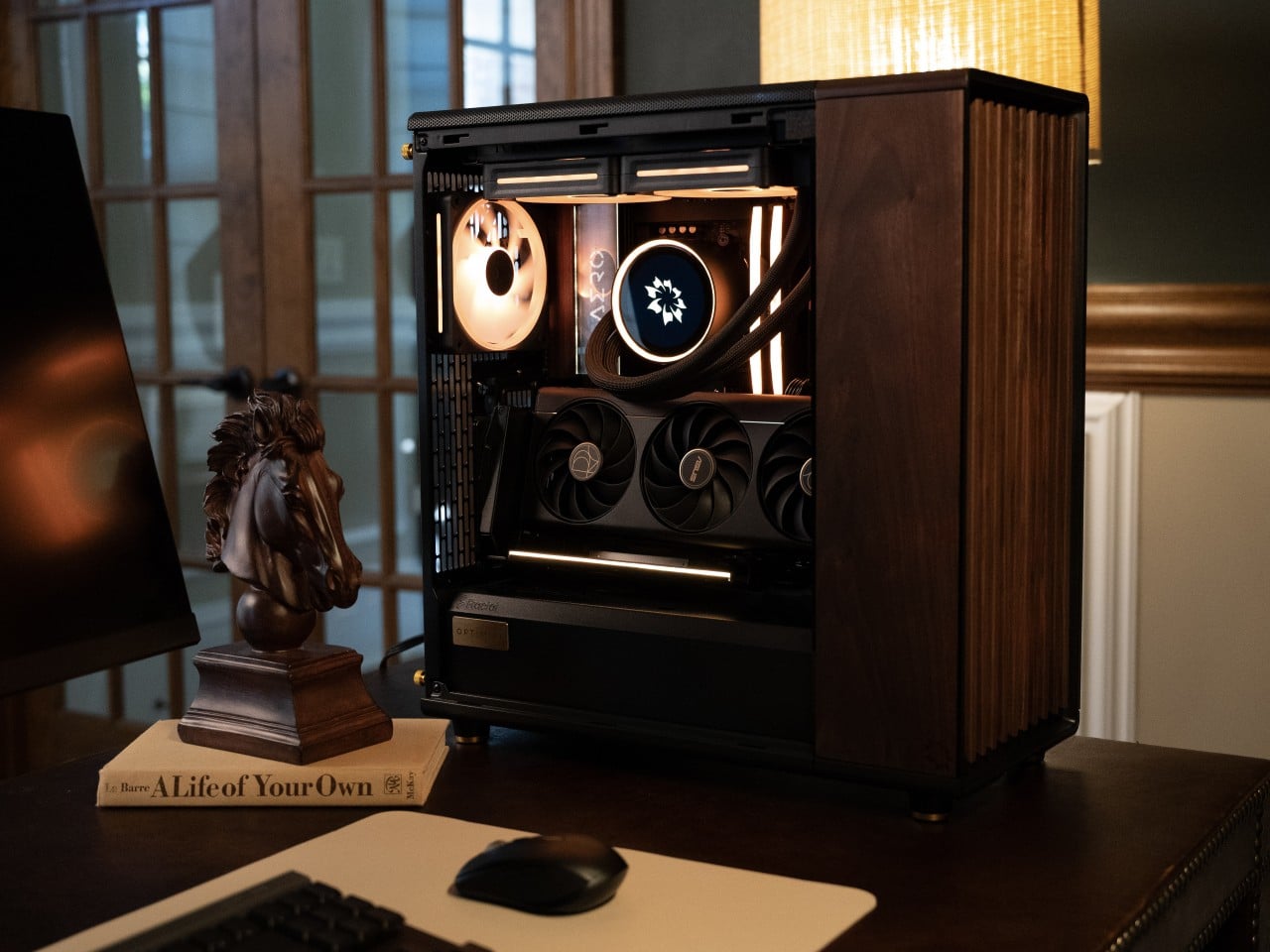
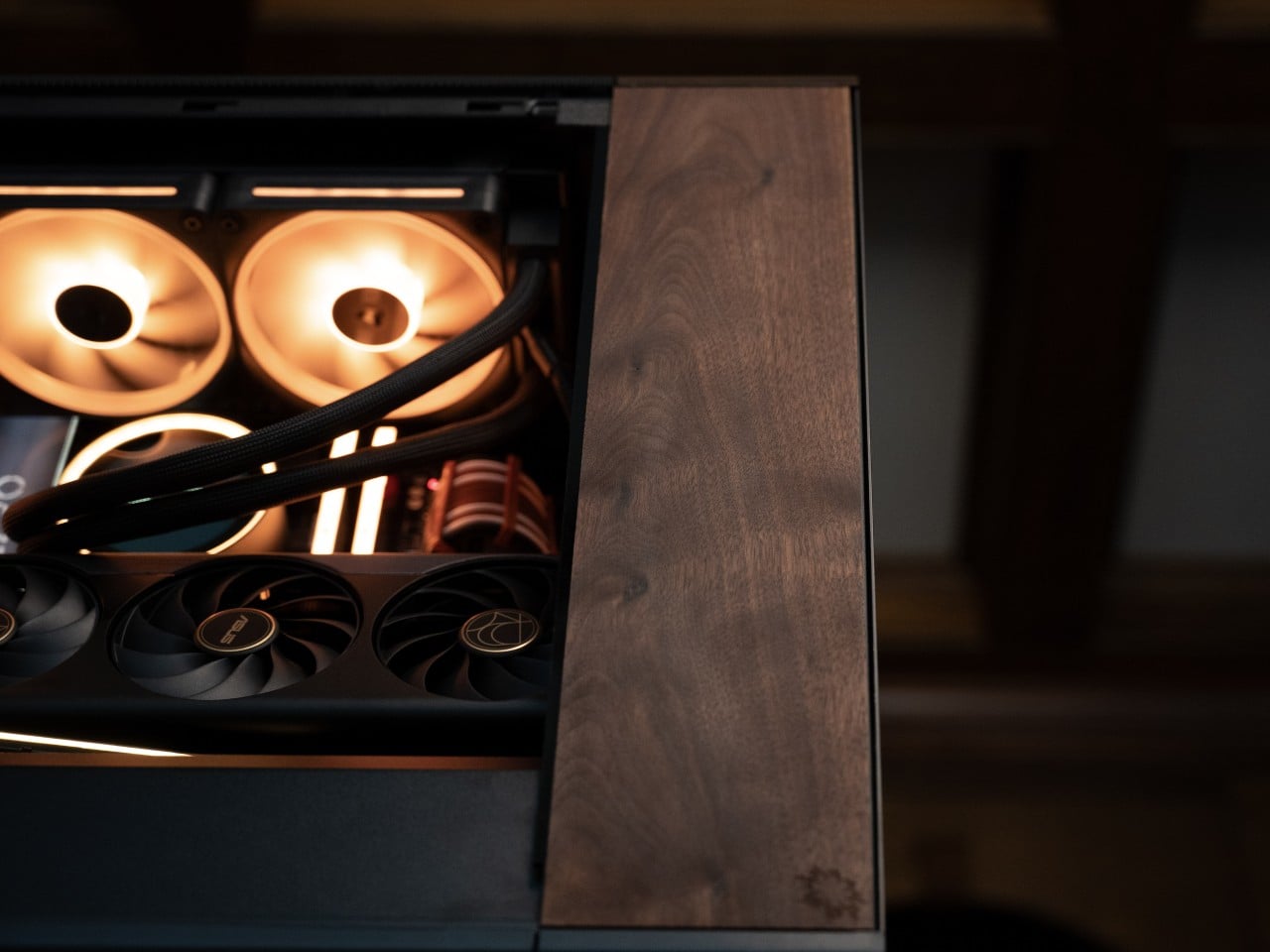
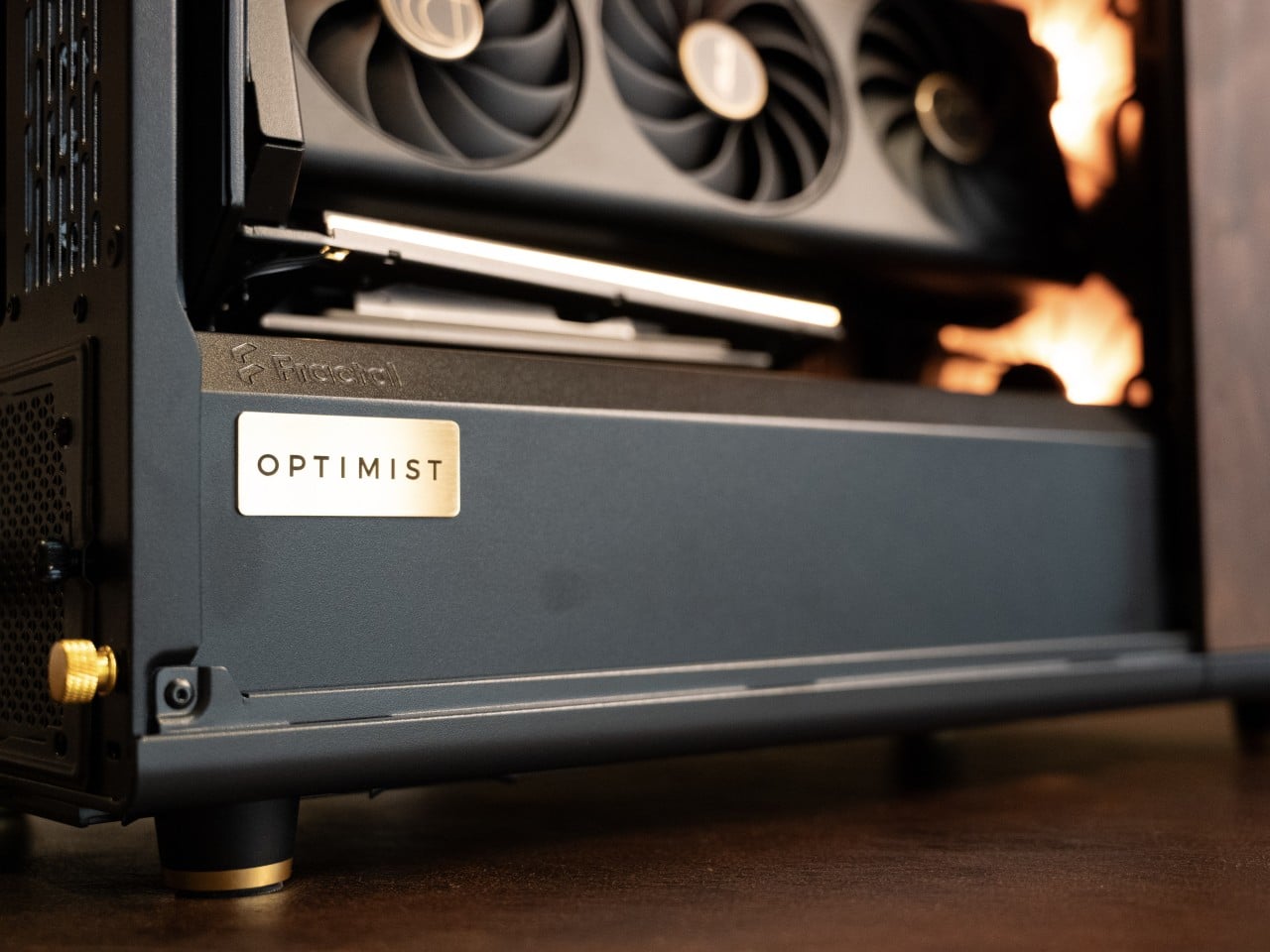
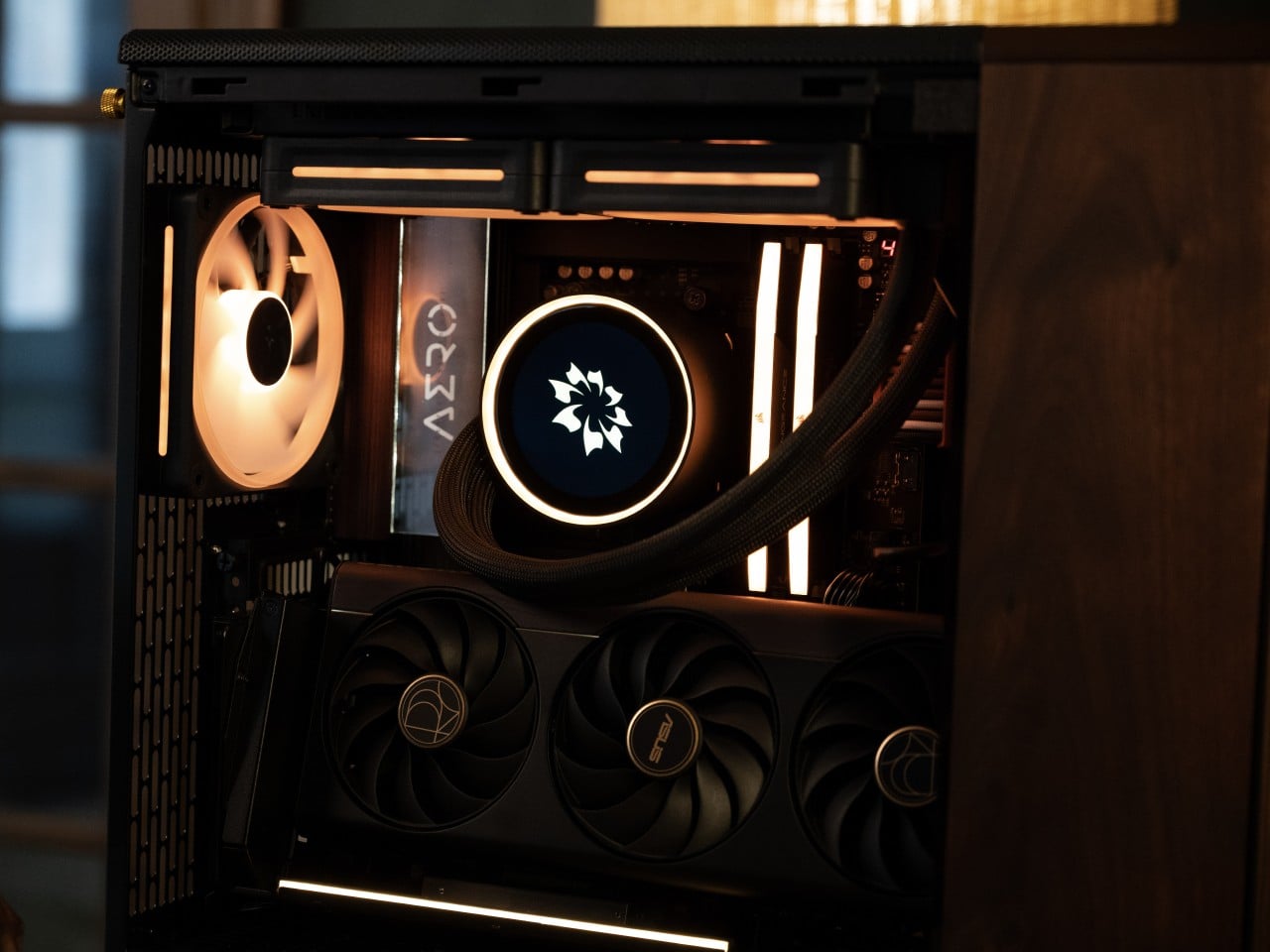
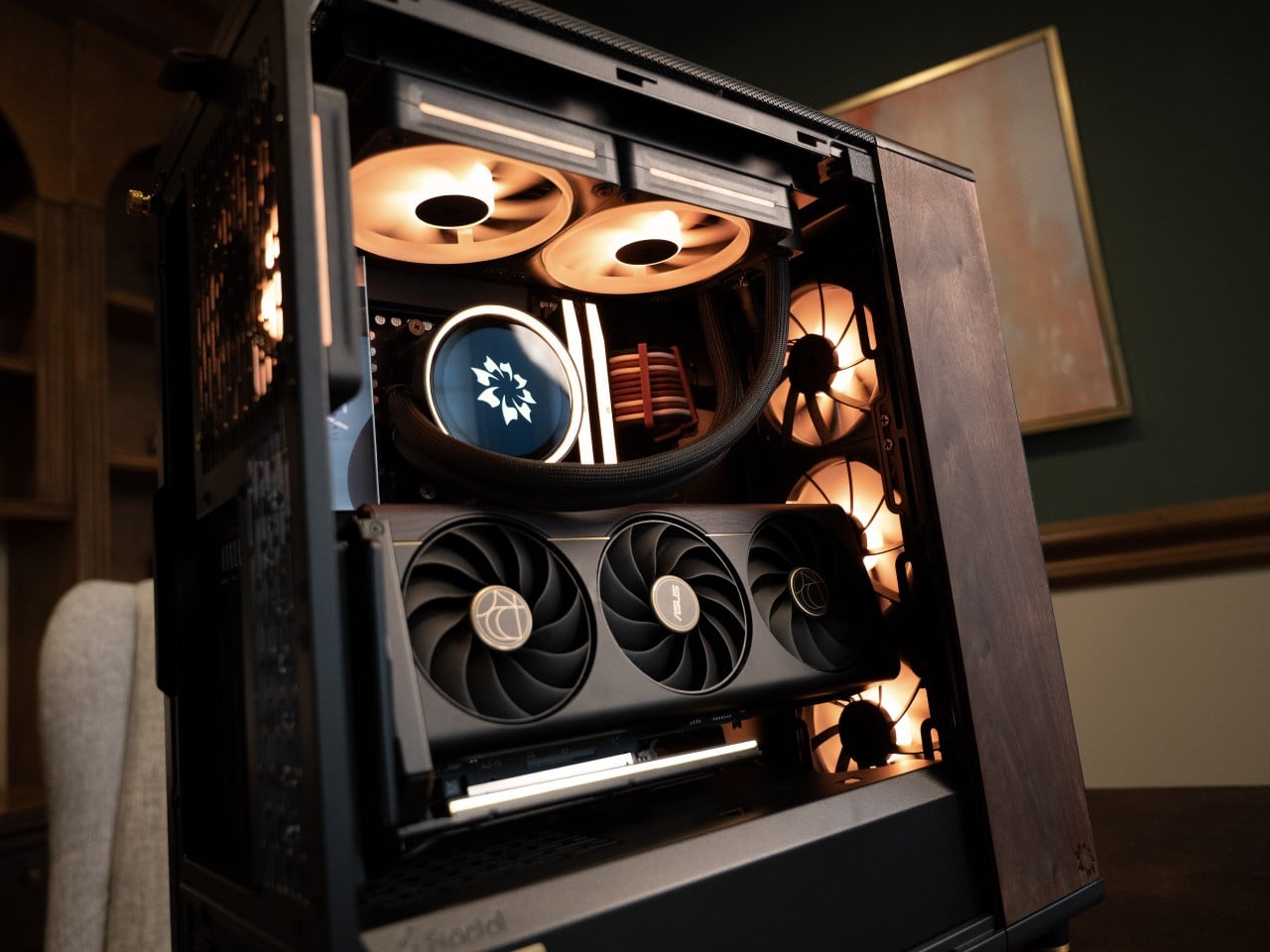
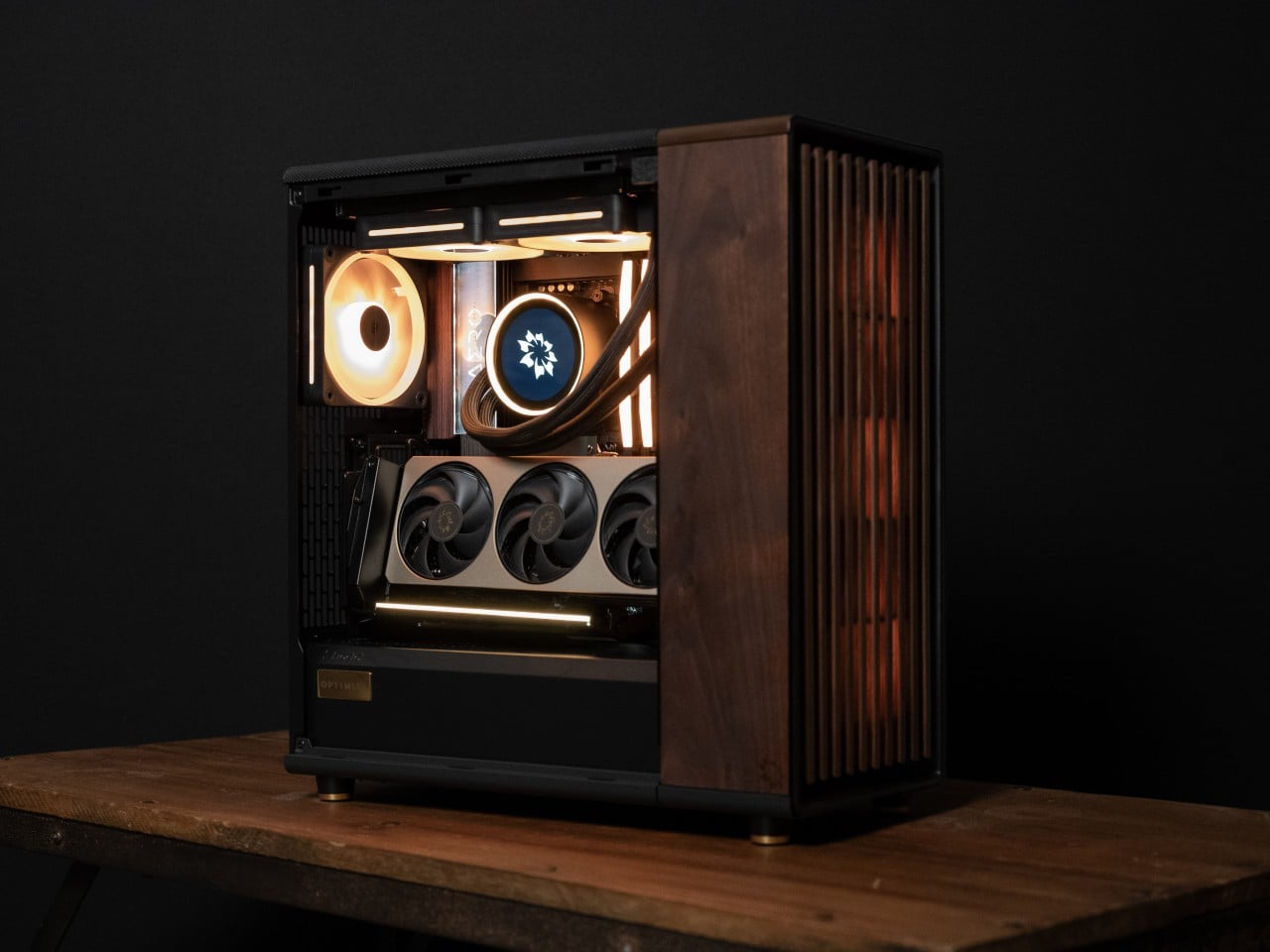
The Nocturne is a desktop PC built in direct opposition to that assumption. Its chassis is sub-11L, which makes it compact enough to actually sit on a desk rather than beneath one, and its materials are a considered departure from the standard palette of tempered glass and injection-molded plastic. The side panel is a single plank of American Black Walnut, laser cut, hand finished, and polished with organic beeswax, a finish that deepens naturally with age rather than fading or yellowing. The front face is walnut as well. The feet, badge, buttons, and screws are turned from solid brass. The top panel is individually airbrushed per unit.

Designer: Ren Zhen (Optimist)

Every Nocturne is assembled and tuned by the same small team at Optimist’s shop in North Carolina before it ships. That includes a photography session for each unit, which is both a quality step and a signal that the people building these take the object seriously as a designed thing rather than a configured product. Nothing in the process is shared with mass production. The Optimist emblem is laser-etched directly into the walnut, not applied as a sticker or decal.

The hardware inside doesn’t make any concessions to the visual restraint outside. The Nocturne supports configurations up to an AMD Ryzen 9 9950X3D2 processor and an NVIDIA GeForce RTX 5090 GPU with 128GB of DDR5 memory available at the top end. The acoustic performance matches: the system runs at sub-decibel levels, which matters as much for the room it sits in as for the person sitting in front of it. A machine that sounds like an appliance disappears into a space in a way that a machine with a fan you can hear from across the room never does.

The warranty structure reflects the relationship the company expects to have with buyers after the sale. Parts are covered for two years and labor for six, and if a repair is needed, the unit can be shipped back for in-house service without conditions. That’s a longer commitment than most pre-built PC companies offer, and it makes more sense when the object in question is hand-finished wood and brass rather than standard black plastic.

The Nocturne first appeared in 2024 and garnered quite the attention. Optimist keeps no more than five designs available at any time, retiring past builds as new hardware and new aesthetics arrive. The Nocturne has persisted through multiple cycles. That’s a harder thing to maintain in a market that typically treats last year’s chassis as obsolete the moment a new one appears.

The post A Walnut and Brass Desktop PC That Still Runs an RTX 5090 first appeared on Yanko Design.