Stanley’s First-Ever Bag Has a Pocket Just for Your Tumbler

During the pandemic, the rise of the Stanley Cup moms was splashed all over social media. Most influencers and content creators were either sipping from their tumbler or had one sitting proudly in the background. There are other brands of reusable mugs and tumblers, of course, but Stanley was the go-to for a lot of people, particularly women. It wasn’t just about staying hydrated. It became a lifestyle statement, a collector’s obsession, and for many, a whole personality.

Now the brand is looking to expand its market with its first-ever bag, the Stanley 1913 Vitalize™ Macro Method Tote. While the main selling point of this bag is that it can carry your tumbler, it’s built to carry much more than just a water container. Think of it as a home for pretty much everything else you need to get through your day. The way it’s designed means it can match any lifestyle, whether you’re heading to the office, the gym, or just running your errands.

Designer: Stanley

The whole idea behind reusable tumblers is to always have water (or your favorite beverage) with you wherever you go. But sometimes, the bags we use aren’t sturdy enough to carry them around, so we just leave them at home. This bag from Stanley solves that particular problem with a tumbler securing belt and pocket, which is compatible with the 40-ounce Quencher® ProTour or Vitalize™ Shaker and gives you easy access to them whenever you need a sip. You could probably use other brands or models as well, but if you’re buying the Stanley bag, chances are you’re already a Stanley person anyway.

Other than that, there’s plenty to like about this bag, especially if you’re the type who prefers just one carrier for all your essentials. It has a zippered main compartment that provides secure and spacious storage for all the bigger items you need to haul around. There’s also an interior laptop sleeve to keep your laptop and other gadgets safe and scratch-free. You’ll also find an easy-access zippered front pocket for things you may need to grab on the go, like your keys, lip balm, or earbuds. And if that’s still not enough, there’s a foldaway interior Vitalize™ Macro Container pocket for when you need even more organization.

For something that’s meant to carry a hefty 40-ounce tumbler, the bag is naturally made from durable materials. Even better, it uses 100% recycled fabrics, so you can keep your carbon footprint low without compromising on style or durability. You can carry it as a handbag or a shoulder bag since it comes with both hand and shoulder carry straps. It holds nearly 28 quarts of capacity but sits at a slim 5.12″ depth, so it won’t get too bulky or cumbersome which is a nice balance for everyday use.

There are, of course, plenty of other bags on the market that offer similar features, but if you’re already a Stanley loyalist, this feels like a pretty natural next purchase. The minimalist design will also appeal to those who prefer their bags to be clean and unfussy. It comes in three colors: Black, Rose Quartz, and Sage Grey. This keeps things simple and versatile, easy to pair with just about anything in your wardrobe. It’s not trying to be flashy, and honestly, it doesn’t need to be.

At $110, the Stanley 1913 Vitalize™ Macro Method Tote is more than just a bag. It’s the natural next step in the Stanley lifestyle. Whether you’re a long-time collector who’s been following the brand since the tumbler craze first took over your feed, or someone who’s just discovering what all the fuss is about, this tote feels like a thoughtful extension of everything Stanley stands for: durability, functionality, and just the right amount of style. It’s the kind of bag you’ll reach for every single day, and if you’re anything like us, you’ll probably want one in every color.

The post Stanley’s First-Ever Bag Has a Pocket Just for Your Tumbler first appeared on Yanko Design.
A 400-Year-Old Japanese Candleholder, Upgraded Again

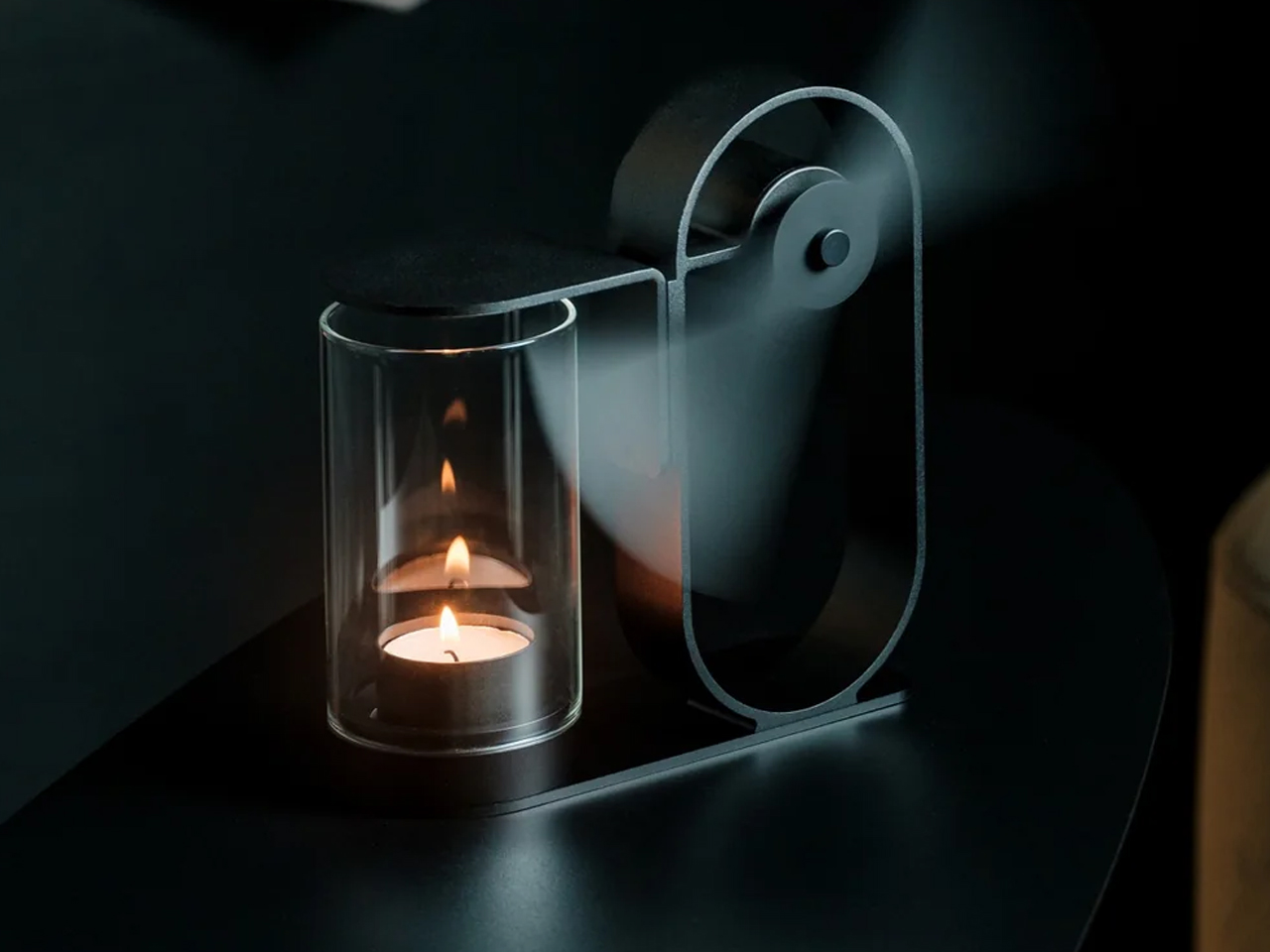
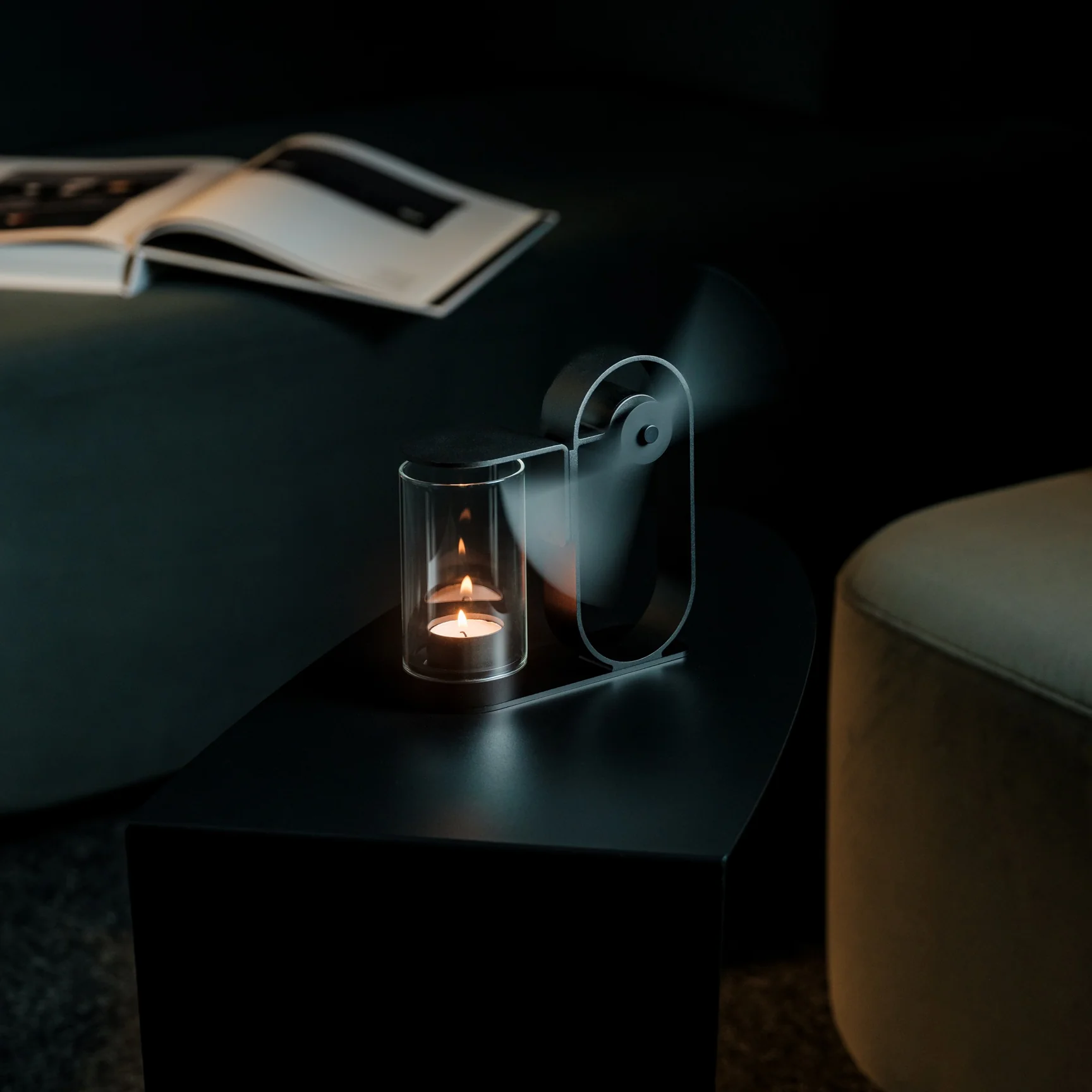
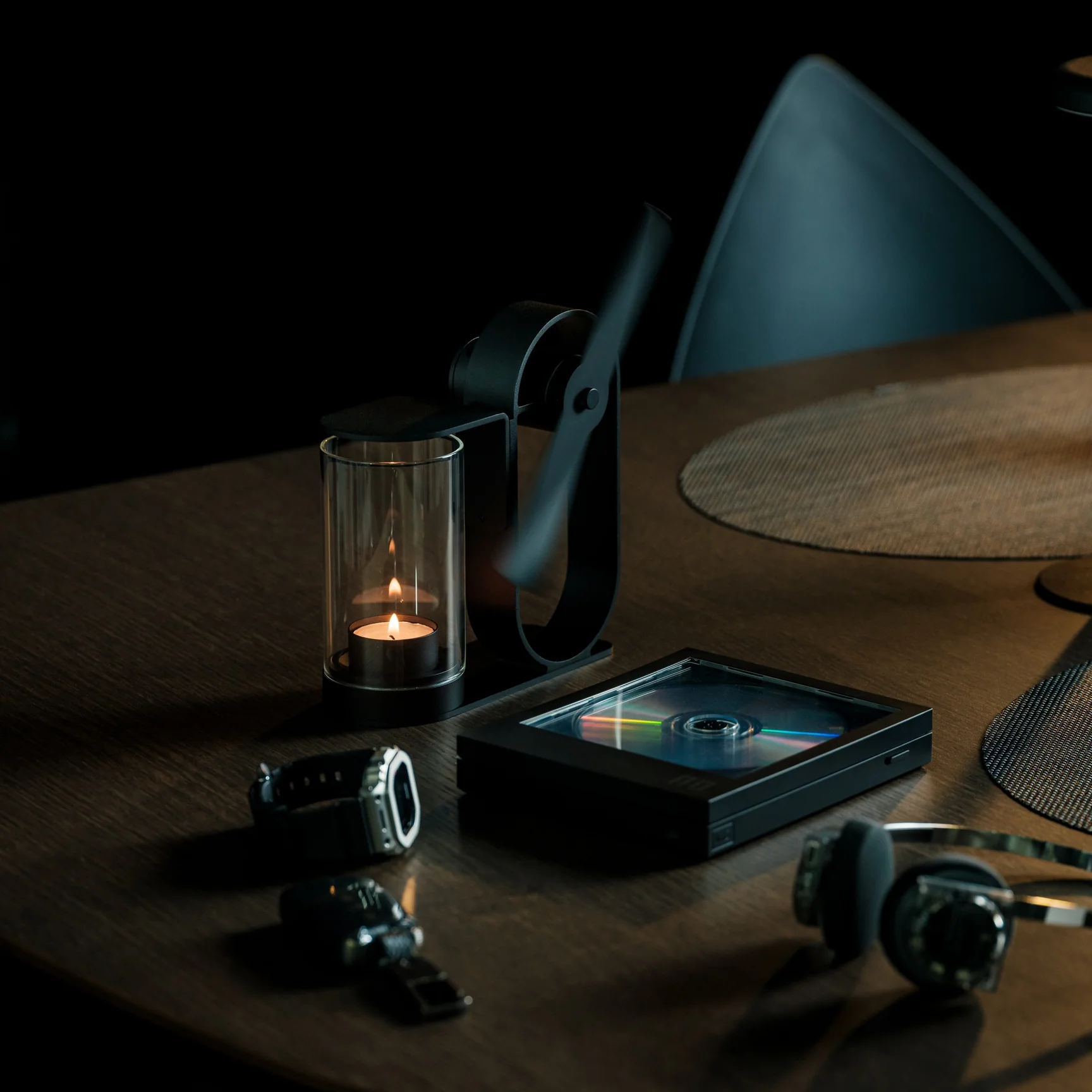
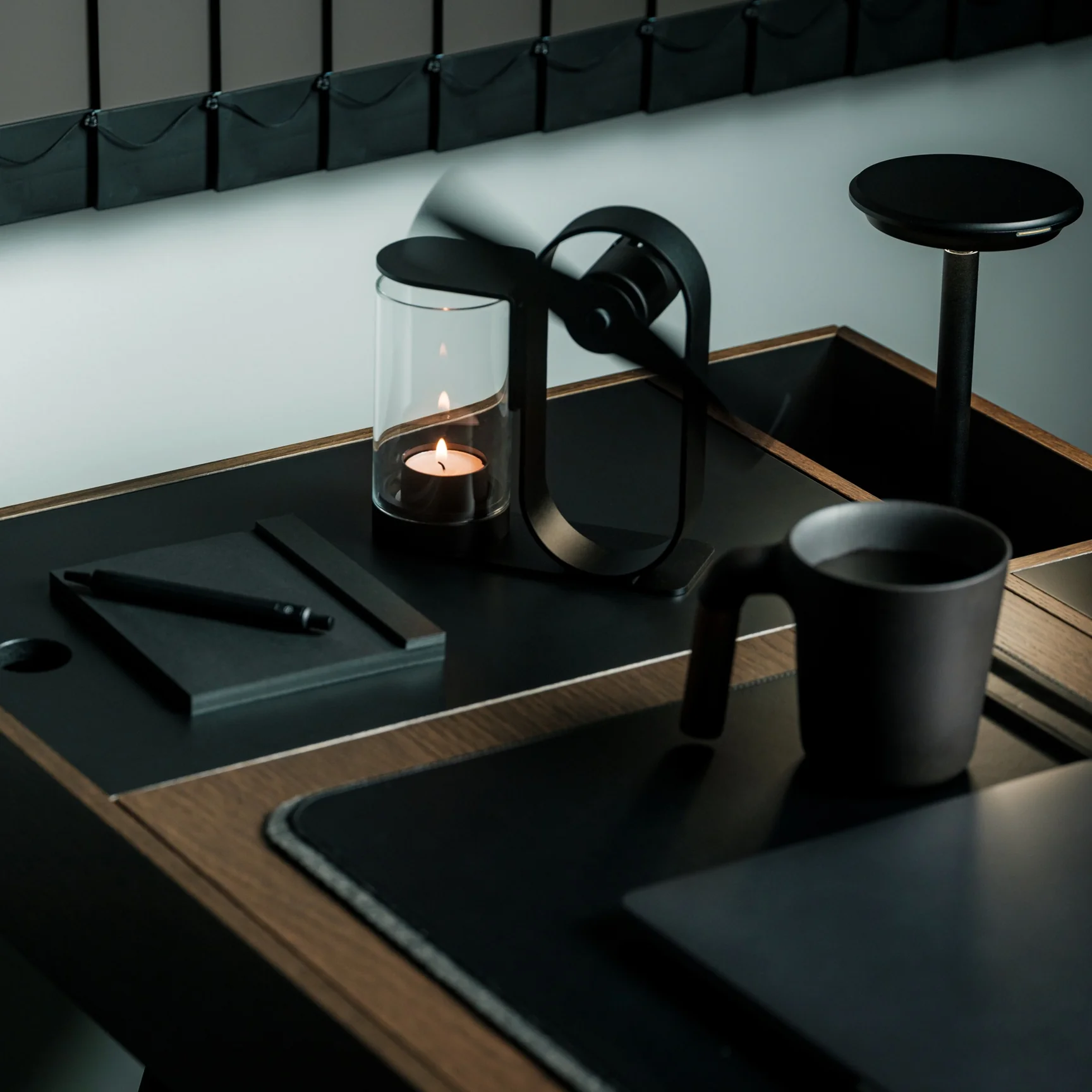
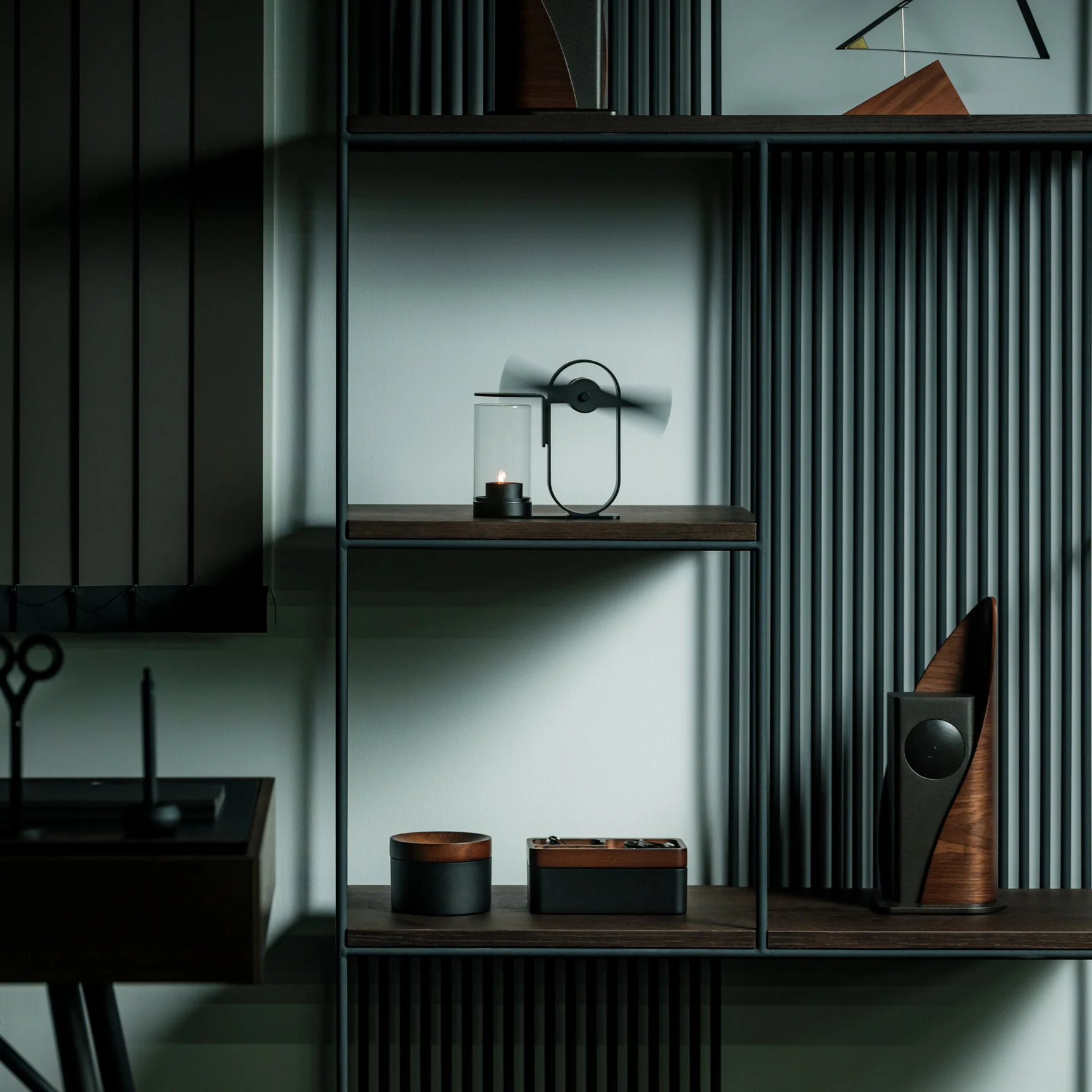
There’s something quietly satisfying about a design that doesn’t try to reinvent the wheel. Dai Furuwatari’s Pendulum Candleholder isn’t trying to be radical. It’s not minimalist for minimalism’s sake, and it doesn’t come loaded with a big brand story about disruption. It’s just a very thoughtful update to something that was already good, and that, to me, is the most interesting kind of design work there is.

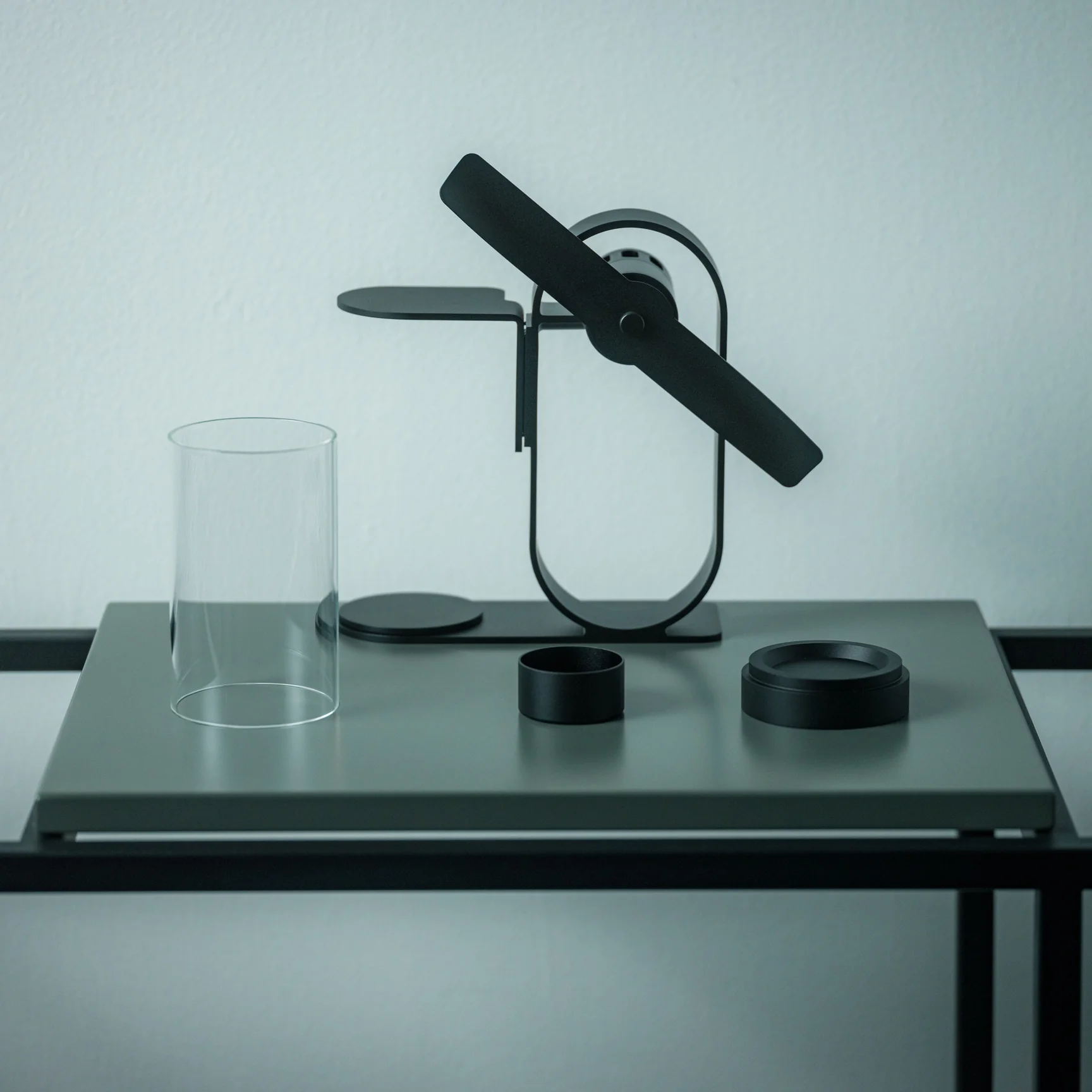
The backstory matters here. The piece is rooted in a traditional Japanese portable candleholder called a teshoku. Back in the 1600s, the teshoku was a luxury item, the kind of thing you’d find in the homes of the wealthy or inside temple halls. Candles were expensive, and the ability to carry light from room to room was a privilege. At some point, an unknown craftsman solved a simple but obvious problem: the teshoku got a long, horizontal leg that doubled as a handle, making it easier to pick up and carry without getting too close to the flame. It was a small addition that changed the whole experience of using it.

Designer: Dai Furuwatari

By the 1800s, paraffin candles made the whole thing more affordable, and the teshoku eventually found its way into everyday life. The design stayed more or less the same for centuries, which says something, because designs that stick around that long usually earn it.

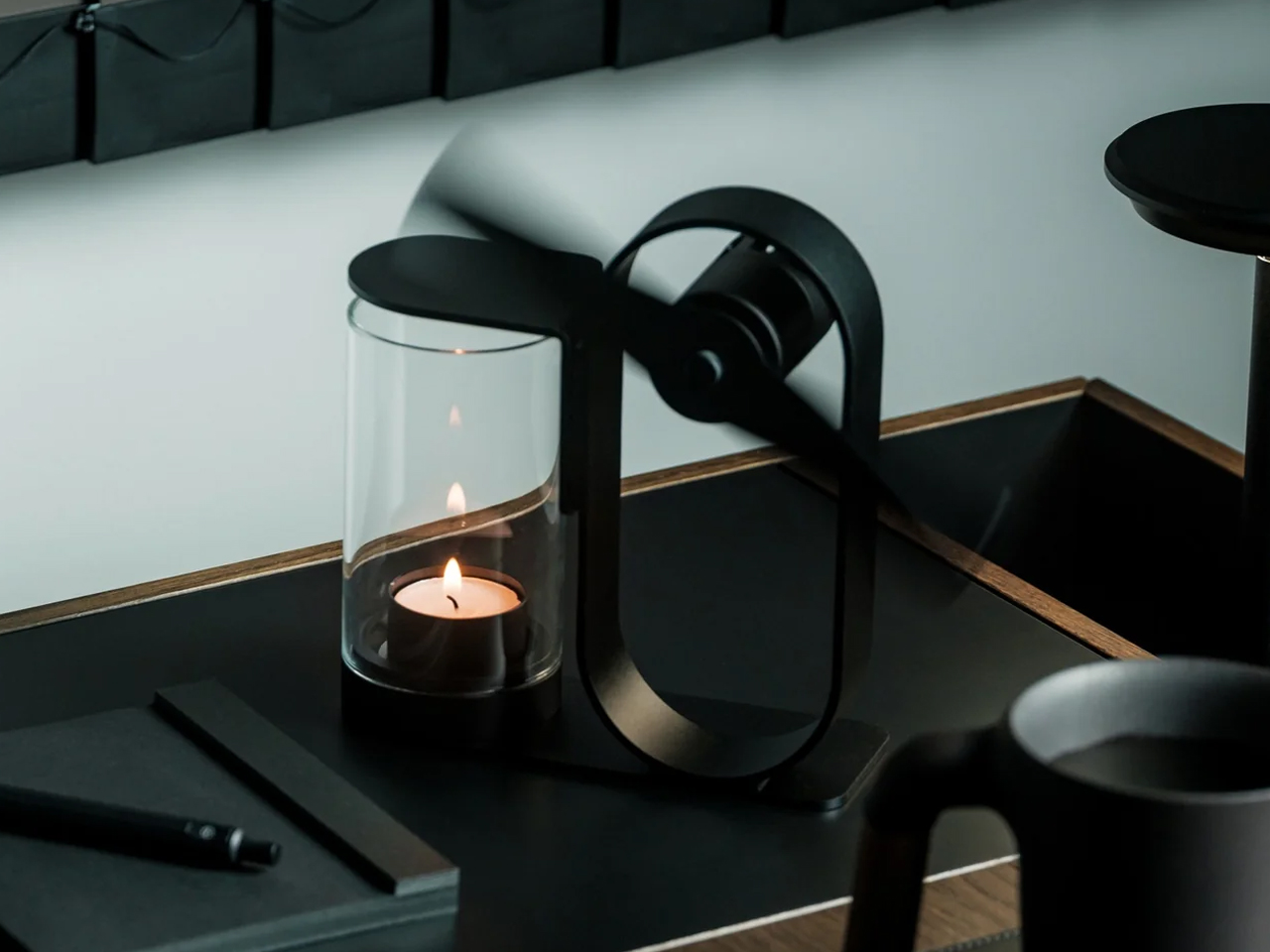
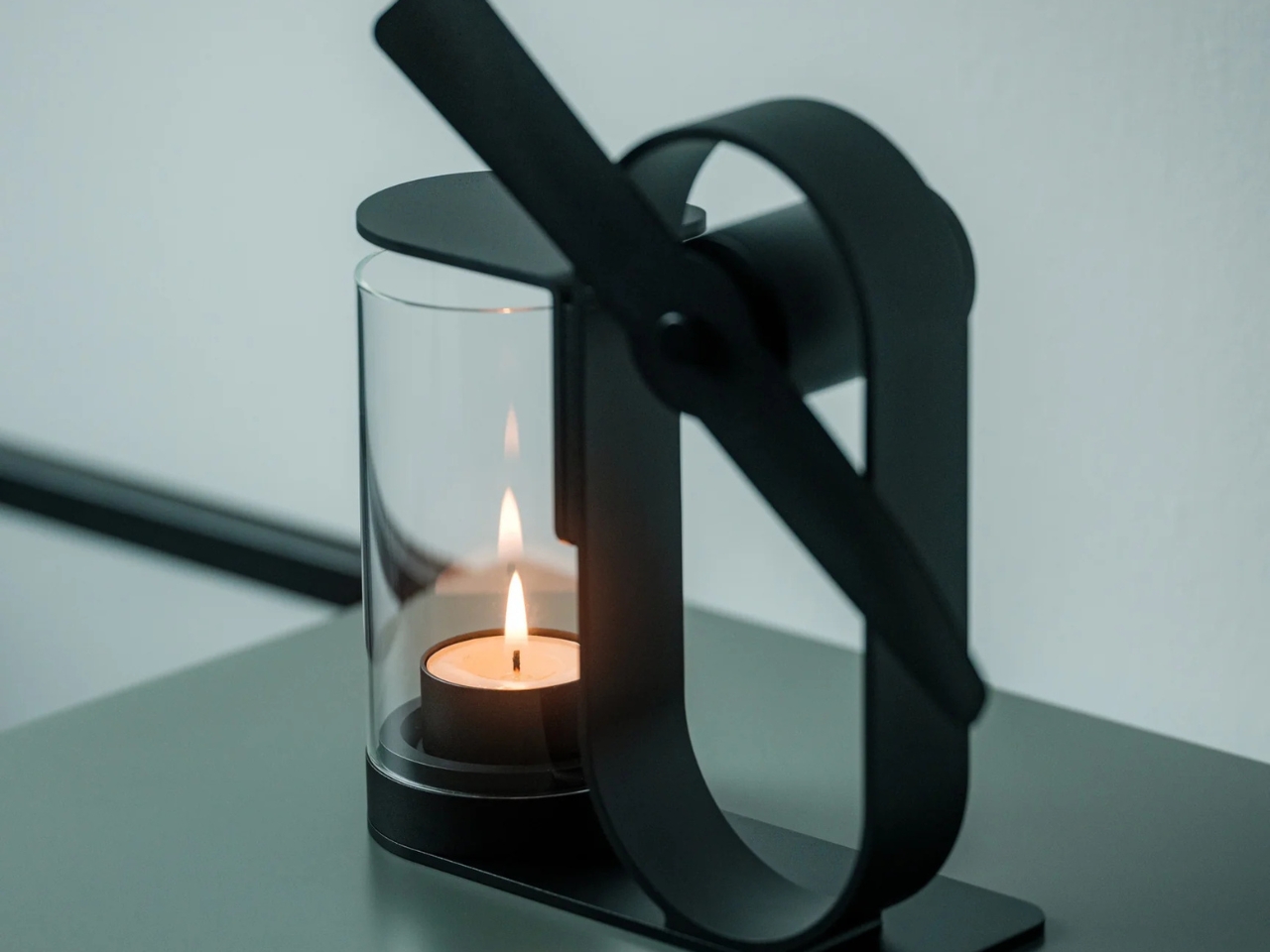
Furuwatari, a product designer who transitioned into ironwork, picked up the teshoku and asked what could still be better. His answer came in the form of two specific, considered improvements that feel less like features and more like realizations.

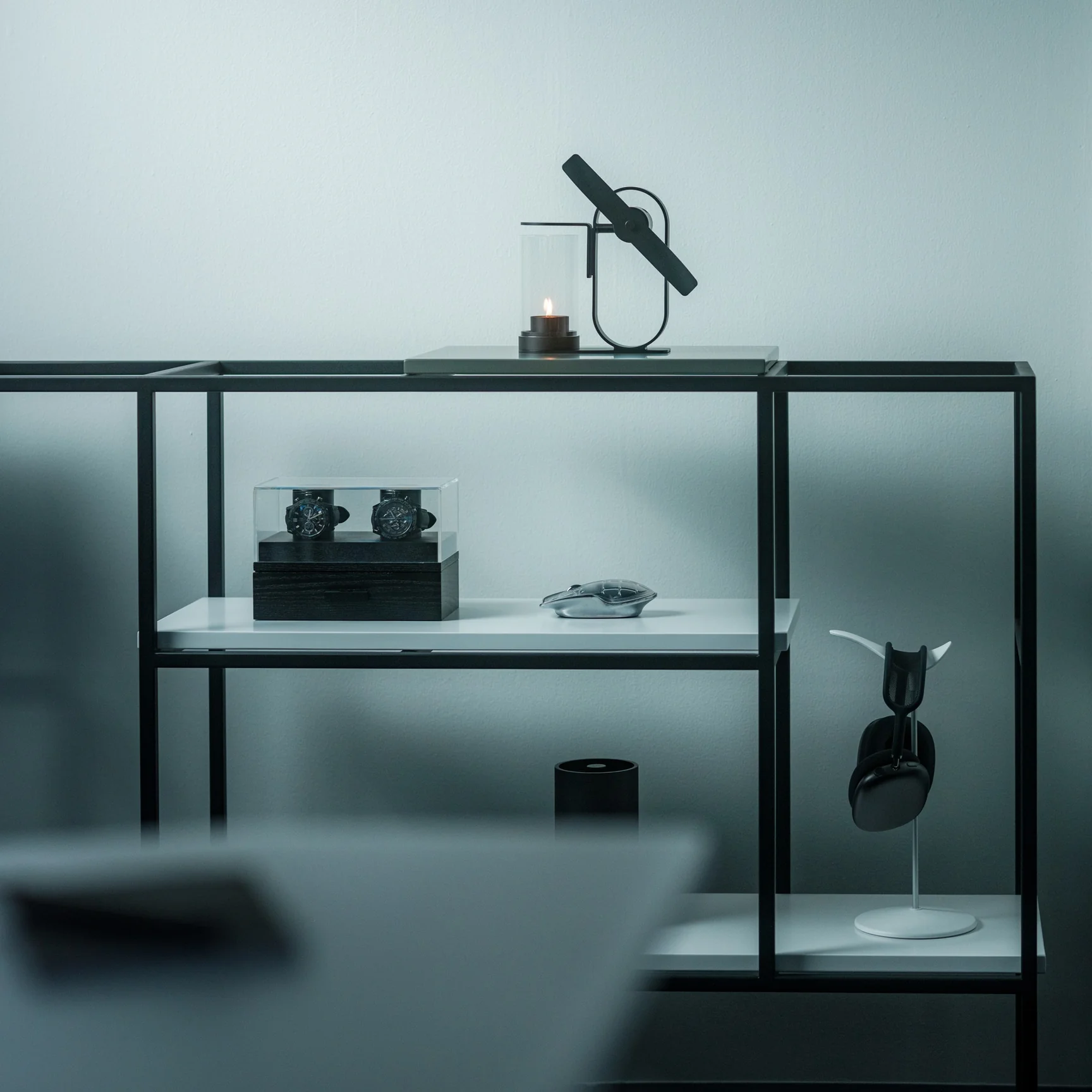
The first is that the long horizontal leg, that original carrying handle, now doubles as a hanging hook. It’s such an obvious extension of what was already there that you almost wonder why no one thought of it sooner. Being able to mount the candleholder on a wall opens up a completely different use case. Suddenly it’s not just portable, it’s also fixed lighting when you want it to be, which makes it far more versatile in how and where it can live.

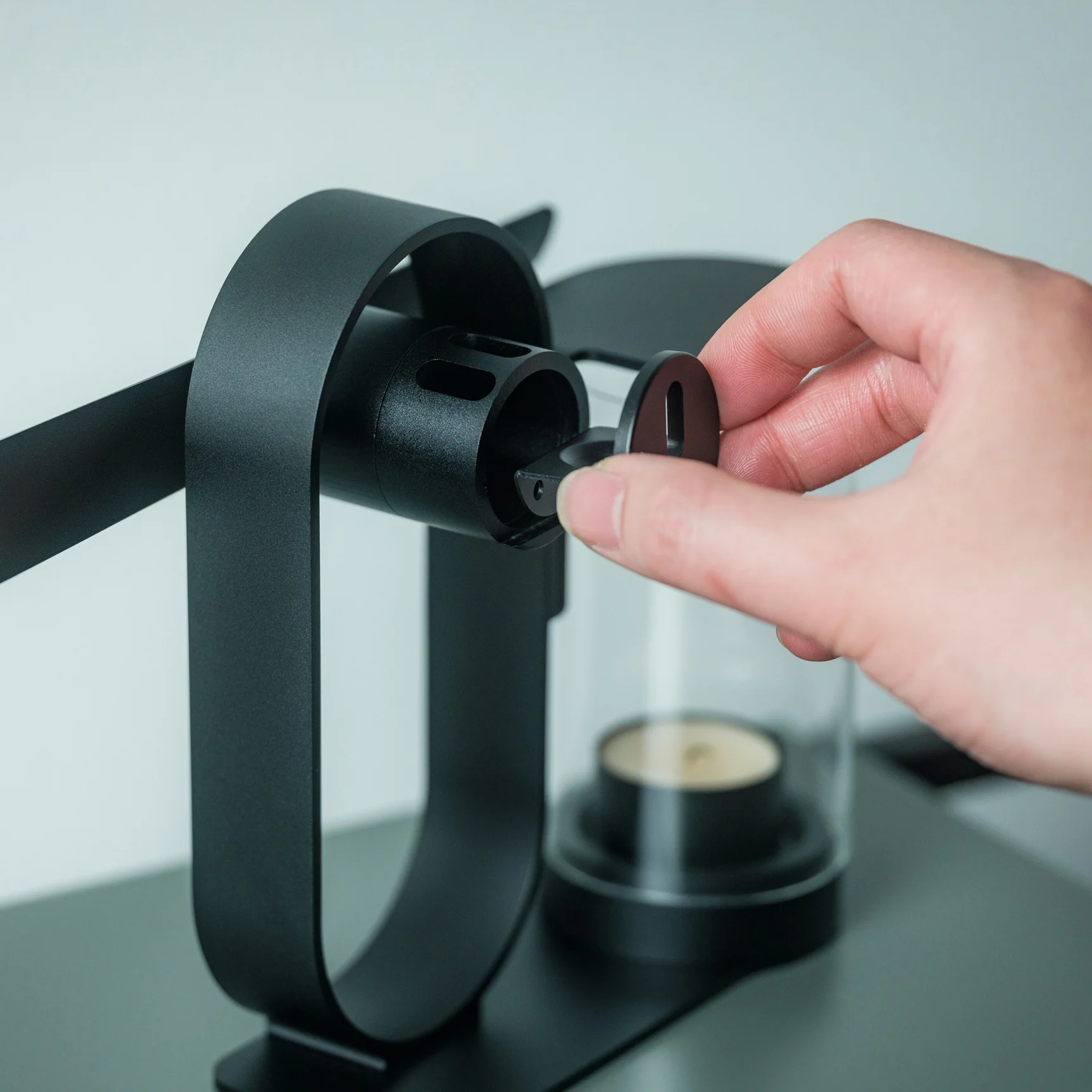
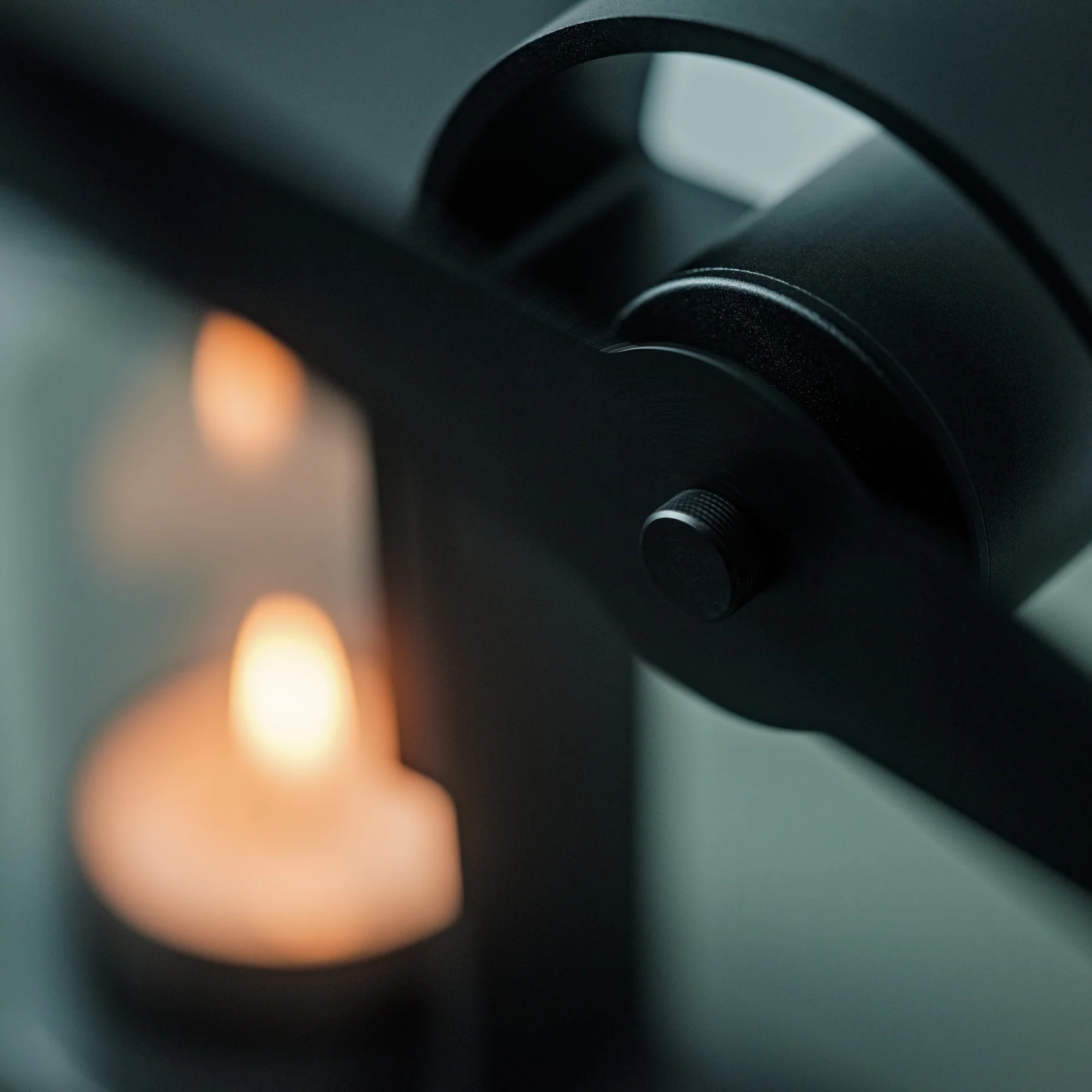
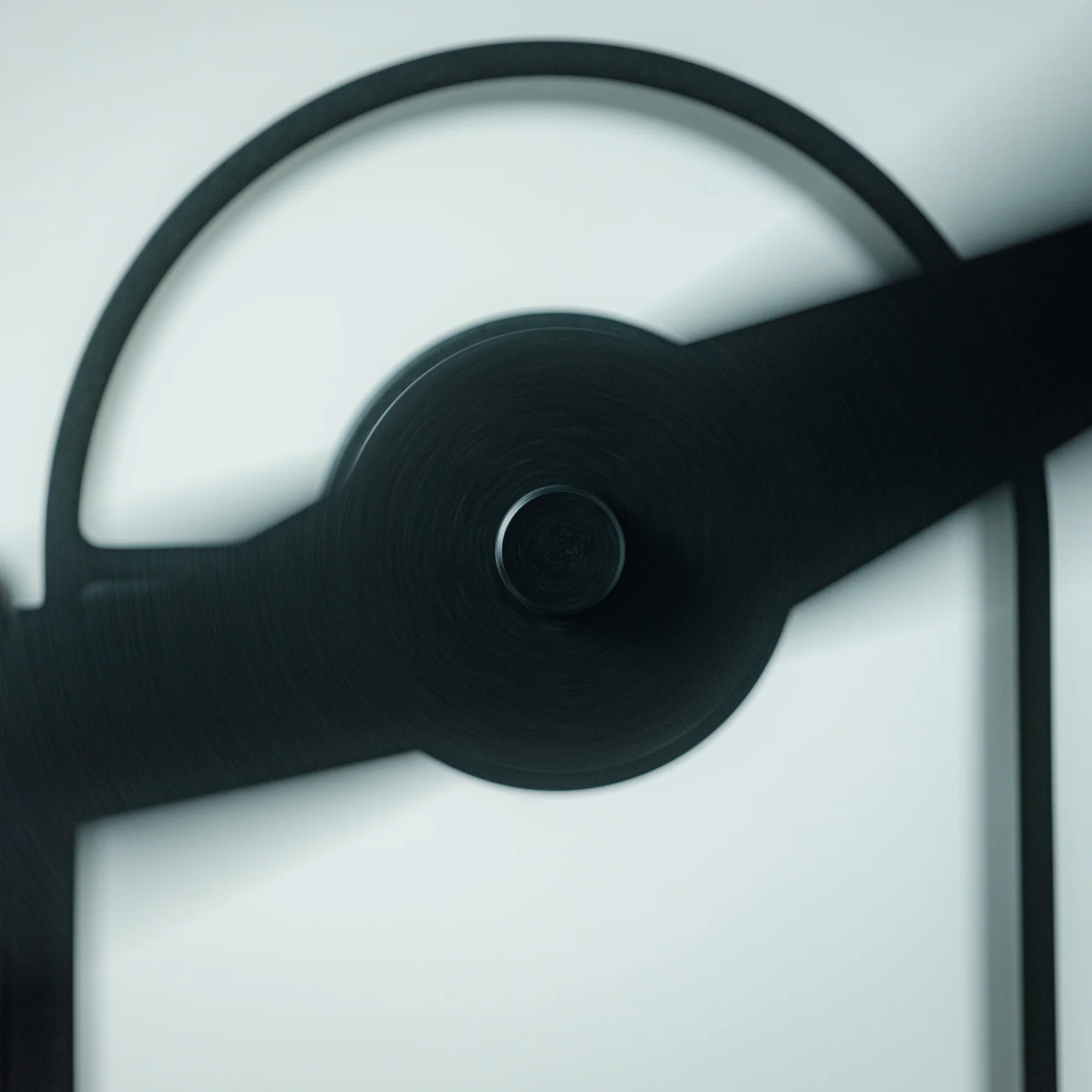
The second improvement is a pivot mechanism built into the piece. This allows the candle mount to be held at different angles depending on how you’re carrying it, which is genuinely useful. Carrying a lit candle without wax dripping everywhere is its own small skill, and a pivot that lets you adjust the angle takes a lot of the anxiety out of it. The candle mount is also removable, which makes cleaning it much easier.

What I appreciate most about this piece is that both changes are extensions of the original logic of the teshoku. They don’t override the design or force it to become something it isn’t. They follow the same thinking that shaped the object centuries ago: what is this person actually doing with this thing, and how can we make that experience a little less complicated? That’s user experience design at its most sincere, and it shows up in objects just as much as in apps or interfaces.

The Pendulum Candleholder is made to order by Furuwatari’s iron products company, To-Tetsu, and retails for $158. Each piece is handmade by a craftsman, which means delivery can take one to two months depending on order status. Iron is the material, and it will develop rust over time, which can be maintained and even enriched with periodic applications of linseed oil or beeswax. That aging process is part of the appeal if you’re into objects that change with use.

Is it practical in 2026? Not in the way a smart lamp is practical. But there’s a different kind of value in objects that connect you to a longer timeline of human ingenuity. Lighting a candle and carrying it across a room is a small act that people have been doing for centuries. Furuwatari’s version just makes it a little more graceful, and a little more considered, which is more than enough.

The post A 400-Year-Old Japanese Candleholder, Upgraded Again first appeared on Yanko Design.

What Happens When a Bag’s Inside Becomes Its Outside

The first thing you notice about MAQL is how deliberately sculptural it looks. The handbag sits with an almost architectural presence, its curved body and rolled edges creating a form that feels more like a ceramic vessel than a typical leather accessory. That impression isn’t accidental. This is a bag designed to be looked at as much as it’s meant to be used.

Created through a collaboration between Tokyo-based design studio Nendo and leather artisans Bag Makers Tokyo, MAQL is constructed from a single laminated piece of leather with grain leather on one side and suede on the other. The entire structure emerges from a process of strategic folding and peeling, where the rim is turned back on itself to gradually reveal what becomes the exterior surface and handles. It’s a bit like watching origami in reverse, where the final form contains evidence of every fold that brought it into being.

Designers: Nendo and Bag Makers Tokyo

The name comes from makuru, meaning “to peel, to reveal” in Japanese, and that action is visible in every part of the bag’s construction. Where the leather rolls back, you see both textures at once: the smooth, structured grain leather meeting the softer suede underneath. The handles aren’t attached separately. They’re continuous with the body, formed by the same peeling motion that creates the bag’s opening. There are no hidden seams trying to disguise how this was made. The stitching is exposed where it needs to be, marking the transitions between surfaces.

What makes the design compelling is how it plays with the idea of inside versus outside. Traditionally, a bag’s interior is something you only see when you open it, a hidden space with different materials and construction than what’s visible to the world. MAQL eliminates that boundary. The suede that would typically be tucked away as lining becomes part of the exterior surface. The grain leather that forms the outer body curves inward to create the interior walls. You’re constantly seeing both sides at once, which changes how you relate to the object.

This isn’t just conceptual posturing. There’s a practical elegance to the construction. Because the bag is formed from a continuous piece of material rather than multiple panels stitched together, it has a structural integrity that feels substantial in your hands. The rounded bottom gives it stability when set down. The rolled edges create a soft, almost cushioned grip. And because both leather surfaces are visible, you’re touching different textures depending on how you hold it, smooth grain on one side, soft suede on the other.

Nendo, the studio founded by Oki Sato in 2002, has built its reputation on creating these kinds of quiet surprises, designs that reveal themselves through use rather than immediate visual impact. MAQL fits that approach perfectly. It’s minimalist without being stark, sculptural without being impractical.

The design also taps into something deeper in Japanese aesthetics, this long-standing appreciation for craftsmanship that doesn’t need to announce itself. Think of the way a kimono’s lining might be more elaborate than its exterior, seen only in glimpses, valued by those who know to look. MAQL takes that same philosophy but inverts it, bringing hidden construction to the surface where it becomes part of the design language.

The bag comes in a muted palette, mostly earth tones and soft neutrals that let the form and texture do the talking. There’s a larger version that works as a proper handbag and smaller iterations that function almost like pouches. Each size maintains the same folded construction, the same interplay between grain and suede, the same sense of a form that emerged organically from the material itself rather than being imposed upon it.

In a market saturated with bags that compete on logos and brand recognition, MAQL stands out by offering something different: visible craftsmanship, thoughtful construction, and a form that asks you to pay attention to how things are made. It’s not trying to signal anything beyond its own careful execution. For people who care about design, that’s more than enough.

The post What Happens When a Bag’s Inside Becomes Its Outside first appeared on Yanko Design.
The Furniture That Looks Like It’s About to Walk Away

There’s a particular kind of design that stops you mid-scroll and makes you think: wait, what exactly am I looking at? That’s exactly what happened when I first came across the Barefoot Collection by Jorge Suárez Kilzi. At first, you register dark, richly grained wood. Beautiful, but expected. Then your eyes drift downward to the legs, and something shifts. They’re not straight. They’re not tapered. They’re curved, splayed, mid-stride, like a large foot caught in the quiet moment between lifting and landing. It’s subtle enough to feel elegant. It’s strange enough to feel unforgettable. That, to me, is the sweet spot.

Jorge Suárez Kilzi, who signs his work under his mother’s Syrian surname as a personal tribute, is a Barcelona-based architect and designer whose story is inseparable from what he makes. Born in Venezuela to a Spanish father and Syrian mother, he spent his childhood in constant movement, crossing cultures and countries, learning early on that the objects you carry with you carry meaning far beyond their function. That nomadic upbringing, he has said, taught him to see life from more than one angle, and that perspective filters directly into the furniture he creates. He also spent time in Japan working with SANAA and architect Junya Ishigami, and you can feel that influence in how restrained and quietly deliberate his work is.

Designer: Jorge Suárez Kilzi

The Barefoot Collection grew out of a single idea: a coffee table designed to look like it was walking. The legs, built from solid wood and shaped to simulate the arc and flex of a bare foot mid-step, give the piece an uncanny sense of momentum. The top surface stays completely calm and rectilinear. That contrast is the whole point. Stillness above. Motion below. It’s a tension that shouldn’t work as well as it does, and yet here we are.

What I find genuinely compelling about this collection is that it resists the urge to explain itself too loudly. A lot of conceptual furniture falls into the trap of being more interesting to talk about than to actually live with. Barefoot doesn’t do that. You could sit a cup of coffee on it and forget it was ever supposed to mean something. Then a guest walks in, does a double-take, and suddenly you’re having a conversation about impermanence and what it means for a home to change over time. The piece earns that conversation by earning its place in the room first.

The collection has since expanded beyond the original coffee table to include a dining table and a bench, each carrying the same foot-like base into a different scale and context. The dining table version, in particular, has a presence that borders on sculptural. Placed beneath a colorful, painterly work, it holds its own without competing. The bench, spotted in one campaign image walking alongside a tree-lined street in what looks like Tokyo, has a lightness to it that almost reads as humor. Almost. The craft is too careful for it to be purely a joke, and Kilzi clearly intends both readings to coexist.

There’s also something worth noting about how the collection is built to adapt. The design can be reinterpreted across dimensions and formats to suit different interior projects, which is a practical flexibility that a lot of collectible furniture doesn’t bother offering. It acknowledges that real spaces have real constraints, and that a beautiful object with no room to negotiate isn’t as beautiful as it could be.

Kilzi has described his studio as one driven by the desire to create honest objects that coexist naturally with the body and space, not as decorative gestures but as presences that remain. The Barefoot Collection feels like the clearest expression of that to date. It doesn’t demand your attention. It just stays, quietly, on its four walking feet, reminding you that the room you’ve always lived in is still capable of surprising you. That’s a rare thing for a table to pull off.

The post The Furniture That Looks Like It’s About to Walk Away first appeared on Yanko Design.
The Boop Chair Looks Inflated But It’s Completely Solid

There’s something about a really good design idea that makes you wonder why nobody thought of it sooner. The Boop Chair by Bored Eye Design is one of those things. It’s hot pink, it looks like it was inflated rather than built, and the entire concept was born at a child’s birthday party. Of all the places great furniture design could originate, that might be my favorite origin story yet.

The designer describes Boop as a chair “inspired by the balloons at my daughter’s birthday party, exploring ideas of inflation and softness through a solid design form.” That one sentence is doing a lot of heavy lifting, because what it really describes is a fundamental design paradox: something that looks soft but is rigid, something that evokes weightlessness but is undeniably structural. That contradiction is exactly where the Boop Chair earns its place in a conversation about serious design.

Designer: Bored Eye Design

Looking at the photos, the first thing that hits you is the color. That specific shade of hot pink, somewhere between magenta and neon, has a glossy finish that reads almost wet. It’s the kind of color that demands attention and refuses to apologize for it. But once you get past the color, the form starts to do its own talking. The legs are thick, rounded cylinders with perfectly domed ends, like oversized capsule pills or, yes, tied-off latex balloons. The seat and backrest are thin, curved planes that flow into each other, creating that familiar seat-to-back transition in a way that looks draped rather than engineered. The contrast between the chunky, inflated legs and the almost paper-thin seat is where this chair gets genuinely interesting.

What Bored Eye Design is tapping into here is a visual language that our brains have spent decades associating with joy, celebration, and the unself-conscious fun of childhood. Balloons don’t carry weight, at least not literally. They float, they bounce, they squeak under your fingers. Translating that feeling into something you can actually sit on takes a certain kind of design confidence. The chair doesn’t just reference balloons aesthetically. It commits to the bit entirely, and because of that commitment, it actually works.

It also fits into a broader cultural moment that design has been circling for a few years now. The puffy, inflated aesthetic has been showing up everywhere from high fashion to tech product design, a pushback against the years of ultra-minimal, razor-edged everything. There’s something genuinely appealing about rounded forms right now, forms that feel approachable and almost tactile even before you touch them. Boop lands squarely in that conversation, but with a personal story underneath it that gives the piece more grounding than a trend exercise would.

The disassembled shot is worth mentioning too. Seeing the chair broken down into its parts, the curved body laid flat and the capsule legs scattered around it alongside small metal pins, makes the whole thing feel even more considered. Those legs could be balloon animals. That seat could be a folded ribbon. It’s playful but precise, which is a genuinely hard combination to pull off.

I’ll admit my first reaction was something close to delight, which isn’t always my first reaction to furniture. Usually there’s more evaluation, more asking whether I’d actually want it in my home. With Boop, I found myself skipping past that entirely and just enjoying the thing. Whether or not it’s comfortable (and given the rigid seat, that’s a reasonable question), it functions as a piece of design that communicates something specific and does it with total conviction. Not every chair needs to be practical. Sometimes a chair just needs to make you feel something.

That this started because someone was watching balloons at a kid’s birthday party and let that moment become a full design concept is the part that sticks with me most. The best creative ideas often come from paying attention to ordinary moments. Bored Eye Design clearly paid attention.

The post The Boop Chair Looks Inflated But It’s Completely Solid first appeared on Yanko Design.
A 473-Square-Foot Tiny House That Actually Fits a Family of Four

Most people picture a tiny house as a romantic retreat for one or two people with very few belongings and an even smaller grocery budget. The Zenith by Vagabond Haven is here to argue otherwise. Built by the Sweden-based design studio behind some of the most thoughtfully crafted small homes in Europe, the Zenith is a non-towable tiny house that takes aim at a demographic the tiny house movement has largely ignored: families. Not just couples, not just digital nomads, but actual families with kids, toys, and the basic human need for a door that closes.

At 11 meters long and 3.45 meters wide (about 36 by 11 feet), the Zenith stretches the definition of “tiny” just far enough to make it livable for more than one person. The total living area clocks in at 44 square meters, or roughly 473 square feet. That’s generous for a tiny house, and the layout makes every inch count.

Designer: Vagabond Haven

The Zenith is an evolution of Vagabond Haven’s earlier Sky model. Where the Sky kept things minimal, the Zenith brings in a second sleeping space in the form of an overhead loft, a dedicated flex room that can serve as a walk-in closet or a child’s bedroom, and a larger kitchen designed for actual cooking rather than survivalist meal prep. These aren’t small upgrades. They’re the kind of design decisions that signal a shift in who the tiny house market is really meant to serve.

The exterior is finished in engineered wood with an aluminum roof, which gives it a clean, modern aesthetic without the sterile coldness of a shipping container conversion. Big windows and skylights run throughout the interior, keeping the space feeling open even when square footage isn’t exactly on your side. Natural light is doing a lot of heavy lifting here, and it shows.

Inside, the main bedroom sits on the ground floor, which is a meaningful detail for anyone who’s ever tried to navigate a steep loft ladder at 2 a.m. The bathroom doesn’t cut corners either. It features wet room-approved walls from Fibo panels, a glass shower cabin, a generous countertop, and space under the vanity for a washing machine. Vagabond Haven also gives buyers a choice between flush, composting, Separett, or incinerating toilets, which speaks to the range of customers they’re designing for, from sustainability-minded homeowners to those building on remote land without conventional hookups.

Storage is woven into the design at every turn rather than treated as an afterthought. The floor plan has a logical flow to it, the kind that only comes from spending real time thinking about how people actually move through a home. The flex room in particular is one of the smarter elements, giving the layout breathing room for families at different stages of life.

On the utilities side, the Zenith can be configured with a solar system, a rainwater harvesting setup, a heat recovery ventilator, and electric or gas hot water heating. It’s a house that can run largely off the grid if that’s what you’re after, or connect to standard services if you’d rather keep things conventional. Vagabond Haven offers eurowide delivery, which means this isn’t just a Scandinavian fantasy but a genuinely accessible option for buyers across the continent.

Pricing starts at around €53,380 before VAT, which puts it well below the cost of a traditional home in most European cities and in the same ballpark as a high-end campervan, except with considerably more dignity and a door that locks from the inside.

The tiny house movement has spent years proving that you can live with less. The Zenith makes a slightly different case: that you can live with less space without actually giving up the things that make a house feel like a home. For families who’ve been watching the tiny house trend from the sidelines and wondering if there’s something in it for them too, the Zenith might finally be the answer they’ve been waiting for.

The post A 473-Square-Foot Tiny House That Actually Fits a Family of Four first appeared on Yanko Design.

Arcade Game-shaped Wooden Cabinet Plays Vinyl Vertically and Cassette Tapes

There’s something genuinely exciting happening in the world of audio design, and it comes packaged in warm wood and a beautifully nostalgic aesthetic. Swedish artist and craftsman Love Hultén has just unveiled a wooden music cabinet that does something no one really asked for, but everyone immediately wants: it plays vinyl records vertically while also housing a full collection of cassette tapes.

Yes, vertically. Your records, standing upright, spinning in a way that feels both physically unlikely and somehow completely right. It’s the kind of design move that makes you stop scrolling, tilt your head, and go, “Wait, how?”

Designer: Love Hultén

Hultén has built a reputation for creating custom, handcrafted audio devices that sit at the crossroads of art, furniture, and technology. His past work includes a synthesizer housed inside a wooden cabinet, retro-inspired tape players, and all manner of beautifully tactile objects that feel more like heirlooms than gadgets. The wooden music cabinet is very much in that tradition, except it’s one of his most complete visions yet.

The cabinet itself is built from rich, natural wood, giving it the warmth and weight you’d expect from a well-made piece of furniture. But the front panel around the record player breaks from the organic material and shifts into light gray metal, a nod to an older vision of futurism. It’s a contrast that works surprisingly well, the wood grounding the piece while the metal gives it a certain retro-industrial cool.

Sound control comes through a row of small, round knobs at the top of the panel, each one labeled for high, mid, and low. Flanking them on both sides are speaker holes arranged in a clean grid pattern, the kind of detail that feels satisfyingly considered. Nothing is there by accident. Everything has a place.

Below the turntable, the cabinet opens up into storage for cassette tapes, with several colorful ones arranged neatly in rows, also stacked vertically to mirror the record player above. The storage section holds up to 12 records. The whole layout feels like Hultén thought carefully about the ritual of listening, giving both formats their own dedicated space without either one feeling like an afterthought.

The design draws clear inspiration from the Rosita Commander Luxus, a 1970 audio unit with that signature high-chair silhouette and a decidedly mid-century European flair. Hultén’s version carries that same upright, almost architectural posture but updates it with his own sense of craft and intention. The result is something that belongs in a well-curated living room or a design studio, not tucked under a TV stand or shoved in a corner.

What makes Hultén’s work so compelling is that it refuses to be just one thing. It’s not purely nostalgic, leaning entirely on the romance of physical media. It’s not purely modern either, chasing specs and wireless connectivity. It lives in the middle, treating analog formats as something worth celebrating rather than merely tolerating, and wrapping them in an object that demands to be looked at as much as listened to. Hultén himself has described his practice as playing with preconceptions about the distinct realms of art and design, breaking patterns of function and aesthetics.

There’s also something worth noting about the moment we’re in. Vinyl sales have been climbing steadily for years, and the cassette tape revival has moved from niche curiosity to genuine cultural moment. Hultén’s music cabinet arrives at exactly the right time, when people aren’t just listening to physical media again but actively thinking about how it fits into their spaces and their identities.

A music cabinet like this isn’t just a player. It’s a statement about what you value, a rejection of invisible, streaming-era audio in favor of something you can touch, organize, and display. It’s the kind of object that starts conversations, the kind people notice the moment they walk into your room. No price or availability has been announced yet, which tracks for a piece this considered. Love Hultén’s creations tend to be custom or limited, made with the patience and intention that mass production simply can’t replicate. Whatever the wait turns out to be, it might just be worth it.

The post Arcade Game-shaped Wooden Cabinet Plays Vinyl Vertically and Cassette Tapes first appeared on Yanko Design.

Two Artists Wrapped a Farm Greenhouse in a Giant Quilt

Every winter, Minneapolis does something the rest of the country quietly envies. Instead of hibernating indoors until spring shows up, the city drags its creativity out onto the frozen surface of Lake Harriet and builds a village. Not a regular village, though. An art village, made up of artist-built structures, performances, and interactive installations that take over the ice for four consecutive weekends. That’s the spirit behind Art Shanty Projects, now celebrating its 20th anniversary season, and it gets better with every passing year.

For 2026, one installation has been making the rounds online for all the right reasons. Artists Emily Quandahl and Madeline Cochran were commissioned to create a structure of their own, and what they came up with is genuinely one of the most charming things you’ll see all year. They called it the Quilt Shanty, and the name does exactly what it says.

Designers: Emily Quandahl and Madeline Cochran

The structure is a hoop house, the kind you’d typically find on a farm protecting crops from the cold, wrapped entirely in a patchwork quilt. Big, bold, colorful squares stretch across the curved surface of the frame, sitting right there on the frozen lake like someone dragged their grandmother’s most treasured blanket outside and built a room around it.

The concept is rooted in the tradition of barn quilts, those large painted quilt-pattern squares that farmers in rural America hang on the sides of their barns. Quandahl and Cochran took that idea and made it three-dimensional and tactile. The quilt itself measures 9 feet by 16 feet and is made from quilt squares that Quandahl designed and constructed by hand, pulling materials from her own studio: leftover painting scraps, drop cloth, and colored vinyl. Cochran contributed illustrated muslin pieces featuring folk-style drawings, as well as wood-burned quilt tiles that add another layer of texture and craft to the whole thing.

What makes it stand out beyond its visuals is the way it pulls people in. The installation is interactive. Visitors can sit inside, pick up quilt-square puzzle pieces, and assemble their own designs. Cochran designed the wood-burned puzzle pieces, and Quandahl created a colored vinyl trifold key to help guide the activity. It’s the kind of participatory experience that makes you slow down and actually engage, rather than just snap a photo and move on, though you will absolutely want to snap a photo.

The two artists bring complementary practices to the table. Quandahl works primarily in painting, while Cochran takes a multimedia approach that frequently incorporates textiles and weaving. Their collaboration feels natural because of that balance, one thinking in structure and surface, the other in fiber and folk tradition. Together, they’ve created something that doesn’t feel like a design project as much as it feels like an invitation.

There’s also something quietly meaningful in the choice of a hoop house as the base form. Hoop houses are agricultural structures, tied to growing seasons and the cycle of land. By covering one in a quilt and placing it on a frozen lake in the middle of winter, Quandahl and Cochran are drawing a line between rest and care, between the quiet dormancy of cold months and the warmth of human hands making things. The installation celebrates rural craft traditions like quilting, embroidery, woodcarving, and wood burning, while highlighting the seasonal cycles of rest and care when the land is quiet. These are old skills finding renewed appreciation in contemporary art and design circles, and seeing them applied to a public installation on a frozen lake feels exactly right.

This is exactly the kind of project that reminds you why public art matters. It doesn’t ask anything complicated of you. It just shows up on a frozen lake, colorful and open, and invites you to come inside. That accessibility, that warmth in the middle of all that ice, is no accident. It’s the whole point. If you haven’t heard of Art Shanty Projects before now, consider this your introduction. And if you’re anywhere near Minneapolis this winter, there’s a patchwork hoop house on Lake Harriet waiting for you.

The post Two Artists Wrapped a Farm Greenhouse in a Giant Quilt first appeared on Yanko Design.

Box Clever Just Designed the Air Purifier Offices Want on Desks

There’s a particular kind of object that design-minded people notice when they walk into a room. Not the artwork on the wall or the fancy ergonomic chair. It’s the small, considered thing sitting on a desk or a conference table that makes you stop and think, “wait, what is that?” The Delos WellCube is that kind of object.

Created by San Francisco-based studio Box Clever in collaboration with wellness technology company Delos, the WellCube represents a design challenge that most air purifier manufacturers have been getting wrong for years: how do you make something people actually want in their workspace instead of something they tolerate?

Designer: Box Clever

The brief was specific. Delos has spent more than a decade researching the relationship between indoor environments and human health, and they wanted to create the first connected platform of hyper-localized air purifiers designed specifically for the modern office. Eight built-in sensors. HEPA filtration. Real-time environmental monitoring. All the technical capabilities you’d expect from a serious wellness device.

But here’s where it gets interesting. Box Clever’s job wasn’t just to house all that technology in a box. It was to create something that employees, facilities managers, and companies would genuinely choose to place on desks and in shared spaces. Something that doesn’t broadcast “corporate compliance equipment” the second someone walks into a room. The result is a study in how thoughtful industrial design can completely reframe a product category.

The WellCube sits compact on a desk or table, roughly the size of a Bluetooth speaker. It delivers 99.97% filtration efficiency at 0.3 microns, covering up to 250 square feet while operating at a whisper-quiet 32 to 52 dBA. Those eight sensors track air quality, temperature, humidity, occupancy, lighting levels, and noise simultaneously, creating what Delos calls an insightful view of the invisible health of office spaces.

But what makes this design competition-worthy is how Box Clever handled the exterior. The outer layer is a soft, interchangeable fabric cover that completely transforms the visual language of what an air purifier can be. Instead of looking clinical or industrial, it reads as approachable and residential. The fabric isn’t just aesthetic either. It doubles as access to the replaceable filters inside, so maintenance stays simple and unobtrusive. Companies can customize the cover to match any environment’s color palette, which means the same device can feel at home on a personal desk, in a collaborative meeting space, or in an executive conference room.

The design development process tells the real story. Box Clever’s documentation shows walls covered in sketches, early foam models exploring different proportions, material samples testing various fabric weights and textures, and iteration after iteration before landing on dimensions that feel, as the team describes it, just right. It’s the kind of rigorous, unsexy work that separates objects that merely look designed from objects that are actually designed all the way through.

What elevates this project beyond a typical product redesign is how seriously both teams took the challenge of balancing technical performance with human-centered design. Office wellness technology typically falls into one of two traps: highly capable but clinical-looking, or beautiful but functionally superficial. The WellCube pushes back on that false choice entirely. The sensor data does more than just measure. It feeds real-time information that helps facilities managers and companies optimize spaces for healthier outcomes, room by room, desk by desk. Think of it as giving buildings the ability to communicate what they actually need. But that sophisticated backend never makes the device itself feel complicated or intimidating to the people using the space.

This is exactly the kind of design thinking that contests and showcases exist to highlight. It’s not just about making something look better. It’s about fundamentally rethinking what a product category can be when you start with human needs instead of engineering specifications. If the future of office wellness is going to look anything like this, it’s going to be a lot more inviting than the sterile solutions we’ve been stuck with. And a lot better looking on your desk.

The post Box Clever Just Designed the Air Purifier Offices Want on Desks first appeared on Yanko Design.
Gorgeous Audio-Technica Turntable Concept is worthy of being in an Art Gallery

If you’ve ever looked at your turntable and thought it could be on a museum shelf, you’re not alone. Hive Industrial, a design studio with a real track record working with Audio-Technica, went ahead and made that thought into a full concept. And once you see it, it’s genuinely hard to look away.

The ID Concept for Audio-Technica isn’t one turntable. It’s a family of forms, all sharing the same design DNA, all pushing the question of what a vinyl player can be when you stop treating it purely as audio equipment and start treating it like a sculptural object. The concept explores three distinct configurations: a flat tabletop version that opens like a precision box, a wall-mounted version where the record faces outward behind a tinted panel, and a vertical format where the disc and player stand together like a piece of framed art.

Designer: Hive Industrial

What makes it immediately striking is the geometry. Hive Industrial built the whole concept around a T-shaped extrusion, a form language that is clean and architectural without trying too hard. There are no soft curves begging for your attention, no retro-inspired wood paneling chasing nostalgia points. The shapes are confident and geometric, almost brutalist in their directness, which is exactly what makes them feel both modern and collectible.

The colorways are doing a lot of heavy lifting, too. The terracotta red version reads bold and warm, the kind of piece that anchors a room the moment you place it down. The forest green edition has a more muted, considered quality that would sit comfortably alongside design-forward furniture. The gray and silver variant is crisp and precise. Then there is the wall-mounted orange-tinted version, which looks less like audio gear and more like something you would find at a gallery opening with a four-digit price tag on the label. Each colorway feels like a deliberate creative decision rather than a marketing checkbox.

The controls are minimal by design. Along the side spine of each unit, you get a volume slider, a start/stop toggle, a 33 and 45 RPM selector, and an open mechanism. That is it. Nothing clutters the surface. The speaker grille, punched with a tight grid of circular perforations, sits flush into the body and reads almost as texture rather than hardware. The Audio-Technica triangle logo appears on each version, etched or applied with restraint, which is exactly how branding should be handled on a piece this considered.

The wall-mounted interpretation is the one that really challenges your expectations. Getting a turntable off the desk and onto the wall is not a new idea, but presenting the record itself as a visual element, visible through a color-tinted panel that doubles as the lid, is genuinely fresh territory. The record becomes part of the display. When the player is in use, you would be watching it spin behind that translucent orange surface, which is the kind of detail that takes something from useful to memorable.

Hive Industrial has a real history with Audio-Technica. The studio’s portfolio includes several actual products for the brand, including headphones that have shipped to real consumers. So this concept is not just a fantasy render from someone who has never held a stylus. It comes from a team that understands Audio-Technica’s design vocabulary and is asking, quite deliberately, what the next chapter of that vocabulary could look like.

Vinyl’s so-called revival has been going strong for well over a decade now. Sales have climbed consistently, and the audience has expanded well beyond classic rock collectors and dedicated audiophiles into a much broader group of people who simply want something more intentional than a streaming playlist. That audience, which has grown up caring about how things look as much as how they sound, is exactly who a concept like this speaks to.

Whether this ever makes it to production is an open question. But that is almost beside the point. Concepts like this matter because they move the conversation forward and remind you that even an object as established and beloved as a turntable still has room to surprise you.

The post Gorgeous Audio-Technica Turntable Concept is worthy of being in an Art Gallery first appeared on Yanko Design.