10 Proven Tips for Creating a Sustainable and Eco-Friendly Garden

Sustainable gardens aim to reduce human impact on the planet by conserving natural resources and minimizing waste. Embracing these practices can contribute to a happier, healthier Earth. As one engages in activities like potting, pruning, and maintaining green space, one should contemplate adopting more eco-friendly gardening habits, as sustainable gardening is more achievable than one might imagine.

Image courtesy of: puhimec

Why is Sustainable Gardening important?

Amid a global green revolution, sustainable gardening plays a crucial role in minimizing pollution and chemical risks associated with various activities, particularly food production. By embracing sustainable gardening practices, one not only contributes to environmental protection but also safeguards health from potential chemical hazards. The shift towards ‘sustainable gardening’ not only diminishes our carbon footprint but also encourages healthier eating habits. The fruits and vegetables cultivated at home are devoid of pesticides and other preservatives typically employed in mass production, thus preventing harmful chemicals from entering your body and maintaining environmental well-being.

Image courtesy of: DisobeyArtPh

Planting a sustainable garden with native and local species prevents the spread of invasive weeds into natural areas, reducing the need for chemical pesticides and herbicides. Aditionally, sustainable gardens play a crucial role in preventing water pollution by recognizing the significance of water as a valuable resource. Unlike traditional gardening practices, sustainable gardening avoids the use of additives that could contaminate the water supply. Here are ten ways to make your garden more sustainable:

1. Go Organic

The initial action involves transitioning to organic methods and minimizing chemical usage in your garden. Begin by ensuring high-quality soil abundant in nutrients through the addition of natural compost. If the plants are affected by insect pests or plant diseases, it is important to address them using organic remedies.
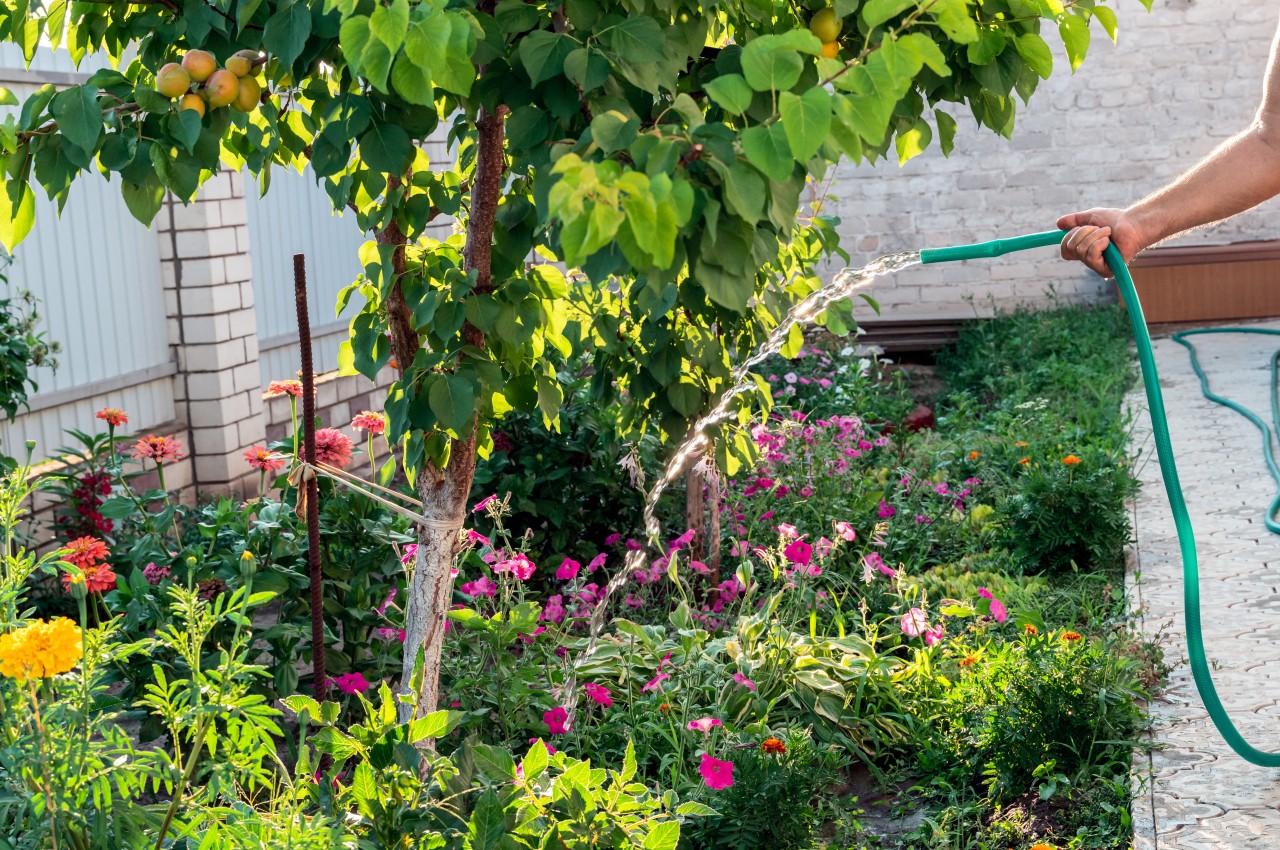
Image courtesy of: VroniV

2. Add Mulch

An effective method to prevent weed growth involves mulching, which not only retains soil moisture but is especially advisable in regions with water limitations or scarcity. This can be achieved by applying a 2 to 3-inch layer of mulch around landscape plants, utilizing materials such as shredded bark, grass clippings, or coir derived from coconut hulls.

3. Go for Native Plants

In sustainable gardens, it’s advisable to include native plants that are well-suited to the region. These plants demand less maintenance, utilize less water, and flourish more effectively than perennials, because of their natural adaptation to the local climate, rainfall, and soil conditions. It’s important to note that a perennial plant, commonly known as perennials, persists for more than two years. Additionally, native plants offer the benefit of attracting indigenous insect and bird species to the area.

4. Say Yes To Composting

Image courtesy of: YuriArcursPeopleimages

Embracing composting stands out as a top practice for cultivating a sustainable garden. By composting your green waste, such as grass clippings, deadheaded flowers, dried leaves, and kitchen scraps, one can transform it into a nutrient-rich fertilizer, fostering sustainability in gardening endeavors.

5. Reuse Plastic Pots

Image courtesy of: pernilla11

Certain plants are sold in plastic pots. Instead of purchasing new ones, consider reusing pots for seed sowing and repotting. Simply rinse them with warm water and detergent before reuse to eliminate any potential diseases or one can return them to the nursery for reuse.

6. Conserve water

Image courtesy of: halfpoint

Maintaining vibrant gardens in summer often entails frequent watering. To minimize your garden’s reliance on mains water during hot, dry spells, consider installing a water butt and incorporating ground cover plants to lessen moisture evaporation and cool the soil.

7. Grow Wildlife Friendly Plants

Image courtesy of: Mint_Images

Opt for pollinator-friendly plants with uncomplicated flower structures, making it easier for insects like bees and butterflies to access food. Aim for a variety of plants that bloom at different times or have extended flowering seasons to ensure a continuous food source for pollinators throughout the year.

8. Invest in Sustainable and Durable Pots

Image courtesy of: Beachbumledford

Opt for sustainable pots and planters to minimize single-use plastics in your garden. It is important to take care of your existing plastic pots and trays for reuse or invest in durable materials like pots made from 100% recycled waste, addressing plastic waste beyond gardening. Bamboo pots and seed trays offer longevity, lasting up to five years, and can be composted at the end of their life cycle. Consider the Hemp Planters Range for greenhouse or terrace use, offering both sustainability and maximizing crop yields.

9. Minimize Use of Fertilizer
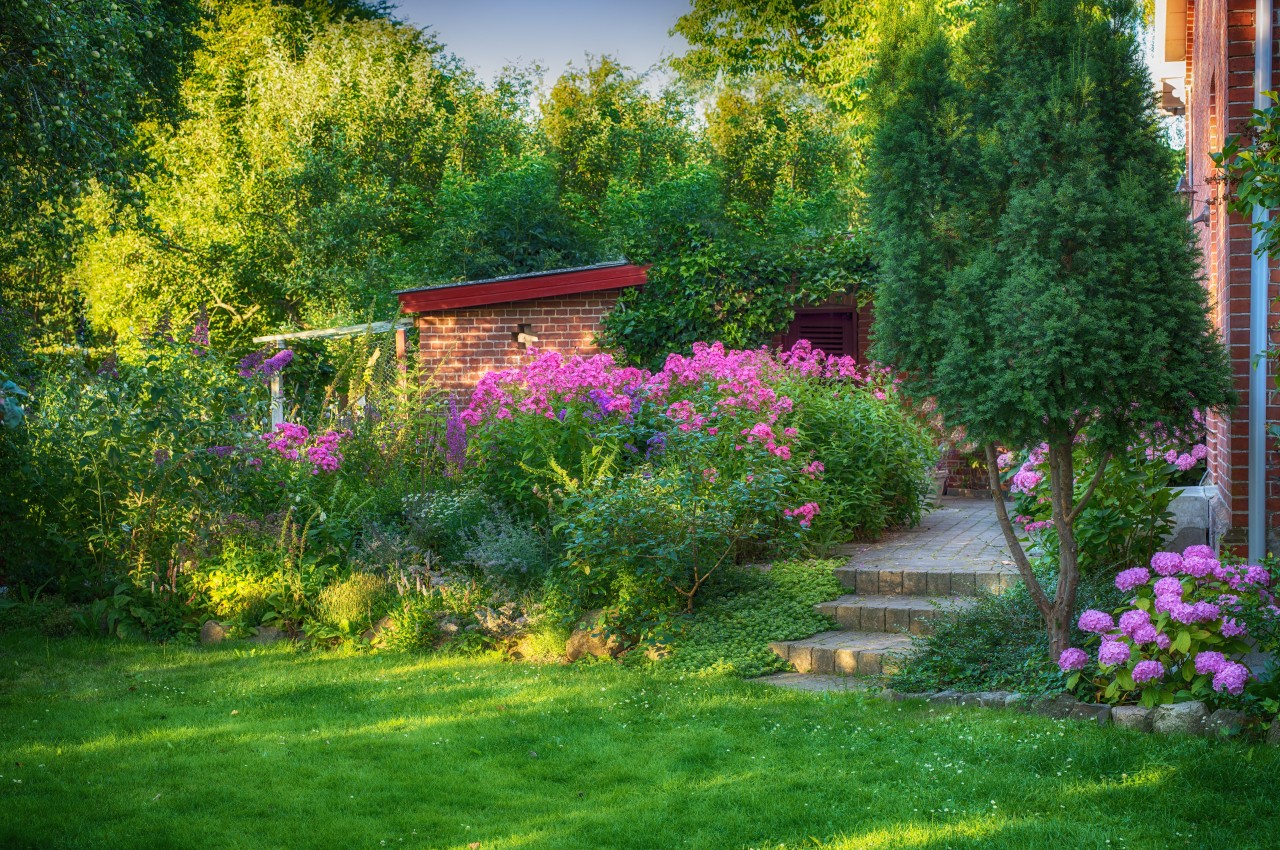
Image courtesy of: YuriArcursPeopleimages

Prioritize minimizing fertilizer use in sustainable gardening practices to prevent runoff and excessive plant growth. Start by testing your soil to understand its natural fertility and determine if any adjustments are needed; many soils can sustain plant growth without added fertilizer. Consider enriching your soil with homemade compost as an alternative to synthetic fertilizers, promoting soil health and reducing environmental impact.

10. Use Less Energy

Image courtesy of: valeriygoncharukphoto

Reduce outdoor energy consumption by focusing on lawn care practices. Opt for electric or push-reel mowers and keep blades sharp for efficiency. Prioritize manual weed removal to prevent spread before mowing. Decrease lawn size by planting trees or expanding gardens. Choose solar-powered LED bulbs for lighting to conserve energy and provide natural illumination.

How does a sustainable garden combat climate change?

Home gardeners contribute significantly to addressing climate change through sustainable practices. By employing sustainable gardening and landscaping techniques, they can mitigate future warming by reducing carbon emissions and enhancing carbon storage in soil and plants.

• Choosing rechargeable electric options for mowers and trimmers aids in cutting gas emissions by reducing reliance on gas-powered lawn and garden equipment.

Image courtesy of: duallogic

• Avoiding synthetic nitrogen fertilizer is crucial in sustainable gardening, as it is a major contributor to greenhouse gas emissions.
• Strategically position trees and greenery around your home and community structures to save energy, ensuring they align with the sun’s orientation. Deciduous trees offer summer shade and winter sunlight, while evergreen trees provide protection from winter winds and improve insulation.

Image courtesy of: duallogic

• With climate change, one can expect more rainfall and floods. Sustainable gardens mitigate excess water through rain gardens or vegetated buffers, reducing runoff and erosion. Make it a point to use rain barrels for water storage.
• Food waste in landfills produces methane, a potent greenhouse gas that traps 28 times more heat per unit mass than carbon dioxide. To mitigate emissions, growing your food in sustainable gardens and purchasing from local sources minimizes the environmental impact of long-distance transportation and storage.
• Sustainable gardens aid in carbon storage by maintaining soil coverage with a variety of plants. Enhancing soil health involves adding organic matter and minimizing soil disturbance, while compost serves as a valuable resource for enriching and enhancing soil quality.
• Landscapes boasting diverse plant life exhibit increased resilience against emerging pest and disease threats and environmental shifts such as extreme heat and drought. In sustainable gardens, greater plant diversity also fosters support for pollinators and beneficial insects crucial for pest management and decomposition. Additionally, opting for native plants whenever feasible is important, as they demand less water and fertilizer while offering vital sustenance and shelter for wildlife. Perennial native plants contribute to carbon storage and help control soil erosion.

Image courtesy of: YuriArcursPeopleimages

In conclusion, gardeners can bolster the resilience of their green spaces to climate change impacts by diversifying native plants, improving soil health, cultivating heat-tolerant vegetables, and implementing stormwater management. This approach also termed climate-resilient gardening, fortifies landscapes against climate-related challenges

The post 10 Proven Tips for Creating a Sustainable and Eco-Friendly Garden first appeared on Yanko Design.
Industrial Design Trends: From Past Innovations to Future Possibilities

The field of Industrial Design (ID) revolves around crafting products and services that are intuitive for users worldwide. Industrial designers prioritize aesthetics, functionality, and ease of manufacture, striving to enrich daily interactions. Whether for personal or commercial use, every item undergoes this transformative process, aimed at enhancing lives through thoughtful design.

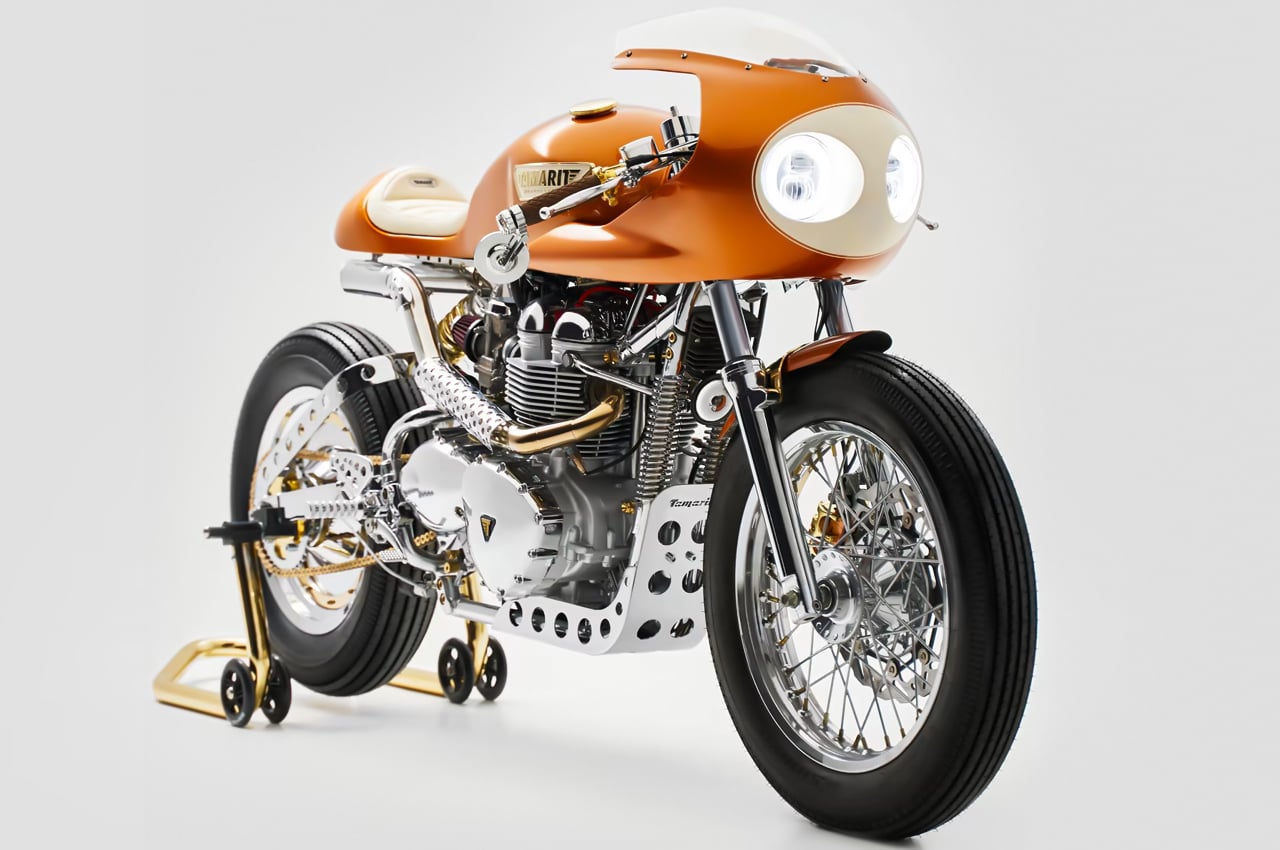
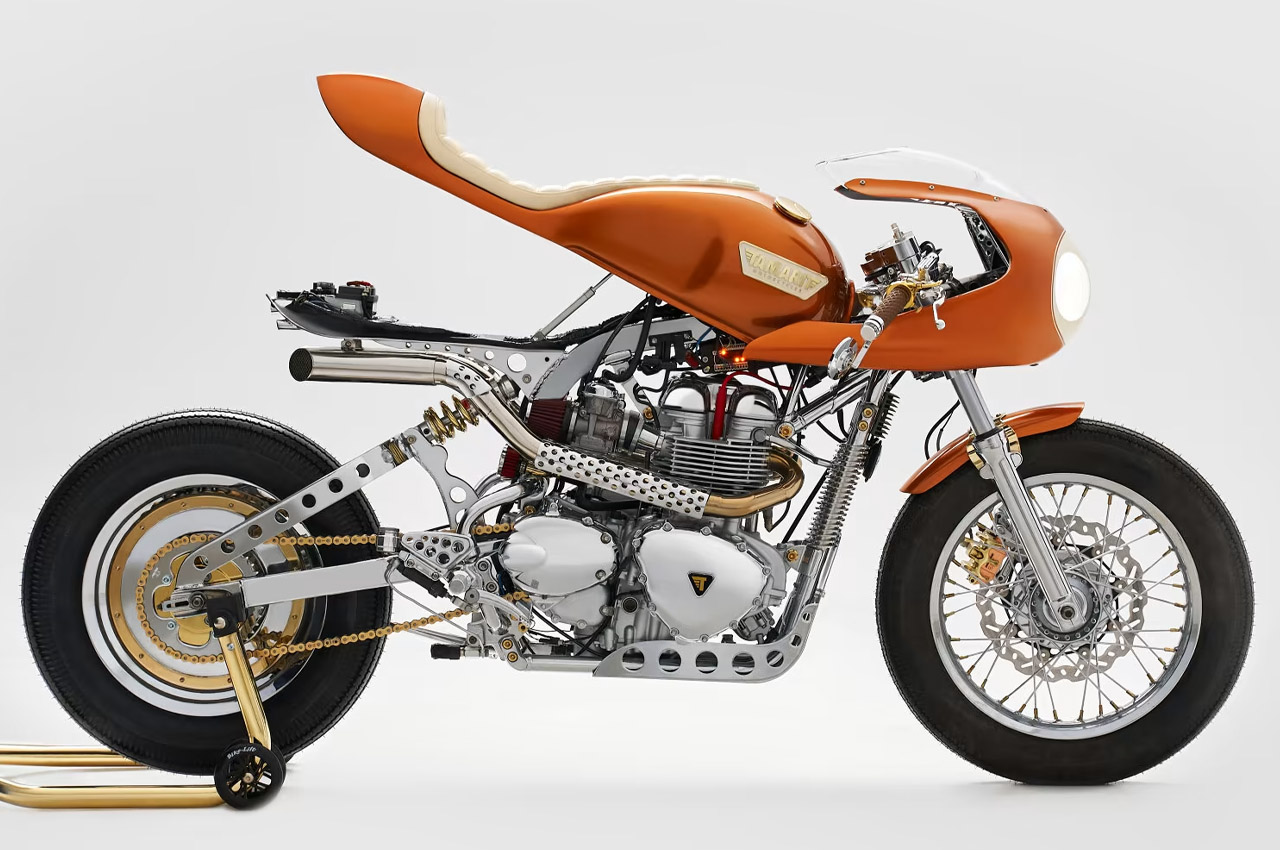
Designer: Tamarit Motorcycles

Lets delve into the history of Industrial Design:

What historical factors and practices contributed to the evolution of industrial design as a distinct field?

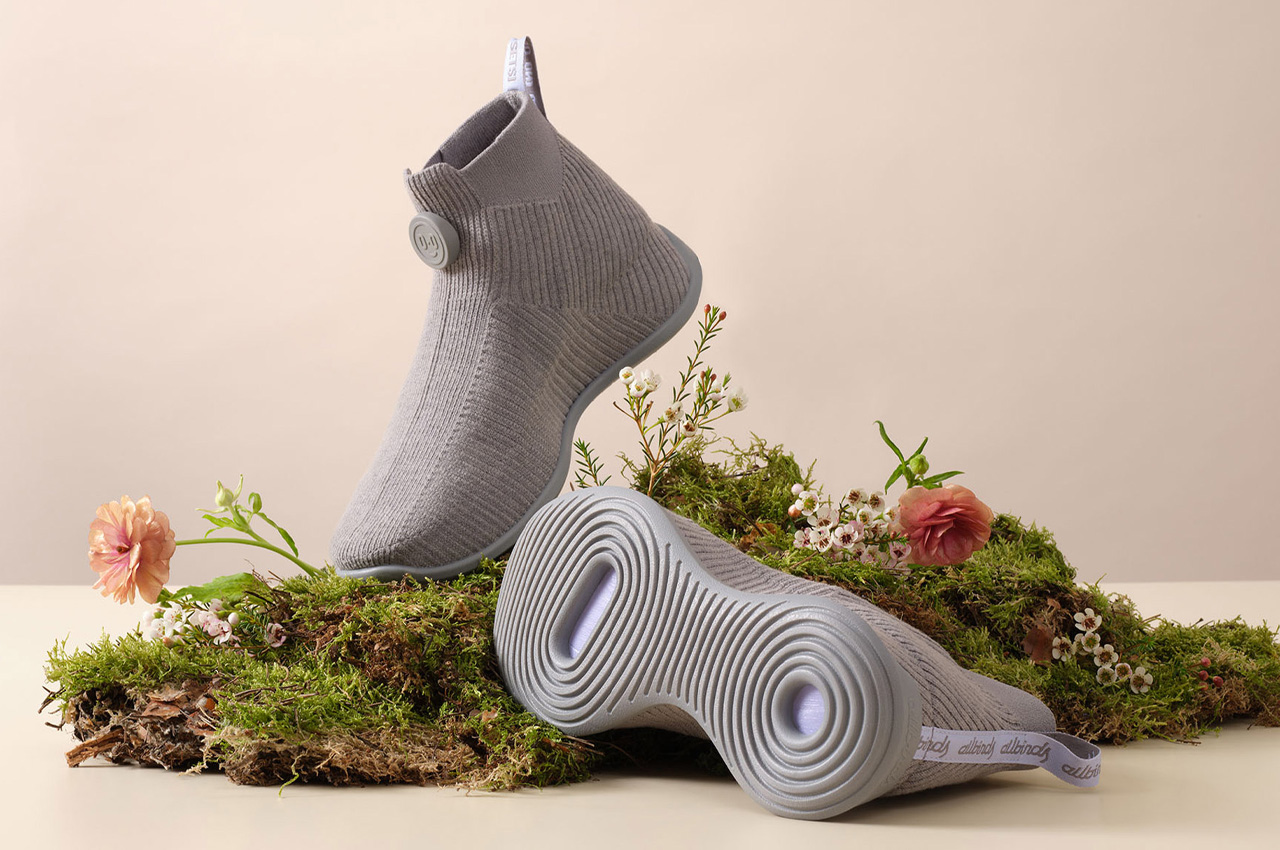
Designer: Allbirds

• Before industrialization, product design was primarily determined by individual craftsmen’s skills, client requirements, and experience.
• The division of labor was evident in pre-industrial times, with specialized workshops producing standardized goods.
• In the 16th century, pattern books emerged, providing decorative designs for a variety of products, and fostering competition.
• Drawing became a method for specifying construction details during the Italian Renaissance.
• By the 17th century, centralized monarchies like France were backing large government-operated manufacturing facilities such as the Gobelins Manufactory. This patronage extended to court porcelain factories in the 18th century, but with the scale of production increasing, individual craftsmanship often suffered.

Who is the founding father of Industrial Design?

Image courtesy of: Linnean Society of London

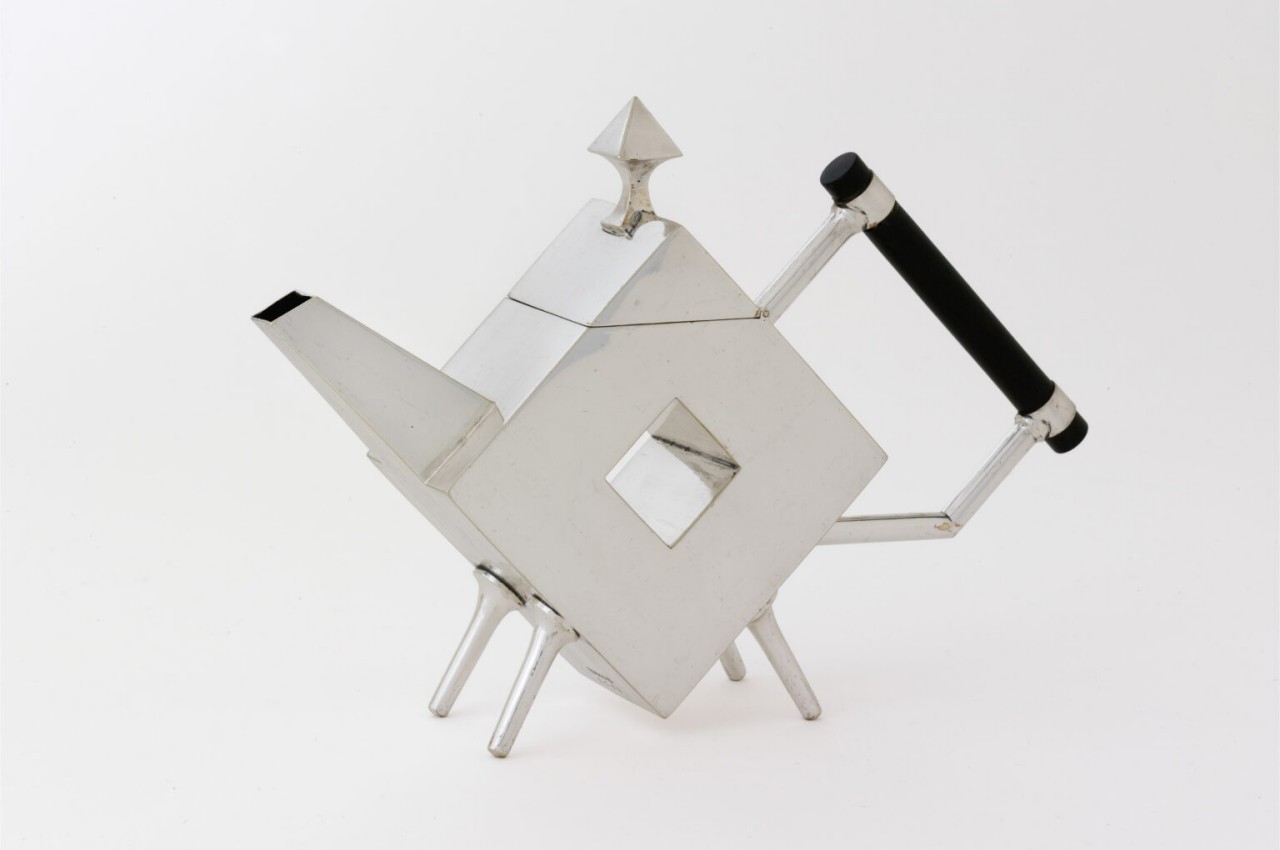
Christopher Dresser (1834-1904) is considered the pioneer of industrial design. He was the first independent industrial designer, recognizing the potential of the Industrial Revolution before his German counterparts in the Modern Movement. Dresser’s groundbreaking journey to Japan, appointed by the British Government, reshaped his design approach and inspired the Anglo-Japanesque style in England. His diverse portfolio spanned furniture, textiles, ceramics, glassware, and metalwork, showcasing his versatility and forward-thinking mindset. Despite the conservative Victorian society, Dresser’s courage and vision propelled him to success, establishing him as a design icon with tastes beyond his time.

This silver teapot was created by Christopher Dresser and crafted by Hukin & Heath in Birmingham, with its design registered on May 6, 1878, and the production took place between 1878 and 1879.

Images courtesy of: Daniella on Design

The teapot, designed by Christopher Dresser and produced by James Dixon & Sons in Sheffield, South Yorkshire. Created around 1879, it features electroplated nickel silver and ebonized wood.

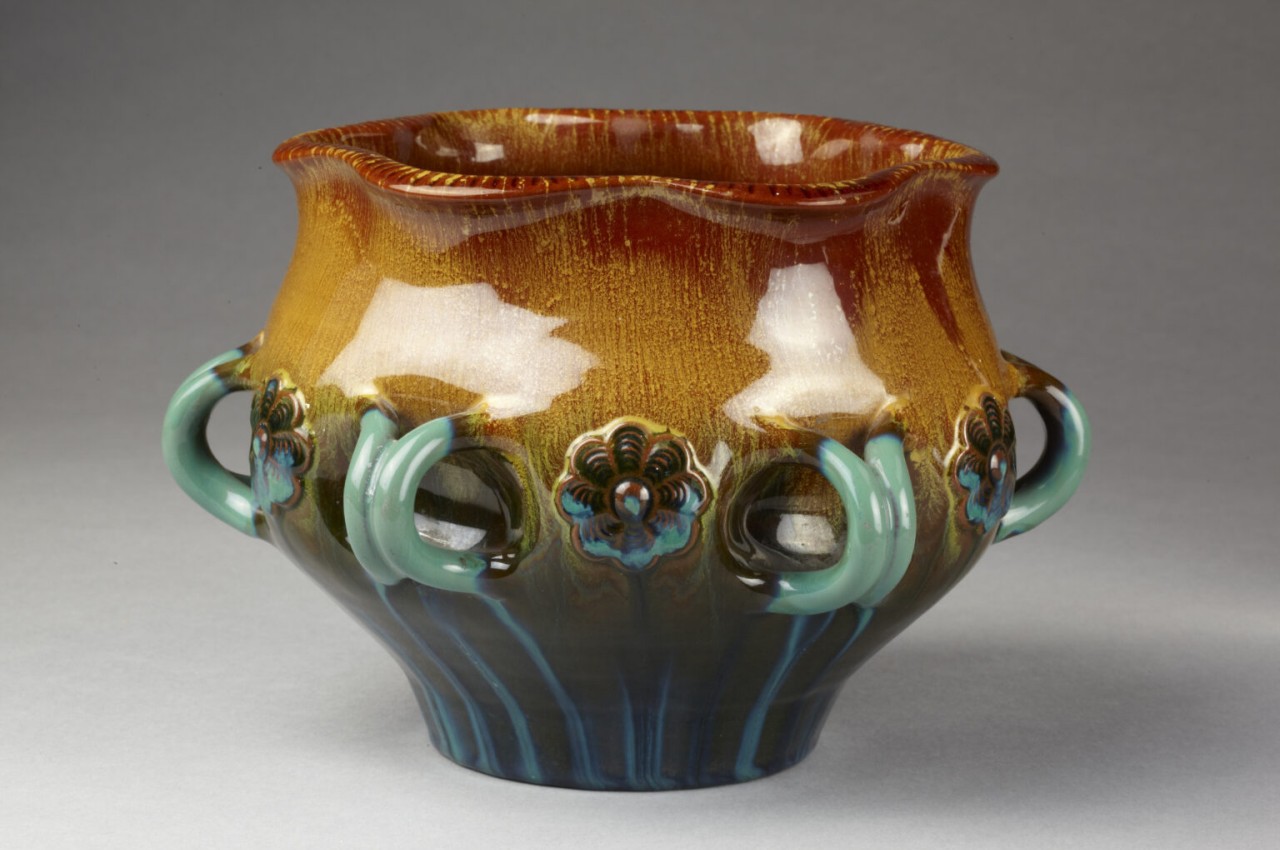
The glazed earthernware bowl, envisioned by Christopher Dresser and crafted by the Linthorpe Art Pottery in Middlesbrough, North Yorkshire was produced between 1879 to 1882.

What is the history of Industrial Design?

Industrial design’s roots stretch to the early 1900s amid the industrial revolution’s onset. The 1920s witnessed flourishing design across sectors like automotive engineering and electrical appliances, with artists enlisted to elevate aesthetics. The term “industrial design” may have originated in The Art Union journal in 1839. Make a note that the Industrial Revolution, originating in late 18th century Britain, rapidly spread worldwide, transforming agrarian societies into industrialized economies marked by mechanization and urbanization

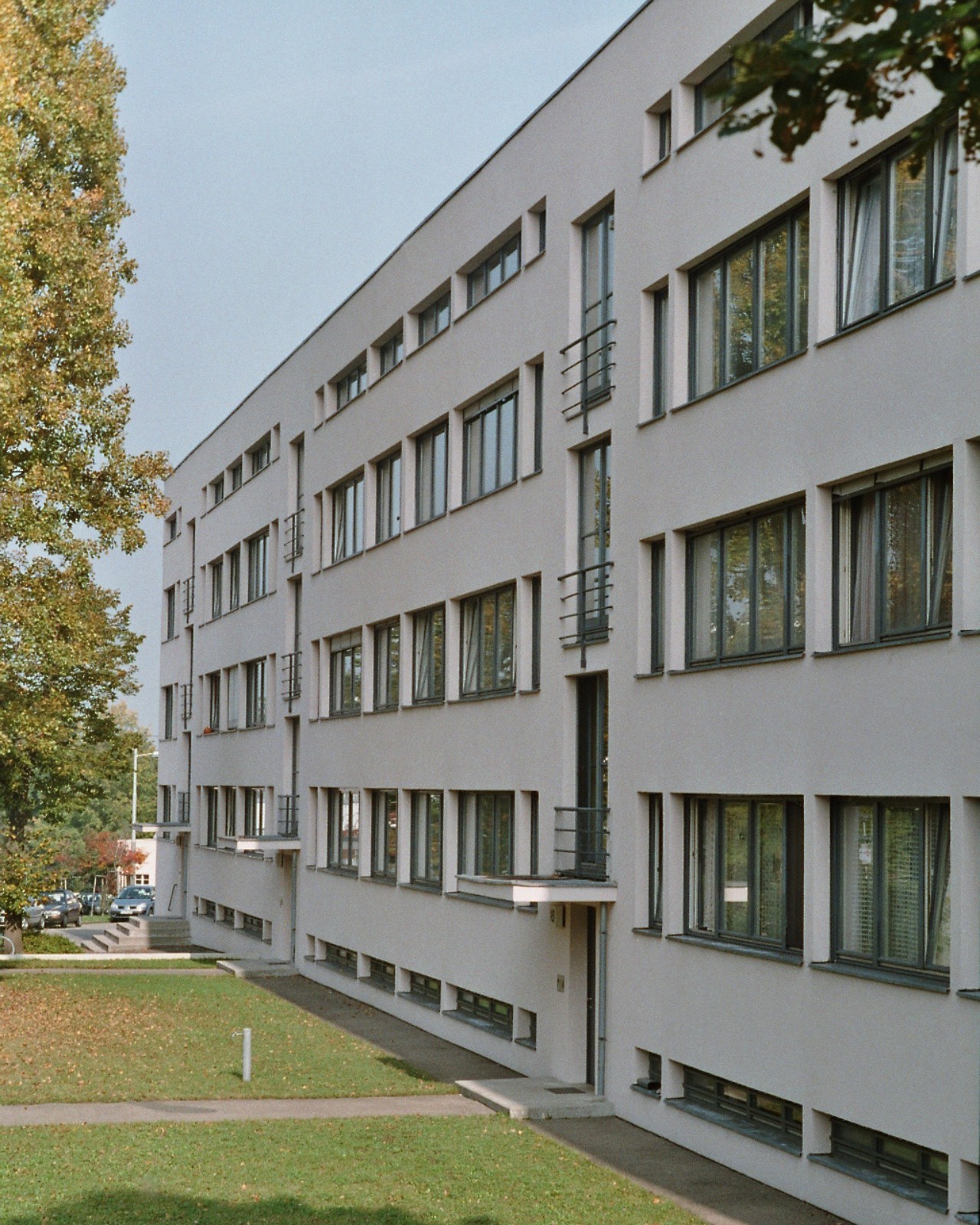
Designer: Ludwig Mies van der Rohe (Weissenhof Estate)

The Deutscher Werkbund, founded in Munich in 1907, united architects, artists, industrialists, and designers. It aimed to boost German companies’ global competitiveness by integrating mass-production techniques with traditional craftsmanship. Hermann Muthesius, a German architect, is credited with conceiving the idea.

Designer: Walter Gropius (Bauhaus building, Dessau)

The Bauhaus, founded by Walter Gropius in 1919, was a pioneering school in Germany that fused fine arts and crafts education. It significantly influenced industrial design, typography, interior design, and architecture, emerging as a dominant force in modern design. Operating in Weimar (1919-1925), Dessau (1925-1932), and Berlin (1932-1933), it left an indelible mark on creative disciplines.

Amidst the Great Depression of 1929, industrial designers seized an unforeseen chance to demonstrate their abilities. This severe global economic downturn, spanning the late 1920s to the 1930s, brought widespread unemployment, poverty, and a drastic decline in industrial output, along with major disruptions in global trade. In this challenging era, Frederick W. Taylor, a mechanical engineer, played a pivotal role in bolstering industrial efficiency.

What are the current trends of Industrial Design?

The top industrial design trends include:

1. Sustainable Industrial Design

Designer: Ikea

Sustainable design encompasses developing products or services based on economic, ecological, and social sustainability principles. This E3 variable, emphasizing Equity, Economy, and Ecology, sets it apart from eco-design, which focuses solely on environmental sustainability. It involves responsibly using natural resources to meet present needs without compromising those of future generations. Sustainable design plays a crucial role in achieving design strategies that support a high quality of life, sustainable production, and environmental awareness.

2. Technology and Innovation

Advancing technologies like 3D printing, virtual and augmented reality, generative design, and the Internet of Things (IoT) are revolutionizing industrial design. 3D printing enables rapid prototyping and complex designs, while VR and AR enhance visualization and collaboration. Generative design leverages algorithms for innovative solutions, and IoT embeds smart functionality into products. These technologies not only streamline the design process but also foster creativity, efficiency, and sustainability, shaping the future of industrial design across diverse sectors.

3. Human-Centered Design

Designer: Stan Deng

Human-centered design (HCD) is an approach to problem-solving utilized in process, product, service, and system design, focusing on involving the human perspective in all stages of the problem-solving process. It aims to make systems usable and beneficial by prioritizing user needs, and requirements, and applying human factors/ergonomics, as well as usability knowledge and techniques. HCD enhances effectiveness, efficiency, human well-being, user satisfaction, accessibility, and sustainability while mitigating potential adverse effects on human health, safety, and performance. It involves stages like observing the problem within its context, brainstorming, conceptualizing, and implementing solutions.

4. Minimalism

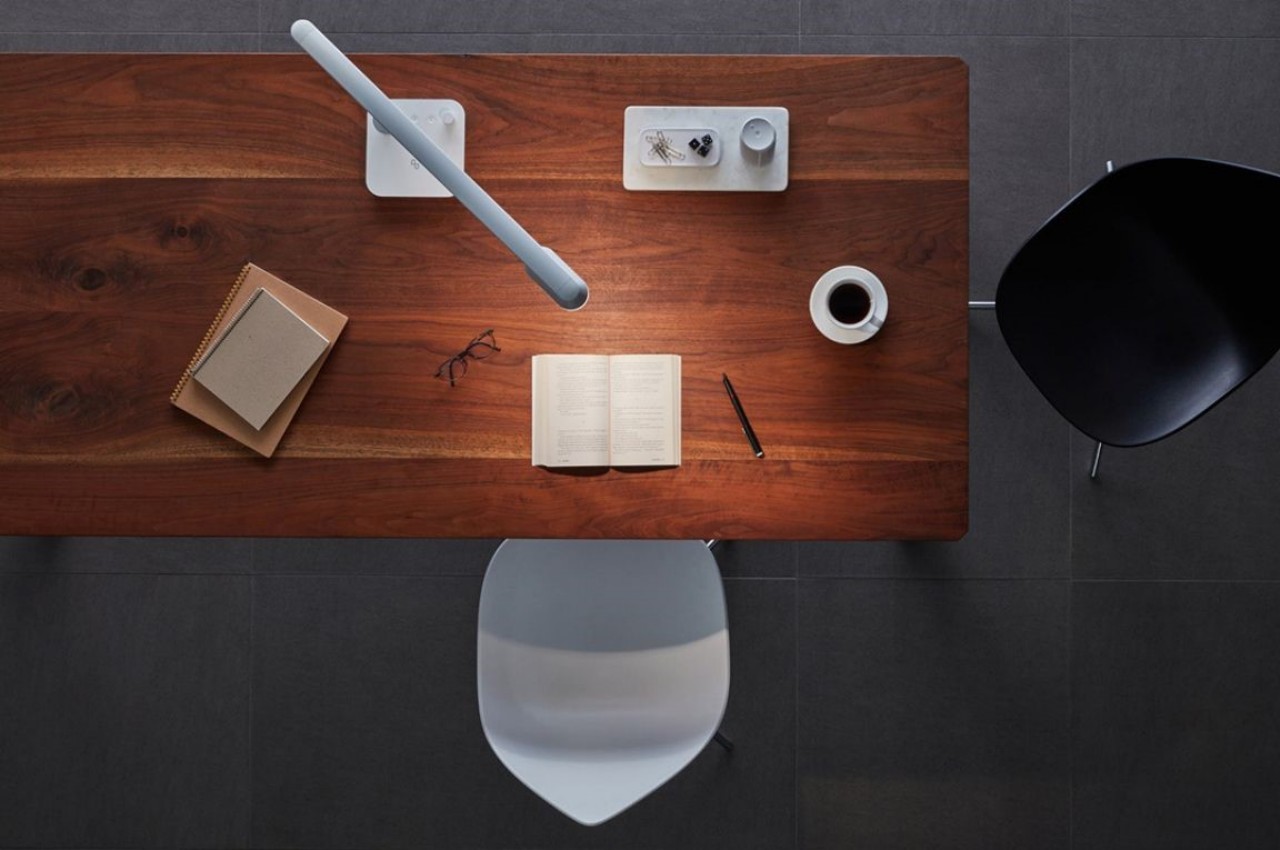
Designer: BKID co

Minimalism has become increasingly popular in industrial design, emphasizing the removal of excess elements to focus on essentials, resulting in intuitive, efficient, and aesthetically pleasing products and spaces. This approach resonates with consumers drawn to the sleek, uncluttered aesthetic. Simplicity defines minimalist designs, making them easy to use and understand. By stripping down designs to their core features, minimalism maximizes impact while reducing clutter and improving functionality. Additionally, this design concept can reduce costs and production time by eliminating unnecessary features.

5. Inclusive Design

Designer: Quantum

Inclusive product experiences are shaped by a thorough understanding of user backgrounds and abilities, promoting a sense of belonging. Inclusive design methodologies aim to cater to diverse user needs, considering factors like accessibility, age, culture, economic situation, education, gender, geographic location, and language. By empathizing with users and adapting interfaces accordingly, inclusive design generates inclusive design patterns, ensuring a more accommodating user experience.

6. Biomimicry

Designer: John Mauriello

Nature serves as a rich source of inspiration for many designers, offering evolved intelligence and innovative solutions. Biomimicry in industrial design involves emulating characteristics or strategies from nature to address various challenges. From materials to systems and technologies, nature provides valuable insights for creating sustainable and efficient designs. By studying natural forms and processes, designers can develop innovative solutions that mimic the efficiency and effectiveness of biological systems. This approach not only offers aesthetically pleasing designs but also promotes sustainability and resilience.

7. AI in Industrial Design

Designer: Shail Patel

AI-generated product design involves leveraging artificial intelligence (AI) to generate novel product designs, presenting a transformative opportunity for designers by streamlining the process of conceptualization. While current technology has its limitations, it proves most beneficial in the initial stages of innovation, enabling rapid visualization and testing of new concepts, thereby expediting the design process.

Industrial design encompasses a transformative process wherein design principles are utilized to conceive products, subsequently manufactured through specific procedures. This multifaceted career field involves crafting a diverse array of globally utilized items, spanning from equipment to objects and services, fostering creativity in the creation and production of goods.

The post Industrial Design Trends: From Past Innovations to Future Possibilities first appeared on Yanko Design.
Laminate vs. Vinyl Flooring: Which is the Best Choice for Your Home?

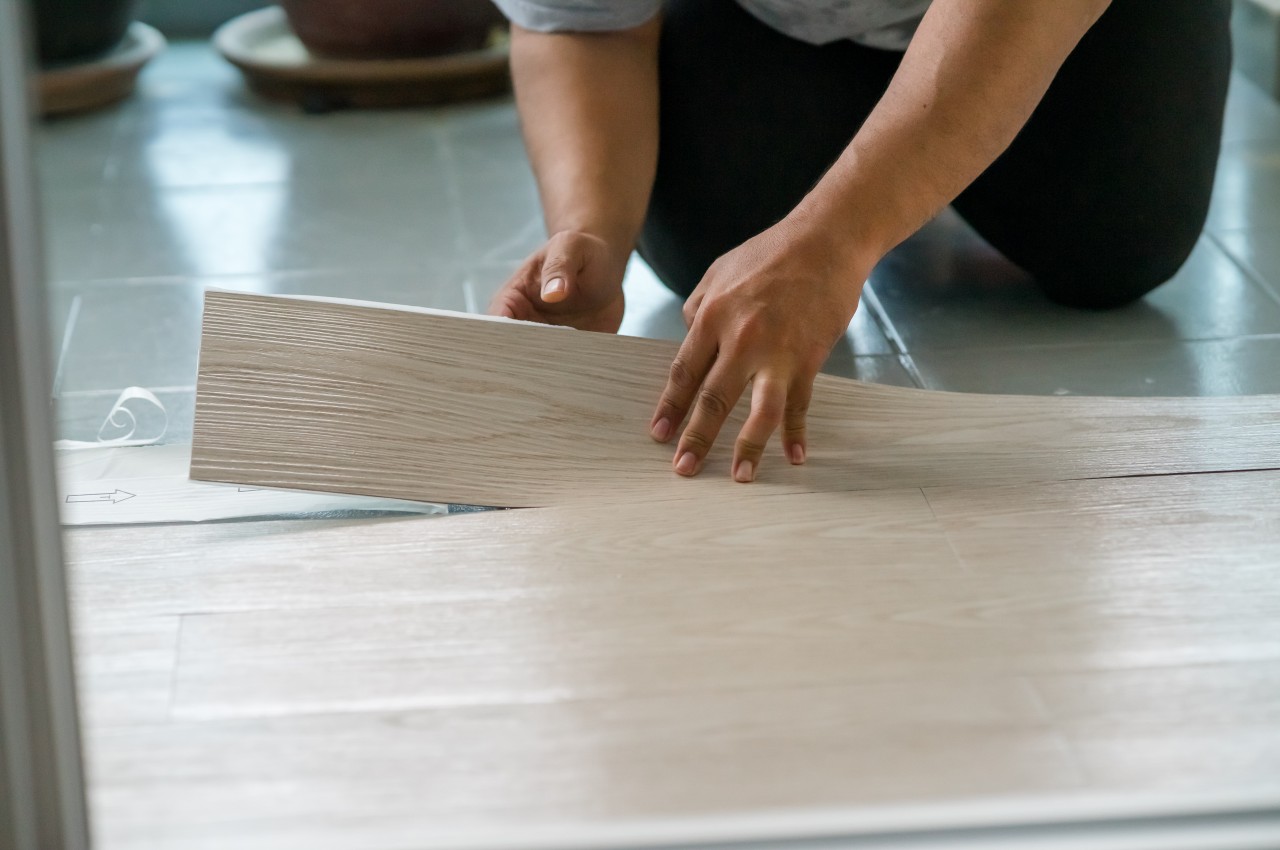
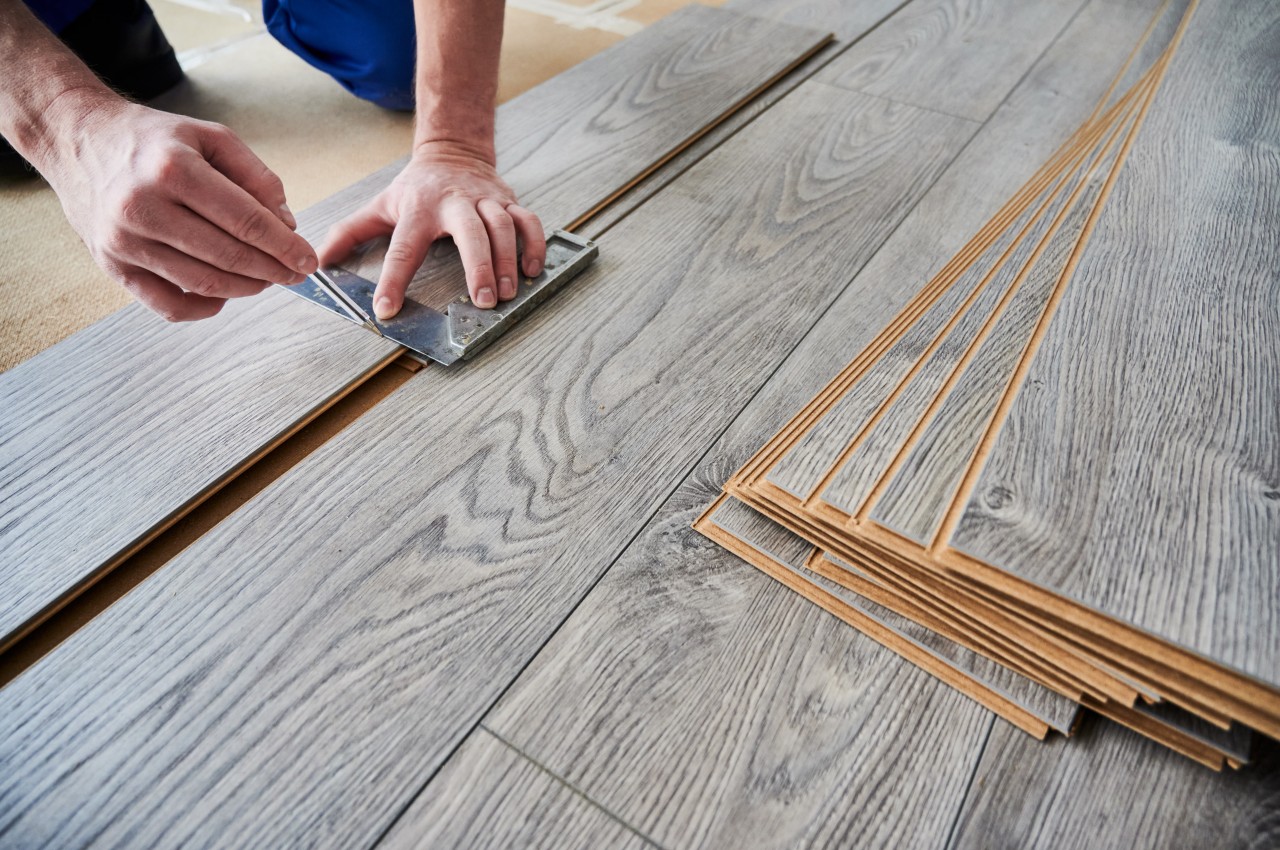
Both vinyl and laminate flooring form affordable and durable options for flooring. However, before selecting the flooring material it’s important to consider their specific strengths and weaknesses to ensure which flooring material is best suited for your home. Most laminate floors and some luxury vinyl planks are installed as floating floors, where boards and tiles interlock like puzzle pieces and rest on the subfloor.

Image courtesy of: StiahailoAnastasiia

Laminate Flooring

Laminate flooring is a synthetic material, unlike natural options such as wood, stone, or cork. Made with a fiberboard core and finished with a resin layer, laminate flooring offers a budget-friendly option for enhancing your home’s aesthetic appeal. With a décor layer or printed image, it can replicate the look of more expensive flooring types like wood, tile, or stone. This durable flooring choice is particularly suitable for dry areas like living rooms or bedrooms, where moisture is not a concern.

Advantages of Laminate Flooring

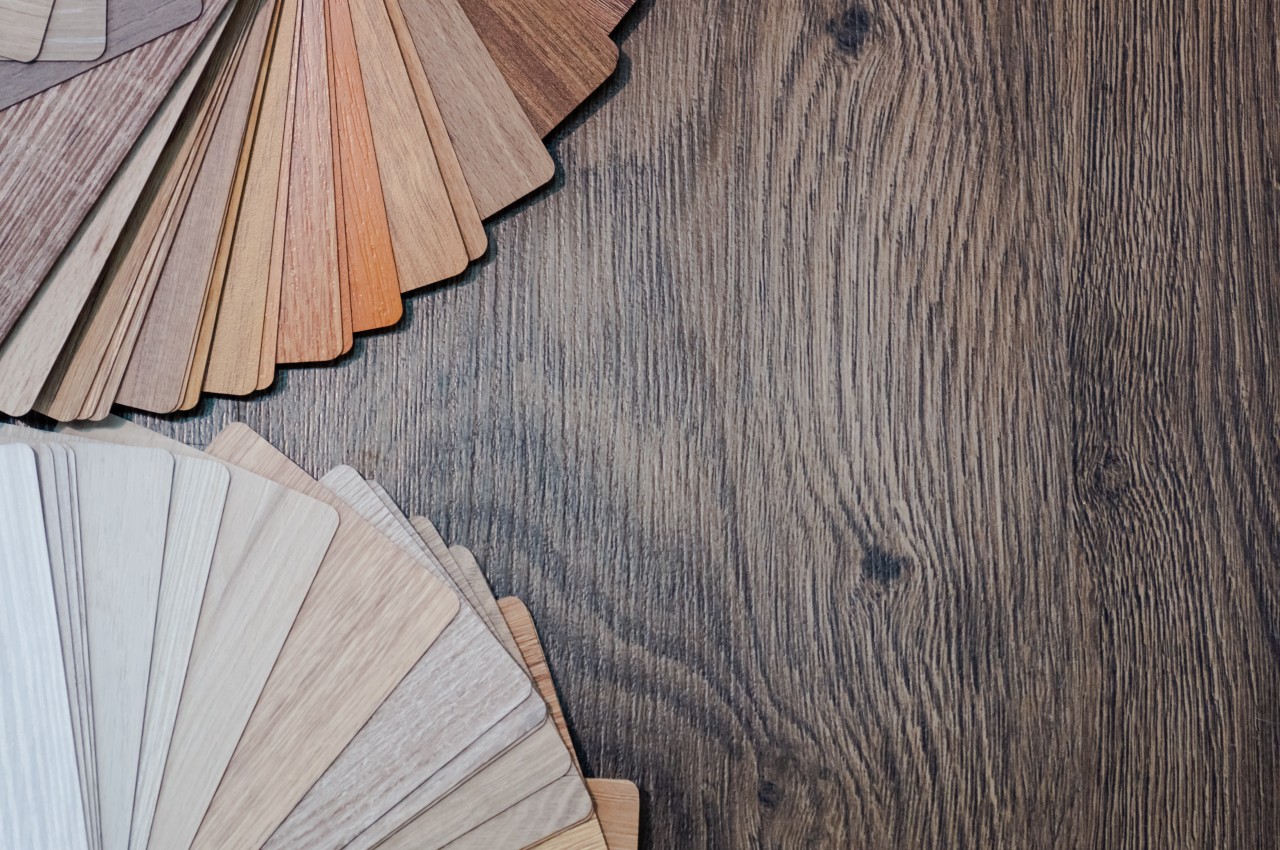
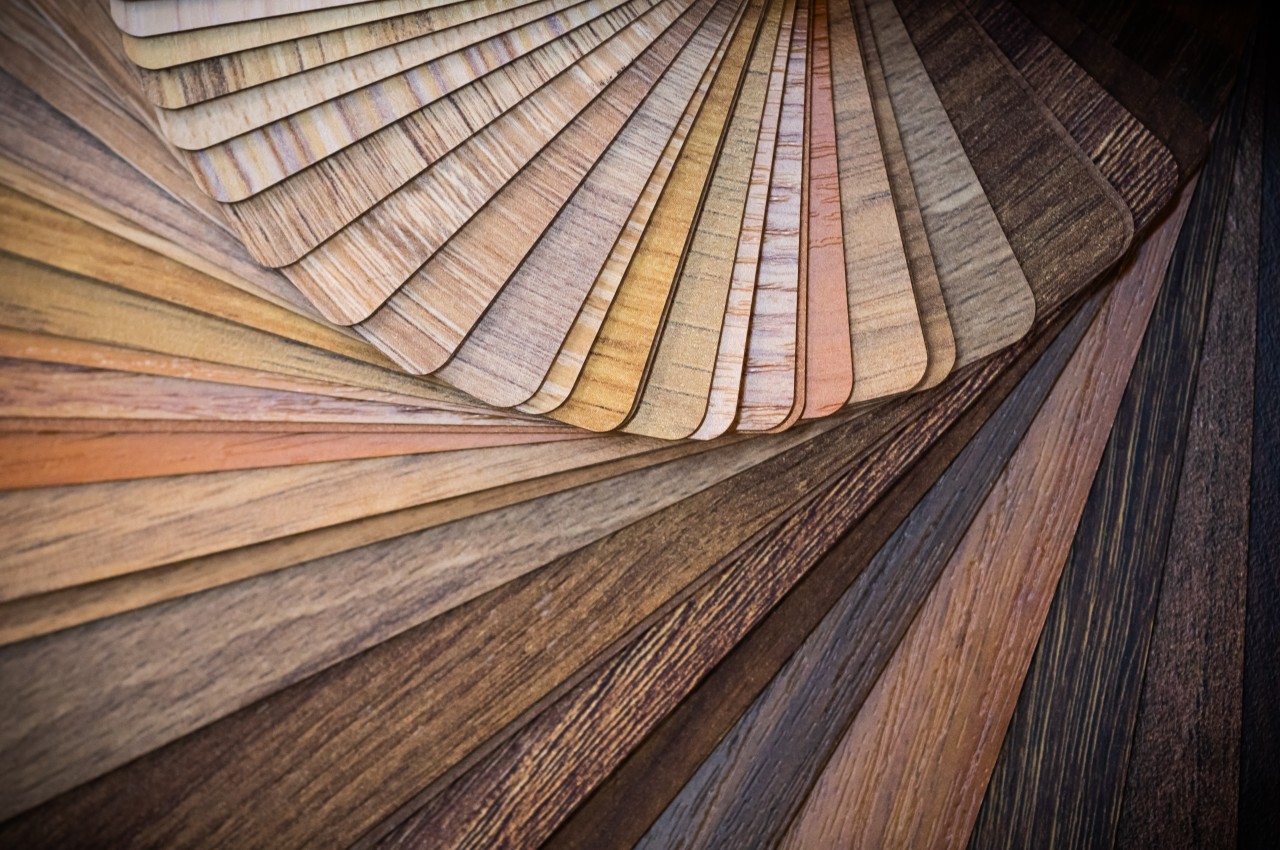
Laminate flooring is exceptionally durable and offers patterns and textures that mimic marble, tile, or real wood like teak, oak, cedar, and pinewood which enhances its stylish appearance. Additionally, laminate flooring with foam underlayment can help dampen hollow sounds underfoot.

Disadvantages of Laminate Flooring

Laminate flooring is sensitive to excess moisture, including damage from steam mops. Another disadvantage is that the resin surface can be easily scratched by abrasive scrubbers or sponges and low-quality laminate flooring tends to fade faster in the presence of sunlight.

Vinyl Flooring

Image courtesy of: ellinnur

Unlike laminate, vinyl is a synthetic plastic material often made with PVC vinyl and fiberglass for added flexibility. Vinyl is highly regarded for its durability, moisture resistance, and easy installation, with many options featuring a convenient peel-and-stick backing for DIY projects. It comprises a bottom layer, called the backing layer, which is typically made of cork or foam. It serves as both the underlayment for the vinyl flooring and a cushion for comfort while walking and functions as a sound barrier to reduce noise. The common types of vinyl flooring include Luxury Vinyl Planks (LVP), Luxury Vinyl Tiles (LVT), and Sheet Vinyl.

Advantages of Vinyl Flooring

Vinyl flooring holds up well in areas with heavy foot traffic and is easy to install, especially peel-and-stick vinyl tiles that can be grouted for a natural stone look. Vinyl’s water-resistant properties make it ideal for moisture-prone areas like kitchens and bathrooms and this material resists fading in natural light.

Disadvantages of Vinyl Flooring

Vinyl emits volatile organic compounds (VOCs) over time and can be difficult to remove due to the adhesives and glues used in installation. Unlike some flooring options, vinyl cannot be patched or repaired. Another minus is that vinyl flooring is not biodegradable and the presence of heavy furniture and appliances on the flooring can cause dents.

What is the difference between Laminate and Vinyl Flooring?

Here are some parameters considered when comparing laminate and vinyl flooring.

1. Appearance

Image courtesy of: StiahailoAnastasiia

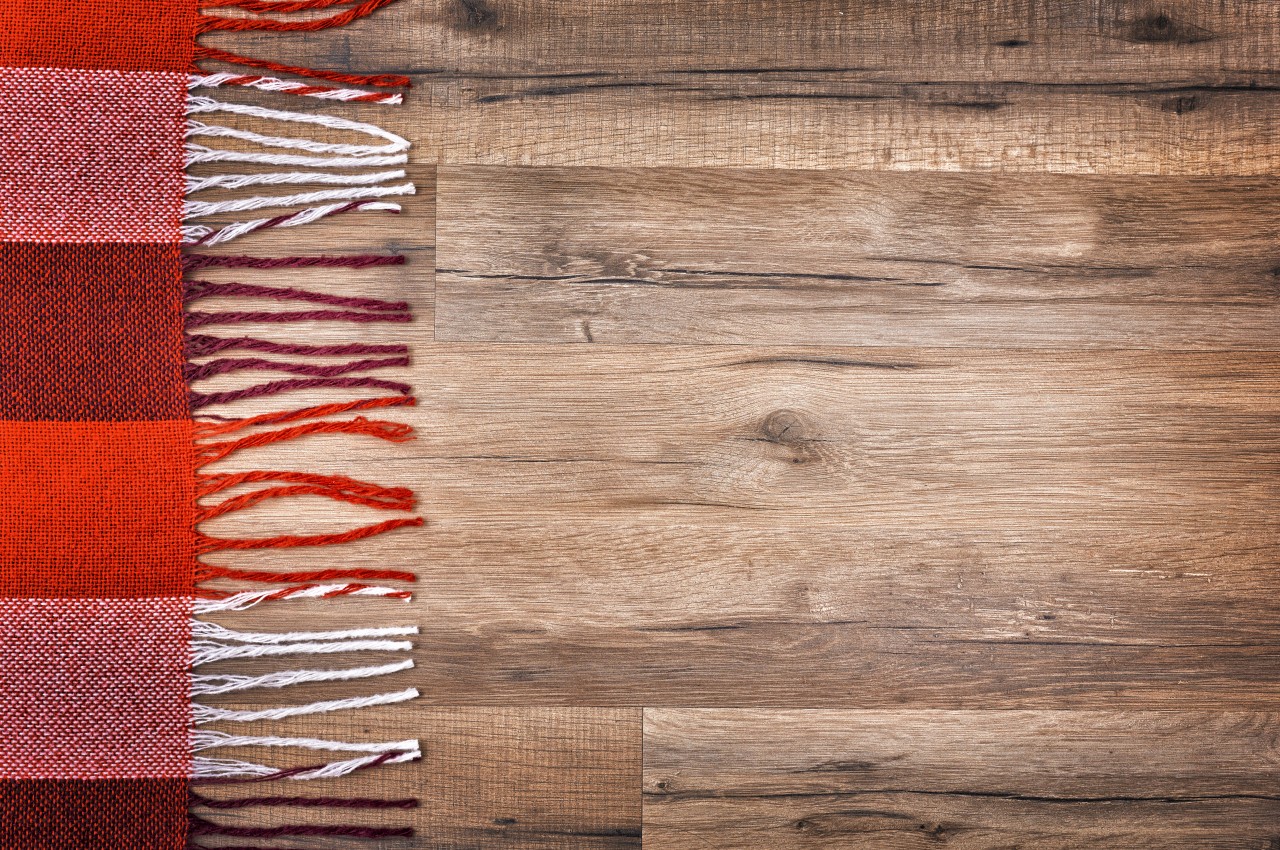
High-end laminate flooring typically mimics wood more naturally, with a texture similar to wood, while vinyl, composed of synthetic polyvinyl chloride (PVC) and sealed with urethane, tends to have a shiny and synthetic appearance.

2. Layers of Materials Utilized

Image courtesy of: anatoliy_gleb

Laminate Flooring

The multiple layers of laminate flooring include:

• Featuring a clear aluminum oxide layer, the Wear Layer protects the floor against scratches.
• Defining the flooring’s image or visual appearance is the Print Layer.
• Constructed from highly compressed wood fibers, the Core Layer forms the main body of the floor.
• Aiding with uneven subfloors is the Built-in Underlayment, which includes a soft layer.

Vinyl Flooring

Vinyl Flooring comprises multiple layers namely:

• Protection against sun damage is provided by the UV Acrylic Coating.
• Guarding against scratches is the role of the Wear Layer.
• Defining the visual appearance of the flooring is the responsibility of the Print or Image Layer.
• The PVC layer ensures stability, support, and durability at the core.
• Helping to level uneven subfloors is the soft layer of the Built-in Underlayment.

3. Durability

Image courtesy of: choreograph

Vinyl flooring is a resilient flooring material and it requires minimal maintenance, even in commercial settings. Laminate flooring, while also durable and low-maintenance, may delaminate over time, especially with prolonged water exposure, as repair is not possible and the flooring material allows water infiltration into lower layers. Note that thin vinyl flooring, with its single cohesive layer of polyvinyl chloride (PVC), is less prone to delamination compared to thicker varieties, which may have a soft underlayment that is susceptible to such issues.

Image courtesy of: towfiqu98

4. Water, Stain, and Heat Resistance

• Water Resistance:

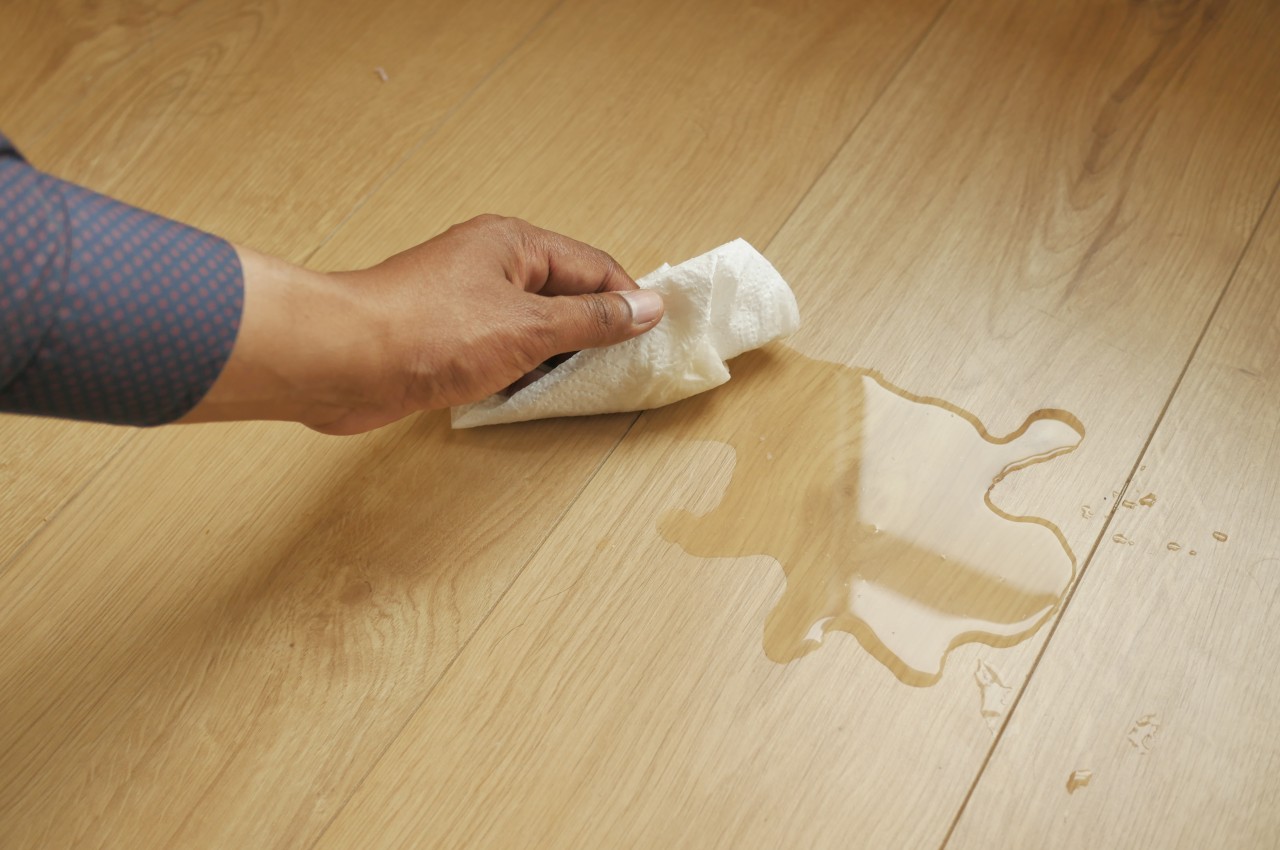
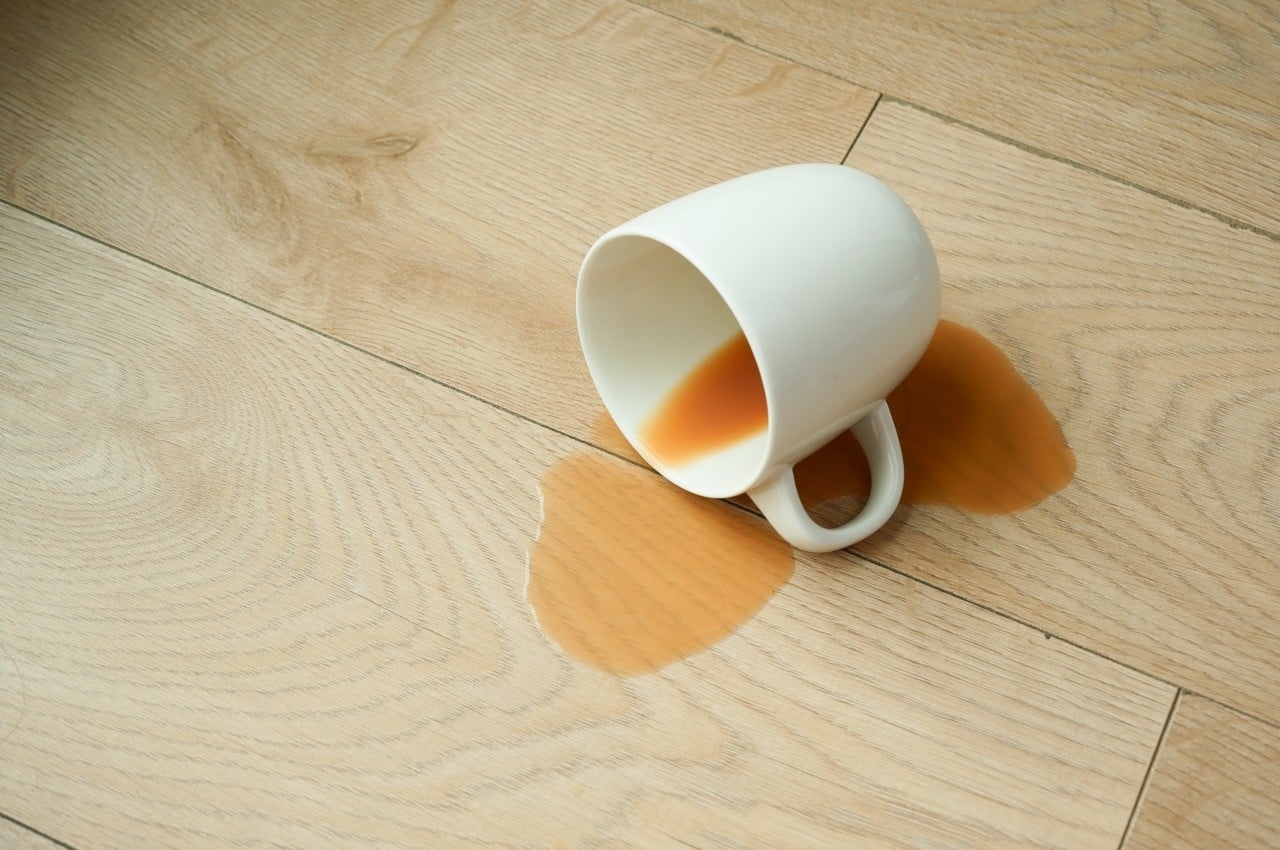
Laminate flooring, with its fiberboard core, can suffer irreversible damage from water exposure, leading to swelling and peeling layers. Replacement is often necessary for severe water damage, and while newer laminate materials may offer improved water resistance, they are not suitable for areas prone to standing water like bathrooms. In contrast, vinyl flooring, including sheet vinyl, LVT, and LVP, is inherently more water-resistant, with all types being waterproof. However, water can penetrate seams, reaching the subfloor in significant quantities. Vinyl flooring outperforms laminate in wet areas like bathrooms and basements.

• Stain Resistance:

Image courtesy of: towfiqu98

Laminate and vinyl flooring both offer stain-resistant properties and feature wear layers that are treated to resist stains effectively. Laminate flooring uses a clear aluminum oxide top layer for superior stain resistance, while quality vinyl flooring is coated with transparent urethane for excellent stain resistance.

• Heat Resistance:

Both vinyl and laminate flooring have limited heat resistance and are susceptible to damage in the presence of heat. Exposure to extreme heat can lead to the burning of the top layer in laminate flooring, causing expansion and contraction issues, while prolonged exposure to extreme heat in vinyl flooring can result in expansion and melted adhesive.

5. Lifespan

Image courtesy of: nikmock

Both laminate and vinyl flooring can offer comparable lifespans with proper maintenance, with laminate warranties typically ranging from 10 to 25 years and luxury vinyl warranties commonly extending up to 20 years. Vinyl is well-suited for high-humidity rooms like kitchens and bathrooms, whereas laminate performs better in high-traffic areas. Proper maintenance is crucial to prolong the lifespan of the flooring, and professional installation may be advisable if you lack experience.

6. Comfort and Acoustics

Image courtesy of: larisikstefania

Both laminate and vinyl flooring can offer a comfortable and quiet walking experience. Laminate flooring, while not identical to wood, can feel warmer, especially with quality underlayment, and may become quieter and softer with foam or felt underlayment. However, footsteps, especially with heels, may be audible on laminate. Vinyl floors, although they may feel cold or hard, especially over concrete or tile, tend to produce minimal noise when walking with heels.

7. Pet Friendly

Image courtesy of: Olga_Ovcharenko

Vinyl flooring surpasses laminate for pet-friendly environments due to its 100% synthetic construction, which makes it waterproof.

8. Costing

Cost-wise, both vinyl and laminate flooring are competitive options, with sheet vinyl usually being more economical. Generally, they are less expensive compared to natural hardwood, engineered wood, and many ceramic or porcelain tile types, making them popular choices for budget-conscious consumers.

In conclusion, one can choose between vinyl and laminate flooring based on personal preferences like style and cost, but vinyl is superior in water resistance, especially in places like bathrooms. However, laminate is often preferred due to its versatility and natural look.

The post Laminate vs. Vinyl Flooring: Which is the Best Choice for Your Home? first appeared on Yanko Design.
Transform Your Home for Better Mental Health: 10 Design Tips

Mental health is a global public health concern. Investigating the impact of our physical surroundings on our emotions, particularly through design, offers significant potential to enhance the quality of our spaces. Some aspects of interior design possess psychological impacts that are capable of influencing our mood and mental well-being. If you seek a home interior that promotes mental well-being, utilize these design tips to plan your space and get started.

Image courtesy of: seventyfourimages

1. Biophilic Design

Image courtesy of: pro_creator

Nature significantly impacts mental well-being, reducing stress, boosting memory, and fostering happiness and creativity. The biophilic design seamlessly integrates nature into interior spaces, promoting healing environments and human-nature connections, scientifically proven to enhance overall well-being by reducing stress and improving emotional wellness. Embrace nature indoors with greenery like potted plants, and succulents on floating shelves, and use the backyard for therapeutic gardening, maximizing outdoor views and sunlight for a deeper connection with nature.

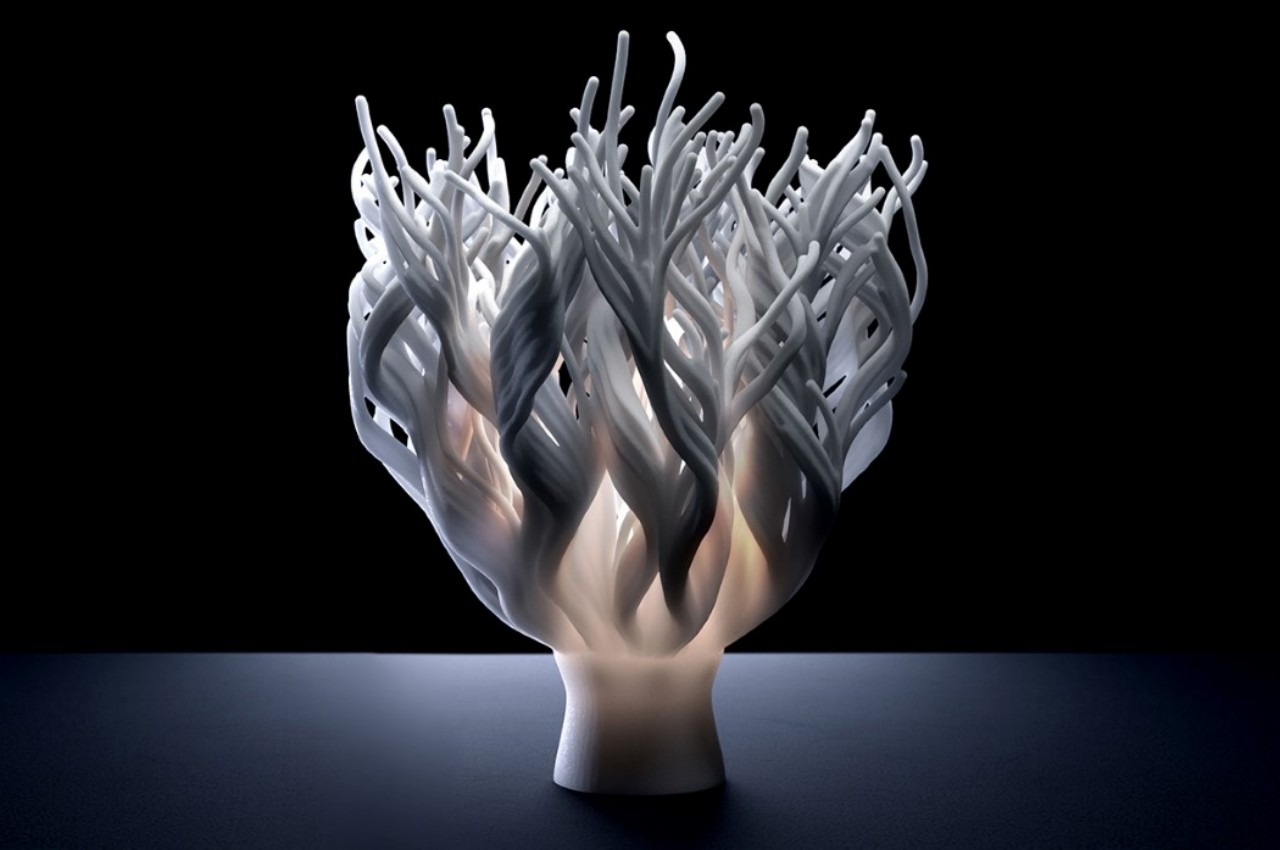
Designer: John Mauriello

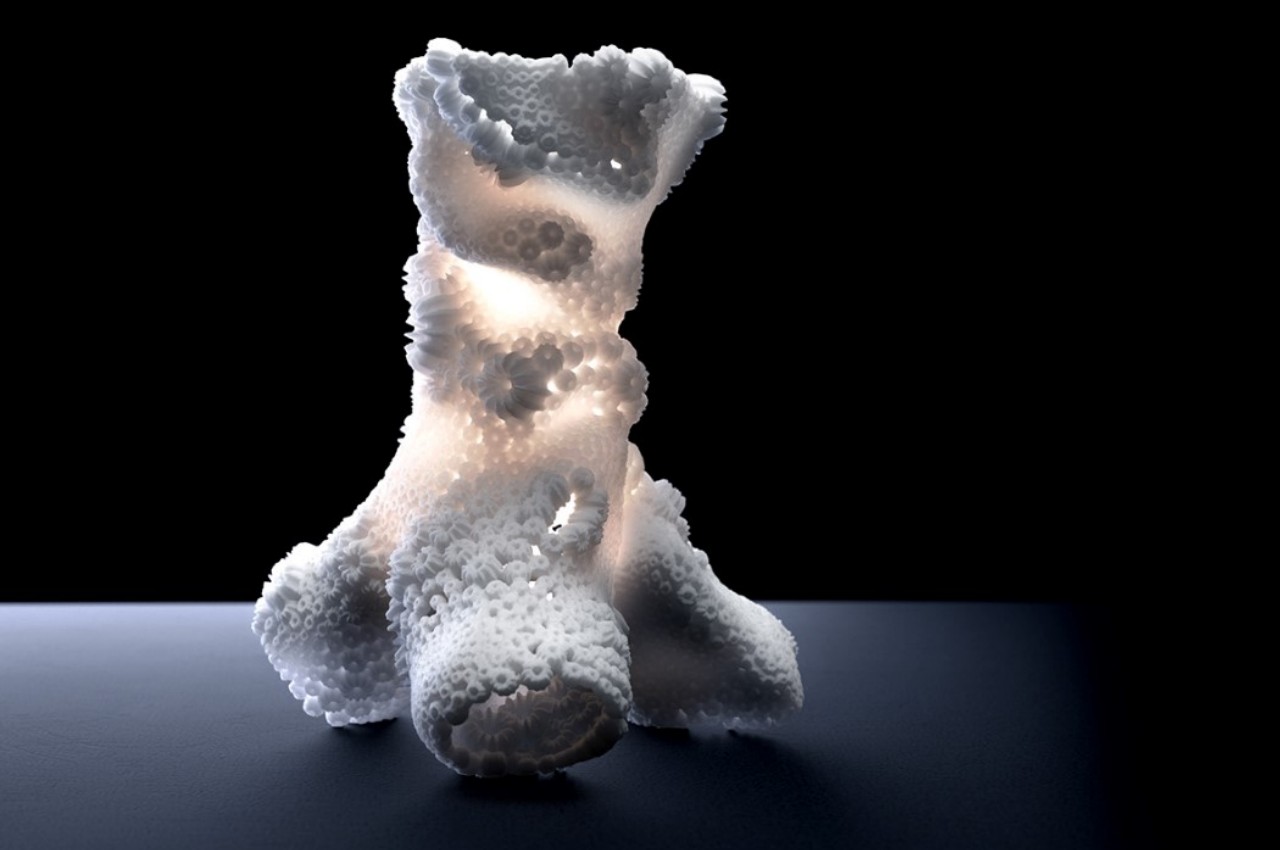
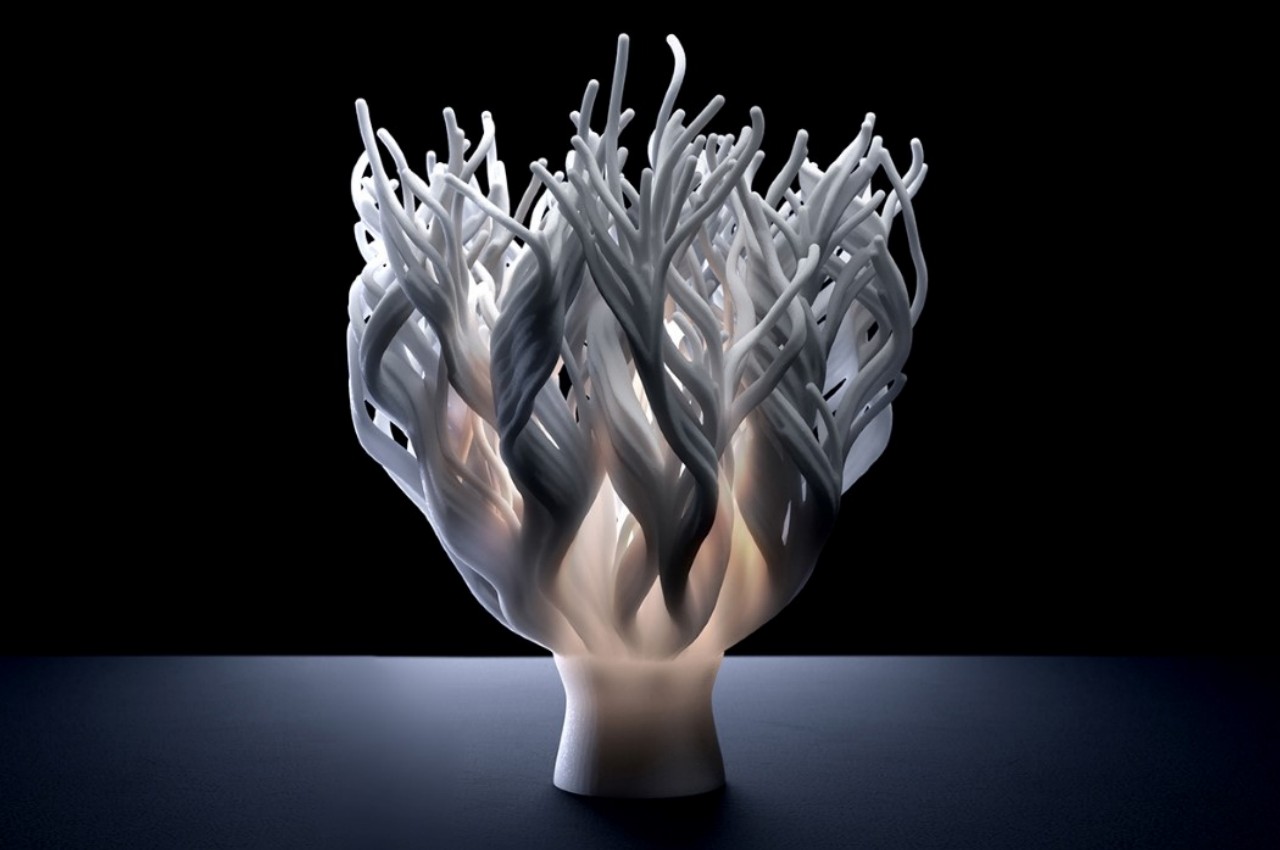
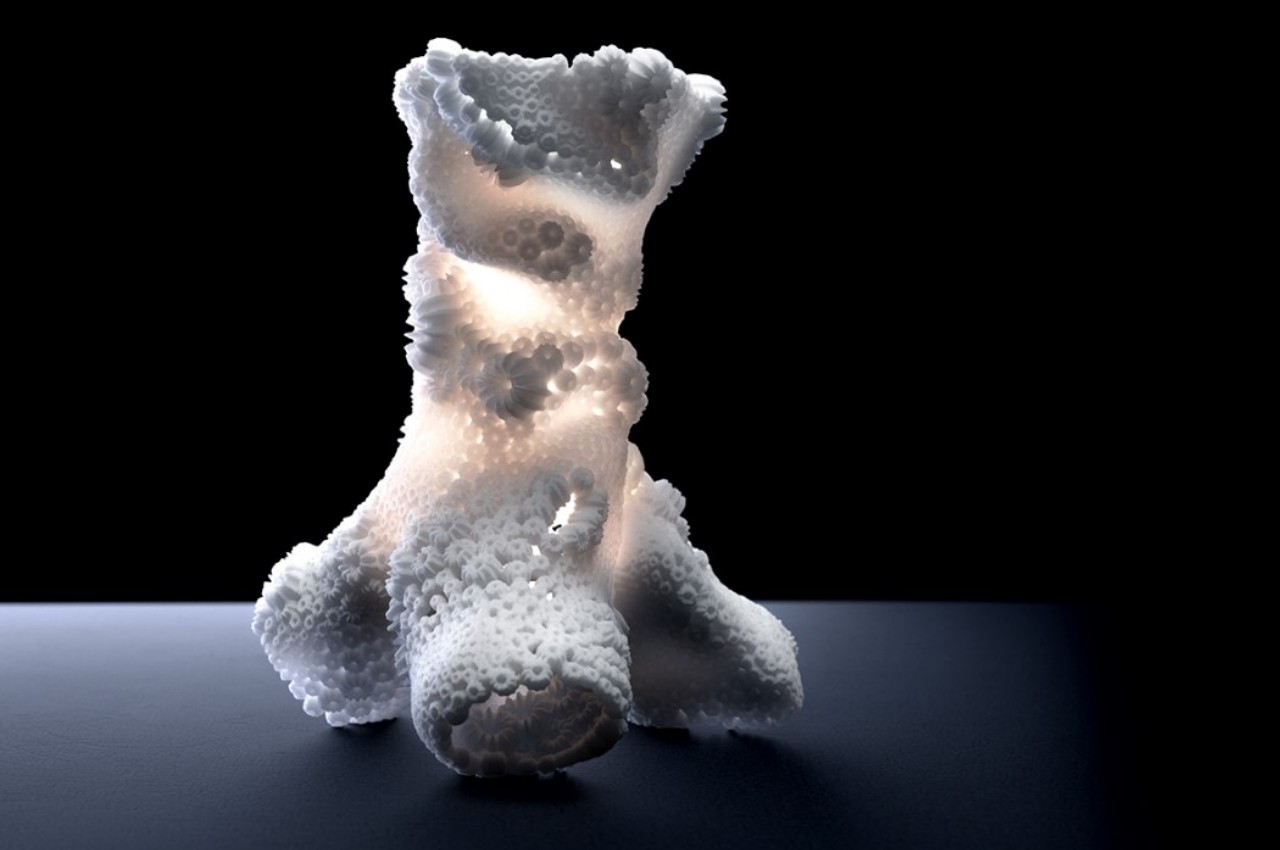
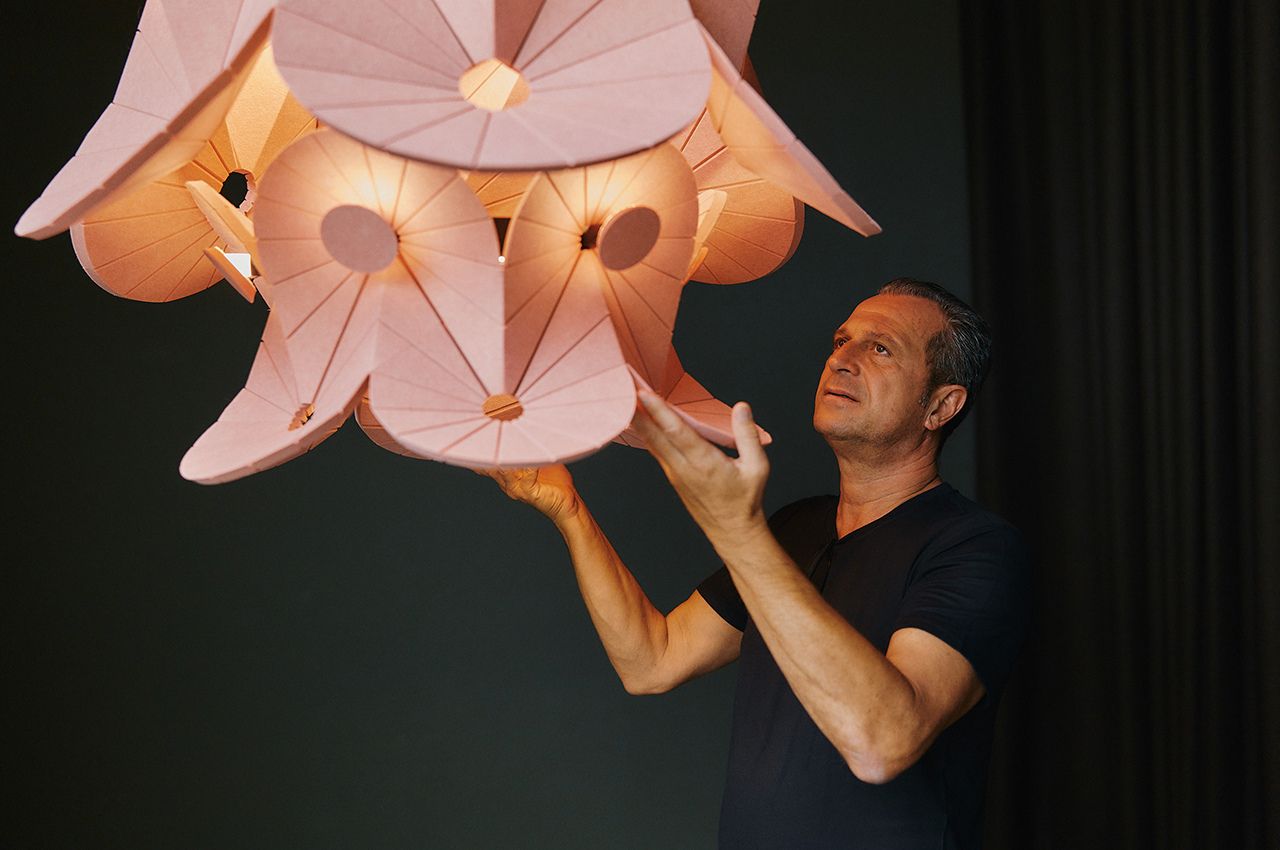
John Mauriello’s Coral Lighting Collection is a fusion of art and technology, capturing the beauty of natural growth with intricate designs inspired by coral formations. Featuring Timor, Sargasso, and Celebes, each lamp reflects the unique aesthetics of different coral types. Crafted with precision using computational design algorithms, these lamps evoke a moment frozen in time, illuminating spaces with hauntingly beautiful patterns of light and shadow.

2. Use Natural Materials

Incorporating natural materials and textures like wood, stone, and plants in interior design evokes a connection to nature’s soothing rhythms, triggering relaxation by associating these elements with the outdoors.

Designer: Julian Topor

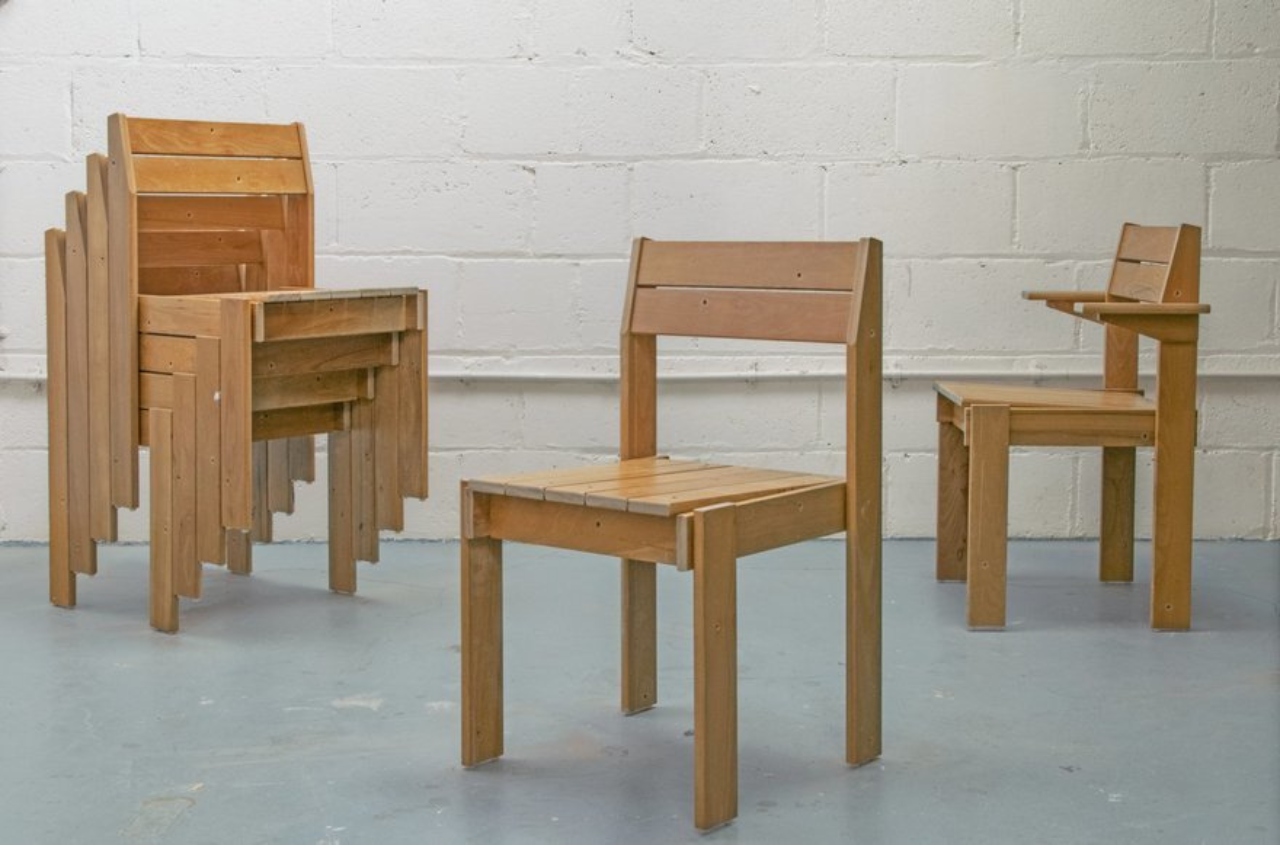
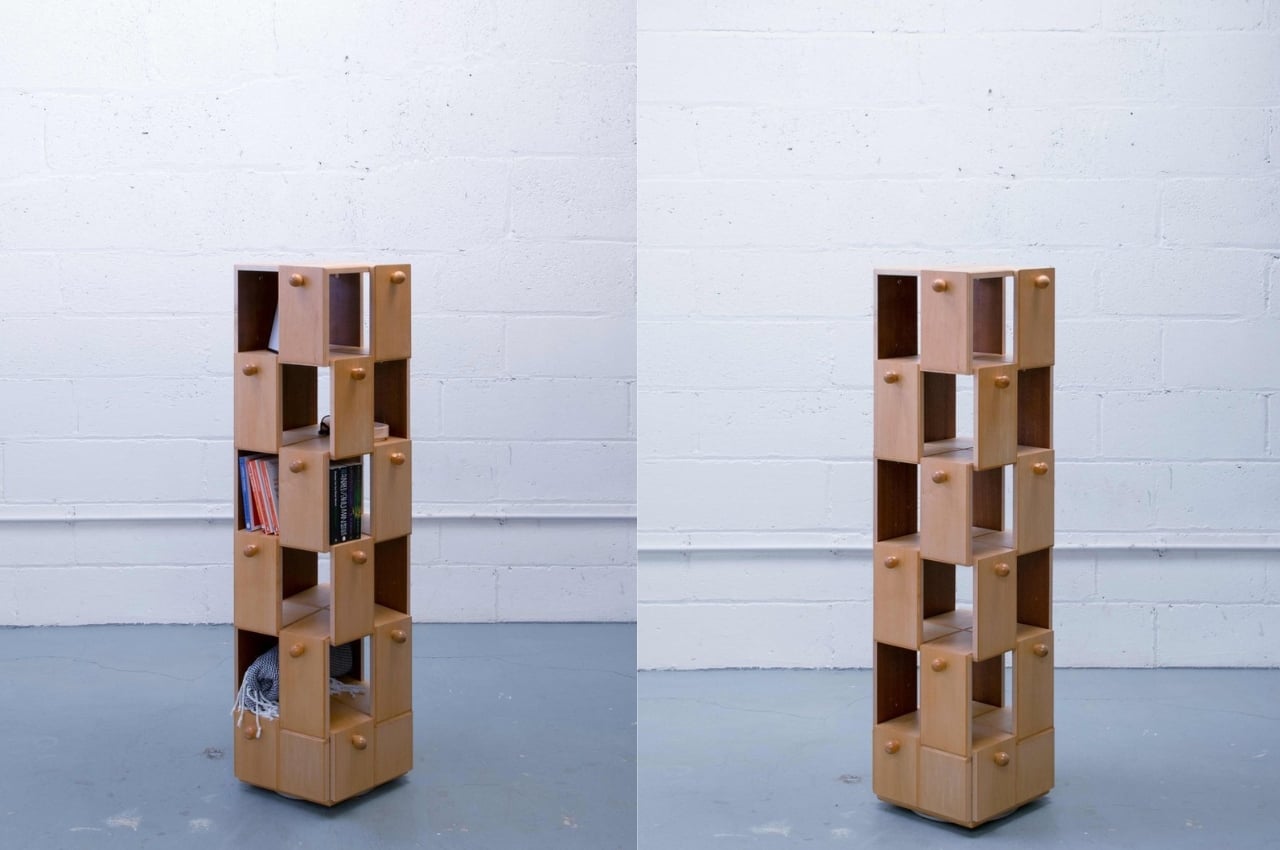
Furniture takes up space, but it doesn’t always have to be idle. The KURVE collection utilizes minimalist wooden designs to maximize storage while maintaining simplicity. For example, the KURVE chair features a backless box for seating, the KURVE Couch has a central console and lower compartment, and the table and nightstand offer trapezoidal designs with storage spaces above and below.

3. Introduce a Water Feature

Image courtesy of: wirestock

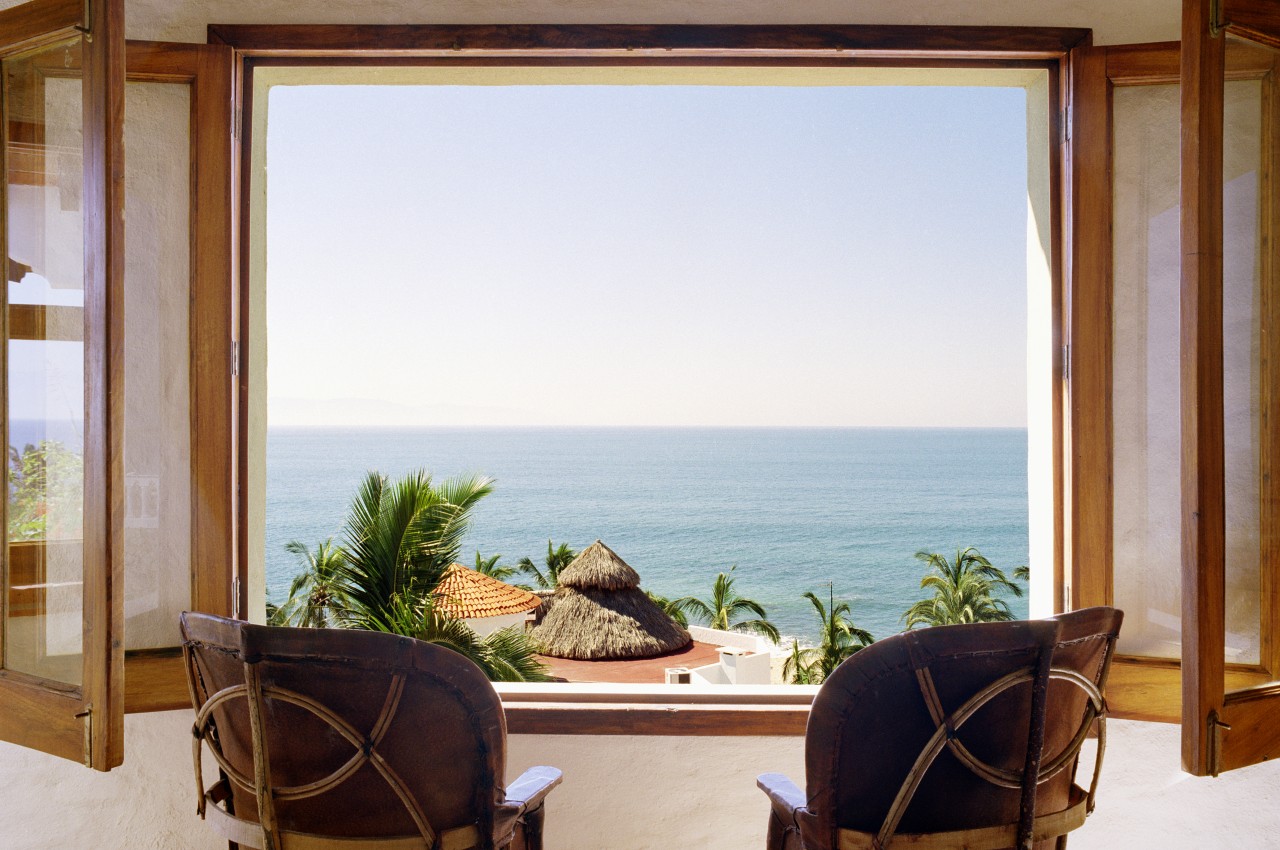
Water’s presence significantly impacts mental health, with studies showing that individuals living near the oceans, especially with ocean views report better well-being. Our brains naturally respond positively to water, inducing calmness, enhancing creativity, and promoting mental healing.

Image courtesy of: Mint_Images

4. Engage the Senses

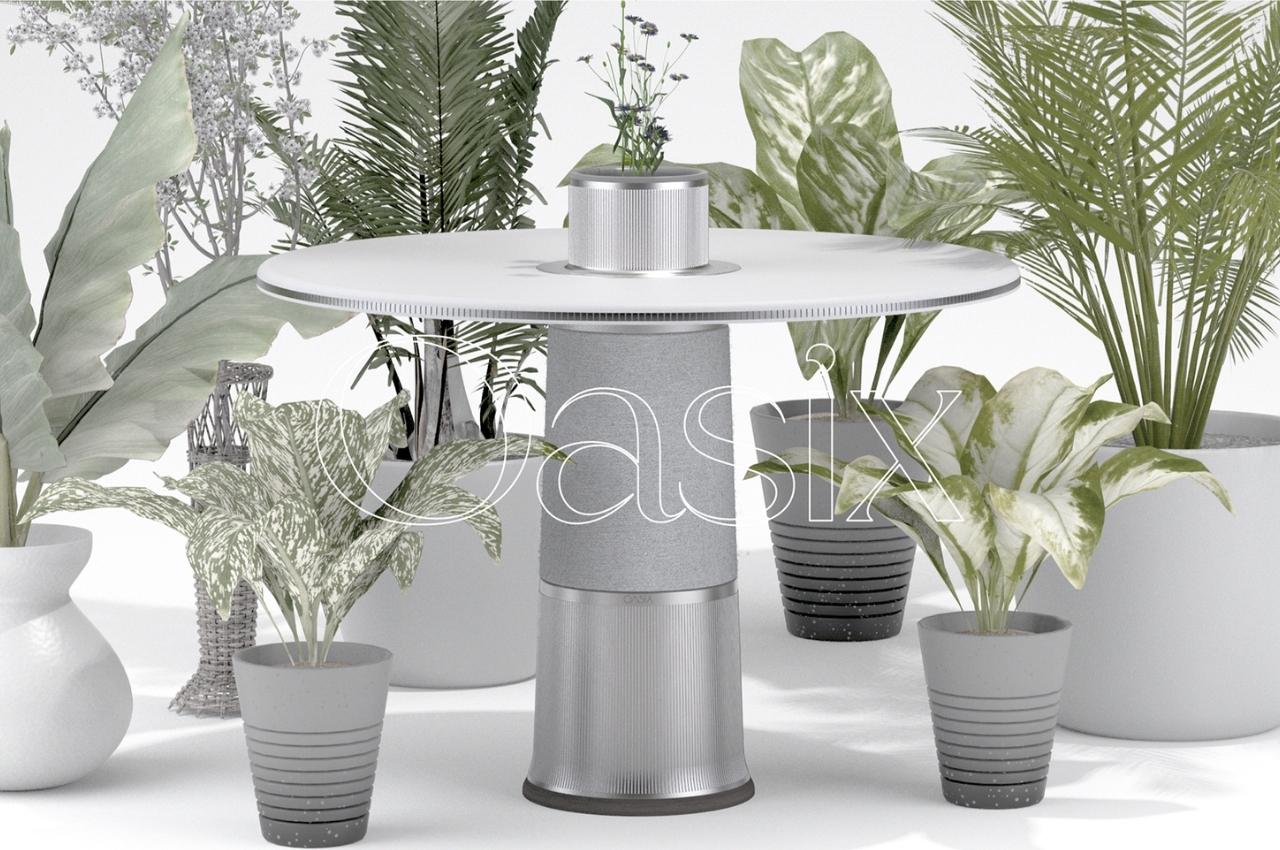
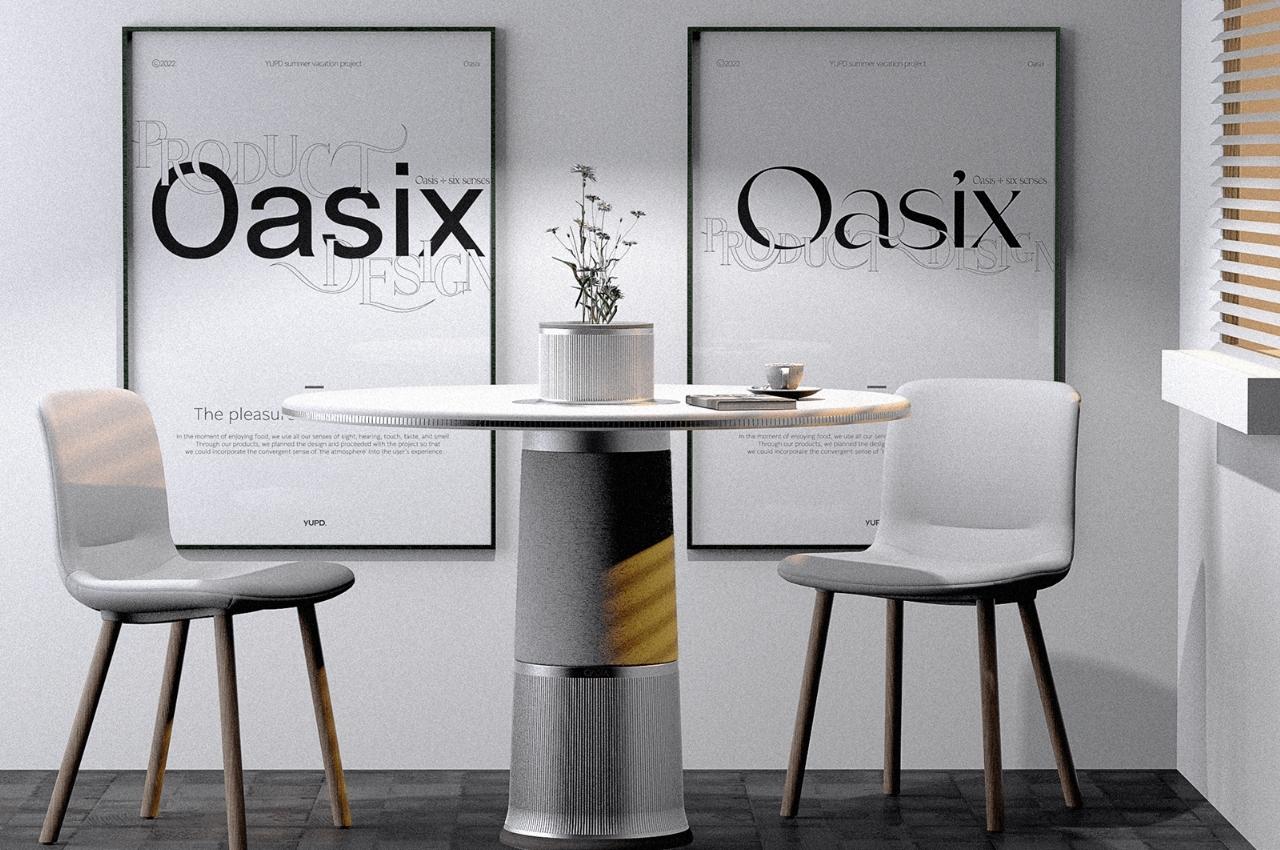
Incorporating natural and tactile materials like wood and natural fibers in a space supports workplace mental well-being by encouraging direct engagement with touch, fostering mindfulness, and focusing attention on the present. Simple design choices, such as timber floorboards, natural stone, or exposed brickwork, can achieve this effect. For instance, when in use, this multi-sensory table introduces both scent and sound to your environment.

Designers: Junseo Oh, Junwan Woo, Jihoon Park, Yoon Seoyoung, Dagyeong Kim

Many cultures consider mealtime a sacred ritual, often creating dedicated spaces for peaceful dining. Imagine enhancing this experience further with the Oasix: a table featuring a built-in planter and speaker, allowing you to enjoy music or ambient sounds while enjoying your coffee or meal. Perfect for creating a sensory oasis in any setting.

5. Color Psychology

Color psychology in interior design addresses mental well-being through the strategic use of warm and cool tones. Cool hues such as blue and green evoke calmness, while warm tones like red and orange infuse warmth and energy. Neutral tones and pastel colors combine to foster an uplifting yet tranquil atmosphere.

Designer: Lisa Brustolin

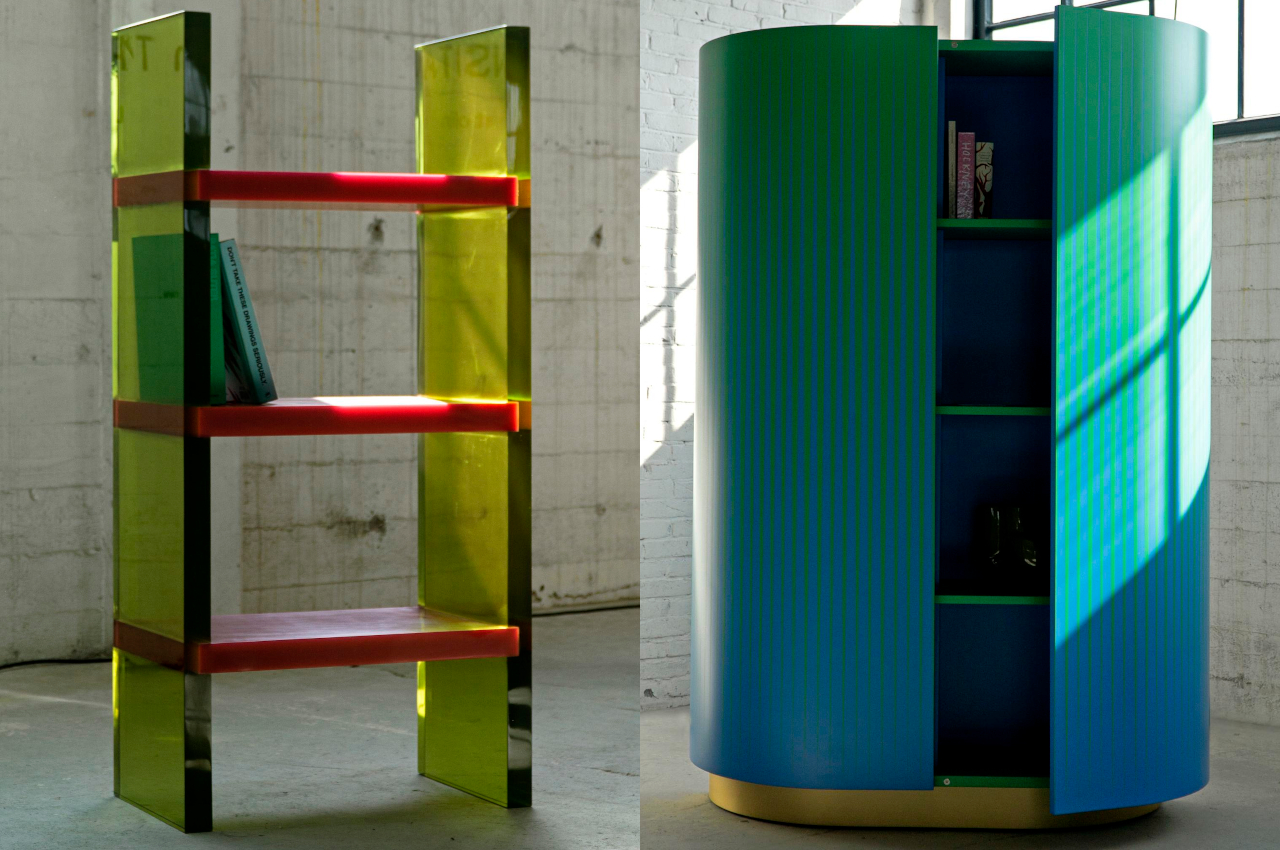
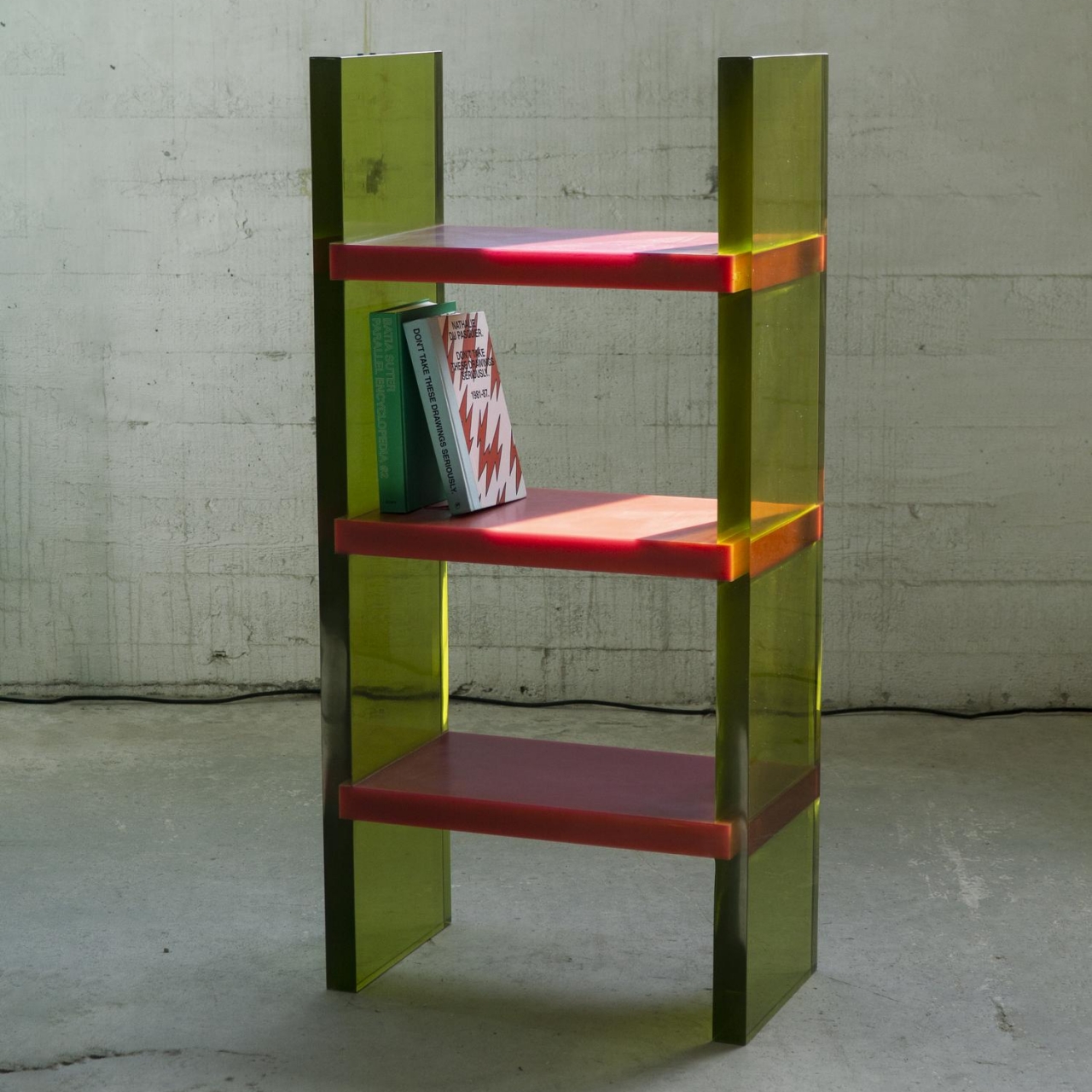
Minimalism has made many products, especially furniture, seem too plain, but there’s a counter-culture advocating for maximalism to address contemporary mental and emotional challenges. This new furniture collection demonstrates how ordinary objects can become room highlights through a clever mix of colors, materials, and shapes. The Differ Shelf and Opticabinet use contrast and illusion, while the Wrong Mirror offers a modern twist. Brustolin’s collection combines functionality with artistic expression in the home.

6. Clutter Free Space

Image courtesy of: FollowTheFlowStudio

Untidy living environments can prompt the release of cortisol, a hormone associated with heightened stress levels, decreased happiness, and diminished productivity. Make sure your home is clutter-free with optimum utilization of space.

7. Reduce Noise

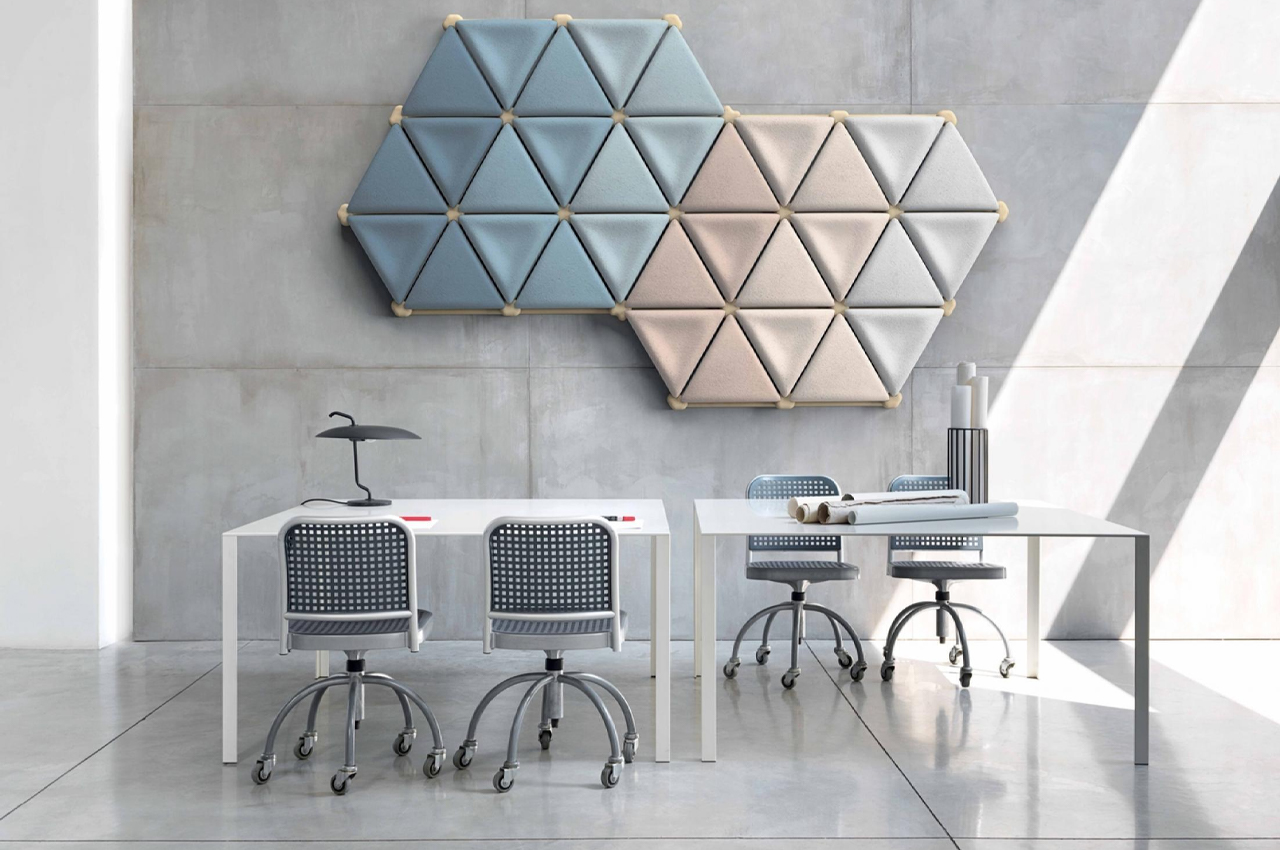
Sound significantly affects mood and stress levels. To reduce external noise, choose quieter areas and improve insulation. Opt for acoustic double-glazed uPVC windows for effective sound insulation. Use fabrics like tapestries, carpets, heavy curtains, and textured wall décor to minimize echo and absorb sound. Enhance relaxation by adding soothing indoor music and nature sounds like wind chimes.

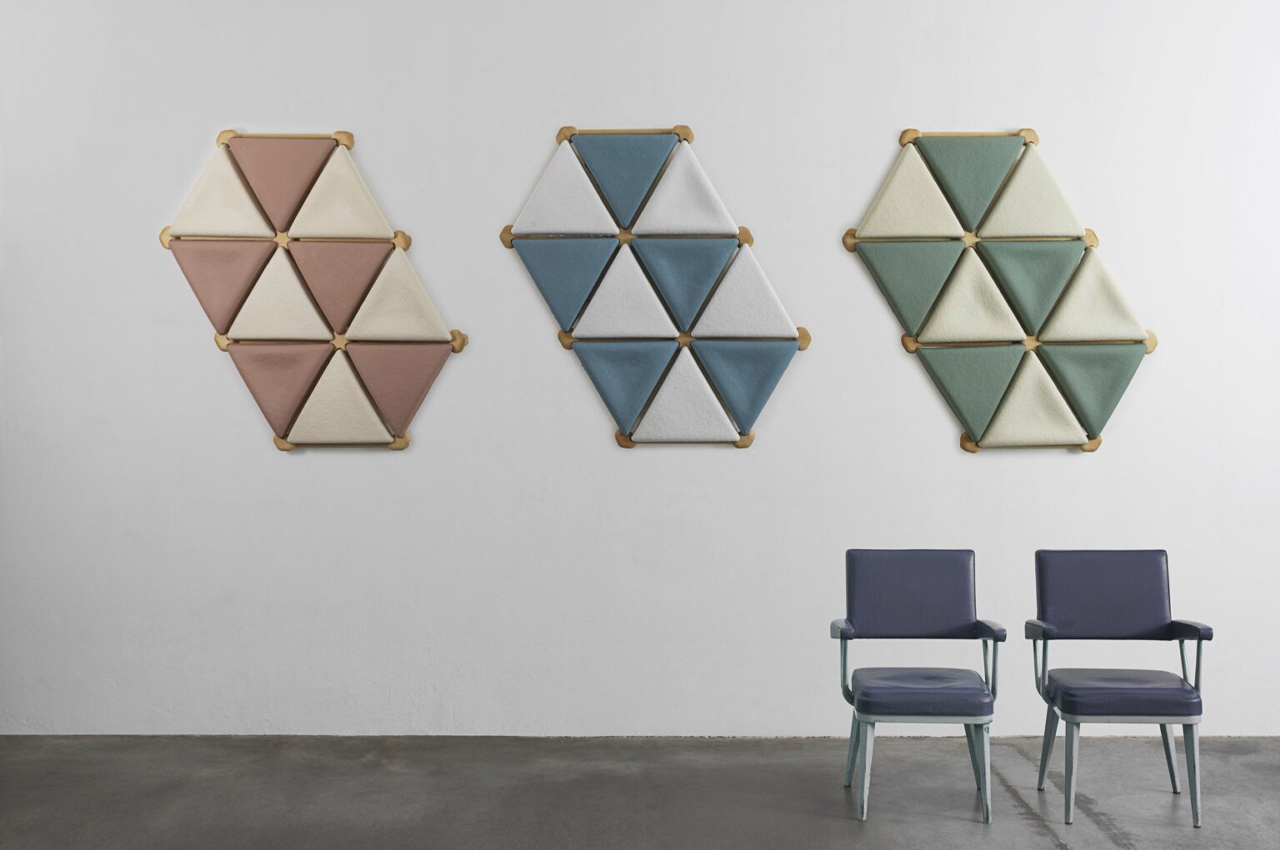
Designer: Mogu

The Foresta System by Italy-based Mogu features modular acoustic panels made from a blend of fungal mycelium and upcycled textile materials, offering durability and eco-friendliness. Integrated with wood branches and nodes and supported by a timber frame, these panels allow for easy installation and removal. Recognized for sustainability and innovation, its commitment to eco-conscious manufacturing, this collection effectively reduces noise in various environments, including home offices, by combining wooden aesthetics with the advanced properties of mycelium through cutting-edge manufacturing techniques.

8. Aromatherapy

The brain’s emotional center reacts to scent, which makes aromatherapy a powerful tool for boosting mood. Utilize diffusers to spread calming essential oils such as lavender, chamomile, woody scents, and eucalyptus throughout the air. Additionally, scatter soothing candles throughout the house and arrange fresh flowers for both visual and olfactory delight.

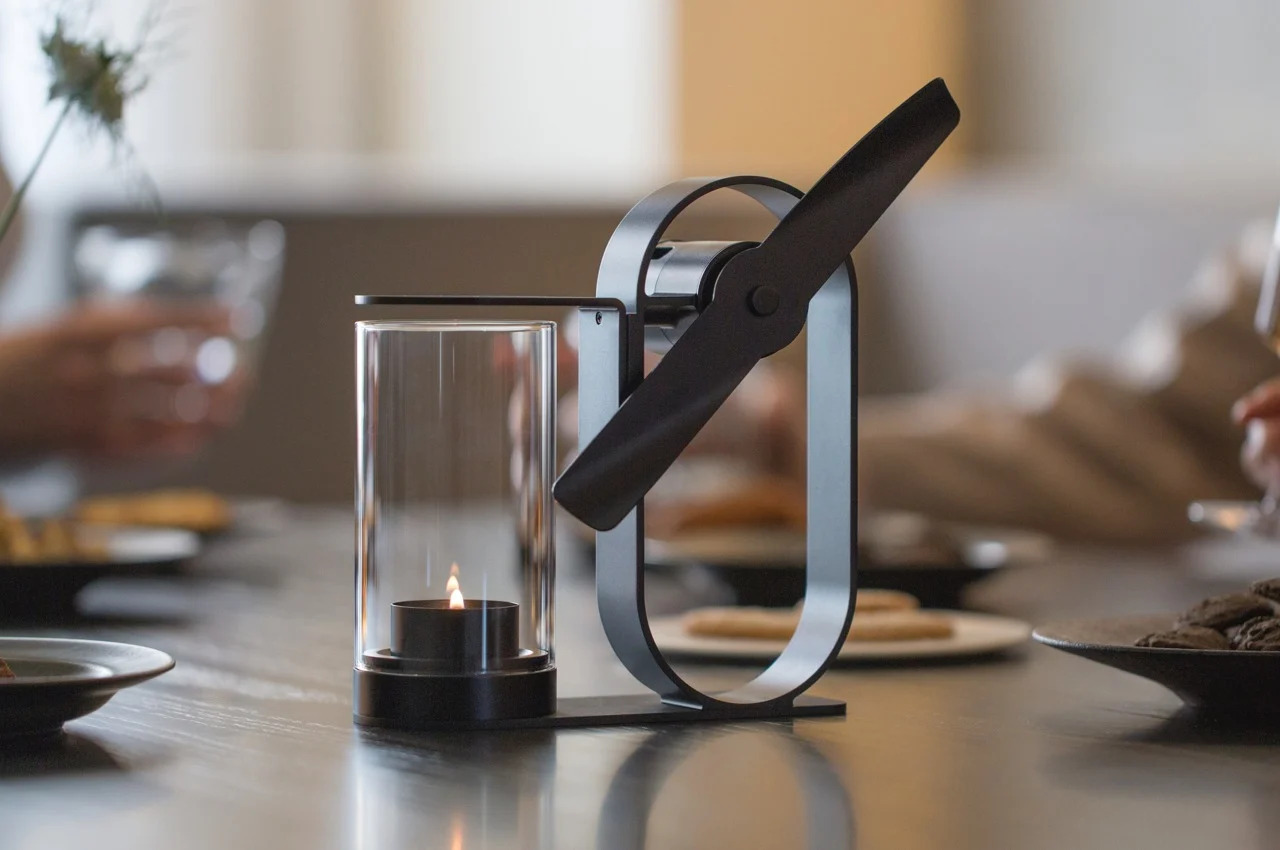
Designers: Yu Ito & Yoshimi Kemmotsu of SOL style

Click Here to Buy Now: $249.

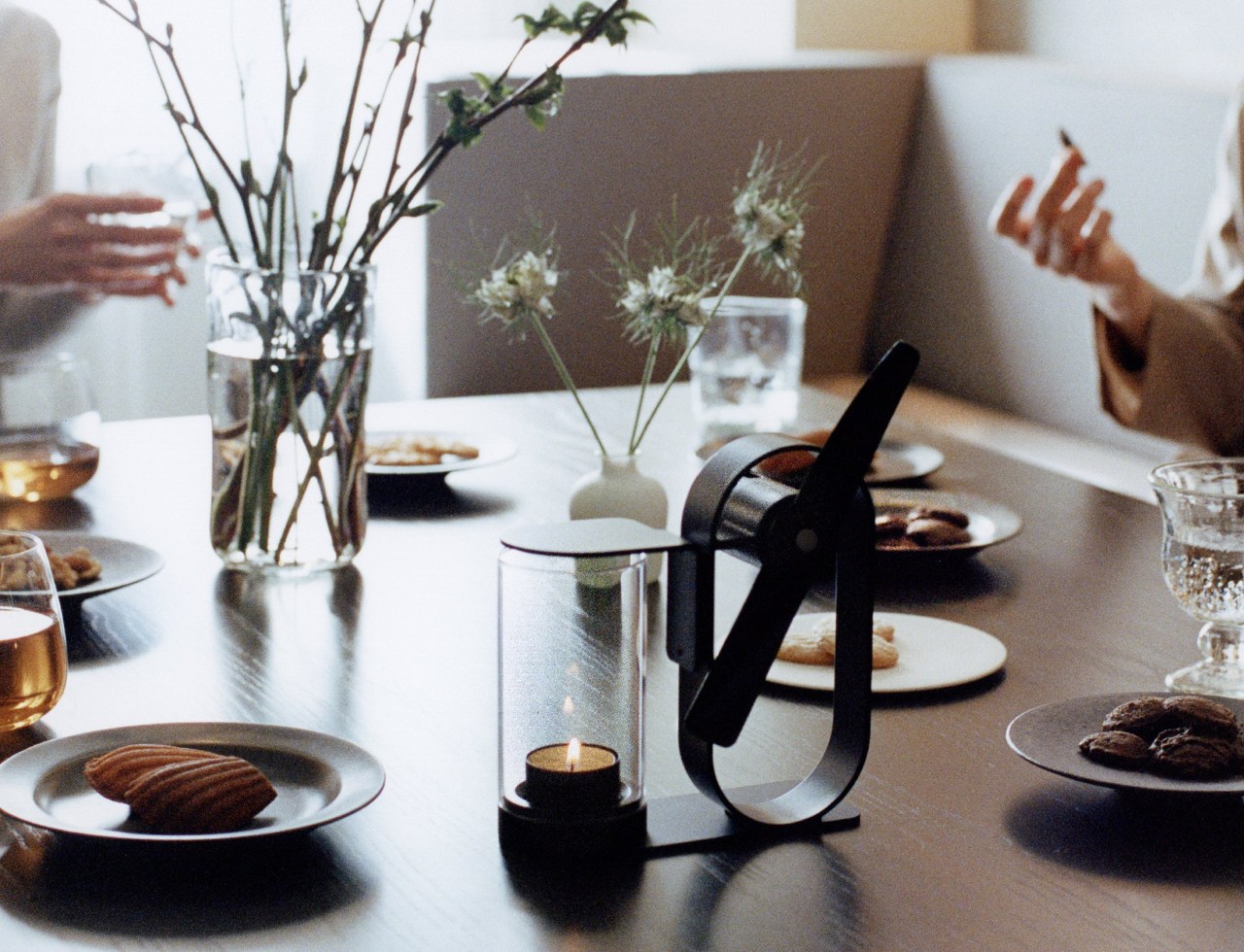
Enjoy your favorite scents guilt-free with this sustainable aroma diffuser, powered by a candle and free from batteries. The Lei aroma diffuser utilizes candle heat to generate electrical power for gentle scent dispersion, eliminating the need for battery changes or recharging. Crafted from recyclable materials, its sleek and minimalist design ensures eco-friendly relaxation anywhere, without the hassle of wires or complicated parts.

9. Room Layout and Furniture

Image courtesy of: FollowTheFlowStudio

Evaluate room layouts and furniture placement to optimize comfort, reduce clutter, and promote easy movement. Designate separate areas for work, play, and rest mentally, keep furniture away from walls, utilize natural curves, consider minimal, multifunctional pieces, and prioritize ergonomic support for lounging and sitting spaces.

Designer: Lorenzo Spanu

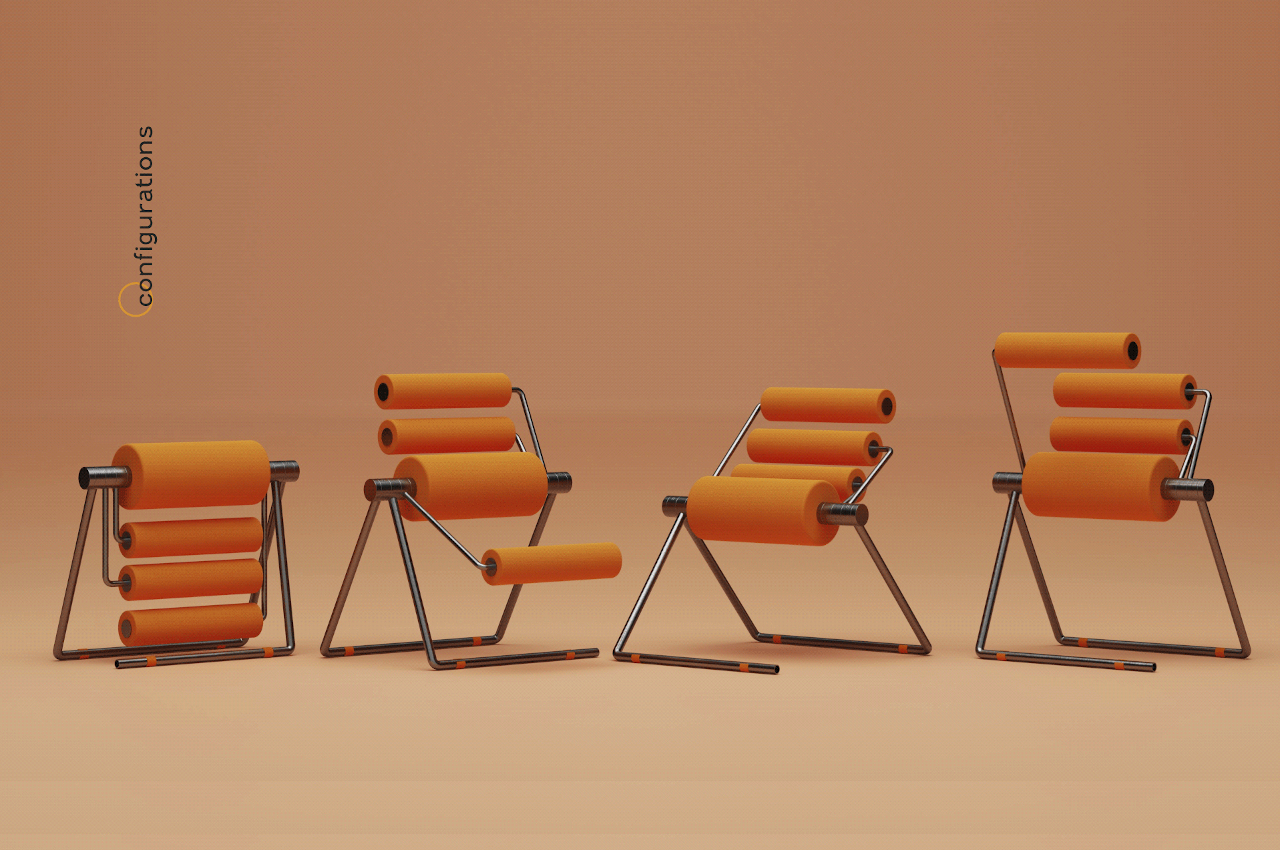
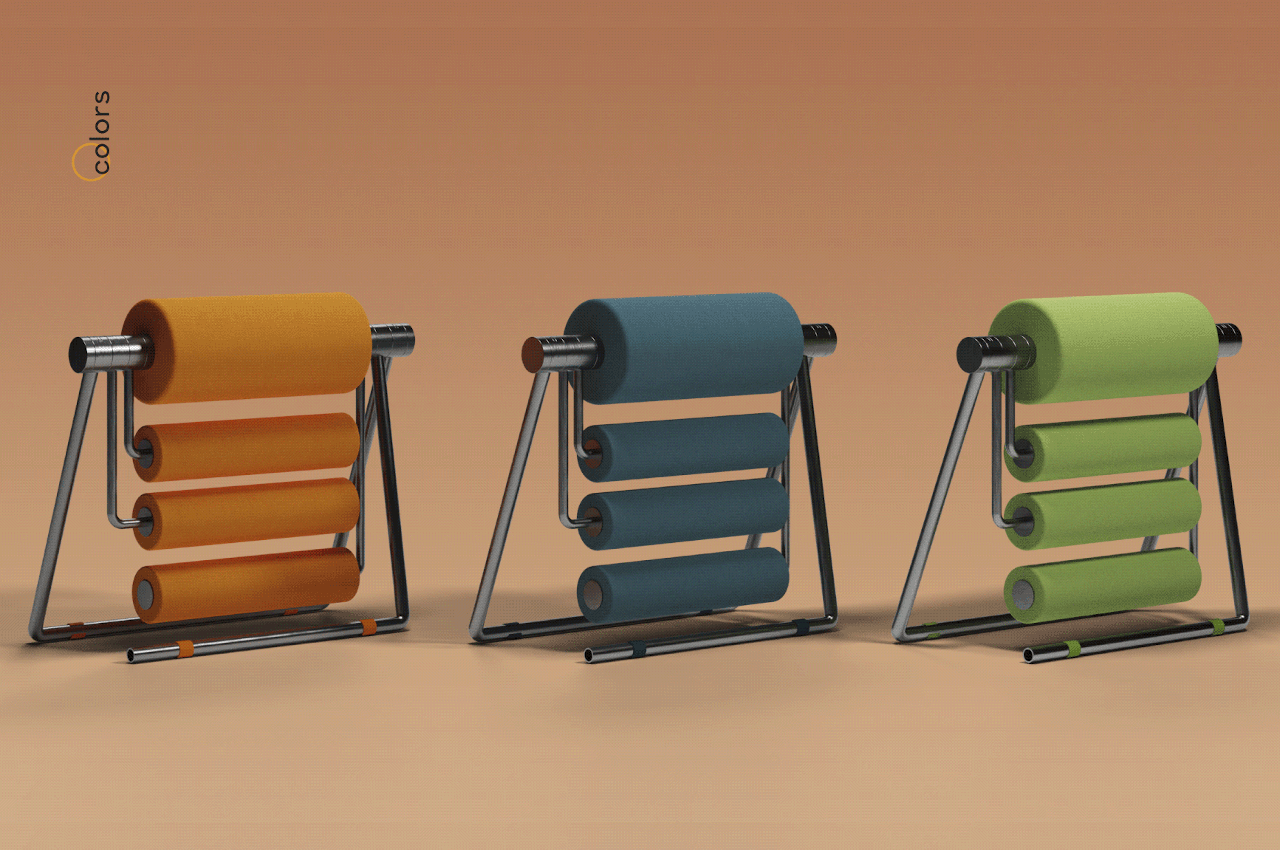
Chairs and beds are meant for comfort, yet not all chairs prioritize supreme comfort. The Nebula chair concept challenges conventional designs with cylindrical pillows for ergonomic support, offering various seating options from kneeling to reclining. Despite its unconventional appearance, it maximizes space efficiency and encourages movement, promoting a healthier approach to seating in evolving work environments.

Designer: Deniz Aktay

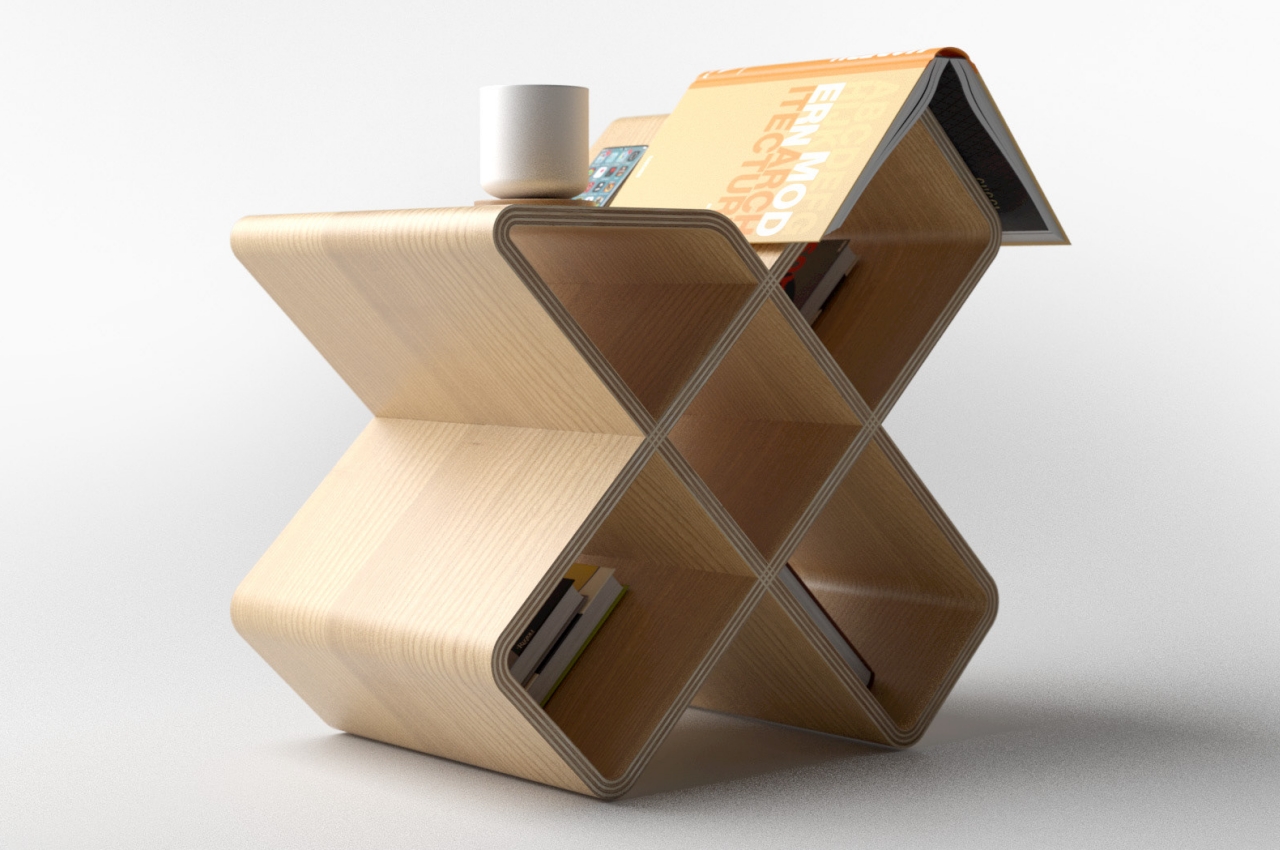
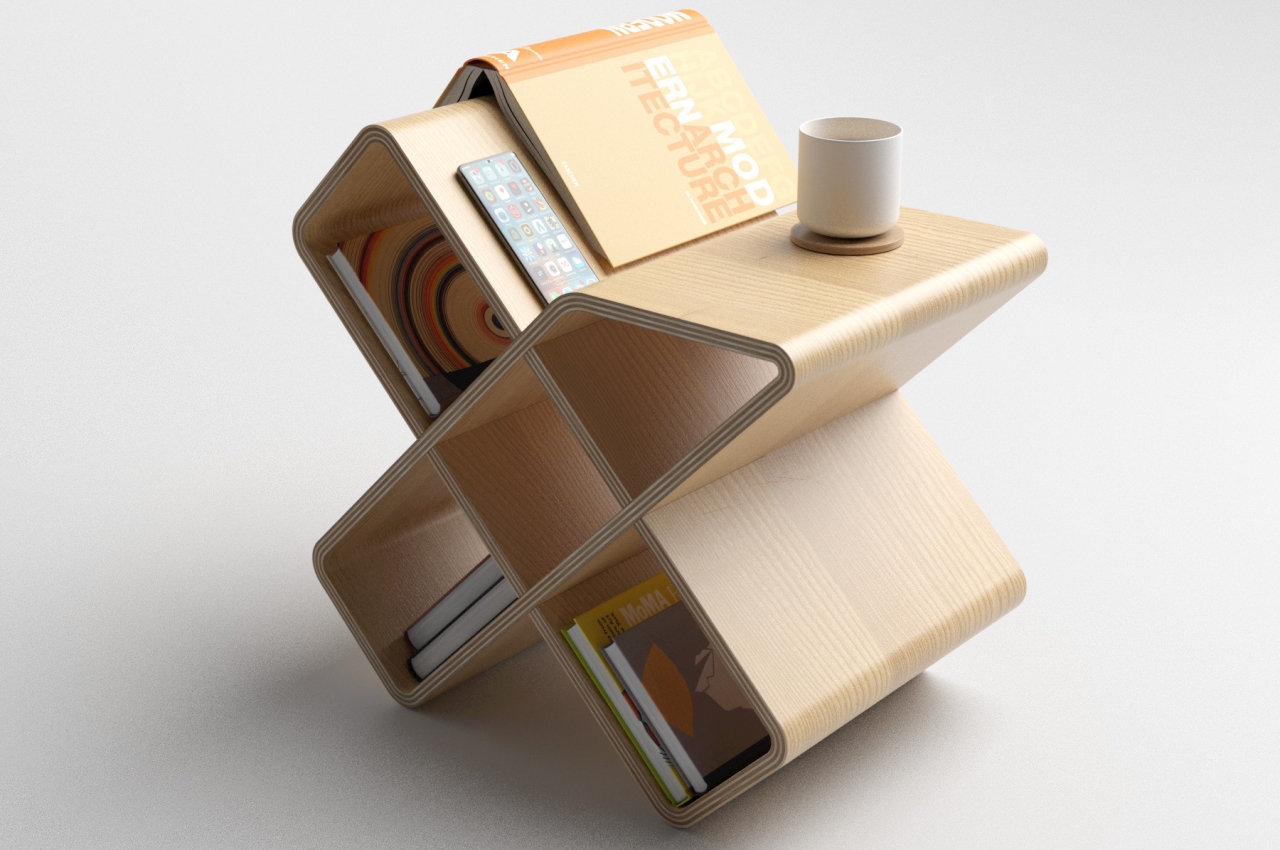
Space is precious in our homes, driving the need for furniture with dual functions. Crossbred fills this niche with its cross-shaped design, serving as both a shelf and a low-side table. Crafted from wood, it offers versatile storage with five compartments and a flat surface for delicate items or beverages. Its dynamic yet understated design blends practicality with charm, making it perfect for modern living where flexibility is essential.

10. Soothing Lighting

Selecting the right lighting sets the relaxation tone; opt for incandescent bulbs for warmth, avoid harsh fluorescents, utilize dimmers, distribute lamp lighting, and adjust levels throughout the day for energizing mornings and restful evenings.

Designer: Sunroof

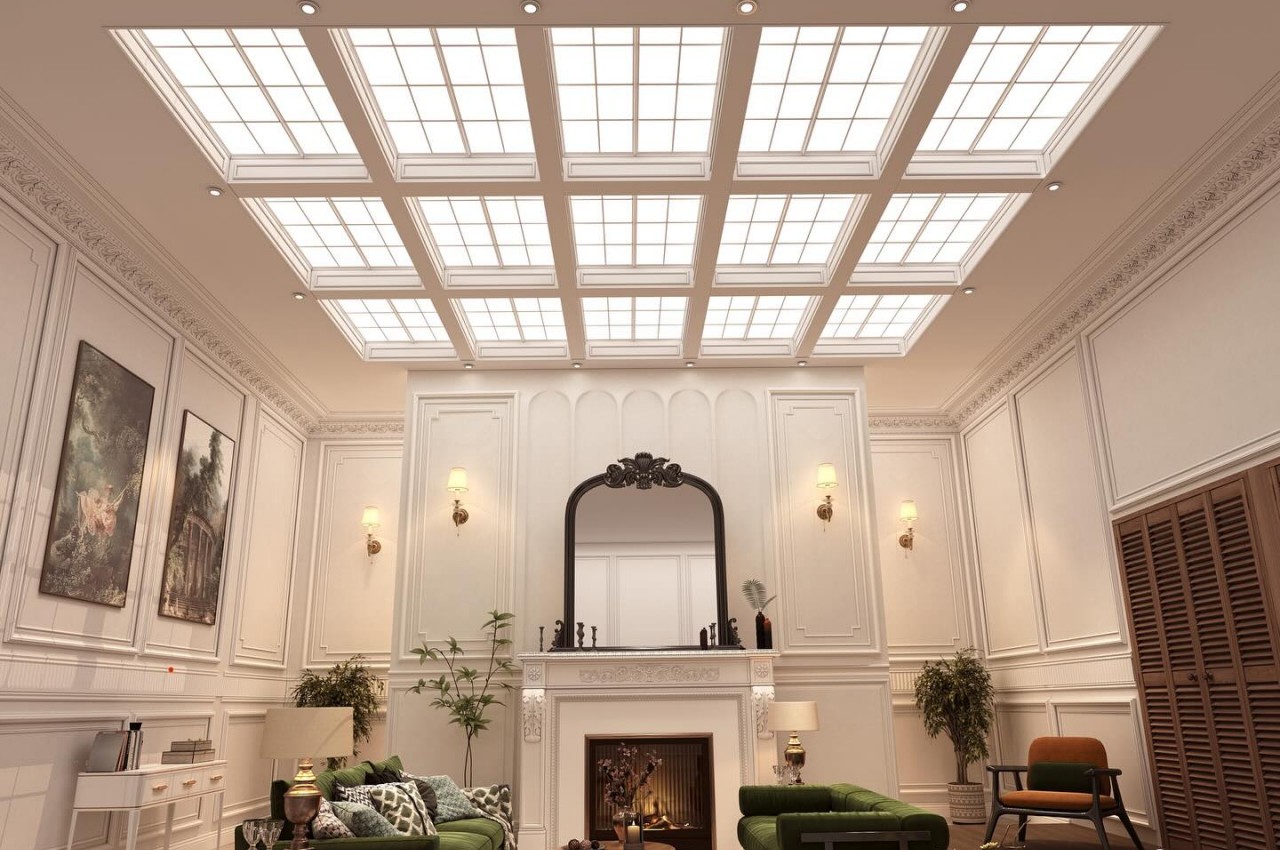
Rooms lacking sunlight often leave us feeling lethargic and unproductive, but the SUNROOF lighting system offers a solution by bringing the warmth and benefits of sunlight indoors. No longer must basements remain dull and gloomy, as this system enhances concentration, mood, and productivity, and reduces stress, transforming any space into a vibrant and inviting environment.

Designer: Rollo Bryant

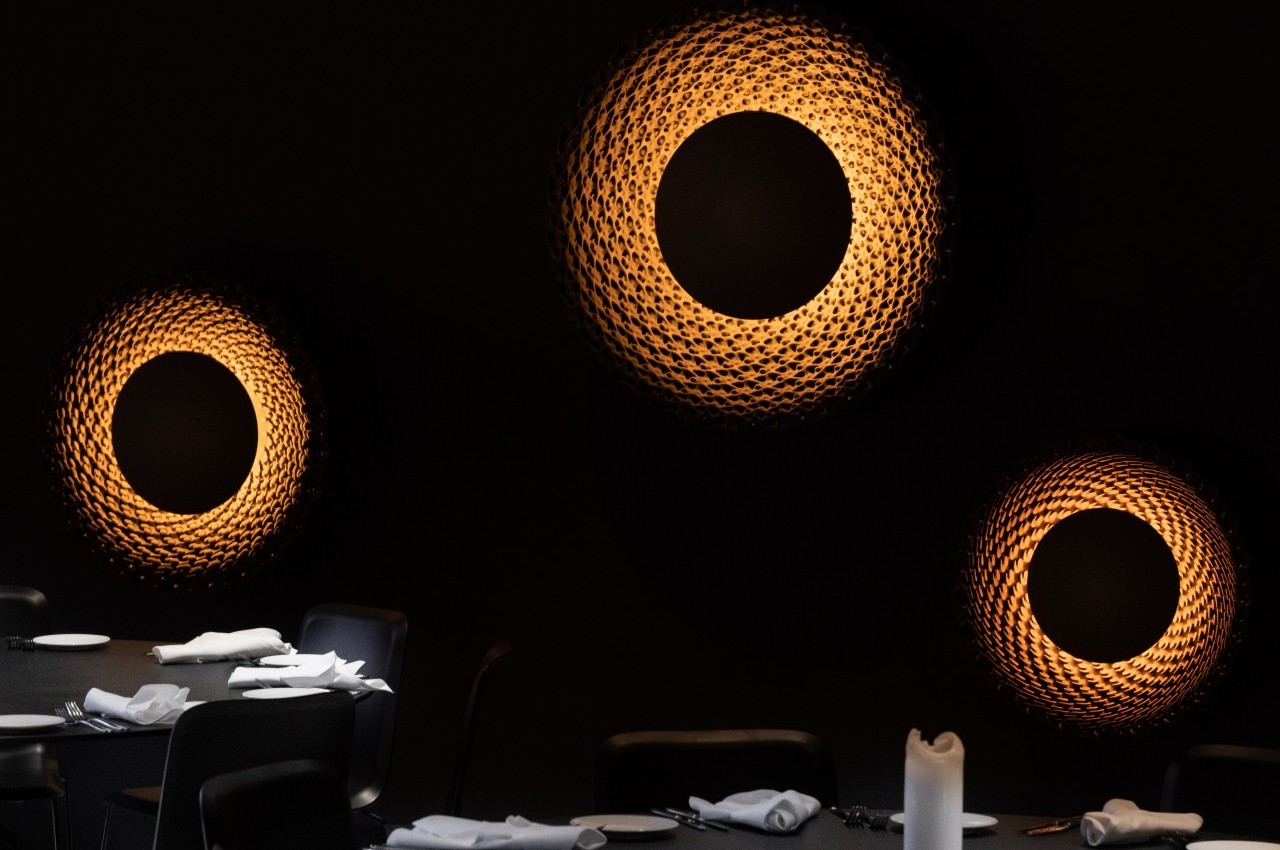
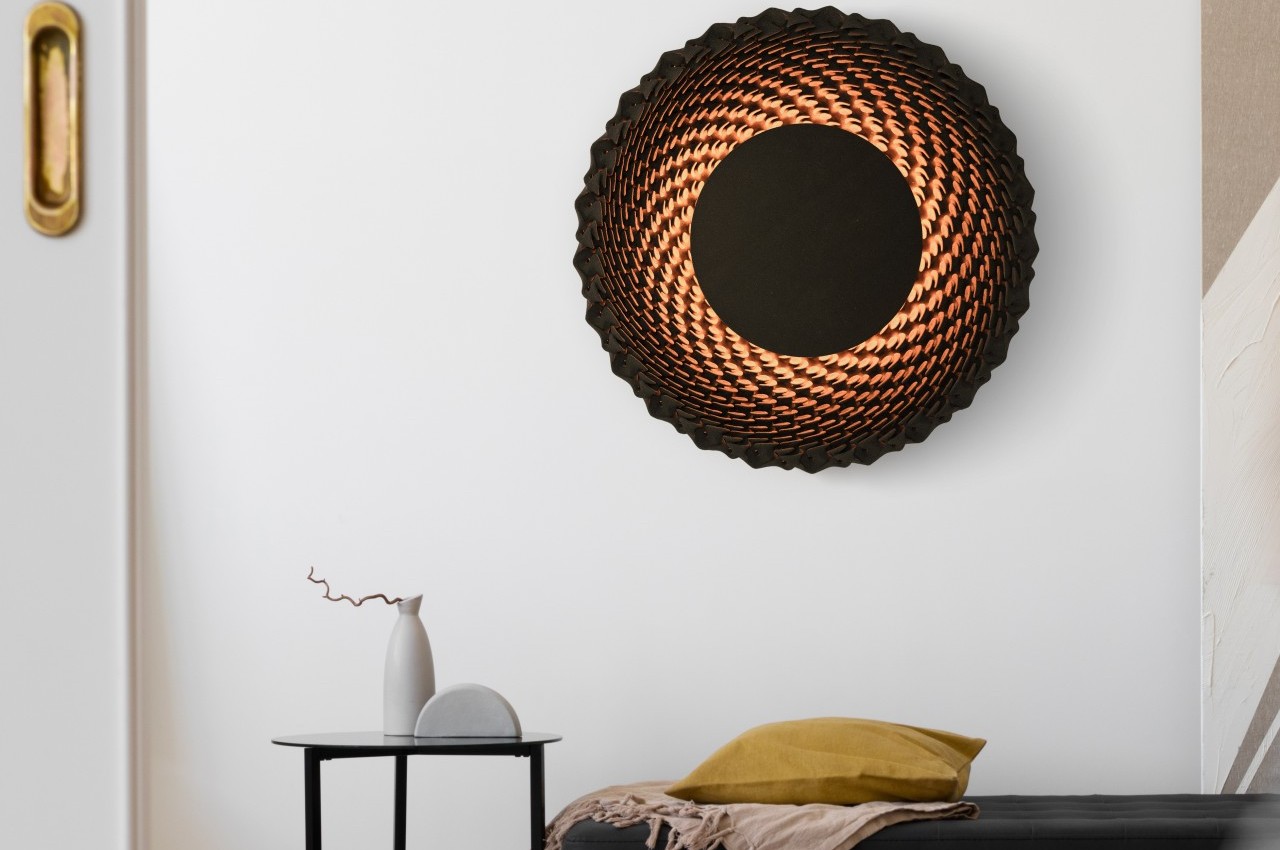
Inspired by sunflowers, sculptural wall lamps from the Aureole collection evoke an otherworldly aura using quartz sand and innovative 3D printing. When illuminated, they emit an ethereal glow, casting unique shadows reminiscent of a solar eclipse corona, making them a captivating addition to any space.

The post Transform Your Home for Better Mental Health: 10 Design Tips first appeared on Yanko Design.

3D Printing is Shaping Modern Product Design: Here’s How

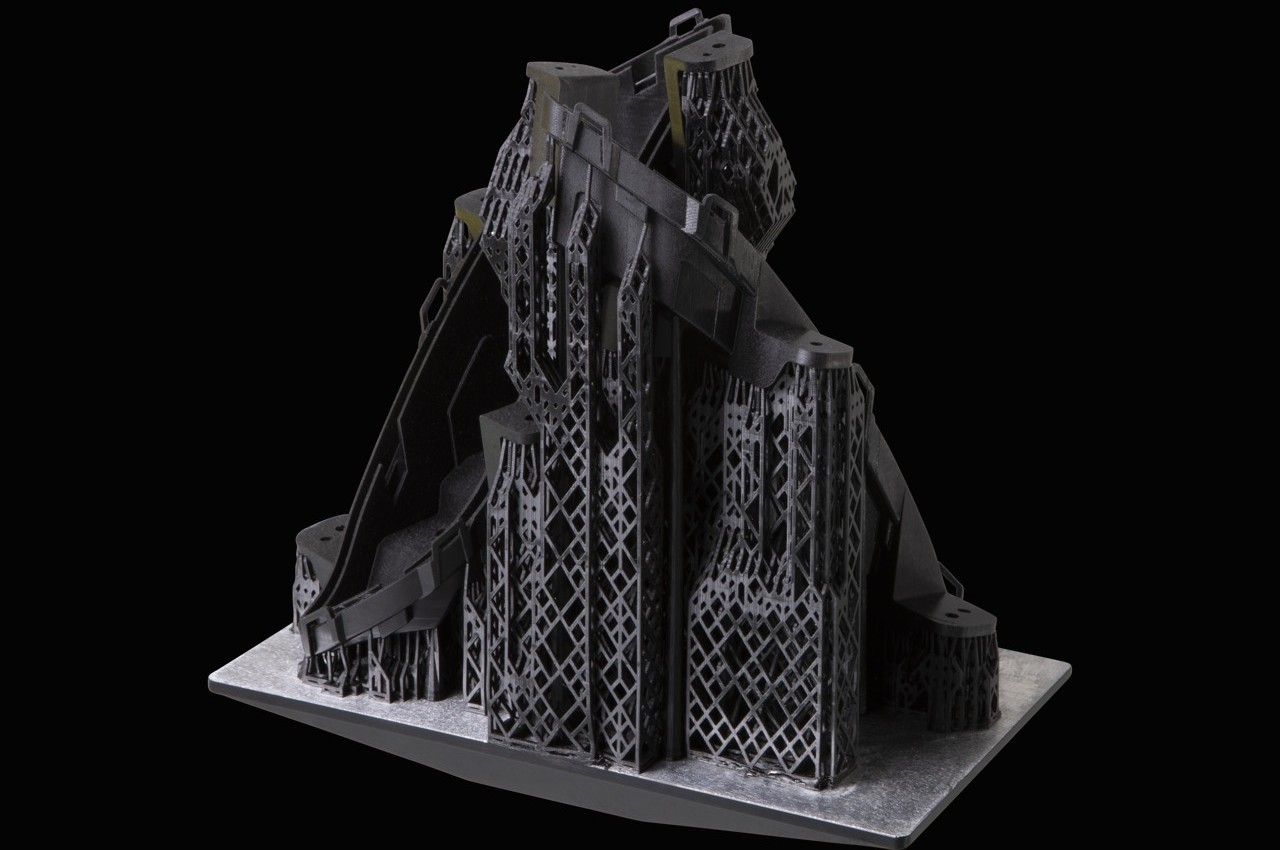
In the ever-evolving landscape of product design, from ideation to realization, 3D printing technology is revolutionizing contemporary design practices. 3D printing technology employs computer-aided design (CAD) and fabricates objects layer by layer. Commonly used in manufacturing, automotive industries, and industrial product design for creating tools, parts, and prototypes, this process, also known as additive manufacturing, layers materials like plastics, composites, or bio-materials to produce objects of varying shapes, sizes, rigidity, and color.

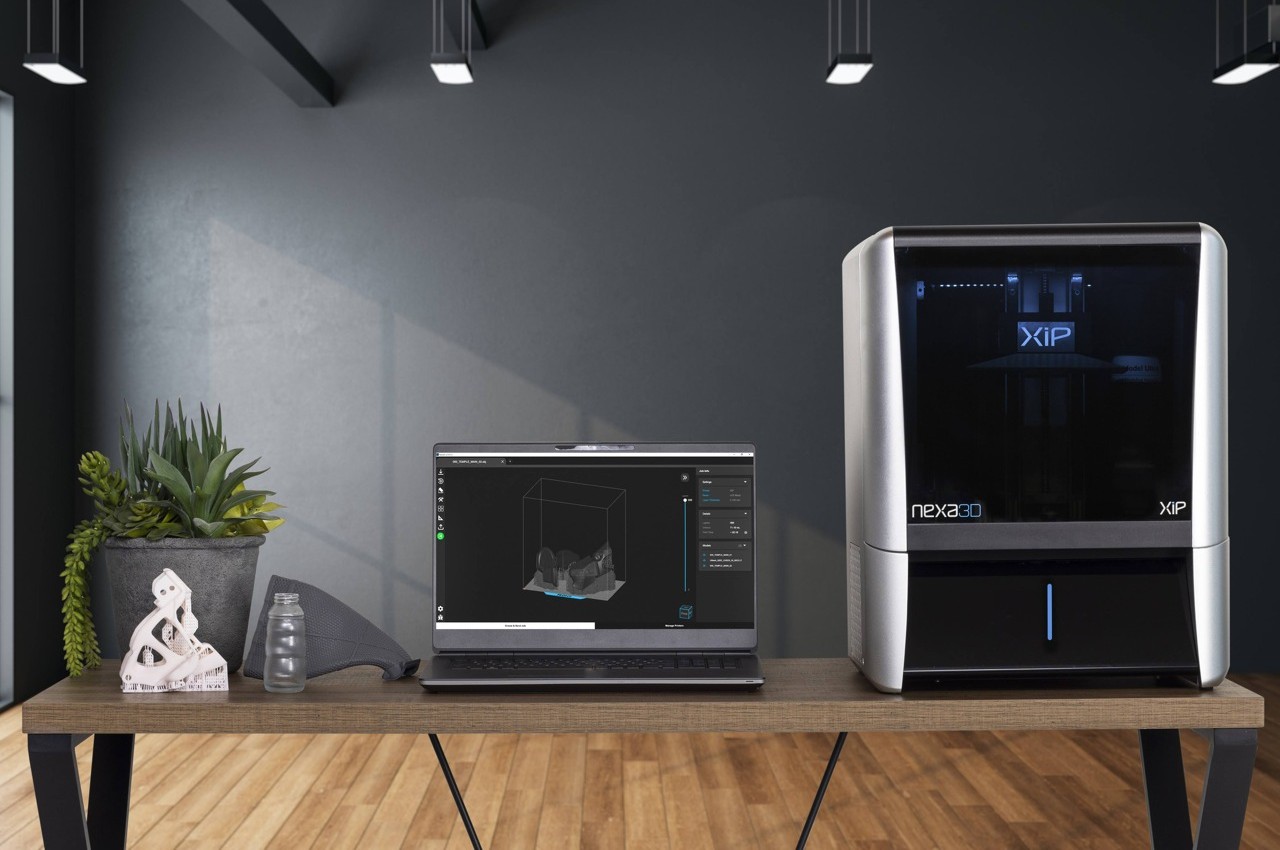
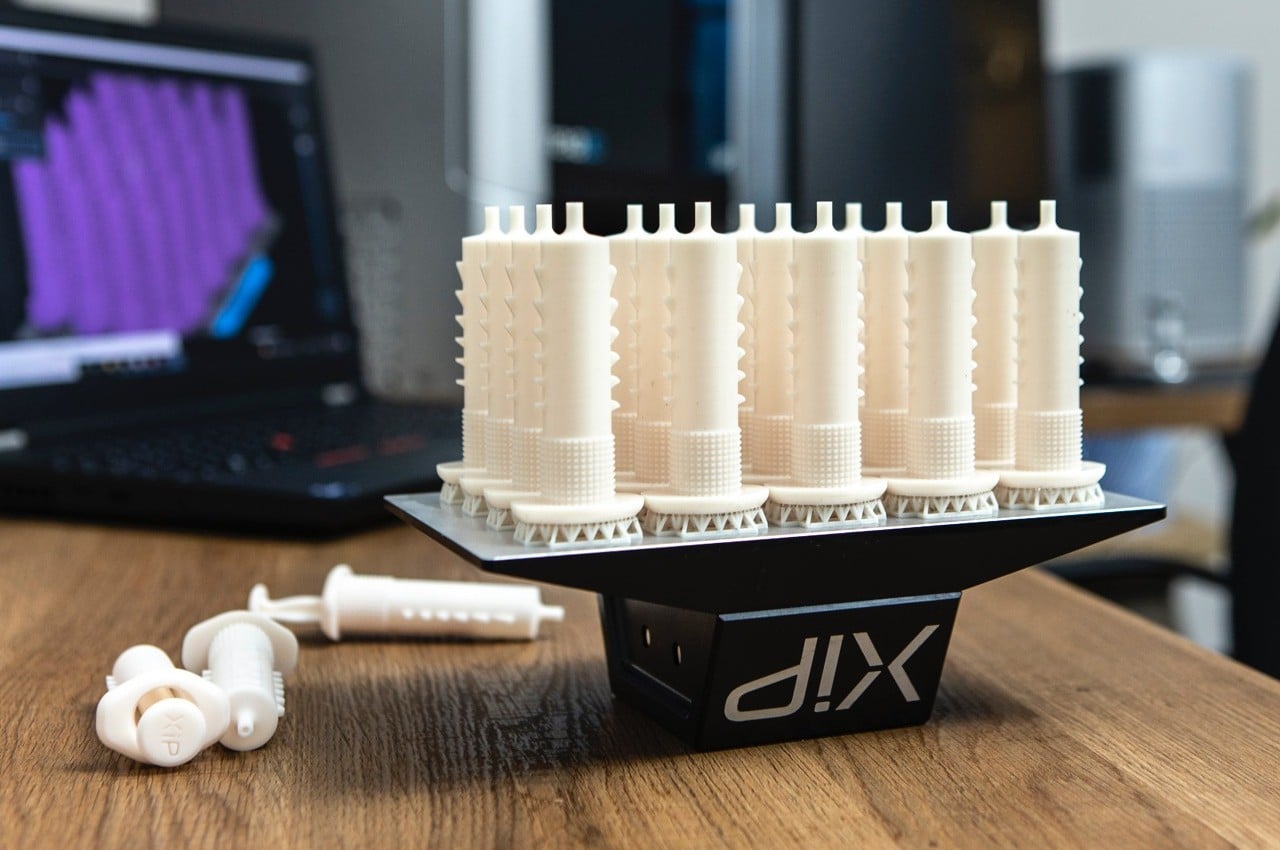
Designers: Nexa3D and Mocu Desig

The commonly selected 3D printing technologies include Fused Deposition Modeling (FDM), Stereolithography (SLA), Selective Laser Sintering (SLS), PolyJet, and Direct Metal Laser Sintering (DMLS). XiP is an advanced resin 3D printer by Nexa3D, offering professional-grade printing at speeds 6 times faster than SLA printers and over 10 times faster than filament 3D printers. With a 4.8L build volume and a 9.3″ 4K Monochrome LCD, it delivers crisp details. Its compact desktop design houses industrial LSPc technology, ensuring stability with a billet aluminum enclosure and precision ball screw Z-axis platform. The printer supports a wide range of resins, including proprietary formulations for diverse applications, all dispensed through smart recyclable cartridges.

What are the benefits of 3D Printing?

• Reduces Costs:

3D printing offers significant cost advantages over traditional manufacturing methods due to its automation, resulting in reduced labor expenses. Moreover, its minimal waste production leads to lower material costs.

• Produces Complex Designs

3D printing exceeds the design constraints of traditional manufacturing, enabling the creation of intricate designs, including square or circular punctures or abstract designs with fewer restrictions.

• Promotes Internal Manufacturing

3D printers enable rapid prototyping, eliminating the need for outsourcing. This accelerates the design and production of new products, enhancing overall efficiency.

• Rapid Prototyping

3D printing enables the production of designs that were previously impossible with conventional manufacturing methods. By transforming digital files into physical parts within hours, this technology allows companies to adopt an on-demand manufacturing model for parts. 3D printing offers a comprehensive solution, facilitating prototyping, and short-run production, thereby transforming every aspect of businesses.

• Minimizes Waste

Traditional manufacturing generates substantial material waste due to inefficiencies while additive manufacturing minimizes waste by precisely utilizing materials, only using what’s necessary for each product or part. This is a great way to reduce material costs and improve environmental sustainability for companies.

• Manufactures Diverse Products

Industries across the board are leveraging 3D printing for a diverse range of products. From consumer goods like eyewear and furniture to industrial tools and automotive parts, technology is reshaping manufacturing. It’s also vital in healthcare for prosthetics and orthotics alongside architectural models. Additionally, the film industry benefits from 3D printing for creating intricate props.

Top 10 Examples of 3D Printing in Product Design

Here are Top Ten examples of how 3D printing is used in product design across various product types:

1. Handbags

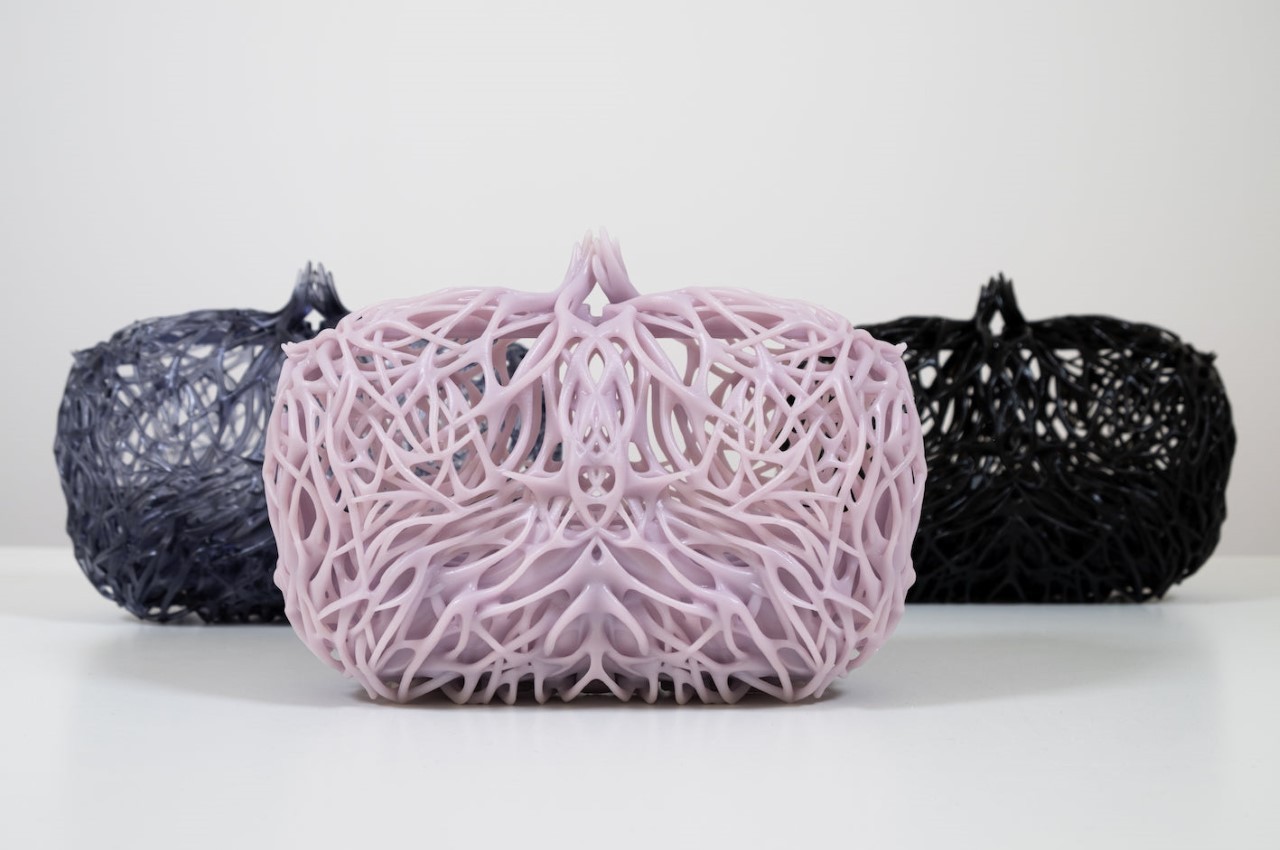
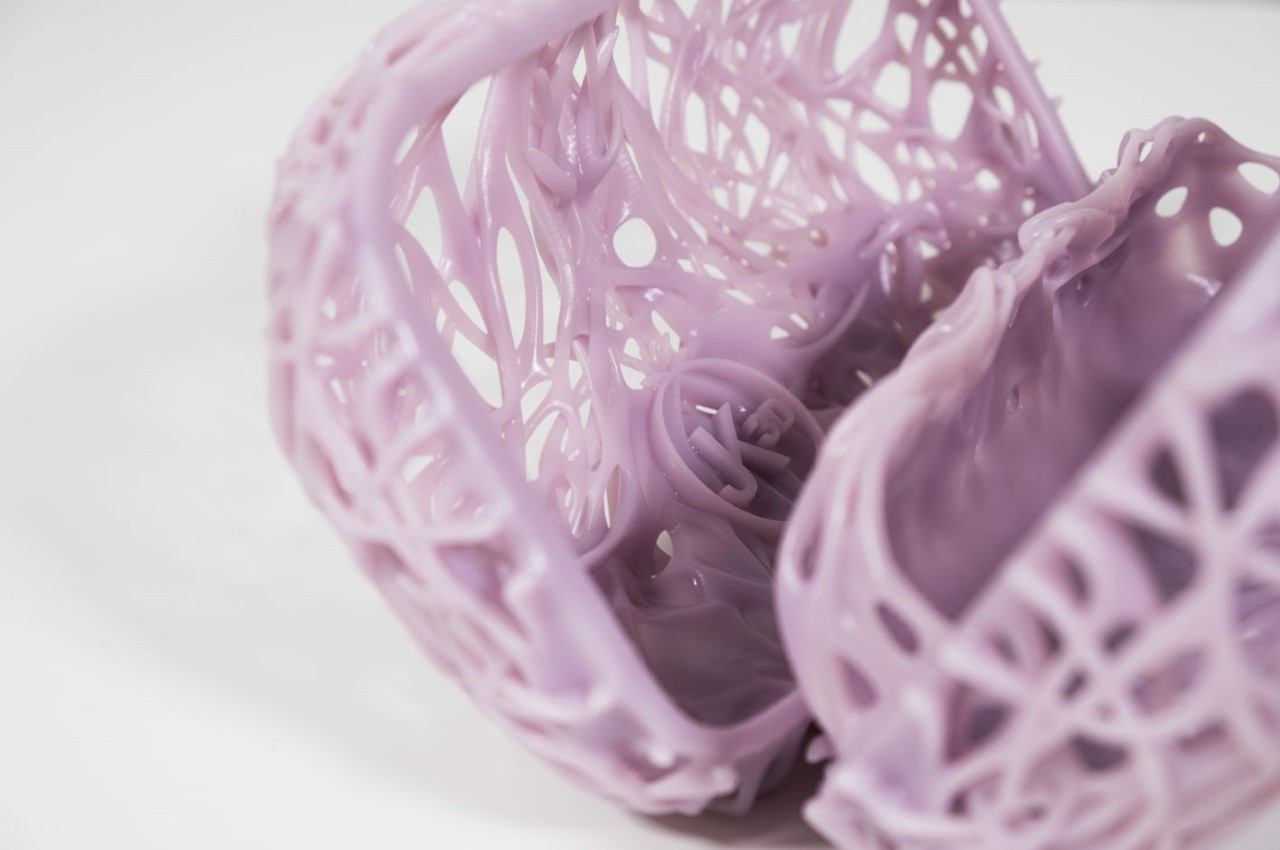
Designers: Julia Koerner, Kais Al-Rawi and Emma Sanson

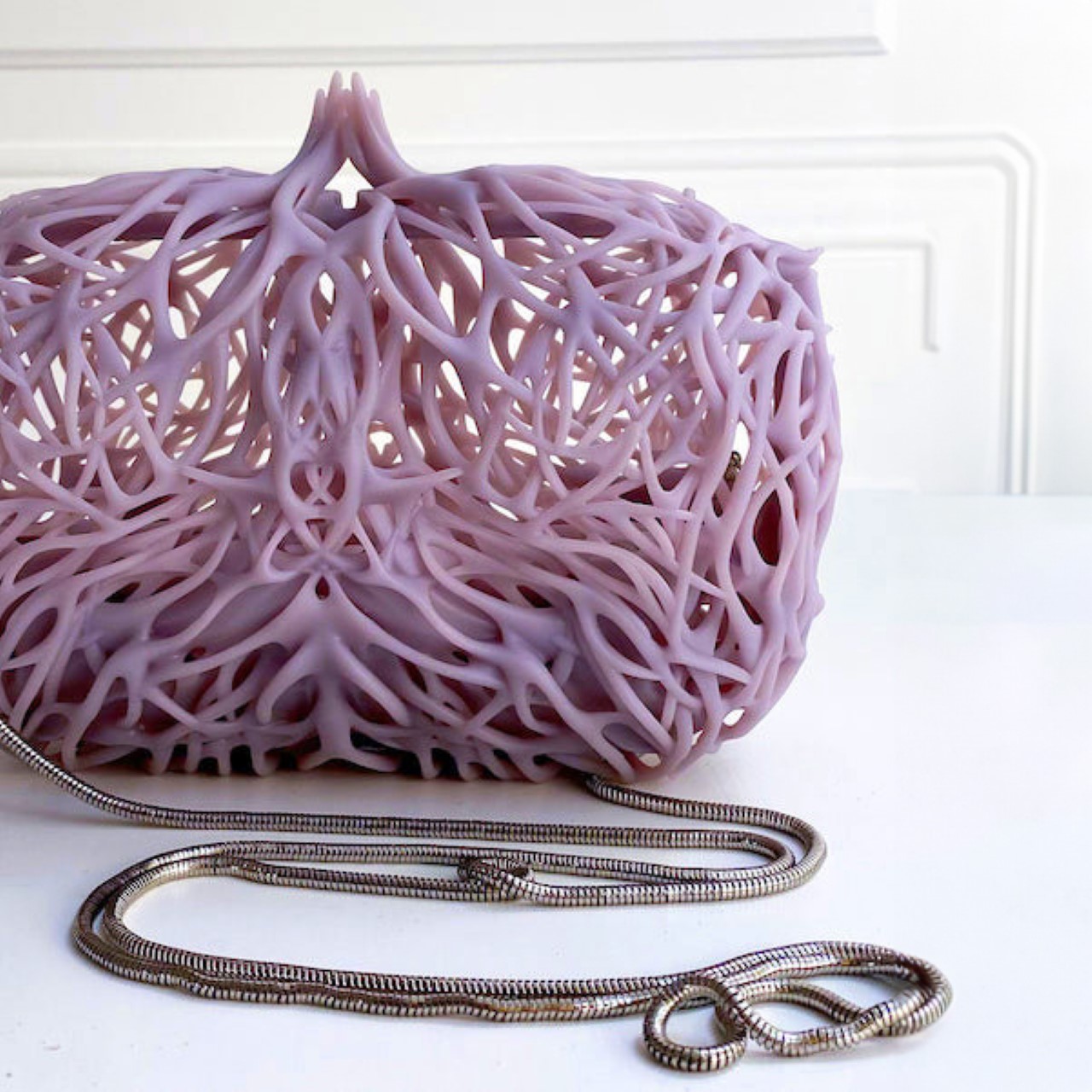
Acclaimed Australian designer Julia Koerner merges nature and computer algorithms with 3D printing and innovative resin-based techniques to create her award-winning handbag collection, resulting in visually lightweight yet rigid designs with a distinctive skeletal aesthetic. Inspired by the organic shapes of dried kelp found along the Pacific coastline, Koerner’s KELP MINI handbag seamlessly blends artistry with functionality. Each meticulously crafted handbag is created with sustainable plant-based materials and solar-powered manufacturing, offering clever design elements like hinged bases and snap closures, making them ideal for storing essentials with style and efficiency.

2. Tiles

Designer: bioMATTERS

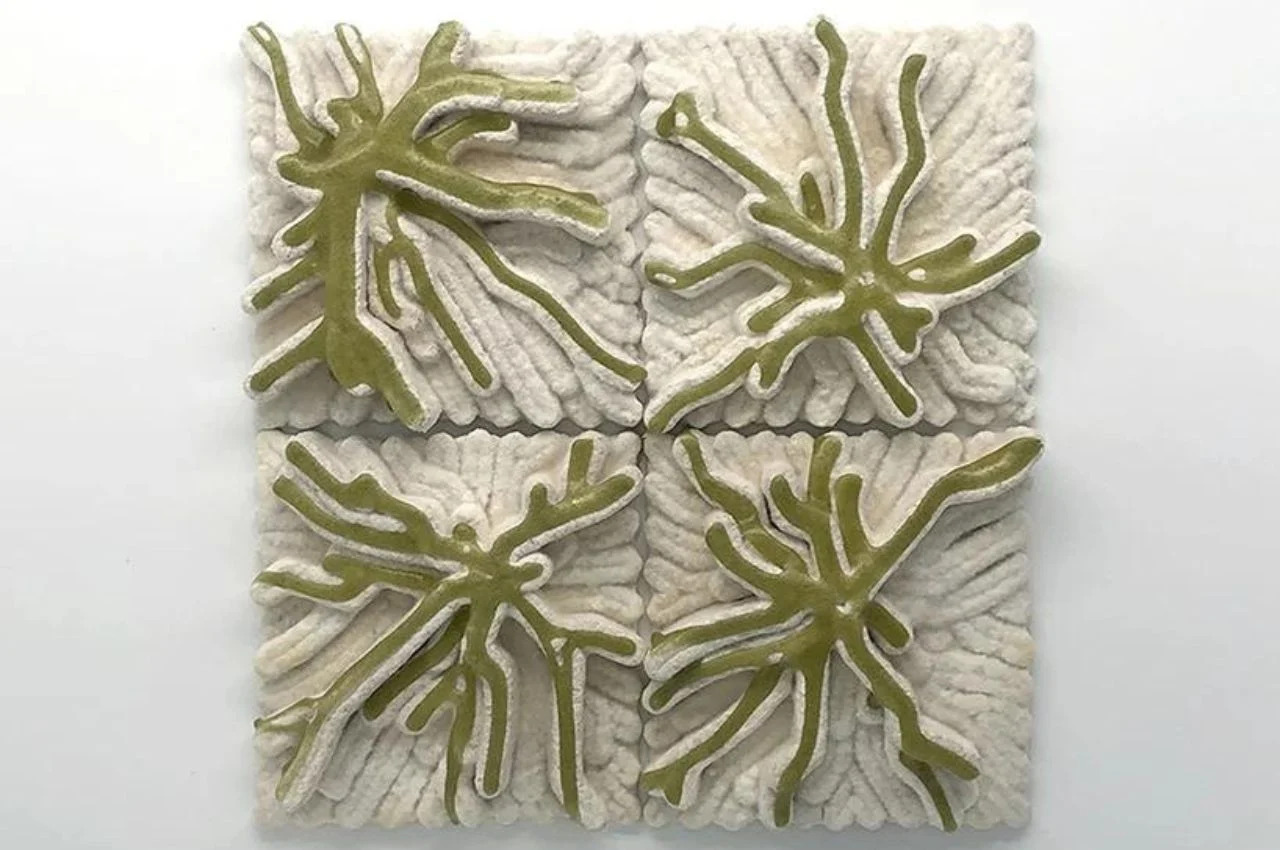
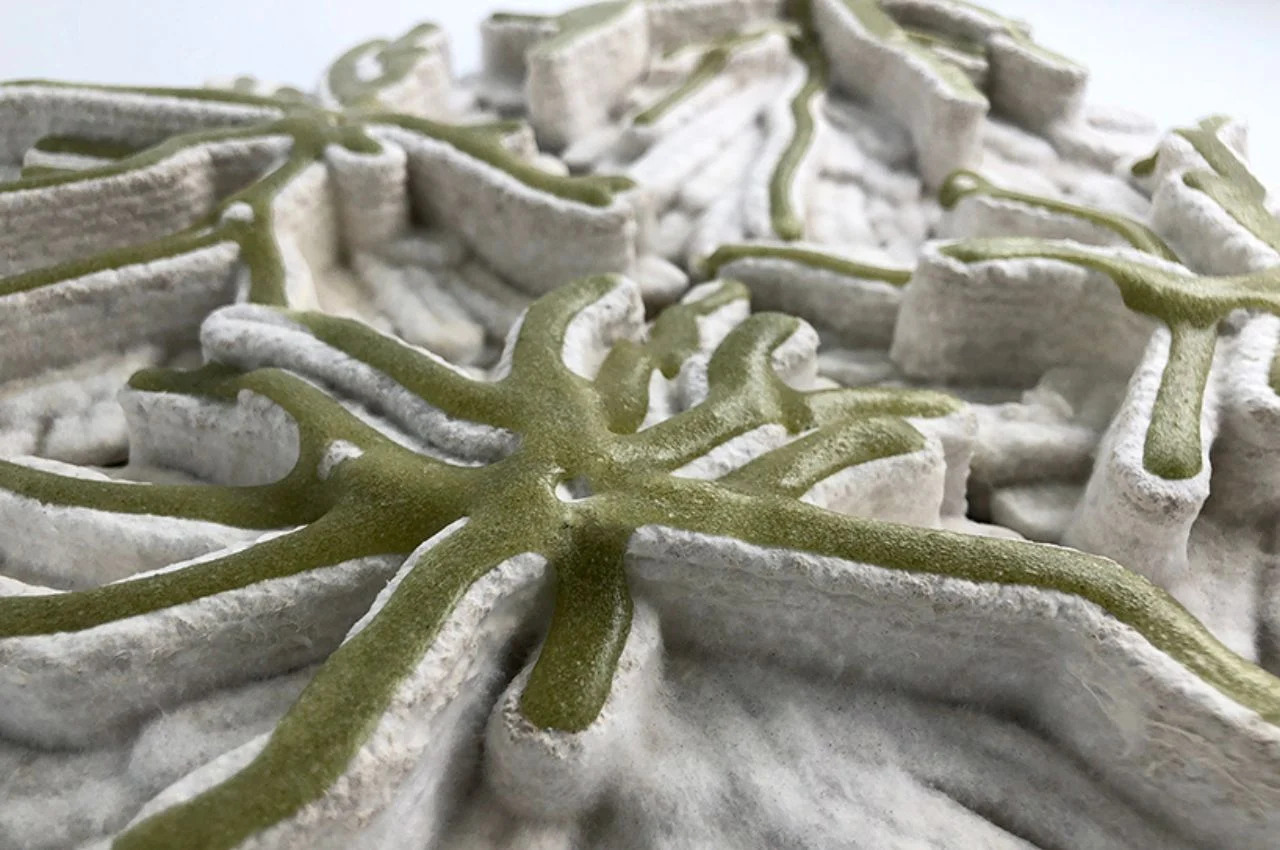
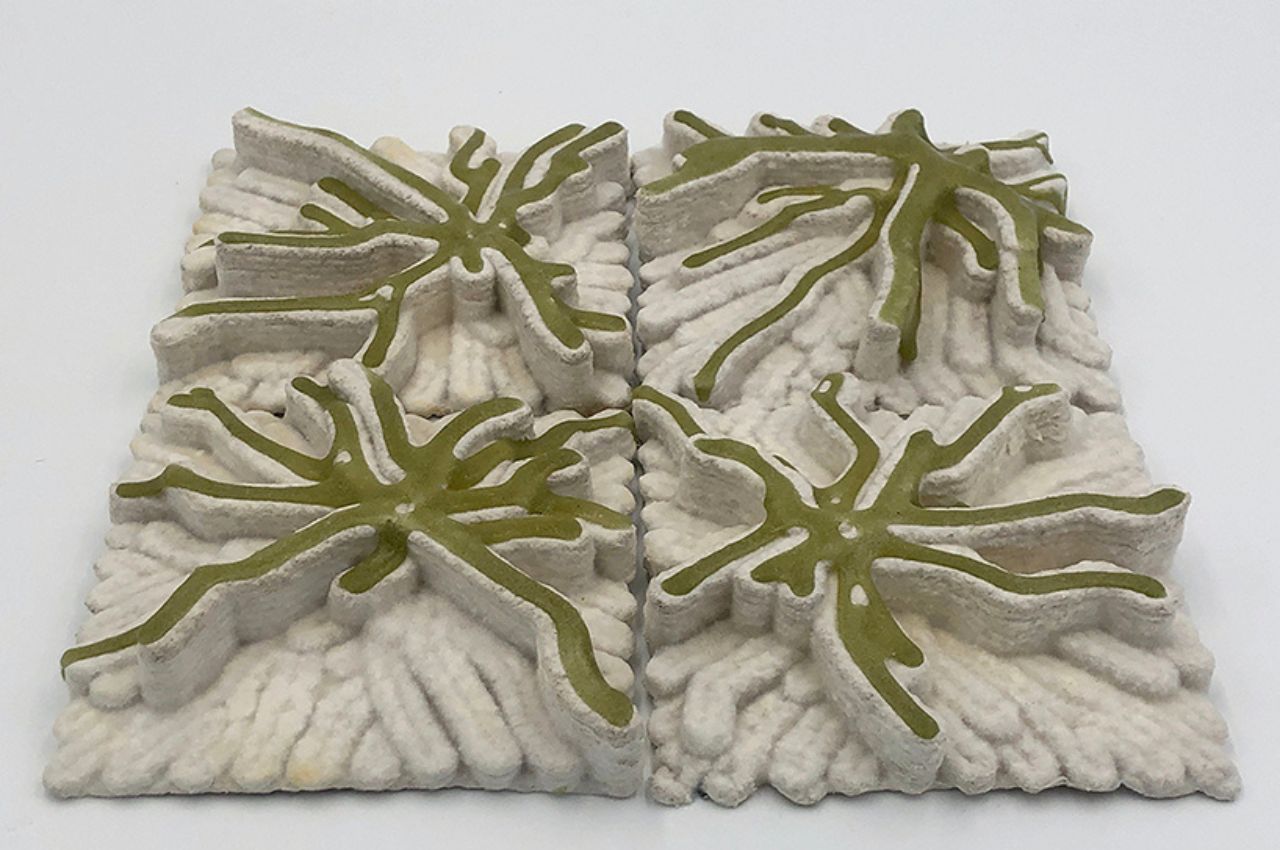
MYCO-ALGA presents a groundbreaking interior tiling solution that transforms bathroom aesthetics. These 3D-printed tiles are crafted from repurposed natural waste and living organisms, featuring captivating designs inspired by organic forms. Sustainable at every stage, MYCO-ALGA tiles undergo a precise process encompassing digital design, 3D printing, organism cultivation, and bio-pigment enrichment. As a result, the outcome is eye-catching tiles with unique, non-repeating patterns resembling crawling organisms, that offer both lightweight durability and visual allure that effortlessly merge style with sustainability.

3. Air Purifiers

Designer: External Reference

Barcelona-based company introduces Pure Plants, 3D-printed sculptures doubling as air purifiers. Utilizing Pure.Tech technology efficiently absorbs and neutralizes indoor pollutants like carbon dioxide and nitrogen oxide. Mimicking plant structures with geometric patterns, these sculptures enhance decor while promoting healthier indoor air quality. Crafted from sustainable Pure.Tech biomaterial and PLA bioplastic derived from corn dextrose integrate aesthetics with eco-consciousness.

4. Footwear

Designer: Matthew Blunt

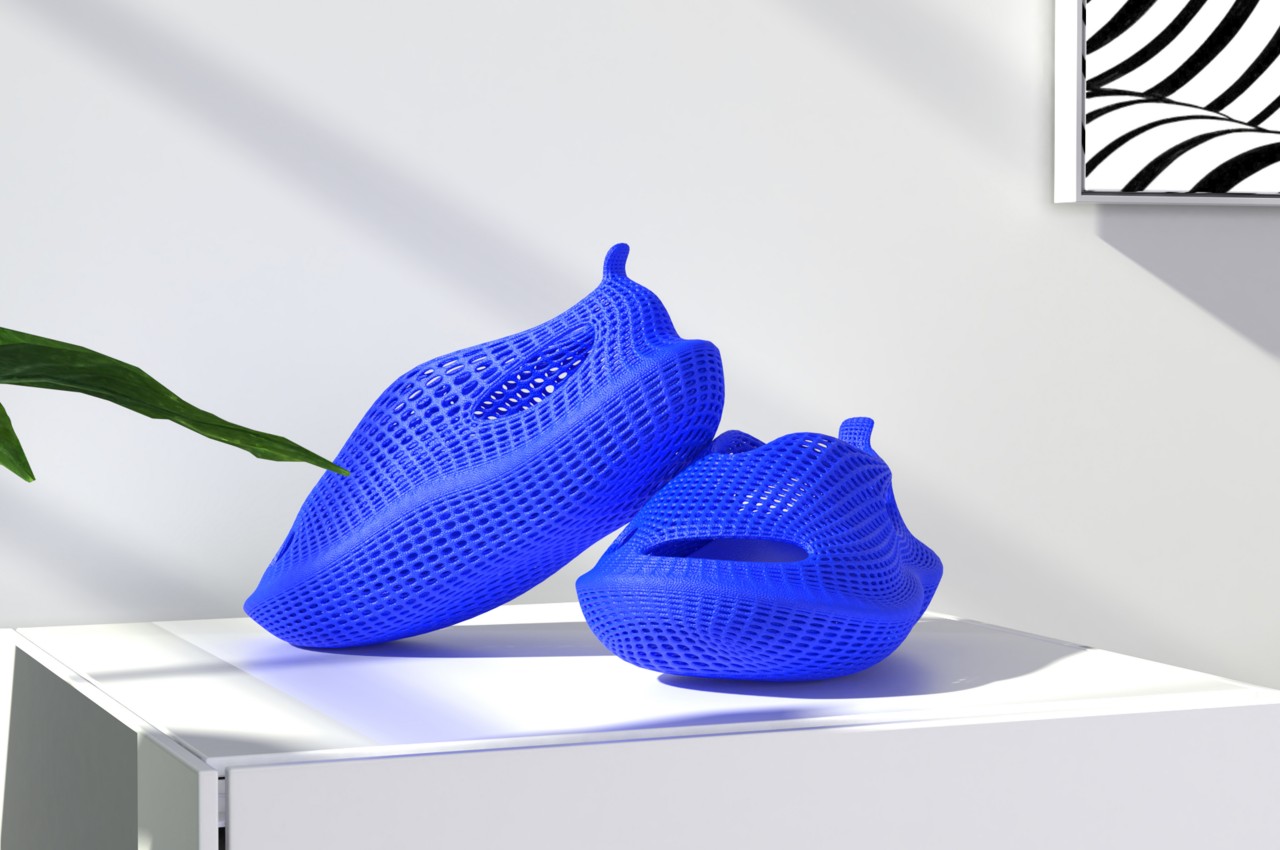
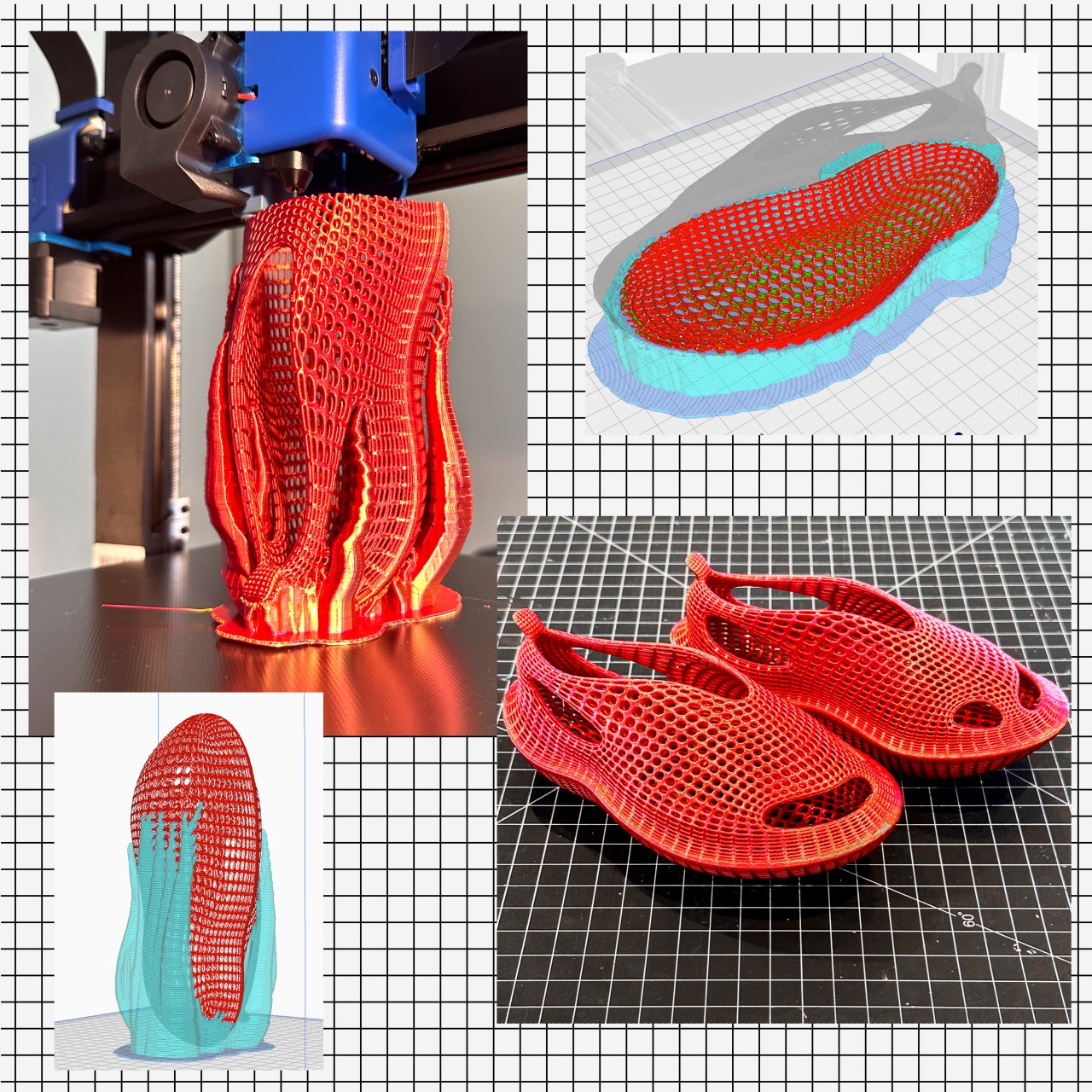
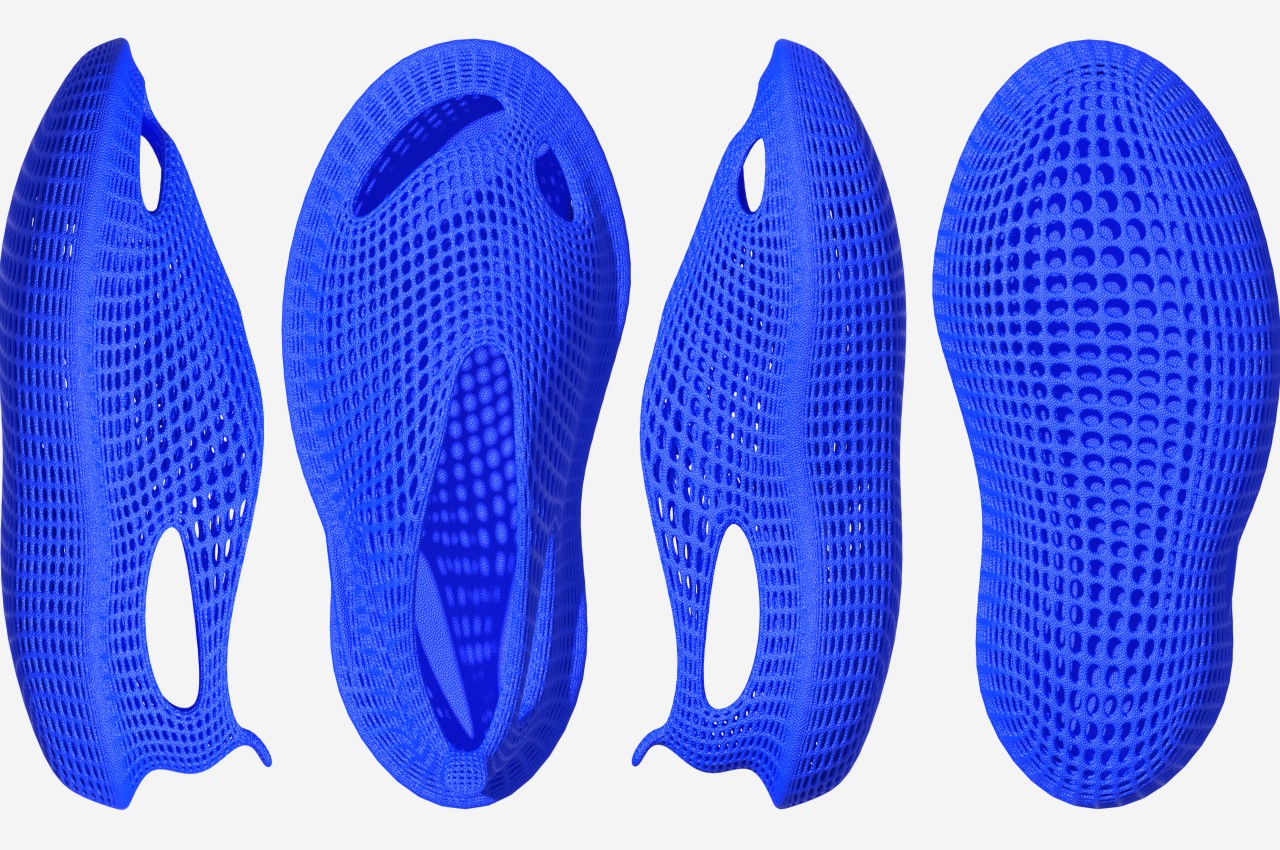
EXPLR 02 is a futuristic 3D-printed shoe blending wireframe-inspired aesthetics with organic elements. Crafted with advanced techniques, it epitomizes modern manufacturing’s versatility. While challenging footwear norms, questions linger about real-world durability. Yet, EXPLR 02 signifies a leap in innovative, personalized shoe designs, shaping the evolution of 3D-printed footwear.

5. Table Lamp

Designer: Felix Pöttinger for Gantri

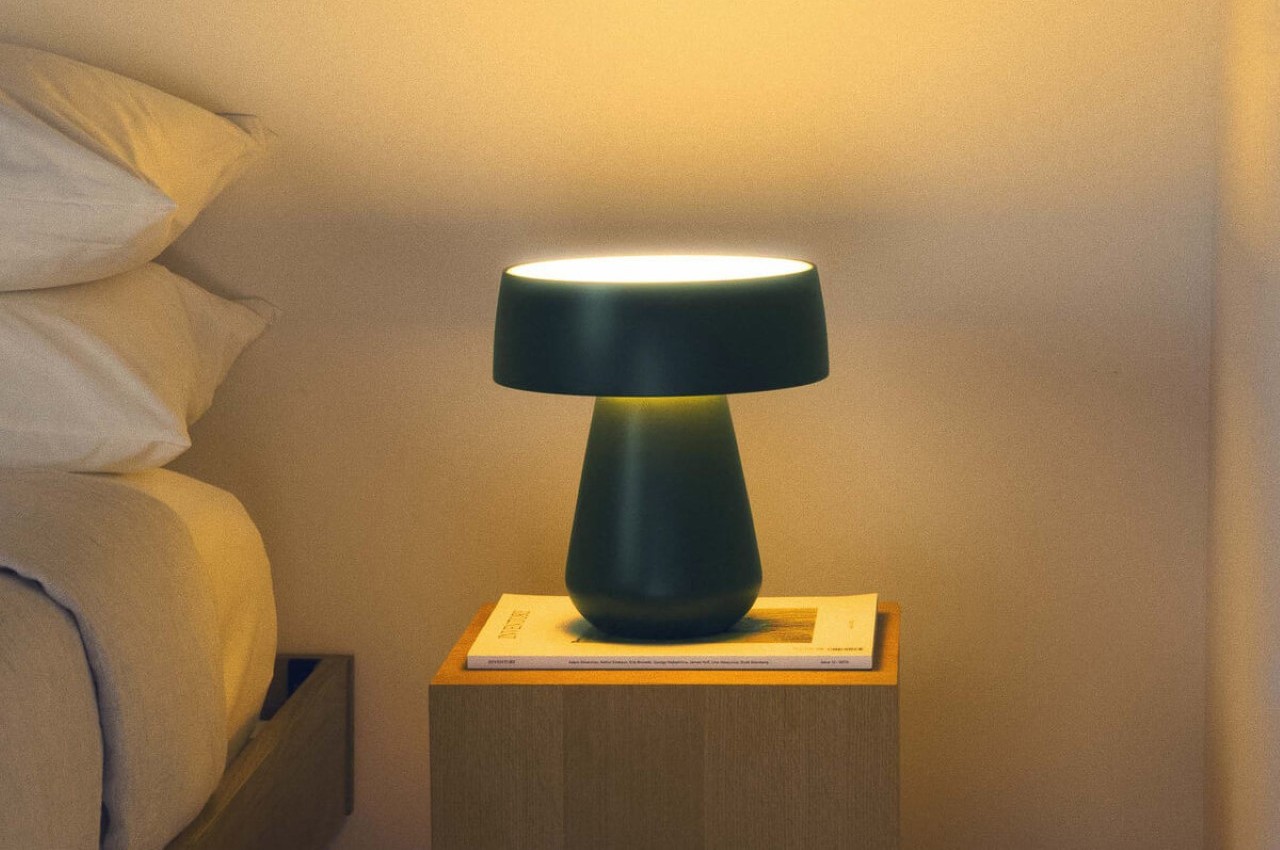
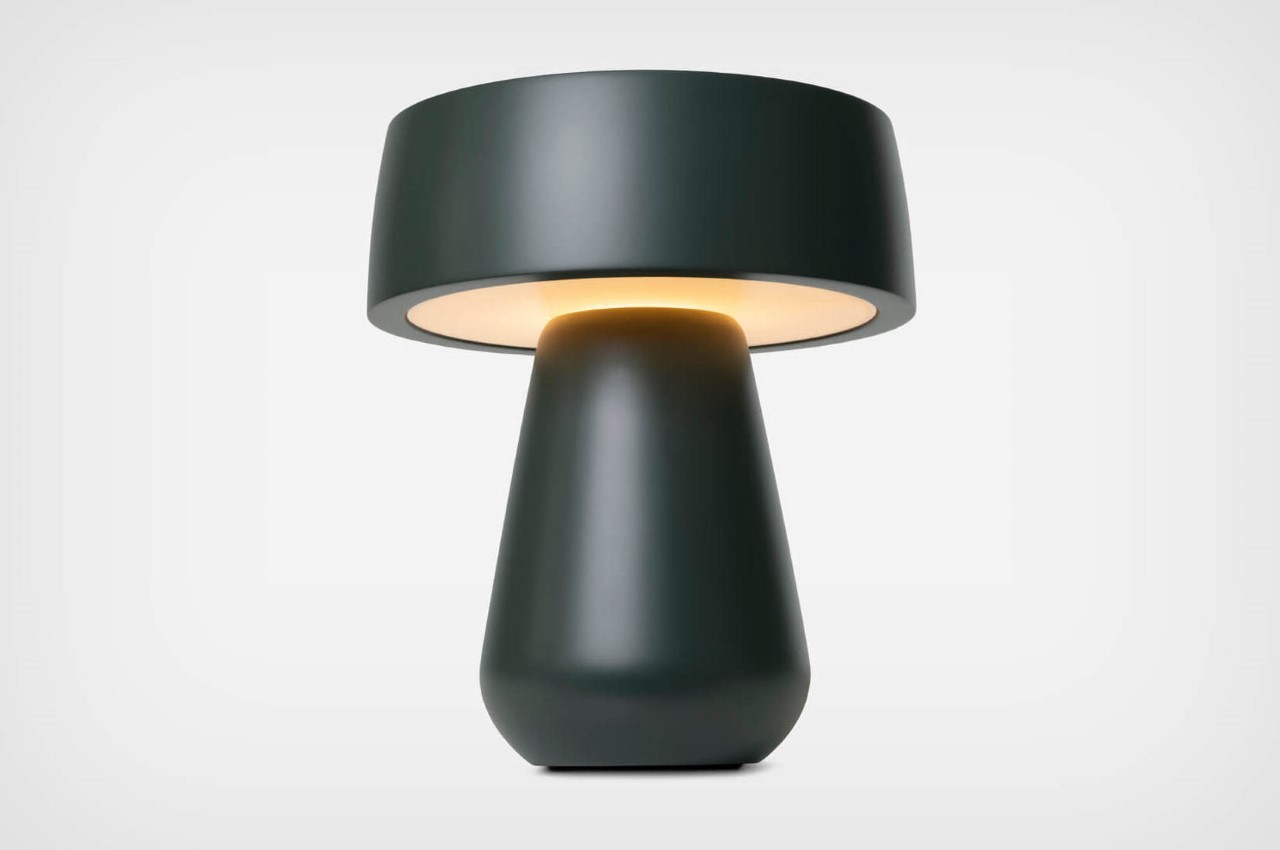
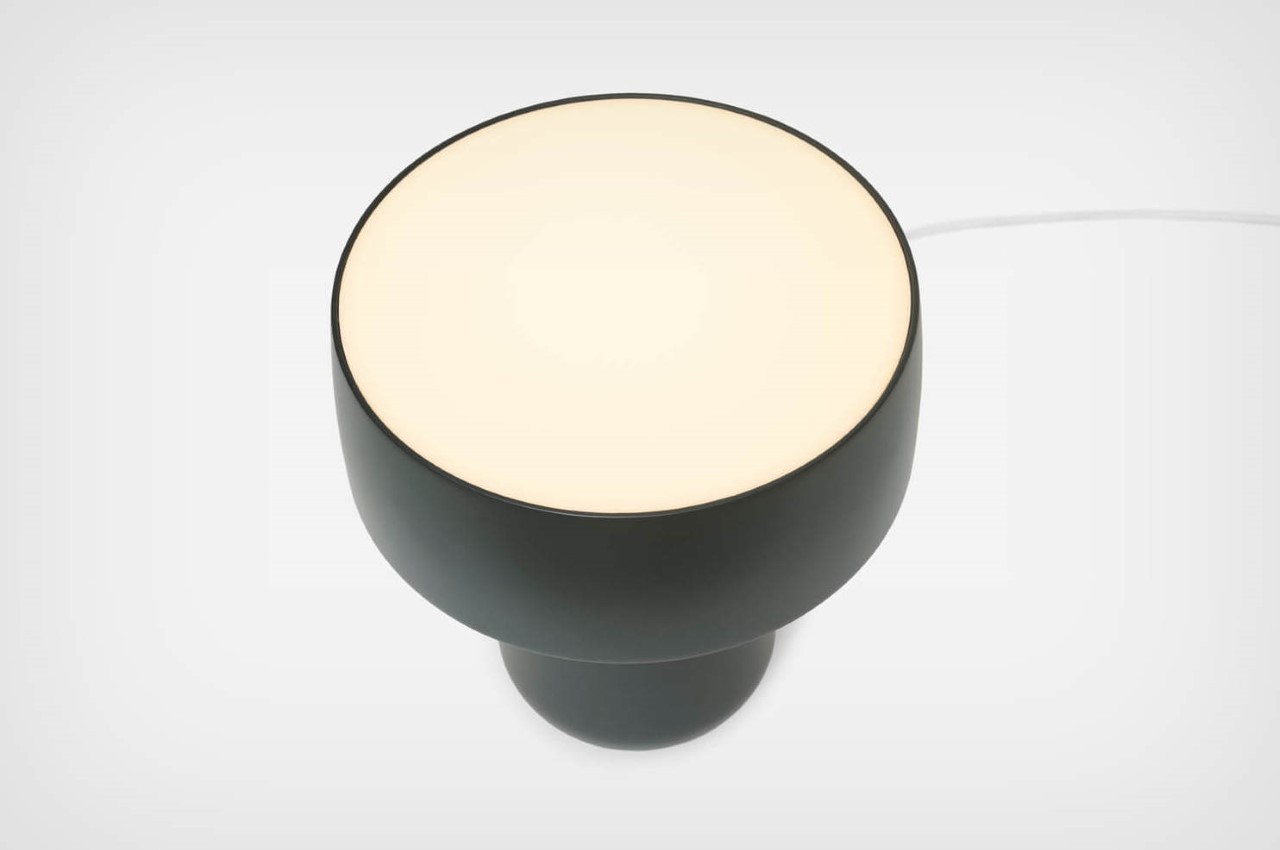
The 3D-printed Hula table lamp, envisioned by Felix Pöttinger, ingeniously merges direct and indirect lighting to efficiently illuminate spaces, tackling urban living challenges by minimizing glare. Its ring-shaped shade, reminiscent of a hula hoop, is available in Snow, Forest, and Blossom Pink, adding a distinct flair to any setting.

6. Living Soil Walls

Designer: Ji Ma, David Carr, Ehsan Baharlou, and Spencer Barnes

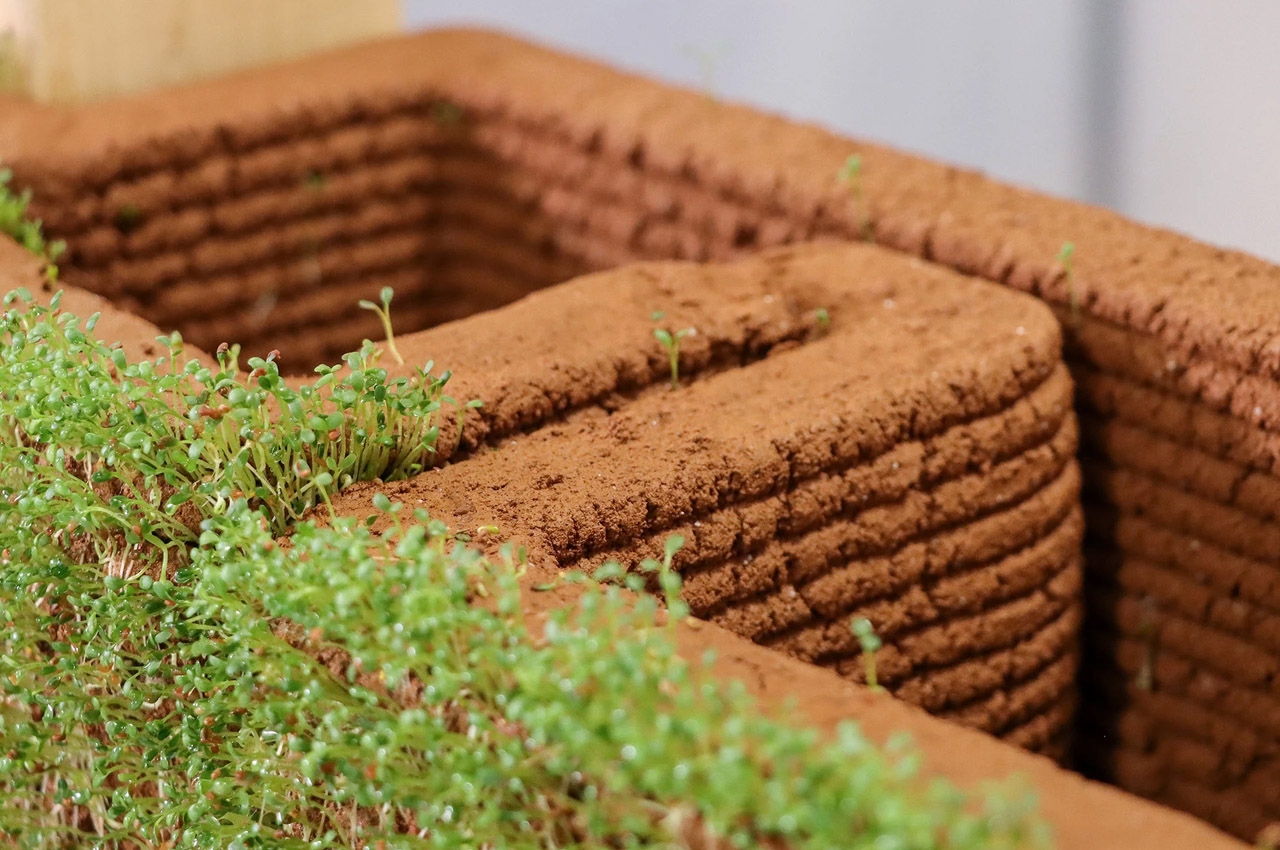
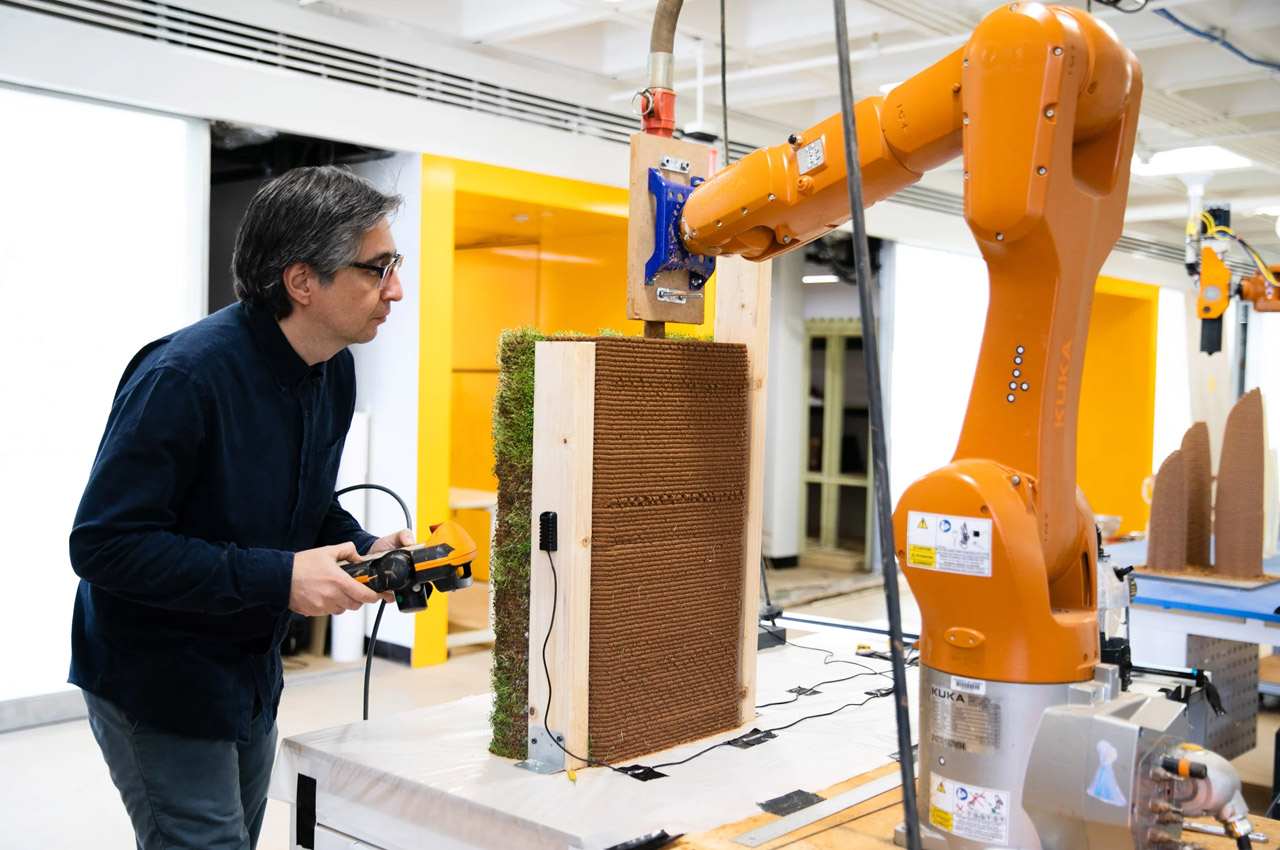
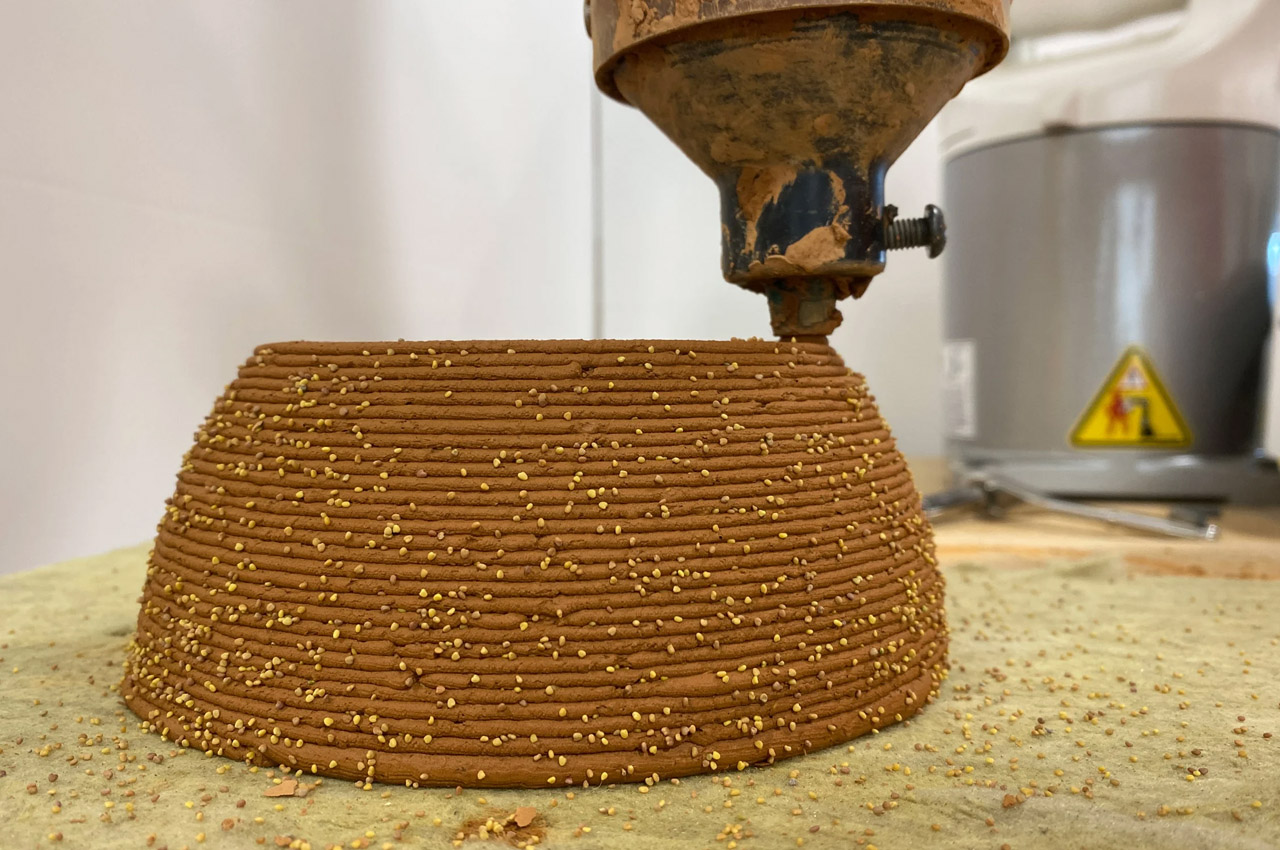
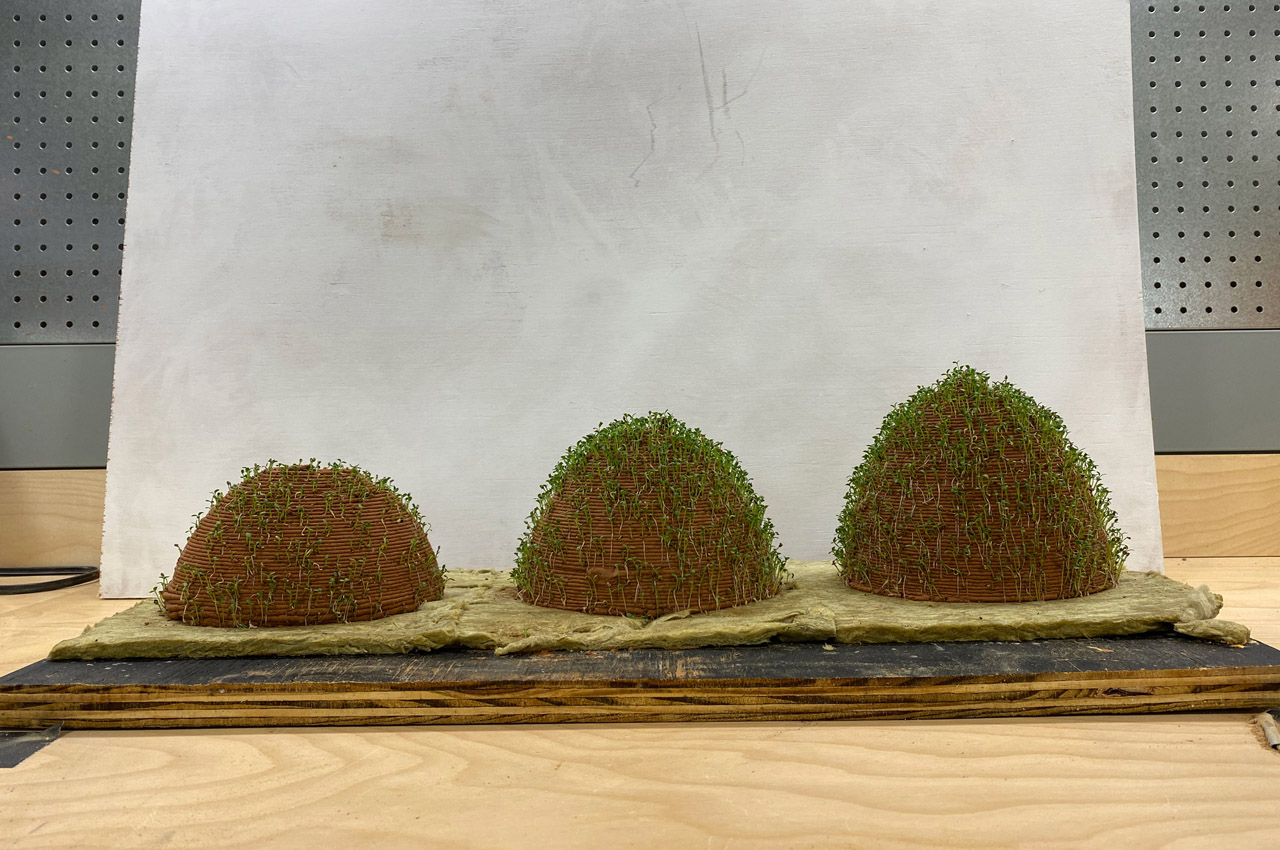
The University of Virginia research team has developed an innovative 3D printing method using soil infused with seeds to create plant-covered structures like walls and roofs. The team’s eco-friendly approach integrates greenery into architecture, providing natural insulation, flood prevention, and green spaces. By minimizing materials and utilizing locally sourced resources, their process reduces emissions and waste. With plans to expand their prototypes and improve their soil ink formula, the team aims to contribute to carbon-neutral construction.

7. 3D Printed Homes

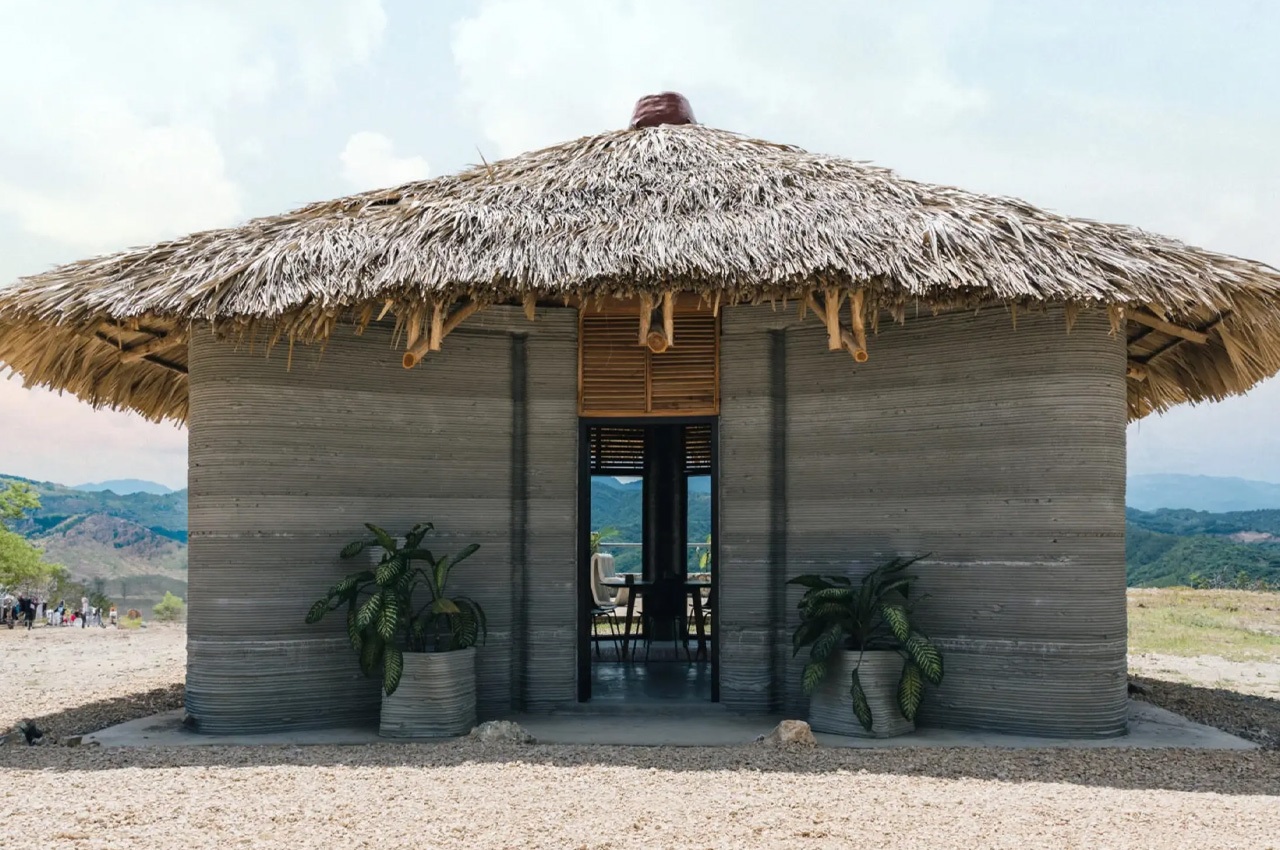
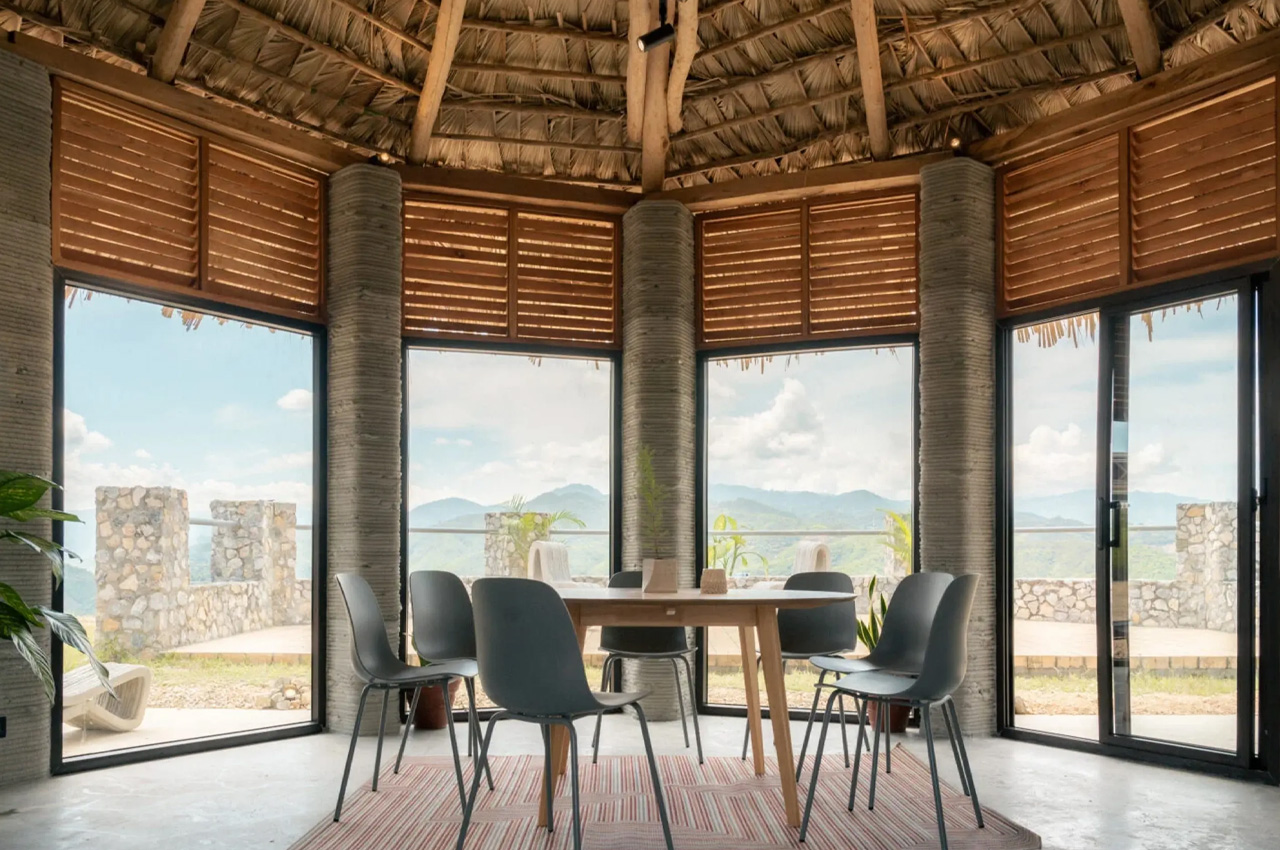
Designer: Progreso x COBOD

Architecture is no exception in the age of ubiquitous 3D printing, with many firms favoring this method for building structures. Cement company Progreso recently collaborated with COBOD to construct Guatemala’s first 3D-printed building to withstand seismic activity. This compact home, completed in just over 24 hours, merges modern construction techniques with traditional craftsmanship, featuring organic-shaped walls and a traditional palm leaf roof. With a footprint of 527 square feet, the structure operates as a fully functional living space capable of withstanding extreme seismic events.

8. Chairs

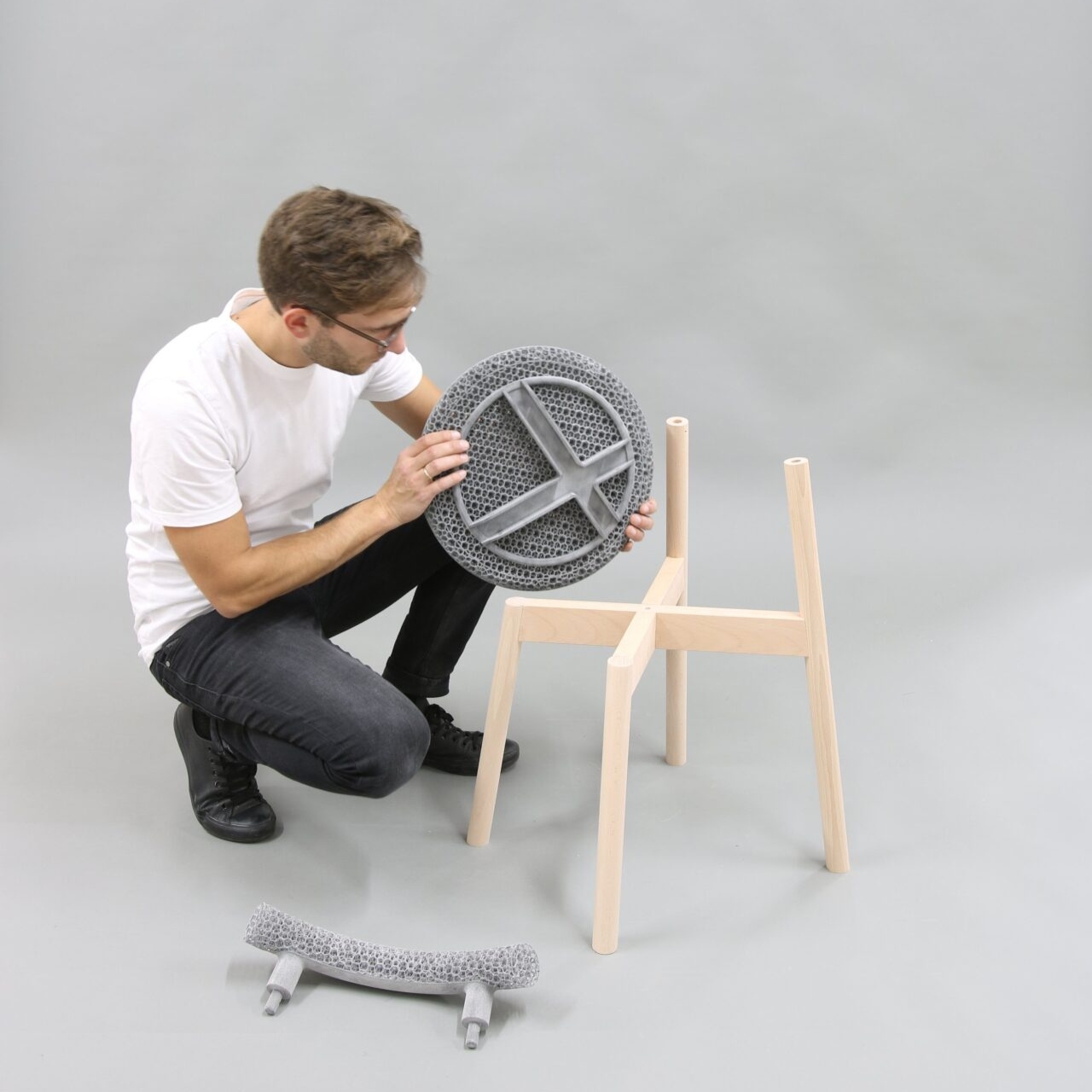
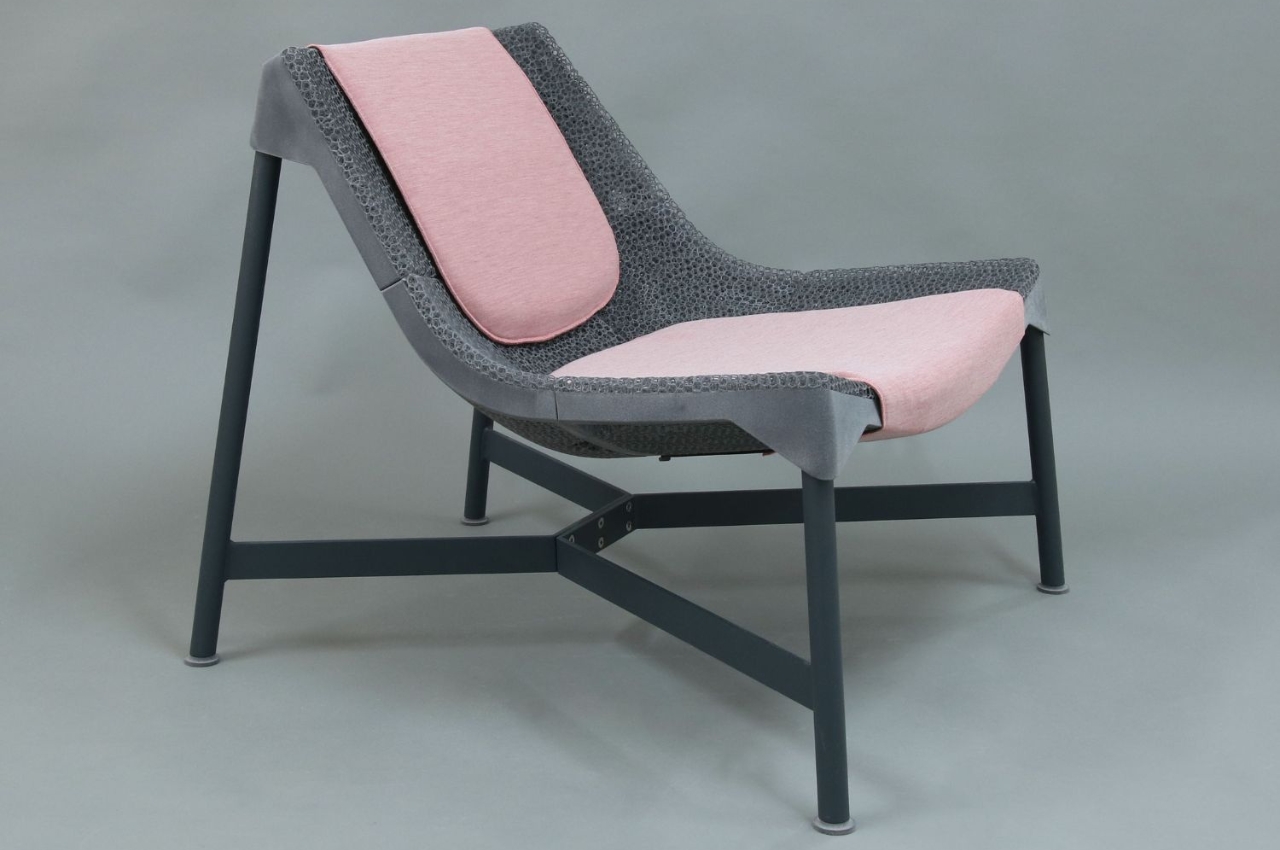
Designer: Johannes Steinbauer Office For Design

Oeschler’s new manufacturing technique, demonstrated in Johannes Steinbauer’s Office for Design’s 3D-printed seats, eliminates traditional materials while maintaining comfort and functionality. 3D printing is reshaping furniture design and manufacturing, introducing innovation in sustainability and functionality. With a simple yet versatile design, these chairs offer easy assembly and recyclability, signaling a promising future for 3D-printed furniture in the industry.

9. Recycled Wood

Designer: Aectual

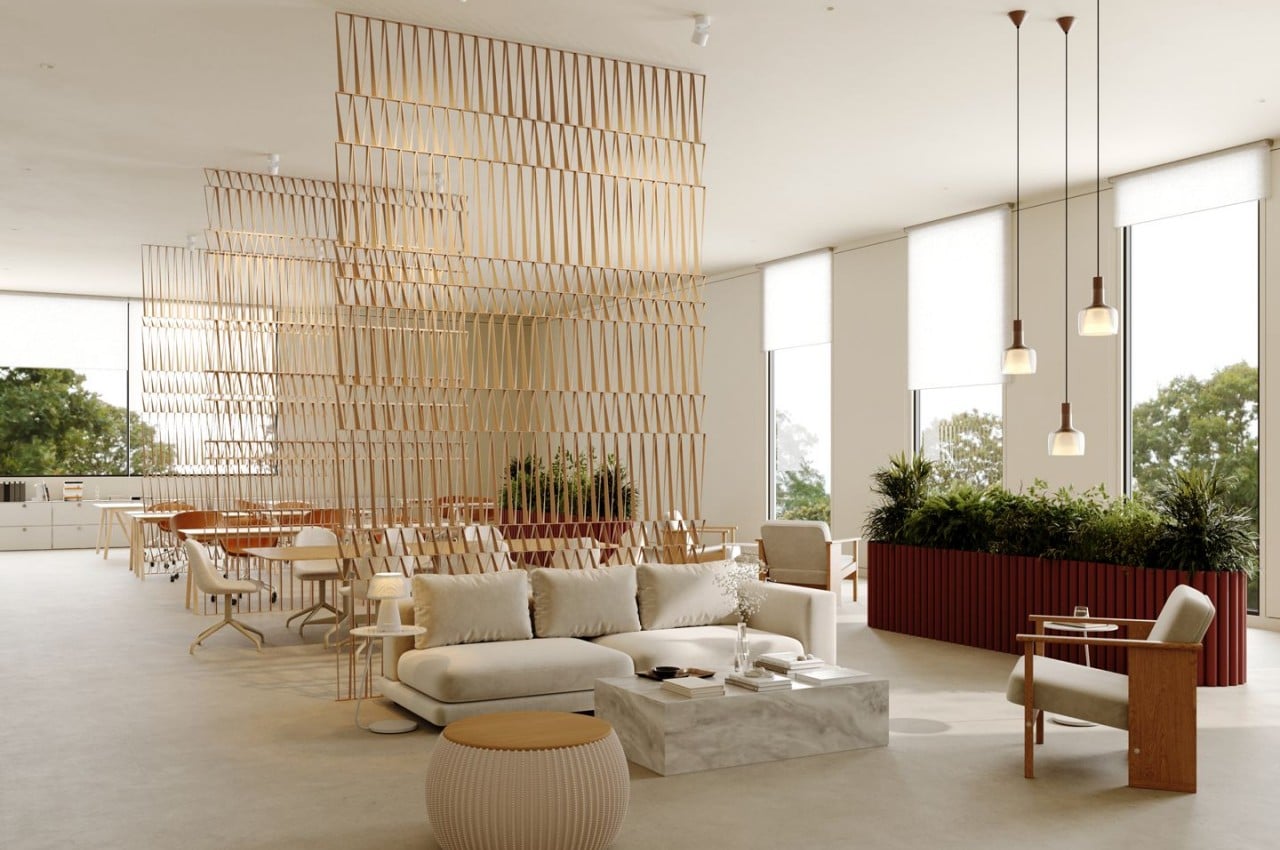
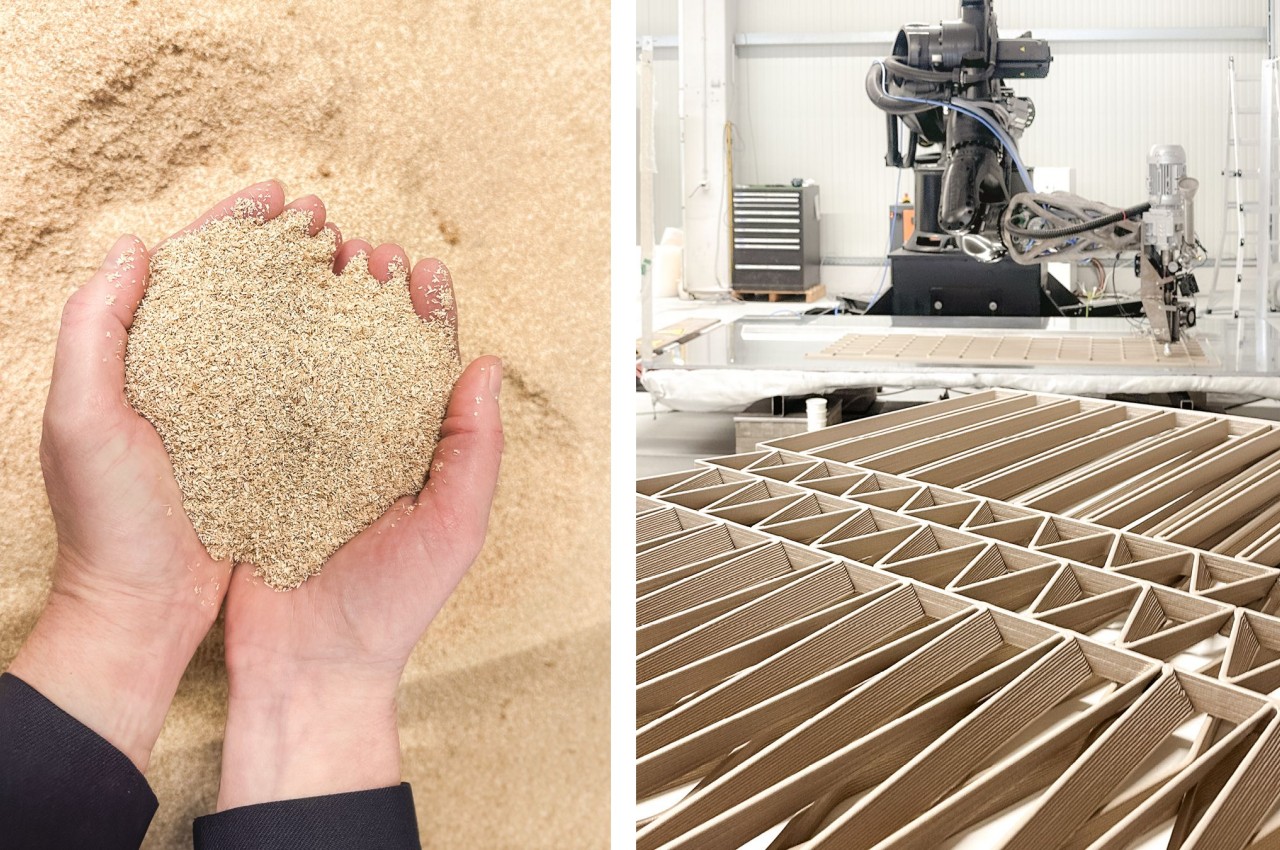
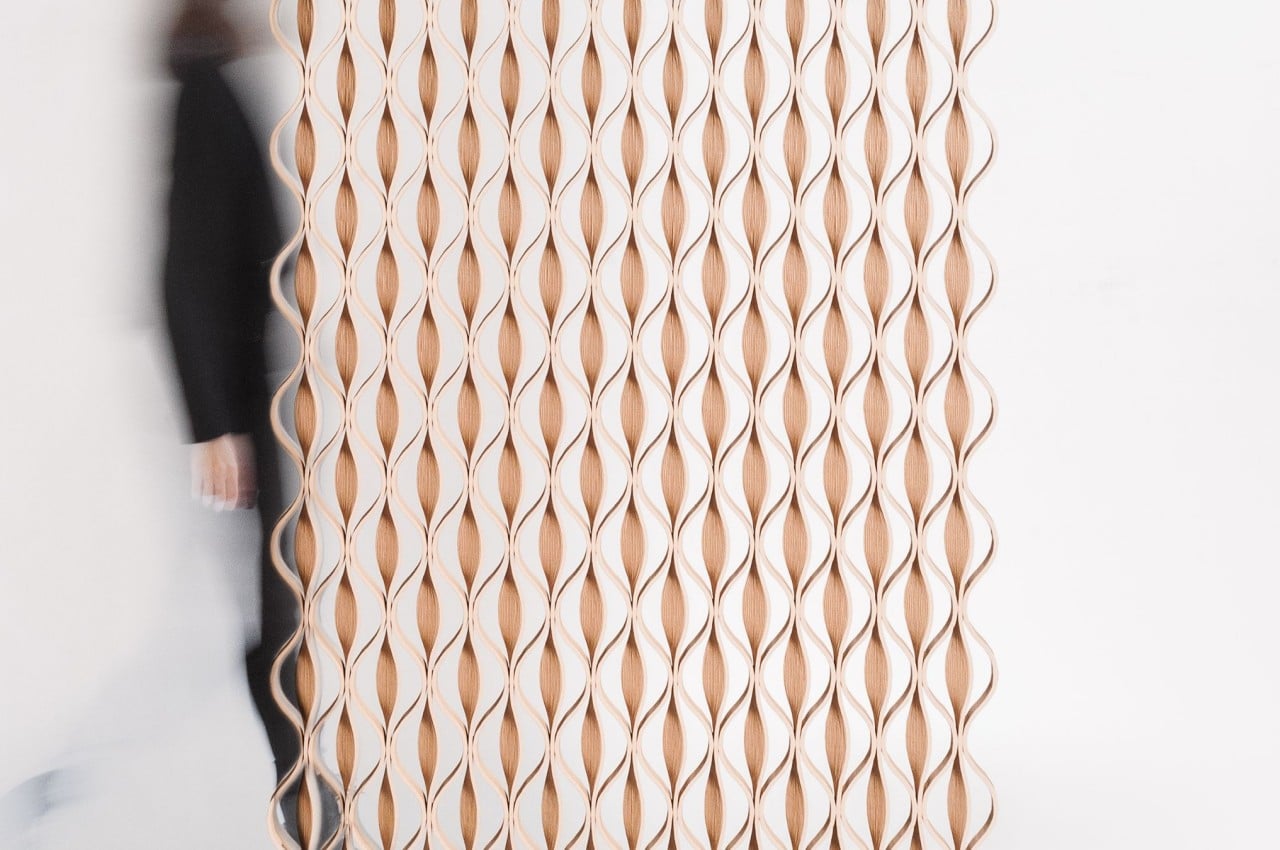
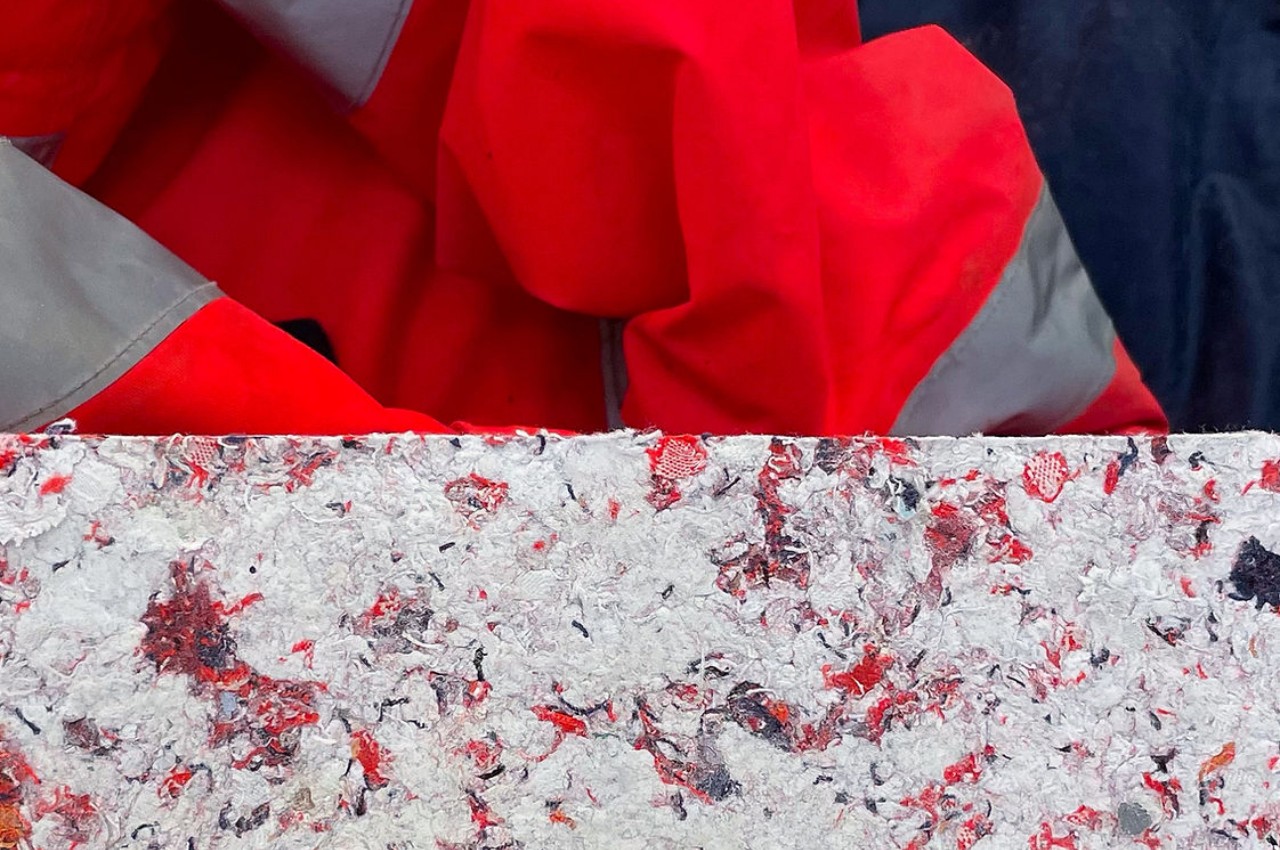
Wood is a preferred choice for its eco-friendliness, yet shaping and recycling pose challenges. Enter 3D-printed wooden partition screens and window coverings, offering a breakthrough solution. While 3D printing democratizes design, it also increases material waste, prompting a search for sustainable options. Crafted from wood waste and fortified with natural elements, this innovative material resembles wood in appearance, texture, and scent. Moreover, its circular lifecycle allows for recycling into new forms, minimizing waste. Despite potential production cost concerns, its promise for intricate designs and sustainability makes it attractive for environmentally conscious designers.

10. Homeware

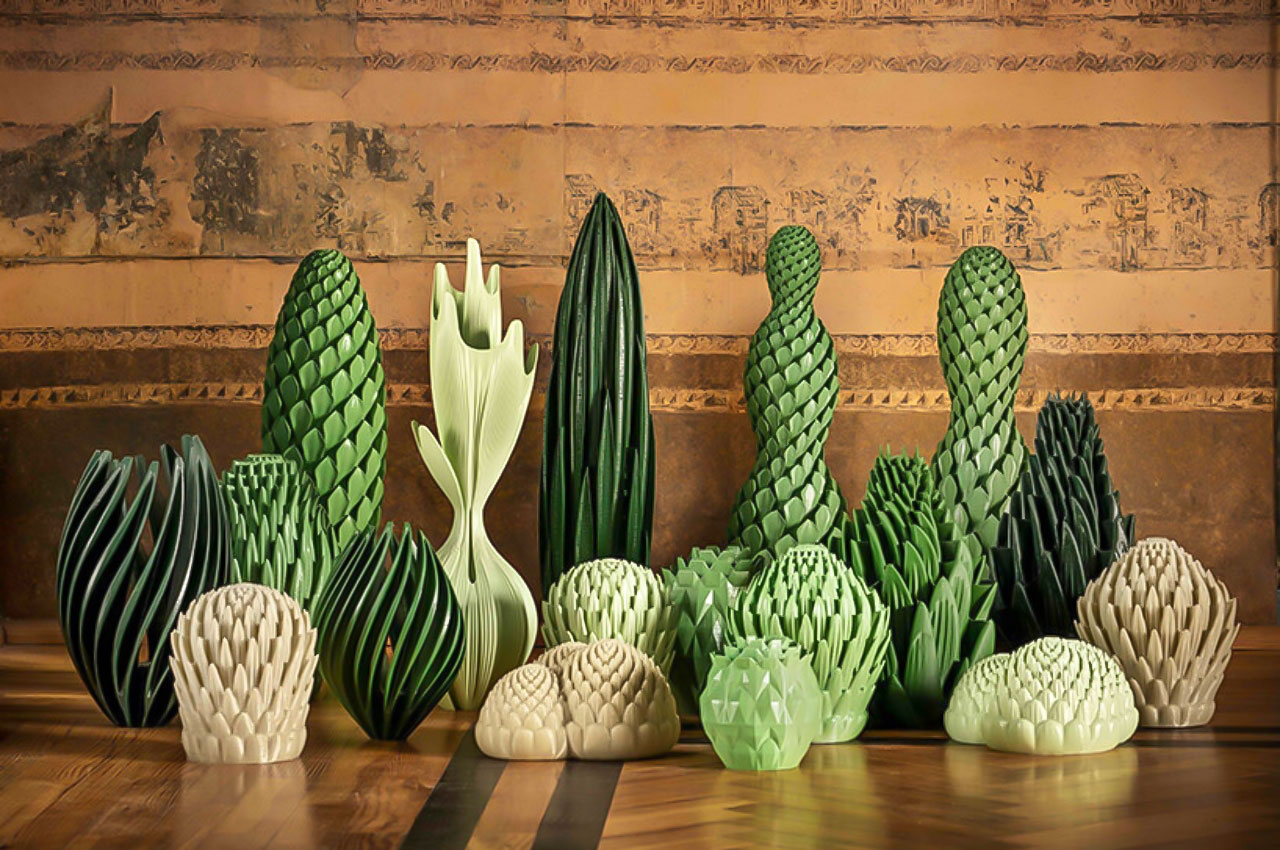
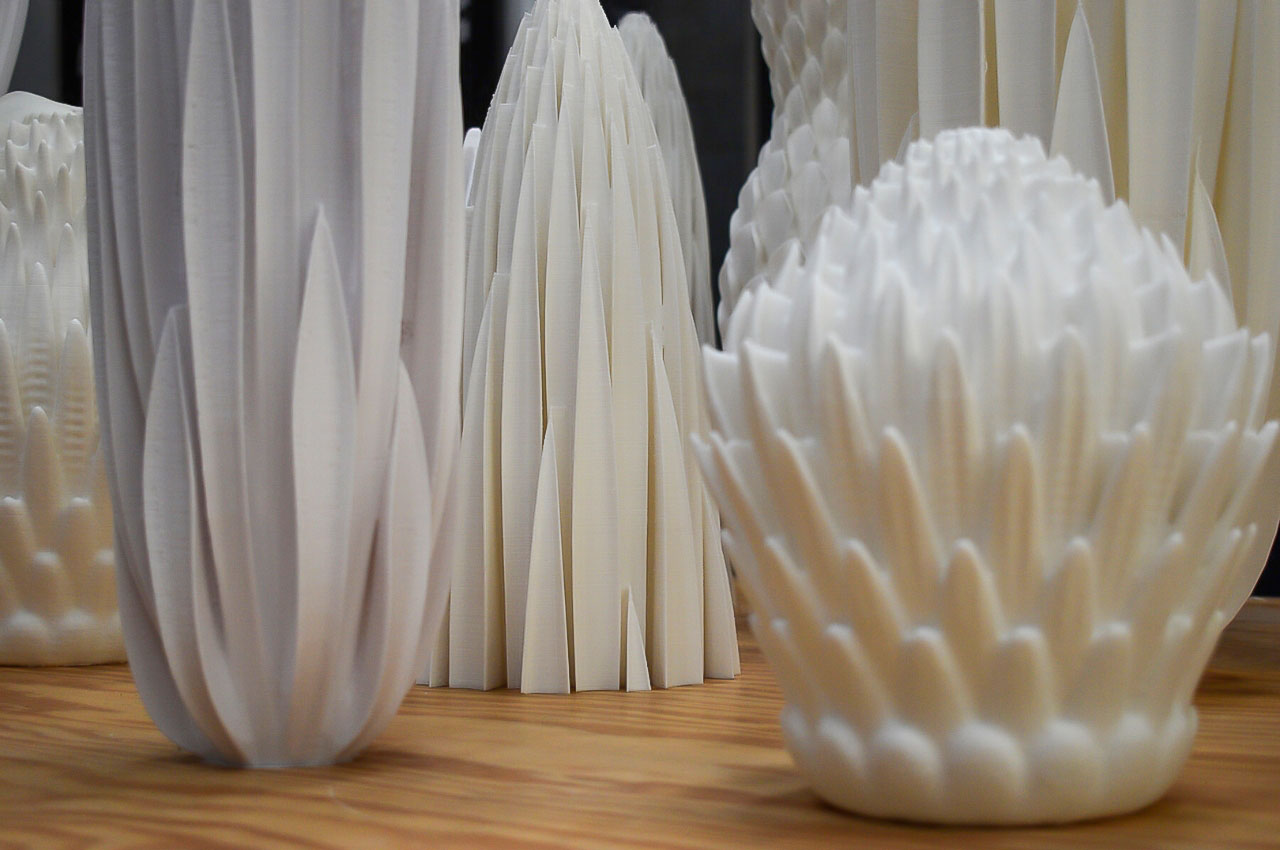
Crafted by Vienna-based designer Nicolas Gold, renowned for his expertise in “Tiny Furniture,” this collection employs 3D printing. The range comprises vases, bowls, planters, and lighting, all crafted from lightweight, recyclable bioplastic sourced from corn. This blend of architectural precision and modern technology results in sophisticated homeware where design, architecture, and 3D printing harmonize seamlessly. The Tiny Architecture collection showcases intricate patterns such as the asymmetrical Bloz and fabric-like Fald, crafted from partially recycled materials to enhance their individuality.

The post 3D Printing is Shaping Modern Product Design: Here’s How first appeared on Yanko Design.
How Does Upcycling Innovate Materials?

Amidst global concerns of exceeding the Earth’s capacity, upcycling has gained prominence as a solution, driven by conscious consumption and the circular economy’s principles. Upcycling helps reduce the amount of waste that would have made it to the landfills and repurposes items that would have been discarded, giving them a second life without degradation. It facilitates two out of the three Rs of recycling: REDUCE and REUSE.

Designer: FabBrick

Upcycling vs Recycling

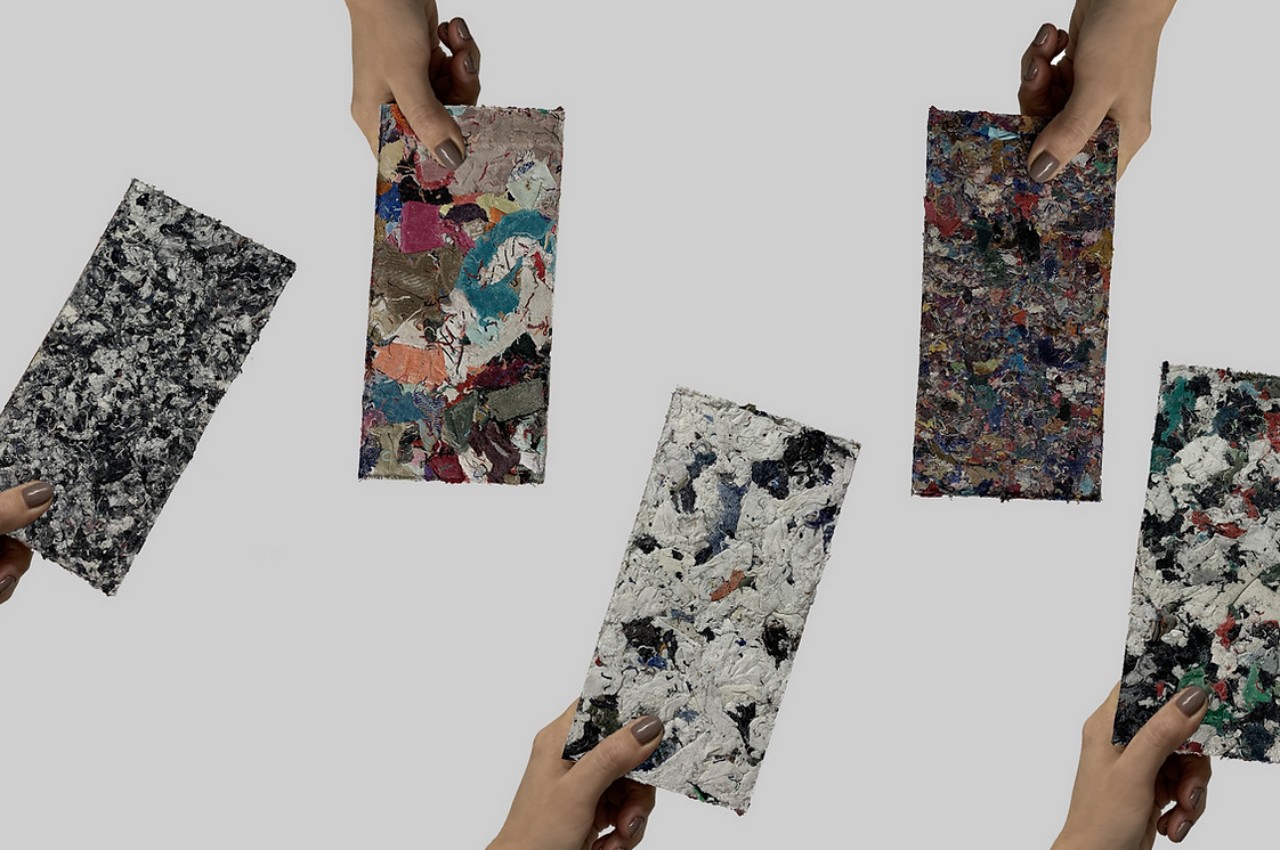
Contrary to common belief, upcycling differs from recycling in that it repurposes materials without sacrificing their original quality. While recycling breaks down materials like plastic, paper, glass, and metal to produce new items, typically of inferior quality, upcycling maintains the integrity of the original materials, providing limitless opportunities to breathe new life into old items.

Upcycling

Upcycling involves gathering products or waste to repurpose or reuse, enhancing their value without breaking them down, thus maintaining their original characteristics, strength, and durability. This approach avoids any degradation of the material or product. Materials such as rubber and denim lend themselves well to upcycling, showcasing their versatility and potential. For instance, turning old jeans into patches for a blanket maintains the integrity of the denim, showcasing upcycling’s creative potential.

Recycling

Recycling involves gathering products or waste for breakdown and transformation into new items, requiring a specific process that can alter the original characteristics of the material or product. Each recycling cycle diminishes the material’s strength, and only certain materials are suitable for recycling; for instance, rubber presents challenges in the recycling process.

What are the different categories of upcycled products?

1. Electronics

Designer: Think Tank Team

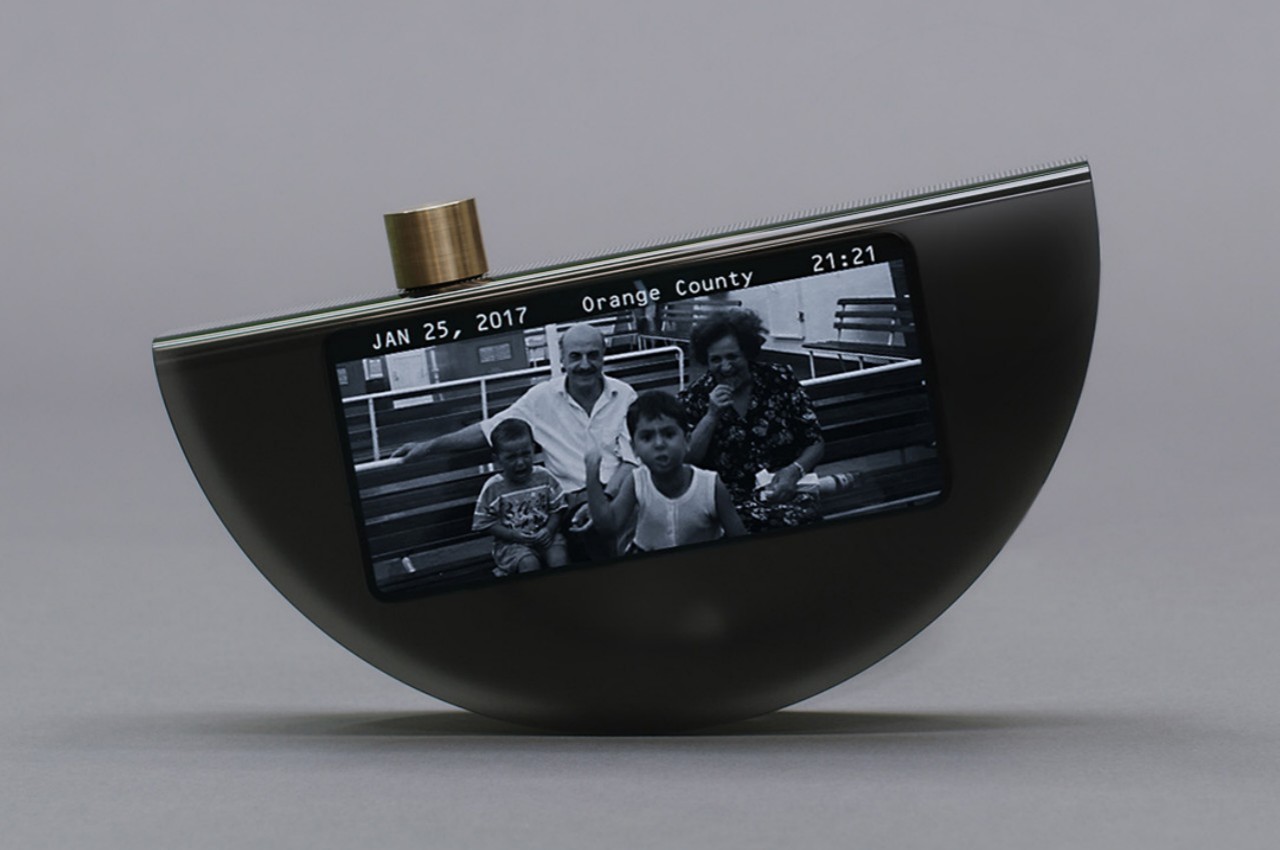
Mobile devices like smartphones and tablets are now ubiquitous, yet their disposal poses environmental risks due to improper handling. Project Afterlife offers a solution by upcycling old smartphones instead of recycling them. This concept transforms devices into kinetic art objects, enhancing ambiance while conserving energy and resources. The product, resembling a taco-shaped crescent made from recycled plastic, provides an interactive platform for repurposed smartphones. With Project Afterlife, simply tilt the device to switch between different modes, like the “Endless Clock” and the “Timeline” photo stream, without touching the screen. This shows how upcycling helps the environment and makes everyday objects more valuable.

2. Textile

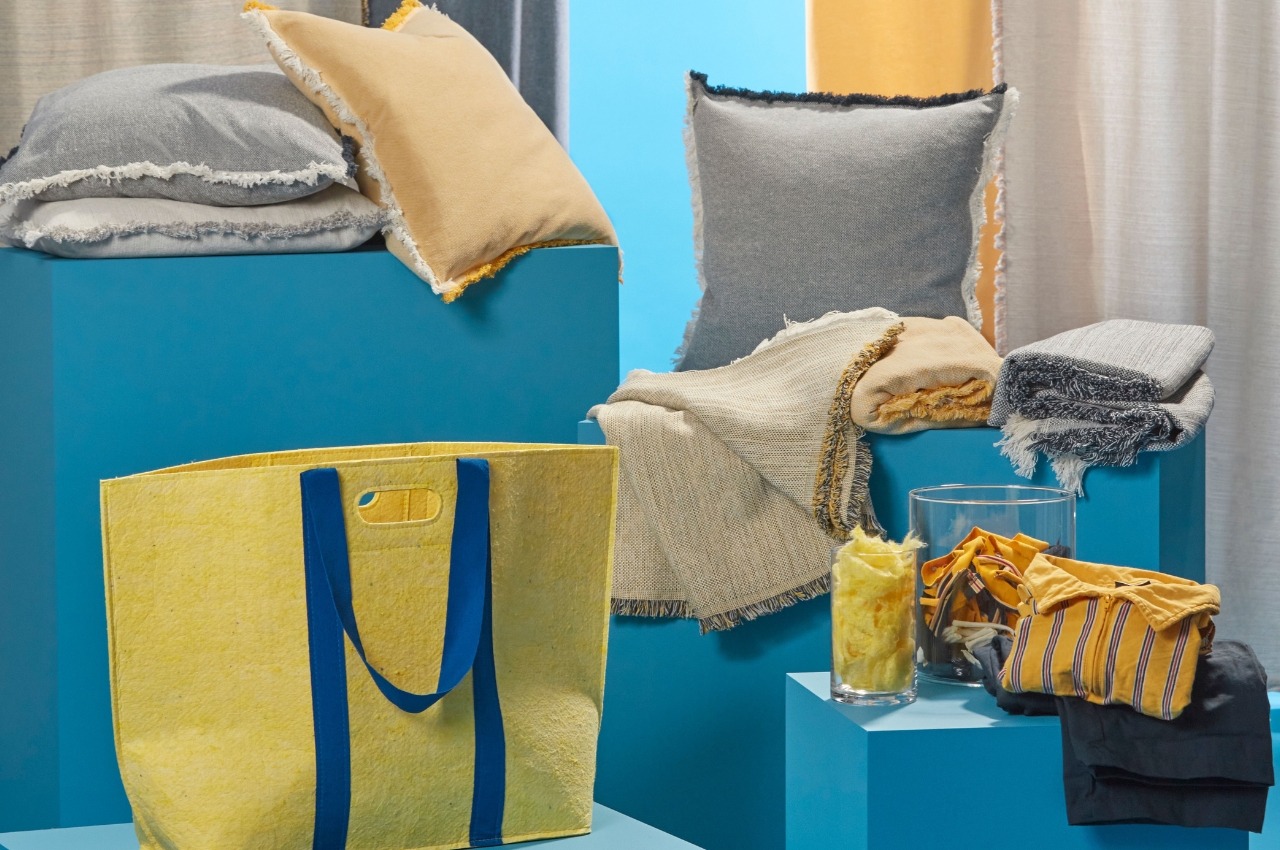
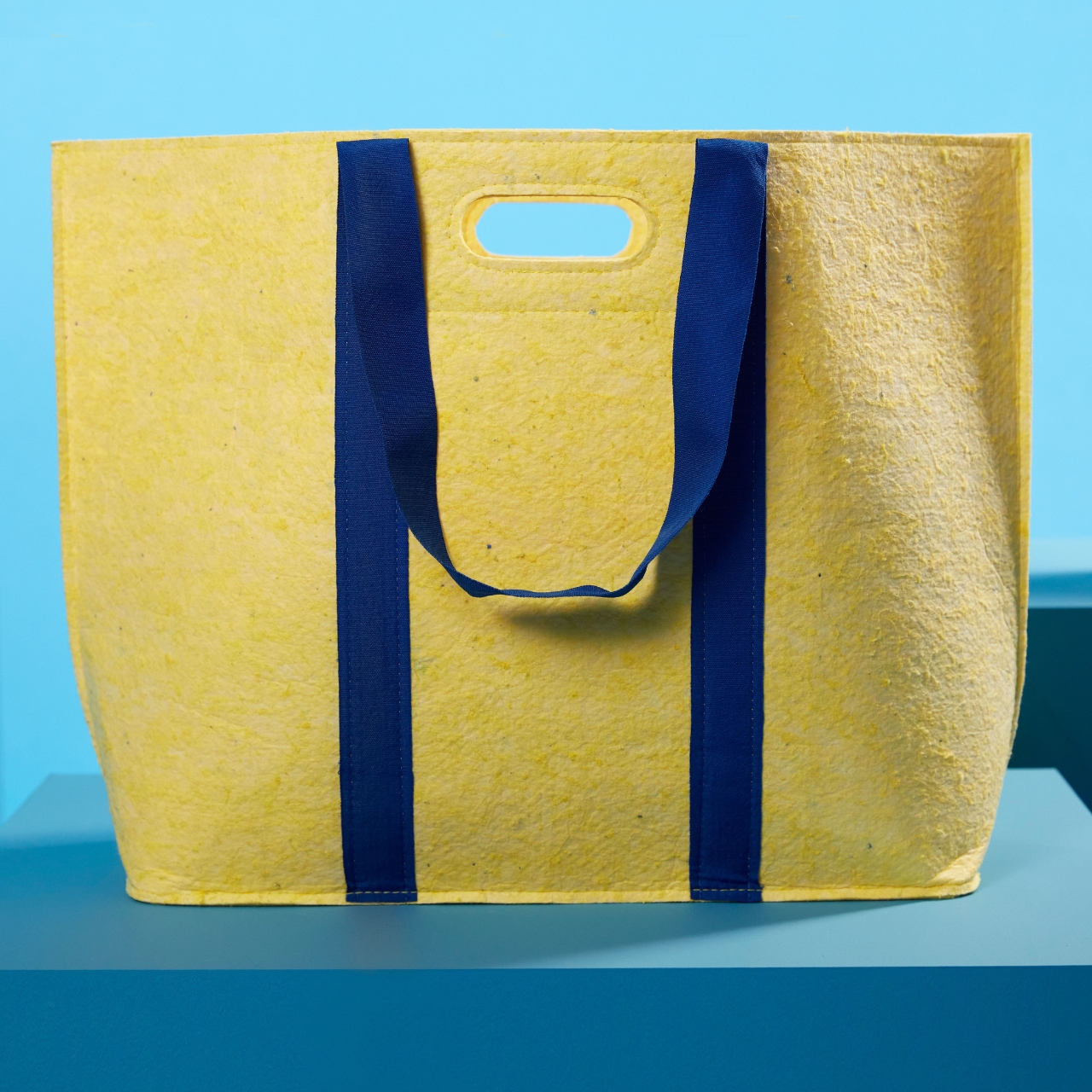
Designer: IKEA

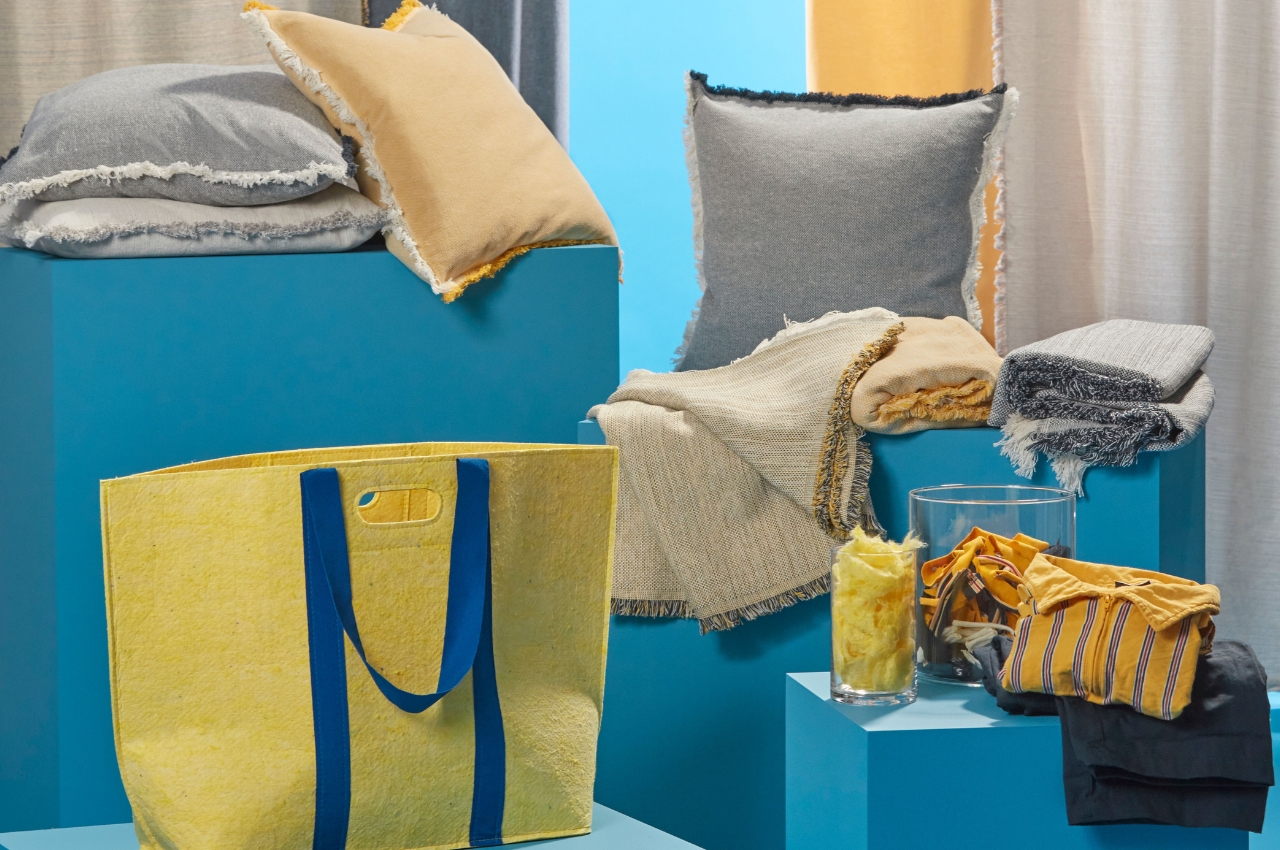
In recent years, there has been a surge in supporting brands that prioritize sustainability, including upcycling and recycling materials. Ikea is joining this trend with their new collection, VÄXELBRUK, made from recycled coworker uniforms. This innovative line features 16 textile-based items, blending old uniforms with recycled materials like polyester from PET bottles. By repurposing these materials, Ikea reduces waste and offers stylish, eco-friendly products. The collection showcases how sustainability and style can go hand in hand.

3. Wood Waste

Designers: Michael and Mariel Upton

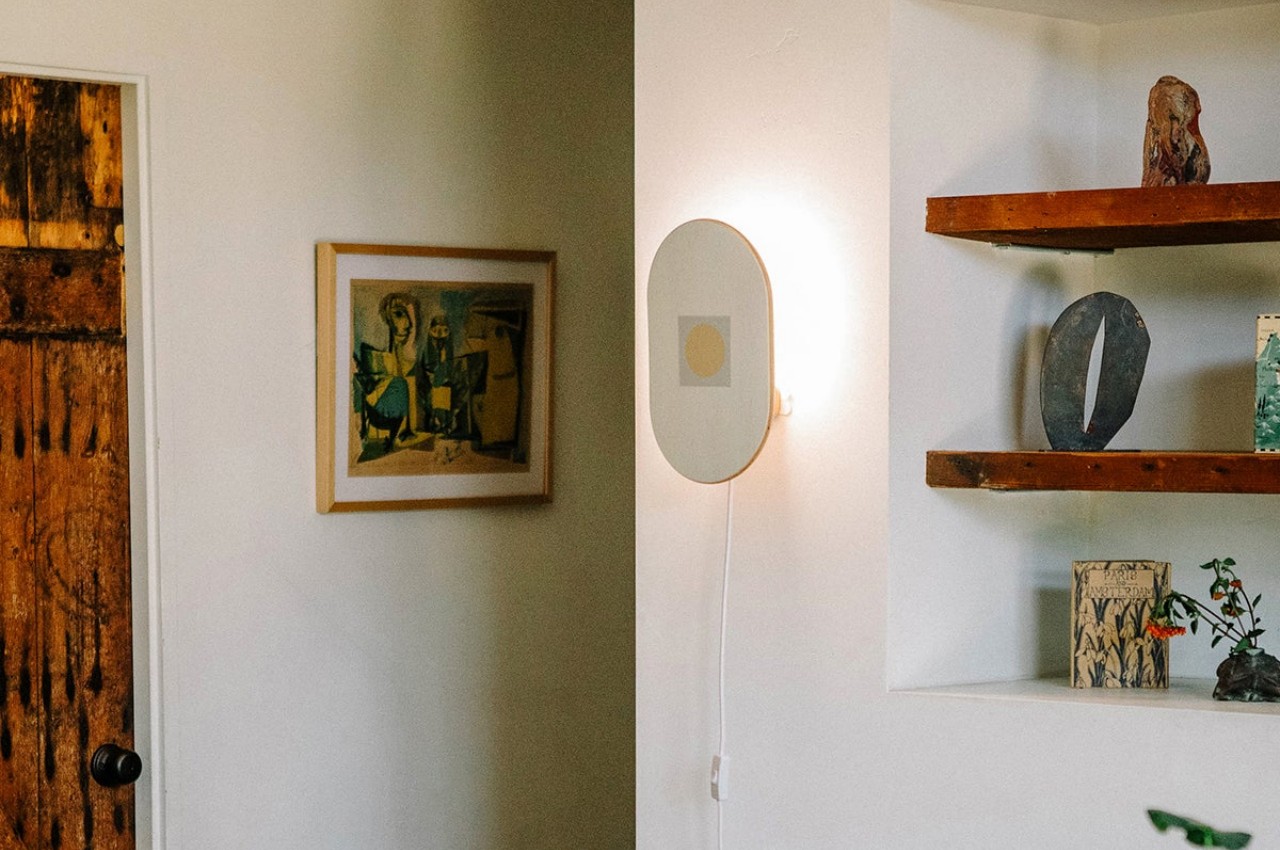
Recycling reduces landfill waste but can be energy-intensive and alter original designs. Upcycling offers a more efficient option, yet not all materials suit it. For example, discarded skateboard decks are transformed into stylish wall lamps named Heru, Cuna, and Mara. Reshaped into shorter ovals, paired with lighting hardware, and adorned with original artwork, these lamps emit a warm glow, serving as both illumination and minimalist decor, defying their original purpose.

4. Old Furniture

Designer: Christoph Kurzmann

During renovations, some opt to discard furniture instead of considering recycling. However, awareness of consumption and disposal is growing, leading to projects that repurpose items. Oxford Brookes University planned to landfill furniture during dorm renovations, but a student proposed the Upscaling Upcycling project. Disassembling existing furniture, Kurzmann created new designs, such as stackable stools and chairs from old bedframes and drawers. These pieces are well-designed and practical, showcasing the potential of upcycling to save resources and create useful furnishings.

5. PET Bottles

Polyethylene terephthalate (PET) plastic, known for its durability and lightweight nature, is commonly utilized in manufacturing containers for the food and beverage, pharmaceutical, and personal care sectors.

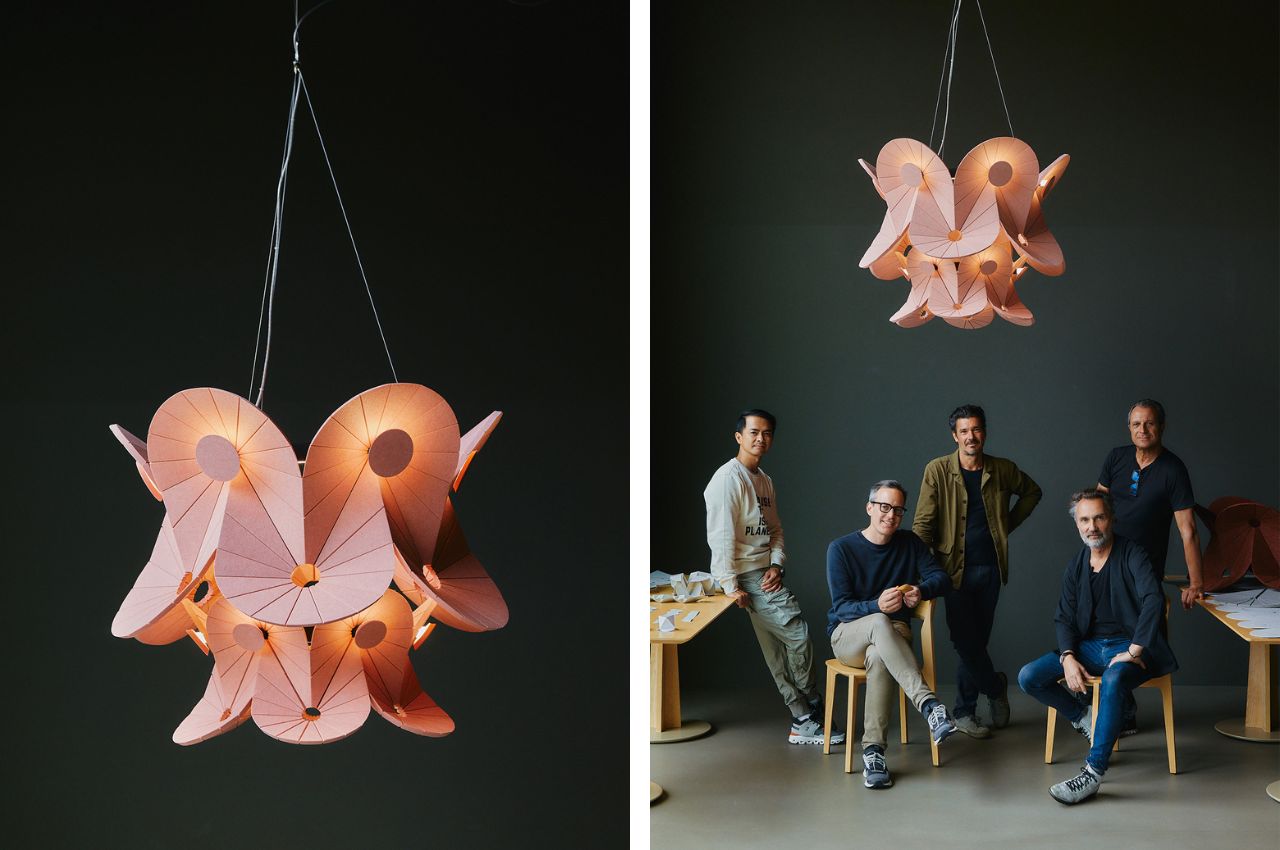
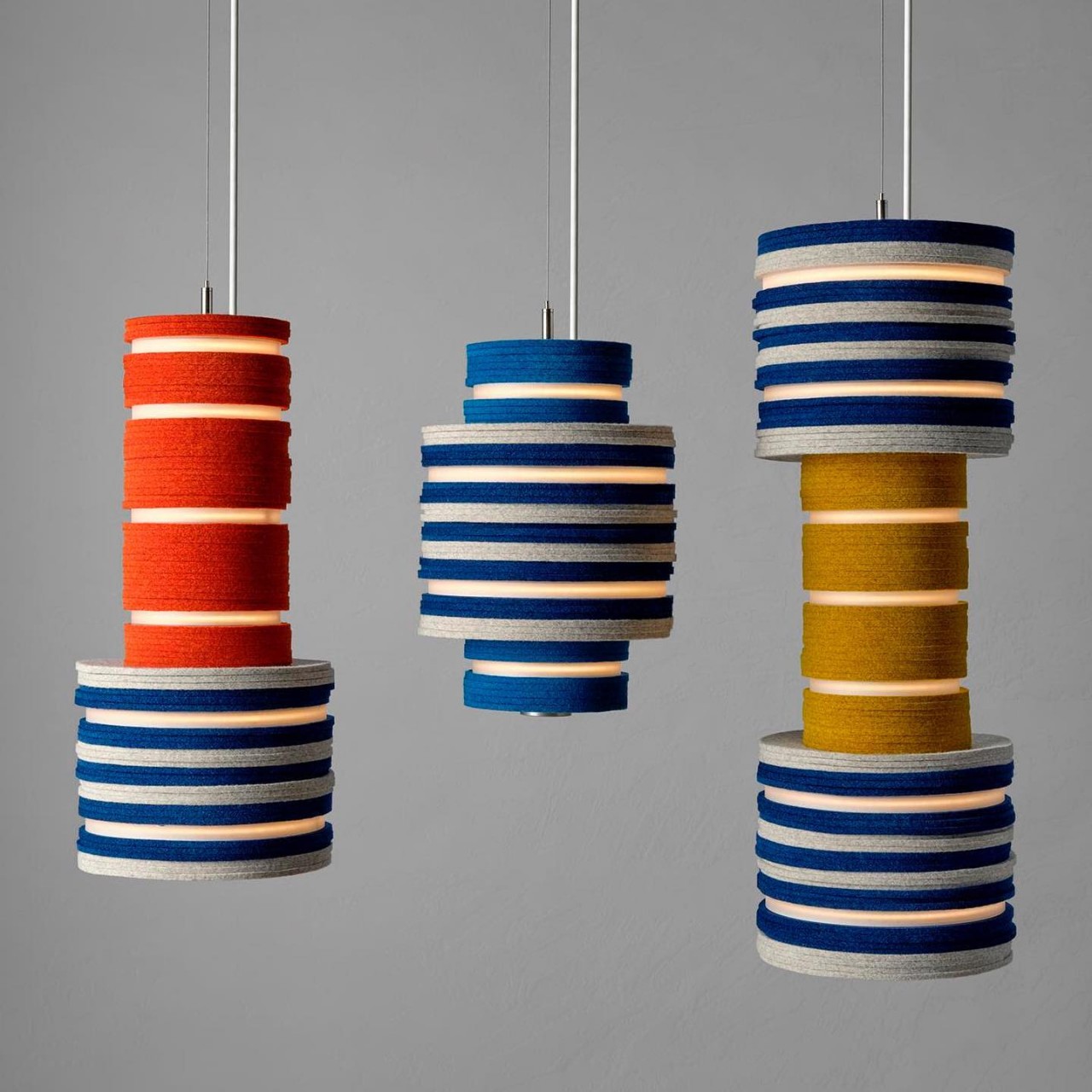
Designer: Impact Acoustic, Atelier oï

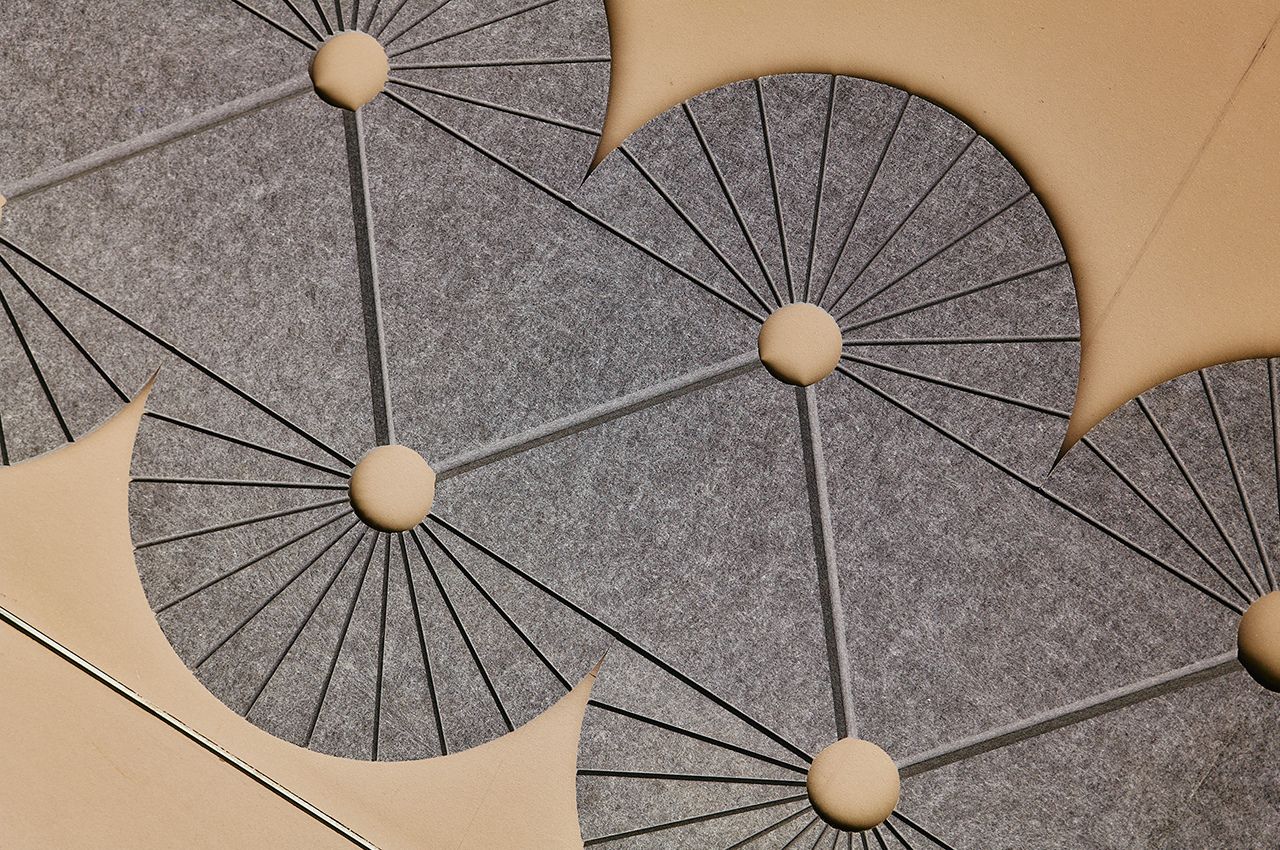
At the core of Oloïd’s innovative design is Archisonic Felt, a high-performance sustainable acoustic absorber made from upcycled PET bottles. Crafted from Archisonic Felt, Oloïd, a sustainable acoustic luminaire resulting from the collaboration between Impact Acoustic and atelier oï, exemplifies the fusion of functionality and artistic expression in modern design. This versatile material offers exceptional sound absorption while redefining the interaction between light and sound. Its Cradle-to-Cradle certification and LEED accreditation underscore its eco-friendly credentials. With 32 captivating colors curated from the Archisonic Felt range, Oloïd empowers users to personalize their spaces, seamlessly integrating organic shapes that transform two-dimensional panels into captivating three-dimensional entities. This luminaire not only sets a new standard for sound-absorbing luminaires but also stands as a testament to the potential of sustainable design in reshaping illuminated spaces.

6. Denim

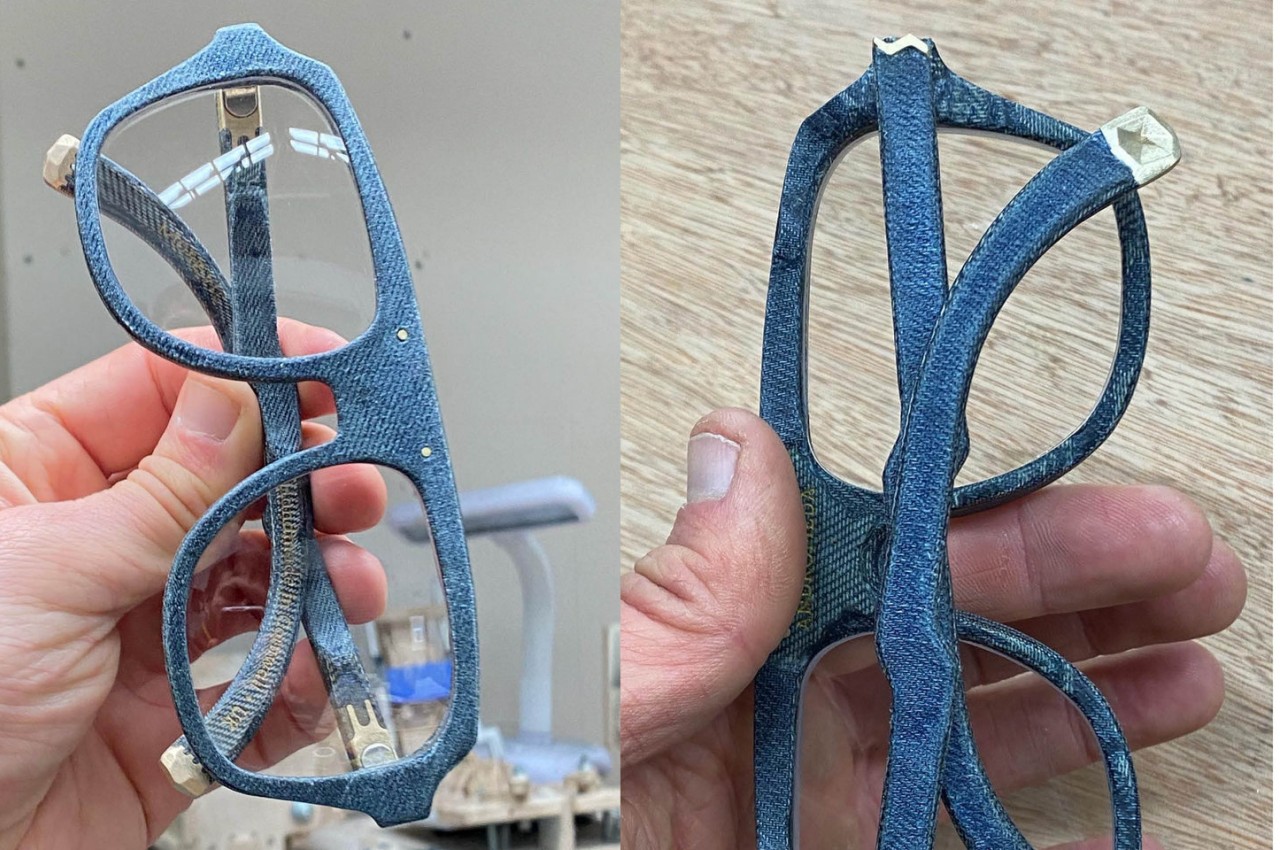
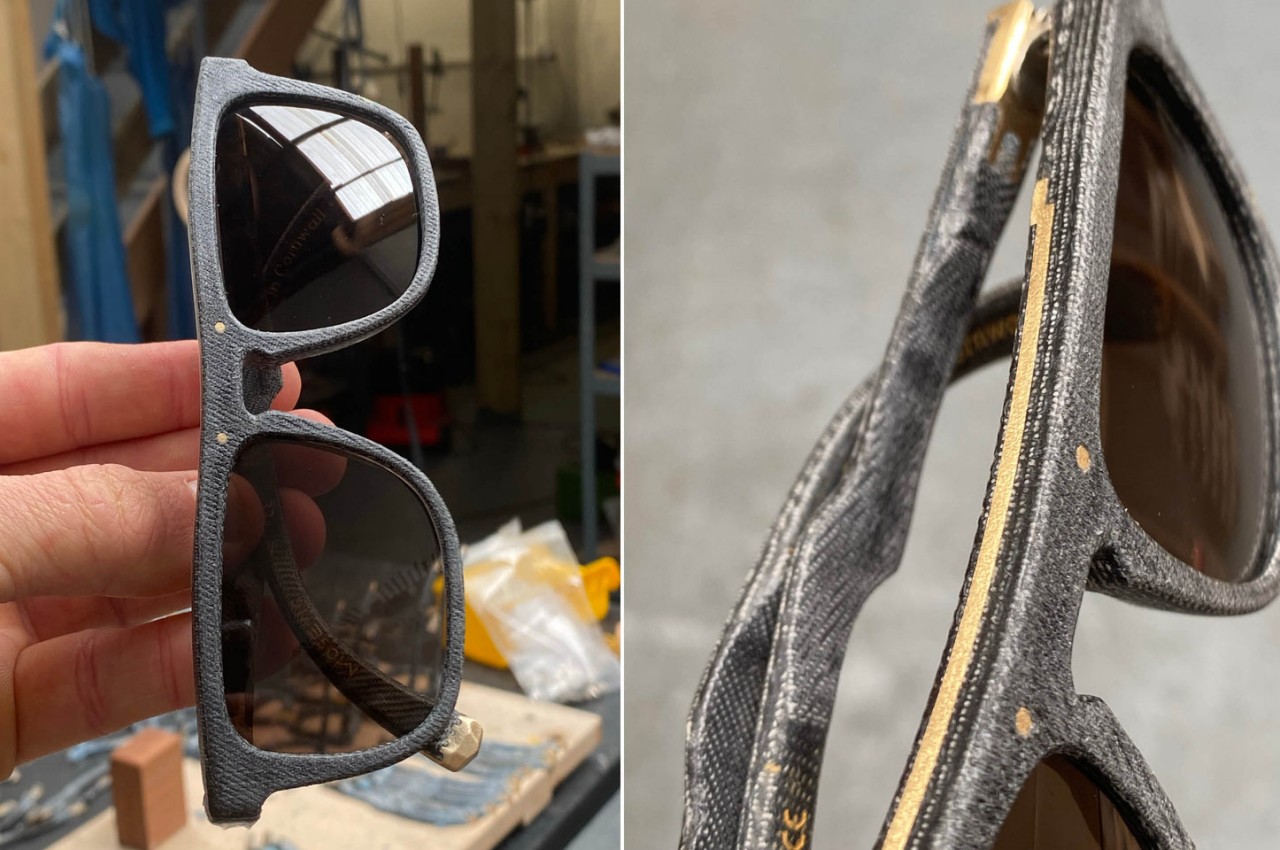
Designer: Jack Spencer (Mosevic)

Researchers highlight that producing a single pair of jeans requires a staggering 7,600 liters of water, prompting global concern among ecologists about denim’s environmental impact. Textile production, notably denim, contributes significantly to water consumption, energy usage, and landfill overflow due to non-biodegradable fibers like synthetics. While recycling remains an underutilized option, upcycling emerges as a promising solution, exemplified by startups transforming old jeans into stylish sunglasses. Mosevic pioneers denim waste reduction by infusing waste denim with bio-resin to craft durable “Solid Denim” sunglasses, adorned with a natural wax finish for longevity. Despite sustainability challenges, initiatives aim to upscale production and inspire similar textile waste solutions.

7. Old Bicycles

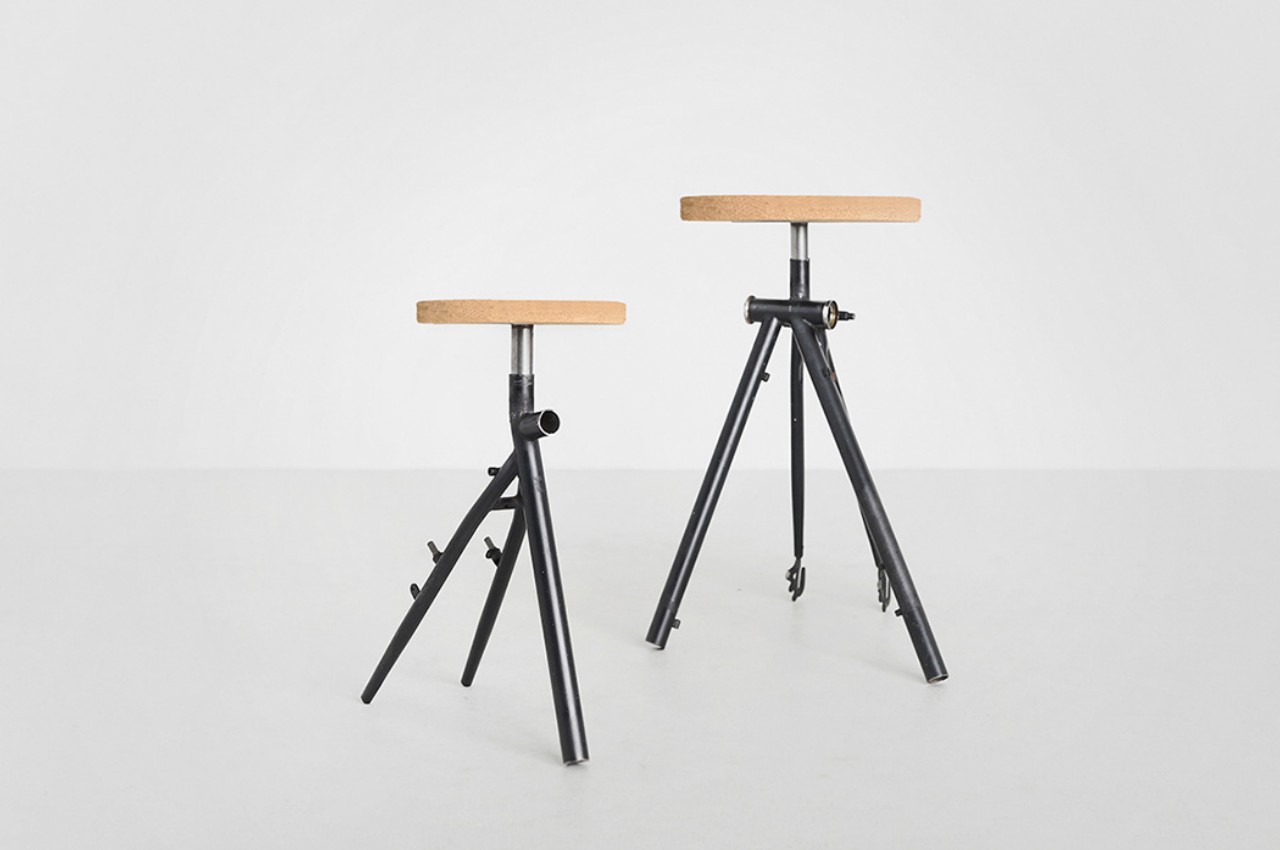
Designer: Hyemin Kim

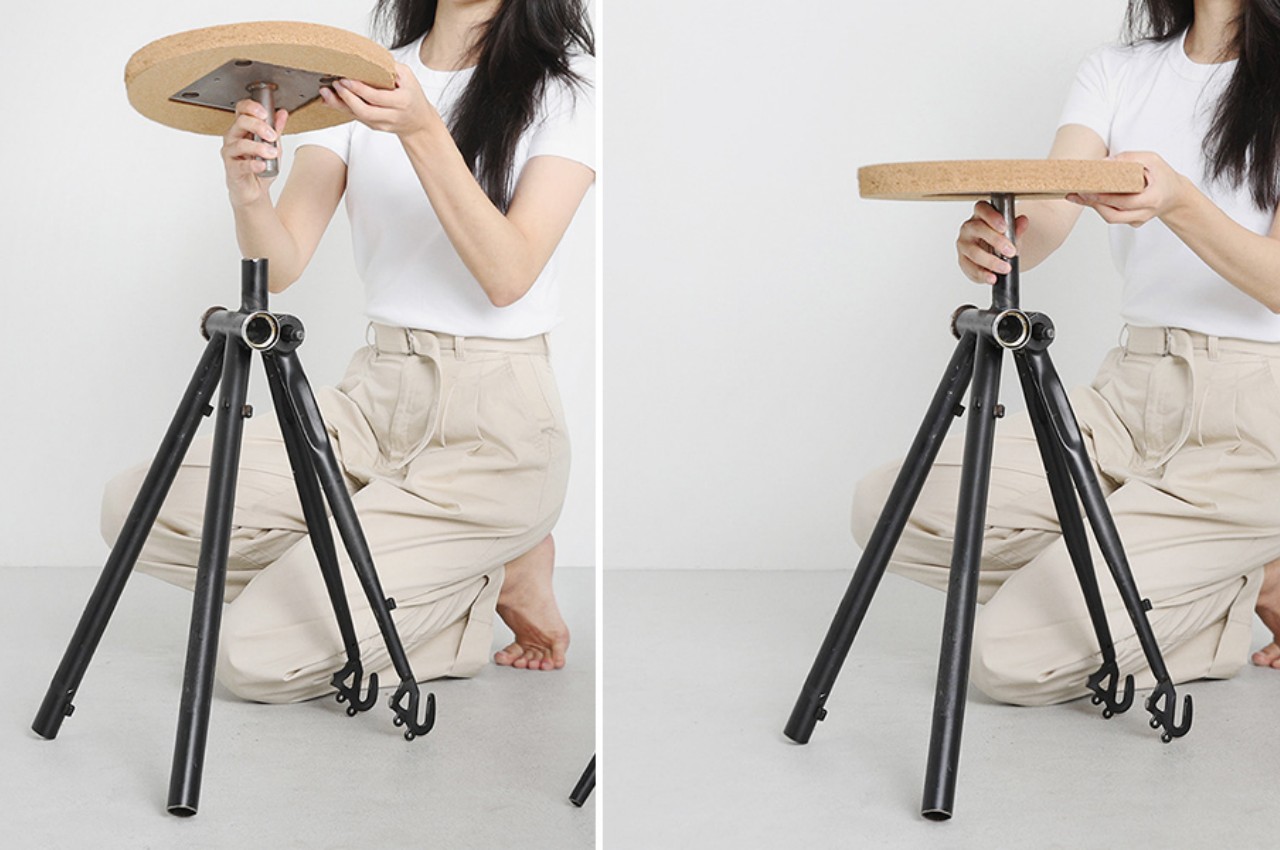
The 2 Stools from 1 Bicycle project repurposes old bike frames to create unique and functional stools. Each stool features a distinctive design with slanted legs reminiscent of the original bike frames, giving them a striking appearance. One stool has three legs, while the other has four, adding to their individuality. The seat is crafted from recyclable cork, in line with the project’s sustainability mission. These stools not only offer practicality and convenience but also allow people to give sentimental objects like old bikes a new lease on life. With their unconventional aesthetics and eco-friendly materials, these stools are both functional and visually appealing additions to any space.

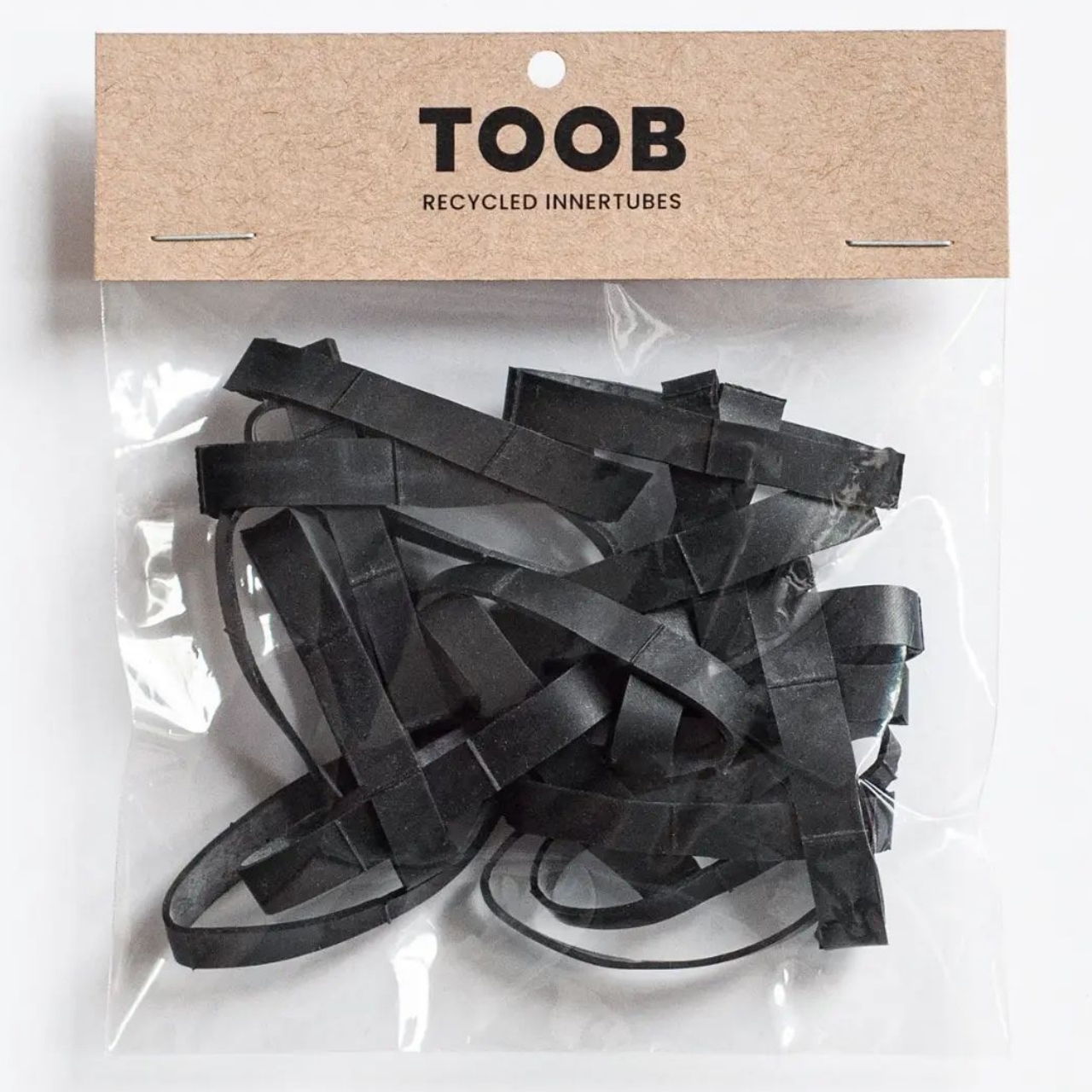
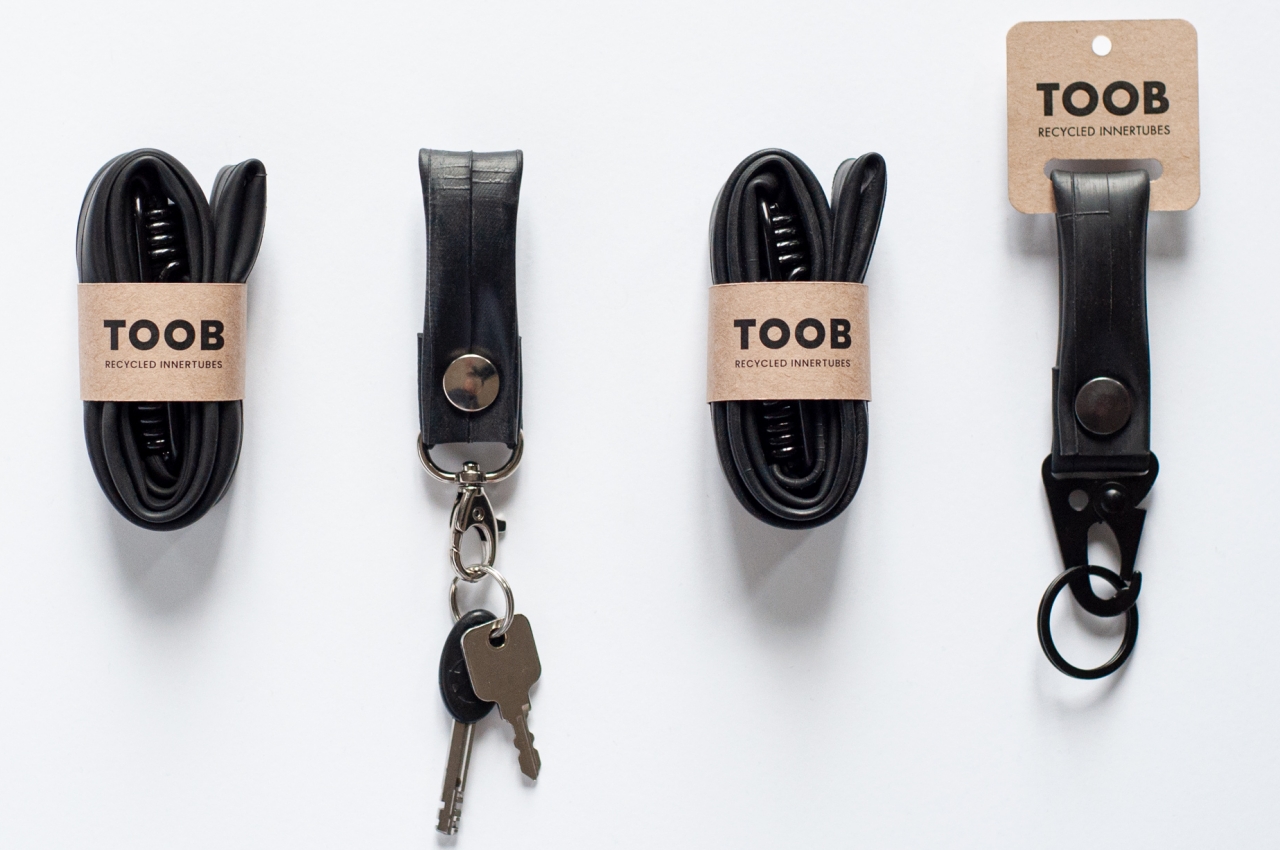
Designer: Roy Sherizly (TOOB)

The growing popularity of bicycles in recent years has brought attention to long-standing environmental concerns associated with their components, particularly inner tubes. Despite being more eco-friendly than cars or motorcycles, bicycles still contribute to pollution due to discarded parts like rubber tires and inner tubes. The TOOB accessories line addresses this issue by repurposing useless inner tubes into practical and stylish products. Handpicked from local shops in Tel Aviv, these inner tubes undergo thorough cleaning and inspection before being transformed into items like TOOB Keychains and TOOB Straps. This upcycling initiative not only extends the lifespan of inner tubes but also supports the local bicycle economy. While inner tubes eventually wear out, TOOB’s efforts help postpone their disposal in landfills, offering a temporary solution until more sustainable alternatives are developed.

8. Cut-Offs

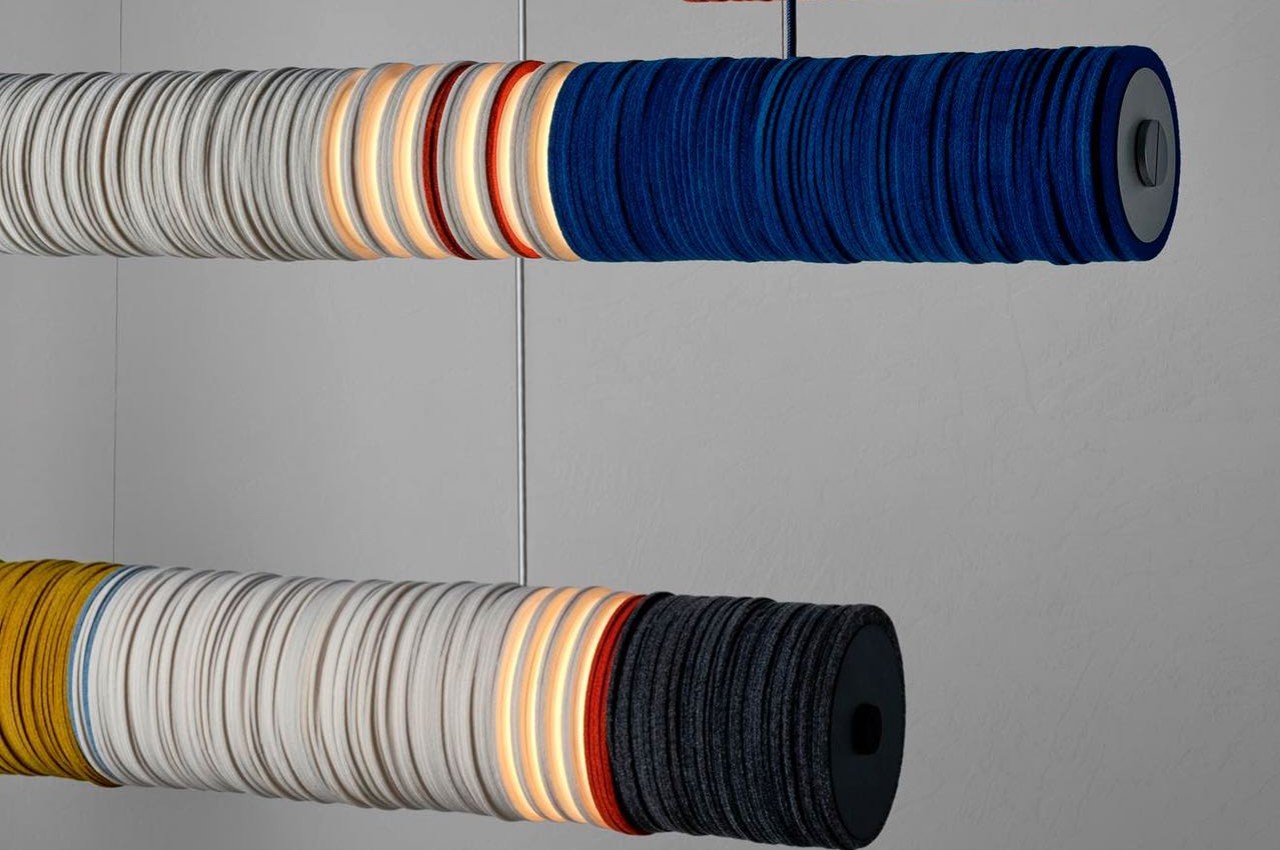
Designers: Anthony Frank Keeler, Sarah Coleman, Wisse Trooster

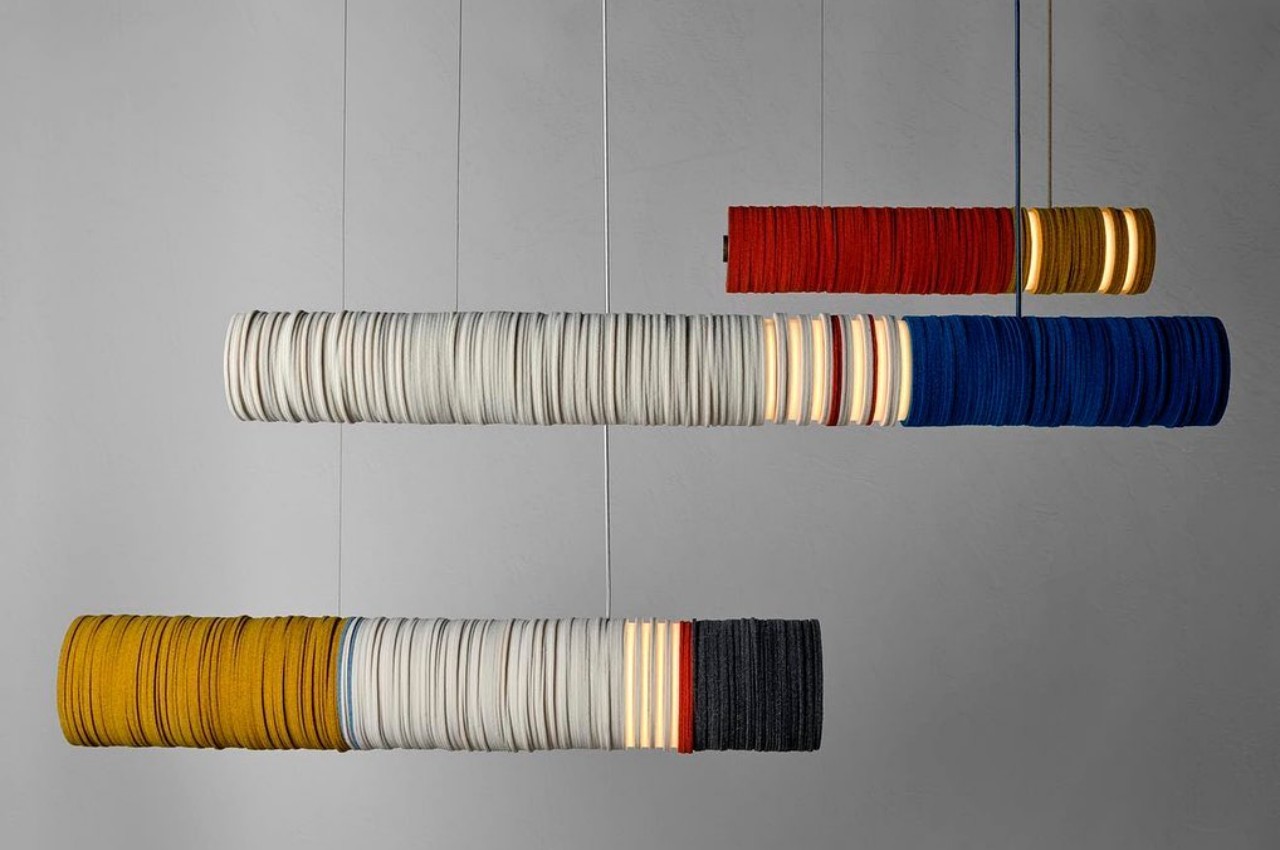
In manufacturing, there’s often excess material left unused, contributing to environmental concerns. To address this, manufacturers and designers are increasingly focusing on reducing waste and repurposing leftovers. Recycling and upcycling these materials into furniture and lighting fixtures, like Stackabl’s pendant lamps, offer sustainable solutions. Stackabl’s DIY tool allows users to customize their lamps by adjusting parameters such as length and disc diameter, resulting in unique, eco-friendly designs. Incorporating upcycled materials and energy-efficient LEDs, Stackabl emphasizes sustainability while offering personalized lighting solutions.

The post How Does Upcycling Innovate Materials? first appeared on Yanko Design.
Top Ten Reasons Why Prefab Homes are Gaining Momentum

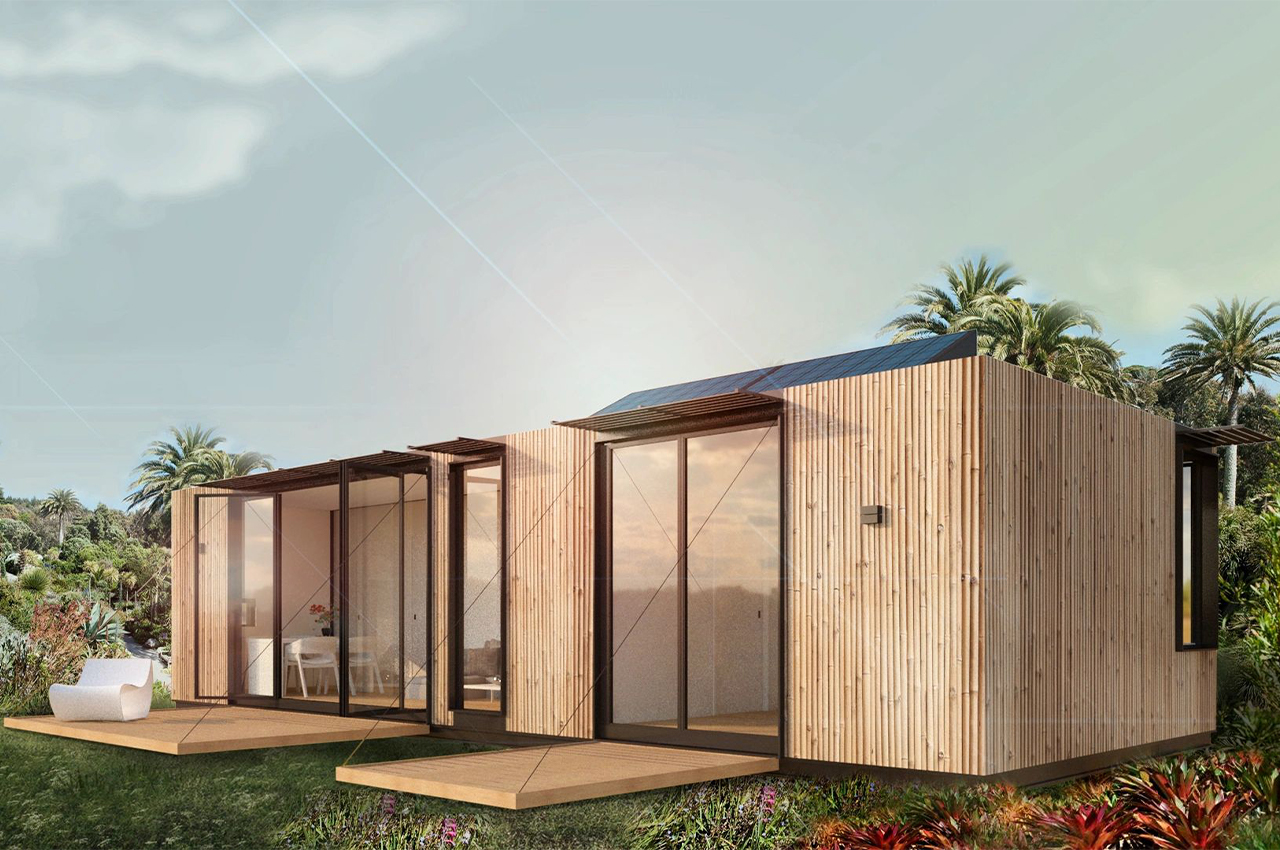
Prefabricated construction involves manufacturing building components in a controlled factory environment and then transporting them to the site for assembly and finishing. Innovations in manufacturing, coupled with a growing emphasis on sustainability, have empowered companies to develop prefabricated solutions for residential, commercial, and industrial structures worldwide. Explore the benefits of prefabricated construction.

Designers: Ryan Street Architecture Studio & Escobedo Group

1. Highly Durable Materials

Prefabrication materials, such as precast concrete panels and light-gauge steel frames, are renowned for their exceptional durability, specifically engineered for extended transport to the site. Notably, they eliminate issues commonly associated with traditional materials like efflorescence on bricks.

2. Rapid Construction

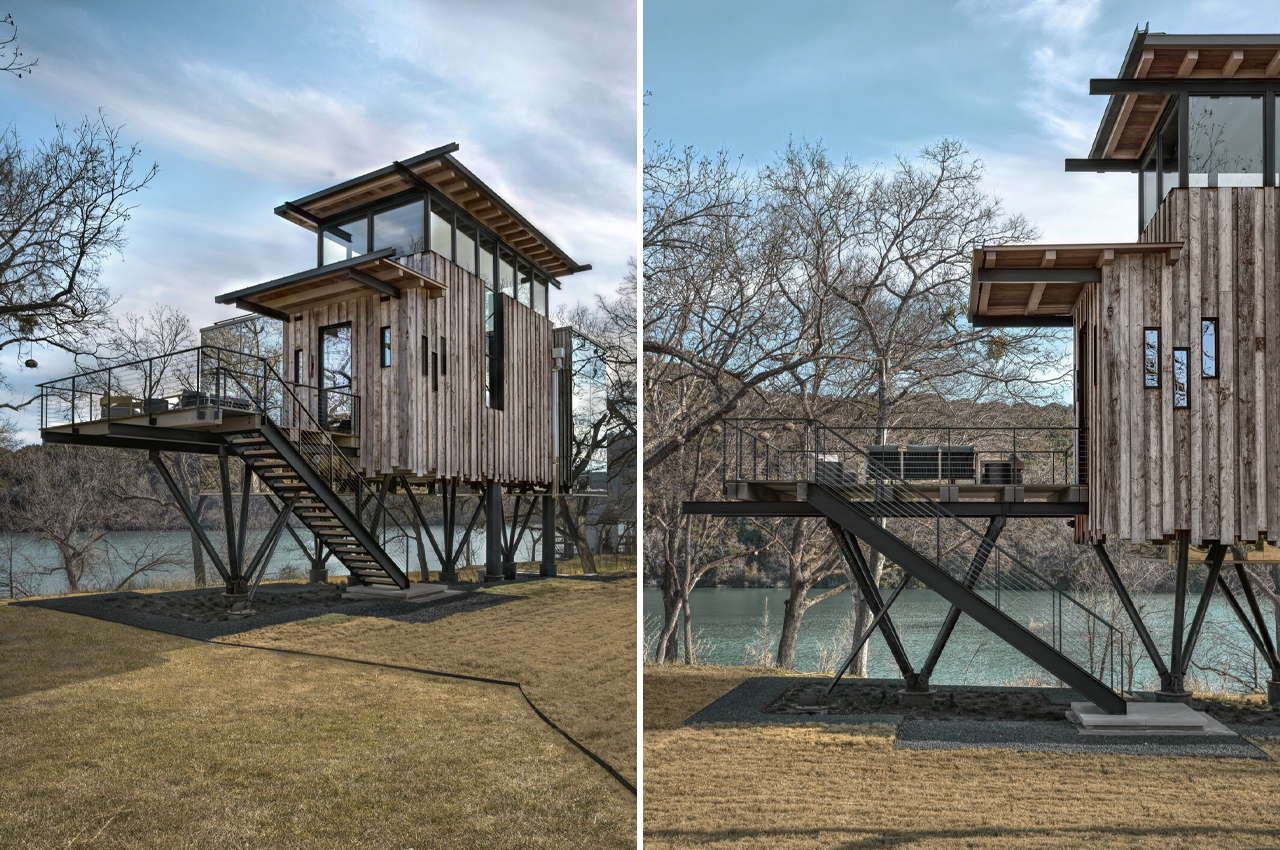
Prefab homes, whether modular or panelized, have an off-site assembly, reducing on-site attachment time significantly compared to traditional stick-built homes. As a result, prefab homes are usually the quickest option for homeowners needing to adhere to tight construction timelines. Employing pre-assembled frames can cut construction time in half compared to traditional methods. Panels can be cast simultaneously with foundation work, and essential elements like insulation are already integrated, simplifying the process.

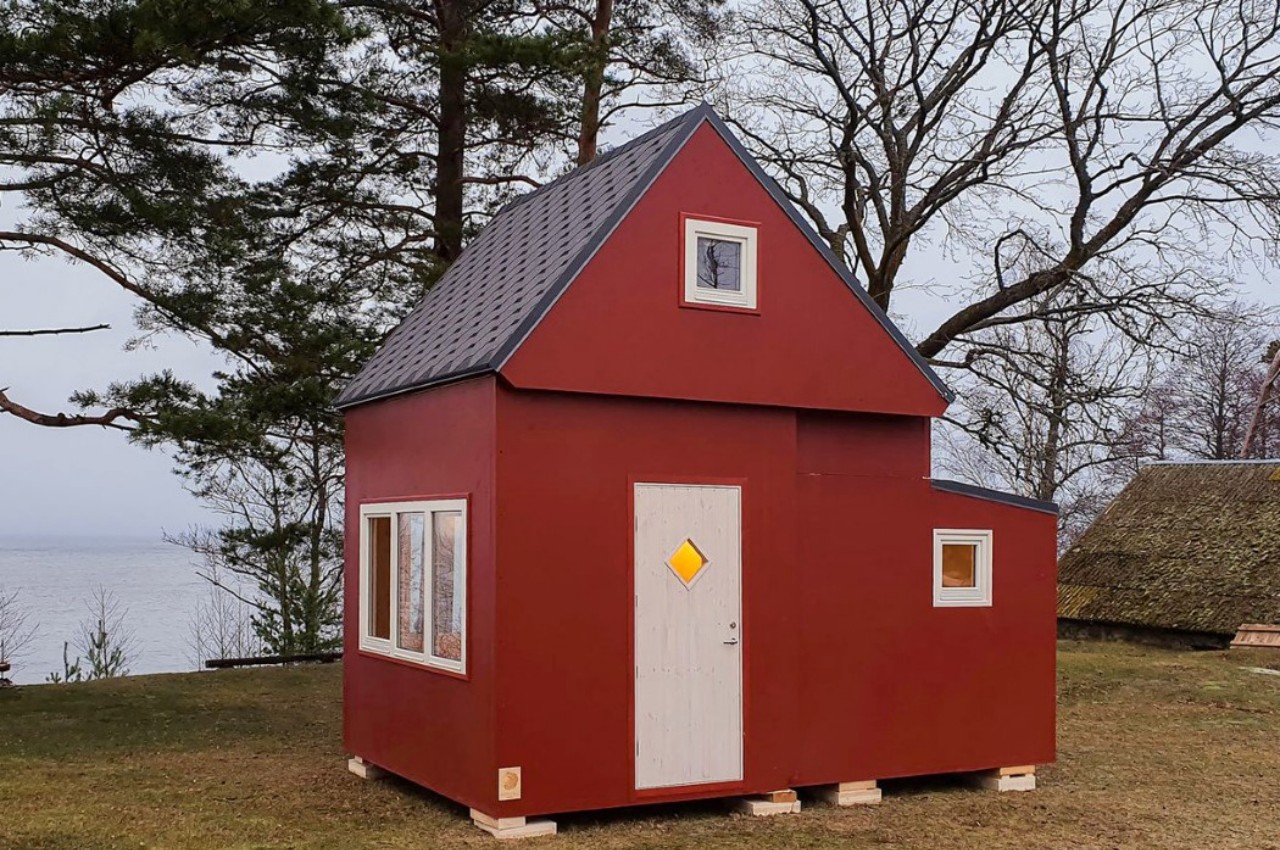
Designer: Brette Haus

Brette Haus prefabricated cabins redefine “Home Delivery” by arriving directly on a trailer to the location. Within 3 hours, these cabins unfold and secure into livable spaces spanning 22 to 47 sq. ft. Crafted from carbon-neutral, weather-proof cross-laminated timber, each cabin takes 8 weeks to fabricate. With no need for a permanent foundation, they easily unfold on leveled ground and secure with screw piles. Featuring hinges enduring up to 100 folding cycles, these cabins offer exceptional portability. Optional add-ons like waste tanks and solar panels enable comfortable off-grid living.

3. Quality Control

Given the difficulty of controlling quantity at the construction site, the prefab manufacturing process facilitates individual quality checks for prefabricated components before dispatch. This ensures that essential standards such as fire resistance or heat insulation are met before construction begins.

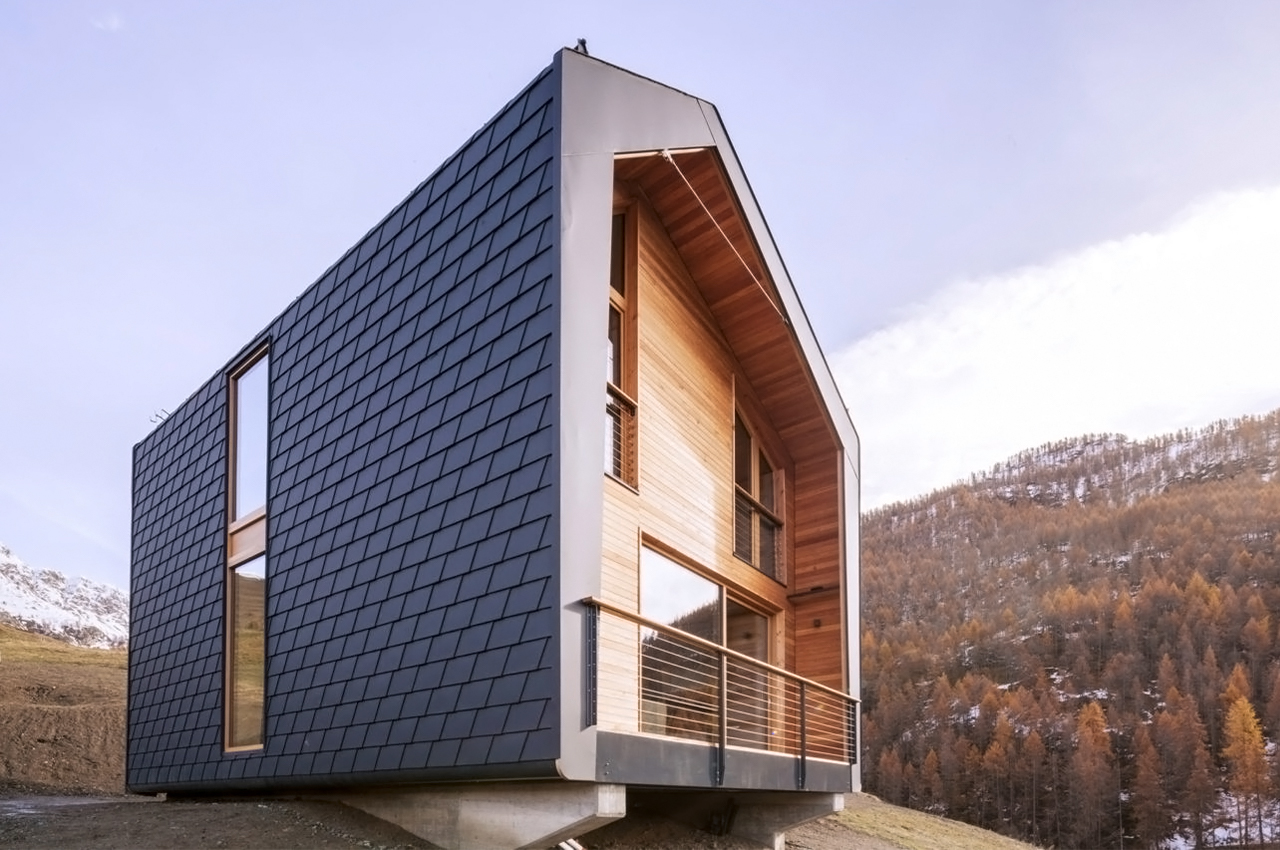
Designer: Leap Factory

The House in Chamois caters to outdoor enthusiasts, blending seamlessly with the alpine landscape while prioritizing environmental sustainability and robust security against extreme weather. Its modular design allows for versatile adaptation to various lifestyles, complemented by integrated furniture and warm interior details. With meticulous attention to detail, the house offers well-lit spaces conducive to personal expression and harmony with nature. Leap Factory’s innovative approach marks a significant shift towards zero-impact dwelling in the construction industry.

4. Affordable Construction

Prefabrication offers significant cost reduction potential. With standardized panel measurements, readily available off-the-shelf plans are common. Additionally, economies of scale from mass-produced and bulk-purchased prefabricated materials further contribute to savings.

Designer: ARCspace

Initially developed to address extreme homelessness in Los Angeles, ARCspace offers a diverse range of accommodation options ranging from 160 to 10,000 square feet. With the construction industry contributing to 28% of global emissions, ARCspace focuses on innovative designs and sustainable, cost-effective prefabricated homes. All ARCspace structures are prefabricated, resulting in efficient builds that minimize emissions and waste. Residents can personalize their homes with options for off-grid power and water, including Hydropanels and solar panels. ARCspace prioritizes energy efficiency and health-conscious features, utilizing eco-friendly materials and advanced technologies to create cleaner, more efficient, and equitable living environments.

5. Use of Sustainable Materials

Today’s prefabrication materials often use eco-friendly or recycled materials, like local timber or other sustainable options. They can switch materials as new techniques emerge to reduce harm to the environment and there is less waste from construction.

Designer: TRIAS

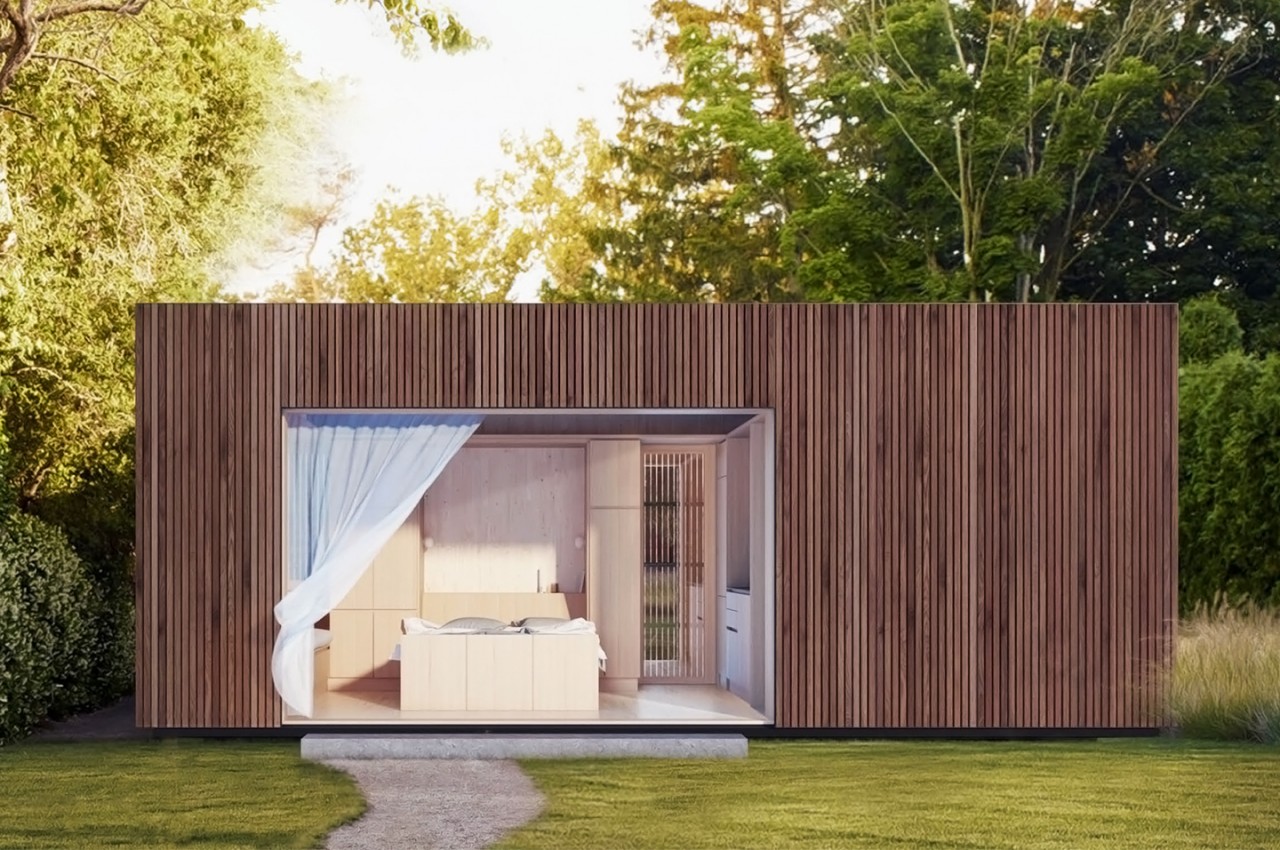
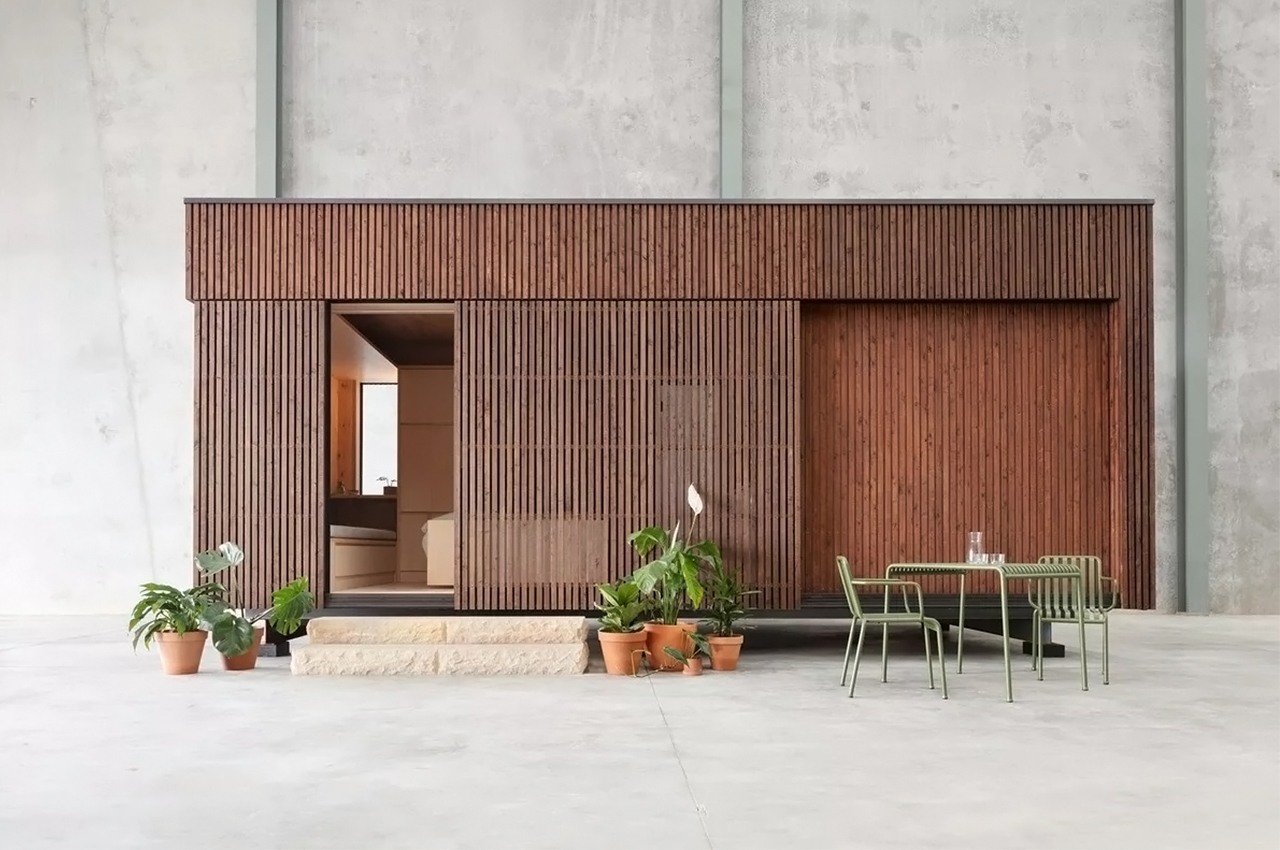
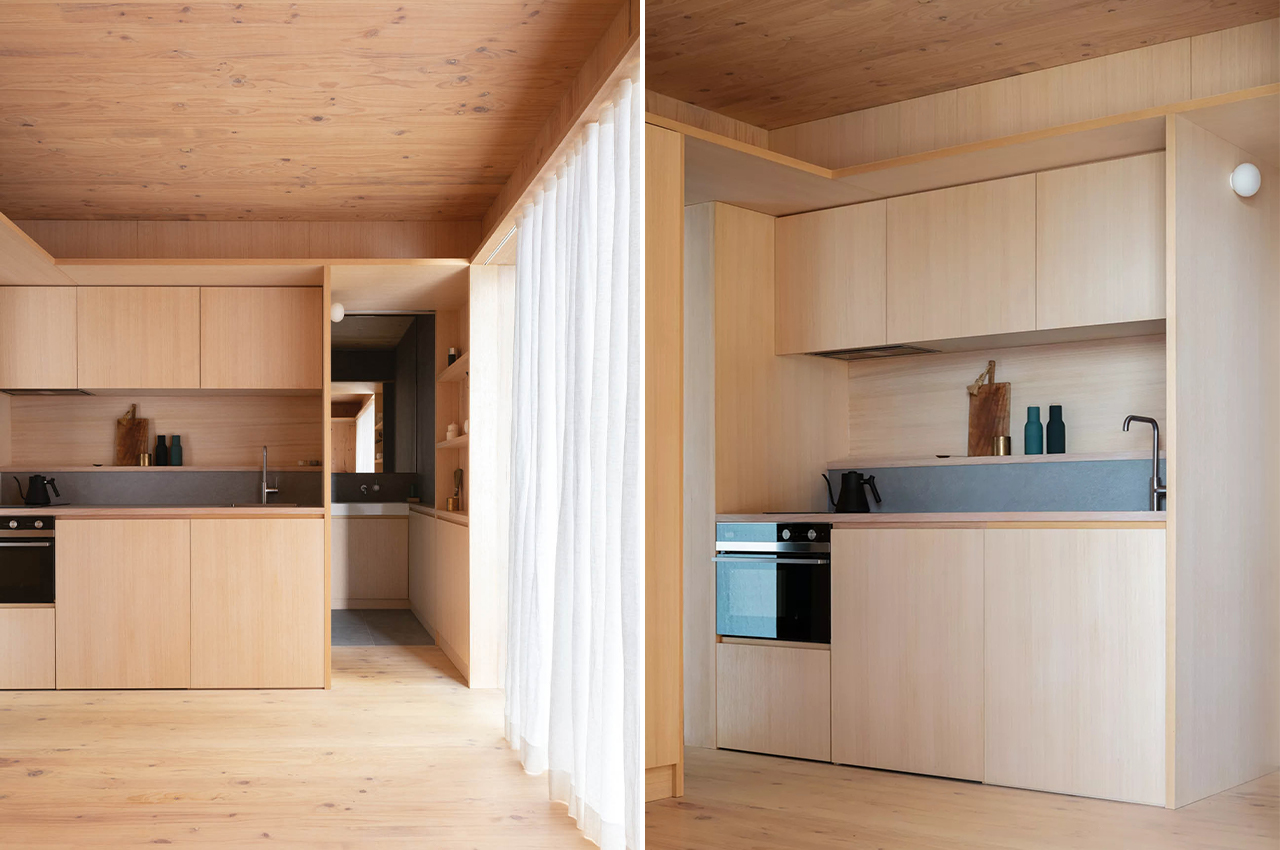
Minima is a 215-square-foot prefab module designed for versatility, serving as a tiny home or backyard addition. Constructed with sustainable CLT, it features a modern exterior with cypress battens and a steel roof. Inside, its Japandi-inspired layout maximizes space with integrated furniture and essential amenities. Compact yet stylish, Minima embodies sustainable, adaptable architecture.

6. Energy Efficient

Prefab homes prioritize energy efficiency by adhering to strict design guidelines, ensuring airtight seams that prevent leaks and airflow, resulting in long-term cost savings for homeowners. Additionally, as sustainability is gaining momentum among consumers, prefab home architects, designers, and contractors are integrating eco-friendly features like solar panels, wind turbines, and rainwater catchment systems into prefab home designs.

Designer: Taller Aragonés

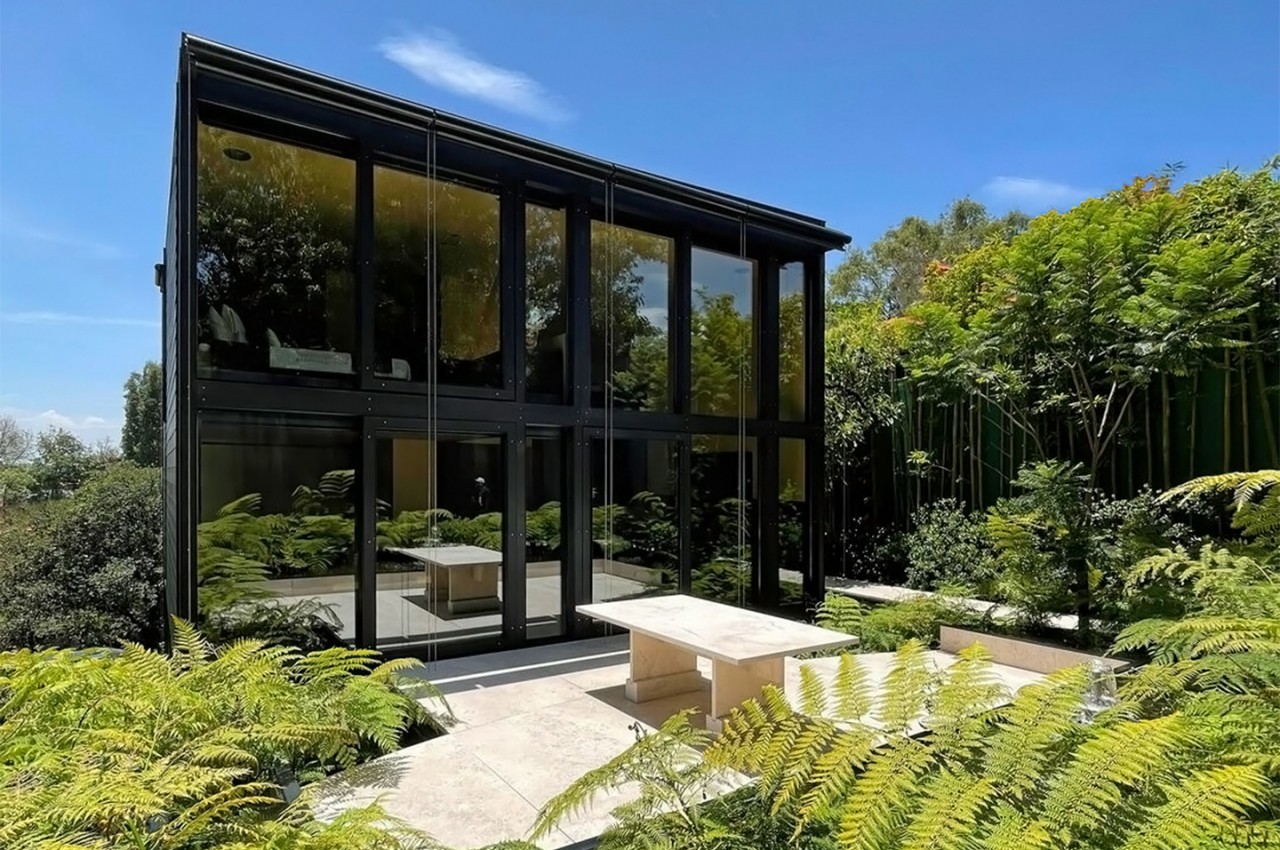
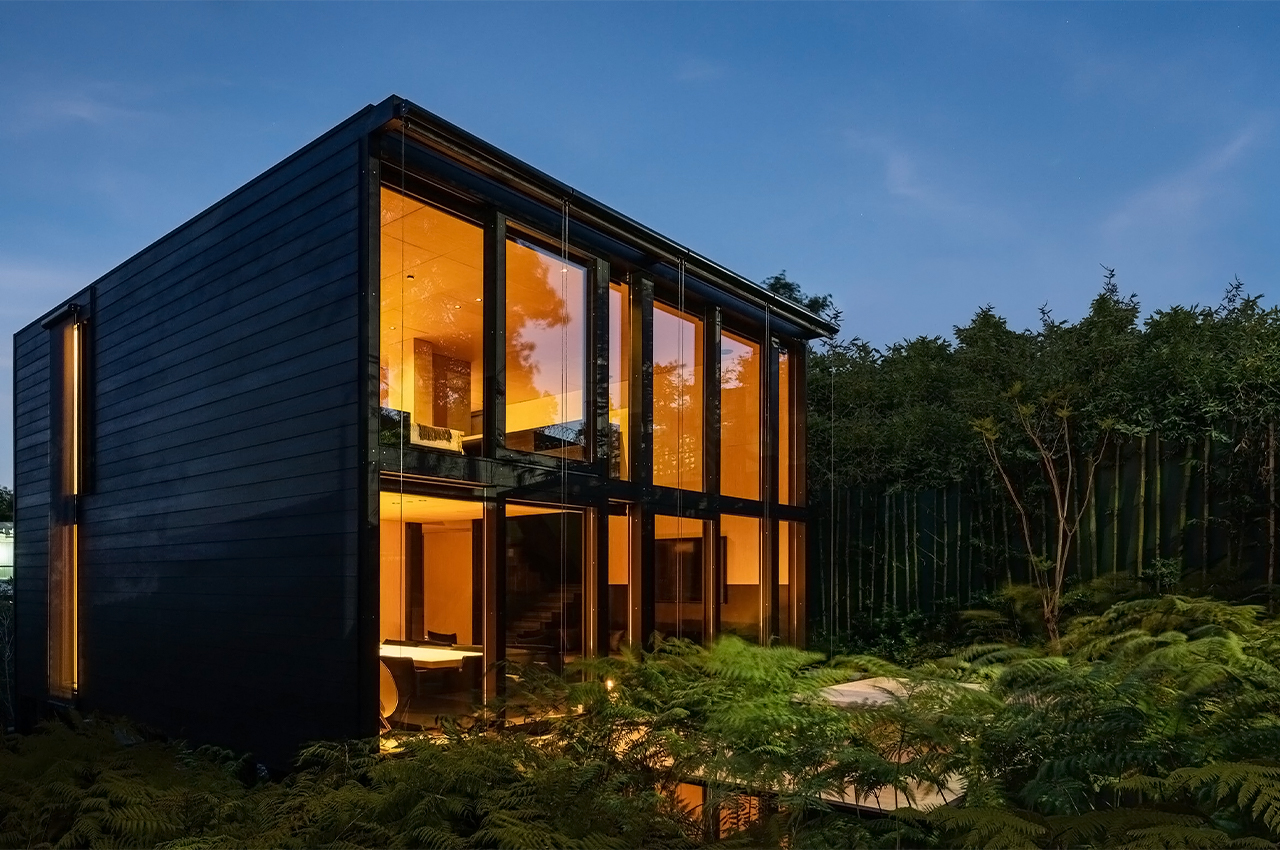
The Pi House, a shining example of prefab architecture, was assembled in just 45 days in Mexico City’s Bosques de las Lomas. This highly energy-efficient home features a customizable modular construction system with aluminum framing. Its innovative design allows for easy expansion and customization, while its double-glazed windows and thermal insulation ensure comfort and sustainability. The Pi House’s aluminum construction makes it easily recyclable, contributing to its eco-friendly profile. With international patents and plans for expansion, this affordable prefab home represents the future of accessible and sustainable homeownership.

7. No Wastage

Since prefab homes are built in a factory setting, there is virtually no on-site material waste. Within the factory, any leftover materials from the construction of one home can be efficiently reused in the assembly of another manufactured home.

8. Use of Simple Construction Methods

Due to the utilization of straightforward construction methods, the site may necessitate fewer managers and less specialized training compared to stone or brick masonry. Additionally, it allows smaller teams to accomplish more in safer indoor environments alongside improved planning and fewer delays.

9. Sustainable Construction

Modern prefabrication materials commonly utilize eco-friendly or recycled materials, including seasonal or locally sourced timber. Advancements in manufacturing techniques allow for material substitution, reducing the ecological footprint, and resulting in minimal construction waste. This is because the materials possessing a low ecological footprint are readily recyclable, providing economical and environmentally friendly choices for reuse when a building reaches the end of its life. Moreover, disassembly is straightforward, often involving merely reversing the construction steps.

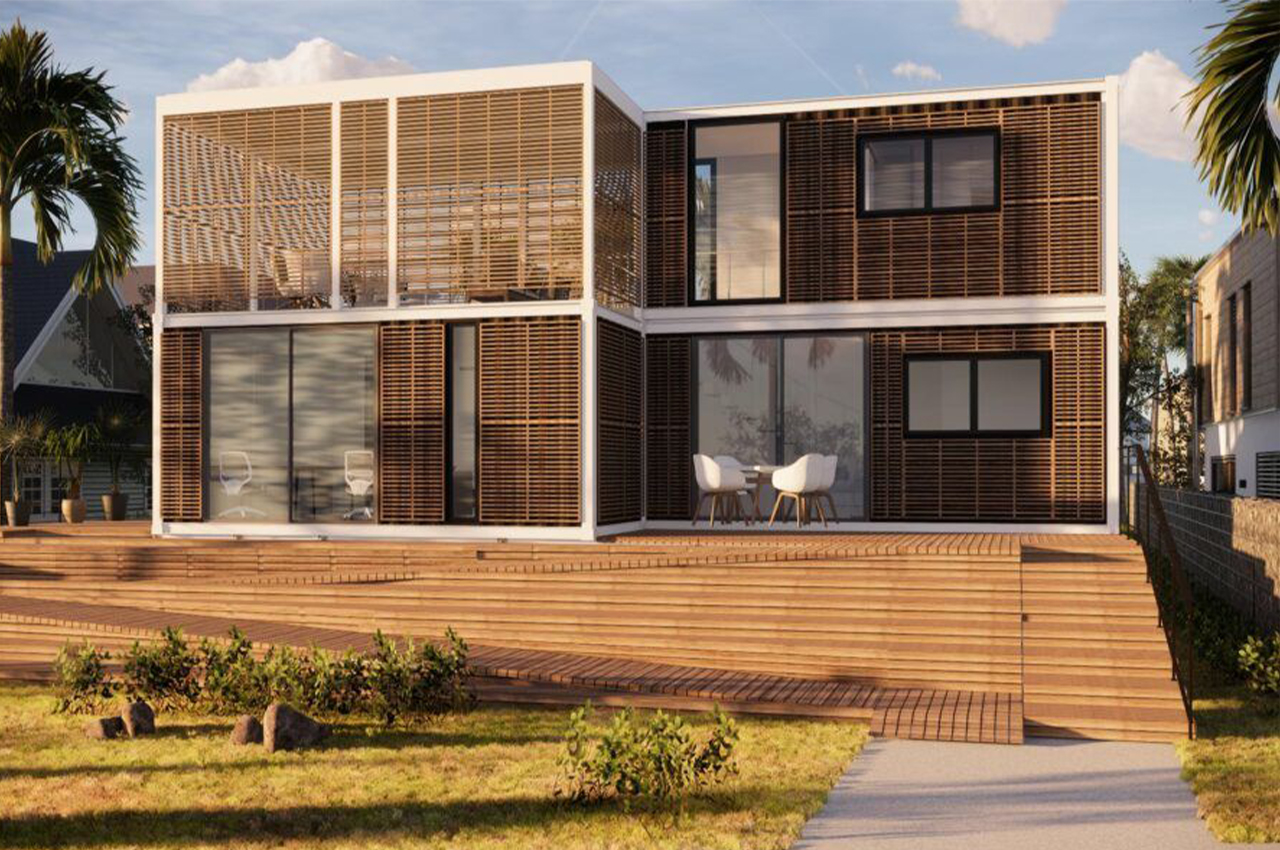
Designer: STUDIOROCA

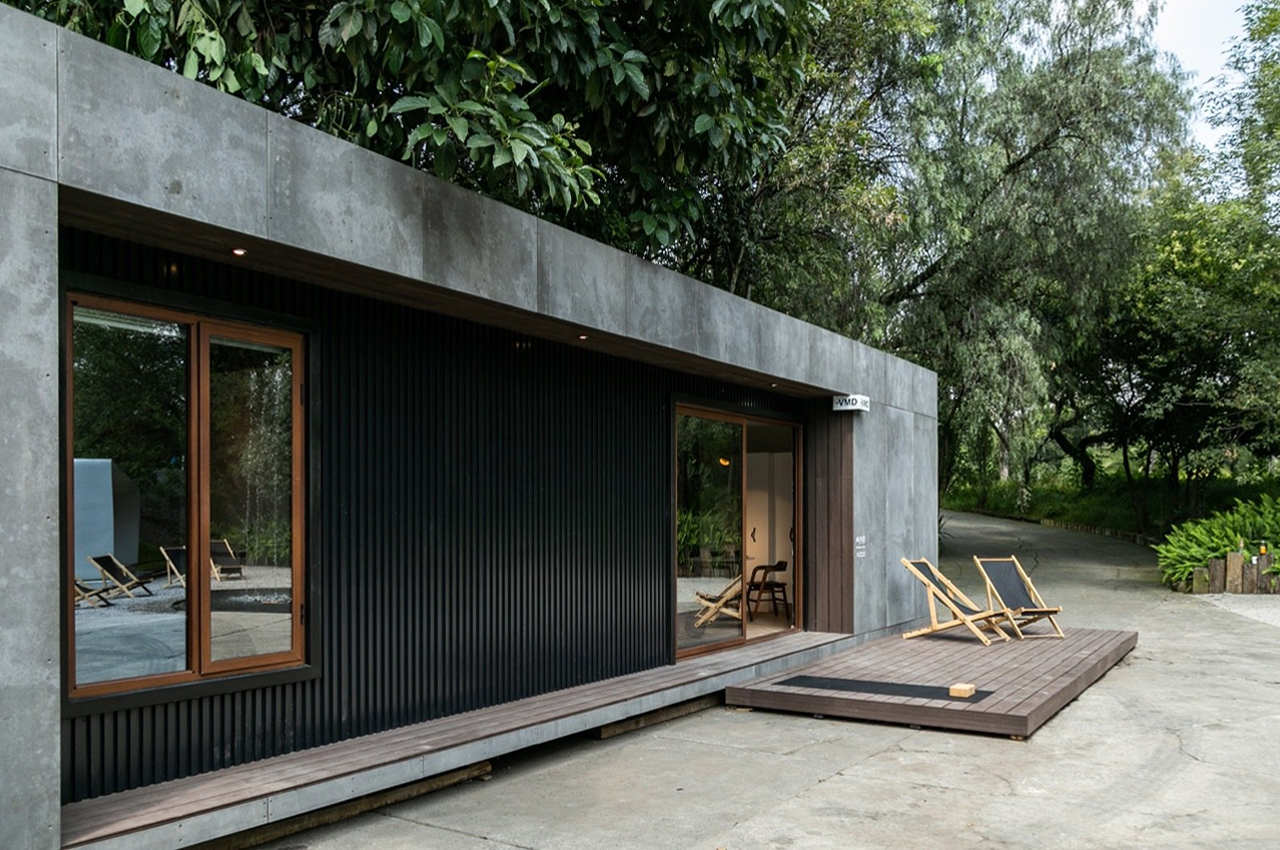
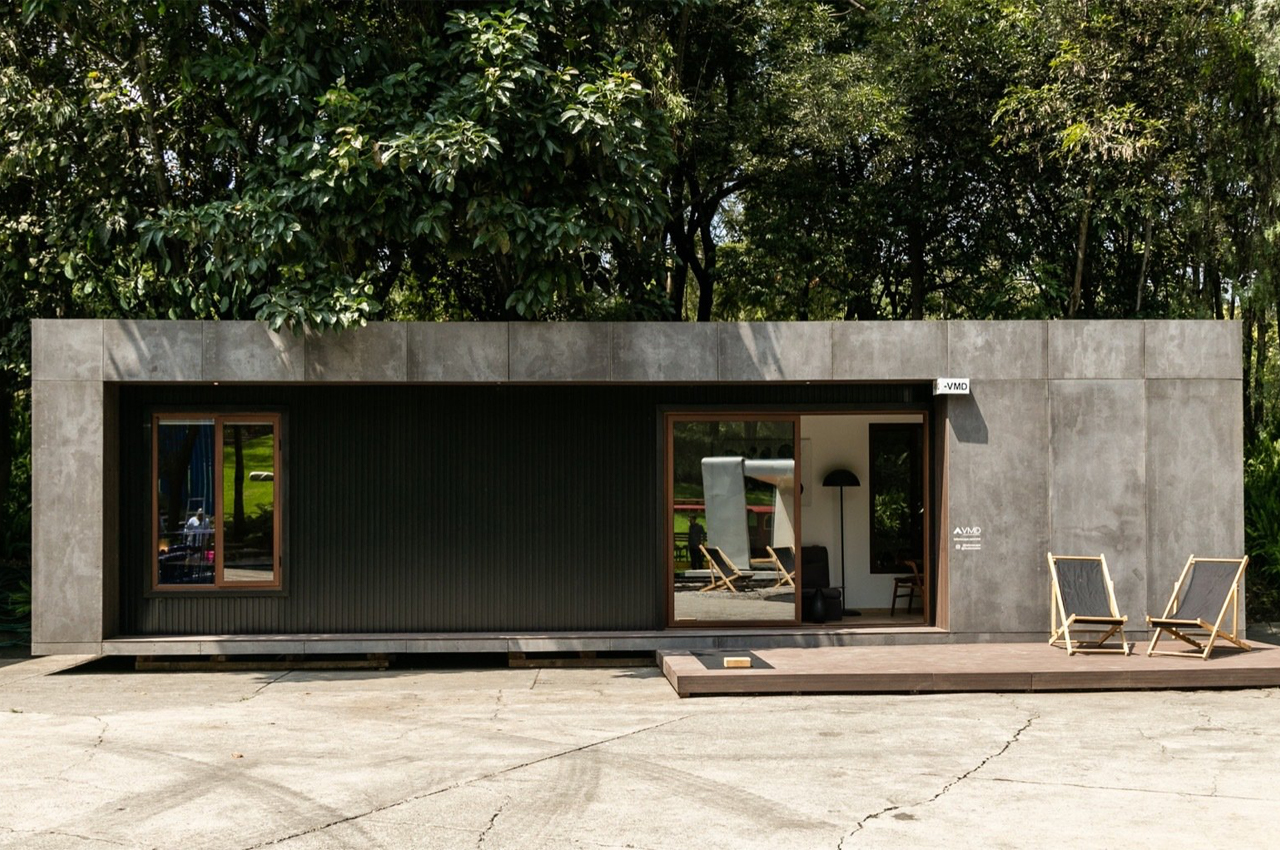
VMD (Vivienda Minima de Descanso) by STUDIOROCA offers prefabricated tiny homes made from repurposed shipping containers in Mexico. These homes feature off-grid capabilities and modern luxuries. STUDIOROCA’s innovative design transforms containers into sleek living spaces with open layouts, eco-friendly materials, and smart home systems. Built with a minimal impact process, each home is customizable and includes preset elements like FSC-certified oak flooring and smart appliances. Available in one-, two-, or three-bedroom options, clients can add features like outdoor decks into the design.

10. Modular Extensions are Easy to Attach

The best aspect of prefab buildings is their adaptability. Adding a modular extension, using identical materials, is quicker and more cost-effective than relocating or acquiring additional land for future growth.

Designers: Undecorated, Studio Detroit, Prince Concepts, D.I.R.T. Studio, and SteelMaster

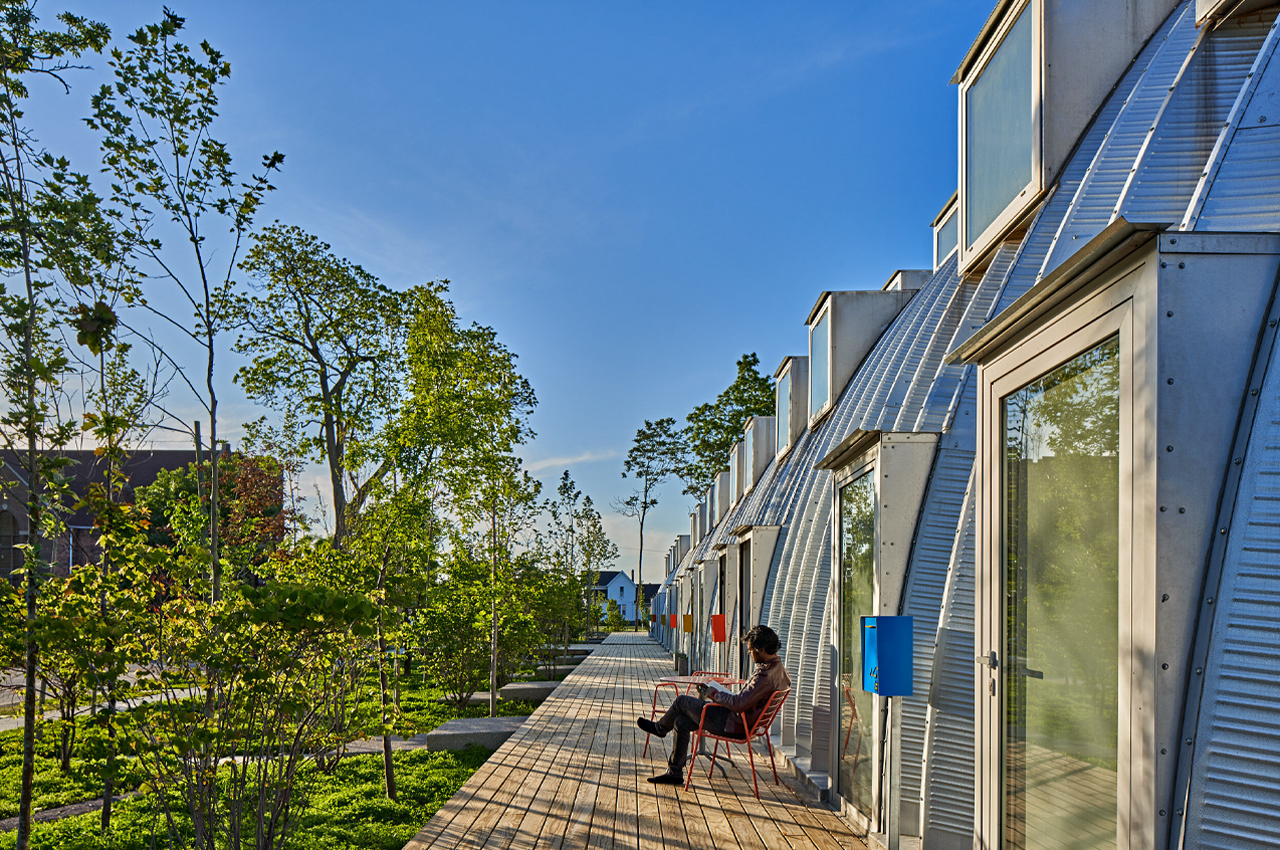
The Caterpillar, a pioneering modular residence crafted from Quonset hut structures, features compact cubes within each unit for essential services like bathrooms, showers, and kitchens. This innovative 9,000-square-foot sculpture in Detroit’s Core City neighborhood includes six residences and two live-and-work spaces, soaring 23-foot ceilings, and a contemporary design. Each unit integrates a central “Jetsons” style genesis chamber, fostering a communal living experience. With inspiration drawn from diverse sources, the Caterpillar embraces porch culture with 36 openings, flooding the space with natural light and creating a welcoming ambiance.

However, note that there are some drawbacks of Prefab homes. Firstly, there’s the issue of land costs, including expenses such as the price of land and ground leveling. Limited customization options compared to stick-built homes restrict choices to what the manufacturer offers. Additionally, planning for utilities and site-specific requirements can be challenging, although some prefab home companies offer assistance with these tasks.

The post Top Ten Reasons Why Prefab Homes are Gaining Momentum first appeared on Yanko Design.

The History of Architecture: Important Timelines

Architecture is a fluid art that blends various periods and styles while architectural history can be used as a method for tracking the development of architecture or buildings across diverse cultures and time periods, starting from the Stone Age to ancient Egyptian architecture and the building edifices of the modern era. Additionally, the construction styles have evolved across different centuries in different parts and civilizations of the world. Let’s delve into the architectural timeline, which spans from prehistoric times to the mid-20th century, and explore the different eras across various social and cultural backgrounds, influenced by early civilizations, religion, and social shifts.

Image courtesy of: wirestock

1. Prehistoric Architecture (11,600 BCE -3,500 BCE)

Prehistoric architecture refers to an era where there were no records of written history and shelters were primarily used for protection and storage of food out of organic materials like mud, foliage, stone, and animal products such as bone and hide. During this period some tombs and ceremonial structures were also constructed and these were often circular to reflect the celestial design. Stonehenge forms one of the first prehistoric monuments that was built nearly 5,000 years ago.

Image courtesy of: wirestock

2. Ancient Egyptian Architecture (3050 BCE – 900 BCE)

The ancient Egyptian civilization spans over 3000 years and one of the most notable examples of Egyptian architecture is the pyramids. The materials used for the excavated temples, palaces, and tombs were constructed using local materials like mud brick and limestone. The construction included the post and lintel method and many structures were aligned astronomically. Additionally, the structures included intricate carvings that were adorned with paint, but the paint has eroded over time.

Image courtesy of: Unai82

Image courtesy of: Givaga

3. Mesopotamian Architecture (3200 BCE – 330 BCE)

Mesopotamian architecture forms the ancient architecture along the Tigris and the Euphrates. Some of the key achievements in Mesopotamian architecture include contributions towards urban planning and using the concept of courtyard houses. Another notable structure of this civilization was the design of the Ziggurats which was a massive structure in the form of a terraced step pyramid constructed with receding stories that led to a temple at the summit.

Image courtesy of: wirestock

4. Ancient Greek Architecture (900 and 30 BCE)

Ancient Greek architecture is renowned for its temples like the Parthenon, processional gateways, public squares enclosed by storied colonnades, town council buildings, public monuments, grand tombs, and stadiums. Temples, in particular, were conceived as sculptural entities harmonizing with their landscapes, often situated on elevated terrain to showcase their proportions and play with light. This architectural tradition introduced the division of styles into three orders: the Doric, Ionic, and Corinthian, profoundly influencing later Western architecture.

Image courtesy of: sokorspace

Image courtesy of: Netfalls

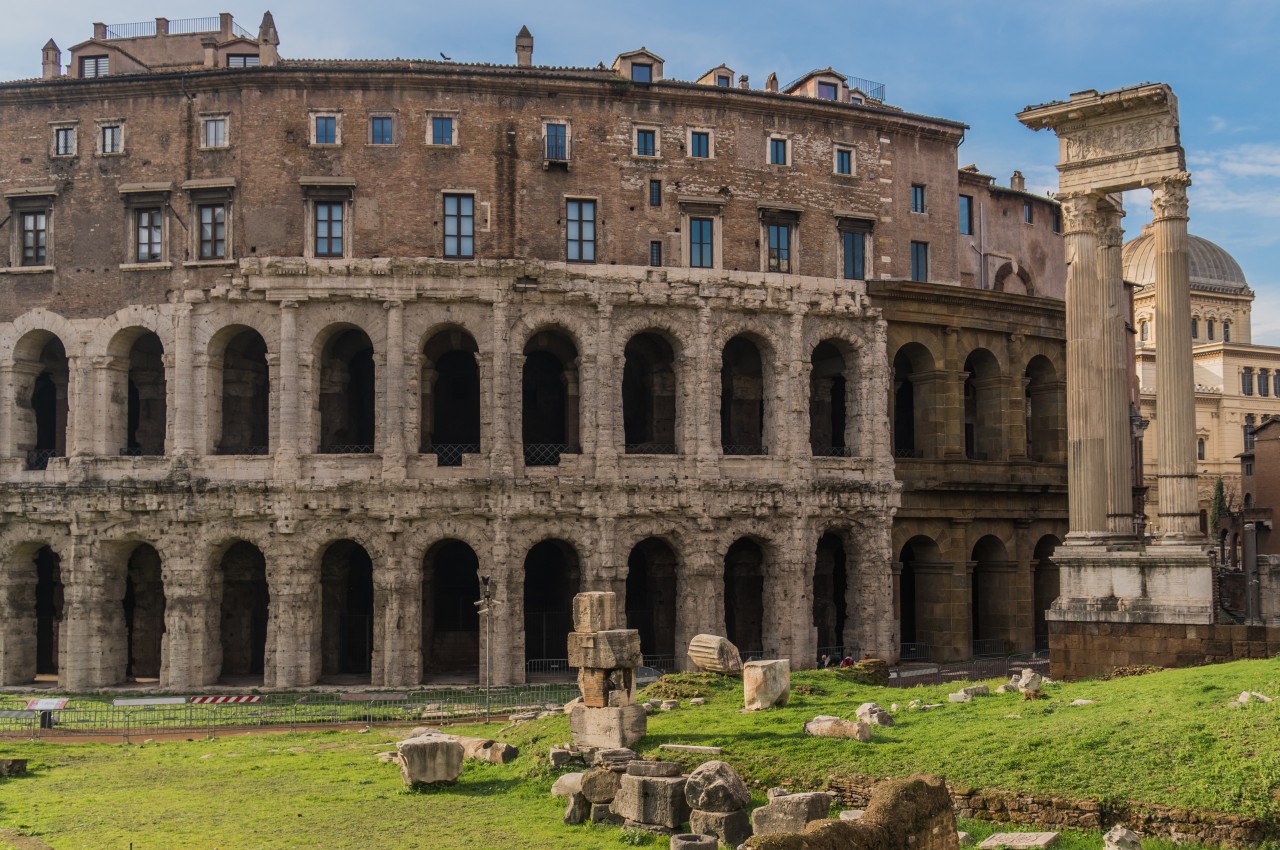
5. Ancient Roman Architecture (600 BCE – CE 476)

Ancient Roman architecture, initially influenced by Greek design, evolved into a distinct style, considered part of classical architecture. Thriving during the Roman Republic and Empire, it produced the most surviving structures. Romans used innovative materials like concrete and technologies such as arches and domes, resulting in sturdy buildings. This style emerged during the Imperial period, blending Etruscan and Greek elements, giving rise to classical architecture. It shifted from column-and-lintel construction to massive walls with arches and domes. The Roman architecture featured grand public structures, engineering marvels, and improvements in housing and sanitation, elevating living standards.

Image courtesy of: Givaga

Image courtesy of: a_medvedkov

6. Byzantine Architecture (330 – 554)

Byzantine architecture was the architectural style of the Byzantine Empire, also known as the Eastern Roman Empire which spans from 330 AD, marked by Constantine the Great’s establishment of a new Roman capital in Byzantium (later Constantinople), to the empire’s fall in 1453. Notably, the early Byzantine architectural style is distinguishable from earlier Roman architecture in both aesthetics and structure as it developed into a distinct artistic and cultural entity, centered on the new capital of Constantinople (modern-day Istanbul), rather than Rome and its surroundings.

Hagia Sophia

Image courtesy of: tatiana_bralnina

Image courtesy of: ABBPhoto

7. Romanesque Architecture (790 – 1150)

Romanesque architecture, characterized by semi-circular arches, emerged in medieval Europe, and it evolved into the Gothic style, recognizable by its pointed arches. Romanesque architecture blends elements from ancient Roman, Byzantine, and local traditions, featuring robust construction with thick walls, round arches, sturdy pillars, barrel vaults, tall towers, and decorative arcades. Structures display clear, often symmetrical forms, emphasizing simplicity compared to later Gothic edifices. While numerous castles were constructed during this era, churches predominate, with notable abbey churches still in use today.

Image courtesy of: ABBPhoto

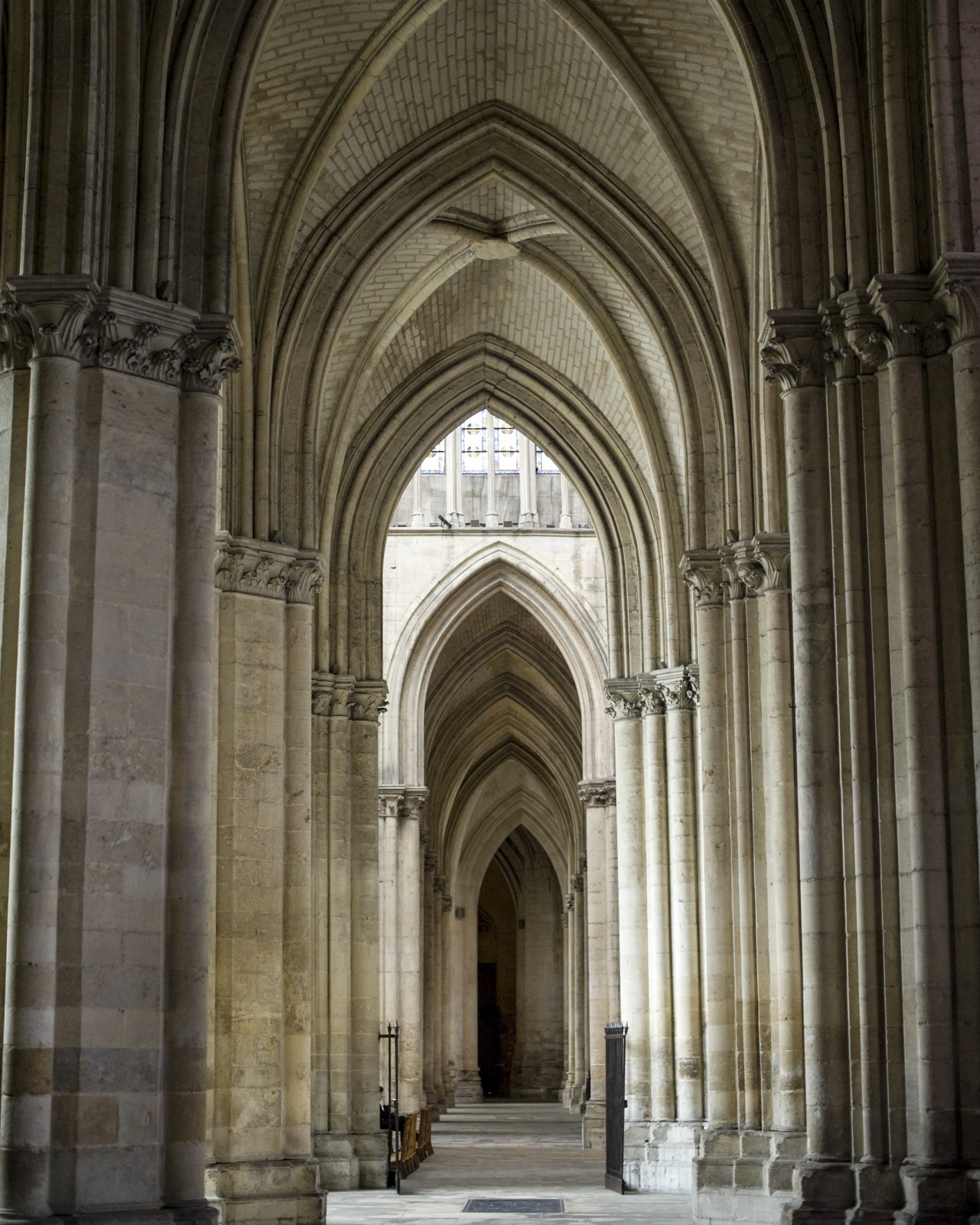
8. Gothic Architecture (1130-1500)

Gothic architecture, prevalent in Europe, evolved from Romanesque architecture and originated in northern France. The distinctive feature that defines Gothic architecture is the pointed or ogival arch, which, in turn, gave rise to the emergence of pointed rib vaults and flying buttresses, complemented by intricate tracery and stained-glass windows. Gothic architecture is evident in ecclesiastical buildings like cathedrals and churches, as well as castles, palaces, town halls, universities, and more.

Statuary of the West Front of Salisbury Cathedral

Image courtesy of: clodio

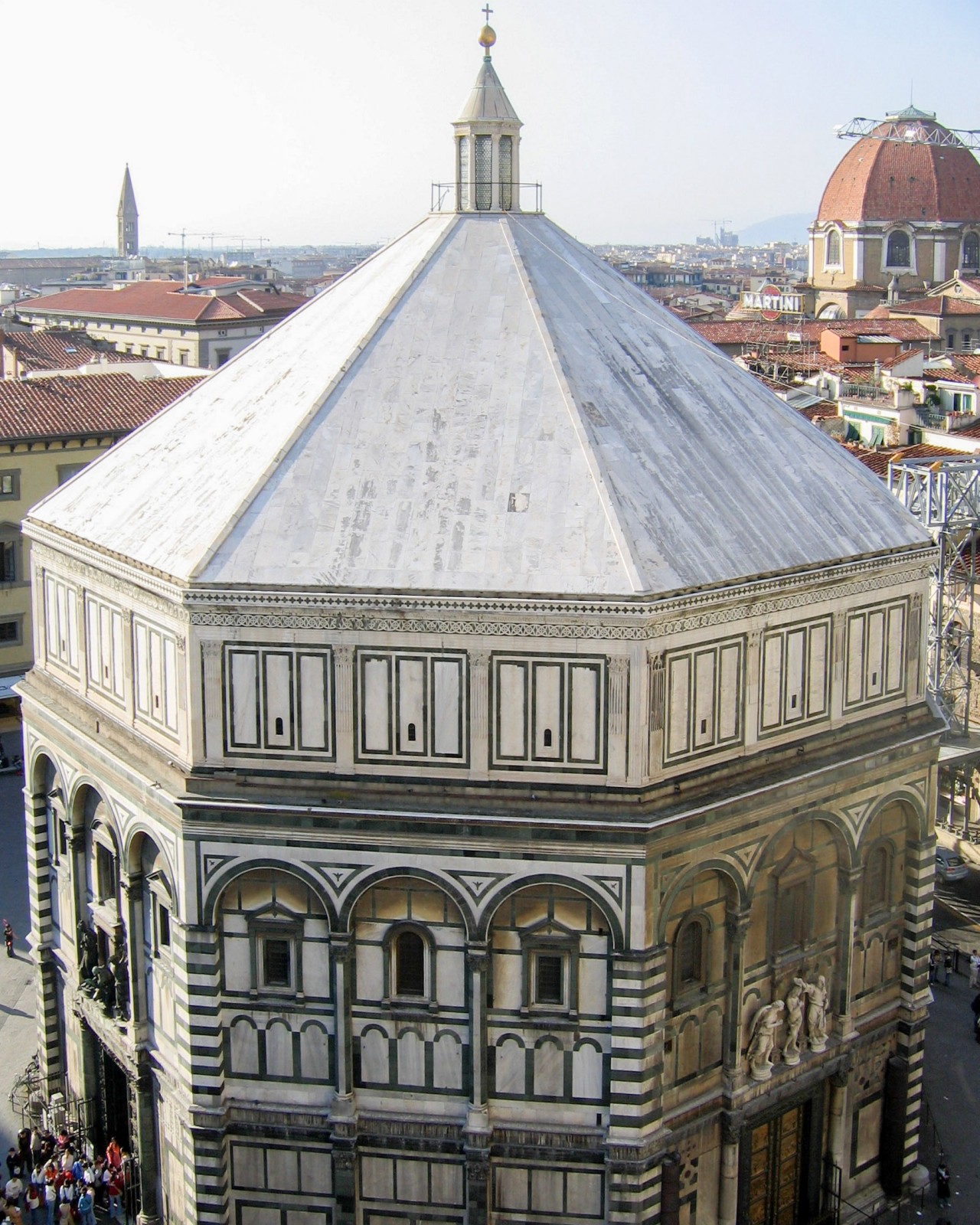
9. Renaissance Architecture (1400 – 1600)

Renaissance architecture marked a deliberate revival of elements from ancient Greek and Roman culture. The Renaissance style prioritized symmetry, proportion, geometry, and regularity, drawing inspiration from classical antiquity, especially ancient Roman architecture. It featured orderly arrangements of columns, pilasters, lintels, semicircular arches, hemispherical domes, niches, and aediculae, departing from the complex proportional systems and irregular profiles of medieval buildings.

Florence Baptistry

10. Baroque Architecture (1584 -1750)

Baroque architecture, emerging in early 17th-century Italy, promoted by the Catholic Church, aimed for astonishment and awe. Architects heightened and adorned Renaissance elements, using quadratura, trompe-l’œil, and gilding to create heavenly illusions. Dramatic lighting, sculpted angels, twisted columns, and elaborate decorations defined the opulent style, notably in grand palaces. Baroque can be broadly classified into Early Baroque, High Baroque, and Late Baroque styles.

Image courtesy of: frimufilms

Image courtesy of: wirestock

11. Rococo Architecture (1723-1759)

Rococo is a highly decorative and theatrical architectural and artistic style marked by asymmetry, scrolling curves, gilding, pastel colors, sculpted molding, and trompe-l’œil frescoes, aiming to create surprise, motion, and drama. Rococo exudes exuberant decoration with abundant curves, undulations, and nature-inspired elements. Exteriors are typically simple, while interiors are ornate, aiming to impress immediately. Complex floor plans with interlocking ovals are common in churches, while palaces feature grand staircases offering varied perspectives of the décor.

Eglise Notre-Dame, Bordeaux

Ceiling of Santi Giovanni e Paolo, Venice, by Piazzetta

12. Neoclassical Architecture (1640-1850)

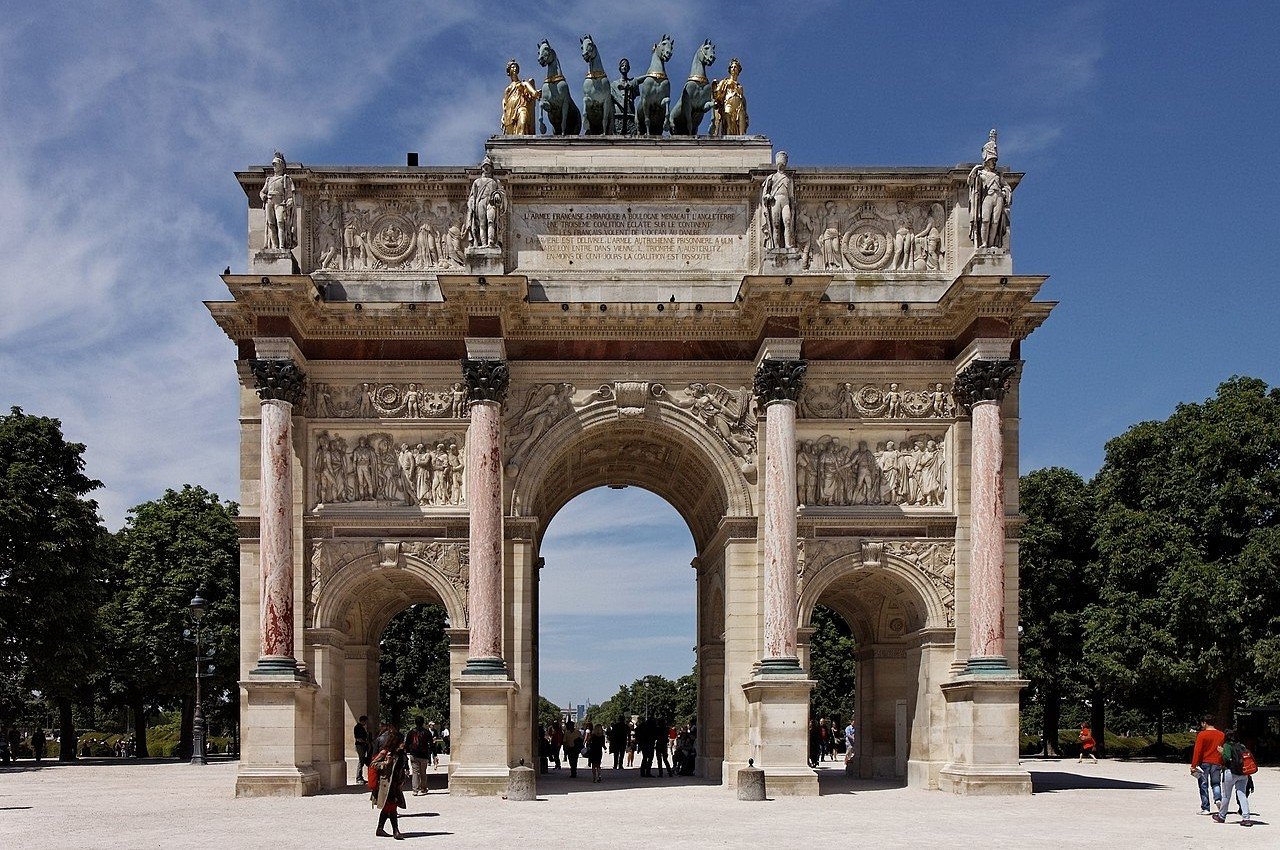
Neoclassical architecture, also known as Classical Revival architecture, aimed to return to a purer classical style, shedding the excesses of Late Baroque while adapting to contemporary needs. This architectural style emphasizes wall structure over ornamentation, emphasizing symmetry, simple geometry, and societal function. It contrasts with the naturalistic ornamentation of the Rococo style and incorporates classicizing features from the Late Baroque tradition.

Oudenbosch Basilica

Arc de Triomphe du Carrousel

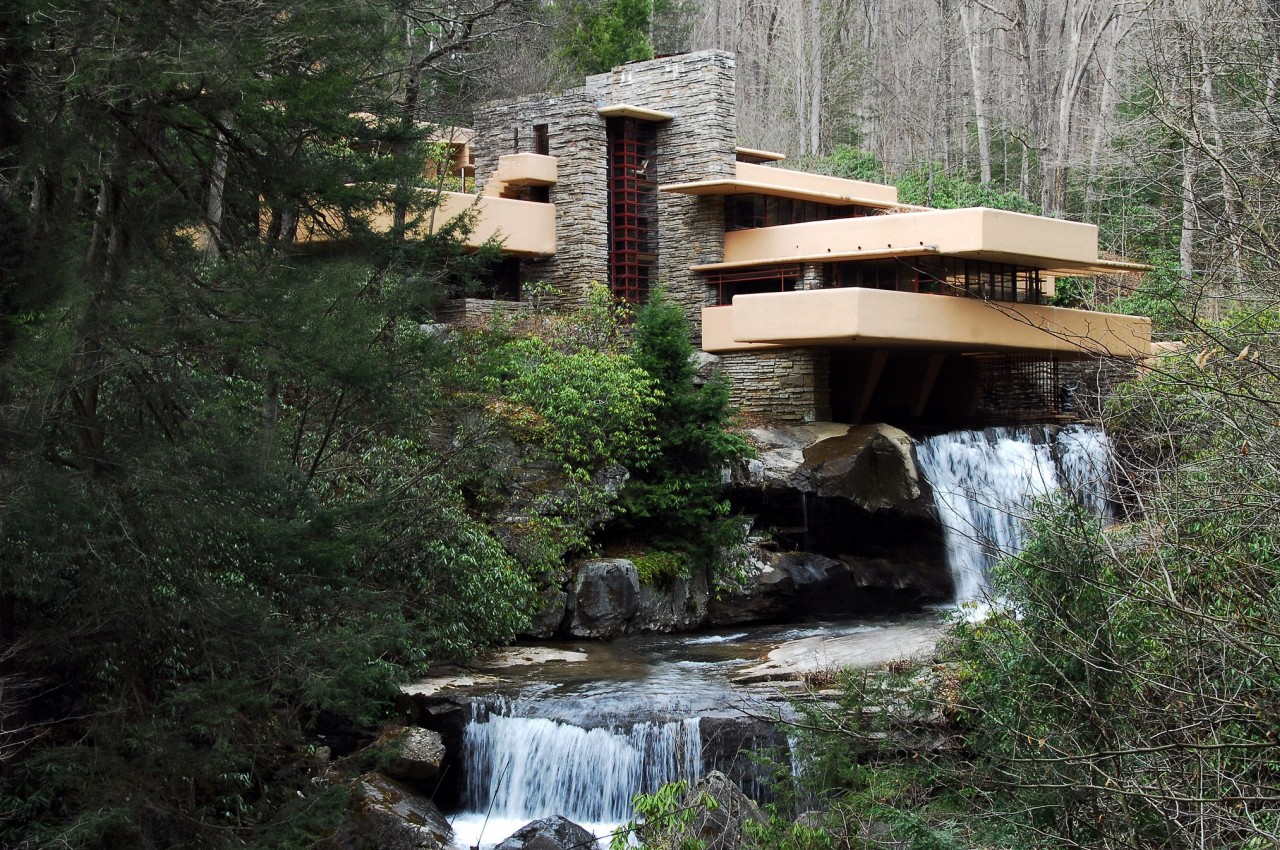
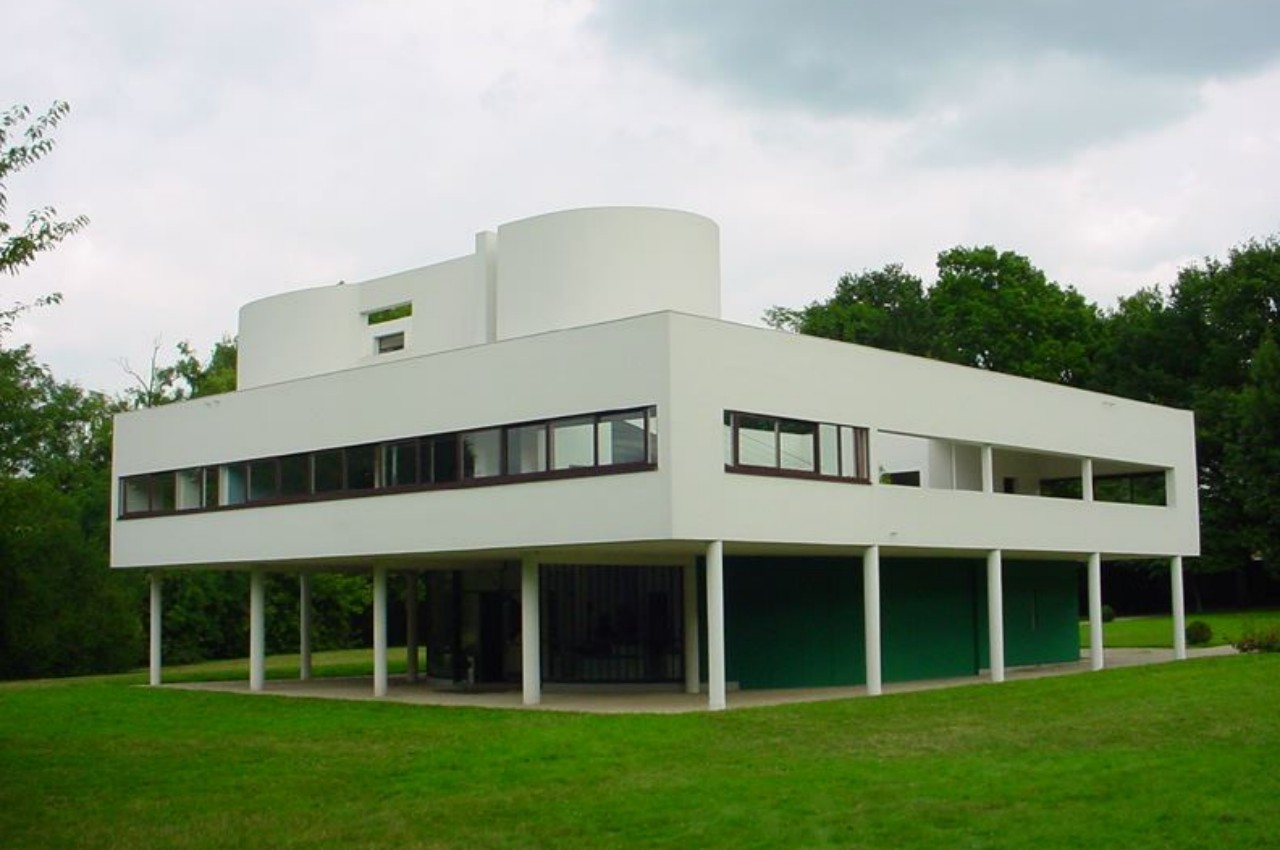
13. Modern Architecture (1900 to Present)

Modern architecture, or modernist architecture, is an architectural style rooted in innovative construction technologies, including glass, steel, and reinforced concrete. It emphasizes functionalism, minimalism, and the elimination of ornamentation. Emerging in the early 20th century, it dominated architecture after World War II until the 1980s when it gave way to postmodern architecture.

Designer: Frank Lloyd Wright

Designers: Le Corbusier, Pierre Jeanneret

14. Postmodern Architectural History (1964 to Present)

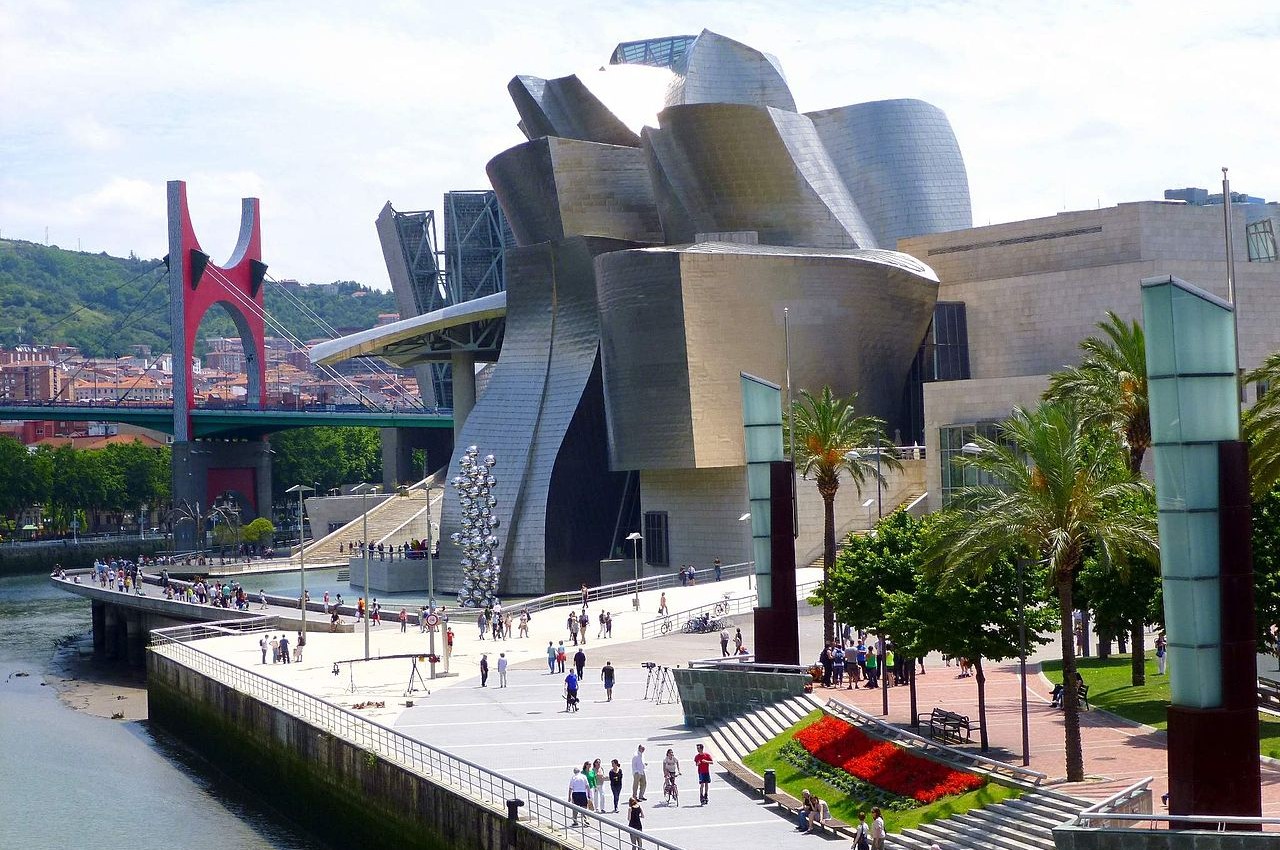
Postmodern architecture, emerging in the ’70s and ’80s, reacted against modernism and the international style by revisiting architectural history through references, quotations, and sampling. It aimed to reconnect with the public, resulting in a diverse range of buildings blending classicism and contemporary elements to create innovative designs.

Designer: Frank Gehry

Petronas Twin Towers

Image courtesy of: GaudiLab

Image courtesy of: tampatra

Burj Khalifa

Image courtesy of: photocreo

Image courtesy of: wirestock

The post The History of Architecture: Important Timelines first appeared on Yanko Design.

20 Best Ways to Style Your Home Using Vases

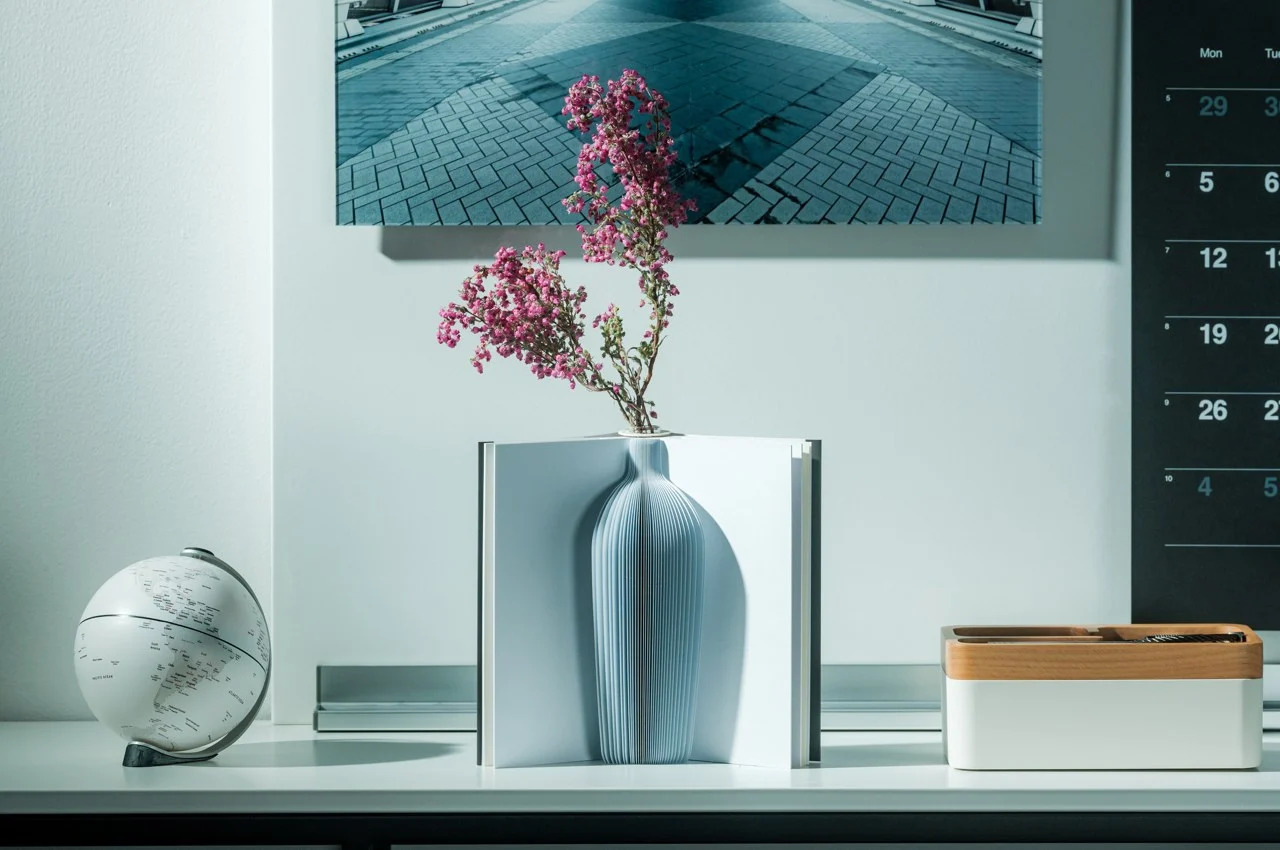
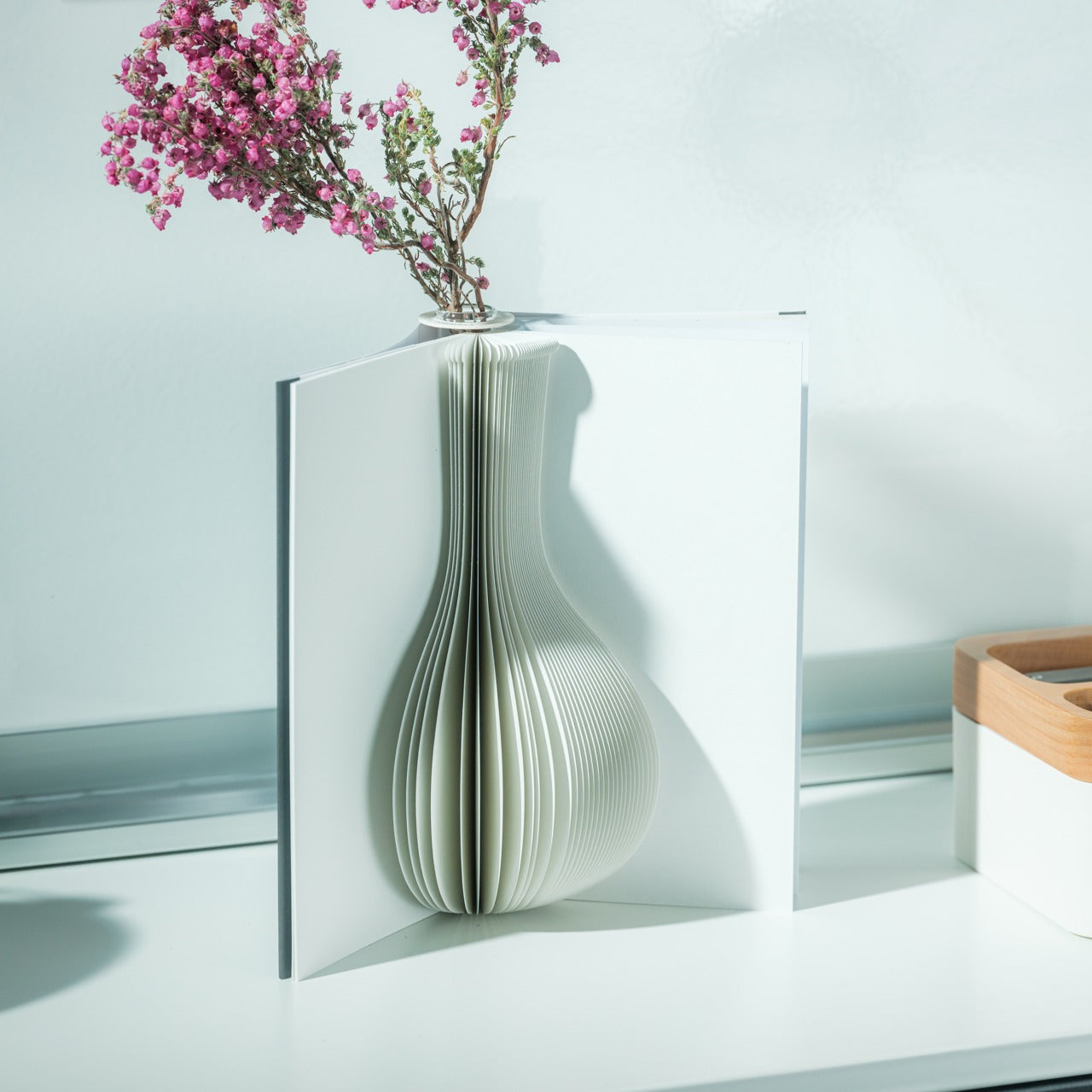
One of the easiest ways to style your home is with vases, whether it be brimming with fresh, exquisite flowers or serving as ornamental artifacts. Vases lend a beautiful finishing touch to any space. Moreover, these versatile pieces can be showcased in a multitude of ways, be it when artfully grouped on a mantelpiece or a side table or as a captivating centerpiece on a dining table. The best part about incorporating vases is that they seamlessly blend into any room, making it possible to distribute your cherished pieces throughout your entire home.

Designer: Hideaki Miyauchi

Click Here to Buy Now: $39

1. Mantel Décor

Image courtesy of: pro_creator

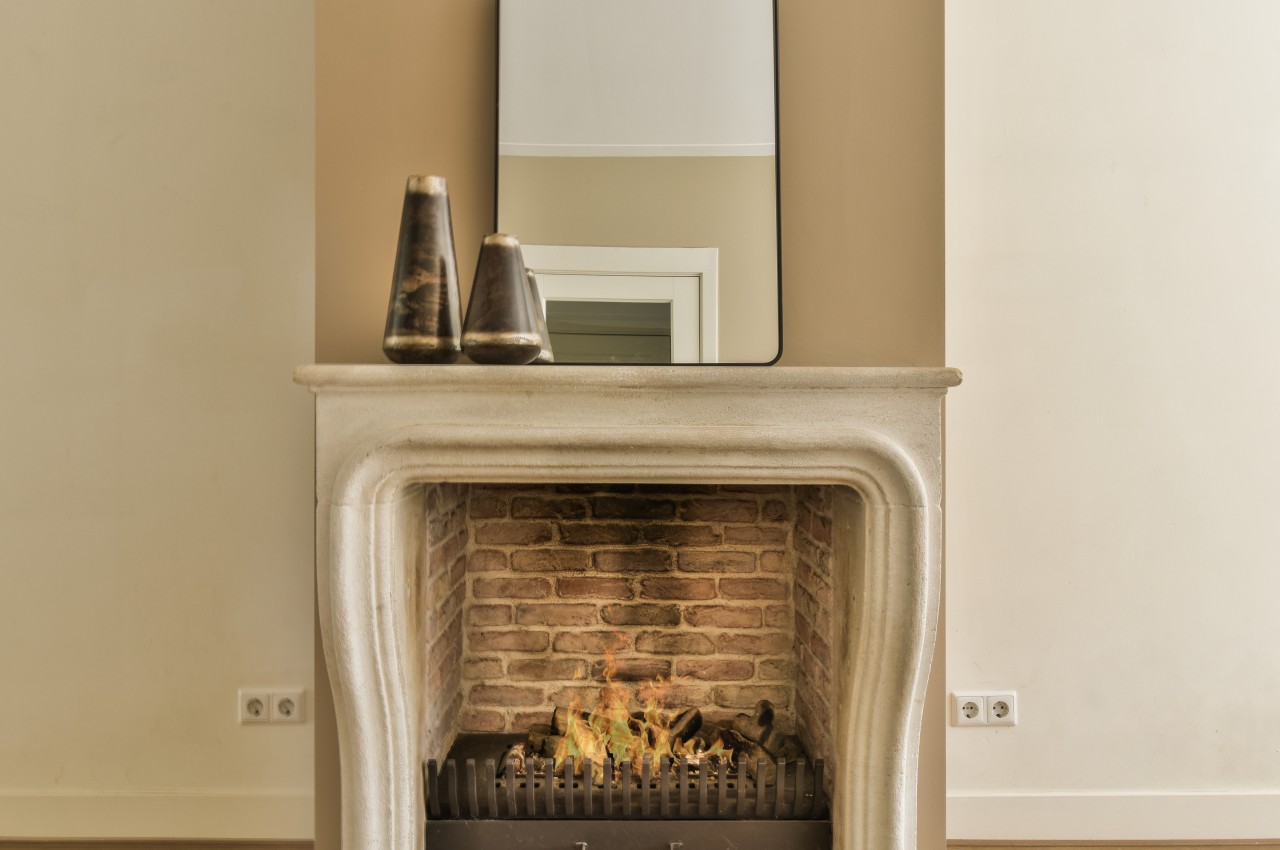
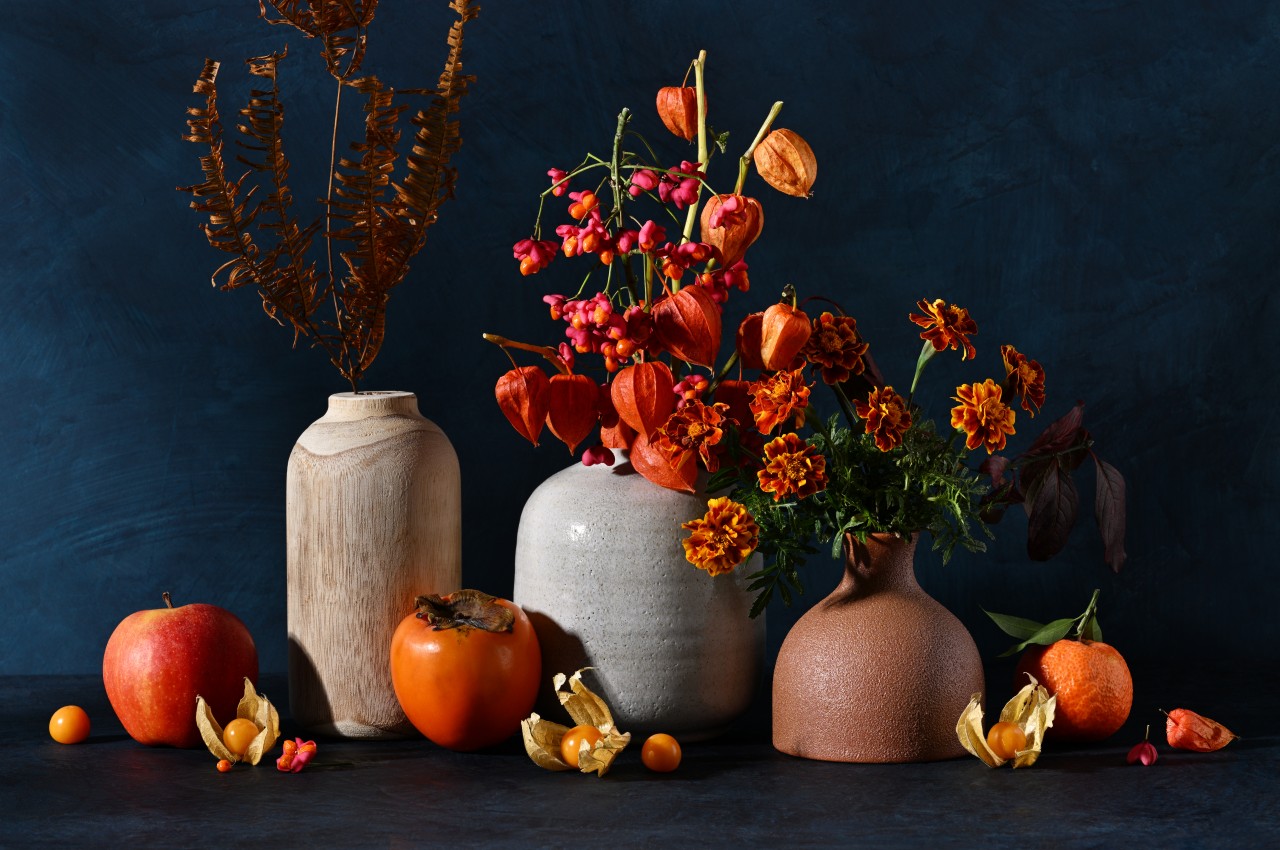
Creating a beautiful mantel decoration involves arranging an assortment of vases with varying shapes and heights. It is highly recommended to opt for a collection of artisanal, handcrafted ceramic vases that not only serve as an appealing permanent display but are also versatile and can be filled with seasonal blooms, ensuring that the mantel maintains a fresh and attractive look throughout the year.

2. Inside the Niche

Image courtesy of: indigolotos

Image courtesy of: towfiqu98

Craft an eye-catching arrangement in a contemporary living space by adorning the niches with an artisan-crafted ceramic vase in abstract or transparent forms, artistic finishes, and even vibrant hues.

3. Brighten the Entrance Foyer

Image courtesy of: Mint_Images

As the entrance foyer forms the initial space that greets any guests, this space forms the most appropriate place for displaying vases that overflow with fresh flowers. In the entryway, a console table or sideboard becomes a vital inclusion that can be embellished with decorative vases and other artful objects, cherished family photographs, and one can introduce a touch of nature through strategically positioned plants.

4. Add Volume to Empty Spaces

Image courtesy of: StudioVK

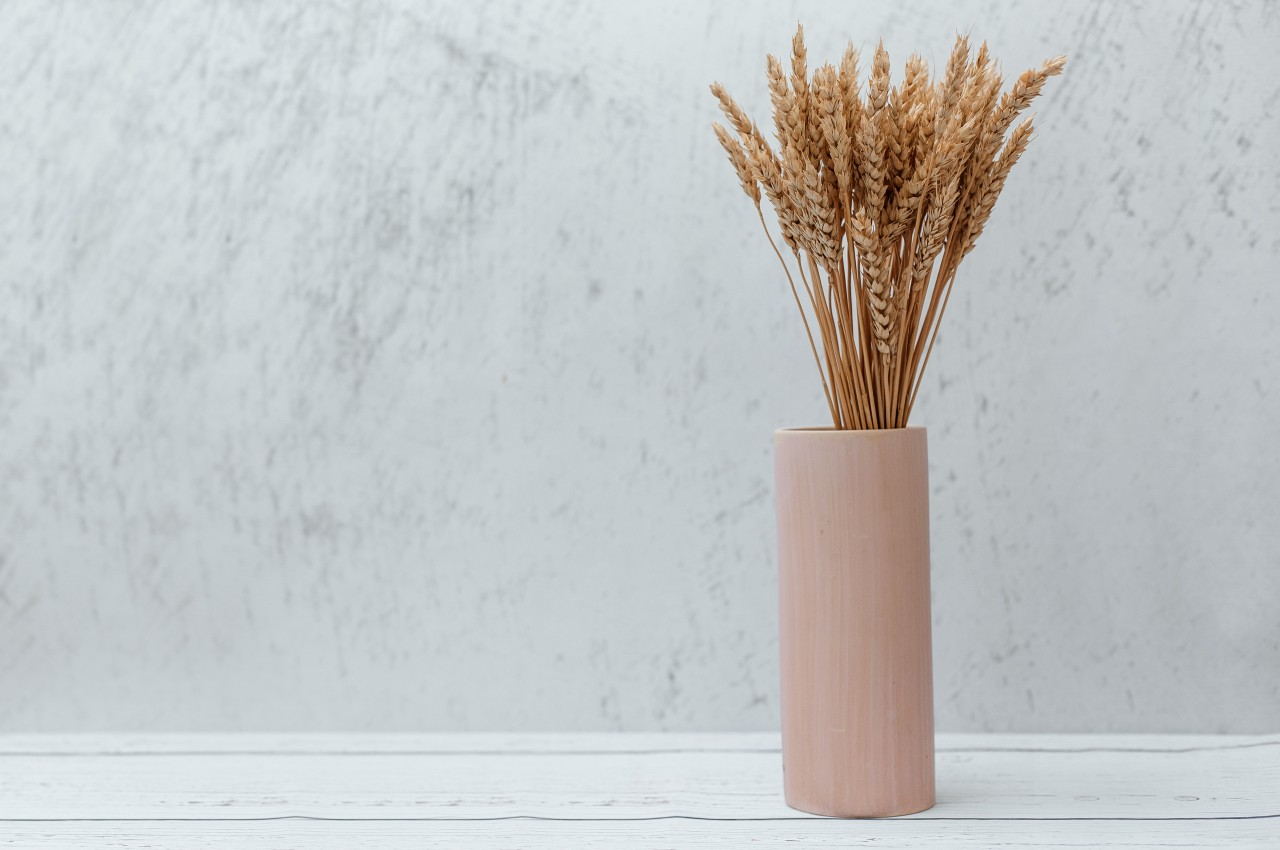
Exceptional vases should be displayed to enhance empty corners by employing a set of two vases, either with similar or contrasting shapes, and filling them with dried flowers. This method not only adds character to the vacant space but also provides volume and an appealing design element.

5. Beautify with Bud Vases

Image courtesy of: Aeril01

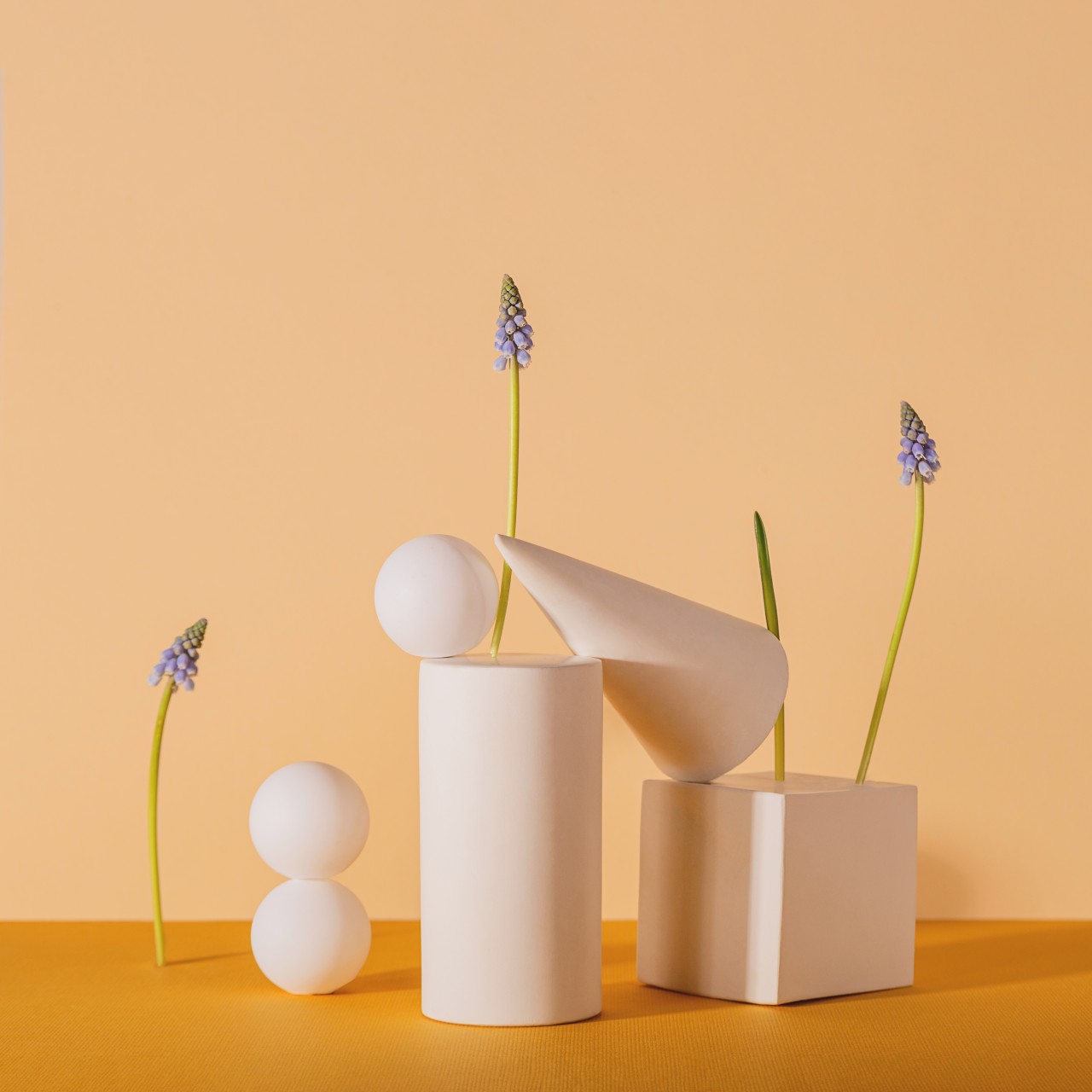
Single stems in small vases can be equally as striking as a grand centerpiece and truly highlight the beauty of each bloom. One can employ bud vases for swift and sophisticated table arrangements, ranging from single stems to a combination of petite bouquets. Being lightweight, these vases can be easily relocated when it’s time to serve food, and there’s no need to be concerned about them toppling over due to their size.

6. Create a Centerpiece

Image courtesy of: bluejeanimages

Enhancing a center table or dining table with seasonal blooms or artificial flowers is a delightful way to infuse a room with both color and fragrance. Moreover, they serve as ideal accent pieces to adorn and enhance the interior decor. Note that while it’s always pleasant to have a vase on the dining room table when hosting, one can also adorn the sideboard with a few vases.

7. Colorful Vase Display

Vibrant vases provide an enchanting method to showcase lively blooms, crafting a vivid arrangement while also serving as a practical solution for hiding messy stems.

Image courtesy of: Rawpixel

A cluster of differently-sized and colorful vases creates a pretty display and makes a characterful addition to the interiors.

Image courtesy of: kathkarnowski

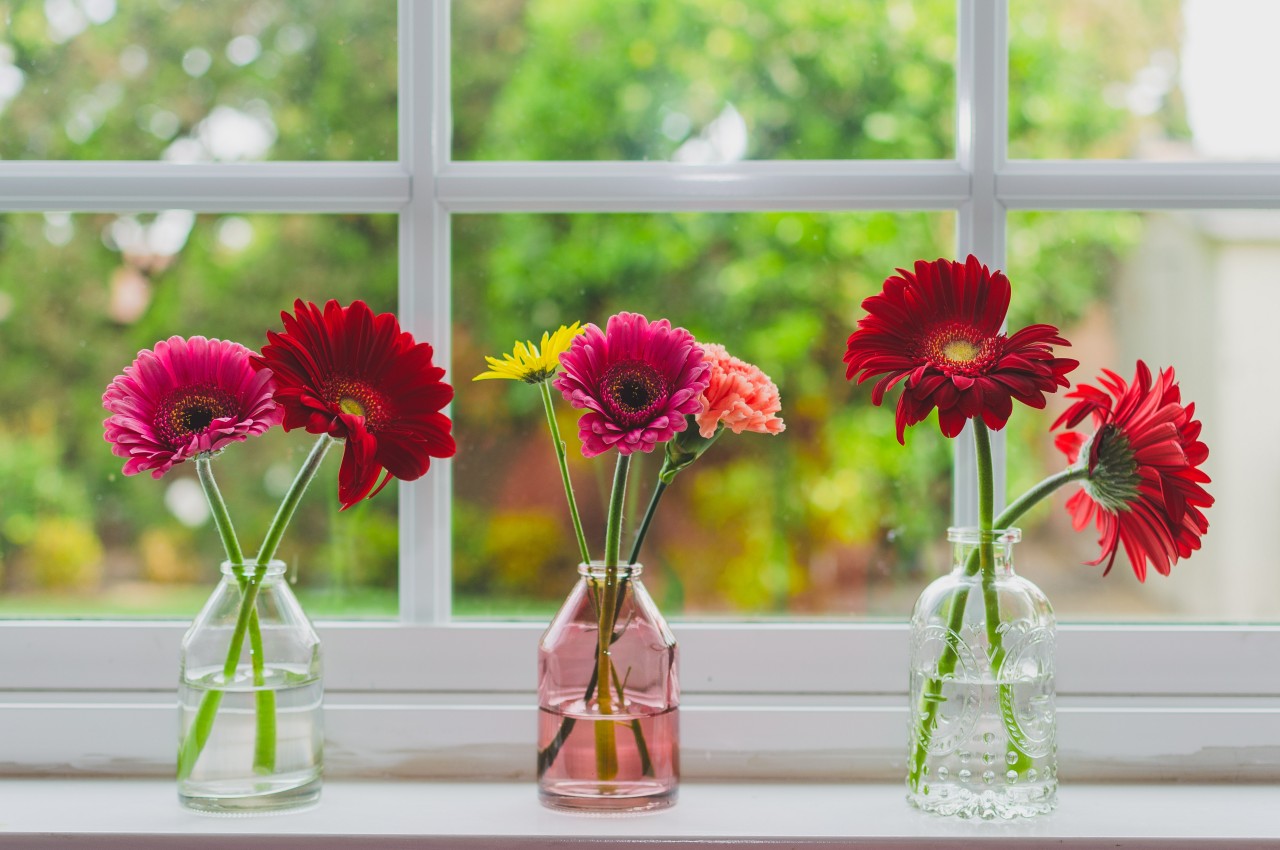
To create a breathtaking display, place a collection of them on a windowsill where they will sparkle in the sunlight.

Image courtesy of: annakhomulo

Various vases from the same series, featuring different colors and heights, come together to form an intriguing composition. Their slender necks look elegant but can hold only a limited number of flowers.

8. Arrange Sculptural Vases on the Table

Image courtesy of: svitlini

When curating the interiors with decorative vases, create rhythm and balance by incorporating vases of varying heights. Consider a single-color palette or opt for pieces with captivating sculptural shapes and textures. Alternatively, one can go for pieces from the same family but in different colors for a cohesive look.

9. A Tall Vessel for Artistic Branches

Image courtesy of: timofeevavalentina_foto

When enhancing your indoor spaces one can effortlessly craft a captivating sculptural centerpiece using just a few leafy branches. In this example, the tall vase has an earthy vibe and it is complemented with wheat spikelets.

10. Playful Pieces

Image courtesy of: natanavo

Vibrant hand-painted or unique-shaped vases form a beautiful display on the mantel, shelf, or side table. One can mix and match vases in various styles and materials to create an eye-catching arrangement. Whimsical vases can add a cheerful and playful touch to any interior making it a characterful addition.

11. Pair Vases with Different Heights

Image courtesy of: voronaman111

Go for floor vases in different heights just as in this image. For the spring and summer season, go for ceramics in nature-inspired textures and soothing tones like shades of blue or cream. Additionally, one can mix and match designs of different heights as the tall and short pieces impart a visually pleasing look.

12. On the Bedside Table

Image courtesy of: alinabuphoto

In this bedroom with a minimalist aesthetic, the bedside table incorporates a vase and transforms into a warm and inviting space.

13. On the Open Shelves

Image courtesy of: mariiaplosh

Enhance your open shelf with wall-color-matching vases by placing a vase on a lower shelf to add color and vibrancy to the interiors. For a longer-lasting arrangement, choose dried flowers, especially if the room lacks natural light. Hence one does not have to hide flower vases in a utility cabinet and can display them on open shelves or in a glass-fronted cabinet for an appealing and easily accessible presentation.

14. Add Tactility

Image courtesy of: liudmilas

These vases feature a three-dimensional pattern on their surfaces, introducing a tactile element to the interior decor. The timeless turquoise blue in a three-dimensional Criss cross design when paired with vibrant green plants, breathes life into the space.

15. Hanging Vases

Image courtesy of: Dimaberlin

Enhance your wall with multicolored hanging planters, creating a form of wall art that’s ideal for empty walls, adding character to them. The earthy hues of these planters can complement the decor, especially if it follows a nature-inspired color palette.

16. Add Pattern

Image courtesy of: kostiuchenko

The lively vase incorporates a design that adds visual appeal to a neutral environment. Make sure it complements the interior’s color palette to craft an energizing presentation. Unfilled vases can form striking arrangements, particularly when they boast charming hues, intricate sculptural shapes, and captivating textures.

17. Introduce Biophilia

Image courtesy of: Olesya22

This vase brings a touch of biophilia into the interior by incorporating vein-shaped patterns and a tactile quality on the golden vase. Leaf fronds further enhance the overall aesthetic.

Image courtesy of: avanti_photo

Just see how these vases, with assorted leaf-shaped designs and sizes, also imbue the interior with a biophilic atmosphere.

18. Infuse Tactility

Image courtesy of: oleksandrsh

Vases can introduce a tactile dimension to the interior, as seen here with the textured appearance of three distinct vase designs. While they exhibit variation, they share a common design theme.

19. Dual Color Vase

Image courtesy of: stockfilmstudio

A two-toned vase introduces color to the decor while harmonizing with the color scheme.

20. Metal Vase

Image courtesy of: ammarant

A metal vase not only adds a touch of luxury to the decor but can also function as a decorative object, and by adding branches, you can ensure they remain upright in tall vases.

These ideas will surely help you decorate your home with flower vases, a timeless decor accessory that has remained fashionable for centuries. Whether you’re aiming for a sleek and modern setup or a vintage one, you’ll always find a vase to match your personal style.

The post 20 Best Ways to Style Your Home Using Vases first appeared on Yanko Design.
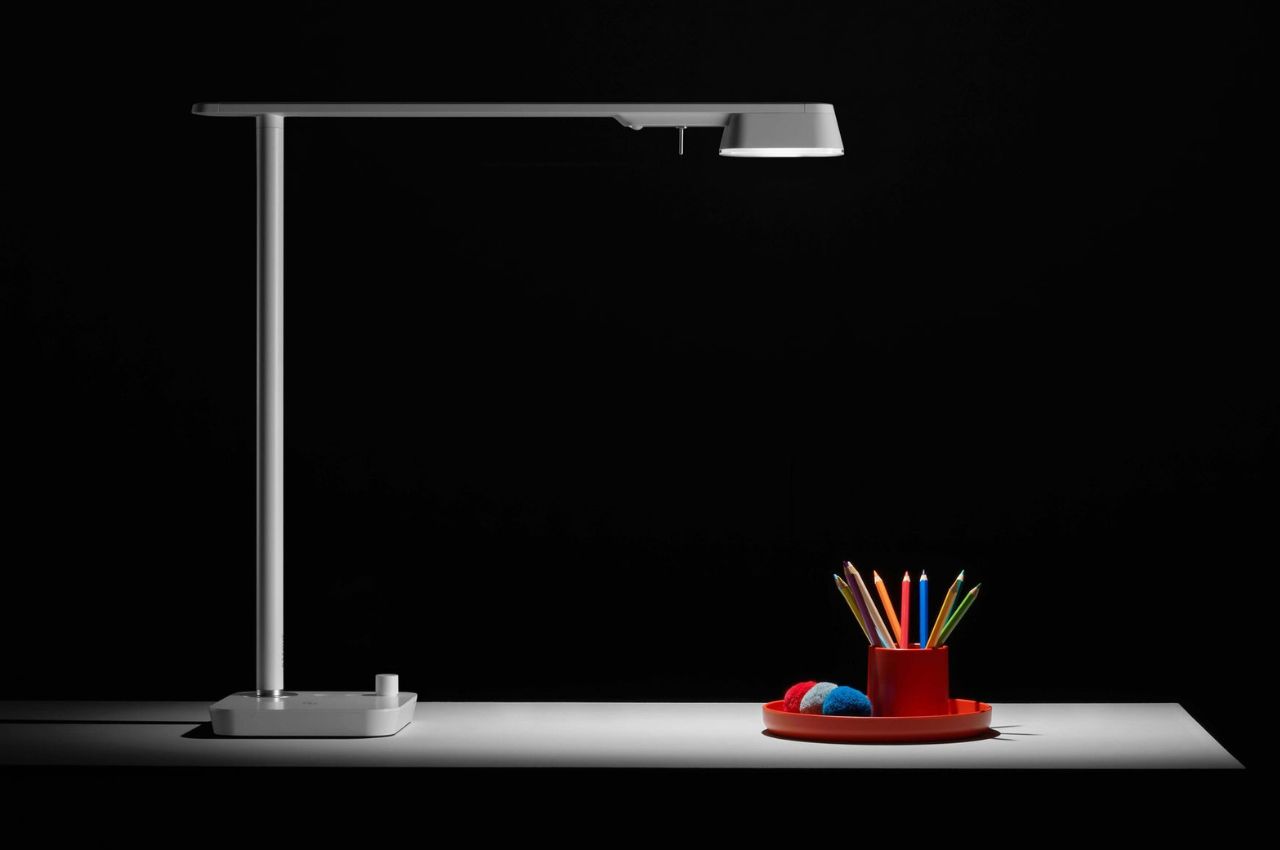
Top Ten Wallpaper Installation Mistakes To Avoid

Wallpaper serves both aesthetic and functional purposes, it not only creates a focal point but also adds color, texture, and pattern to the room décor. When designing any space, wallpapers are a popular and versatile way to decorate and add value to the interiors but avoiding errors is key. Therefore, it is important to measure accurately, handle the wallpaper carefully, and allow proper drying time for flawless results. Classic patterns like stripes or florals suit traditional settings, while geometric or abstract designs lend a modern touch. With a wide range of colors, patterns, and textures, wallpaper can suit any style and can simultaneously conceal the imperfections on the walls.

Image courtesy of: bialasiewicz

During the installation of wallpaper, make sure to handle the wallpaper carefully to avoid any form of damage. Note that mishandling can lead to tears, creases, or other unsightly damage. Use clean, dry hands and gently unroll and unfold the wallpaper. Be cautious of liquids near the wallpaper and avoid excessive stretching or pulling to maintain pattern integrity.

Image courtesy of: pro_creator

Here are several common mistakes that occur during wallpaper installation.

Mistake No. 1: Avoid Papering Over Old Wallpaper

Image courtesy of: olgar23

It is crucial to remove the old wallpaper before any new application. Moisture from the new wallpaper’s backing could reactivate the adhesive of the original, resulting in bubbling those damages both layers. To avoid this, rent a chemical or power steamer to strip away the existing wallpaper, readily available at local hardware, paint, and home improvement stores.

Mistake No. 2: Not Choosing the Right Wallpaper Material

Image courtesy of: pro_creator

Image courtesy of: KarinaBost

Each wallpaper type has its ideal setting, as not all wallpapers are suitable for every location. For example, natural wallpapers like grasscloth are not water-repellent, making them susceptible to damage in high-humidity areas like kitchens and bathrooms or fading in direct sunlight. Additionally, it is important to safeguard wallpaper from heat sources like ranges or fireplaces and research the best wallcovering for each specific environment to prevent damage. The different types of wallpaper materials include metallic, vinyl, paper-backed fabrics like silk and linen, hand-painted wallpaper, and grasscloth wallpaper. Choose the one that is best suited for your home or any other area of application.

Mistake No. 3: Wrong Scale and Print of Design

Image courtesy of: Raul_Mellado

When choosing wallpaper, consider the size of the prints carefully. Small prints work well in small spaces, providing a smart look without overwhelming. Conversely, larger spaces benefit from larger-scale patterns, as small patterns may impart a pixelated look and blend into the background. After the installation of the wallpaper, retaining leftover wallpaper pieces is crucial for repairing any damages that may occur. Make sure to keep the extra pieces for future repairs, as finding exact matches later can be tricky.

Mistake No. 4: Ordering Less Quantity of Wallpaper

Image courtesy of: FollowTheFlowStudio

Accurate measuring and planning before wallpaper installation is crucial for purchasing the right amount. Despite the high cost per foot, there’s a tendency to order only the minimum needed. Underestimating the quantity of wallpaper often leads to delays and potential color mismatches, especially with hand-painted or printed patterns. Prioritize precise measurements of wall dimensions, considering pattern matching and trimming.

Image courtesy of: hemul75

Pro Tip: Another mistake is purchasing wallpaper rolls before measuring the walls, leading to overspending or acquiring insufficient quantities. Therefore, it is important to measure the wall beforehand to ensure the correct size is used and to streamline the process. Note that the more the number of doors and windows, more is the wastage especially if the wallpaper has a patterned design.
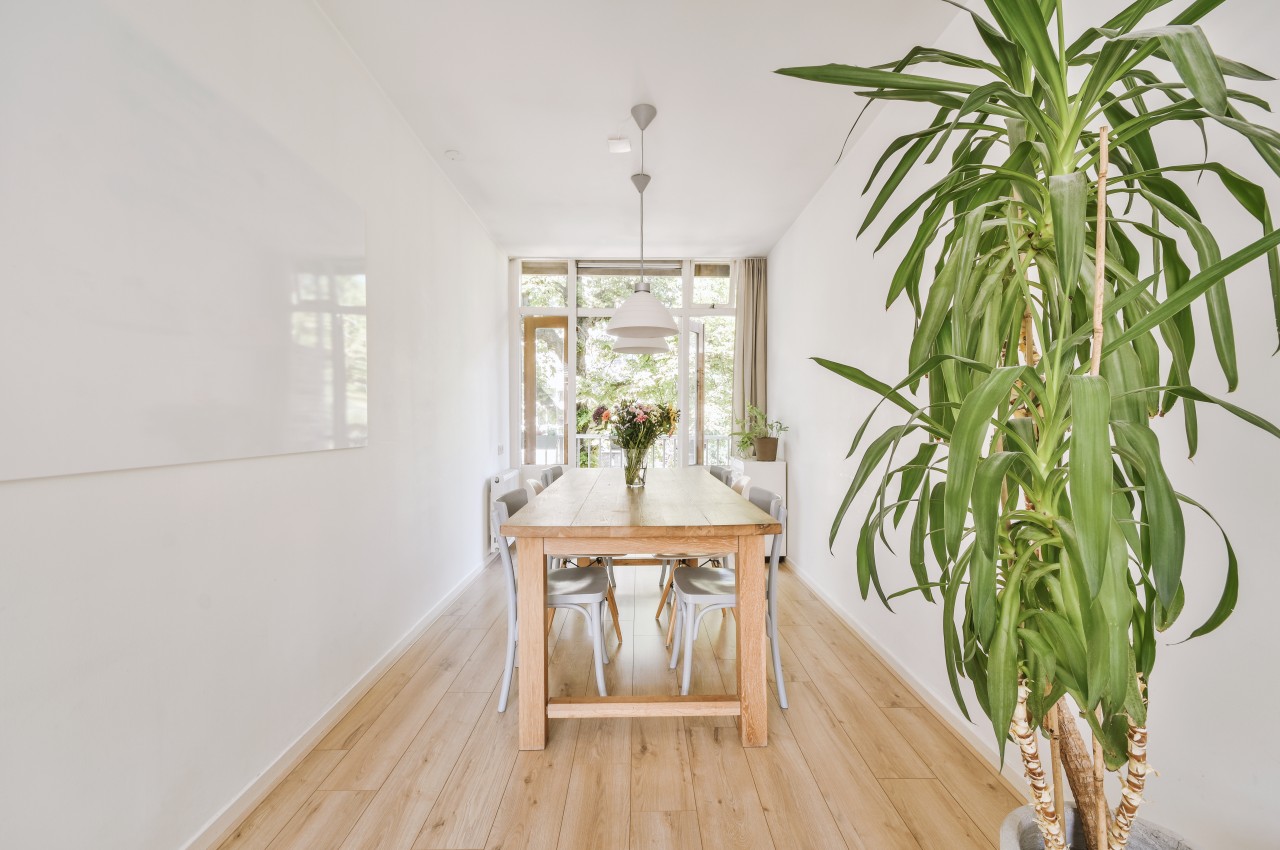
Mistake No. 5: Unmatched Seams

Image courtesy of: pro_creator

Misaligned seams are a common wallpaper installation issue, often caused by factors like incorrect adhesive usage or inadequate leveling of the first panel. To avoid this eyesore, prioritize arranging straight, even seams during installation for a polished, professional finish. Additionally, choosing the right wallpaper adhesive is crucial for a smooth installation. Different types of wallpaper require different pastes, so follow the manufacturer’s recommendations. Using the appropriate adhesive ensures proper adhesion and prevents issues like peeling or bubbling. It is important to invest time in precise alignment, utilize tools like plumb lines for straight application, and ensure seams are tightly joined for a flawless finish.
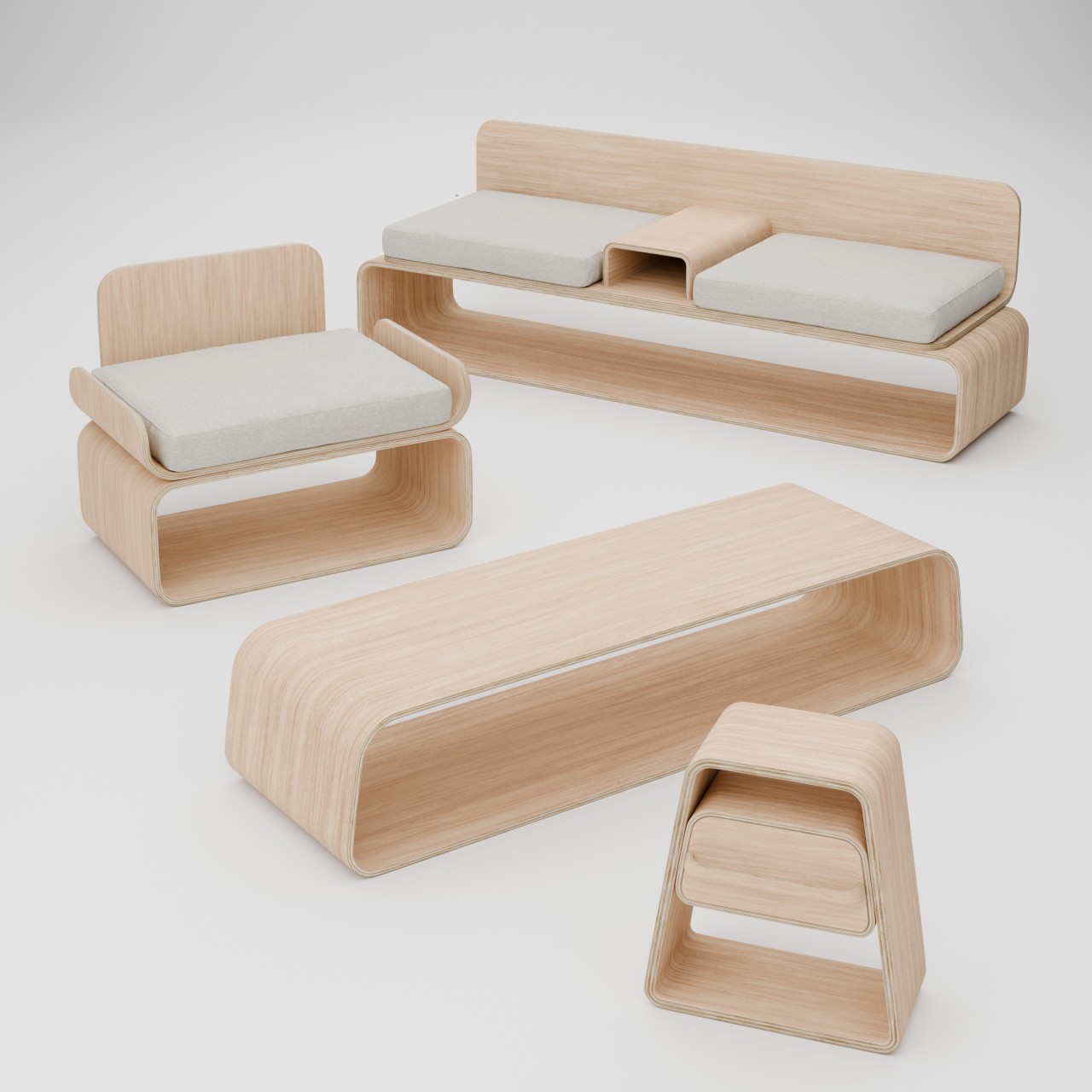
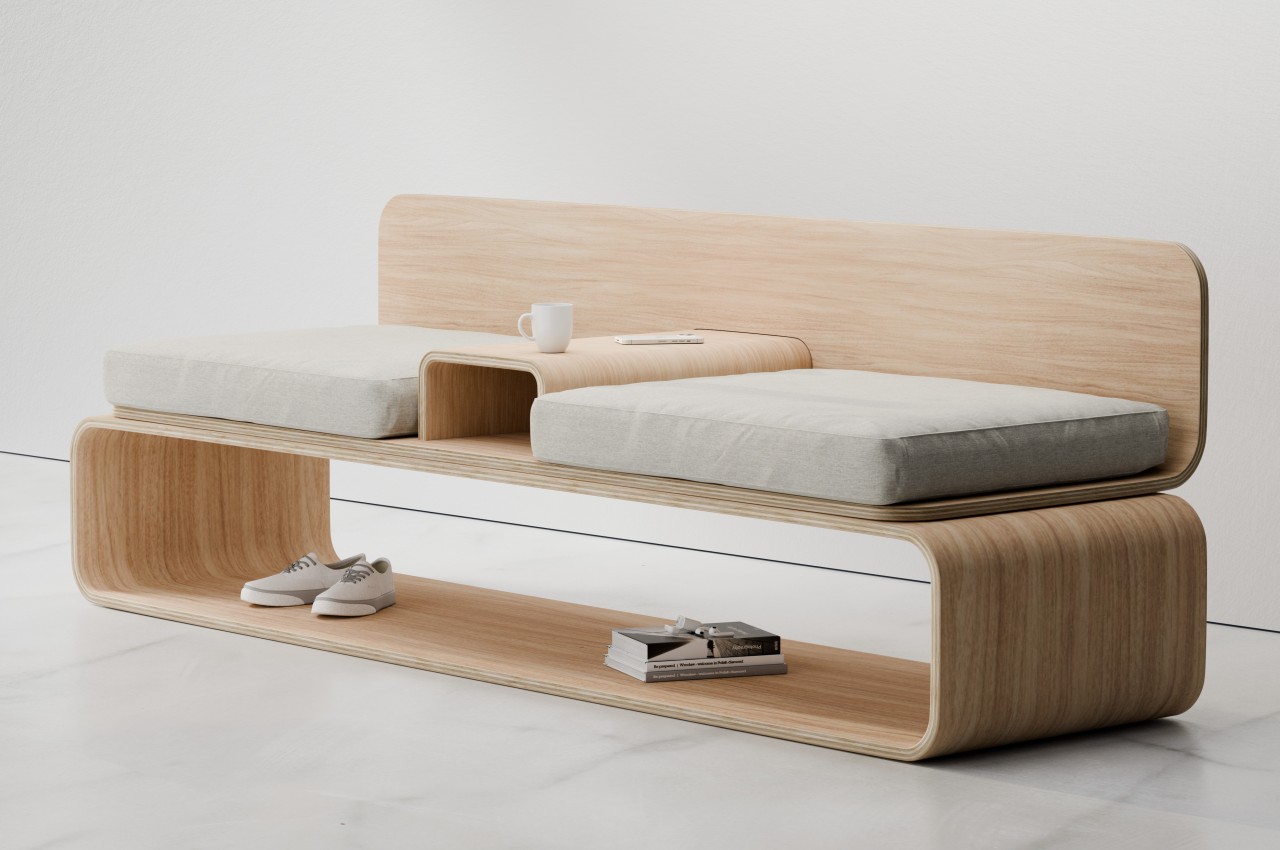
Mistake No. 6: Installation on Damaged Walls

Image courtesy of: MandriaPix77

Before installation of wallpaper, inspect the wall for damage or moisture issues and fix any problems beforehand to ensure a durable and flawless installation. Defects like cracks, peeling paint, damp areas, and patching holes need to be addressed and they should be allowed to cure fully before smoothing with sanding if needed. Make sure to rectify sources like leaks or mildew before proceeding with installation. Prioritize surface preparation before wallpaper installation. Don’t overlook cleaning, especially for textured walls, which may require scraping for smoothness.
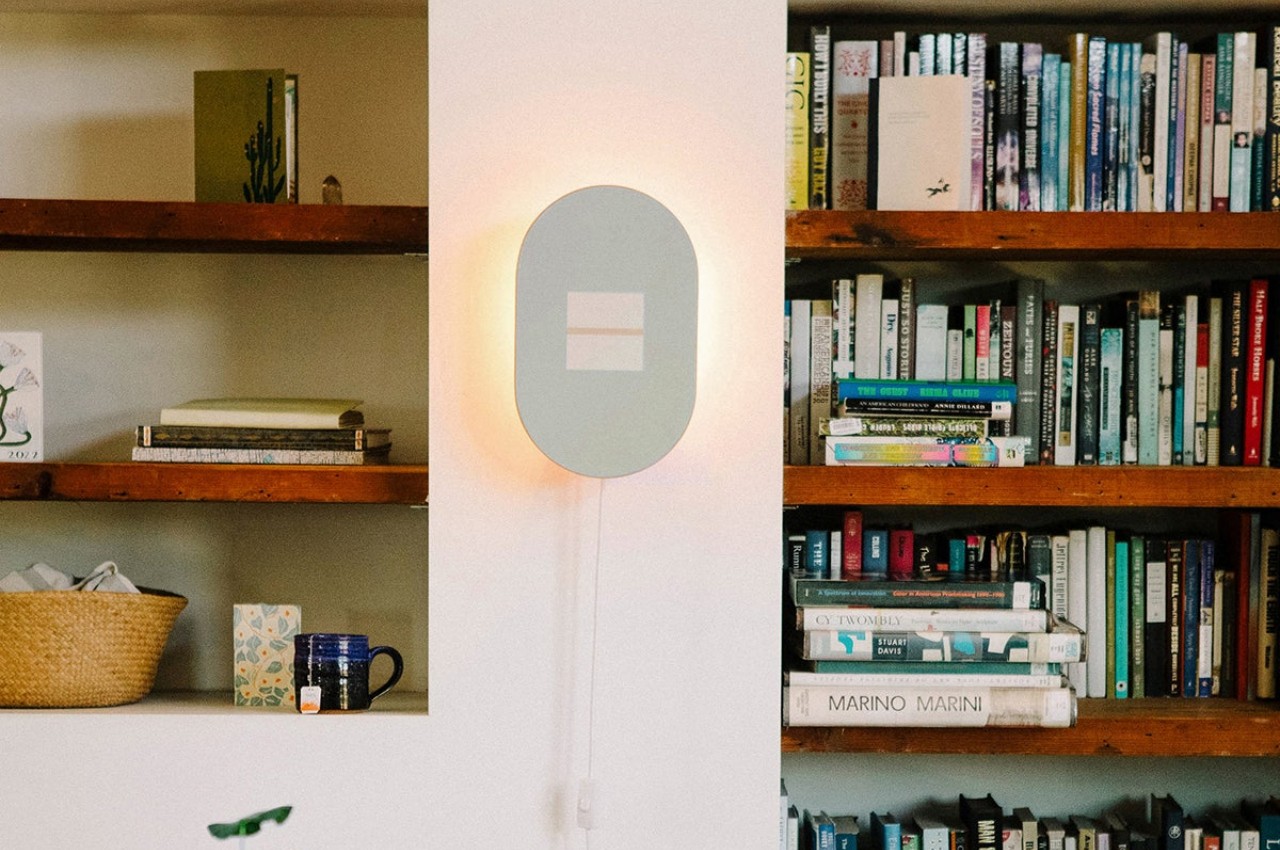
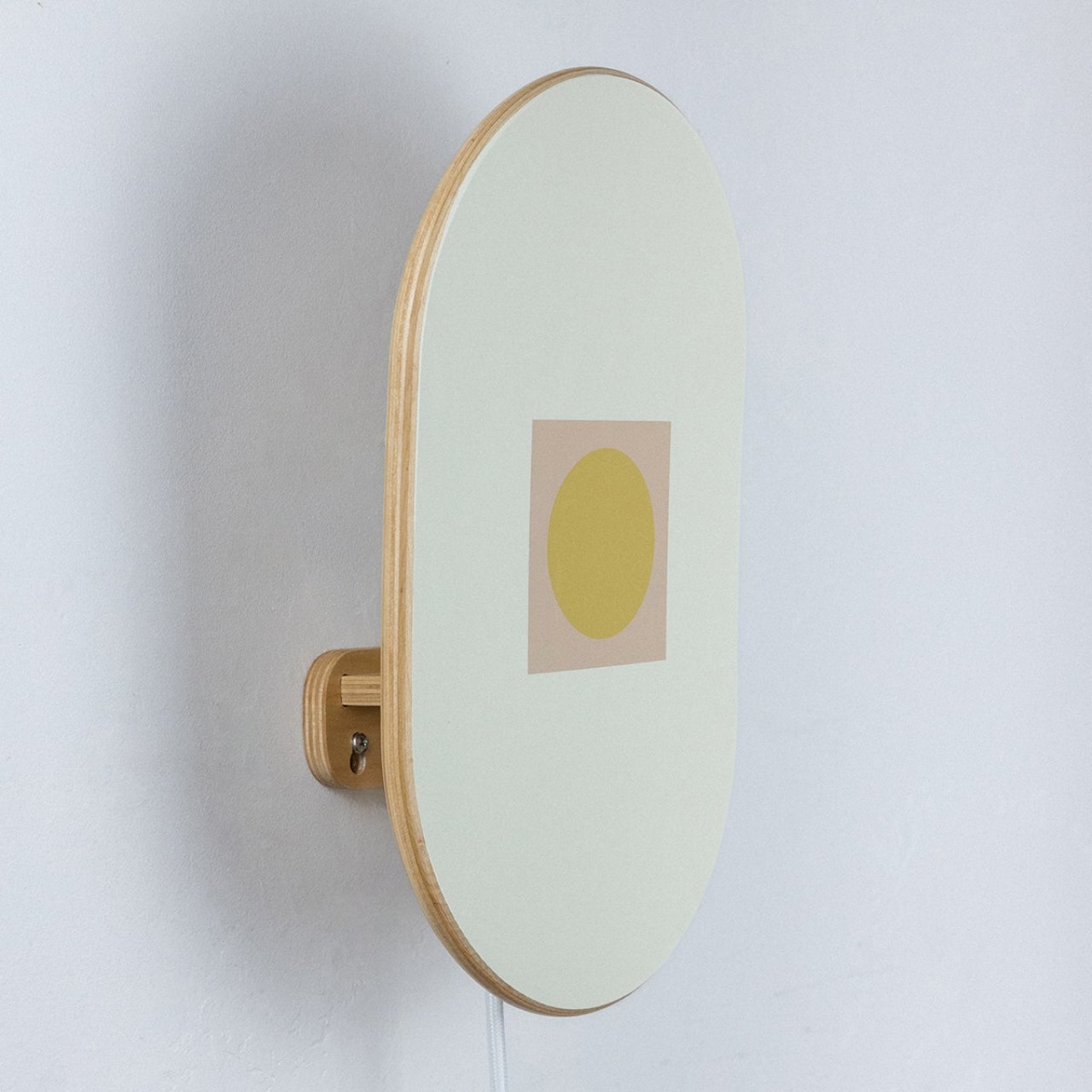
Mistake No. 7: Assuming Wallpaper Adheres to All Wall Surfaces

Image courtesy of: bialasiewicz

Assuming wallpaper sticks to all wall surfaces is a common mistake. Textured walls like orange peel or popcorn should be avoided or prepared for installation by grinding, sanding, and priming. Note that primer is essential not only before wallpapering but also before painting to prevent wallpaper from peeling off poorly painted walls.

Mistake No. 8: Going the DIY Way

Image courtesy of: ShintarTatsiana

While many mistakes occur during wallpaper installation, it’s not an area to cut corners. Amateur installation can lead to costly errors and premature replacement. Even peel-and-stick wallpaper isn’t foolproof. To avoid DIY mishaps, designers recommend hiring experienced professionals for proper wall preparation, precise measurements, and steady installation. Try to rely on professionals for a flawless result, emphasizing the investment in quantity and expertise required for satisfactory outcomes.

Tip: If opting for a DIY approach, prioritize cleanliness and dust prevention for a seamless installation. Invest in proper equipment and adhere to organized schedules to minimize dust settling, avoiding compromised adhesion. Practice careful handling and ensure clean hands to prevent marks on the wallpaper.

Mistake No. 9: Presence of Air Bubbles

Image courtesy of: DC_Studio

Bubbling in wallpaper, caused by trapped air pockets or poor adhesion, is a common issue. To remove bubbles, locate and cut an opening, inject adhesive, and flatten with a smoothing tool. Prevent bubbling by using high-quality wallpaper, applying it carefully, and using a wallpaper primer for a smooth surface. Promptly addressing bubbles and taking preventive measures can maintain a smooth finish.

Image courtesy of: bialasiewicz

Tip: For smooth wallpaper application and prevention of air bubbles, start smoothing from the center outward, and if bubbles appear after drying, moisten the area and puncture the bubble to release air.

Mistake No. 10: Not Cleaning Wallpaper After Installation

Image courtesy of: Vladdeep

Once the wallpaper is applied, make it a point to promptly inspect and clean any areas with excess paste residue to prevent shiny spots. Use a clean bucket with fresh water and a damp sponge to wipe down the wallpaper immediately after completion. It’s essential to consult the wallpaper label for specific instructions on smoothing and cleaning based on the type of finish.

Image courtesy of: pro_creator

In conclusion, installing wallpaper requires careful attention and time, and rushing the process can lead to errors. Ensure accurate alignment, trimming, and adherence to manufacturer’s instructions. Avoid common mistakes like inadequate wall preparation and mishandling. With precision and quality materials, one can achieve a seamless and attractive result that reflects your taste and style.

The post Top Ten Wallpaper Installation Mistakes To Avoid first appeared on Yanko Design.