How To Make Compost At Home

Composting is an aerobic procedure that requires oxygen and transforms organic substances into a nutrient-rich soil enhancer or mulch via the process of natural decomposition. Microorganisms consume materials in the compost pile, utilizing carbon and nitrogen for growth, water for digestion, and oxygen for respiration, resulting in compost—a dark, crumbly material with an earthy smell. Composting is nature’s method of recycling naturally, helping in reducing waste, combating climate change, and enhancing the quality of the soil. The biggest advantage is that one can compost kitchen food scraps along with dry leaves and woody debris from your yard at home.

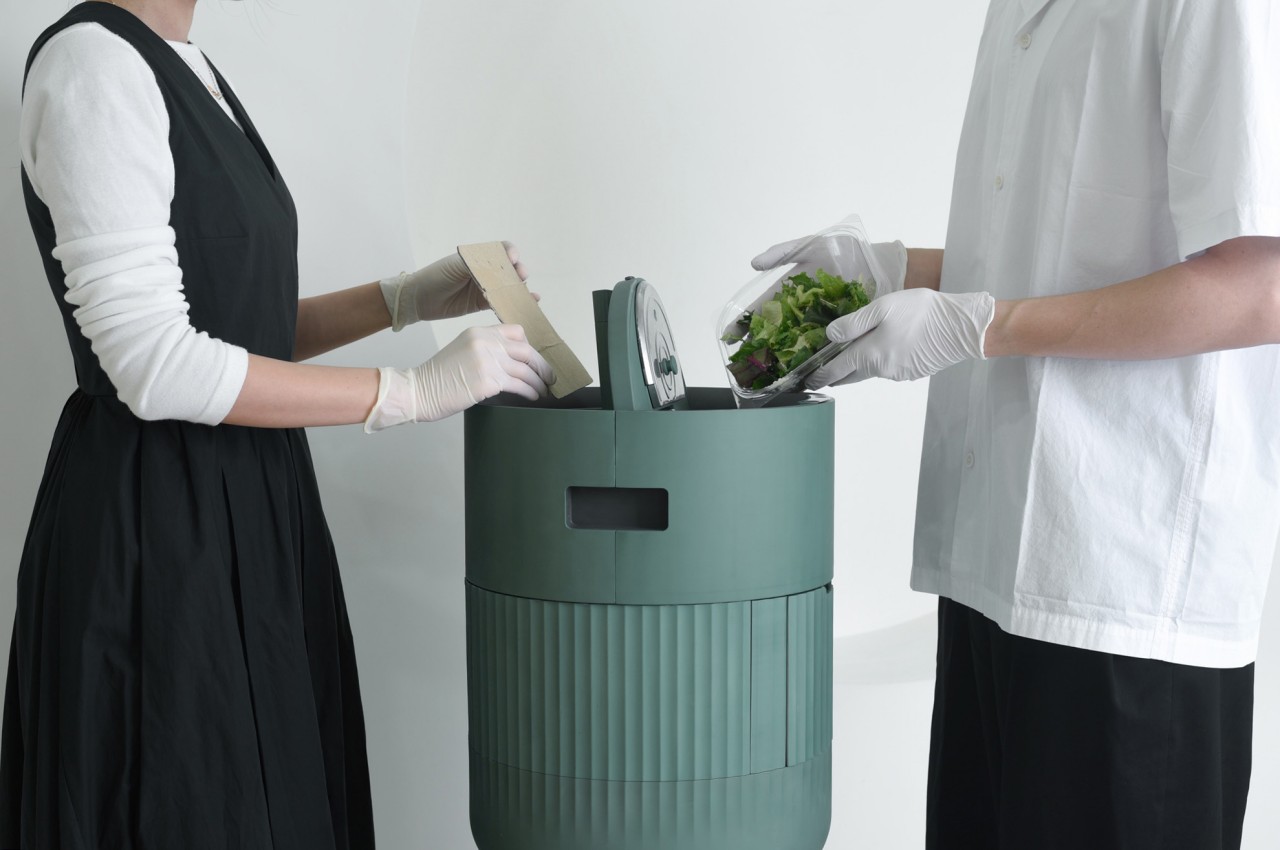
Designer: Otis Oat

What are the benefits of composting?

• Composting allows one to recycle food scrap and manage waste more sustainably.
• It helps in reducing the volume of materials that may get disposed of in landfills or trash incinerators, thereby reducing the emission of powerful greenhouse gases.

Designer: Homesteading Where You Are

• Composting requires minimal effort and is a cost-effective way to produce high-quality soil amendments while reducing the use of fertilizers and pesticides.
• Another advantage is that composting is that it creates nutrient-rich soil, prevents soil erosion, conserves water, and improves plant growth.

What are the different types of composting?

Composting can be broadly classified into backyard composting and vermicomposting.

Backyard Composting

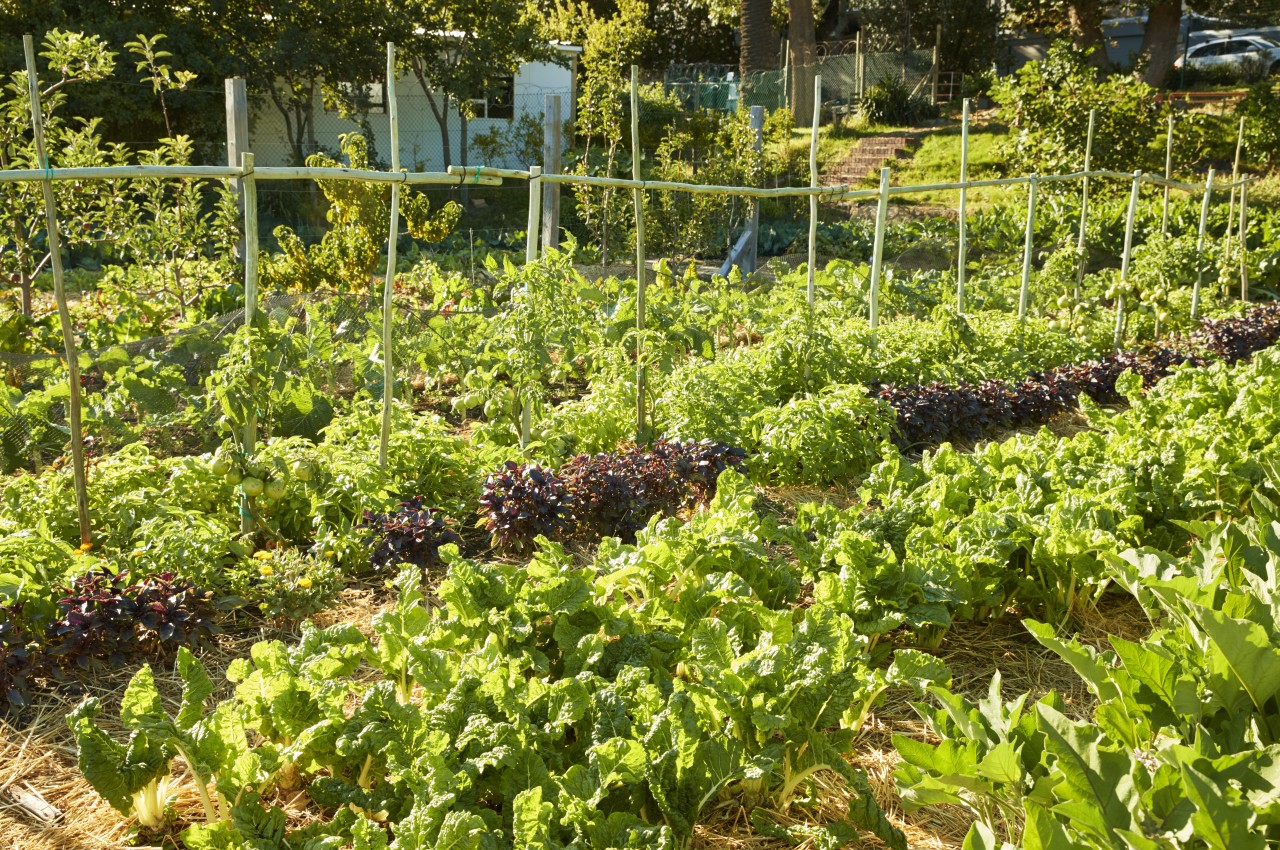
Backyard composting includes carbon-rich materials or browns like dry leaves, twigs, plant stalks, nitrogen-rich materials, or greens like grass clippings and food scraps. Composting involves the presence of water and oxygen, where carbon-rich materials serve as food for microorganisms, and nitrogen-rich materials generate heat in the pile.

Image Source: Plantophiles

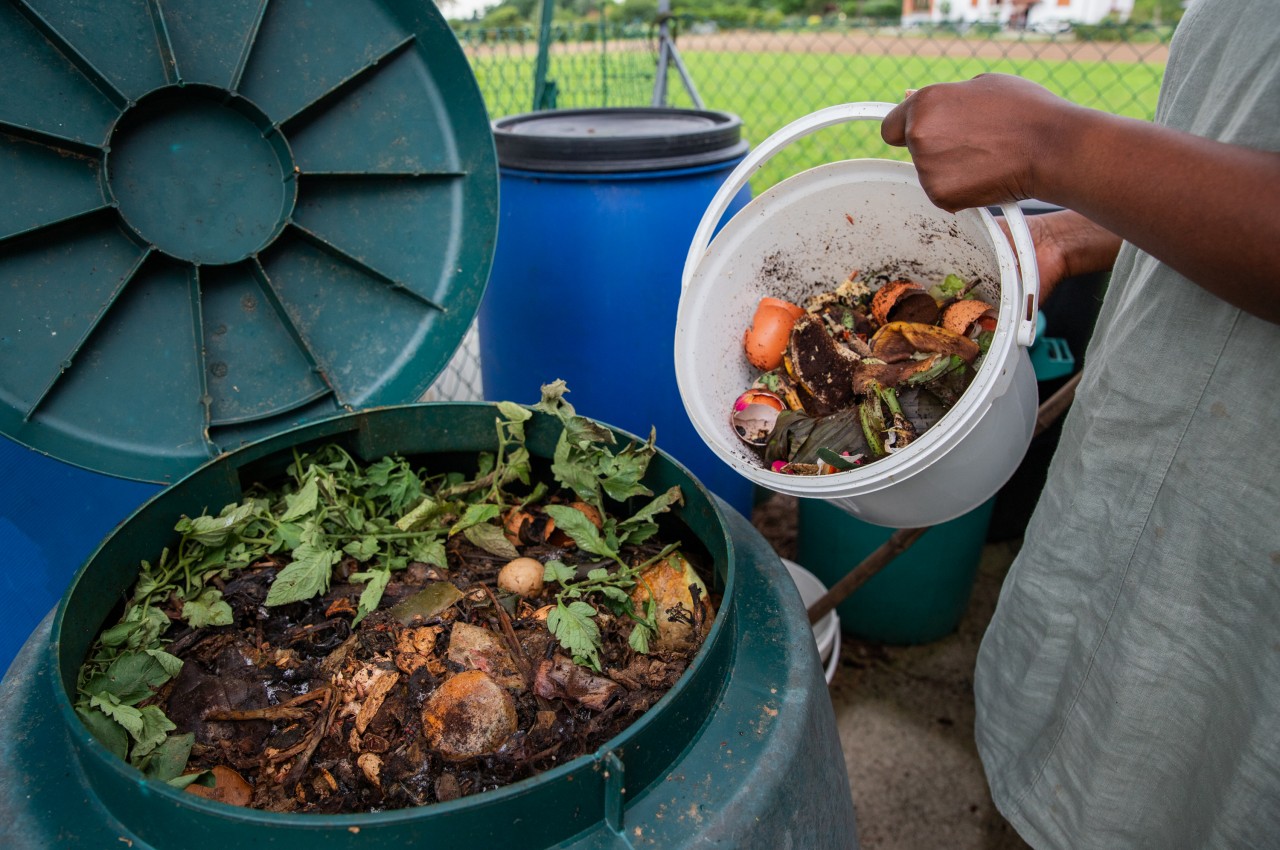
• For backyard composting, the first step is to decide on a method for gathering and storing browns outdoors and collect fruit and vegetable scraps in a sealed container either on your kitchen counter, under your sink, or in your fridge or freezer.
• Identify an accessible, well-draining space in your yard for a compost pile, and select a bin type, that can be constructed from materials like wire, wood, cinder blocks, or enclosed options such as barrels and tumblers.
• Chop and break down the browns and greens into smaller pieces before adding them to the pile to expedite the decomposition process.
• Construct the compost pile with a four- to six-inch layer of substantial browns, like twigs and wood chips, to absorb excess liquids, elevate the pile, and facilitate air circulation at the base. Follow by layering greens and, add a bit of water to moisten the pile. Note that the browns should be at least three times the greens.
• As the compost pile decomposes, the center temperature initially rises. One can speed up decomposition and aerate by turning and mixing the pile with a garden fork. Monitor moisture, odor, and temperature, adjusting as needed. Adjust the compost by moistening and turning if it’s too dry, adding browns and turning if there’s an odor, mixing in greens, and turning if it’s not heating up.
• Once your compost pile stops heating up and shows no visible food scraps after mixing, let it cure for at least four weeks, relocating the oldest compost if desired. Note that after curing, the pile will be reduced to about one-third.
• Well-maintained compost is ready in three to five months, looking dark, loose, and crumbly with a soil-like smell. Screen or sift the finished compost to remove undecomposed materials, such as twigs or fruit pits, and add them back to the active or new pile if desired.
• Well-constructed and properly maintained compost piles, whether in bins or open, should not attract pests or rodents. If using a bin, reinforce it with a lid and potentially a floor, ensuring no holes or gaps larger than ¼ inch. Cover and bury food scraps in the pile, and avoid adding meat, dairy, or greasy foods.

Vermicomposting

Vermicomposting employs specific earthworm species to enhance the organic waste conversion process, utilizing microorganisms and earthworms in a mesophilic environment. Earthworms consume organic materials, producing granular excrement known as vermicompost, which, in simple terms, improves soil’s biological, chemical, and physical properties. The earthworm’s digestive tract secretions aid in breaking down soil and organic matter, enriching the castings with readily available nutrients for plants. Various organic residues, including straw, husk, leaves, stalks, and livestock or poultry wastes, can be transformed into vermicompost, with earthworms reducing waste volume by 40–60 percent.

Types of Compost Bins

Here is a curated assortment of innovative compost bins.

1. Handheld Composting Machine

Designer: Shihcheng Chen

The ReGreen is a compact handheld device simulates the look of a miniature waste-disposal machine and incorporates an aluminum grinder that efficiently crushes and pulverizes waste while promoting quick biodegradation. The device features a top opening for waste input, a rotating arm that facilitates gentle pulverization and its base allows water drainage for compost drying. After waste is processed, one can introduce enzymes to speed up composting and convert organic waste into nutrient-rich compost.

2. Plant Cultivator and Compost Bin

Designer: Robin Akira

Paradise is an automated plant cultivator and compost bin designed to decrease domestic waste via the use of integrated technology that notifies users about compost and plant care needs. Inspired by the pandemic-driven shift to home-centric living, designer Robin Akira created Paradise to integrate greenery into interior spaces while addressing the global rise in domestic waste with its composting features and odor-sealing lid.

3. Compost Bin cum Indoor Garden

Designer: Chaozhi Lin

In a changing world where sustainability is a personal commitment, KAGURA, a self-sustaining indoor gardening system created by Chaozhi Lin, facilitates composting and vegetable cultivation. Consisting of a food waste container, elevated light structure, and three soil pots, KAGURA transforms scraps into compost, nourishing plants with an attractive, compact light fixture. Designed to fit any kitchen or living space, this system caters to environmentally conscious individuals in urban settings, addressing the challenge of limited yard space and making sustainable living feasible for city homes.

4. Compost Sleek Bin

Designer: Alp Çakın

Homepost, an innovative composting station, addresses waste challenges in office environments by accelerating the composting process, containing odors, and providing additional storage space. Its efficient design allows for the transformation of diverse organic waste, including plastics, paper, nutshells, teabags, coffee grounds, fruit and vegetable scraps, and eggshells. The system’s environmentally friendly construction, made from sustainable green polyethylene, absorbs carbon dioxide during production. Featuring a rotating arm for easy transportation, Homepost’s modules nest efficiently for minimal space occupancy during transit.

5. Composting Machine

Designer: Jinhwi Bang

Reencle tackles the escalating food waste issue in the USA by efficiently breaking down household food-prep waste, bones, peels, leftovers, and expired products into compost within 24 hours. Roughly the size of a trash bin, Reencle features an automatic opening lid and a control panel, with microorganisms inside its chamber facilitating the composting process. The mechanical churning system reduces waste volume through vigorous mixing, and any emissions are filtered to release trace amounts of water vapor and clean air. This at-home solution transforms food waste into nutrient-rich compost for gardens or disposal, mitigating environmental harm caused by landfill decomposition.

6. Stainless Steel Compost Bin

Designer: Adrian Moro

Kamoro’s Compost Bin is crafted with a streamlined airflow design that both dries out waste and provides essential oxygen for microbial survival, ensuring the effortless cultivation of a healthy compost batch. Its double-walled construction consists of an outer stainless-steel container and an inner plastic bucket. The stainless-steel container incorporates a perforated base to establish an airflow pattern, and an activated carbon filter on top effectively filters outgoing air, reducing any odors generated during the organic breakdown process.

The post How To Make Compost At Home first appeared on Yanko Design.
These are the Thanksgiving Table Decor Trends for 2023

It’s that time of year to gather with loved ones around the Thanksgiving table, sharing a delightful meal and reflecting on gratitude. Beyond the cuisine and menu, the table decor plays a key role in infusing a festive vibe and enhancing the space’s aesthetic appeal. After all, the real essence of Thanksgiving dinner lies in creating a warm and inviting environment that fosters connections and meaningful conversations across the table.

Designer: Linda Schuster Vartanian

What is the importance of a Beautiful Tablescape?

Designer: Aukolass

Although a beautiful tablescape may not enhance the flavor of your feast it surely helps in crafting the desired ambiance for your entire Thanksgiving dinner. A well-designed tablescape helps in making guests feel valued and special while showcasing attention to detail.

How to create an interesting Thanksgiving Tablescape?

• The first step is to choose a traditional, modern, rustic, or any unique theme for the tablescape and achieve a cohesive look. The color palette, decor choices, and overall design of the tablescape shall revolve around the desired theme.

Designer: Holly Jolley

• Rich autumnal hues of deep red, orange, and brown are perfect for a traditional tablescape.
• If you desire a contemporary and sophisticated look, consider a monochromatic color scheme in shades of white, cream, and gold.
• Don’t be afraid to explore unconventional color pairings to craft a distinctive and visually striking tablescape. Consider shades of pink, purple, and green for a modern twist.

Designer: Diana (The Tiny Fairy)

Design Trends for Thanksgiving Tablescape

Here is a curated selection of the latest trends that can elevate your Thanksgiving tablescape and take the décor to a whole new level.

1. Decorate with Dried Flowers

Designer: Chloe (Porch and Peony)

Dried flowers and branches are perfect for holiday table settings as they are budget-friendly. The best part is that one can continue using dried flowers for years instead of buying fresh blooms every year.

2. Invest in Handmade Ceramics

Designer: Open The Door

Handmade dinnerware and accessories never go out of style and are perfect for a traditional and rustic table setting.

3. Use Nature as Décor

Designer: Shalini Misra

One of the most popular trends is to take inspiration from the natural world and create a beautiful table setting using fruits, pumpkins, vegetables, acorns, pine cones, and so on.

4. Bring out your Tableware

Thanksgiving dinner provides an excellent opportunity to elevate your table setting with elegant china, exquisite stemware, and beautiful linens that you’ve collected over the years or have inherited as heirlooms.

Designer: The Invisible Collection

A warm and festive ambiance is created with a snug woolen checkered tablecloth, complemented by orange linen napkins and midcentury hand-painted large earthenware plates. The addition of a sizable pumpkin soup tureen enhances the homey atmosphere, completing the inviting feel of a feast.

Designer: Lotus Arts de Vivre

An elegant mother-of-pearl plate from Lotus Arts de Vivre is adorned with a sterling silver turtle. Crafted from the finest Southeast Asian mother of pearl, it possesses a shimmering iridescent quality. The silver turtle with a mother-of-pearl shell symbolizes harmony with the earth, water, and other elements, making it a versatile item suitable for use as a statement serving platter for hors d’oeuvres or as a formal dining plate.

5. Add Woven Placemats

Designer: Table Terrain

Woven placemat mats in materials like rattan provide a textured, earthy backdrop for a neutral table arrangement.

6. Introduce Textural Layers

Designer: Beth G. Wilson

Explore a palette of organic earth tones for Thanksgiving as they effortlessly embrace the hues of fall leaves and autumn colors. Abundant textures can be introduced to create a warm and layered ambiance.

7. Create a Woodsy Vibe

Designer: Butch & Pam

Embrace the rustic and natural ambiance with wood as a central element in your table setting. Integrate wooden serving plates for a wholesome, earthy feel. This setting celebrates the imperfections and unique textures of wood, adding character to your table.

Designer: Arteriors

An ideal centerpiece for gatherings, the Wakefield features opulent antique brass hardware crafted into organic forms that beautifully contrast with the luxurious walnut wood. Radiating undeniable warmth, this bucket adds both panache and personality to the tablescape.

8. Add Color with Fresh Flowers

Designer: Shalini Misra

Elevate your Thanksgiving dinner by incorporating an abundance of flowers, extending from your salad plates to captivating centerpiece arrangements. Choose locally grown, in-season blooms.

9. Go for a Pumpkin Centerpiece

Designer: Home is Where the Boat Is

Opting for pumpkins as Thanksgiving centerpieces is a timeless choice. Elevate their appeal by carving out the tops and transforming them into miniature planters, adorned with either real or artificial succulents for an extra touch of uniqueness.

10. Chic Minimalism

Designer: Elisha Trujillo

Embrace simplicity by adhering to a neutral color palette and arranging the table with glass dinnerware. One of the simplest centerpieces for this theme is a clear glass vase filled with elegant flower stems.

11. Play with Patterns

Designer: Table Terrain

This Thanksgiving, layer on various eye-catching patterns to adorn the dining table. Maintaining a unified color palette ensures that the arrangement remains whimsical without becoming overwhelming.

12. Light the Table

Instead of flowers, opt for stylish decor alternatives that provide beauty and warmth, such as tapered candles. For a cozy yet non-utilitarian table appearance, use candleholders of different heights, ensuring the candles are staggered across the table for a varied and inviting display.

Designer: Abid Javed

Ceramic artist Abid Javed applies his craft to sculptural forms influenced by microbiology. Augmin, a five-part candela, harmonizes artistry and functionality, drawing inspiration from the dynamic molecule Augmin. It serves as a statement sculpture and a practical candleholder for the Thanksgiving tablescape.

Designer: Todd Nelson

Spiral Light Candles feature a unique wraparound wick that burns for 3 hours, depleting ‘around’ the candle due to its spiral design. Its hollow design collects melted wax and creates a new candle with a wood wick that burns for 40 hours.

Designer: James Kaoru Bury

Click Here to Buy Now: Japanese Lantern Candle ($69)

Crafted with a dual wax composition, the Chouchin features a standard wax interior for familiar candle burning. Its distinctive outer layer is made of patented, non-melting wax, creating a translucent shell that diffuses light like a lantern. As the candle burns, light permeates through this outer wax, providing gentle, warm illumination, with a 60-hour burn time and replaceable refills, minimizing waste.

13. Embrace Maximalism

Designer: Interior Design Info

Embrace a bold, maximalist aesthetic with striking glassware, an oversized floral arrangement, succulents, and crystal candleholders for a truly impactful statement.

Designer: ABASK

Enhance your festive table with Ben Bodman’s exclusive ABASK carving set, expanding his hand-forged blade collection from his Wiltshire family farm. The two-tone amboyna burl wood handles, symbolizing durability, are sourced from the resilient Narra tree in the Philippines. Crafted with Damasteel, these blades boast intricate patterns, adding functional elegance to your table.

14. Napkin Folding Art

Designer: Phuong

Infuse texture into each place setting by creatively folding cloth napkins. Experiment with various techniques such as the classic fan fold or use innovative folding techniques to create an interesting design. Enhance the presentation with elegant napkin rings, elevating the overall tactile experience.

Designer: TALLO de OLIVO

TALLO de OLIVO turns ordinary spaces into distinctive ones with handmade pieces crafted by Colombian artisans, utilizing local materials to enhance their inherent beauty.

Designer: West Elm

The botanical-inspired napkin ring adds a biophilic vibe to the table décor.

15. Beautify with Gold Accents

Designer: Linda

Infuse a touch of glamour into your Thanksgiving table with a decor theme that revolves around hues of gold. Envision gold-rimmed plates, shimmering candle holders, and metallic accents creating a dazzling setting for your festive meal.

With a skillful combination of colors, textures, and decorative elements, one can transform the dining table into a captivating showcase of autumn-inspired beauty that sets the ideal ambiance for your Thanksgiving feast.

The post These are the Thanksgiving Table Decor Trends for 2023 first appeared on Yanko Design.
What are the Different Bathroom Decor Styles

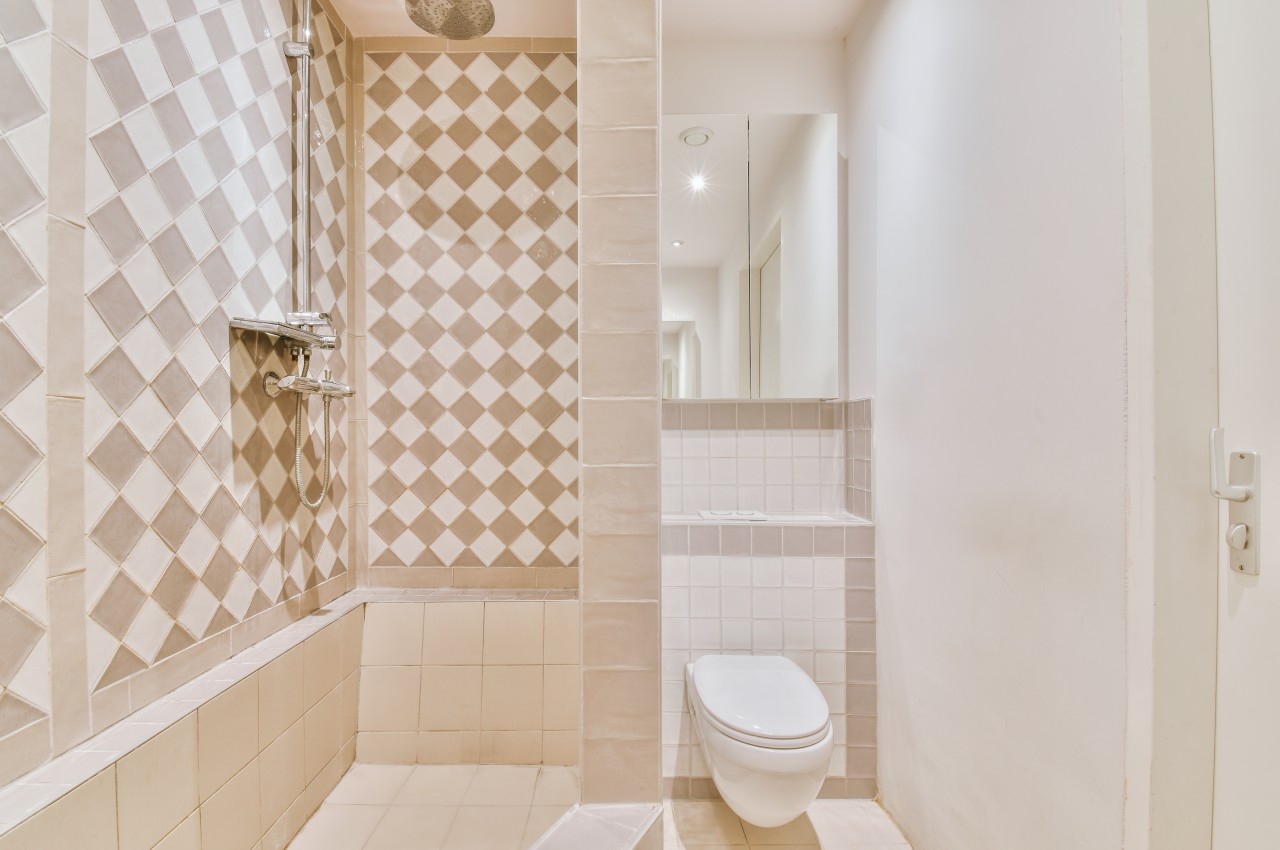
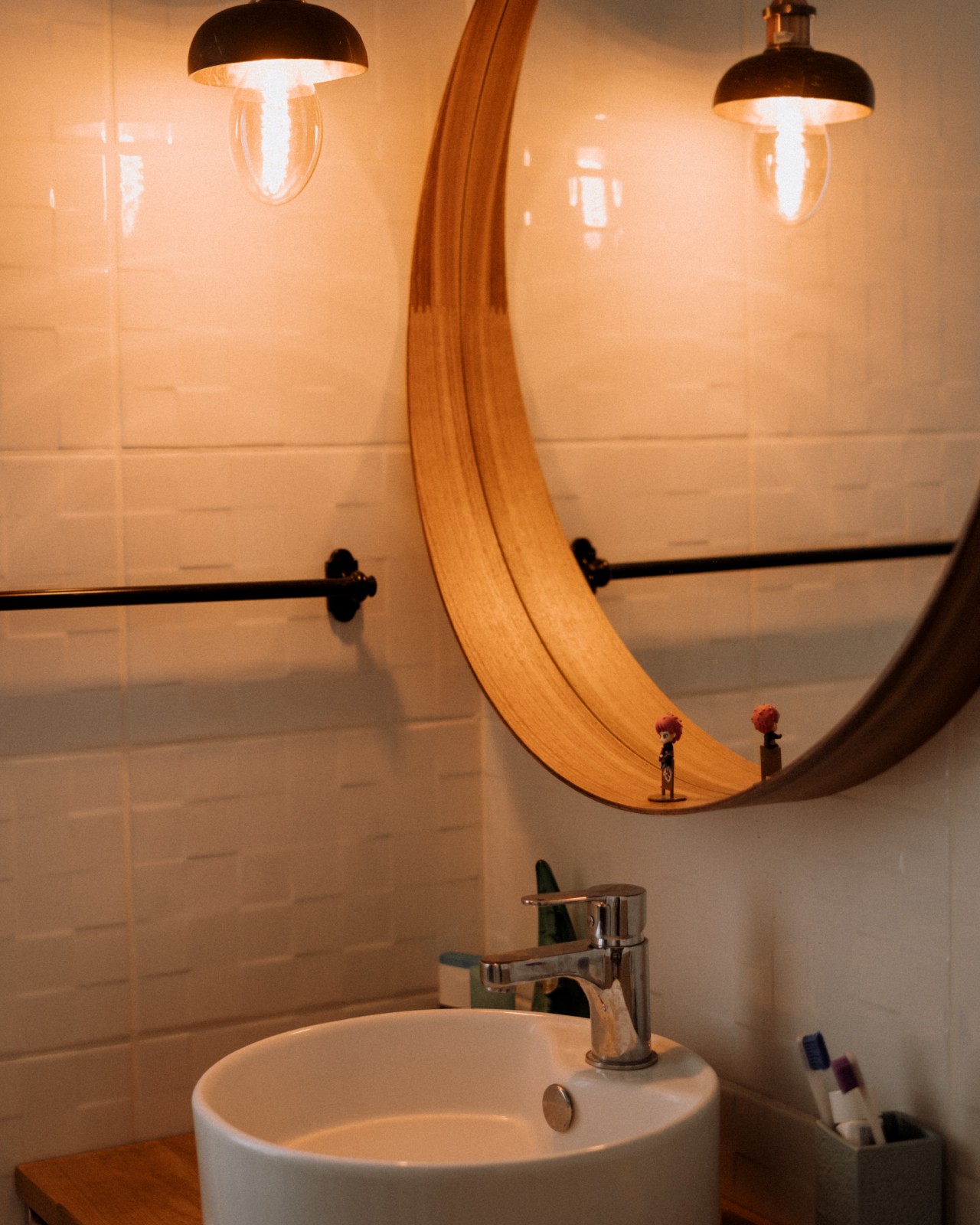
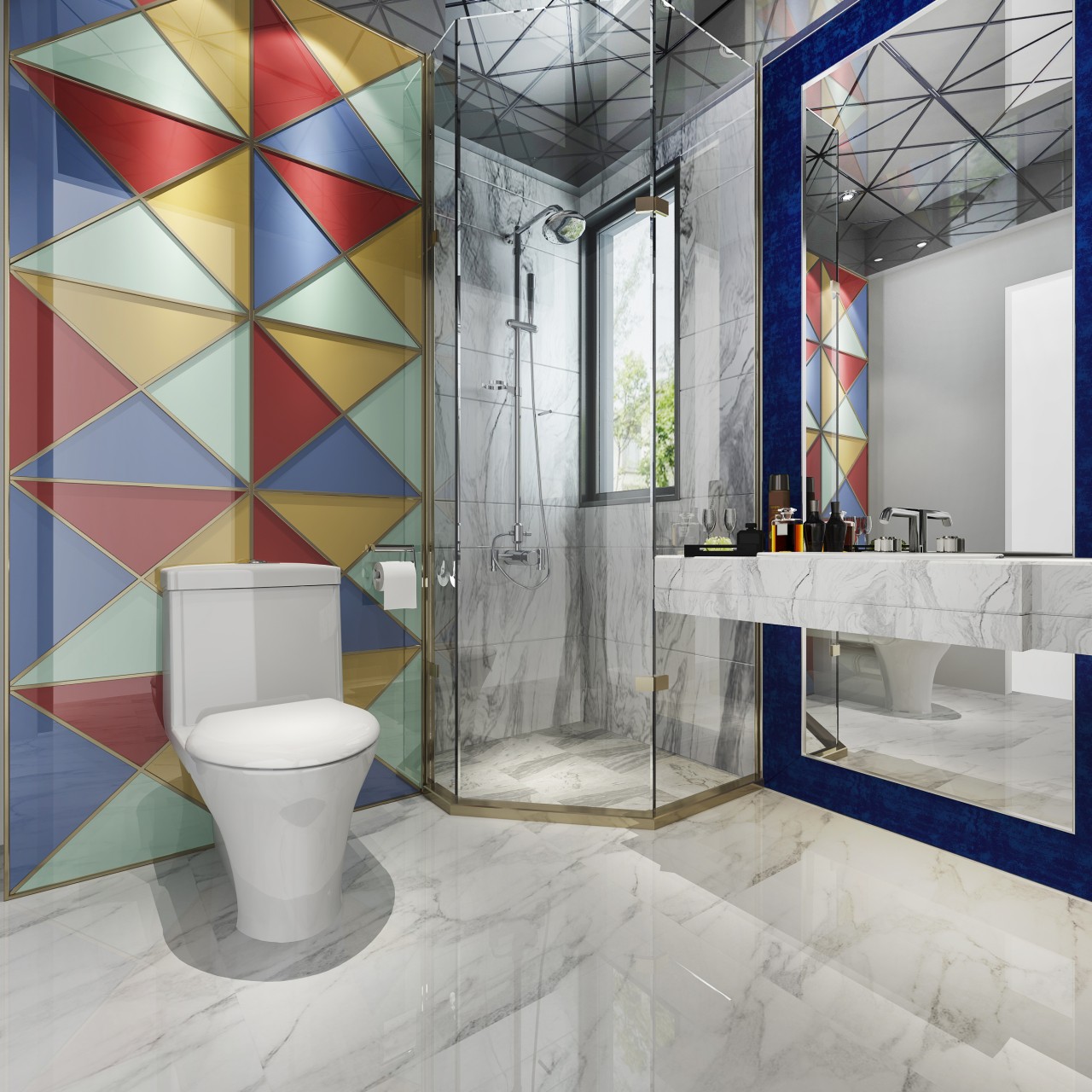
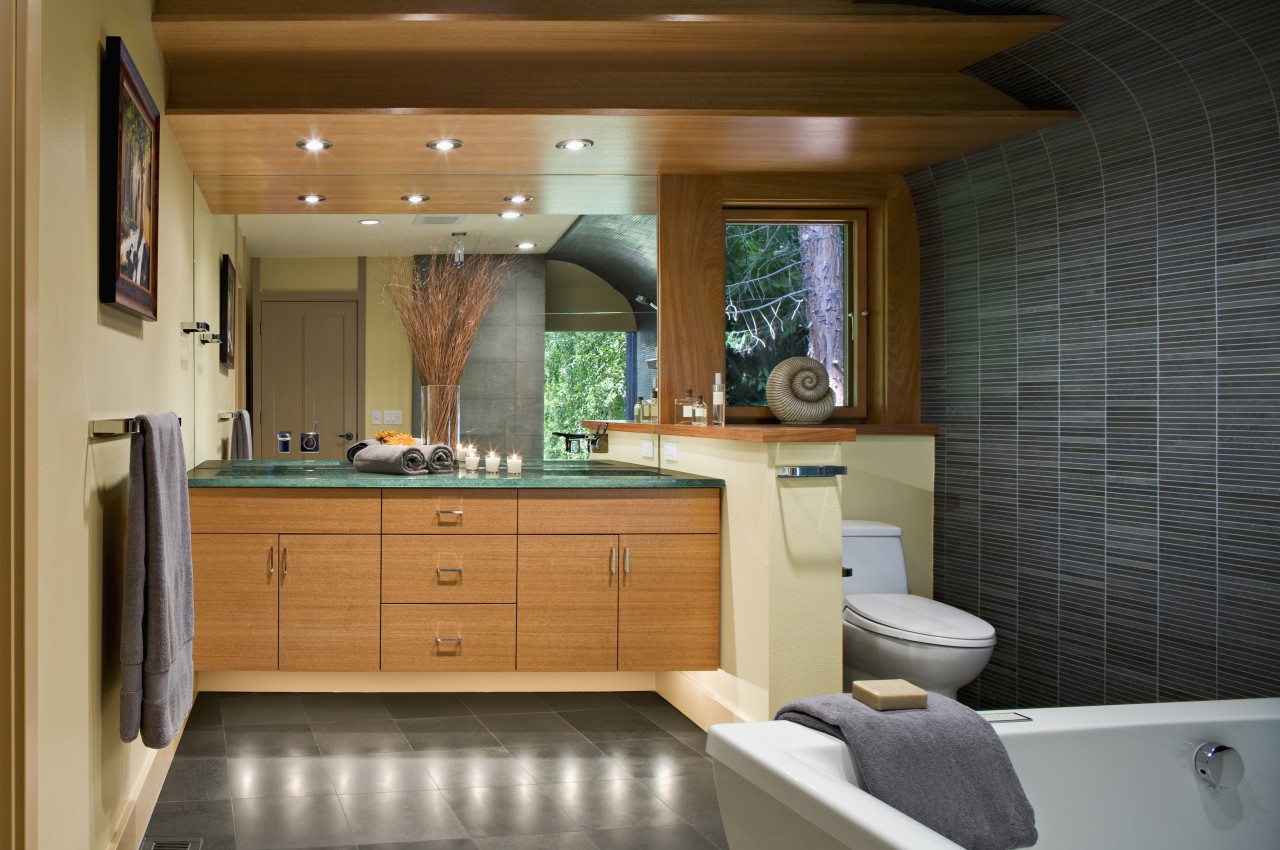
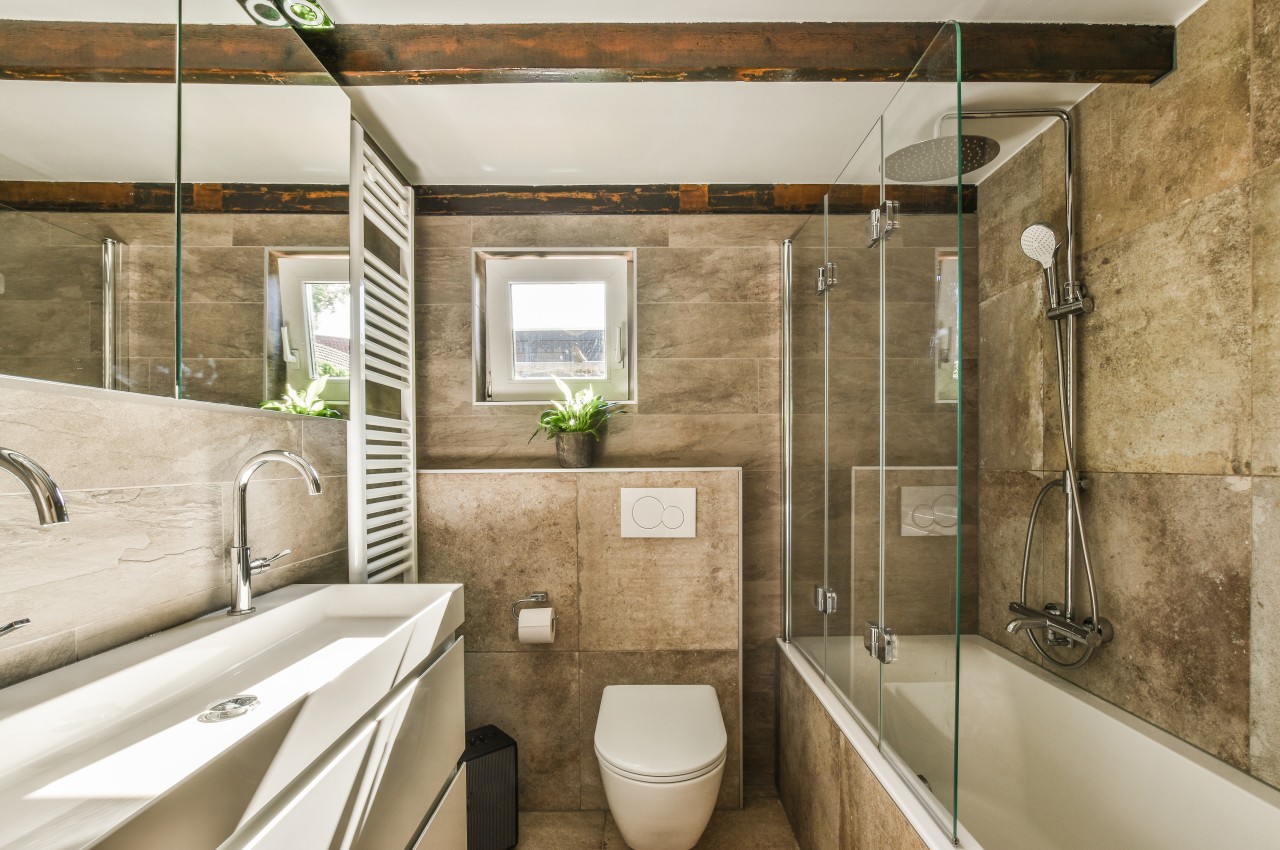
The bathroom forms one of the smallest areas of the home in terms of square feet and is usually one of the only areas that allows some ‘me time’, hence the décor must appeal to the user’s taste and requirements. The bathroom décor can be broadly classified into different décor styles, but one can easily mix and match different décor elements to create a unique space. Each décor style exudes elegance and style while ensuring functionality and comfort. Take a look at the most popular bathroom décor styles and choose the one that is best suited for your home.

Contemporary Décor Style

Designer: Tanzeel Amjad

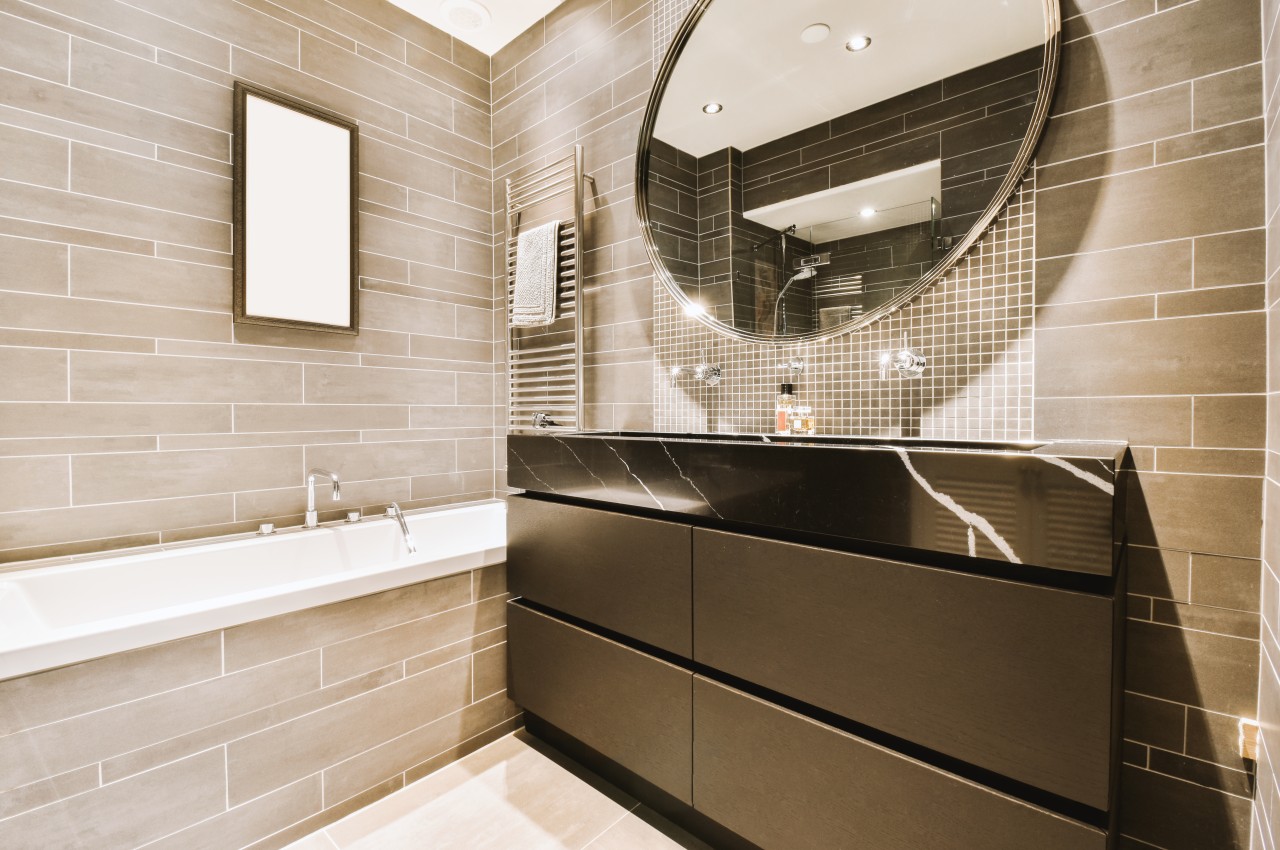
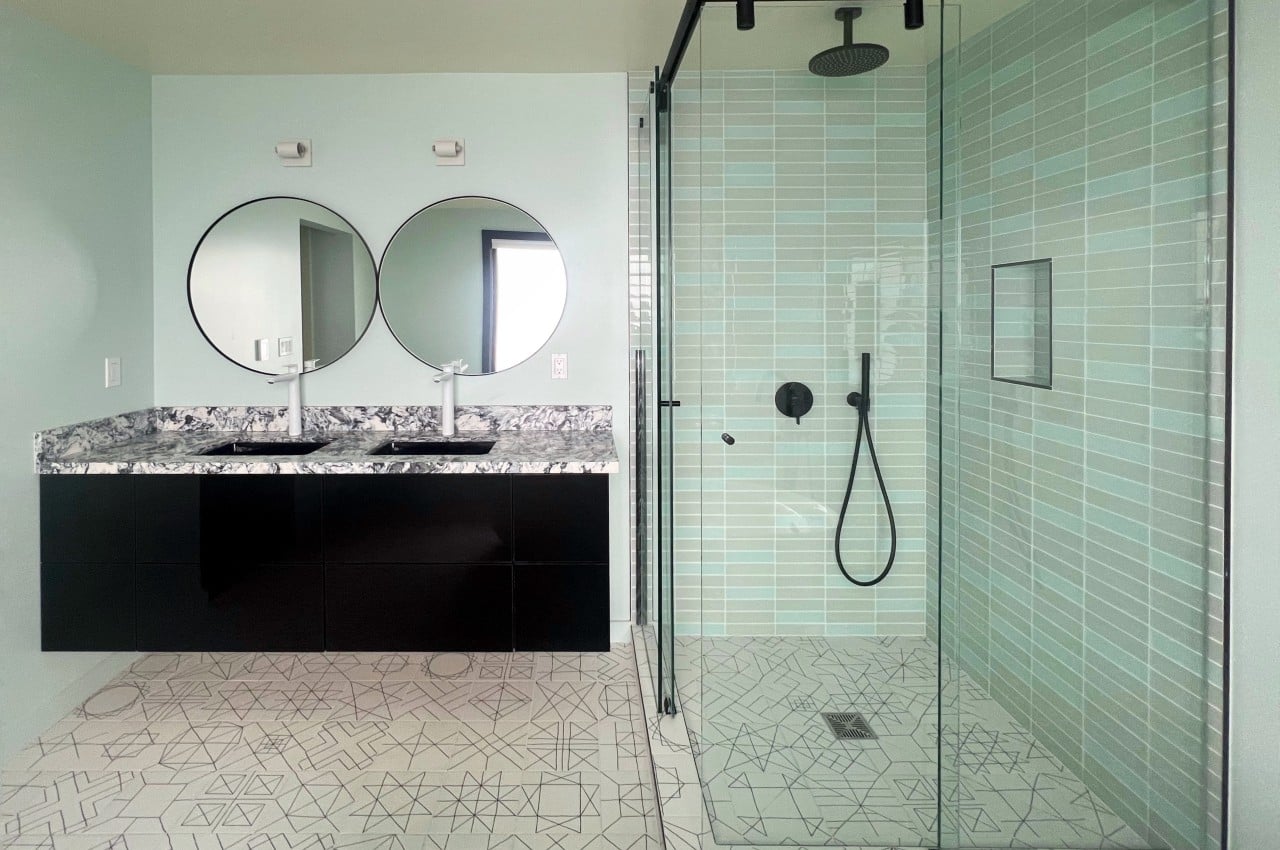
  • A contemporary bathroom décor integrates the design elements of classic and modern design. It incorporates the latest technology, materials, and the latest design trends. The focus is on clean lines, minimal embellishments, and a clutter-free space to create a unique aesthetic.
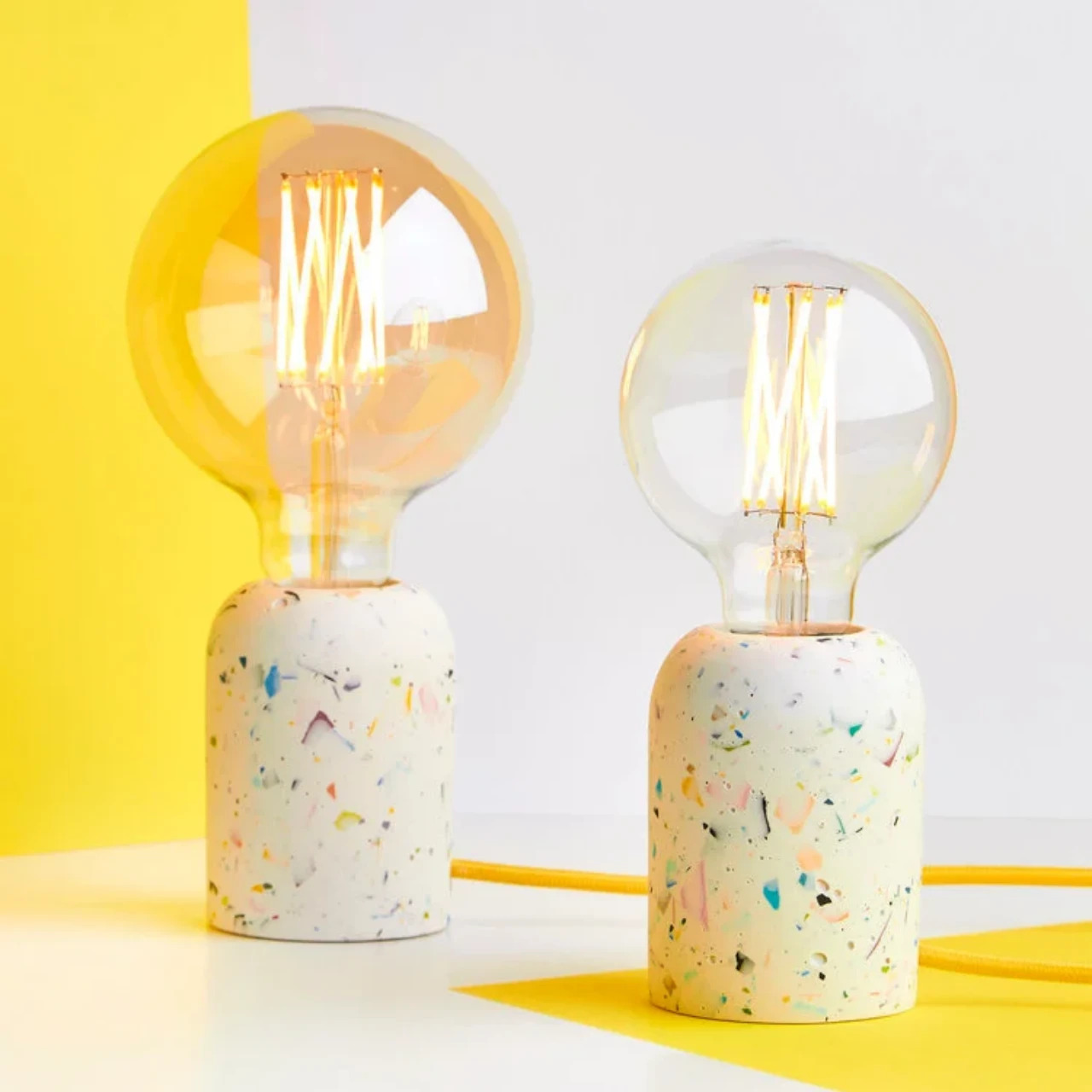
  • The colors of a contemporary décor include polished hardwood, metal accents, and symmetrical geometric patterns. Its clean and simple color palette pays attention to fine details, sleek materials, and simple lighting.
  • Contemporary bathrooms include a combination of light and dark shades in contrasting hues and one of the most popular color palettes of contemporary décor includes the combination of black and white.
  • The key features of a contemporary bathroom are the integration of a sleek vanity, sleek faucets, glass shower enclosure, slim mirrors, and statement tiles. The materials include the use of natural materials like stone and granite contrasted with man-made materials like stainless steel.
  • Technology can be integrated into the bathroom via digital shower controls, and smart mirrors.

Eclectic Bathroom

Designer: Thanh Nguyen

  • The eclectic bathroom is a free décor style that does not follow any specific design style and is a curated collection of design elements.
  • One can easily opt for unexpected colors and patterns in the bathroom décor combined with a mix of textures, materials, and various finishes.
  • Additionally, an eclectic décor effortlessly mixes the design elements of different eras and allows one to express their individual personality.

Modern Bathroom

Designers: Elena Sedova, Sergey Sedov

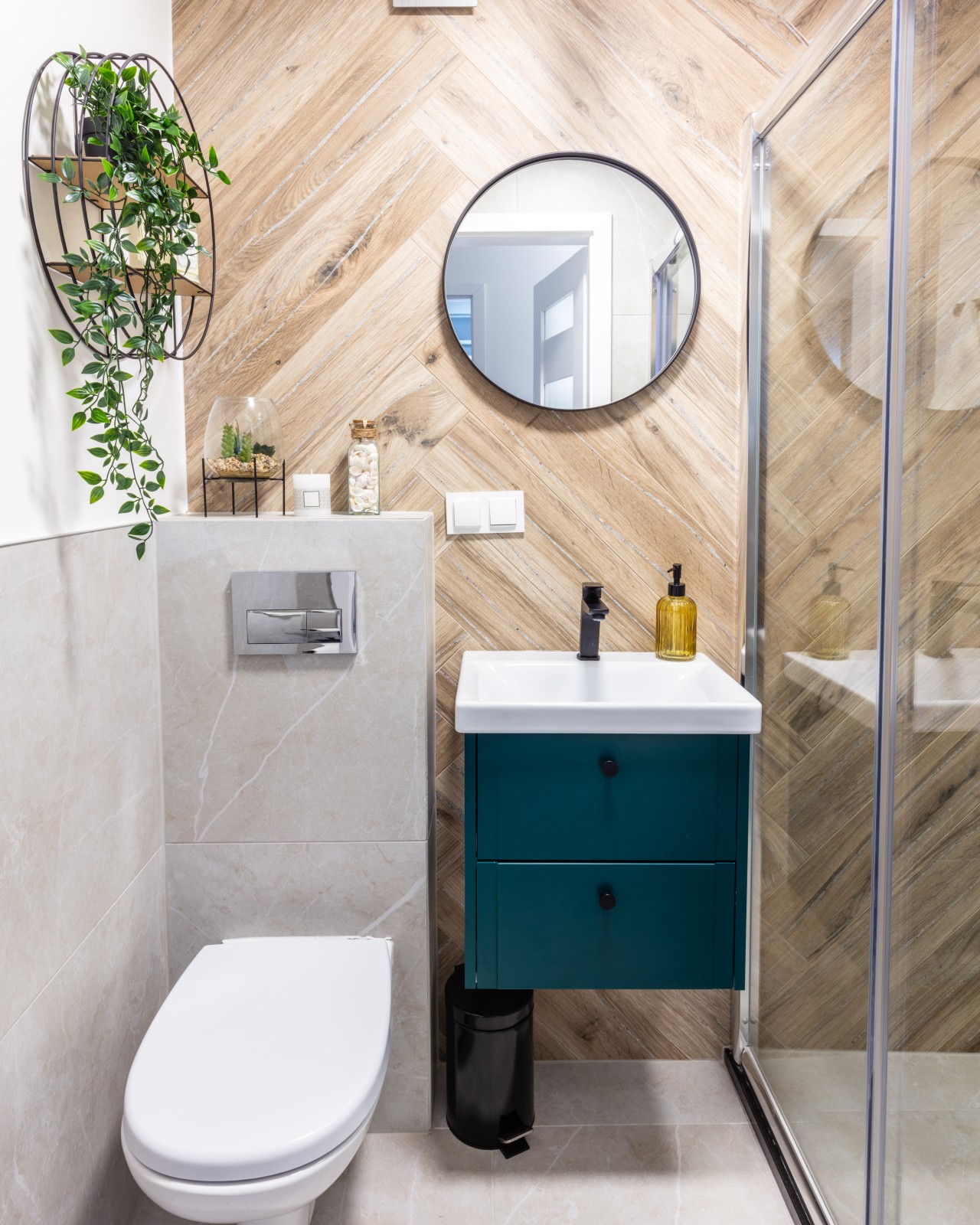
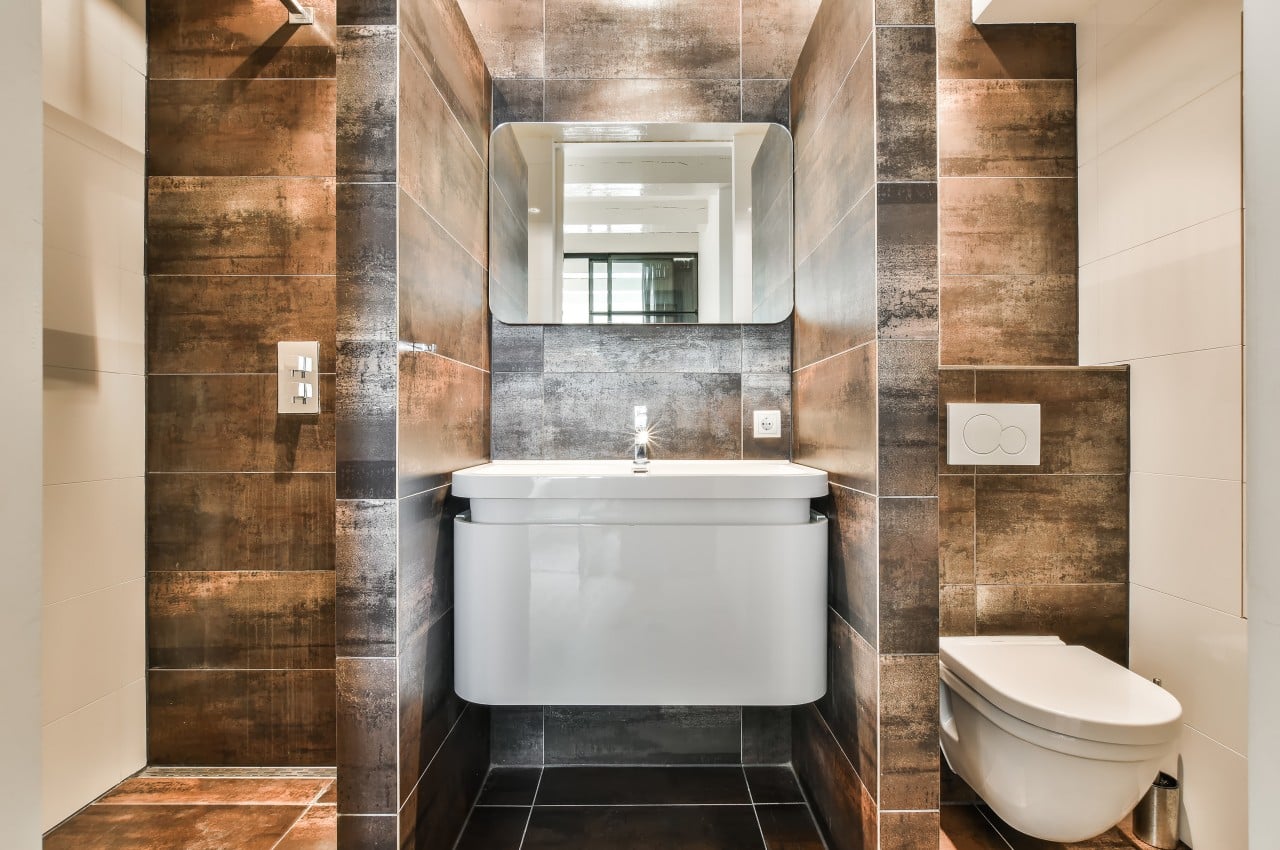
  • A modern bathroom features simple and clean lines alongside a sleek and streamlined look.
  • The décor emphasizes strong horizontal lines which are usually visible in the design of the countertops, sinks, mirrors, and accessories.
  • Some of the materials that are used in a modern bathroom include stone, teak, and porcelain.
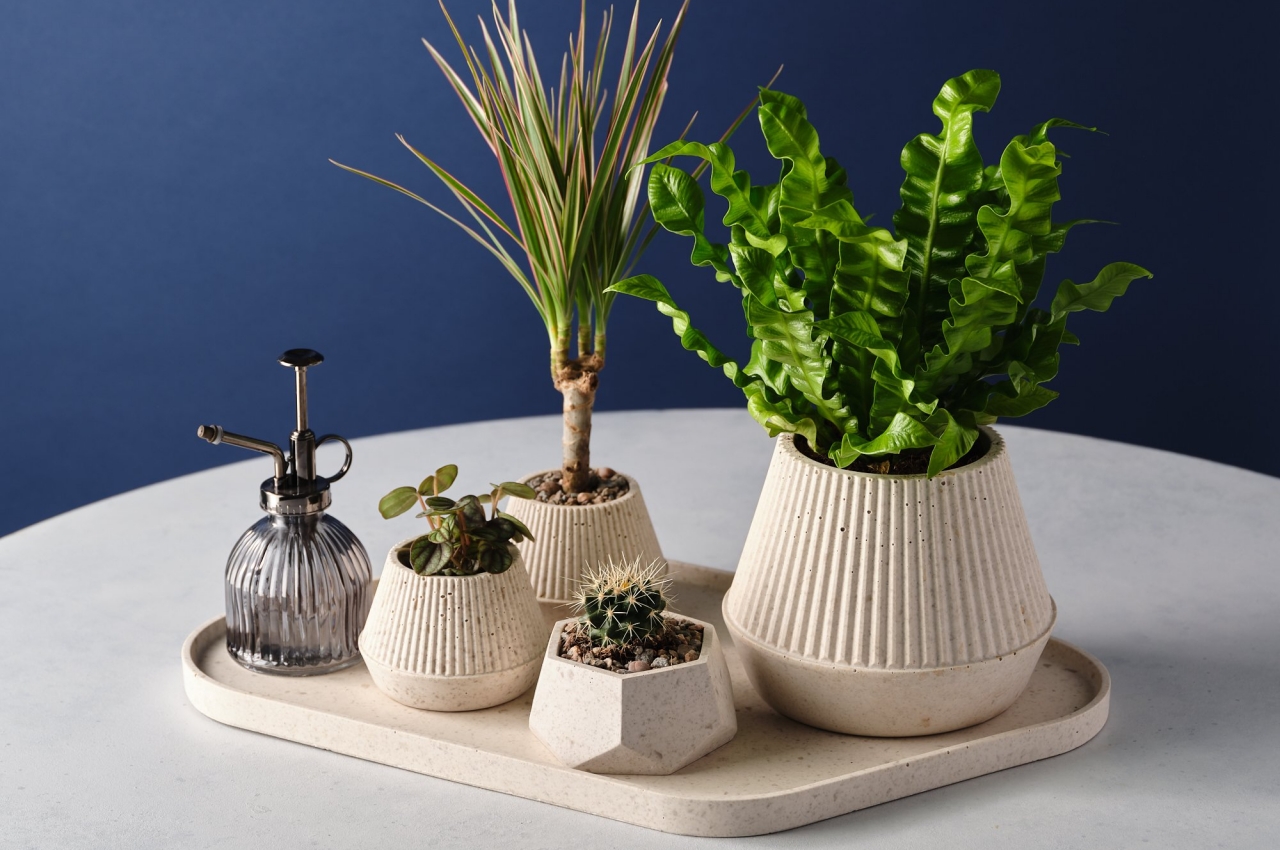
  • The color palette includes white, subtle neutrals, or black while pops of color are incorporated into the bathroom décor via artwork, accessories, bath towels, and fresh greenery.
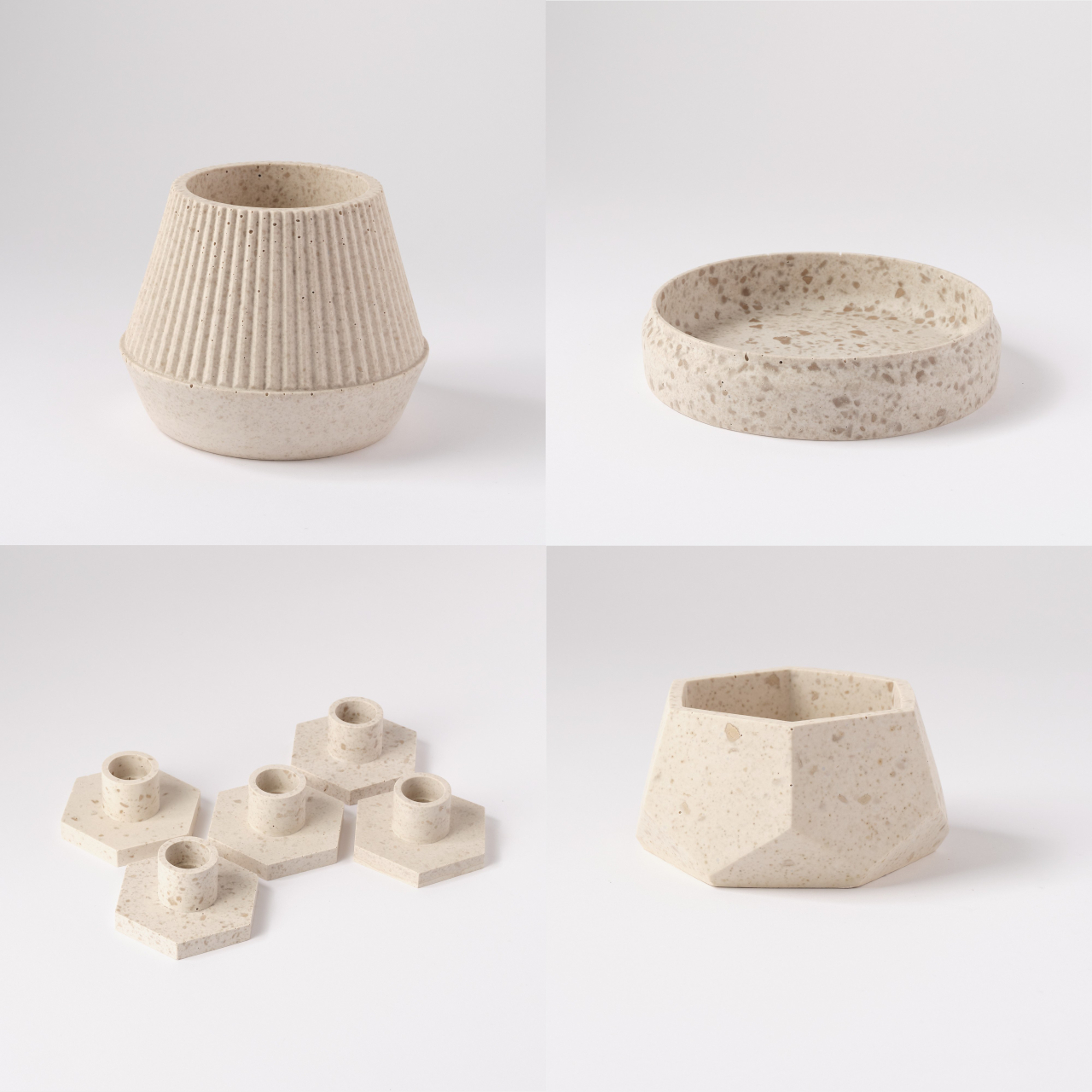
  • The design elements include a floating vanity, a glass shower enclosure, sleek faucets, a frameless mirror, and layered lighting.

Transitional Bathroom

Designer: Decorating Den Interiors

  • A transitional-style bathroom finds a balance between traditional and contemporary. It is a combination of old and new design elements that are functional as well as practical.
  • Some of the materials for the floor and wall treatments include marble, stone, and quartz along with light-hued countertops.
  • Transitional style bathrooms may include a shaker-style vanity, an under-mount sink, patterned floors, dark-finish metals, a pedestal bathtub, a glass shower enclosure, subway tiles, and decorative door handles.
  • The lighting scheme incorporates drum pendants, beautiful chandeliers, and sleek wall sconces.
  • A transitional style bathroom exudes a soft and subtle vibe in both warm and cool hues. For a richer look, one can opt for hues of blue, brown, grey, or wood.

Tropical Bathroom

  • A tropical-style bathroom incorporates materials like stone, wood, plenty of greenery, and a nature-inspired aesthetic.
  • The overall interiors and décor bring in plenty of natural light and incorporate an open-plan layout.
  • Tropical bathrooms focus on lush green foliage.

Victorian Bathroom

Designer: Emma

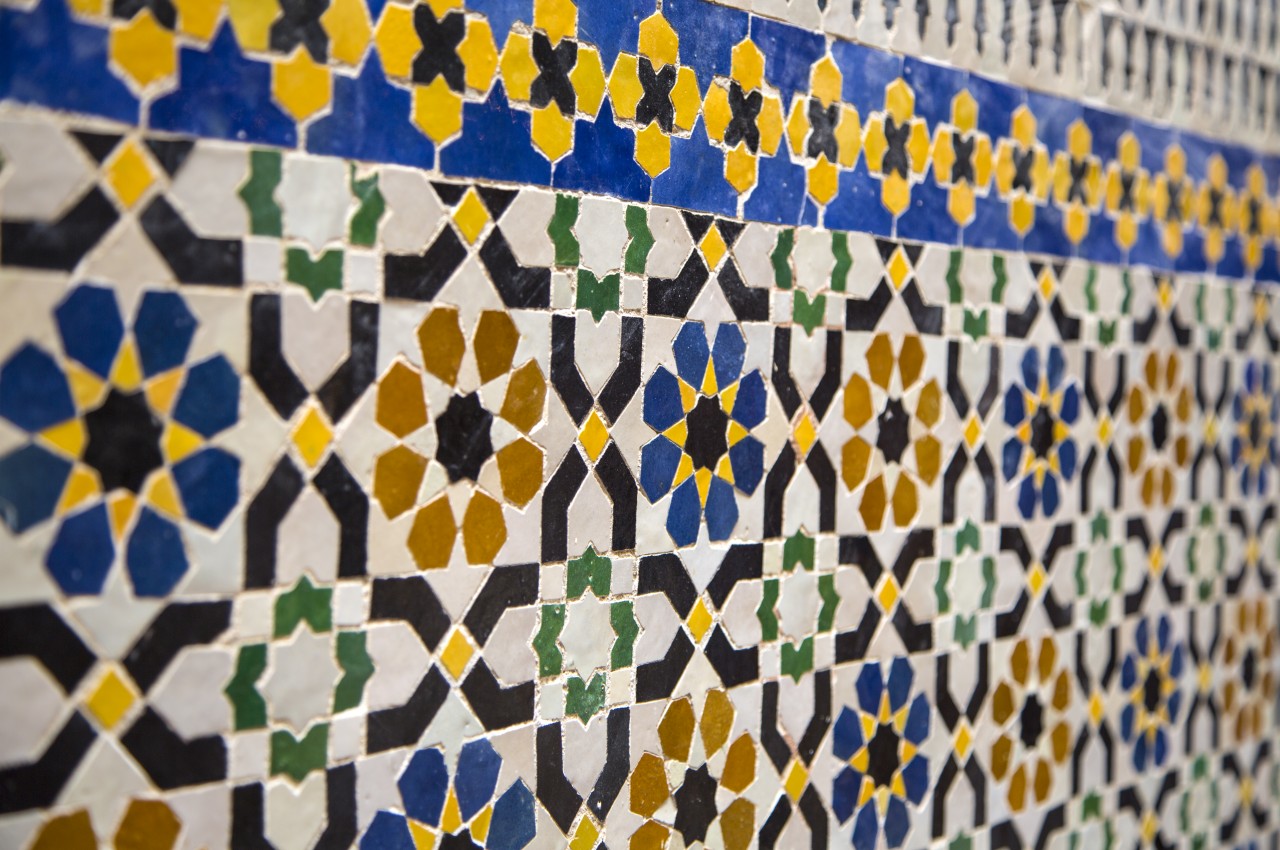
  • Victorian style bathroom features jewel tone tiles in elegant hues coupled with gold trims.
  • The tiles include large floral prints, the classic claw-foot bathtubs, and pedestal sinks.
  • Victorian bathrooms are further accentuated with the use of painted knobs and handles, beautiful rugs as well as a mix of colored woods and finishes.

Scandinavian Bathroom Décor

Designer: Sunny Circle Studio

  • Scandinavian-style bathrooms are always the epitome of elegance, simplicity, and functionality as they are free of clutter and excessive ornamentation. It’s a modern design that promotes optimum utilization of space, focuses on functionality, and does not look cramped.
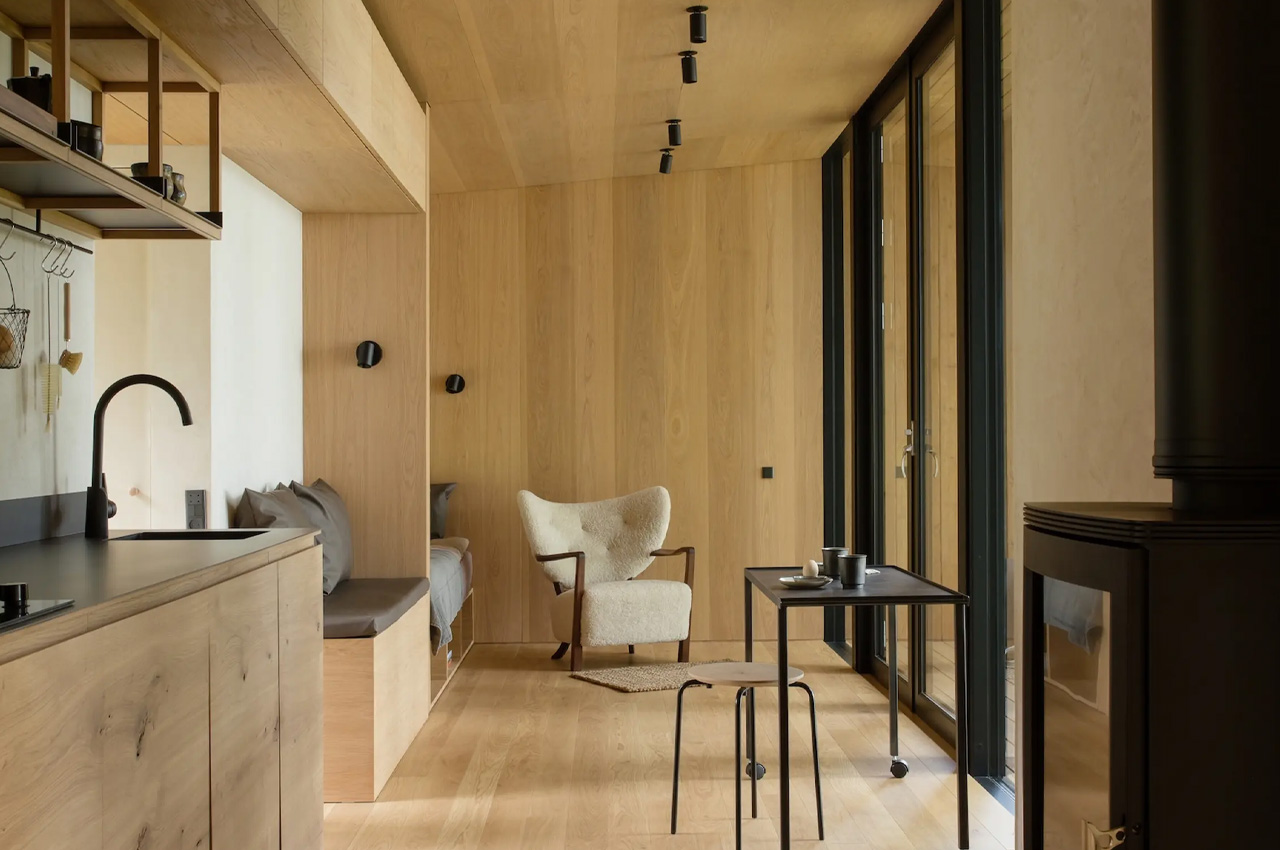
  • One can easily create the Nordic feel with a combination of dark and light colors in the tile materials to create a cohesive aesthetic. This can simultaneously be achieved with the use of wood paneling in the walls and the flooring.
  • Freestanding bathtubs are popular in Scandinavian bathroom decor as they offer extra space. One can accentuate the bathroom with geometric rugs and soft towels.

Mid-century Bathroom

  • The midcentury bathroom is usually designed with vintage furniture and the décor includes attractive details like brushed gold metals and large mirrors to create a bright and airy space.
  • In a midcentury bathroom, color is usually used to accentuate the décor and enhance its visual appeal.
  • Vintage design elements are strategically introduced to enhance the overall décor of the bathroom space.

Nautical Bathroom Décor

Designer: Eclipse Design Studio

  • The nautical or beach-style bathroom décor is inspired by the ocean and its natural beauty. It focuses on natural materials and exudes a calm, relaxing, and breezy vibe within the bathroom.
  • The maritime theme is designed in coast-inspired colors with cool shades of ocean blue that create a casual and easygoing décor combined with colors inspired by the hues of the sun, sand, and sea. One can also opt for a vibrant color scheme in tropical colors like hues of green and bold corals.
  • It is highly recommended to decorate the bathroom with durable finishes and anything that is reminiscent of the ocean like jute fabrics, seashells, pebble tiles, weathered wood, mother-of-pearl, ocean-themed art, and sand.
  • The design features of the bathroom include a spacious shower, bathtub, and vanity-style sinks.

Industrial Themed Bathroom Décor

Designer: Art Facade

  • Industrial-themed bathrooms are inspired by the design of warehouses that are simple and functional spaces.
  • The design focuses on bold colors, and high contrast and is all about minimalism.
  • The materials used in an industrial-themed décor include mixed wood, white accent, marble countertops, and hard-wearing surfaces. The raw surfaces can include materials like brick for the walling, stainless steel, corrugated steel panels, concrete, and cinderblock.
  • The components of an industrial-themed bathroom décor include a glass and steel shower enclosure, trough and basin sinks, and white subway tiles. The use of exposed ducts, wire, and tubes offers a raw and unfinished design which contributes to the industrial look.
  • The raw materials determine the color palette of an industrial-style bathroom with the use of an occasional pop of saturated color. One can enhance the aesthetics by hanging exposed lights, metal mirrors, and a concrete bathtub.

Traditional Bathroom

  • Traditional bathrooms look timeless as they use familiar design elements that are comfortable to use.
  • It celebrates classic materials, and decorative details like the use of wainscoting, wallpaper, and decorative molding.
  • A lot of detail and rich character can be found in this style, which features unique tilework, calming colors, and elegant materials such as marble which is used for the floor and wall treatment and stainless steel for the vanity and sink stands. The other materials include the use of porcelain and acrylic.
  • Some of the key features include a furniture-style vanity, dressing table, elegant stone countertops, and a classic claw-foot or pedestal-style bathtub.
  • The lighting design includes antique-style light fixtures.
  • The color palette of a traditional bathroom décor includes subtle neutrals in soft shades of blue and green. For a richer look, one can consider hues of blue, brown, grey, and dark wood tones.

Although there are endless choices when it comes to bathroom décor, you can select various décor items for each style and create a bathroom that resonates with you.

The post What are the Different Bathroom Decor Styles first appeared on Yanko Design.