If you would like to easily transfer photos, documents, videos and more from one iPhone to another or perhaps from your iPhone to someone else’s Mac computer. You will be pleased to know there is a very easy way to do this on iOS 17 using all Apple devices whether it be your iPhone, iPad […]
Let’s face it, sometimes laziness isn’t a vice, it’s a survival strategy. In our hyper-connected world, constantly striving for peak productivity can be as exhausting as it is unrealistic. But what if there was a way to embrace your inner sloth while still getting things done? Enter ChatGPT, the AI-powered language model that’s like a […]
Apple has been noticeably missing in the list of companies with their own generative AI product, but based on a new report by The New York Times, it's looking to change that real soon. In recent weeks, Apple has reportedly started negotiating with major publishers and news organizations to ask for permission to use their content to train the generative AI system it's developing. The company doesn't expect to get its hands on their content for free, though, and The Times says it's offering them multi-year deals worth at least $50 million for access to their news archives.
Apparently, some of the publishers it approached are concerned about the repercussions of letting Apple use their news articles throughout the years. They think a broad licensing deal for their archives could lead to legal issues along the way. The publishers are also concerned about the potential competition that may arise from Apple’s efforts.
That said, the iPhone-maker also reportedly built goodwill simply by asking them for permission and showing willingness to pay. The Times says the company’s higher-ups have been in discussion over where to get data for generative AI development for years now. Due to its commitment to privacy, they’ve been hesitating to use information collected from the internet.
Other companies with generative AIs of their own had been accused of stealing content and using it to train their products without express consent from creators and rights holders. OpenAI, for instance, is contending with several lawsuits that accuse it of using other people’s intellectual properties. One of those lawsuits was filed by novelists that include George R.R. Martin and John Grisham, while another was filed by nonfiction authors who said OpenAI and Microsoft have built a business “valued into the tens of billions of dollars by taking the combined works of humanity without permission.”
This article originally appeared on Engadget at https://www.engadget.com/apple-is-reportedly-looking-to-team-up-with-news-publishers-to-train-its-ai-074348010.html?src=rss
Apple has been noticeably missing in the list of companies with their own generative AI product, but based on a new report by The New York Times, it's looking to change that real soon. In recent weeks, Apple has reportedly started negotiating with major publishers and news organizations to ask for permission to use their content to train the generative AI system it's developing. The company doesn't expect to get its hands on their content for free, though, and The Times says it's offering them multi-year deals worth at least $50 million for access to their news archives.
Apparently, some of the publishers it approached are concerned about the repercussions of letting Apple use their news articles throughout the years. They think a broad licensing deal for their archives could lead to legal issues along the way. The publishers are also concerned about the potential competition that may arise from Apple’s efforts.
That said, the iPhone-maker also reportedly built goodwill simply by asking them for permission and showing willingness to pay. The Times says the company’s higher-ups have been in discussion over where to get data for generative AI development for years now. Due to its commitment to privacy, they’ve been hesitating to use information collected from the internet.
Other companies with generative AIs of their own had been accused of stealing content and using it to train their products without express consent from creators and rights holders. OpenAI, for instance, is contending with several lawsuits that accuse it of using other people’s intellectual properties. One of those lawsuits was filed by novelists that include George R.R. Martin and John Grisham, while another was filed by nonfiction authors who said OpenAI and Microsoft have built a business “valued into the tens of billions of dollars by taking the combined works of humanity without permission.”
This article originally appeared on Engadget at https://www.engadget.com/apple-is-reportedly-looking-to-team-up-with-news-publishers-to-train-its-ai-074348010.html?src=rss
Well-known in the world of gaming laptops, MSI has revealed its new flagship gaming laptop, the Titan 18 HX, which is poised to revolutionize the gaming laptop industry. The Titan 18 HX will be the world’s first laptop to feature an 18″ 4K/120 Hz Mini LED display, a groundbreaking achievement that sets a new standard […]
There’s something that every audiophile out there needs – an arsenal of excellent audio devices to blast out some groovy music at their parties, or to sing along to their favorite tunes alone in the comfort of their room. Whatever your musical need may be, it is integral to own clear, distortion-free, nifty, and interactive audio devices. And, we’ve curated a collection of unique and innovative audio designs to cater to people’s diverse range of diverse audio requirements. From an invisible turntable to a Nothing-inspired resurrected iPod – there’s an ideal audio device in here for everyone!
1. The Black Wheel
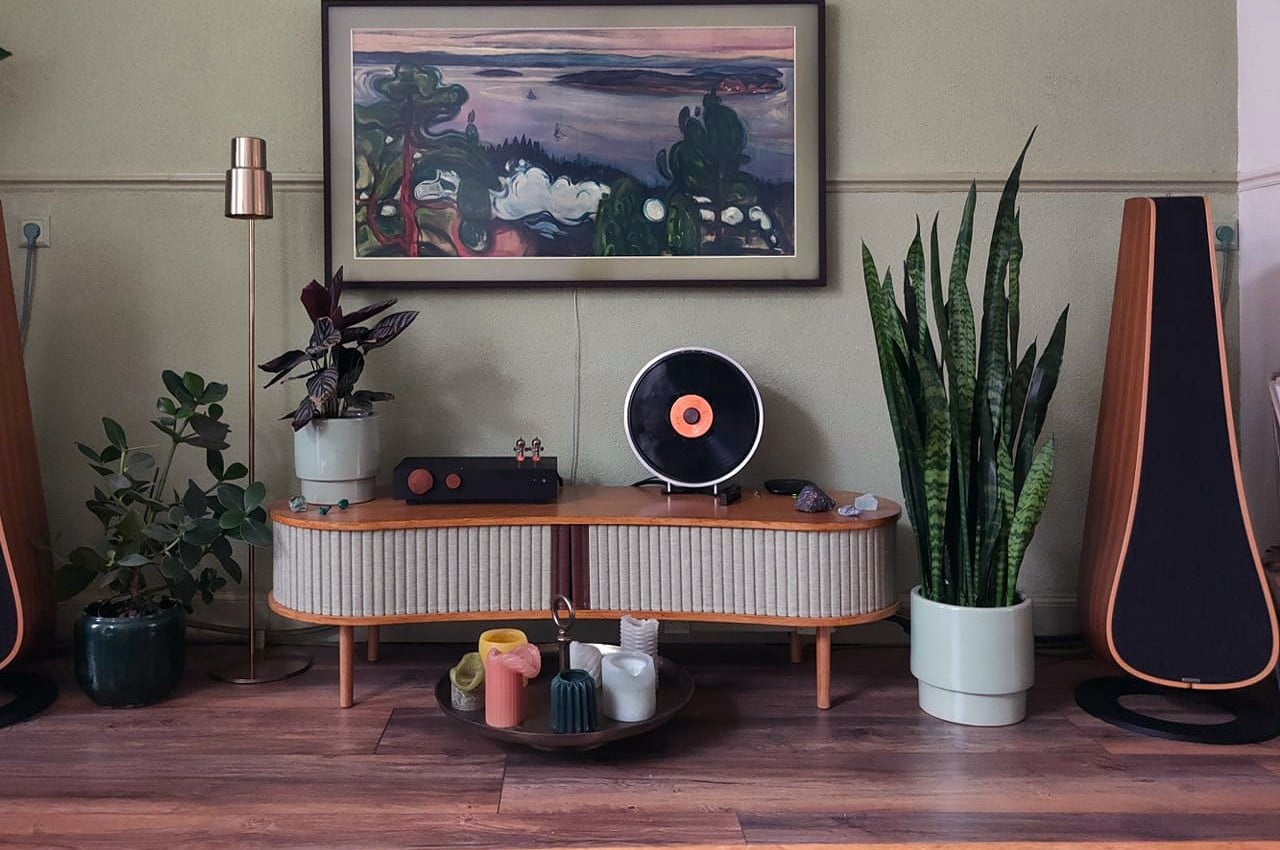
Dubbed the Black Wheel, this is the latest version of the Wheel design by Miniot. The innovative Black Wheel smartly conceals the electronic and mechanical components under the record, this ensures that the various parts are seated within a thin circular body, which disappears the instant you put a record on.
Why is it noteworthy?
The illusion created by the Black Wheel is more apparent when you stand it upright, however, it does have an alluring minimalist charm even if you lay it horizontally. It also features a unique control system, that is felt but can be hardly seen.
What we like
Has an incredibly thin body, that doesn’t compromise the audio quality at all
What we dislike
Has a bit of an old-fashioned charm which may not be preferred by those who like modern aesthetics
2. Wall Hanging CD Cover Player
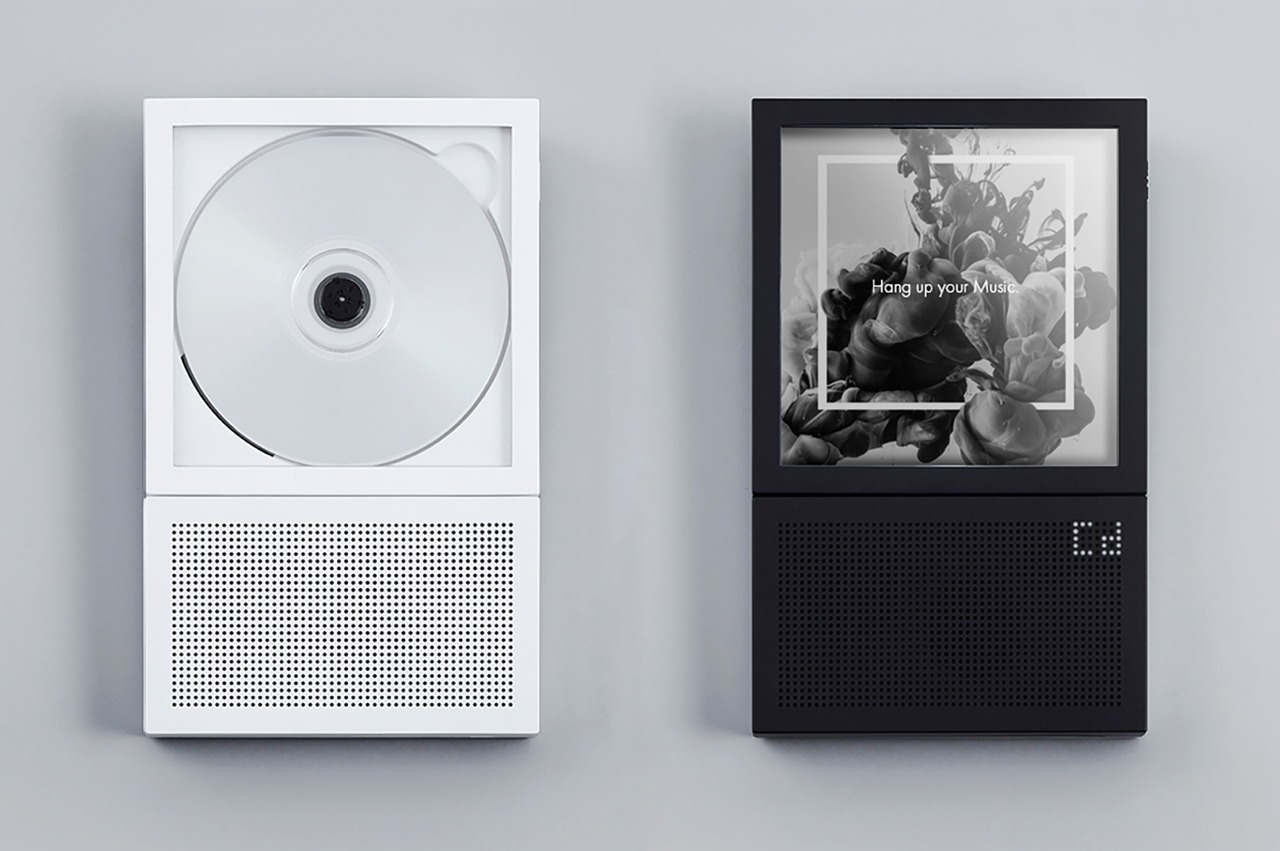
With an innovative retro design, this minimalist CD player perfectly merges a distinctive listening experience with the impact of visual art. You don’t need to put aside the CD jacket or sleeve, all you have to do is simply slip it inside the specially-designed pocket, creating a beautiful display for you.
Displaying this CD player is the physical equivalent of displaying digital album art. Still, it also allows you to boast the fact that you own the physical original CD as well.
What we like
Features an incredibly portable design, showcasing a 40mm full-range speaker and a woofer unit, allowing you to listen to your music by placing it in your room or while traveling
Equipped with a 1800mAh battery that offers 7-8 hours of unparalleled audio experience wherever you go
What we dislike
Solely an analog style of listening to music, it does not support syncing music or playlists with any digital medium
3. Sony Conceptual Earbuds
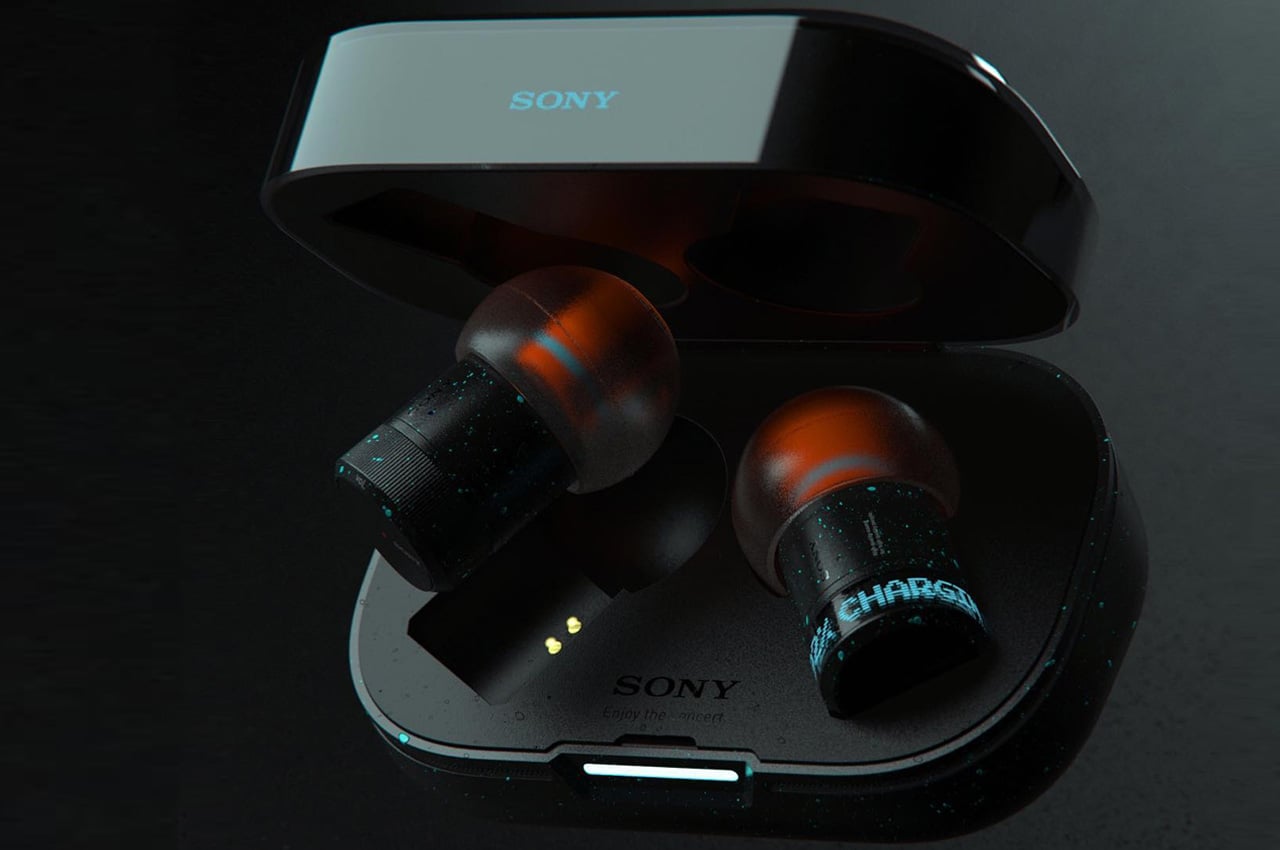
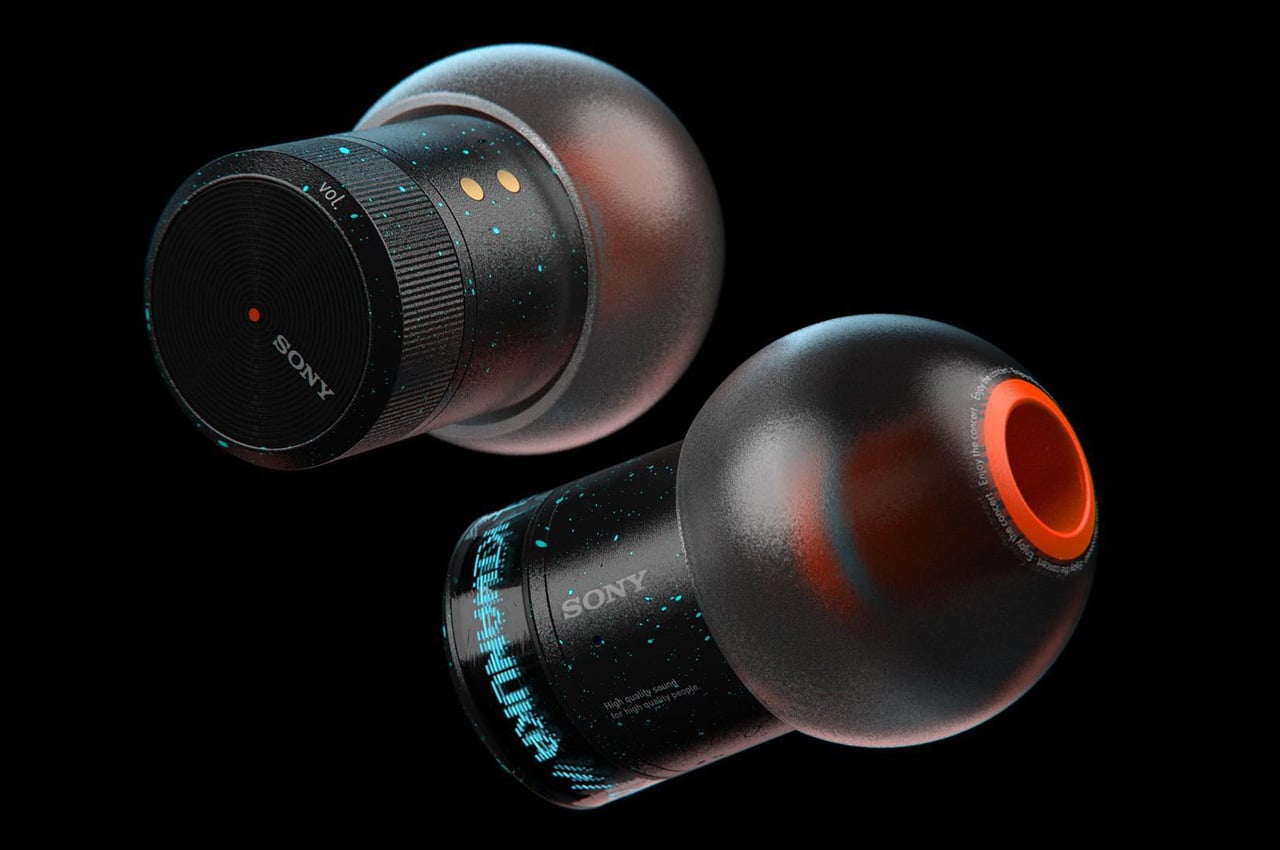
Designed by Marc Senar, this conceptual audio accessory is designed for the tech-savvy crowd who want to boast their earbuds in style. It features an innovative display on the charging case, and on the stem of one of the earbuds. The other bud stem is equipped with a volume control knob.
Why is it noteworthy?
This unique display gives the listener an idea of the charge levels during the juicing up session in the case, or when they are being utilized. The charging case also showcases the track being played, the play seek bar, the start/stop button, and the track toggle buttons.
What we like
Has a unique Cyberpunkish-vibe
What we dislike
It’s a concept, so we don’t know how ergonomic it will be when translated into an actual product
4. ERA
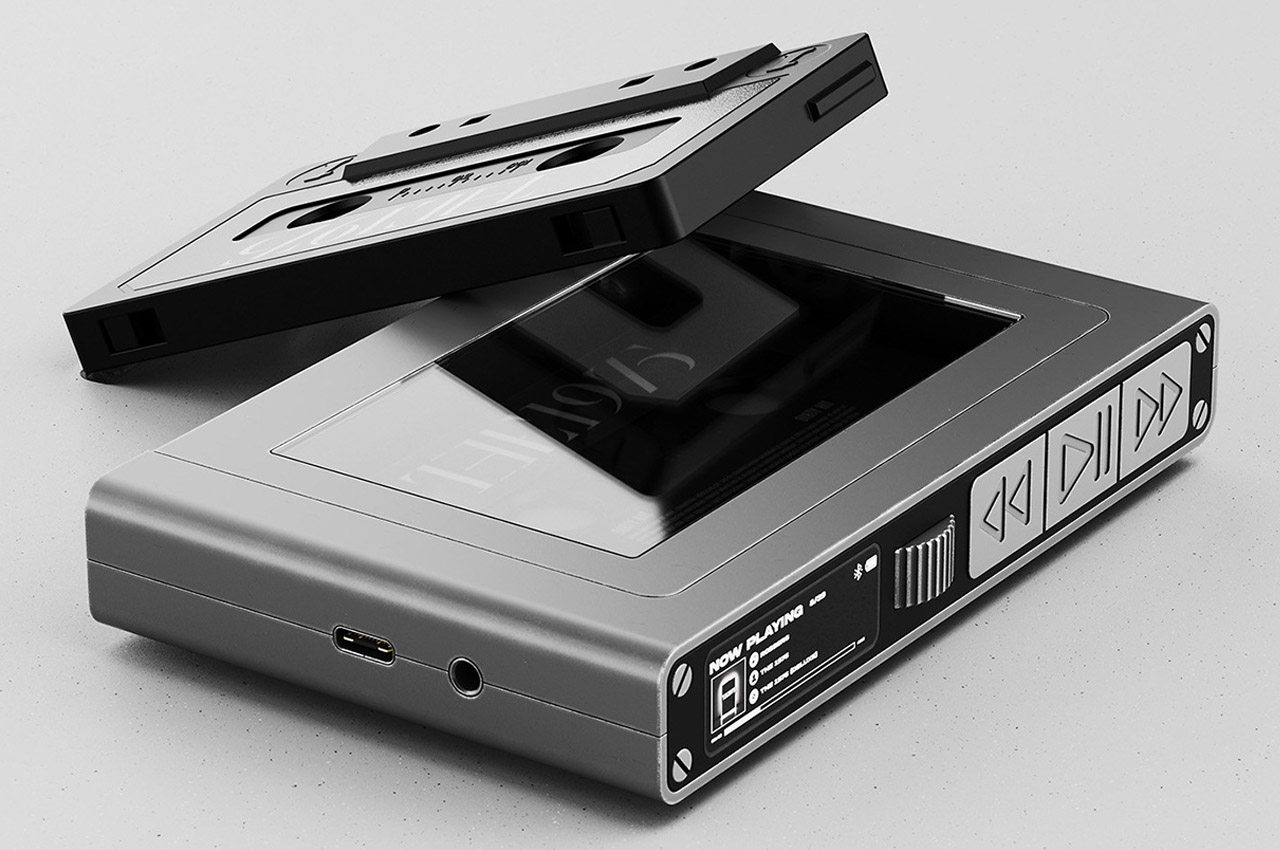
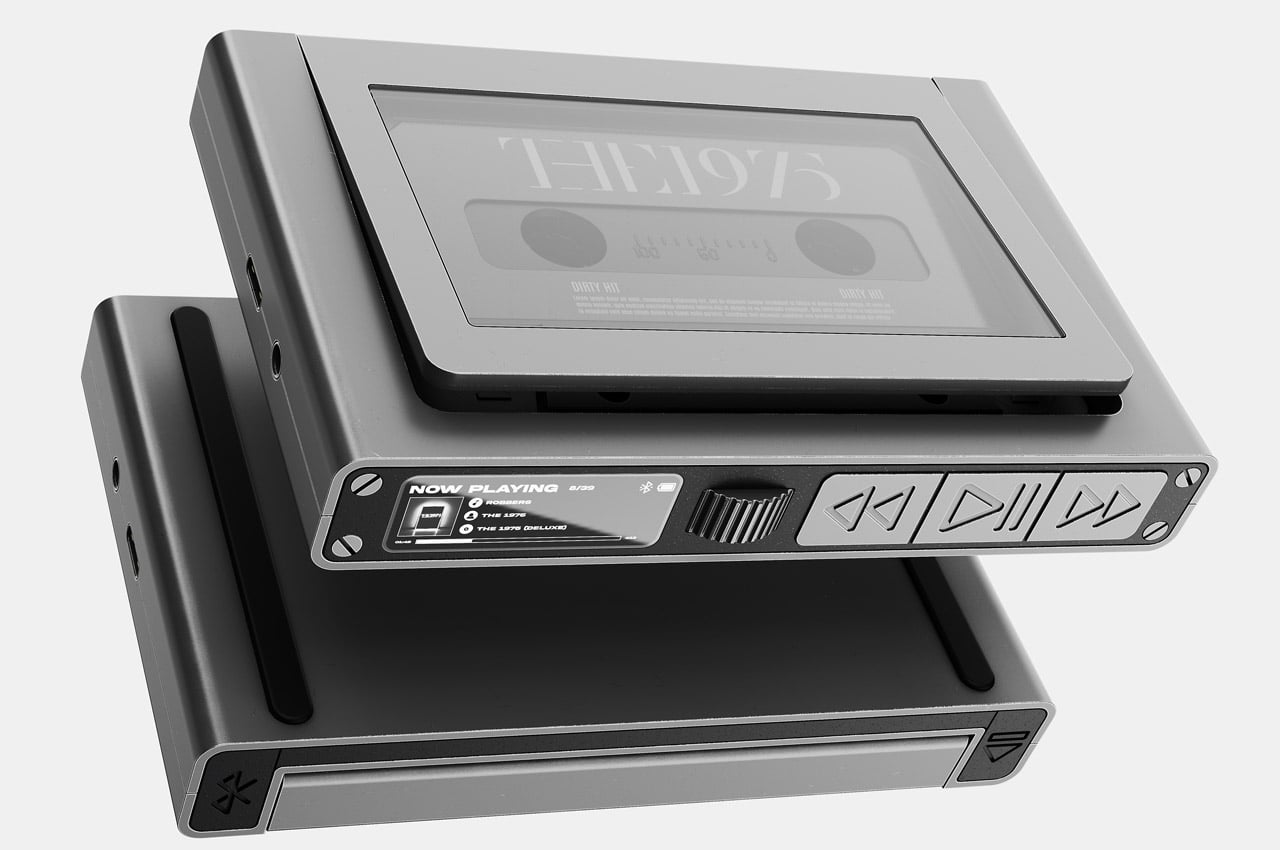
ERA is a retro-modern portable cassette tape player that features Wi-Fi, Bluetooth connectivity, and a 3.5mm jack to plug in your headphones of choice. It combines a retro aesthetic with modern functionality, creating a unique product with the best of both worlds or generations to be accurate.
Why is it noteworthy?
To feature modern functionality, the ERA is equipped with a small display beside the physical play/pause and track change buttons. Although a volume knob much like the radio sets of the past is located between the buttons and the display.
What we like
Can be connected to your smartphone via Bluetooth
What we dislike
Not intended for those who may have a bias towards the medium they’re consuming their favorite music on
5. Battery-free Amplifying iSpeakers
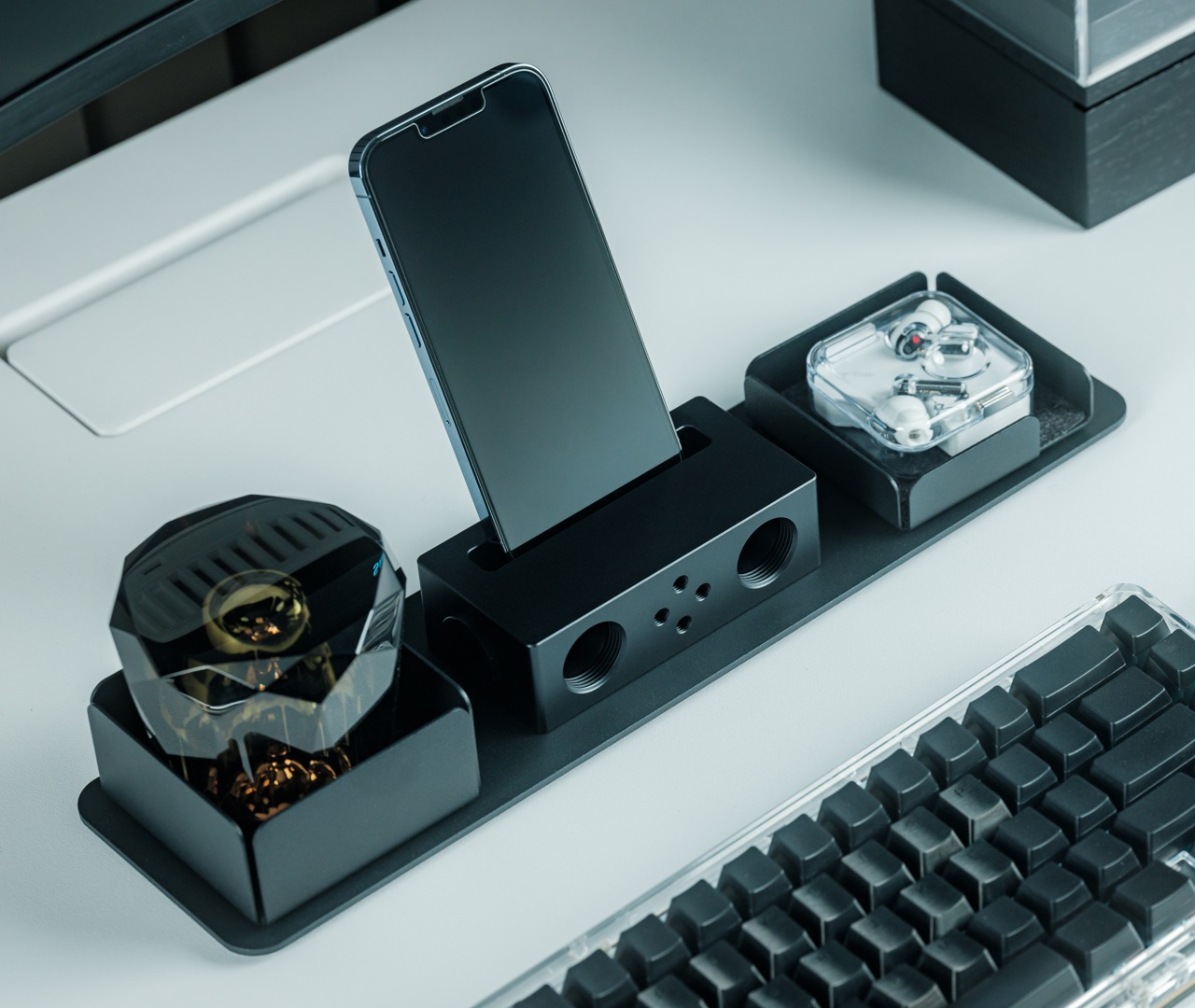
Say hello to this battery-free iPhone speaker! It is a unique and exciting upgrade to the typical no-power smartphone speaker. It is made using metal, unlike other speakers on the market, offering you a product with boosted functionality and value, making it stand apart from the crowd.
The speaker is built using Duralumin, which is a type of aluminum alloy that is utilized in the aviation and aerospace industries, as it is vibration-resistant and durable. You simply need to insert your smartphone into the speaker and feel the sound surround you from all sides.
What we like
It is an electricity speaker that doesn’t need any power to use
A minimalist and unique aesthetic that is captivating to look at
What we dislike
Will not fit with bulky smartphone cases
6. The Sole Speaker
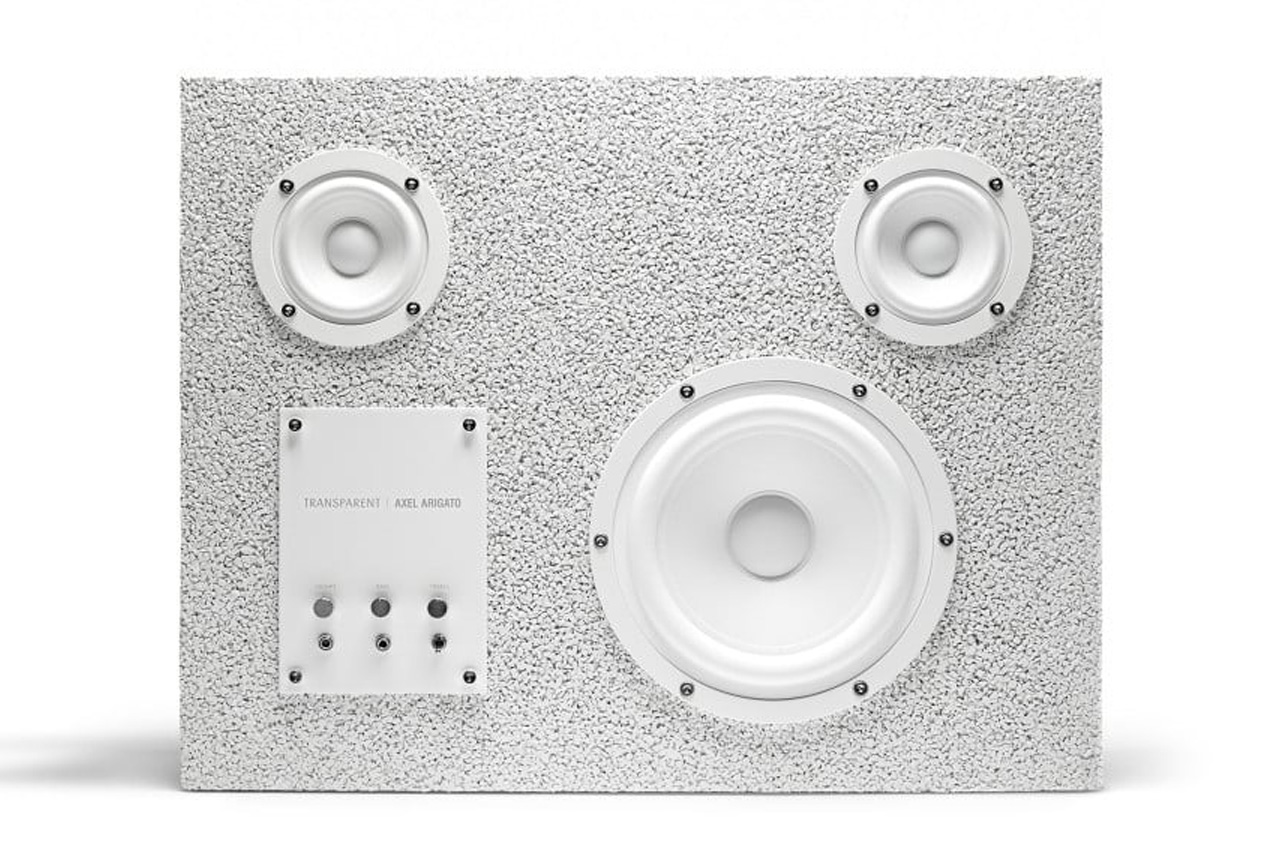
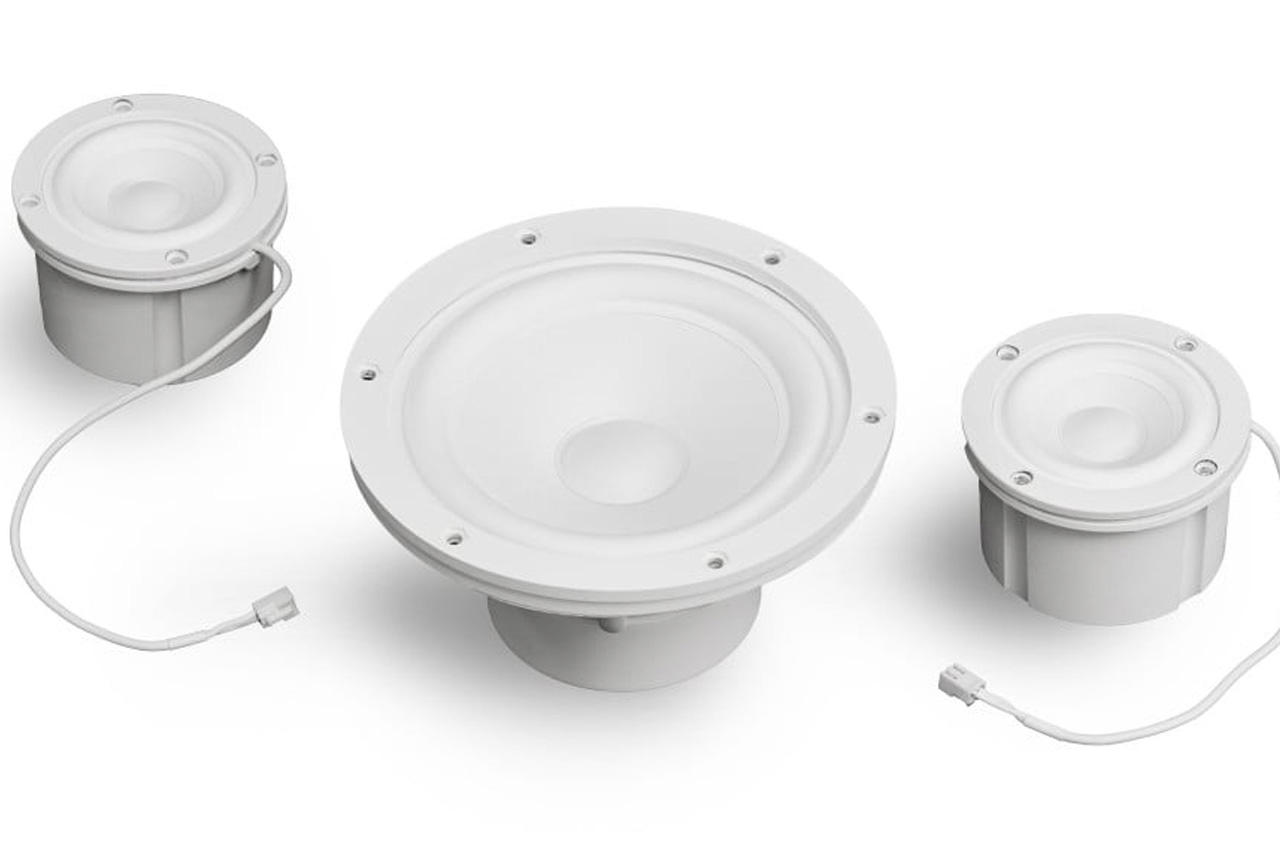
The Sole Speaker is essentially a waste material transformed into a unique design and audio object. They took the rejected soles from Axel Arigato sneaker production and upcycled them to create this innovative speaker cabinet. The cabinet is 97% upcycled sneaker soles and holds the TS-W modules.
Why is it noteworthy?
The Soler Speaker sheds light on how a circular material concept was utilized to create a speaker. Rubber waste was elevated by using waste from the sneaker soles molding process to create the cabinet of a speaker, providing rubber granules with a three-dimensional shape.
What we like
It is a prime specimen of circular design and upcycling
What we dislike
The parts cannot be easily replaced
7. Nothing Npod (1)
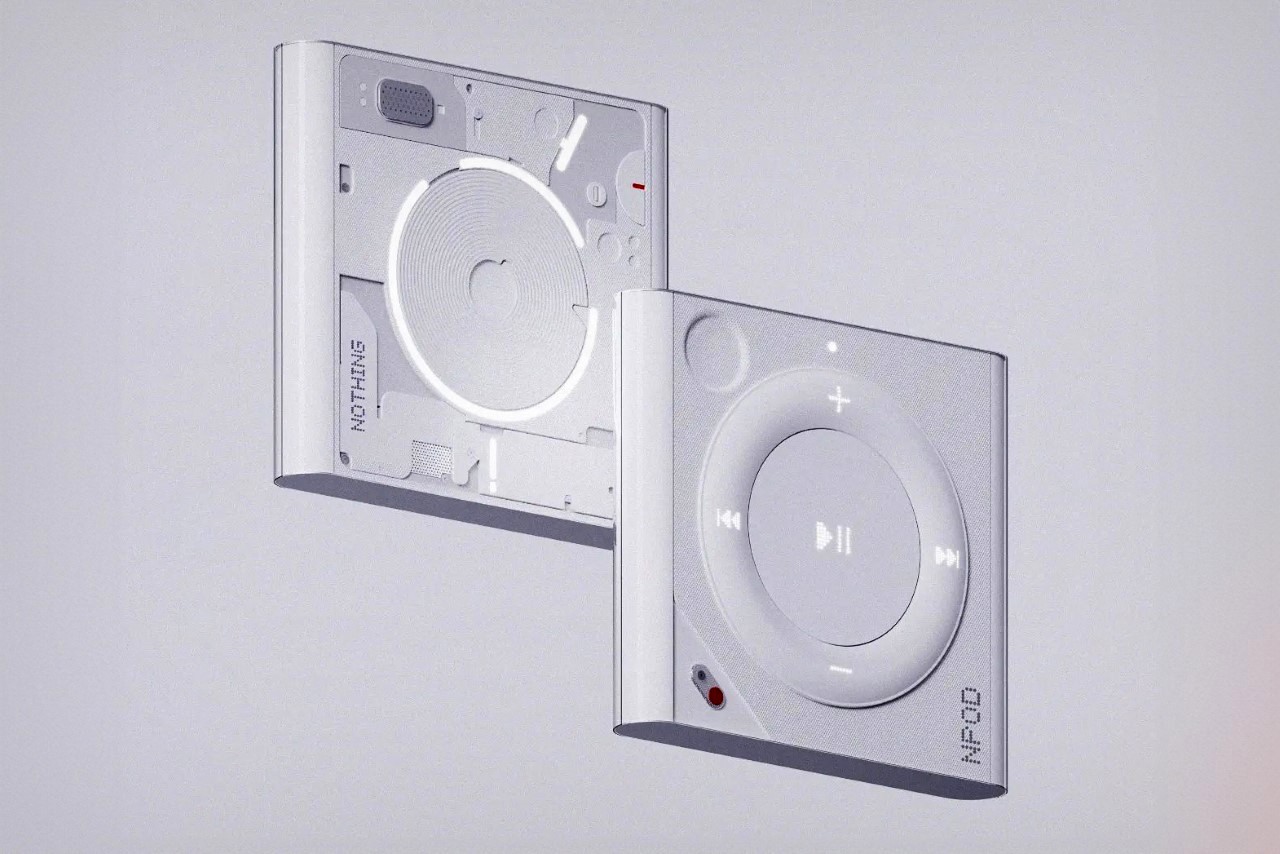
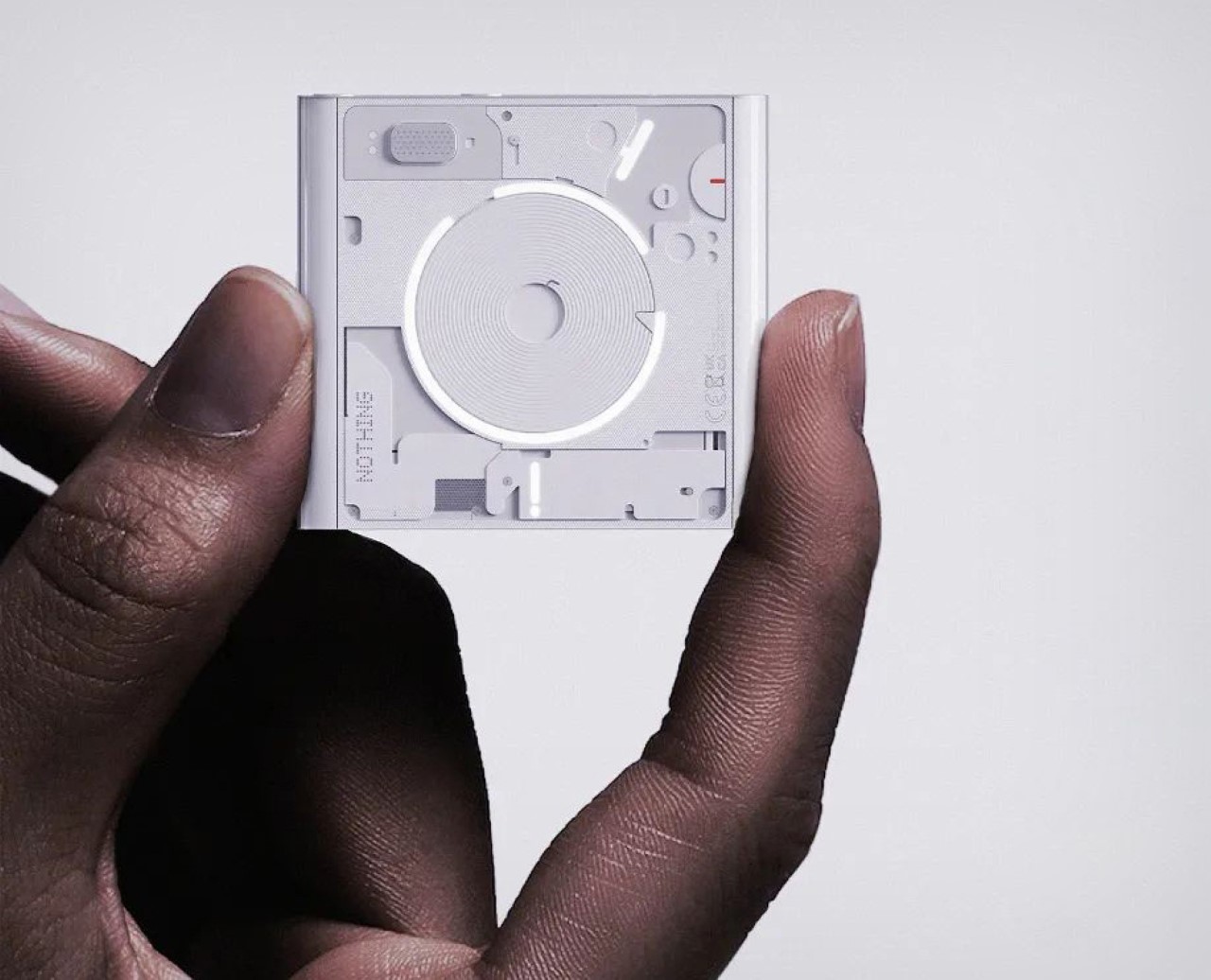
Dubbed the Nothing Npod (1), this resurrected iPod by Shreyansh Onial and Aditya Pandharpure pays tribute to Apple’s iconic iPod Shuffle, as well as Nothing’s signature transparent aesthetic and glyph interface. It reflects how Nothing may be able to transform the music industry through technology and nostalgia.
Why is it noteworthy?
It features a signature control panel on the front, as well as a matching circular glyph interface on the back, truly functioning as a fan-made reinterpretation of the iPod Shuffle. It also has a wireless charging coil on the back, as well as a USB-C charger on the bottom.
What we like
Perfectly combines the design language of Apple and Nothing, creating a truly groundbreaking audio device
What we dislike
Doesn’t feature a pocket clip that would allow you to attach it to your clothes for easy control and usage
8. Tempo
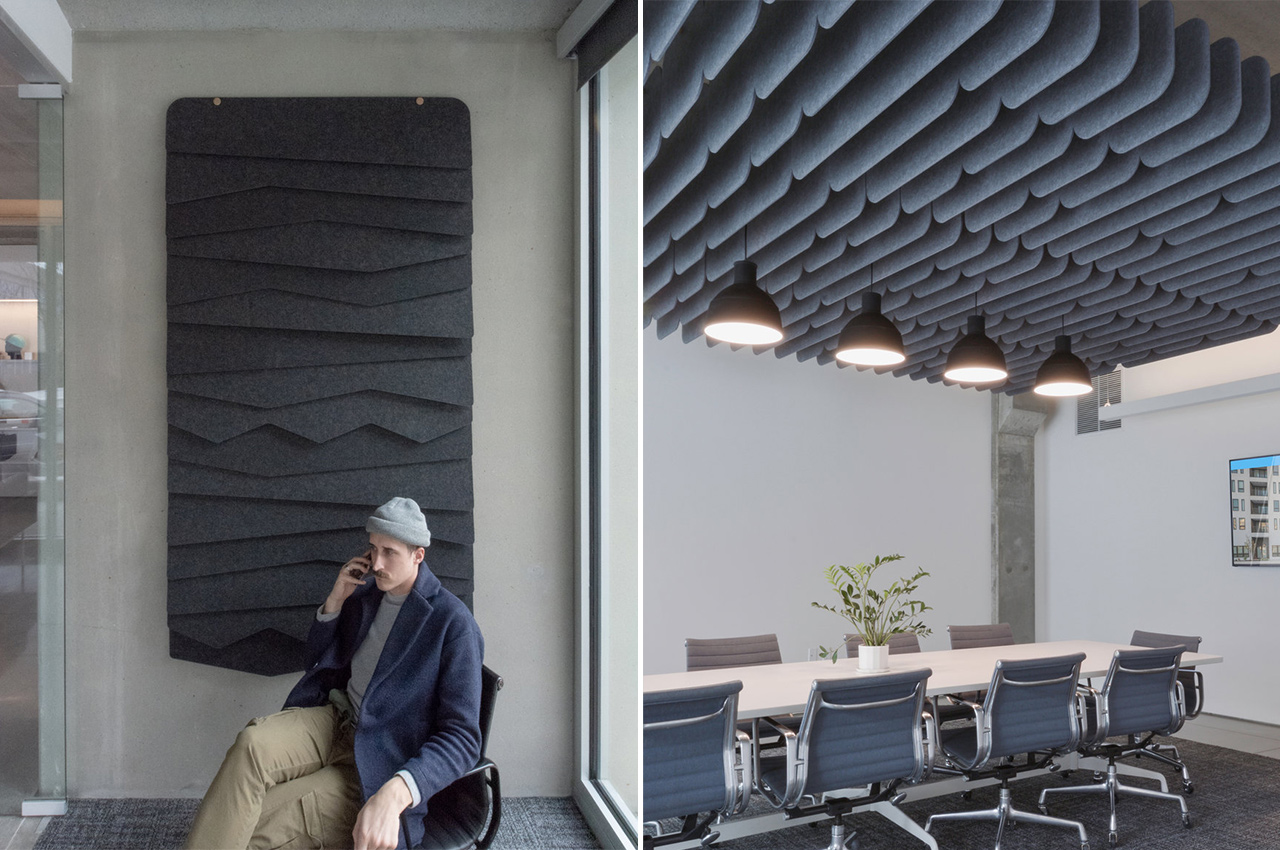
Tempo is an IKEA-inspired modular wall and ceiling baffle system that absorbs any sound, making a space sound-proof, while also doubling up as art for your room. It includes 12 modules, and each module and system can be attached to work across the ceiling and the wall.
Why is it noteworthy?
Since the modules can be attached, it allows you to build your customizable art that matches. Each panel can be easily layered and is available in different colors, which when unified together, create a lovely and complete art piece.
What we like
It is a fun and engaging experience for those designing, installing, and experiencing the design
What we dislike
Geometric design may not align with everyone’s taste or interior decor
9. Nothing Head (1)
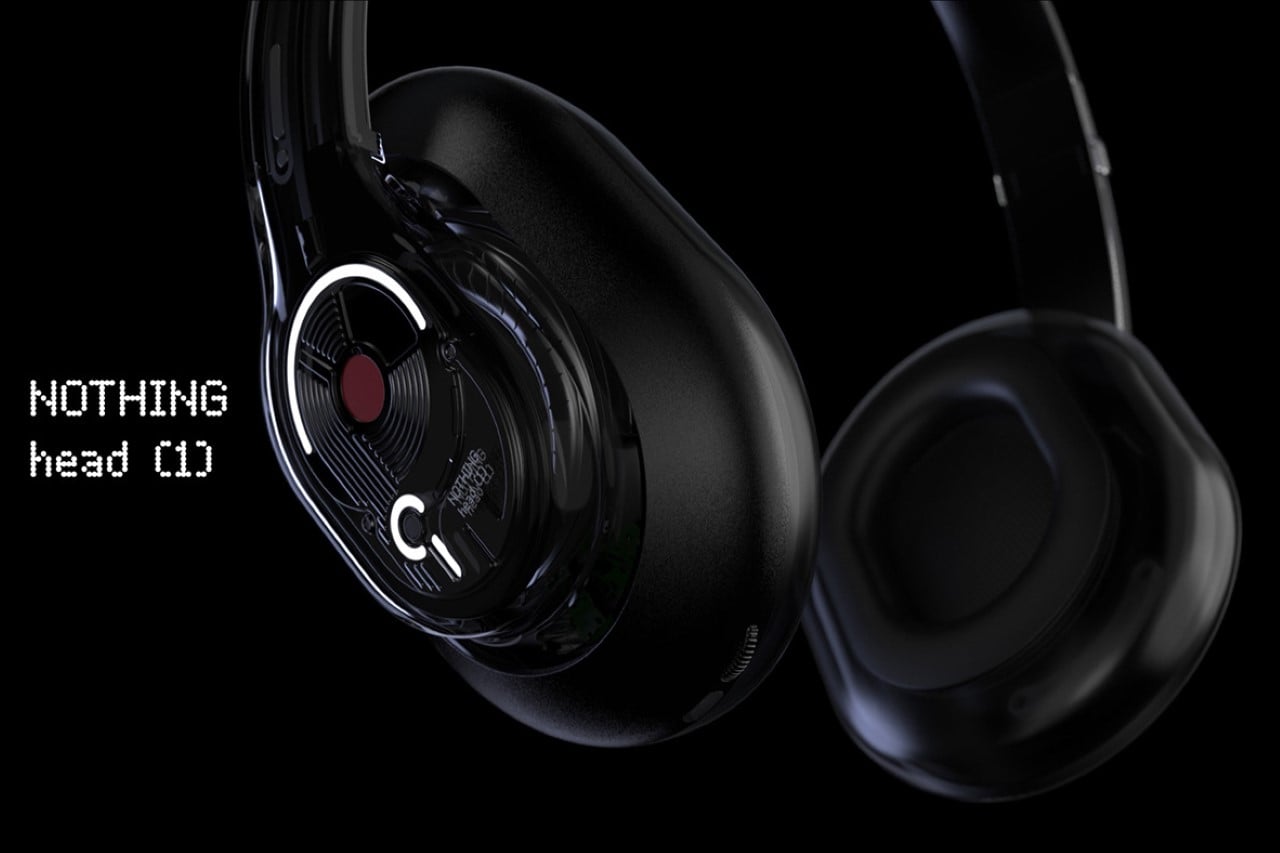
These conceptual pair of over-ear cans are called the Nothing Head (1), and they’re inspired by Nothing’s design language and company DNA. The Head (1) is open, transparent, and extremely fun, and comes with its own Glyph Interface.
Why is it noteworthy?
The Glyph Interface takes the usual audio experience of a headphone and transforms it into an audiovisual one. It also signifies the branding of the headphones, while also functioning as a notification light to let you know if your headphones are connected, or to let others know you’re listening to music and don’t wanna be bothered!
What we like
Features transparency-focused design that lets you see underneath the hood
What we dislike
While innovative, the Glyph could be seen as overly flashy or distracting for some users.
10. Earbugs
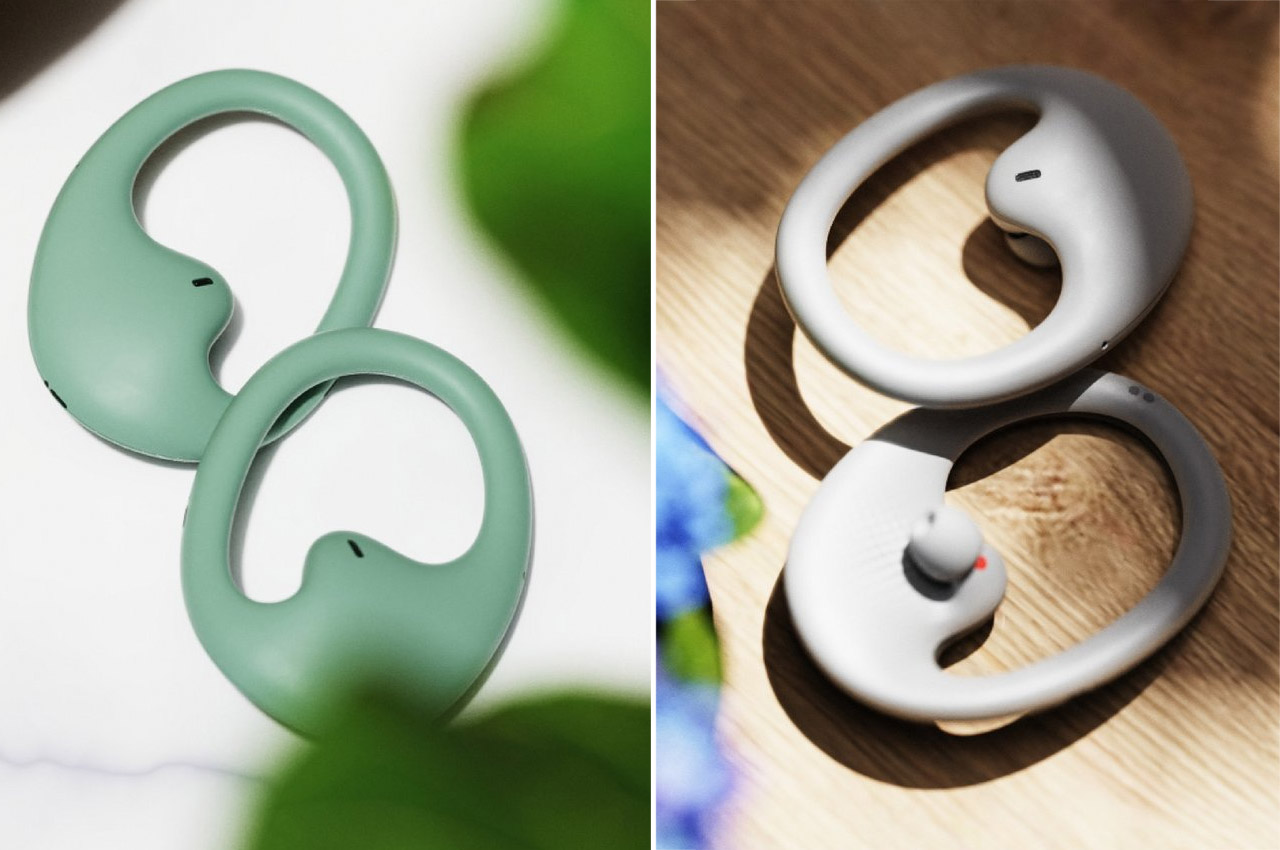
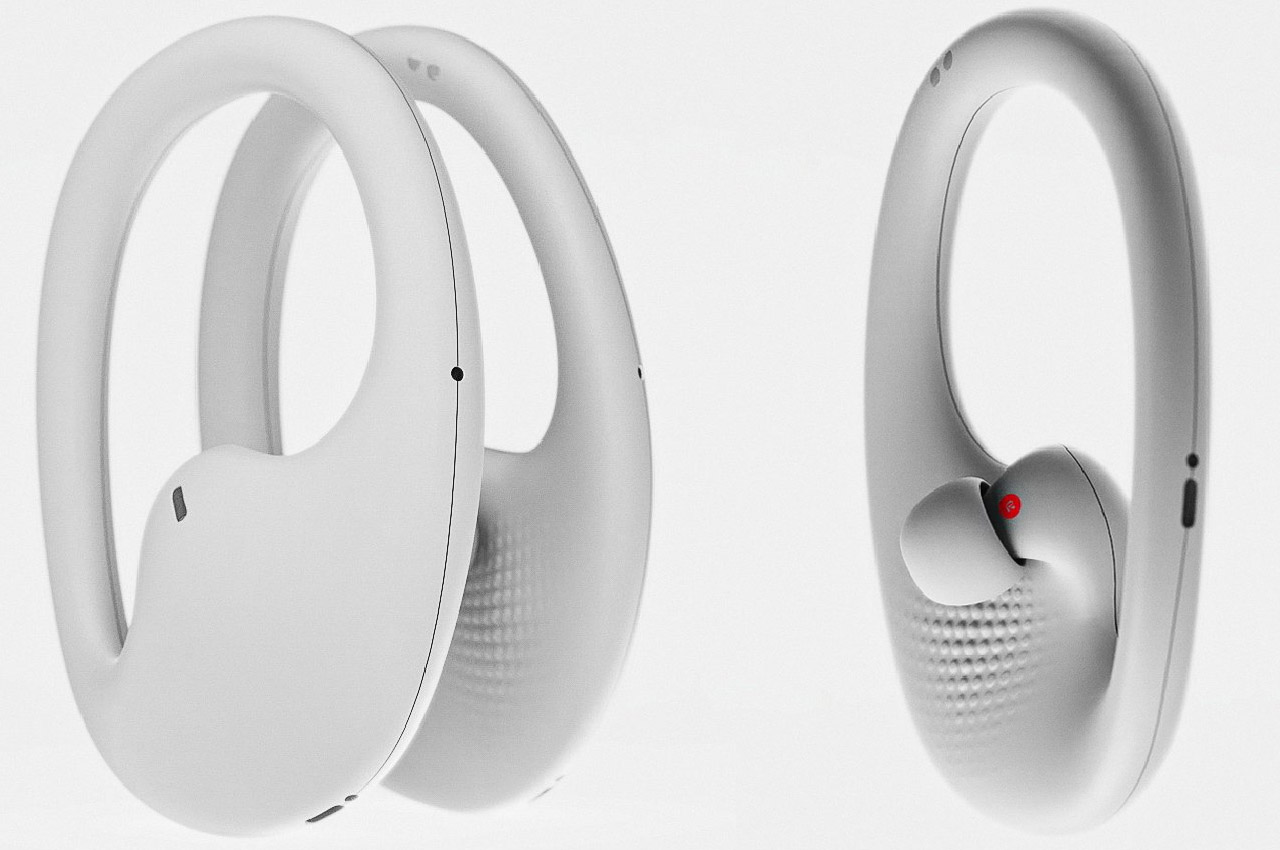
This unique audio accessory provides an innovative audio experience for the listener by merging the goodness of in-ear sound isolation of wireless earbuds with the abilities of bone conducting technology to provide users with a comfortable and top-notch experience.
Why is it noteworthy?
The combination of bone conduction with the earbuds’ dynamic drivers creates a 3D soundscape to provide a never-before audio delivery. The ergonomically shaped earbuds are ideal for fitness and outdoorsy enthusiasts offering them a decent water-resistant rating.
What we like
Features bone conducting technology for superior transparency mode
What we dislike
Not ideal for bedtime listening, since they don’t seem to be comfy to use while sleeping or lying on one side
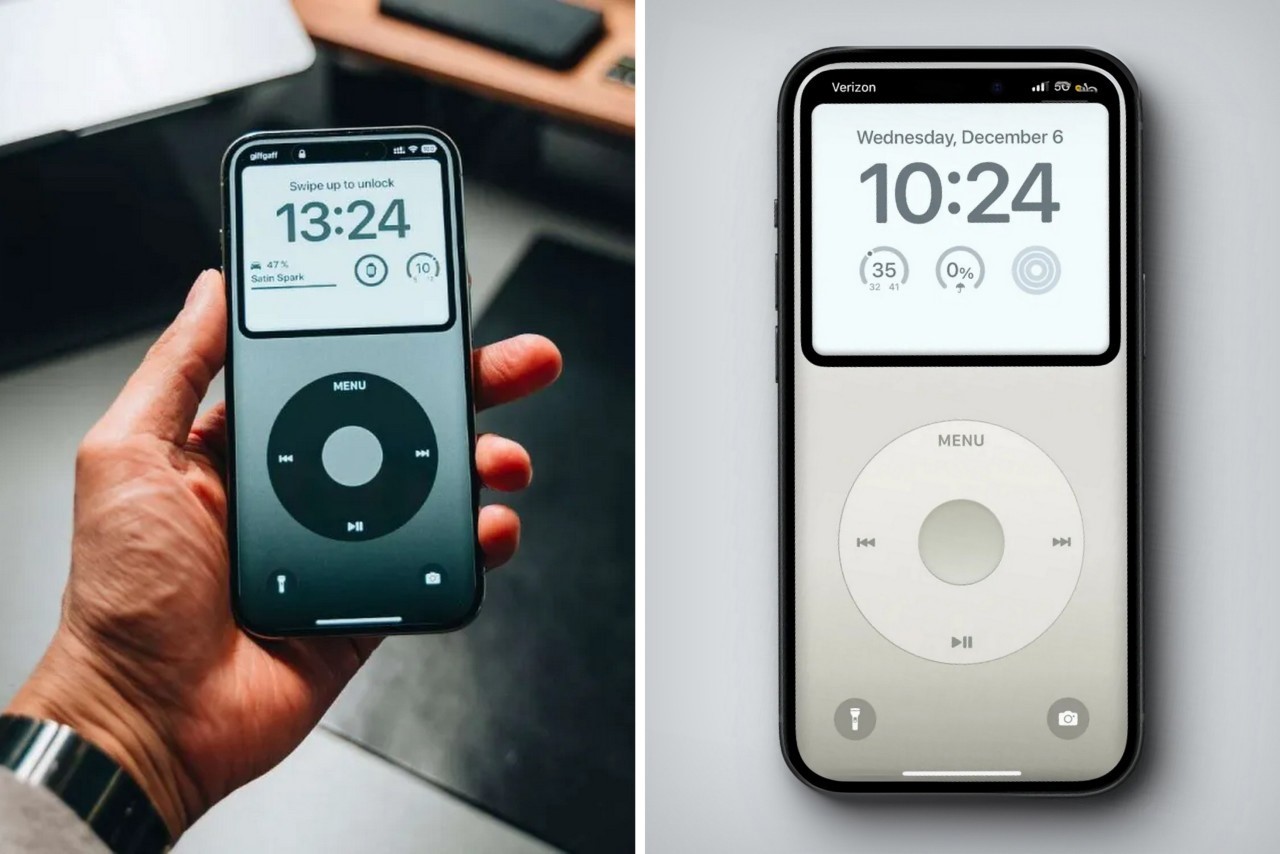
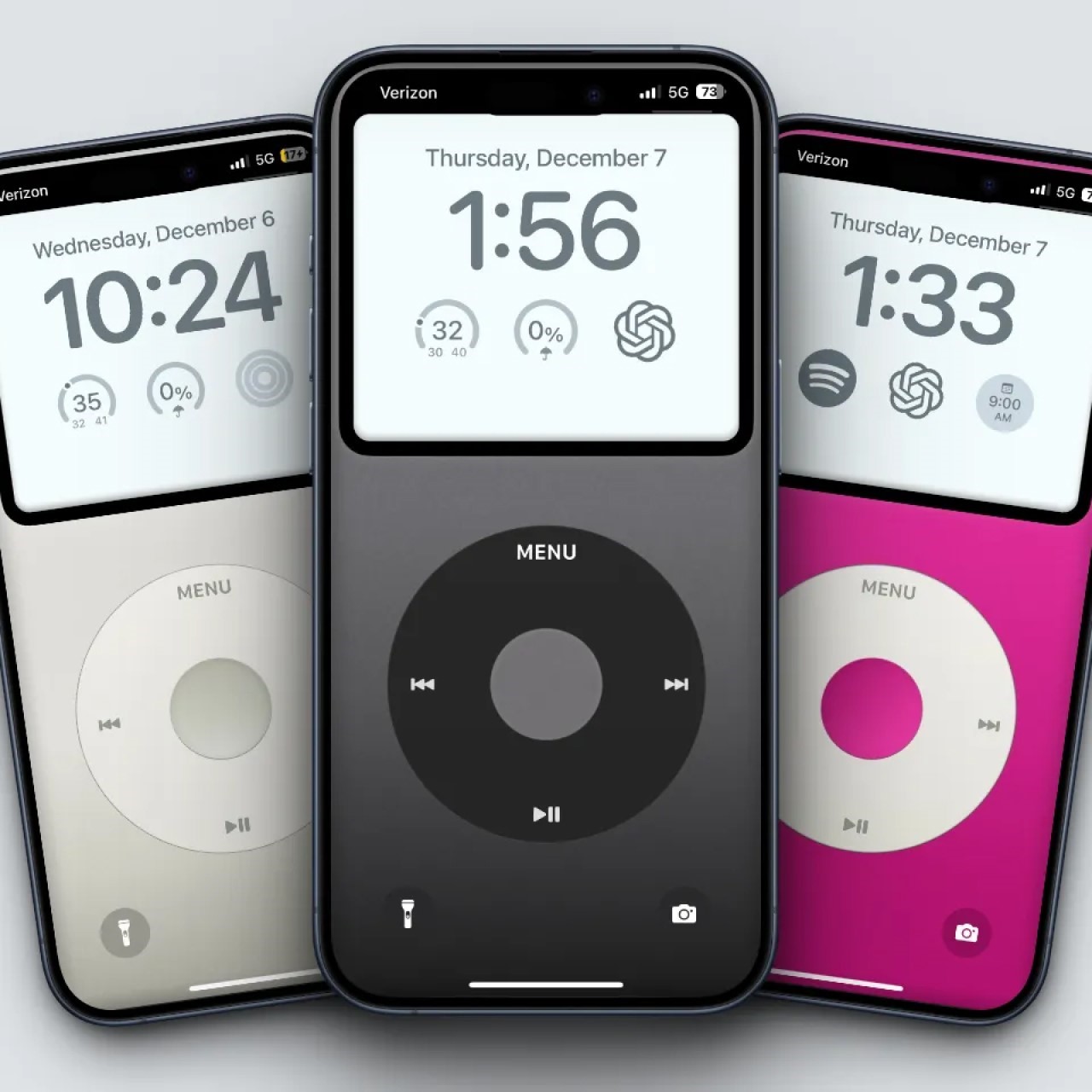
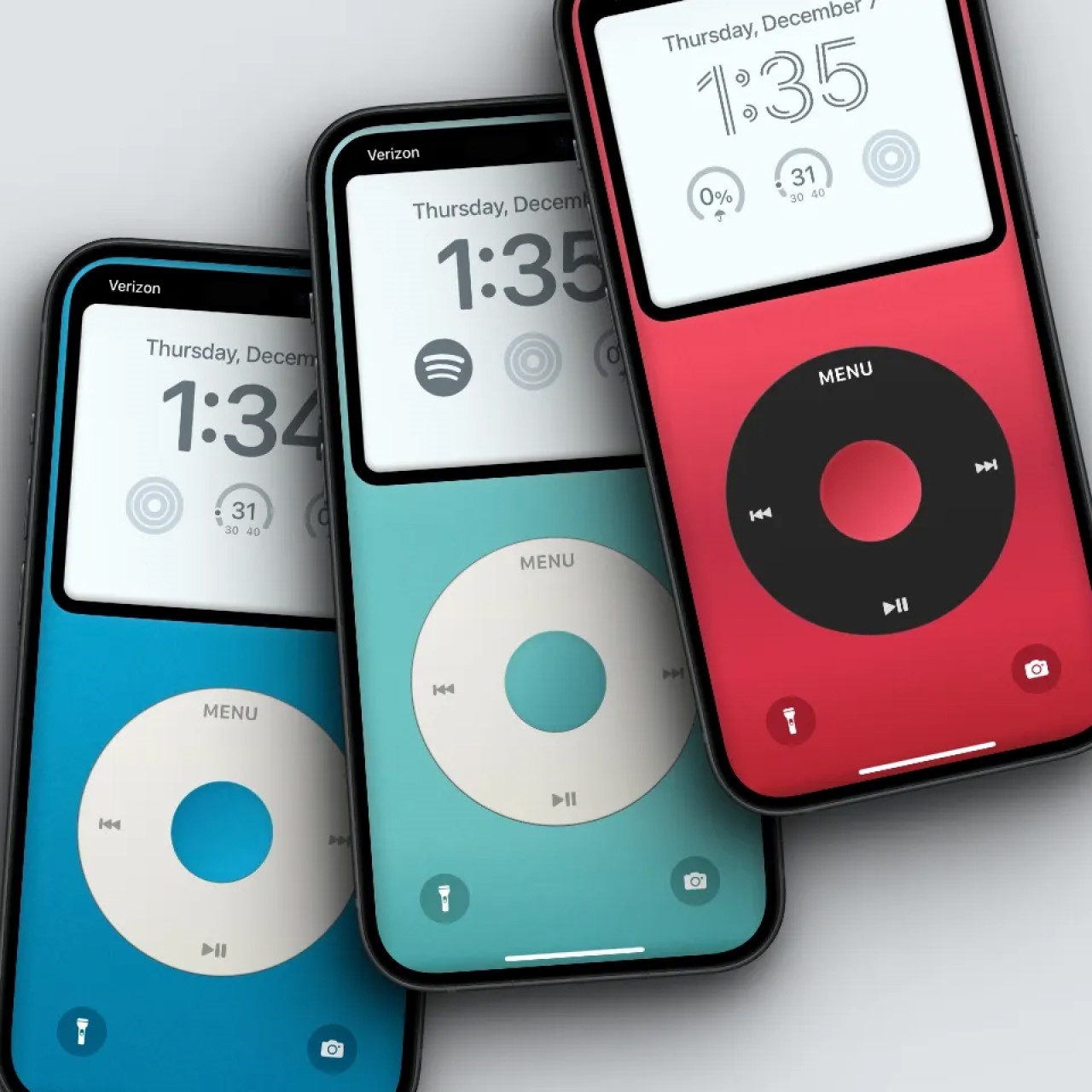
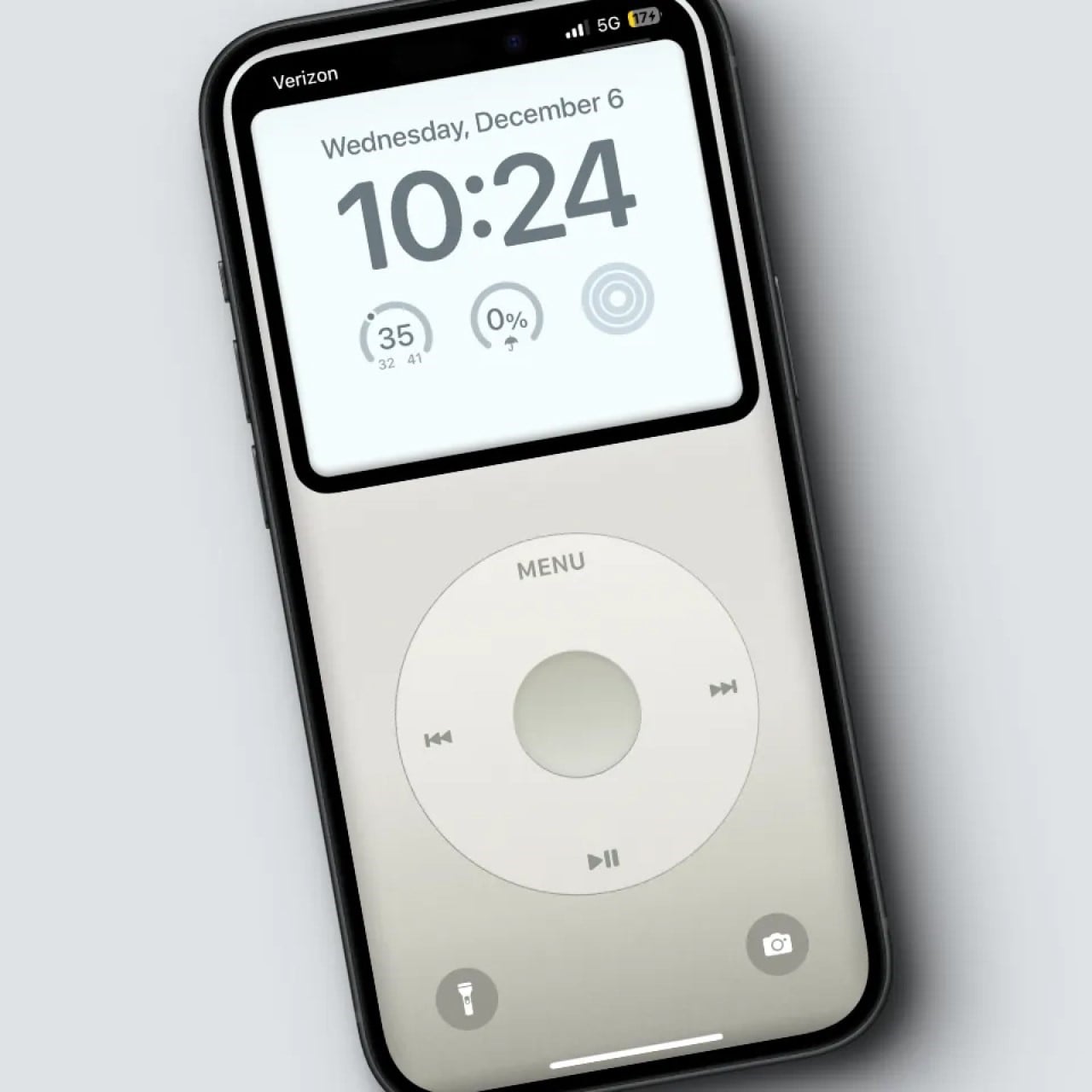
22 years ago, Steve Jobs held in his hand what would quite literally be the turning point of his company. The iPod made its first debut in October 2001, and it’s difficult to picture what Apple would look like without it. Such has its cultural effect been on society that if you’re a millennial with an iPhone, chances are you probably owned (or tried desperately to convince your parents for) an iPod. However, if you missed that boat (or even if you just miss having an iPod right now), Oliur and Shane Levine’s wallpapers have you absolutely sorted. The iPod Wallpapers Pack turns your iPhone lock screen into a makeshift iPod with the popular music player’s display conveniently showcasing the date and time as well as your iPhone lock screen widgets. No, it won’t control music playback. Yes, we wish it did!
Turn your iPhone lock screen into a 6th Gen iPod Classic!
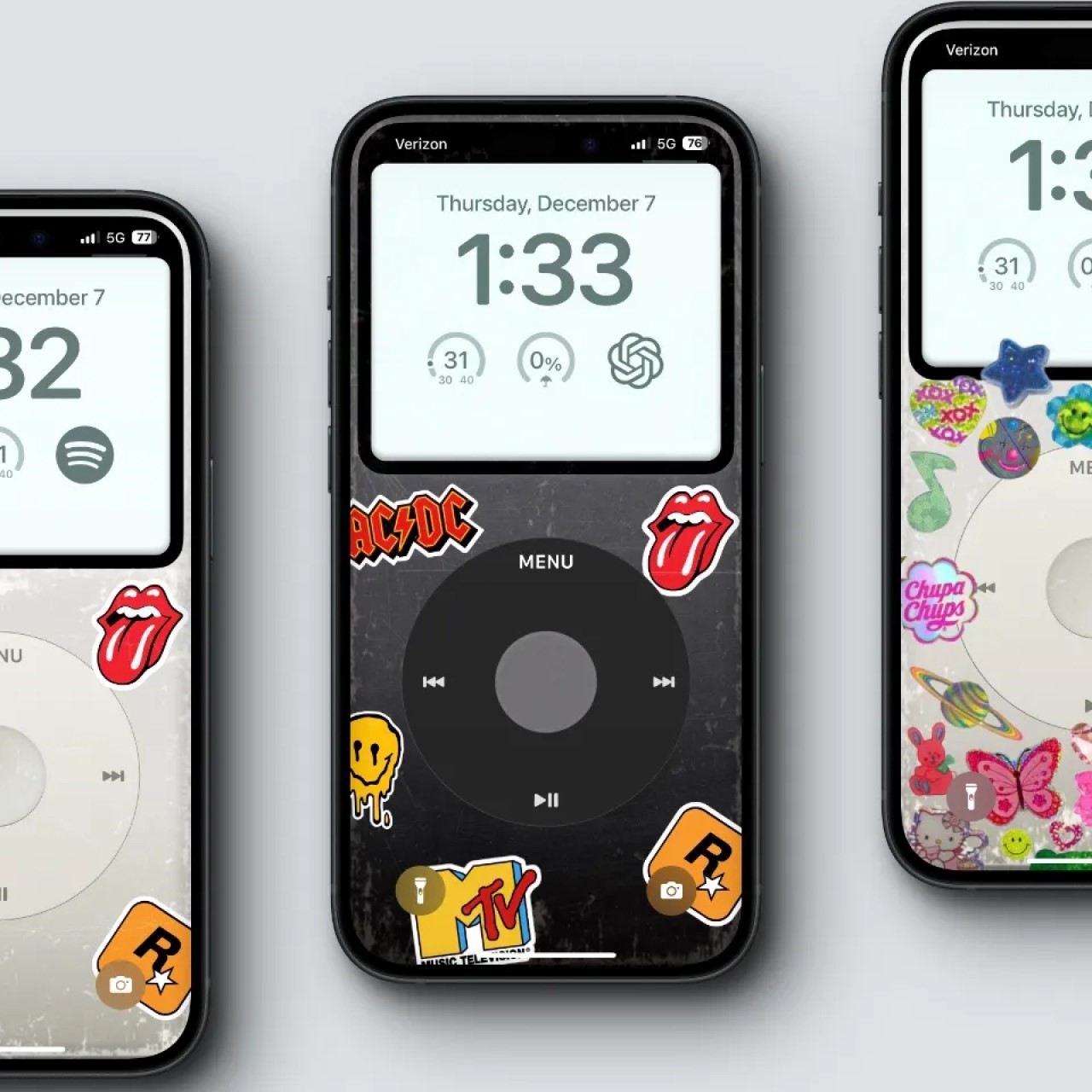
The $14 wallpaper pack comes with 12 different iPod Classic variants to choose from, including color varieties as well as themed and grungy iPods that kids bedazzled with stickers and other paraphernalia. All the images are high-definition, which works exceptionally well on your iPhone’s AMOLED retina screens…
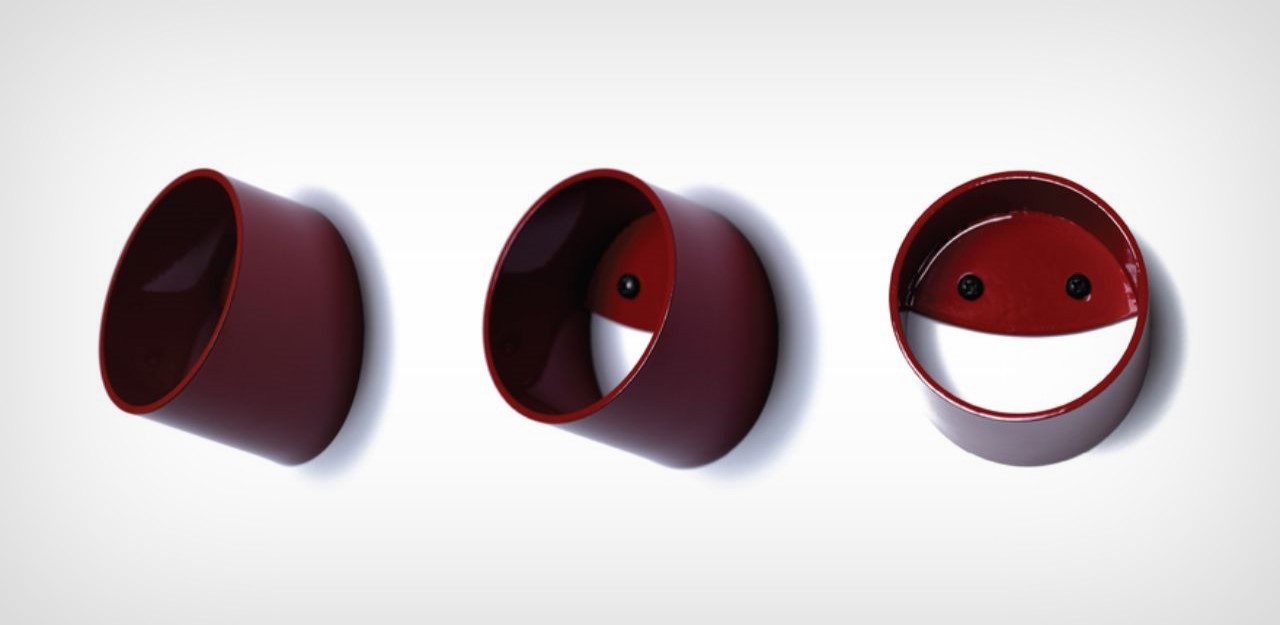
Necessity is always the mother of invention. Zac Feltoon, a designer with a keen eye for practical solutions, recently introduced a delightful and functional wall hook named Itsahook. This cylindrical wall hook not only boasts a cheerful design but also addresses a persistent issue in traditional wall hook design: you know the one where you hang your clothes for too long and when removed, it has a weird protrusion?
Itsahook’s unique form is the result of thoughtful consideration to ensure that clothing remains unharmed when placed on the hook. Zac Feltoon explains that the hook’s design incorporates a large regular curve set at an angle, allowing it to grip onto clothes without applying concentrated pressure that could lead to dents. The innovation lies in the distribution of weight, ensuring that garments remain in pristine condition.
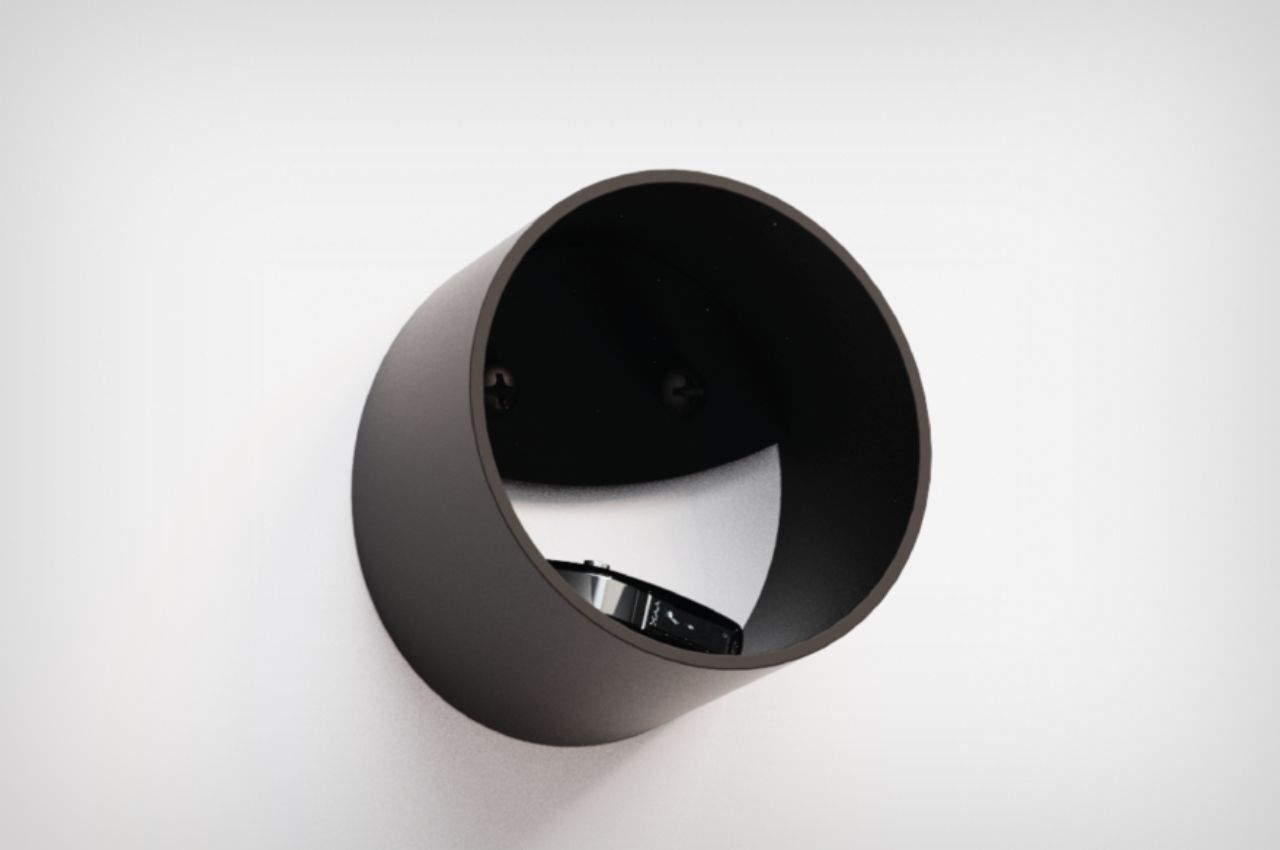
Recognizing the need for a coat hook that wouldn’t cause clothing damage, Zac Feltoon experimented with various forms, initially leaning towards casting-friendly designs. However, the cost of tooling for such designs led him to explore more feasible options. As the iterations progressed, a catch-all space below the rounded hook emerged, providing additional utility for users to store keys and other daily essentials.
To bring Itsahook to life, Feltoon faced the challenge of finding a US-based manufacturer capable of producing the product at scale within a tight timeframe. Collaborating with CR Industries of Milwaukee, WI, Zac Feltoon successfully overcame these challenges. Their craftsmanship and commitment allowed the project to move swiftly from prototypes to final production. Despite a mid-November start, Itsahook successfully launched for pre-orders on November 23rd, with order fulfillment starting in early December.
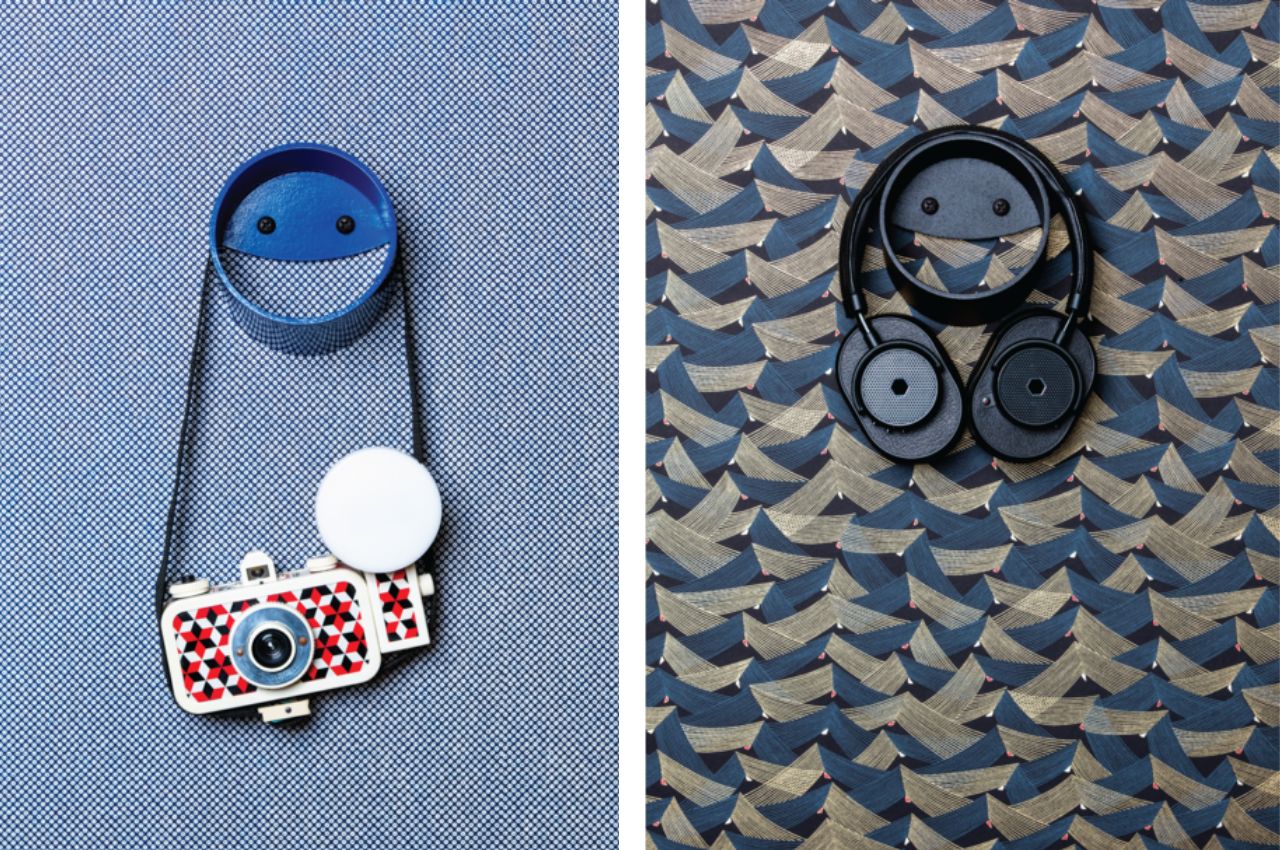
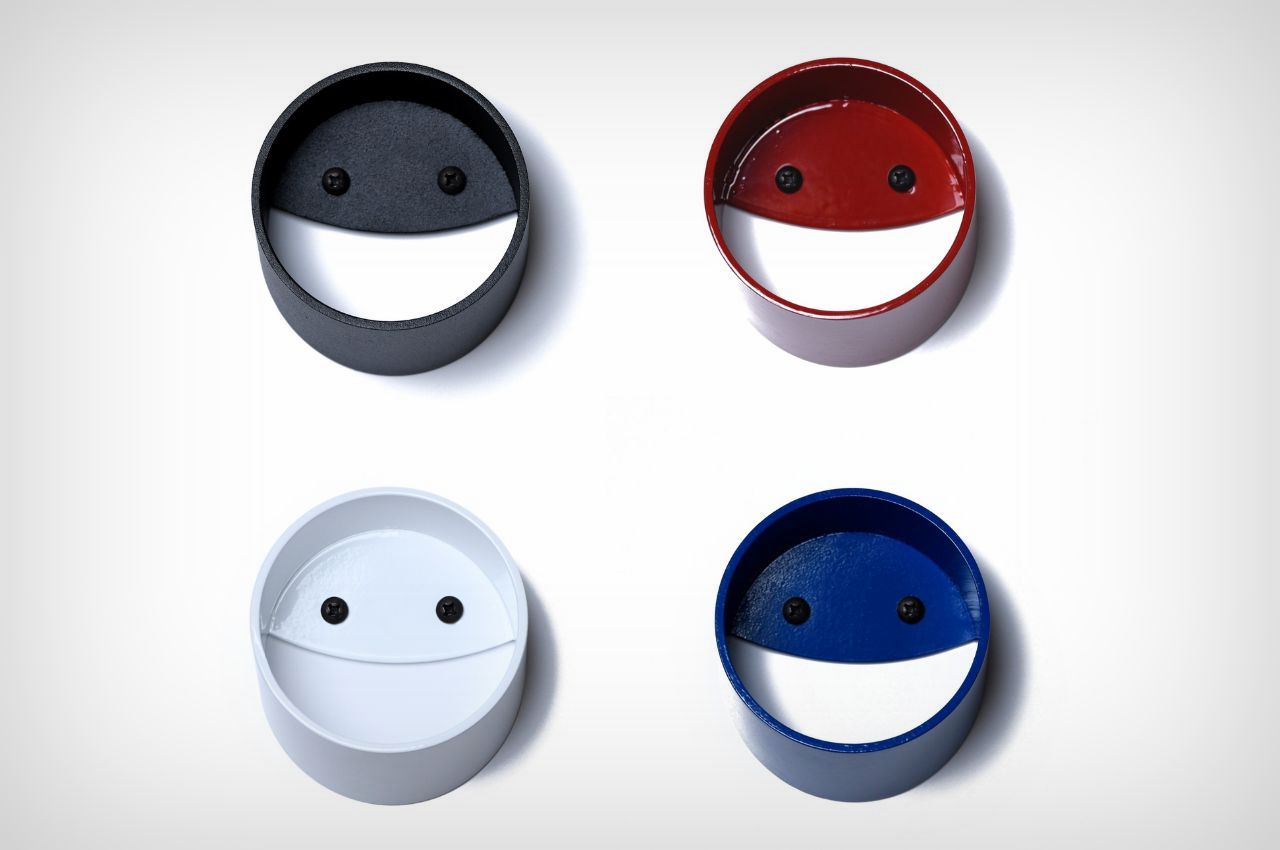
The hook can be used not only to hang but also as a shelf for your smaller accessories. It is available in 4 colors to suit your style. Beyond its functional aspects, Itsahook adds a touch of visual entertainment to the mundane task of hanging items. The attachment screws form a “:D” emoticon, contributing to the overall cheerful expression of the wall hook. This playful detail adds a sense of personality to the utilitarian object, making it not just a practical solution but also a conversation starter.
By addressing a common issue in a unique and visually appealing way, Itsahook brings joy to a seemingly ordinary product. As it finds its place on walls, it not only provides a functional solution but also sparks a smile with its clever design. Itsahook is a testament to the idea that even the most everyday items can benefit from thoughtful design, turning the ordinary into the extraordinary.
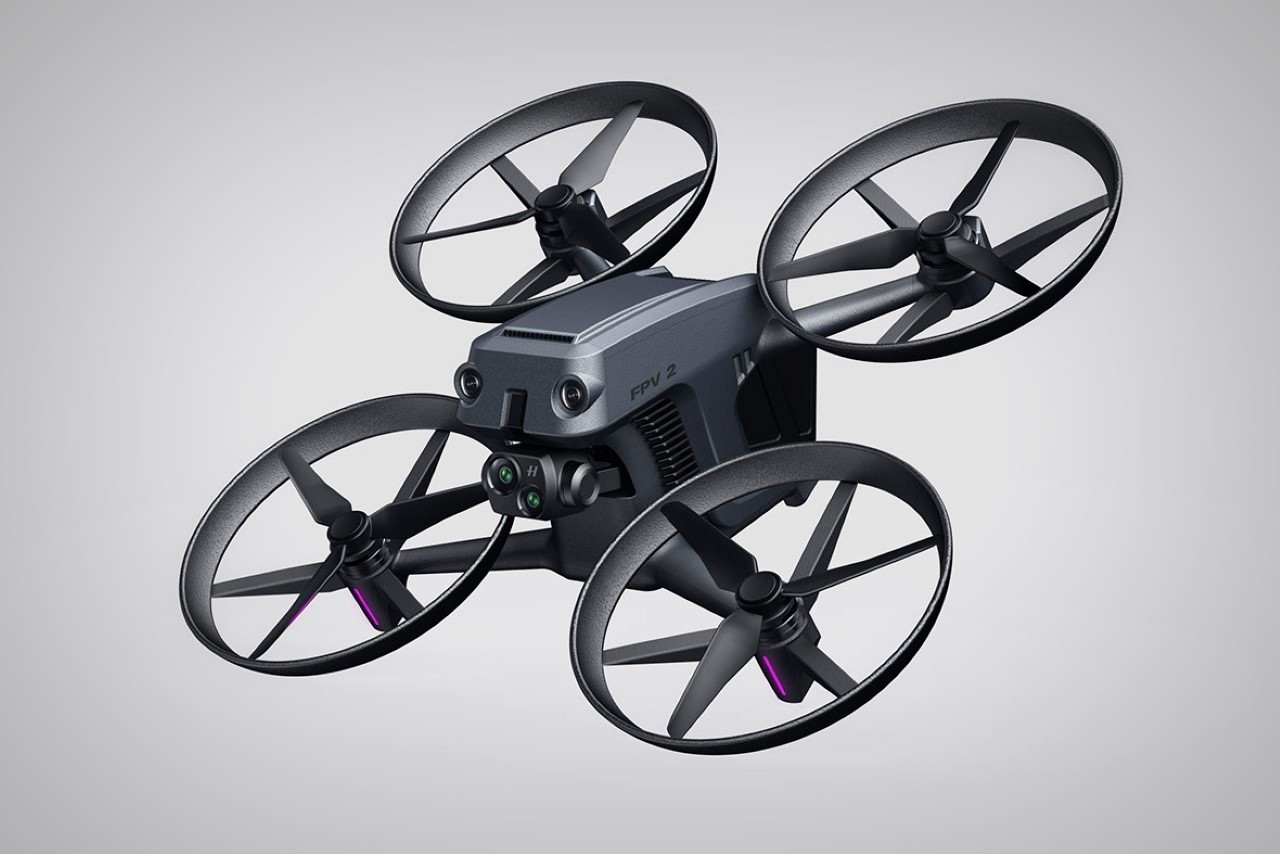
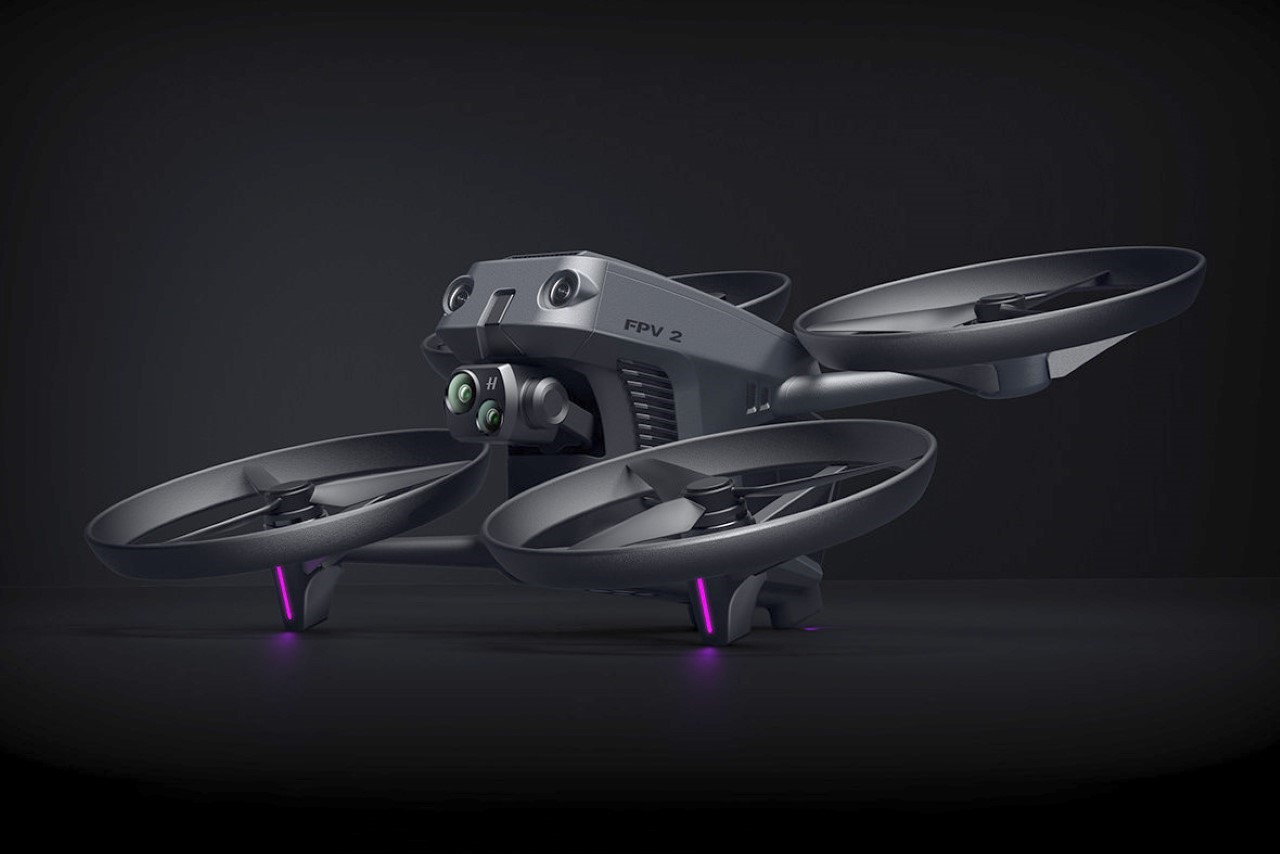
After years of developing some of the world’s leading aerial drones, DJI debuted the Avata last year, their first-ever ‘FPV’ racing drone… and that got designer Kim Seung-cheol asking – Why must there be separate drones for aerial photography and first-person racing? Why can’t one drone successfully do both? To that end, the DJI FPV2 does the unthinkable by being the world’s first ‘hybrid’ drone capable of FPV racing as well as stabilized aerial photo and videography, thanks to its clever design that borrows the best from both worlds.
Designer: Kim Seung-cheol
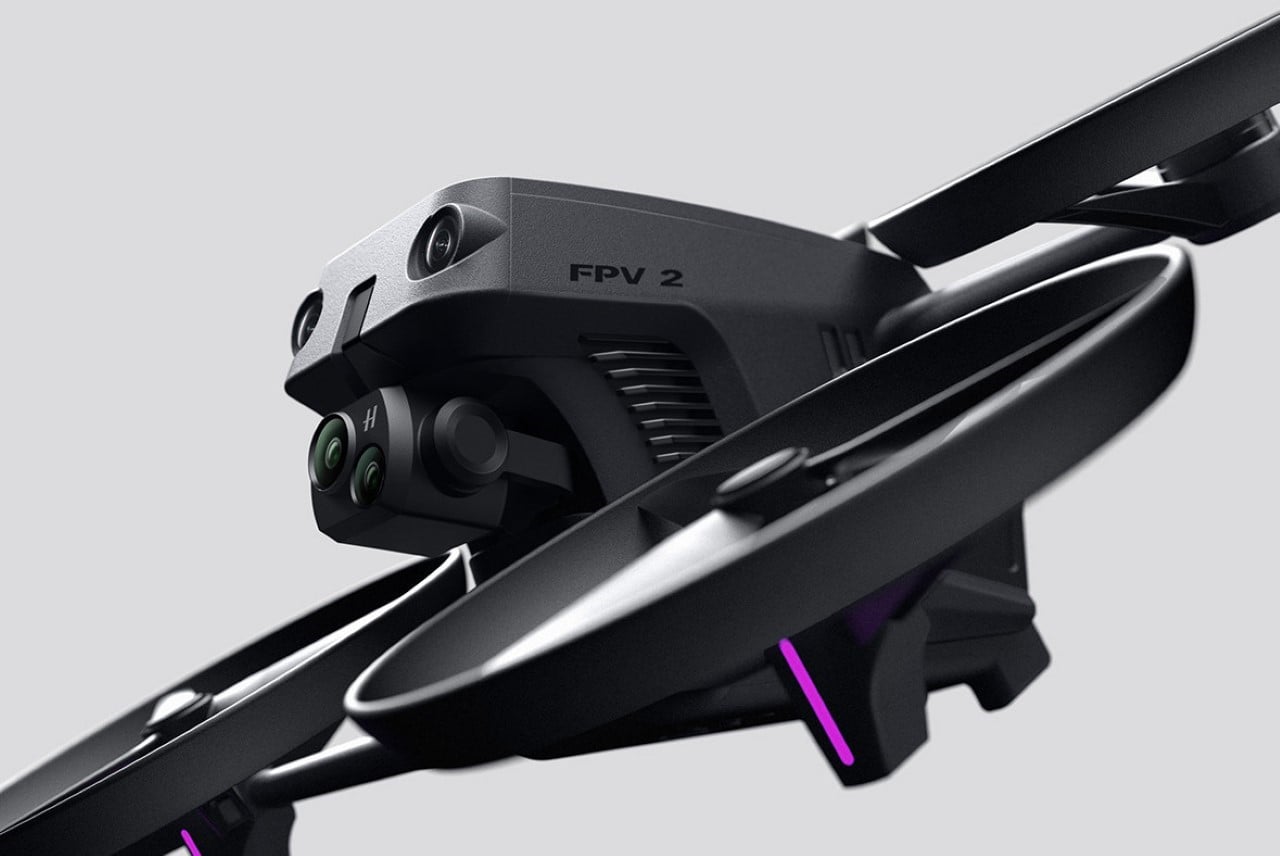
The FPV2 drone doesn’t have a radically different design, but rather relies on a few tweaks to its appearance and control system to give it the power of rapid directional flight as well as controlled hovering for stable videography. It relies on a leaning propeller format that’s ideal for FPV-style racing drones. The propellers are located at a slant and positioned diagonally, making the drone look like it’s bending forward. This is perfect for allowing the drone to lunge ahead as it takes off, giving it a significant advantage when racing with other drones or when trying to reach high speeds. However, for aerial photography and videography, the drone simply leans backwards, allowing the propellers to now be parallel to the ground. The gimbal-mounted camera makes up for this while in aerial photography mode.
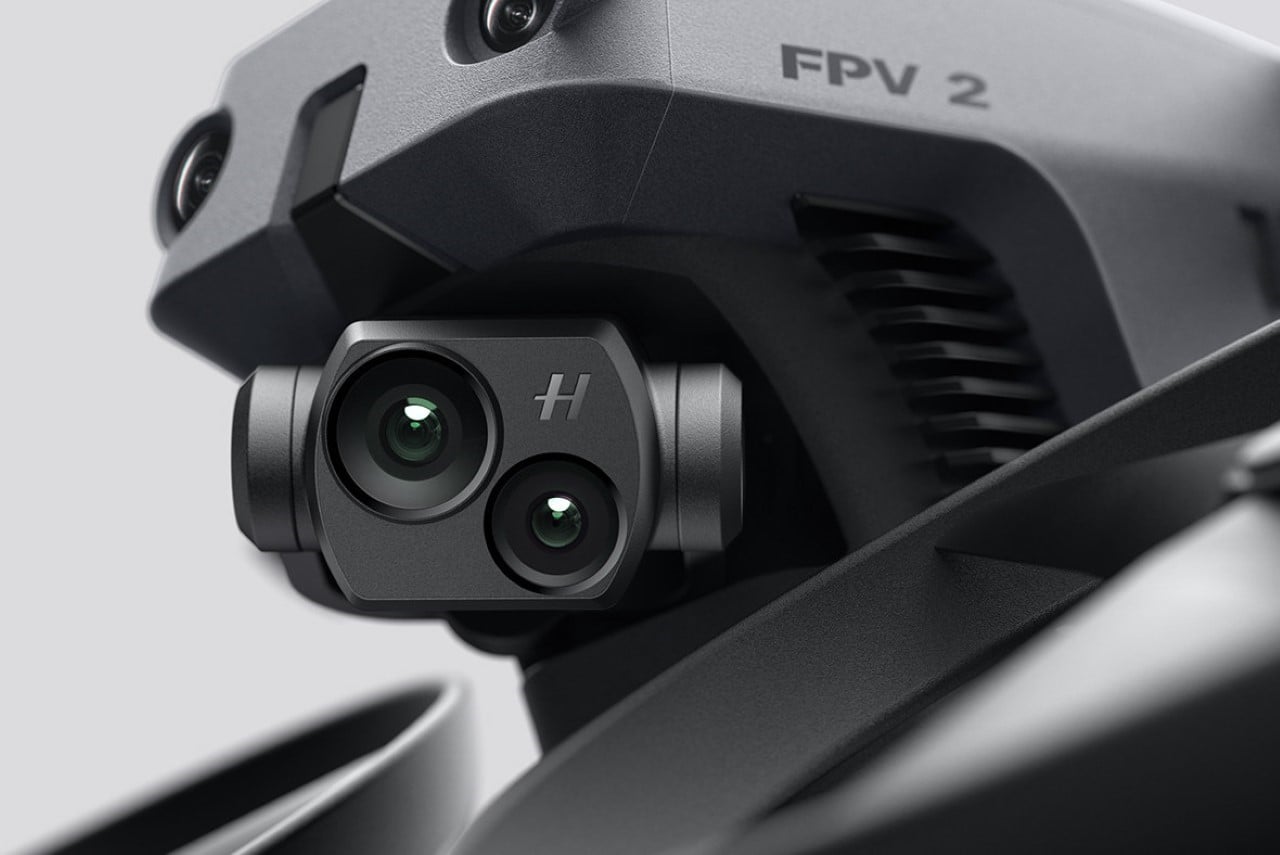
As an obvious upgrade to its Avata and Mini lines, the FPV2 has a new dual-lens camera system powered by Hasselblad (a partnership continuing from their collaboration on the Mavic 3). Quite similar to the Air 3 drone, the FPV2 has a dual-lens gimbal-mounted camera that can look in all directions for filming sceneries, focusing on subjects, and racing. This doesn’t include the multiple cameras located around its periphery for tracking its environment, avoiding objects, and navigating routes.
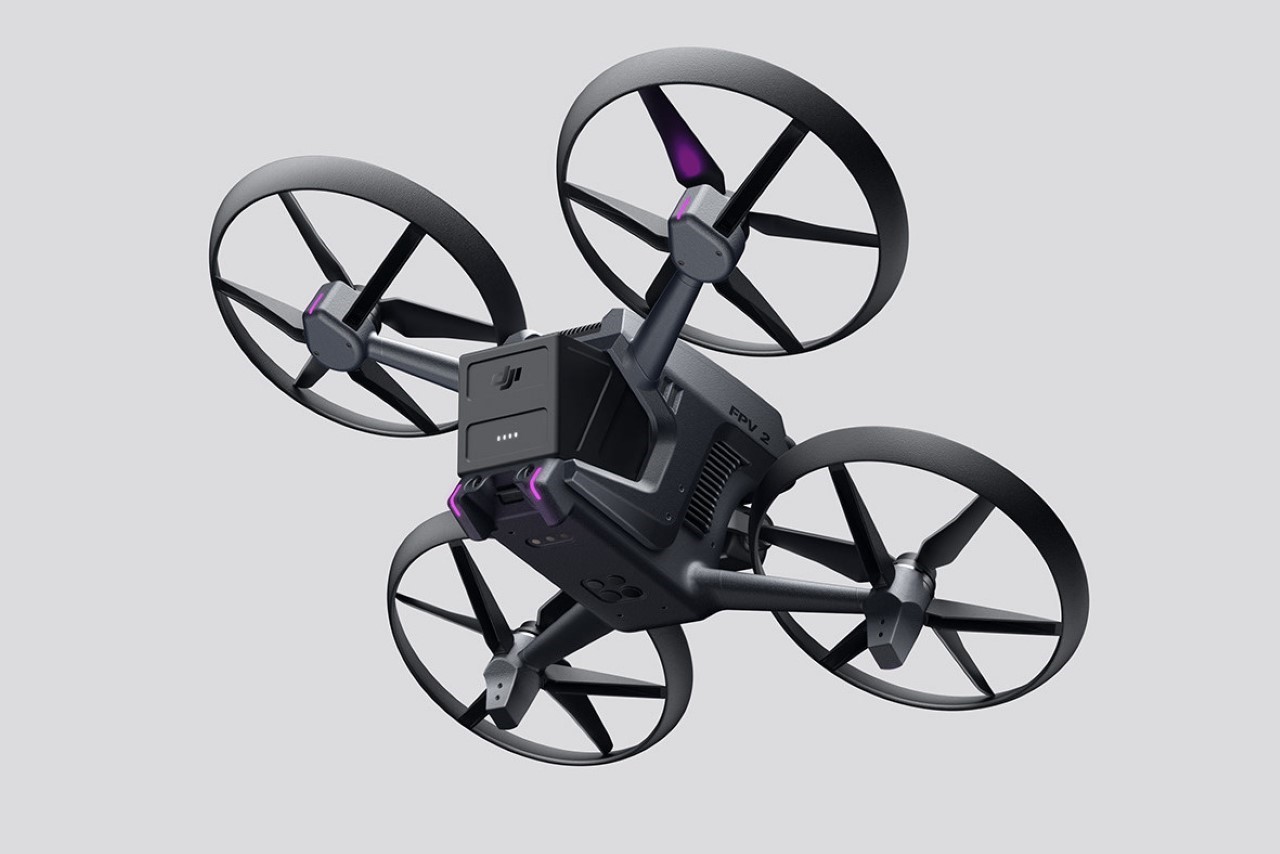
A large, easily replaceable battery powers the FPV2, allowing you to quickly hot-swap modules to keep your FPV2 running without downtime for charging. The battery’s mass and its rear location help it counterbalance the drone’s forward-leaning stance, or rather the inverse. The drone races forward with a raised back, preventing the battery pack from dragging it down or influencing its course.
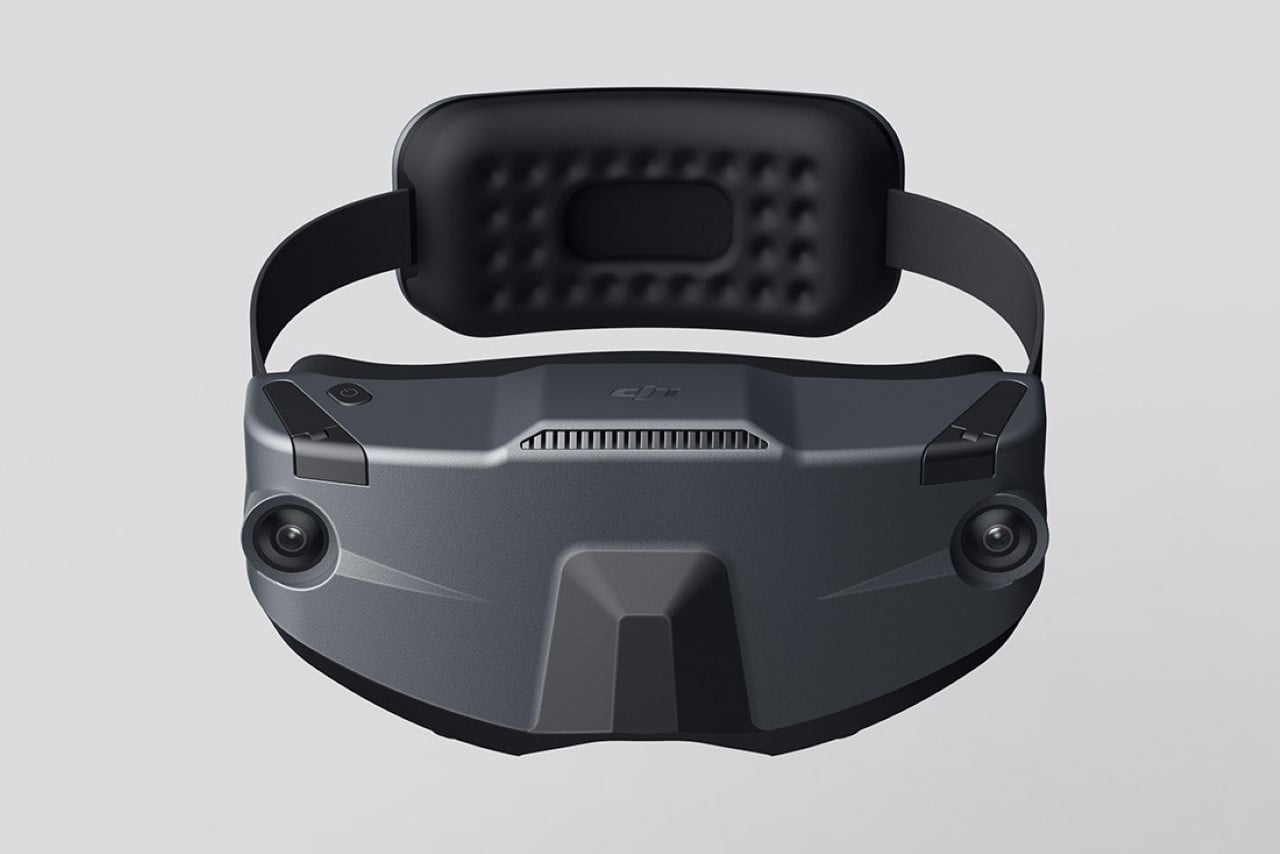
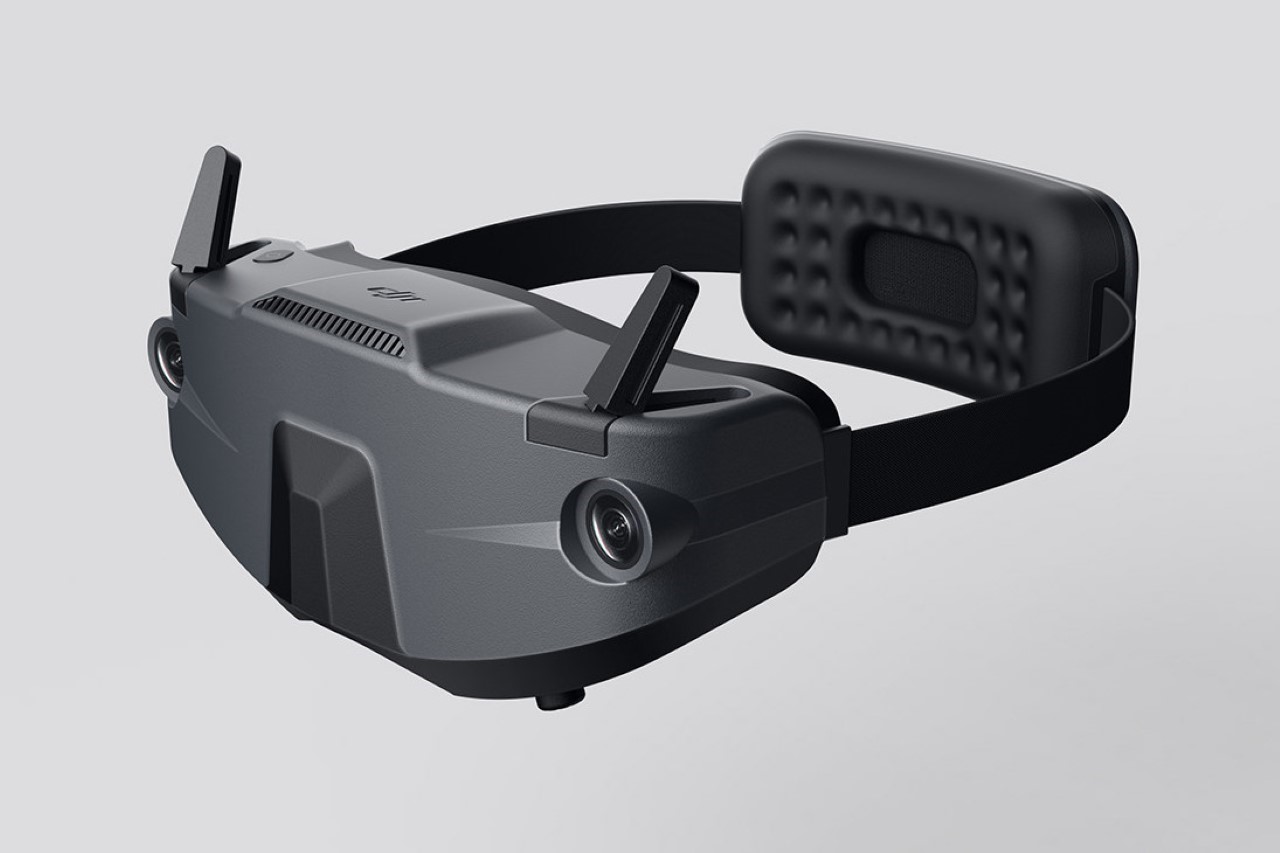
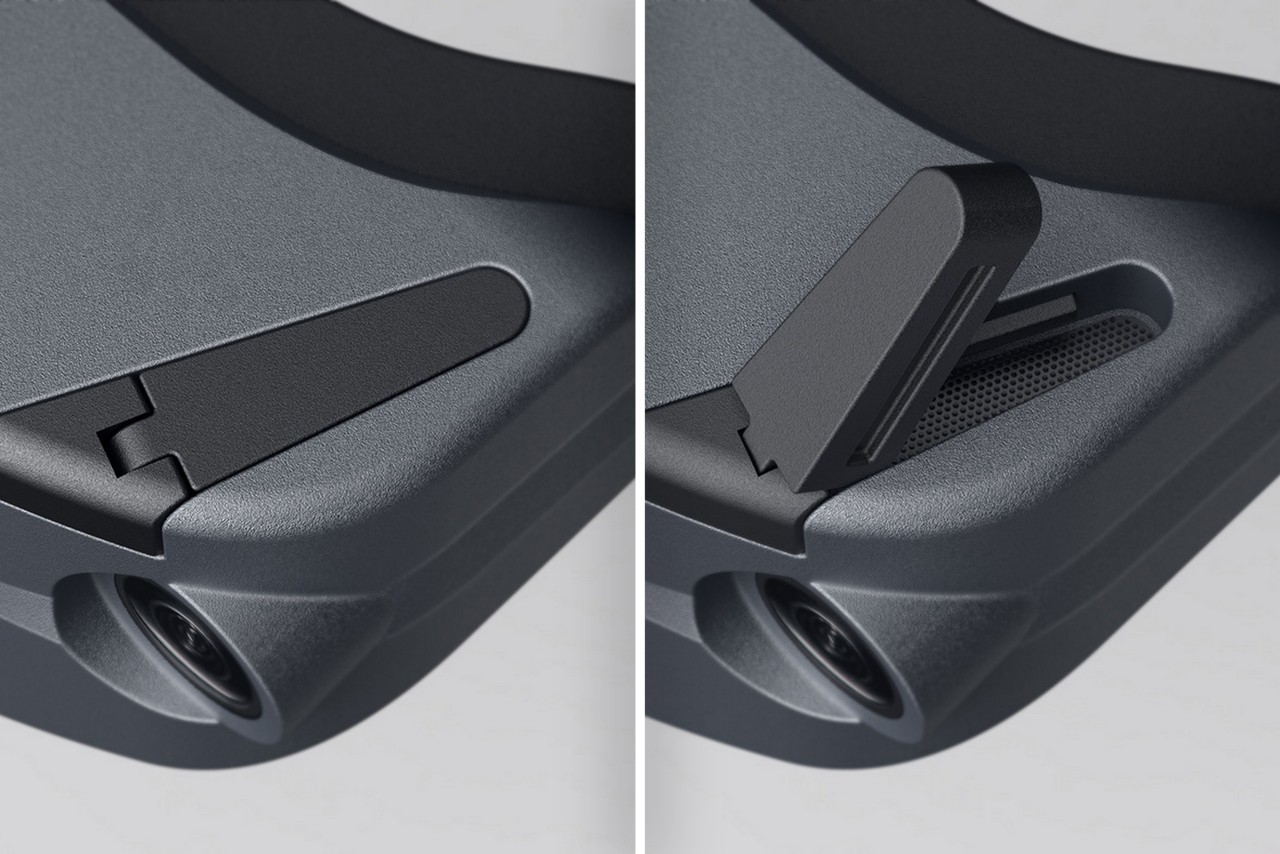
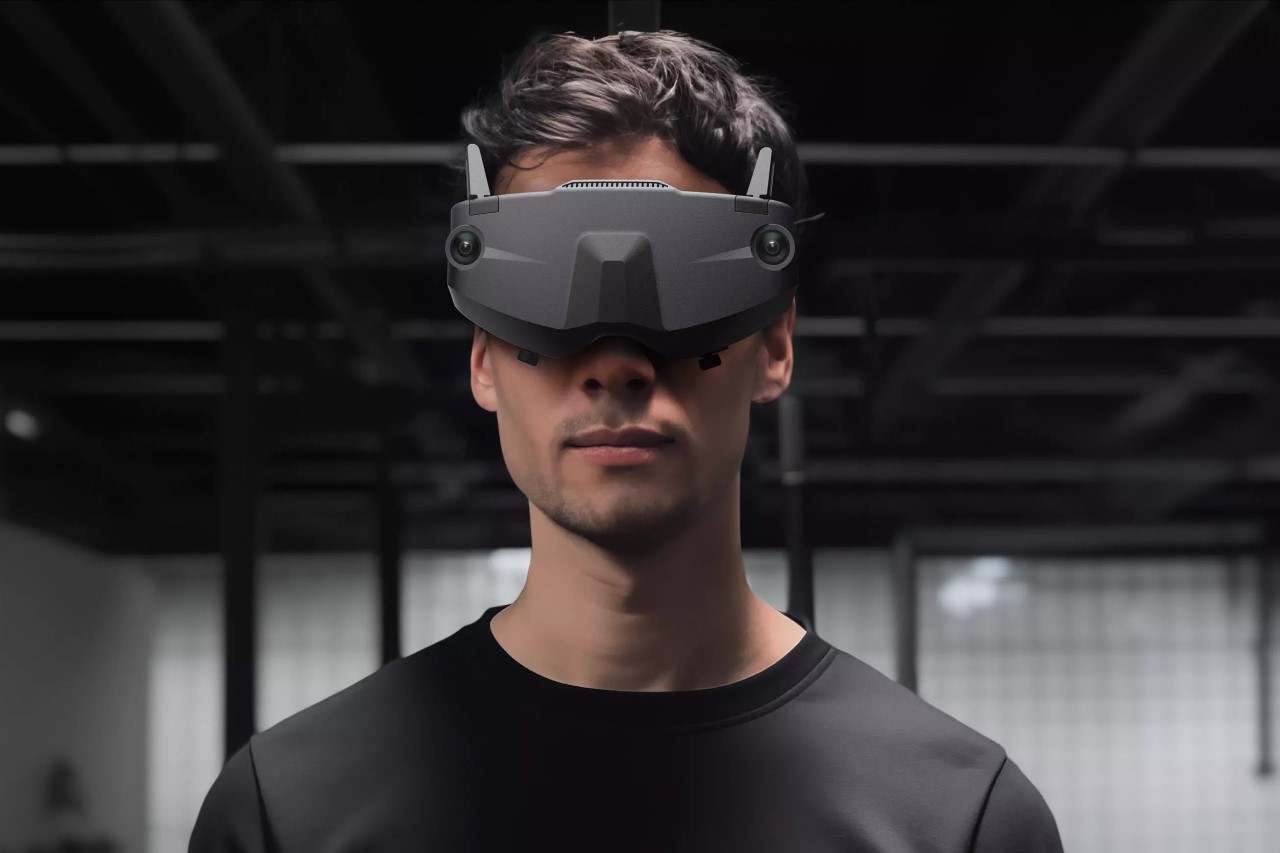
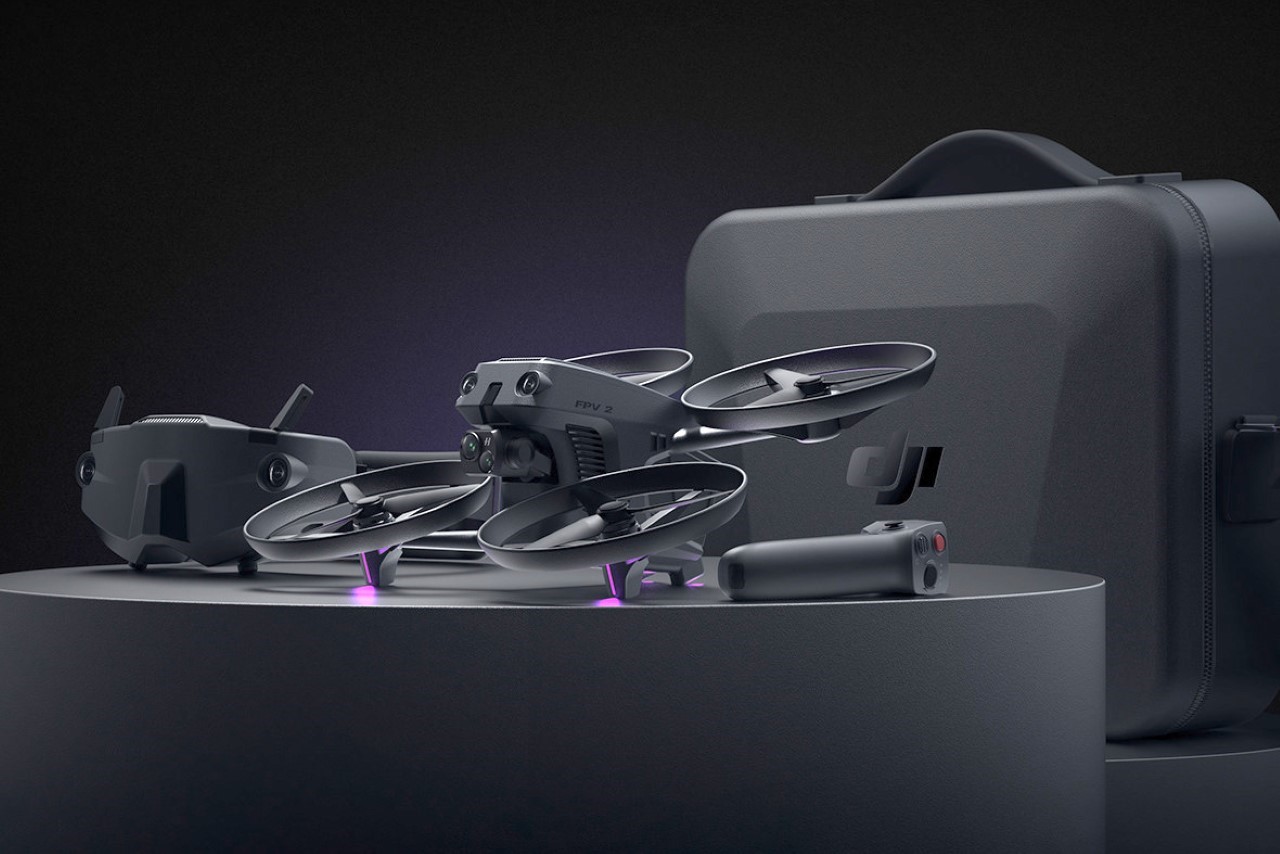
To accompany the drone, Kim Seung Cheol also designed a new set of MR goggles and a controller handle. The compact goggles come with their own pass-through cameras, and sport flip-out antennas for better signal during flight (especially FPV racing). A cushioned headrest with a built-in battery keeps the equilibrium of the headset while also ensuring you can wear it for longer hours without feeling any strain.
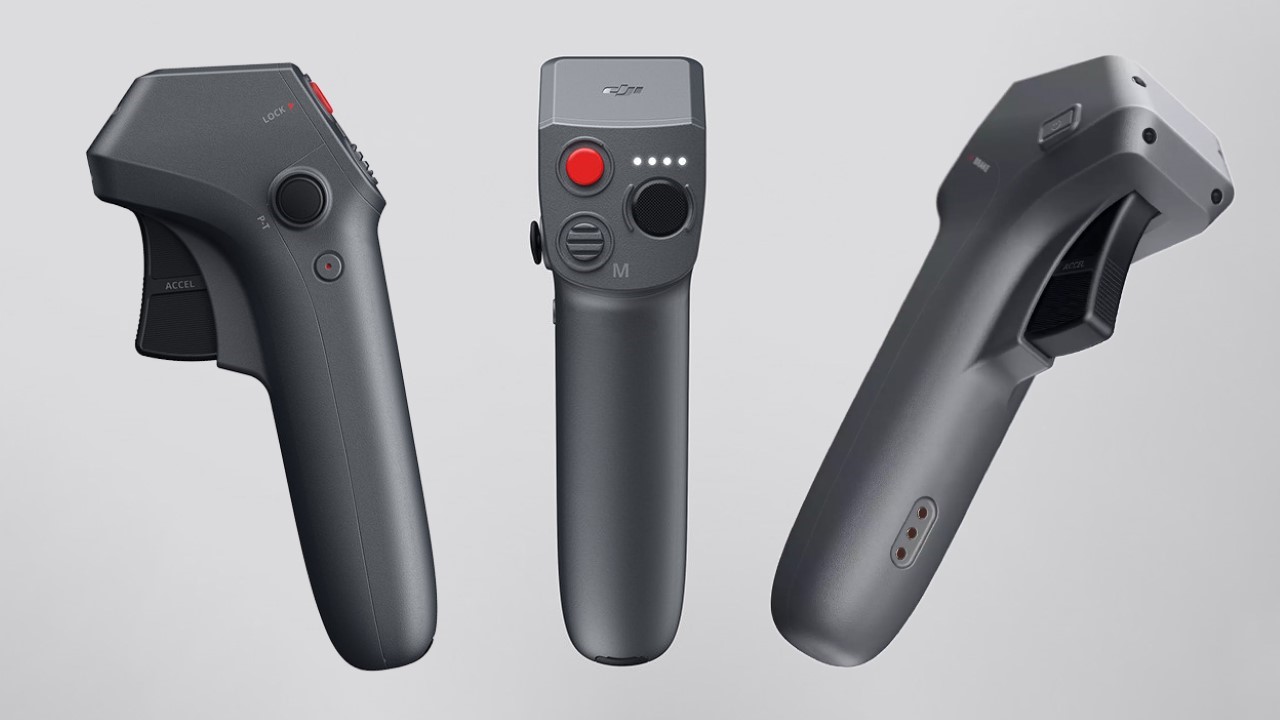
Given the immersive nature of the MR headset, the FPV2 also comes with its own RC Motion 2-inspired handheld control that you can intuitively use to maneuver your drone while in flight. The single handheld controller has a gyroscope that detects when it’s being tilted forward or backward, translating that into instructions for the drone to follow. A trigger lets you accelerate, while a joystick gives you more precise control. A large button on the front marked M lets you alternate between racing and aerial modes.
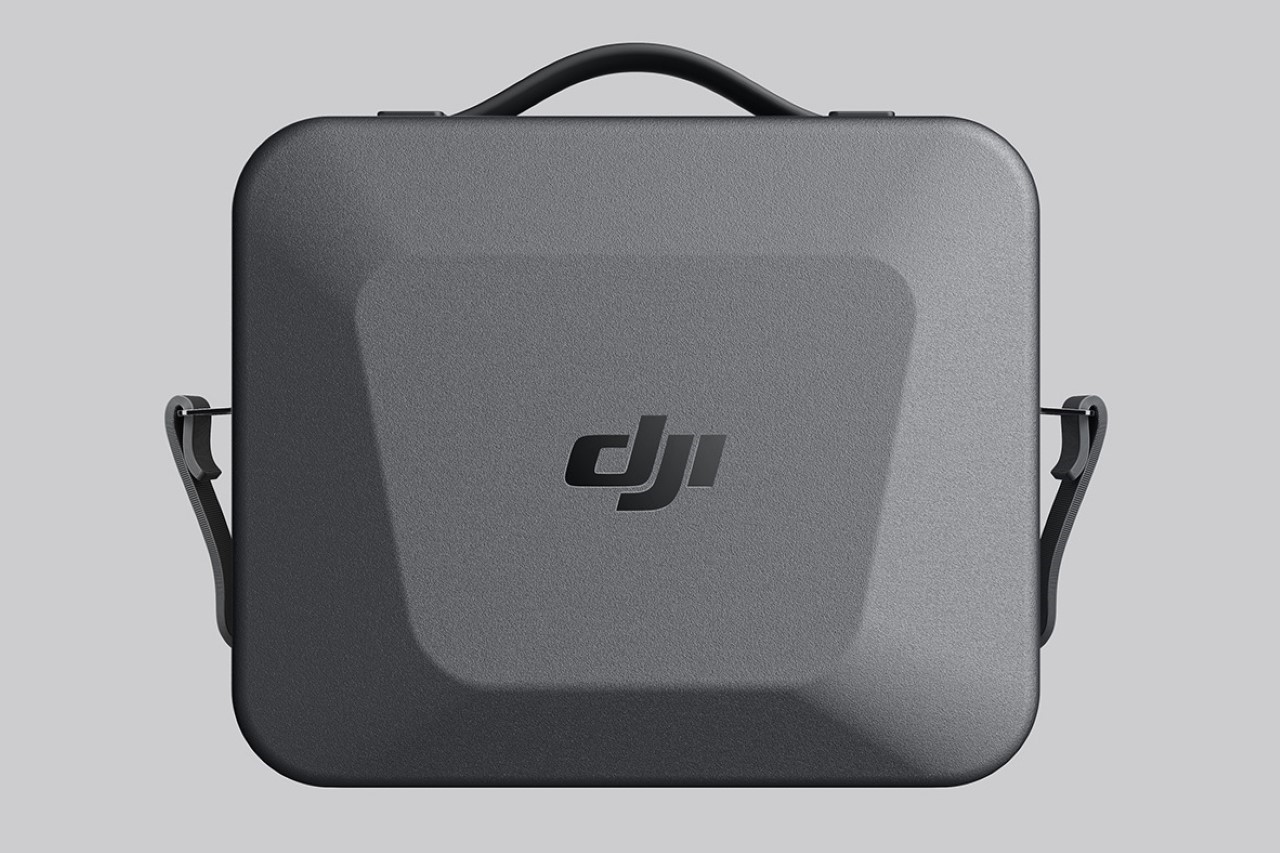
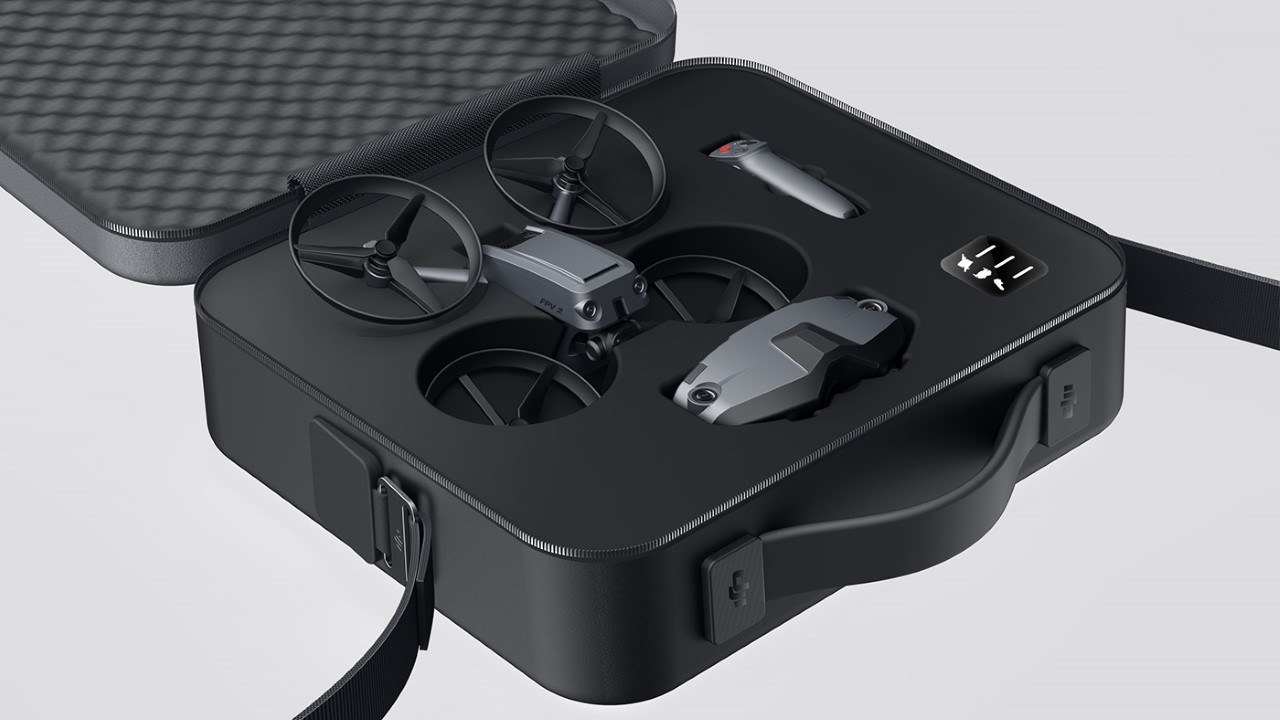
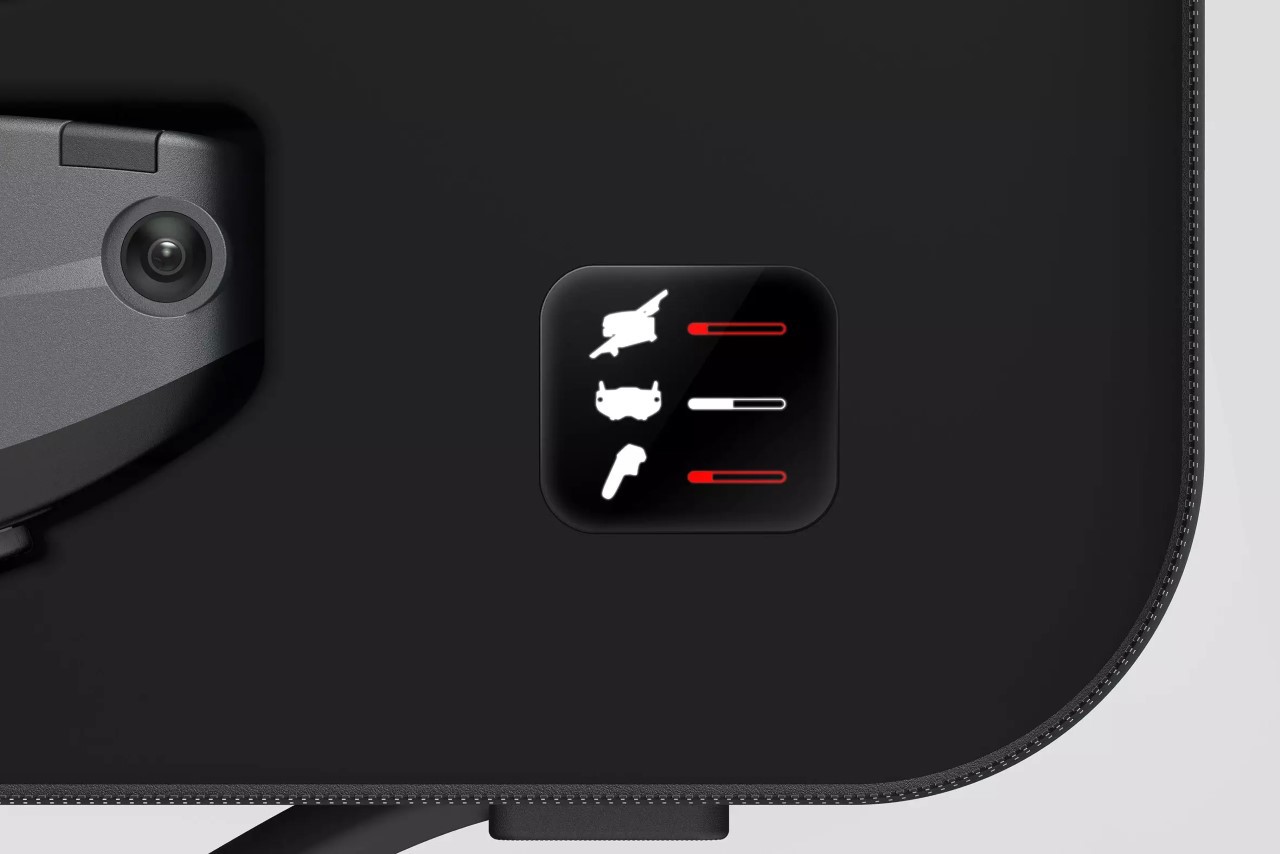
What really gives the FPV2 its edge is the case it comes in, which doubles as a massive battery pack for the drone, controller, and MR headset. Think TWS earbud charging case but bigger and better. Designed to hold your gear when not in use, the carrying case also juices your device batteries while giving you a battery status indicator in the bottom right corner, so you know which particular gizmo needs a recharge.
What the DJI FPV2 proposes isn’t too radical. Some drones are built for racing, others for stabilized content creation… so why not build a drone that can do both? It’s not like the hardware is massively different between the two drone types, and as far as the overall design goes, I’m sure both functions can be achieved within a specially tuned form factor. Maybe DJI is working on something like this, it’s difficult to tell. The company hasn’t debuted a Gen-2 of its Avata FPV drone, so we’re due for an updated racing drone from the consumer/professional-grade UAV manufacturer.
The Humane AI Pin is expected to start shipping in March. On Friday, the company posted on X (Twitter) that “those who placed priority orders will receive their Ai Pins first when we begin shipping in March.” The company had previously given an “early 2024” estimate for the screen-less wearable device designed to replace a smartphone.
Humane, founded by former Apple employees Bethany Bongiorno and Imran Chaudhri, views the smartphone (still their ex-employer’s bread and butter) as on its last legs. “The last era has plateaued,” TechCrunchreported Chaudhri as saying in a November press briefing. He views the AI-powered wearable product as “a new way of thinking, a new sense of opportunity.”
We are thrilled to announce that Ai Pin will start shipping in March 2024.
All of us here at Humane can’t wait for you to experience your Ai Pin, the world’s first wearable computer powered by Ai. We’re incredibly grateful for the enthusiasm and support, especially from our… pic.twitter.com/kTe4d3Jee7
The $699 Humane AI Pin doesn’t have a screen; instead, it relies on voice cues and a projector that beams relevant info onto the user’s hand. The founders flaunt the device’s privacy focus combined with contextual intelligence, promising it “quickly understands what you need, connecting you to the right AI experience or service instantly.” Partnerships with OpenAI, Microsoft and Tidal provide what the company calls “access to some of the world’s most powerful AI models and platforms.”
The pin runs on a quad-core Snapdragon processor with a dedicated Qualcomm AI Engine powering its Cosmos OS software. It ships in three color options, two of which add an extra $100 to its price. Buyers must pay $24 monthly to access the pin’s cellular data, built as an MVNO (mobile virtual network operator) on top of T-Mobile’s network.
In addition to providing the March shipping date, Humane says the remaining orders will continue to roll out in the order they were received. Engadget emailed the company to ask when it expects current orders to go out, and we’ll update this article if it responds.
The Humane AI Pin is available to pre-order now from Humane’s website. The Eclipse (matte black on black) costs $699, while Lunar (polished chrome on white) and Equinox (polished chrome on black) colorways will set you back $799.
This article originally appeared on Engadget at https://www.engadget.com/humane-ai-pin-orders-will-start-shipping-in-march-185449334.html?src=rss