Samsung’s Galaxy Tab S9 is on sale for $680 via Amazon, which is a discount of $120. This is a record low price for the well-regarded tablet. The S9 is the most recent iteration and there likely won't be a refresh on the horizon until at least September.
Now onto some specs. The standard S9 boasts an 11-inch AMOLED screen, a Snapdragon 8 Gen 2 processor and 12GB of RAM. It also comes with the company’s S Pen stylus, which is something I wish Apple did for its tablets. The $680 price tag gets you a device with 128GB of internal storage, but 256GB and 512GB models are also on sale.
The Galaxy Tab S9 easily made our list of the best tablets, and for good reason. We loved the gorgeous AMOLED screen, the powerful speakers and the tablet’s surprisingly useful Dex multitasking mode. For the uninitiated, this mode basically turns the tablet into a PC, complete with standard windows, folders and a taskbar, with the ability to drag and drop files.
The 11-inch screen is a joy to behold and probably the best fit for most people. The S9+, which is also on sale, boasts a particularly large 12.4-inch AMOLED display. Those with small hands should probably demo that unit before making the splurge.
This is part of a larger Amazon sale on a bunch of Samsung tablets. There’s the aforementioned S9 tablets with more hard drive space, but also discounts on the entire A9+ line and the S9 FE+. There are no deals, however, for the top-of-the-line S9 Ultra.
In case you need another reason to shout "tax the rich" from the rooftops, it's here, and it's going to make you angry. A study found that 35 major US companies paid their top five executives more than they paid in federal income taxes between 2018 and 2022, theGuardian reports. The findings, which come from The Institute for Policy Studies and Americans for Tax Fairness, are even less shocking when you learn the worst offender: Tesla.
Elon Musk's company earned $4.4 billion during those five years and gave its executives $2.5 billion. Despite that, Tesla not only didn't pay any federal taxes, but it received $1 million in refunds from the government. Musk himself is the second richest person in the world, with Forbes reporting he had a net worth of $207.9 billion at the start of March.
Tesla is one of 35 companies that paid less federal income tax than they paid their top five executives during that period. In total, the well-deserving and not-at-all greedy execs of these companies raked in $9.5 billion over these years, while cumulatively those same companies received $1.8 billion back from the government. Eighteen of these businesses reported net profits over the five years but didn't pay a cent of federal income tax. (All but one got refunds).
The study lists other notable companies like T-Mobile, Netflix, Ford Motor and Match Group alongside Tesla. T-Mobile made $17.9 billion, paid executives $675 million and received $80 million in refunds. The mobile provider has spent an incredible amount of money on lobbying Congress for tax breaks, spending $9 million in 2022 alone. Netflix actually did pay some taxes, but the $236 million was just 1.6 percent of its $15.1 billion in earnings — and just over a third of what it paid those top five executives. The statutory rate for federal income tax is 21 percent, so yeah, feel free to scream.
This article originally appeared on Engadget at https://www.engadget.com/tesla-paid-no-federal-income-taxes-while-paying-executives-25-billion-over-five-years-154529907.html?src=rss
In case you need another reason to shout "tax the rich" from the rooftops, it's here, and it's going to make you angry. A study found that 35 major US companies paid their top five executives more than they paid in federal income taxes between 2018 and 2022, theGuardian reports. The findings, which come from The Institute for Policy Studies and Americans for Tax Fairness, are even less shocking when you learn the worst offender: Tesla.
Elon Musk's company earned $4.4 billion during those five years and gave its executives $2.5 billion. Despite that, Tesla not only didn't pay any federal taxes, but it received $1 million in refunds from the government. Musk himself is the second richest person in the world, with Forbes reporting he had a net worth of $207.9 billion at the start of March.
Tesla is one of 35 companies that paid less federal income tax than they paid their top five executives during that period. In total, the well-deserving and not-at-all greedy execs of these companies raked in $9.5 billion over these years, while cumulatively those same companies received $1.8 billion back from the government. Eighteen of these businesses reported net profits over the five years but didn't pay a cent of federal income tax. (All but one got refunds).
The study lists other notable companies like T-Mobile, Netflix, Ford Motor alongside Tesla. T-Mobile made $17.9 billion, paid executives $675 million and received $80 million in refunds. The mobile provider has spent an incredible amount of money on lobbying Congress for tax breaks, spending $9 million in 2022 alone. Netflix actually did pay some taxes, but the $236 million was just 1.6 percent of its $15.1 billion in earnings — and just over a third of what it paid those top five executives. The statutory rate for federal income tax is 21 percent, so yeah, feel free to scream.
Update, March 14 2024, 6:23AM ET: An earlier version of this report cited Match Group, which was cited in a separate report on corporate taxation.
This article originally appeared on Engadget at https://www.engadget.com/tesla-paid-no-federal-income-taxes-while-paying-executives-25-billion-over-five-years-154529907.html?src=rss
“When you think about the history of Bluetooth, and specifically about audio, you really have to go back to the mid-to-late ’90s.”
Chuck Sabin is a Bluetooth expert. As a senior director at Bluetooth Special Interest Group (SIG), he oversees market research and planning as well as business development. He’s also leading the charge for emerging uses of Bluetooth, like Auracast broadcast audio. In other words, he’s an excellent person to speak to about how far Bluetooth has come — from the days of mono headsets solely used for voice communication to today’s devices capable of streaming lossless-quality music.
In the mid ’90s, mobile phones were starting to become a thing, and of course so were regulations about hands-free use of them in cars. Sabin previously worked in the cellular industry, and he remembers how costly and intrusive the early hand-free systems were in vehicles. Bluetooth originated from cell phone companies working together to cut the cord to headphones since using those not-yet-wireless audio accessories in the car was cumbersome. One of the first mobile phones with Bluetooth was from Ericsson in the late ’90s, although an updated model didn’t make it to consumers until 2001. That same year, the IBM ThinkPad A30 became the first laptop with Bluetooth built in. At that time, the primary intent of the short-range radio technology was for voice calls.
The Bose Bluetooth Headset Series 2
Bose
“You had a lot of people who ended up with these mono headsets and boom mics,” he explained. You know, the people we all probably made fun of — at least once. Most of these things were massive, and some had obnoxious blinking lights. They’re definitely a far cry from the increasingly inconspicuous wireless earbuds available now.
Bluetooth as a specification continued to evolve, with companies leveraging it for music and streaming audio. To facilitate music listening, there had to be faster communication between headphones and the connected device. Compared with voice calling, continuous streaming required Bluetooth to support higher data speeds along with reduced latency. Where Bluetooth 1.0 was call specific, version 2.0 began to achieve the speeds needed for audio streaming at over 2 Mb/s. However, Sabin says, the 2.1 specification adopted by Bluetooth SIG in 2007 was when all streaming audio capabilities were implemented in automobiles, phones, headphones, headsets and more.
Of course, it would still be a few years before wireless headphones were mainstream. In the early 2000s, headphones were still directly connected to a mobile phone or other source device. Once Bluetooth became a standard feature in all new phone models, as well as its inclusion in laptops and PCs, consumers could count on wireless connectivity being available to them. Even then, music had to be loaded onto a memory card to get it on a phone, as dedicated apps and streaming services wouldn’t be a thing until the 2010s.
“The utility of the device that you carried around with you all the time was evolving,” Sabin said. “Bluetooth was ultimately riding that continued wave of utility, by providing the opportunity to use that phone as a wireless streaming device for audio.”
Bragi Dash true wireless earbuds
Photo by James Trew/Engadget
About the time wireless headphones had become popular, a few companies arrived with a new proposition in 2015: true wireless earbuds. Bluetooth improvements meant reduced power requirements leading to much smaller devices with smaller batteries — and still provide the performance needed for true wireless devices. Bragi made a big splash at consecutive CESs with its Dash earbuds. The ambitious product had built-in music storage, fitness tracking and touch controls, all paired with a woefully short three-hour battery life. Perhaps the company was a bit overzealous, in hindsight, but it did set the bar high, and eventually similar technologies would make it into other true wireless products.
“Companies that were building products were really starting to stretch the specification to its limits,” Sabin explained. “There was a certain amount of innovation that was happening [beyond that] on how to manage the demands of two wireless earbuds.” Bluetooth’s role, he said, was more about improving performance of the protocol as a means of inspiring advances in wireless audio devices themselves.
He was quick to point out that, for the first few years, true wireless buds accepted the Bluetooth signal to only one ear and then sent it to the other. That’s why the battery in one would always drain faster than the other. In January 2020, Bluetooth SIG announced LE Audio at CES as part of version 5.2. LE Audio delivered lower battery consumption, standardized audio transmission and the ability to transmit to multiple receivers — or multiple earbuds. LE Audio wouldn’t be completed until July 2022, but it offers a lower minimum latency of 20 to 30 milliseconds versus 100 to 200 milliseconds with Bluetooth Classic.
“All of the processing is now done back on the phone itself and then streamed independently to each of the individual earbuds,” Sabin continued. “That will continue to deliver better performance, better form factors, better battery life and so on because the processing is being done at the source level versus [on] the individual earbuds.”
The increased speed and efficiency of Bluetooth has led to improvements in overall sound quality too. Responding to market demands for better audio, Qualcomm and others have developed various codecs, like aptX, that expand what Bluetooth can do. More specifically, aptX HD provides 48kHz/24-bit audio for wireless high-resolution listening.
“One of the elements that came into the specification, even on the classic side, was the ability for companies to sideload different codecs,” Sabin explained. “Companies could then market their codec to be available on phones and headphones to provide enhanced audio capabilities.”
LE Audio standardizes Bluetooth connectivity for hearing aids, leading to a larger number of supported devices and interoperability. The use cases range from tuning earbuds to a user’s specific hearing or general hearing assistance needs, with or without the help of active noise cancellation or transparency mode, to simply being able to hear valuable info in public spaces via their earbuds or hearing aid.
“Bluetooth is becoming integral for people with hearing loss,” he explained. “Not only for medical-grade hearing aids, but you’re seeing hearing capabilities built into consumer devices as well.”
Sony's CRE-E10 OTC hearing aids
Sony
Sabin also noted how the development of true wireless earbuds have been key for people with hearing loss and helped reduce the stigma around traditional hearing aids. Indeed, companies like Sennheiser and Sony have introduced assistance-focused earbuds that look no different from the devices they make for listening to music or taking calls. Of course, those devices do that too, it’s just their primary aim is to help with hearing loss. The boom, which has been going on for years, was further facilitated by a 2022 FDA policy change that allowed over-the-counter sale of hearing aids.
One of the major recent developments for Bluetooth is broadcast audio, better known as Auracast. Sabin described the technology as “unmuting your world,” which is exactly what happens when you’re able to hear otherwise silent TVs in public spaces. You simply select an available broadcast audio channel on your phone, like you would a Wi-Fi network, to hear the news or game on the TV during your layover. Auracast can also be used for things like PA and gate announcements in airports, better hearing at conferences and sharing a secure audio stream with a friend. Companies like JBL are building it into their Bluetooth speakers so you can link unlimited additional devices to share the sound at the press of a button.
“You’re seeing it in speakers, you’ll see it in surround sound systems and full home or party-in-a-box type scenarios,” he said. Sabin also noted that applications beyond the home could simplify logistics for events, since Auracast audio comes from the same source before it’s sent to a PA system or connected earbuds and headphones with no latency. Sabin said the near-term goal is for Bluetooth audio to be as common in public spaces as Wi-Fi connectivity, thanks to things like Auracast and the standard’s constant evolution.
Even after 20 years, we’re still relying on Bluetooth to take calls on the go, but both the voice and audio quality have dramatically improved since the days of the headset. Smaller, more comfortable designs can be worn all day, giving us constant access to music, podcasts, calls and voice assistants. As consumer preferences have changed to having earbuds in at all times, the desire to tune into our surroundings rather than block them out has increased. “Unmuting your world” is now of utmost importance, and the advancement of Bluetooth technology, from the late ’90s through LE Audio, continues to adapt to our sonic preferences.
To celebrate Engadget's 20th anniversary, we're taking a look back at the products and services that have changed the industry since March 2, 2004.
This article originally appeared on Engadget at https://www.engadget.com/from-mono-to-mainstream-20-years-of-bluetooth-audio-153031600.html?src=rss
“When you think about the history of Bluetooth, and specifically about audio, you really have to go back to the mid-to-late ’90s.”
Chuck Sabin is a Bluetooth expert. As a senior director at Bluetooth Special Interest Group (SIG), he oversees market research and planning as well as business development. He’s also leading the charge for emerging uses of Bluetooth, like Auracast broadcast audio. In other words, he’s an excellent person to speak to about how far Bluetooth has come — from the days of mono headsets solely used for voice communication to today’s devices capable of streaming lossless-quality music.
In the mid ’90s, mobile phones were starting to become a thing, and of course so were regulations about hands-free use of them in cars. Sabin previously worked in the cellular industry, and he remembers how costly and intrusive the early hand-free systems were in vehicles. Bluetooth originated from cell phone companies working together to cut the cord to headphones since using those not-yet-wireless audio accessories in the car was cumbersome. One of the first mobile phones with Bluetooth was from Ericsson in the late ’90s, although an updated model didn’t make it to consumers until 2001. That same year, the IBM ThinkPad A30 became the first laptop with Bluetooth built in. At that time, the primary intent of the short-range radio technology was for voice calls.
The Bose Bluetooth Headset Series 2
Bose
“You had a lot of people who ended up with these mono headsets and boom mics,” he explained. You know, the people we all probably made fun of — at least once. Most of these things were massive, and some had obnoxious blinking lights. They’re definitely a far cry from the increasingly inconspicuous wireless earbuds available now.
Bluetooth as a specification continued to evolve, with companies leveraging it for music and streaming audio. To facilitate music listening, there had to be faster communication between headphones and the connected device. Compared with voice calling, continuous streaming required Bluetooth to support higher data speeds along with reduced latency. Where Bluetooth 1.0 was call specific, version 2.0 began to achieve the speeds needed for audio streaming at over 2 Mb/s. However, Sabin says, the 2.1 specification adopted by Bluetooth SIG in 2007 was when all streaming audio capabilities were implemented in automobiles, phones, headphones, headsets and more.
Of course, it would still be a few years before wireless headphones were mainstream. In the early 2000s, headphones were still directly connected to a mobile phone or other source device. Once Bluetooth became a standard feature in all new phone models, as well as its inclusion in laptops and PCs, consumers could count on wireless connectivity being available to them. Even then, music had to be loaded onto a memory card to get it on a phone, as dedicated apps and streaming services wouldn’t be a thing until the 2010s.
“The utility of the device that you carried around with you all the time was evolving,” Sabin said. “Bluetooth was ultimately riding that continued wave of utility, by providing the opportunity to use that phone as a wireless streaming device for audio.”
Bragi Dash true wireless earbuds
Photo by James Trew/Engadget
About the time wireless headphones had become popular, a few companies arrived with a new proposition in 2015: true wireless earbuds. Bluetooth improvements meant reduced power requirements leading to much smaller devices with smaller batteries — and still provide the performance needed for true wireless devices. Bragi made a big splash at consecutive CESs with its Dash earbuds. The ambitious product had built-in music storage, fitness tracking and touch controls, all paired with a woefully short three-hour battery life. Perhaps the company was a bit overzealous, in hindsight, but it did set the bar high, and eventually similar technologies would make it into other true wireless products.
“Companies that were building products were really starting to stretch the specification to its limits,” Sabin explained. “There was a certain amount of innovation that was happening [beyond that] on how to manage the demands of two wireless earbuds.” Bluetooth’s role, he said, was more about improving performance of the protocol as a means of inspiring advances in wireless audio devices themselves.
He was quick to point out that, for the first few years, true wireless buds accepted the Bluetooth signal to only one ear and then sent it to the other. That’s why the battery in one would always drain faster than the other. In January 2020, Bluetooth SIG announced LE Audio at CES as part of version 5.2. LE Audio delivered lower battery consumption, standardized audio transmission and the ability to transmit to multiple receivers — or multiple earbuds. LE Audio wouldn’t be completed until July 2022, but it offers a lower minimum latency of 20 to 30 milliseconds versus 100 to 200 milliseconds with Bluetooth Classic.
“All of the processing is now done back on the phone itself and then streamed independently to each of the individual earbuds,” Sabin continued. “That will continue to deliver better performance, better form factors, better battery life and so on because the processing is being done at the source level versus [on] the individual earbuds.”
The increased speed and efficiency of Bluetooth has led to improvements in overall sound quality too. Responding to market demands for better audio, Qualcomm and others have developed various codecs, like aptX, that expand what Bluetooth can do. More specifically, aptX HD provides 48kHz/24-bit audio for wireless high-resolution listening.
“One of the elements that came into the specification, even on the classic side, was the ability for companies to sideload different codecs,” Sabin explained. “Companies could then market their codec to be available on phones and headphones to provide enhanced audio capabilities.”
LE Audio standardizes Bluetooth connectivity for hearing aids, leading to a larger number of supported devices and interoperability. The use cases range from tuning earbuds to a user’s specific hearing or general hearing assistance needs, with or without the help of active noise cancellation or transparency mode, to simply being able to hear valuable info in public spaces via their earbuds or hearing aid.
“Bluetooth is becoming integral for people with hearing loss,” he explained. “Not only for medical-grade hearing aids, but you’re seeing hearing capabilities built into consumer devices as well.”
Sony's CRE-E10 OTC hearing aids
Sony
Sabin also noted how the development of true wireless earbuds have been key for people with hearing loss and helped reduce the stigma around traditional hearing aids. Indeed, companies like Sennheiser and Sony have introduced assistance-focused earbuds that look no different from the devices they make for listening to music or taking calls. Of course, those devices do that too, it’s just their primary aim is to help with hearing loss. The boom, which has been going on for years, was further facilitated by a 2022 FDA policy change that allowed over-the-counter sale of hearing aids.
One of the major recent developments for Bluetooth is broadcast audio, better known as Auracast. Sabin described the technology as “unmuting your world,” which is exactly what happens when you’re able to hear otherwise silent TVs in public spaces. You simply select an available broadcast audio channel on your phone, like you would a Wi-Fi network, to hear the news or game on the TV during your layover. Auracast can also be used for things like PA and gate announcements in airports, better hearing at conferences and sharing a secure audio stream with a friend. Companies like JBL are building it into their Bluetooth speakers so you can link unlimited additional devices to share the sound at the press of a button.
“You’re seeing it in speakers, you’ll see it in surround sound systems and full home or party-in-a-box type scenarios,” he said. Sabin also noted that applications beyond the home could simplify logistics for events, since Auracast audio comes from the same source before it’s sent to a PA system or connected earbuds and headphones with no latency. Sabin said the near-term goal is for Bluetooth audio to be as common in public spaces as Wi-Fi connectivity, thanks to things like Auracast and the standard’s constant evolution.
Even after 20 years, we’re still relying on Bluetooth to take calls on the go, but both the voice and audio quality have dramatically improved since the days of the headset. Smaller, more comfortable designs can be worn all day, giving us constant access to music, podcasts, calls and voice assistants. As consumer preferences have changed to having earbuds in at all times, the desire to tune into our surroundings rather than block them out has increased. “Unmuting your world” is now of utmost importance, and the advancement of Bluetooth technology, from the late ’90s through LE Audio, continues to adapt to our sonic preferences.
To celebrate Engadget's 20th anniversary, we're taking a look back at the products and services that have changed the industry since March 2, 2004.
This article originally appeared on Engadget at https://www.engadget.com/from-mono-to-mainstream-20-years-of-bluetooth-audio-153031600.html?src=rss
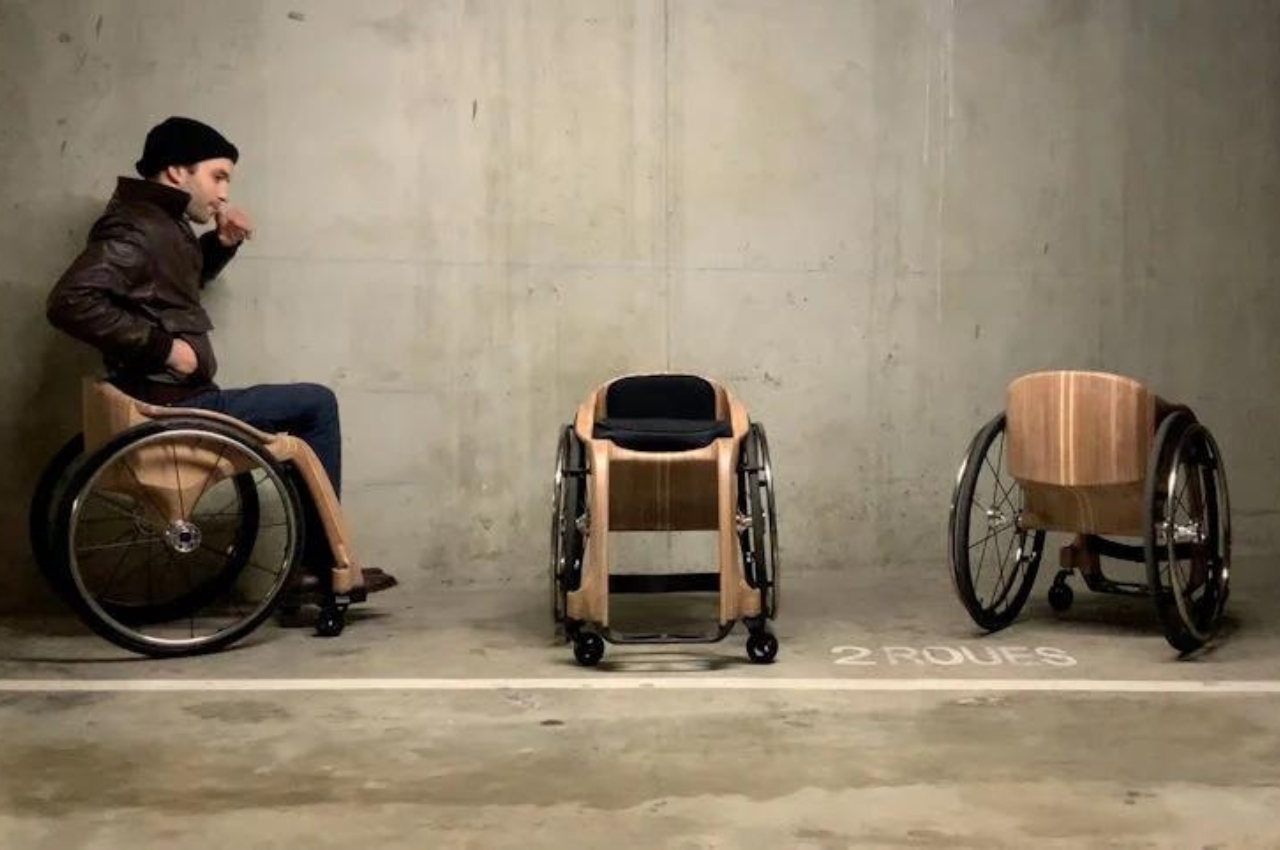
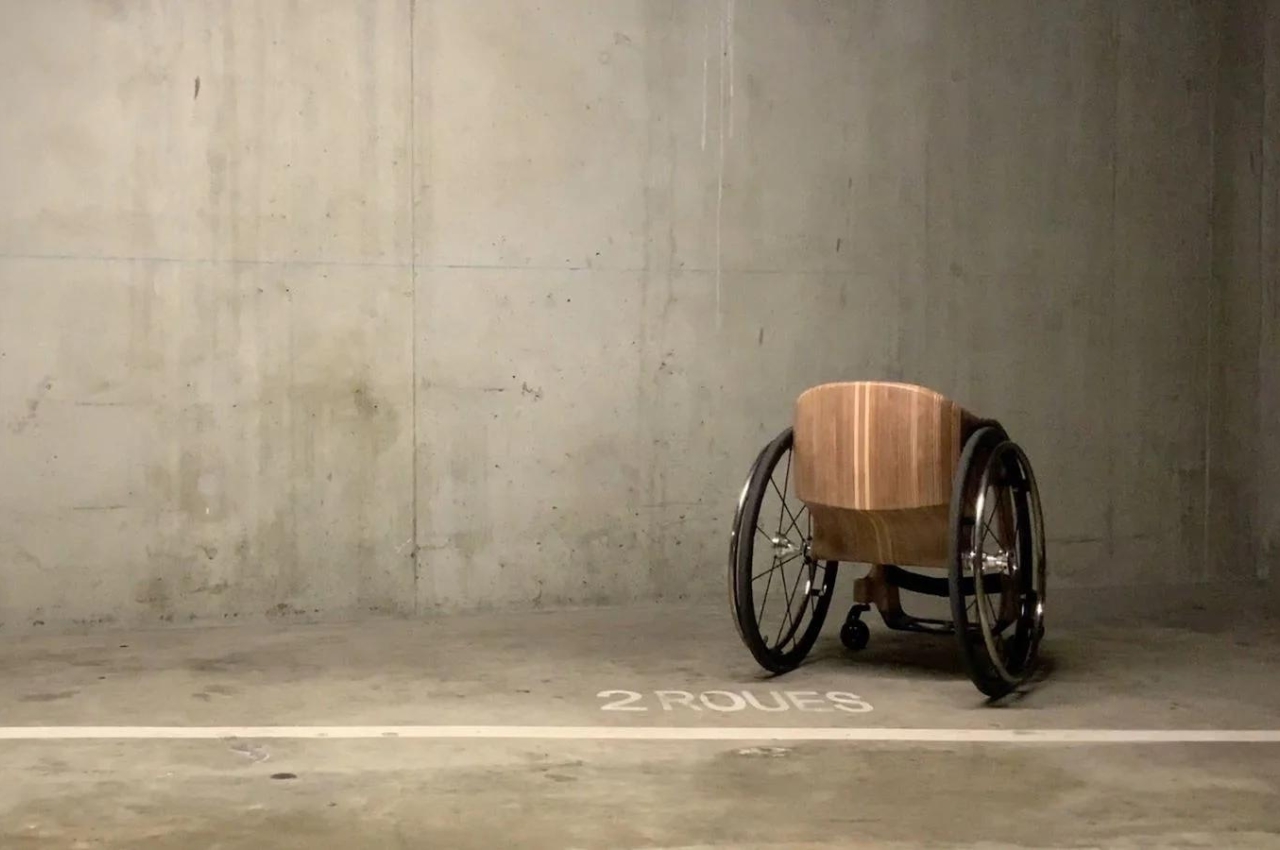
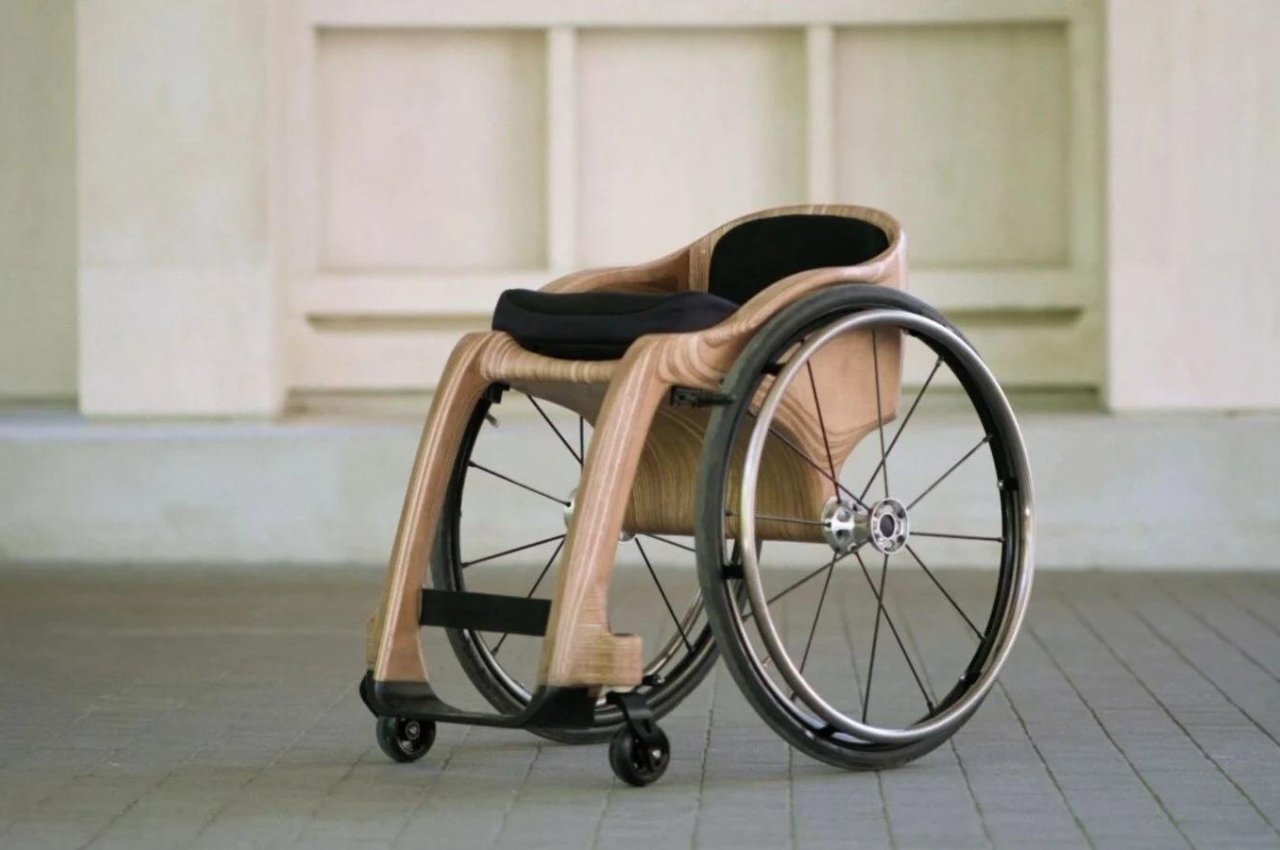
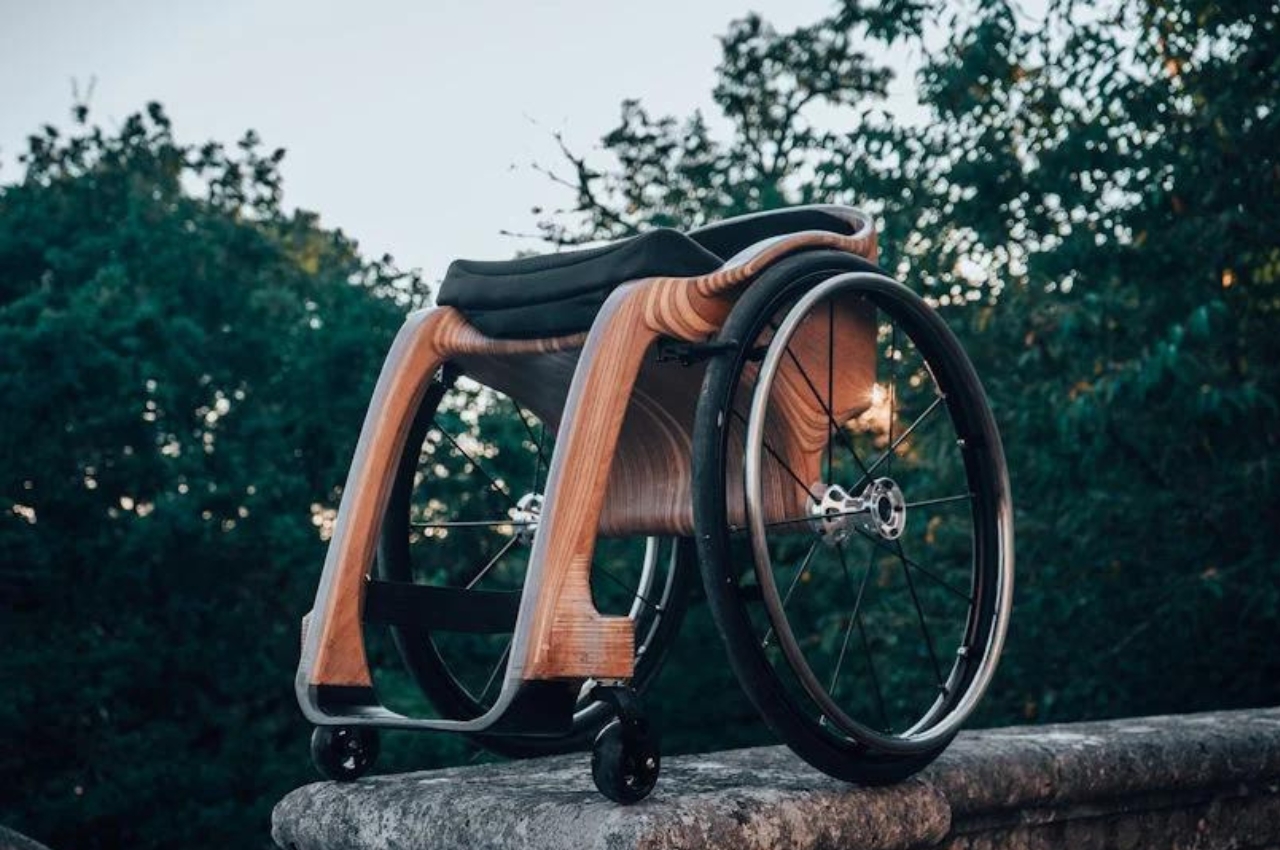
There are a lot of well-designed wheelchairs currently in the market for those who need mobility aids to get around. Most of them use basically the same materials and will have a few differences in terms of features and functionality. A new wheelchair design that is eco-conscious but also aesthetically appealing was recently unveiled and its first beneficiary is one of the most famous people on Earth that needs a wheelchair to get around – Pope Francis.
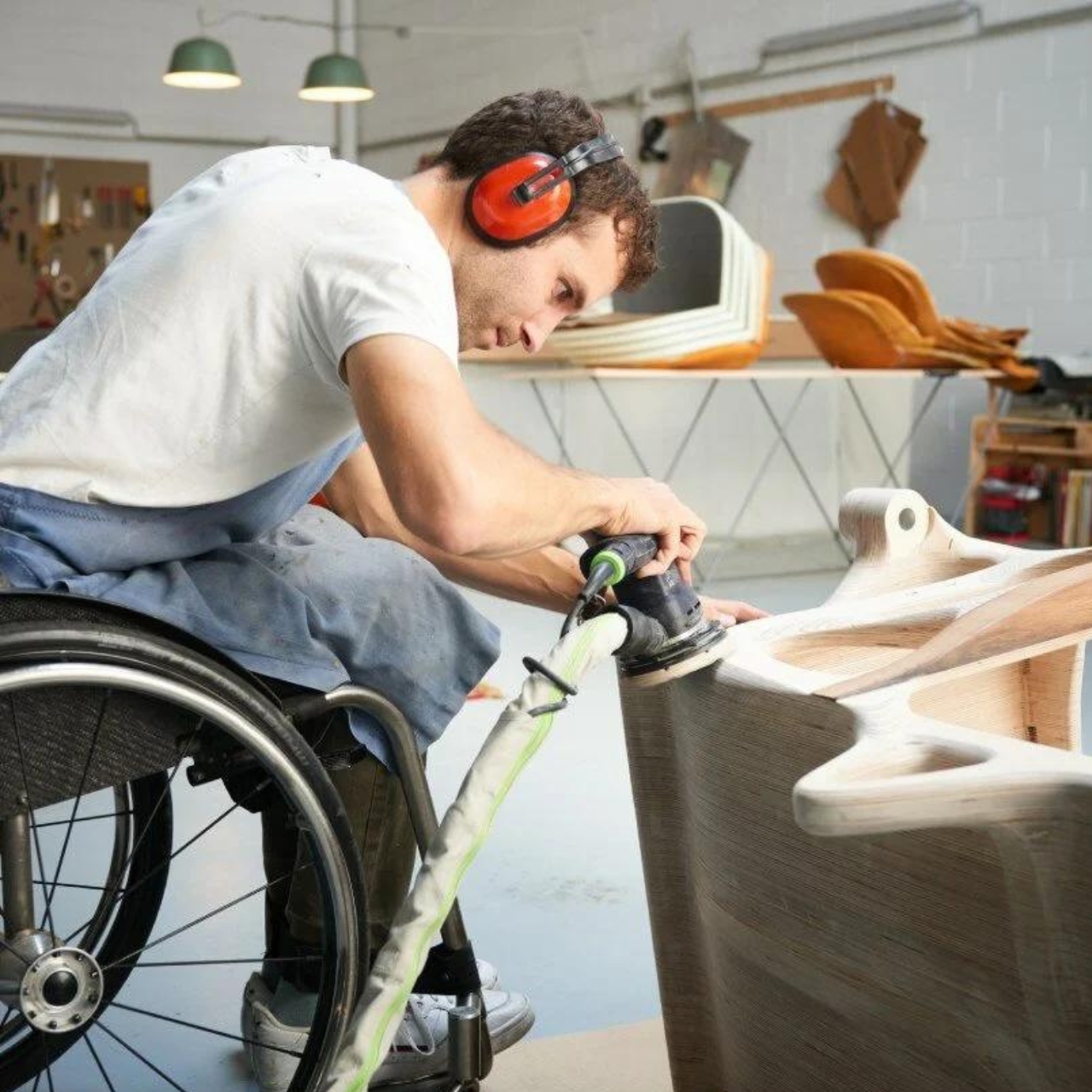
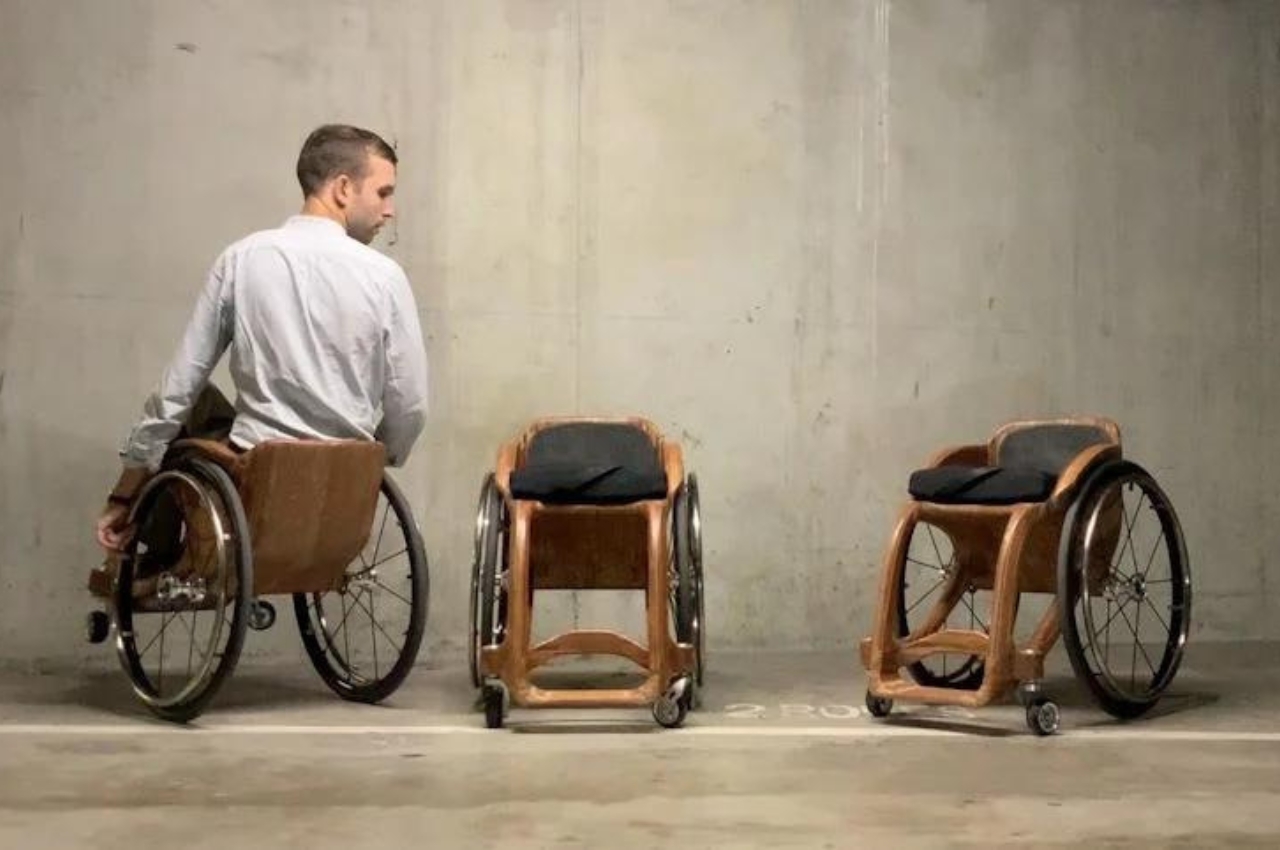
The Apollo Wooden Wheelchair was designed by Paul de Livron, a French craftsman and designer who has been making his own wheelchair models ever since he broke his spine and had to use wheelchairs back in 2013. He was finally able to create a wooden wheelchair prototype that is eco-friendly and can use locally available materials as well as not so expensive and also not that complex.
Aside from the fact that the materials used are sustainable, the other “superpower” that the wooden wheelchair possesses is that it changes the way that other people will look at those who will be using this unique-looking mobility aid. The wooden aesthetic adds an interesting aspect to something that used to be purely functional and was in fact a source of embarrassment to some of its users.
Early last year, they presented an enhanced prototype of the wheelchair to Pope Francis who has been using a wheelchair to get around because of his constant knee pain. de Livron was actually given piece of wood from the medieval frame of the Notre-Dame Cathedral to incorporate into the wheelchair and he also put in some other religious details to make it a wheelchair worthy for a pope.
There aren't enough films that put movie stars in mechs and task them with saving the world. But that's just what Netflix flick Atlas is doing with Jennifer Lopez.
She plays Atlas Shepherd, "a brilliant but misanthropic data analyst with a deep distrust of artificial intelligence," who joins a team that's aiming to secure a renegade robot. As it happens, Atlas and said machine share "a mysterious past," according to Netflix. Inevitably, things don't go as planned. Atlas finds herself stuck on a distant planet (a long way from any block), inside a robot she has to trust to help her protect life back home.
The first trailer doesn't shed much more light on the plot, but it does have plenty of explosive visuals. Titanfall springs to mind here, especially since it shows a mech dropping from the sky to the surface. Sadly, it's probably the closest we'll ever get to a proper Titanfall film.
Atlas also stars Simu Liu and Sterling K. Brown. The film is directed by Brad Peyton (San Andreas, Rampage). It'll hit Netflix on May 24. In the meantime, Team Engadget couldn't help but come up with some alternative titles:
Mech In Manhattan
Jenny from the Bot
This is Mech... now
This article originally appeared on Engadget at https://www.engadget.com/new-netflix-movie-atlas-puts-j-lo-in-a-giant-mech-150742144.html?src=rss
There aren't enough films that put movie stars in mechs and task them with saving the world. But that's just what Netflix flick Atlas is doing with Jennifer Lopez.
She plays Atlas Shepherd, "a brilliant but misanthropic data analyst with a deep distrust of artificial intelligence," who joins a team that's aiming to secure a renegade robot. As it happens, Atlas and said machine share "a mysterious past," according to Netflix. Inevitably, things don't go as planned. Atlas finds herself stuck on a distant planet (a long way from any block), inside a robot she has to trust to help her protect life back home.
The first trailer doesn't shed much more light on the plot, but it does have plenty of explosive visuals. Titanfall springs to mind here, especially since it shows a mech dropping from the sky to the surface. Sadly, it's probably the closest we'll ever get to a proper Titanfall film.
Atlas also stars Simu Liu and Sterling K. Brown. The film is directed by Brad Peyton (San Andreas, Rampage). It'll hit Netflix on May 24. In the meantime, Team Engadget couldn't help but come up with some alternative titles:
Mech In Manhattan
Jenny from the Bot
This is Mech... now
This article originally appeared on Engadget at https://www.engadget.com/new-netflix-movie-atlas-puts-j-lo-in-a-giant-mech-150742144.html?src=rss
Tech has a bad (and deserved) reputation as a sleep killer. Blue light, incessant scrolling and information onslaught conspire to keep us on edge and exiled from dreamland. But a few gadgets and apps out there may actually help us sleep. We’ve tried many such products over the years and have gathered the ones that actually did some good in this list. But first, take the arguably most important step towards good sleep: Use the sleep schedule on your phone (Android, iPhone). Once you’ve done that, check out the best sleep gadgets below and prepare to shuffle off to the land of nod.
Best sleep apps and gadgets
This article originally appeared on Engadget at https://www.engadget.com/the-10-best-sleep-apps-and-gadgets-for-a-better-nights-sleep-in-2026-114742582.html?src=rss
Motorola has added two new smartphones to its range, the 2024 Motorola Moto G 5G and the Moto G Power 5G, these new models come with a range of new features and also upgrades from the previous models. The Moto G 5G features a 6.6-inch 120Hz adaptive display for smooth scrolling and efficient multitasking, enhancing […]