The ASUS Pro WS 600M-CL is a chipset-less mATX motherboard designed for efficiency, with high-speed MCIO ports and seamless AMD EPYC 4004 integration.
The post ASUS Pro WS 600M-CL: The Chipset-Less mATX Motherboard first appeared on Trendy Gadget.
The ASUS Pro WS 600M-CL is a chipset-less mATX motherboard designed for efficiency, with high-speed MCIO ports and seamless AMD EPYC 4004 integration.
The post ASUS Pro WS 600M-CL: The Chipset-Less mATX Motherboard first appeared on Trendy Gadget.
For the Urwerk and MB&F fans on a budget, the MS1001-Ti does what those brands do best – it challenges the very archetype of a wristwatch on every level… but does so on a $319 price tag.
Take one glance at the MS1001-Ti watch from MECEXP and I guarantee you’ll be compelled to look again and again. The watch’s avant-garde design goes beyond its chiseled shape. Instead of one watch face, it sports two – in the form of linear windows on the left and right, with moving arrows that point at the hours and minutes respectively. The windows are separated by a metal channel that serves as branding, but also provides cover for the watch’s unique backlight, giving the entire timetelling experience a modern facelift. The watch itself boasts a titanium alloy outer casing, complete with sapphire crystals on the front… and on the inside, the entire watch runs on MECEXP’s own self-developed movement, drawing power from a lithium-ion battery that recharges using a contact-point charger like the ones you get with smartwatches. In short, there’s nothing conventional about the MS1001-Ti and that’s precisely what makes it so incredible.
Designer: MECEXP
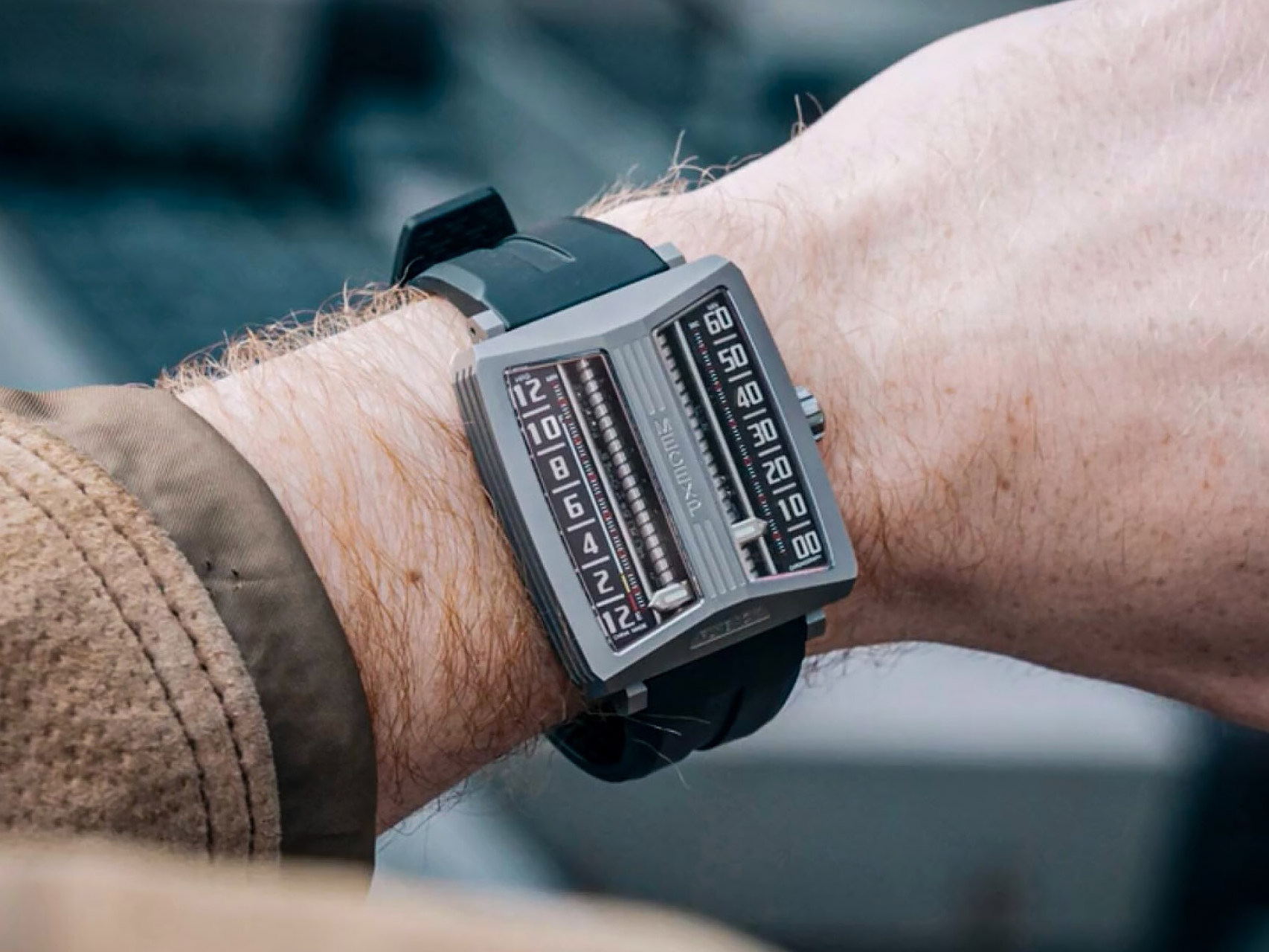
I know it’s an overused metaphor but the MS1001-Ti does share a lot spiritually with the Cybertruck. It challenges existing norms, comes with a uniquely geometric design and a highly durable construction, and runs on a lithium battery. In short, it’s electric on the inside, and unconventionally edgy on the outside. The watch itself sports a machined titanium-alloy body, known for being both hypoallergenic and hyper-durable. The oddly appealing low-poly design puts the watch in a visual class of its own, while its linear time-telling experience instantly turns it into an iconic wristwatch.

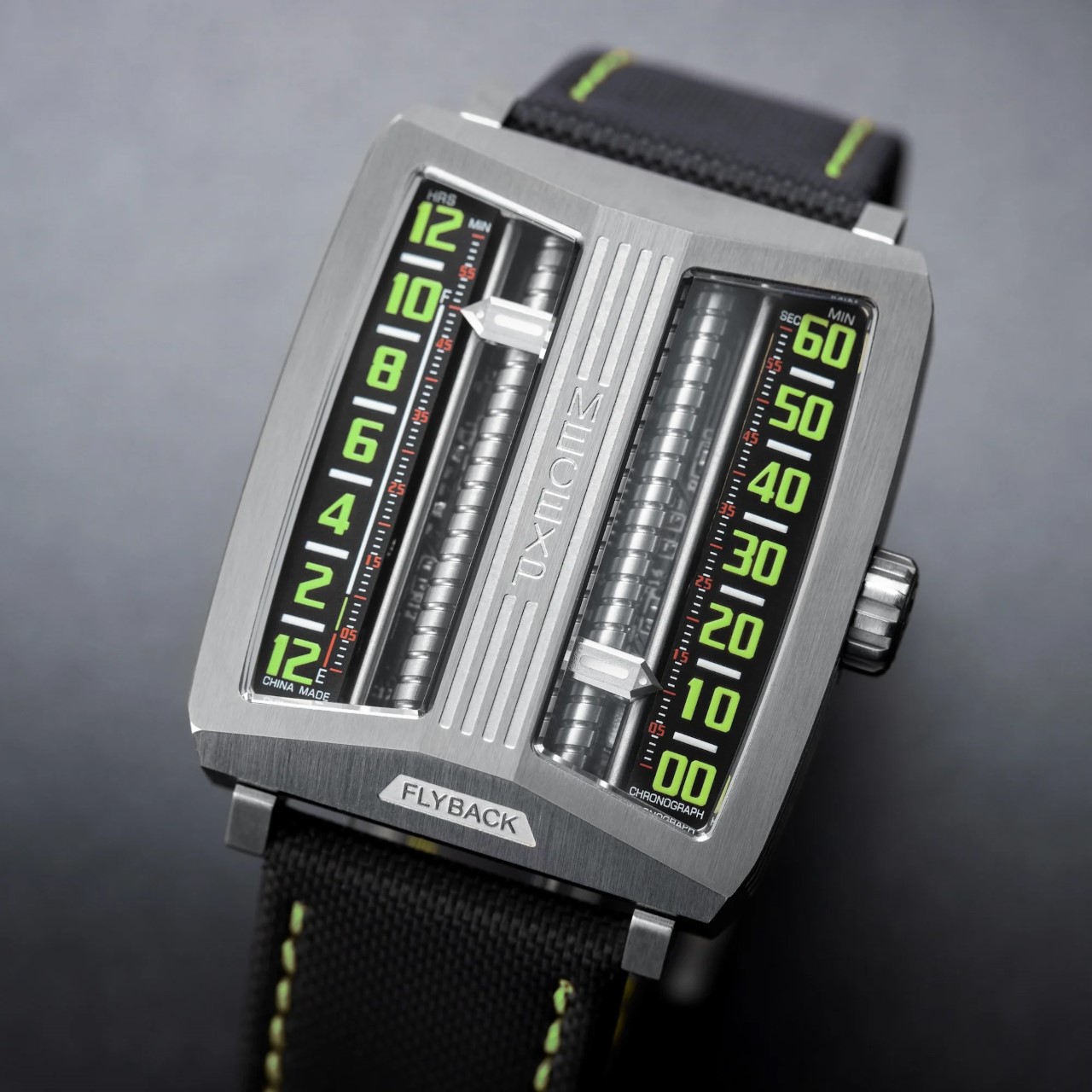
The time-telling UX is a masterclass in its own right. The watch doesn’t come with rotating hands or a digital screen. Instead, it uses a screw-based linear flyback movement and a traveling arrow to help tell the time. This unorthodox experience doesn’t require a learning curve – simply put, the hour is indicated on the left, and the minutes on the right. CNC motors operate the rotating screw, which allows the arrow to travel up and down the hour or minute window. It’s an experience that just as satisfying to watch as it is easy to read. Clear, large, 3D numbers on either side make the time easy to read in broad daylight… and if you want some added flair, pressing the crown on the side triggers the watch’s blue backlight, allowing you to read the time at night too.


A lithium-ion battery powers the entire experience bridging the gap between horology and technology. The MS1001-Ti replaces the conventional spring with CNC motors, which utilize digital programming and digital tracking for time calibration. “The complicated mechanical movement of the watch is achieved through algorithmic programming, perfectly integrating modern intelligence with mechanical timekeeping,” say the folks at MECEXP. In short, this timepiece isn’t for traditionalists or purists.
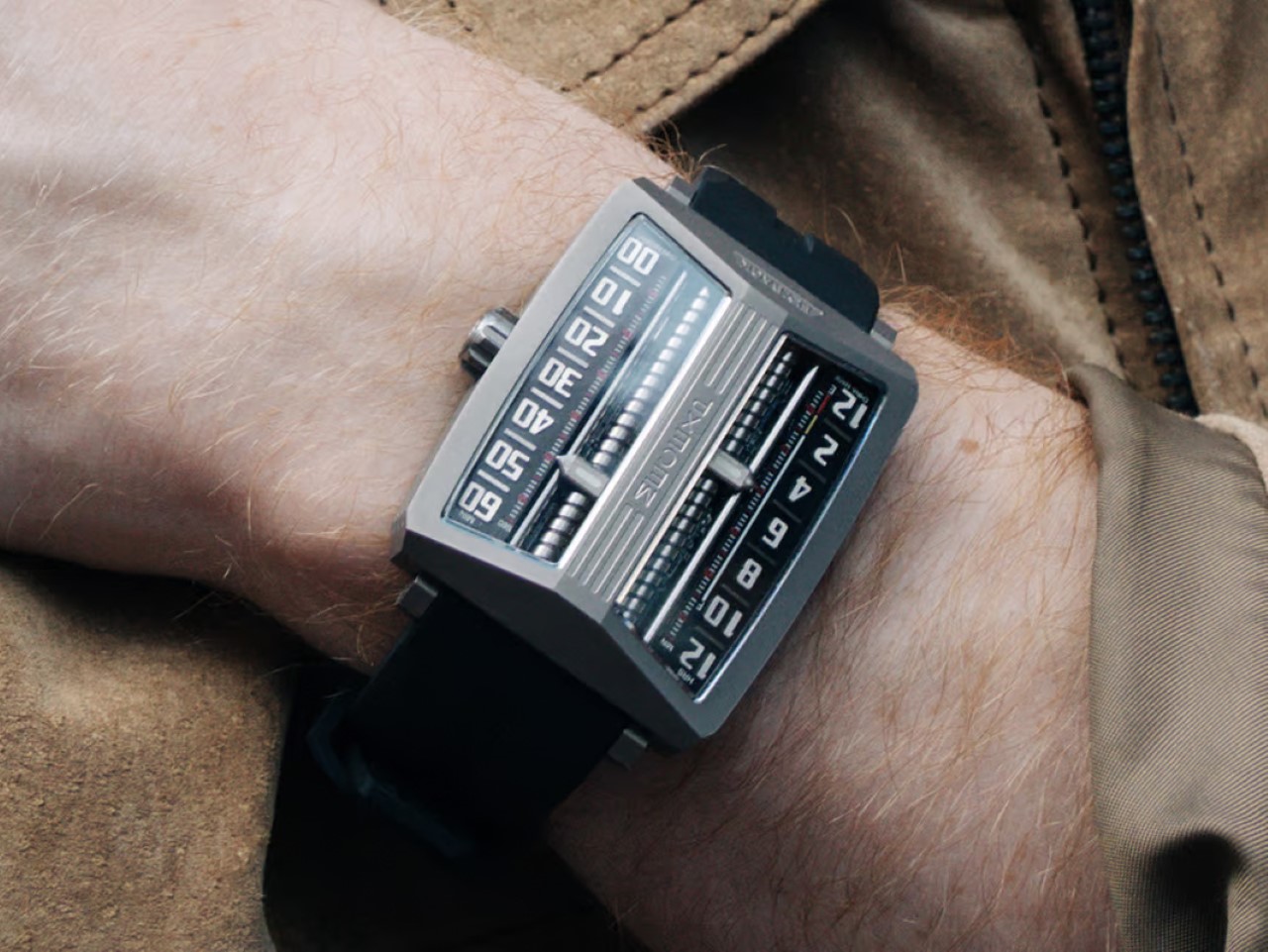

The MS1001-Ti bases itself on the company’s MS1001 design from not too long ago. The upgraded variant now sports a titanium outer shell, making it more durable but simultaneously lighter than its predecessor, weighing a mere 86 grams or 3 ounces, while also boasting a marginally larger dial and display window. The display window is capped with anti-scratch sapphire crystal which also gives the watch up to 30 meters or 3ATM of water resistance. Meanwhile, fluoro rubber straps offer a classic yet sporty aesthetic with the added benefit of being water/weather resistant. The inner 270mAh battery lasts a respectable 35 days on a full charge, and a contact-based charging cable lets you recharge your watch in a jiffy.
Despite its groundbreakingly different design and movement, the MS1001-Ti starts at an affordable $319, which includes a classy packaging box, a charging cable, 2 years of warranty, and free global shipping.
The post This Urwerk-inspired Watch has a Stunning Custom Linear Movement within its Titanium Watch Body first appeared on Yanko Design.

Created using AI
Music icon and Louis Vuitton Creative Director Pharrell Williams called for the International Olympic Committee to reinstate the ‘arts competitions’ which were held as an official part of the Olympic events until their phasing out in 1948. Between the years 1912 to 1948, the Summer Olympics gave out medals for excellence in art forms like architecture, literature, music, painting, and sculpture, going beyond just conventional sports. These art-forms were heavily inspired by the summer sports, tying well into the competition.
Williams has recently created waves by advocating for a return of the arts competitions to the Olympics, an idea that evokes a sense of nostalgia and intrigue. Once a cornerstone of the Games, the arts competitions, which included architecture, literature, music, and visual arts, fell away after the 1948 London Olympics. Concerns over professional versus amateur participation led to their demise. Yet, the legacy of these competitions lives on through iconic structures like Jan Wils’ Amsterdam Olympic Stadium, which celebrated the powerful synergy between sports and design.

Jan Wils’ Olympic Stadium Design in Amsterdam
Now, as the world eagerly anticipates the 2028 Los Angeles Olympics, Williams has proposed a renaissance of architectural competition within the Games. Speaking at an event celebrating the opening of the Paris 2024 Olympics, the Louis Vuitton creative director expressed his desire to “put the arts back in.”
The idea of an architectural competition within the Olympics is undeniably compelling. It offers an opportunity to showcase the world’s most talented architects and to inspire future generations of designers. By integrating architecture into the Olympic platform, we celebrate not just the athletes who push the boundaries of human performance, but also the architects who push the boundaries of design.
Moreover, architecture is intrinsically linked to the Olympics. The host city’s architectural landscape becomes a stage for the world’s greatest athletes. From the ancient Greek stadiums to the iconic structures of modern Games, architecture has played a pivotal role in shaping the Olympic experience. Reviving the architectural competition would elevate this relationship to new heights.

Created using AI
Of course, challenges lie ahead. Reintroducing the arts competitions into the Olympic program will require careful consideration. Questions of format, judging criteria, and the potential impact on the Games’ overall structure need to be addressed. Furthermore, ensuring a level playing field between professionals and emerging talents is crucial.
Yet, the potential rewards are immense. An architectural competition could spark a global conversation about the role of design in society. It could inspire innovative solutions to urban challenges, promote sustainable development, and foster cross-cultural collaboration. Moreover, it could create a lasting legacy for the host city, far beyond the closing ceremony.
Pharrell Williams’ vision of a new Olympic era, one that embraces both athleticism and artistry, is a bold and inspiring one. It has the potential to redefine the Games, transforming them into a truly holistic celebration of human creativity and achievement. As the world watches with anticipation, we can only hope that Williams’ dream becomes a reality.

Pharrell Williams was tapped to be Louis Vuitton’s Creative Director after the passing of Virgil Abloh
The post Architecture Used To Be An Olympic Sport: Pharrell Williams Calls For Its Return To The 2028 Olympics first appeared on Yanko Design.
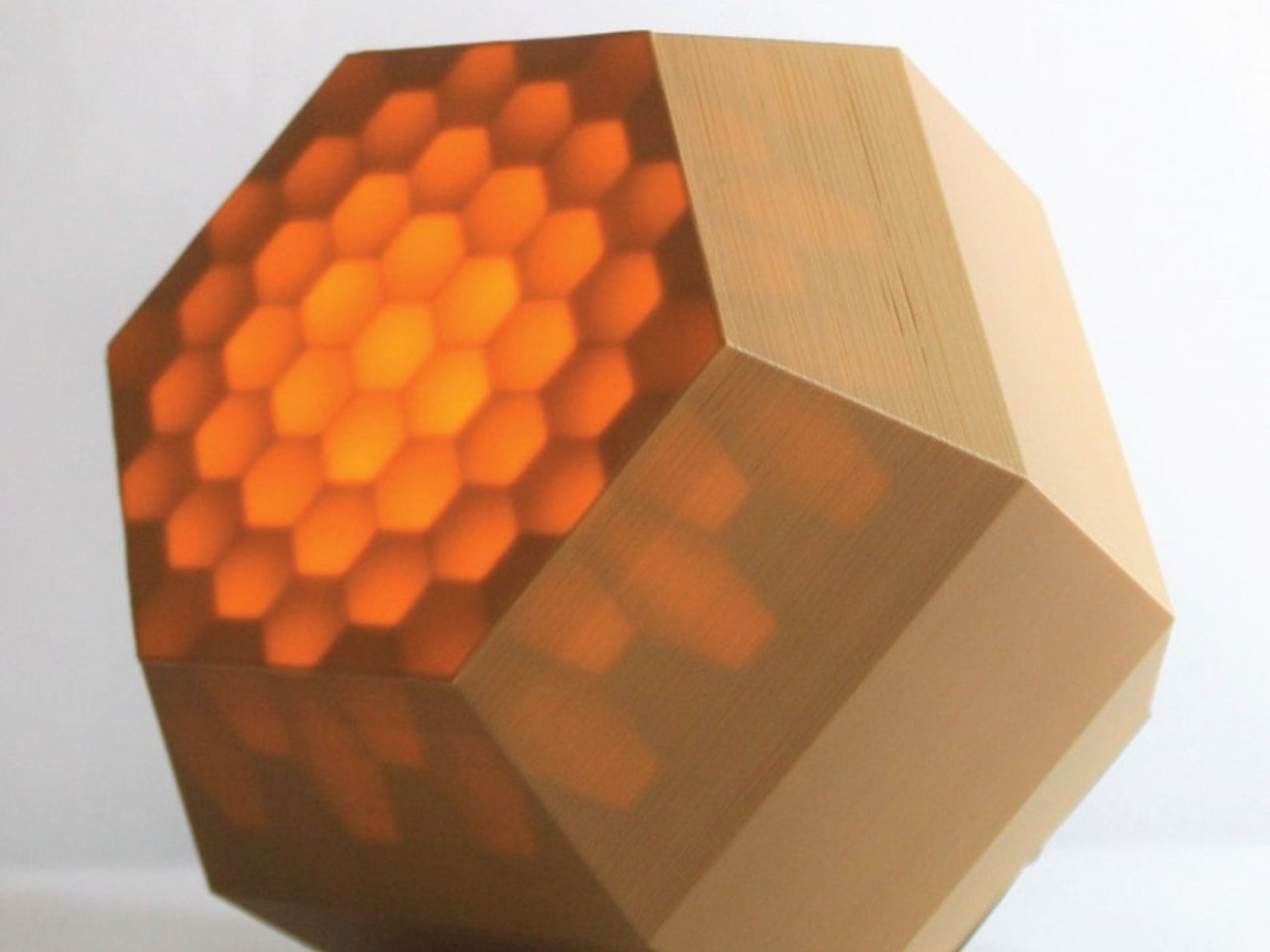
The Hidden Honeycomb Light Box is a lamp that is a portal to a world of hidden beauty and captivating design. Inspired by the secret wonders beneath the streets of Athens and the intricate details of 3D-printed art, this unique creation invites you to discover the magic that lies within. The moment you switch it on, you’re greeted by an enchanting glow that dances through a honeycomb pattern, transforming an ordinary light into a mesmerizing spectacle. It’s a perfect blend of form and function, where every element has been thoughtfully crafted to please both the eyes and the conscience.
Designer: LV3DPrinting
At its core, the Light Box is a celebration of design ingenuity. Crafted specifically for an E27 lamp holder with a 40mm diameter, it’s both versatile and practical, fitting effortlessly into various settings. Its compact dimensions—183mm in length, 180mm in width, and 165mm in height make it a striking addition without overwhelming your space.

Made from PLA (Polylactic Acid), a biodegradable material known for its eco-friendly properties, this light box stands as a testament to sustainable design. The honeycomb structure, meticulously brought to life through 3D printing, is not just for show, it’s a symbol of efficient material use, blending aesthetics with a commitment to environmental responsibility.

One of the most captivating aspects of the Hidden Honeycomb Light Box is its ability to adapt to different environments. Whether it’s gracing a modern office, adding warmth to a cozy living room, or bringing a touch of sophistication to a stylish bedroom, this light box effortlessly elevates any space it inhabits. The soft, inviting glow it emits creates a welcoming atmosphere, perfect for relaxing or setting the mood. While it’s designed for indoor use, the light box also offers the option of an outdoor model, providing even more flexibility to tailor your lighting experience to your personal needs.

Customization is another feature that sets the Light Box apart. Available in a range of colors, you can choose a shade that perfectly complements your decor or makes a bold statement. Whether you prefer a timeless white, a dramatic black, or a playful pastel, the lightbox allows you to express your unique style while adding a touch of elegance to your space.
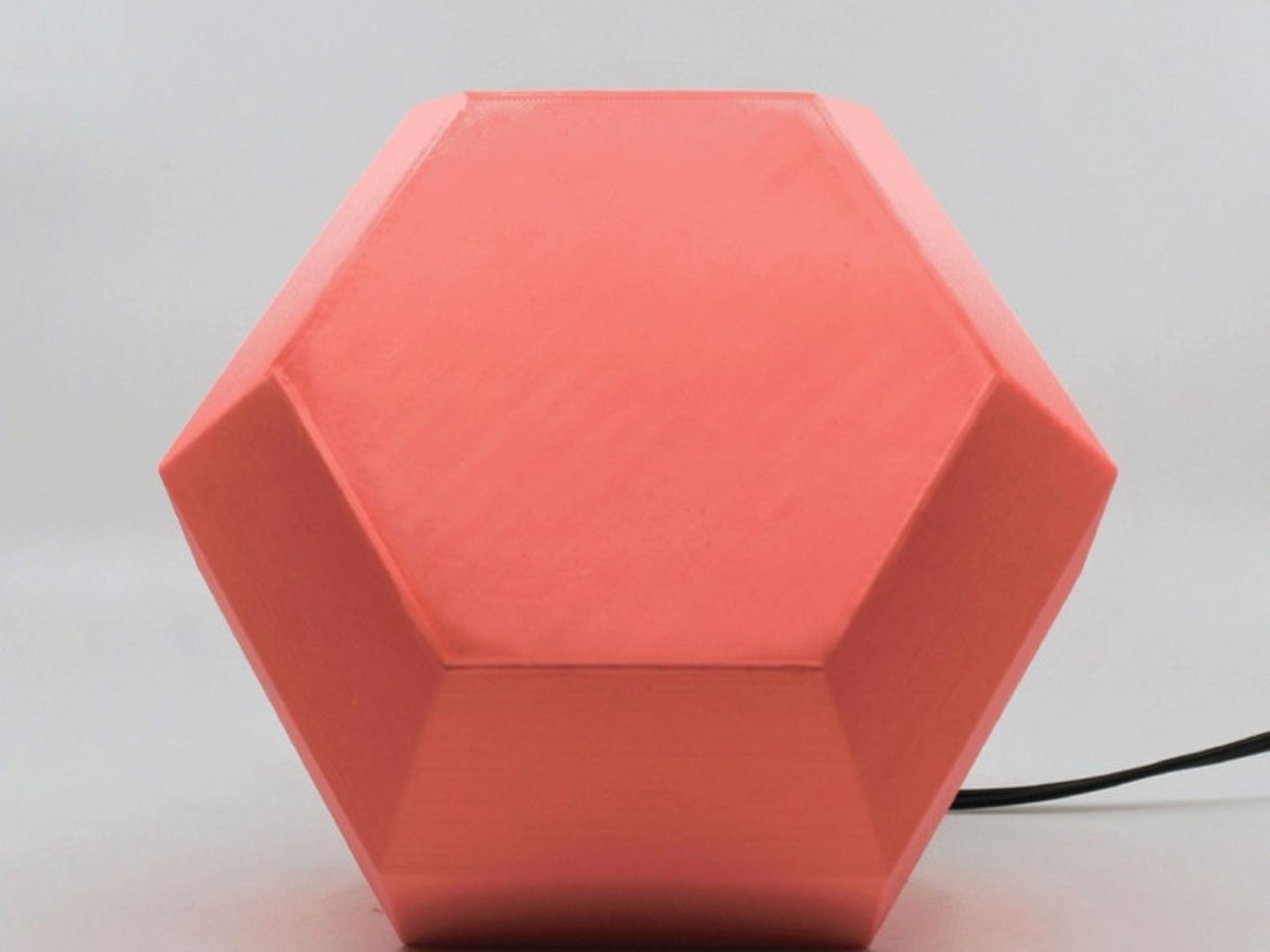
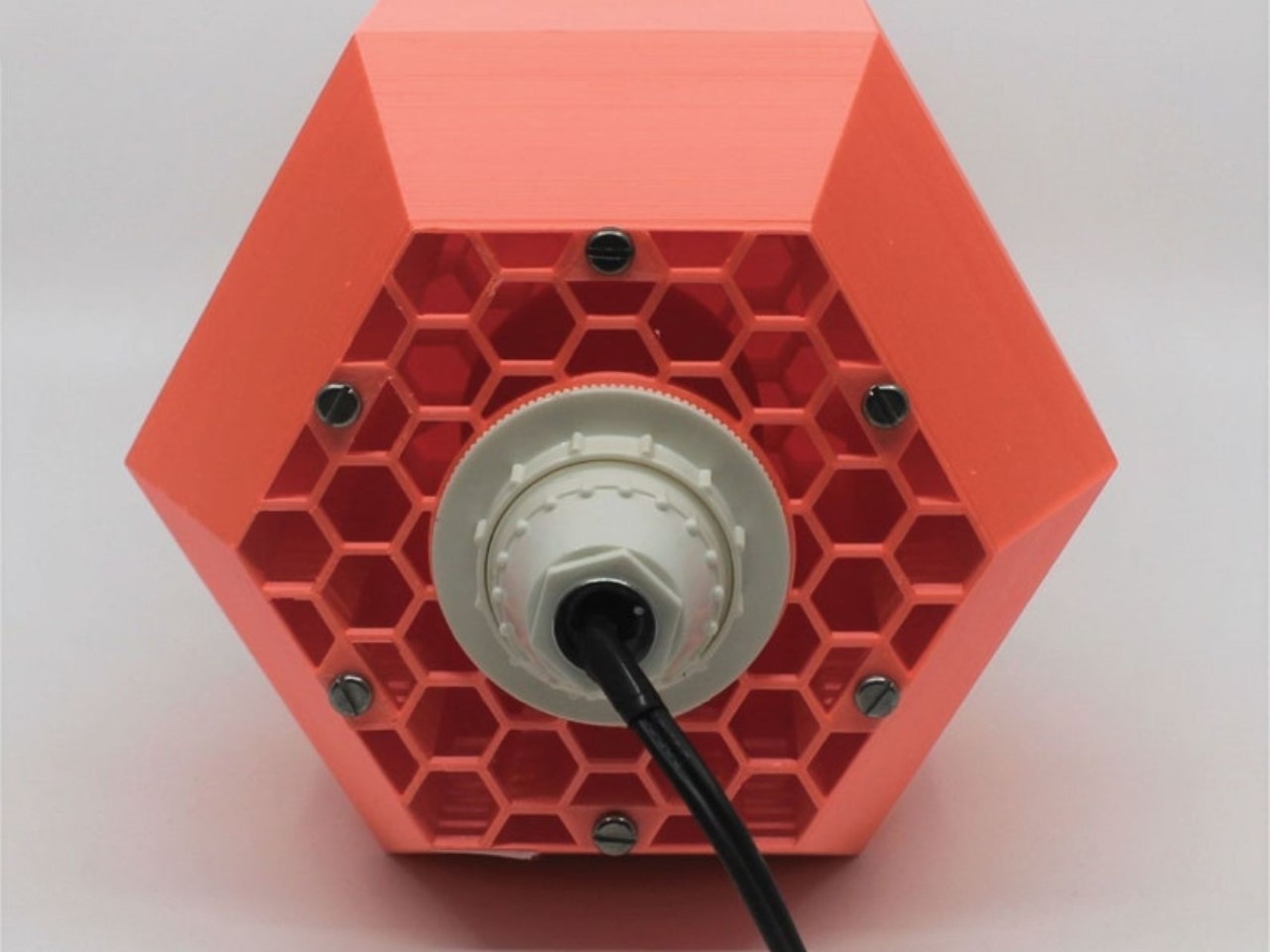
The post 3D-printed Honeycomb Lamp hides a ‘pixelated’ light within its seemingly plain design first appeared on Yanko Design.
Apple pulled the latest short film in its The Underdogs: OOO (Out of Office) series set in Thailand. The tech giant scrubbed it over complaints about stereotypical portrayals of Thailand and its people in certain scenes.
The Bangkok Post reports that Apple issued an apology to the people of Thailand for the fifth film in its Underdogs series. The ad series features a group of travel weary office workers navigating the world using Apple’s various products.
Several viewers posted comments criticizing the film’s use of a sepia filter to make Thailand seem underdeveloped. The comments also called out the costuming and scenery decisions in its airport scene using outdated representations of Thailand’s citizens.
Sattra Sripan, the spokesman for the Thai House of Representatives’ committee on tourism, called for a boycott over the ad.
“Thai people are deeply unhappy with the advertisement,” Sripan said in a statement. “I encourage Thai people to stop using Apple products and change to other brands.”
Apple issued an apology for the ad shortly after pulling it off of YouTube. Lawmakers have also invited Apple representatives to visit with them to discuss the ads and how they portray Thailand on film.
“Our intent was to celebrate the country’s optimism and culture, and we apologize for not fully capturing the vibrancy of Thailand today,” the statement read.
This is the second time this year that Apple has apologized for a commercial. Apple pulled an ad back in May that it told AdAge “missed the mark” for its new thin iPad Pro. The commercial features a giant pneumatic press crushing a large collection of items used in or to represent creative endeavors such musical instruments, paints, a generic arcade cabinet, and camera equipment. The steel crusher smooshes everything flat and lifts up to reveal an intact iPad sitting on the lower steel block that a voiceover describes as “the most powerful iPad ever is also the thinnest.”
Artists, musicians and other creators took offense to the ad’s implied tone that generative AI would replace human artistic endeavors. Apple vowed not to air the ad on TV but it’s still on its YouTube page with the comments section disabled.
This article originally appeared on Engadget at https://www.engadget.com/apple-apologizes-for-another-ad-that-missed-the-mark-220045564.html?src=rss
We have been through various iterations of 4×4 off-roading camper vans that adventurers swear by. Yet there is scope for new entrants, not so much because of the market demand, but because of the scope for innovation, which companies try and explore at every given opportunity. The latest in the league is the Vanyx 4×4 off-roader which distinguishes itself with its robust yet lightweight construction, ensuring top-notch performance on any terrain.
Conceived for long-term travelers, the camper allows you to immerse yourself in nature’s beauty while keeping safe and self-sufficient for weeks on the trot. It is therefore designed with the idea of eliminating the reliance on diesel and maximizing self-sufficiency in electricity and water.
Designer: Vanyx

Loosely termed as “A Game-Changer in Camper Vans,” the Vanyx could revolutionize the camper van market with its carbon fiber “Luxury Edition,” of which only 99 units will be produced. Its exclusivity is not in the limited nature, but the ingenious split separate floors design that puts sleeping and living areas on different levels.
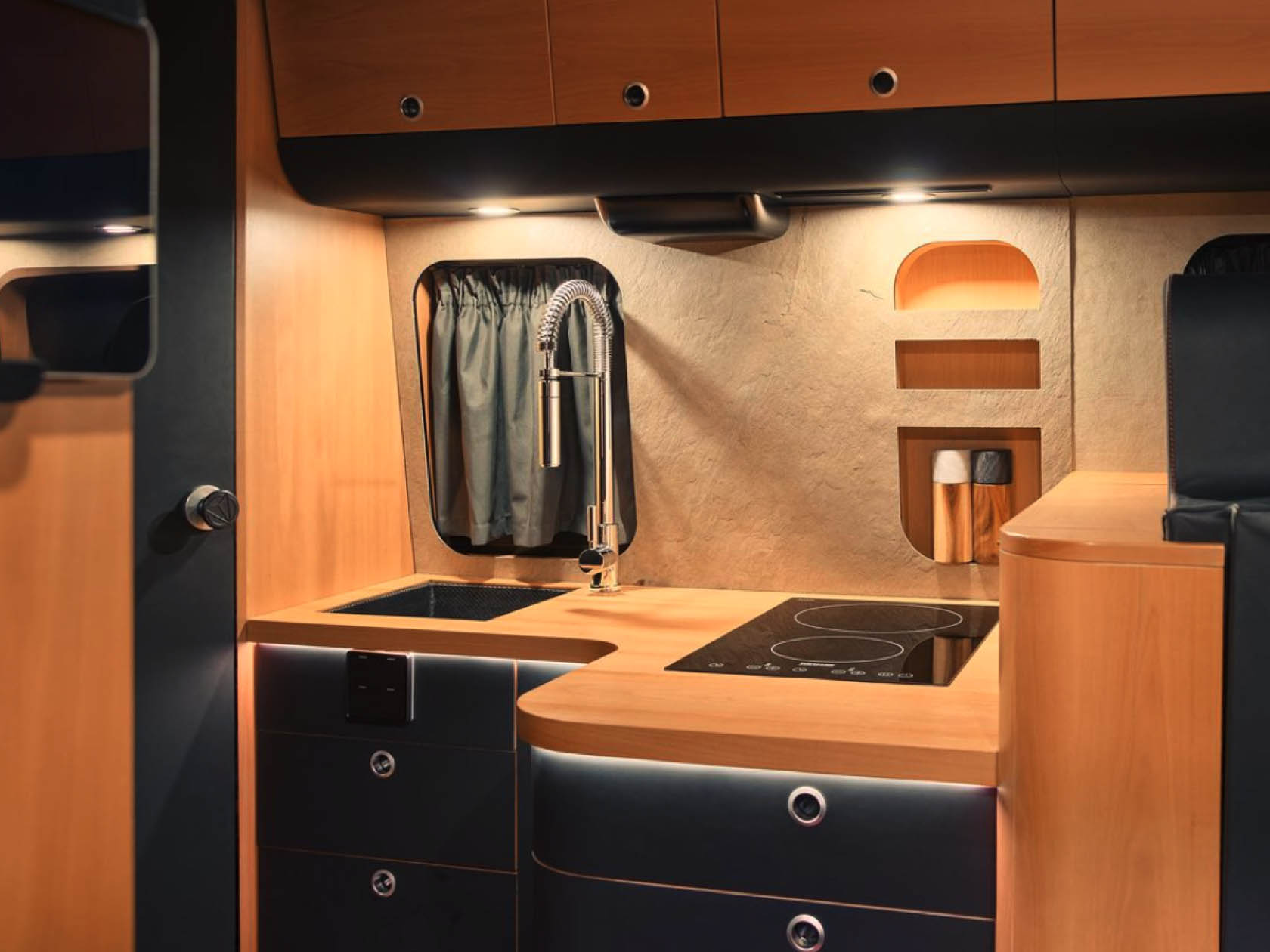
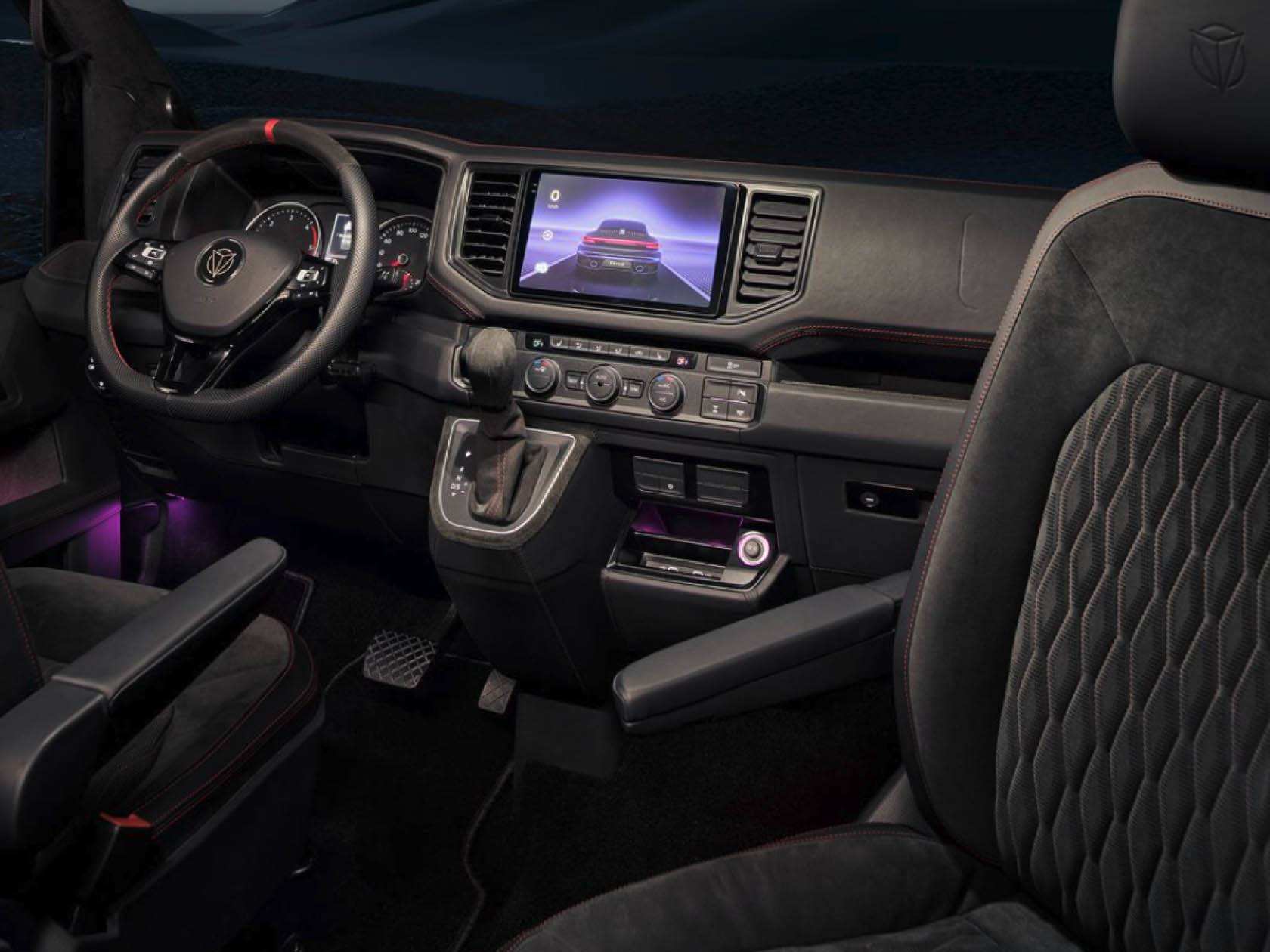
This German-built all-wheel-drive van home is packed with sufficient features and impresses especially with spaciousness and comfort on both levels. It allows occupants to explore and live autonomously and sustainably for extended days on the treks off the road. The motorhome comes with the option to choose from three distinct interior styles, comprising wood finish, stone surfaces, leather colors and even different mattress options.
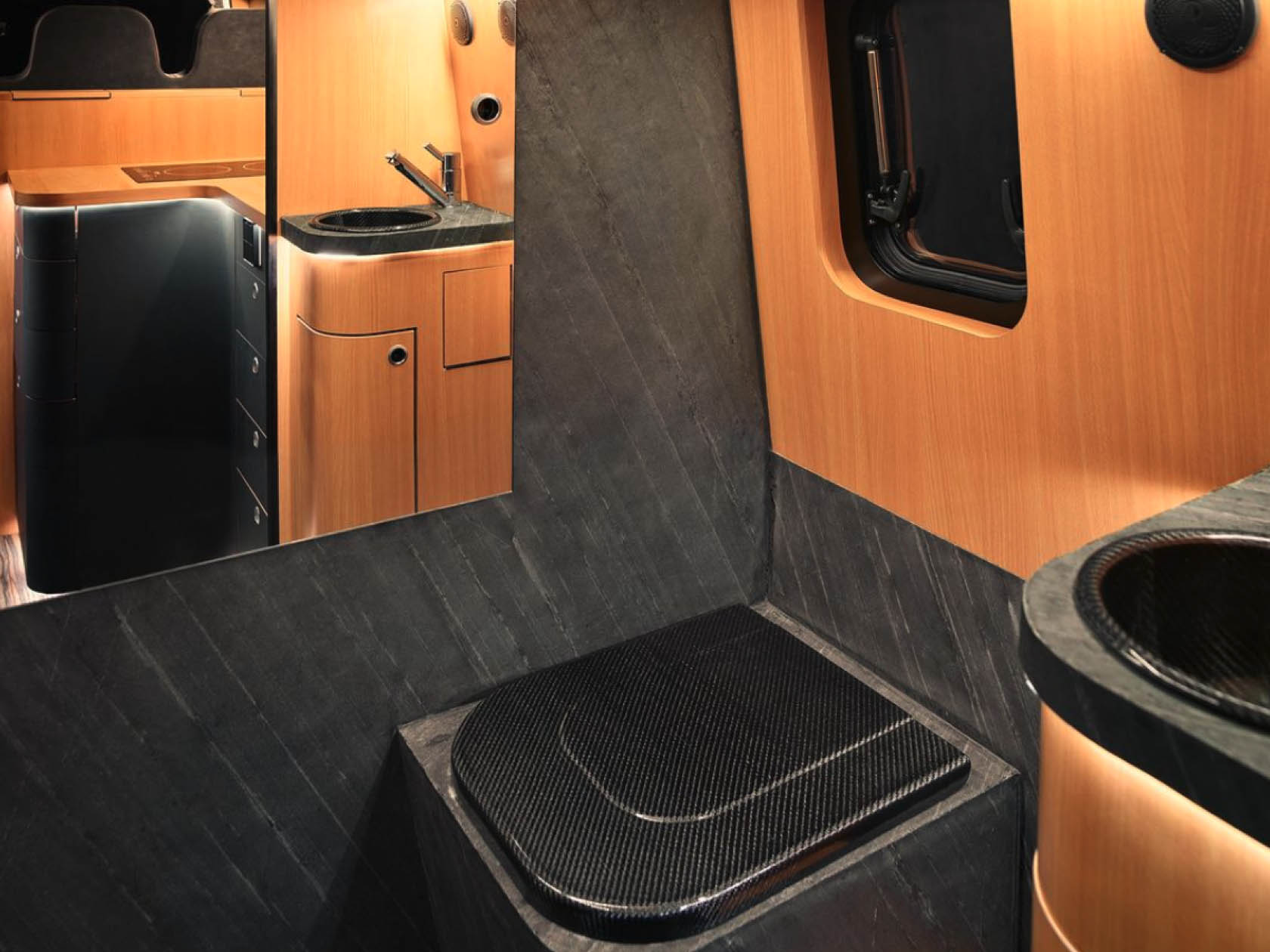
A standout luxury feature is the specially developed underfloor heating. It is coupled with stationary air conditioning, ensuring a comfortable temperature inside the camping van no matter how the elements are behaving outdoors. On the outside, the Vanyx camper van is made to be durable. It features Line X protective coating and is equipped with LED light bar, a snorkel and an electric outdoor awning to stretch the living space further out when need be. For off-roading efficiency the van is provided with automatically leveling full-air suspension, that lifts for up to 15 cm ground clearance, 18-inch forged alloy wheels, and all-terrain tires.

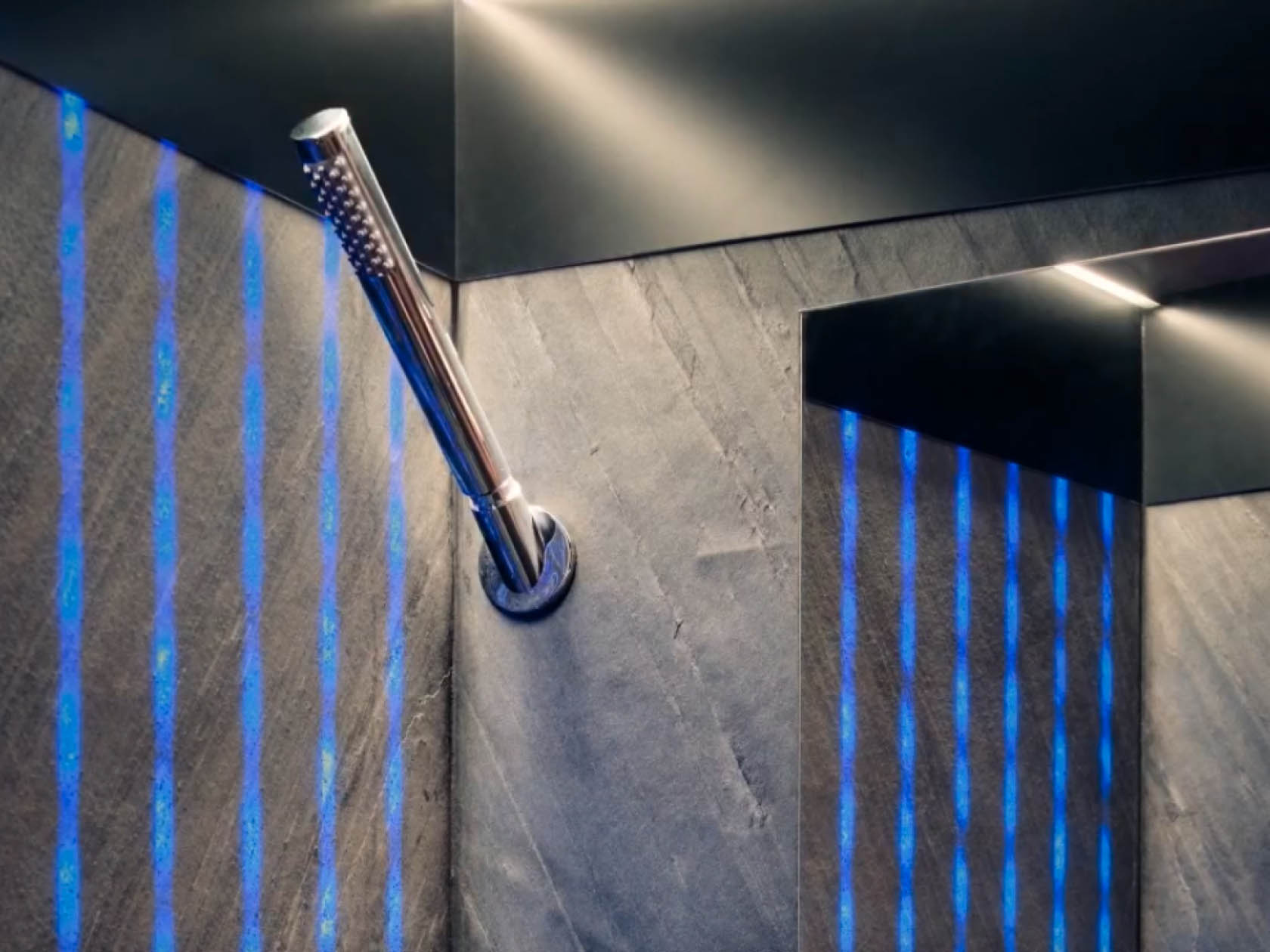
On it inside, on the bed level of the van, you have a living area comprising an L-kitchen kitchen, a bathroom complete with a dry toilet and shower, and a dinette section. On the front is the elaborate cockpit. The sleeping area is sectioned in the high roof, the roof is made from carbon fiber and is designed to accommodate (by splitting in the middle) two double beds of which one is shorter and the other is a standard queen size. The space may seem crampy but the room height is comfortable enough to give you a nice cozy sleep under the starry sky. The off-roading experience in a camper van is incomplete if the ride doesn’t ensure off-grid living. Besides the mentioned conveniences like the complete kitchen and dry toilet; the Vanyx comes with a 1200 Ah LiFePo4 lithium battery, 800W solar panels, and a 700-l fresh water tank. Starting at around a million-dollar mark, the high-luxury camper also includes a 6 kW diesel heater.




The post This limited edition 4×4 off road camper van discreetly fits two double beds in the roof first appeared on Yanko Design.
A guest who appeared on the No Jumper podcast to boast about a hack and payback scheme involving his victims’ social media accounts could face federal charges. Idriss Qibaa, also known as “Dani” and “Unlocked” who authorities allege ran the social media hacking site Unlocked4Life.com, faces two criminal felony counts filed by the US Attorney's Office in Nevada for allegedly violating interstate communications laws for threats he issued in text messages to two victims and members of their families, according to documents obtained by 404 Media.
Investigators filed the sealed complaint against Qibaa on July 25 and issued a warrant the following Monday when also made his first initial appearance in court, according to federal court records.
The criminal complaint states that the FBI received a tip about Qibaa’s alleged extortion scheme on April 1 pointing to an appearance he made on the No Jumper podcast hosted by Adam22, also known as Adam Grandmaison, back in January under his pseudonym “Dani.” Qibaa outlined a financial scheme using over 200 victims’ social media accounts in which he would lock them out of their pages and charge them to regain access.
He also boasted that he made about $600,000 a month from his activities and hired two security guards to follow him.
“You’re making $2 million a month off your Instagram and Telegraph,” Qibaa says on the podcast. “I come and I take it away and make you pay for it back and I make it public and I post it and I expose you.”
Qibaa even said on the podcast episode that he pulled the scheme on celebrities who unknowingly kept paying him to get their social media back. He later noted “I’m very petty” followed by a menacing laugh.
“I’ve talked to stars who have told me that they’ve paid to get it back 20 times over and over and over they just have to keep paying to get it back,” Qibaa says, “and I’m like you realize what’s happening to you right like the same that’s getting you it back is…you’re getting extorted.”
The criminal complaint tells the story of eight victims’ encounters with Qibaa and his services. One identified as “J.T.” operated two Instagram accounts: a cannabis news aggregate account called “theblacklistxyz” and a cannabis merchandising store under “caliplug,” both of which are currently set to private. J.T. reached out to Qibaa asking if he could obtain a username. Qibaa quoted a price back between $4,000-$5,000. J.T. refused to take Qibaa up on the offer and Qibaa responded with threats.
“Qibba told J.T. that J.T. had wasted Qibaa’s time, blocked J.T.’s Instagram pages and demanded $10,000 to reinstate it,” the complaint reads. “J.T. offered Qibaa $8,500 to reinstate the account, an offer Qibaa accepted.”
The complaint asserts that Qibba reached out to J.T. two more times. The first time, Qibba asked if J.T. would promote his Instagram page under the username “unlocked4life” that’s since been taken down. J.T. agreed but when he learned Qibaa had been threatening and extorting other victims, he confronted Qibaa and “Qibaa was irate.”
A few months later, Qibaa apparently increased the scope of his threats to J.T. and members of his family. He sent threats to call the victim’s ex-wife’s lawyer and child protective services on his kids. Screenshots of the victims’ phone show Qibaa allegedly identifying the address and phone number of the victim’s sister. He texted another family member and introduced himself as “The guy that’s gonna murder your drug dealer brother. Tell him Unlocked says hi though. We have your entire family’s info.”
Another victim identified as a journalist and comedian with the initials “E.H.” learned they were a target of Qibaa’s illegal services. Qibaa blocked their Instagram account, the name of which was redacted, at the request of a dentist in California who treated them. E.H. reached out to the Unlocked4Life account and received a reply that read, “Yo its Idriss.” He then told E.H. to pull up the No Jumper podcast episode featuring his interview. Qibaa not only took the victim’s Instagram account access away but also threatened to take their Social Security number and “blast it out” if they didn’t pay him $20,000.
According to the complaint, not even restraining orders could make Qibaa leave his victims alone. One named “R.B.” received a restraining order from Los Angeles County Superior Court in July but “Unblocked” responded, “Cute restraining order..last I checked you’re still gonna die.” Then “UNLOCKED UNCENSORED” posted on Telegram, “$50,000 reward for whoever sleeps BO this week.”
Perhaps the most disturbing threats happened to several victims in which Qibaa claimed he’d happily go to jail if payments weren’t made to him. Screenshots of the text chains show a person named “Dani” and “Daniel” telling his victims, “I will come and shoot you myself,” “I’m going to bury you for this shit” and “D., L., J., T., Children-Main Targets” referring to the victims’ children.
Another text chain shows Qibaa allegedly threatening someone that he would “rather take a life sentence for murdering you then this,” “Idc if I have to shoot you my self [sic]” and “I’ll go to jail happily.” He follows the text with the threat “Here’s the last guy that came to take photos / came near my home” and sends three pictures of an unidentified bearded man, his car and a photo of his badly bruised and bloodied on the ground.”
Adam22 concluded his podcast interview with “Dani” saying he was “very excited to see the fallout from this” and “I respect the hustle even though I can’t justify it on a moral level.”
This article originally appeared on Engadget at https://www.engadget.com/hack-and-payback-instagram-scammer-gets-nabbed-after-bragging-about-it-on-a-podcast-202509349.html?src=rssGoogle is phasing out an Olympics ad for its AI-powered chatbot, Gemini, after receiving widespread criticism for showing a father using AI to help his daughter write a fan letter to her favorite athlete. In the 60-second commercial, which is still available on YouTube, a father uses Gemini to write a fan letter to Olympic track star Sydney McLaughlin-Levrone, on behalf of his young daughter.
“She wants to show Sydney some love and I am pretty good with words, but this has to be just right,” the dad says in the commercial. “So Gemini, help my daughter write a letter telling Sydney how inspiring she is.” The ad ends with the words: “A little help from Gemini.”
A Google spokesperson told CNBC that although the ad tested well before it aired, “given the feedback, we have decided to phase the ad out of our Olympics rotation.” The spokesperson added that the ad’s goal was to create an authentic story to celebrate Team USA. “We believe that AI can be a great tool for enhancing human creativity, but can never replace it,” they added.
“The commercial showing somebody having a child use AI to write a fan letter to her hero SUCKS,” wrote Linda Holmes, the host of NPR’s Pop Culture Happy Hour podcast, on Threads. “Obviously there are special circumstances and people who need help, but as a general ‘look how cool, she didn’t even have to write anything herself!’ story, it SUCKS. Who wants an AI-written fan letter??”
Shelley Palmer, a professor of advanced media at Syracuse University’s communications school, strongly criticized the ad in a widely-shared post on her blog. She argued that the commercial’s approach could lead to a “monocultural future where original human thoughts become increasingly rare” and expressed concern for the ads’s implications for parenting and education.
The backlash reflects the broader debates around the role of AI in creative processes and its potential impact on the quality of human expression. As AI technologies continue to advance, companies are facing increasing scrutiny not only over how they portray and promote these tools but also about using the work of creative professionals without permission to train AI models.
This article originally appeared on Engadget at https://www.engadget.com/google-will-no-longer-air-an-olympics-ad-that-showed-a-child-using-ai-to-write-a-fan-letter-201214273.html?src=rss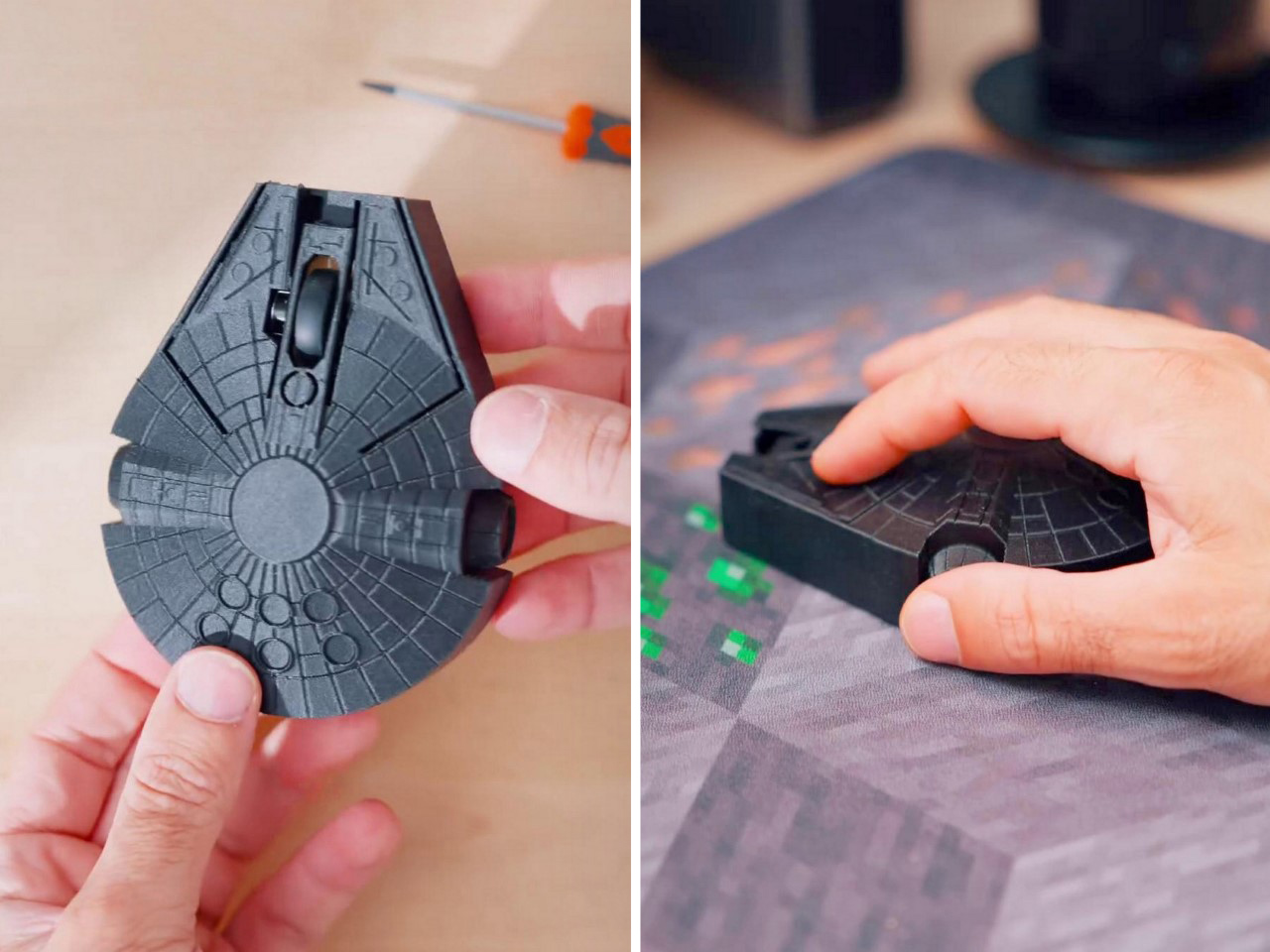
Image Credits: @itsrillo
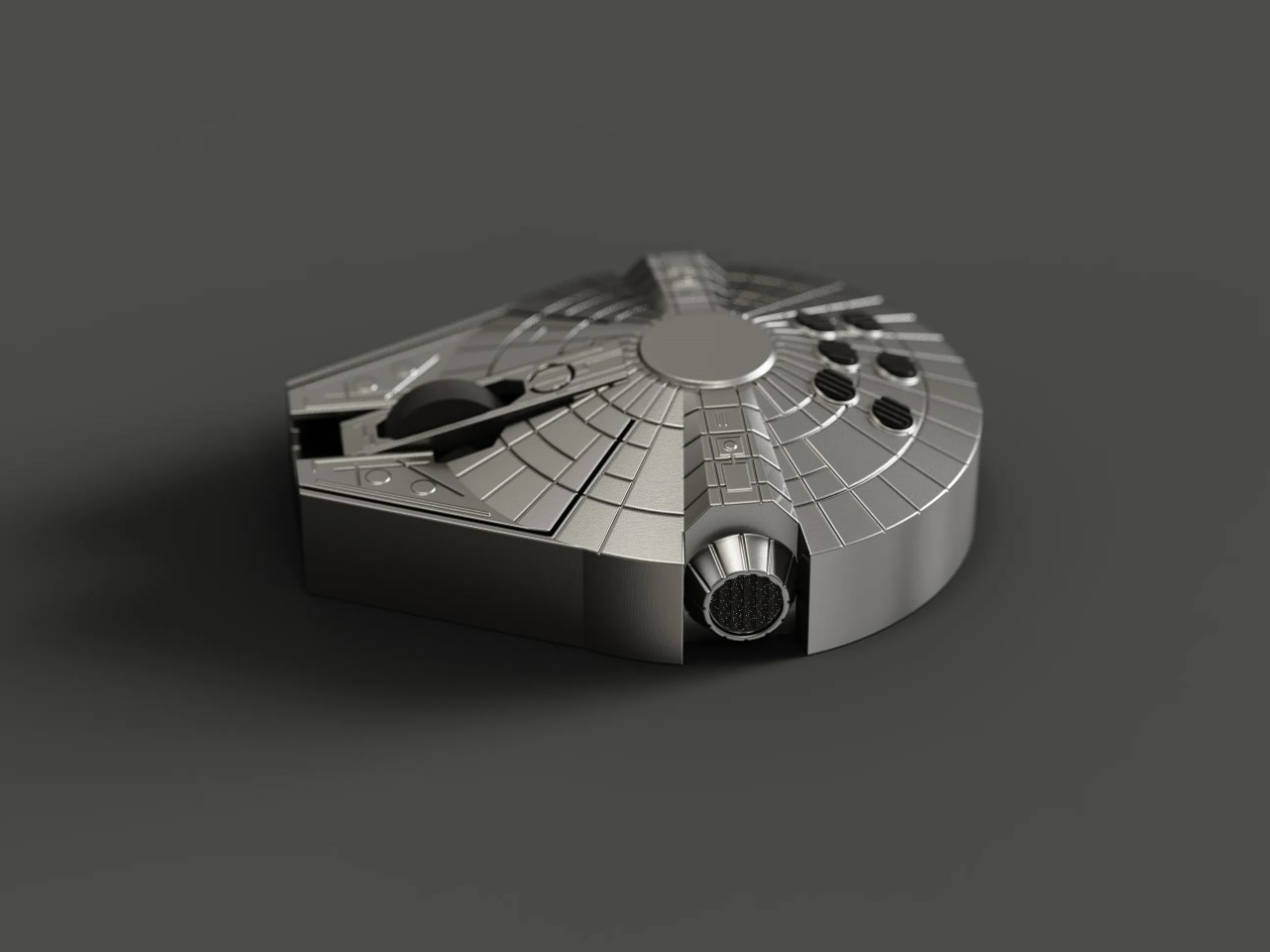
Now that I think about it, the Millennium Falcon’s shape sort of looks like it would lend itself well to a wireless mouse.
In yet another episode of ‘Things I don’t need but want desperately’, here’s the Millennium Falcon wireless mouse. Designed by ‘parkeryaojj’, the mouse sports a design reminiscent of a scaled down model of Han Solo’s spaceship from Star Wars, except with left and right click paddles and a scroll wheel. The only thing really missing are laser blasters and minifigures of Solo and Chewie but a little bit of paint could probably fix that.
Designer: parkeryaojj
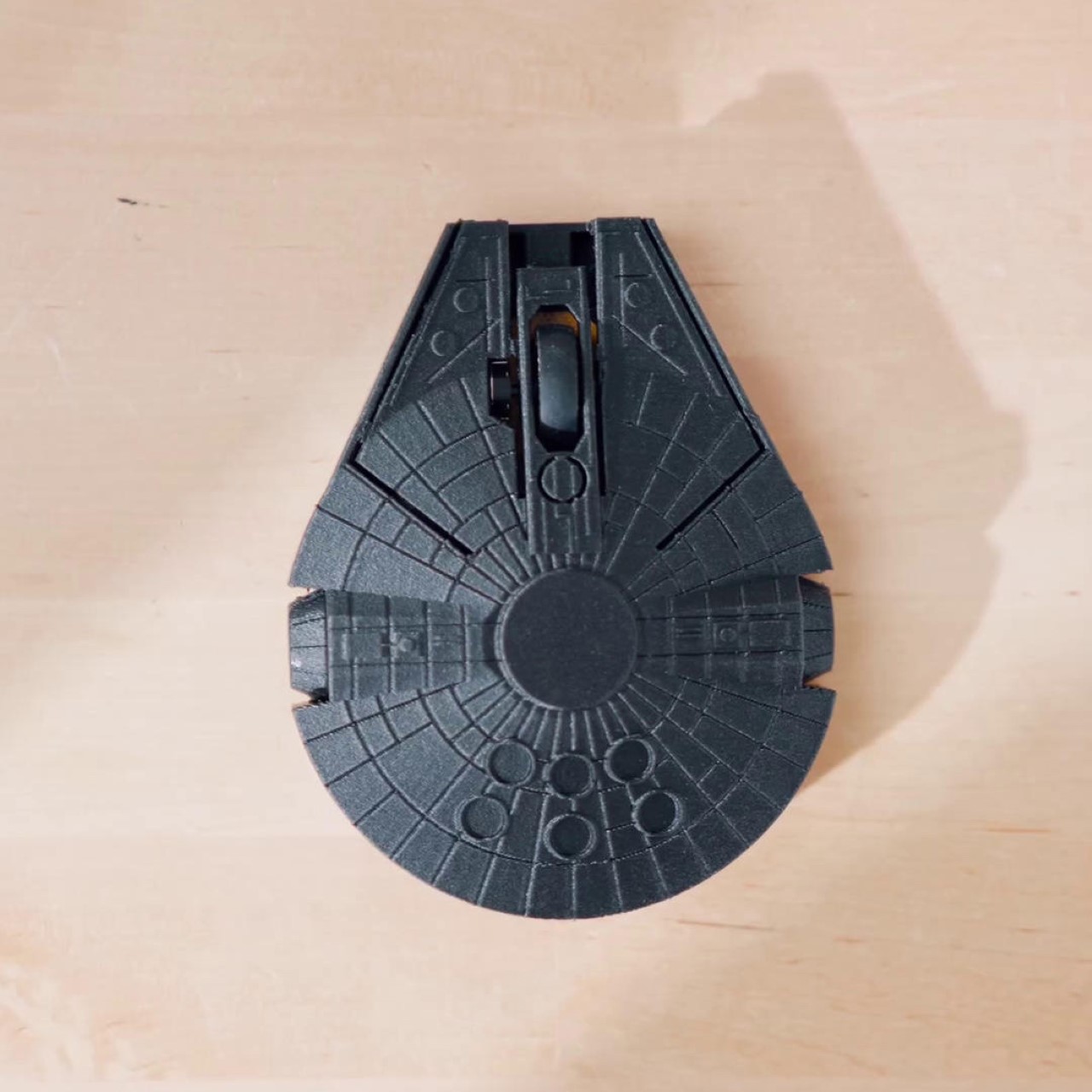
Image Credits: @itsrillo
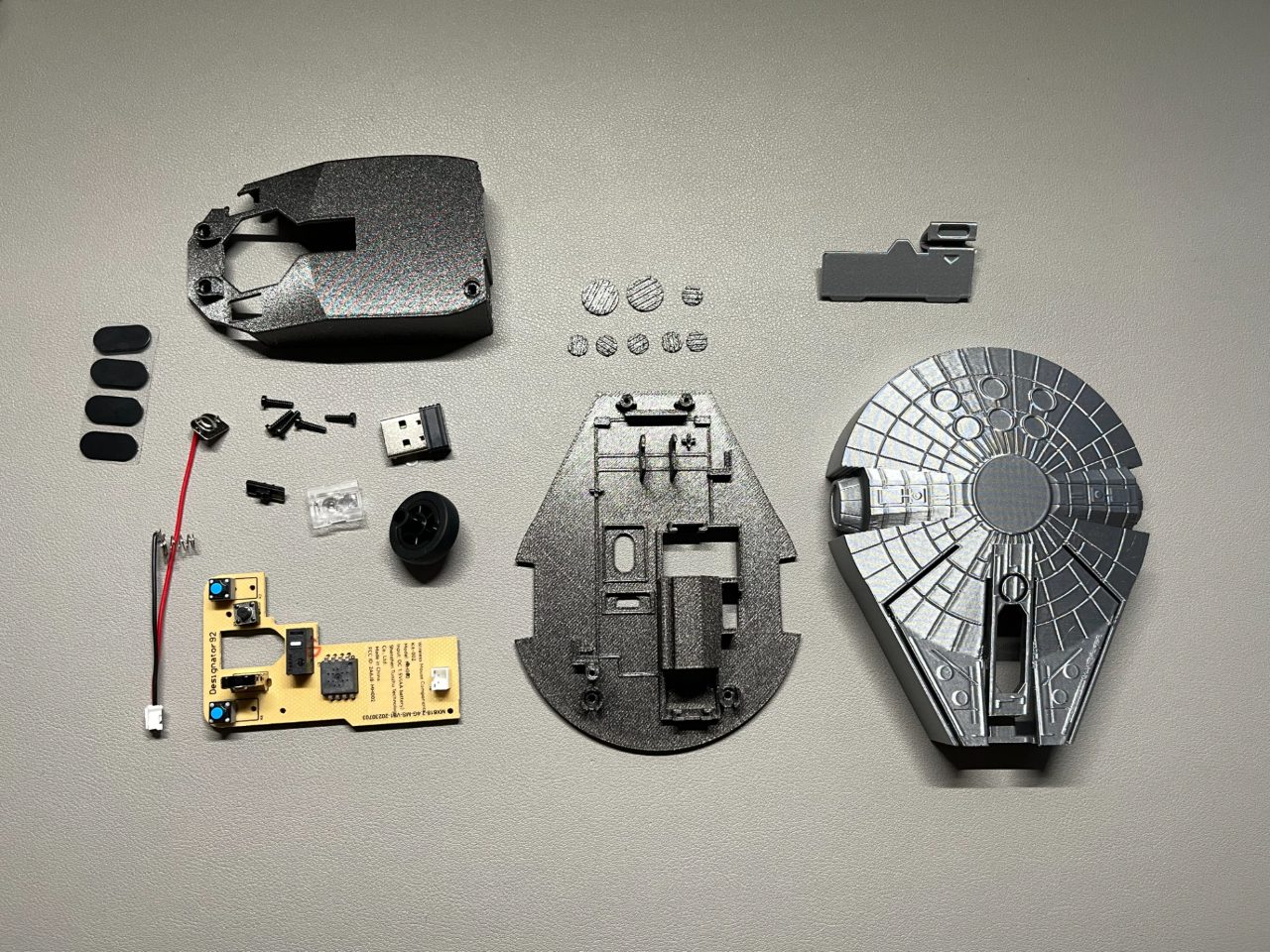
Although I’d expect the Star Wars merch team to already be selling this exact product, the mouse in question is entirely fan-made and has a fair amount of DIY. The outer shell needs to be 3D printed, while the internals use Bambu Labs’ Wireless Mouse Kit, which contains the inner components like the optical sensor, PCB, buttons, and battery enclosure.
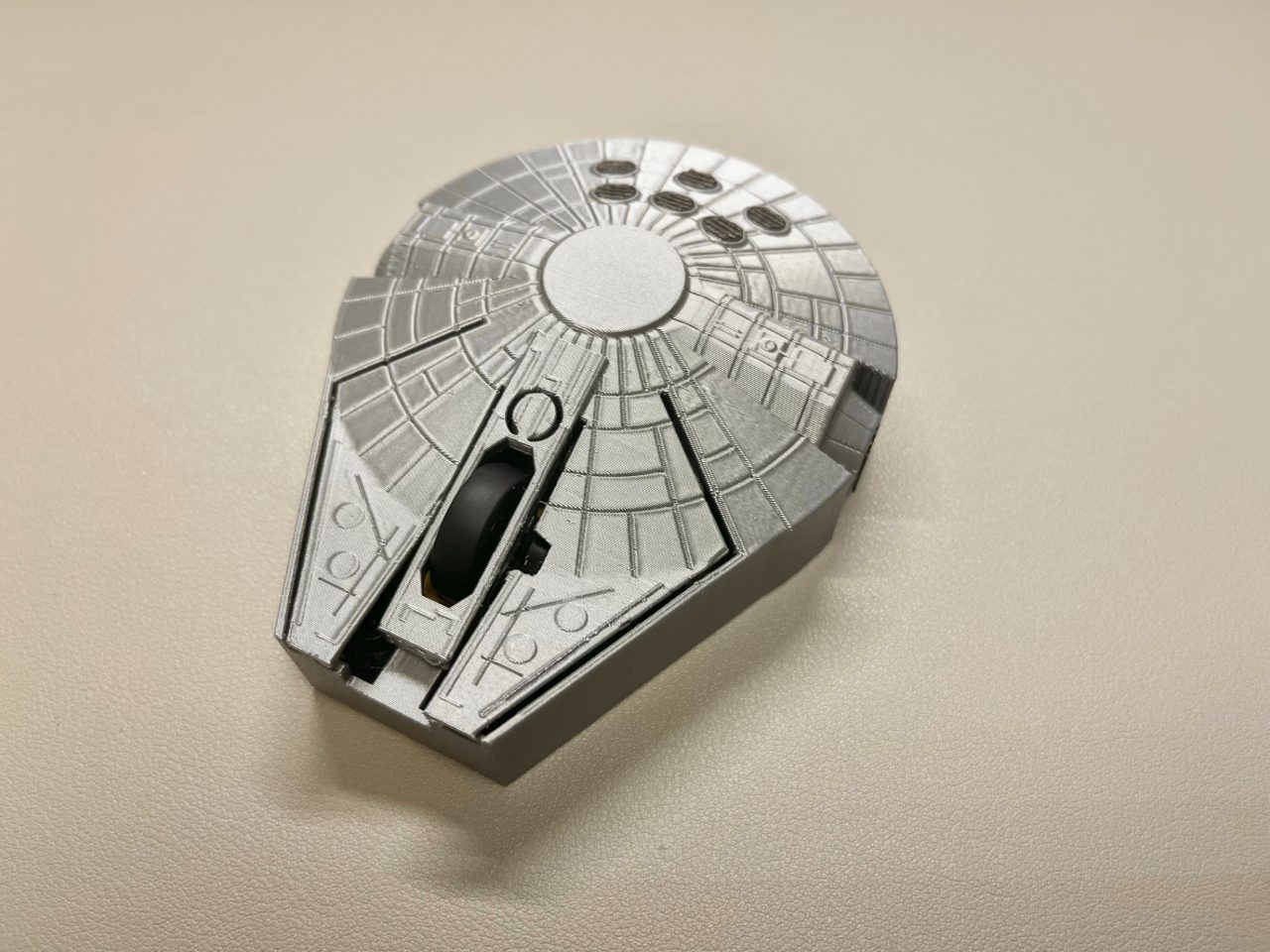
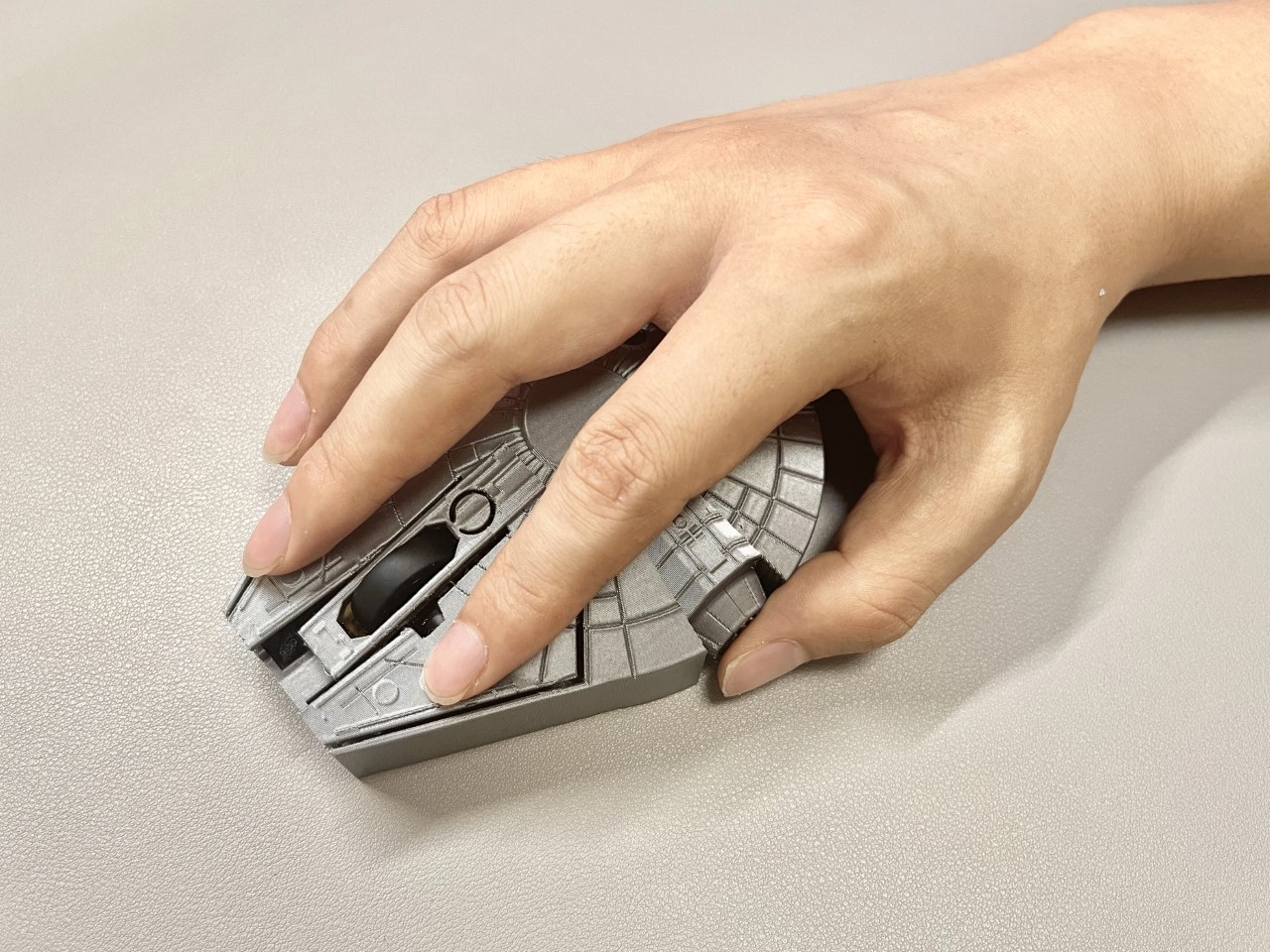
You can download the 3D cad files from Maker World and print your own outer shell from ABS or PLA. The shell does come in multiple parts that fix together (and the left and right buttons are held together using pillars you need to break off), and can be printed in any color. In fact someone even managed to print one in transparent filament which does look pretty cool.
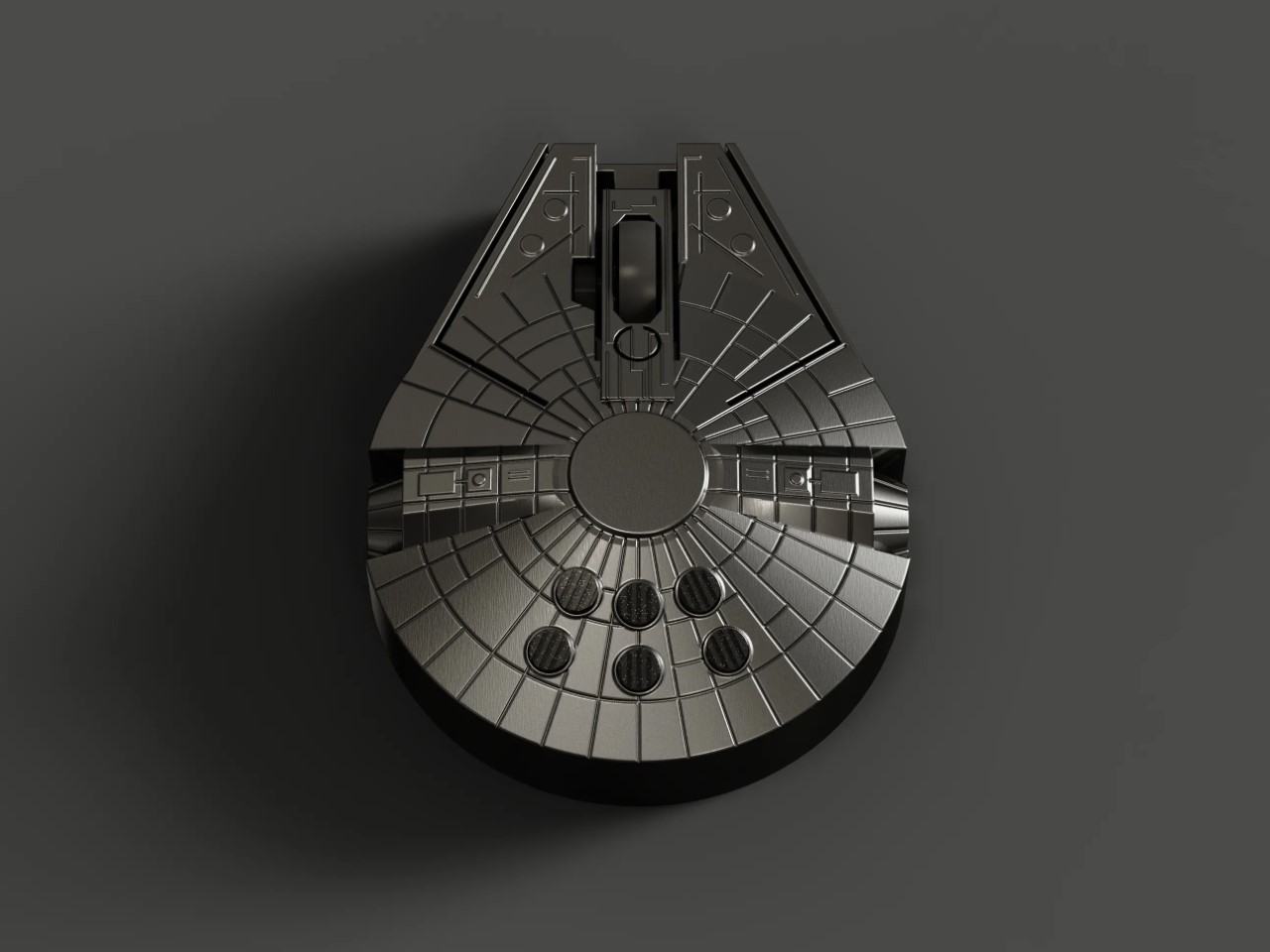
You can either print the mouse in a single filament/color and paint the details on, or edit the 3D model and print your final CAD using a multi-filament setup.
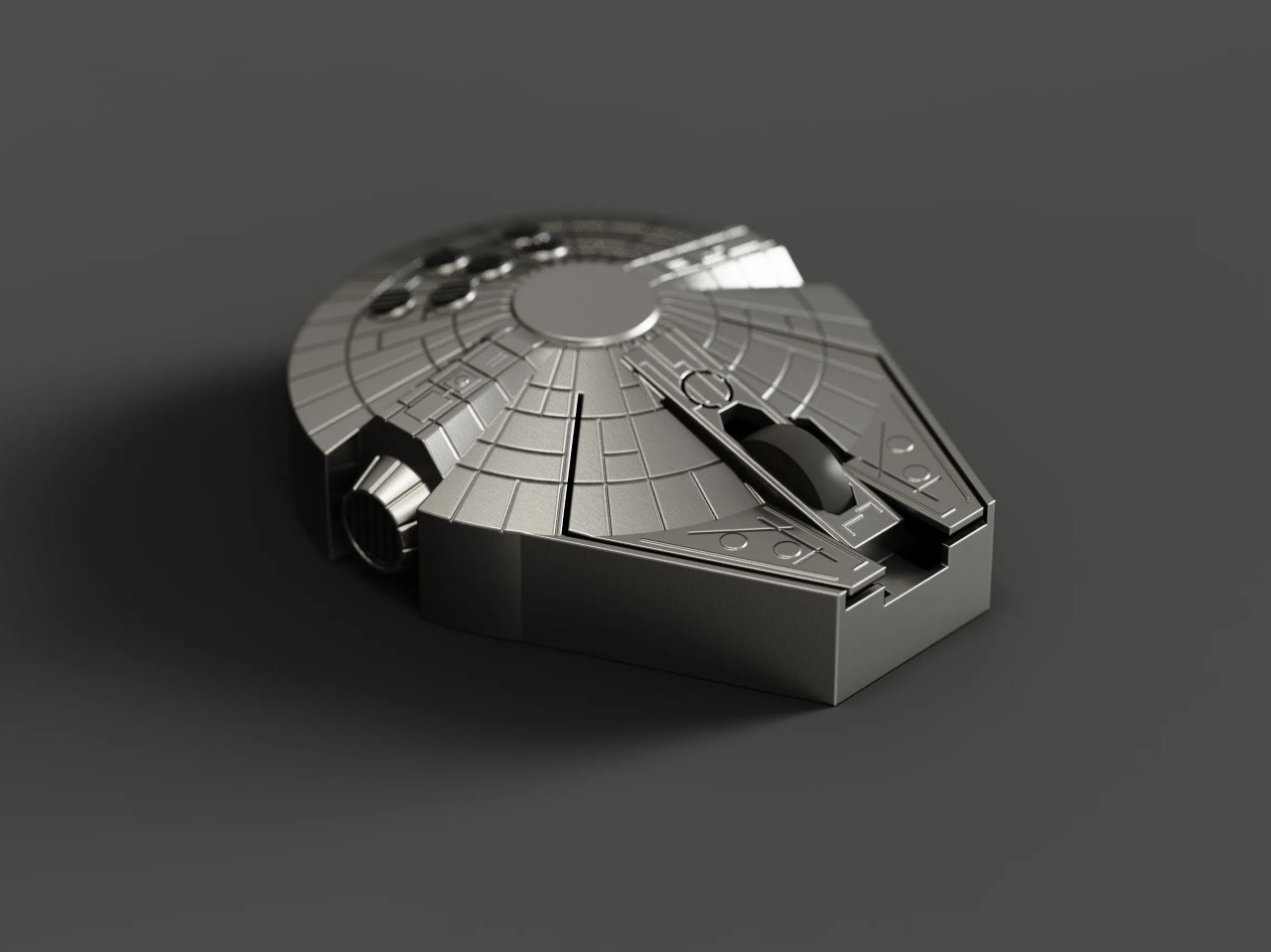
Once printed, all you need to do is put all the pieces together, which doesn’t take too long. The result is a mouse that’s gorgeous yet functional. Don’t expect it to be comparable to your ergonomic or gaming mouse, but it still does have a certain flair that will appeal to most true-blue nerds and Star Wars fans. The Bambu Labs kit starts at a mere $12, but the sensor packs a DPI range of 800-1600, which I’d say is pretty impressive.
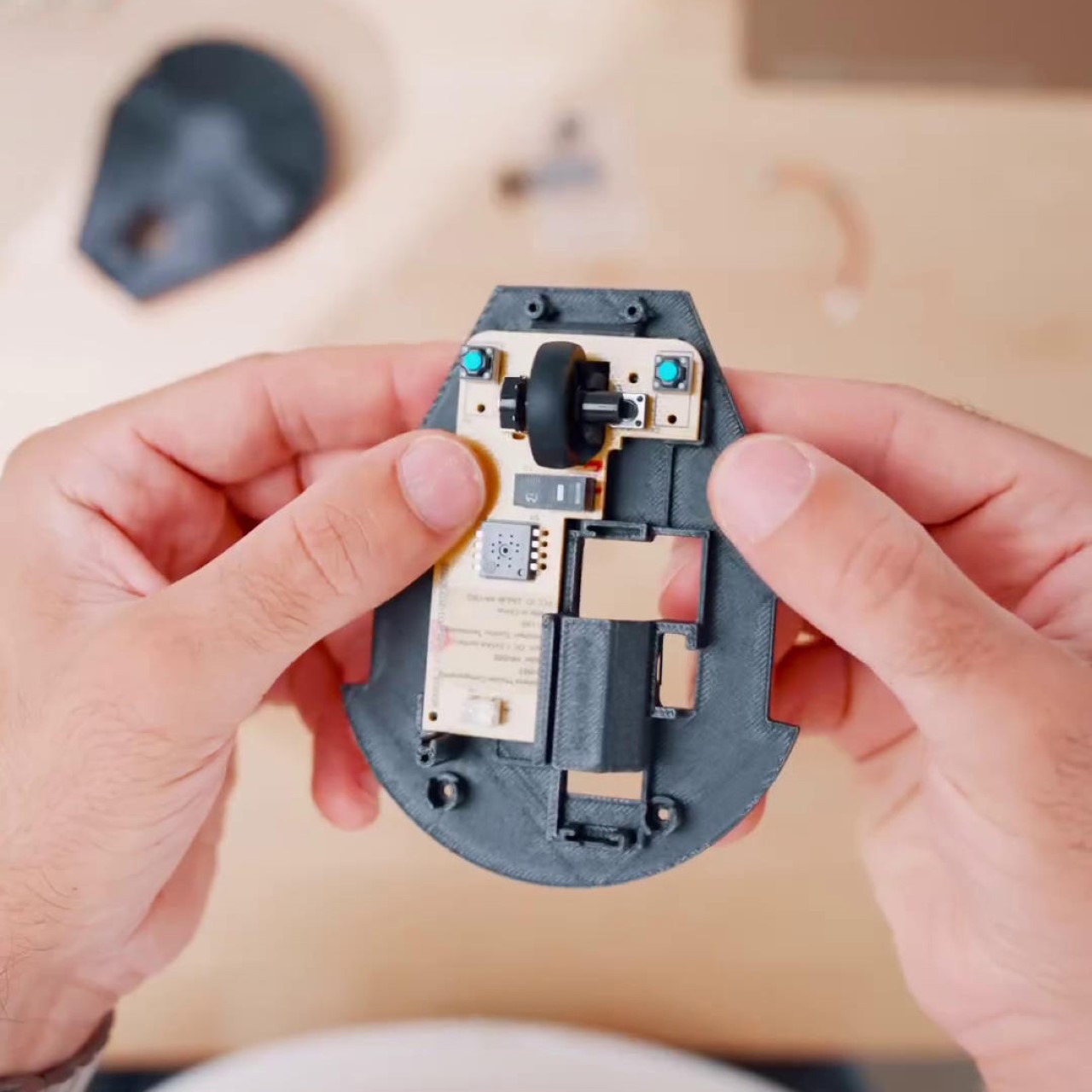
Image Credits: @itsrillo
The post Someone 3D Printed A Millennium Falcon Wireless Mouse And Now I Want One first appeared on Yanko Design.
The US Department of Justice is suing TikTok for violating a child privacy law and violating a 2019 agreement with the Federal Trade Commission for previous privacy violations. The lawsuit stems from an earlier investigation into the company by the Federal Trade Commission, which referred its privacy case to the DoJ earlier this year.
The FTC had been looking into whether TikTok had violated the terms of an earlier privacy settlement with Musical.ly, which was acquired by ByteDance prior to the launch of TikTok. According to the FTC, the investigation found that TikTok had “flagrantly” violated both the 2019 settlement and the Children's Online Privacy Protection Act (COPPA).
In a statement, the Justice Department also cited TikTok’s collection of personal information about children on its platform and its failure to comply with the requests for the information to be deleted.
From 2019 to the present, TikTok knowingly permitted children to create regular TikTok accounts and to create, view, and share short-form videos and messages with adults and others on the regular TikTok platform. The defendants collected and retained a wide variety of personal information from these children without notifying or obtaining consent from their parents. Even for accounts that were created in “Kids Mode” (a pared-back version of TikTok intended for children under 13), the defendants unlawfully collected and retained children’s email addresses and other types of personal information. Further, when parents discovered their children’s accounts and asked the defendants to delete the accounts and information in them, the defendants frequently failed to honor those requests. The defendants also had deficient and ineffectual internal policies and processes for identifying and deleting TikTok accounts created by children.
In a statement, TikTok said it took issue with the allegations, saying it had previously addressed some of the conduct described by the Justice Department. “We disagree with these allegations, many of which relate to past events and practices that are factually inaccurate or have been addressed,” the company said. “We are proud of our efforts to protect children, and we will continue to update and improve the platform. To that end, we offer age-appropriate experiences with stringent safeguards, proactively remove suspected underage users, and have voluntarily launched features such as default screentime limits, Family Pairing, and additional privacy protections for minors.”
The lawsuit comes at a particularly inconvenient time for TikTok, which is set to face off with the Justice Department in federal court next month over a law that aims to force ByteDance to sell the app or face a ban in the United States.
This article originally appeared on Engadget at https://www.engadget.com/the-justice-department-sues-tiktok-for-breaking-child-privacy-laws-190456433.html?src=rss