Situated in the woodland of Lanaudière, Québec, this timber-clad holiday home is designed by the Canadian studio Naturehumaine. Amped with massive windows, the cabin gives the impression that you’re floating amidst the treetops. Dubbed La Cime, the lovely holiday home is designed to be a “micro chalet”. It features one bedroom, accentuated by a sloping roof, and wooden-plank cladding inspired by traditional wooden huts.
La Cime translates to The Top, and it is also equipped with a terrace that allows the guests to maintain a close relationship and connection with the sloped forest site. The cabin is elevated 12 feet above the ground, and supported by steel stilts, enabling rainwater flow below them.
“Wishing to create a unique sensory experience for visitors, the design of the building was determined by the beauty of the views of the surroundings,” said Naturehumaine. “The felt experience is also magnified by the floating effect provided by the location of the home, at the edge of the steep slope of the land,” it added.
You can enter La Cime’s terrace areas via a stepped stone patio, and a steel staircase. One of the terrace areas offers shelter against the bad weather, while the other is kept open with a hot tub and sun loungers. Slatted wooden screens create a semi-outdoor route that connects all these terraces to the private spaces while providing a sneak peek of the trees. A smaller structure accommodates La Cime’s single bedroom on the lower level, while the bed is placed near a large window.
The kitchen and living area are located on the upper story of this smaller structure. This gives the feeling of being surrounded by tree canopies, and a rope-hammock seating area has been built above the staircase. “Despite the plurality of places and spatial experiences confined in a small space, a climate of tranquility and simplicity emerges from the whole,” said the studio. “It is this simplicity that leaves plenty of room for relaxation and the treetops.”, it concluded.
Ballistic Moon, the studio that handled the remake given that original developer Supermassive Games is juggling several other projects, says the focus was on making the game feel more cinematic and intimate. That’s somewhat apt, given that a movie adaptation just started filming.
Those returning to the game will see updated character models, environments, interactable props, visual effects and animations. The switch to UE5 allowed the developers to make the most of upgraded rendering and ray-tracing capabilities too. Death scenes should look more grisly too, thanks to "more realistic real time fluids" and a revamped injury mask system.
Much of the action will now be from a third-person perspective with a controllable camera, rather than the purely fixed angles of the original game. Ballistic Moon also says it added more collectibles and revamped the prologue to tweak the pacing. In addition, the studio is bringing in more accessibility and usability settings to help as many folks as possible experience Until Dawn.
This article originally appeared on Engadget at https://www.engadget.com/gaming/until-dawn-remake-hits-ps5-and-pc-on-october-4-141559338.html?src=rss
Following a major update back in the spring, the Sonos app was very broken and missing key functionality. The company admitted it made a huge mistake in pushing the redesign too soon and explained that it has since uncovered more “issues” that have prohibited it from adding those missing features. Users were quickly frustrated, and now the company is so mired in fixing its app problem that it delayed two products that are ready to launch ahead of the holiday season. Let’s discuss how we got here, what happened with the app, the consequences Sonos is facing and what likely happens next.
The backstory
Sonos released a completely rebuilt version of its app for Android, iOS and desktop in May. The total redesign was focused on making it easier to play different kinds of content while also creating a hub that’s better suited for finding what you need. Of course, it also has to work with the company’s various speakers and soundbars, and the overhaul took place ahead of the release of the first Sonos headphones. Those cans, the Ace, brought new functionality that had to be supported in the app, so the company thought it was time to wipe the slate clean.
“We viewed re-architecting the app as essential to the growth of Sonos as we expand into new categories and move ambitiously outside of the home,” CEO Patrick Spence said on the company’s Q3 earnings call. “In addition to its more modern user interface, the new app has a modular developer platform based on modern programming languages that will allow us to drive more innovation faster, and thus let Sonos deliver all kinds of new features over time that the old app simply could not accommodate.” He also noted that “performance and reliability issues had crept in” over the company’s history, so the user experience had already suffered as a result of the aging platform.
Billy Steele for Engadget
Some customers will always be resistant to change. The new customizable interface took some getting used to, but that wasn’t the problem. The app was missing basic features like sleep timers and alarms. Users also reported the inability to rearrange speakers in different rooms, speakers working intermittently and trouble completing other basic tasks. Some say they can’t reliably load the app on the first try.
“We developed the new app to create a better experience, with the ability to drive more innovation in the future, and with the knowledge that it would get better over time. However, since launch we have found a number of issues,” Spence explained in July. “Fixing these issues has delayed our prior plan to quickly incorporate missing features and functionality."
Spence laid out a roadmap for fixing the problems in the same blog post, which initially included restoring the ability to add new products to your home setup. Even I had trouble adding the Ace headphones to the app at first, but after a few tries I eventually got it. Spence also said that the company had released updates to the app every two weeks since the redesign launched on May 7, and that it would continue that schedule alongside detailed release notes. The most recent version, which included TV Audio Swap with the Ace headphones and older Sonos soundbars, delivered a handful of very basic things — like the ability to clear the queue on the iOS version.
“Since I took over as CEO, one of my particular points of emphasis has been the imperative for Sonos to move faster,” Spence said on the earnings call. “That is what led to my promise to deliver at least two new products every year — a promise we have successfully delivered on. With the app, however, my push for speed backfired.”
The fallout
Sonos
Customers have been understandably upset since early May, which is well-documented in the r/sonos subreddit. But, user satisfaction isn’t the only issue that the company is facing. With the new version of the app so busted it had to be fixed before missing items could be added, Sonos has delayed the launch of two new products that were ready to go on sale in Q4. Spence said that the company enlisted “the original software architect of the Sonos experience,” Nick Millington, to do “whatever it takes” to remedy the issues.
And it’s not just a headache for customers. Sonos dealers and installers, which make up a significant part of the company’s business, are allegedly so frustrated with what they encounter trying to do their jobs that some of them have paused sales. “As an installer when you try and talk this up to somebody to buy, it is extremely embarrassing at this point when you have to just say ‘well, the parent company is having issues,’ it makes you look like the jackass,” one Reddit post explained.
Spence explained on the company’s Q3 earnings call that the app debacle would cost between $20 and $30 million. CFO Saori Casey said that sum is due to the loss of sales stemming from the software problem and having to delay two new products that would’ve generated more revenue. As such, Sonos had to revise its Q4 financial guidance to lower expectations until this “chapter,” as Spence describes the current fiasco, is resolved.
While the company hasn’t revealed any details on what either of those two now-delayed products might be, there have been rumors that offer some clues. Bloomberg reported in November that the company was working on a soundbar that would surpass the capabilities of its current flagship, the Arc, in addition to a set-top TV streaming box. Both of those products would be hot-ticket items for the holidays, especially for the Sonos faithful.
Sonos Arc
Kyle Maack/Engadget
Bloomberg explained that the new soundbar would likely be $1,200, or $300 more than the Arc. Additionally, the new model would include “new technology” following the company’s acquisition of Mayht Holding BV. In Sonos’ announcement of that move, it said that Mayht “invented a new, revolutionary approach to audio transducers.” More specifically, the company’s engineering methods allow it to build transducers, a basic component of speakers, that are smaller and lighter without sacrificing quality.
According to that same Bloomberg report, the Sonos TV streaming box will be powered by an Android-based OS with various apps for different services. The device is also said to act as a hub for Sonos gear in the home. Dolby Atmos and Dolby Vision should be on the spec sheet, and voice control will reportedly play a significant role in the gadget’s operation.
Bloomberg further explained that Sonos was working on a new high-end amplifier that could cost at least $3,000 and new eight-inch ceiling speakers. Frustrated dealers and installers would likely be hesitant to sell such expensive items with the app in the current state, if Sonos could even add the functionality to make them work. Any of these could be the two products the company was forced to delay, and any of them would’ve likely padded the bottom line before the end of the year. And that would be on top of the early sales of the Ace, a device that should be popular this holiday season.
What happens next?
Sonos has a clear plan for how it intends to fix its buggy app, but there’s no timeline for exactly how long that will take. The company has yet to deliver a TrueCinema feature for its Ace headphones that will map a room (with the aid of a soundbar) to virtually recreate the acoustics for a more realistic experience. And as we learned recently, new products have been delayed for the time being.
“Building a new software foundation was the right investment for the future of Sonos, but our rollout in May has fallen dramatically short of the mark,” Spence said on the earnings call. “We will not rest until we’ve addressed the issues with our app, and have delivered new versions that materially improve our customers’ experiences.”
The company is at a standstill until its app is fixed, with a full product pipeline plugged up for the foreseeable future – if the reports are to be believed. From the looks of it, Sonos planned to release an app that wasn’t completely done, but one that it thought was stable enough to use, with the goal of adding features over time to improve the overall experience. However, the complete rebuild was essential to the new technology and devices Sonos has in the works, since the company has been clear the old app wouldn’t have supported them. And since one of those items was the Ace, Sonos had to decide if it could wait longer to release its first headphones, a highly-anticipated product, or just go ahead with what it had.
This article originally appeared on Engadget at https://www.engadget.com/audio/speakers/why-is-the-sonos-app-so-broken-140028060.html?src=rss
The Rolls-Royce Spectre, already renowned as the epitome of luxury in the electric coupe market, has been elevated to unprecedented heights by the skilled craftsmen at Spofec. As a company that specializes in the customization of Rolls-Royce vehicles, Spofec has introduced a carefully curated range of high-end components designed to enhance both the aesthetic appeal […]
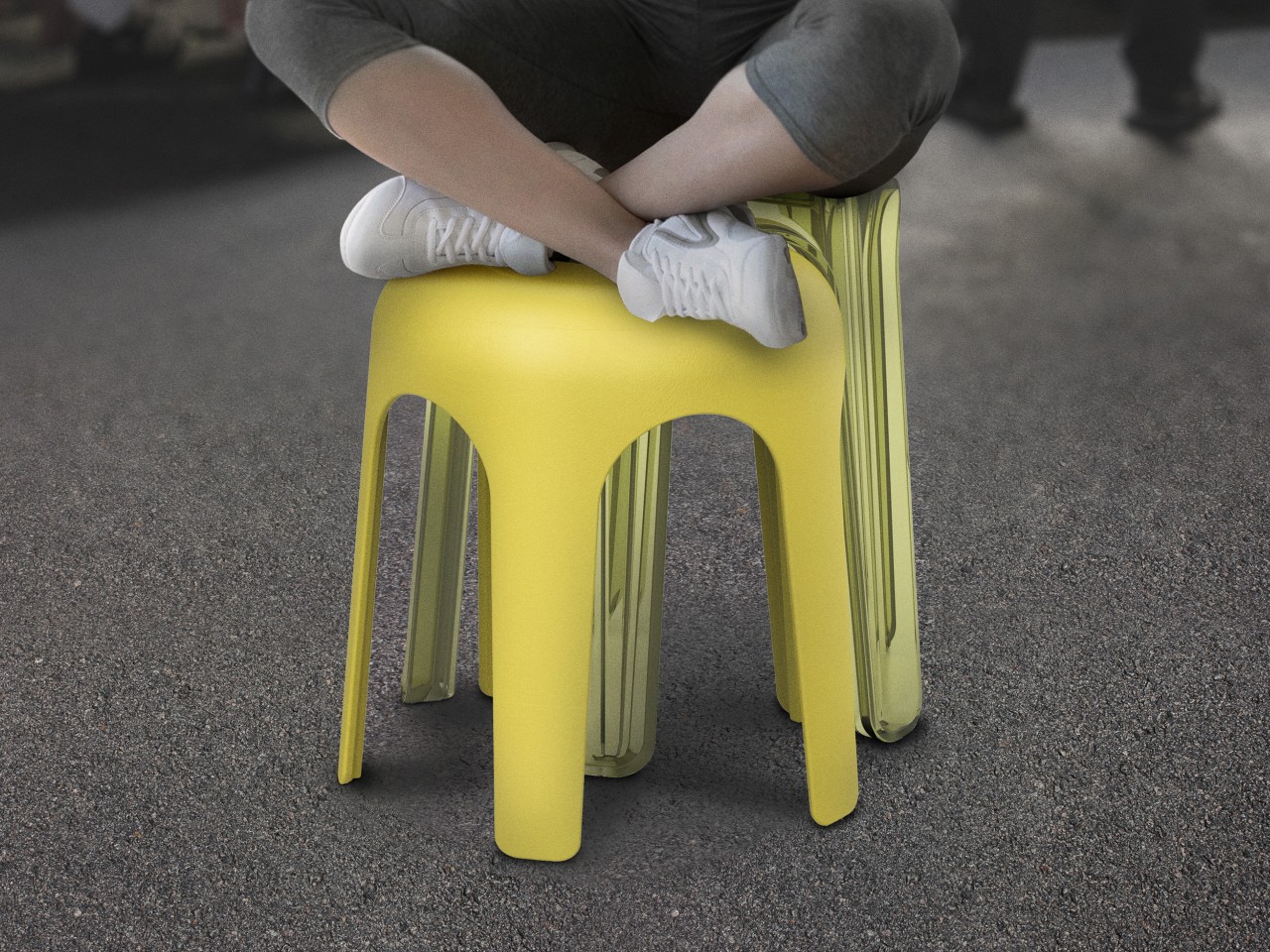
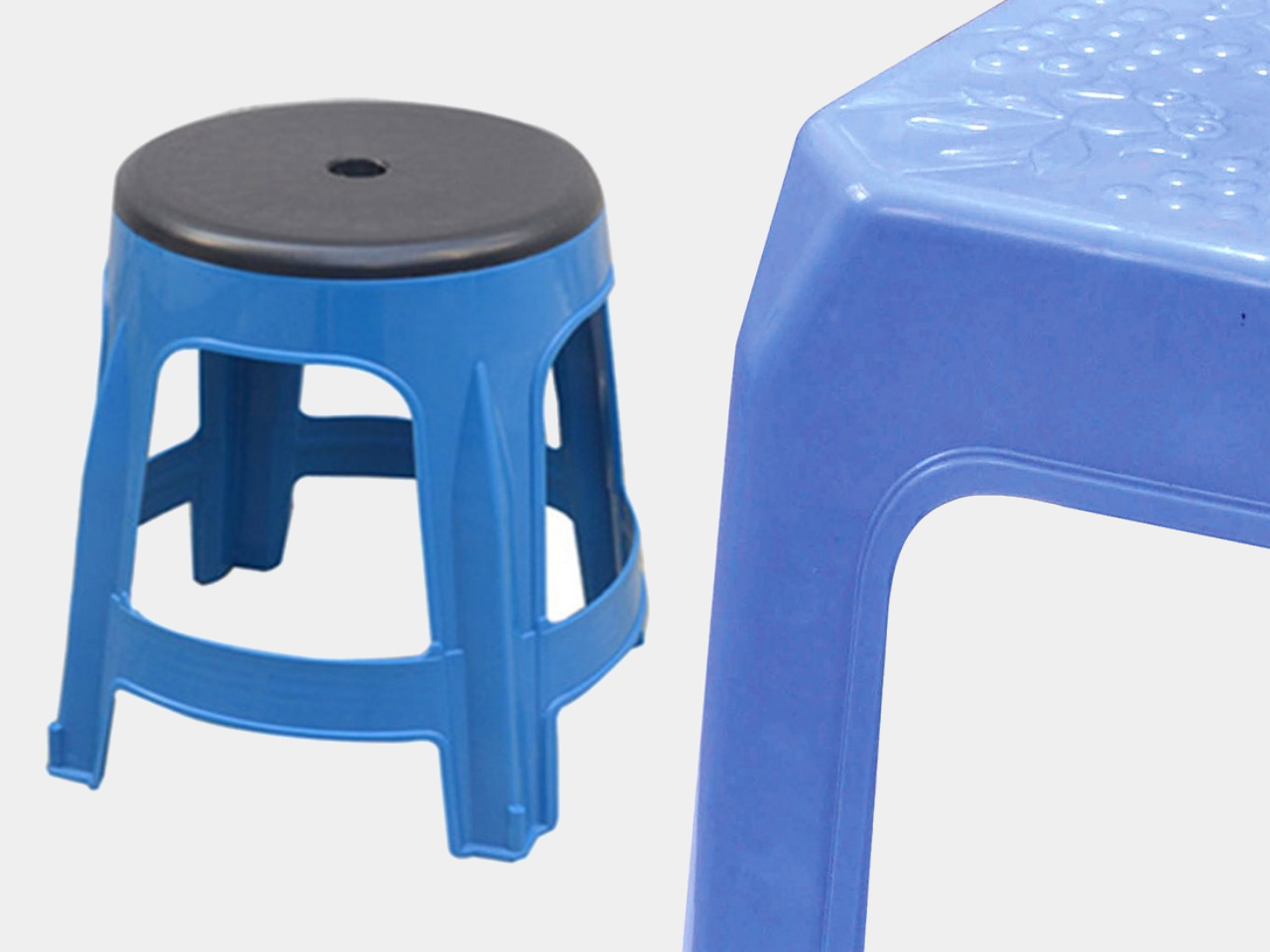
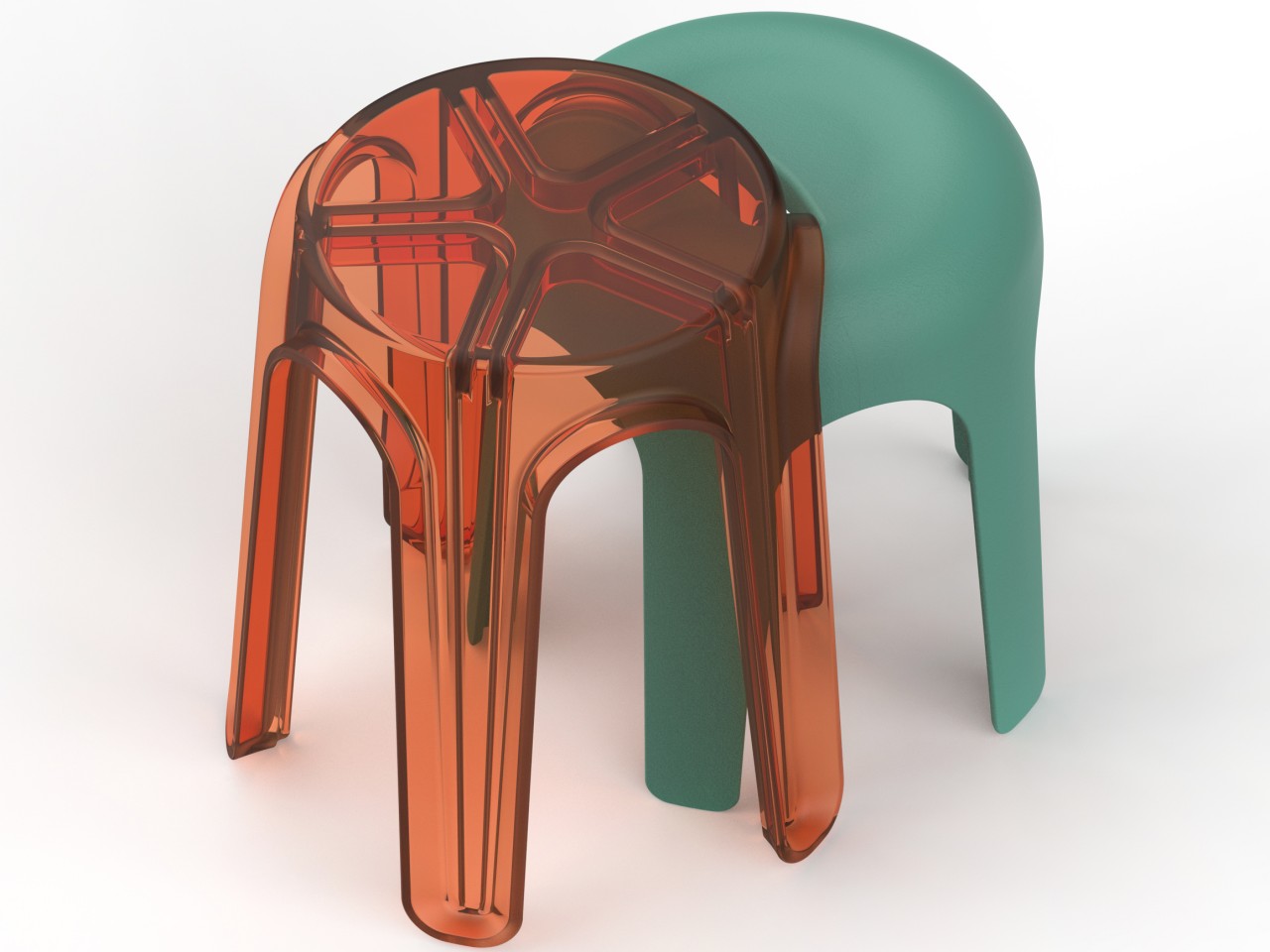
Stools are often classified as tall, backless chairs, and like most seats, they’re designed to be used in a specific way. You simply sit on top of the stool and have your legs hanging from the edge, with your feet planted firmly on the ground. This style of sitting might be common, but it’s definitely not how everyone sits around the world. In some cultures, particularly in Asia, people tend to sit cross-legged on the floor, at least when they’re at home or in establishments designed to cater to that culture. Stools, of course, aren’t meant to support that way of sitting, but this concept design tries to expand the traditional stool design to be more inclusive while also offering an additional feature completely unrelated to sitting.
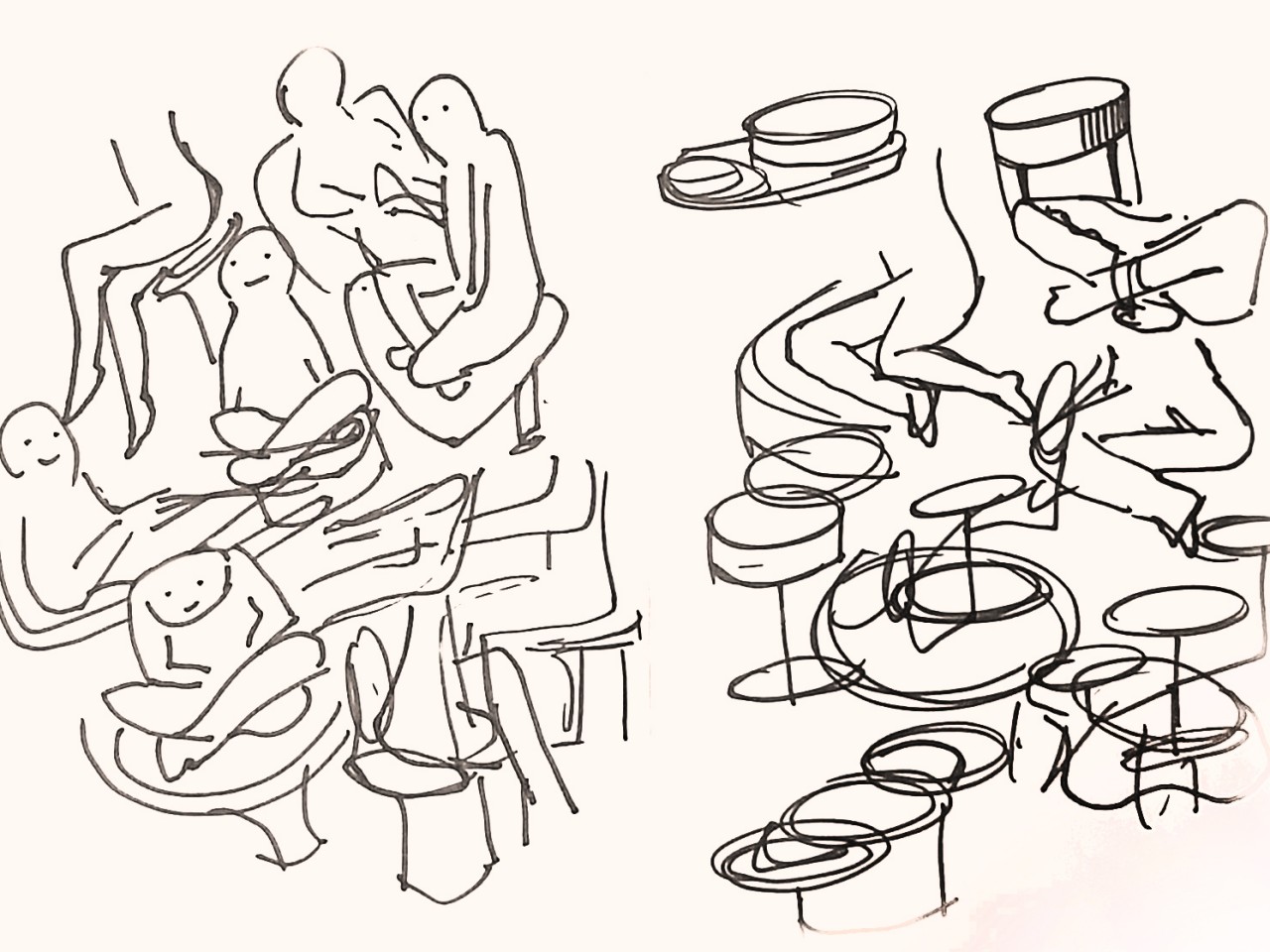
It’s probably too much of a generalization but sitting cross-legged has become associated with Asian cultures. Especially in countries like Korea and Japan, some families tend to sit on the floor during meals in that position, something that might not sit well with those who don’t consider it proper during meals. Eating outdoors, of course, is a completely different matter, especially in public places like outdoor restaurants that only provide simple stools for customers. One simply can’t sit cross-legged comfortably, but still try to do it.
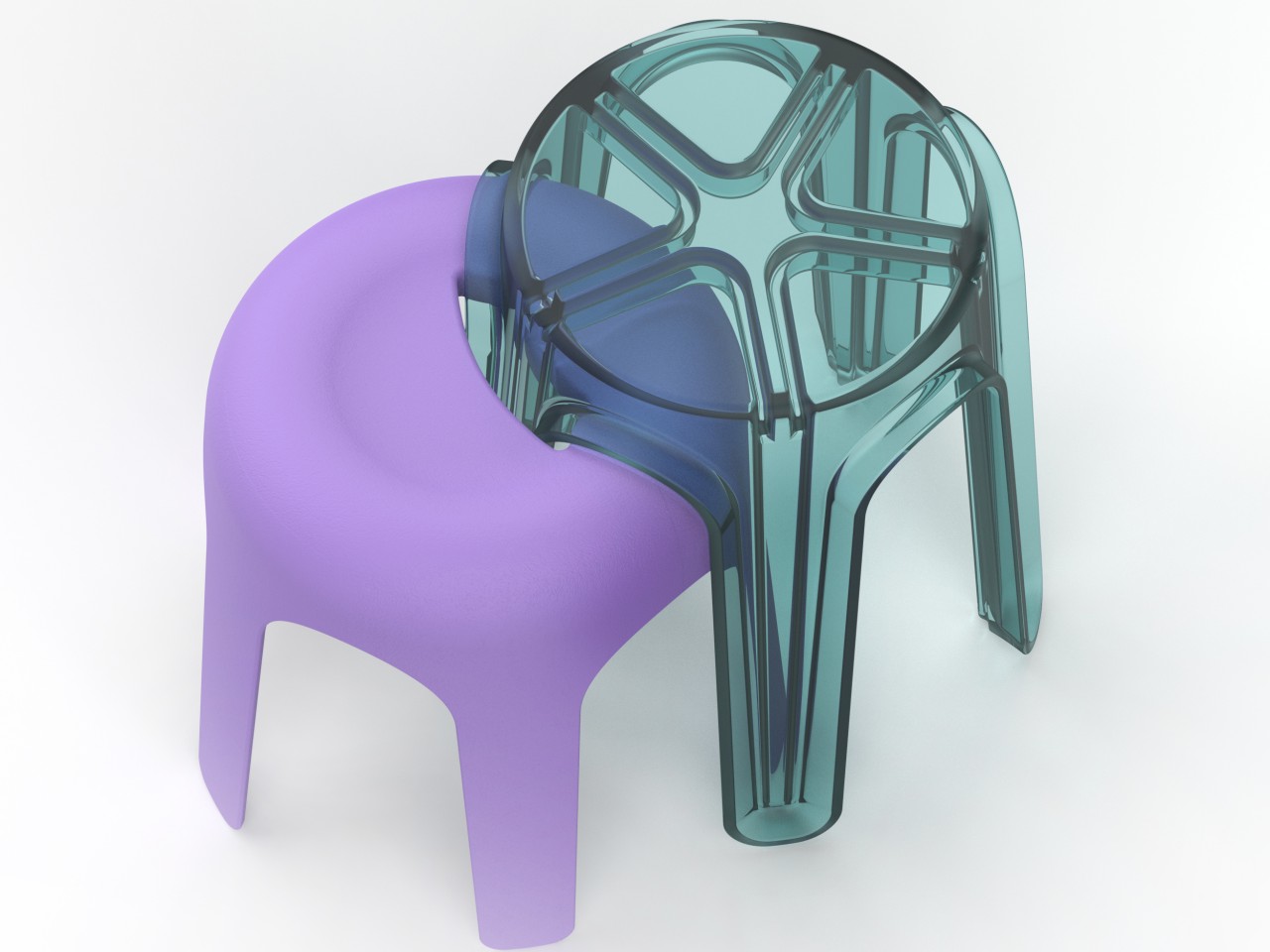
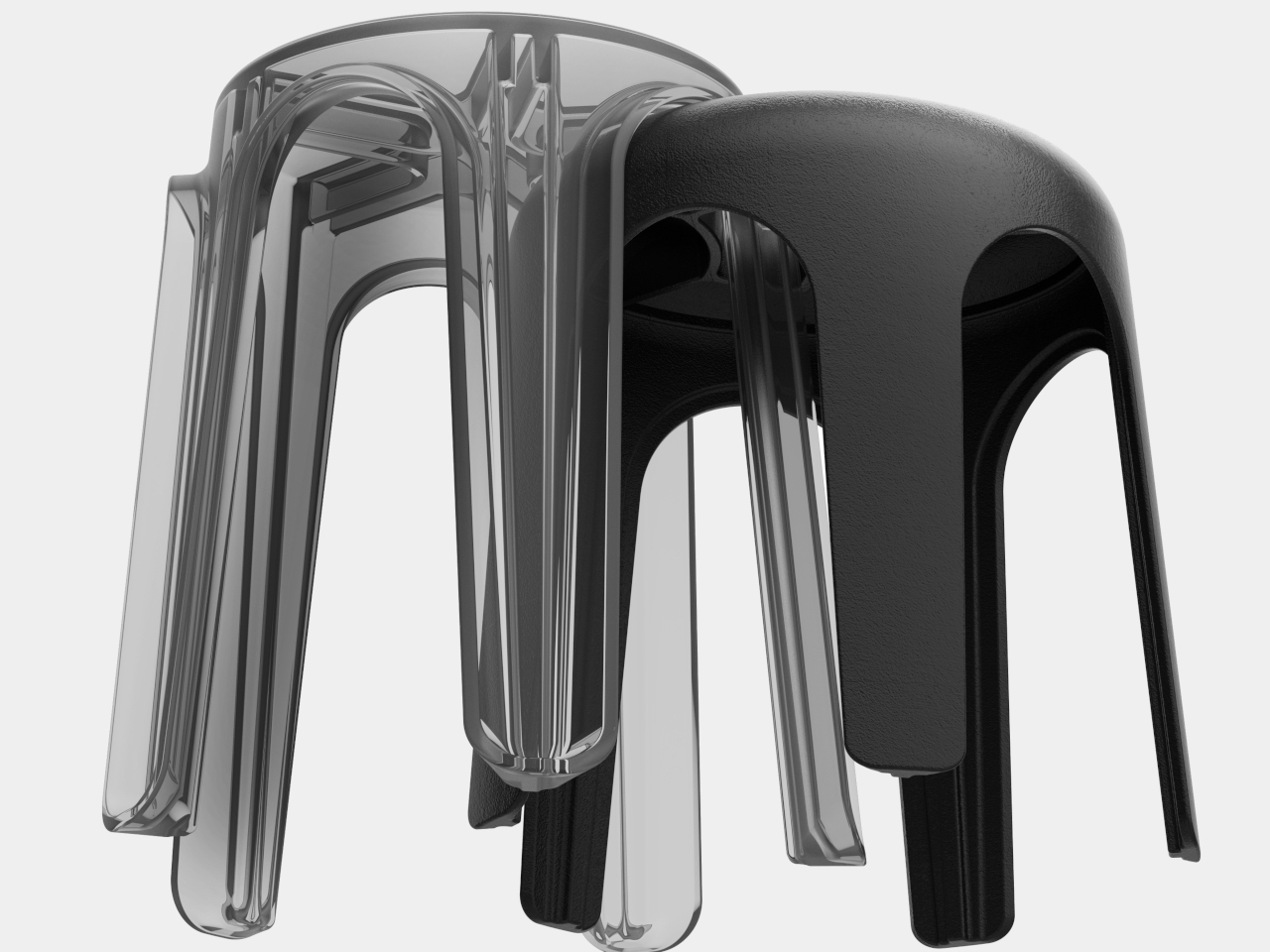
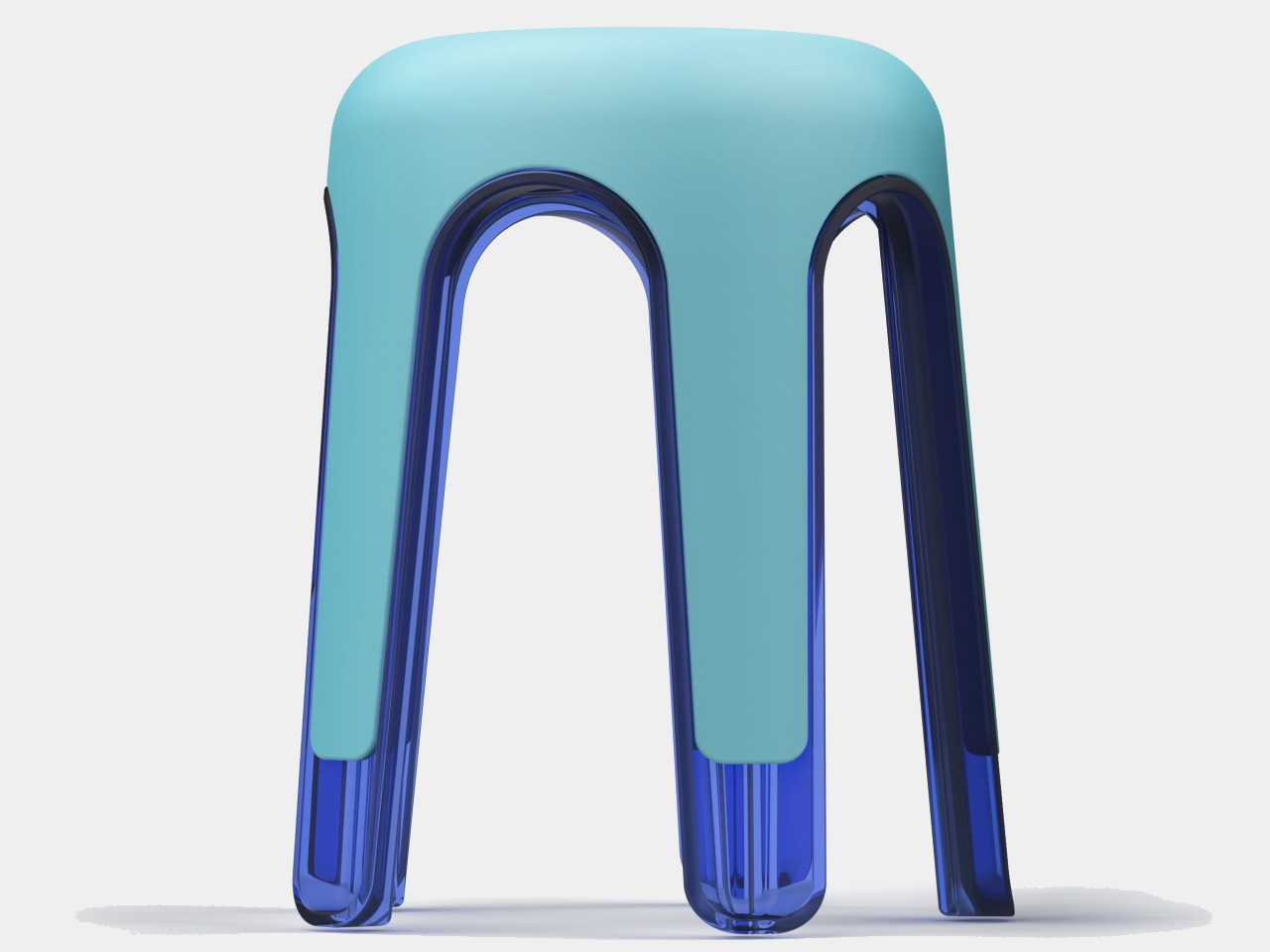
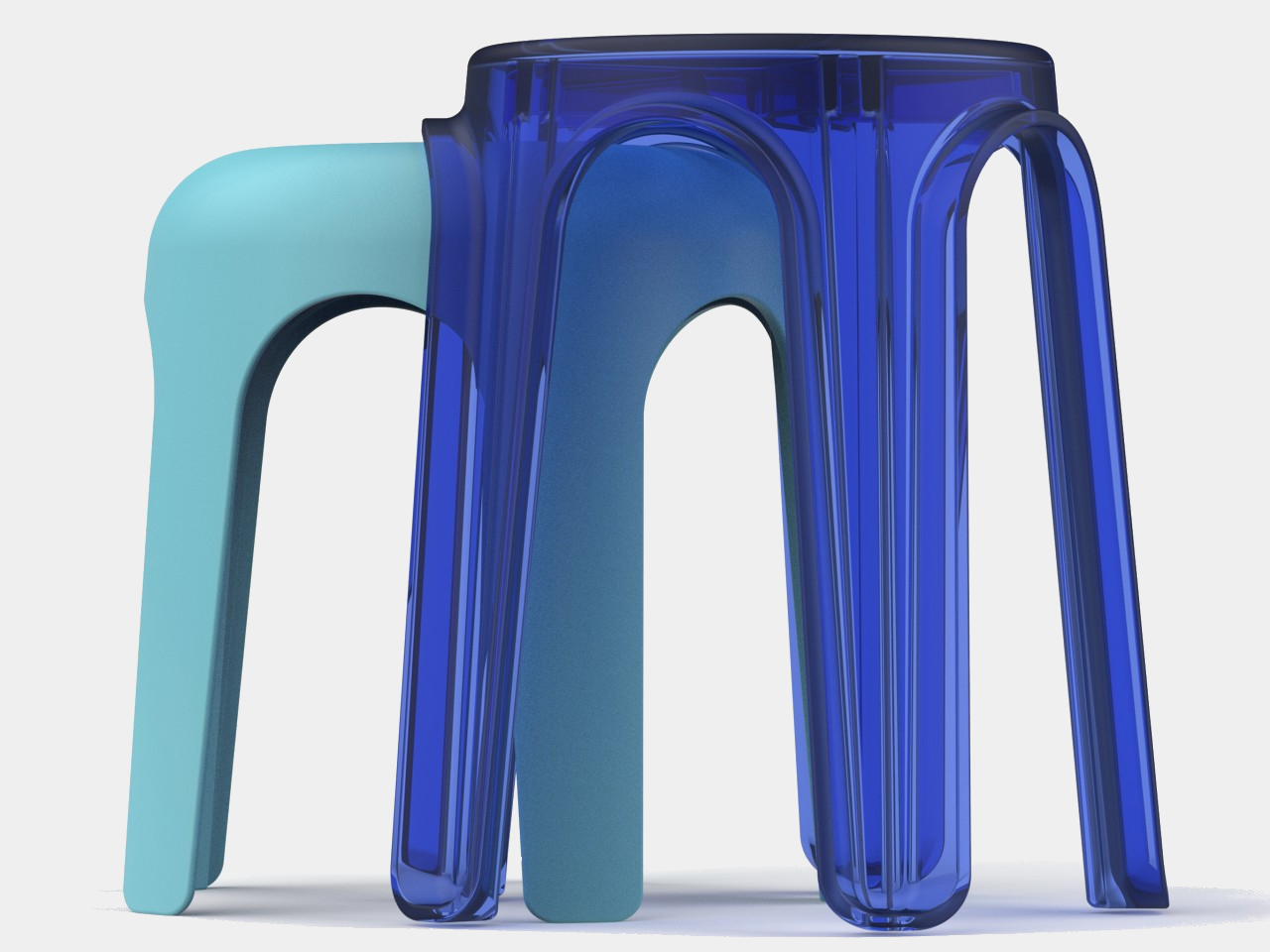
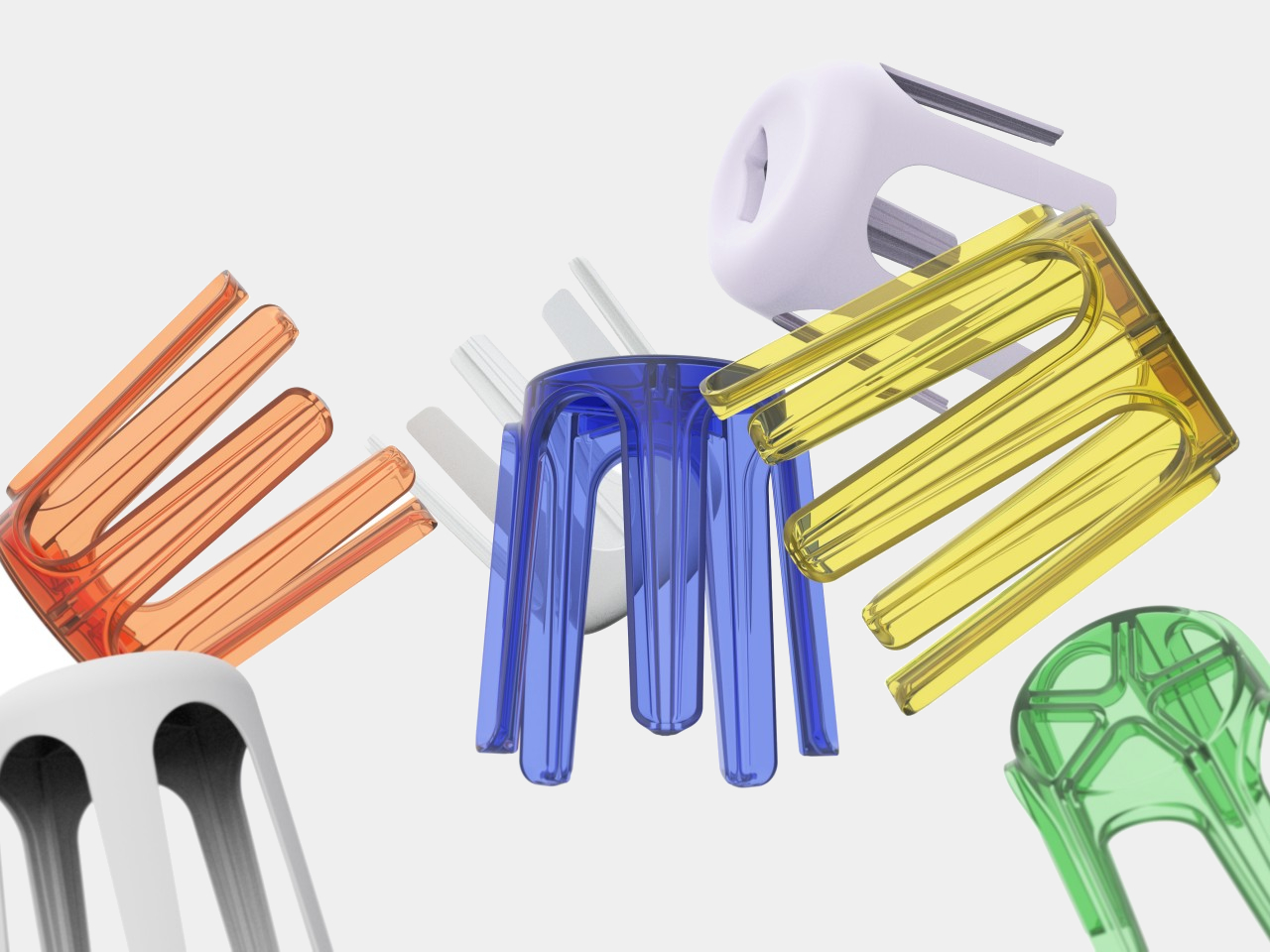
Named after a famous avenue in South Korea, the Euljiro stool concept tries to solve this conundrum with a design that caters to both normal sitting and cross-legged sitting. This seemingly magical capability is made possible by the stool’s two-part modular design. When joined together, it looks like a simple, two-color stool that you can use normally. But remove the top part and you actually get two stools, with the top shorter than the bottom.
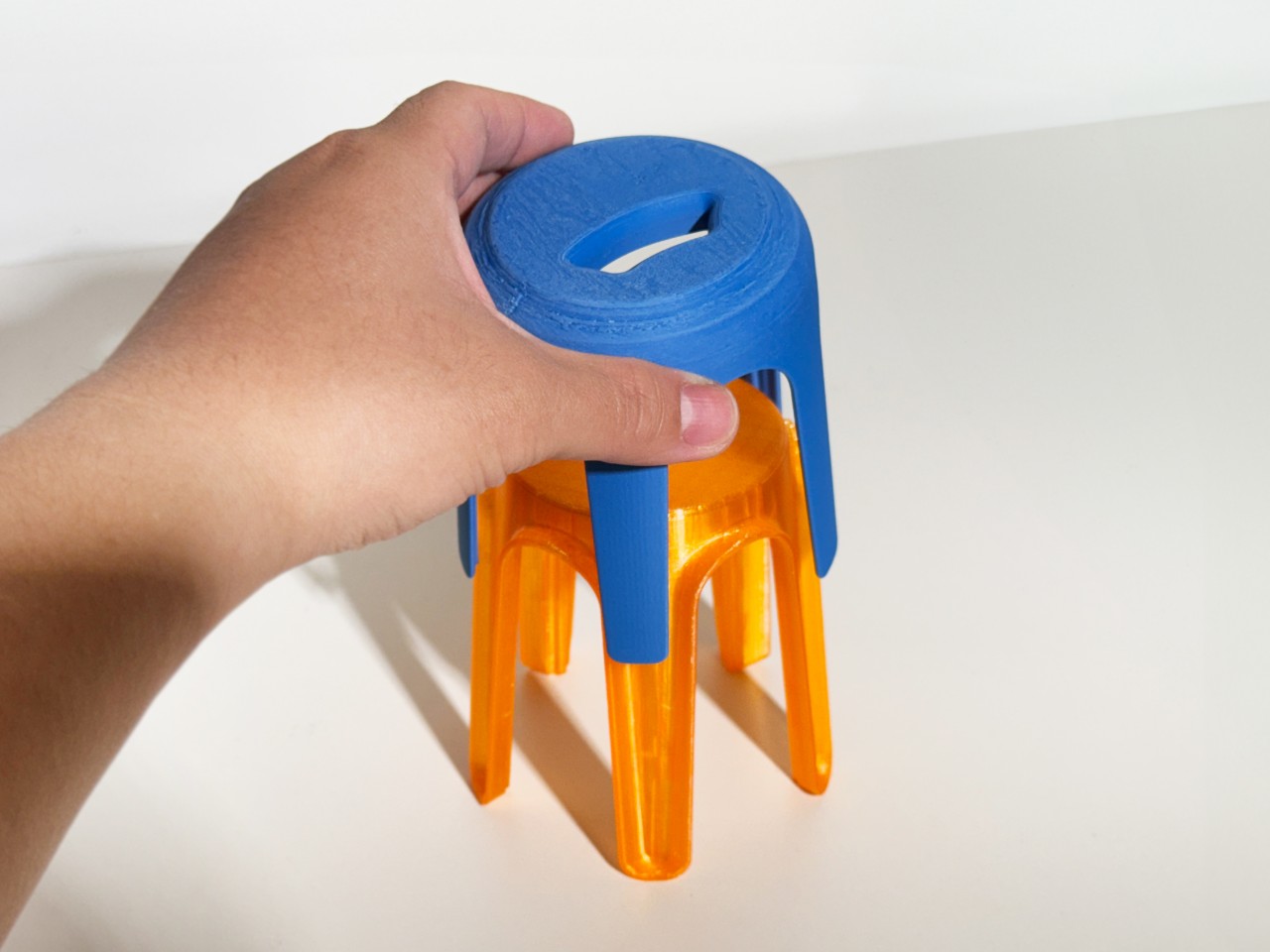
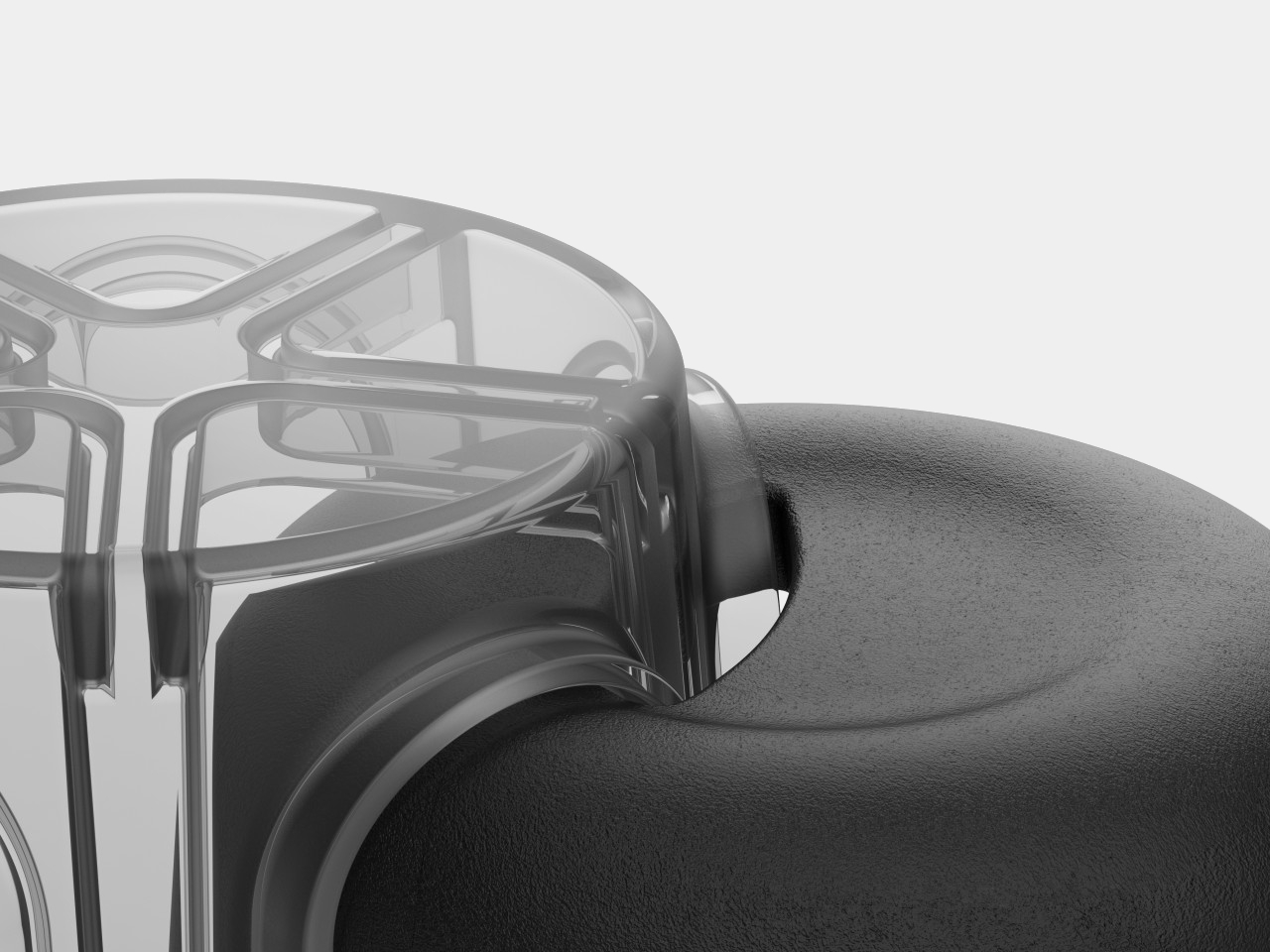
When you insert one of the legs of the taller stool into the middle of the shorter one, you get a two-tier seat seemingly joined at the hip. This setup would allow the person to sit with their legs crossed without worries they’ll tumble backward or to the side. It doesn’t take up too much space either, and it can even be used as two separate stools if there aren’t enough seats to go around.
Euljiro’s flexibility also extends to its use as a place to put bags while eating. This is especially useful in restaurants that don’t have designated storage for bags, where putting bags down on the ground might be unhygienic. It’s definitely a creative way to solve multiple problems with a single design while ironically still sticking to the most common stool shape of all.
Google has officially dropped its major 2024 devices a few months earlier than usual. At its Made By Google event this week, the company unveiled the Pixel 9 and 9 Pro, as well as its foldable follow-up, the Pixel 9 Pro Fold. As for new accessories, we got the Pixel Watch 3 and Pixel Buds Pro 2. In this bonus episode, Cherlynn and Devindra chat about everything from this event, and why the heck we didn't hear more about Android 15.
(Apologies for any audio issues in this episode, it was partially recorded in a noisy hotel room.)
Listen below or subscribe on your podcast app of choice. If you've got suggestions or topics you'd like covered on the show, be sure to email us or drop a note in the comments! And be sure to check out our other podcast, Engadget News!
Hosts: Devindra Hardawar and Cherlynn Low Producer: Devindra Hardawar Music: Dale North and Terrence O'Brien
This article originally appeared on Engadget at https://www.engadget.com/mobile/smartphones/engadget-podcast-breaking-down-googles-pixel-9-launch-event-131925200.html?src=rss
In this comprehensive speed test video, Nick Ackerman puts two of Samsung’s latest flagship smartphones head-to-head: the Samsung Galaxy S24 Ultra and the Galaxy Z Flip 6. Both devices boast innovative hardware and innovative features, but which one comes out on top in terms of performance and user experience? Let’s dive in and find out. Device Specifications […]
Spotify can now show its users in the European Union how much its plans cost within its iOS app after their trial period ends. The company has revealed that it's opting into Apple's "entitlement" for music streaming services in an update to an old blog post. This "entitlement" was created after the European Commission slapped Apple with a €1.8 billion ($1.95 billion) fine back in March for restricting alternative music streaming apps on the App Store. The commission's decision followed an investigation that was opened when Spotify filed a complaint against the tech company, accusing it of suppressing its service in favor of iTunes and Apple Music.
Apple initially rejected the update that Spotify submitted in April this year to add "basic pricing and website information" on its app in Europe. Now that Apple has approved changes, users will be able to see pricing information, as well as promotional offers, within the Spotify app for iPhones. They'll also see a note saying that they can go to the Spotify website to subscribe to any of the service's plans. However, the service chose not to provide users with an in-app link that would give them access to external payment options. As The Verge notes, it's because Apple recently tweaked its App Store rules in the EU, stating that it will still take a cut of developers' sales even if customers pay via third-party providers.
"Unfortunately, Spotify and all music streaming services in the EU are still not able to freely give consumers a simple opportunity to click a link to purchase in app because of the illegal and predatory taxes Apple continues to demand, despite the Commission’s ruling," Spotify wrote in its post. It added that "if the European Commission properly enforces its decision, iPhone consumers could see even more wins, like lower cost payment options and better product experiences in the app."
This article originally appeared on Engadget at https://www.engadget.com/entertainment/music/apple-finally-allows-spotify-to-display-pricing-in-the-eu-123010178.html?src=rss
It’s the end of an era for social media research. Meta has shut down CrowdTangle, the analytics tool that for years helped tens of thousands of researchers, journalists and civil society groups understand how information was spreading on Facebook and Instagram.
For a company that’s never been known for being transparent about its inner workings, CrowdTangle was an “invaluable” resource for those hoping to study Meta’s platform, says Brandi Geurkink, the executive director for the Coalition for Independent Technology Research. “It was one of the only windows that anybody had into how these platforms work,” Geurkink tells Engadget. “The fact that CrowdTangle was available for free and to such a wide variety of people working on public interest journalism and research means that it was just an invaluable tool.”
Over the years, CrowdTangle has powered a staggering amount of research and reporting on public health, misinformation, elections and media. Its data has been cited in thousands of journal articles, according to Google Scholar. News outlets have used the tool to track elections and changes in the publishing industry. It’s also provided unparalleled insight into Facebook itself. For years, CrowdTangle data has been used by journalists to track the origins of viral misinformation, hoaxes and conspiracy theories on the social network. Engadget relied on CrowdTangle to uncover the overwhelming amount of spam on Facebook Gaming.
Meta wasn't always quite as averse to transparency as it is now. The company acquired CrowdTangle in 2016, and for years encouraged journalists, researchers and other civil society groups to use its data. Facebook provided training to academics and newsrooms, and it regularly highlighted research projects that relied on its insights.
But the narrative began to shift in 2020. That’s when a New York Times reporter created an automated Twitter bot called “Facebook Top Ten.” It used CrowdTangle data to share the top Facebook pages based on engagement. At the time, right-wing figures and news outlets like Dan Bongino, Fox News and Ben Shapiro regularly dominated the lists. The Twitter account, which racked up tens of thousands of followers, was often cited in the long-simmering debate about whether Facebook’s algorithms exacerbated political polarization in the United States.
Meta repeatedly pushed back on those claims. Its executives argued that engagement — the number of times a post is liked, shared or commented on — is not an accurate representation of its total reach on the social network. In 2021, Meta began publishing its own reports on the most “widely viewed” content on its platform. Those reports suggested that spam is often more prevalent than political content, though researchers have raised significant questions about how those conclusions were reached.
More recently, Meta executives have suggested that CrowdTangle was never intended for research. “It was built for a wholly different purpose,” Meta’s President of Global Affairs, Nick Clegg, said earlier this year. “It just simply doesn't tell you remotely what is going on on Facebook at any time.” CrowdTangle founder Brandon Silverman, who has criticized Meta’s decision to shut down the service ahead of global elections, told Fast Company it was originally meant to be a community organizing tool, but quickly morphed into a service “to help publishers understand the flow of information across Facebook and social media more broadly.”
Clegg’s explanation is a “retcon,” according to Alice Marwick, principal researcher at the Center for Information Technology and Public Life at University of North Carolina. “We were trained on CrowdTangle by people who worked at Facebook," Marwick tells Engadget. “They were very enthusiastic about academics using it.”
In place of CrowdTangle, Meta has offered up a new set of tools for researchers called the Meta Content Library. It allows researchers to access data about public posts on Facebook and Instagram. It’s also much more tightly controlled than CrowdTangle. Researchers must apply and go through a vetting process in order to access the data. And while tens of thousands of people had access to CrowdTangle, only “several hundred” researchers have reportedly been let into the Meta Content Library. Journalists are ineligible to even apply unless they are part of a nonprofit newsroom or partnered with a research institution.
Advocates for the research community, including CrowdTangle’s former CEO, have also raised questions about whether Meta Content Library is powerful enough to replicate CrowdTangle’s functionality. “I've had researchers anecdotally tell me [that] for searches that used to generate hundreds of results on CrowdTangle, there are fewer than 50 on Meta Content Library,” Geurkink says. "There's been a question about what data source Meta Content Library is actually pulling from.”
The fact that Meta chose to shut down CrowdTangle less than three months before the US presidential election, despite pressure from election groups and a letter from lawmakers requesting a delay, is particularly telling. Ahead of the 2020 election, CrowdTangle created a dedicated hub for monitoring election-related content and provided its tools to state election officials.
But Marwick notes there has been a broader backlash against research into social media platforms. X no longer has a free API, and has made its data prohibitively expensive for all but the most well-funded research institutions. The company’s owner has also sued two small nonprofits that conducted research he disagreed with.
“There is no upside to most of these platforms to letting researchers muck around in their data, because we often find things that aren't PR-friendly, that don't fit the image of the platform that they want us to believe.”
While CrowdTangle never offered a complete picture of what was happening on Facebook, it provided an important window into a social network used by billions of people around the world. That window has now been slammed shut. And while researchers and advocates are worried about the immediate impact that will have on this election cycle, the consequences are much bigger and more far reaching. “The impact is far greater than just this year or just work related to elections,” Geurkink says. “When you think about a platform that large, with that much significance in terms of where people get their sources of information on a wide array of topics, the idea that nobody except for the company has insight into that, is crazy.”
This article originally appeared on Engadget at https://www.engadget.com/big-tech/meta-killed-crowdtangle-an-invaluable-research-tool-because-what-it-showed-was-inconvenient-121700584.html?src=rss
Apple has recently confirmed its commitment to a weekly release schedule for the highly anticipated iOS 18 and iOS 18.1 beta versions. This announcement comes alongside the release of the latest iOS 18 Developer Beta 6 and iOS 18.1 Developer Beta 2, which introduce a range of new features and improvements across various Apple devices, […]