In its first Threads case, Meta’s Oversight Board asked for clarity on death threats

Meta’s Oversight Board has weighed in on its first Threads case and reversed the company’s initial decision and first appeal. Regarding a post about the outgoing Japanese Prime Minister Fumio Kishida, using a phrase that translates to “drop dead / die” in English, the board determined the phrase was used figuratively and not as a literal threat or call to violence.

The case was sparked by a Threads post showing a news article about Kishida and his reaction to his political party’s (ahem) “fundraising irregularities.” The caption criticized the Prime Minister, accusing him of tax evasion. The user’s reply demanded an explanation from the government leader and, calling him a tax evader, used the phrase “死ね,” or “drop dead / die.” The post also included “hah” and derogatory language about people who wear glasses. (Watch yourself there, partner!)

The post went largely unnoticed, with no likes. But someone reported it under Meta’s Bullying and Harassment rules. After three weeks, one of Meta’s reviewers determined it instead broke the Violence and Incitement rules. The user appealed, and another reviewer agreed with the first that it violated the policy. One more appeal teed up the issue for the board, which accepted the case and overruled the two human reviewers who removed it.

Japanese Prime Minister Fumio Kishida giving a speech at a podium in front of the nation's flag.
Japanese Prime Minister Fumio Kishida
The Government of Japan

“In this case, the threat against a political leader was intended as non-literal political criticism calling attention to alleged corruption, using strong language, which is not unusual on Japanese social media,” Meta’s Oversight Board wrote in its explanation. “It was unlikely to cause harm.” The board considered the poster’s use of “hah” to help determine its figurative sense.

The board said that, despite speaking Japanese and understanding local content, the moderators who removed the post were “in error.” It recommends Meta clarify its internal guidelines and offer more guidance for reviewers on “how to evaluate language and local content.”

Meta’s Oversight Board added that the Violence and Incitement policy includes a rule prohibiting the phrase “death to” against “high-risk persons” isn’t clear enough. It said that while the company’s policy rationale suggests context matters in threat evaluation, its reviewers aren’t empowered to assess cases involving the “death to” phrase. The board echoed its 2022 recommendation for Meta to explain that rhetorical threats using the phrase are “generally allowed, except when directed at high-risk individuals, and to provide criteria on when threatening statements directed at heads of state are permitted to protect rhetorical political speech.”

Further, the board recommended that Meta clarify how the policy differs for “public figures” vs. “high-risk persons.” It calls out the confusion over why threats against public figures are only removed when “credible.” In contrast, those against others are axed “regardless of credibility.”

The Oversight Board has had a busy September after deciding on only 53 cases last year. Last week, it ruled that the phrase “From the River to the Sea” shouldn’t be banned and, in a case with some parallels to this one, it separated death threats from “aspirational statements” in Venezuela.

This article originally appeared on Engadget at https://www.engadget.com/social-media/in-its-first-threads-case-metas-oversight-board-asked-for-clarity-on-death-threats-170630647.html?src=rss
Amazon’s Fire HD 8 tablet is more than half off and close to its Prime Day price

Amazon’s Fire HD 8 tablet is more than half off, bringing the cost down to just $55. The original asking price is a whopping $130, so this is quite a bargain. As a matter of fact, it’s just $5 shy of the Amazon Prime Day price.

This is a decent tablet, even at the original sum. It boasts a hexa-core processor, 13 hours of battery life per charge, 2GB of RAM, 64GB of storage and a microSD slot for up to 1TB of additional storage.

It’s fairly thin and light, making it a budget-friendly option for a “kick around the house” tablet. Just plop it on the nightstand and use it for emergency Netflix sessions. We recommended the tablet in our official review, calling it “a great communal device.” It’s not going to win any design awards, but it gets the job done.

There are two caveats. First of all, this is an ad-supported model. There are ads on the lockscreen. I hate advertisements with the heat of 1,000 suns, but this never bothered me. The whole thing is fairly innocuous. The other potential downside involves the app store. This tablet can only access the Amazon Appstore and not Google Play. You’ll be able to find all of the big apps and games, but the more niche titles may not be available.

Amazon is also selling the slightly beefier Fire HD 10 tablet for $90, which is close to its Prime Day price. This one boasts a 10.1” FHD screen, an octa-core processor and 3GB of RAM.

October Prime Day 2024 is around the corner, serving as Amazon’s (un)official kickoff to the holiday shopping season. If you’re eager to snag some early holiday deals for those on your list (or yourself), here’s what we know so far about the next Prime Day shopping event.

When is October Prime Day 2024?

Amazon has not announced the dates of fall Prime Day 2024 yet, but we do know it will be returning sometime in October.

What is October Prime Day?

October Prime Day is an extension of the regular Prime Day sale held annually in July. It features exclusive deals on Amazon for Prime members, although not quite on as big of a scale as the main summer Prime Day.

How long is October Prime Day?

In years past, October Prime Day has been two days long, just like Prime Day in July.

This article originally appeared on Engadget at https://www.engadget.com/deals/amazons-fire-hd-8-tablet-is-more-than-half-off-and-close-to-its-prime-day-price-164258054.html?src=rss

The key updates that make AirPods 4 block sound better — and just sound better

The headline feature of the AirPods 4 may be active noise cancellation (ANC), but Apple has done well to improve the overall audio quality in addition to blocking environmental sounds. For the first time on the "regular" AirPods ANC is on the spec sheet, at least for one model, and there are a few key components that allow the earbuds to effectively cancel noise. And that's despite the fact that your ears aren't completely sealed off with a flexible tip. There are also specific changes to the AirPods 4 that improve overall sound quality, a feat that's impressive in its own right for open design earbuds. 

When it comes to the ANC setup on AirPods 4, the combination of a refined earbud shape, the power of the H2 chip and upgraded microphones work in unison for useful noise cancellation. Apple isn't the first to offer ANC on open-type earbuds. I've reviewed dozens of sets of earbuds over the years, and after a few minutes with the AirPods 4, I would argue the company is the first to actually employ noise cancelling in a way that's actually helpful while not fully sealing off your ears. The ANC setup here obviously blocks noise, which isn't always the case with this type of buds. 

Apple has amassed a database of thousands of ear scans and 50 million data points, both of which contributed to the tapered design and reduced proportions of the AirPods 4. Those changes mean the earbuds fit better in more people's ears. A better fit means the ANC tech is less reliant on a complete seal to do its thing, but also it means that the earbuds should be more comfortable to wear. 

The updated microphones have both a lower noise floor and higher frequency bandwidth. This means that the system can detect a wider range of sounds that it may need to block out. Plus, there's advanced computational audio at work for the ANC here, powered by the H2 chip. This component also enables the features from AirPods Pro to be available on AirPods 4, from Voice Isolation to Siri Interactions and more. 

AirPods 4 have some seriously impressive ANC chops.
Billy Steele for Engadget

The addition of ANC arrives alongside transparency mode on the regular AirPods for the first time. I want to note that while I did observe less than ideal performance in a brief trial in the busy hands-on area after the event, the sound quality here should be just as natural as what's on the AirPods Pro. There could be a number of reasons why I couldn't hear my voice come through as clearly on this new model, including the fact that the demo room was wall-to-wall with journalists all raucously vying for the same limited real estate.  

Apple also sought to drastically improve the overall sound quality on the AirPods 4, and a key way it did so is really quite simple. Rather than having the driver pointed towards the side of your ear, the company repositioned it so that the audio is pointed directly into your ear canal. That change also reduced the number of audio reflections inside the AirPods housing, which allowed the company to enhance performance at higher frequencies. The result is increased overall clarity. There's also new acoustic architecture, a new low-distortion 11 millimeter driver and a new high dynamic range amp.

The result of all of those sonic changes on the AirPods 4 is an obvious boost in overall sound quality. After a brief listening session, I can vouch for the increased clarity the company described in its announcement, as well as a deeper, fuller effect on the audio. You'll notice a big difference between these and the third-gen AirPods, even if you don't spring for the ANC version. 

Catch up on all the news from Apple’s iPhone 16 event!

This article originally appeared on Engadget at https://www.engadget.com/audio/headphones/the-key-updates-that-make-airpods-4-block-sound-better--and-just-sound-better-160744010.html?src=rss

iPhone 16: Is it Worth the Upgrade? Here’s What You Need to Know

Apple’s latest iPhones are here: the iPhone 16, iPhone 16 Pro, and iPhone 16 Pro Max. With each release, many iPhone owners face the question of whether it’s worth upgrading. These new models bring changes in design, performance, and features, but the decision to upgrade depends on what you’re looking for in a smartphone. Let’s break down what each model offers and whether it’s a meaningful upgrade for you.

Designer: Apple

iPhone 16: The Standard Upgrade

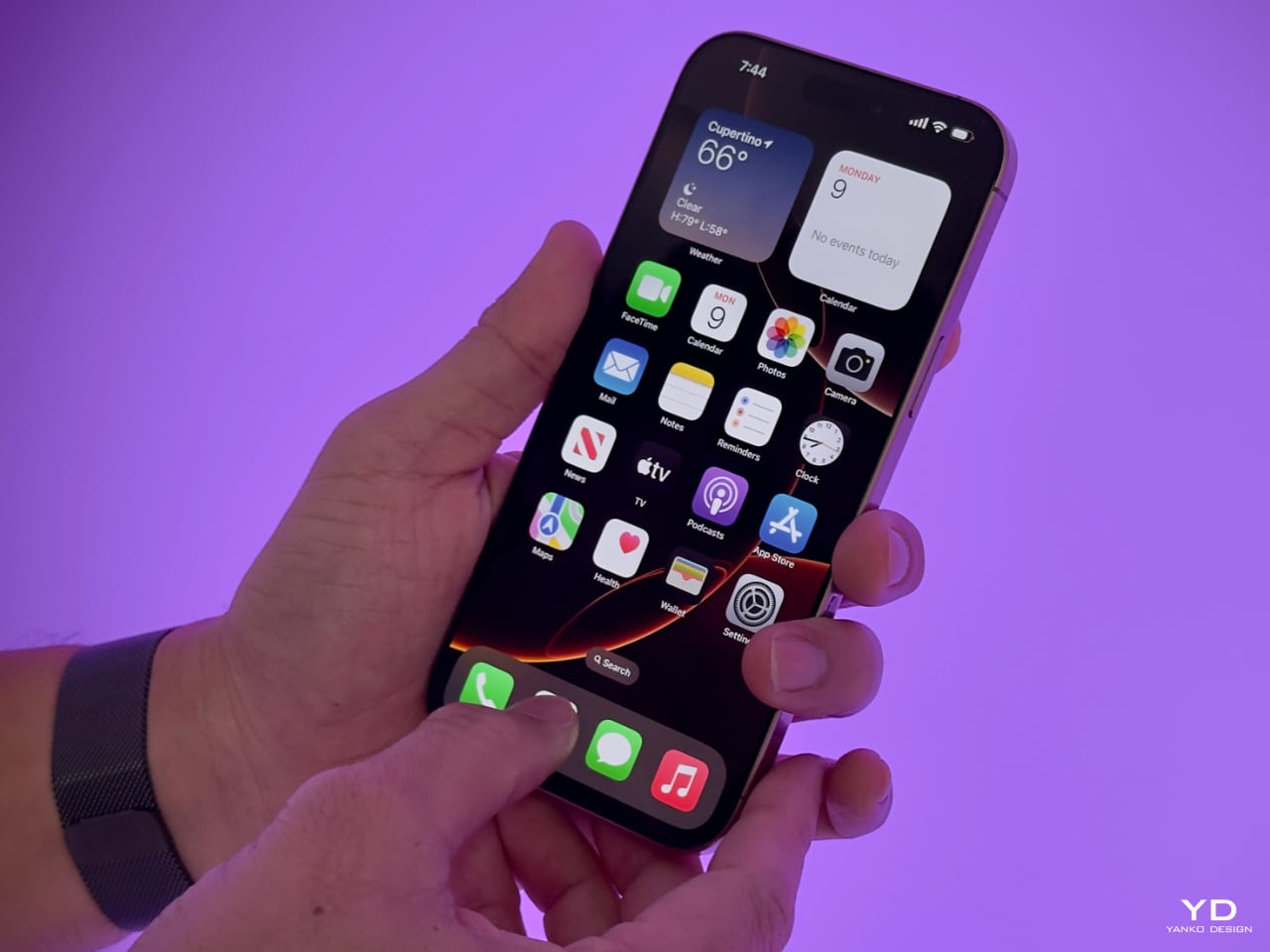
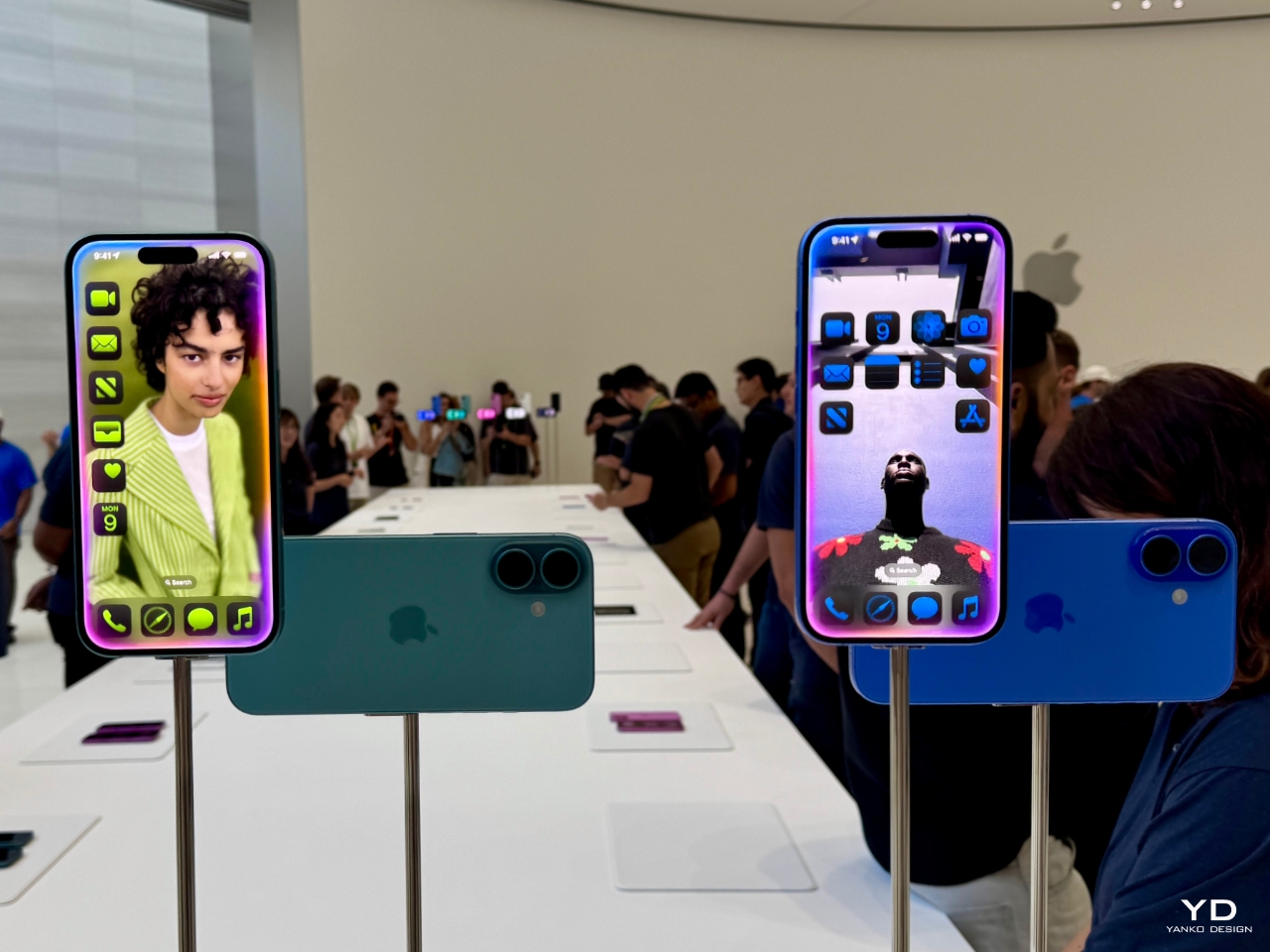
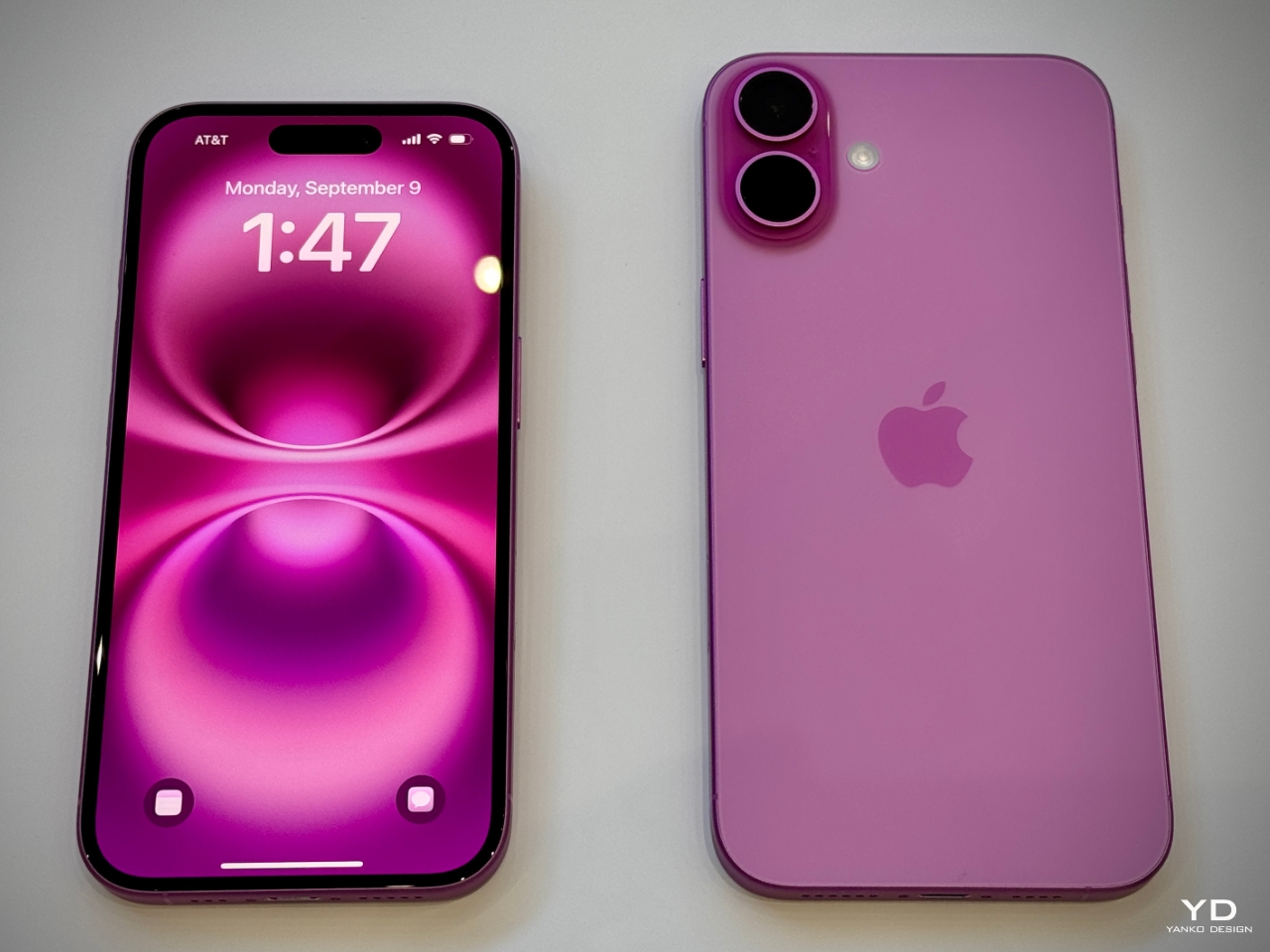
The iPhone 16 sticks to Apple’s familiar formula but includes significant updates. The design remains the same as the iPhone 15, with a 6.1-inch display, Dynamic Island, and a range of new color options, including ultramarine and teal. The Ceramic Shield is now tougher, making it more durable than before, which is great for those who want a more resilient phone.

Apple iPhone 16

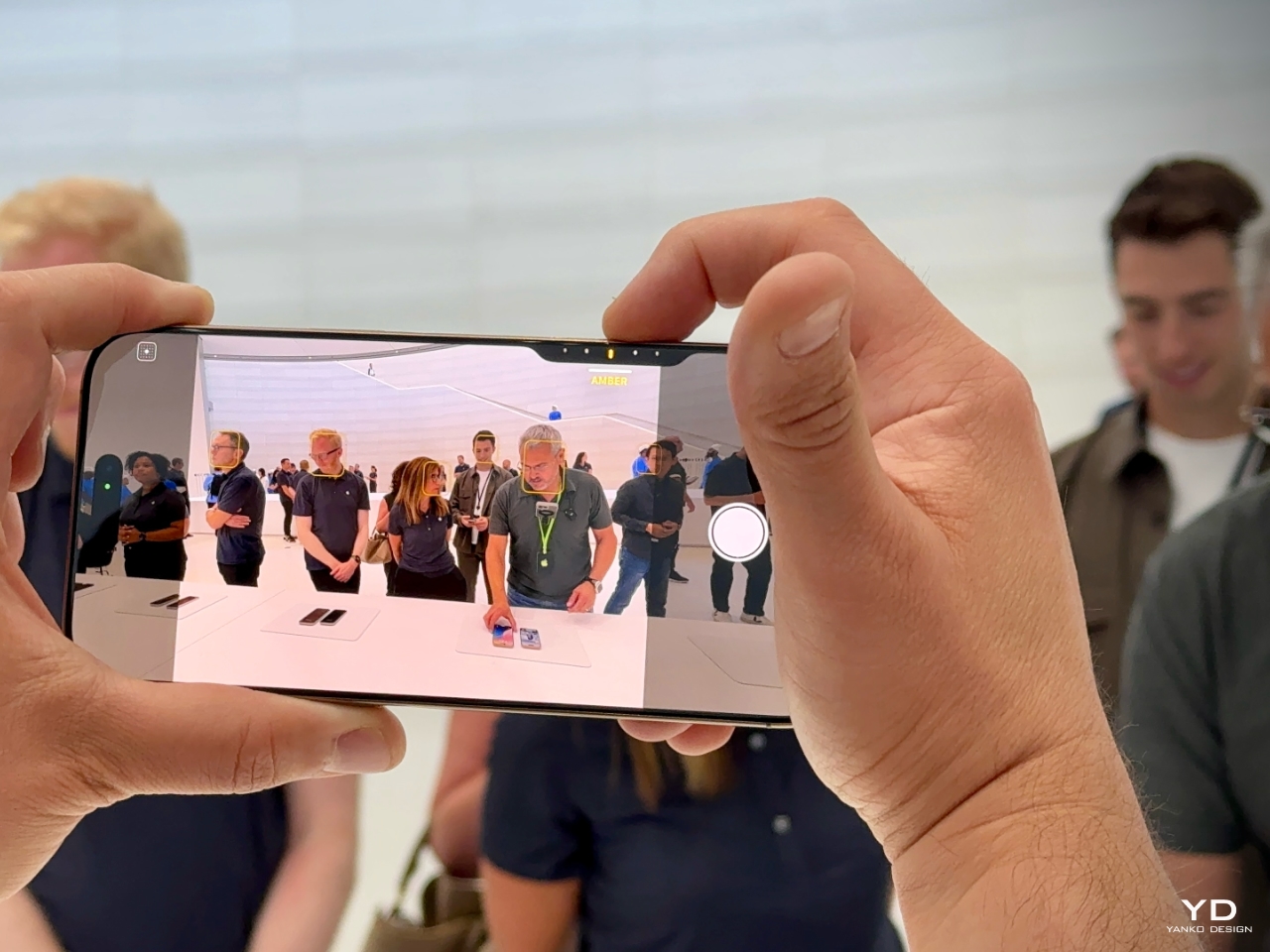
One of the most noticeable additions is the Camera Control button, which gives you easier access to the camera’s functions. This feature lets you tweak settings like zoom and exposure with a simple touch. The 48MP main camera remains, but the Ultra Wide lens is now more powerful, offering improved macro shots and better low-light performance.

Apple iPhone 16

For those who use their iPhone for everyday tasks—like texting, taking photos, and browsing—the iPhone 16 offers solid improvements but nothing groundbreaking. The A18 chip provides faster performance and efficiency, giving you slightly better battery life than older models. Still, if you’re coming from an iPhone 14 or 15, the jump in features might not be enough to justify the upgrade unless you care about the latest camera and design tweaks.

iPhone 16 Pro: Bigger Display, More Power

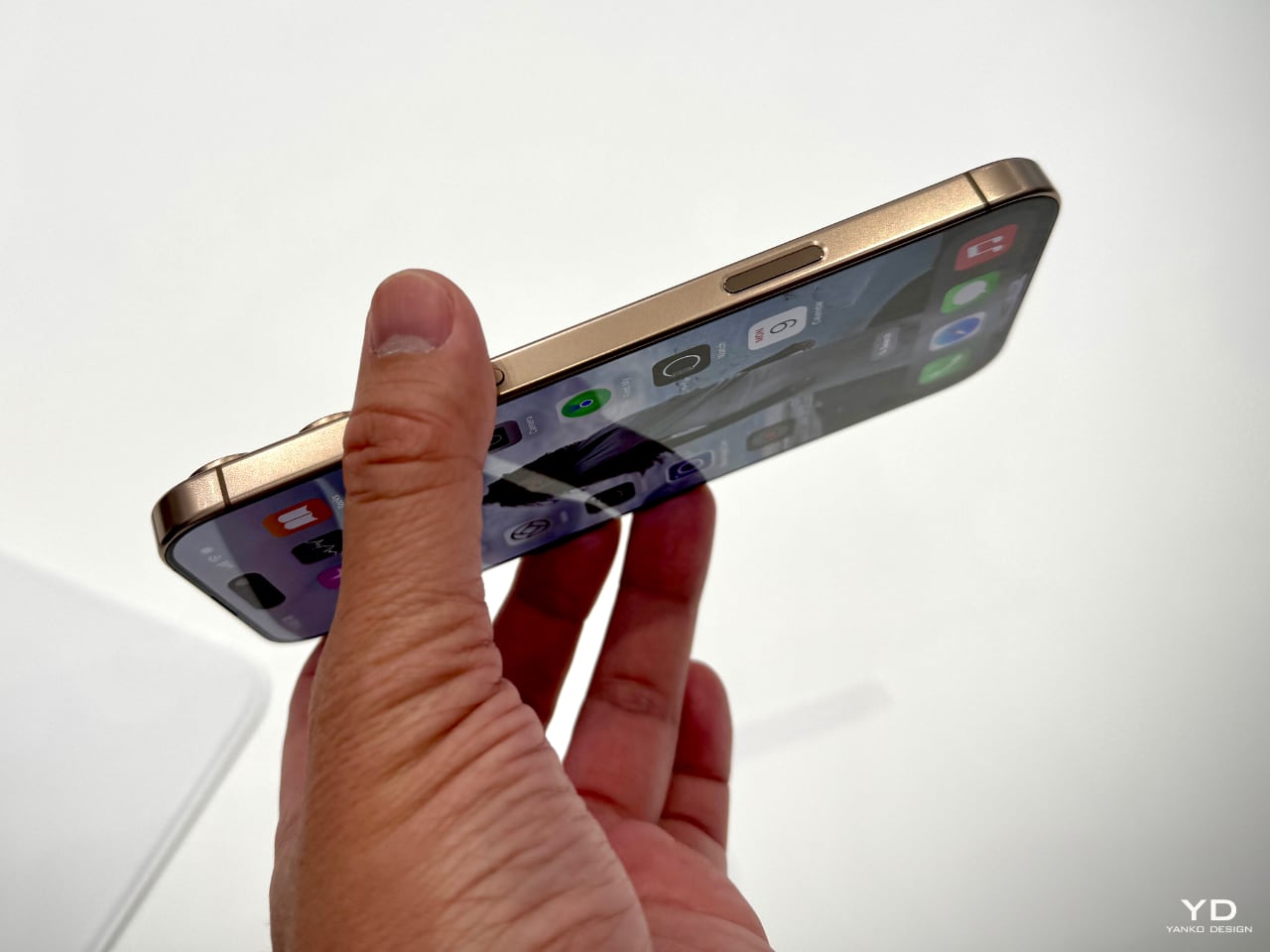
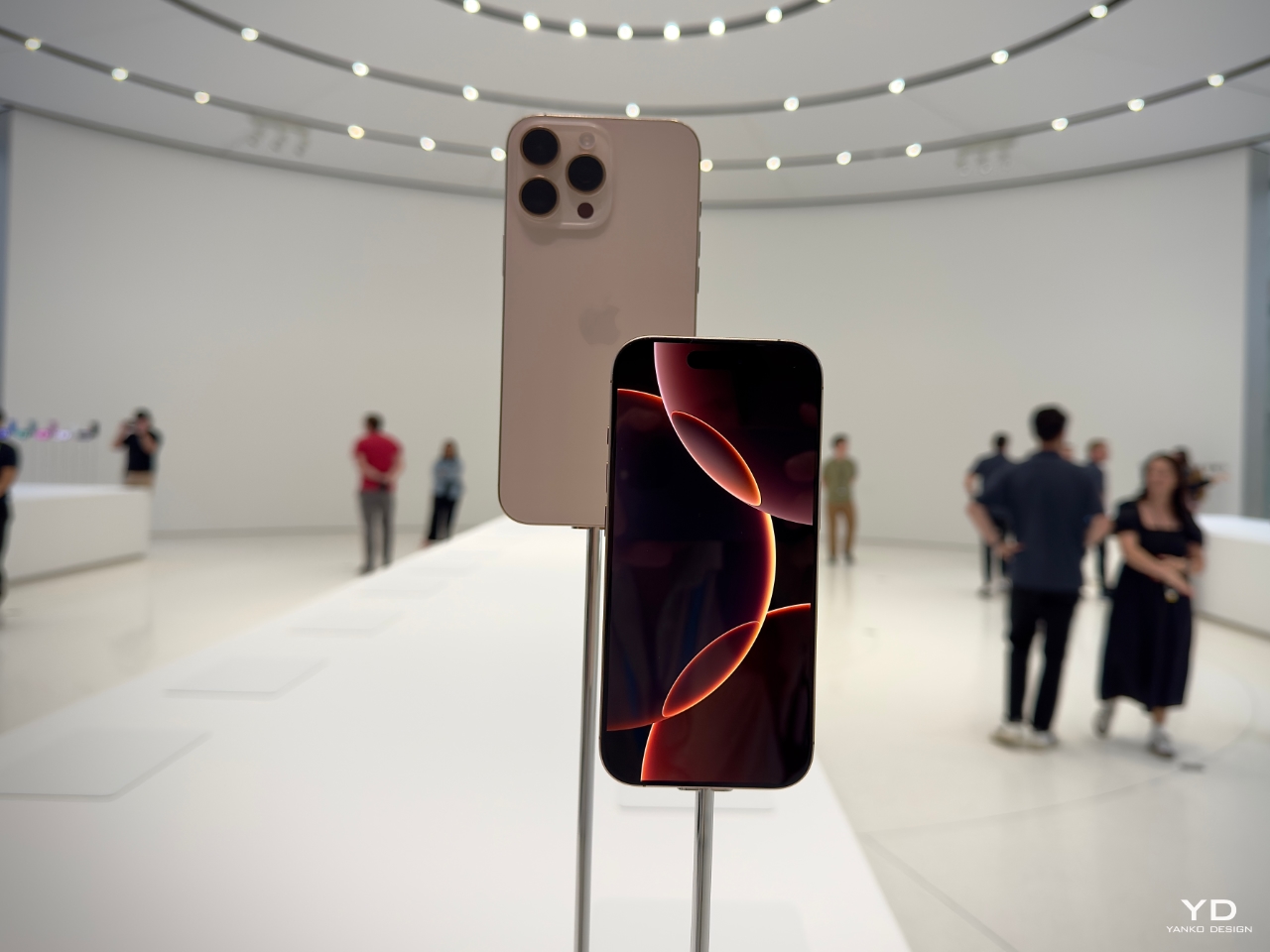
The iPhone 16 Pro is a more compelling option if you’re looking for more advanced features. This model sees an increase in display size, now 6.3 inches, and offers a design that pushes the boundaries of screen space with its thinner borders. The titanium frame makes the phone lighter and more durable, while the larger screen and Always-On Display ensure a better viewing experience.

Apple iPhone 16 Pro

One key difference with the Pro model is the performance. Powered by the new A18 Pro chip, the iPhone 16 Pro brings faster processing and improved efficiency. Whether you’re a power user who switches between apps or someone who enjoys gaming on their phone, the performance boost will be noticeable. This chip also enables high-end camera features, like the ability to shoot 4K video at 120 frames per second.

The camera system is a major selling point for photographers and content creators. The 48MP main sensor works with a new 48MP Ultra-Wide lens and a 5x optical zoom Telephoto lens, offering far more versatility in your photos. The Pro models also come with enhanced software, allowing users to adjust video playback speed after recording and capturing spatial photos and videos compatible with Apple’s Vision Pro headset.

The iPhone 16 Pro’s battery life is another highlight. Apple claims it will last much longer, which can make a difference for those who spend a lot of time on their phones during the day. If battery life, performance, and a more advanced camera are what you’re after, the iPhone 16 Pro could be worth the upgrade. But if you’re coming from the iPhone 15 Pro, these enhancements might not feel dramatic enough to switch immediately.

iPhone 16 Pro Max: The Full Experience

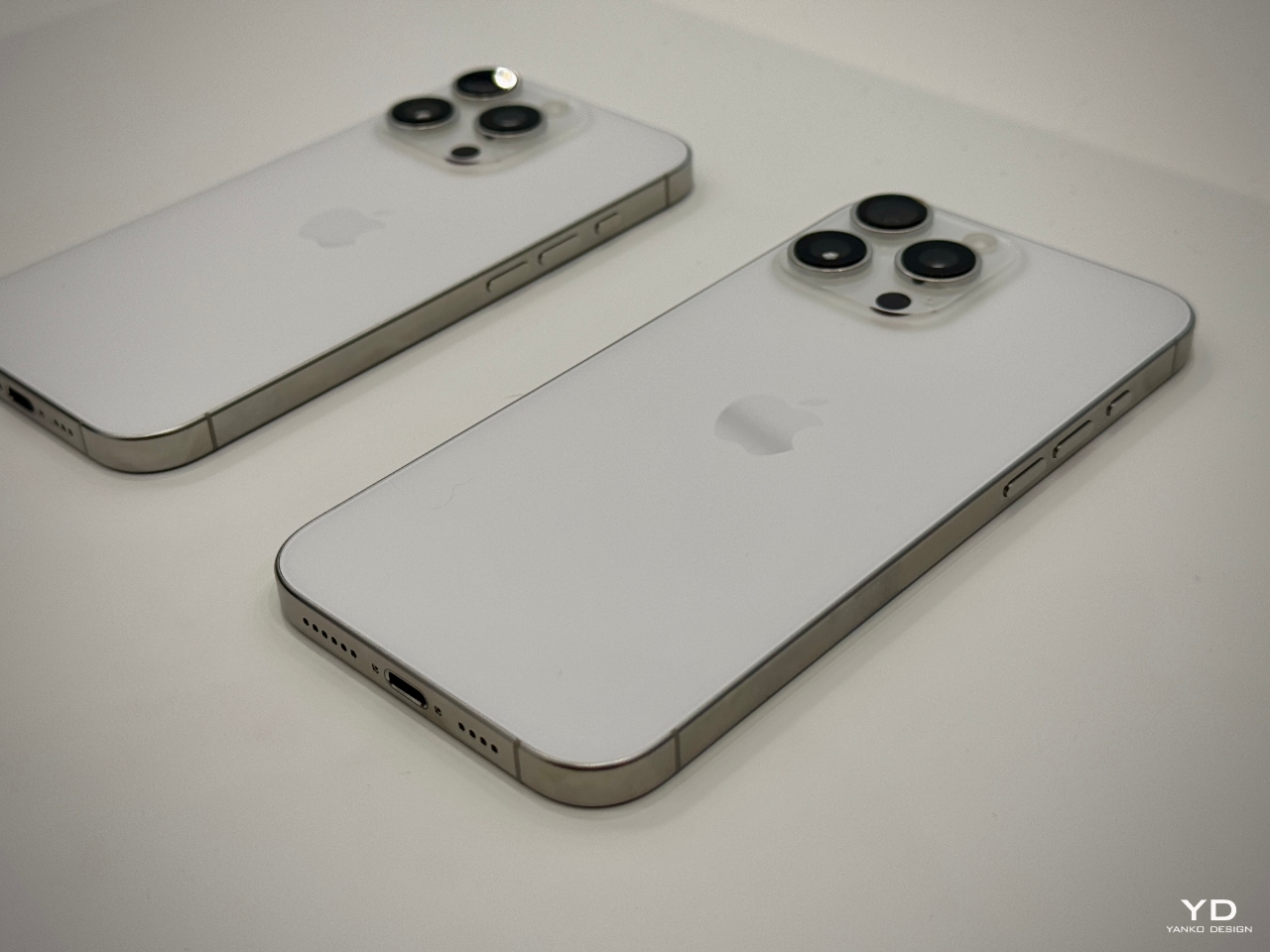
The iPhone 16 Pro Max is the largest and most expensive option in the lineup, with a 6.9-inch display. Like the iPhone 16 Pro, it features the new A18 Pro chip, which improves performance and power efficiency. The Pro Max also benefits from a bigger battery, offering the best battery life of any iPhone. This could be a crucial feature for those who need their phone to last throughout the day without recharging.

iPhone 16 Pro and Pro Max

The camera system is identical to the iPhone 16 Pro, with a 48MP main lens, 48MP Ultra Wide lens, and 5x optical zoom Telephoto lens. The Camera Control button gives you quick access to settings, while the new spatial video and photo features allow for immersive, 3D-like content creation. If you’re already a fan of Apple’s Pro Max series, the iPhone 16 Pro Max builds on what you love with a bigger screen, longer battery life, and even more camera options.

Apple iPhone 16 Pro Max Camera Control

However, if you don’t regularly use your phone for photography, gaming, or other heavy-duty tasks, the Pro Max’s price tag may not be justified. It’s designed for users who want the biggest and best of everything, but the size and cost might be overkill for casual users.

Should You Upgrade?

Whether you should upgrade to the iPhone 16, iPhone 16 Pro, or iPhone 16 Pro Max depends on your current use and what you value most in a smartphone.

Apple iPhone 16 Pro

  • If you’re using an iPhone 13 or older, upgrading to any model in the iPhone 16 series will give you substantial benefits. You’ll notice a significant improvement in speed, camera quality, and battery life. The design changes and software features like Camera Control will also enhance your daily use.
  • The decision is more complex if you’re using an iPhone 14 or 15. The iPhone 16 brings useful upgrades, but they might not feel revolutionary. If you prioritize camera performance or want the latest AI-driven features like Visual Intelligence, the iPhone 16 or 16 Pro might be worth it. However, if you’re content with your current phone, you could comfortably wait another year for more significant changes.
  • For Pro and Pro Max users: If you’ve already invested in a recent Pro model, the iPhone 16 Pro and Pro Max will feel familiar. The enhancements are valuable, especially for users who depend on their phones for photography, video, and gaming. But unless you need the latest camera features or the longest battery life, it may not be worth the immediate switch.

The iPhone 16, iPhone 16 Pro and iPhone 16 Pro Max offer a range of upgrades, but whether they’re worth the investment depends on your personal needs. If you’re using an older iPhone, these models will deliver significant improvements across the board. For those with newer models, the decision comes down to how much you value incremental updates in performance, battery life, and camera functionality. Ultimately, all three models are powerful devices, but the leap forward might not be enough to compel everyone to upgrade immediately.

The post iPhone 16: Is it Worth the Upgrade? Here’s What You Need to Know first appeared on Yanko Design.

How Apple’s Hearing Aid and Hearing Test will work on AirPods Pro

The second-generation AirPods Pro have had hearing health features for a while now. However, those tools are being expanded in iOS 18 with Hearing Test, Hearing Aid and Hearing Protection that will soon be available on the earbuds. Apple's three-prong approach to hearing health now covers awareness, assistance and prevention, but it all starts with the "clinically validated" hearing test you can take on your own. 

Apple has created its version of the hearing test we all probably took as kids. The one where you sit in a booth and raise your hand when you hear a sound. The company offers an alternative to the booth, bulky equipment and trip to the doctor with AirPods Pro and the iPhone. In any quiet environment, the earbuds and the phone can now offer a similar test to what you'd get in a physician's office. Here's how it works. 

From the Settings menu on your iPhone, you'll tap into the AirPods Pro settings to find the Hearing Health section. First, the software will check to make sure the fit of your AirPods provides a good seal for the test and that your location is quiet enough for the tech to offer reliable results. Once Hearing Test begins, active noise cancellation (ANC) will be enabled and you'll tap your iPhone screen when you hear tones on both the left and right sides. Apple employed 150,000 real-world audiograms and millions of simulations to develop a test that's quick and easy. But most importantly, the company says, it created one that's accurate. 

Once the test is completed, you'll get immediate results on your phone, telling you the level of hearing loss (if any) in each ear. If you have minimal hearing loss but could maybe benefit from help in certain frequencies, the software will recommend some tweaks in the Media Assist settings for entertainment audio and calls. If you have mild to moderate hearing loss, Hearing Test may suggest you use the AirPods Pro Hearing Aid feature to improve every day life. 

AirPods Pro will soon be able to tell you if you have some degree of hearing loss.
Apple

I got a brief walkthrough of Hearing Test following the iPhone 16 event, and it seems to be as quick and easy as Apple describes. To be clear, I didn't actually take a real test, just a simulated version with fake results, but every step in the process was accounted for in my abbreviated session. All told, you should be able to complete Hearing Test in about five minutes. 

Hearing Test results will be stored in the Health app, allowing you to see changes over time. You can retake the test as often as you want, with access to hearing health articles and the ability to download results just a tap away. I should also note that Hearing Aid is designed for people with mild to moderate hearing loss. If Hearing Test determines that you have severe hearing loss, the software will recommend that you visit an audiologist for further guidance. 

Hearing Aid is a software-based solution that boosts certain frequencies so certain sounds are enhanced on AirPods Pro. It's a first of its kind submission to the FDA, and a tool that allows you to customize the amplification, balance and tone at any time in the settings. The feature should help people with mild to moderate hearing loss better hear conversations and environmental sounds, but also improve what they hear in music, videos and calls. 

Both Hearing Aid and Hearing Test should be available this fall, pending FDA approval, as part of an iOS 18 update

Catch up on all the news from Apple’s iPhone 16 event!

This article originally appeared on Engadget at https://www.engadget.com/audio/headphones/how-apples-hearing-aid-and-hearing-test-will-work-on-airpods-pro-154814439.html?src=rss

Amazon discounts the Apple 14-inch M3 MacBook Pro below its Prime Day price

If you're eager to get your hands on a MacBook Pro but want to save some cash, Amazon has a good deal right now on the 14-inch MacBook Pro M3. That laptop is down to $1,300 for the model with 8GB of RAM and 512GB of storage, which represents a $300 discount (a steeper sale than what we saw during Amazon Prime Day in July). The typical price for this version is $1,500, so you're saving a good chunk of change. Keep in mind, though, that October Prime Day is likely right around the corner — Amazon announced it would return this year, although no specific dates yet. There's a chance we could see a deeper discount during that sale event, but there's no guarantee.

This is the latest MacBook pro with an M3 chip that was released last year. It comes with a 14-inch display, an 8-core CPU and a 10-core GPU. We loved this laptop in our official review, calling the design a “major improvement” over previous MacBook Pro releases and praising the “gorgeous” Liquid Retina XDR display, the abundant selection of ports and that speedy M3 processor.

This machine also made our list of the best MacBooks, and for good reason. We called it “the best MacBook for creatives” due to the incredibly efficient and powerful CPU. Apple silicon ain’t no joke. The battery life is on point, lasting around 24 hours per charge. That’s about three full work days.

There’s one caveat here. This is the model with 8GB of RAM and 512GB of storage. The storage is fine, as there are plenty of ports for external drives and an SD card slot. If you are going with a MacBook Pro over an Air, however, it might be a good idea to spring for a model with 16GB of RAM to get the most out of the machine. Luckily, the 1TB/16GB version is also on sale via Amazon for $1,700.


October Prime Day 2024 is around the corner, serving as Amazon’s (un)official kickoff to the holiday shopping season. If you’re eager to snag some early holiday deals for those on your list (or yourself), here’s what we know so far about the next Prime Day shopping event.

When is October Prime Day 2024?

Amazon has not announced the dates of fall Prime Day 2024 yet, but we do know it will be returning sometime in October.

What is October Prime Day?

October Prime Day is an extension of the regular Prime Day sale held annually in July. It features exclusive deals on Amazon for Prime members, although not quite on as big of a scale as the main summer Prime Day.

How long is October Prime Day?

In years past, October Prime Day has been two days long, just like Prime Day in July.

This article originally appeared on Engadget at https://www.engadget.com/deals/amazon-discounts-the-apple-14-inch-m3-macbook-pro-below-its-prime-day-price-152341957.html?src=rss

Rocking stool lets you relax while moving back and forth

One of my favorite childhood memories is immediately getting on a rocking chair/horse/stool whenever I see one and just rocking like crazy until I get dizzy. But of course as you grow older, it becomes frowned upon when a fully grown adult tries to ride one, especially if it’s built for kids (and you might damage it). But who says we can’t or shouldn’t enjoy one that’s specifically built for grown ups?

Designer: Dsignio

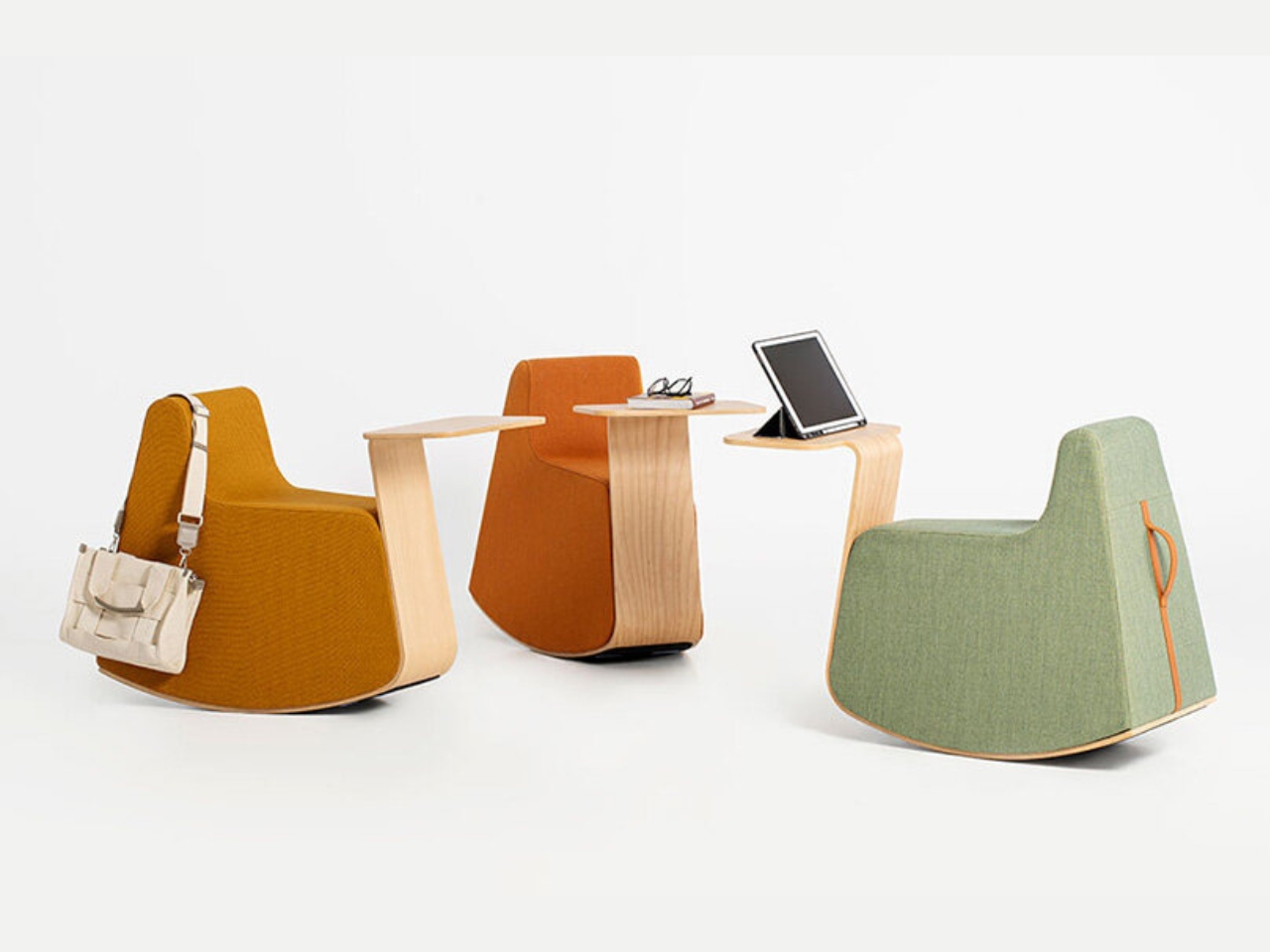
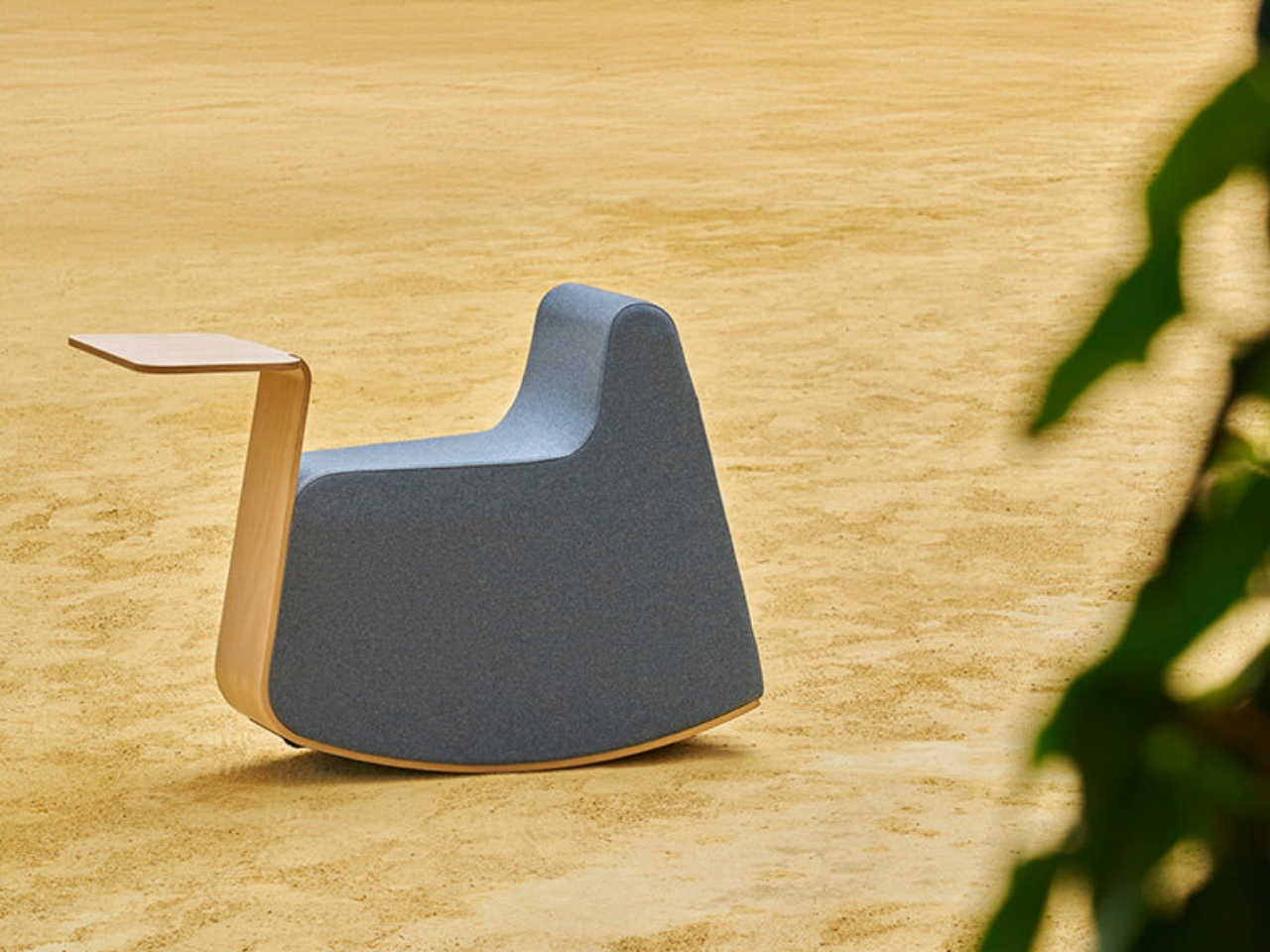
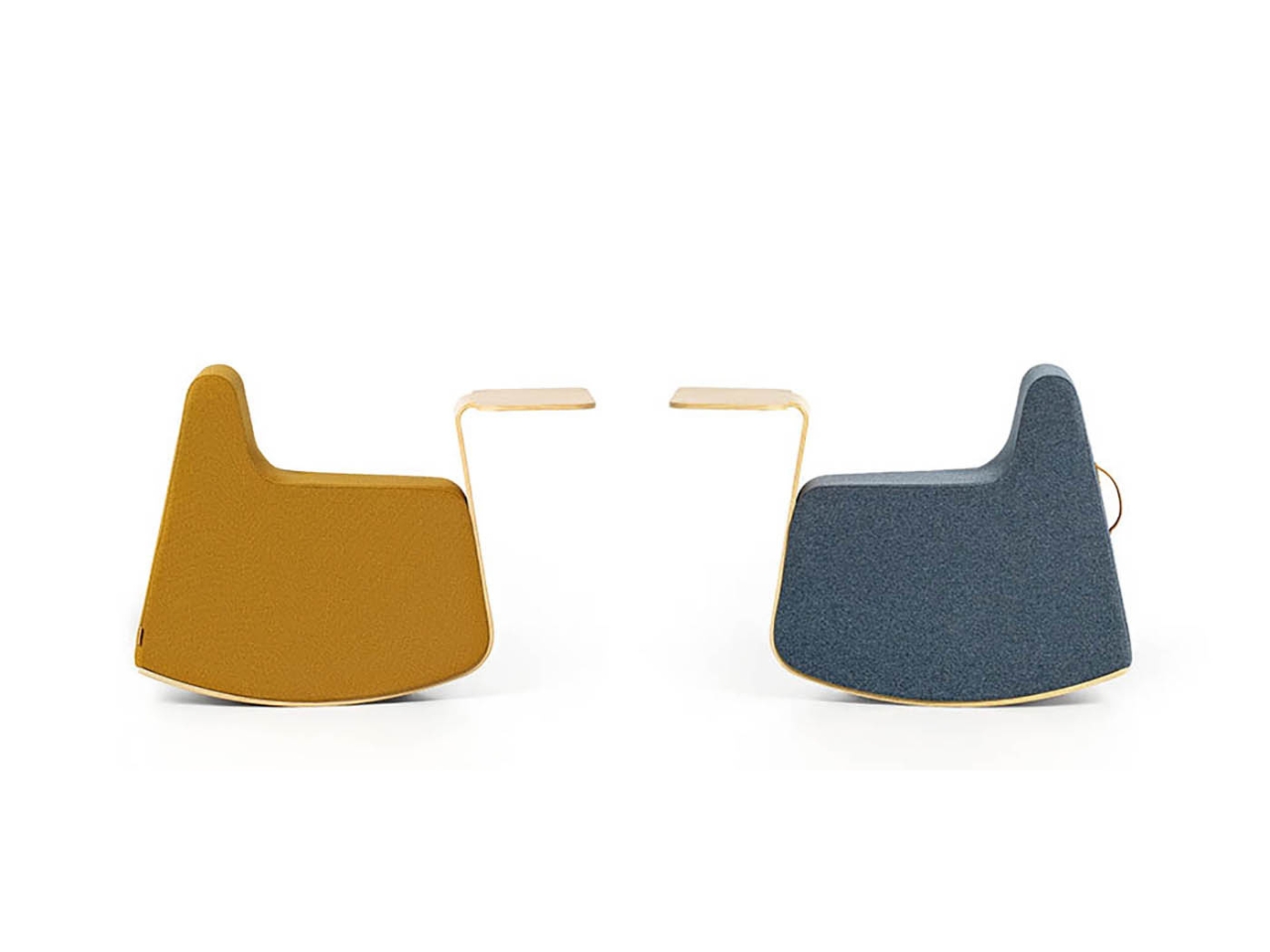
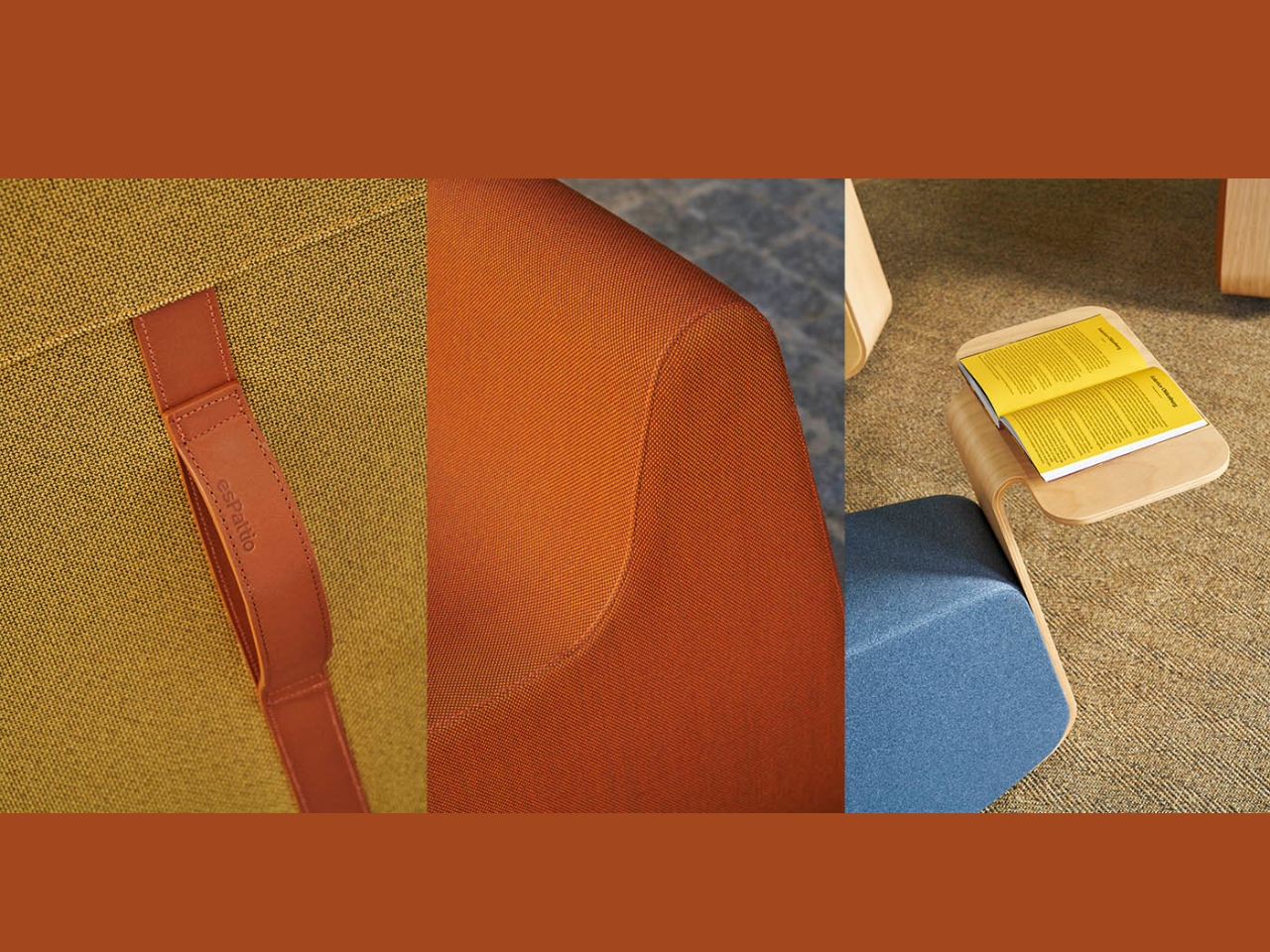
Platero is a rocking pouffe that is created specifically for people in the office that are bored sitting on regular chairs and need a break from their mundane routine. It’s a stool with a curved base that lets you rock it back and forth and change positions if you need some sort of motion as you rest for a while or even when you’re doing actually work but need a more creative work environment.

It also has a side table in front so you can place your laptop, tablet, notebook, book, or any tool that you want to use as you rock back and forth. So that probably rules out coffee or food as it might spill or fall off the chair as you sway it around. It also has an ergonomic design so you probably feel comfortable when sitting on it, or as comfortable as you can get on a stool. At least there’s a back rest part so it’s better than most stools that just have a seating part.

It comes in different finishes but the side table part is mostly wooden. If you suffer from motion sickness though, this stool may not be the best option for you to relax in the middle of work. Well, unless you use it to practice getting used to moving around.

The post Rocking stool lets you relax while moving back and forth first appeared on Yanko Design.

Sony unveils its PS5 Pro console, which will cost you a whopping $700

Sony has officially announced the much-anticipated PS5 Pro. You'll need to dig deep into your pocket for it, though: the new console has a price tag of $700 and it will arrive on November 7. Pre-orders start on September 26. As with the PS5 Slim, if you want a disc drive or a vertical stand, you'll have to shell out extra.

The Pro offers some notable improvements on the specs of the original PS5, which was released in 2020. Sony is hoping to narrow the gap between the fidelity and performance modes that players have become accustomed to choosing between. The idea is to offer improved graphical performance at more consistent frame rates across the board. To do that, Sony focused on three core upgrades: a larger GPU, advanced ray-tracing and AI-driven upscaling.

That GPU has 67 percent more compute units and 28 percent faster RAM than the standard PS5. As such, according to the console's lead architect Mark Cerny, the new console will be able to deliver up to 45 percent faster rendering. Ray-tracing performance could be up to three times as faster than on the PS5. Meanwhile, Sony's AI-upscaling tech (i.e. its take on the likes of NVIDIA's DLSS) is called PlayStation Spectral Super Resolution, or PSSR.

Of course, Sony's own studios have been updating their games to take advantage of these upgrades. Cernys presentation highlighted The Last of Us Part 2 Remastered, Ratchet and Clank: Rift Apart, Horizon Forbidden West and Marvel's Spider-Man 2 as some of the games that will benefit from improved visual fidelity and/or frame rates. Third-party partners are planning to tap into the PS5 Pro's extra power too, with patches on the way for the likes of Alan Wake 2, Assassin’s Creed: Shadows, Demon’s Souls, Dragon’s Dogma 2 and Final Fantasy 7 Rebirth. Games that have been patched or developed for the new system will have a PS5 Pro Enhanced label.

Other features include a game boost tool that could improve or stabilize the performance of more than 8,500 backward compatible PS4 games, Sony says. The feature could boost the performance of PS5 games that aren't explicitly enhanced for the Pro as well. The company adds that its Enhanced Image Quality tool will improve the resolution of certain PS4 games as well. Other features include Wi-Fi 7, variable refresh rate and support for 8K resolutions.

Sony managed to make the PS5 Pro more powerful without making it larger than the colossal original model. It has the same height as the original PS5 and the same width as the discless model. Along with a DualSense controller and the brilliant Astro's Playroom, the PS5 Pro comes with 2TB of built-in storage, which is a nice upgrade from the 1TB on earlier models. 

That $700 price may put many folks off of buying a PS5 Pro. But hey, at least Sony is offering gamers a tangible hardware upgrade. The newest Xbox systems either change the console's color, add some storage or remove the Series X disc drive.

It's hard to keep many secrets around new gaming hardware, so today's announcement is hardly a surprise. There have been several leaks this year, one from a YouTube channel in May and then again in August from a Dealabs user.

The PS5 has been a big seller for Sony, with 61.7 million units sold as of June 2024. With the PS5 Pro joining the original hardware and the PS5 Slim, Sony is in good shape to continue its dominance of this console cycle. 

This article originally appeared on Engadget at https://www.engadget.com/gaming/playstation/sony-unveils-its-ps5-pro-console-which-will-cost-you-a-whopping-700-151636487.html?src=rss

Analogue’s latest limited edition Pocket consoles are inspired by the Game Boy Color

Analogue’s retro handheld console, the Pocket, now has six colors available for a limited time besides the standard black and white. They will be available on September 12 at 11AM ET and will be shipped out between 24 and 48 hours after your order is confirmed. These aren’t the only limited runs from Analogue, as the company did release aluminum, transparent and Glow in the Dark Pocket consoles in the past (just to name a few).

The six colors are based on the classic Game Boy Color’s original shell hues, being color-matched to the handheld consoles sold from 1998 to 2003. The colors are Berry, Dandelion, Gold, Grape, Kiwi and Teal. You can get one of these limited consoles for $250.

Those who prefer the regular Pocket handhelds can rejoice, as they will be restocked and available for purchase on the same day. These will ship immediately as Analogue wishes to keep the standard versions in stock “steadily as possible.” This has been something that has been a challenge since the console launched, as it often feels like they’re more concerned with building expensive limited-edition options rather than keep the main product in stock.

In addition to these two announcements, Analogue promised a software 2.3 update, but we don’t have all the details yet, aside from the fact that it’ll be available on September 12. We’ll update this post when we get more info.

This article originally appeared on Engadget at https://www.engadget.com/gaming/analogues-latest-limited-edition-pocket-consoles-are-inspired-by-the-game-boy-color-150048157.html?src=rss

Huawei’s first tri-fold phone starts at an eye-watering $2,800

If you thought the price of a fully specced iPhone 16 Pro Max or Samsung Galaxy Z Fold 6 was high, Huawei has a new flagship that might require some folks to pull off a bank heist to afford. The Mate XT, which the company claims is the first triple-fold phone to hit the market, will debut in China and start at 19,999 yuan (approximately $2,800). That's enough to buy an 11-inch iPad Pro, M3 MacBook Air and an iPhone 16 — and still have cash to spare.

It took Huawei five years to develop the Mate XT, according to the chairman of its consumer business, Richard Yu. As part of that process, the company is said to have made breakthroughs in screen and hinge technology. The device folds up accordion-style, with one hinge bending outward and the other inward, leaving one of the panels available to use as a 6.4-inch exterior display.

“Huawei Mate XT is the world’s first triple-fold smartphone, and the largest and thinnest foldable handset globally,” Yu said during a launch event, according to CNN. “We are the first in the world to achieve outward folding (in smartphones) and the first to create an inward-folding phone with no gaps.”

Despite the high price, the Mate XT has already caught the imagination of Chinese consumers. By early Tuesday, Huawei had received 3.7 million preorders. 

It's no surprise as to why Huawei formally revealed the device hours after Monday's iPhone event — it's looking to steal some of Apple's thunder. Given its pre-order numbers and the relatively modest iPhone hardware updates this year (Apple is banking on the delayed Apple Intelligence features as a key selling point), Huawei may have just pulled that off.

When completely unfolded, the Mate XT has a 10.2-inch 3K display with a 92 percent screen-to-body ratio. Buyers can use one, two or all three panels at once (the size of the two-panel display is 7.9 inches). It comes in red or black with a leather finish on the rear and gold trim on the edges and folds. When they're out of range of a cell network, owners will be able to communicate with the rest of the world via satellite.

As you might imagine, there are a bunch of generative AI features too, including a voice input function that can polish and translate a transcript. There's the option to have a chatbot open on one side of the screen to answer questions and summarize articles. There's an AI photo-editing tool too. On that note, Huawei says the triple-camera system (which features a periscope telephoto camera and an ultra-wide-angle camera) includes an approximate optical zoom of 5.5x.

Huawei isn't the first company to show off a tri-fold device, however. We had some hands-on time with a tri-fold TCL tablet back in 2020.

The rollout plans for the Mate XT outside China are not yet clear. The Mate XT is unlikely to officially come to the US, given sanctions that have been in place against the company over the last few years.

This article originally appeared on Engadget at https://www.engadget.com/mobile/smartphones/huaweis-first-tri-fold-phone-starts-at-an-eye-watering-2800-145113669.html?src=rss