Valve has big savings on the entry-level (LCD) Steam Deck. You can take 25 percent off the 512GB model or 15 percent off the 64GB one, dropping their prices to $336.75 and $296.65, respectively. The sale runs through September 26 while supplies last for the two phased-out models.
The 512GB (NVMe SSD) LCD Steam Deck initially cost $449, so the sale shaves over $112 off its MSRP. For some perspective, the OLED version with the same storage costs $549. This deal on the (lower-grade but still high-quality) LCD variant is a terrific chance to get started with handheld PC gaming on the cheap.
The LCD Steam Deck has a seven-inch display (1200 x 800) with 60Hz refresh rates and 400 nits brightness. The 512GB model adds anti-glare etched glass that the 64GB lacks, so — if both fall within your budget — the former is a no-brainer upgrade at only $40 extra.
Both variants have 40Wh batteries with a theoretical eight hours of uptime, but our tests found they averaged around 4.5 hours with regular use. (If needed, you can squeeze more out by lowering brightness and refresh rates.) Each model includes a standard carrying case.
In Engadget’s 2023 re-review of the LCD Steam Deck, Jessica Conditt concluded the entry-level model offers “a fantastic return on investment,” even compared to its premium OLED sibling. Most mainstream games that launch today are classified as either Verified or Playable on Steam Deck, and most gamepad-friendly games will fare well with the handheld.
The bottom line: Although the OLED model is worth the upgrade if it fits your budget, this LCD model — especially when cut by up to 25 percent — is still a fantastic entry-level handheld gaming device that offers only a slightly compromised experience compared to the (much more expensive) high-end one.
Follow @EngadgetDeals on Twitter and subscribe to the Engadget Deals newsletter for the latest tech deals and buying advice.
This article originally appeared on Engadget at https://www.engadget.com/gaming/pc/the-lcd-steam-deck-is-up-to-25-percent-off-right-now-194740400.html?src=rss
Sony just released a PS5 system update that includes new options for customizing the home screen. The just-announced Welcome hub is basically a blank canvas that users can fill with various widgets that display console storage space, battery level for accessories, online friends, trophies and a lot more. It replaces the current Explore tab.
These widgets can be resized and arranged in various ways, adding another layer of customization. The background can also be changed, allowing players to choose from animated effects or screenshots. This is still a far cry (reference intended) from the kind of system-wide themes of the PS3/PS4 era, but it’s a start.
The PS5 Welcome hub starts rolling out to US customers today, though it’s a gradual release so it could take a few days to hit every console. Sony says other parts of the world will get the feature “over the coming weeks,” with Japan and Europe grabbing first dibs.
That’s not the only feature arriving with this latest system update. Sony’s also introducing personalized 3D audio profiles for headphones and earbuds, allowing players to make a variety of adjustments to better fit unique "hearing characteristics." This is in beta for now. There’s also adaptive charging for PS5 Slim and the forthcoming (and uber-expensive) PS5 Pro, in addition to the ability to enable remote play for individual users.
Sony
Sony also teased something that’s coming in the next few weeks. Soon, users will be able to share party voice chat links on any messaging or social media app. This means players will be able to invite people to join one of these chats even if they aren’t friends on the PlayStation Network.
This article originally appeared on Engadget at https://www.engadget.com/gaming/playstation/the-ps5-is-getting-a-more-customizable-home-screen-192824758.html?src=rss
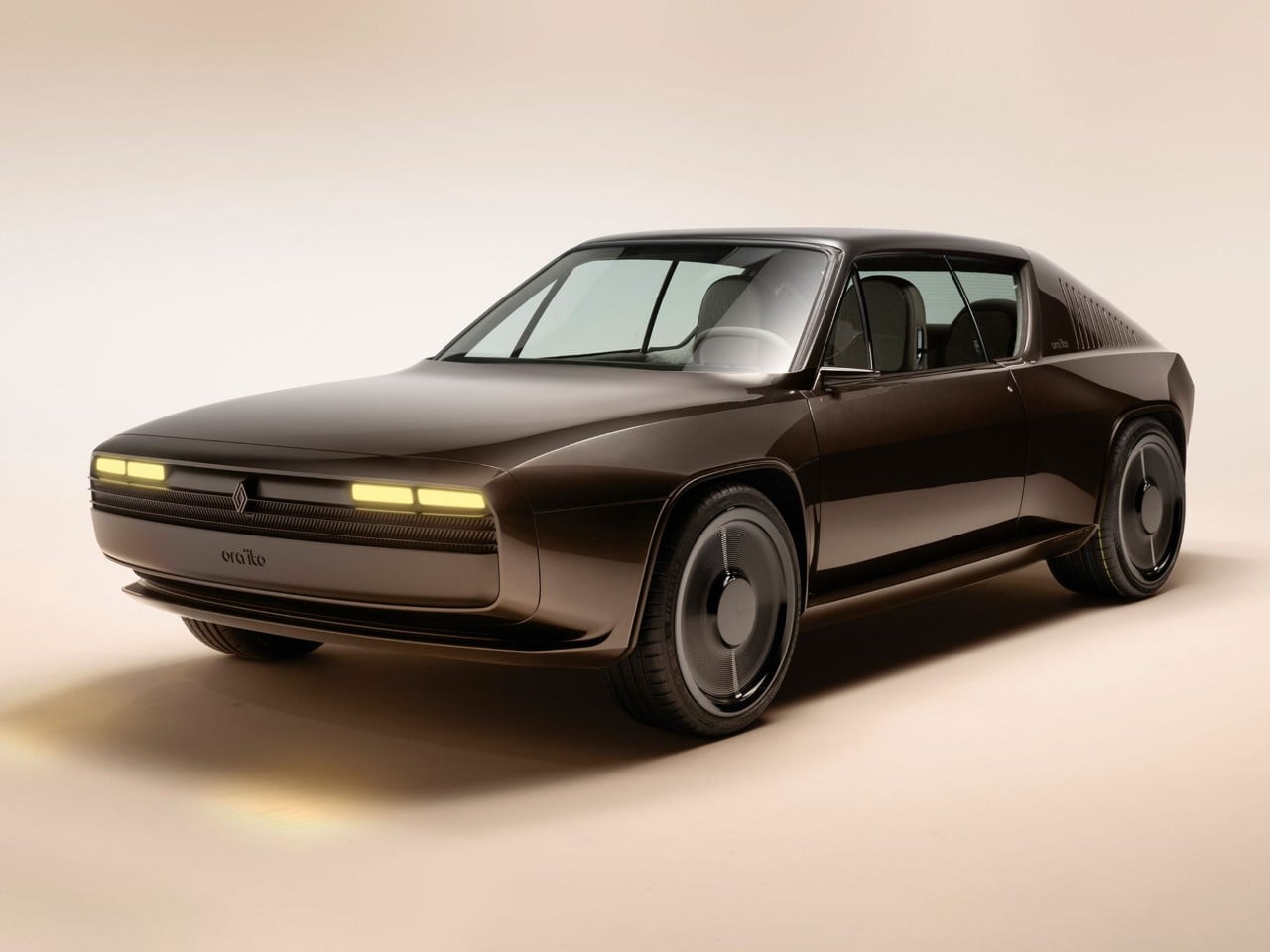
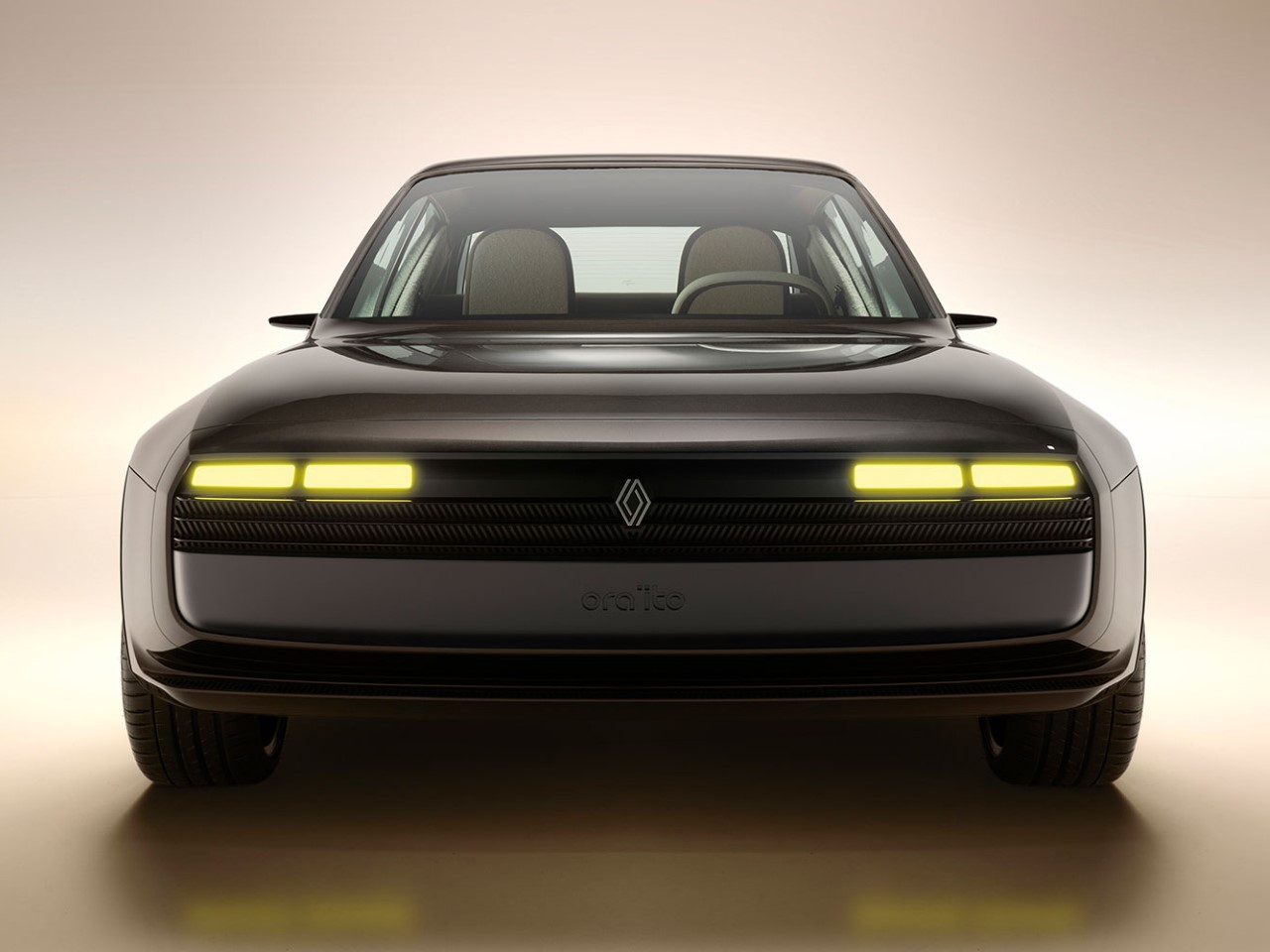
The Renault R17 Restomod brings a fresh take on a classic piece of French automotive history with its modernized design that fits well into contemporary urban settings. The original R17, first produced in the 1970s, was known for its angular design and sporty appeal. Now, Renault has partnered with French designer Ora ïto to reimagine this iconic coupe, blending retro style with modern technology and electrification. The result is a striking restomod that respects the past while fully embracing the future in a tasteful way that more and more EV companies are doing, like Hyundai with its Ioniq for example.
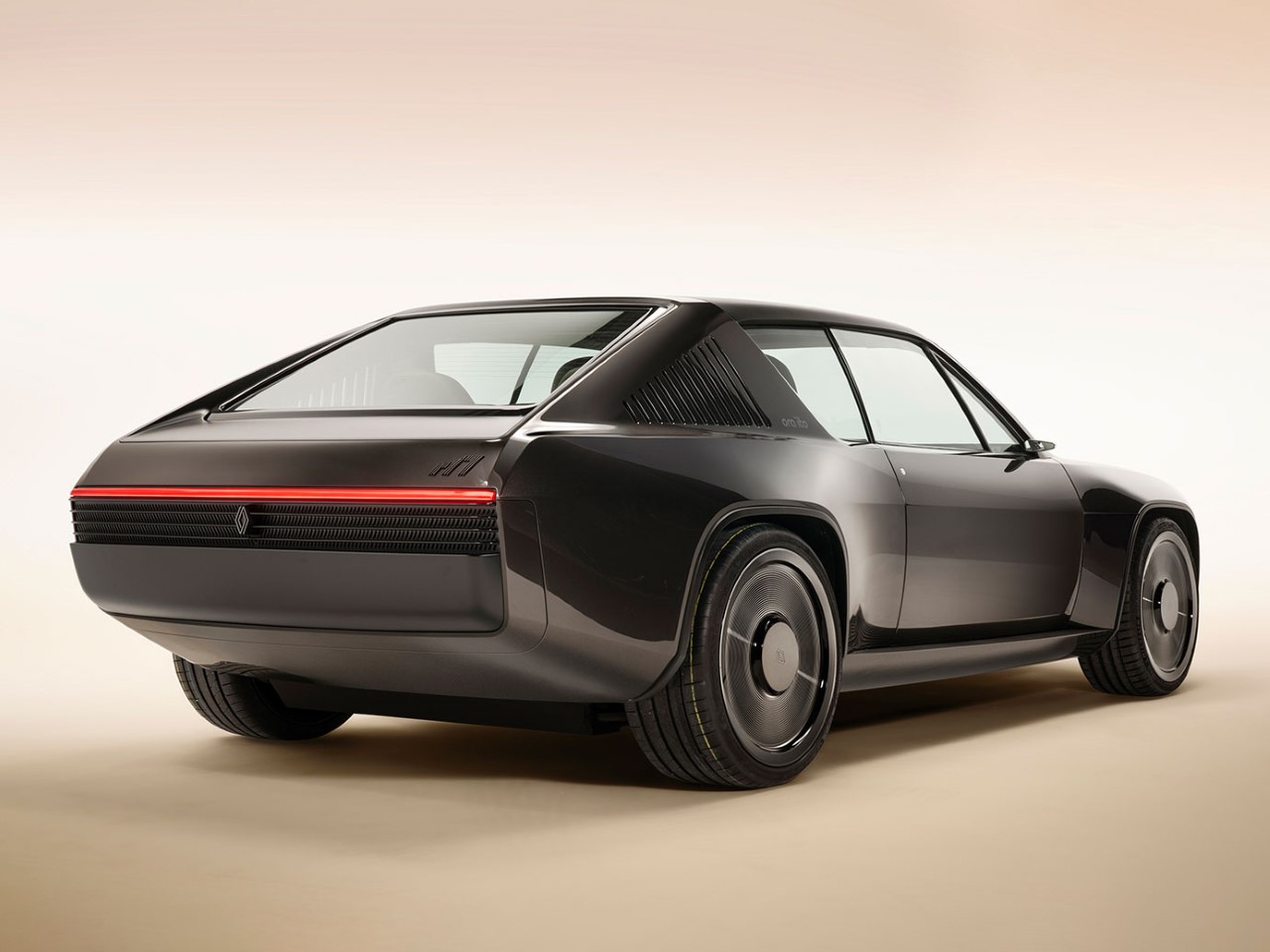
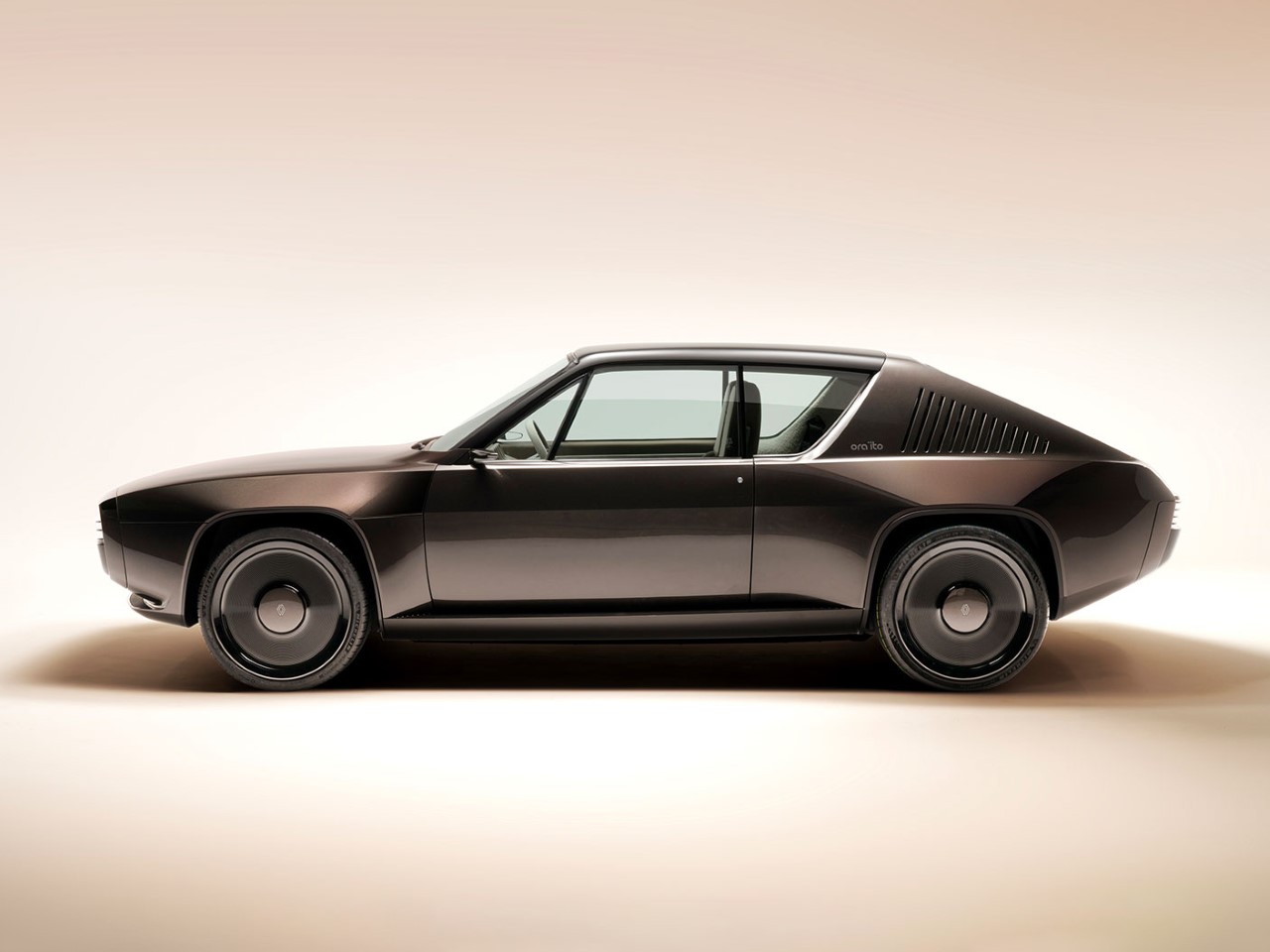
The original Renault R17 stood out with its wedge-shaped design, wide stance, and a distinctively sharp rear end—details that made it a fan favorite. The restomod keeps these iconic elements intact but gives them a modern twist. The design update focuses on cleaner lines, sharper details, and a more aggressive stance, making the R17 Restomod look like a natural evolution of the original.
Up front, the car sports sleek LED headlights that fit perfectly into today’s design landscape. These lights, combined with an updated front grille, offer a modern look while still paying homage to the car’s 1970s aesthetic. The restomod sits on contemporary wheels that reinterpret the old-school alloys, giving the car an updated yet still familiar appearance.
Ora ïto, a well-known French designer celebrated for his minimalist approach, brings a sleek and refined touch to this project. His philosophy of “simplexity”—the blending of simplicity and complexity—is evident throughout the R17 Restomod. He’s managed to pare back some of the busier details of the original car, resulting in a design that feels polished without losing its retro charm.
The exterior’s crisp lines give the car a futuristic feel, while touches like the classic coupe silhouette and the iconic rear louvres remind you that this car is deeply rooted in history. The restomod balances both vintage and modern elements, creating a cohesive design that resonates with both old-school Renault fans and new buyers looking for a unique ride.
Underneath the R17 Restomod’s sharp new exterior lies one of the most significant changes—a fully electric powertrain. This transformation turns the classic Renault coupe into an eco-friendly vehicle that’s built for the future. The shift to electric isn’t just a nod to sustainability; it completely alters the driving experience, offering smooth, instant torque and a more refined, quiet ride.
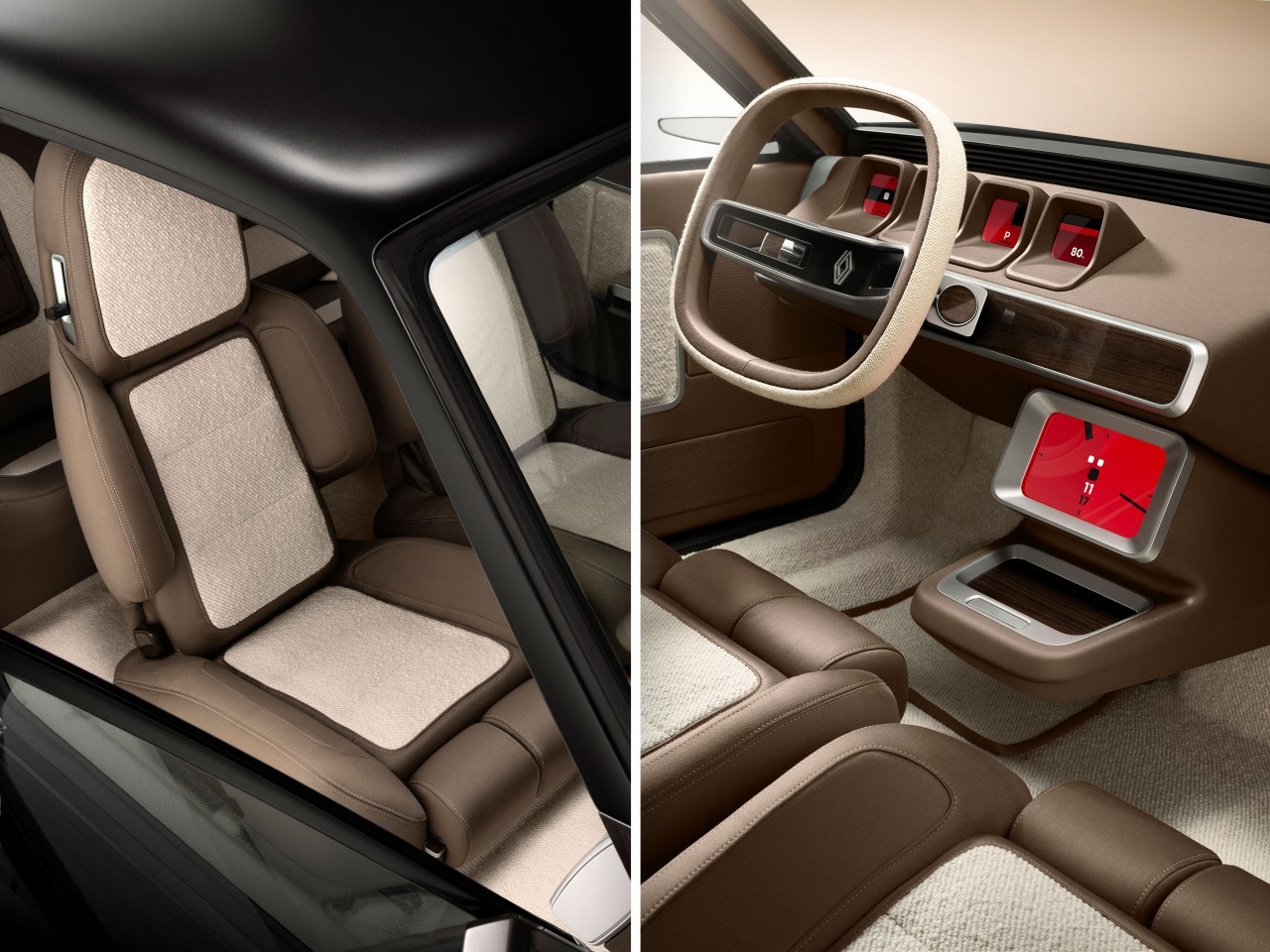
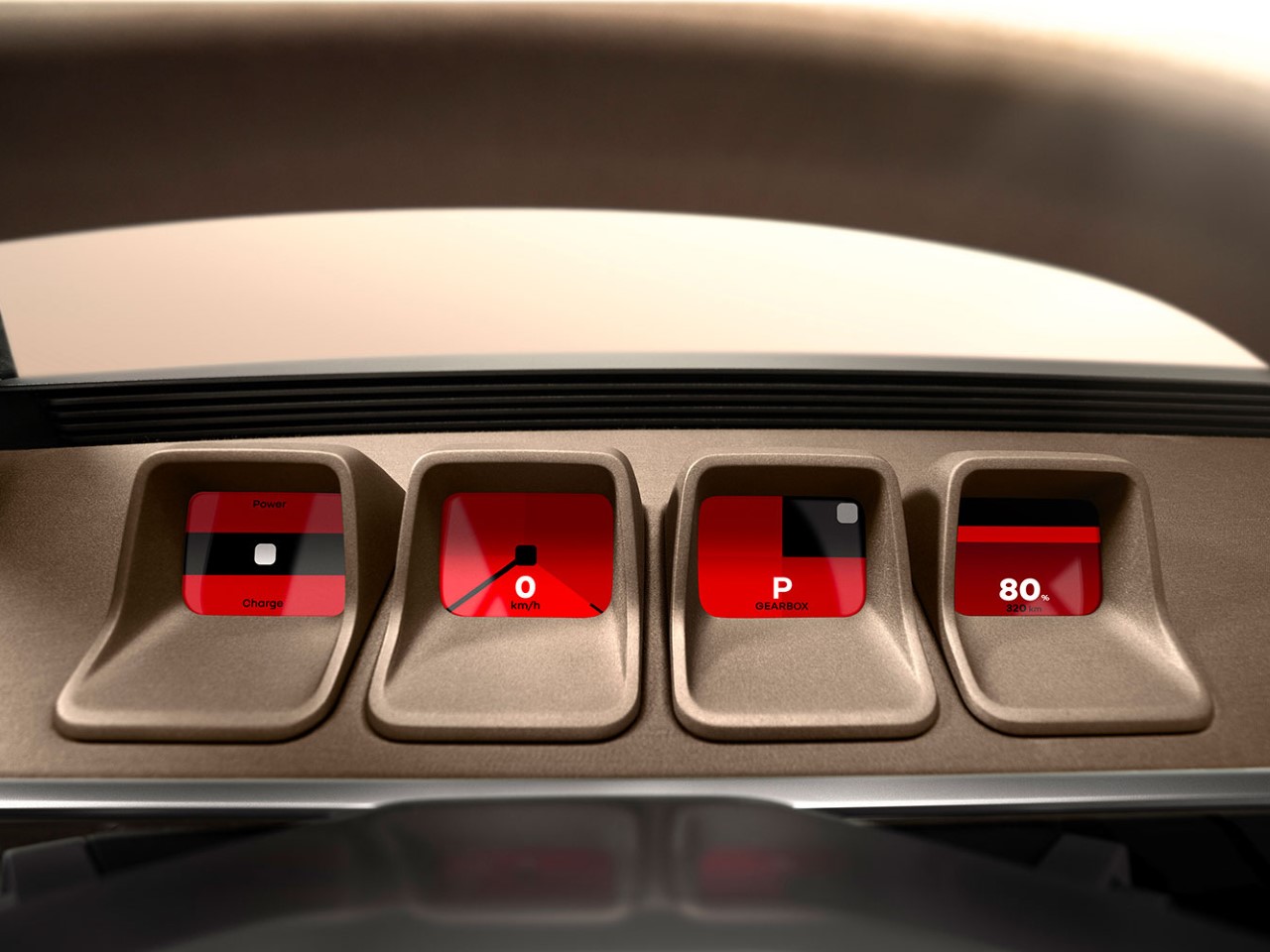
Inside, the changes are even more noticeable. The cluttered dashboard of the original is replaced by a minimalist design, where leather and brushed metal take center stage. A digital instrument cluster and a modern infotainment system bring the R17 squarely into the 21st century, but the interior still feels like a proper nod to its roots.
Renault has confirmed that the R17 Restomod will be available in limited quantities, making it a rare find for collectors and automotive enthusiasts alike. These kinds of limited-run projects often attract significant attention, especially when they bridge iconic history with cutting-edge design and technology. The price remains under wraps, but it’s not like any of us will get our hands on this limited-edition piece of art anyway…
The White House released a statement today outlining commitments that several AI companies are making to curb the creation and distribution of image-based sexual abuse. The participating businesses have laid out the steps they are taking to prevent their platforms from being used to generate non-consensual intimate images (NCII) of adults and child sexual abuse material (CSAM).
Specifically, Adobe, Anthropic, Cohere, Common Crawl, Microsoft and OpenAI said they'll be:
"responsibly sourcing their datasets and safeguarding them from image-based sexual abuse"
All of the aforementioned except Common Crawl also agreed they'd be:
"incorporating feedback loops and iterative stress-testing strategies in their development processes, to guard against AI models outputting image-based sexual abuse"
And "removing nude images from AI training datasets" when appropriate.
It's a voluntary commitment, so today's announcement doesn't create any new actionable steps or consequences for failing to follow through on those promises. But it's still worth applauding a good faith effort to tackle this serious problem. The notable absences from today's White House release are Apple, Amazon, Google and Meta.
Many big tech and AI companies have been making strides to make it easier for victims of NCII to stop the spread of deepfake images and videos separately from this federal effort. StopNCII has partnered with severalcompanies for a comprehensive approach to scrubbing this content, while other businesses are rolling out proprietary tools for reporting AI-generated image-based sexual abuse on their platforms.
If you believe you've been the victim of non-consensual intimate image-sharing, you can open a case with StopNCII here; if you're below the age of 18, you can file a report with NCMEC here.
This article originally appeared on Engadget at https://www.engadget.com/ai/white-house-gets-voluntary-commitments-from-ai-companies-to-curb-deepfake-porn-191536233.html?src=rss
OpenAI has unveiled its latest artificial intelligence model called o1, which, the company claims, can perform complex reasoning tasks more effectively than its predecessors. The release comes as OpenAI faces increasing competition in the race to develop more sophisticated AI systems.
O1 was trained to "spend more time thinking through problems before they respond, much like a person would," OpenAI said on its website. "Through training, [the models] learn to refine their thinking process, try different strategies, and recognize their mistakes." OpenAI envisions the new model being used by healthcare researchers to annotate cell sequencing data, by physicists to generate mathematical formulas and software developers.
Current AI systems are essentially fancier versions of autocomplete, generating responses through statistics instead of actually "thinking" through a question, which means that they are less "intelligent" than they appear to be. When Engadget tried to get ChatGPT and other AI chatbots to solve the New York Times Spelling Bee, for instance, they fumbled and produced nonsensical results.
With o1, the company claims that it is "resetting the counter back to 1" with a new kind of AI model designed to actually engage in complex problem-solving and logical thinking. In a blog post detailing the new model, OpenAI said that it performs similarly to PhD students on challenging benchmark tasks in physics, chemistry and biology, and excels in math and coding. For example, its current flagship model, GPT-4o, correctly solved only 13 percent of problems in a qualifying exam for the International Mathematics Olympiad compared to o1, which solved 83 percent.
The new model, however, doesn't include capabilities like web browsing or the ability to upload files and images. And, according to The Verge, it's significantly slower at processing prompts compared to GPT-4o. Despite having longer to consider its outputs, o1 hasn't solved the problem of "hallucinations" — a term for AI models making up information. "We can't say we solved hallucinations," the company's chief research officer Bob McGrew told The Verge.
O1 is still at a nascent stage. OpenAI calls it a "preview" and is making it available only to paying ChatGPT customers starting today with restrictions on how many questions they can ask it per week. In addition, OpenAI is also launching o1-mini, a slimmed-down version that the company says is particularly effective for coding.
This article originally appeared on Engadget at https://www.engadget.com/ai/openais-new-o1-model-is-slower-on-purpose-185711459.html?src=rss
A concerning report from the National Academies of Sciences, Engineering and Medicine (NASEM) expresses some serious concerns about the future of America’s space exploration agency.
The NASEM report was written by a panel of aerospace experts and lays out what it sees as a possible "hollow future” for the National Aeronautics and Space Administration (NASA). It addresses issues of underfunding due to “declining long-term national emphasis on aeronautics and civil space,” an assertion that NASA itself is aware of and agrees with. The report also notes that NASA’s problems extend far beyond having enough funding to carry out its missions and operations.
Some of the report’s “core findings” suggest areas of concern that could affect the space agency’s future. These include a focus on “short-term measures without adequate consideration for longer-term needs and implications,” reliance on “milestone-based purchase-of-service contracts” and inefficiency due to “slow and cumbersome business operations.” The report also raised concerns about the current generation of talent being siphoned off by private aerospace companies, and the next generation of engineers not receiving an adequate foundation of knowledge due to our underfunded public school systems. Finally the report states bluntly that NASA’s infrastructure “is already well beyond its design life.”
These and other issues could lead to even more serious problems. Norman Augustine, a former Lockheed Martin chief executive and the report’s lead author, told The Washington Post that reliance on the private sector could further erode NASA's workforce, reducing its role to one of oversight instead of problem-solving.
Congress could allocate more funds to NASA to address these concerns but that’s not likely since it’s constantly struggling to prevent government shutdowns. Instead, Augustine says NASA could focus on prioritizing its efforts on more strategic goals and initiatives.
This article originally appeared on Engadget at https://www.engadget.com/science/space/a-new-report-raises-concerns-about-the-future-of-nasa-184643260.html?src=rss
The Apple event on Monday revealed the newest selection of iPhones, which includes the iPhone 16, 16 Plus, 16 Pro and 16 Pro Max. If you're looking into upgrading to one of the latest models but are unsure of the differences between the iPhone 16 and 16 Pro (other than the price tag), we can help you decide which one is right for you.
Now that we've officially seen the iPhone 16 lineup – and the bells and whistles included – we know that all versions will run iOS 18 and will have access to Apple Intelligence when those features begin to become available in October. But there are some extra perks you get if you spend the extra couple hundred bucks for an iPhone 16 Pro – for instance, better camera features and a slightly larger display.
When it comes to screen size, the iPhone 16 Pro's display is only slightly larger than the iPhone 16. The 16 Pro has a 6.3-inch ProMotion technology and Always-On display (just like last year's iPhone 15 Pro), while the iPhone 16 has a 6.1-inch display. What all that means is that the Pro model offers a faster refresh rate up to 120Hz, delivering smoother video than the standard iPhone 16, which tops out at TKHz.
Otherwise, the screen technology between the two models is very evenly matched. Both sport a Super Retina XDR display with the same HDR, brightness, P3 color gamut and True Tone specs.
As for the actual phone sizes, there's really not that much of a difference between the two. The iPhone 16 is 5.81 inches tall, 2.82 inches wide and weighs six ounces, while the 16 Pro is 5.89 inches tall, 2.81 inches wide and weighs just over seven ounces.
The resolution is also slightly different – the iPhone 16 has 2,556 x 1,179 pixels, while the 16 Pro has 2,622 x 1,206 pixels.
Both phones have the latest-generation Ceramic Shield screen, which should make for good protection against drops and scratches. They also both offer the Dynamic Island (first introduced with the iPhone 14 Pro), which replaces the notch found on older iPhones.
Camera and microphone differences
As with previous models, two cameras sit on the back of the iPhone 16: the 48-megapixel Fusion main camera and the 12-megapixel ultra wide camera. That combo allows you to “zoom out” for wide angle shots (0.5x) and zoom in up to 2x.
The iPhone 16 Pro has a more sophisticated triple camera array: a 48-megapixel Fusion main camera and a new 48-megapixel ultra wide lens, along with a 12-megapixel Telephoto camera. That third lens 16 Pro lets you zoom in up to 5x, and out up to 0.5x. The Pro phone has “second-generation sensor-shift optical image stabilization,” while the baseline iPhone 16 presumably only has the first-gen version of that feature. The Pro can also shoot in the Apple ProRAW file format, and offers night mode portrait shots not available in the baseline model.
On the video side, both iPhone 16 lines can shoot 4K Dolby Vision video, but the Pro model offers capture up to 120 frames per second. That enables better slow-motion video. The Pro further lives up to its name by offering the Academy Color Encoding System, log video recording and ProRes video recording on the rear and front cameras. (If you have to ask what these are, you don’t need them.)
Otherwise, the camera capabilities between the two models are pretty much the same. That includes two new-for-2024 features: Photographic Styles and the Camera Control button. Photographic Styles is akin to old-school Instagram filters, but with a major twist: you can undo or change the styles after shooting a given photo. Meanwhile, the new Camera Control button also comes equipped on both the iPhone 16 and 16 Pro models on the bottom right side of the phones. It offers one-click access to photo and video shooting, and includes touch-sensitive manipulation to change modes, frame shots and so forth.
New camera button on the iPhone 16 models. (Apple)
Apple
Lastly, the iPhone 16 Pro includes a “studio-quality” four-mic array which offers better audio capture during video sessions and enables the new multi-track recording option in the Memos app. (No, that feature is not available in the baseline iPhone 16 models.)
Under the hood: CPUs and RAM
The iPhone 16 comes with a new-for-2024 A18 chip, which includes a 6-core CPU and a 5-core GPU, as well as a 16-core Neural Engine. The iPhone 16 Pro has an equally new A18 Pro chip with a 6-core CPU and a 6-core GPU, along with a 16-core Neural Engine.
Both A18 chips offer the performance and power consumption advantages versus the equivalent models that appeared in the 2023 iPhone 15 models. Per Macrumors, all iPhone 16 models sport 8GB of RAM – the same as the iPhone 15 Pro models had last year. The combo of processing power and on-board memory ensure that all of the iPhone 16 models will run the upcoming Apple Intelligence features.
USB speed
While both the iPhone 16 and 16 Pro have USB-C ports, the 16 Pro supports USB 3 to allow for up to 20 times faster transfers. (For reference, the iPhone 16 supports USB 2.) That extra speed is useful for creators who are transferring video, audio and photos from the iPhone Pro.
The charging speeds for these are the same, with a 50-percent charge in just 30 minutes when using a 20W adapter with the USB-C cord.
Color options and design differences
As per usual, the iPhone 16 models come in bright new colors, while the iPhone 16 Pro has more neutral colors. The iPhone 16 is made from aluminum with a glass back, and you can choose from new colors like ultramarine (periwinkle), teal, pink (but darker than last year's pink), or the standard white and black choices.
As for the iPhone 16 Pro, it's made from titanium with a textured matte glass back, and your color options are desert (gold), natural (silver), white or black.
Both phones come equipped with the Action button – only the iPhone 15 Pro currently has this – which lets you assign a litany of functions, including the ringer, flashlight or voice memo. (Remember, the camera now has its own dedicated button.)
Apple
Apple
Battery life
If you're looking for a phone with a battery that can last all day, the iPhone 16 should be a great option if it lives up to Apple’s advertised specs. The iPhone 16 offers up to 22 hours video playback, up to 18 hours of streaming and up to 80 hours of audio playback.
The 16 Pro offers up to 27 hours of video playback, up to 22 hours of streaming and up to 85 hours of audio playback.
What about the iPhone 16 Plus and iPhone 16 Pro Max?
The iPhone 16 Plus is just a bigger version of the iPhone 16 with a longer battery life, and the same goes for the 16 Pro Max. They have all the same features as their smaller counterparts but here's how the battery life and sizes differ.
iPhone 16 Plus
Battery: Offers up to 27 hours of video playback, up to 24 hours of streaming and up to 100 hours of audio playback. Actually better than the 16 Pro battery span.
Size: Has a 6.7-inch display, and is 6.33 inches tall, 3.06 inches wide and weighs just over seven ounces.
iPhone 16 Pro Max
Battery: Offers up to 33 hours of video playback, up to 29 hours of streaming and up to 105 hours of audio playback.
Size: Has a 6.9-inch display, and is 6.42 inches tall, 3.06 inches wide and weighs nearly eight ounces.
But how do the new iPhone 16 and 16 Pro work in real life?
Our full reviews of the new iPhones are still in the future. But our own Cherlynn Low spent some time with the new iPhones in the demo area at Apple Park on launch day. Check out her first impressions of the iPhone 16 and iPhone 16 Pro.
None
iPhone 16
iPhone 16 Plus
iPhone 16 Pro
iPhone 16 Pro Max
Price
Starting at $799
Starting at $899
Starting at $999
Starting at $1,199
Dimensions
5.81 x 2.82 x 0.31 inches
6.33 x 3.06 x 0.31 inches
5.89 x 2.81 x 0.32 inches
6.422 x 3.06 x 0.32 inches
Weight
6 ounces
7.03 ounces
7.03 ounces
7.99 ounces
Screen size
6.1 inches
6.7 inches
6.3 inches
6.9 inches
Storage options
128GB, 256GB, 512GB
128GB, 256GB, 512GB
128GB, 256GB, 512GB, 1TB
256GB, 512GB, 1TB
Colors and finish
Aluminum with glass back in colors ultramarine, teal, pink, black
Aluminum with glass back in colors ultramarine, teal, pink, black
Titanium with textured matte glass back in colors desert, natural, white, black
Titanium with textured matte glass back in colors desert, natural, white, black
Battery
Up to 22 hours video playback
Up to 27 hours video playback
Up to 27 hours video playback
Up to 33 hours video playback
Resolution
2,556 x 1,179 (460 ppi)
2,796 x 1,290 (460 ppi)
2,622 x 1,206 (460 ppi)
2,868 x 1,320 (460 ppi)
This article originally appeared on Engadget at https://www.engadget.com/mobile/iphone-16-vs-iphone-16-pro-specs-and-features-compared-side-by-side-182312186.html?src=rss
Unity has ditched a controversial fee it was charging game developers. The game engine maker says it’s focusing on its seat-based subscription fee (i.e. an annual payment for each person using the software at a studio), though there will be a price increase for Pro and Enterprise users.
The company announced the runtime fee a year ago. Initially, it was going to make developers pay up every single time someone downloaded one of their games after certain thresholds were met. The backlash was swift and intense, with some industry figures suggesting that it would make Unity unviable for indie developers. Many developers (some of whom were years deep into making a game with Unity) were outraged over the sudden change and some threatened to abandon the engine.
Unity apologized a few days later and made some changes to the runtime fee. But the policy was a near-disaster for the company. Unity CEO and president John Riccitiello left through the back door the following month. In November, Unity laid off 265 workers in a move it attributed to its Weta Digital deal, but this occurred amid the company's ill-fated attempts to squeeze more revenue from developers. Two months later, Unity said it would lay off 1,800 people, about a quarter of its total workforce.
Current CEO Matt Bromberg, who took on the role in May, is hoping to rebuild trust (or, perhaps, unity) with developers by abandoning a loathed pricing model. The runtime fee is gone, effective immediately. The Unity Personal plan will remain free for developers with under $200,000 in revenue and funding. They'll also have the option to remove the Made with Unity splash screen from their games starting with Unity 6, which will arrive later this year.
On the flipside, pricing and annual revenue thresholds for Unity Pro and Unity Enterprise subscribers are changing on January 1. Pro users (those with at least $200,000 of total annual revenue and funding have to go with this plan) will need to pay $2,200 per seat per year. That's an eight percent increase. As for Unity Enterprise, which is required for developers with north of $25 million in annual funding and revenue, a 25 percent price increase will apply. Pricing is customized based various factors, such as the products and services Enterprise customers require.
Bromberg says that, going forward, Unity plans to consider possible price increases only on an annual basis. Developers will also be able to continue using an existing version of Unity on existing terms if they're not on board with changes to the Editor software.
"We want to deliver value at a fair price in the right way so that you will continue to feel comfortable building your business over the long term with Unity as your partner. And we’re confident that if we’re good partners and deliver great software and services, we’ve barely scratched the surface of what we can do together," Bromberg wrote in a blog post. "Canceling the Runtime Fee for games and instituting these pricing changes will allow us to continue investing to improve game development for everyone while also being better partners."
This article originally appeared on Engadget at https://www.engadget.com/gaming/unity-dumps-the-runtime-fee-that-caused-a-developer-revolt-181559332.html?src=rss
Apple’s recent iPhone event brought some nifty ideas, from the camera button to a reinvention of Google Lens and beyond. The company also announced that it's bringing simple multitrack recording to Voice Memos. This was particularly exciting for me since, well, I use Voice Memos a lot. I have nearly 500 of these little recordings that were made during the lifetime of my iPhone 14 Pro and thousands more in the cloud. You never know when you’ll need a random tune you hummed while waiting for the subway in 2013.
So this feature felt tailor-made for me. I write songs. I play guitar. I do everything that lady in the commercial does, including opening the fridge late at night for no real reason.
Apple
Then reality hit. This isn’t a software update that will hit all iPhone models. It’s tied to the ultra-premium iPhone 16 Pro, which starts at a cool $1,000. I don’t really want to upgrade right now, so the dream of singing over an acoustic guitar track right on the Voice Memos app is dead on arrival.
Why is this particular feature walled behind the iPhone 16 Pro? It’s a simple multitrack recording function. From the ad, it looks like the app can’t even layer more than two tracks at a time. This can’t exactly be taxing that A18 Pro chip, especially when the phone can also handle 4K/120 FPS video recording in Dolby Vision.
Pro Tools, a popular digital audio workstation, was first introduced in 1991. This was two years before Intel released the Pentium chip. Computers of that era had no trouble layering tracks. For a bit of reference, last year’s A17 Pro chip had around 19 billion transistors. An original Pentium chip had around three million. In other words, a modern smartphone chip is around 6,300 times more powerful than a 1993 Pentium-based PC.
So let us layer tracks on Voice Memos, Apple! It can't be that complicated. I’ve been using dedicated multitrack apps ever since the iPhone 3. Apple throws GarageBand in with every iPhone. Both GarageBand and third-party recording apps have a place, sure, but nothing beats the quickness and ease-of-use of Voice Memos. It’d sure be great to be able to make a quick-and-dirty acoustic demo of a song and send it out to someone without having to navigate a fairly complicated interface.
Apple
Yeah. I see the elephant in the room. There’s a part of the ad that I’ve been avoiding. The woman records the vocal layer over the guitar track without wearing headphones. She just sang into the phone while standing in front of that refrigerator. Now, that’s something old-school Pentiums could not do. There’s some microphone placement wizardry going on there, along with machine learning algorithms that reduce unwanted ambient noise. The iPhone 16 Pro has a brand-new microphone array, so I get that older models might not be able handle this particular part of the equation.
But who cares? That’s a really neat feature. It’s also completely unnecessary. If you’re reading this, you are likely already wearing earbuds/headphones or have some within reach. Record the first track without the headphones. Record the secondary layer while wearing headphones. That’s it. Problem solved. You can even do it in front of the refrigerator.
Also, both the base-level iPhone 16 and the Pro support Audio Mix, which lets people adjust various sound levels from various sources after capturing video. This is done without the new Studio Mics on the iPhone 16 Pro and seems to reduce ambient noise in a similar way. So it could be possible that there's a software solution here to handle even that elephant in the room. After all, the company credits "powerful machine learning algorithms" for this tech — if it can erase environmental wind noise, surely it can handle music playing in the background?
So I am once again asking for Apple to let the rest of us play around with multitrack recording on Voice Memos. There’s no reason every older iPhone model couldn’t compute its way to a simple guitar/vocal two-track wav file. Pop the feature into a software update. I hear there’s one for iOS 18 coming really soon, and another for Apple Intelligence after that.
This article originally appeared on Engadget at https://www.engadget.com/mobile/smartphones/i-dont-get-why-apples-multitrack-voice-memos-require-an-iphone-16-pro-175134621.html?src=rss
The Mercedes-AMG ONE hypercar is an extraordinary piece of automotive engineering, designed to bring Formula 1 technology to the road. The ONE features a 1.6-liter V6 hybrid powertrain borrowed from Formula 1, and this engine is coupled with four electric motors, delivering a combined output of over 1,000 horsepower. The hybrid system includes a battery pack that supports an electric-only range, though it’s primarily designed for high-performance driving.
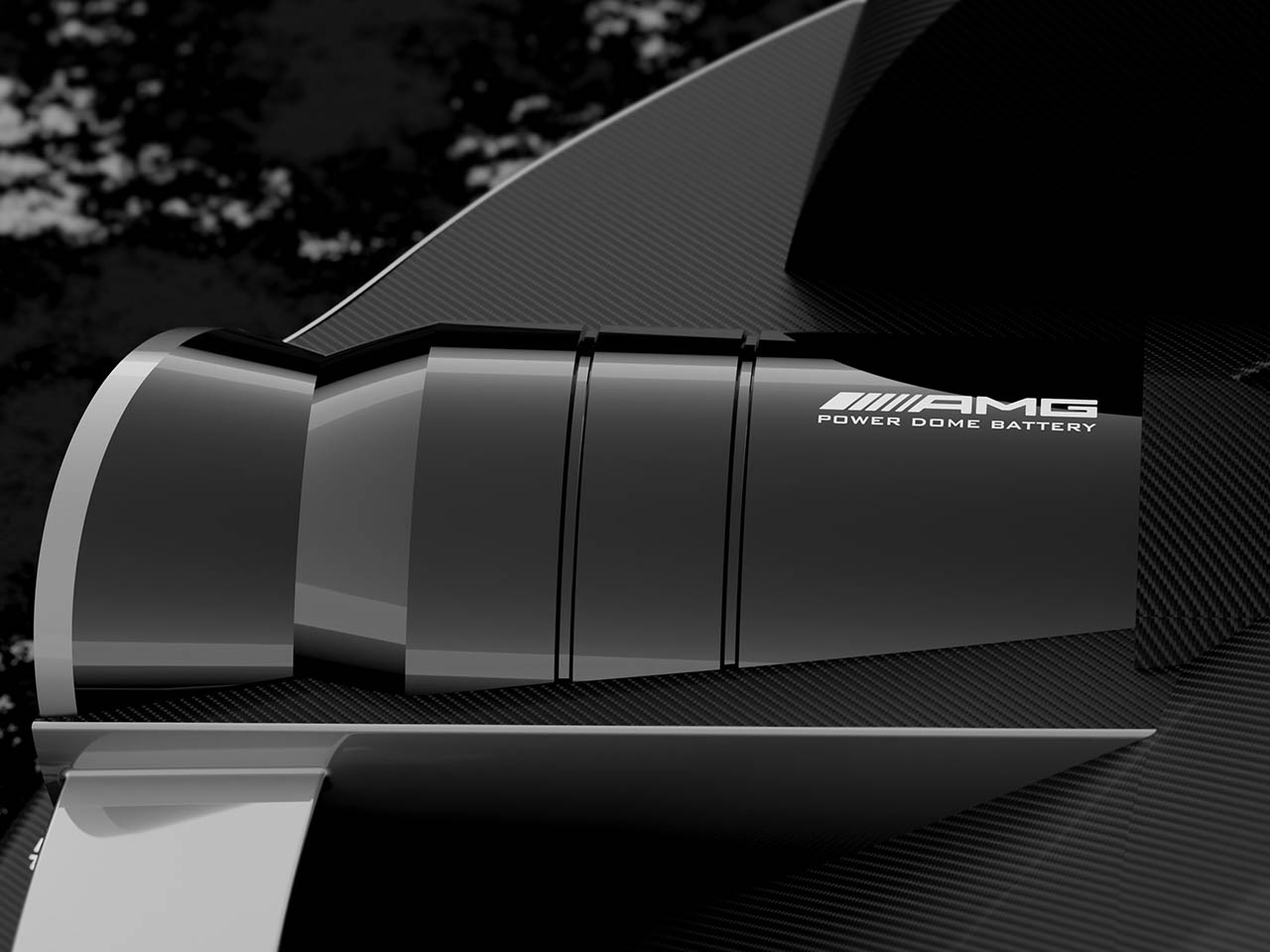
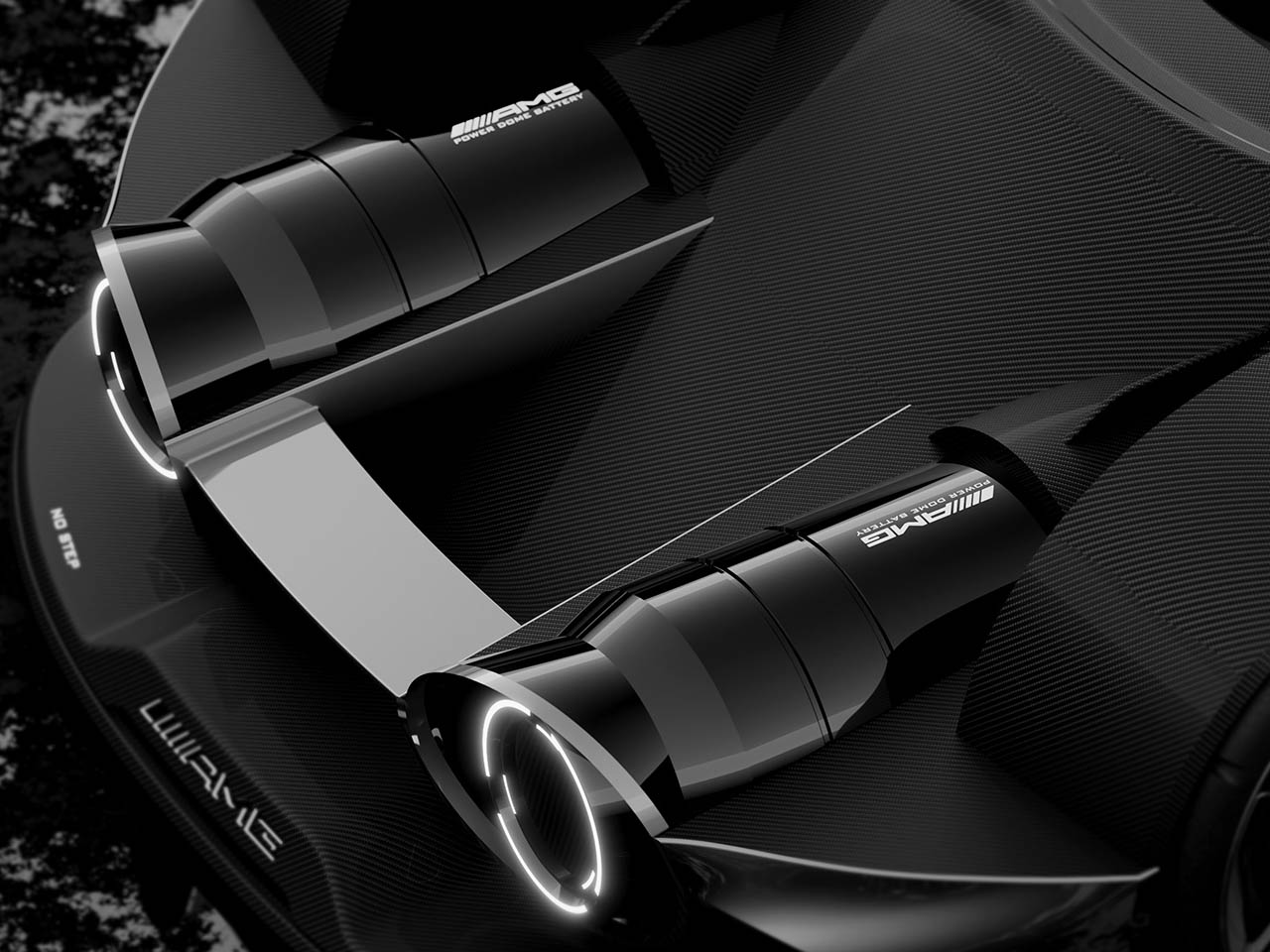
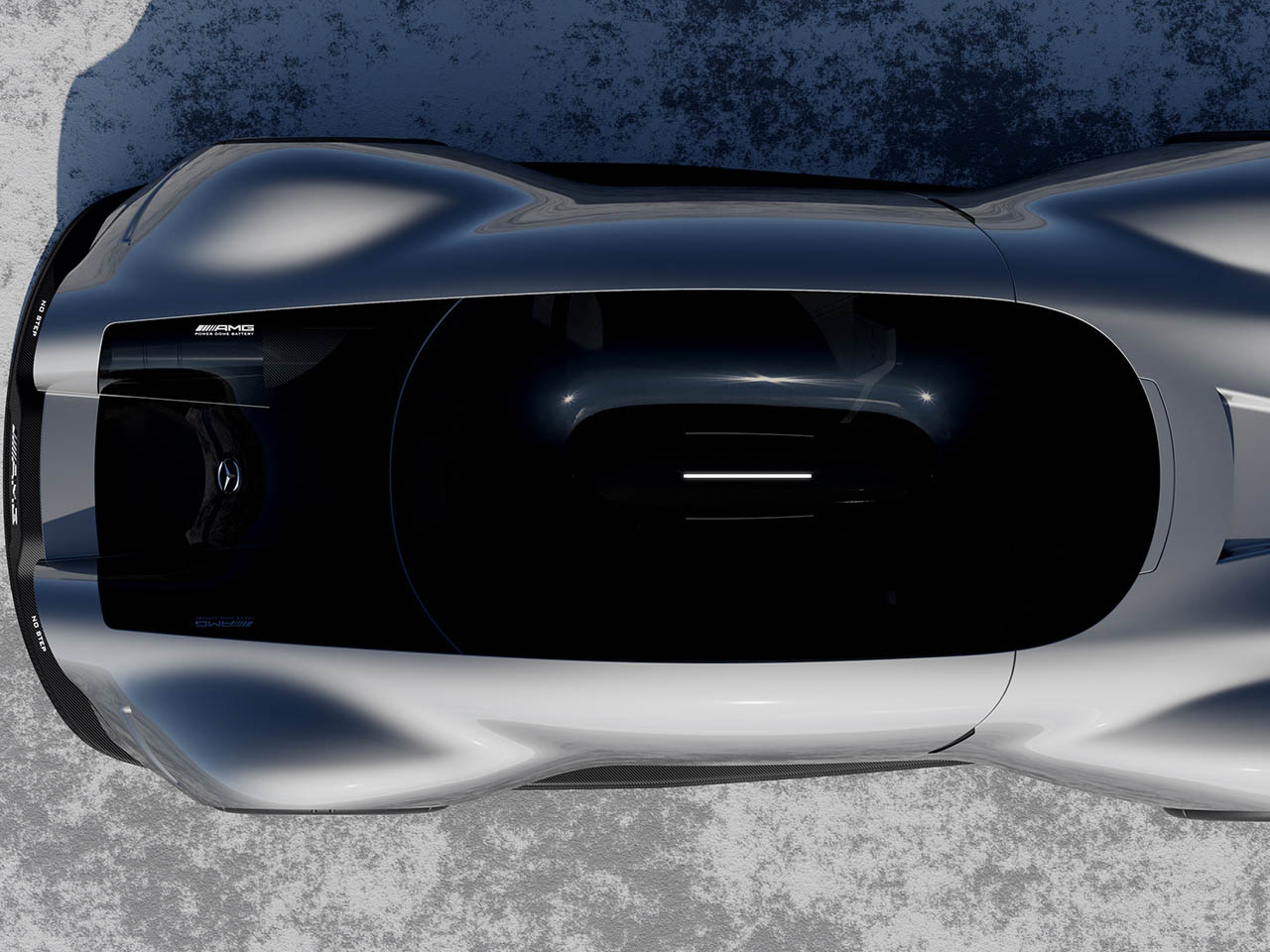
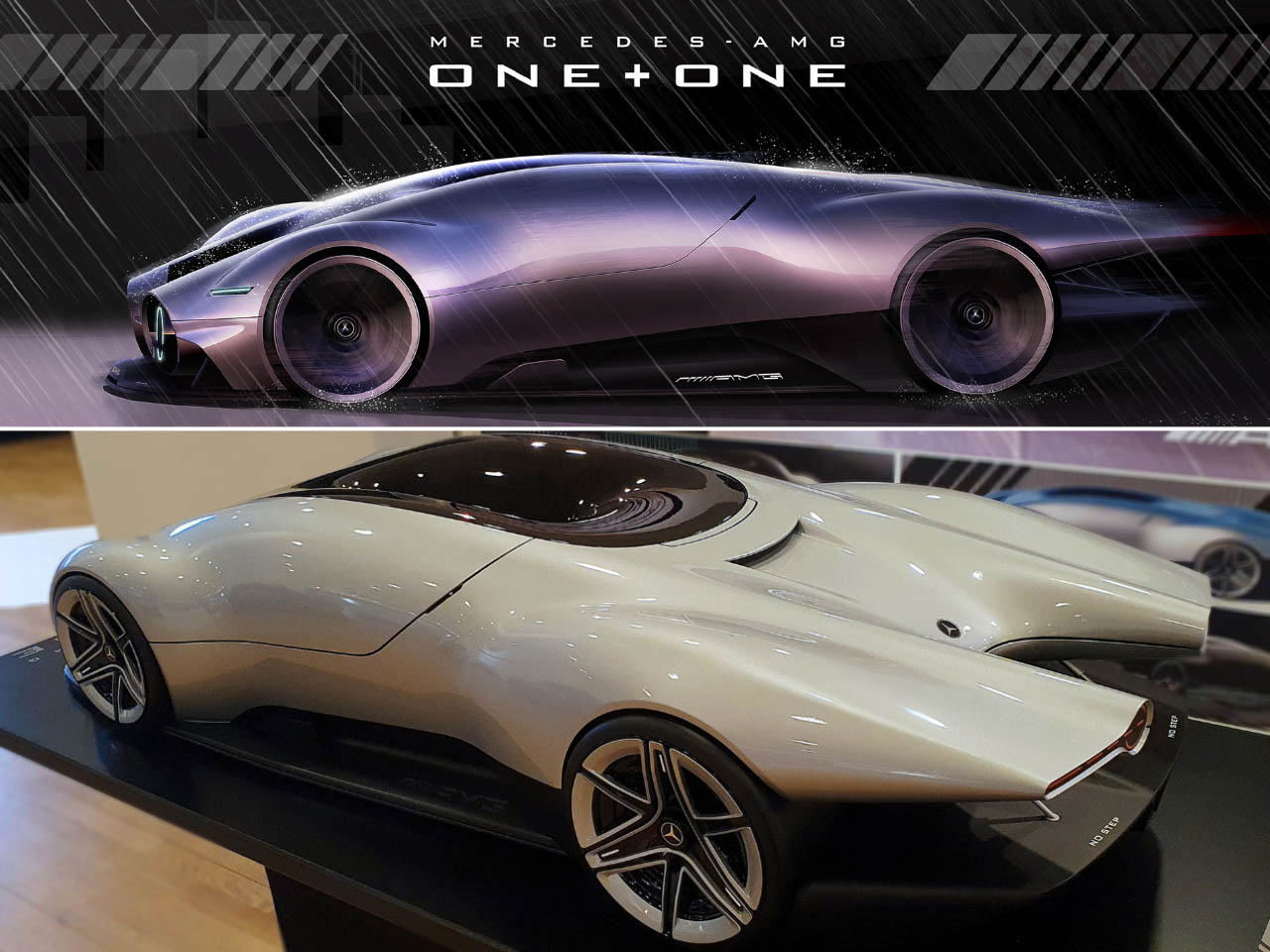
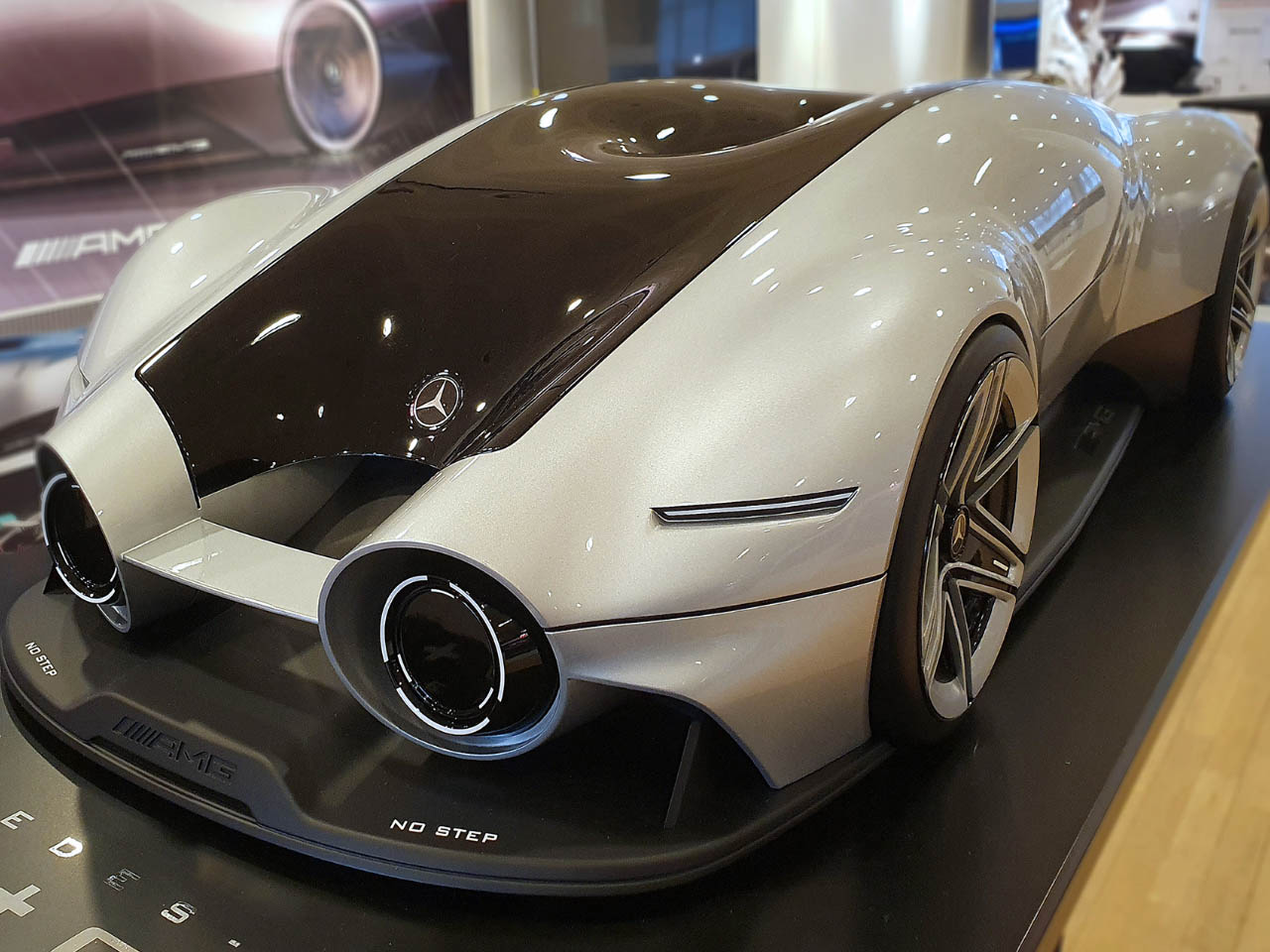
Now a concept envisions an AMG ONE that carries the brand’s heritage into the pure electrified future. The idea is to connect the driver and the vehicles for driving dynamics that naturally let the driver focus on the road for peak performance. Exploring the different ways in which EV skateboard platforms will be built, the concept gets a dual compressed battery for balanced weight.
Designer: Hyunsik Moon
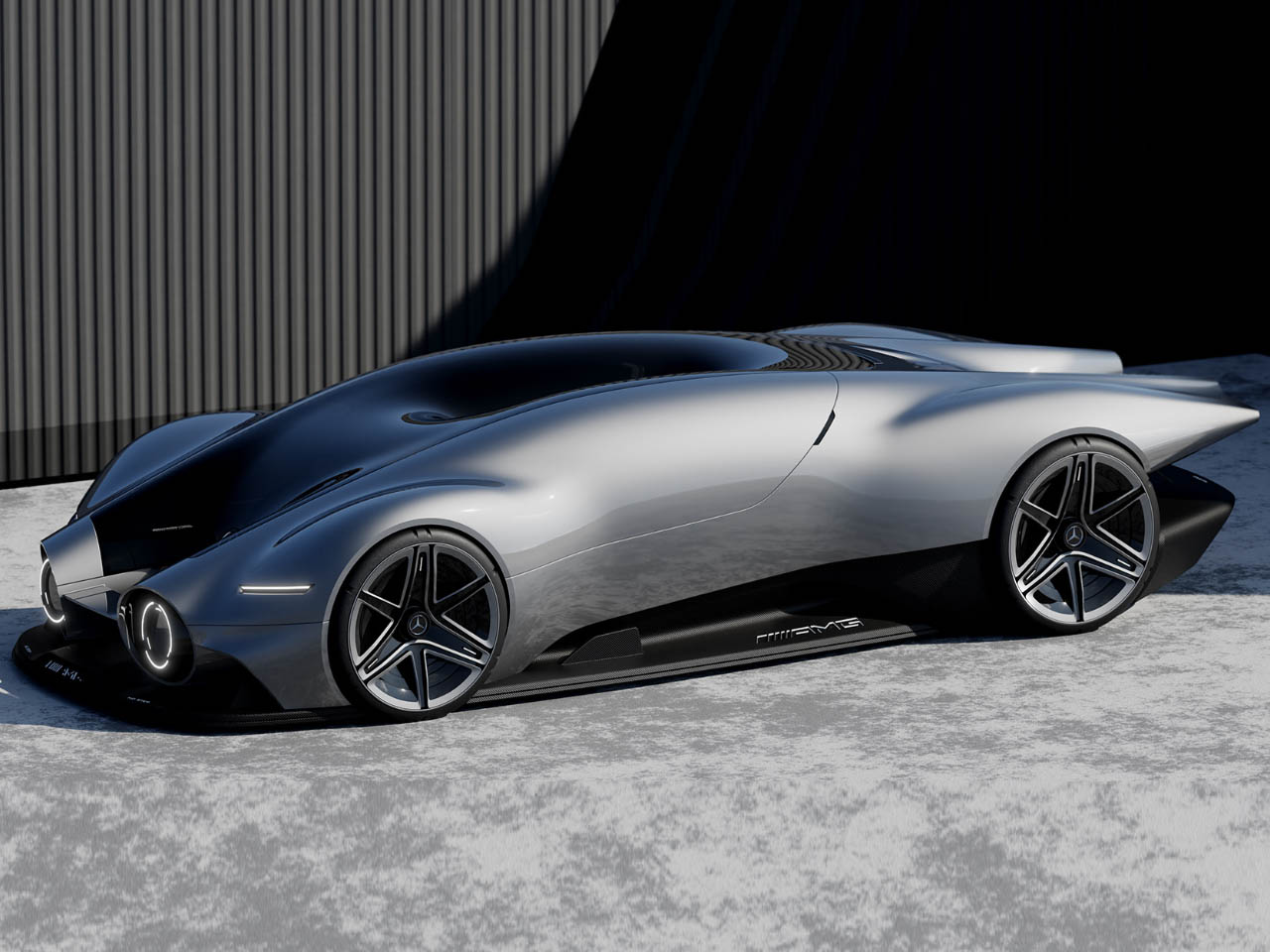
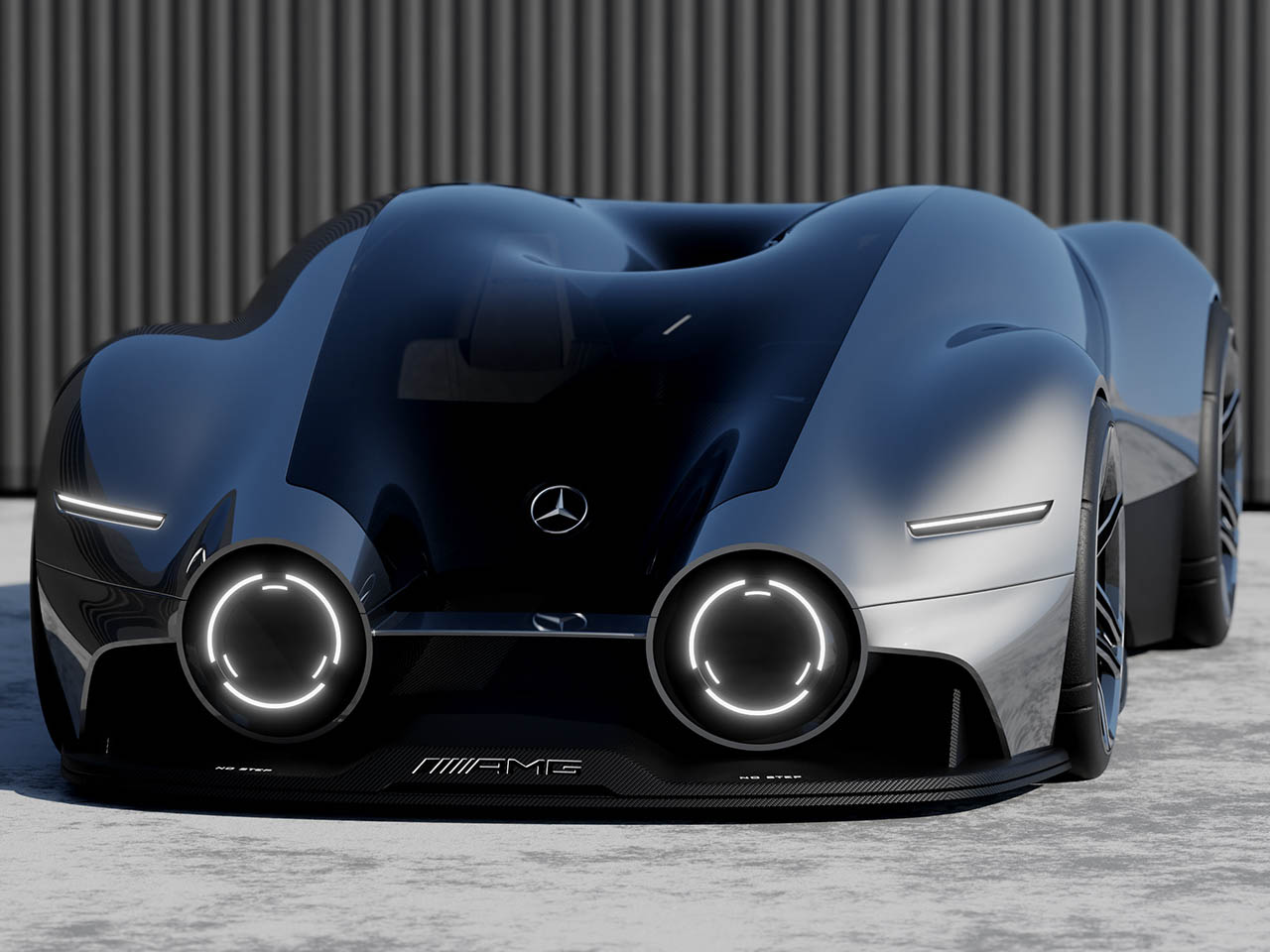
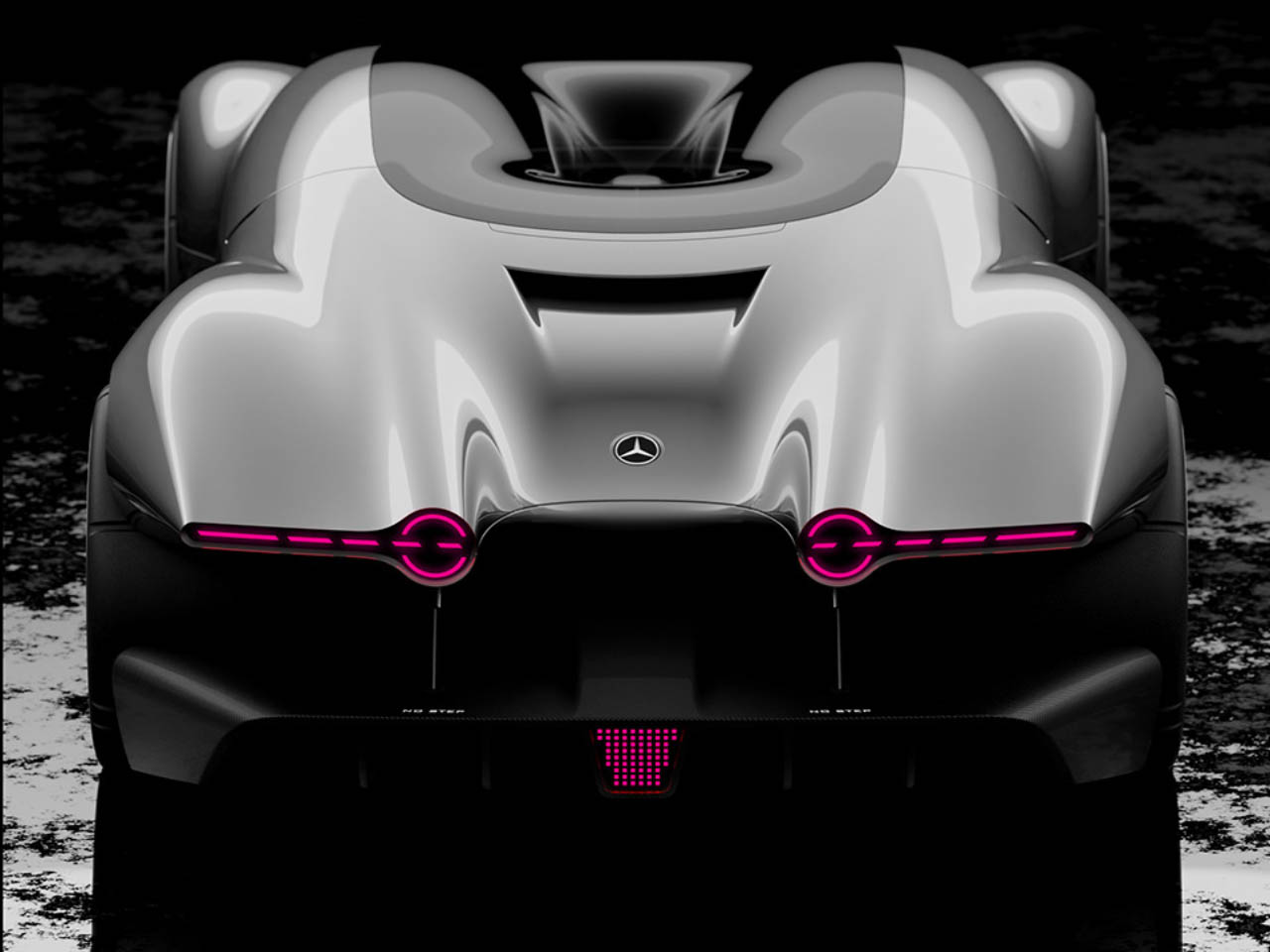
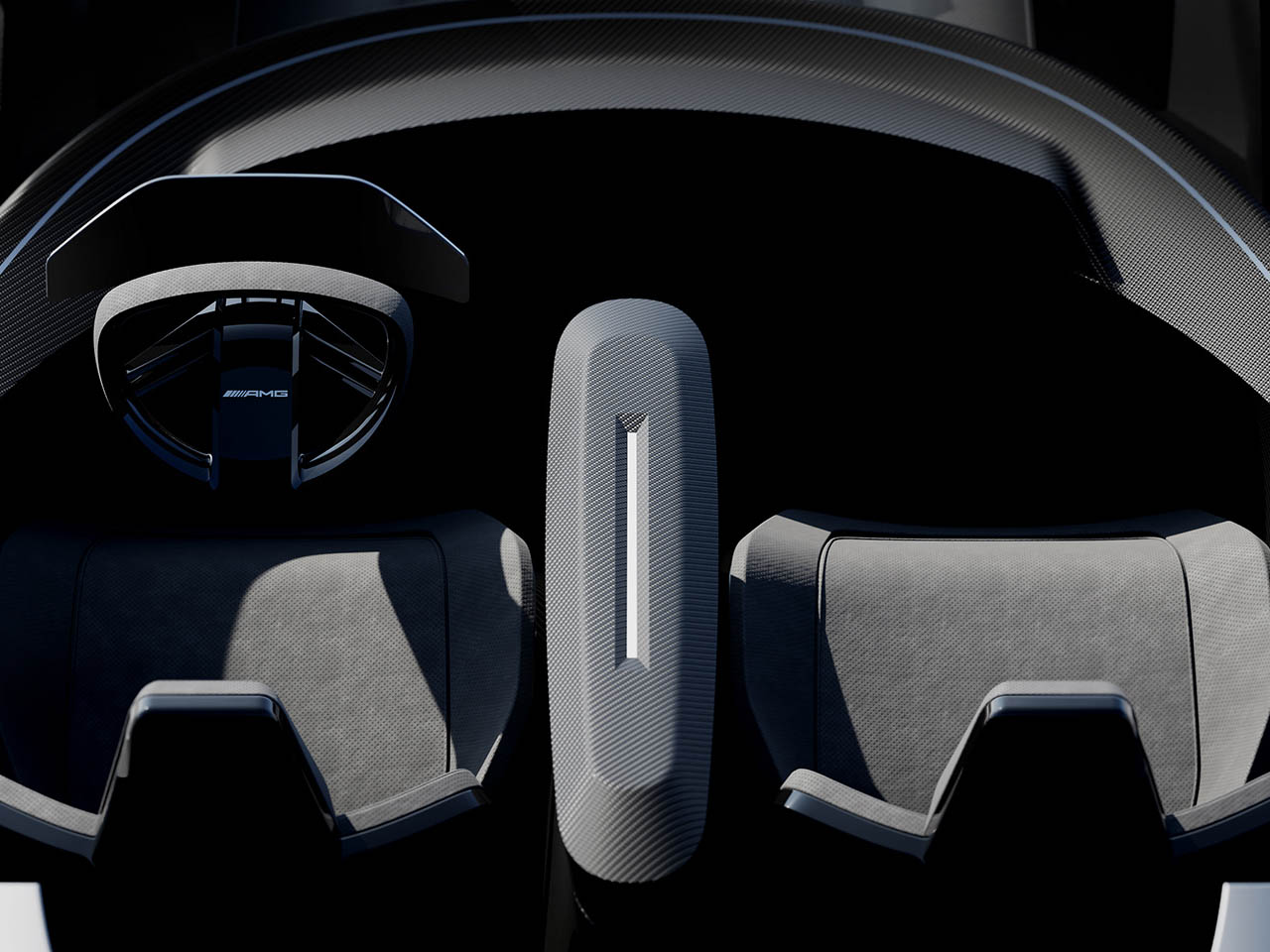
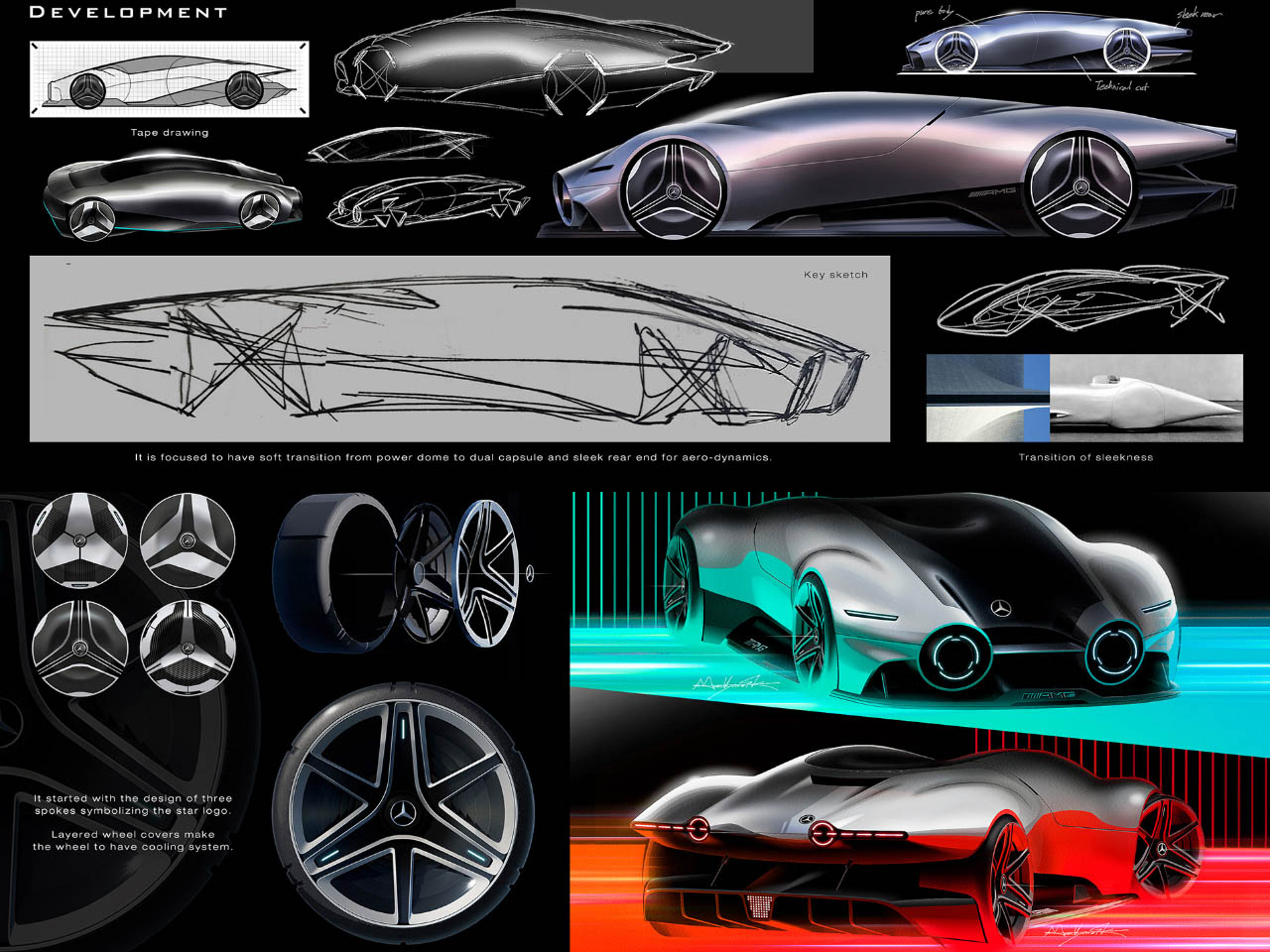
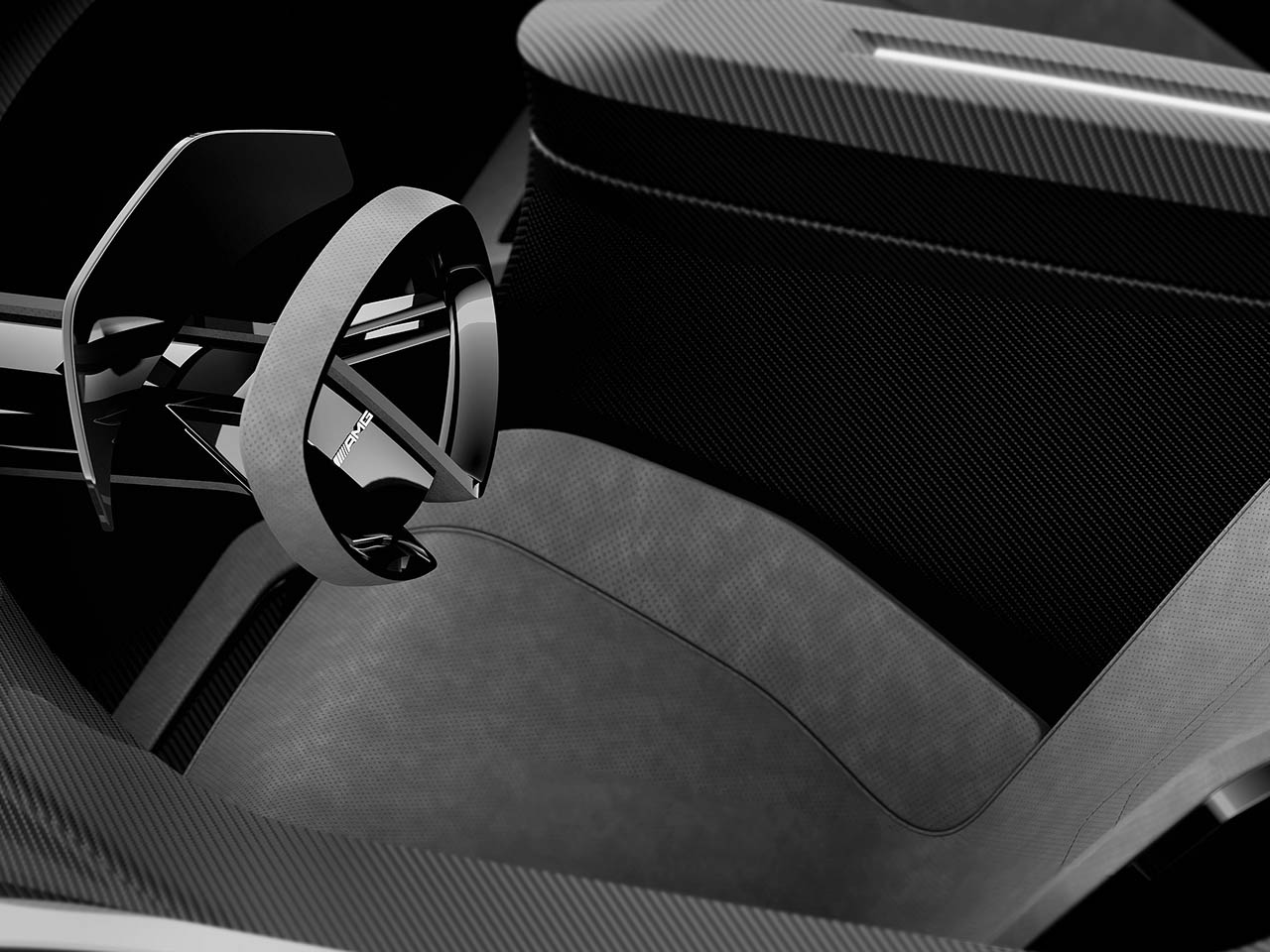
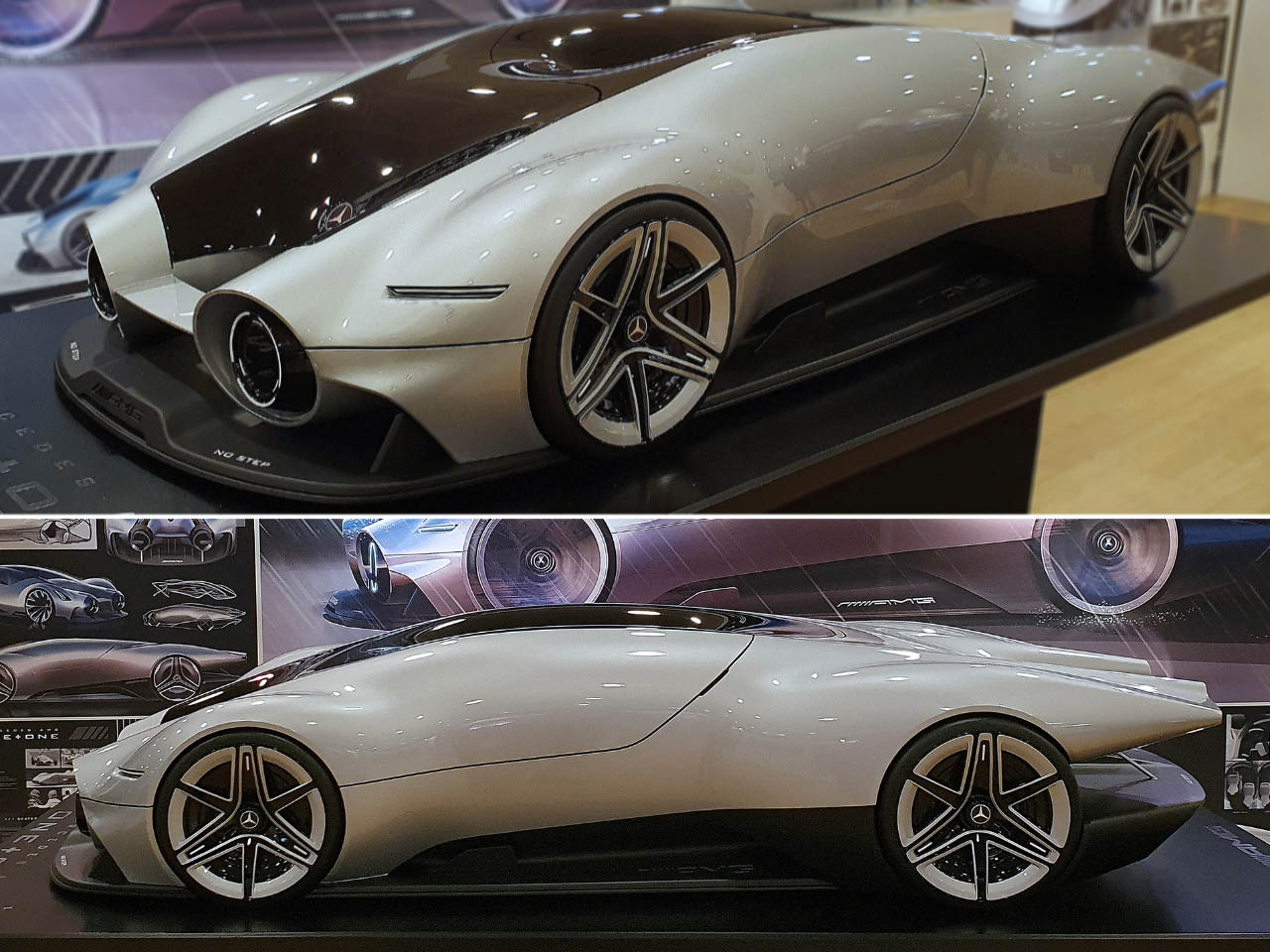
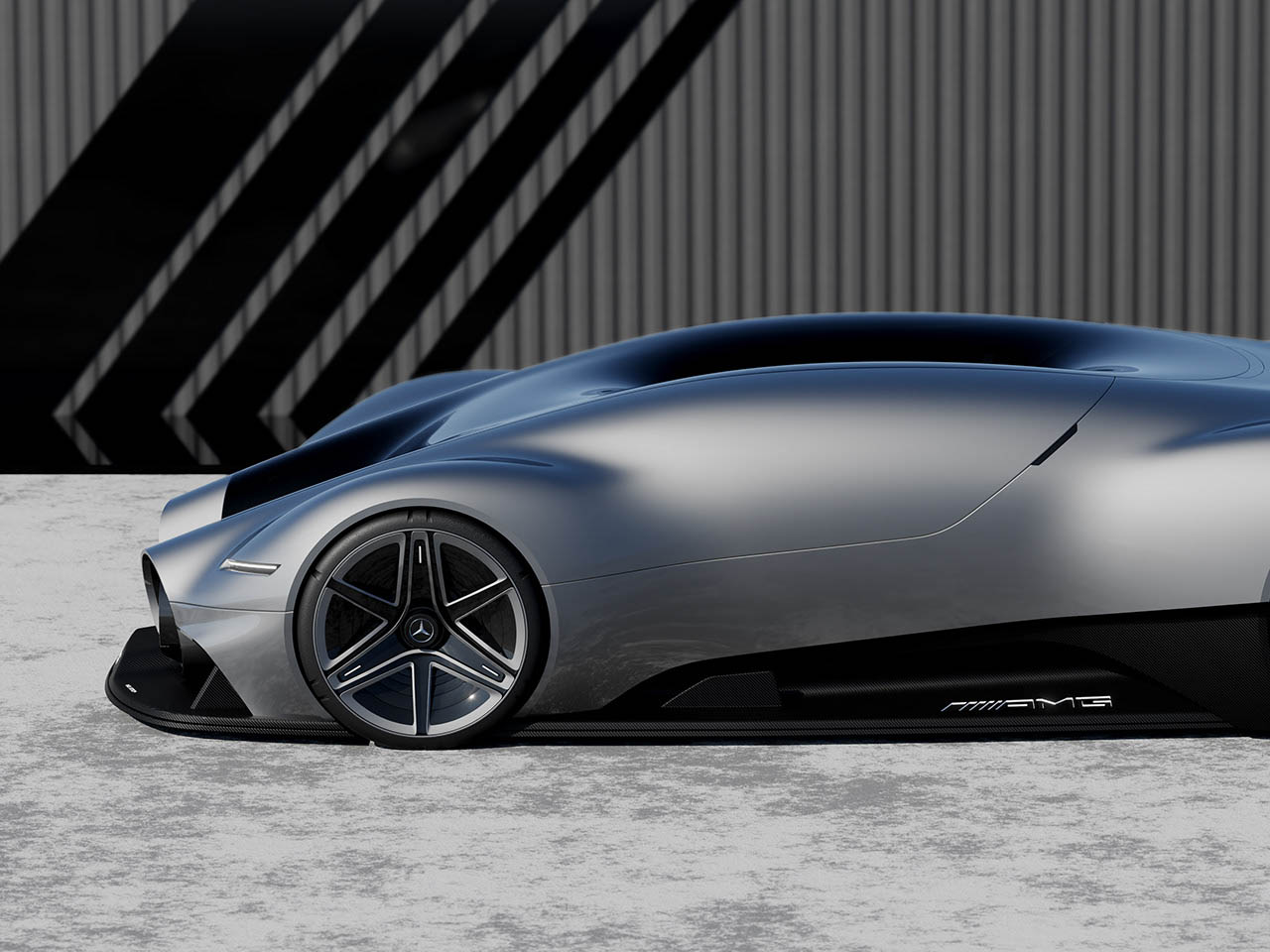
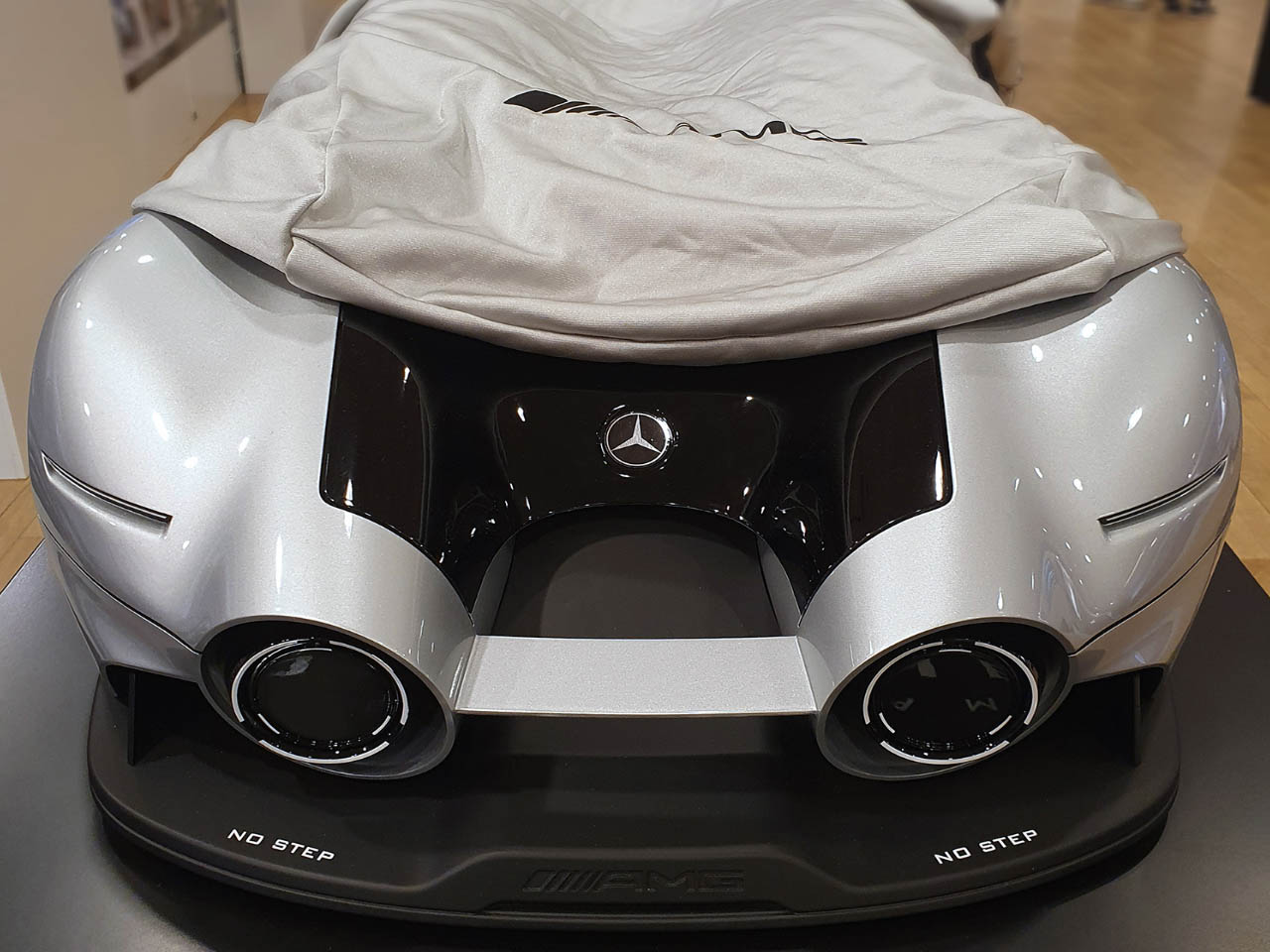
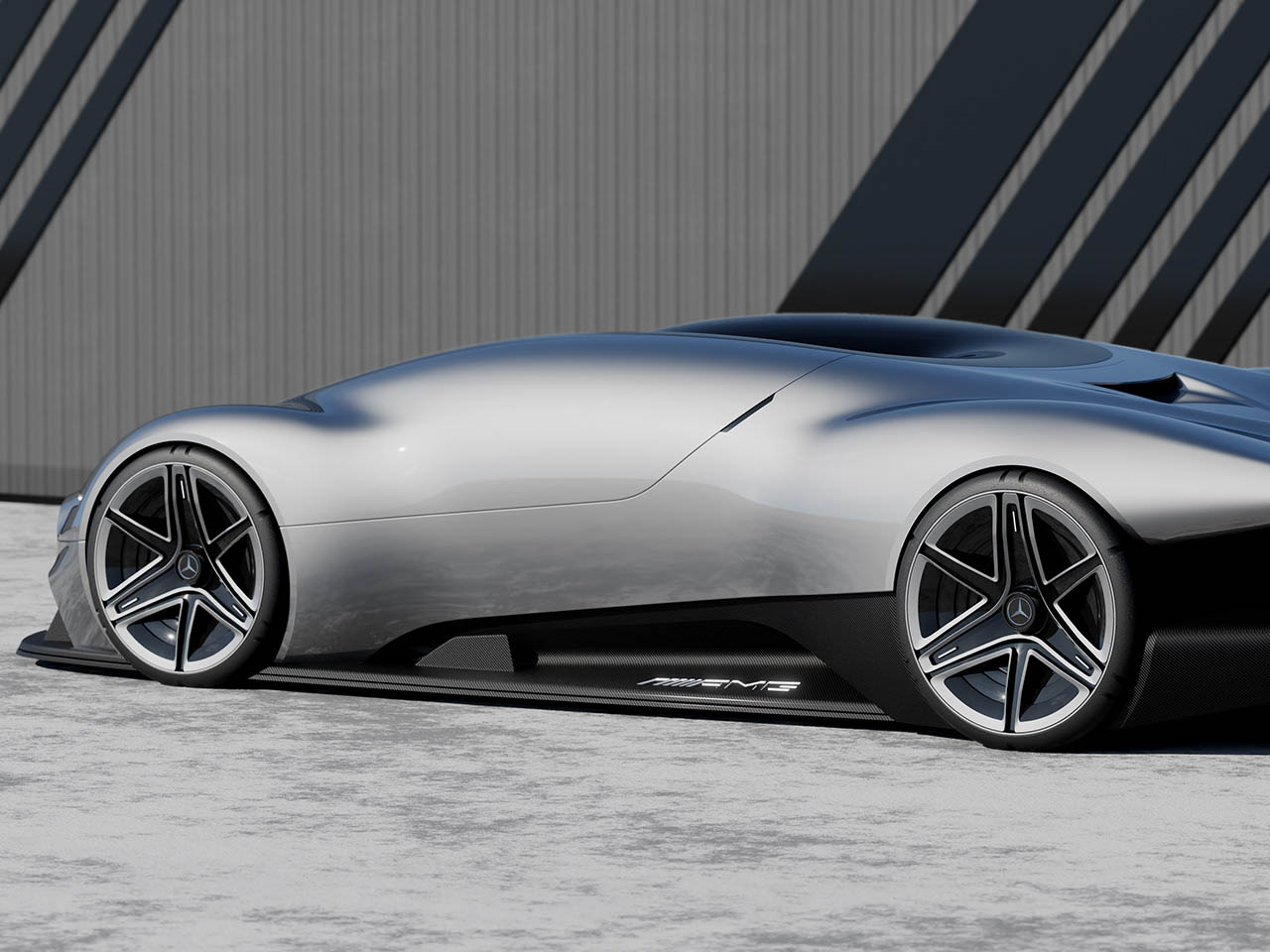
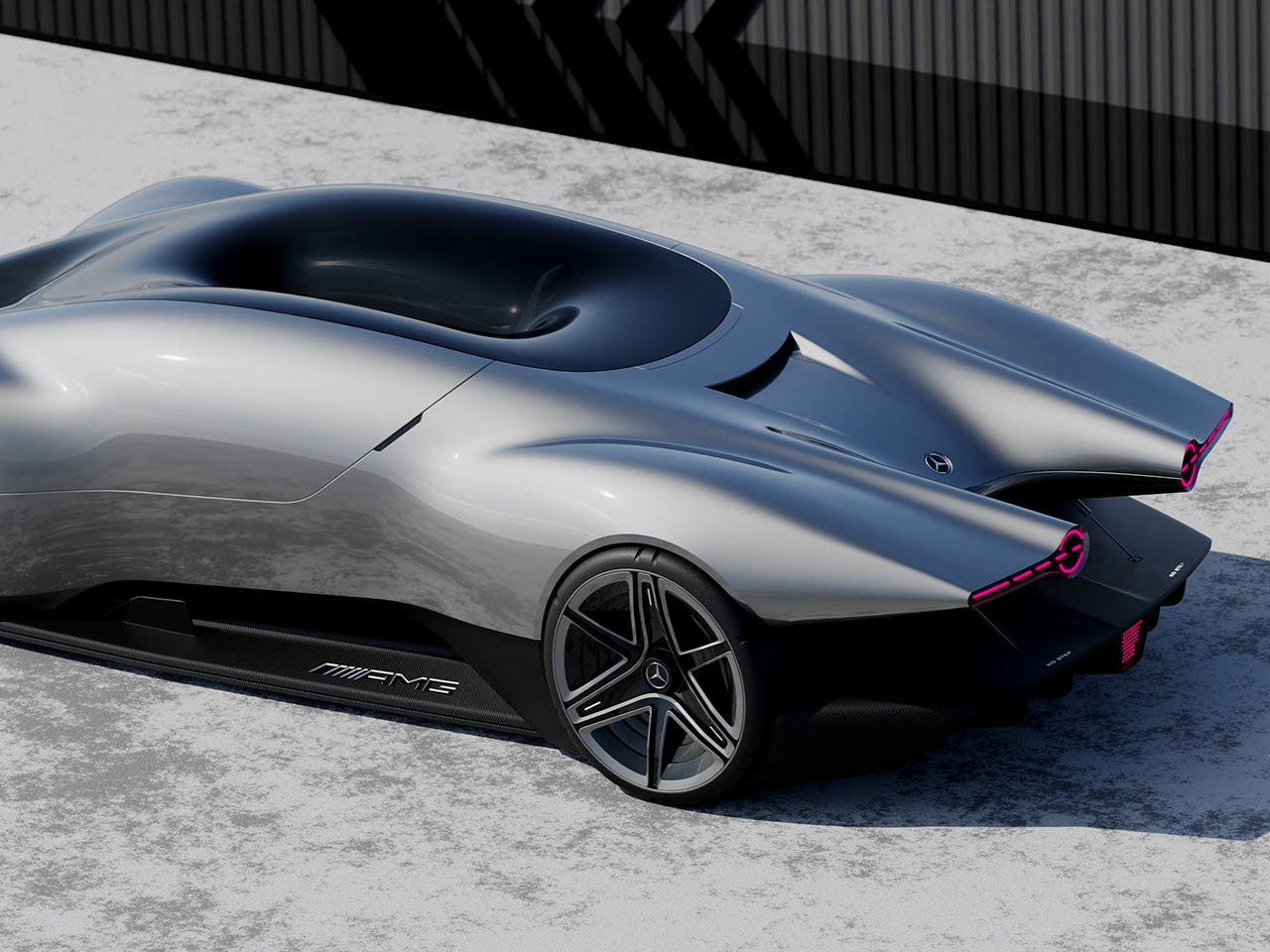
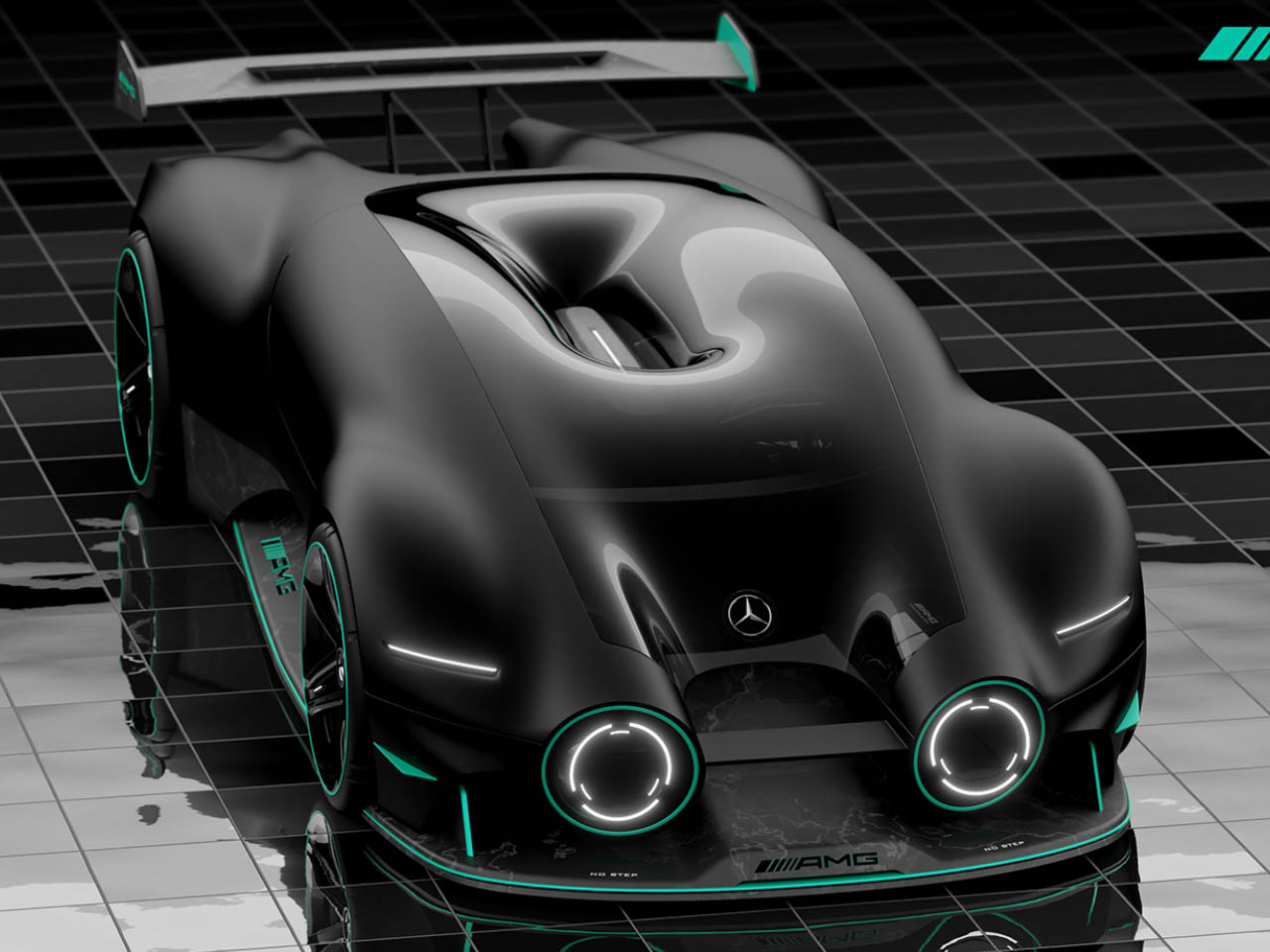
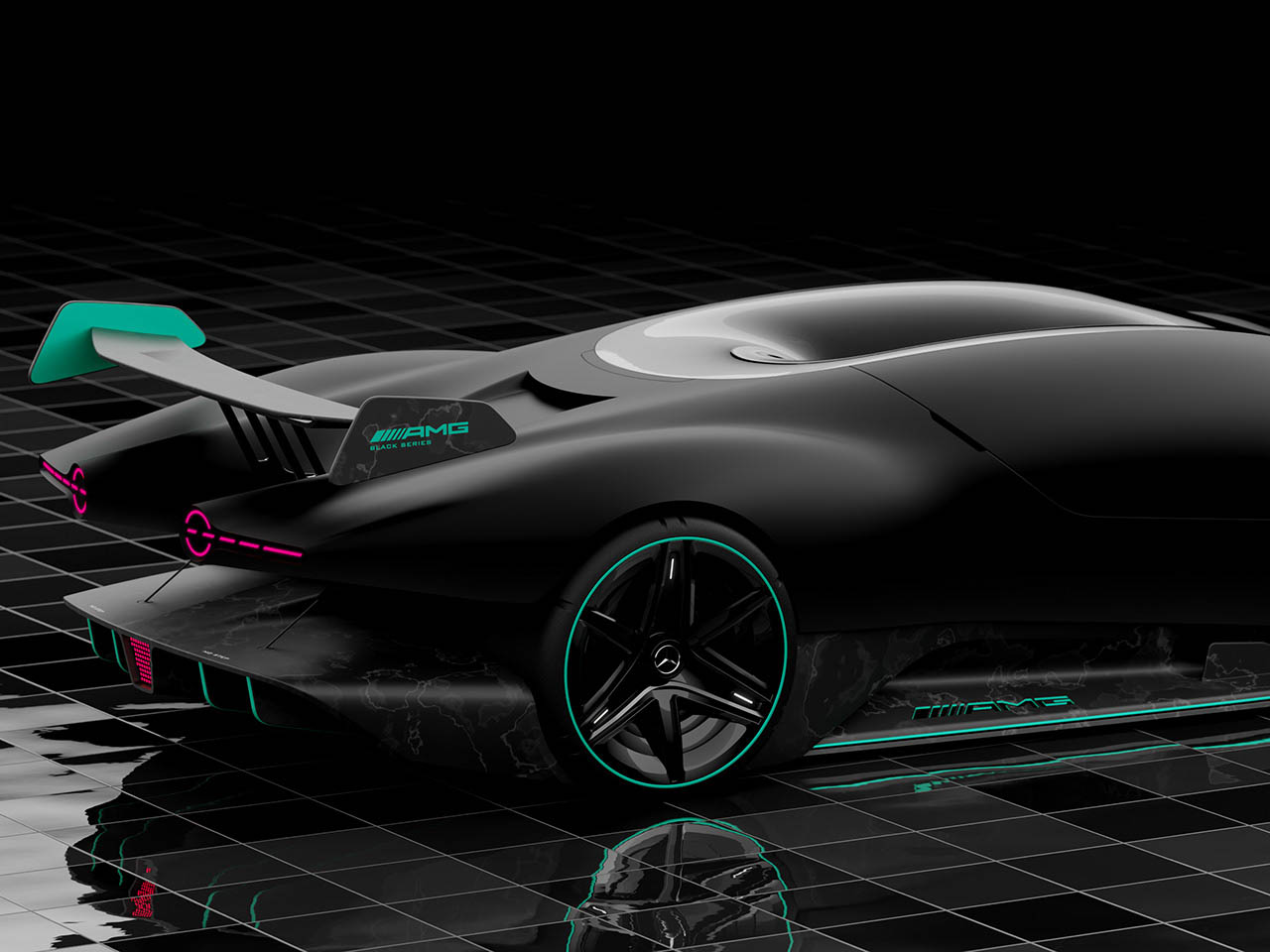
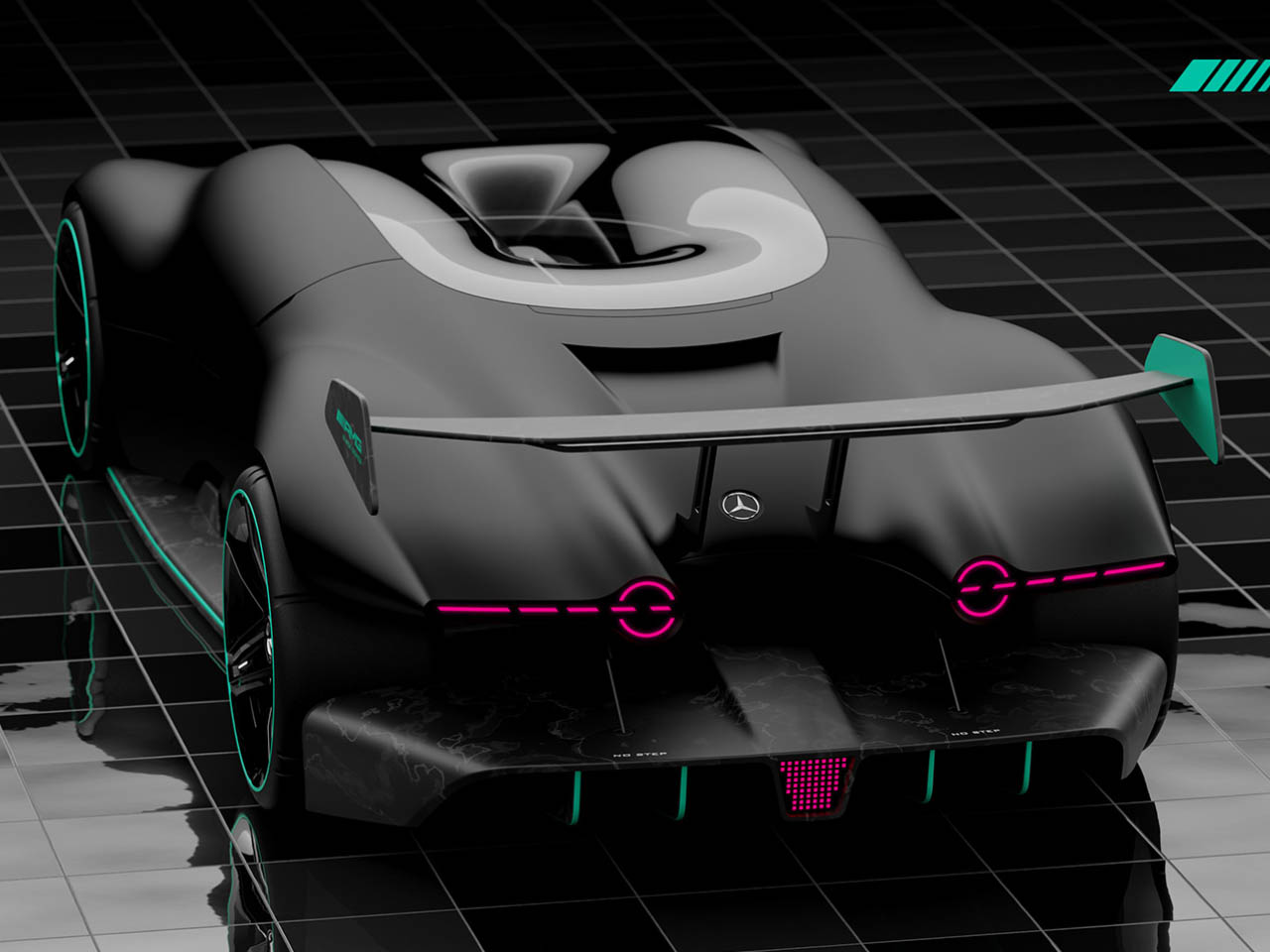
The four batteries are connected directly to each wheel for optimized power delivery. The cabin also focuses on the independent positing of the driver and the co-driver, so that the latter can take over in case the driver wants to relax during hard chases. Visually this Mercedes concept has a flowy aerodynamic design that personifies the union of man and machine at the next level. Those headlights are positioned low for a hunter look and gradually the hypercar gains a bold profile at the center and then flows ever so gradually to the rear which sports a futuristic shape. The curvacious positioning of the taillights eventually contrasts the skirting down low which has the F1-inspired battery charging light.
The low ground clearance of the Mercedes-AMG-ONE-ONE signifies it’s made for street circuits and racing tracks. The whole front opens up like the classic racecars, so you’d want to keep this thing limited to the race circuits for the pure adrenalin rush. Just like other elite Mercedes cars, this one comes in the silver arrow hues of either glossy silver or pure black. The designer has crafted a detailed scaled-down version of the hypercar in bright silver contrasted with the black which I love to the core.