Is Google about to transform the AI landscape once again? The buzz surrounding the rumored launch of Gemini 3 Pro and Nano Banana Pro suggests that something new is on the horizon. From cryptic teasers by Google’s leadership to leaked demos showcasing jaw-dropping capabilities, the tech world is brimming with anticipation. Imagine an AI that […]
The gaming handheld market in 2025 is more vibrant than ever, offering a wide array of devices tailored to meet the needs of every type of gamer. Whether you are a casual player seeking convenience or a dedicated enthusiast demanding top-tier performance, advancements in hardware, operating systems, and design have transformed portable gaming. Selecting the […]
Apple has officially released iOS 26.2 Beta 3 for developers, bringing a host of system refinements, feature enhancements, and performance optimizations. This update reflects Apple’s ongoing commitment to improving the user experience while meeting regulatory requirements. Below, we delve into the most notable changes and their practical implications for users. The video below from Brandon […]
For decades, the humidifier has been a purely utilitarian appliance, a necessary evil we tolerate for the sake of our sinuses during dry winter months. We buy them, use them, and then promptly hide them away when guests come over. They are often clunky, noisy machines that leave a fine white dust on our furniture or create damp spots on the floor. The industry standard has been a functional box that adds moisture to the air, with little to no thought given to how it integrates into the most personal of spaces: the bedroom.
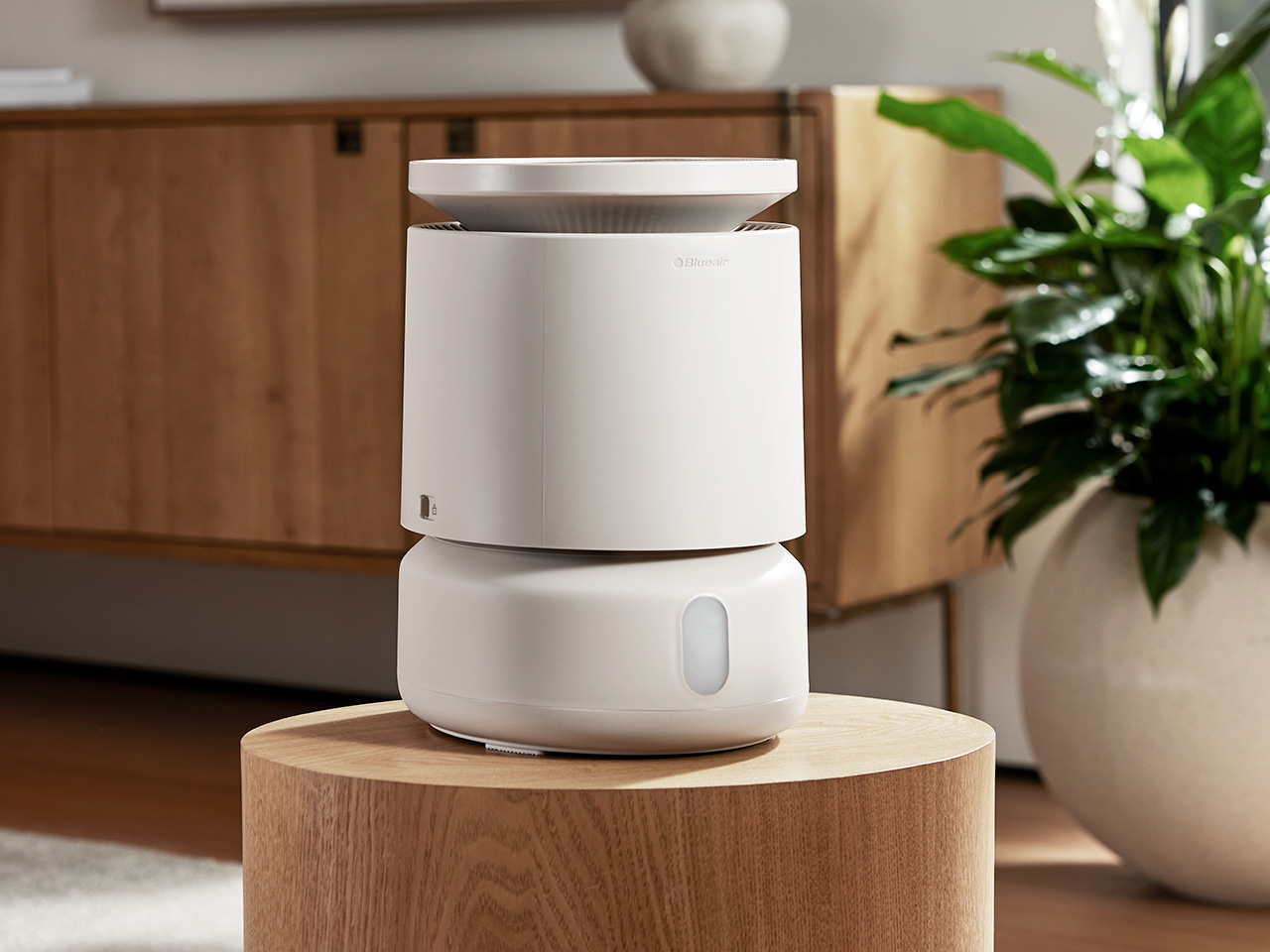
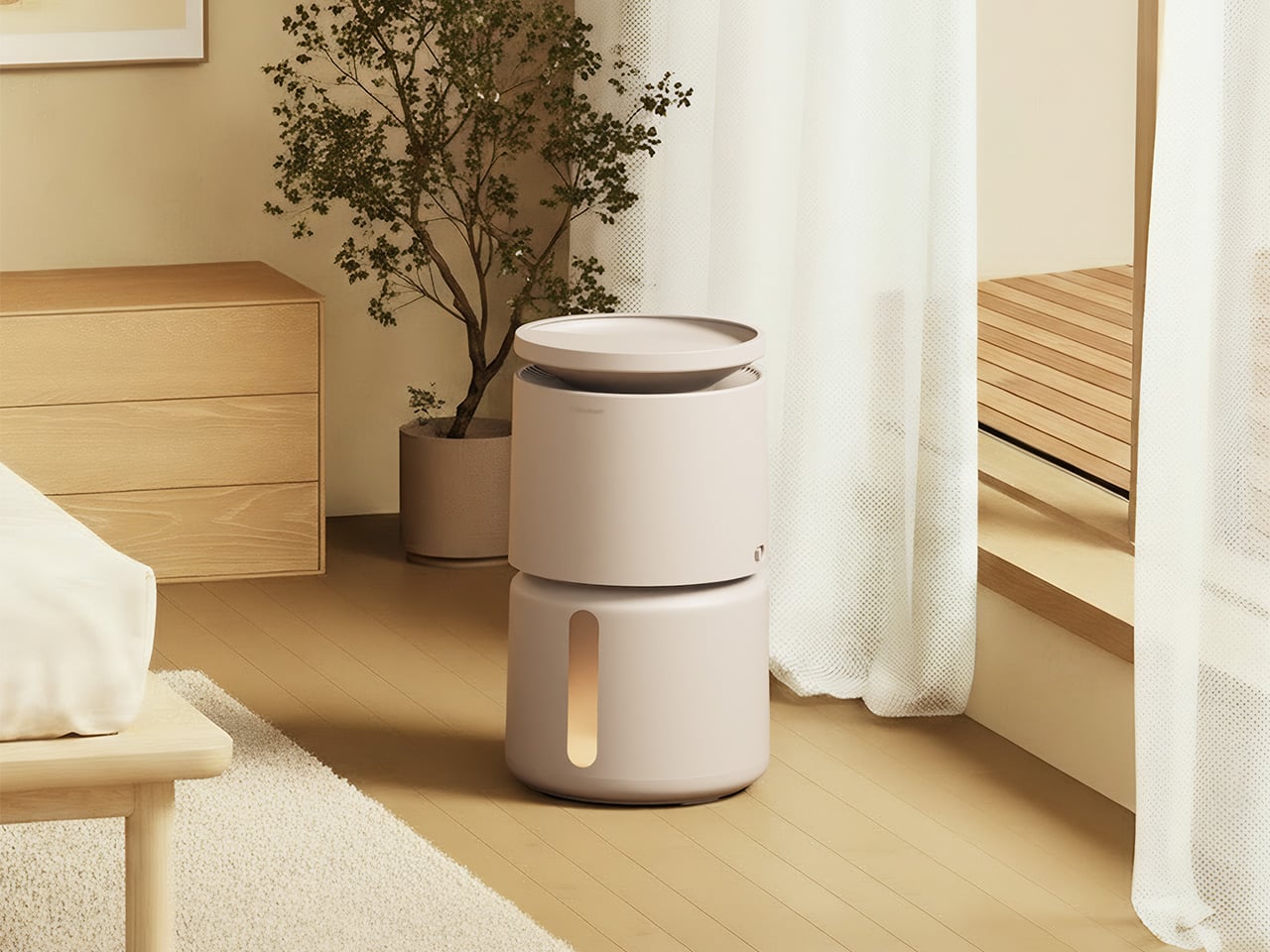
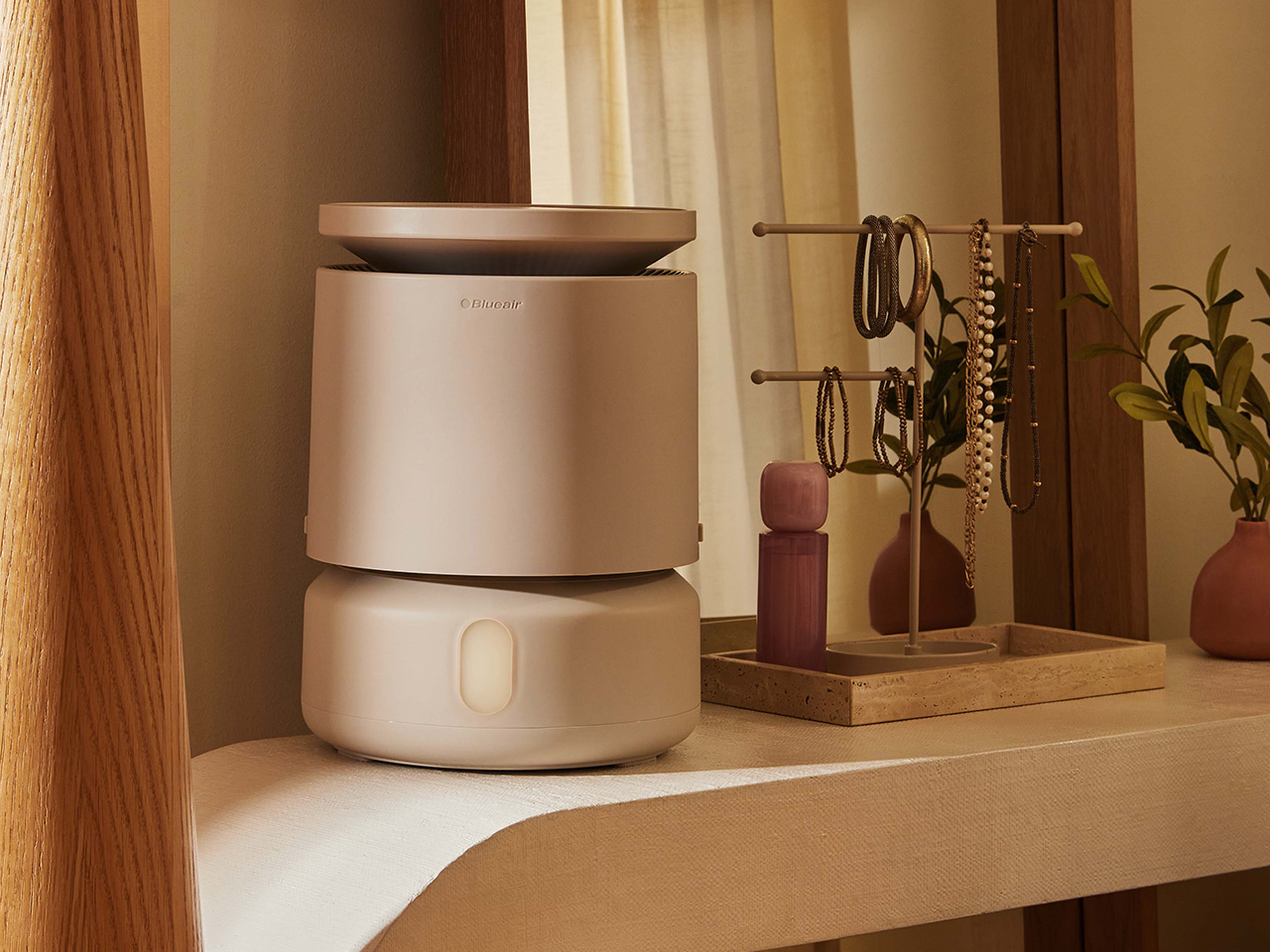
Blueair, a company already known for its design-forward approach to air purification, seems to have taken this challenge personally. The DreamWell Humidifier isn’t just another appliance; it’s a thoughtfully designed bedside companion. It aims to elevate the entire nighttime environment by seamlessly blending humidity, aromatherapy, and gentle mood lighting into a single, elegant form. This is a device that’s meant to be seen, to contribute to a room’s ambiance rather than detract from it, proving that wellness technology can be both effective and beautiful.
Moisture Without the Mess: No Visible Mist or White Dust
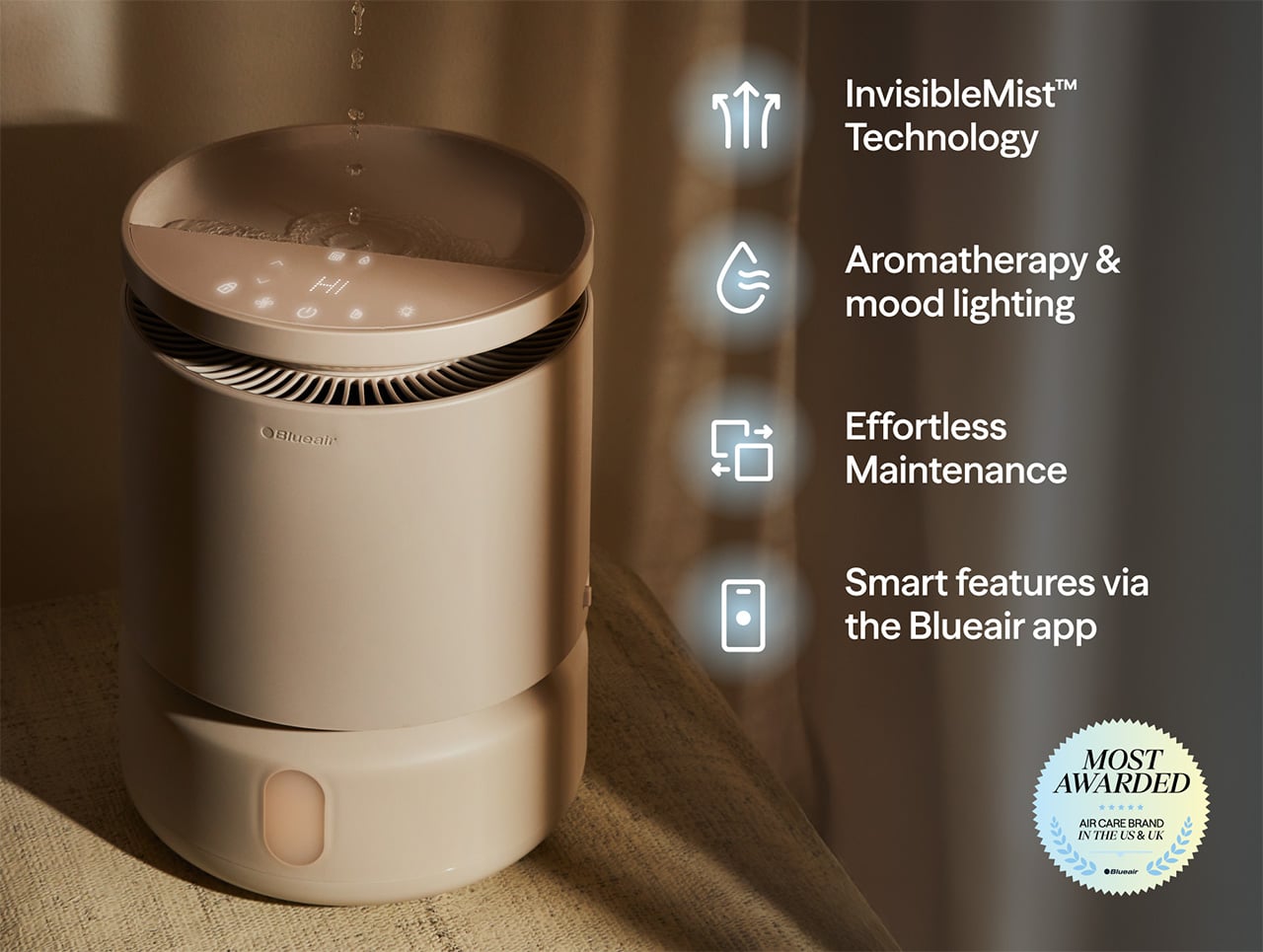
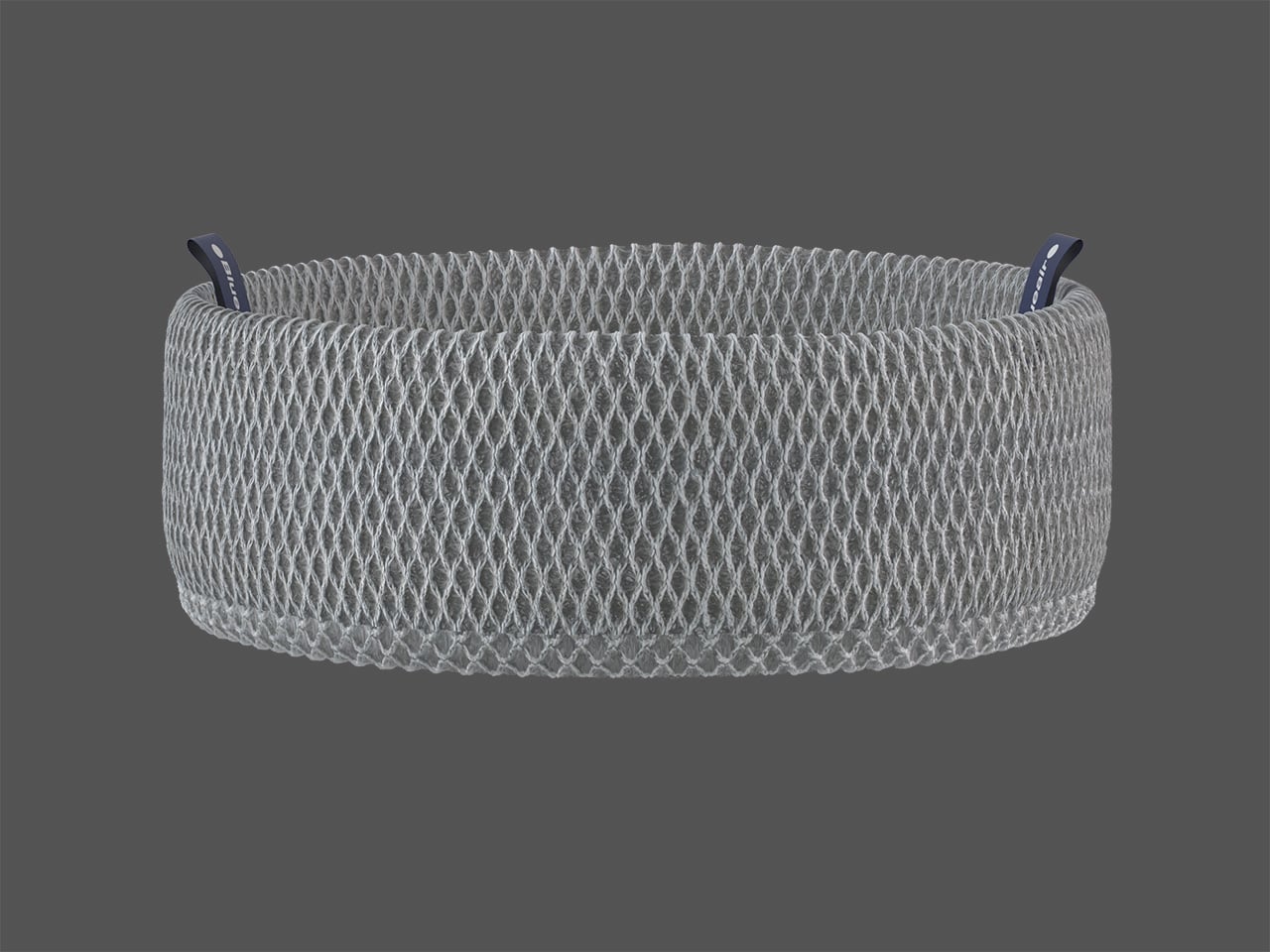
The most common complaint about ultrasonic humidifiers, the type that dominates the market, is the fine white dust they leave behind. This mineral residue from tap water settles on every surface, creating a cleaning nightmare and raising concerns about what you’re breathing. Blueair sidesteps this issue entirely by using an evaporative method branded as InvisibleMist technology. Instead of vibrating water into a visible aerosol, it uses a fan to draw dry air through a saturated wick filter, releasing clean, humidified air that is entirely invisible and free of mineral deposits.
This approach is a significant upgrade for anyone who values a clean, low-maintenance living space. There’s no dampness on the floor or furniture surrounding the unit, and electronics on your nightstand are safe from a constant coating of moisture. It’s a more natural humidification process that mimics the way the earth regulates humidity, resulting in a comfortable atmosphere without the collateral mess. This single feature transforms the DreamWell from an active maintenance task into a passive environmental enhancement.
Built-In Aromatherapy Stone for Soothing Scents
Many humidifiers offer aromatherapy as a secondary feature, usually through a flimsy plastic tray or a disposable pad that quickly loses its potency. The DreamWell integrates this feature far more elegantly with its dedicated aroma stone. This small, porous stone sits in its own compartment, absorbing a few drops of your preferred essential oil and gently diffusing the scent into the air via the unit’s airflow. It’s a simple, clever solution that keeps the oils completely separate from the water tank and internal mechanics, preventing potential damage or clogs.
By treating scent diffusion as an integral part of the experience, Blueair elevates the DreamWell beyond mere humidification. It becomes a tool for creating a holistic, relaxing atmosphere, perfect for a wind-down routine before sleep. The slow, consistent release from the stone provides a subtle fragrance that isn’t overpowering, complementing the improved air quality rather than just masking odors. It’s a small detail that speaks to a larger design philosophy focused on the complete sensory experience of a restful environment.
Whisper-Quiet Operation for Undisturbed Sleep
A humidifier designed for the bedroom has one non-negotiable requirement: it must be quiet. Any buzzing, gurgling, or whirring can easily disrupt sleep, defeating the very purpose of creating a more comfortable environment. The DreamWell was clearly engineered with acoustics as a top priority. Its fan and motor are designed for near-silent operation, especially in its lower settings and auto mode. User feedback consistently highlights its quietness as a standout feature, with many noting they can barely hear it running even when it’s just a few feet from their bed.
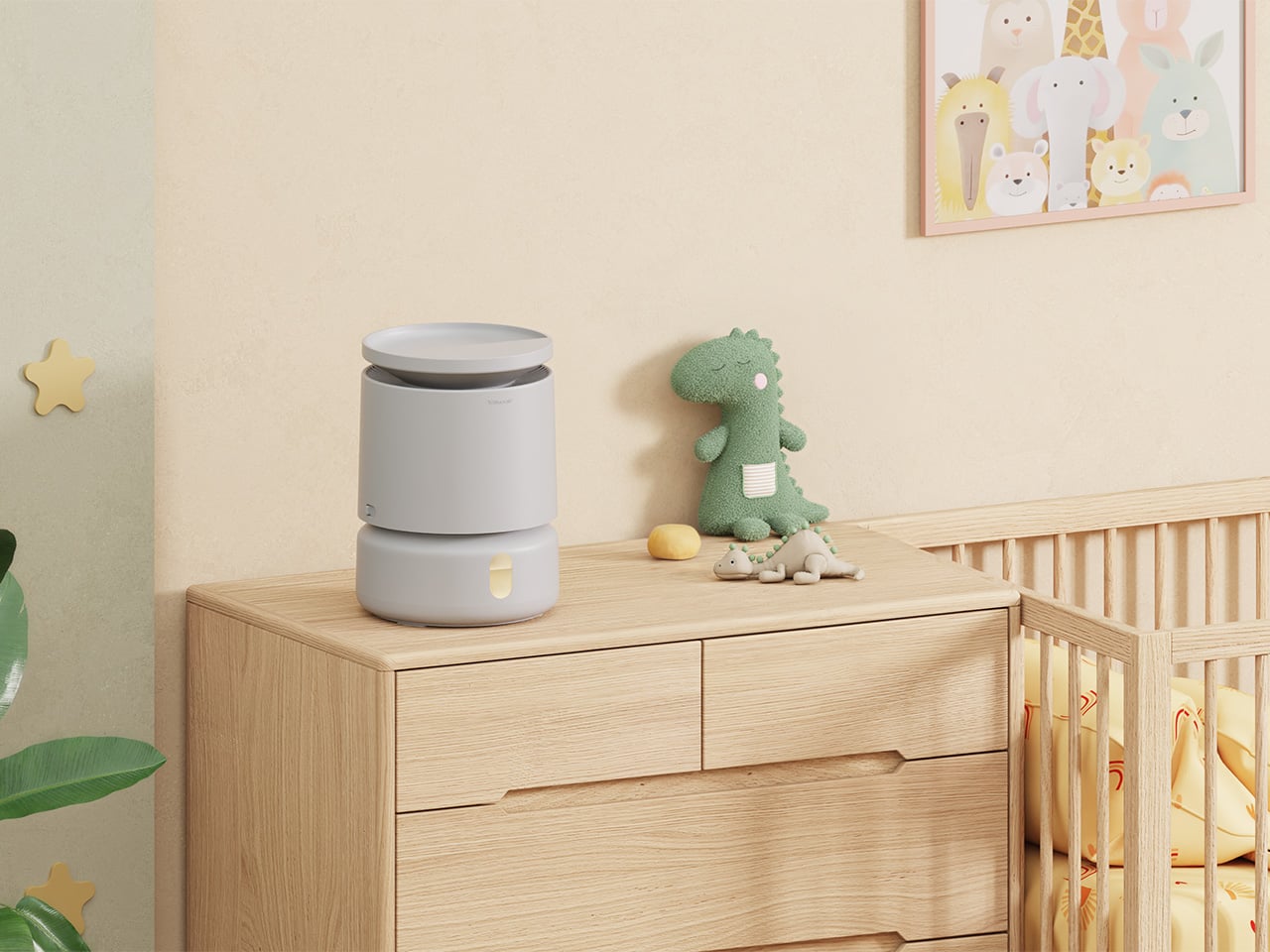
This focus on quiet performance makes it an ideal choice not just for sensitive adults but also for nurseries and children’s rooms. In a market where many products claim to be quiet but still produce a noticeable hum, the DreamWell delivers on its promise of peaceful operation. It adds comfort to a room without adding distracting noise, ensuring that the only thing you notice is how much better you’re breathing.
Adjustable Mood Lighting That Enhances Relaxation
Most appliance lights are a nuisance, bright LEDs that need to be covered with electrical tape for a truly dark room. The DreamWell, however, integrates lighting as a deliberate feature designed to enhance ambiance. It offers several soft, customizable mood lighting options that cast a gentle, diffused glow. The light is warm and subtle, serving as a functional nightlight without producing the kind of harsh, sleep-disrupting blue light we’re all trying to avoid.
This feature allows the DreamWell to adapt to different needs. It can provide just enough light for a late-night glass of water or create a calming, spa-like atmosphere to help you relax before bed. While some users have noted the control panel lights could be even dimmer, Blueair has shown it’s listening to feedback for future updates. This thoughtful integration of light transforms the device from a simple utility into a multifaceted part of your bedroom’s decor and mood.
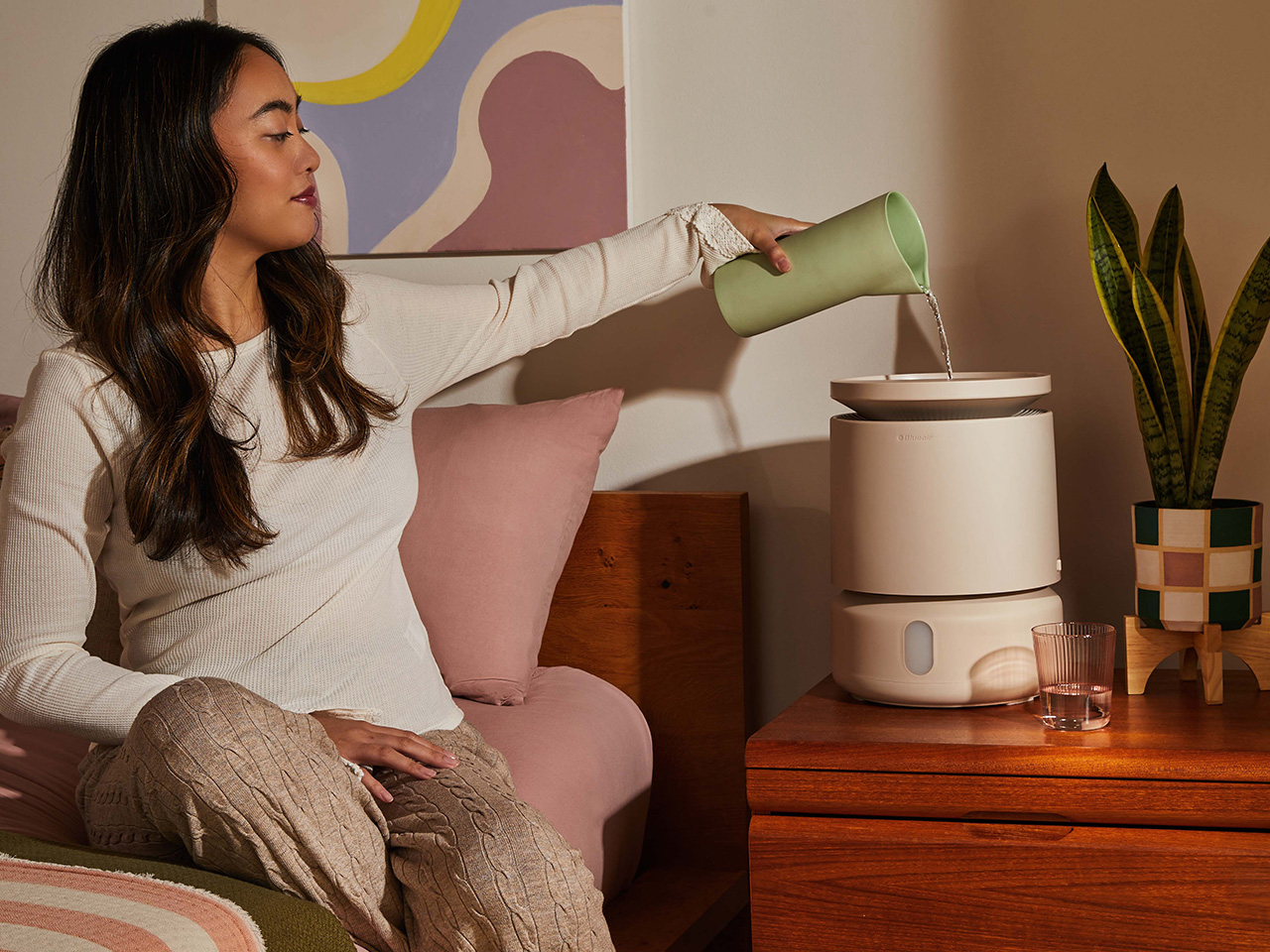
Refilling a humidifier is often a clumsy, wet affair. It usually involves detaching a heavy tank, carrying it to a sink, flipping it upside down to fill it through a small opening, and then trying to carry it back without dripping water everywhere. The DreamWell’s design solves this problem with an incredibly simple and effective top-fill system. You can either pour water directly into the wide opening at the top or lift out the inner bucket to fill it at the sink.
This user-centric design removes one of the biggest daily hassles of humidifier ownership. There are no awkward angles, no spills, and the wide-open design makes the tank exceptionally easy to clean, preventing the buildup of slime and mold that plagues so many other models. It’s a practical innovation that demonstrates a deep understanding of real-world use, making maintenance so effortless that you’re more likely to use the device consistently.
Smart Humidity Sensors That Auto-Adjust to Your Room
Maintaining the perfect humidity level, typically between 40% and 60%, is a delicate balance. Too little and the air is dry and irritating; too much and you risk condensation and mold growth. The DreamWell’s auto mode takes the guesswork out of this process. An integrated humidistat constantly monitors the room’s ambient humidity and automatically adjusts the fan speed to maintain the optimal level. You simply set it and let the machine do the work.
This intelligent regulation is a key feature that separates premium humidifiers from their budget counterparts. It ensures the room stays comfortable without requiring constant manual adjustments, and it prevents the over-humidification that can occur if a unit is left running on high all night. This smart functionality not only enhances comfort but also contributes to a healthier indoor environment by actively managing moisture levels.
A Washable Filter That Lasts Up to a Year
The ongoing cost and waste associated with disposable filters are a significant drawback for many home appliances. The DreamWell addresses this with a durable, washable wick filter designed to last for up to a year, depending on water hardness and usage. This not only reduces the environmental impact but also lowers the long-term cost of ownership. The unit even includes a filter replacement indicator to remind you when it’s time for a cleaning or a new one.
For added convenience, Blueair offers a filter subscription service, ensuring a replacement arrives right when you need it. This combination of a long-lasting, washable filter and an optional automated replacement service makes maintenance predictable and hassle-free. It’s a sustainable and practical approach that respects both the user’s wallet and the planet.
A Minimalist Design That Doubles as Bedroom Décor
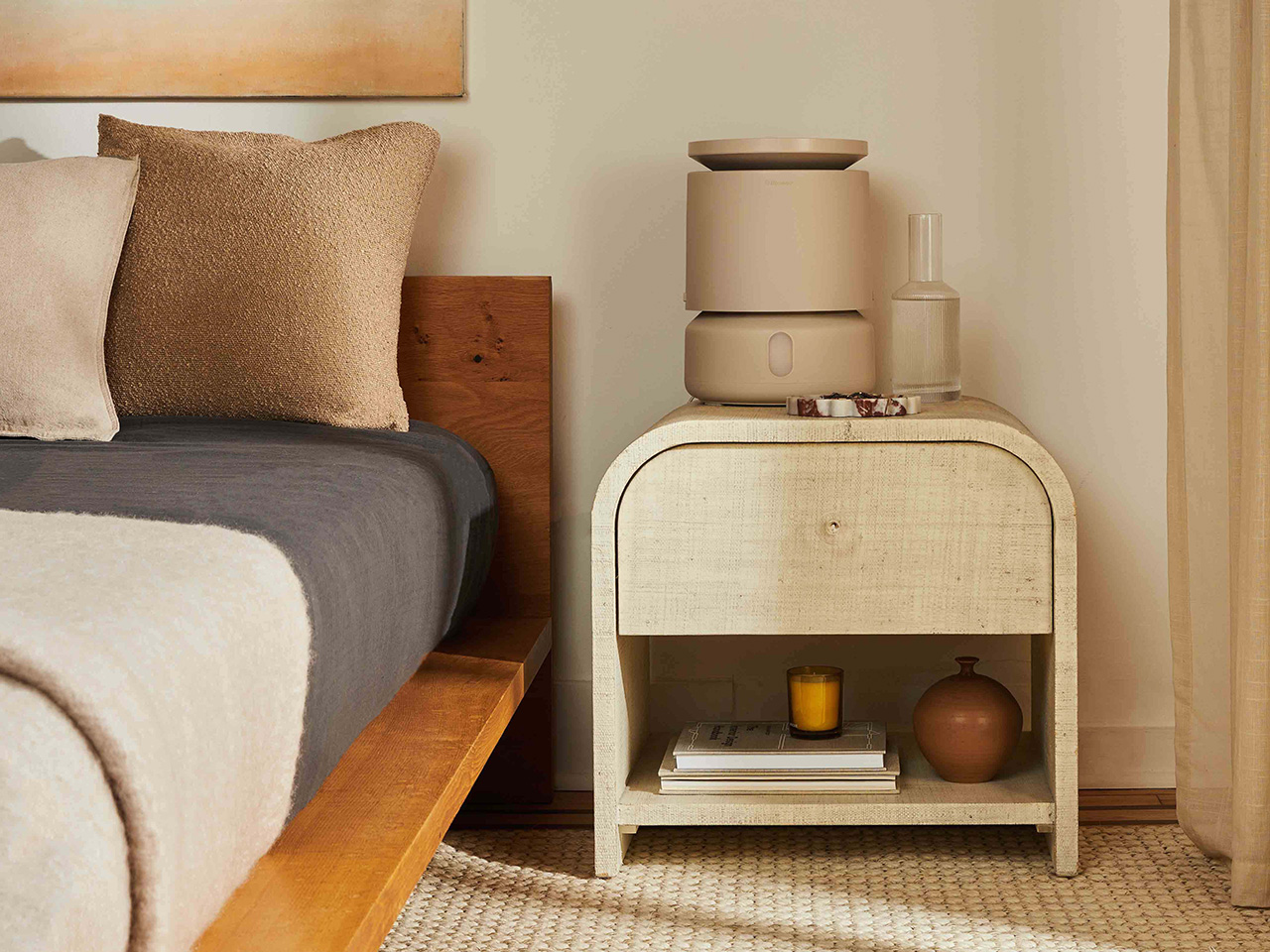
Finally, the DreamWell simply looks good. With its soft, rounded edges, fabric-covered cord, and muted, sophisticated colorways like Coastal Beige and Stone Grey, it’s designed to blend into a modern home rather than stick out as a piece of medical equipment. The aesthetic is clean, minimalist, and intentional, looking more like a high-end speaker or a piece of decor from a design-forward brand.
This commitment to aesthetics is what ties all its other features together. A humidifier that works this well and is this easy to use deserves to be seen. By creating a device that is both highly functional and visually pleasing, Blueair has crafted an appliance that you won’t want to hide. It earns its place on the nightstand, quietly and beautifully improving the atmosphere of the most important room in the house.
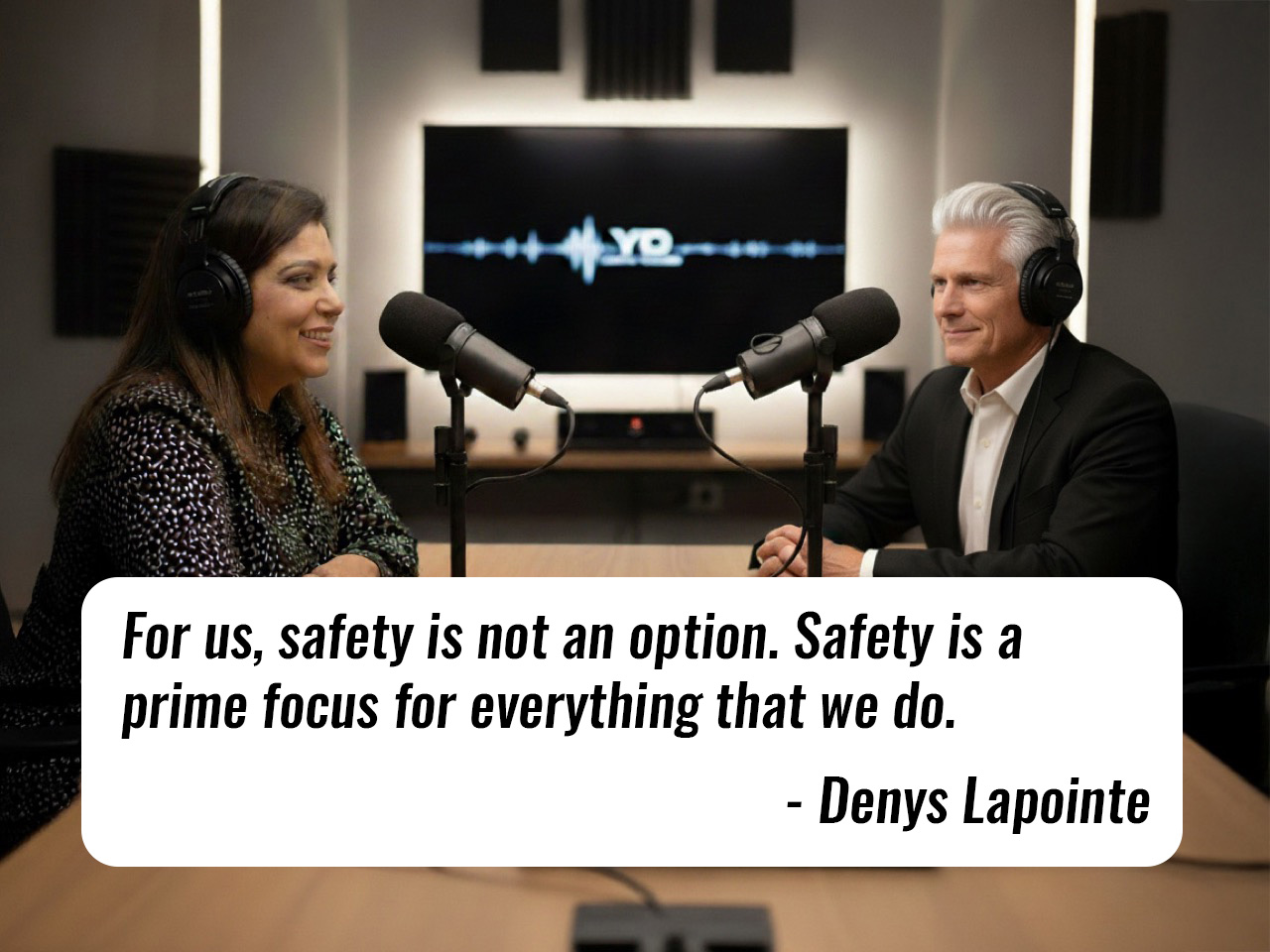
The tension between perfection and progress is something every designer grapples with, yet it’s rarely discussed with the kind of candor it deserves. In episode 11 of Yanko Design’s Design Mindset podcast (powered by KeyShot), premiering every Friday, we sit down with someone who has spent four decades mastering this delicate balance. Denys Lapointe, Chief Design Officer at BRP, leads a team of 135 multidisciplinary design experts from 21 countries, and under his stewardship, the company has accumulated an astounding 61 Red Dot Awards, culminating in the ultimate recognition: Red Dot Design Team of the Year 2025.
For those unfamiliar with BRP, this Quebec-based powerhouse is the global leader in powersports and the number one OEM in North America. They’re the creative force behind iconic brands that define adventure, including Ski-Doo, Lynx, Sea-Doo, Can-Am, and Rotax. With nearly $7.8 billion in annual sales spanning over 130 countries, BRP’s products traverse land, water, and snow. What makes Denys’s perspective particularly fascinating is his 40-year journey with the same company, witnessing his designs evolve from sketches to prototypes to products that millions use to explore the world. He’s learned when to push for perfection and when to embrace strategic compromise in service of getting breakthrough innovations into consumers’ hands.
When asked about embracing “good enough” as a design philosophy, Denys immediately pushes back. “Basically, I would say, Radhika, the word good enough is not a word that we use. It’s I see it a little bit like the passing mark,” he explains. Instead, BRP formalized a design philosophy built on three key pillars: innovative product architectures, high functionality (integrating ergonomics and human-machine interface), and the “wow factor,” which creates enough emotional content that consumers are drawn to products and want to possess them. The goal isn’t merely to meet customer expectations but to exceed them, benchmarking relentlessly against competitors to win consumers’ hearts.
The breakthrough isn’t in excelling at any single pillar, though. “We know that what’s important is not so much to overdeliver on one of those pillars, but it’s the equilibrium between the three,” Denys reveals. This balanced approach is enforced through BRP’s rigorous stage-gate process and Design Governance Committee, which reviews projects at each critical juncture, challenging teams on all three pillars and ensuring alignment with brand DNA. Younger designers might chase the “wow factor” at the expense of daily usability, but BRP’s structured governance forces timely decisions that maintain equilibrium. “As design leaders, we must teach and coach our young designers to strive for perfection, knowing that perfection is difficult to reach. Obviously, but they need to learn to make the right compromise so to deliver a compelling offer to our consumers, which will exceed their expectation,” Denys explains.
The Accessory Ecosystem: Where Great Ideas Go to Thrive
One of BRP’s most innovative approaches to balancing ambition with pragmatism is their accessory strategy. “I remember several projects where we had too many ideas. We just had too many ideas,” Denys recalls. When milestones force prioritization, rather than abandoning valuable features that drive costs too high for the base model, BRP shifts them to their accessory ecosystem. This allows consumers to opt into features they personally value while keeping base models at target MSRP. Ideas aren’t killed, they’re given to the accessory group to develop separately, ensuring that compelling offers reach consumers without compromising the product’s commercial viability.
Even better, accessories are designed to be compatible across product lines using a patented quick connect/disconnect system. “An accessory that is designed for a seat can go on a side-by-side, an ATV, and even a snowmobile. So it simplifies people’s garage,” Denys explains. Once consumers invest in this ecosystem, it creates powerful brand loyalty because switching to another brand means leaving behind a garage full of incompatible accessories. This strategy demonstrates how strategic compromise doesn’t mean lowering standards, it means finding smarter ways to deliver value. Some ideas work better as optional features than standard equipment, and recognizing that distinction separates good design leadership from perfection paralysis.
Empathy Over Aesthetics: The MoMA Scissors That Cut Nothing
Perhaps Denys’s most powerful advice centers on empathy as the designer’s primary tool. When asked what he’d tell his younger self joining BRP in 1985, he immediately responds: “I think I would tell them to learn to dissociate their taste.” Designers must become ethnographers, deeply understanding users before, during, and after their journeys. “You need to learn to be able to project yourself as that consumer. The right trade-offs for that consumer ultimately. So learning to observe or observing, yes, with your head, but with your heart is the key to discovering the right insights. And I always say to the young designers that if you can identify the right problem to solve, you’re 50% there with the solution.” This empathy uncovers non-obvious insights that competitors miss, like noticing when users bend awkwardly, squint at interfaces, or stumble while dismounting.
His most memorable example of design divorced from empathy comes from an unexpected source. “One day I was in New York City buying, and I bought a lovely pair of scissors, and it was exposed in the MoMA as an object of art.” The perfectly symmetrical scissors intrigued him, but when he tried to use them at home, “the only thing it cut is the palm of my hand.” It was beautiful but functionally useless, highlighting the danger of prioritizing aesthetics over usability. When asked what matters more than perfection, Denys offers: “Equilibrium, holistic. We need to create holistic experiences that hit all aspects in the consumer’s rational way of criticizing a product and also on the emotional side.” A consumer might initially be drawn to something beautiful, but disappointment with the overall experience means they may never return to that brand again, making holistic balance essential for long-term success.
Safety First, Launch Dates Second
In the world of recreational vehicles, safety isn’t optional. “For us, safety is not an option. Safety is a prime focus for everything that we do,” Denys states emphatically. “We always strive for safe products. So I think basically we don’t compromise on safety. You should never mess with, you should never compromise on safety.” When presented with a hypothetical scenario where competitive pressure and board expectations push for an on-time launch, but a safety feature would delay production by six months, Denys doesn’t hesitate: “I think we would rally every member of the product steering committee to postpone our start of production.” The long lifecycle of BRP products (four to ten years) outweighs short-term market pressure every time.
This philosophy extends to BRP’s approach as market disruptors and first movers. The Spyder three-wheeler family exemplifies accepting that you can’t anticipate every need upfront. “We created something to attract the 95% of the population that drives a car instead” of motorcycles, Denys explains. After launch, new needs emerged that weren’t fulfilled by the first execution, but that’s the advantage of being first: capturing insights that inform the next variant or platform. “Consumers could not have told us because the product did not exist,” he notes, demonstrating how iterative learning trumps waiting for an impossible perfection. In the rapid-fire segment, when asked to complete “Perfect is the enemy of…,” Denys responds without hesitation: “time.”
Listen to the full conversation on Design Mindset (powered by KeyShot), available every Friday, to hear more insights from one of the industry’s most decorated design leaders.
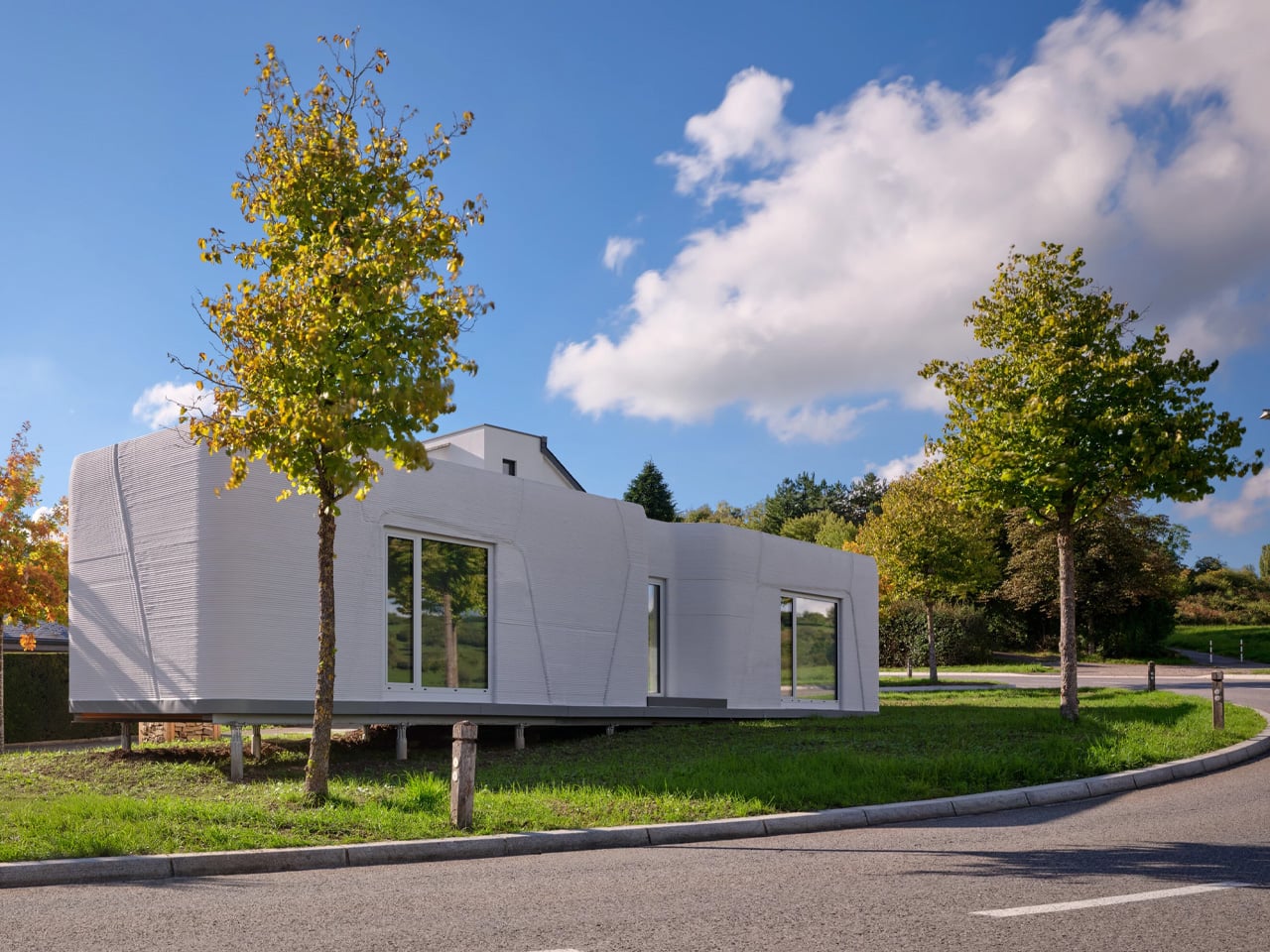
Niederanven, a small commune in Luxembourg, now hosts the country’s first 3D-printed residential building. The Tiny House Lux, designed by local practice ODA Architects, marks a significant shift in how municipalities might approach affordable housing on difficult urban sites. Architect Bujar Hasani conceived the project as a practical response to housing shortages. Working with the Niederanven municipality and Coral Architects, he identified narrow, leftover parcels across Luxembourg that traditional construction methods couldn’t accommodate.
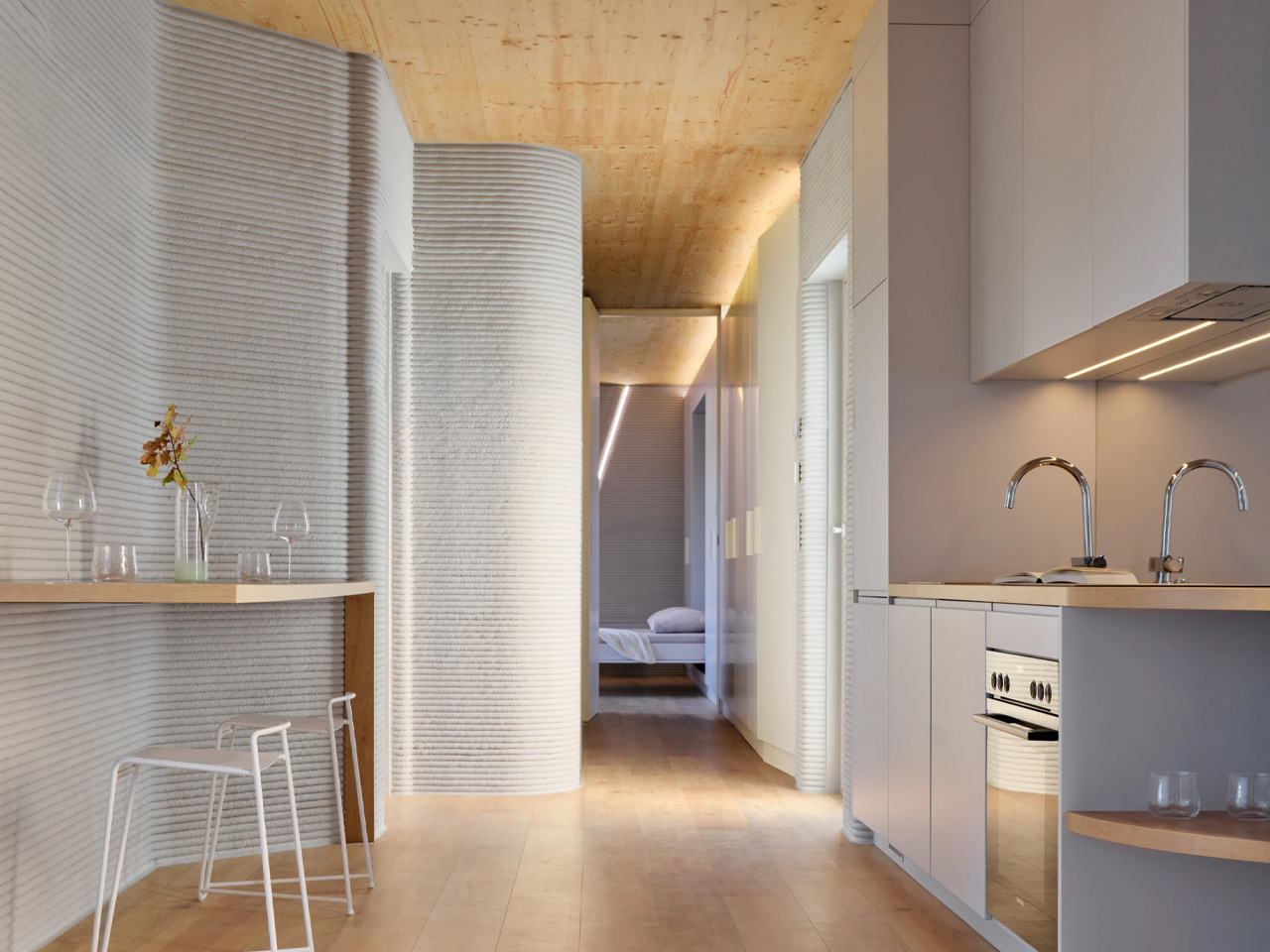
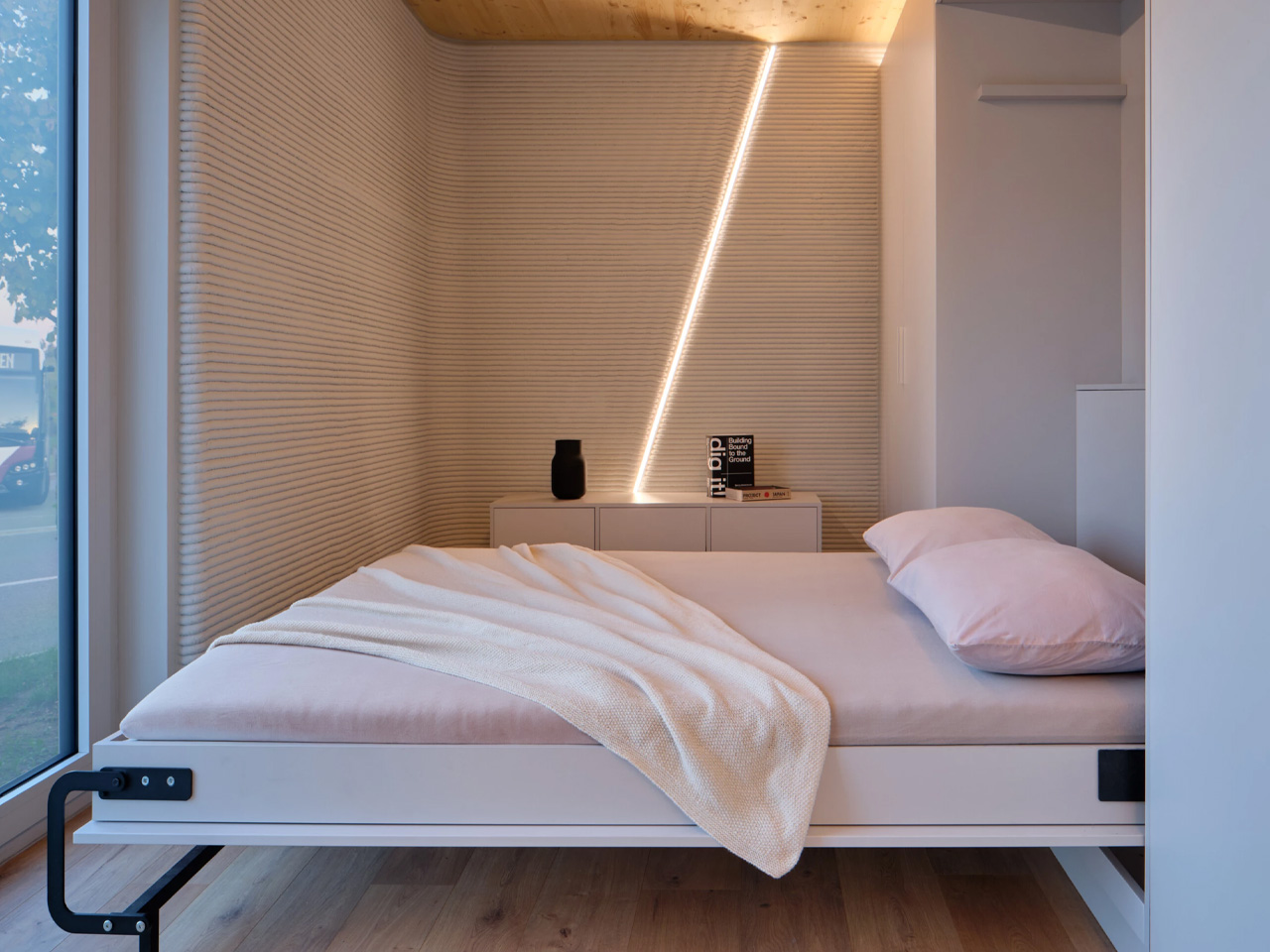
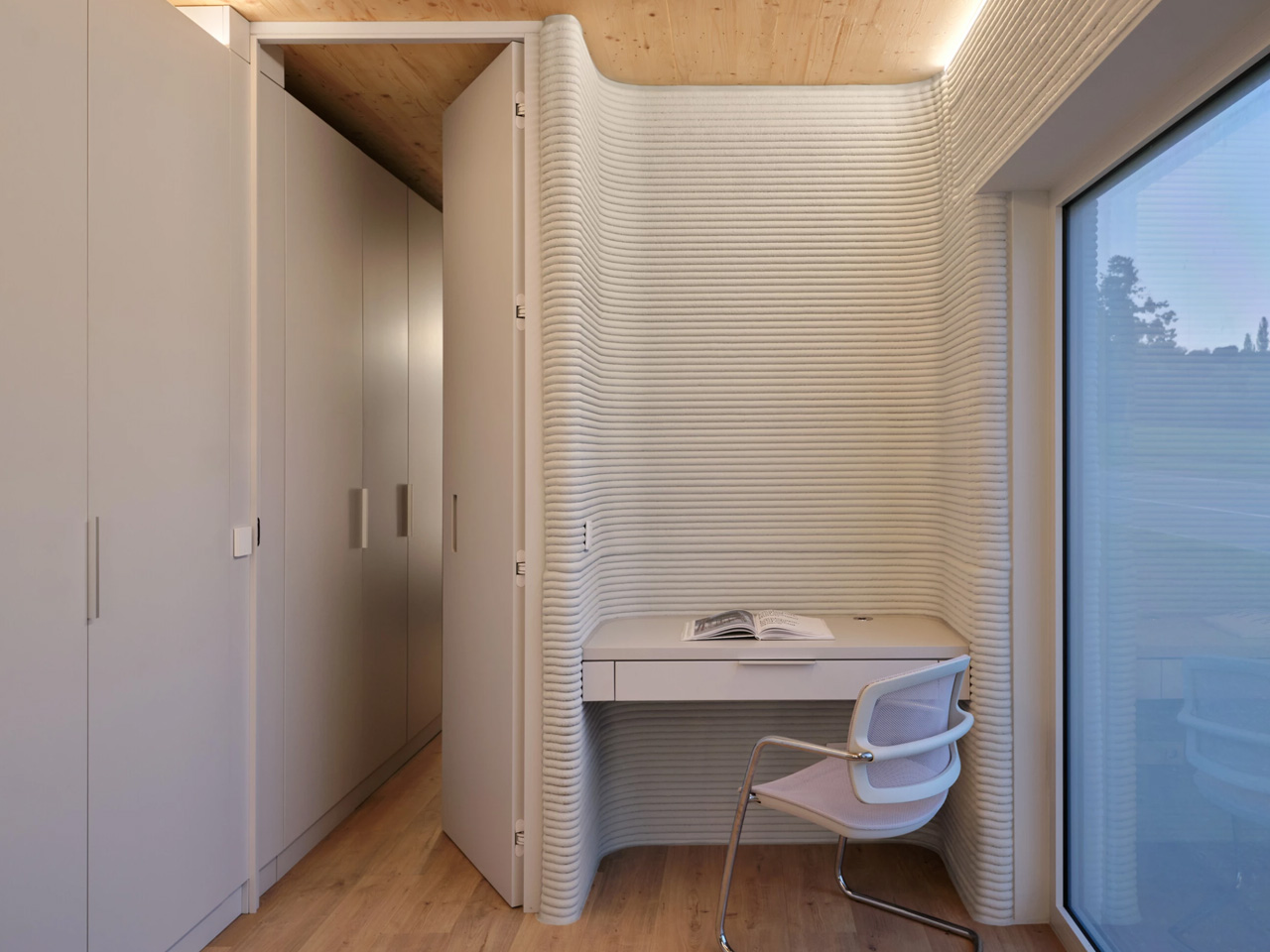
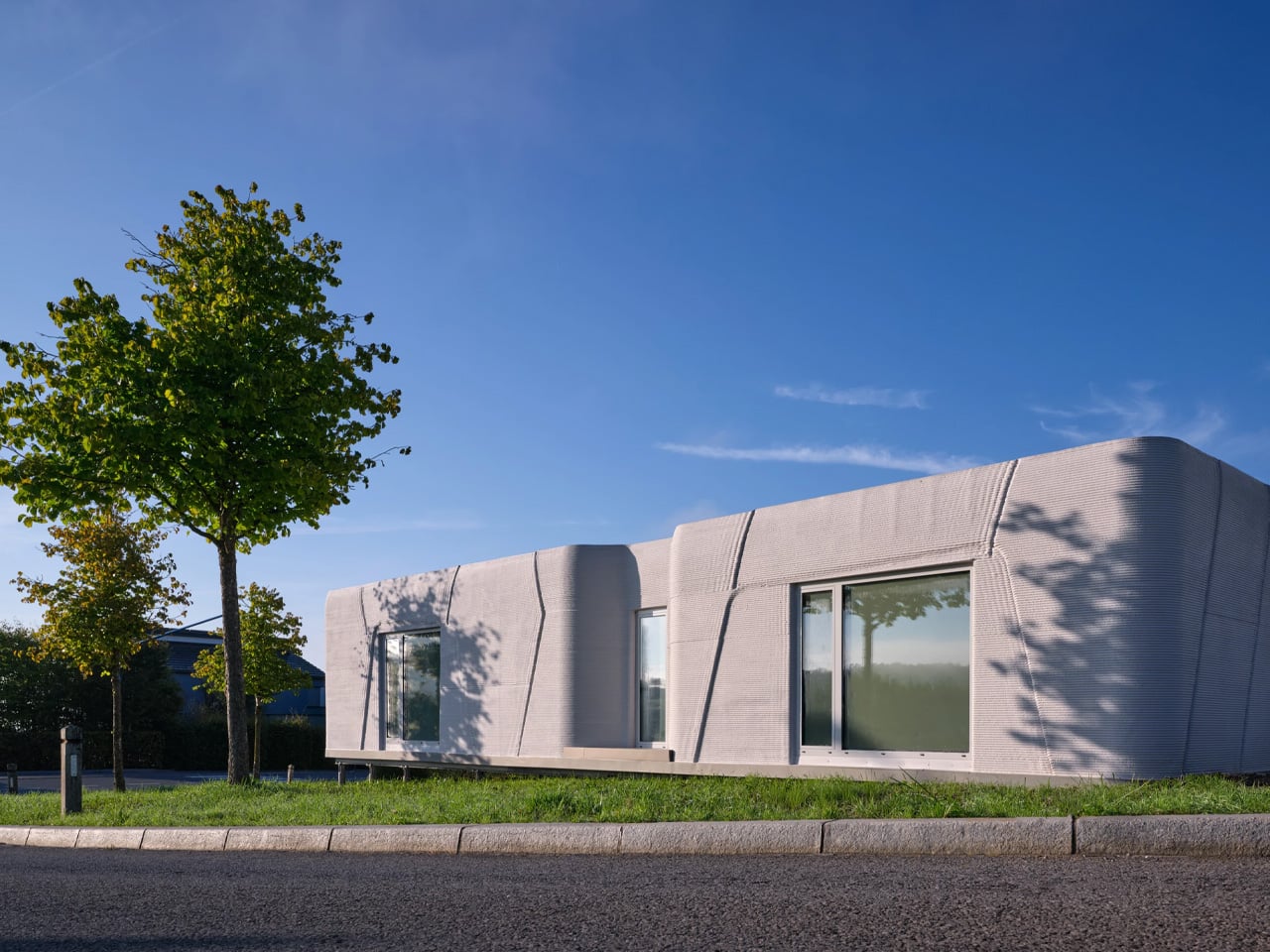
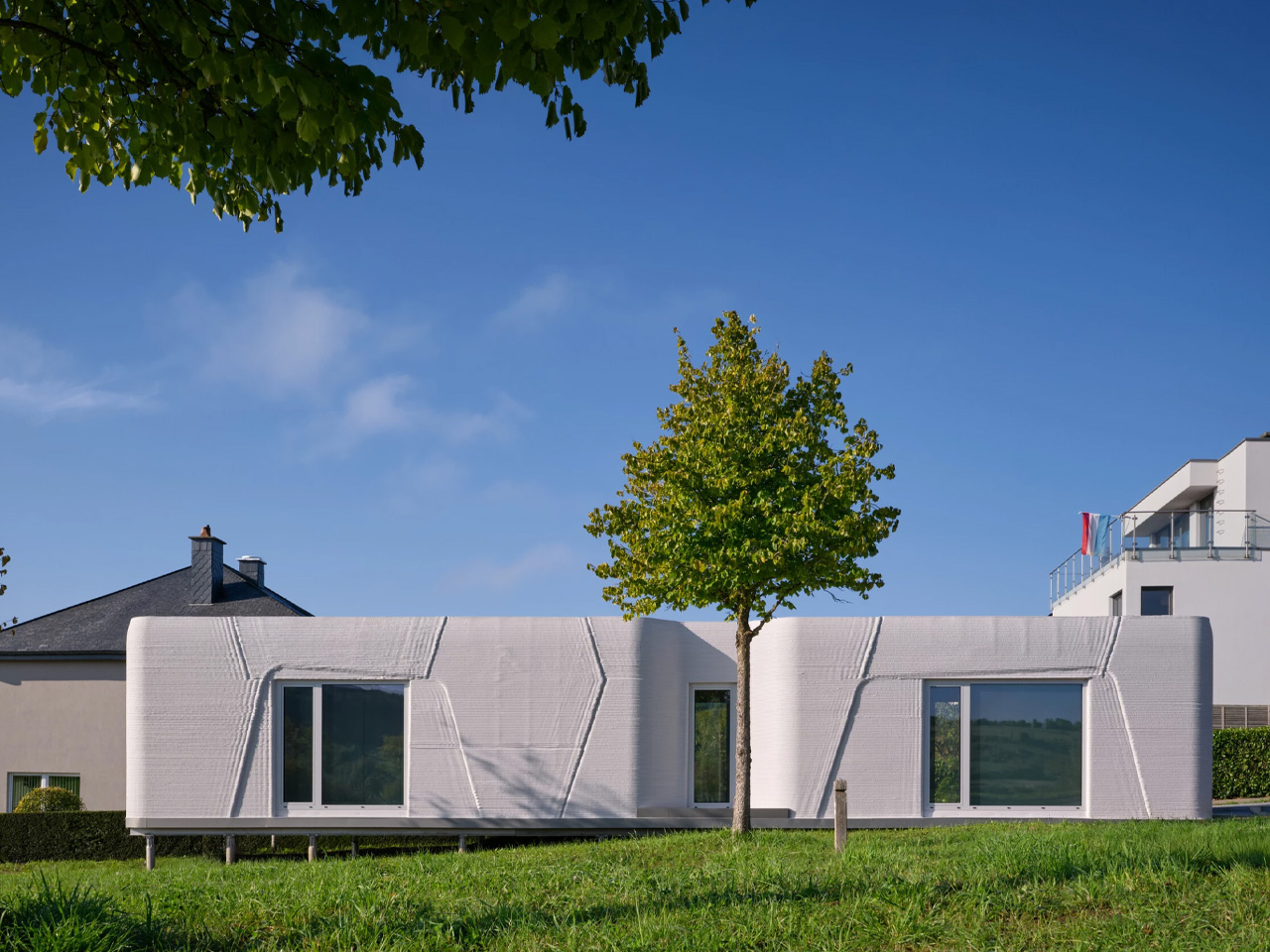
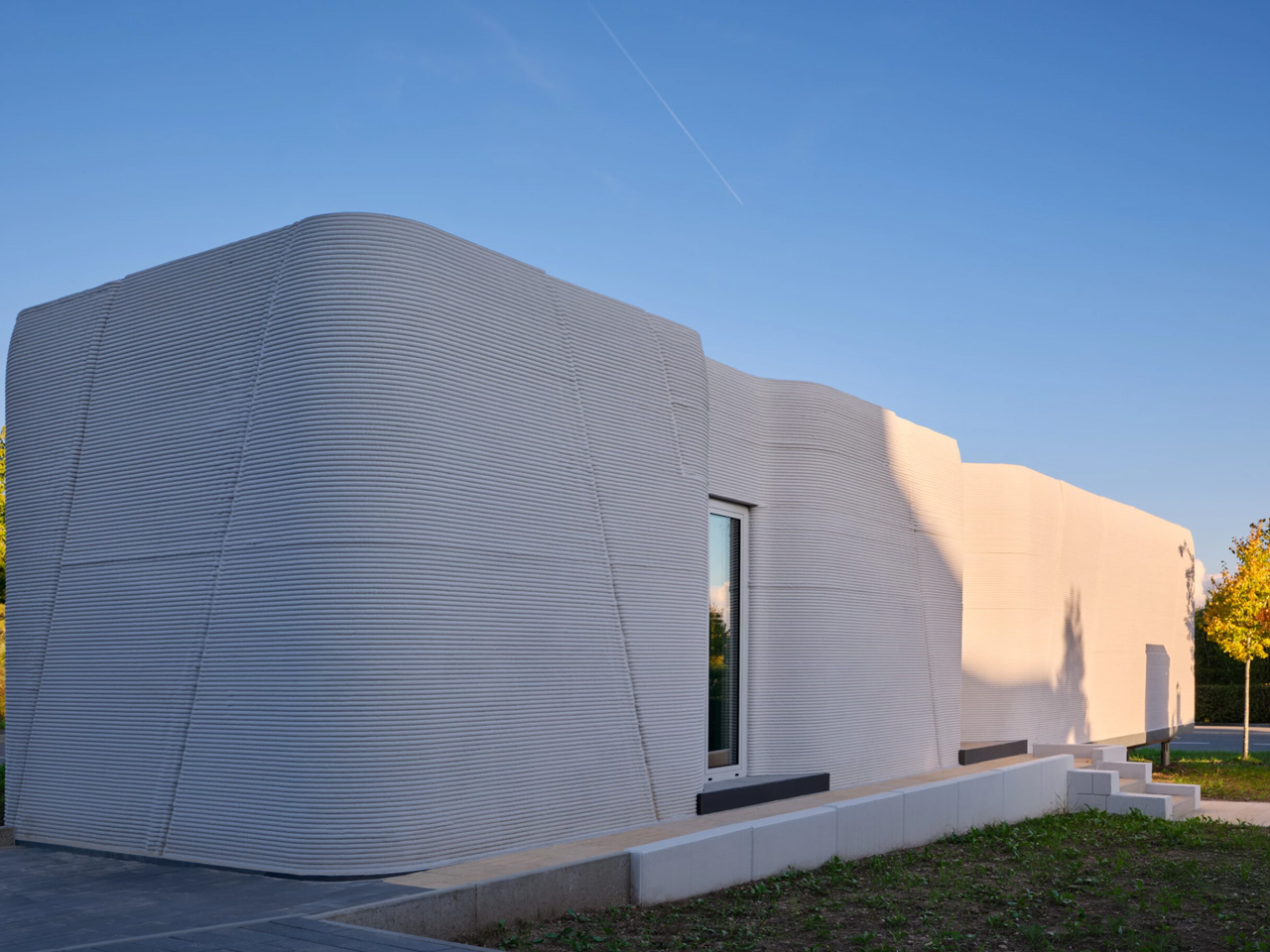
The solution arrived through on-site 3D concrete printing, using locally sourced aggregates rather than imported materials. The house stretches long and narrow across its site in Rammeldingen village. At just 3.5 meters wide but 17.72 meters deep, the 47-square-meter structure maximizes what would otherwise be unusable land. A mobile printer extruded standard batching-plant concrete to build the walls in roughly one week, with the complete build finishing within four weeks. The ribbed texture of the printed walls creates a distinctive facade that catches daylight throughout the day, while a lightweight timber frame supports the roof.
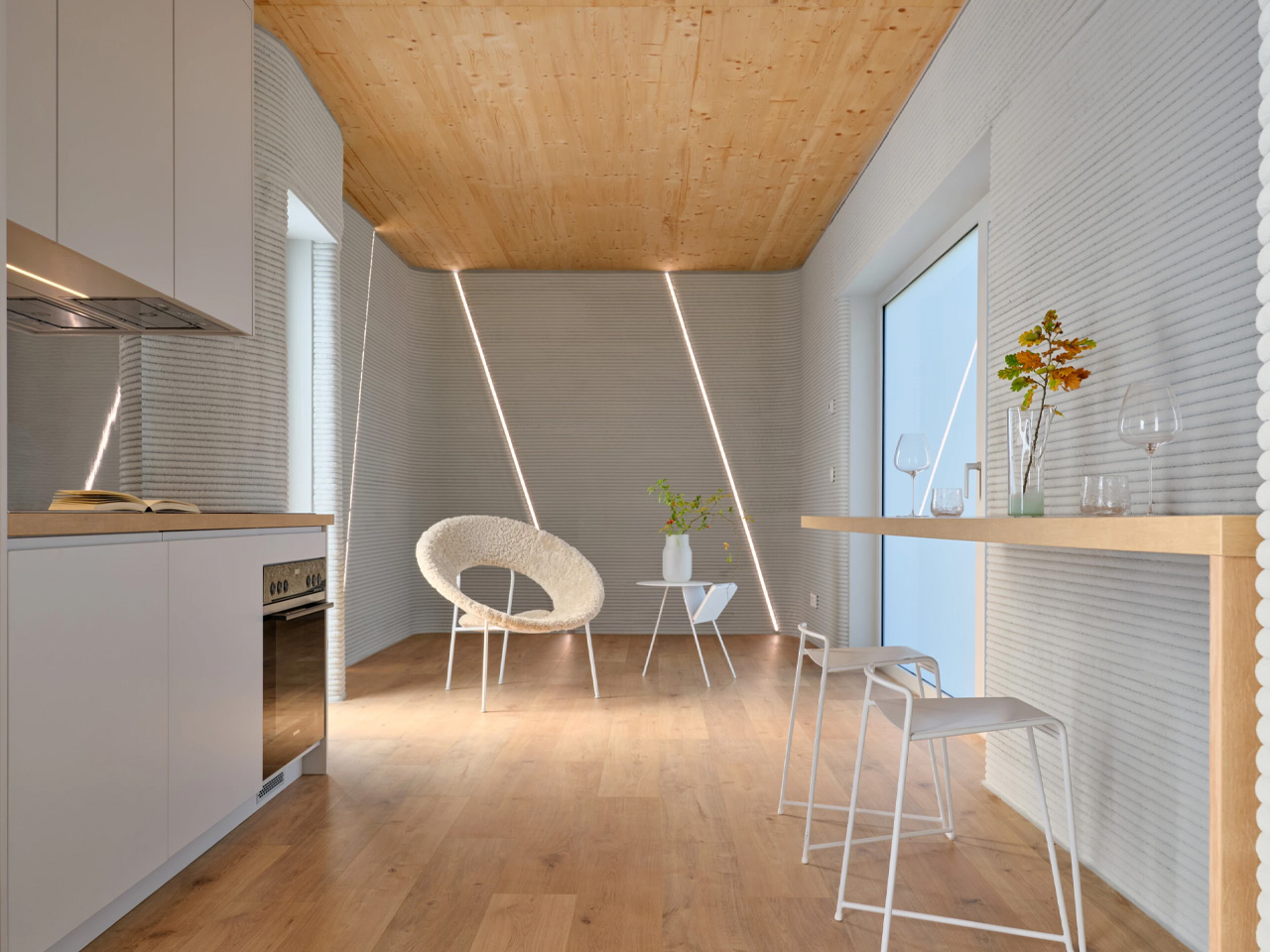
Inside, the layout reads as a single, clear axis running from the south-facing entrance through to the rear. Service zones tuck to each side, leaving the central corridor open and uncluttered. The entrance and terrace face south, pulling natural light deep into the interior. Film technology provides underfloor heating, powered entirely by solar panels mounted on the roof. This system positions the house as self-sufficient, reducing ongoing energy costs for its occupants.
The project fits within Niederanven’s “Hei wunne bleiwen” program, which translates to “Keep living here.” The initiative targets young adults seeking affordable entry points into Luxembourg’s expensive housing market. The local council selected the first tenant, who moved in shortly after the August 2025 inauguration. The design intentionally excludes features that would make it suitable for elderly residents, keeping the focus on younger demographics.
Not everyone welcomed the innovation. Local political parties DP and LSAP criticized the €320,000 price tag for what they viewed as an experimental project without proven methodology. They raised concerns about chemical additives in the concrete used to speed up hardening, questioning potential health implications. Both parties boycotted the inauguration ceremony in protest. Despite the controversy, the architectural and design community has responded with enthusiasm. Publications from New Atlas to HomeAdore covered the project, recognizing its potential as a replicable model. The key lies in scalability. If deployed across Luxembourg’s leftover urban fragments, this approach could generate hundreds of compact homes without consuming greenfield sites or requiring extensive infrastructure investment.
The Tiny House Lux demonstrates that 3D printing technology has matured beyond novelty status. When paired with thoughtful design and local materials, it offers municipalities a genuine tool for addressing housing shortages. The ribbed concrete walls, efficient layout, and energy autonomy prove that speed and innovation need not compromise quality or comfort. Whether this pilot project sparks wider adoption remains to be seen, but it has already proven that small plots can yield meaningful housing solutions.
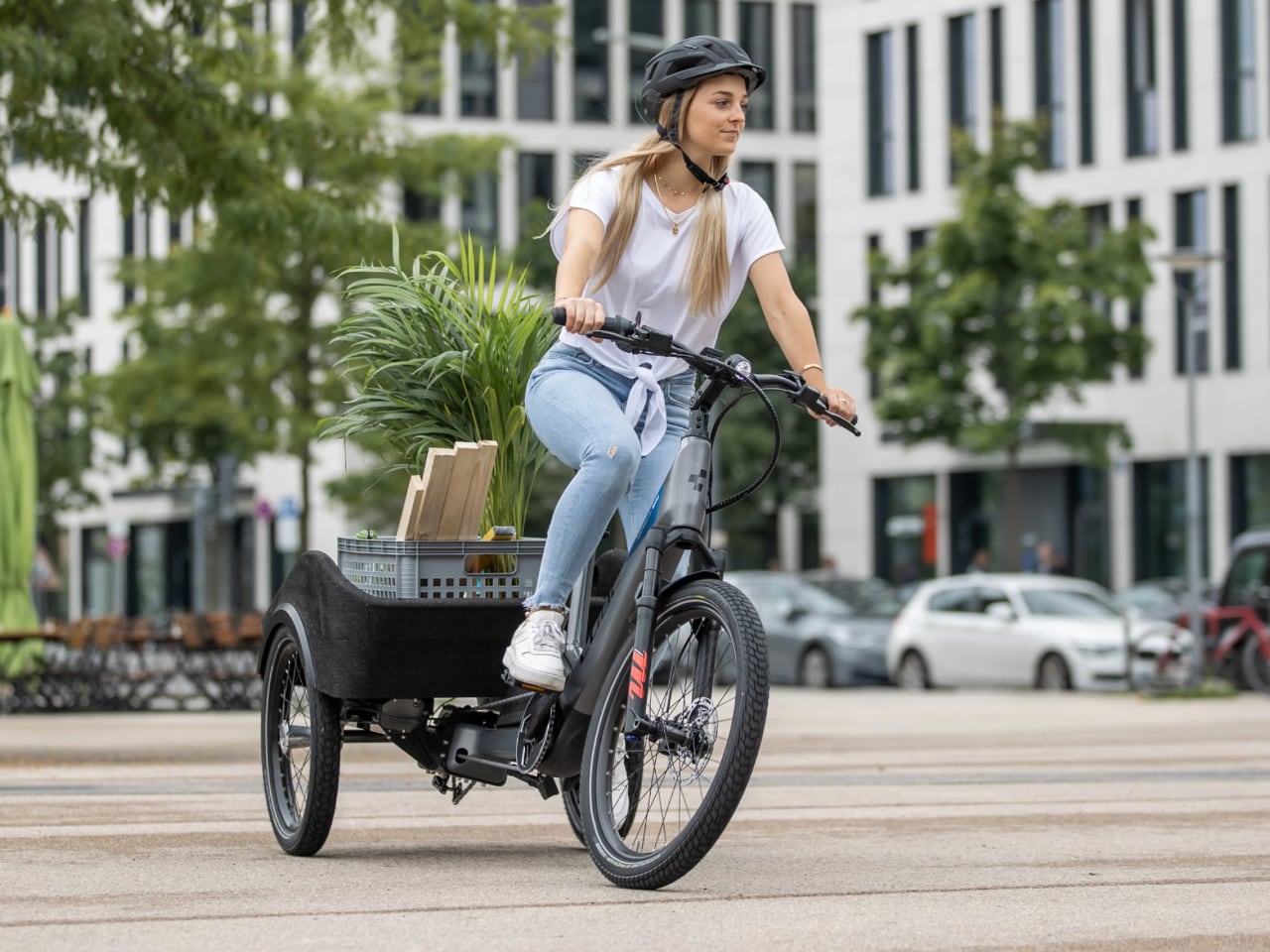
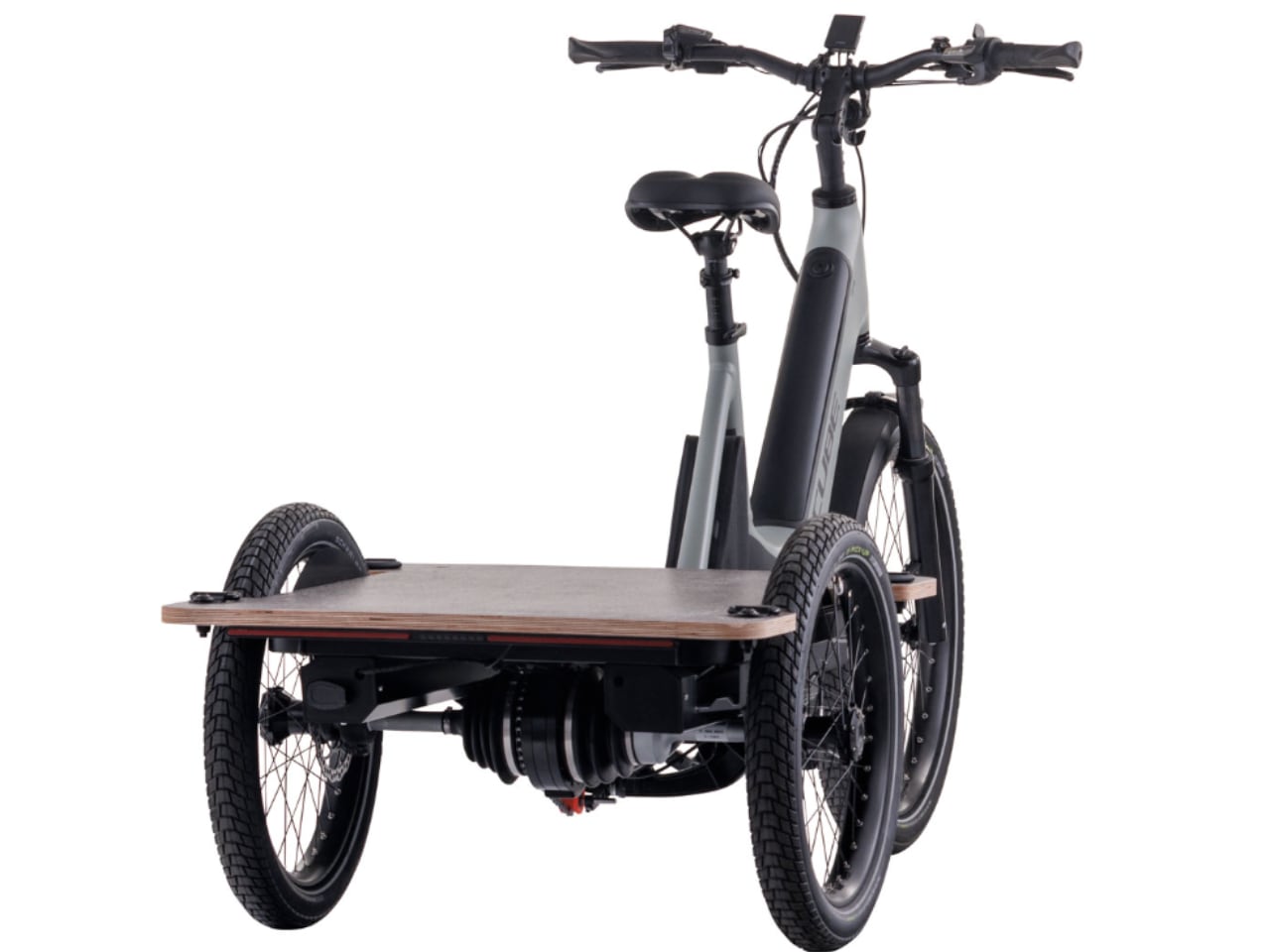
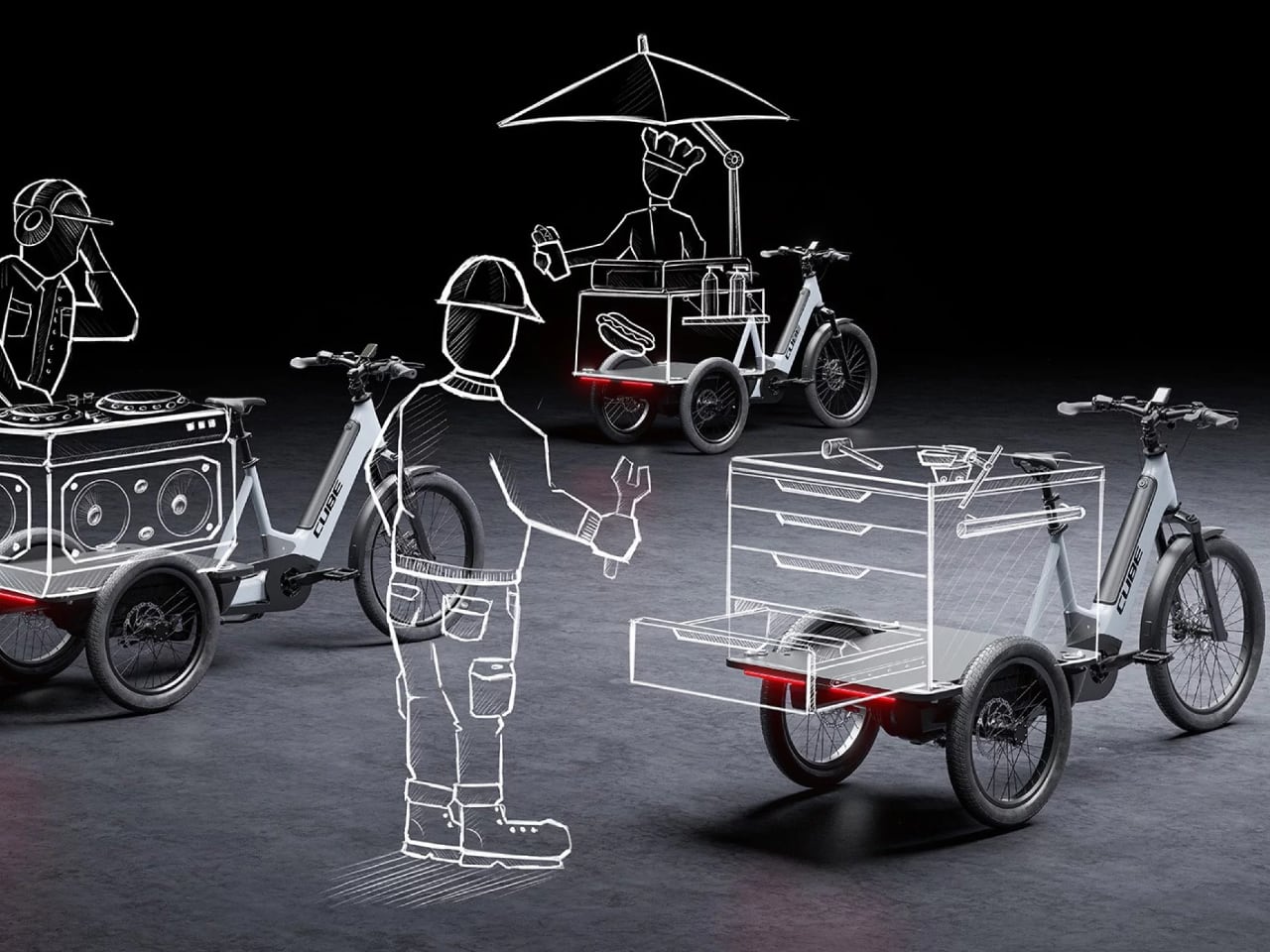
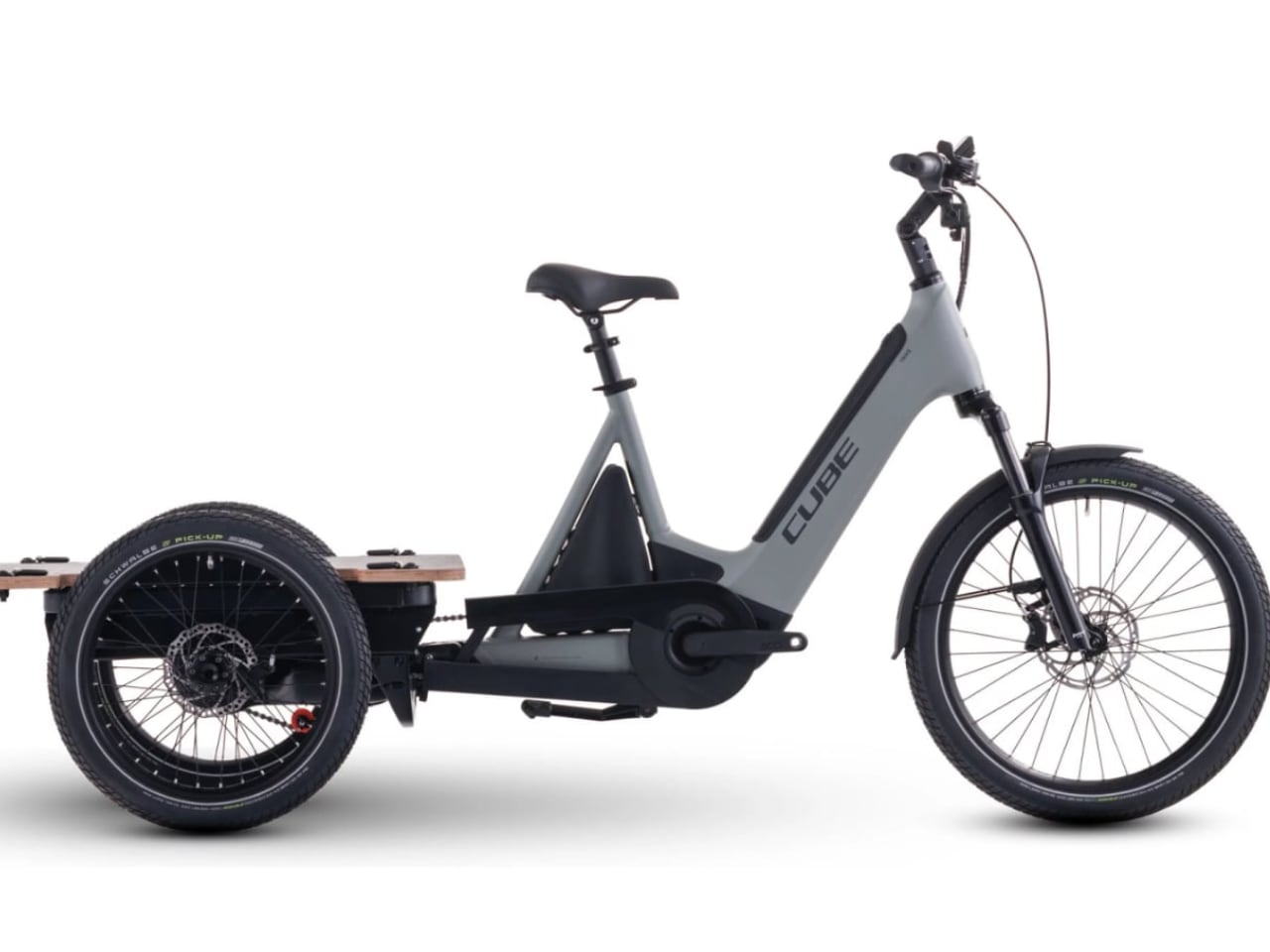
Urban cargo transport has always meant compromise. You get capacity but lose agility, or you get maneuverability but sacrifice load capability. Cube’s Trike Flatbed Hybrid 750 eliminates that trade-off entirely with a tilting rear mechanism that keeps the front wheel responsive while the cargo platform stays stable. This isn’t just another cargo bike with a basket attached. It’s a purpose-built three-wheeler that handles like a regular bike despite carrying up to 60 kilograms of whatever your city life demands.
Designer: Cube
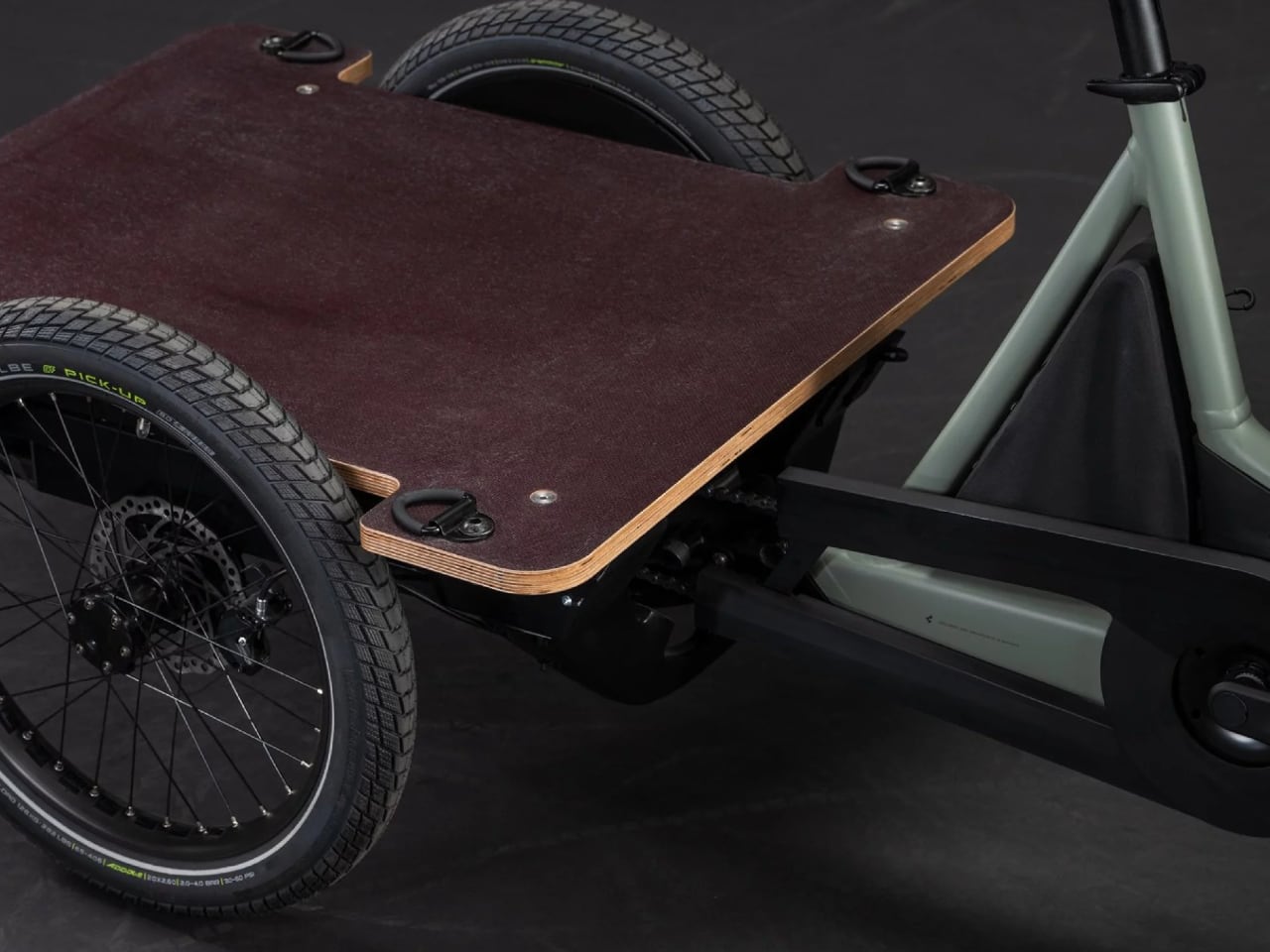
The design philosophy centers on one compelling idea: the flatbed as blank canvas. That open platform invites customization in ways traditional cargo bikes with fixed containers never could. Coffee cart entrepreneurs, mobile vendors, small business owners, and urban families all see something different when they look at that 60kg-capacity deck. Some see a pop-up retail space. Others see a week’s worth of groceries. The platform doesn’t dictate use cases. It adapts to them.
Tilting Technology That Preserves Natural Handling
Most three-wheeled cargo bikes feel exactly like what they are: vehicles optimized for stability at the expense of cornering agility. You turn the handlebars and the entire rig leans as one cumbersome unit, reminding you constantly that you’re piloting something fundamentally different from a bicycle.
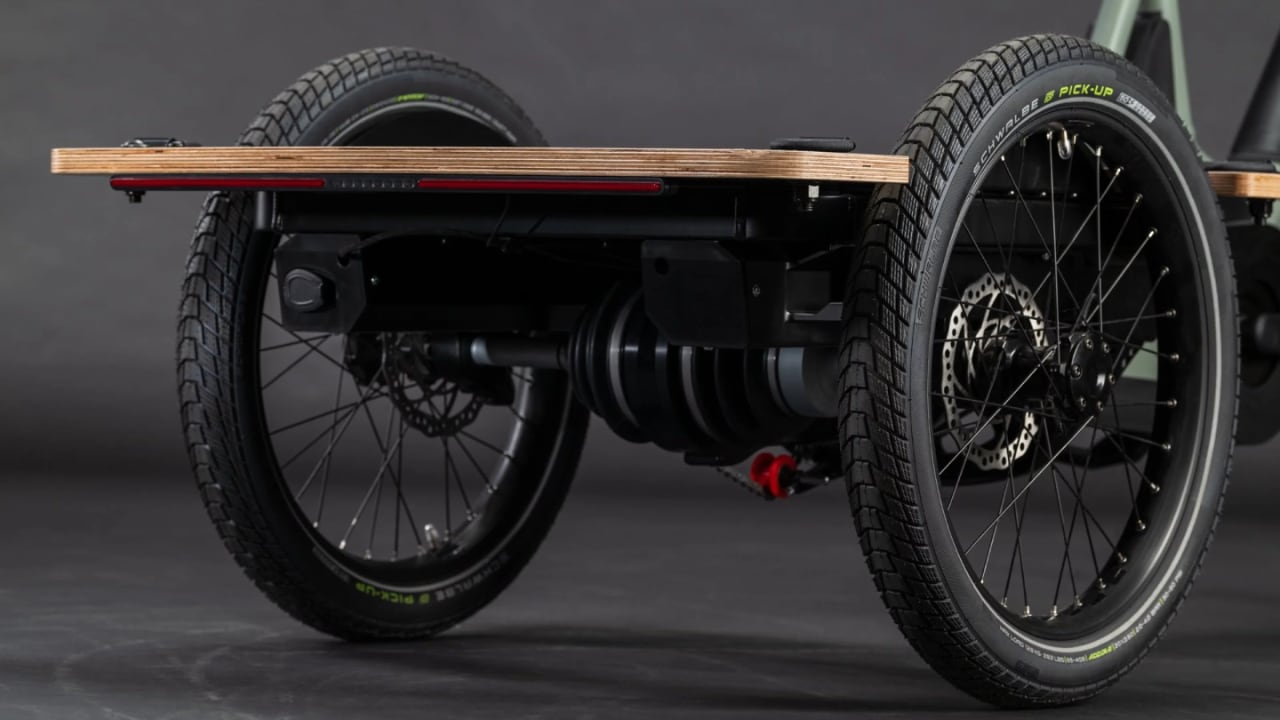
The Flatbed Hybrid 750 solves this with rear tilting that decouples the cargo load from the front steering geometry. When you lean into a corner, the front wheel responds with the natural feedback and precision of a standard bike. The rear platform stays level, keeping your cargo stable while you maintain the intuitive handling that makes cycling feel effortless.
It’s the kind of mechanical solution that feels obvious once you experience it, yet took genuine engineering thought to implement correctly. The short wheelbase amplifies this advantage, giving you tight turning radius and city-friendly parking capability that larger cargo solutions simply can’t match.
Power System, Frame Construction, and Material Intelligence
Cube specified the Bosch Cargo Line motor with 85Nm of torque paired with a 750Wh PowerTube battery. This isn’t a standard e-bike motor adapted for cargo duty. It’s purpose-built for moving weight through city streets, up inclines, and across the stop-and-go rhythm of urban traffic.
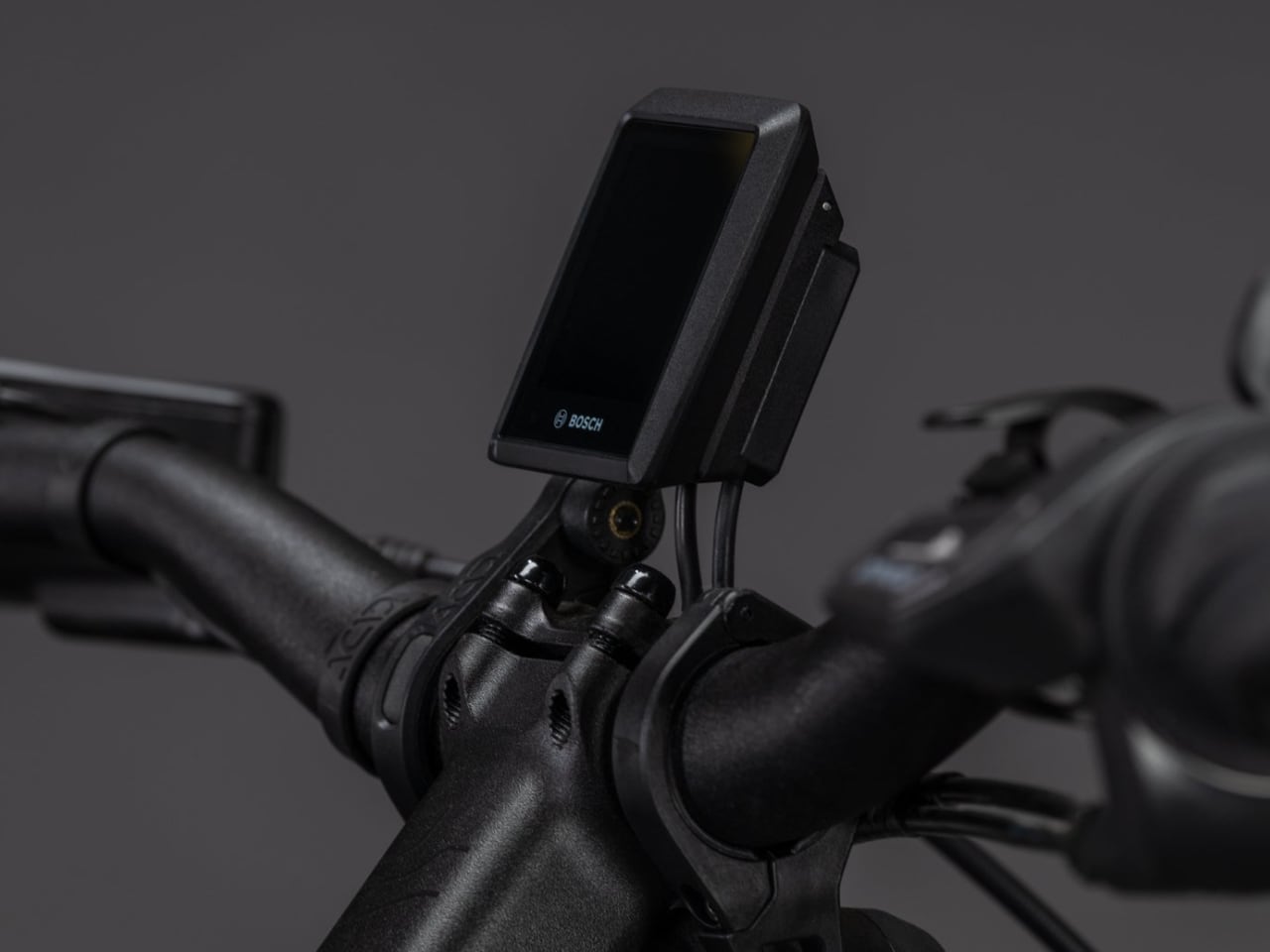
The capacity handles extended routes or full workdays without range anxiety creeping in. The Bosch Kiox 300 display integrates cleanly into the cockpit, giving you ride data and battery status without visual clutter. LED remote keeps controls accessible without forcing your hands off the grips.
The frame uses aluminum Superlite construction to balance the competing demands of cargo capacity and manageable weight. At 65 kilograms for the complete bike, it’s substantial but not absurd. The maximum system weight reaches 220 kilograms, accounting for rider and cargo together. That’s real utility capacity without requiring forklift-grade construction.
Critical frame components use aluminum gravity casting, an advanced manufacturing process that ensures structural strength where it matters most while maintaining the clean lines that define modern industrial design. The Comfort Ride Geometry tunes frame angles and dimensions specifically for stability and rider comfort across long sessions or rough city surfaces. This isn’t aggressive sport geometry adapted for cargo use. It’s ground-up design for urban utility. The step-through frame accommodates riders from 1.60 meters to 1.90 meters (roughly 5’2″ to 6’2″), with adjustable stem and seat making one size genuinely fit most users.
Downtube storage adds practical capacity for tools, locks, or daily essentials without eating into your primary cargo platform. The optional front rack expands carrying capability further for riders who need maximum versatility. Every storage solution integrates cleanly rather than looking bolted on as an afterthought.
The entire system feels cohesive rather than assembled from disparate components, with charging happening via a 4A charger that balances speed with battery health for daily-use vehicles. The engineering reveals itself in small decisions that compound into a cohesive whole, from component selection through geometry tuning to accessory integration.
Suspension and Rolling Stock
The SR Suntour MOBIE 34 CARGO 24″ fork with 100mm of travel specifically targets cargo trike applications. City streets aren’t smooth test tracks. They’re pothole-riddled, uneven surfaces where suspension matters for rider comfort and cargo protection. The fork absorbs impacts that would otherwise transmit straight through a rigid setup, making long urban routes less punishing on your body and your cargo.
Wheel sizing splits between 24-inch front and 20-inch rear, optimizing for a low center of gravity that enhances stability while making loading and unloading easier. CUBE EX40 rims come tubeless-ready with robust spoke counts (36H front, 32H rear) designed to handle cargo loads without constant truing. Schwalbe Pick-Up Super Defense tires bring the durability and urban grip that cargo applications demand, resisting punctures and providing confident traction across varied city surfaces.
Modular Platform Philosophy and Component Integration
The Flatbed Hybrid 750 establishes modular urban mobility as a legitimate design language. That open platform invites iteration and customization in ways that closed cargo boxes actively prevent. A food truck operator sees space for a custom coffee cart build. A mobile repair business sees a rolling workbench. Families see grocery capacity and weekend adventure potential. Each vision works because the platform doesn’t impose a singular use case.
The swampgrey and reflex colorway keeps the aesthetic modern and understated, letting custom cargo solutions provide the visual personality rather than forcing the bike itself to shout for attention. It’s the industrial design equivalent of a well-designed neutral backdrop that makes everything you place on it look better.
ACID components throughout the finishing kit (grips, lights, mudguards, storage options) create an ecosystem of compatible accessories. You’re not hunting through third-party catalogs hoping for fitment compatibility. The system is designed to expand and adapt as needs change. Tektro Auriga Twin+ hydraulic disc brakes include a parking lock feature that adds crucial safety when stopped for loading, unloading, or temporary parking on inclines. All-weather reliability comes standard, recognizing that urban utility vehicles can’t take weather days off.
Enviolo Cargo shifters deliver stepless gear transitions designed specifically for loads, with no hunting for the right gear or worrying about shifting under torque. You adjust continuously as terrain and load demand, keeping power delivery smooth and intuitive. It’s the kind of component choice that reveals thoughtful system integration rather than spec-sheet box-checking. The entire drivetrain recognizes that cargo cycling demands different performance characteristics than recreational riding or commuting.
The step-through design removes the athletic barrier that traditional bike frames create. You don’t need to swing your leg over a high top tube while managing cargo or wearing work clothes. You step through, adjust the seat if needed, and go.
Universal Access for Shared Urban Futures
The adjustable geometry and intuitive controls make this genuinely shareable across families, businesses, or community programs. There’s no specialized training required. If you can ride a bike, you can ride this. The parking brake, integrated lights, bell, and mudguards handle the practical details that separate concept vehicles from daily-use tools. Cube positions this within their broader cargo ecosystem alongside Family Hybrid and Cargo Hybrid configurations, recognizing that urban mobility needs vary. The Flatbed version specifically targets the blank-canvas modularity that businesses and adaptable use cases require. It’s futureproofed not through tech features that will age, but through physical adaptability that responds to changing needs over years of use.
The Trike Flatbed Hybrid 750 proves that cargo capacity and bicycle agility aren’t mutually exclusive when you engineer the solution correctly. Tilting technology, modular design, and purpose-built components create a platform that adapts to urban life rather than forcing urban life to adapt to it.
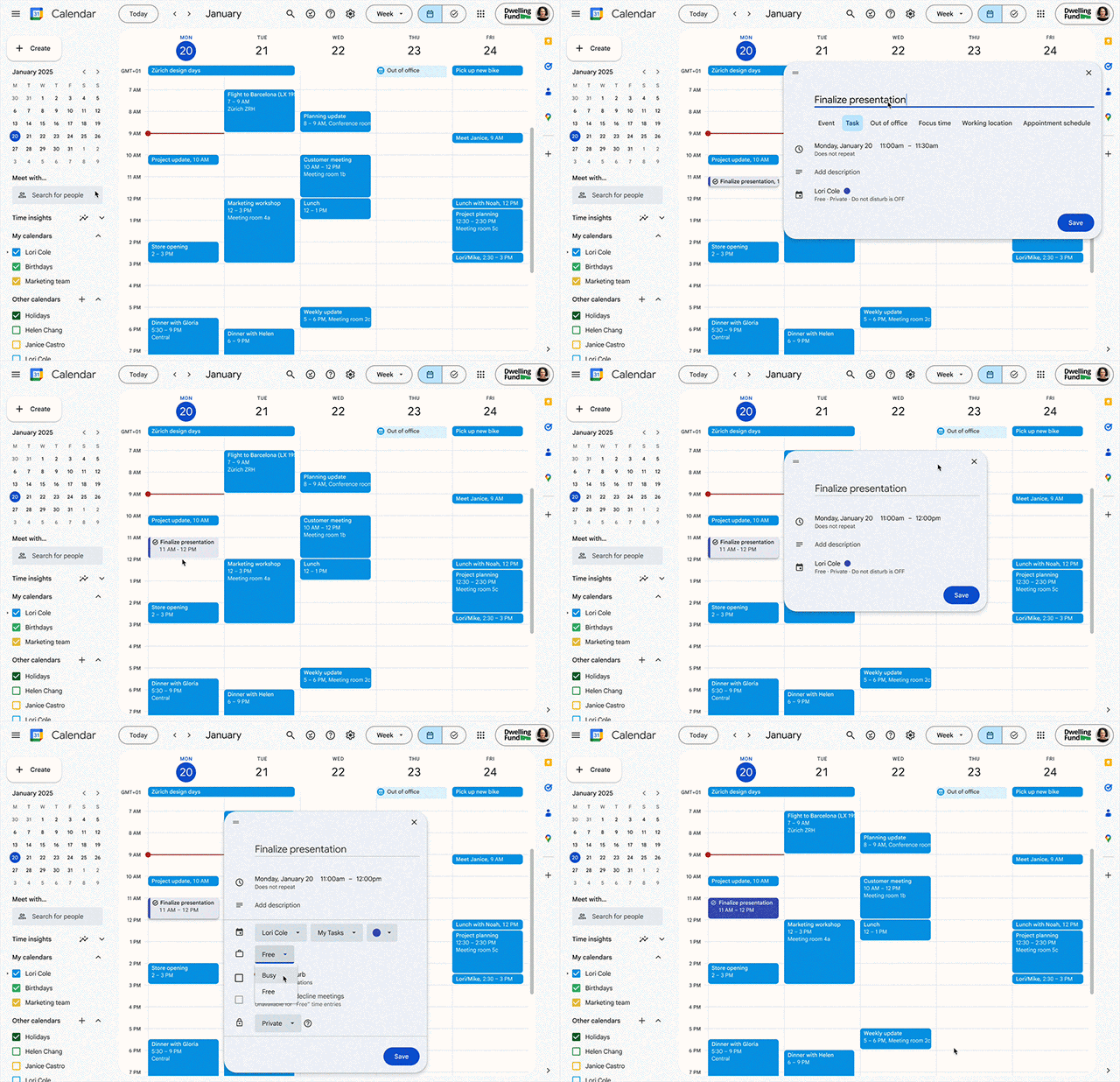
Productivity setups are a personal thing. Some people swear by to-do lists and apps, some people like scheduling and planners. For those in the latter camp, Google has made a minor but valuable addition to the Workspace suite. Going forward, you'll be able to block off segments of time in Google Calendar for working on specific tasks. You can add descriptions and set your preferences for that task in regard to do not disturb and visibility settings. It's a nice step up from scheduling meetings with yourself when you have to focus on a particular assignment (which several of us at Engadget have been known to do).
Google
This option began appearing for Google's Rapid Release domains earlier in November, while standard release domains will see a gradual release beginning December 1. Once it’s fully rolled out, it will be available by default, whether you're a Google Workspaces customer or just using a personal Google account.
This article originally appeared on Engadget at https://www.engadget.com/apps/google-calendar-now-lets-you-schedule-tasks-231026000.html?src=rss
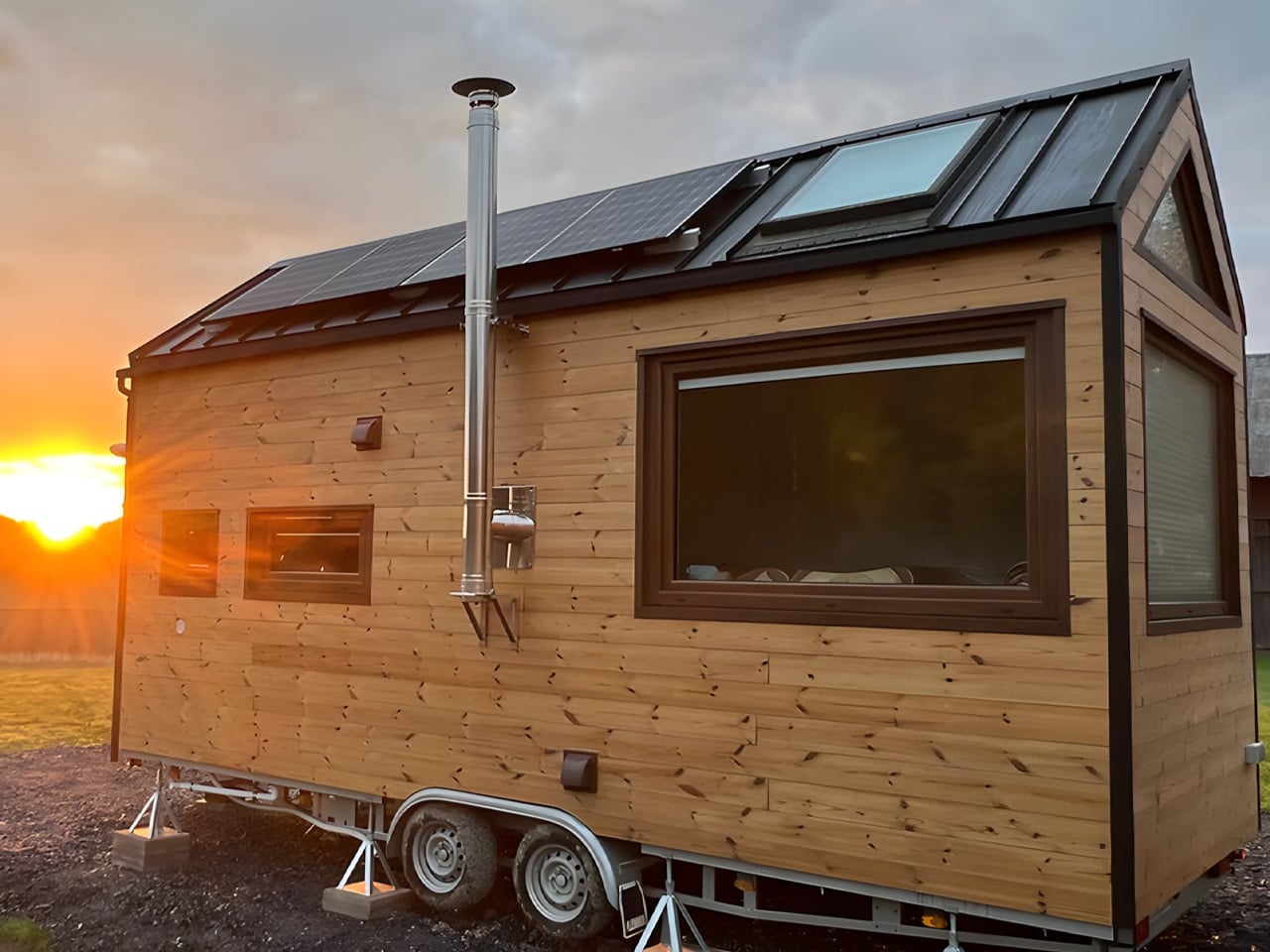
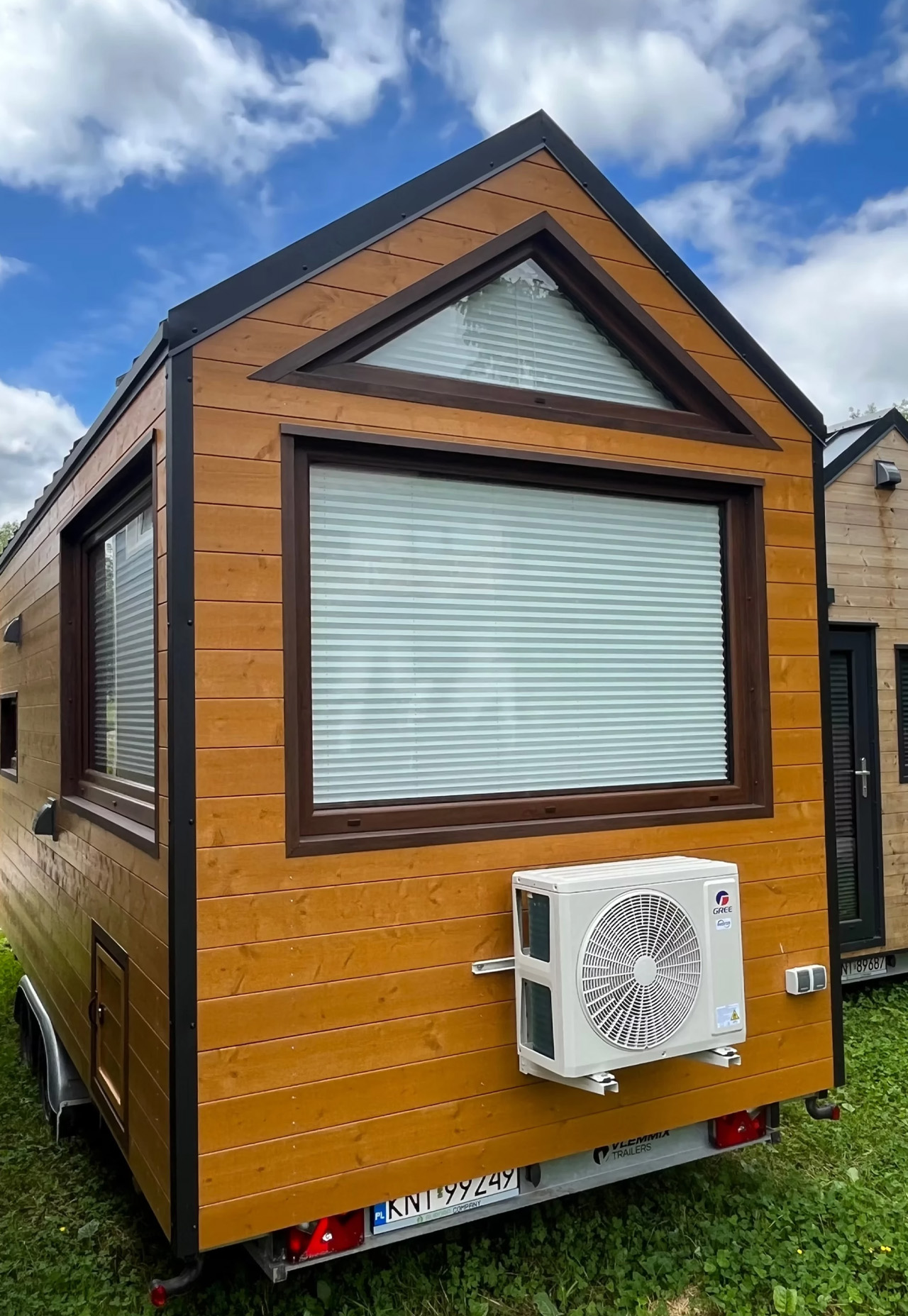
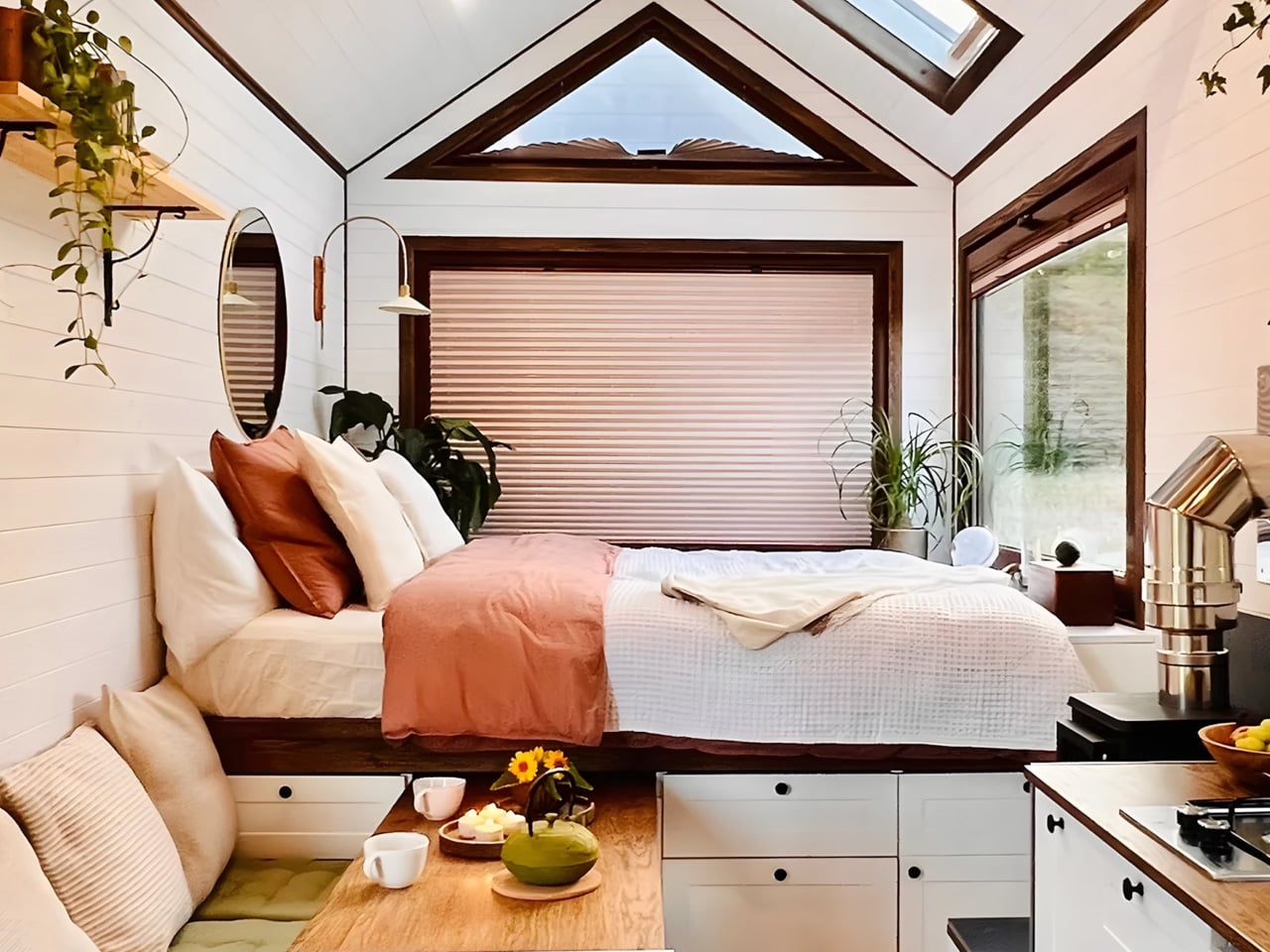
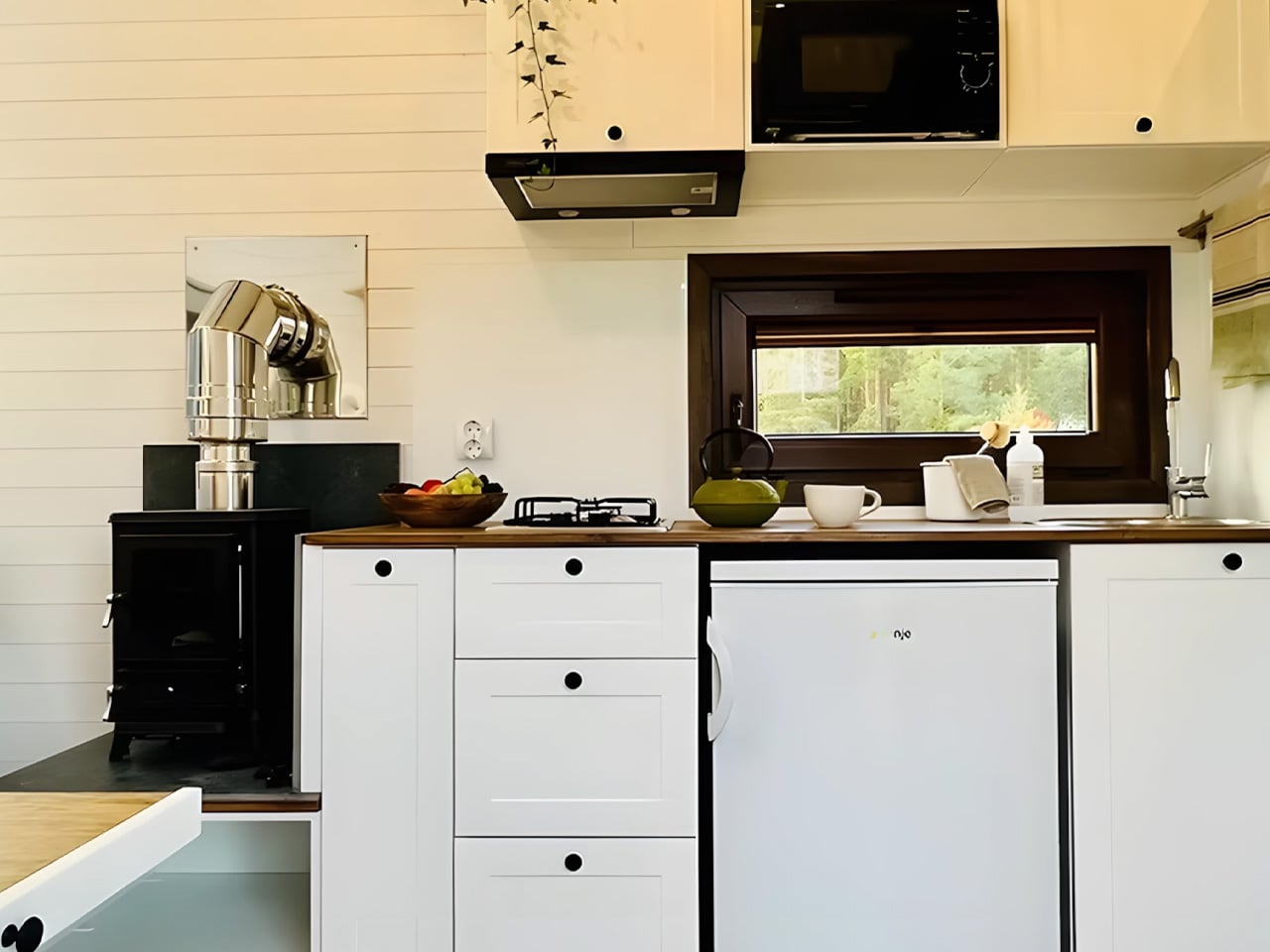
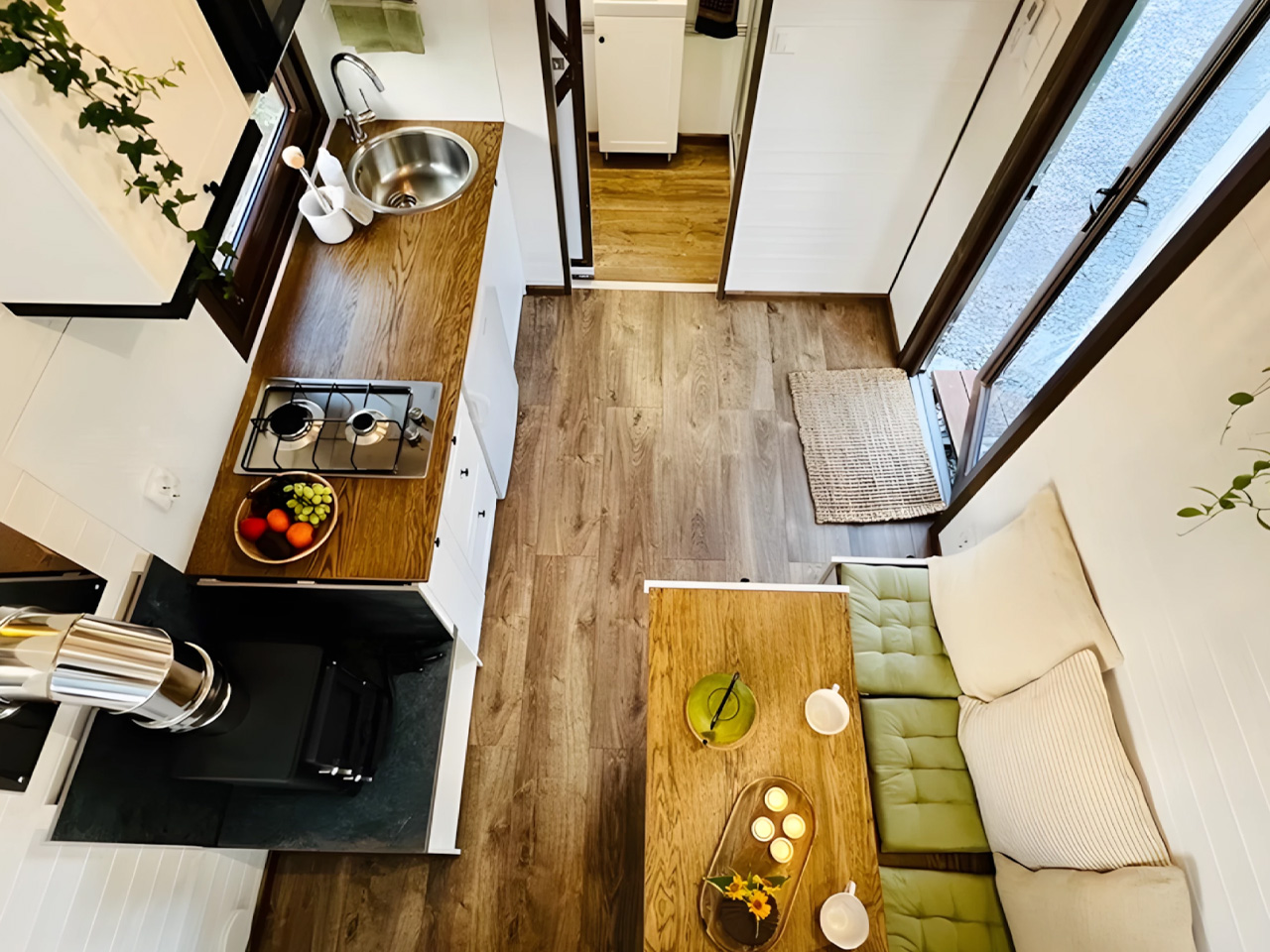
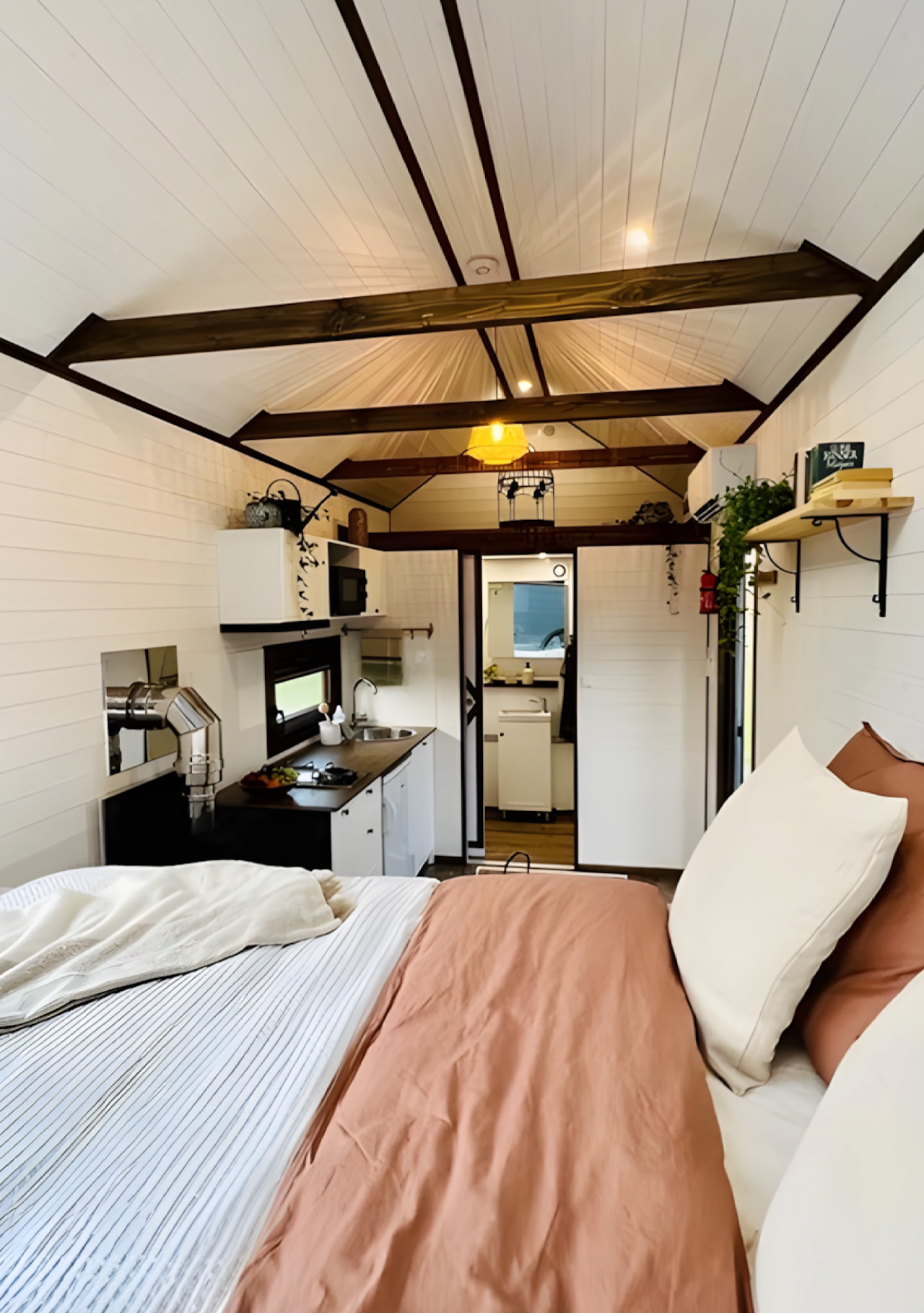
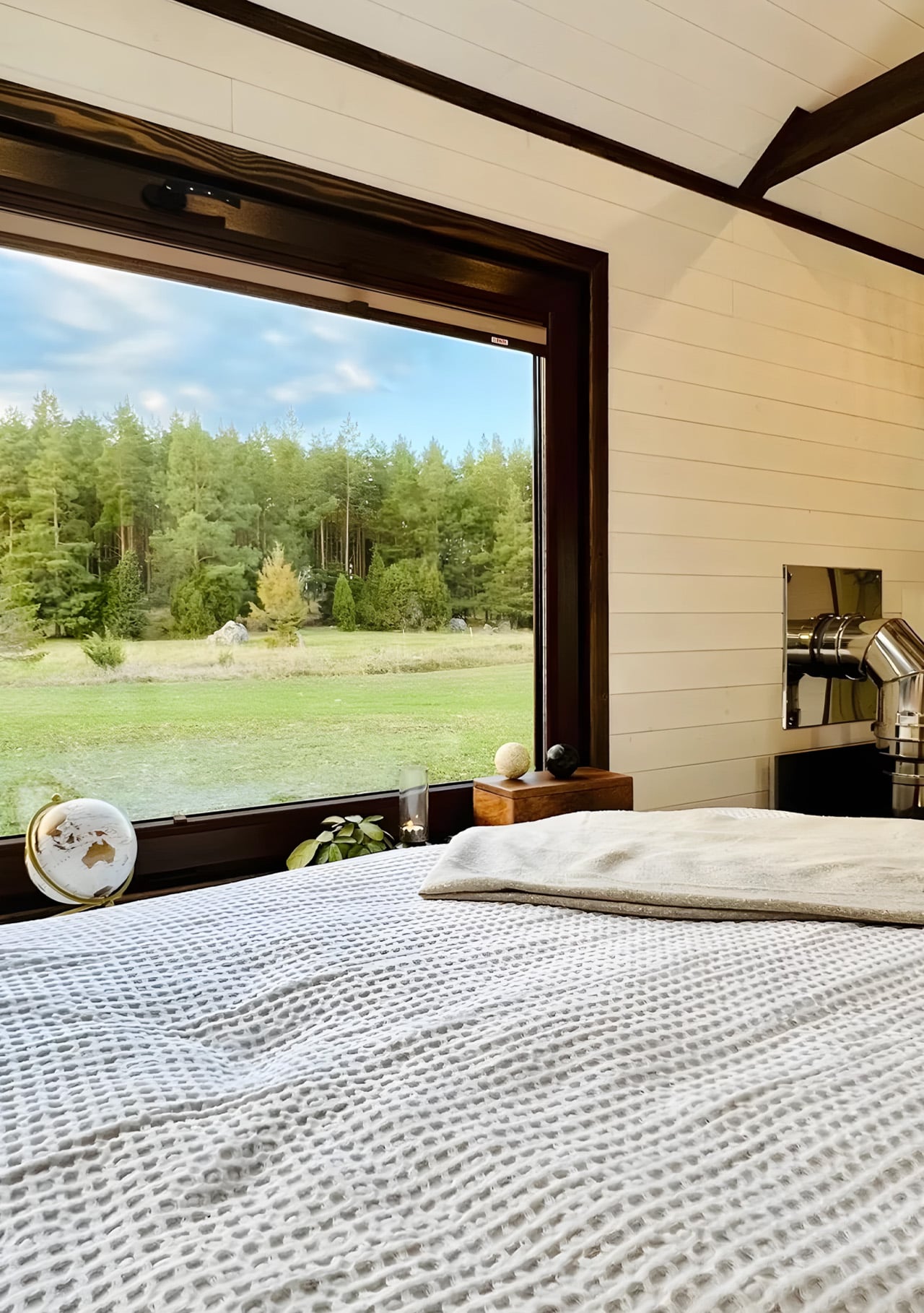
Nestled in the peaceful Swedish countryside, Vagabond Haven’s Sofia tiny house proves that living small doesn’t mean sacrificing style or comfort. At just 172 square feet, this compact dwelling has captured the attention of the tiny house community for its clever use of space and its unrelenting connection to nature. The first thing you notice about Sofia is the windows. Large panoramic panes wrap around the interior, while a strategically placed roof skylight sits directly above the king-sized bed. This design choice transforms the sleeping area into a private observatory where residents can watch clouds drift by during the day and count stars at night. The bohemian chic interior complements this openness, creating an atmosphere that feels more like a cozy retreat than a tiny house.
Built on a double-axle trailer measuring 20 feet in length, Sofia maintains the mobility that makes tiny house living so appealing. The spruce construction keeps the weight manageable while providing the structural integrity needed for Scandinavian winters. Vagabond Haven designed this model specifically for year-round living in harsh Nordic conditions, ensuring robust insulation and high-quality materials throughout. The dimensions measure 6.1 meters in length, 2.55 meters in width, and 4 meters in height, creating a profile that’s road-legal yet surprisingly spacious once inside.
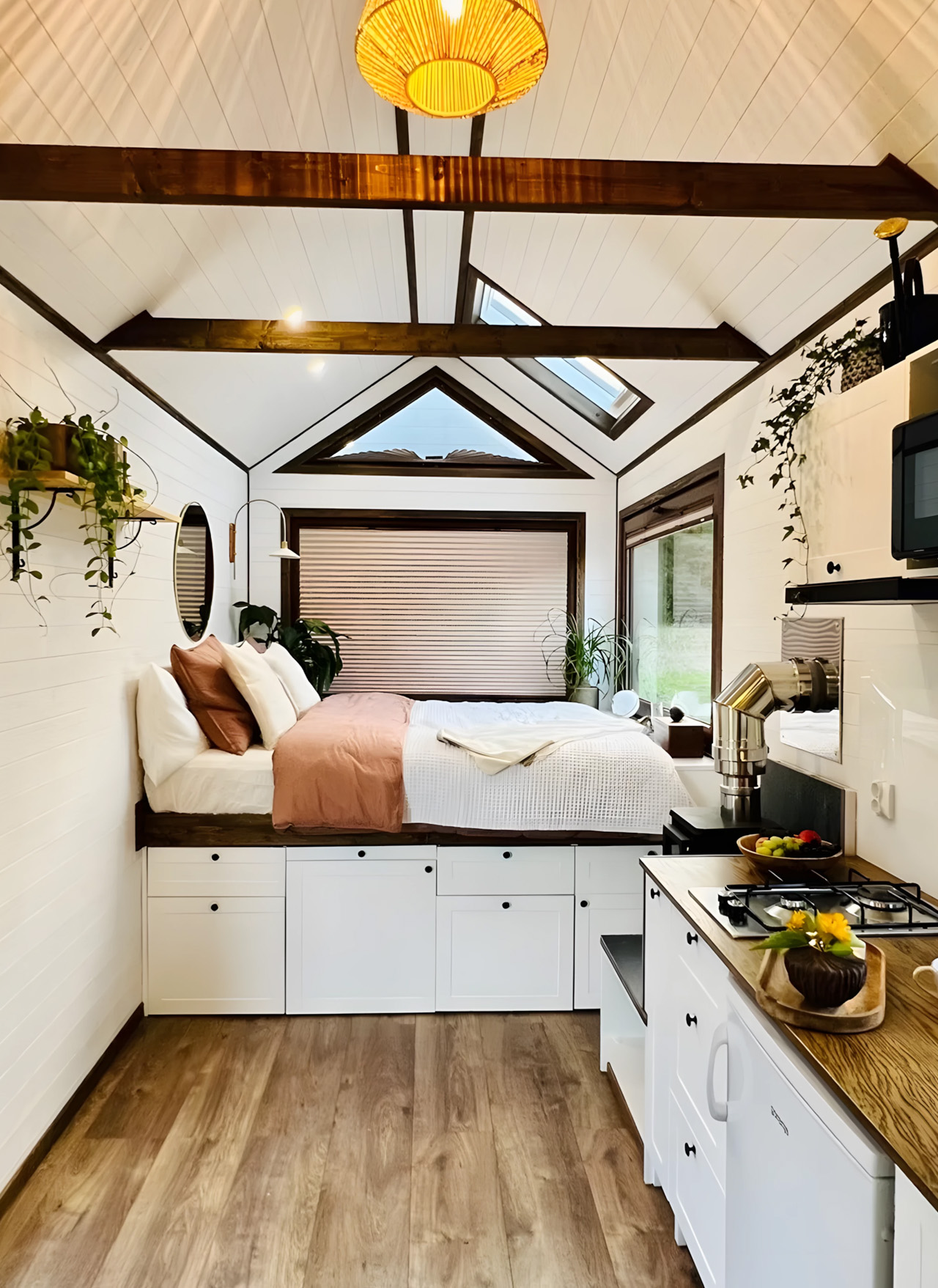
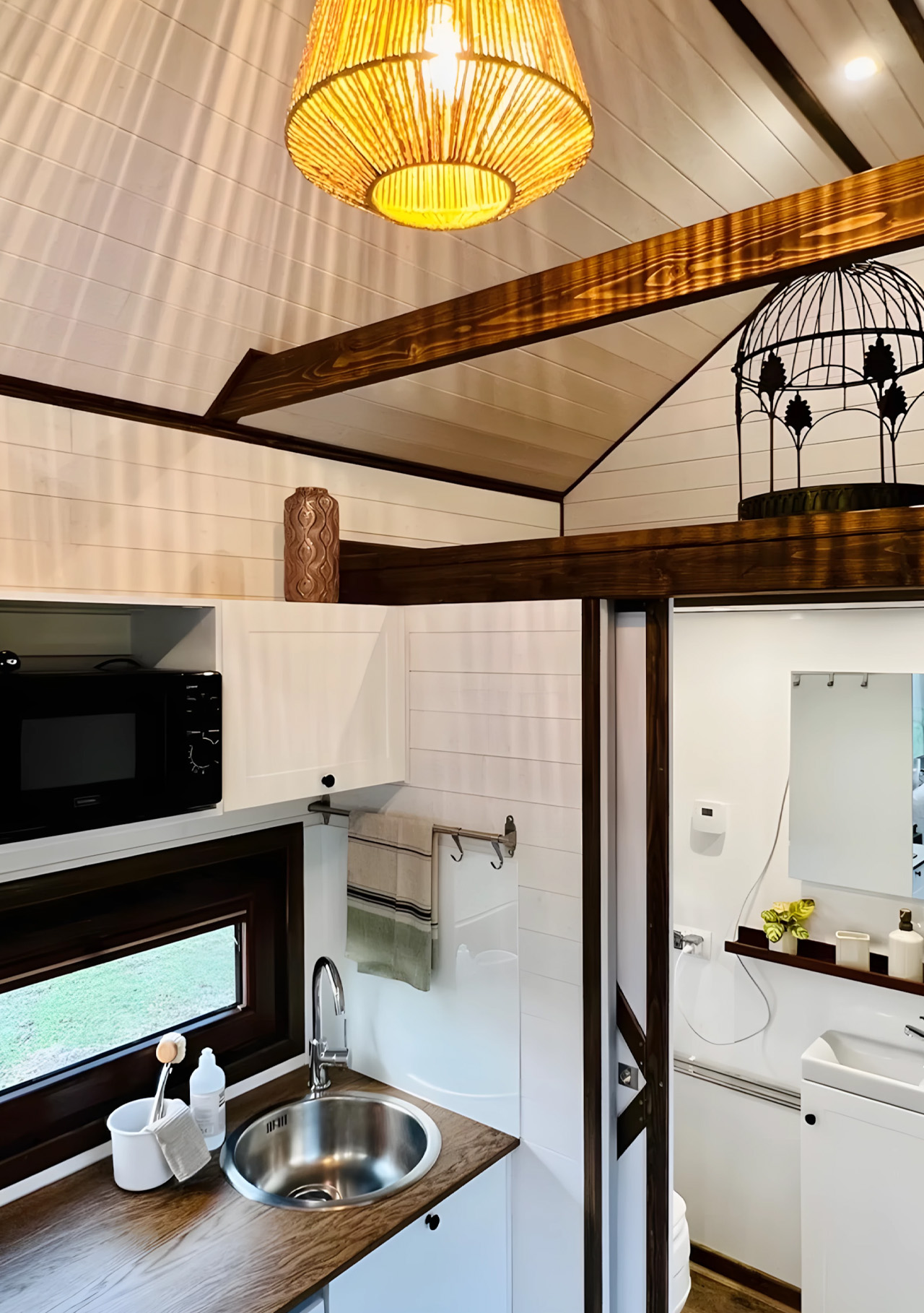
The interior layout showcases thoughtful space planning. The elevated bedroom platform doubles as storage, with slide-out furniture tucked beneath that transforms the area from sleeping quarters to living space. A well-equipped kitchen lines one wall, featuring everything needed for daily cooking without feeling cramped. The living area adapts to different needs throughout the day, proving that 16 square meters can accommodate more activities than you’d expect. This transforming interior design has earned Sofia recognition for making such a compact footprint surprisingly livable for two people.
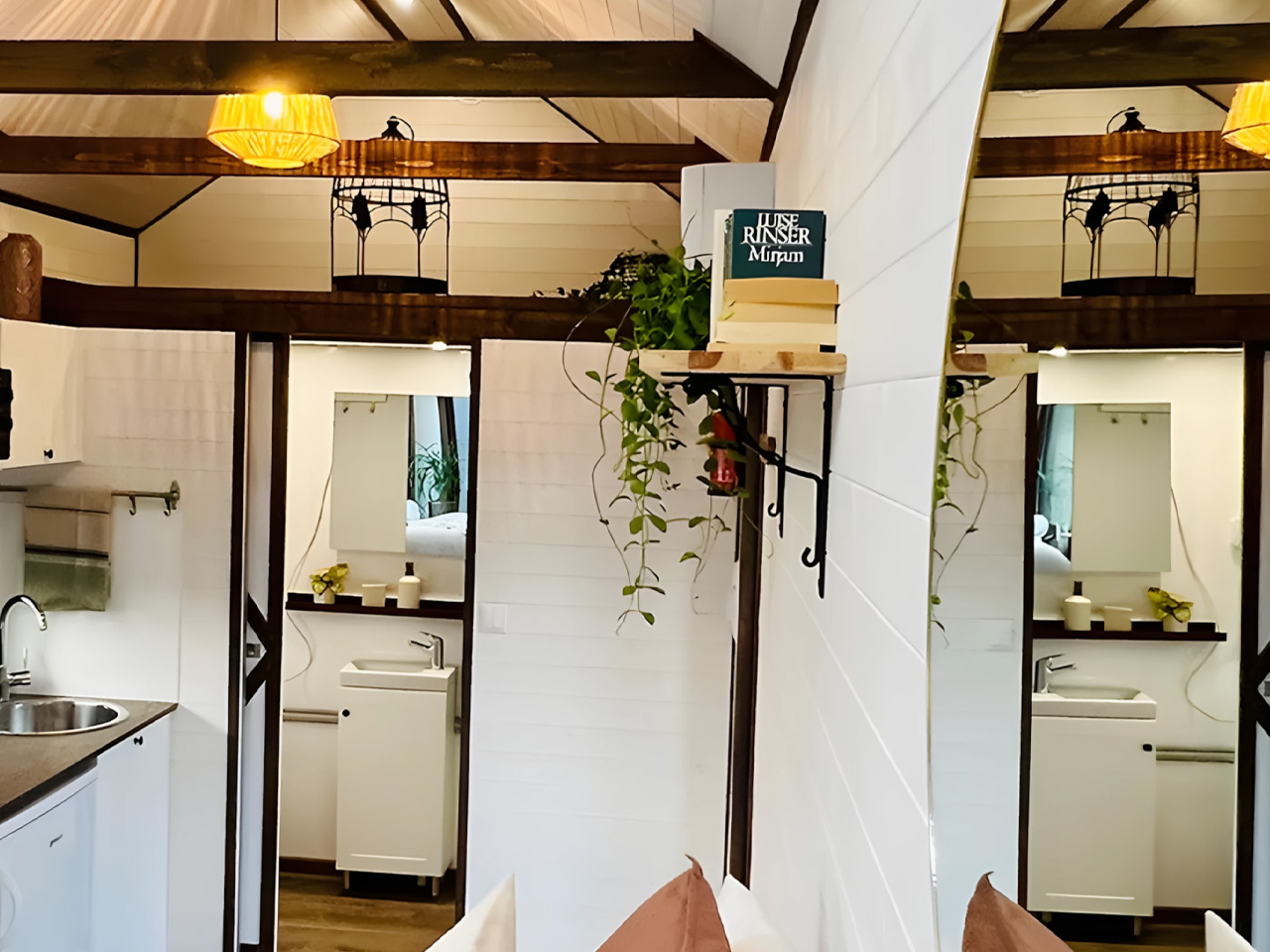
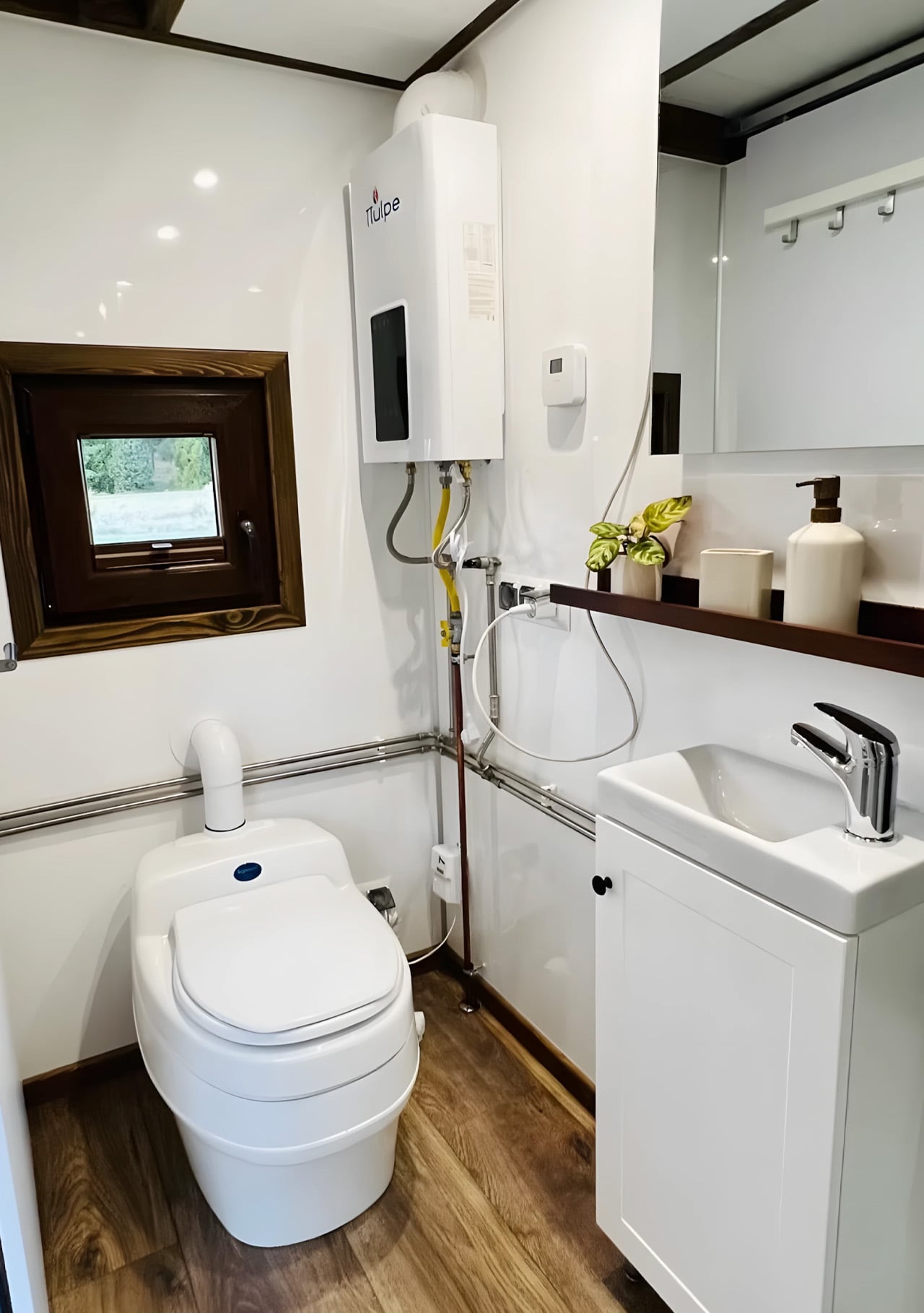
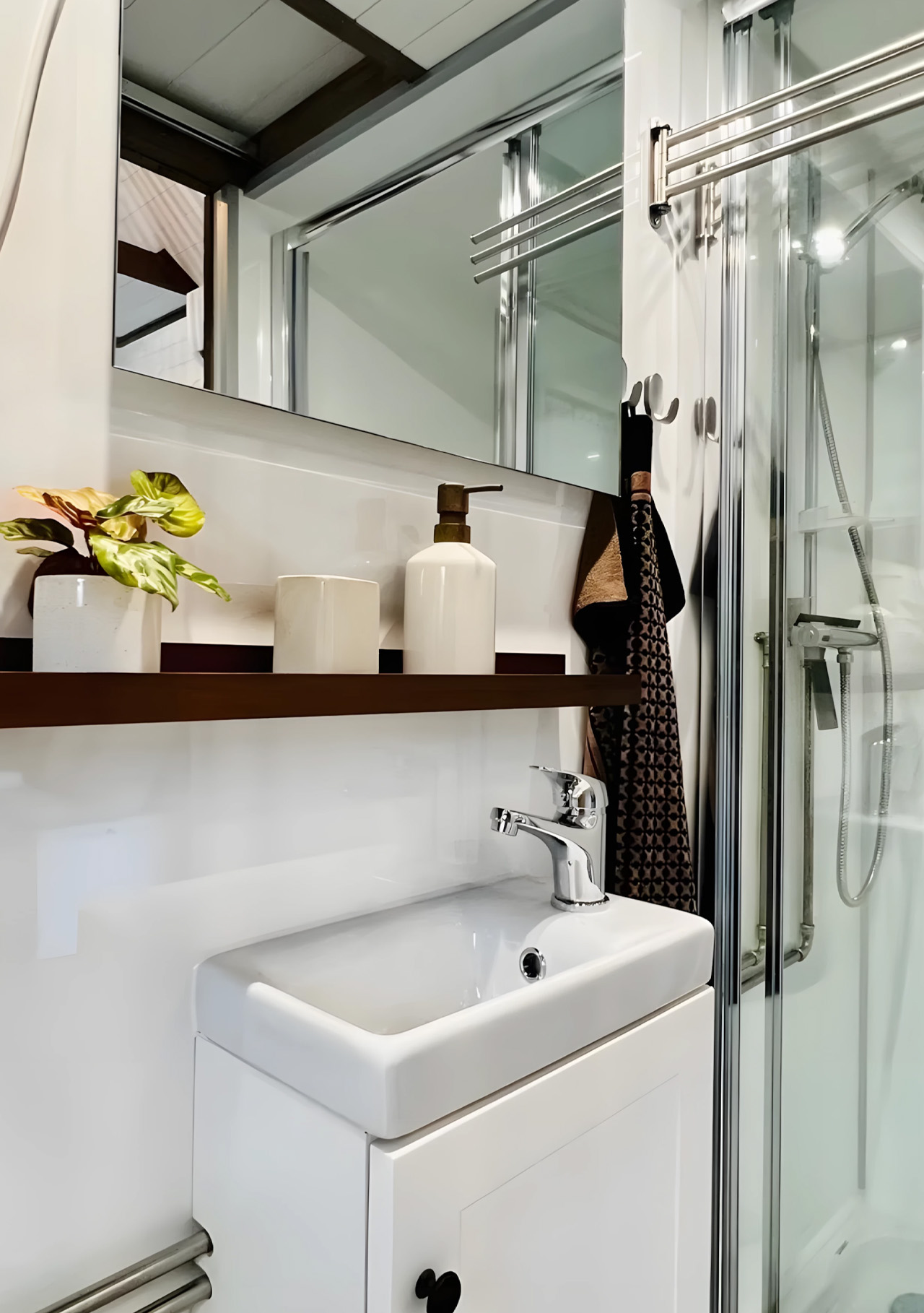
The bathroom deserves special mention for its wet-room design using Fibo Trespo panels. Buyers can choose between flush, composting, or Cinderella incinerating toilets, making the Sofia adaptable to various locations and lifestyles. The shower cabin offers either curtain or glass door options, while an energy-saving water heater keeps utility costs low. These choices reflect Vagabond Haven’s commitment to customization within their standardized models. A cupboard with washing basin and options for infrared or regular mirrors complete the bathroom setup, proving that compact spaces can still offer genuine comfort and flexibility.
What sets Sofia apart from other tiny houses in its size category is the attention to eco-friendly details. The company uses sustainable materials throughout construction and offers various off-grid solutions for those seeking complete independence. A rainwater harvesting system, a recuperator for ventilation, and options for solar power mean Sofia can sit comfortably in remote locations far from municipal services. The design philosophy behind Sofia recognizes that tiny house dwellers want genuine quality, not just miniaturized versions of conventional homes. Every cabinet, window placement, and storage solution serves multiple purposes. The result feels intentional rather than cramped, stylish rather than sparse.
For those interested in seeing Sofia firsthand, Vagabond Haven offers a 3D virtual tour on their website, allowing potential buyers to explore the space before making the journey to Sweden. Ready-built models can ship within two to four weeks when in stock, while custom orders take longer but allow buyers to select specific materials, colors, and finishes that match their vision. Sofia represents a sweet spot in the tiny house market: small enough to remain affordable and mobile, yet large enough to serve as a legitimate full-time home for couples or solo dwellers seeking connection with nature and freedom from excess.
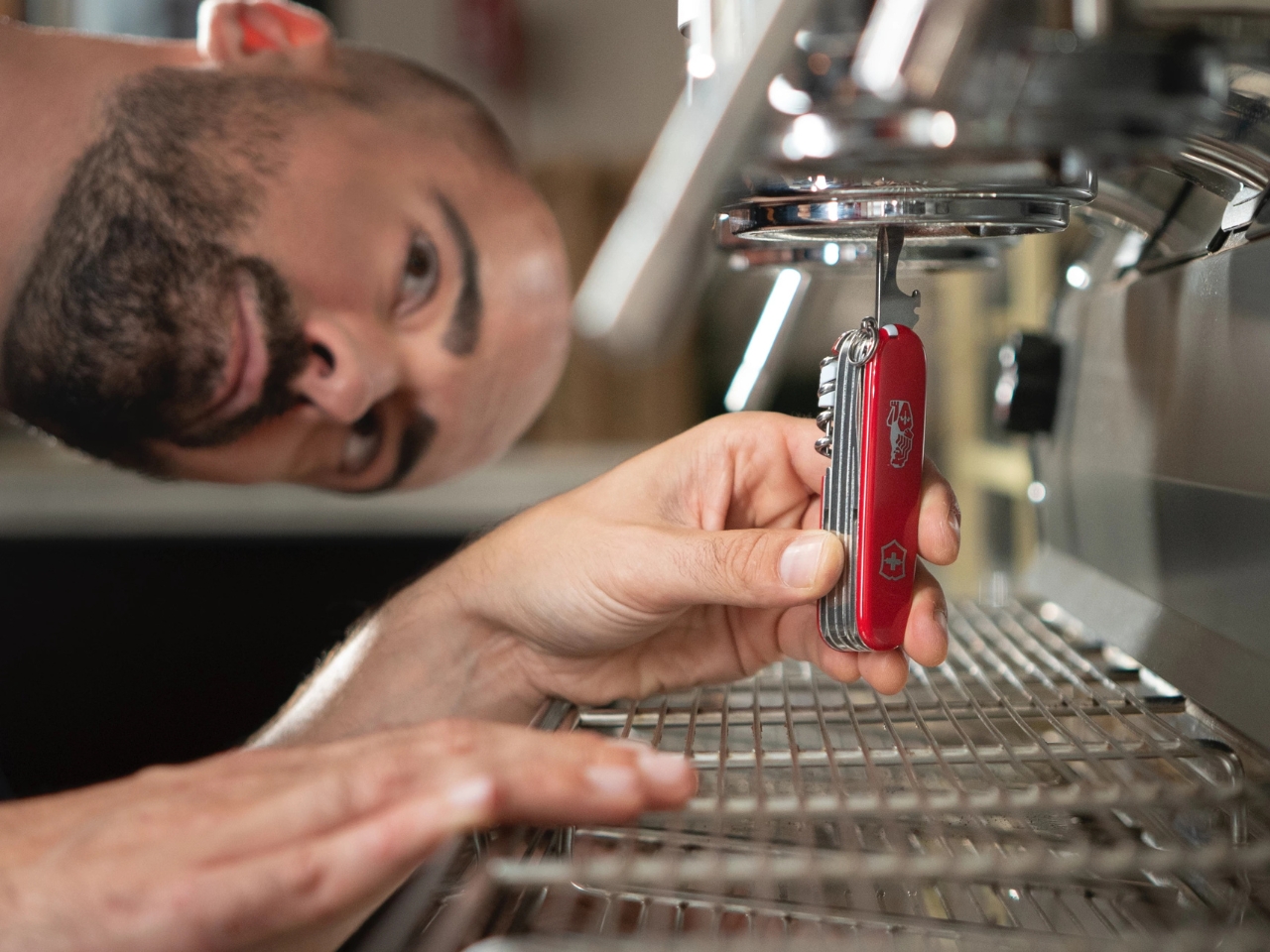
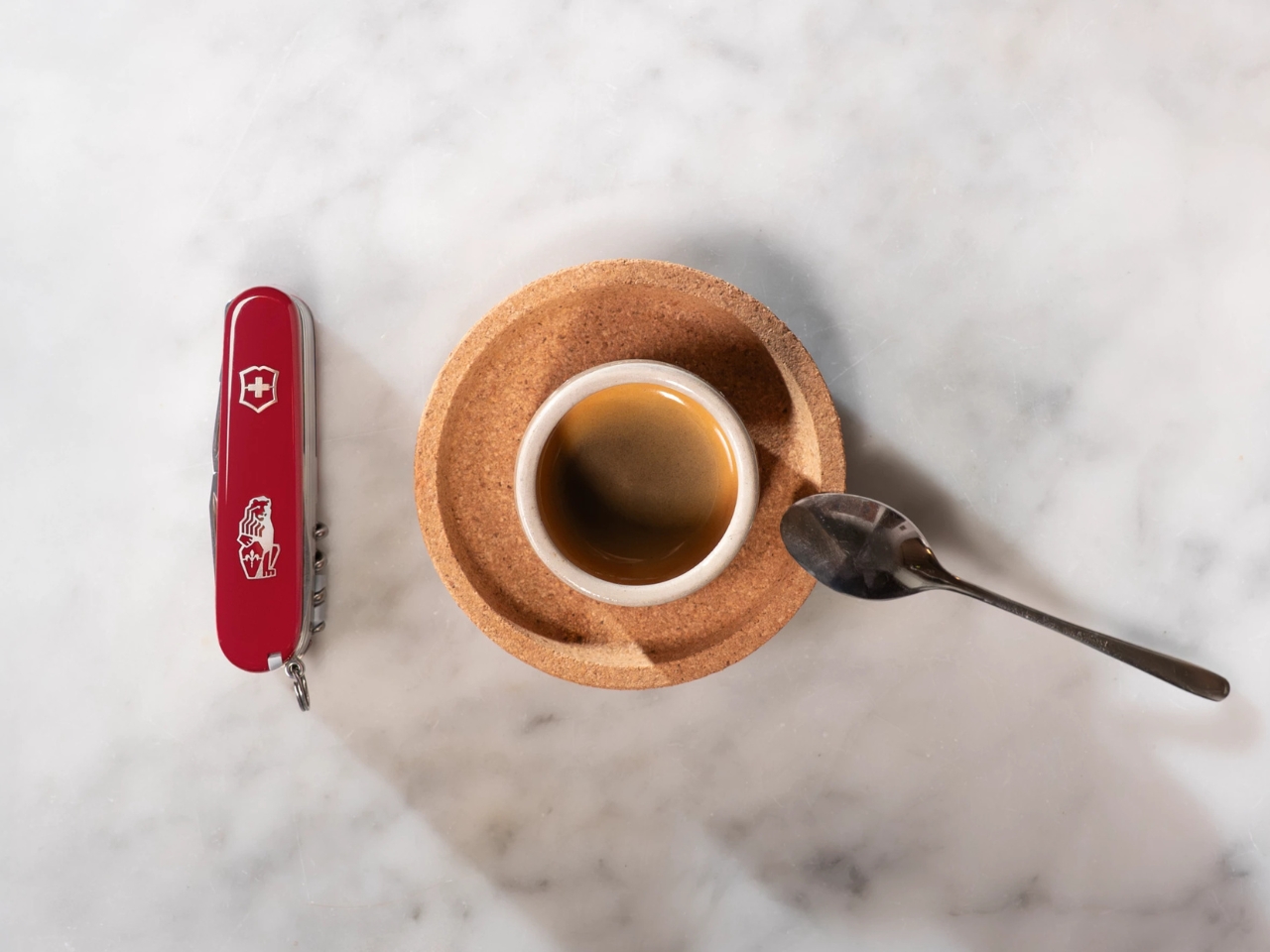
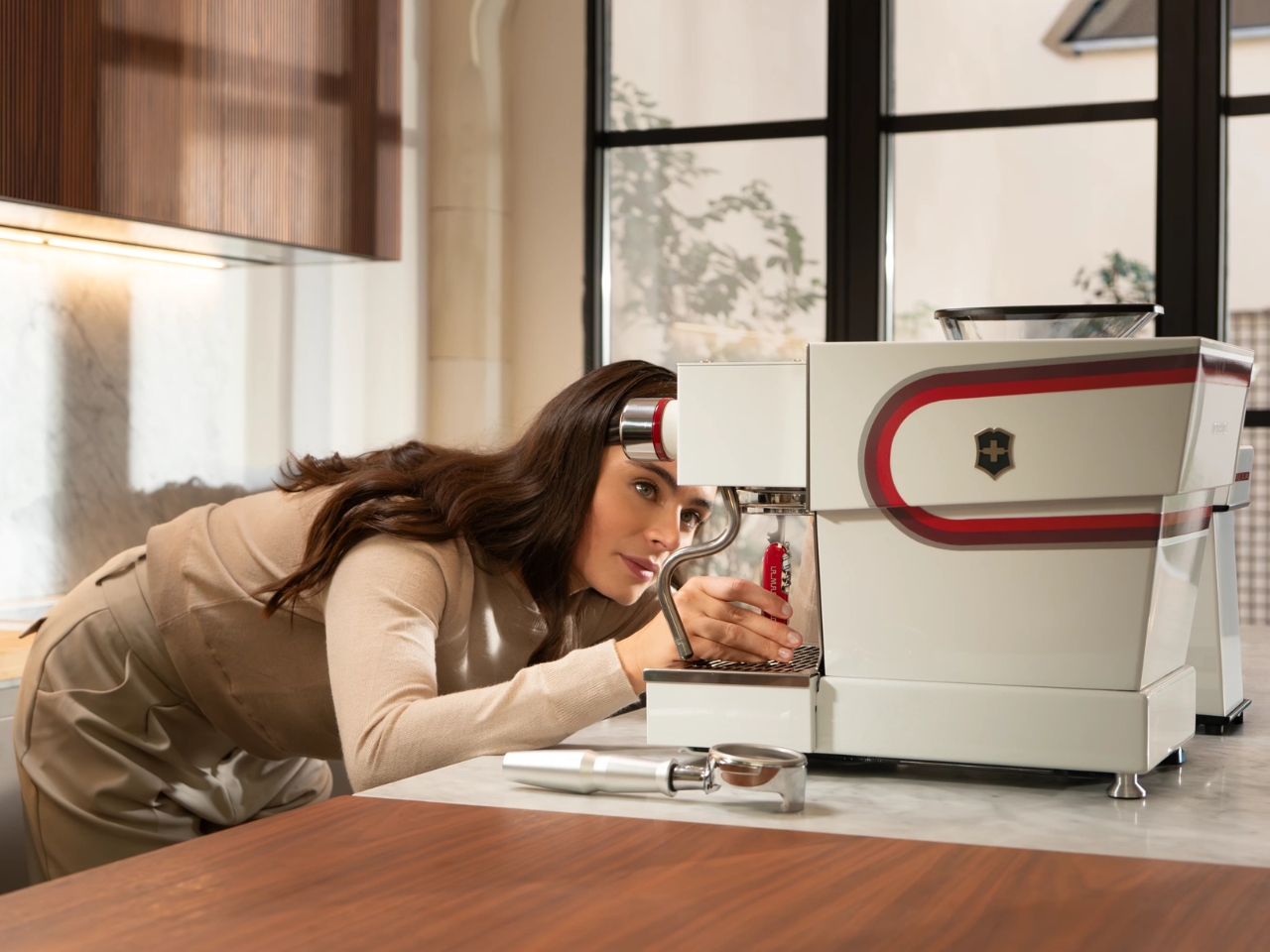
You know that moment when you’re trying to deep clean your espresso machine and you’re juggling three different screwdrivers, a wrench, and some weird proprietary tool that came in the box five years ago? Well, Victorinox and La Marzocco apparently had the same frustration, because they just dropped a collaboration that feels like it was designed specifically for that chaotic kitchen drawer situation.
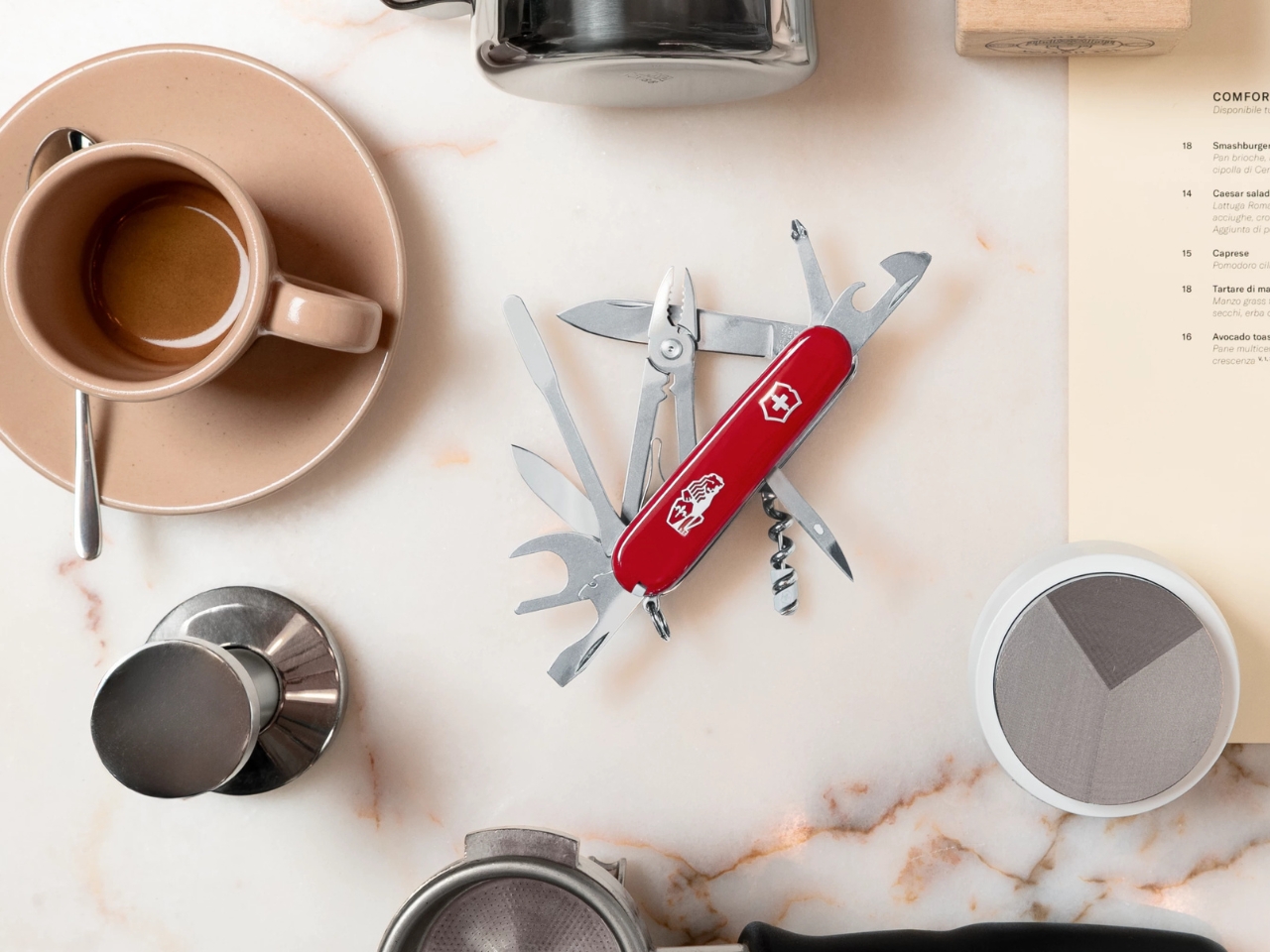
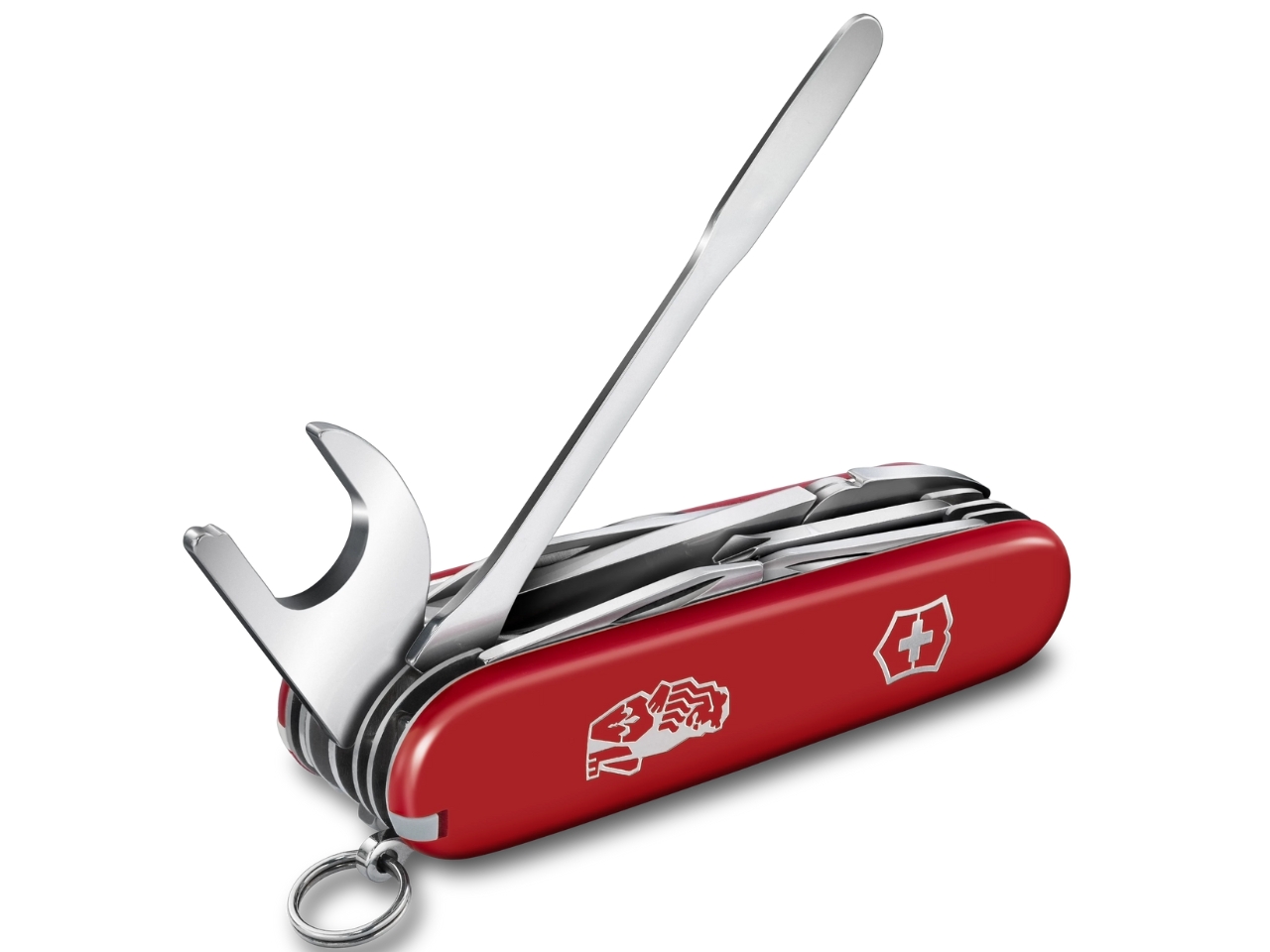
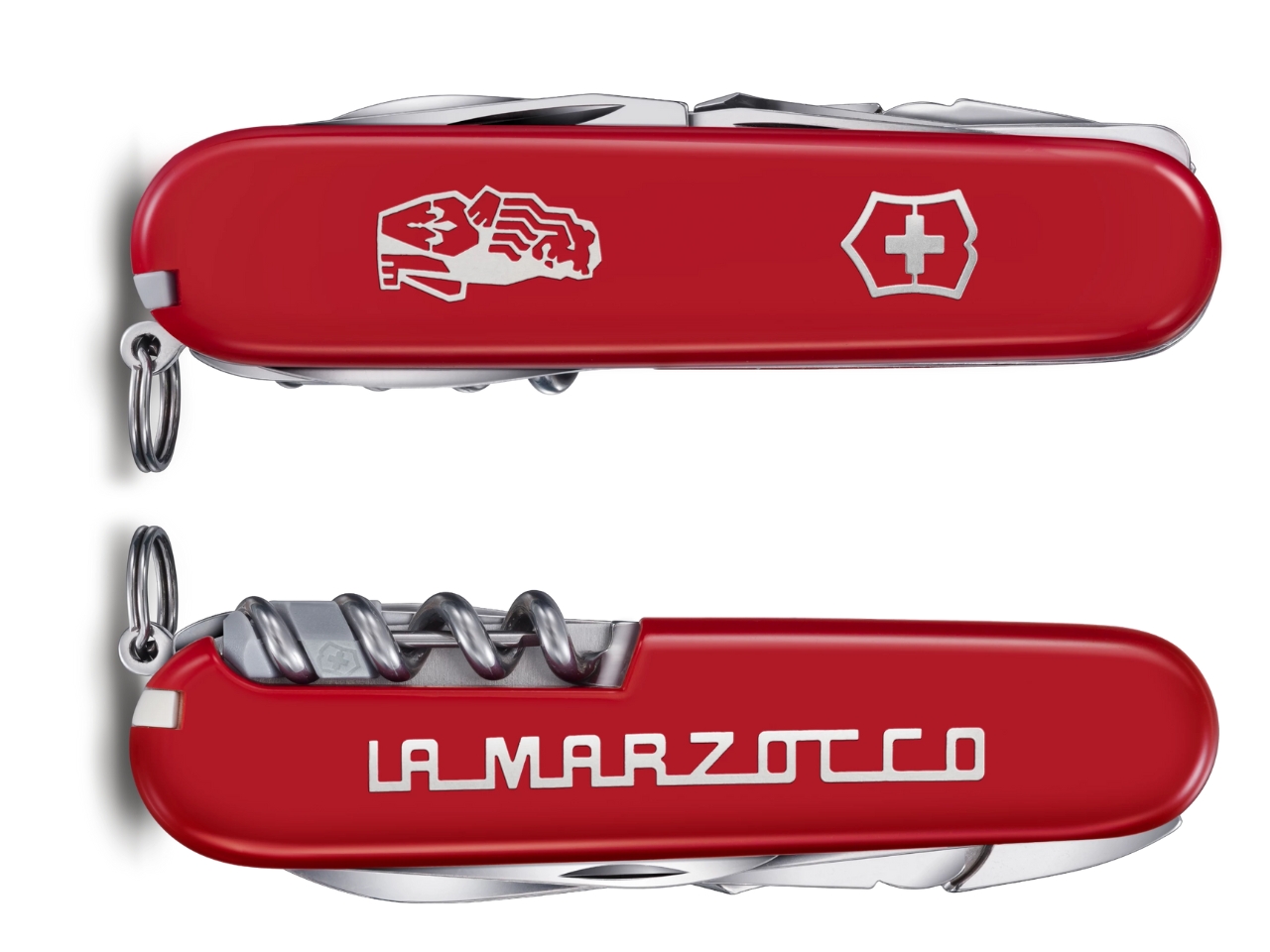
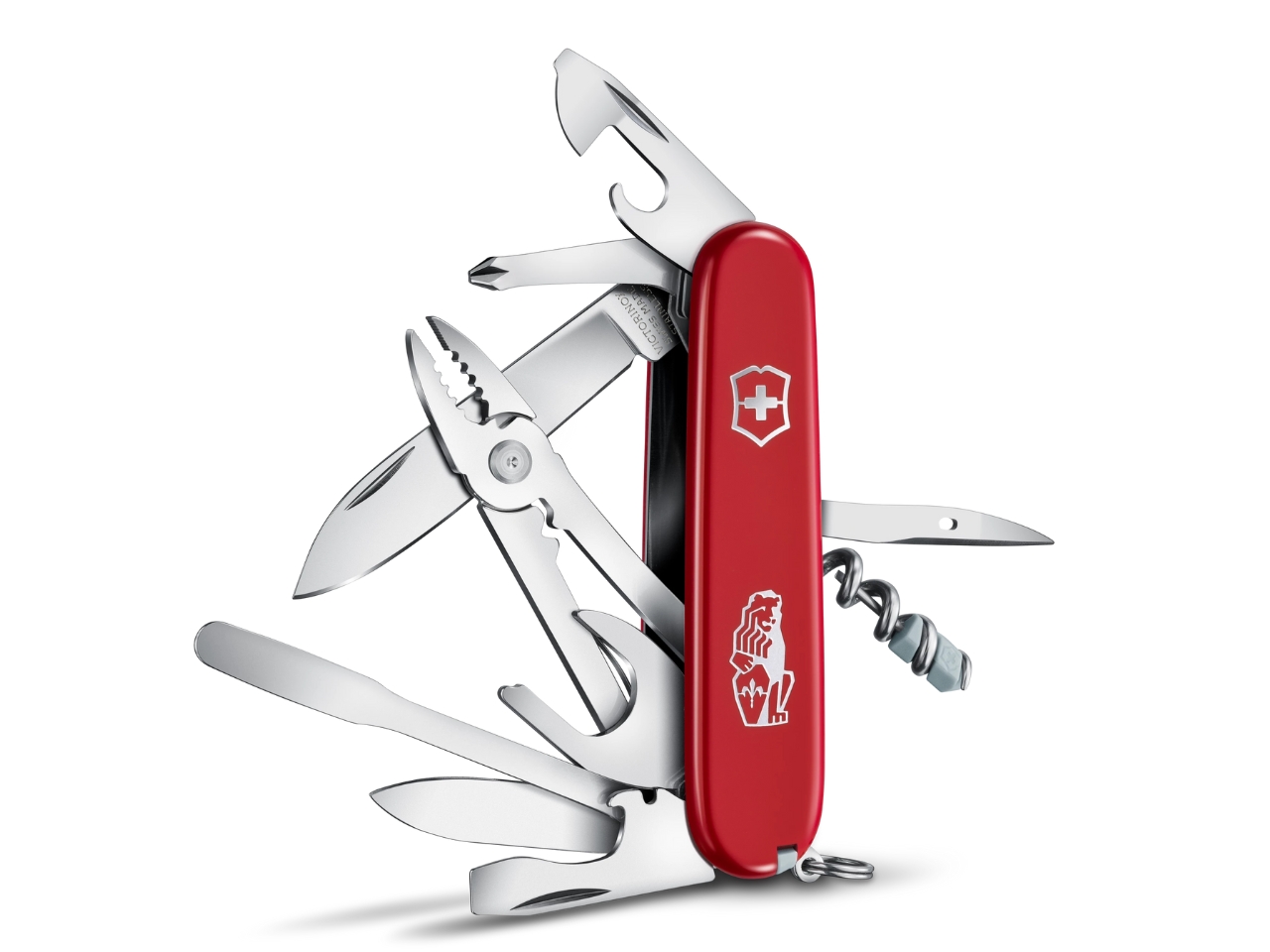
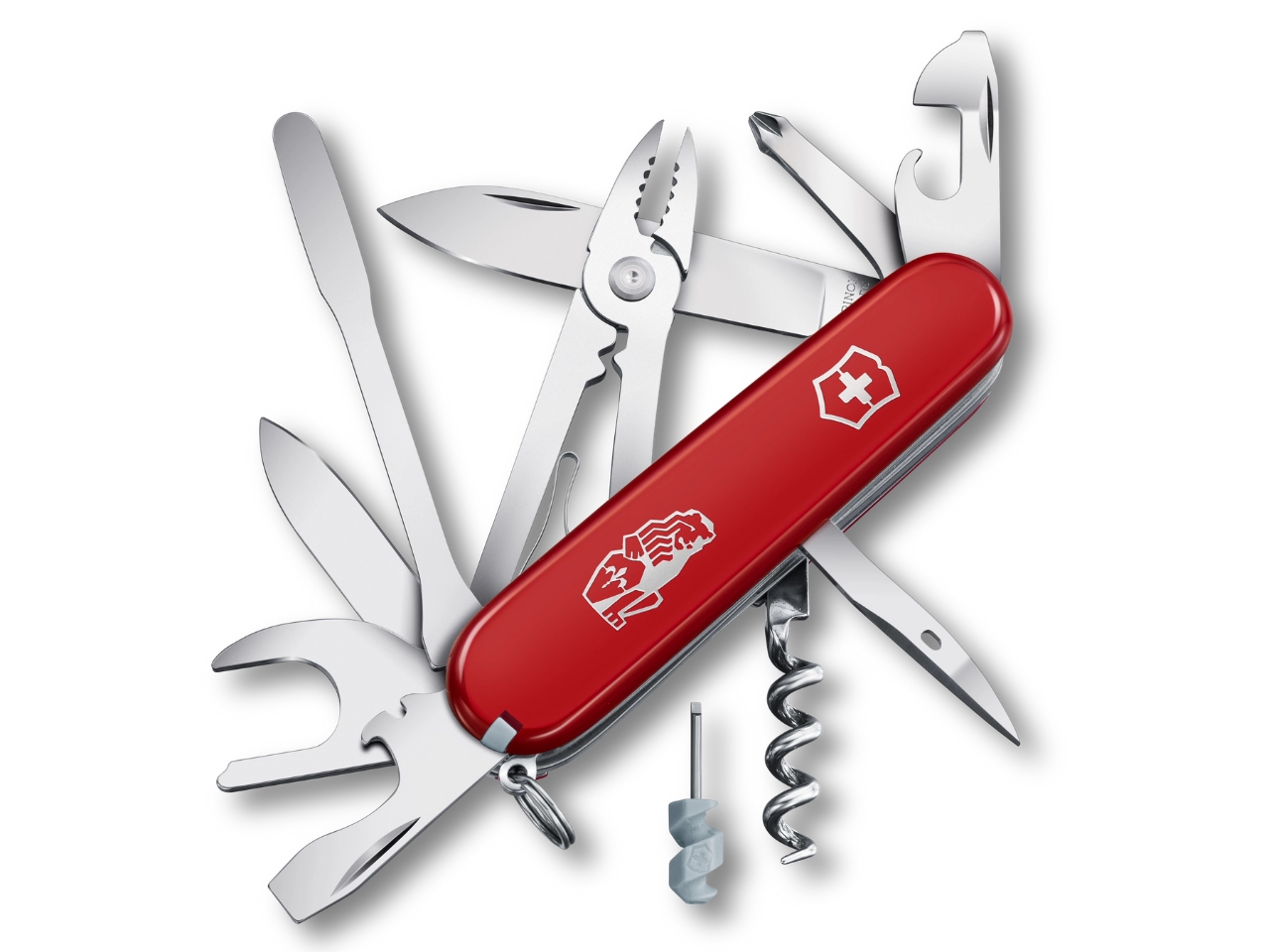
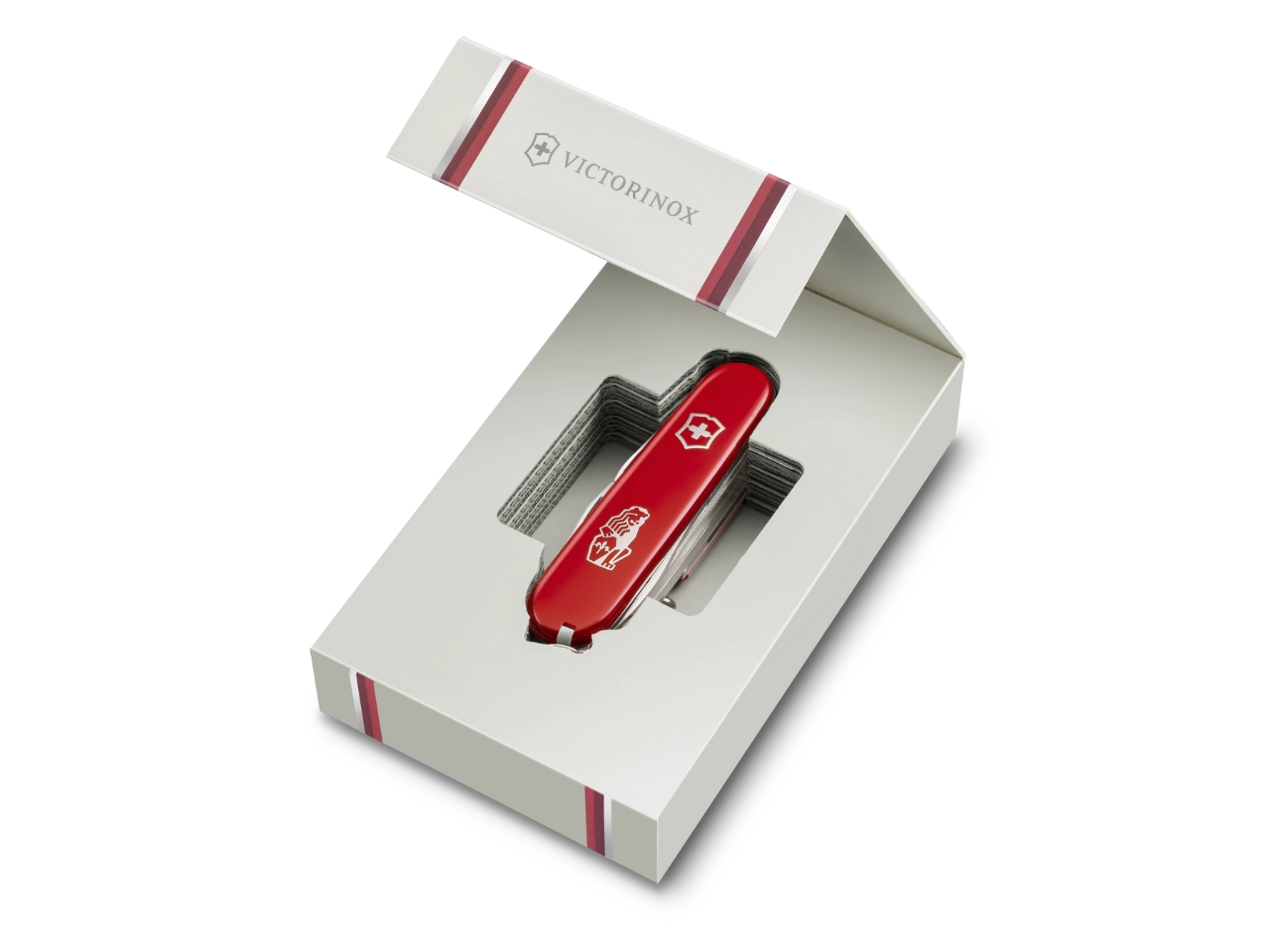
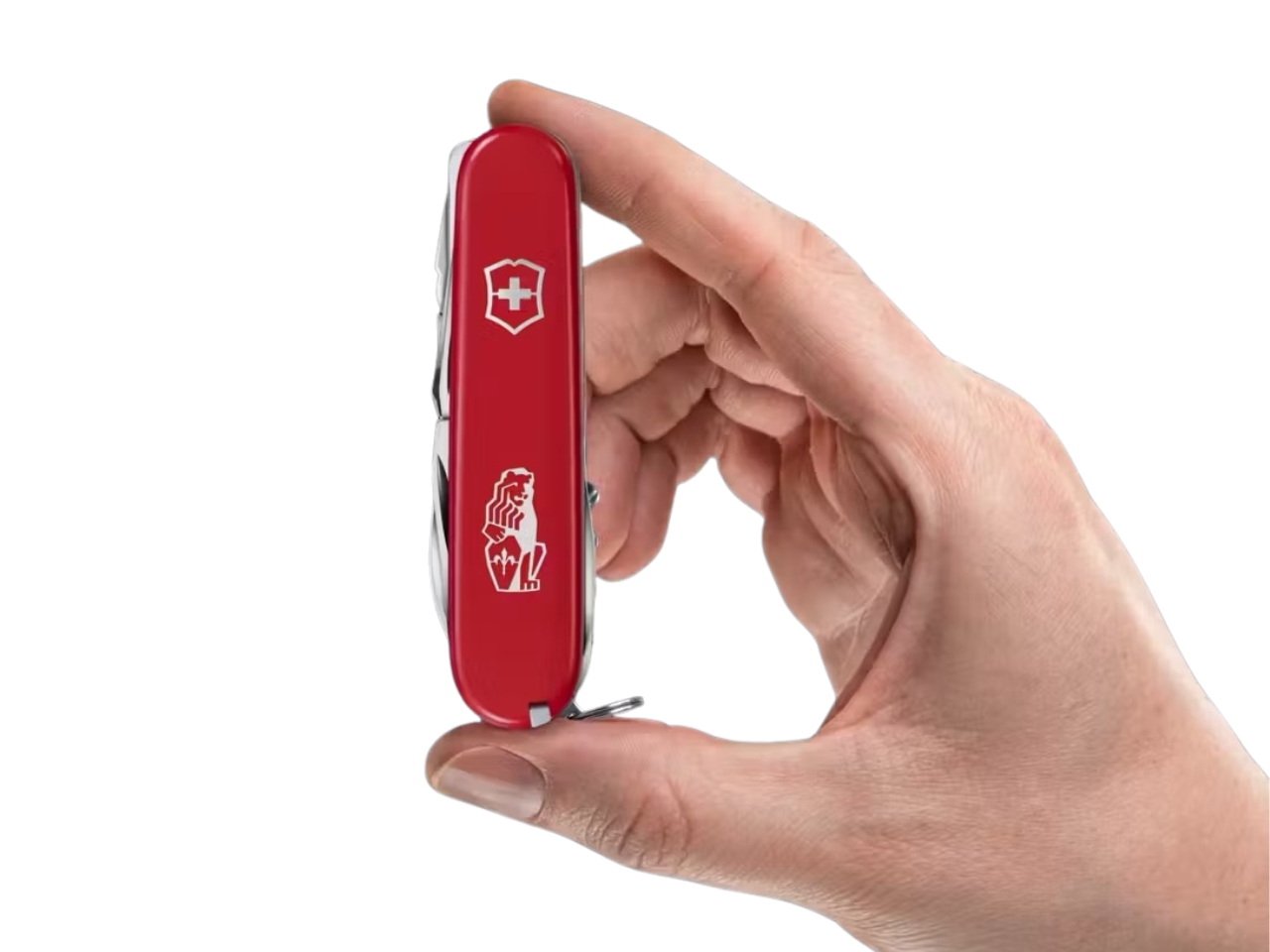
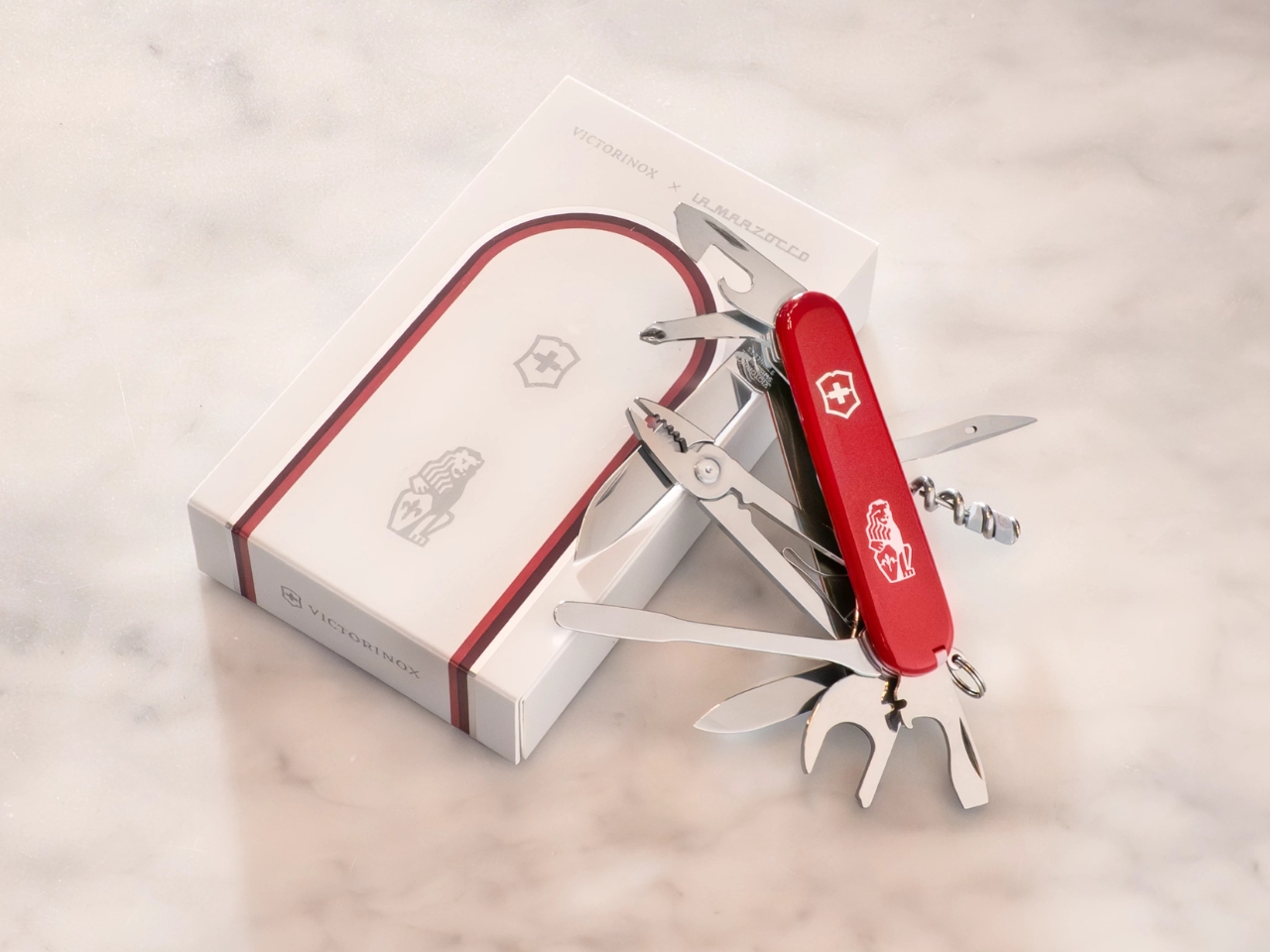
The Victorinox x La Marzocco Barista Tool is exactly what it sounds like: a Swiss Army knife that traded in some of its camping credentials for coffee shop clout. And honestly, it’s kind of brilliant. This isn’t just slapping a coffee brand logo on a classic multitool and calling it a day. It’s a genuinely thoughtful reimagining of what a pocket tool could be for the caffeine-obsessed among us.
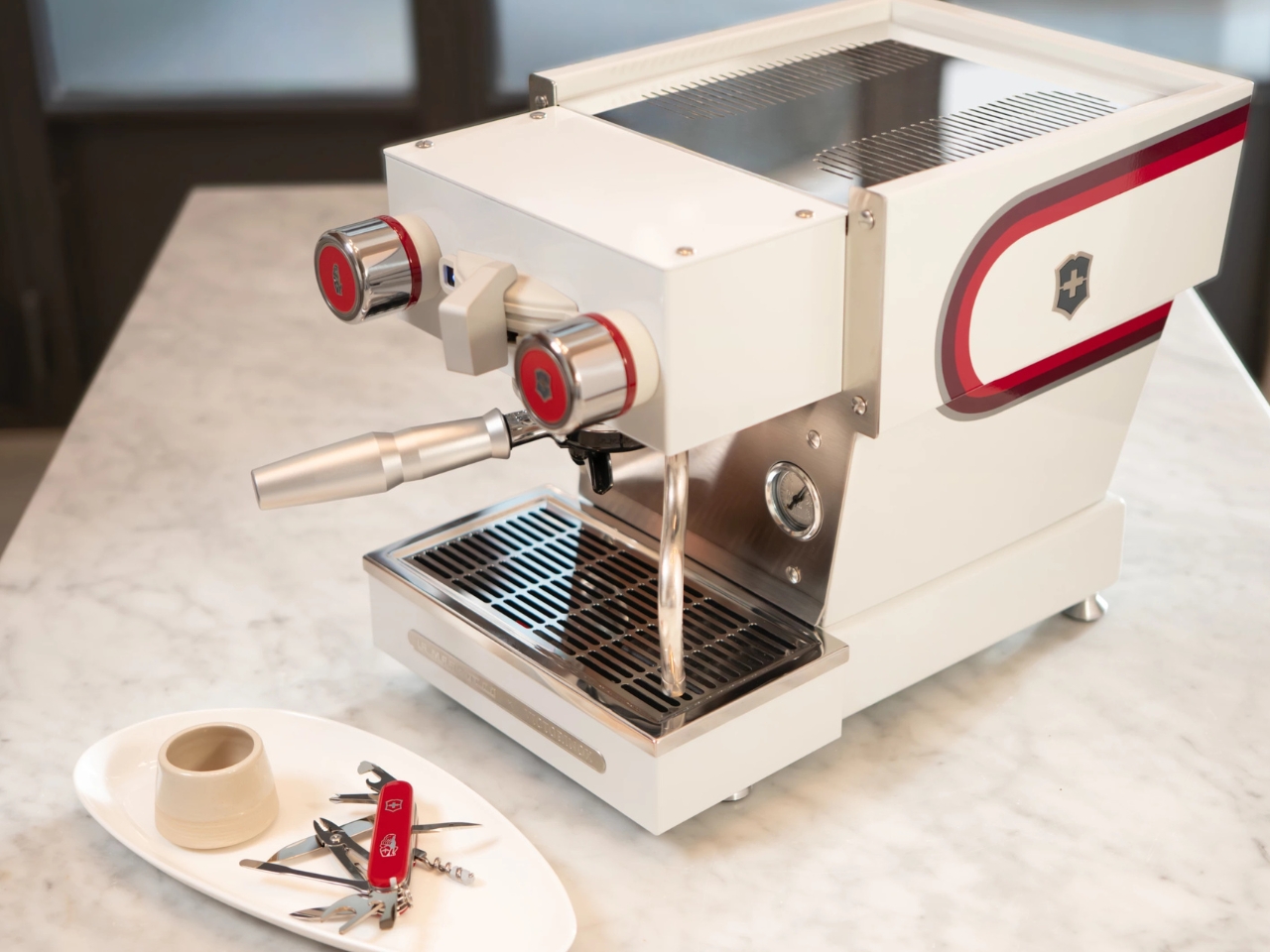
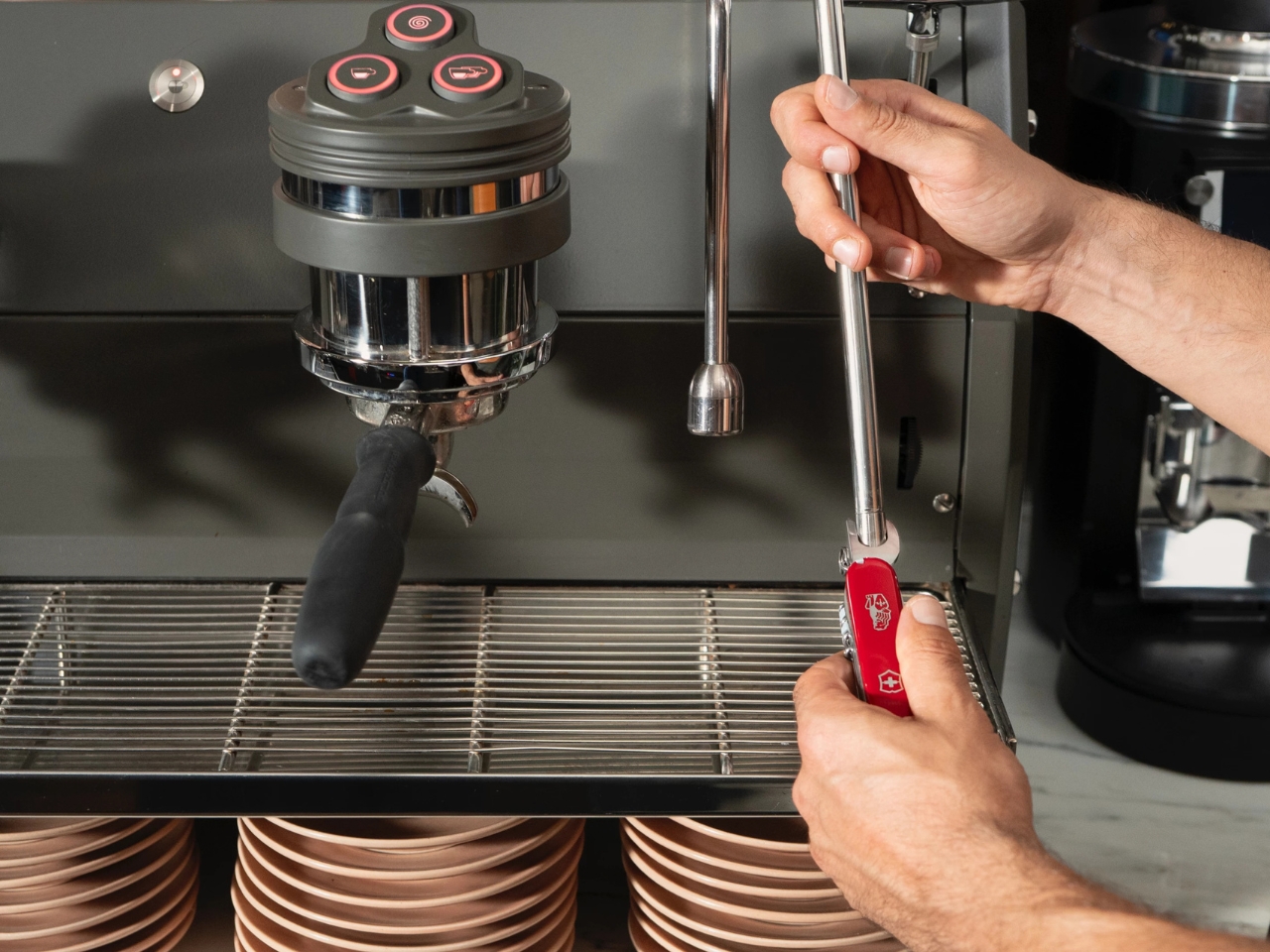
Let’s talk about what makes this thing special. Sure, it’s got your standard Swiss Army knife features, the ones we all know and love, like a blade, screwdrivers, and pliers. But then there are the coffee-specific additions that show someone actually thought about what home baristas need. There’s a thin spatula designed for scooping excess coffee grounds and cleaning the shower screen on your espresso machine. There’s a steam wand nozzle remover, which is one of those tools you never think about until you desperately need it at 7 a.m. when your milk won’t foam properly. And there are specialized screwdrivers sized for common espresso machine adjustments, because apparently not all screwdrivers are created equal when you’re tinkering with a $3,000 La Marzocco at home.
The tool comes in that iconic Swiss Army knife red with special La Marzocco badging, bridging Swiss precision engineering with Italian espresso heritage. It’s a collaboration that makes sense when you think about it. Both companies have cult followings among people who care deeply about craft and quality. Victorinox has been making reliable multitools since 1884, and La Marzocco has been the gold standard in espresso machines since 1927. Put them together and you get something that speaks to both the design nerd and the coffee snob.
Here’s what’s interesting about this release: it represents a growing trend of hyper-specialized everyday carry tools. We’re moving beyond the one-size-fits-all approach to gear. Rock climbers have their specific multitools, cyclists have theirs, and now home baristas have one too. It acknowledges that coffee culture has evolved from a casual morning routine to a legitimate hobby with its own maintenance requirements and technical know-how.
The Barista Tool includes 19 functions total, which sounds excessive until you realize how many tiny adjustments and cleaning tasks go into maintaining a home espresso setup. Anyone who’s owned a machine knows that regular maintenance isn’t optional if you want consistently good shots. This tool consolidates all those little tasks into one pocket-sized package. No more hunting for that one specific hex key or trying to MacGyver a solution with whatever’s in your junk drawer.
At $160, it’s definitely positioned as a premium accessory. That price point puts it firmly in enthusiast territory, the kind of thing serious home baristas might put on a wish list or gift to themselves after finally dialing in that perfect espresso recipe. It’s not trying to be a mass-market impulse buy. This is for people who already dropped serious money on their setup and want tools that match that level of investment.
What I find most compelling about this collaboration is how it reflects where design is heading. We’re seeing more crossover projects that merge different expertise areas to solve specific problems. It’s functional design at its best: identifying a real need, bringing together the right partners, and creating something that’s both practical and a little bit special. The Barista Tool isn’t revolutionary, but it doesn’t need to be. It’s just really good at doing exactly what it promises.
Whether you’ll actually use all 19 functions regularly is debatable, but that’s kind of the charm of any Swiss Army knife, isn’t it? It’s there when you need it, compact enough to stay out of the way when you don’t, and substantial enough to feel like a quality tool rather than a gimmick. For the home barista who has everything, this might just be the thing they didn’t know they needed.
 technology. Instead of vibrating water into a visible aerosol, it uses a fan to draw dry air through a saturated wick filter, releasing clean, humidified air that is entirely invisible and free of mineral deposits.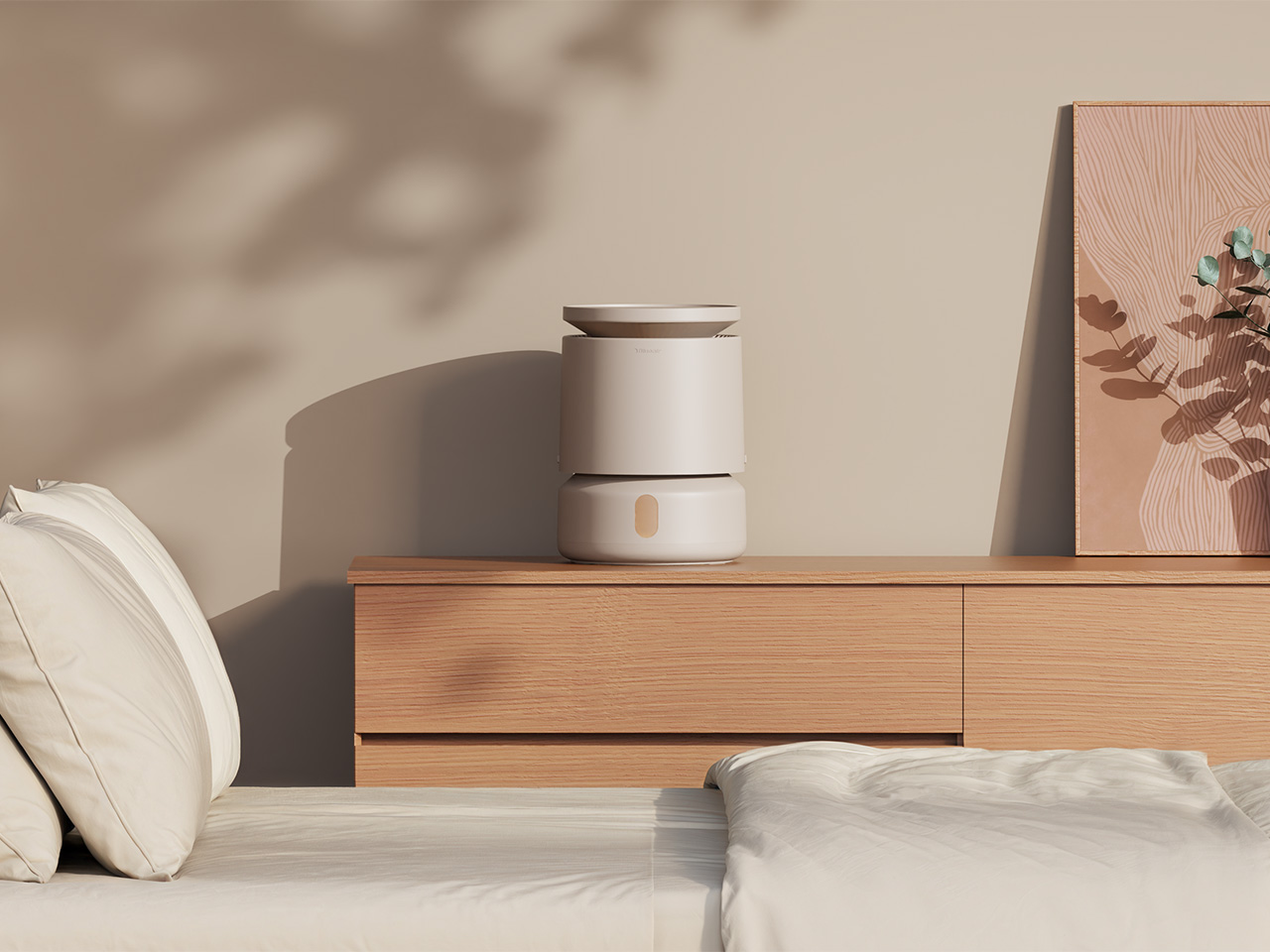




 ‘
‘