Olympics 2026: How to watch, full schedule of events, and everything else you need to know about the Winter Games

LIVIGNO, ITALY - DECEMBER 26: A logo with ring of MilanoCortina on December 26, 2025 in Livigno, Italy. Livigno as part of the Valtellina cluster is one of the areas for the upcoming Milano Cortina 2026 Winter Olympics and will host men's alpine skiing, snowboard, freestyle skiing and ski mountaineering competitions. (Photo by Mattia Ozbot/Getty Images)
The Milano Cortina 2026 Winter Olympics are coming up. (Mattia Ozbot/Getty Images)
Mattia Ozbot via Getty Images

The 2026 Winter Olympics are taking place in Italy this year, with all the action taking place in Milan and the Alpine city of Cortina. This year marks the fourth time Italy has hosted the Winter Games; most recently, Turin hosted in 2006. Of the 16 sports featured at the Winter Olympics, 15 will return, including figure skating, hockey, luge, speed skating, and one entirely new sport, snow mountaineering. (Will it be as big a hit as the 2024 Summer Games' new addition, breaking? It remains to be seen.)

Live coverage of every event at the Olympic Winter Games Milan Cortina 2026 will be available to stream on Peacock — though thanks to the time difference between Italy and the U.S., to watch many of the events live, you'll have to wake up (or stay up) until 2AM or 3AM ET. Primetime replays and select live coverage will air on NBC. Here's what else you need to know about watching the 2026 Winter Olympics.

Dates: Feb. 6 - Feb. 22

TV channel: NBC

Streaming: Peacock

The Winter Olympics officially begin with the opening ceremony on Feb. 6, although some events will start as early as Feb. 4). The Milano Cortina 2026 games will run through Feb. 22. The closing ceremony of the 2026 Winter Olympics will take place in the Arena di Verona on Feb. 22.

The 2026 Winter Olympics will be held in Northern Italy, primarily in Milan and also the Alpine mountain resort town of Cortina d'Ampezzo, where events like bobsled, skeleton, alpine skiing, curling, para snowboard, and more will take place.

The 2026 Winter Olympics will air on NBC and stream live on Peacock.

The Milano Cortina 2026 opening ceremony will be held on Feb. 6, 2026. Due to the time difference, the ceremony will kick off around 2PM ET/11AM PT.

This year's Olympic Games are in Italy, which is 6 hours ahead of U.S. Eastern Time. Meaning that some events will start bright and early for U.S. viewers, and live coverage will likely wrap up around 4PM ET each day. NBC will have primetime replays of the biggest moments each night.

All times Eastern.

Wednesday, Feb. 4 (early competition starts)

  • Curling (round robin) – 2AM (Peacock – Live)

  • Curling (round robin) – 8AM (Peacock – Live)

  • Alpine skiing training – 3–6AM (Peacock – Live)

Thursday, Feb. 5

  • Curling (round robin) – 2AM (Peacock – Live)

  • Curling (round robin) – 8AM (Peacock – Live)

  • Freestyle skiing qualifications – 4AM (Peacock – Live)

  • Snowboard qualifications – 6AM (Peacock – Live)

Friday, Feb. 6 – opening ceremony

  • Curling (round robin) – 2AM (Peacock – Live)

  • Figure skating (team event short programs) – 6AM (Peacock – Live)

  • Snowboard slopestyle qualifications – 6AM (Peacock – Live)

  • Speedskating (early distances) – 8AM (Peacock – Live)

  • opening ceremony – 2PM (Peacock – Live)

  • opening ceremony – 8PM (NBC – Primetime)

Saturday, Feb. 7

  • Alpine skiing (men’s downhill) – 3AM (Peacock – Live)

  • Snowboard slopestyle finals – 6AM (Peacock – Live)

  • Speedskating medals – 7AM (Peacock – Live)

  • Figure skating (team free programs) – 8AM (Peacock – Live)

  • Hockey (group play begins) – 10AM (Peacock – Live)

Sunday, Feb. 8

  • Alpine skiing (women’s downhill) – 3AM (Peacock – Live)

  • Freestyle skiing moguls finals – 6AM (Peacock – Live)

  • Figure skating (pairs short program) – 8AM (Peacock – Live)

  • Luge (singles runs) – 9AM (Peacock – Live)

  • Hockey (group play) – 12PM (Peacock – Live)

Monday, Feb. 9

  • Biathlon sprint – 5AM (Peacock – Live)

  • Speedskating medals – 7AM (Peacock – Live)

  • Figure skating (pairs free skate – medals) – 8AM (Peacock – Live)

  • Curling (round robin) – 9AM (Peacock – Live)

  • Skeleton (heat 1–2) – 11AM (Peacock – Live)

Tuesday, Feb. 10

  • Alpine skiing (giant slalom) – 4AM (Peacock – Live)

  • Snowboard halfpipe qualifications – 6AM (Peacock – Live)

  • Figure skating (men’s short program) – 8AM (Peacock – Live)

  • Curling (round robin) – 10AM (Peacock – Live)

Wednesday, Feb. 11

  • Nordic combined – 4AM (Peacock – Live)

  • Freestyle skiing aerials finals – 6AM (Peacock – Live)

  • Figure skating (men’s free skate – medals) – 8AM (Peacock – Live)

  • Speedskating medals – 11AM (Peacock – Live)

Thursday, Feb. 12

  • Alpine skiing (slalom) – 4AM (Peacock – Live)

  • Snowboard halfpipe finals – 6AM (Peacock – Live)

  • Figure skating (ice dance rhythm dance) – 8AM (Peacock – Live)

  • Curling (medal round qualifiers) – 10AM (Peacock – Live)

Friday, Feb. 13

  • Biathlon pursuit – 5AM (Peacock – Live)

  • Figure skating (ice dance free dance – medals) – 8AM (Peacock – Live)

  • Skeleton finals – 10AM (Peacock – Live)

  • Hockey (quarterfinals) – 12PM (Peacock – Live)

Saturday, Feb. 14

  • Alpine skiing (team combined) – 4AM (Peacock – Live)

  • Cross-country skiing distance race – 6AM (Peacock – Live)

  • Figure skating (women’s short program) – 8AM (Peacock – Live)

  • Speedskating medals – 11AM (Peacock – Live)

Sunday, Feb. 15

  • Snowboard cross finals – 6AM (Peacock – Live)

  • Figure skating (women’s free skate – medals) – 8AM (Peacock – Live)

  • Luge relay – 11AM (Peacock – Live)

  • Hockey (semifinals) – 1PM (Peacock – Live)

Monday, Feb. 16

  • Freestyle skiing dual moguls – 6AM (Peacock – Live)

  • Cross-country skiing team sprint – 8AM (Peacock – Live)

  • Curling (medal games) – 10AM (Peacock – Live)

Tuesday, Feb. 17

  • Biathlon relay – 5AM (Peacock – Live)

  • Speedskating team pursuit – 7AM (Peacock – Live)

  • Hockey (placement games) – 12PM (Peacock – Live)

Wednesday, Feb. 18

  • Alpine skiing (final technical events) – 4AM (Peacock – Live)

  • Freestyle skiing big air – 6AM (Peacock – Live)

  • Curling (gold medal match) – 9AM (Peacock – Live)

Thursday, Feb. 19

  • Cross-country skiing marathon – 6AM (Peacock – Live)

  • Snowboard parallel events – 8AM (Peacock – Live)

  • Hockey (bronze medal games) – 1PM (Peacock – Live)

Friday, Feb. 20

  • Biathlon mass start – 6AM (Peacock – Live)

  • Speedskating final medals – 8AM (Peacock – Live)

  • Figure skating gala – 1PM (Peacock – Live)

Saturday, Feb. 21

  • Men’s hockey gold medal game – 12PM (Peacock – Live)

  • Women’s hockey gold medal game – 3PM (Peacock – Live)

  • Men’s hockey gold medal game – 8PM (NBC – Primetime)

Sunday, Feb. 22 – closing ceremony

  • Cross-country skiing final event – 6AM (Peacock – Live)

  • closing ceremony – 2PM (Peacock – Live)

  • closing ceremony – 8PM (NBC – Primetime)

While Peacock is the best way to watch the Winter Olympics, there are other options if you restrict yourself to the NBC broadcasts. As our guide to the best live TV streaming services to cut cable notes, both YouTube TV and Hulu + Live TV are excellent options, but you'll want to skip Fubo until and unless the service resolves its contract dispute with Comcast, as NBC channels remain unavailable for now.  

This article originally appeared on Engadget at https://www.engadget.com/entertainment/olympics-2026-how-to-watch-full-schedule-of-events-and-everything-else-you-need-to-know-about-the-winter-games-172409424.html?src=rss

These 5 AI Modules Listen When You Hum, Tap, or Strum, Not Type

AI music tools usually start on a laptop where you type a prompt and wait for a track. That workflow feels distant from how bands write songs, trading groove and chemistry for text boxes and genre presets. MUSE asks what AI music looks like if it starts from playing instead of typing, treating the machine as a bandmate that listens and responds rather than a generator you feed instructions.

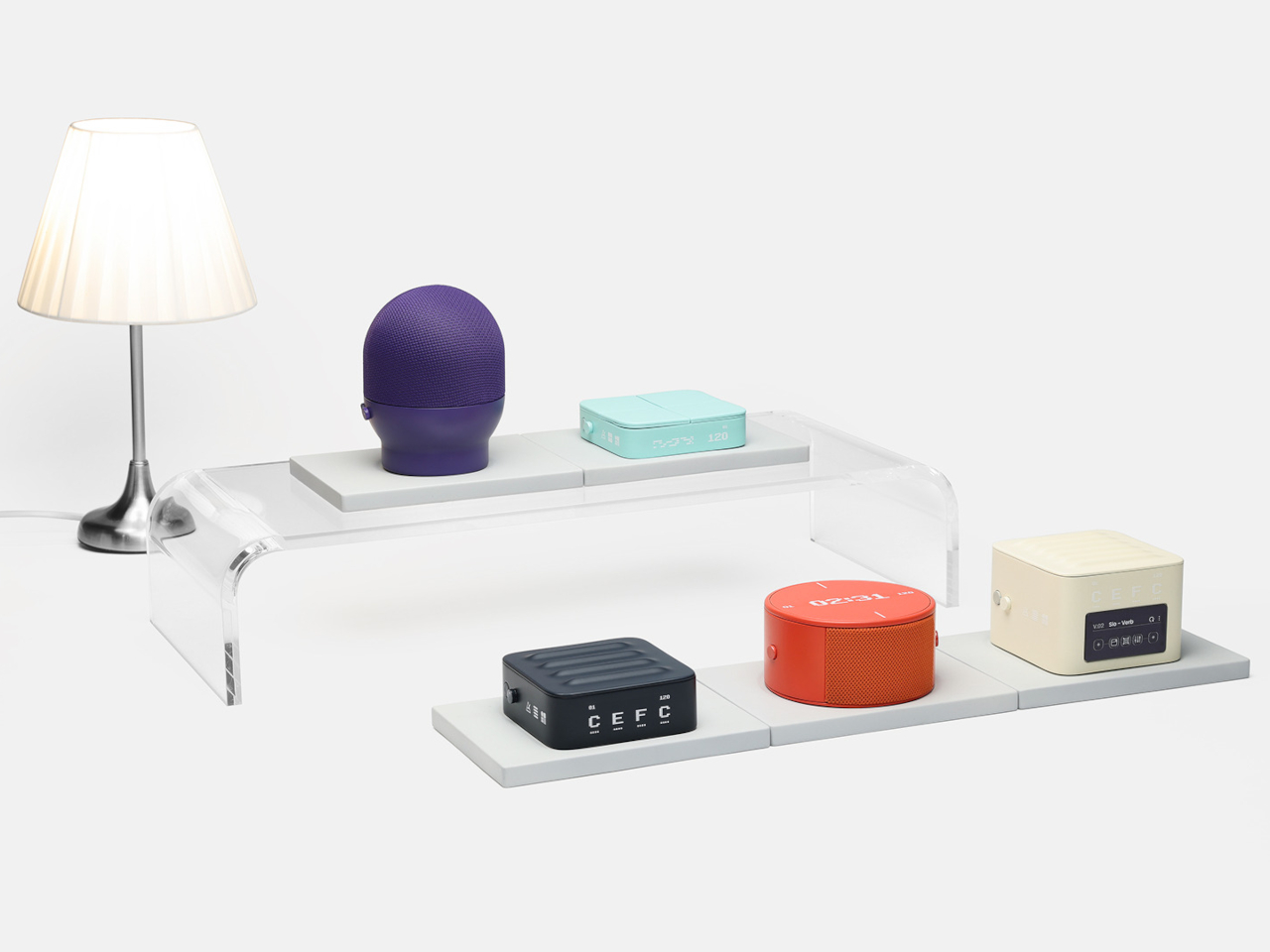
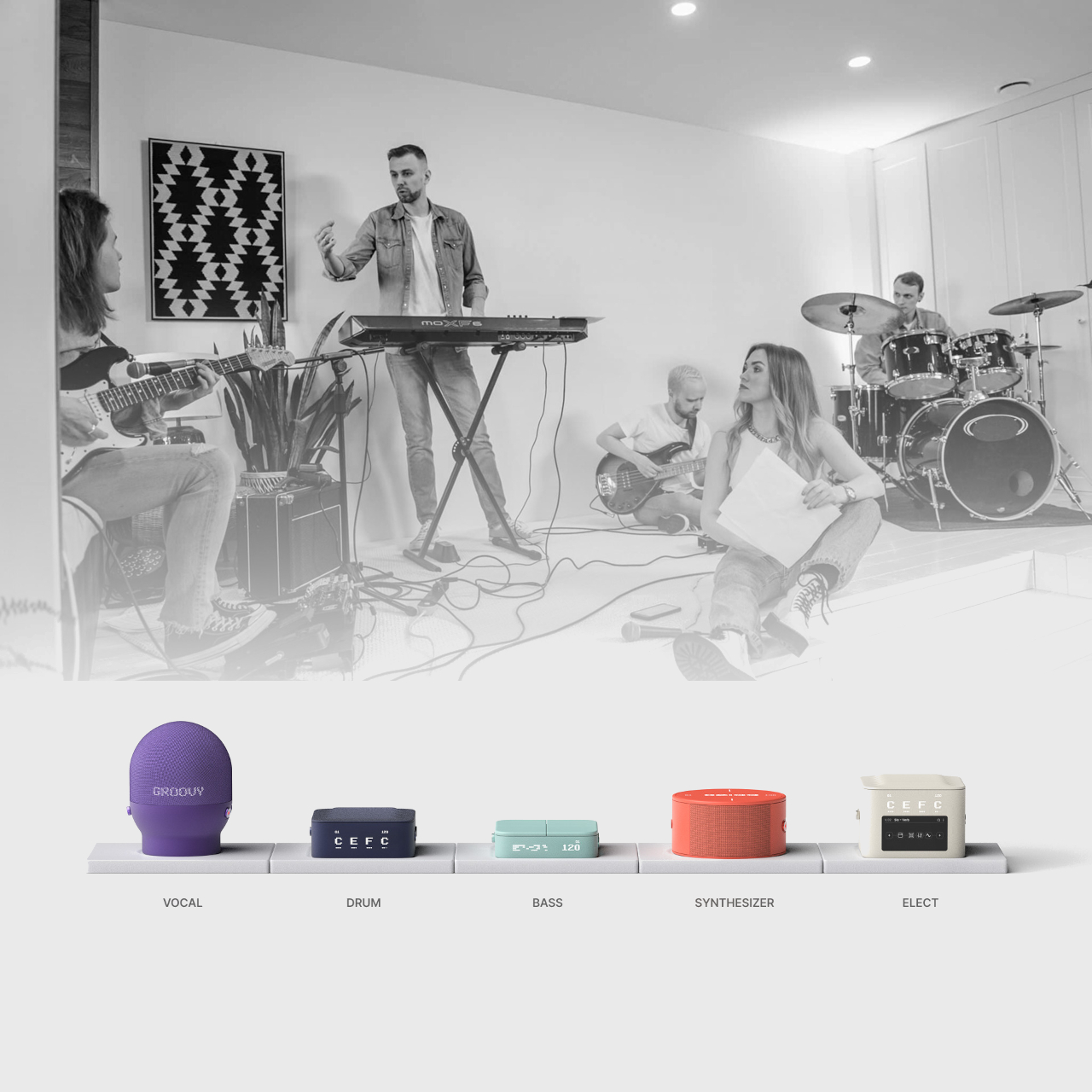
MUSE is a next-generation AI music module system designed for band musicians. It is not one box but a family of modules, vocal, drum, bass, synthesizer, and electric guitar, each tuned to a specific role. You feed each one ideas the way you would feed a bandmate, and the AI responds in real time, filling out parts and suggesting directions that match what you just played.

Designers: Hyeyoung Shin, Dayoung Chang

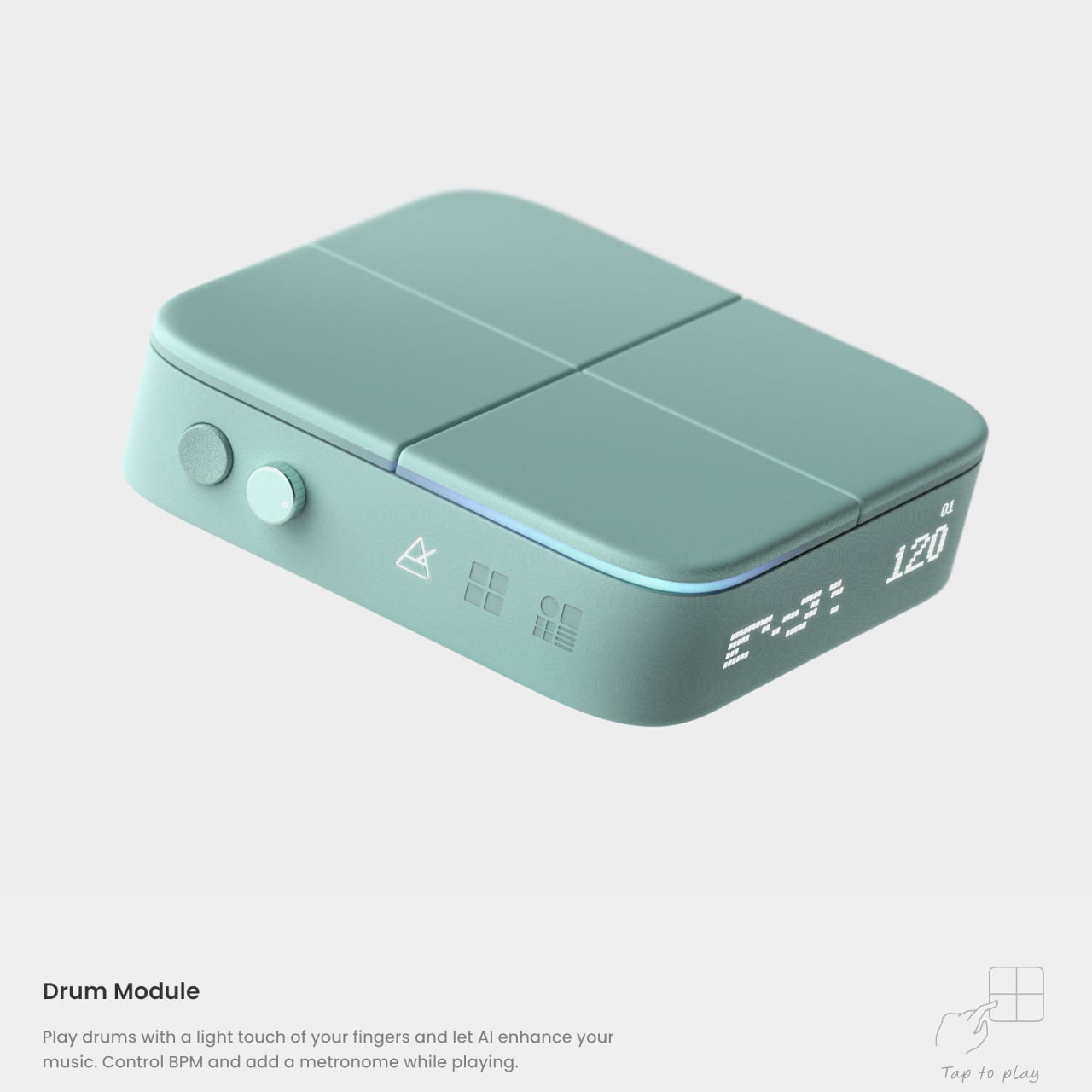
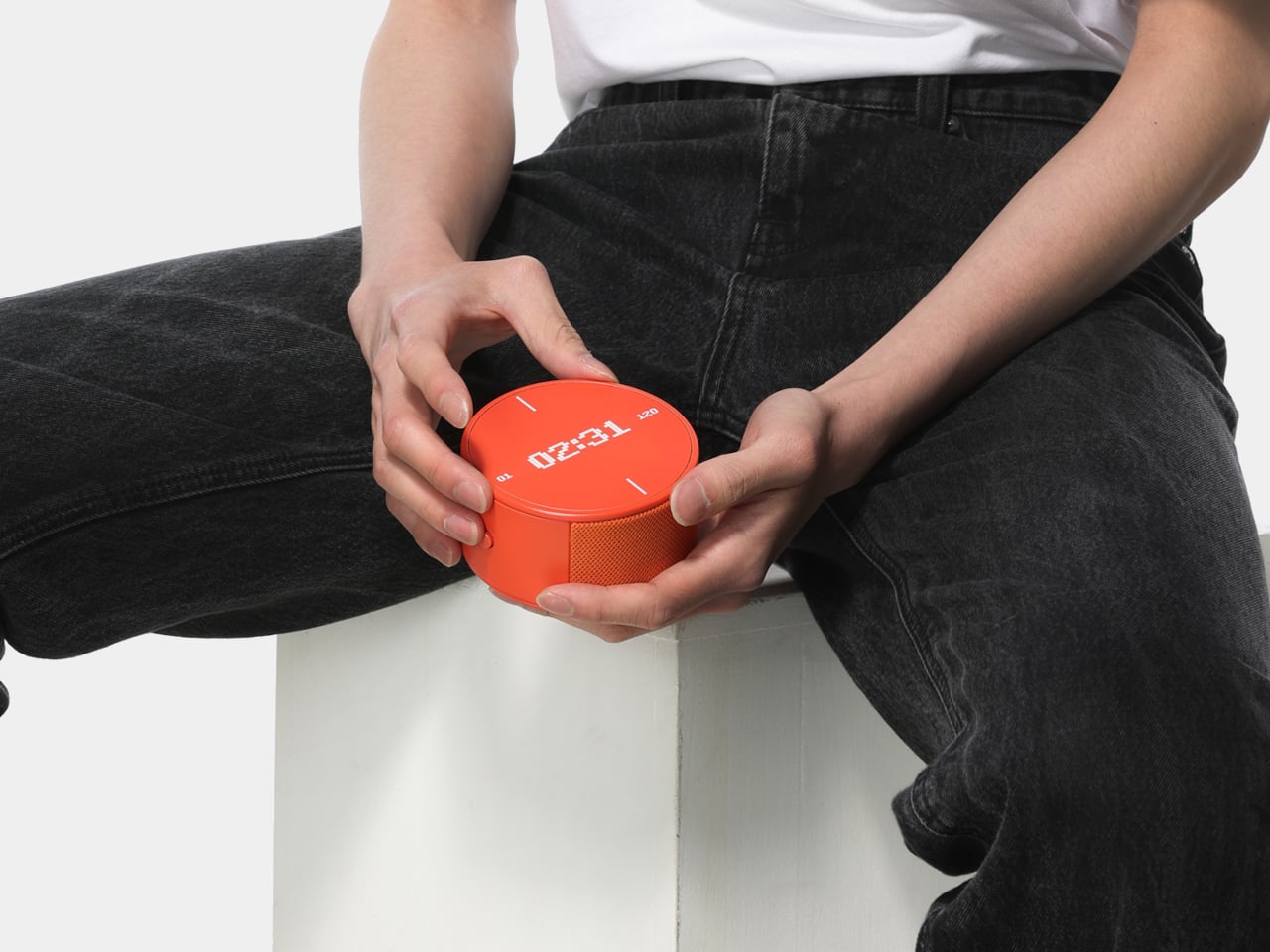
A band rehearsal where each member has their own module means the drummer taps patterns into the drum unit, the bassist works with the bass module to explore grooves, and the singer hums into the vocal module to spin melodies out of half-formed ideas. Instead of staring at a screen, everyone is still moving and reacting, but there is an extra layer of AI quietly proposing fills, variations, and harmonies.

MUSE is built around the idea that timing, touch, and phrasing carry information that text prompts miss. Tapping rhythms, humming lines, or strumming chords lets the system pick up on groove and style, not just genre labels. Those nuances feed the AI’s creative process, so what comes back feels more like an extension of your playing than a generic backing track cobbled together from preset patterns.

The modules can be scattered around a home rather than living in a studio. One unit near the bed for late-night vocal ideas, another by the desk for quick guitar riffs between emails, a drum module on the coffee table for couch jams. Because they look like small colorful objects rather than studio gear, they can stay out, ready to catch ideas without turning the house into a control room.

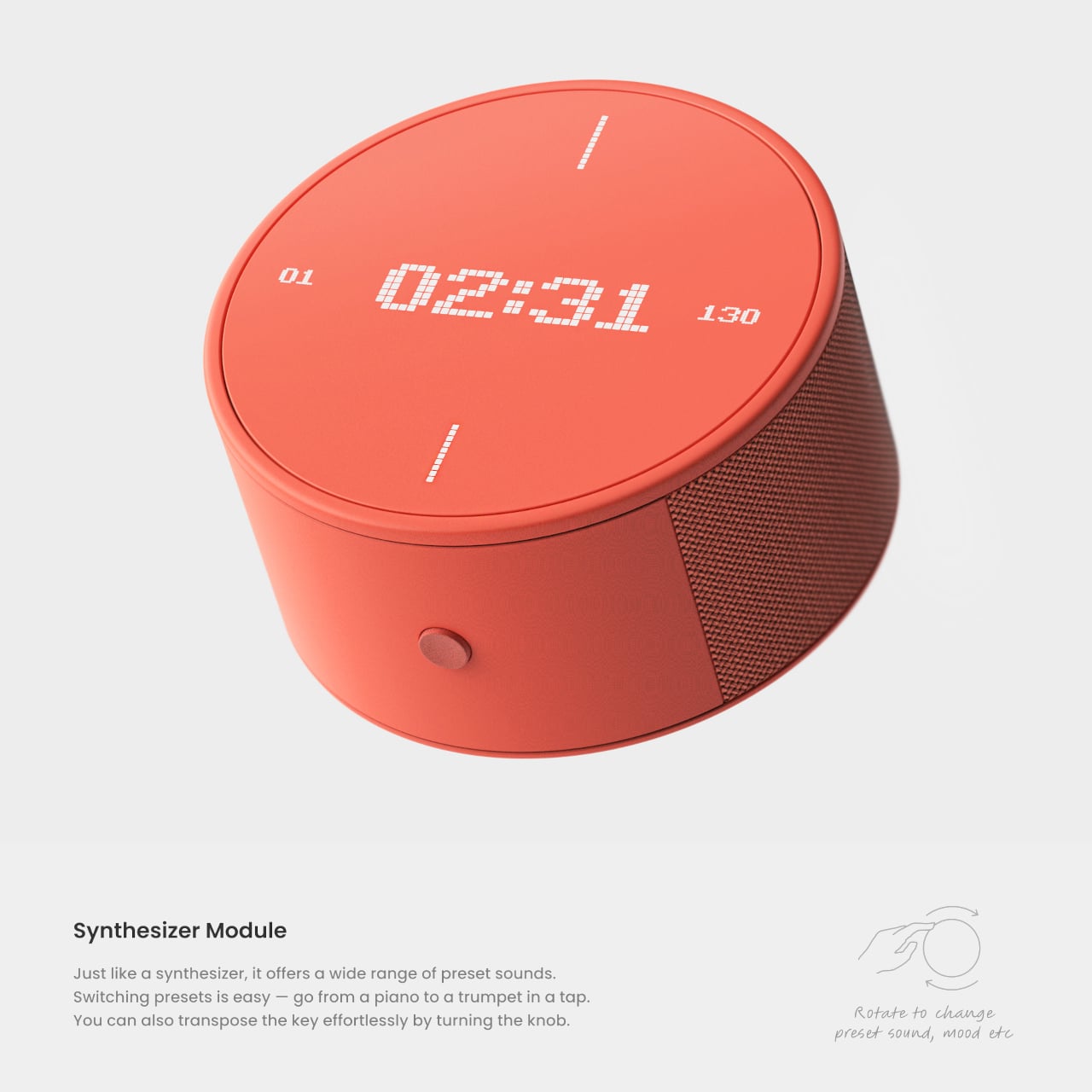
Each module’s color and texture match its role: a plush vocal unit, punchy drum block, bright synth puck, making them easy to grab and easy to live with. They read more like playful home objects than intimidating equipment, which lowers the barrier to experimenting. Picking one up becomes a small ritual, a way to nudge yourself into making sound instead of scrolling or staring at blank sessions.

MUSE began with the question of how creators can embrace AI without losing their identity. The answer it proposes is to keep the musician’s body and timing at the center, letting AI listen and respond rather than dictate. It treats AI as a bandmate that learns your groove over time, not a replacement, and that shift might be what keeps humans in the loop as the tools get smarter.

The post These 5 AI Modules Listen When You Hum, Tap, or Strum, Not Type first appeared on Yanko Design.

UMBRELLA+ Moves the Umbrella Stand Off the Floor and Into Your Exit Routine

Leaving the house, getting halfway down the block, and realizing it is raining, but your umbrella is still in the bucket by the door, is familiar. Traditional umbrella stands live on the floor, out of sight and out of mind, collecting drips and getting kicked aside. The problem is not just storage. It is where that storage lives in the exit routine, and how easy it becomes to completely ignore.

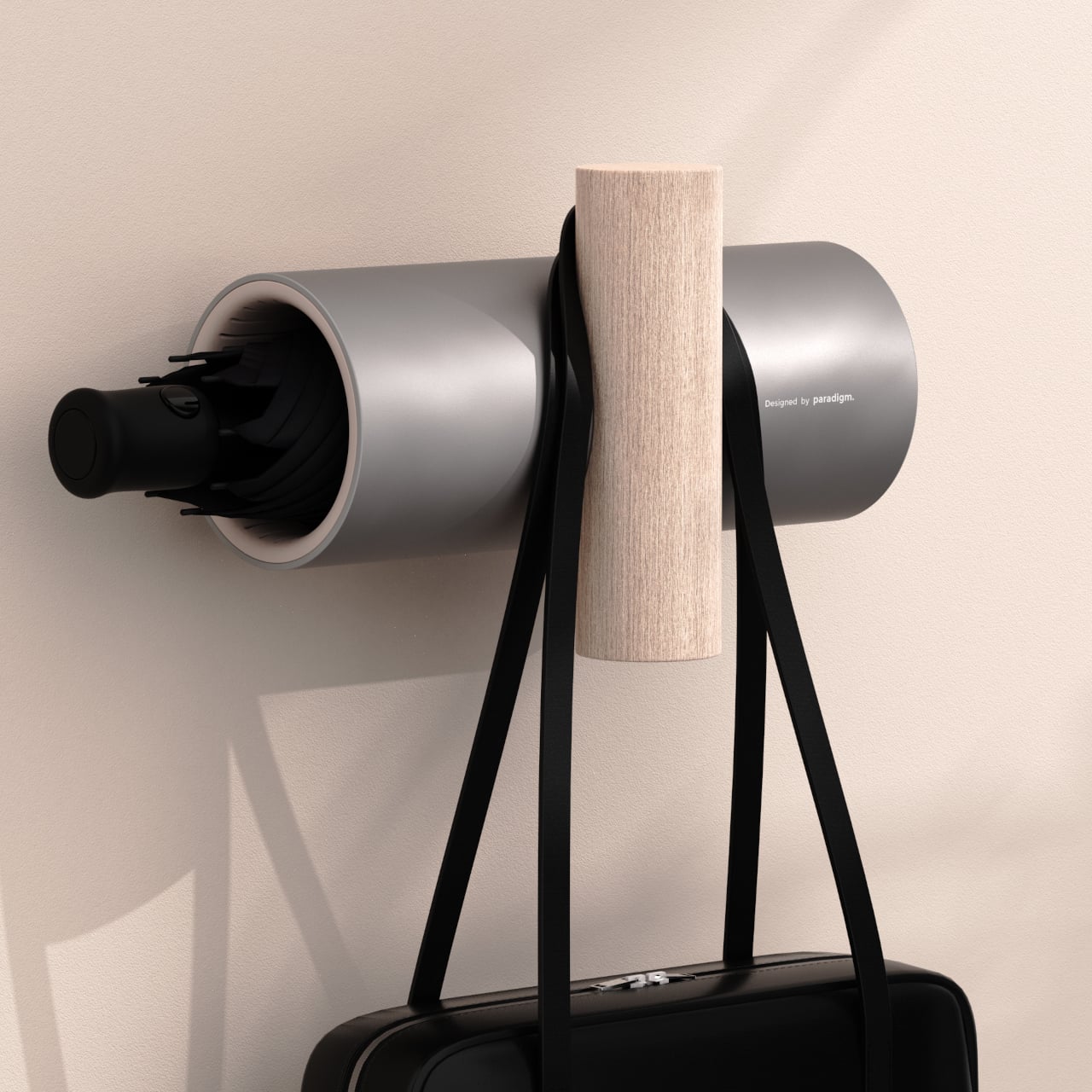
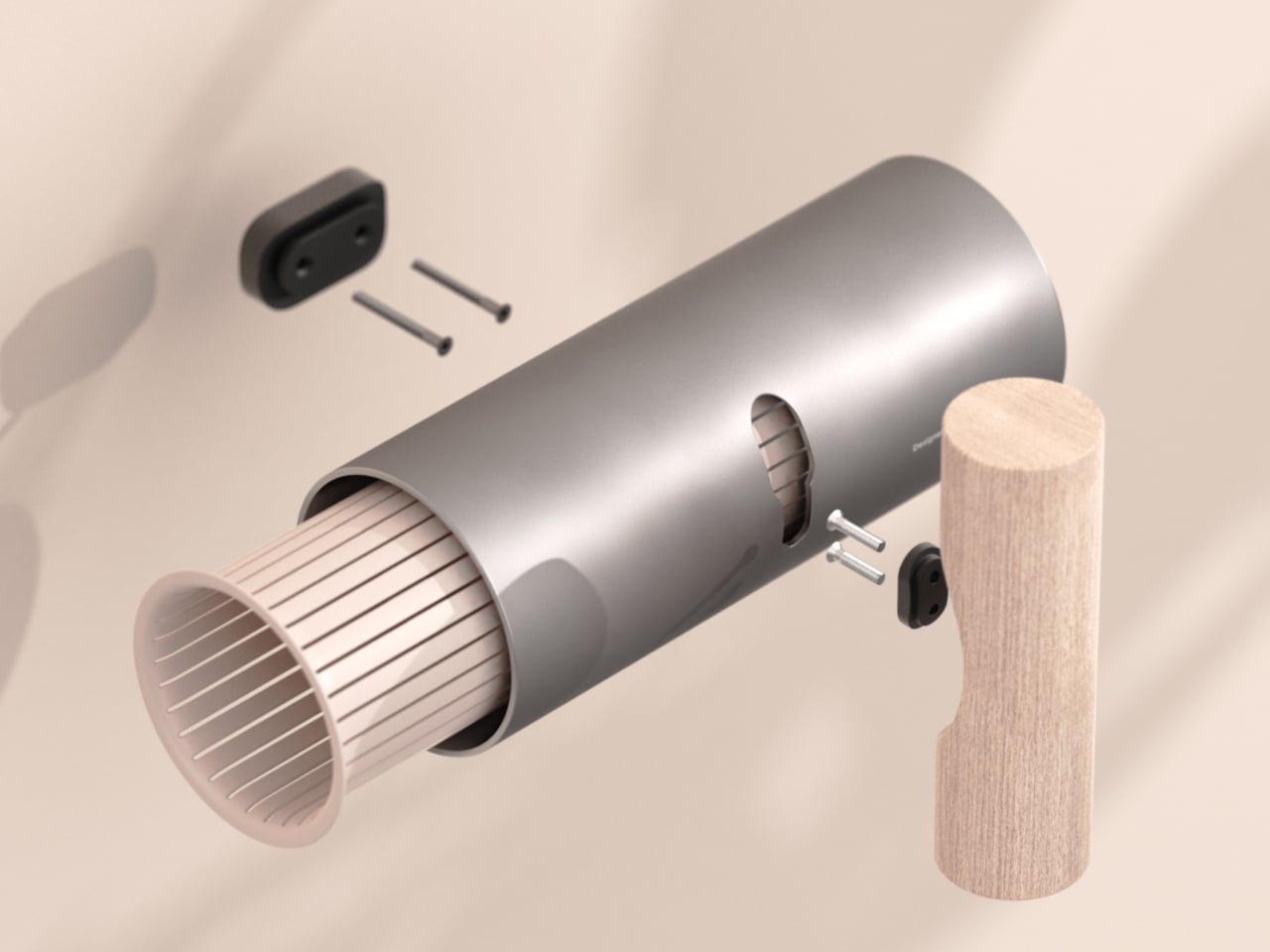
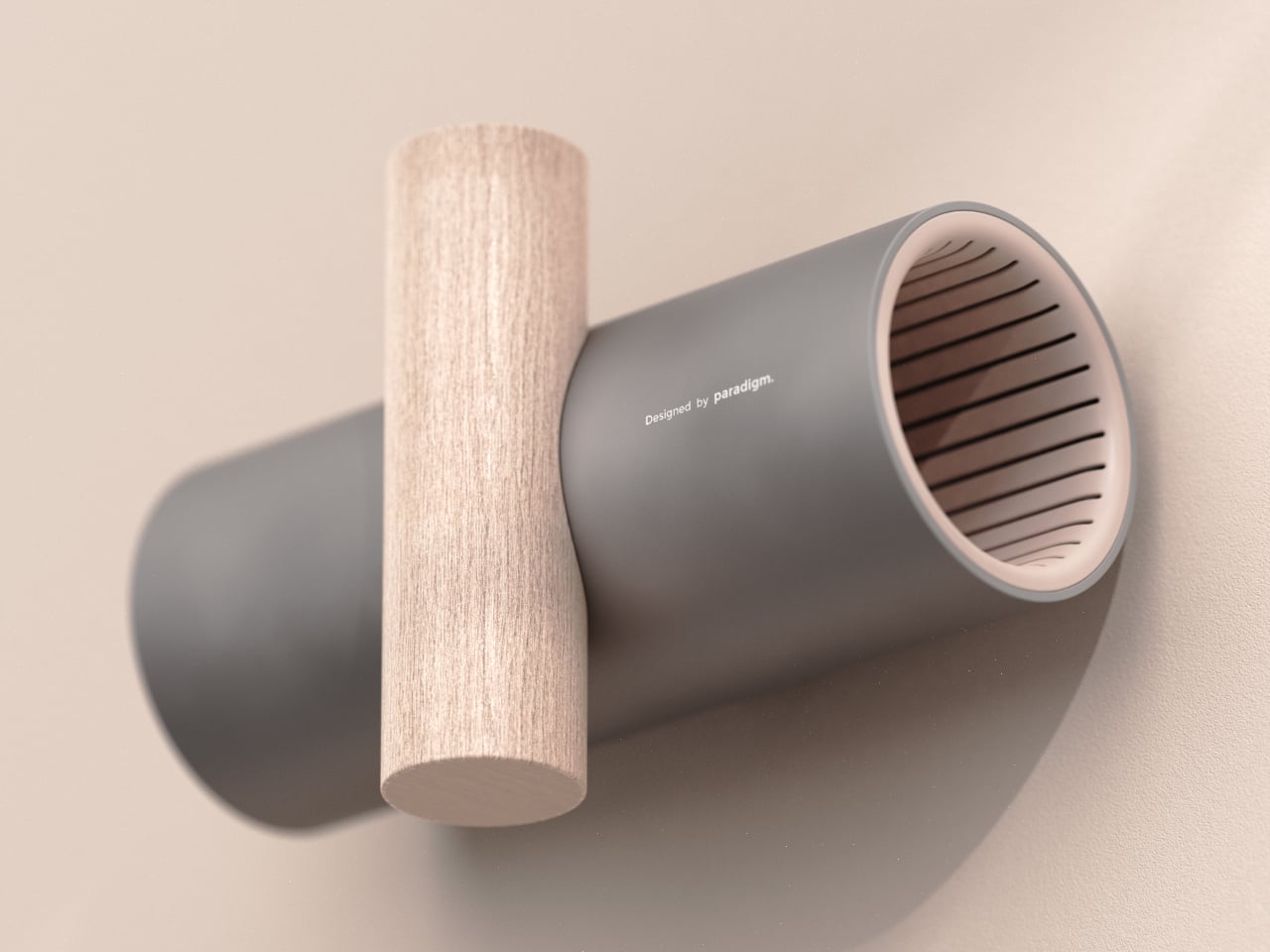
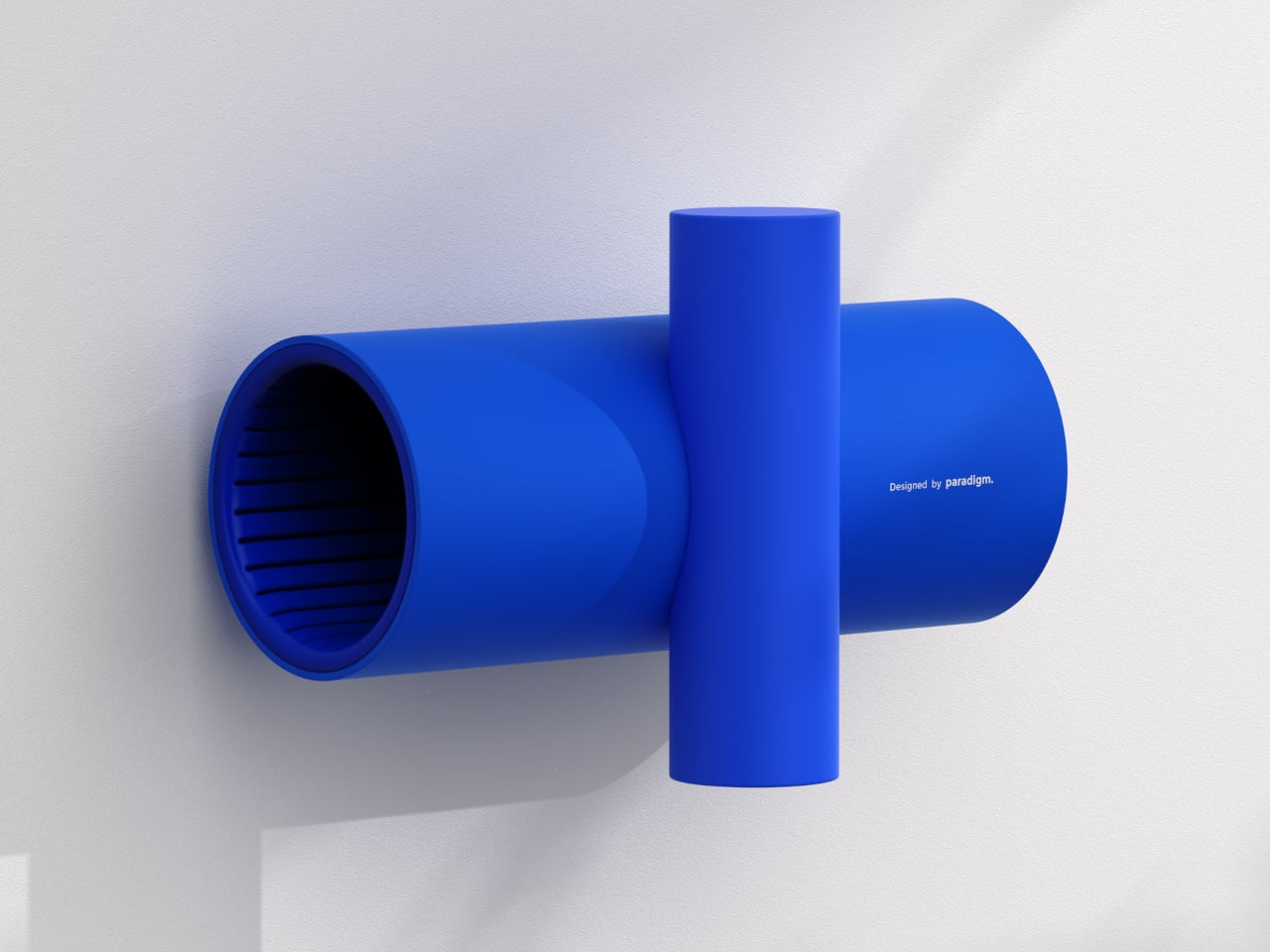
UMBRELLA+ is a concept that revisits the umbrella stand by moving it onto the wall. It is a horizontal cylinder that receives the folded umbrella, intersected by a vertical wooden element that acts as a hook for bags or coats. The T-shaped gesture pulls the umbrella into your field of view at entry height, merging storage and hanging into one coherent system.

Designer: Germain Verbrackel

Getting ready to leave, you grab your coat, loop your bag onto the vertical bar, and the umbrella is right there in the same reach, tucked into the tube or hanging by its handle. Because it sits in the same visual band as the things you already check before walking out, you are less likely to leave it behind. The object rewires the routine by placing the umbrella where your hand already goes.

Coming back wet, the umbrella slides into the tube, where internal ribbing gives the fabric somewhere to rest without collapsing and lets air circulate. It is not a sealed drip tray, so some water may reach the floor, but the design assumes the umbrella is mostly shaken off before it goes inside, which is already part of most people’s entry ritual anyway.

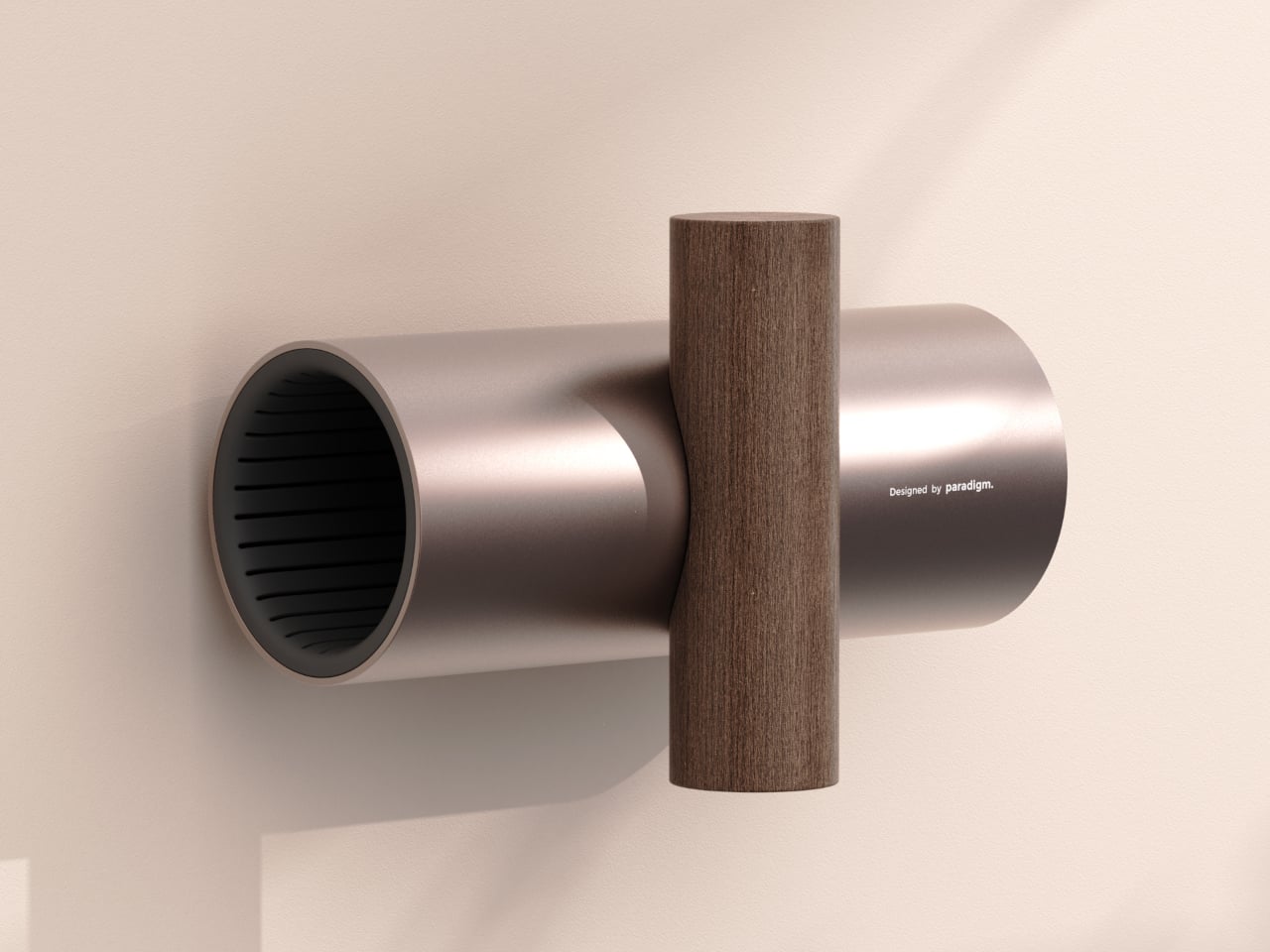
The pairing of a cool, matte cylinder with a warm wooden bar lets UMBRELLA+ slide between different moods. In neutral grey and light wood, it blends into minimal entryways. In bronze and dark wood, it feels warmer and more premium. In full blue, it turns into a playful graphic object. That flexibility lets the same form read as a quiet background or deliberate accent.

UMBRELLA+ is designed for one umbrella plus a bag or coat, not a family with multiple umbrellas fighting for space. That constraint is part of what keeps it visually clean and behaviorally focused. It is a personal entryway object, not a communal storage solution, which makes the most sense in apartments or homes where one or two people are managing their own gear.

UMBRELLA+ is less about inventing a new function and more about moving an existing one into a different part of the wall and the routine. By elevating the umbrella physically and symbolically, it turns something easy to forget into something harder to ignore. Sometimes the best way to solve small daily friction is not a smarter object, but a smarter place to put it, especially when that place is already where you reach every time you leave.

The post UMBRELLA+ Moves the Umbrella Stand Off the Floor and Into Your Exit Routine first appeared on Yanko Design.

Blizzard lines up WoW, Overwatch, Hearthstone and Diablo showcases

While we got a peek at a few Xbox Game Studios projects during last week’s Developer Direct event, neither Bethesda nor Activision Blizzard made appearances. Fans of several Blizzard franchises won’t need to wait too long to find out what’s next for their favorite games, though, as the publisher has lined up several showcases to help mark its 35th anniversary.

The developer-led streams will include “major game announcements,” according to Blizzard. They’ll all air over the next few weeks. Here’s where and when you can watch each stream:

  • January 29. 12PM ET — World of Warcraft State of Azeroth (YouTube and Twitch)

  • February 4, 1PM ET — Overwatch Spotlight (YouTube and Twitch)

  • February 9, 12:30PM ET — Hearthstone Spotlight on the (YouTube and Twitch

  • February 11, 5PM ET — Diablo 30th Anniversary Spotlight (YouTube and Twitch

With Blizzard not holding a BlizzCon in either 2024 or 2025, the announcements at these showcases should help fill the gap until the event returns in September. “This is only the start of what we’ll share around our games this year,” Blizzard president Johanna Faries said.

The WoW showcase will take place just over a month before the Midnight expansion arrives on March 2. Among other things, the developers will share their roadmaps for both modern and classic WoW.

Overwatch 2 has been teasing a takeover of the game by the villainous Talon faction, and with the next season only a couple of weeks away, we’ll surely hear more about that. Maybe Blizzard will reveal the long-rumored Overwatch mobile spinoff here too (and hopefully an animated series).

The second Diablo IV expansion, Lord of Hatred, is set to arrive on April 28 with a new campaign and fresh classes in tow, so expect to learn more during that franchise’s showcase. Hearthstone fans will also soon get a better sense of what to expect for that game this year.

This article originally appeared on Engadget at https://www.engadget.com/gaming/blizzard-lines-up-wow-overwatch-hearthstone-and-diablo-showcases-154912932.html?src=rss

This Folded Knife Design Challenges 400 Years of Tableware

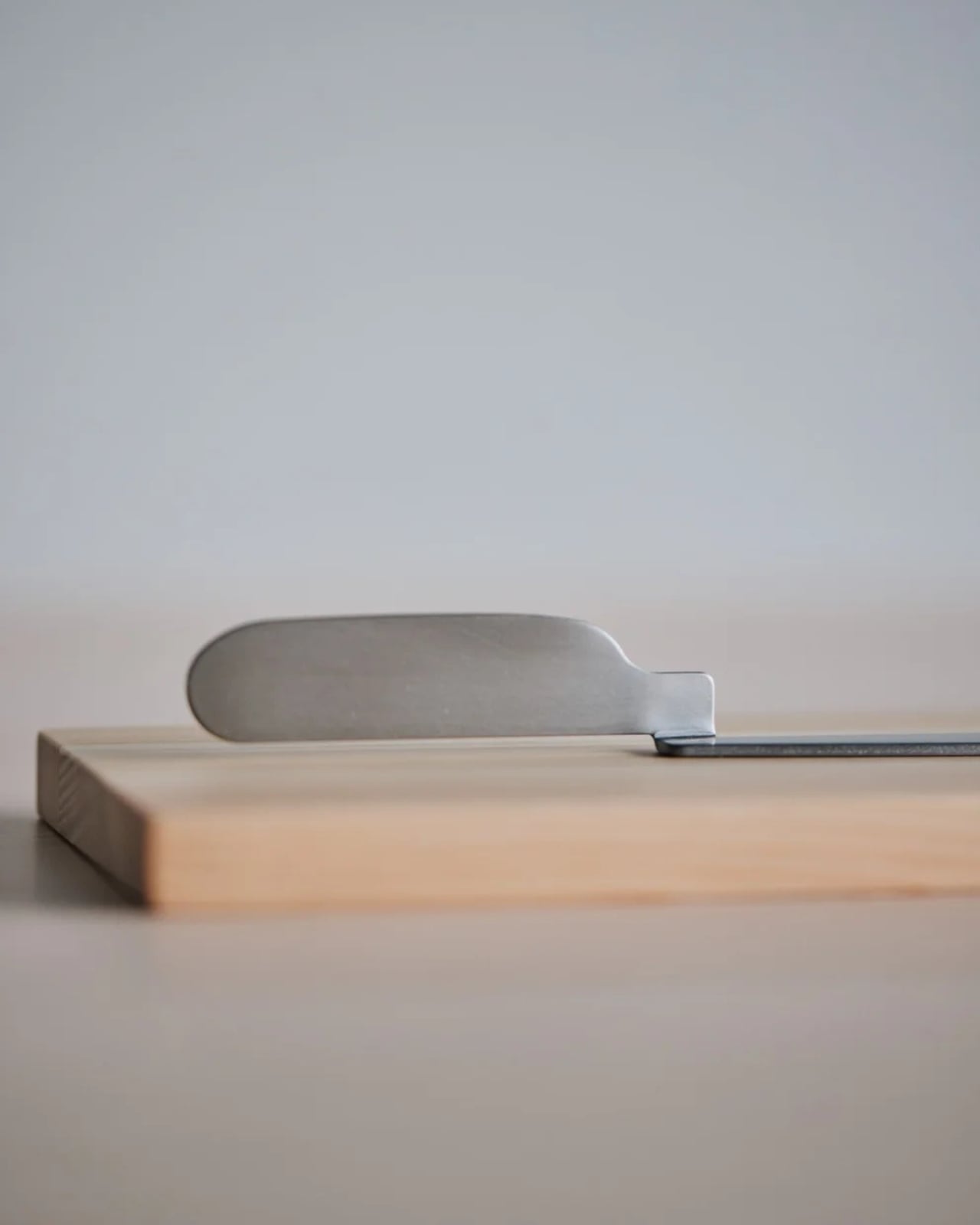
Sometimes the best designs come from asking a simple question nobody bothered to ask before. For designer Kathleen Reilly, that question was: why does a knife always have to lie flat on the table? The answer came in the form of Oku, a table knife that literally hangs around the edges of your plates and boards thanks to a unique folded handle that defies centuries of Western tableware convention.

When Reilly first arrived in Tsubame-Sanjo, a region in Japan’s Niigata Prefecture known for over 400 years of metalworking tradition, she wasn’t planning to revolutionize the humble dinner knife. The Scottish metalworker had been awarded a Daiwa Scholarship in 2019 and was eager to immerse herself in the legendary craftsmanship of Japanese artisans. What emerged from this cultural exchange was something that bridges East and West in a way that feels both natural and unexpected.

Designer: Kathleen Reilly

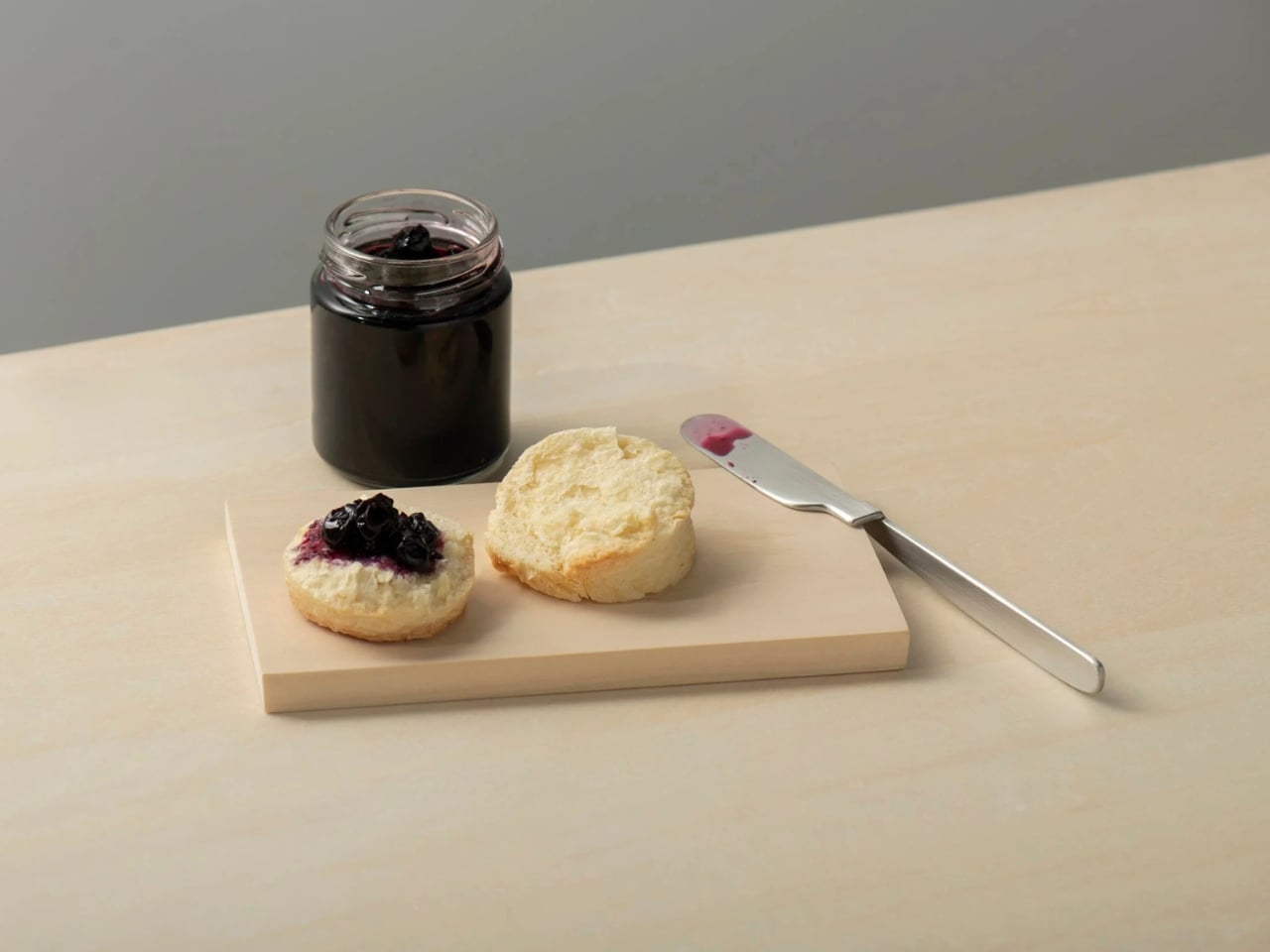
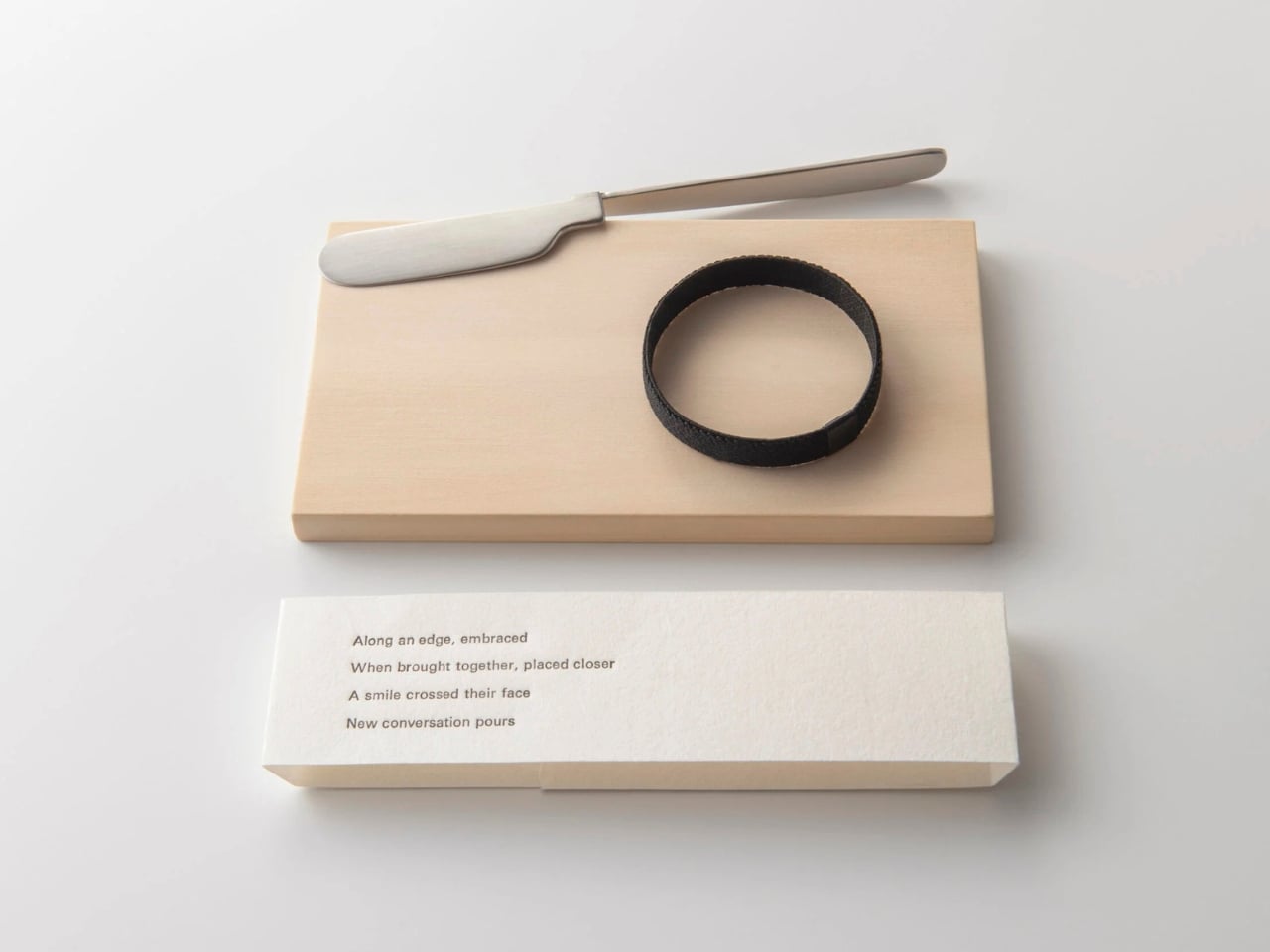
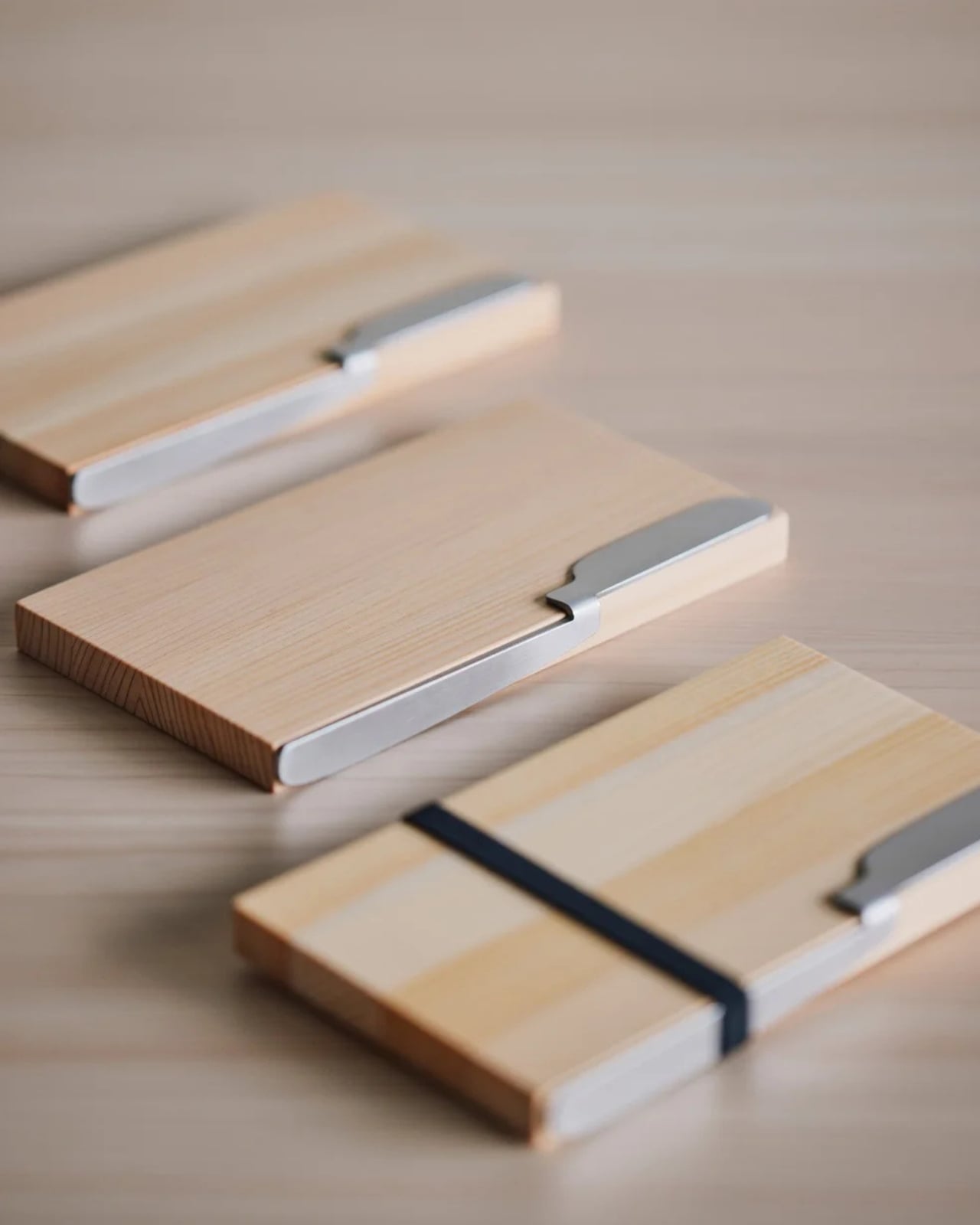
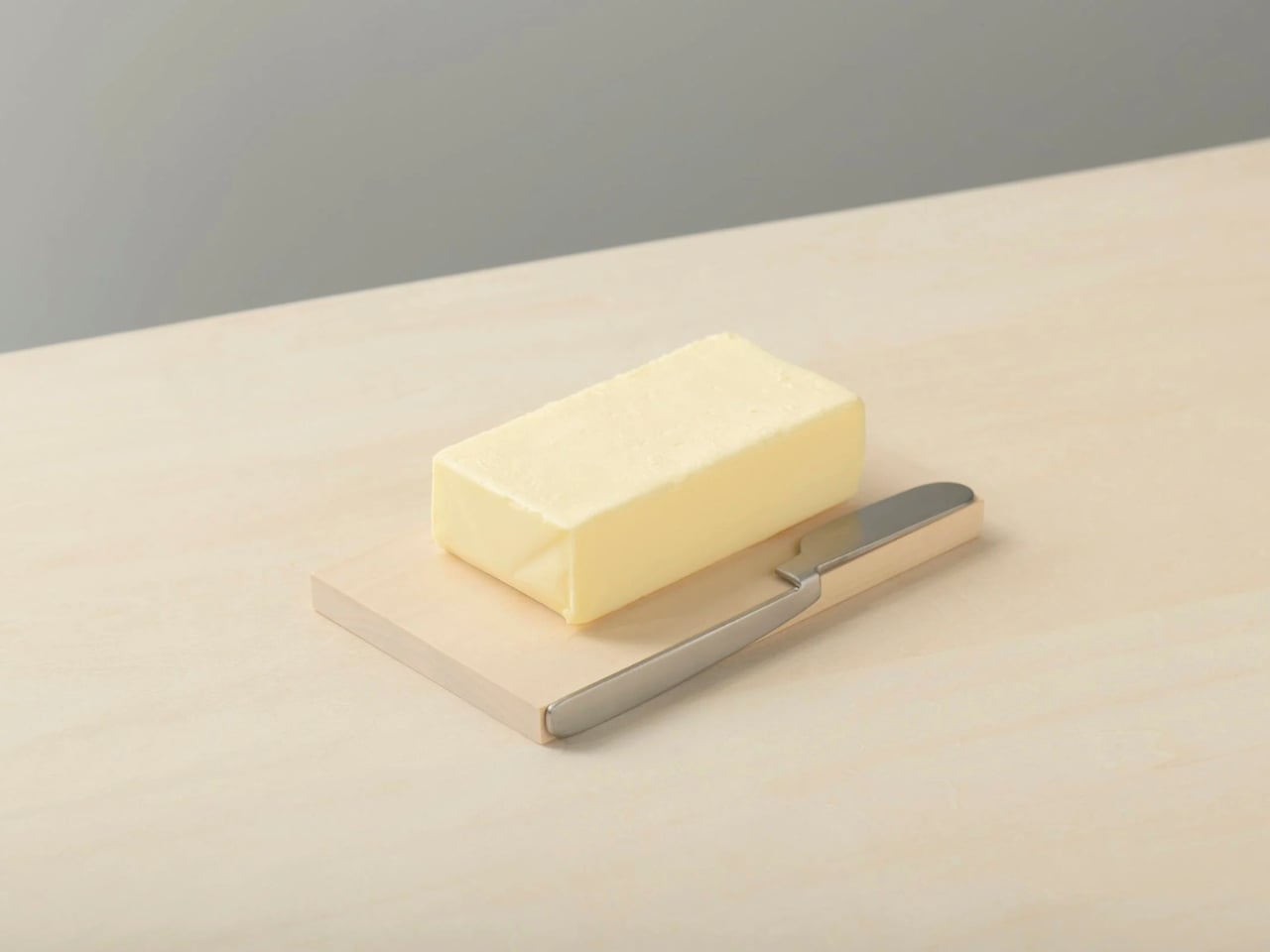
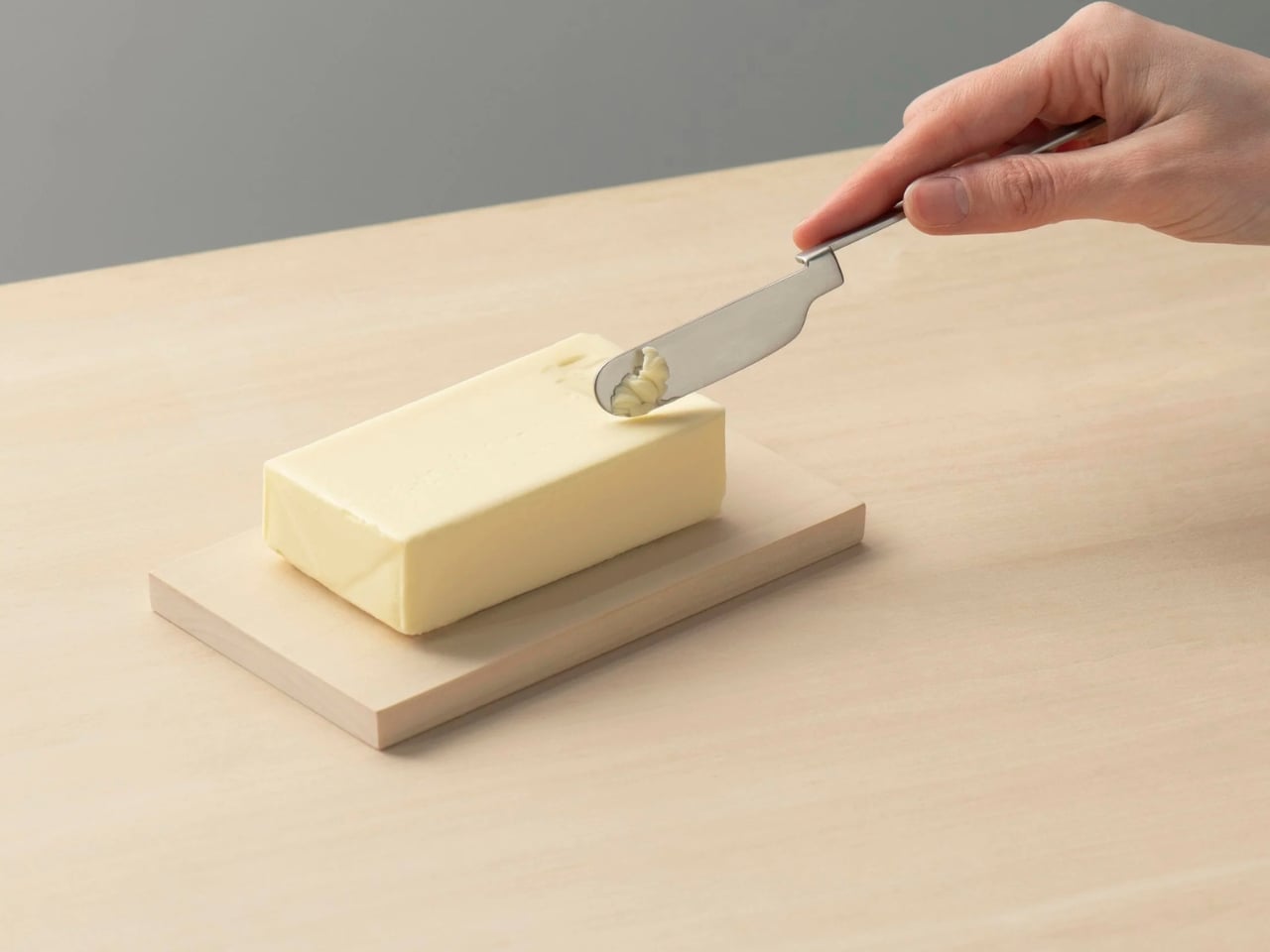
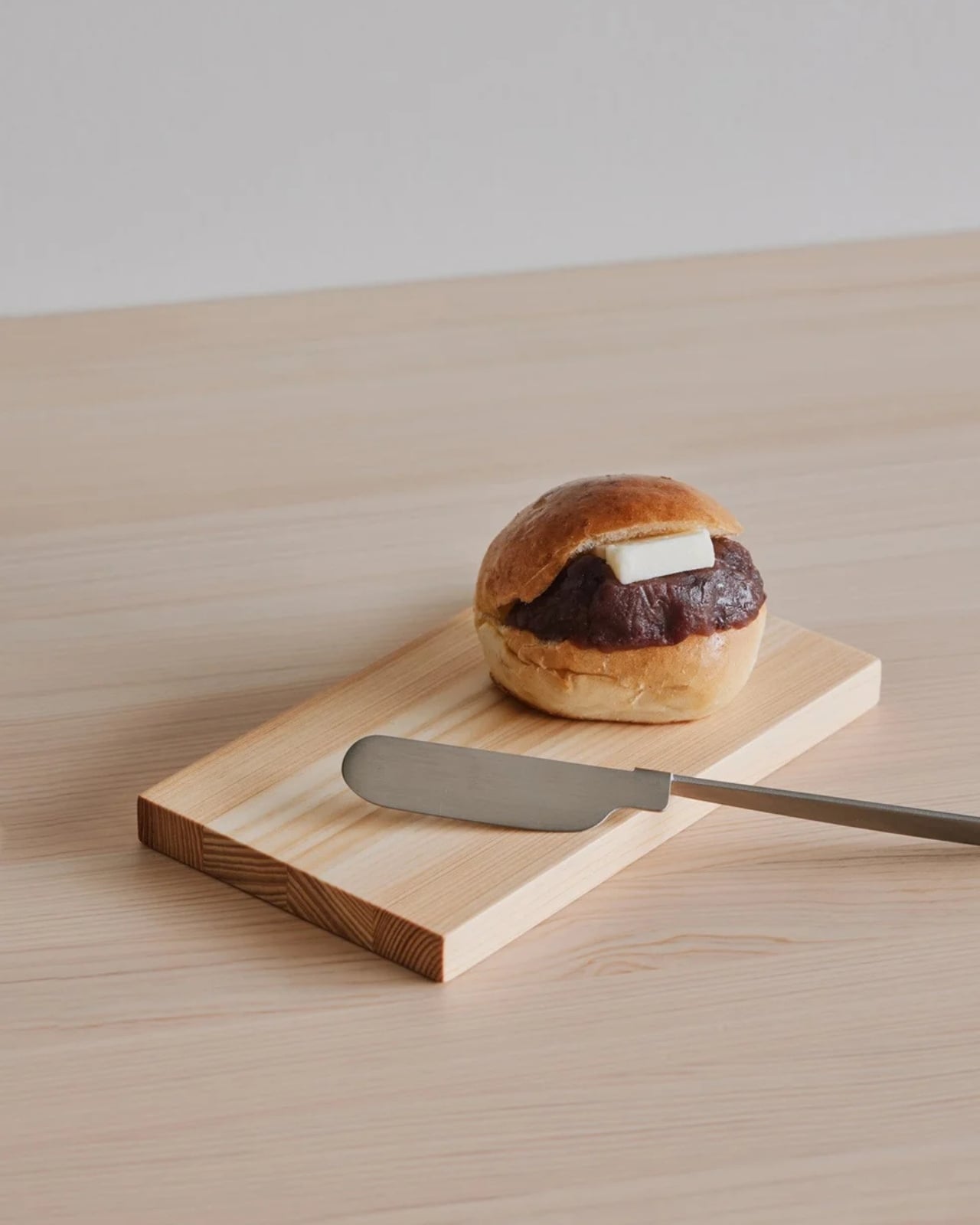
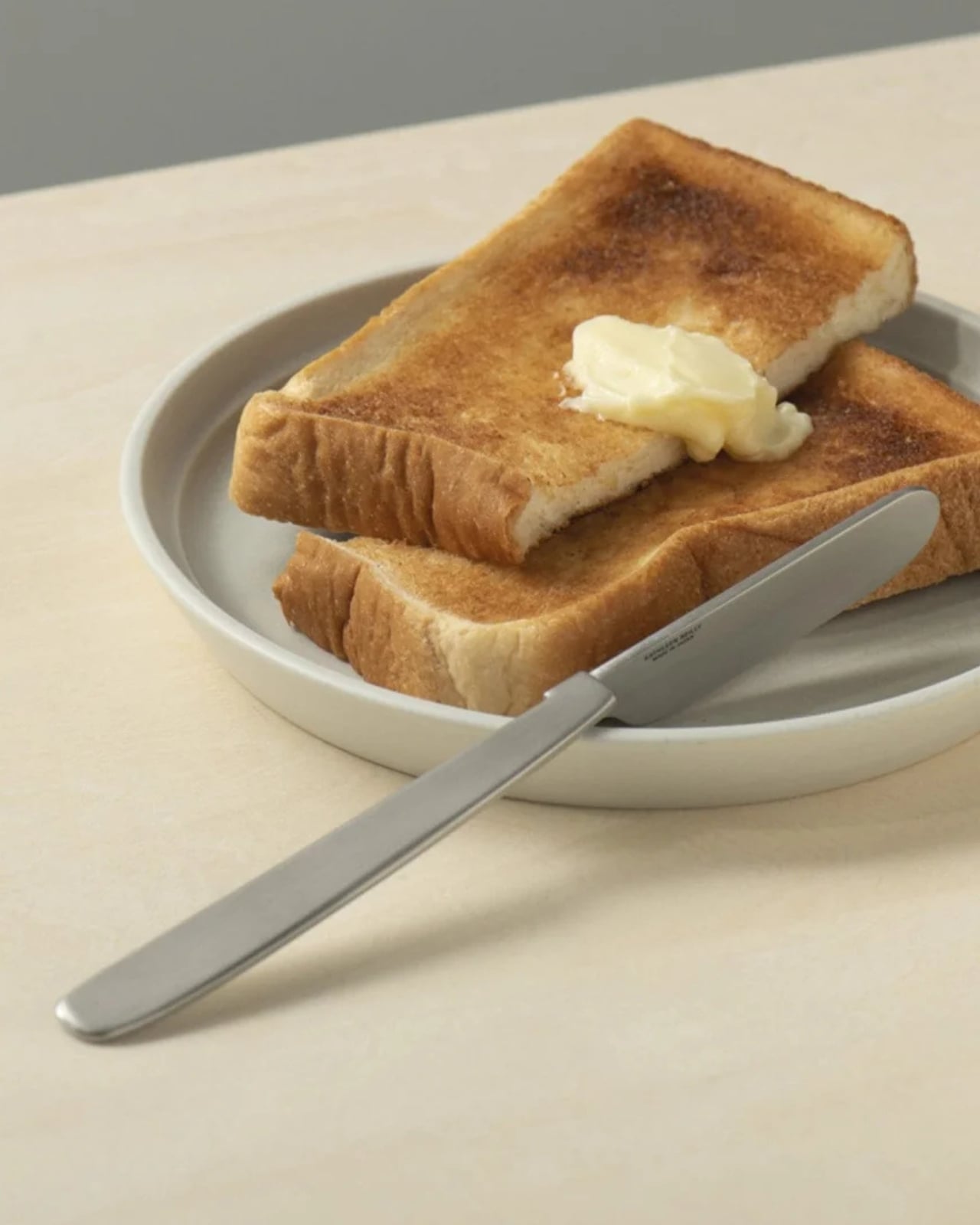
The genius of Oku lies in that distinctive bent handle. Instead of resting horizontally like every other knife you own, it hooks over the edge of a plate or wooden board, elevating the blade and creating this almost sculptural presence on your table. It’s a design choice inspired by traditional Japanese place settings and arrangement principles, where every object has intention and purpose. But it’s not just about aesthetics. That elevated position means the blade never touches the table surface, keeping things cleaner and adding an element of interaction between the knife and whatever it’s sitting on.

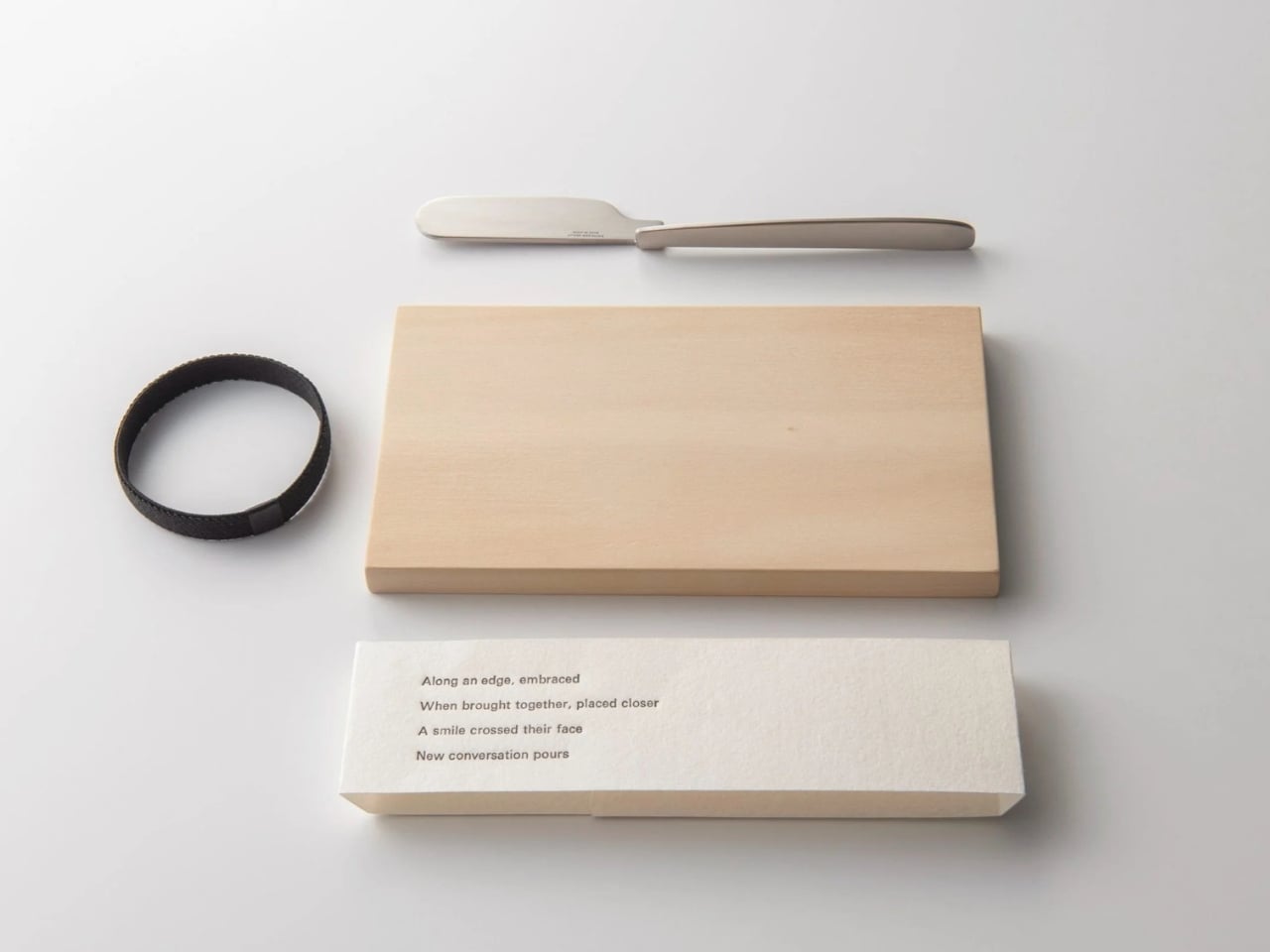
The project brought together some serious talent from Japan’s craft world. The metal work came from skilled craftspeople in Tsubame-Sanjo, using techniques passed down through generations. The wooden boards that pair with the knives are made by Karimoku Furniture, Japan’s leading wooden furniture manufacturer known for both quality and sustainability. Every piece of wood is sustainably sourced from Japanese forests managed to promote conservation, and the high-quality stainless steel is domestically produced. The whole project operates under Japan’s Ministry of Foreign Affairs Sustainable Development Goals, which gives it some serious environmental credentials.

What makes Oku particularly interesting is how it challenges assumptions. Western tableware has followed basically the same template for centuries, but Reilly looked at those conventions through fresh eyes informed by Eastern design philosophy. The result is functional yet unconventional, introducing what she describes as a refined aesthetic that breathes new life into dining spaces. Dezeen Awards judges agreed, naming Oku the Homeware Design of the Year in 2022. Their comments captured something essential about the design: “Oku has a certain humour to it while being beautiful and innovative. It is a beautiful, honest and delicate design, the way the knife and the block work together has a kind of unified function that is expressed through the form of each.”

There’s something playfully subversive about a knife that refuses to behave like other knives. It perches rather than lays, it interacts rather than just existing. The form tells a story about craft traditions meeting contemporary design thinking, about respecting heritage while pushing boundaries. It’s the kind of object that makes you reconsider other everyday items you’ve taken for granted.

For anyone interested in how design can create dialogue between cultures, Oku offers a compelling case study. It demonstrates that innovation doesn’t always mean adding more features or technology. Sometimes it means looking at something familiar from a completely different angle, informed by traditions that value mindfulness and intentionality in daily rituals. The collaboration between Scottish creativity and Japanese craftsmanship produced something neither culture would have created alone, and that’s where the magic happens.

The post This Folded Knife Design Challenges 400 Years of Tableware first appeared on Yanko Design.

Apple’s second-generation AirTag offers greater range but still doesn’t have a keyring hole

Apple has launched its next-generation AirTag for $29 and brought a slew of new features along with it. But, first, it's important to get this out of the way: The new AirTag still doesn't have a keyring hole, so you'll still need accessories like a case, holder or secure pocket.

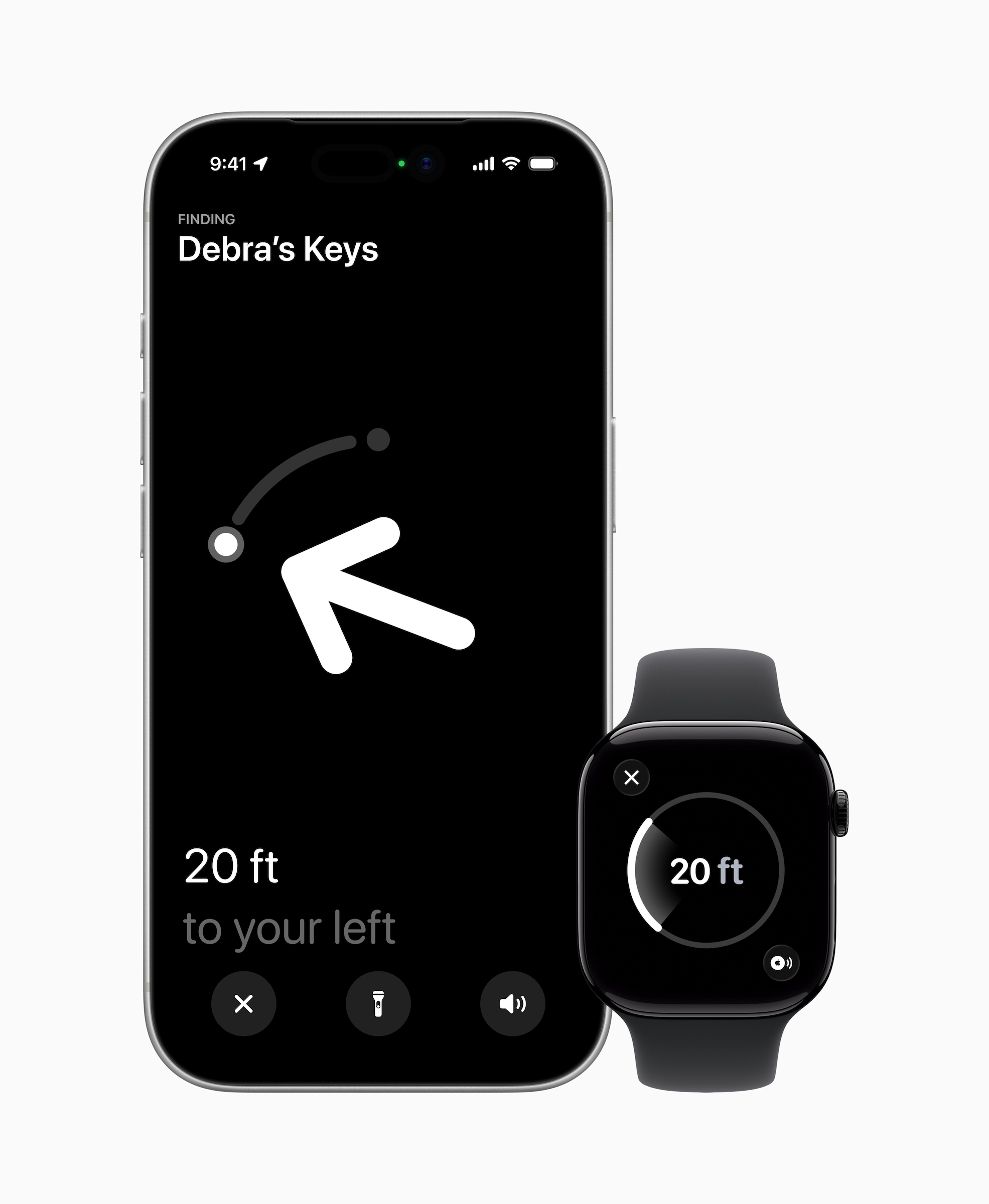
Once you get over that, the new Apple AirTag does offer some nice improvements. For starters, it's now powered by Apple's second-generation Ultra Wideband chip — the same one used in the iPhone 17 lineup and for the Apple Watch Ultra 3. It also uses Precision Finding to reach items up to 50 percent further away than the previous AirTag model. This feature will now work with any Apple Watch Series 9, Ultra 2 or a later iteration of either. That means the directional guidance that shows you down to a few feet where your AirTags are will be available on those compatible watches in addition to your iPhone.

New AirTag.
New AirTag.
Apple

The new AirTag is also 50 percent louder than before and has what Apple calls a "distinctive new chime." It still uses the Find My network to bounce off other Bluetooth users and locate the AirTag. 

Launched in 2021, Apple's AirTag has long stood as our favorite Bluetooth tracker for iPhones. It's convenience within the Find My app is a big help and almost makes up for the fact that it doesn't have a key ring — almost

Update, January 28 2026, 11:58AM ET: This story has been updated to add a clarification on the Precision Find update for Apple Watches, as well as a link in the intro.

This article originally appeared on Engadget at https://www.engadget.com/wearables/apples-second-generation-airtag-offers-greater-range-but-still-doesnt-have-a-keyring-hole-150540407.html?src=rss

iPhone Fold vs. Galaxy Z Fold 8: Is Apple Already Too Late to the Party?

iPhone Fold vs. Galaxy Z Fold 8: Is Apple Already Too Late to the Party?

Apple’s anticipated entry into the foldable smartphone market with the iPhone Fold in 2026 has sparked widespread interest and debate. Meanwhile, Samsung, a pioneer in foldable technology, is preparing to launch its Galaxy Z Fold 8, continuing its legacy of innovation in this niche. This competition between two tech giants highlights their differing approaches: Samsung’s […]

The post iPhone Fold vs. Galaxy Z Fold 8: Is Apple Already Too Late to the Party? appeared first on Geeky Gadgets.

Posted in Uncategorized

Resident Evil Requiem gives series fans the best of both action and survival horror

The ninth mainline Resident Evil is trying to split the difference between the series’ action-heavy entries and the stress-inducing hide-and-seek episodes. During a four-hour playthrough of some early parts of Resident Evil Requiem, I spent time with both of the two main characters, Grace and series mainstay Leon. They offer distinctly different playstyles, talents, strengths, and weaknesses. While it isn't an entirely new premise for the survival horror series (in the original, playing as Chris Redfield offered more challenge than playing as Jill Valentine) it’s never been this pronounced. 

I started playing as Leon, entering a medical facility he seemed to have been invited to. With a cavernous main hall, it feels like yet another iconic Resident Evil hub, immediately reminding me of Raccoon City's Police Precinct and even the original's cavernous manor. Wings to explore? Check. Suspiciously quiet and empty central area that will almost definitely get overrun by zombies at some point? Probably.

Both Grace and Leon’s parts can be played in either third- or first-person perspective, though Leon’s segments seem better suited to the third-person view, since there's just a lot more shooting. Grace's segments were tense and demanded my full attention, more akin to Resident Evil 7. During this early part of the game, there is a lot of hiding, plenty of ammo conservation and a lot more learning from dumb mistakes. The parts of the game I played with Leon reminded me more of Resident Evil 4 (or 5 or 6 – but let’s gloss over those).

Once you take control of him, Leon is immediately attacked and has to fend off roughly 15 infected doctors, nurses and patients. It’s a significant tone shift from Grace skulking around the facility, hiding behind plants and sometimes just hoping for the best. 

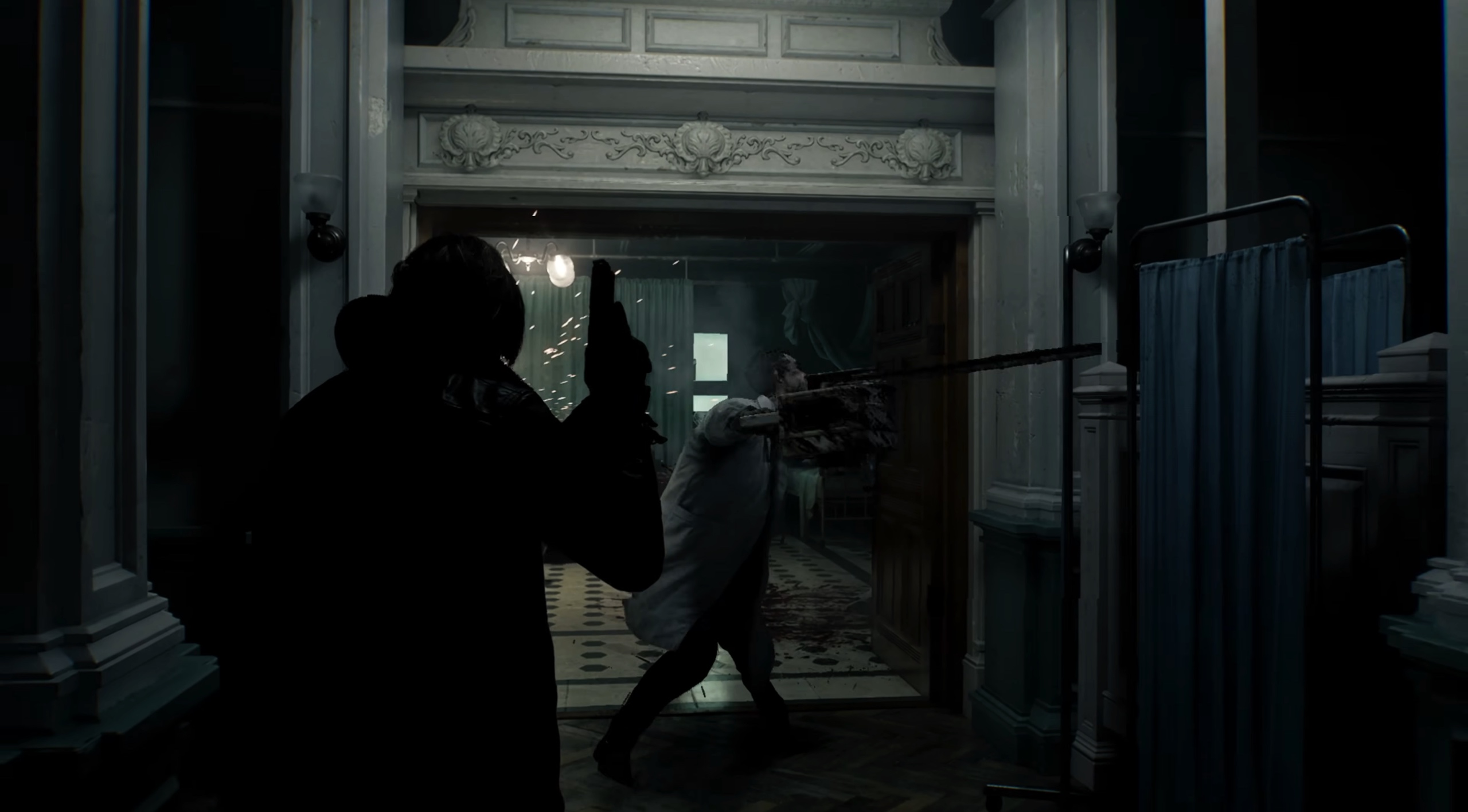
Leon faces off against a chainsaw-wielding doctor zombie. Best cut that arm off.
Capcom

Leon, fortunately, arrives with several weapons, including a new melee option, a hatchet. Using this, he can make targeted attacks to lop off limbs and aim at the head to deliver more damage. At least on these basic zombies, I found relentless slashing more effective than more targeted efforts – I’m sure future enemies will demand more… nuanced approaches. A later enemy must be decapitated to kill it. 

After a set number of swings, you will need to retreat and sharpen the blade, which adds to the jeopardy while not disrupting the chaos. The hatchet can even be used to parry attacks – if you get the timing down. 

Leon even gets to wield a chainsaw during this initial encounter, but only after claiming it from one particularly industrious zombie that seemed to find it inside a hospital. It was crucial to both disarm this zombie and grab the chainsaw before another corpse could take a turn on it. However, just because the chainsaw gets dropped doesn’t mean it’s turned off. I suffered significant damage when I repeatedly rushed into the spinning power tool. 

The zombies in Requiem are also a little more nuanced compared to previous games – if a zombie can have nuance. While nearly all of the zombies will attack you on sight, they can be distracted or delayed based on the person they were before they turned. For example, the chef zombie (a hardy, bigger zombie than the ones you’ve come across until that point) will only chase you around his kitchen. Step out into the corridor and he’ll leave you alone. Elsewhere, a zombie (attached to an IV, cute) has his eyes bandaged and will react aggressively to any noise. I used this to my advantage, hurling an empty bottle at another zombie who stood nearby. The IV zombie killed him immediately. Another time, a senior exec who’s been turned is firing an employee of his… by killing them, moaning “You’re fired” as he does so. This little vignette gave me enough time to dim the lights and hide when he left his office. 

In Requiem, players are expected to exploit individual zombie behaviors to outmaneuver them. It’s also a welcome dose of humor to the survival horror series, reminding me a little of the camp moments in Dead Rising, another zombie-centric Capcom series. 

Leon doesn’t have to strategize quite as much, arriving with a particularly powerful handgun, the Requiem, that he eventually passes over to Grace. This is capable of stopping pretty much (but not all) enemies you come across, although it initially comes with only a single bullet, so you really have to make it count. 

During a set-piece battle against a towering, swollen former patient, I got to test Requiem’s action-horror controls under pressure. Leon finds a shotgun and has to flank (and outrun) his “hungry” attacker. The environment in the rafters of the building is designed so it’s easy to figure out where you need to go and how to stop the giant zombie from cornering you. Ammo, at least during this fight, was scattered around, which was a relief after struggling to find bullets during Grace’s segment.

Despite the lack of traditional weapons, Grace eventually finds a blood injector (and its companion blood analysis system). These turn into Requiem’s crafting system. Powered by literal buckets and puddles of blood (you have to draw up infected blood from certain parts of the environment and enemies), samples can be combined with scraps, herbs and more to create high-powered first-aid shots, injectable explosive blood, ammunition and a lot of other things. Analysing different blood types (and solving some light puzzles) adds further crafting options. 

Oh he's not going to help you.
Capcom

During the preview, the infected blood injector was exclusively for Grace’s use. It’ll be intriguing if only one character gets to benefit from the crafting system, although Capcom teased customizable weapons for Leon, which might better suit his playstyle. Grace might also be handicapped by the typewriter save system popularized in the first few RE games. This could mean you’ll only be able to save if you have an ink ribbon on you, a very stressful part of inventory management early on in the series — she really can’t catch a break. However, it appears to be adjustable in difficulty settings. 

According to Capcom’s Resident Evil showcase last week, infected blood will apparently play a strong role in Requiem, touching on both Leon’s past (he’s apparently suffering from a mystery ailment) and the circumstances surrounding the death of Grace's mother. And it wouldn’t be a Resident Evil game with mystery, buckets of blood, and a pulpy villain. Capcom has primed another fascinating villain with Requiem’s Dr. Gideon, a former Umbrella virologist who was seemingly written for an actor to go full camp baddie – if the doctor’s hooded snakeskin trenchcoat wasn’t a giveaway. 

Resident Evil Requiem will be released on February 27, 2026 for PC, PS5 and Xbox Series X|S.

This article originally appeared on Engadget at https://www.engadget.com/gaming/resident-evil-requiem-preview-150000849.html?src=rss

Even Plant Killers Can Appreciate This Beautifully Designed Germinator

During the pandemic and even after, there were a lot of people who started becoming plant parents, growing their own plants and flowers in their backyards, on window sills, or even in just one pot. I am not one of those people, specifically because I seem to kill green things accidentally. But for those who love growing things and are looking for beautifully designed and convenient tools to help them, this germinator might pique your interest.

OV is a germinator designed by SOMbyMOS, which is basically a beautifully crafted plate to grow your sprouts using an innovative felt substrate system. You can even choose from several material options for your base to match your space’s aesthetics and to reflect your own personal style: marble, wood, grey stone, or plastic.

Designer Name: Som by Mos

Usually, some germinators use traditional mesh or plastic grids, but this one uses a felt substrate so your sprouts will stay fresh as they grow. It’s gentler on those that are more delicate and also creates better moisture distribution. Plus, it also looks more refined than the typical germination systems in the market. The choice of the base also adds an element of great design, especially if you want to marry form and function.


The marble base brings sophistication with its cool, smooth surface and natural veining that makes each piece unique. The grey stone option brings earthy texture with subtle color variations that add character. The wood variant has a more organic appeal with its warmth and natural grain patterns, while the plastic option has a more contemporary and accessible look without compromising on aesthetic quality.

This germinator is able to embrace its dual purpose beautifully. When you’re growing sprouts, you can watch as it evolves into a living piece that adorns your home. It’s probably fun to see those tiny seeds eventually become vibrant greens day by day, transforming from dormant potential into actual nourishment right before your eyes. But here’s what makes the OV special: when you’re not growing anything, it can still become a beautiful, decorative object, so you don’t need to hide it somewhere and just bring it out when you want to use it as a germinator. It deserves to stay displayed on your counter or shelf, earning its keep as a design piece even during its “off-duty” hours.

The OV comes from Barcelona-based multidisciplinary studio MOS, and their design philosophy really shines through here. They focus on turning “the ordinary into extraordinary” through thoughtful simplicity, and growing sprouts, something that usually happens in plastic containers tucked away in dark corners, becomes this elevated ritual you’ll actually want to engage with daily.

What SOMbyMOS has created is more than just a functional tool; it’s what they call a “growing ritual”. The process of tending to your sprouts becomes meditative and rewarding when your germinator is this beautiful. You’re not just checking on seeds; you’re interacting with a design object that brings joy to your space.

For those interested, the OV is available at various price points depending on your chosen material, ranging from €55 to €121, making it accessible whether you’re just starting your design collection or you’re a seasoned collector looking for something unique and functional.

Even for someone like me who struggles to keep plants alive, I can appreciate the thoughtfulness behind the OV’s design. It acknowledges that the tools we use in our daily lives should be beautiful, not just functional. While I might not trust myself with growing anything (the sprouts would probably stage a revolt), I can absolutely see the appeal for those who have that green thumb I clearly lack.

If you’re someone who loves the ritual of growing your own food, appreciates Scandinavian-inspired minimalism with a Mediterranean twist, or simply wants to add more intentional, beautiful objects to your home, the OV offers exactly that. It’s a reminder that even the simplest activities, like growing sprouts, can become something special when we surround ourselves with thoughtfully designed objects that bring us joy.

The post Even Plant Killers Can Appreciate This Beautifully Designed Germinator first appeared on Yanko Design.

Build a Quiet SFF Gaming PC : Fast 1440p From Low-Profile RTX 5060

Build a Quiet SFF Gaming PC : Fast 1440p From Low-Profile RTX 5060

What if you could pack the power of a high-end gaming rig or workstation into a case small enough to fit on a bookshelf? ETA PRIME takes a closer look at how the Minis Forum BD895 Mini-ITX motherboard is turning that dream into reality. Featuring the AMD Ryzen 9 8945HX processor and innovative support for […]

The post Build a Quiet SFF Gaming PC : Fast 1440p From Low-Profile RTX 5060 appeared first on Geeky Gadgets.

Posted in Uncategorized