Huawei Mate X7 Review: When a Foldable Finally Feels Finished

PROS:


  • Exceptionally thin foldable design that feels resolved and comfortable daily

  • Matched dual displays deliver consistent quality folded or unfolded

  • Camera system prioritizes realism, balance, and dependable everyday results

  • Strong battery life with fast wired and genuinely usable wireless charging

  • Thoughtful ergonomics make it feel like a phone first, foldable second

CONS:


  • HarmonyOS requires ecosystem flexibility and willingness to adjust workflows

  • Telephoto zoom range favors balance over extreme long distance reach

RATINGS:

AESTHETICS
ERGONOMICS
PERFORMANCE
SUSTAINABILITY / REPAIRABILITY
VALUE FOR MONEY

EDITOR'S QUOTE:

A foldable that finally disappears into daily life instead of demanding attention.

award-icon

The best foldables are the ones that stop asking for permission. After years of watching the form factor fight against itself, the Mate X7 arrives as something quieter: a device where restraint replaces spectacle, and compromise fades into the background. What makes it notable isn’t ambition. It’s resolution. The proportions feel considered. The materials feel deliberate. The hinge feels invisible in the way all good engineering eventually should. This is not a phone that announces itself as a foldable. It simply behaves like a flagship that opens when you need more space.

What makes the Mate X7 feel distinct is not how much it can do, but how deliberately its form has been resolved. From the first day, the Mate X7 felt less like a concept I needed to accommodate and more like a tool that quietly folded itself into my routine. That’s a subtle distinction, but it’s the one that matters most. This isn’t about novelty anymore. It’s about maturity.

Design and Ergonomics

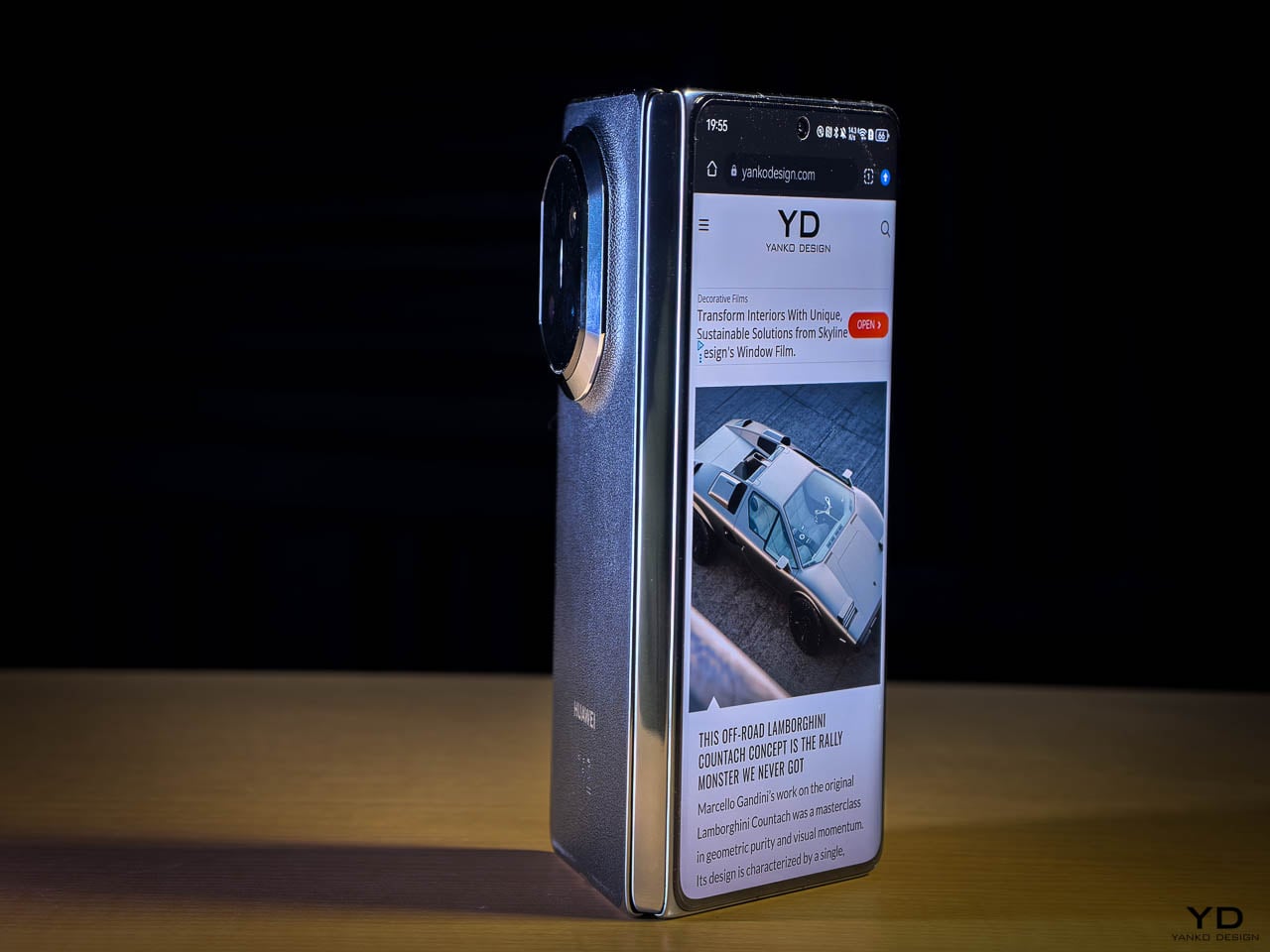
Folded, the Mate X7 feels surprisingly ordinary in the best way possible. The thickness stays under ten millimeters, which means it slips into pockets without that familiar resistance most book style foldables still have. Unfolded, it measures approximately 4.5 millimeters. Both displays run at 2.4K resolution on LTPO OLED panels with adaptive refresh from 1 to 120 Hz, the outer screen peaking at 3,000 nits and the inner at 2,500 nits. The curved edges soften the contact points in your hand, and the weight feels evenly distributed rather than top heavy. I never found myself adjusting my grip to compensate for the hinge or camera module.
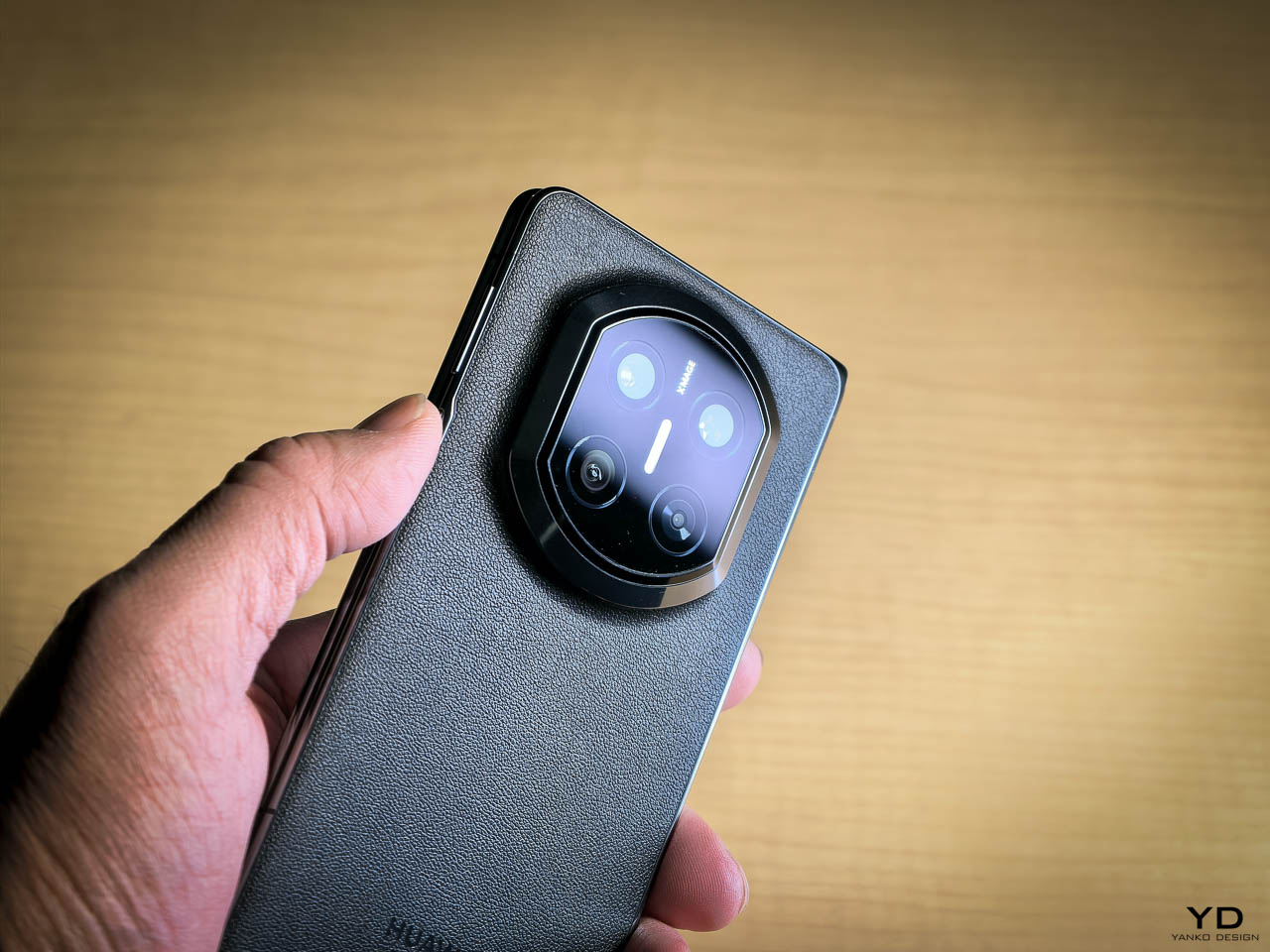
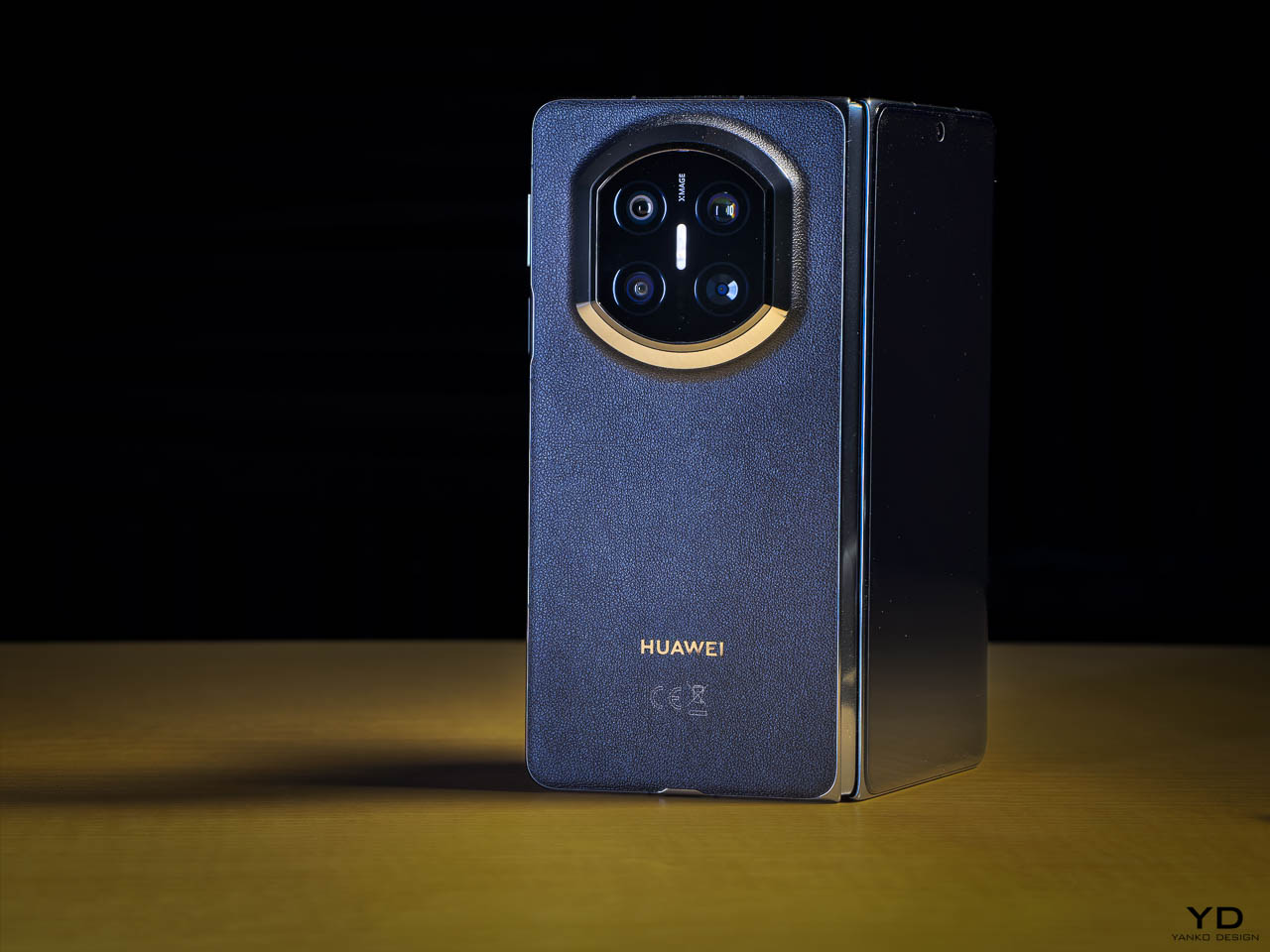
The black vegan leather rear panel changes how the phone sits in the hand. It’s softer than glass, warmer than metal, and far less prone to slipping during one handed use. Fingerprints don’t cling to it the way they would on a glossy surface. Over time, the leather develops a subtle patina rather than showing wear, which frames aging as character rather than damage. It feels like a material choice made for daily comfort, not display.

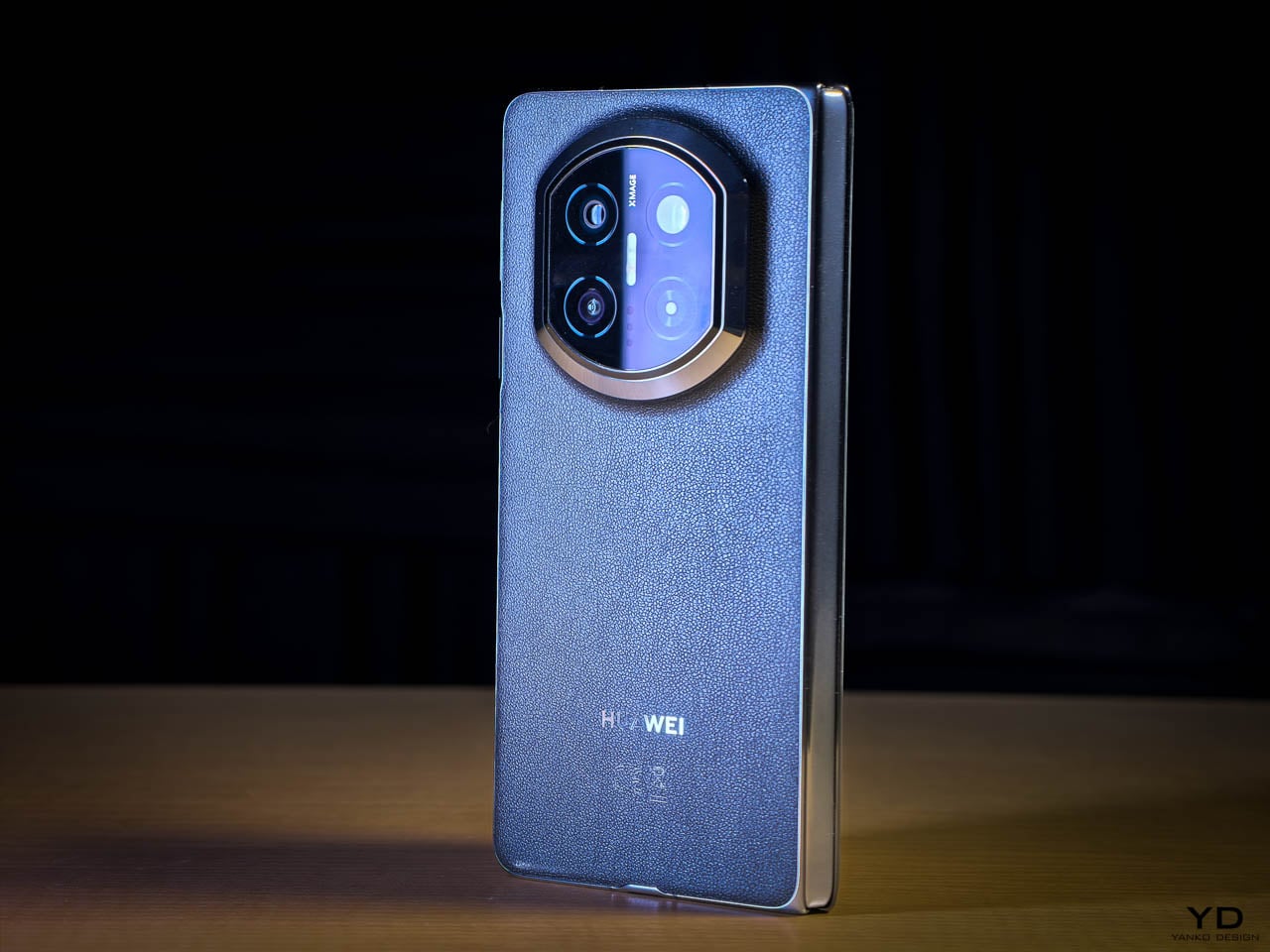
The redesigned camera module warrants more attention than it usually gets in foldable reviews because it does more than house optics. This shift away from the circular camera island feels less like a styling decision and more like a correction to how foldables have been carrying visual mass. The Time Space Portal design stretches vertically, which aligns with the natural proportions of a folded device instead of fighting them. It also spreads mass along the back rather than concentrating it near the top, which helps explain why the Mate X7 never feels top heavy in the hand. This design only works because Huawei re-engineered the camera system to fit within the physical constraints of a thinner foldable body, allowing it to read as a surface element rather than a mechanical bulge. What you end up with is a camera module that feels integrated into the body instead of attached to it. Paired with the leather rear panel, the camera module reads less like a hardware interruption and more like part of a continuous material composition.
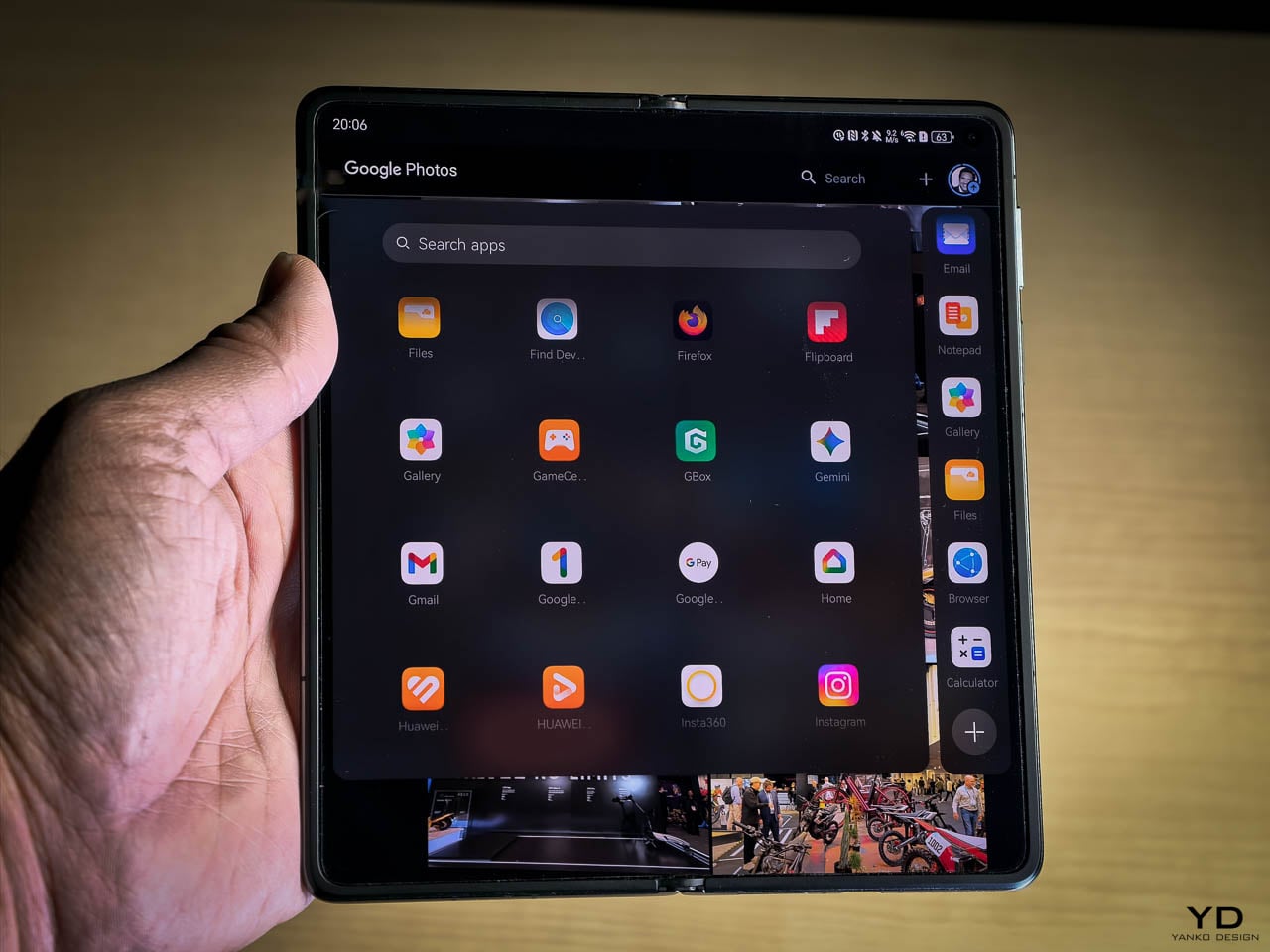
The interface plays a quiet but important role in how the Mate X7 feels to live with. When the phone is folded, core interactions stay comfortably within thumb reach instead of drifting upward or outward. Unfolding the device doesn’t feel like switching modes so much as expanding the same workspace. Apps reflow predictably rather than rearranging themselves in ways that break muscle memory. That predictability matters because it reinforces the physical design choices. You unfold when you want more space, not because the interface forces you to. The software respects the hardware’s proportions, which is why the Mate X7 feels cohesive rather than clever.
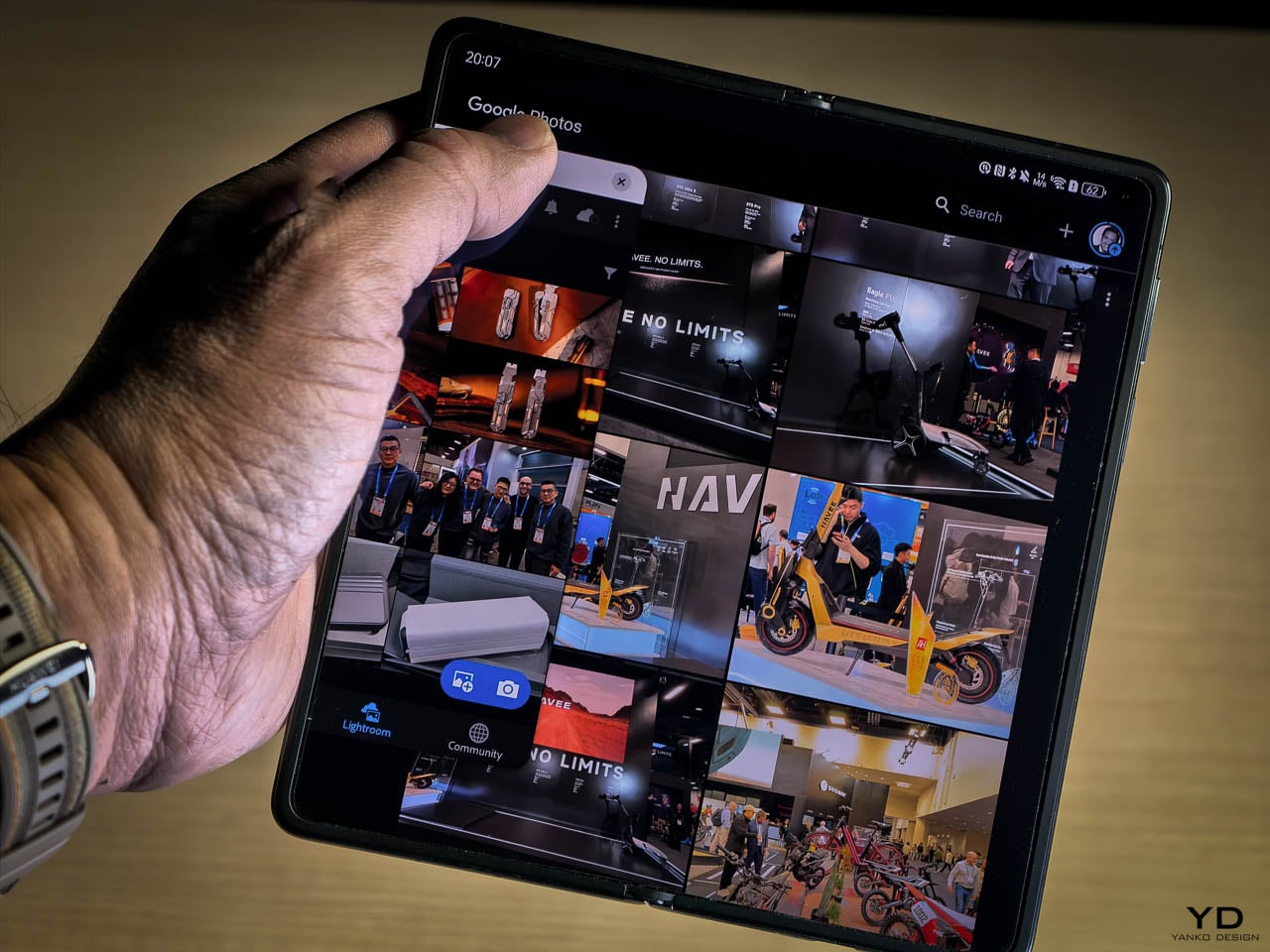
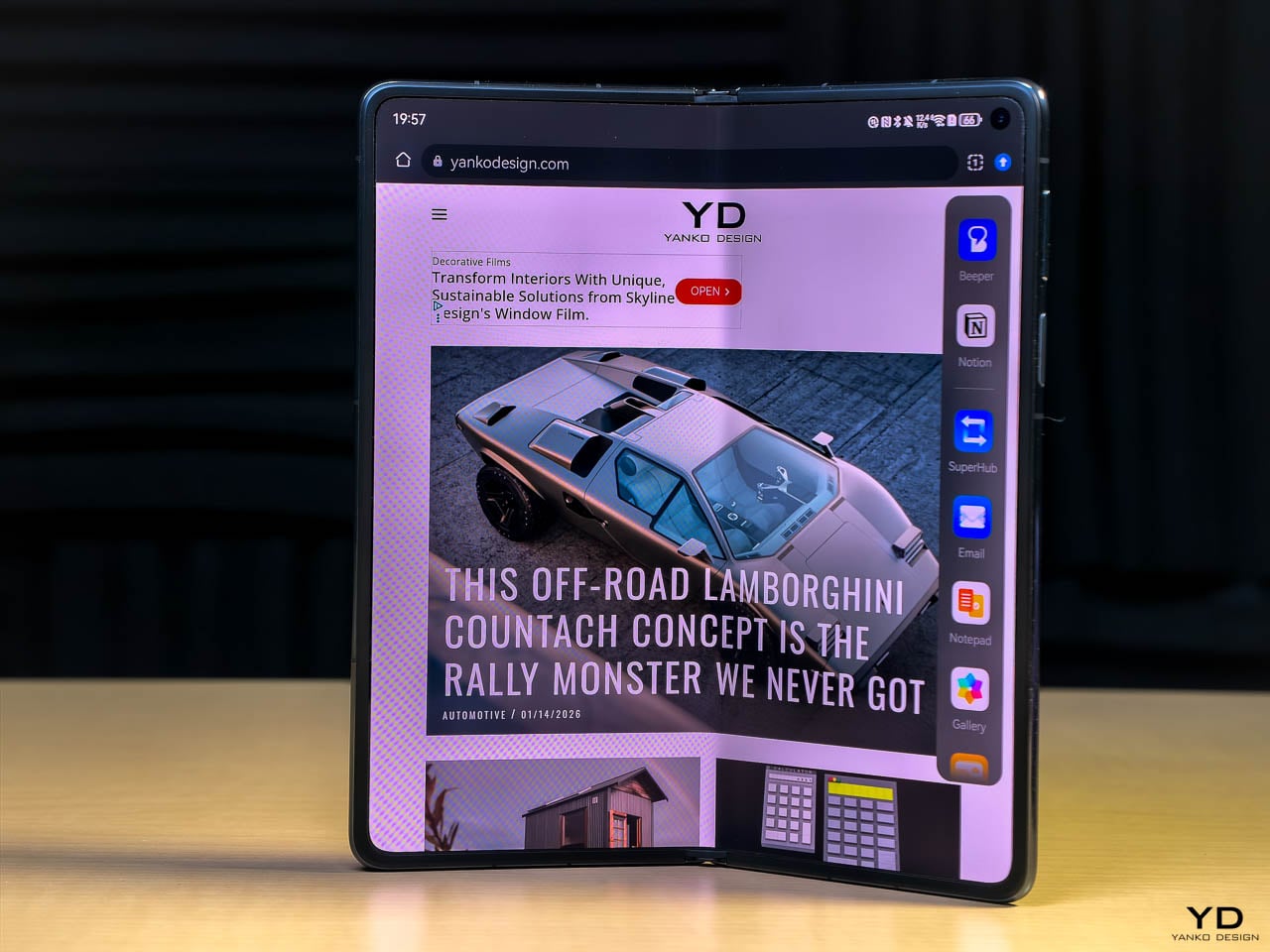
Unfolded, the eight inch inner display changes posture more than behavior. You don’t suddenly use the phone differently. You simply see more of what you were already doing. Email triage feels less cramped. Reading long articles feels natural instead of compressed. The crease fades into the background quickly, and because both displays share the same resolution class, refresh rate range, and color tuning, the transition between folded and unfolded never feels like a downgrade or upgrade. It feels consistent.

That consistency is what makes the design work. The Mate X7 doesn’t force you to choose between screens. It lets you forget about the distinction.

Hinge and Durability

Foldables still live or die by trust. The Mate X7 builds that trust quietly. The hinge opens with steady resistance and closes with a controlled final movement. There’s no snap. No wobble. No audible feedback that makes you hesitate. After days of frequent folding and unfolding, it never felt looser or stiffer than it did out of the box.
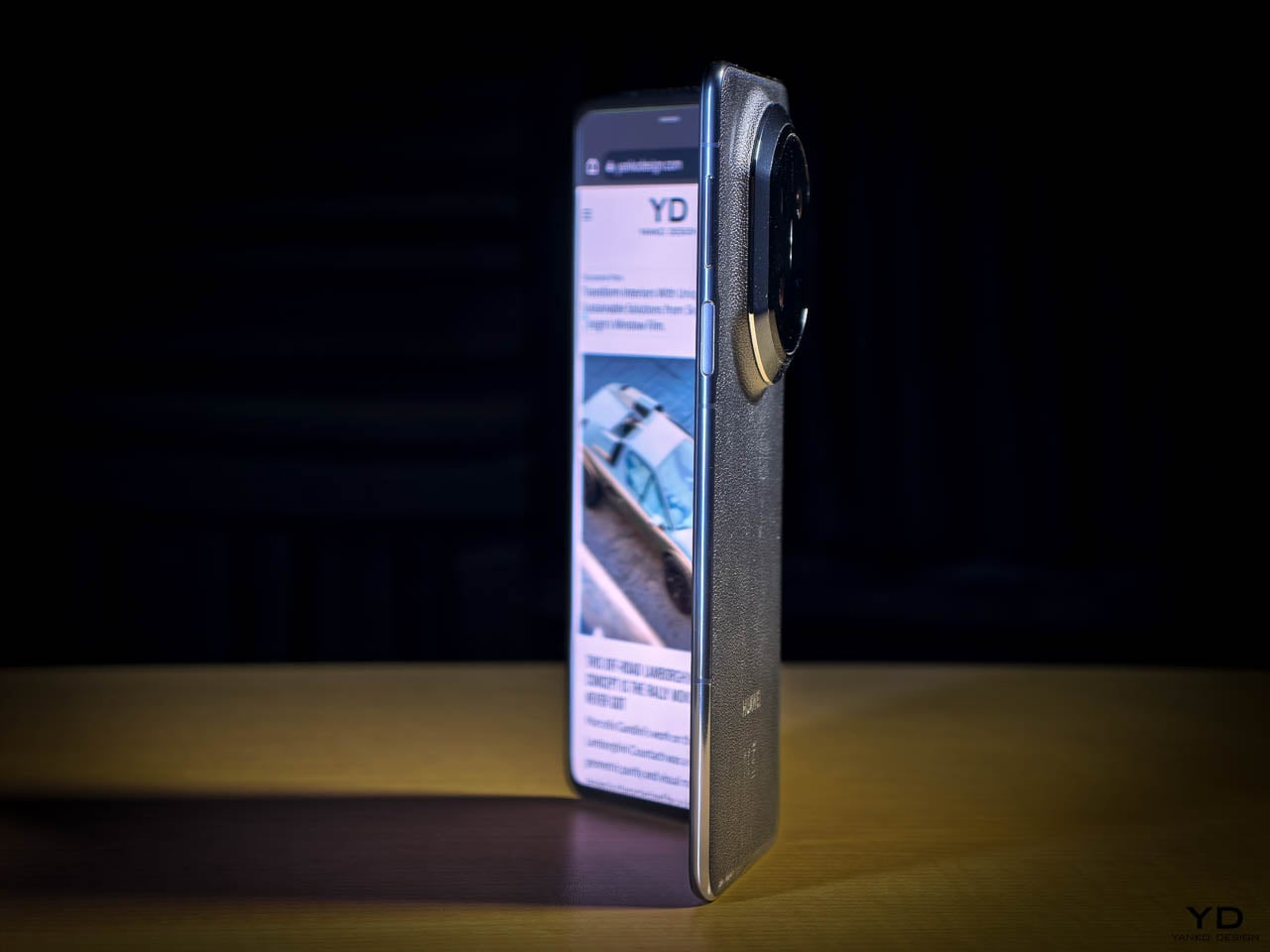
Knowing there is a layered structure under the inner display changes how you interact with it. You stop hovering your fingers. You stop being overly careful. The screen responds like a screen, not like something you’re afraid to touch. That psychological shift is important, and it’s something many foldables still fail to achieve.

Water resistance doesn’t turn this into a rugged phone, but it removes anxiety from daily life. Light rain, splashes near a sink, condensation from a cold bottle. These moments no longer feel like threats. You don’t think about them. You keep using the phone.

Performance and Thermal Behavior

The Mate X7 uses a Huawei-designed chipset paired with an updated internal cooling system built specifically for the thermal constraints of a foldable chassis. Rather than emphasizing raw performance numbers, the focus here is sustained responsiveness and thermal stability during extended use. That design intent shows up immediately in daily operation.

Performance on the Mate X7 never called attention to itself, which is exactly what I want from a device in this category. Swiping, scrolling, and switching between apps felt effortless. I never found myself waiting for a transition or wondering if the system would keep up. Rather than chasing benchmark headlines, the platform here prioritizes consistency, keeping animations fluid, app launches quick, and daily use free from friction or compromise.
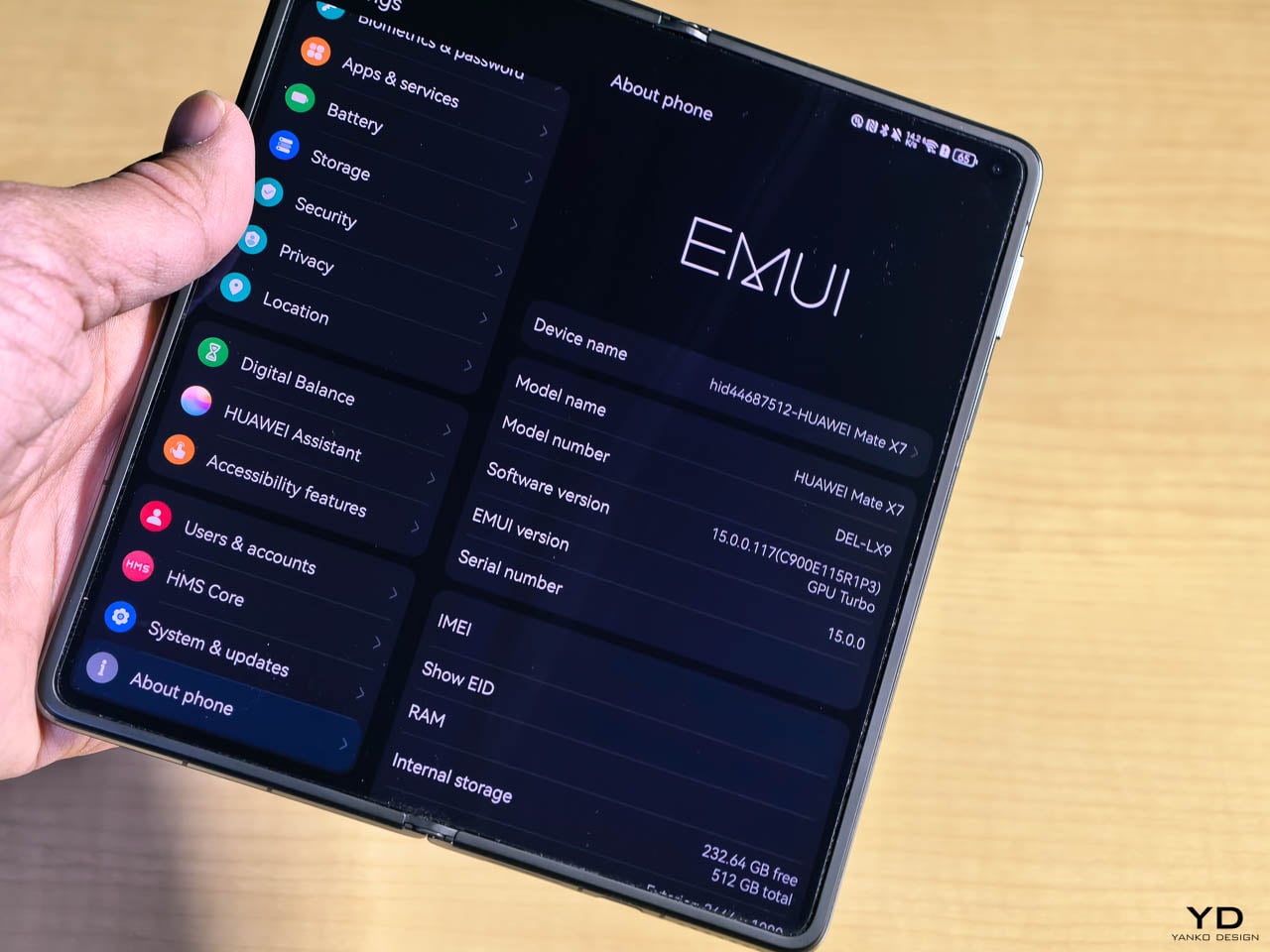
It’s clear that HarmonyOS isn’t just running on this hardware. It’s tuned for it. The software and silicon work together in a way that feels quiet rather than flashy. Menus respond the moment you touch them. Transitions between folded and unfolded states don’t stutter. High refresh rates stay smooth without feeling like the system is straining to maintain them. That kind of optimization is easy to overlook until you use a device where it’s missing.

When I put the Mate X7 through longer stretches of use, the thermal behavior became the real story. Video calls, heavy browsing, photography, and frequent multitasking ran together without noticeable heat buildup. The vapor chamber cooling system does its work invisibly. The phone stayed comfortable in my hand even during more demanding sessions, and I never found myself shifting my grip to avoid a warm spot. That matters more on a foldable because heat has fewer places to go. The Mate X7 handles that constraint well.
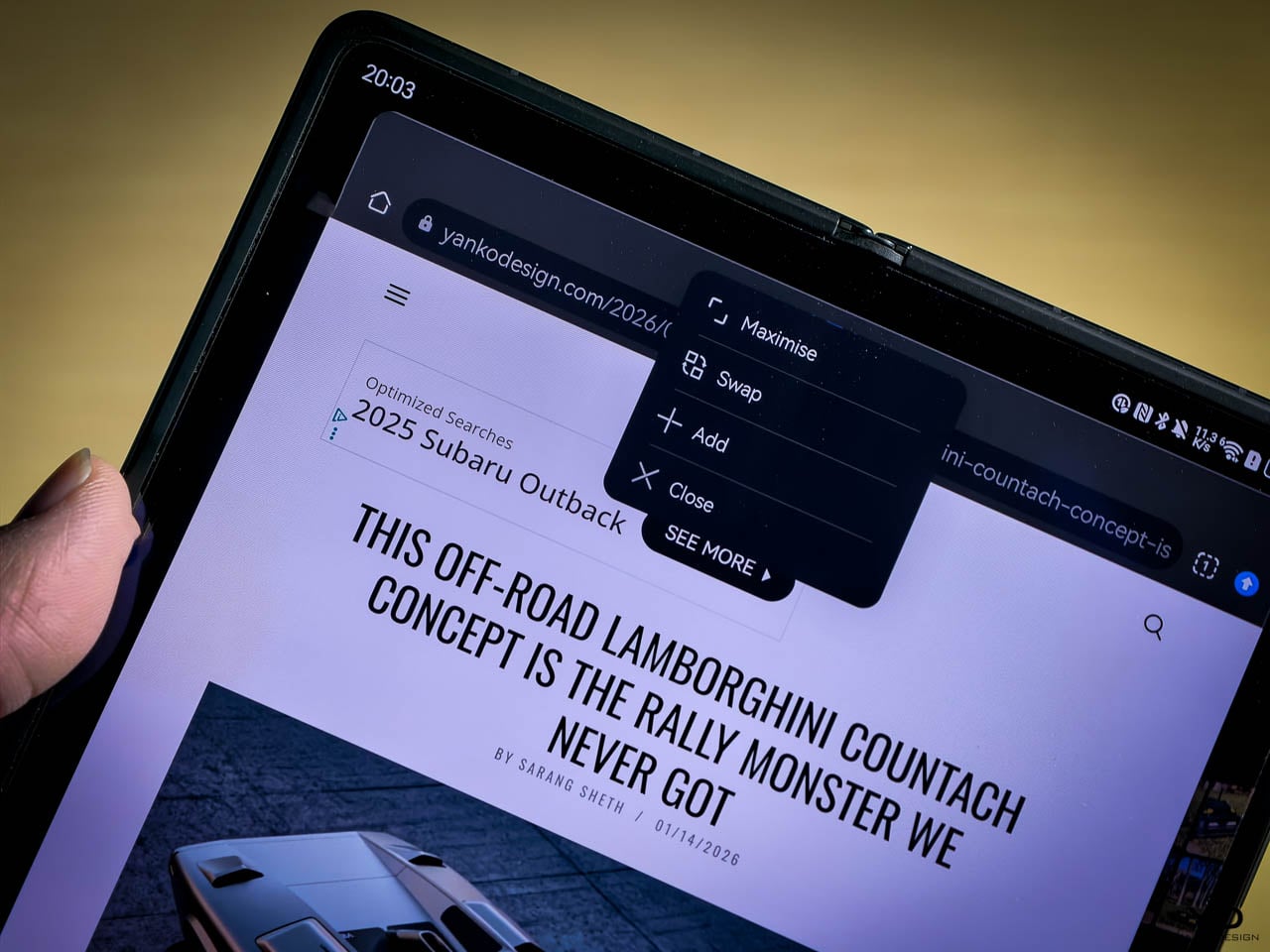
The result is a device that feels steady rather than startling. Performance here isn’t about peak numbers. It’s about consistency across hours of use, which is exactly what allows a foldable to function as a primary phone instead of something you second-guess.

Battery Life and Charging

The Mate X7 carries a 5,300 mAh silicon anode battery, with 66 W wired charging and 50 W wireless. In practice, that capacity translates to a full day of mixed use with time split between the outer and inner displays without feeling like a gamble. Even on heavier days, I wasn’t watching the percentage with concern by evening.

Charging reinforces that confidence. Wired charging is fast enough that short top ups meaningfully extend the day. Wireless charging is practical rather than symbolic. Together, they change how you plan your usage. You stop budgeting power. You start trusting the device to keep up.

That confidence is what allows a foldable to function as a primary phone instead of something you plan around.

Camera Experience

The camera system consists of a 50 megapixel main sensor with a variable physical aperture that opens to f/1.49, a 50 megapixel telephoto with 3.5x optical zoom housed in a vertical periscope structure, and a 40 megapixel ultrawide at f/2.2. Video captures at 4K.
The camera on the Mate X7 doesn’t ask you to think about it. You raise the phone, frame the shot, and trust the result. That trust builds quickly because the camera behaves the same way whether you’re indoors, outdoors, or somewhere in between. It doesn’t surprise you. It doesn’t overprocess. It just works, and that consistency is what allows photography to feel like a natural extension of using the phone rather than a separate task you have to manage.
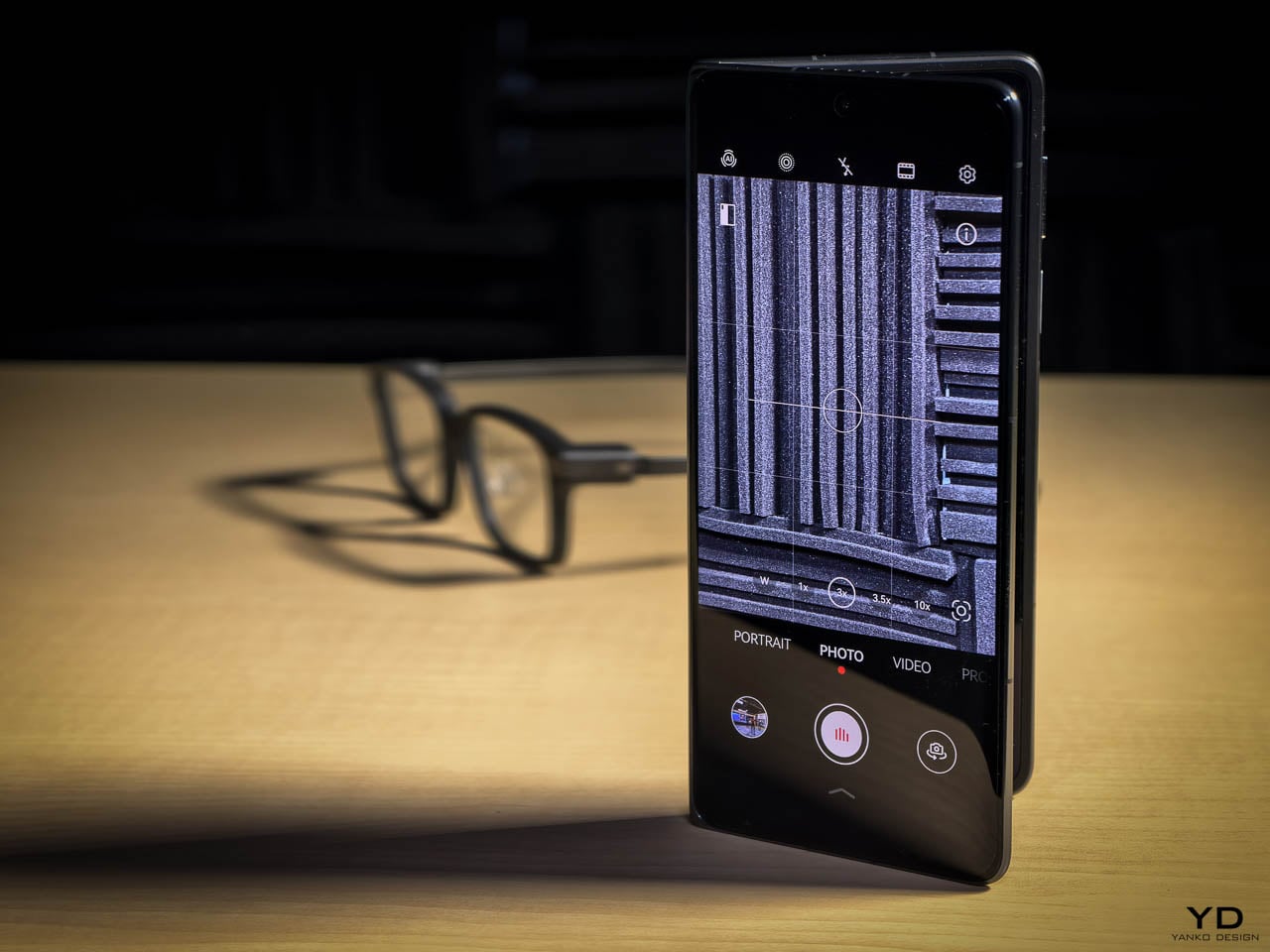
The 50 megapixel main sensor handles light with a kind of patience you notice over time. In bright conditions, it holds back instead of pushing saturation or sharpening edges artificially. In low light, the variable physical aperture opens wider, which means the sensor gathers more light without relying entirely on software to compensate. The result is images that retain structure in shadows and control in highlights. Colors stay grounded. Skin tones stay believable. The camera doesn’t chase drama. It preserves what’s actually there.
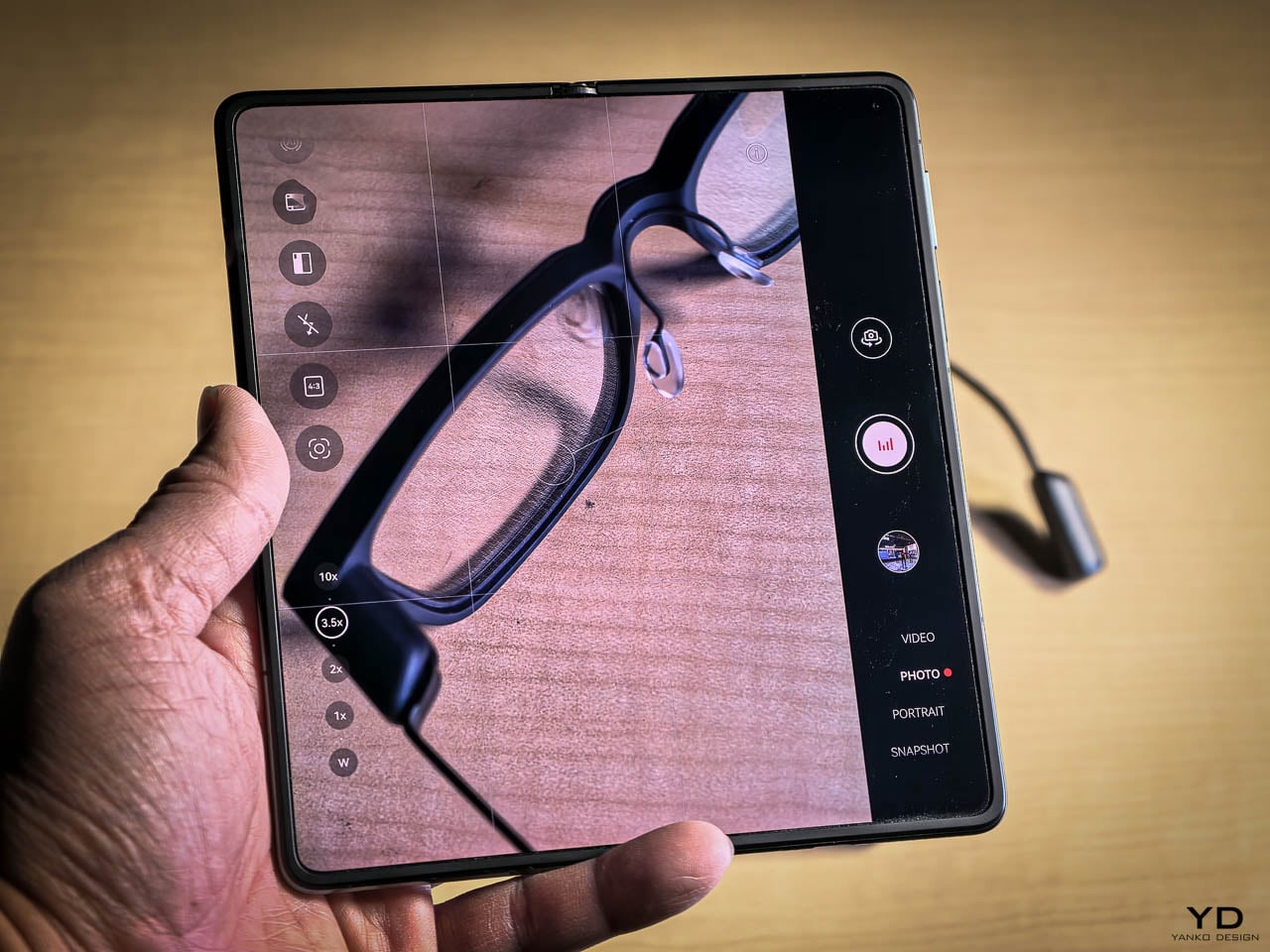
The 50 megapixel telephoto uses a vertical periscope design, which is what allows it to exist inside a body this thin. At 3.5x optical zoom, the range feels deliberately restrained. It’s not trying to reach the moon. It’s trying to be useful at the distances where you actually want more detail. In practice, details hold together. Color stays consistent with the main sensor. Macro capability follows the same logic. You move closer and the lens responds without hunting or losing sharpness. It feels considered, not novelty driven.

Video capture at 4K benefits from the same restraint. The processing pipeline stays out of the way. High contrast scenes remain readable. Motion stays controlled without aggressive smoothing. Skin tones don’t drift toward artificial warmth or coolness. HDR processing handles mixed lighting without making the image feel overworked. The result is footage that looks balanced, not corrected. You notice this most when reviewing clips later. They look like what you saw, not like what the software decided you should see.

What ties all of this together is the vertical camera module. Because Huawei engineered the optics to fit a constrained space, the camera system doesn’t dominate the device. It doesn’t create a top heavy grip. It doesn’t force a thicker body. Instead, it sits inside the form as a functional element rather than a visual statement. That’s what allows the Mate X7 to feel like a phone that happens to take excellent photos, rather than a camera that happens to fold.

Software and Daily Use

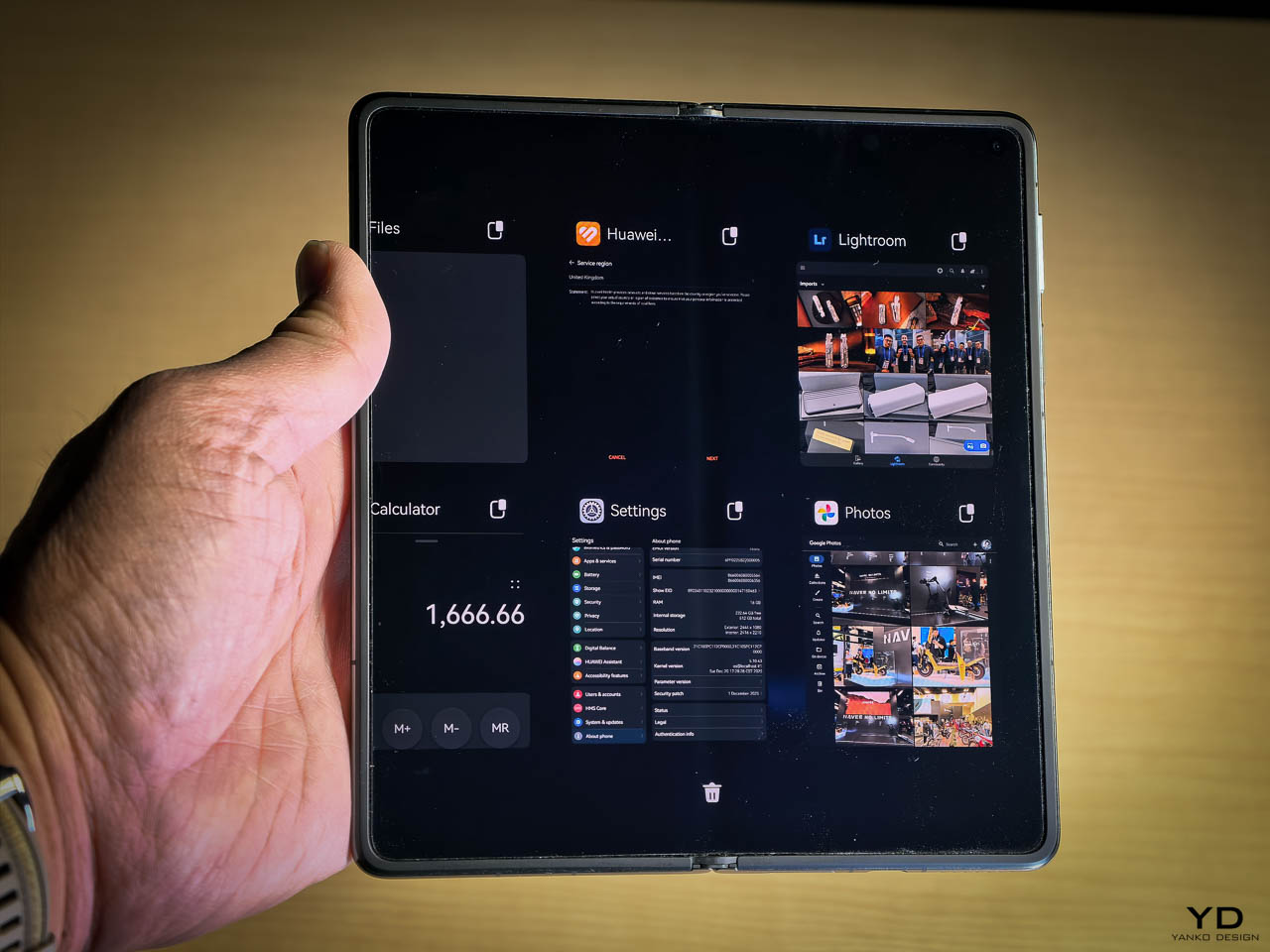
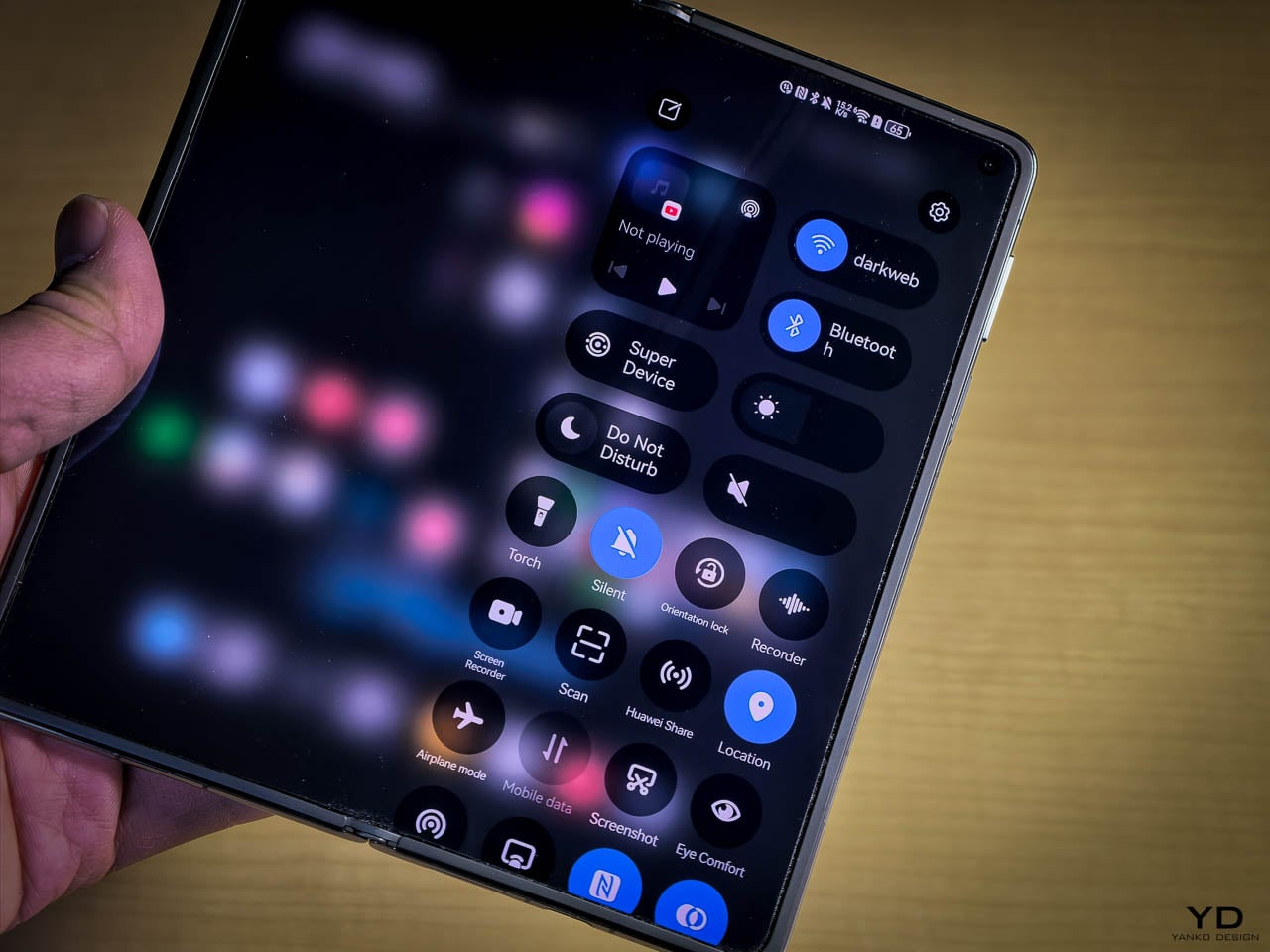
The Mate X7 runs HarmonyOS, optimized specifically for foldable layout behavior and dual display continuity. Transitions between folded and unfolded states happen without disruption. Apps reflow logically. Multitasking feels natural rather than forced.
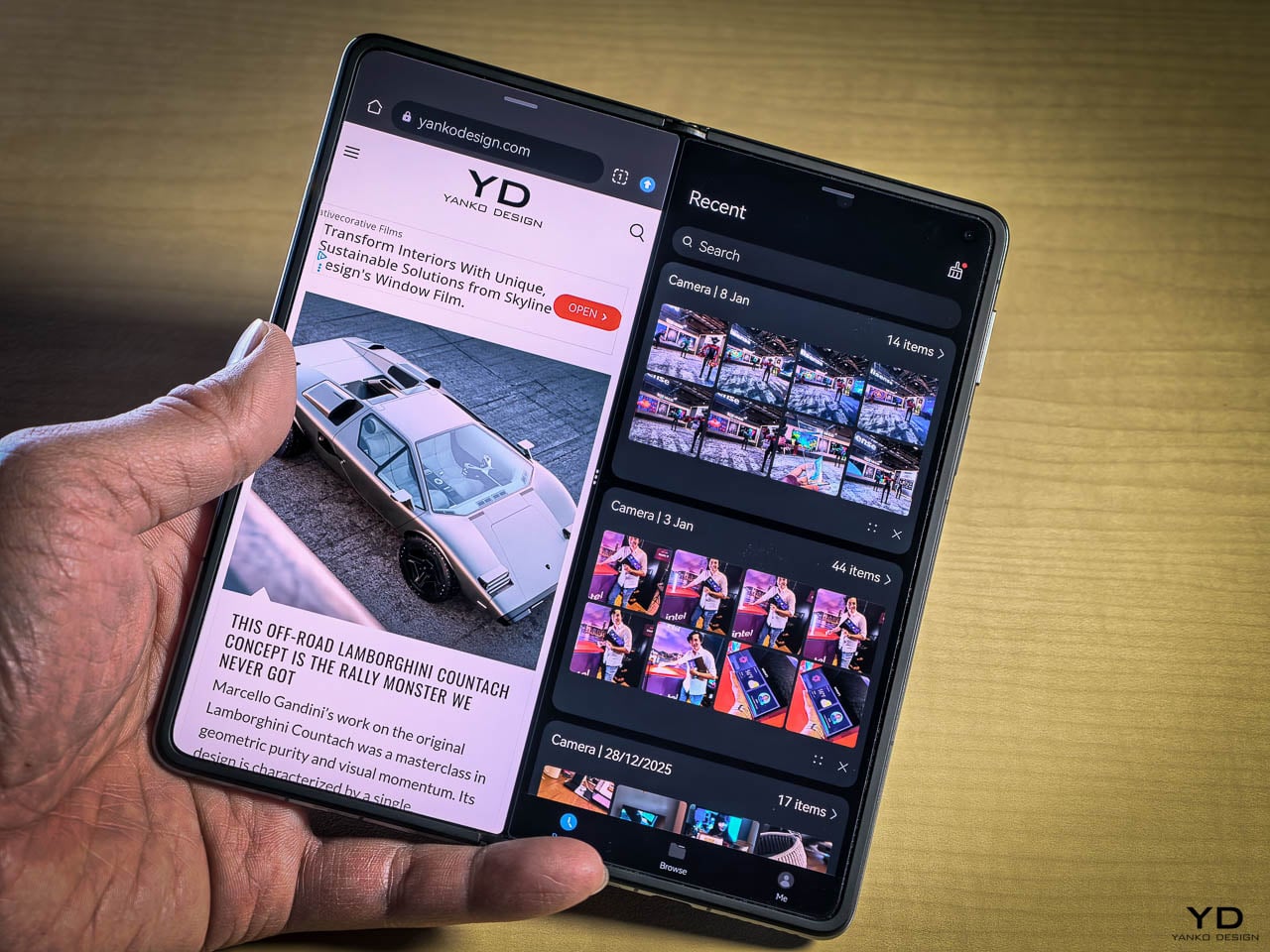
The absence of Google services remains a practical consideration, but it’s no longer the hard stop it once was for many users. Workarounds exist, and in daily use, most essentials are accessible. Whether that trade off is acceptable depends on your ecosystem priorities, but it no longer overshadows the hardware itself.
Sustainability and Longevity

Sustainability on the Mate X7 is less about messaging and more about what happens when a device is designed to survive years of repetition. A device that lasts longer is inherently more responsible. The Mate X7 feels built to survive years of daily use rather than a single upgrade cycle, largely because it avoids unnecessary complexity. Materials are chosen for strength. The hinge is engineered for repetition. The screens are designed to be used, not protected from the user.

That longevity changes the ownership equation. This doesn’t feel like a phone you replace quickly. It feels like one you settle into.

Value and Perspective

The Mate X7 sits firmly in premium territory, but its value comes from reduction rather than addition. Fewer compromises. Fewer warnings. Fewer behavioral adjustments. You’re not paying for spectacle. You’re paying for cohesion.
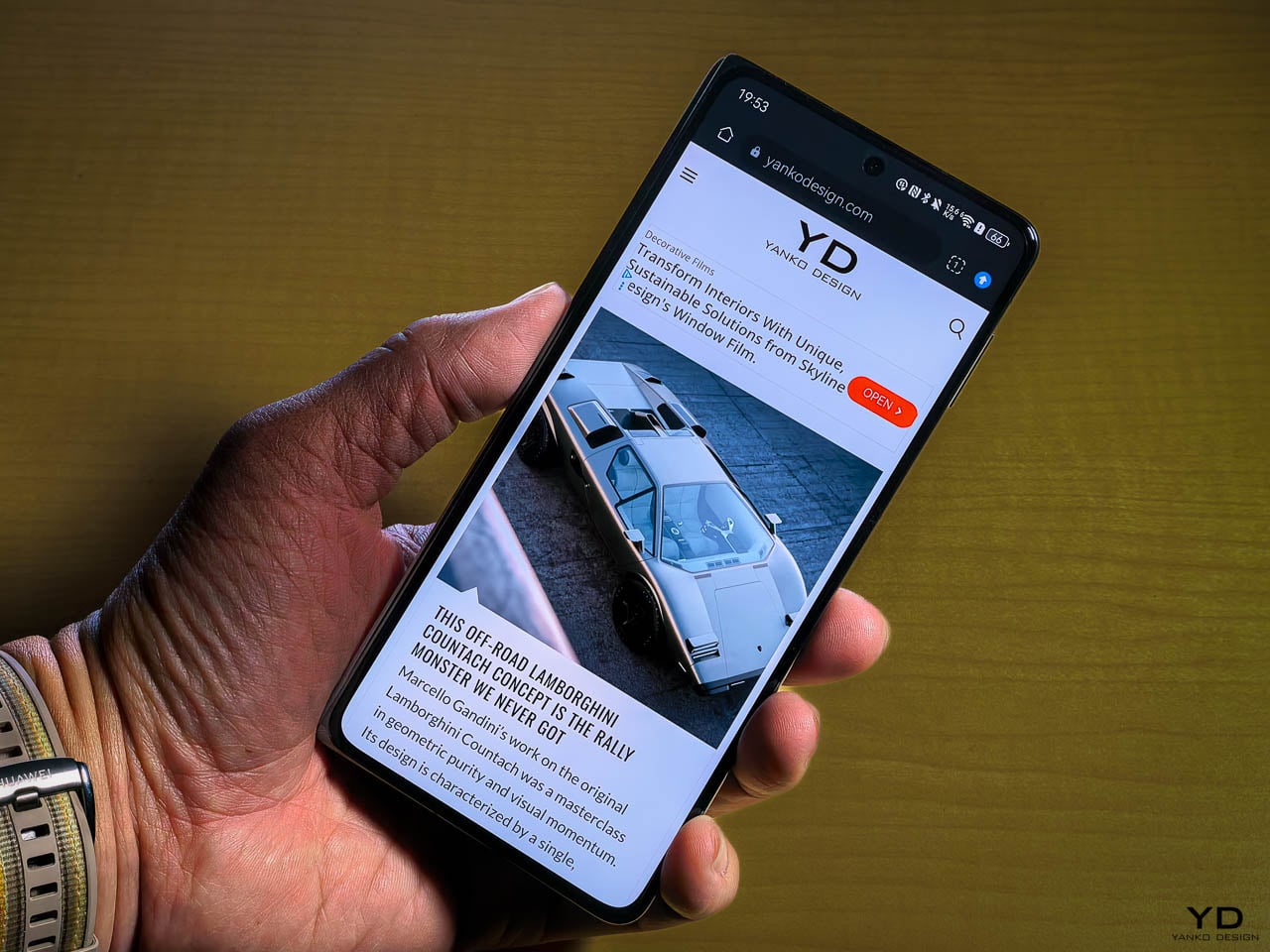
It feels less like a statement piece and more like a refined tool. For users willing to step outside familiar software ecosystems, the hardware experience justifies that decision.

Considerations

Living with the Mate X7 asks you to be intentional about your software habits. HarmonyOS is capable and well optimized for this hardware, but it operates outside the ecosystems most people have built their workflows around. That requires awareness, not compromise. Whether it fits depends on how tied you are to specific services and how willing you are to adjust.
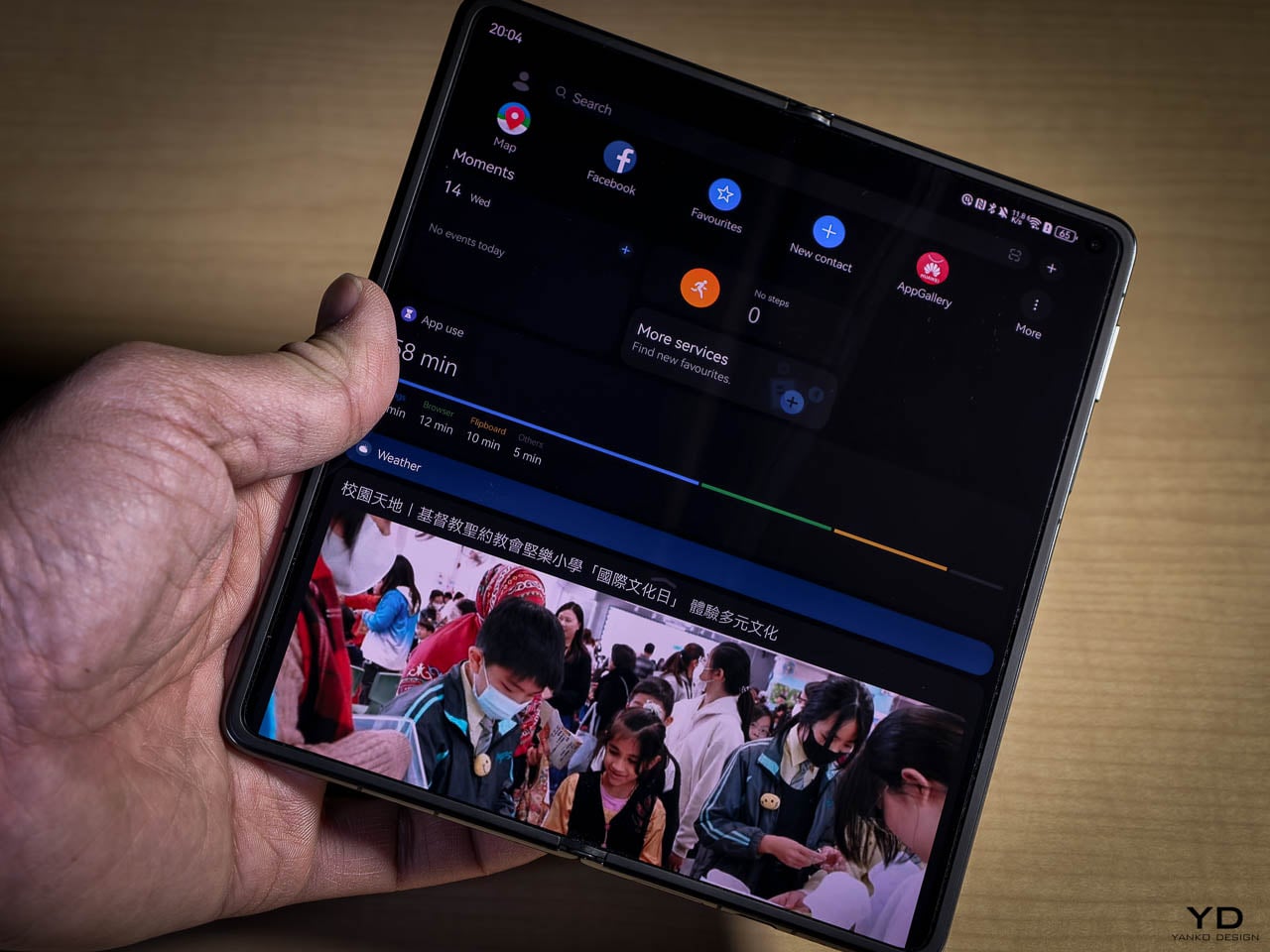
This is not a device chasing peak numbers. The performance tuning here prioritizes stability over raw output, and that balance holds up well in daily use. In sustained, heavy scenarios, the ceiling does become visible, but it rarely surfaces during normal workflows. For users who push hardware constantly, it is worth understanding upfront. For everyone else, the experience remains smooth and dependable.

The 3.5x optical zoom is a deliberate choice, not a limitation hidden by marketing. It exists because a longer reach would have required a thicker body or a heavier module. If long range photography defines how you shoot, this restraint matters. If it doesn’t, the telephoto performs exactly as it should.
This is still a foldable. The engineering has matured, the materials have improved, and the confidence I felt using it was real. But a device that folds will always ask for a different kind of respect than one that doesn’t. This invites normal use, not careless use.

Final Thoughts

Living with the Huawei Mate X7 feels less like adapting to the future and more like finally arriving there. The device doesn’t ask for patience. It doesn’t demand care. It doesn’t rely on novelty to justify itself. It works.

That may be the most meaningful evolution in foldable design so far. It earns trust by disappearing into daily life and only reminding you it’s special when you need more space, more light, or more time.

That’s what a finished product feels like. In that sense, the Mate X7 feels less like the next foldable and more like the first one that understands what it’s supposed to be.

The post Huawei Mate X7 Review: When a Foldable Finally Feels Finished first appeared on Yanko Design.
How to claim Verizon’s $20 credit for Wednesday’s service outage

Verizon is offering a very small mea culpa after Wednesday's massive outage, which drew more than 1.5 million reports on Downdetector and lasted hours. Initially, the carrier posted on X that it will offer a $20 credit, but customers must redeem it in the myVerizon app. The company then said the credit could be claimed though customer service (via phone or chat), but our editors’ attempts to do so via chat were met with a message to wait for a text with further instructions.

Engadget editors began receiving the texts this morning (Jan 16) with a link to redeem. From there, you need to log into your account and visit the Account Overview section. Up top, there should be a Take Action or Mobile Actions button with a red notification circle. Click that and you’ll see a pop-up about the credit and a Redeem Now button. After you click that, you’re done, and Verizon says you should see the credit in one or two billing cycles. Of course, you’ll want to keep an eye out that it actually happens and contact the company if it doesn’t show up.

"This credit isn’t meant to make up for what happened. No credit really can," the company wrote. "But it’s a way of acknowledging your time and showing that this matters to us." Incensed customers have largely replied with incredulity, both at the miniscule amount, and that it isn't being applied automatically. The entire redemption process takes a few clicks and about a minute to complete, which makes it even more frustrating that it can’t be automatically applied to every customer’s bill.

Update, January 15 2026, 11:57 PM ET: Verizon says the credit can be claimed through customer service via phone, chat and online in addition to the myVerizon app. 

Update, January 16 2026, 10:29 AM ET: This story has been updated with detailed info about the redemption process which Verizon now says is completed with a link that will be texted to customers.

This article originally appeared on Engadget at https://www.engadget.com/mobile/how-to-claim-verizons-20-credit-for-wednesdays-service-outage-171909695.html?src=rss

Heist game Relooted gets a release date

The intriguing Africanfuturist heist game, Relooted, is out on February 10. Developed by independent South African studio Nyamakop, the game focuses on a ragtag crew from Johannesburg that liberates real-life African artifacts from a series of fictionalized Western museums.

Relooted is best described as a 2.5d side-scrolling action platformer with stealth and puzzle elements. You have to carefully plan each heist with your fellow teammates, knowing where to place each crew member and how you’re going to get in and out in one piece. Once you’ve grabbed the artifact you’re looking for in each mission, an alarm will sound and you have a limited amount of time to escape, so good preparation is vital.

The studio’s previous game, the platformer Semblance, was significant for being the first South Africa-developed IP to come to a Nintendo console when it launched on Switch in 2018. At E3 that same year, Nyamakop programmer Cukia Kimani and designer Ben Myres talked to Engadget about the difficulties of getting your game in front of the major platform-holders as an indie developer based in sub-Saharan Africa. Without notable local industry events or reps in the country, the developers had to do a lot of globe-trotting in order to get their game noticed.

At the time of writing there’s no Switch or Switch 2 release lined up for Relooted, but the game is coming to PC and Xbox consoles next month.

This article originally appeared on Engadget at https://www.engadget.com/gaming/heist-game-relooted-gets-a-release-date-173456541.html?src=rss

Someone Made a Flat-Pack Stool from Glass That Loops Like Frozen Water

Flat-pack furniture is usually shorthand for budget compromises, cardboard boxes stuffed with dowels, and Allen keys that disappear the moment you need them. It is something you tolerate for convenience rather than admire, defined by getting furniture to your door cheaply rather than making you excited about assembly. The tension between wanting sculptural pieces and needing things that can actually ship and fit through narrow stairwells rarely gets resolved gracefully.

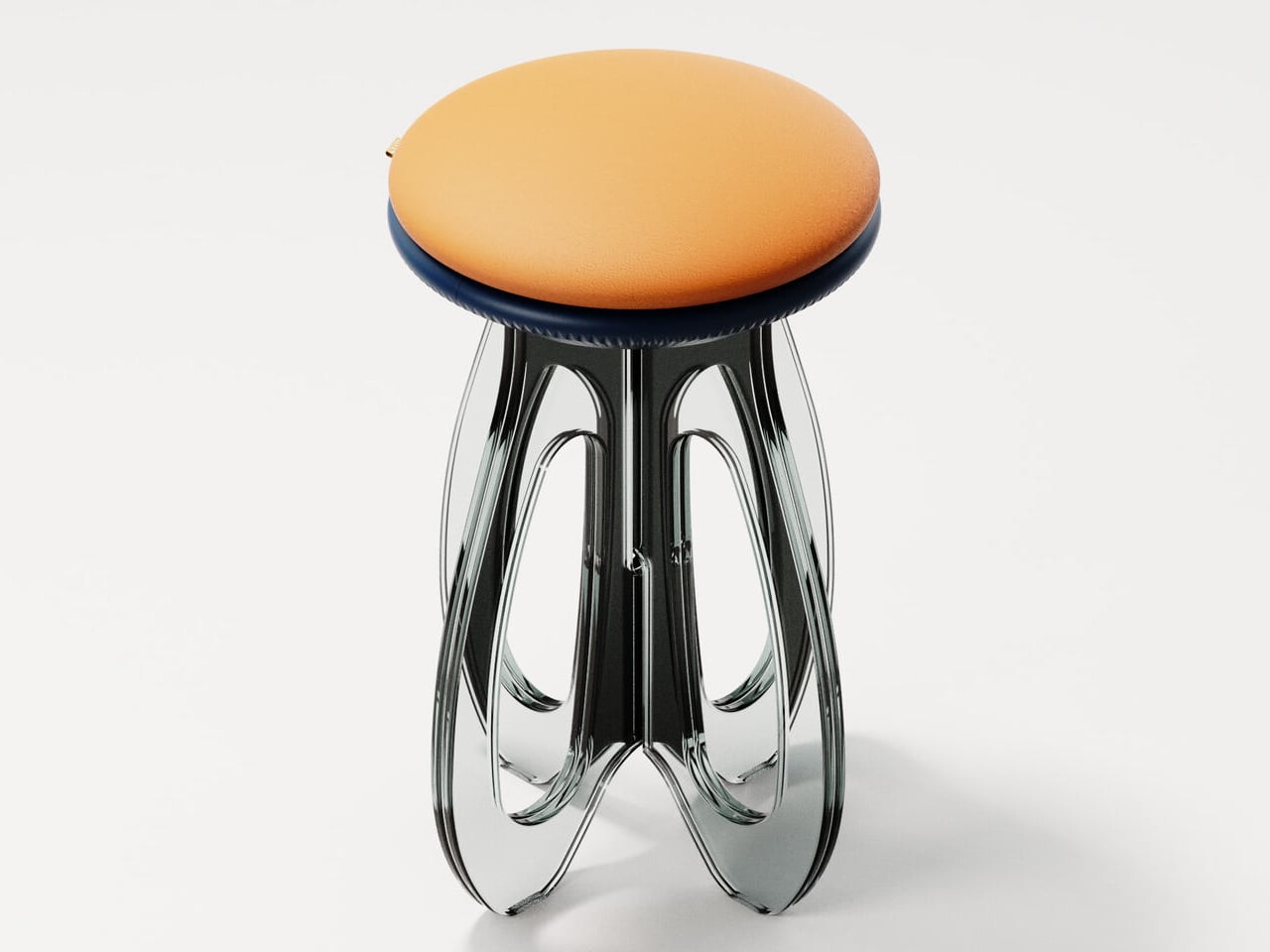
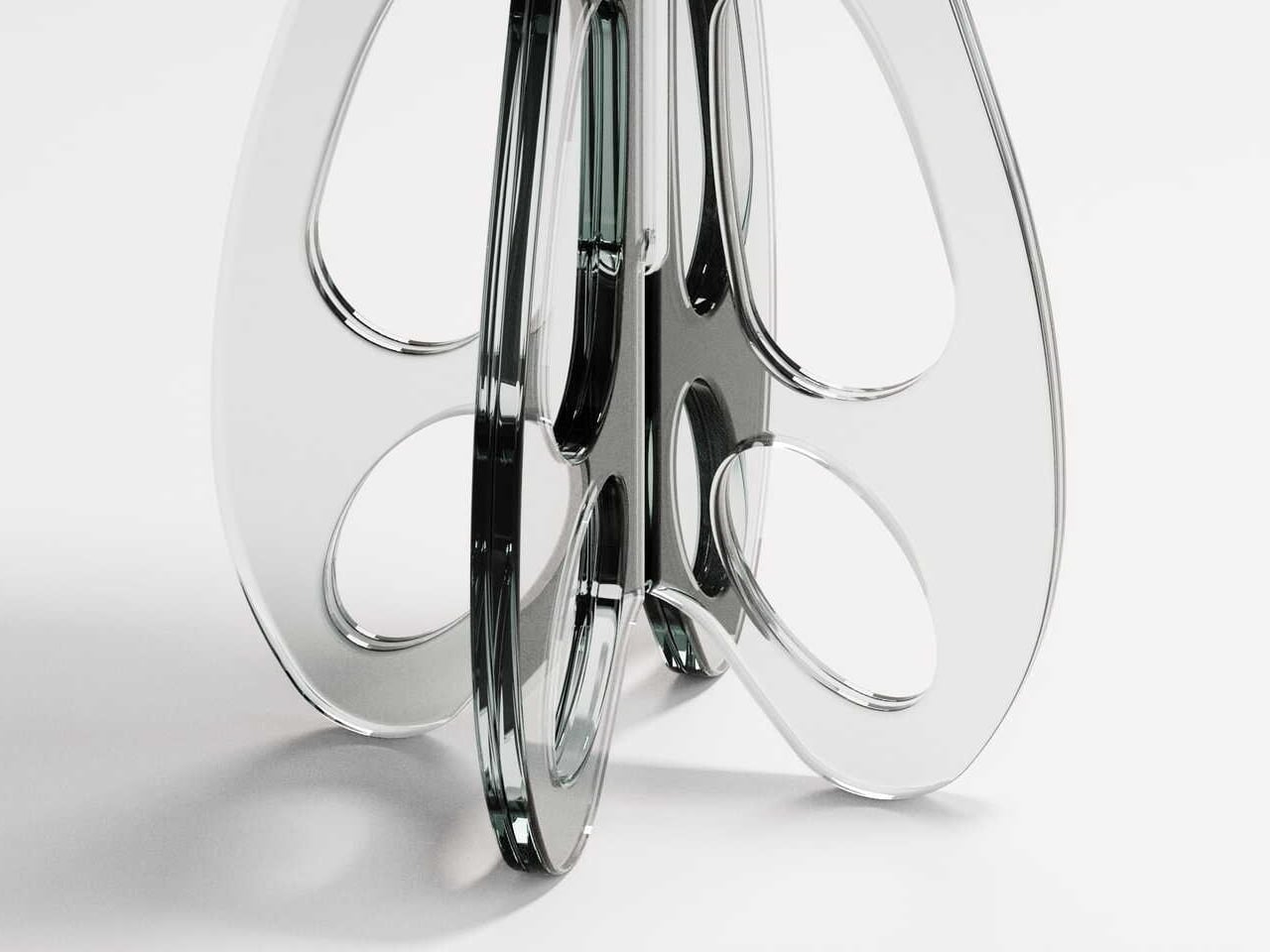
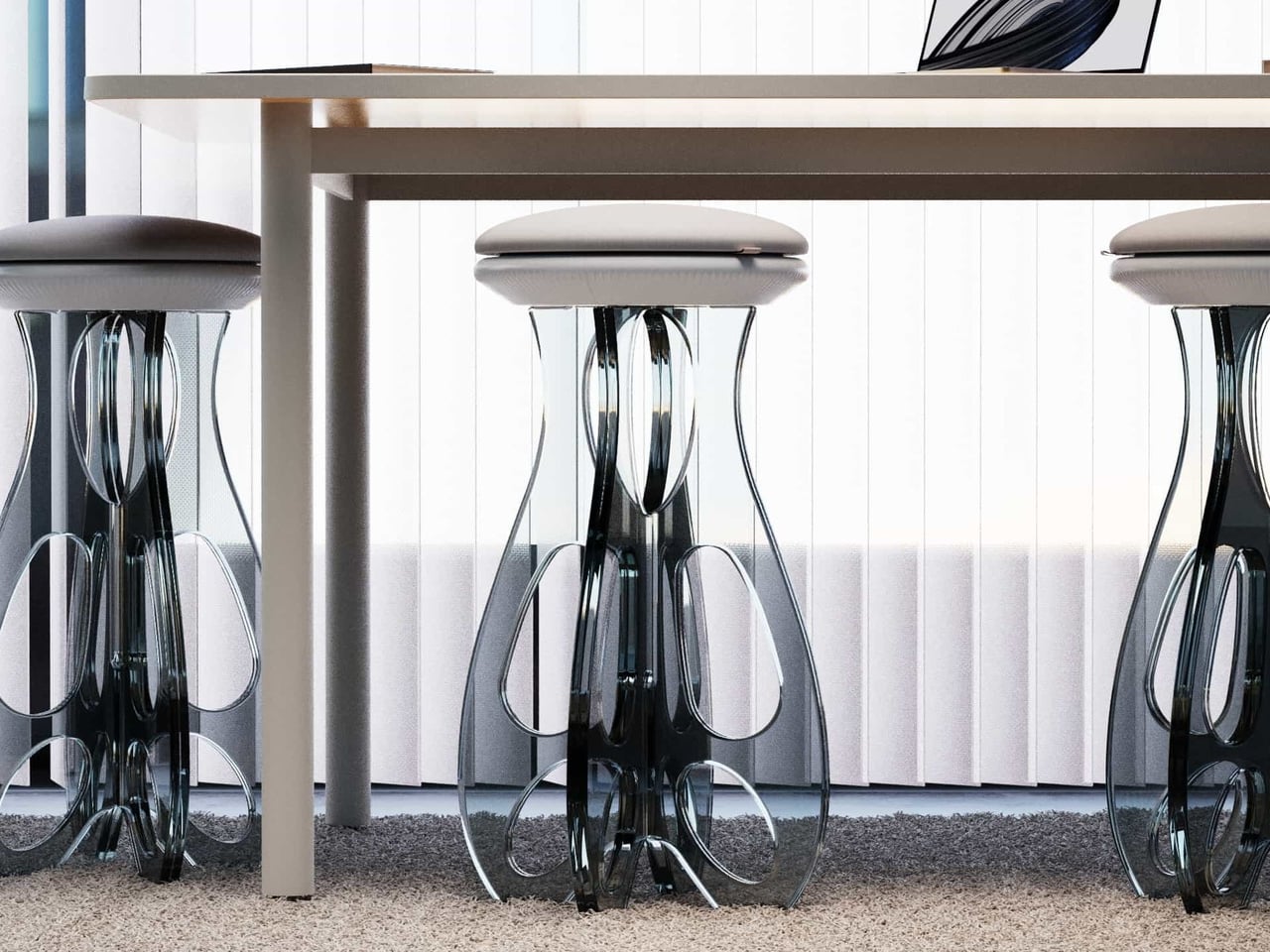
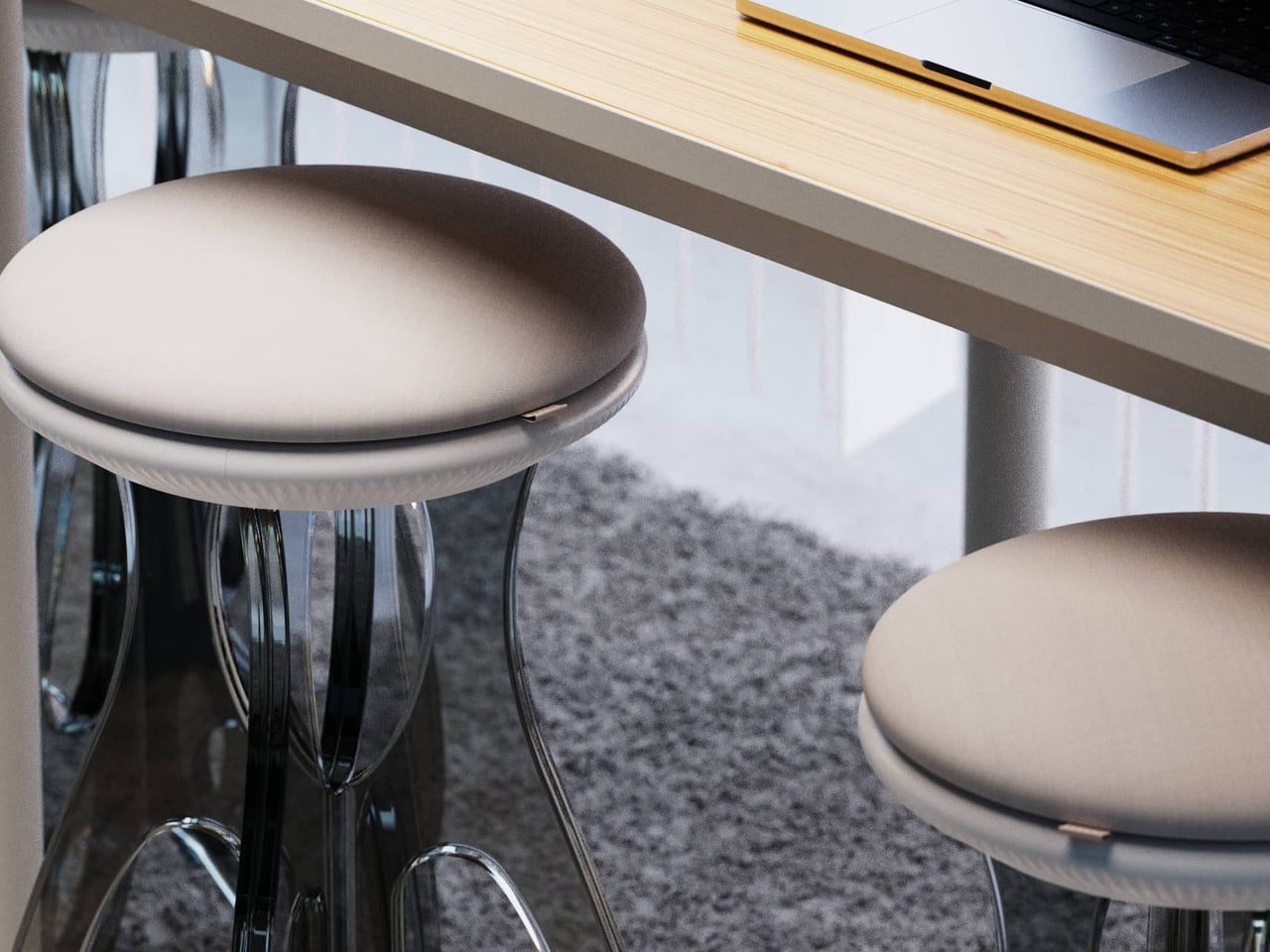
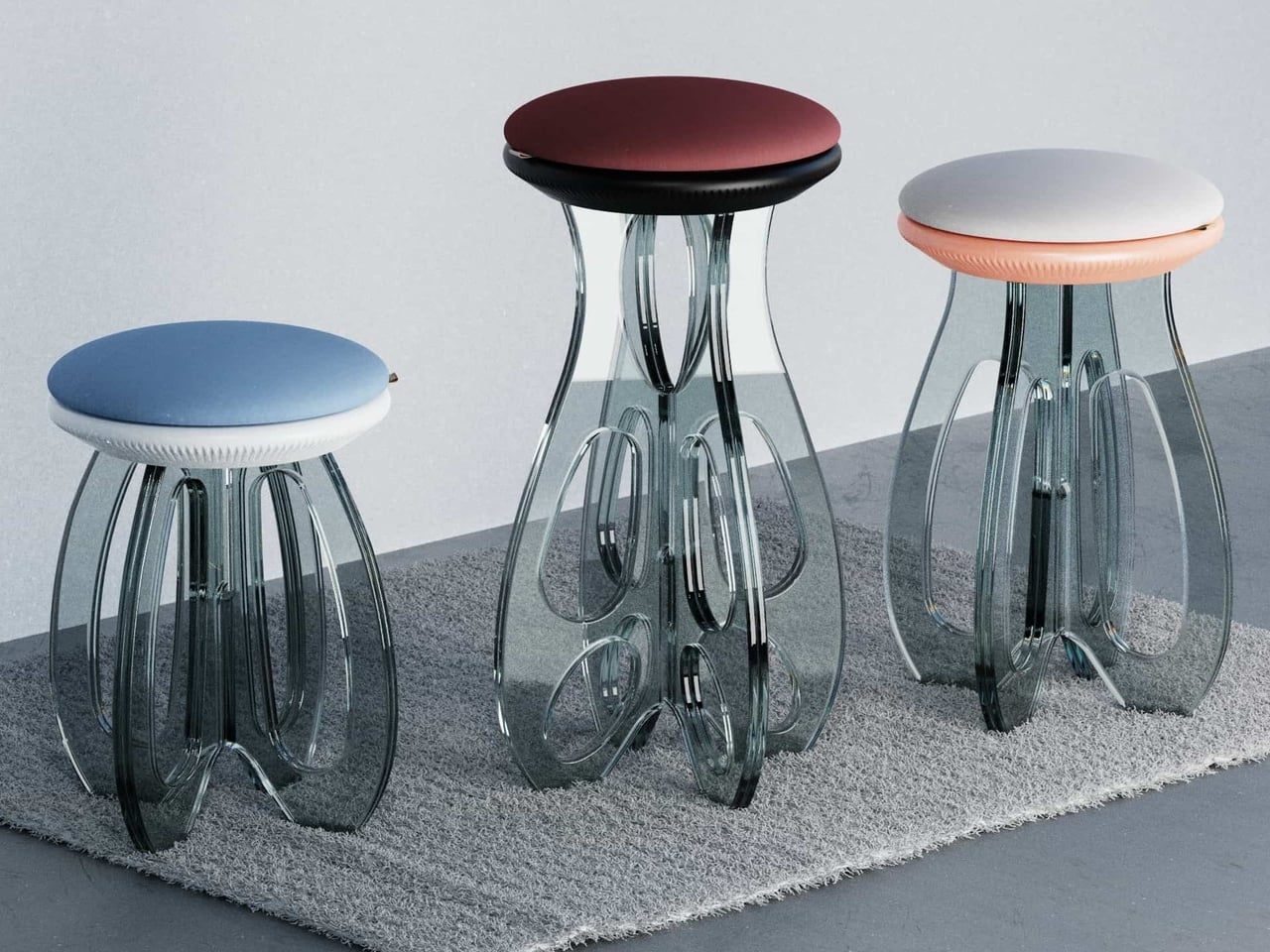
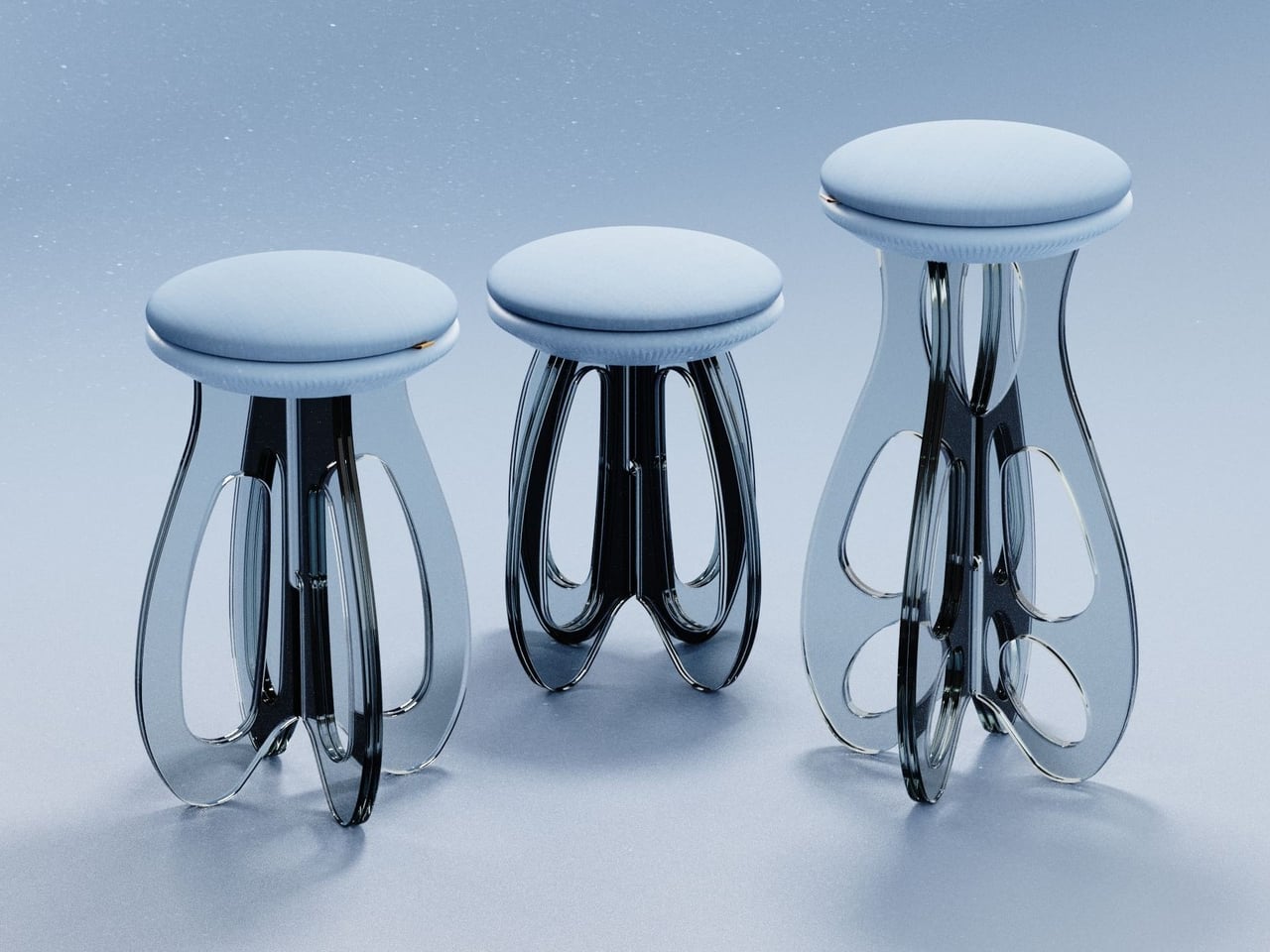
Tide Stool treats flat-pack as a starting point for luxury instead of a constraint. Designed by Vinayak Syam for DreamDeadline Works and produced by House of Sach, it is built from toughened glass legs, precision 3D-printed joinery, and hand-finished upholstery. The structure rises from a flat kit into a flowing form, shaped by curves and loops rather than brute-force mass, with the name being very much intentional.

Designer: Vinayak Syam

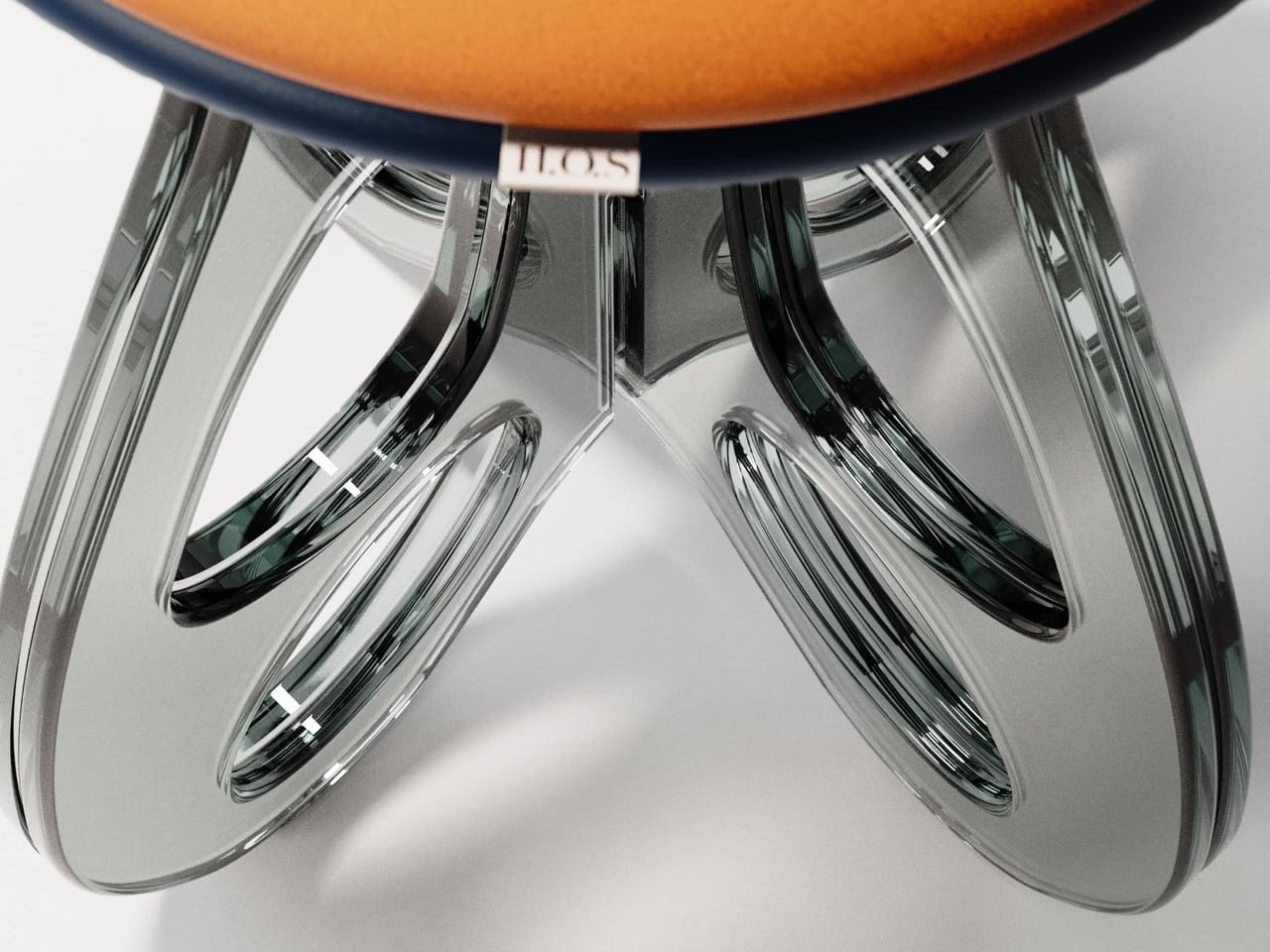
Instead of chunky wooden legs, Tide uses transparent glass fins that fold and loop around a central axis, carrying load through geometry. The panels curve out and back in, sharing weight across their profiles, so strength comes from the path the glass takes rather than thickness. It flips the usual hierarchy where glass is treated as fragile skin and heavier materials are trusted with structural work.

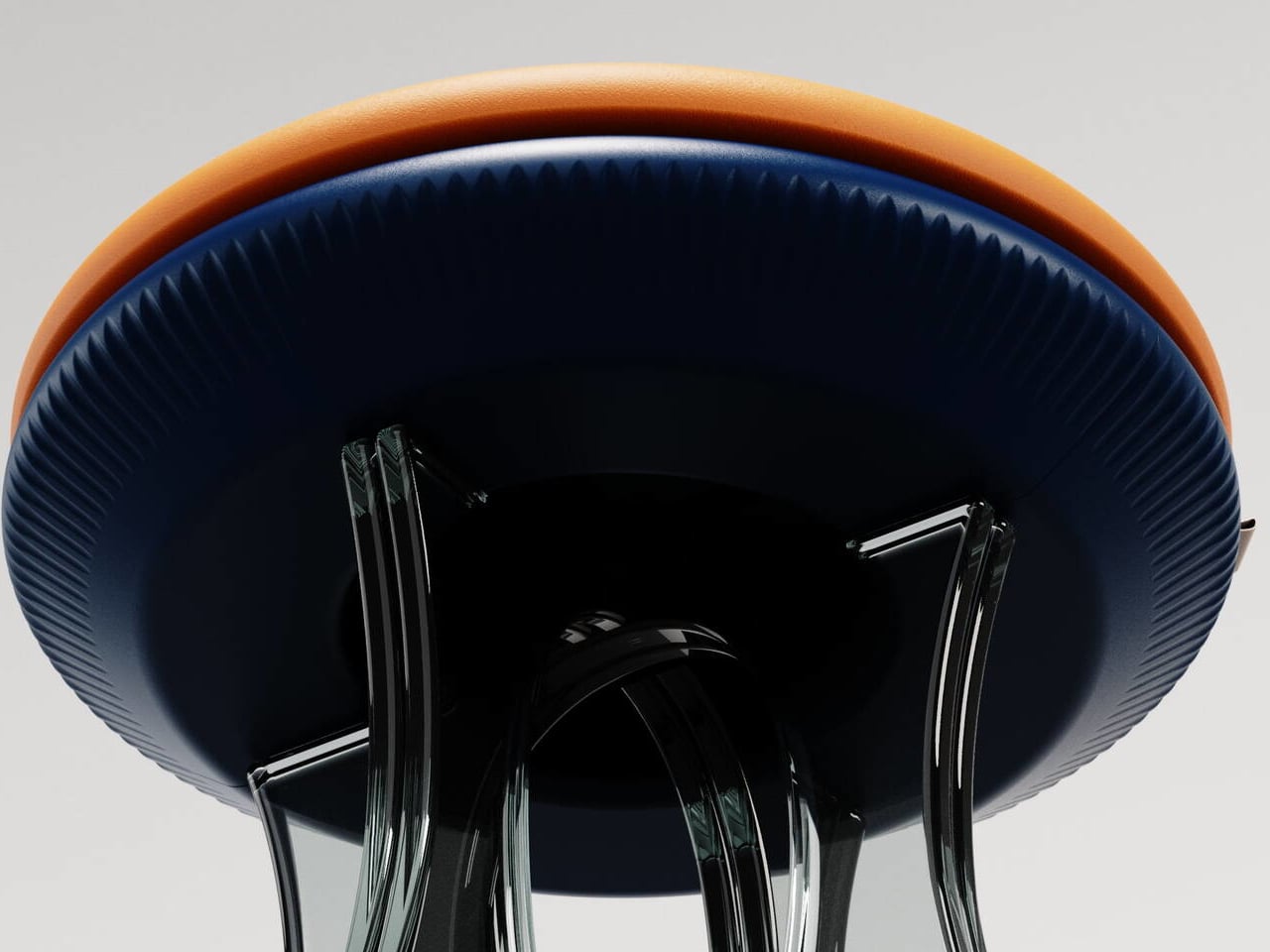
Receiving Tide as a flat set of glass pieces and joinery turns assembly into a building ritual rather than a chore. Slotting the fins into 3D-printed nodes lets you watch the structure emerge from motion, where overlapping curves and visible joints become part of the composition. The design makes those connections part of the visual language, so engineering reads as an aesthetic feature rather than something to hide.

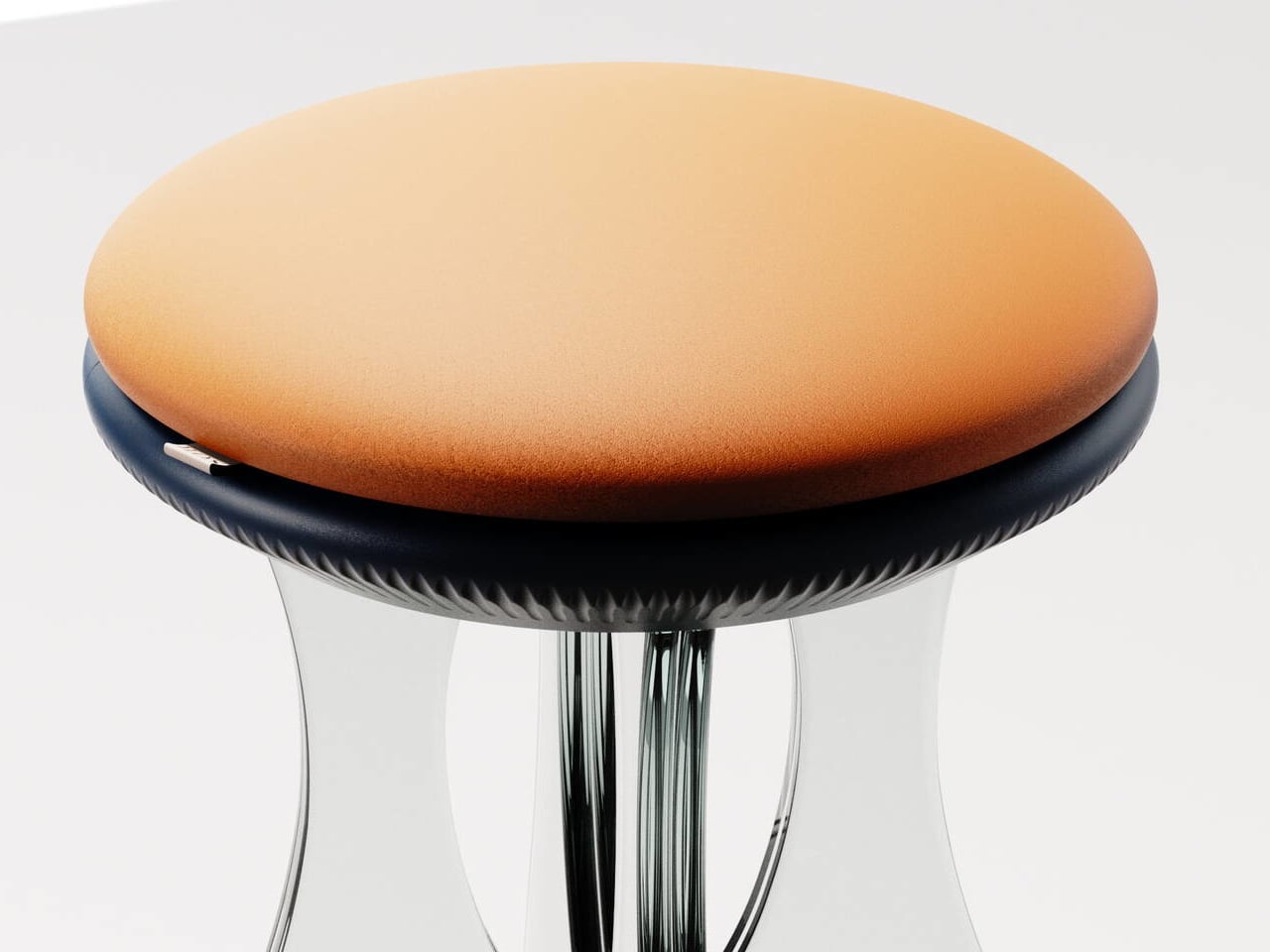
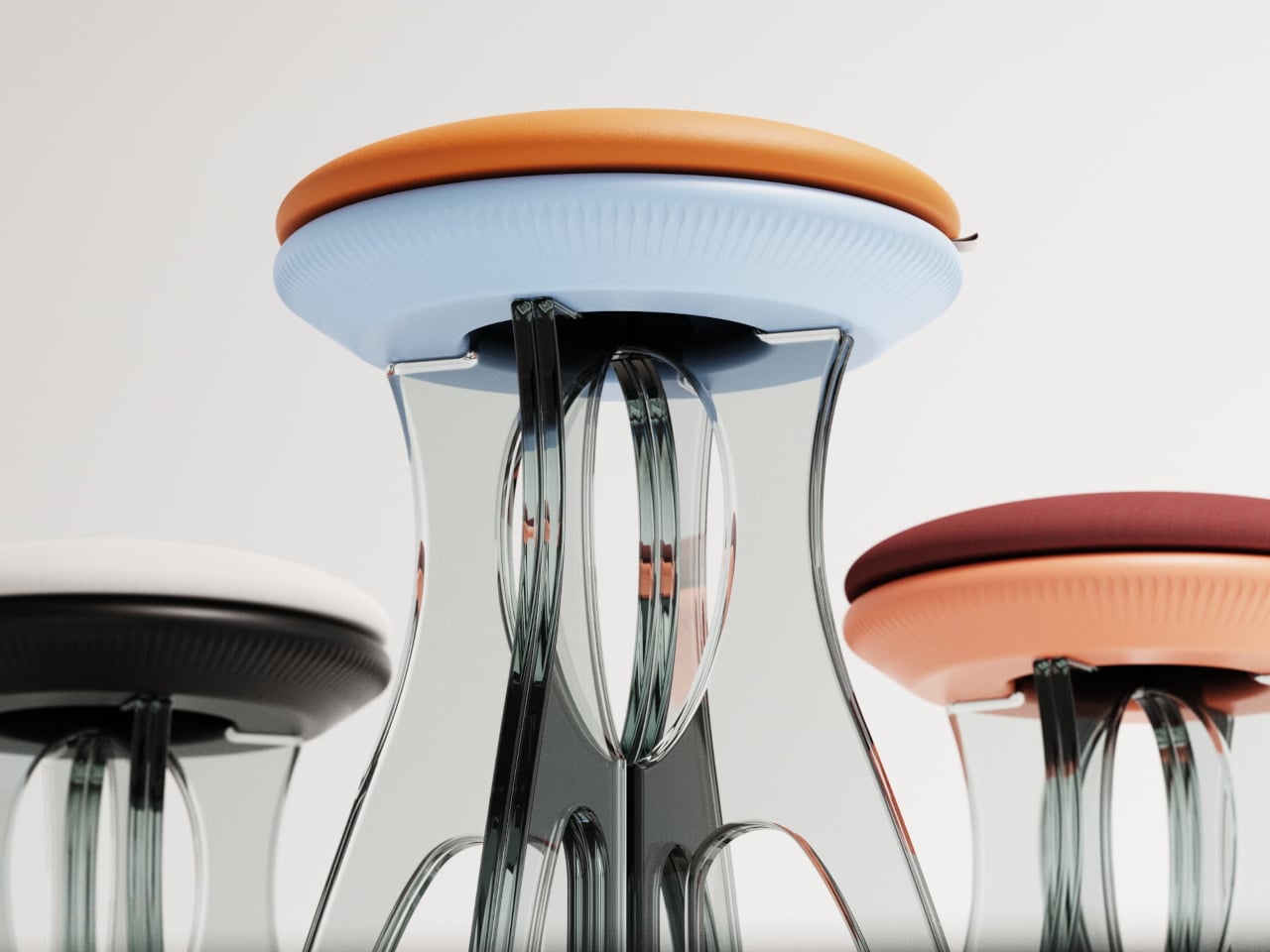
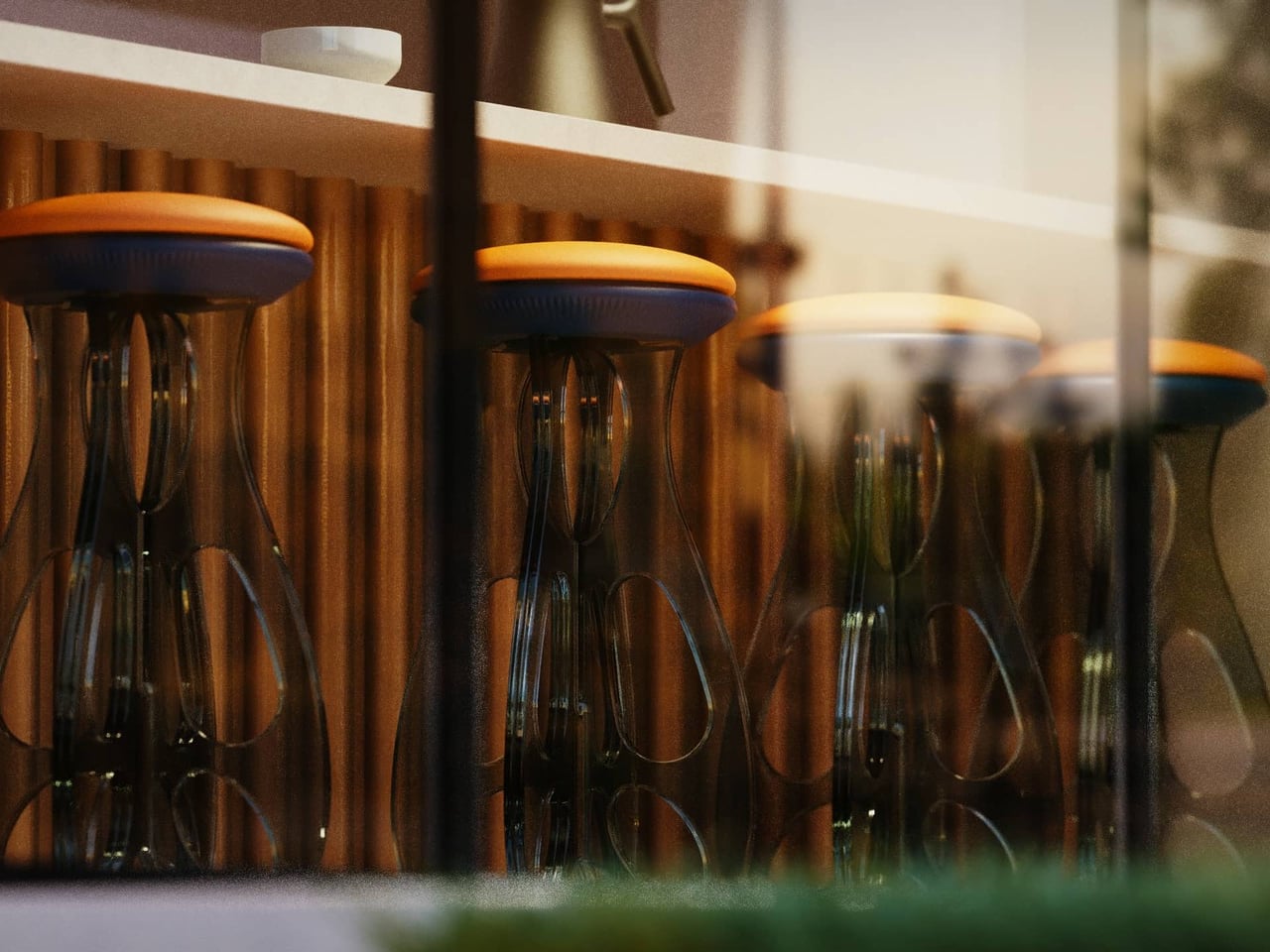
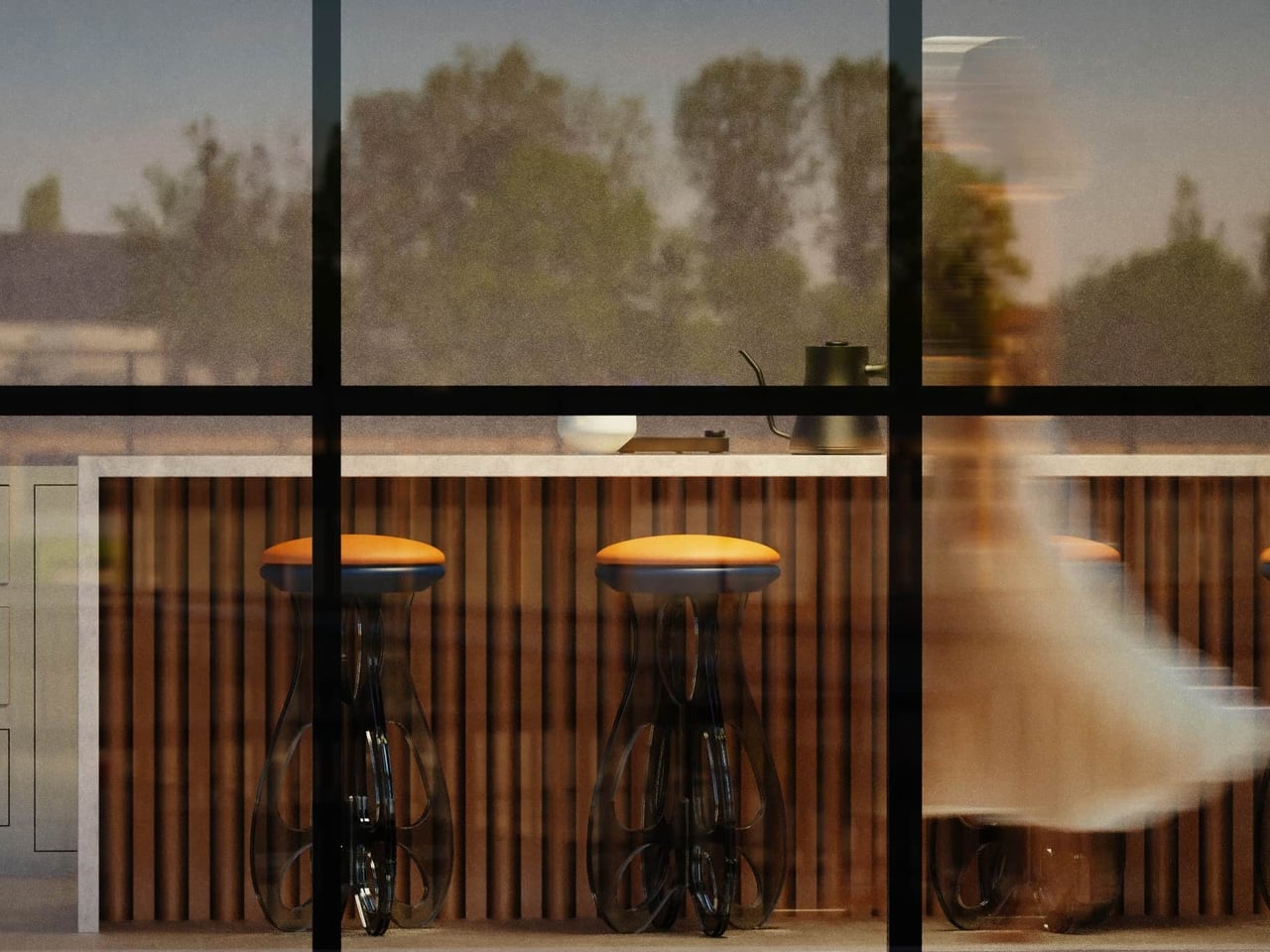
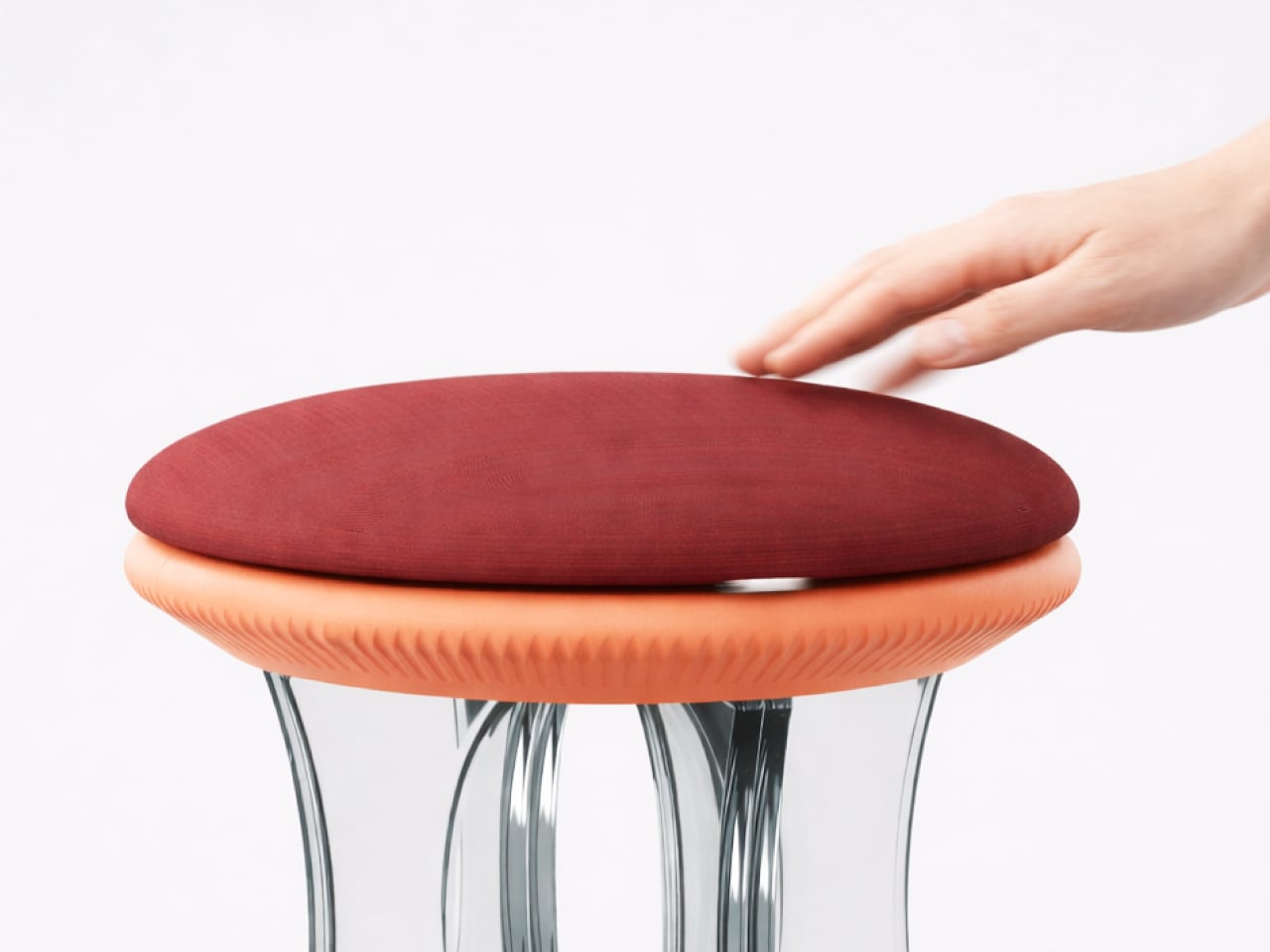
The upholstered top sits above the glass base as a soft disc that comes in more than thirty colour finishes. Upholstery is offered in fabric and vegan leather, with Deep Sienna being the leather option and the rest using elevated textiles. That palette lets the same glass base feel quiet and monochrome in one space or warm and expressive in another, without losing its sculptural identity.

Flat-pack construction makes shipping and moving easier, especially for people who rearrange or relocate often, yet once assembled, the stool reads as a single object rather than a kit. The toughened glass and looping geometry give real load-bearing confidence while keeping the footprint visually light. It is the rare piece that respects both logistics and living rooms without asking you to choose between practicality and presence.

Tide turns apparent fragility into a quiet expression of resilience. The transparent legs, visible joinery, and soft seat work together to make strength feel like a product of balance and flow rather than heaviness. For anyone tired of choosing between sculptural furniture and flat-pack practicality, a glass stool that arrives as parts and stands like a tide frozen mid-rise feels like a surprisingly thoughtful middle ground.

The post Someone Made a Flat-Pack Stool from Glass That Loops Like Frozen Water first appeared on Yanko Design.
Wikimedia announces AI partners including Meta and Microsoft

As part of Wikipedia's 25th anniversary, parent company Wikimedia announced a slew of partnerships with AI-focused companies like Amazon, Meta, Perplexity, Microsoft and others. The deals are meant to alleviate some of the cost associated with AI chatbots accessing Wikipedia content in enormous volumes by giving the tech companies streamlined access.

As noted by The Verge, the timeline on these deals is a little squirrely. The Wikipedia foundation says that several companies became enterprise partners "over the past year," while listing Amazon, Google and Meta as "existing" partners. It appears today is the first time they have been officially announced.

The organization sounded the alarm on this issue last year, saying the reduction in traffic due to LLMs and AI summaries could prove existential for the nonprofit and the world's largest online encyclopedia. Wikipedia's 65 million free articles have served as rich training data for AI chatbots, but all that scraping has driven up server costs at the organization.

Wikimedia had been hoping to move these large firms over to its enterprise platform to help with costs. "It took us a little while to understand the right set of features and functionality to offer if we're going to move these companies from our free platform to a commercial platform ... but all our Big Tech partners really see the need for them to commit to sustaining Wikipedia's work," Lane Becker, president of Wikimedia Enterprise told Reuters.

Under the deal, these companies will have access to high-throughput APIs that can supply chatbot systems with content from Wikipedia as well as Wikimedia’s other projects, including Wikivoyage, Wikibooks, Wikiquote and more.

This article originally appeared on Engadget at https://www.engadget.com/ai/wikimedia-announces-ai-partners-including-meta-and-microsoft-162834383.html?src=rss

Indie RPG Sea of Stars hits iOS and Android on April 7

The indie RPG Sea of Stars is being released for mobile platforms on April 7. The iOS and Android versions are priced at just $10, which is a steal considering it cost $35 when it was first released for PC and consoles. Heck, it still costs that much on many platforms.

This is a mobile release, so it's not an exact port. The interface has been revamped to allow for complete touch control. It's also compatible with controllers, which is always a good thing with smartphone ports. The Android version has a couple of unique features. It offers Google Play Games achievements and cloud saves across various Android devices.

Otherwise, this is the same great game we know and love. There's a reason, after all, why Sea of Stars snagged best indie game in a particularly crowded field at The Game Awards two years back.

This is a fantastic retro-inspired RPG with more than a few things in common with the 1990s classic Chrono Trigger. The story is utterly charming, the turn-based battle system is just deep enough and the art and character designs are gorgeous. It's more than just an homage to 1990s RPGs.

The older versions offer three-player couch co-op, which isn't available here for obvious reasons. The mobile port will also not allow access to the recently-released Throes of the Watchmaker DLC. That'll probably come as a paid update down the road. 

This article originally appeared on Engadget at https://www.engadget.com/gaming/indie-rpg-sea-of-stars-hits-ios-and-android-on-april-7-162339690.html?src=rss

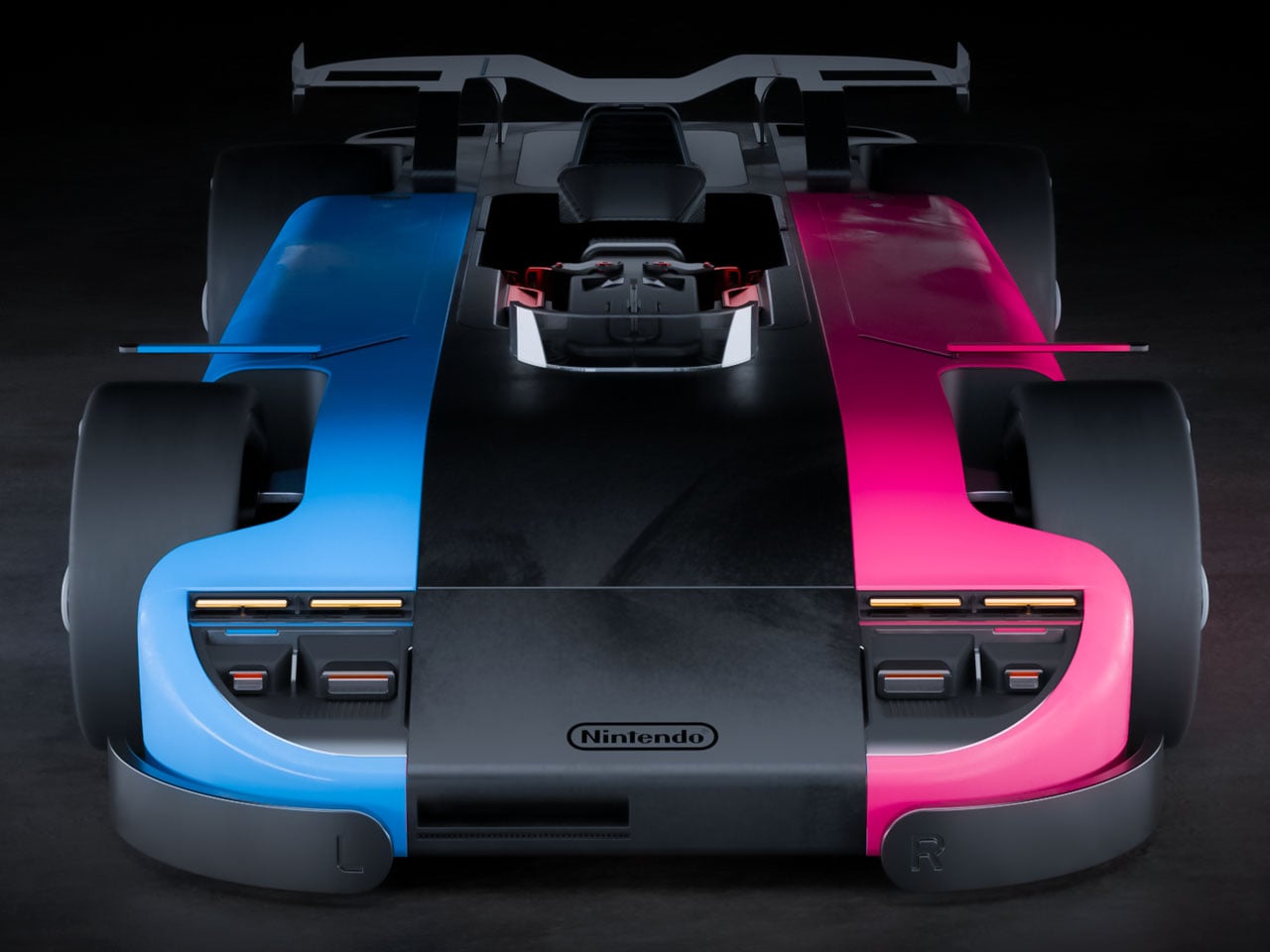
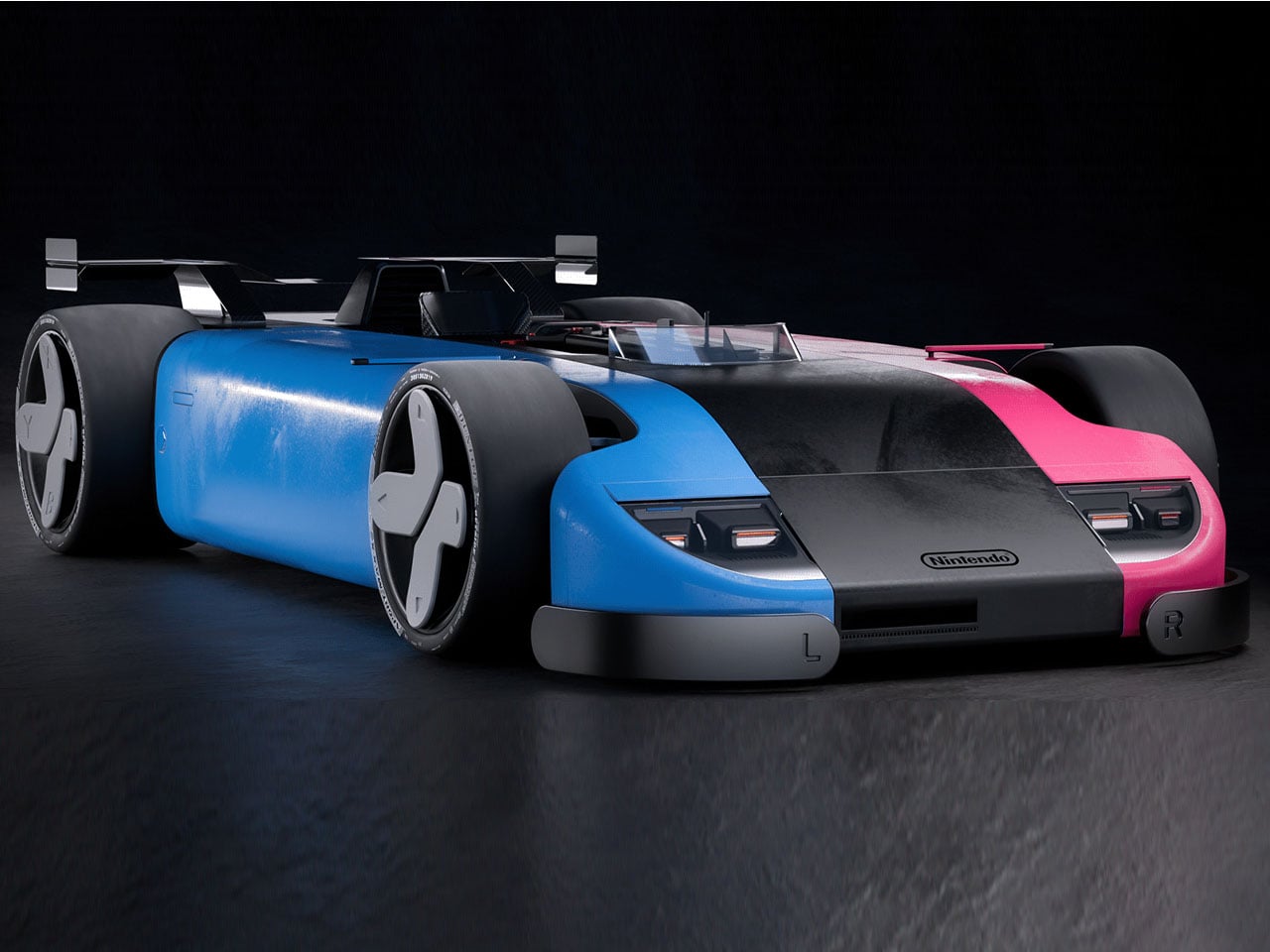
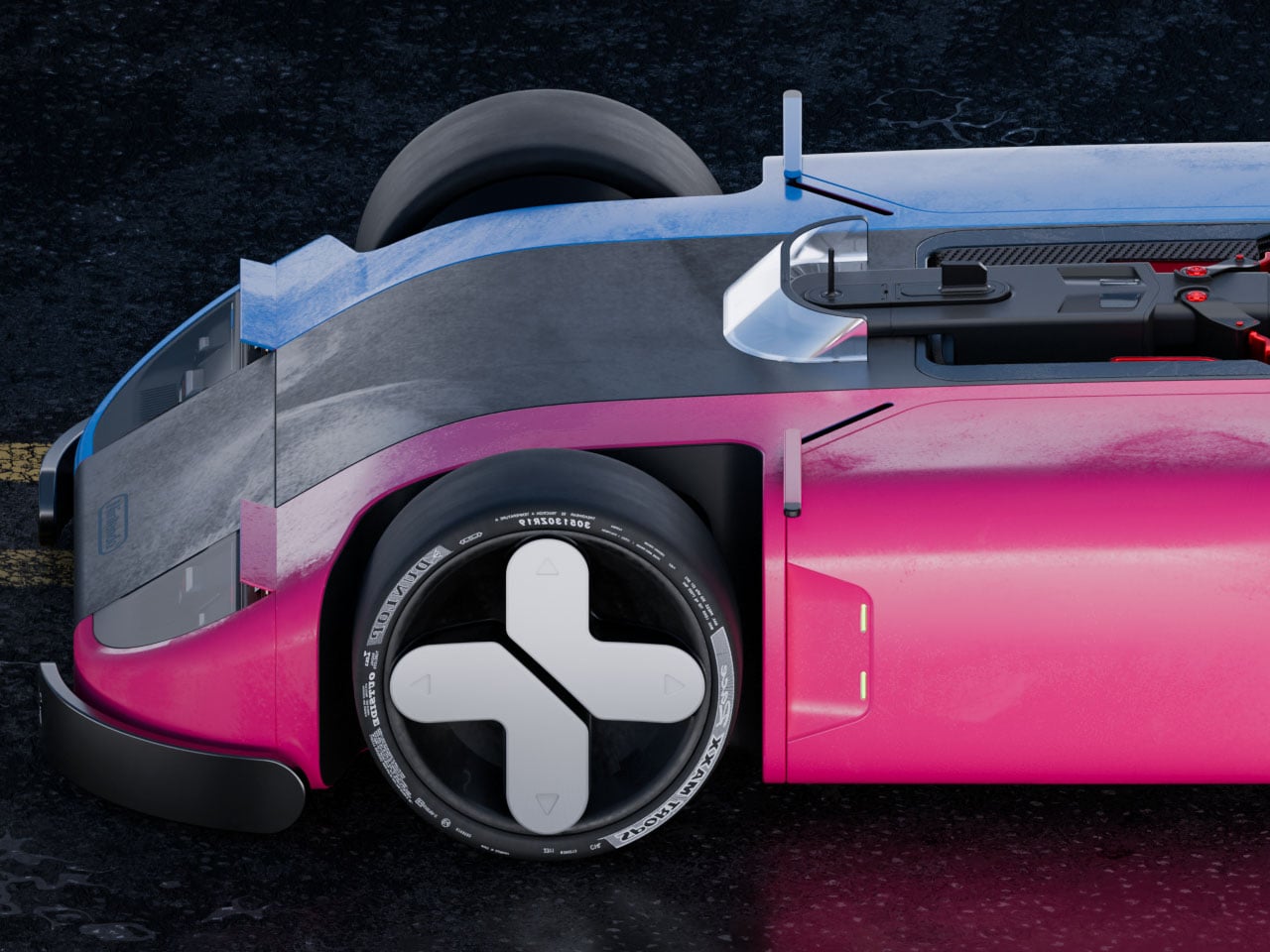
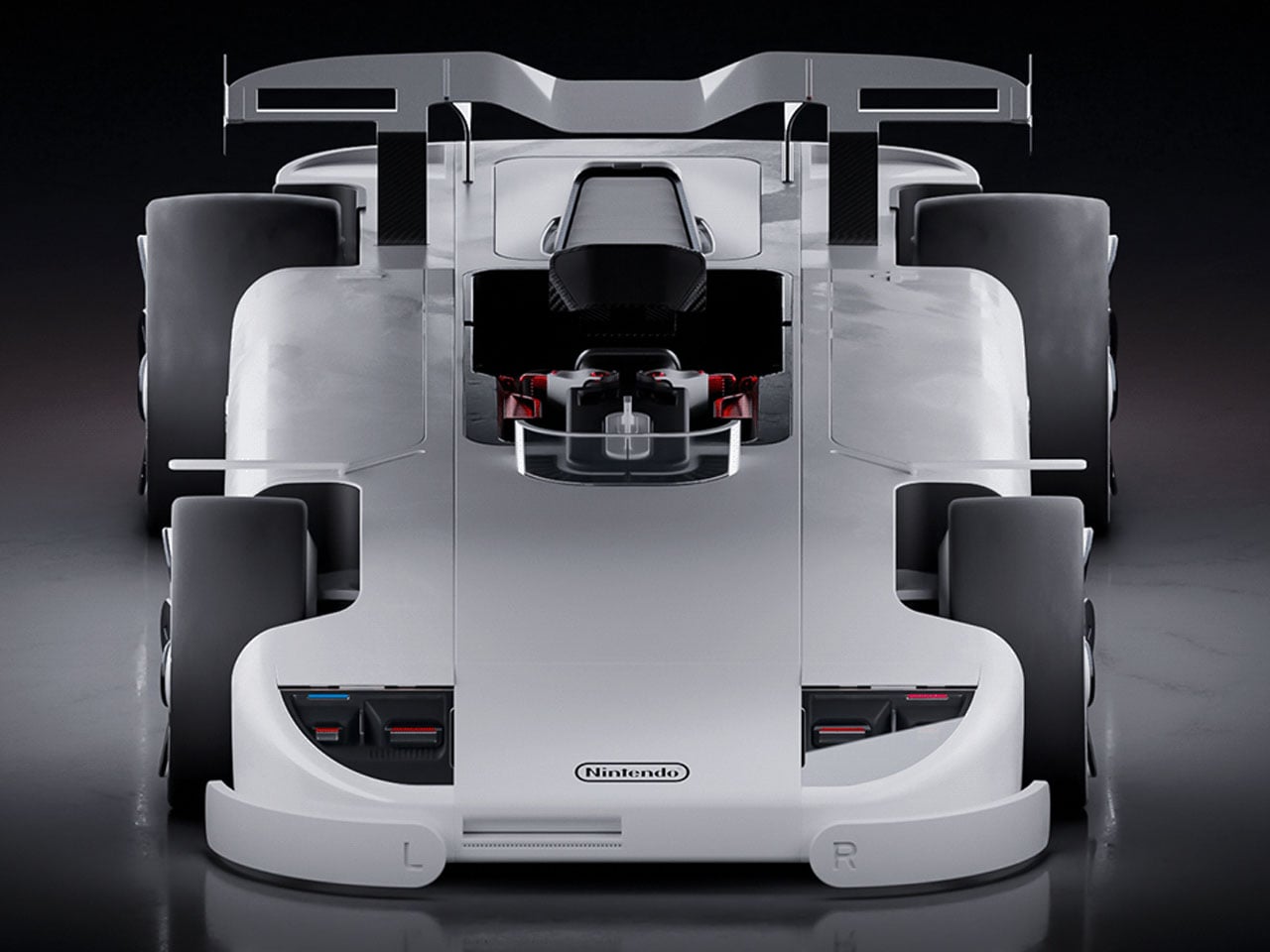
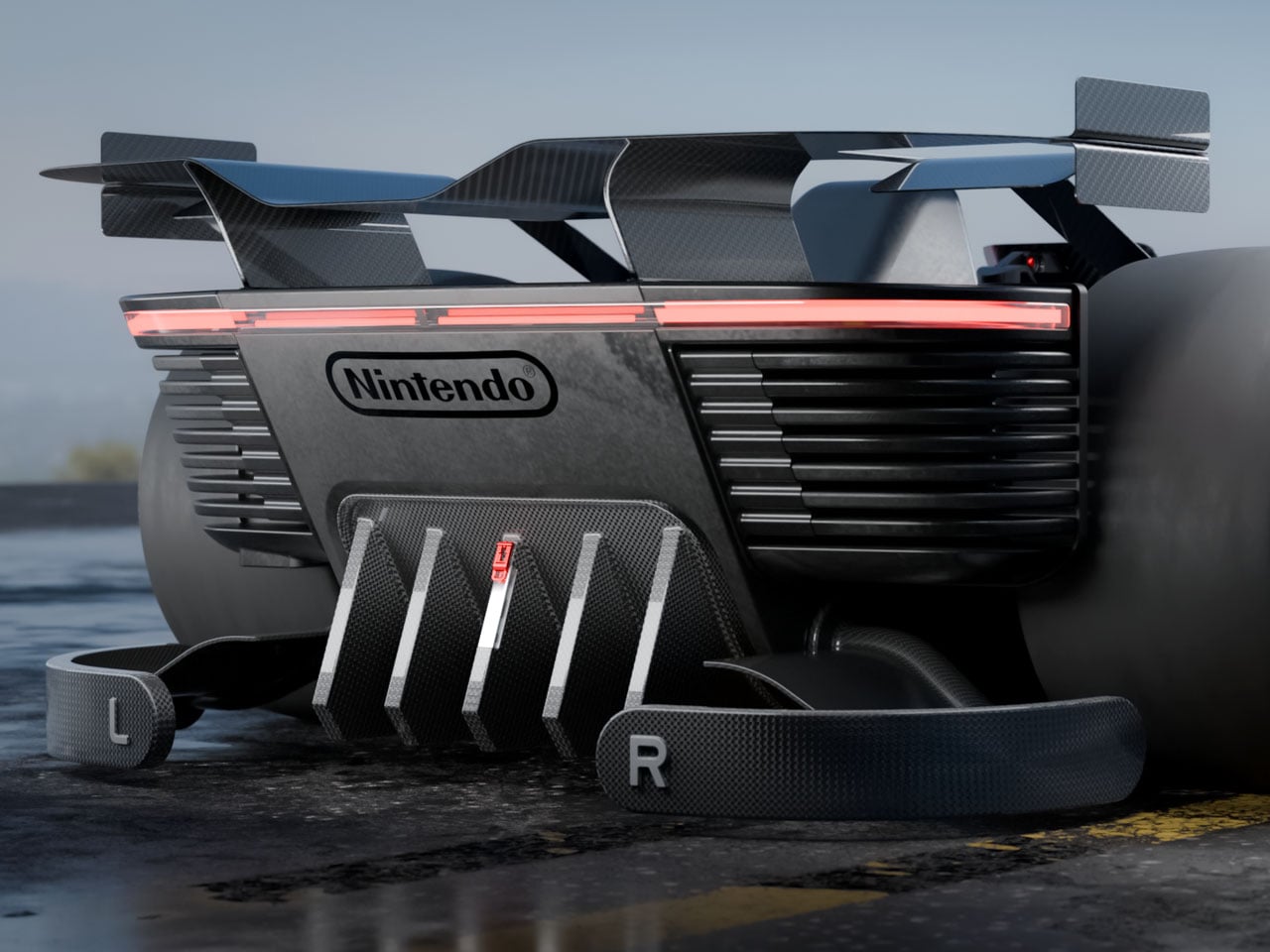
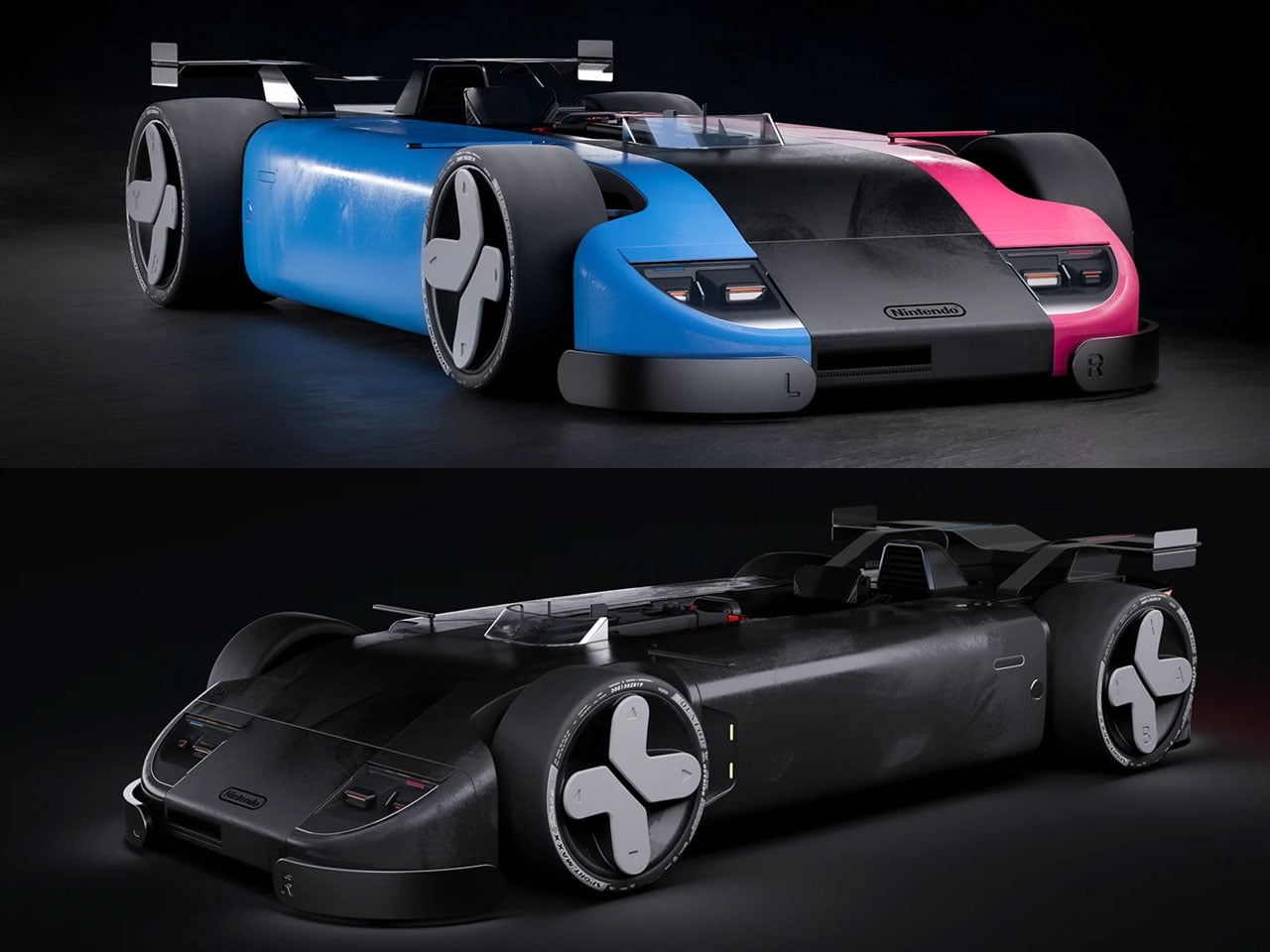
This Nintendo Switch-inspired concept morphs gaming DNA into track performance

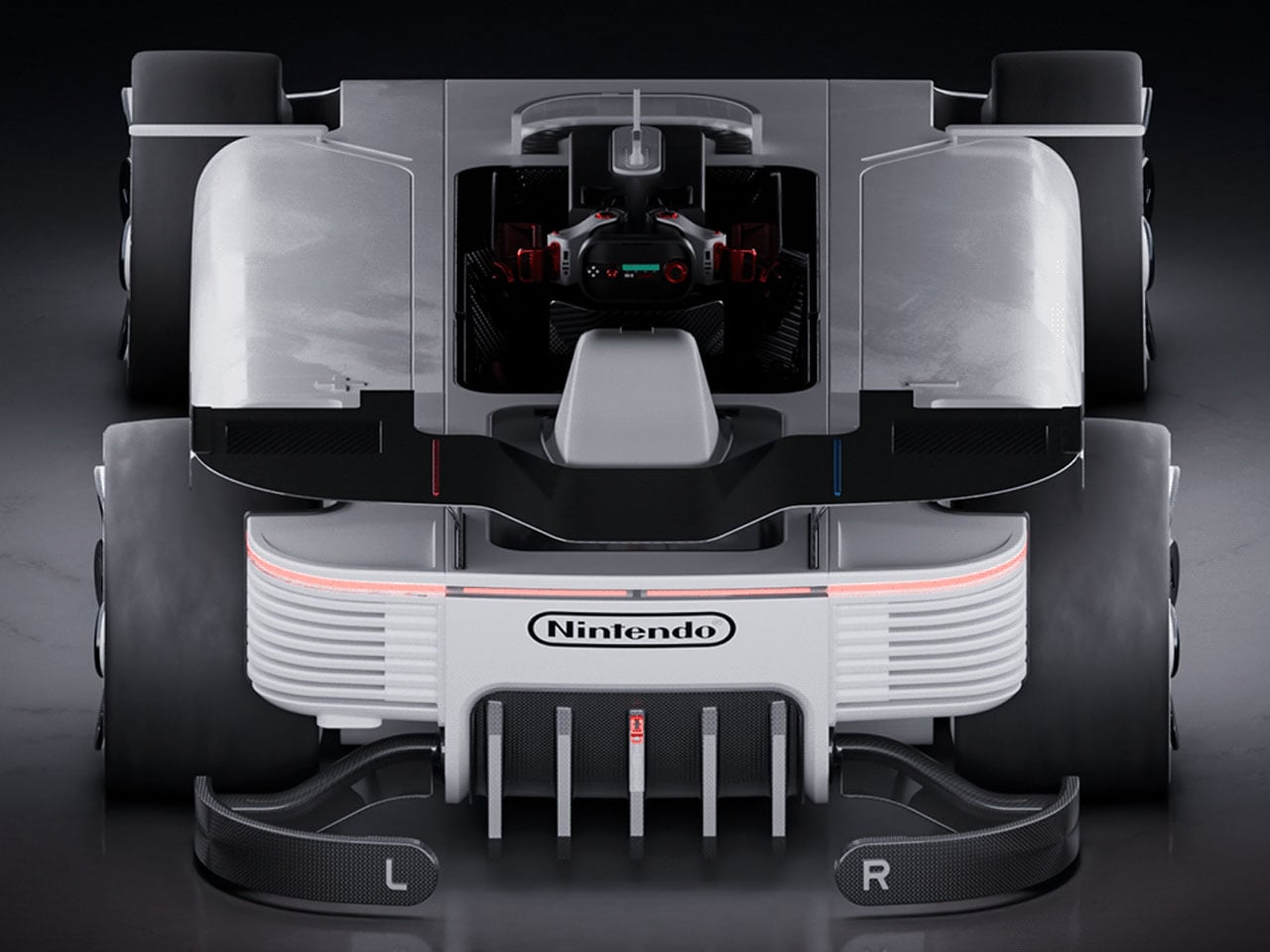
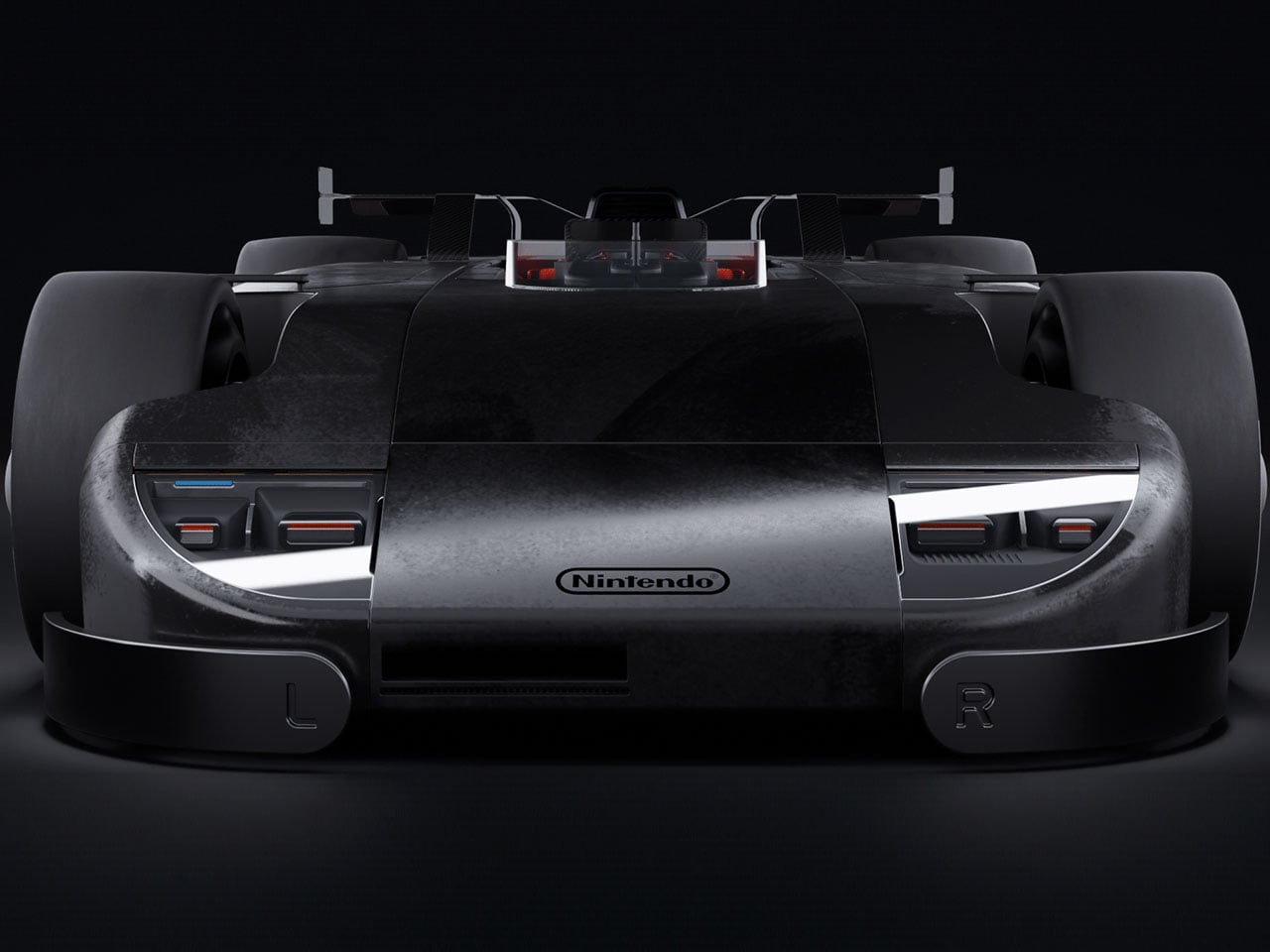
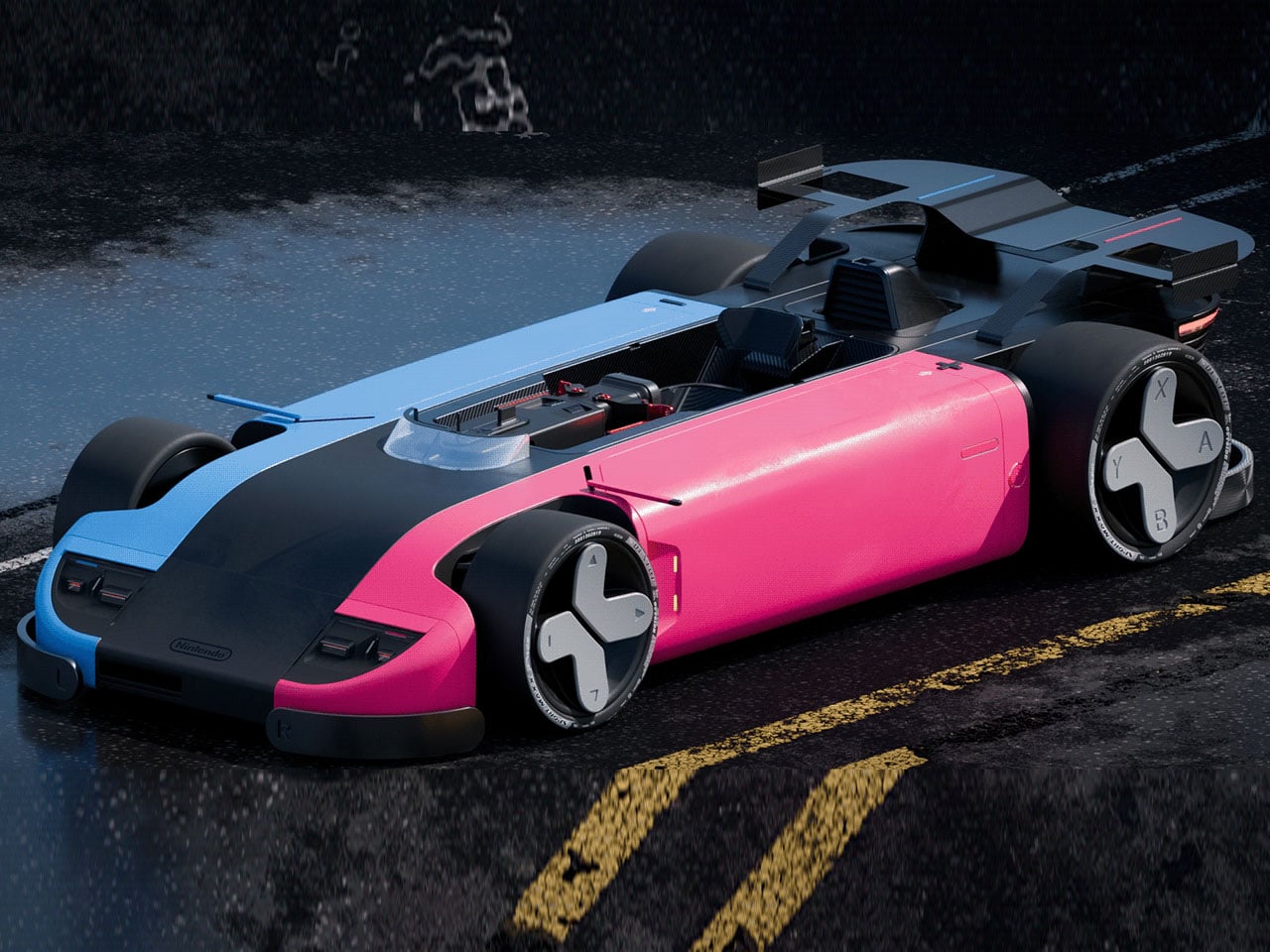
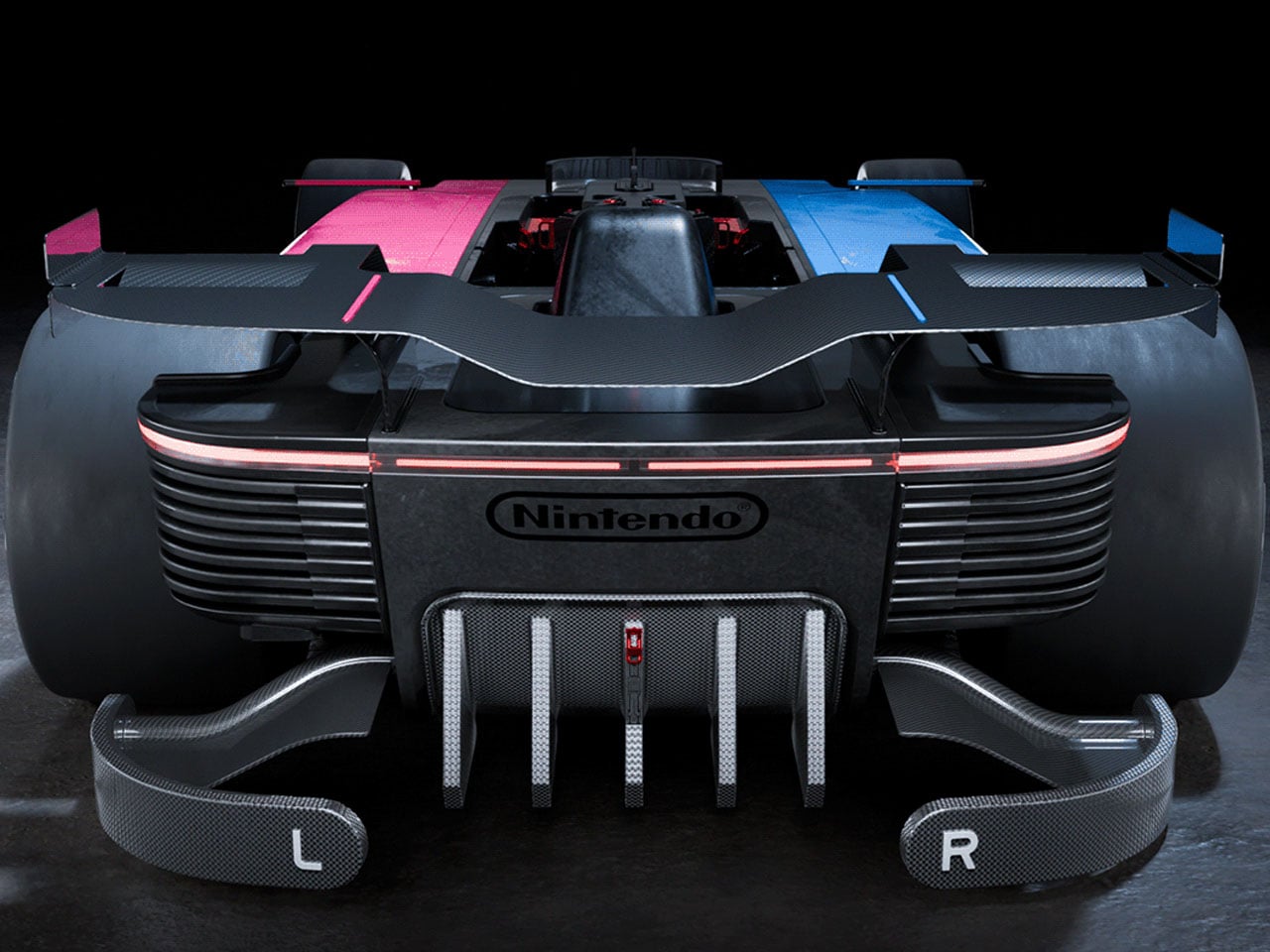
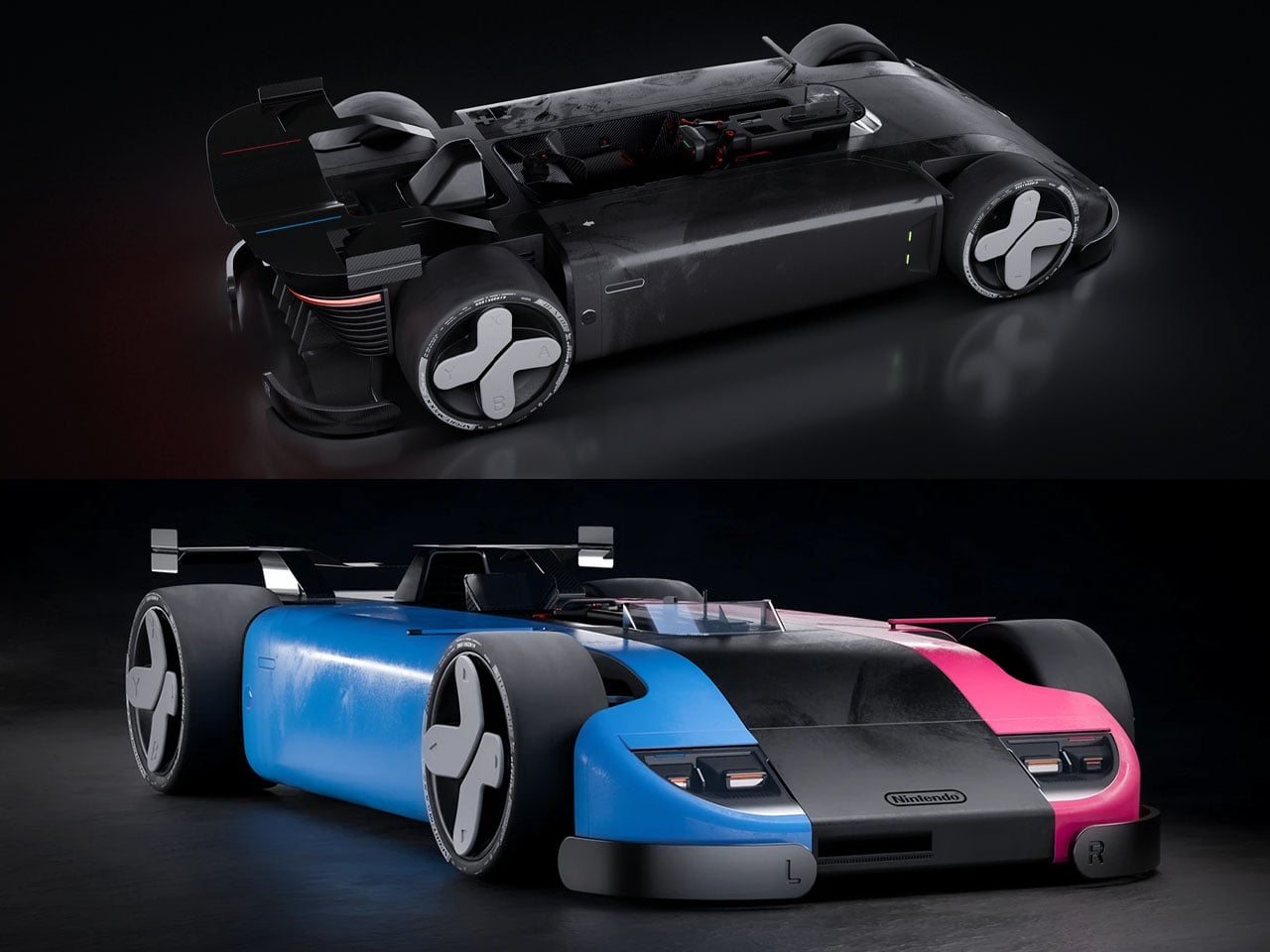
When Nintendo introduced the Switch in 2017, it reshaped modern gaming by merging handheld convenience with living-room power in a single, modular device. Its detachable Joy-Cons, bold color accents, and instantly recognizable silhouette turned the console into both a functional tool and a design icon. That same philosophy now takes an unexpected leap into automotive design with the Nintendo Switcher, a concept car that reinterprets the Switch’s playful yet purposeful identity as a low-slung, track-ready performance machine.

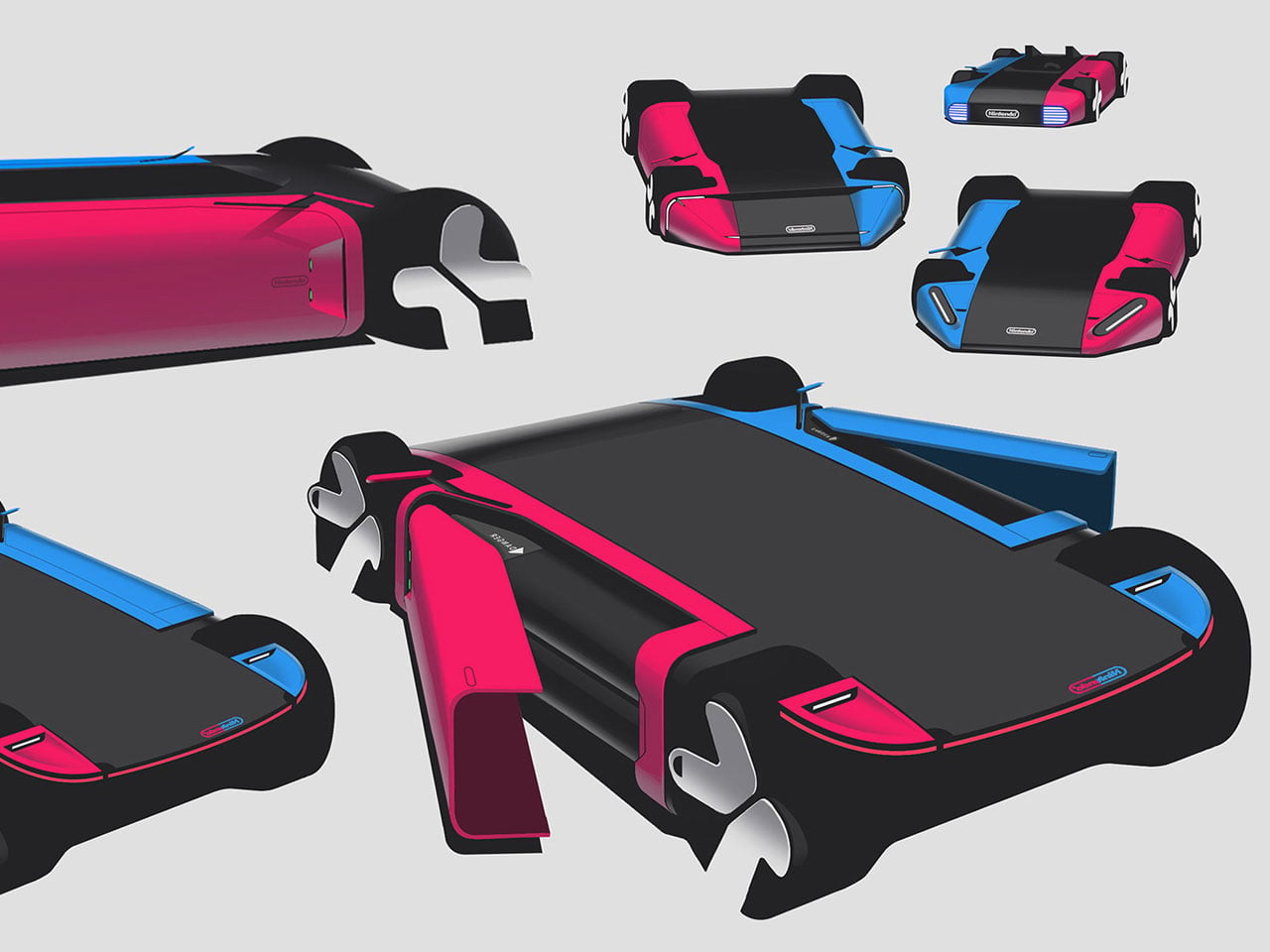
Created as a concept design project, the Nintendo Switcher imagines an alternate reality where the Japanese gaming giant channels its design language into motorsports-inspired mobility. Rather than simply applying branding to an existing vehicle shape, the concept approaches the car as if it were designed from the ground up by the same team that shaped Nintendo’s hardware. The result is a vehicle that feels expressive and unmistakably influenced by gaming culture while still reading clearly as a high-performance car.

Designer: Anton Kulakov and Florin Ivan

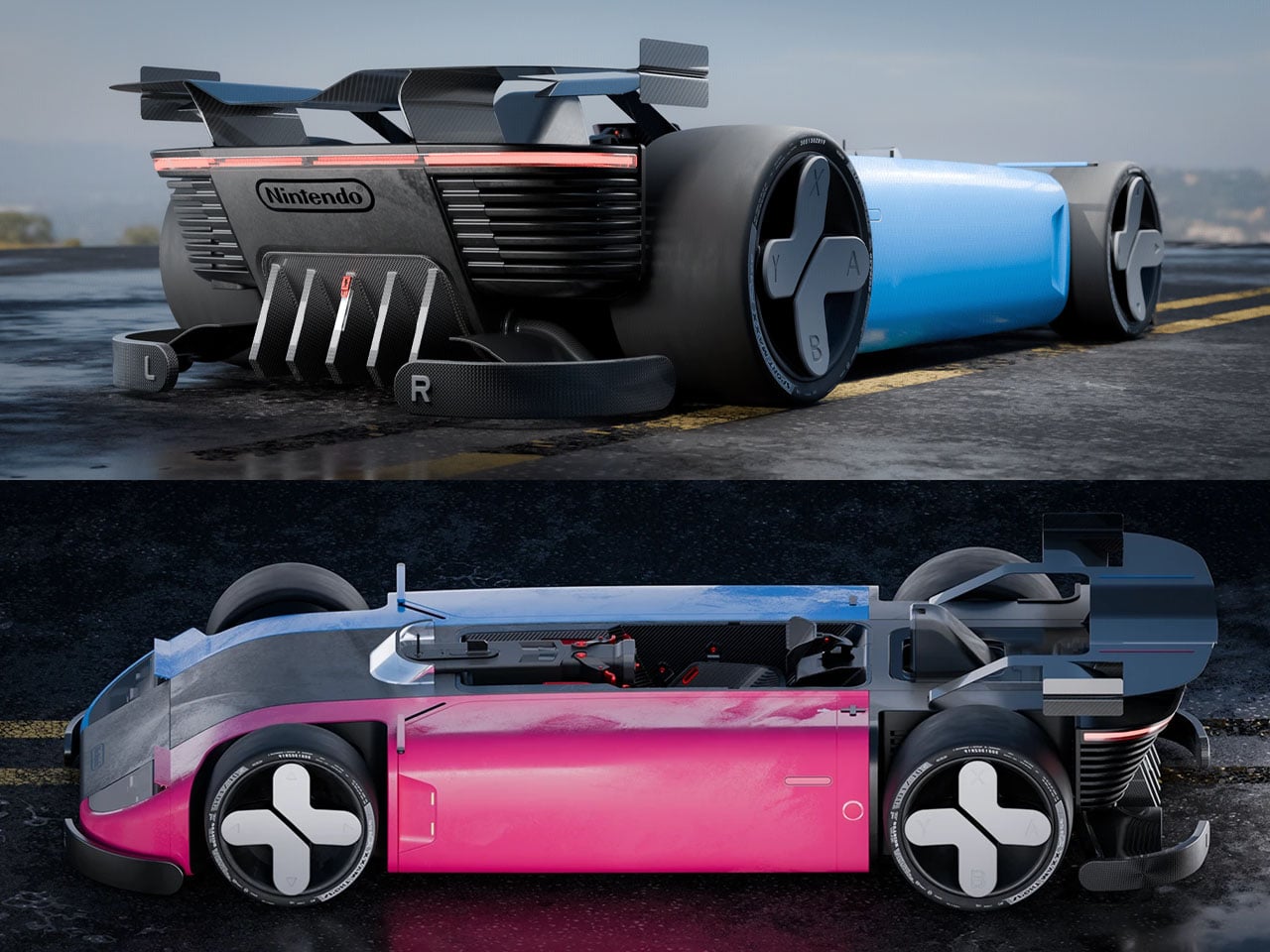
The exterior design makes the connection immediately obvious through its use of color blocking and contrast. Red, black, and white dominate the bodywork, echoing the Switch console and its Joy-Con controllers. These colors are applied in sharp, deliberate sections rather than blended gradients, reinforcing the idea of modular components coming together to form a cohesive whole. The body itself sits low and wide, with exaggerated proportions that emphasize speed, grip, and stability, giving the Switcher the visual stance of a track-focused machine.

Aerodynamic intent plays a major role in shaping the car’s surfaces. Long, flowing lines guide the eye from the front toward the rear, while aggressive wheel arches and sculpted side panels suggest functional airflow management. The front end appears compact and assertive, with lighting elements integrated cleanly into the body rather than treated as separate components. From every angle, the design strikes a balance between sharp geometry and smooth transitions, mirroring the way gaming hardware often combines angular forms with ergonomic curves.

While interior details are presented more subtly, the concept hints at a driver-focused cockpit influenced by digital interfaces. The layout suggests a minimalist and immersive approach, prioritizing essential controls and visual clarity, much like a gaming interface designed to keep players engaged without distraction. The emphasis appears to be on interaction and responsiveness rather than luxury, reinforcing the car’s performance-oriented character.

The Nintendo Switcher is a creative exploration of how deeply ingrained product identity can travel across industries. By translating the Switch’s modular thinking, bold visuals, and user-centric design into an automotive context, the concept shows how gaming culture continues to influence design far beyond screens and controllers. Though it remains purely conceptual, the Switcher feels like a convincing glimpse into a world where entertainment brands shape mobility with the same confidence they bring to interactive experiences.

The post This Nintendo Switch-inspired concept morphs gaming DNA into track performance first appeared on Yanko Design.
ASUS has stopped producing the NVIDIA RTX 5070 Ti and 5060 Ti 16GB, saying they’ve reached ‘end of life’

YouTube channel Hardware Unboxed is reporting that ASUS has stopped producing the RTX 5070 Ti and 5060 Ti 16GB due to the ongoing memory crunch. In its most recent video, the channel states ASUS “explicitly” told it the RTX 5070 Ti is “currently facing a supply shortage.” As a result, the company has “placed the model into end of life status,” and no longer plans to produce it.

Hardware Unboxed also spoke to retailers in Australia, who told the channel the 5070 Ti is “no longer available to purchase from partners and distributors,” adding they expect that to be the case throughout at least the first quarter of the year. The 5060 Ti 16GB “is almost done as well," with ASUS stating it no longer plans to produce that model going forward either. Both GPUs are 16GB models, making them more expensive to manufacture in the current economic climate. And while there might be some hope of the 5070 Ti and 5060 Ti 16GB returning later this year, the channel suggests both are unlikely to make a comeback.

“Demand for GeForce RTX GPUs is strong, and memory supply is constrained. We continue to ship all GeForce SKUs and are working closely with our suppliers to maximize memory availability,” a NVIDIA spokesperson told Engadget. ASUS did not immediately respond to Engadget’s comment request.

After uploading its video, Hardware Unboxed published a clarification. “ASUS did not tell us that NVIDIA said the RTX 5070 Ti has been discontinued. ASUS told us there is very little supply of the 5070 Ti, so their own 5070 Ti products (e.g, the Prime and TUF Gaming) have been put into end of life status,” the channel said. “With retailers also unable to source 5070 Ti SKUs from any AIB, this effectively makes it a dead product.”

The AI boom has created an insatiable demand for RAM and other computer components from data center infrastructure companies. In response, many memory manufacturers have shifted their production lines to focus on high bandwidth memory for those clients at the expense of their regular offerings, leading to dramatically increased prices among consumer RAM kits, GPUs and SSDs. In December, Micron Technology announced it would wind down its consumer-facing Crucial brand to focus exclusively on providing components to the AI industry.

ASUS is the first of NVIDIA’s add-in board (AIB) partners to comment on the memory crunch. AIBs are the companies that produce the majority of GPUs you can buy from NVIDIA and AMD. Historically, NVIDIA has provided its board partners with both the die and memory needed to make a graphics cards. However, a recent rumor suggested the company had told it partners they would need to start sourcing memory on their own.

Update 12:55PM ET: Added more context.

Update 2:06PM ET: Added comment from NVIDIA.

Update 6:31PM ET: Added additional comment from Hardware Unboxed.

This article originally appeared on Engadget at https://www.engadget.com/gaming/pc/asus-has-stopped-producing-the-nvidia-rtx-5070-ti-and-5060-ti-16gb-saying-theyve-reached-end-of-life-162012253.html?src=rss

BMW M Neue Klasse: 1,341 HP and Four Motors to Redefine the M3

BMW M Neue Klasse: 1,341 HP and Four Motors to Redefine the M3

The BMW M Neue Klasse is poised to transform the high-performance electric vehicle (EV) market. Scheduled for release in 2027, this fully electric lineup combines innovative technology, sustainable design principles, and the signature driving dynamics that define the BMW M brand. Designed for both road and racetrack excellence, the Neue Klasse represents a significant leap […]

The post BMW M Neue Klasse: 1,341 HP and Four Motors to Redefine the M3 appeared first on Geeky Gadgets.

Posted in Uncategorized