This Bio-mimicking Safari Deck Is Designed to Look Exactly Like a Rhino

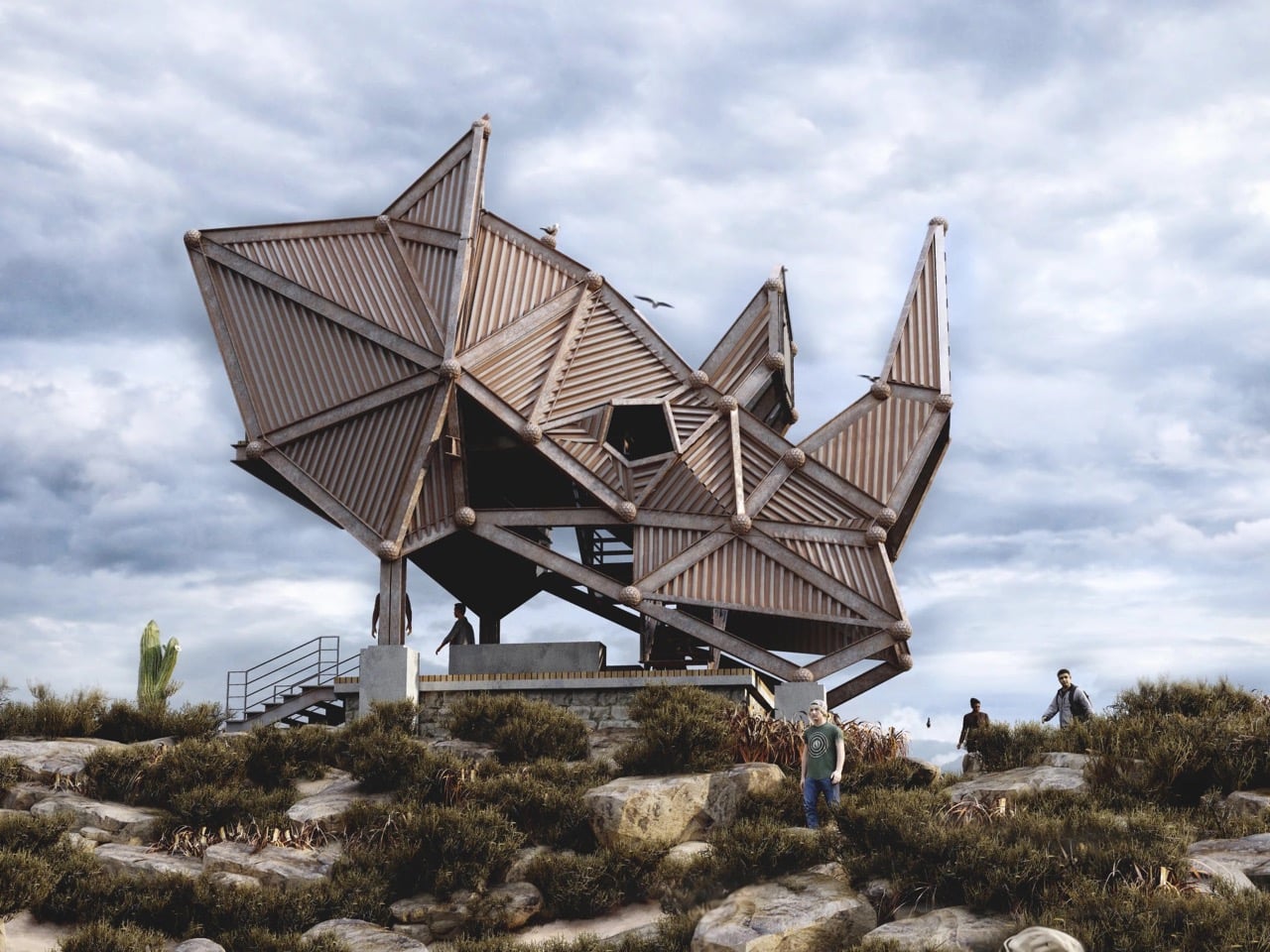
Sri Lankan designer Thilina Liyanage has built a recognizable portfolio around one core idea: that architecture in wild spaces should speak the language of those spaces. His previous concepts have drawn from bird forms, insect geometries, and the angular logic of animal skeletons, earning him a following among readers who track biomimetic architecture with the same enthusiasm others reserve for gadgets. His latest, the Rhino Safari Deck, takes that approach to one of its most literal and structurally ambitious expressions yet. Rendered under overcast skies above a scrubby, semi-arid landscape scattered with cacti and boulders, the structure earns its name in full. From a distance, you are looking at a rhino. The silhouette is unmistakable: a squat, armored mass with a pronounced horn erupting from the roofline, flanked by secondary angular spires that read as ears, the whole thing hunched forward on its platform like the animal mid-charge.

Liyanage named the project “Kifaru Point,” using the Swahili word for rhino, which sets the geographic and tonal intention clearly. The structure is conceived as a wildlife observation deck, elevated above the terrain on a concrete plinth with a timber-decked lower platform that wraps around the base. A set of steel-railed stairs leads visitors up from the rocky ground level, and the shaded gathering area beneath the main structure provides a transition space before the ascent continues to the upper observation level. The interior views glimpsed in the renders show open, framed apertures that funnel sightlines out across the flat scrubland below, the kind of panoramic sweep that makes the elevated position feel earned rather than arbitrary. As a piece of safari infrastructure, Kifaru Point is doing something most viewing platforms do not bother attempting: it turns the act of looking at animals into an architectural experience that is itself worth looking at.

Designer: Thilina Liyanage

The entire form is built from triangulated steel frames, with each panel clad in ribbed, corrugated steel slats that create a warm, striated texture across the facets. Spherical steel nodes connect the struts at every junction, giving the whole skeleton a Meccano-meets-brutalism quality that suits the rugged setting perfectly. There is no smooth surface anywhere on this building. Every plane is either angled, folded, or interrupted, and the aggregate effect genuinely reads as armored hide from the outside while remaining open and structurally legible from within. The corrugated steel and timber combination ages well in outdoor conditions, which matters for a structure intended to sit in a landscape indefinitely rather than perform at an exhibition and disappear.

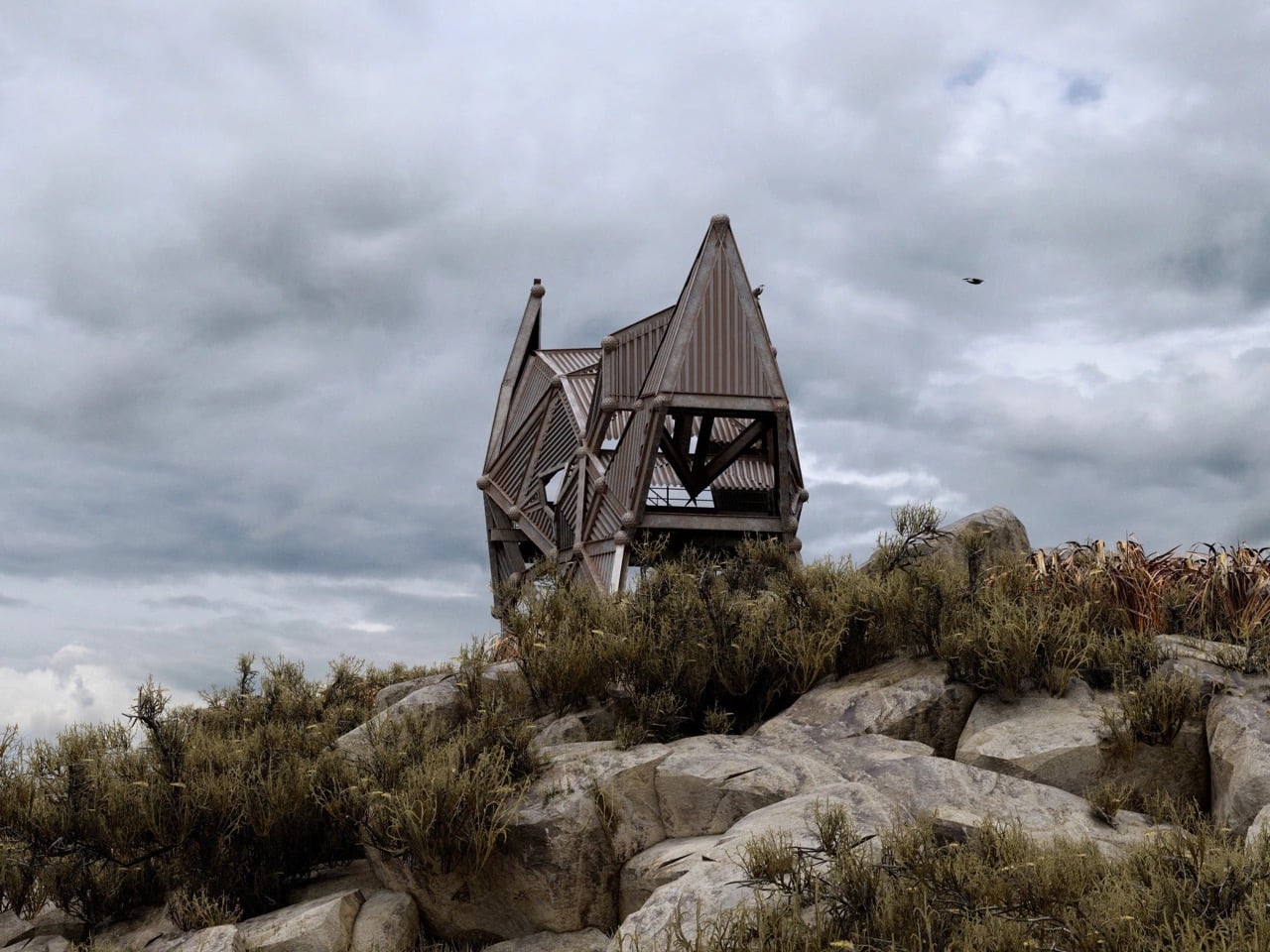
What Liyanage is clearly working through in this series is the question of how a building earns its place in a landscape. The typical eco-lodge answer involves receding into the environment through natural materials and muted palettes, becoming invisible by design. Kifaru Point goes the opposite direction: it announces itself as a landmark, a destination, something you orient toward from across the plain. The rhino reference gives it a totemic presence that goes beyond novelty. Rhinos are ancient, armored, and critically endangered, and a safari deck that reads visually as one of those animals is making an argument about the relationship between the people who come to observe wildlife and the wildlife itself. Biomimetic architecture has a long tradition of borrowing animal logic for structural efficiency, but borrowing it for symbolic weight, for the purpose of rhino conservation awareness built into a building’s silhouette, is a less common move and a more interesting one.
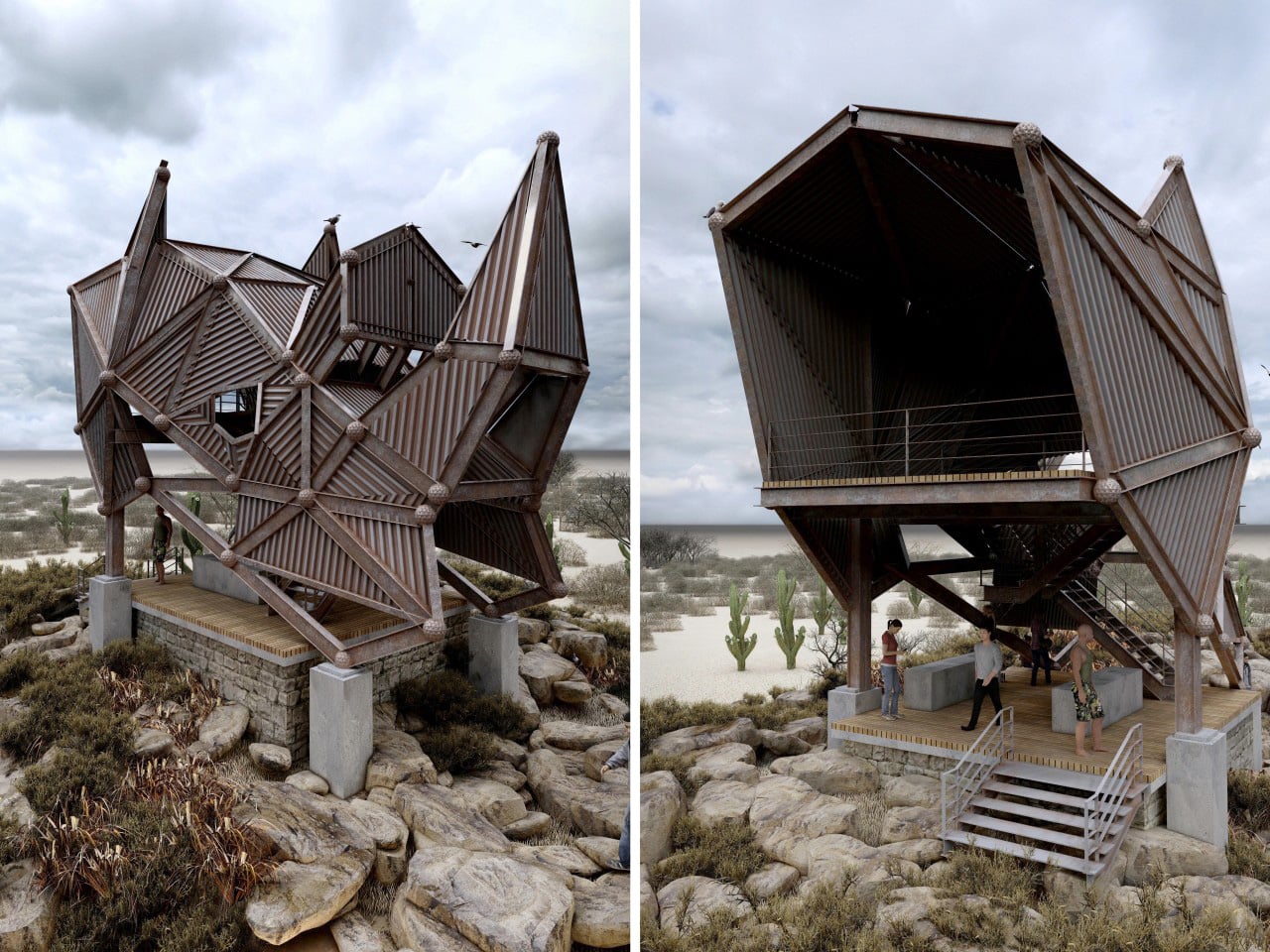
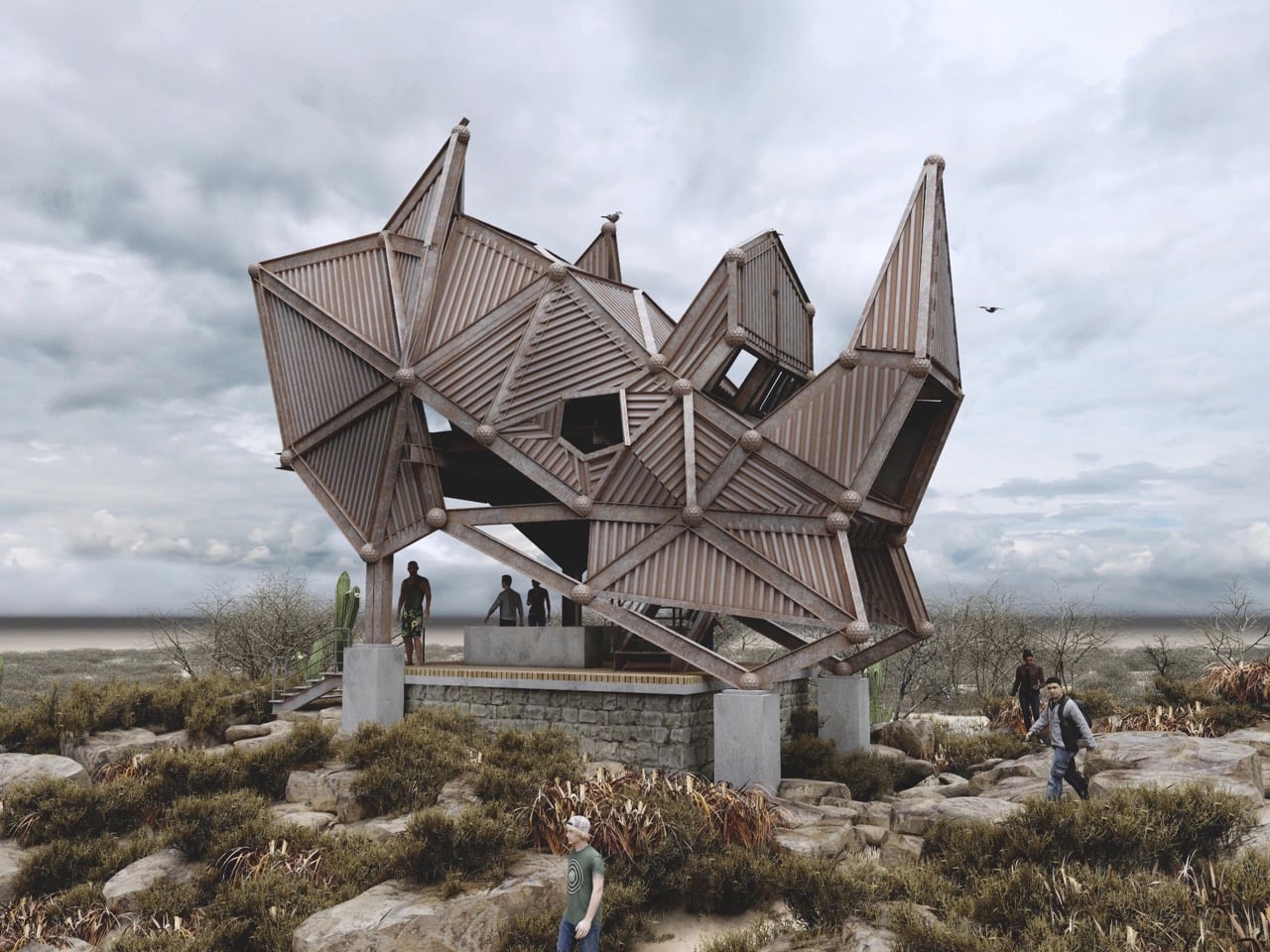
The rendered setting positions Kifaru Point among desert shrubs and saguaro-like cacti, suggesting a location somewhere in southern or eastern Africa, though the landscape has a looseness that keeps the concept legible across multiple possible sites. The palette of weathered steel and warm timber sits comfortably against the muted greens and grays of the terrain, and the overcast sky in most of Thilina Liyanage’s renders gives the structure a moody weight that a blue-sky backdrop would have undercut entirely. He knows how to light his visualizations for atmosphere, and that skill is doing real work here, making a conceptual project feel like a building that already exists and is already waiting for visitors to climb its stairs and look out across the plain at whatever is moving in the distance.

The post This Bio-mimicking Safari Deck Is Designed to Look Exactly Like a Rhino first appeared on Yanko Design.
Adobe CEO Shantanu Narayen plans to step down after 18 years

Adobe's long-time CEO has shared that he plans to step down. Shantanu Narayen has been the chief exec at the tech company for 18 years, a tenure where he led Adobe in the major shift to become a software-as-a-service provider. The exact timeline for his exit is still up in the air, as Narayen will depart when the board of directors names his successor. He will remain on the board as its chair after leaving the CEO post. 

While Adobe was not the first to take the SaaS route, it was one of the first major tech operations to do so. Software such as Photoshop, Illustrator, Premiere and Lightroom from the brand have been mainstays in creative fields for years, so the launch of the Creative Suite subscription, which is now called Creative Cloud, was a pretty revolutionary change for its customers. 

In an memo to employees, Narayen reflected on his nearly two decades at the helm. Adobe has grown from about 3,000 employees to more than 30,000, while its financial performance has leapt, revenue skyrocketing from less than $1 billion to more than $25 billion. He also looked toward the future and the seemingly-inevitable presence of artificial intelligence. 

"The next era of creativity is being written right now — shaped by AI, by new workflows and by entirely new forms of expression," he wrote. "Adobe has never waited for the future to arrive. We’ve anticipated it. We’ve built it. And we’ve led it. What gives me the greatest confidence isn’t just our technology — it’s our people. Your ingenuity, resilience and commitment to customers are what will define this moment."

This article originally appeared on Engadget at https://www.engadget.com/big-tech/adobe-ceo-shantanu-narayen-plans-to-step-down-after-18-years-212705623.html?src=rss

NASA will try its Artemis II launch again in early April

NASA will soon give it another go on April Fools' Day. On Thursday, NASA said it's targeting April 1 at 6:24 PM ET for the Artemis II mission's next launch attempt.

In case that date doesn't pan out, NASA added April 2 at 7:22 PM as a secondary launch opportunity. If necessary, the agency foresees several more openings between April 1 and 6 to get the Orion rocket into space. "Within those six days between the first and the sixth, we can't always turn around every day for an attempt," NASA acting associate administrator Lori Glaze said at a press conference. "We would anticipate […] about four opportunities within that six-day period."

In preparation, NASA is targeting March 19 (a week from today) to roll Artemis II back out to the launch pad. However, it warned that further setbacks could occur. "While I am comfortable and the agency is comfortable with targeting April 1 as our first opportunity, just keep in mind we still have work to go," Glaze said. "There are still things that need to be done within the [Vehicle Assembly Building] and out at the pad. As always, we'll be guided by what the hardware is telling us, and we will launch when we're ready."

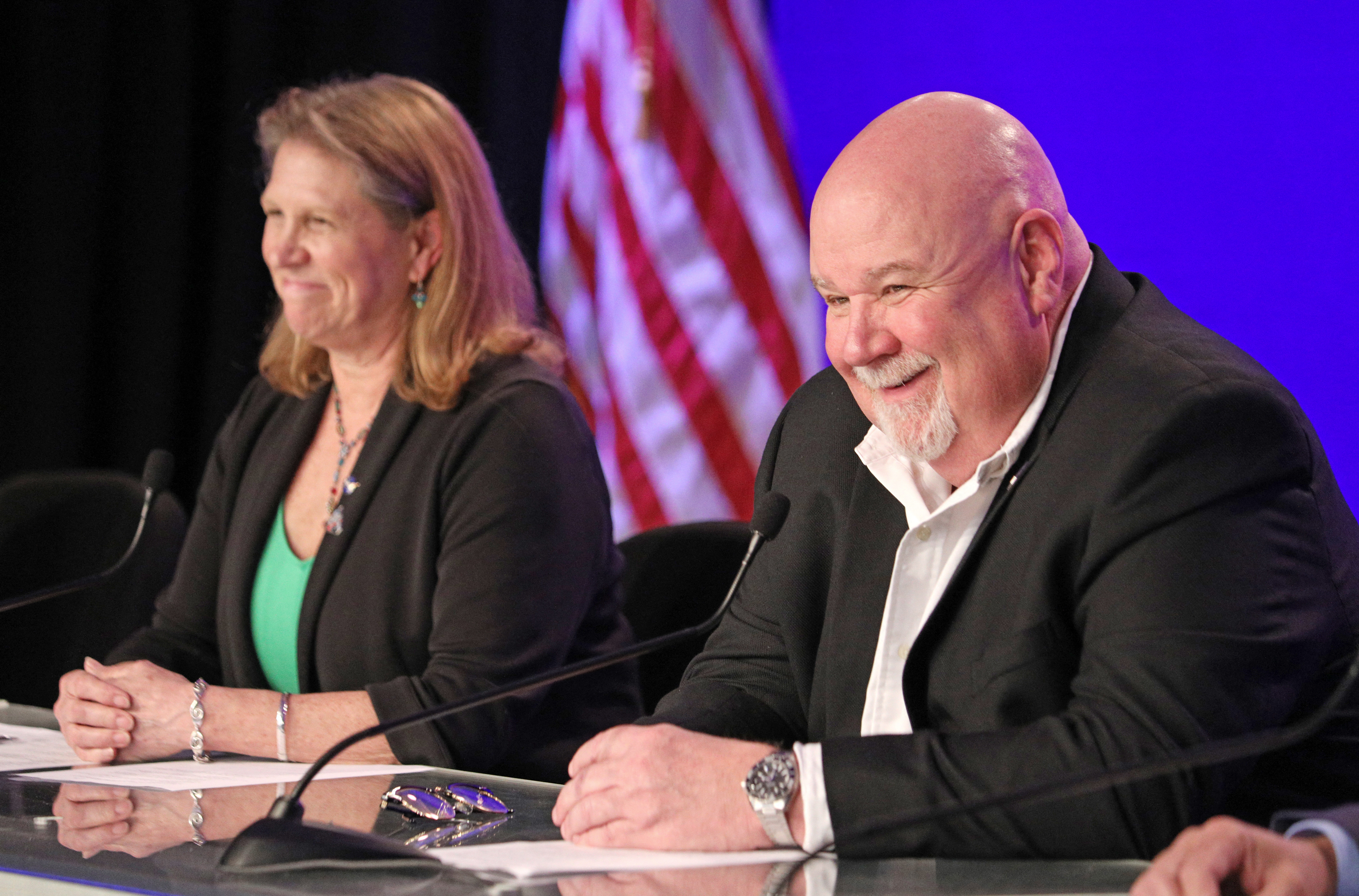
Lori Glaze, acting associate administrator, Exploration Systems Development Mission Directorate looks on as John Honeycutt, the Artemis II Mission Management Team chair smiles before answering a question about the flight readiness review of the Artemis II rocket components at the Kennedy Space Center in Cape Canaveral, Florida, on March 12, 2026. NASA rolled the massive Space Launch System rocket and Orion spacecraft back to the Vehicle Assembly Building from Launch Pad 39B on February 25 to troublshoot problems encountered during a wet dress rehearsal. NASA engineers and technicians will effect repairs and replace numerous flight batteries prior to sending four astronauts to the moon for the first time in more than 50 years. Artemis II is scheduled to launch in April. (Photo by Gregg Newton / AFP via Getty Images)
Lori Glaze, acting associate administrator, and John Honeycutt, Artemis II Mission Management Team chair (Photo by Gregg Newton / AFP via Getty Images)
GREGG NEWTON via Getty Images

Artemis II is set to be NASA's first crewed lunar mission since the early 1970s. The 10-day mission will carry four astronauts around the Moon and back to the Earth. It's set to be the first crewed mission of the Orion spacecraft, and an important step toward the ultimate goal of a Moon landing.

Initially targeted for early February, the launch was pushed back to March after several issues arose during a wet dress rehearsal. Then, 18 days later, it was delayed again (and moved off the launch pad) when NASA discovered a helium flow blockage in the rocket's upper stage. And it’s all happening against the backdrop of Administrator Jared Isaacman’s overhaul of the Artemis program, which includes postponing a scheduled Moon landing until 2028.

This article originally appeared on Engadget at https://www.engadget.com/science/space/nasa-will-try-its-artemis-ii-launch-again-in-early-april-205714288.html?src=rss

Bethesda Made a Real Pip-Boy Wearable for $299 and It Even Has a Radiation Detector

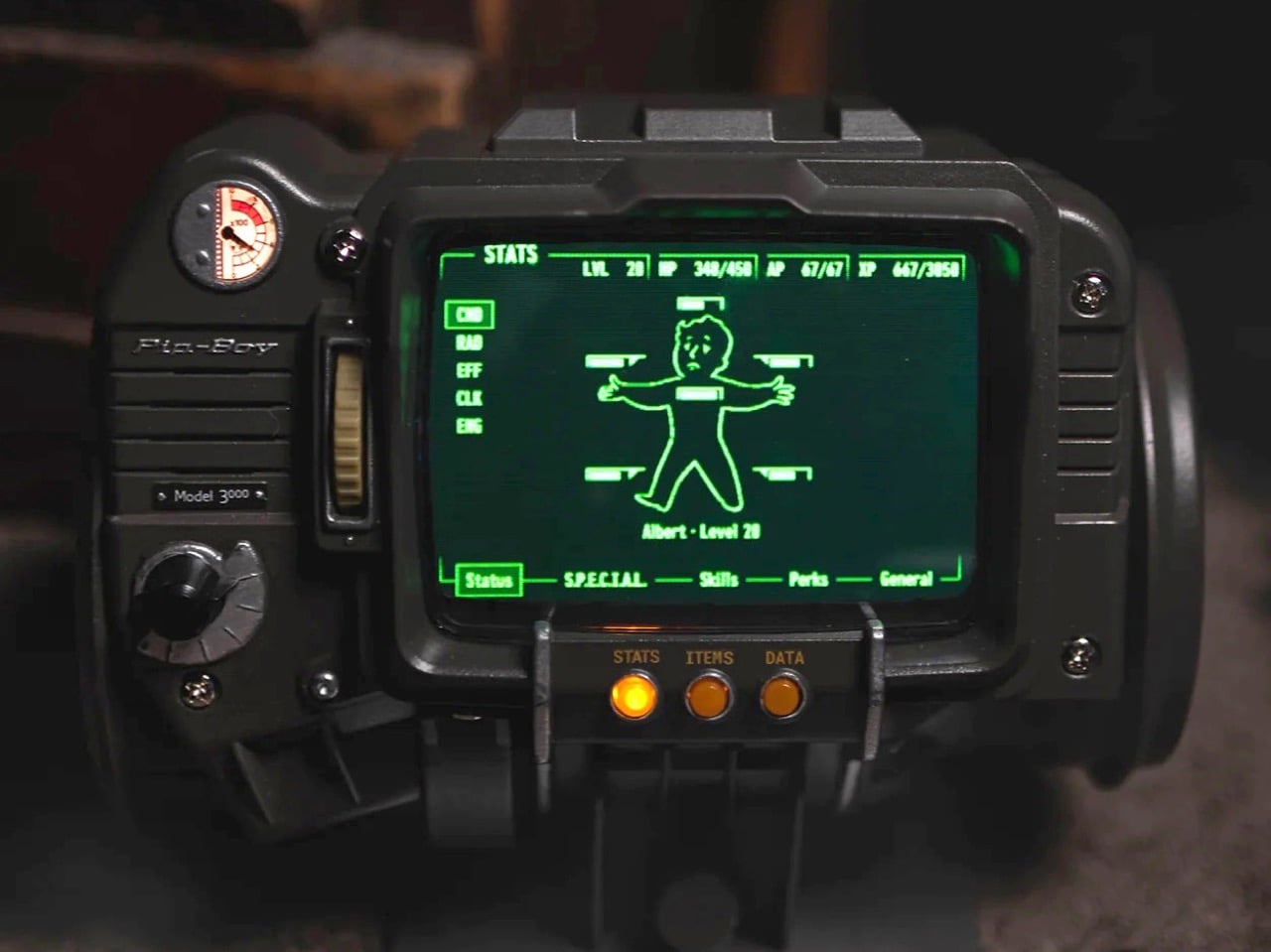
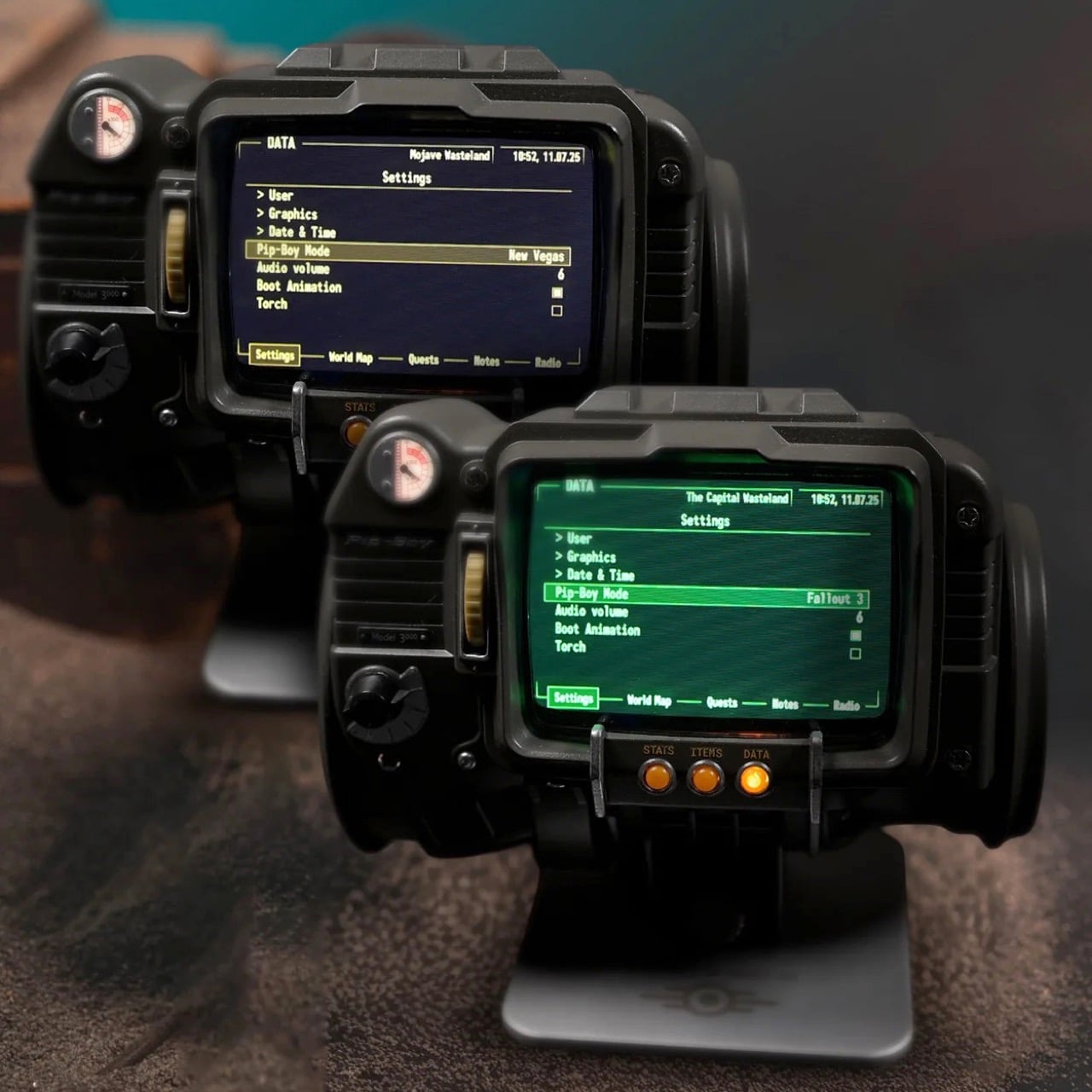
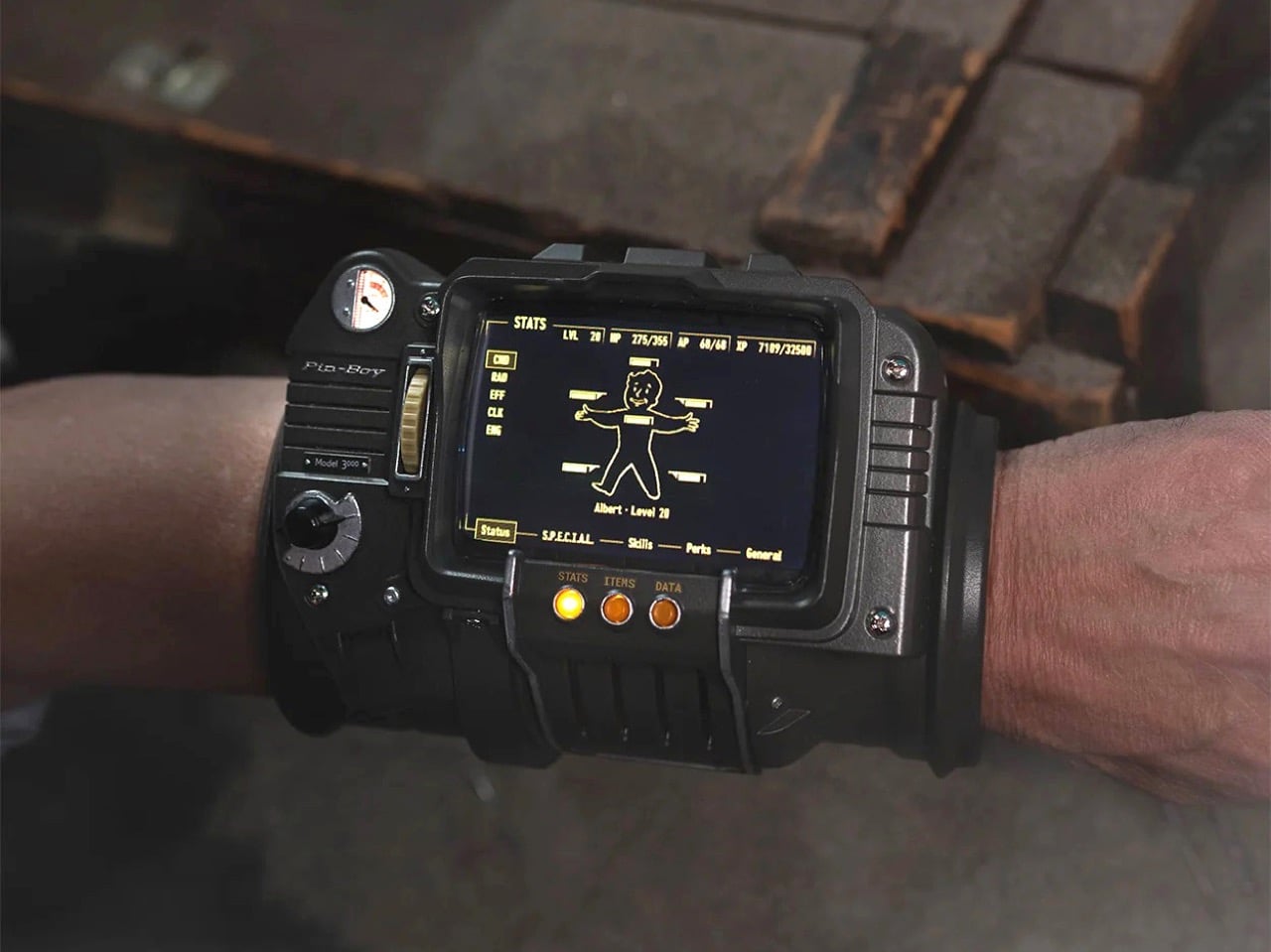
Seventeen years of Fallout fans walking around with a fictional computer strapped to their arm in their heads, and The Wand Company has finally made the thing real. This is the Pip-Boy 3000 replica, built from the original in-game 3D geometry of the wrist-worn personal information processor from Fallout 3 and Fallout: New Vegas, and it is a fully functional, wearable, 724-gram argument that some obsessions are worth indulging. The Wand Company has form here, having already produced the Pip-Boy 3000 Mk V replica based on the Amazon TV series prop, but this is the one Fallout 3 and New Vegas players have actually been waiting for since 2008.

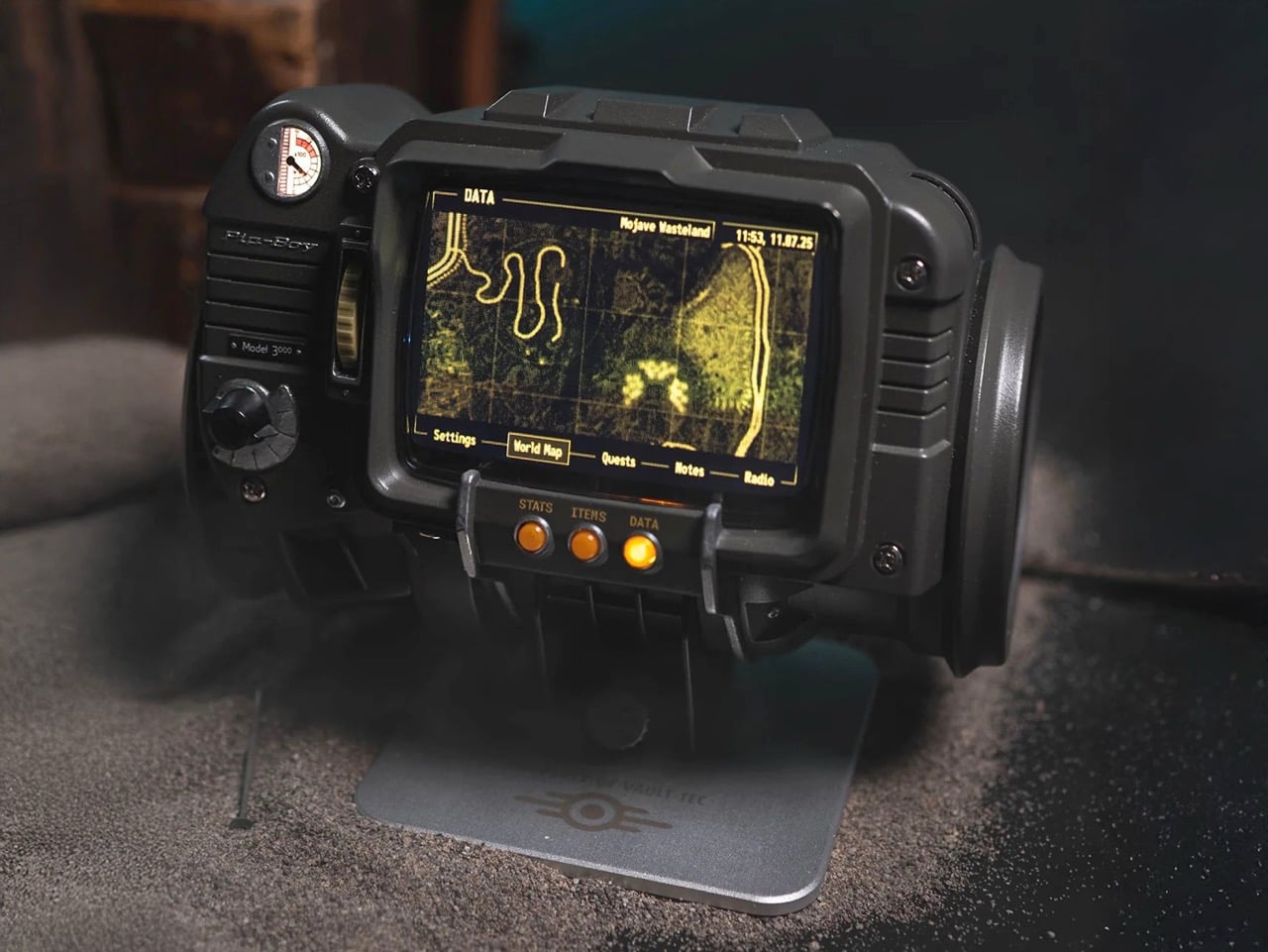
The front casing is die-cast metal, the body is injection-moulded ABS, and the cuff is memory foam with an included spacer bar that adds 22mm of circumference for larger arms. The 4-inch IPS LCD screen displays nearly all of the in-game content from both titles, and you can toggle between the classic green UI from Fallout 3 and the amber one from New Vegas. Hundreds of menus are navigable using the scroll wheels and dials on the body, the screen mimics a vintage CRT display with glitch effects and scanlines baked in, and you can temporarily fix those glitches by smacking the device because there is, naturally, an accelerometer inside. The whole package weighs about as much as a large can of soup, which will become noticeable roughly forty-five minutes into wearing it at a convention.

Designer: The Wand Company

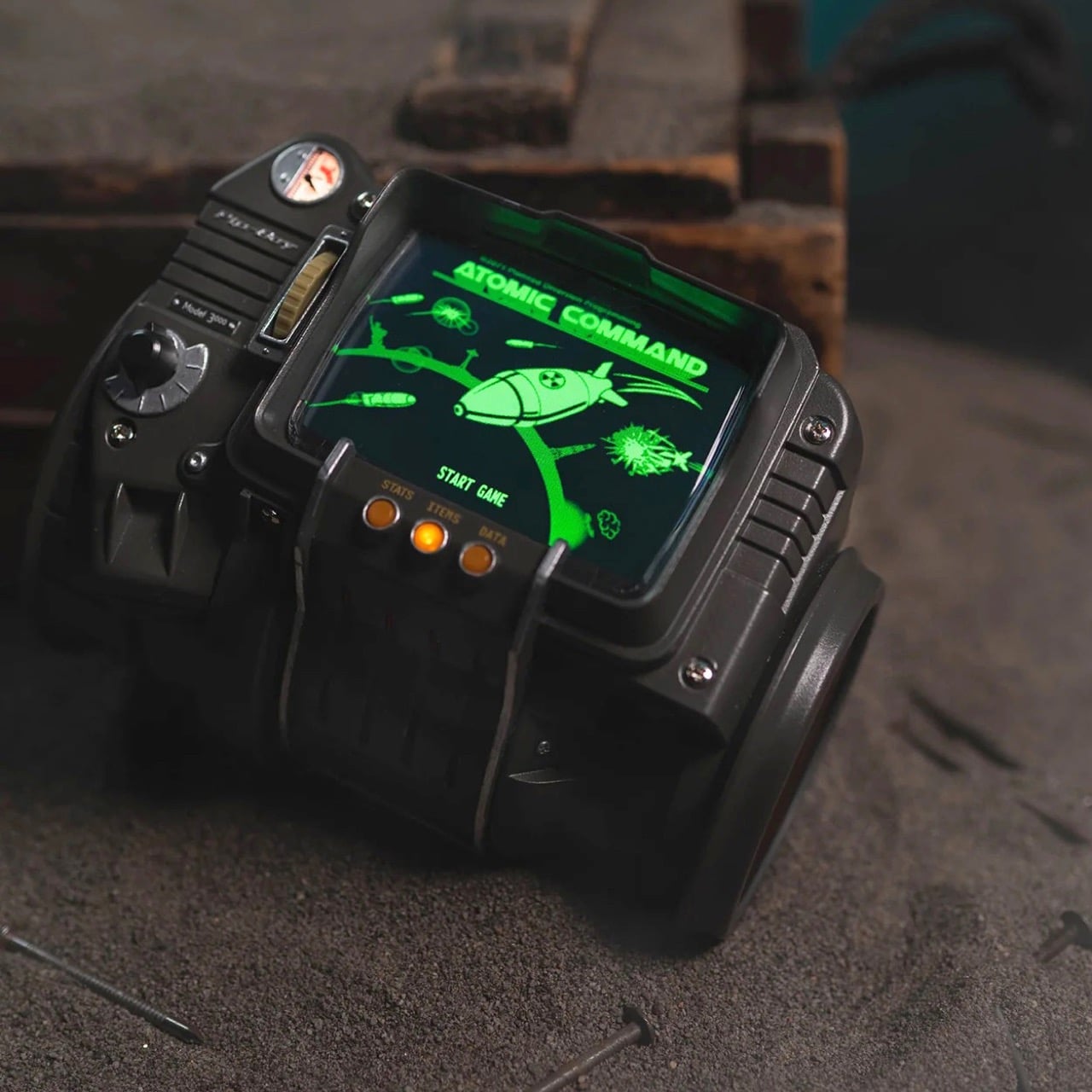
There is also a playable version of Atomic Command, the in-game holotape minigame, marking the first time anyone has defended fictional American landmarks from nuclear missiles on their actual wrist. The flashlight at the rear, headphone jack, and alarm clock mode are all present and accounted for. The radiation detector deserves a special mention: rather than measuring the ionizing kind that would actually matter in a wasteland scenario, it picks up radiation from FM radio broadcasts, displaying readings on the Geiger counter screen with full sound effects. The replica can also function as a working FM radio, which makes it possibly the most elaborately housed FM tuner ever manufactured. This is either a charming bit of in-universe worldbuilding or a tremendous cop-out, depending entirely on how generous you are feeling about the whole thing.

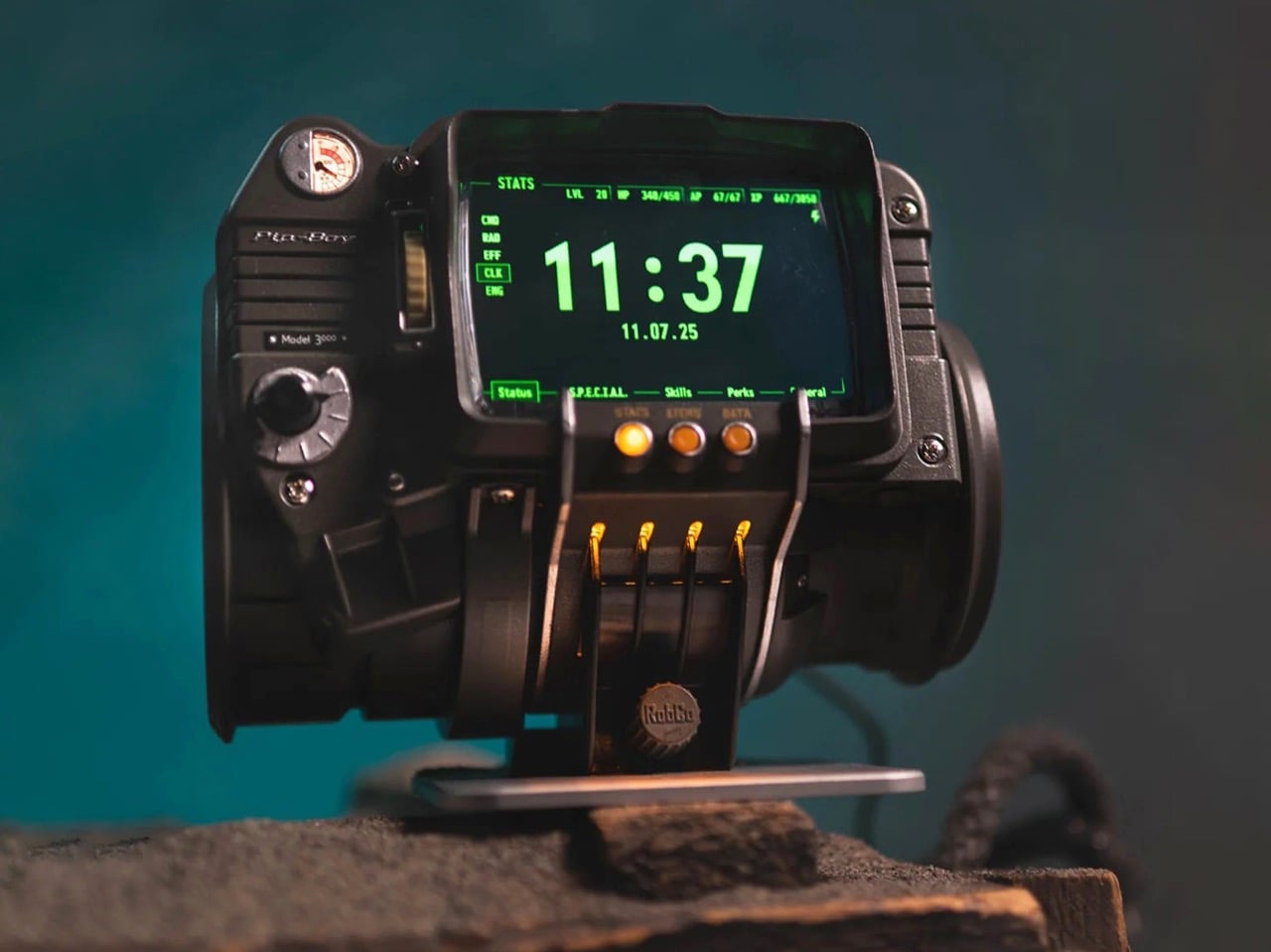
When you are not wearing it, the replica sits on a solid machined aluminum display stand that locks into four slots on the lower front of the device. The stand is also where the alarm clock function comes into its own, with the Pip-Boy propped upright on a desk or nightstand doing its best impression of the world’s most expensive bedside clock. The Wand Company says Bethesda staff saw the prototype and were left speechless, which tracks, because the level of content depth here, over 2,200 menu entries pulled directly from both games, goes considerably further than anyone needed to go for a collectible.

Preorders are live now at the Bethesda Gear Store for $299.99, with shipping expected as early as June 2026. Bethesda is restricting it to one item per order. International buyers can order through the Bethesda Gear Store International. It is rated for ages 14 and up, which seems optimistic.

The post Bethesda Made a Real Pip-Boy Wearable for $299 and It Even Has a Radiation Detector first appeared on Yanko Design.
RAMaggedon not expected to ease this year as IDC cuts 2026 PC market forecast again

We've been seeing all sorts of warnings about how RAMaggedon is nigh. The latest horseman signalling a disaster is the International Data Corporation, which had already cautioned that things were looking bad at the end of 2025. Today, the organization further cut its forecasts for the PC market in 2026, anticipating that global shipments would fall 11.6 percent. The previous report projected that this year would see a falloff of up to 8.9 percent due to ongoing memory shortages. And the new figure was set before the escalation of conflicts in Iran and across the Middle East, which could further deflate computing and other industries. 

"Memory shortages will persist well into 2027," Jitesh Ubrani, research manager for IDC’s Worldwide Mobile Device Trackers, said in the latest forecast. "While we anticipate some easing of prices beginning in 2028, the market is unlikely to return to the pricing levels seen in 2025."

This market report echoes price changes and official statements from all corners of the tech and computing sector. So far this year, we've already seen surging memory costs impacting HP, Samsung, Valve and Framework. Don't be surprised if many other major players follow suit.

This article originally appeared on Engadget at https://www.engadget.com/computing/ramaggedon-not-expected-to-ease-this-year-as-idc-cuts-2026-pc-market-forecast-again-200000498.html?src=rss

KPop Demon Hunters is officially getting a sequel

KPop Demon Hunters is getting a sequel, Netflix and Sony have announced. Sony Pictures Animation handed the rights to the film to Netflix in 2021 as part of a larger licensing deal, but neither company could have expected how much of a hit it would ultimately become. Besides being Netflix's "most-watched movie of all time," KPop Demon Hunters is also nominated for Best Animated Feature and Best Original Song at the 98th Academy Awards, and stands a good chance of winning.

Maggie Kang and Chris Appelhans, the directors of the first film, are returning to direct the sequel. The project will be the first in the duo's new "exclusive multiyear writing and directing partnership" with Netflix, which is focused on animation. "I feel immense pride as a Korean filmmaker that the audience wants more from this Korean story and our Korean characters," Kang said in a statement. "There's so much more to this world we have built, and I'm excited to show you. This is only the beginning."

"These characters are like family to us, their world has become our second home," Appelhans said. "We're excited to write their next chapter, challenge them, and watch them evolve — and continue pushing the boundaries of how music, animation, and story can come together."

To put KPop Demon Hunters popularity into perspective, the film had such a wide reach that Netflix was willing to set aside its aversion to theatrical releases and put it in theaters after it premiered on streaming. KPop Demon Hunters reportedly made over $19 million during its initial two-day theatrical run in August 2025, and Netflix has brought it back to theaters multiple times since then. That's on top of the more than 500 million views the film racked up on Netflix itself. Not making a sequel would essentially be leaving money on the table.

According to Puck, the structure of Netflix's deal with Sony means it will likely be the only company directly profiting off a KPop Demon Hunters follow-up, however. "While Sony has the contractual right to produce any sequels or spinoffs," Puck reports, "it will make no additional money from the runaway success of the first film." Sweetening that deal could be one reason Netflix and Sony Pictures expanded their film licensing partnership in January, a deal that reportedly cost the streaming service over $7 billion to secure.

This article originally appeared on Engadget at https://www.engadget.com/entertainment/streaming/kpop-demon-hunters-is-officially-getting-a-sequel-195038954.html?src=rss

Shark ChillPill reinvents personal cooling with its 3-in-1 portable design

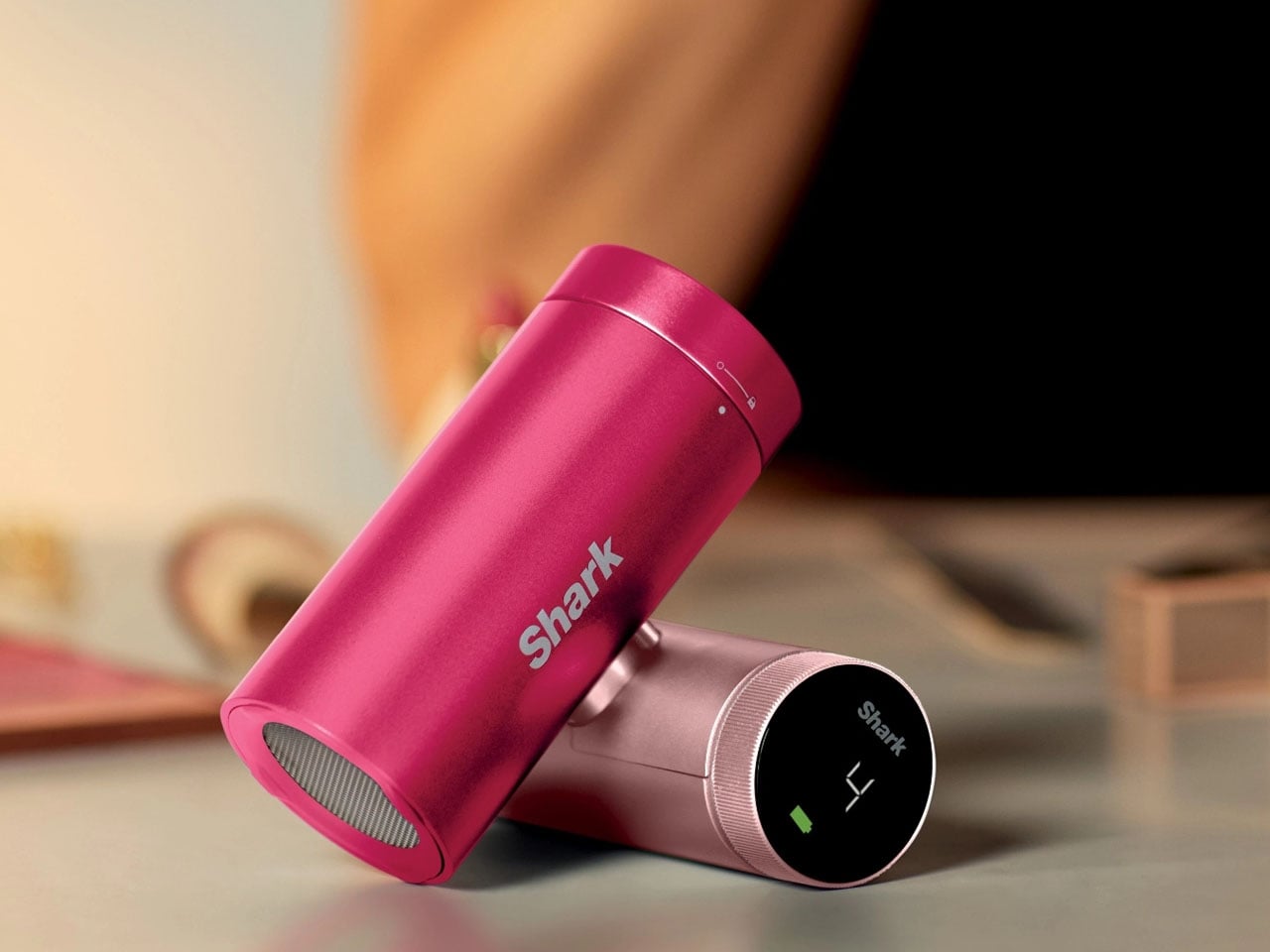
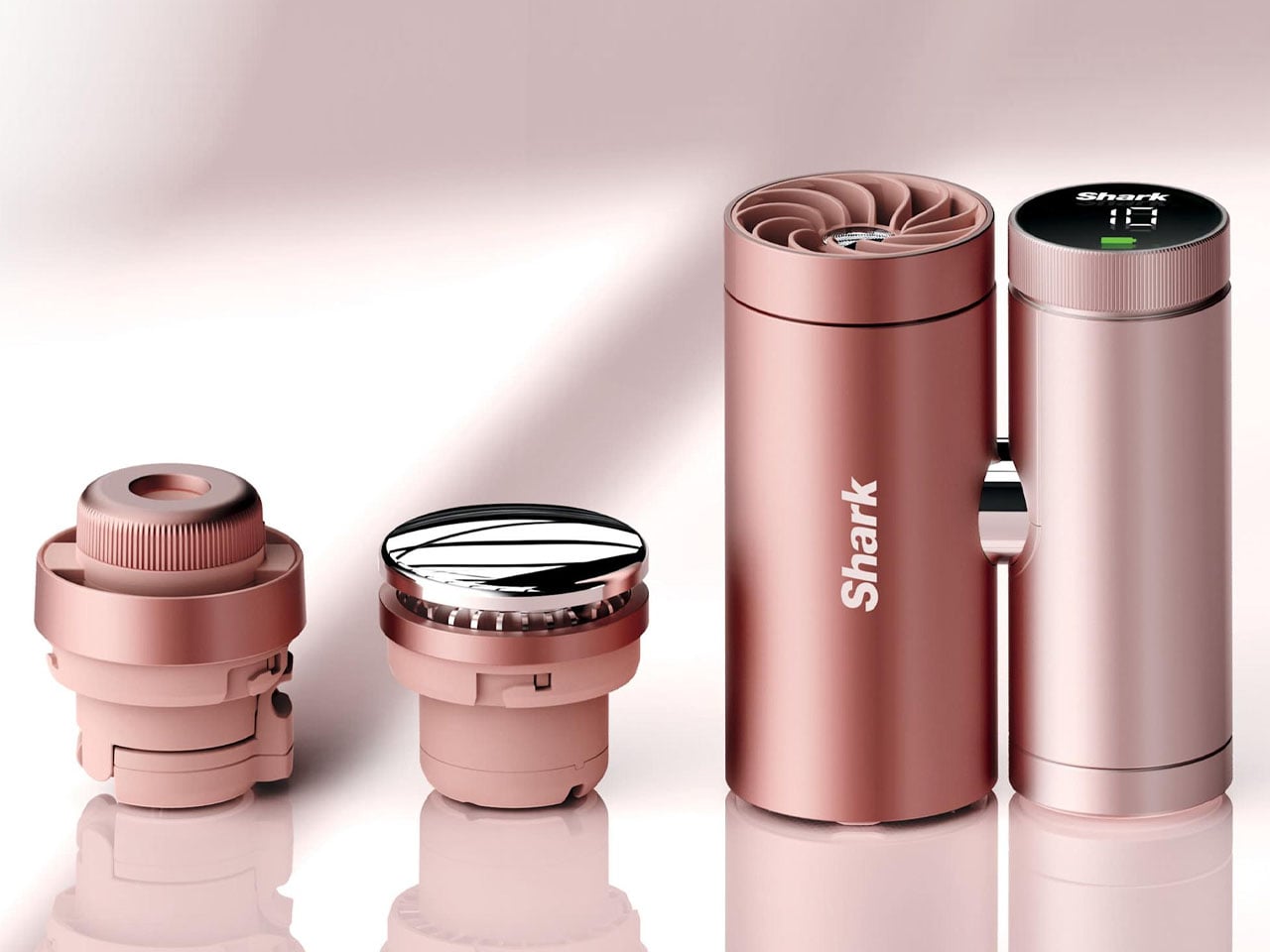
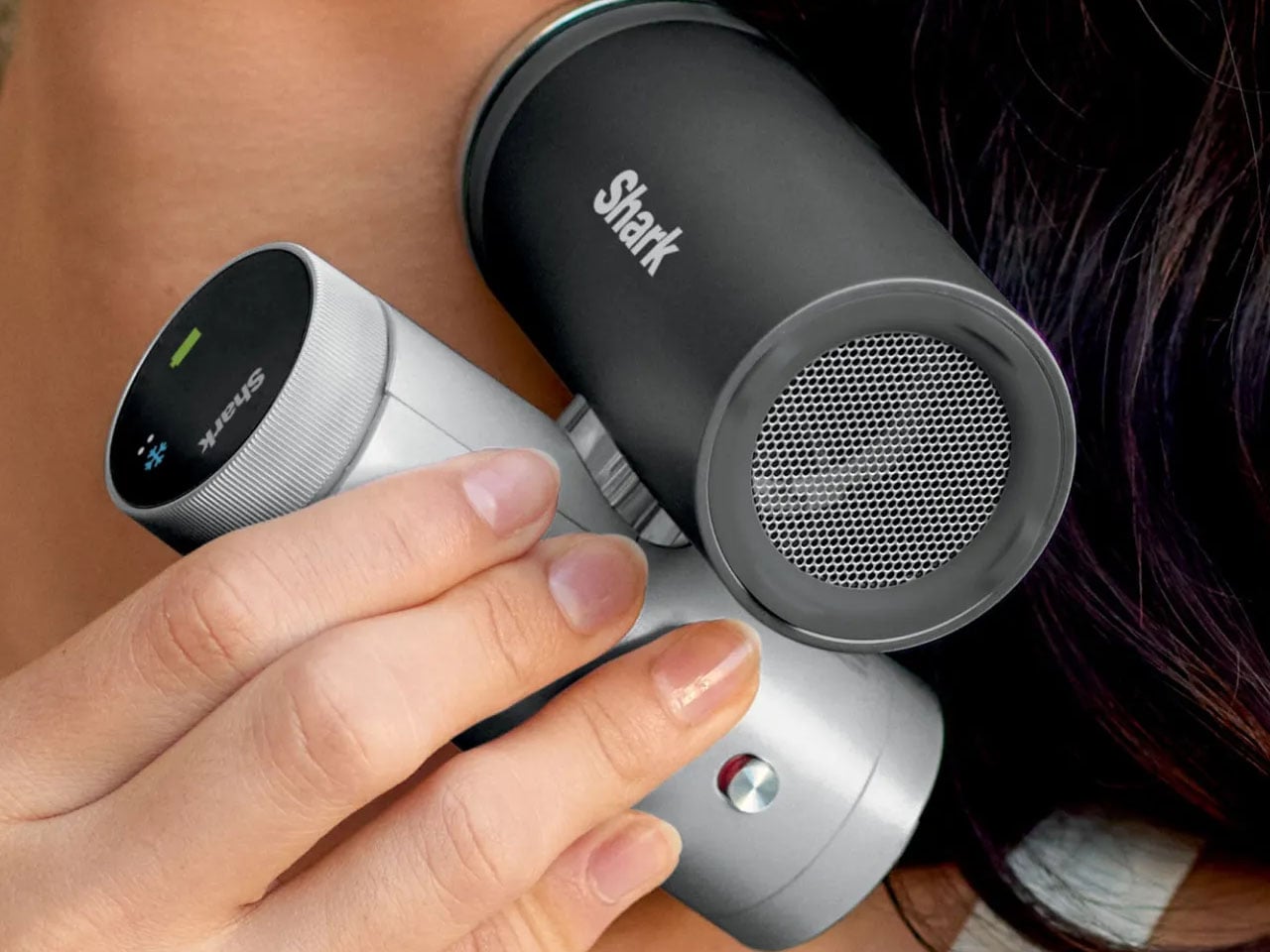
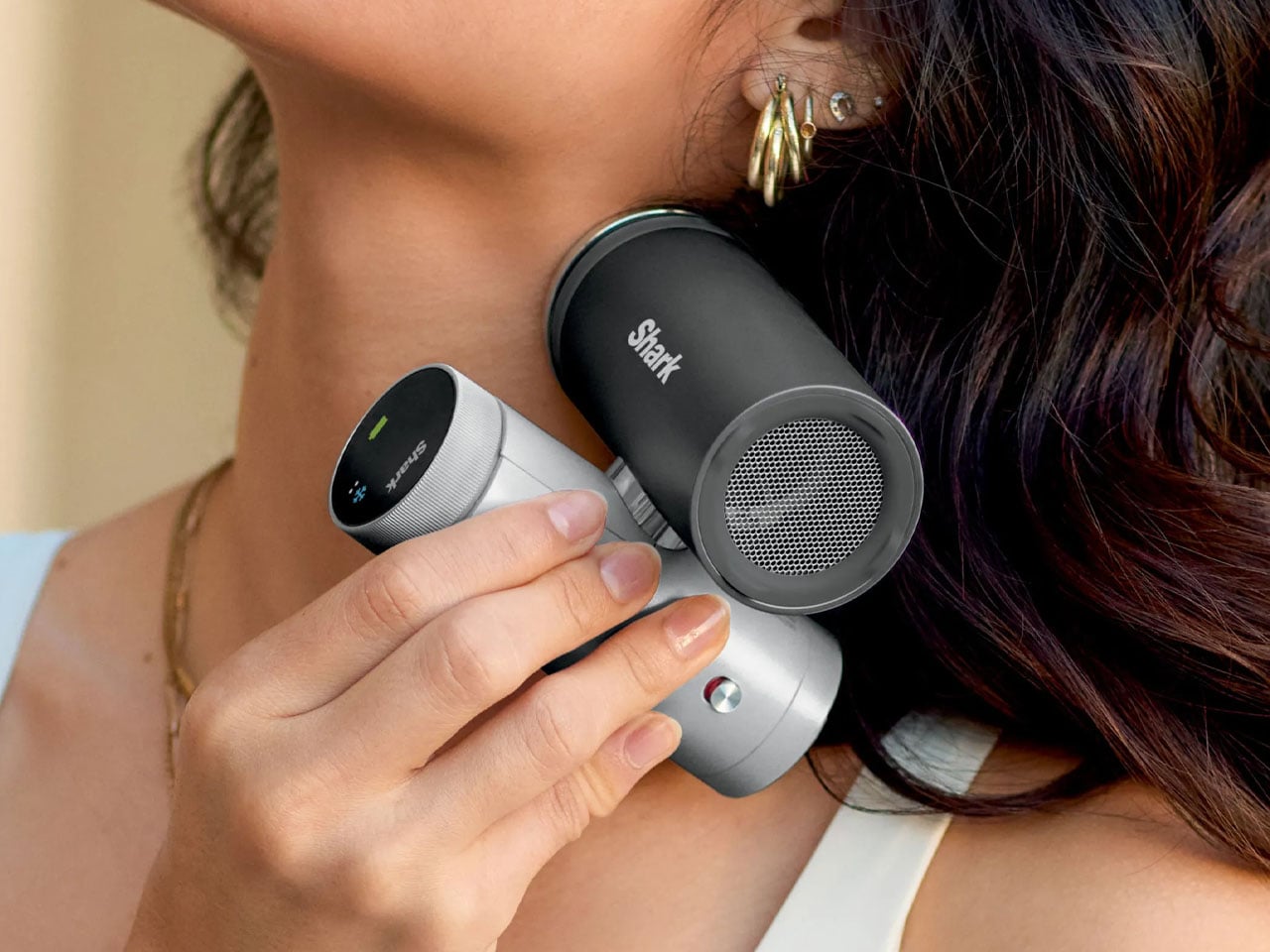
As temperatures continue to rise across many parts of the world, portable cooling devices are becoming increasingly popular for people who want relief while commuting or spending time outdoors. Recognizing this growing demand, SharkNinja has introduced the Shark ChillPill, a compact 3-in-1 personal cooling system designed to provide multiple forms of cooling in a single portable device. Combining a fan, an evaporative mister, and a direct-contact cooling plate, the gadget aims to deliver flexible comfort wherever heat becomes a problem.

The ChillPill is evolutionary when compared to traditional handheld fans that primarily circulate air. SharkNinja has designed the device to actively help cool the body using three complementary technologies. The first is a high-speed bladeless fan capable of accelerating airflow up to 25 feet per second, offering a steady breeze through ten adjustable speed settings. This allows users to tailor the cooling intensity depending on their environment, whether they need a gentle airflow indoors or stronger ventilation outdoors.

Designer: Shark Ninja

Secondly, an evaporative mist system is designed to refresh the skin without leaving it soaked. Unlike conventional spray fans that often create a wet sensation, Shark describes the ChillPill’s mist as a “dry-touch” evaporative effect. The device includes a small water reservoir that can produce mist continuously for about ten minutes per fill, or operate in an interval mode to extend usage. This feature is particularly useful in hot and dry climates where evaporation can significantly enhance cooling efficiency.

The third element is the InstaChill cooling plate, a cryo-inspired metal surface that provides direct contact cooling when pressed against the skin. According to SharkNinja, the plate can reduce skin temperature by up to 16°F within seconds, delivering an immediate cooling sensation similar to placing an ice pack on the body. This feature is designed for use on pulse points such as the neck or wrist, where cooling can quickly help regulate body temperature during intense heat.

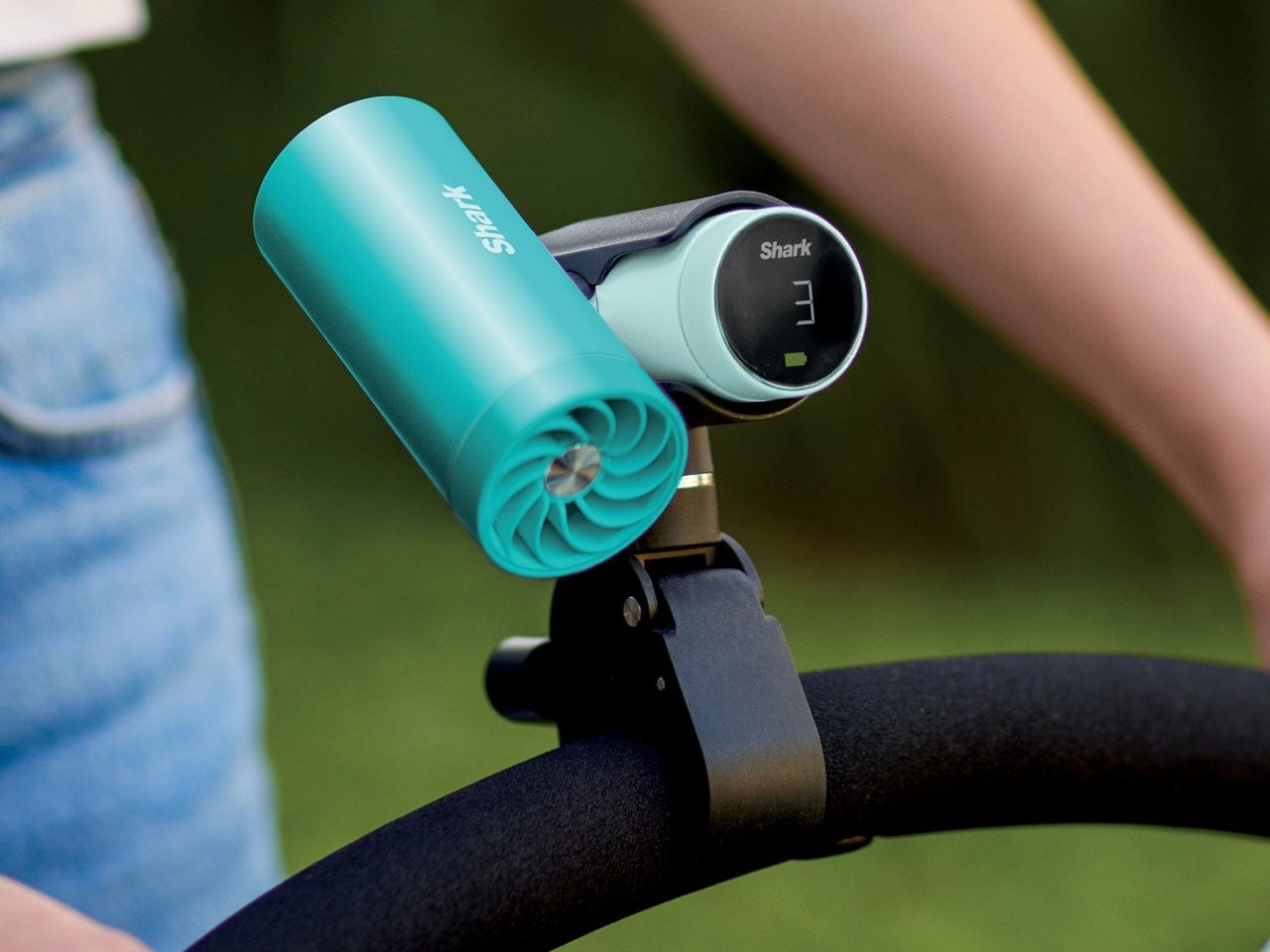
One of the wearable’s key advantages is its versatility. It is designed to be worn, carried, clipped, or placed on a surface depending on the situation. The flexible design allows it to function as a hands-free wearable device or as a small desktop fan when needed. You can easily clip it to bags or prams, mount it on exercise equipment, or position it on a table, making it adaptable to a wide range of everyday scenarios.

Battery is also impressive as on the lowest fan setting, the ChillPill can run for up to 11 hours on a single charge, allowing it to last through long commutes, outdoor events, or extended travel days. When running at maximum airflow, the battery life drops to approximately 90 minutes, reflecting the higher energy demand of the stronger cooling output. Charging is handled via USB-C, with a full recharge taking roughly three and a half hours.

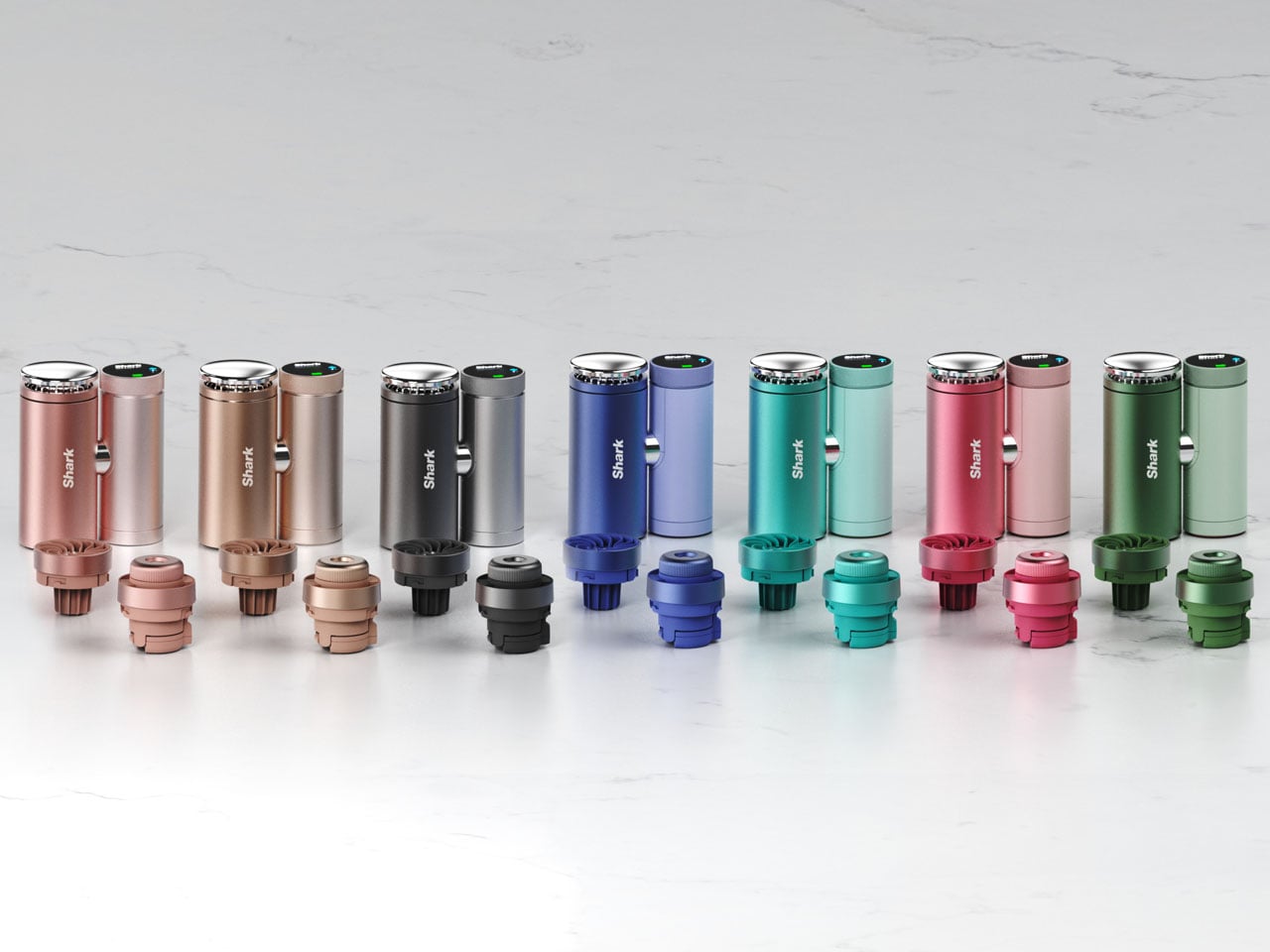
Portability and lifestyle integration are at the forefront as the portable gadget is available in several color options, including Carbon, Dragonfruit, Glacier, Haze, Iced Latte, Matcha, and Rose Gold. Optional accessories such as cross-body straps, wrist straps, clamps for strollers or bikes, and protective cases are available to expand how the device can be used. Priced at around $149.99, the Shark ChillPill is available through Amazon and Shark’s own website and other retailers. While it costs more than standard portable fans, the advantages here are undeniable.


The post Shark ChillPill reinvents personal cooling with its 3-in-1 portable design first appeared on Yanko Design.

Meta is testing clickable links in Instagram captions for verified subscribers

Instagram has long limited users' ability to share links, restricting link-sharing to Stories, Reels and user profiles. But that might now be changing. The company has started to test clickable links inside of post captions for subscribers to Meta Verified. 

The new feature, which has been a long-requested update from creators, was spotted by blogger Andrea Valeria, who posted screenshots of a clickable Substack link she was able to add to an Instagram post. According to Valeria, an in-app message indicated she could share up to 10 links a month.

Meta confirmed to Engadget that it's testing links in captions for subscribers to Meta Verified, but didn't provide details on how many people have access to the feature or if it will be widely available. It does seem to be somewhat limited, however, as the link on Valeria's post appears on Instagram's mobile app, but now when viewing the same post on Instagram's website. 

Instagram's restrictions on link-sharing have been a notable part of the platform since its early days. The limitation helped kickstart an entire industry of "link in bio" platforms like Linktree, which help creators direct followers to off-platform websites based on what they share on Instagram. If Meta begins implementing the feature widely, it could drastically change how creators are able to interact with their followers (although a 10-link per month limit would likely still require "link in bio" solutions). 

The test is also the latest way that Meta has experimented with making link-sharing a paid feature. The company has also recently tested restricting creators' ability to share links on Facebook by requiring a Meta Verified subscription. Meta Verified for creators starts at $14.99 a month, with the most expensive plans costing $499.99 a month. 


This article originally appeared on Engadget at https://www.engadget.com/social-media/meta-is-testing-clickable-links-in-instagram-captions-for-verified-subscribers-184555406.html?src=rss

PEGI ratings for game releases in Europe will be age-restricted if they contain loot boxes

European regulators are continuing to crack down on loot boxes and gaming features it classifies as "interactive risk categories." The Pan-European Game Information, better known as PEGI, is rolling out new rules that will apply age ratings based on the presence of loot boxes and other in-game purchases or systems that could be tied to gambling or addictive behavior. The exact policies are as follows:

  • Purchases of in-game content: games with time-limited or quantity-limited offers will be classified with a PEGI 12, games with NFTs or blockchain-related mechanisms will be PEGI 18.

  • Paid random items: the default rating will be PEGI 16 if the game contains paid random items (and in some cases they can be a PEGI 18).

  • Play-by-appointment: mechanisms that reward returning to the game (e.g. daily quests) will get a PEGI 7. If these mechanisms punish players for not returning (e.g. by losing content or reducing progress) they will become PEGI 12.

  • Safe online gameplay: if games contain entirely unrestricted communication features (e.g. no blocking or reporting), they will be PEGI 18.

These changes will apply to newly submitted games beginning in June 2026. The messaging from the ratings body is that these rules are aimed at helping parents direct their children's online safety. "With the updated set of age rating criteria, PEGI aims to make parents aware that certain features in games should be carefully assessed, and that parental tools can be a very helpful assistant when doing that," PEGI Council Chair Beate Våje said.

Many titles may see an impact from the new policy, some more drastic than others. Online shooters might seen a bump from PEGI 12 to PEGI 16, but a franchise like EA Sports FC would leap to at least PEGI 16 from its current installment’s rating of PEGI 3.

Loot boxes have a history of causing strife among regulators. In 2018, Belgium determined that loot boxes were a form of gambling and made them illegal. Other nations have taken similar measures to restrict or prohibit this game mechanic, which has already led some game studios to limit access to their titles. For instance, Blizzard's free-to-play Diablo Immortaldidn't launch in Belgium or the Netherlands due to their laws connecting loot boxes and gambling. Stateside, there has been a renewed push against the concept, with the New York attorney general suing Valve over loot boxes.

This article originally appeared on Engadget at https://www.engadget.com/gaming/pegi-ratings-for-game-releases-in-europe-will-be-age-restricted-if-they-contain-loot-boxes-184325819.html?src=rss

Bumble is the latest dating app to add an AI assistant

Bumble is testing an AI dating assistant called "Bee" that it hopes will get users on dates without them having to swipe through profiles, Bloomberg writes. The company announced the AI assistant during its fourth quarter earnings, and intends to use the AI in a new experience it calls "Dates."

When a user opts in to Bumble's Dates feature, Bee performs an onboarding chat where it learns about the users' "values, relationship goals, communications style, lifestyle and dating intentions," and then attempts to find other users who share some or all of those traits. Once Bee finds someone compatible, both users are notified in the app that they could be a great match, and receive a summary generated by Bee explaining why. From there, they can chat and see if things lead to a real-life date.

As is often the case with pie-in-the-sky AI features, Bumble has even bigger plans for how Bee could be used in its app, including as a tool for collecting anonymous feedback from user's previous matches or as a way to receive suggestions for dates ideas. AI will also apparently enable Bumble to move away from binary yes or no swipes on profiles and towards a system where users connect over "chapter-based" profiles that are more reflective of their life story.

Bumble is testing Bee internally and plans to launch the AI and its Dates feature in beta soon. The company is far from the only dating app experimenting with integrating AI recommendations and summaries. Tinder uses AI to recommend profile pictures to users, and now offers another feature called "Chemistry" that combines insights gained from personal questions and access to users' Camera Roll to make more informed matches. Meanwhile, Grindr's "Edge" subscription tier offers AI summaries of past chats and connections, and stats on whether a user is actually compatible with a new match. 

It's too early to tell whether AI makes a meaningful difference in the dating experience for users, but if it keeps them using an app or paying for a subscription, it's likely a worthwhile experiment for Bumble, Tinder and Grindr.

This article originally appeared on Engadget at https://www.engadget.com/apps/bumble-is-the-latest-dating-app-to-add-an-ai-assistant-181729994.html?src=rss