Meta’s Muse Spark model brings reasoning capabilities to the Meta AI app

Following the icy reception to Llama 4, Meta is releasing the first in a new family of AI systems built by its recently formed Superintelligence team. The company is kicking off its new Muse era with Spark, a lightweight model geared toward consumer use. In the future, Meta plans to offer more capable versions of Muse, but for now, it's clear the company wants to nail the basics. 

To that point, many of Spark's capabilities are table stakes for a new model in 2026. For instance, it offers both "Instant" and "Thinking" modes. With the latter engaged, the model will take an extra few moments to reason through a prompt. Other consumer-facing AI systems have had this kind of flexibility for a while. Anthropic, for example, was one of the first AI labs to offer a "hybrid reasoning model" when it released Claude Sonnet 3.7 at the start of last year. That said, Meta plans to add an even more powerful "Contemplating" mode down the road.   
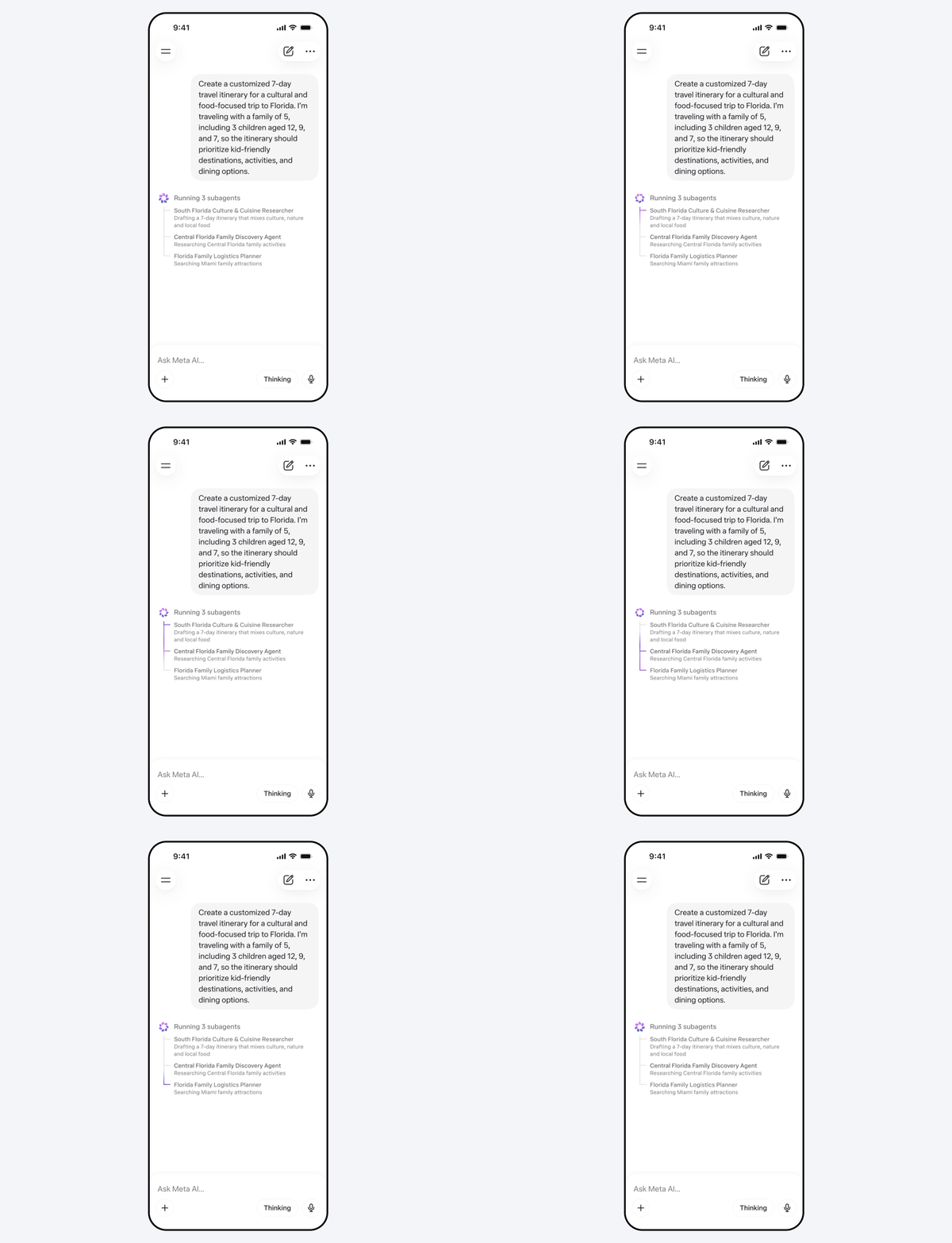
A GIF demonstrating Muse Spark's multi-agent capabilities.
Meta

Muse Spark can also coordinate multiple AI subagents to tackle a request. Meta suggests users will see this capability in action when they ask for help with tasks like family trip planning. In such a scenario, one agent might compile an itinerary, while another finds kid-friendly activities everyone can enjoy. At the same time, Meta has built Spark to be natively multimodal, meaning the model can process images, video and audio. Like Google Lens, this gives you the option to snap a photo with your phone and ask Meta AI questions about what you see. 

Of course, it wouldn't be a 2026 AI release if Muse Spark didn't include a built-in shopping assistant. Like ChatGPT, Spark can compare different items for you, listing the pros and cons of each, with links to make it easy to buy the product that appeals to you.

Muse Spark is available today in the Meta AI app and meta.ai website everywhere where the company offers those services. Meta will begin rolling out the new features the model powers starting in the US. In the coming weeks, the company plans to bring Muse Spark to more countries and places where people can access Meta AI, including Facebook, Instagram and WhatsApp. 

Additionally, Meta says it "hopes to open source future versions of the model." We'll see if the company ends up doing that; last year, Meta CEO Mark Zuckerberg appeared to flip flop on the company's open source stance, saying it would need to be more "rigorous" about such decisions moving forward.

This article originally appeared on Engadget at https://www.engadget.com/ai/metas-muse-spark-model-brings-reasoning-capabilities-to-the-meta-ai-app-161456684.html?src=rss

Greece will ban all kids under 15 from using social media

Greece will ban children under the age 15 from using social media starting next year. Prime Minister Kyriakos Mitsotakis made the announcement in a video posted to TikTok, in which he referenced anxiety, sleep problems and addictive design features as reasons for the ban.

Greece has been proactive in its approach to tackling excessive screen time for children, having already banned mobile phones in schools in 2024. While the PM chose not to name any platforms, he said he was concerned about children comparing themselves to others on social media and taking online comments to heart.

"Greece will be ​among the first countries to take ​such an initiative," Mitsotakis said. "I am certain, ​however, that it will not be the last. Our ⁠goal is to push the European Union in this direction as well."

As reported by The New York Times, Greece’s digital governance minister, Dimitris Papastergiou, said that social media companies would be legally required to uphold the new restrictions by verifying the ages of their users. Failure to comply would lead to fines under the EU’s Digital Services Act. Parents would also need to download an app called Kids Wallet, backed by the state, that could be paired to their child’s device and block access. The finer details of how the ban would be enforced are still being worked out by decision-makers.

The PM conceded that he would likely incur the wrath of his country’s young children, but there’s widespread support for the plans from Greece’s adult population, according to an opinion poll published by ALCO in February. Greece follows in the footsteps of Indonesia, Austria and Australia, all of which have introduced similar bans of their own in the last year. The UK is also considering bringing in tighter restrictions on children under the age of 16 using social media.

This article originally appeared on Engadget at https://www.engadget.com/social-media/greece-will-ban-all-kids-under-15-from-using-social-media-154850415.html?src=rss

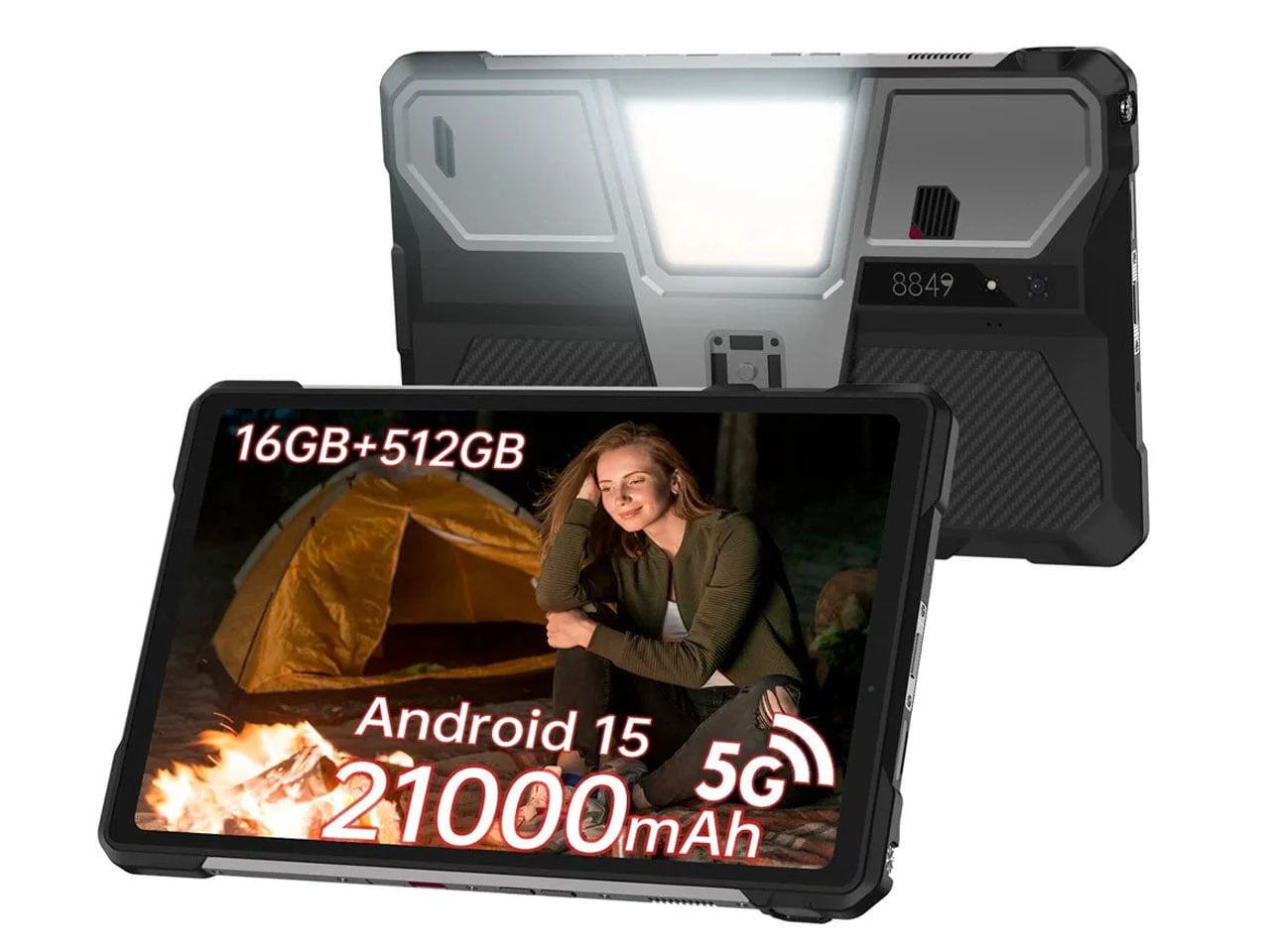
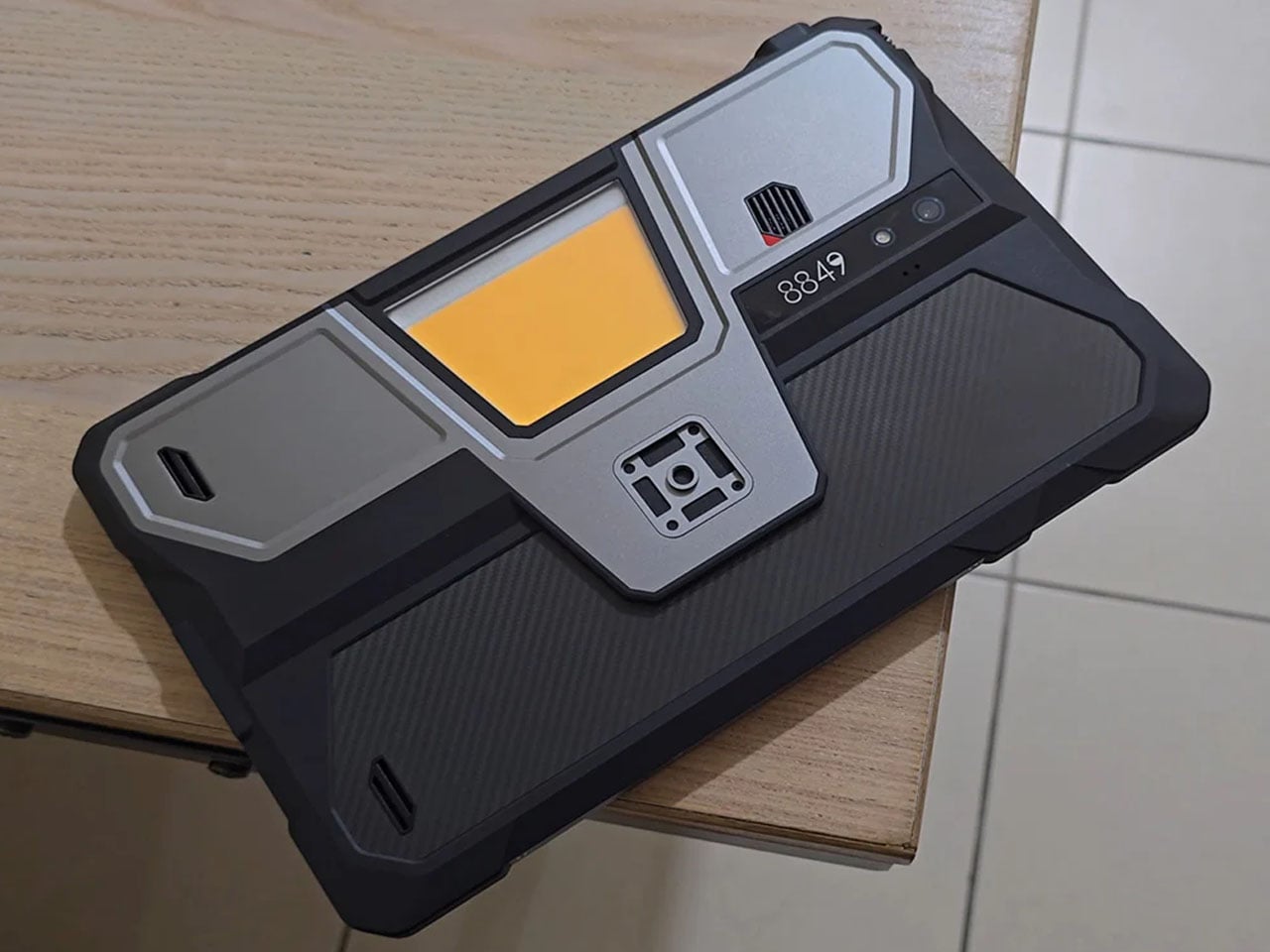
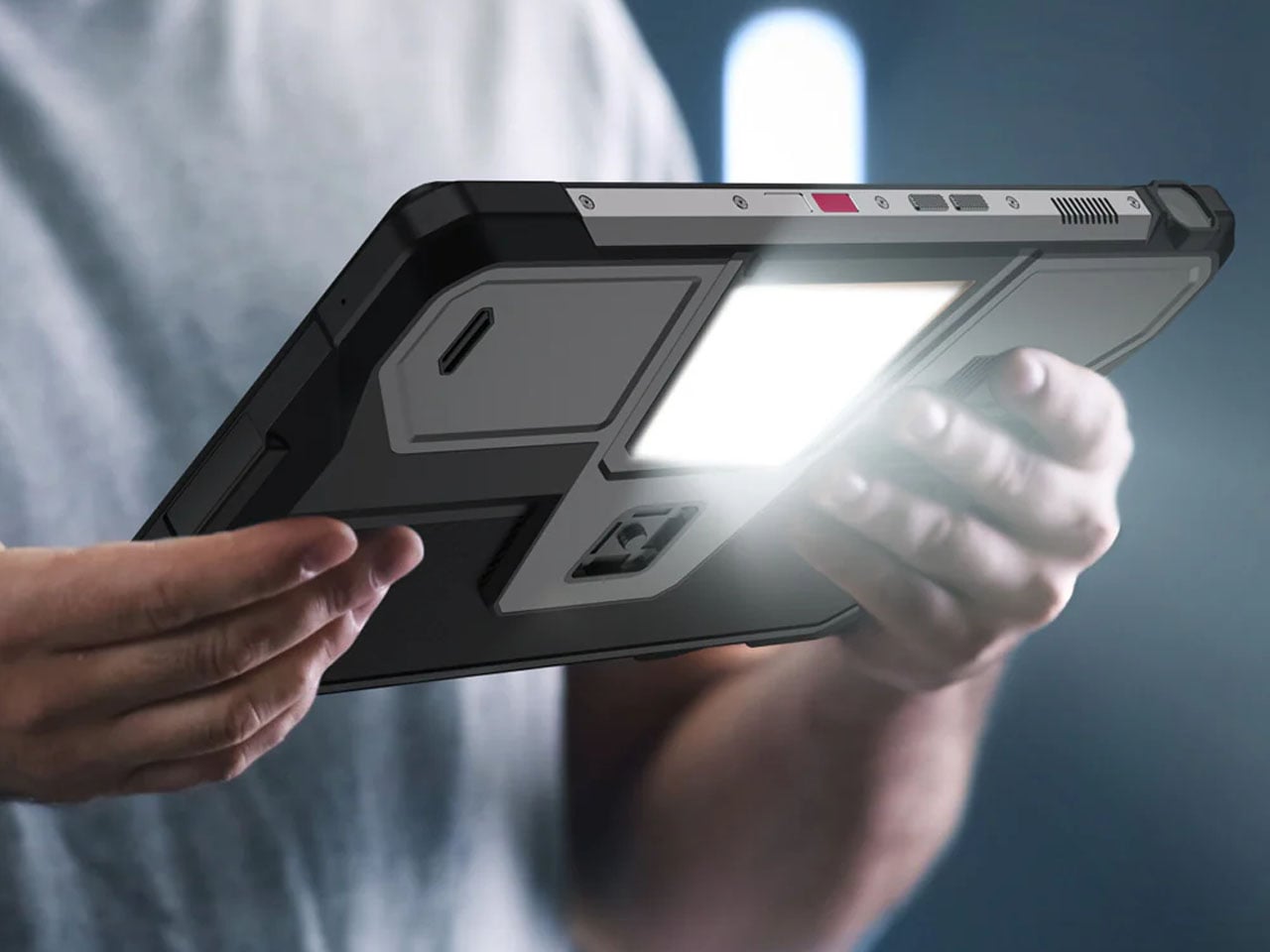
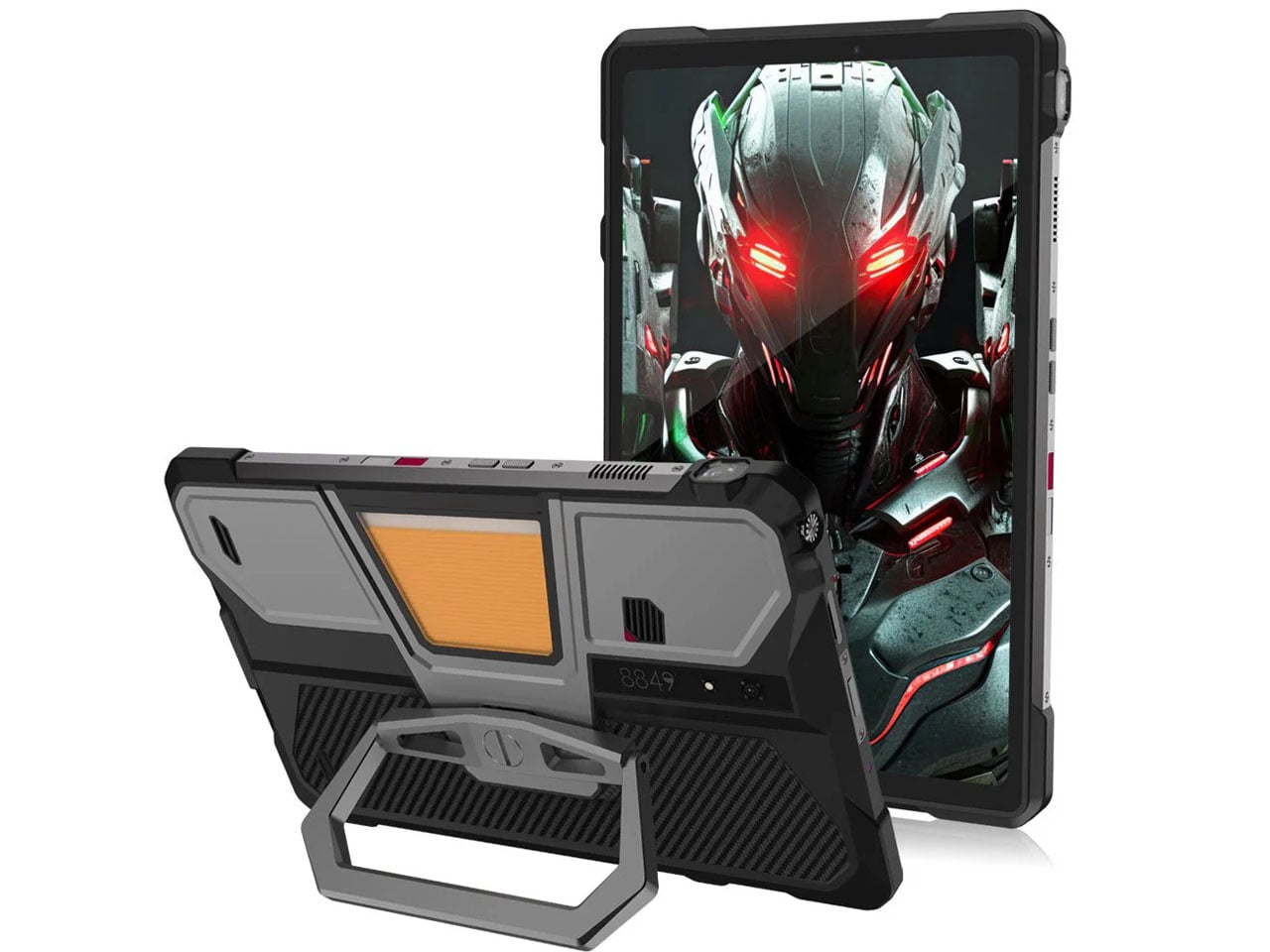
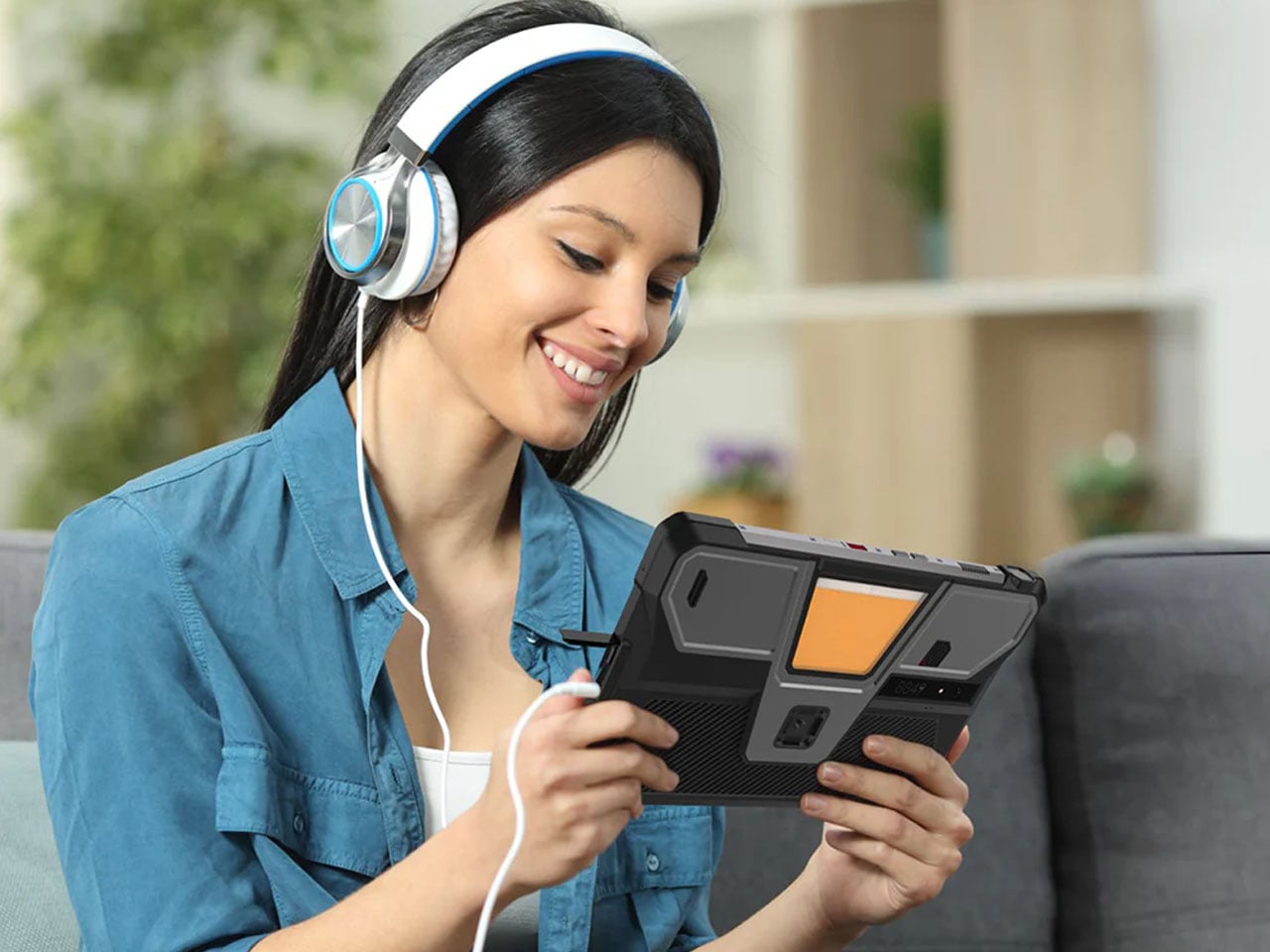
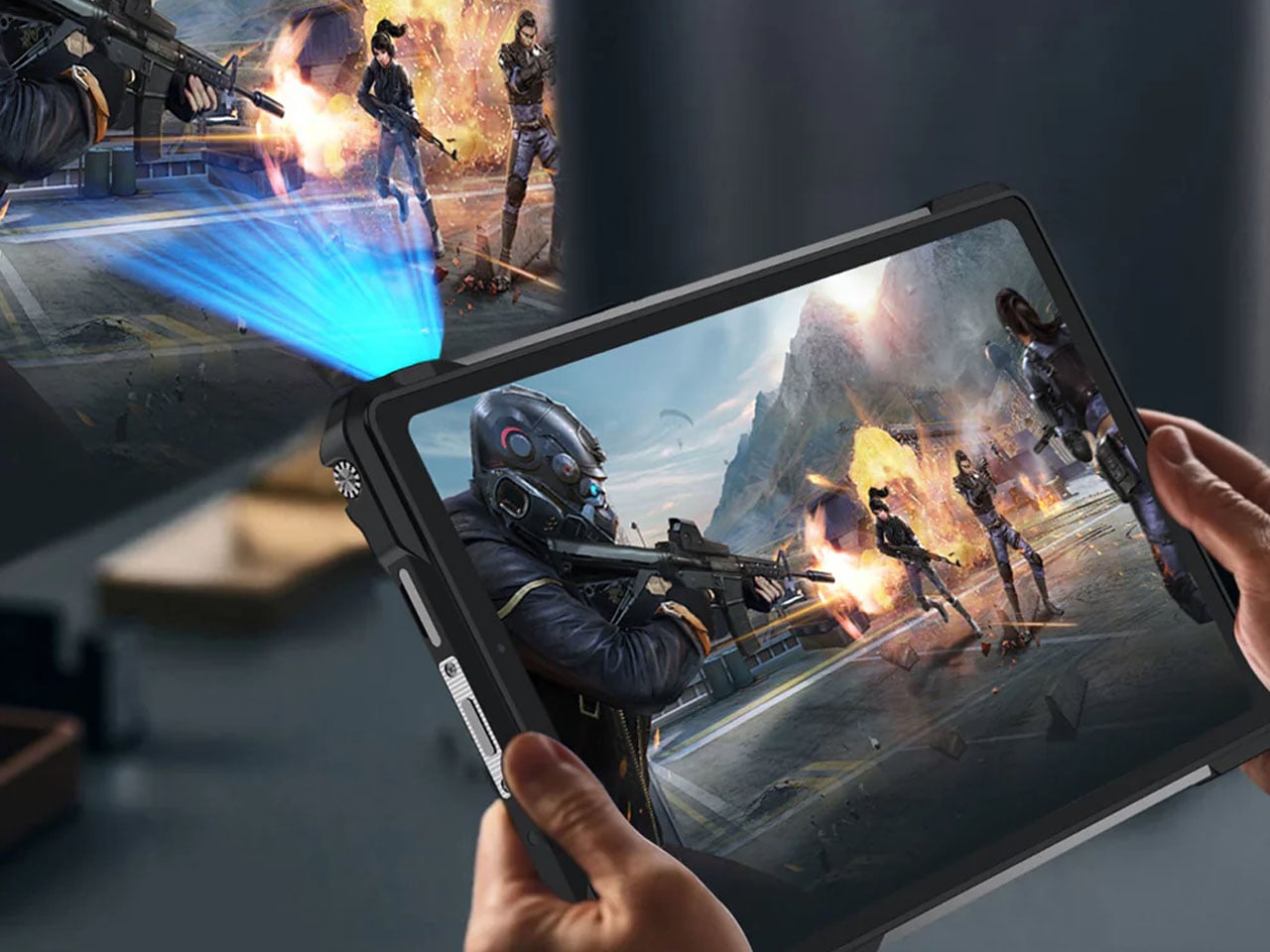
Tank Pad Ultra is a rugged tablet that doubles as a short throw projector

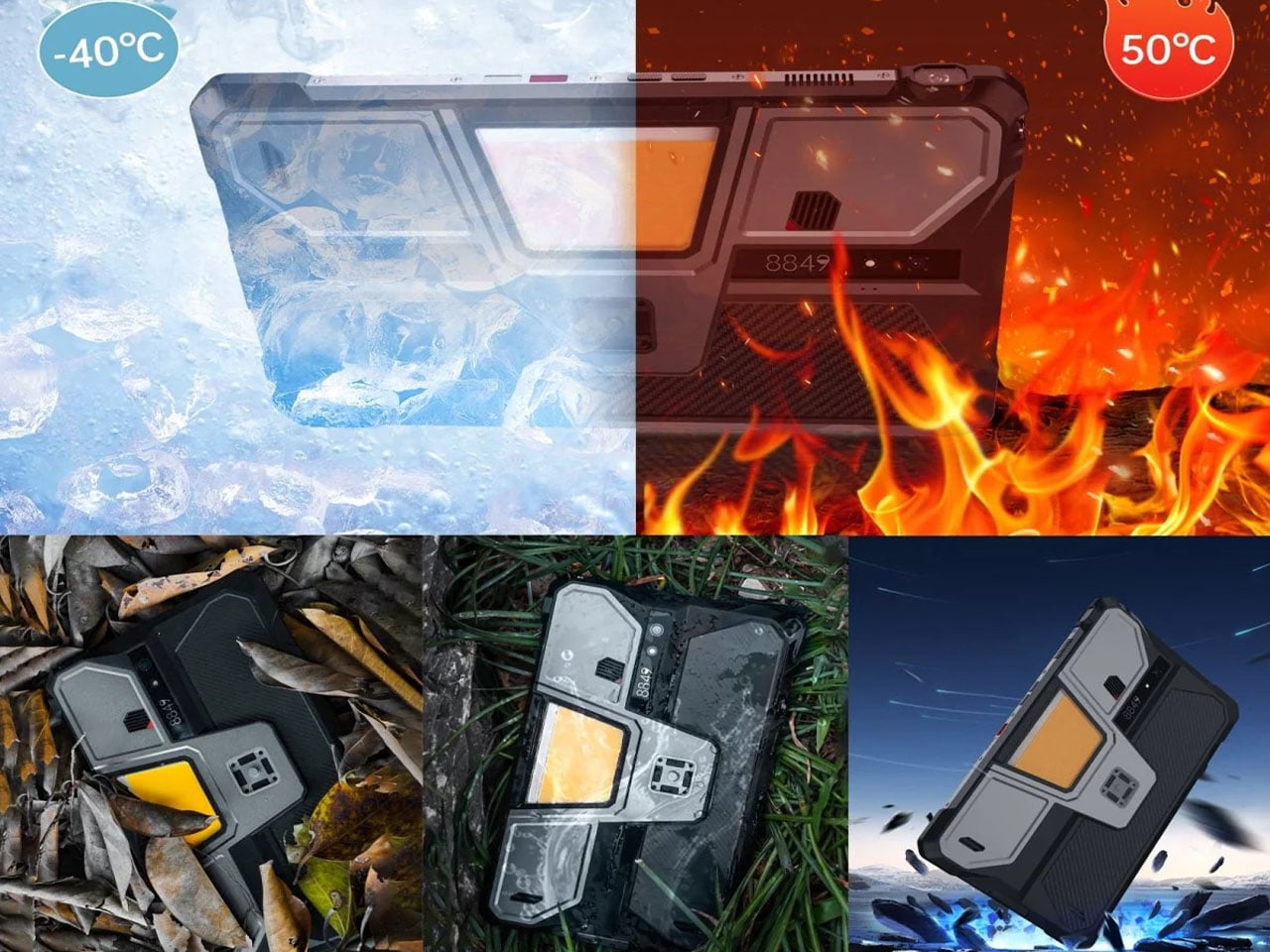
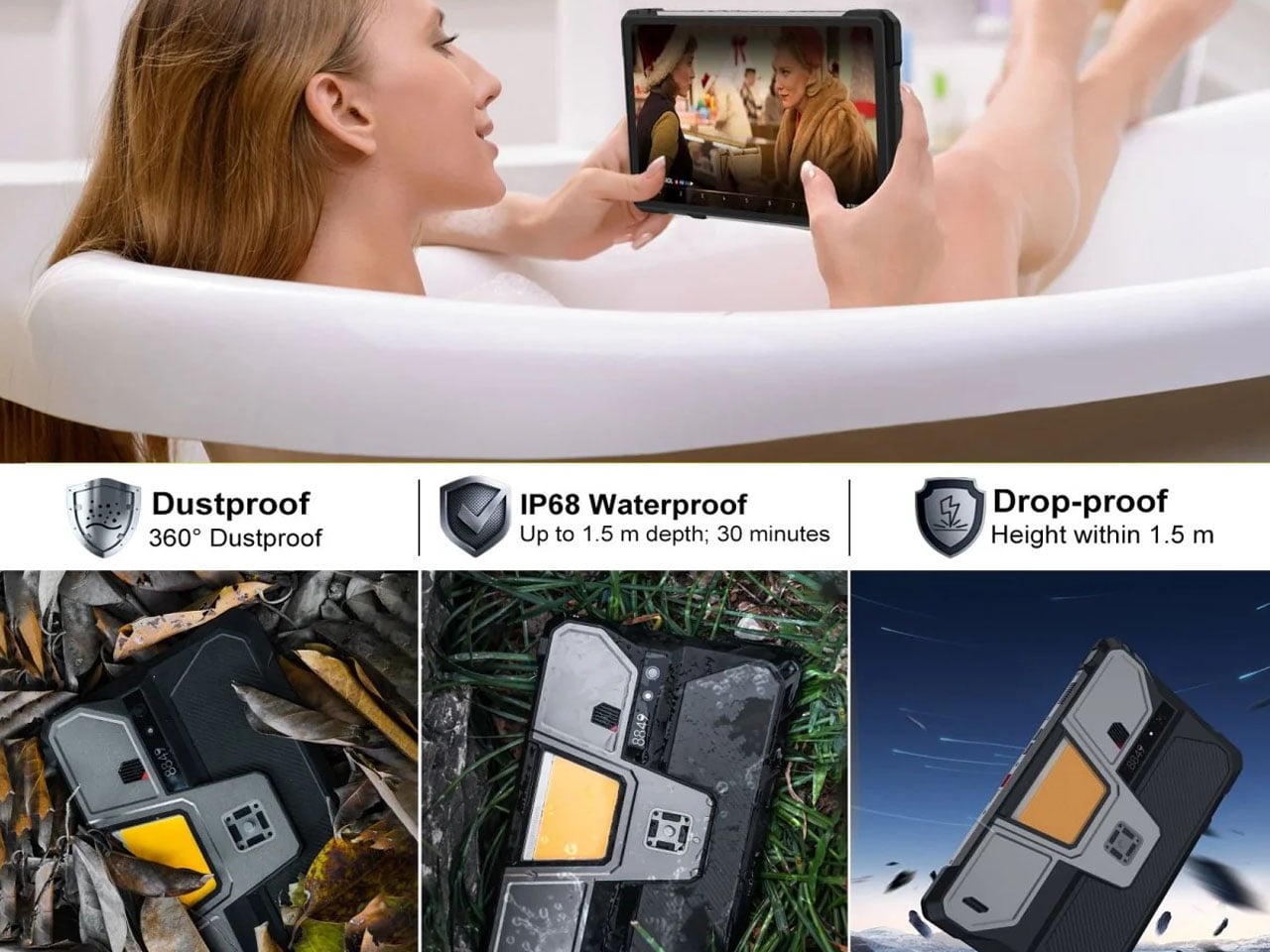
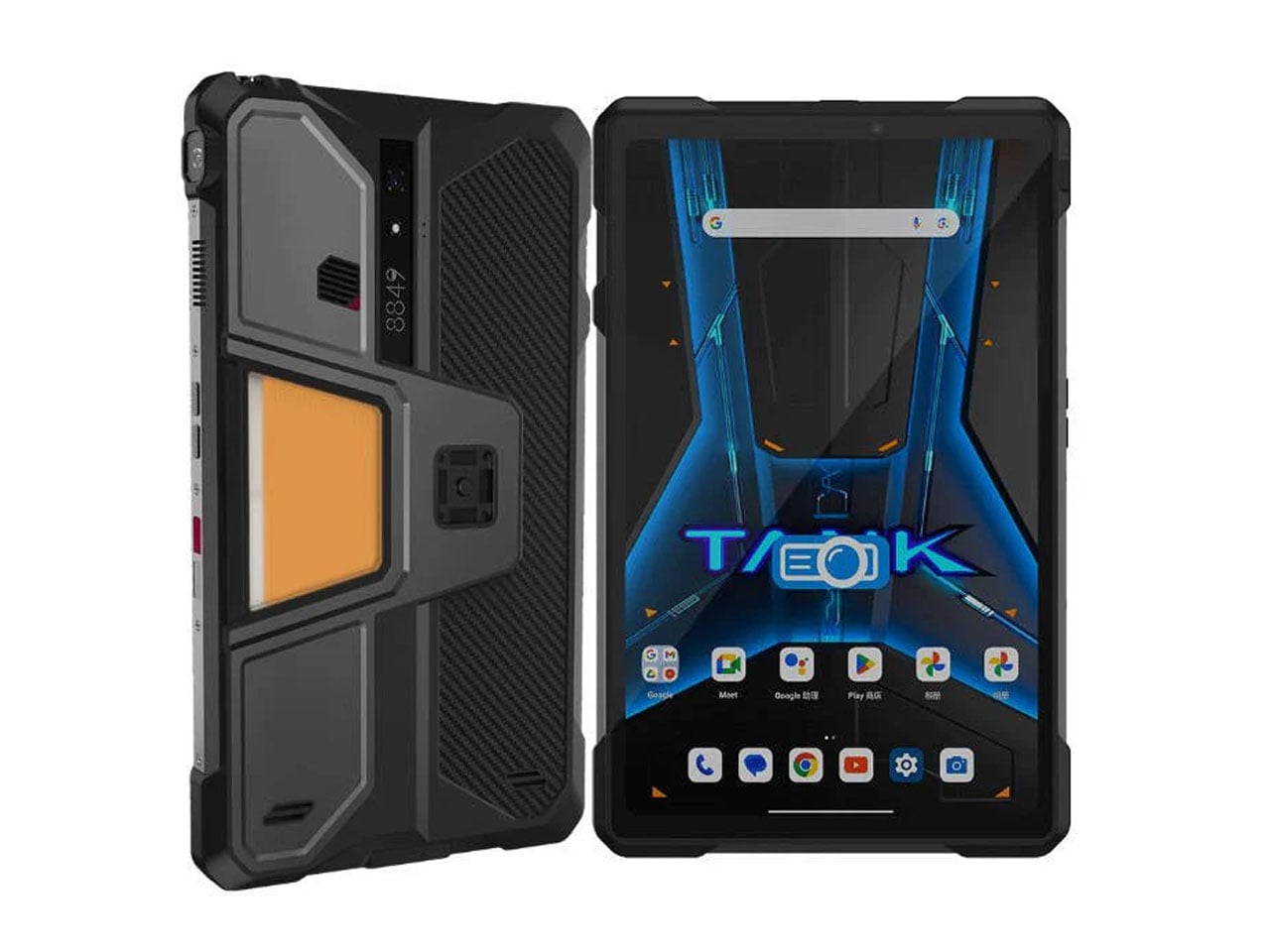
8849tech introduced the Tank Pad last year, leaving the tech world in awe. With the ability to double as a projector, the rugged tablet leapt beyond the already highlighted multitasking capabilities of a normal tablet. Now the beast is back in an improved version to polish out the kinks of the OG version, adding more capabilities for users who demand that little extra.

The Tank Pad Ultra has the same promise of all-weather performance, reliability, and durability as its predecessor. If you’re hoping to buy a sleek, lightweight tablet, this one, weighing 1,345 grams and measuring 170.3×268.3×23.6 mm, is not for you. The device is targeted towards professionals and power users who are constantly exposed to challenging environments. Slated to launch two days from now, the rugged tablet is designed for a niche audience with a specific set of needs.

Designer: 8849tech

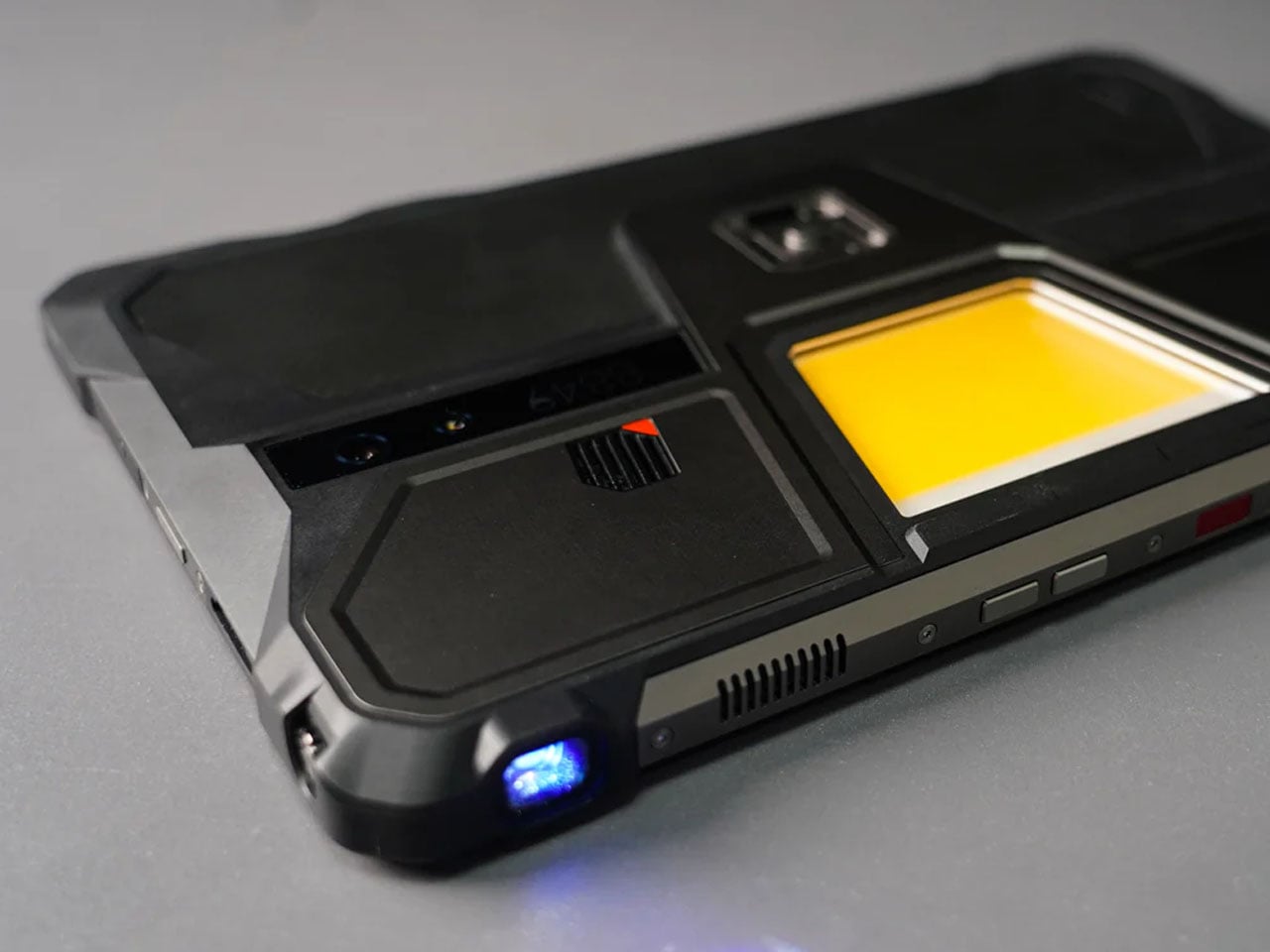
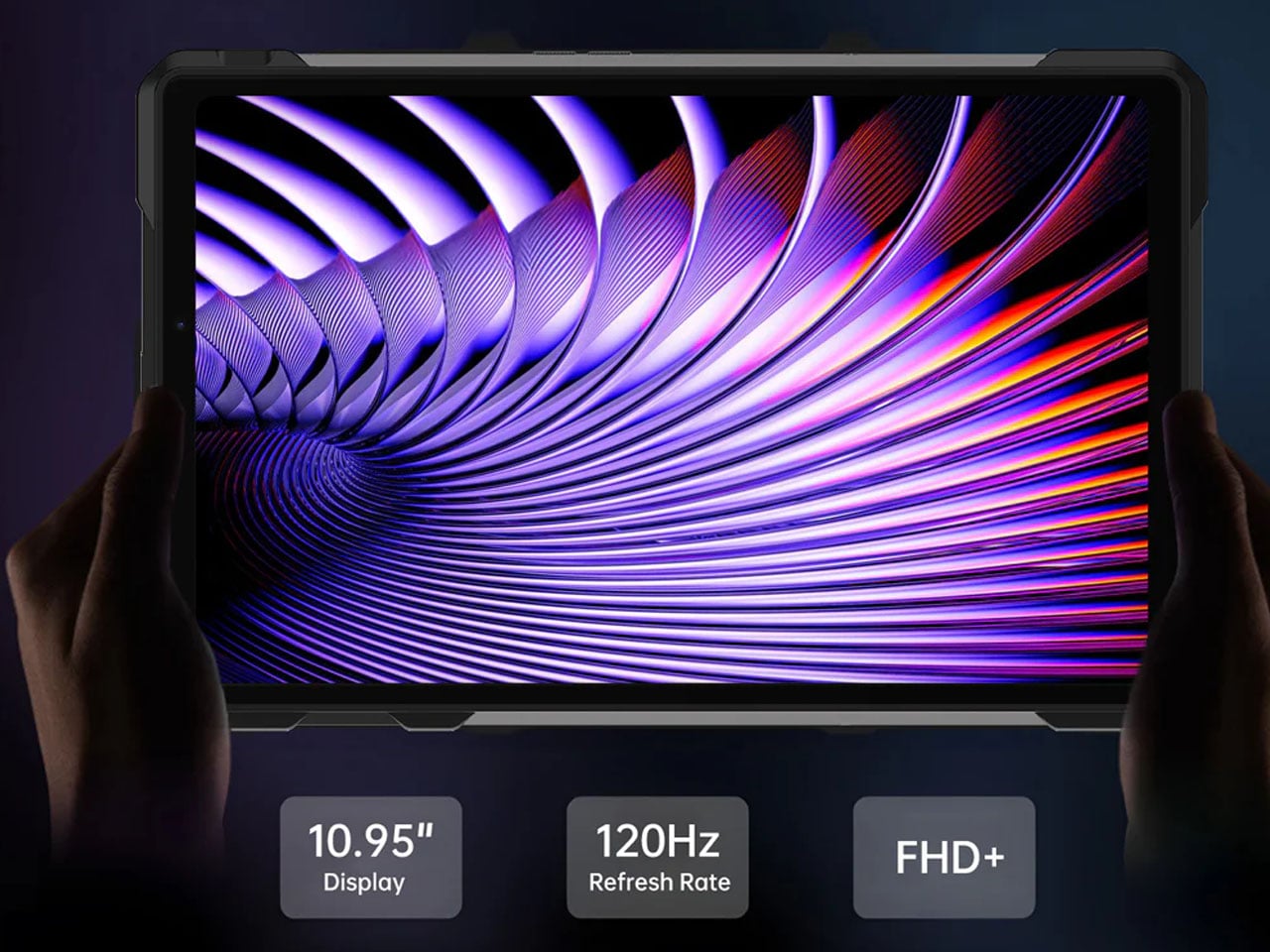
Specifications are the key here as the tab boasts a 10.95-inch, 1920 x 1200 pixel display, which is better than the previous version. Powering the gut is a MediaTek Dimensity 8200 processor, which is a tad slower than the Tank Pad, which has a Dimensity 8300 processor. To support multiple open apps, the 16GB RAM and storage capacity of 512GB (expandable via a microSD card) make things easy for users. Coming onto the integrated DLP projector, it has a 1920 x 1080 pixel resolution. 260 lumens of brightness and auto-focus support. These numbers are technically better than the Tank Pad, which has a 854 x 480 pixel resolution and 100 lumens maximum brightness.

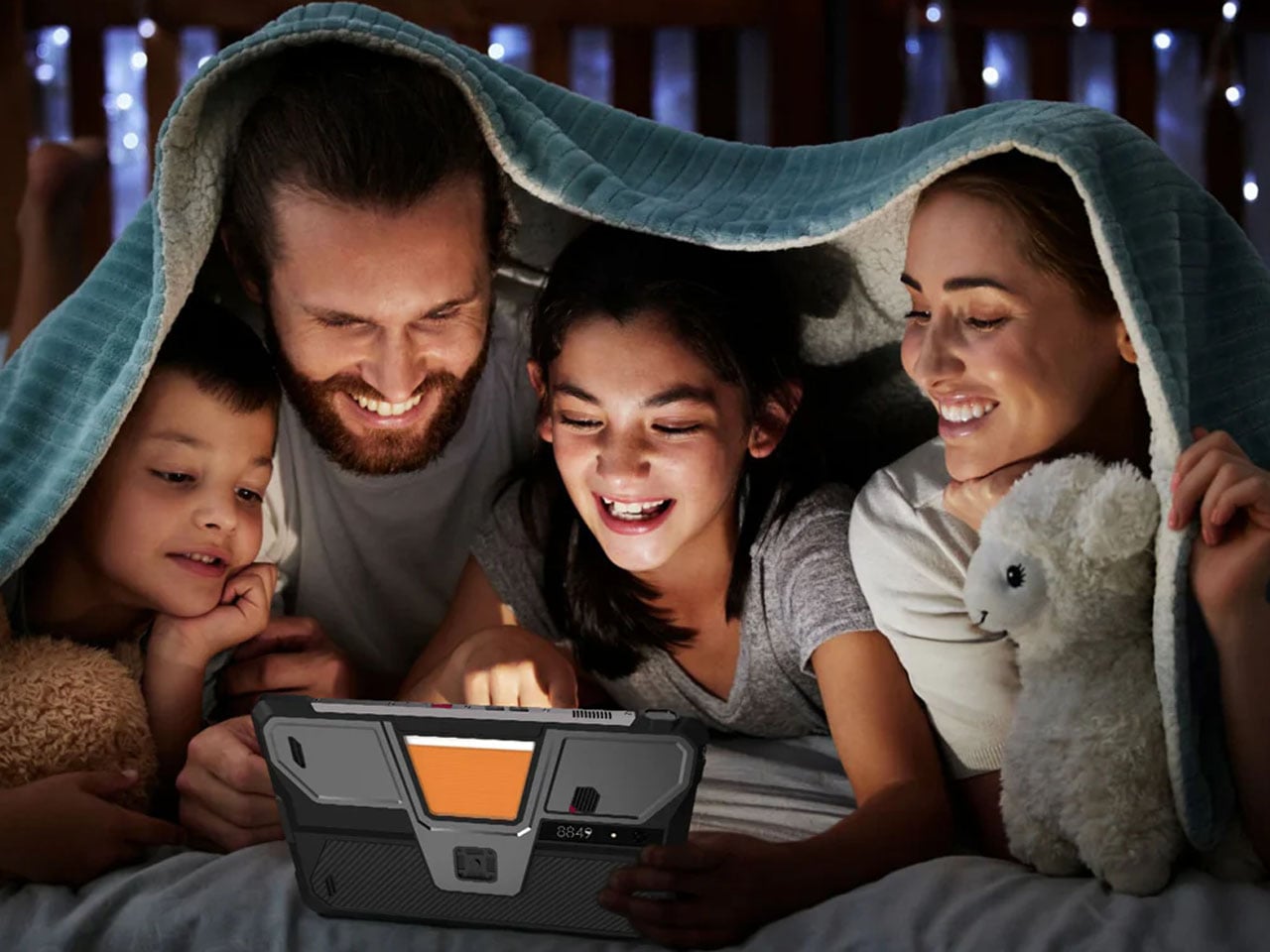
The battery also gets a bump up to 23,400 mAh from the previous 21,000 mAh in the original model. However, both have support for 66W charging, which should be enough to juice up the device for short bursts or power usage in case charging options are limited out in the wild. The Tank Pad Ultra comes with a USB 2.0 Type-C port and the ability to reverse charge your other gadgets. For people who are all-in for a wired multimedia experience, the 3.5mm audio jack is a welcome addition. Since the tablet is going to be used out in unknown environments, it comes loaded with a gyroscope, accelerometer, compass, ambient light sensor, and distance sensor. It also comes with an independent camping light built in to explore in the dark hours.

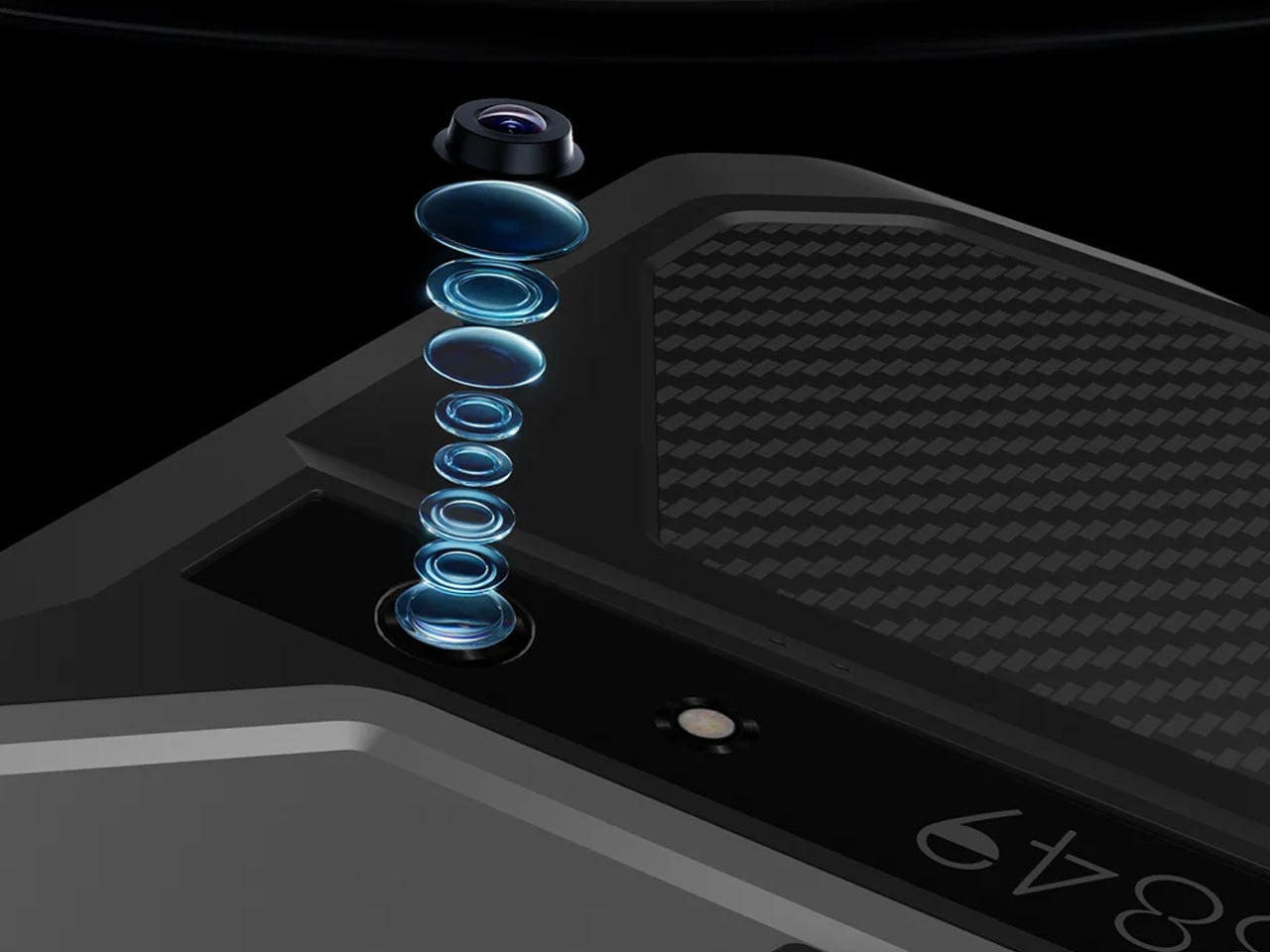
Of course, a mobile device needs to have shooting capabilities, so the Tank Pad Ultra has a 50MP primary camera (with Sony IMX766 sensor) for daylight shooting and a 64MP night vision camera (OV64B) for more awareness of the environment in the dark hours. In the mix is a 32MP front-facing camera (IMX616 sensor), which is potent enough to take video calls in high quality. 8849 has included dual nano SIM card slots with support for 5G NR and 4G LTE networks, which is essential in inhospitable conditions. For a more laid-back connectivity when you arrive back home, the tab has WiFi 6, Bluetooth 5.3, and NFC support.

There’s no word yet on the pricing of this rugged tablet, but going by the price of the previous model, it should be around $550. That information should present itself in a couple of days when the tablet is finally launched.

The post Tank Pad Ultra is a rugged tablet that doubles as a short throw projector first appeared on Yanko Design.

The Nintendo Switch 2 version of 007 First Light is delayed until later this summer

Nintendo Switch 2 owners will have to wait a bit longer to check out IO Interactive's stab at a James Bond game on the console. The Hitman developer has delayed that version of 007 First Light until later this summer. The game is still slated to hit PS5, Xbox Series X/S and PC on May 27, which itself is a delay from the previous March release date.

"We're excited to see players discovering James Bond's reimagined origin story," IOI wrote on X. "[We] are looking forward to bringing you the best game experience possible across all platforms."

Earlier this year, IOI suggested that PC players would need quite a beefy rig to meet the recommended specs for 007 First Light. A week later, the publisher updated the specs with more modest requirements and apologized after eagle-eyed observers spotted inconsistencies in the original version. IOI said the error was "due to an internal miscommunication leading to an older version of the specs to be shared." Meanwhile, Sony has announced a limited-edition 007 First Light DualSense controller.

Developers and publishers have had difficulty in porting certain games to the Switch 2, as Kotaku notes. Gearbox Entertainment delayed — and ultimately shelved — a version of Borderlands 4 for the system. The long-awaited Switch 2 port of Elden Ring was delayed until sometime this year after the game had severe performance issues in a public demo at Gamescom 2025. Reports suggest the game is in better shape on Switch 2 now, but there's no firm release date for that version as yet.

This article originally appeared on Engadget at https://www.engadget.com/gaming/nintendo/the-nintendo-switch-2-version-of-007-first-light-is-delayed-until-later-this-summer-151524487.html?src=rss

Konstantin Grcic Finally Designed the Office Desk We Needed

We’ve been designing office desks essentially the same way for decades. Four legs, a flat surface, maybe a drawer if you’re lucky, and an ergonomic chair that costs more than your first car. So when Vitra and German industrial designer Konstantin Grcic quietly dropped the Scout Work Mobile just last month, I paid close attention.

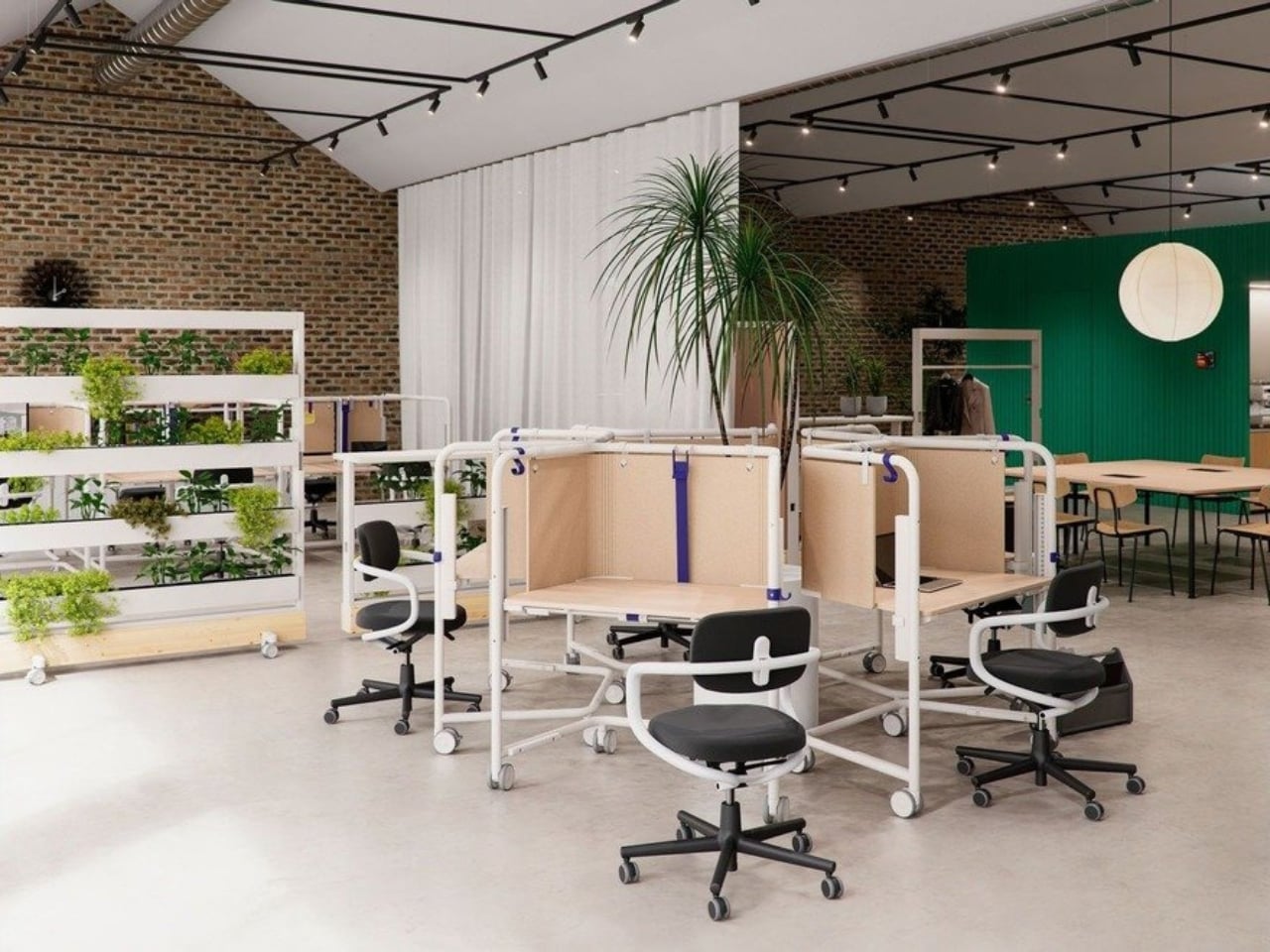
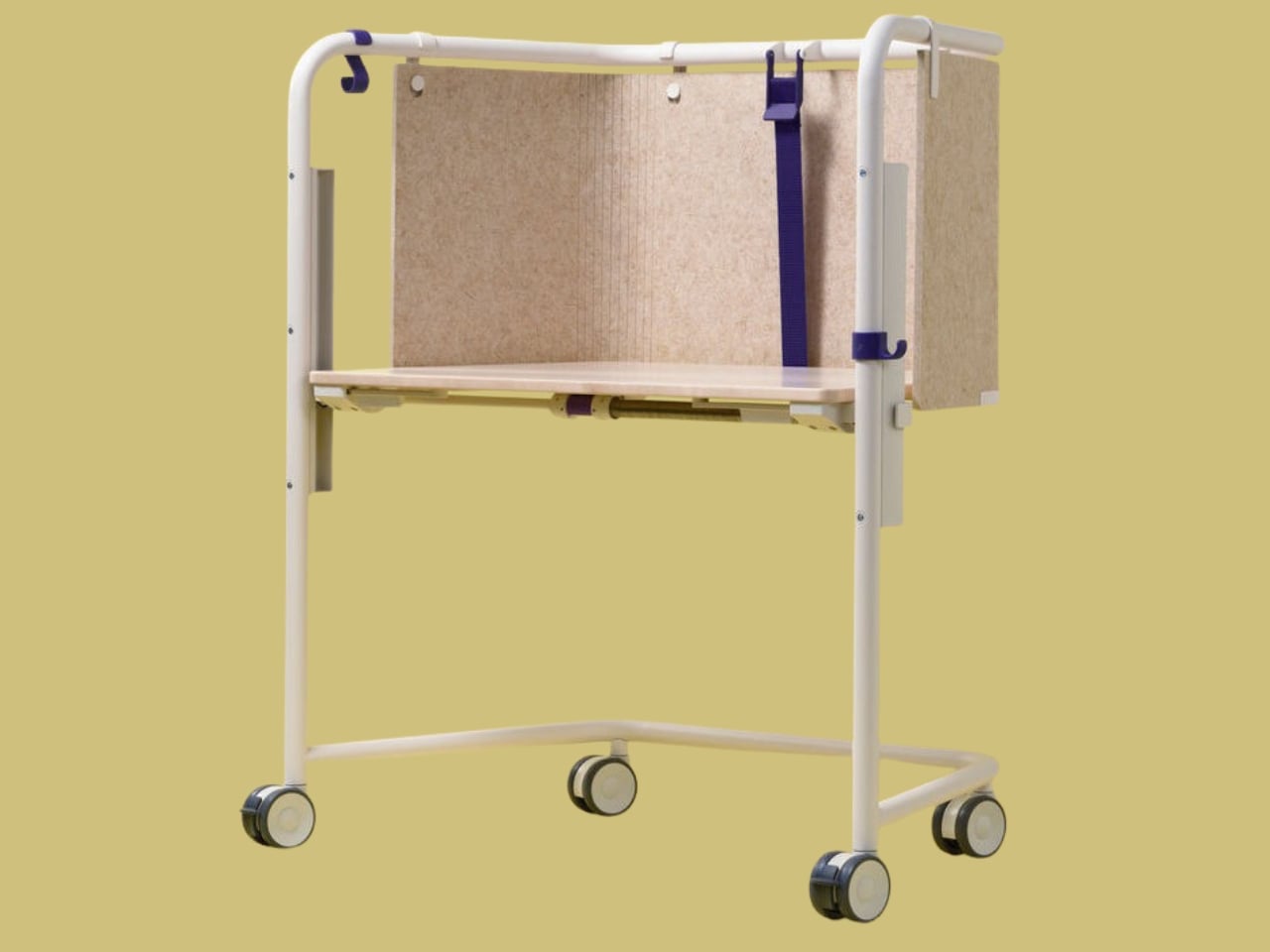
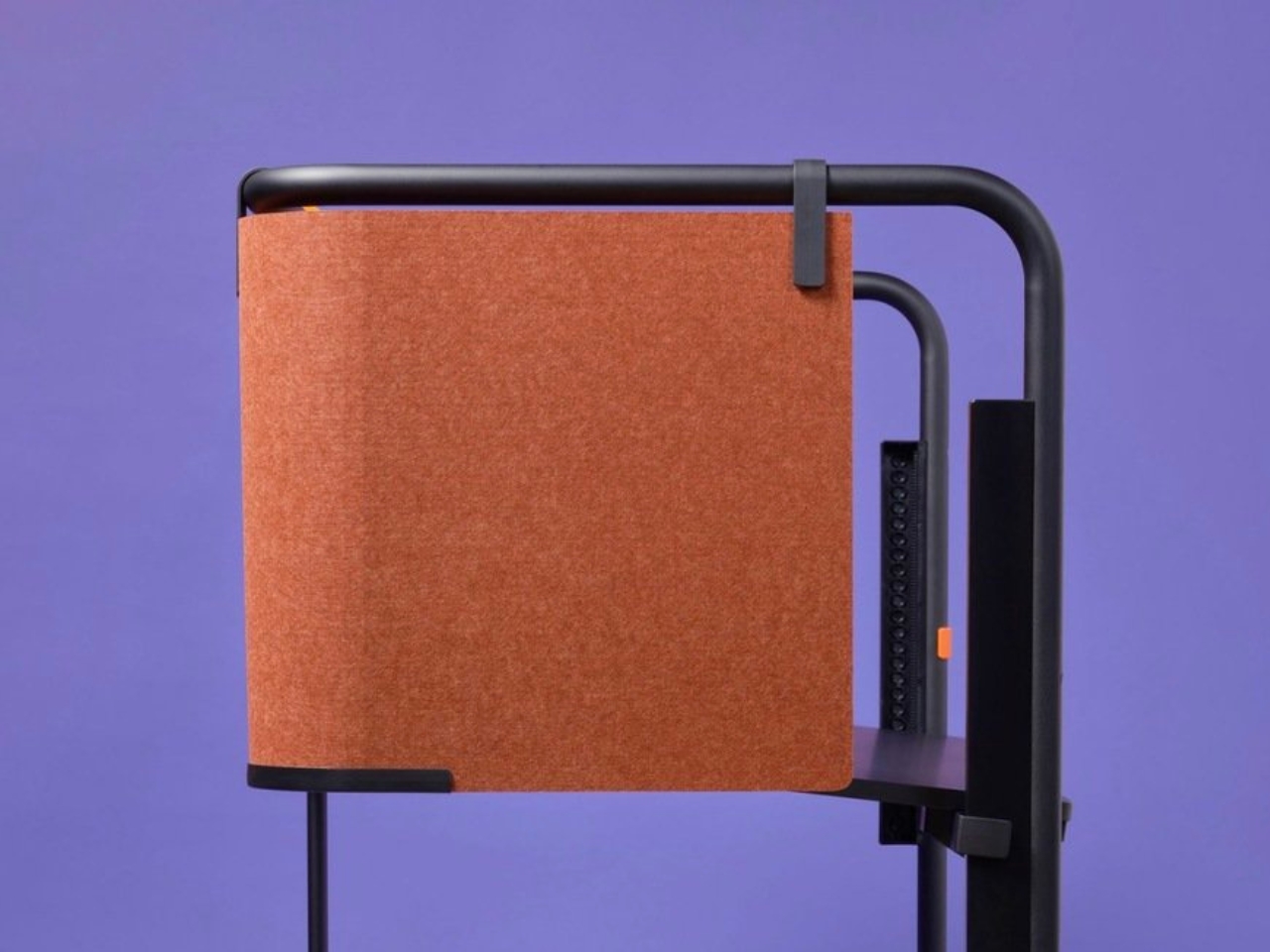
The Scout Work Mobile is part of a larger family of workstation and meeting tables simply called Scout, launched on March 19 of this year. The collection comprises five pieces ranging from stationary desks to mobile variants, and it’s Grcic’s response to how offices actually function today versus how they were designed to function twenty years ago. The Scout Work Mobile is the one that caught my eye: a compact, trapezoidal desk on wheels with a tubular steel frame that rises up and encircles the work surface.

Designer: Konstantin Grcic

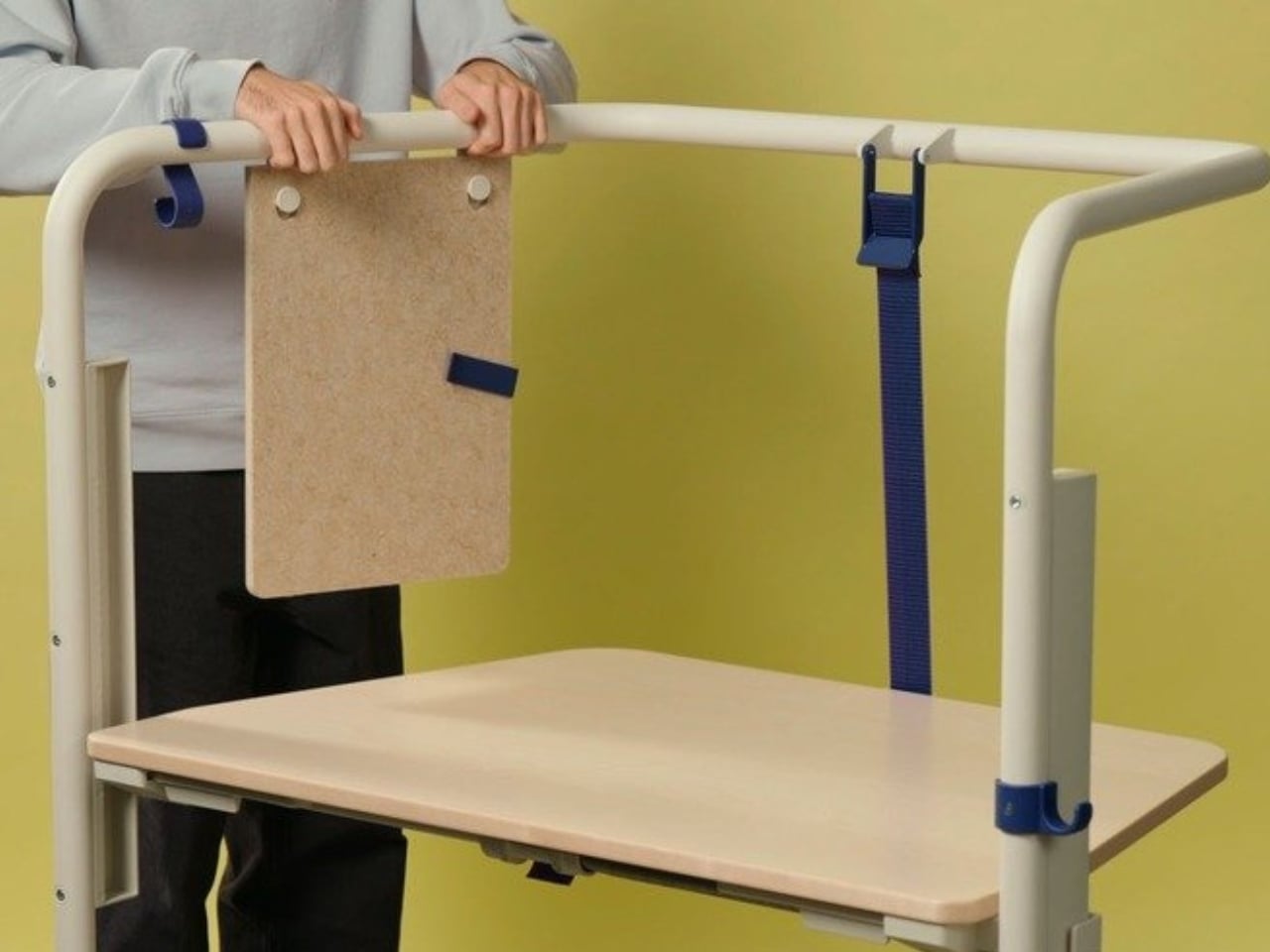
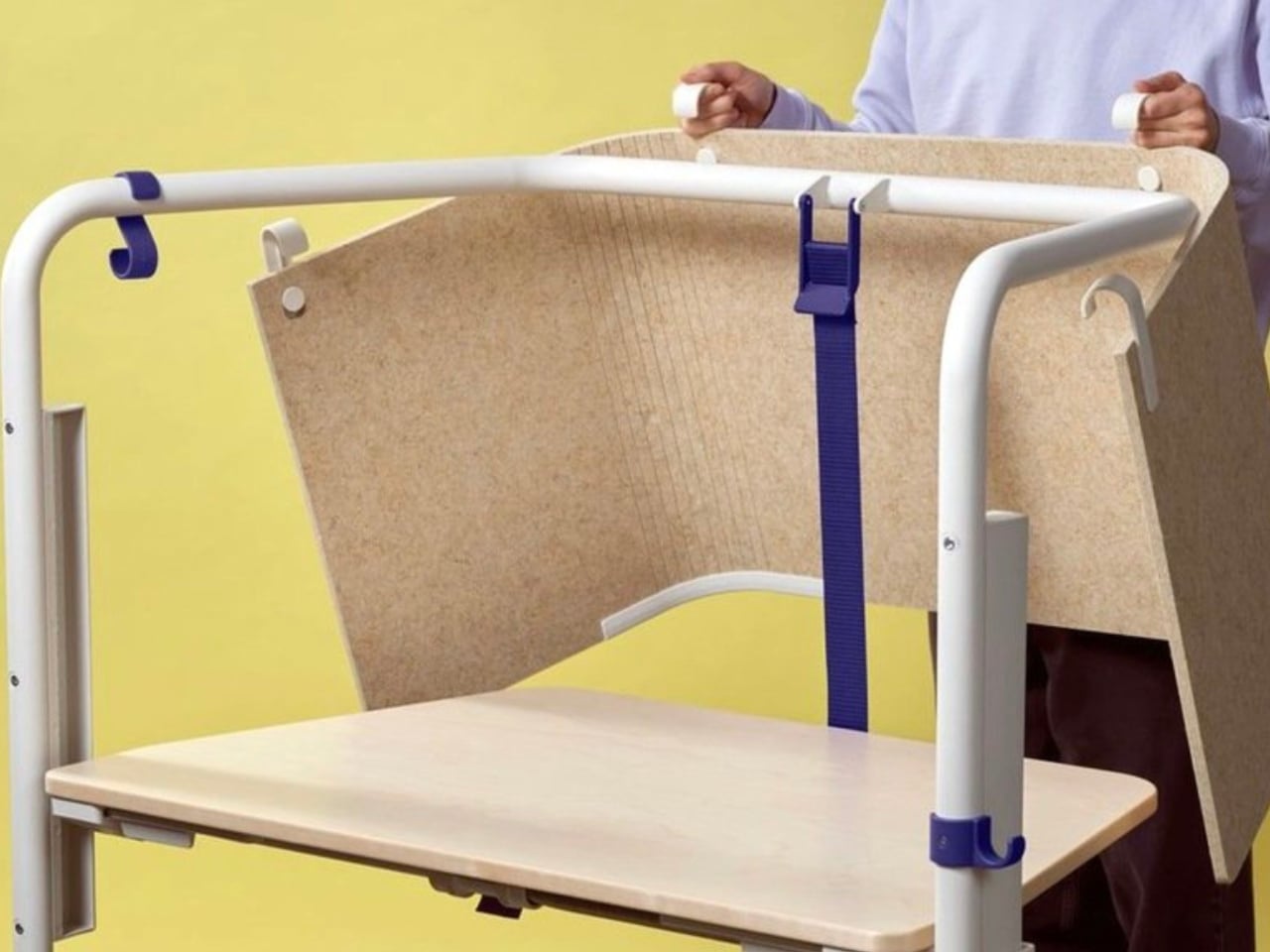
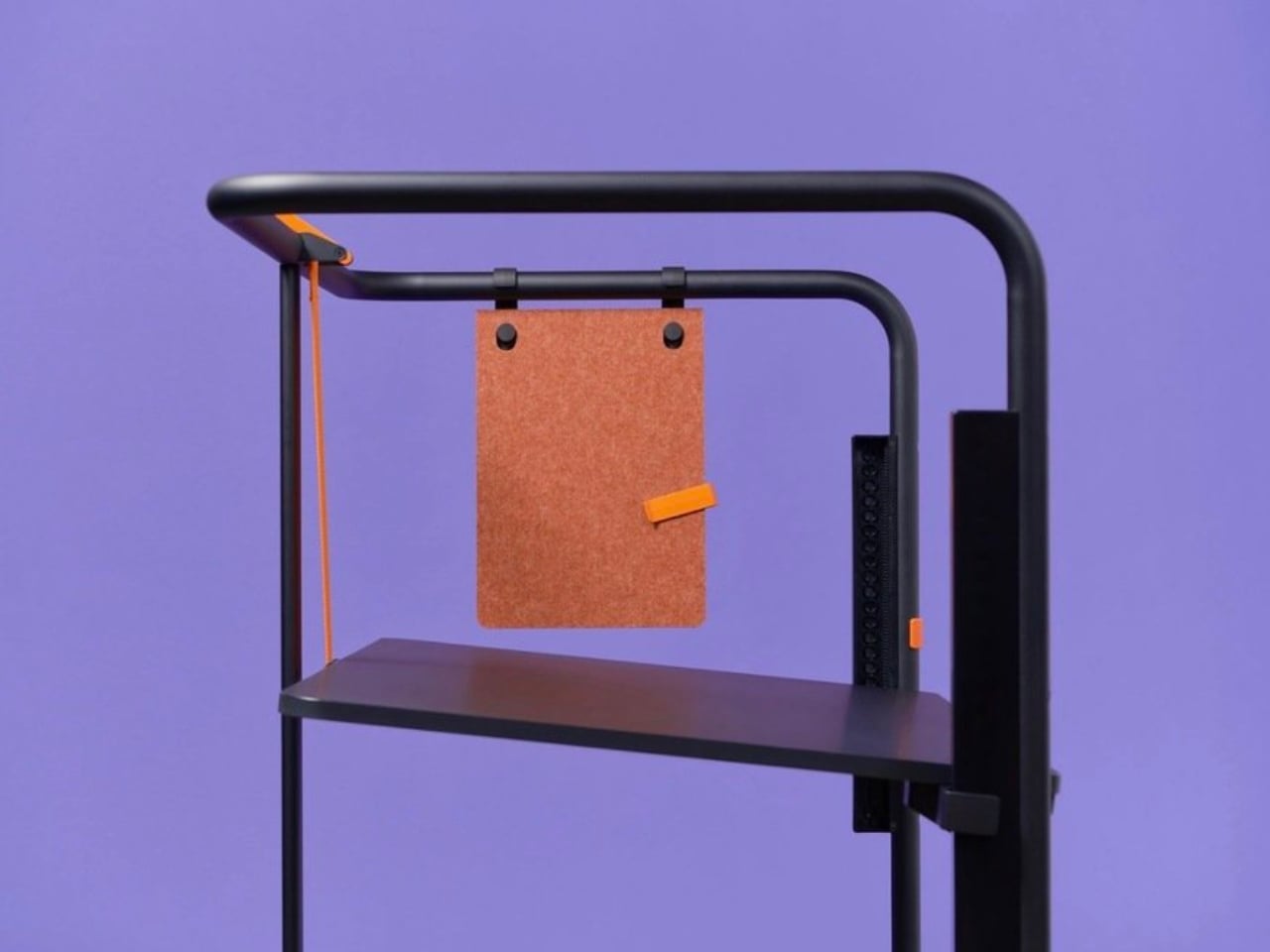
That frame is the whole story, really. It’s not decorative. It’s not there to look good in a mood board (though it absolutely does). The frame acts as a grab handle when you’re rolling the thing across a room, a mounting point for privacy screens, and a place to hang accessories. Without any attachments, it still creates what Vitra describes as a “room-within-a-room” effect, a bit of visual and psychological separation from whatever chaos is happening around you. For those of us who’ve had to MacGyver focus time in open-plan offices using noise-cancelling headphones and pure denial, that feels like a genuine design insight rather than a marketing afterthought.

Grcic is known for what Vitra calls a “severely simple” aesthetic. He doesn’t add things for the sake of adding them, and the Scout Work Mobile reflects that clearly: the height adjustment and tilting function work entirely without electricity. No motors, no app, no firmware updates required. It adjusts by hand. That might sound unremarkable, but compared to the increasingly tech-dependent office furniture being released right now, it reads almost like a radical statement.

The mobile aspect of Scout is where the design really earns its name. Return-to-office mandates are reshaping how companies think about their physical spaces, and the rigid assigned-desk model is quietly becoming a liability. Hot-desking, collaborative hubs, project clusters, training rooms that double as focus spaces. Modern offices are being asked to do a lot more with the same square footage. Scout was built for exactly that kind of environment. You grab it, roll it where you need it, work, and move on. No teardown required. No reconfiguration meeting on the calendar.

Grcic put it plainly in an interview with Vitra Magazine: “The aim is not to replace what already exists. Rather, the system is an extension or complementary offering that responds to different levels and styles of work.” That kind of restraint is rare in product design, where the temptation is always to pitch your thing as the only thing. Scout doesn’t ask to own your whole office. It just wants to be useful wherever you put it.

Aesthetically, it sits in that satisfying middle ground between industrial and refined. The tubular steel frame reads as utilitarian at first glance, but the trapezoidal silhouette and deliberate proportions make it feel considered rather than clinical. It’s the kind of furniture that would look at home in a forward-thinking tech company, a design school studio, or a well-curated co-working space. It isn’t trying to disappear into the background, and it certainly doesn’t need to.

What makes Scout genuinely interesting is that it treats mobility as a first principle rather than a feature tacked on after the fact. Desks on wheels have existed forever, but most of them feel like an afterthought, as if someone just bolted casters onto a standard table and called it agile. Grcic designed the Scout Work Mobile from the ground up with movement in mind, and the difference is visible in every element. Office furniture rarely makes me stop and think twice. The Scout Work Mobile managed to.

The post Konstantin Grcic Finally Designed the Office Desk We Needed first appeared on Yanko Design.

No Man’s Sky now has Pokémon-style creature battles

The free No Man’s Sky updates are still flowing. With the latest one, dubbed Xeno Arena, Hello Games has added a completely original feature. Players have long been able to adopt wild animals as companions. But now these can be deployed in simulated, turn-based battles against rival teams. As you win more battles, you’ll increase your reputation and perhaps be invited to take on more difficult opponents. 

Among other things, the creatures can launch powerful attacks, use healing abilities, dodge incoming salvos, power up their own abilities and turn enemies into more vulnerable forms. They can earn experience that allows them to grow stronger and genetically mutate into new forms. An evolution, if you will. You can also modify the progeny of your squad, with their personalities and physical characteristics affecting how they fare in battle. 

There are eight affinities (some might call them "types") that the creatures belong to, including ones concerning fire, ice and radiation. A fire-based beast might fare well against an ice-based one, but struggle to be effective against radiation. So you’ll need to choose your creatures for each battle strategically. Gotta catch em’ all first, though!

This all seems really neat and such a novel concept. It would be quite a shocker if there were a brand-new game out today that also features turn-based creature battles. 

The No Man’s Sky battles take place on Holo-Arena tables that are found in a range of structures throughout the universe. The creatures look quite small on these tables, almost pocket-sized. 

Wait a second, pocket monsters? Now, there’s an idea…

This article originally appeared on Engadget at https://www.engadget.com/gaming/no-mans-sky-now-has-pokemon-style-creature-battles-142020310.html?src=rss

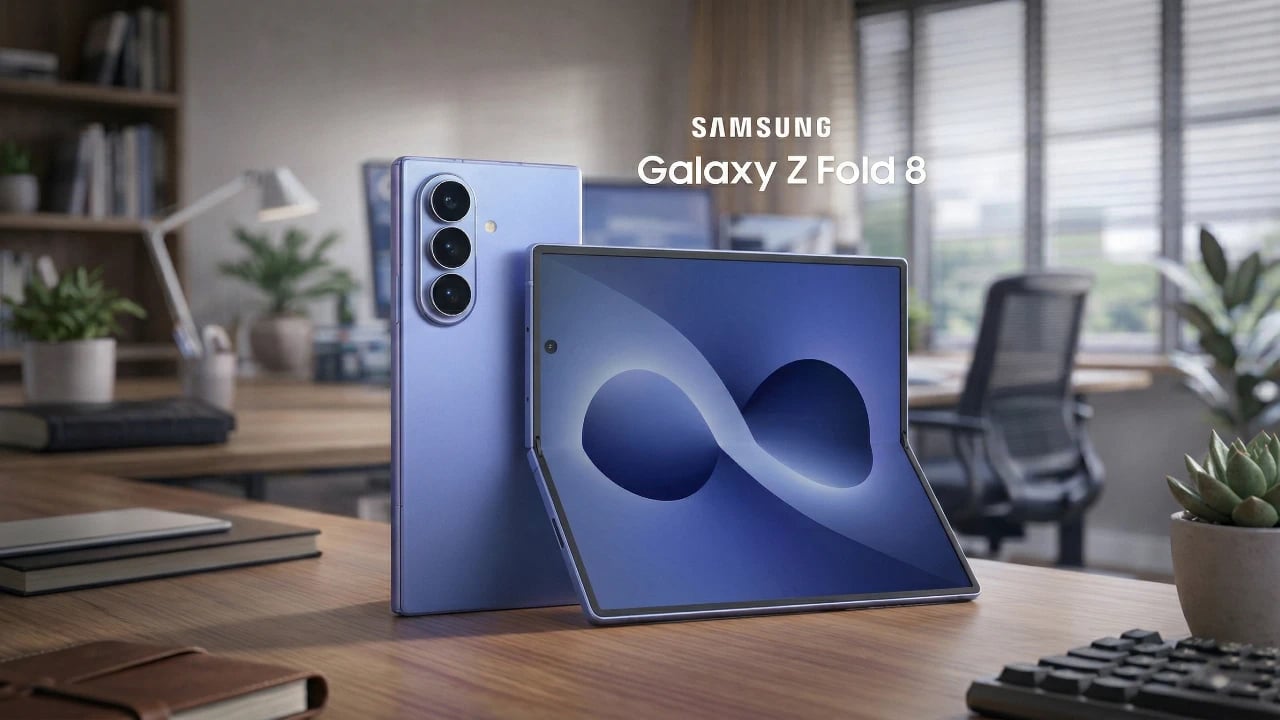
Samsung’s Secret Weapon: Why the Galaxy Z Fold 8 ‘Wide’ is a Game Changer

Samsung’s Secret Weapon: Why the Galaxy Z Fold 8 ‘Wide’ is a Game Changer Samsung Galaxy Z Fold 8 Wide

The Galaxy Z Fold 8 and its wide variant are poised to redefine the foldable smartphone landscape. By combining advancements in design, display technology and user experience, Samsung aims to deliver devices that seamlessly integrate innovation with practicality. The video below from GregglesTV explores the standout features, user benefits and broader implications of Samsung’s latest […]

The post Samsung’s Secret Weapon: Why the Galaxy Z Fold 8 ‘Wide’ is a Game Changer appeared first on Geeky Gadgets.

Posted in Uncategorized

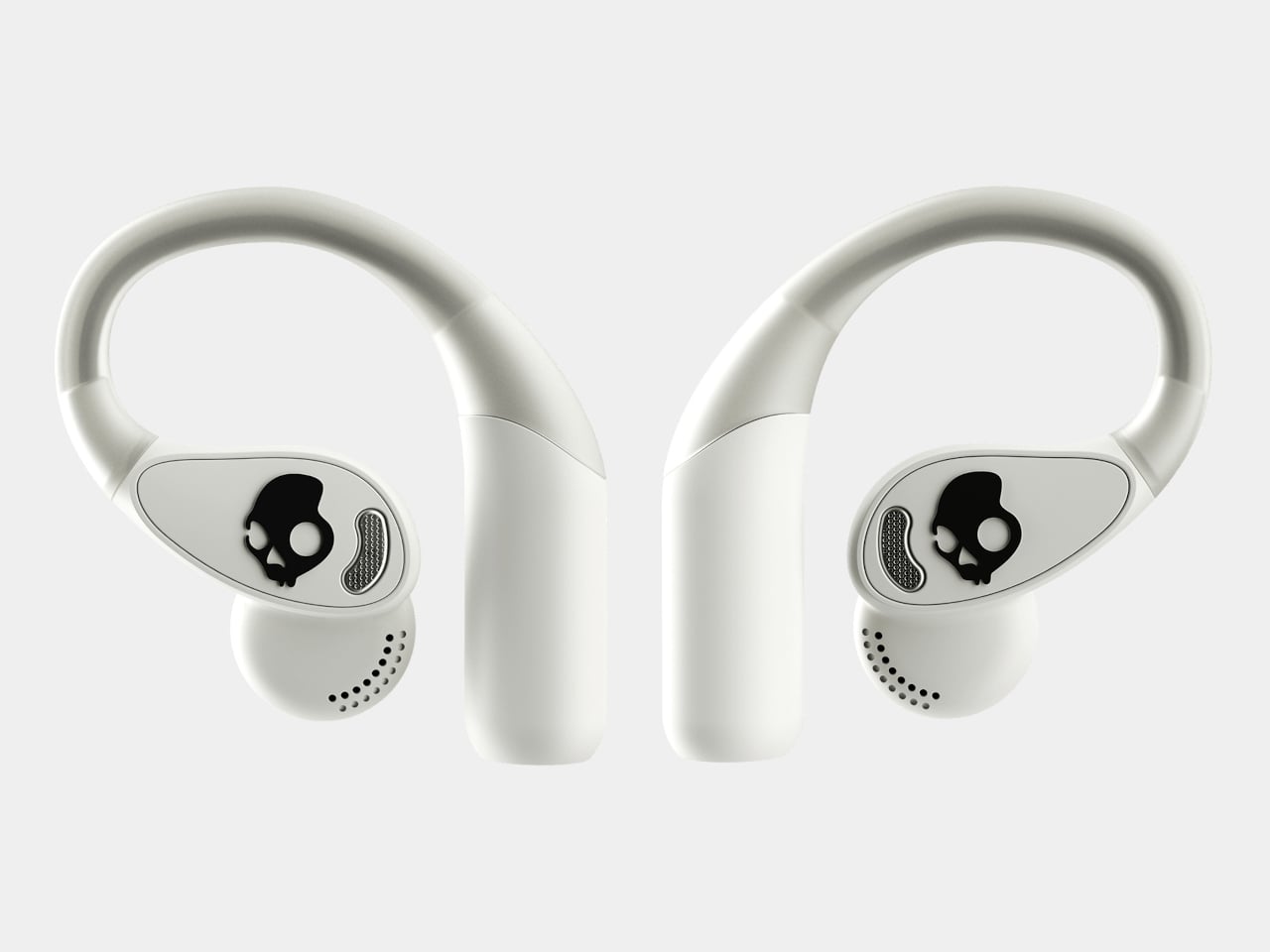
These $100 Open-Ear Earbuds Won’t Fight Your Glasses, Hair, or Hat

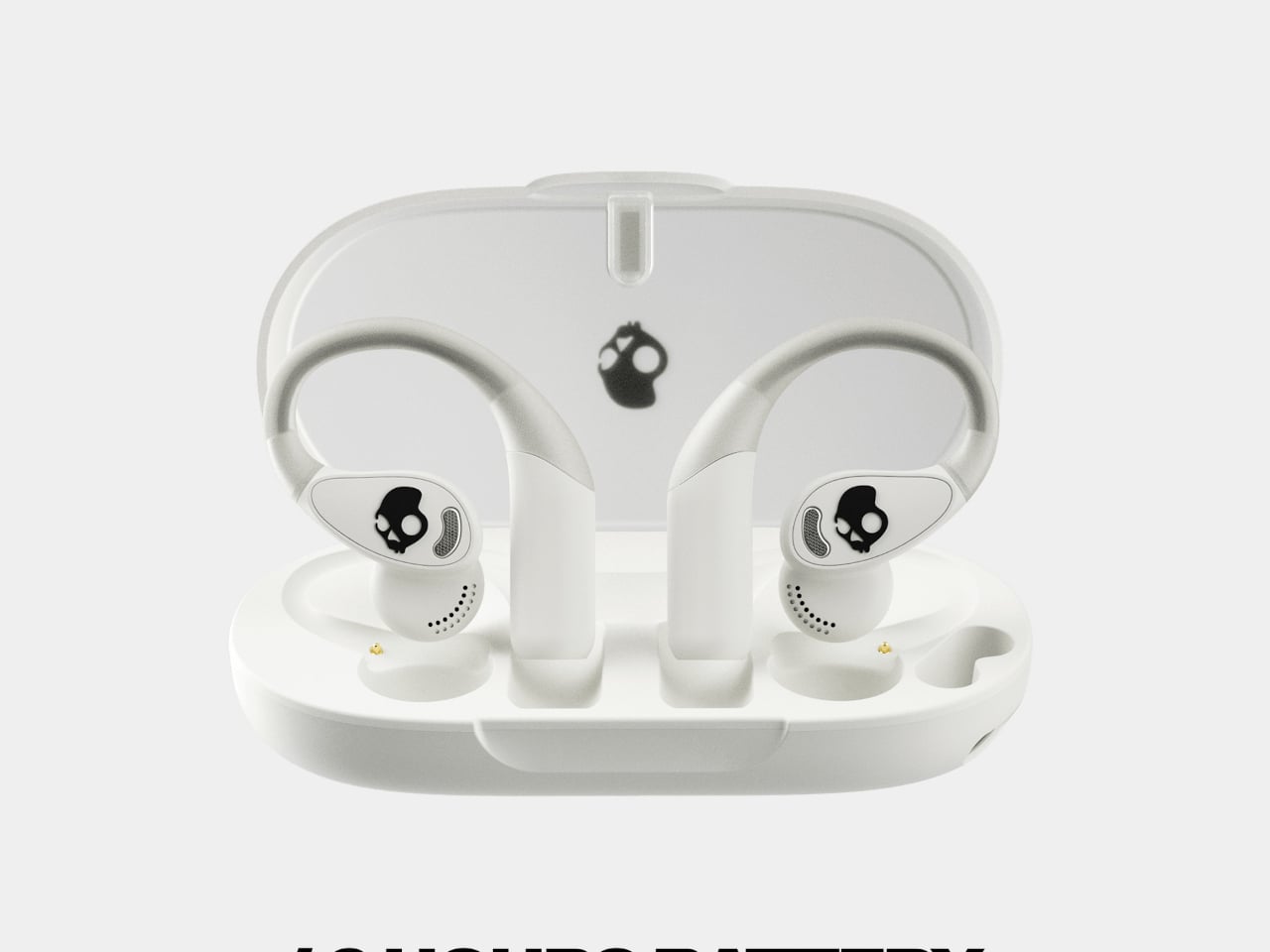
Open-ear earbuds have had a genuine moment over the past year, and it’s easy to understand why. About half of all earbud users have moved toward them, drawn by ambient awareness, ear health, and the comfort of not having anything plugged into their ear canals. The category has grown quickly, and the question now is which designs actually get it right.

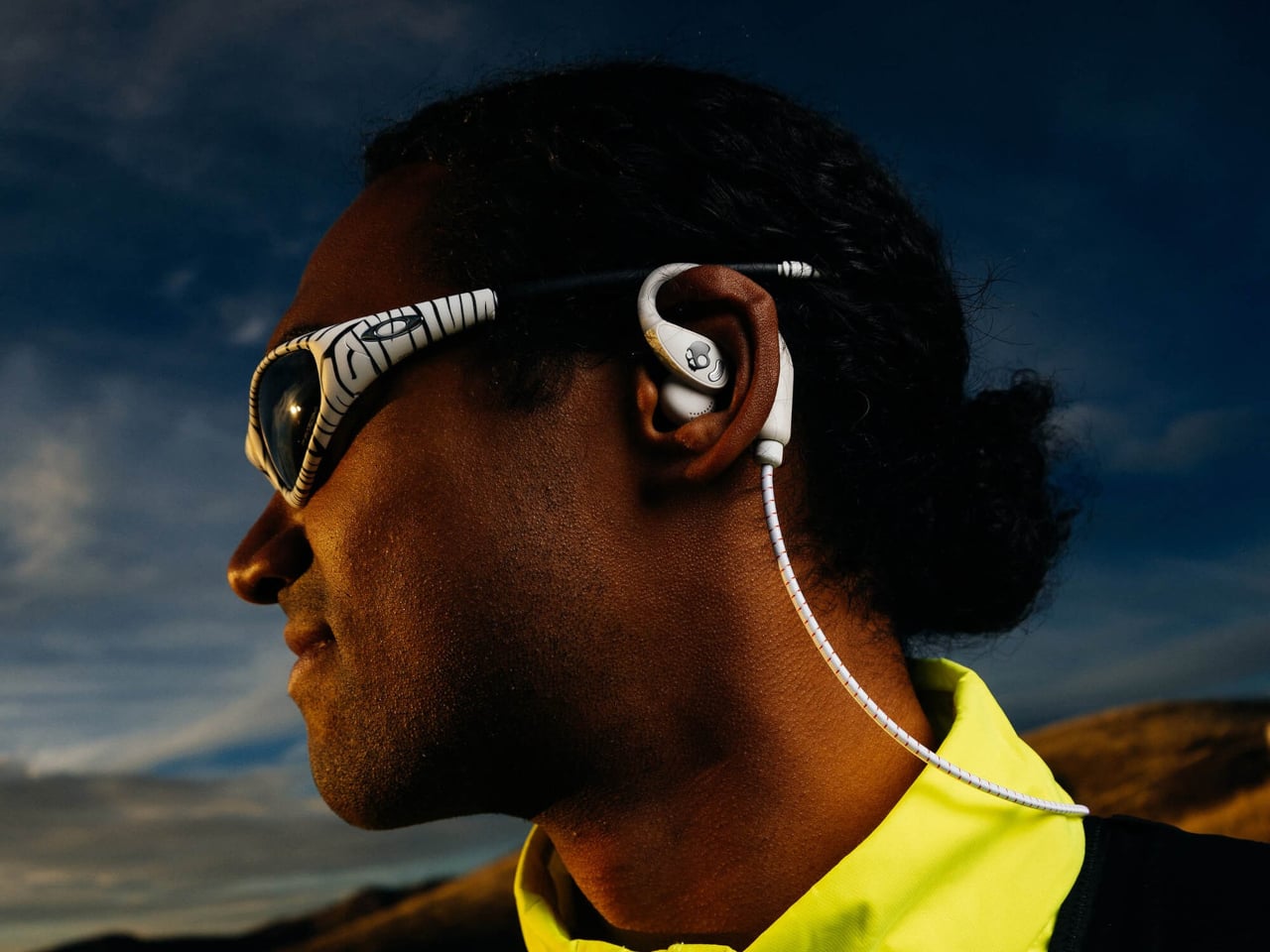
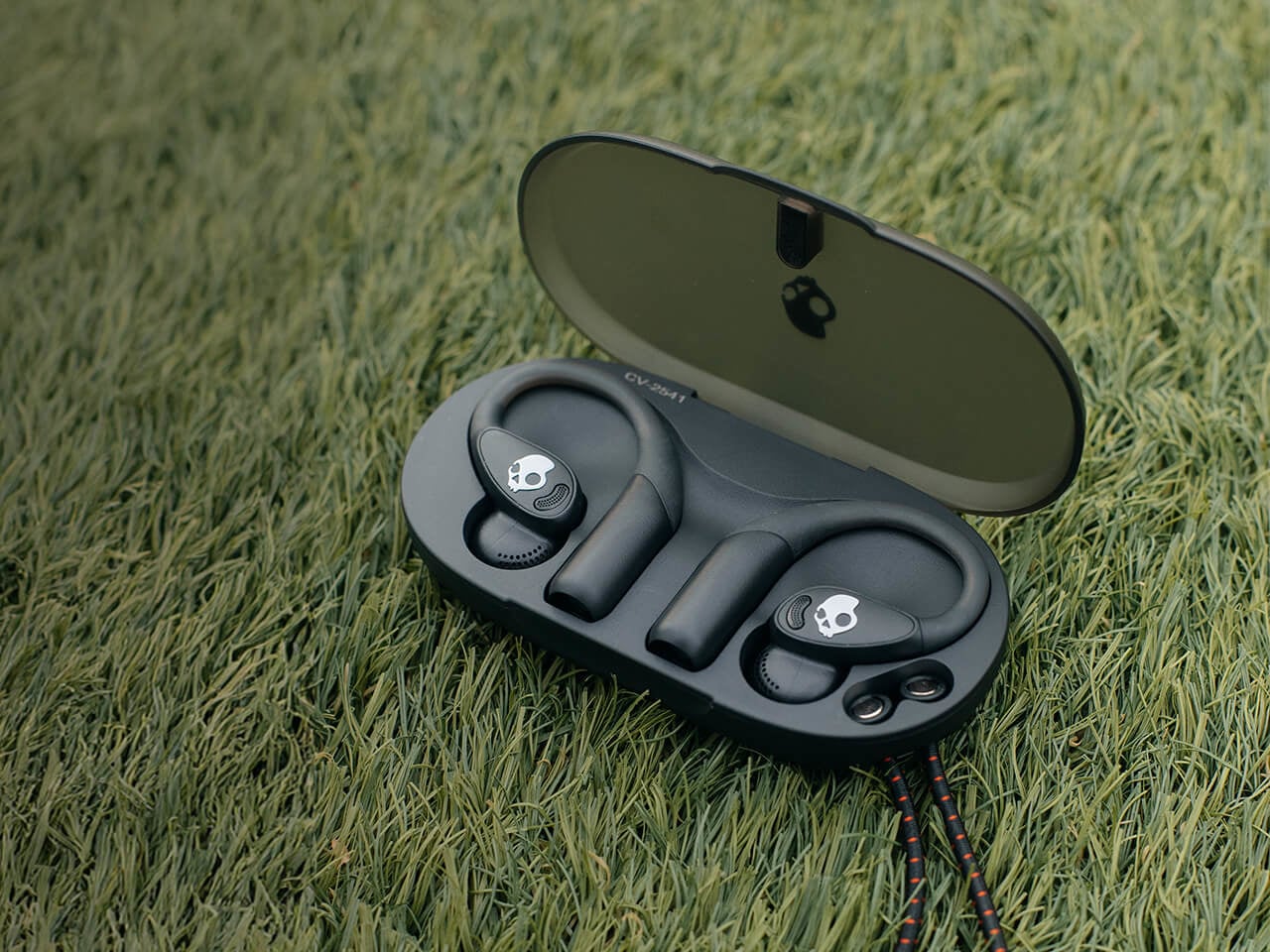
The Skullcandy Push 540 Open enters that picture with a clear sense of what’s been bothering people. Thick earhooks that compete with glasses, neckbands that catch on hair and collars, and touch controls that trigger every time headwear grazes the sensor aren’t fringe complaints; they’re consistent ones. Skullcandy took that feedback and built the 540 Open around fixing each of them.

Designer: Skullcandy

Anyone who has worn open-ear hooks alongside glasses or a hat knows the small but mounting annoyance of too much hardware competing behind the ear. Skullcandy trimmed the earhook thickness based on direct user feedback, and the result is a fit that holds without adding friction to whatever you’re already wearing. It’s the kind of detail you only notice once you stop thinking about it.

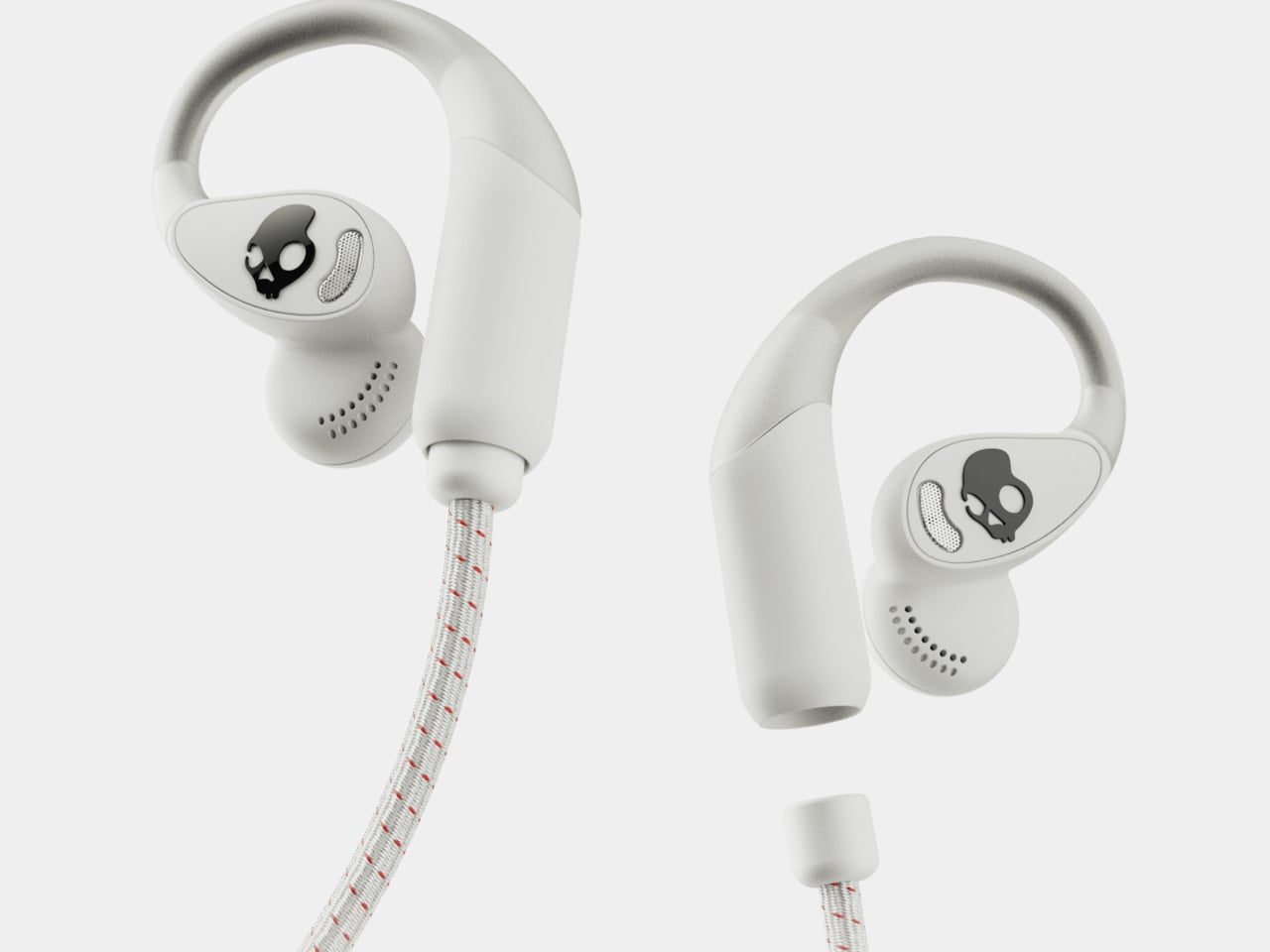
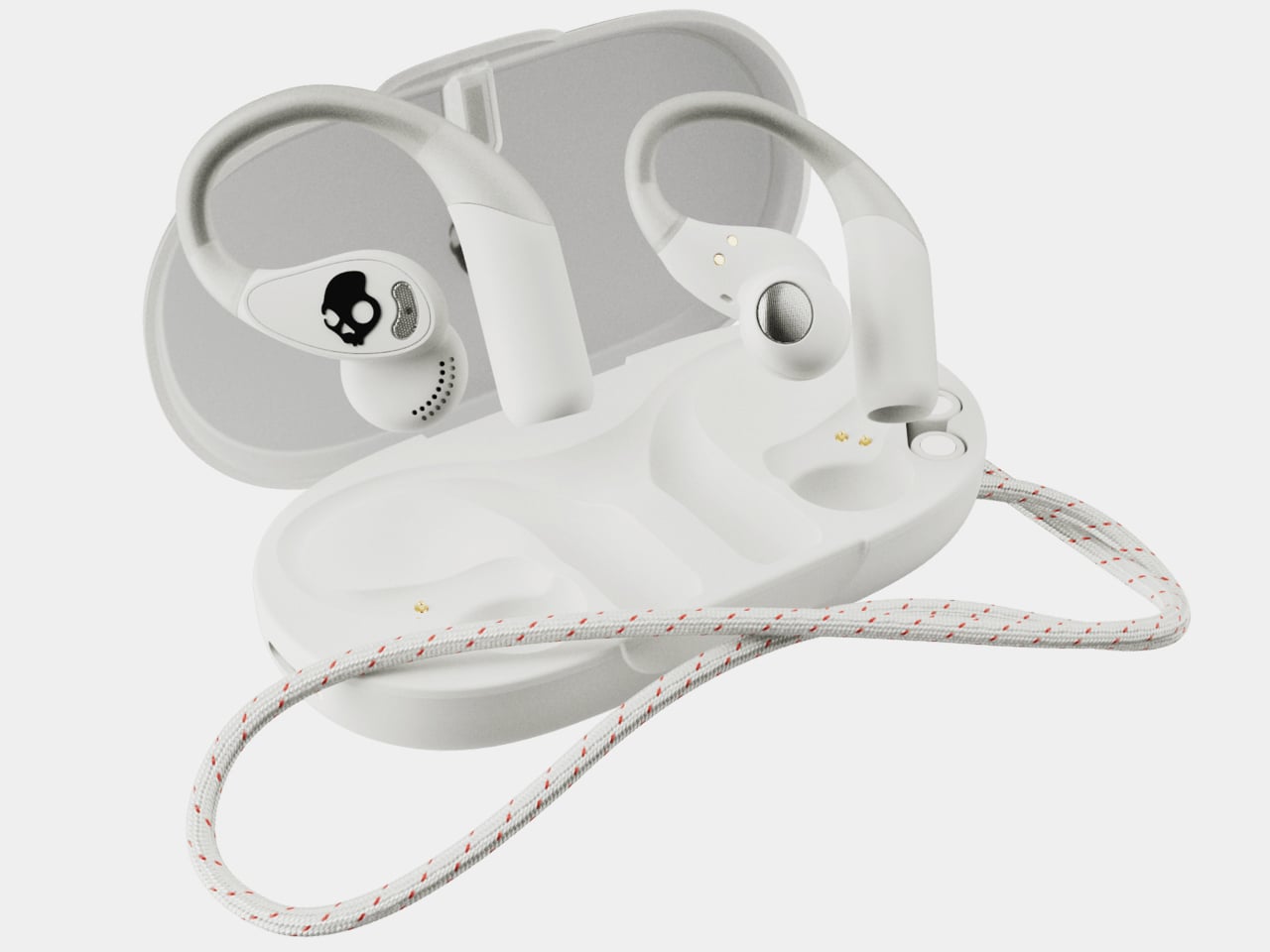
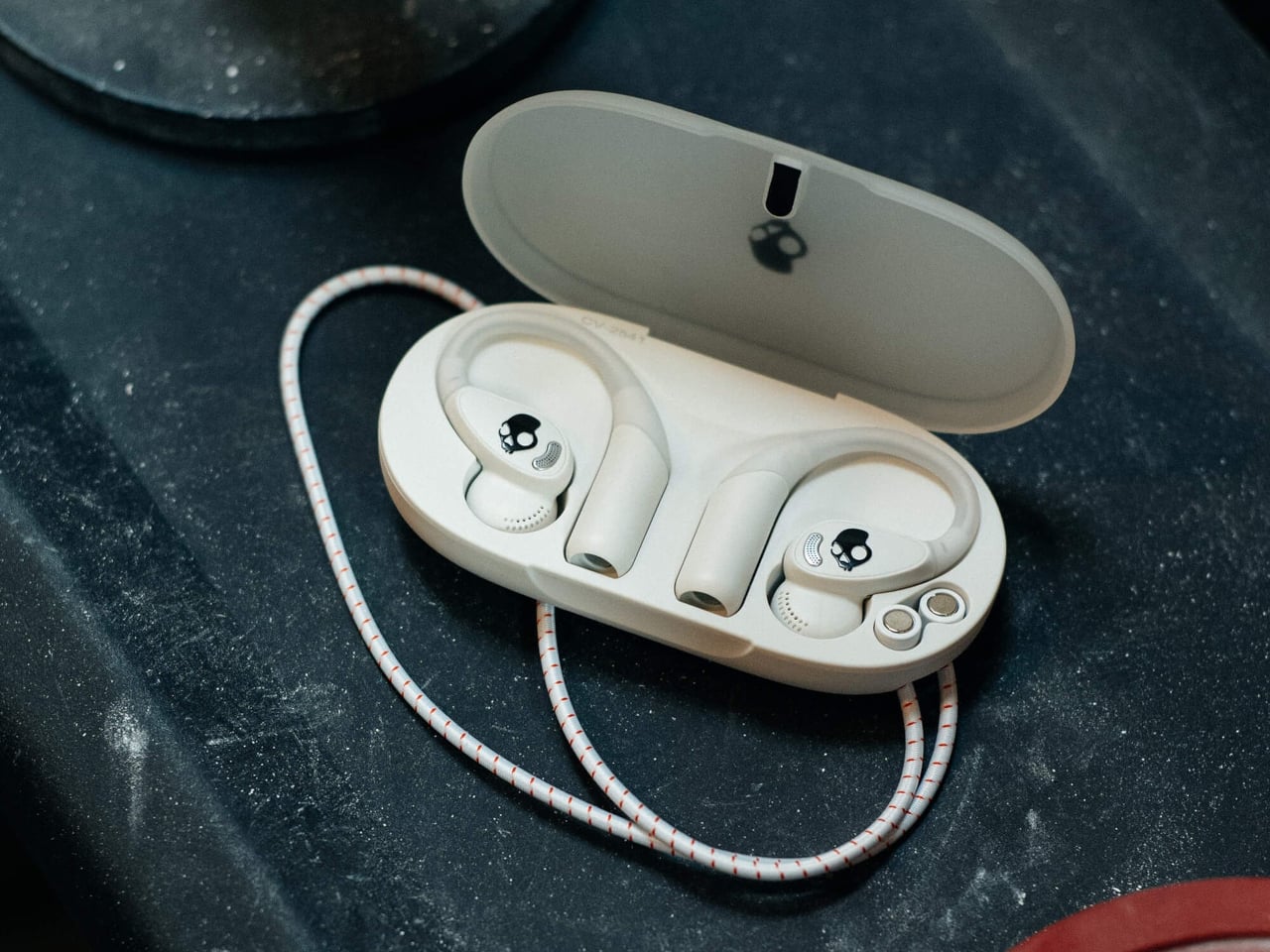
The neckband gets the same thoughtful treatment. Unlike rigid or snapping designs found on competing options, Skullcandy’s version drapes naturally, so it won’t fight longer hair or push against a jacket collar. When you pull it off mid-run and don’t have the case on you, the magnetic closure lets it wrap cleanly around your wrist or neck without turning into a tangled nuisance.

Think about what it’s actually like to be deep into a trail run, layered up in a gaiter and hat, headphones that have stayed put the whole time, traffic audible from a distance. That’s the version of open-ear audio the 540 Open is built for. The over-ear hanger keeps things locked in, and the open design keeps the world around you audible.

Battery life is where the 540 Open puts some distance between itself and the competition. At 10 hours per earbud with 32 more in the case, it totals 42 hours, compared to six per earbud for both the Shokz Open Fit Air and JBL Soundgear Sense. The IP44 rating and a 10-minute rapid charge round it out for full days outdoors.

For anyone who trains with a hat on, the ability to disable the touch sensors entirely is a quietly significant option. Most open-ear earbuds don’t offer it. Audio comes from 12mm dynamic drivers, and Bluetooth 5.3 with multipoint pairing means two devices can stay connected at once, so moving between a phone and a laptop mid-workout doesn’t require any extra steps.

At $99.99, it’s $20 less than the Shokz Open Fit Air and $60 less than the JBL Soundgear Sense. What’s more interesting than the price gap is that it doesn’t get there by skimping. Better battery life, a flexible neckband that cooperates with real-world dressing, and comfort details from user feedback aren’t the kind of things that make headlines, but they’re what make the difference on a long day outdoors.

The post These $100 Open-Ear Earbuds Won’t Fight Your Glasses, Hair, or Hat first appeared on Yanko Design.

GoPro to lay off over 20 percent of staff by the end of 2026

GoPro will cut 23 percent of its global workforce by the end of this year, as the action camera pioneer looks to reverse its fortunes in a competitive market.

145 employees will be laid off, with the restructuring process commencing in the second quarter of 2026, the San Mateo company said in a Form 8-K filing. At the end of the first quarter, GoPro’s total number of employees stood at 631, and it expects the cuts to cost it between $11.5 million and $15 million. These charges include honoring severance packages and healthcare benefits.

GoPro’s last reported round of layoffs took place in the second half of 2024. The company posted a year-end revenue decline in its 2025 financial results, including a loss of $9 million in its fourth quarter.

Despite the layoffs, GoPro is seemingly optimistic about 2026, banking on its AI-centric GP3 processor to spearhead a "new era of performance and innovation" for the company. The first GP3-powered GoPro cameras will launch in the coming months.

GoPro launched its first action camera in the early 2000s and enjoyed huge success with extreme sports enthusiasts. But it no longer has the market to itself, facing stiff competition from the likes of DJI, Insta360 and smartphone cameras in general.

This article originally appeared on Engadget at https://www.engadget.com/cameras/gopro-to-lay-off-over-20-percent-of-staff-by-the-end-of-2026-131918779.html?src=rss

How Antigravity’s AI Subagents Are Reshaping Engineering Teams With Arcade
How Antigravity’s AI Subagents Are Reshaping Engineering Teams With Arcade Diagram of Arcade.dev MCP runtime connecting Antigravity agents to Gmail, Slack, Google Docs, and APIs securely.

AI-driven task automation is evolving rapidly and the integration of Antigravity’s mission control system with Arcade’s MCP runtime showcases a compelling leap forward. As highlighted by World of AI, this system enables the deployment of specialized AI subagents capable of breaking down complex workflows into manageable steps. For instance, onboarding new employees becomes a streamlined […]

The post How Antigravity’s AI Subagents Are Reshaping Engineering Teams With Arcade appeared first on Geeky Gadgets.

Posted in Uncategorized