MIT Turned 12 Labubu Heads Into a Robot and It’s Watching You

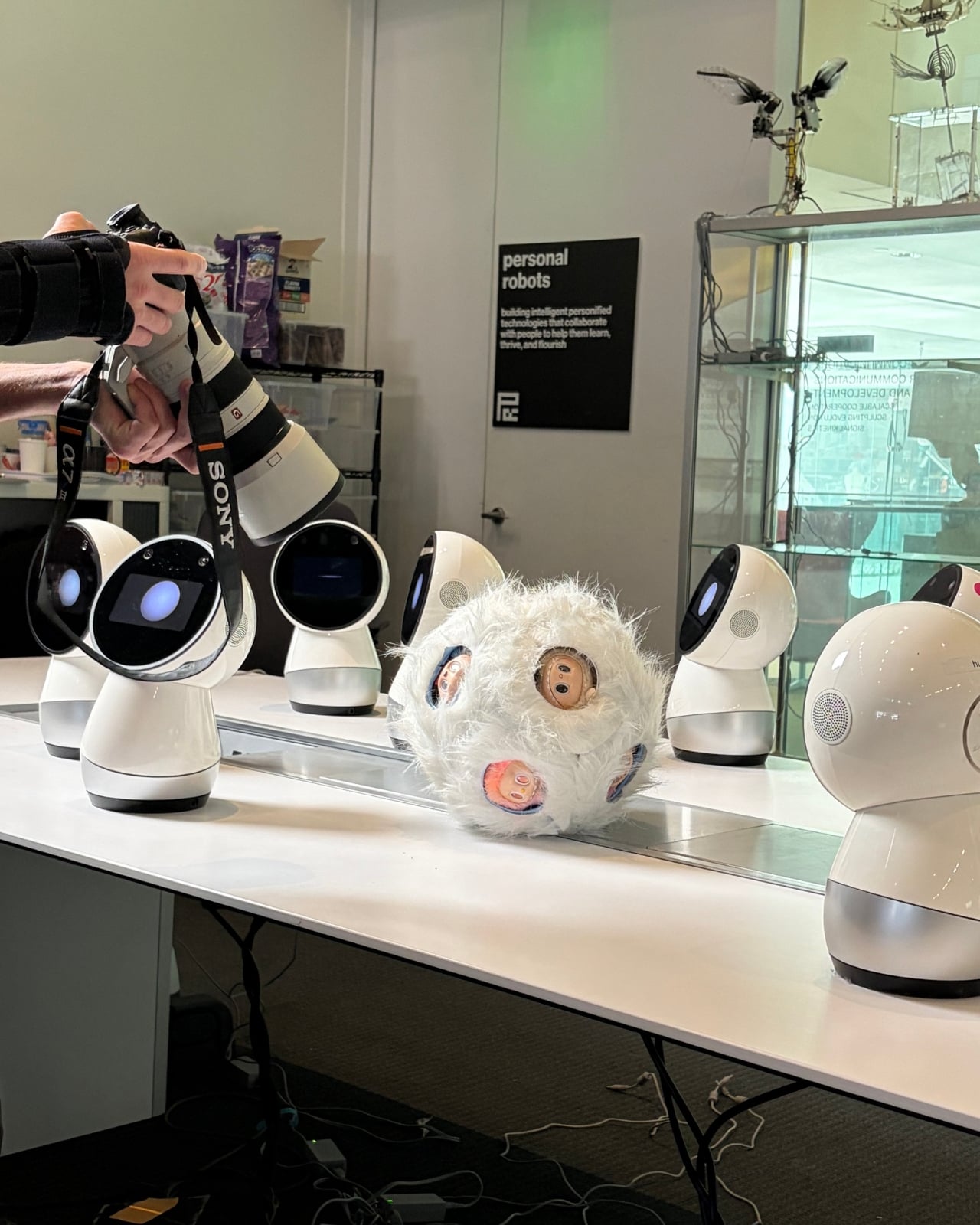
Nobody told MIT grad students to build a rolling sphere covered in twelve Labubu faces. They did it anyway, and now the rest of us have to sit with that. The project is called Labububot, and it comes from three graduate students at the MIT Media Lab: Miranda Li from the Personal Robots group, and Jake Read and Dimitar Dimitrov from the What’s Taking Form group. Together, they took the internet’s favorite ugly-cute collectible, multiplied it by twelve, and fused everything into a single spherical body that rolls around following people through hallways. The official description calls it “one of the rarest monsters on Earth,” and that phrasing alone tells you everything about the tone the team was going for.

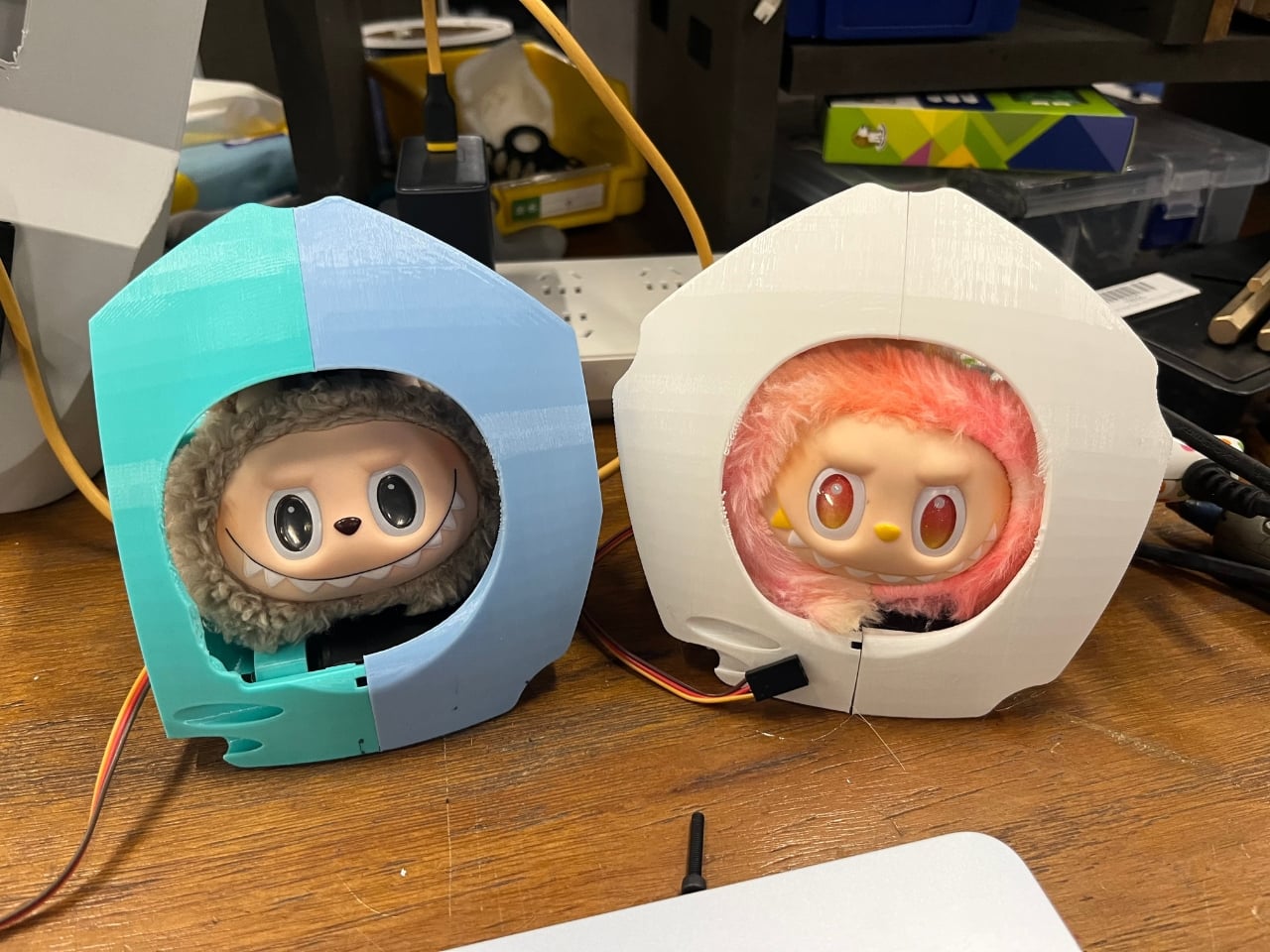
The design is not subtle. Twelve identical Labubu faces stare outward from every angle simultaneously. When the thing moves, it does so with that particular brand of slow, deliberate motion that robots somehow always use when they want to feel unsettling. The MIT team leans into every bit of that discomfort, which is exactly what separates Labububot from most social robotics research you’ll come across.

Design: MIT Media Lab

Social robots usually chase approachability. They get rounded edges, pastel palettes, and soft digital expressions designed to lower your guard on contact. The whole field runs on the logic that comfort builds connection, and most research in this space reinforces that assumption without questioning it much. Labububot rejects that premise entirely. It is meant to provoke a reaction before it earns one, and the reaction it tends to get first is somewhere between amusement and mild dread. That’s a deliberately chosen emotional space, and it works.
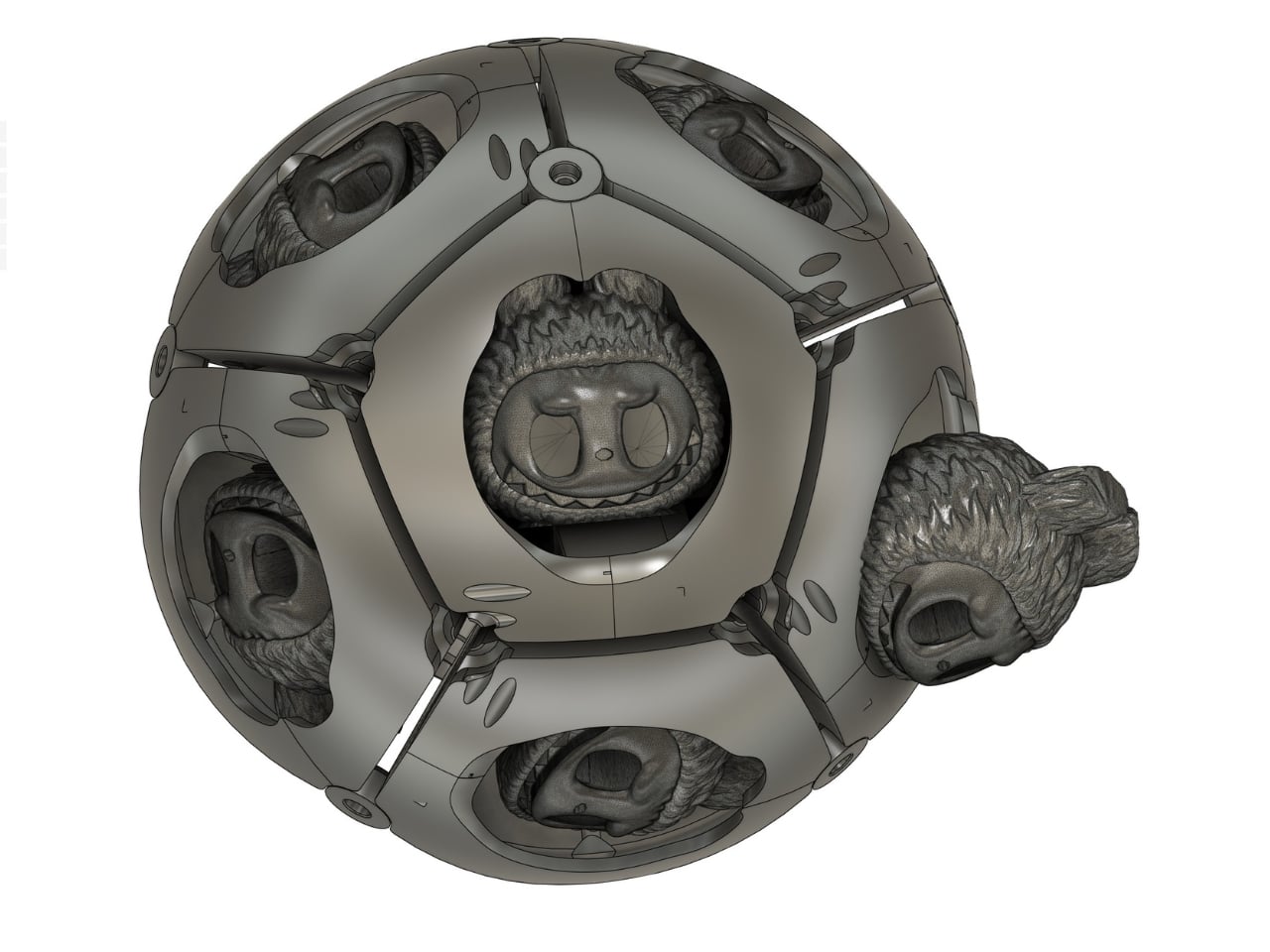
The Labubu connection makes this sharper than it might otherwise be. The original toy built its following on a very specific kind of ugly-cute tension. It’s not conventionally adorable. It has sharp teeth, wide eyes, and a design that sits right at the border of charming and unsettling. That’s precisely why it resonated. The blind-box format added a layer of collector obsession on top, and after BLACKPINK’s Lisa was seen collecting them, the whole thing escalated into cultural phenomenon territory fast. The fact that it already carried that complicated emotional charge before MIT ever touched it makes the robot version feel like the natural next step, even if nobody saw it coming.
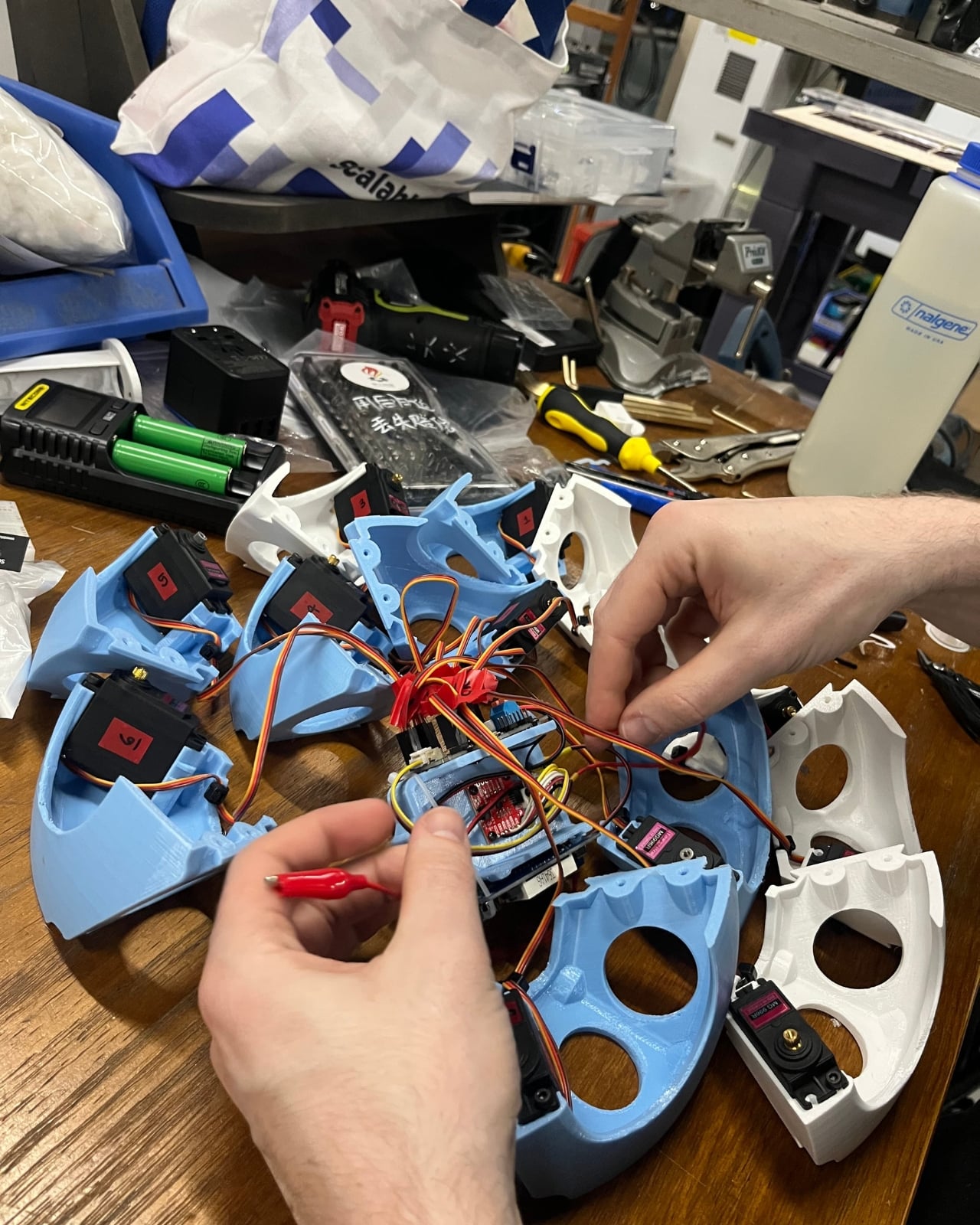
Scaling that same energy up to twelve faces on a rolling robot body is not an accident. The MIT team is clearly aware of what they’re working with. The official framing pitches Labububot as a “playful critique of social robots” and poses a question worth taking seriously: what do the monsters we make reveal about the monsters we are? For a project built around a pop culture collectible, that’s a surprisingly direct line of inquiry. It doesn’t answer the question so much as roll it directly toward you and wait.
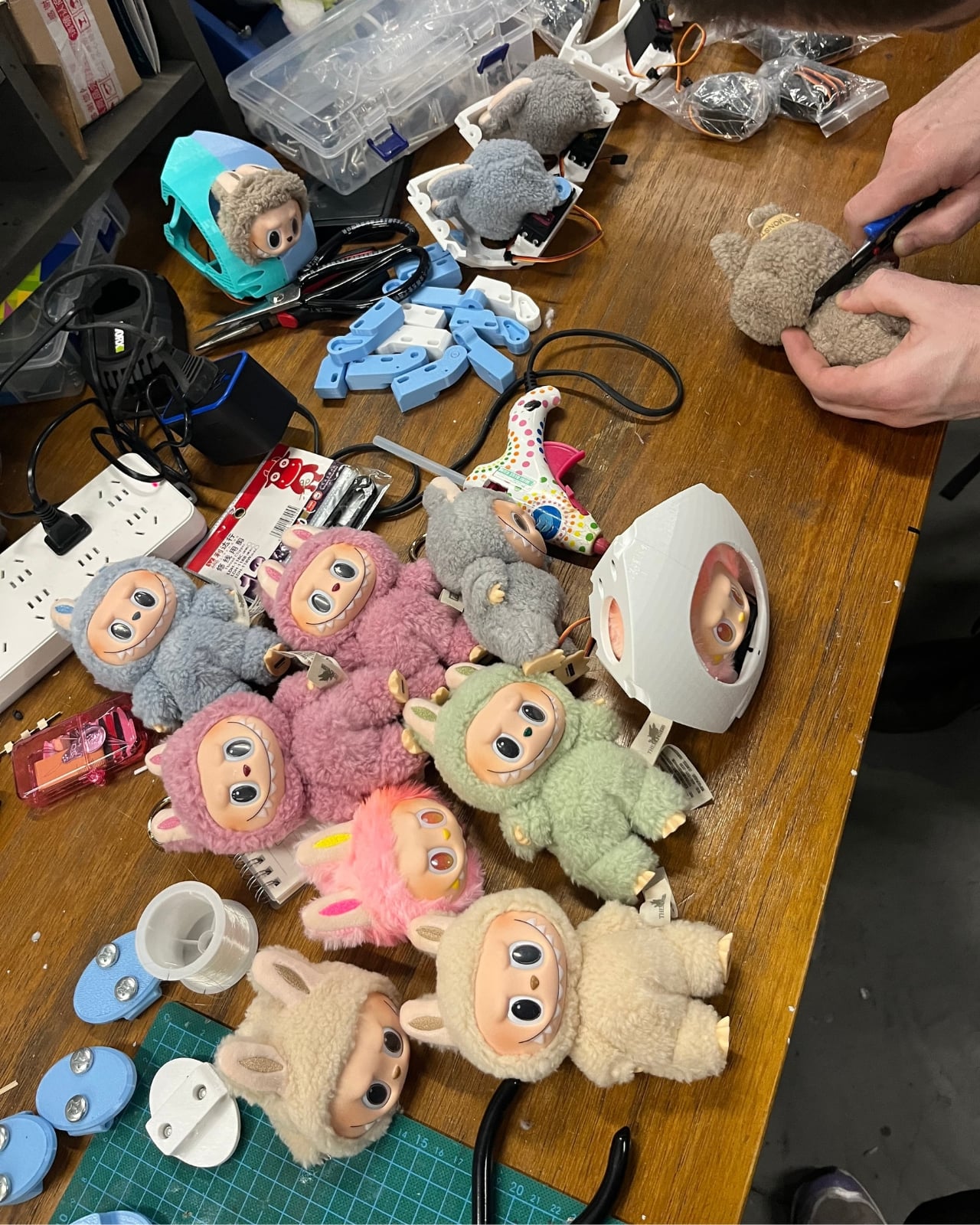
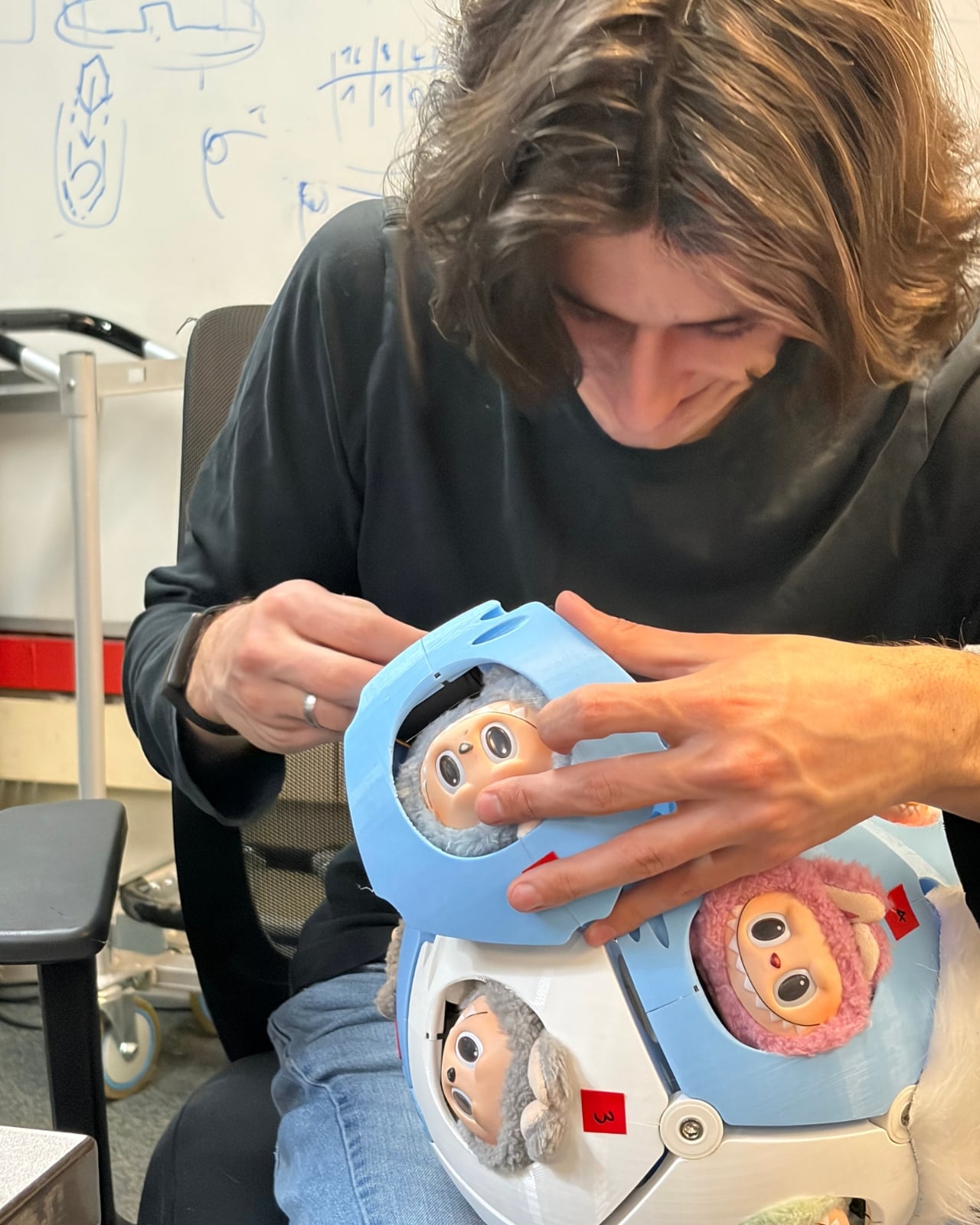
The timing adds another dimension. Labubu started as a toy, became a fashion accessory, turned into a resale market, and has now arrived at experimental robotics research inside one of the most prestigious institutions on the planet. That arc is completely absurd and also perfectly logical if you’ve been watching how internet culture compresses timelines. Trends don’t climb ladders sequentially anymore. They collide with things that have no business intersecting, and occasionally the collision produces something genuinely interesting. The path from blind-box collectible to MIT thesis statement is ridiculous, and also makes complete sense.
Labububot will make its public debut this summer as a Grand Challenge finalist at the 2026 International Conference on Social Robotics in London. Moving from the controlled environment of an MIT hallway to a public conference floor is a meaningful shift. Real audiences bring expectations about what robots should look and feel like, and a twelve-faced Labubu sphere is going to challenge most of those expectations immediately.
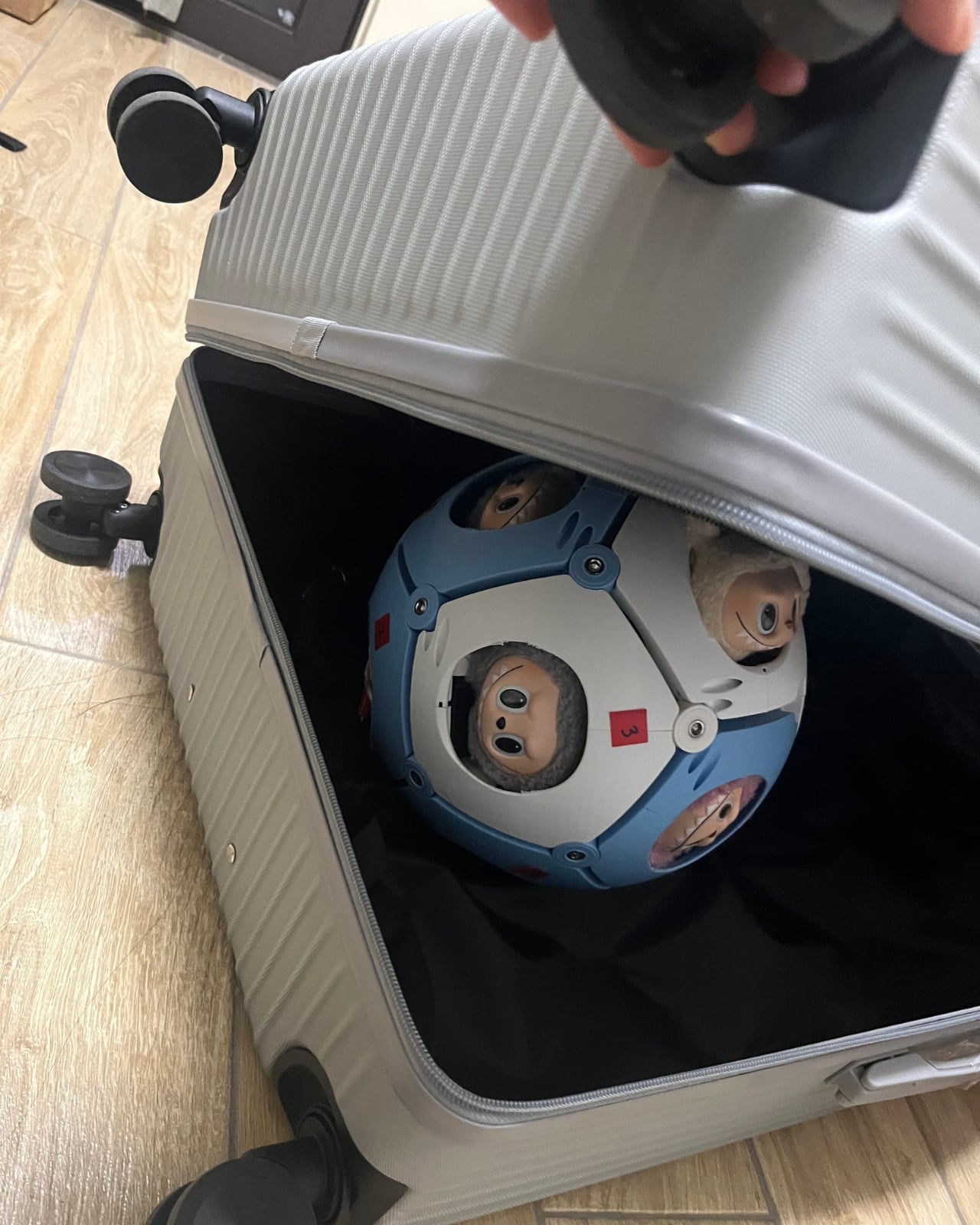
Some people will read it as satire. Some will find it genuinely unnerving. A few will want to know if they can buy one. I’m not entirely outside that last group, which tells me the project landed exactly where it was supposed to. Labububot doesn’t ask you to like it. It just follows you down the hall until you decide how you feel.
The post MIT Turned 12 Labubu Heads Into a Robot and It’s Watching You first appeared on Yanko Design.


Tame Impala’s Kevin Parker Co-Designed a Synth So Good It’s Now a Collector’s Item

Transparency in tech has followed the classic arc of any design trend: radical, then referential, then mainstream, then meaningful. Nothing made it radical. Dozens of imitators made it referential. Beats and Casetify brought it mainstream. The interesting question now is which products use it meaningfully, where the visible internals are genuinely worth seeing, and the form of the object actually benefits from the revelation. A cheap Bluetooth speaker with a clear shell is just a clear shell. An instrument with carefully designed internal geometry, a speaker assembly, a green PCB, and ribbon cables threading between custom-designed synth hardware is something else.

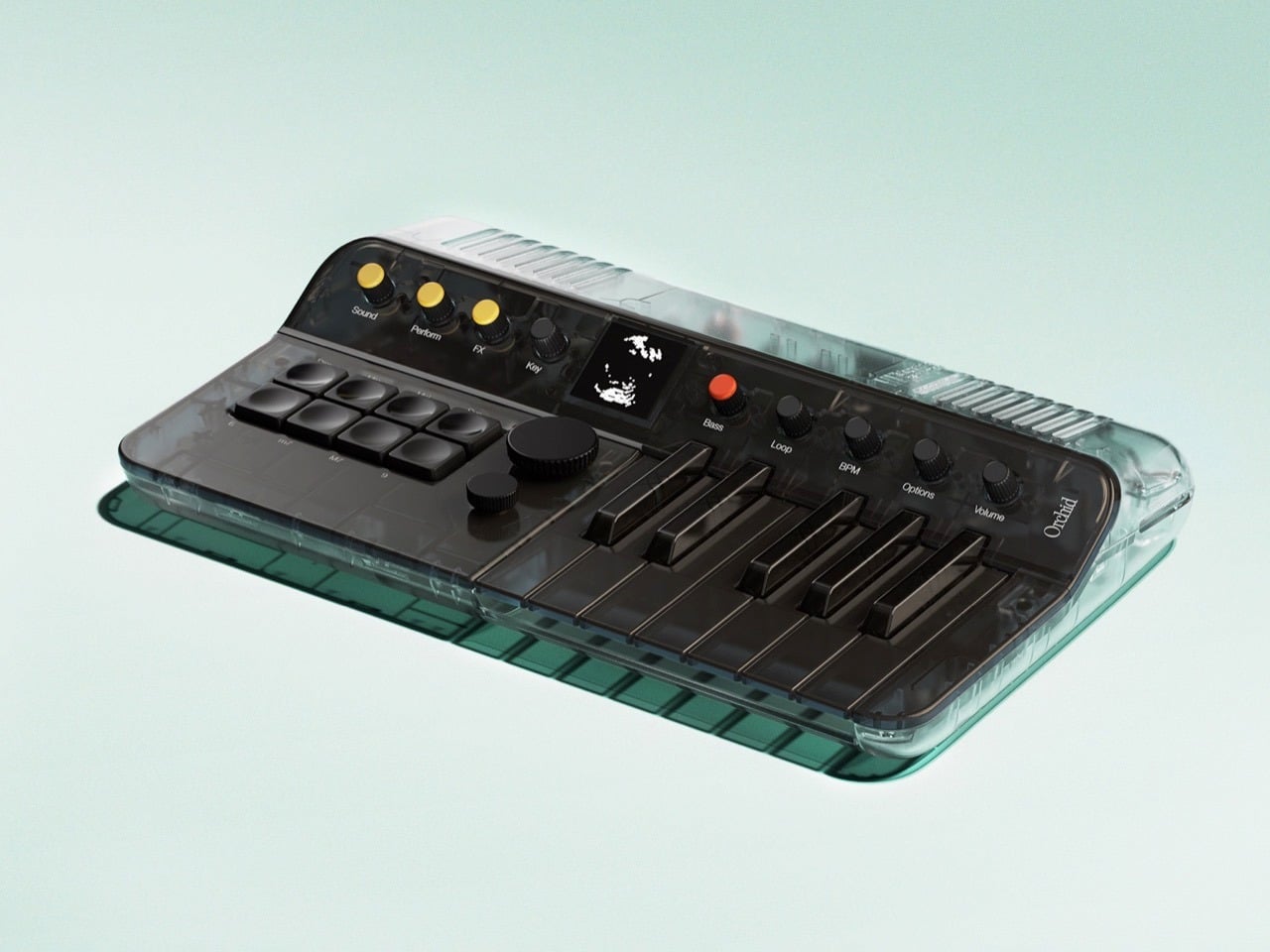
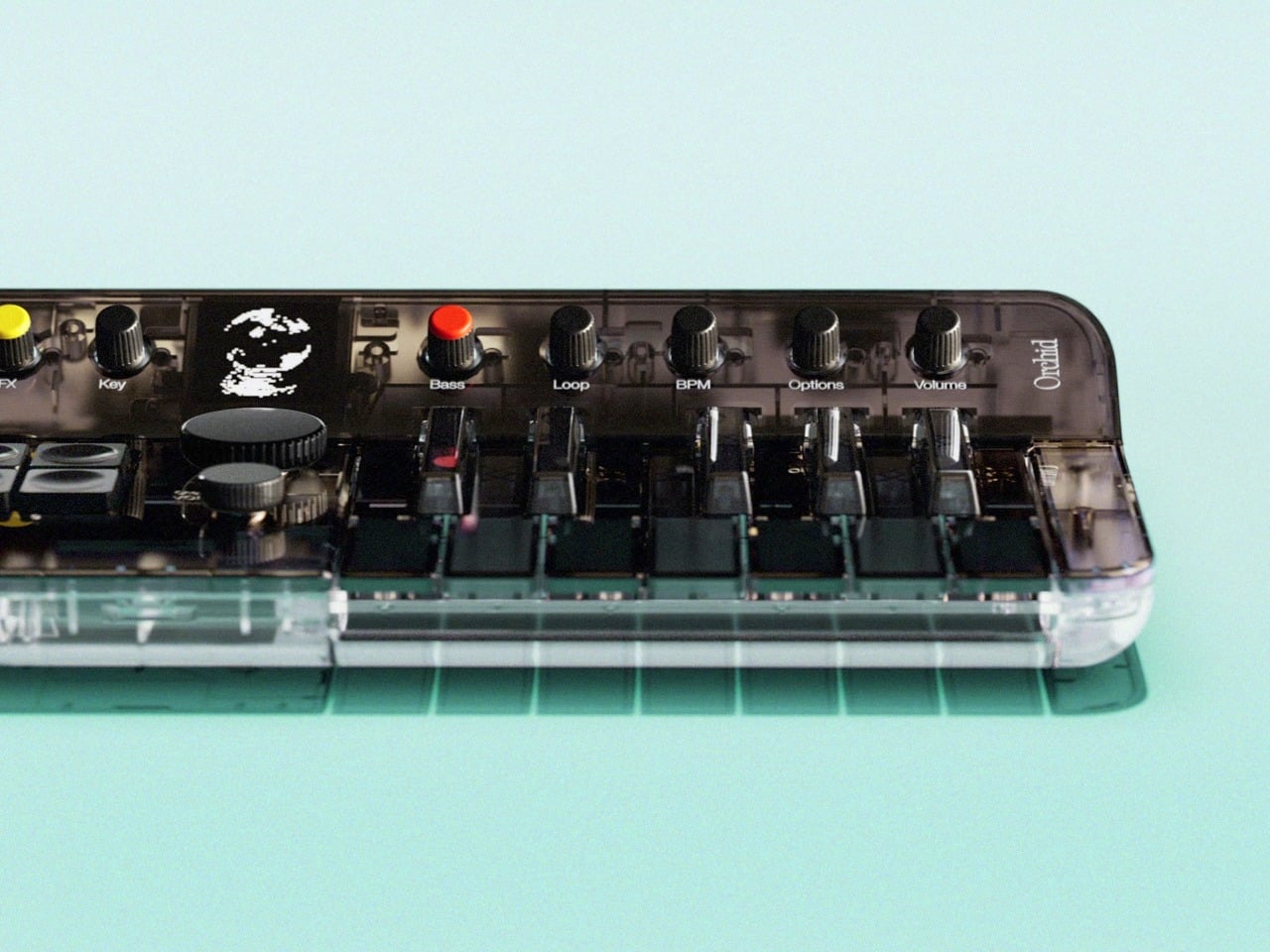
That distinction is what makes the Clear Orchid: Arctic worth drooling over. Telepathic Instruments, the company Kevin Parker of Tame Impala co-founded with Ignacio Germade and a small team of music technology obsessives, has announced the fifth drop in its Orchid hardware line: a fully transparent, teal-based limited edition capped at 3,000 units worldwide, available May 11. The Orchid earned its place on TIME’s Best Inventions of 2025 list on the back of a chord-first synthesis system that separates root note, chord type, and voicing into independent controls. The Arctic edition puts all of that hardware on display and makes a visual argument that the guts of a well-designed instrument are as compelling as its sound.

Designer: Telepathic Instruments

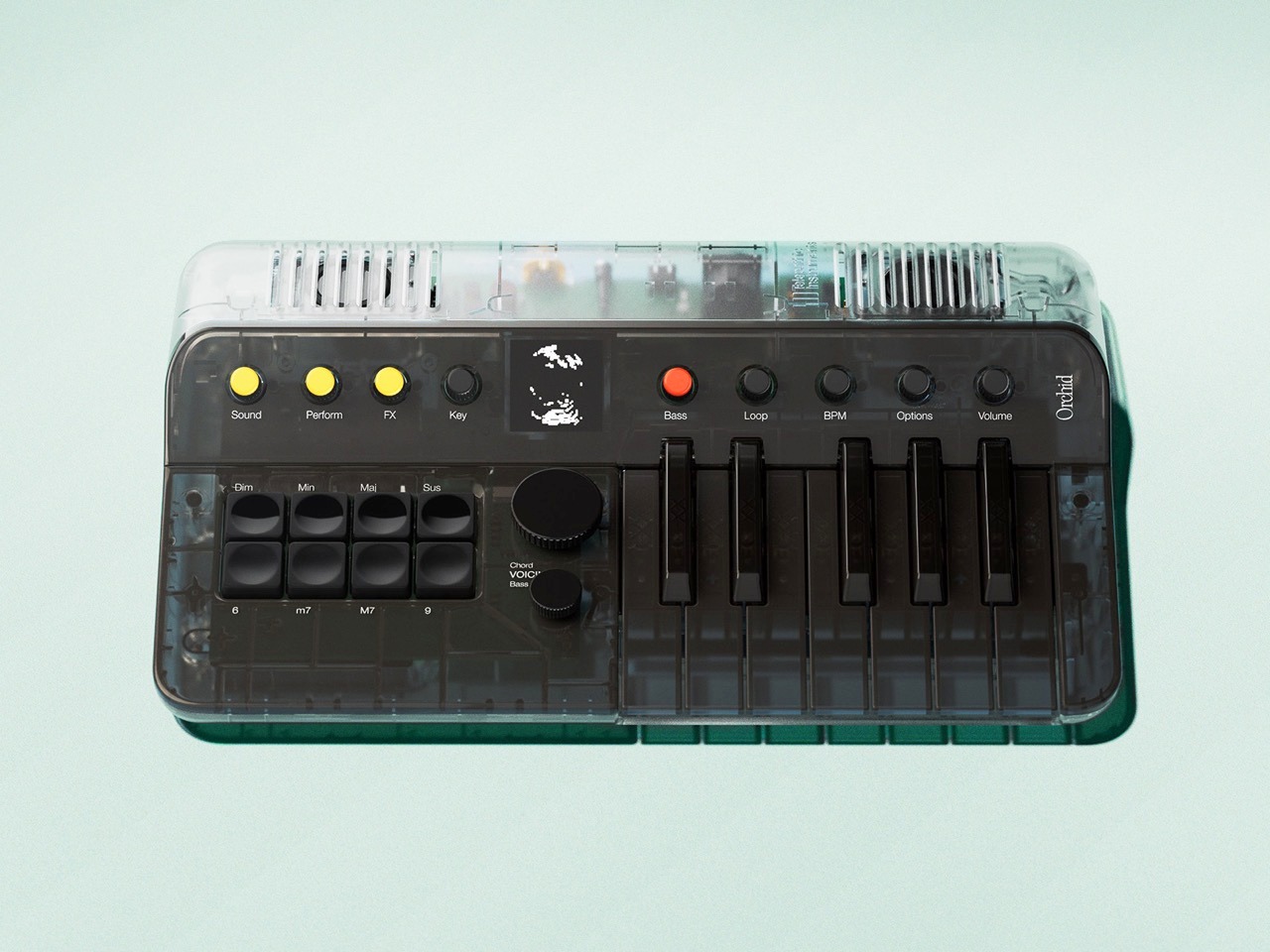
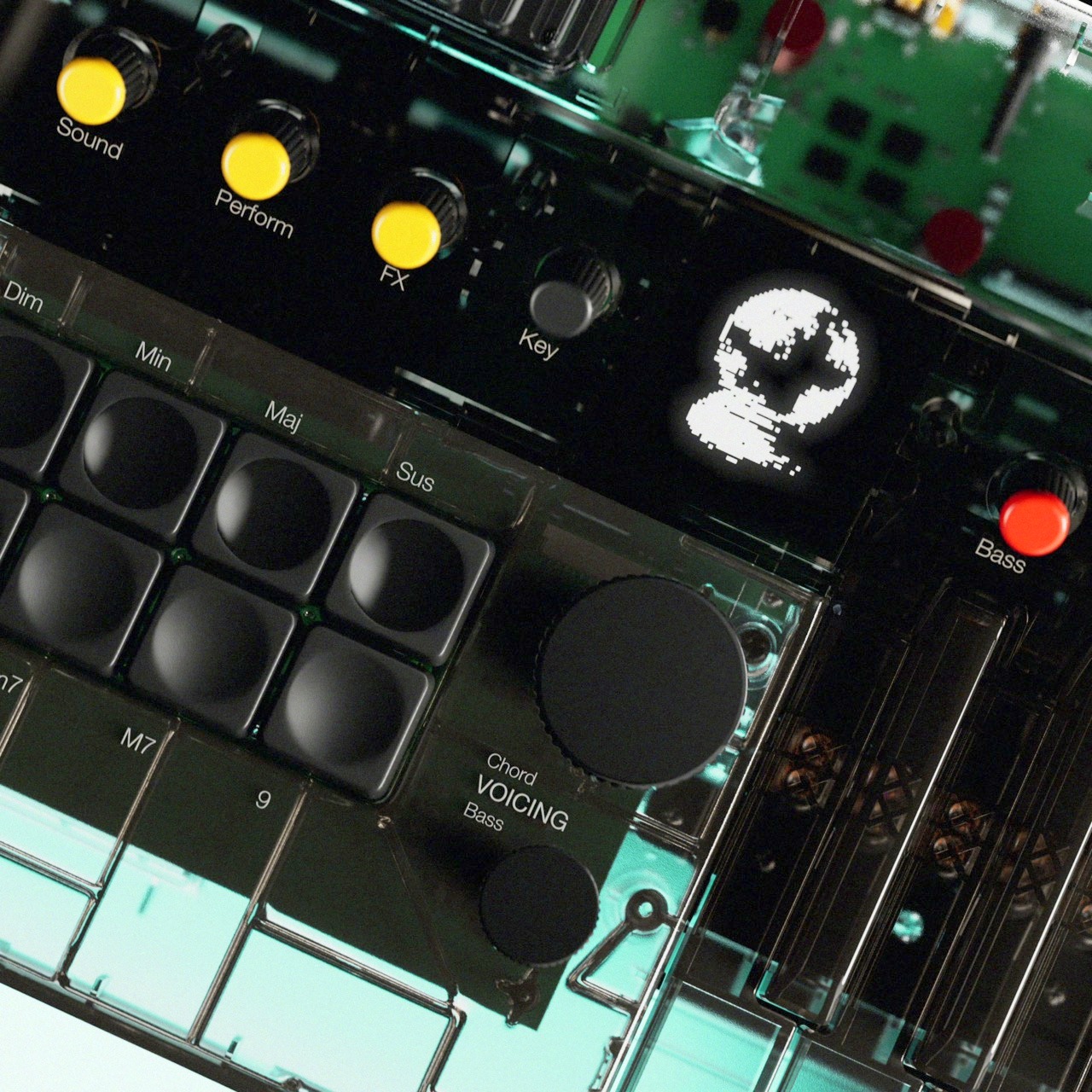
If you haven’t encountered the Orchid before, the short version is this: where every other synthesizer on the market is built around individual notes, Orchid is built around chords. Press a key and you trigger a full harmonic voicing. Your left hand works a matrix of chord-type buttons, labeled Dim, Min, Maj, Sus, M7, 9, and a few others, while your right hand handles the keys and a large Chord Voicing encoder adjusts how those chords sit across the register. A patent-pending voicing system repositions harmonies across the equivalent of a full piano keyboard’s worth of range, far beyond what the compact one-octave keybed physically suggests. Three synthesis engines, a virtual analogue subtractive, FM, and a vintage reed piano emulation modeled on 1960s electric pianos by renowned German developer Stefan Stenzel, give the harmonic system genuine sonic depth rather than the thin, preset-cycling feel that plagues most beginner-friendly instruments. When we first covered the Orchid at launch, we described it as an “ideas machine,” a device for capturing musical intuition without requiring the theory background to justify it. That description still holds, and the Arctic edition makes it literal: you can see exactly where the ideas come from.

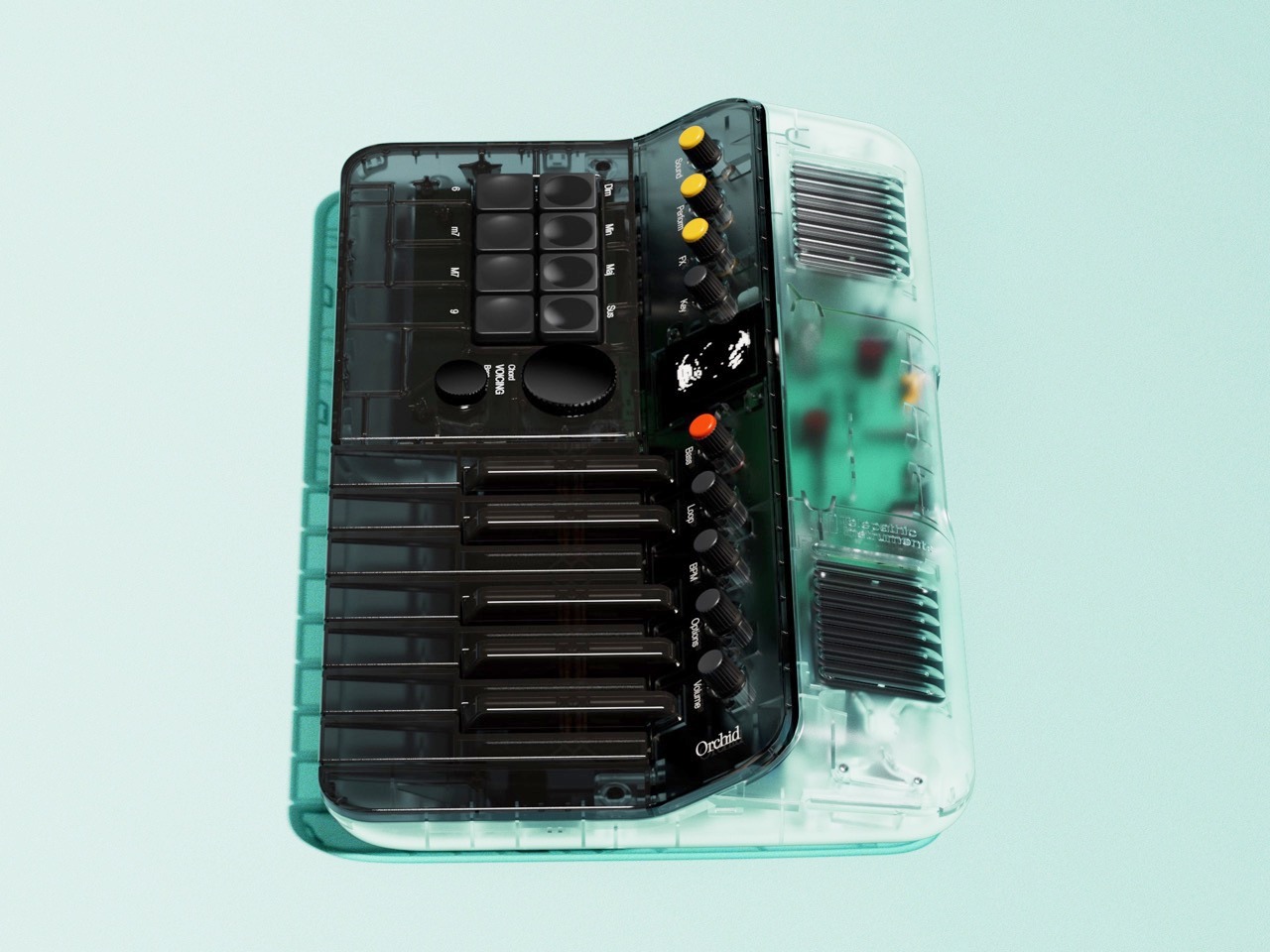
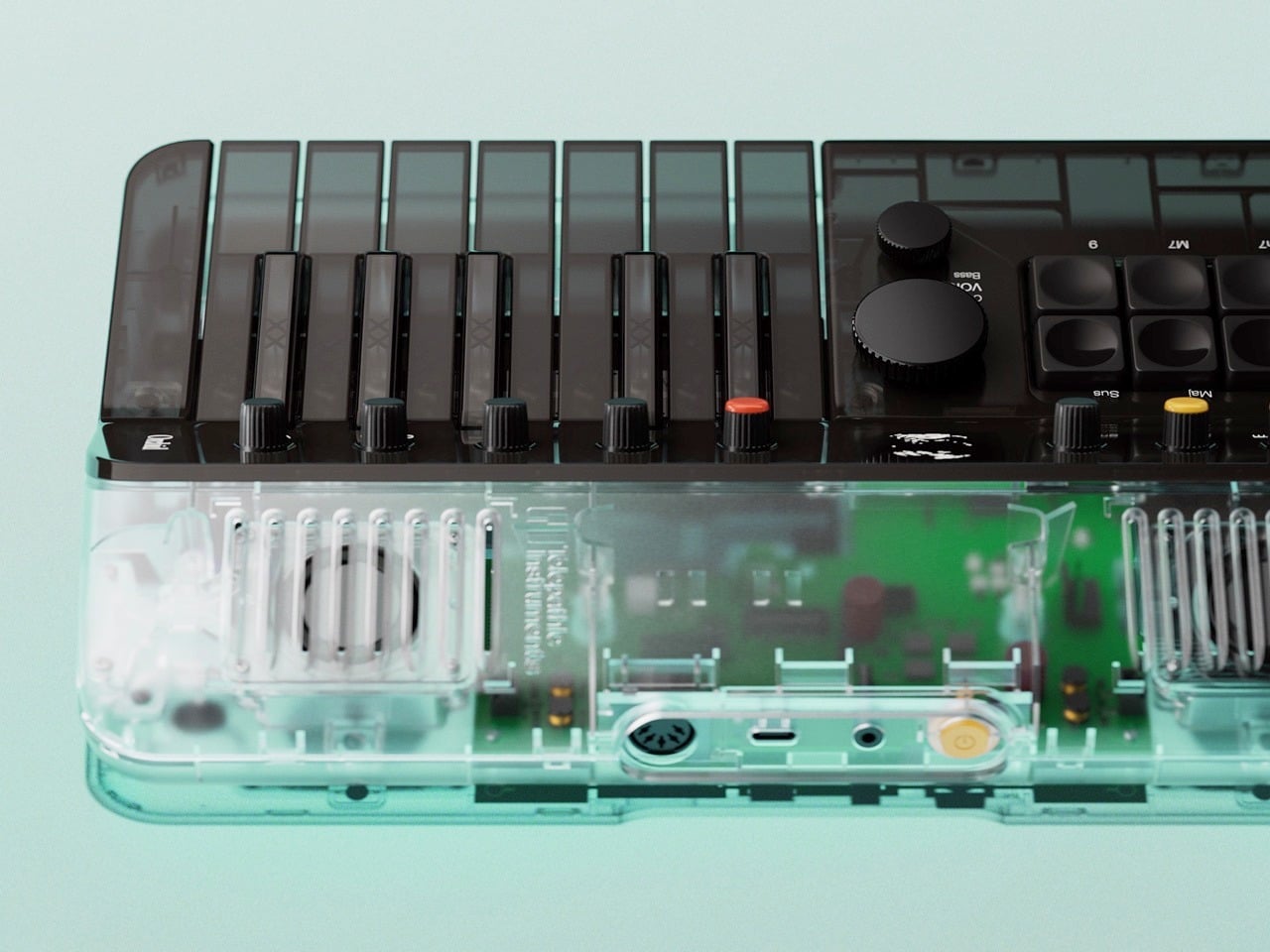
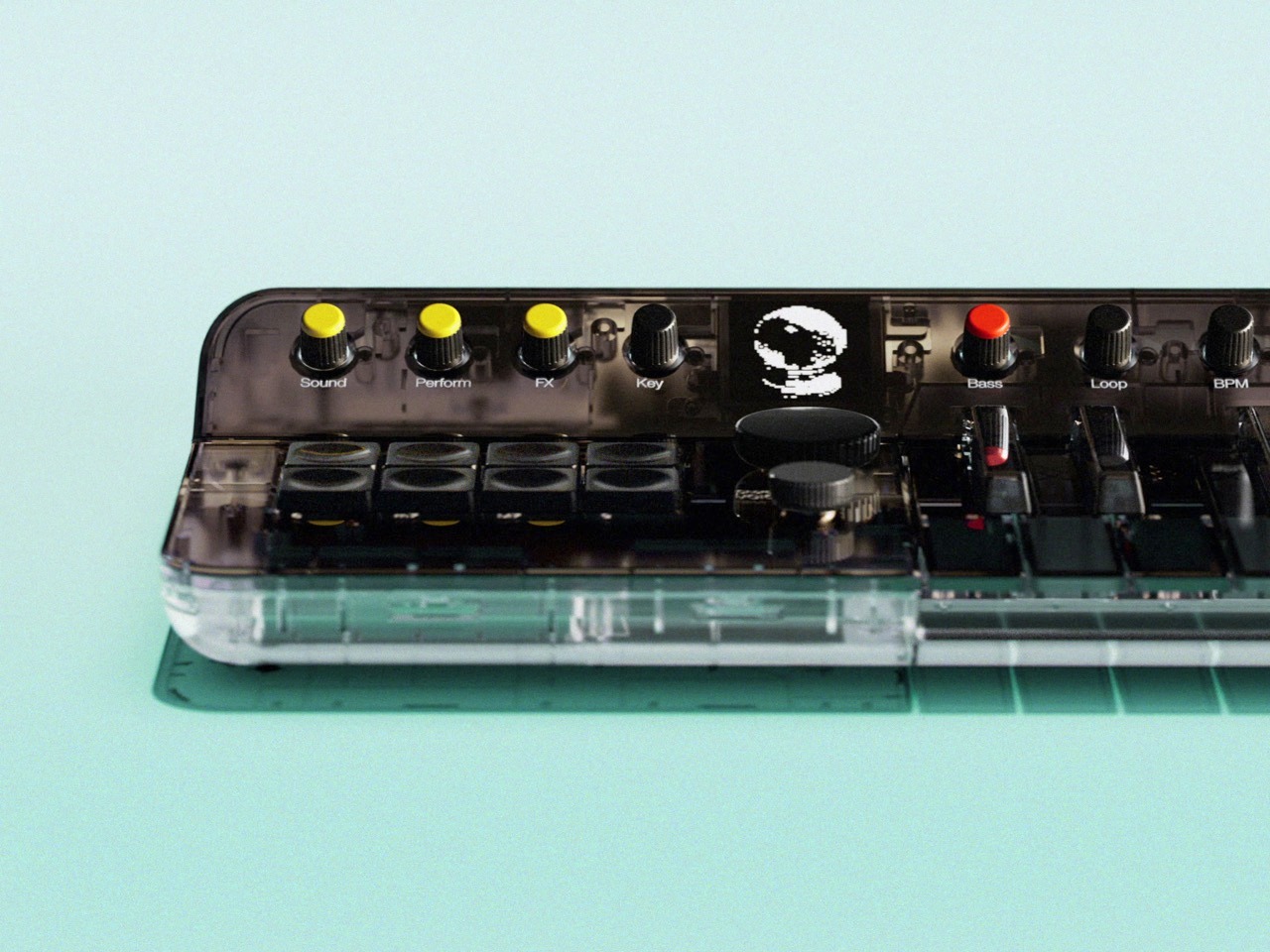
The transparent shell pulls double duty as both aesthetic statement and honest product communication. Look through the Arctic’s polycarbonate top and you see a green PCB laid out with visible intention, speaker grilles framed by the internal chassis, ribbon cables routed with the kind of care that only matters if someone will eventually see them. The teal-tinted base, slightly darker than the clear top, creates a subtle two-tone layering that stops the whole thing from reading as a prototype or an engineering sample. The yellow Sound, Perform, and FX knobs pop hard against the dark control surface above, the single red Bass button reads like a deliberate punctuation mark, and the OLED display at the center of the panel glows with Orchid’s skull mascot logo in a way that feels genuinely characterful rather than decorative. Telepathic Instruments clearly understood that a transparent enclosure raises the design bar: every component becomes load-bearing visually, and the Arctic clears that bar without much visible effort.

The Drop 5 release pairs the Arctic with the full launch of Pistil, Orchid’s companion VST plugin, now available on both Mac and Windows. Pistil brings Orchid’s three synthesis engines directly into any DAW, with ten new sounds in the full release, a rebuilt delay engine, and expanded fine parameter control. Existing Orchid owners get it at a discount, and standalone buyers can purchase it for $99 without the hardware. The practical implication is that the Orchid ecosystem has matured considerably since its initial 1,000-unit beta run: 12,000 units across 60 countries, placements at Abbey Road and Rue Boyer, and a featured role on Don Toliver’s Octane. Lewis Capaldi, Janelle Monáe, Fred Durst, Kid Cudi, and Diplo are all documented users. Josh Homme narrates the drop’s accompanying short film, a deadpan skewering of the creativity-guru industrial complex that is, frankly, funnier than most instrument launch content has any right to be.

The Arctic is limited to 3,000 units worldwide, with waitlist members getting priority access at 9 AM PDT for North America and 10 AM CEST for Europe on May 11, and the general public window opening an hour later. The classic Orchid colorway and the orange carry case are back alongside it. Join the waitlist at telepathicinstruments.com.

The post Tame Impala’s Kevin Parker Co-Designed a Synth So Good It’s Now a Collector’s Item first appeared on Yanko Design.
SHARPAL’s Credit Card Knife Sharpener Is the EDC Accessory You Didn’t Know You Were Missing

The most carried EDC is also, statistically, the most neglected one. Pocket knives get used daily and sharpened almost never, because the sharpening step requires a separate tool that most people don’t carry. Bench stones are too large. Pocket rods are awkward. Folding sharpeners add bulk and usually deliver mediocre results on any blade worth maintaining. The gap between “I should sharpen this” and “I have what I need to sharpen this, right now” stays wide for most knife carriers, and a dull edge is the tax they pay for it.

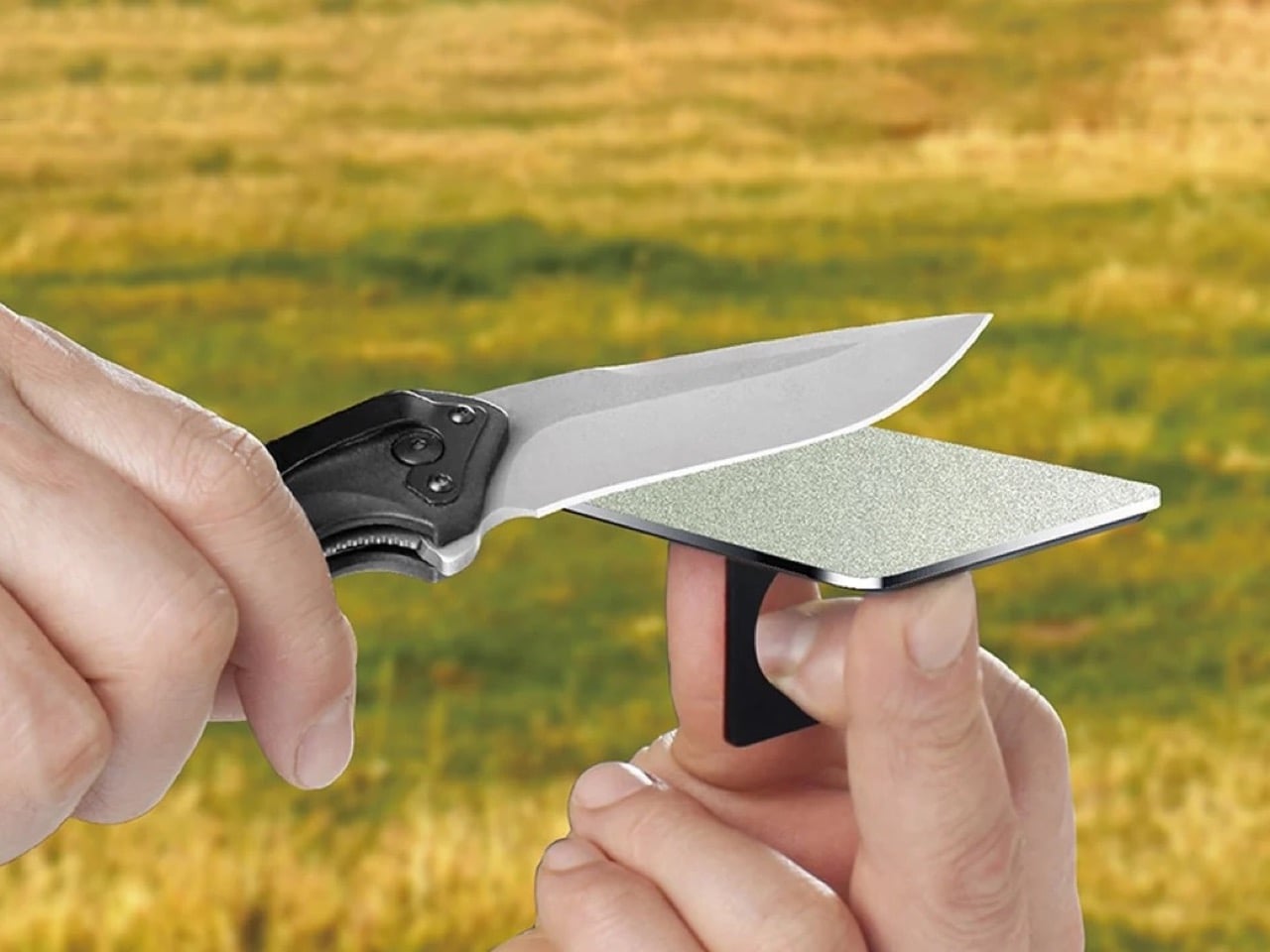
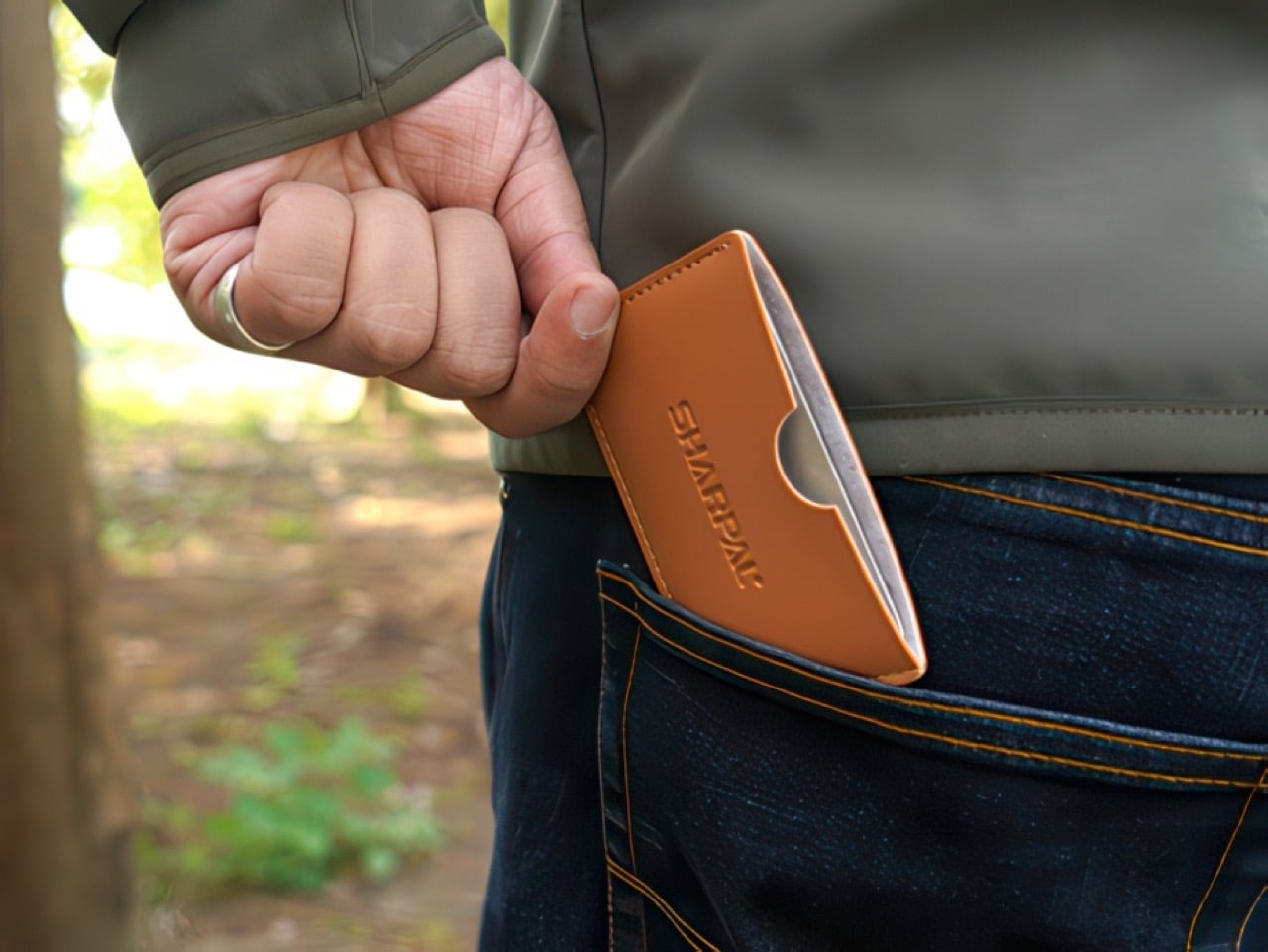
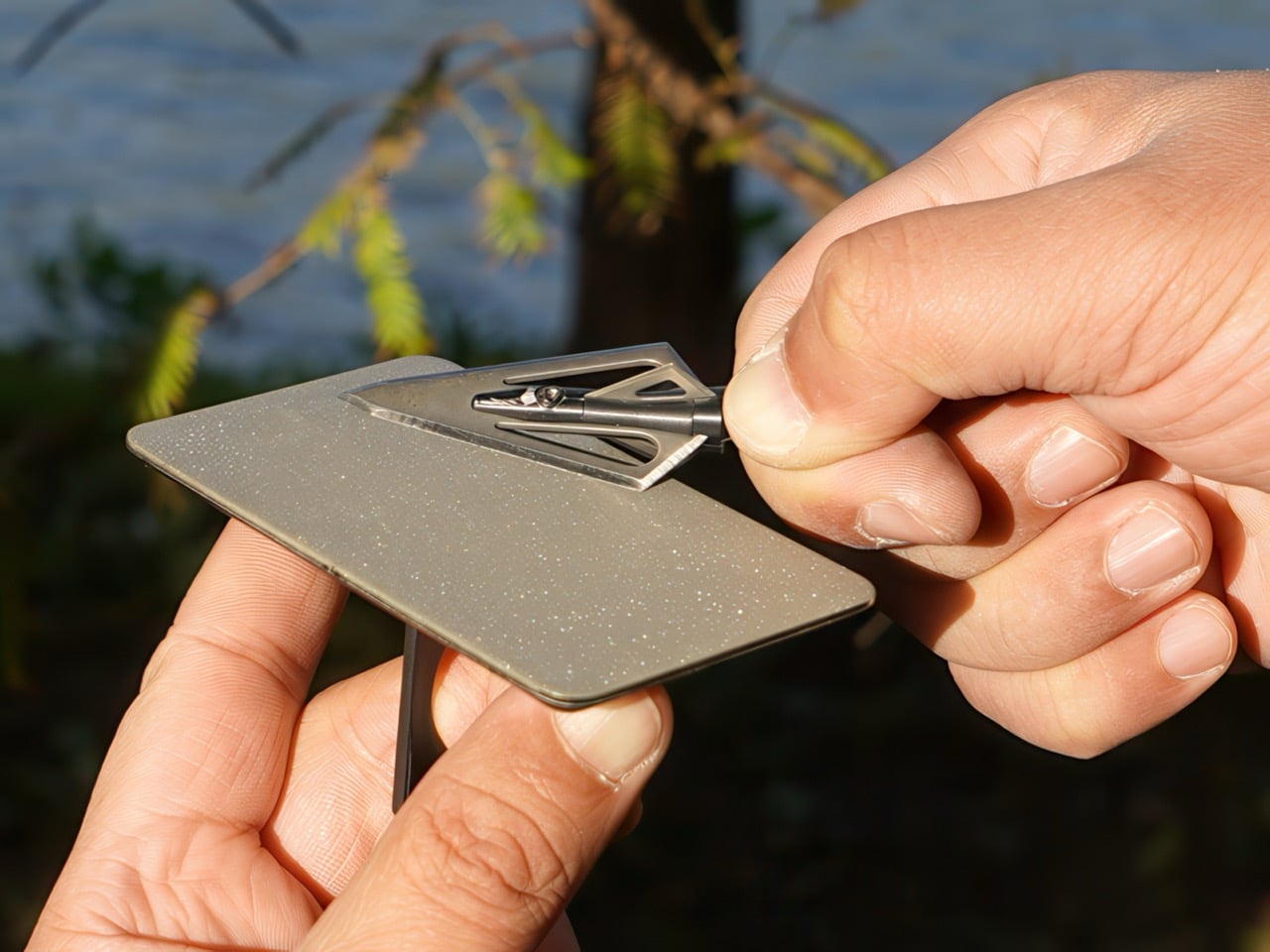
SHARPAL’s answer to that gap is the 113N, a sharpening stone built to credit-card dimensions so it lives wherever your cards live. The stainless steel base measures 3.5 by 2.12 inches and runs just 0.13 inches thick, making it genuinely wallet-compatible rather than merely wallet-adjacent. Industrial monocrystalline diamond abrasive is electroplated across the working face at 325 grit, a coarse cut that restores real edges rather than just polishing ones that don’t need it. A folding ring grip on the back keeps your fingers clear, and a mirror-polished reverse doubles as a signal reflector when the situation calls for it.

Designer: Sharpal Inc.

Click Here to Buy Now

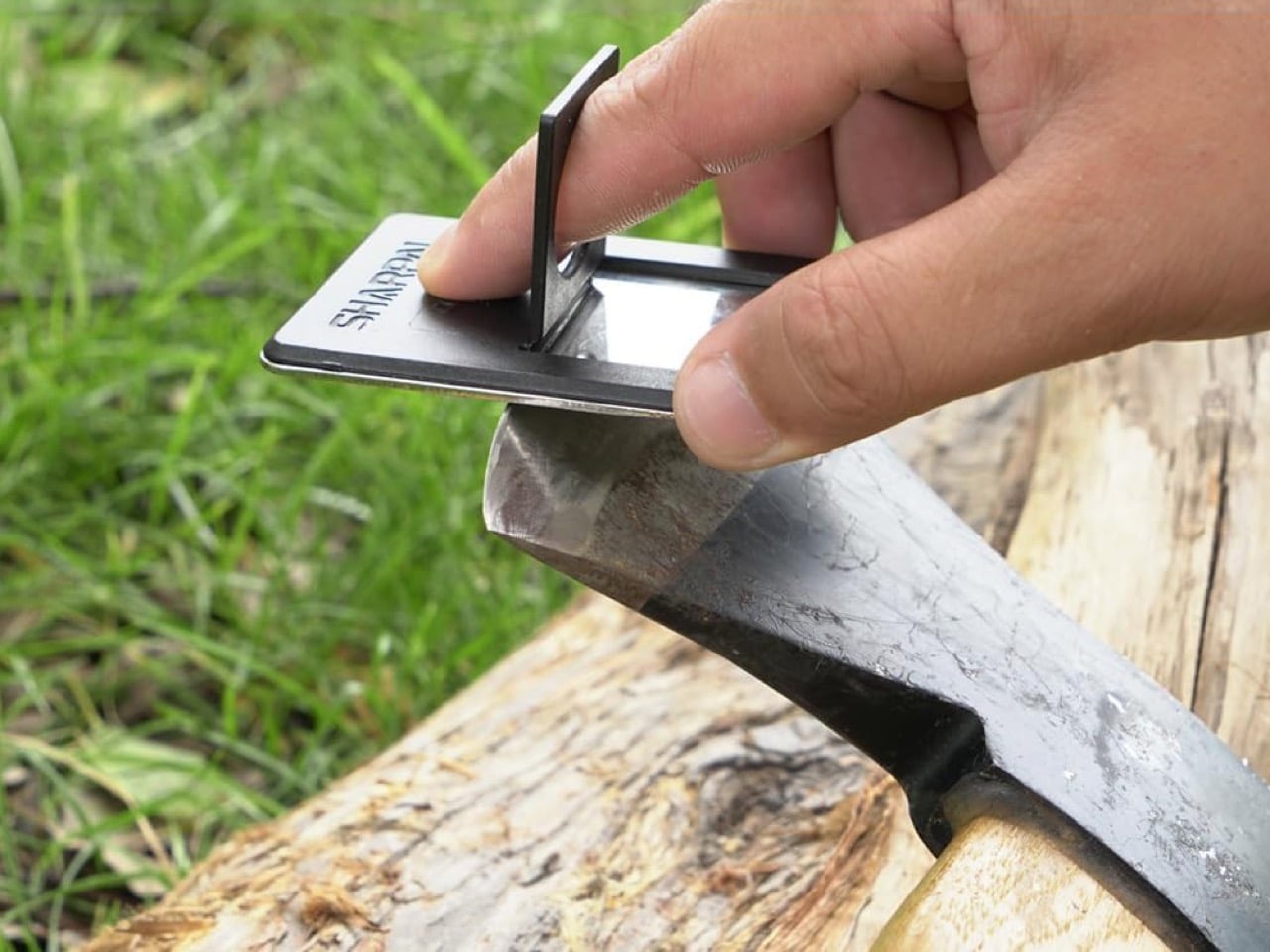
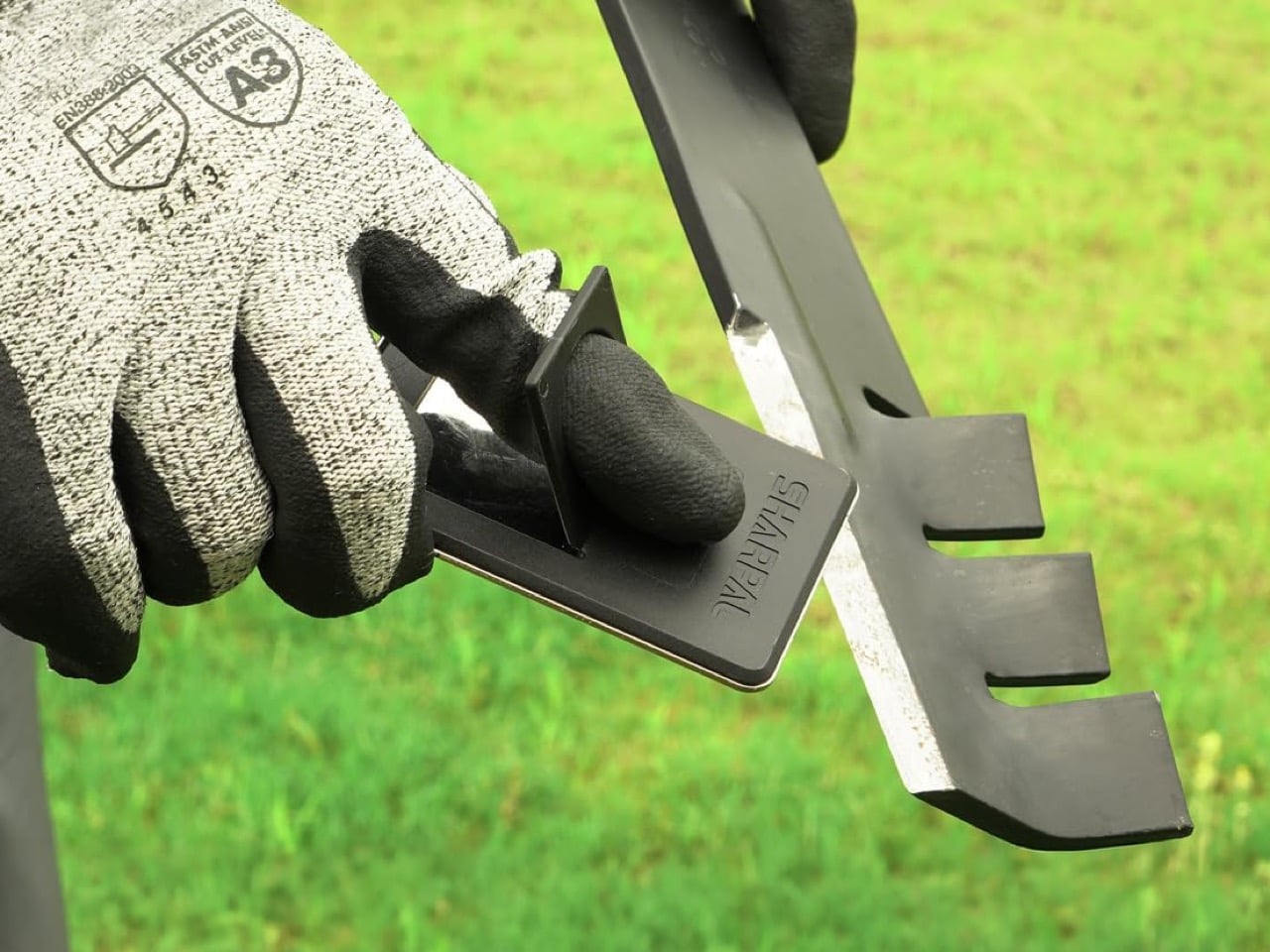
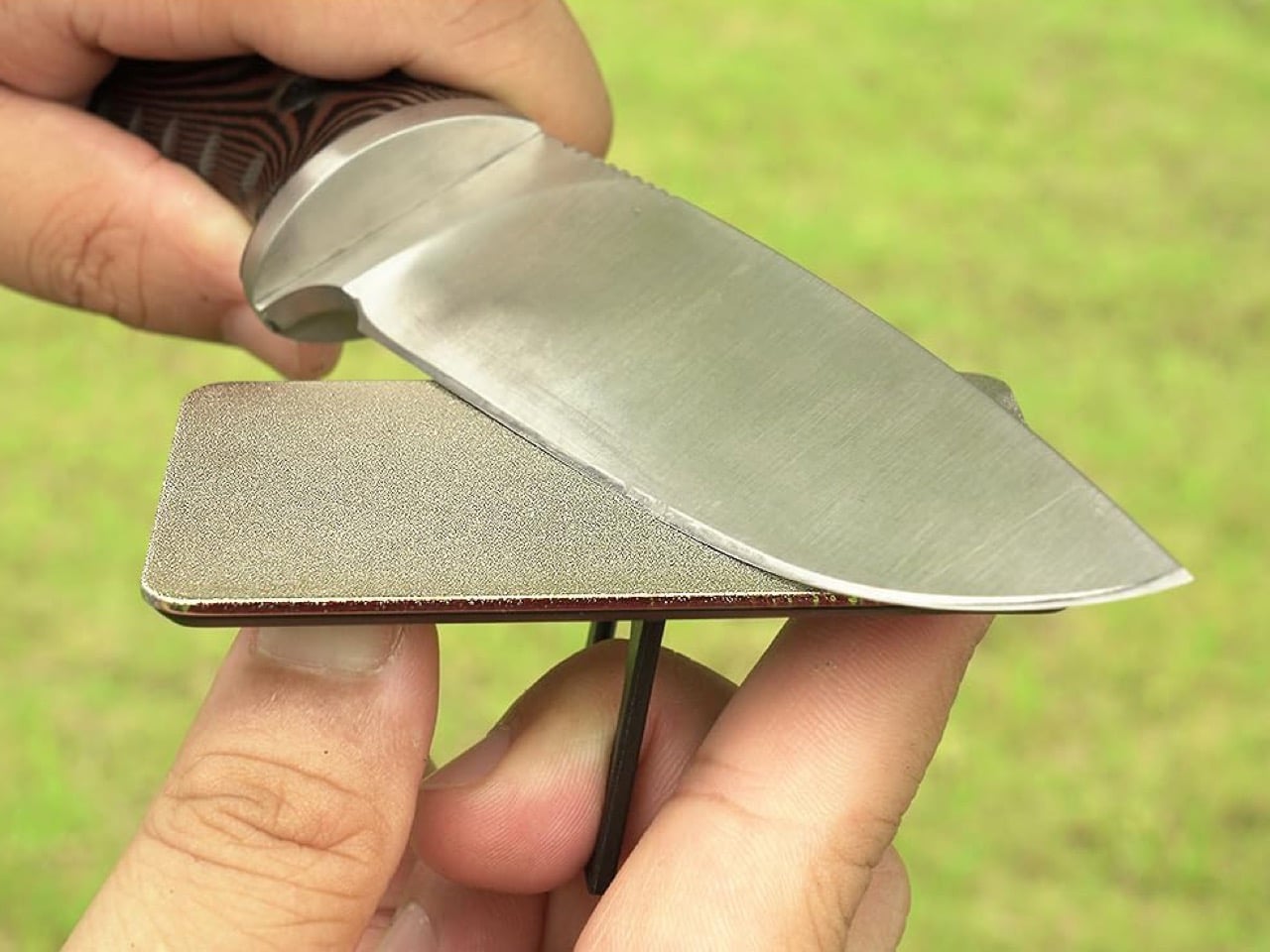
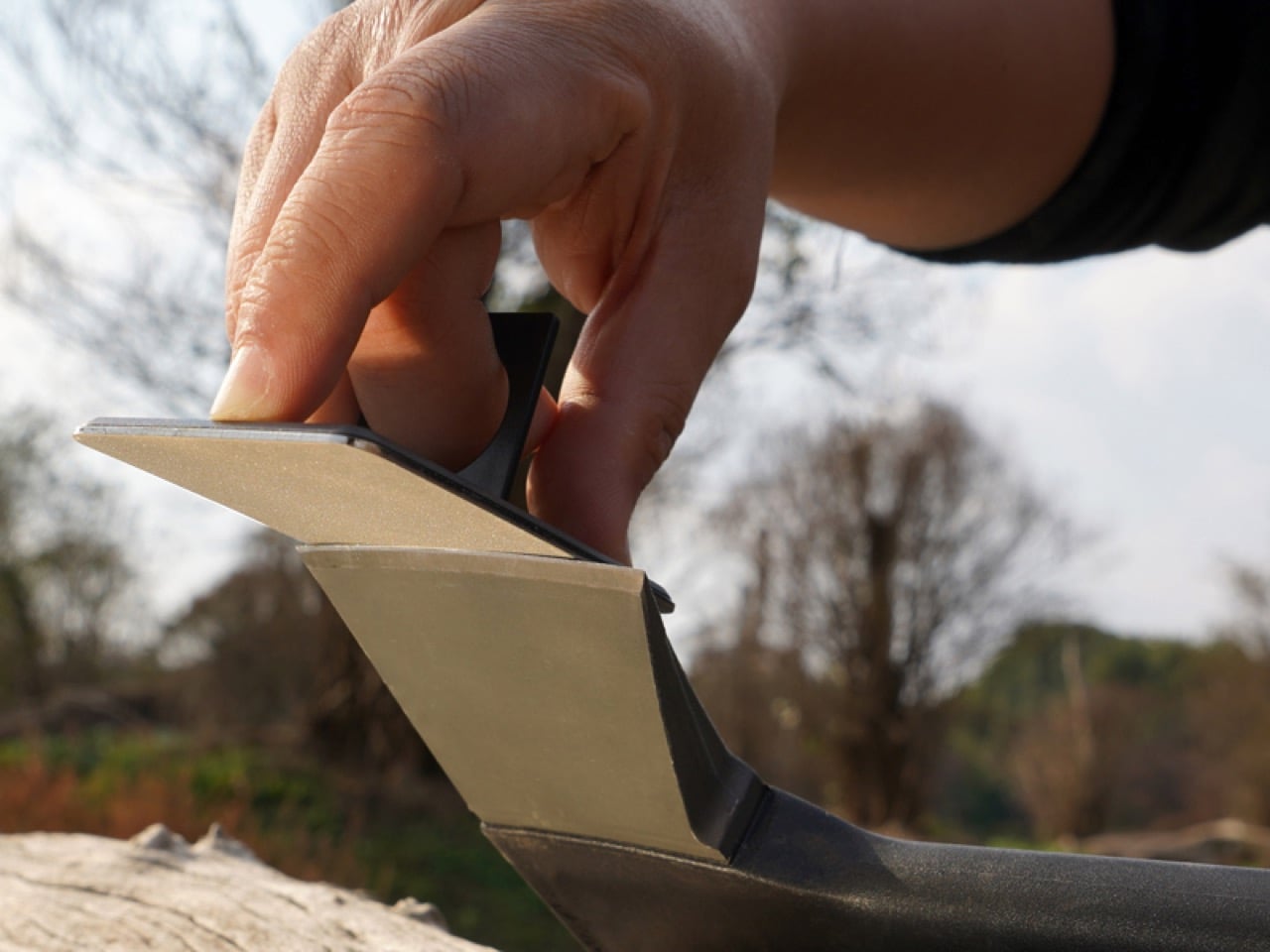
Using the 113N in the field is a straightforwardly satisfying experience. The ring grip deploys with a simple fold, slipping over your middle finger and holding the card firmly against your palm while you work the blade across the surface. The contact feels authoritative in a way that smaller pocket sharpeners simply cannot replicate, because the working surface is large enough to take full strokes on a 3 or 4 inch blade without having to reposition mid-pass. The dry sharpening design means no oil, no mess, no preparation ritual, which matters enormously when you’re using it at a campsite, on a trail, or standing over a cutting board somewhere inconvenient. Steel swarf wipes off with a cloth, and the surface stays flat because there’s no hollow ceramic or soft bonded matrix to wear unevenly.

The abrasive choice separates the 113N from the pile of cheap credit-card sharpeners that populate the lower end of this category. Monocrystalline diamond means each abrasive particle is a single uninterrupted crystal structure, harder and more consistent than the polycrystalline alternatives found in bargain products. SHARPAL electroplates those crystals in nickel directly onto the stainless steel substrate, which keeps the surface flat and bonded over repeated use. The 325 grit rating places this firmly in coarse territory, 45 microns per particle, suited to reestablishing a proper edge bevel on a blade that’s gone genuinely dull. For finishing work or touch-ups on a maintained edge, SHARPAL also offers the same card format in 600 grit (114N) and 1200 grit (115N), and the three-pack of all three grits is one of the better value propositions in the entire sharpening category.

That’s just one side of the 113N, on the flip side of the abrasive knife-sharpener is a mirror-finish that has a unique feature. Any polished metal surface can redirect sunlight for emergency signaling, making it incredibly useful in a pinch. Sure, it’s not the primary reason to buy the 113N, but it’s a well-considered detail that fits the ethos of a tool designed to be carried rather than stored. The tan leather pouch included with the card completes the package in a way that feels considered rather than obligatory, protecting the abrasive face and giving the card a home inside a jacket or bag pocket.

The 113N lists for around $10 on Amazon for a single card, or $27 for a 3-pack that includes all three grits. Carrying the 113N alongside a decent folder like the Civivi Elementum or the Vosteed Vombat turns a passive carry into an active one, meaning the blade you grab in a pinch is actually sharp enough to matter. The one thing I’d love to see in a future revision is a dual-grit version with 325 on one face and 600 on the other, eliminating the need to carry two cards for a complete field sharpening session. Until then, the three-pack remains the obvious answer.

Click Here to Buy Now

The post SHARPAL’s Credit Card Knife Sharpener Is the EDC Accessory You Didn’t Know You Were Missing first appeared on Yanko Design.