Meta reportedly dips its pathetic toes into the prediction market space
Mark Zuckerberg has reportedly directed Meta to build its own prediction market.
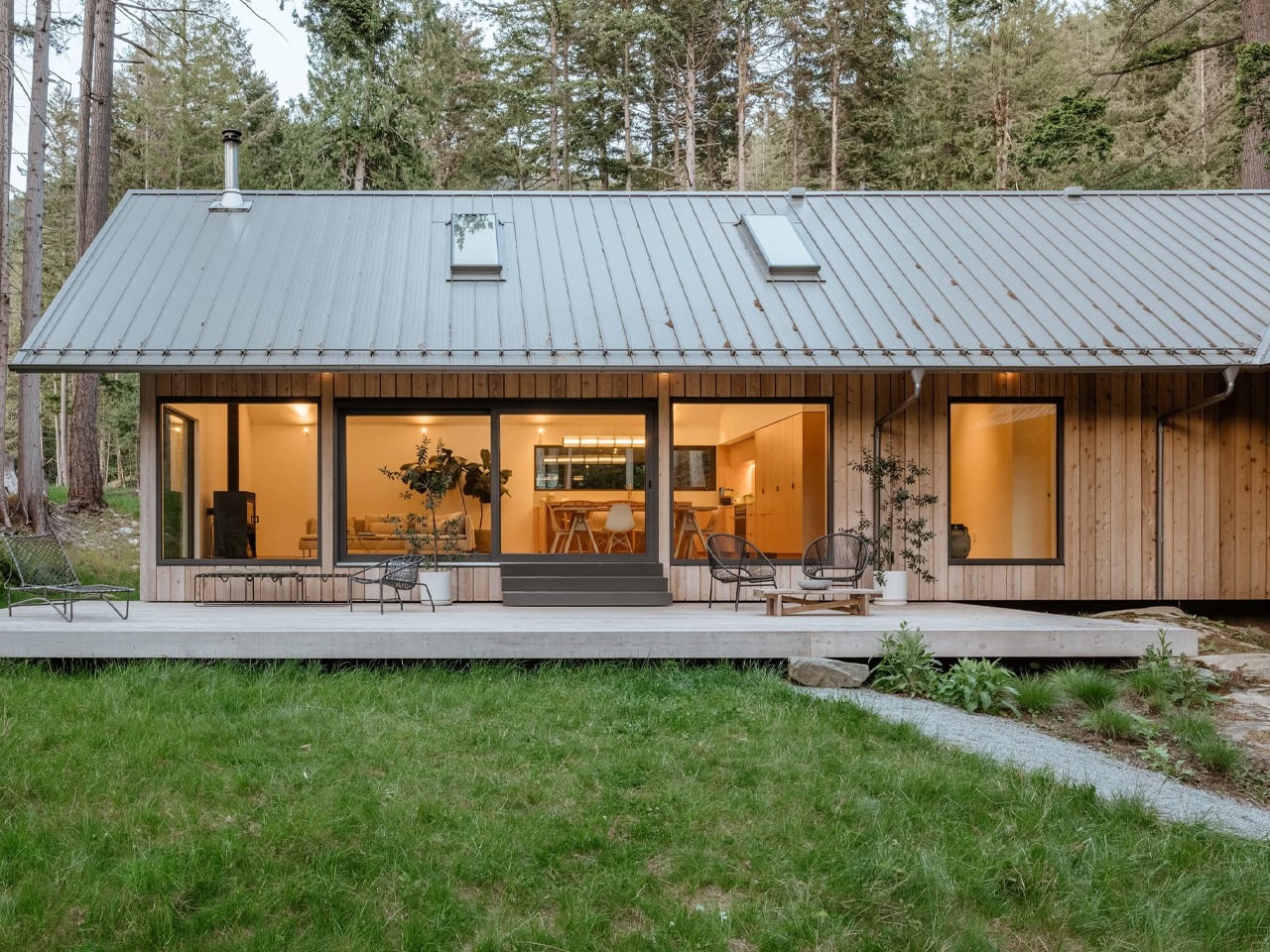
Some buildings earn their names. The Floating House by Vancouver-based SMStudio — completed in 2023 on the western ridge of Bowen Island, British Columbia — is one of them. Bowen Island sits just 20 minutes by ferry from Vancouver’s Horseshoe Bay, close enough for a commute, far enough to feel like another world.
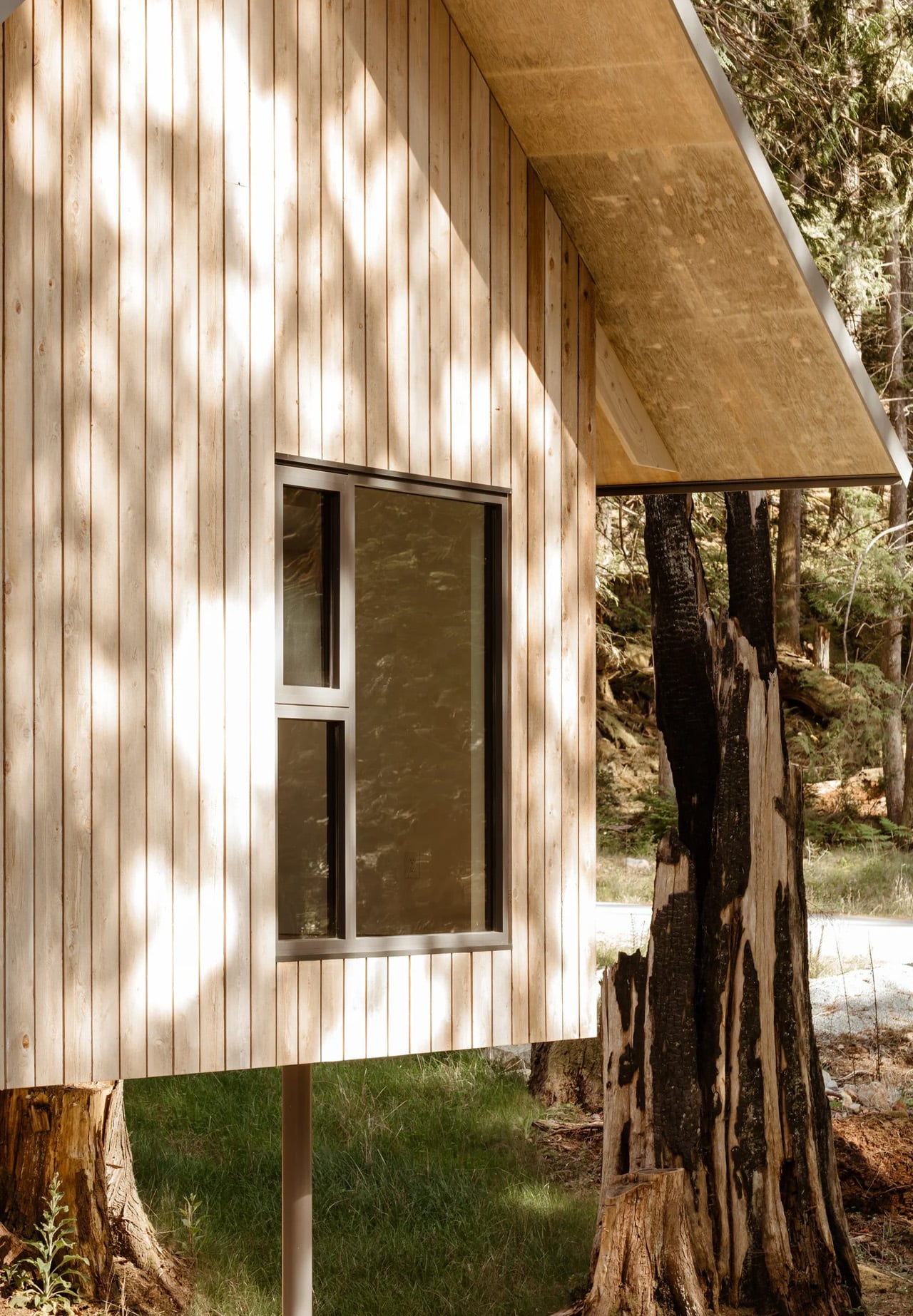
SMStudio founder Simon Montgomery found a site on a rocky ridge where two ancient, burnt-out old-growth stumps stand like sentinels over the land. Rather than clear them or work around them, he positioned the house directly between them. The building wasn’t placed on the land so much as fitted into it.
Designer: SMStudio
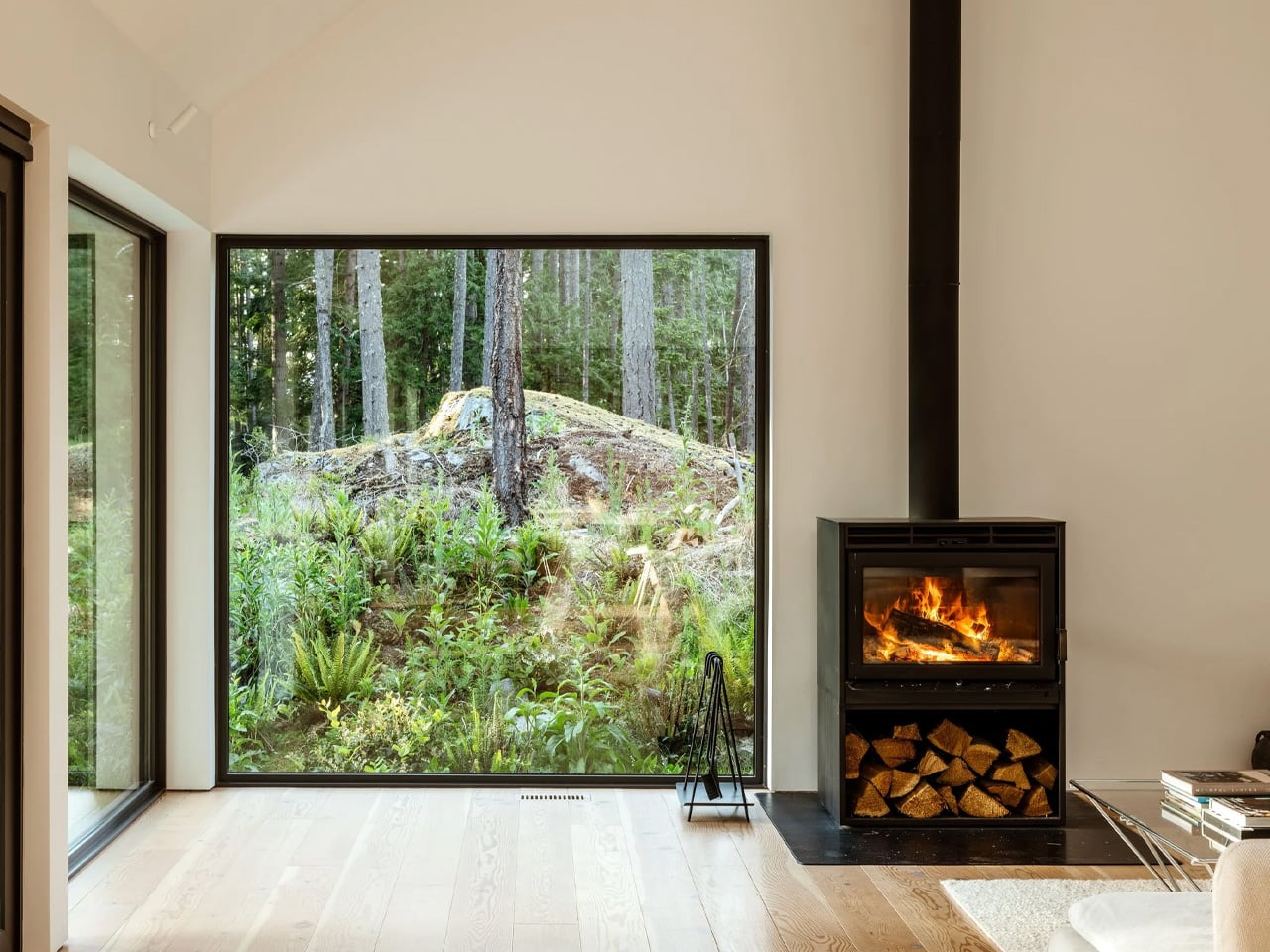
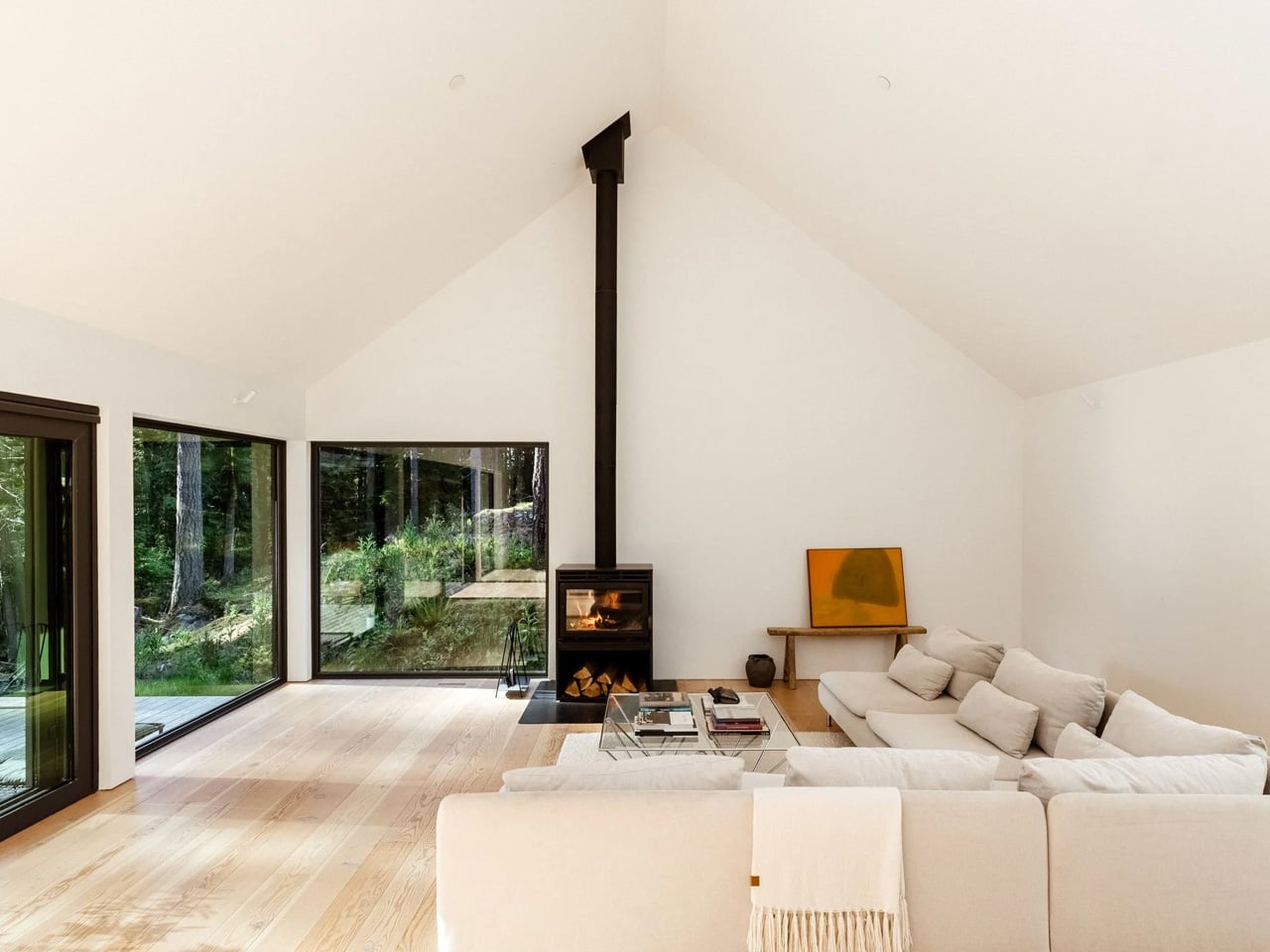
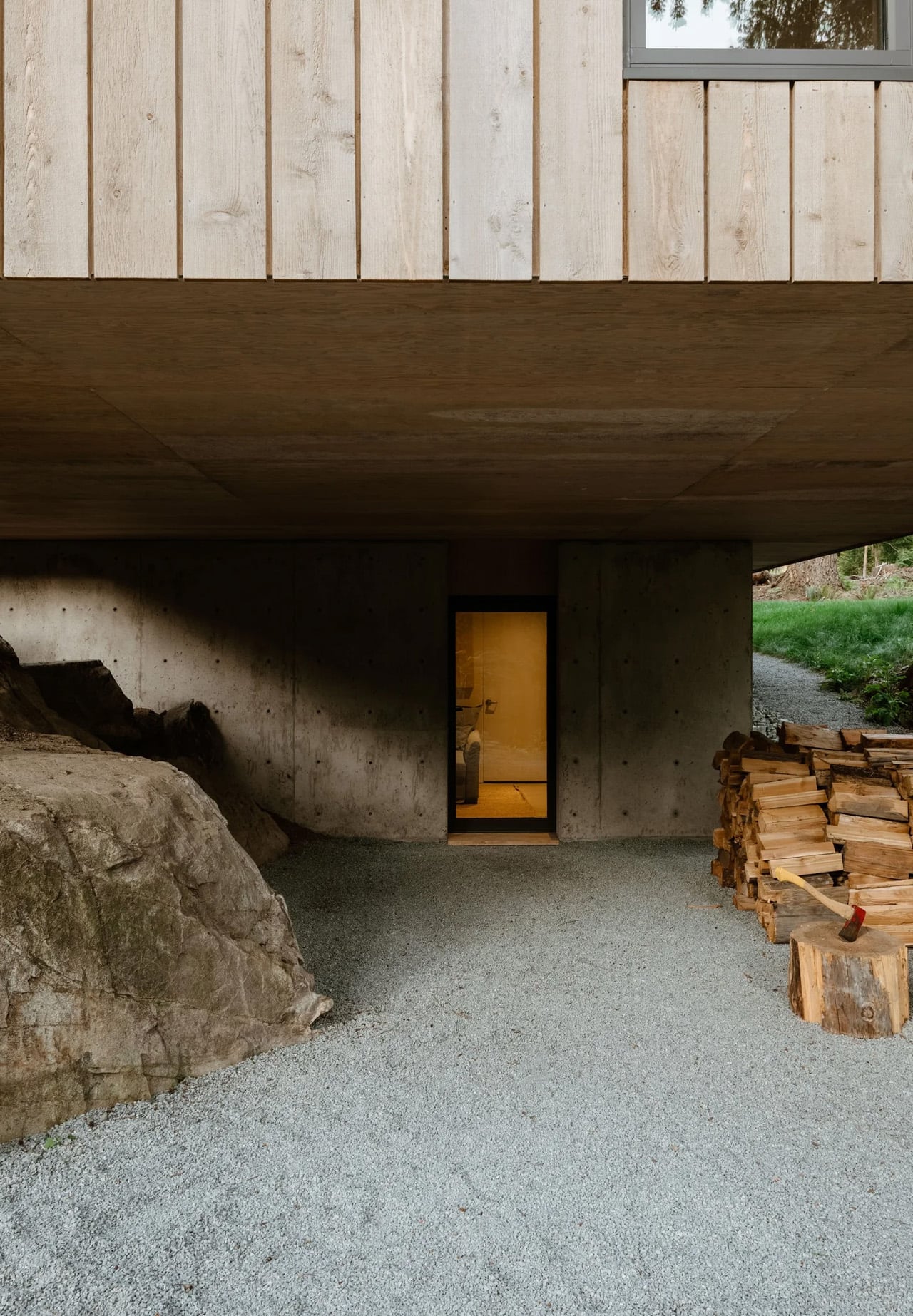
The name earns its keep. A cantilever lifts the structure fractionally off the bedrock, leaving a deliberate shadow gap at the base — a move that is at once structural and philosophical. The house appears to hover, weightless above the ground it occupies. It’s a gesture borrowed from Japanese spatial thinking, where the relationship between a building and its site is considered with almost ceremonial care.
The exterior reads as elemental: a steeply pitched gable roof clad in steel standing-seam panels, cedar walls left to weather naturally into the forest palette, and a form so spare it borders on sculptural. There is no decorative noise here. Every decision is load-bearing, aesthetically speaking. The plan is simple and asymmetrical, its two wings arranged to navigate the site’s dual elevations — a higher forested platform and an open field below that drops away to reveal sky and distant treeline.
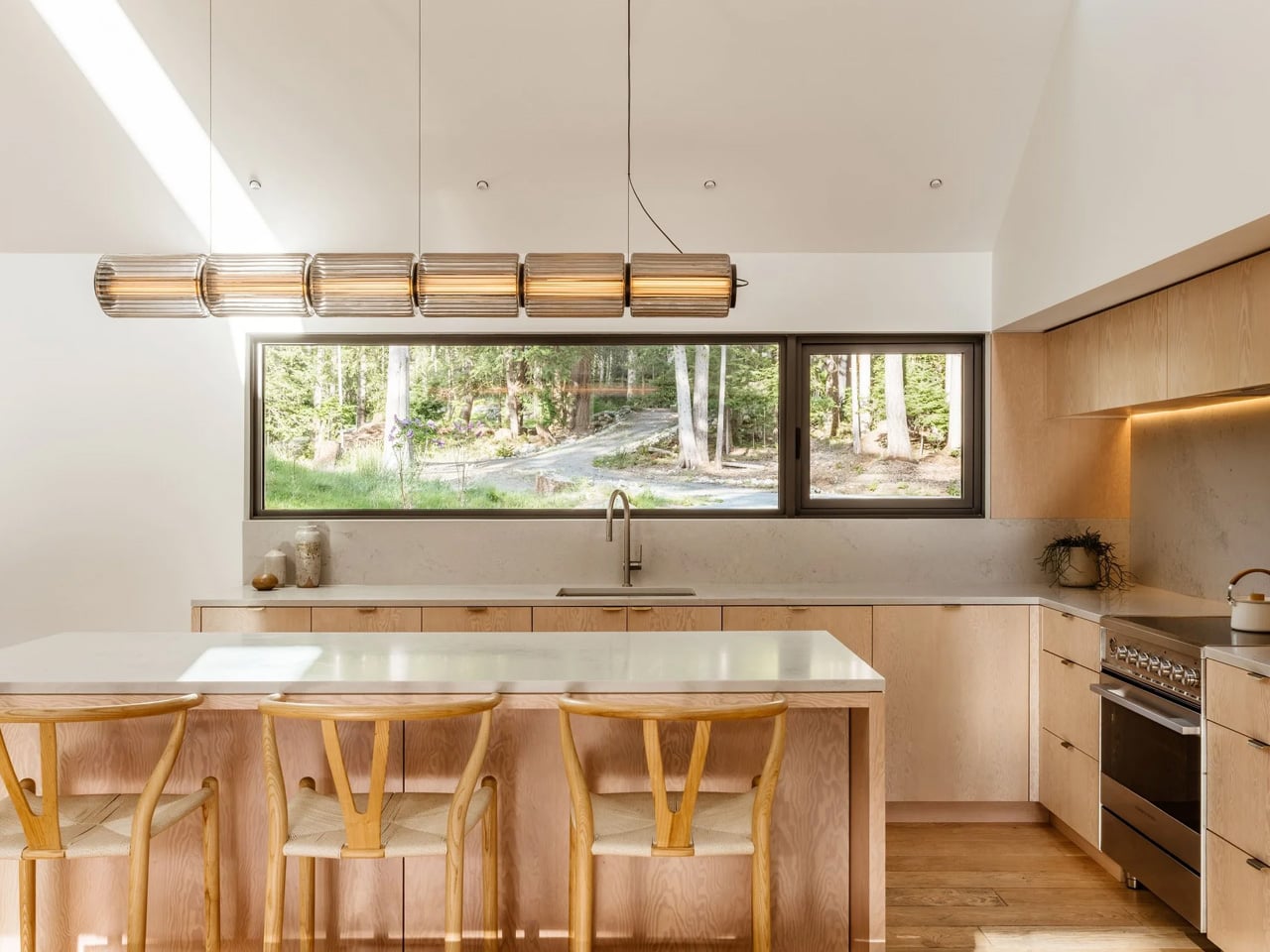
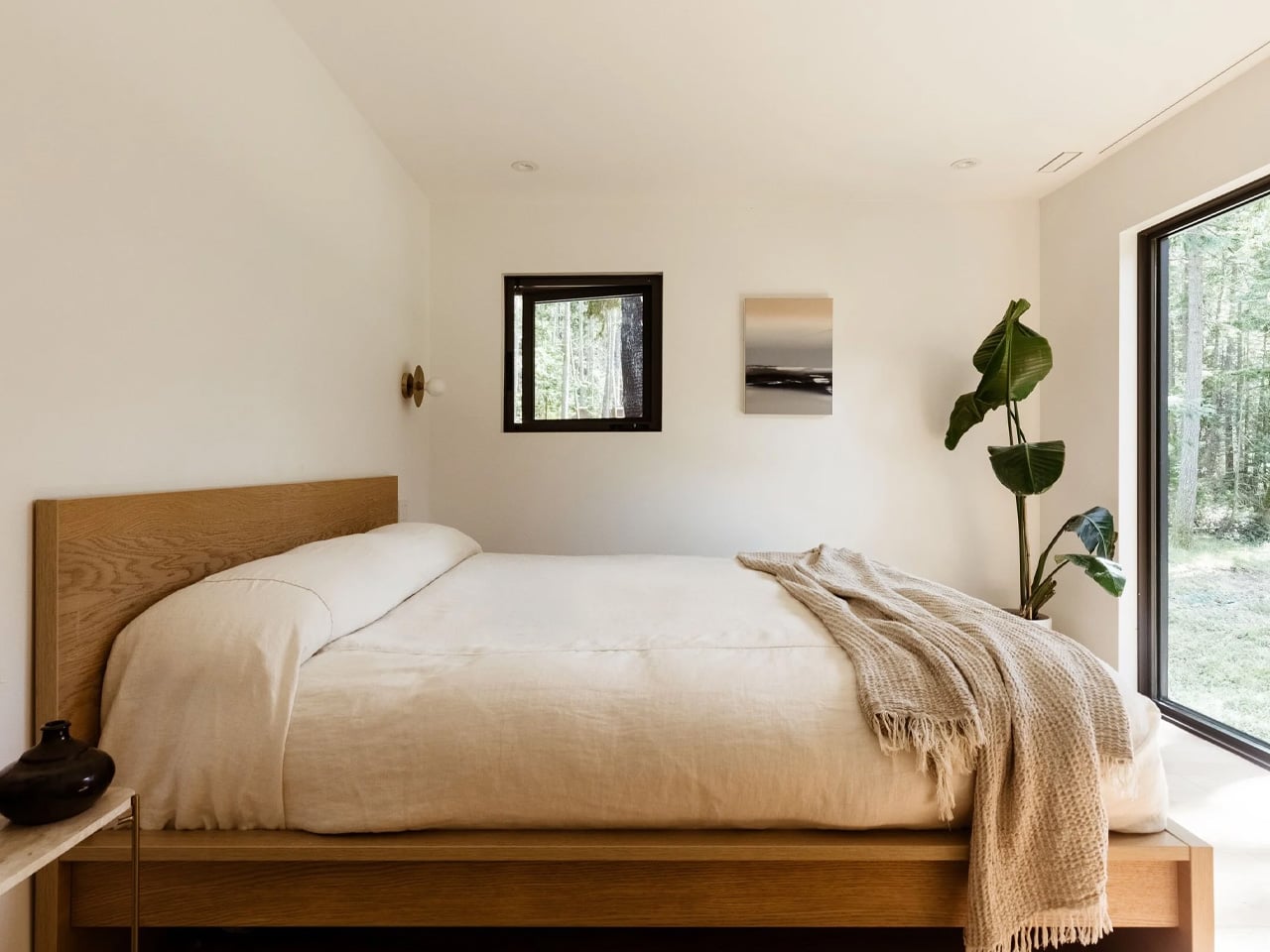
Inside, Douglas fir surfaces carry the warmth that the cedar exterior withholds. Natural light is controlled and considered, the forest pressing in from every side without ever feeling intrusive. It is the kind of interior where you notice the quality of light before you notice the furniture.
What makes the Floating House significant isn’t scale or spectacle — it’s discipline. Montgomery resisted the temptation to over-design a site that was already extraordinary. The result is a house that amplifies its surroundings rather than competing with them. In an era when architecture often mistakes loudness for confidence, that kind of restraint is genuinely rare. The Floating House is currently listed for $2.1 million through West Coast Modern.


The post Tucked Between Two Ancient Stumps, This House Barely Touches the Ground — And That’s Exactly the Point first appeared on Yanko Design.

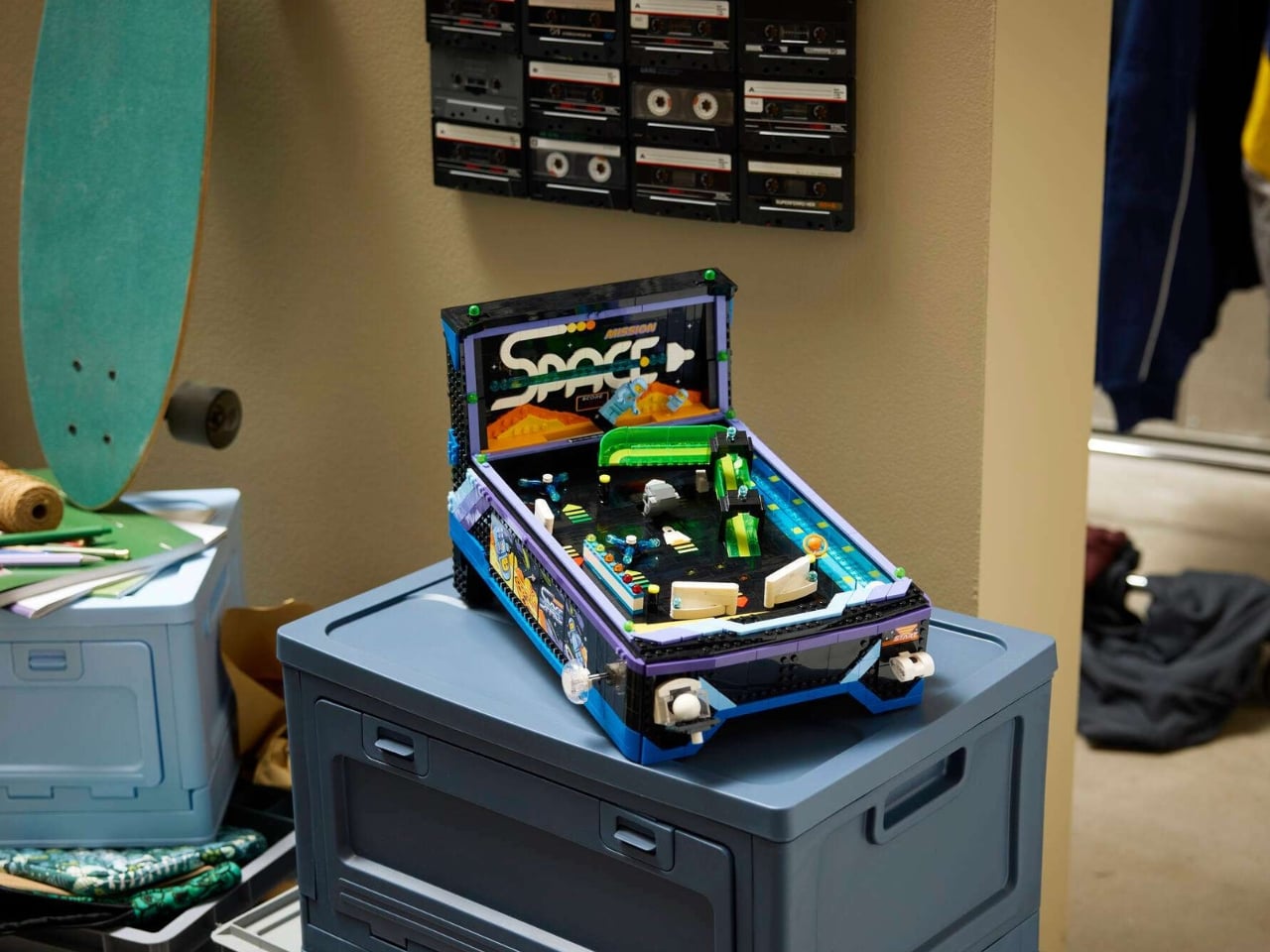
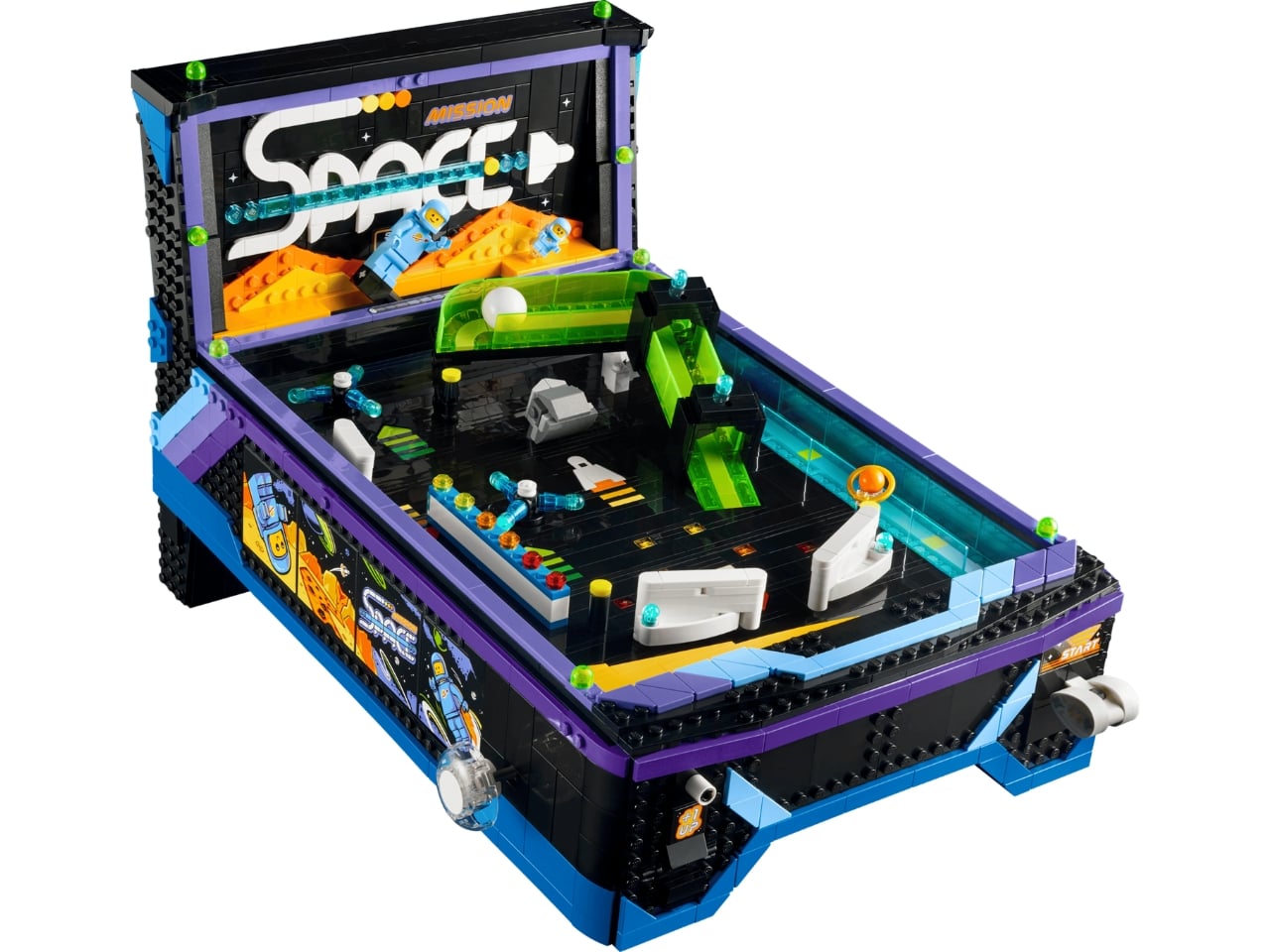
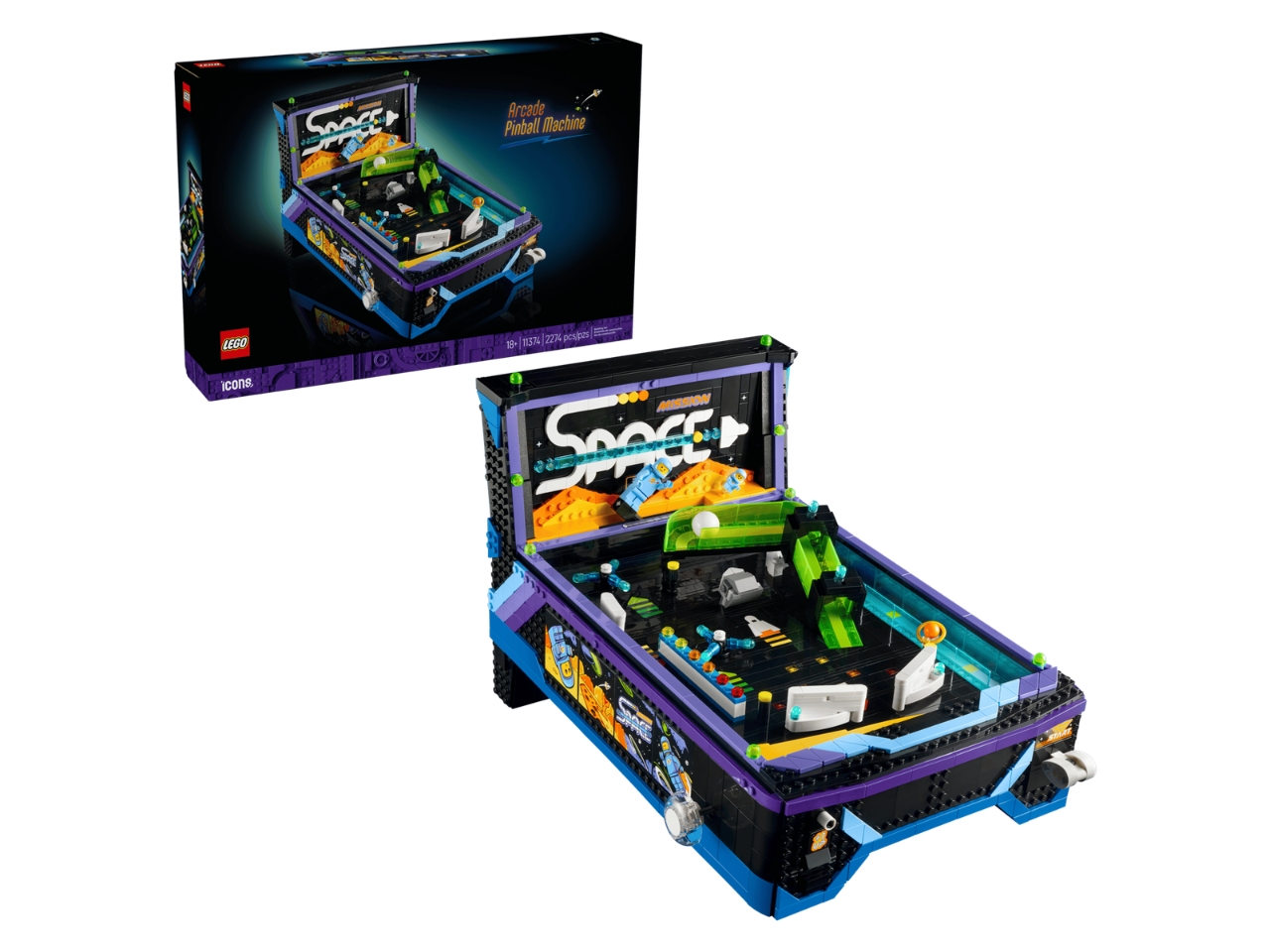
LEGO has been on quite a streak lately with its adult-targeted Icons sets, and the latest one might just be its most interesting flex yet: a fully playable, tabletop-sized arcade pinball machine built entirely from 2,274 bricks.
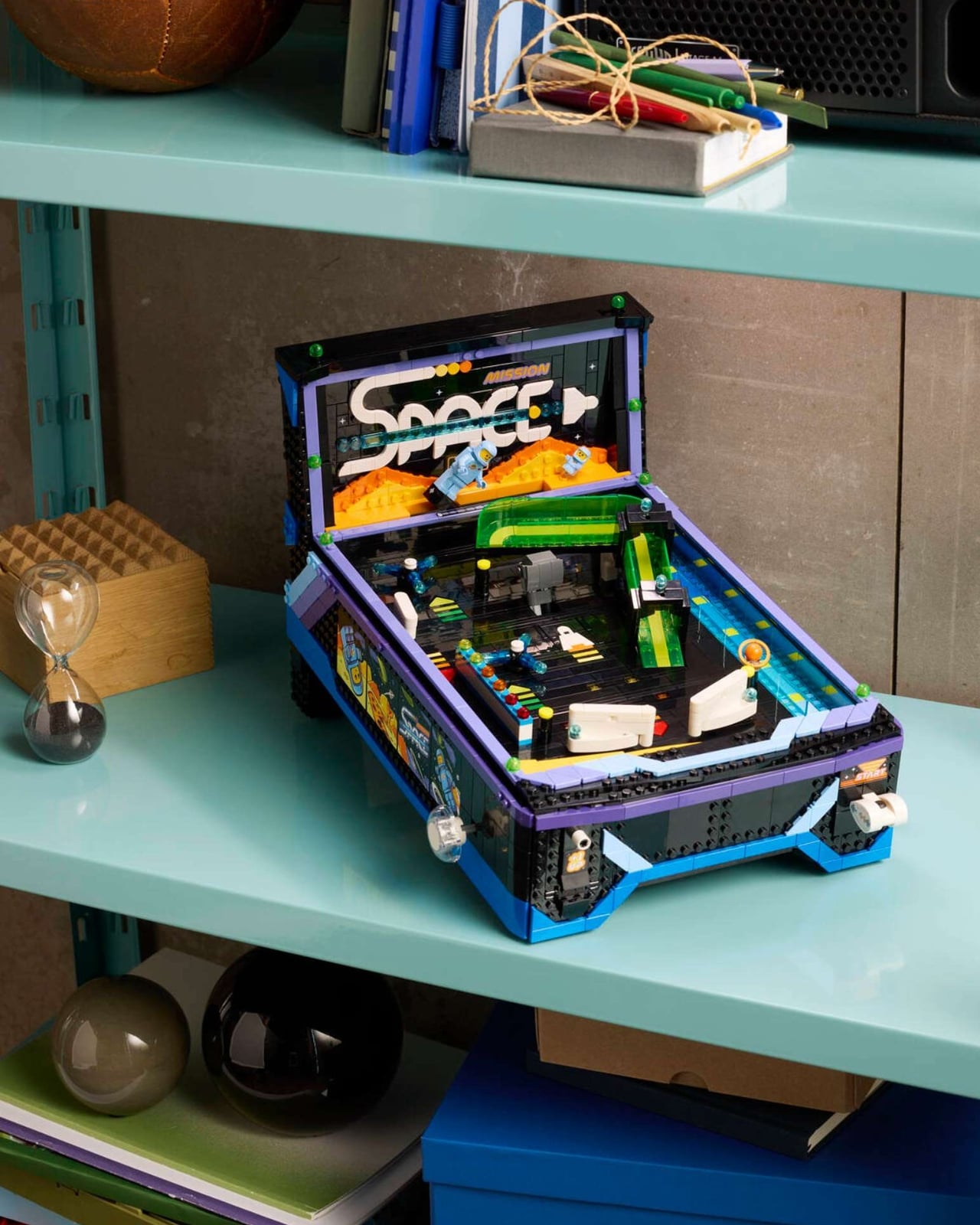
Set number 11374, simply called the Arcade Pinball Machine, does exactly what you hope it does. It plays. Featuring a spring-powered launcher, dual flippers, and spinning bumpers, this is not a decorative replica meant to sit quietly on a shelf while you admire it from a distance. LEGO clearly wanted you to actually use it, and that ambition alone is worth paying attention to.
Designer: LEGO
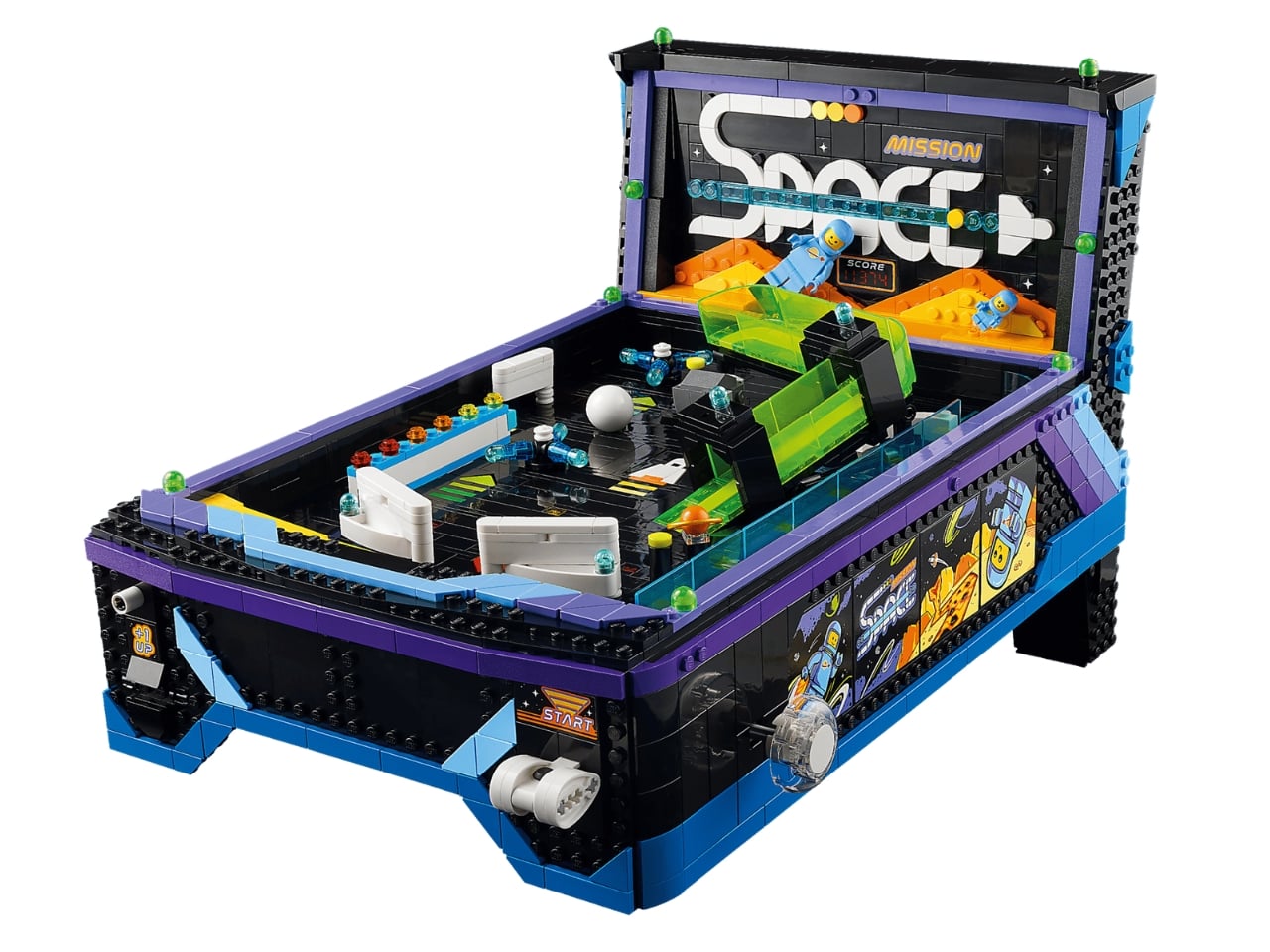
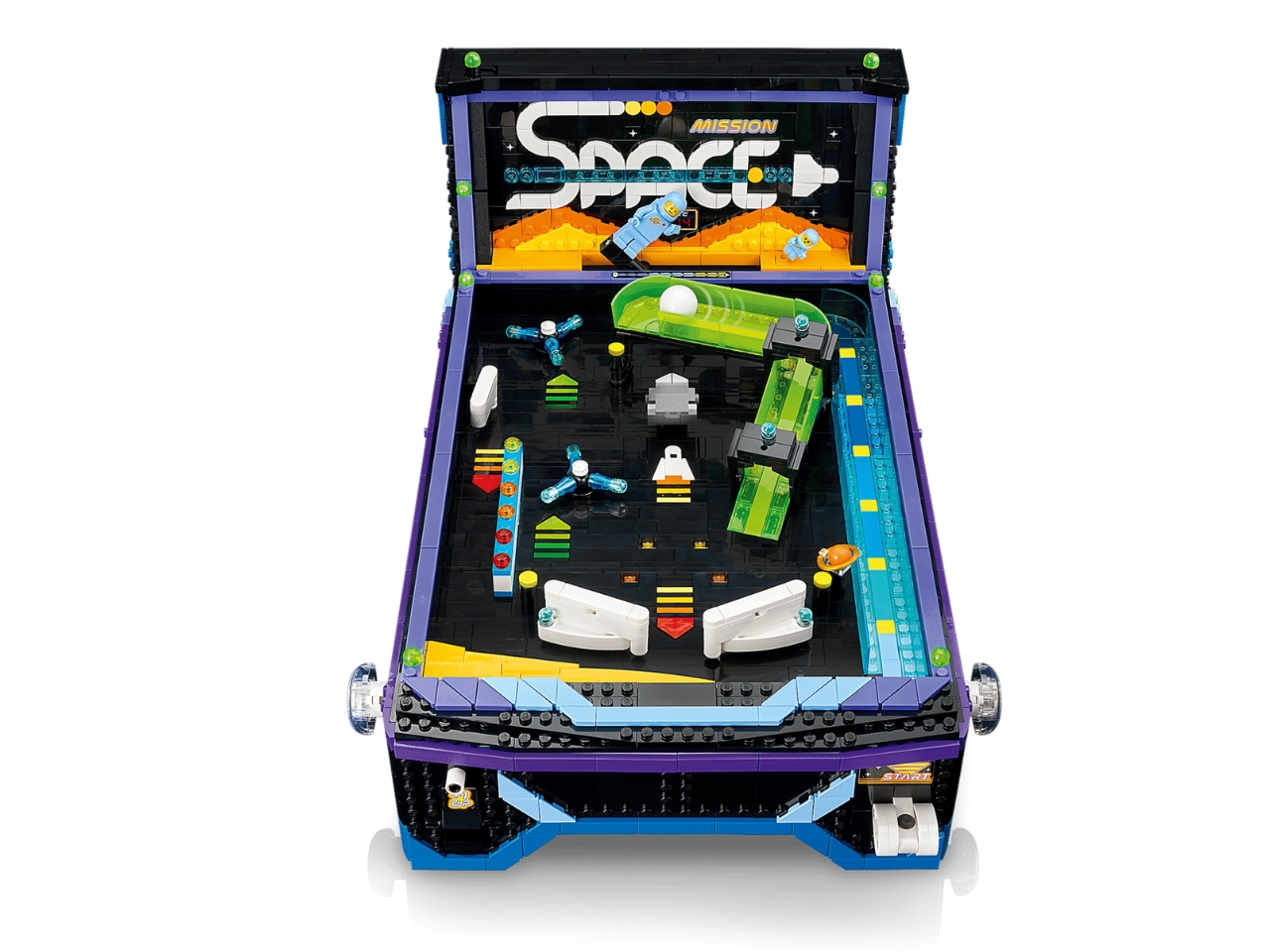
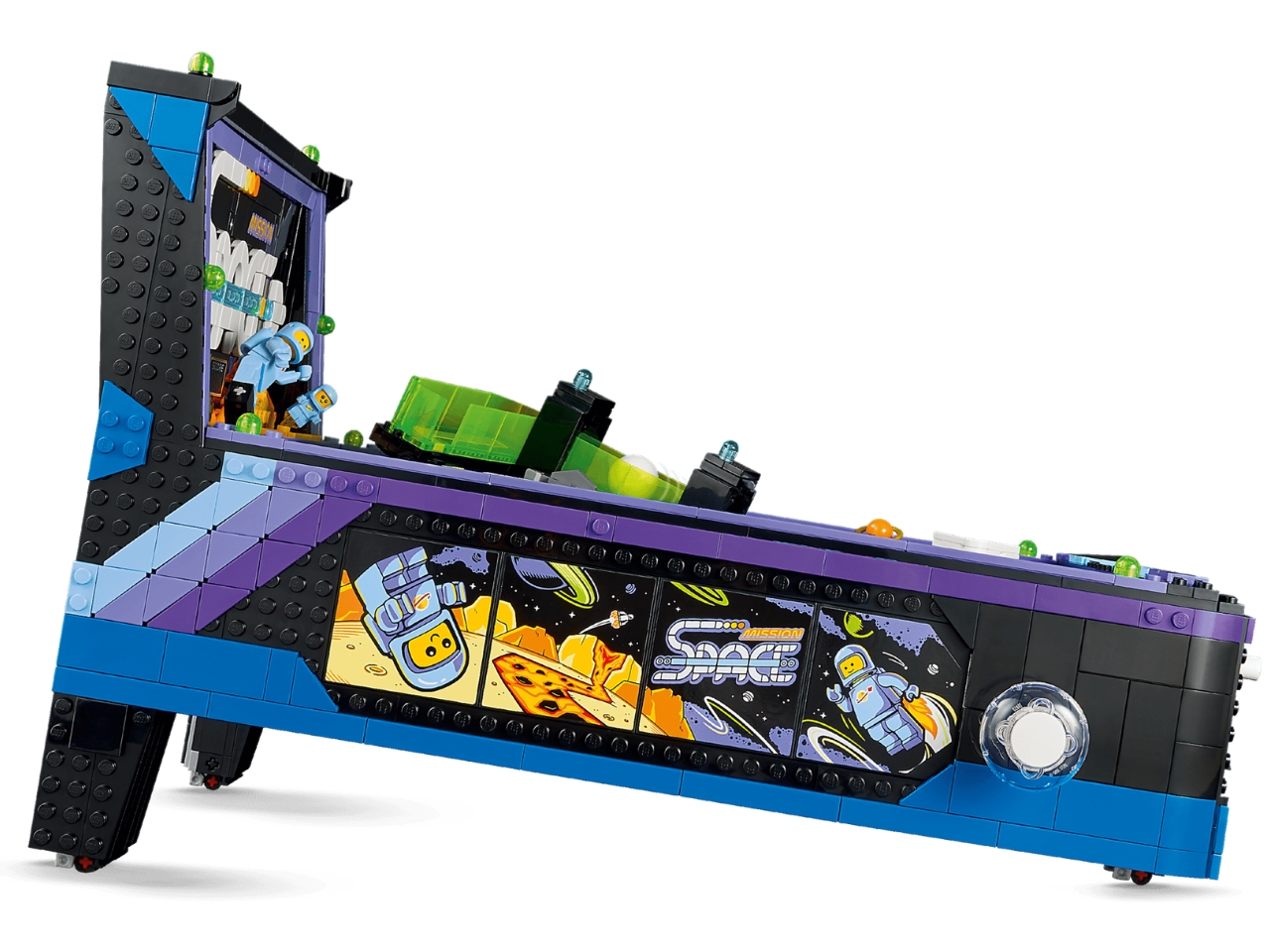
The machine is space-themed, pulling from LEGO’s beloved Classic Space universe. The scoreboard reads “MISSION SPACE” with a bold nod to the set number itself, and two minifigures are included: a classic pale blue astronaut and the now-iconic baby astronaut, affectionately known among fans as the “space baby.” The classic spaceman minifigure also doubles as the score counter, physically moving in increments as the ball hits its targets. It’s a clever, tactile detail that completely elevates the overall playability and gives the set a mechanical personality you don’t expect.
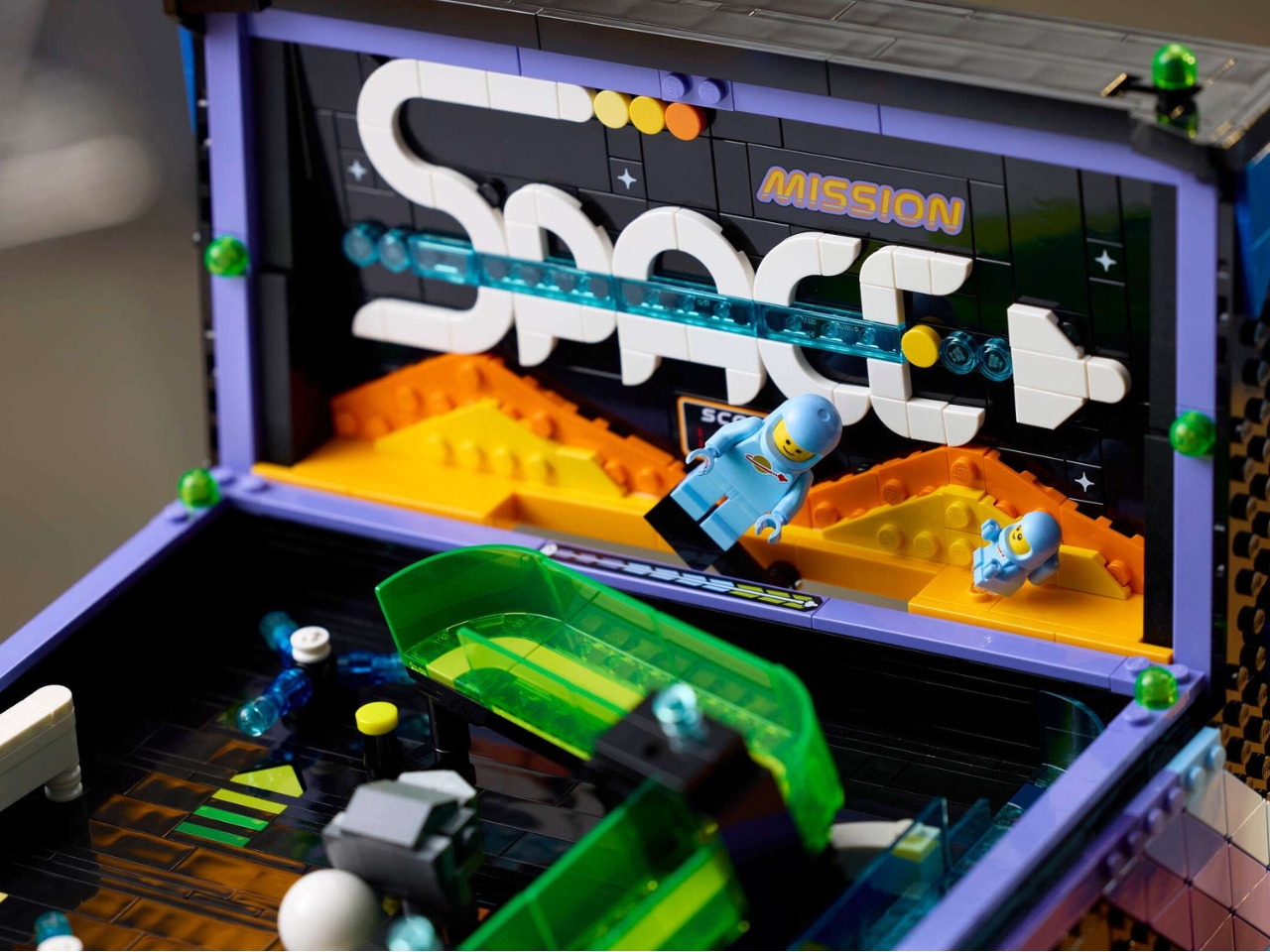
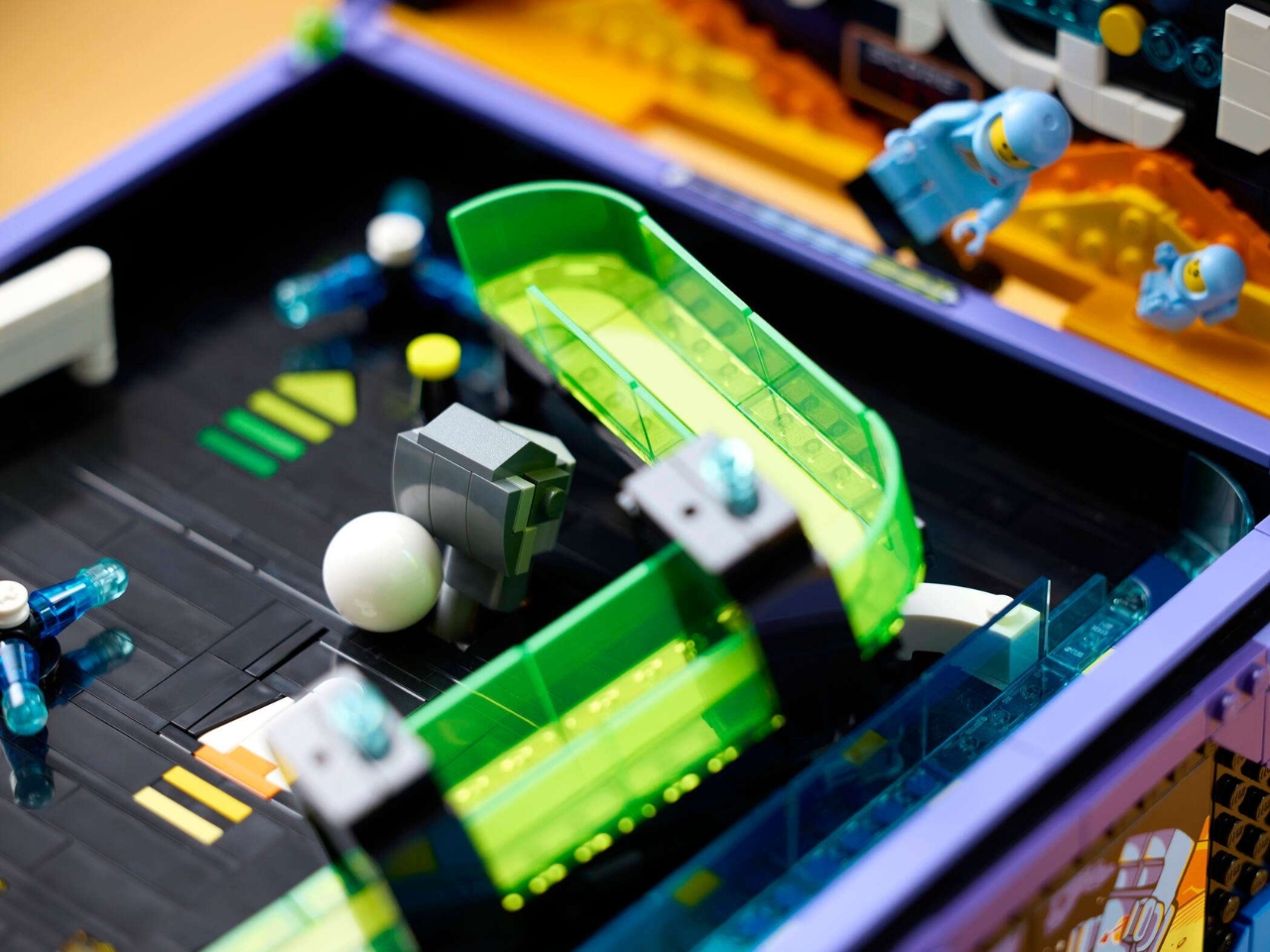
Visually, it leans into the aesthetic of vintage tabletop pinball toys from the 70s through the 90s, those smaller home versions that captured the spirit of full arcade cabinets without the industrial footprint. The color palette is vibrant, the proportions feel deliberate, and the whole thing comes across as a genuinely considered design object rather than a novelty. The space theme gives it a clear visual identity rather than leaning on generic retro graphics, which is a choice that pays off. LEGO has been getting better at threading that needle between toy and collectible, and this set lives comfortably in that space.
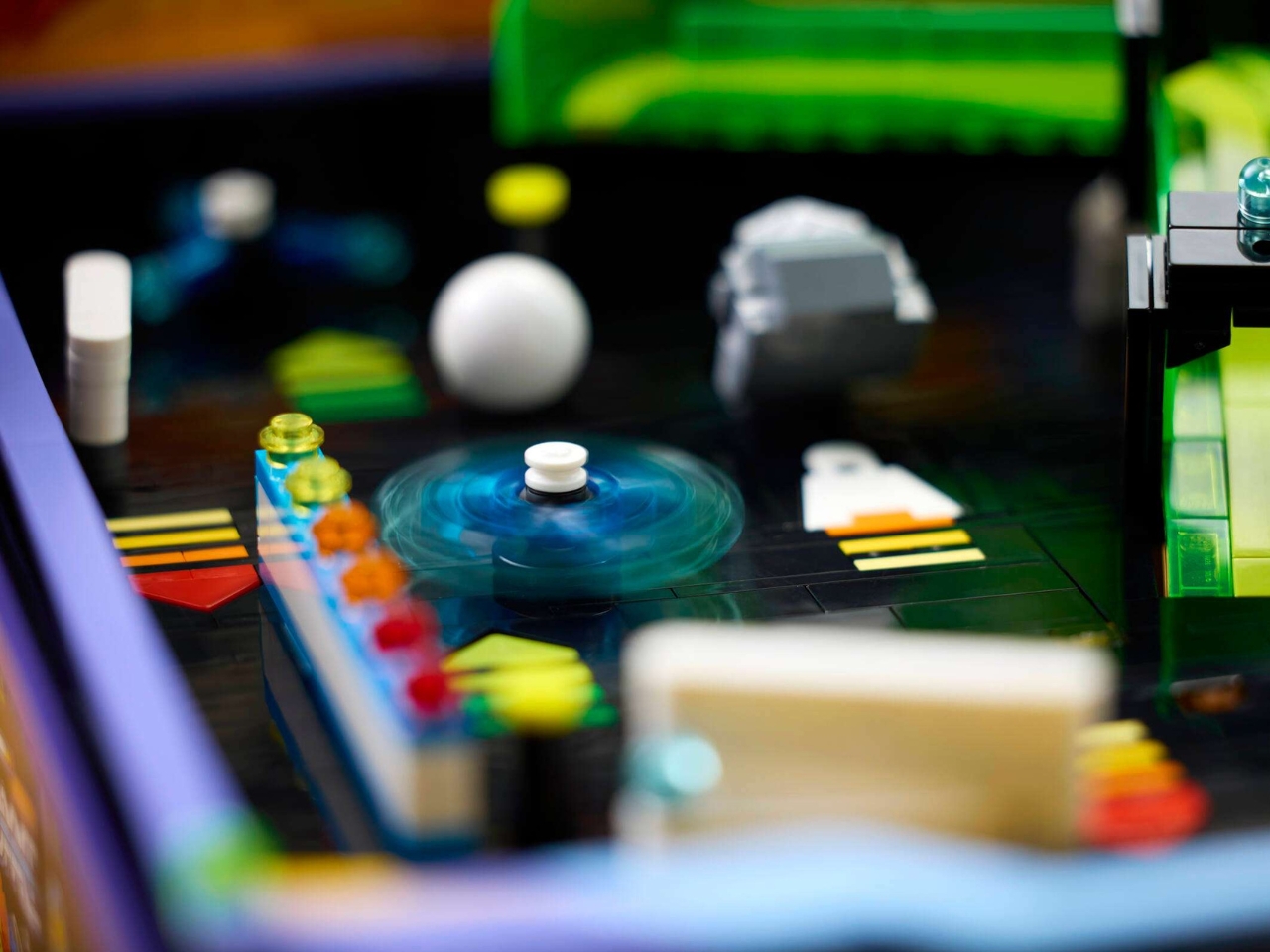
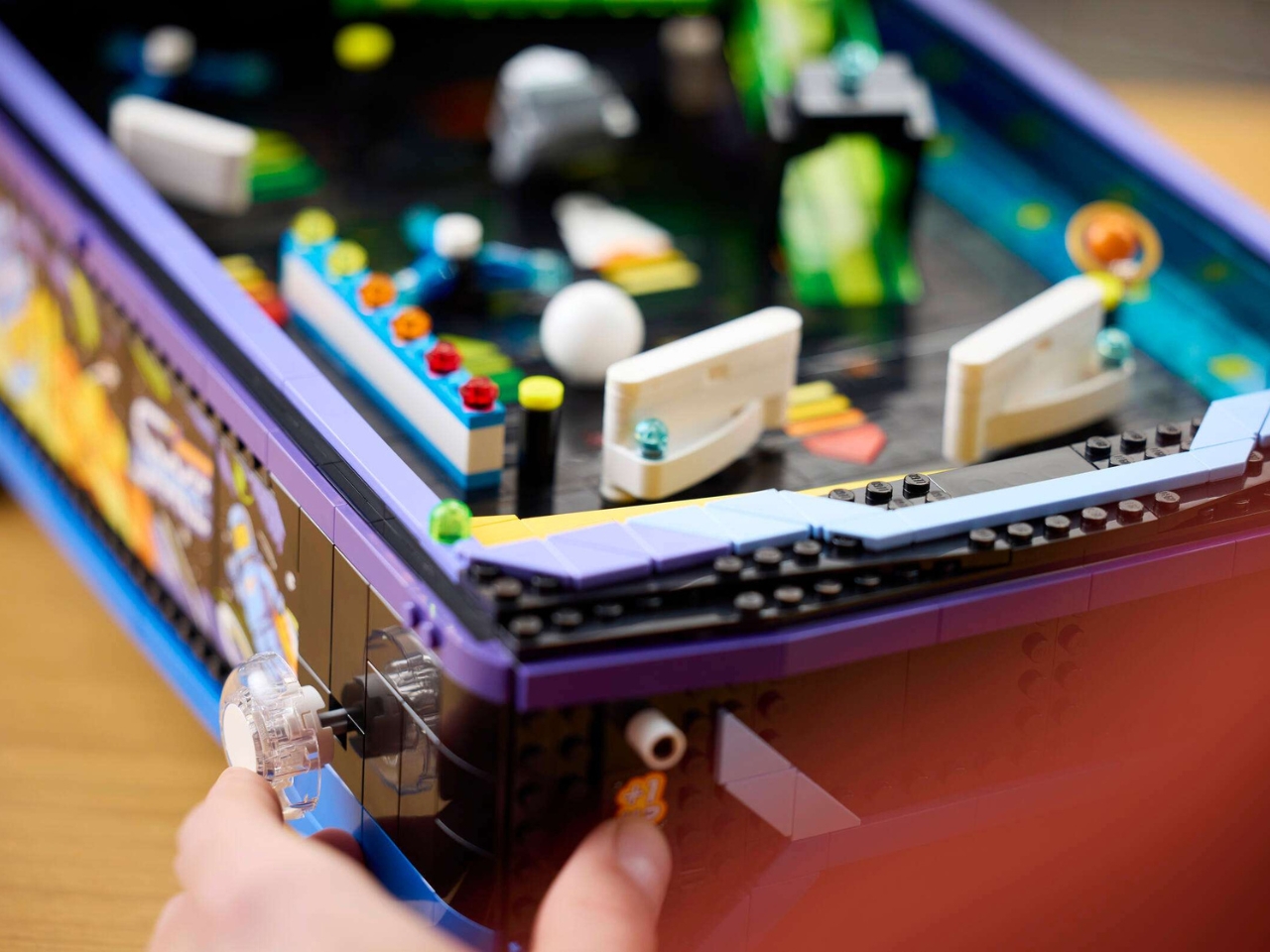
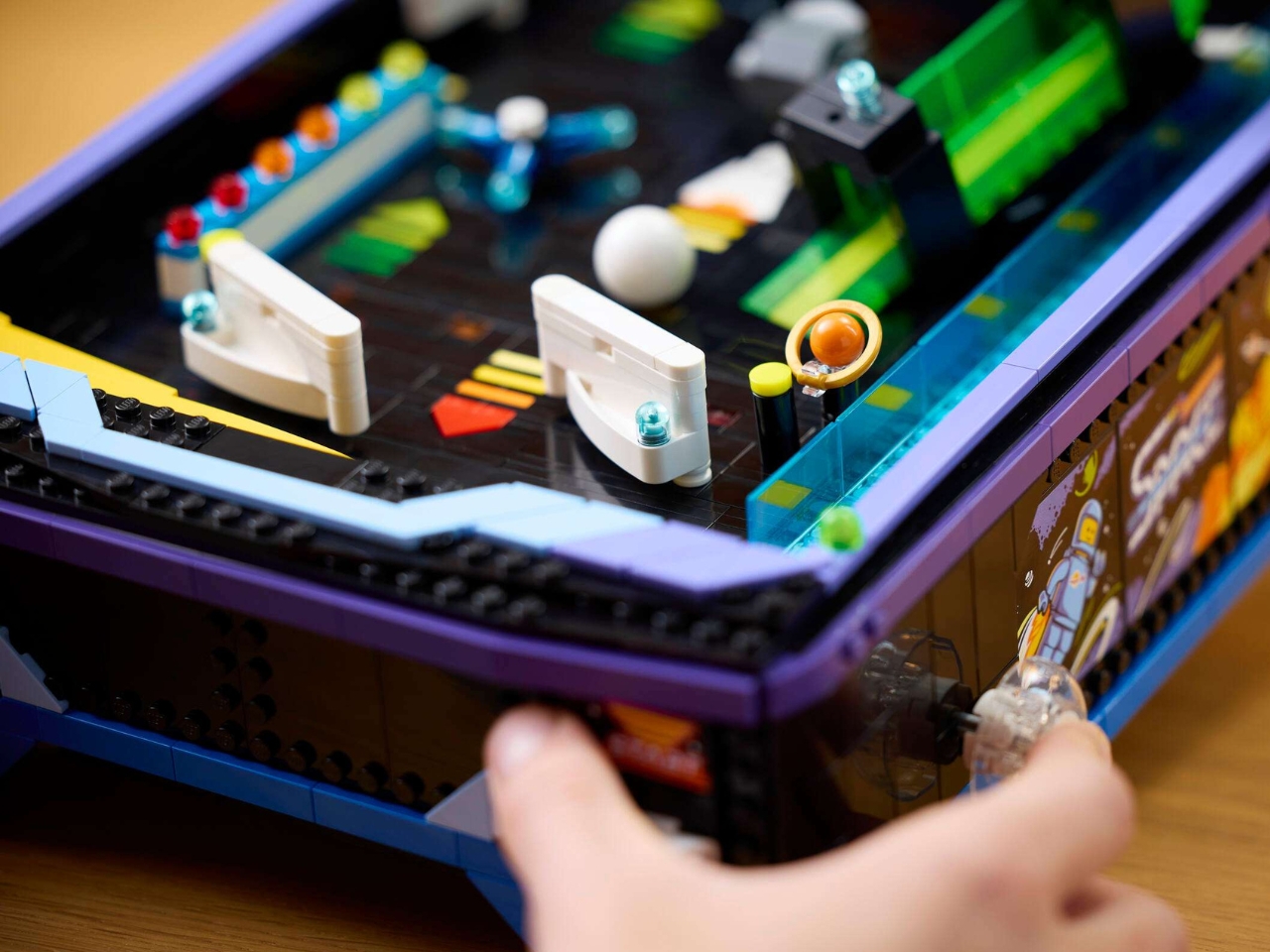
Whether it fully sticks the landing is another question entirely. Some early reviewers have noted that the experience, while mechanically impressive, feels a little thin over time. The playfield doesn’t have the layered complexity of a real pinball machine, which is understandable given the constraints of building with interlocking bricks, but it does raise the question of whether the set is more satisfying to build than it is to play. Personally, I think that’s fine. Most of us buying something like this are not expecting to replace a real pinball machine. We’re buying the idea of one, the memory of one, the quiet joy of having something tactile and slightly ridiculous sitting on a desk.
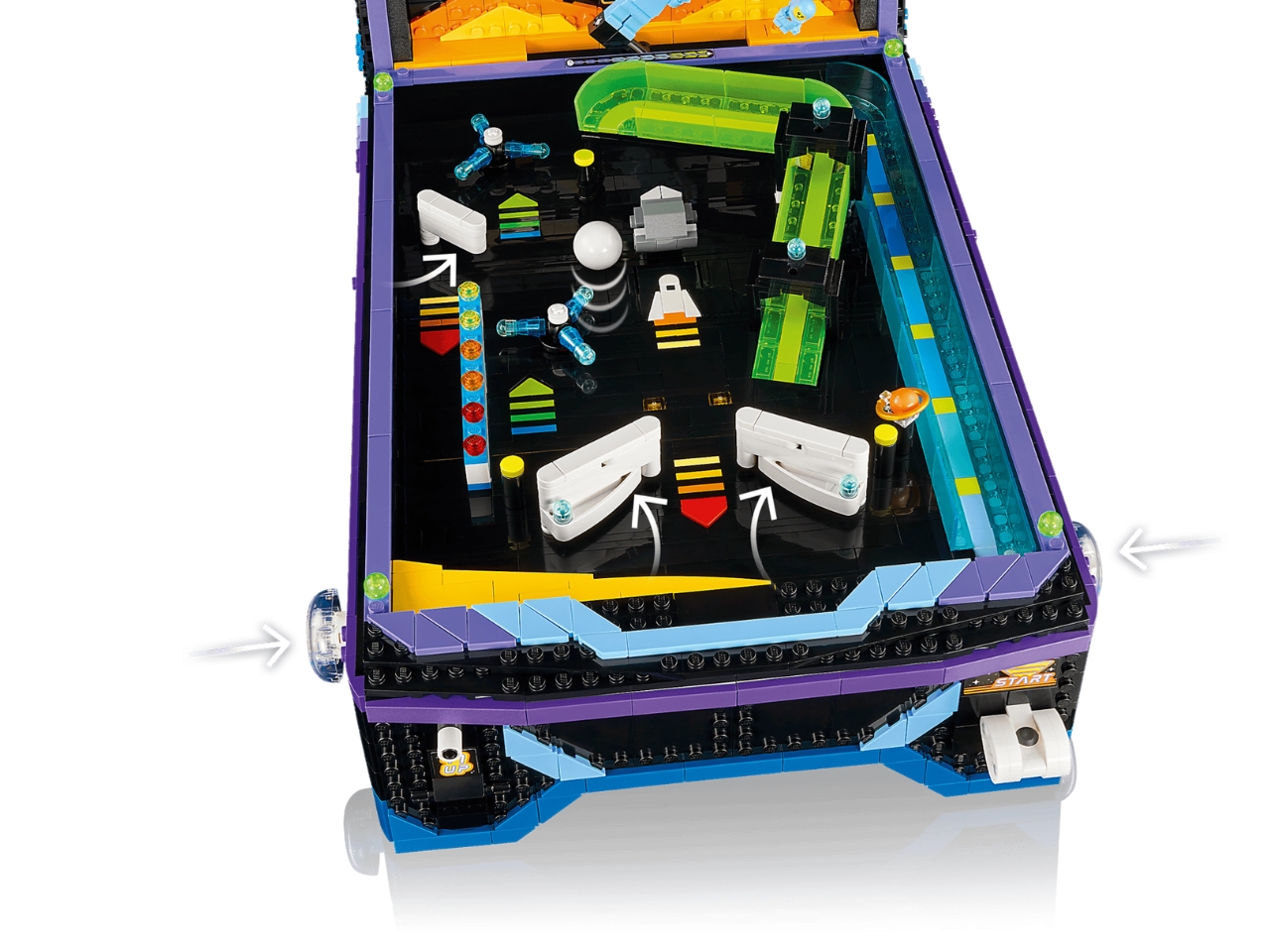
And at that, this set delivers. The engineering required to make a functional pinball machine out of LEGO bricks is genuinely impressive. Getting the ball physics right, the flipper tension, the bumper response, all within the rigidity of interlocking plastic pieces, is not a trivial design problem. The team clearly cared about getting the mechanics to work, not just to look the part, and that commitment shows in the final product.
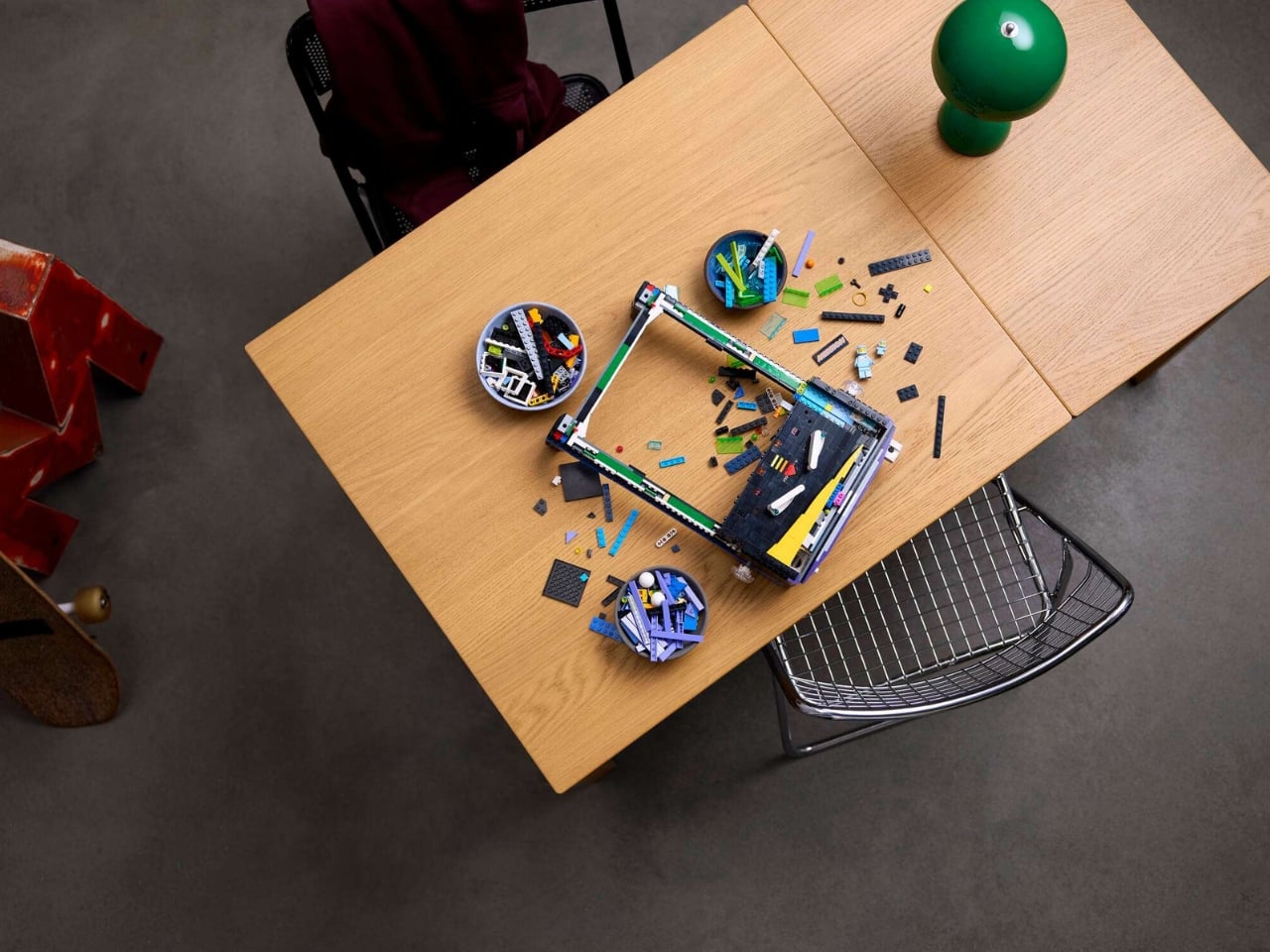
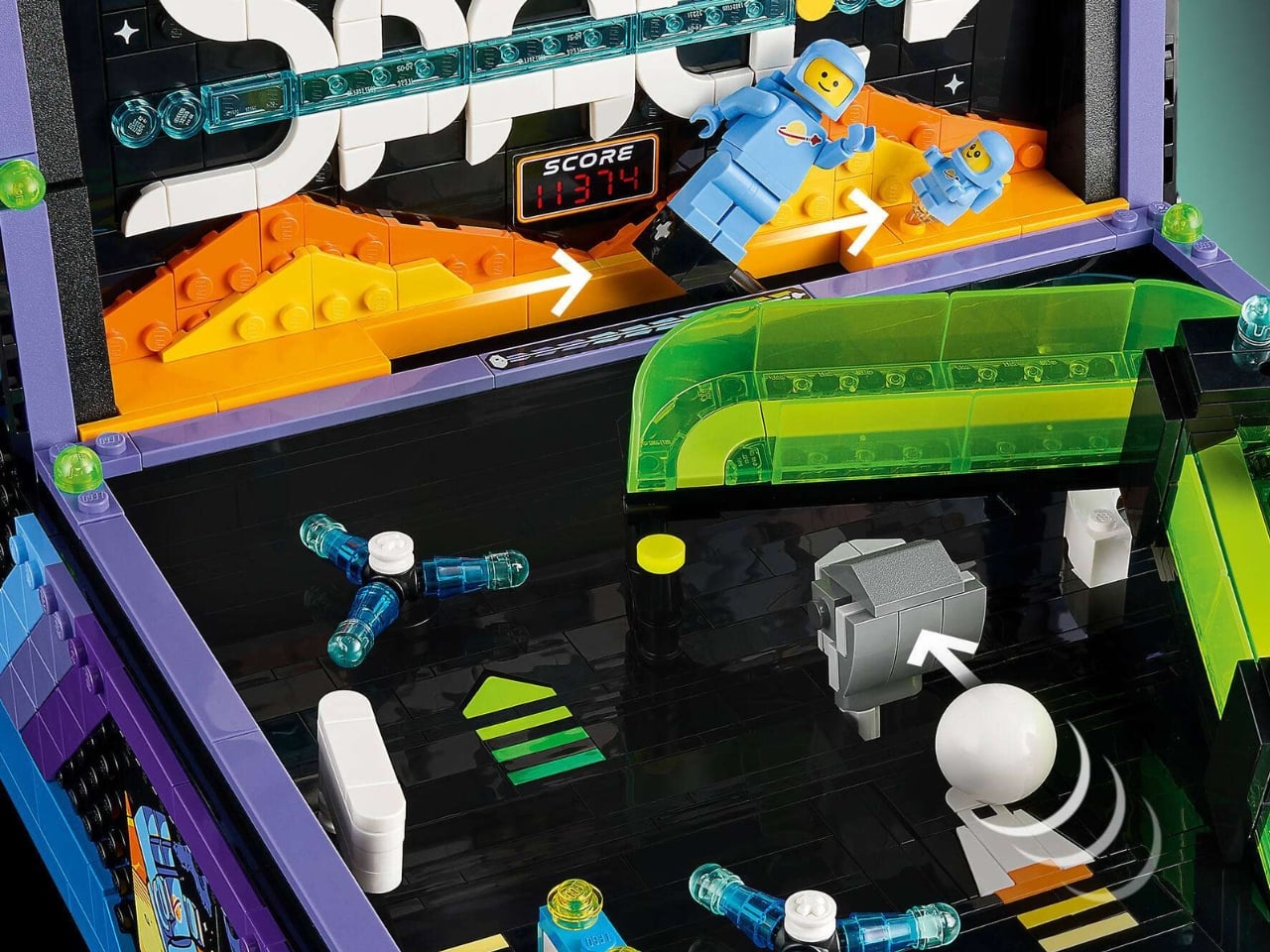
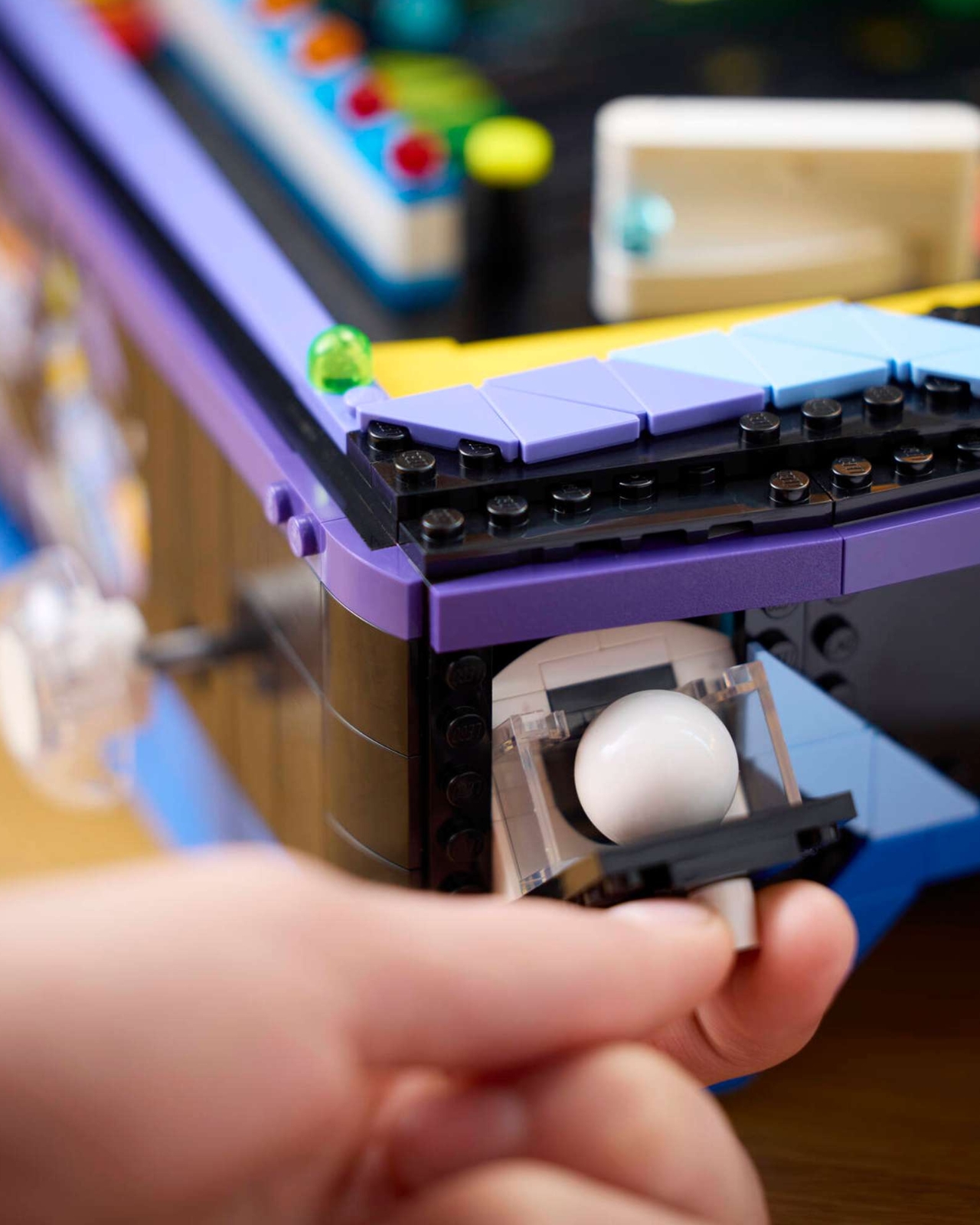
Priced at $229.99 USD, with a July 4, 2026 release date and early access for LEGO Insiders starting July 1, it sits comfortably in the range that LEGO has been targeting for its collector-grade sets. Whether that price feels justified will depend entirely on what you value. If you’re a Classic Space fan, the minifigures alone might tip the scales. If you’re a design nerd, the engineering story makes it worth considering. And if you’re somewhere in between, well, a playable LEGO pinball machine on your desk is a pretty specific kind of conversation starter that most people don’t see coming.
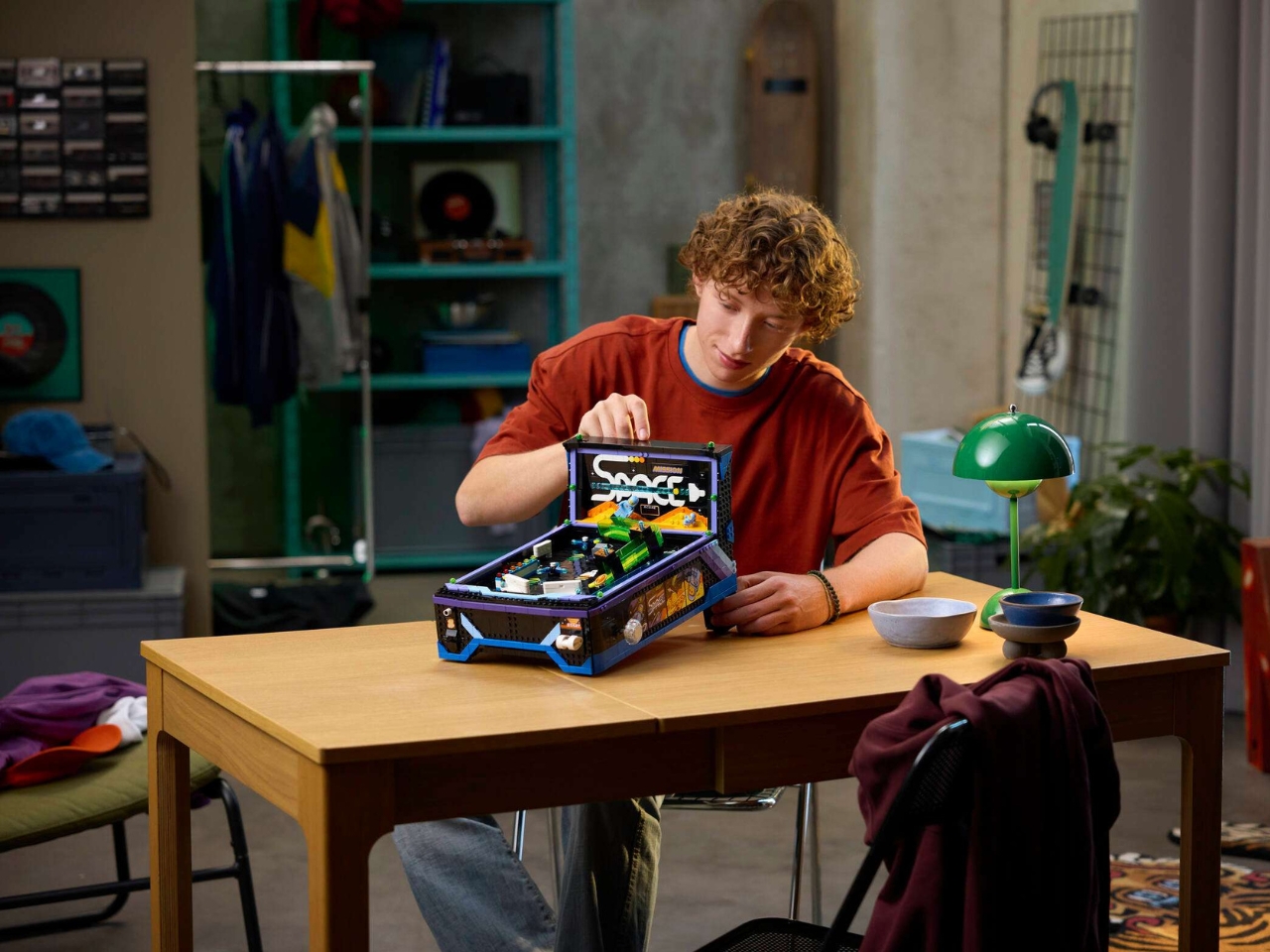
The LEGO Icons line has always understood that nostalgia is a serious market. People want objects that connect them to something, that make a room feel like it belongs to someone with a point of view. A space-themed pinball machine built entirely from bricks hits that note cleanly. It’s retro without being lazy about it. It’s playful without being juvenile. It is, in the best possible way, deeply unnecessary, and that’s exactly what makes it worth wanting.
The post LEGO’s $229 Pinball Machine Is Part Toy, Part Time Machine first appeared on Yanko Design.

Caring for elderly residents in a facility setting is one of the most demanding jobs in healthcare. Staff are stretched thin, emergencies don’t follow schedules, and the systems many facilities still rely on, from paper logs to fragmented call tools, create gaps that can have serious consequences. As populations age faster than care infrastructure can keep up, the pressure on care workers and the systems they depend on keeps mounting.
That’s the challenge Kando was designed around. Rather than layering another standalone app or device onto an already crowded workflow, it takes the form of three integrated hardware components that work together as a single connected care system. The pieces include a wearable button for residents, a wall-mounted box for the room, and central communication hubs that link the entire facility.
Designer: Futurewave
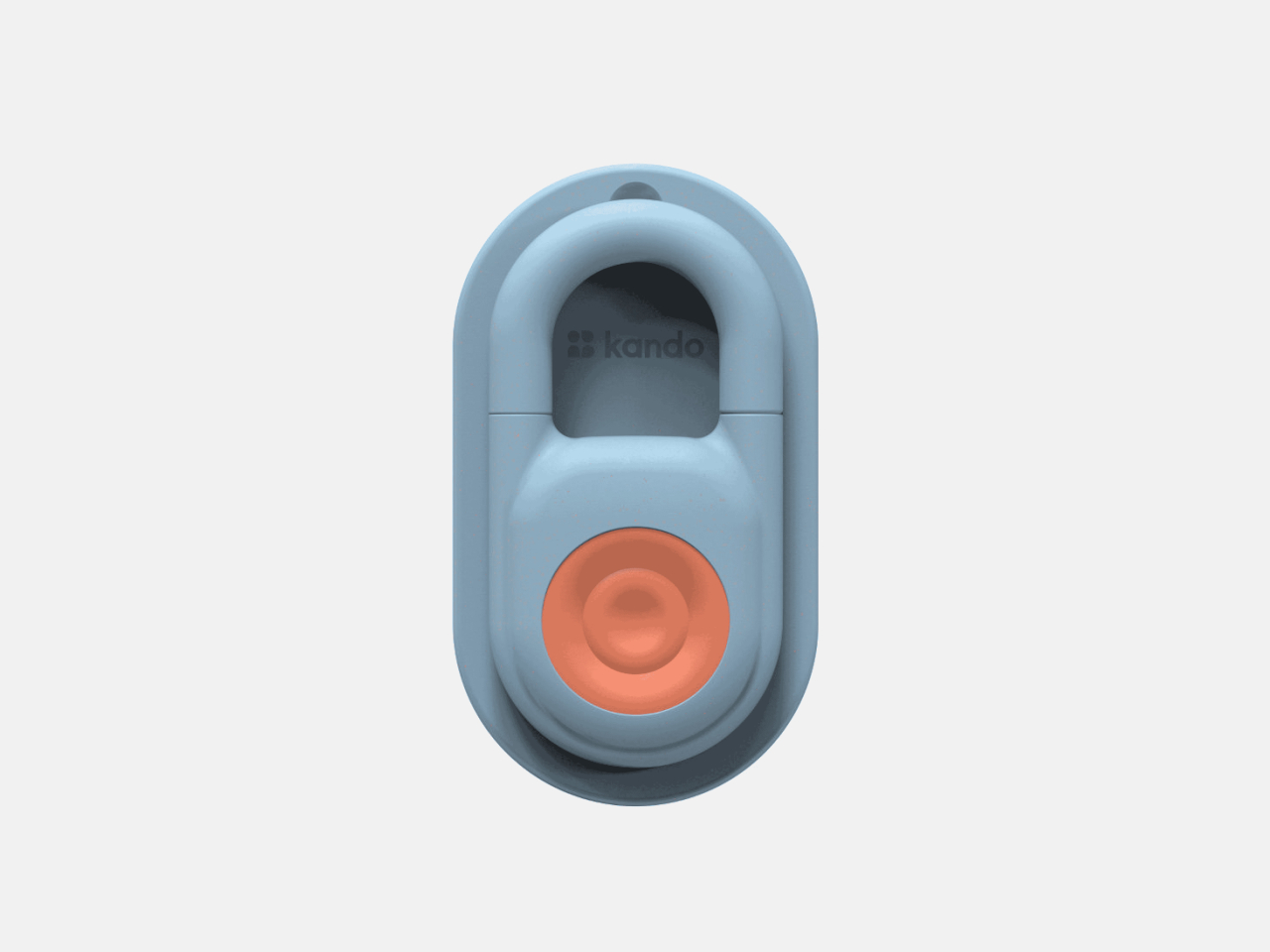
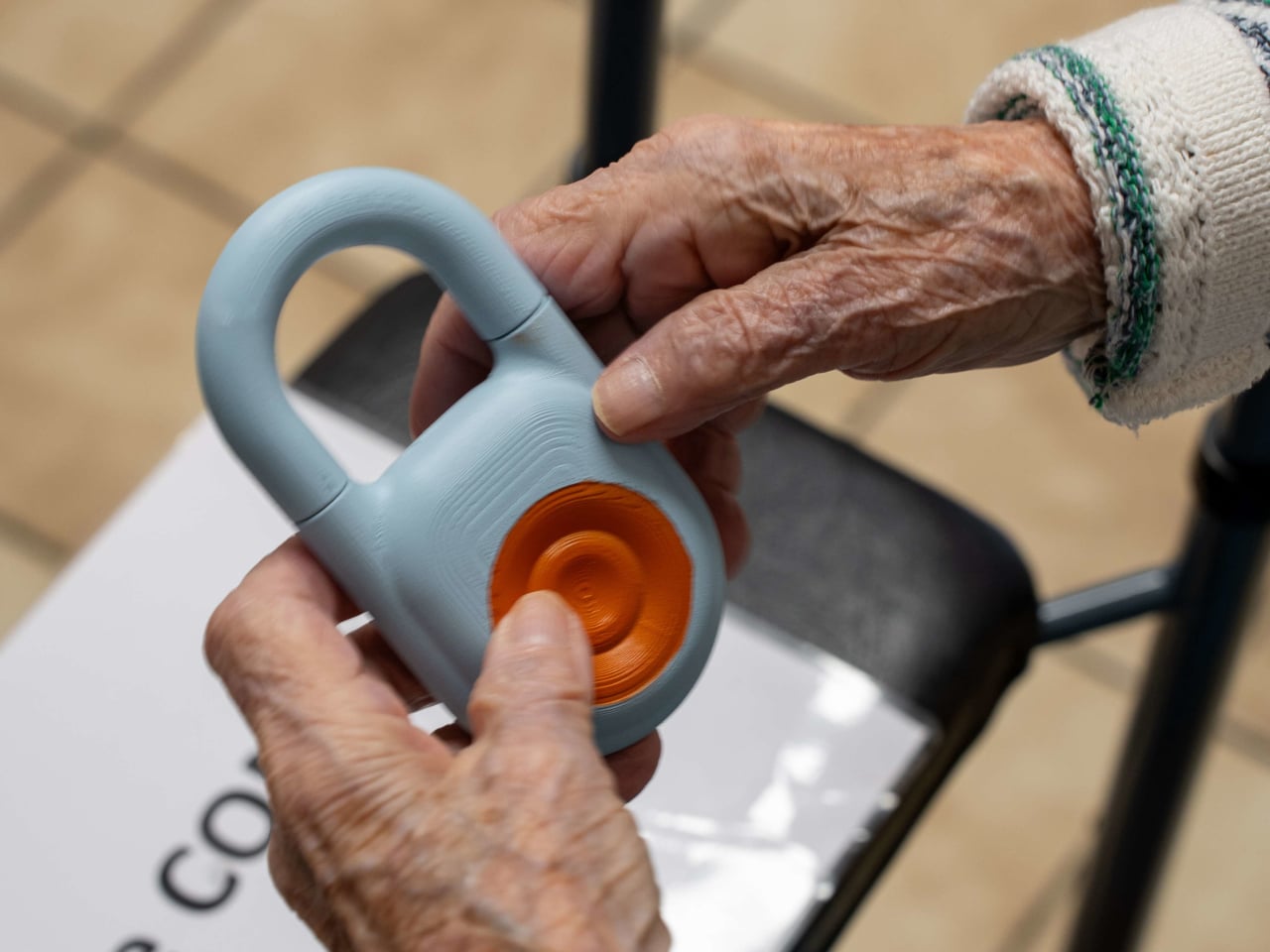
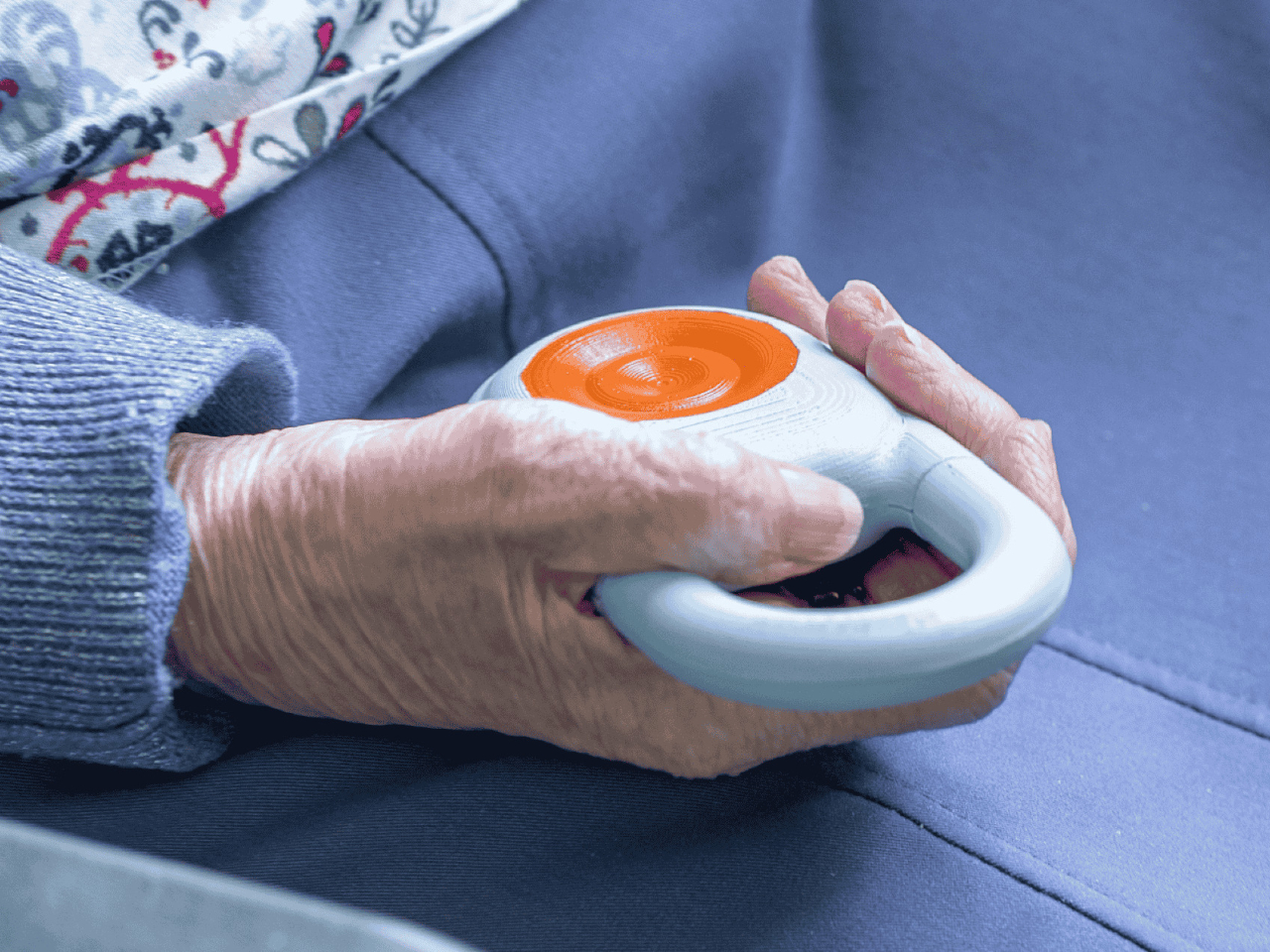
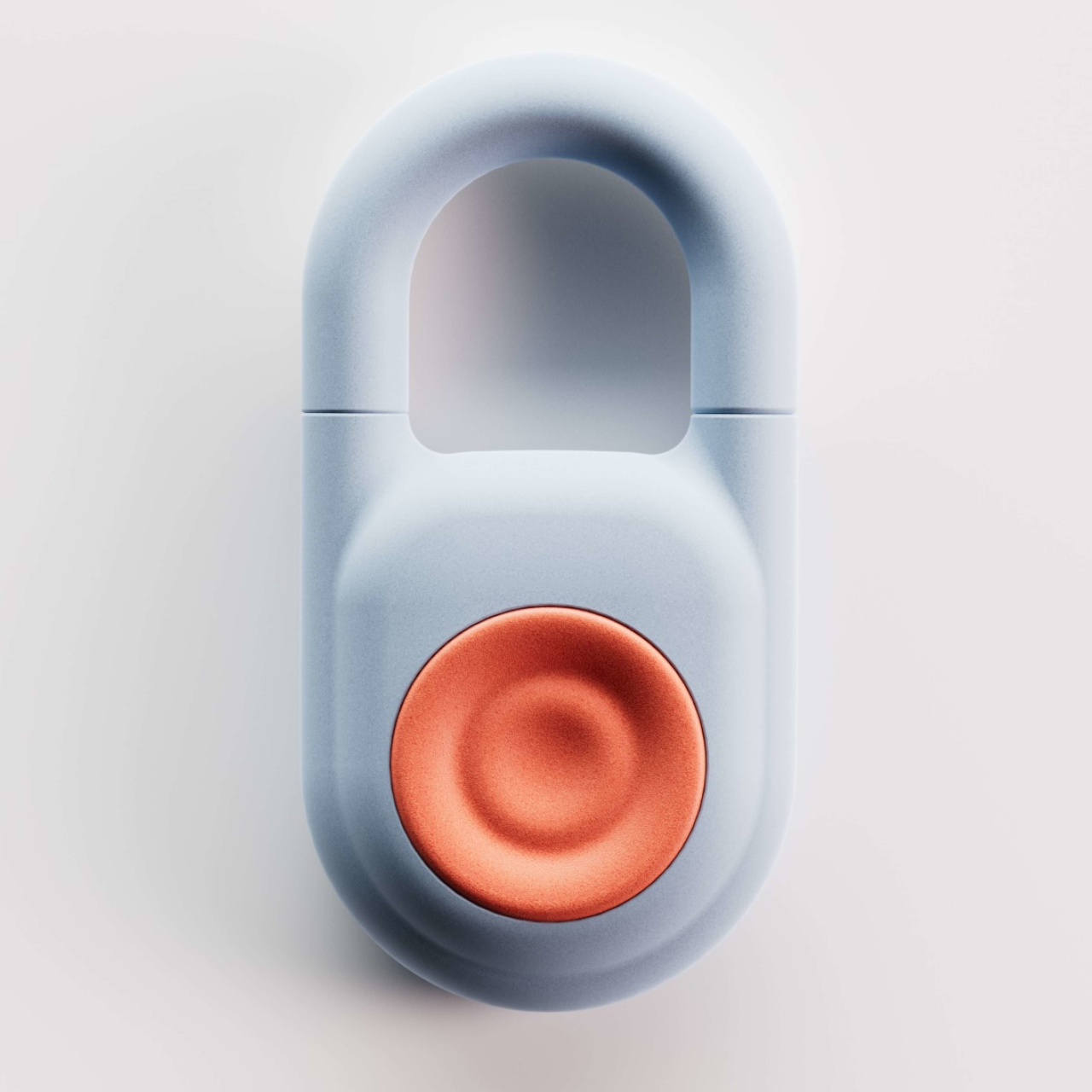
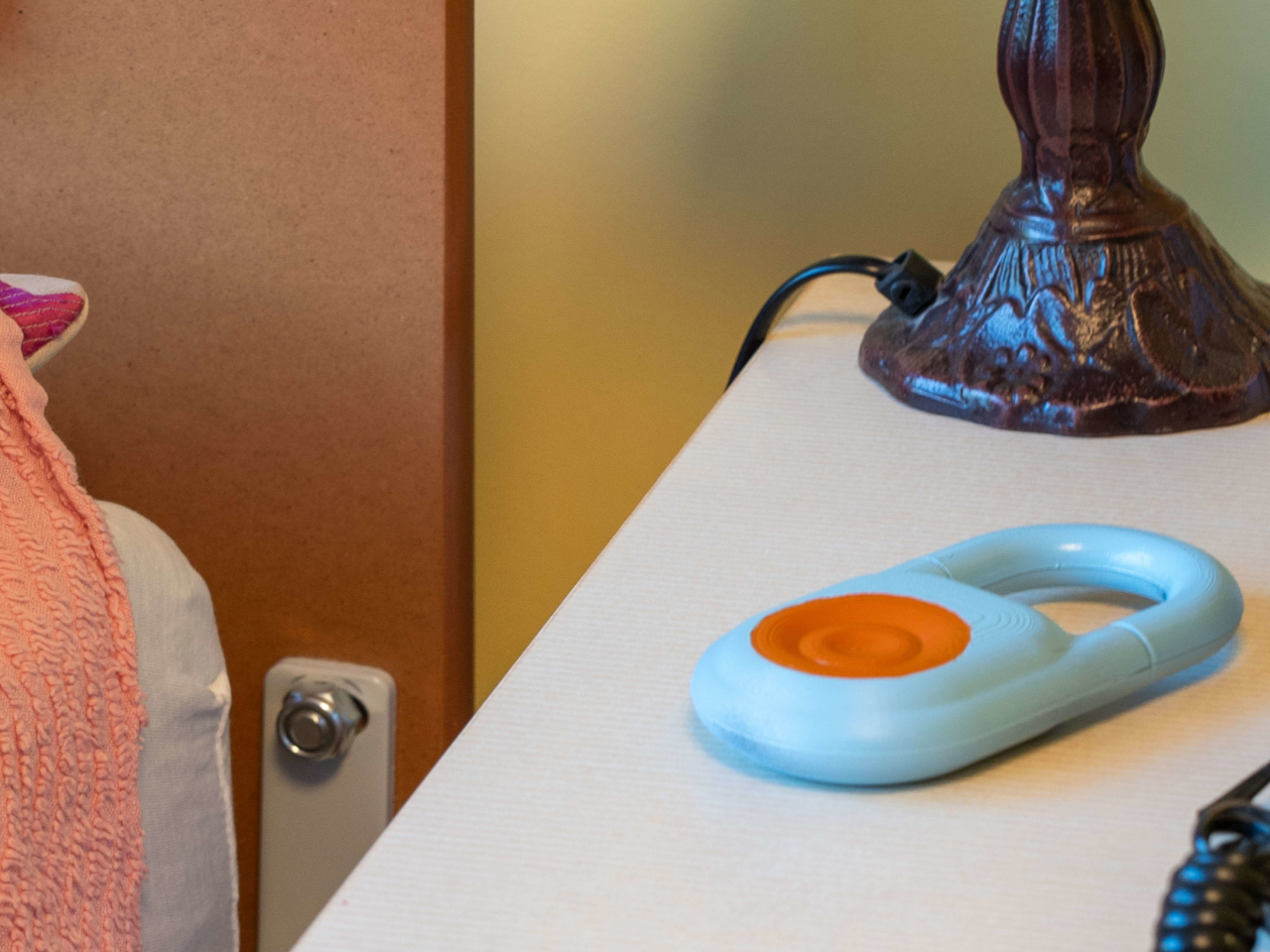
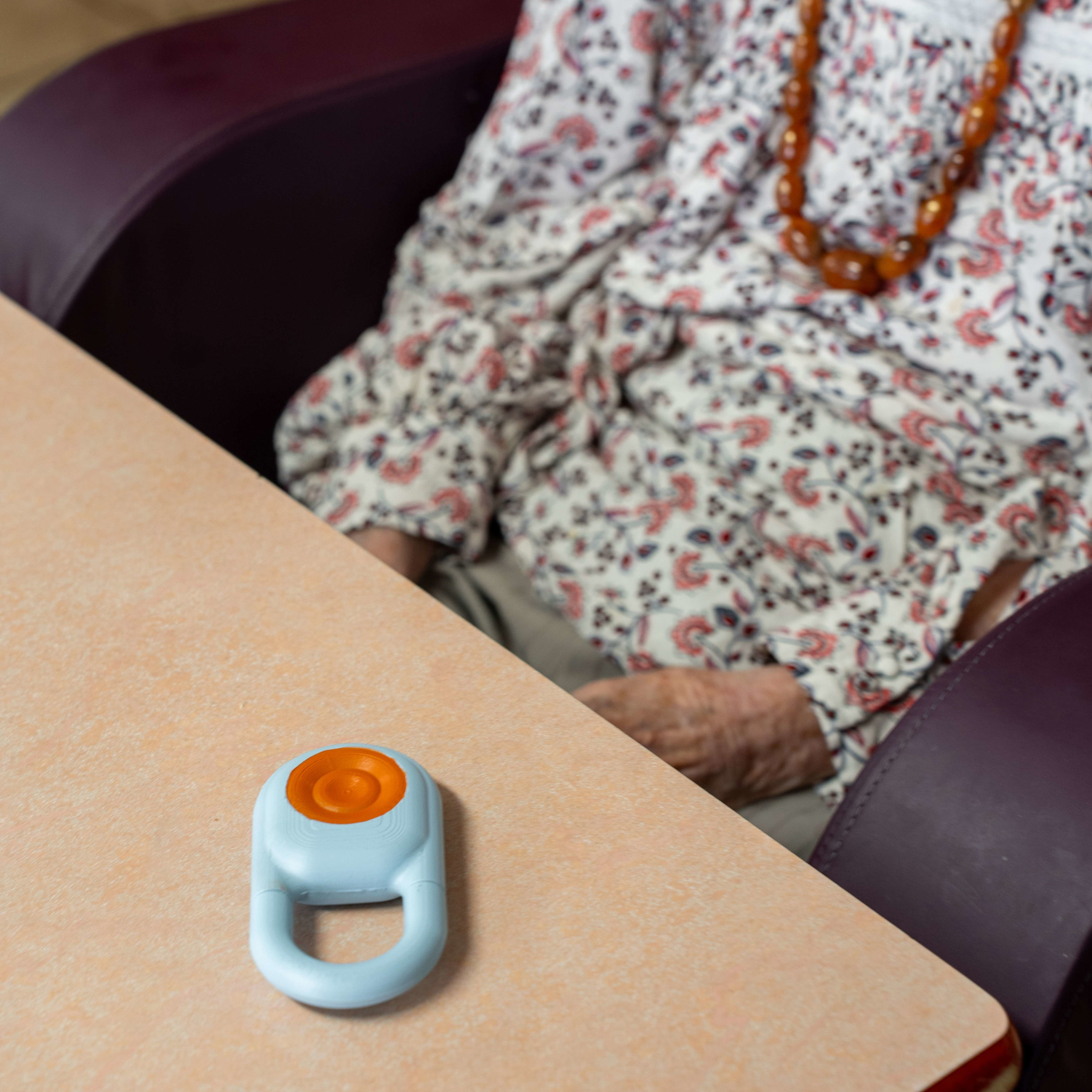
At the heart of the system is the Kando Button, a small wearable device that a resident clips onto their clothing or bed. It’s designed for simplicity: one touch triggers a request for help, confirmed immediately through both LED feedback and vibration, so the resident knows the signal went through. For someone who’s suddenly unwell or in distress, that instant confirmation matters.
Complementing the Button is the Kando Box, a wall-mounted unit that connects to the television already present in the resident’s room. Rather than adding a separate screen or terminal, it turns the TV into a visual communication interface between the resident and the care team. It’s a practical choice that keeps the environment familiar and avoids adding yet another unfamiliar device to the room.
Central hubs tie everything together, coordinating communication across the entire facility so that alerts don’t get lost between shifts. When a resident presses the Button, the information travels through a connected network rather than relying on a single staff member to notice and relay it. This end-to-end connection is what makes Kando a system rather than a collection of separate devices.
The practical outcomes add up for a facility dealing with dozens of residents and a care team that can’t be everywhere at once. Response times shorten. Paper-based documentation gives way to digital records, and over time, the operational costs tied to manual processes start to fall. For administrators, that combination of speed, accuracy, and efficiency is a genuinely compelling case.

What’s also worth noting is that Kando wasn’t designed with clinical functionality alone in mind. Every hardware decision carried a human weight too: it had to feel familiar and manageable in the hands of an elderly resident, not intimidating or cold. Medical technology often prioritizes technical function over the experience of the person it’s meant to serve, and this system tries to close that gap. The result is a system that clearly took the realities of a care environment seriously, not just from a technical standpoint but from a genuinely human one.
The post The Care Wearable That Confirms Your Alert With a Vibration, Not Silence first appeared on Yanko Design.
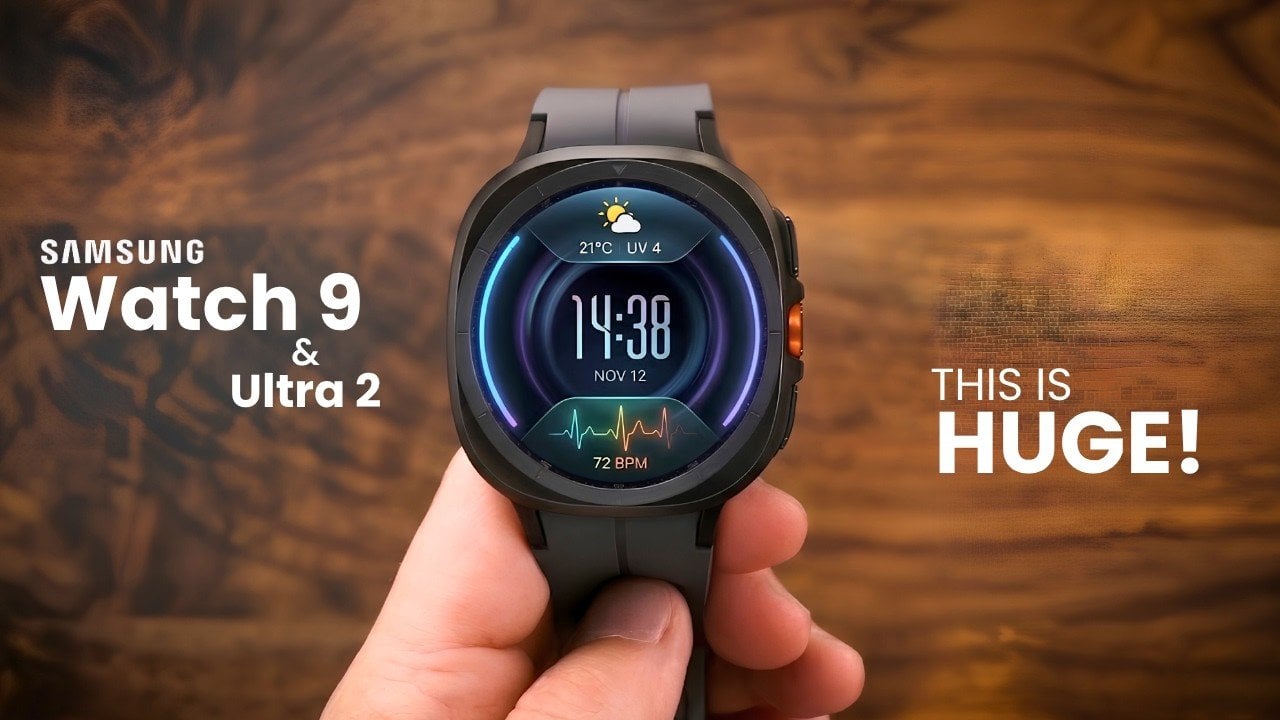
Samsung is poised to redefine the smartwatch landscape with the anticipated launch of the Galaxy Watch 9 and Galaxy Watch Ultra 2 in July 2026. Leaks and rumors have already hinted at substantial upgrades in design, hardware, and software, sparking widespread interest among tech enthusiasts. However, the potential discontinuation of the classic model with its […]
The post Samsung Galaxy Watch Ultra 2 & Watch 9 Leak with the Upgrades We’ve Been Waiting For appeared first on Geeky Gadgets.
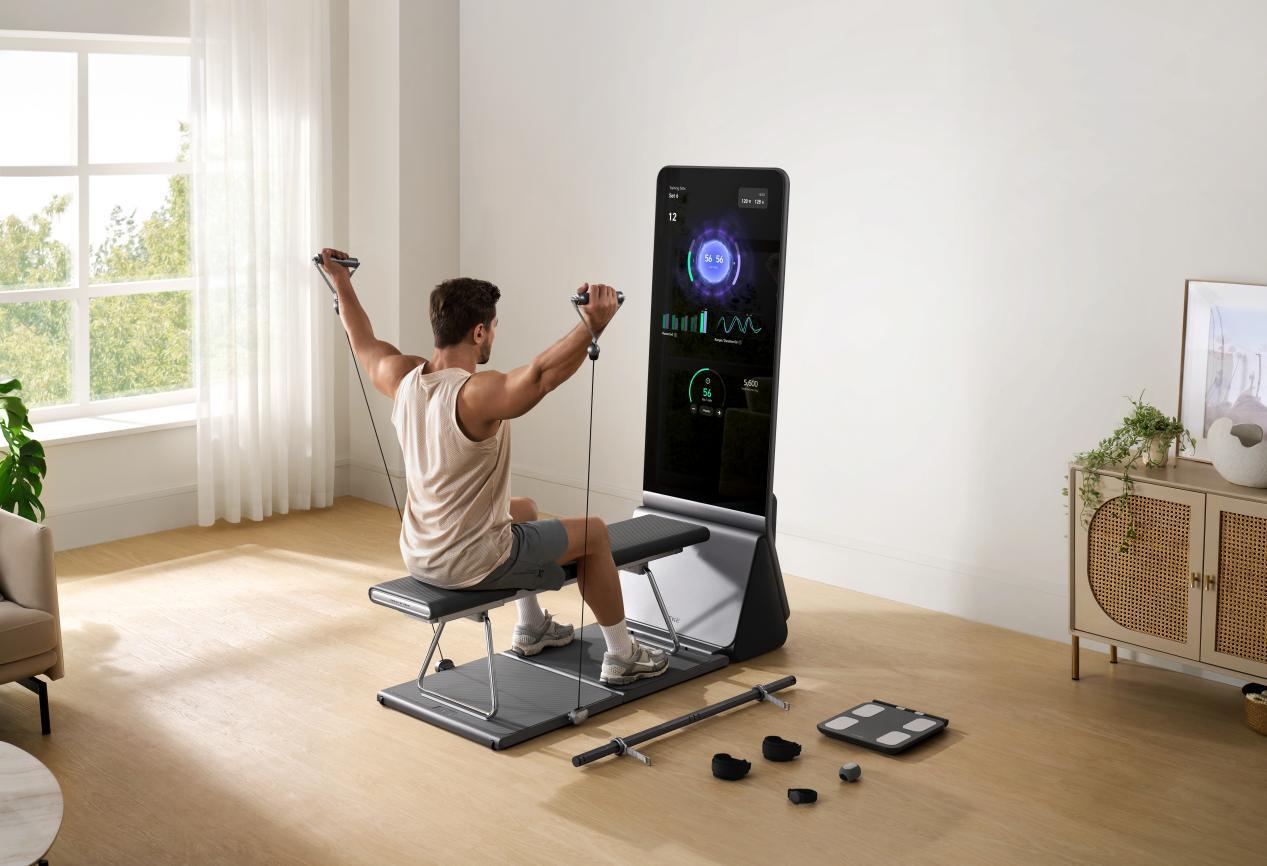
Fitness technology produces plenty of data. The more useful question is what happens next. The AEKE K1 Smart Home Gym is built to take information about the user, translate it into a training plan, and provide feedback while the work is happening. Its hardware brings together a 43-inch 4K mirror touchscreen, AI motion analysis, a […]
The post AEKE K1 Prime Day Deal Cuts $1,300 From a 220-Pound AI Home Gym appeared first on Geeky Gadgets.