From Paper Furniture to Denim Plates: 5 Ways to Rethink Scrap Material

Modern design is undergoing a major transformation as architects, artists, and product designers begin to see waste not as a problem, but as a valuable resource. Scrap metal, discarded wood, plastic waste, broken glass, and industrial leftovers are now becoming part of luxury interiors, sustainable architecture, furniture, fashion, and public art.

This shift reflects a larger movement toward circular design, where materials are reused, reimagined, and given a second life instead of ending up in landfills. As sustainability becomes central to contemporary creativity, let’s understand why scrap is increasingly being viewed as the new gold of modern design.

1. The Rise of Circular Design

The concept of circular design is changing how industries approach materials and production. Instead of the traditional “use and discard” model, designers now focus on reuse, repair, and regeneration. Scrap materials are collected and transformed into high-quality products with a new purpose and value. This approach reduces environmental impact while encouraging innovation and experimentation.

Reclaimed metal can become sculptural furniture, discarded wood can turn into textured interiors, and industrial waste can evolve into architectural façades. Circular design proves that sustainability and aesthetics can coexist, creating products that are both environmentally responsible and visually striking.
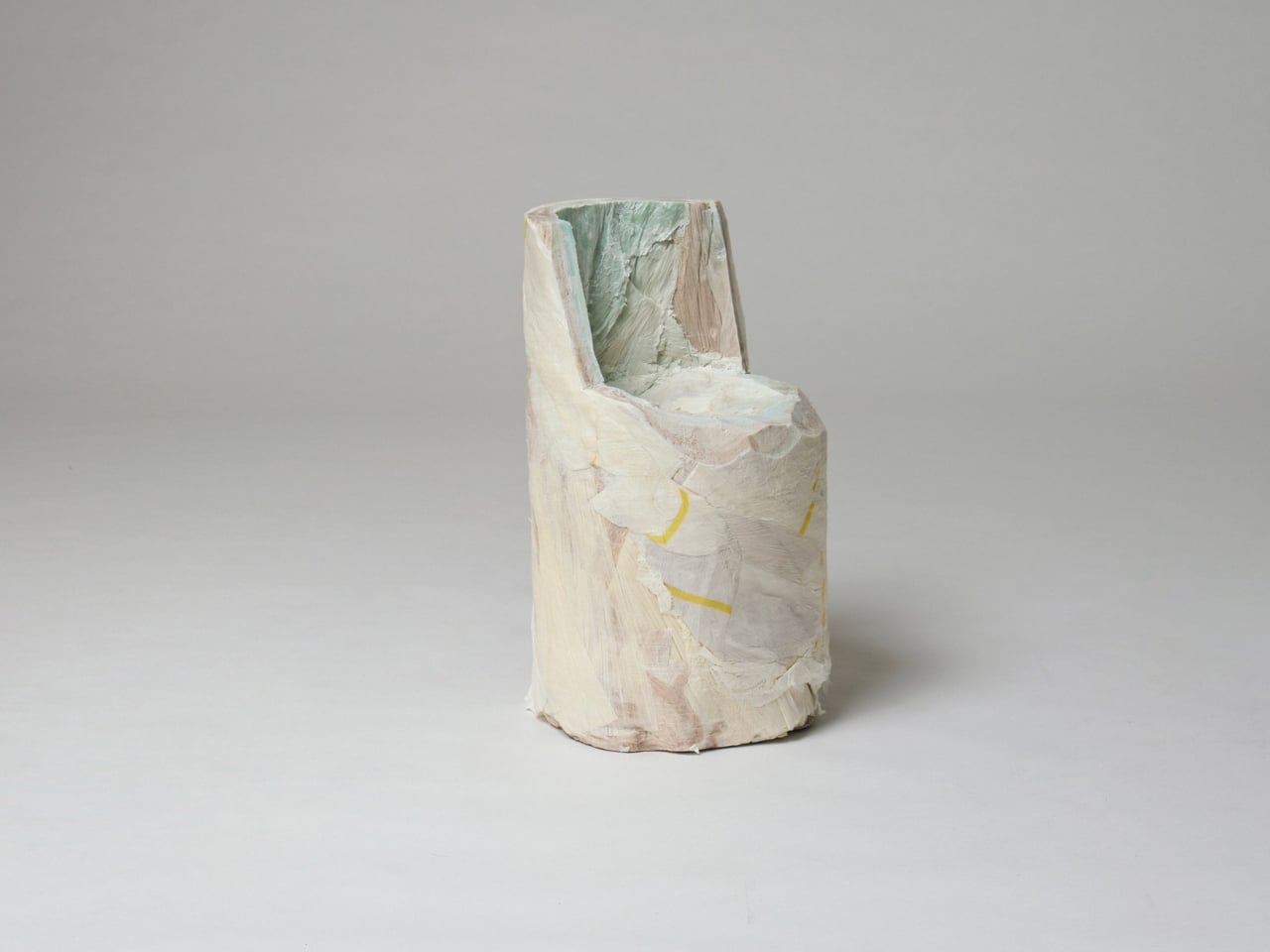
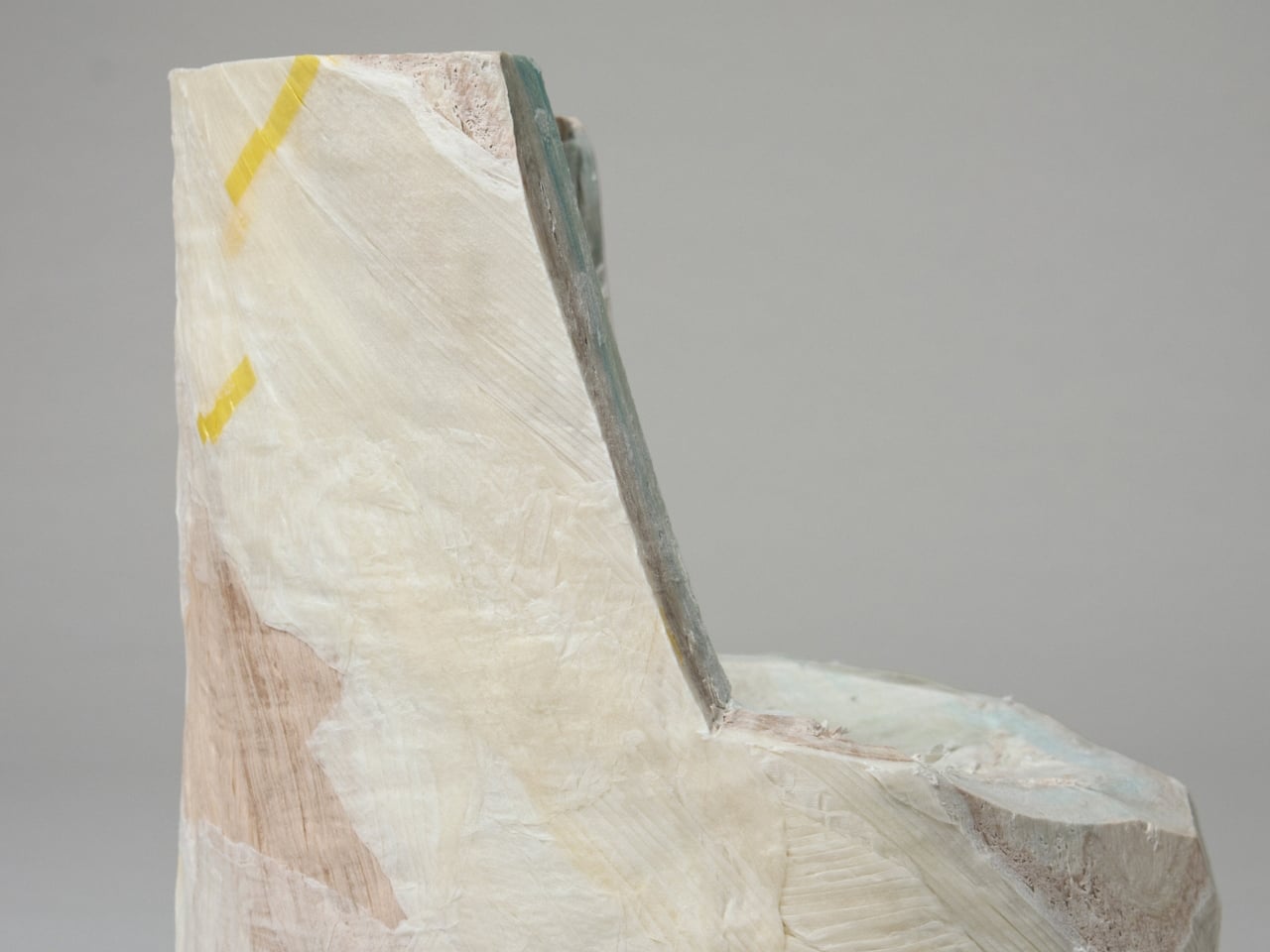
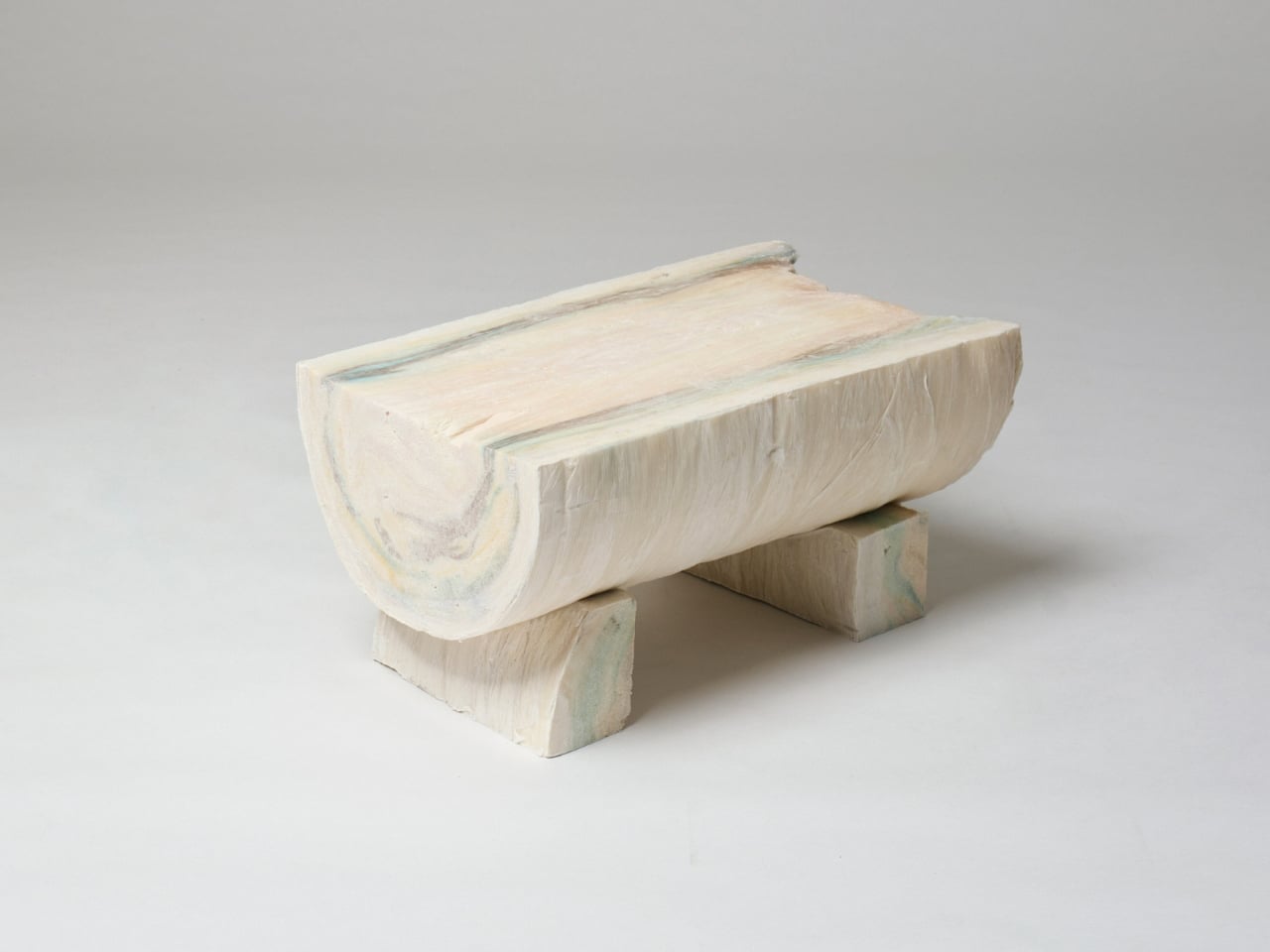
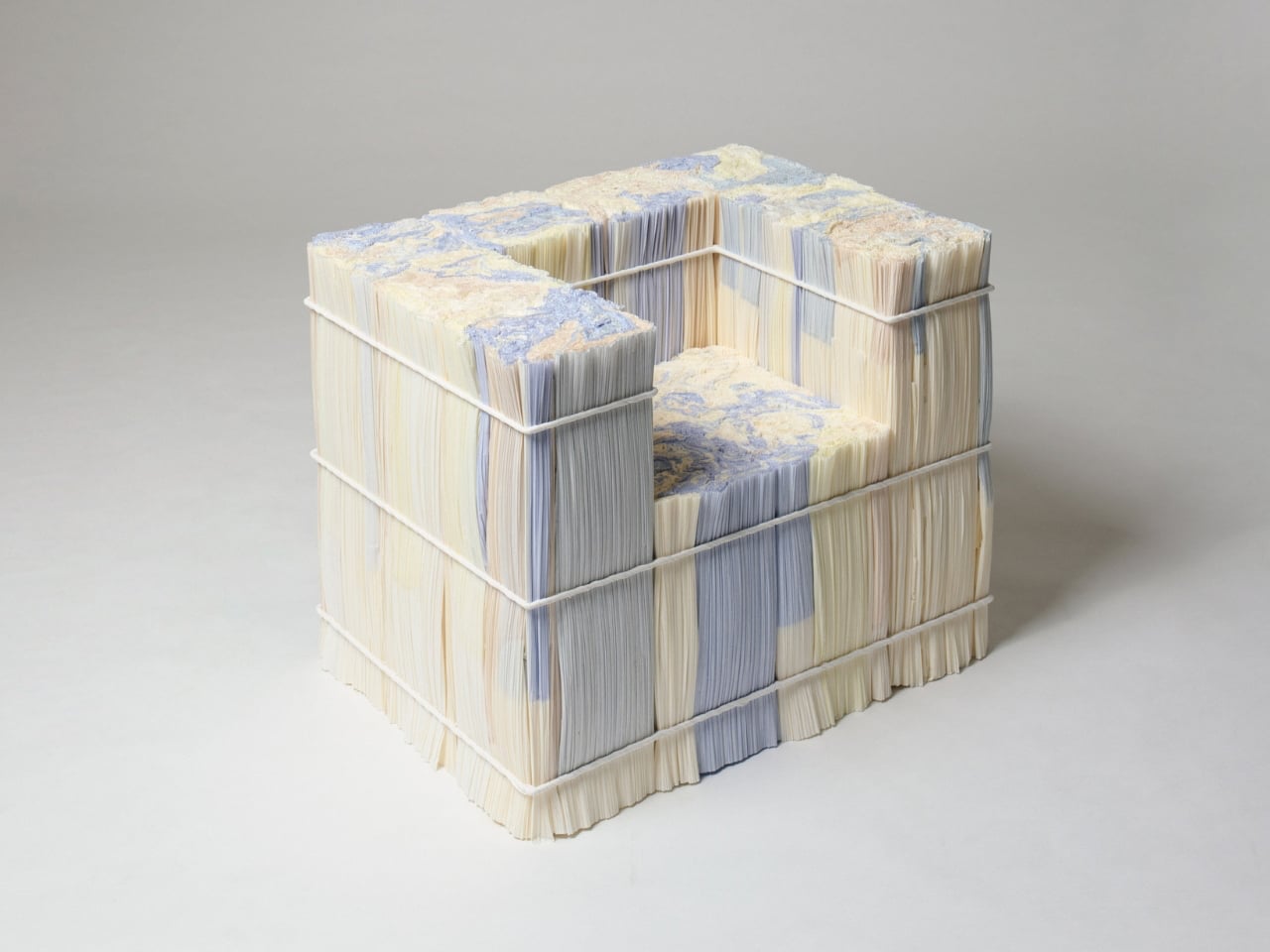
At ISSEY MIYAKE, the iconic pleating process has long been celebrated for transforming flat fabric into sculptural garments. But instead of focusing on the finished pieces, designer Satoshi Kondo turned attention toward the overlooked byproduct of the process: compressed rolls of protective paper used during pleating. These layered paper cylinders, typically discarded or recycled, inspired The Paper Log: Shell and Core, an exhibition presented during Milan Design Week 2026. Resembling tree trunks with ring-like patterns, the paper logs became symbols of time, process, and material memory within fashion production.
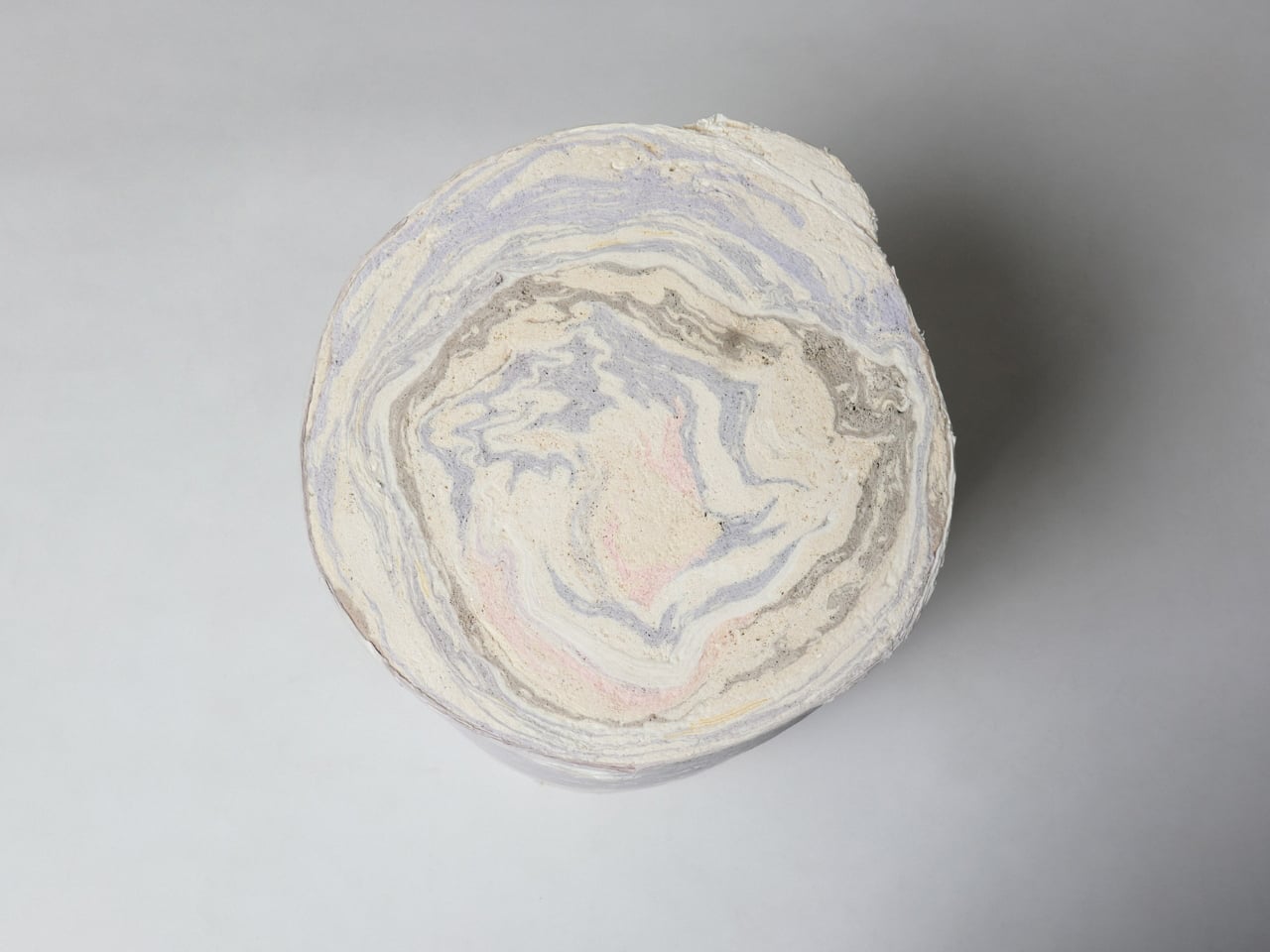
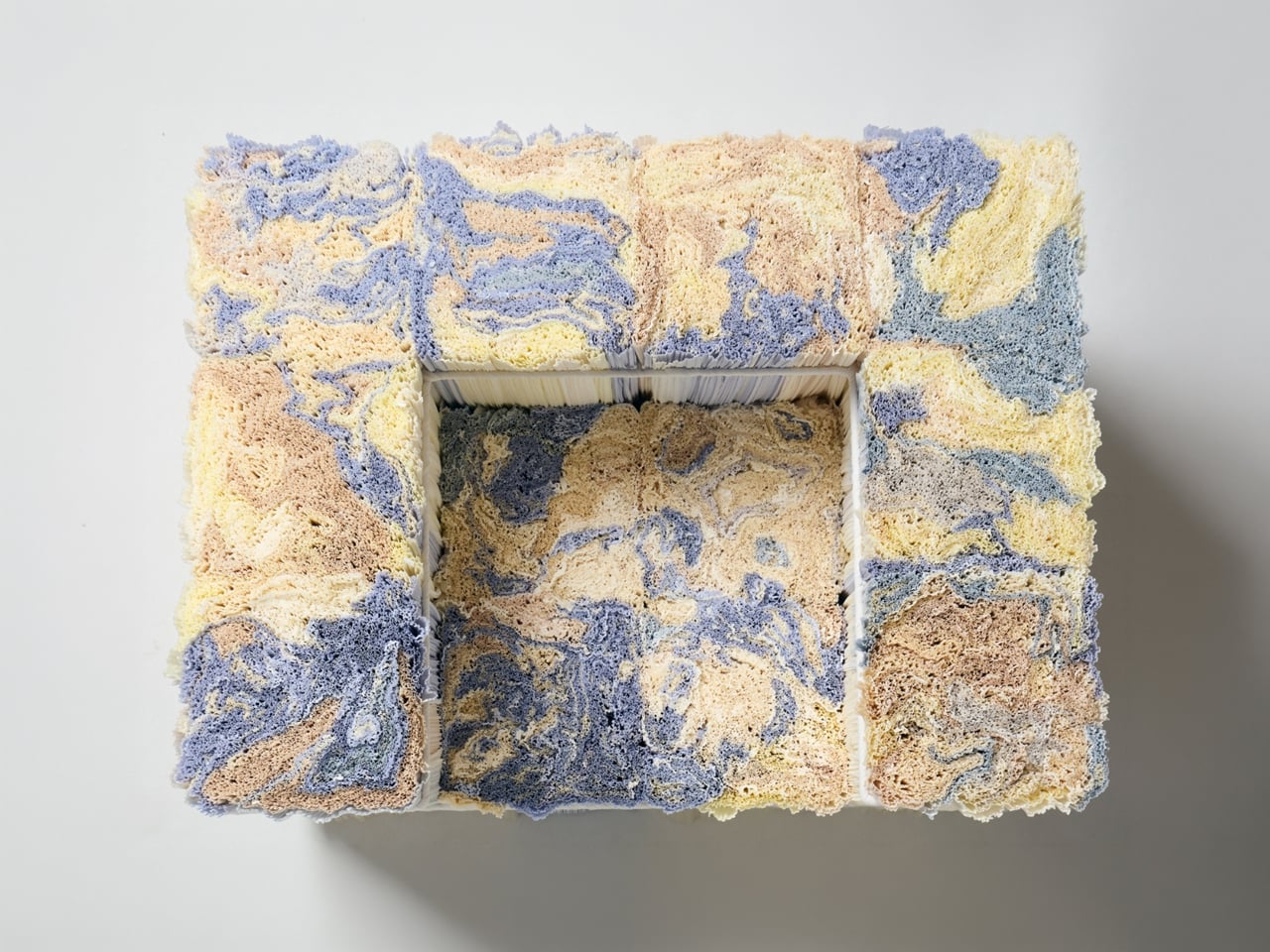
For the exhibition, Kondo collaborated with Ensamble Studio to transform the discarded material into sculptural installations and furniture prototypes. The Shell series explored delicate, folded forms, while Core focused on robust stools, tables, and chairs made from the compressed paper structures. The installation highlighted contrasts between fragility and strength, permanence and impermanence. More than a sustainability project, The Paper Log: Shell and Core reimagined industrial waste as a meaningful design material, encouraging visitors to reconsider the hidden beauty within creative processes.

2. Waste as a Creative Material

Designers are increasingly treating waste as a creative medium rather than a limitation. Scraps often carry unique textures, imperfections, and histories that make each design distinctive. Recycled materials introduce authenticity and individuality into spaces that mass-produced products often lack. From patchwork furniture to recycled terrazzo surfaces and upcycled lighting installations, waste materials are inspiring bold experimentation.

Many contemporary studios intentionally leave visible marks, welds, and raw textures to celebrate the origin of recycled materials. This design philosophy transforms imperfections into beauty and allows waste to become part of the storytelling process.
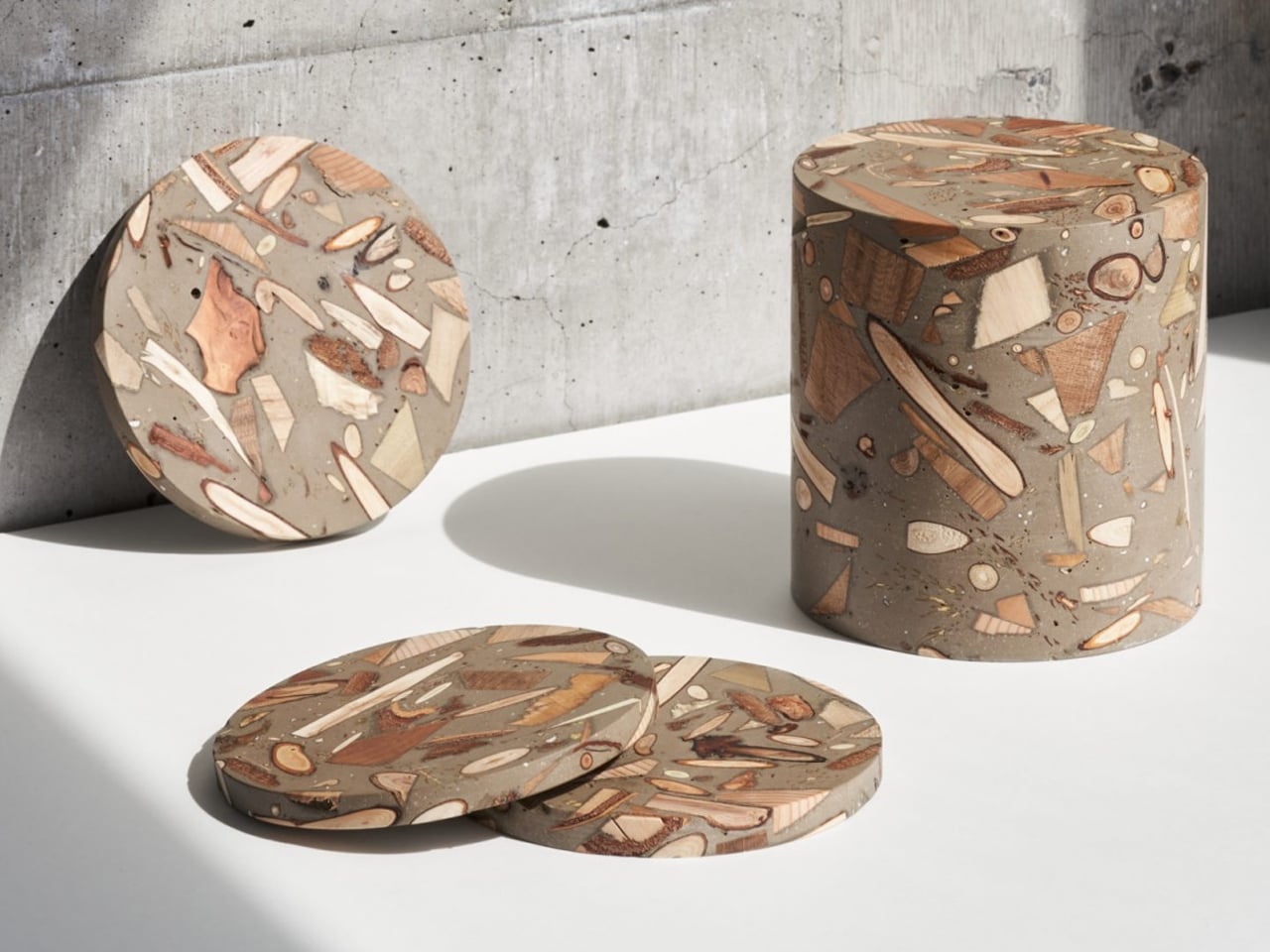
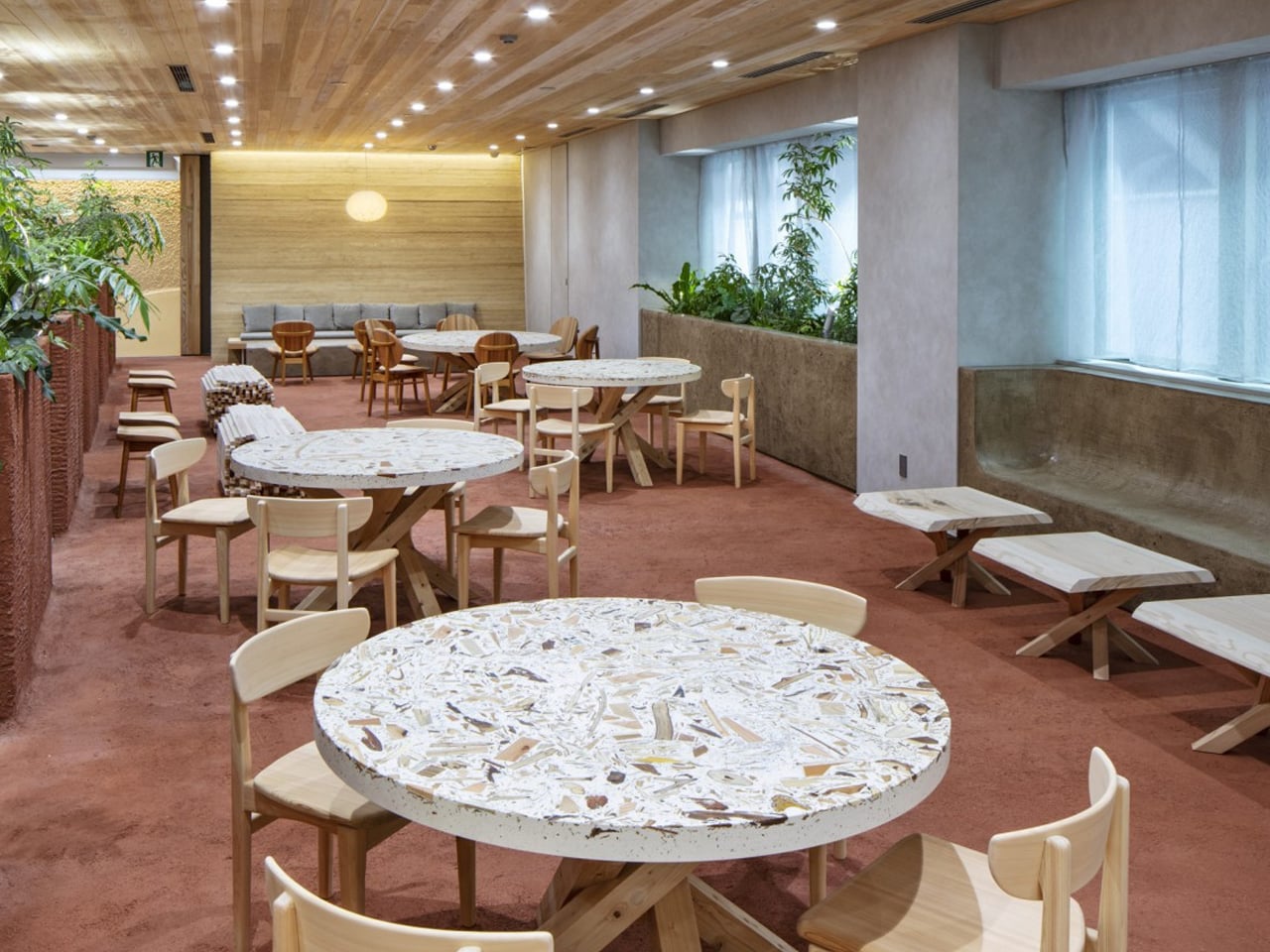
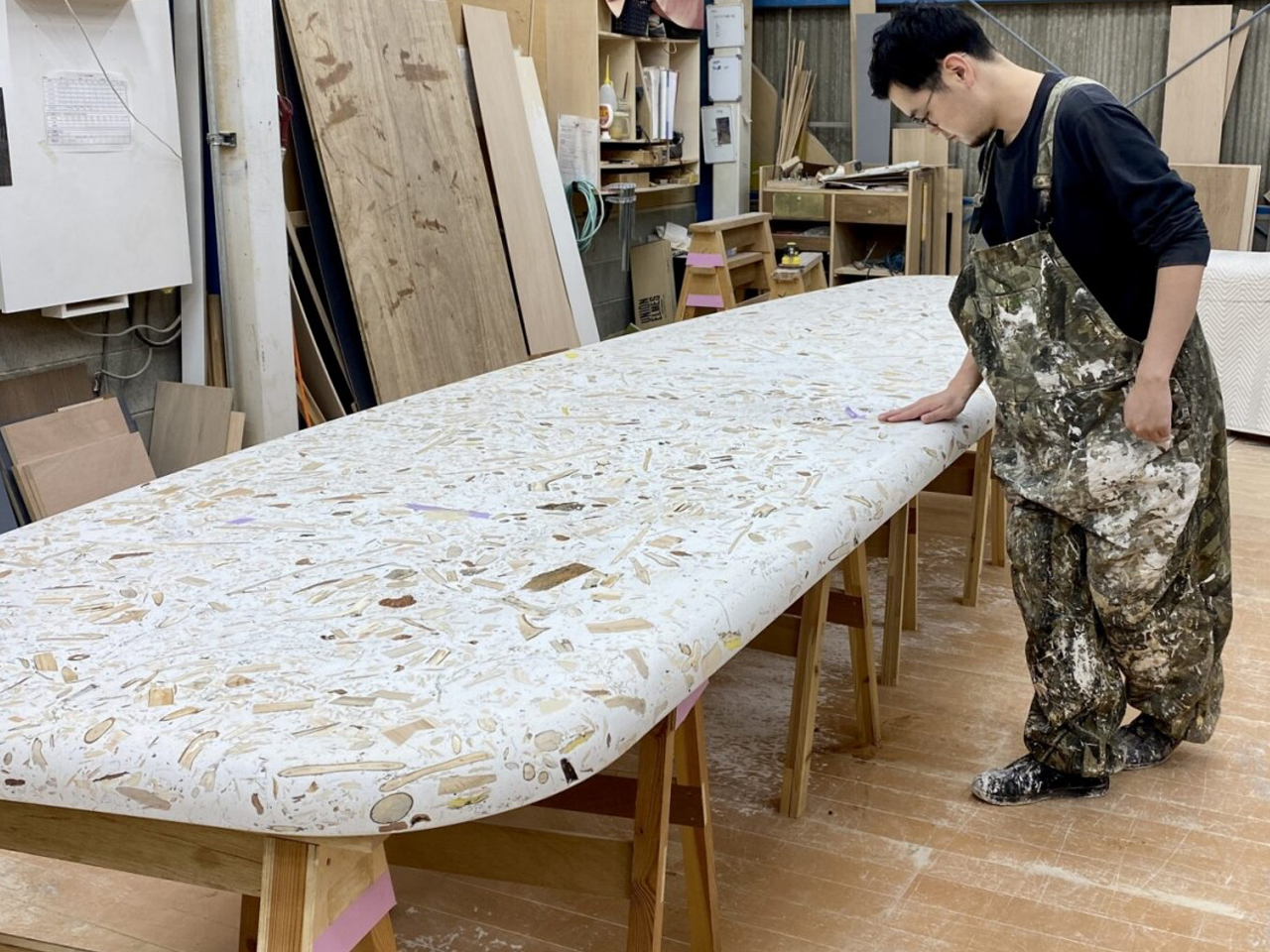
Wood has remained one of the most widely used materials in furniture and product design for centuries because of its durability, texture, and natural appeal. However, growing demand for wood-based products continues to contribute to deforestation and material waste, even when recycling methods are used. In response to these concerns, Yuma Kano of Studio Yumakano developed ForestBank, an experimental material that transforms how wood-like surfaces can be created without cutting down large trees.


Instead of traditional timber, ForestBank uses forest byproducts such as bark, leaves, seeds, branches, and discarded pruning waste combined with a mineral-based binder and water-based acrylic resin free from harmful solvents. The resulting material can be shaped using standard woodworking techniques while offering a distinctive terrazzo-like appearance filled with earthy textures and organic patterns. By transforming overlooked natural waste into functional furniture and architectural surfaces, ForestBank presents a more sustainable and visually unique alternative to conventional wood production.

3. Sustainable Architecture and Reclaimed Materials

Discarded textiles are finding a second life beyond the wardrobe. Designers are transforming worn-out jeans, fabric offcuts, and recovered fibers into decorative plates, trays, and other household objects. By shredding, compressing, and binding these materials, they create surfaces that retain traces of the original fabric while taking on new forms and functions.

The appeal lies as much in appearance as in reuse. Denim’s familiar blue-and-white fibers become distinctive patterns, allowing the material’s previous life to remain part of the finished design. These projects show how textile waste can become a starting point for expressive homeware rather than the end of a garment’s story.
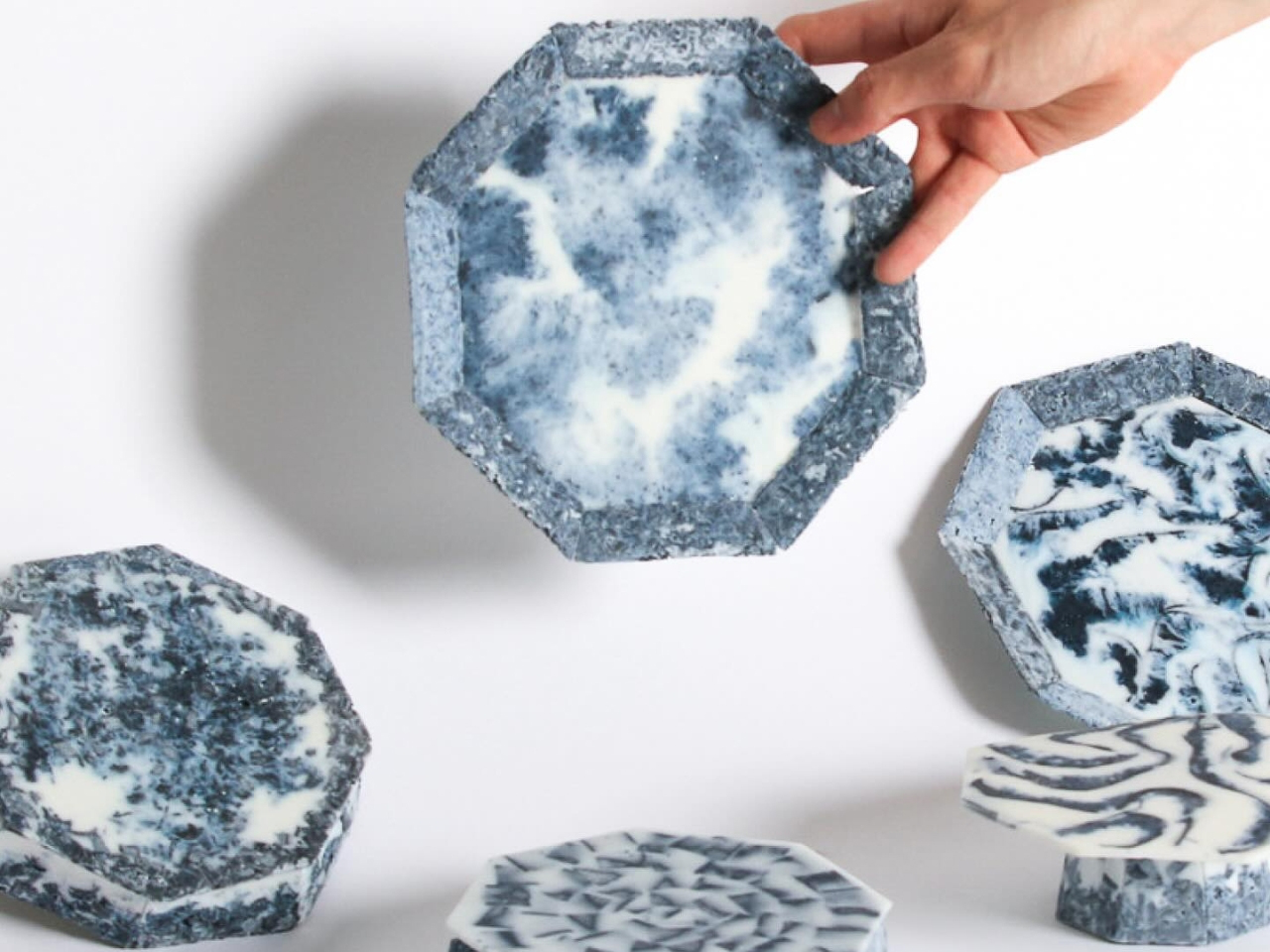
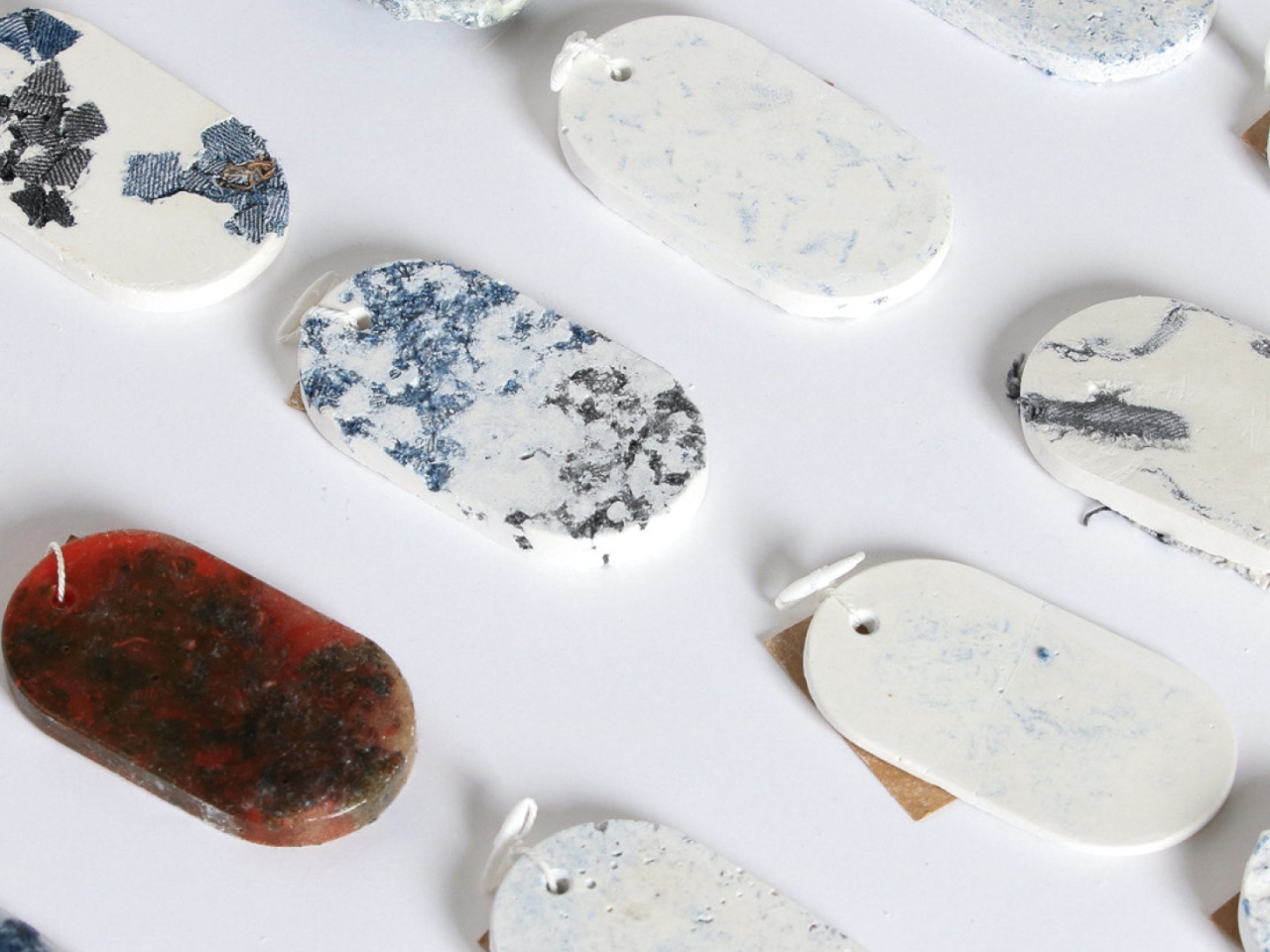
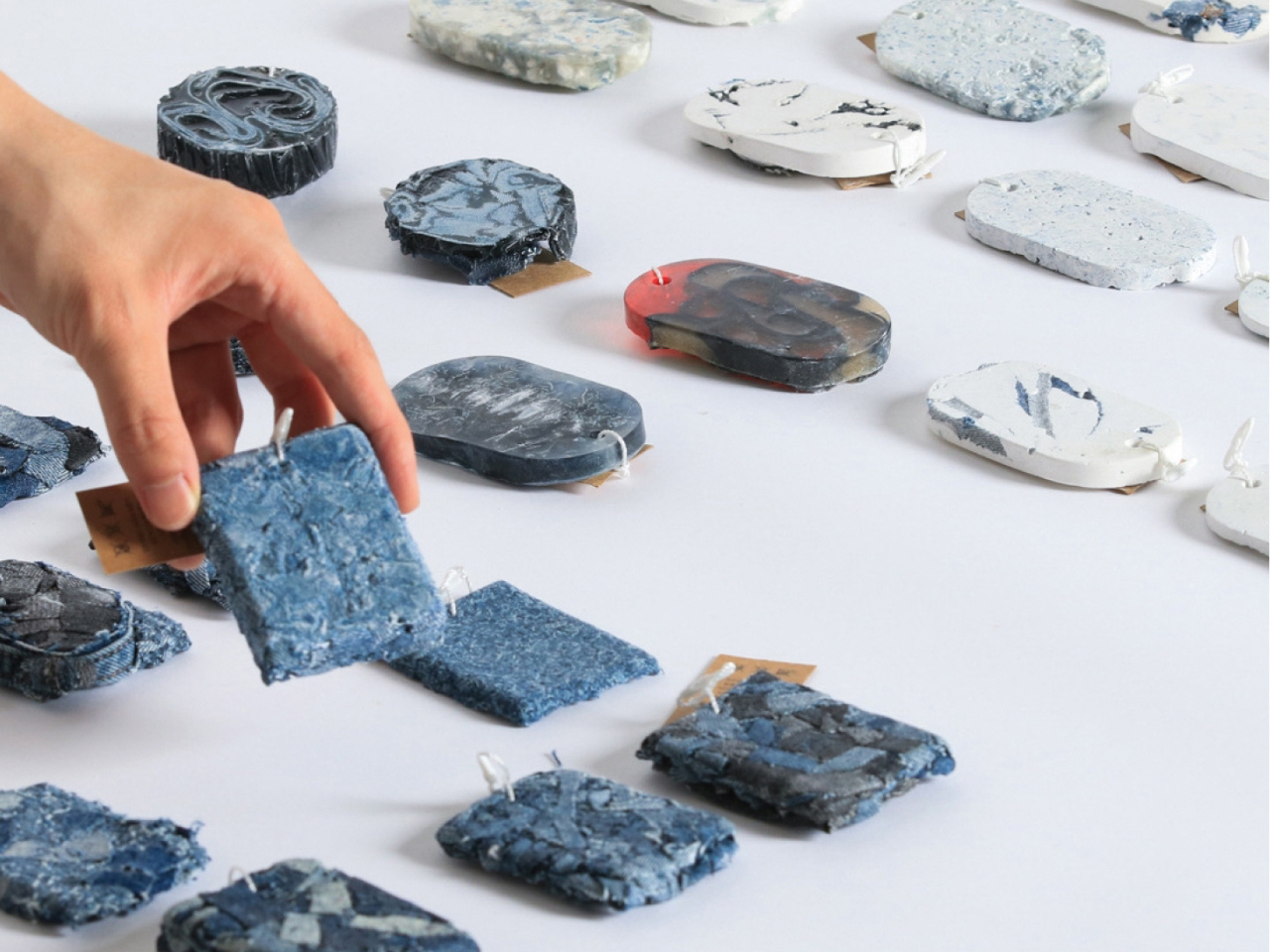
Jeans are among the most commonly discarded fashion items, despite denim being an extremely durable material with long-lasting potential. Exploring new ways to reuse textile waste, Junghyun Kim developed The Denim Project, transforming discarded denim into decorative household objects. Instead of allowing worn-out jeans to end up in landfills, the project experiments with grinding and compressing denim fibers before combining them with materials such as wood glue, plaster, and resin to create functional design pieces.
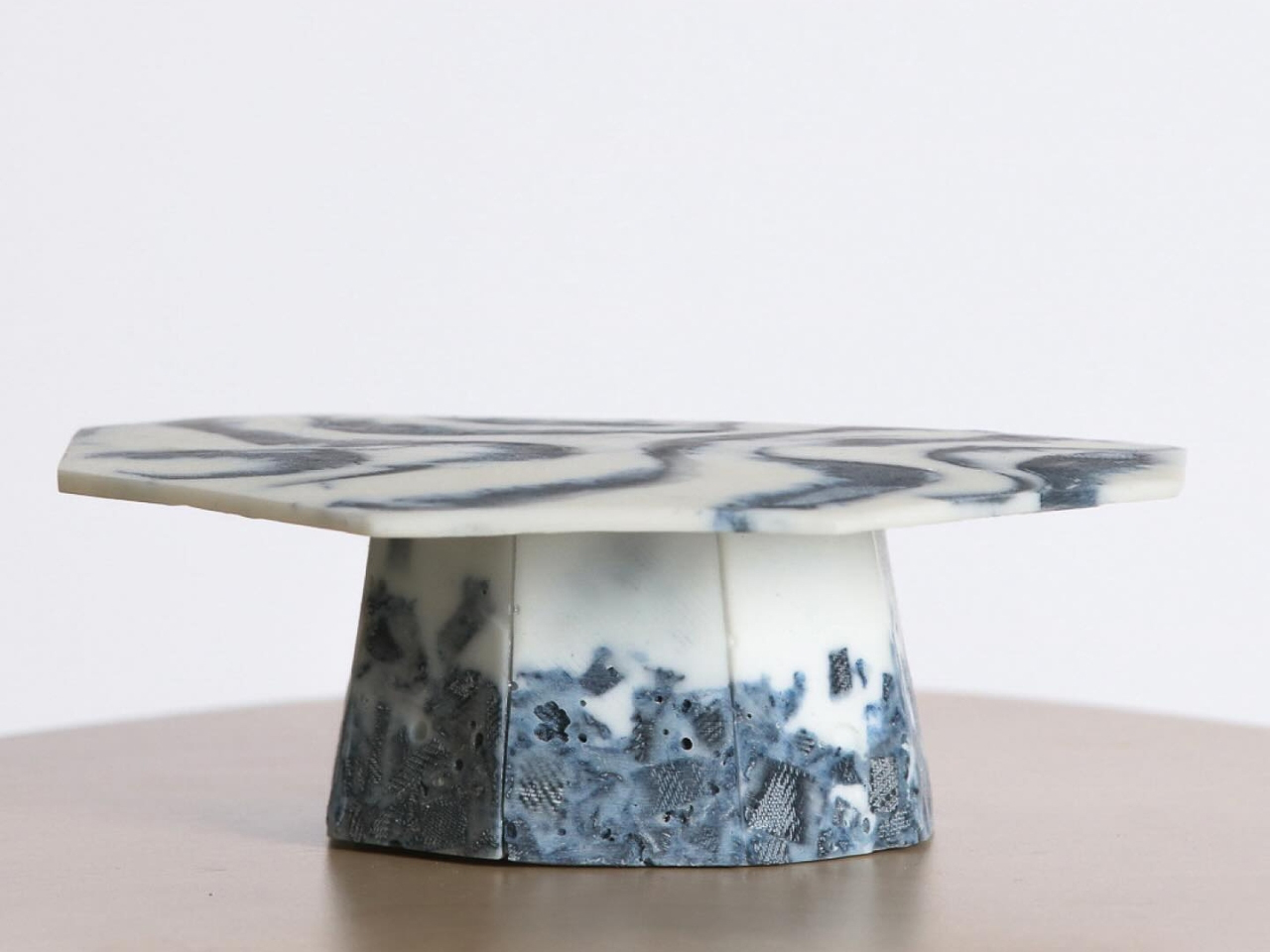
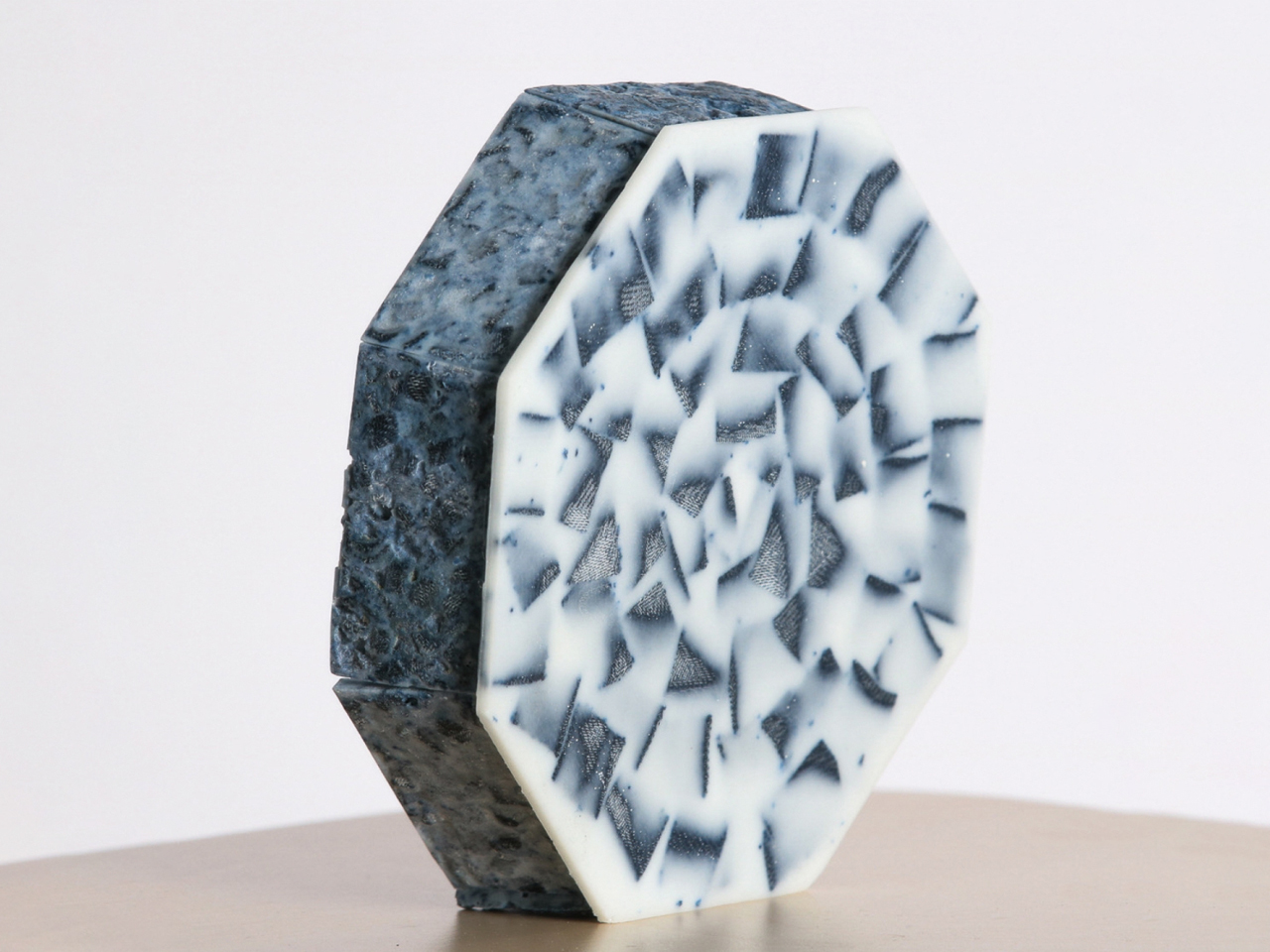
The result is a series of decorative plates and trays featuring soft blue-and-white textures inspired by the familiar tones of denim. The aesthetic subtly recalls traditional Japanese wave patterns, giving the objects a handcrafted and artistic character. Available in hexagonal serving trays and smaller coaster-like forms, the pieces blur the line between utility and decoration. By turning textile waste into durable homeware, The Denim Project highlights how discarded fashion materials can be repurposed into sustainable objects with a significantly longer lifecycle.

4. Luxury Through Sustainability

Luxury design is no longer defined only by rare or expensive materials. Today, exclusivity often comes from craftsmanship, sustainability, and originality. Upcycled and recycled materials are appearing in high-end interiors, designer furniture, fashion collections, and automotive design. Handmade pieces created from reclaimed materials carry a sense of uniqueness that cannot be replicated through mass production.

Consumers, especially younger generations, are increasingly attracted to products that reflect environmental awareness and ethical values. As a result, sustainability is becoming a symbol of sophistication, transforming scrap materials into premium design elements.
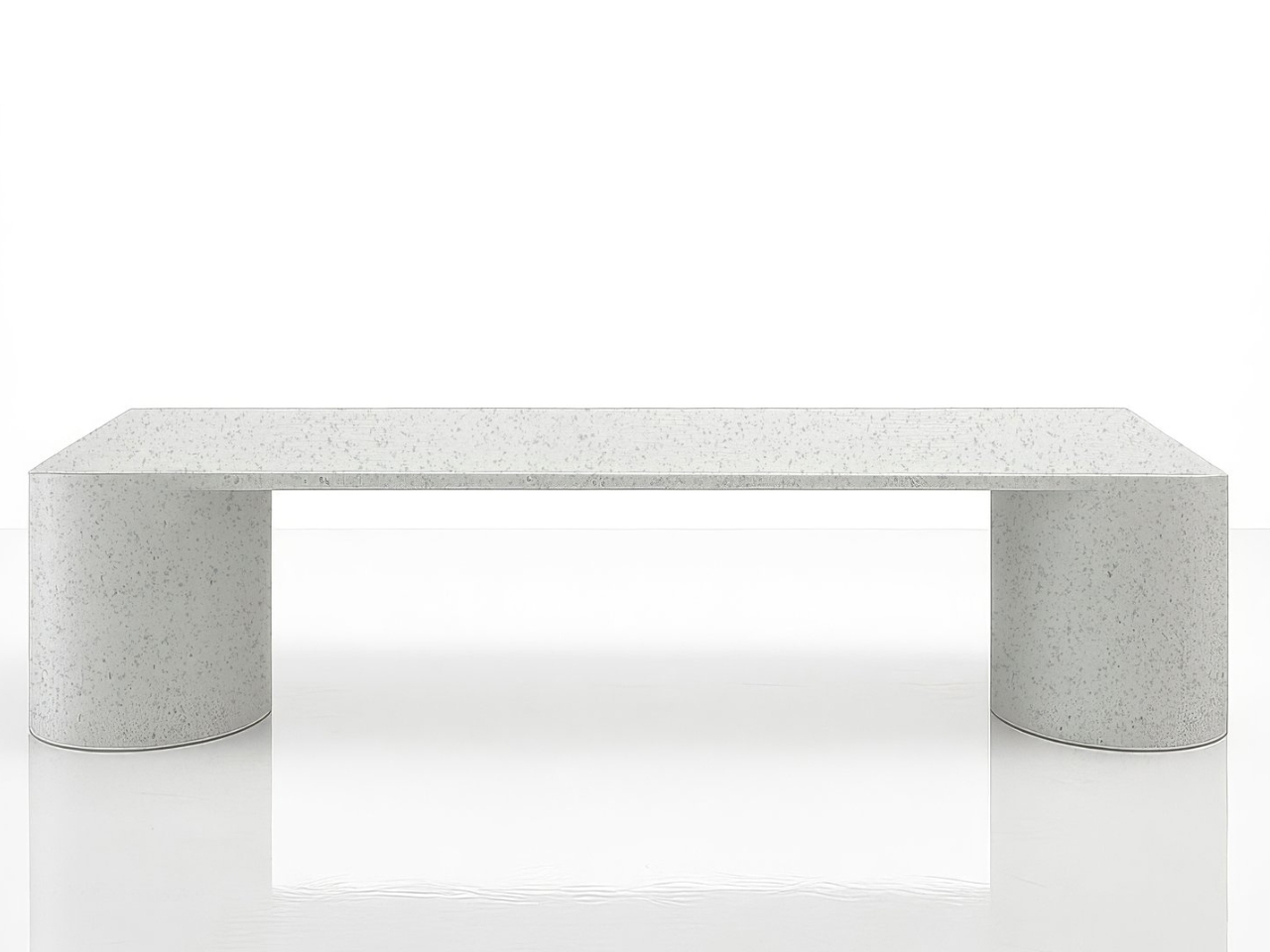
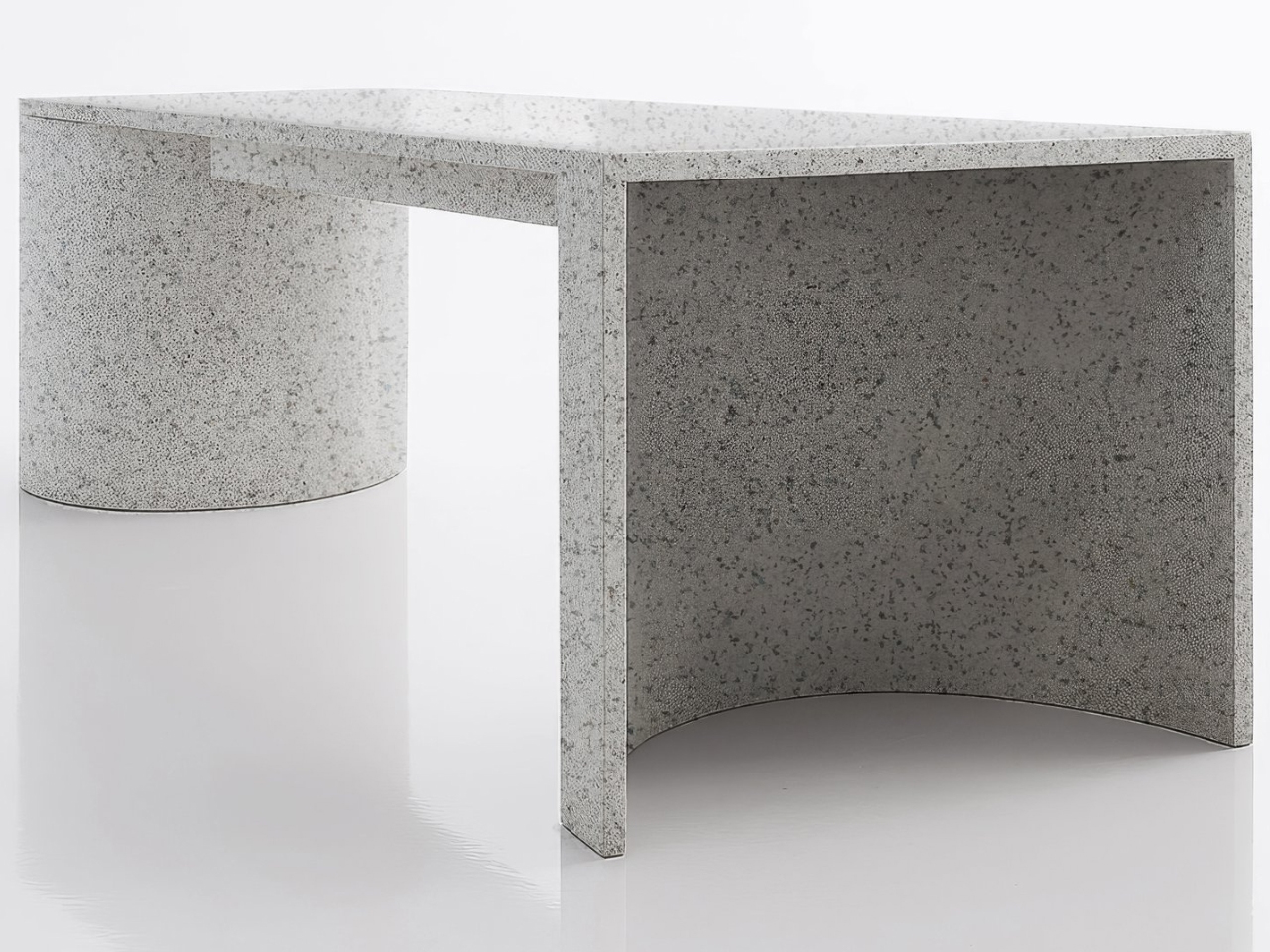
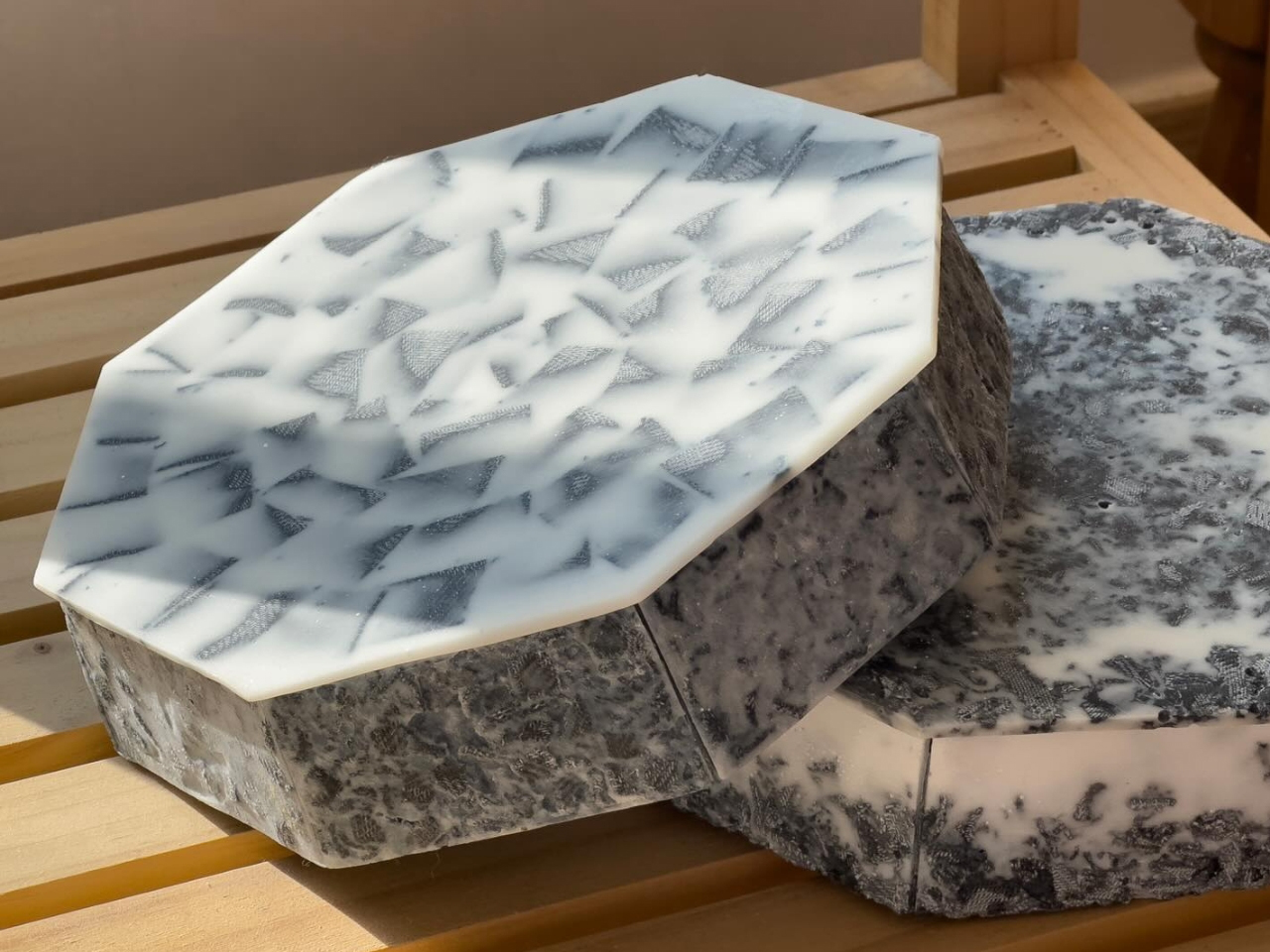
Electronic waste continues to be one of the fastest-growing environmental challenges as discarded gadgets, appliances, and computer accessories increasingly end up in landfills. Responding to this issue, Joe Doucet created the OLO Table, a sculptural furniture piece made from recycled electronic waste. The project transforms discarded materials such as old refrigerators, keyboards, and computer mice into a visually striking table that combines sustainability with contemporary design.
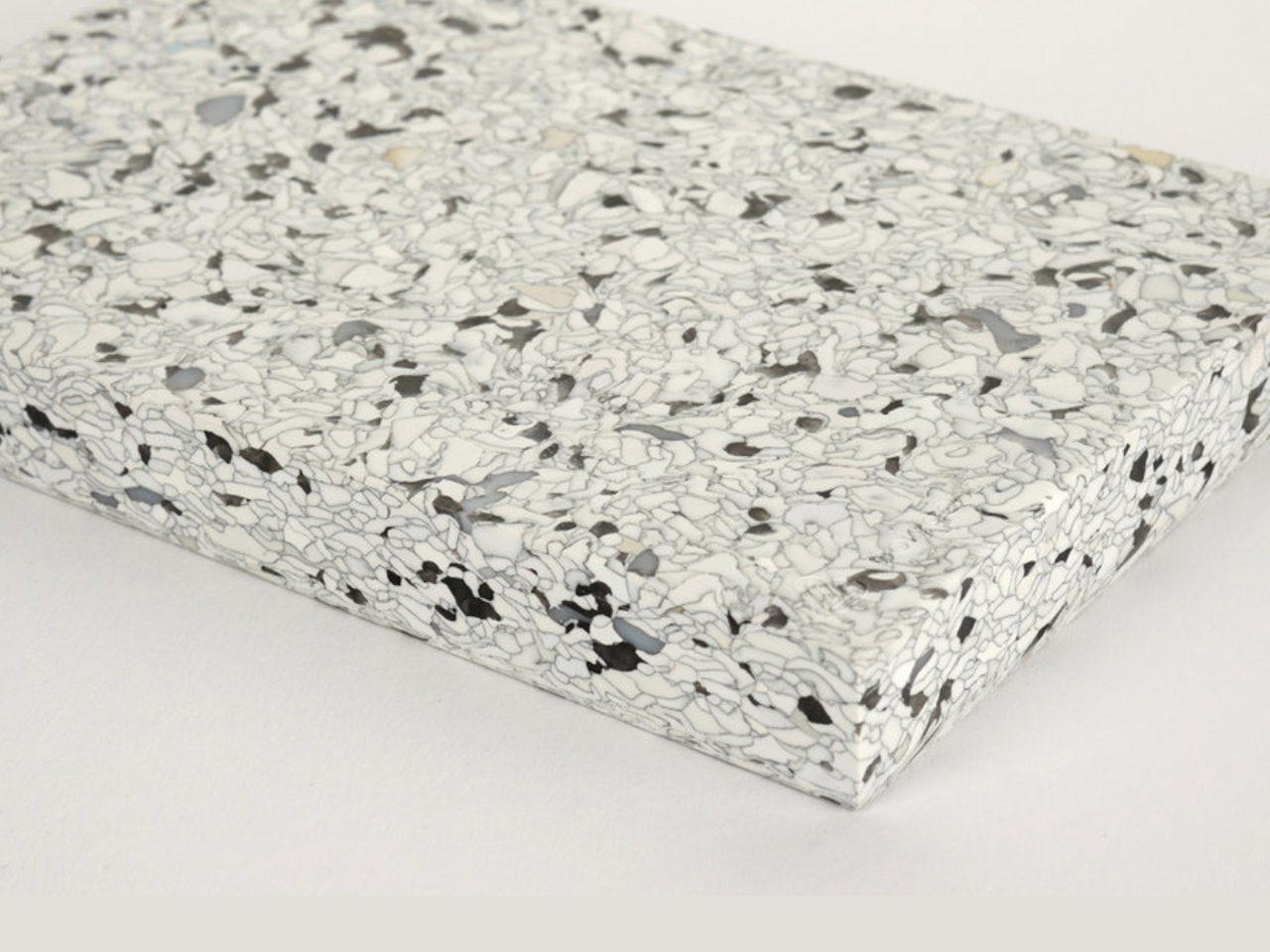
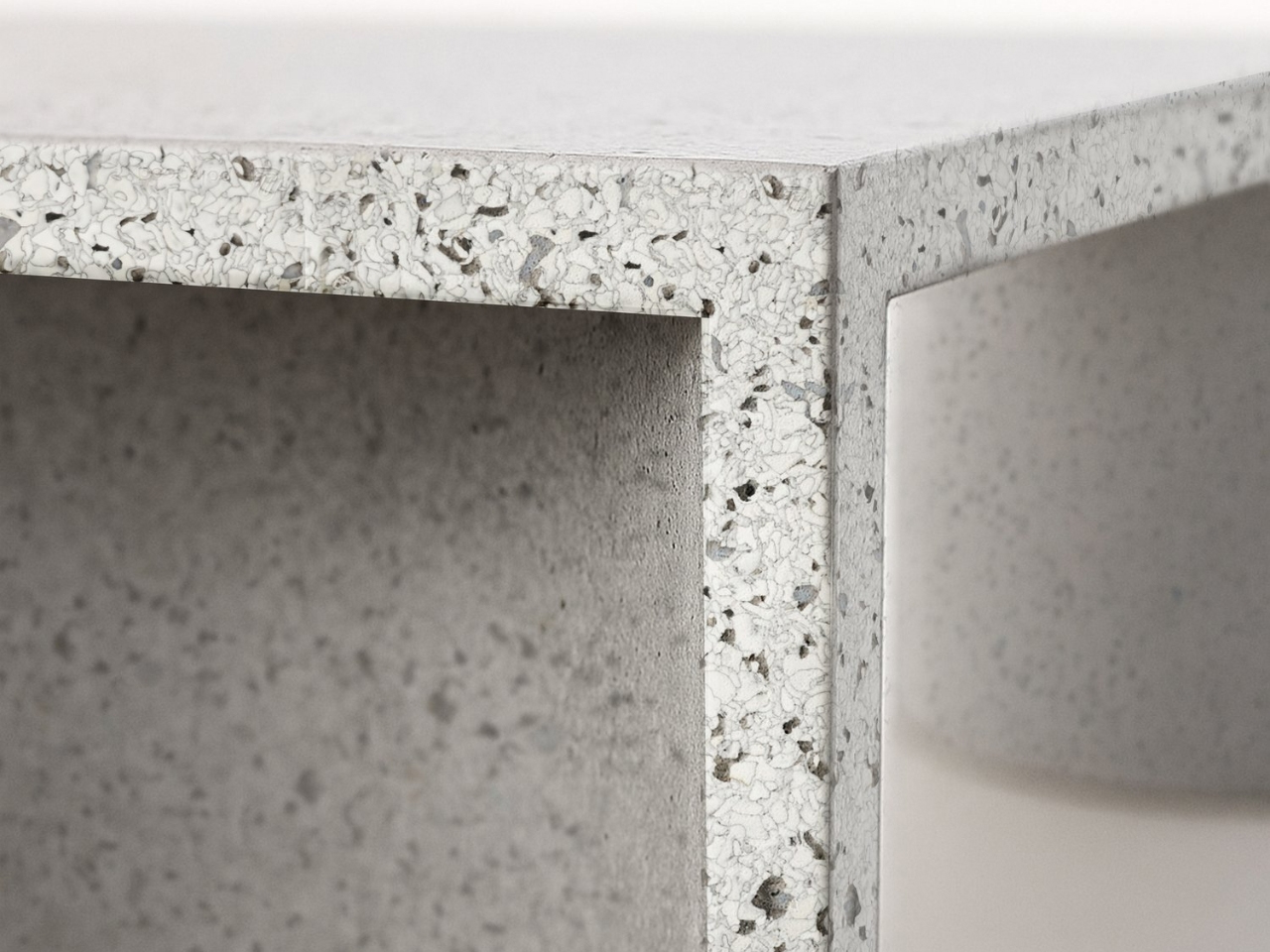
The table is crafted using Polygood Oyster, a recycled material developed from polystyrene extracted from electronic waste by The Good Plastic Company. Through thermoforming techniques, the material is shaped into the table’s flowing monolithic form, while colorful fragments from the recycled electronics remain visible within the surface, creating a terrazzo-like texture filled with traces of its previous life. More than a functional object, the OLO Table serves as a statement on circular design, indicating how discarded electronic materials can be transformed into durable and aesthetically refined furniture pieces.

5. The Future of Waste in Design

The future of design may depend heavily on how effectively industries manage waste and resources. Technological innovation is making recycling more efficient, while designers continue to push creative boundaries using unconventional materials. Cities are beginning to view construction debris, plastic waste, and industrial leftovers as valuable urban resources rather than disposable trash.

Emerging trends in biomaterials, modular systems, and zero-waste manufacturing further reinforce this shift. As environmental concerns continue to grow, the ability to transform waste into meaningful design solutions will become increasingly important for architects, brands, and creative industries worldwide.
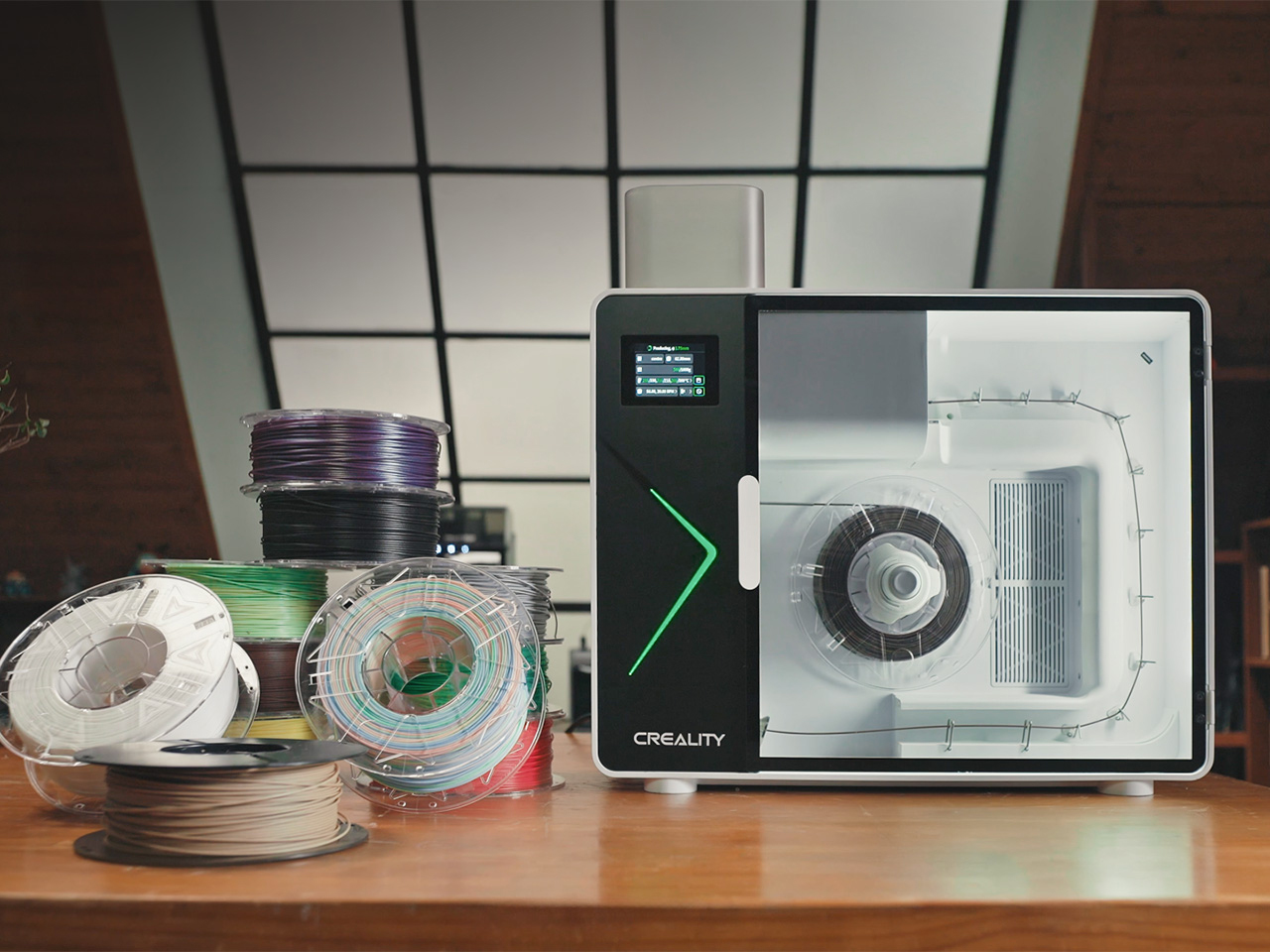
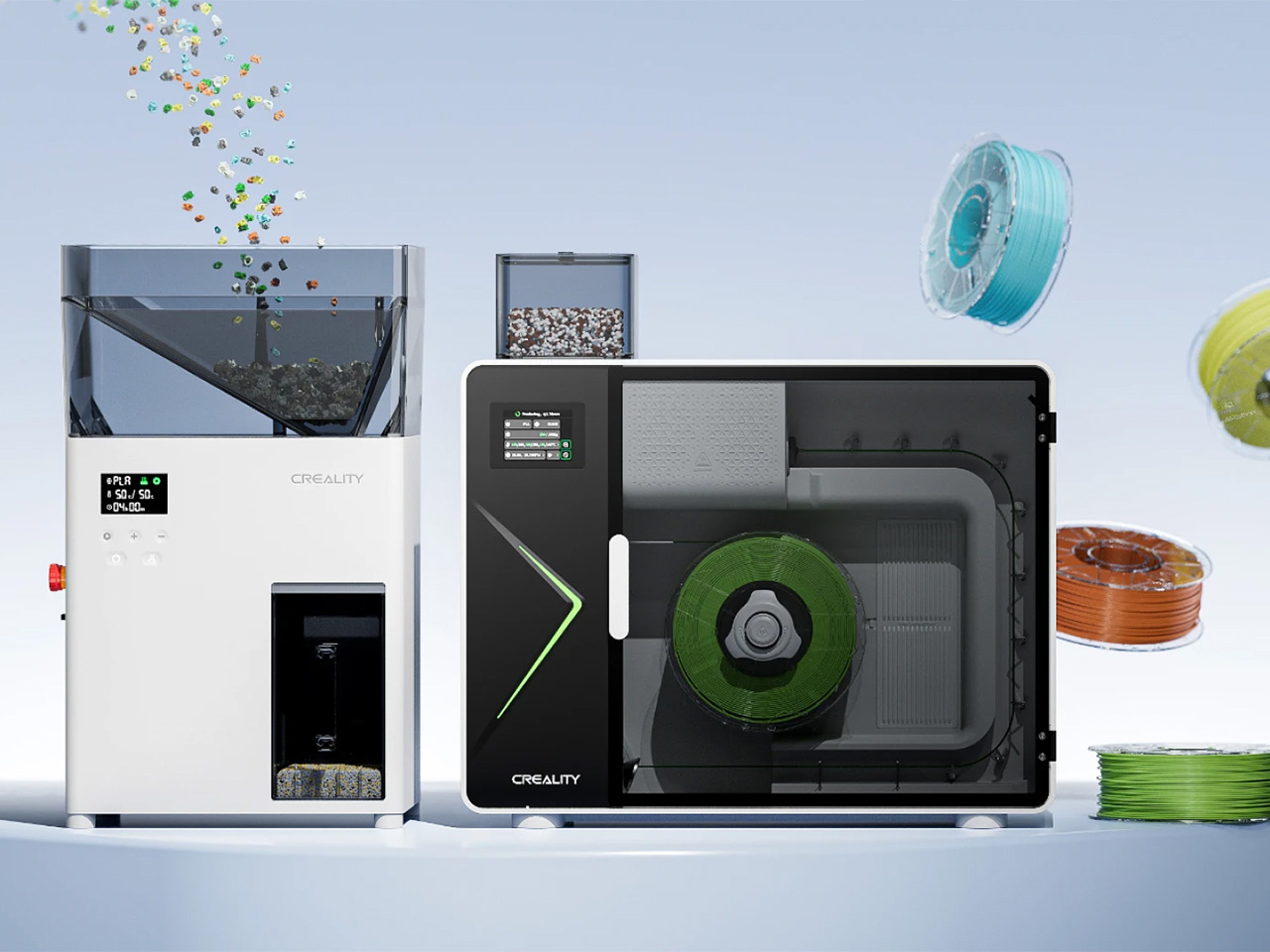
As rising material costs continue to impact the 3D-printing industry, Creality introduced the Filament Maker M1 and Shredder R1, a desktop system designed to recycle failed prints and produce new filament on demand. With standard PLA filament prices increasing sharply in recent months, the system offers makers and small studios a more affordable and sustainable alternative by converting discarded print waste into reusable material. The Shredder R1 breaks down failed prints, support structures, and plastic scraps into small pellets, while also drying the material internally before feeding it directly into the M1 extruder.
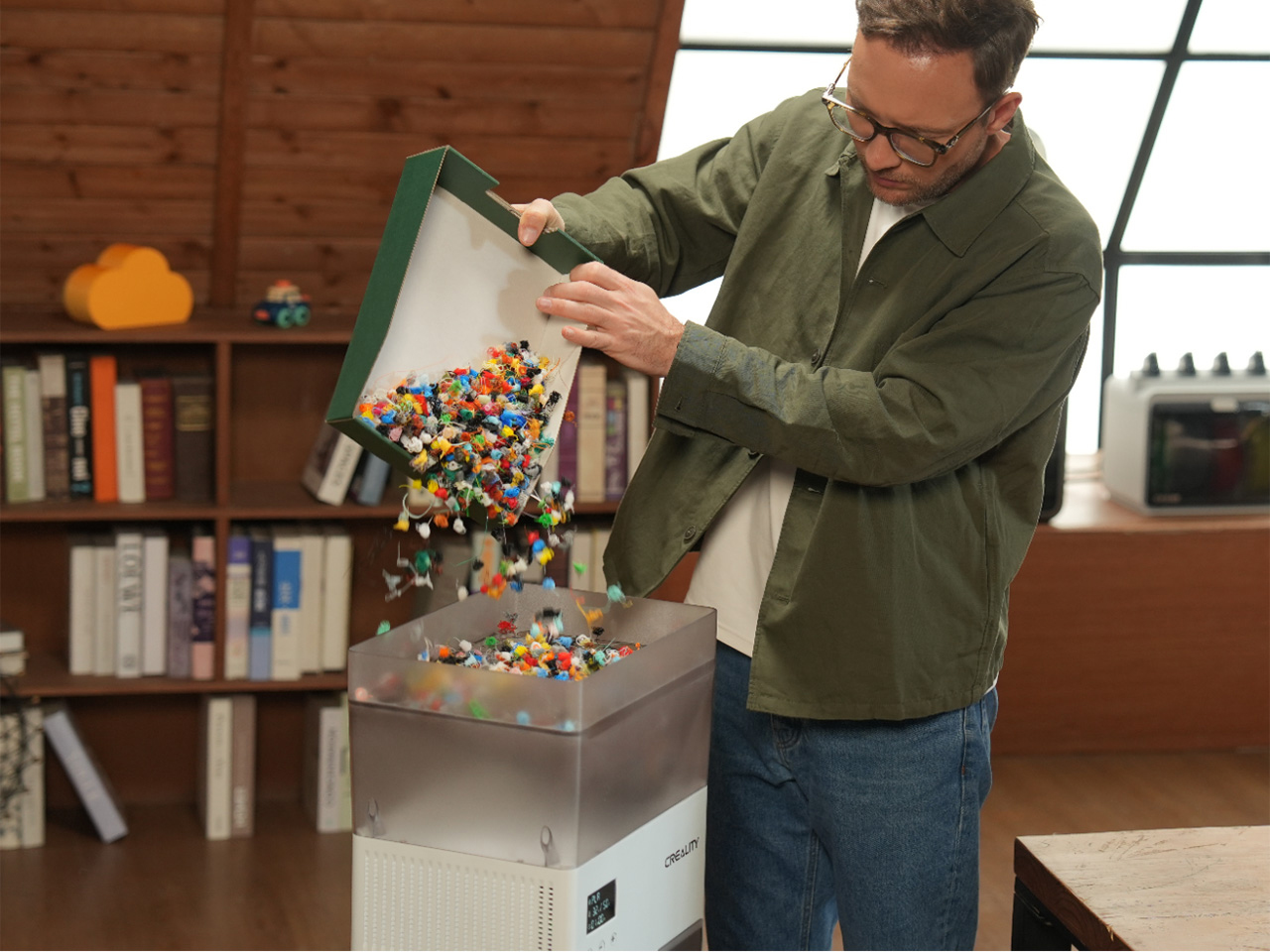
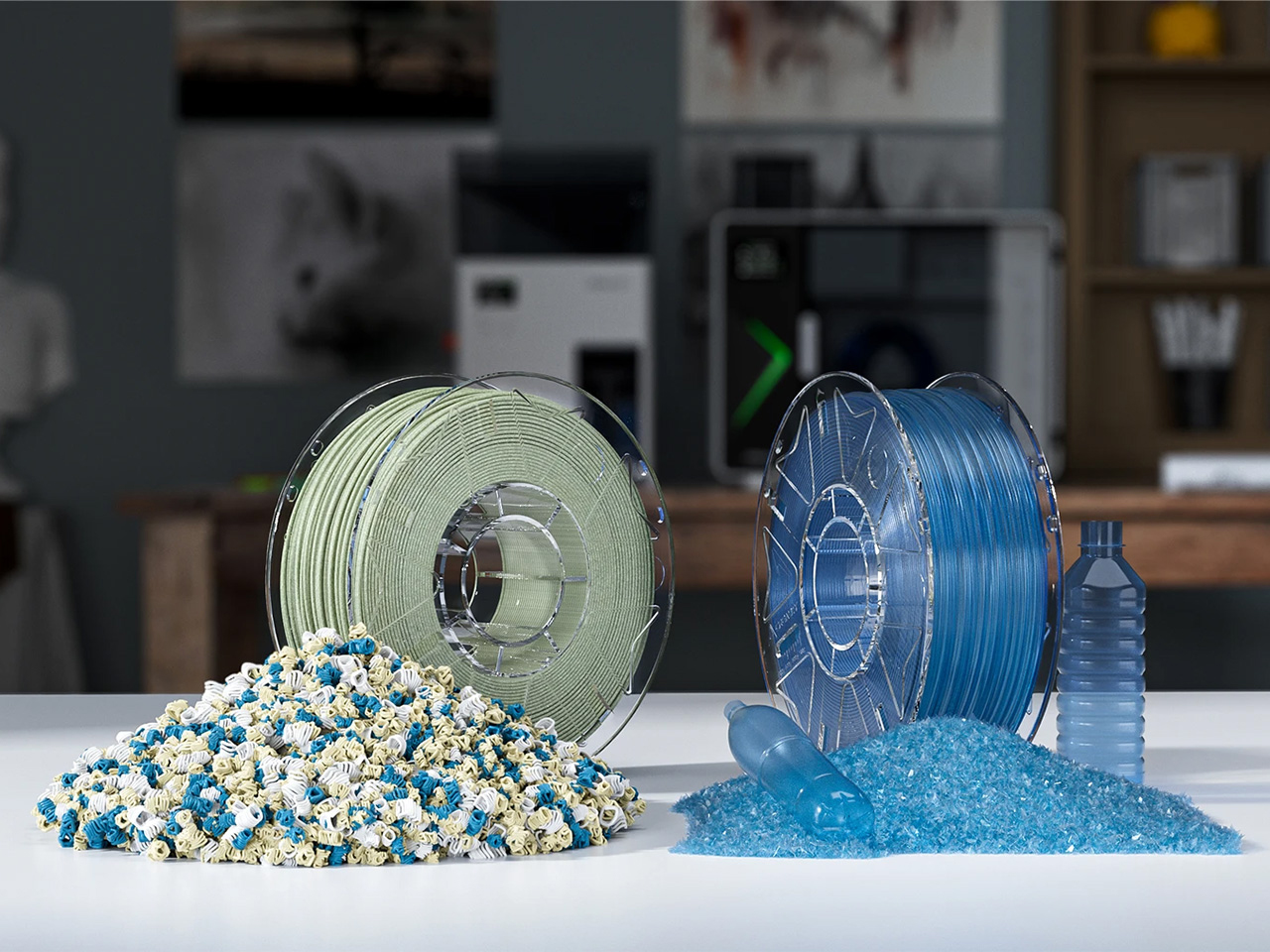
The Filament Maker M1 then transforms these pellets into fresh filament with controlled diameter precision and customizable material properties. Users can experiment with colors, textures, and additives such as wood dust, carbon fiber, or natural powders to create unique filament blends for specialized applications. Supporting multiple materials, including PLA, PETG, ABS, TPU, and composite filaments, the compact desktop system combines shredding, extrusion, cooling, and automatic spooling into a single workflow. Beyond reducing material waste, the project highlights how localized filament production could reshape sustainable manufacturing and lower long-term 3D-printing costs for creators and small businesses.

In many ways, scrap is becoming the material that defines the future of modern design. What was once overlooked or discarded is now being transformed into architecture, interiors, products, and artworks that reflect innovation, responsibility, and creativity. By rethinking waste as a resource, designers are reshaping the relationship between sustainability and beauty.

The growing value of reclaimed materials proves that the future of design may not come from extracting more resources, but from rediscovering the hidden potential of what already exists.

The post From Paper Furniture to Denim Plates: 5 Ways to Rethink Scrap Material first appeared on Yanko Design.


Amazon’s new Bee AI devices help you remember more without taking notes

Remembering details from meetings, conversations, and everyday interactions is hard when you’re splitting your attention between listening and taking notes. Amazon is addressing this with Bee Frontier and Bee Eclipse, two personal AI devices designed to capture conversations and turn them into summaries, reminders, and actionable tasks.

Both devices connect to the Bee app, where users can revisit key details without manually documenting every interaction. Integrations with Gmail, Google Calendar, and Microsoft Outlook turn discussions into follow-up emails and scheduled events, while Alexa+ lets you access personal notes and reminders hands-free.

Designer: Amazon

With one device worn on the body and the other attached to a phone, Amazon offers two ways to bring AI-assisted note-taking into everyday life without adding another screen to manage.

Bee Frontier Wearable AI Companion

Bee Frontier is designed for people who want to keep track of conversations without repeatedly reaching for their phones. Worn on the wrist with a soft silicone band or clipped onto clothing, the lightweight device can accompany users through meetings, lectures, interviews, and everyday interactions. Someone attending back-to-back work meetings, for instance, could stay focused on the discussion instead of splitting their attention between colleagues and a notebook, then review the main decisions and follow-up tasks afterward.

The wearable features dual microphones with noise filtering to pick up conversations in everyday environments. Its summaries can be organized using templates for different situations, including meetings, lectures, care plans, and brainstorming sessions. This gives users a way to revisit the information that matters, whether that means remembering a client’s requirements, reviewing a class discussion, or keeping track of tasks agreed upon during a team meeting. Available in Onyx, Lavender, and Sage, Bee Frontier also offers IP67 water resistance, USB-C charging, and up to seven days of battery life.

Bee Eclipse Adds AI to Your Phone

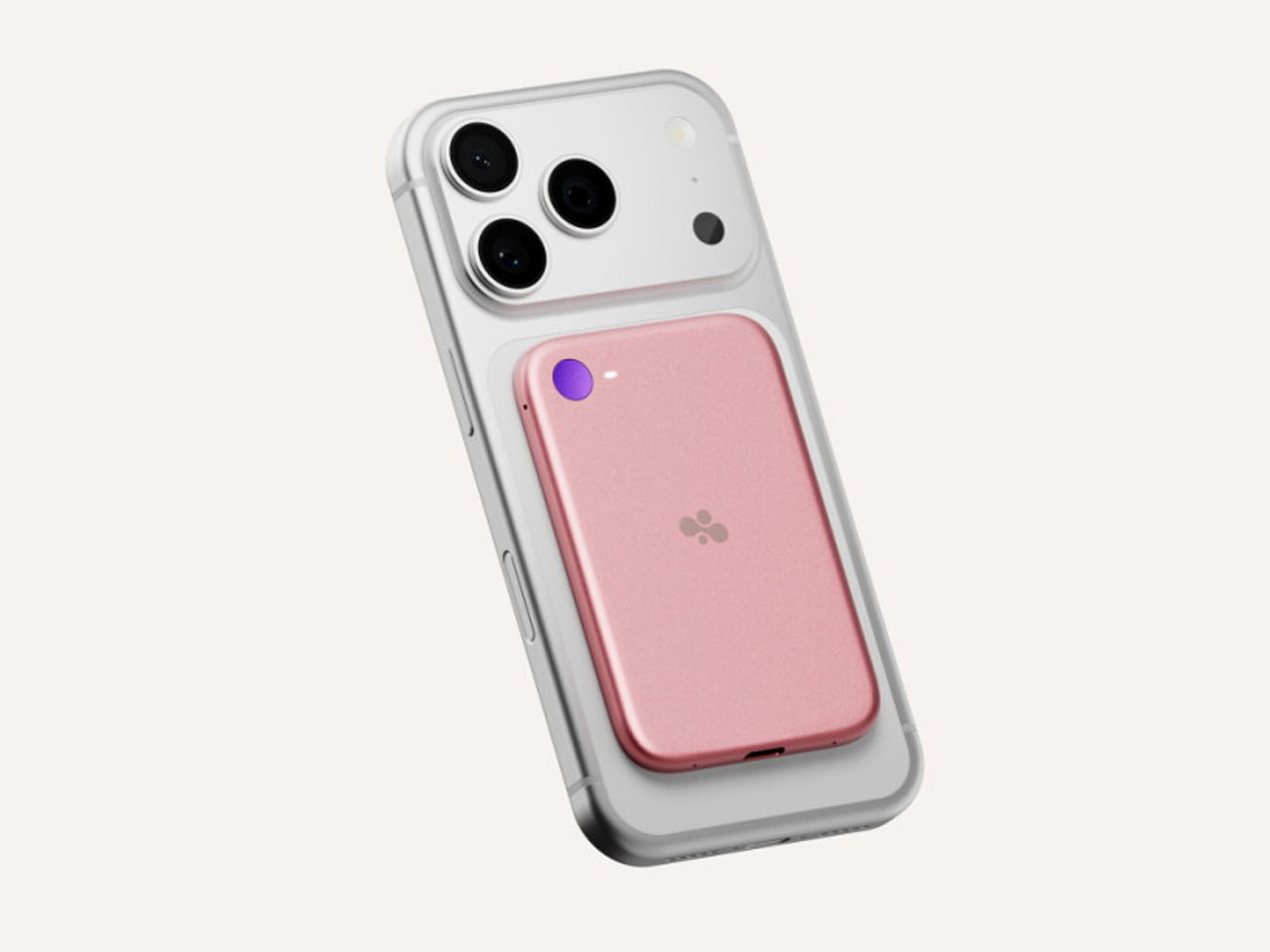
Bee Eclipse brings similar functionality to a familiar device rather than introducing something users need to wear. The slim magnetic attachment sits on the back of a compatible smartphone, making it a potential fit for people who prefer to keep their everyday technology consolidated around their phone. Its design also lends itself to situations where conversations move between calls and face-to-face discussions.

Measuring approximately 4.6mm thick and weighing 48.9g, Eclipse is roughly the size of a credit card. It uses four MEMS microphones and a vibration microphone to capture in-person conversations and both sides of phone calls. That could be useful for someone handling client calls throughout the day who wants to revisit important instructions later, or for professionals who need a record of discussions without interrupting the flow to type notes. Its battery is rated for more than 21 days on a single charge.

Privacy remains important for both devices. Amazon says its Bee Private Compute architecture processes audio in real time and deletes it afterward rather than retaining audio recordings. Transcripts are encrypted using keys controlled by the user’s device, and users can delete their summaries and transcripts. A physical button controls audio processing, while an LED indicates when the devices are active. Users should obtain permission from other participants before capturing conversations.

Bee Frontier is available for $74.99, while Bee Eclipse is expected to launch soon at $99.99. Both include basic conversation summaries and a 14-day memory history. The optional Bee Pro subscription costs $11.99 per month and adds expanded integrations, daily memories, suggested tasks, a personal AI assistant, and desktop access, with a 30-day trial for new customers.

By offering a wearable and a smartphone attachment, Amazon gives users two ways to make everyday conversations easier to revisit, with the choice largely depending on how they prefer to carry and use their technology.

The post Amazon’s new Bee AI devices help you remember more without taking notes first appeared on Yanko Design.

What Is the Porsche Mission S? Inside the Brand’s Bold Supercar Vision

What Is the Porsche Mission S? Inside the Brand’s Bold Supercar Vision Porsche Mission S

The Porsche Mission S concept car has made a striking debut, showcasing the brand’s ambitious vision for high-performance engineering. Positioned as a potential successor to the iconic Porsche 918 Spyder, this mid-engine supercar concept combines retro-inspired aesthetics with innovative technology. With competitors such as the Ferrari SF90 and Lamborghini Revuelto in its sights, the Mission […]

The post What Is the Porsche Mission S? Inside the Brand’s Bold Supercar Vision appeared first on Geeky Gadgets.

Posted in Uncategorized

Aurelis Bag Concept Is Wearable Sculpture Without a Solid Shell

I don’t own a lot of unique-looking bags, as I’m more of a practical and utilitarian kind of bag owner. But I do like observing other people’s bags, especially if they seem extremely fashionable or different from the usual ones I see. I also wonder how those who carry tiny bags are able to fit anything into them, but that’s a story for another time. When I see bags that have distinct shapes and colors, I tend to think about the story behind them.

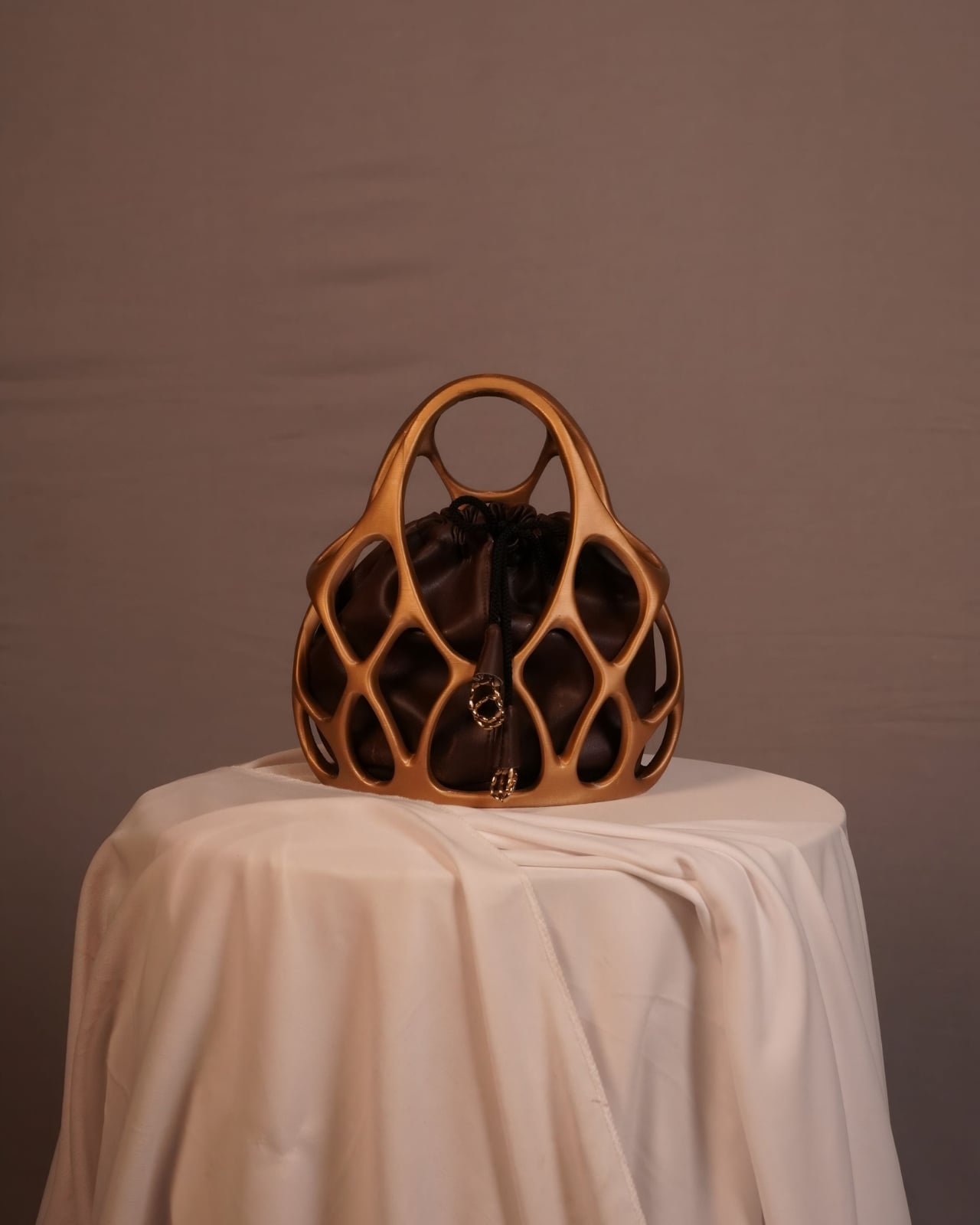
If I ran across someone carrying the Aurelis bag, I would probably be pretty curious about it. Developed as a lifestyle accessory design concept, its outer shape is inspired by a lotus root, with an open framework surrounding the soft pouch inside, where belongings would be stored. The designer also shares that the gathered drawstring closure takes inspiration from the Indian potli, a traditional pouch-style drawstring bag. Potli bags remain familiar accessories at Indian weddings, often paired with traditional outfits.

Designer: Krittika Dutta

Aurelis is a modern interpretation of that pouch-style bag, with an outer structure that takes its shape from the interconnected patterns and cavities of the lotus root. That’s the framework that makes you think it’s really more of a decorative item than something intended to store your keys, smartphone, or makeup. But it encloses the soft inner pouch, which is the actual carrying compartment. The drawstring closure gives that pouch its potli-like appearance, while the surrounding structure changes the overall silhouette into something much more sculptural.

The bag has a warm bronze-toned finish, which gives it an elegant look. That describes the finish, though, rather than confirming what the framework is made from. Inside it is a dark brown leather pouch, according to Dutta’s description. The two colors stay within a warm palette, but the contrast between the defined outer framework and the soft, gathered leather gives the design much of its character.

What I find interesting is that the natural inspiration isn’t simply a pattern placed on the surface of an otherwise ordinary bag. Dutta uses the lotus root’s cavities to inform the outer form itself. The openings are an important part of that idea, allowing the pouch to remain visible instead of hiding it behind a solid exterior. It gives you a reason to look at both parts.

That arrangement also answers an obvious practical question about an open bag: where do the contents go? The outer framework doesn’t have to provide a continuous surface because the pouch supplies the enclosed compartment. Its gathered opening provides the closure. I wouldn’t assume that the framework protects belongings from impacts, but the concept does give the sculptural exterior and the inner container distinct roles.

The potli reference adds another layer to the design without needing to cover the bag in traditional decoration. Potli bags can feature embroidery, beads, pearls, and mirrors, as documented by D’source in a resource credited to researchers at the National Institute of Design, Bengaluru. Here, Dutta’s stated cultural reference comes through most clearly in the gathered pouch and drawstring closure. The contemporary outer form gives that familiar construction a different setting.

For someone who likes expressive accessories, I can see the appeal of a bag that becomes a focal point of an outfit. Dutta intended Aurelis to express individuality, and the unusual framework gives that intention a specific form. You wouldn’t necessarily need to recognize the lotus root inspiration to find it interesting, although knowing the source gives those openings a clearer explanation.

Of course, the practical bag owner in me would still want to know its weight, capacity, and how easily I could reach into the pouch. Those details haven’t been provided, so I wouldn’t call it an everyday replacement for my usual bag. I can, however, appreciate the decision to keep the carrying compartment simple while putting the experimentation into the exterior. Even if Aurelis wouldn’t be my first choice for a busy day, it would certainly give me something to ask its owner about.

The post Aurelis Bag Concept Is Wearable Sculpture Without a Solid Shell first appeared on Yanko Design.
Leaked Reports Suggest Samsung’s Snapdragon-Only Plan for the Galaxy S27 Ultra

Leaked Reports Suggest Samsung’s Snapdragon-Only Plan for the Galaxy S27 Ultra The front and back of a Samsung Galaxy smartphone

Recent leaks suggest that Samsung may equip the Galaxy S27 Ultra exclusively with Qualcomm’s Snapdragon processor across all global markets. If confirmed, this would represent a significant departure from Samsung’s traditional chipset allocation strategy, where Exynos and Snapdragon processors were distributed regionally. Such a shift could redefine the Galaxy S27 Ultra’s role within Samsung’s flagship […]

The post Leaked Reports Suggest Samsung’s Snapdragon-Only Plan for the Galaxy S27 Ultra appeared first on Geeky Gadgets.

Posted in Uncategorized

Fyne Audio’s Speaker Uses Hidden Glass to Tame Ringing

A glass diaphragm is an unlikely detail to get excited about in a speaker that looks like expensive furniture. Yet it’s the detail that makes Fyne Audio’s F1-10 Anniversary interesting to me. Beneath the walnut finish is an attempt to solve a familiar audio problem: keeping the speaker’s own unwanted vibrations from coloring the music it’s supposed to reproduce.

Offered as a limited-edition passive stereo pair, the floorstanding speakers also address how serious hi-fi fits into an actual room. Their acoustic geometry aims for more coherent sound and less fussy placement. Fyne is making just 30 pairs, so the practical thinking comes wrapped in a decidedly exclusive package.

Designer: Fyne Audio

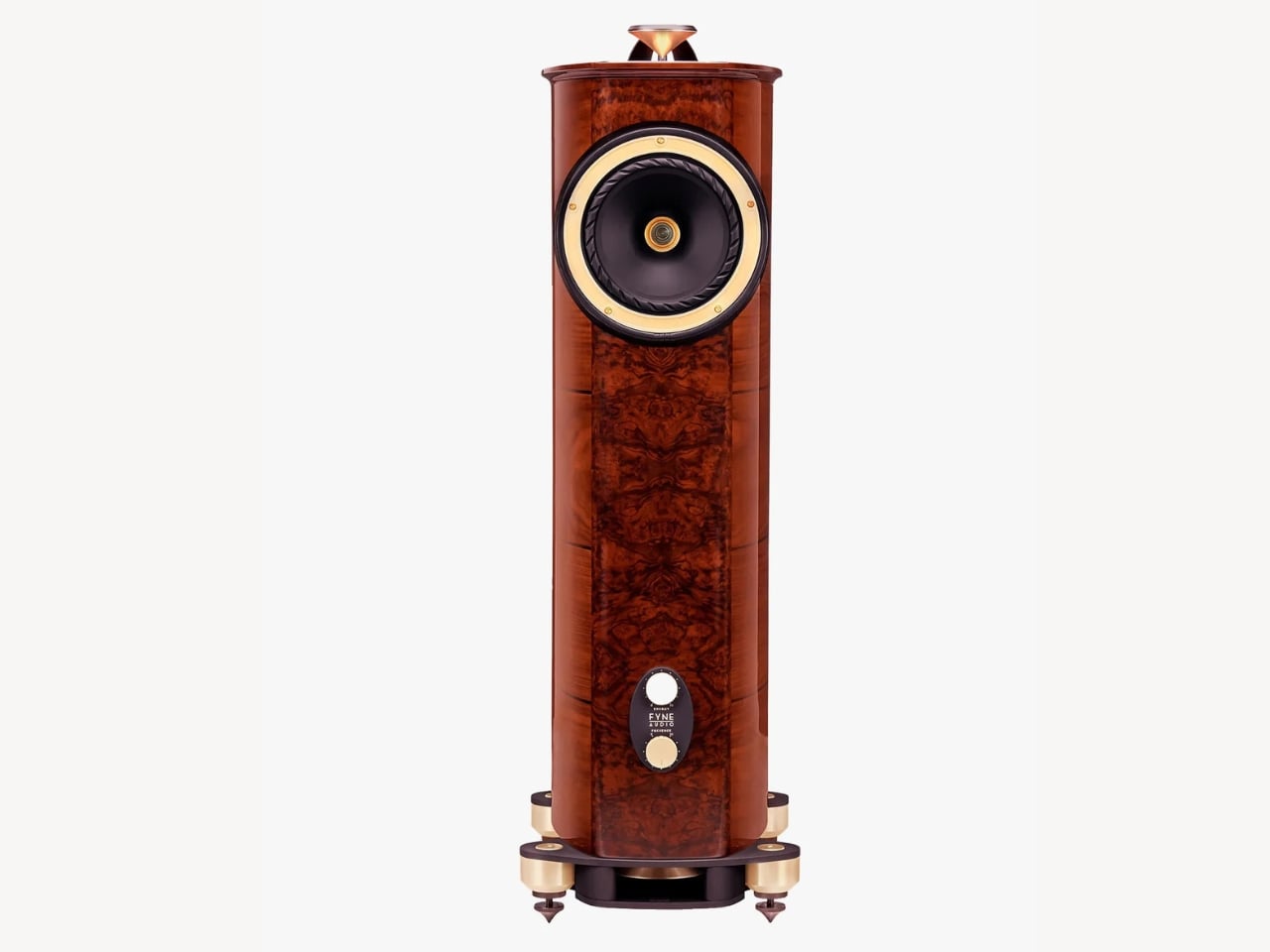
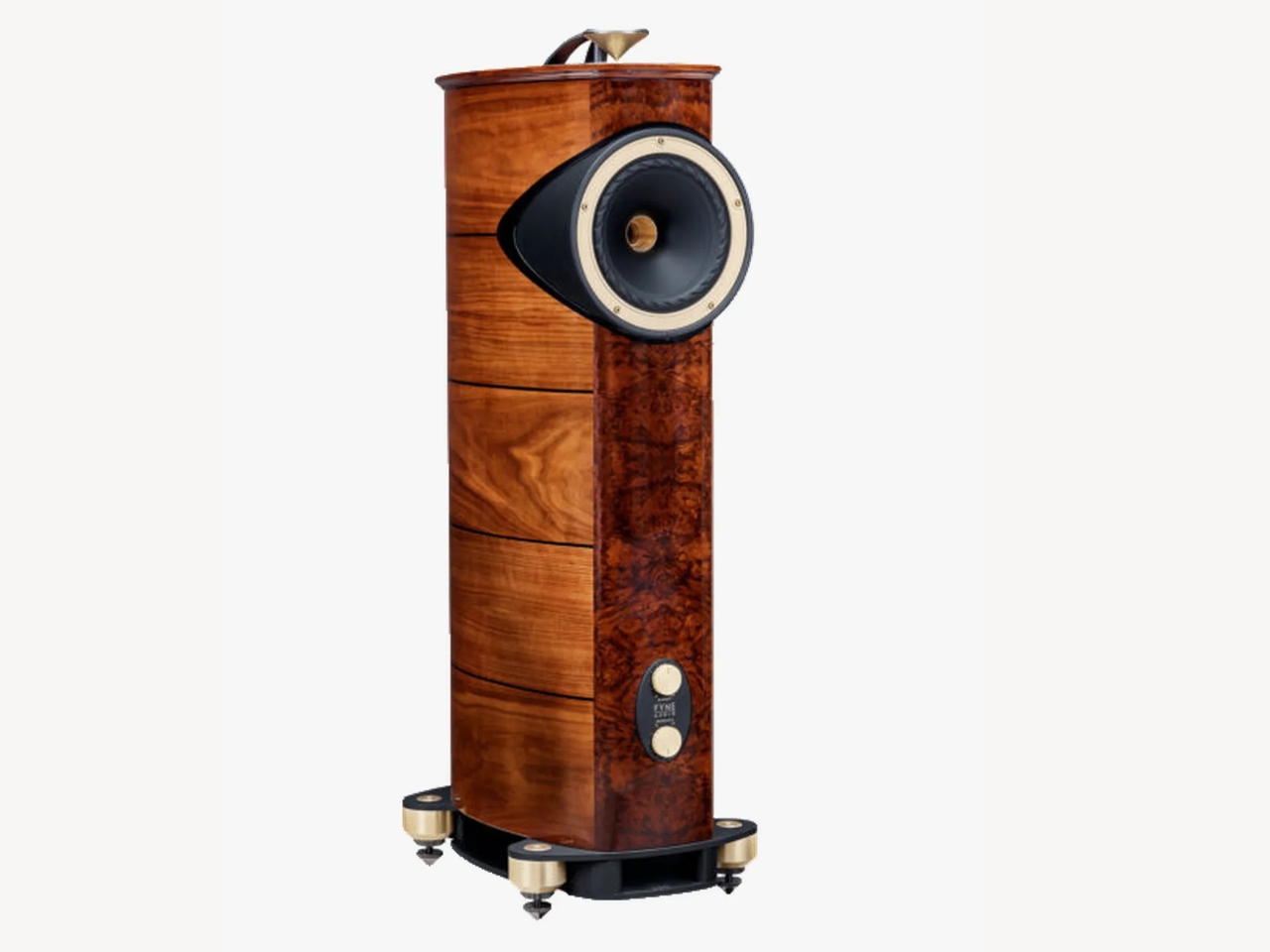
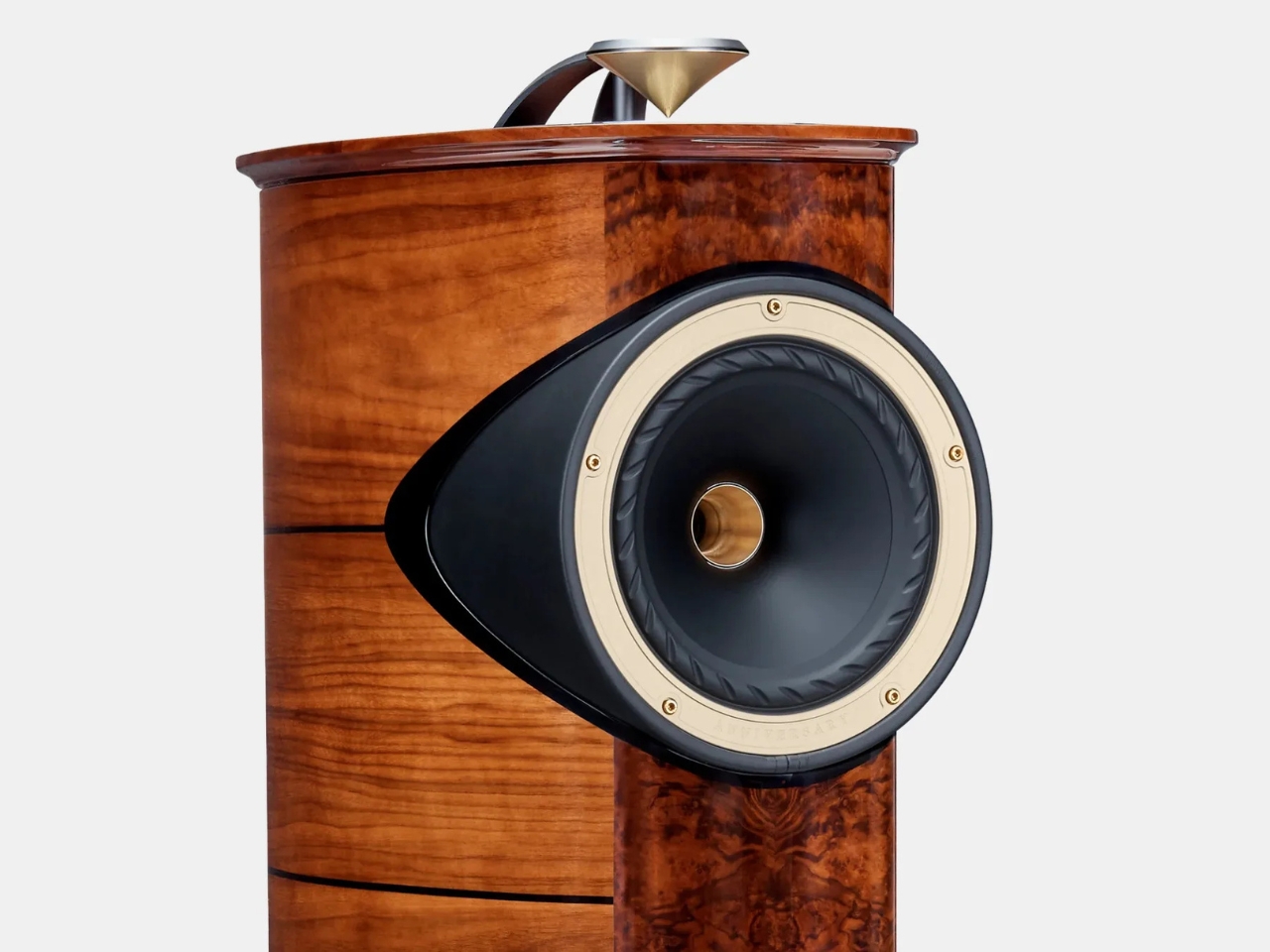
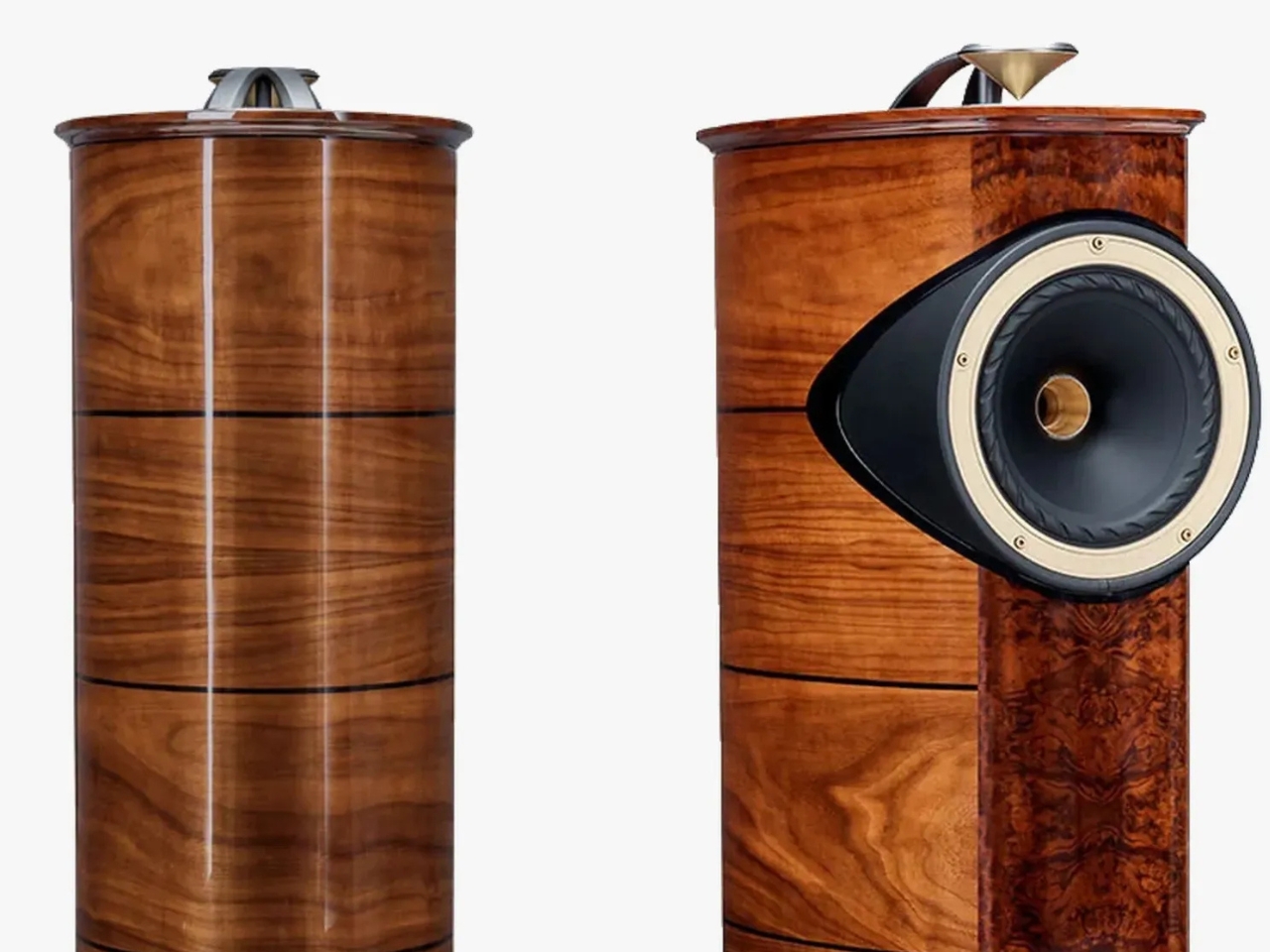
Hand-built in Scotland, the Anniversary revisits the original F1-10, launched in 2017. Its curved birch-plywood enclosure wears glossy burr walnut and walnut veneers, with solid-wood trim and champagne-gold details. I like that it looks unapologetically like furniture. The grain gets as much visual attention as the driver, although this isn’t a solid-walnut sculpture. Internal bracing is part of the cabinet’s engineering, too.

The most unusual component is a 75mm aluminosilicate glass dome inside the high-frequency driver. Fyne chemically strengthens the thin glass and says its damping suppresses unwanted resonances. The idea is to hear less of the diaphragm’s ringing and more of the recording. Its size also lets it operate down to the 750 Hz crossover, extending its contribution into the vocal range rather than restricting it to the highest notes. That’s a material choice I can appreciate without pretending I’ve heard the result. Its real advantage over alternatives still needs independent listening and measurement.

The driver layout matters just as much. Fyne’s IsoFlare system places the high-frequency unit at the center of the bass/midrange cone, rather than separating them across the cabinet. The goal is to make those frequencies behave more like one source, helping voices and instruments hold their positions in the stereo image. For listeners, the intended benefit is a presentation that stays coherent beyond one precisely chosen seat.

Up top, the integrated SuperTrax super tweeter fires upward into a shaped diffuser that redirects high-frequency output around the room. That upper driver uses a thin carbon diaphragm, giving the Anniversary two very different material approaches to reproducing the upper end of a recording. Fyne claims this adds spaciousness and atmosphere. The sculptural assembly gives the speaker an unusual silhouette, but it has an acoustic job beyond looking expensive. Importantly, its 360-degree dispersion applies to that high-frequency system, not the entire speaker. It isn’t a promise of identical sound in every seat.

At the bottom, a downward-firing port meets the BassTrax diffuser, which spreads its output around the base. Fyne says this makes room positioning less critical. I’m more interested in that practical intention than another enormous frequency-range number. A design that acknowledges furniture and walls makes sense, though I wouldn’t read the claim as permission to ignore placement altogether.

The tonal controls are an especially sensible touch. Separate adjustments let owners change high-frequency energy, presence, and super-tweeter output by up to 3 dB either way. That gives people some say in how the speakers suit their room and preferences. These aren’t automatic room correction, but I’d rather have useful adjustment than be told there’s one universally correct balance.

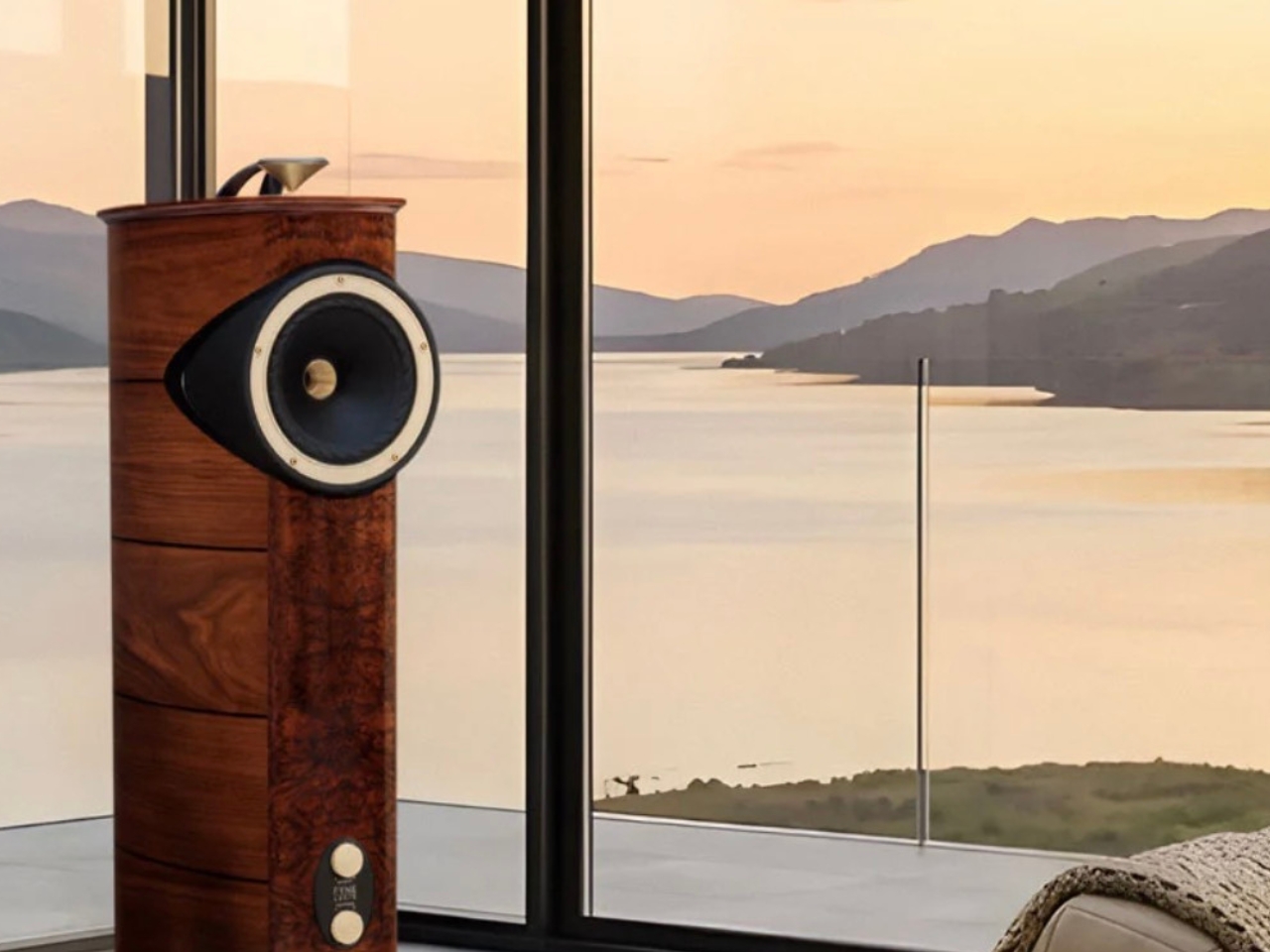
Reality arrives with the dimensions and price. Each cabinet stands about 49 inches tall and weighs nearly 130 pounds, so this is a deliberate installation, not something you casually shuffle around. Gear Patrol reports a $50,000 price for the pair, and you’ll still need external amplification. The woodwork may help the speakers belong in a living room, but it won’t make them disappear.

I like the willingness to make the engineering visible, from the prominent central driver to the odd little structure on top. At this price, though, a fascinating materials list is only the beginning of the conversation. I’d want an audition in a room resembling my own before treating any promised improvement as a reason to buy. Beautiful cabinetry earns a place on the shortlist, not an exemption from listening.

The post Fyne Audio’s Speaker Uses Hidden Glass to Tame Ringing first appeared on Yanko Design.

AI SaaS Replication Replacing Subscription Software

AI SaaS Replication Replacing Subscription Software A computer monitor displaying GPT-6 Astra analyzing software code.

Artificial intelligence is reshaping the software industry in ways that were once unimaginable. With the introduction of GPT-6 Astra, AI now enables reverse engineering of software and games without requiring access to their original source code. This technique, often referred to as “clean room engineering,” allows AI to replicate software functionality by analyzing behavior and […]

The post AI SaaS Replication Replacing Subscription Software appeared first on Geeky Gadgets.

Posted in Uncategorized

The Right Way to Reset Any Pair of AirPods (Pro and Max Included)

The Right Way to Reset Any Pair of AirPods (Pro and Max Included) Reset AirPods

  Resetting your AirPods, AirPods Pro, or AirPods Max is a straightforward process that can resolve connectivity issues, restore functionality, or prepare the devices for pairing with a new device. This guide provides clear, step-by-step instructions to help you reset your AirPods effectively. Whether you’re troubleshooting a problem or starting fresh, these steps will ensure […]

The post The Right Way to Reset Any Pair of AirPods (Pro and Max Included) appeared first on Geeky Gadgets.

Posted in Uncategorized