You now pair your old iPod with AirPods thanks to this Motherboard swap

When Jobs pitched the iTunes Music Store to studio execs, he pointed at Napster as the model. Napster won because it was easy, so Jobs set out to build something just as easy that was also legal. The result was a marketplace for individual tracks, or ‘singles,’ which pretty much rewired the audio business, and the iPod (already on shelves since 2001) became the pocket for it. More than two decades later, the iPod is making a comeback. Sure, the retro wave is real, and a new generation wants music without TikTok notifications, but that same crowd also wants to live through an era when music could be owned, stored, and played offline.

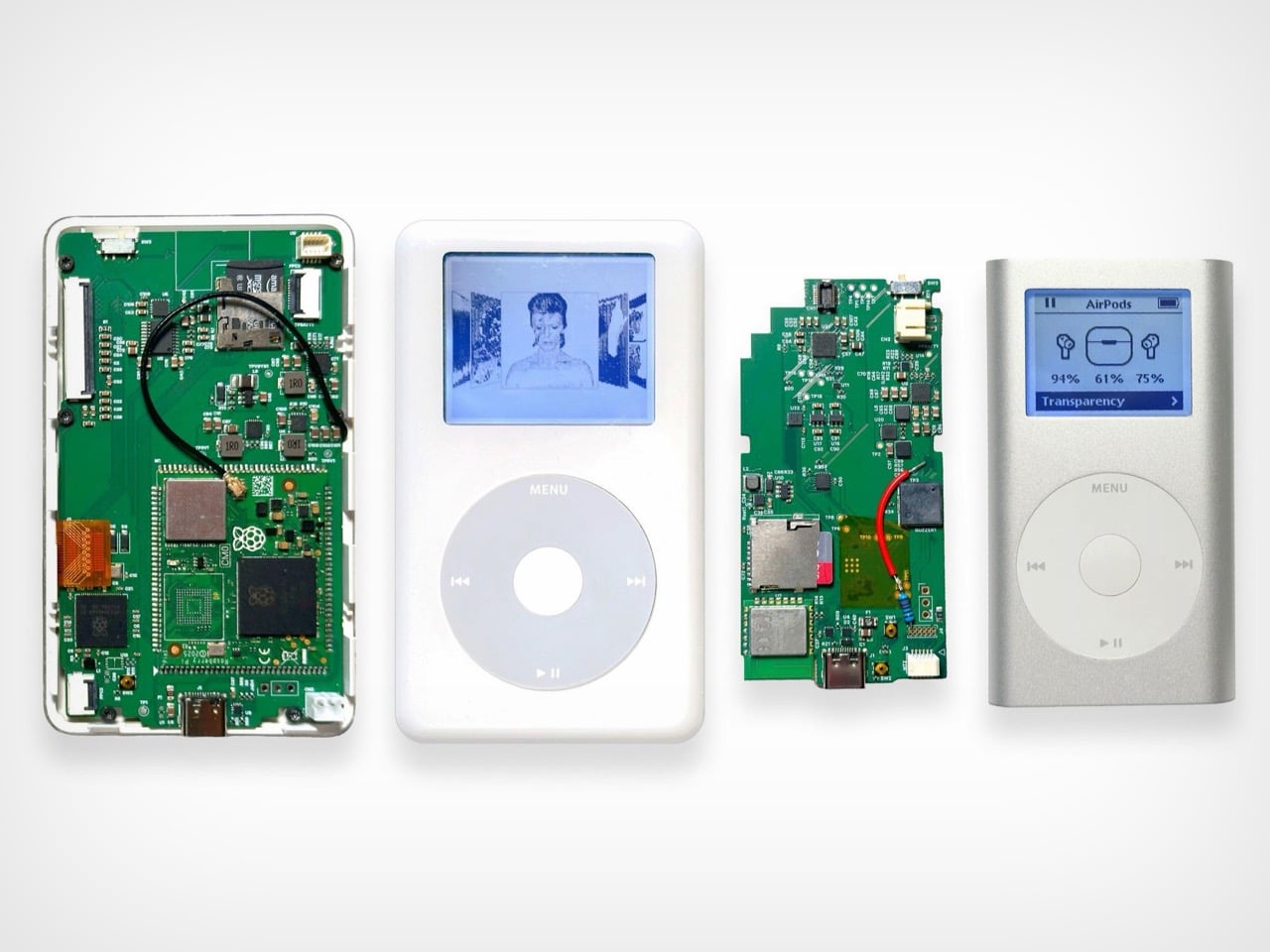
The catch is that an iPod plays audio just fine (if you can find a working one), but it can’t talk to Apple’s own AirPods. Sprout, a new replacement motherboard from London studio Certain Things, fixes that for the iPod 3rd generation, 4th generation, and iPod mini, and AirPods bring their noise cancellation with them. The case, screen, and wheel stay exactly as Apple made them, while USB-C charging, Wi-Fi, and a microSD slot for up to 2TB join the party. That 2TB works out to roughly 500,000 songs, which is a lot of owning. A Crowd Supply campaign is coming, with pricing still TBA.

Designer: Certain Things

Same Body, New Brain, Zero Soldering
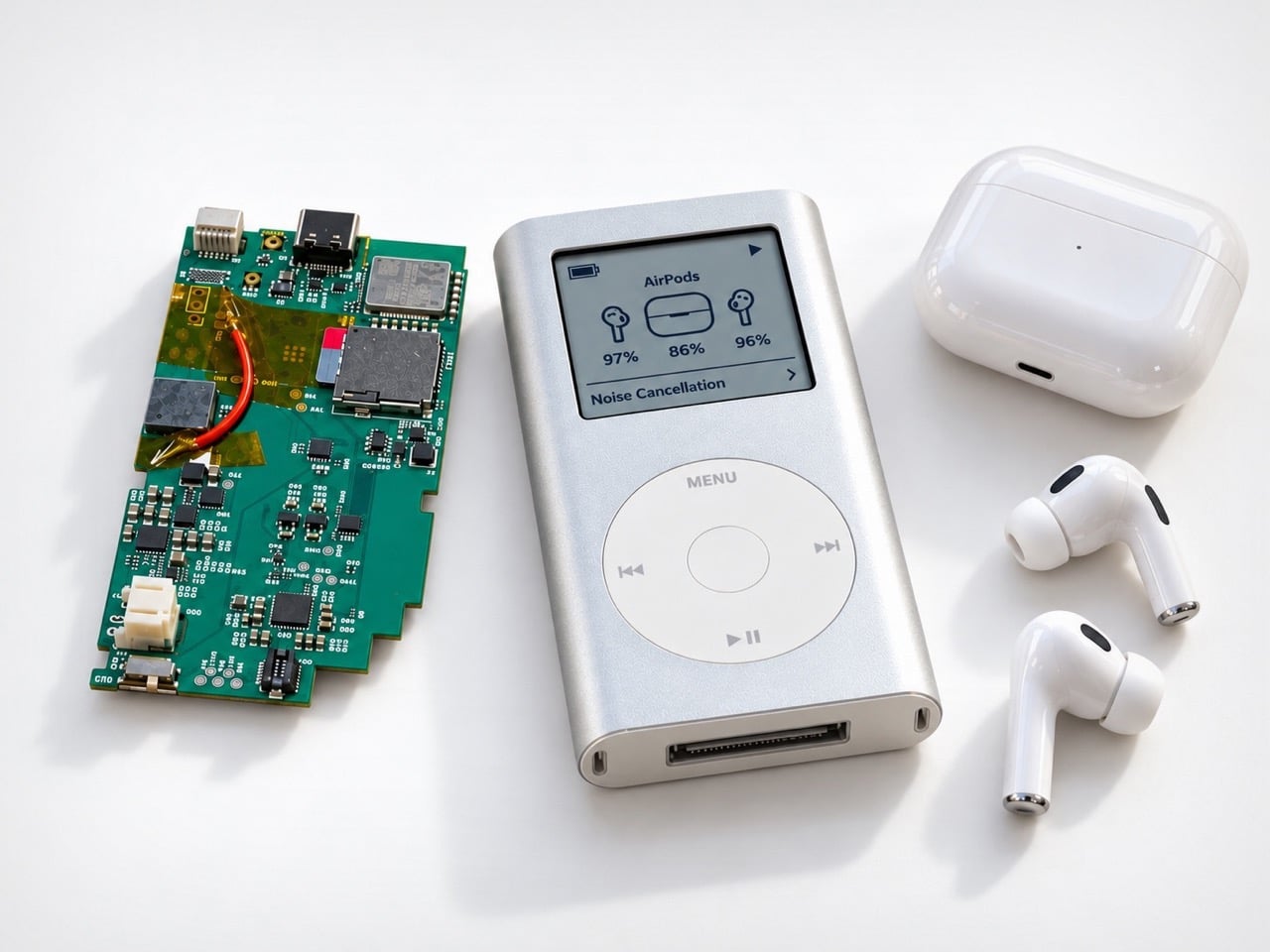
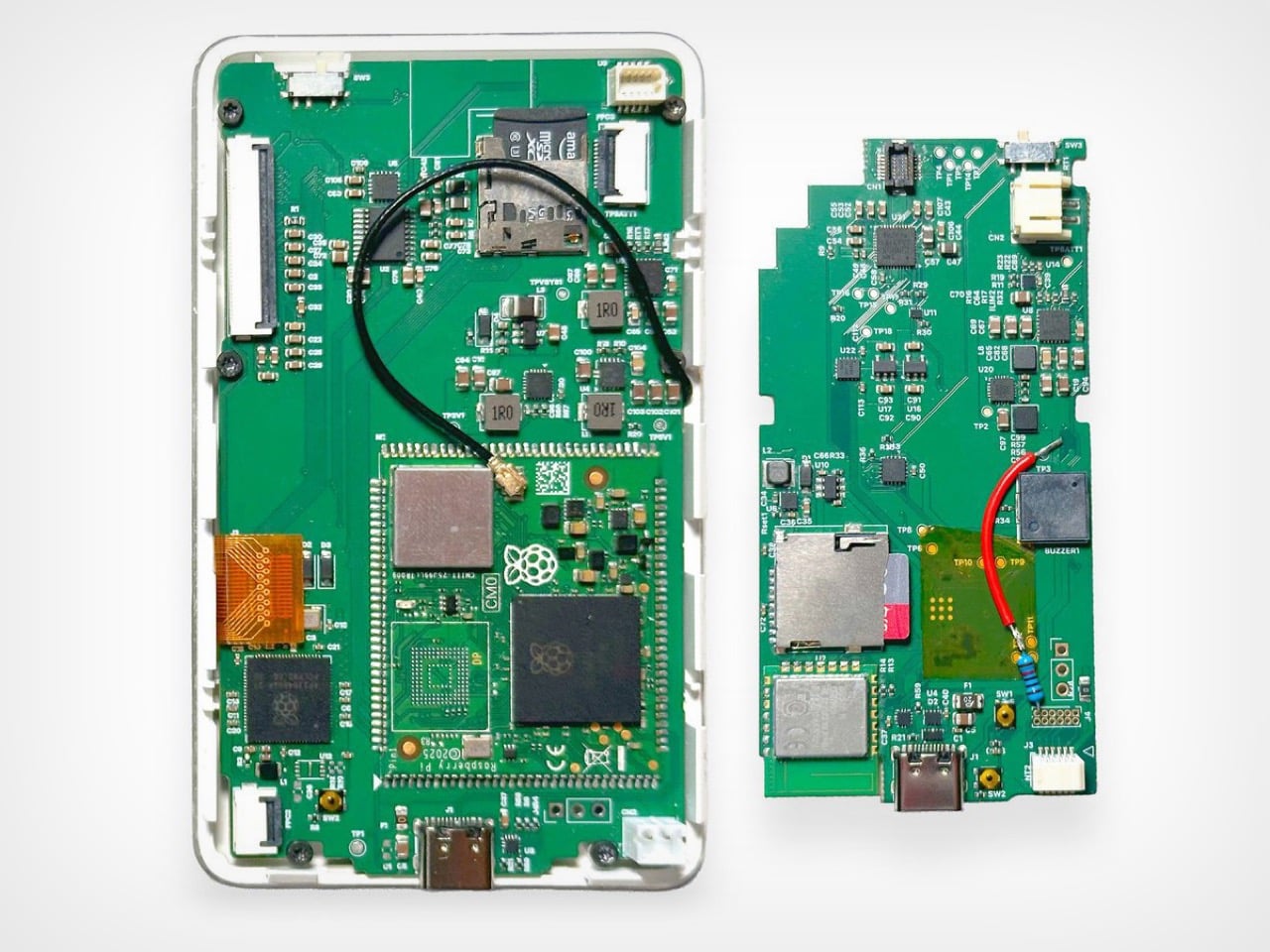
Sprout’s board is cut to the shape of Apple’s original, a flex that tells you how much homework went into this. It measures 2.19 x 3.86 x 0.06 inches (55.5 x 98.0 x 1.6mm) on the 3rd and 4th generation, and the mini board is even slimmer. You open the iPod with a screwdriver and a plastic pry tool, lift out the old board, and reconnect the original ribbon cables to the new one. The monochrome LCD is driven natively, so the screen looks like it always did, chunky pixels included. Installed, the whole thing weighs less than the original iPod, which is a sentence nobody expects to write about a mod.

Zac Builds soldered a generic Bluetooth transmitter into an iPod Video’s headphone circuit, which works but asks for steady hands and a tolerance for tiny wires. Boxy Pixel’s kit needs hardly any soldering and keeps Apple’s motherboard in play, but its machined aluminum shell with glass panels costs $155 plus $13 for buttons and switches. The finished iPod also comes out chunkier than the original, which is a fair trade for haptic feedback and wireless charging but a hard sell for purists. Sprout takes the invisible route, where the iPod looks untouched and only the internals know what happened. For anyone who loved how these things looked in the early 2000s, that keeps the nostalgia fully intact.

Bluetooth, a Proper DAC, and Two Flavors of Sprout
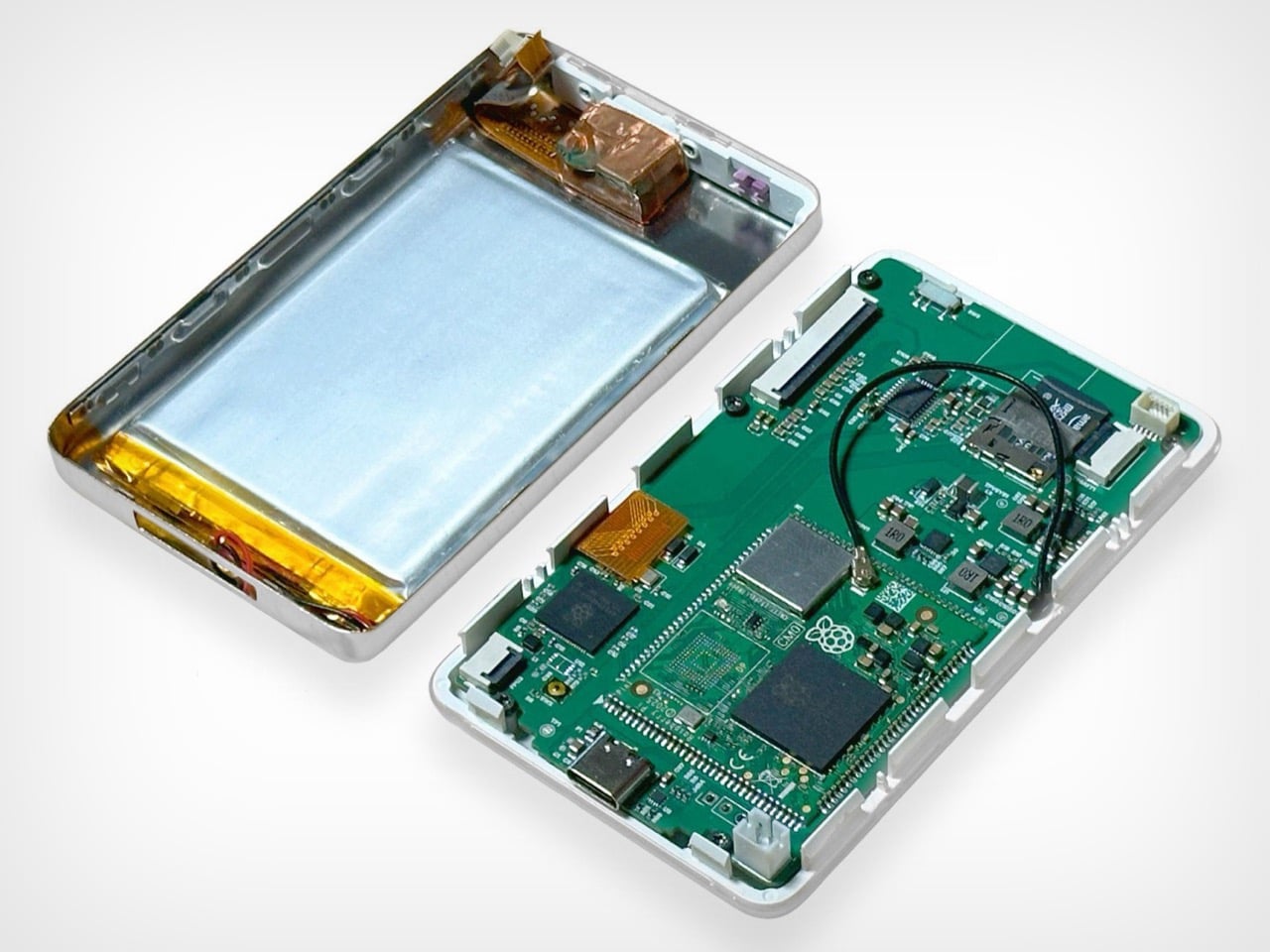
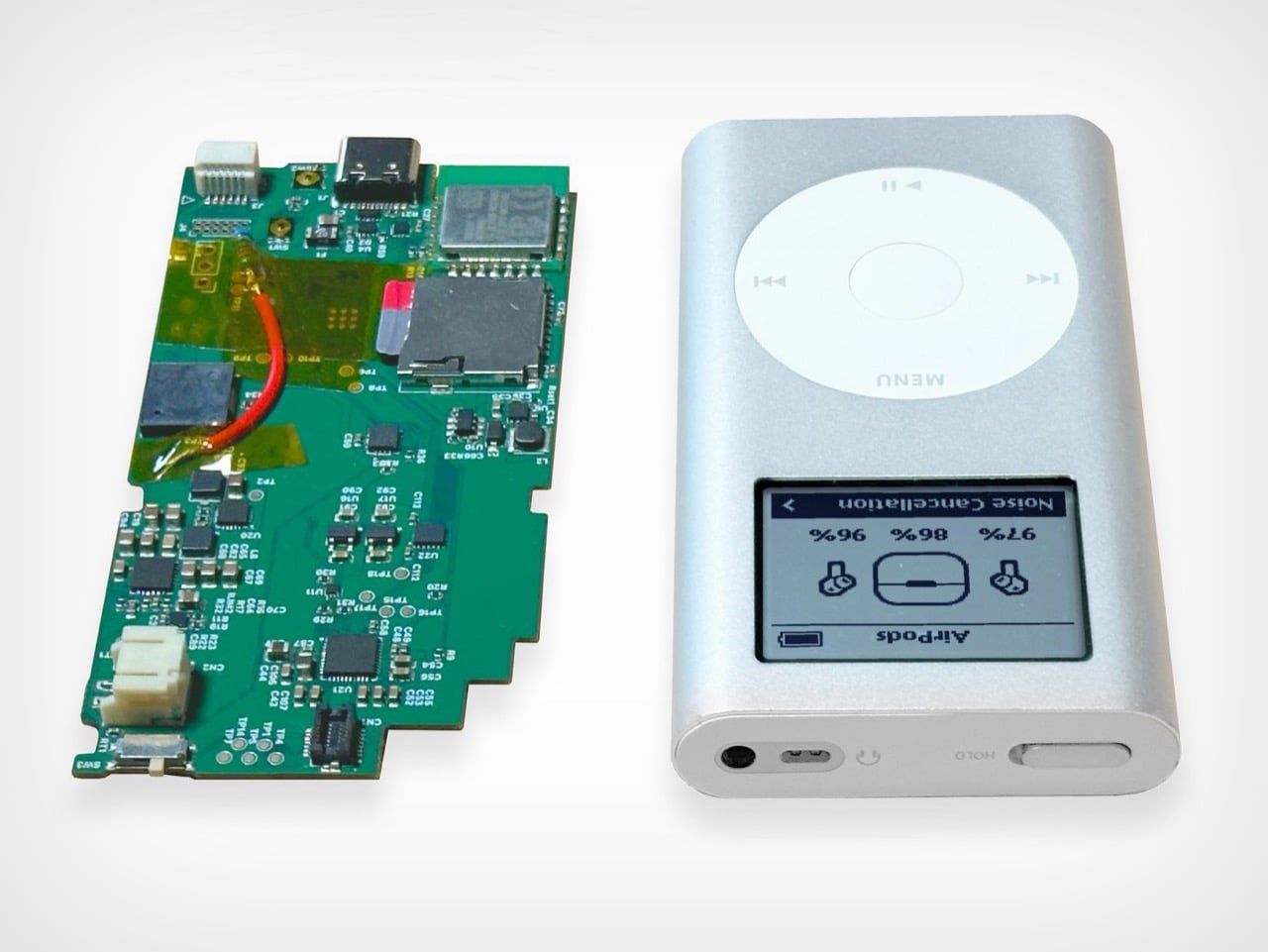
Bluetooth is the headline, and it lets AirPods and any other wireless headphones or speakers pair with an iPod 3G, 4G, or mini. Wired listeners get a CS43131-class DAC from Cirrus Logic, the chip that turns digital audio into the analog signal your headphones play, feeding the original 3.5mm jack. Files drag and drop over USB-C in MP3, AAC, ALAC, FLAC, or Opus, so iTunes never gets invited to the party. The 3rd and 4th generation boards target 40 hours of continuous Bluetooth playback on a 2,500mAh cell, a full workweek of desk listening between charges. The mini aims for 20 hours on a 1,200mAh cell, and a microSD slot up to 2TB retires the aging hard drive.

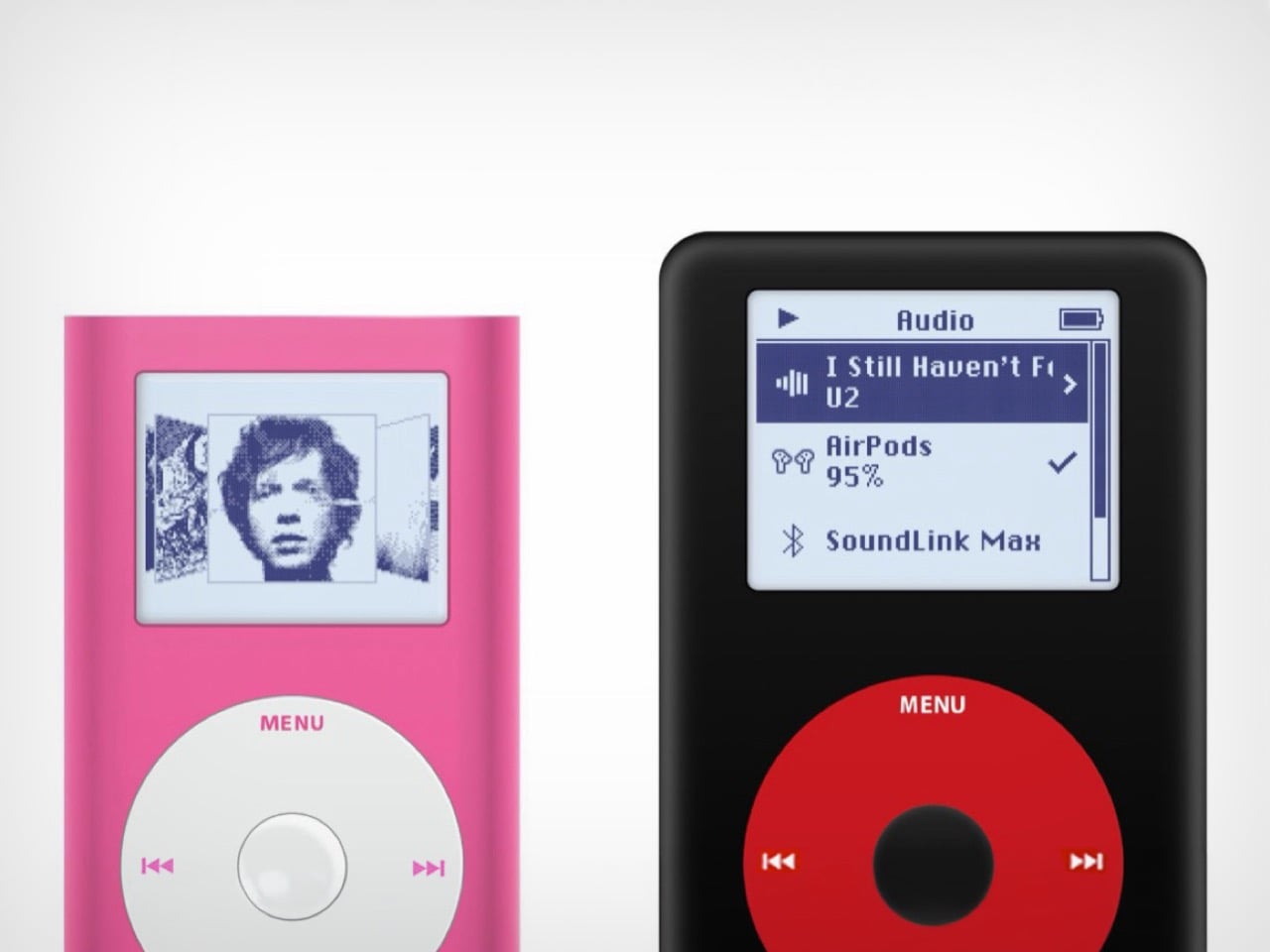
Sprout Pico runs on a Raspberry Pi RP2350, a small microcontroller that wakes instantly, and plays your own library and Wi-Fi podcast downloads on all three iPods. Sprout Pi, offered for the 3rd and 4th generation, adds a Compute Module Zero, a tiny Raspberry Pi computer, for Spotify, Apple Music, AirPlay, and custom apps. The studio calls the streaming features working proofs of concept as of September 2026, so launch features may differ. The firmware is written from scratch and adds Cover Flow, a 2007 Apple trick, to a monochrome iPod, alongside Podcasts and Search. On Sprout Pi, a Linux computer hides underneath, and demo clips labeled apps show a classic Mac and a PlayStation.

Open Source Gives Sprout Legs
Schematics, board layouts, and the bill of materials (the full parts list) will be released under CERN-OHL-S v2, while firmware lands under MPL-2.0 and documentation under CC BY 4.0. That documentation includes reverse-engineering notes on the iPod’s display, click wheel, and headphone connectors, so the next tinkerer starts with a map. All of it is due on GitHub before the campaign ends, so anyone can poke at it. Guy Dupont’s 2021 sPot is the obvious ancestor, a Raspberry Pi Zero W inside a 4th generation iPod that streamed Spotify but kept only the case and click wheel. Sprout keeps the original monochrome screen and a working headphone jack, which turns a clever one-off into a repeatable design.

Moonlit Market’s Classic Connect 2 covers the 5th, 6th, and 7th generation, so the 3rd, 4th, and mini finally get their own project. Sudo, the $249 player betting on a wheel and a library you own, is a new device built to feel old, while Sprout is an old one made to behave new. You supply the iPod (cheaper in these overlooked generations), and no price or ship date has been announced. Launch updates are available through Sprout’s Crowd Supply page, where the project is listed as launching soon. Jobs sold the world on easy, legal music you could own, and the best way to keep that promise now might be an old iPod with a new brain.


The post You now pair your old iPod with AirPods thanks to this Motherboard swap first appeared on Yanko Design.


380,000 LEGO Flowers Spill From an Oil Tank and Never Wilt

An old oil tank makes an absurdly good vase when the flowers arrive by the hundred thousand. At TANK Shanghai, LEGO Botanical Wave sends more than 380,000 brick-built blooms spilling out of a former oil tank and across the plaza. Created by LEGO as part of its Bloom Exhibition, the installation gives an industrial structure the improbable appearance of having sprung a very colorful leak.

Looking at a spectacular installation and feeling creative yourself are two different things. That gap is the problem this exhibition tackles: it gives visitors something to make, rather than only something to photograph. Alongside the outdoor wave, an indoor experience invites people to build their own LEGO flowers. I like that the invitation doesn’t depend on arriving with an artist’s confidence.

Designer: LEGO

The wave stretches roughly 98 feet and covers about 8,600 square feet. In the exhibition photographs, ribbons of purple, pink, red, orange, and yellow descend from the building before curling into crests across the ground. White blooms gather along the edges like foam. The name feels well earned: the flowers follow the movement of water, with upright falls at the back and breaking waves out front.

That decision does more for the design than the enormous flower count. A flat carpet of blooms could have delivered plenty of color, but the raised forms give the installation a shape you can read from a distance. Close-up photographs reveal recognizable roses and other individual flowers packed across those surfaces. The pleasure, for me, is that shift in scale, from a broad sweep of color to hundreds of small constructions.

I also appreciate that the tank remains plainly visible. Its pale shell and the straight edges of its facade make the curving flowers look even more exuberant. Covering the whole building would have lost that relationship. Here, the suggestion of an overflow gives the structure a role in the composition. It’s a much more playful use of an old tank than simply treating it as a backdrop.

Inside, the exhibition expands beyond that single visual joke. Where Blooms Begin includes 18 artist installations combining LEGO botanical elements with materials including metal, textiles, and mirrors. One kinetic work, created by Ian Douglas-Jones and designed and produced by Atelier INDJ, pairs moving LEGO bouquets with a mirrored framework. It’s a useful reminder that these familiar pieces can be a material for other designers, not just a finished arrangement.

The participatory area uses a 360-degree wraparound screen, and visitors can scan the flowers they’ve built into a shared digital floral display. I’m usually more interested in the physical making than the screen that follows it. Still, the connection makes sense here: a small contribution joins a larger composition, echoing the many individual flowers outside. The digital experience has a clear relationship to the thing people actually made.

Of course, this is also a brand exhibition. Bloom Gallery places 18 botanical arrangements in everyday settings, and a pop-up shop sells LEGO flower sets. The sales pitch isn’t difficult to spot. I don’t think that cancels the design’s appeal, although I’d rather see people leave wanting to make something than feeling they need to buy the exact display.

The Bloom Exhibition runs from October 1 through October 29, 2026. Outdoor areas don’t require reservations, while the indoor exhibition requires booking through LEGO’s WeChat mini program. That distinction matters because the activity that gives the spectacle its participatory side is inside. A photo of the flower wave tells only part of the story.

For me, the takeaway is refreshingly modest. Nobody needs 380,000 flowers in the living room. But the installation makes a persuasive case for giving a familiar object an unfamiliar job, then letting people try the idea at their own scale. An oil tank becomes a vase. A handful of bricks becomes an afternoon’s project.

The post 380,000 LEGO Flowers Spill From an Oil Tank and Never Wilt first appeared on Yanko Design.

Someone Turned the Beats Pill Into a Diglett, and Now the Official Pikachu Version Looks Boring

Pokémon turned 30 this year, and every brand with a product page seems to want a slice of the cake. Polaroid’s Pokémon cameras and the Fitbit Air Pokémon Sleep edition came first, and now Beats has joined in with a Pill. The speaker launched October 15 at $149.99 with Pikachu and Mimikyu across the grille, a gray body, and a Poké Ball charm on a matching lanyard. It’s a perfectly nice object. I’ll confess, though, that I looked at that gray capsule and thought a better Pokémon was sitting right there.

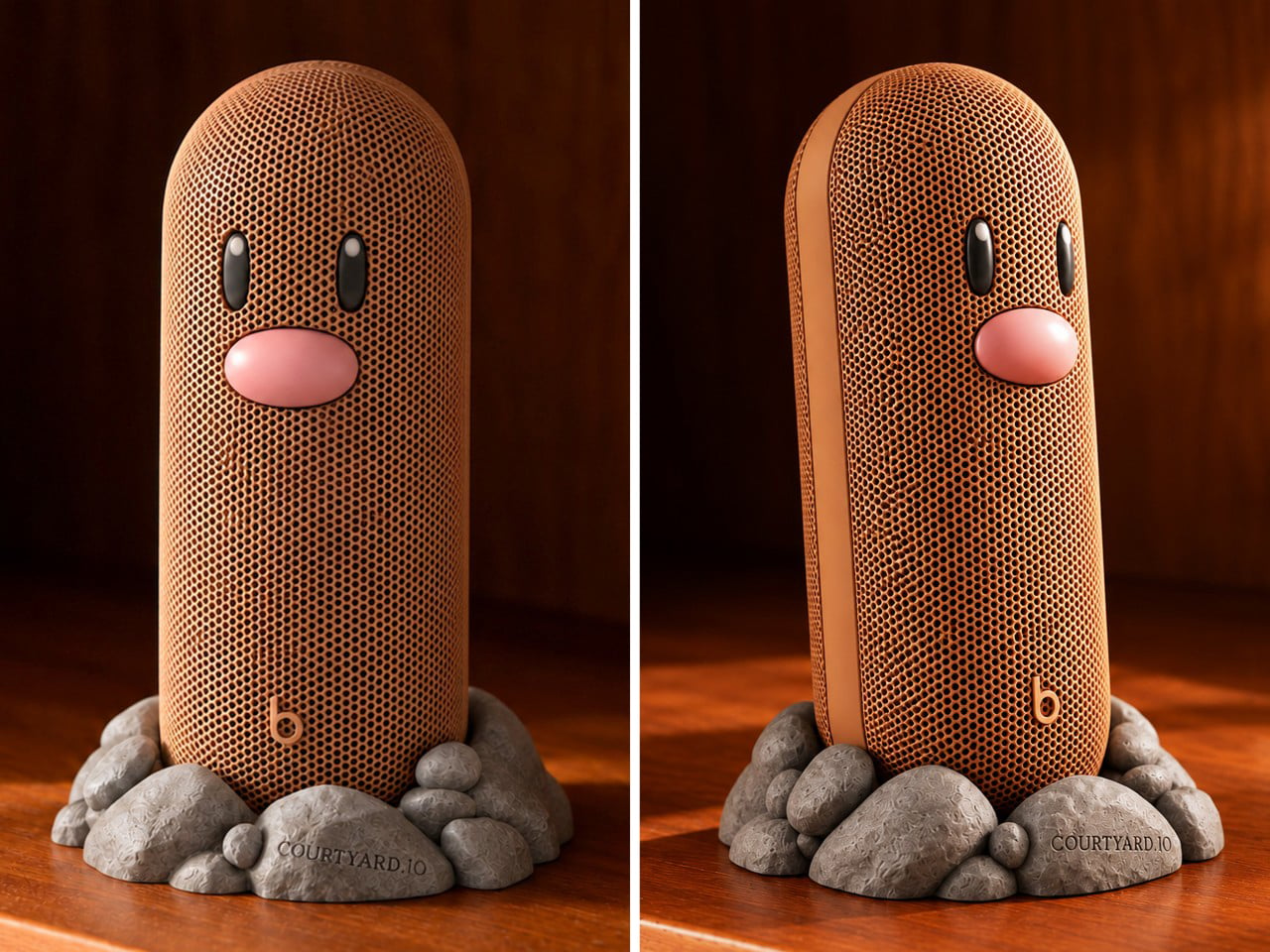
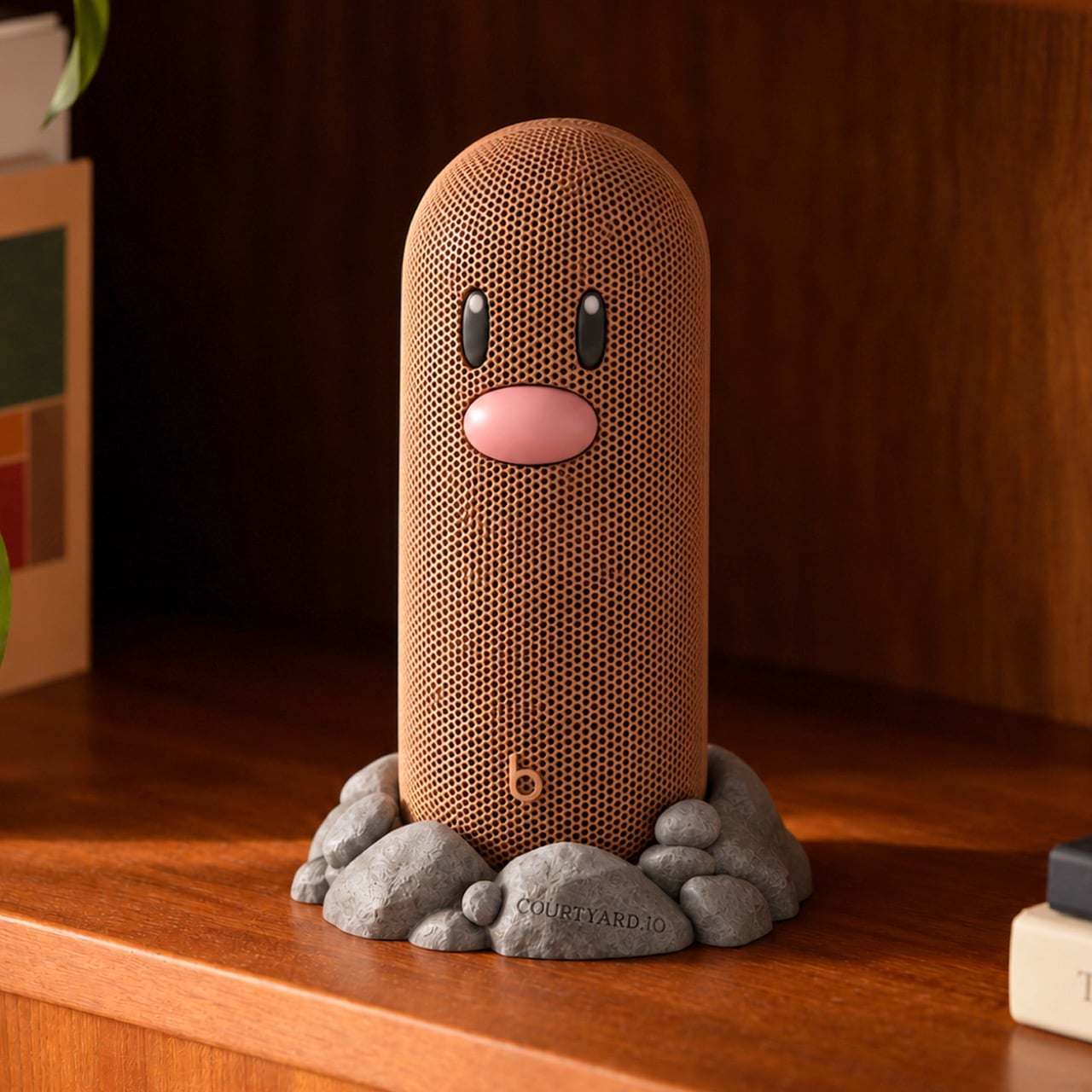
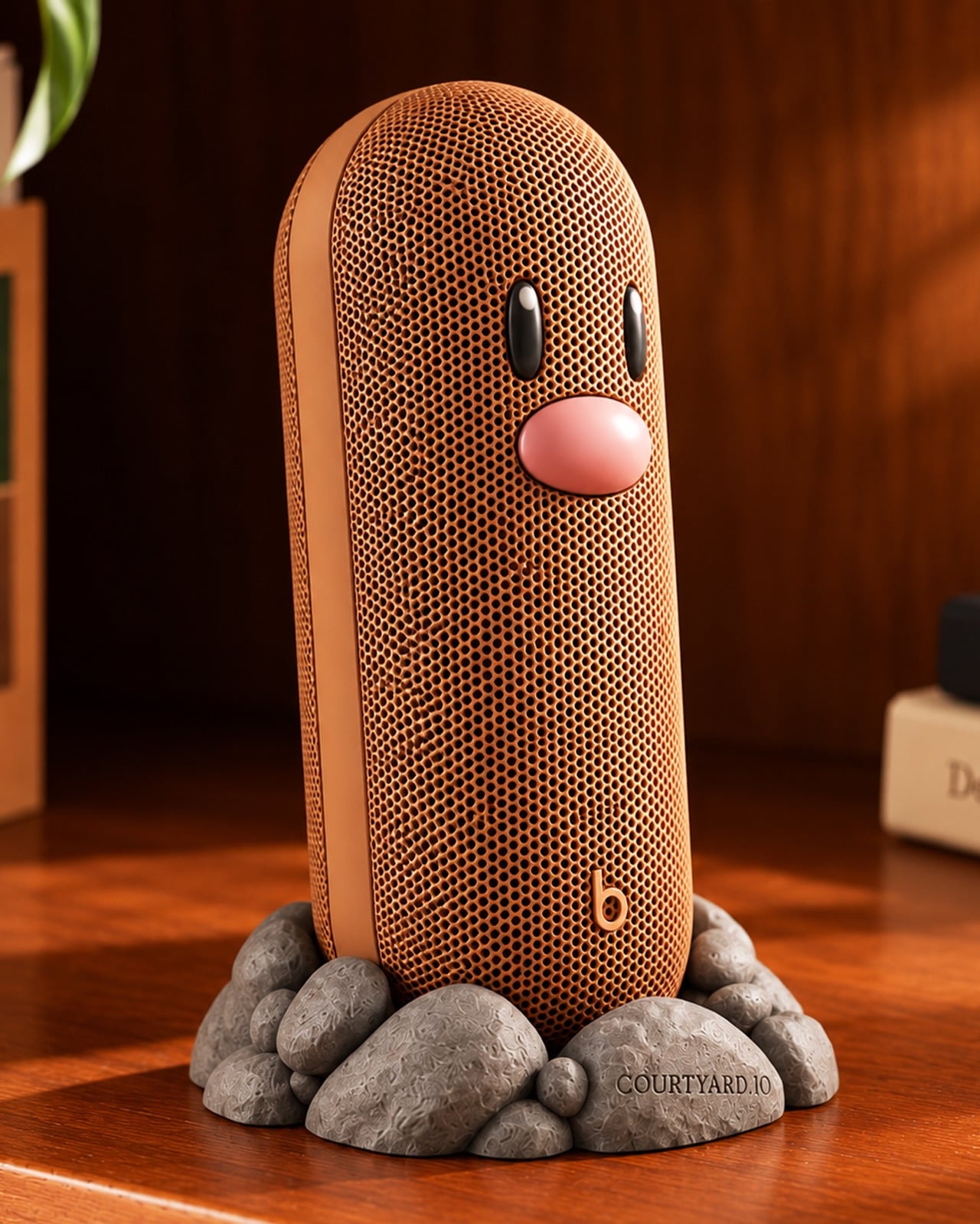
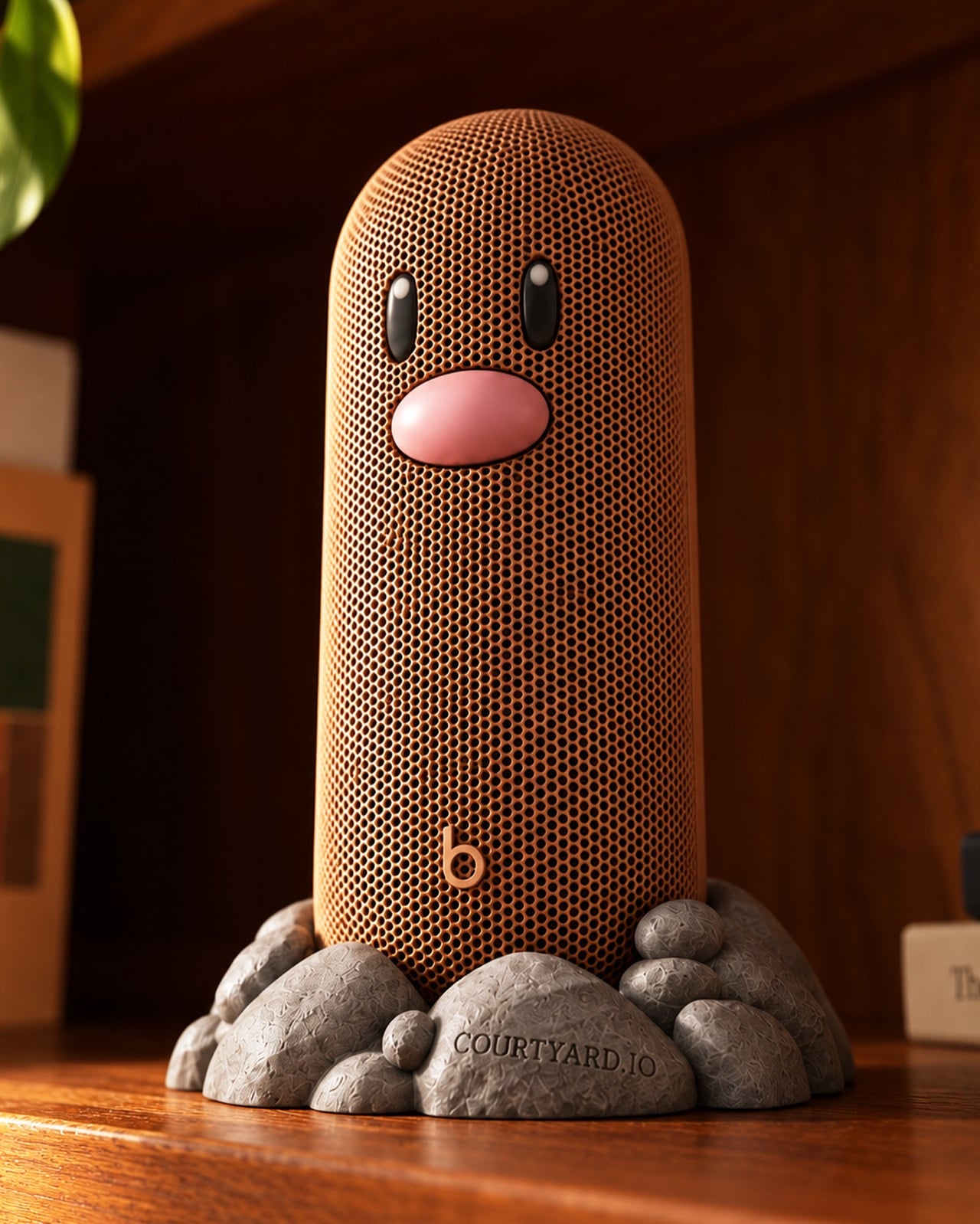
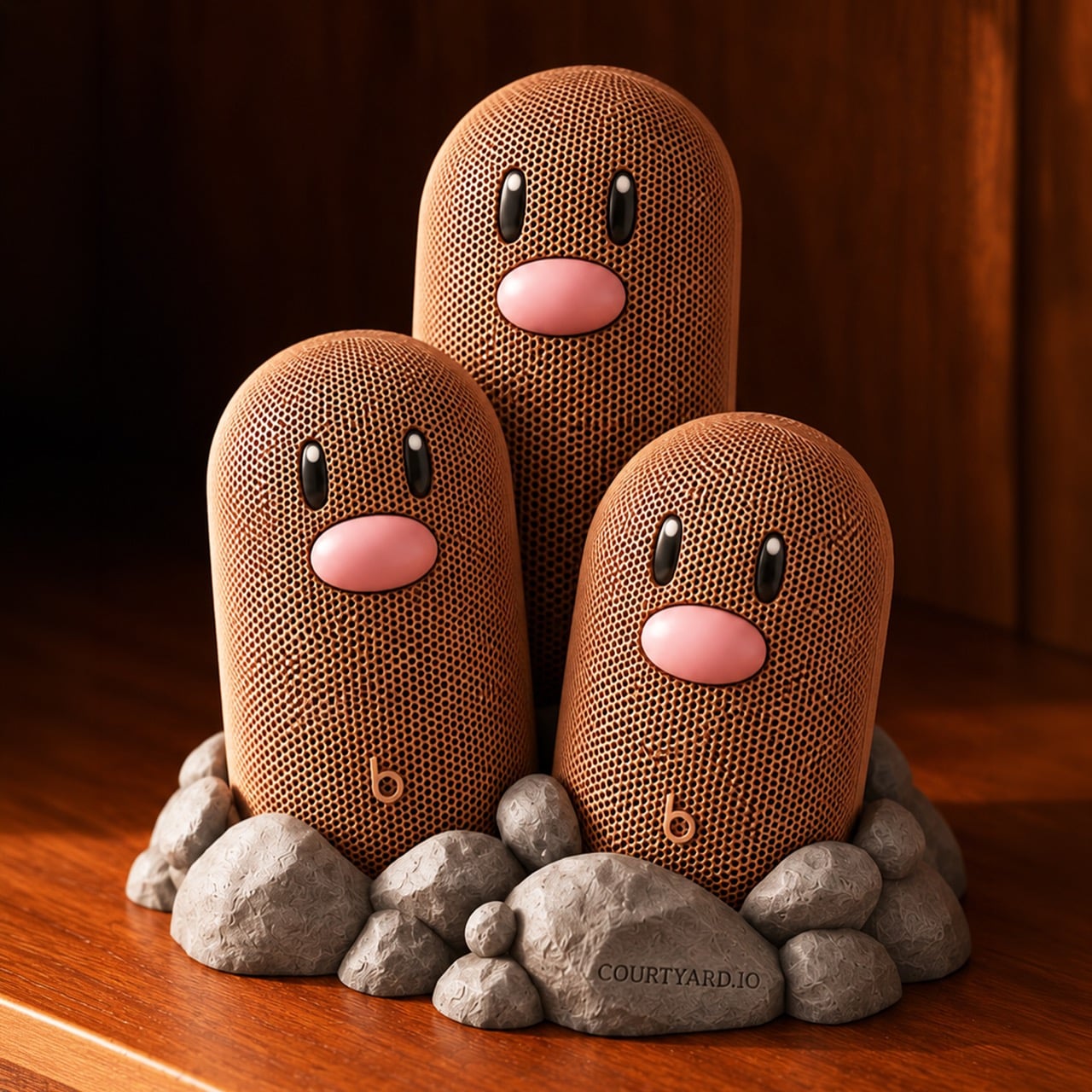
Courtyard.io shared a concept that makes the case, and it turns the Pill into Diglett. The brown grille wears glossy black eyes and a raised pink nose, and the whole thing rises out of a sculpted pile of gray rocks like it just popped out of a tunnel. A second render stacks three Pills into a Dugtrio on one shared mound. Diglett has been a capsule with a face since 1996, so this is the rare mashup where nobody has to squint. Consider this my case that the Pill’s best Pokémon was Gen 1 all along.

Designer: Courtyard_io

Diglett already has the Pill’s silhouette

Diglett is a head on a mound, which makes it a capsule with a face. Courtyard.io’s render keeps the Pill’s rounded cylinder untouched and wraps it in a clay brown grille, so the perforated mesh reads like packed soil. The Beats “b” sits low on the body in copper, just above the rocks, and the three-quarter shot shows the lighter tan side band running down the edge like a seam in the dirt. Nothing about the form had to bend to fit the character. That almost never happens in a collab, and it is the reason this concept looks so convincing at first glance.

The official Pokémon x Beats Pill takes the opposite route. It keeps a gray body, prints Pikachu and Mimikyu on the grille, and adds a Poké Ball charm, the first charm Beats has ever bundled with a Pill. That is a graphic on a speaker, and a handsome one. Beats has also done character Pills before, a history Apple’s Oliver Schusser cited when the 2024 model launched. A Diglett Pill would simply bring that idea back with a Pokémon attached, which is a much shorter walk than it sounds.

The glossy eyes, the pink nose, and a rock base that doubles as a stand

The grille is matte and finely perforated, while the eyes and nose are glossy, raised pieces that catch the light like a vinyl toy. That sheen difference gives the face a collectible-figure look without a single printed graphic. The rock base adds a third texture, a pebbly gray sculpt that gives the speaker something to stand in and sells the burrow illusion. Courtyard.io embossed its name into one of the boulders, which is a tidy way to sign your work. Every surface has a job, and none of them are shouting.

Picture the real hardware under that mesh. The 2024 Pill claims 24 hours of battery, so a Diglett could play through a full backyard party and still have juice for the next morning’s coffee. Its IP67 rating means dust-tight and able to survive a dunk in about three feet of water for 30 minutes, which suits a Pokémon that lives in dirt. At 680 grams (about 1.5 pounds), it is light enough to carry out to the garden. A speaker that hangs out in the flowerbed makes more sense to me than a gray one with a Poké Ball dangling off it.

The Dugtrio render and what Pokémon collabs could learn from it

The Dugtrio render stacks three Pills on a single rock mound, each with its own startled face and copper “b.” Beats currently pairs two Pills at a time, in Amplify Mode for more volume or Stereo Mode for left and right separation, so the third head would need a firmware update and a little optimism. At the official Pill’s $149.99, three speakers come to $449.97, which is one and a half pairs of the PUMA Suede Pikachu at $300 each. Dugtrio’s whole identity is being three Diglett, which makes it the one Pokémon where buying three speakers feels like a feature. I’d happily make that trade for a bookshelf trio that gets guests asking questions.

Most of the recent Pokémon collabs work by decoration. Polaroid wrapped a camera in Poké Ball patterns, Fitbit added a sleeping Pikachu label, PUMA bent a Formstrip into a bolt, and Beats printed two characters on a grille, all of it charming and most of it surface treatment. Courtyard.io’s Diglett goes the other direction by letting the object’s own shape do the talking, and the renders live on Courtyard.io’s X page for anyone who wants a closer look. The franchise has had a capsule-shaped character since 1996, and Beats has had a capsule-shaped speaker since 2012, so this introduction was overdue. Pikachu will always sell, but Diglett would get the laugh.

The post Someone Turned the Beats Pill Into a Diglett, and Now the Official Pikachu Version Looks Boring first appeared on Yanko Design.

This Tiny E-Paper Game Boy lets you play Super Mario Land at 30 FPS on a reading screen

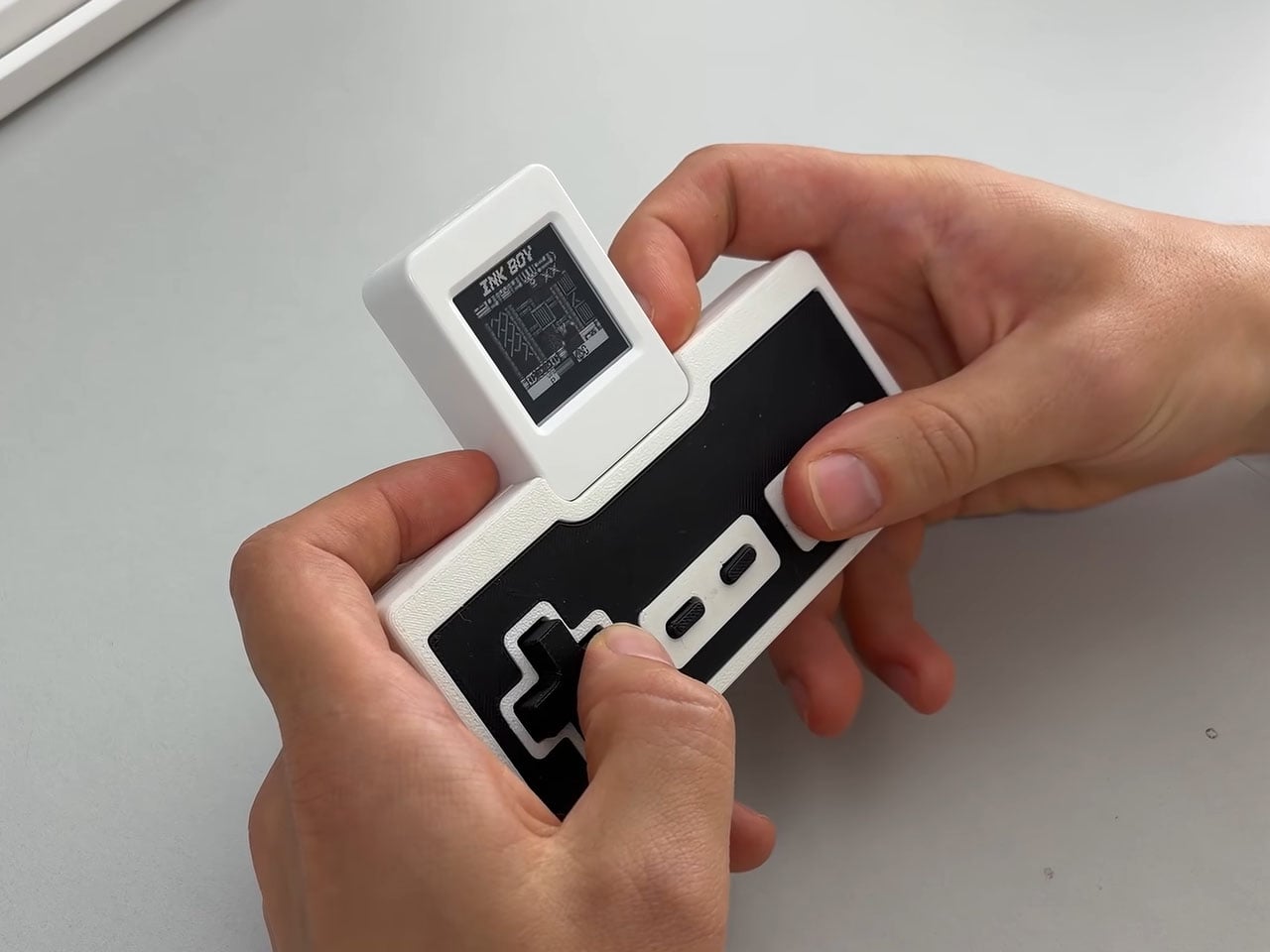
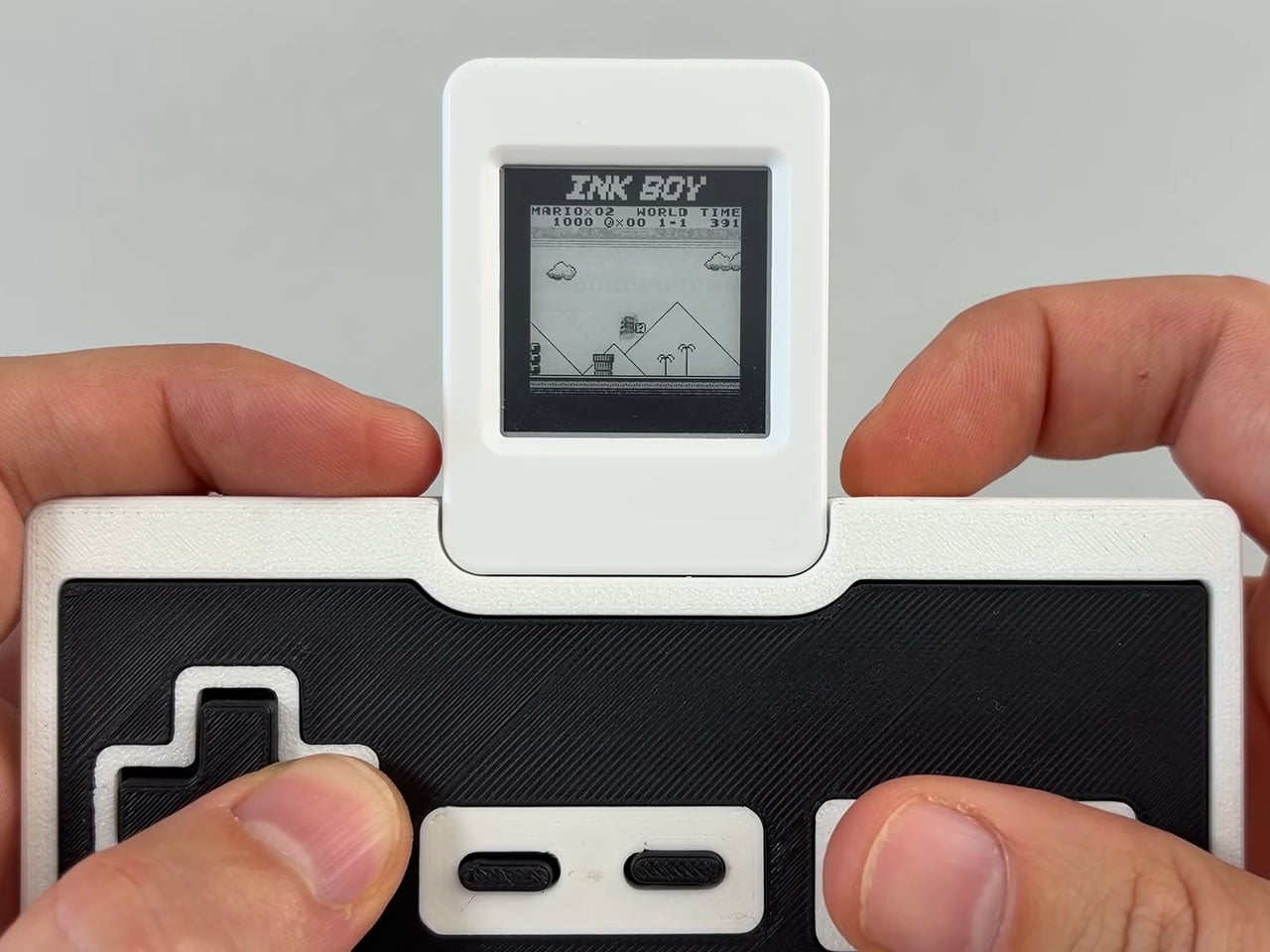
Who would have thought an e-paper screen could run Game Boy games at 30 FPS? That’s exactly what Bo Made It’s InkBoy project sets out to do, turning a tiny display designed for simple, static content into a surprisingly capable retro gaming setup. It can even run Super Mario Land smoothly enough to make you forget you’re playing on a screen better suited to an e-reader.

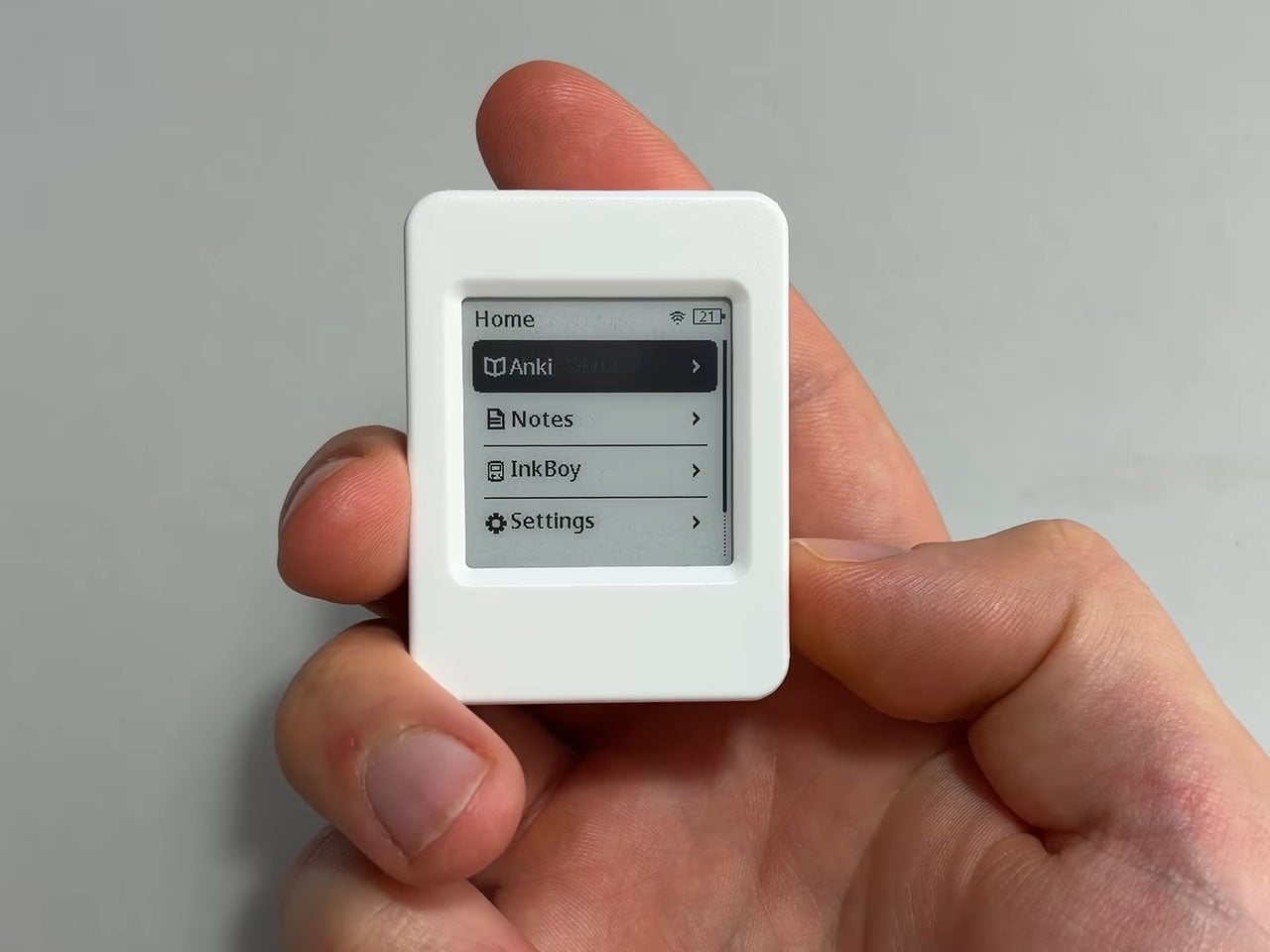
Built around an ESP32 development board with an integrated e-paper display, InkBoy takes on one of the technology’s biggest limitations: slow refresh rates. E-paper is great for reading because it uses very little power to maintain an image, but updating that image quickly enough for a video game is a different story. Instead of accepting the usual limitations, the project finds a way to make the screen respond much faster.

Designer: Bo Made It

The trick lies in how the display is driven. E-paper screens form images by moving tiny particles using electrical pulses. A conventional refresh involves a carefully controlled sequence that takes time and can produce the familiar flashing effect seen on e-readers. InkBoy cuts down this process by using much shorter pulses and updating individual pixels rather than repeatedly refreshing the entire screen. This results in a much quicker response without replacing the display itself.

Getting the image to look right is just as important as making it move. InkBoy uses carefully controlled pixel transitions to produce different shades of gray, although this can leave faint trails behind moving objects. There’s also a faster black-and-white mode that uses dithering to create the impression of additional shades. It gives the project some flexibility, letting the developer trade tonal detail for a more responsive image when needed.

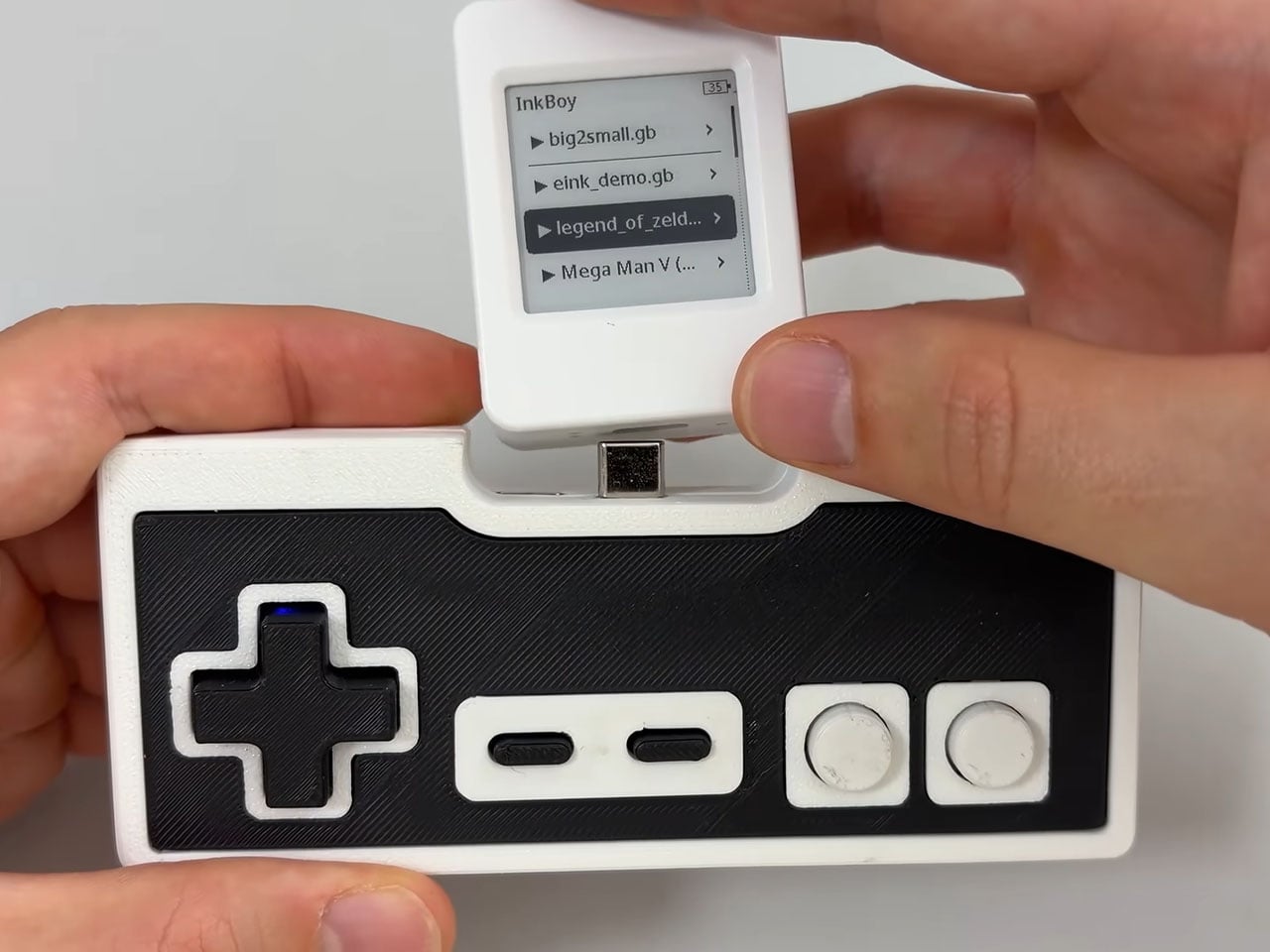
The project builds on ideas explored in PaperBoy, an earlier e-paper gaming experiment by Wenting Zhang. InkBoy brings a similar theme to a compact development board, using existing Game Boy emulation projects to handle the games themselves. Titles can be loaded from a microSD card, and the software supports saving progress and resuming a session later.

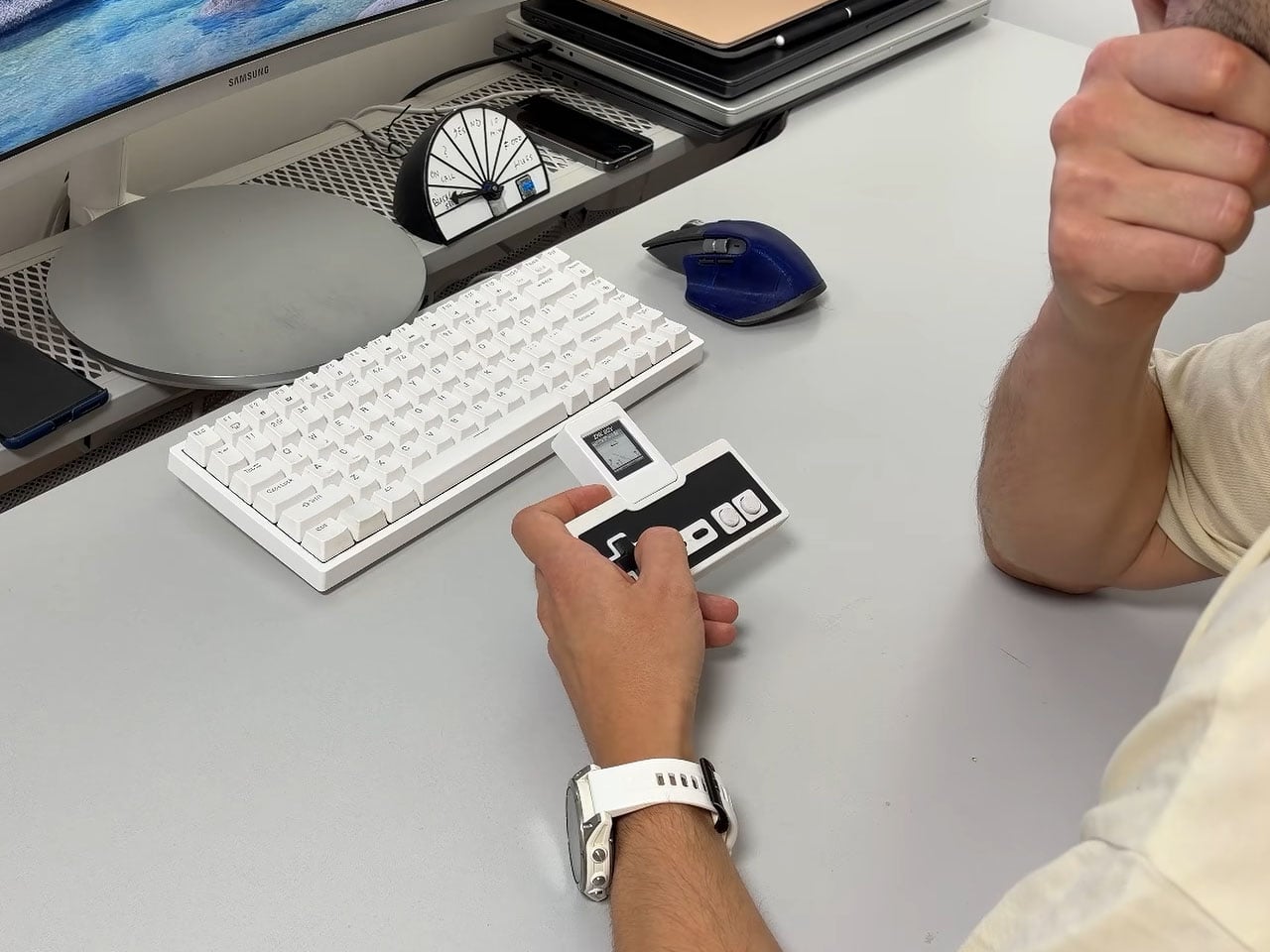
The rest of the setup is equally technical as the rest of the build. Controls are managed by a separate ESP32-C3 board housed in a 3D-printed enclosure and connected to the display module over USB-C. Bluetooth pairing is also supported, while a built-in speaker handles game audio. Together, these elements turn what could have been a simple proof of concept into a more complete little gaming device.

There are still limitations with this DIY. Some games struggle to maintain the target frame rate, and the modified refresh method can leave ghosting on the screen. The long-term effects of repeatedly using unconventional waveforms are also uncertain, particularly when it comes to image retention and potential permanent marks. However, InkBoy turns one of e-paper’s biggest limitations into its most surprising feature, bringing classic Game Boy gaming to a screen nobody would expect to play on!

The post This Tiny E-Paper Game Boy lets you play Super Mario Land at 30 FPS on a reading screen first appeared on Yanko Design.