Pimax Crystal Pro: Wireless PC VR Headset Specs and Price
Pimax Crystal Pro wireless PC VR headset: Native Foveated Streaming over 60GHz, 2880 x 2880 QLED per eye, Lighthouse support, $1,399 price.
While smartwatches have become familiar wearables over the past few years, there’s still an audience out there for analog and digital watches. Character watches in particular appeal to fans of either the watch brand or the collaboration, or both. POP MART has a lineup of characters featured in plushies, blind boxes, pendants, and other collectibles. One of its signature characters is Molly, and if you’d like her on your wrist or your bag, this new collaboration between Casio and POP MART might earn a spot on your Christmas wish list.
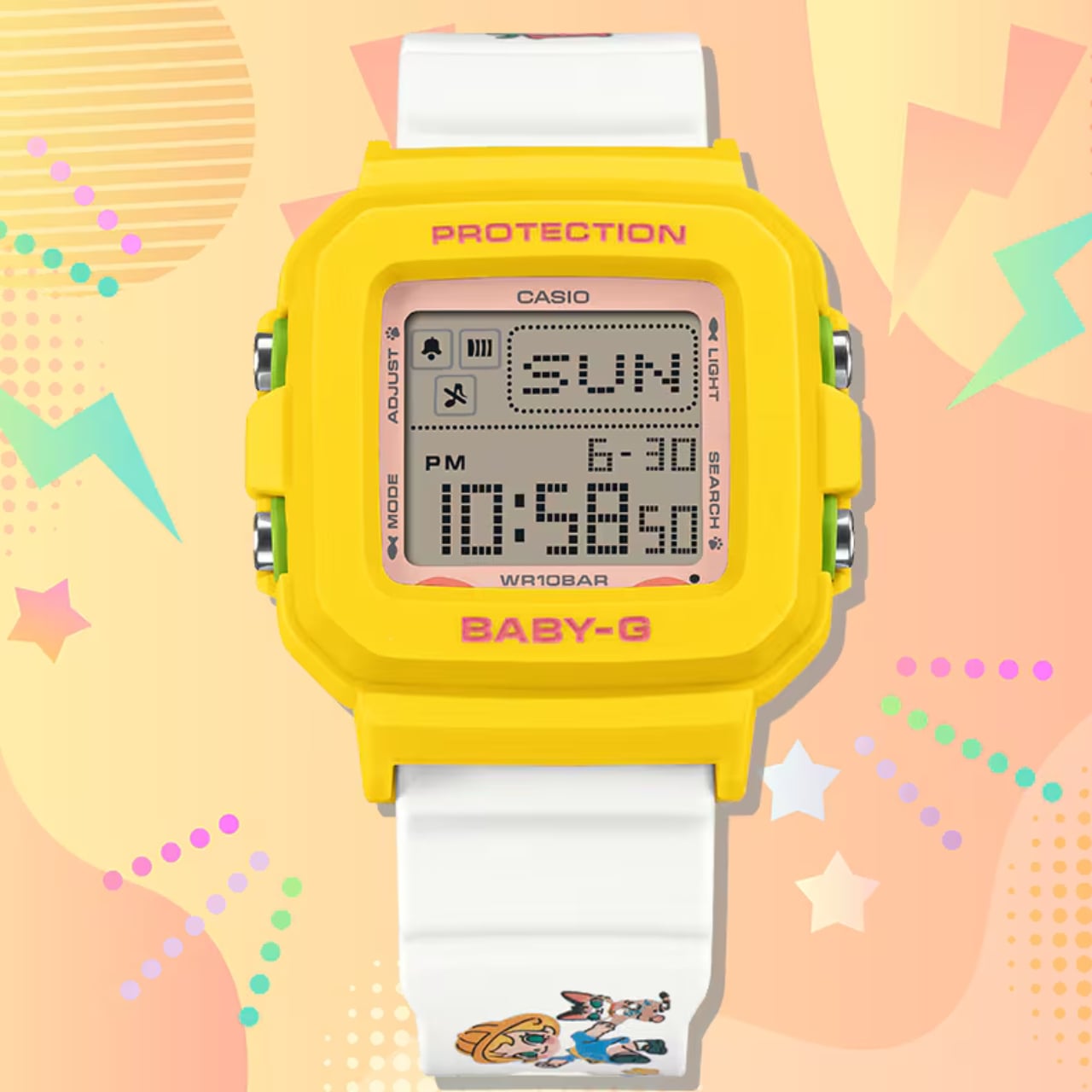
The Casio BABY-G x Baby Molly BGD-10KPM-7 is a new collaboration between the two brands, featuring the baby version of Molly, Baby Molly. Aside from letting you wear her character artwork on your wrist, you can also turn this digital watch into a bag charm if that is more your fit of the day. The watch and the accessories that come with it are packed with playful character details that collectors and fans of cute things will appreciate.
Collaboration: Casio x POP MART
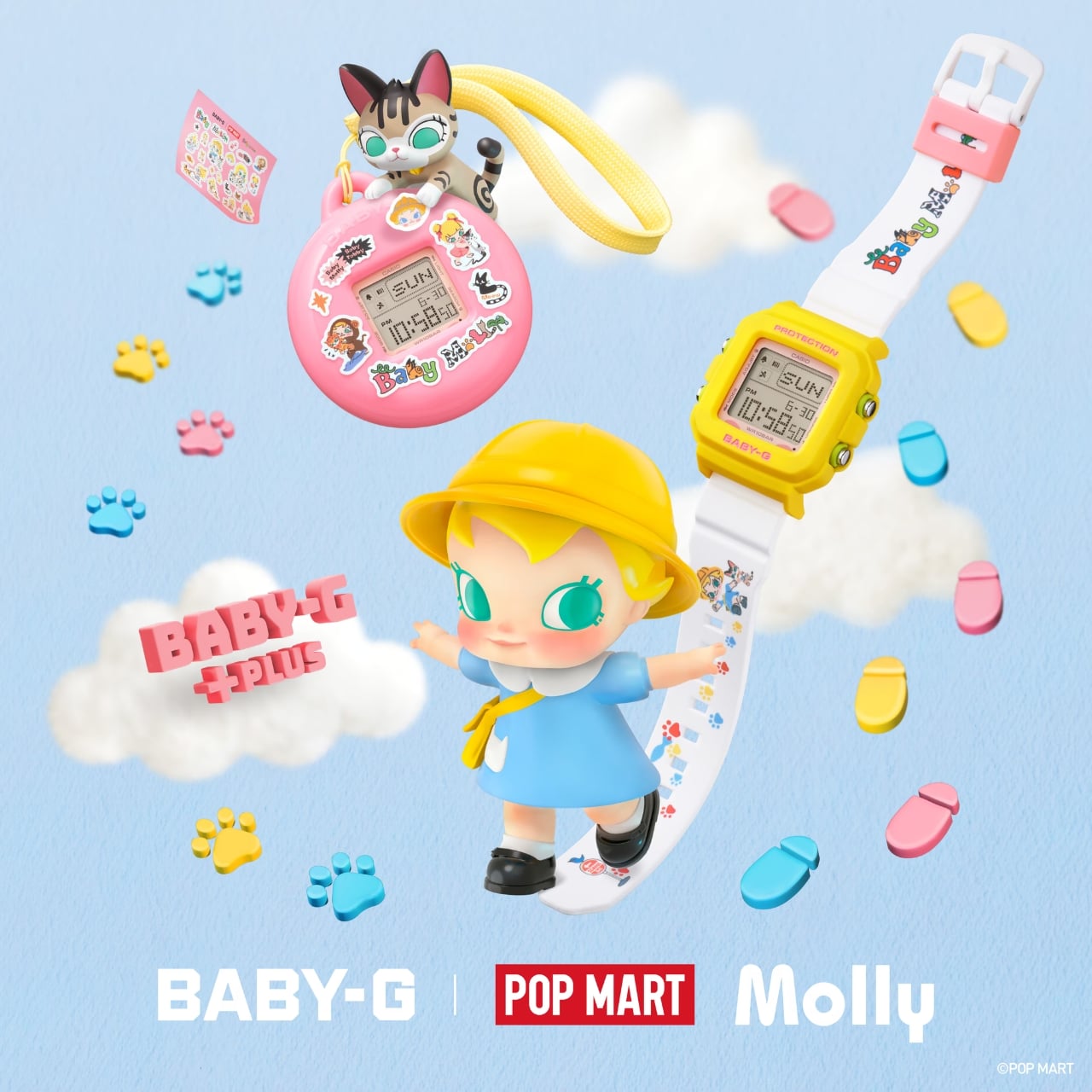
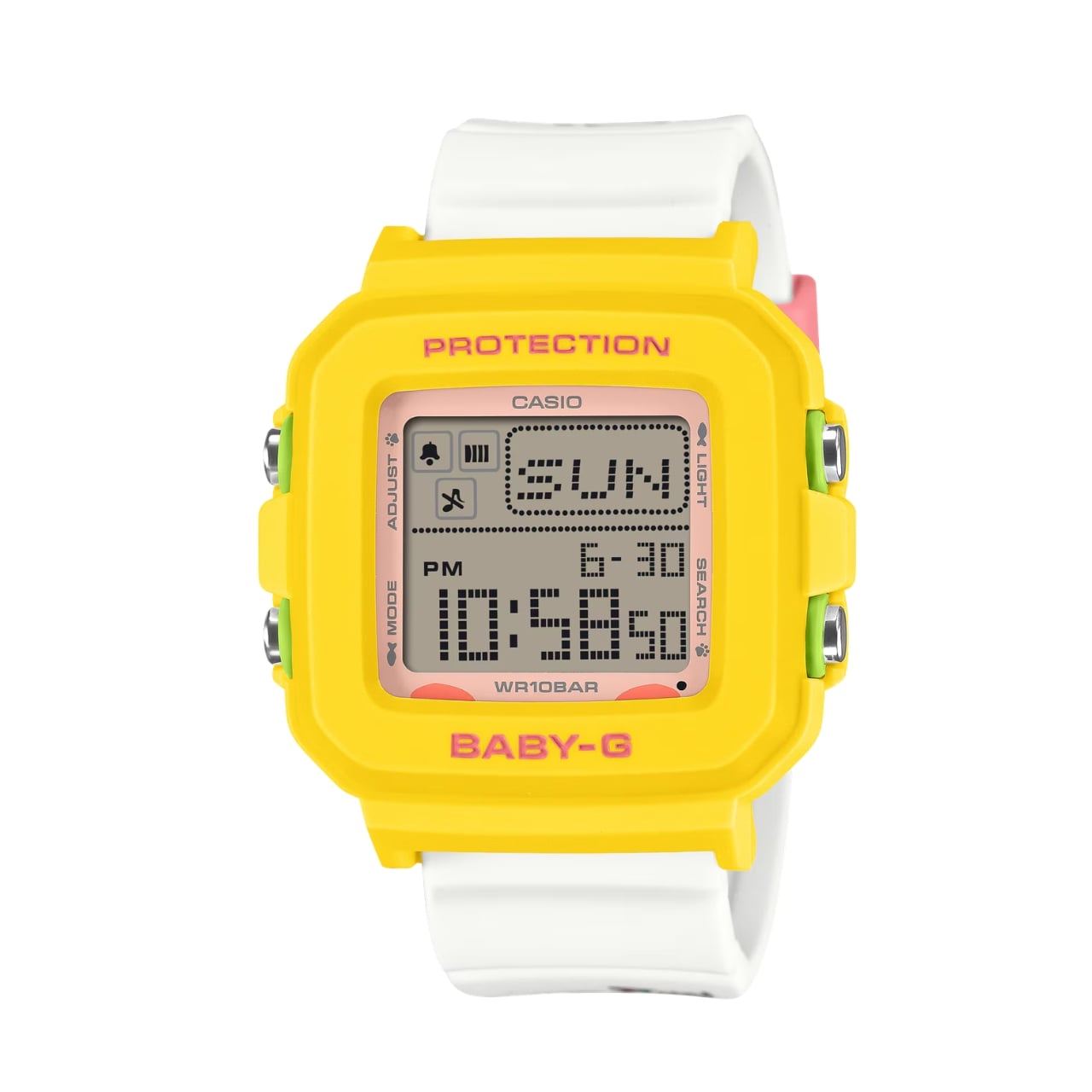
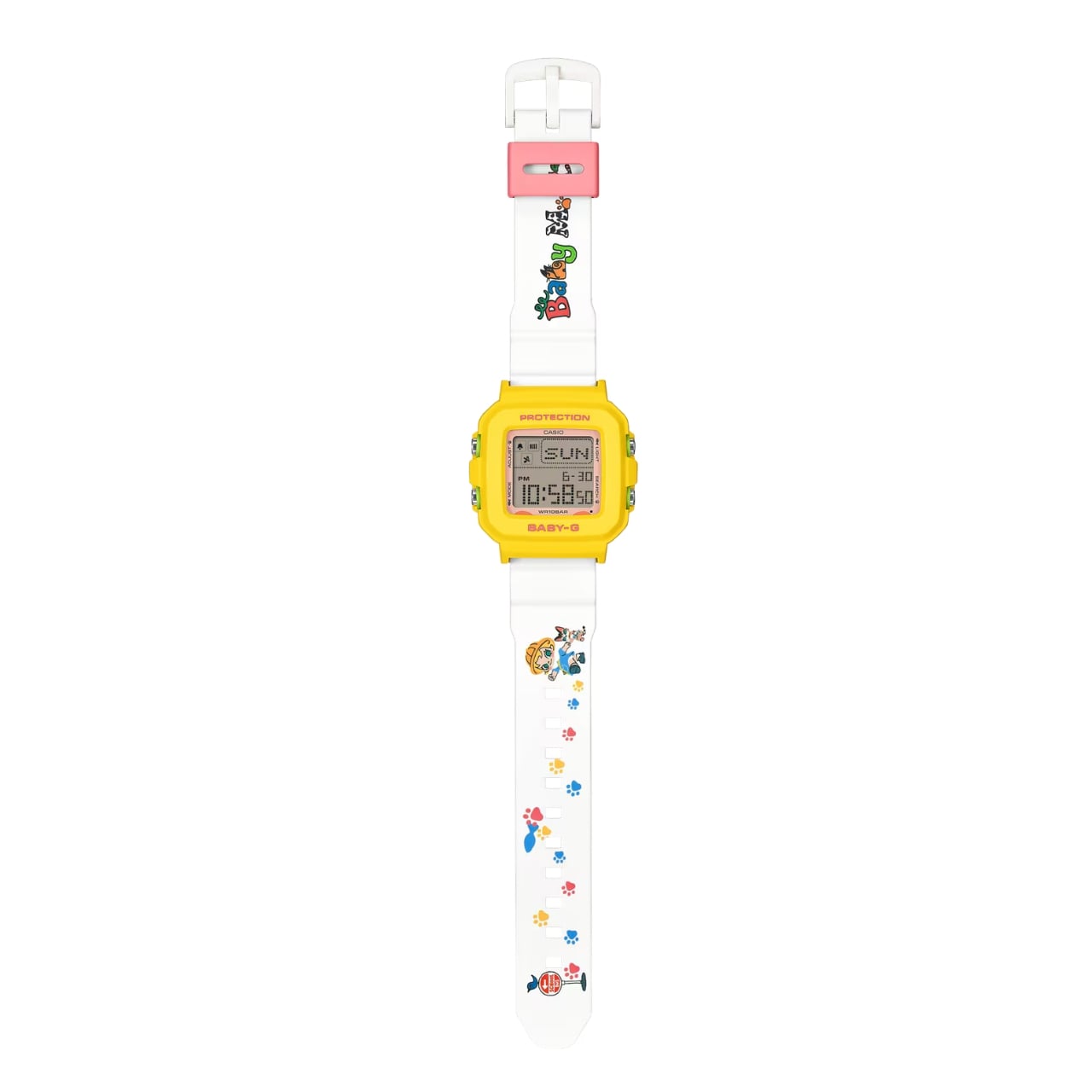
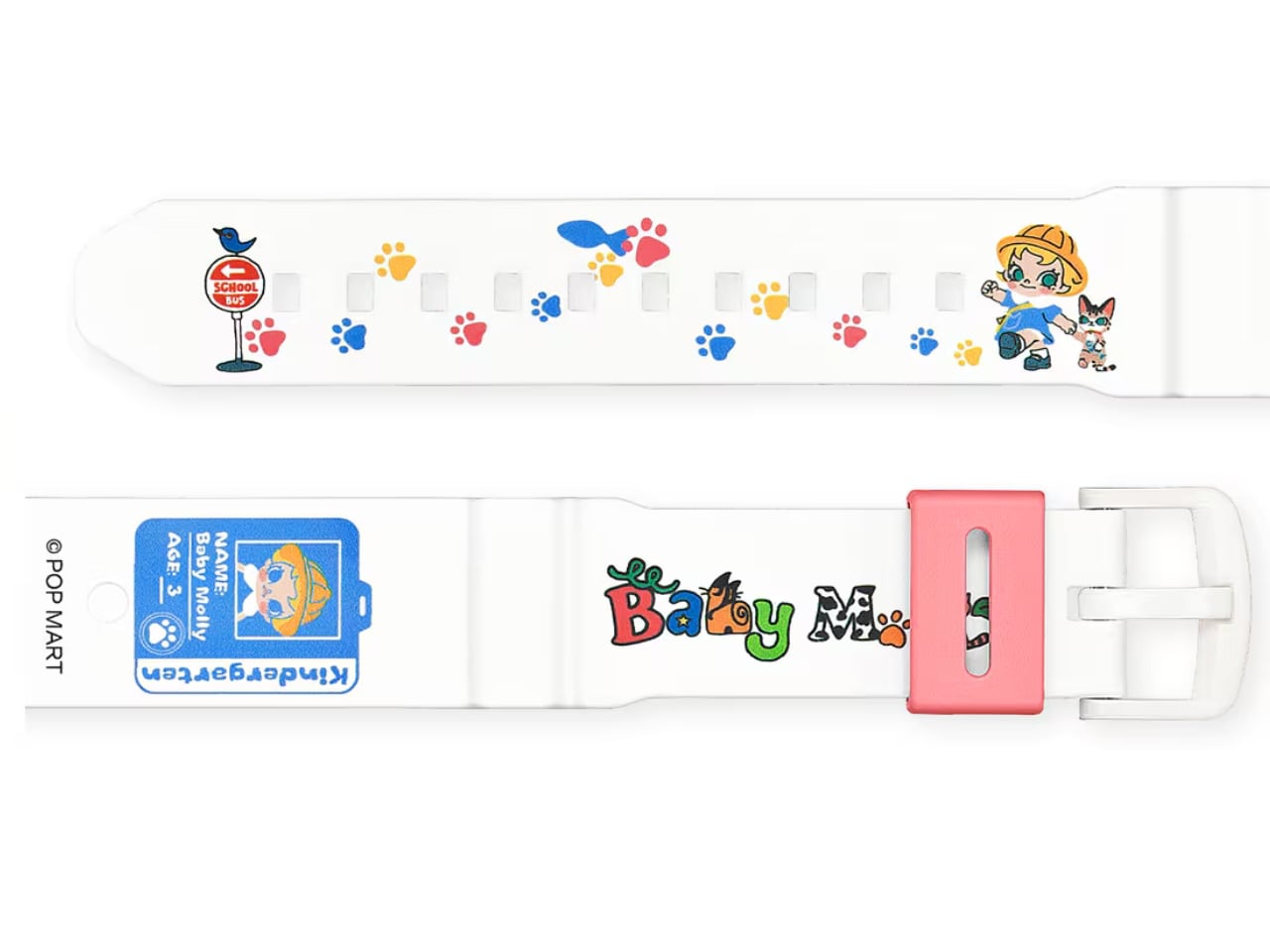
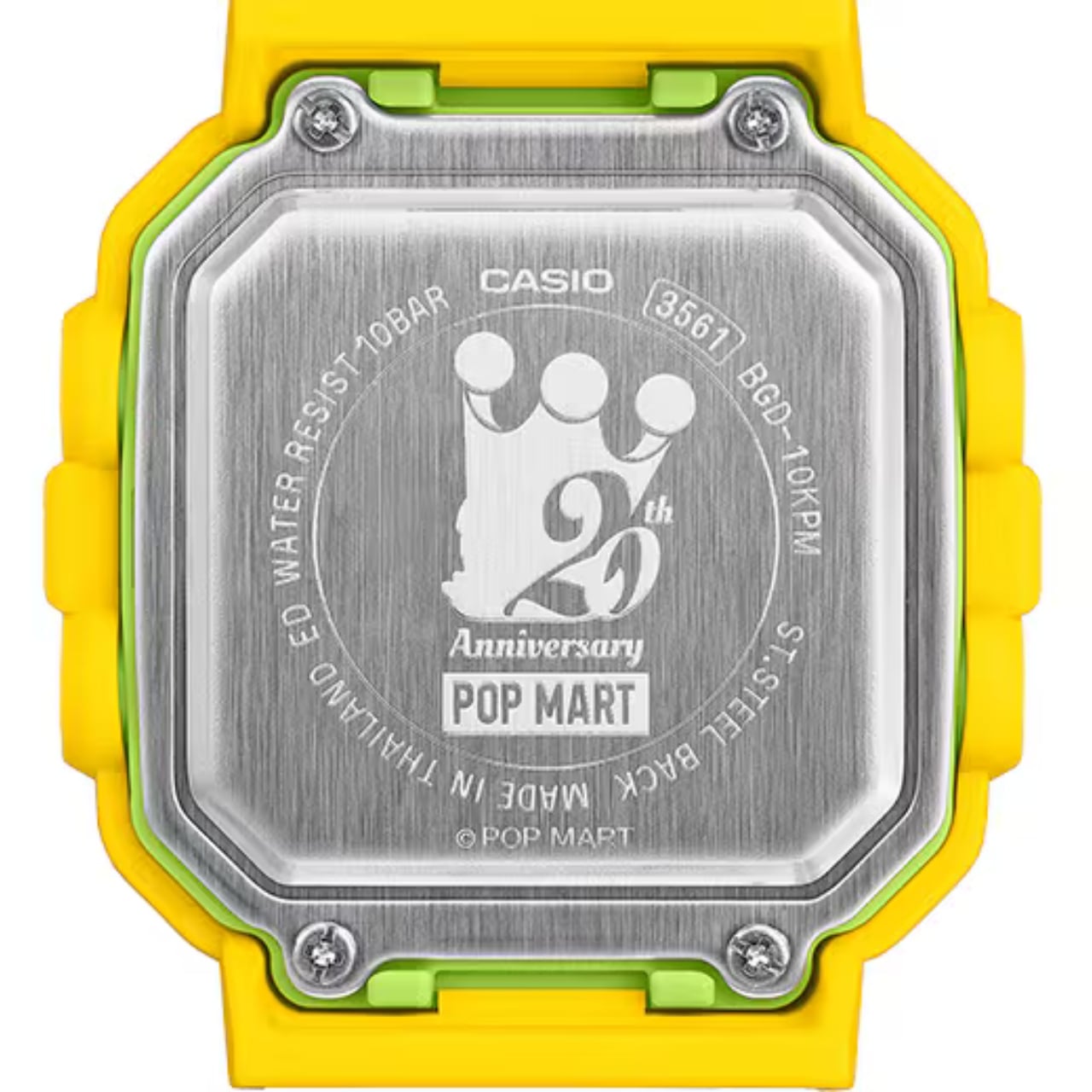
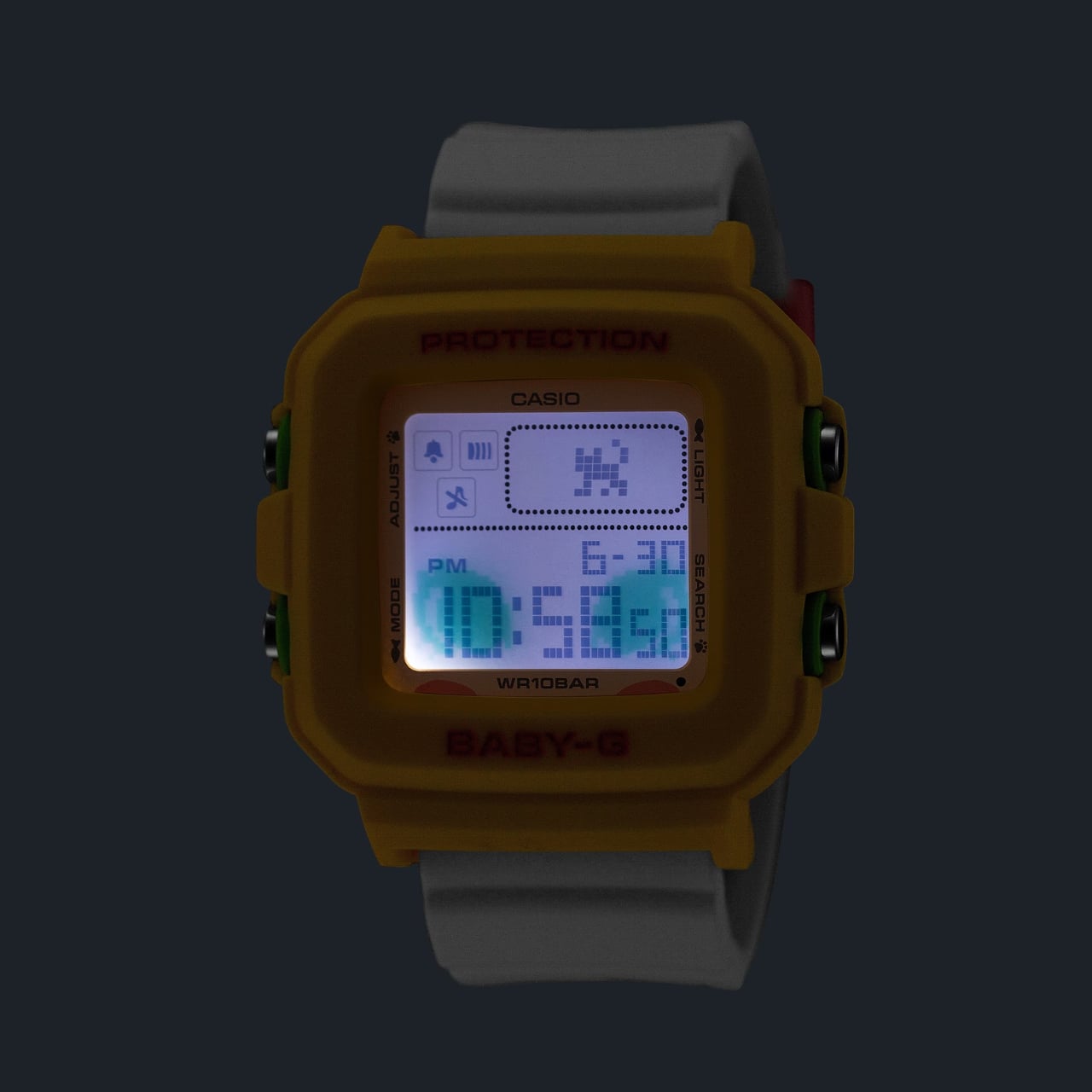
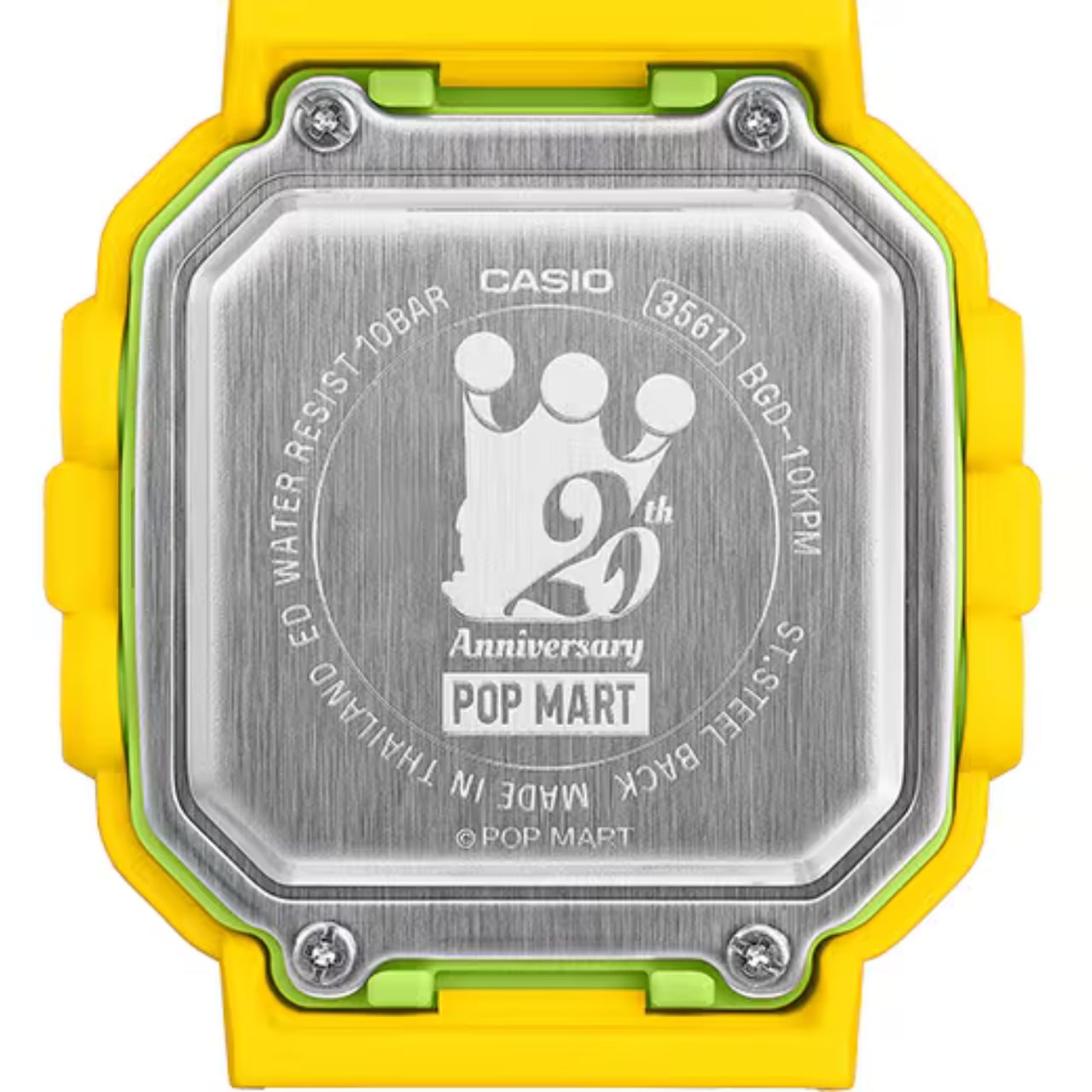
The Molly character was created by artist Kenny Wong back in 2006. Baby Molly shows her as a child, complete with blue eyes and chubby cheeks. With this watch, she’s heading off to kindergarten with her equally cute feline best friend, Baby Tabby. The white band depicts the pair on their way to school. The bezel is bright yellow to represent her hair, while activating the light reveals her signature bright blue eyes on the LCD. The LED itself is white; it’s the eyes that appear blue. The case back is engraved with the MOLLY 20th-anniversary logo, adding another detail for longtime fans to appreciate.
There’s also a small surprise tucked away beneath the band. Removing it reveals a graphic resembling Baby Molly’s kindergarten name tag. It’s a nice little detail for the owner to discover, especially since changing how you carry the watch brings it into view.
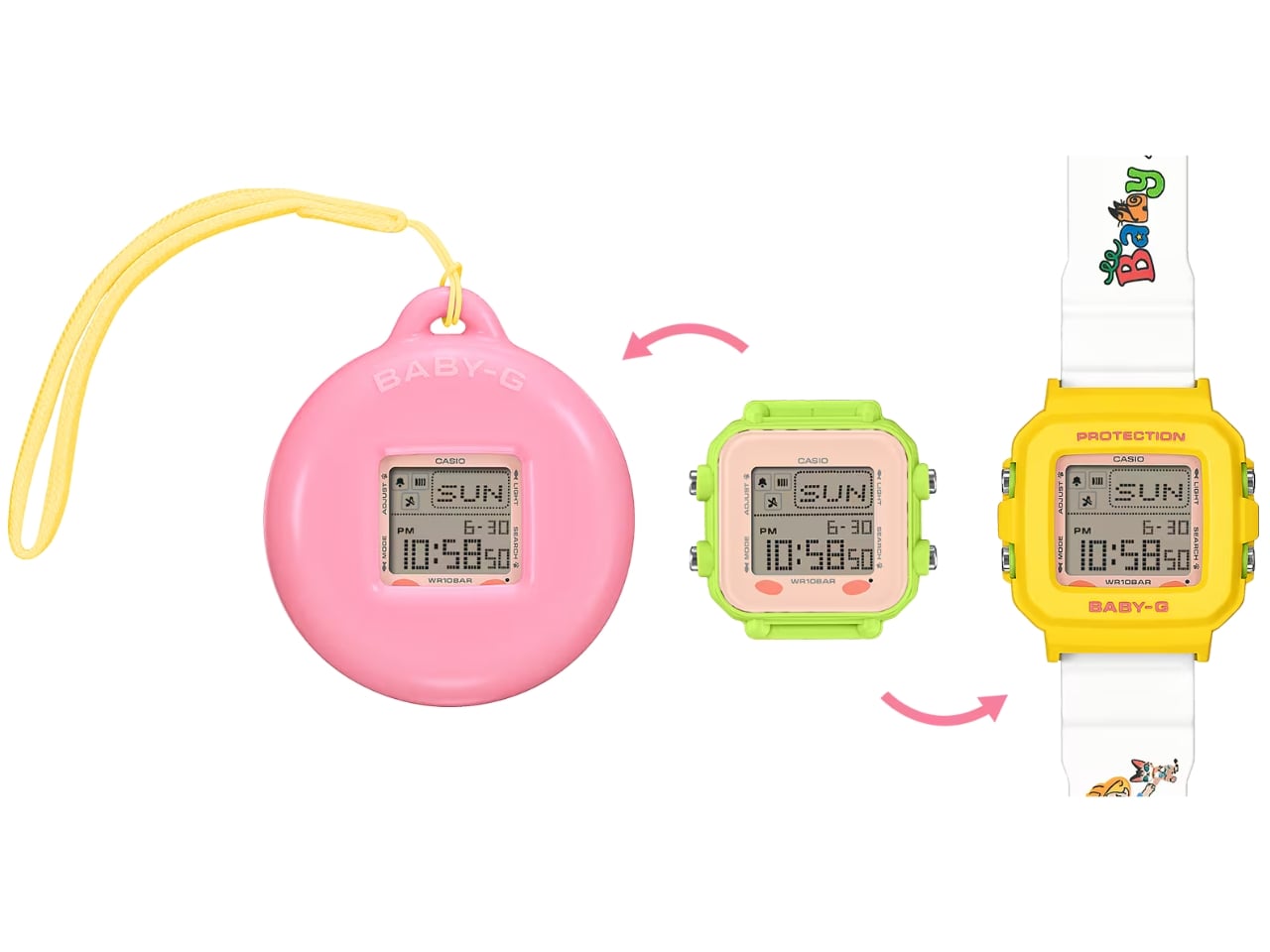
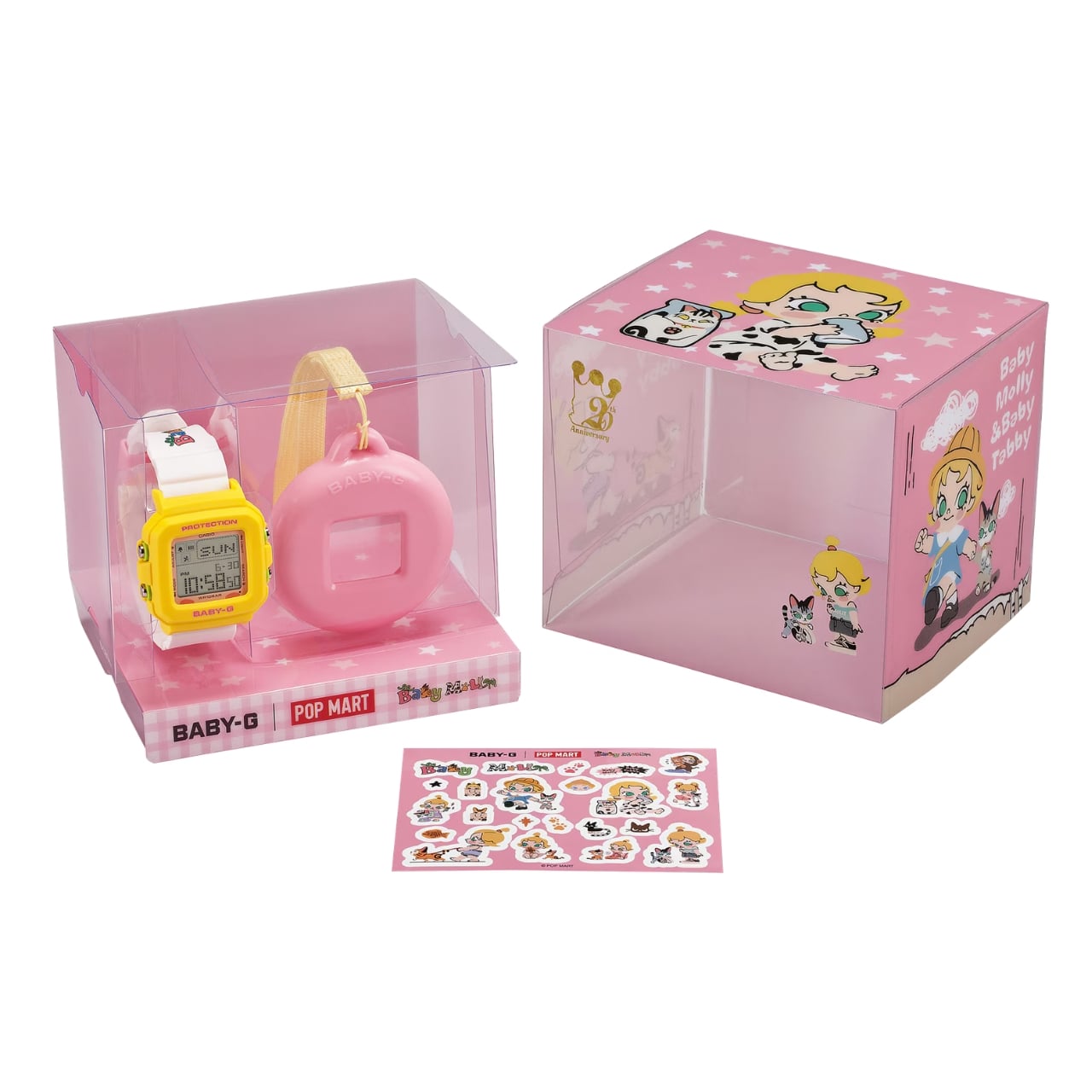
If you prefer having it as a bag accessory, all you have to do is remove the bezel and pass-through band, then place the center case into the pink custom holder. Both parts can be removed without tools. You can then attach it to your bag, purse, or belt loop, as long as you can access it when you want to know what time it is. The display still works in the holder, so the charm remains a functioning watch.
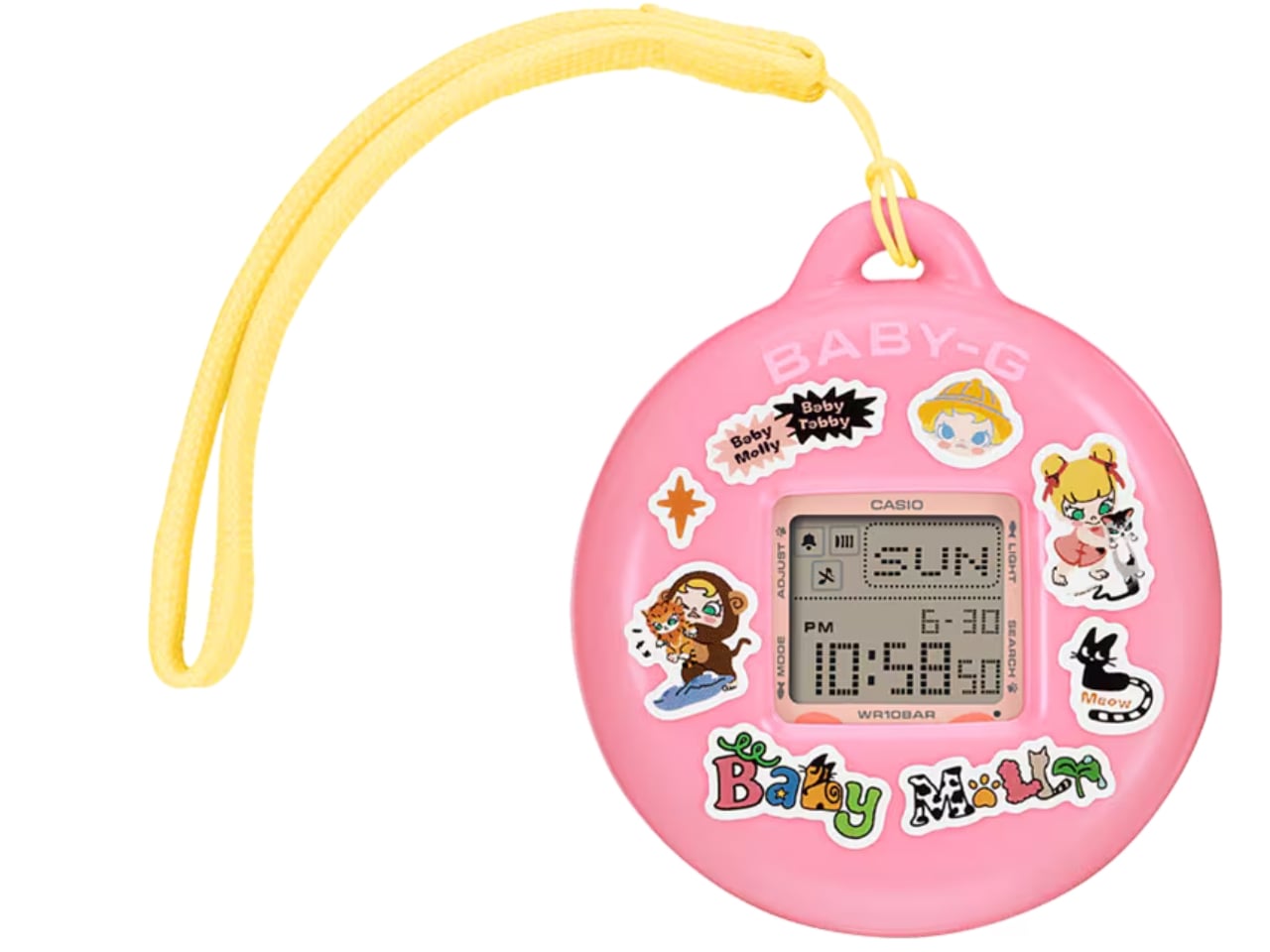
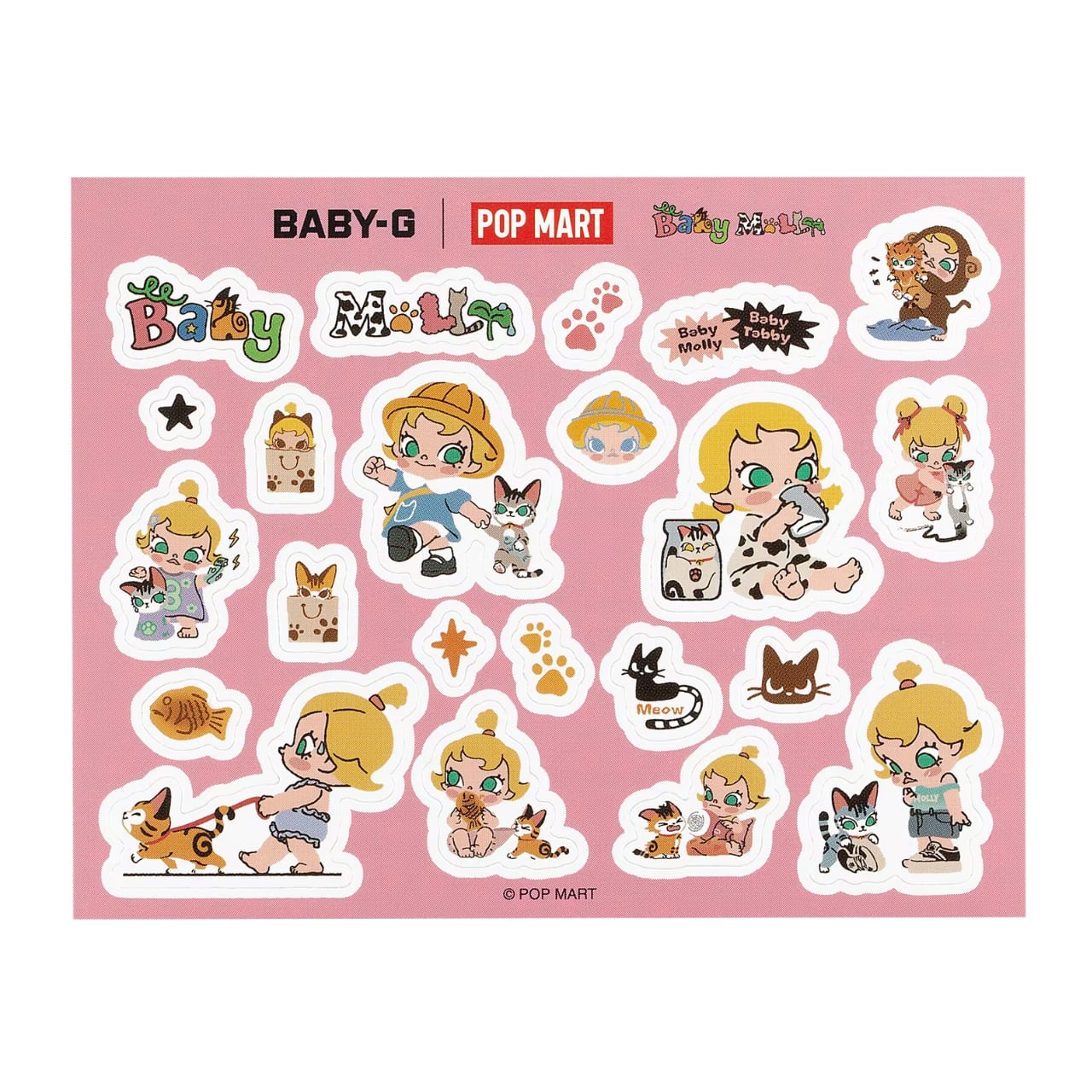
There are original stickers featuring Baby Molly and Baby Tabby that you can use to decorate the holder for the maximalist in you. Casio recommends keeping decorations off the watch itself and notes that stickers can peel or leave adhesive residue. It comes in special packaging featuring both characters, which gives collectors another piece of artwork to enjoy.
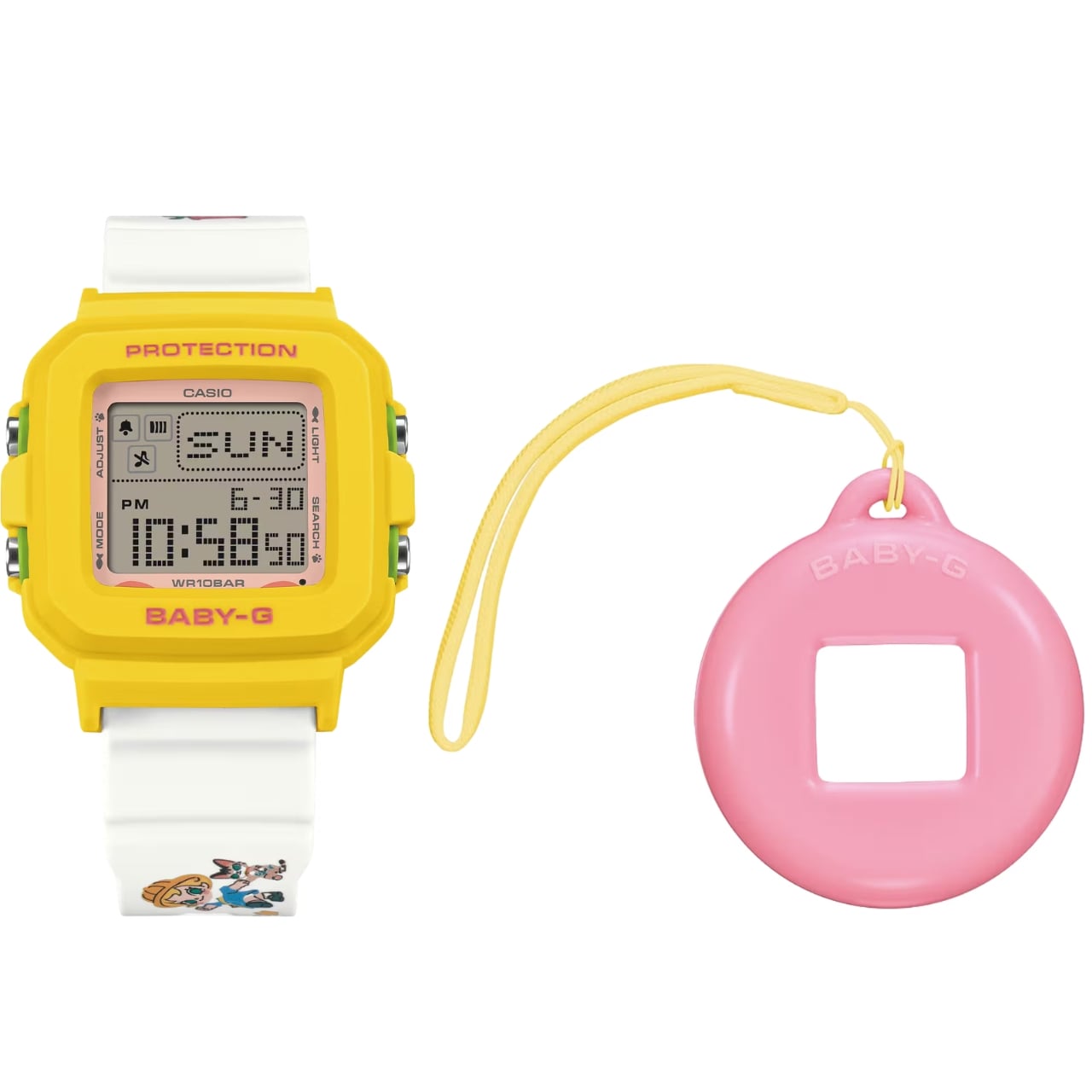
Aside from all these cute things, the watch is still BABY-G through and through. According to Casio, it is shock-resistant, has 10-bar water resistance, and offers approximately three years of battery life. It has all the usual digital watch functions, including world time across 29 time zones and 30 cities, a stopwatch, a countdown timer, five daily alarms, and LED illumination. The resin case measures 42.8 × 39 × 14.7 mm, and the watch weighs 33 grams. Mineral glass protects the display, and the supplied band fits wrists measuring 125–180 mm.
The watch-to-charm idea isn’t new to this collaboration. Casio introduced the original BGD-10K in May 2024, so the Baby Molly edition builds on an existing design. Here, the character artwork and eye reveal give that familiar setup its own personality.
Casio lists a November 2026 release in Japan at ¥16,500, including Japanese tax. U.S. pricing and availability aren’t specified in that listing, so American fans may need to wait for more information before making definite holiday shopping plans.
The appeal is having a collectible you can actually use, with a choice of where to wear it. A bag charm may take a little more effort to check than a wristwatch, but if your wrist is already occupied, Baby Molly still has somewhere to go.
The post Casio’s Baby Molly Watch Becomes a Bag Charm Without Tools first appeared on Yanko Design.

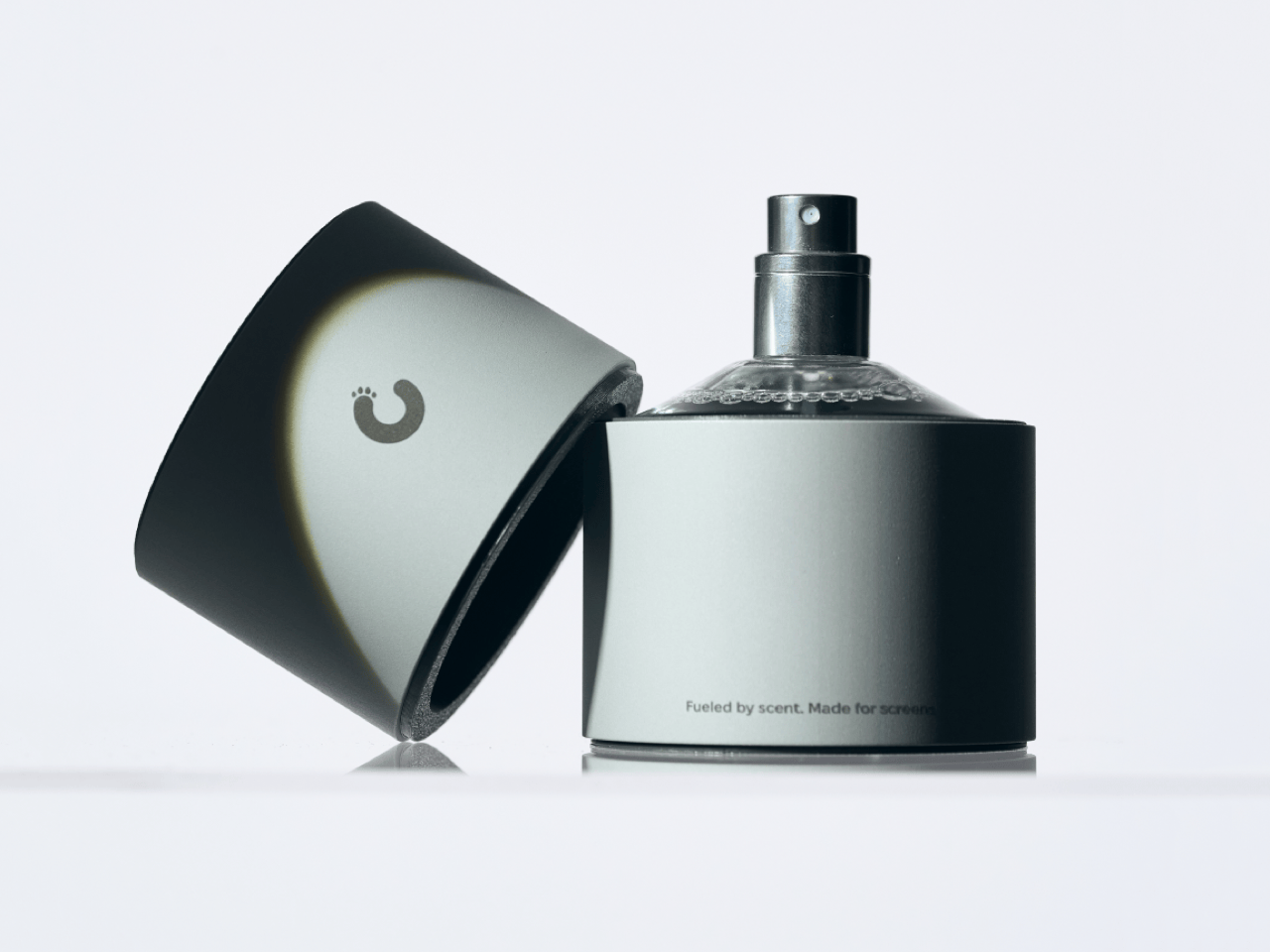
Apple’s official answer to a smudgy MacBook screen is a $9 Polishing Cloth, which, to be fair, is ten bucks cheaper than the version everyone roasted in 2021. MacPaw has a more extravagant answer. The Ukrainian company behind CleanMyMac just revealed CleanMyMac Mist, its first physical product, a screen and keyboard cleaner dressed up as a bottle of designer fragrance. One spritz on a microfiber cloth is meant to lift the fingerprints and leave your laptop smelling like a frosty pine forest. Your candles, your hand soap and your car already have signature scents, so honestly, the MacBook was overdue.
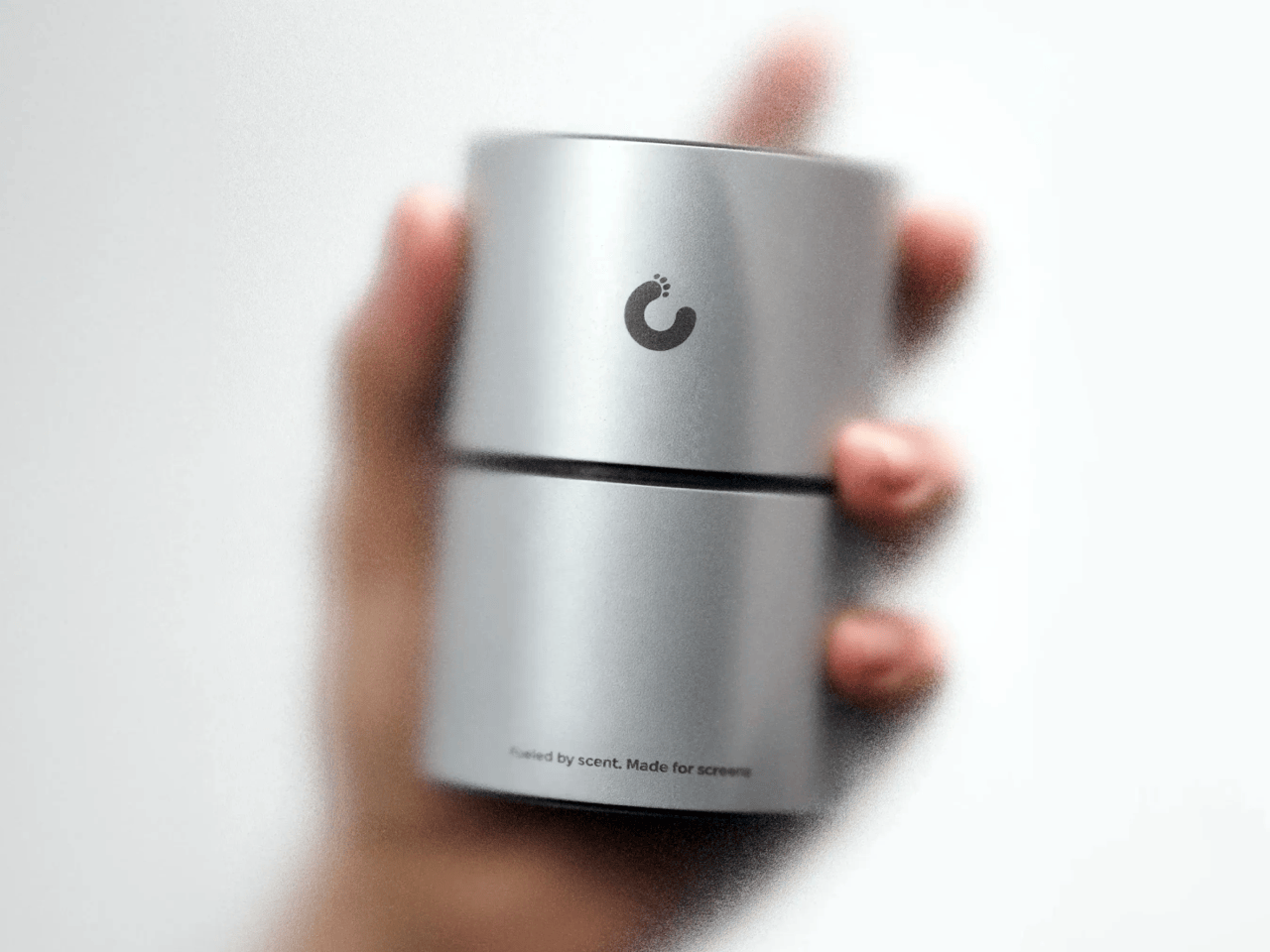
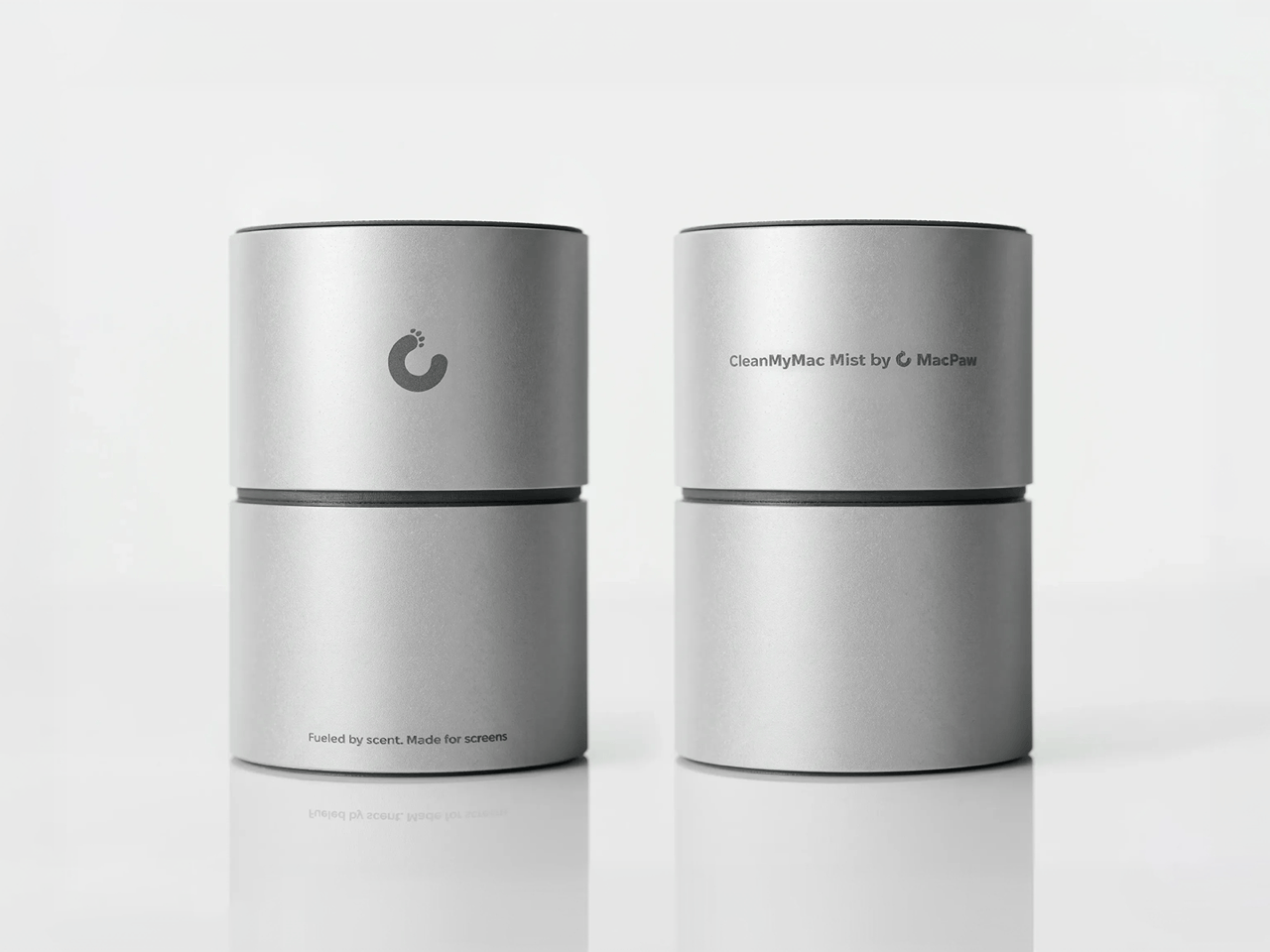
MacPaw calls the scent Frosted Juniper, picked because juniper grows both in Ukraine, where the company was founded, and in California, where the Mac was born. That’s a little sentimental, and I’m completely here for it. The notes run from camphor, ozone and citrus up top to fir needle, cedar leaf and green apple at the base, and the brief was to smell clean without smelling like a cleaning product. Pole, a design and small-batch production studio in Ivano-Frankivsk, made the glass atomizer, its metal case, and a pink box loud enough to see from across the office. Only 100 bottles exist, and they’re up for grabs via a CleanMyMac Instagram and TikTok giveaway until October 23, so don’t go hunting for a price tag.
Designers: MacPaw & Pole
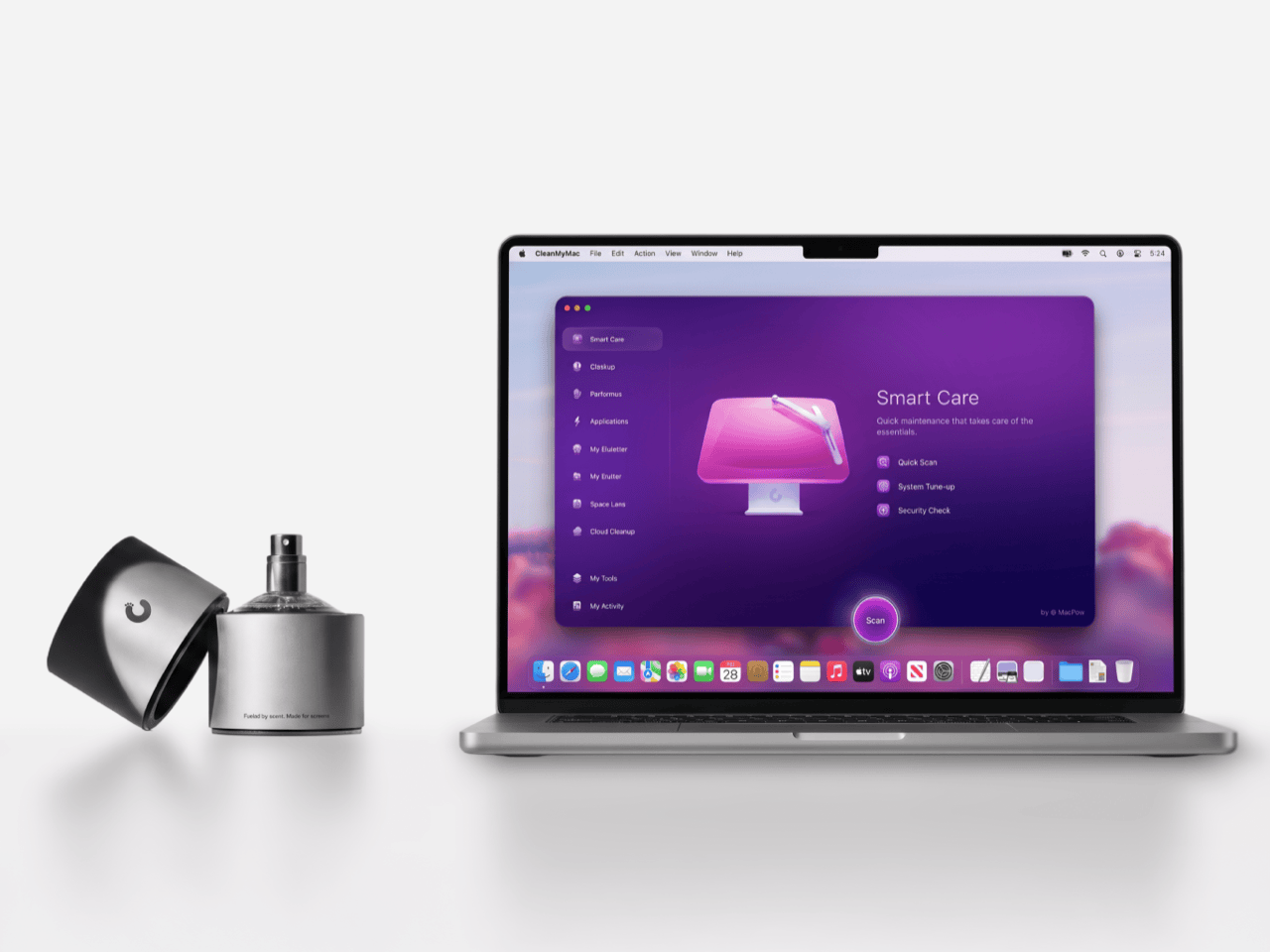
Every design choice here borrows from the perfume counter instead of the cleaning aisle. A slim glass atomizer sits inside a cylindrical metal case, and its silver-and-gray finish would sit happily next to any MacBook. The box flips the mood entirely, with a hot pink tray holding the Mist, a microfiber cloth, a small brush and a scent card, which is basically a perfume blotter for your laptop. The whole package is designed to live on your desk in plain view, far away from the Windex under the kitchen sink. Le Labo pulled a similar trick with its hand-cast concrete diffuser, treating a fragrance gadget as decor first.
Apple’s own cleaning guide warns against aerosol sprays, so the Mist uses a pump atomizer, and you spritz the cloth instead of the screen. That small habit change tackles a real problem, since one in three US Mac owners in MacPaw’s survey admitted to damaging their machine while cleaning it. The product site names the usual culprits: glass cleaners that strip anti-reflective coatings, paper towels that leave micro-scratches, and the hoodie sleeve that only feels like it’s doing something. Apple Stores reportedly keep their display units spotless with WHOOSH!, so dedicated screen formulas are nothing new. MacPaw’s twist is making the formula something you’d happily smell on your fingertips afterward, though nano-texture displays should still stick to Apple’s dry cloth.
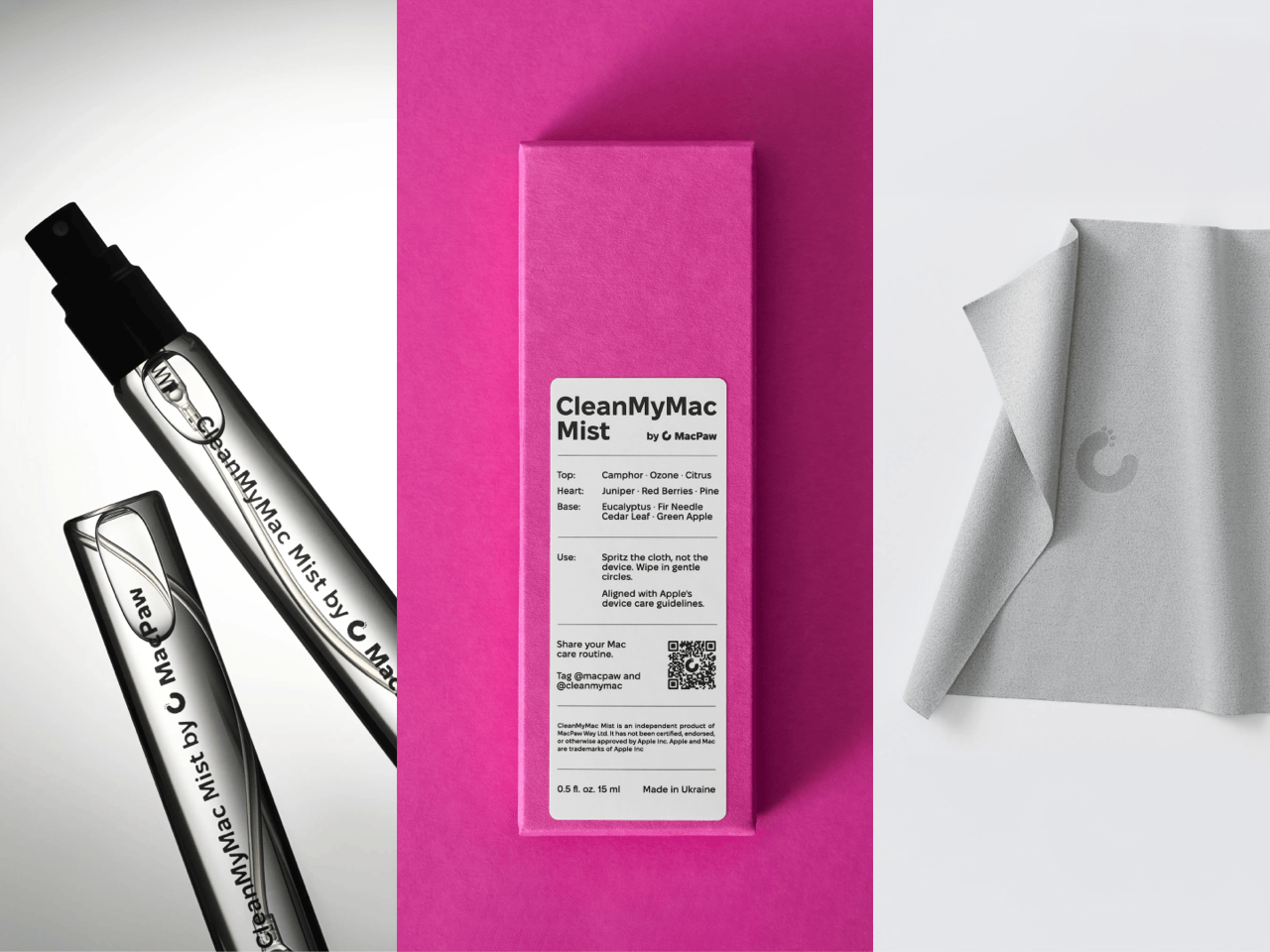
As a longtime CleanMyMac user, I find the whole thing delightfully on the nose. The app launched in 2008, has racked up 29 million downloads sweeping caches, logs and leftover app files out of Macs, and MacPaw says it cleans a million machines a day. For 18 years, “clean” was a metaphor for digital housekeeping, and now the metaphor has a nozzle and a note pyramid. MacPaw handed the physical side to Pole, a design and production center in Ivano-Frankivsk with metal, wood, ceramics and biolab workshops under one roof. Pole specializes in runs of 1 to 500 units and built elements for Ukraine’s pavilion at Expo 2025 in Osaka, so a 100-bottle drop sits right in its comfort zone.
The Mist isn’t for sale, and the only way to get a bottle is a giveaway on CleanMyMac’s Instagram and TikTok that closes at 11:59 PM EST on October 23. MacPaw will pick 10 winners on Instagram and 5 on TikTok, so the odds are slim, but every entrant still gets a 20% CleanMyMac coupon. The full scent breakdown and entry details live at cleanmymacmist.com. Millions of Mac owners already trust MacPaw with the inside of their machines, and I suspect plenty of them would buy a refill to keep the outside smelling like a snowy forest. Frosted Juniper makes a great first edition, though I’m already lobbying for a cozy sandalwood one by December.
The post CleanMyMac just made a Screen Cleaning Perfume for your MacBook that smells like a pine forest first appeared on Yanko Design.
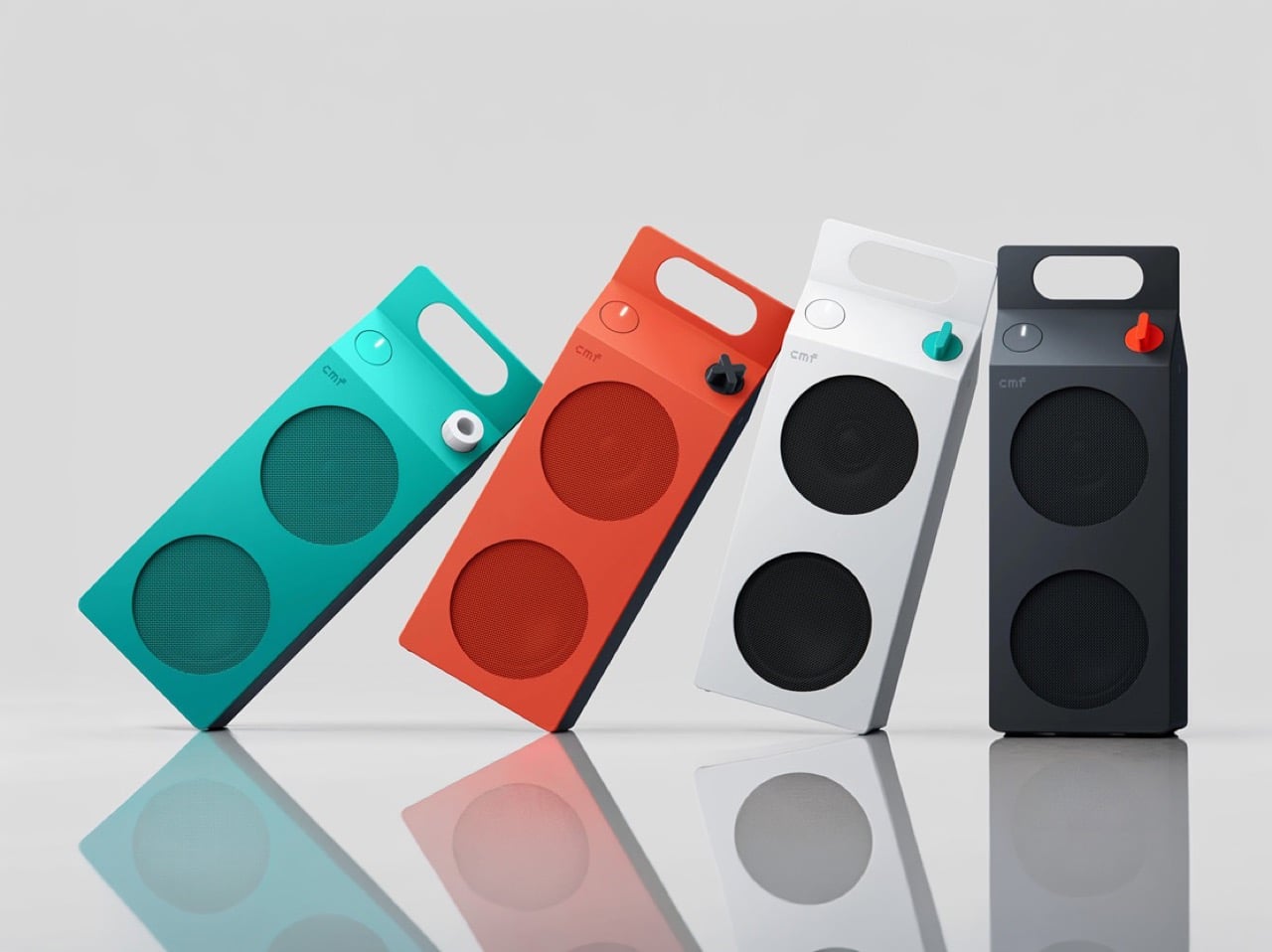
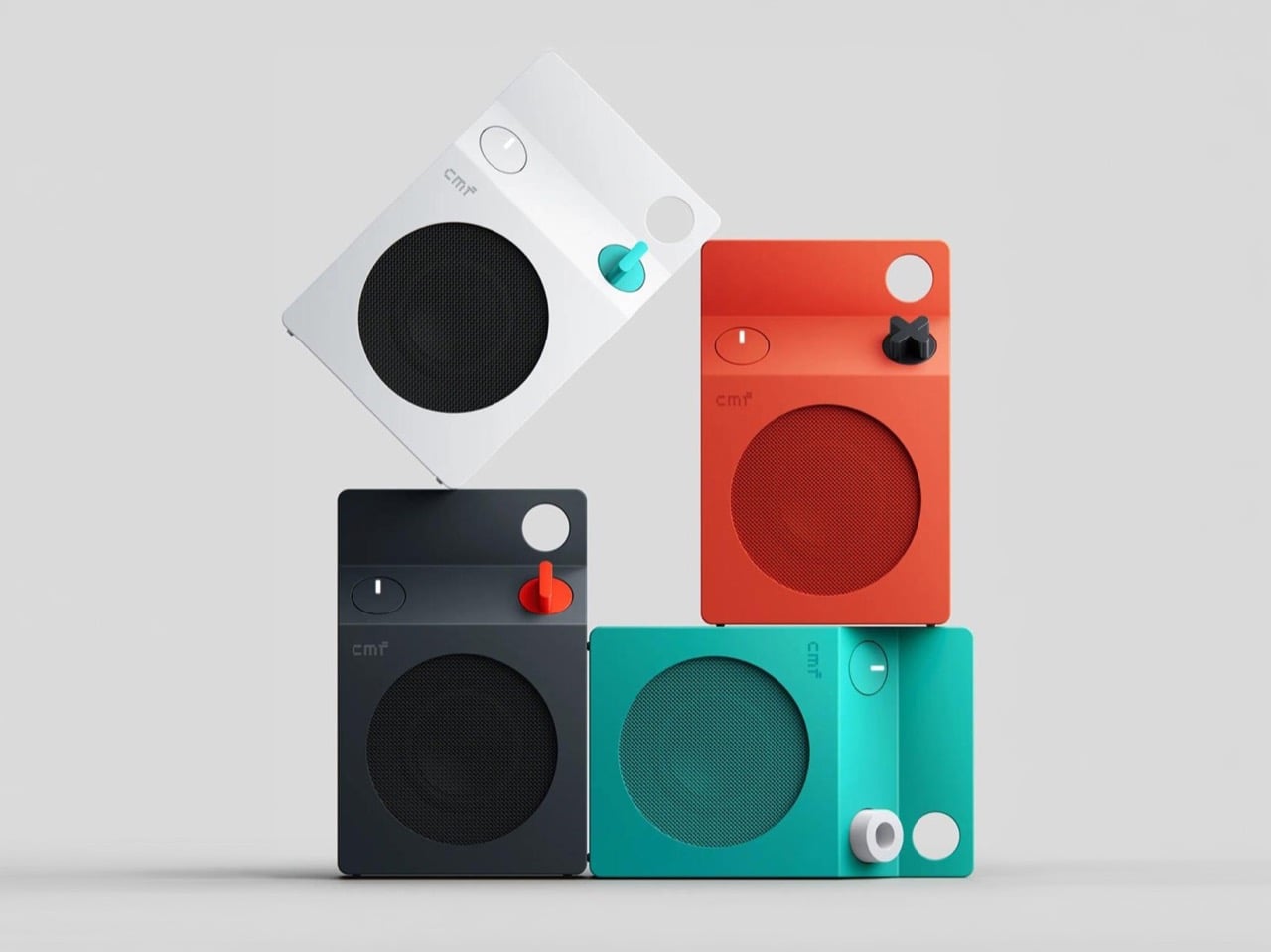
Everyone has held a milk carton, which is exactly why CMF’s new speakers are so hard to stop looking at. CMF, the budget sub-brand of Nothing, shaped its first Bluetooth speakers like gable-top cartons, a form that toy manufacturer John Van Wormer of Toledo, Ohio, patented in 1915 as the Pure-Pak. Your brain files that silhouette under breakfast, fridge door, and home before it even registers the grille. Then the colors and a deliberately mismatched knob finish the job. Black cylinders and bricks have run the speaker aisle for a decade, so a carton is practically a plot twist.
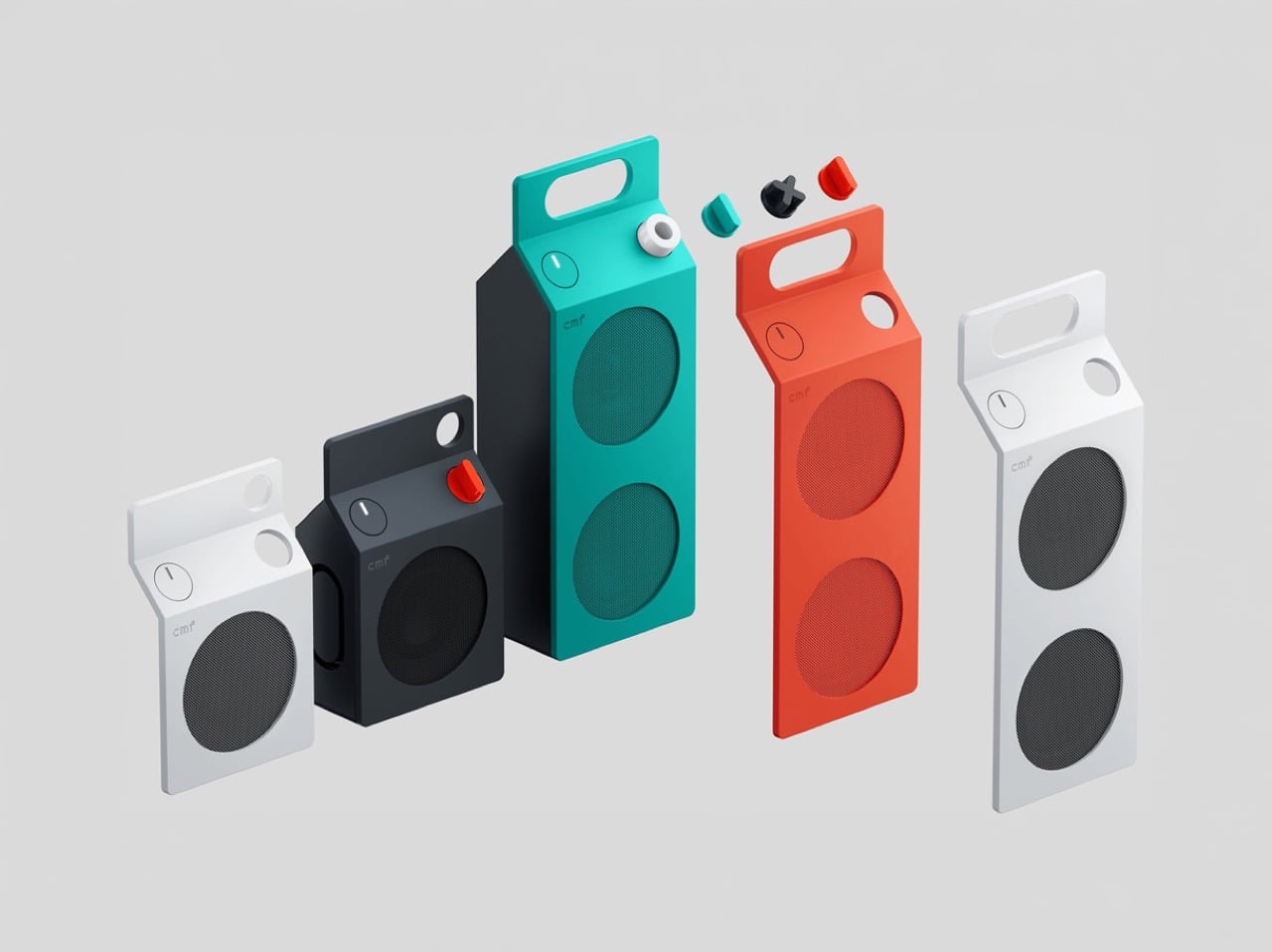
The CMF Speaker S ($59) and Speaker M ($109) launched October 12 at nothing.tech and select retailers, in white, dark grey, turquoise, and orange. CMF’s own product pages cite a carton’s sharp geometry as the inspiration, so the resemblance is deliberate. A sloped roof carries the knob where a carton’s screw cap would sit, and the M’s top fin doubles as a carry handle. The front panel and knob pop off, which turns each speaker into a base for swapping or 3D printing. Both are IP68 too, so the carton can sit on a patio table without a worry.
Designer: CMF by Nothing
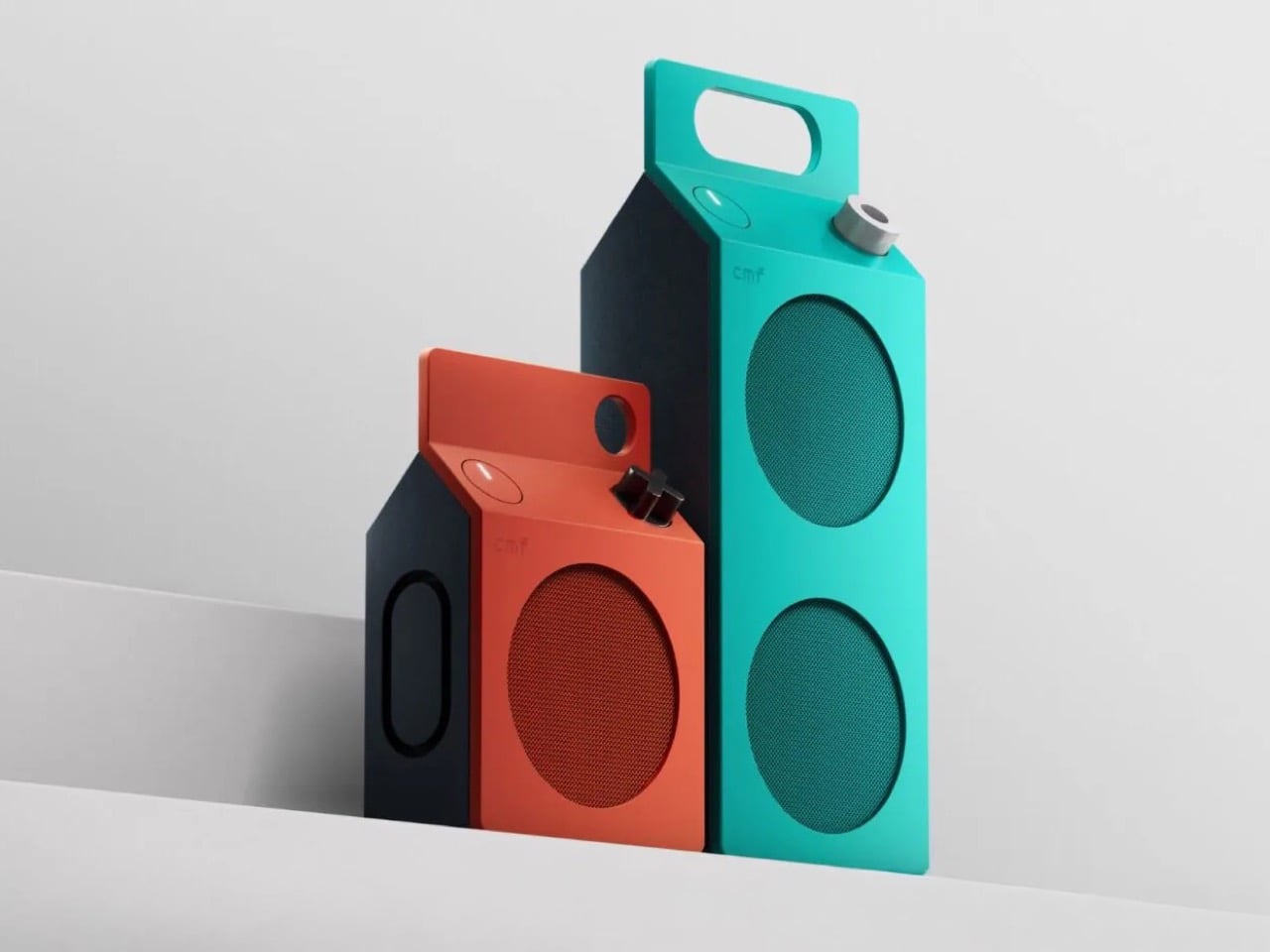
A carton has three recognizable parts, and CMF kept all three. The sloped gable roof becomes the top edge of a folded color panel that wraps over from the front face. The sealed top seam becomes the M’s raised fin with a handle cutout, while the S settles for a round cutout in the corner. The screw cap, a carton upgrade Elopak dates to 1991, becomes a knob you press and turn. On the orange and turquoise models, a dark grey body sits behind the panel, so the color reads like printed paperboard around a core.
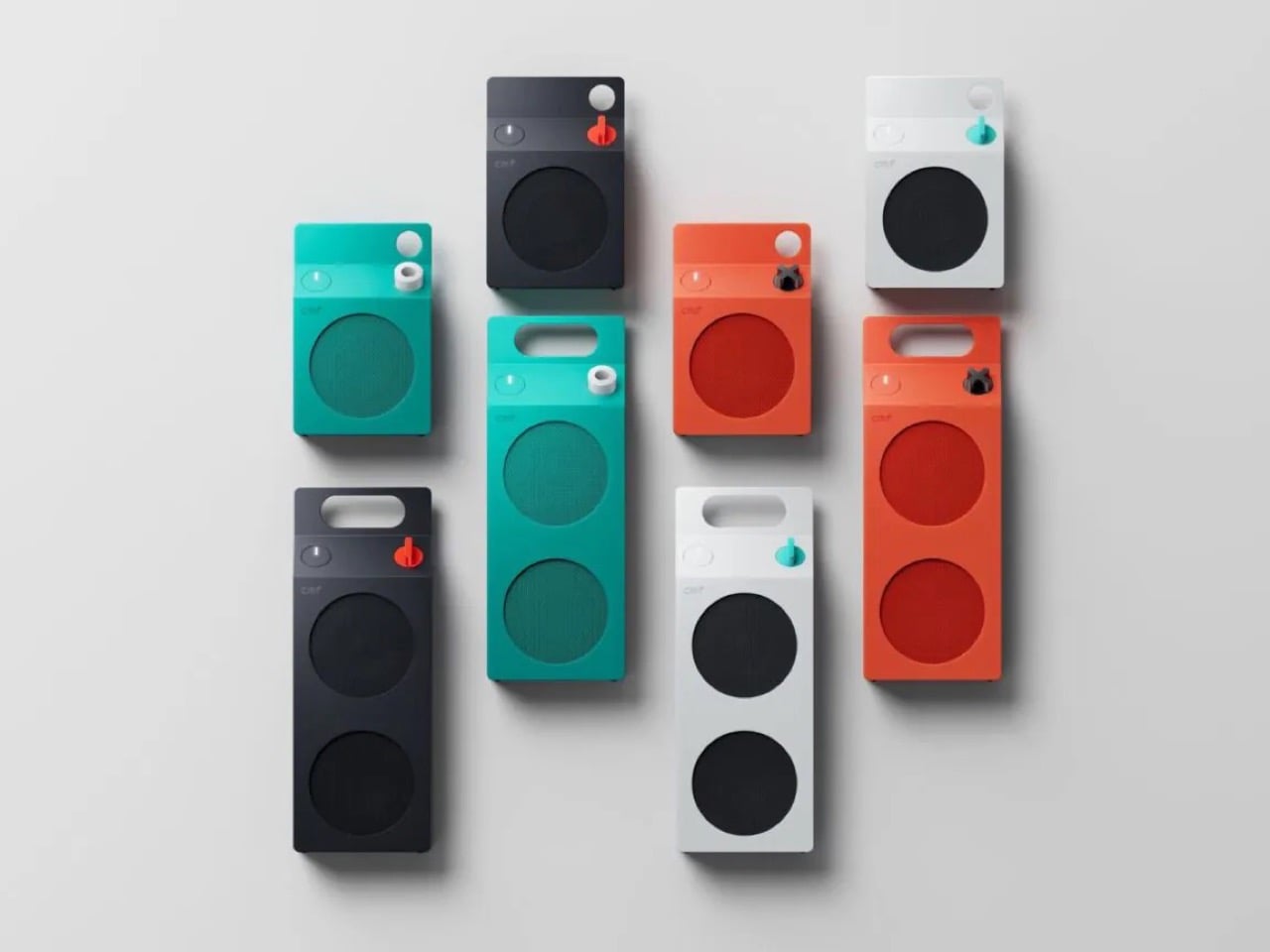
The grilles do the decorating. On the turquoise model the mesh is a deeper teal, on the orange it turns brick red, and on white and dark grey it goes black, so each face is a flat field with big circles punched in. The M stacks two of them, the S gets one, and a small pixel-style cmf wordmark sits above like a tiny brand stamp. An oval button with a white light bar is the only other mark besides the knob. That is very few elements, all of them deliberate.

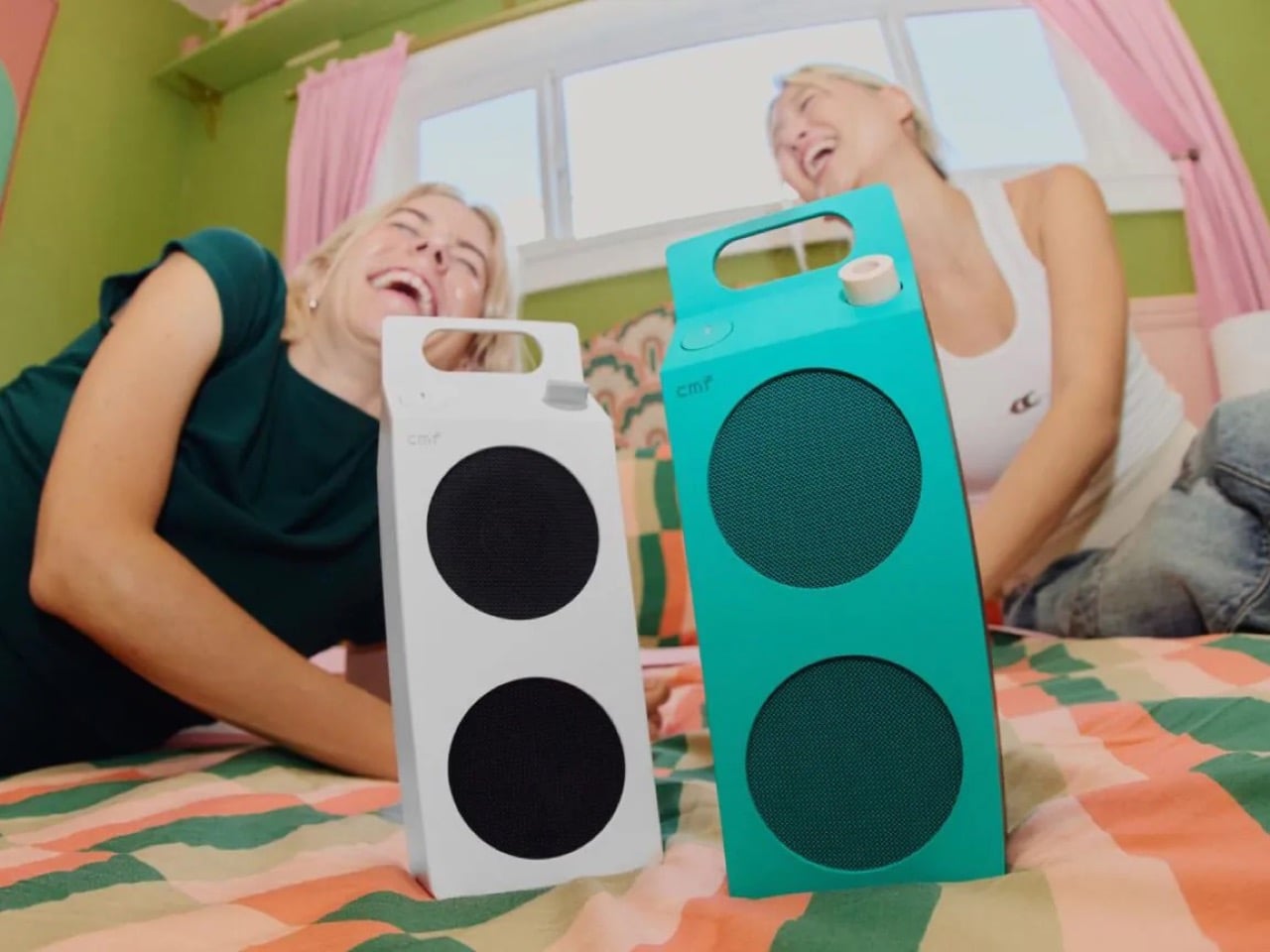
The S measures 5.1 by 3.3 by 1.7 inches (130.5 by 85 by 44mm). The M stretches to 8.7 inches (220mm) tall at the same 85mm width, so the pair reads like a pint and a quart of the same product. Helen Sanematsu’s 1999 AIGA Journal essay on milk packaging argued that cartons get their punch from standing in rows, with color separating the varieties. CMF’s launch imagery lines up four colors across two sizes, which plays that exact game. Put them on a shelf together and you get a dairy case designed by someone with great taste.
Each colorway gets its own knob: a black X on orange, a white ring on turquoise, a red paddle on dark grey, and a teal paddle on white. That deliberate mismatch gives every speaker a single accent, like a bright cap on a carton. Pop it off and you can mix freely or 3D print your own, a habit that follows the CMF Phone 1, whose community printed everything from Lego-friendly backs to a foam dart launcher. We once featured a fan concept for a CMF speaker that went retro radio. The carton is the braver call.
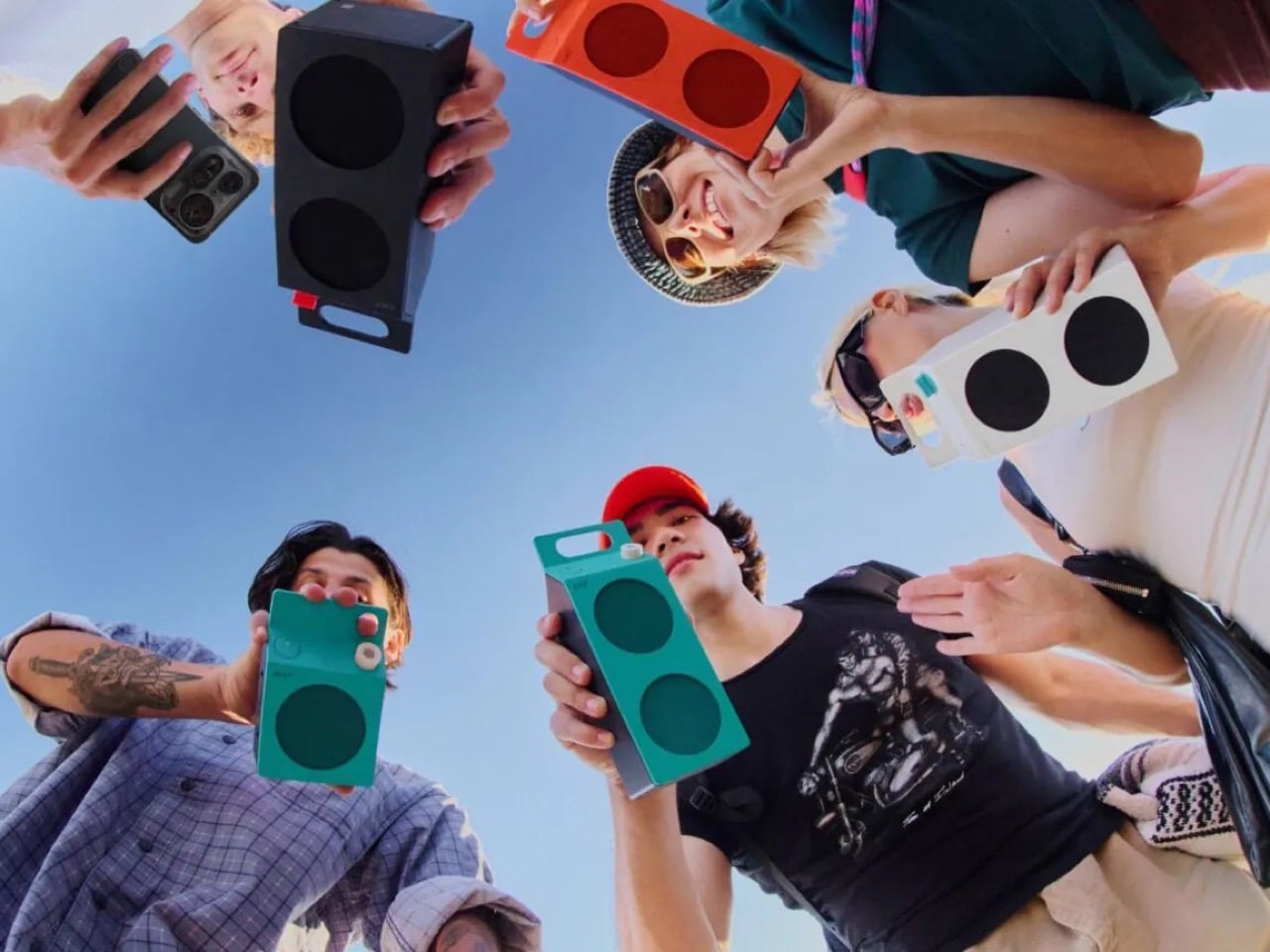
The S pairs a 1.8 inch (45mm) driver with two passive radiators, unpowered diaphragms that beef up bass, for 10W. The M adds a 2.8 inch (70mm) woofer and 0.6 inch (16mm) tweeter for 35W RMS, a continuous power rating. Both claim 18 hours at 50 percent volume with Ultra Bass on, enough for a workday and the commute. A 10 minute charge buys an hour while you hunt for your keys. They survive 30 minutes in nearly 5 feet (1.5 meters) of water and passed a 30 inch (0.76 meter) drop test.
The S costs $59 and the M $109, and both are on sale now at nothing.tech and select retailers. That puts a distinctive object within impulse-buy range, which is unusual for a design this committed. It is the rare budget speaker that makes you want to rearrange a shelf. Van Wormer’s carton survived a century by being easy to hold, stack, and carry, and a portable speaker wants the same three traits. Somebody finally noticed a great speaker shape was sitting in your fridge door all along.
The post Why CMF’s New Milk Carton Speakers Are So Irresistible To Look At first appeared on Yanko Design.



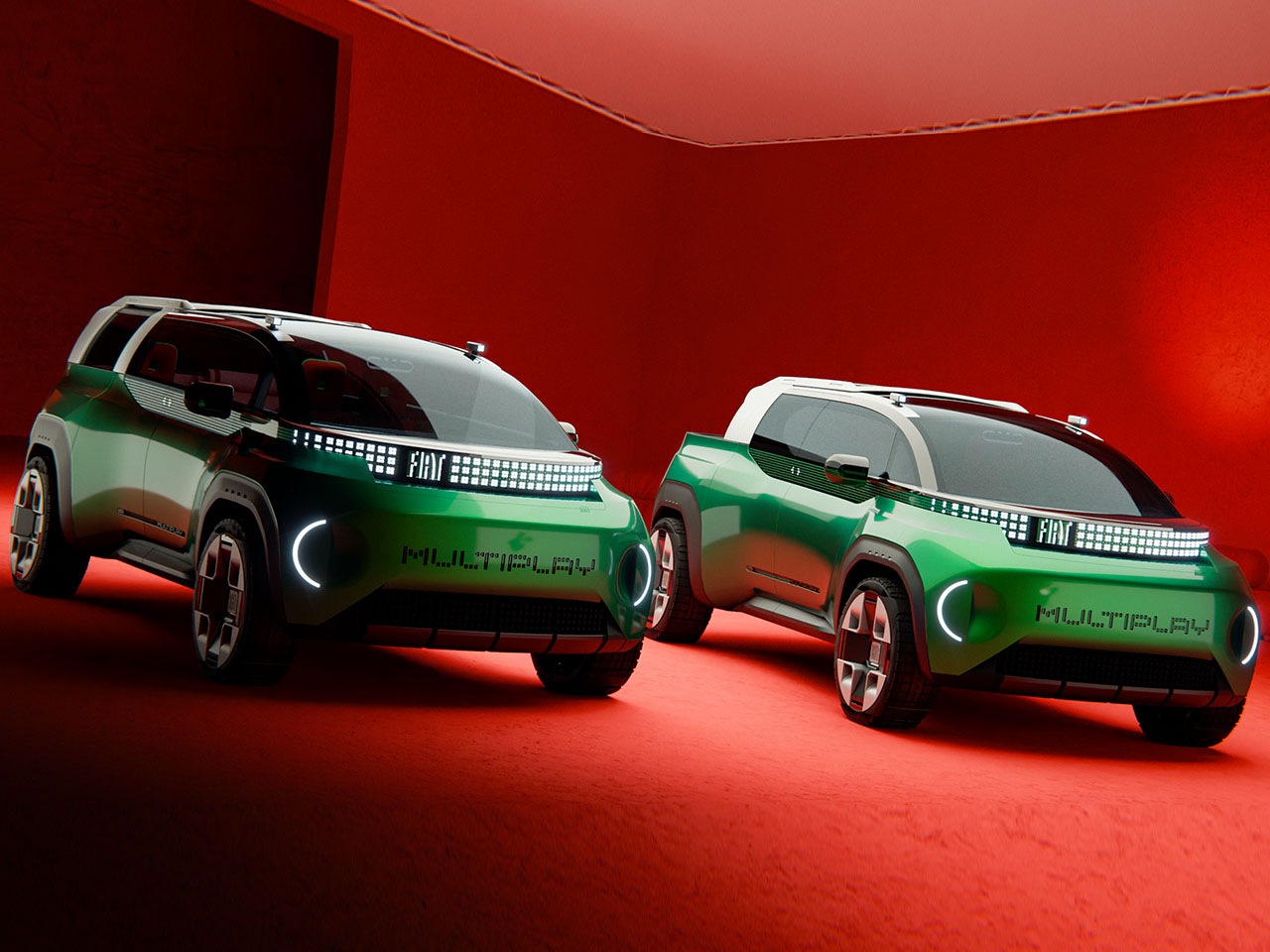
Fiat’s Multiplay concept explores a practical alternative to owning separate vehicles for family travel and outdoor activities. Unveiled ahead of the 2026 Paris Motor Show, the 4.45-meter-long concept combines the space of a multi-purpose vehicle (MPV), the styling of an SUV, and the cargo-carrying ability of a pickup. Its USP is a movable rear body section that changes the vehicle’s layout depending on what the day demands.
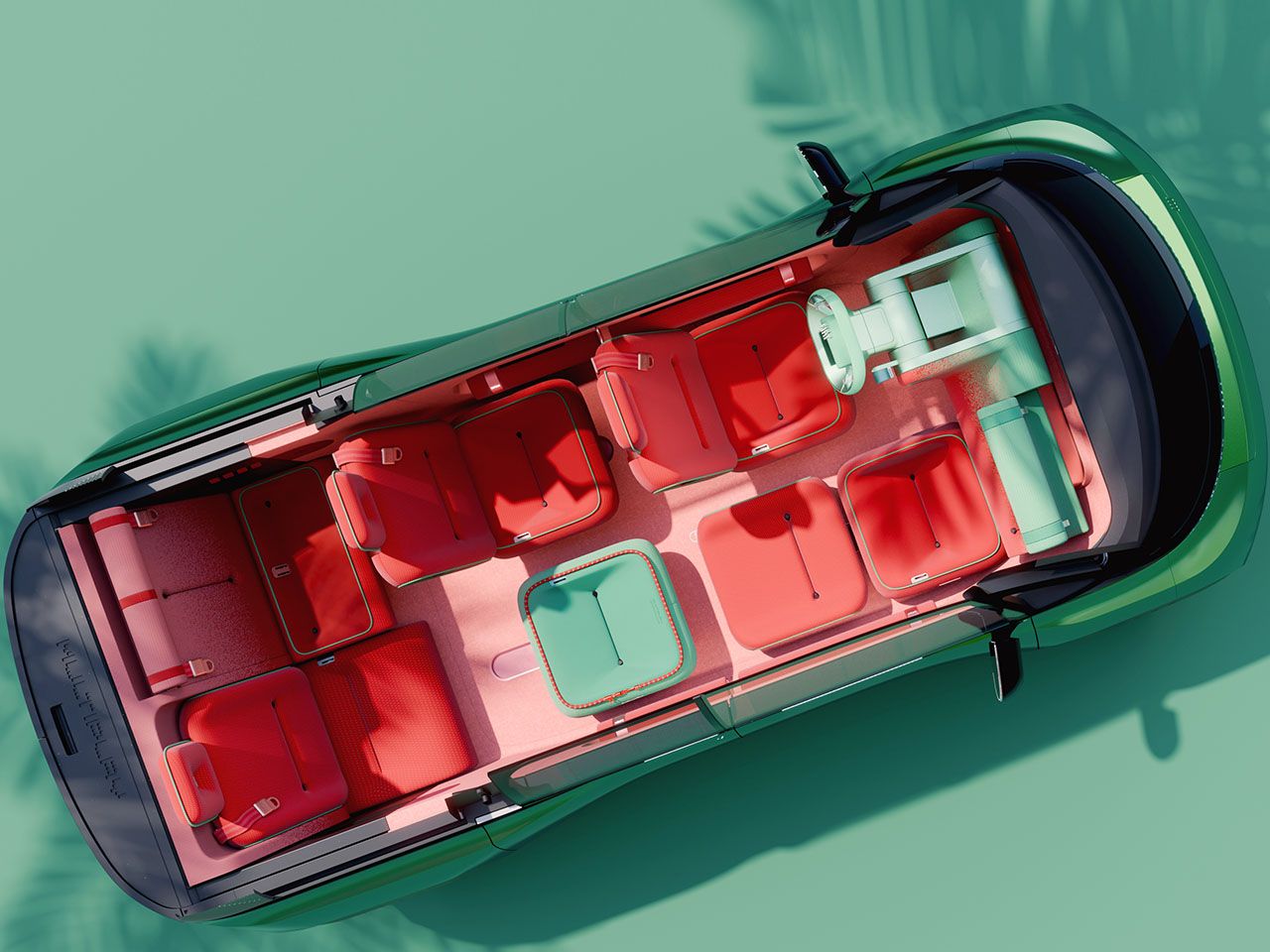
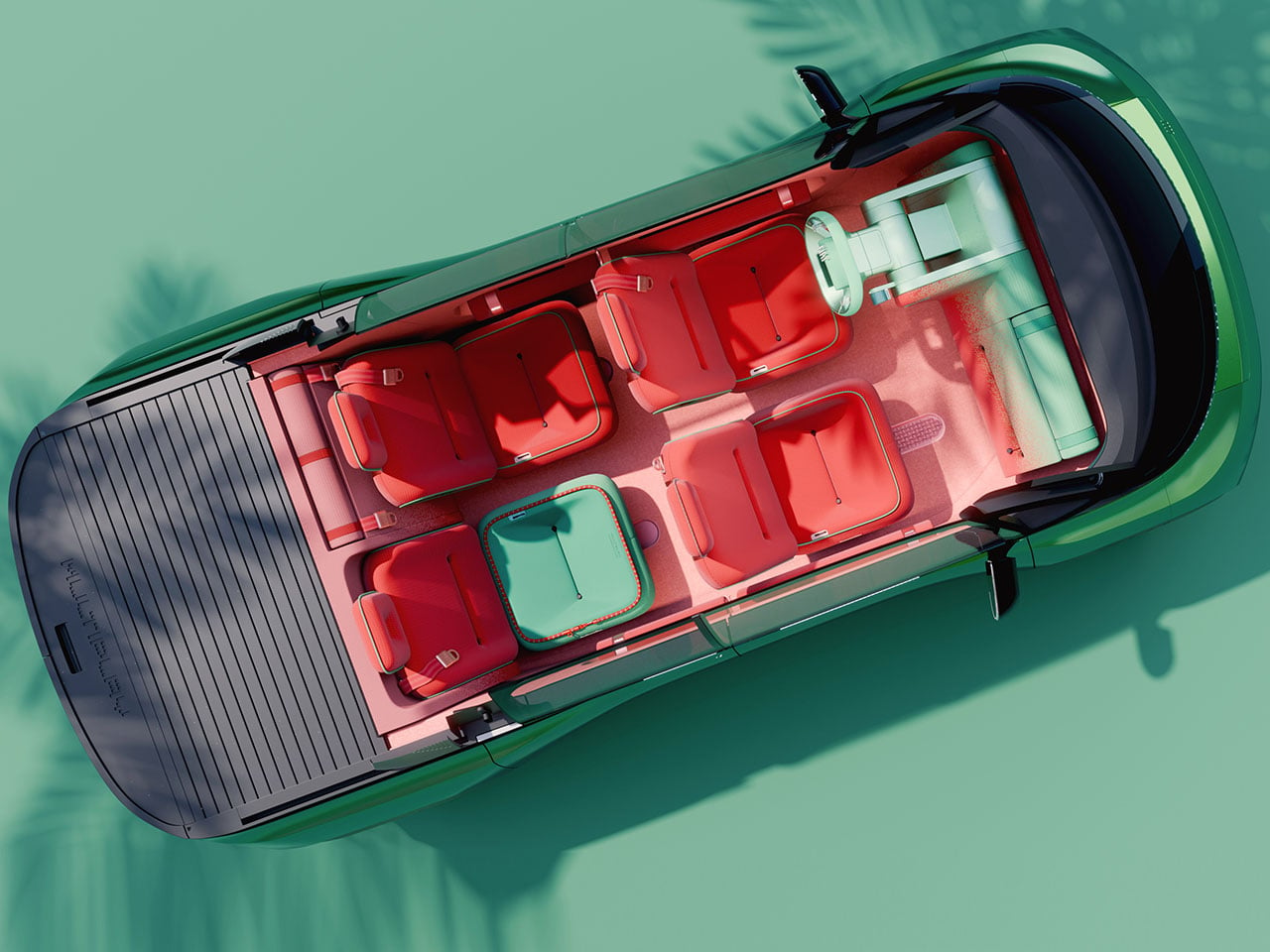
Called C-Pillar Metamorfosi, the transformation system allows the Multiplay to switch from a six-seat family configuration with an additional flexible seating module to a four-seat pickup with an open cargo bed. The rear section slides along dedicated guides, creating space for bicycles, sports equipment, and bulky items without eliminating the front and rear passenger seating. A rotating rear spoiler also doubles as an integrated bicycle rack capable of carrying two bikes.
Designer: Fiat


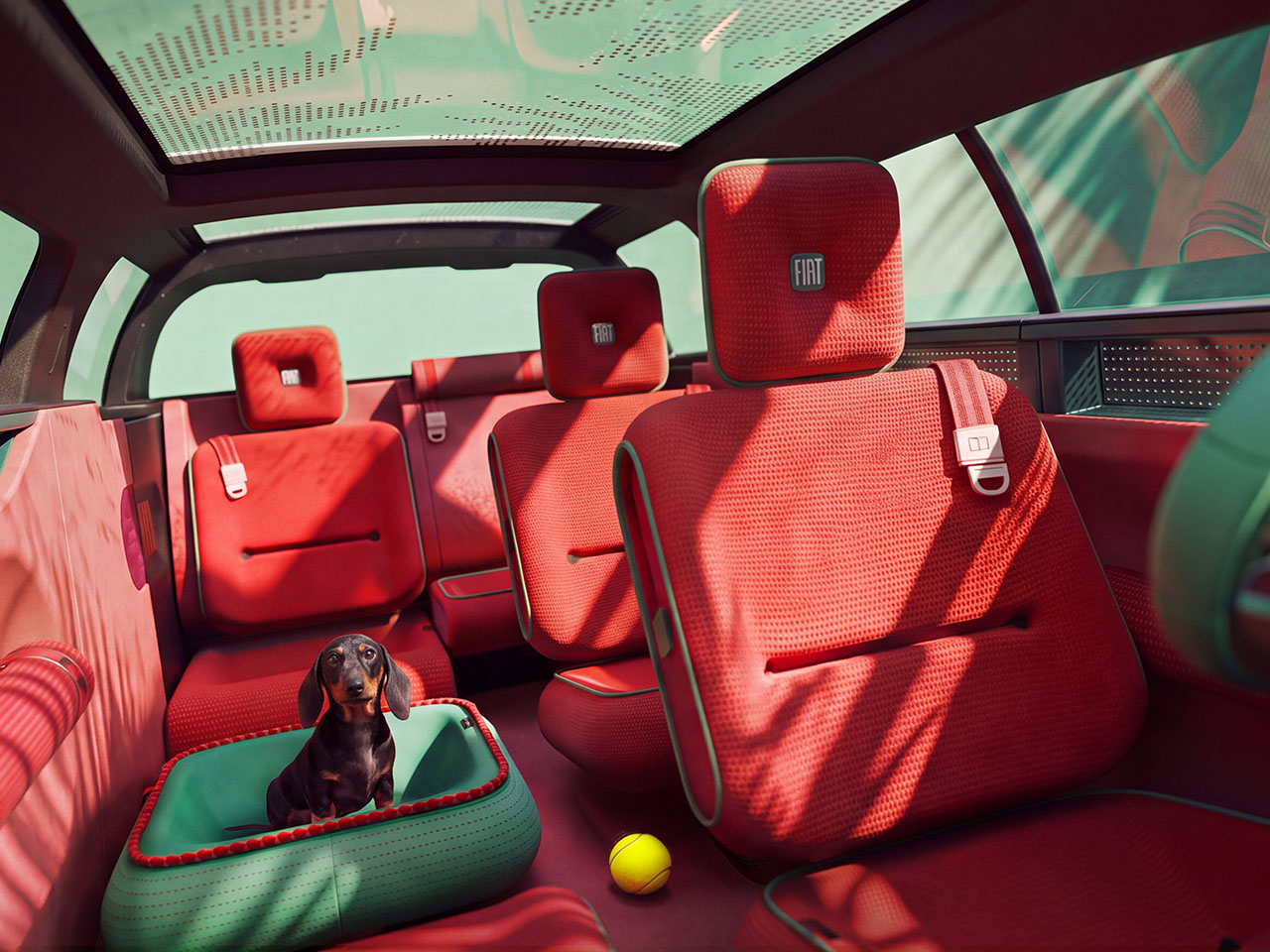
Inside, Fiat has designed the cabin around the changing needs of families. The additional unit, called the Petsenger seat, can accommodate a child seat, provide a dedicated place for a pet, or function as a small table or storage compartment. Part of its cushion can be detached and used as a leash, while a folding bowl is stored in a door compartment. Pockets, elastic straps, and other storage solutions help keep everyday essentials organized.
The concept also rethinks the conventional third row, which often offers limited comfort and space. Fiat says the Multiplay’s rear compartment can accommodate two children or an adult when necessary, while keeping younger passengers within view and reach of their parents. This arrangement wants to make the cabin more useful for family trips without requiring a larger vehicle.
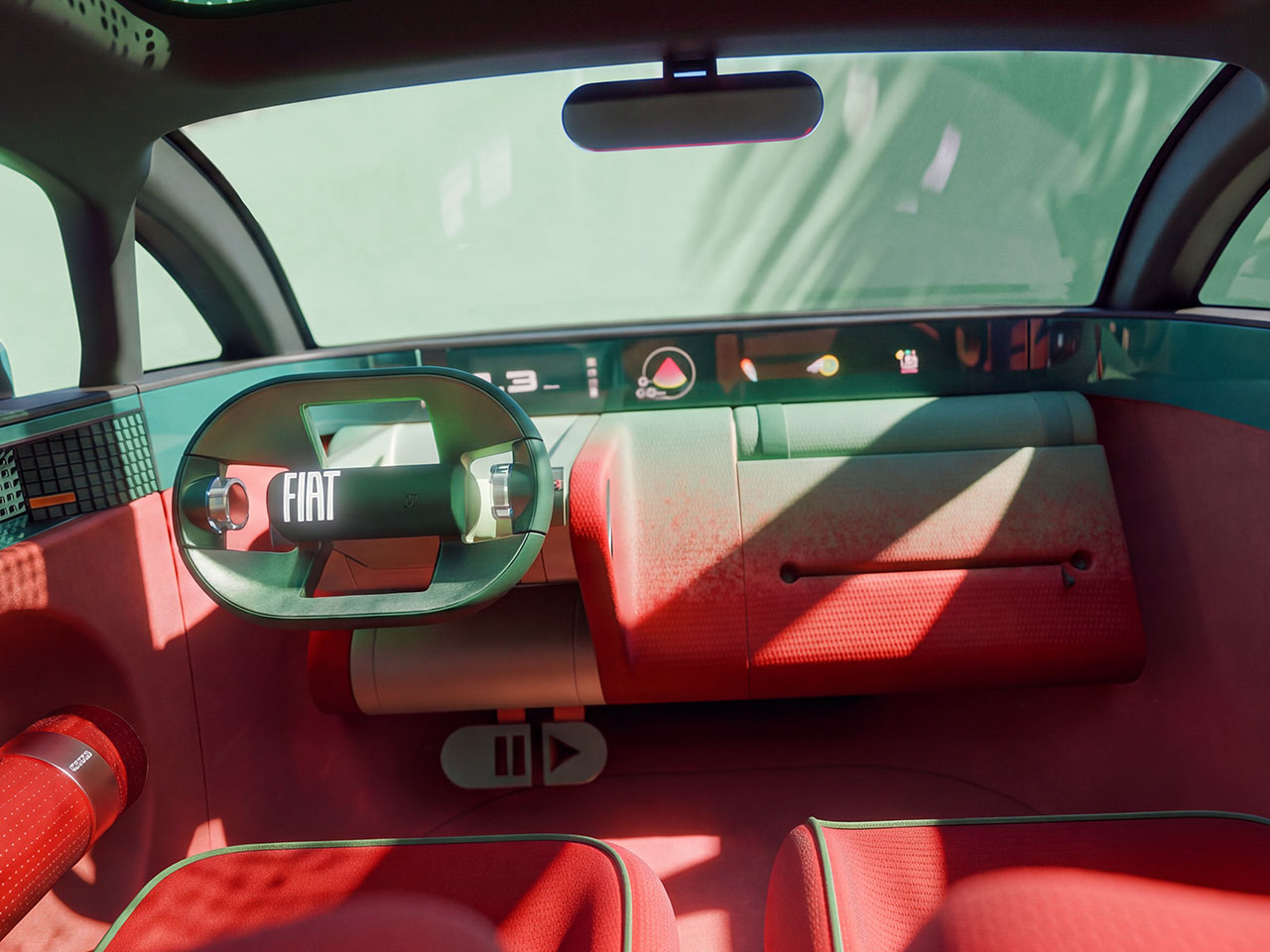
Another multifunctional feature is the Sunseat. When the car is parked, the front passenger seat can turn toward the rear and use the dashboard as a backrest, creating a chaise longue beneath the panoramic roof. Large windows and generous glass surfaces bring more natural light into the cabin, reinforcing its connection to outdoor activities and leisure.
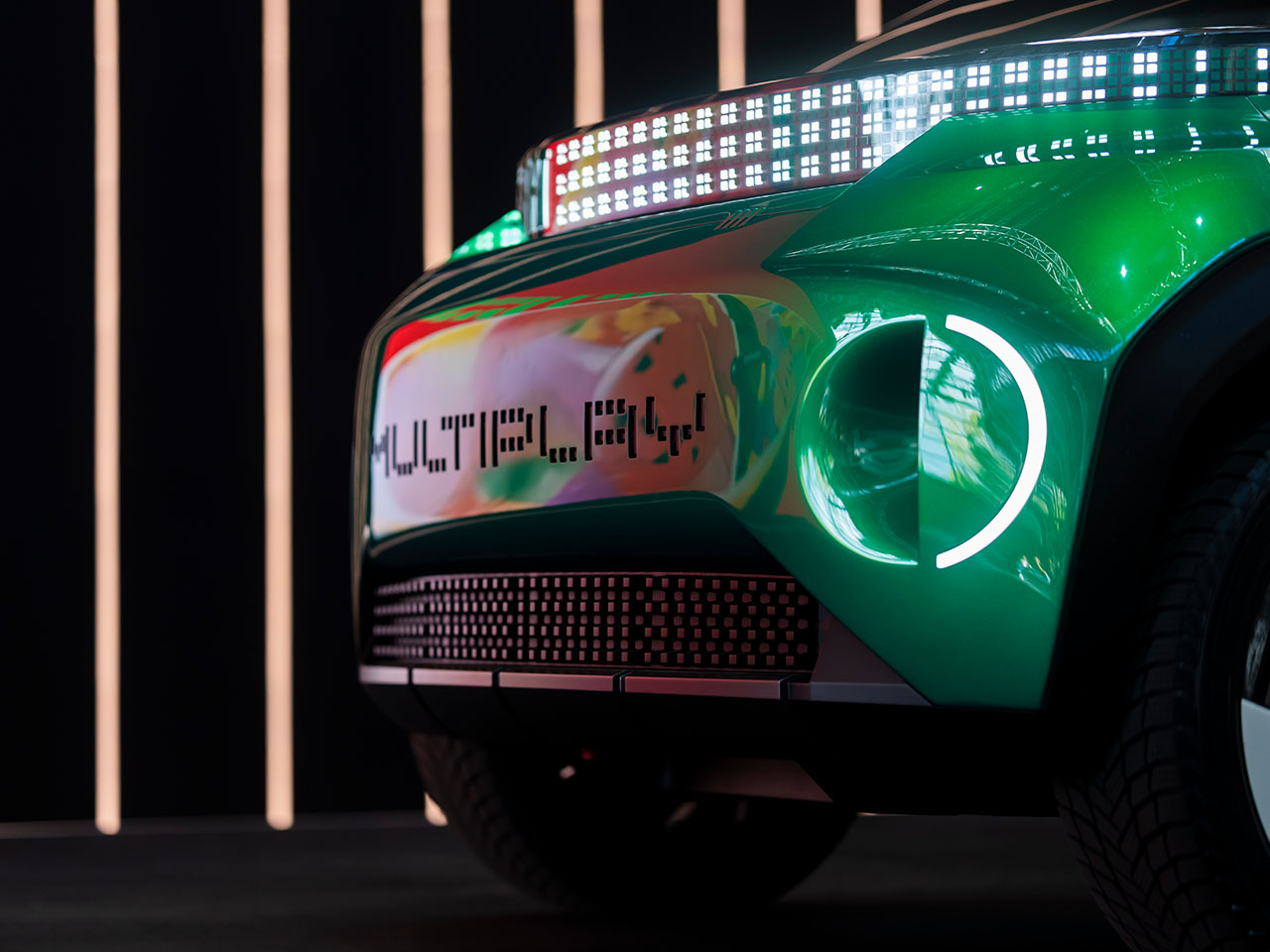
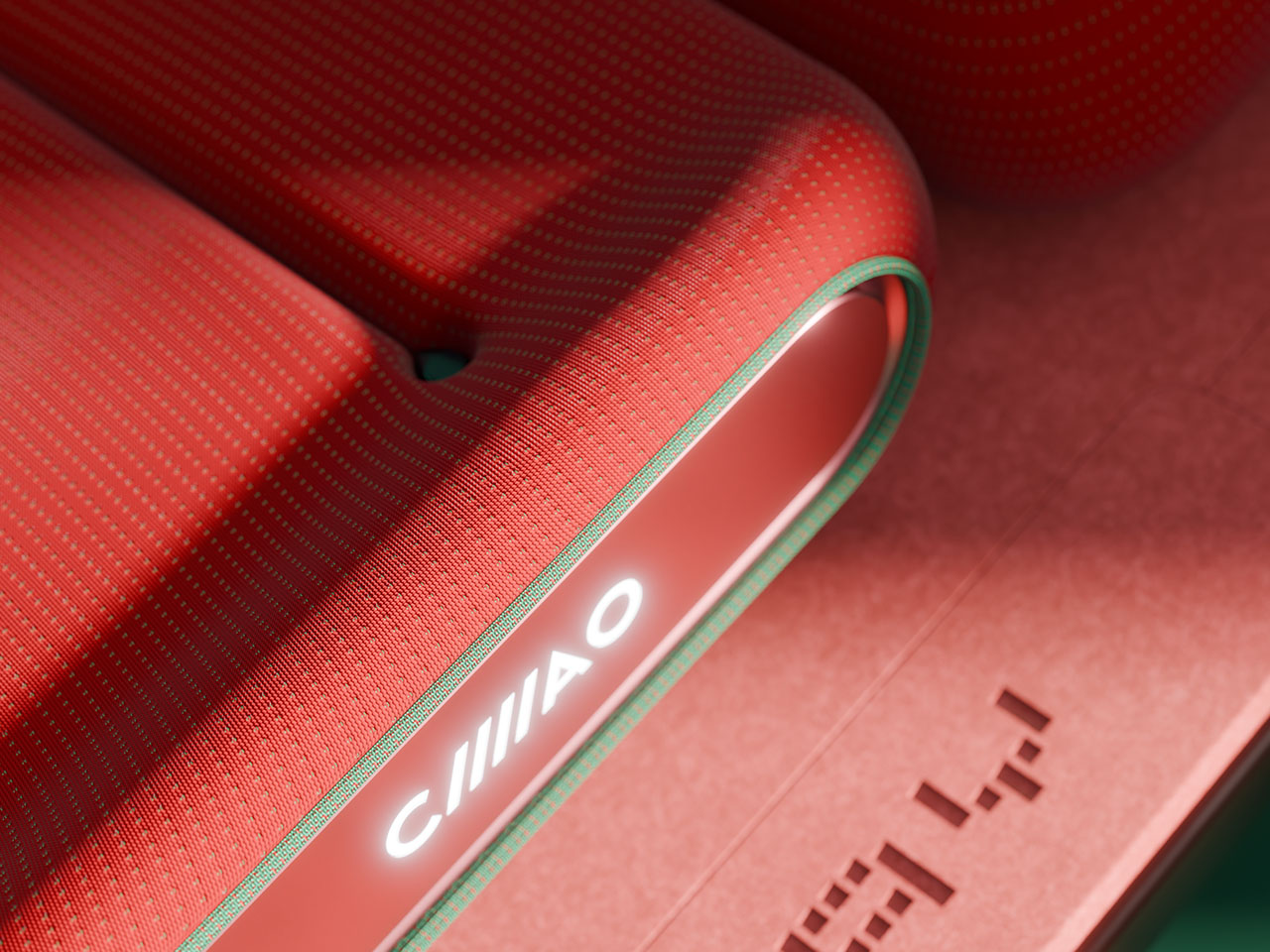
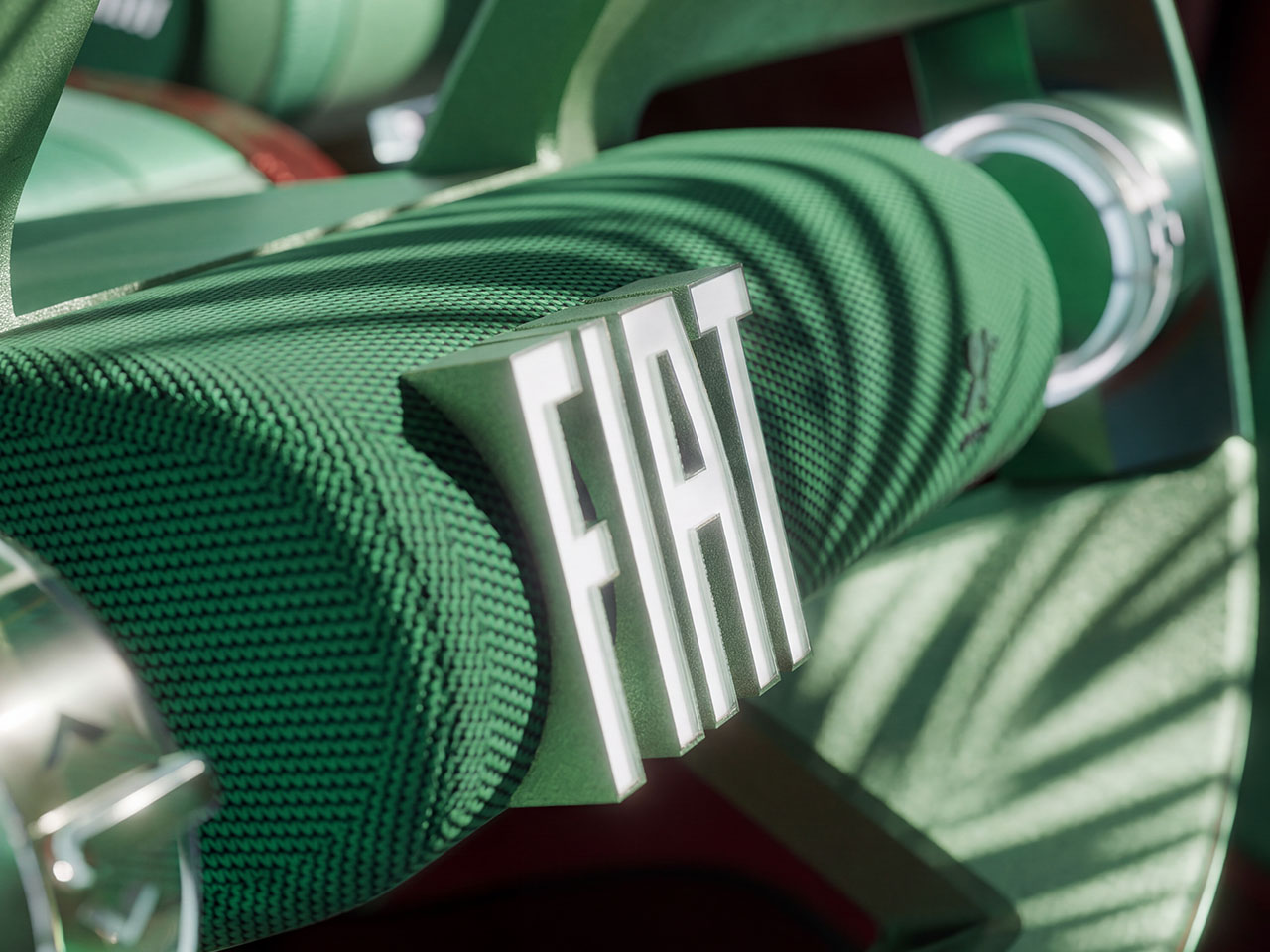
The exterior and interior follow a playful design theme inspired by watermelon. The green bodywork represents the rind, while red and pink cabin accents reference the fruit’s flesh. Inside, Fiat explores monomaterial textiles produced through a stitch-free 3D knitting process, which is intended to reduce material waste. Waterproof finishes in the children’s and pet areas address the practical demands of everyday family use.


Technology is integrated into the cabin without dominating its design. A hidden dashboard display disappears when the vehicle is switched off, leaving a cleaner surface. The dashboard’s horizontal form draws inspiration from the Mediterranean horizon, while its colors connect the exterior design with the interior.
The Multiplay continues Fiat’s longstanding interest in maximizing interior space within compact dimensions, recalling the six-seat Fiat 600 Multipla of 1956 and the original Multipla introduced in 1998. The Italian car maker describes the concept as a laboratory for future ideas, not a preview of a specific production vehicle. They’ve not announced a powertrain, performance figures, pricing, or a production timeline. So, we’ll keep our lens zoomed in on more details as they arrive.




The post Fiat Multiplay Concept is a family car that turns into a pickup when more space is needed first appeared on Yanko Design.