Oboro’s Silver Moon Calendar Is Wall Art You’ll Actually Use

Most of the time, when you need to check a day or date, you open your phone’s default calendar app. For those of us who still use planners, we also like to flip through the calendar pages since our schedules are often written there. But maybe you rarely notice actual wall calendars displayed in offices or living rooms anymore. If there is one, it might be some random promotional gift. It can feel like we’ve stopped carefully choosing a wall or desk calendar that suits our aesthetic or that we find interesting.

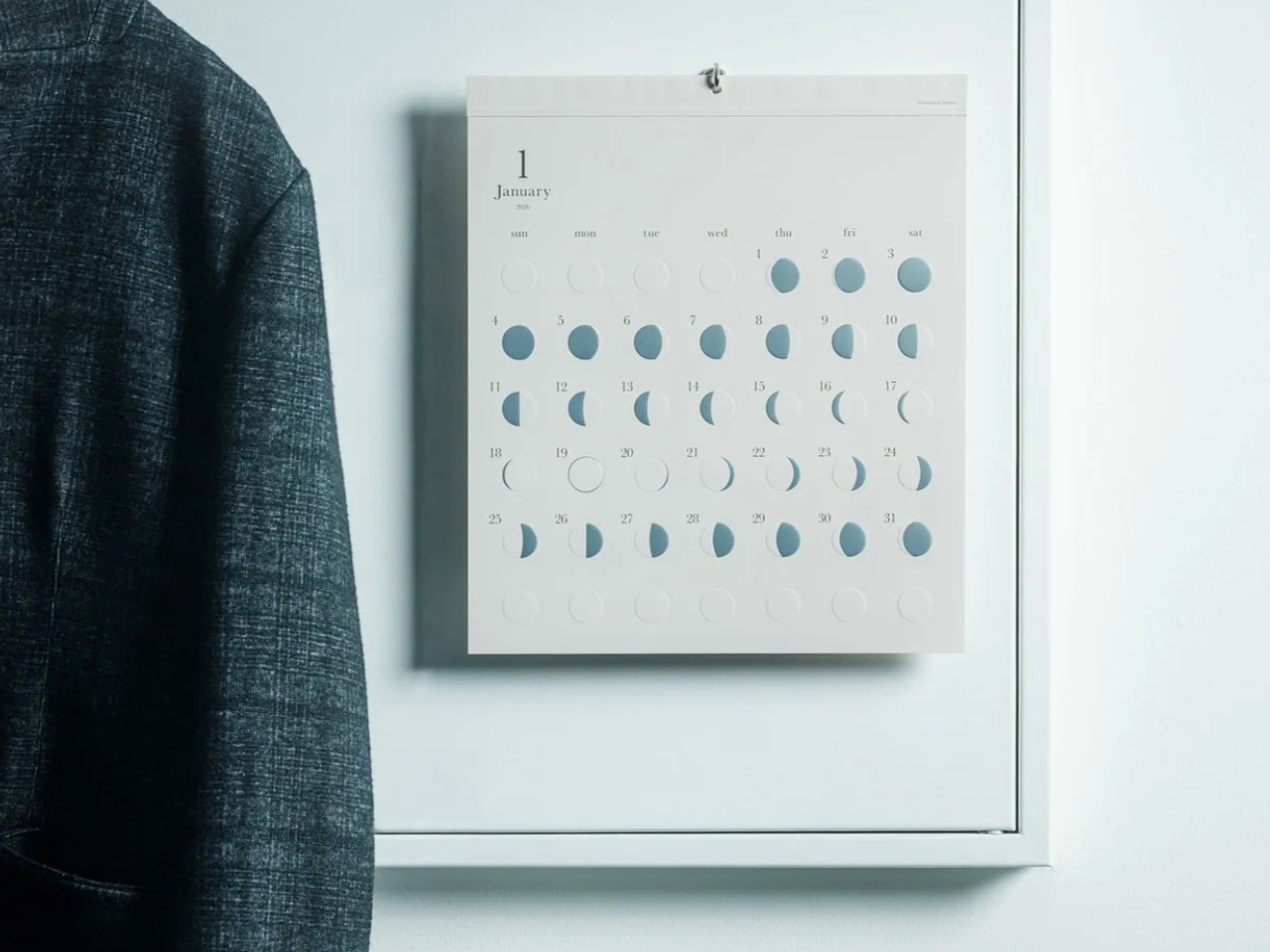
The Oboro Silver Moon Calendar quietly makes itself part of your minimalist space, especially if you love the moon. Created by Replug, it originated as a limited-edition 2025 calendar celebrating the Michiru calendar series’ 10th anniversary. Its name comes from oborozuki, a hazy moon, which inspired the design’s soft appearance. The YD Select listing describes its inspiration as having “serene and mystical qualities.” You might see that misty moon as a reminder that life is impermanent but still beautiful, although that’s a personal interpretation rather than something a calendar needs to explain.

Click Here to Buy Now: $70 Hurry, only 5 left!
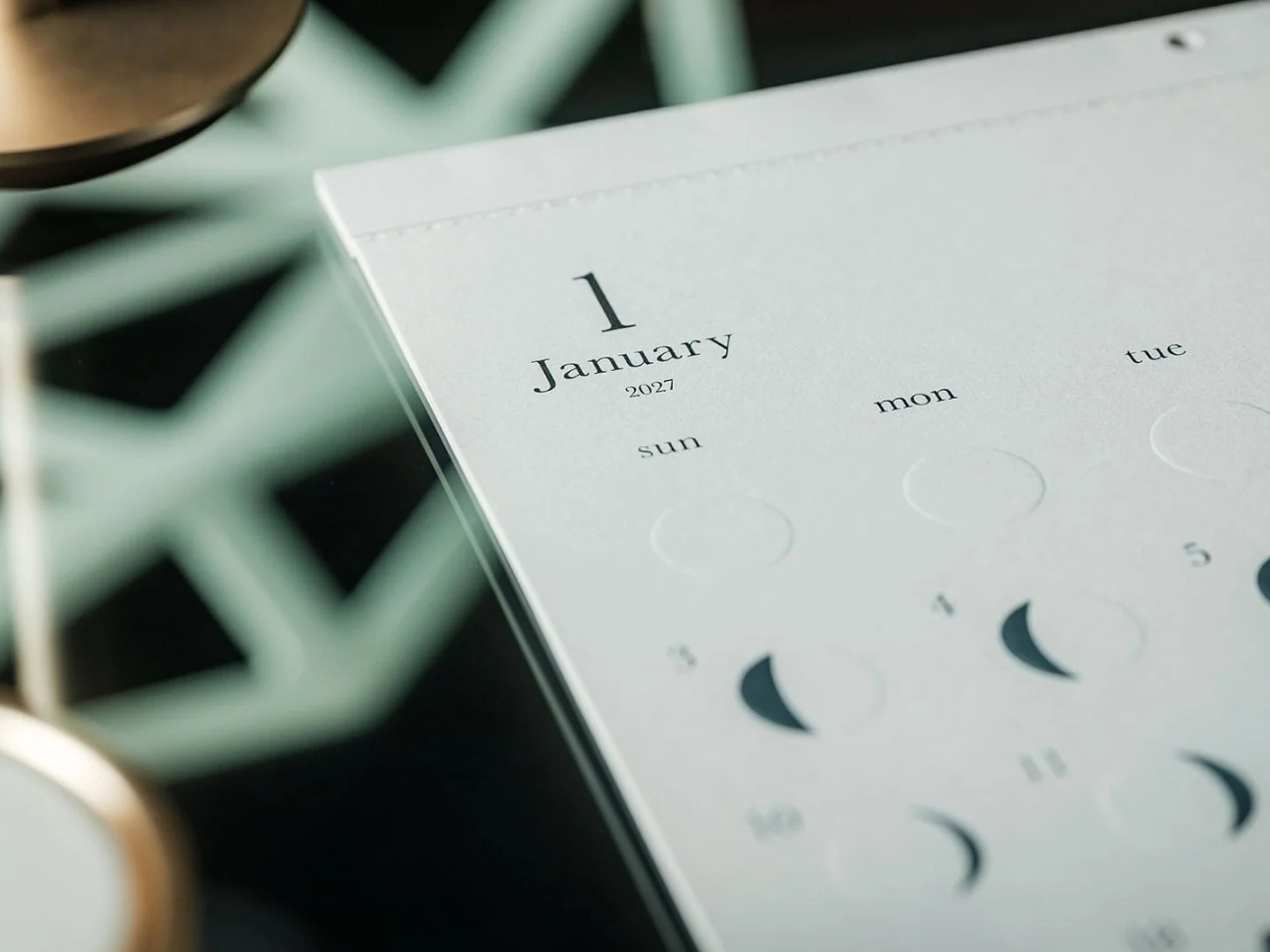
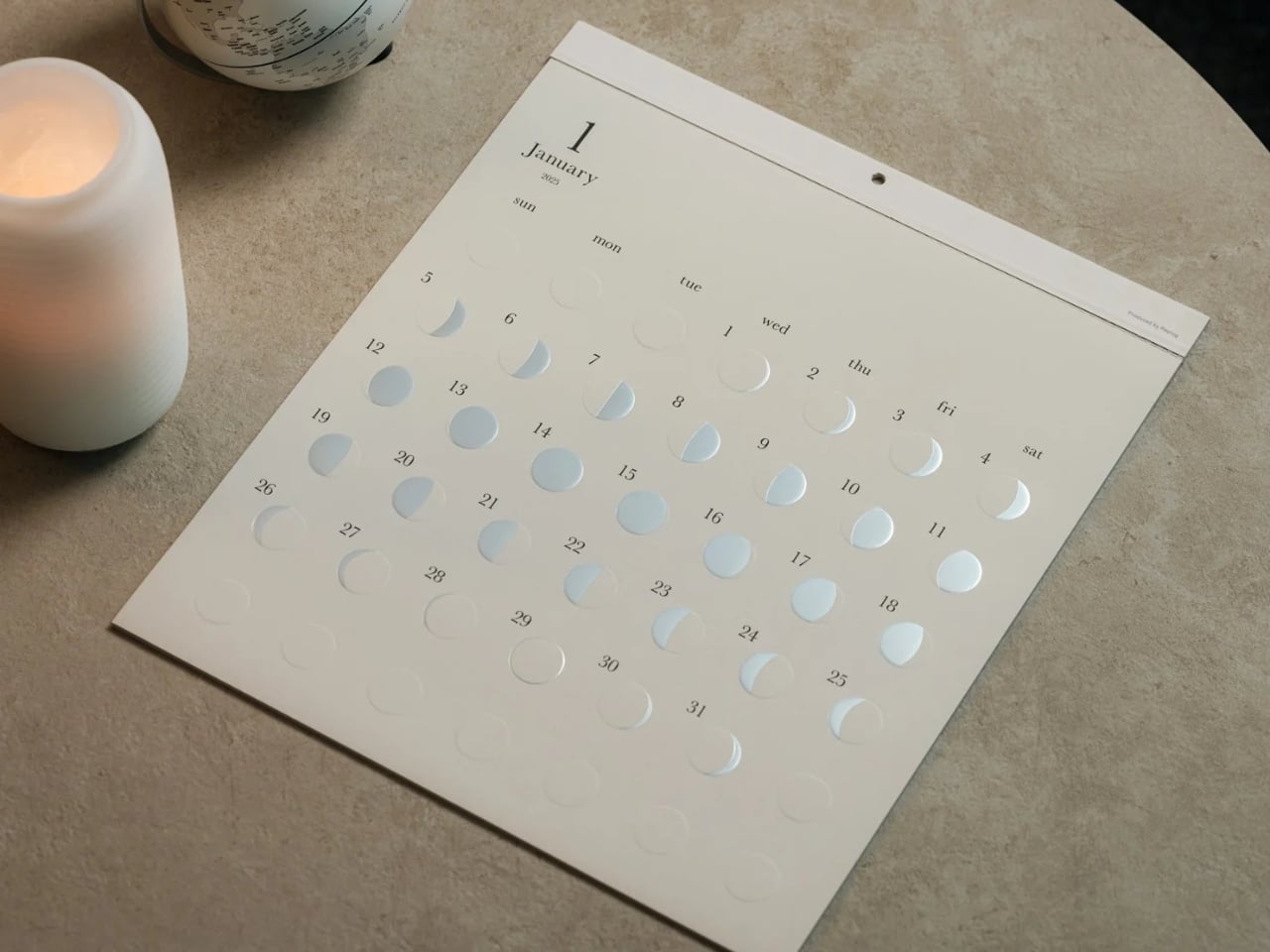
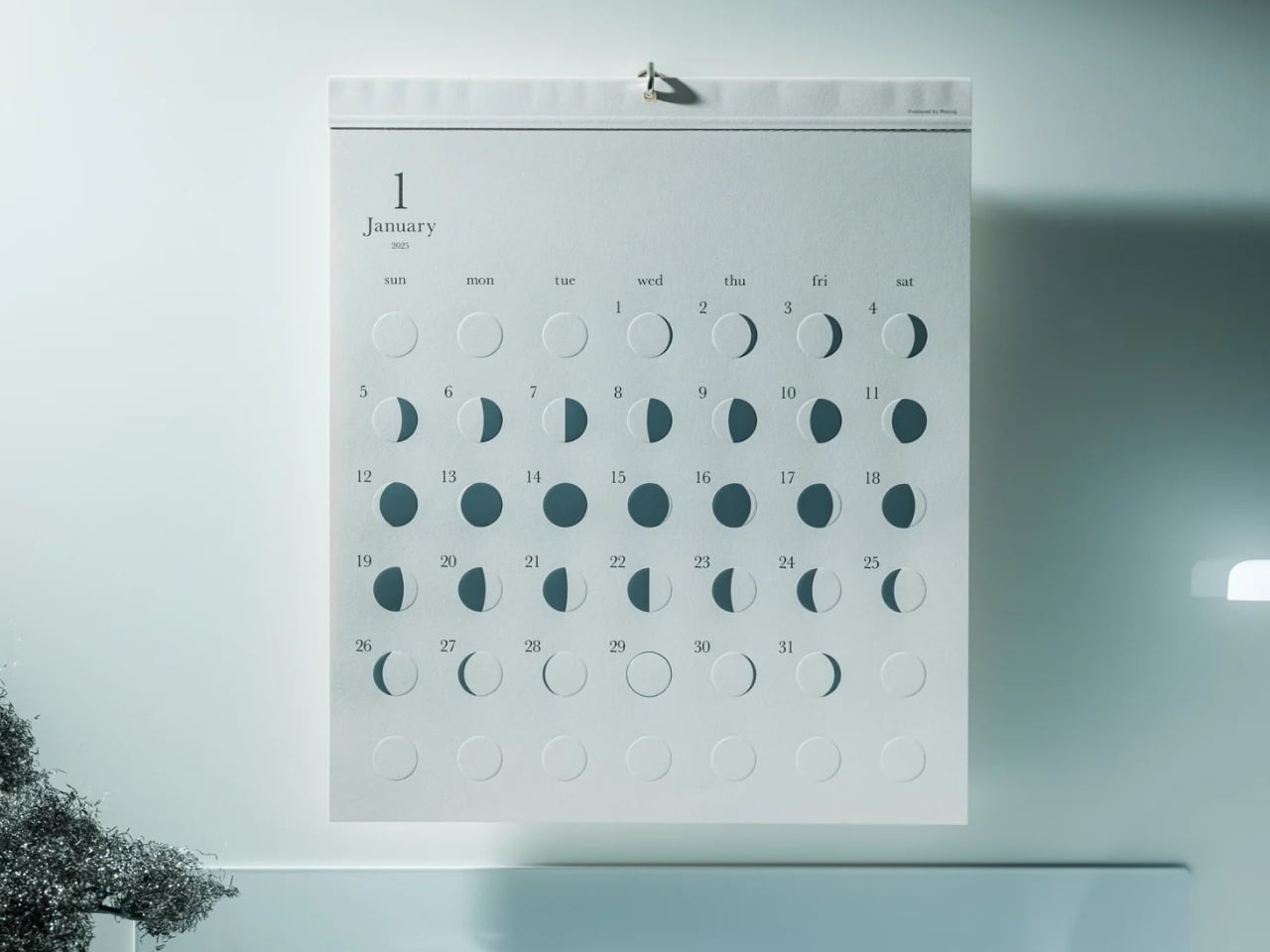
Instead of the usual white paper that many wall calendars have, this uses a soft gray-beige paper that evokes a moonlit sky. It could bring a more introspective and relaxing atmosphere to the room, especially when you stare at the calendar while contemplating your life for the rest of the month (well, if you like doing that sort of thing). The subdued background also keeps the metallic details from competing with a bright color palette.

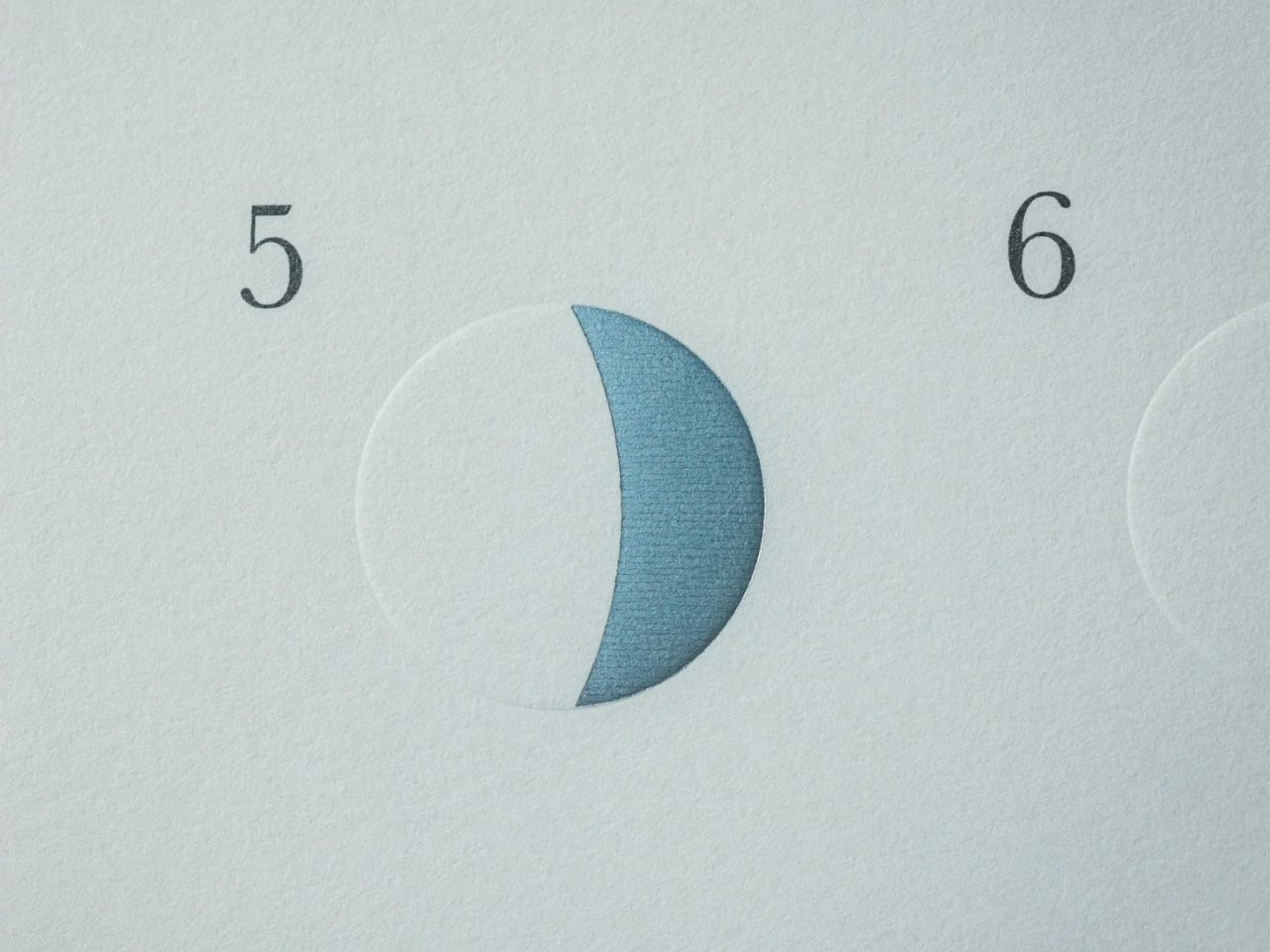
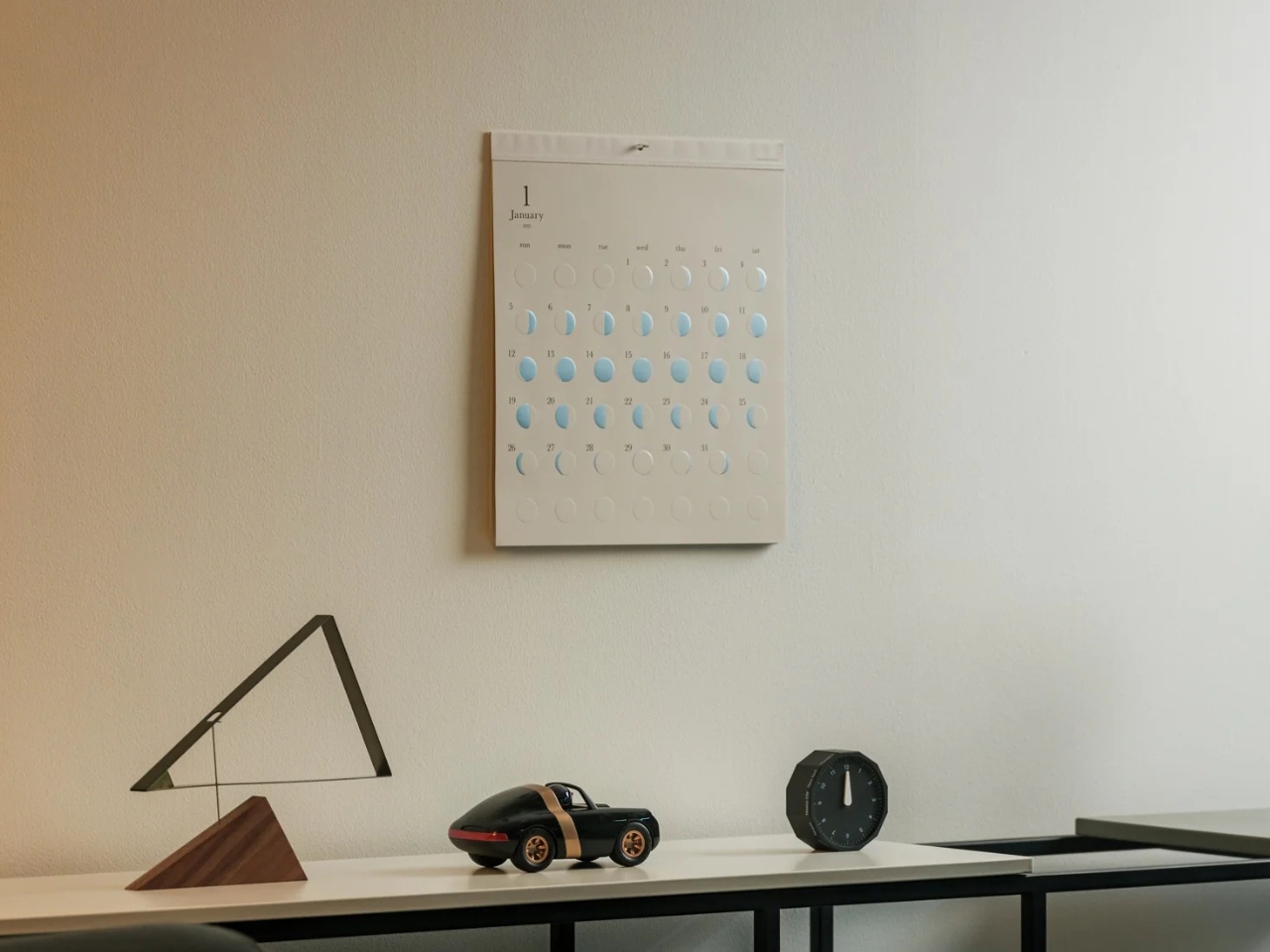
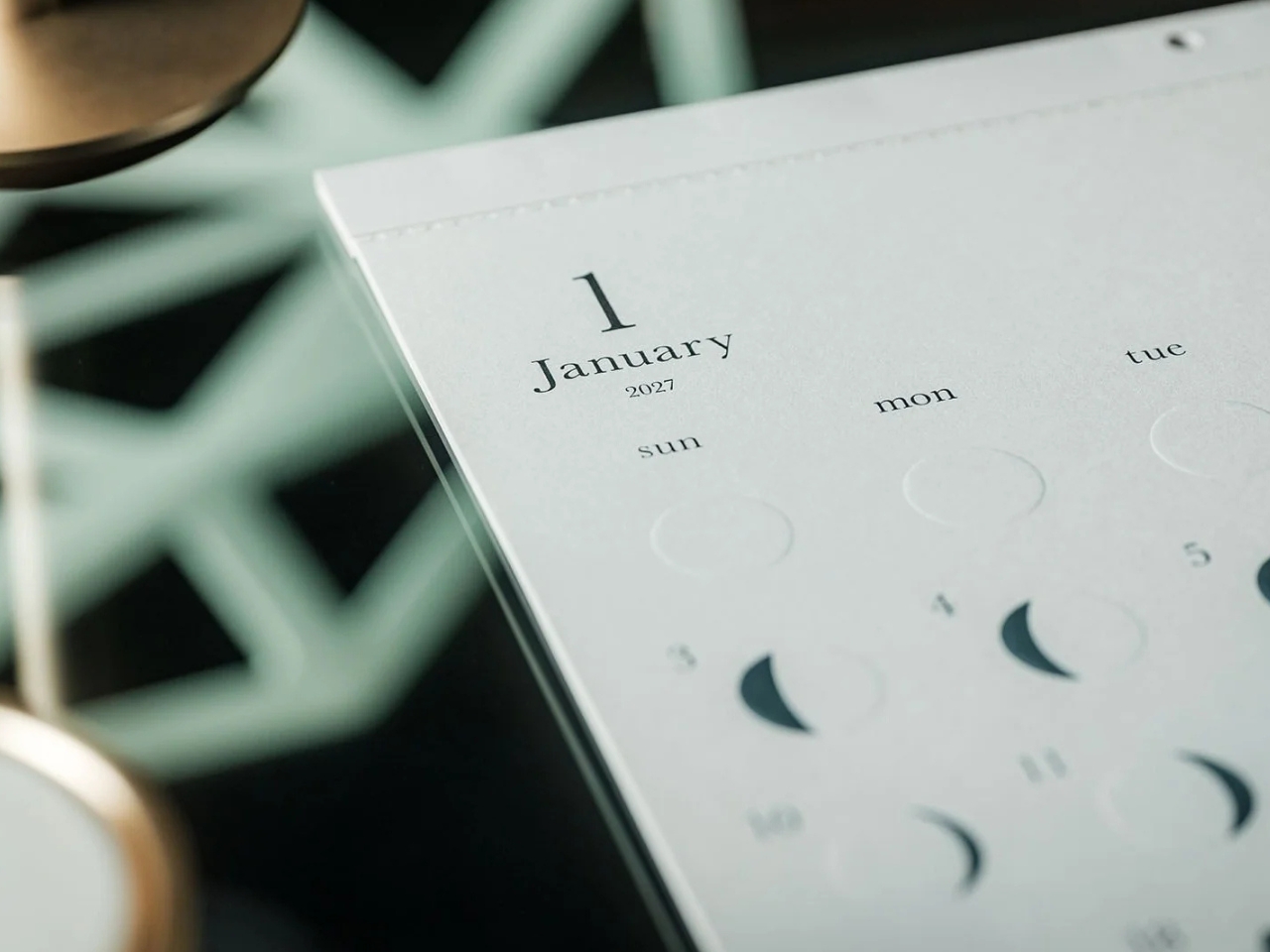
This is primarily a calendar that brings attention to the lunar cycle. It shows the moon’s phases in shimmering, reflective silver foil that catches the light falling on it. That distinction matters: it reflects light rather than producing its own illumination. Its appearance can change depending on the angle of the light, making placement part of the effect. It also has an embossed moon silhouette that adds a tactile element when you touch the calendar. For someone who enjoys small daily rituals, pausing to notice the changing lunar phases could become a grounding moment in an otherwise busy day.
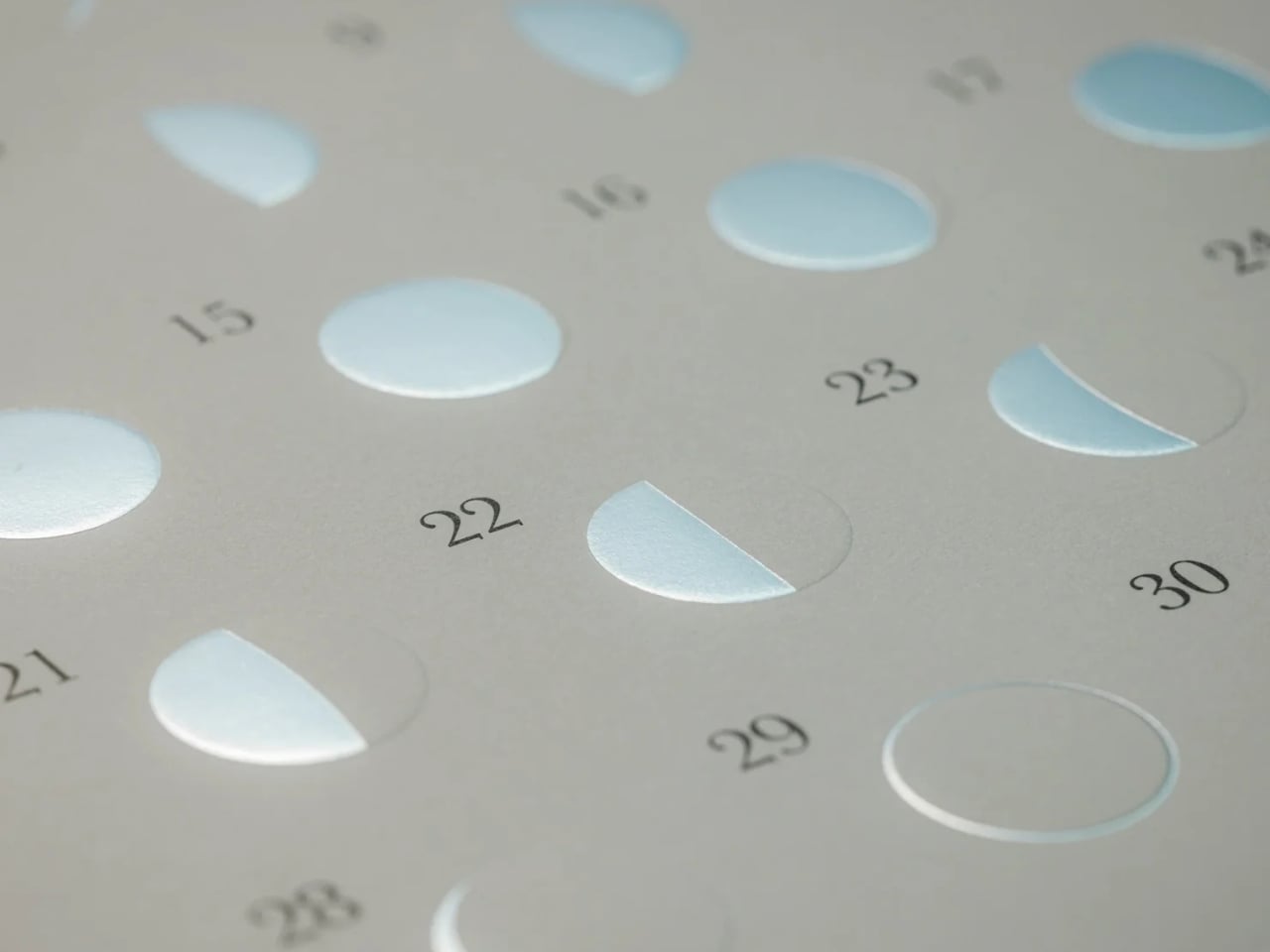

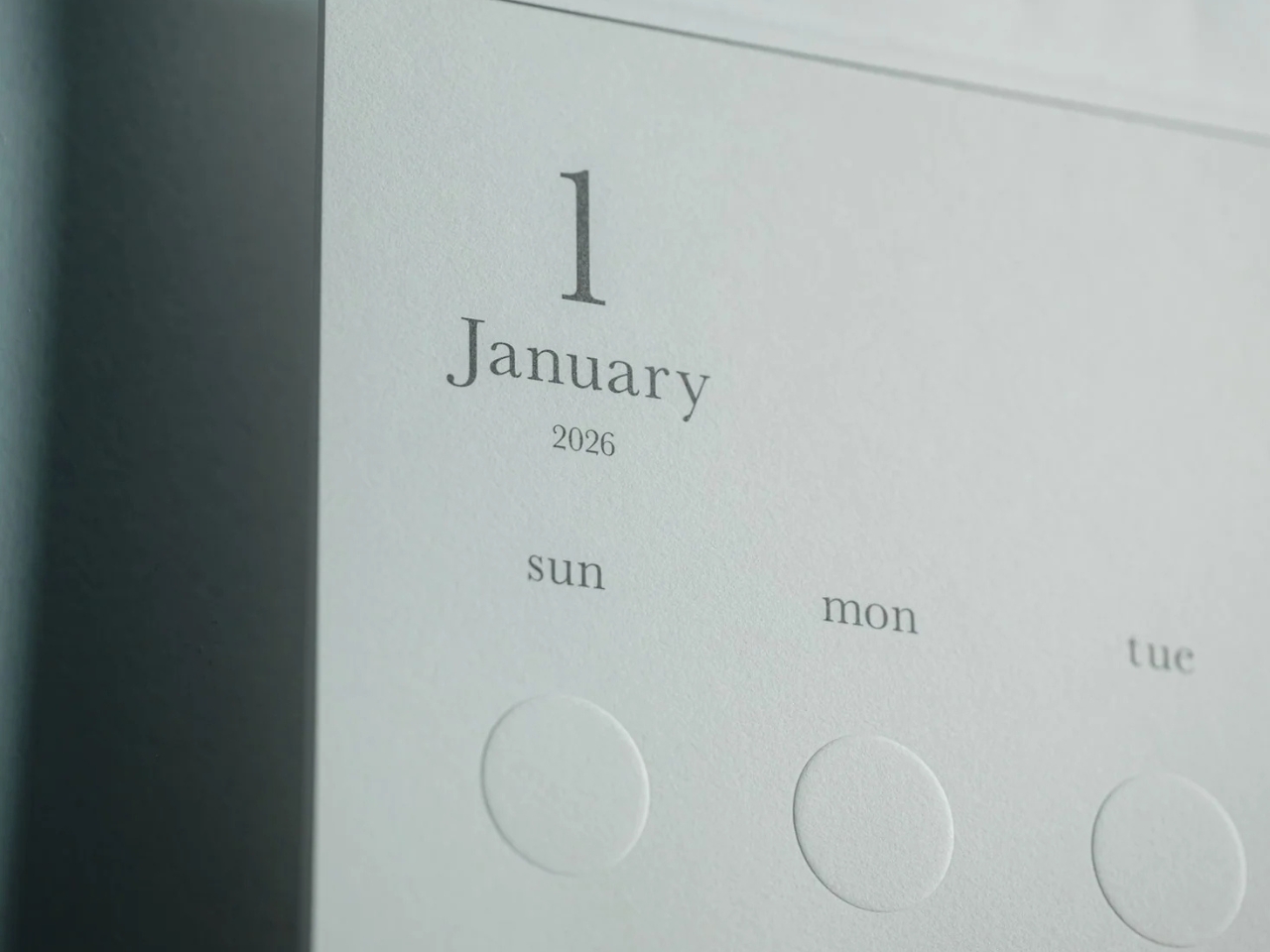
The calendar is made in Japan, with 12 paper sheets measuring approximately 11.7 by 13.5 inches. That gives you a sense of the wall space it needs without making it sound like an oversized art print. The combination of embossing and silver foil is the important design choice here: one gives the paper physical relief, while the other changes how it catches light.

For comparison, MUJI’s 2027 Bagasse Paper Wall Calendar, listed on its European store, uses a Monday-start monthly layout that presents the full month at a glance. Both could appeal to someone who prefers understated stationery, but their priorities differ. MUJI emphasizes straightforward date reference, while Oboro gives lunar phases and decorative surface treatments more attention. Oboro’s appeal is less about improving your scheduling system and more about giving a useful paper object a place in your decor. The better choice depends on what you want to look at every day.
There is also something appealing about checking a calendar without reaching for your phone. If opening an app tends to lead you somewhere else entirely, a paper reference lets you glance at the date and move on. You can still keep your appointments in a digital calendar while choosing something more personal for the wall beside your desk. If you’ve stopped choosing calendars because your phone already handles the practical side, Oboro Silver Moon Calendar gives you a reason to reconsider. It can sit alongside your existing routine, offering something different to notice: the shape of the moon, the texture of the paper, or a brief flash of silver as the light changes.
The post Oboro’s Silver Moon Calendar Is Wall Art You’ll Actually Use first appeared on Yanko Design.

Mini Domy Fits a Kitchen and Bathroom Into This 155-Square-Foot A-Frame Cabin

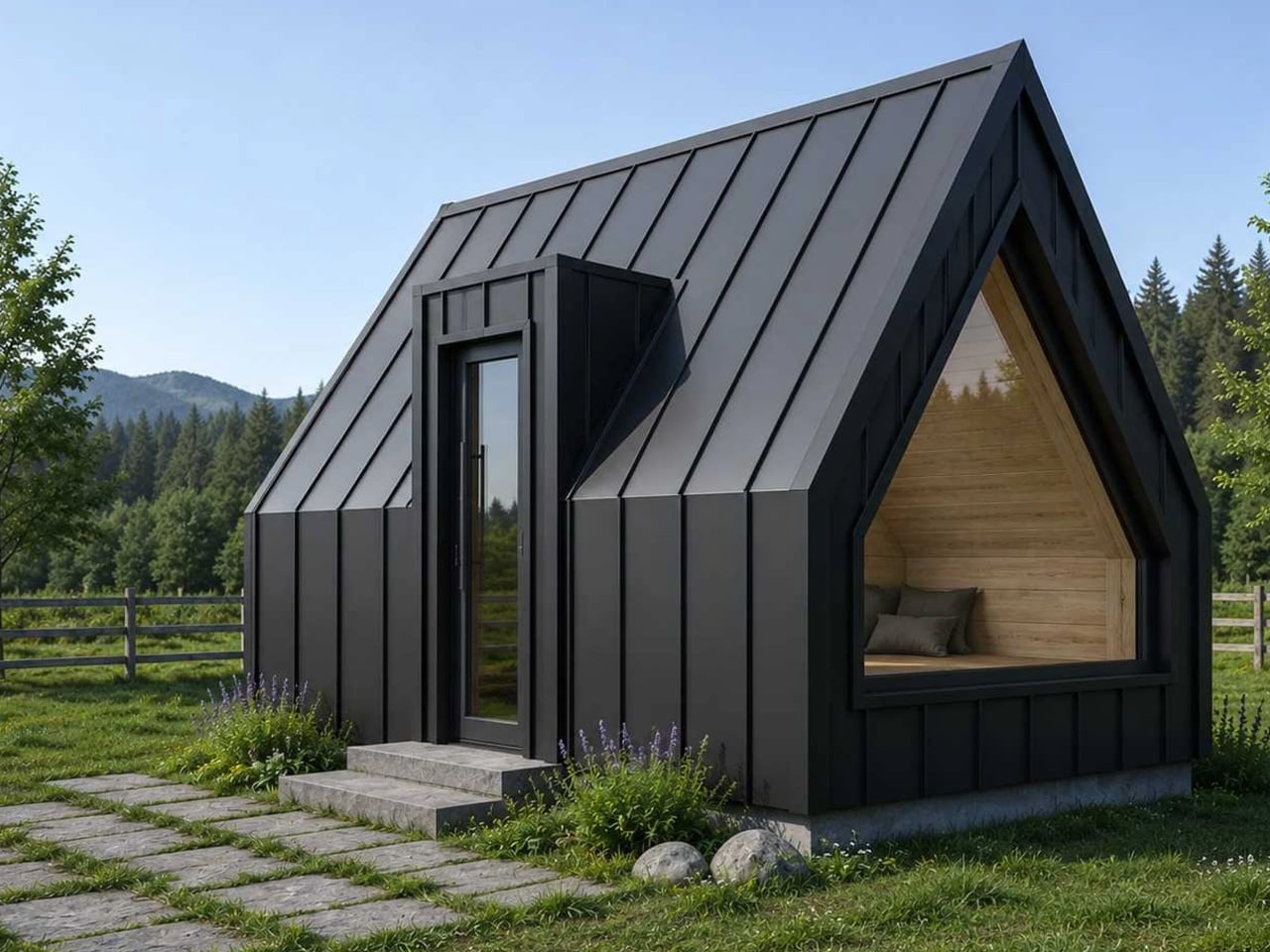
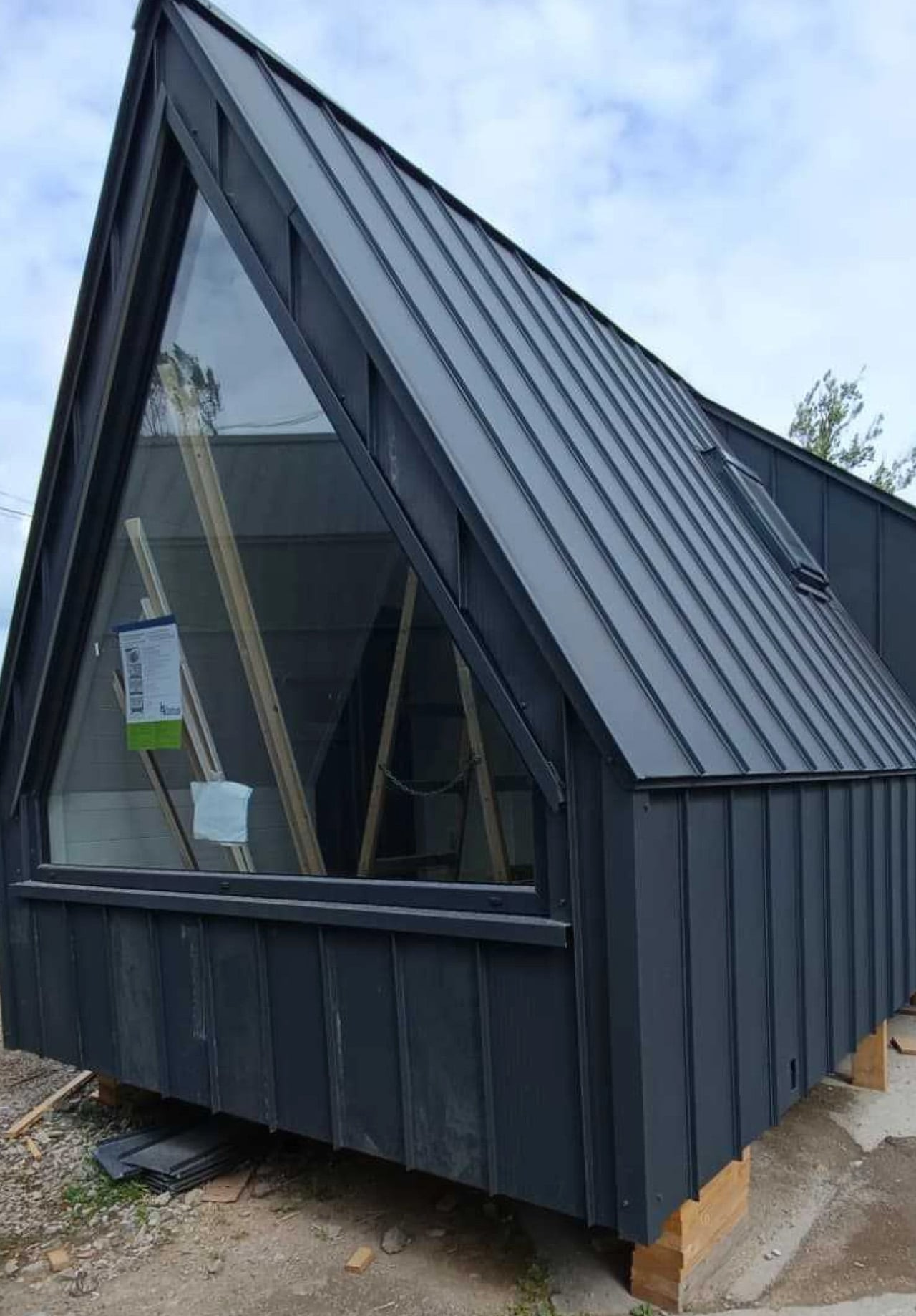
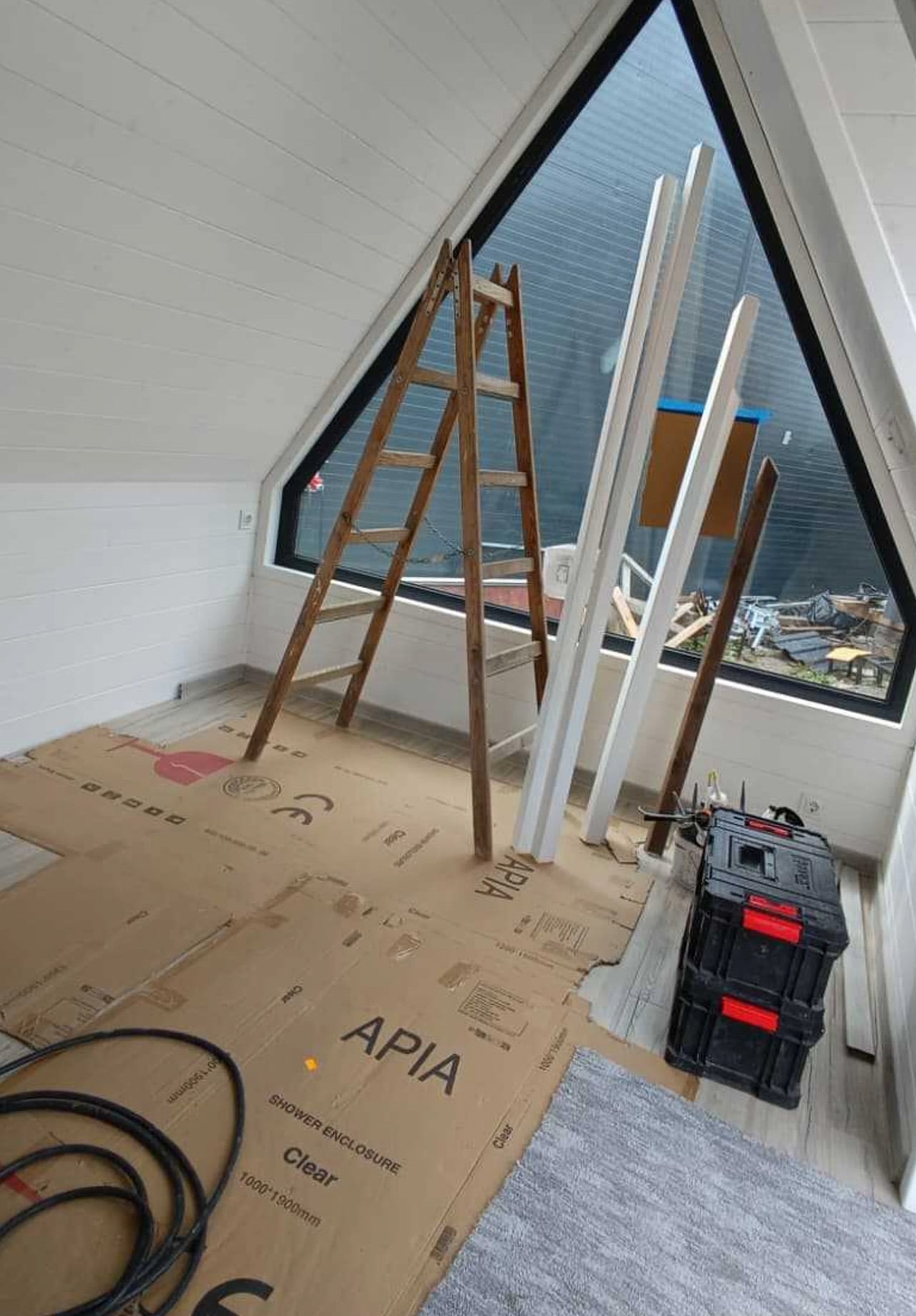
A large triangular window fills one end of the Mini Brda With Bay Window, giving this compact cabin a generous outlook. The entrance sits on the side, beneath its own projecting roof section, leaving the glazed end uninterrupted. Offered by Polish company Mini Domy, the design keeps its distinctive A-frame silhouette while making room for more than a bed beneath a pitched roof.

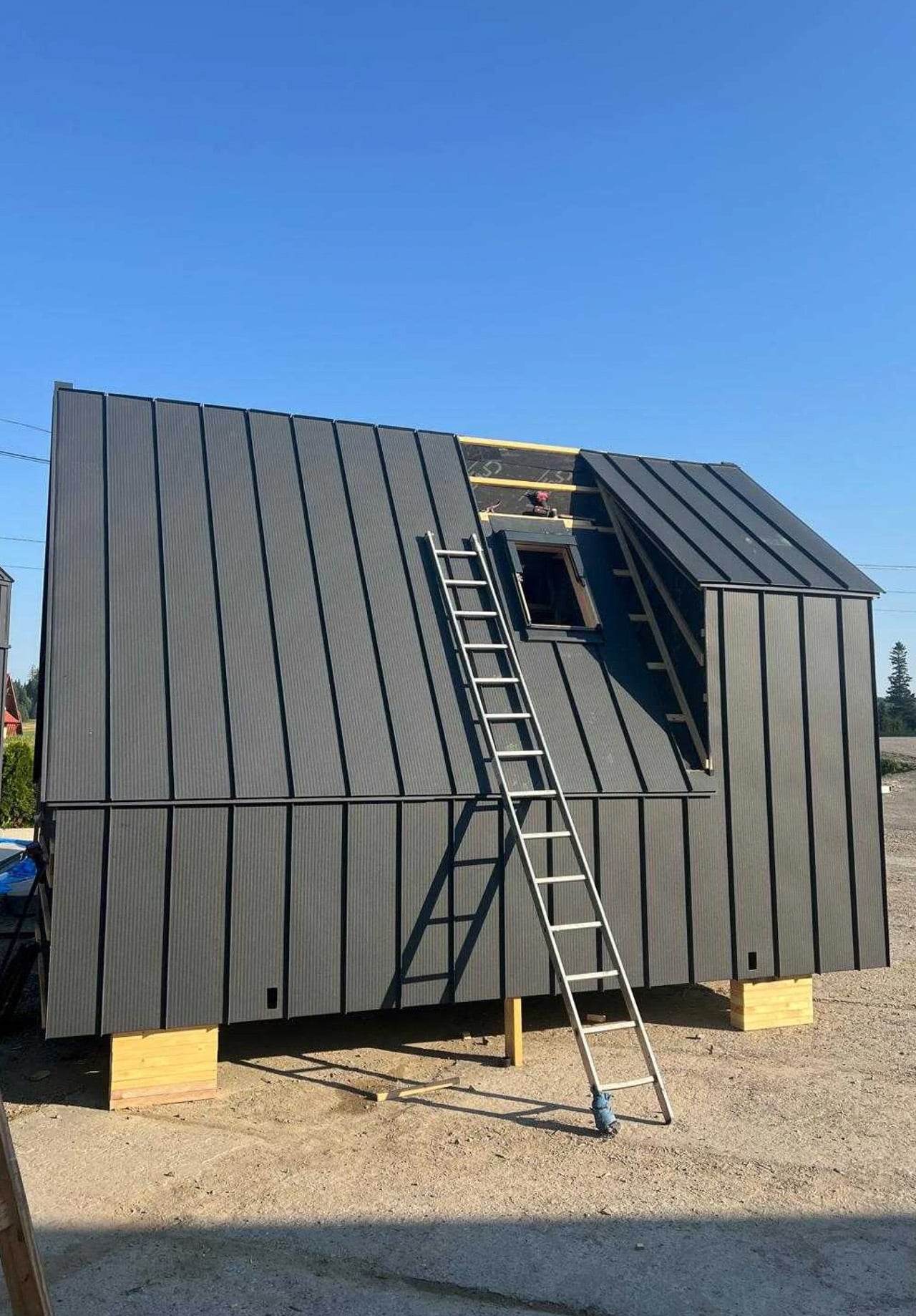
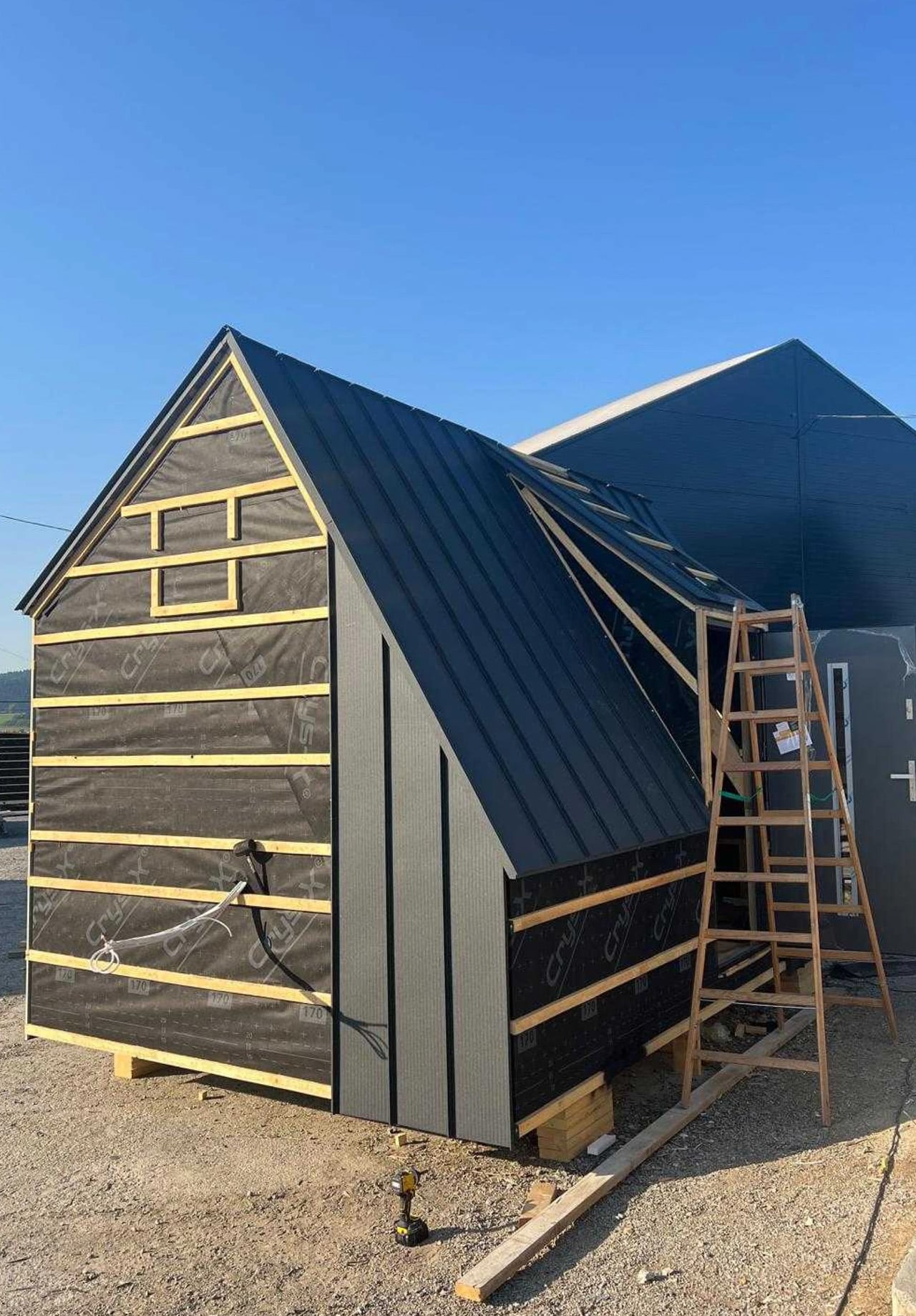
The model’s specification lists dimensions of 4.51 by 3.2 meters, giving it a footprint of approximately 155 square feet. Dark metal cladding covers the exterior, with pronounced seams emphasizing the steep roof. Those angled surfaces give the cabin its character, although they also make furnishing the edges less straightforward than arranging a conventional rectangular room.

Designer: Mini Domy

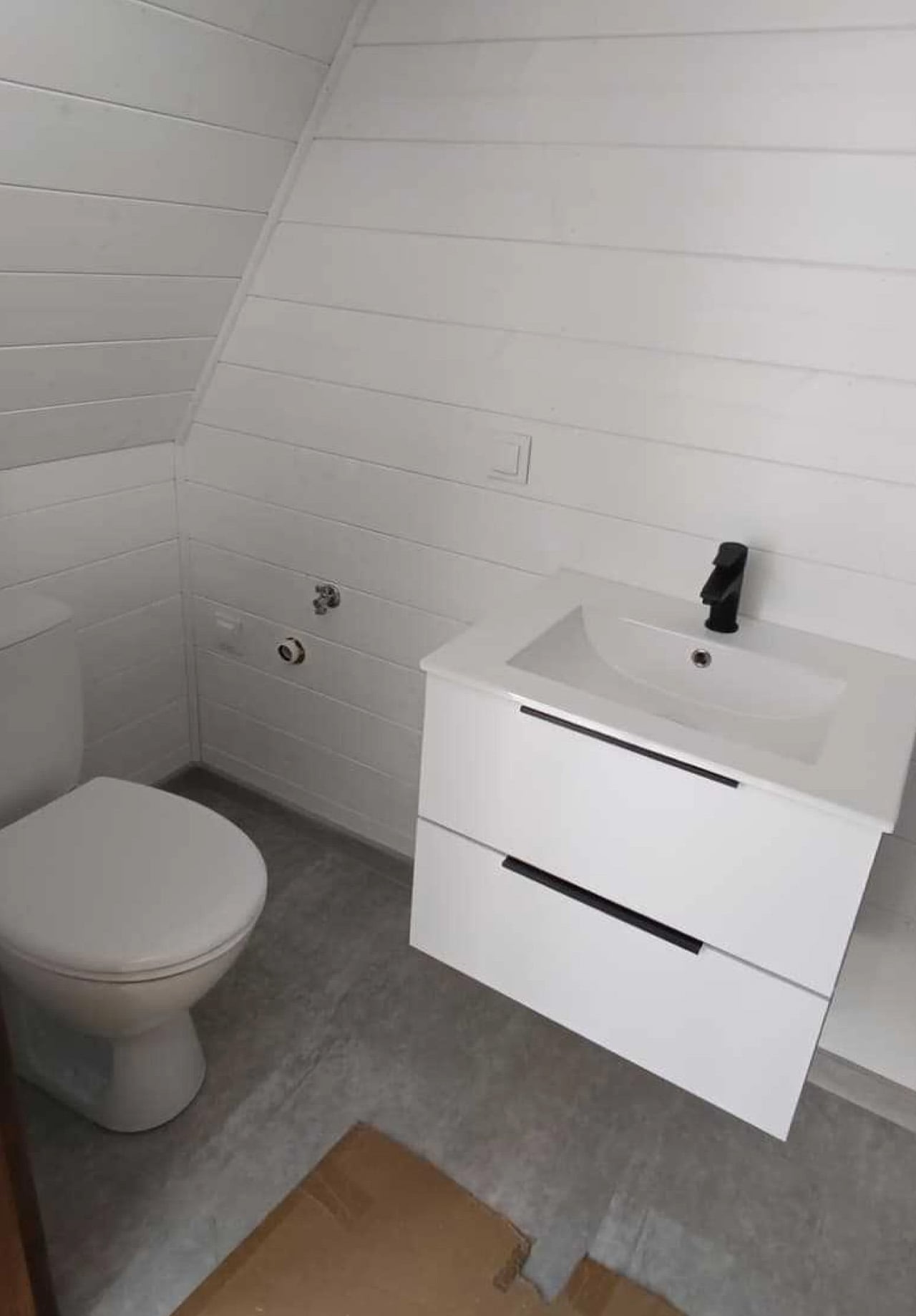
Inside, white-painted tongue-and-groove paneling follows the roof slopes, making the geometry visible rather than concealing it behind a flat ceiling. Wood-look flooring introduces a contrasting tone underfoot. Published photographs show the cabin before furnishing is complete, so the interior is best understood through a combination of construction images and the proposed layout.

Most of the accommodation occupies one shared room, combining cooking, lounging, and sleeping. A planned bed doubles as daytime seating, avoiding the floor-space demands of a separate sofa. There’s no sleeping loft or ladder to negotiate. The compromise is privacy: beyond the bathroom, daily activities share the same compact space, with little separation between preparing breakfast and making the bed.

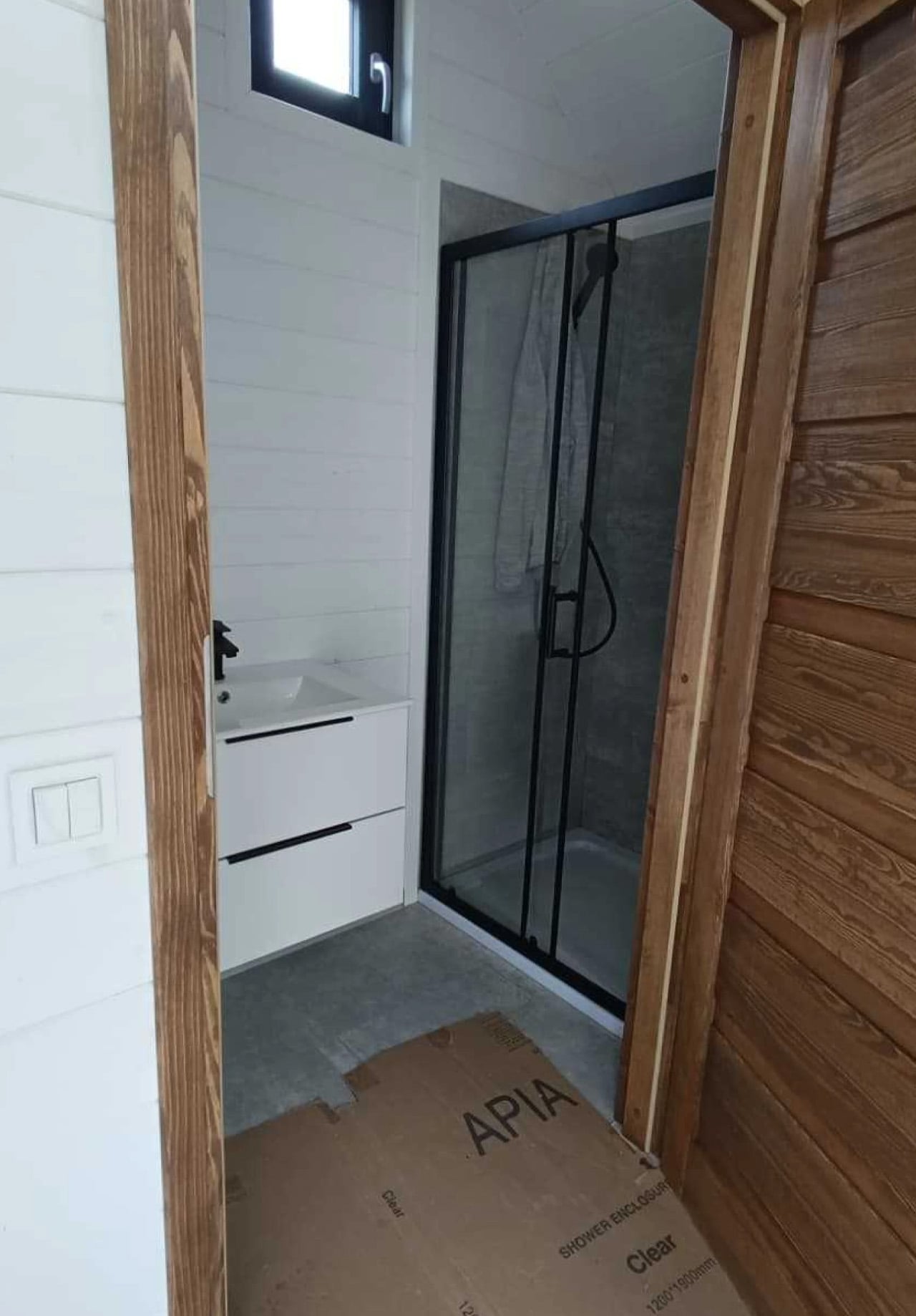
The kitchen specification is modest but useful, listing cabinetry, a sink, and a camping-style stove. That suggests simple holiday cooking rather than an apartment kitchen shrunk to fit. The separate bathroom includes a shower, basin, toilet, and water heater. Photographs show a wall-mounted vanity with drawers, providing storage without taking the cabinet all the way down to the floor.

Mini Domy’s offer specifies 10 centimeters of mineral-wool insulation, double-glazed windows, and air conditioning with a heating function. These are meaningful provisions for a small cabin, but they aren’t enough to establish comfort in every climate. The company itself qualifies year-round use on the broader Mini Brda page with the need for appropriate insulation and heating.

A dedicated trailer is optional rather than integral to the version pictured. The downloadable offer lists the cabin at US$15,000, though it also gives the quotation a two-month validity period without a visible issue date. Buyers should confirm current pricing, equipment, transport, and installation directly rather than treating that figure as a complete project budget. As a weekend retreat, the arrangement makes sense: keep the bathroom enclosed, let furniture do double duty, and reserve the glazed end for the view. Longer stays would make the shared room’s limits harder to ignore.

The post Mini Domy Fits a Kitchen and Bathroom Into This 155-Square-Foot A-Frame Cabin first appeared on Yanko Design.
Espresso Without an Outlet or a Separate Cup

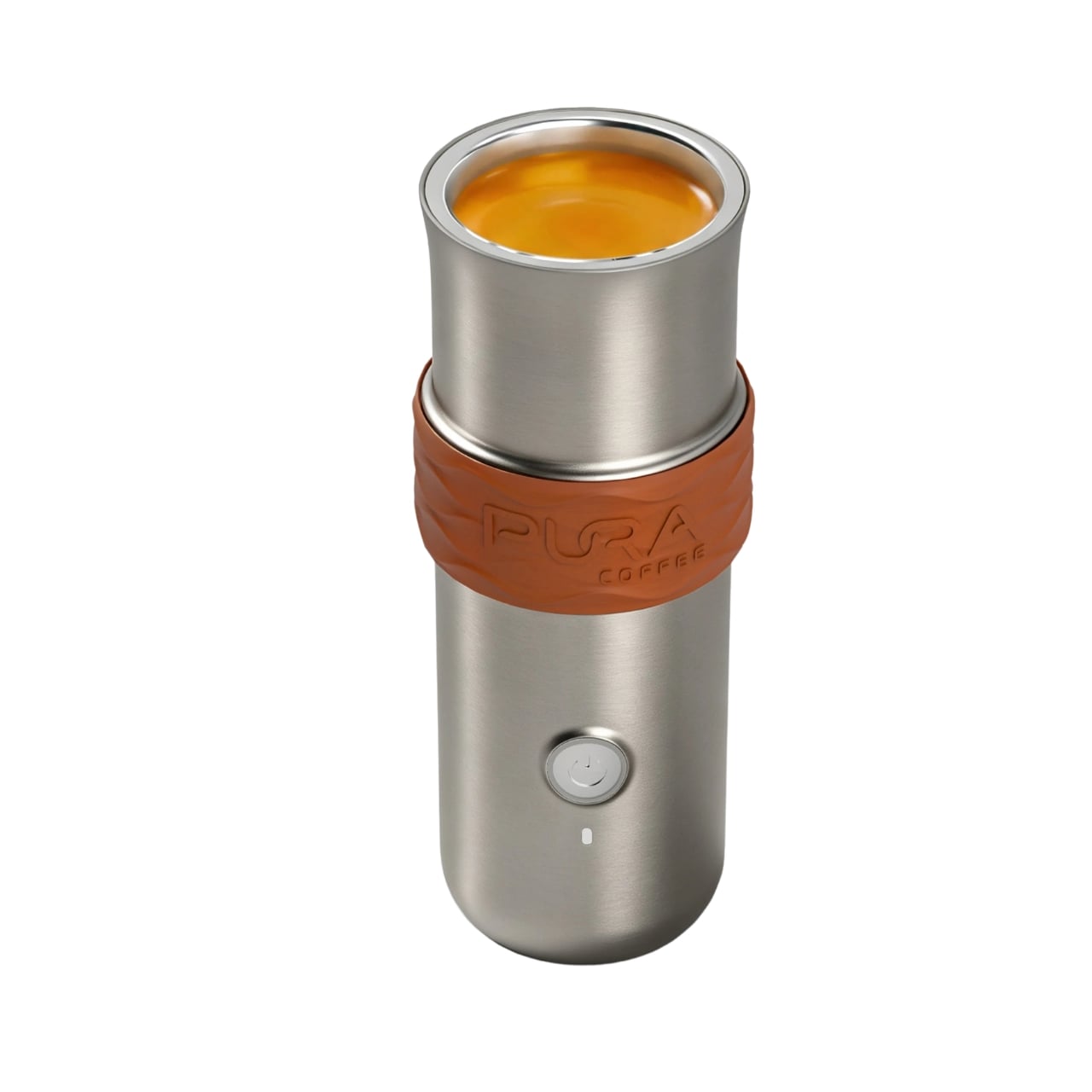
An espresso habit gets complicated the minute you leave the kitchen. You can bring the beans, but the equipment tends to stay beside an outlet, occupying a respectable chunk of counter. Pura Coffee’s PURA NEO Pro, listed for sale at $349, is designed to put heating, extraction, and drinking into one battery-powered object. The problem it tackles is straightforward: making espresso away from your usual setup without packing a miniature coffee station.

Visually, the NEO Pro looks closer to a travel tumbler than a shrunken kitchen appliance. The company’s imagery shows a cylindrical body, a cup at the top, and a textured brown band around the middle. A circular power button keeps the front relatively uncluttered. I like the restraint here. It looks like an object you could leave beside a laptop without your desk suddenly resembling the equipment shelf behind a coffee bar.

Designer: Pura Coffee

That stacked layout explains the design’s most interesting decision. Pura pumps water upward through the grounds into the drinking cup above, so you don’t need to balance the brewer over a separate vessel. The cup becomes part of the architecture rather than another accessory to remember. The company says upward flow helps wet the coffee bed evenly and reduce channeling. That extraction advantage needs testing, but the integrated cup has an immediately understandable purpose.

The basic controls are refreshingly physical. After a short press followed by a two-second hold to power on, one press starts heated brewing at the default 92°C, roughly 198°F. A double press skips heating and brews using the water’s existing temperature. Pura also uses a colored light ring to communicate status. It’s a sensible division of labor: a button for getting coffee started, with a small visual signal instead of another screen demanding your attention.

Inside, the ambition gets more technical. Pura specifies extraction pressure of 6 to 9 bar at the coffee puck and a five-stage process that moves from pre-infusion through brewing to pressure release. Its roughly three-minute cold-start brewing time is explicitly labeled a design target, not a verified result here. I’d treat that timing as provisional, particularly if the appeal is making a quick cup between meetings rather than enjoying the preparation itself.

Then comes Brew OS, the companion software that lets owners adjust brewing parameters and save combinations as shareable Brew Cards. Pura says the app can also suggest a starting extraction curve from a photograph of a coffee bag or the beans themselves. That’s a potentially useful entry point for someone who wants more guidance than a temperature slider. Importantly, the company describes these suggestions as starting points, while deeper learning from personal taste ratings remains on its roadmap.

I’m more persuaded by saving a recipe than by the prospect of photographing beans. A saved combination gives the tinkering a destination: find settings you like, then stop rebuilding them every morning. For me, that’s a better reason to connect a coffee maker to a phone than simply adding remote controls. Brew OS allows that recipe to be saved and shared, although repeating settings shouldn’t be mistaken for guaranteeing identical flavor.

The practical boundaries matter, too. The water tank holds a maximum of 70 milliliters, about 2.4 fluid ounces, so think espresso-sized servings, not a full commuter mug. Ground coffee is the primary approach, with an optional Nespresso-compatible capsule adapter. Cleanup still involves discarding the grounds and rinsing removable parts; the body cannot be immersed or put in the dishwasher. Portability gets the equipment into your bag, but it doesn’t make the used grounds disappear afterward.

At $349, I’d want the NEO Pro to earn its place through regular use, not just the occasional campsite photo. Its strongest design argument is the cup itself: brewing and drinking share one vertical assembly, with fewer separate objects to arrange. If carrying your espresso routine matters enough to justify the preparation and cleanup, that’s a thoughtful place to start. The app can offer more settings later. First, the coffee needs somewhere to land.

The post Espresso Without an Outlet or a Separate Cup first appeared on Yanko Design.