Louis Vuitton’s $25,200 mirror steel watch keeps its shine without the scratches

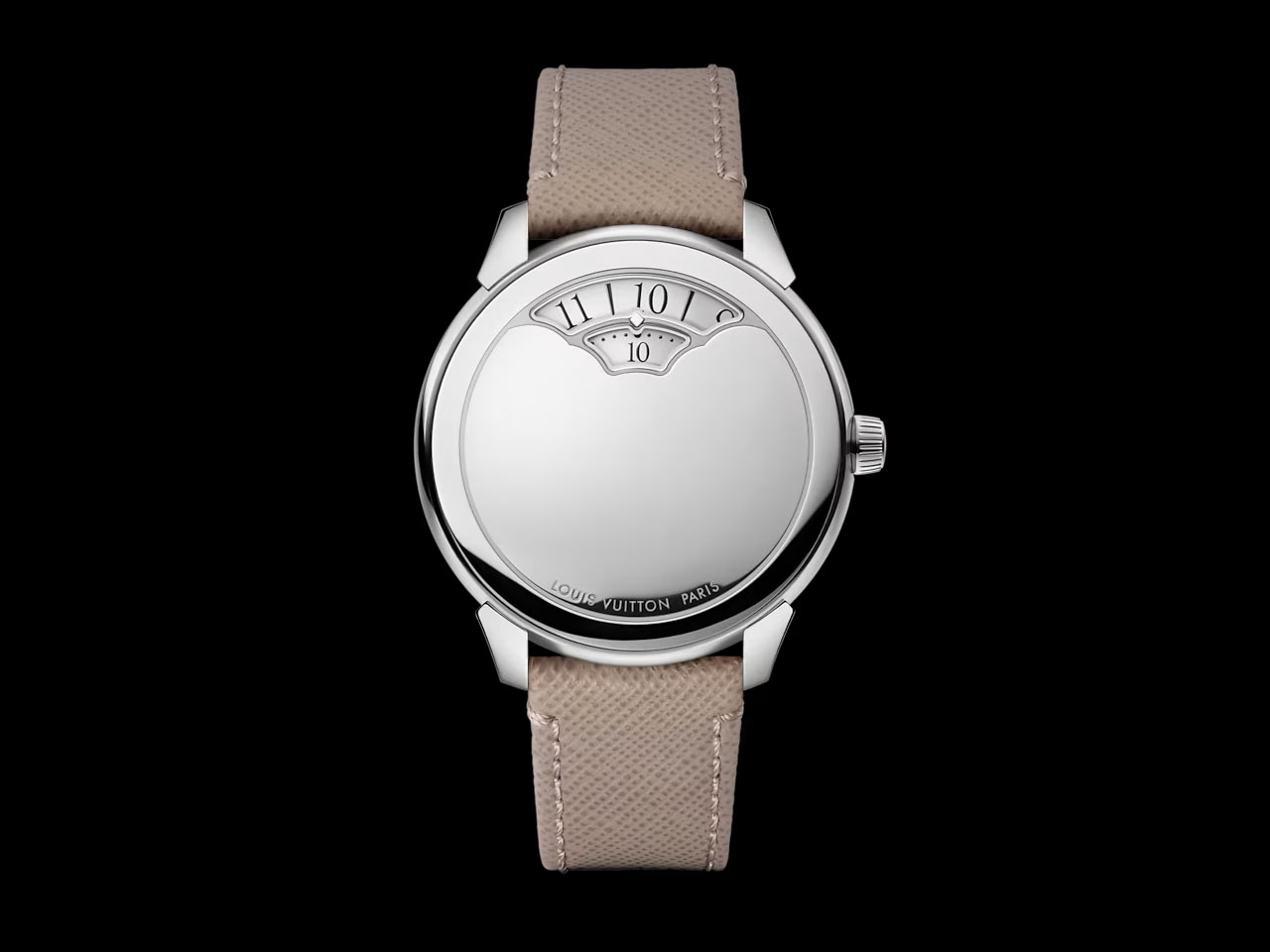
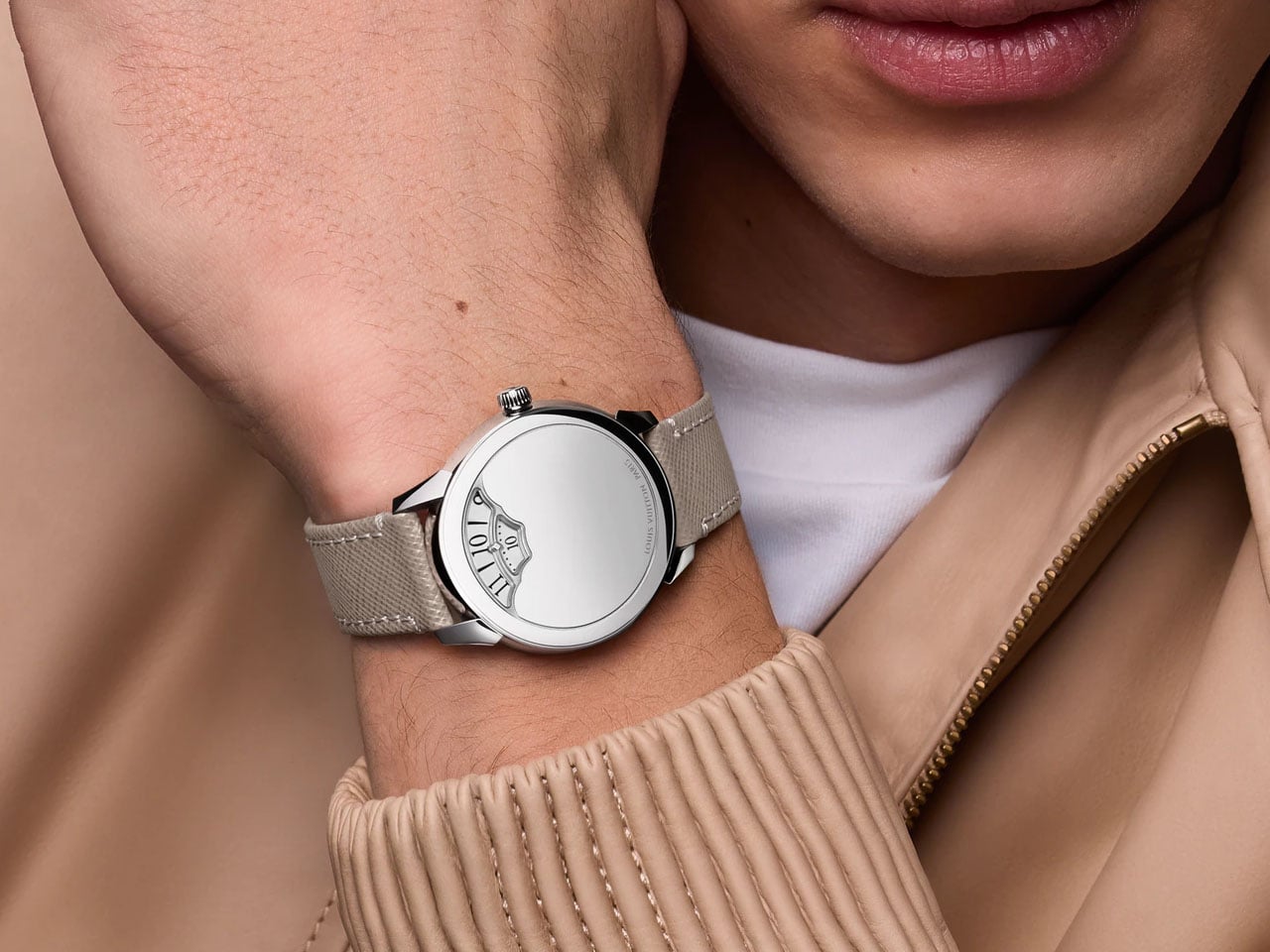
Louis Vuitton is taking minimalism to the next level in watchmaking with the Tambour Convergence Mirror Steel, which at first glance looks more like a polished caseback than a watch face. That is not the case, though, literally. What you see is the dial of the latest Tambour Convergence from the French fashion house. If the Tambour Horizon Light Up was flamboyant, this one is its exact opposite, with a restrained character that puts the material and finishing in the spotlight.

First introduced in 2025, the Tambour Convergence is Louis Vuitton’s take on the traditional montre à guichet, a watch that displays time through small apertures instead of conventional hands and a dial. The Mirror Steel is the first version of this unconventional design to use hardened stainless steel, following earlier editions in rose gold and platinum, including a diamond-set model and a hand-guilloché rose gold variant.

Designer: Louis Vuitton

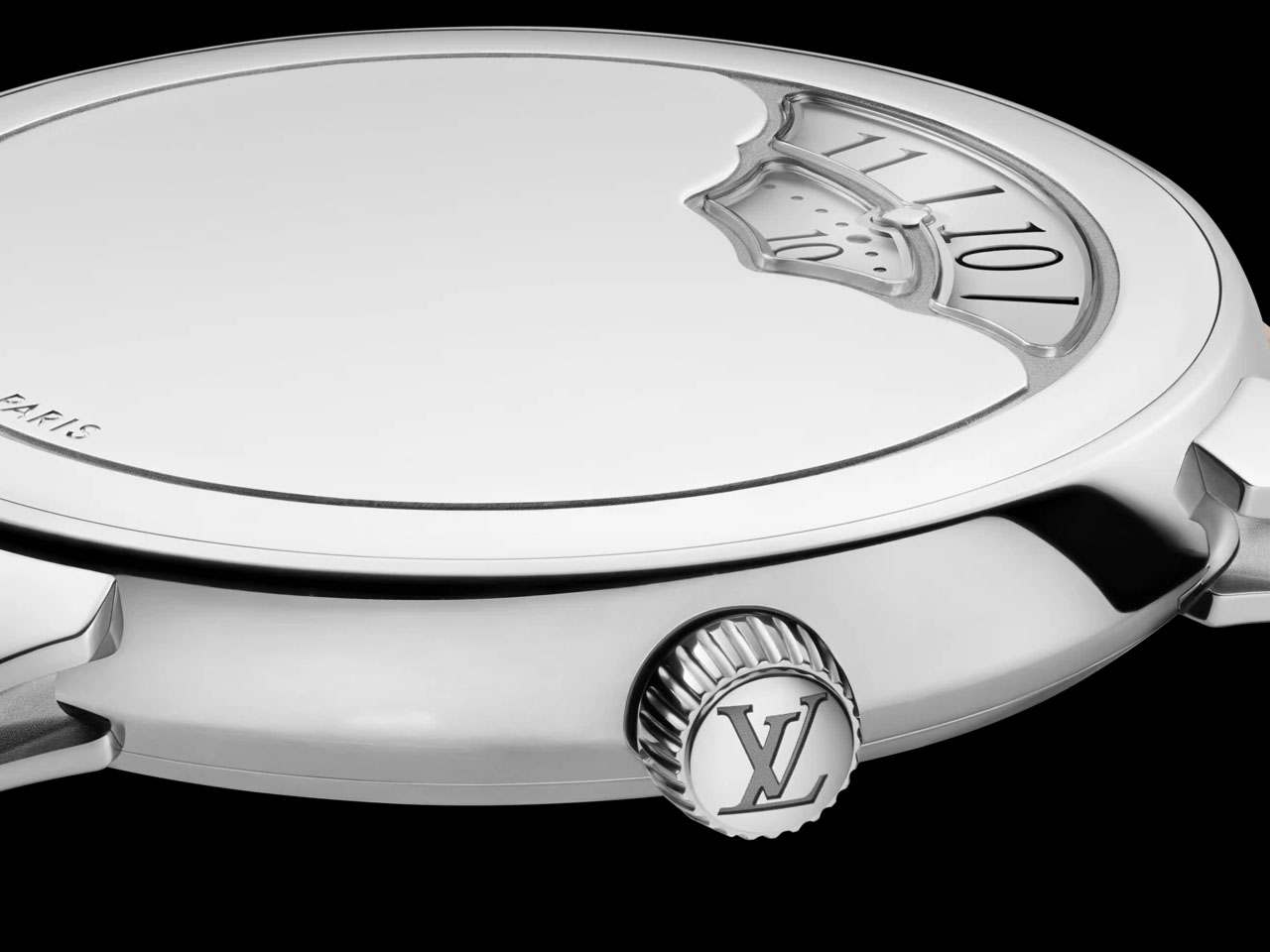
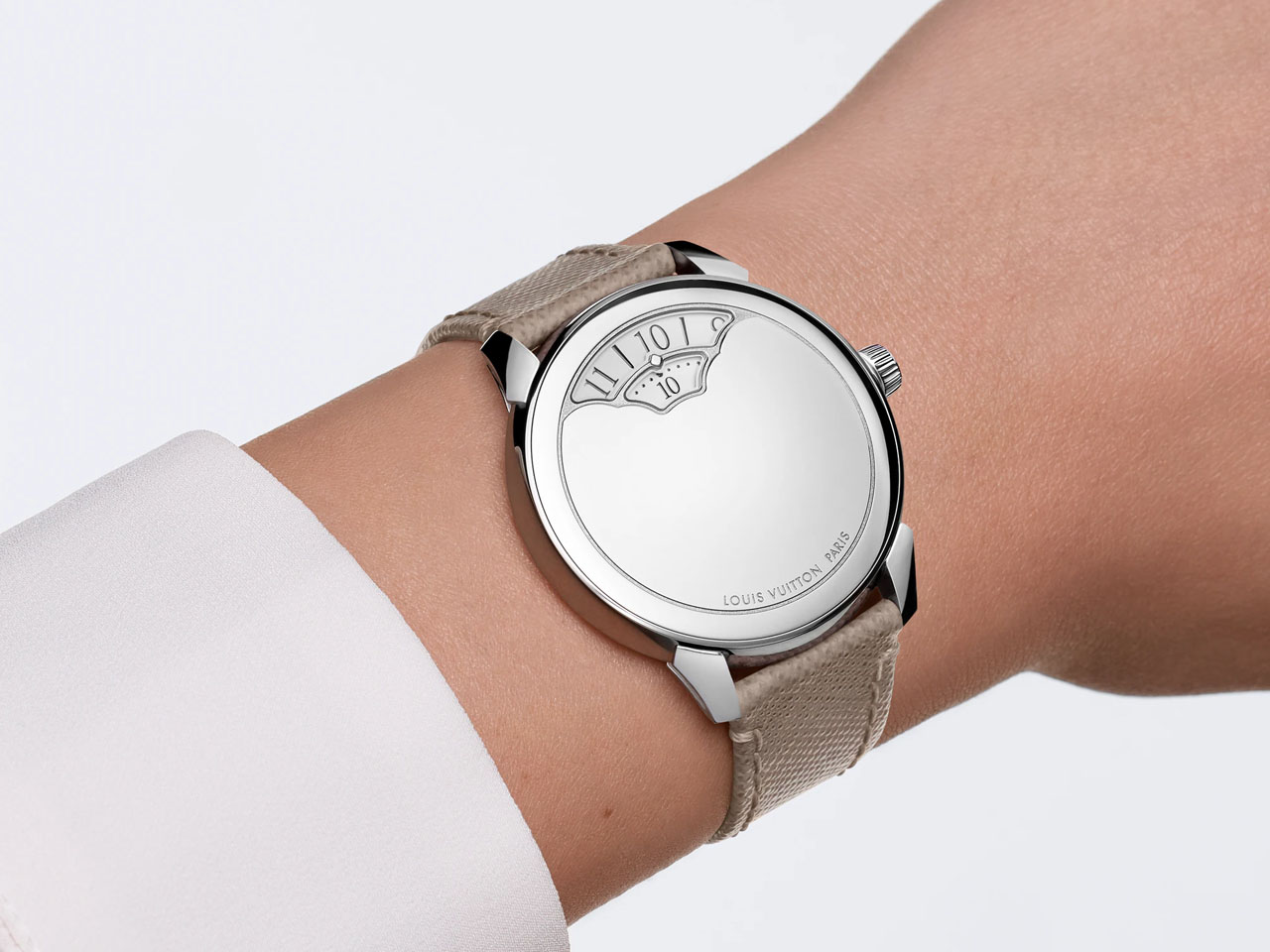
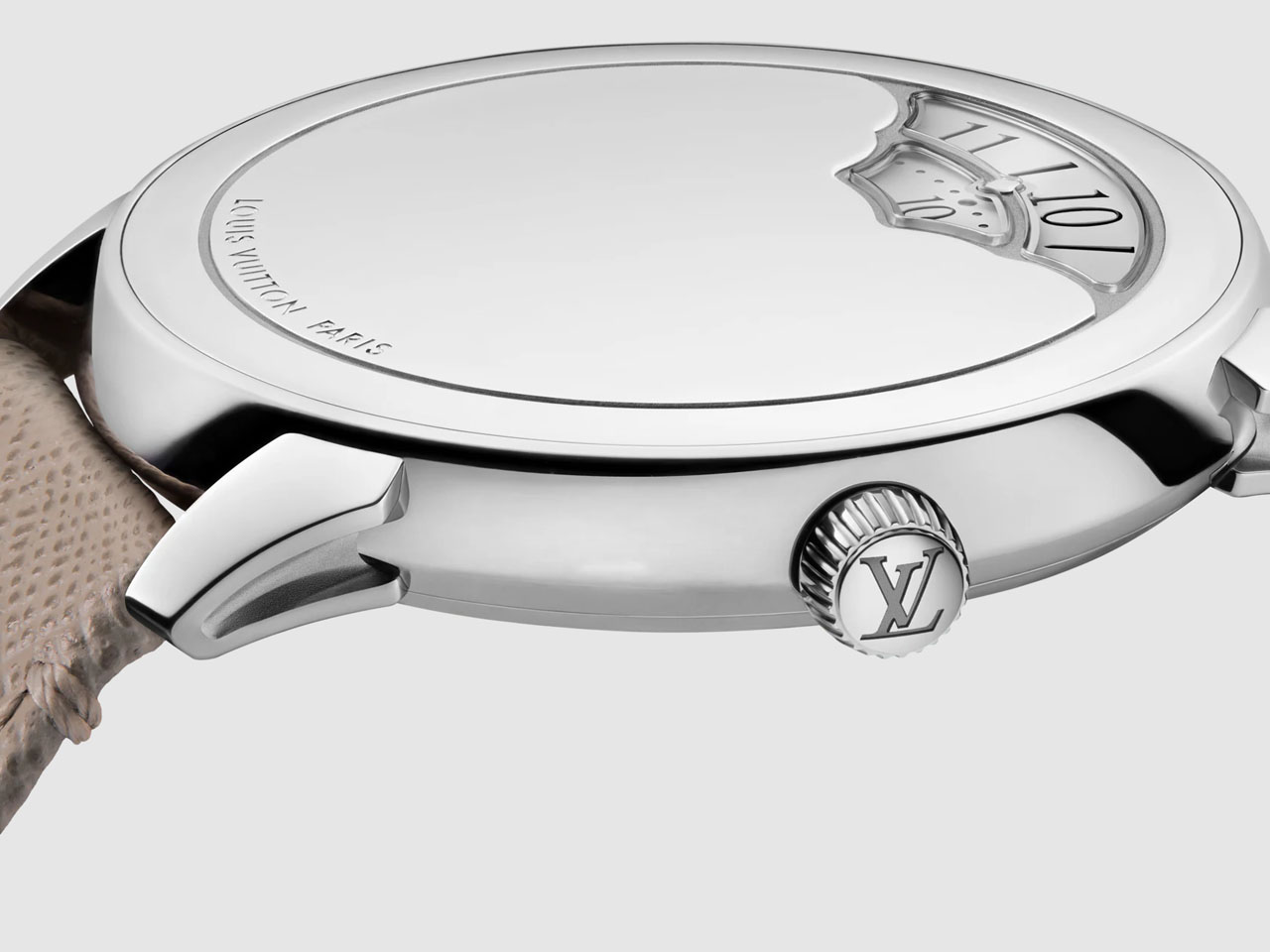
The defining feature is its almost uninterrupted mirror-polished surface. Louis Vuitton has developed a patented treatment that increases the steel’s surface hardness nearly six times, bringing it to 1,130 Vickers. The treatment is intended to improve resistance to everyday scratches and preserve the reflective finish for longer. According to Matthieu Hegi, artistic director of La Fabrique du Temps Louis Vuitton, the objective was to retain the ice-cold appearance of the scratch-resistant mirror effect without compromising the strengthened properties of the steel.

Achieving that finish is no straightforward task. The hardened material is more difficult to polish, requiring artisans at La Fabrique des Boîtiers to spend up to three times as long finishing the case compared with the rose-gold version. The case, crown, and outer surfaces of the lugs receive a hand-applied mirror polish, while the inner surfaces of the hollowed lugs are micro-bead blasted to introduce a subtle contrast. The result is a 37mm case measuring just 8mm thick.
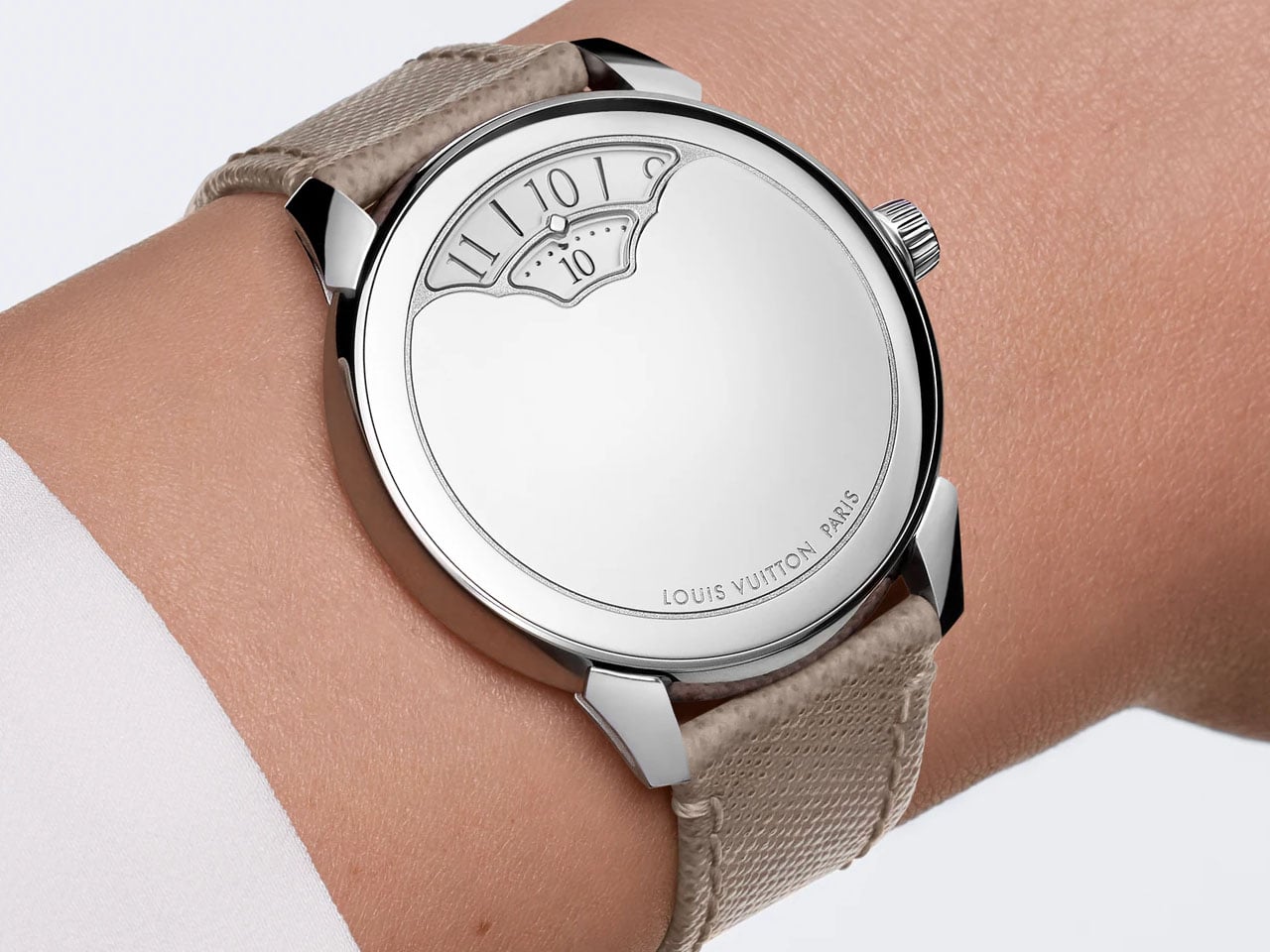
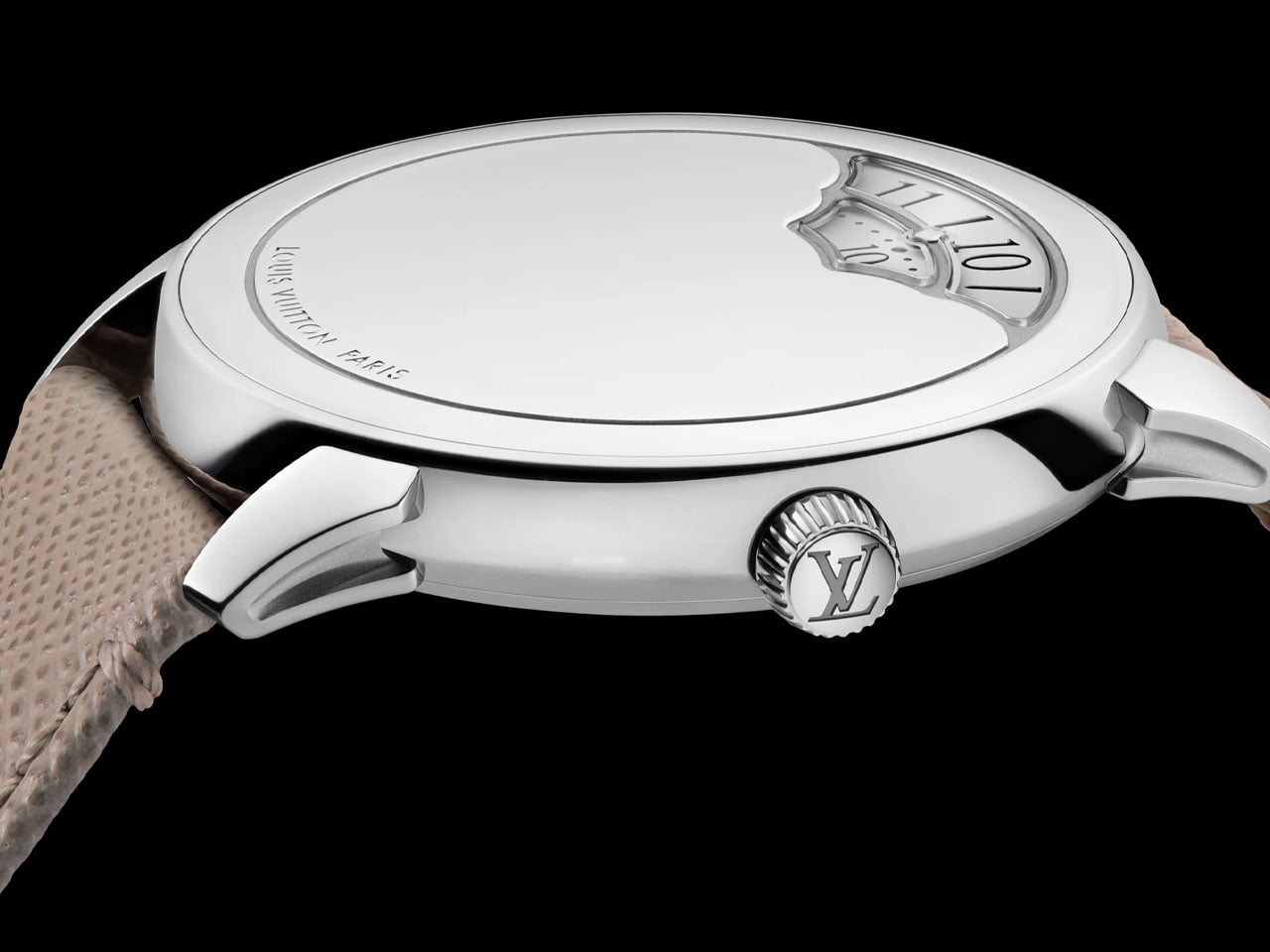
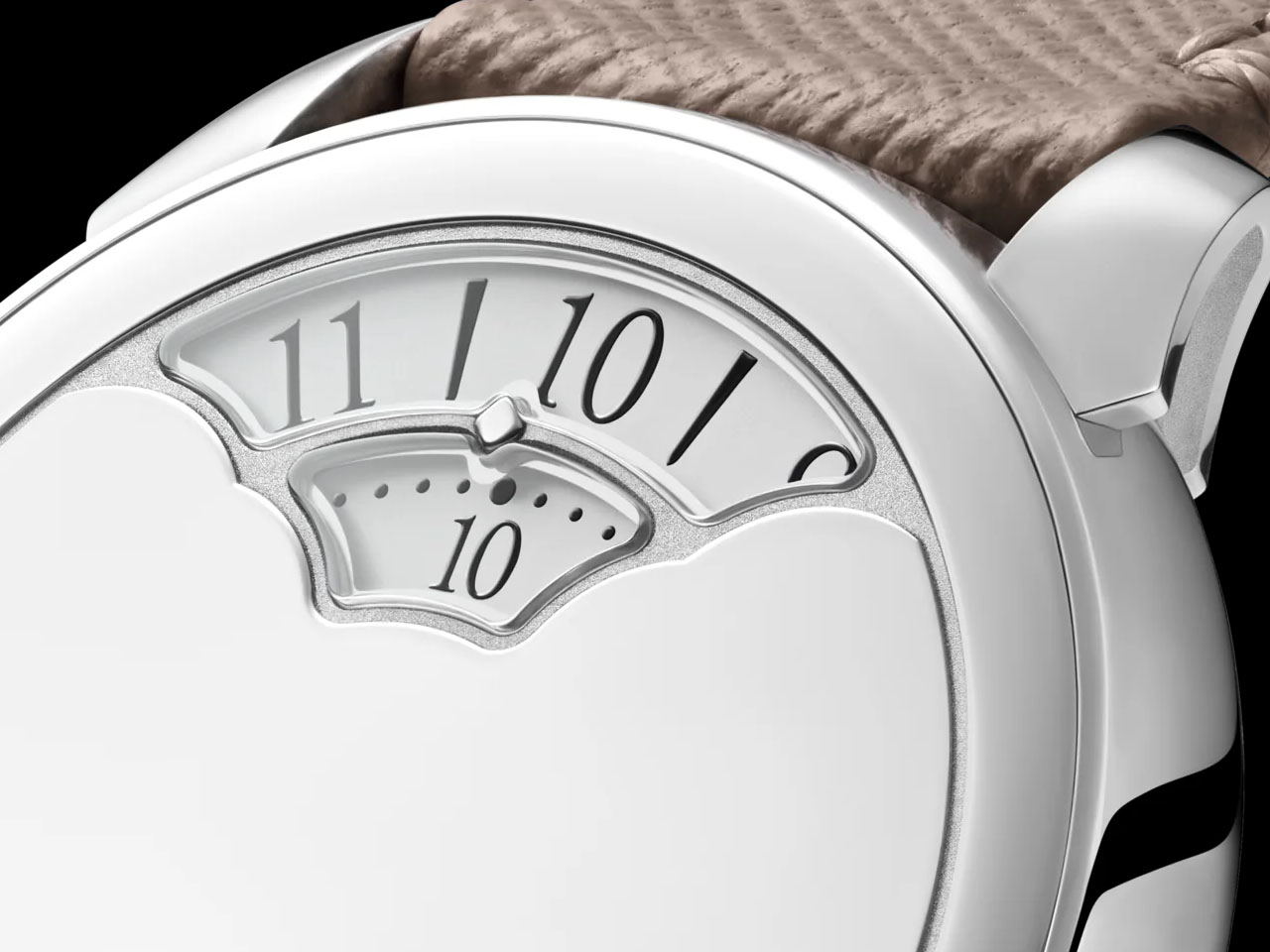
There is no conventional dial or visible watch hands here. Instead, two rotating, satin-brushed brass discs with a rhodium treatment display the hours and minutes through a small arched window at 12 o’clock. Black numerals and indexes provide contrast, while a sculpted lozenge between the two openings serves as the reading marker. Unlike jumping-hour watches, the discs move continuously as time progresses. The shape of the aperture also draws inspiration from a decorative motif found in the Louis Vuitton family home in Asnières, France.

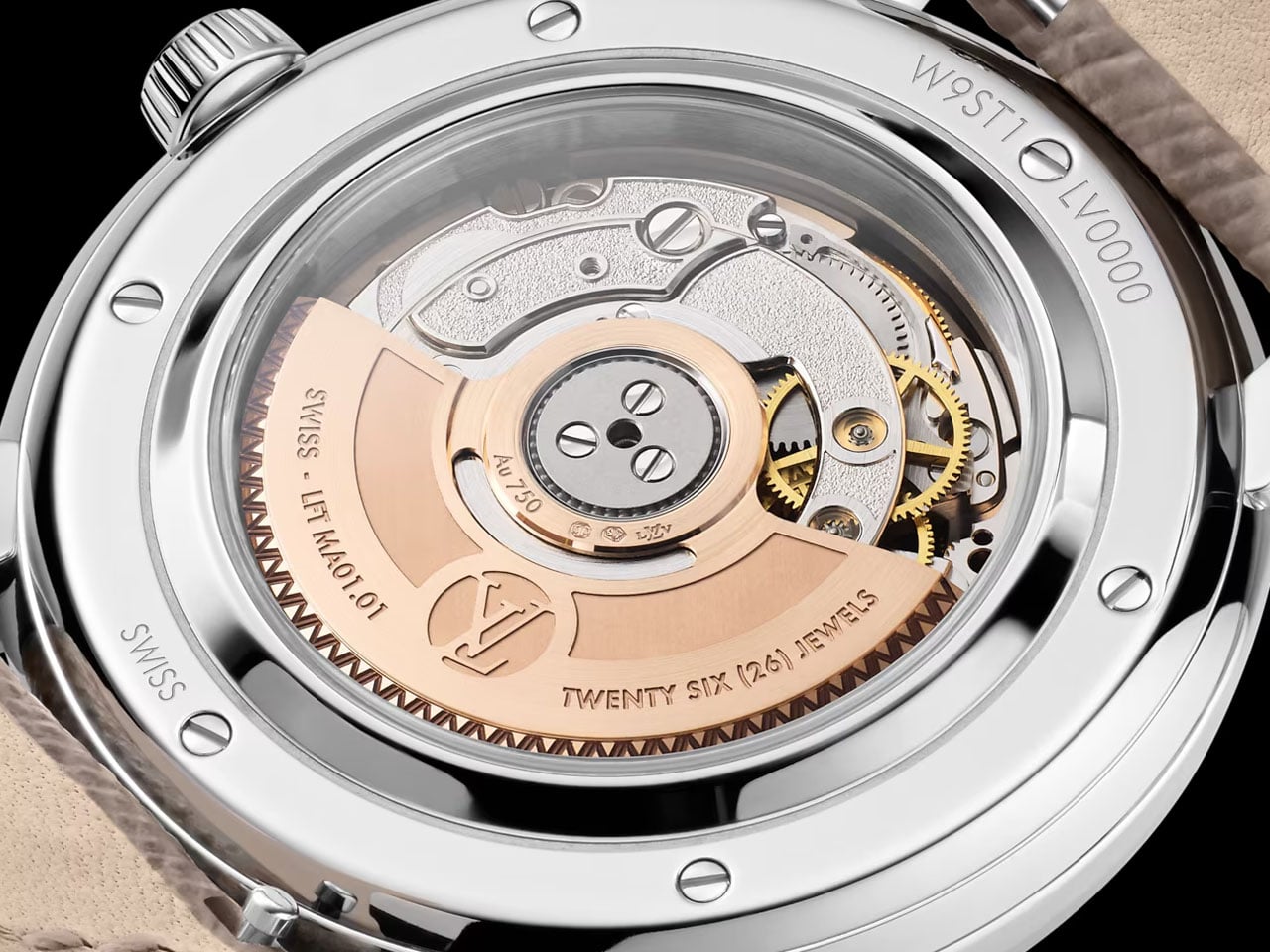
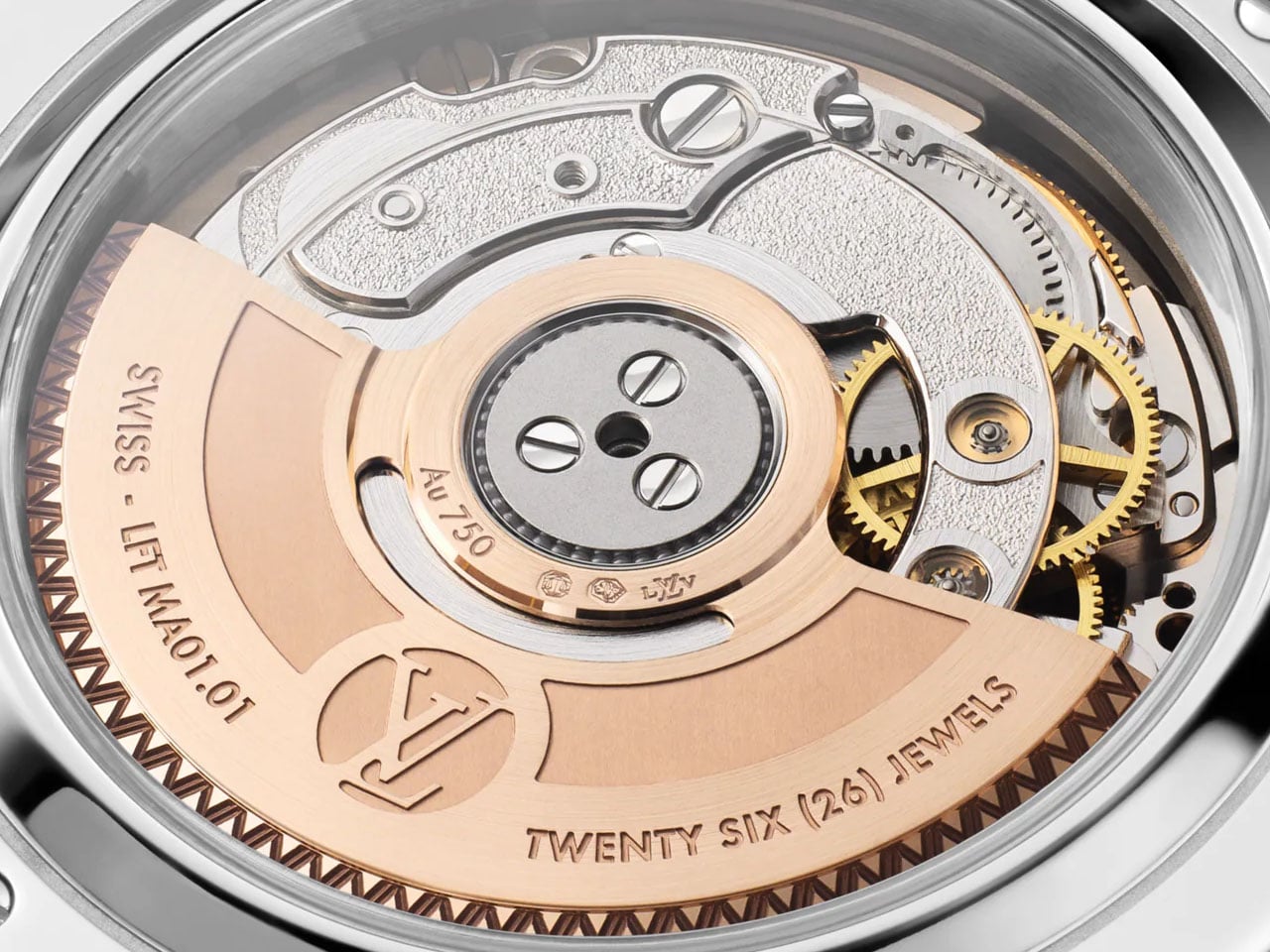
Powering the display is the automatic Calibre LFT MA01.01, an in-house movement comprising 201 components and 26 jewels. Operating at 28,800 vibrations per hour (4Hz), it offers a 45-hour power reserve and uses an 18K rose-gold oscillating weight. The movement can be admired through the sapphire crystal caseback, offering a mechanical contrast to the otherwise uninterrupted front.
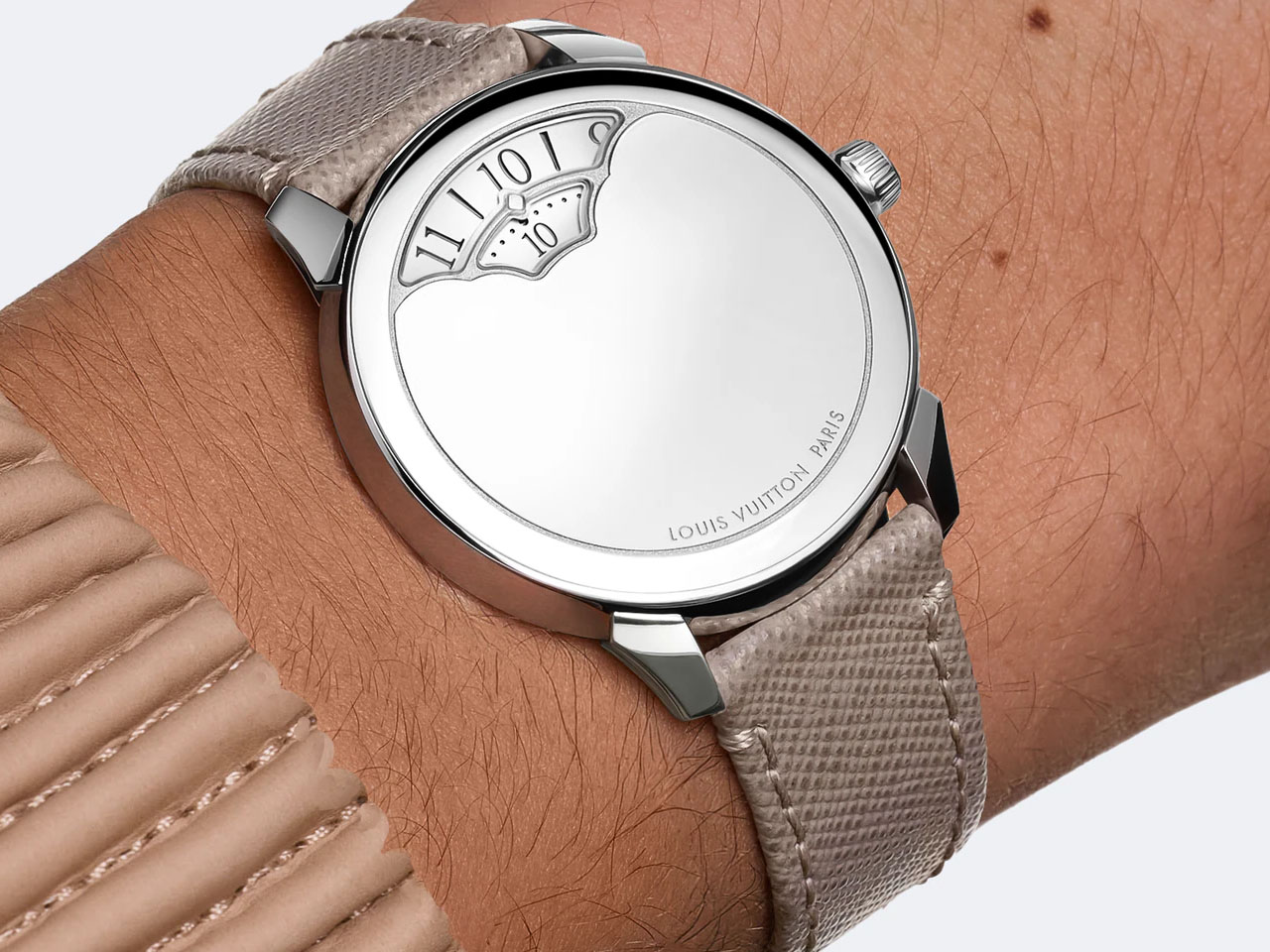
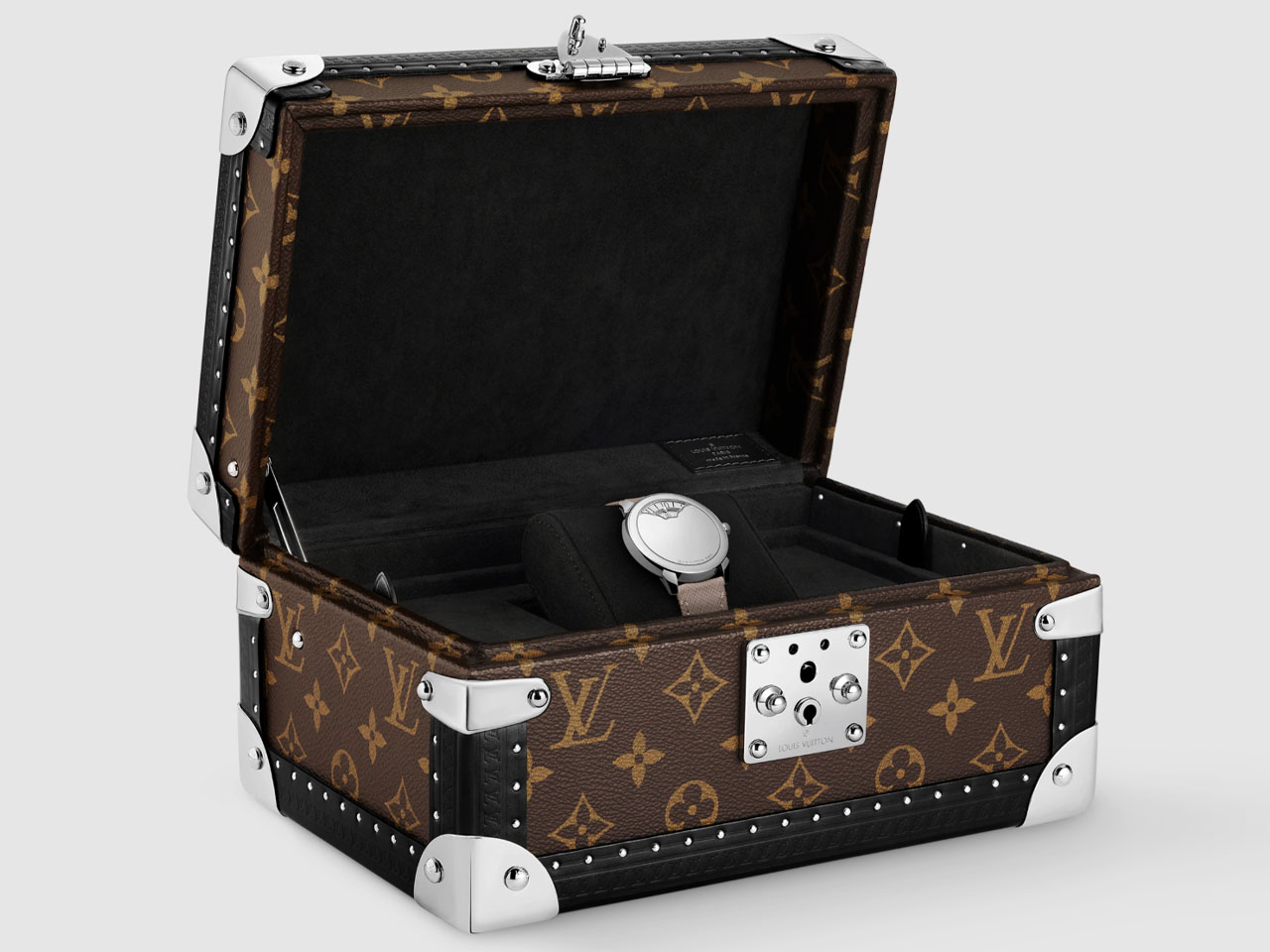
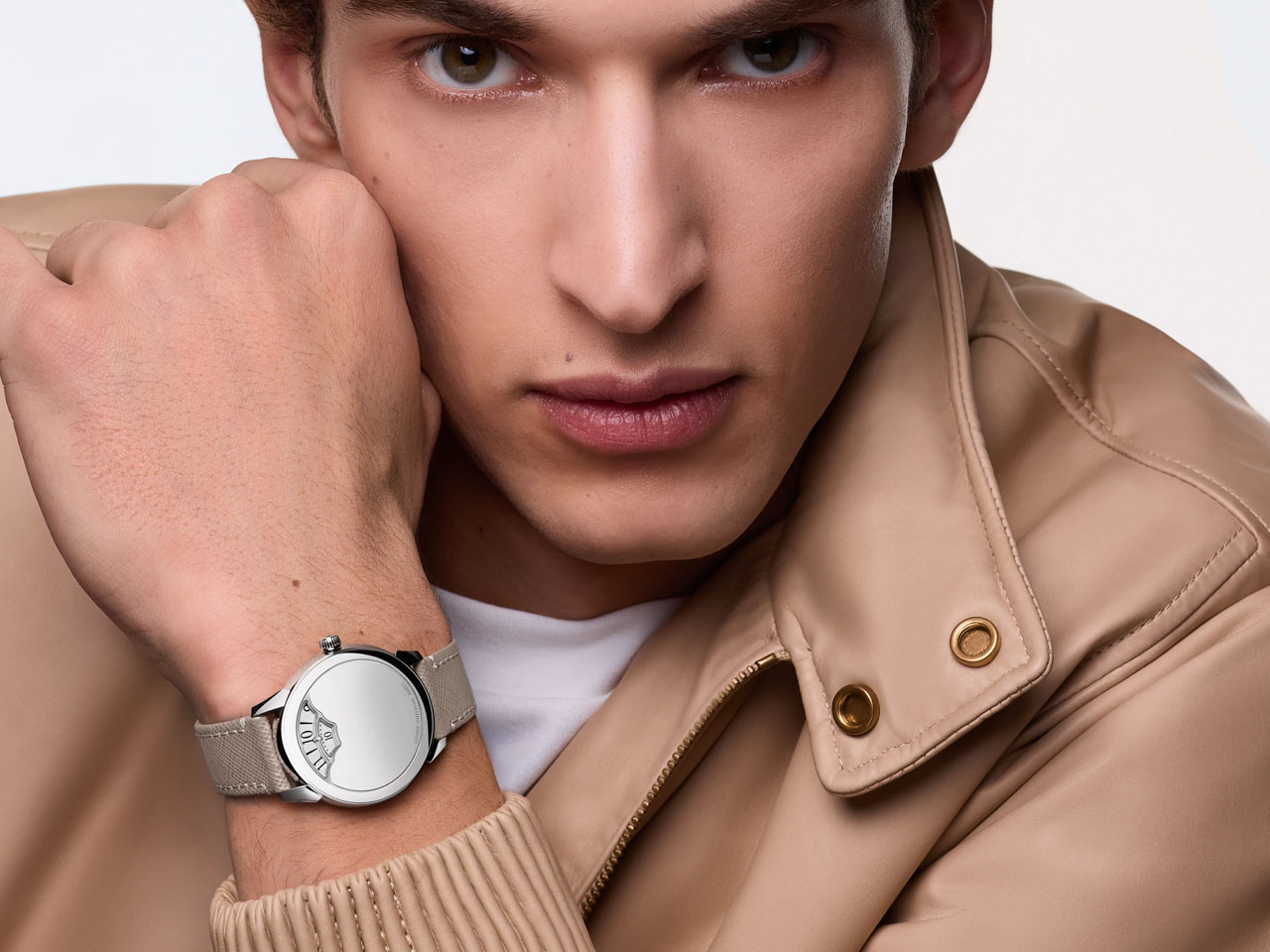
Completing the watch is an Arroyo Grey Saffiano calf leather strap with a strengthened steel pin buckle. The Tambour Convergence Mirror Steel (reference W9ST11) is part of Louis Vuitton’s permanent collection and is priced at $25,200.
 

The post Louis Vuitton’s $25,200 mirror steel watch keeps its shine without the scratches first appeared on Yanko Design.
Camp Snap’s screen-free camcorder for kids records without Wi-Fi, and has a ‘TikTok’ setting

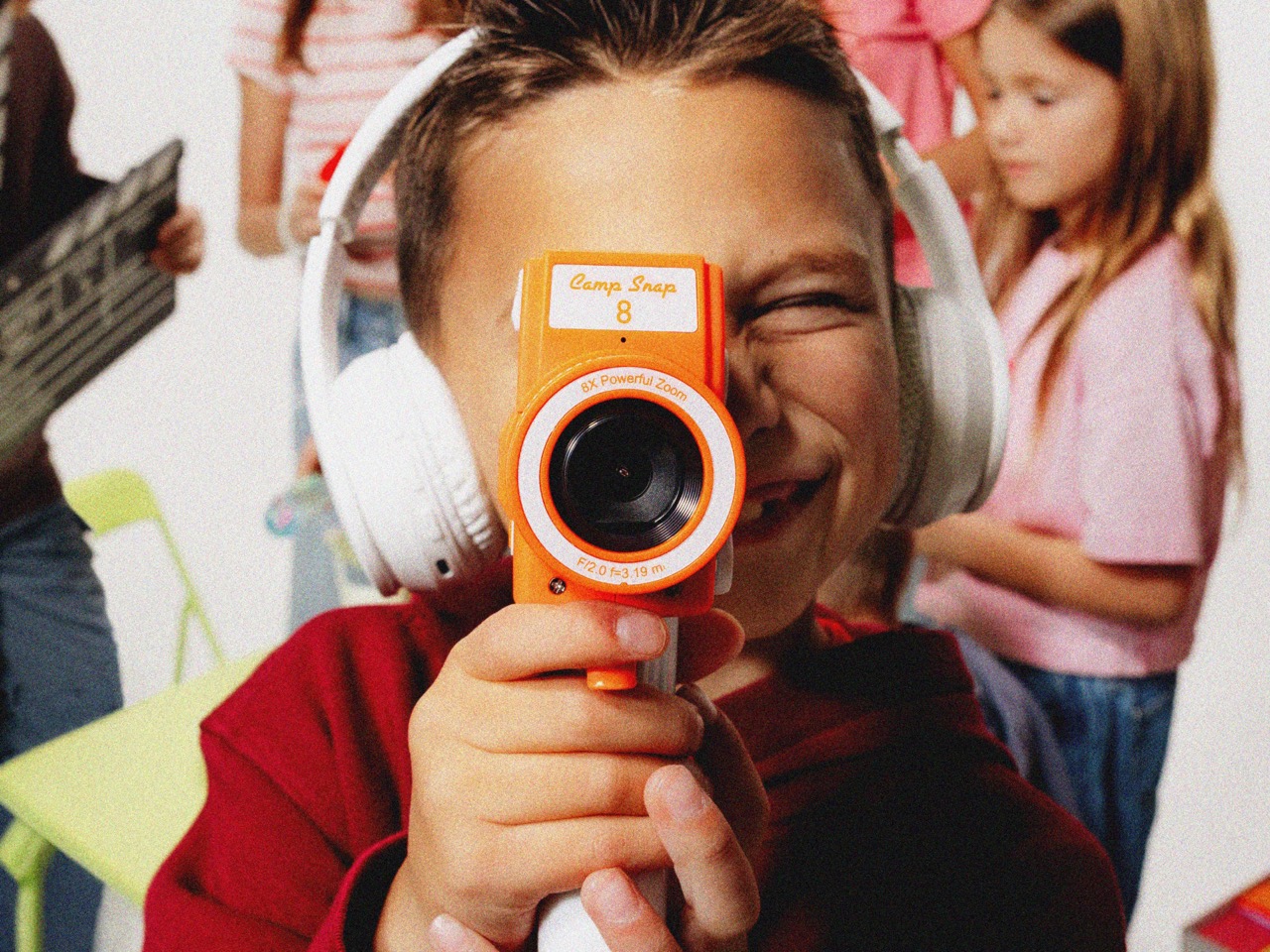
In 1987, Fisher-Price tried to turn every kid into a junior Spielberg with the PXL-2000, a $179 toy camcorder that recorded grainy black-and-white video onto regular audio cassettes. It flopped as a toy, then became a cult favorite among art-school filmmakers, which is the most ’80s plot twist imaginable. Nearly four decades later, Camp Snap is taking its own swing at the kids’ camcorder with the CS-8 Mini. It’s a $149.99 screen-free video camera for ages 6 and up, styled after a 1970s Super 8 camera. Pull the trigger, record a clip, and wait until you get home to see what you shot.

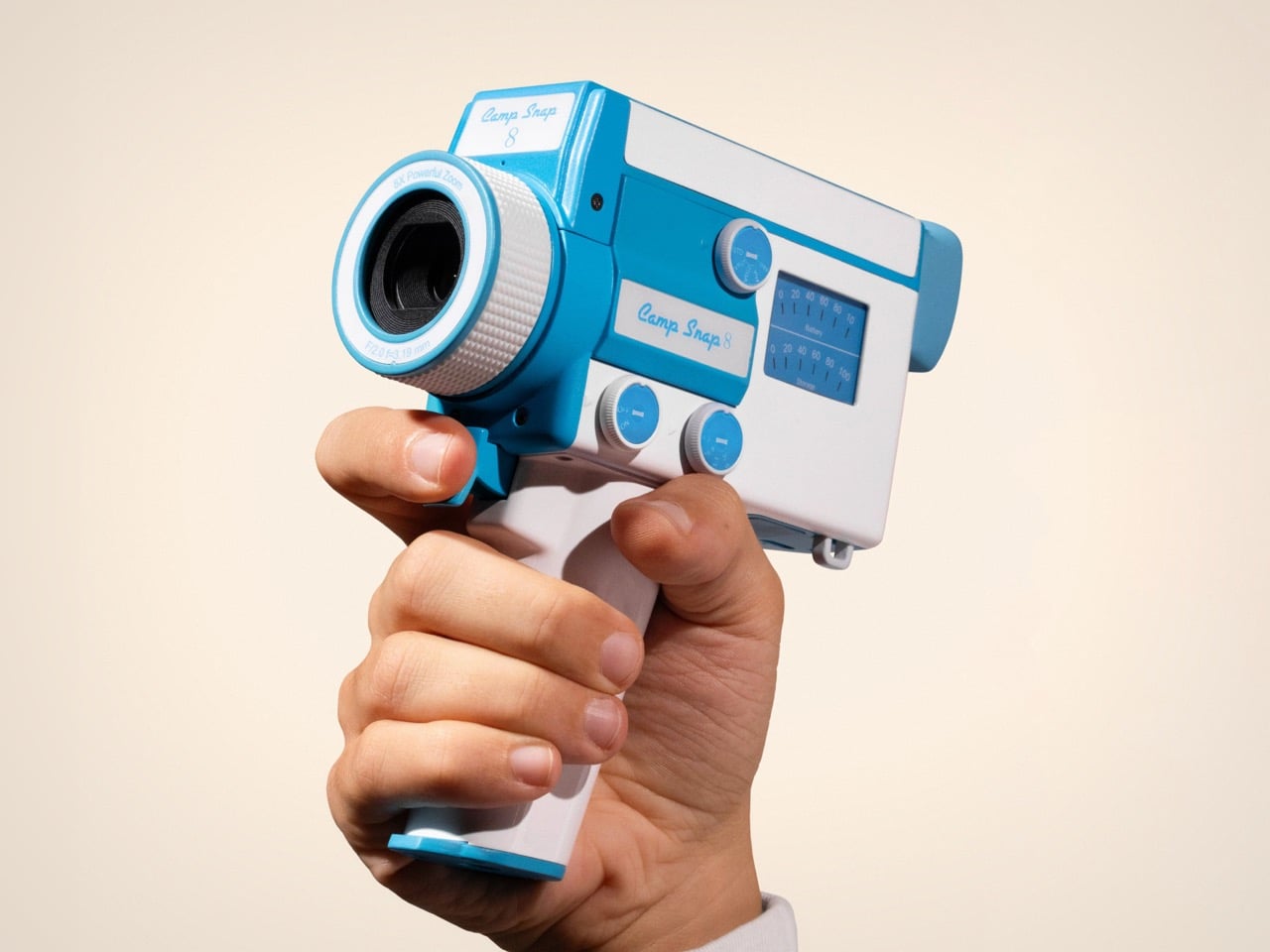
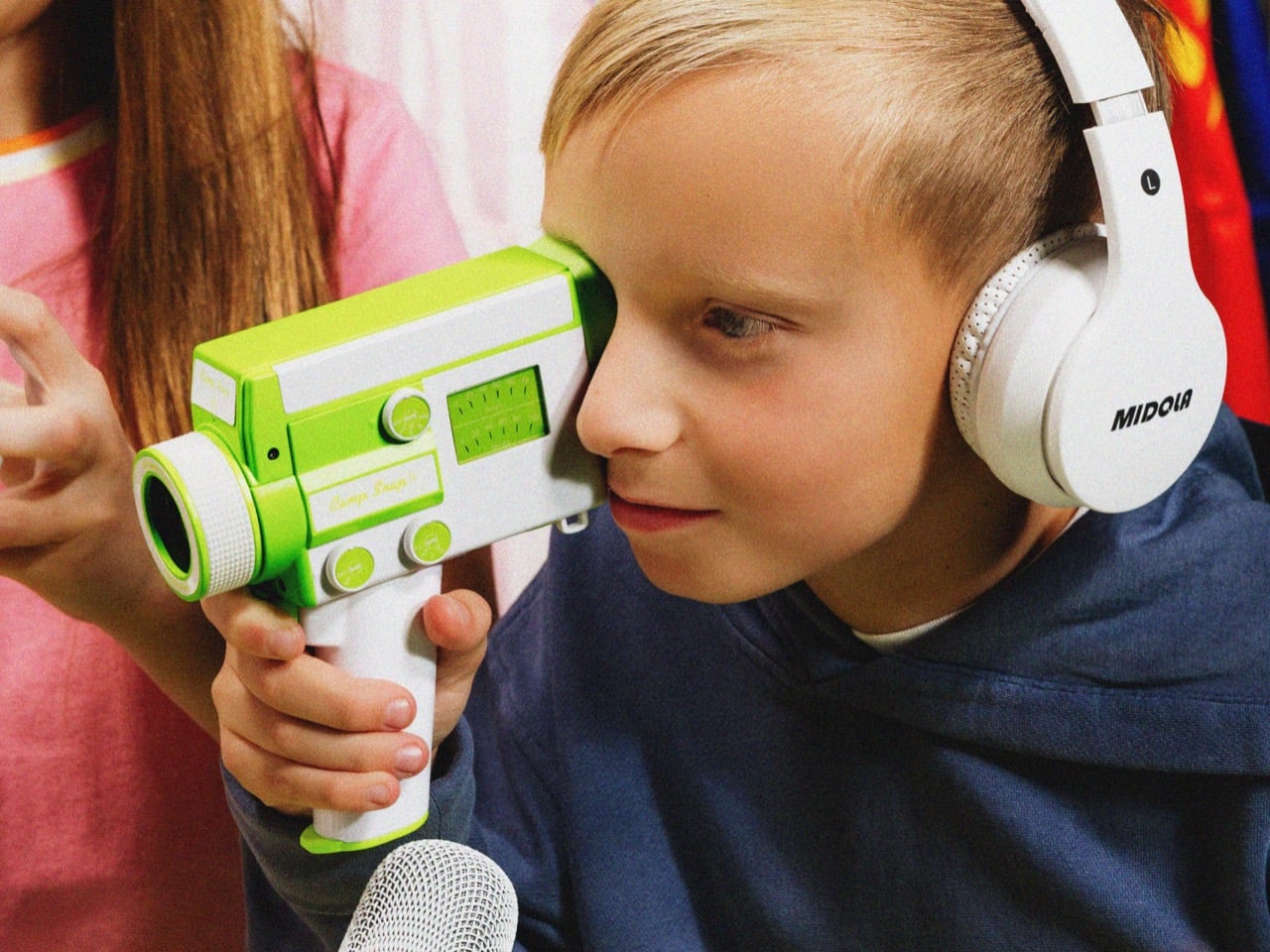
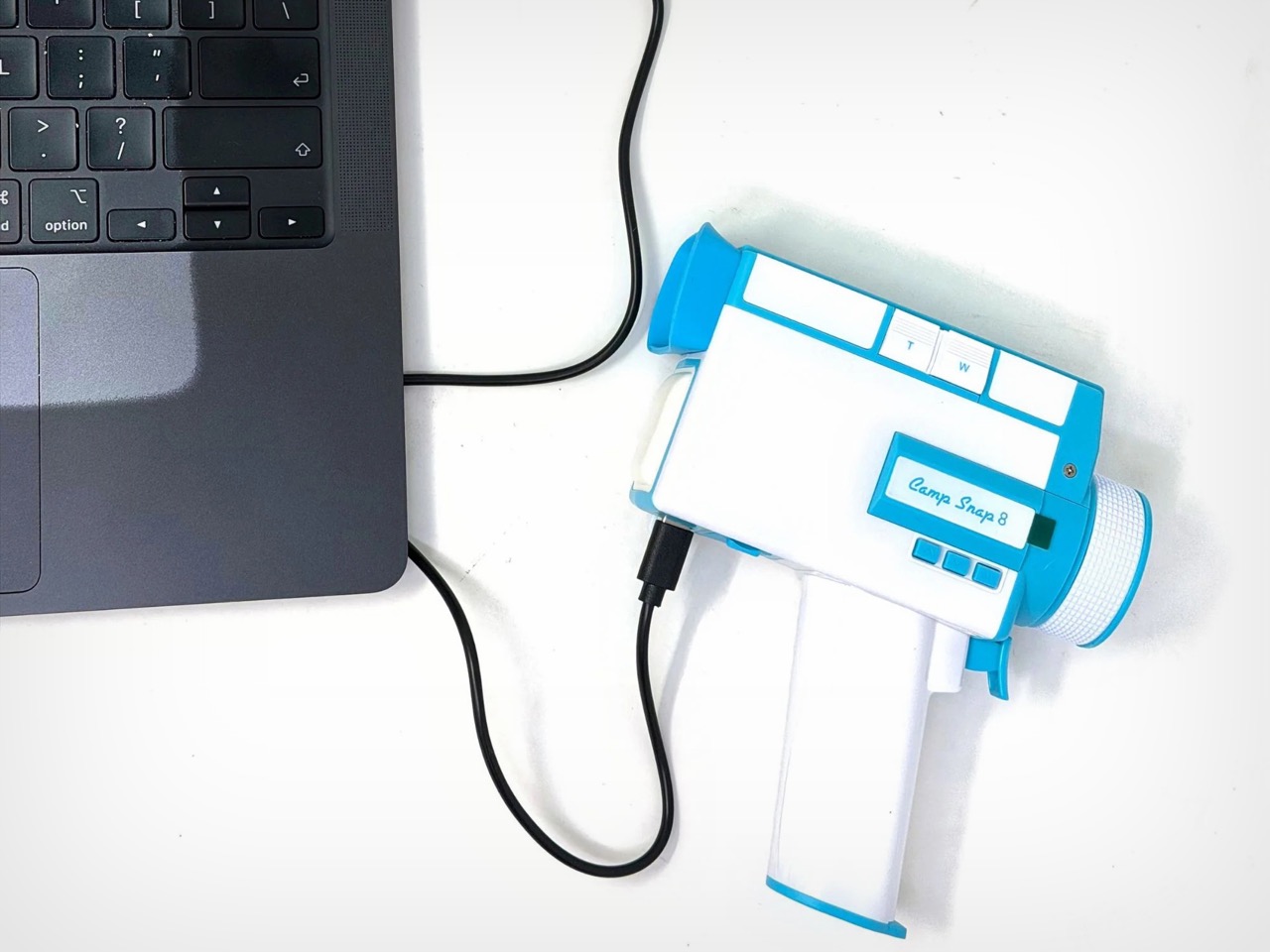
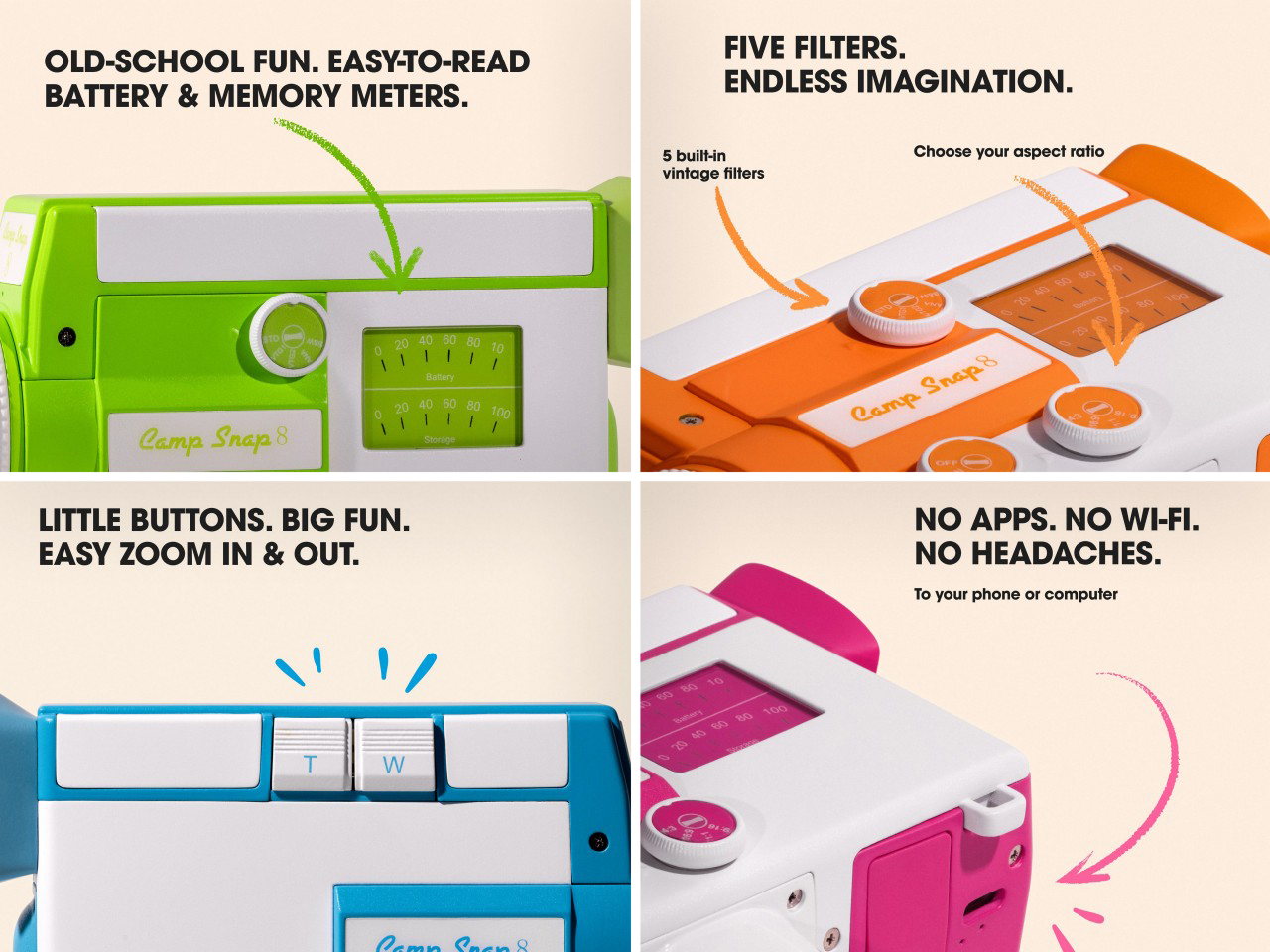
The Mini is a shrunken-down take on Camp Snap’s $199 CS-8, and the brand says it’s less than half the size of the original. It measures about 5.6 inches (14.2cm) wide, small enough for little hands and small enough to look hilarious in mine. It comes in green, orange, pink, and blue, with a white body that looks like it wandered out of a Fisher-Price catalog. There’s no screen, no app, no Wi-Fi, and no way to delete the 47 takes of your kid’s slime tutorial on the spot. Five vintage filters and four aspect ratios live on chunky rotary dials, and footage moves to a phone or laptop over USB-C.

Designer: Camp Snap

A 1970s Super 8, Shrunk Down to First-Grader Scale

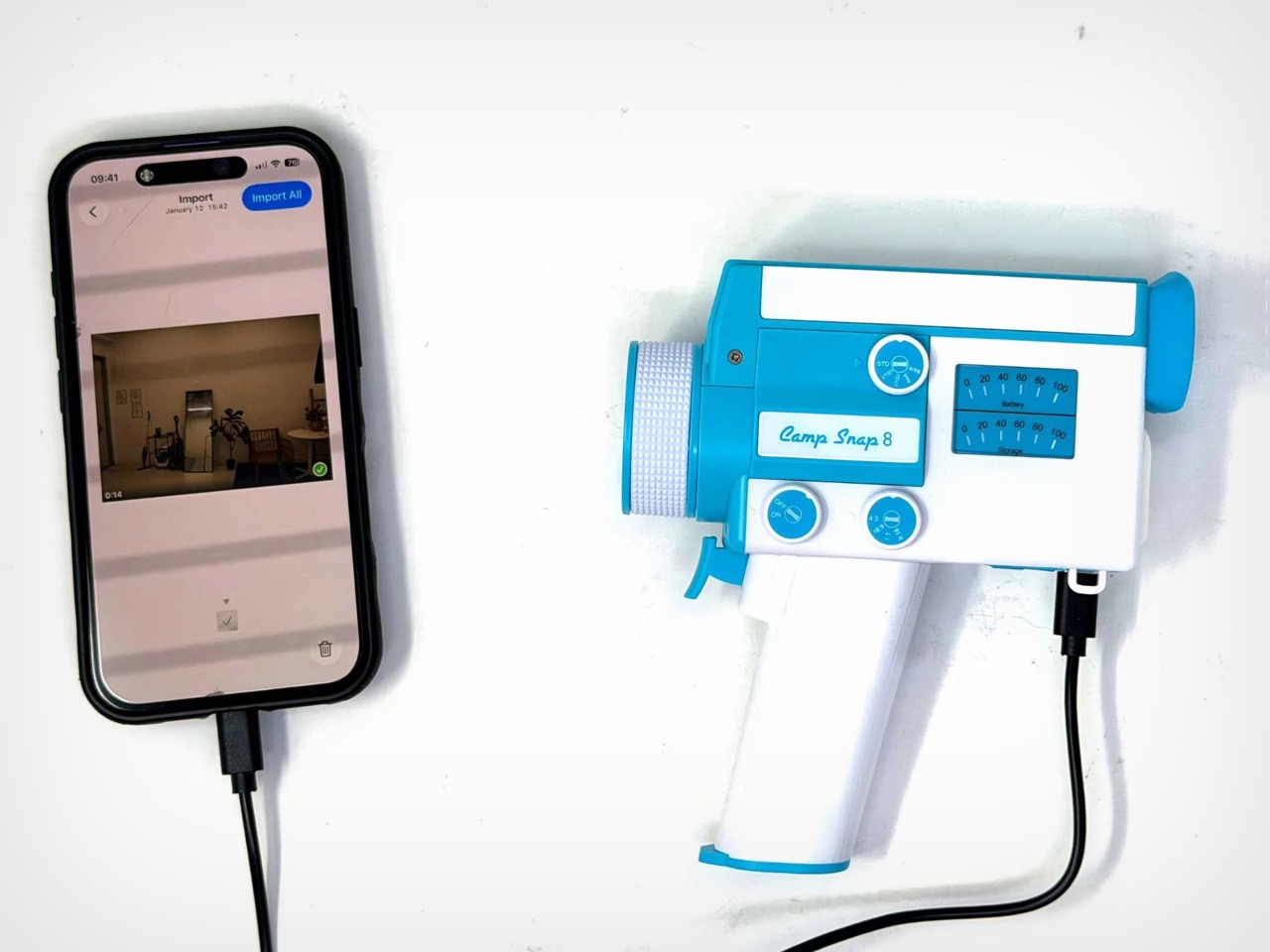
The silhouette is pure 1970s home movie, with a boxy body, a forward-jutting lens wrapped in a knurled ring, and a pistol grip underneath. Camp Snap uses glossy white plastic with color-blocked panels, a script “Camp Snap 8” badge, and a trigger finished in the accent color. The analog needle gauges for battery and storage survived the shrink, redesigned to fit the smaller side panel. Zoom moves to a pair of oversized T and W keys on top, sized for small fingers. The rear eyecup is generous for the body size, which makes sense for a viewfinder that will spend its life smushed against tiny cheeks.

The original CS-8 played it straight, with a black-and-silver body that could pass for something pulled from a grandparent’s closet. The Mini borrows its colors from the toy aisle instead, landing somewhere between a classic Fisher-Price toy and a Nintendo accessory. The grown-up CS-8 has since picked up a cold shoe and a mic jack for accessories, while the Mini’s spec sheet sticks to the essentials. Fewer controls and connections mean less for kids to fiddle with, and I suspect every parent reading this just nodded.

One Trigger Pull, One Clip, Zero Screens

Recording works the way Super 8 did, with a squeeze to roll and a release to cut. Every pull saves its own MP4 file, so a kid builds a story one take at a time without touching a menu. One dial cycles through five filters: true-to-life color, a faded ’90s camcorder look, a golden family-film glow, grainy 8mm flicker, and black and white. A second dial sets the aspect ratio to 4:3, 16:9, 1:1, or vertical 9:16. Camp Snap says the included 4GB card holds about 30 minutes, while a 128GB card stretches that to roughly 16 hours. A built-in mic records sound.

Filters get baked in at capture, and nothing can be reviewed or deleted until the camera plugs into a phone or computer, where it mounts like a flash drive. That delay makes reviewing the footage a potential couch session with a parent. The 9:16 option adds a funny tension, and Camp Snap’s own list of 20 suggested shoots leans right into it with Pokémon card openings, unboxings, and mini YouTube vlogs. Screen-free capture feeding a very online output feels like the most 2026 compromise possible. Camp Snap hasn’t published resolution or frame rate figures.

Pixelvision’s Spiritual Successor Costs $149.99

The CS-8 Mini sells for $149.99 directly from Camp Snap, about $49 less than the full-size CS-8 and a rounding error next to Kodak’s $5,495 Super 8 revival. It ships fully charged with the 4GB card and a USB-C cable. Camp Snap lists free shipping and currently estimates that orders will go out in one to two weeks. The company also warns that holiday stock is very limited. A matching $19.99 carrying case and a $4.99 lanyard are available for parents who know how often things get dropped. All four colorways cost the same.

Kodak introduced Super 8 in 1965 to make home movies easy enough for anyone. The PXL-2000 found its real audience years after its release, when filmmakers fell for the exact flaws Fisher-Price had tried to sell to kids. I’d put money on the CS-8 Mini having a similar second life, except this time the grownups won’t wait for it to be discontinued. The two-tone toy styling, the needle gauges, and the trigger grip are just as appealing to a 35-year-old with a film-camera habit as they are to a first grader.

The post Camp Snap’s screen-free camcorder for kids records without Wi-Fi, and has a ‘TikTok’ setting first appeared on Yanko Design.
Who needs an hour hand when your watch has satellites?

Wandering hours watches have a bit of a wealth gap. On one end, you’ve got Audemars Piguet’s Starwheel and pretty much everything Urwerk makes, priced like a down payment on a house. On the other sit playful budget takes that let you test-drive the idea. The DWISS S1 lands between them, a Swiss Made automatic at $2,730 that won a 2026 European Product Design Award. It comes from Rafael Simoes Miranda, who has spent 15 years building DWISS around one stubborn idea: there’s always another way to show the time.

This is DWISS’s third take on the complication, after the two-disc RW1 in 2020 and the three-disc M3W a year later. Miranda’s brief came from the night sky, with the hours meant to travel across the dial the way the Moon circles the Earth. That orbit shaped everything from the disc layout to a new cushion case. The movement changes too, switching from the Sellita in the M3W to a modified La Joux-Perret G100 Soigné. Each launch color is limited to 50 pieces, and DWISS never reissues a design.

Designer: Rafael Simoes Miranda

Two Discs, Twelve Hours, Zero Hour Hands

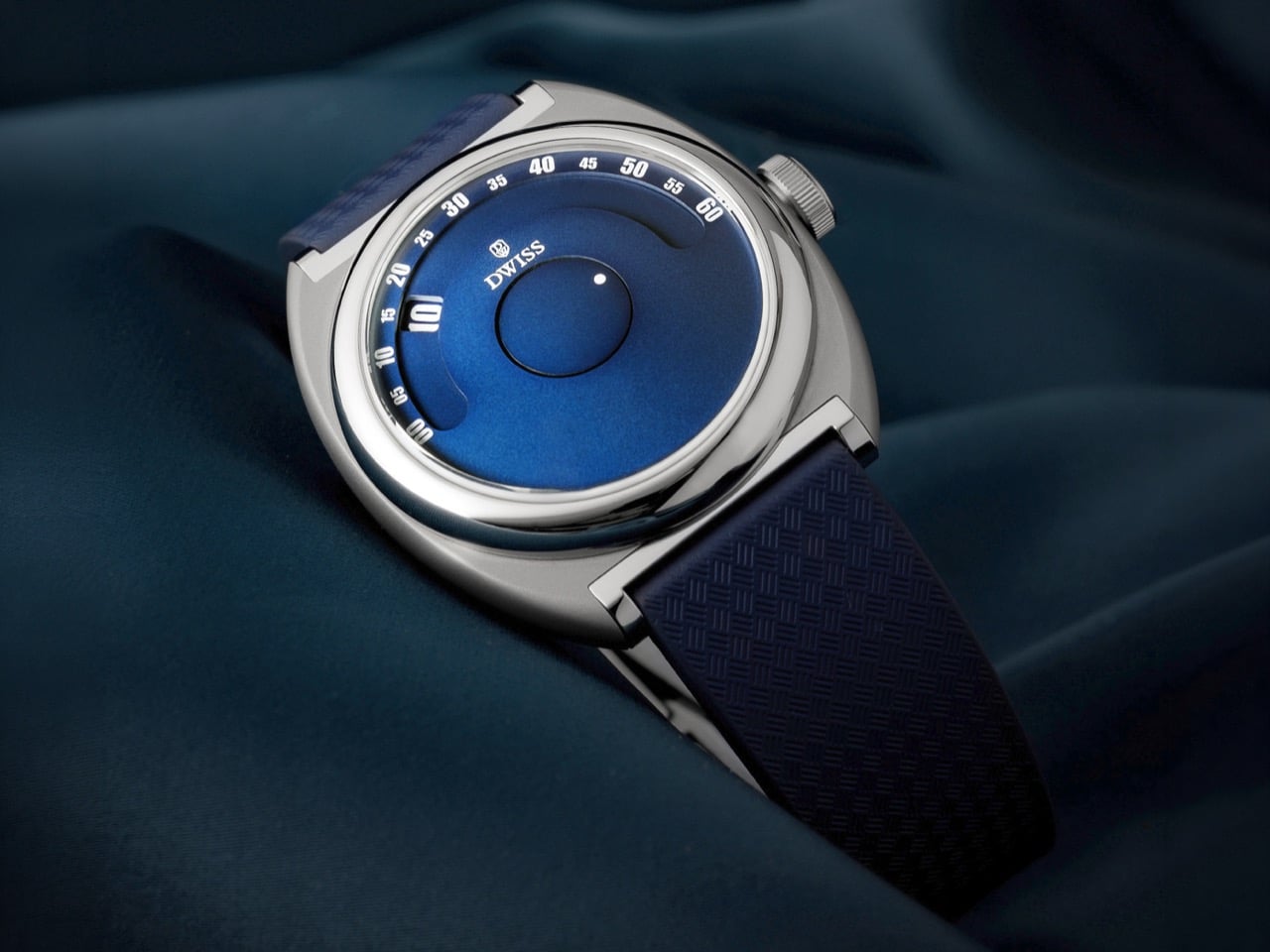
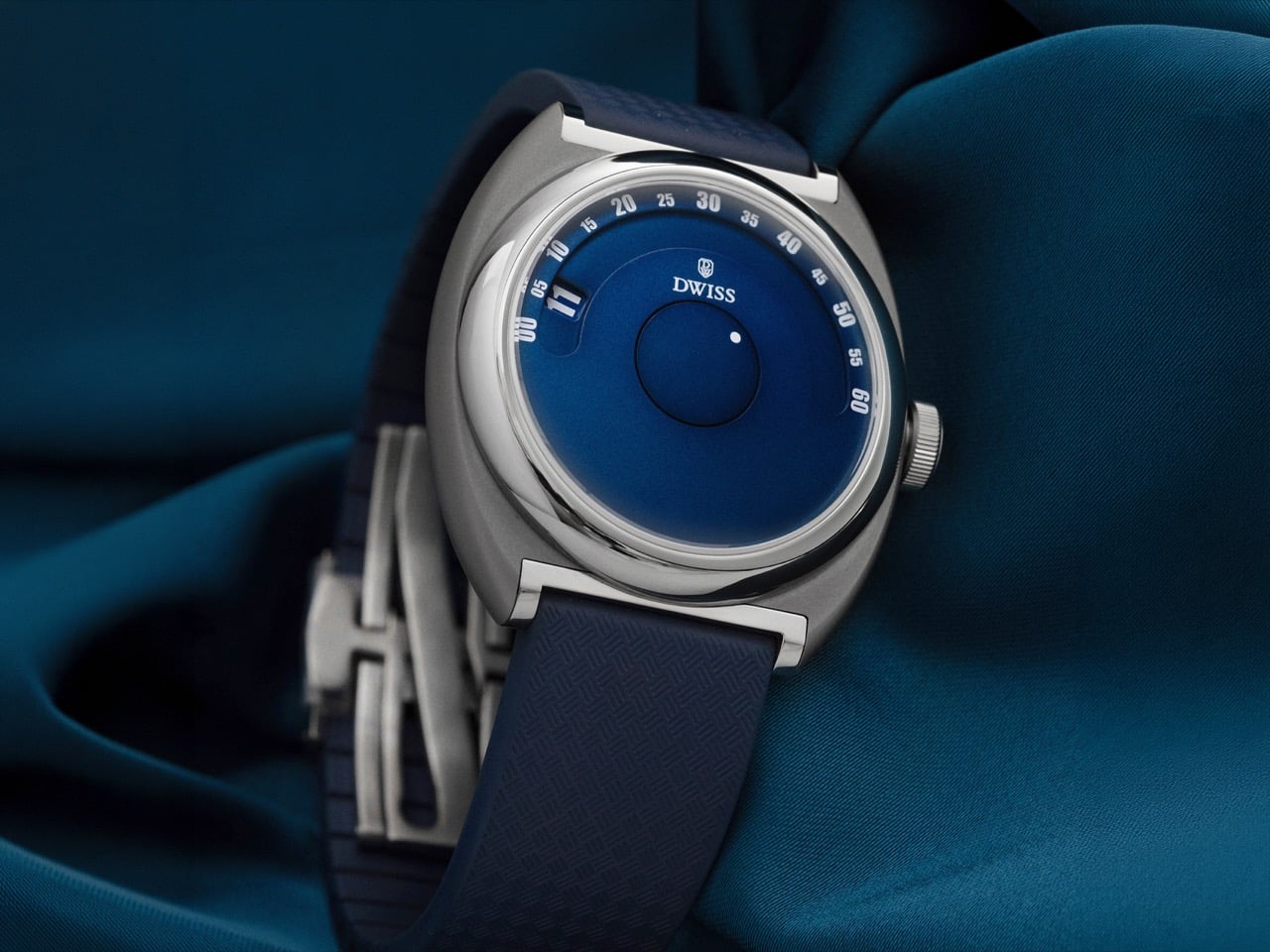
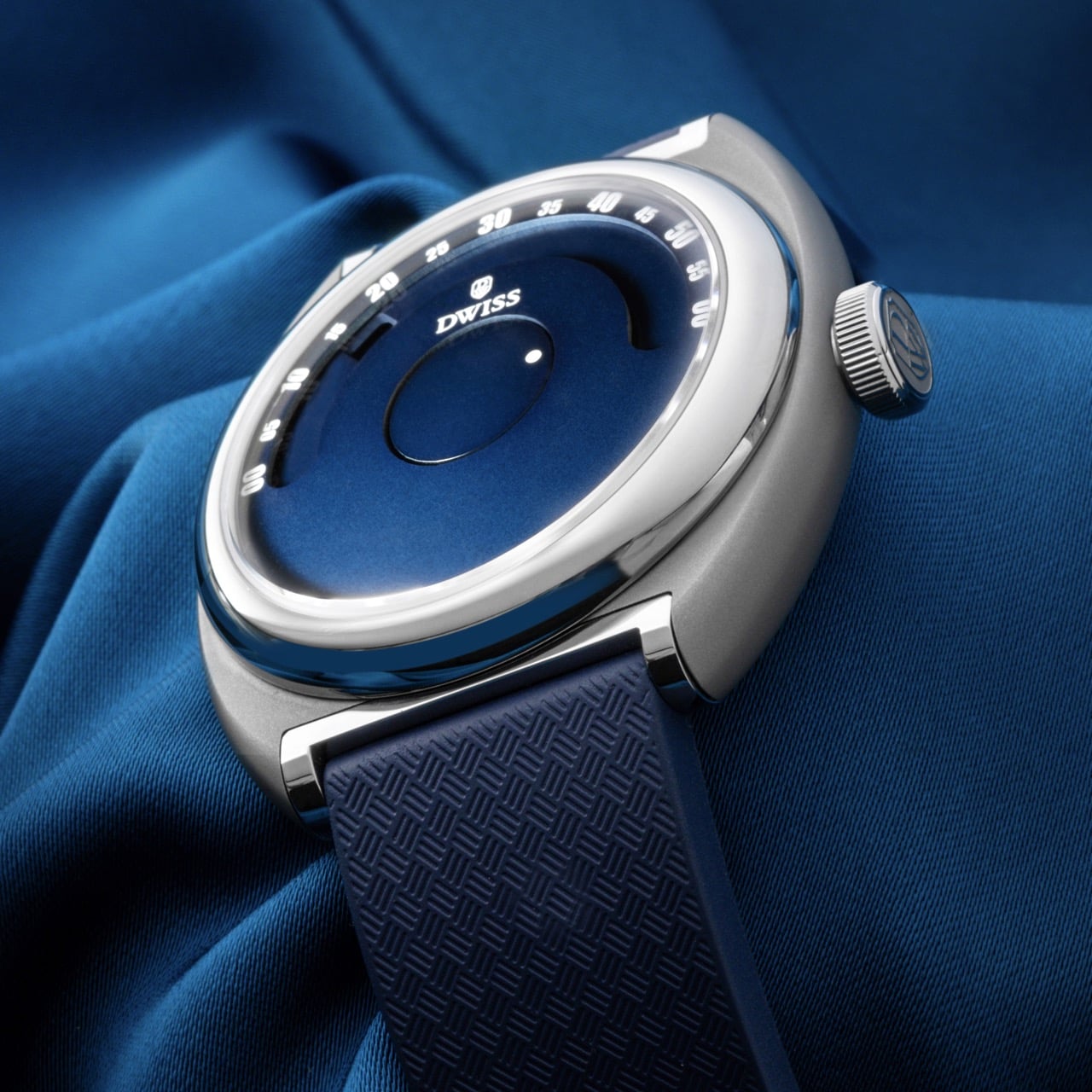
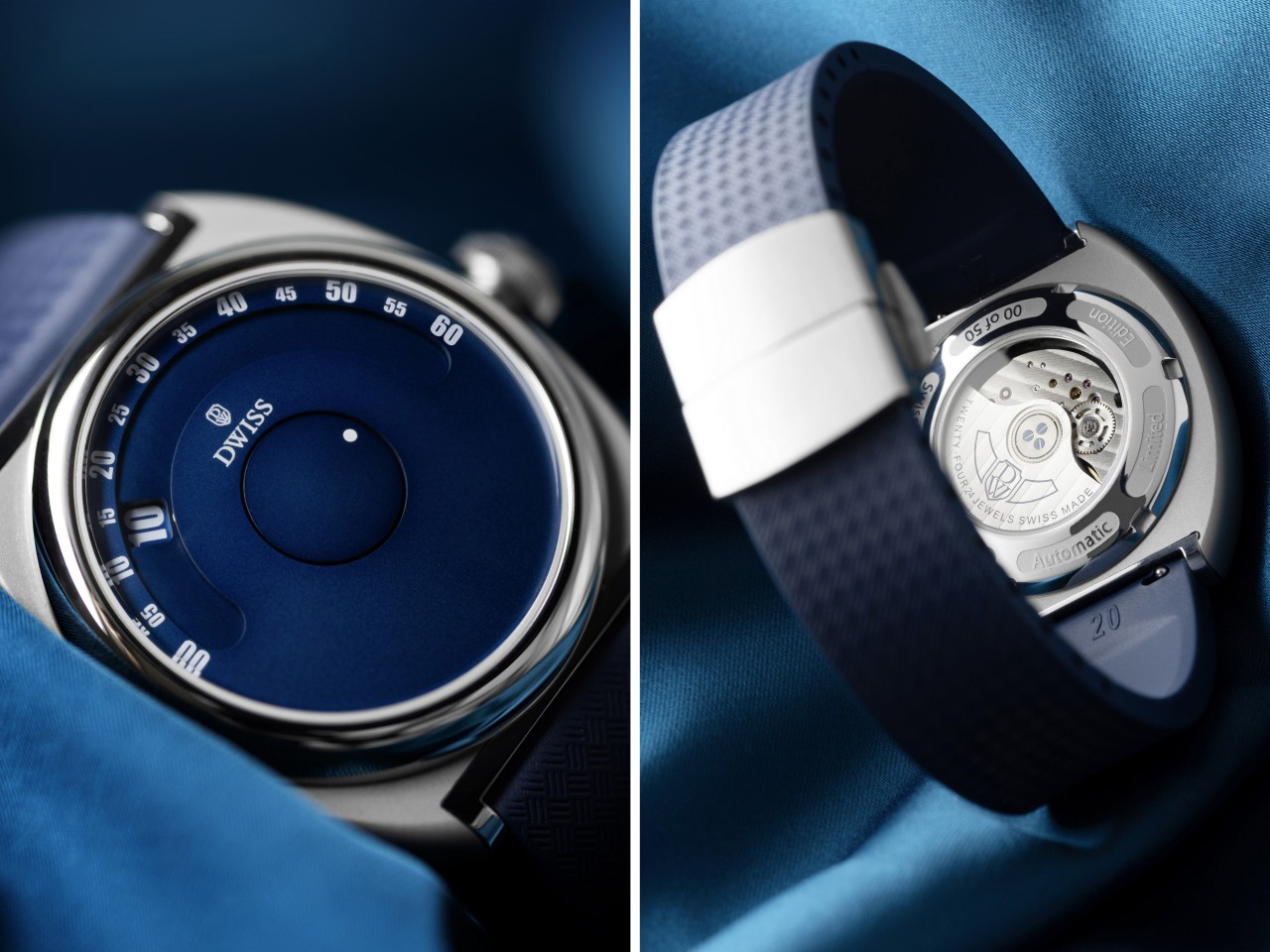
A minute scale running from 00 to 60 sweeps across the top half of the S1’s dial, and the current hour rides along it in a small window. The numeral’s position on the scale gives you the minutes, so a “10” hovering over the 15 means 10:15. Two satellite discs share hour duty, one carrying the odd numerals and the other the even ones. A central carrier turns once every two hours, presenting each numeral in turn and hiding the rest beneath the dial. Seconds get their own disc at the center, with a single white dot as the marker.

Using two discs trims the classic recipe. When Audemars Piguet revived wandering hours in 1991 with the Starwheel, it used three discs carrying four numerals apiece, a layout many brands have followed since. The idea itself goes back to 1656, when the Campani brothers built a silent, lamp-lit night clock for Pope Alexander VII, who couldn’t sleep through the ticking of a regular one. DWISS pares back that triple-satellite arrangement to keep the focus on the numeral crossing the minute scale. Give yourself a day to learn to read it, and maybe a week to stop showing it to everyone at dinner.

A Cushion Case Built Around an Orbit

Miranda says the complication shaped the case. The hour display needs horizontal room to travel, so the S1 uses a cushion shape that widens the dial, with rounded corners softening its outline. It measures 1.57 inches (40mm) across, 1.73 inches (44mm) lug-to-lug, and 0.54 inches (13.8mm) thick, with 330 feet (100m) of water resistance. A double-domed sapphire crystal with anti-reflective coating bulges over the dial like a lens. DWISS also designed the central seconds disc to echo the case’s geometry.

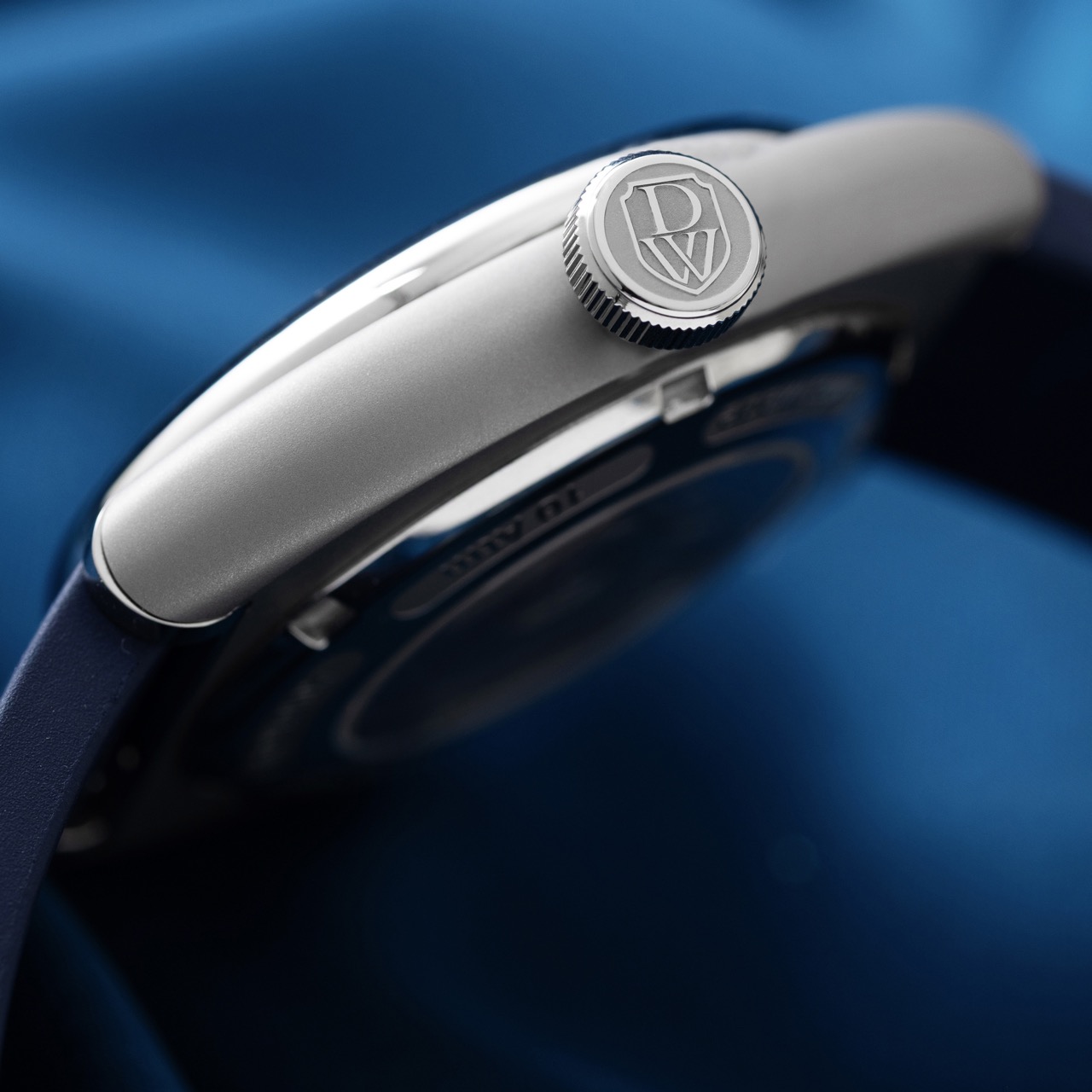
Texture does more work than shine here, with a sandblasted main body, brushed lugs, and a high-polish bezel. Flip it over and an exhibition caseback reveals the movement, with the edition number out of 50 printed on the back. The crown carries an engraved DWISS shield, a small touch you’ll mostly notice while setting the time. Each S1 ships on a cut-to-size FKM rubber strap with a steel butterfly clasp, in a shade matched to the dial. FKM is a fluoroelastomer valued for its resistance to sweat and skin oils.

Where $2,730 Lands in the Wandering Hours World

Inside sits a La Joux-Perret G100 Soigné, modified by DWISS to drive the wandering hours module. La Joux-Perret has been owned by Citizen since 2012, and the G100 was developed as a modern alternative to the ETA 2824 that has powered a huge share of Swiss automatics for decades. The big gain is power reserve, with 68 hours versus roughly 38 to 42 from a 2824 or Sellita SW200. Take it off Friday night and it’ll still be running Monday morning. The Soigné grade adds Geneva stripes, perlage, and blued screws, all visible through the caseback.

The S1 sells for $2,730 (CHF 2,200) in blue, green, salmon, and black, plus two 15th-anniversary editions in silver and orange at CHF 2,300, roughly $2,840. Every color is capped at 50 pieces, 300 in total, sold through DWISS’s website with free worldwide shipping. That slots it between the Xeric Scrambler at $1,199 and Gorilla’s Vaucher-powered Outlaw Drift at $3,950. The European Product Design Award recognized the S1 as a finished production watch in its luxury watches category.

The post Who needs an hour hand when your watch has satellites? first appeared on Yanko Design.