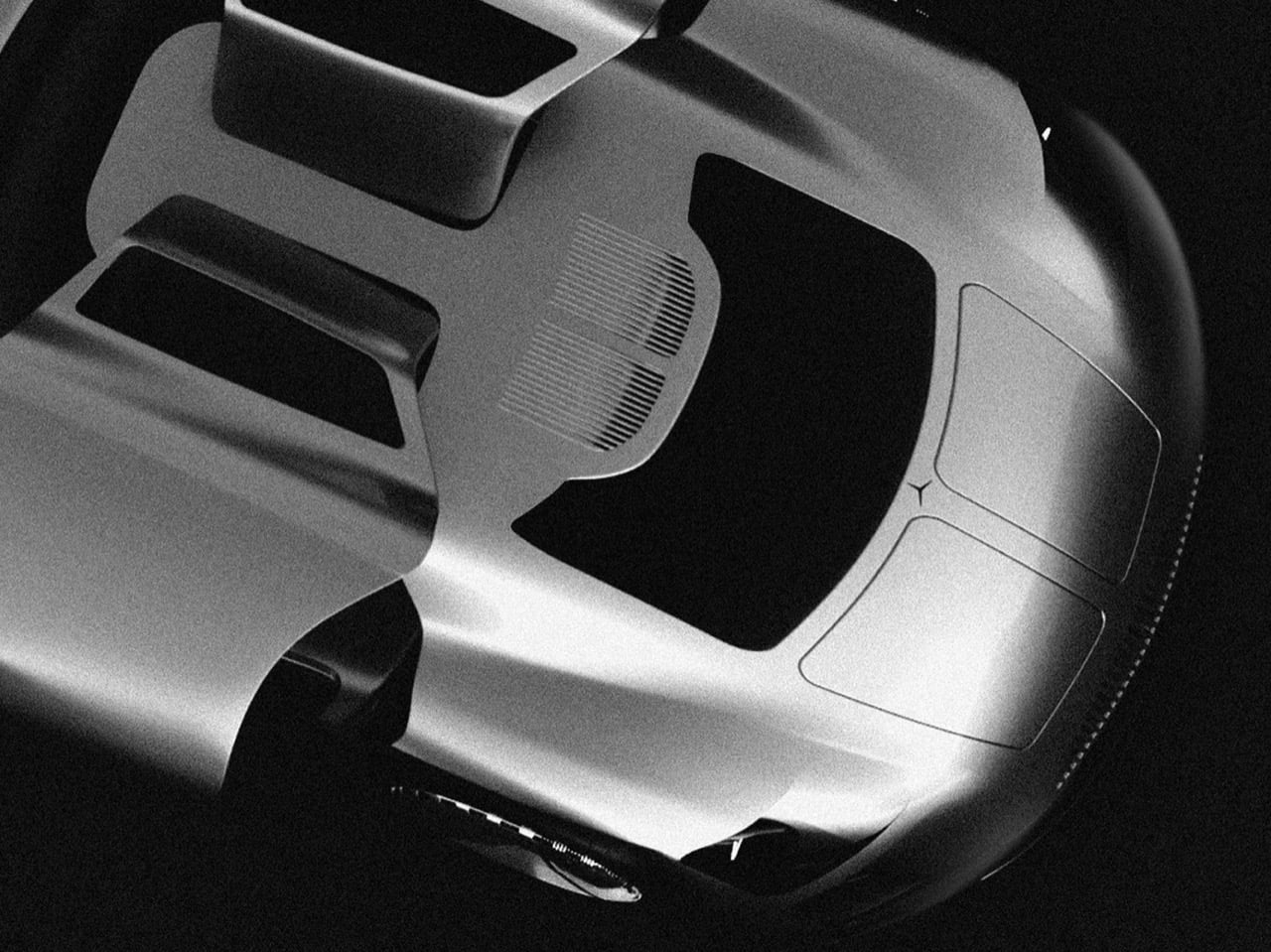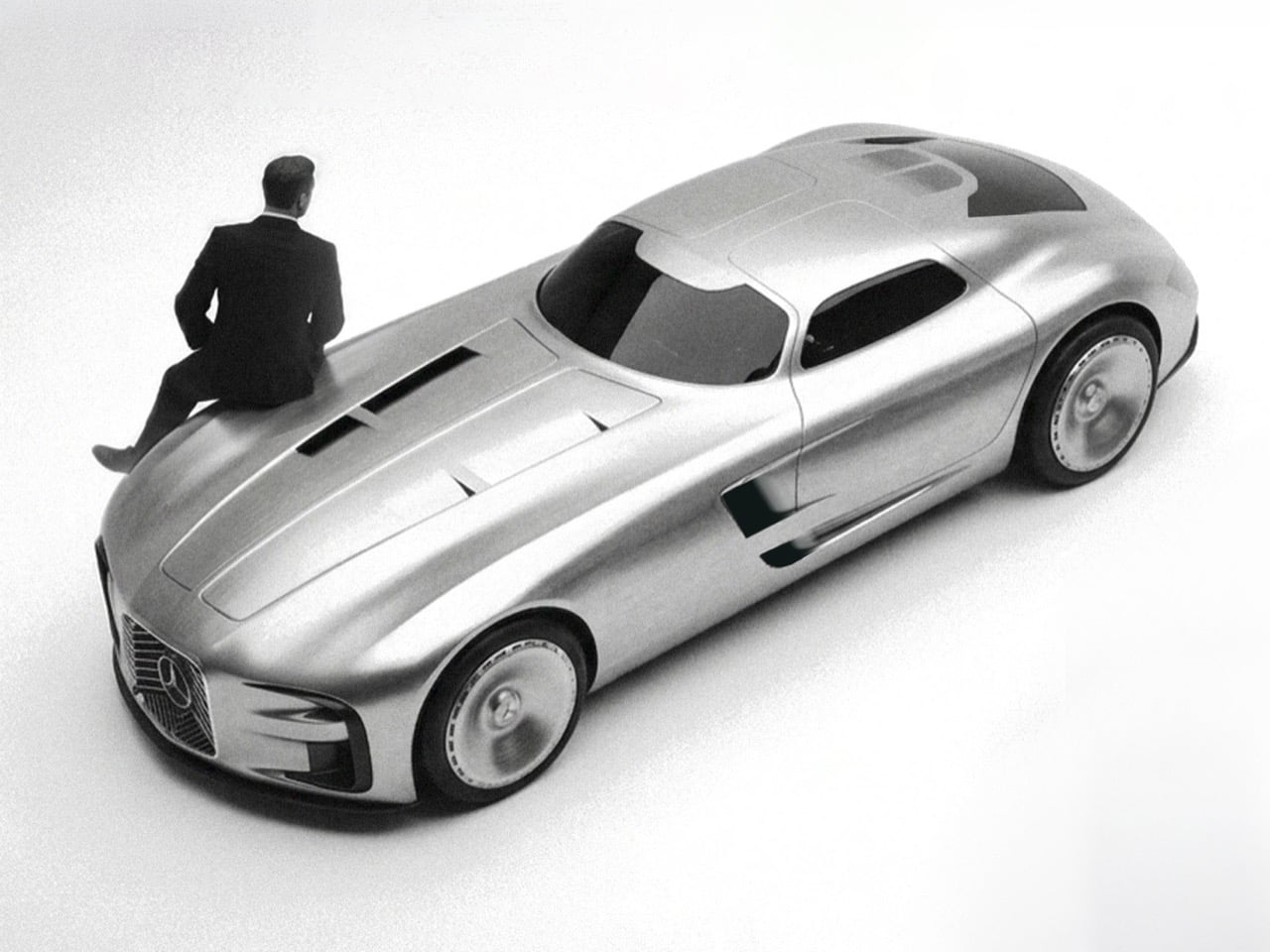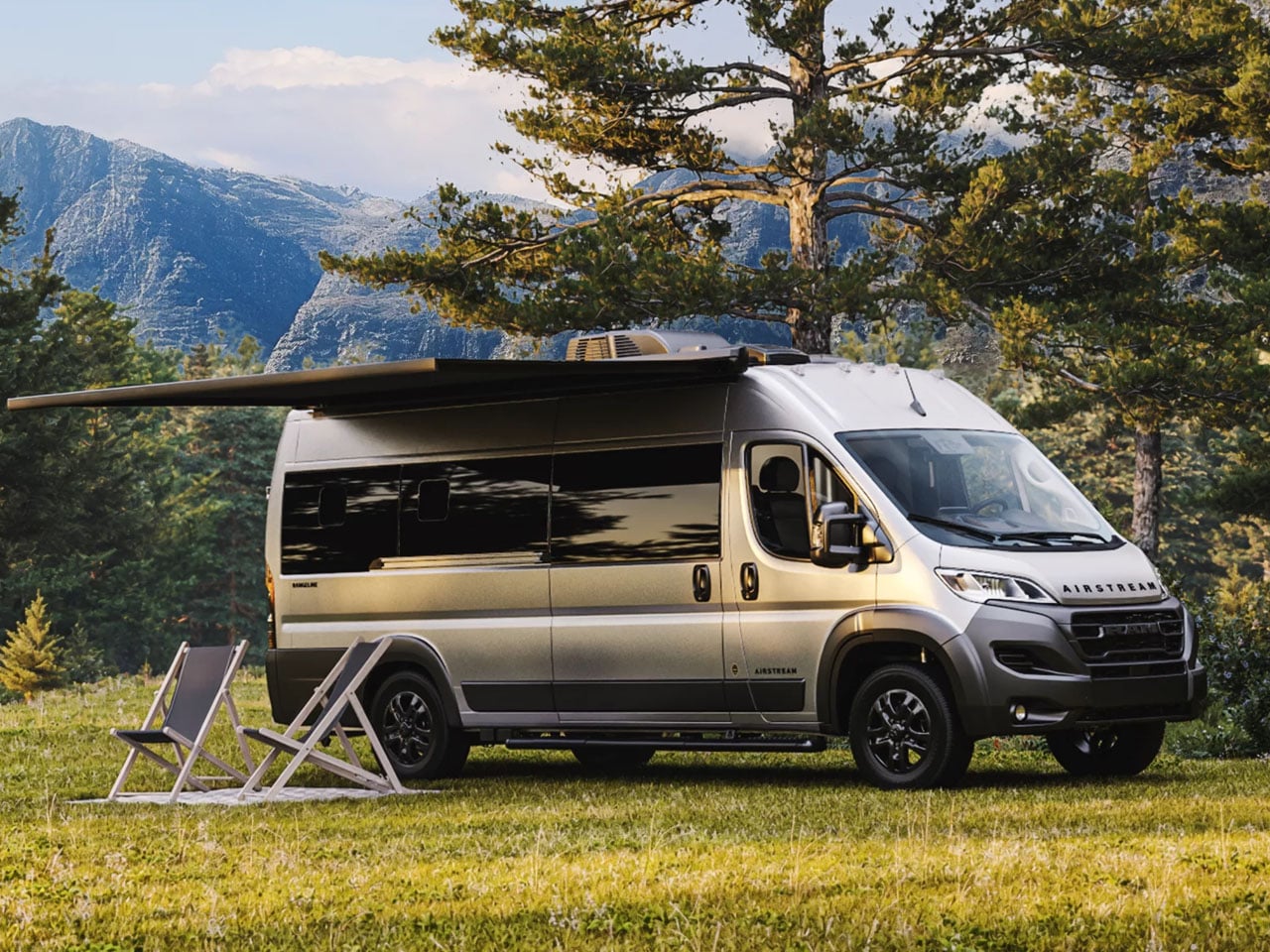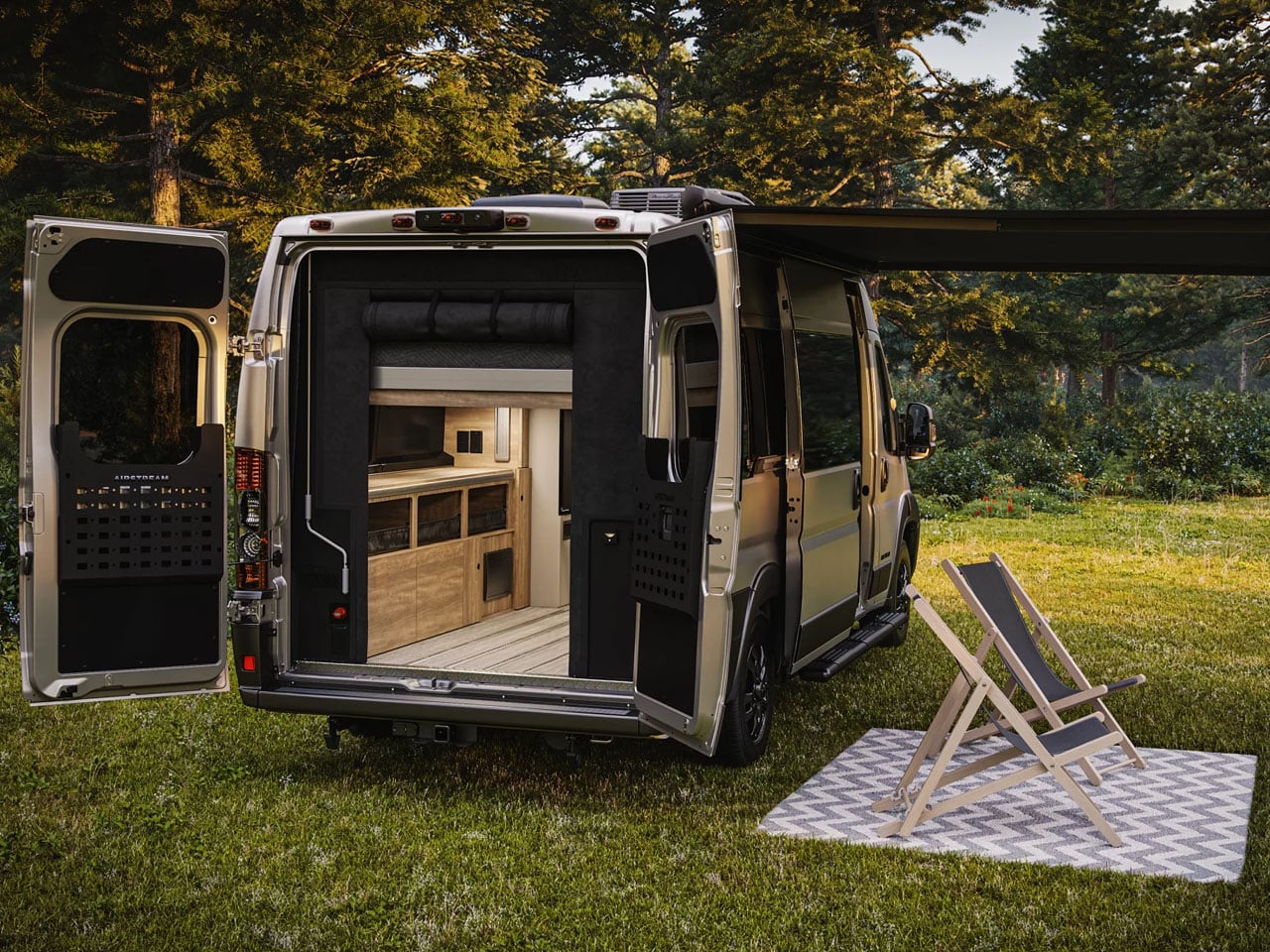
Batmobile of the future readies for autonomous racing on the streets

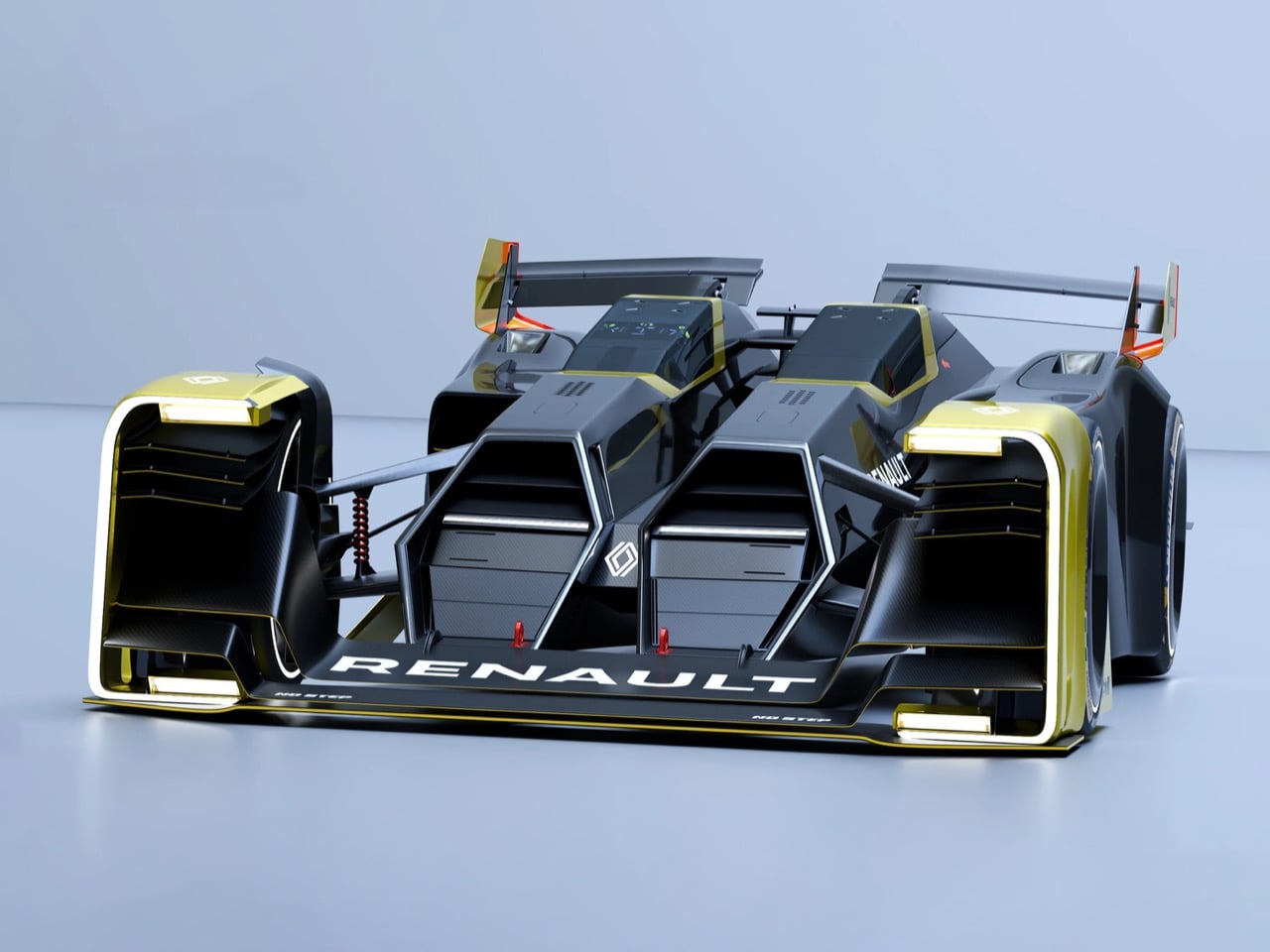
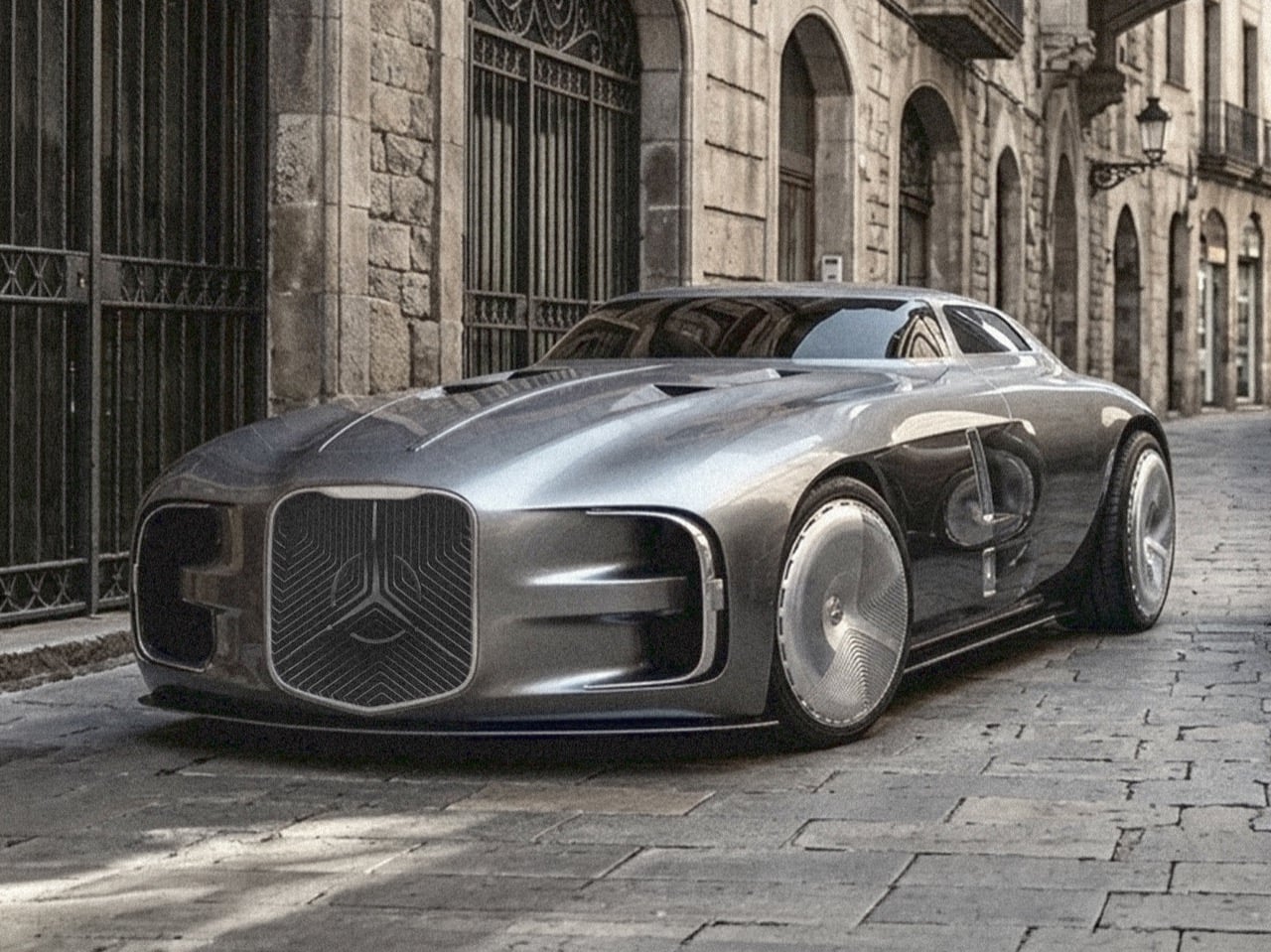
Having seen countless Batmobile designs all these years – whether concept or real ones – the buck stops at how intimidating the build is. The ride should have an Alpha presence when parked alongside other cars, no matter whether they are supercars, SUVs, or monster trucks.

If it’s a Batmobile it should be draped in dark hues of black, although matte is preferred to continue the dark theme. This car is designed for racing given its low riding position, almost glued to the tarmac just like a Formula racer.

Designer: Fabien Guilloux

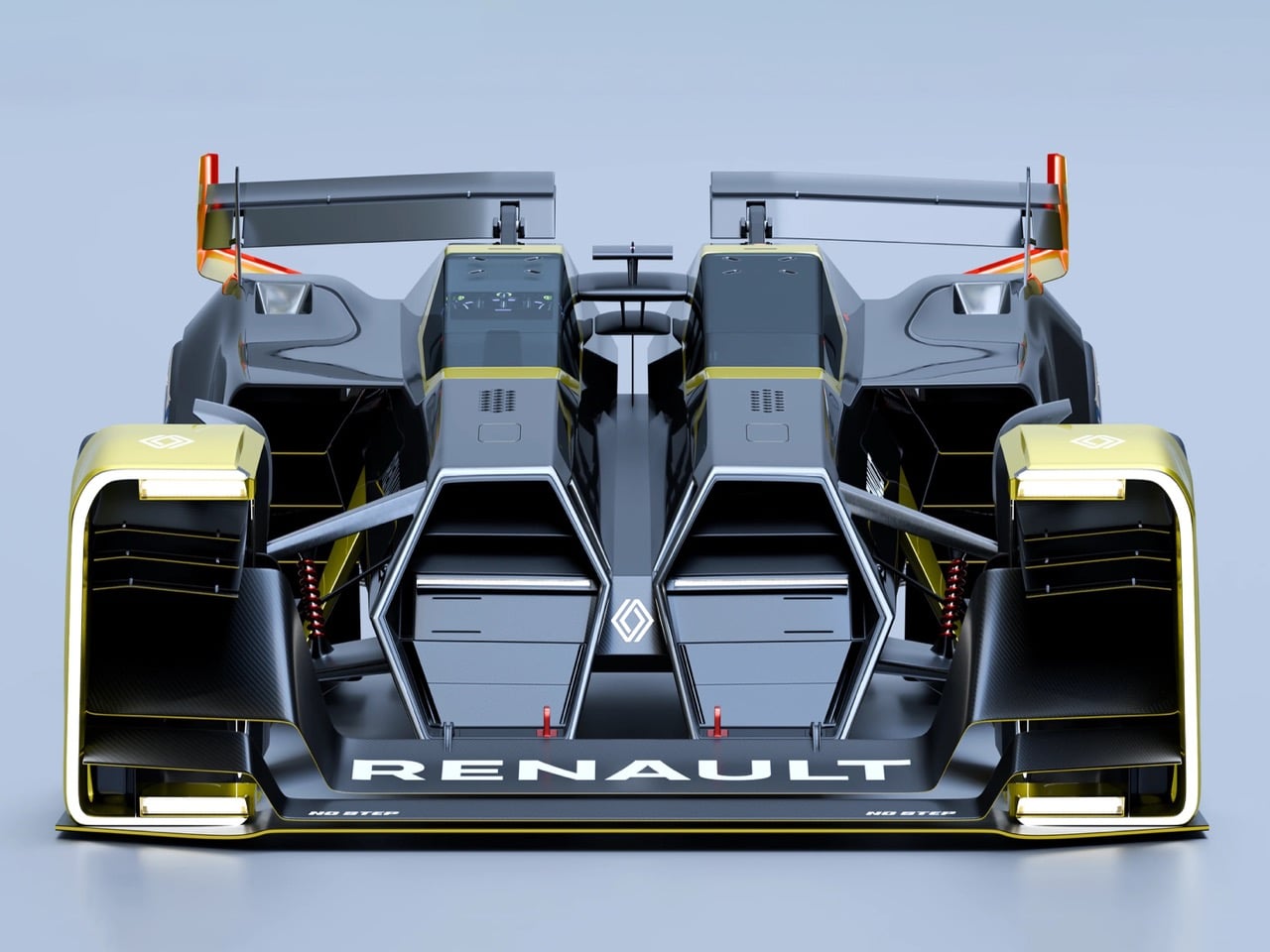
RobotRacer BBA is a racing vehicle that has Brutal, Black and Autonomous in its DNA. Being a modern take on Batmobile this concept has raw mechanical appeal with the exposed components. Those big front and rear axles, suspension and air intakes take me back to the early 2000s when F1 racing cars had a similar exterior. The dark theme overpowers the sleek lines and curves of the car, however, it does give off a very cool racing vibe. Having a second look at the hover cam view, it looks like a love child of a stealth aircraft and an F1 racer.

The all-wheel drive vehicle has an electric powertrain ready to deliver all the torque to the front and rear wheels. Being completely autonomous gives the designer complete freedom to make it ultra-aerodynamic with the least possible drag coefficient. The side air intake pods are quite large but for electric transmission, they serve no purpose, just for aesthetics they are good. Those wheel rims are draped in matte black color to carry the theme. The only things that cannot have the dark hue are the movable metal components.

This concept design hit me as a futuristic Batmobile right from the time I first laid my eyes on it. However, being autonomous means Batman will never ride it given there’s no seating space on the inside. Crime fighting will be this car’s sole objective though on a lighter note.

The post Batmobile of the future readies for autonomous racing on the streets first appeared on Yanko Design.
Porsche-edition La Marzocco Linea Micra espresso machine exhibits 911 Carrera graphics and specifics

Not all coffee machines look the same. Certainly not the ones that have Porsche’s name on them. Arguably, any espresso maker would pass as a hot seller with Porsche branding, but if it’s a La Marzocco – the biggest name in premium Italian coffee makers – you’ve got yourself a dream machine to shell that cash for.

The Linea Micra espresso machine, in this case, is made in collaboration by La Marzocco and Porsche. It exudes Italian craftsmanship from the ground up, and is embellished with automaker’s design aesthetics that most fans would recognize from the 911 Carrera’s details. No wonder then, a limited-edition color variant of this machine sold out in less than a day of its announcement.

Designer: Porsche

Owing to its design influence from the Porsche 911 Carrera RSR, Linea Micra Italian coffee machine has been crafted in two exclusive color options. Both are special-edition and are limited to the magical 911 number. The machine in both original Porsche color Slate Grey Neo or – now sold out – Martini Racing design (a tribute to Porsche and Martini Racing’s partnership), features the noticeable iconic blue and red livery from the inspiration sports car.

Besides the iconic Porsche stripes and the subtle dos of the automaker’s ingenuity, the coffee machine thrives with La Marzocco’s unwavering quality. The Linea Micra is based between the company’s Linea Classic – a barista-level brewer – and the Linea Mini – a countertop genius. It is the same dual-boiler version of the Classic, in a smaller size, emitting luxury and elegance with the dual branding. The use of two stainless steel boilers means brewing temperature and steam pressure can be controlled separately.

The machine touts quick heat-up time and easy operation to provide automotive coffee enthusiasts with perfect espresso every time in only a few steps. The Linea Micra is paired with a multi-purpose portafilter that allows switching between single-spout, double-spout, and bottomless spout setups at will. The easy-to-fill two-litre water tank and integrated steam wand for frothing the milk have a single-point Porsche touch. The handles for hot water and steam are inspired by Porsche drive mode, while the pressure gauge on the coffee maker reminds of the racecar’s speedometer.

A fan collectible, this Porsche-edition La Marzocco Linea Micra espresso machine is available through Porsche online shop and in Porsche Design stores now. Priced either $6,555 or $6,949, based on the color option (the latter unavailable), the coffee maker also has a magnetic drip tray and cup warmer that take design cues from the Porsche 911 GT3.

The post Porsche-edition La Marzocco Linea Micra espresso machine exhibits 911 Carrera graphics and specifics first appeared on Yanko Design.

Remember Hoverboards? They’re now Hubless, Single-wheeled, and Modular thanks to this Wild Concept

When people say the future of transport is electric, I think there’s a fundamental problem with their vision. Electric cars aren’t the future of mobility, electric transport is. We ditched the internal combustion engine and moved to a simple battery, motor, and wheels setup… so why are we still sticking to cars? They’re expensive, and they’re kind of a waste of space if you’re traveling alone in a 4-seater. The NAO.WHEEL challenges the notion of EVs being the future by presenting something a little more sophisticated. Designed as a monowheel that can be used solo or even joined together as modules, the NAO.WHEEL opens up a possible future where transport isn’t space-consuming. The NAO.WHEEL stands at under 2 feet tall, and just a few inches thick. Step on it, and it uses a gyroscope to balance as it transports you from A to B. Want to travel farther/safer? Two NAO.WHEELs snap together either side by side like a hoverboard, or front and back like an e-scooter, with a platform in the middle for you to stand on, allowing you to intuitively get to places without needing a massive car… and without needing to parallel park ever again.

Designer: Nao.design

The folks at Nao.design like to call the NAO.WHEEL “micro-mobility, macro convenience”. When asked about the Model T, Henry Ford famously said that if he asked people what they wanted, they would have asked for ‘faster horses’, because imagining a car in a horse-driven world wasn’t something regular people could do. The NAO.WHEEL is the exact same thing, but for cars. It challenges the notion that you need a car or motorcycle to get from A to B. You just need wheels that move, and a platform that moves you – something that the NAO.WHEEL condenses to its simplest form.

Sort of like earbuds, the NAO.WHEEL comes in a pair (left and right) but can be used individually. Singularly, the individual wheel has two pedals to stand on, but some may find the monowheel setup a little daunting. This is where the second wheel comes in. The second wheel either snaps to the first, creating a double-wheel that’s a little more stable, offers higher power, better turning, and twice the battery… or snapped to a module along with the first, creating a hoverboard or a scooter (as is visible above).

The NAO.WHEEL’s design is markedly different from your average hoverboard, earning it the Red Dot Award for Design Concept. The wheel is entirely hubless, creating a hollow center that really wows you when you look at it. The wheel has batteries built into its inner rim, using multiple cells arrayed in a circle. This helps with weight distribution, while a built-in gyroscope allows the wheel to stand upright while in use without having the dubious balance of a unicycle. Mount the NAO.WHEEL and it’s about as comfortable as a Segway or Hoverboard. There’s a minimal learning curve, and using the vehicle depends entirely on how you lean, allowing you to easily travel on wheels as if you’re cycling or running. And if you plan on traveling at night, don’t worry – the NAO.WHEEL comes equipped with both a headlight as well as a taillight to keep you aware and visible in the dark.

The post Remember Hoverboards? They’re now Hubless, Single-wheeled, and Modular thanks to this Wild Concept first appeared on Yanko Design.
Autonomous Driverless Scooter Offers a Smart Ride Through City Streets

Increasing traffic in cities has led to a market for personal commuters that are becoming more interesting with every new development. On the same lines, industrial design house OfMyImagination (OMI) has reimagined what a city commuter of the future will be like.

Meet Hop, a multi-person scooter platform designed to offer an alternative to urban transportation. A two-person scooter is the norm but a scooter that can haul four people at a time is rare. It’s unique since this autonomous concept vehicle proposes to transport up to four people easily in a footprint similar to a two-wheeler.

Designer: OfMyImagination

The idea is to use the space efficiently as commuters stand inside the open design of the scooter. This is similar to standing in buses and metro that are overcrowded. Given the small footprint of the OMI’s vehicle, it can easily navigate tight spaces, just like a normal scooter. The last-mile travel solution wants to take center stage connecting train stations and transport hubs for a smoother travel experience. This makes complete sense during peak hour traffic, where getting to the destinations in time is of utmost importance.

To make transportation within the city as streamlined as possible, OMI imagines the Hop scooter to be level 5 autonomy enabled. It will travel along pre-determined routes, just like bicycle lanes in a city for minimum congestion. As the namesake makes it clear, the compact vehicle will allow people to hop on and off easily. The ultimate target of this network would be to reduce the number of vehicles on the road, especially four-wheelers. Using the accompanying app users can book the ride and also check the routes their Hop will cover. There will be an option to book the ride in private or for a group.

To keep things cost-effective without compromising user safety, the tubular frame creates a robust structure for the vehicle. These tubular bars will double as a holding option for the users. The interiors are kept minimal featuring two baskets for keeping bags and a perch bench just in case someone needs to relax for a few minutes. Given the Hop will be completely driverless, there will be space for luggage as well. According to the budding design studio, Hop will be a complete user-focused vehicle tailored for intercity travel.

The post Autonomous Driverless Scooter Offers a Smart Ride Through City Streets first appeared on Yanko Design.
Ferrari F80 V6-powered Hybrid is Italian marque’s fastest ever road car inspired by F1 and aerospace industry

Ferrari has some really fast road cars like the 288 GTO, Enzo, and LaFerrari that reflect the marque’s affinity towards innovation, exclusivity and performance. Now, the new age F80 joins the ranks with a 3.0-liter twin-turbo 120-degree V-6 engine, complemented by three electric motors. Yes, it’s a hybrid supercar and one of the most powerful the Italian automotive giant has ever produced.

The road-legal car can produce 1,184 horsepower – churning out 888 hp (at max) from the V6 engine, adding 140 hp each from the two front motors, and 80 hp with the rear electric motor. The latter makes use of regenerative braking for another trickle of speed boost when needed. This e-4WD system completely engineered and designed in Maranello is similar to the SF90 Stradale since the rear motor lends torque fill for the V6. So, don’t count out this scarlet monster when it comes to drag racing culture!

Designer: Ferrari

At the Ferrari’s Fiorano test track, the F80 managed to slice out a couple of seconds from the SF90’s best time around the lap. The official top speed clocked at 217 mph and acceleration of 0-60 mph in a mere 2.15 seconds. The car has a dry weight of 3,362 pounds courtesy of the carbon fiber central monocoque structure and some 3D printed parts including the upper wishbone. The composite material approach extends with the use of aluminum and titanium for parts such as subframes and screws. According to chief product development officer Gianmaria Fulgenzi, “F80 gives you butterflies in the stomach when you drive the car, it’s an incredible experience.” He adds that the car symbolizes the marque’s “Ferrari Forever” philosophy.

There were thoughts of designing it as a single-seater supercar but ultimately it materialized as a two-seater speed demon. The driver’s cell is slightly more prominent than the passenger’s cell, as the former is oriented more towards the center. The F1 inspiration is evident from the yoke-styled steering wheel with tactile button controls. The physical buttons make a comeback on the right and left and spokes – breaking the recent tradition of all digital layouts by Ferrari in recent years.

Ferrari F80 will be limited to just 800 units, and all of them have already been allocated to filthy rich buyers. Of course, you won’t even think of spending $3 million on this hybrid prancing horse unless you have a fat bank account.

The post Ferrari F80 V6-powered Hybrid is Italian marque’s fastest ever road car inspired by F1 and aerospace industry first appeared on Yanko Design.
2025 Ford Bronco Stroppe Edition honors the legacy of Baja legends

Bronco is Ford’s iconic model that’s changed the perception of off-road racing vehicles. Bill Stroppe prepped this performance off-roader for the Baja 1000 and NORRA Mexican 1000. The Bronco modded by Stroppe in 1969 is the only stock 4×4 to claim an outright win to date. Ever since, the automotive giant has built on the success of the Bronco in all its formats, since its first model in 1966. He has had a major influence in the world of motorsports as well as the exciting world of hot rods, NASCAR, Le Mans and Pikes Peak races.

To celebrate the legacy of the Baja Broncos created by the man, Ford has created a modern-day limited edition version that’s aptly named the 2025 Ford Bronco Stroppe Special Edition. Each one of these models will come in a two-door format (like the Wildtrak) with color theme done beautifully in Atlas Blue, Oxford White, and Ford’s special Code Orange paint. This is honed by the Stroppe badging on the front and rear fenders, along with the squared-off wheel arches.

Designer: Ford

The limited edition Bronco Stroppe is a desert racer at its heart with the standard EcoBoost 2.7-liter V-6 engine that churns out 330 horses and 415 pound-feet of torque. All this power on the all-wheel drive goes through the 10-speed automatic transmission. Ford has the G.O.A.T mode in this one for even more power. The hunk rides on 35-inch Goodyear Territory RT tires wrapping the black 17-inch beadlock capable wheels. The setup is aided by the HOSS 3.0 suspension with Fox internal-bypass dampers.

Coming back to the exteriors, the Bronco has a white grille with “BRONCO” script in Code Orange. This contrasts strikingly with the matte black hood and tailgate. The steel front bumper has tow hooks in Code Orange. On the inside, you’ll get the special edition white dash panel with “BRONCO” in (you guessed it right) Code Orange. This hue is found on the G.O.A.T drive mode selector, stitching, dashboard, seats and grab handles. The “Stroppe Edition” badge marks its presence on the center console.

Ford has not yet revealed the pricing of the new model, and the SUV will be available in January 2025. We can expect some word about the pricing to come in the coming months between that time.

The post 2025 Ford Bronco Stroppe Edition honors the legacy of Baja legends first appeared on Yanko Design.
This neo-rugged electric bicycle is made for urban commutes and dirt-trails

Electric bicycles are a sustainable and energy-efficient way of navigating congested cites, reason enough established brands and startups are adding this option to their lineup. Urban areas in major metros in developing nations are already going mainstream with the idea as manufacturers are offering a wide range of e-bike models catering to varied preferences.

This concept e-bike is tailored for city life on weekdays and a confident drive to the mountains on weekends. Dubbed E-THUNDER, the electric bike is a performance two-wheeler destined for second looks.

Designer: Przemysław Wolnicki

The handlebar of the electric bicycle has an aggressive and sharp stance complemented by the big wheels. This sharp aesthetic continues down to the frame which supports the high saddle. It reminds me of the Stealth bomber aircraft profile in more ways than not. The creator positions it as a modern solution for both daily commutes and intense lower-body training in the hills. The high-grade suspension system and wide tires make this one a comfortable ride even on steep ascends. Riders can also adjust the positioning of the handlebar to make the driving inputs ultra comfortable.

E-THUNDER comes with a vertical display to display all the vital information including navigation maps, waypoints, depleted battery level, current speed, and air pressure in tires. There’s a unique dial integrated into the display housing to input the Menu adjustment value or the details of the navigation location. The bike has a leaned forward positioning of the rider for reduced drag at high speeds. Just like other e-bikes, this one has an optimized power delivery, especially in the hybrid mode when you get assistive power from the electric battery while paddling at steep grades.

Those big tires can you through a rough dirt trail or medium-level off-road tracks with stones and pebbles. Interestingly if you don’t notice the pedals on this one, you’ll mistake this one for a high-performance bike.

The post This neo-rugged electric bicycle is made for urban commutes and dirt-trails first appeared on Yanko Design.
Never Drive Again: Tesla’s $30,000 Cybercab and Futuristic Robovan Set to Revolutionize Urban Transportation

Tesla’s Cybercab and Robovan challenge traditional vehicle design concepts and redefine what transportation means in an urban setting. Both vehicles introduce significant technological changes, such as the removal of charging ports in favor of inductive charging pads for a seamless, wireless charging experience. The goal is to push beyond what we expect from public and private transport, focusing on creating a new experience that merges functionality with modern aesthetics.

Designer: Tesla

Cybercab: Minimalism Meets Future-Ready Design

The Cybercab focuses on simplicity. With smooth, clean lines and a golden finish, its design conveys a futuristic feel without the clutter. Its concept-car appearance distinguishes it while keeping the focus on efficiency. The polished exterior suggests a vision of streamlined and effective urban transport.

Image: Tesla Cybercab

The enclosed wheels add to the Cybercab’s futuristic look, reducing drag and boosting energy efficiency. The wheels blend smoothly with the vehicle’s body, creating a continuous silhouette emphasizing aerodynamics.

Image: Tesla Cybercab

One of the Cybercab’s defining features is its gullwing doors—they make getting in and out of the vehicle more convenient in tight spaces. Inside, the cabin is simple yet functional, with embedded displays that keep passengers connected and comfortable throughout their ride.

Robovan: Versatility in Urban Transport

The Robovan takes a different approach, focusing on adaptability while maintaining a futuristic aesthetic. Its streamlined shape and glossy finish suggest both practicality and sophistication. Designed for people and cargo, the Robovan aims to be a flexible solution for urban mobility.

Image: Tesla Robovan

The interior is built for comfort and space, and just like the Cybercab, the Robovan also features an inductive charging system to eliminate the need for traditional plug-in charging. Large windows let in plenty of natural light, creating an open and inviting environment. The seating layout is designed to make the most of the space, while subtle ambient lighting adds to the overall comfort, especially during night travel.

Image: Tesla Robovan

Designing for Urban Impact

Tesla’s Cybercab and Robovan are more than just vehicles—they’re tools for transforming city environments. The sleek lines, advanced materials, and emphasis on aerodynamics are part of a broader effort to make cities more livable. The goal is to create vehicles that integrate seamlessly into urban spaces and enhance the overall quality of city life.

Image: Tesla Robovan

Gold tones in both designs hint at a refined future without being flashy. Tesla is steering away from aggressive designs and favoring something more sophisticated. This approach sets these vehicles apart from the common black, white, and silver cars that populate our streets, offering something that looks and feels truly different.

Practical Simplicity

The design of the Cybercab and Robovan is about balancing simplicity with usability. The minimalist exteriors and practical interiors show that transportation can be both efficient and enjoyable. The Cybercab’s gullwing doors add a touch of flair, while the Robovan’s flexible interior highlights its focus on functionality without compromising comfort.

Image: Tesla Cybercab

Tesla’s goal is to change how we think about urban transportation. These vehicles aren’t only for getting from one place to another—they make the journey an experience worth remembering. By combining modern design with practical features, Tesla envisions a future where public transport is efficient, comfortable, and visually appealing.

The post Never Drive Again: Tesla’s $30,000 Cybercab and Futuristic Robovan Set to Revolutionize Urban Transportation first appeared on Yanko Design.
TAG Heuer Carrera Chronograph Tourbillon x Porsche Panamericana: A Bold Nod to Racing Heritage

The TAG Heuer Carrera Chronograph Tourbillon x Porsche Panamericana is a special creation that embodies the spirit of both brands. It’s a celebration of one of the most iconic partnerships in motorsport history—TAG Heuer and Porsche—brought to life through an exquisite design that pays homage to the legendary Carrera Panamericana race. Limited to only 255 pieces, this 42mm watch is a tribute to the boldness and adventurous spirit that have defined these two brands for decades.

Designer: TAG Heuer x Porsche

Image: Porsche

Taking inspiration from the Porsche 550 Spyder, a car that left its mark on the 1954 Carrera Panamericana, this new timepiece seamlessly reflects the character of TAG Heuer’s watchmaking mastery and Porsche’s racing heritage. The skeletonized dial draws inspiration from the 550 Spyder’s iconic wheels, while the silver-tone nods to the base color of the victorious 1954 racer. Accents in bold yellow, alongside deep black subdials, recall the ’55’ number that adorned the car, enhanced by the striking livery images showcasing the number ’55’ throughout this timepiece, reinforcing the link to the original race’s winning details.

Image: TAG Heuer

The dial offers more than a tribute—it’s an immersive experience. The shimmering effect and grained textures resemble the metallic bodywork of the Spyder and the rugged texture of asphalt, making the Carrera a stunning reflection of automotive and watchmaking craftsmanship. Encased within a steel 42mm framework and highlighted by a domed Glassbox sapphire crystal, the elements shine in a way that demands attention.

Image: Porsche

Design Breakdown: Dial, Case, Movement, and Strap

The TAG Heuer Carrera Chronograph Tourbillon x Porsche Panamericana radiates a design philosophy that merges functionality with the storytelling power of motorsport history. The skeletonized dial is the first striking feature—it’s a visual delight and a tribute to the engineering brilliance of the Porsche 550 Spyder. The rim-inspired architecture that frames the dial pays homage to the 550 Spyder’s wheels, bridging a crucial element of motorsport directly onto your wrist. The openwork dial design draws the eye toward the intricate chronograph and the tourbillon mechanism, demonstrating TAG Heuer’s refined watchmaking skills.

Image: TAG Heuer

The contrast between the shiny surfaces and the textured grains enhances the beauty of this Carrera. The shimmering effects seem to change dynamically with the lighting—much like how sunlight interacts with a car’s bodywork, an intentional design nod that mimics the chrome accents of classic Porsche sports cars. The dial’s silver, black, and yellow contrast is evocative of the bold ’55’ number on the original 1954 Spyder, with the yellow chronograph hands capturing a sense of movement and vibrancy. It’s not just about color, but the strategic use of shades and textures to convey speed and precision.

Image: TAG Heuer

The caseback provides an intimate view of the in-house calibre TH20-09, a reminder that TAG Heuer’s expertise is just as much about what’s beneath the surface as what’s on display. The intricate engraving, ‘Swiss Made Since 1860’, adds a layer of heritage, while the Spyder engraving on the profile of the case is a subtle nod to Porsche’s legacy. The TH20-09 calibre features an automatic column-wheel chronograph mechanism along with a tourbillon, highlighting TAG Heuer’s mastery of complex horology. The oscillating weight, crafted to resemble a Porsche steering wheel, ties the watch’s inspiration back to Porsche’s racing heritage.

Image: In-house calibre TH20-09

The domed Glassbox sapphire crystal crowns the dial and provides a broad visual experience without distortion. It almost feels like it amplifies every detail underneath, giving the watch an added depth. It resembles the clear windshield of a racing car, providing an unobstructed view of all the dial’s activities. This wide-angle crystal reinforces the sense of openness, enabling a full appreciation of the Carrera’s mechanical intricacies.

Turning to the strap, the perforated calfskin leather in black with a vibrant yellow lining embodies that classic rally aesthetic while offering a distinctly contemporary twist. The stitching is clearly inspired by historical rally straps, but the updated contrast elements add a sophisticated touch that is more attuned to today’s design language. It’s not merely functional—it’s integral to how the watch carries the Panamericana’s spirit. The yellow detailing along the edges mirrors the vibrant accents on the dial, providing a balanced, visually pleasing symmetry.

Final Thoughts

With a price of CHF 35,000 (~$40,000) and availability starting in October 2024, the TAG Heuer Carrera Chronograph Tourbillon x Porsche Panamericana offers exclusivity and an exquisite nod to both brands’ storied partnership.

Image: TAG Heuer

The TAG Heuer Carrera Chronograph Tourbillon x Porsche Panamericana brings the thrill of motorsport to the wrist. From the skeletonized dial that evokes the look of Spyder rims to the black and yellow accents reminiscent of the victorious 550 Spyder, every detail of this watch speaks to the shared history between TAG Heuer and Porsche. It’s about how these two iconic brands capture the essence of performance, precision, and passion in a design that tells a powerful story. The Spyder engraving on the case profile, the nods to historical rally straps, and the meticulously crafted TH20-09 movement all combine to create a timepiece that’s undeniably bold, rooted in heritage, yet crafted with a vision that extends beyond nostalgia.

The post TAG Heuer Carrera Chronograph Tourbillon x Porsche Panamericana: A Bold Nod to Racing Heritage first appeared on Yanko Design.
Toyota’s New Hydrogen Cartridges Could Make EV Charging Obsolete

Toyota is transforming the way we think about energy. No longer just focused on automobiles, the company is exploring new avenues to make hydrogen a mainstream energy source for a wide range of uses. This October, at Japan Mobility Bizweek, Toyota will unveil its portable hydrogen cartridges for the first time. These cartridges have been designed with both functionality and aesthetics in mind. With a sleek cylindrical form reminiscent of oversized AA batteries, the design prioritizes portability and ease of use. The clean, minimalistic lines and ergonomic handles ensure the cartridges are easy to carry and seamlessly integrated into various environments, from automotive applications to home use. Toyota will unveil its portable hydrogen cartridges, showcasing them for the first time between October 15th and 18th. These cartridges are set to revolutionize hydrogen energy by providing a swappable and portable power solution for next-generation fuel cell electric vehicles (FCEVs).
Designer: Toyota

Image: Toyota

Initially developed by Woven, Toyota’s mobility technology subsidiary, these cartridges have evolved significantly since their first prototype in 2022. Today, they are lighter, more compact, and convenient to transport—qualities honed through Toyota’s extensive experience refining hydrogen storage for its fuel cell vehicles. Imagine a hydrogen cartridge that can be carried effortlessly, powering your car and a range of other devices in your daily life.

Image: Toyota

Toyota’s vision goes far past the traditional confines of electric vehicles that rely on charging infrastructure or hydrogen-powered vehicles dependent on refueling stations. Instead, this approach focuses on versatility and convenience. When your FCEV needs power, you can swap in a fresh hydrogen cartridge—eliminating the waiting time of conventional charging. Outside the automotive world, these cartridges could also power home appliances, providing energy for cooking or serving as a backup during emergencies. Toyota’s collaboration with Rinnai Corporation to develop a hydrogen-powered stove highlights how these cartridges could transform everyday energy usage.

Image: Toyota, swappable and portable power solution for next-generation fuel cell electric vehicles (FCEVs).

Like household goods, Toyota envisions a whole hydrogen ecosystem where cartridges can be delivered, swapped, and reused. The convenience of exchanging empty cartridges for filled ones eliminates the need for an extensive hydrogen pipeline infrastructure, making it possible to enjoy clean energy with minimal grid dependence. Moreover, these cartridges could harness hydrogen from renewable energy sources like wind and solar, integrating clean power into everyday use and advancing Toyota’s mission to achieve net-zero emissions.

Image: Toyota

These cartridges could power off-grid locations, serve as emergency energy backups, or even be used in portable cooking appliances. Toyota is also demonstrating a hydrogen-powered stove, showcasing another practical application for these hydrogen packs. During emergencies, a hydrogen cartridge can be removed from the vehicle and used to power various devices, providing critical energy when it’s needed most.

Toyota’s broader vision for sustainability also includes other cutting-edge initiatives that will be presented at Japan Mobility Bizweek. The Liquid Hydrogen-Powered GR Corolla, which has been competing in endurance races since 2023, demonstrates the performance capabilities of hydrogen fuel in motorsports. Another significant showcase is the Sweep Energy Storage System, which repurposes old batteries from electric vehicles to stabilize renewable energy supplies by coupling them with wind and solar power systems. These projects highlight Toyota’s effort to build a sustainable energy ecosystem, reducing waste and improving resource efficiency.

Image: Toyota

With electric vehicle adoption not accelerating as quickly as many automakers hoped, hydrogen technology is being reconsidered as a viable alternative, and Toyota is not alone. Automakers like Hyundai, BMW, and Honda are also investing in hydrogen, recognizing its potential as a clean, adaptable fuel source. Toyota’s vision for portable hydrogen cartridges could be the solution that moves hydrogen from concept to reality, offering a tangible, everyday energy solution—powering everything from cars to kitchens.

Image: Toyota

The post Toyota’s New Hydrogen Cartridges Could Make EV Charging Obsolete first appeared on Yanko Design.