Honest Pro Targets High-Volume Aesthetic Clinics
Honest Pro combines three diode laser wavelengths, contact cooling down to -5 degrees C, and a handpiece rated for over 50 million shots.
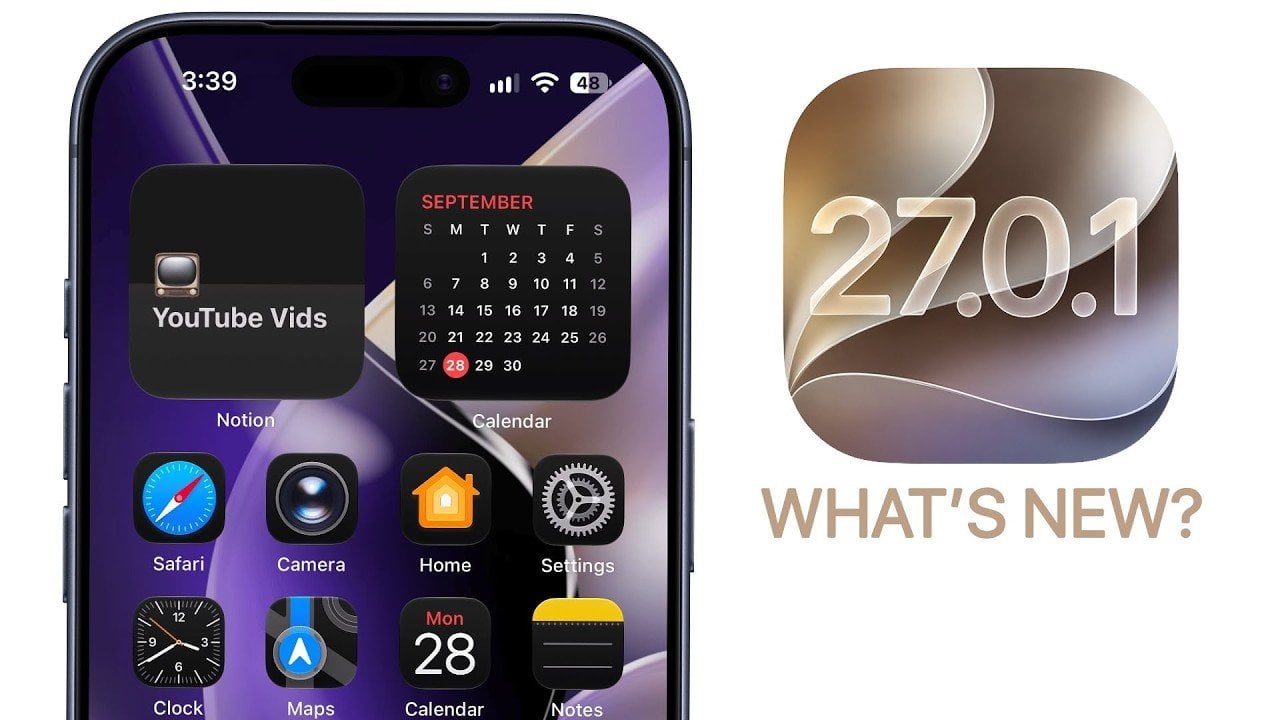
Apple has rolled out iOS 27.0.1, a targeted update aimed at resolving specific bugs and usability concerns identified in the initial release of iOS 27. While this update does not introduce new features or performance enhancements, it focuses on addressing critical issues that impact the overall user experience. The update is available for all compatible […]
The post Apple Releases iOS 27.0.1: Full Breakdown of the Changes appeared first on Geeky Gadgets.
The walkie-talkie has had the same design problem since WWII: great up close, a plastic brick the moment you’re out of range. Bluetooth mesh updated the tech but kept the same ceiling, roughly 1km of real-world range and about 15 people max before the group chat sounds like a submarine drill. Satellite communicators like Garmin’s inReach solved the no-signal problem but traded voice communication for text-only messaging and a monthly subscription fee. Smartphones have the range on paper, but cold weather and touchscreens make them basically decorative in the field. There’s an obvious product sitting in the gap between all three, and Poclink has apparently noticed.
Poclink’s answer is the Motion Ultra, a wearable hybrid LTE-plus-analog radio that runs on 4G LTE when coverage is available and seamlessly switches to analog radio for off-grid communication when it isn’t, with analog range reaching up to 20 miles in favorable open conditions and varying with terrain and surrounding conditions.
Designer: Poclink
Click Here to Buy Now: $399 ($199 x 2 units) $598 (33% off). Hurry, only 789/800 left!
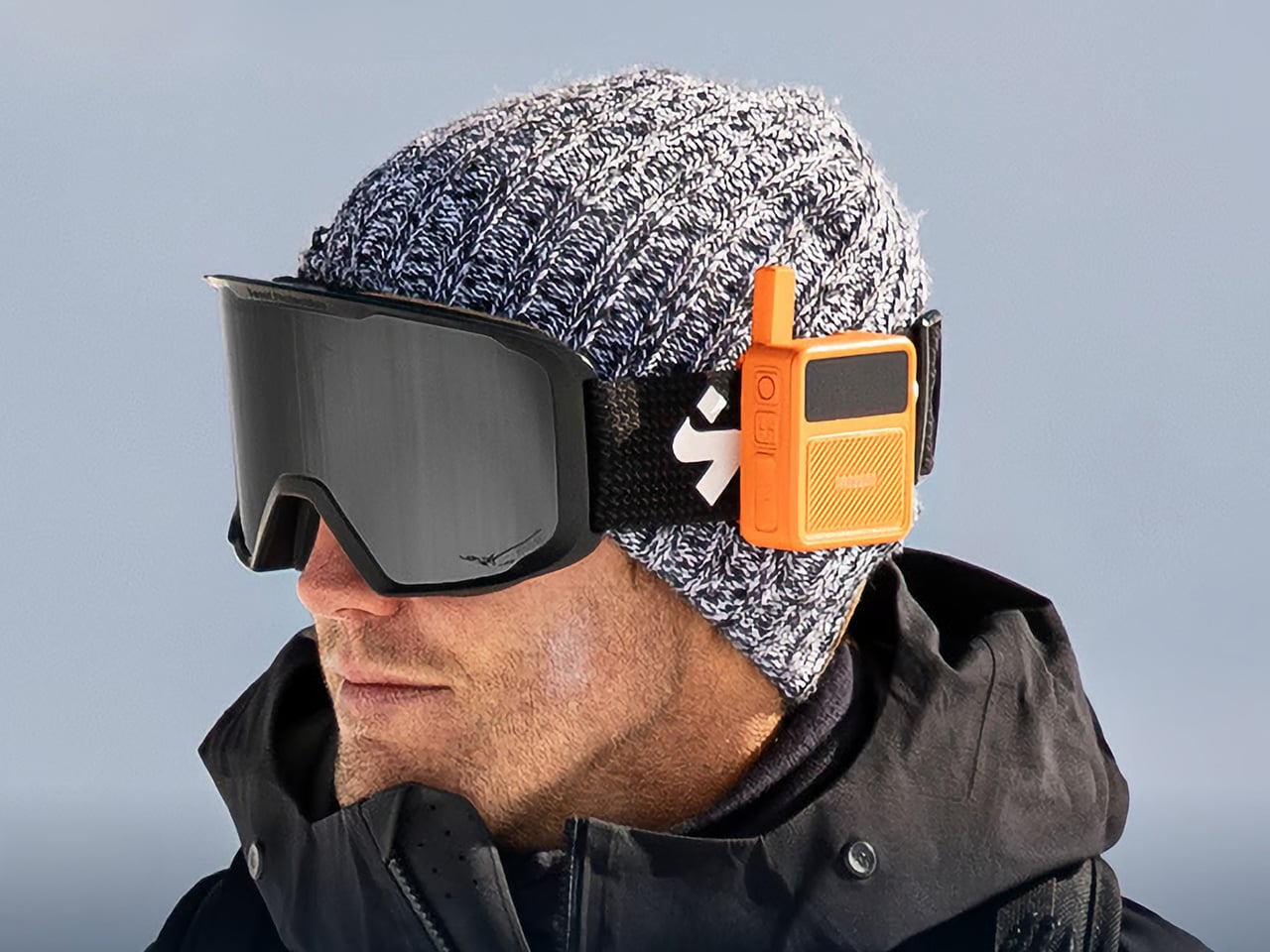
Two oversized PTT buttons give instant access to each mode, operable without looking, gloves on, at full speed. The body is IP67 waterproof, cold-rated to -20°C, weighs about 100g, and can be mounted in different ways for use on helmets, goggles, handlebars, backpacks, and more. A lifetime global SIM covering 60-plus countries ships in the box with zero monthly fees, and groups can scale to 1000 members on PTT or drop into 5-way full-duplex mode for something closer to an actual conversation. Three colorways are available: Alpine White, Ridge Black, and the very correct choice, Adventure Orange.
Two separate buttons handle two separate worlds: the front-facing button connects via LTE for unlimited range, and the side button fires up the analog radio for off-grid reach. Both are sized for blind-press operation, meaning you can trigger either by feel alone, ski gloves on, at speed, without glancing down. That specific interaction, a deliberate physical input requiring zero visual attention, is the kind of UX decision that separates tools designed for actual field conditions from tools designed to look good in a press photo. A multi-function rotary dial rounds out the controls, handling volume, channel switching, and group changes without a touchscreen in sight.


The analog radio speaks three regional protocols: GMRS in the US, PMR446 in Europe, and UHF CB in Australia, giving the Motion Ultra genuine off-grid reach across every major outdoor market. Over LTE, range is unlimited wherever cellular coverage exists. The lifetime global SIM ships included at zero monthly or annual cost, with an optional premium plan extending coverage from 60-plus countries to 160-plus. That no-subscription architecture matters more than it sounds on a spec sheet: it removes the recurring cost objection entirely and means the device holds its value over time in a way hardware-plus-plan models don’t. It also means you can hand it to a friend for a trip and it’ll just work.
PTT scales to 1000 members in group mode, full duplex caps at five people in conference-call mode, and the Motion Ultra handles both depending on whether your crew is running a coordinated ski patrol operation or just arguing over which run to take. On-device AI handles wind noise reduction, so voices stay intelligible through helmets in conditions where a regular speakerphone would produce mostly wind and optimism. Voice command support lets users adjust volume or call teammates hands-free, which matters more than it sounds on a device physically attached to a moving human. The 1.47-inch color display shows team names, channels, and connection status at a glance. Every conversation runs through AES-256 encryption backed by AWS cloud infrastructure, which is a level of security most radios in this category don’t even bother mentioning.
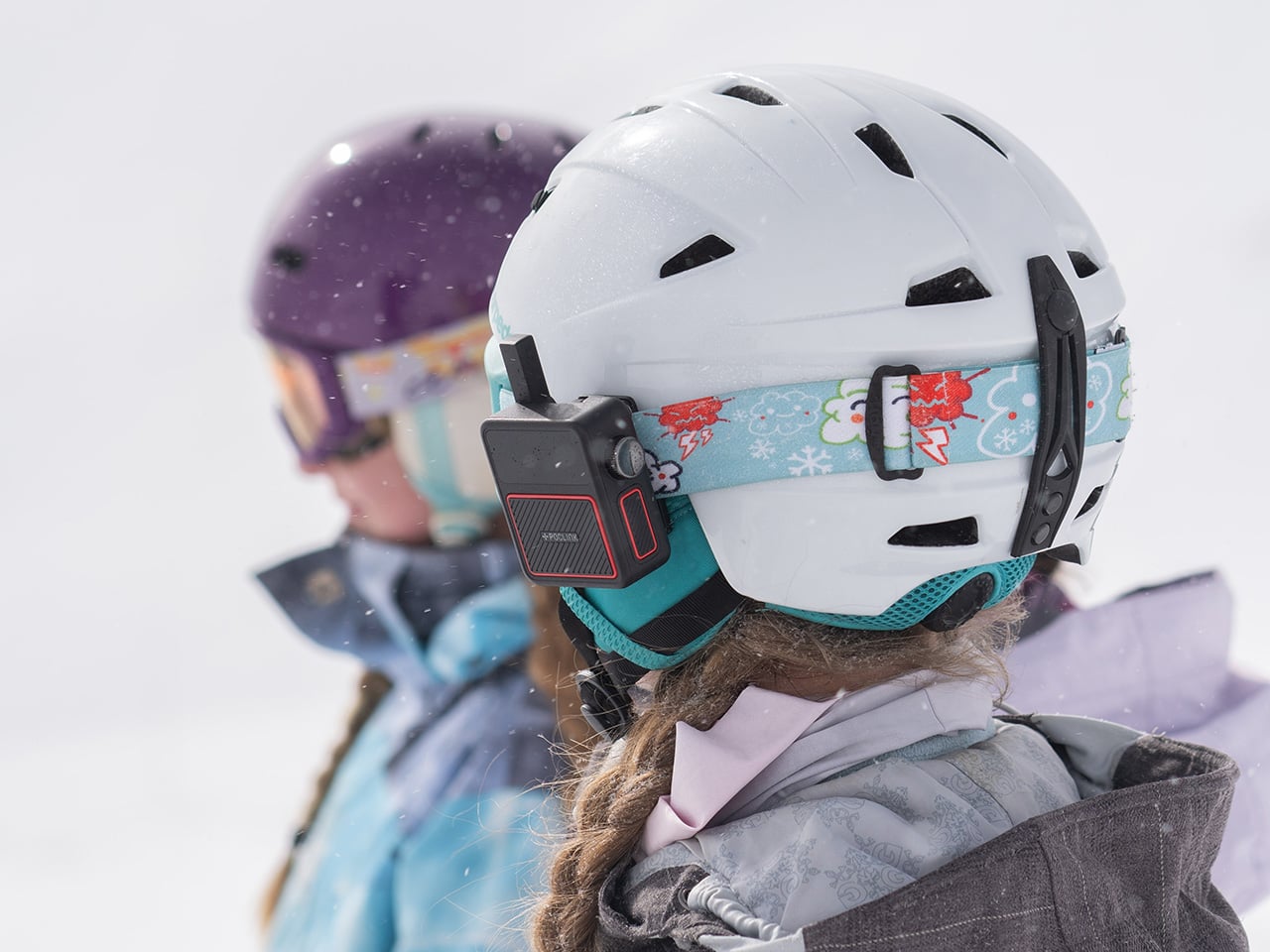

Live GPS location sharing, one-touch SOS, and geofencing are built into the Motion Ultra, and they deserve more attention than the feature list usually gives them. The SOS button sends your exact coordinates to the group instantly, with no satellite subscription and no menu-diving required. Geofencing lets you define a safety perimeter around a resort, campsite, or trailhead, with alerts triggering if someone drifts outside it. The real-world case that stuck with me is a POC-1 Ultra owner who reported that his daughter’s phone died after a car accident in a remote, low-coverage area, and the radio still maintained a connection at 75 miles. The Motion Ultra takes Poclink’s proven hybrid communication platform a step further, evolving it into a more advanced, versatile system that combines 4G LTE connectivity with off-grid analog communication in a compact, wearable form purpose-built for riders, skiers, hikers, and anyone who knows that going farther often means going beyond what a phone alone can handle.
At about 100g, the Motion Ultra lands at that useful intersection of present enough to feel like real gear and light enough to not punish you for clipping it to your helmet every single day. The Universal Action Mount supports helmets, handlebars, backpacks, and third-party accessories, so it integrates into a setup you already own rather than demanding its own infrastructure. A 2000mAh battery with USB-C fast charging handles all-day outdoor use, and Bluetooth doubles as a music and podcast playback source during solo stretches when the PTT stays quiet. IP67 waterproofing and a -20°C cold rating cover every realistic outdoor condition without special handling or storage requirements. The diagonal crosshatch texture on the speaker grille is a small detail, but it reads as intentional rather than cosmetic, which is more than most gadgets in this category can claim.
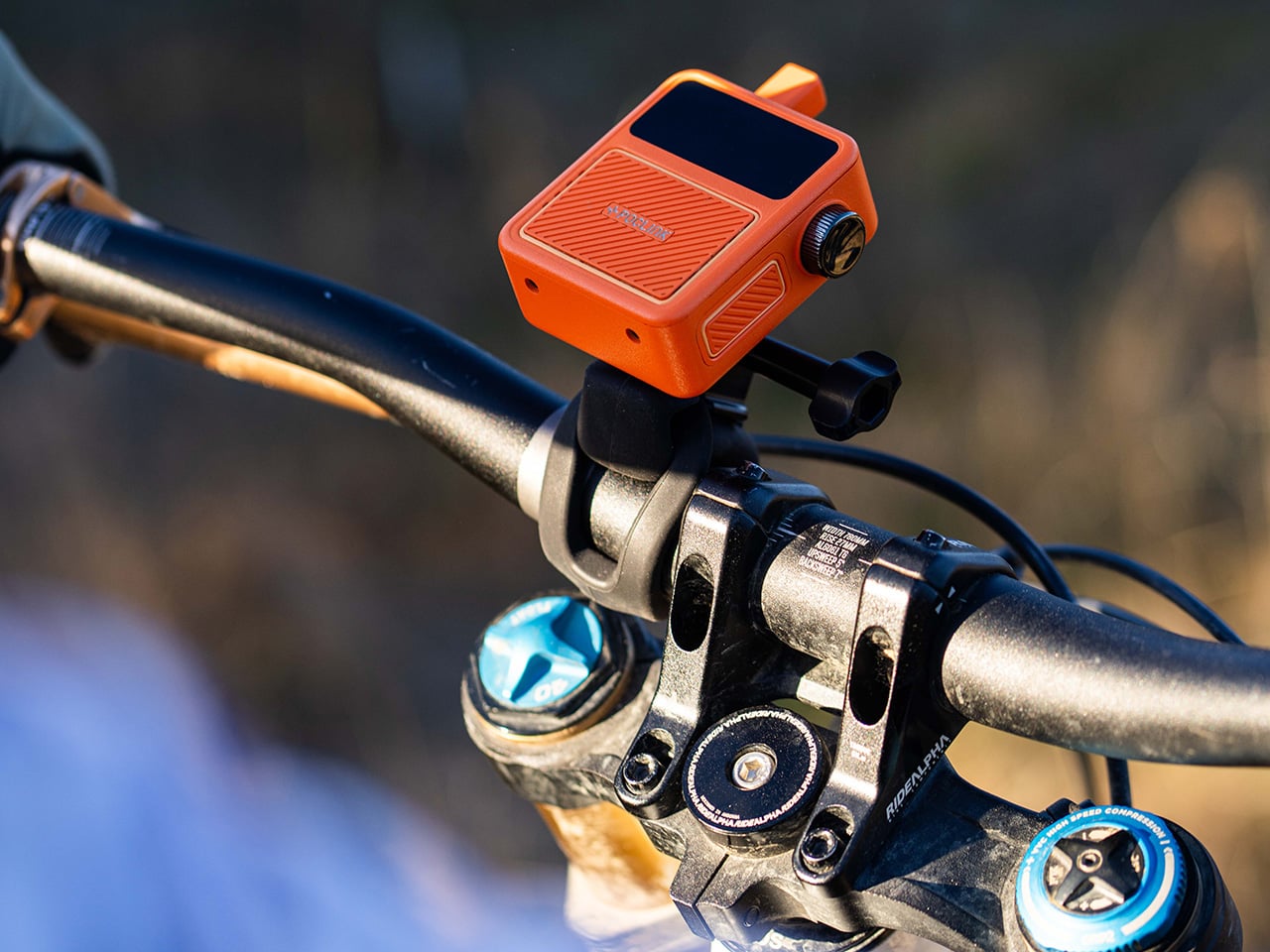

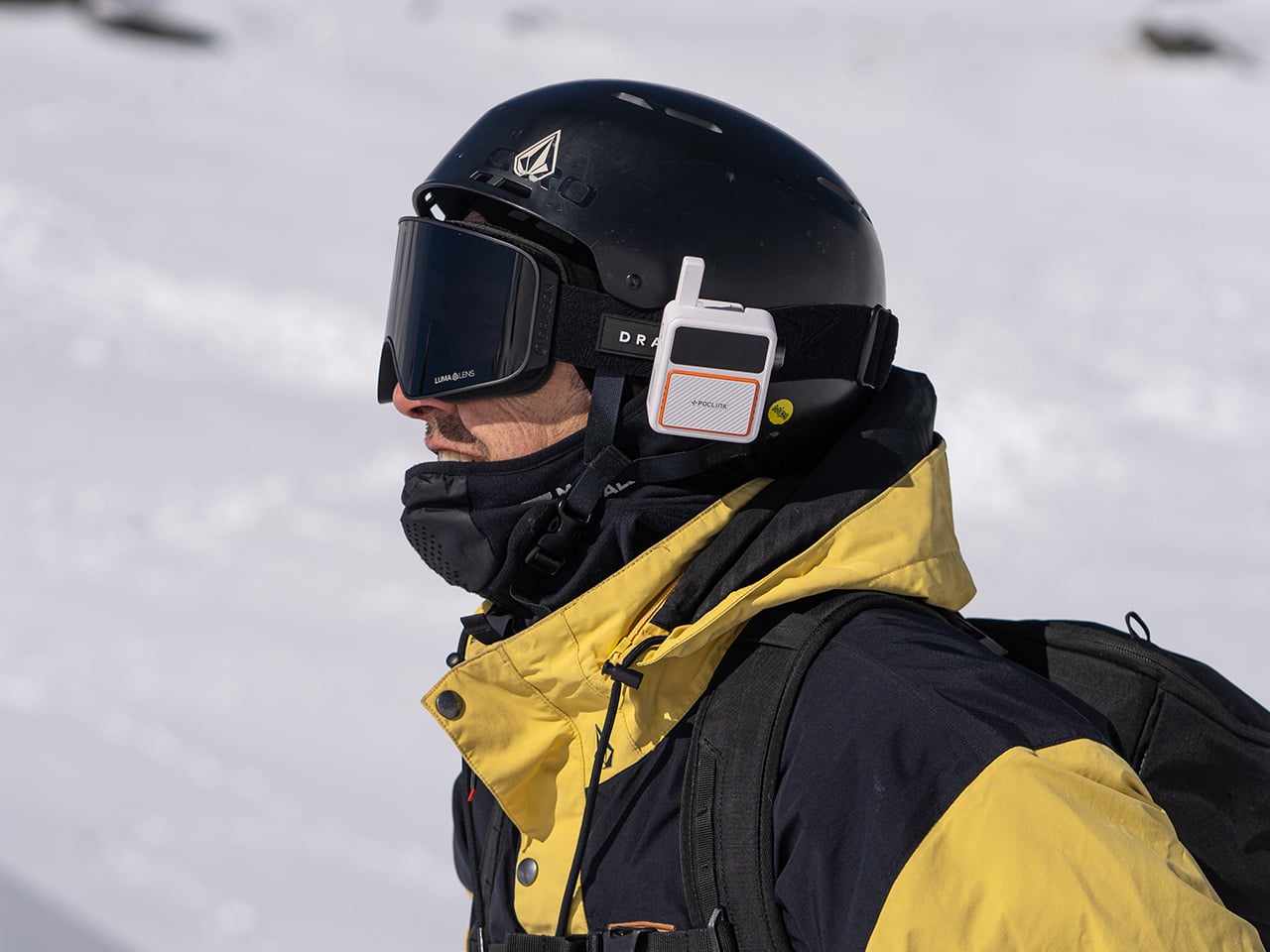
The Poclink Motion Ultra is now live on Kickstarter, bringing its hybrid LTE-and-analog approach to backers for the first time.
If your idea of staying connected needs to extend beyond where your phone stops working, you can grab 2 units of the Motion Ultra for the early bird price of $399 with estimated shipping starting Nov 2026.
Click Here to Buy Now: $399 ($199 x 2 units) $598 (33% off). Hurry, only 789/800 left!
The post Poclink Motion Ultra is a modern walkie-talkie with LTE, GPS, SOS, and Zero Monthly Fees first appeared on Yanko Design.
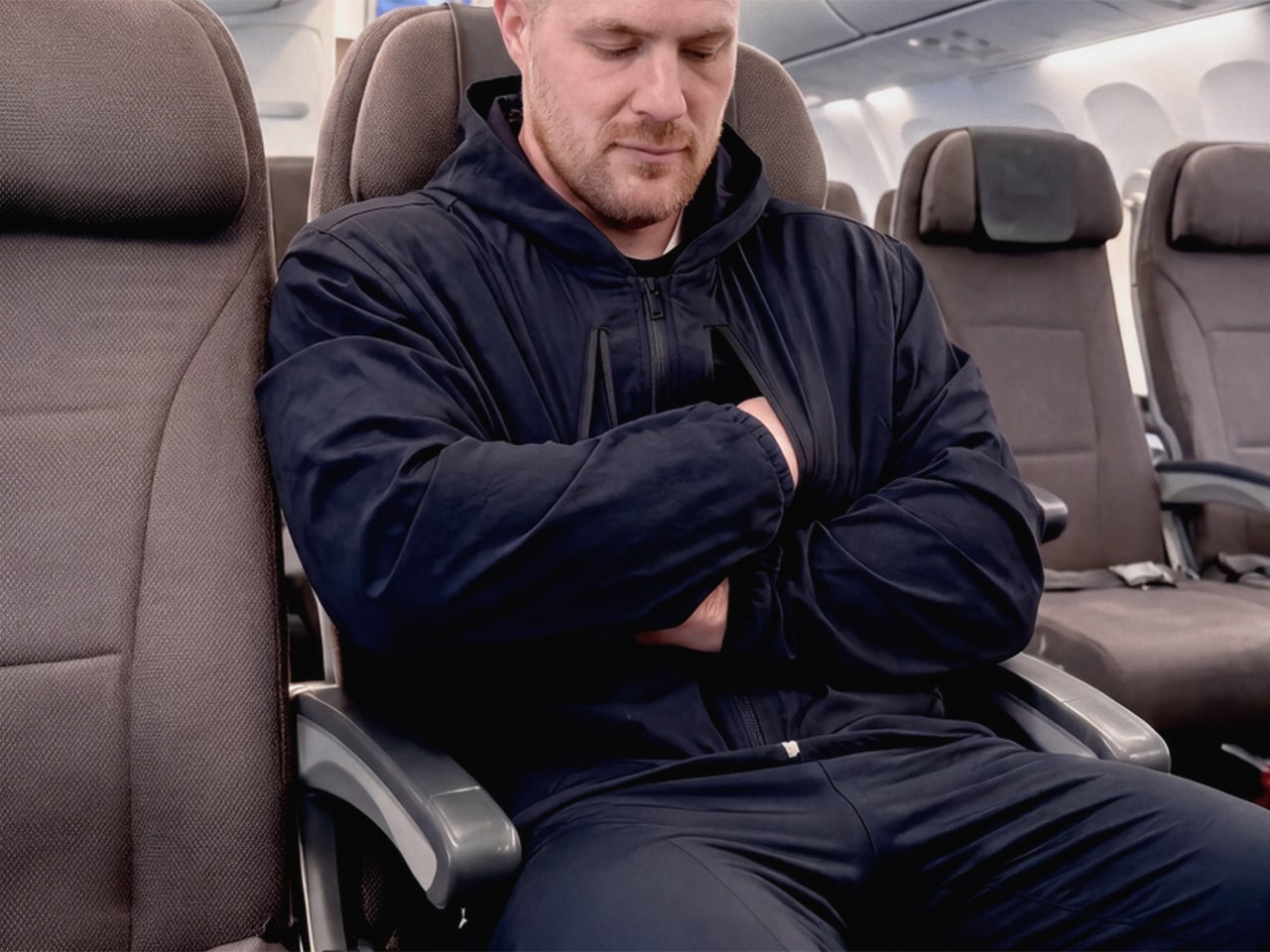
Airplane seats are designed for exactly one thing: fitting as many humans as possible into a metal tube. Comfort comes a distant second, and sleep ranks somewhere around fifth, just behind the tiny bag of pretzels. You get an armrest, or half of one if you lose the elbow war with the middle seat, and your arms spend the flight crossing, uncrossing, and slowly going numb.
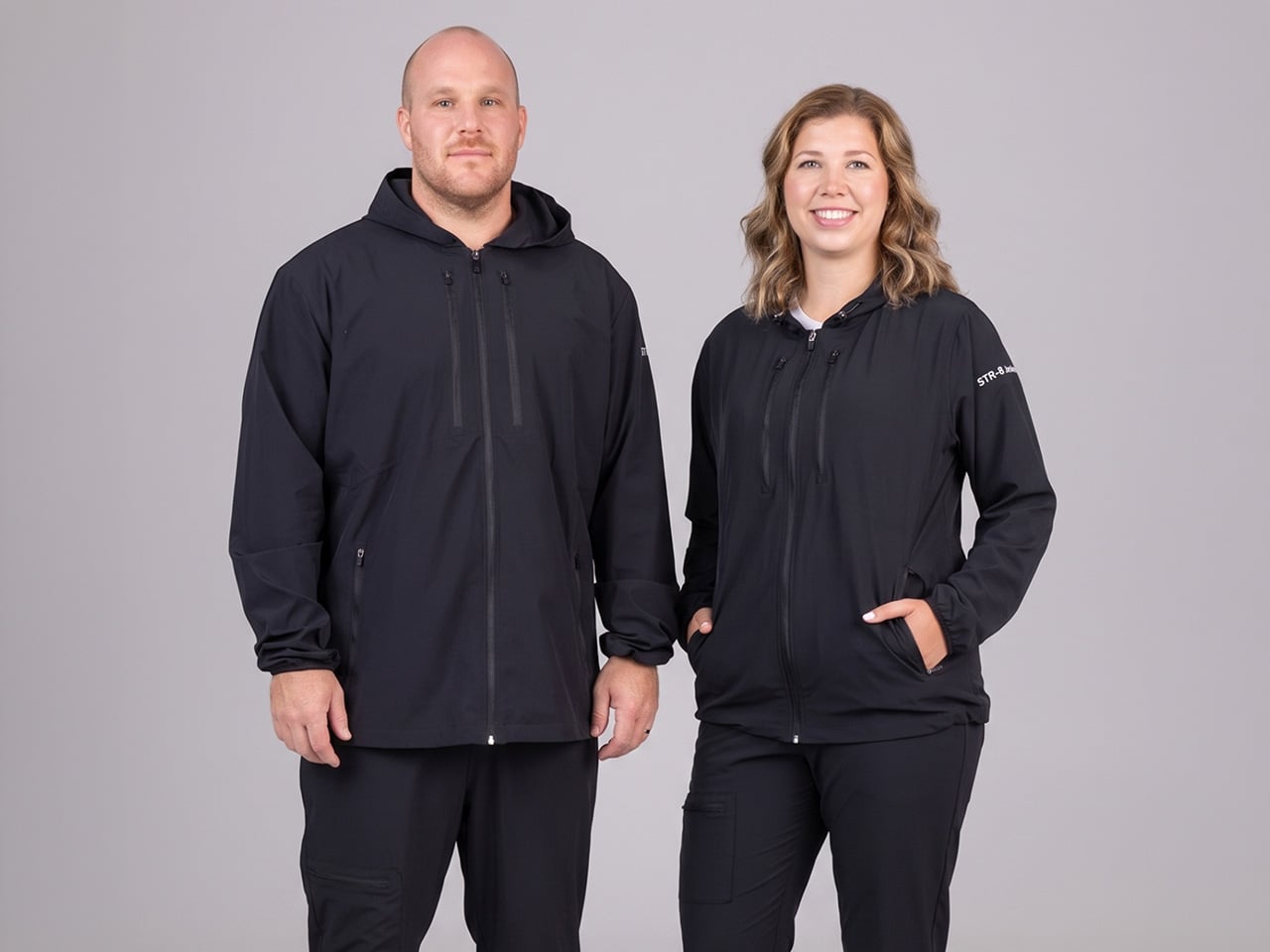
The STR-8 Jacket gives them somewhere to go. Designed by Idaho-based frequent flyer Bryson Howell, The idea came from commercial airline pilot Ben Howell, who teamed up with his brother, Bryson Howell, to design the jacket. It’s a travel hoodie with a second pocket high on the chest where you can park both forearms. A stretch membrane in the back spreads their weight across your upper body, so your shoulders can finally clock out. A flexible internal support membrane distributes their weight across your upper body, giving your arms a supported place to rest. The new Gen 2 version zips up and comes with matching joggers and a packing case. It even throws in a sleep mask is available in a $189 bundle with matching joggers, a sleep mask, and a travel case, or just the jacket for $109 because the moment you finally get comfy, the guy in 14C will open his window shade. Every single time.
Designers: Ben Howell and Bryson Howell
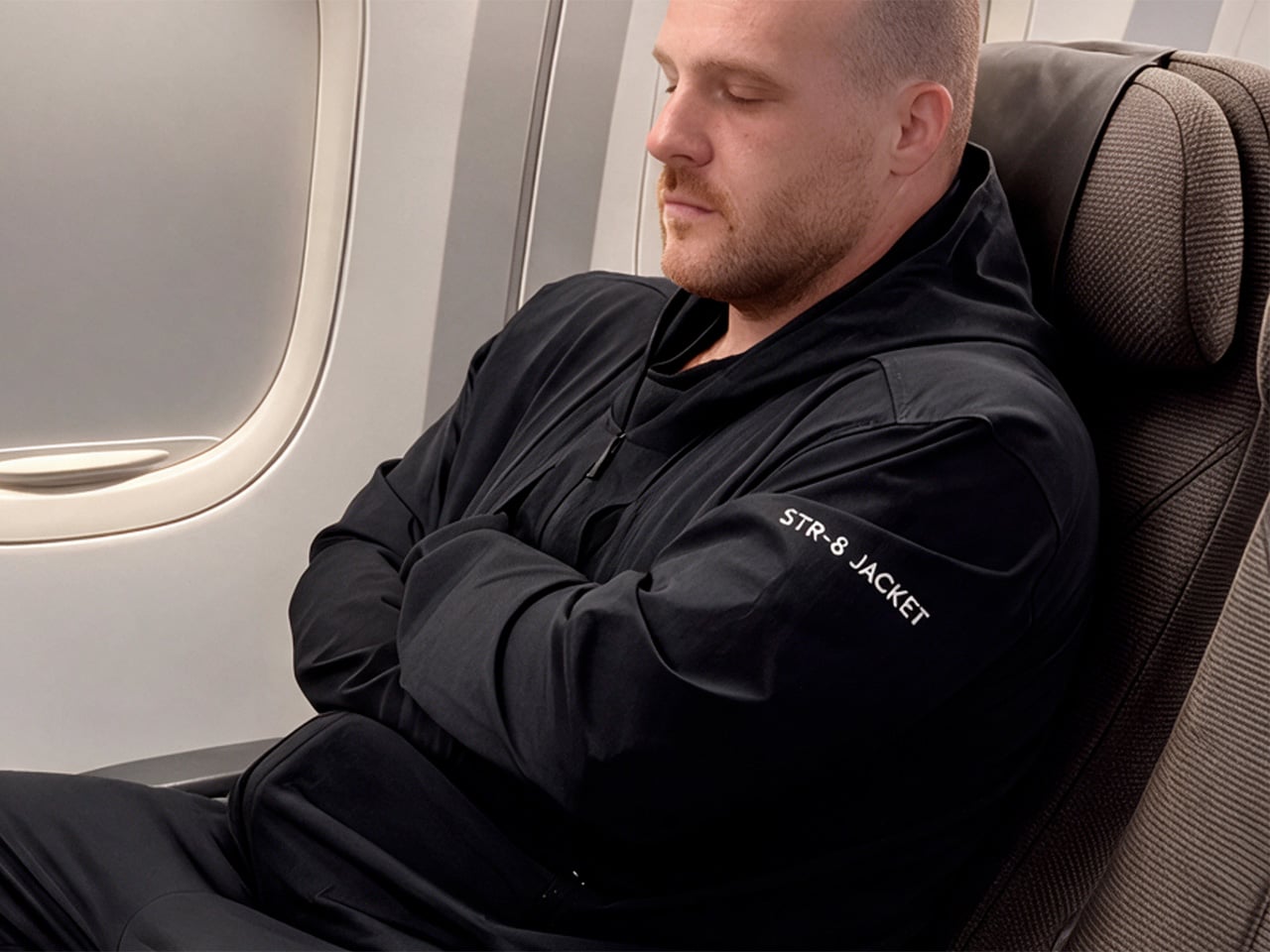
Cross your arms on a flight and they go numb within minutes. Let them hang and they pull on your shoulders for hours straight. The Howell’s fix was a kangaroo-style pocket sized for both forearms, backed by a stretch membrane sewn through the shoulders and back that absorbs the weight instead of your traps taking it. Their friends said the result looked like a straitjacket when he first showed it off. They kept the joke and named the jacket after it, which is the kind of branding move I respect more than I probably should.
The brothers worked through five to six prototypes to get the support right. An upper pocket alone wasn’t enough: early versions still placed too much pressure on the neck and shoulders. The breakthrough was a flexible internal membrane that helped distribute arm weight more evenly across the upper body. That hidden structure is what turns the chest pocket into a place to rest both forearms.
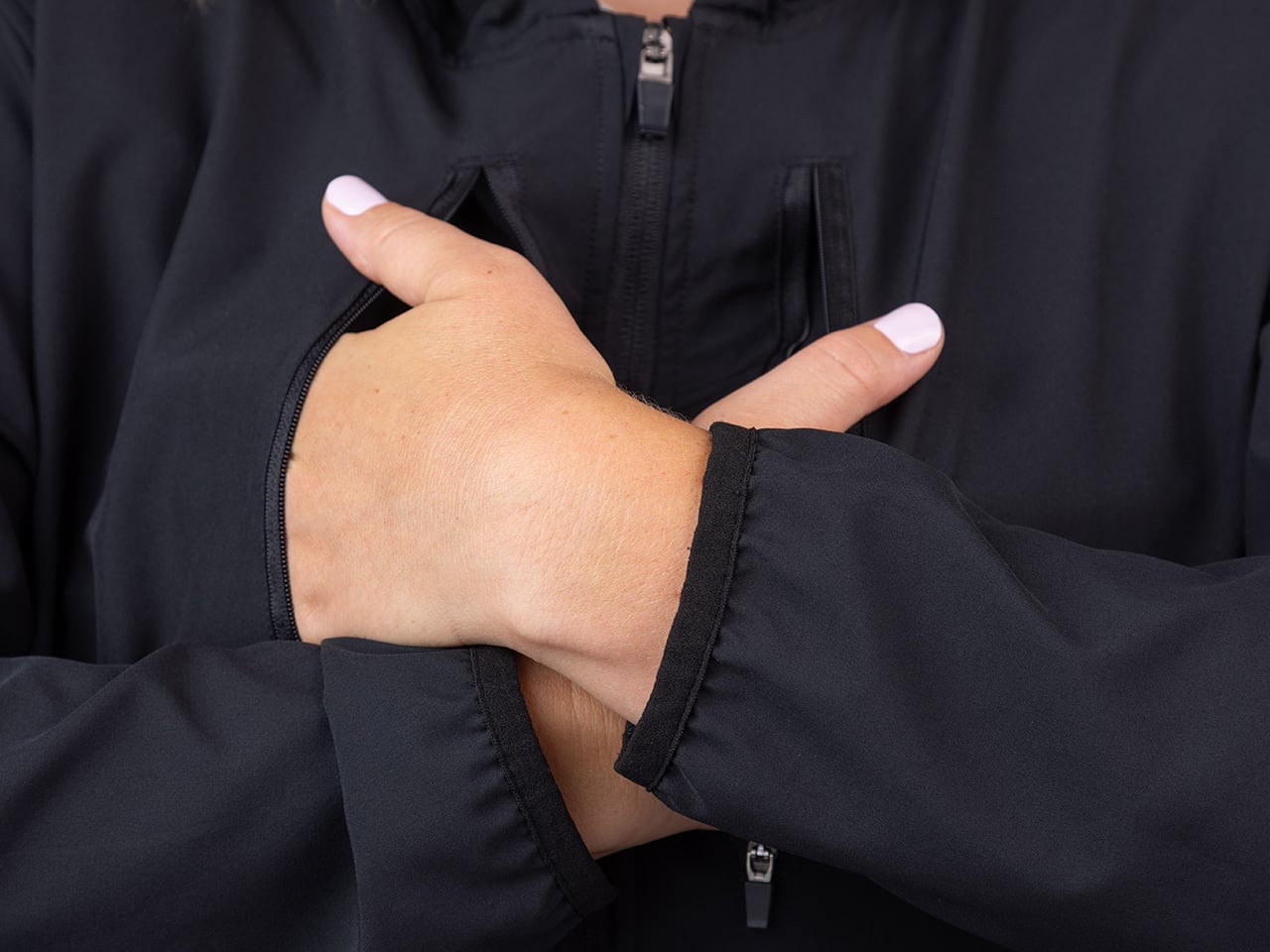
The fabric is a polyester-spandex blend, chosen after early cotton prototypes ran too warm for a six-hour flight. The stretch has to flex constantly under arm weight without sagging out of shape after repeated wear, which cotton simply couldn’t do. Breathability keeps you from waking up sweaty somewhere over the Atlantic, which would defeat the entire point of a jacket built to help you sleep. It packs down small enough to fit inside its own carry case afterward. None of this is flashy fabric tech, and it doesn’t need to be.
Gen 2 adds a full front zipper, making the jacket easier to put on and take off, especially useful at security or anywhere you’re layering in a hurry. It’s a straightforward upgrade over the pullover style, not a fix for a flaw so much as an added option for people who prefer a zip-up. The arm support mechanics underneath stay identical either way. Whether you grab the zip jacket or the Original Pullover comes down to personal preference more than anything else.
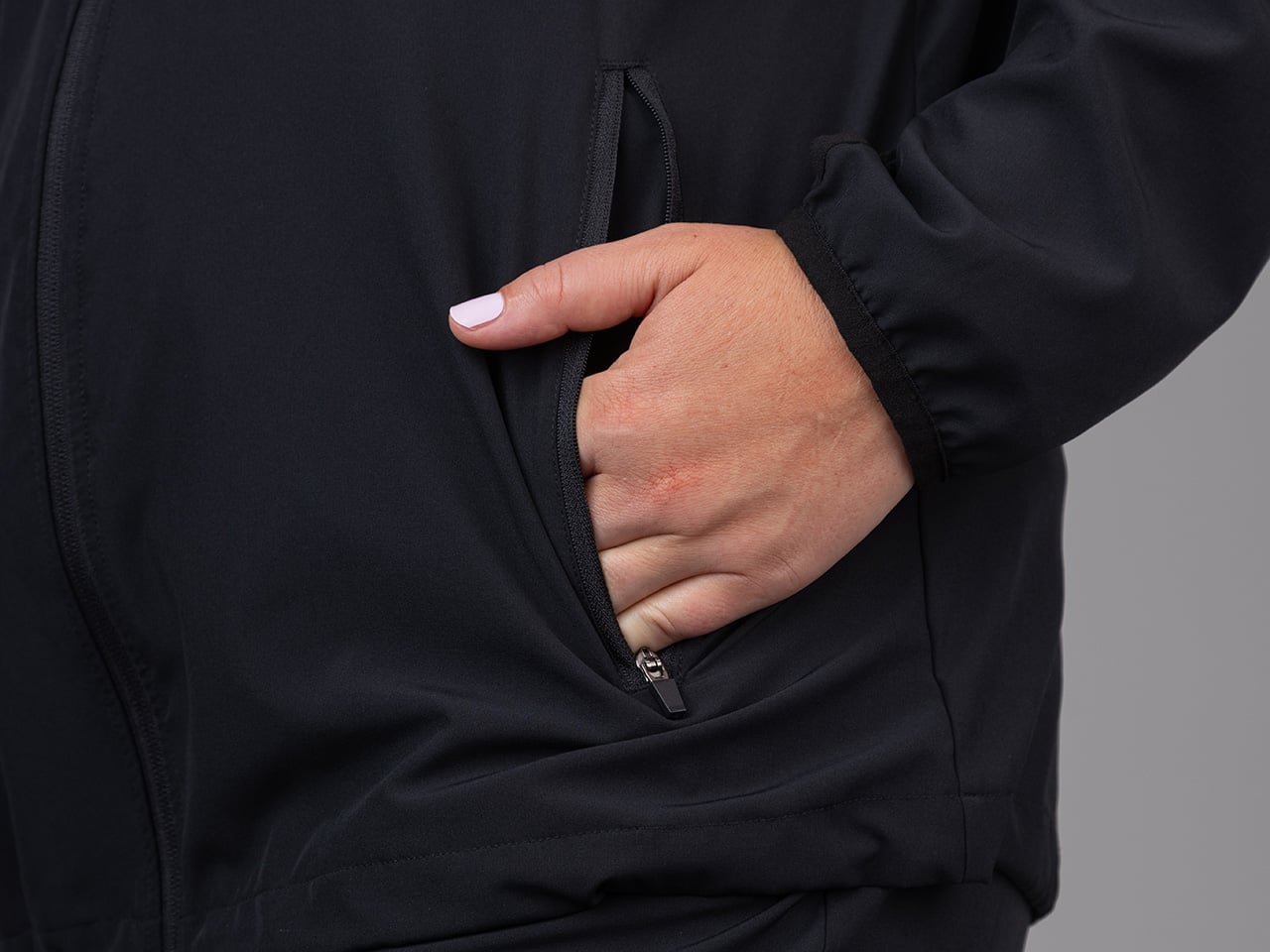
The arm pocket itself grew from Gen 1 to Gen 2, giving more room for different arm lengths and body types. That matters because a pocket that’s too snug pulls the membrane tight in the wrong spot instead of distributing weight evenly. The mechanics underneath stay the same, just refined for a wider range of people. Refinements like this are usually harder to nail than a flashy new feature. It suggests this generation actually got tested on more bodies than just the founder’s own.
The joggers use the same wind and water resistant fabric as the jacket, so the set matches in feel as well as color. A dedicated passport pocket and an AirPod pocket are built in, which solves a genuinely annoying travel problem. Digging through a backpack for your passport mid-line while everyone behind you sighs is nobody’s idea of fun. Pair them with the jacket and this stops being a novelty item and starts looking like an actual travel uniform. That’s a bigger shift than it sounds.
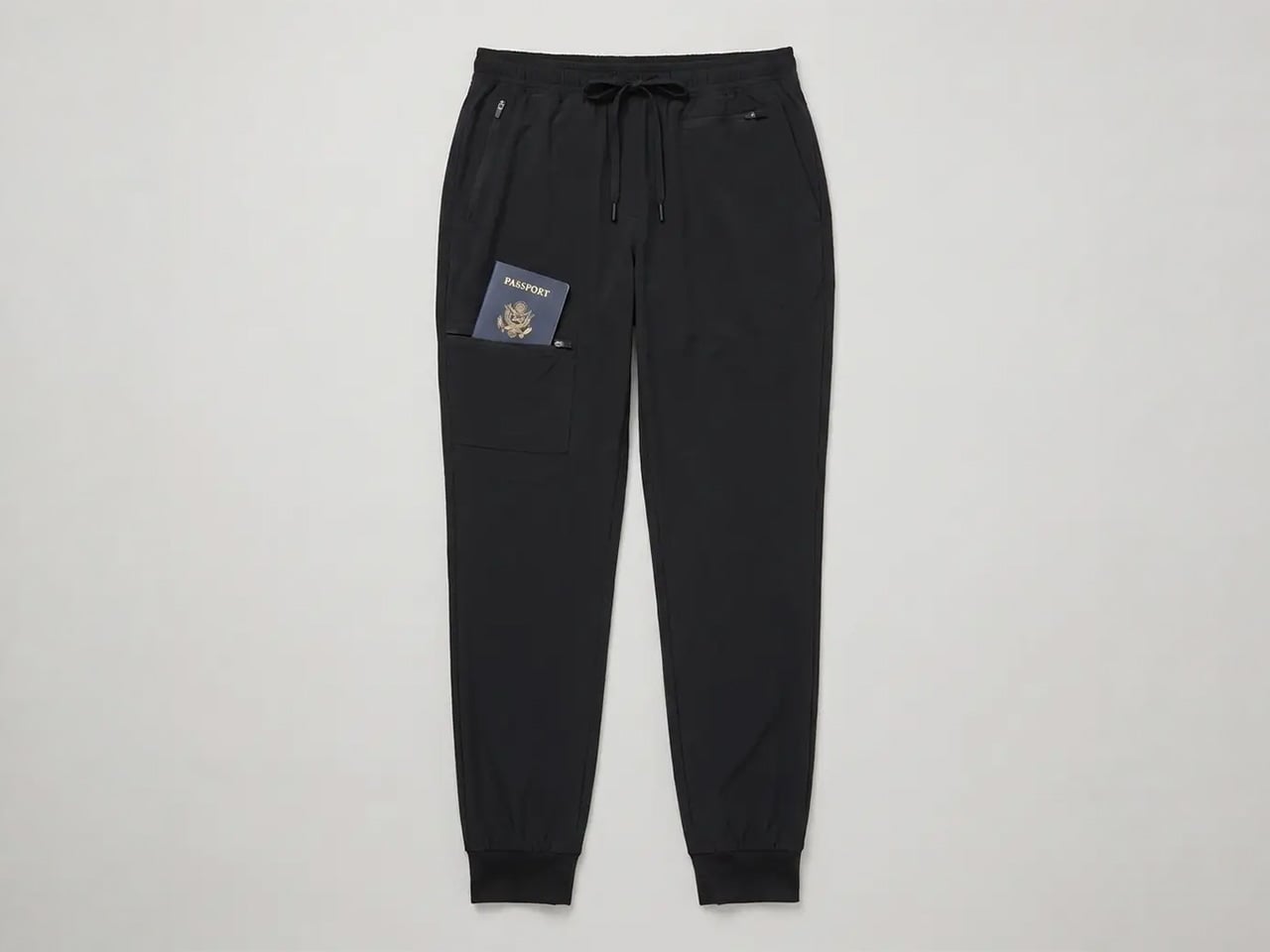
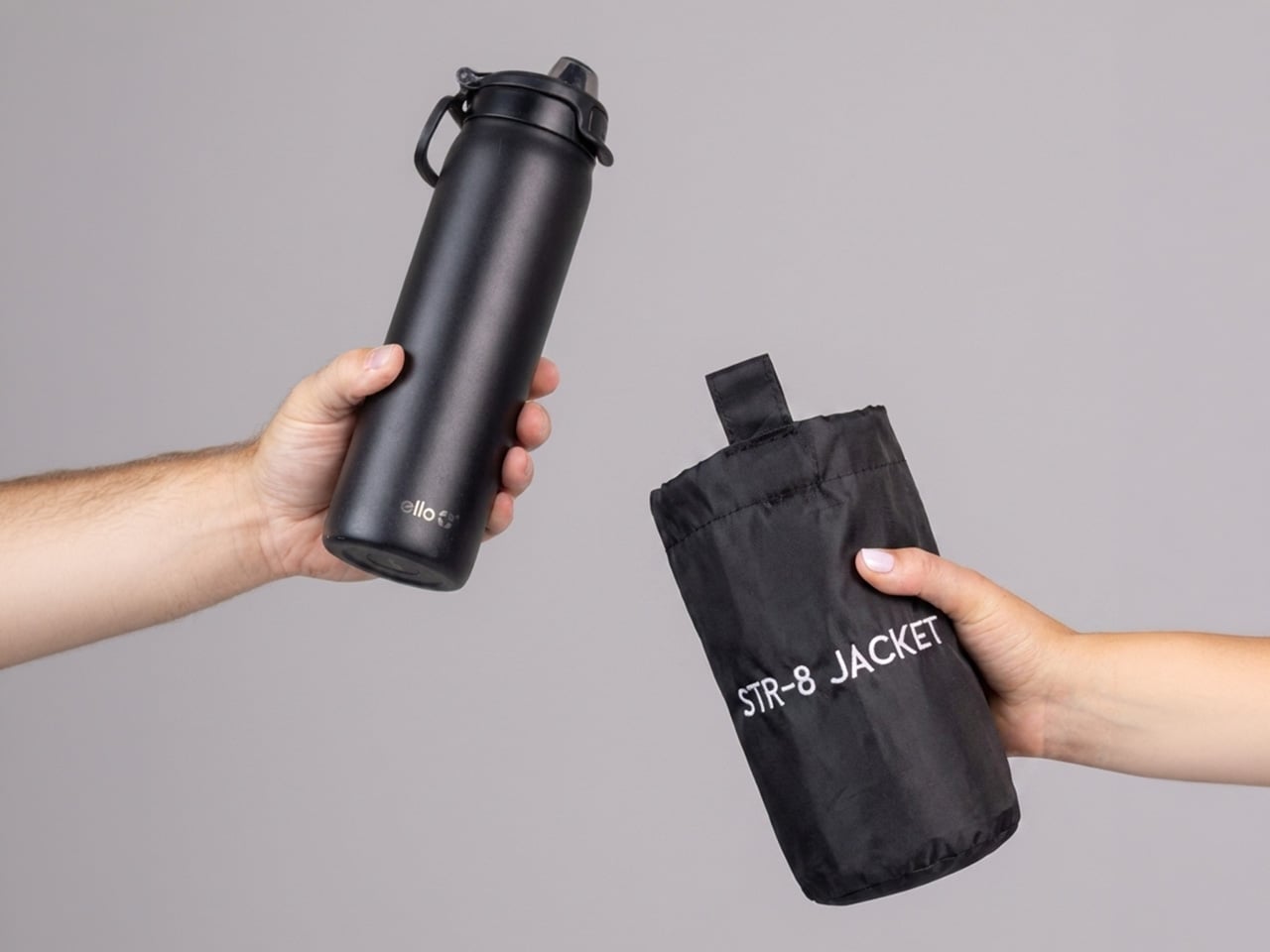
The whole outfit compresses down to roughly the size of a water bottle, case included. That’s genuinely useful for anyone whose carry-on is already packed to the zipper with chargers and snacks. A jacket that eats backpack space you don’t have is a jacket that stays home on the next trip. Packability here reads like a real design requirement, not an afterthought tacked on for campaign photos. That kind of detail usually only shows up after someone has lived with the product on actual flights, not just prototyped it in a garage.
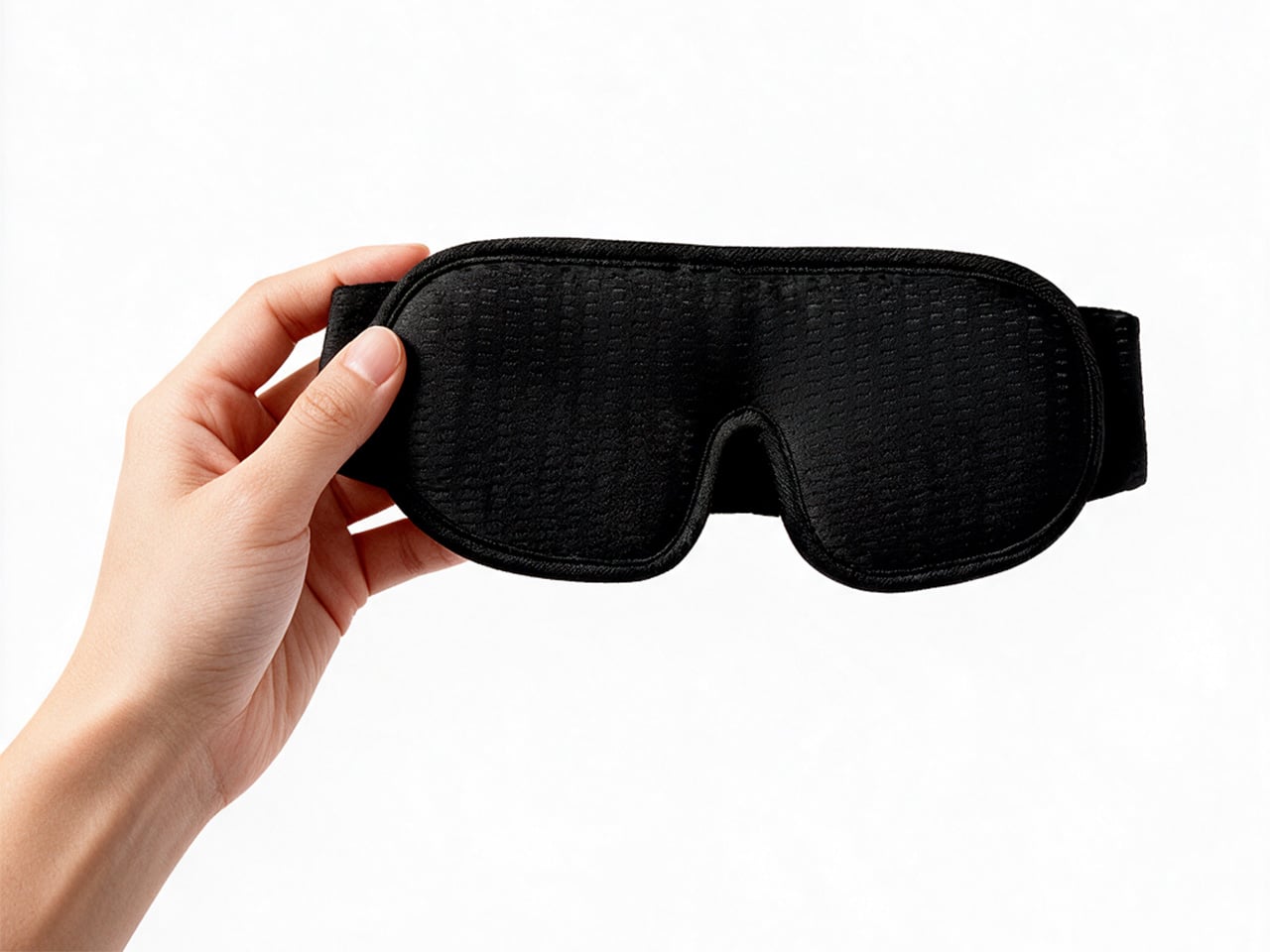
A sleep mask rounds out the case, and its usefulness clicks the moment you finally get your arms sorted and the passenger two rows up opens the window shade. It’s a small addition and a fairly convenient bundle item, sure. But it closes an obvious gap in the setup. One packing case now handles the entire sleep routine instead of three separate purchases rattling loose in your bag. Small thing, real thing.
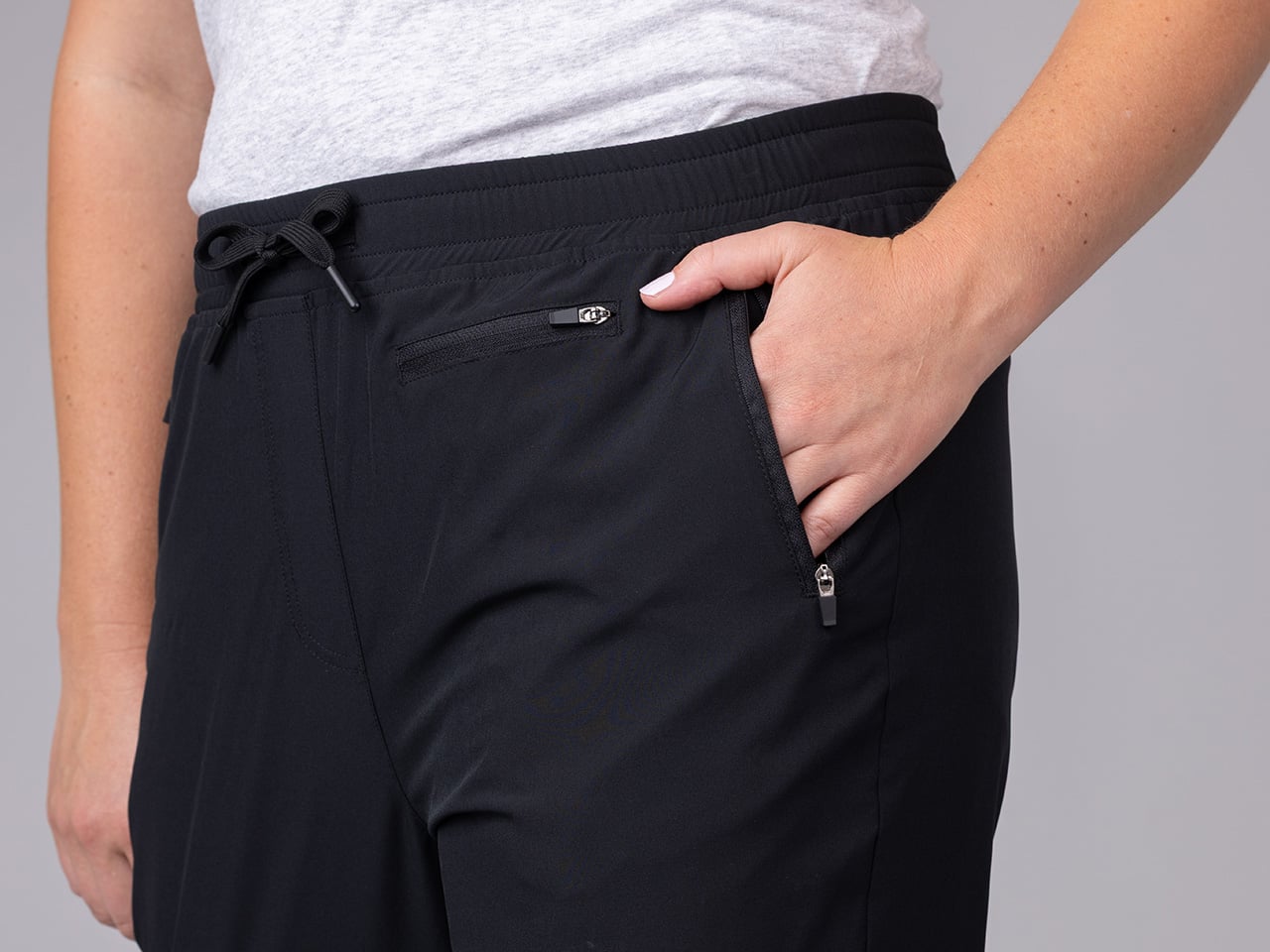
Gen 1 ran men’s sizing only, so a woman ordering a medium was effectively gambling on whether a men’s small would fit. Gen 2 fixes that with real women’s sizing, S through 3XL, on both the zip jacket and the joggers. It’s a basic correction that honestly should have existed from day one. Travel and fashion brands get called out constantly for treating “unisex” as shorthand for “men’s,” so it’s worth flagging when one actually walks that back. Better late than never, though late is still late.
Travel pillow brands have bolted arm slings onto neck pillows for years, and shoulder immobilizer braces do something structurally similar for post-surgery patients. What STR-8 does differently is build the support into a jacket you’d wear anyway, instead of an accessory you have to remember to pack separately. The trade-off is that the benefit only kicks in while you’re wearing their jacket specifically. If you run warm or already love a different travel hoodie, this only works once you swap it out for theirs.
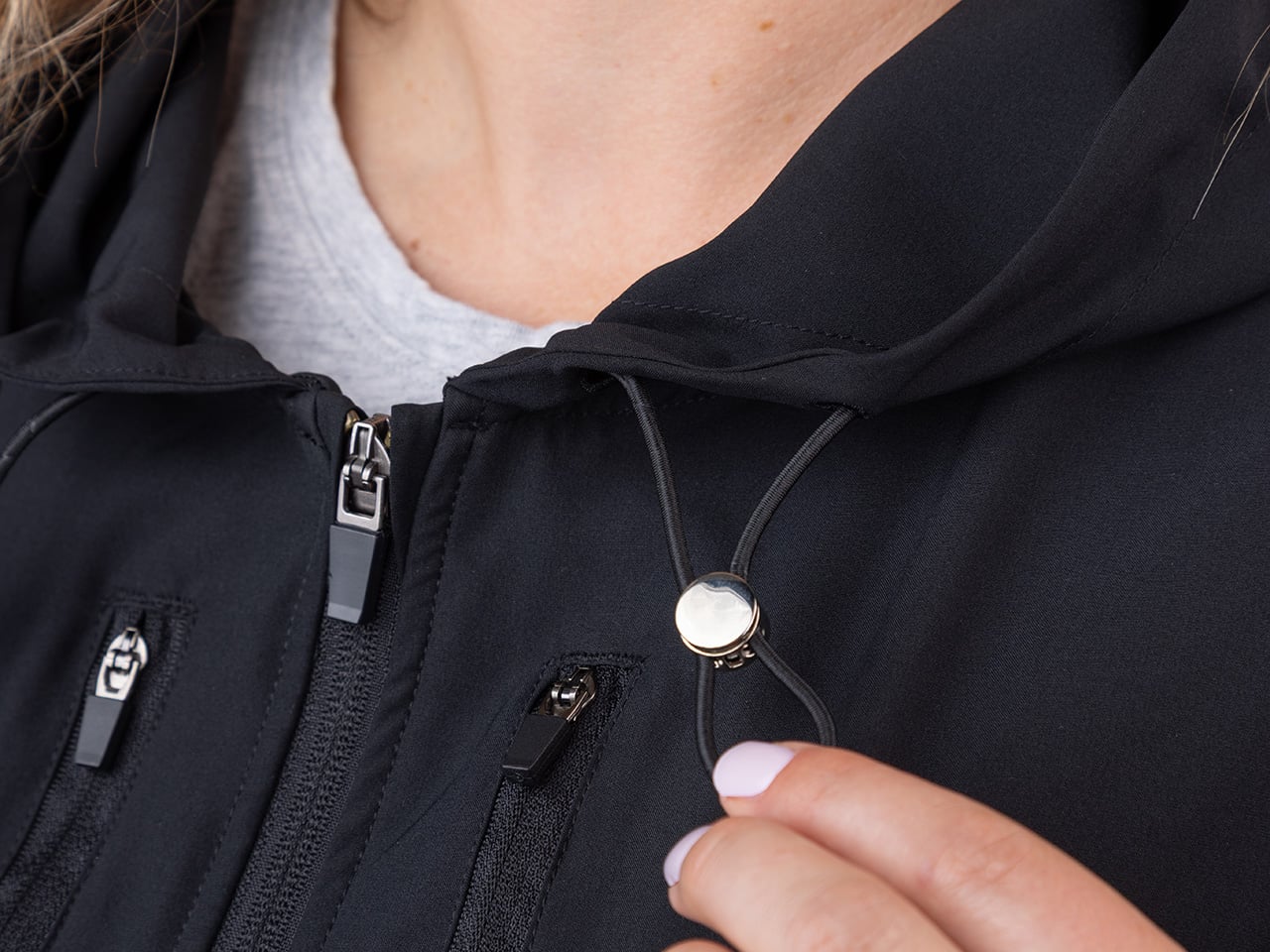
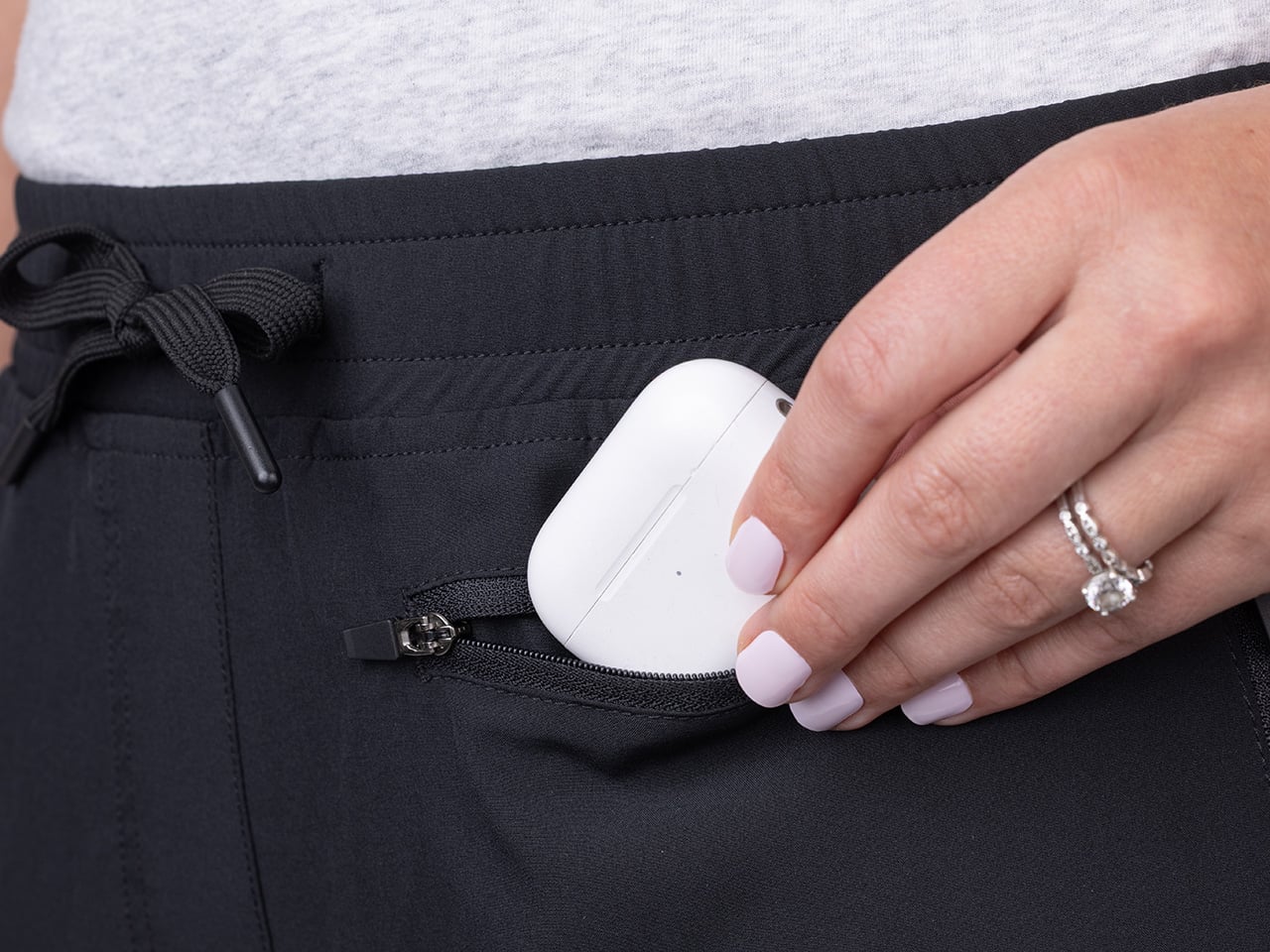
The Gen 2 zip jacket and joggers run S through 3XL, while the original pullover sticks to S through 2XL across five colorways.
You can snag one for your next flight at $109 (limited to just 25 units before the price jumps to $119), or grab the entire bundle for $129 which also includes joggers, a sleep mask, and a travel bag. The STR-8 Jacket 2.0 ships globally starting December 2026.
The post The Perfect ‘Frequent Flyer’ Hoodie cradles your arms like a Straightjacket for comfortable snoozing first appeared on Yanko Design.

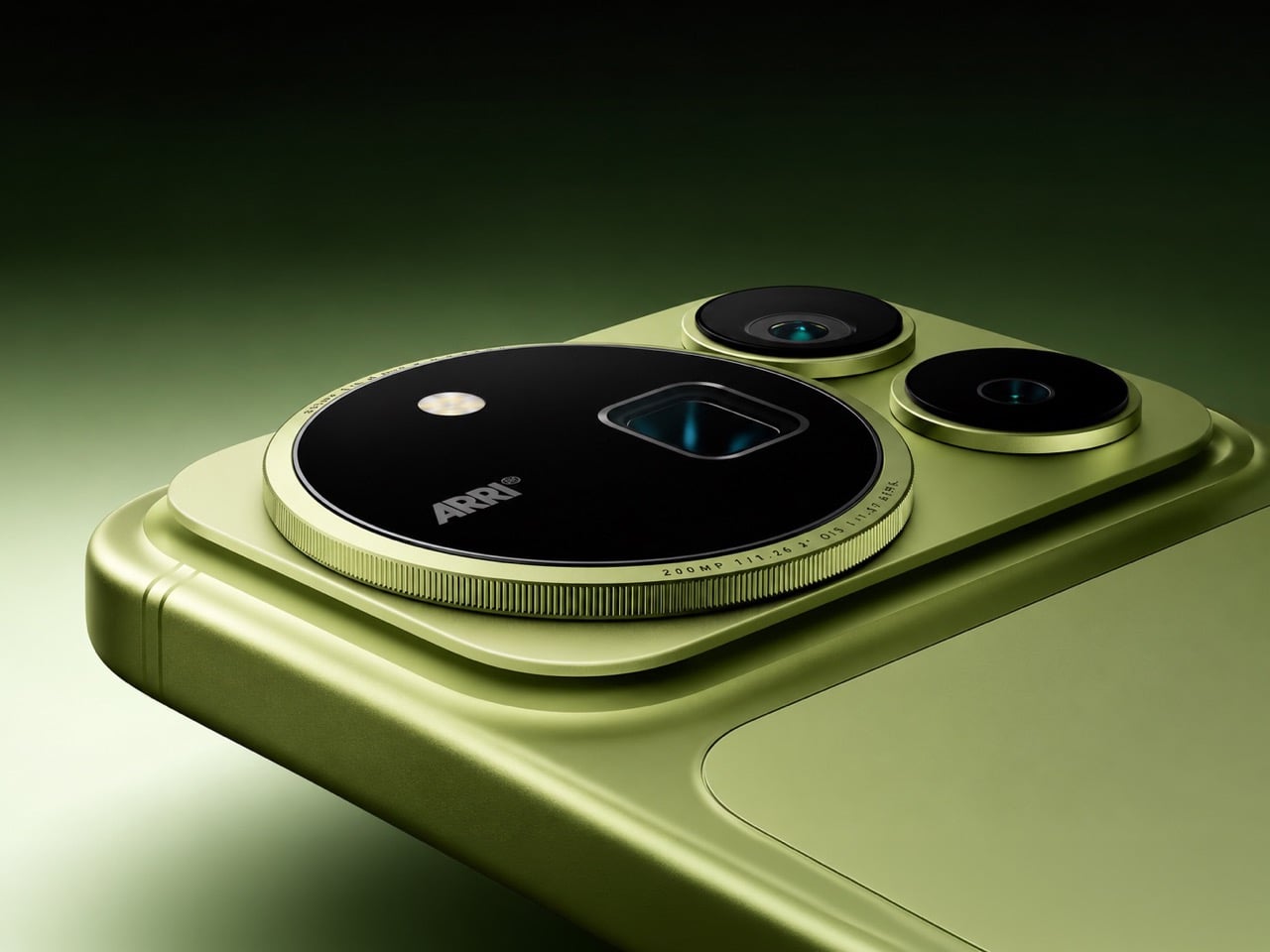
Honor apparently looked at a movie camera from 1937 and thought, yeah, let’s build for that. The Magic9’s camera module borrows its arrangement from ARRI’s iconic ARRIFLEX three-lens turret cameras, the design that shaped professional cinema for decades, translating into a 200MP main sensor, a 200MP periscope telephoto, and a 50MP ultrawide organized with actual compositional intent. It is a neat flex, dressing up a camera bump with nearly a century of cinema history. The phone launched in China on September 28 alongside the pricier Pro Max and the battery-heavy Super Edition, starting at RMB 5,000 for the 12GB/256GB version. Of the three models, the standard Magic9 makes the clearest design argument: serious camera ambition in a body that still wants to fit in a normal pocket.
Going fully flat at 6.37 inches while growing the battery to 8,000mAh and keeping the body around 8.5mm thick is a set of competing constraints Honor has not fully unpacked in public. The screen change also comes with a trade, stepping down from the Pro Max’s LTPO panel to a fixed 120Hz LTPS display. The base model runs the Snapdragon 8 Elite Gen 5, same as the previous Magic8, while the Pro Max moves to the newer Gen 6 platform. That gap is where a chunk of the price difference lives, and it makes the Magic9 feel less like a cut-down flagship and more like a very deliberate edit.
Designer: HONOR
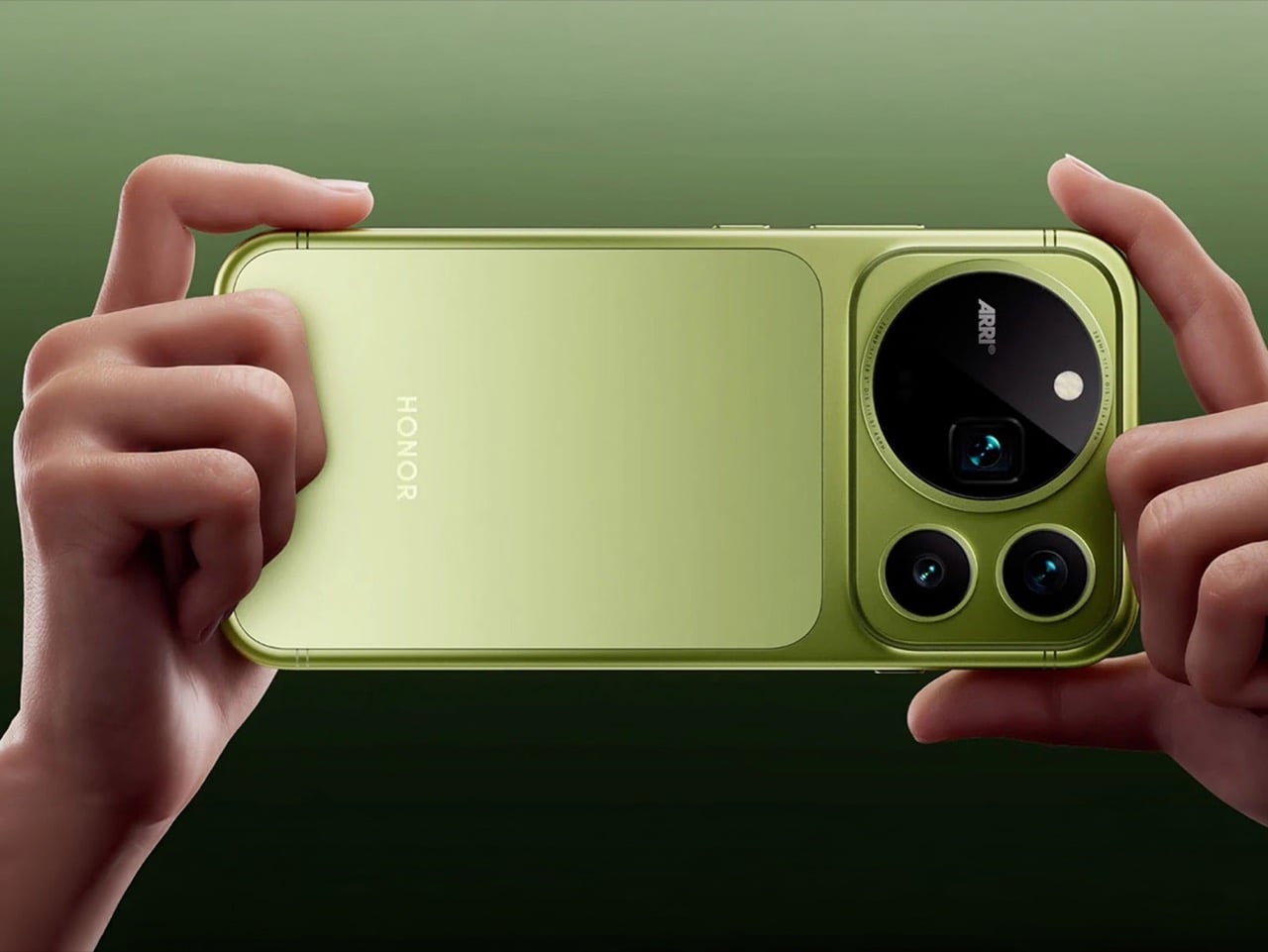
ARRI’s ARRIFLEX, introduced in 1937, used a rotating three-lens turret that let cinematographers swap focal lengths quickly on set. That same 1+2 organizational logic now shows up in the Magic9 family, turning a smartphone camera island into something that feels arranged rather than merely installed. Most camera bumps look like a housing engineer gave up and drew a circle around the parts. This one feels like somebody actually cared where your eye lands first. That matters more than it sounds, because camera phones now live or die by how convincingly they present themselves as tools.
The raised module also has a practical side. On a smaller phone, finger placement gets messy fast, especially when a periscope camera and a big battery are competing for the same internal real estate. A high-set camera island can help keep fingertips away from the lenses during horizontal shooting, and the flat display helps too. Curved screens always looked sleek in renders, but a flat panel is easier to grip, easier to frame with, and less visually slippery at the edges. In a phone pitched around image-making, that kind of boring ergonomic win is actually the fun part.
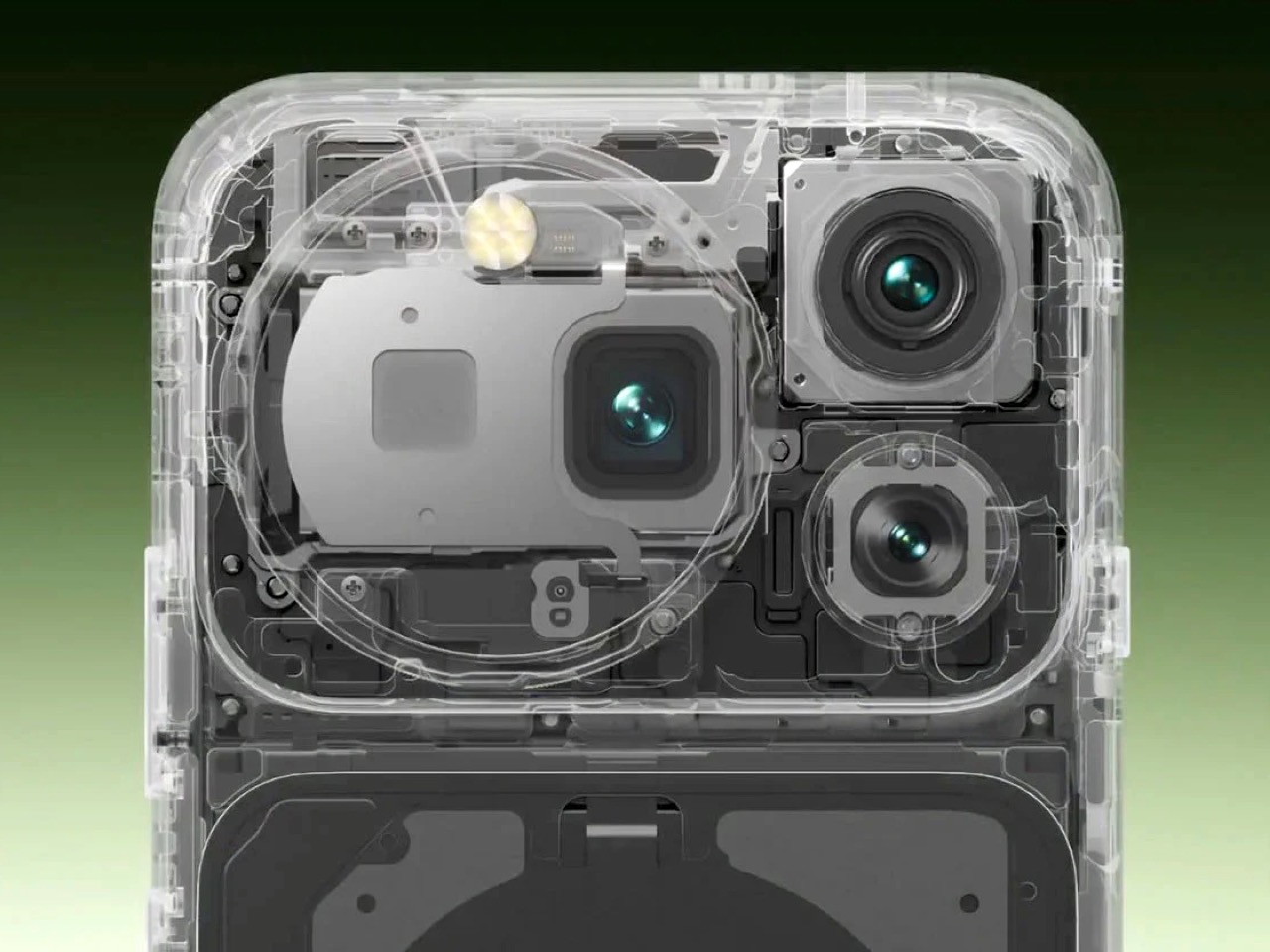
The base Magic9 pairs a 200MP main camera with a 1/1.4-inch sensor and f/1.9 aperture, plus a 200MP periscope telephoto with a 1/1.56-inch sensor and dual-prism design. A 50MP ultrawide completes the rear setup, while the front gets a 55MP square-format selfie camera designed for flexible vertical and horizontal crops. On paper, that is already enough to make most compact flagships sweat a little. The weirdly charming part is that Honor packed all of it into a 209-gram body, which is heavy enough to feel serious but still light enough that your wrist probably will not file a complaint by lunch.
This is also where the ARRI partnership needs a little adult supervision. Honor’s Pro Max press material clearly confirms features like ARRI LogC3, 10-bit color, ARRI Wide Gamut 3, preset ARRI Looks, and a larger library of predefined color gradings. For the base Magic9, the public story is fuzzier. Coverage points to ARRI-tuned imaging and ARRI Looks across the series, but it is still not fully clear which cinema features carry over in full and which are more about color styling than deep capture control. So the safe read is this: the Magic9 definitely borrows some ARRI flavor, but the exact recipe still needs a proper hands-on.
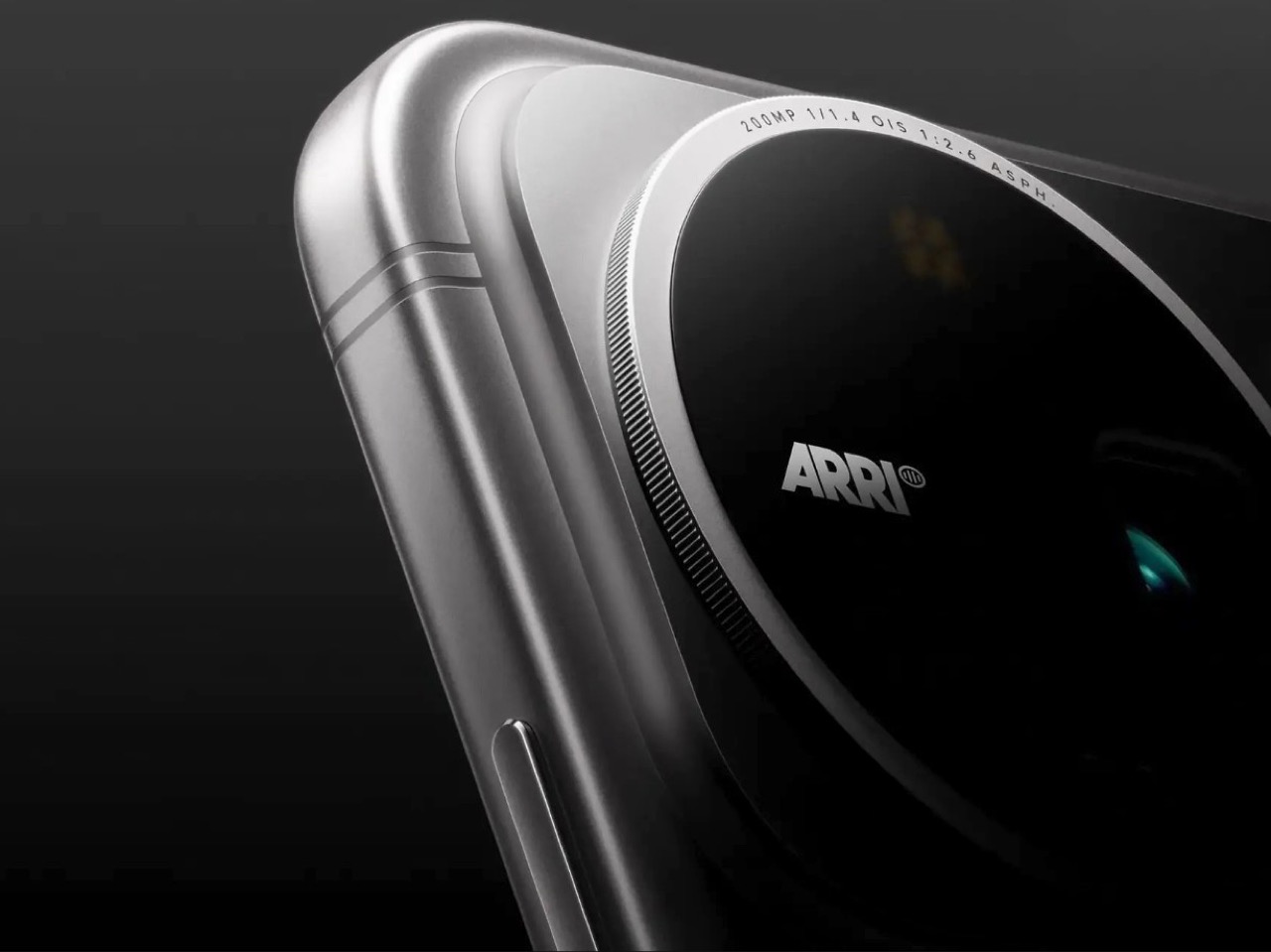
The easiest complaint is the chipset. The Magic9 uses the Snapdragon 8 Elite Gen 5 while the Pro Max gets the new Gen 6, and that immediately makes the base model sound like the one sitting at the kids’ table. In practice, this may be the smartest compromise in the whole lineup. Last year’s flagship chip is still plenty fast for 4K video, gaming, and daily use, and most people will feel the benefit of a bigger battery or better camera hardware far sooner than they will notice a one-generation jump in silicon. Spec sheet purists may clutch their pearls, but regular humans tend to notice battery anxiety before benchmark scores.
That trade-off becomes easier to respect once you look at what Honor did with the saved budget and space. The Magic9 still manages an 8,000mAh battery, 80W wired charging, 50W wireless charging, and a body that stays compact by current flagship standards. That is the part that makes this phone interesting from a design perspective. Honor did not try to win every category at once. It picked the categories that physically change how the phone feels in the hand and how long it lasts away from a charger. Honestly, that is a much more believable kind of ambition than the usual annual race to squeeze another chip name into a headline.
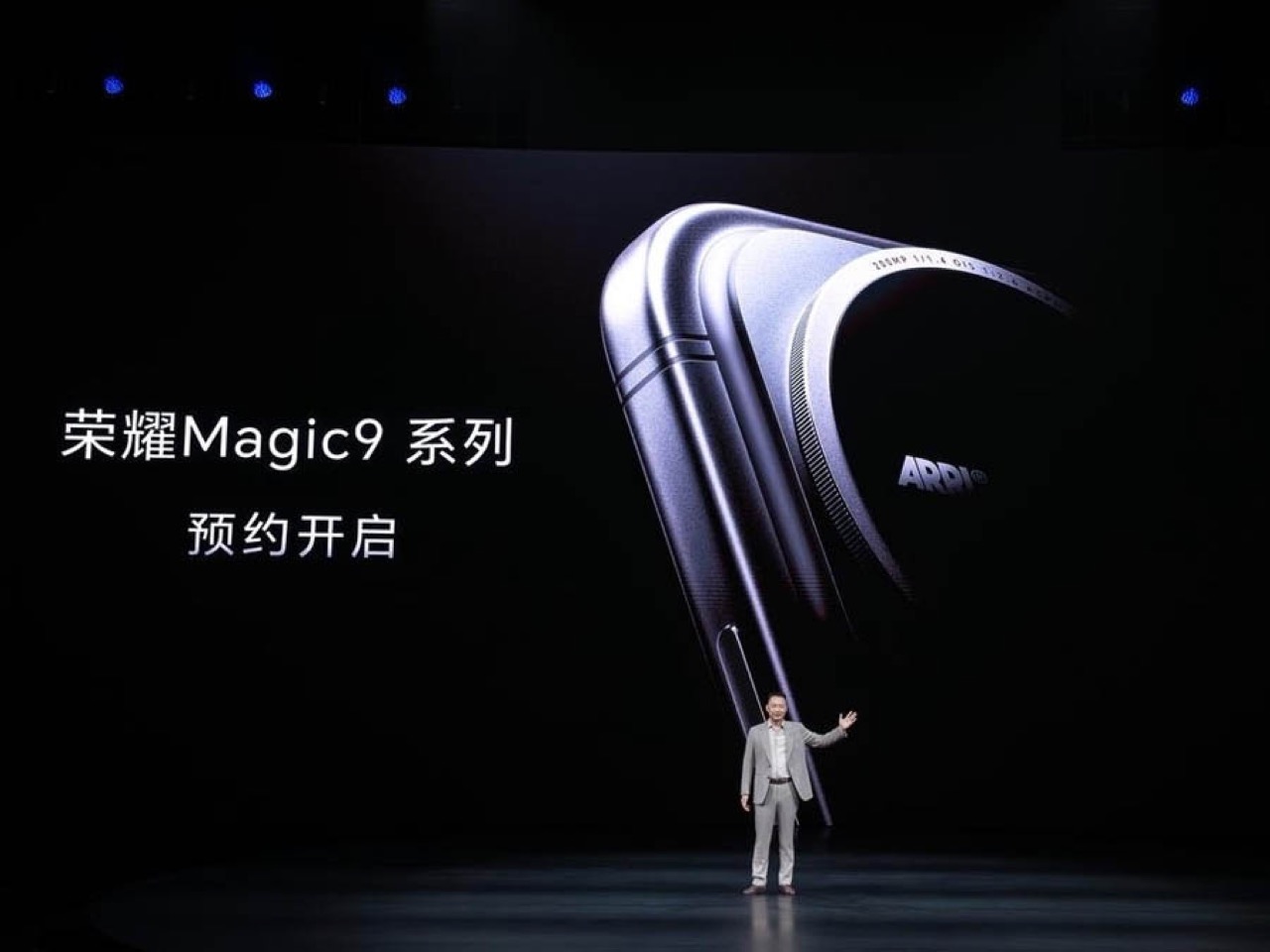
For years, “compact flagship” mostly meant a smaller battery and a camera system that got politely downgraded behind the scenes. The Magic9 flips that script a bit. It keeps the smaller 6.37-inch footprint, goes fully flat, hangs onto dual 200MP cameras, and stuffs in an 8,000mAh battery that sounds almost fake until you see it listed next to the weight. The cost of all that is visible in the panel tech and the older chip, and maybe that is exactly why the phone works as a concept. Every compromise is attached to something tangible on the other side.
That is what makes the Magic9 more interesting than a generic launch story about megapixels and brand partnerships. It feels like a phone designed by subtraction, where Honor kept asking what could be trimmed back so the body could hold onto the stuff people actually touch, carry, frame, and recharge. Whether the ARRI connection turns into genuinely better footage or just cooler color science remains to be tested. But as an object, the Magic9 already lands its point pretty clearly: if you want a compact camera phone in 2026, the real challenge is not making it smaller, it is deciding what deserves to stay big.
The post Honor Magic9 crams dual 200MP cameras into a 6.37-inch phone first appeared on Yanko Design.