Nothing’s Phone 4a Pro picks up flagship features and an even brighter display for $499

Back in January, Nothing shared that it wouldn't be releasing its flagship Nothing Phone 4 in 2026, and instead focusing on follow-ups to its midrange Phone 3a and Phone 3a Pro. After some expected teasing, those sequels have arrived: the Phone 4a Pro and Phone 4a. And like Nothing's previous devices, they seem like meaningful departures from what the company has tried in the past.

The Nothing 4a Pro represents the biggest change. Gone is the translucent back meant to offer a pseudo-glimpse into the internals of the phone, and in its place is a metal unibody design in black, silver or pink, and Nothing's Glyph Matrix interface, now even larger and brighter than it was on the Phone 3. Nothing describes the Phone 4a Pro as its slimmest phone ever, and on some level its reminiscent of the iPhone 17 Pro, but the changes in design and materials also support improvements to durability (the phone is rated for IP65 water resistance) and cooling.
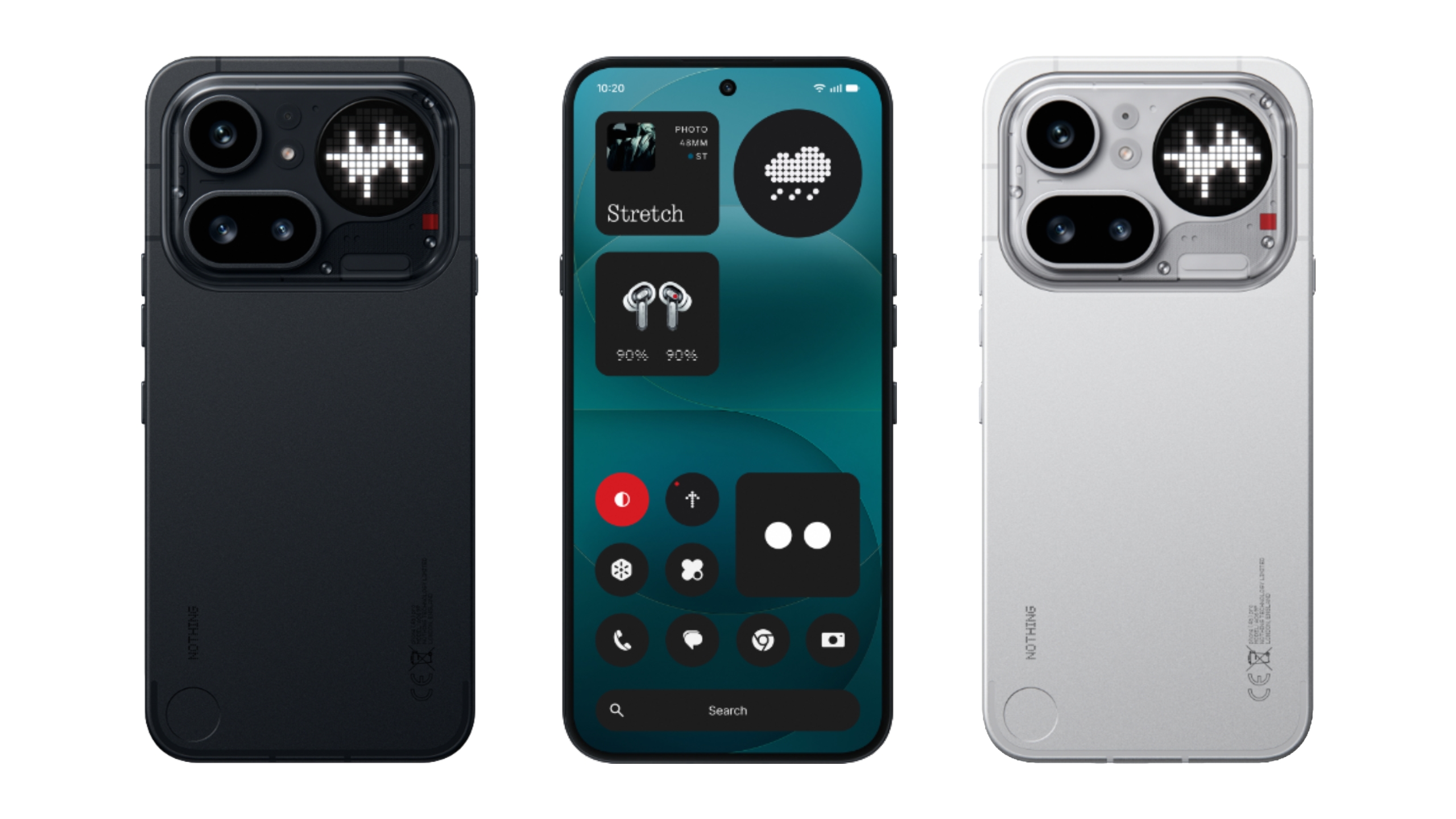
The back of a black Nothing Phone 4a Pro, the front screen of a black Phone 4a Pro and the back of a silver Phone 4a Pro.
Nothing

In terms of components, the Phone 4a Pro includes a 6.83-inch AMOLED display with 144Hz refresh rate, and a peak brightness of 5000 nits, and a 5,080mAh battery Nothing says should offer up to 17 hours of use. Like the Phone 3a Pro, the phone also includes four cameras, in this case a 50-megapixel wide lens, a 32-megapixel selfie camera, an ultra-wide and 50-megapixel periscope telephoto lens that's capable of 140x zoom, twice as much as the Phone 4a. While the phone doesn't include Qualcomm's flagship Snapdragon 8 Elite Gen 5 chip, Nothing opted to use the Snapdragon 7s Gen 4, which isn't as powerful, but should be capable of running Nothing's growing list of AI-powered features.

The Nothing Phone 4a was more heavily teased leading up to today's announcement, but still includes plenty of nice upgrades over the Phone 3a. The midrange smartphone evolves Nothing's trademark translucent design with new colors (white, pink, black and blue), IP64 dust and water resistance and an updated "Glyph Bar" that's brighter and now runs in a straight line next to the 4a's cameras. The Phone 4a has four cameras, a 50-megapixel wide that takes in 64 percent more light, a 32-megapixel selfie camera, an ultra-wide and a new 50-megapixel tetraprism periscope telephoto lens that's capable of a 3.5x optical zoom, 7x lossless zoom and up to a 70x ultra zoom.
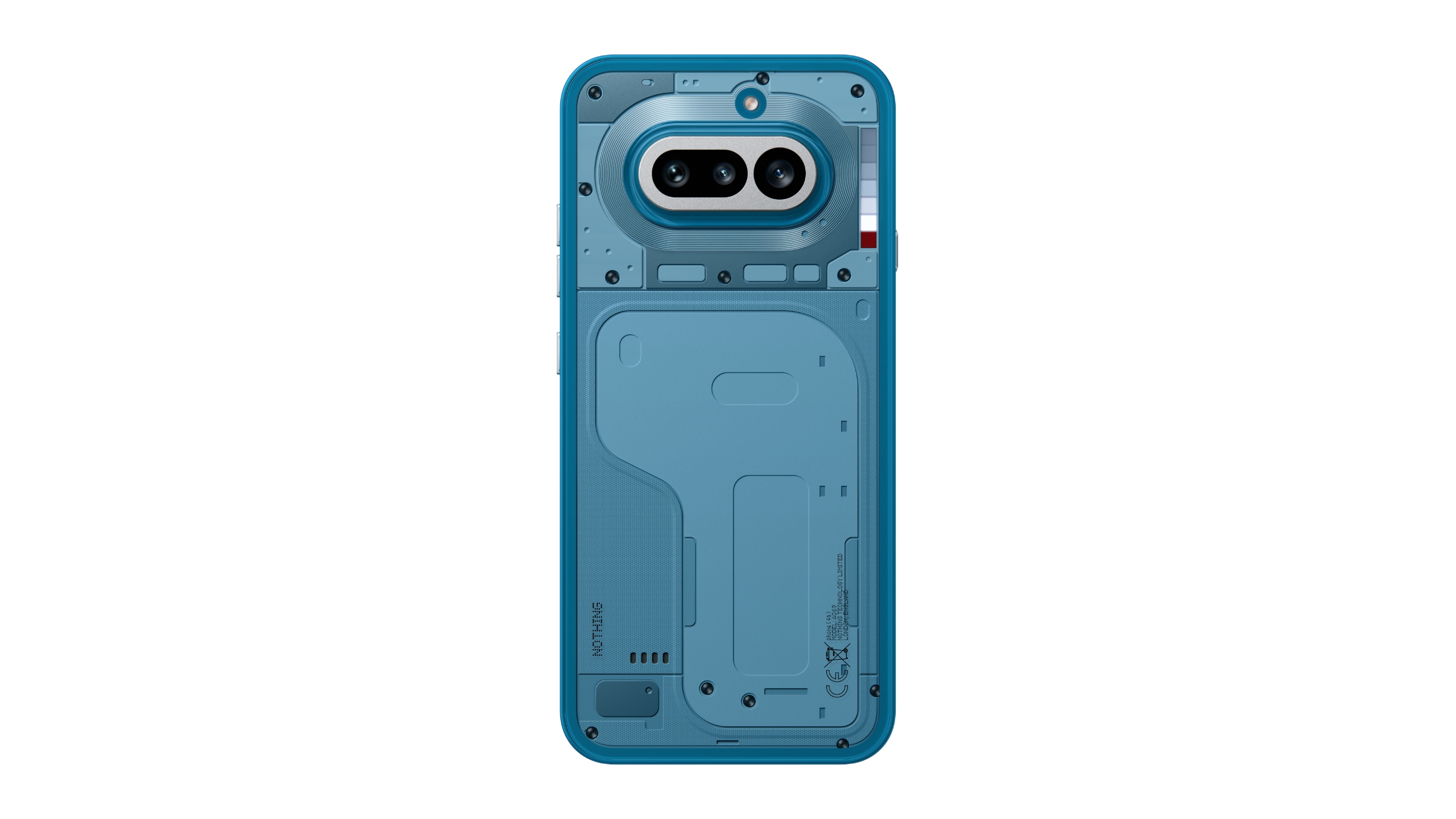
The Nothing Phone 4a in blue with its new "Glyph Bar."
Nothing

Like its more premium sibling, the Phone 4a includes an AMOLED display, though in a smaller 6.78-inch size, with a 120Hz refresh rate and a peak brightness of 4,500 nits. The display is covered with Gorilla Glass 7i, which is supposed to be twice as scratch-resistant as the previous generation, and even better for placing the phone face down. Internally, the Pro's Snapdragon 7s Gen 4 chip and 5,080mAh battery also make the jump to the cheaper phone.

Nothing says both phones will ship with Nothing OS 4.1, which includes Essential Search for looking up information across apps, personalized results based on your saved "Memories" in Essential Space and Nothing Playground, an app for using AI to create custom widgets. Nothing OS 4.1 is based on Android 16, and Nothing says Phone 4a and Phone 4a Pro owners are guaranteed three years of Android updates and six years of security patches.

Global pre-orders for the Phone 4a begin today, and the phone is available in three different configurations depending on your region and the amount of RAM and storage you want. The Phone 4a starts at €349 for 8GB and 12GB and can cost as much as €429 for 12GB of RAM and 256GB of storage. 

While the Phone 4a Pro will be available globally, the fancier of Nothing’s two new phones is the only one coming to the US. The Phone 4a Pro will be available to pre-order starting March 13, and will either cost $499 for 8GB of RAM and 128GB of storage or $599 for 12GB of RAM and 256GB of storage.

This article originally appeared on Engadget at https://www.engadget.com/mobile/smartphones/nothings-phone-4a-pro-picks-up-flagship-features-and-an-even-brighter-display-for-499-111500926.html?src=rss
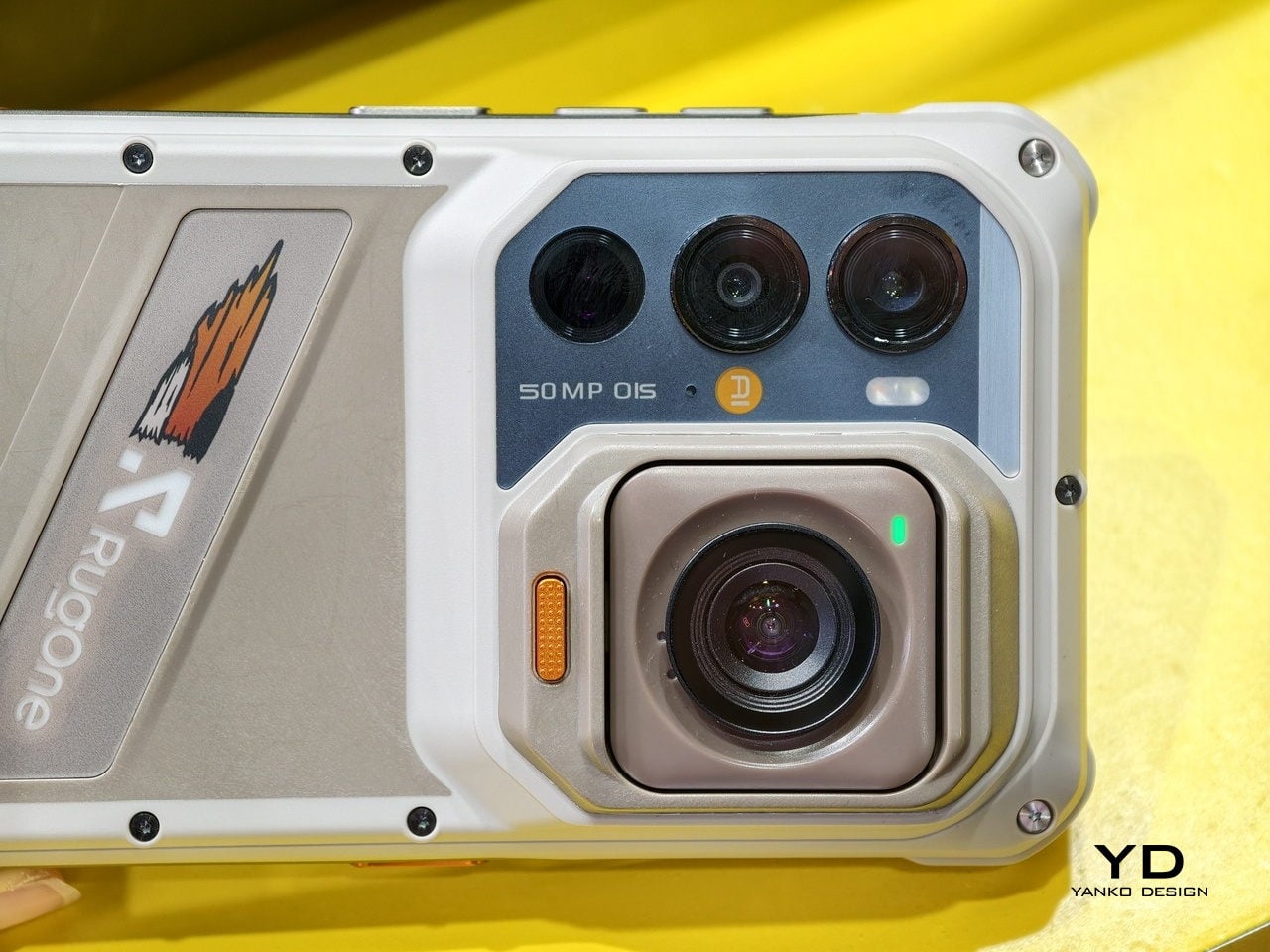
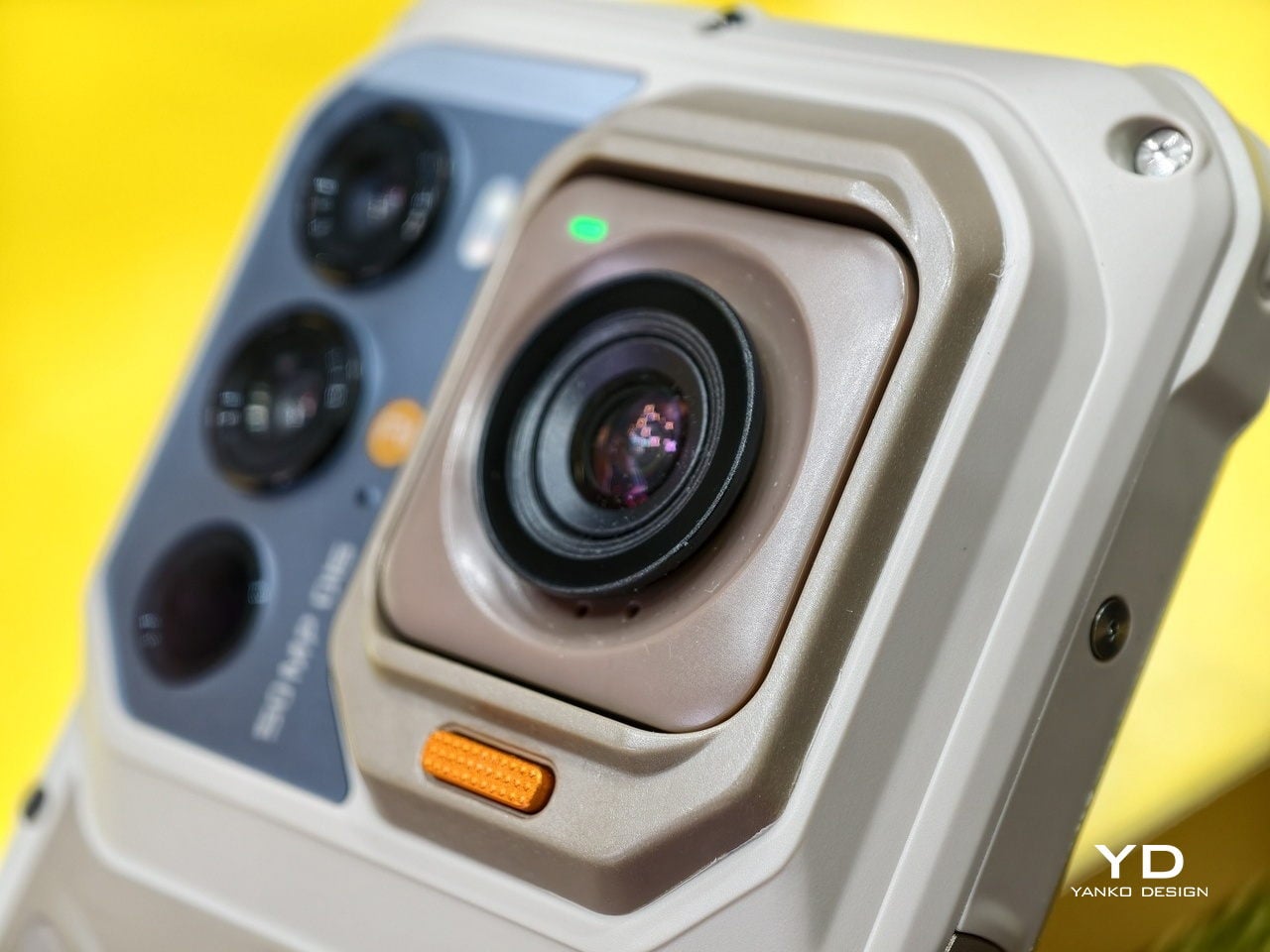
This Rugged Phone’s Action Camera Pops Off to Become a Wearable

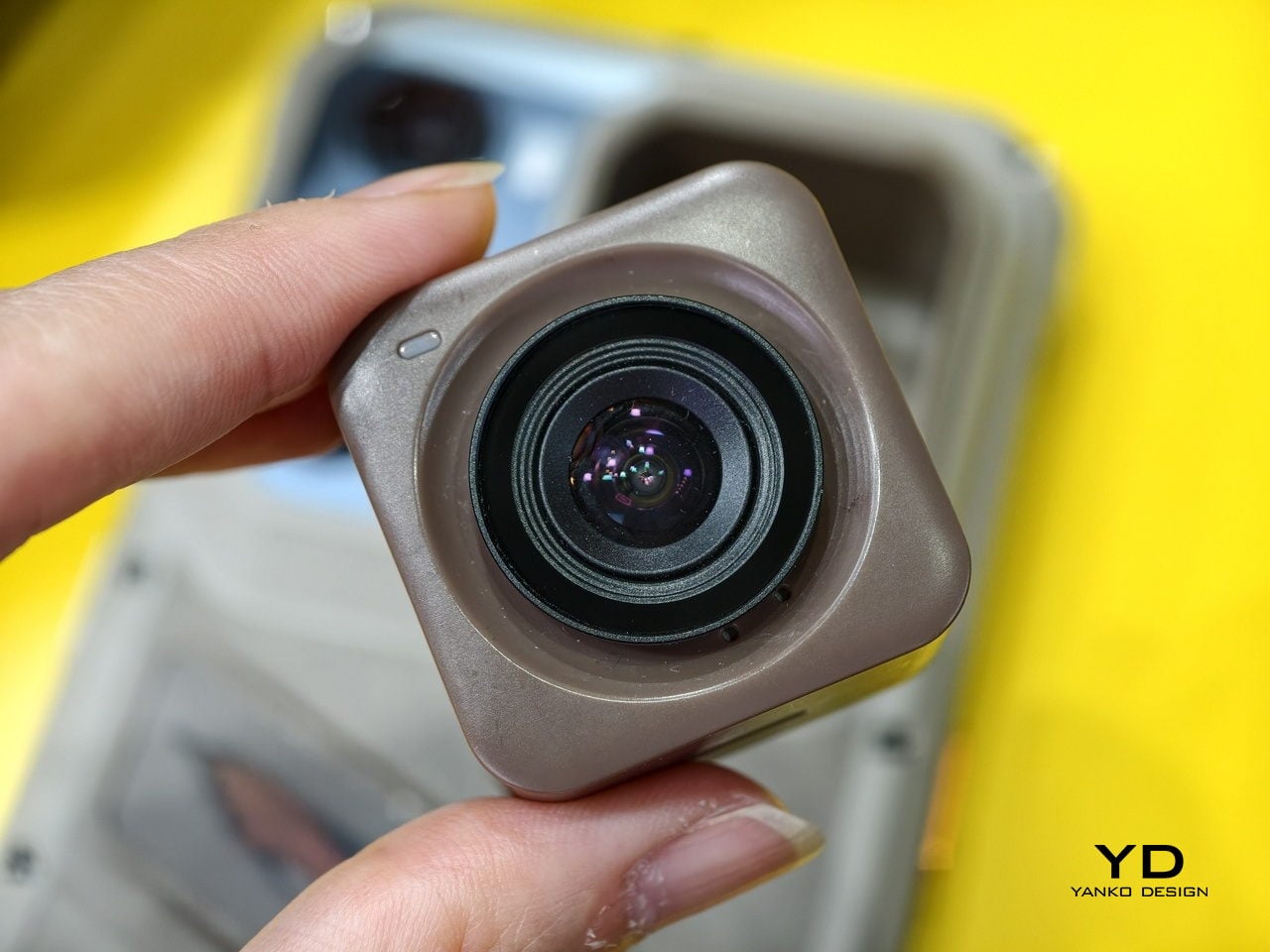
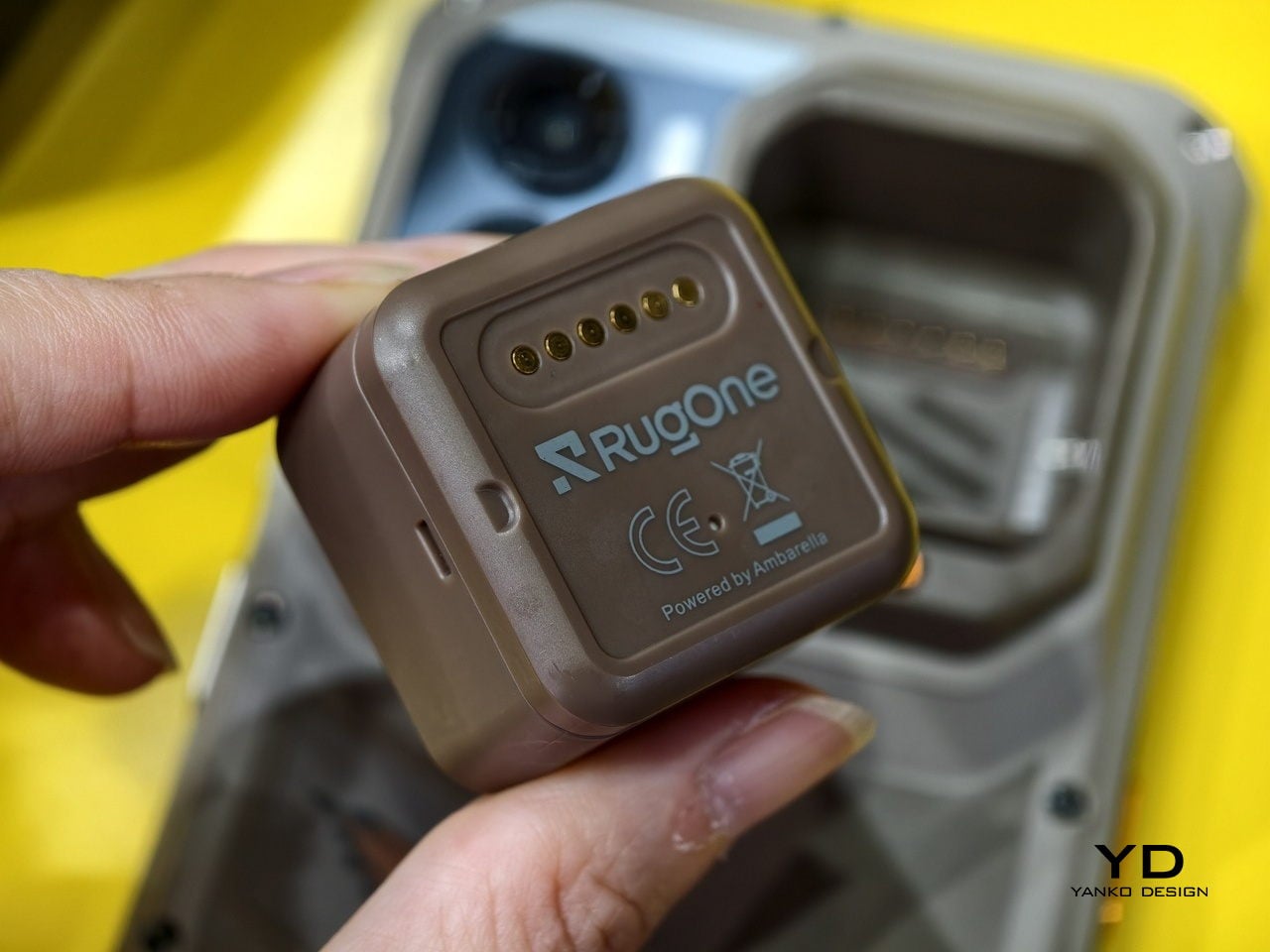
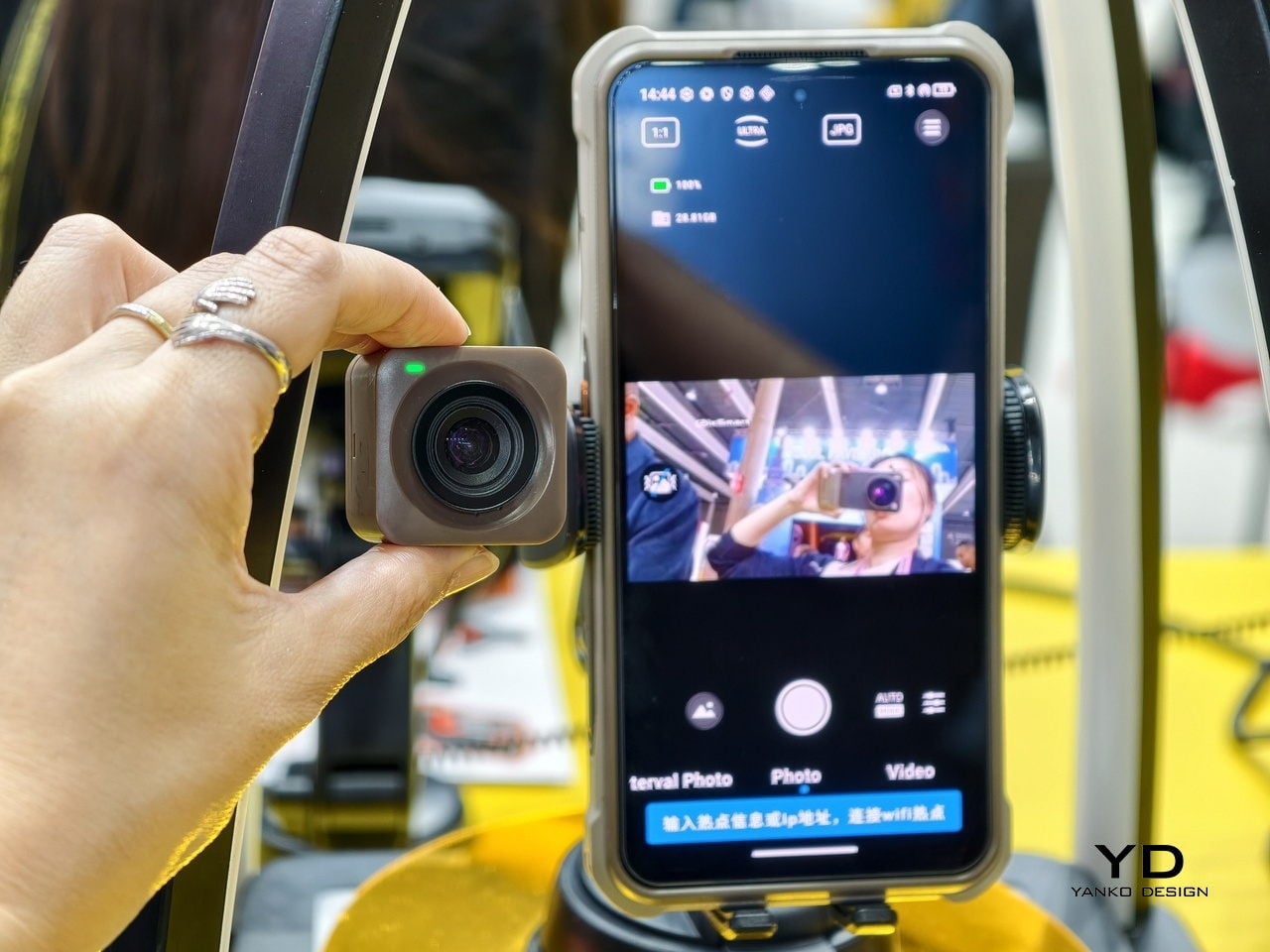
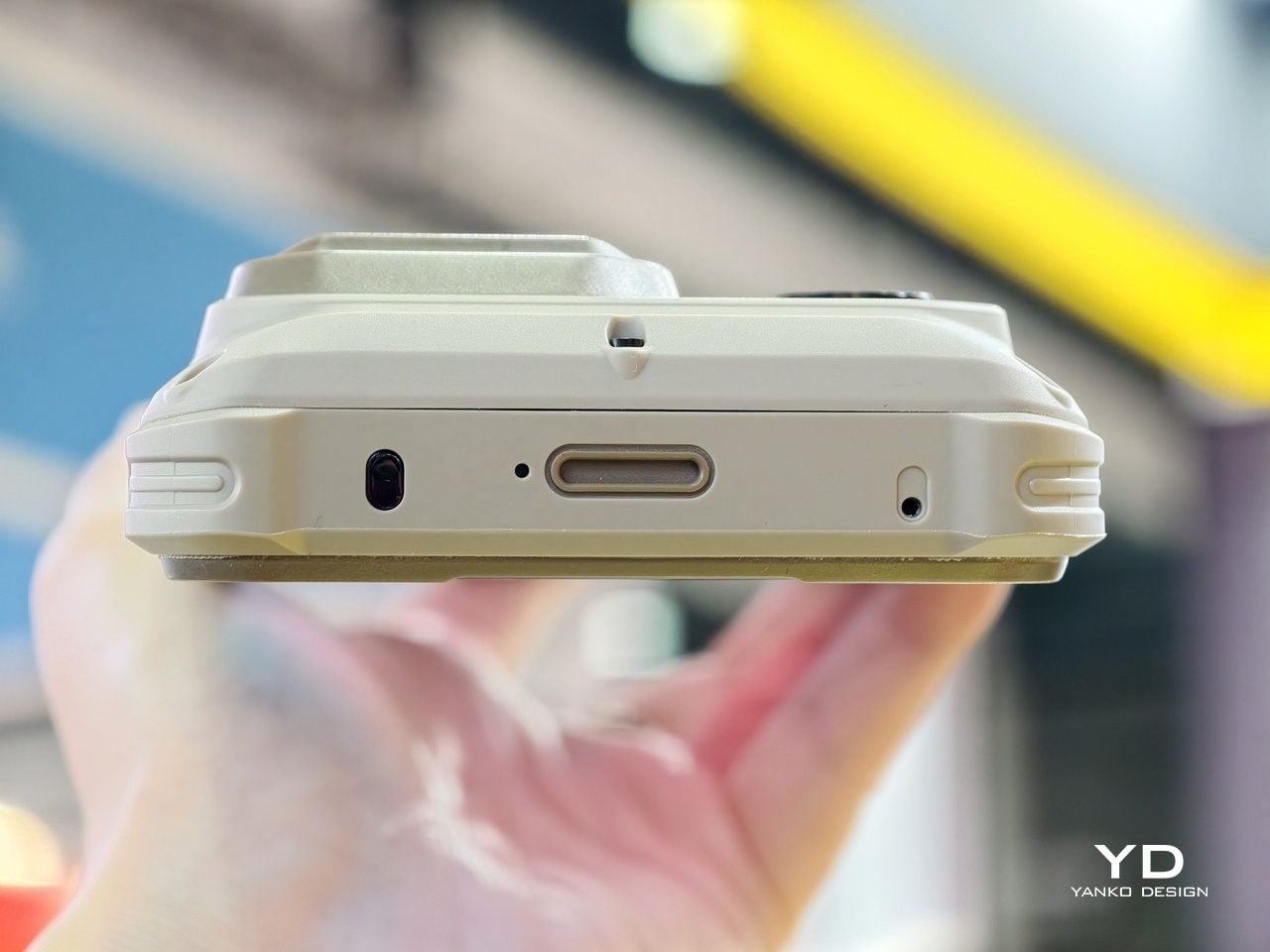
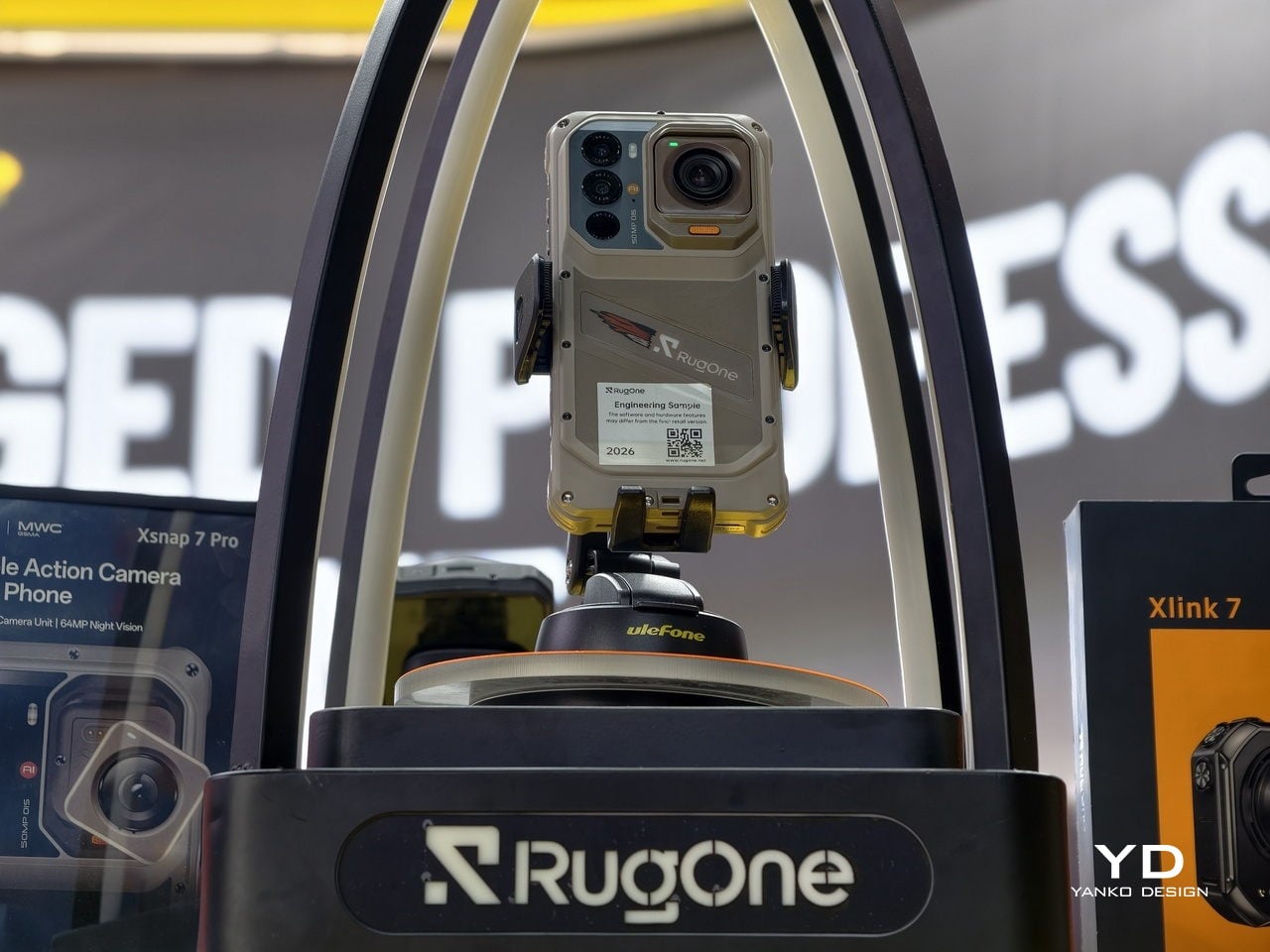
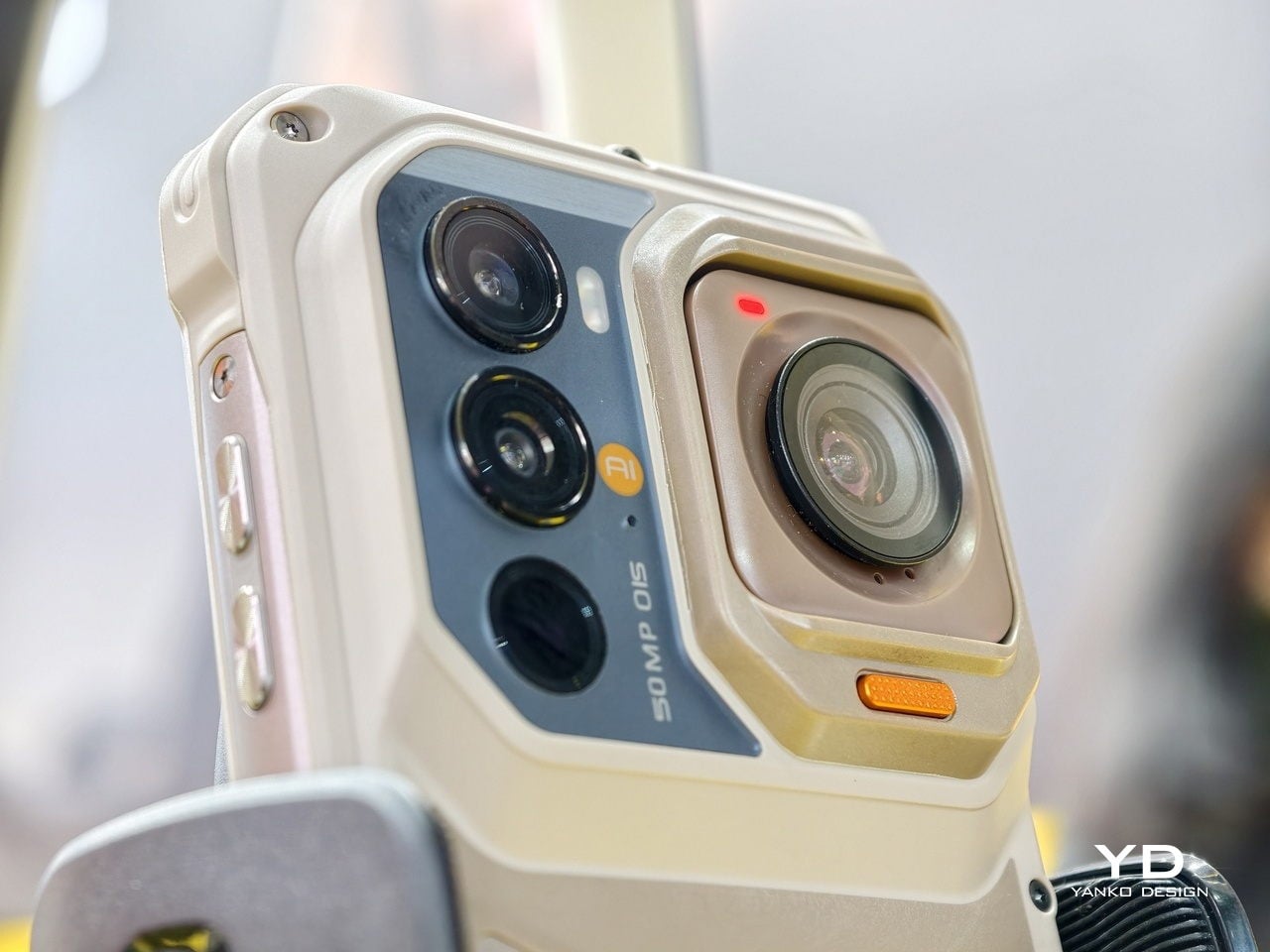
Action cameras and rugged phones have always solved slightly different problems. One survives the adventure; the other documents it. Bringing both means two devices, two cables, and two things to lose in a river. Ulefone’s RugOne Xsnap 7 Pro tries to close that split by putting a detachable magnetic action camera directly on the back of the phone, so both jobs start from one object.

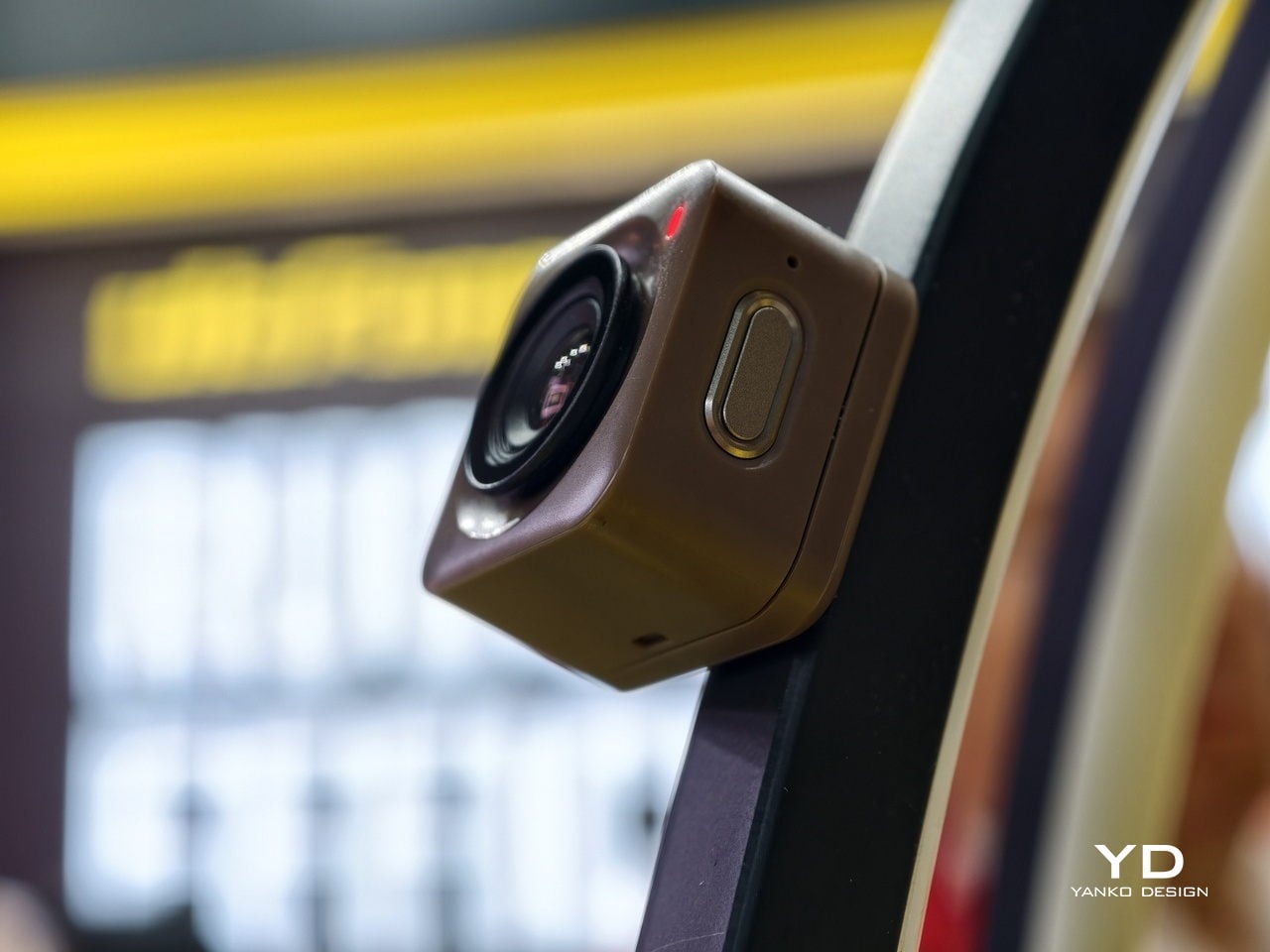
The module snaps onto the rear chassis magnetically, drawing obvious design inspiration from the Insta360 GO series, and peels off into a fully independent wearable. Stick it on a helmet or a bike frame, and it films hands-free while the phone handles viewing and charging. The two pieces are built as a single system, not as separate products that happen to coexist on the same body.

Designer: Ulefone

Ulefone has not yet disclosed the module’s sensor resolution, video specifications, or battery life. Given its thumb-sized form, runtime is likely limited; the Insta360 GO 3S manages roughly 30 minutes per charge in a comparably small body. That is workable for a short trail run or a surf session, but it will not replace a dedicated action camera for a full day out. The production specs will matter a lot once they arrive.

The phone itself is not an afterthought. A MediaTek Dimensity 8400 5G chipset sits inside, paired with a 50 MP OIS main camera, a 64 MP night vision lens, and a 9,000 mAh battery behind a 6.67-inch 1.5K AMOLED display at 120 Hz. That night vision lens is the kind of spec aimed at people who are actually outdoors after dark, not those who like to imagine they could be.

Ulefone is also pitching the magnetic dock as the base for a broader module ecosystem, with planned additions that include thermal imaging, night vision enhancement, and a professional lens suite. That framing is familiar territory in the modular phone space and has collapsed under its own ambitions before. Tracking how many of those planned modules actually ship, rather than staying on a roadmap slide, will be worth watching.

Pricing has not been set, and a mid-2026 commercial launch is the current target. The things that will actually determine the phone’s value, including how quickly the module detaches, how reliably the phone recognizes reattachment, and how cleanly footage syncs, are details that only a finished unit in regular use can settle.

Rugged phones have spent years stacking specs that most owners never actually invoke, so a design decision that changes what the phone physically does day to day is worth paying attention to. The module ecosystem is what separates a compelling demo from a genuinely useful product, and that part of the story depends entirely on whether the follow-through arrives on time and in one piece.

The post This Rugged Phone’s Action Camera Pops Off to Become a Wearable first appeared on Yanko Design.

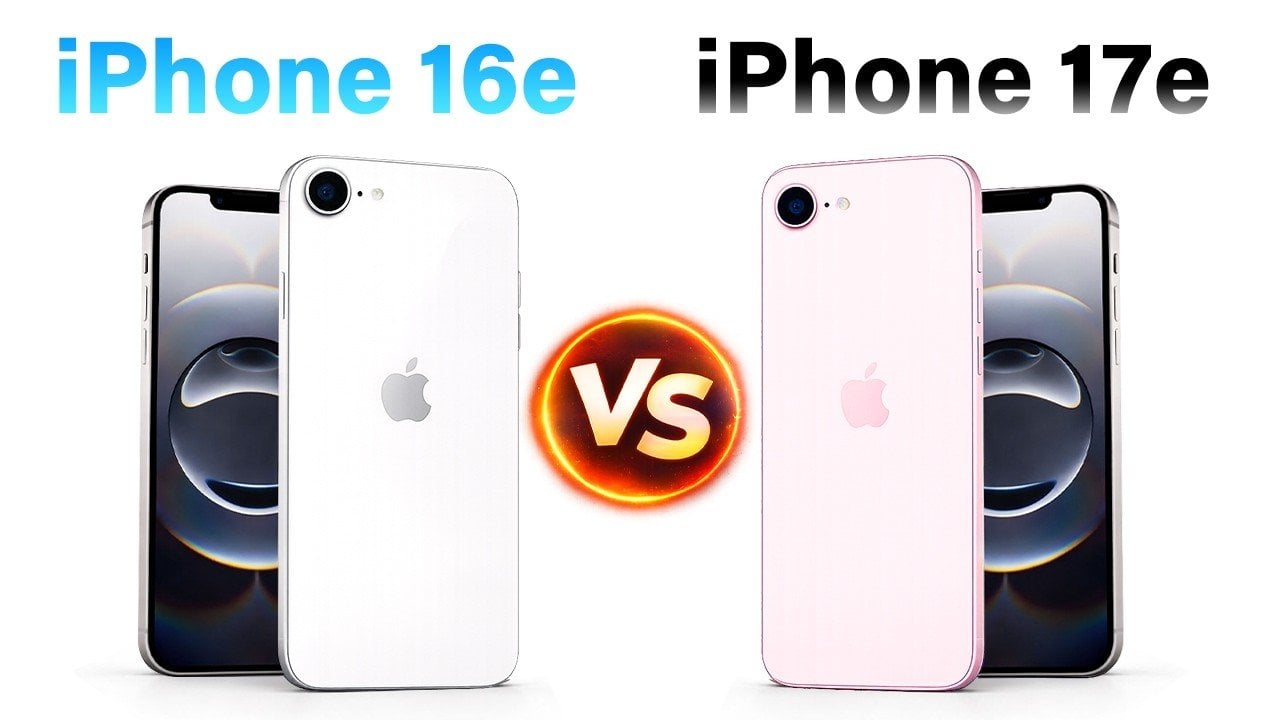
Forget the iPhone 16e: The iPhone 17e’s 256GB Base Storage Changes Everything

Forget the iPhone 16e: The iPhone 17e’s 256GB Base Storage Changes Everything Front view of iPhone 17e displaying an OLED screen brightness meter reading 1,200 nits at peak.

The iPhone 17e introduces a series of thoughtful upgrades over its predecessor, the iPhone 16e, focusing on enhanced performance, improved durability, and user-centric features. While the overall design remains consistent with the previous model, the advancements in processing power, charging capabilities, camera technology, and sustainability aim to deliver a more refined and efficient experience. Whether […]

The post Forget the iPhone 16e: The iPhone 17e’s 256GB Base Storage Changes Everything appeared first on Geeky Gadgets.

Posted in Uncategorized

Google reportedly muzzles Epic Games CEO Tim Sweeney until 2032

Epic Games’ courtroom battle with Google is over, but it’s reportedly going to affect how its CEO can speak about the tech giant for years for years to come. According to The Verge, part of the settlement terms Epic had signed has a clause stating that Epic and Sweeney will have to speak positively about Google’s competitiveness and app store operations going forward. “Epic believes that the Google and Android platform, with the changes in this term sheet, are procompetitive and a model for app store / platform operations, and will make good faith efforts to advocate for the same,” the clause reportedly reads.

Further, The Verge says the settlement terms between the companies will expire five years after Google is done rolling out changes to its service fees. Since Google expects to finish implementing changes worldwide by September 30, 2027, Sweeney can’t speak negatively about the app store until after September 30, 2032.

Sweeney is one of the most vocal critic of how Apple and Google operate their app stores, which had led to several lawsuits between the companies. He once called both Apple and Google “gangster-style businesses” that will “always continue” to be engaged in illegal practices and just pay the fine afterwards. Epic Games filed a lawsuit against Google in 2020, accusing it of illegal monopoly on app distribution and in-app billing services for Android devices. In 2023, Google lost the lawsuit. It then lost its appeal two years later, before the companies reached a settlement in November 2025. On March 4 this year, Google officially scrapped the 30 percent cut it takes from Play Store transactions, lowering it to 20 percent and even to 15 percent in some cases.

In response to the Google’s decision, Epic Games is bringing back Fortnite to the Play Store worldwide. “Google is opening up Android all the way with robust support for competing stores, competing payments, and a better deal for all developers. So, we've settled all of our disputes worldwide. THANKS GOOGLE!” Sweeney posted on X. Based on the clause in their settlement, future statements from the CEO about Google will need to carry a similar tone, in the next few years at least.

Update, March 5 2026, 2:13PM ET: Epic reached out to Engadget to share an important clarification: “Criticizing Google is fair game on topics not related to app store distribution/ fees,” the company wrote on X, “Epic and Google agreed to not disparage only on topics about the settlement.” We’ve updated the copy of our story to reflect the specificity of the non-disparagement agreement, and look forward to the ways in which Epic will certainly exercise its remaining capacity to be critical of Google.

This article originally appeared on Engadget at https://www.engadget.com/gaming/google-reportedly-muzzles-epic-games-ceo-tim-sweeney-until-2032-105501644.html?src=rss

Free Pencil AI Design Tool Quickly Creates Editable UI Layouts Complete with Style Guides

Free Pencil AI Design Tool Quickly Creates Editable UI Layouts Complete with Style Guides Pencil AI interface showing an AI-generated landing page layout with editable sections and a visible style guide panel.

DesignCourse explores how Pencil.dev addresses the challenges of creating visually engaging yet functional layouts, often referred to as “vibe designed” layouts. By using AI-driven features like real-time layout generation and adherence to style guides, Pencil AI offers a structured approach to tackling repetitive design patterns. For example, its ability to integrate pre-built design components ensures […]

The post Free Pencil AI Design Tool Quickly Creates Editable UI Layouts Complete with Style Guides appeared first on Geeky Gadgets.

Posted in Uncategorized

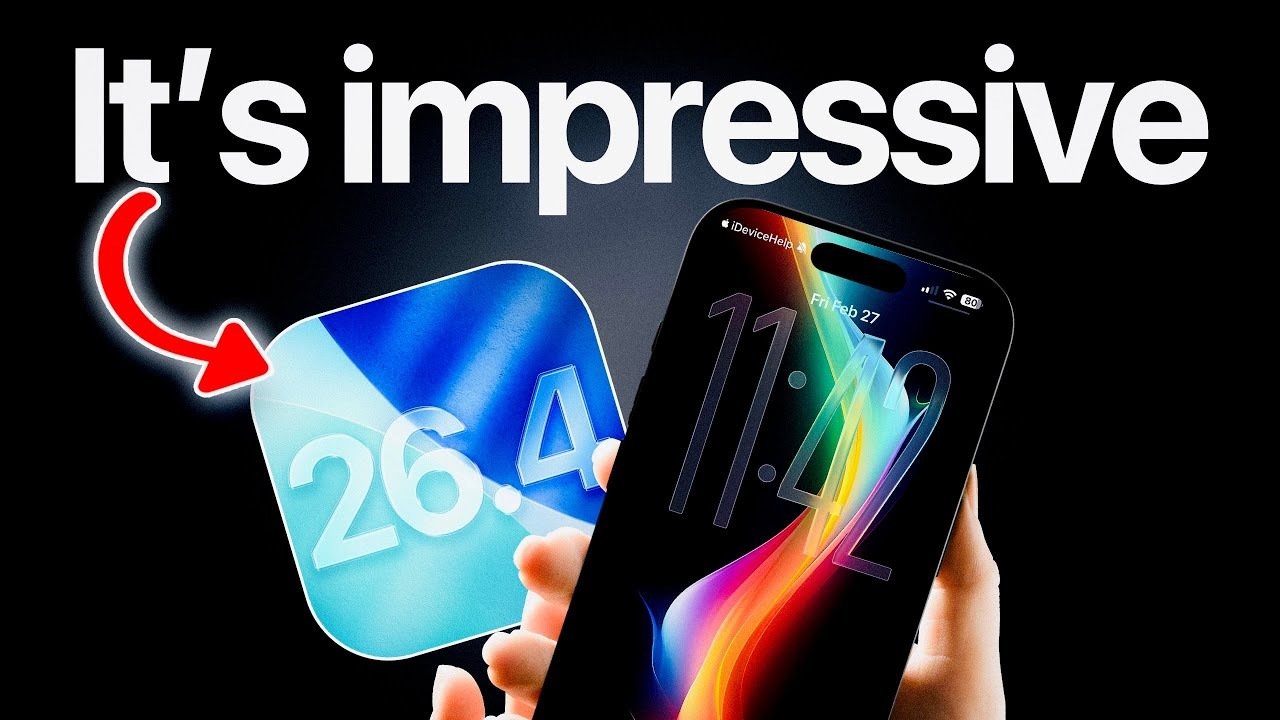
iOS 26.4 Update: New Features You Need to Know

iOS 26.4 Update: New Features You Need to Know iOS 26.4 update showcasing performance and accessibility improvements

Apple’s iOS 26.4 beta 2 update introduces a range of enhancements designed to improve performance, accessibility, and the overall user experience. With notable advancements in battery life, Wi-Fi stability, and features aimed at inclusivity, this update highlights Apple’s ongoing commitment to addressing user needs. While minor issues persist, the update sets the stage for a […]

The post iOS 26.4 Update: New Features You Need to Know appeared first on Geeky Gadgets.

Posted in Uncategorized

Google Antigravity Automation Effeciently Sorts Your Email Inbox

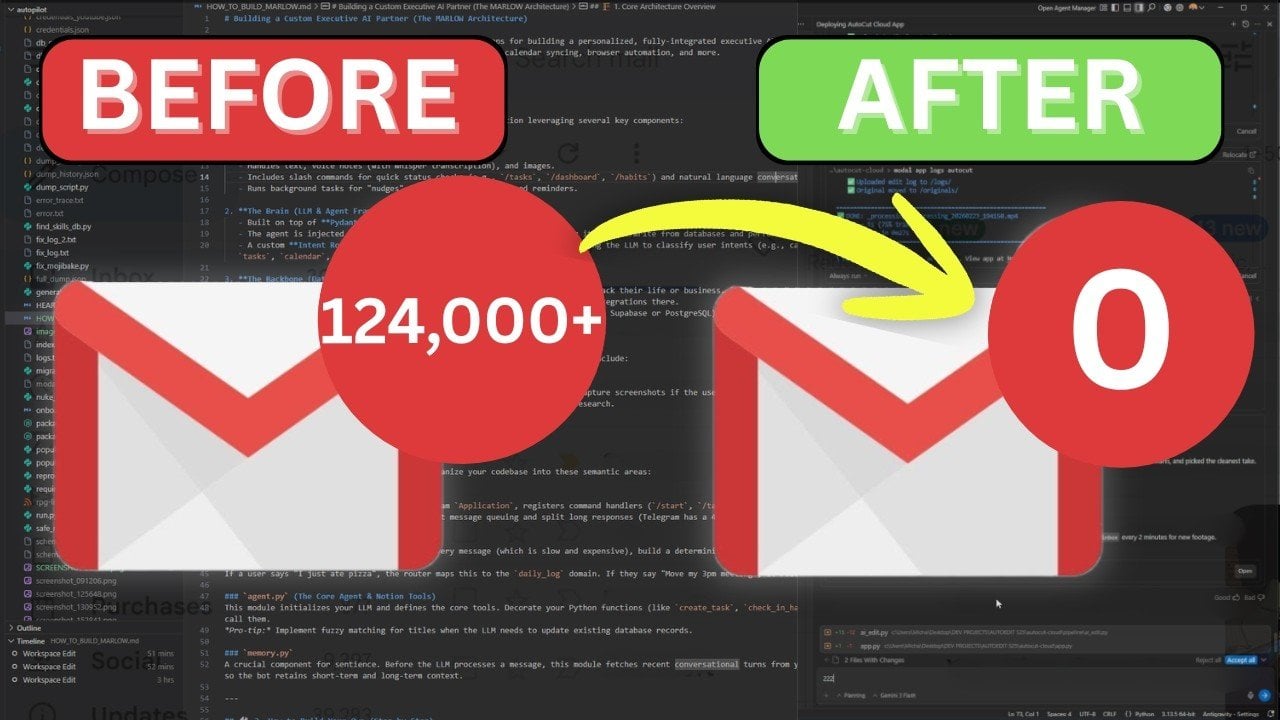
Google Antigravity Automation Effeciently Sorts Your Email Inbox Screenshot-style view of Antigravity guiding a Python workflow to triage a Gmail inbox with 124,000 unread emails.

Managing an inbox with 124,000 unread emails may seem like an insurmountable task, but Eric Michaud demonstrates how AI-powered solutions can simplify the process. By using Google Antigravity and Open Router, this approach combines automation with a structured workflow to tackle even the most chaotic inboxes. The method includes three distinct phases: bulk deletion to […]

The post Google Antigravity Automation Effeciently Sorts Your Email Inbox appeared first on Geeky Gadgets.

Posted in Uncategorized

M5 Pro & M5 Max MacBook Pros Unleashed: How Apple’s New ‘Super Cores’ Change the Pro Game

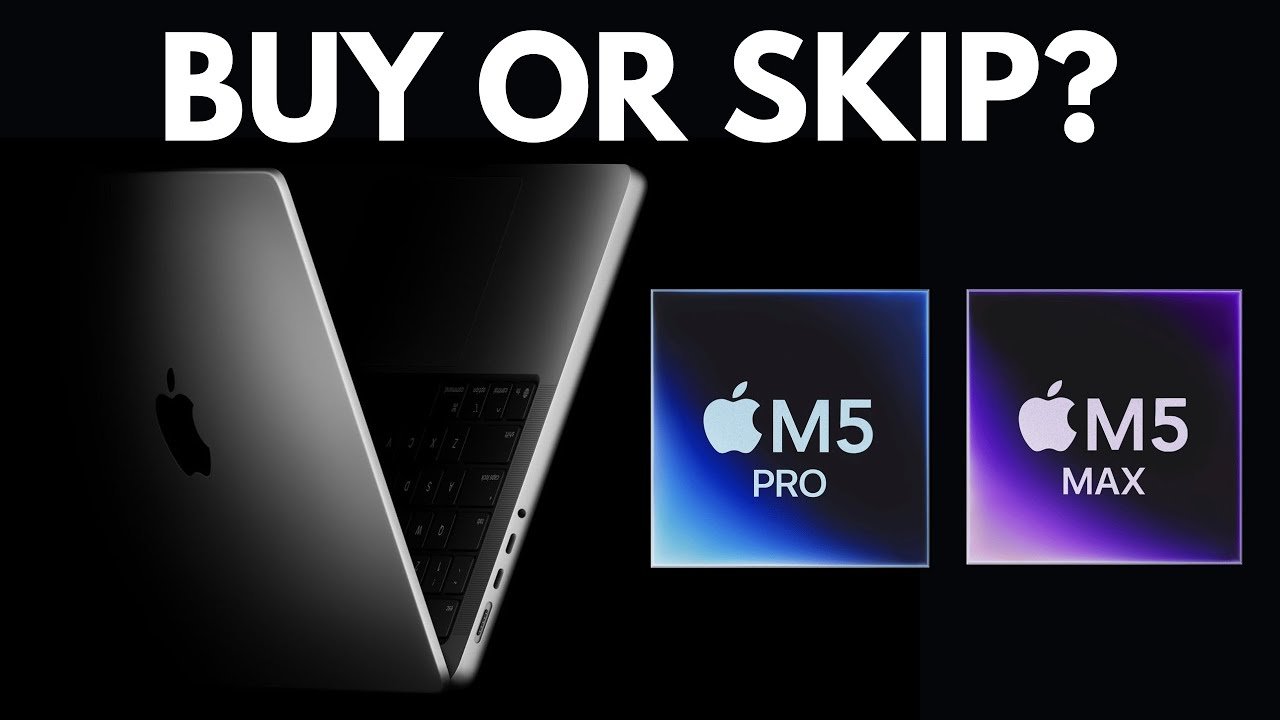
M5 Pro & M5 Max MacBook Pros Unleashed: How Apple’s New ‘Super Cores’ Change the Pro Game Apple M5 Pro and M5 Max MacBook Pro shown during launch, highlighting performance upgrades without external design changes.

Apple has unveiled the M5 Pro and Max MacBook Pros, showcasing notable advancements in performance and efficiency. These new chipsets are designed to meet the needs of professionals handling demanding tasks such as video editing, 3D rendering, and software development. With promises of faster processing, enhanced graphic,s and improved energy efficiency, these laptops aim to […]

The post M5 Pro & M5 Max MacBook Pros Unleashed: How Apple’s New ‘Super Cores’ Change the Pro Game appeared first on Geeky Gadgets.

Posted in Uncategorized

Samsung’s Mini PetBot Gives AI a Face So It Feels Less Cold

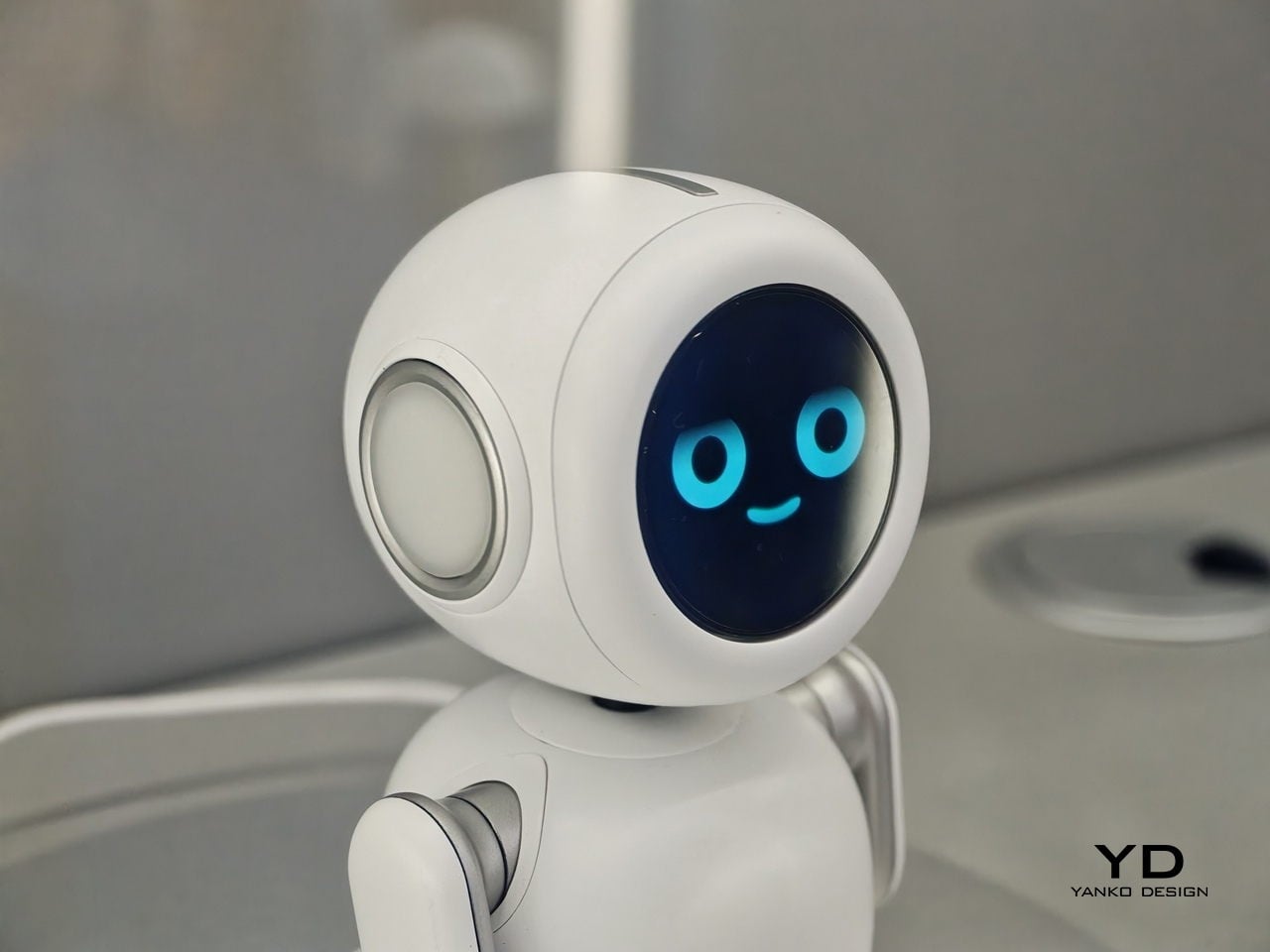
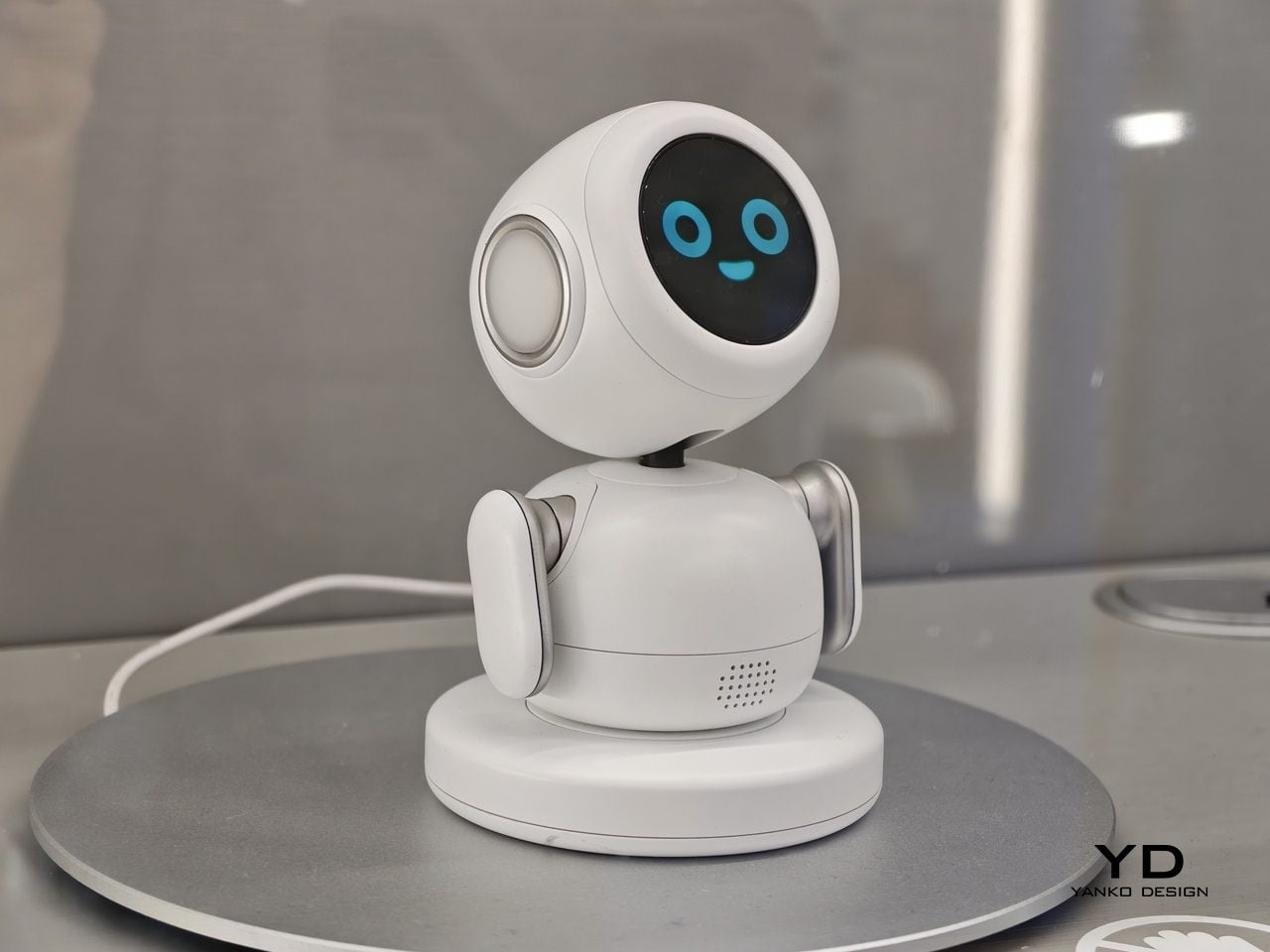
Talking to AI still feels a bit strange for a lot of people. You type into a chat box or ask a question into empty air, and something invisible answers back. It works, but it does not feel particularly warm. That low-grade awkwardness has quietly pushed a whole product category into existence: small, expressive desktop robots designed to put a visible face on AI and make the whole interaction feel less like filling out a form.

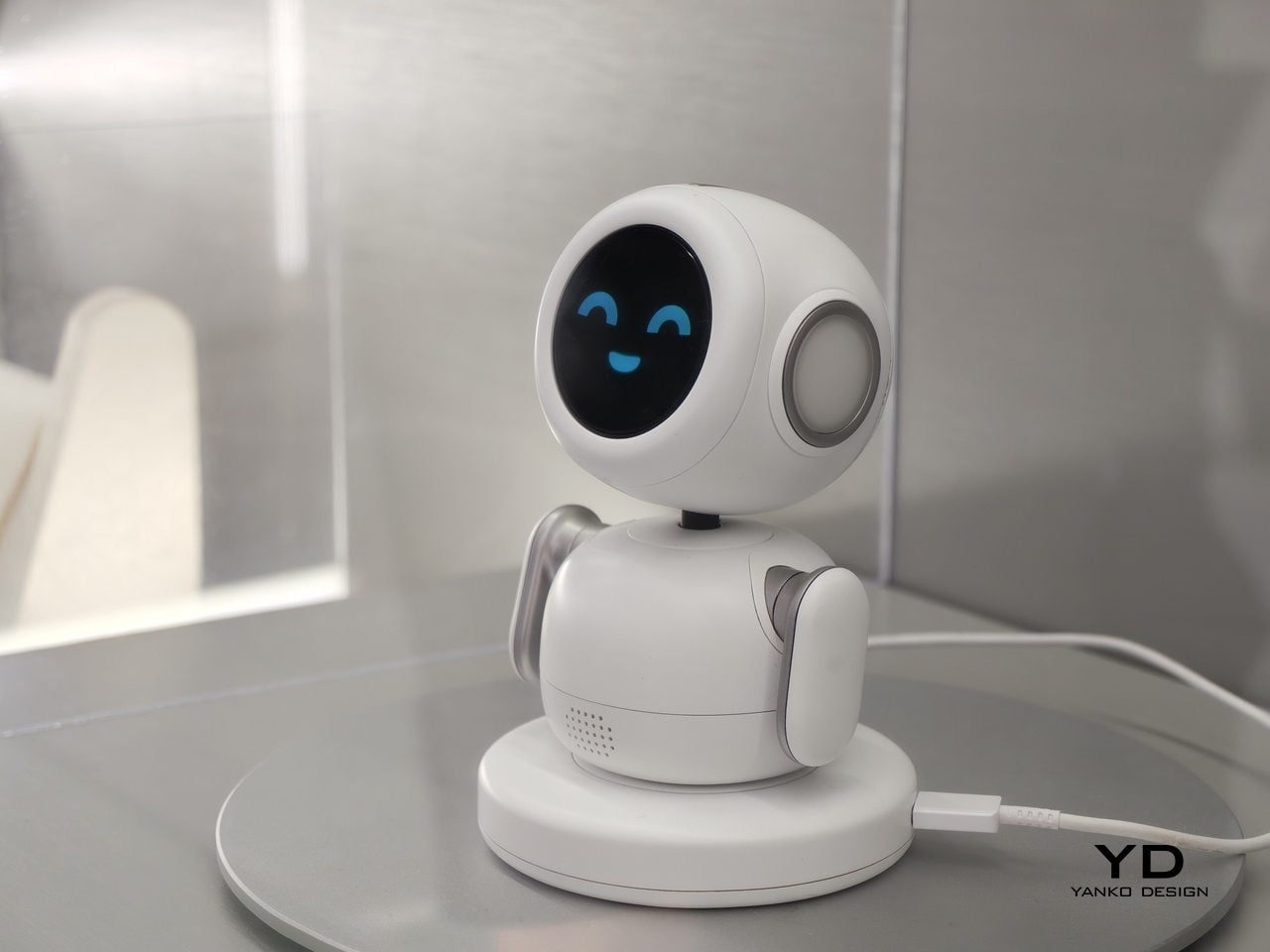
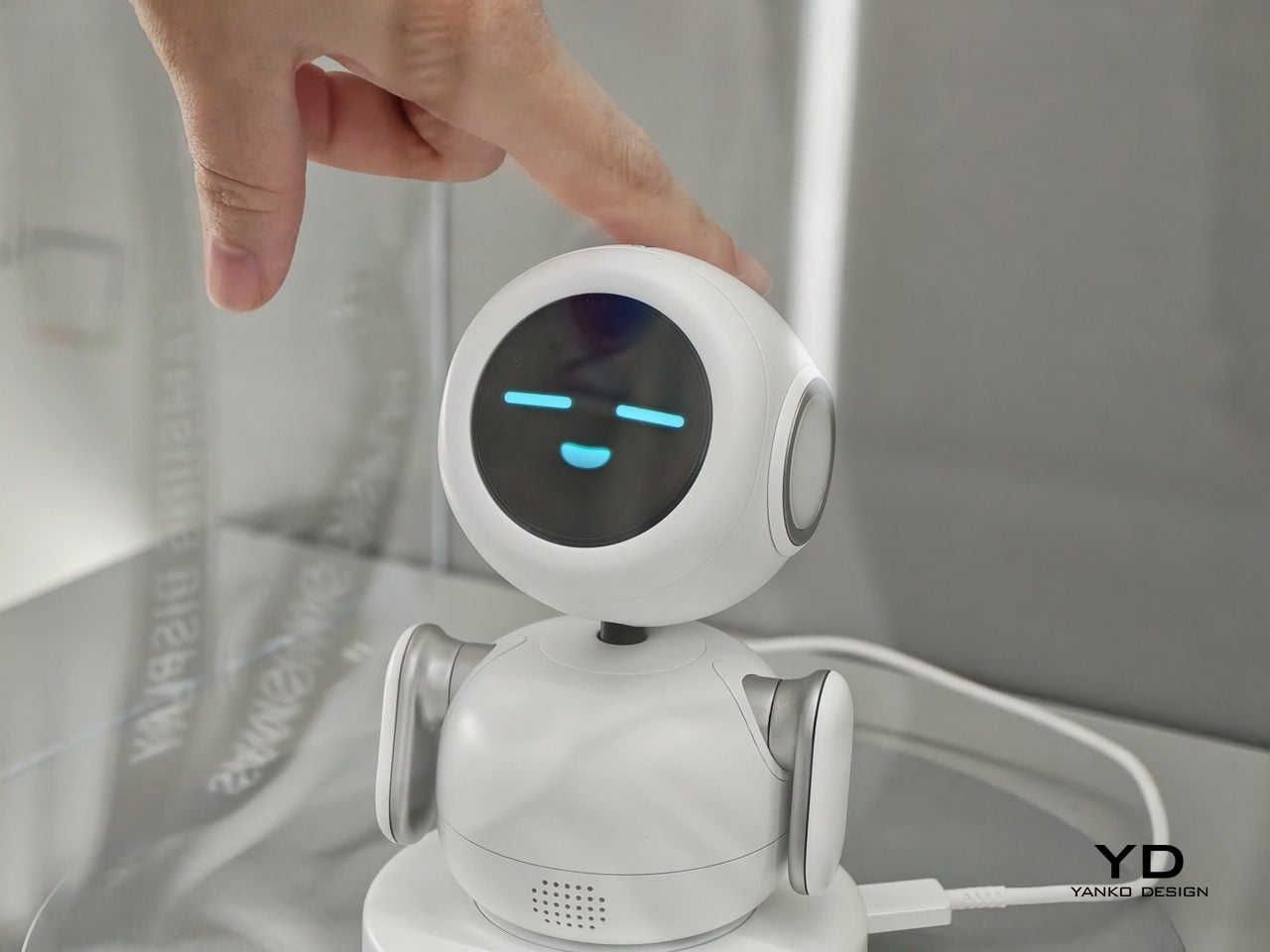
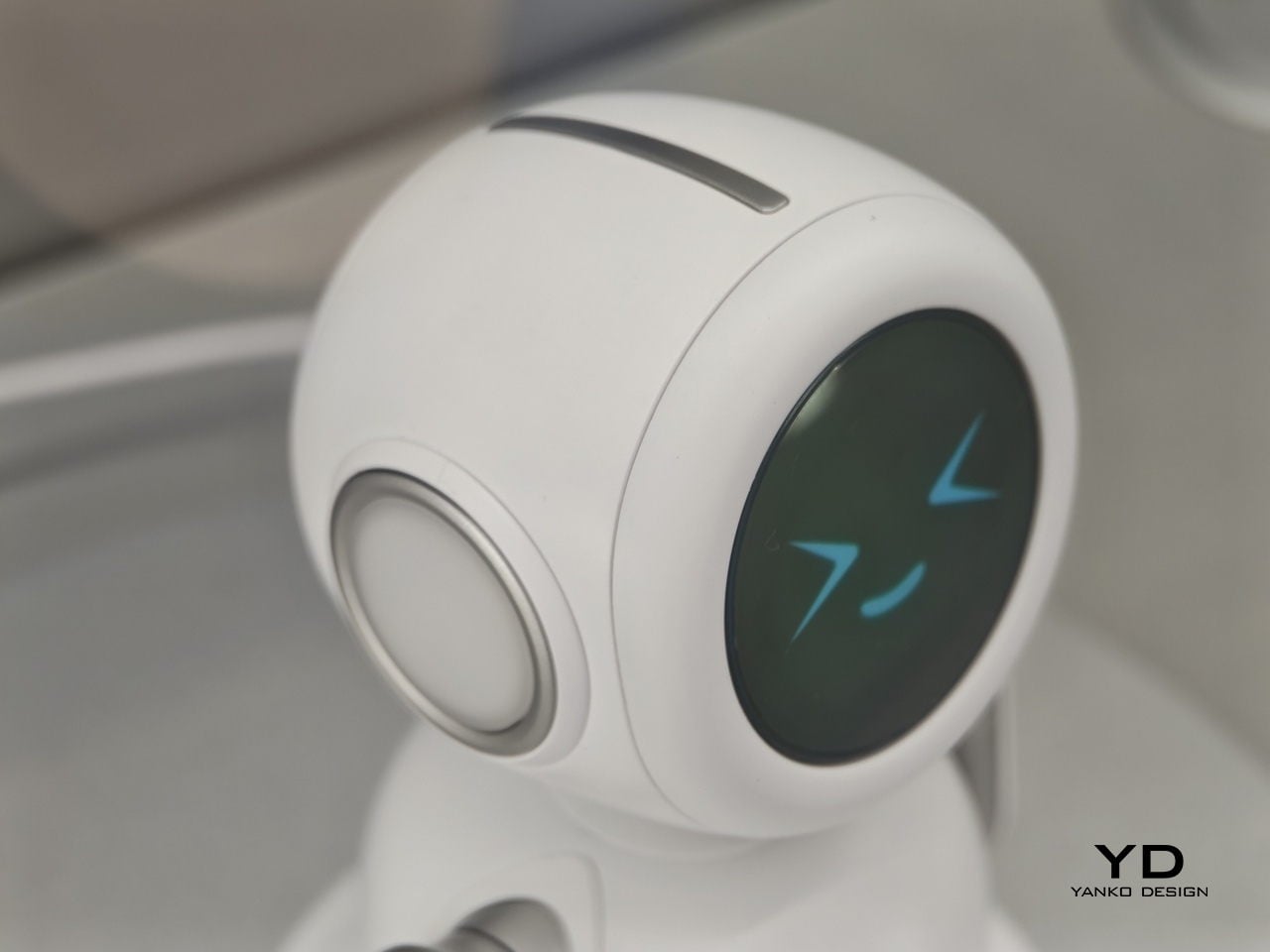
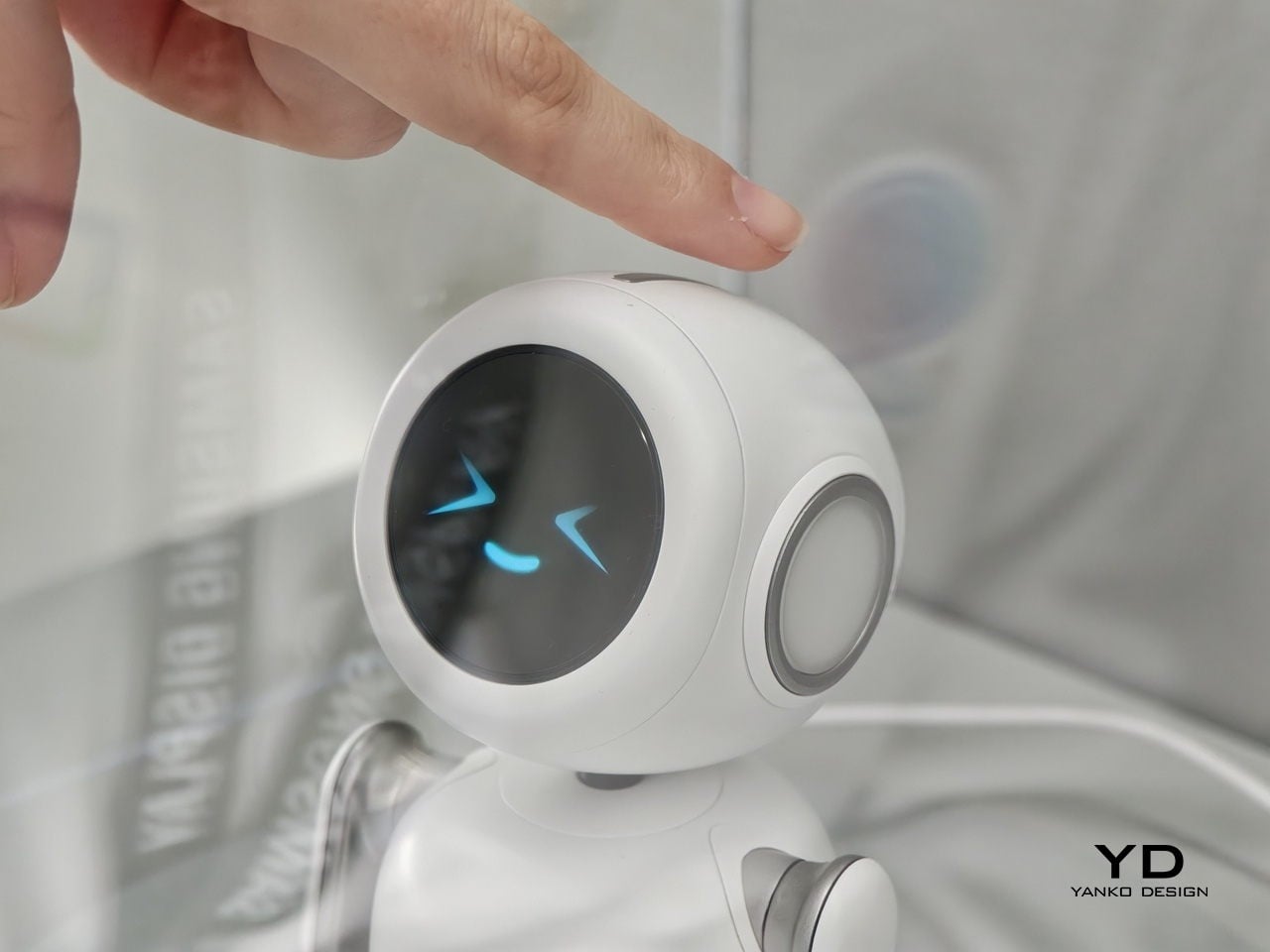
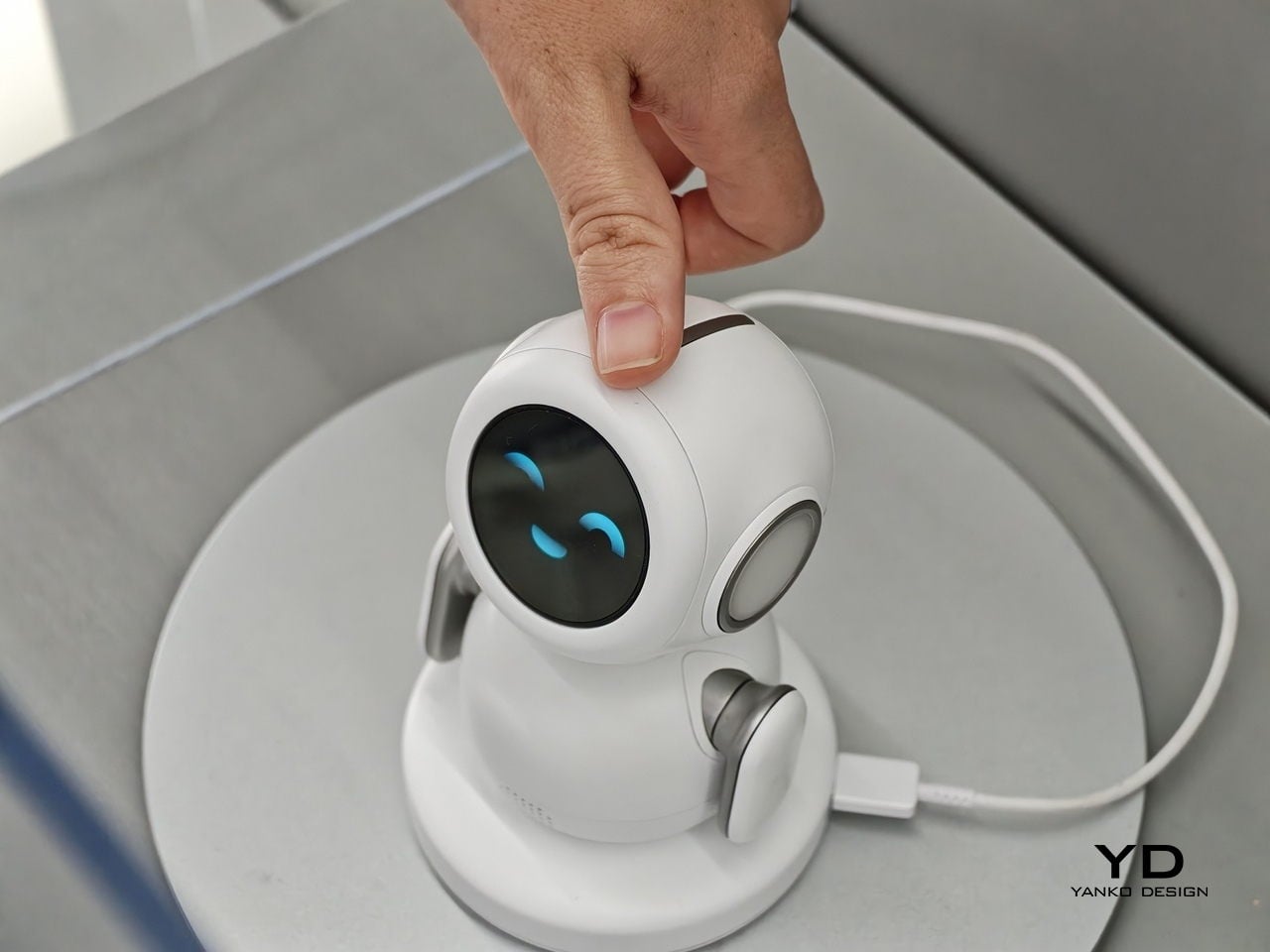
Samsung Display’s concept shown at MWC 2026 in Barcelona fits neatly into that wave. Called the OLED AI Mini PetBot, it is a compact robot built around a 1.34-inch circular OLED screen that acts as its face. That screen displays animated expressions that shift in response to voice and touch input, so the robot is not just sitting blankly while it processes a command. It reacts, visibly and immediately, which is exactly the point.

Designer: Samsung

The instinct behind it is not new. Products like EMO from LivingAI, Eilik from Energize Lab, and Loona from KEYi Tech have each explored the formula with varying personalities and price points. KEYi Tech even debuted a concept at CES 2026 that docks an iPhone on a motorized MagSafe stand to create a desk robot face. DIY builders have been constructing expressive robot heads from microcontrollers and small screens for years. The appetite for something to look at while talking to a machine is apparently very real.

What Samsung Display contributes to that conversation is the OLED panel itself. A 1.34-inch circular OLED renders fine gradients and deep blacks without a backlight, which means animated eyes or shifting emotional states read clearly even at that small scale. The circular format also removes any rectangular frame of reference, so the face reads more organic than a screen mounted on a housing. That distinction drives the entire emotional premise of these robots.

The MiniPetBot is a concept from a display technology booth, not a product headed to retail. Samsung Display’s interest here is in showing where its panels can go, and the robot shares booth space with the AI Toyhouse, a separate concept pairing a 13.4-inch circular OLED with an 18.1-inch flexible panel. Both exist to make the screen the story. Whether a hardware partner picks up the form factor is a separate question.

The real question these robots keep circling is whether giving AI a physical face actually changes how people relate to it. A robot that looks up when spoken to, or scrunches its face when confused, closes a certain psychological distance that better language models alone cannot bridge. Samsung Display’s Mini PetBot might only be a concept today, but the reasoning behind it seems to be where the whole industry is quietly heading.

The post Samsung’s Mini PetBot Gives AI a Face So It Feels Less Cold first appeared on Yanko Design.

The 12 Research Papers That Influenced AI Development Over The Last 6 Years

The 12 Research Papers That Influenced AI Development Over The Last 6 Years Diagram showing Transformer self-attention replacing word-by-word processing, highlighting parallel reading of a sentence in 2017.

Over the past six years, artificial intelligence has been significantly influenced by 12 foundational research papers, as outlined by Claudius Papirus. One pivotal moment was the introduction of the Transformer architecture in 2017, which uses self-attention mechanisms to process text more effectively. This innovation laid the groundwork for advancements in natural language processing, allowing systems […]

The post The 12 Research Papers That Influenced AI Development Over The Last 6 Years appeared first on Geeky Gadgets.

Posted in Uncategorized