
Elon Musk reportedly owes quite a few of his employees $420
xAI promised workers the money in exchange for tax information to train Grok.


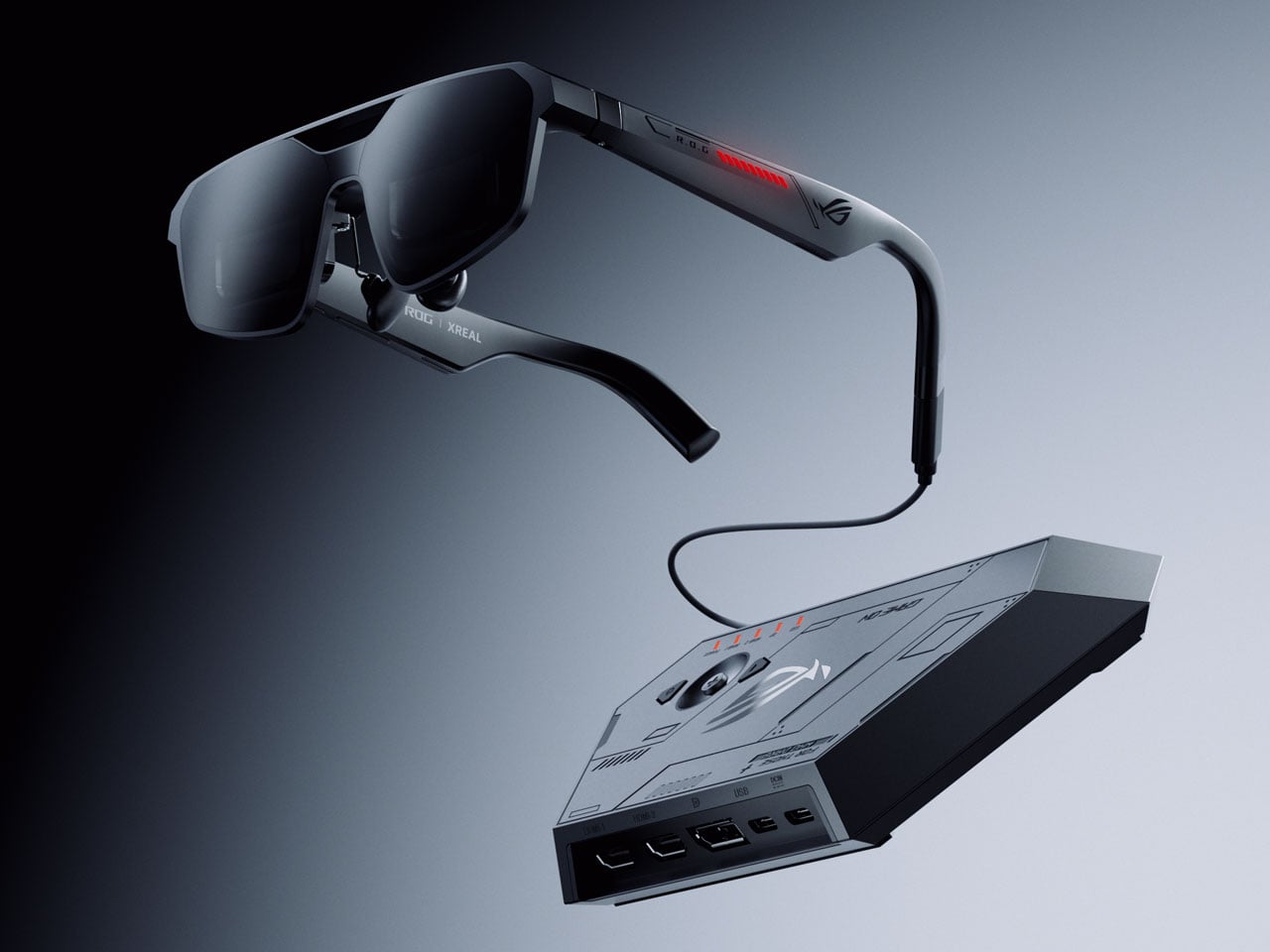
The race to create the most practical AR glasses is still on, and Asus already showed its development curve with the collaborative Xreal One Pro. Now, the VR gaming glasses get an exciting newer version, the Xreal R1. They are lighter than other options and less punishing on the eyes, offering a comforting viewing experience. First shown off at CES 2026, the glasses are finally up for preorder at a steep $849. Will they live up to the claims and compete with the much cheaper Meta Quest 3 VR glasses? Only time will tell.
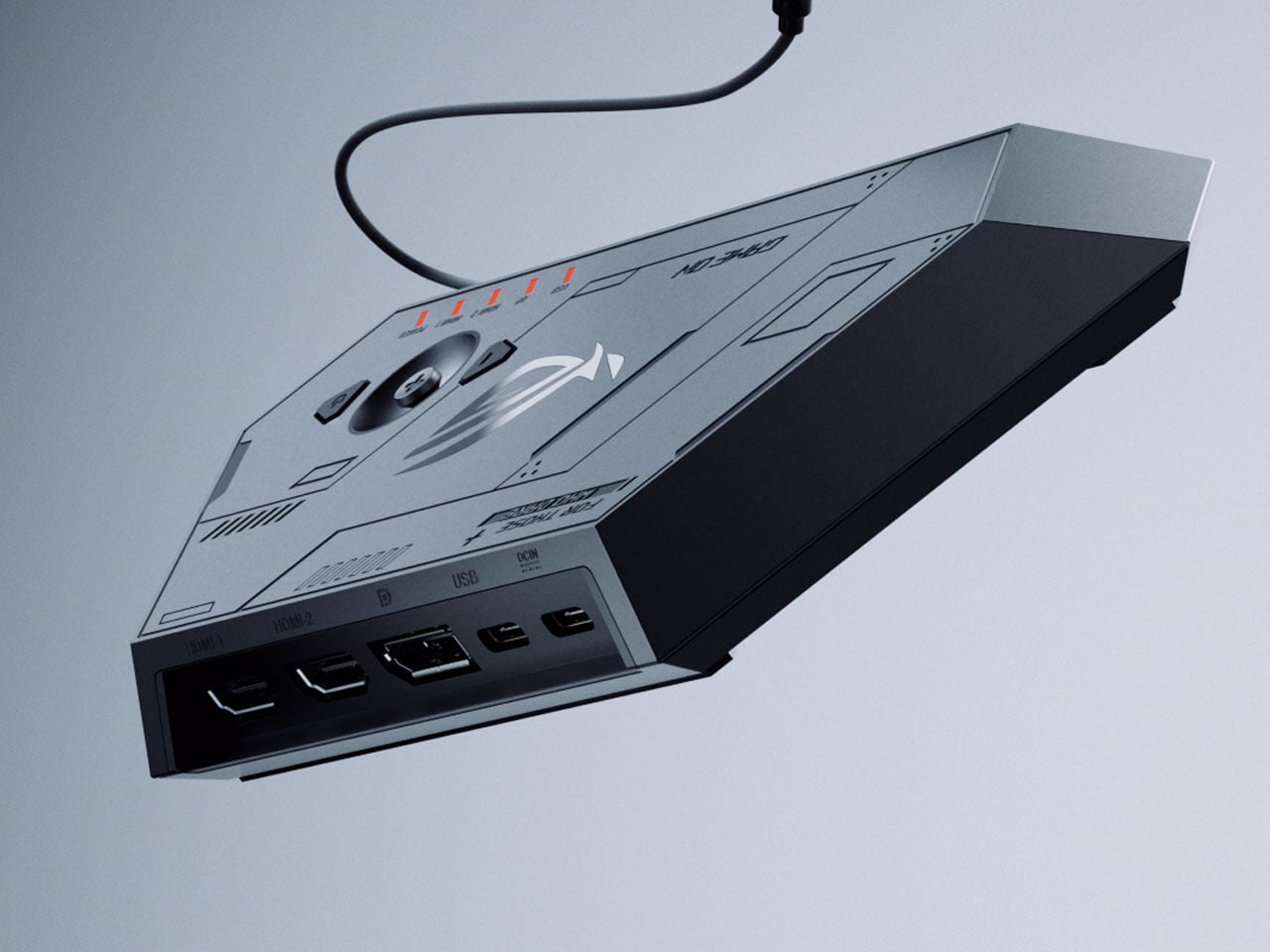
The upgrade from the previous model is incremental, as the display now boasts a smoother 240Hz refresh rate and an ultra-fast 0.01 ms response time, and it comes with a dock to connect to gaming consoles or PCs for streaming content via DisplayPort 1.4, HDMI 2.0, or USB-C. While the control dock is a bit on the heavier side, weighing at 230 grams and measuring 215 x 100 x 25mm, the option of connecting compatible hardware is a big plus. Other things that stay the same include the 57-degree FOV that renders a 171-inch virtual screen from a perceived distance of four meters, and the 1080-pixel resolution Sony 0.55-inch micro-OLED display, which should have been preferably bumped up beyond HD at that price range.
Designer: Asus


According to Asus, the R1 smart glasses, weighing just 91 grams, are the logical extension of the ROG Ally gaming handheld as a result of the unified hardware and software integration, along with the XR technology. To make the users feel as if they’re using a handheld gaming console on their face, the highly responsive display has reduced motion blur and smoother visuals. The finer adjustments, like pumping up the display brightness to 300 nits, adjusting the aspect ratio based on the content, and other visual effects, can be toggled in real time, which is a great feature.

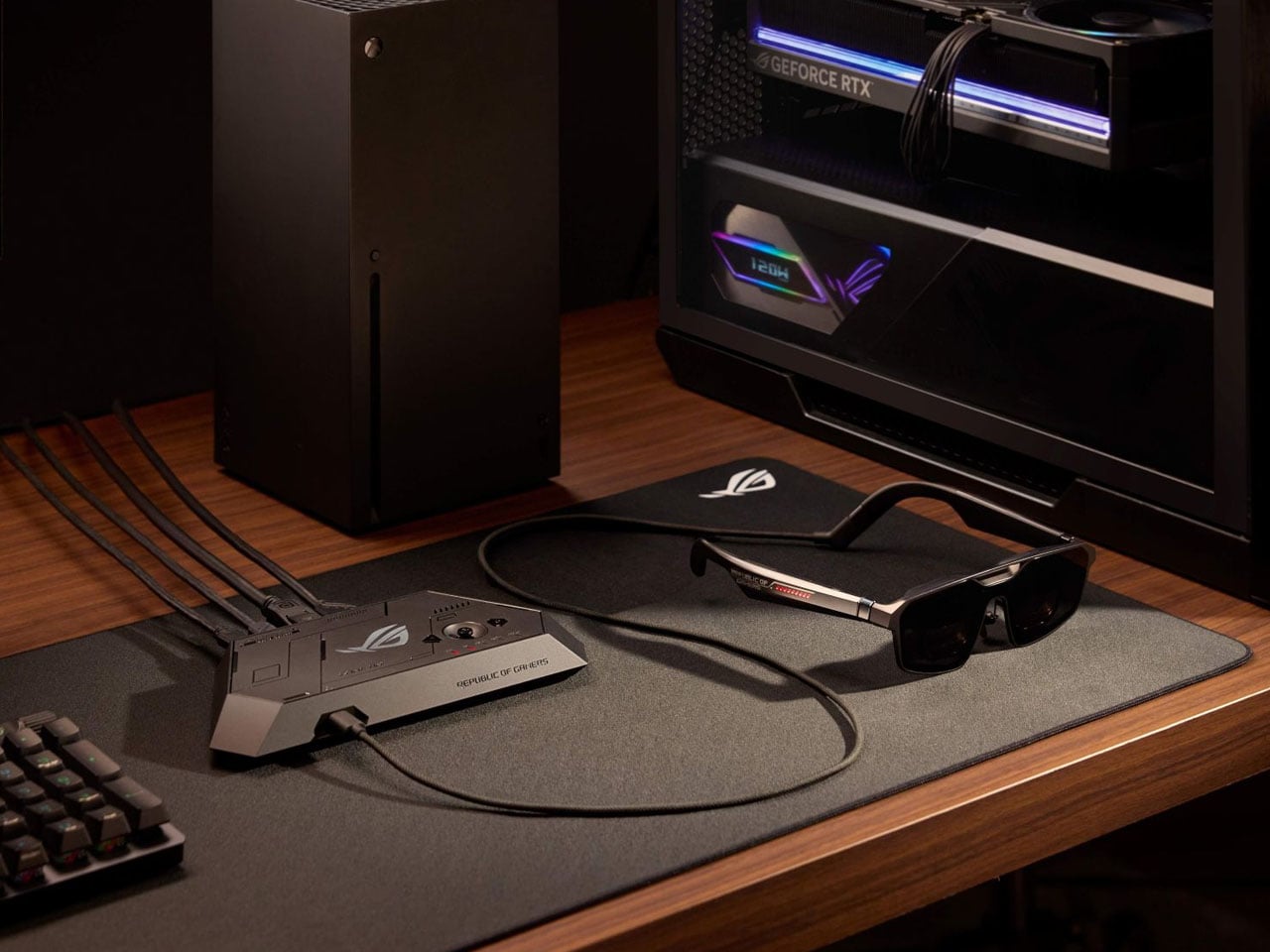
The glasses are equipped with “Electrochromic Lens” technology that automatically makes the screen transparent as soon as the vision focus shifts away. As soon as the wearer’s focus returns, the screen turns tint to black, which can be adjusted to three different dimming levels in settings. For a heightened level of spatial awareness, these AR glasses come with built-in Bose-tuned speakers. This comes in very handy in FPS games where identifying the source of enemy steps is vital to in-game survival. If you are willing to shell out another $100 on the XREAL EYE add-on, the glasses unlock 6DoF tracking capability, which deepens the level of realism in a virtual 3D world.




The post ASUS’ $849 XREAL R1 glasses deliver console-sized 3D gaming anywhere without bulky gear first appeared on Yanko Design.

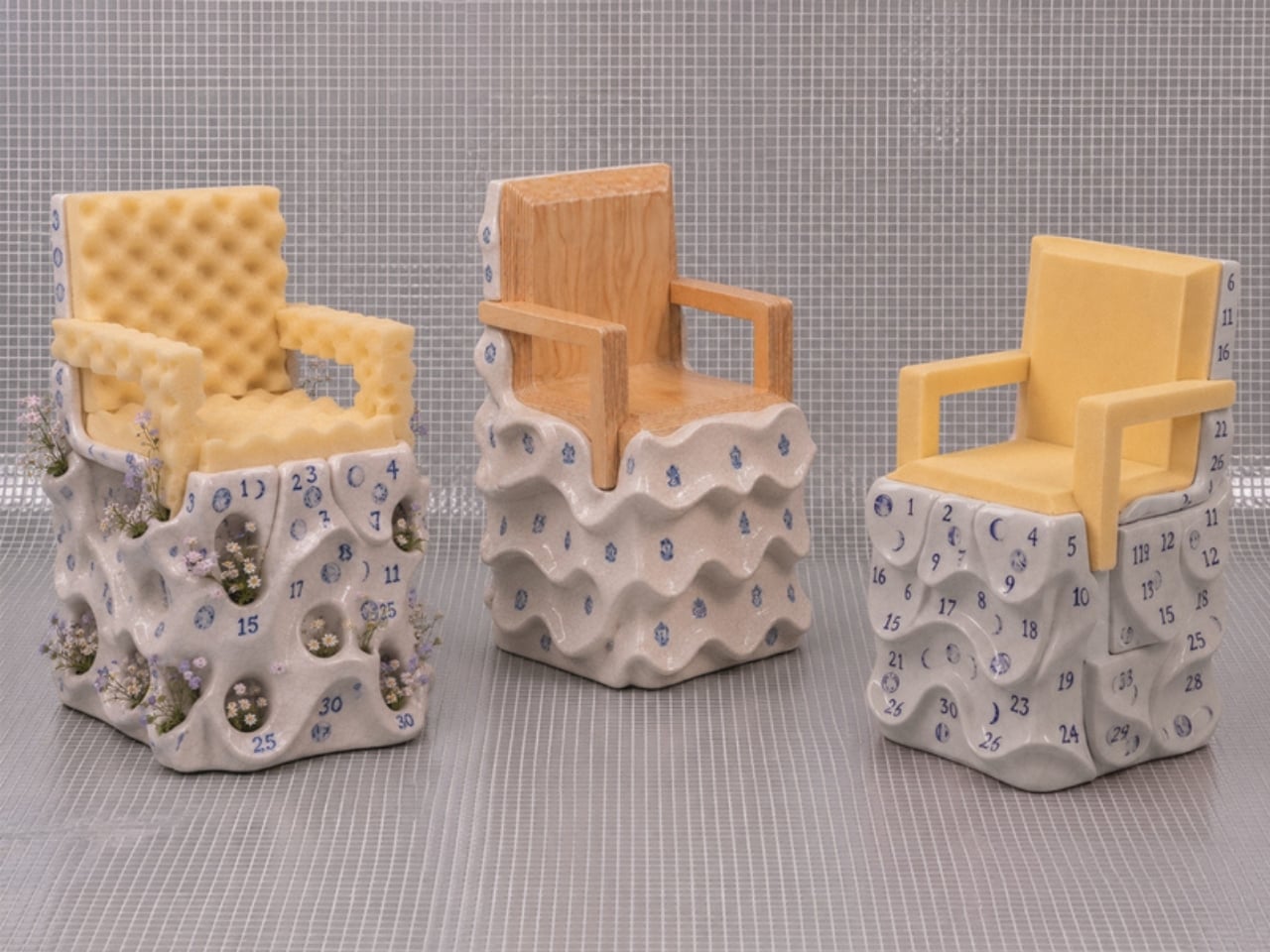
The first thing you notice about Massimiliano Malagò’s chairs is that the bottom half looks like it’s giving up. The ceramic bases appear to be softening, pooling, their surfaces undulating in slow waves as if the weight of everything sitting on top has finally gotten to them. The upper halves, either blond plywood cut with clean geometric precision or yellow foam dense as old mattress padding, hold their shape with complete indifference. The contrast is the whole conversation.
Malagò is an Italian architect based in New York who teaches at Columbia University’s Graduate School of Architecture and runs the practice HHMM with set designer Helene Helleu. His body of work has a recurring habit of using furniture as intellectual argument, treating each piece as a spatial essay. These chairs, created as part of On the Calculation of Volume for a Greenpoint apartment renovation he developed alongside client Kathleen Pongrace, are his most layered statement yet. Literally and figuratively.
Designer: Massimiliano Malagò
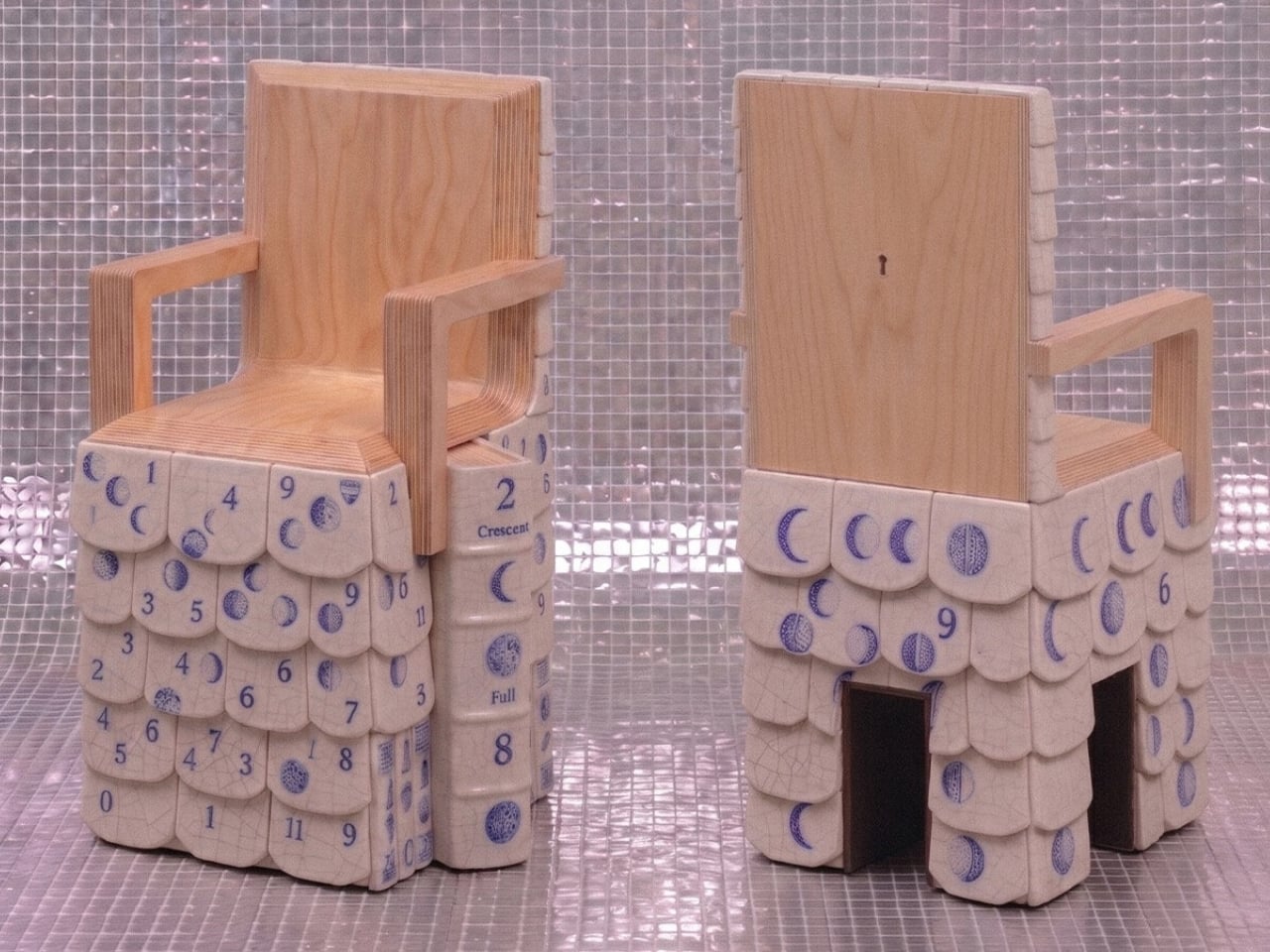
Each chair is essentially two objects in a standoff. The bases are hand-sculpted ceramic glazed in a crackled off-white, decorated with small blue motifs that range from heraldic figures and crests to lunar phase calendars marked with numbers from one to thirty. Depending on which chair you’re looking at, the surface texture shifts too. Some bases have a wavy, rippled undulation. Others are pocked with circular voids, perforations from which actual small flowers grow, as if nature has decided to quietly move in through whatever gaps the city left open.
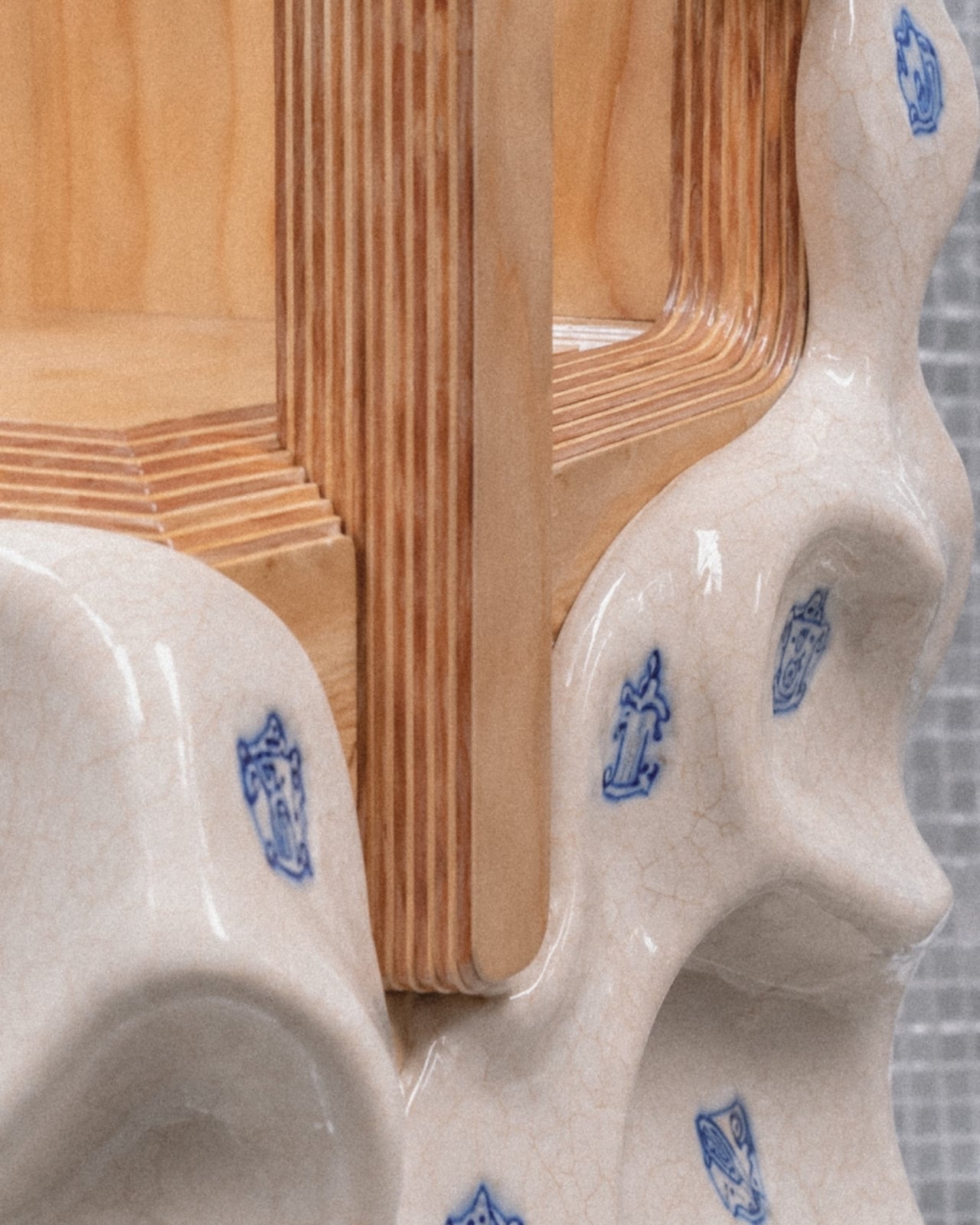
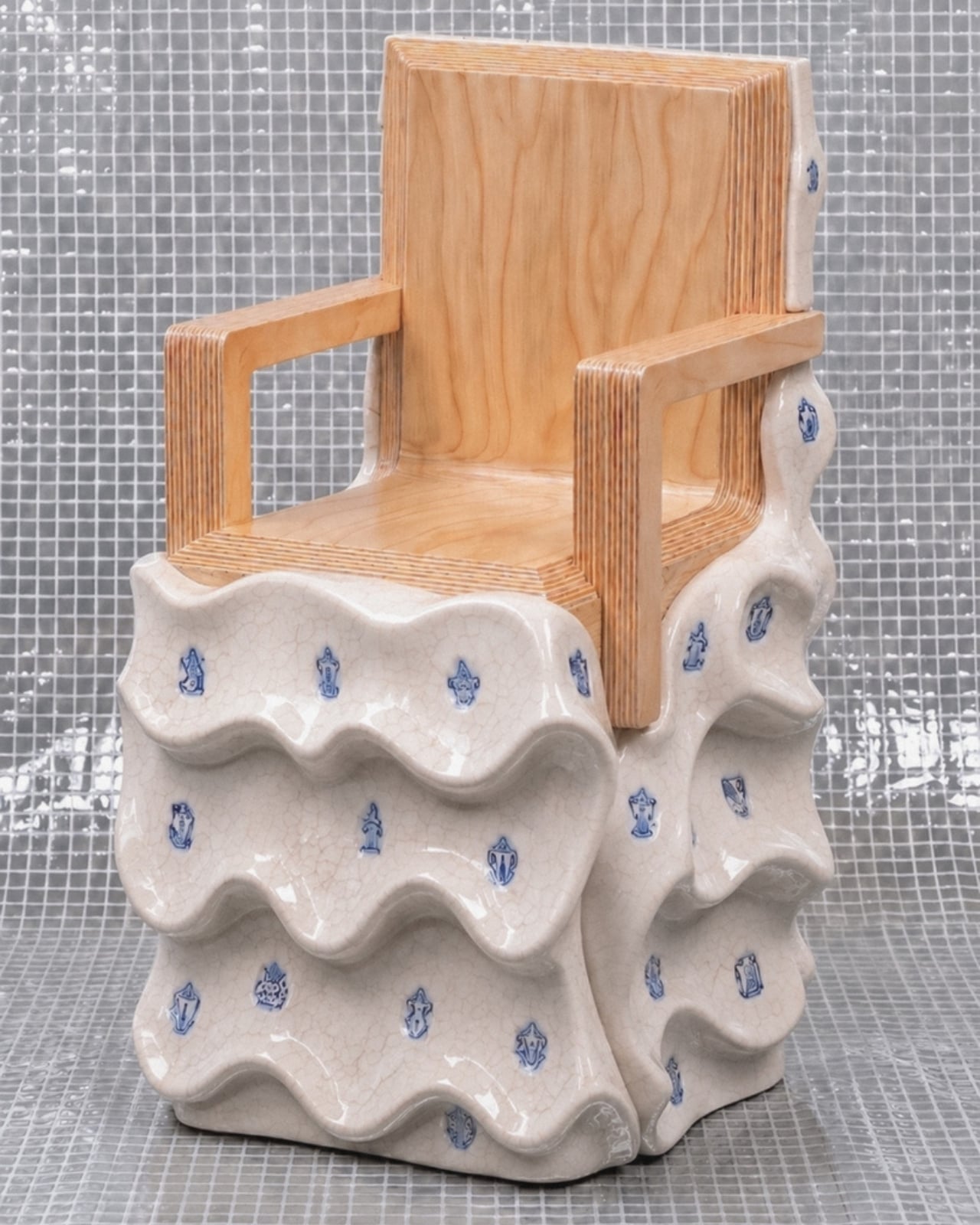
The upper chair structures sit on top of these organic, softened bases like they arrived from a different address entirely. The plywood versions are laminated and layered, their cut edges revealing the strata of material inside like a cross-section of something ancient, while the foam versions have a raw, utilitarian quality that reads somewhere between construction material and domestic comfort. Both feel deliberately unfinished in a way that is not careless but considered. Malagò is clearly not interested in making the perfect chair. He is interested in making a chair that has something to say about what living in New York actually costs you, in time, in money, and in compromises.

The storage element is where it gets genuinely clever. Pull open a drawer concealed within the ceramic base and you find a sliding metal mechanism holding books. The idea that a chair can house your library inside its own body, that seating and storage are so compressed in a small New York apartment that they must physically merge, is either a practical solution or a quiet diagnosis of how little room the city actually allows. I’d argue it’s both.
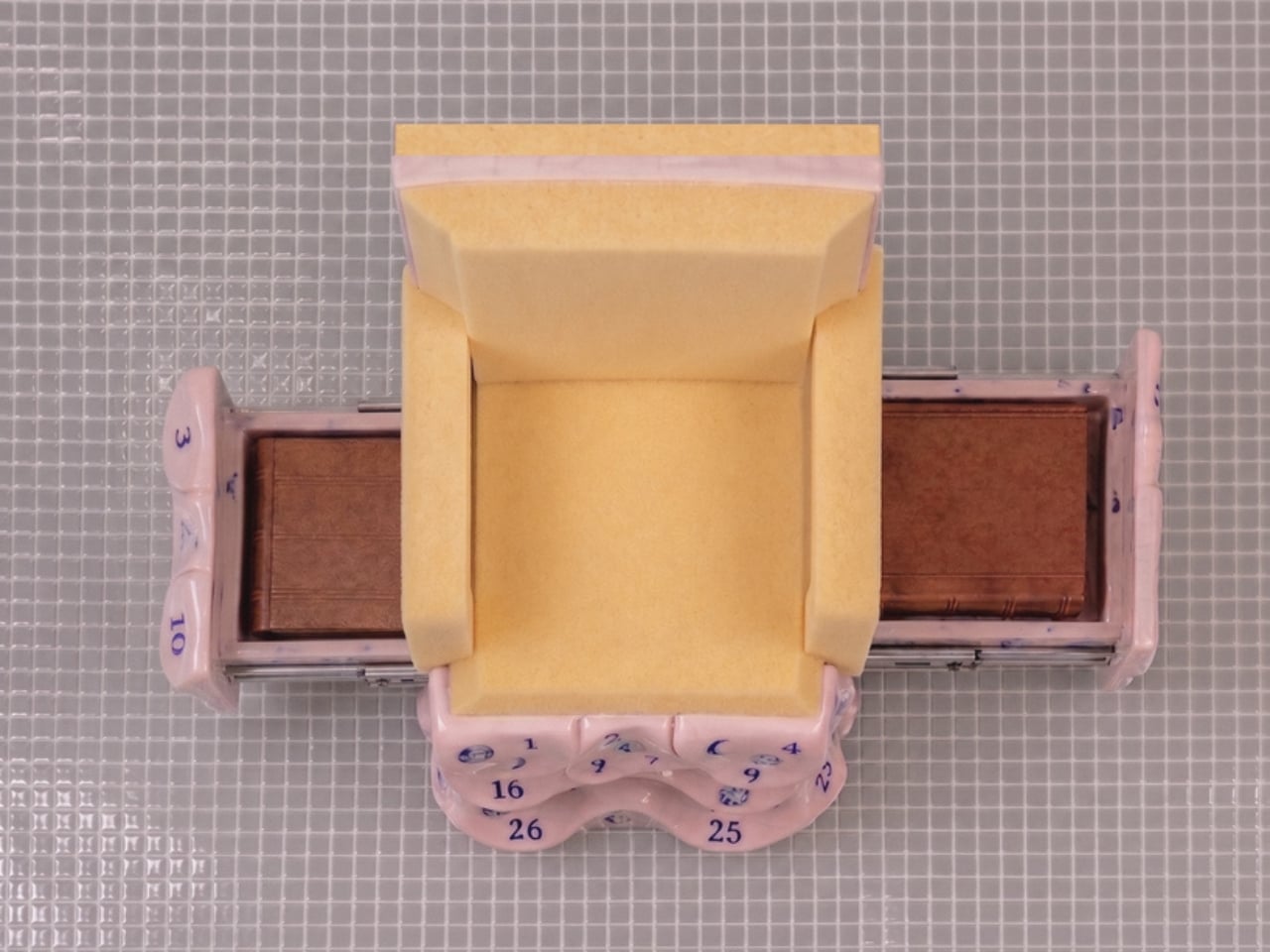
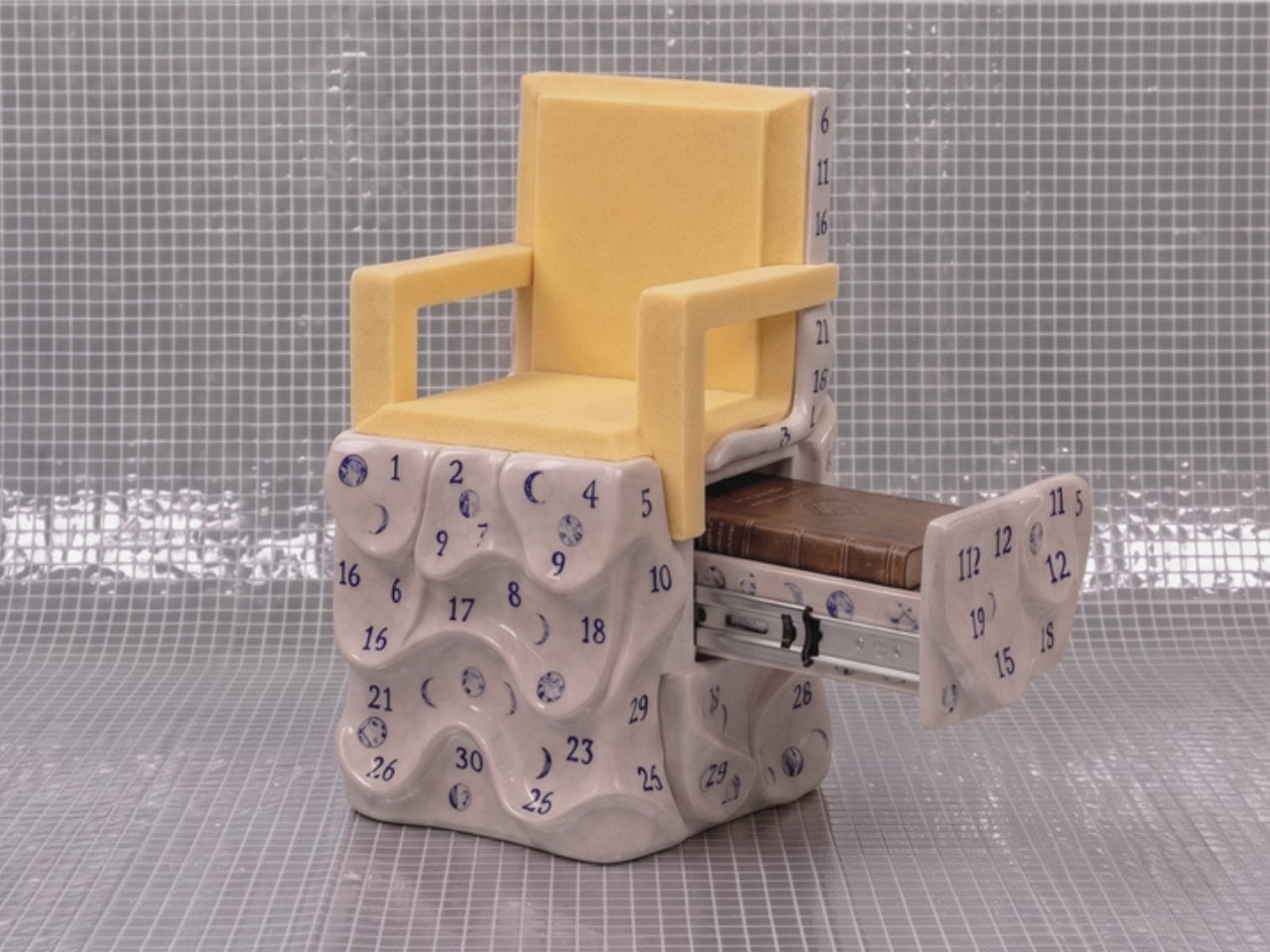
The lunar calendars printed across the ceramic surfaces in blue add another layer. Numbers arranged around moon phases suggest cycles, passing time, the rhythm of days that accumulate in a place where rent comes due whether you’re thriving or barely holding on. These aren’t decorative flourishes. They’re documentation. Malagò treats the surfaces of these chairs the way someone might treat the margins of a notebook, filling them with information that only makes full sense once you step back and read the whole thing together.
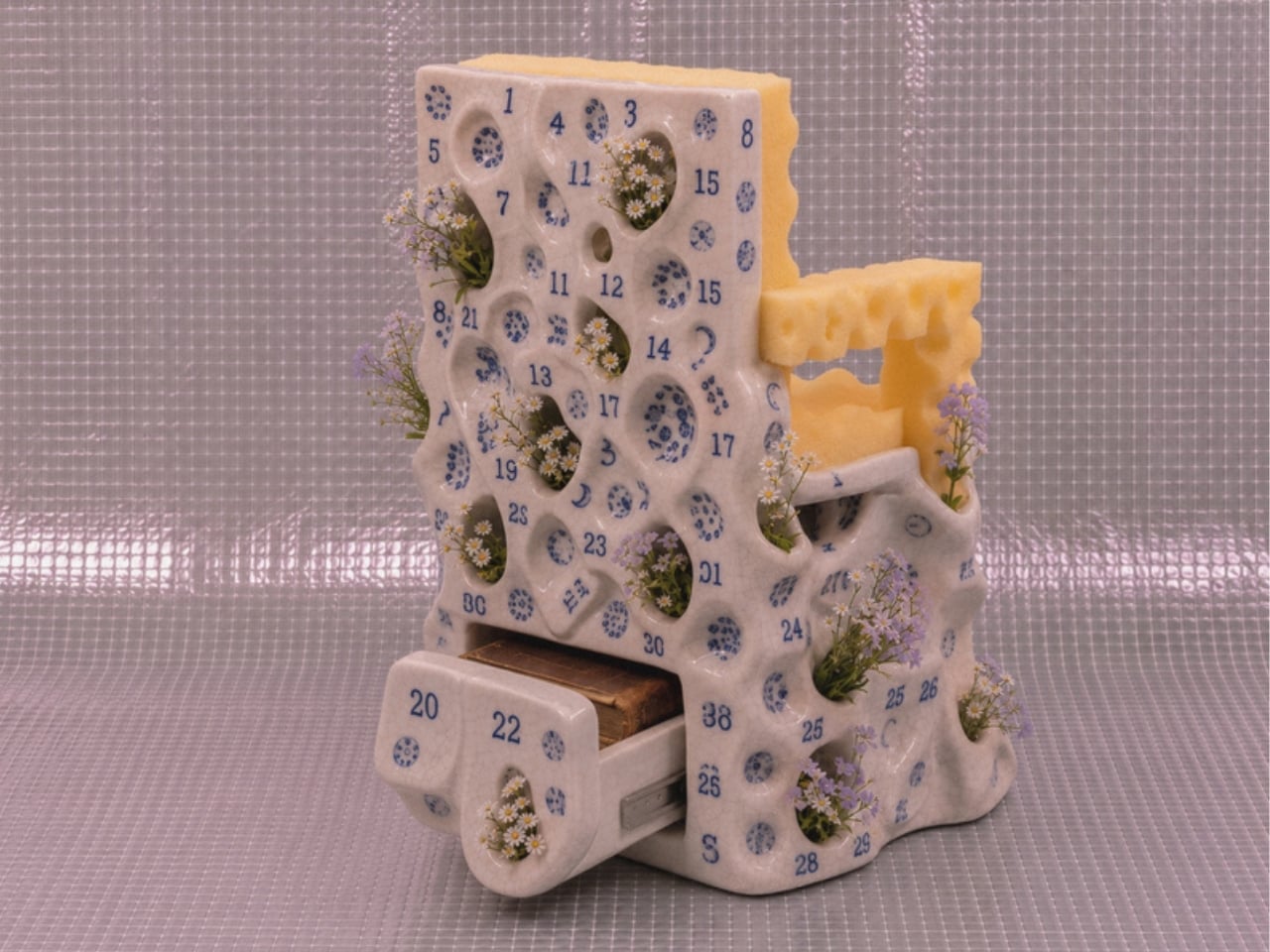
The material pairings are where the real honesty lives. Ceramic is permanent, archival, the kind of material you associate with objects meant to outlast the people who made them. Foam and plywood are impermanent, budget-conscious, the materials of first apartments and temporary solutions. Putting them together isn’t a design provocation for its own sake. It’s a portrait of how most people actually live, reaching for something lasting while working with whatever is available. The chair holds that tension without resolving it, which feels exactly right.
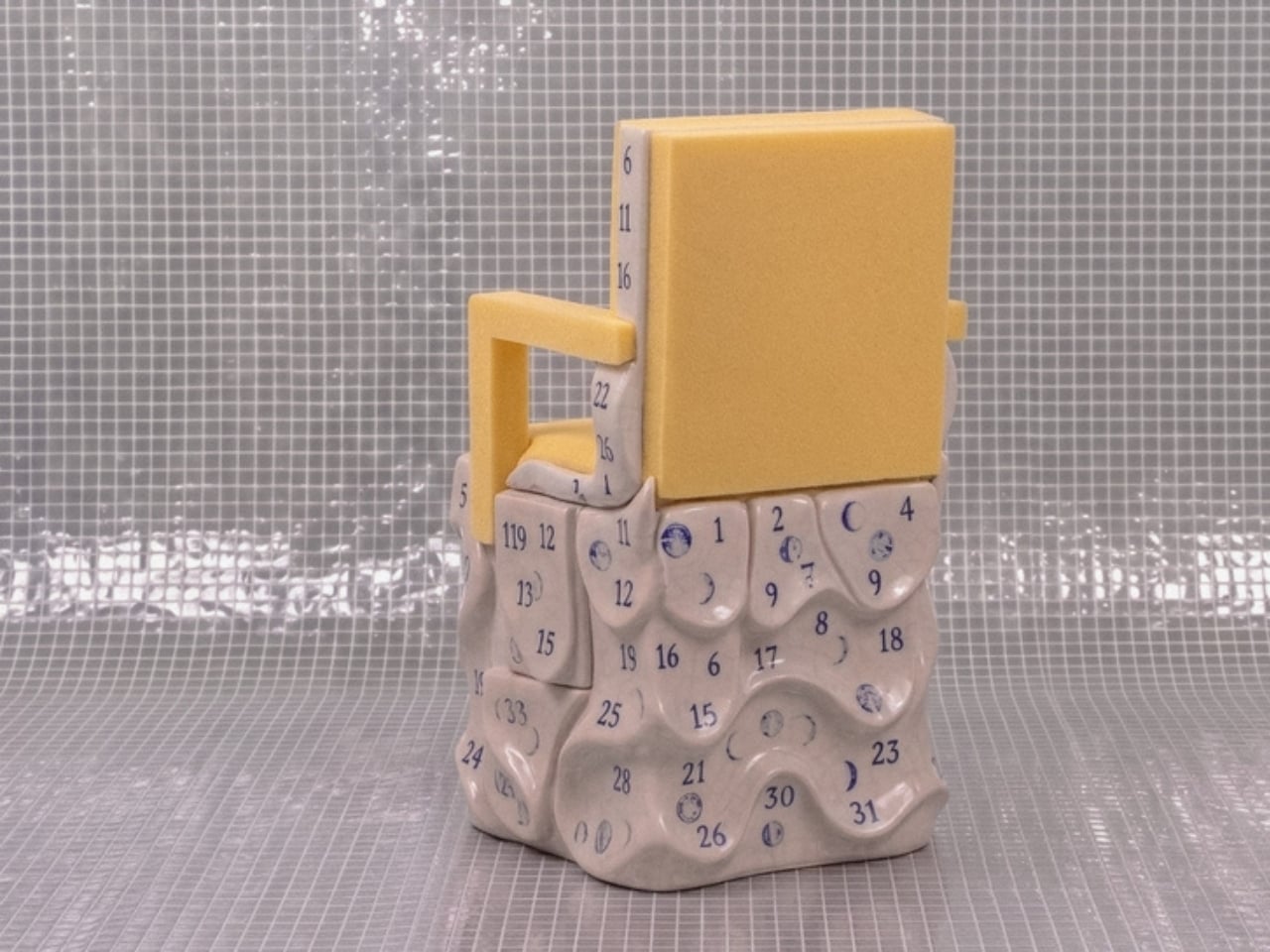
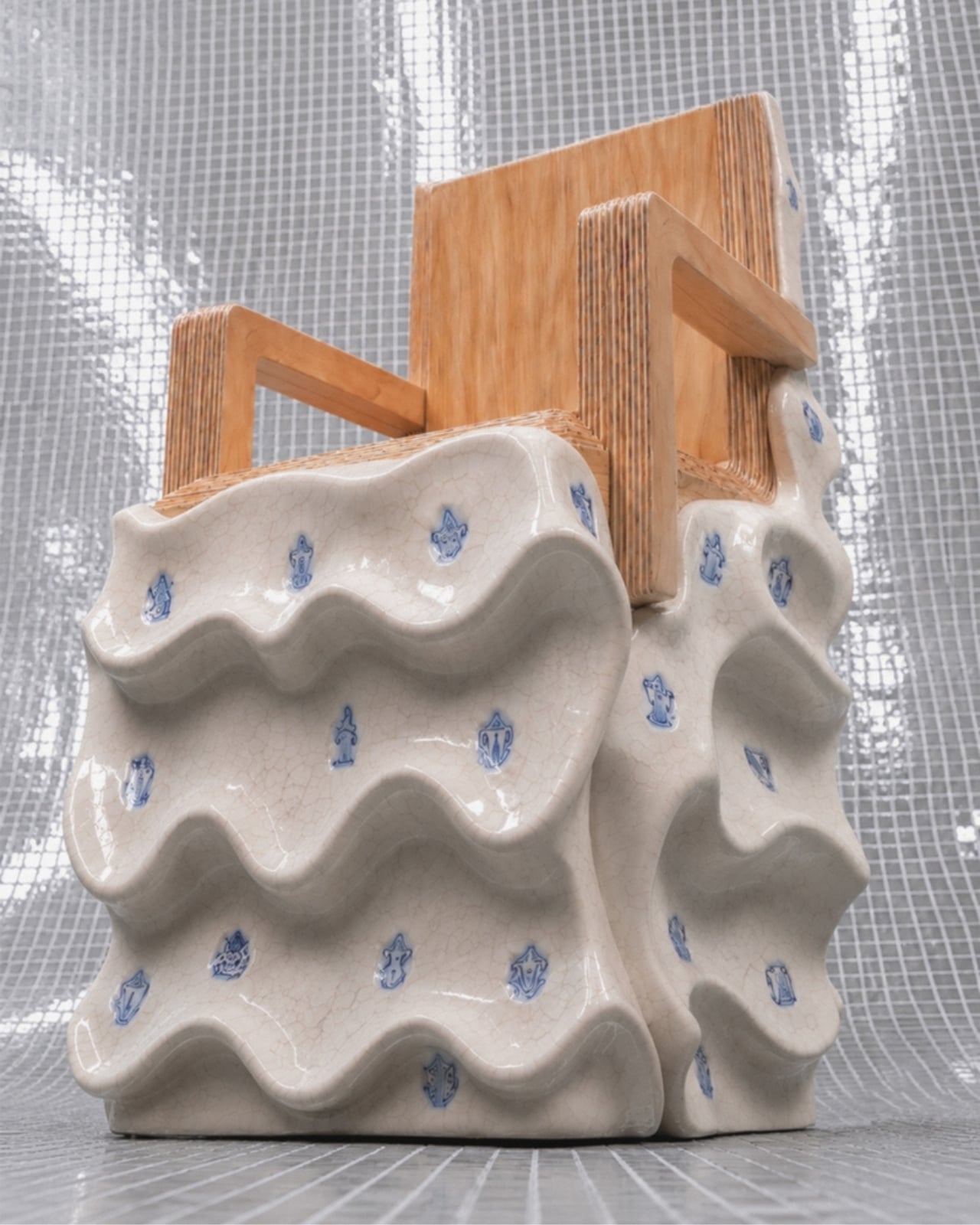
Design that tries to tell you something about city life usually does so at a comfortable, critical distance. These chairs plant themselves in the middle of it. They sit in a real apartment, used by a real person, and they carry the full weight of that reality in every surface.
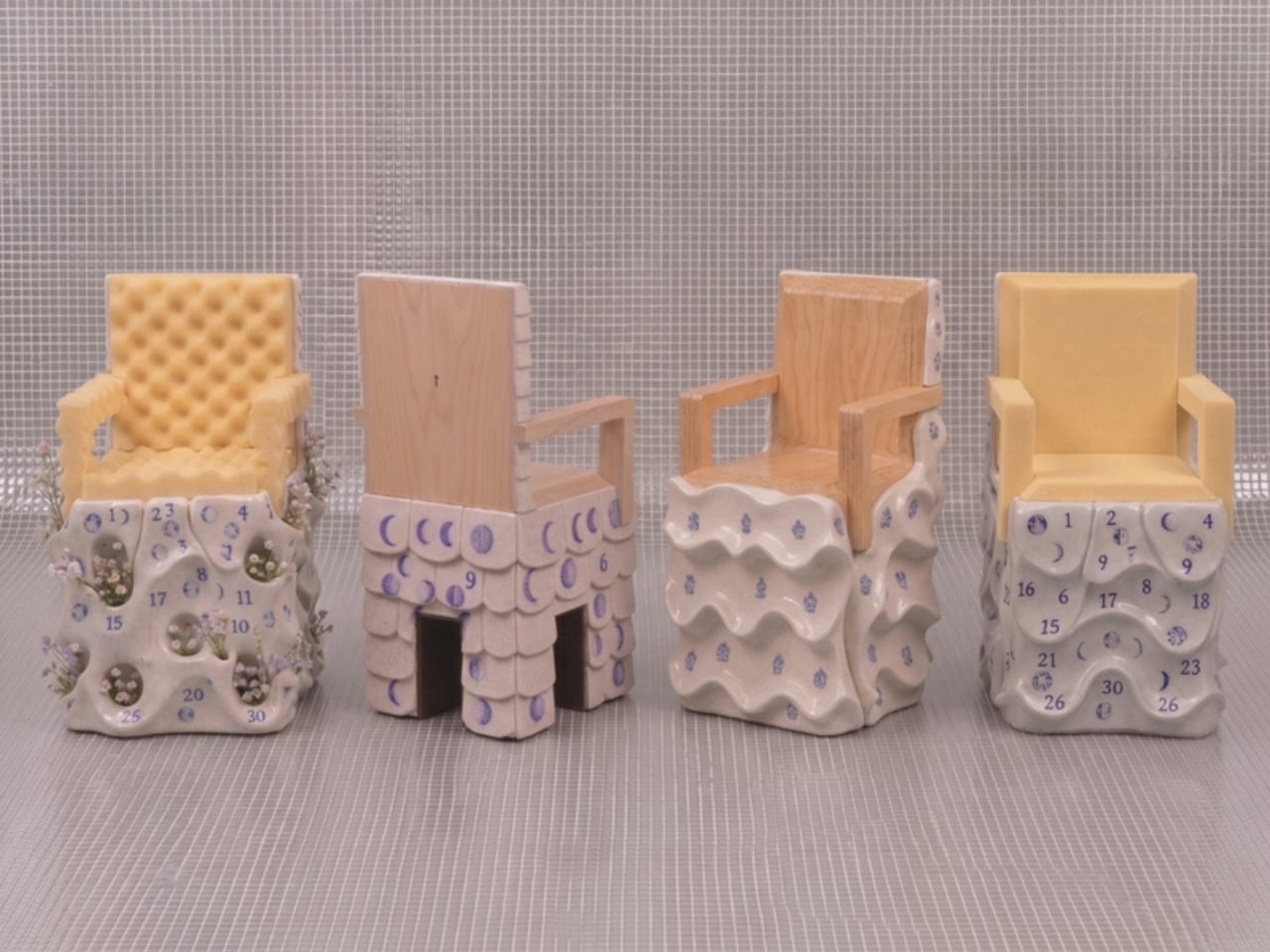
The post A Chair With a Drawer, a Calendar, and a Point of View first appeared on Yanko Design.

Samsung is poised to reshape the foldable smartphone landscape with the much-anticipated Galaxy Z Fold 8, set to debut at the Galaxy Unpacked event on July 22, 2026, in London. Packed with a host of innovative features, including a wider outer display, enhanced camera systems, and the powerful Snapdragon 8 Gen 5 processor, the Z […]
The post Why the Samsung Galaxy Z Fold 8 Changes Foldables Forever appeared first on Geeky Gadgets.