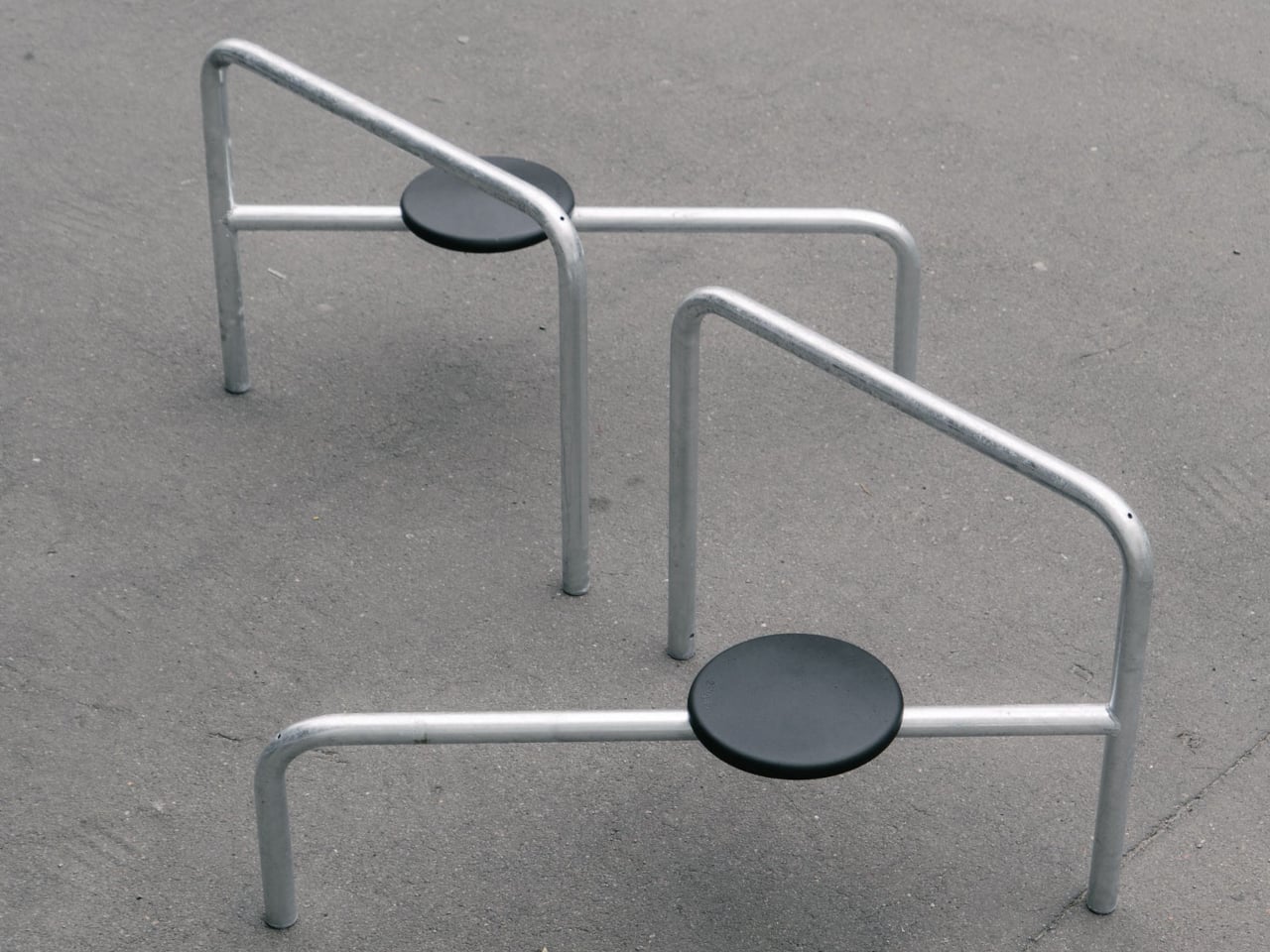
Temporary seating at public events, pop-ups, and outdoor markets rarely gets much design attention. Most options are folding chairs that feel flimsy, plastic stackers that hurt after ten minutes, or nothing at all, leaving people to lean against walls or perch on ledges. The infrastructure to support proper seating is usually already there, but nobody’s done much with it. Scaffolding poles, for instance, are practically everywhere.
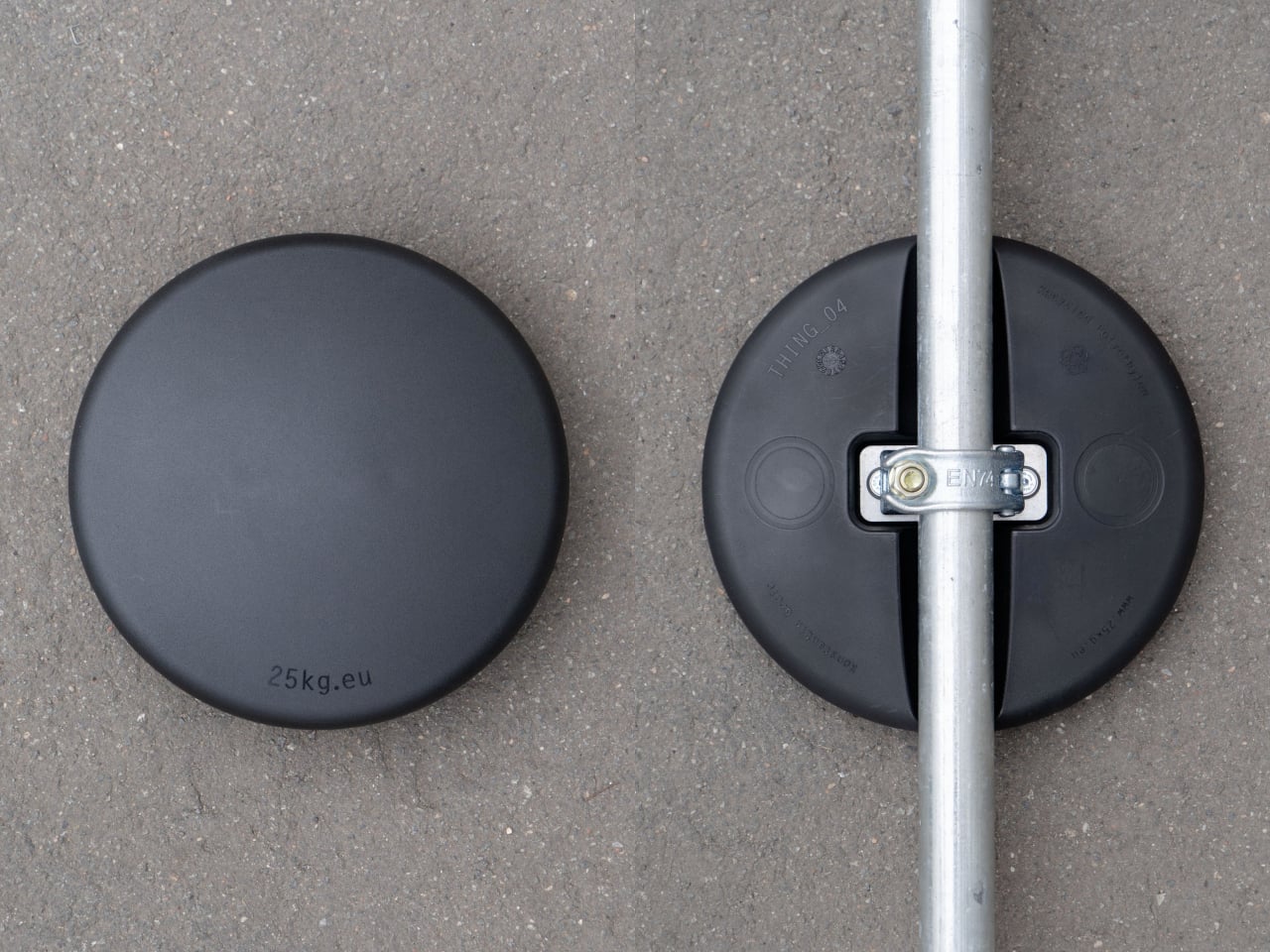
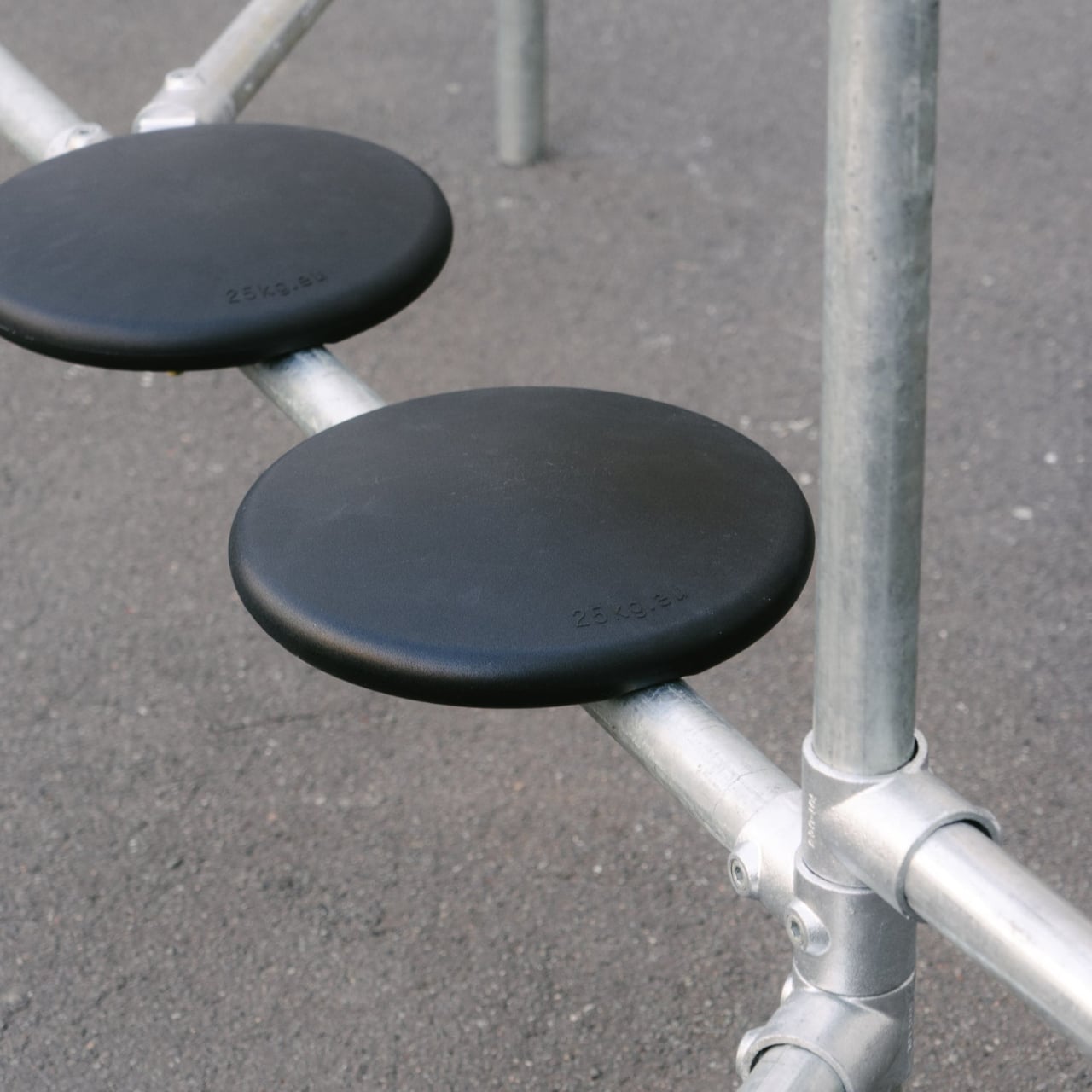
That’s the thinking Konstantin Grcic builds on with THING_04, the latest from his Berlin-based label 25kg. It’s a rotationally moulded seat disc made from 100% post-industrial polypropylene, sized to clamp onto standard scaffolding poles. No floor anchors, no complicated assembly, no special tools required. Clip it on, and it’s ready to sit on. The simplicity is almost disarming for something that solves a problem you didn’t know had a solution.
At just 33cm x 33cm x 12cm and 2.1kg, THING_04 is light enough to carry in one hand to wherever you need it. Rotational moulding gives it a seamless, hollow shell tough enough for both indoor and outdoor conditions. Galvanized steel and stainless steel hardware handle the clamping, securing the disc firmly onto a pole without any permanent modifications to the structure it’s attached to.
Think of a weekend street market where vendors have already rigged up scaffolding overhead for shade or signage. THING_04 clips onto those poles and turns them into a row of seats for shoppers who’d otherwise be stuck standing. Or a pop-up event where the rigging doubles as a temporary grandstand. The design doesn’t ask the environment to change. It makes the most of what’s already there.
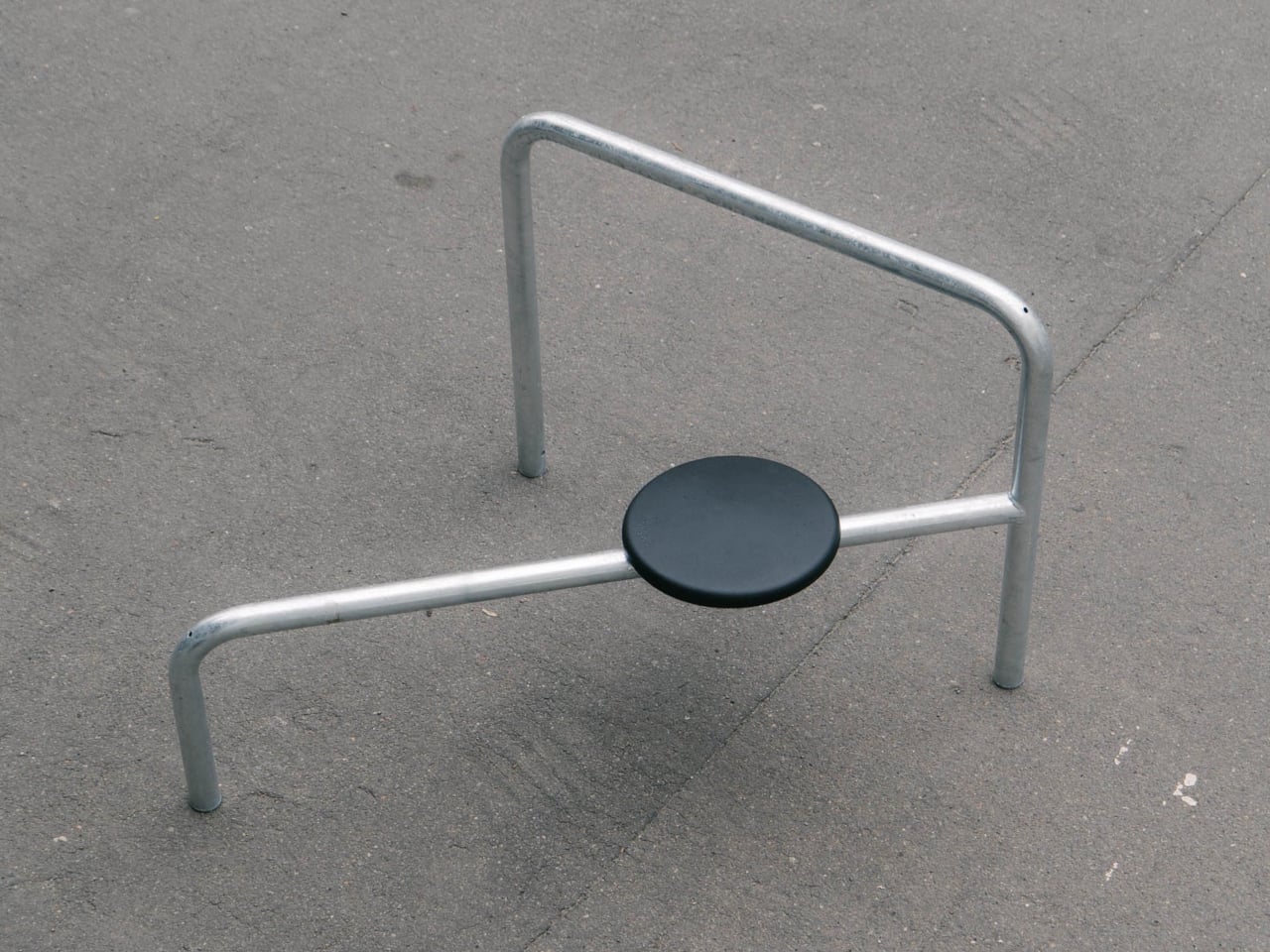
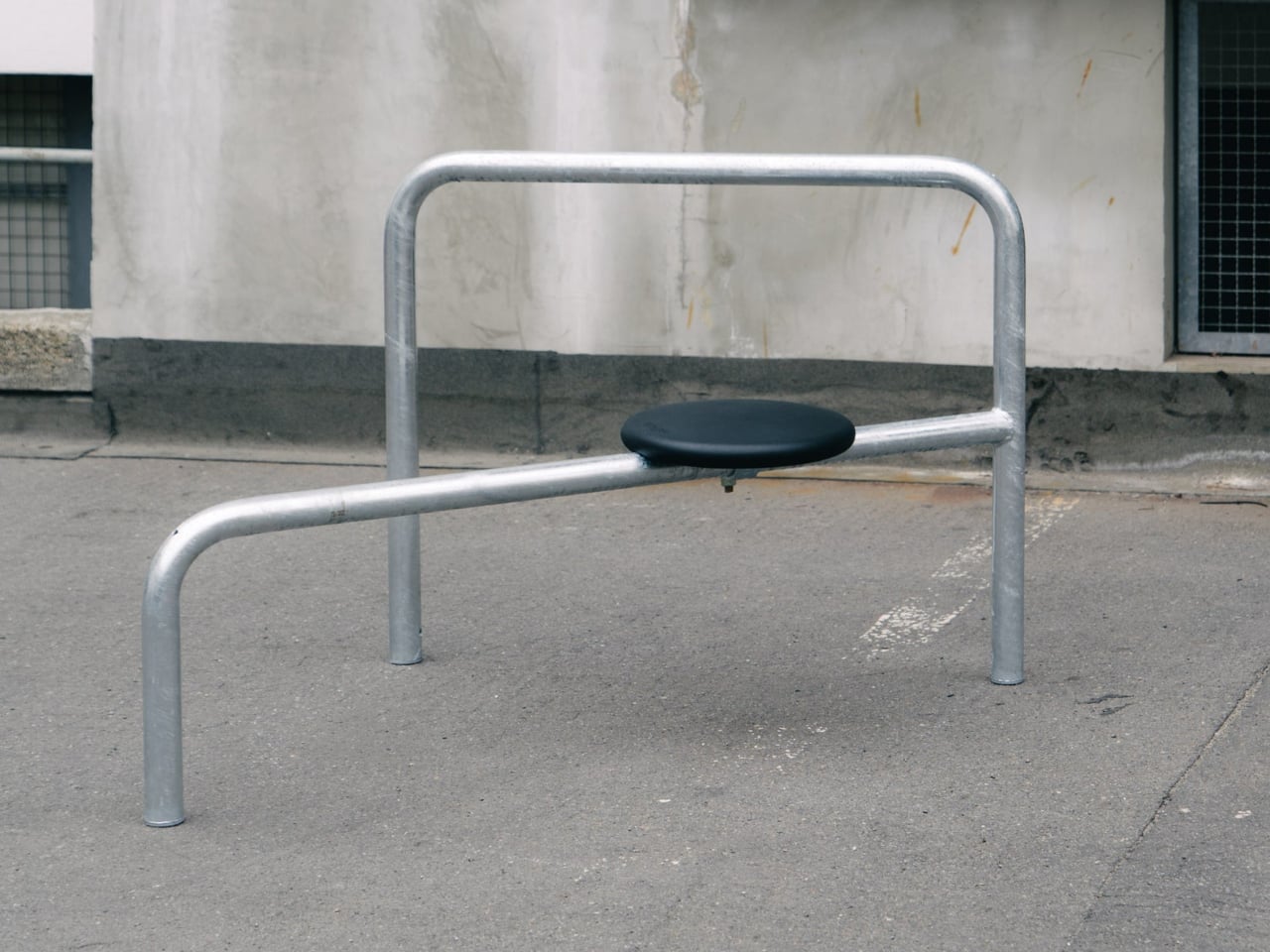
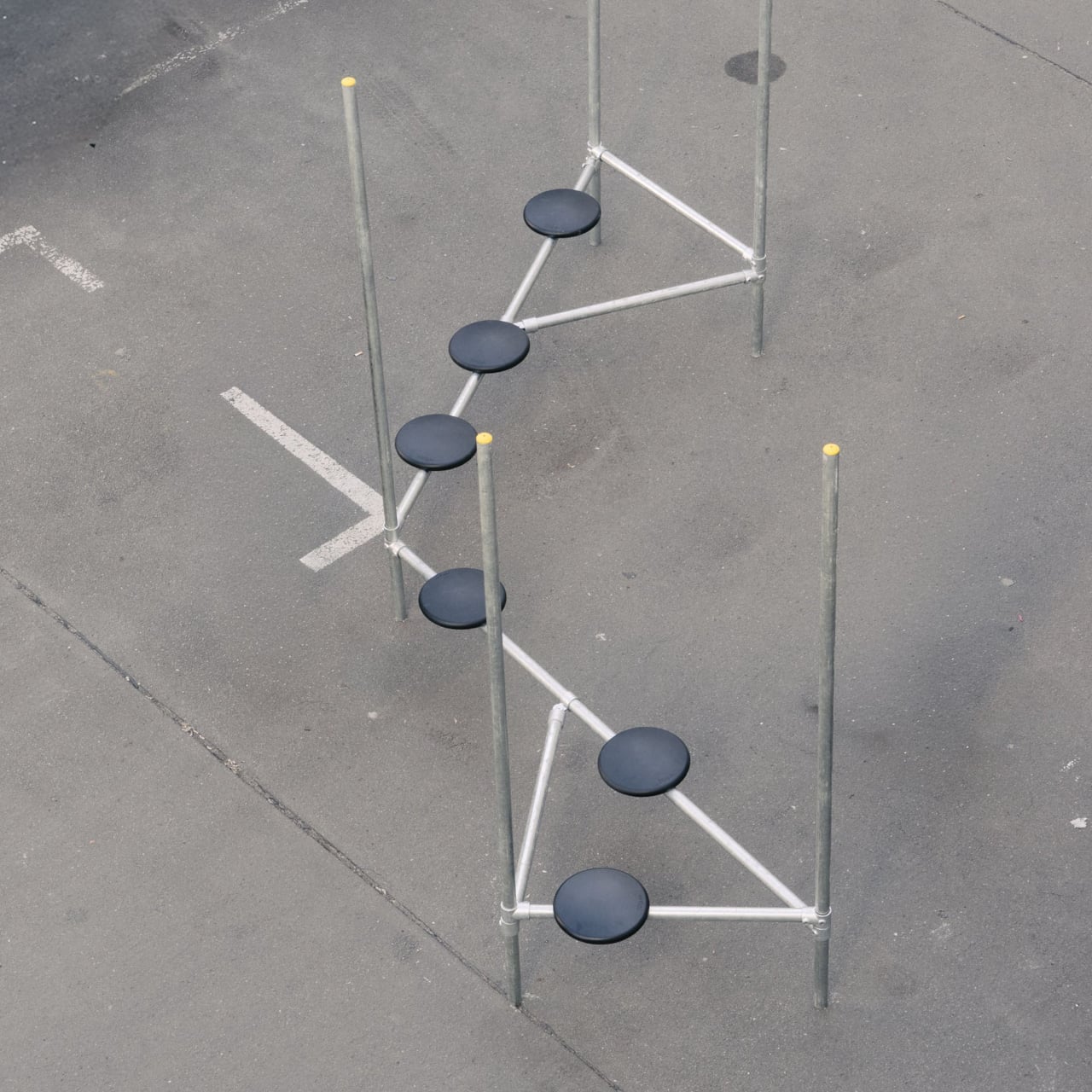
For spots that don’t have any scaffolding in place, there’s the THING_04.u. It comes as a set with a dedicated galvanized steel tubular frame, available with one seat or two. Grcic calls it raw, freestanding, territorial, which is a surprisingly apt description for a public seat that doesn’t need anything to lean on. A plaza, a lobby, a courtyard: it holds its own wherever you put it.
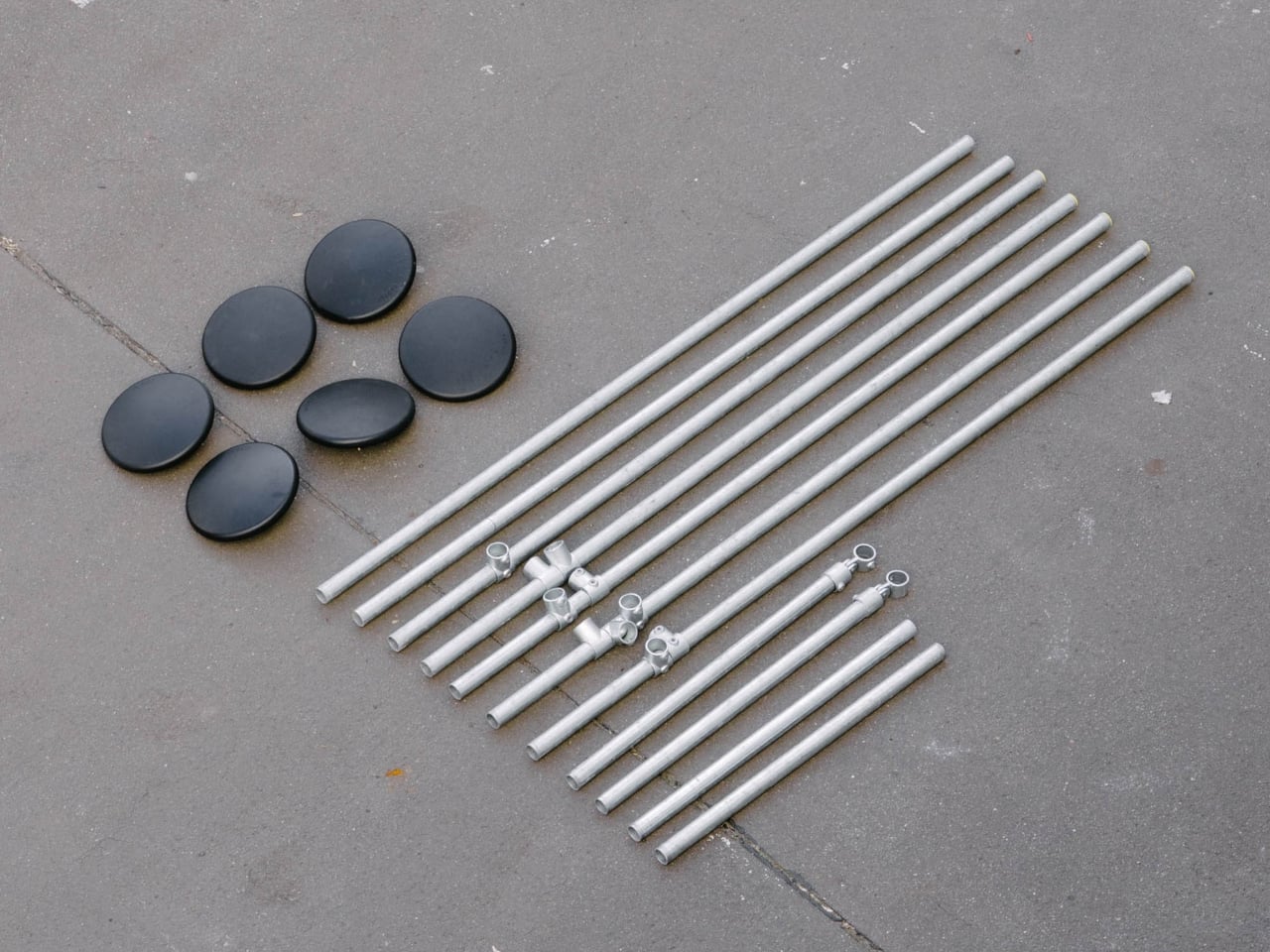
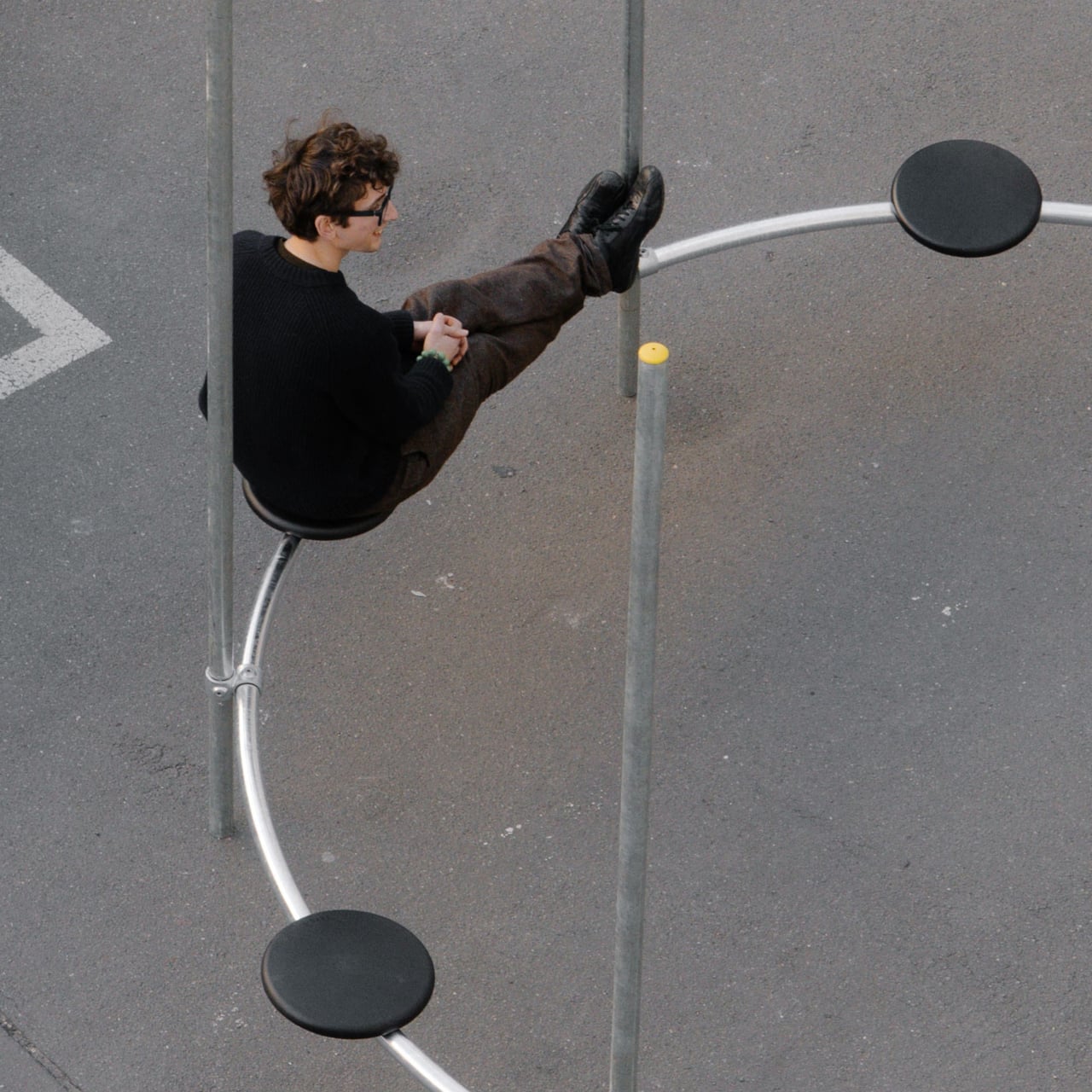
Then there’s the THING_04.x, which scales the concept into a full modular system. More seats, larger structures, and a wider range of configurations make it suitable for everything from temporary events to permanent public installations. It’s available to buy or rent, in predefined setups or custom arrangements on request. The kind of flexibility that event organizers and architects don’t typically expect from a single seating object.
THING_04 fits squarely into what 25kg was built for. The label is Grcic’s own platform for experimentation, where the brief is to start from raw, industrial materials and see how far design can stretch with minimal intervention. Each release is a THING built from these same principles: the stainless steel stool, the lava stone chair, and now this seat disc. None of them wastes a move.
The individual seat retails at €98, rotationally moulded in Germany to the standard the concept demands. It’s a fair price for a piece of seating you can clip onto a scaffolding pole at a pop-up, then carry to the next one. There are scaffolding poles on practically every street in European cities, and most of them have never had a seat to offer. THING_04 changes that.
Meta Smart Glasses seamlessly blend advanced technology with modern aesthetics, offering a practical and stylish way to incorporate smart features into your daily life. Available in two distinct generations, these glasses cater to a broad spectrum of users, from casual wearers to content creators. With features like hands-free photo and video capture, AI-powered assistance, and […]
OpenAI Symphony introduces a task-oriented approach to software development, shifting focus from traditional session-based workflows to task-level management. At its core, Symphony utilizes autonomous coding agents to handle tasks such as workspace setup, task validation and progress tracking. These agents integrate with platforms like Linear, Trello and Jira, allowing a structured and efficient workflow. According […]
Some people drink beer. Others study it, serve it with real intention, and actually feel the difference between a proper pour and a careless one. For that person in your life — the one who owns a specific glass for a specific brew and can tell you exactly why foam matters — a six-pack isn’t enough. What they need is something that matches the level of care they bring to every drink.
These five picks range from precision glassware engineered in Japan to a machine that replicates a professional draft tap at home. Each was designed with the same quiet seriousness your beer person applies to every single pour. If they treat drinking as a practice rather than a pastime, these are the gifts that speak their language — objects built with intention for someone who notices the difference between good and exceptional.
1. DraftPro Top Can Opener
There’s a version of drinking from a can, and then there’s the DraftPro version. Designed by award-winning Japanese designer Shu Kanno, this tool removes the entire top of a can with one clean motion, transforming it into something far closer to drinking from a proper glass. The wide-mouth opening lets aroma escape freely and allows the beer’s full range of flavor to come through completely unobstructed. For someone who selects their beer thoughtfully and actually wants to taste what they chose, this simple tool changes the nature of the experience entirely. It’s quiet, precise, and turns the ordinary act of cracking a can into something that feels far more considered and deliberate.
Beyond the drinking experience itself, the DraftPro functions as a capable bar tool in the most compact form possible. With the top removed, ice goes directly into the can for fast chilling on a hot day, or the can becomes the vessel for a quick cocktail with no shaker and no extra glass to clean afterward. It’s lightweight, portable, and compatible with both domestic and international can sizes, so it works wherever the drinking happens to be. The kind of object that earns a permanent place in a bag or kitchen drawer because it quietly solves problems you didn’t know you had until the first time you actually put it to use.
Removes the entire top to create an open, aroma-forward experience that genuinely mirrors drinking from a glass
Universal compatibility with domestic and international can sizes makes it useful at home or anywhere else
What We Dislike
Designed exclusively for cans, with no application for bottles or other containers
The fully open-top format may feel less practical or contained depending on the setting
2. Prism Titanium Beer Glass
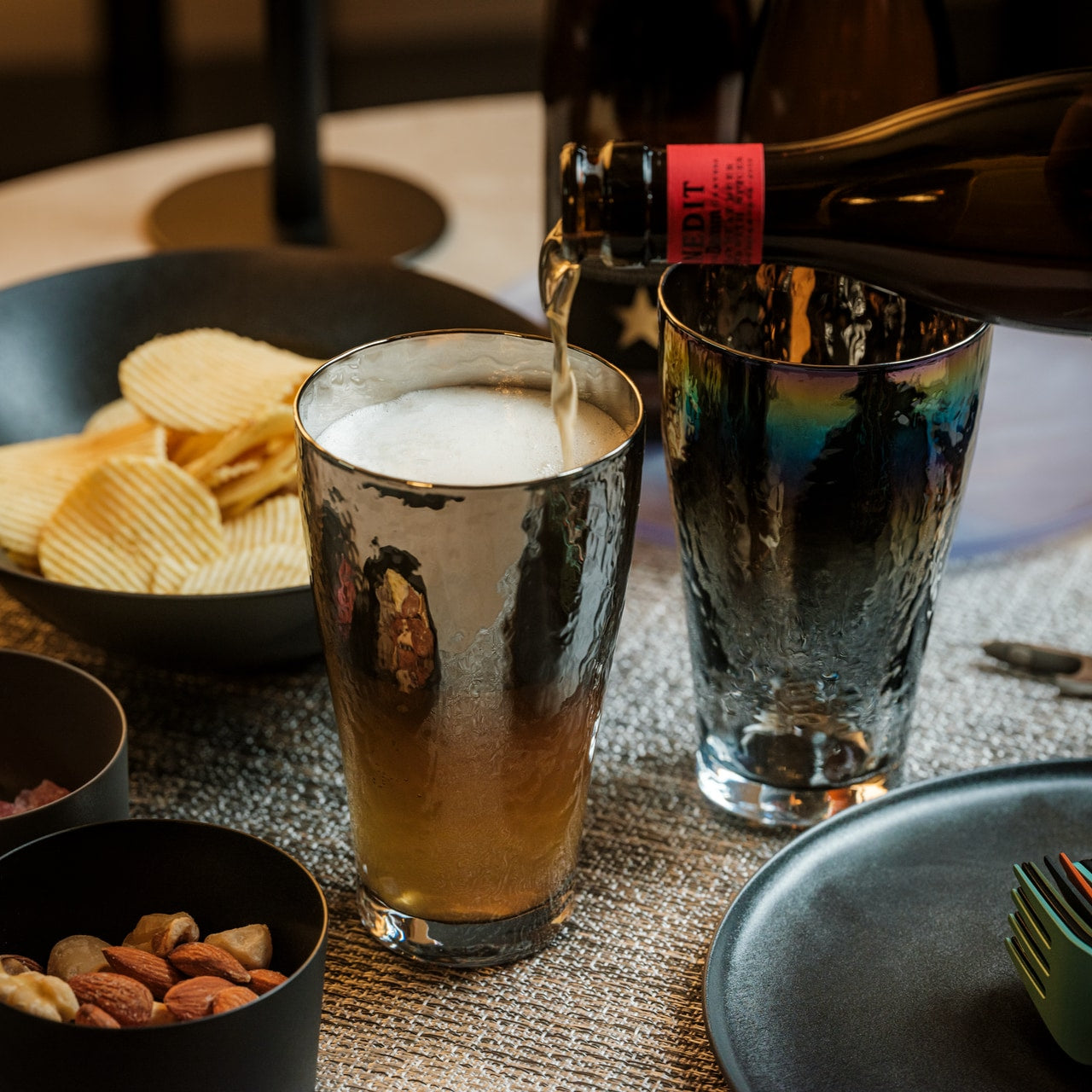
Most beer glasses do one thing: hold the beer. The Prism Titanium Beer Glass does something more carefully considered. Lined with 99.9% pure aerospace-grade titanium, it neutralizes metallic aftertastes and gently breaks down off-notes, leaving only the true, refined flavor of what’s been poured. Its gently flared rim softens texture and guides beer across the palate in a way that feels deliberate rather than incidental. Available in the timeless Silver with its quiet luster, or the Infinite with its shifting aurora of color, each version is finished with symbolic patterns that evoke longevity and prosperity. It’s the kind of glass that quietly resets the standard you hold everything else to.
This is a glass for someone who treats drinking as a ritual rather than a reflex. Clear glass meets softly reflective titanium inside, creating a visual interplay that reveals the beer’s true color with a quiet, elegant glow. The combination of material and shape means what you’re tasting stays as close to the brewer’s original intention as possible, without interference from the vessel itself. Japanese precision runs through every detail, from the balance of it in your hand to the way light plays across its surface at the table. For the person who thinks carefully about what they drink and how, this is the glass they’ve been looking for without quite knowing what to call it.
Aerospace-grade titanium lining preserves pure flavor by neutralizing metallic aftertastes and off-notes that would otherwise interfere
The gently flared rim simultaneously improves both aroma delivery and mouthfeel for a more complete tasting experience
What We Dislike
Premium material and Japanese craftsmanship come at a higher price point than conventional glassware
The titanium interior may feel unfamiliar to those accustomed to standard glass or ceramic vessels
3. Hodi
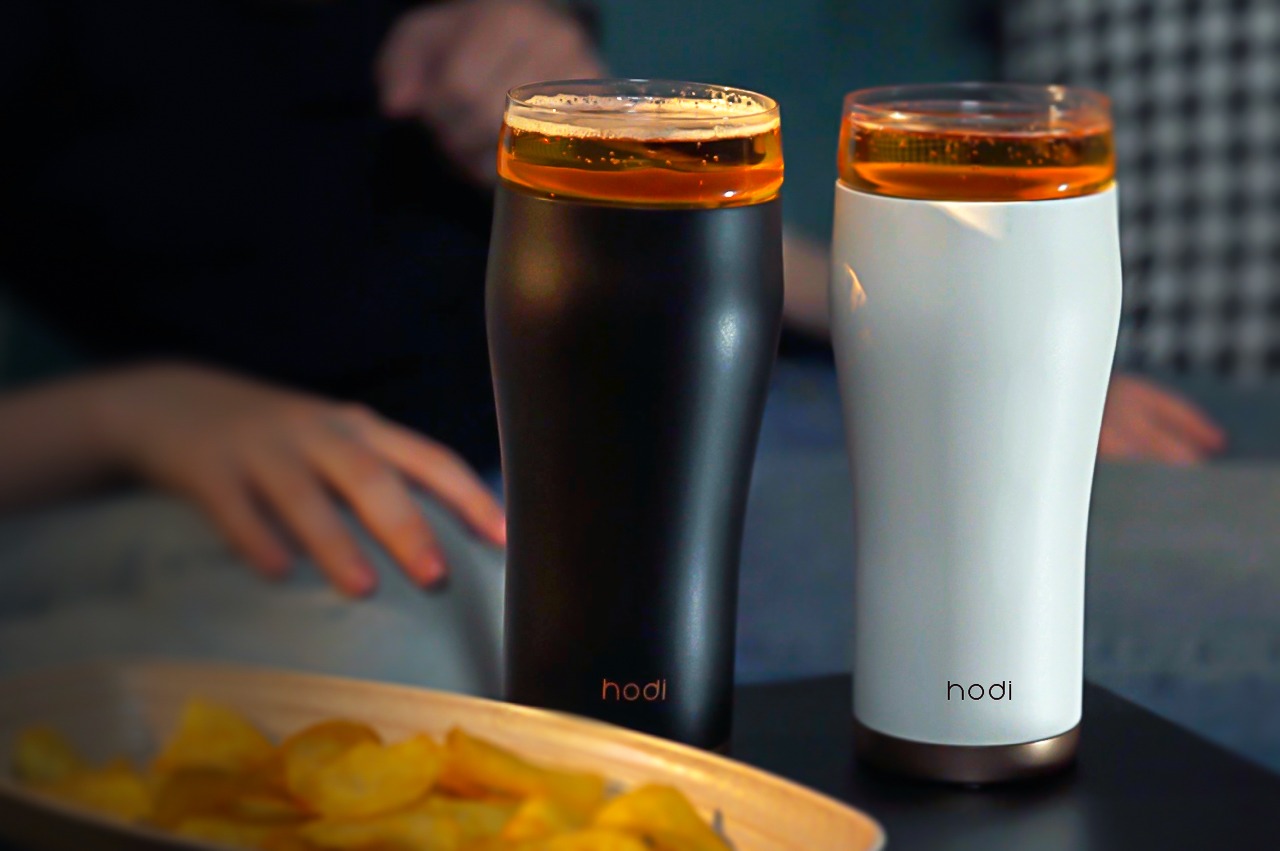
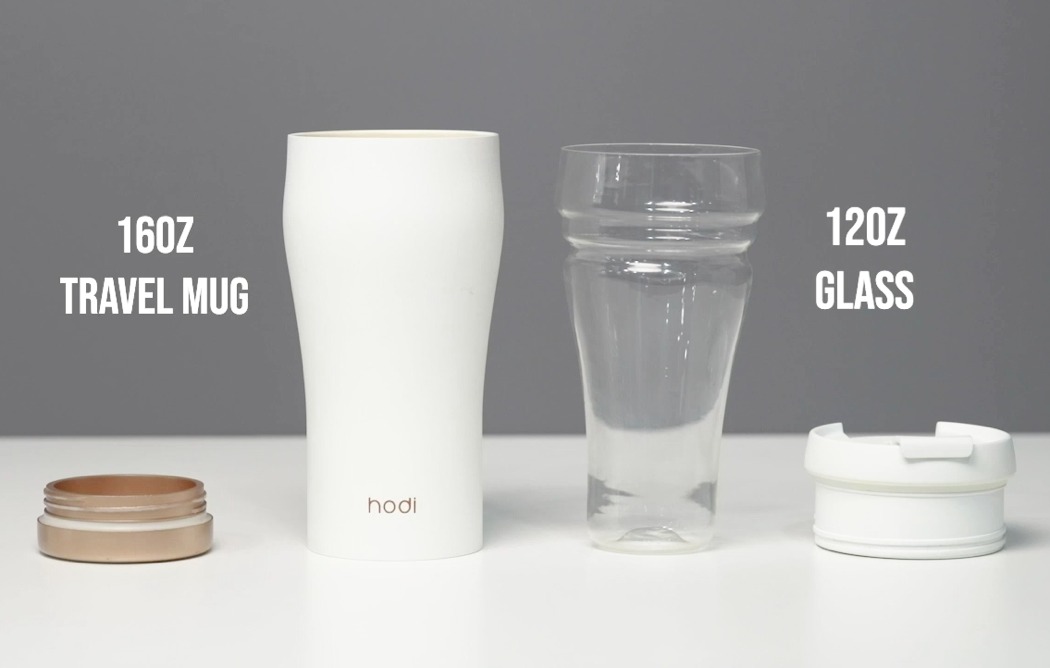
The hodi is what happens when someone asks what a travel mug could genuinely be if it actually tried harder. Its unique two-part design splits into two separate glasses — one for hot drinks, one for cold — while an airtight lid doubles as a snack container and a built-in mesh filter handles all the brewing on the go. Coffee, tea, beer, wine, juice, milkshakes: hodi takes all of it, making it the kind of object a serious drinker carries without compromise.
What makes hodi visually impossible to ignore is the shape. Its curvy, tapered silhouette is directly reminiscent of the iconic Guinness glass — one of the most recognizable beverage vessels ever made —, and that’s entirely the point. Carry it anywhere, and it reads as intentional, not utilitarian. Functionally engineered to handle everything from a cold craft beer to a hot brew, yet portable enough to go wherever a standard travel mug would, hodi doesn’t ask you to trade form for function.
What We Like
The two-part split design offers two separate glasses for hot and cold drinks, making it genuinely versatile for every drink in a beer person’s rotation
Its Guinness-inspired silhouette carries the visual language of fine glassware into a portable, travel-ready format
What We Dislike
The multi-part construction means more components to keep track of and clean after every use
Its Swiss Army Knife versatility may feel like overkill for someone who wants a single-purpose, dedicated beer vessel
4. Fizzics DraftPour
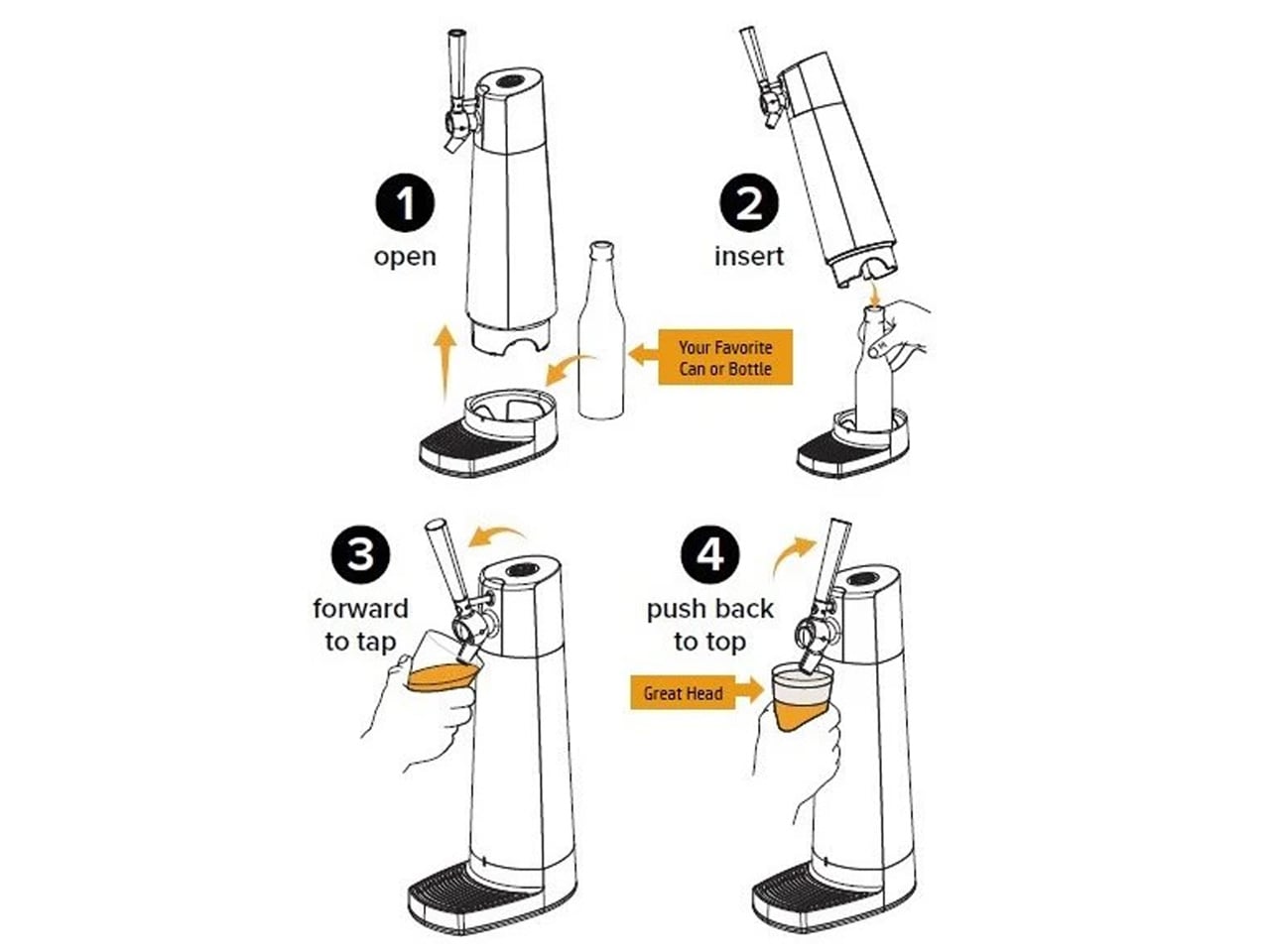
The Fizzics DraftPour does something most people assume requires a full bar setup: it turns any can or bottle of beer into a creamy, nitro-style draft pour without leaving the house. Using patented Micro-Foam technology, it converts the beer’s existing carbonation into uniformly sized micro-bubbles that enhance aroma, flavor, and mouthfeel in a way a straight hand pour simply can’t replicate. It works across every beer style from IPAs and lagers to porters and stouts, and fits cans up to 32oz and bottles up to 750ml. No beer is excluded, and no special additives or gas cartridges are required to get that result at home.
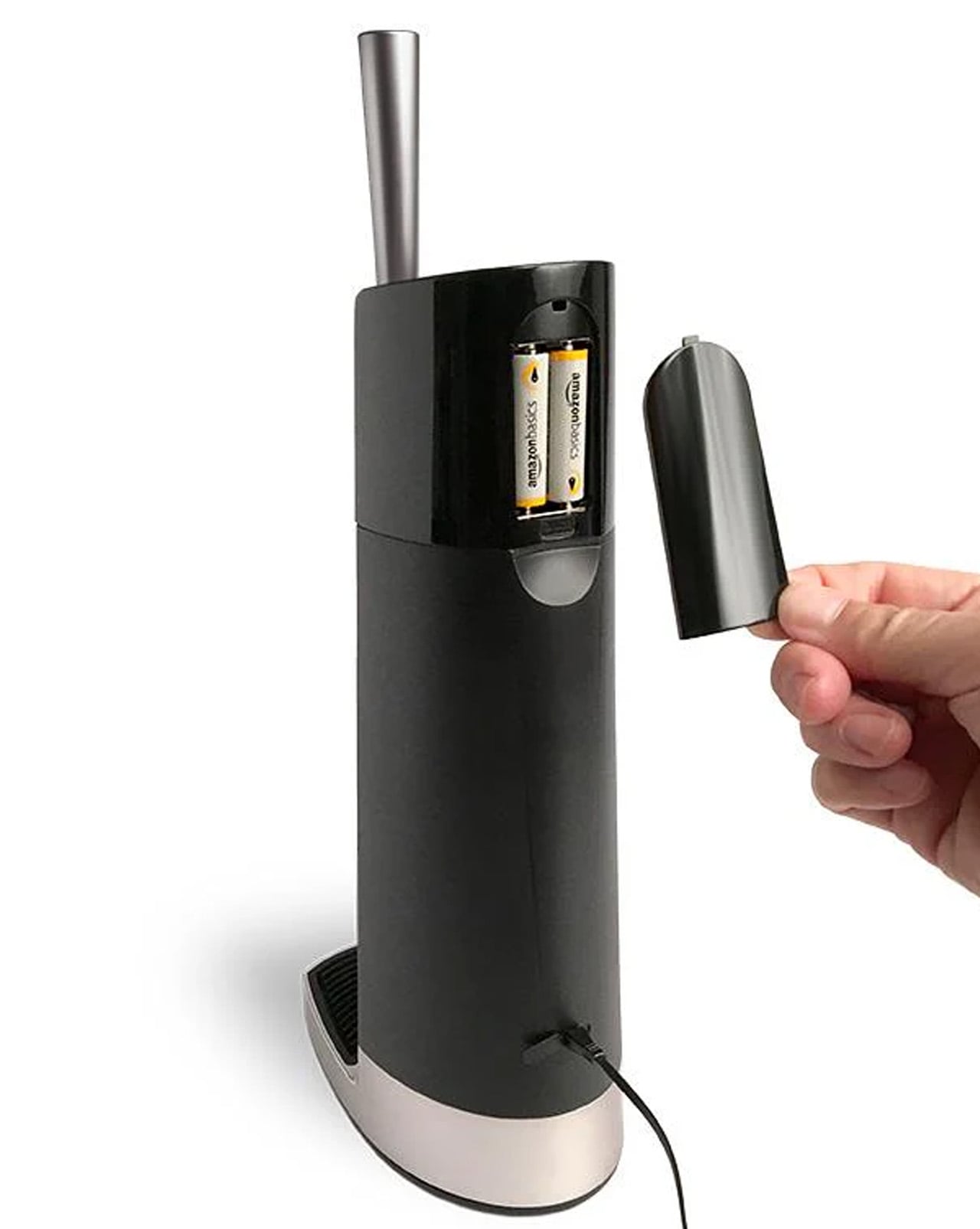
What makes it exceptional as a gift is that it asks nothing extra from the beer itself. No CO2 cartridges, no nitro canisters, no complicated setup. Plug it in or run it on two AA batteries and take it wherever the occasion calls. The technology optimizes all three phases of foam production: nucleation, beading, and disproportionation — the same metrics brewers and cicerones rely on when evaluating the quality of a proper draft pour. For the person who knows what those words mean and cares enough to apply them at home, this is the most meaningful upgrade their home bar has ever seen.
What We Like
No CO2 or nitro cartridges required — the machine works entirely with the beer’s own existing carbonation
Compatible with all beer styles and most standard can and bottle sizes, making it broadly and consistently useful
What We Dislike
Requires a power source via plug or AA batteries, which adds a layer of setup compared to more passive tools on this list
Functions as a countertop appliance rather than a compact or easily portable bar accessory
5. Nendo Perfect 3Way Beer Glass
Japanese design firm Nendo built the Perfect 3Way Glass specifically around the flavor and aroma of Sapporo’s Kuro Label draft beer, and the result is one of the most intentional drinking vessels ever produced. The glass is asymmetrical by design, with three distinct zones that each deliver a different mouthfeel when you drink from them. Start at the straight side: the beer travels to the center of the tongue and flows toward the back of the mouth, delivering the initial crisp, clean finish that defines a well-served draft. That first side is the foundation, and what follows on the other two makes this glass genuinely unlike anything else on the market.
Move to the left side, where the curvaceous, wider rim fills the mouth with a mellow, rich aroma and bouquet of liquid. Then shift to the right, where the bulbous shape hits the middle of the tongue and controls the flow for a third, completely distinct sensation. Three sides, three moments, one glass. This isn’t a novelty. It’s a precision instrument for someone who understands that how beer enters the mouth shapes what they ultimately taste. For anyone who takes draft beer seriously, the Perfect 3Way Glass turns a single pour into three separate, considered experiences without ever needing to refill the glass or reach for something else.
What We Like
Three distinct mouthfeel zones deliver three genuinely different tasting experiences from a single pour
Built with draft beer specifically in mind, making it a meaningful and focused tool for serious enthusiasts
What We Dislike
The asymmetrical shape requires some orientation before the full experience lands as intended, which takes practice
Conceived around a specific style of draft beer, which may feel limiting for drinkers with broader or more varied tastes
The Right Gift for the Right Pour
The best gifts for a beer person aren’t about quantity. They’re about showing you understand exactly how they think about what they drink — the attention they give to temperature, aroma, foam, and the weight of a glass in the hand. Every pick here reflects that same level of care in how it was designed and what it was built to achieve. One thoughtful gift says more than any case could.
Pick one, and let the presentation carry the message. These aren’t items you grab from a shelf because the occasion demands something wrapped. They’re tools built by craftspeople and designers who understand what it means to give a drink the respect it deserves. For the person who brings that same respect to every pour, that’s a language they’ll recognize immediately — and appreciate far longer than anything else you could choose.
The Samsung Galaxy Z Fold 8 series builds upon the foundation of its predecessors, offering a refined take on foldable phone technology. With three distinct models, the Galaxy Z Fold 8, Z Fold 8 Wide, and Z Flip 8, Samsung focuses on practical enhancements that improve usability, durability and performance. While the updates may not […]
Most of us living in cities have gotten used to a very particular kind of light. It comes in flat and filtered through glass, bounced off neighboring buildings, and stripped of any real sense of time. Morning looks a lot like afternoon. The sky, if you can see it at all, is a narrow strip somewhere above the roofline. It’s become the default setting of urban life, and most of us have stopped noticing.
That quiet loss is exactly what CHAGYEONG is designed to address. Created by designers SeongJin Hwang (Neo), Soyeon Kim, and Minje Park, this series of metal craft-based living objects isn’t trying to replicate nature or substitute it with some wellness trend. It’s doing something more deliberate than that: it’s pulling an ancient architectural principle out of history and asking whether it still has something useful to say about the way we live now.
Designers: SeongJin Hwang (Neo) / Soyeon Kim / Minje Park
The concept borrowed from (and named after) is chagyeong (借景), a traditional East Asian practice that translates literally to “borrowed scenery.” The idea is that a space doesn’t have to generate its own landscape. It can simply frame, redirect, and invite the one that already exists outside. Korean architects used this principle for centuries, orienting pavilions and residences so that distant mountains, seasonal foliage, or the open sky became part of the interior experience. The environment wasn’t something to block out. It was a resource.
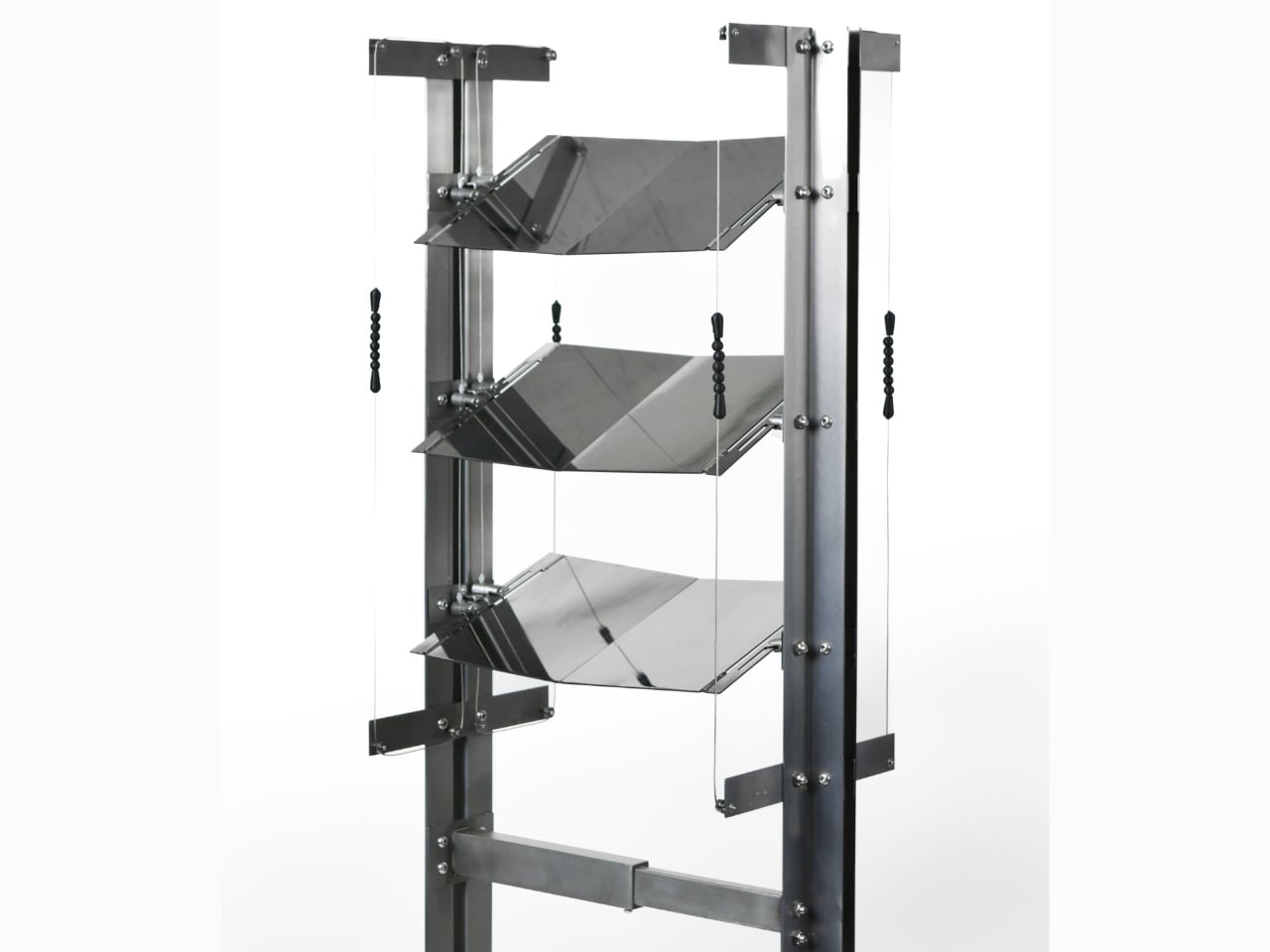
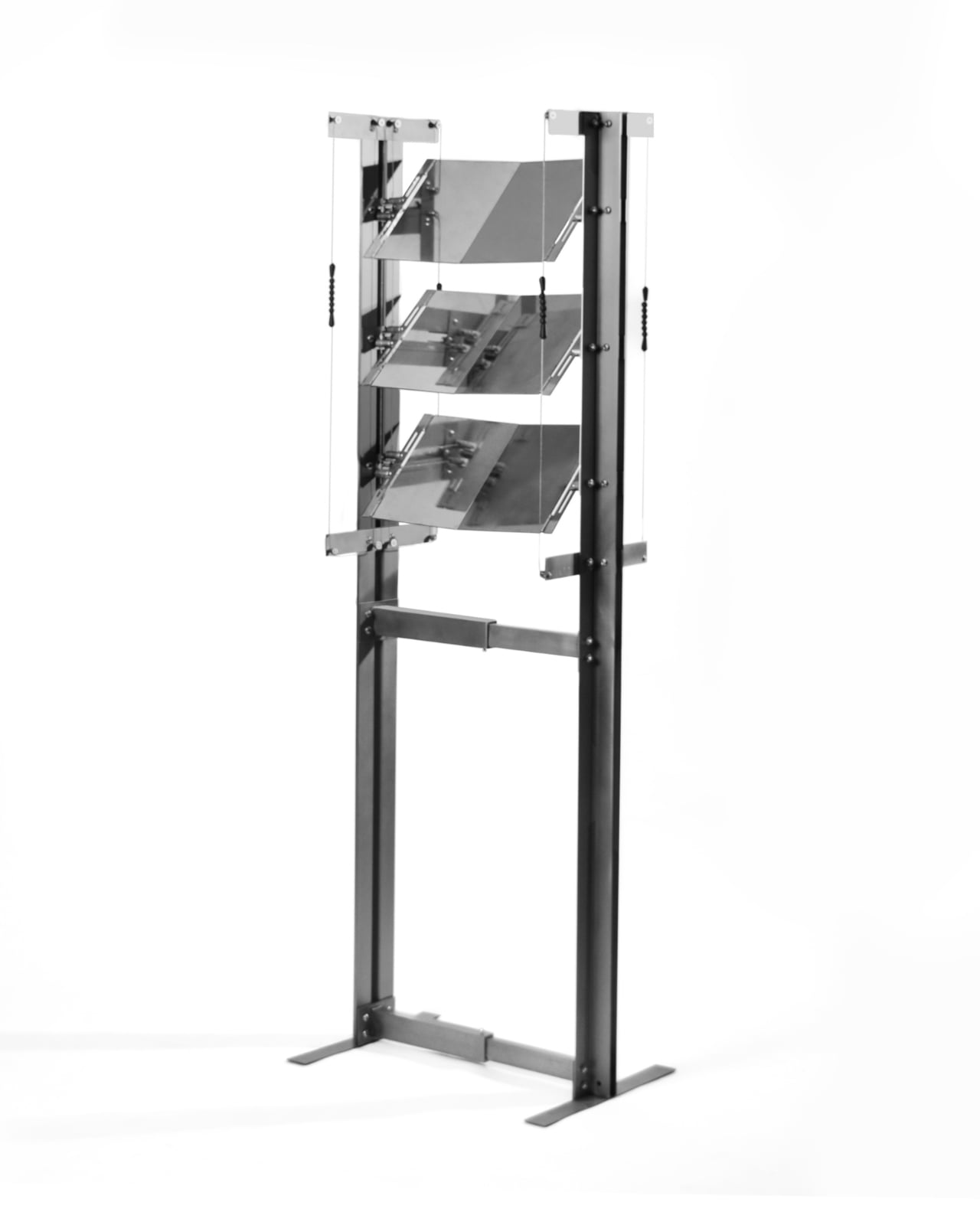
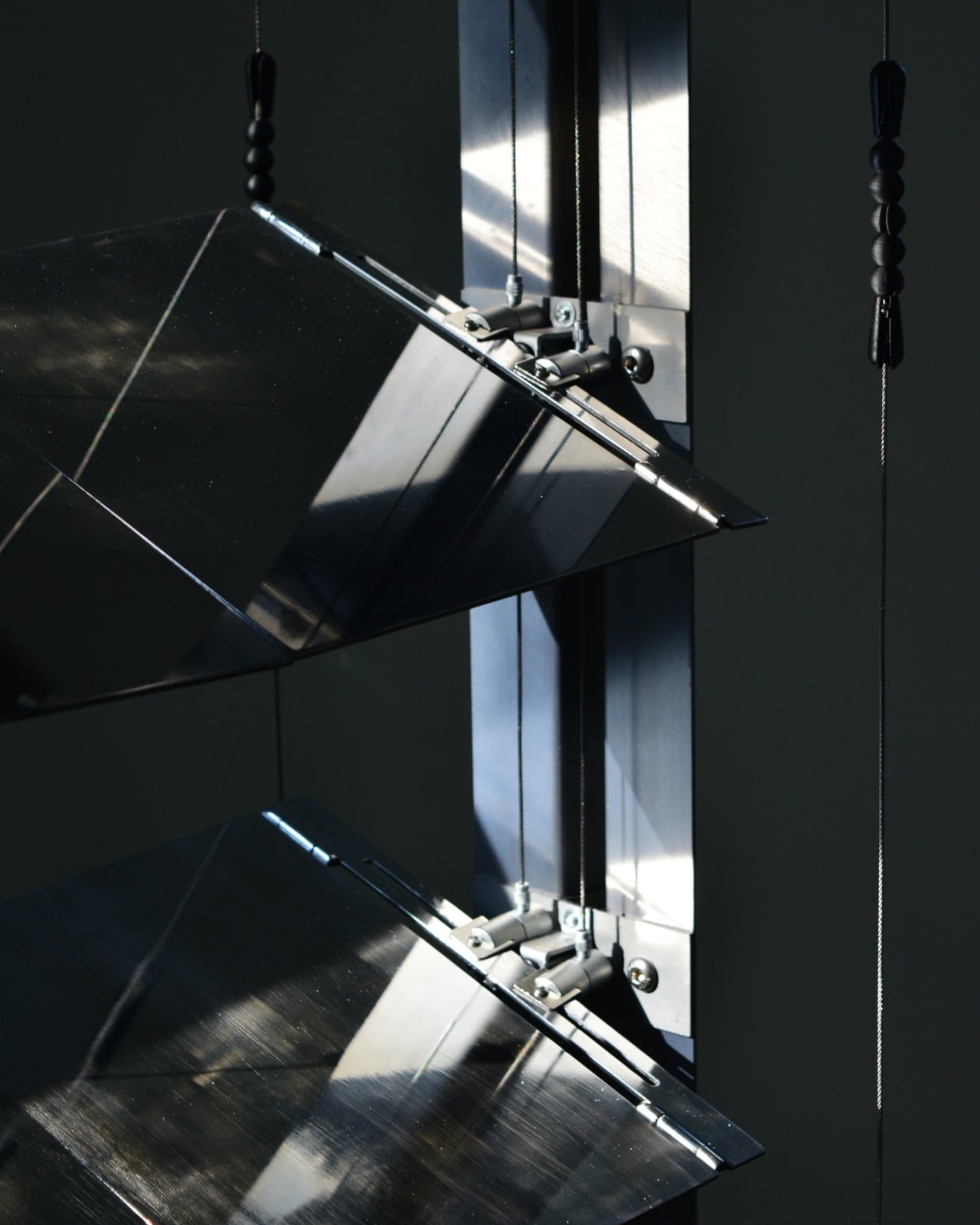
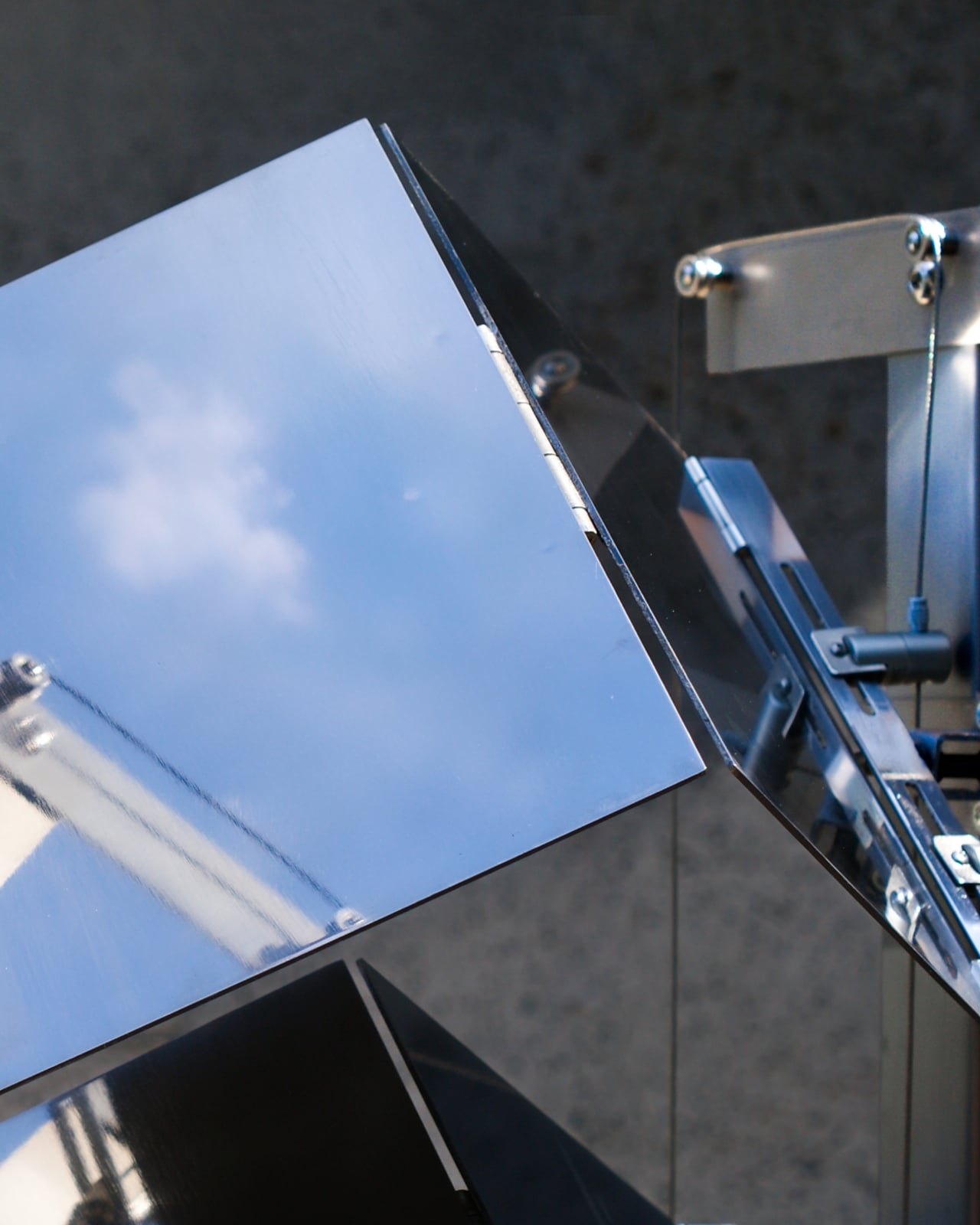
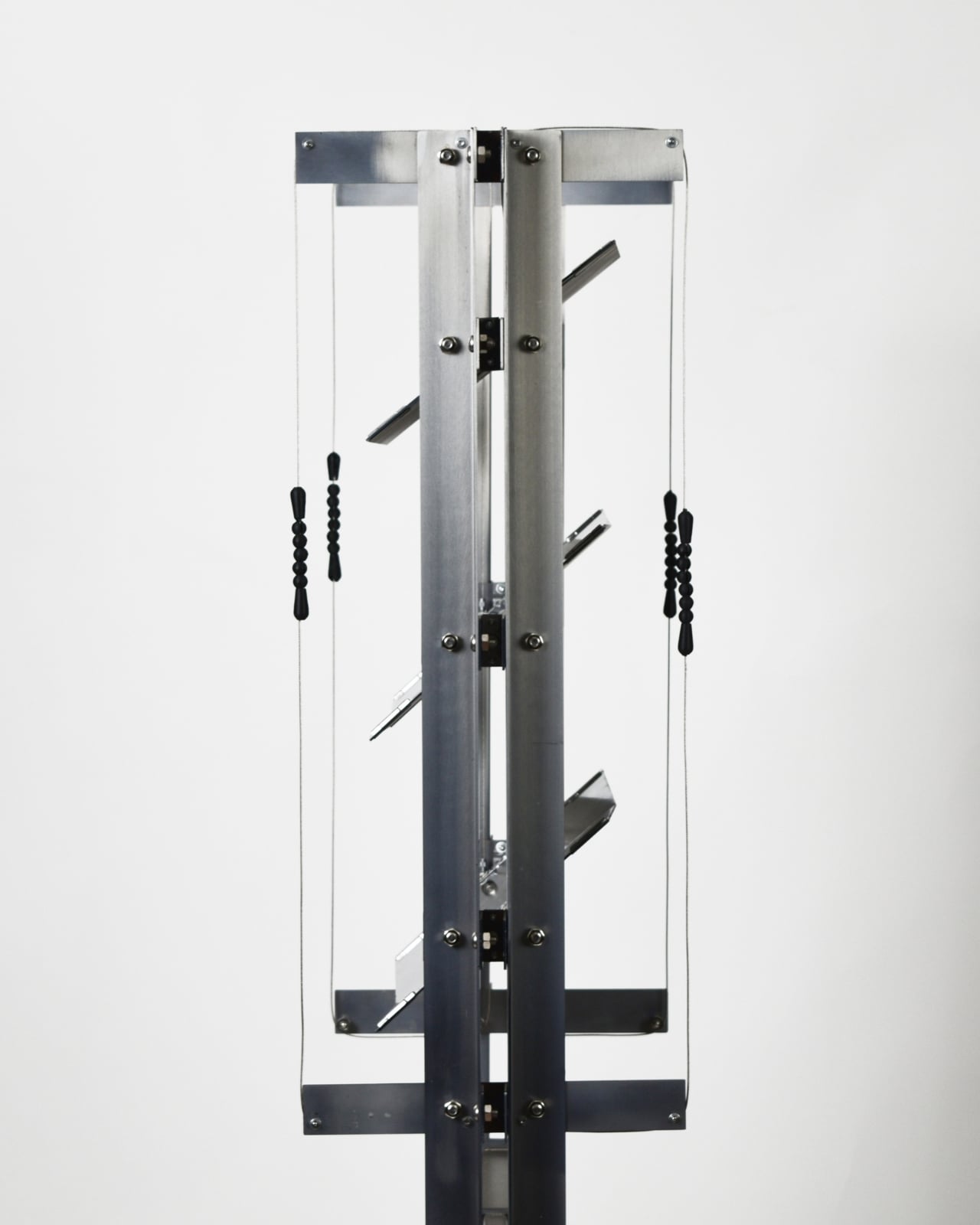
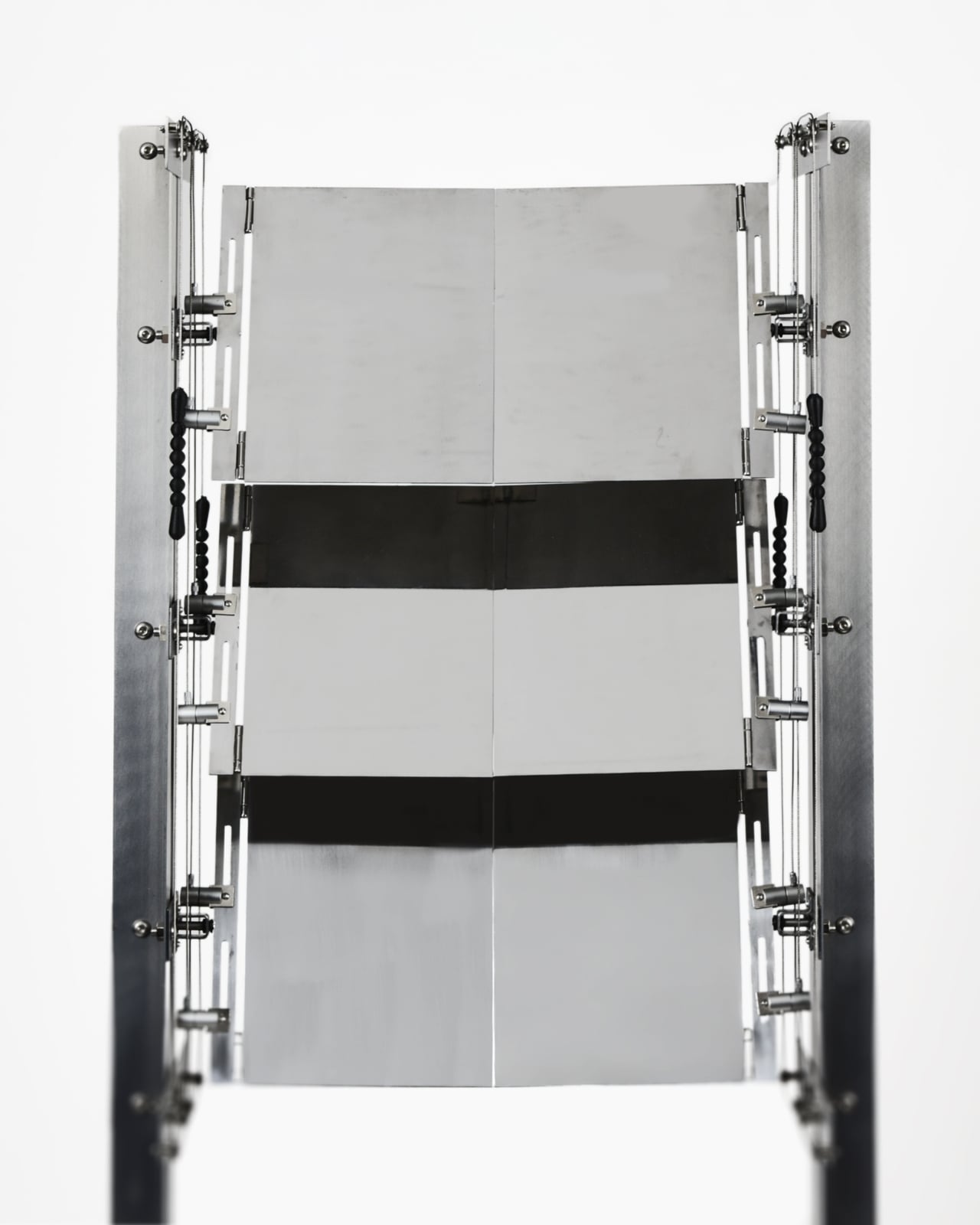
What Hwang, Kim, and Park have done with the CHAGYEONG partition is apply that sensibility to a very specific contemporary problem: urban apartments where privacy and natural light are constantly in tension with each other. The partition sits near a window, and through its rotating mirror-like metal panels, it manages to block direct sightlines from the outside while redirecting the changing colors of the sky inward. You get privacy without the heavy curtain. You get natural light without the exposure. The sky, in a very literal sense, comes inside.
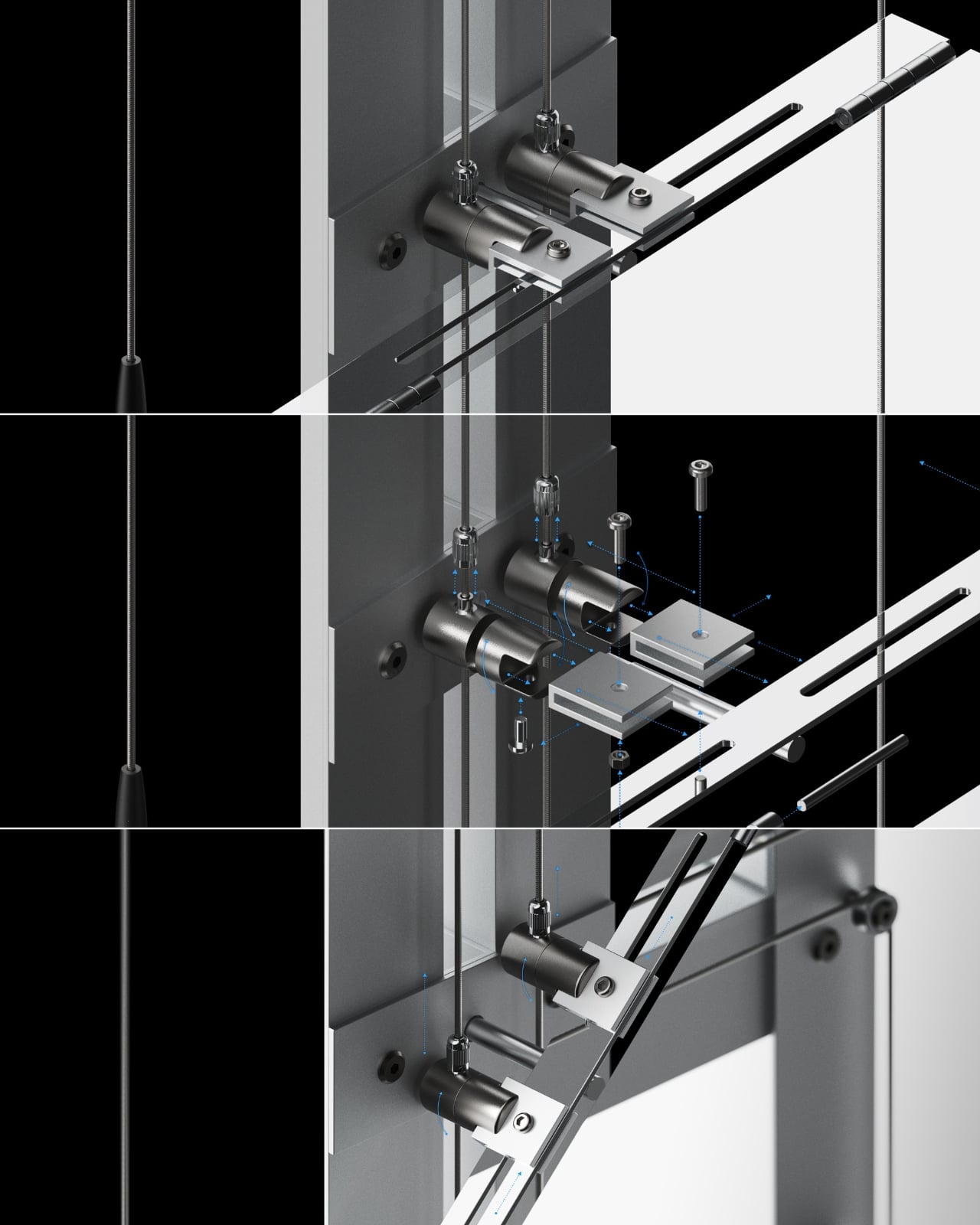
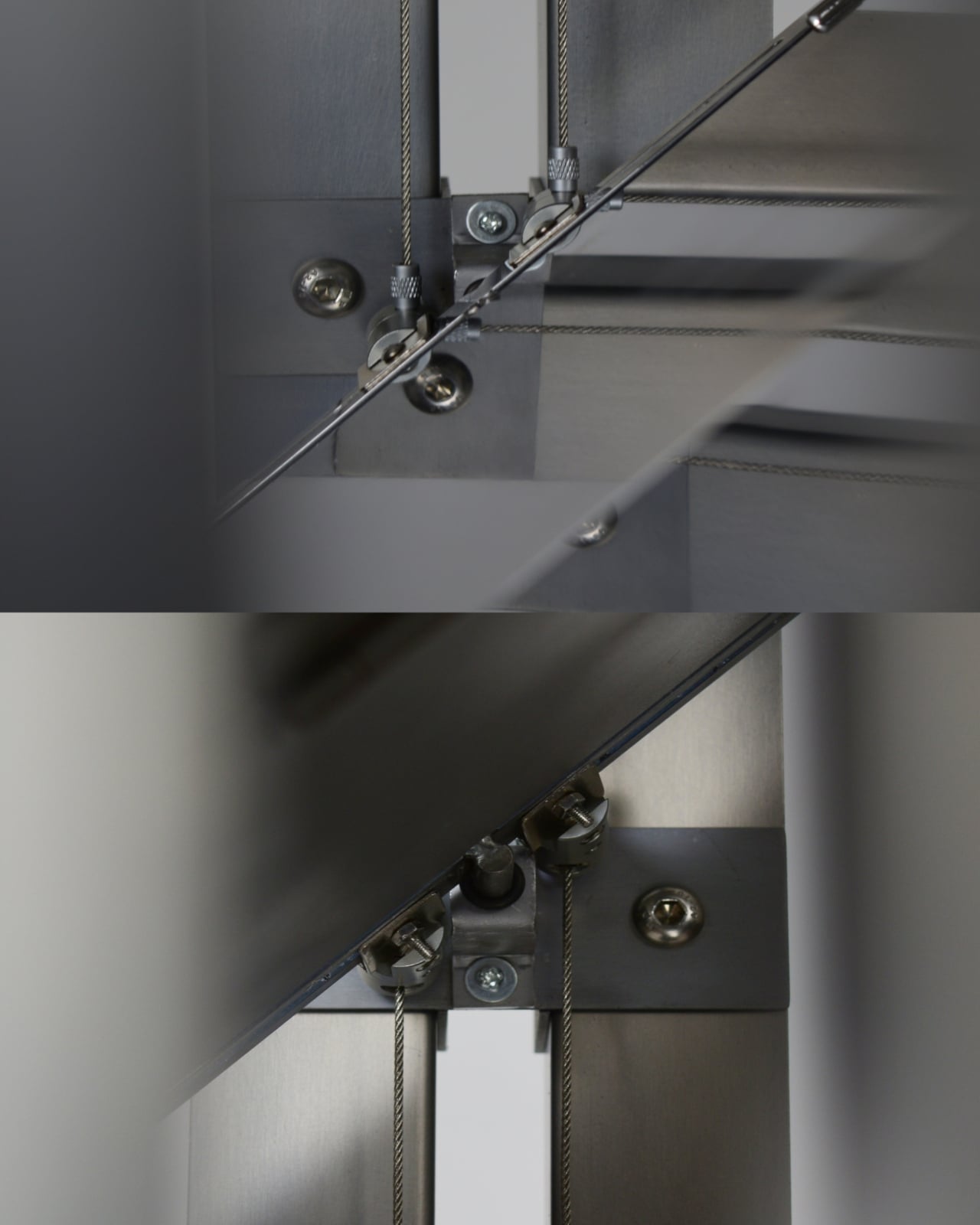
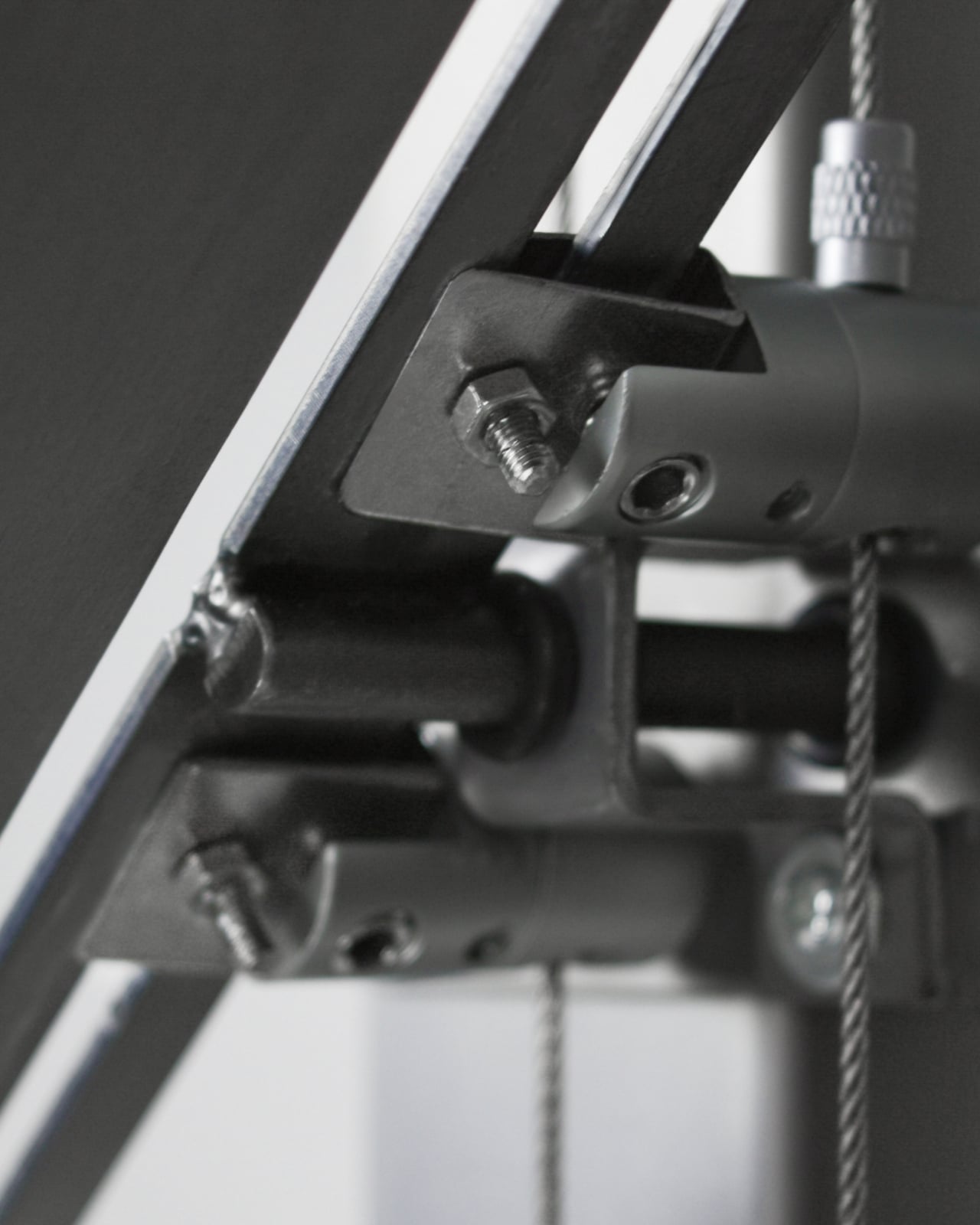
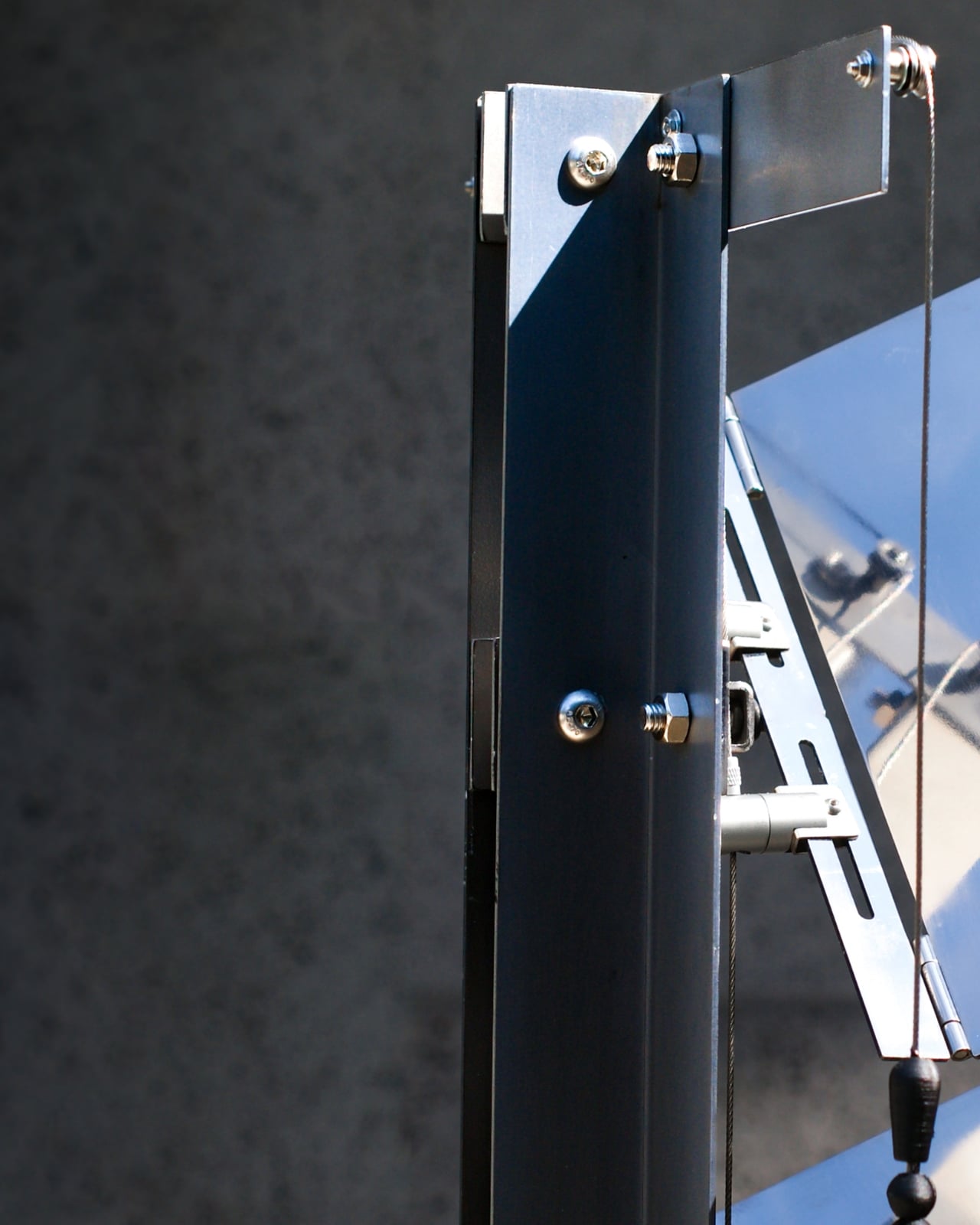
The mechanics of this are more interesting than they first appear. Each reflective metal panel can be angled to adjust the view, which means the object responds to the space rather than dictating to it. The structure is also freestanding, using load distribution instead of wall fixation, so it doesn’t require drilling or permanent installation. This matters more than it sounds. Design objects that require commitment are design objects that most renters never get to own. The flexibility here feels intentional, not just practical.
Visually, it reads as sculpture before it reads as furniture. The finely finished metal surfaces, the suspended panels, the small articulated joints and cables connecting everything: it looks like something that belongs equally in a gallery and a living room. That’s a difficult balance to strike, and the team has managed it. The industrial precision of the hardware sits alongside something quieter, almost contemplative, in the overall form.
I’ll admit that the first time I looked at it, the engineering detail drew my attention more than anything else. Looking at the close-up images of the rotating joints and the tension cables, you realize how much considered problem-solving sits behind what appears to be a minimalist aesthetic. The freestanding structure, the angled panels, the wire suspension system: none of it is accidental. Everything is load-bearing in the most literal and conceptual sense.
What stays with me, though, is the premise. The idea that a piece of furniture could be designed specifically around giving you back the sky. Not a wellness app, not a daylight lamp, not a houseplant. A metal object, engineered to redirect your attention upward and outward at the part of the world we’ve quietly agreed to stop looking at. Urban living asks us to trade a lot of things in exchange for density, convenience, and connection. Natural time, that slow visible shift from morning to dusk, is one of them. CHAGYEONG is making an argument, calmly and without drama, that the trade doesn’t have to be permanent.
DJI has highlighted a notable limitation in the Insta360 Luna Ultra, specifically its inconsistent color processing. As reported by Tech Court, early footage from the Luna Ultra shows issues such as uneven highlight control and inaccurate skin tones, which could pose challenges for professional workflows. In comparison, DJI’s Pocket 4 Pro emphasizes color accuracy with […]
Apple’s iPhone 18 series is redefining expectations in the smartphone industry. With a combination of innovative features and strategic refinements, the lineup introduces significant advancements in camera technology, design, and performance. At the same time, Apple addresses affordability and market competition, making sure the series appeals to a wide range of users. Below is a […]