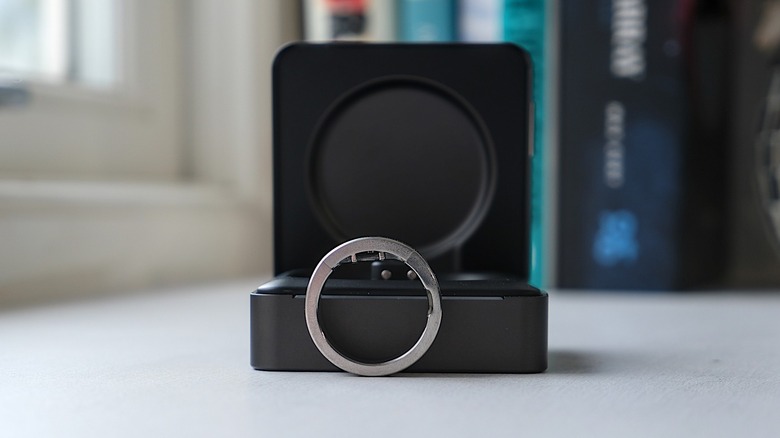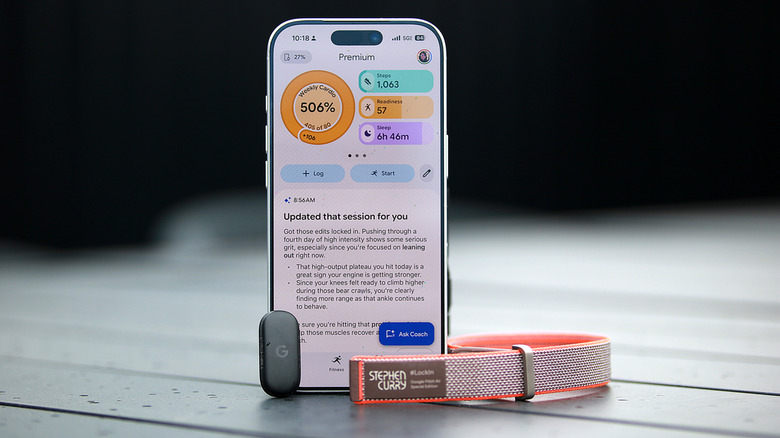
Fitbit Air review: Health tracking for the AI generation
The Fitbit Air is a serious rival to Whoop and other screenless wearable trackers thanks to its solid hardware, comprehensive software and competitive pricing.

Eight months after Apple shipped the AirPods Pro 3, the comparison has quietly shifted. Nobody is really debating whether the Pro 3 are good. They are. The more interesting question, the one actually driving search traffic right now, is whether the Pro 3 are worth it when the Pro 2 can be had for around $167 renewed, and when both models share the same H2 chip.
That last part matters more than it sounds. Apple’s decision to keep the H2 chip in the Pro 3 means both generations run the same core software features, including everything arriving with iOS 26. That’s not a knock against the upgrade. It’s just a useful signal about where Apple actually spent its engineering effort this cycle. The answer is the body.
Design: Apple
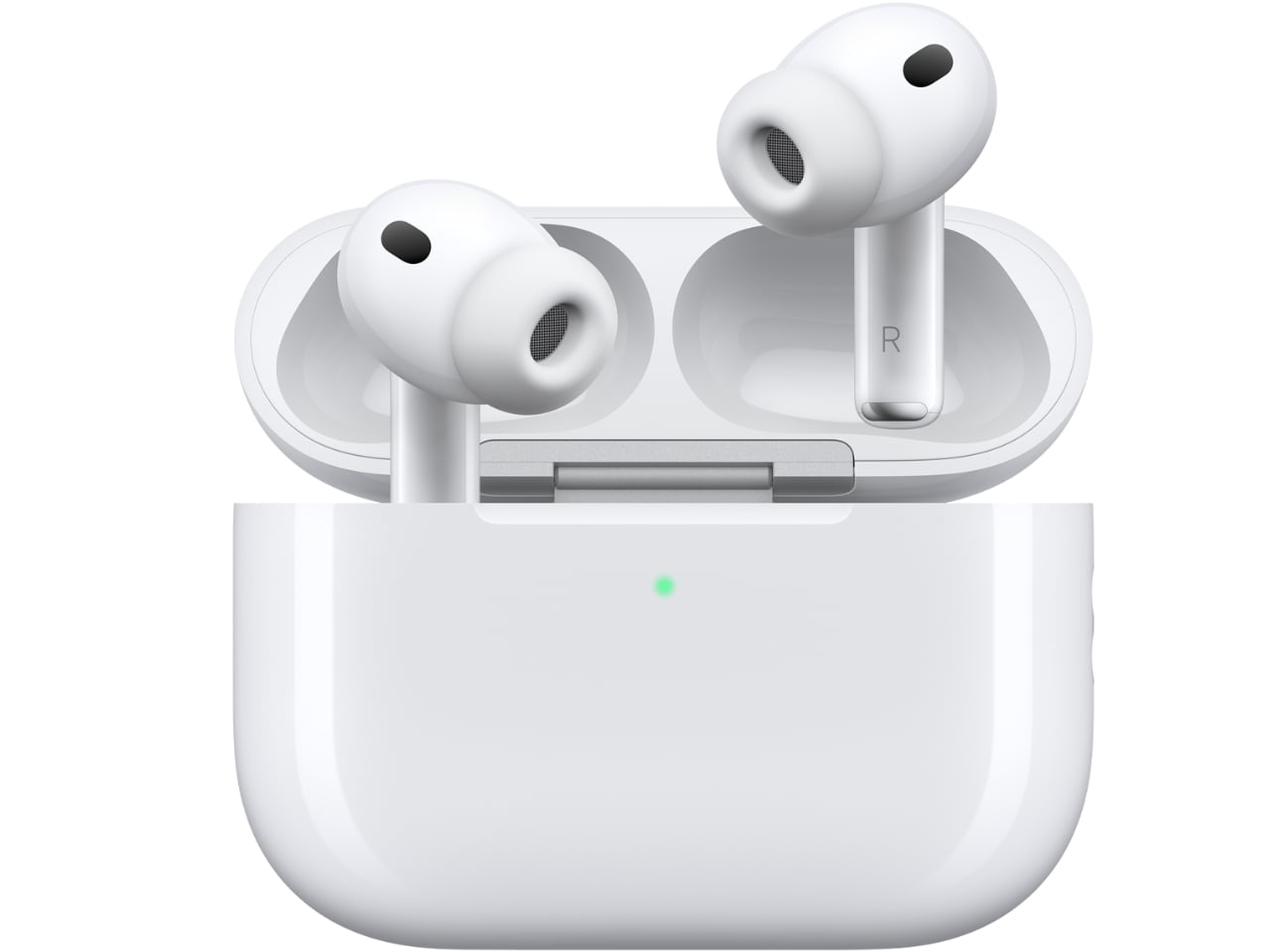
The AirPods Pro 3 ship with a redesigned fit system, adding foam-infused ear tips across all sizes and a new extra-extra-small option for a noticeably deeper seal. That revised fit is doing real work. It’s part of why independent testing from RTINGS shows the AirPods Pro 3 outperforming the Pro 2 on noise isolation, especially with street-level and mid-frequency noise. The ANC improvement is real, and most of it comes from better physics, not a completely overhauled processing stack.

Then there’s the durability jump. IP57 replaces IP54, meaning the AirPods Pro 3 can survive submersion in a meter of water for up to 30 minutes, compared to the AirPods Pro 2’s more modest splash resistance. If you work out in the rain or tend to leave things near water, that’s a quiet but meaningful upgrade. Battery life lands at eight hours with ANC on, a clear step up from the Pro 2. Worth noting, though: using the heart-rate sensor drops that figure to roughly 6.5 hours per charge, so those gains are conditional depending on how you actually use the earbuds. Which brings us to the feature doing most of the marketing heavy lifting.
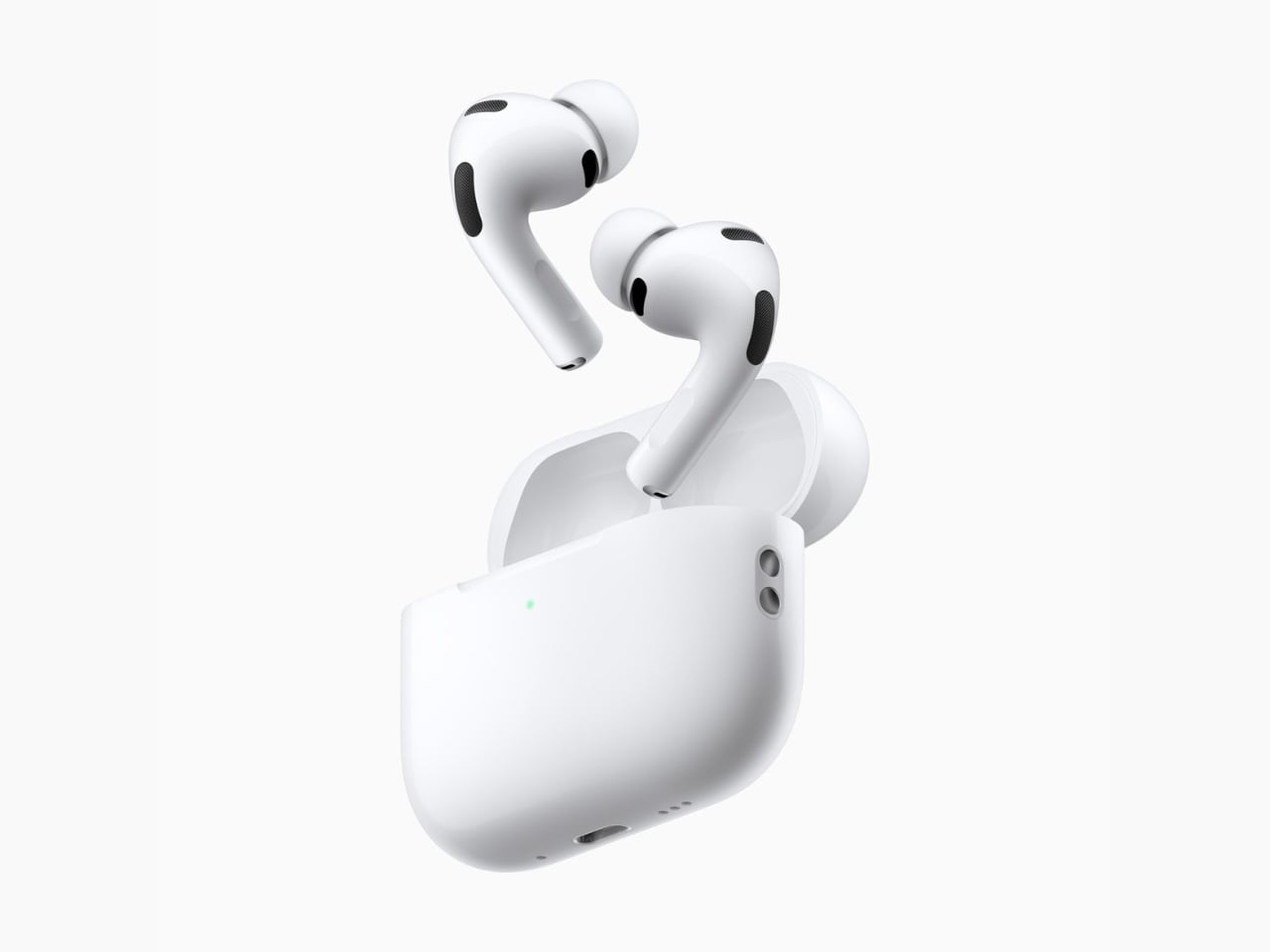
The heart-rate monitor is the AirPods Pro 3’s most discussed addition, and it’s genuinely well-implemented. You can track over 50 workout types on iPhone alone, without an Apple Watch, logging heart rate and calorie burn throughout. If both devices are present, Apple’s system pulls from whichever sensor is giving more reliable data at the time. That’s a thoughtful design call.
But here’s the thing. If you already wear an Apple Watch, the heart-rate sensor in your ears becomes a nice backup, not a reason to upgrade. The people for whom this feature is genuinely transformative are iPhone-first fitness users who aren’t wearing a watch, or people who prefer fewer devices on their body during a workout. For everyone else, it reads more like product ambition than personal necessity.

So where does the AirPods Pro 2 still hold its ground? Almost everywhere a casual listener, commuter, or Apple Watch owner actually lives. The H2 chip delivers the same spatial audio, the same call quality baseline, and the same hearing health features, including the hearing test and hearing aid mode. At $167 renewed, the Pro 2 offers a level of performance that would have been considered flagship just two years ago.
The AirPods Pro 3 are the better earbuds. They fit better, block more noise, last longer on a charge, and carry the kind of health-sensor integration that signals where Apple wants this product category to go. But better earbuds and better value are not the same thing, and in May 2026, that distinction matters.
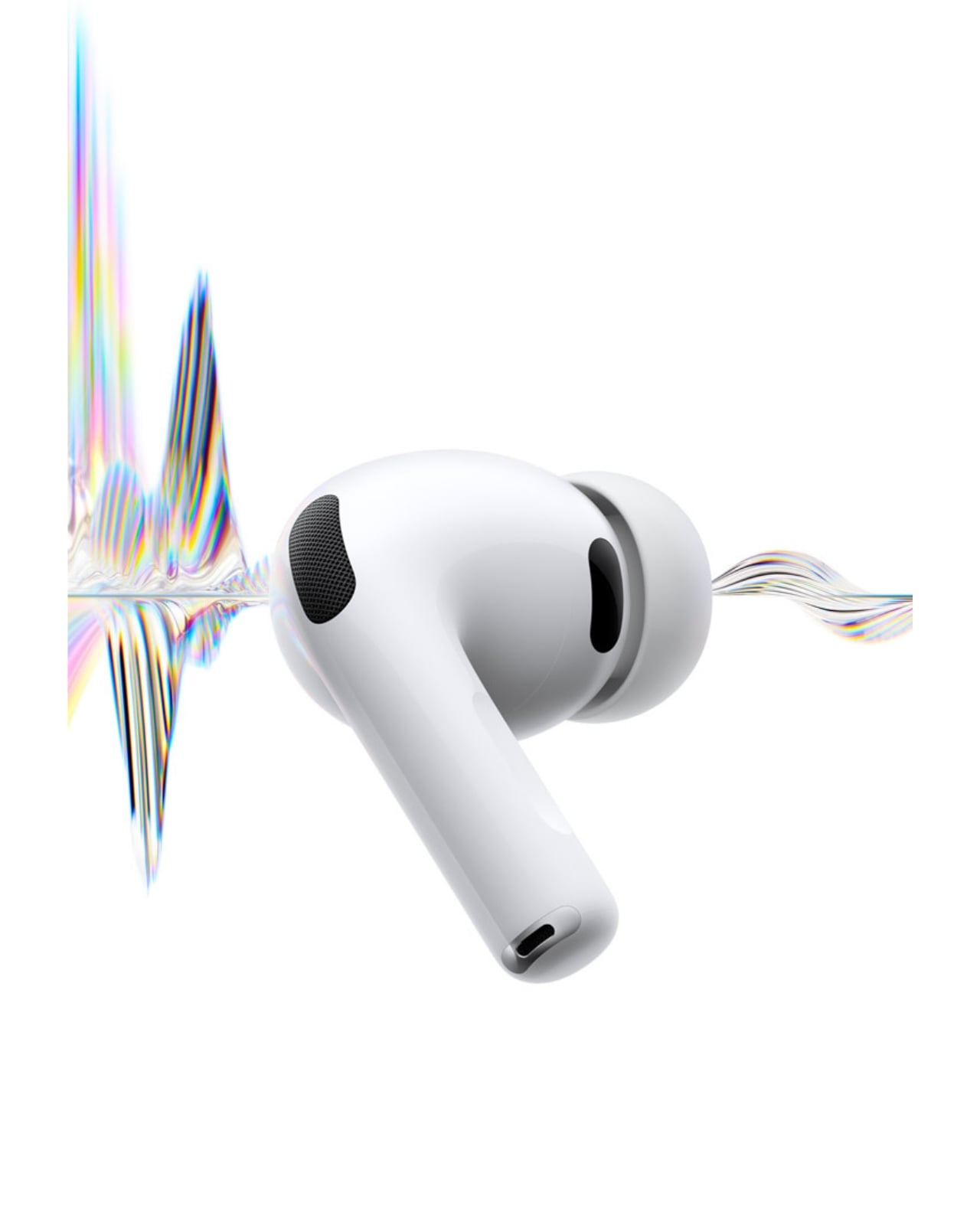
If you don’t own AirPods Pro yet, the Pro 3 are the ones to get. If you already own the Pro 2 and they still fit and function well, this is not a compelling upgrade unless the heart-rate tracking or the improved seal solves a real problem for you. At $167 renewed, the AirPods Pro 2 remain one of the most capable earbuds at their price, chip-for-chip. Apple builds excellent products. It also builds excellent arguments for buying last year’s excellent products at a discount.

The post AirPods Pro 3 vs Pro 2: Should You Actually Upgrade in 2026? first appeared on Yanko Design.
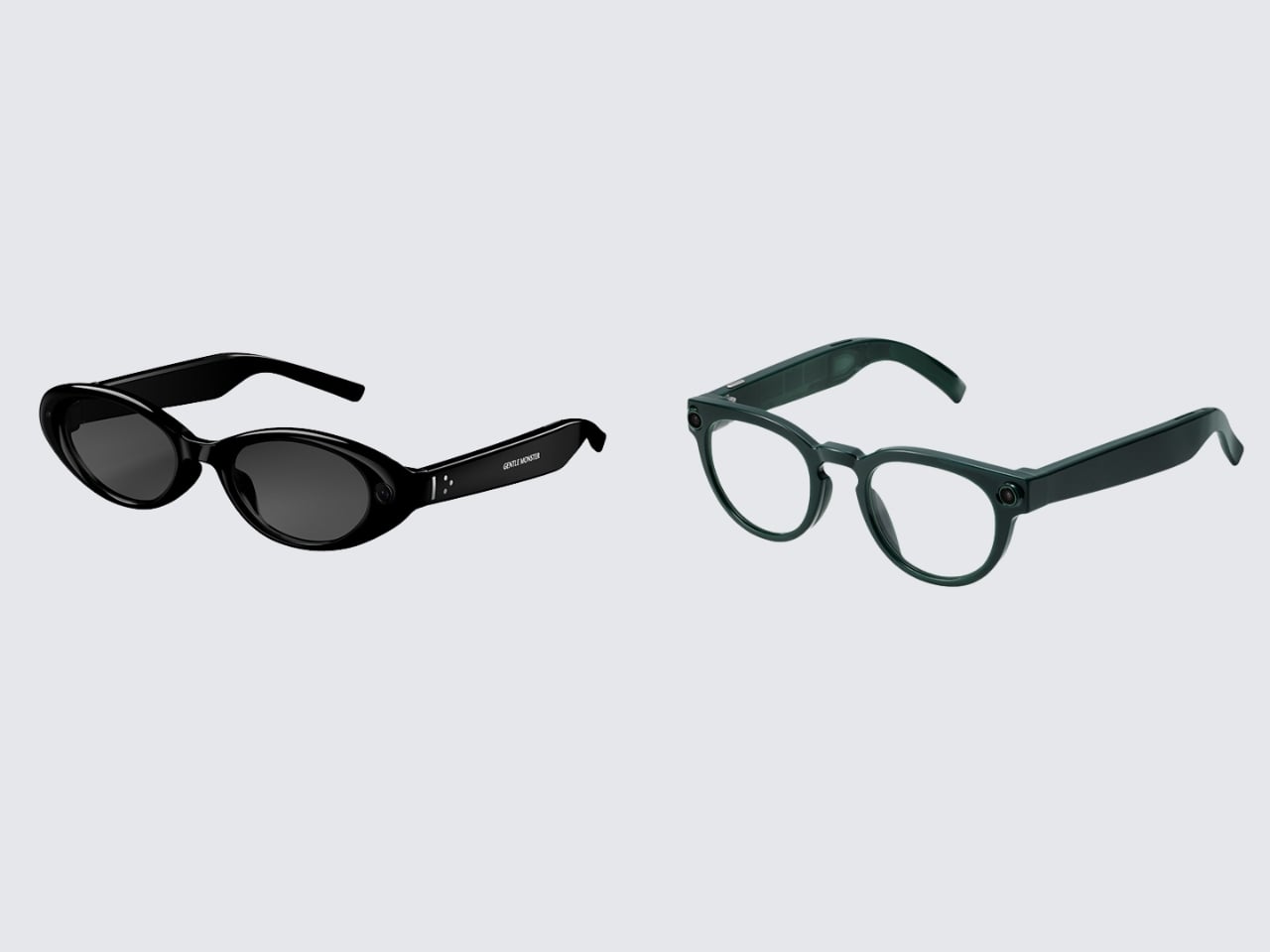
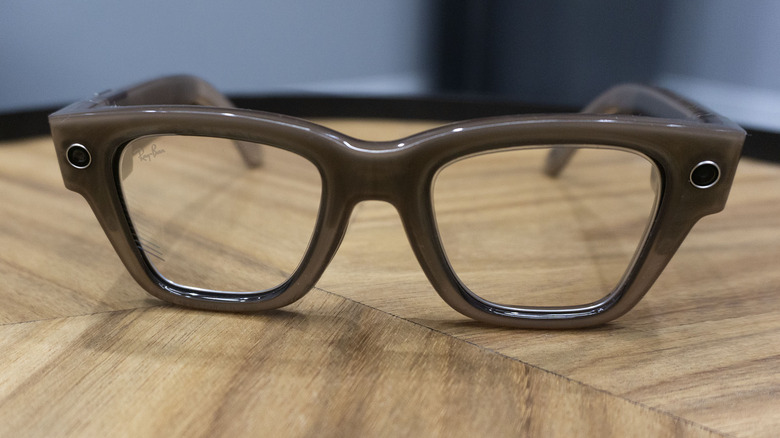
The biggest design announcement to come out of Google I/O 2026 did not involve a language model. It involved a pair of frames. On May 19, Google and Samsung unveiled their Android XR intelligent eyewear, a product that still has no official name, no confirmed price, and no exact ship date beyond “this fall.” What it does have is two very deliberate aesthetic camps: Gentle Monster on the disruptive end, Warby Parker anchoring the refined and timeless side. And leading with eyewear partners instead of chipset specs felt like the most coherent product launch decision Google has made in years.
Two form factors are on the way. Audio glasses ship first, landing later this fall. Display glasses follow at some point after that. The audio version is exactly what it sounds like: Gemini in your ear, accessed by saying “Hey Google” or tapping the frame. From there, you can pull up turn-by-turn navigation, real-time translation, hands-free calls, photo capture, and multi-step task execution through third-party apps like DoorDash and Uber. The glasses work with both Android and iOS, which is smarter than it sounds. Picking a platform fight at launch would have cut the potential audience in half before a single pair hit a face.
Designer: Google x Samsung
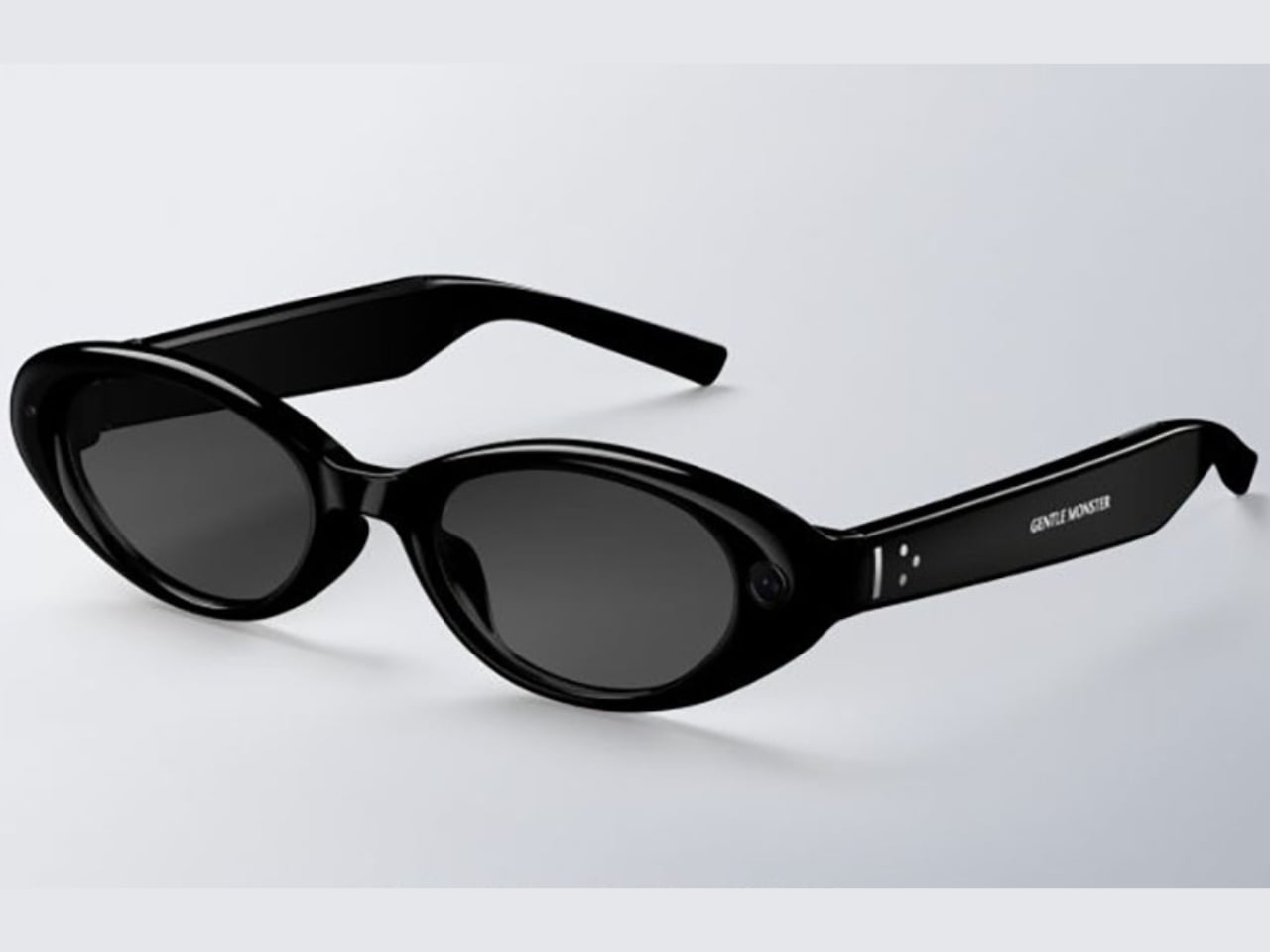
The more interesting story, though, is what the Gentle Monster and Warby Parker pairing actually signals. These are not interchangeable options with different colorways. Gentle Monster built its entire identity on turning eyewear into conceptual art, the kind of brand that stages gallery-scale retail installations and has never been embarrassed to make a statement. Warby Parker, on the other hand, is the brand that convinced a whole generation that glasses could be accessible, thoughtful, and quietly cool without trying too hard. Putting both on the same platform is Google saying, very clearly, that Android XR is not a single-consumer product. It is a platform designed to flex across aesthetic identities the same way Android flexes across phone manufacturers.
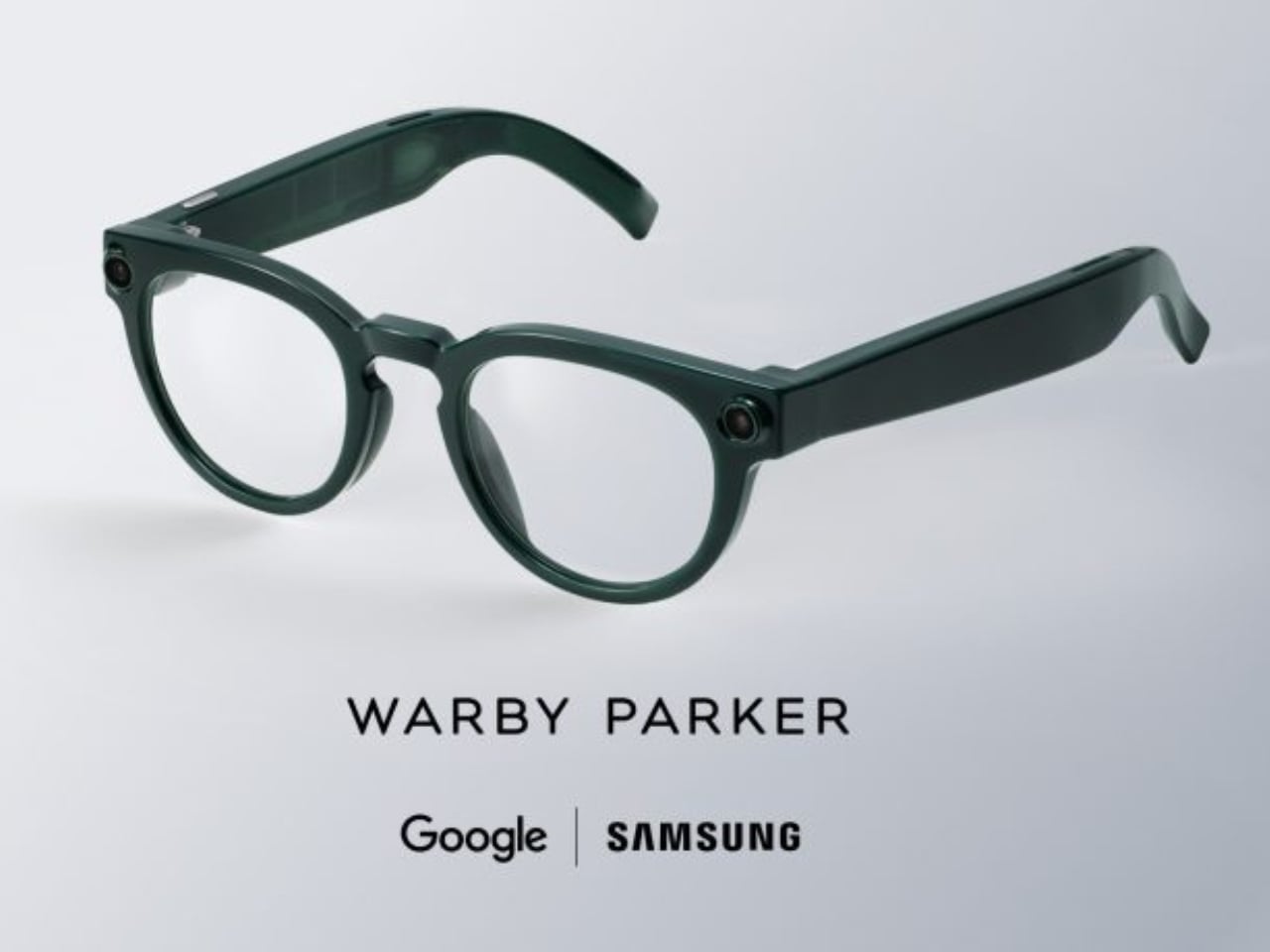
That framing matters a lot when you look at the competitive landscape. When Meta launched its Ray-Ban Display glasses with EssilorLuxottica, it made a calculated bet on one legacy brand and one aesthetic: cool-casual, lifestyle-adjacent, slightly sporty. The strategy has worked reasonably well. Google is trying something architecturally different. Two visual identities, baked in from day one, each with its own mood and customer. Whether that becomes a genuine advantage or a positioning headache will depend entirely on execution, but the intent is worth paying attention to.
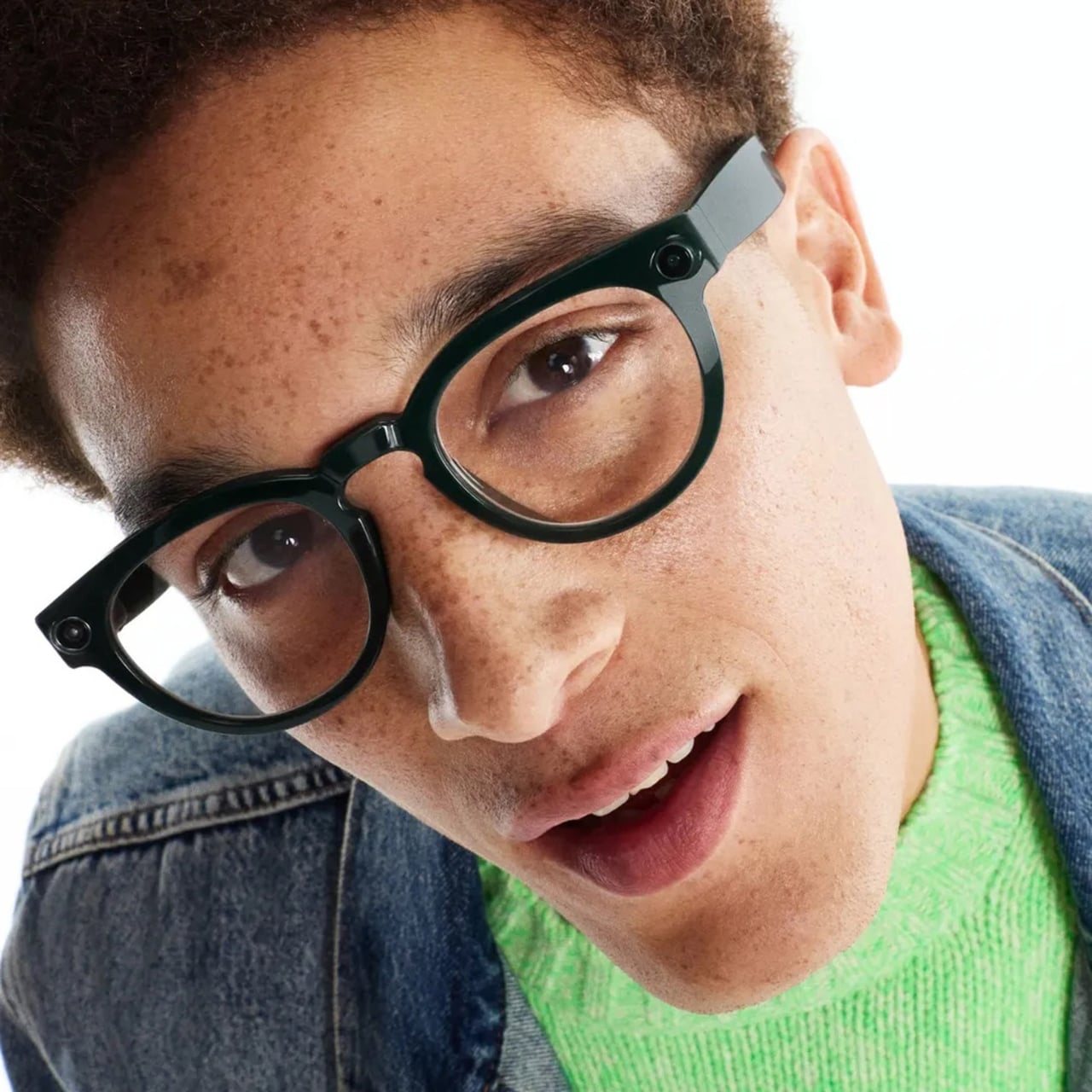
The missing information in this announcement is not accidental. No price. No product name. No exact release date. All of that has been deliberately saved for fall, which means we are still in the phase where the visual story matters more than the spec sheet. That is the right call. If Google had led with processor benchmarks and battery life numbers right now, the conversation would have immediately turned into a hardware comparison against Meta. By leading with Gentle Monster and Warby Parker, they shifted the frame entirely. We are not talking about a spec race. We are talking about what you actually want to wear.
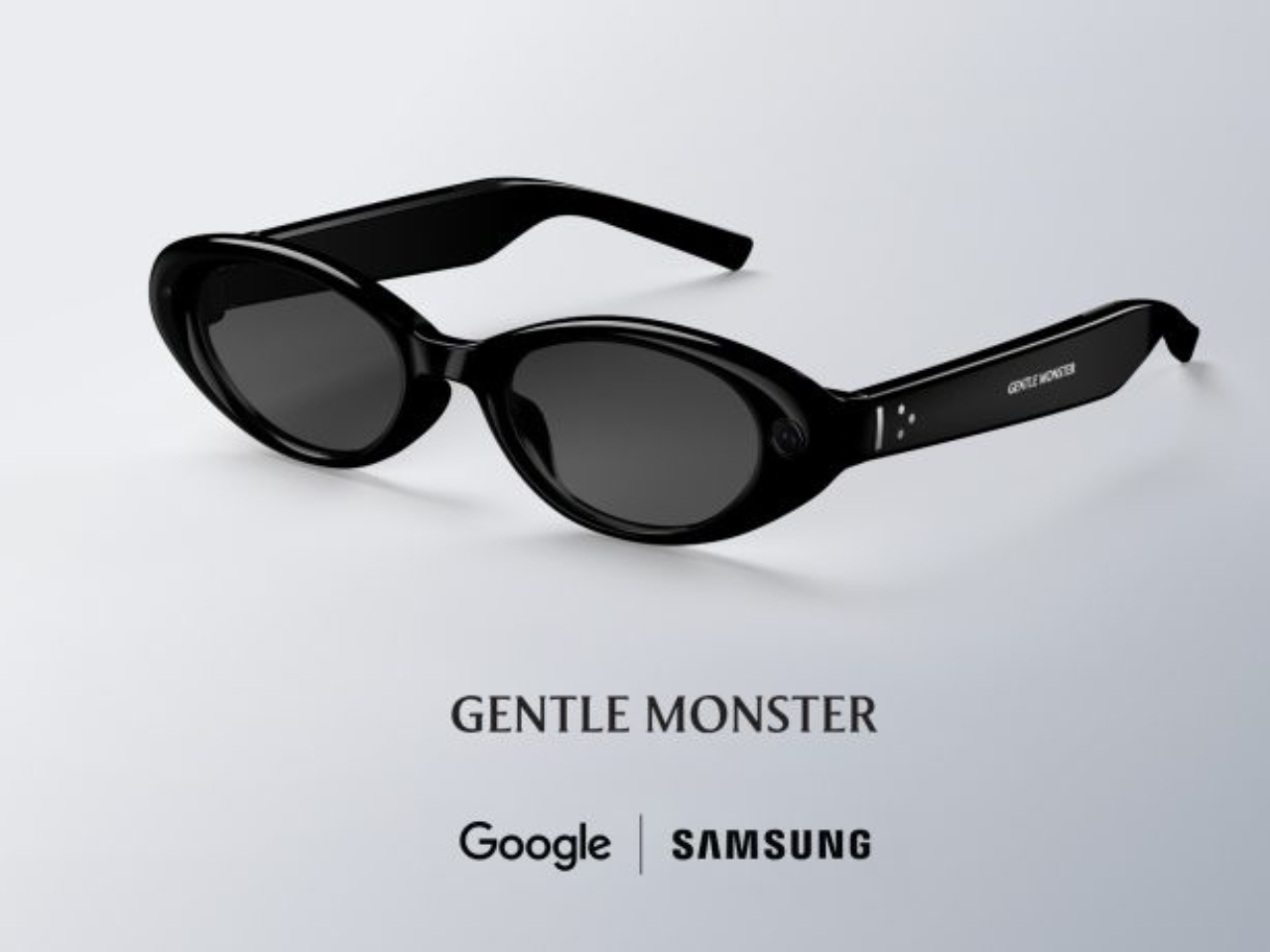
Industrially, the frames read as genuinely wearable. Temple thickness, hinge detailing, and touchpad placement all suggest that someone with a real brief about daily wear and aesthetic integrity was in the room during development. The original Google Glass was technically ambitious and aesthetically alienating, and that gap between capability and wearability became the most expensive lesson in smart glasses history. The Android XR eyewear, at least from what has been shown, appears to have absorbed it.

The fall window is real. Prescriptions, pricing, and the question of what this product is actually called will all arrive before year’s end. But right now, two days out from the reveal, the conversation that Google and Samsung have started feels like the right one. Not what can these glasses do, but who are these glasses for. When the design partners are Gentle Monster and Warby Parker, the answer is already pretty interesting.
The post Google’s Android XR Glasses Pick Gentle Monster and Warby Parker first appeared on Yanko Design.
The RIMOWA Design Prize doesn’t always produce furniture, and that’s precisely why I pay attention to it every year. The luggage brand’s annual student design competition has a way of surfacing ideas that sit at the uncomfortable, exciting edge of what design can actually do for people, and the 2026 winner is probably the best example of that yet.
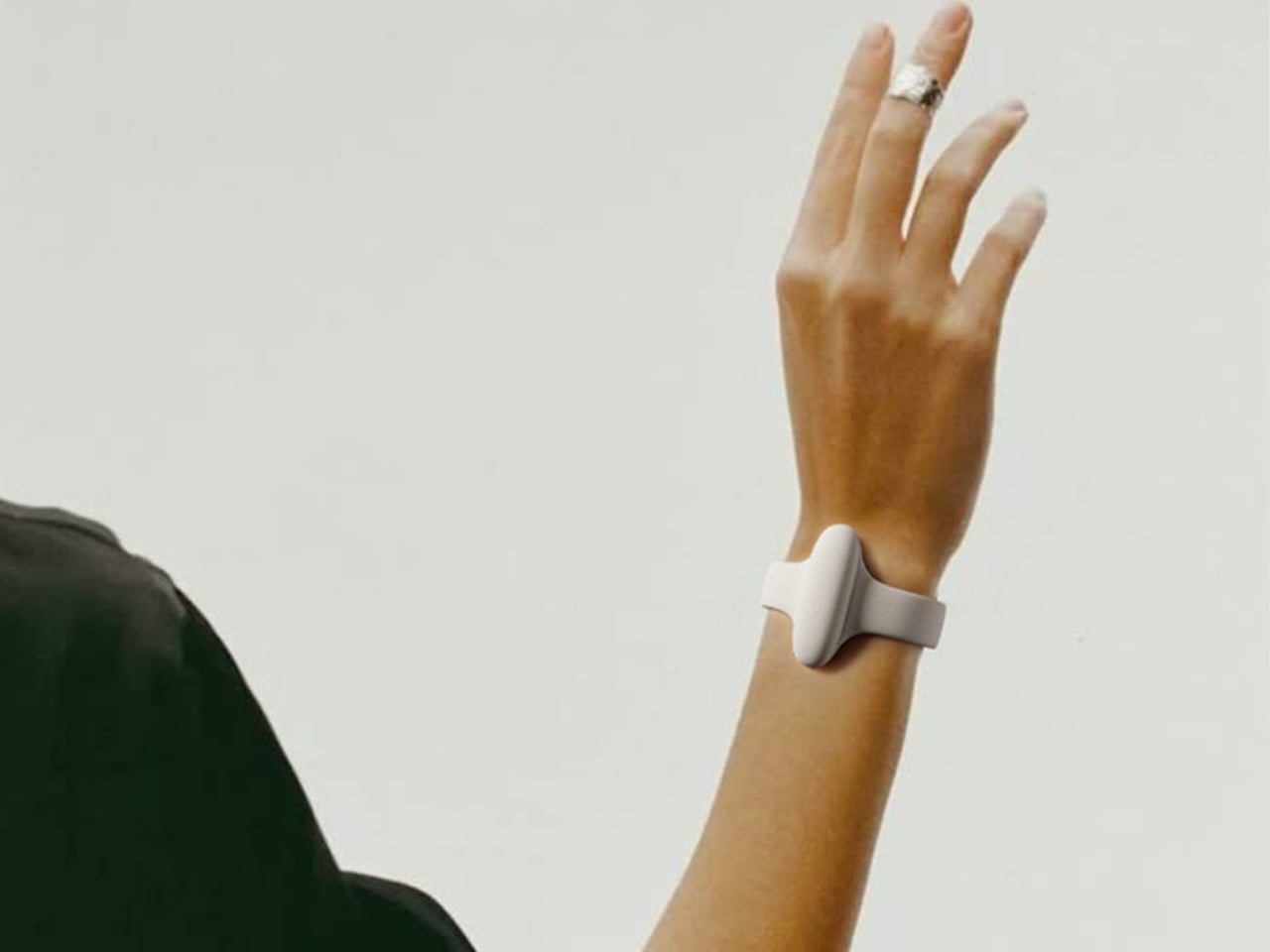
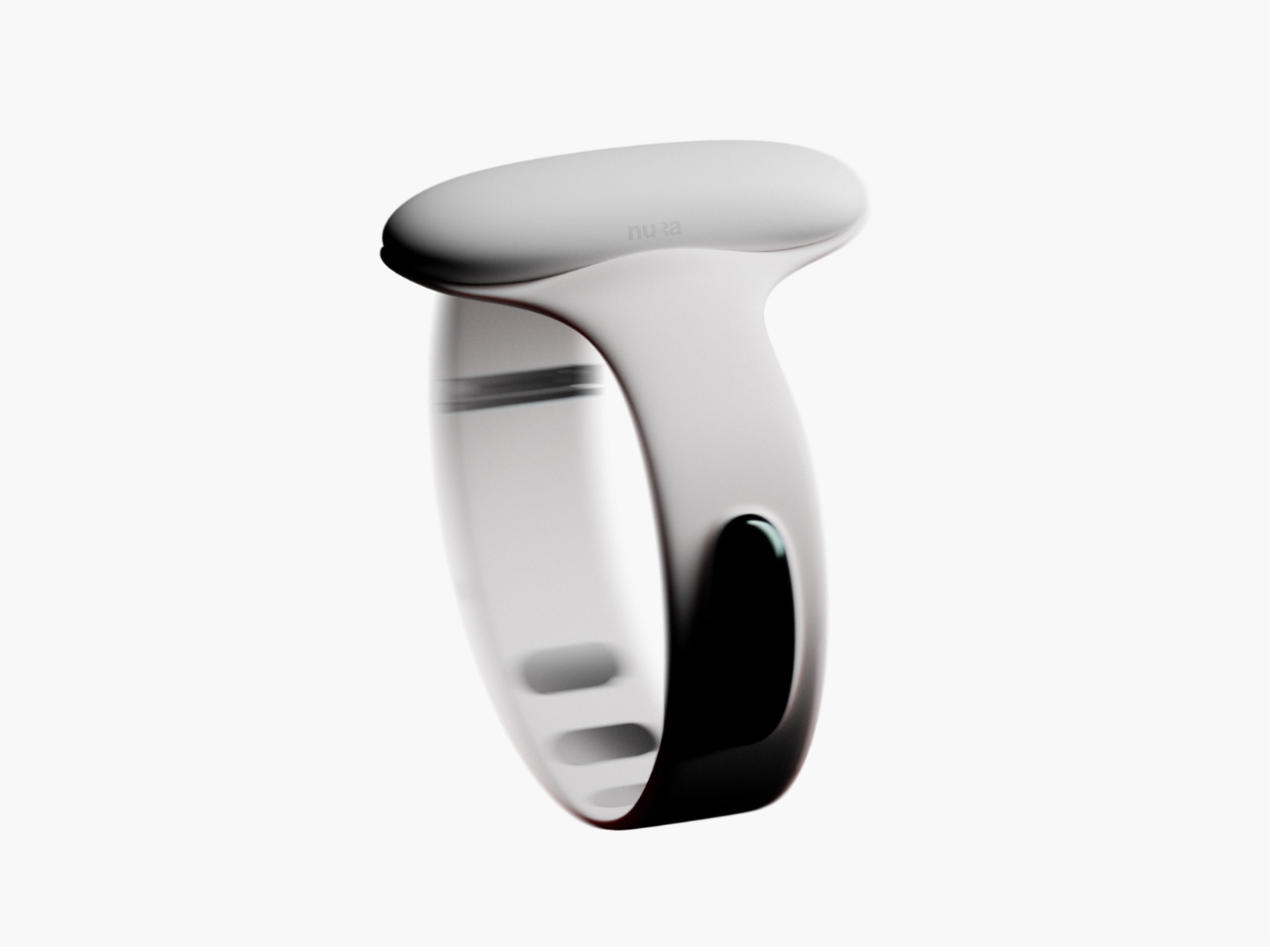
Samuel Nagel and Paul Feiler, two students from Hochschule für Gestaltung Schwäbisch Gmünd, took home the fourth edition of the prize with NURA: a bracelet that uses EMG (electromyography) sensors to capture muscle signals in the forearm and translate sign language into audible speech in real time. It works the other way around too, converting spoken language into visible text for deaf users. The whole thing sits on your wrist, shaped by the silhouette of a manta ray, and it looks less like a medical device and more like the kind of accessory you’d spot on someone at a gallery opening.
Designers: Samuel Nagel and Paul Feiler
That last detail is actually the point, and I think it’s worth dwelling on. Assistive technology has a long and unfortunate history of making the people who need it feel conspicuous. Hearing aids, for decades, were designed to be invisible precisely because visibility carried stigma. The unspoken message was that needing help was something to hide. NURA takes a completely different position. It’s designed to be seen, worn with pride, styled rather than concealed. The gesture feels radical even though, rationally, it shouldn’t have to be.
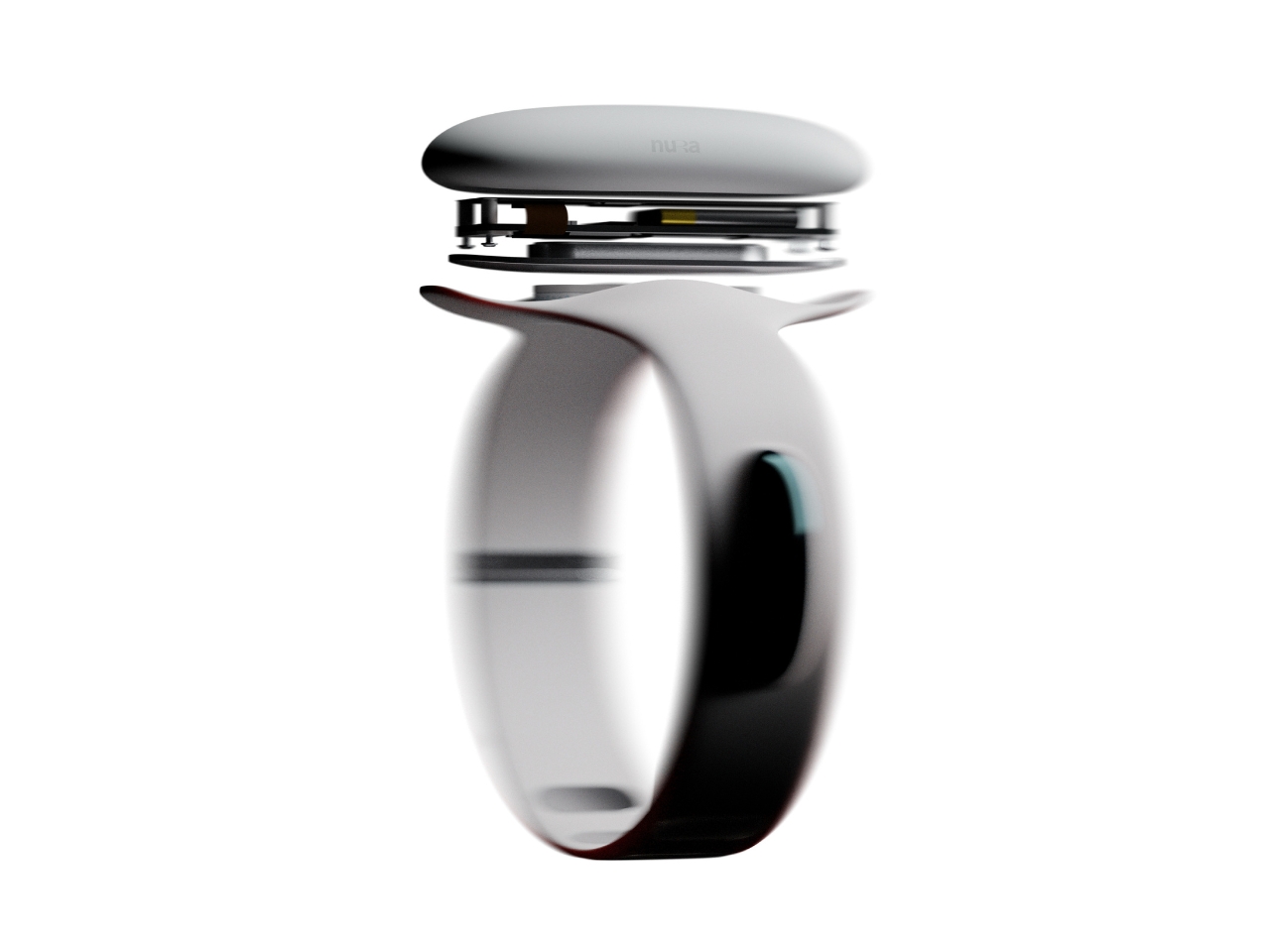
The technology behind it is genuinely clever. EMG sensors are nothing new as a concept, but applying them to sign language translation in a form this compact and wearable is a meaningful design leap. The bracelet reads the electrical signals produced by muscle contractions in the forearm as the wearer signs, processes them, and produces speech output. The reverse channel picks up spoken language and renders it as text. Two-way, seamless, real-time. For anyone who has ever watched a deaf person navigate a conversation without an interpreter present, or felt the awkward pause that comes from communication breaking down mid-exchange, the implications of that are enormous.
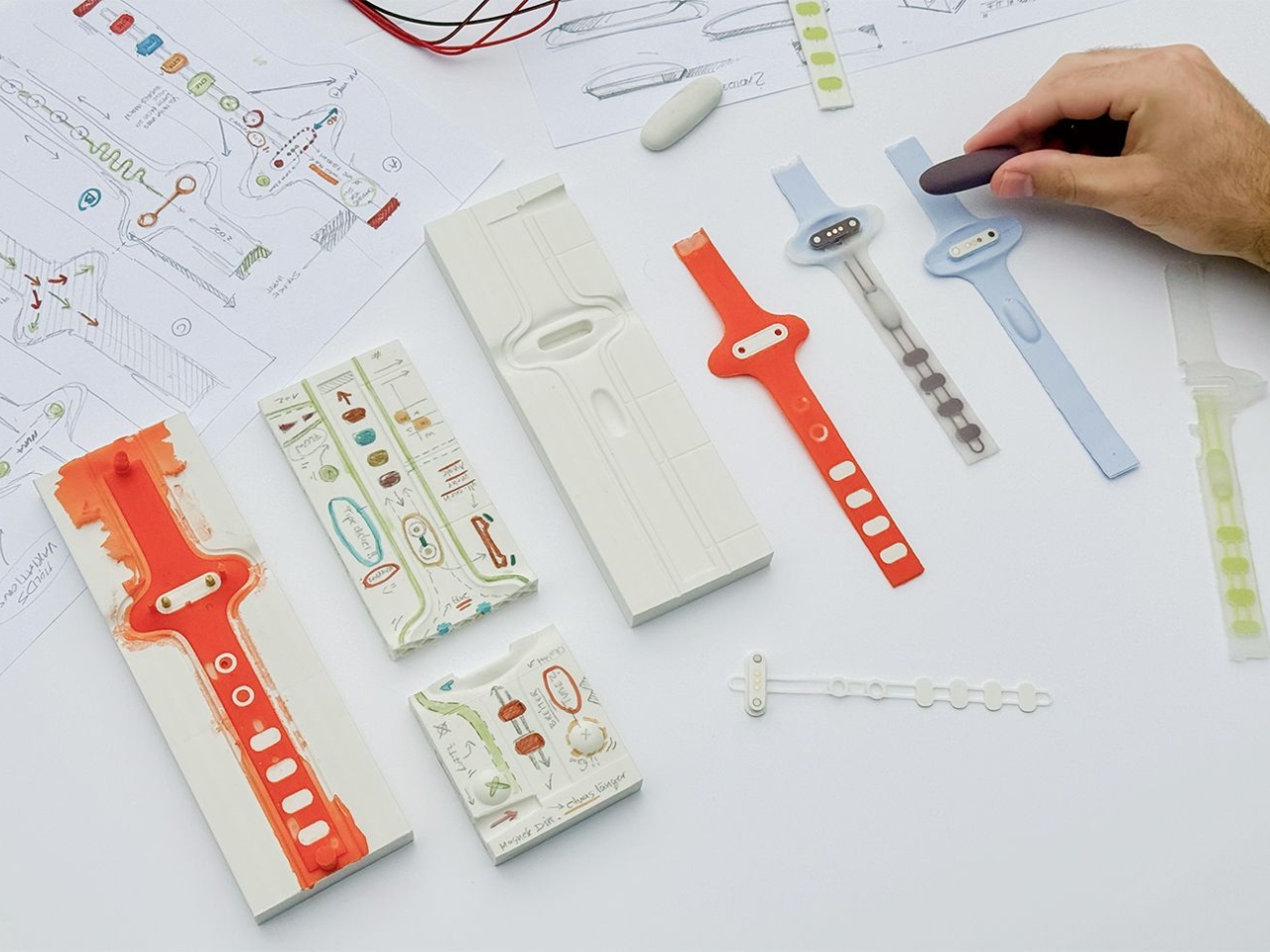
I keep thinking about how many interactions become effortless with something like this on your wrist. Ordering at a counter. Talking to a doctor. A spontaneous conversation with a stranger on the street. These are moments that require logistics for deaf users in a way most hearing people never have to consider, and NURA collapses that distance without asking anyone to compromise.
The manta ray inspiration is a quiet masterstroke, too. It gives the object a reference point that feels alive and organic rather than mechanical or clinical. The form has been rendered in clean, sculptural white, with the kind of restraint you’d expect from a German design school sensibility. It doesn’t scream technology. It just sits there looking elegant, doing something extraordinary underneath.
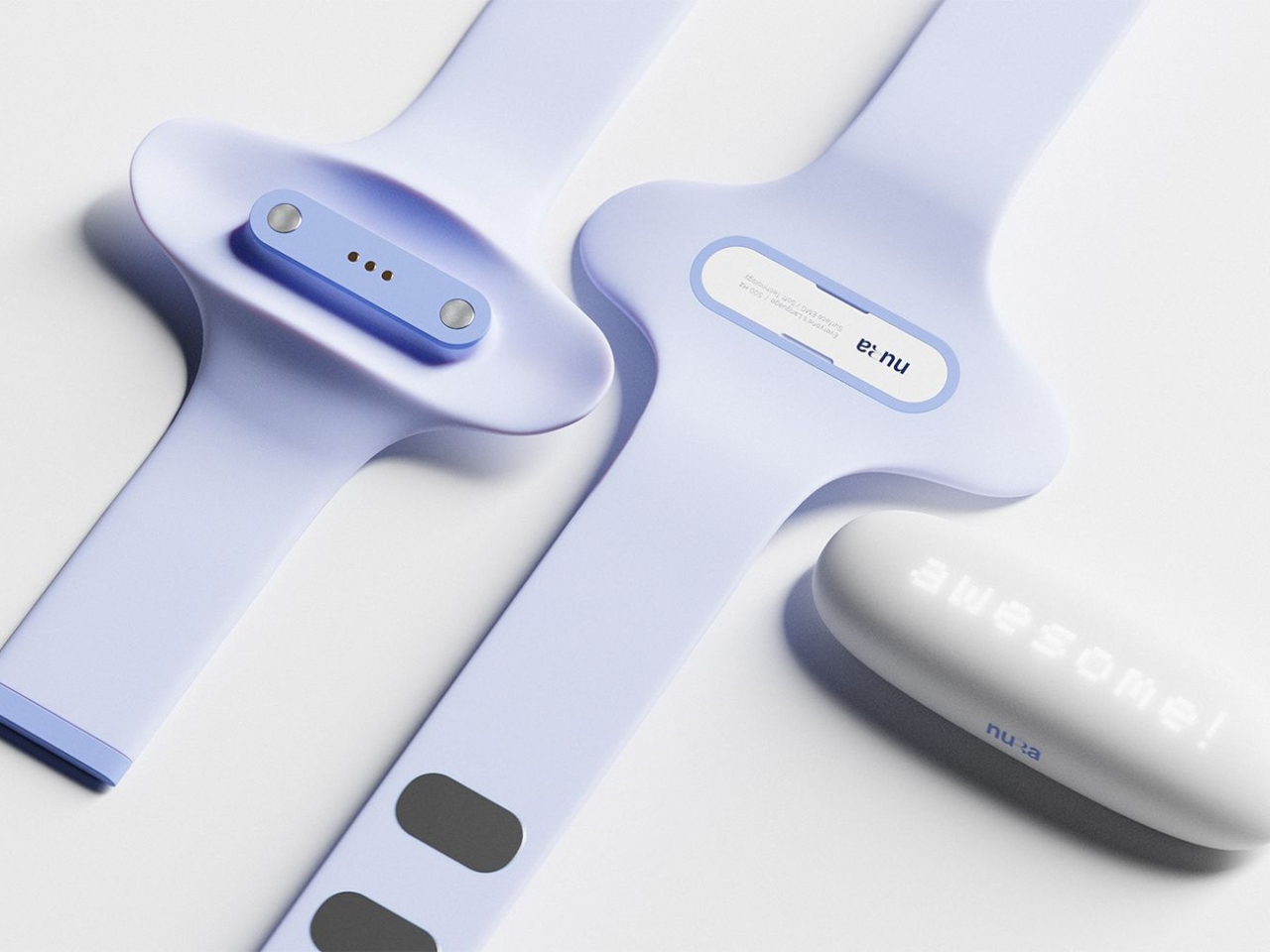
Will NURA make it into production? That’s the question that always hovers over student prize winners, and it’s an honest one. The gap between a beautifully executed concept and a market-ready product is wide, and the challenges of real-world EMG accuracy across different body types and signing styles are not trivial. But I don’t think that’s entirely the point. The RIMOWA Prize exists, among other things, to expand the imagination of what design is for, to signal to the industry what problems are worth solving and what solving them beautifully might look like.
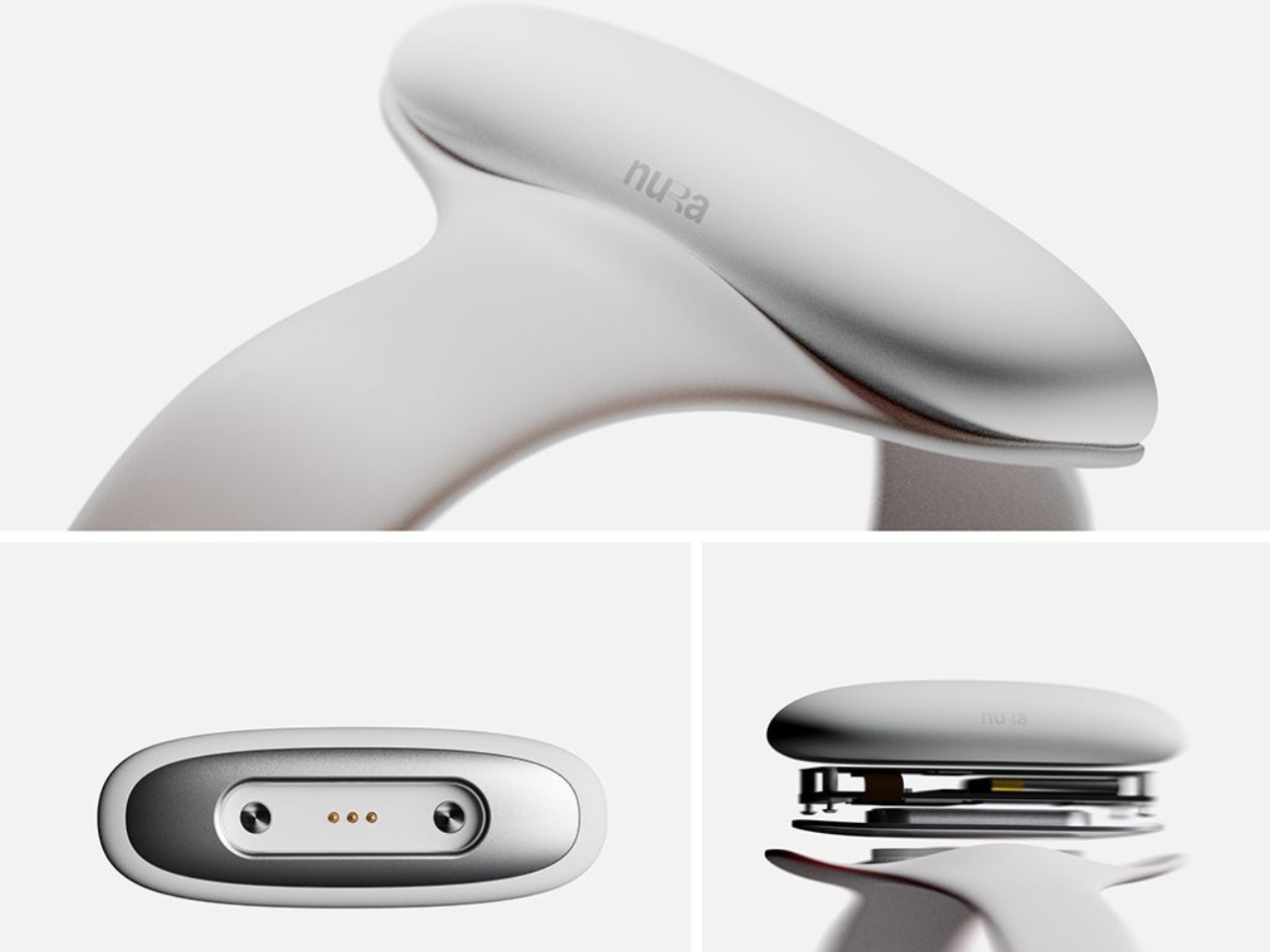
On that count, Nagel and Feiler have done something genuinely important. They’ve argued, through the language of form, that accessibility and desirability don’t have to be in opposition. That a wearable designed for a deaf person can be something a hearing person might be jealous of. That the most human design isn’t the kind that fixes a flaw and hides it, but the kind that celebrates capability and brings people closer together. The bracelet is beautiful. The idea behind it is even more so.
The post RIMOWA’s 2026 Prize Went to a Bracelet That Speaks Sign Language first appeared on Yanko Design.
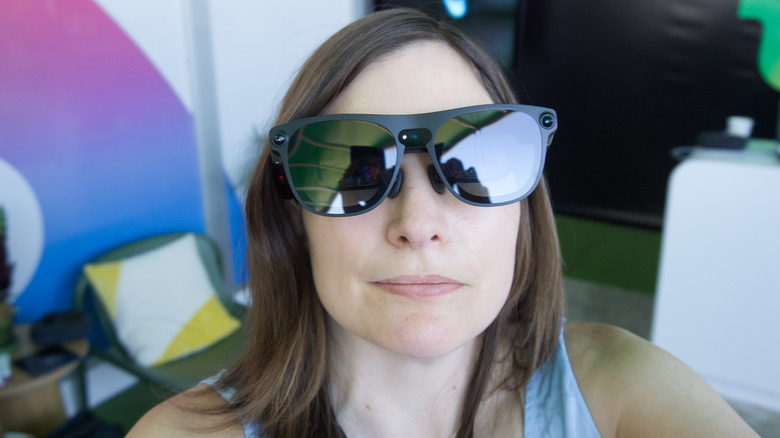
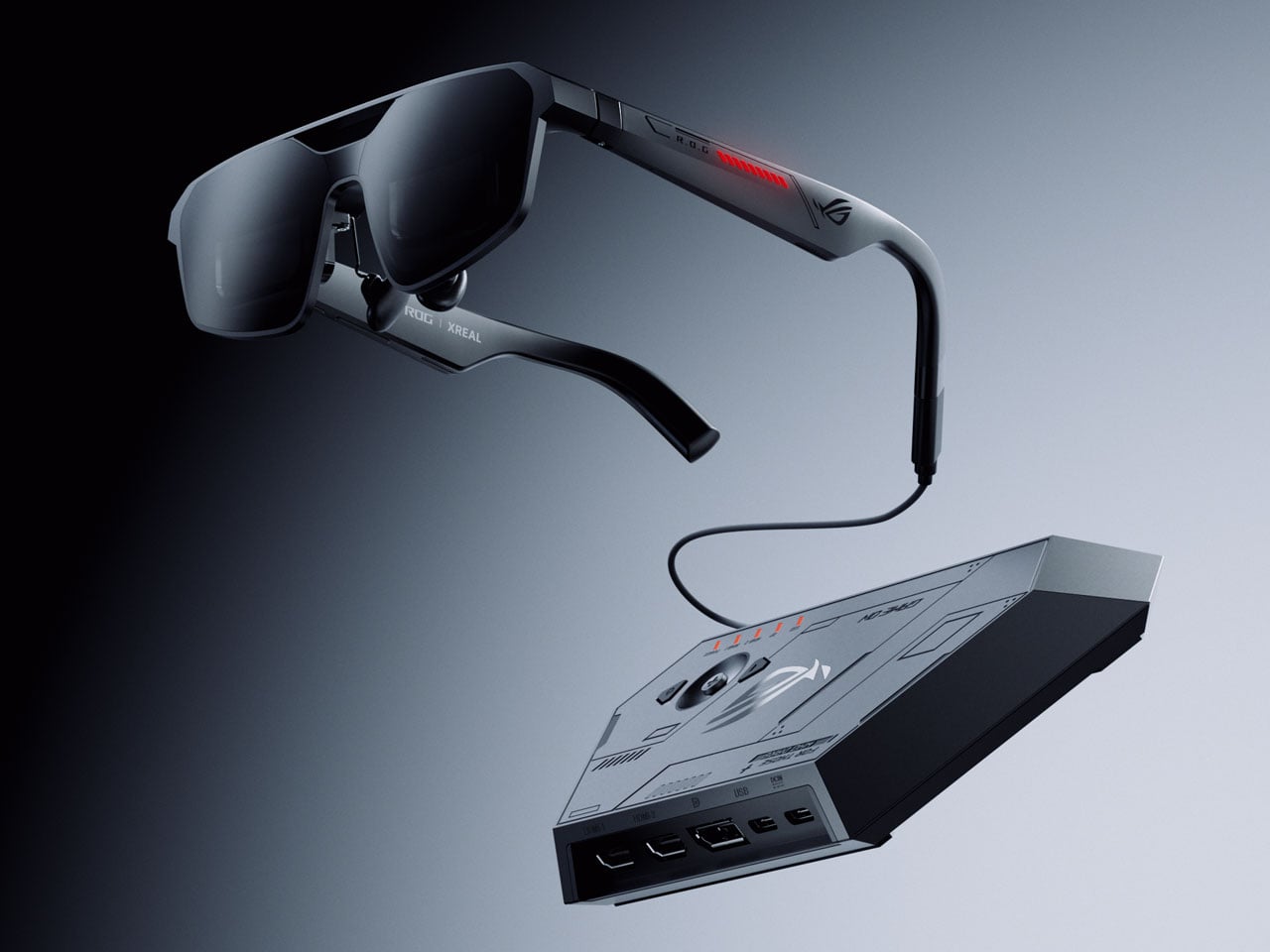
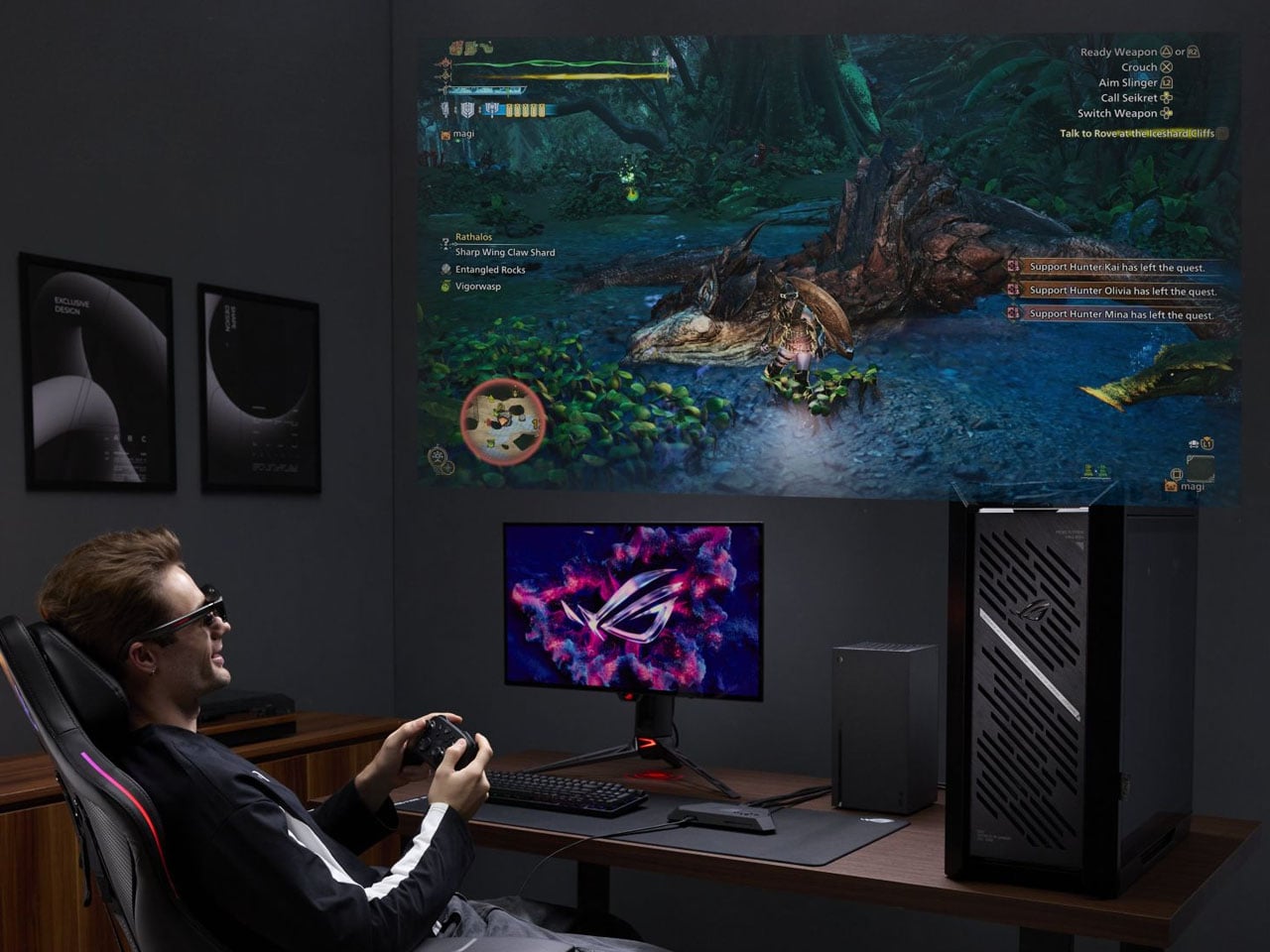
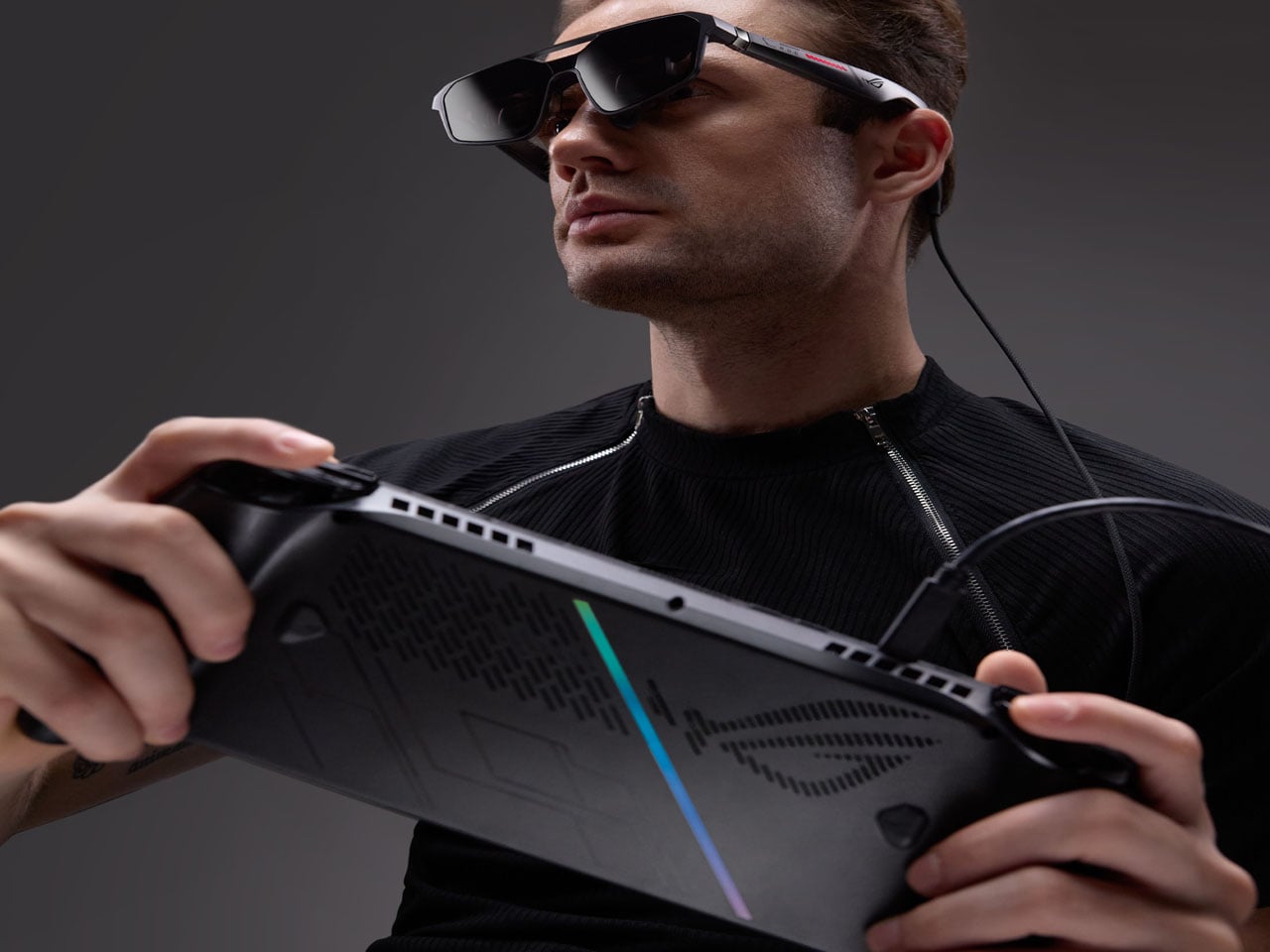
The race to create the most practical AR glasses is still on, and Asus already showed its development curve with the collaborative Xreal One Pro. Now, the VR gaming glasses get an exciting newer version, the Xreal R1. They are lighter than other options and less punishing on the eyes, offering a comforting viewing experience. First shown off at CES 2026, the glasses are finally up for preorder at a steep $849. Will they live up to the claims and compete with the much cheaper Meta Quest 3 VR glasses? Only time will tell.
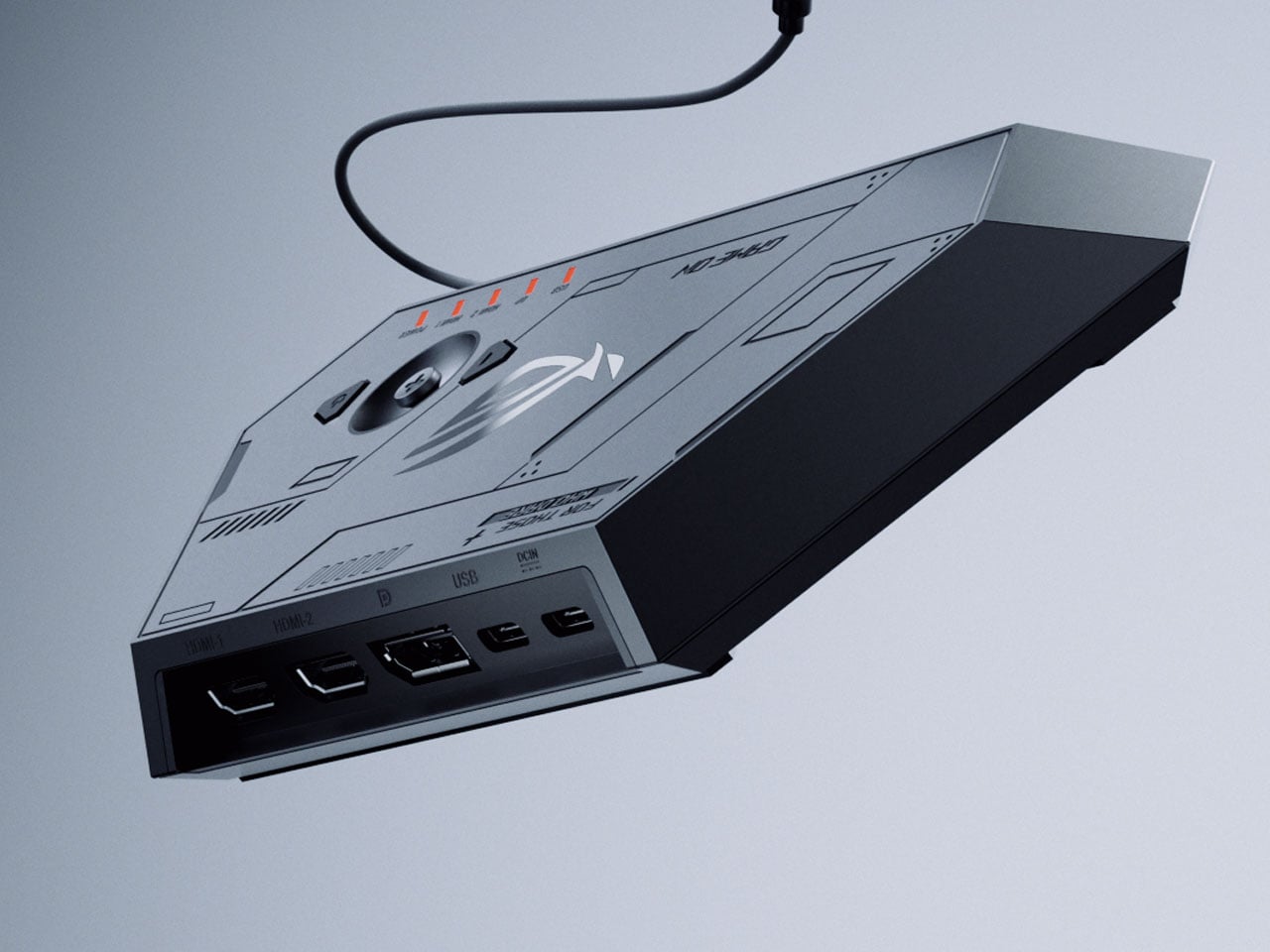
The upgrade from the previous model is incremental, as the display now boasts a smoother 240Hz refresh rate and an ultra-fast 0.01 ms response time, and it comes with a dock to connect to gaming consoles or PCs for streaming content via DisplayPort 1.4, HDMI 2.0, or USB-C. While the control dock is a bit on the heavier side, weighing at 230 grams and measuring 215 x 100 x 25mm, the option of connecting compatible hardware is a big plus. Other things that stay the same include the 57-degree FOV that renders a 171-inch virtual screen from a perceived distance of four meters, and the 1080-pixel resolution Sony 0.55-inch micro-OLED display, which should have been preferably bumped up beyond HD at that price range.
Designer: Asus
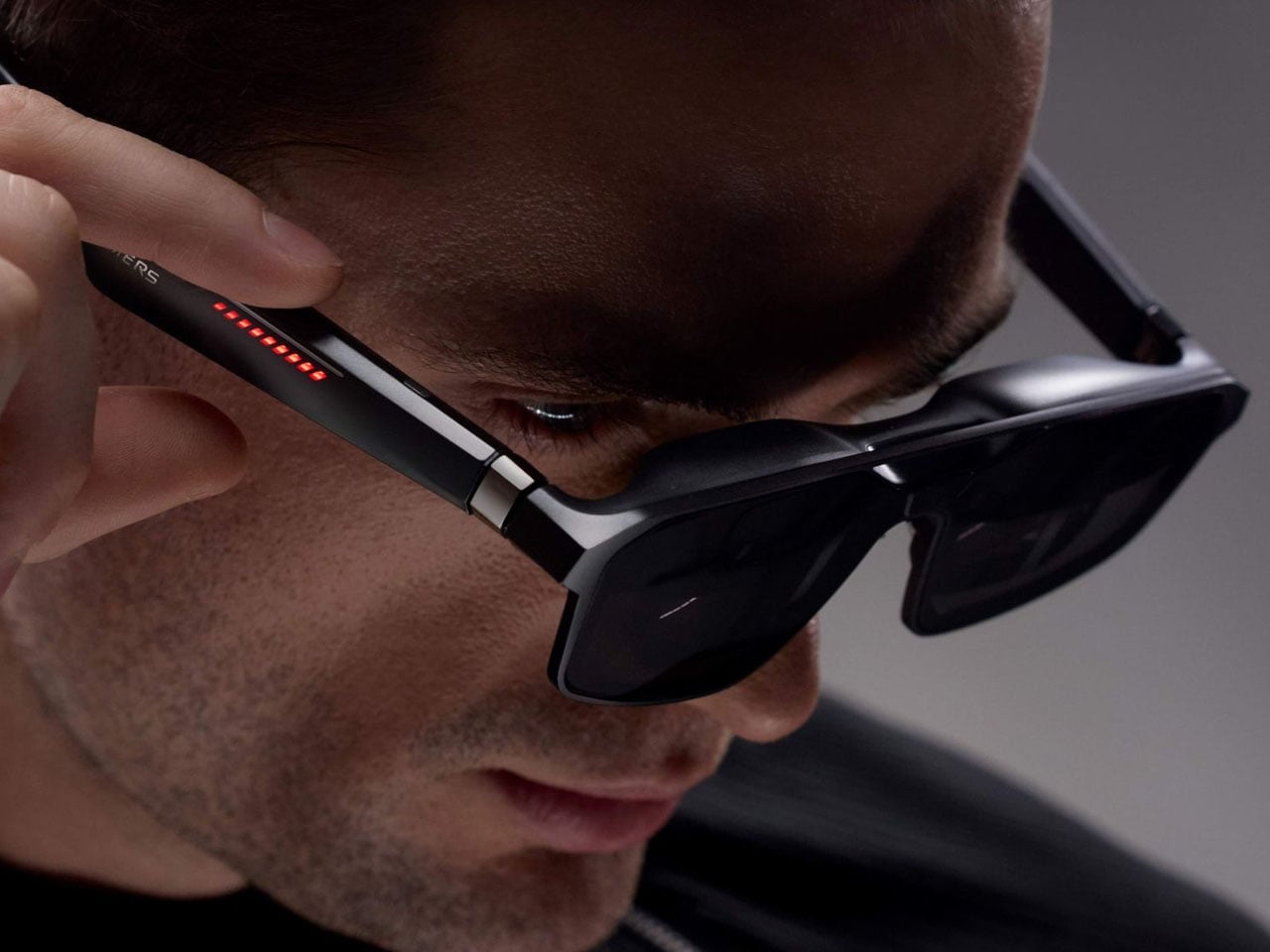
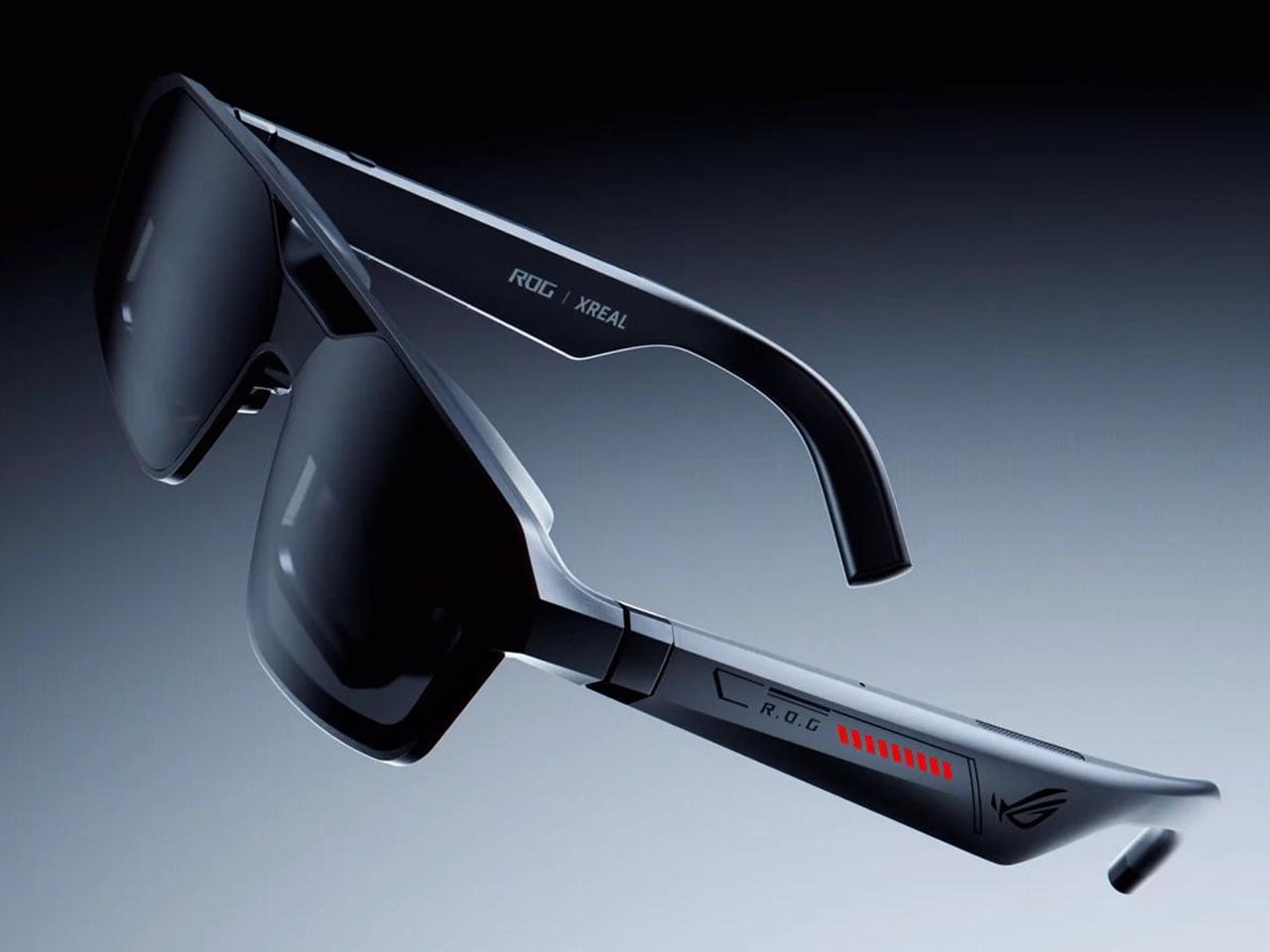
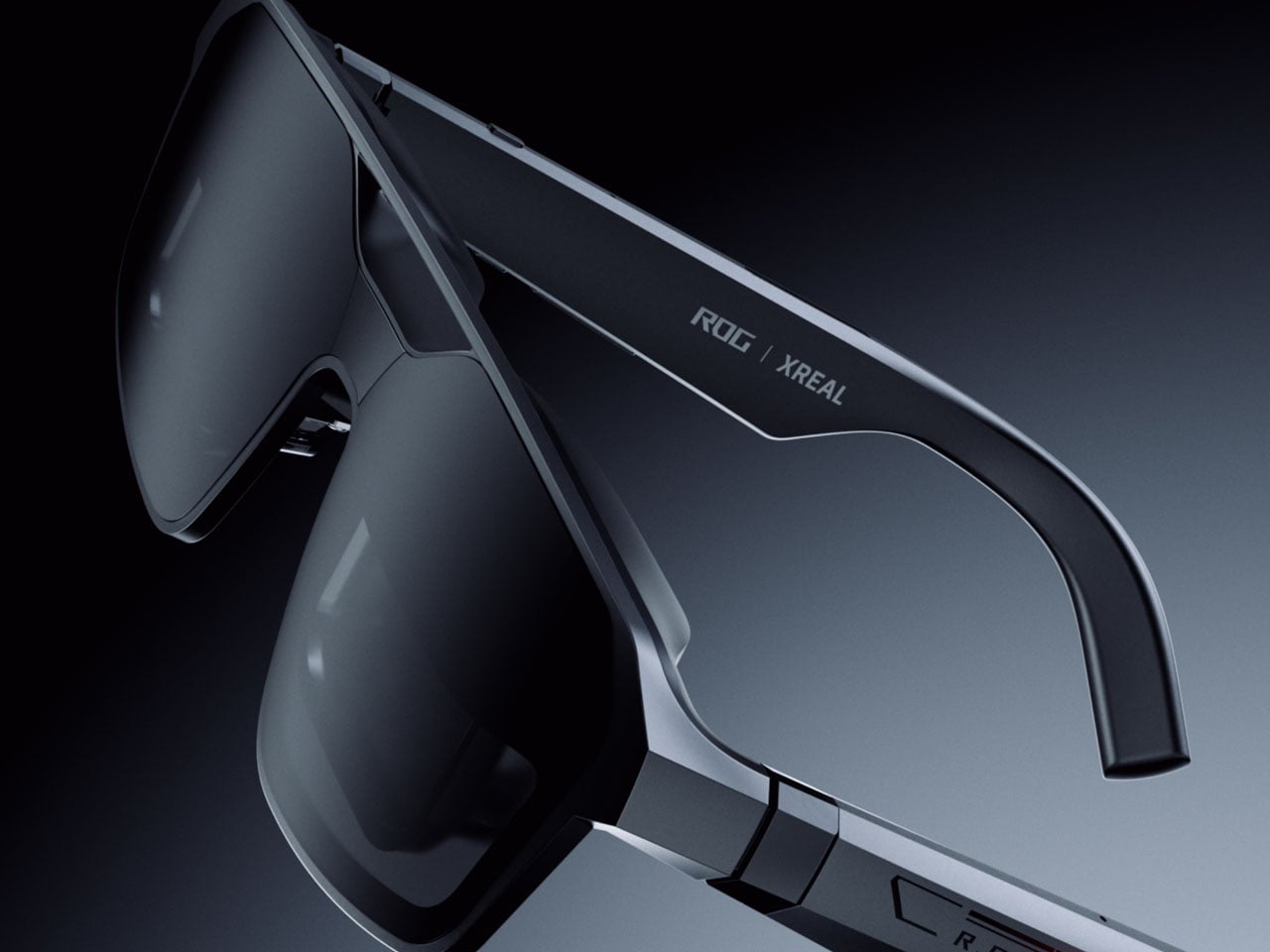
According to Asus, the R1 smart glasses, weighing just 91 grams, are the logical extension of the ROG Ally gaming handheld as a result of the unified hardware and software integration, along with the XR technology. To make the users feel as if they’re using a handheld gaming console on their face, the highly responsive display has reduced motion blur and smoother visuals. The finer adjustments, like pumping up the display brightness to 300 nits, adjusting the aspect ratio based on the content, and other visual effects, can be toggled in real time, which is a great feature.
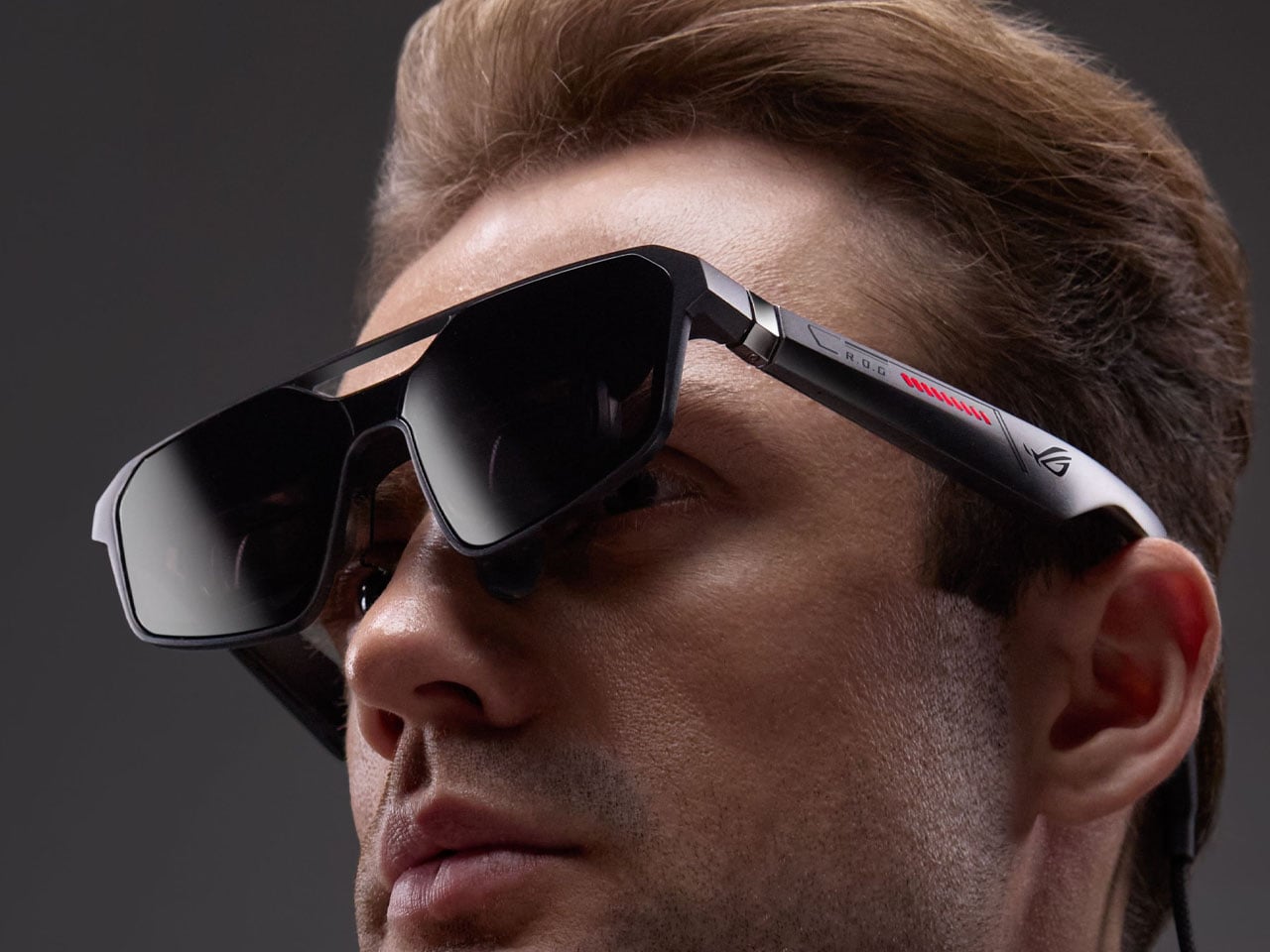
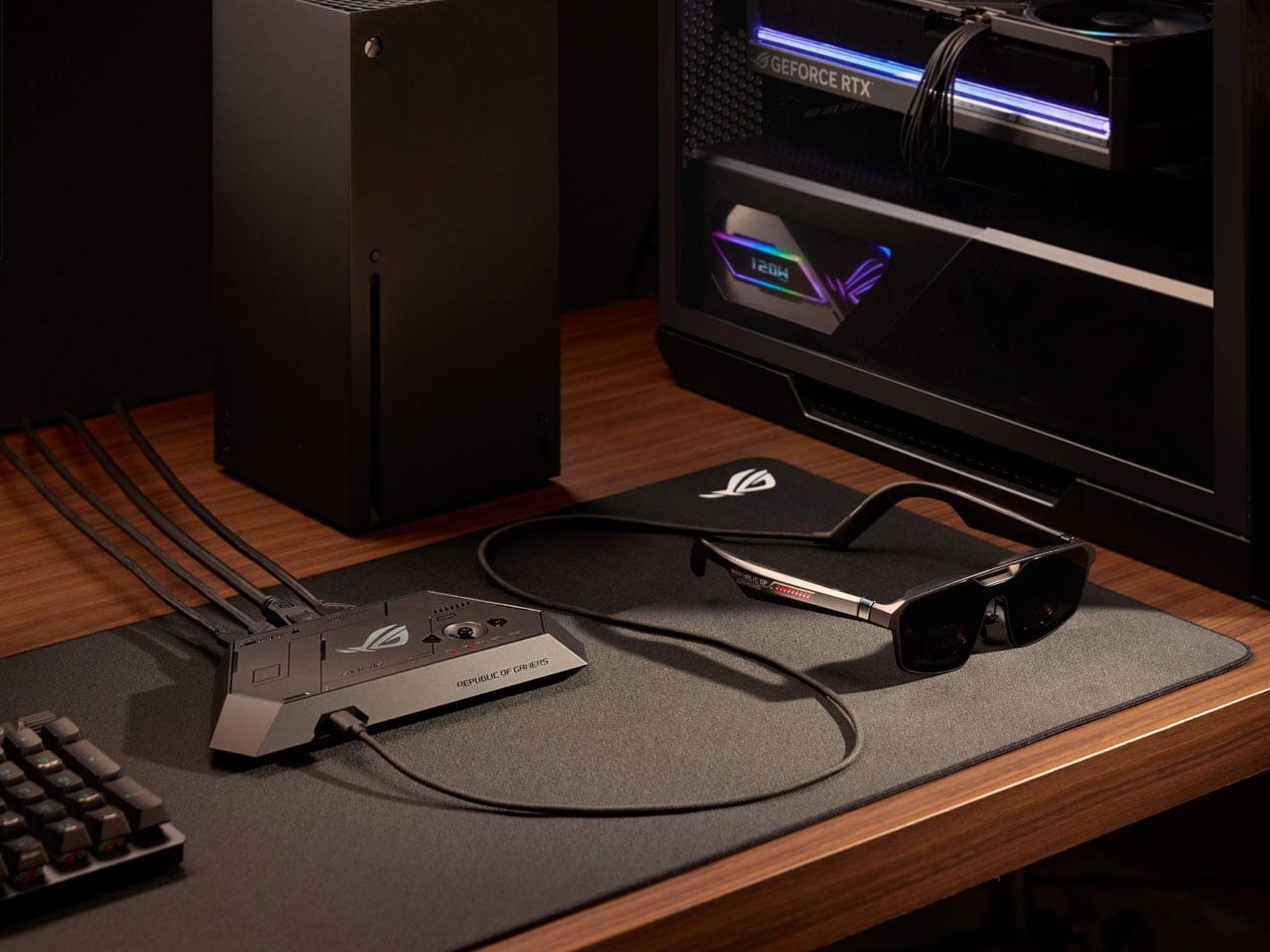
The glasses are equipped with “Electrochromic Lens” technology that automatically makes the screen transparent as soon as the vision focus shifts away. As soon as the wearer’s focus returns, the screen turns tint to black, which can be adjusted to three different dimming levels in settings. For a heightened level of spatial awareness, these AR glasses come with built-in Bose-tuned speakers. This comes in very handy in FPS games where identifying the source of enemy steps is vital to in-game survival. If you are willing to shell out another $100 on the XREAL EYE add-on, the glasses unlock 6DoF tracking capability, which deepens the level of realism in a virtual 3D world.

The post ASUS’ $849 XREAL R1 glasses deliver console-sized 3D gaming anywhere without bulky gear first appeared on Yanko Design.