The 1960s Conversation Pit Is Back, and Milan Can’t Get Enough

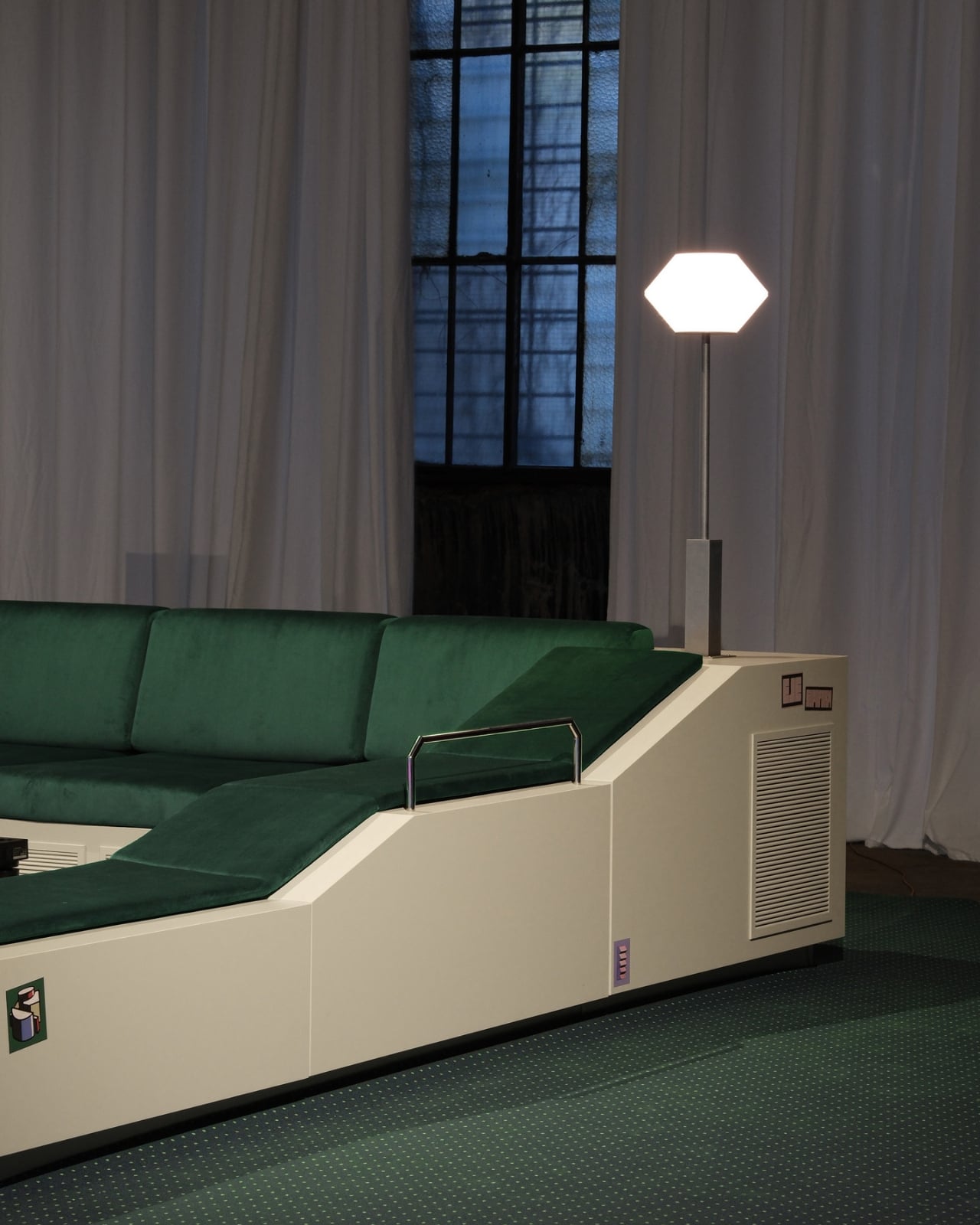
If you walked through Alcova at Milan Design Week this past April, odds are you found yourself gravitating toward a large green seating installation that seemed to have its own pull. People were sitting on it, around it, leaning against it. Conversations were happening. Music was playing. Nobody was rushing to the next booth. The piece was called Transit Encounters, and it was the work of Paris-based studio Supaform, led by designer Maxim Shcherbakov.

At its core, Transit Encounters is a seating landscape, a low-slung, communal structure that borrows from the mid-century idea of the conversation pit. If you’re not familiar with conversation pits, they were a design trend that had their heyday in the 1960s and 70s, those sunken, cushioned living room alcoves that gathered people inward, face to face, with no option for polite escape. They were a product of an era that genuinely believed design could engineer intimacy. And then, for decades, they fell out of favor, deemed impractical, difficult to clean, or just too aggressively retro.

Designer: Maxim Shcherbakov
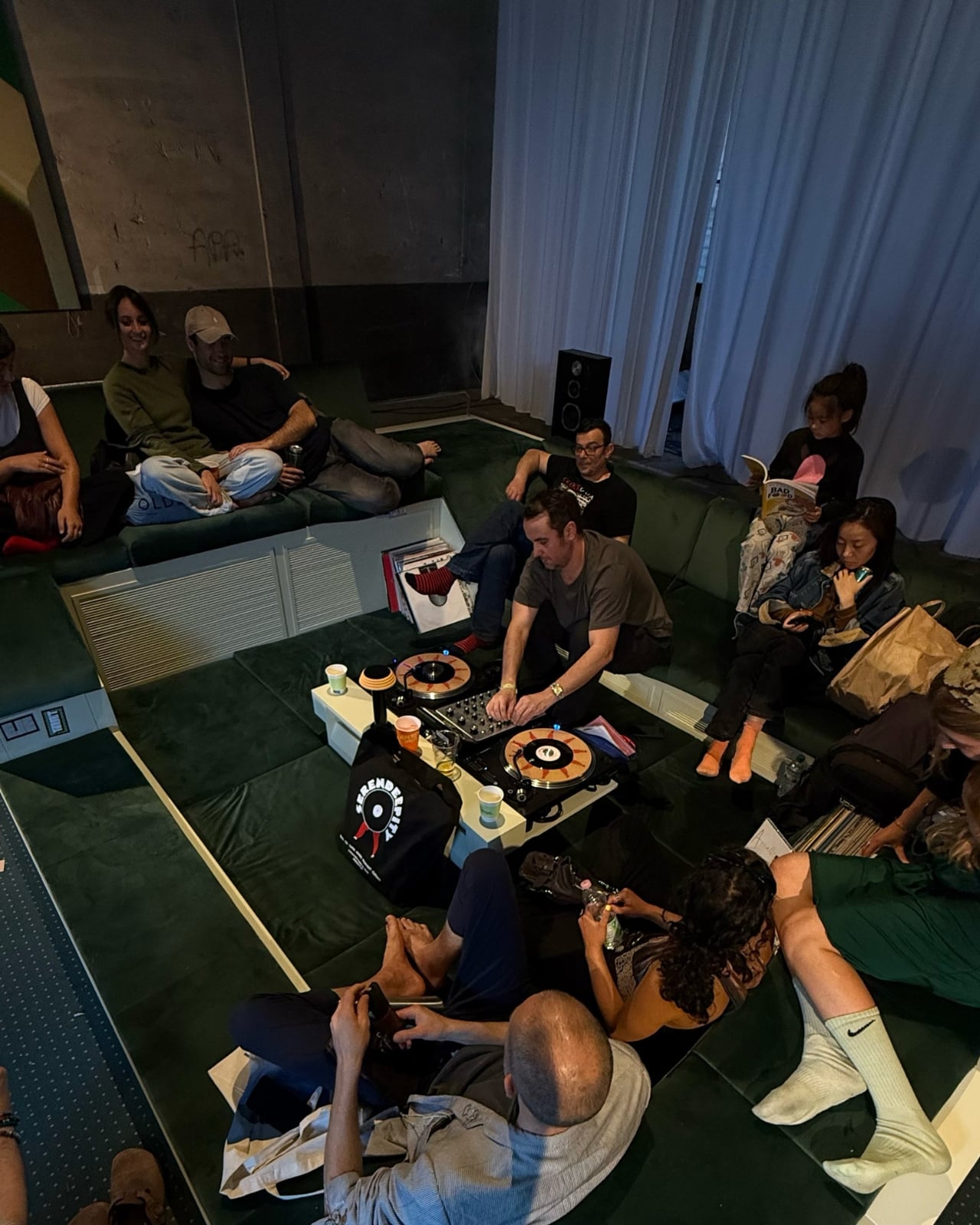
Shcherbakov’s version isn’t literally sunken into the ground, but it operates on the same principle: create a space that removes you from the noise and draws you into a shared moment with whoever happens to be next to you. Set inside the former Baggio Military Hospital, one of Alcova’s most atmospheric venues, the installation sat within raw, almost abandoned architecture that made the softness and warmth of the green seating feel even more deliberate. The contrast alone told a story.


What makes Transit Encounters genuinely interesting, beyond its visual impact, is the thinking behind it. Shcherbakov noticed how a sofa’s boundaries aren’t really defined by its physical edges. People sit on the floor beside it. They lean against it. They occupy its orbit. He took that observation and ran with it, designing not just a piece of furniture but an entire social field. The result functions simultaneously as a stage, a lounge, and a gathering point, a piece of furniture that practically invites improvisation.

The title carries weight too. “Transit Encounters” points to something most of us have felt but rarely stop to name. We are constantly passing through spaces, airports, lobbies, plazas, and in those in-between places, we sometimes share moments with people we will never see again. There’s an intimacy to that kind of encounter that is entirely different from planned socializing. It’s more honest, somehow. Shcherbakov leans into that contradiction, the idea that transience and closeness can exist at the same time. The installation was developed in collaboration with Esthetic Joys and hosted DJ sets and talks with Design Hotels throughout the week, which means it was literally activated by those kinds of fleeting, unplanned connections.

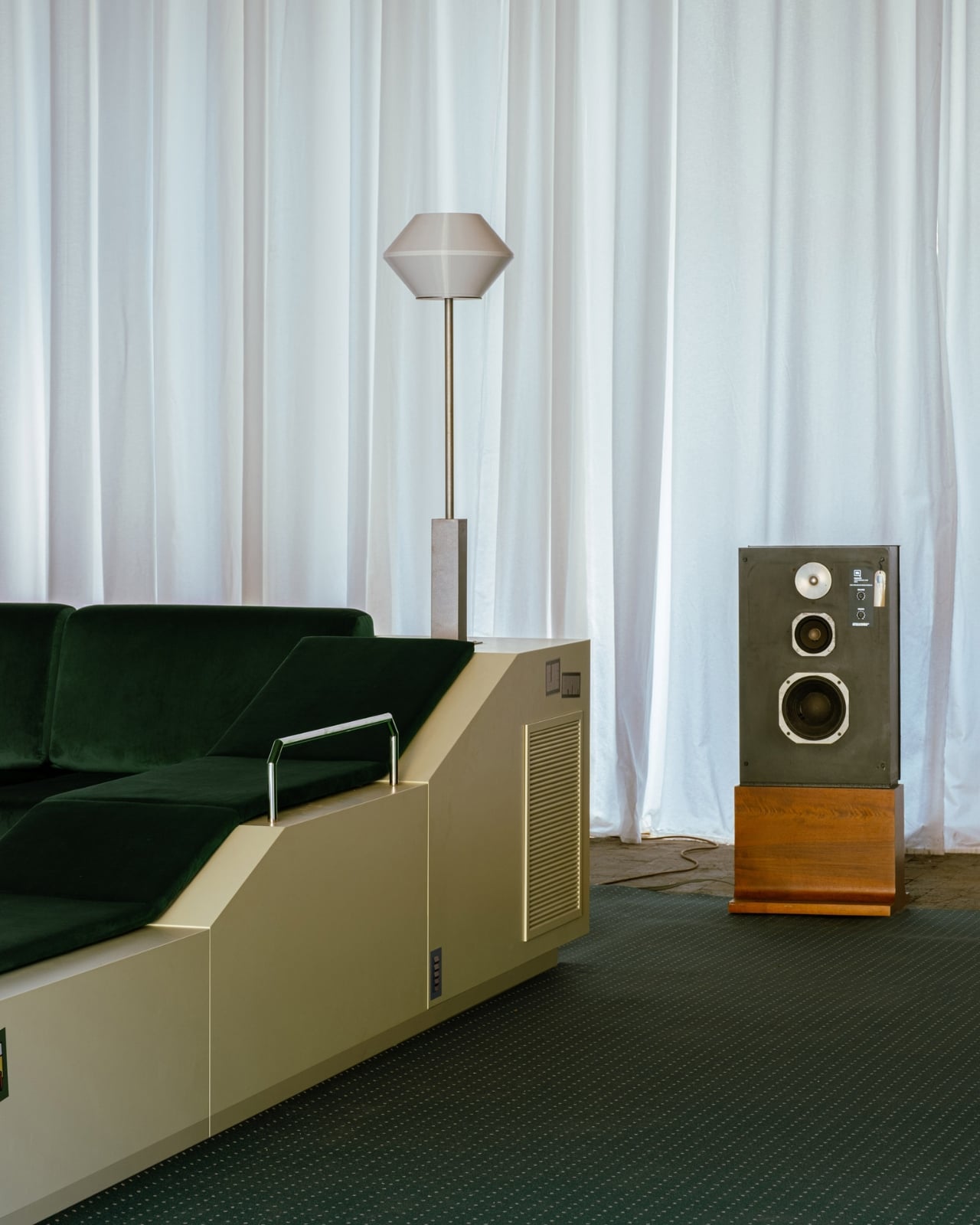
I’ll admit I have a personal bias here. I think we lost something when the conversation pit fell out of fashion. Not because I’m nostalgic for shag carpeting or sunken living rooms specifically, but because the underlying idea, that furniture could be designed to make you slow down, turn toward each other, and actually talk, felt like a worthy ambition. Most contemporary furniture design optimizes for flexibility, portability, and individual comfort. Modularity is the buzzword. Everything folds, stacks, or wheels away. Transit Encounters isn’t interested in any of that. It’s a fixed, unapologetic invitation to stay.


Supaform sits at the intersection of art and design, and that positioning gives Shcherbakov the freedom to treat furniture less like a product and more like a proposition. With Transit Encounters, the proposition is simple but radical: what if a room’s centerpiece wasn’t a coffee table or a statement light fixture, but an intentional container for human connection? What if we designed less for how a space looks on camera and more for how it feels when it’s full of people?


Milan Design Week surfaces a lot of beautiful things every year. Transit Encounters was one of the few that made you want to stop, sit, and stay awhile. At an event where foot traffic is the currency, that alone says everything.


The post The 1960s Conversation Pit Is Back, and Milan Can’t Get Enough first appeared on Yanko Design.


Power BI Replaces Isolated PowerPivot Data Models in Excel

Power BI Replaces Isolated PowerPivot Data Models in Excel A diagram showing multiple Excel workbooks connected to a central data model.

Managing complex datasets across multiple Excel workbooks often leads to challenges like data silos and inconsistent reporting. While PowerPivot allows for advanced data modeling within Excel, its workbook-specific nature can hinder collaboration and create inefficiencies. Excel Off The Grid highlights how integrating Power BI as a centralized data source can address these issues. By publishing […]

The post Power BI Replaces Isolated PowerPivot Data Models in Excel appeared first on Geeky Gadgets.

Posted in Uncategorized

Apple Unleashes M5 Mac Studio: Huge GPU Upgrades Make It the Ultimate Pro Desktop

Apple Unleashes M5 Mac Studio: Huge GPU Upgrades Make It the Ultimate Pro Desktop Mac Studio

Apple has unveiled its latest high-performance desktop computers, the M5 Max and M5 Ultra Mac Studio, setting a new benchmark for professional computing. These machines are engineered to meet the needs of creators, developers, and scientists, delivering a combination of exceptional power and efficiency. Whether you’re editing 8K video, rendering intricate 3D models, or training […]

The post Apple Unleashes M5 Mac Studio: Huge GPU Upgrades Make It the Ultimate Pro Desktop appeared first on Geeky Gadgets.

Posted in Uncategorized

Find the Best Local AI Models for Your GPU and CPU with llmfit

Find the Best Local AI Models for Your GPU and CPU with llmfit Terminal interface of the LLM Fit tool displaying AI model recommendations.

Selecting the right AI model for your hardware can be a daunting task, especially with the wide range of options available. Better Stack explores how llmfit, a terminal-based utility, simplifies this process by analyzing key system specifications like GPU, CPU and RAM to provide tailored recommendations. For example, it evaluates GPU compatibility with acceleration backends […]

The post Find the Best Local AI Models for Your GPU and CPU with llmfit appeared first on Geeky Gadgets.

Posted in Uncategorized

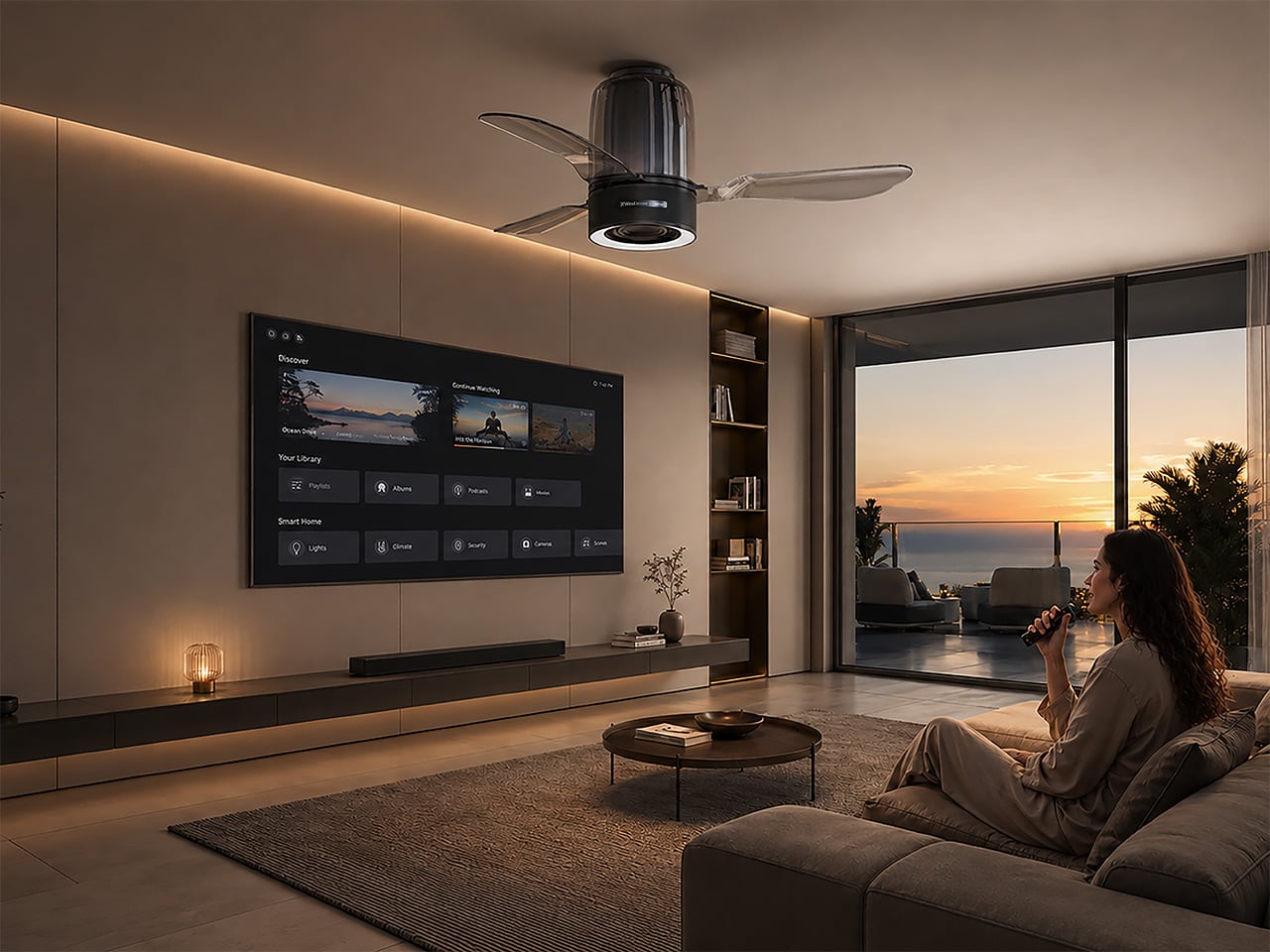
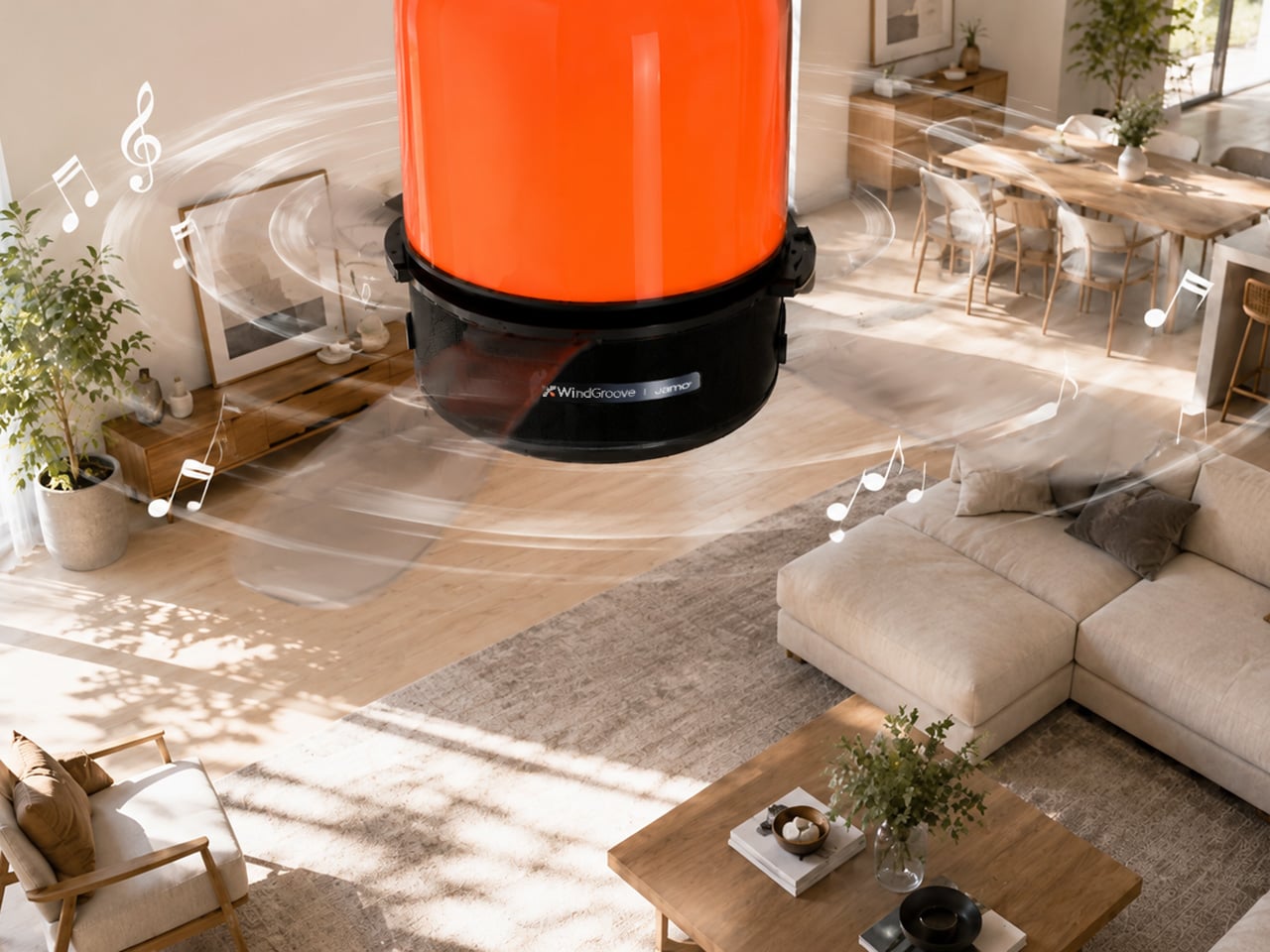
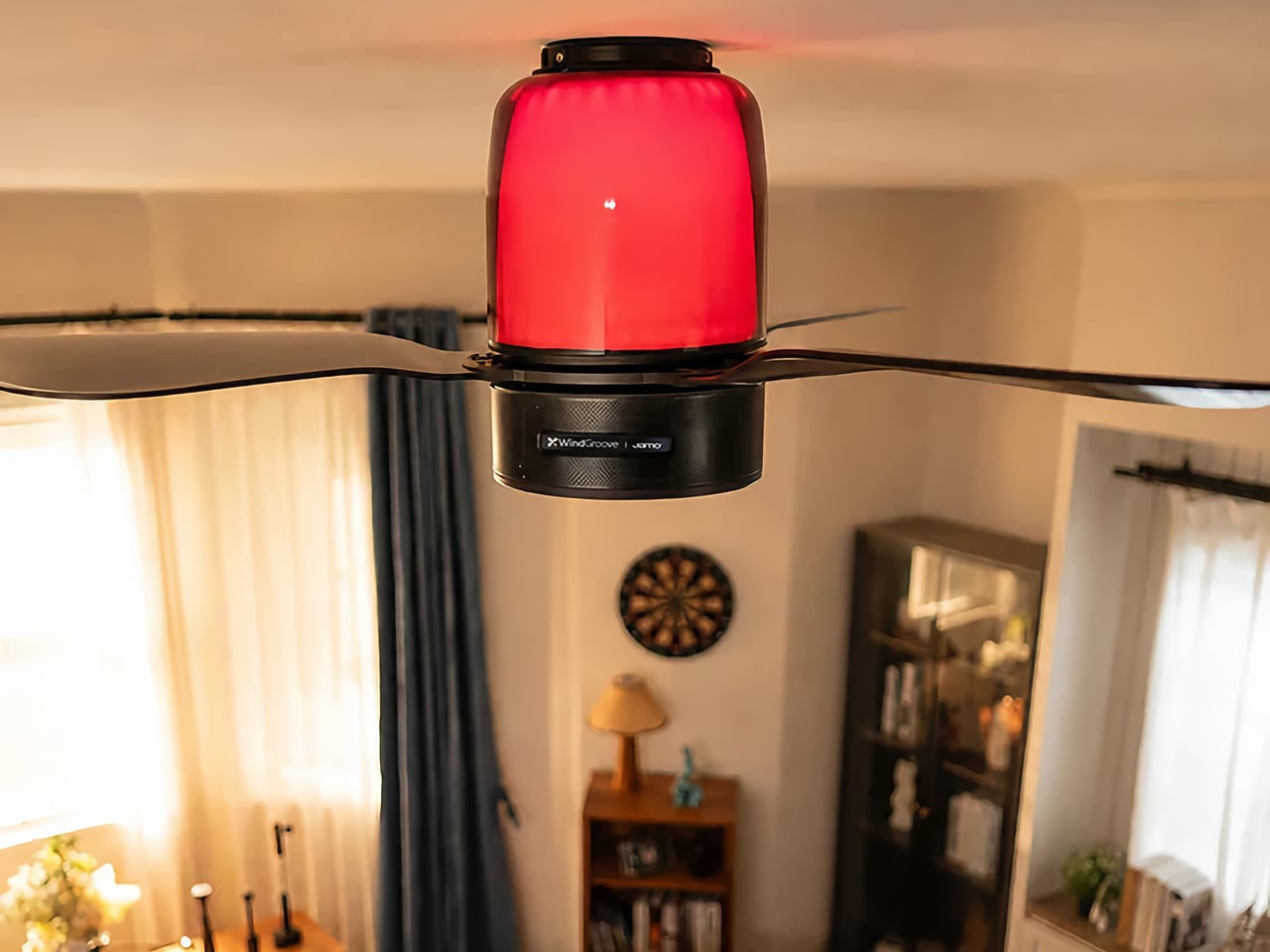
This ceiling fan hides an 80W Hi-Fi speaker and smart lighting in one sleek unit

You get light from above. You get wind from above too. So at some point, somebody was bound to ask the obvious next question, why not sound from above as well? Ceiling fans have spent years quietly doing side quests with built-in lamps, remote controls, and the occasional smart feature, but this feels like the first time one has aimed for proper living room territory. The lamp-plus-fan combo has always felt like a polite upgrade to an appliance nobody was particularly excited about.

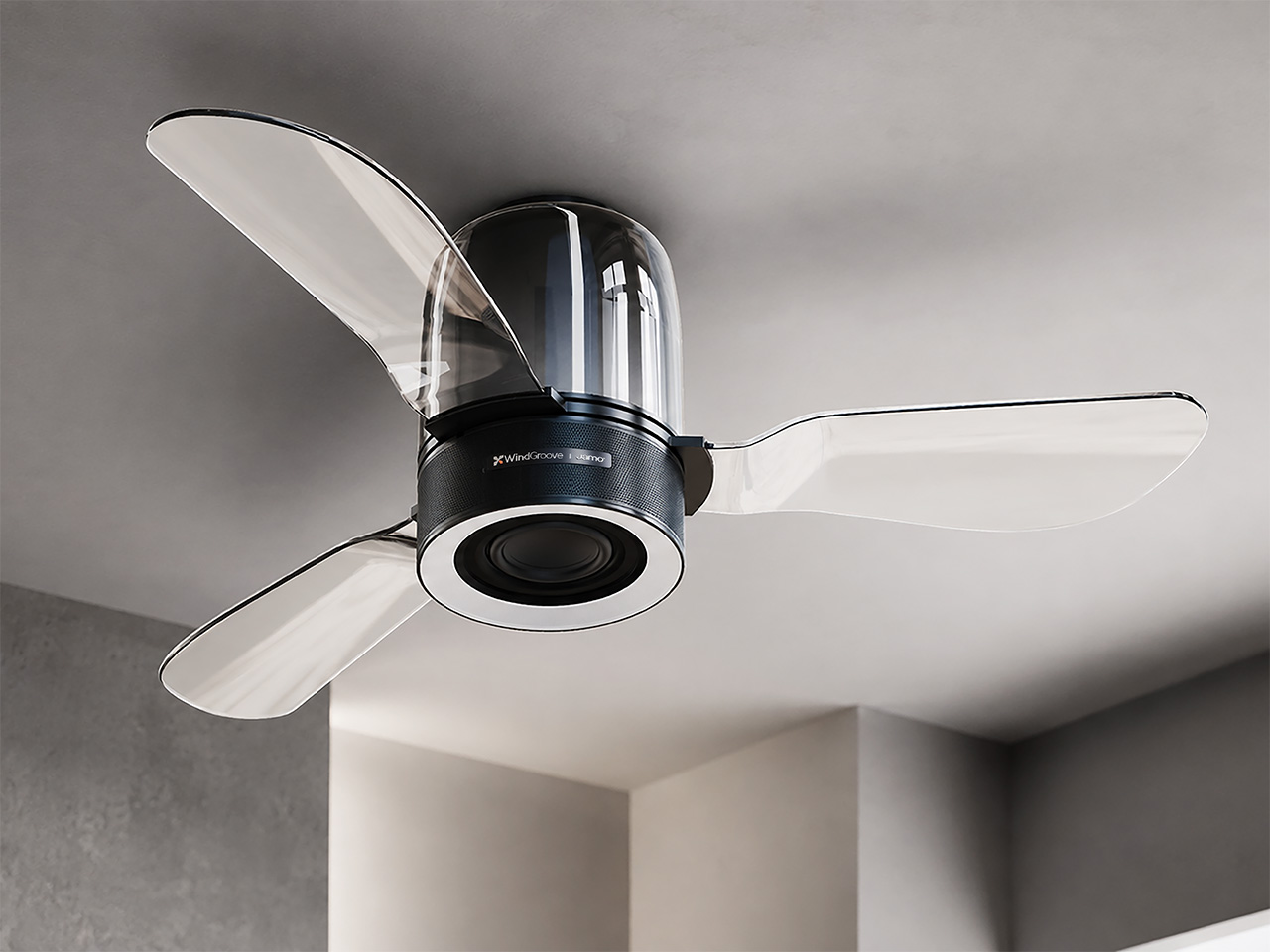
WindGroove’s AirFi One takes that idea and runs with it, folding a Hi-Fi audio system, atmospheric lighting, and airflow into a single ceiling-mounted fixture. The audio setup is co-developed with Jamo, the Danish speaker brand founded in 1968, which gives the whole thing considerably more credibility than your average gadget trying to do five jobs at once. It’s one of those products that sounds slightly absurd for about three seconds, right up until you realize how much floor space your speakers and fans have been stealing this whole time.

Brand: WindGroove

Click Here to Buy Now: $480 $815 (40% off, use coupon code “YD15”). Hurry, deal ends in 48-hours!

Putting a speaker inside a spinning mechanical system is, acoustically speaking, a problem that mostly did not exist before. Motors generate vibration, and that vibration travels through metal housings and mounting hardware until it finds a speaker driver to rattle. At higher fan speeds, the blades also create periodic air pressure variations at blade-pass frequency, a rhythmic pulse that can cause a speaker cone to flutter and introduce distortion into the output. Positioning the speaker overhead compounds the issue further, because the ceiling acts as a large reflective surface, creating phase cancellation and comb filtering effects where certain frequencies pile up while others cancel out. Nailing clean Hi-Fi sound out of a product that is also spinning at variable speeds, mounted above a live listening environment, is a genuinely impressive engineering feat.

WindGroove’s entire design thesis rests on one idea: technology should dissolve into the room, not announce itself from it. Making that happen acoustically meant solving real engineering problems, because a spinning motor introduces vibration into a speaker chassis and rotating blades create periodic air pressure pulses that can rattle a driver into distortion. Intelligent DSP processing that corrects for ceiling reflection and overhead projection in real time is WindGroove’s most elegant solution, allowing the speaker to disappear into the architecture and still fill a room properly. Total harmonic distortion is rated at 1% or below, keeping music sounding like music rather than like hardware working hard. A motor running at under 32 decibels reduces mechanical vibration at the source, so the DSP has considerably less chaos to correct for.

Jamo has been building musically balanced speakers rooted in Scandinavian design since 1968, and that acoustic philosophy is what WindGroove borrowed for the tuning here. The 80W 3-way setup, twin 15W mid-high drivers plus a dedicated 50W subwoofer, carries real Hi-Fi ambitions rather than the polite background-audio compromise most integrated appliances settle for. Frequency response runs from 45Hz to 20kHz, wide enough to cover genuine bass texture and crisp high-frequency clarity across the full spectrum of recorded music. Bringing in a heritage audio brand rather than speccing the cheapest available driver stack reflects WindGroove’s conviction that invisible technology still needs to perform at the highest level when you actually sit down and listen. Putting a Jamo-tuned 80W Hi-Fi system inside a ceiling fan is the kind of product decision that only makes sense if you believe the room should come first, and the hardware should figure itself out.

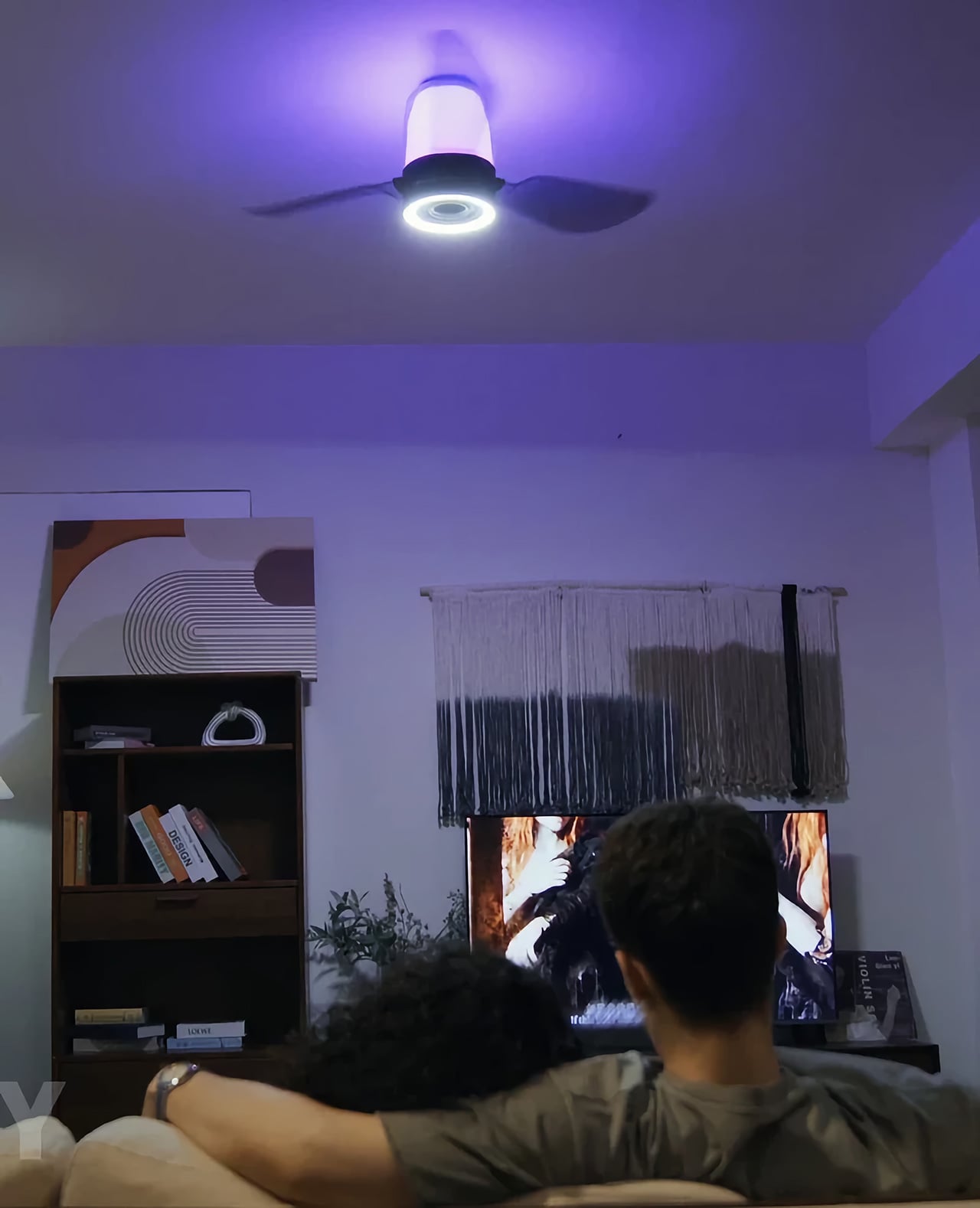
The fan boasts a maximum airflow of 4621 CFM at under 32 decibels, quiet enough to run while music is playing without competing with it, and the blade direction reverses seasonally so the unit pulls its weight year-round. The dual-zone lighting system combines everyday illumination with immersive ambience. The lower section serves as the primary light source, providing bright, even illumination for the entire room. You can choose from three color temperatures – warm white for a cozy, relaxing glow, natural white for comfortable everyday lighting, or cool white for a crisp, energizing feel. Stepless dimming lets you fine-tune the brightness to suit everything from winding down at night to working, reading, or getting ready in the morning.

Picture a Friday evening where you dim the lights, the room shifts to a warm amber glow, the fan hums almost imperceptibly overhead, and the music you put on actually sounds like the artist intended it to. No speaker on a shelf eating into the bookcase. No standing fan taking up the corner you always meant to do something with. No three apps open at once trying to get everything to behave. The ceiling handles it, and the room just feels right in a way that is surprisingly hard to explain to someone who has not experienced it.

AirFi One is priced at $499 at retail and is available for purchase right now on WindGroove’s website.. Sure, you could just duct-tape a Bluetooth speaker to your fan and call it a day – but having an 80W sound system built into your ceiling fan isn’t something everyone can boast of.

Click Here to Buy Now: $480 $815 (40% off, use coupon code “YD15”). Hurry, deal ends in 48-hours!

The post This ceiling fan hides an 80W Hi-Fi speaker and smart lighting in one sleek unit first appeared on Yanko Design.
This AI-Powered Nature Guide Is Designed to Reduce Children’s Screen Time

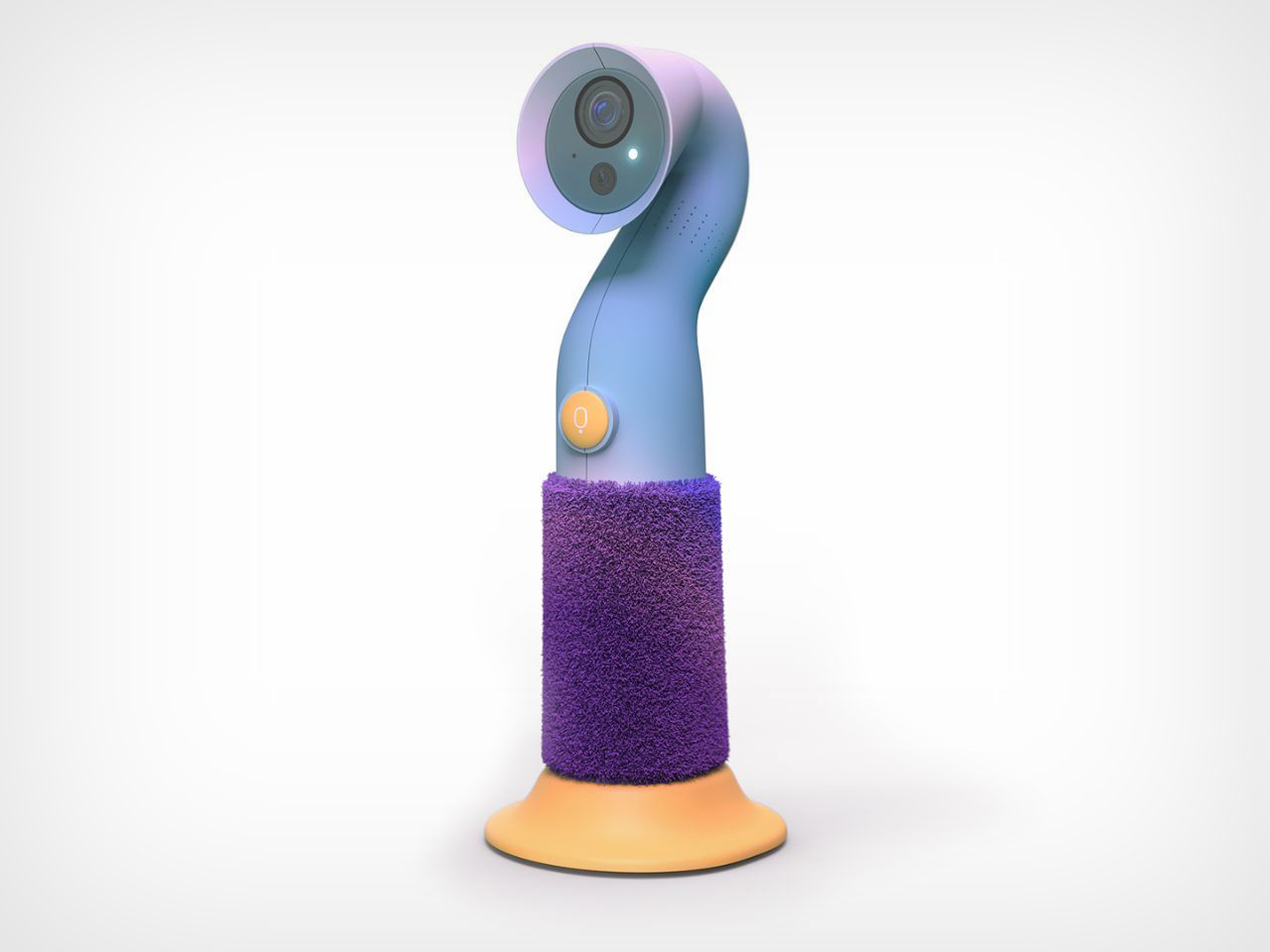
Most technology designed for children asks them to look down. Quest asks them to look around. At first, the idea of using artificial intelligence to reduce children’s screen time may sound contradictory. Yet that contradiction is exactly what makes Quest compelling. Rather than competing with the physical world for a child’s attention, this AI-powered nature companion redirects it towards leaves, insects, birds, rocks, textures, sounds, and the small details that often go unnoticed.

Designed for children aged six to eleven, Quest transforms outdoor discovery into an ongoing learning adventure. It is not a conventional educational device, nor is it simply a camera that identifies objects. Its purpose is more ambitious: to turn technology into a quiet bridge between curiosity and the natural world.

Designer: Viraj Gapchoop

During the day, children carry Quest while exploring parks, gardens, trails, or even their own backyard. When they encounter something unfamiliar, they can use the device to identify it. Quest’s AI-powered vision system recognizes plants, insects, birds, rocks, and other natural objects, confirming each discovery with gentle haptic feedback before responding through conversational audio.

The absence of a dominant screen is an important design decision. Instead of pulling the child into a visual interface, Quest keeps their attention on the object in front of them. Audio and touch become supporting cues, allowing the experience to remain rooted in the physical environment.

More importantly, Quest is not designed to answer every question immediately. It might ask a child to look more closely at the shape of a leaf, listen to the rhythm of a bird’s call, or compare the surface of two stones. Through these prompts, the device encourages observation before explanation.

This subtle shift matters. Rather than positioning AI as an all-knowing authority, Quest uses it as a conversational guide. The child is not simply given information; they are invited to notice, interpret, and investigate. Learning becomes participatory, and the moment of identification becomes an “aha!” experience earned through attention.

The concept is built around three principles: Capture, Converse, and Celebrate. Children capture what interests them, converse with Quest to better understand it, and later celebrate those discoveries through storytelling.

That final stage begins at night. When placed into its charging dock, Quest transforms into a bedside storytelling projector. The plants, insects, feathers, rocks, and animals discovered during the day become the ingredients for a personalized bedtime story, with the child placed at its center.

A beetle found beneath a stone might become the guardian of an underground kingdom. A feather collected on a walk could inspire a journey across the clouds. A flower discovered in the garden might hold the secret to restoring an enchanted forest.

In this way, Quest does more than reinforce factual learning. It gives emotional meaning to discovery. Information gathered during the day is reimagined through narrative, helping children connect memory, imagination, and knowledge. Nature is no longer something observed once and forgotten; it becomes part of a personal story.

The nighttime experience also transforms Quest from an individual learning device into a shared family ritual. Parents and children can revisit the day’s discoveries together, talk about what they found, and experience a story shaped by those moments. Bedtime becomes an opportunity for reflection, connection, and imagination rather than another isolated digital interaction.

This is where Quest’s human-centered approach becomes most visible. The product does not attempt to replace outdoor play, parental involvement, or a child’s imagination. It is designed to strengthen all three.

Still, designing AI for children requires restraint. Quest’s success would depend not only on what it can recognize or generate, but on knowing when to speak, when to ask a question, and when to remain quiet. If every encounter is interrupted by information, curiosity can quickly become instruction. The device must support independent exploration without over-directing it. That balance is central to the concept. Quest does not aim to make nature more digital. It uses digital intelligence to make children more attentive to nature.

Young children are often described as asking hundreds of questions each day, a reflection of their instinctive desire to understand the world. Quest is designed around protecting that instinct rather than replacing it with instant answers. It treats curiosity not as a problem to resolve, but as something to extend.

At a time when many digital products are designed to hold attention for as long as possible, Quest proposes a different role for technology. Its interface is deliberately quiet. Its value lies not in keeping children engaged with the object itself, but in helping them engage more deeply with everything beyond it. The most interesting thing about Quest, then, is not that it uses artificial intelligence. It is that the intelligence knows when to step aside.

The post This AI-Powered Nature Guide Is Designed to Reduce Children’s Screen Time first appeared on Yanko Design.
The $80 Spice Mill That Can Actually Change How You Cook

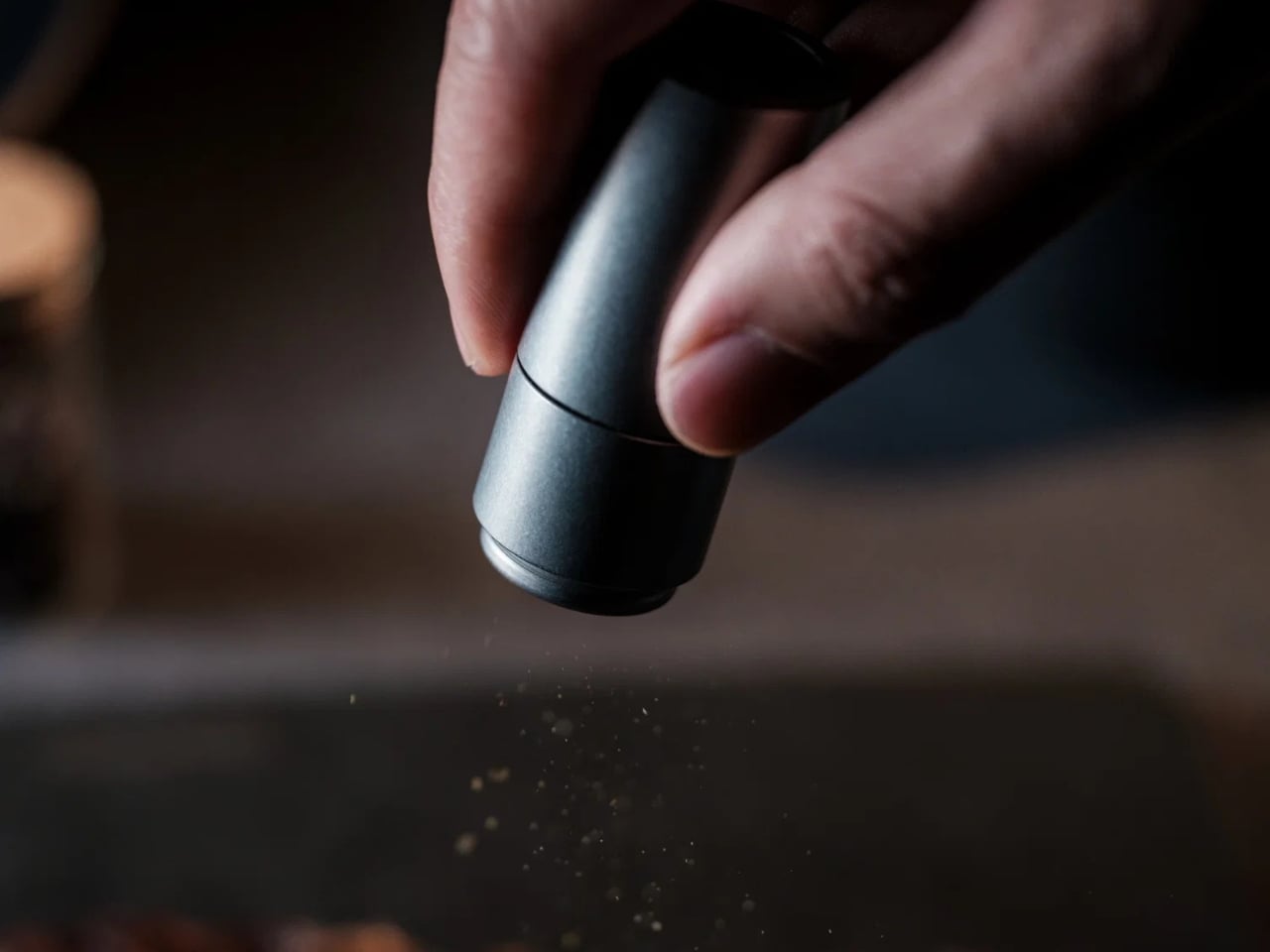
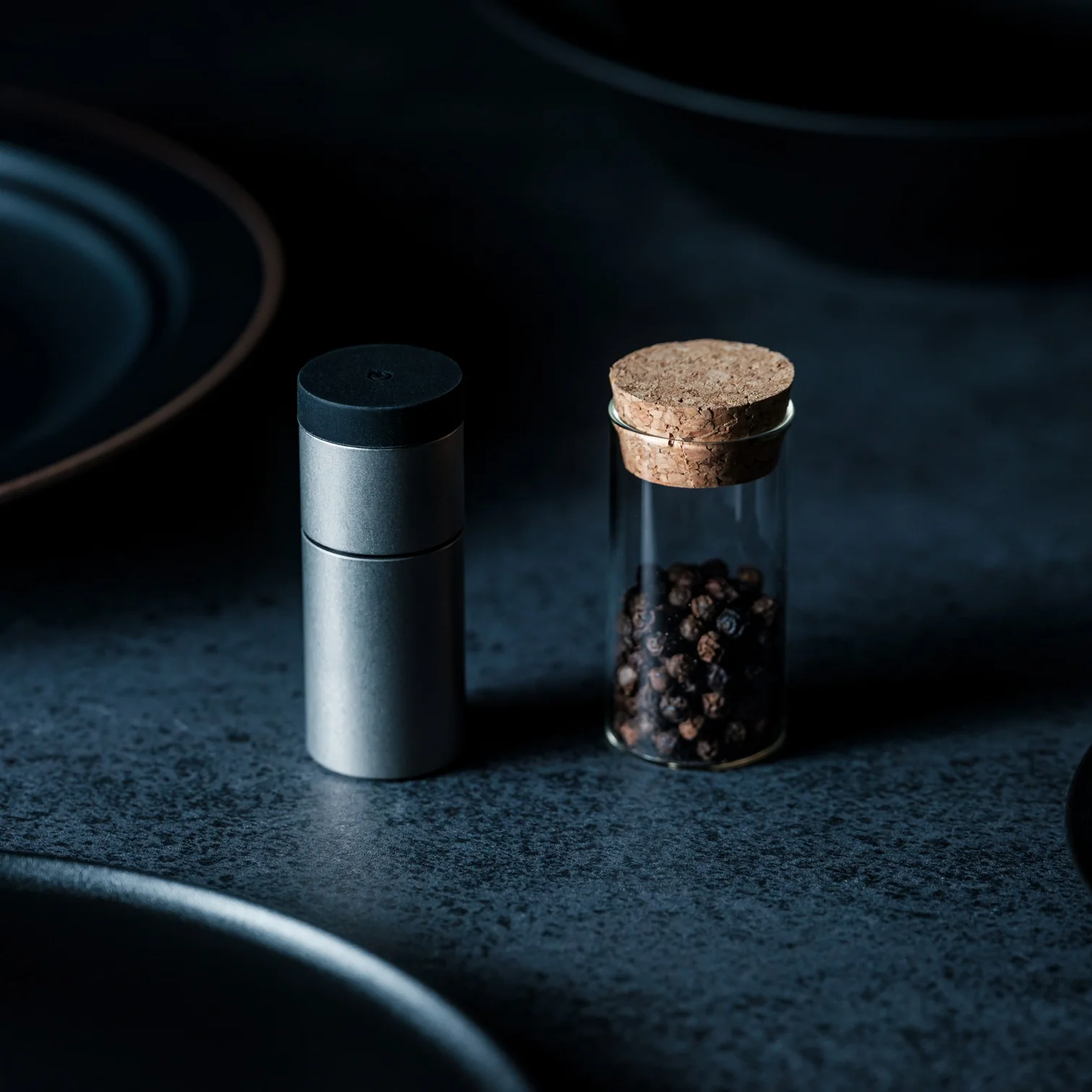
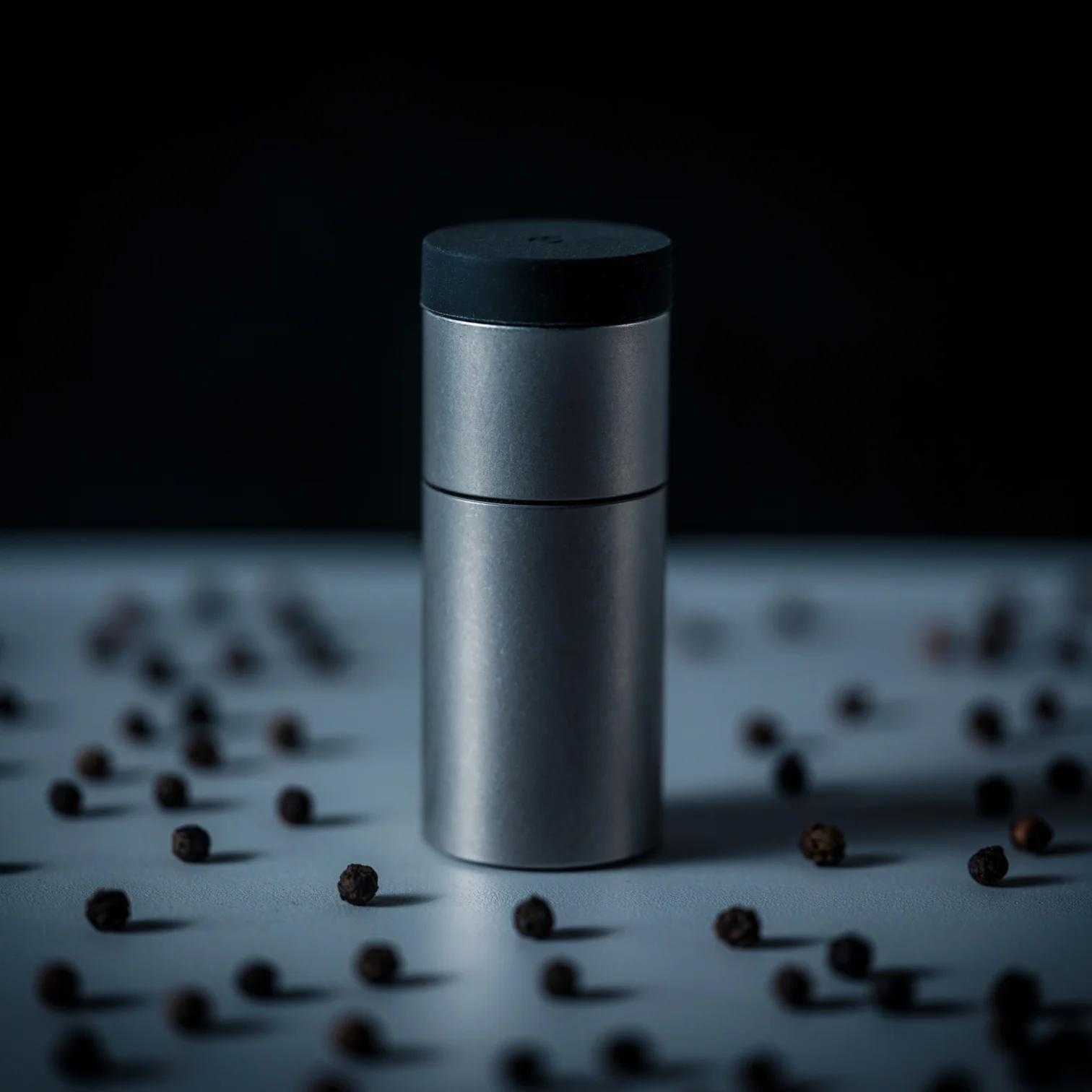
Cooking, for most of us, is a series of automatic habits. You reach for the pepper grinder, twist it a few times without thinking, and move on. It’s forgettable. It’s background noise happening in your own kitchen. The Impact Spice Mill, an $80 award-winning kitchen tool from Yanko Design’s curated drop collection, is specifically built to interrupt that forgettable moment and make it actually register.

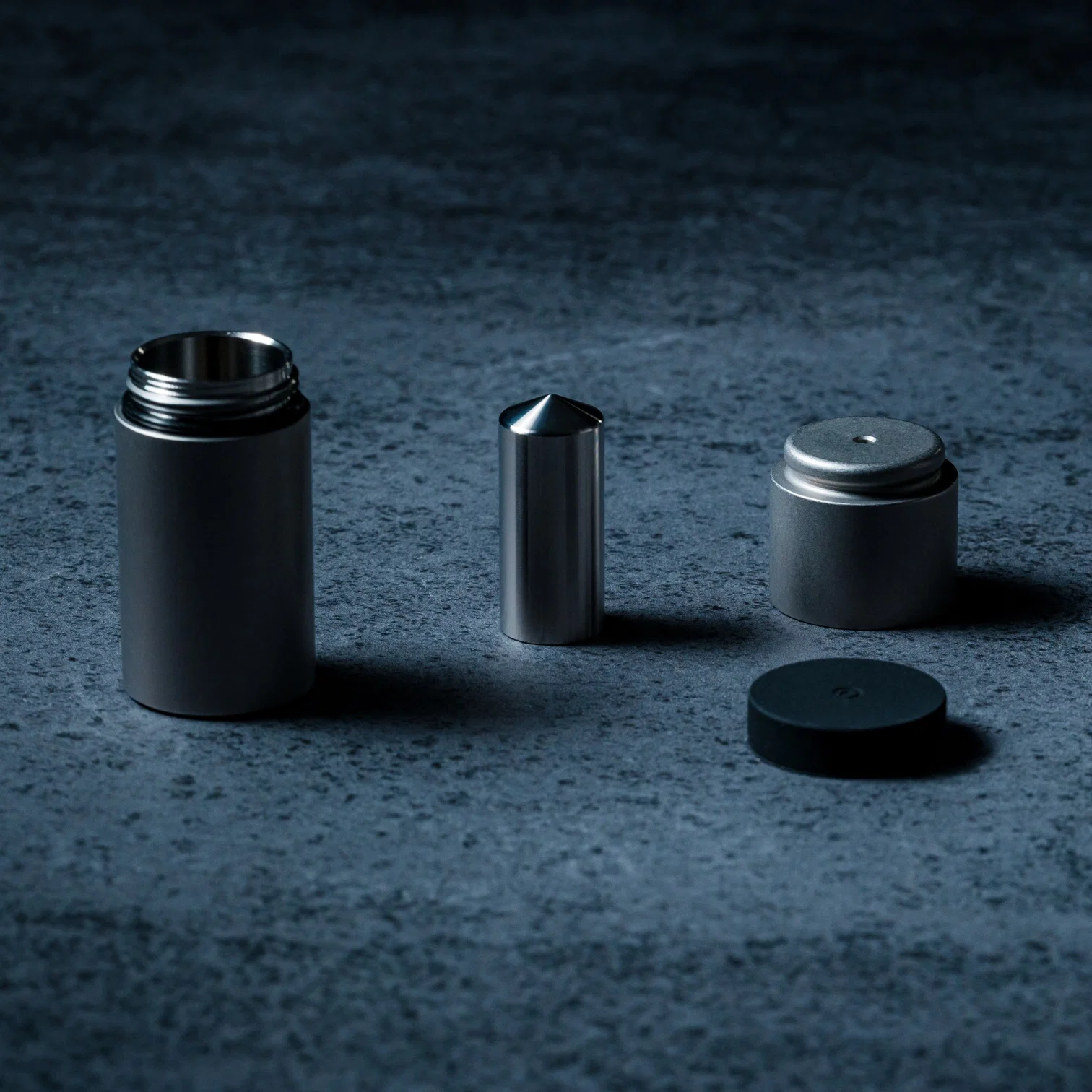
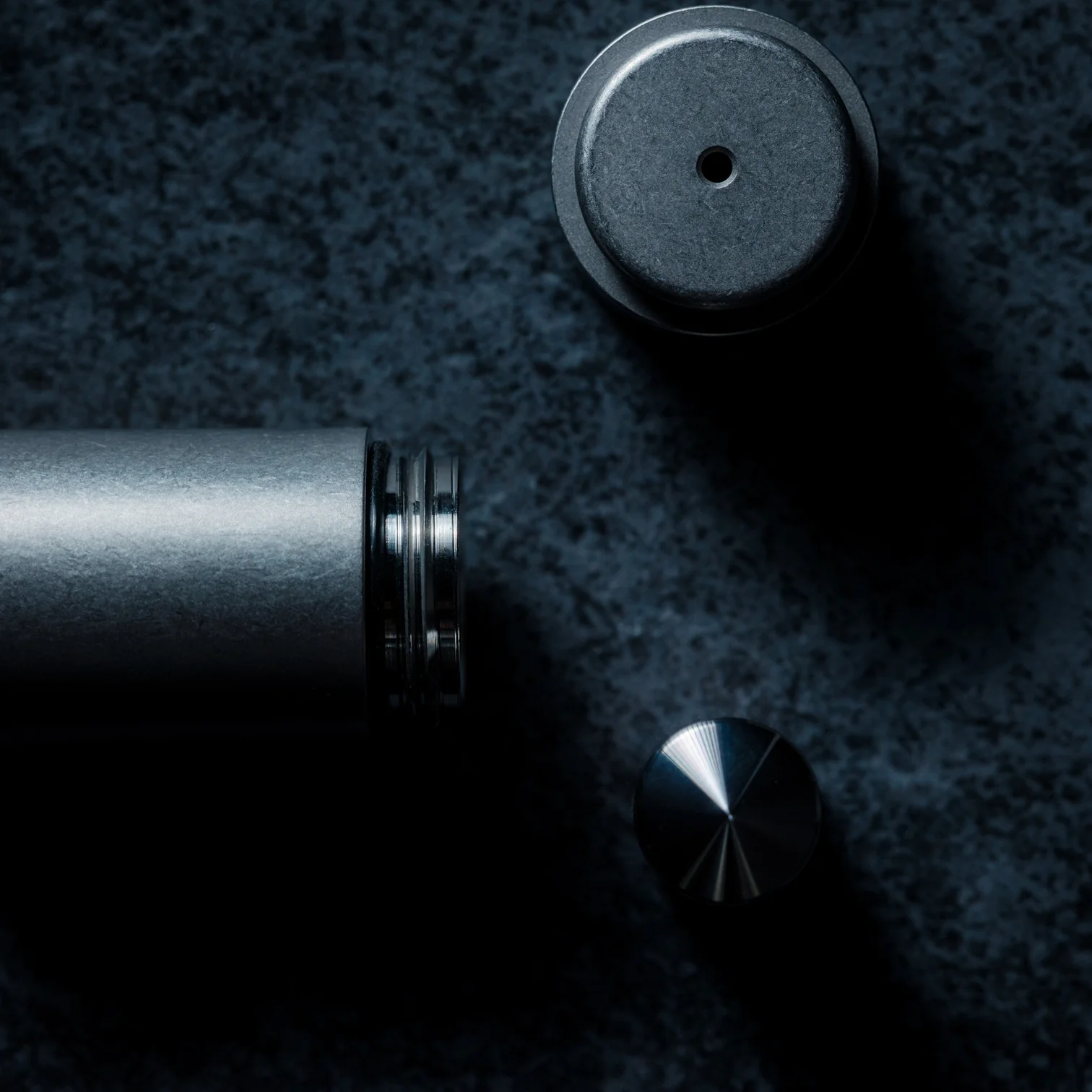
Instead of twisting, you shake. That’s the whole premise. Inside the mill, a weighted mechanism moves with each motion, pounding and crushing a small amount of spice right before it reaches your food. The result is a fresher release of natural aroma at the exact moment it matters. There’s also a satisfying click with every shake, which sounds like a minor detail until you realize it’s the reason you’ll consistently reach for this over whatever forgettable grinder is currently parked on your counter.

Click Here to Buy Now: $80.00 Hurry, only 3 available!

The percussion mechanism is the real story here. Traditional spice mills grind continuously, releasing flavor incrementally and, depending on how heavy your hand is, sometimes wastefully. The Impact Spice Mill’s internal weight-based system works closer to a mortar and pestle approach, only more refined, more controlled, and considerably less messy. It’s a surprisingly thoughtful reimagining of a process most of us have never once stopped to question, which is exactly what separates good design from great design.

It won the 2023 GOOD DESIGN BEST Design Award, recognized in 2024, and that isn’t a small credential to carry. GOOD DESIGN is one of the longest-running design award programs in existence, and the BEST designation sits at the very top of that recognition. The fact that a spice mill earned it tells you the judges saw something beyond novelty. They saw genuine innovation in a product category that most manufacturers have left entirely untouched for decades.

For the design-minded, the appeal is easy to understand. Objects that rethink a familiar form, especially one as unassuming as a spice grinder, tend to generate exactly the kind of attention that sticks around. You don’t just use this over dinner; you talk about it. You hand it to someone and watch them figure it out. The “shake, don’t twist” concept is one of those ideas that feels obvious in hindsight but clearly wasn’t, because no one else got there first.

The $80 price point places it squarely in gift territory, too. It’s the kind of object that feels slightly indulgent to buy for yourself but makes complete sense as something you give to someone who cooks, collects interesting things, or simply appreciates when everyday design gets taken seriously. At the moment, it’s sitting on the waitlist with over 120 people already lined up, which puts it firmly in limited-drop territory. That’s not just marketing positioning. Yanko Design’s upcoming drops tend to move quickly, and the Impact Spice Mill has the kind of clear, singular concept that earns word-of-mouth without needing much of a campaign behind it.

What’s easy to overlook in all the conversation about mechanism and accolades is how uncomplicated the actual experience is. You pick it up, shake it, season your food. Nothing about the interaction requires a learning curve or any kind of instruction. The complexity is entirely internal, which is precisely the point. Kitchen tools that need an explanation in order to work have a habit of ending up in drawers. The Impact Spice Mill stays out because picking it up feels immediately natural.

Whether or not you’re someone who actively thinks about kitchen tools, the Impact Spice Mill earns its place on the counter on the strength of a single, well-executed idea. It doesn’t try to do everything. It does one thing differently, and it does it well enough to pull you out of autopilot mid-cook and make you pay attention. For a spice mill, that is a genuinely impressive thing to accomplish. And once you’ve shaken it, the idea of going back to twisting feels a little absurd.

The post The $80 Spice Mill That Can Actually Change How You Cook first appeared on Yanko Design.