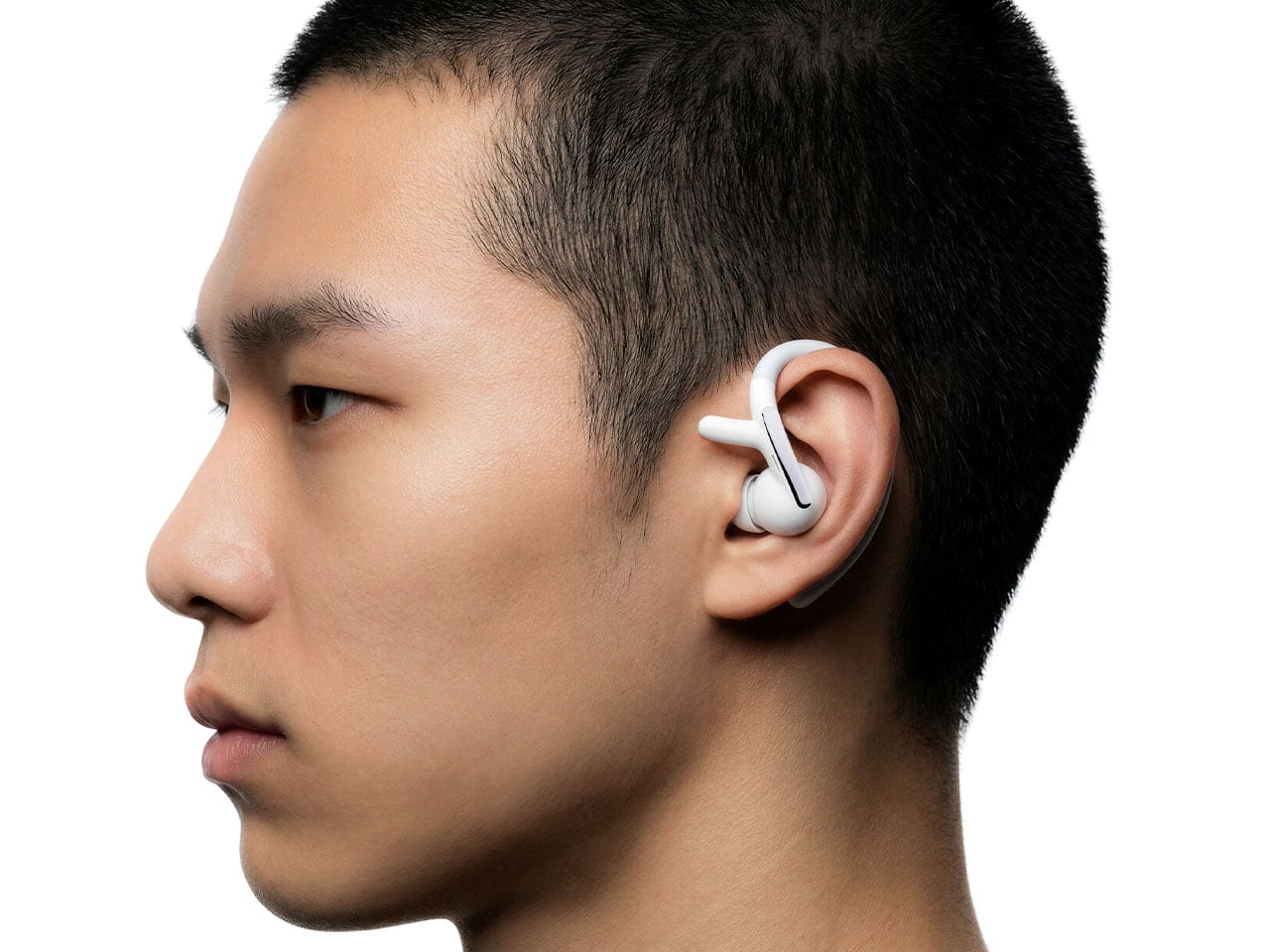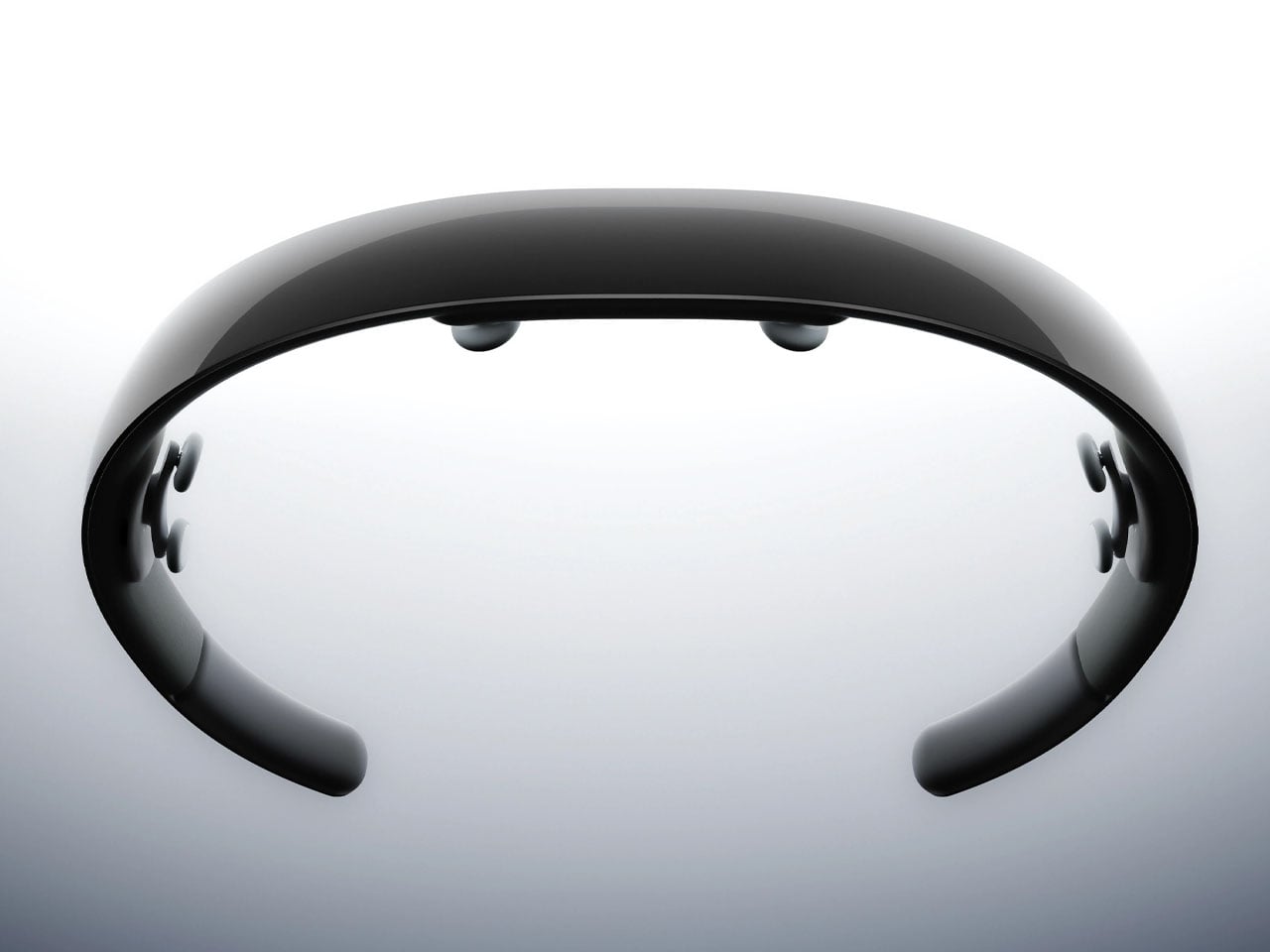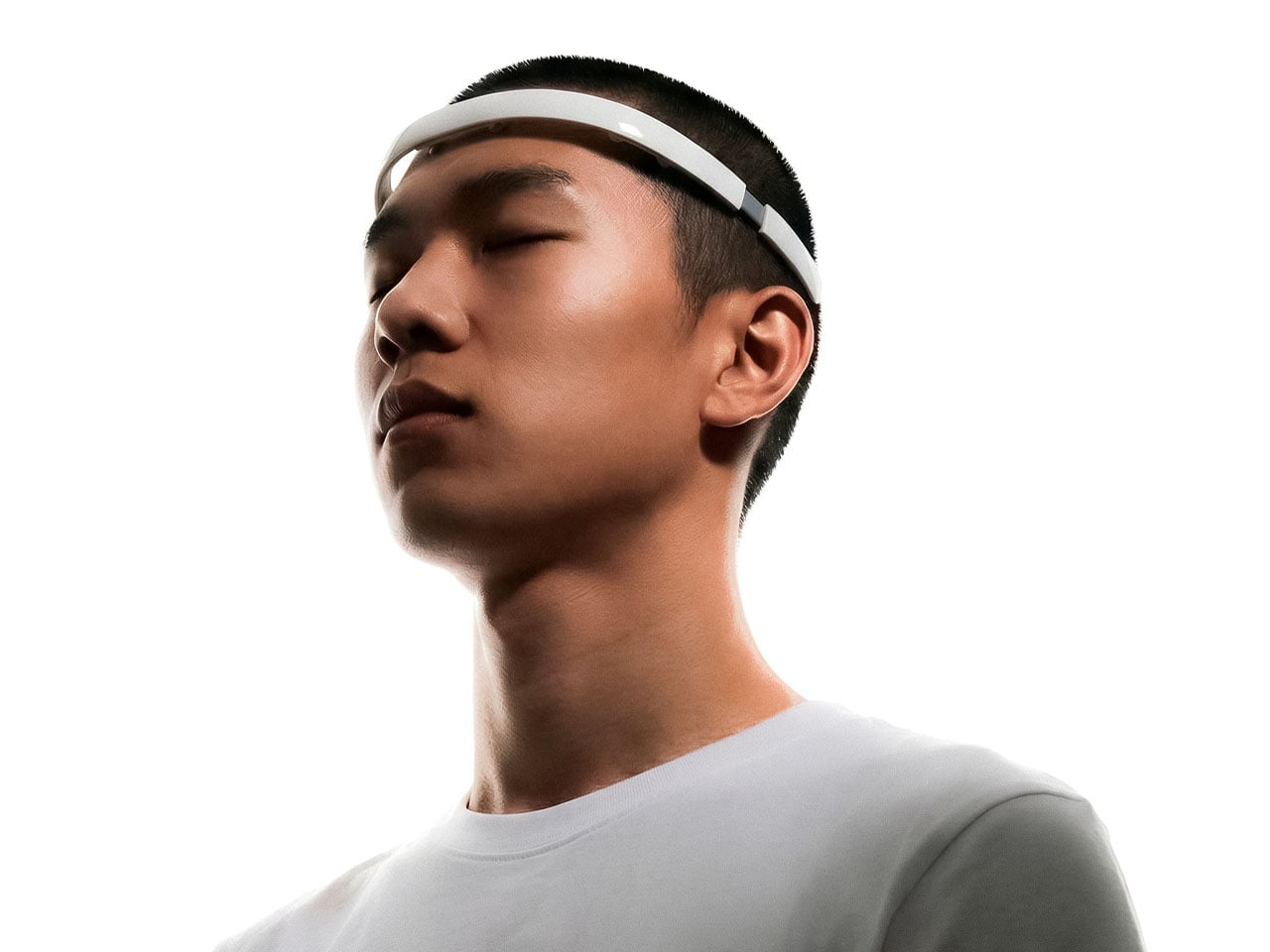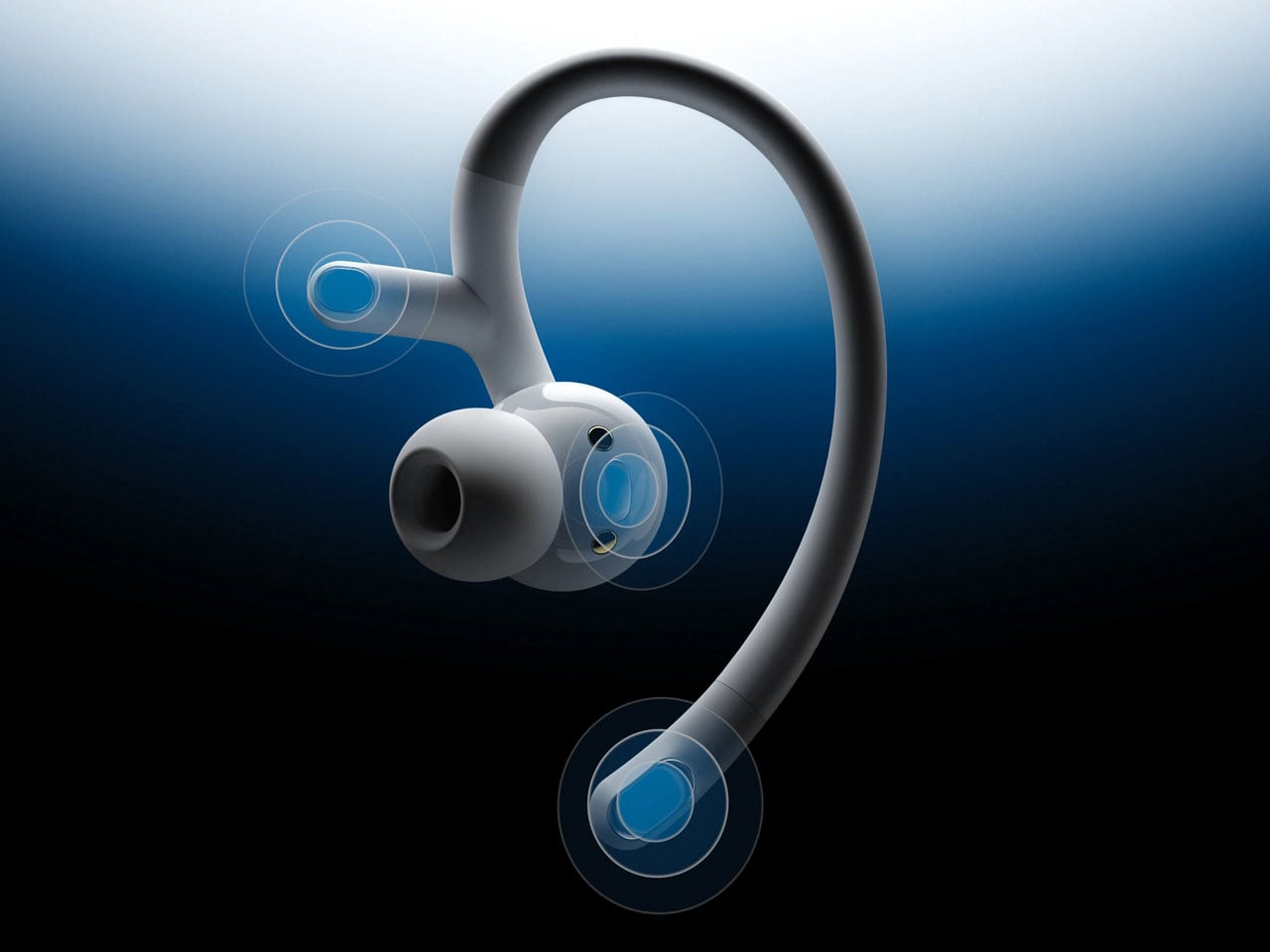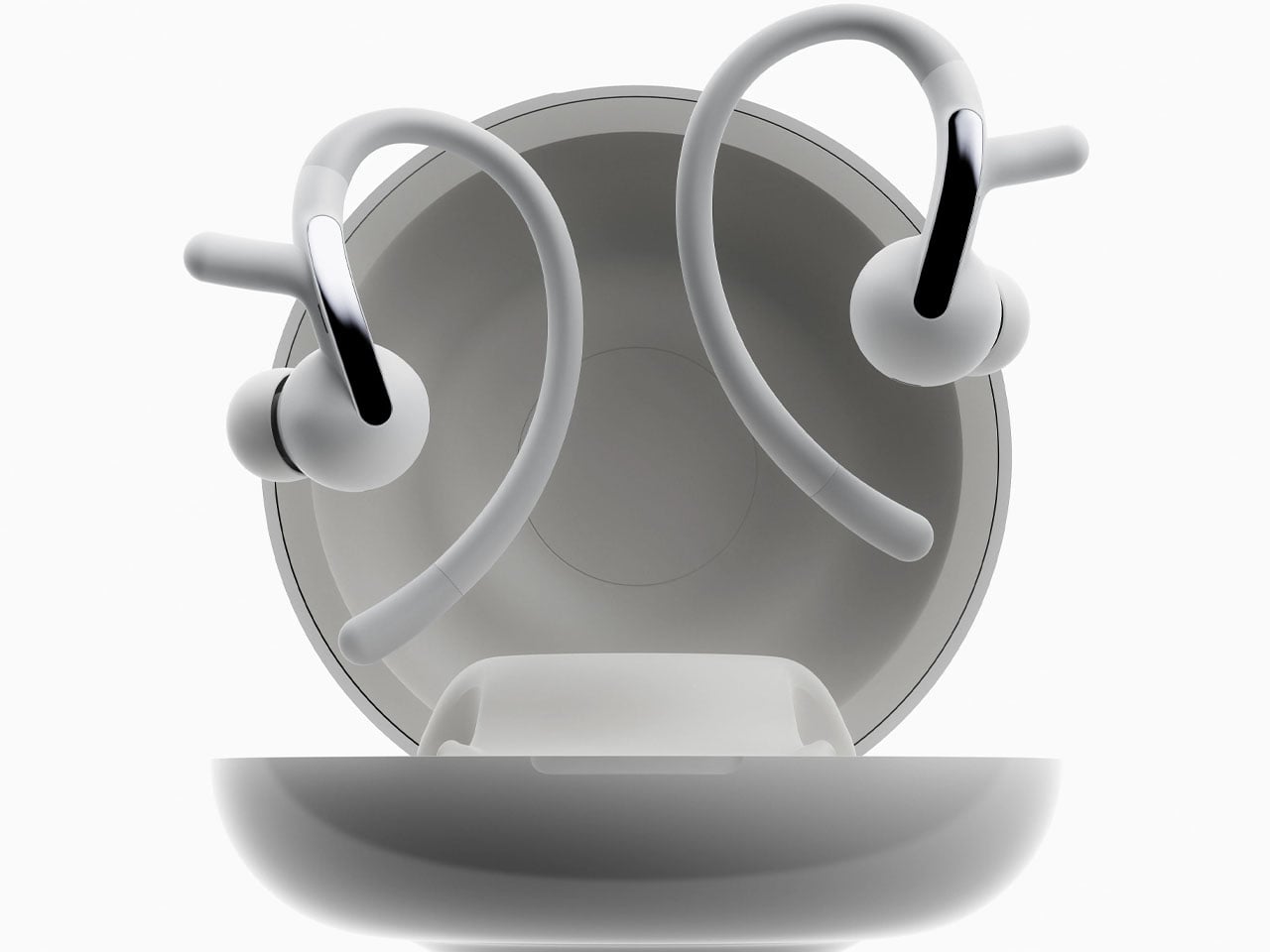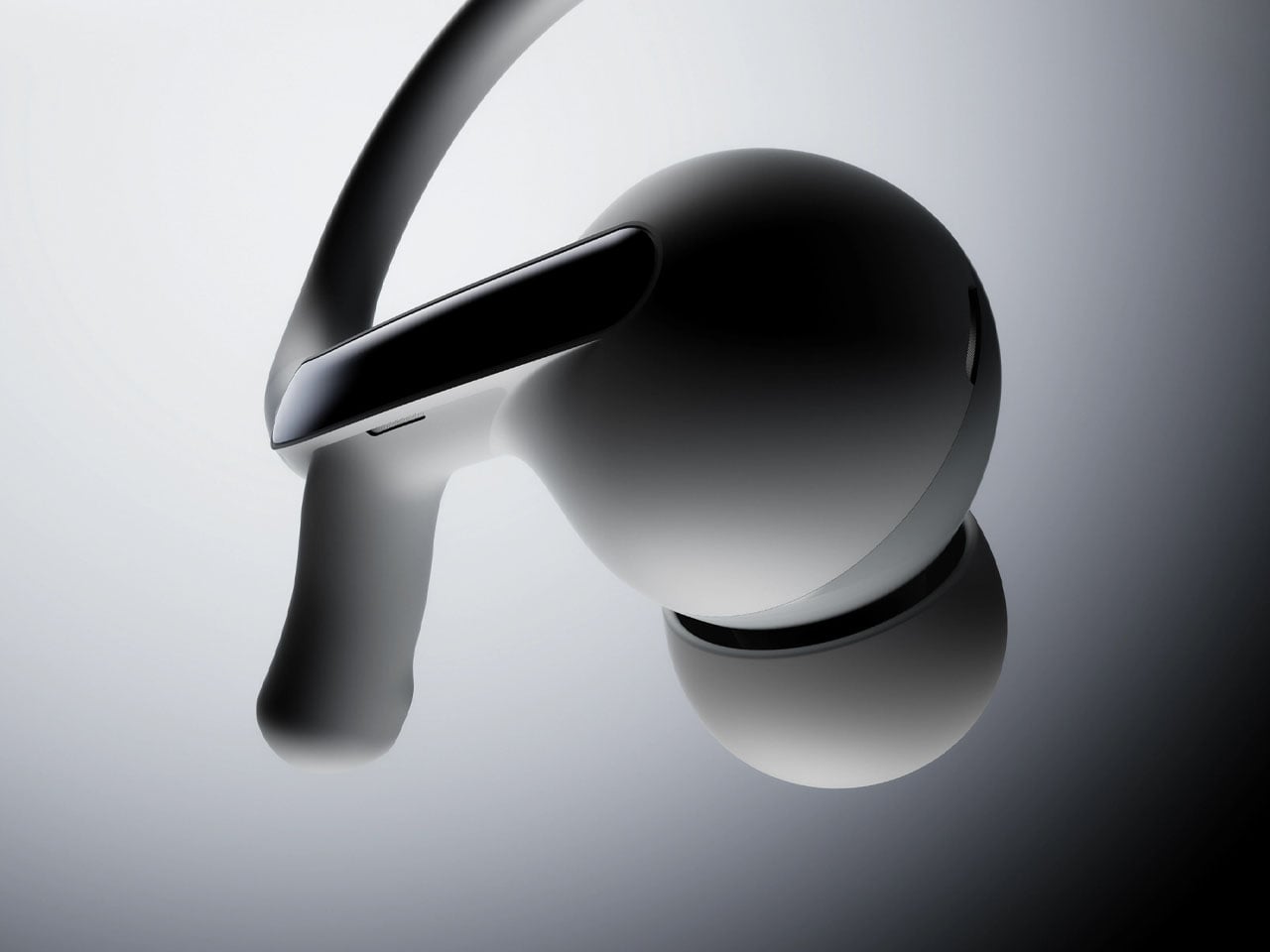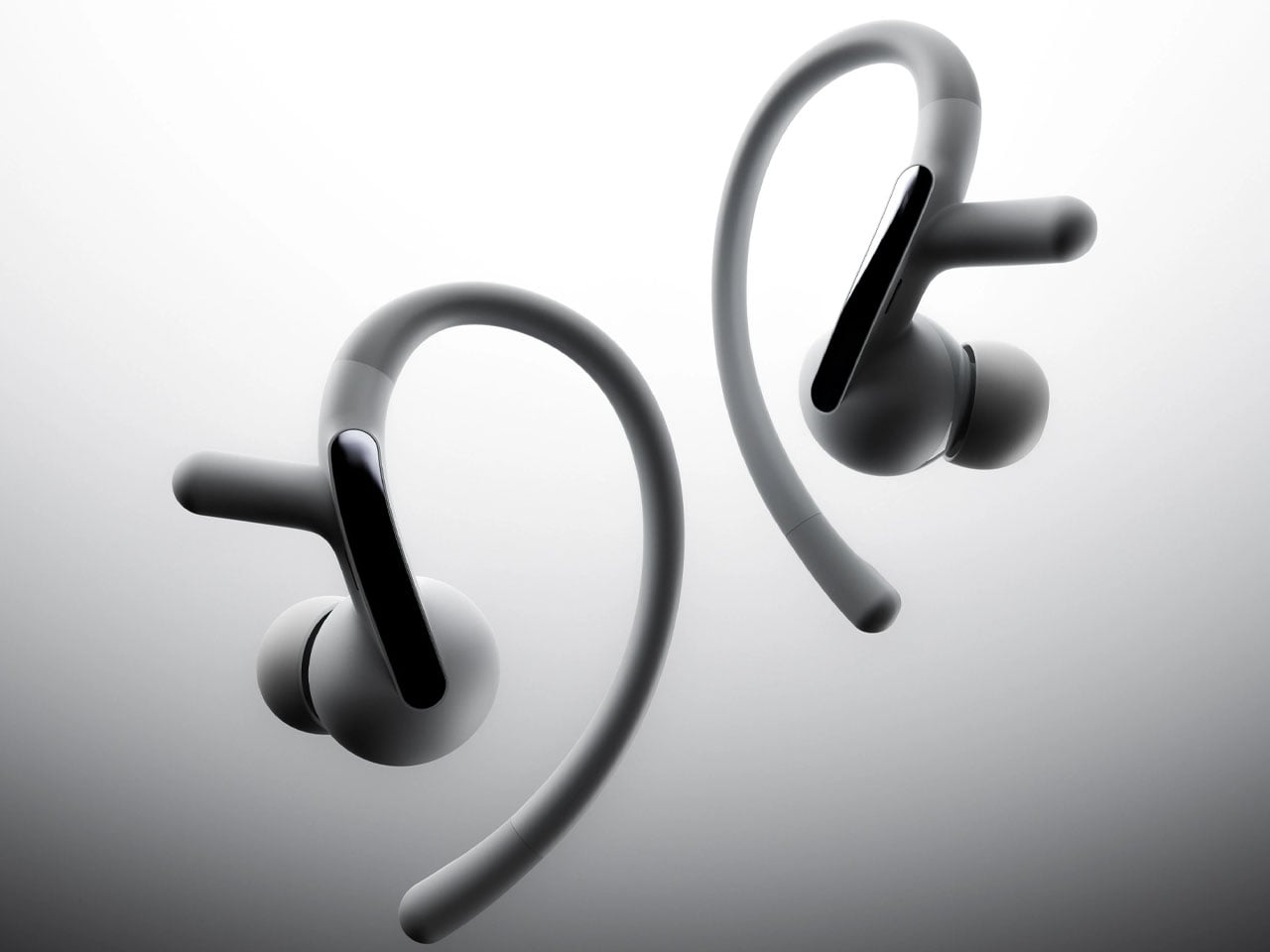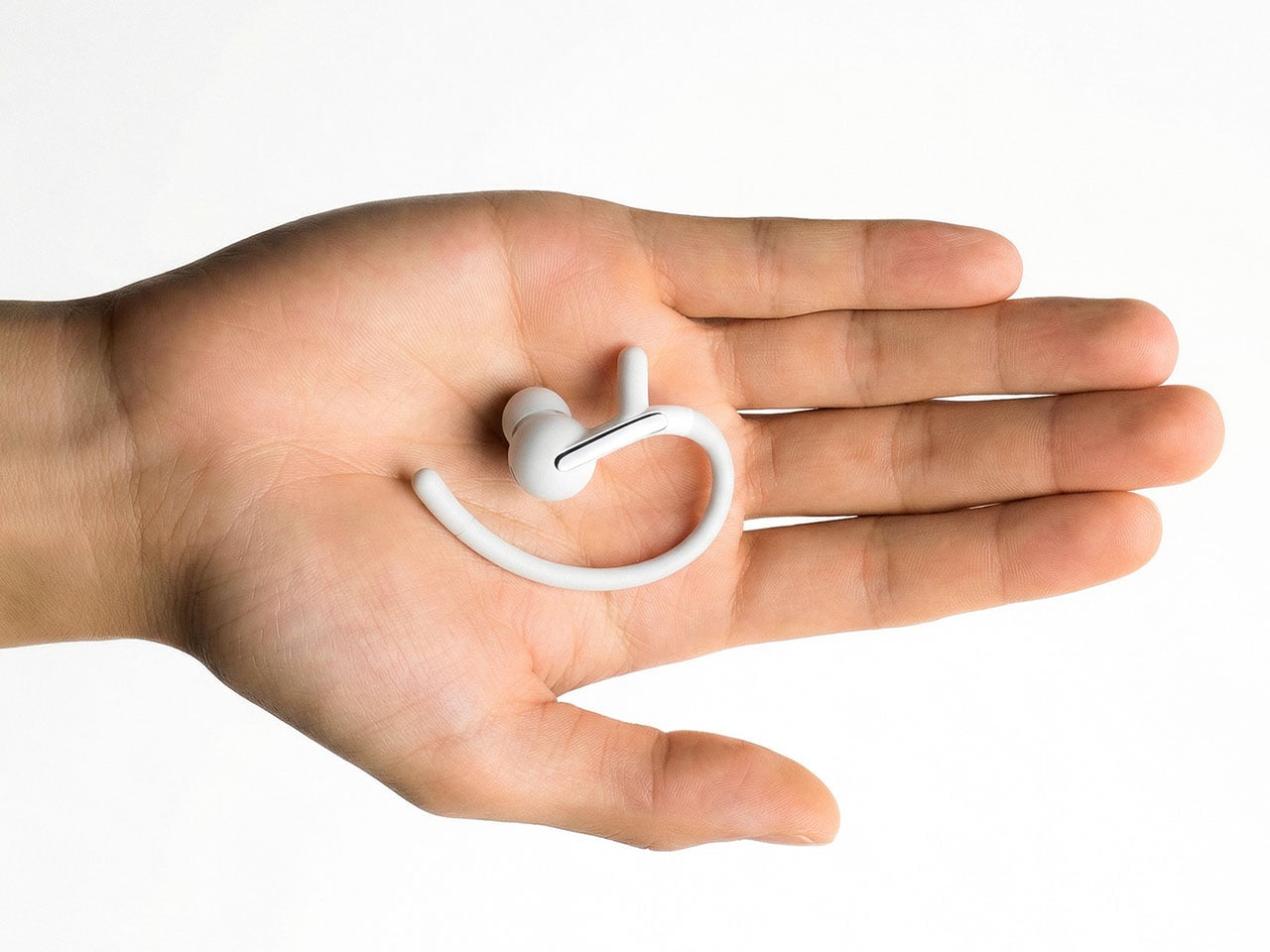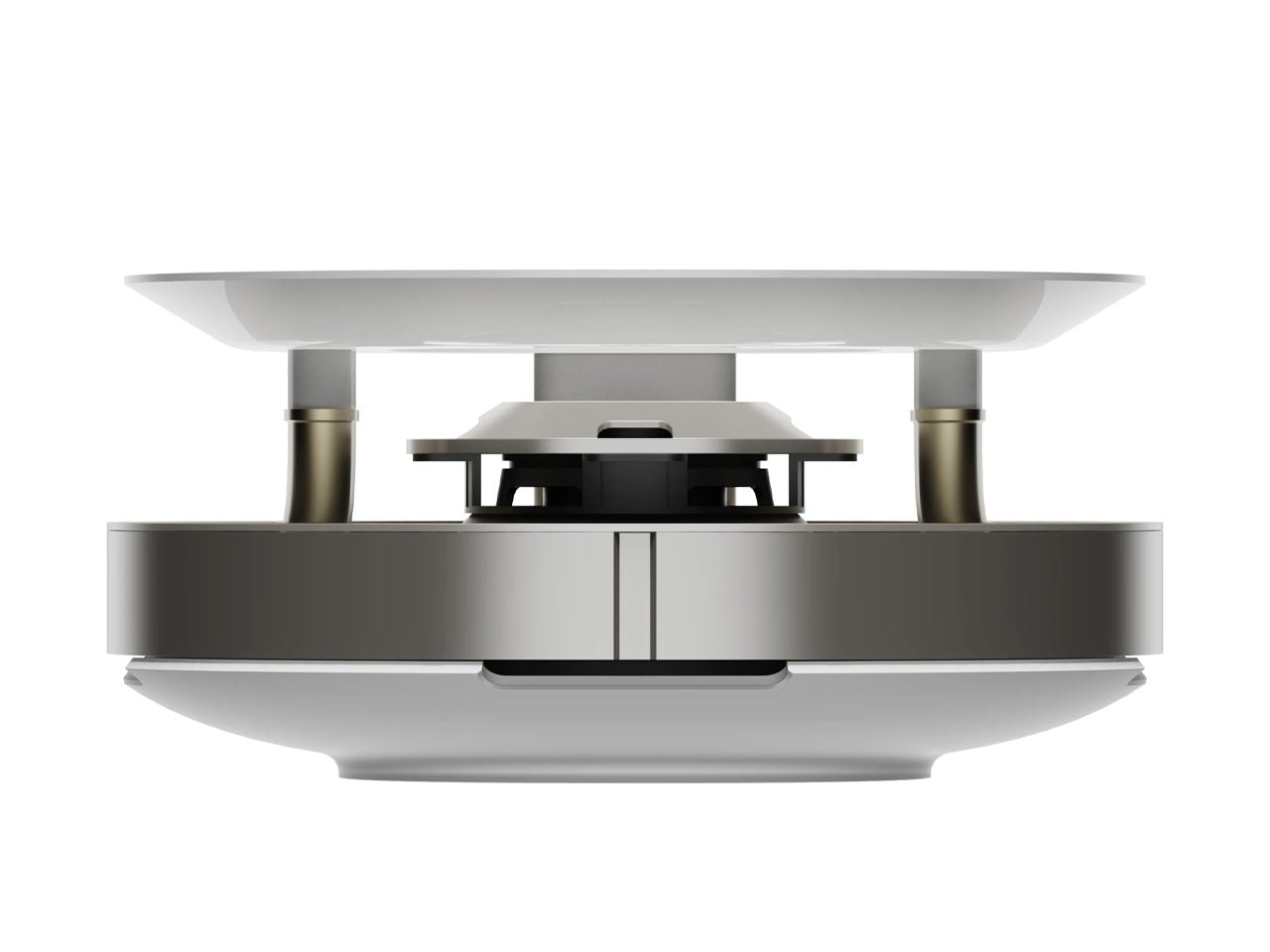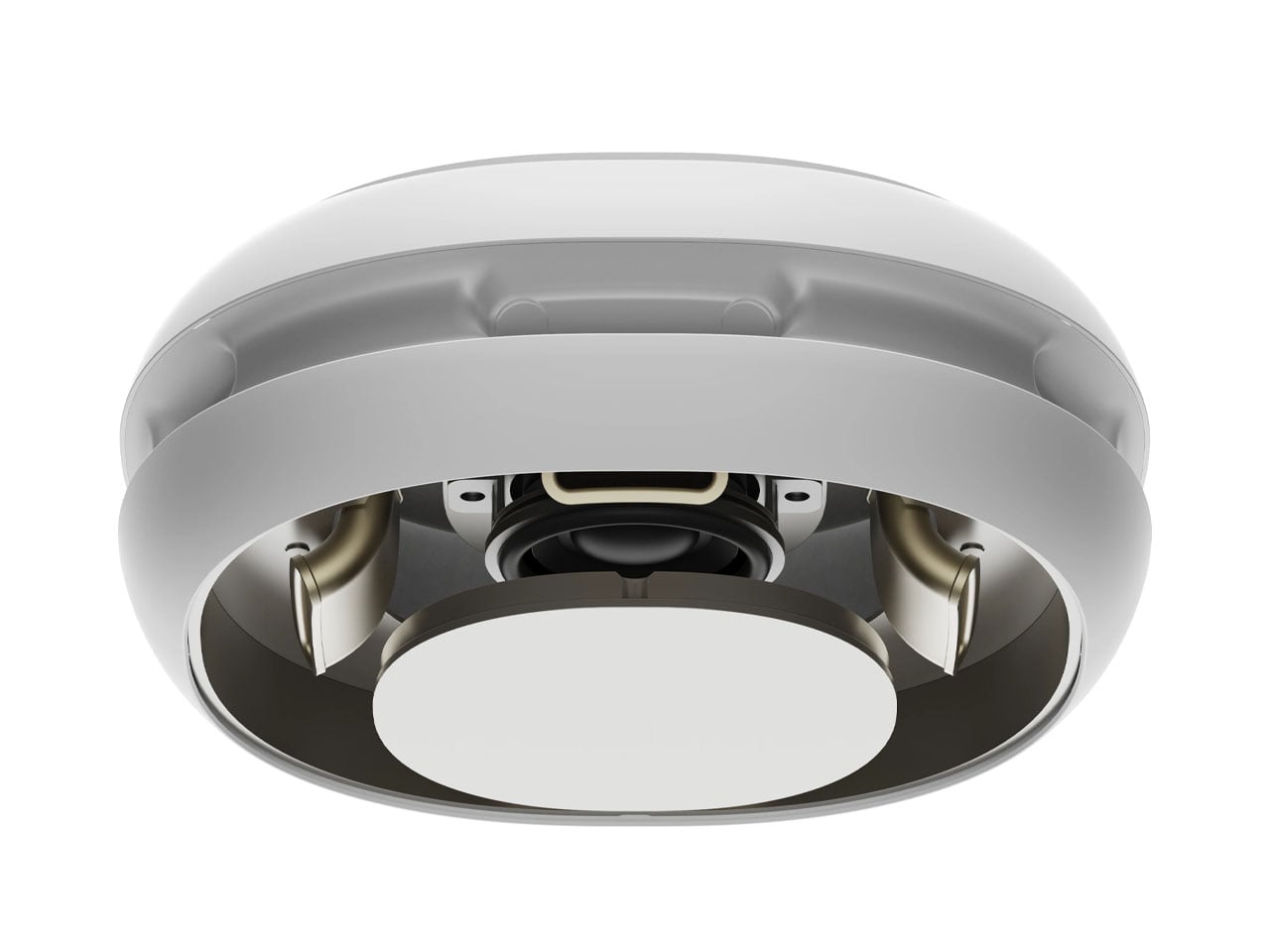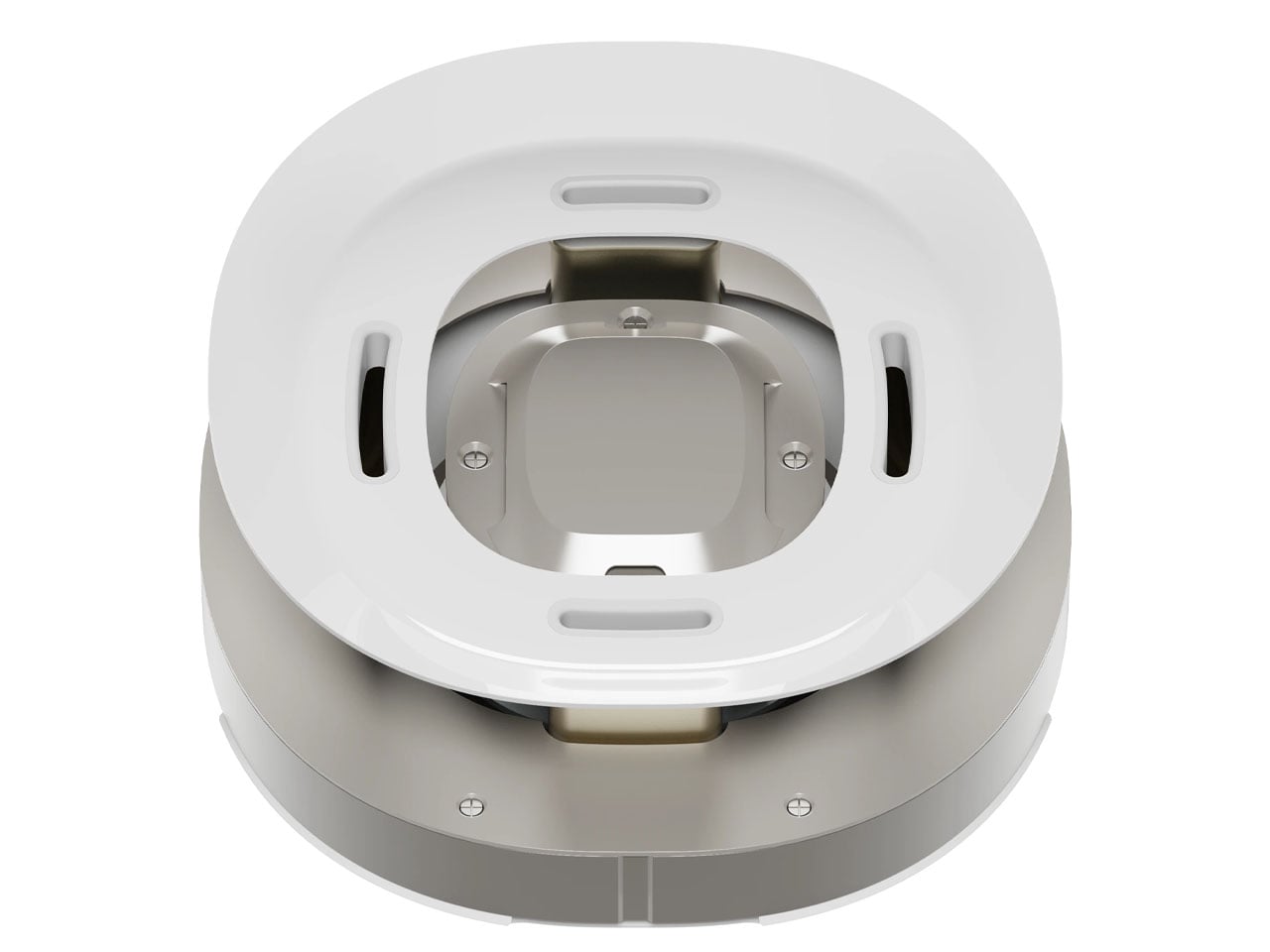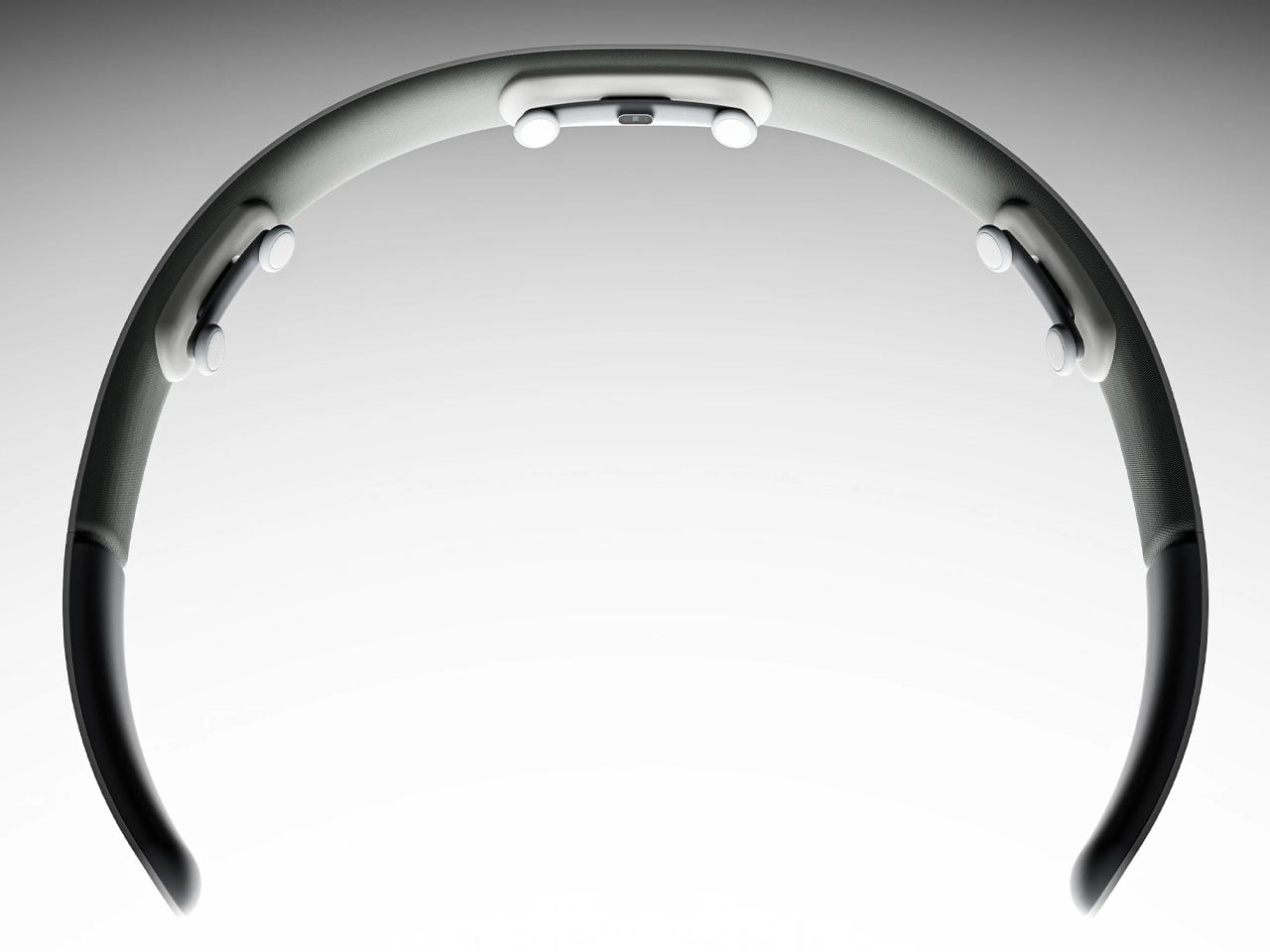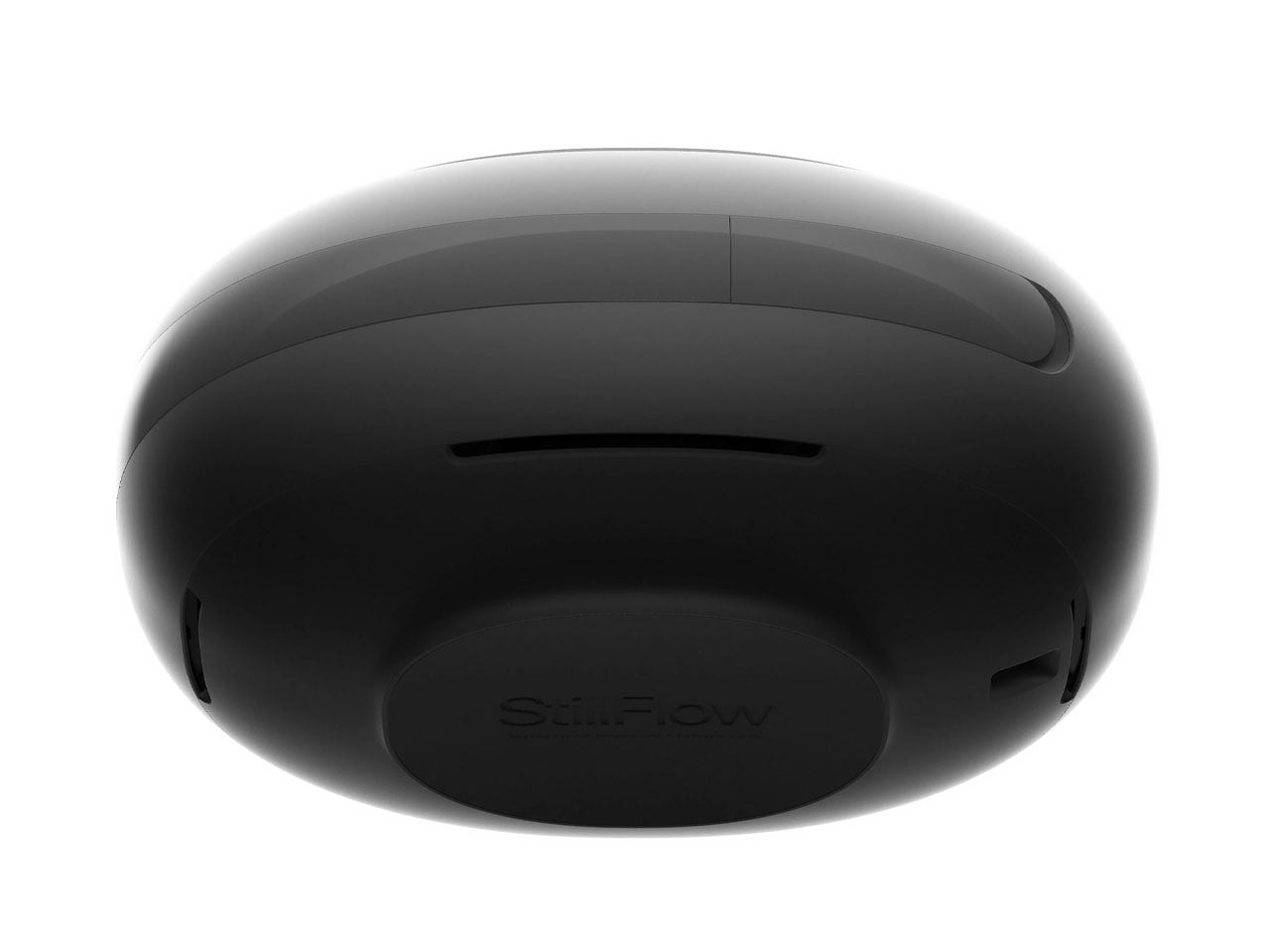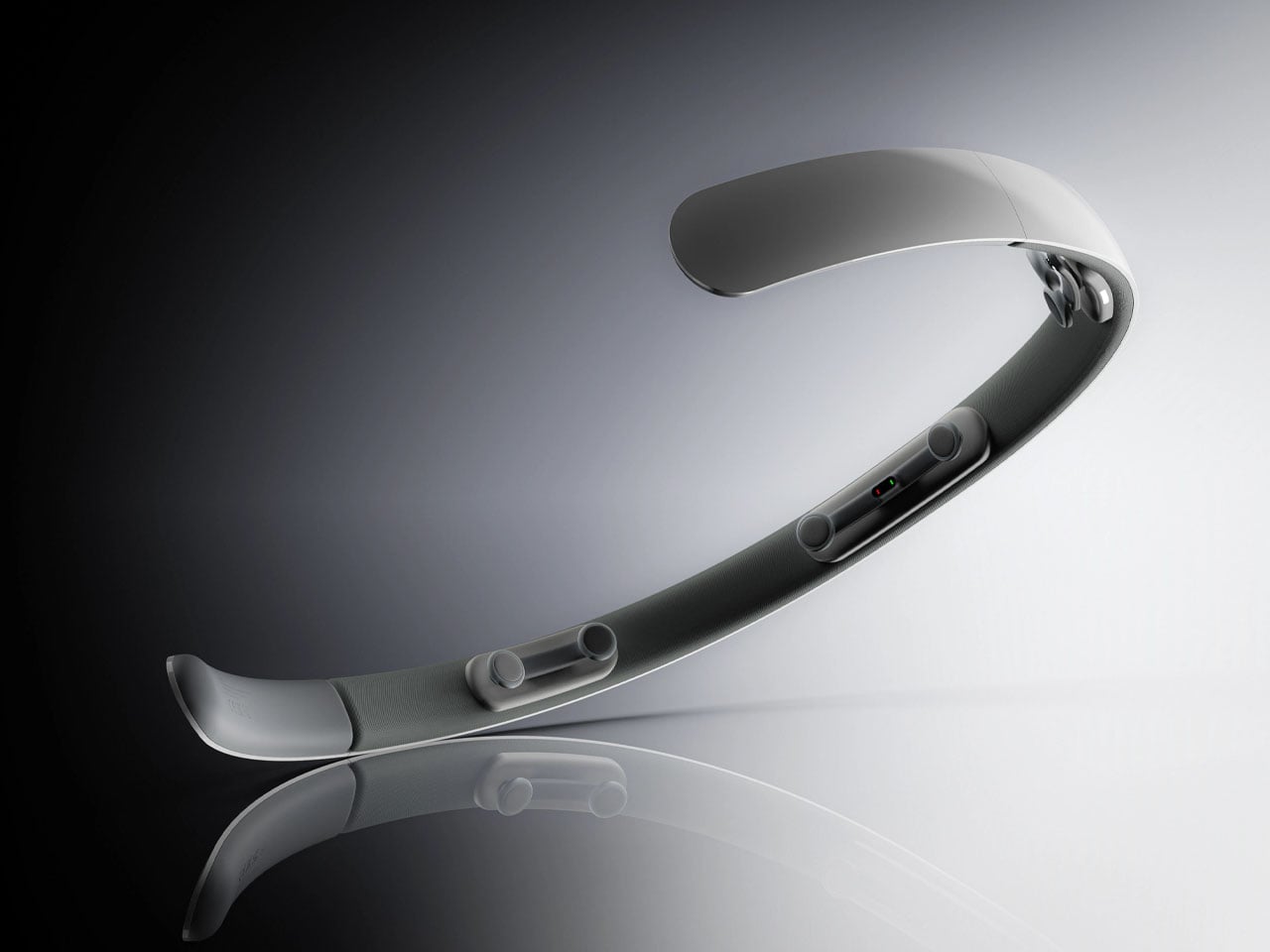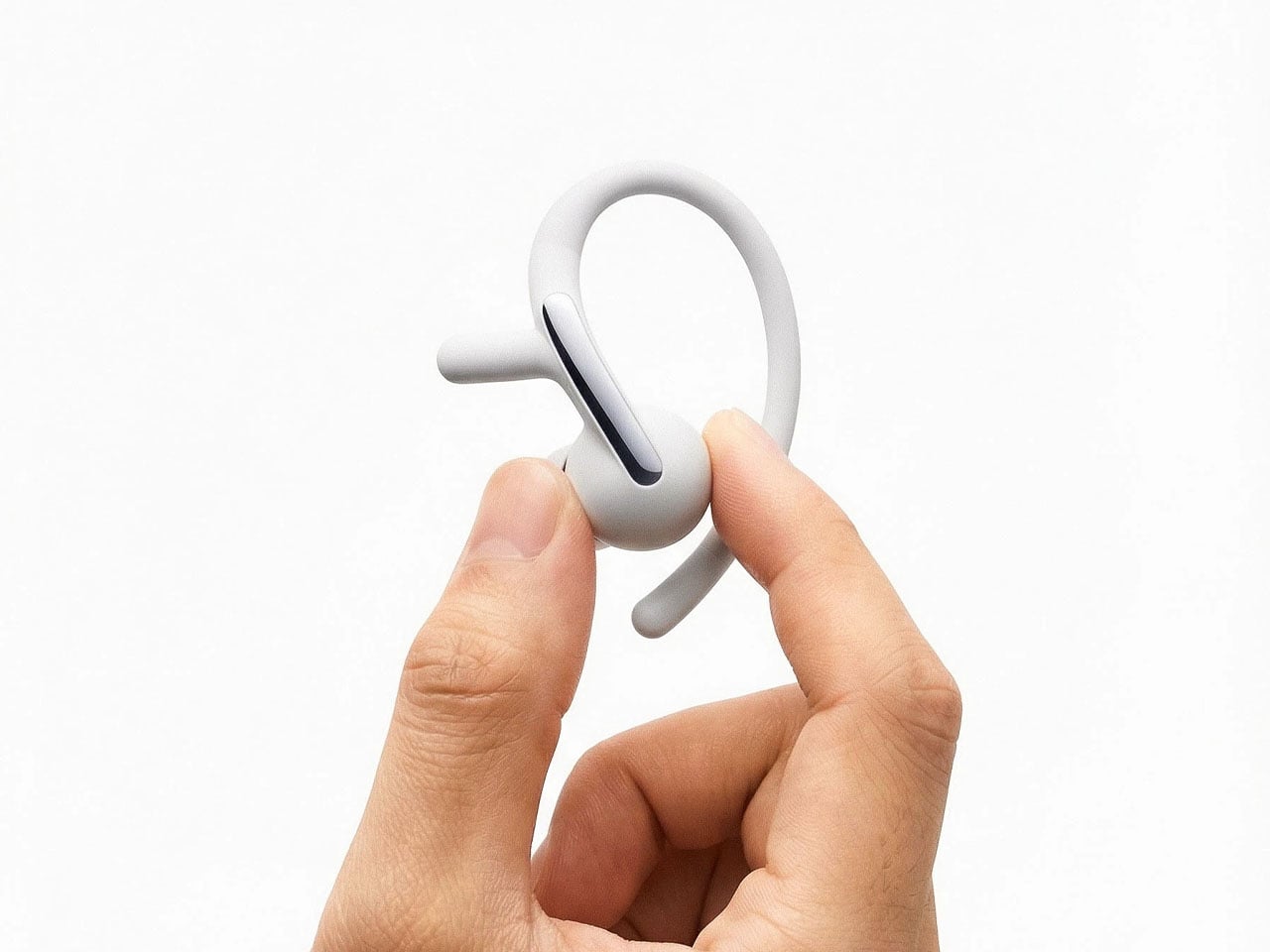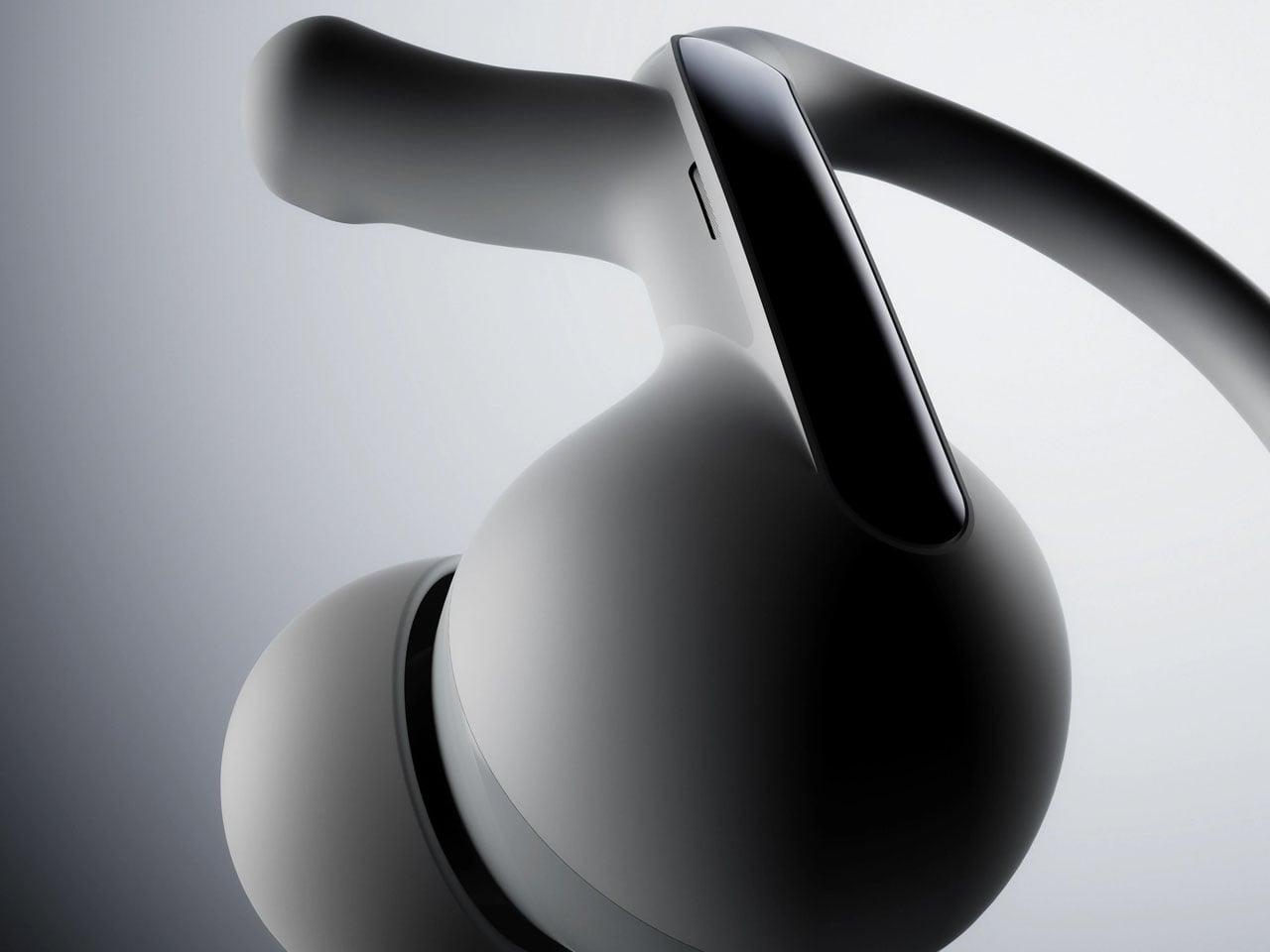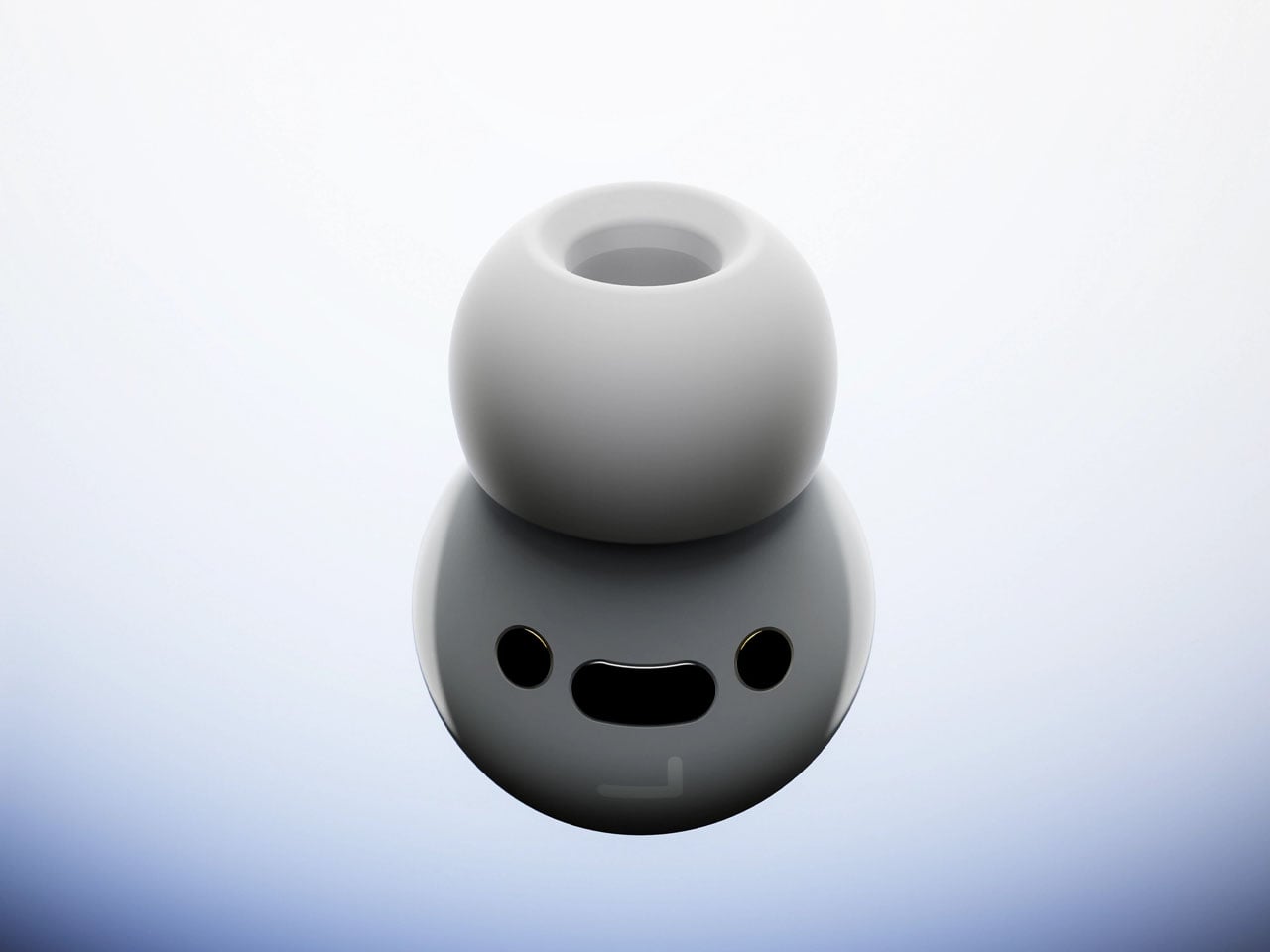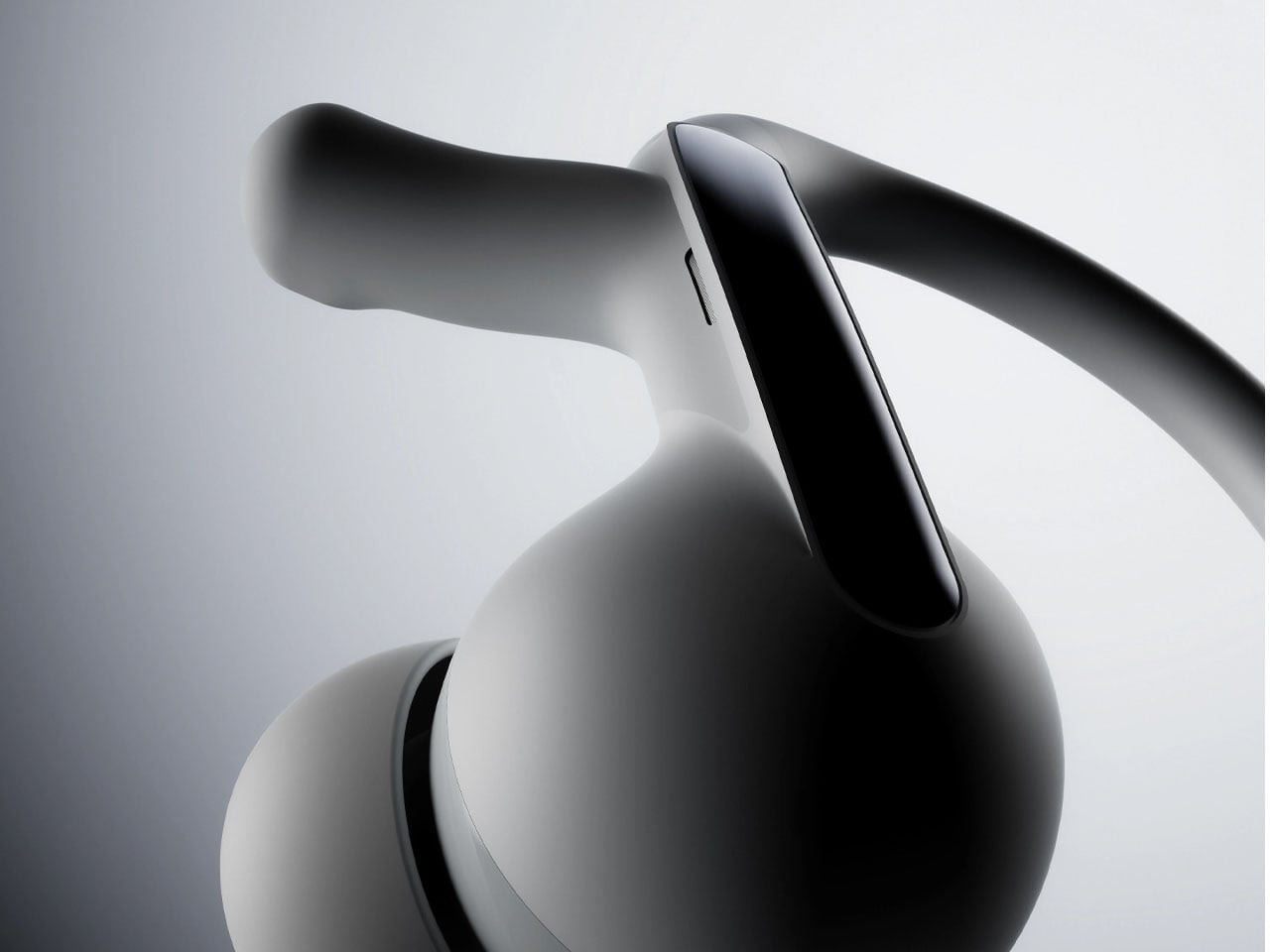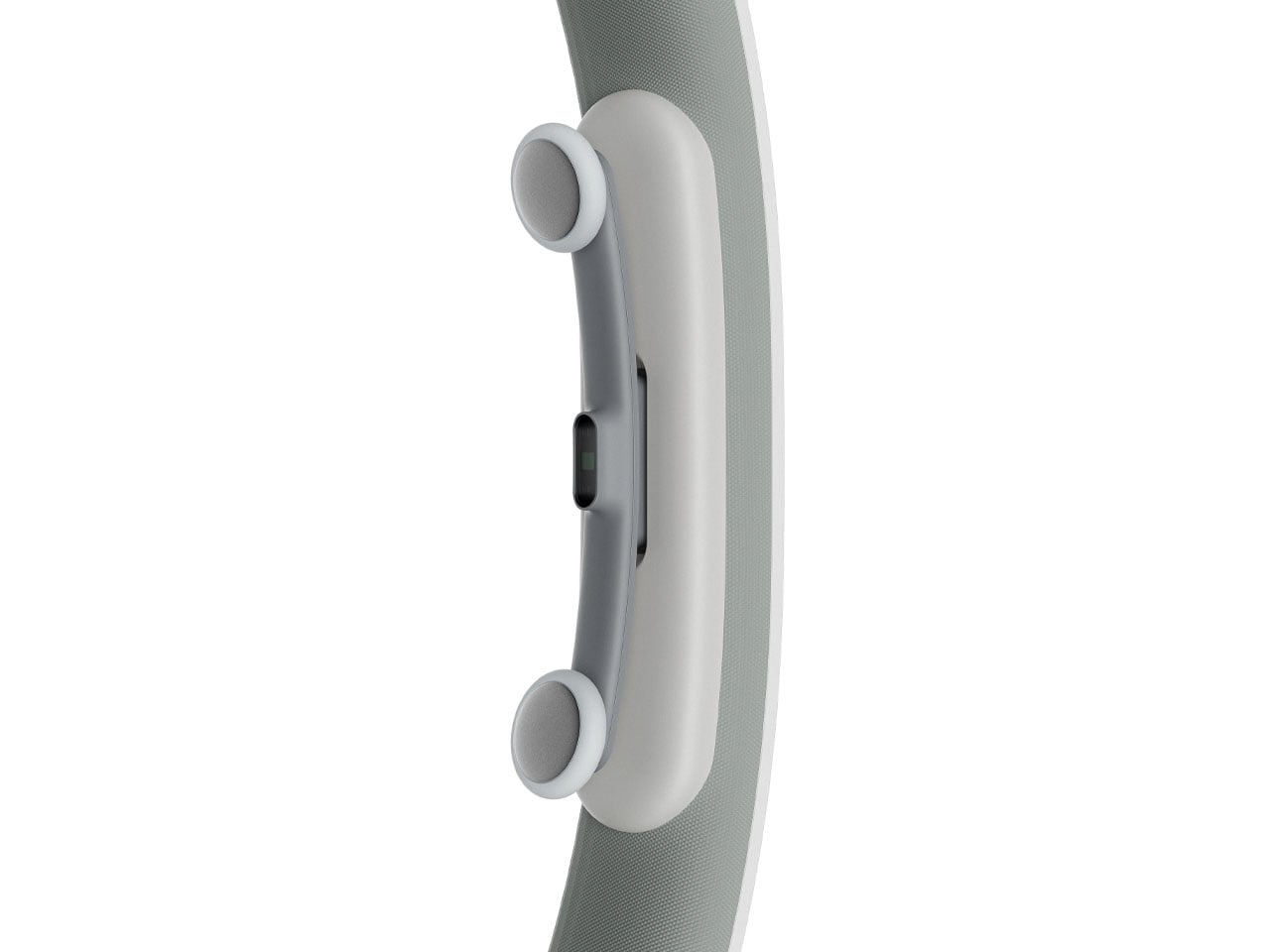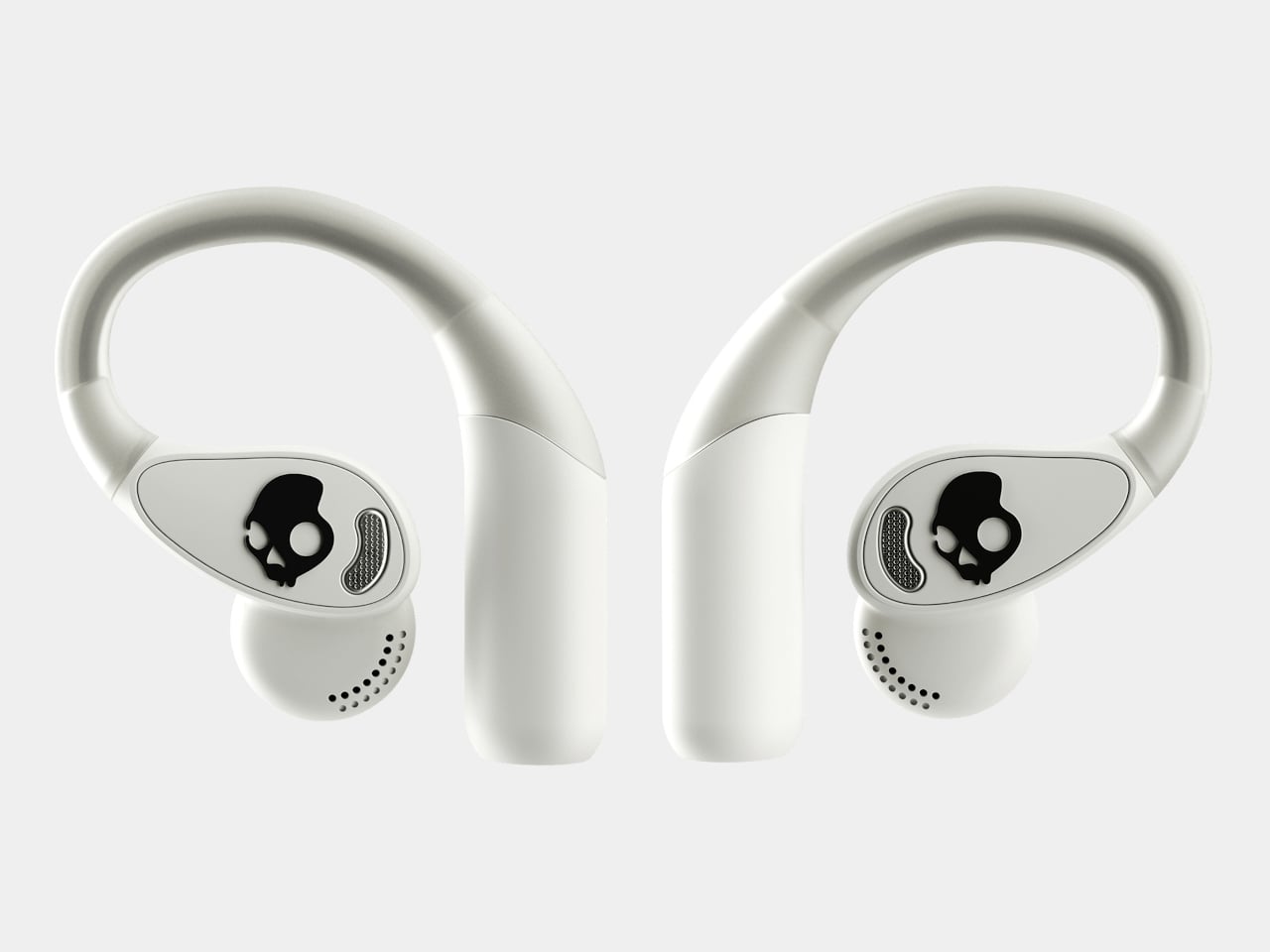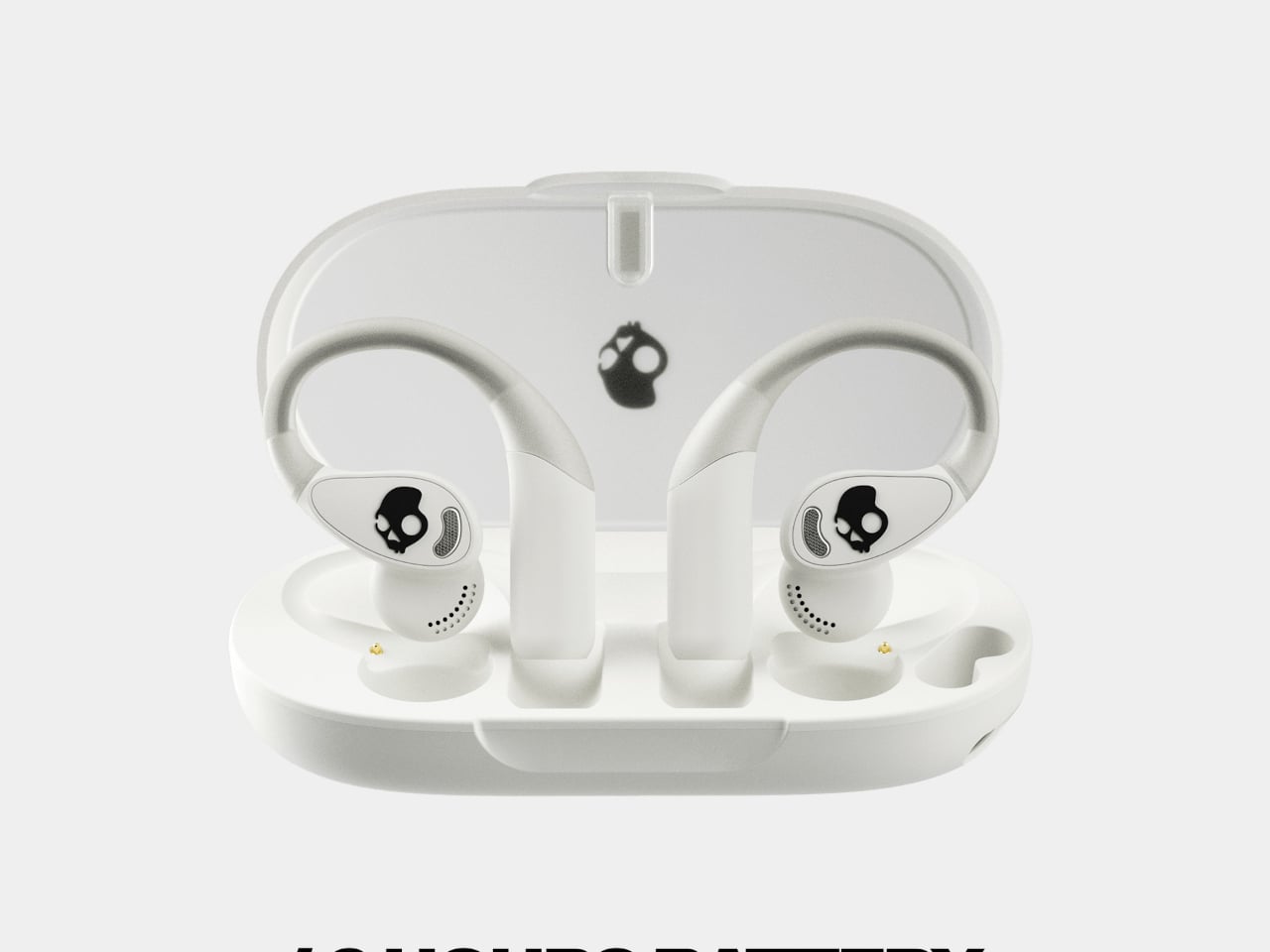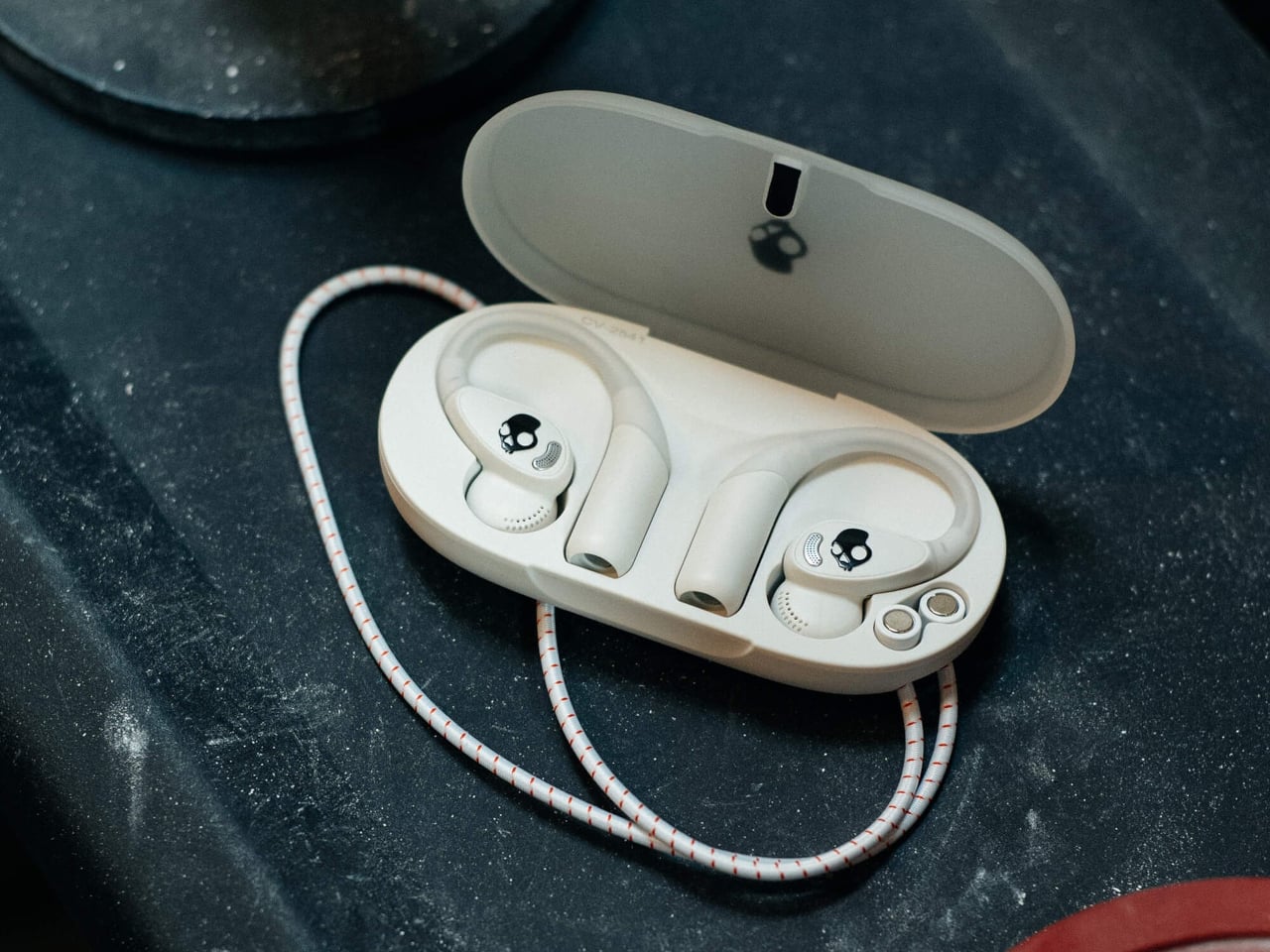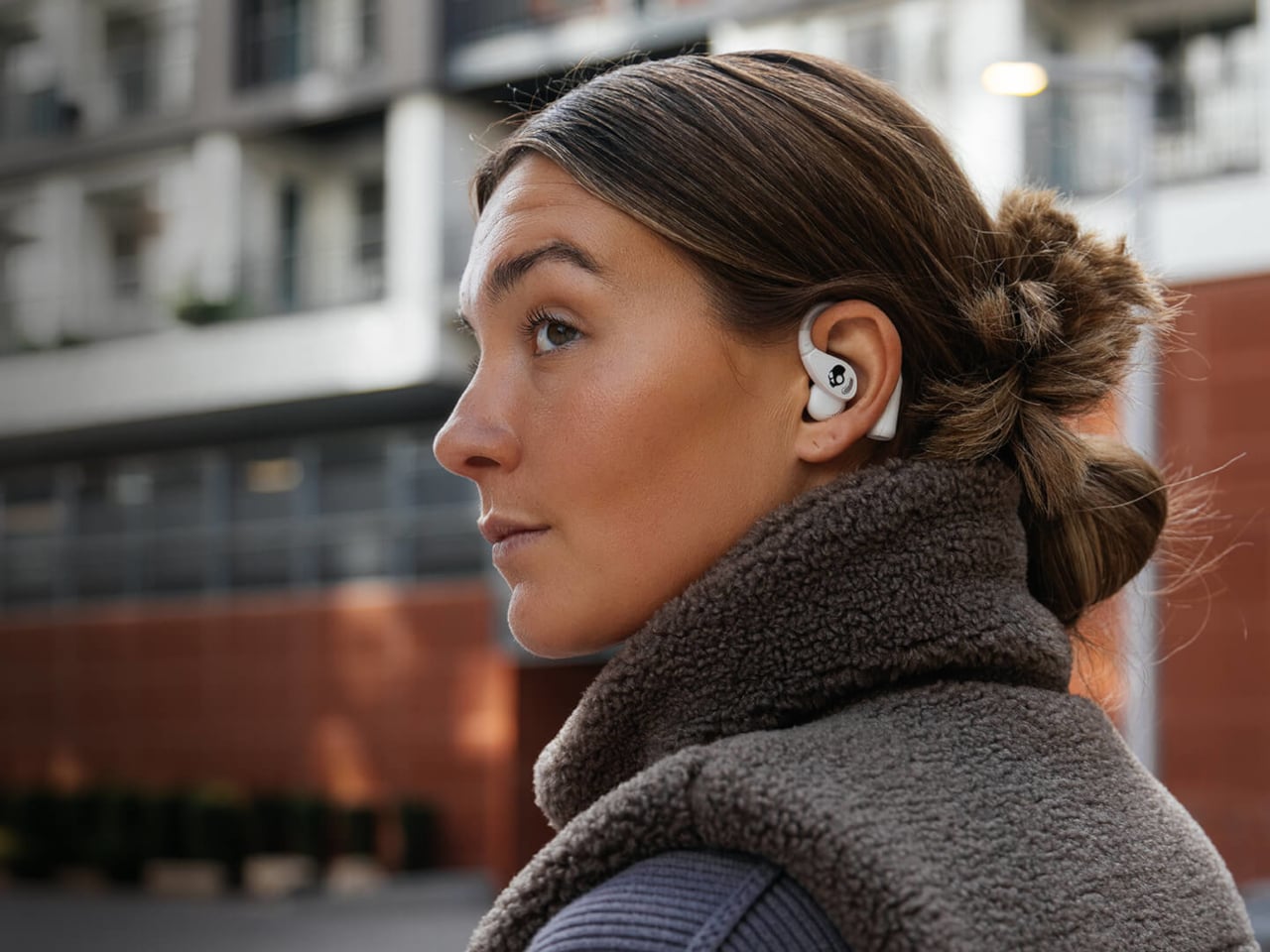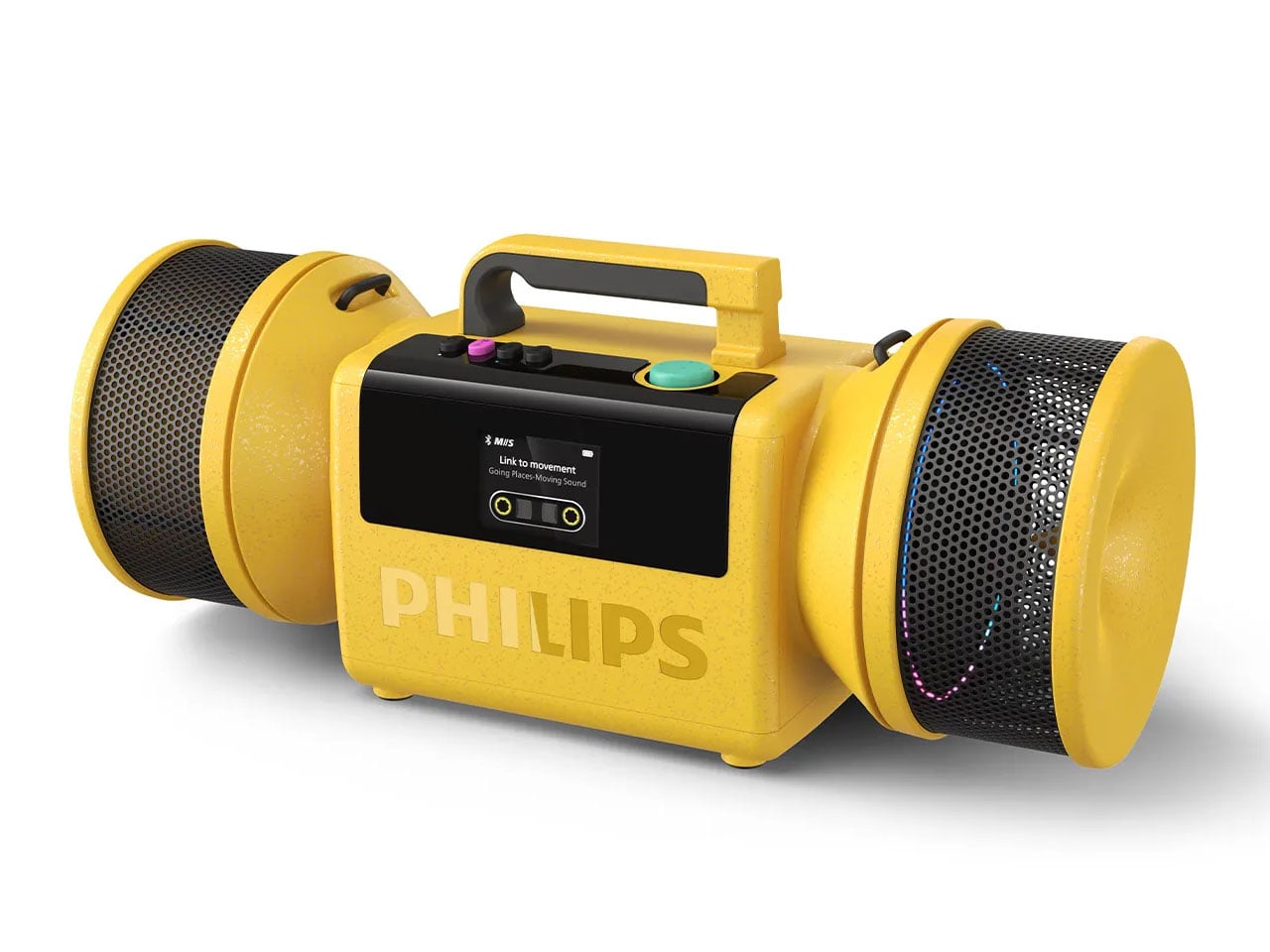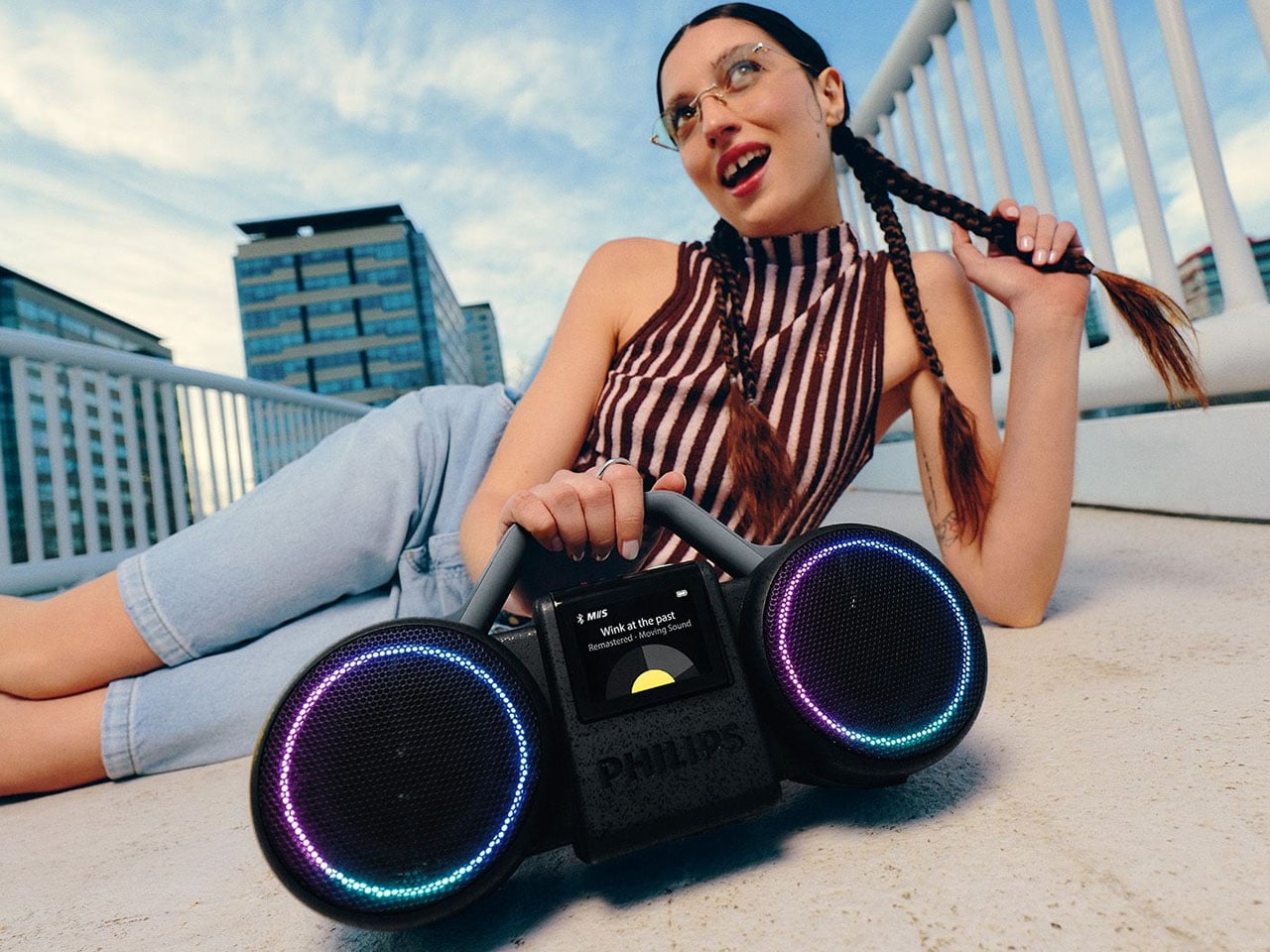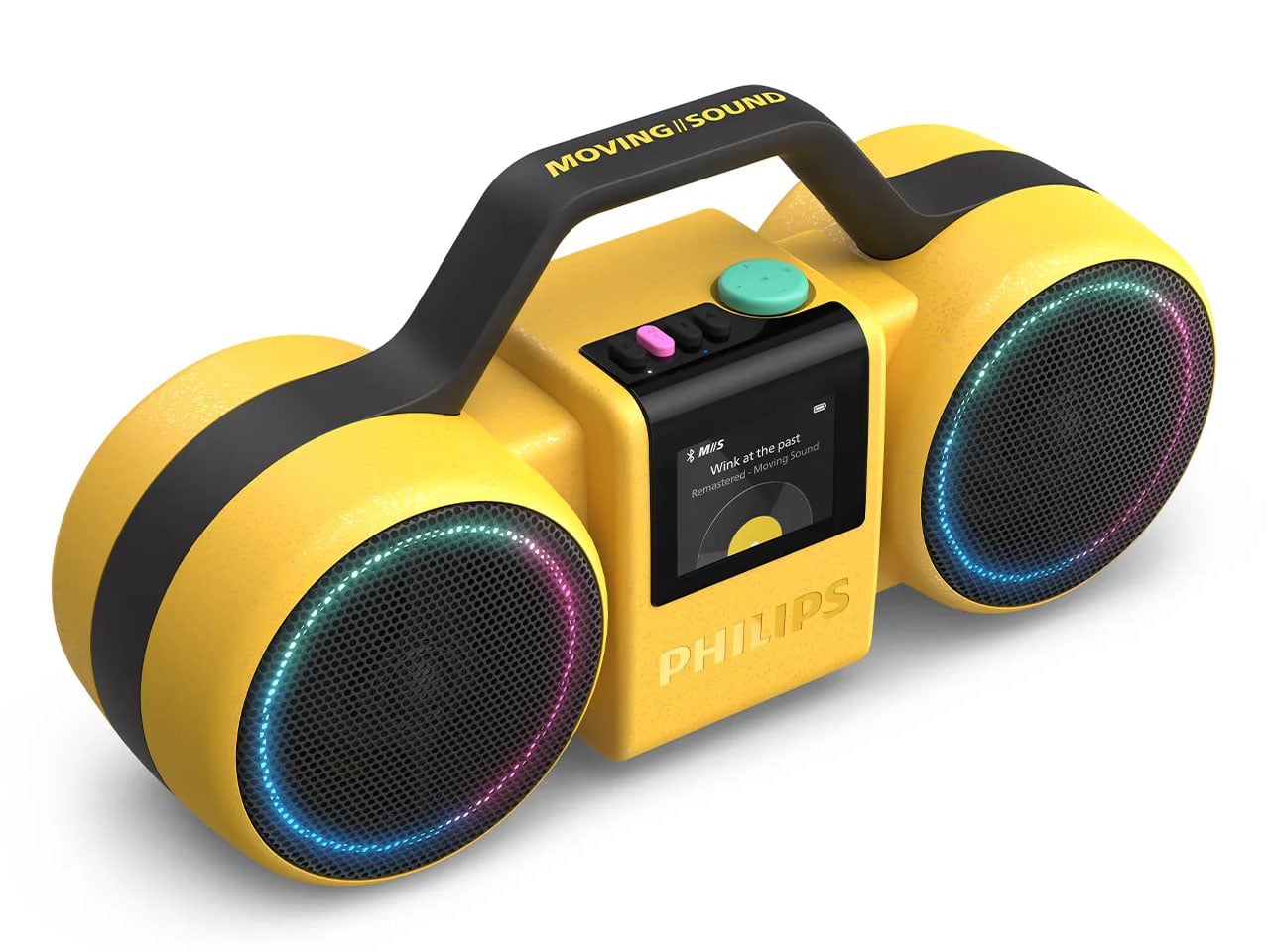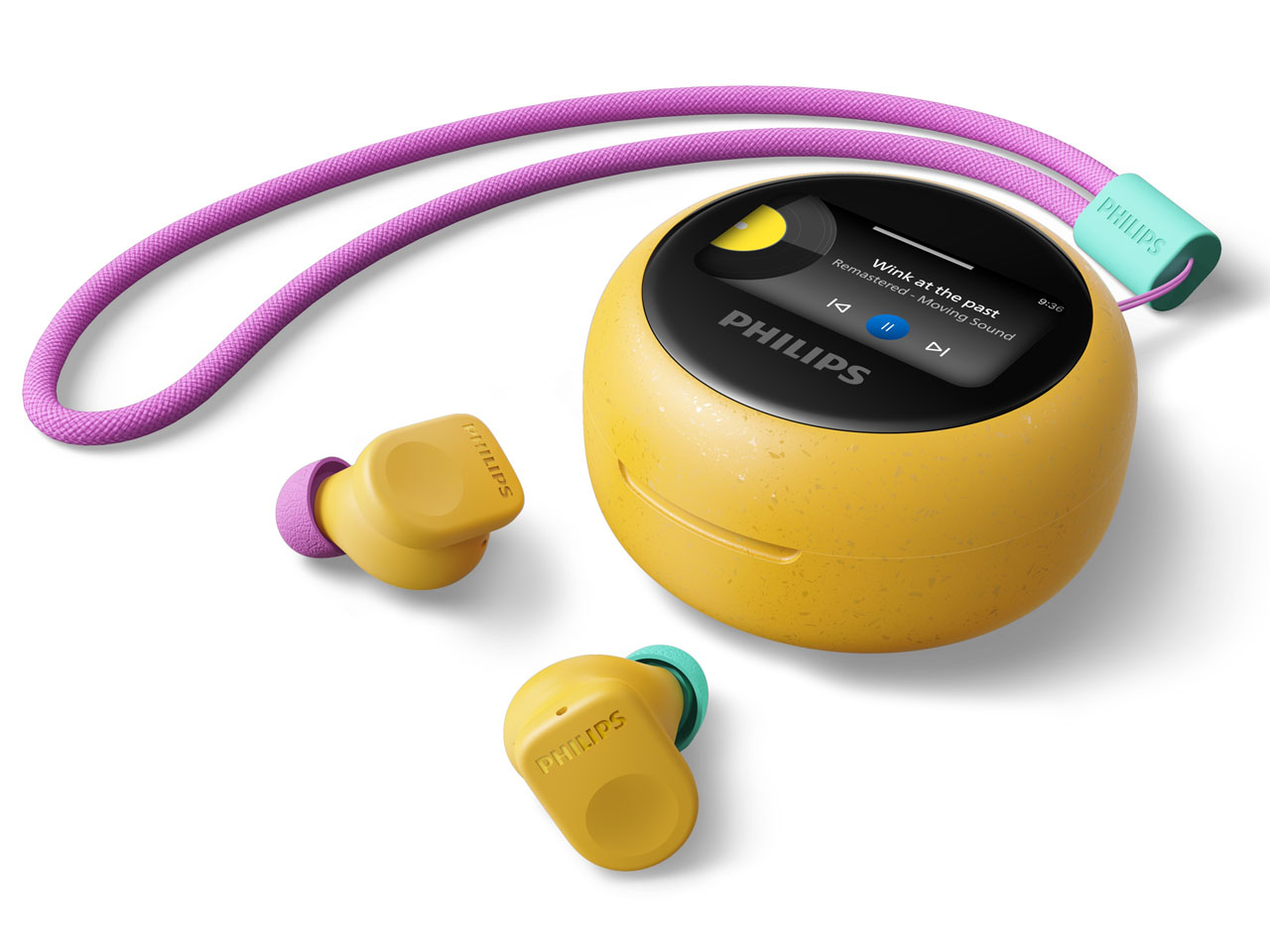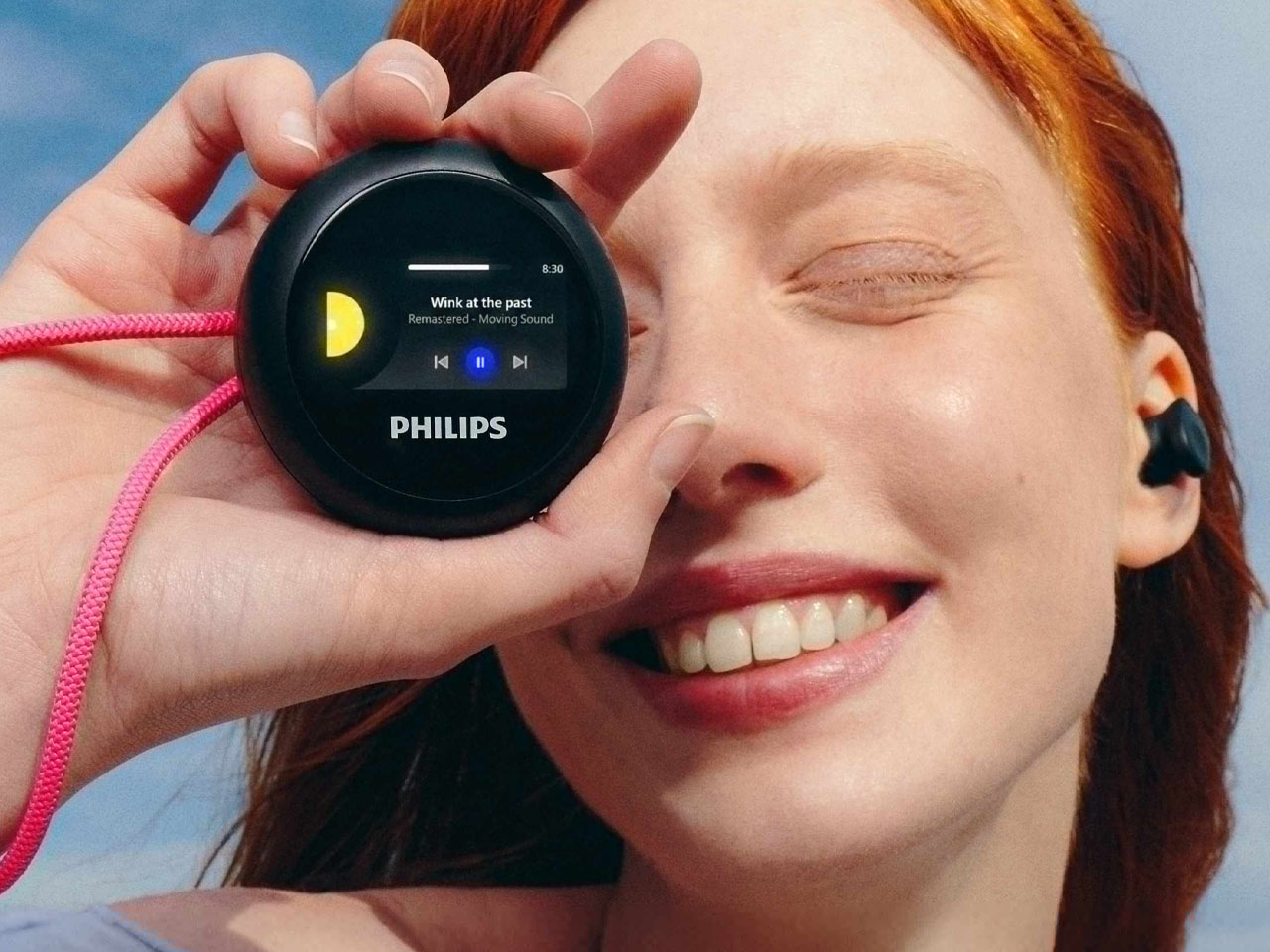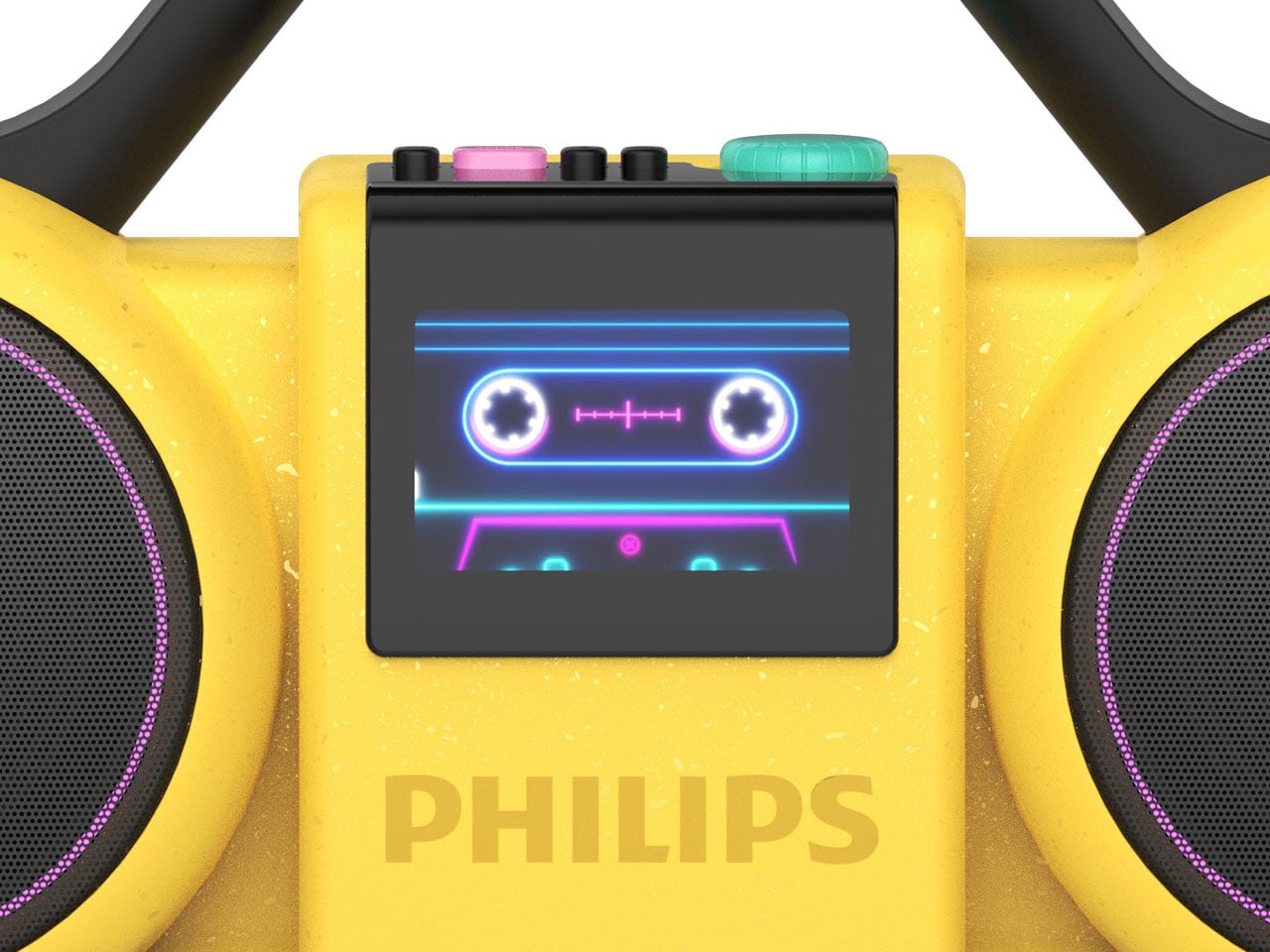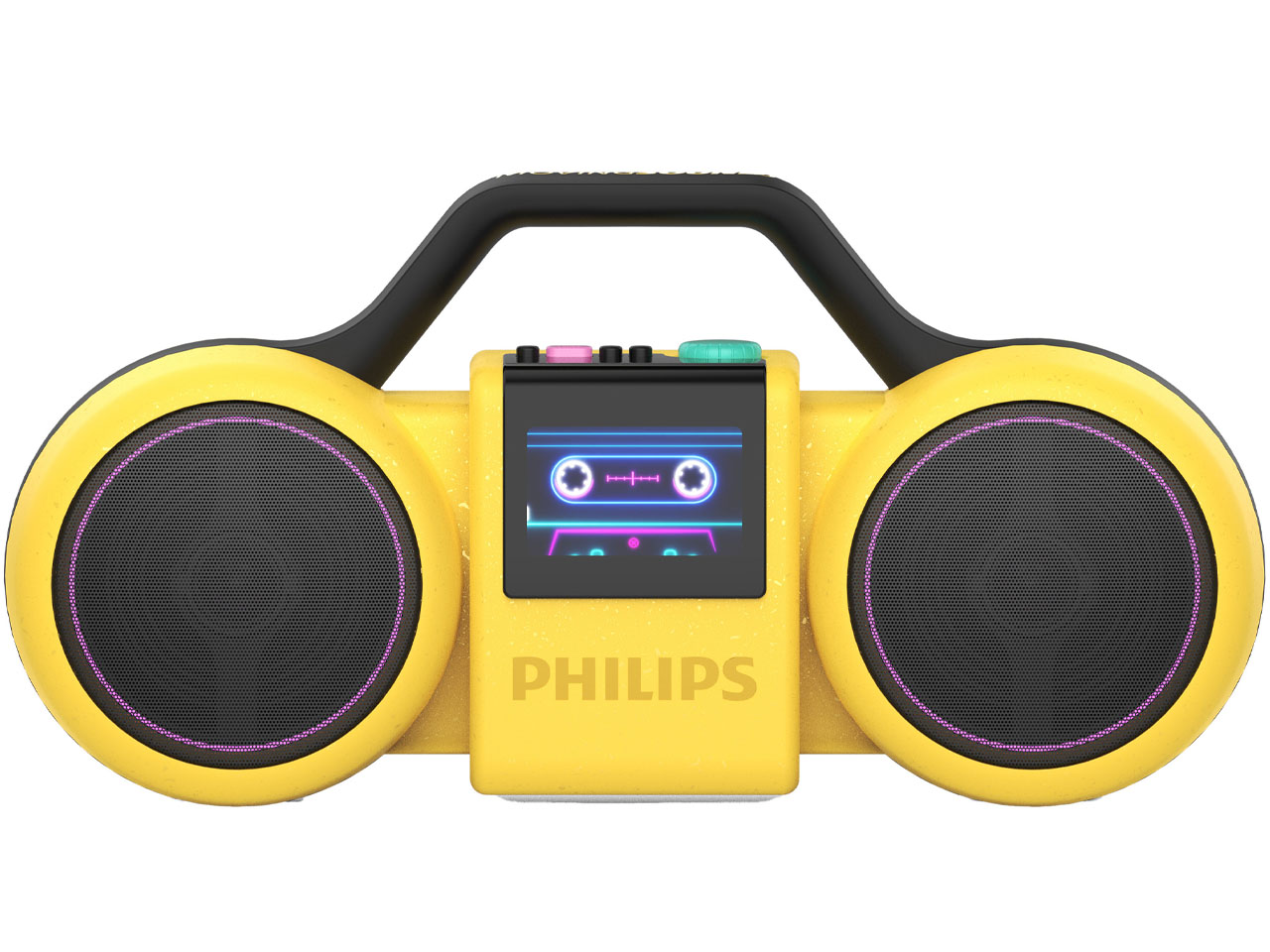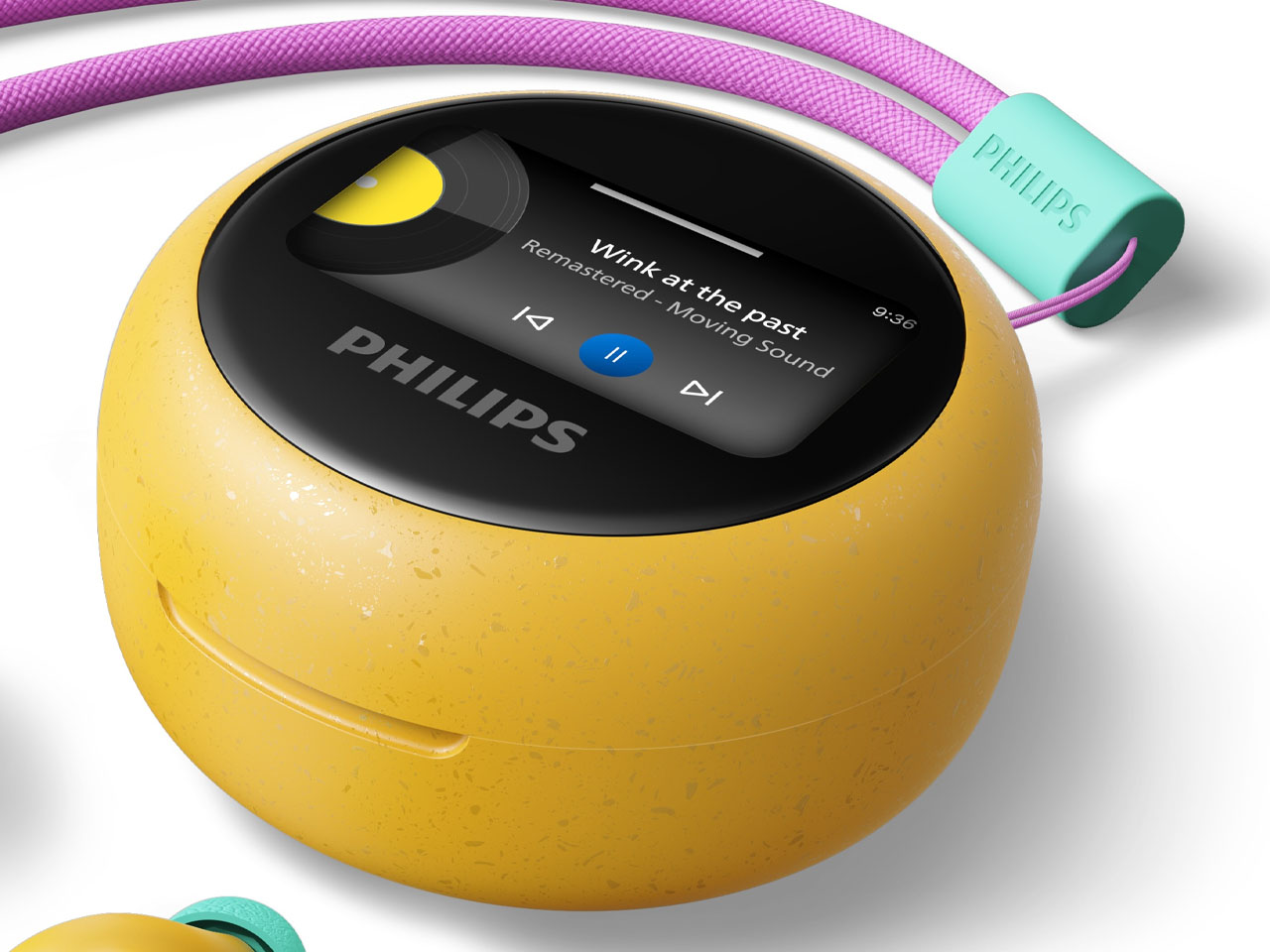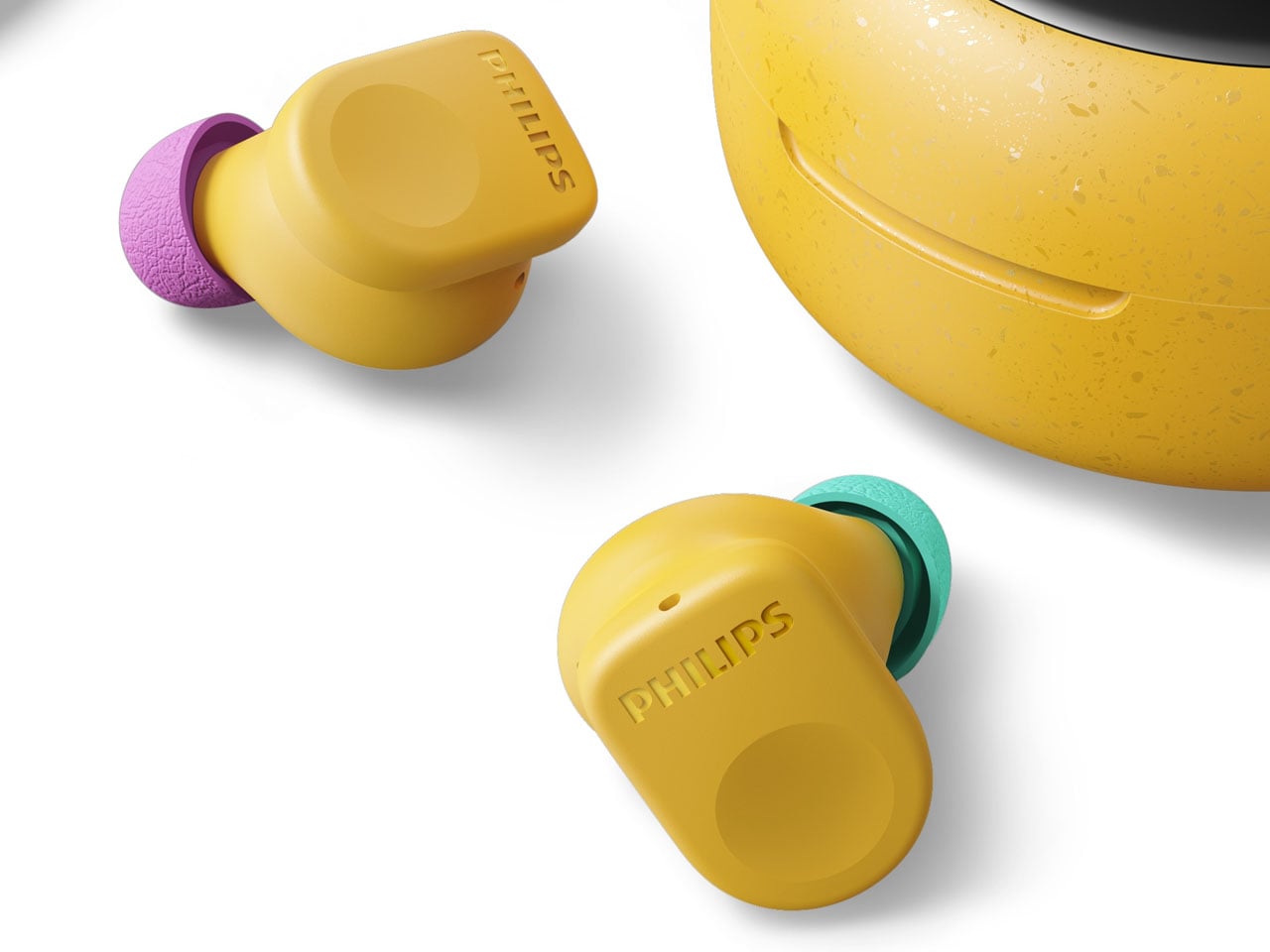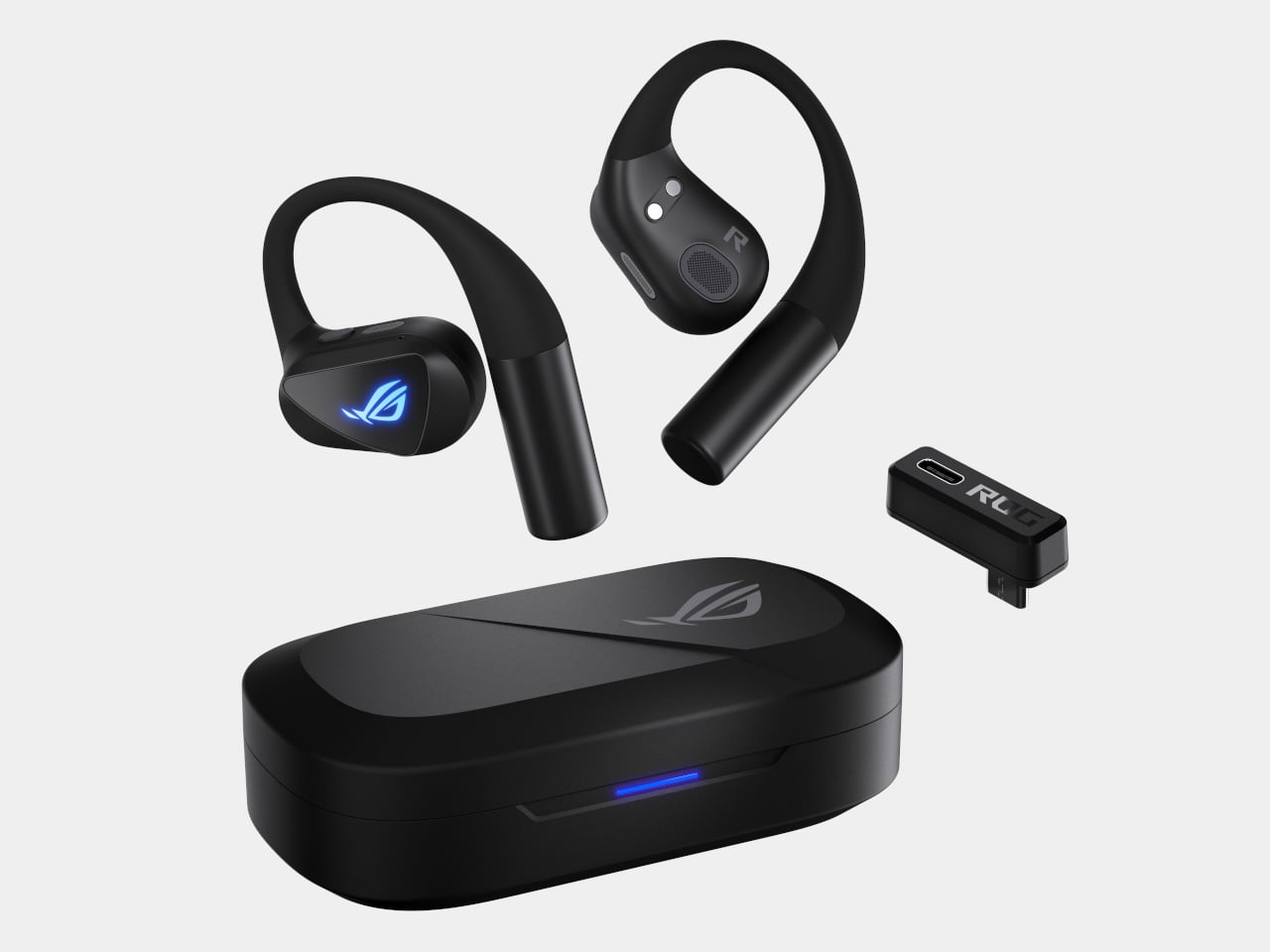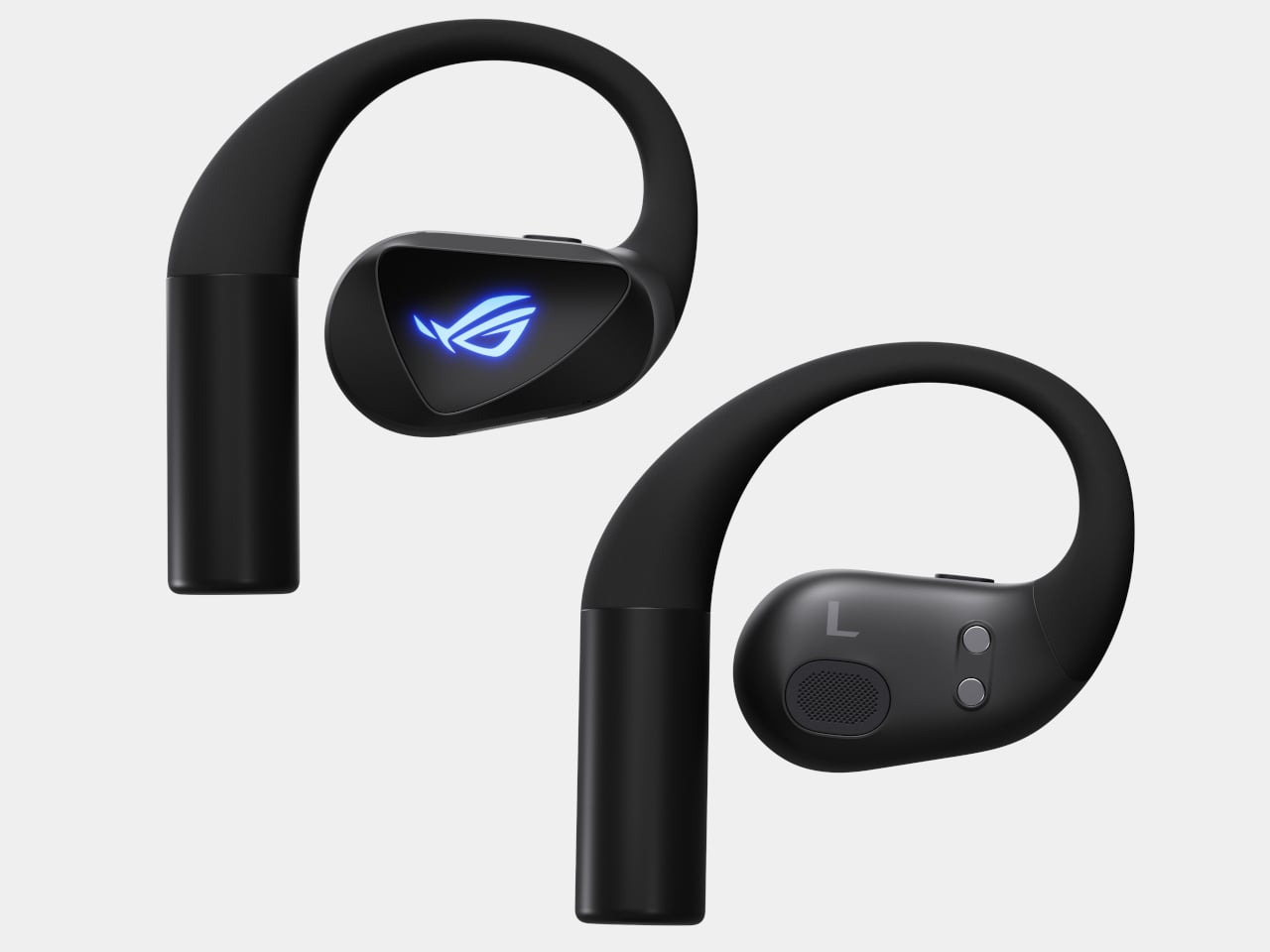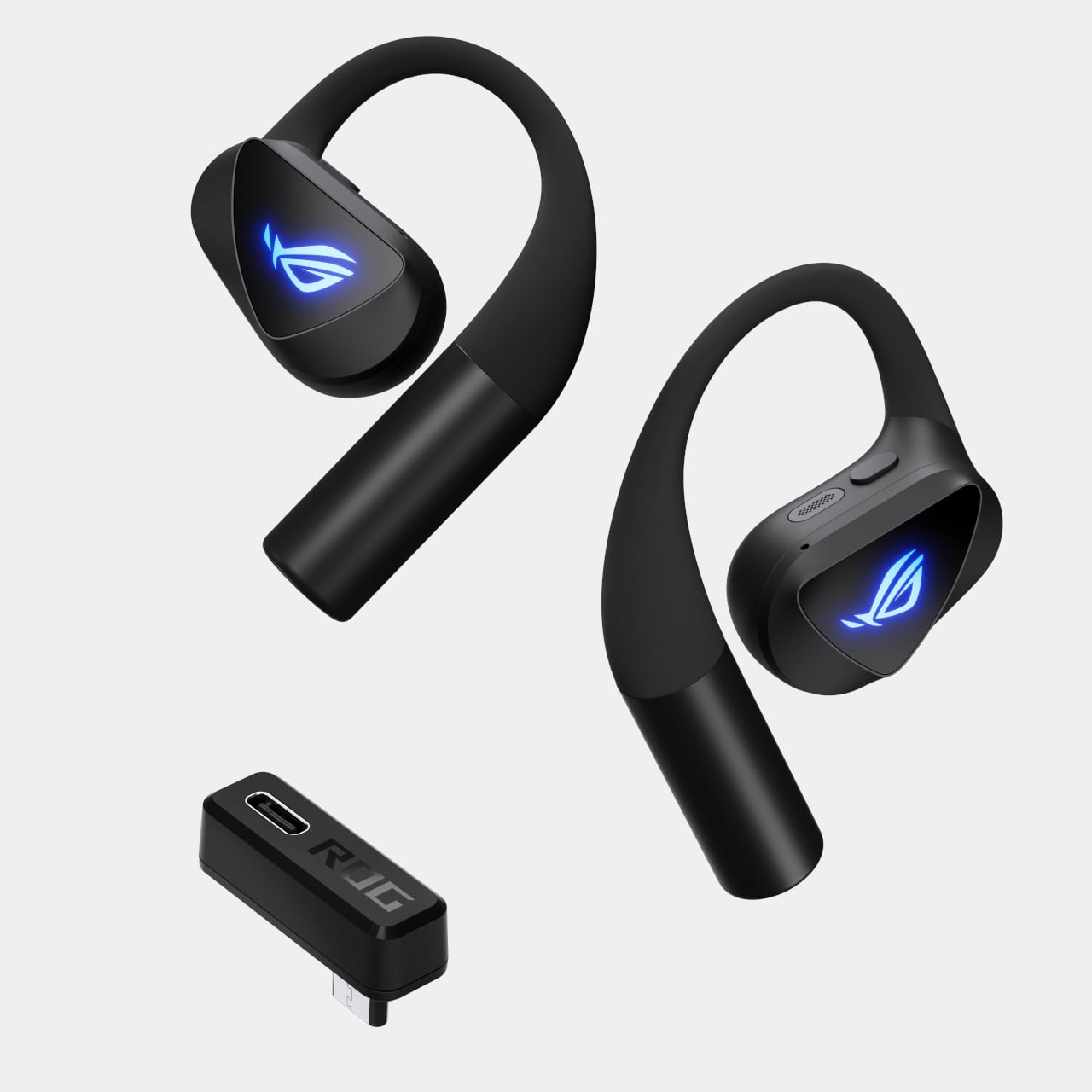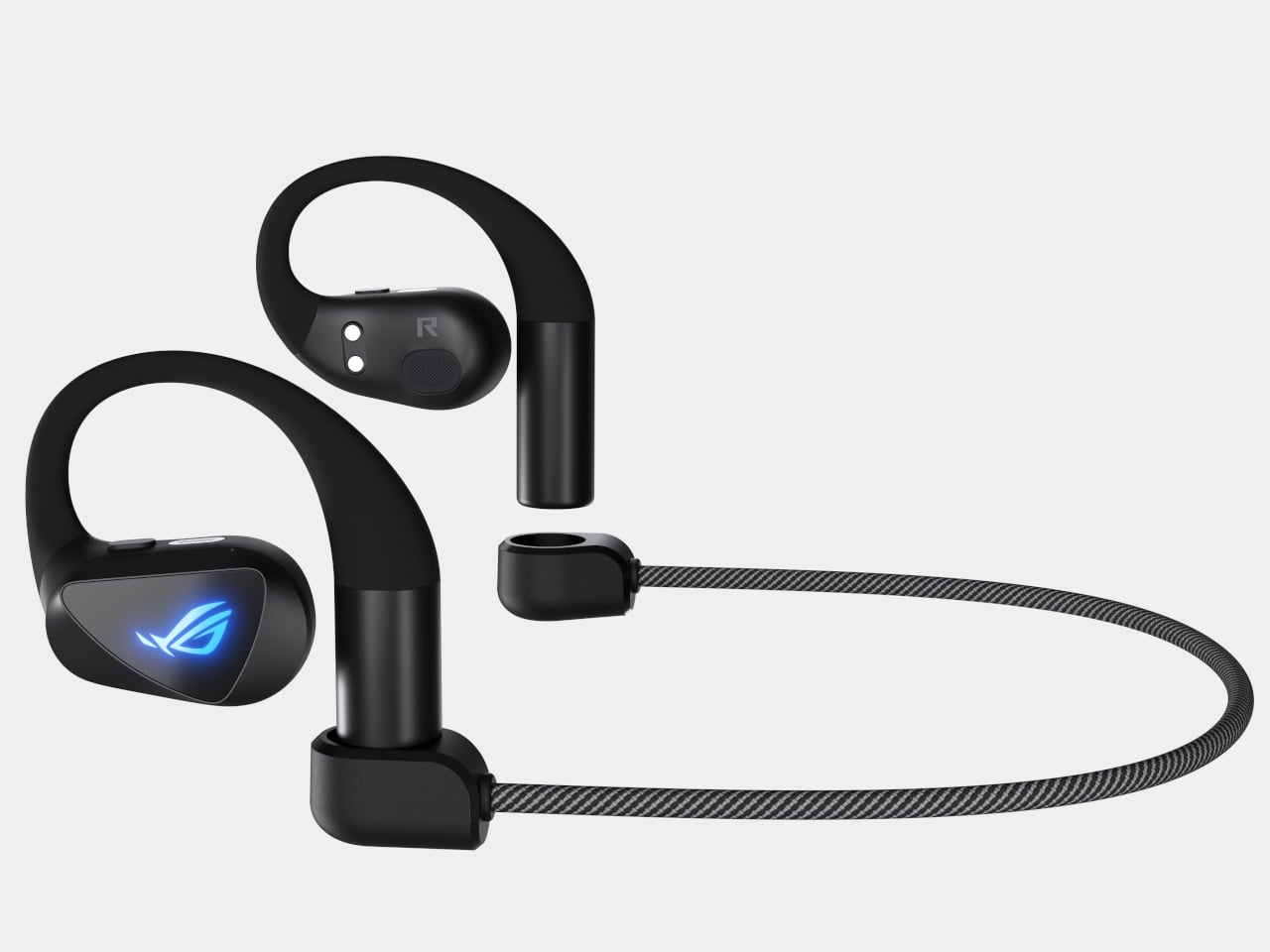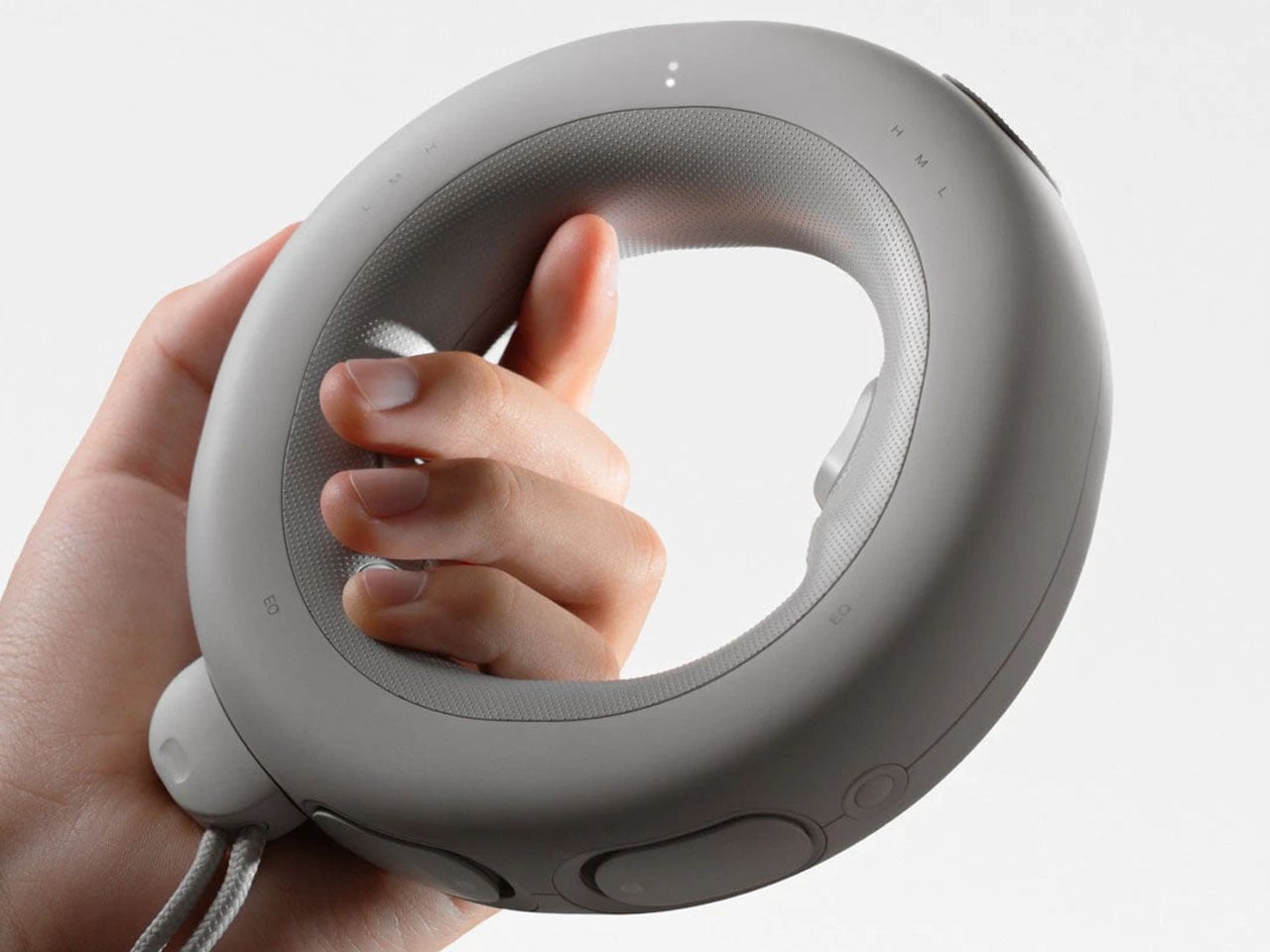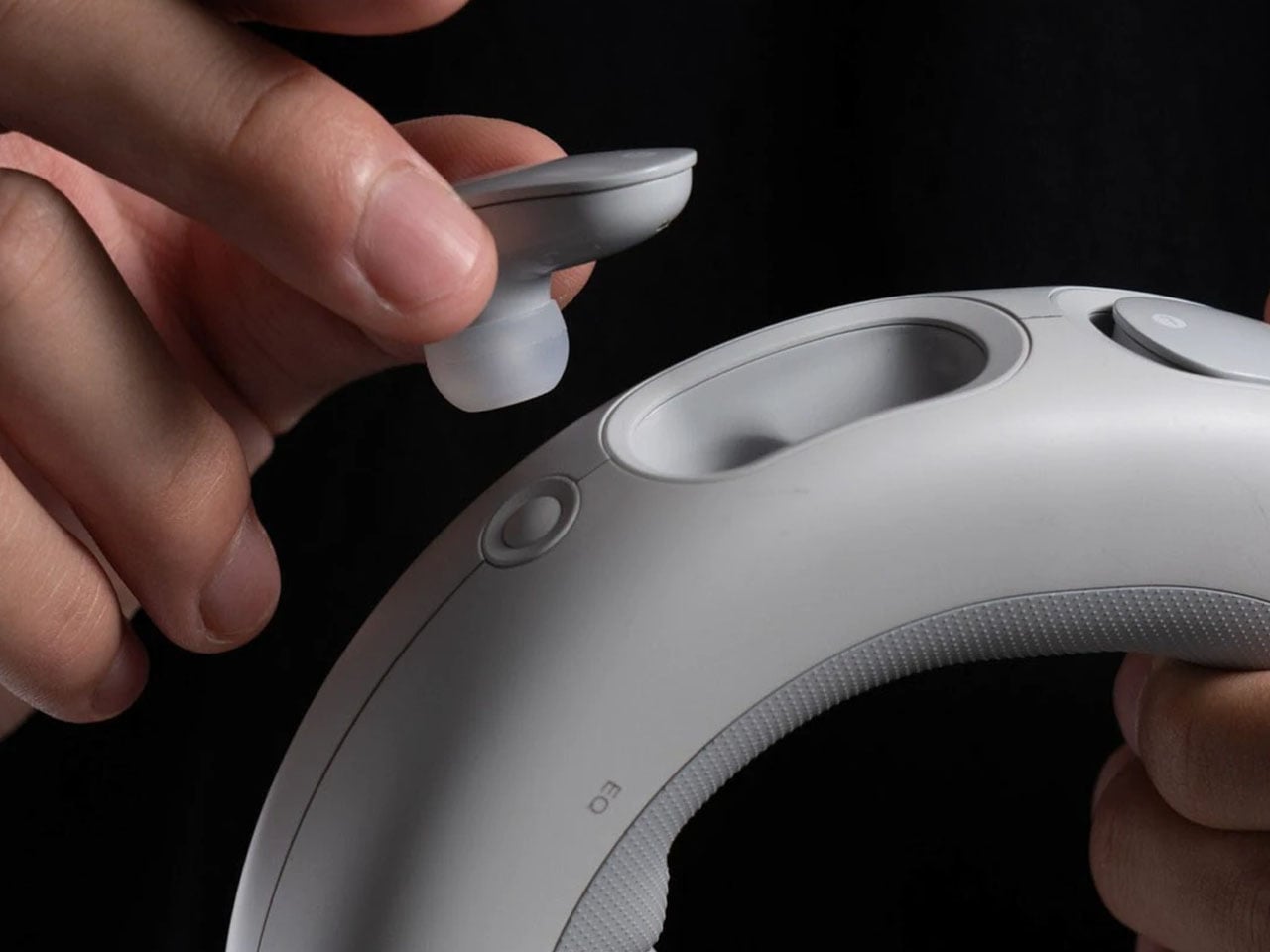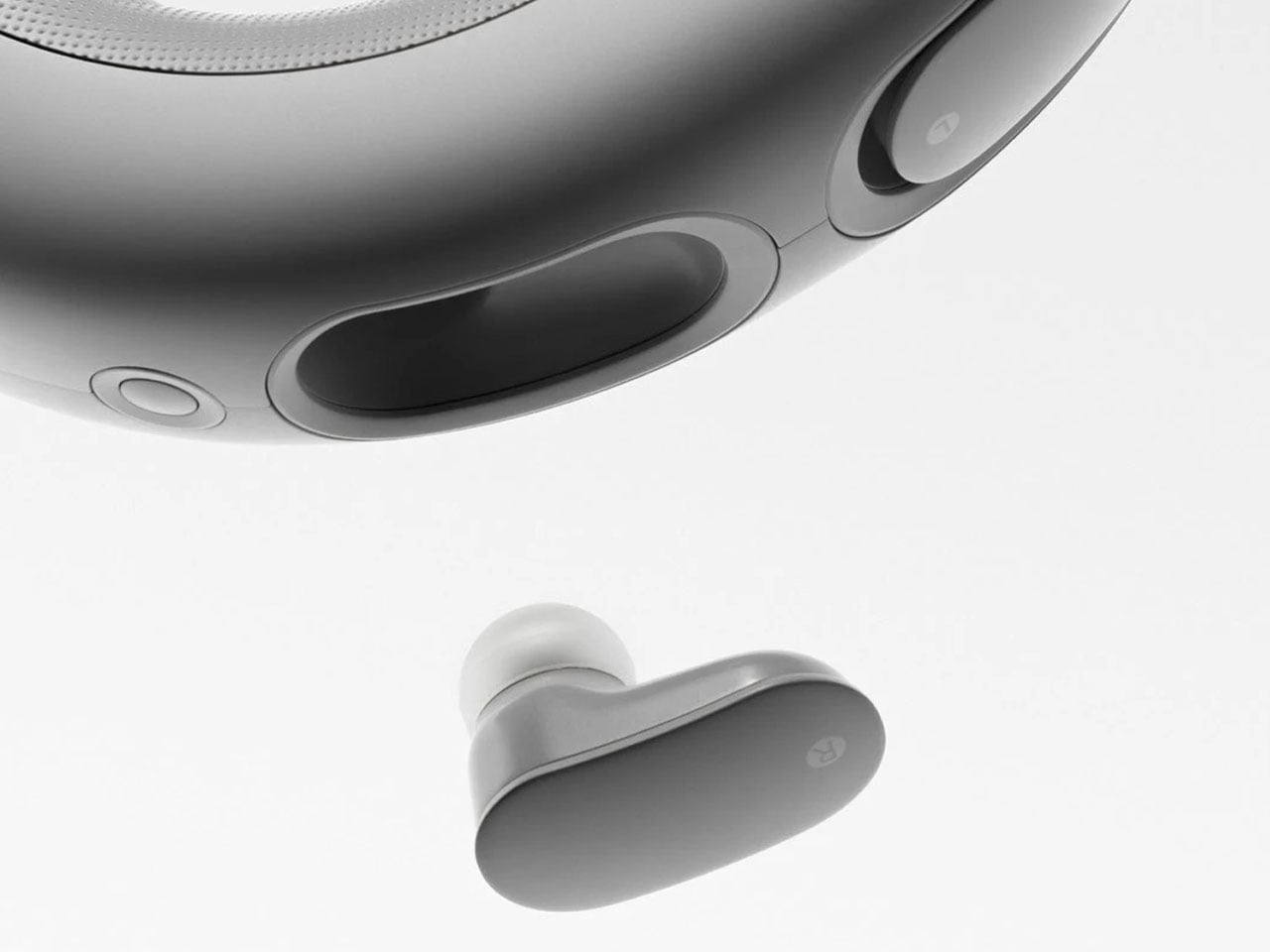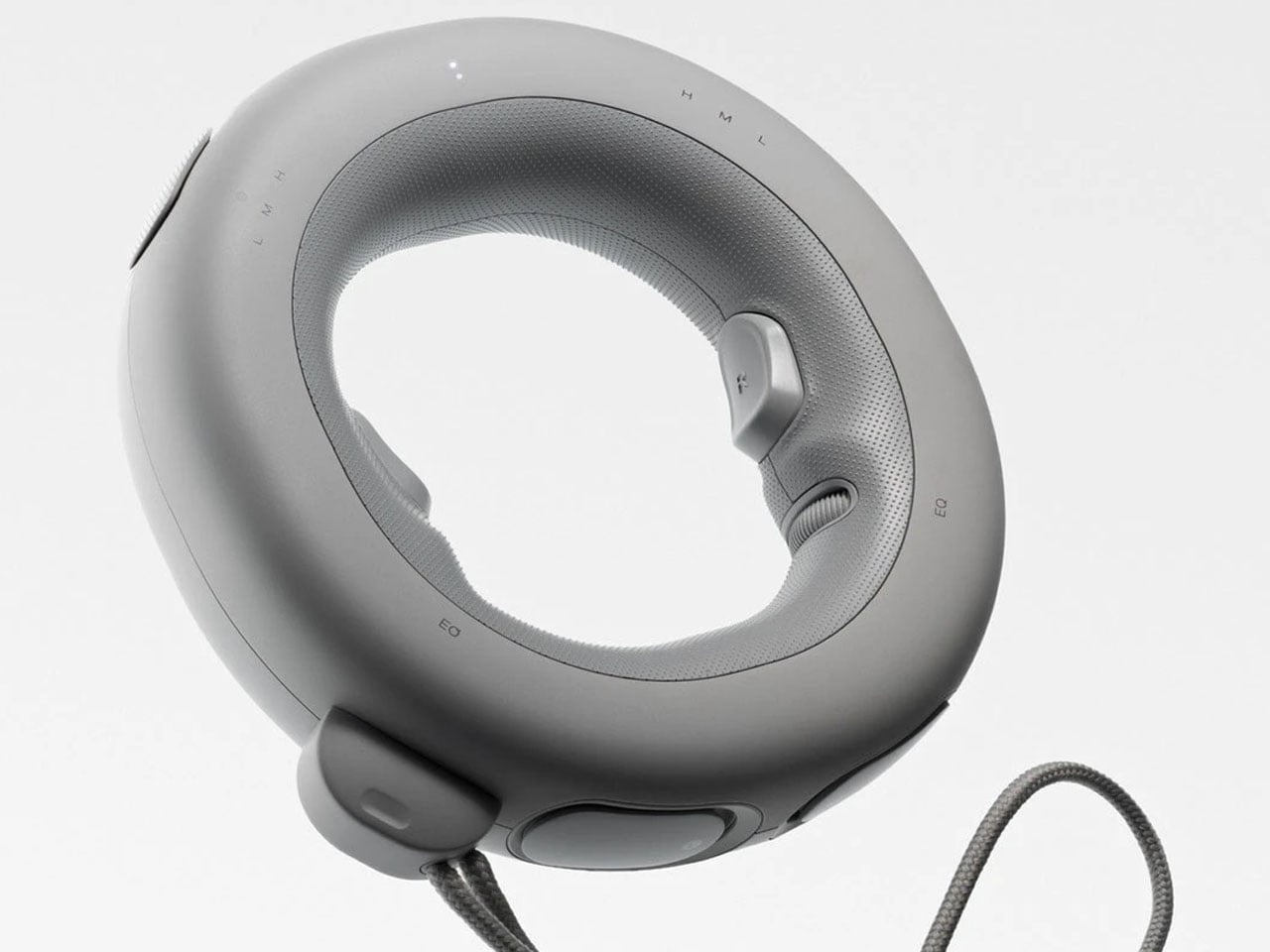
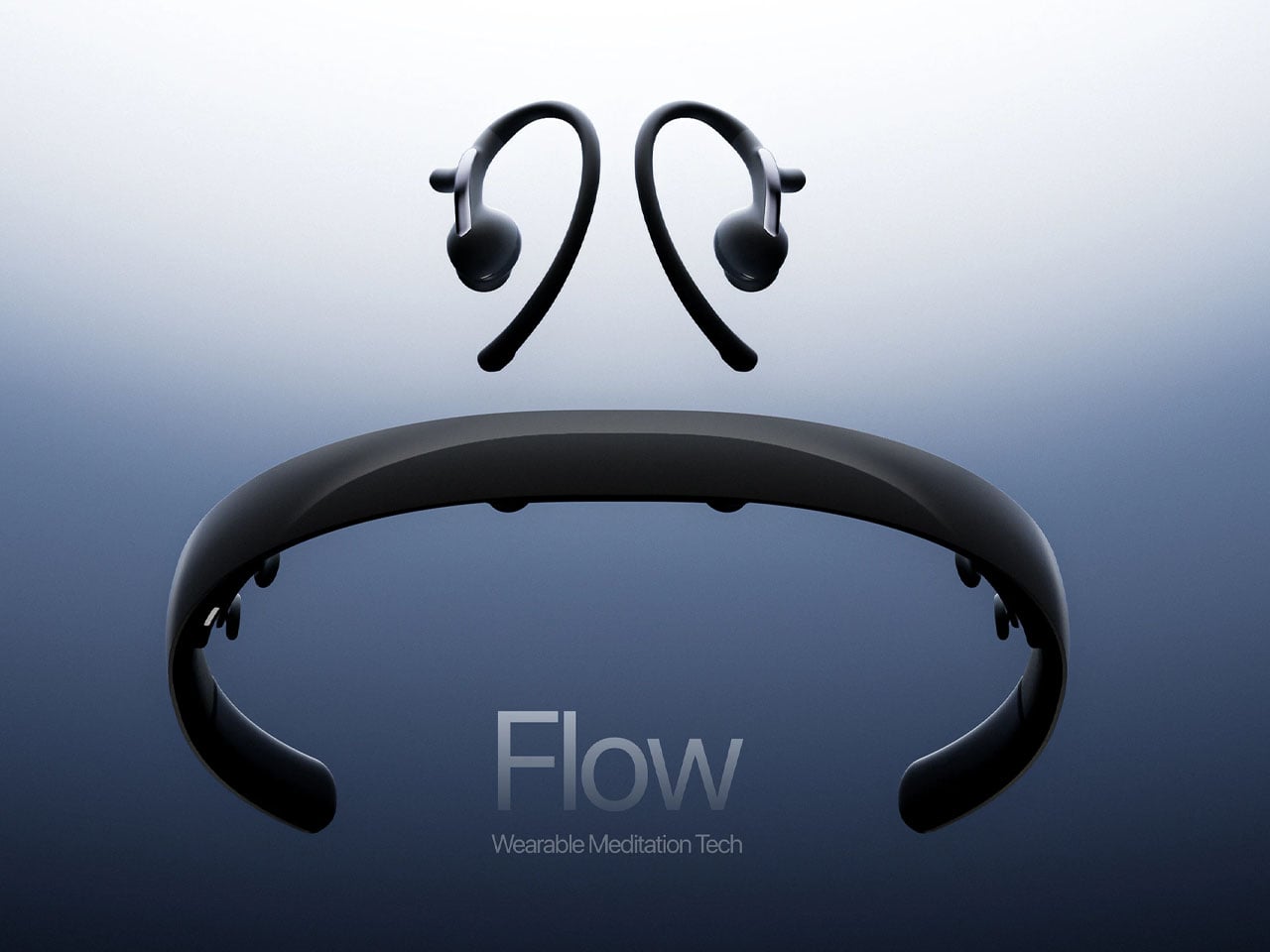
This ring-like wearable speaker has integrated magnetic earbuds for on-demand personal audio

Audio is a primordial requisite for experiencing the world, and even since the invention of speakers and consequently headphones and earbuds, the magical experience has become more of a daily driver. We use audio accessories in our personal space, public commutes, and anywhere else when we need to zone out for good.

Speakers, on the other hand, are more of an inclusive experience where we enjoy our favorite tunes with our favorite people. Now there’s yet another use case scenario for audio lovers—a wearable audio speaker that doubles as a pair of earbuds. This concept design is all about exploring the limits of the audio experience while introducing a wearable format that adapts to different listening situations.

Designer: Nicolas Fred and Thomas Fred

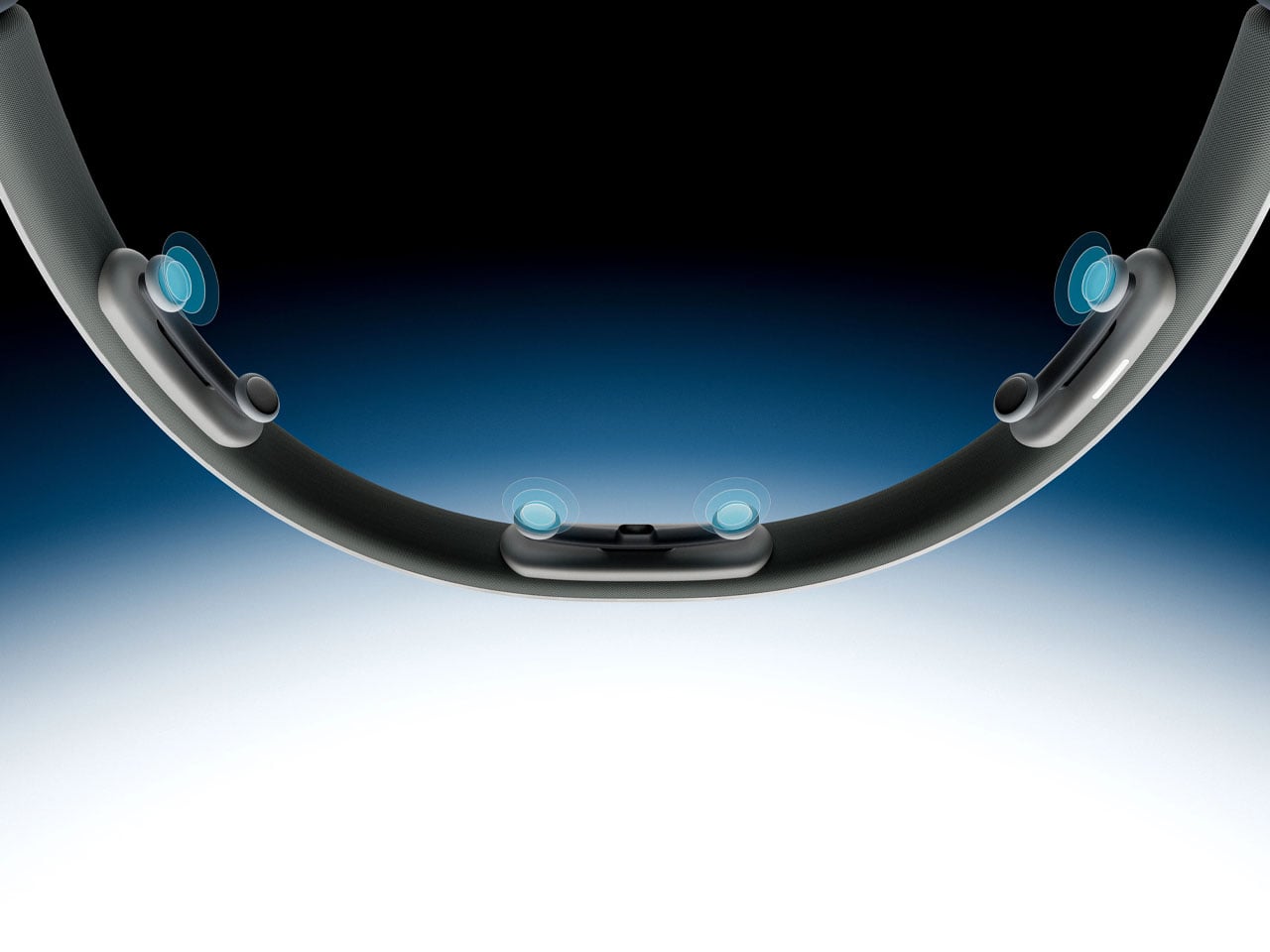
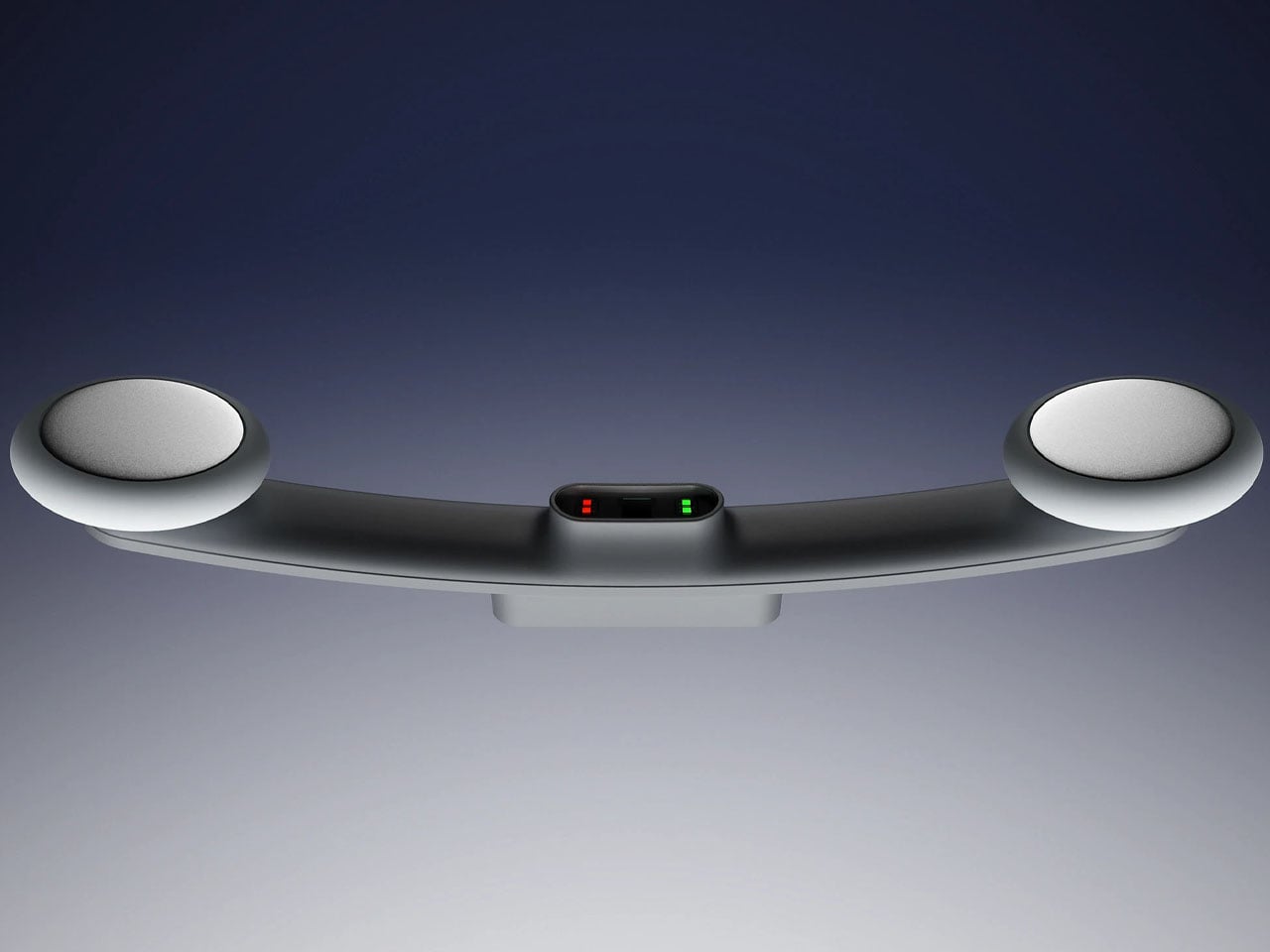
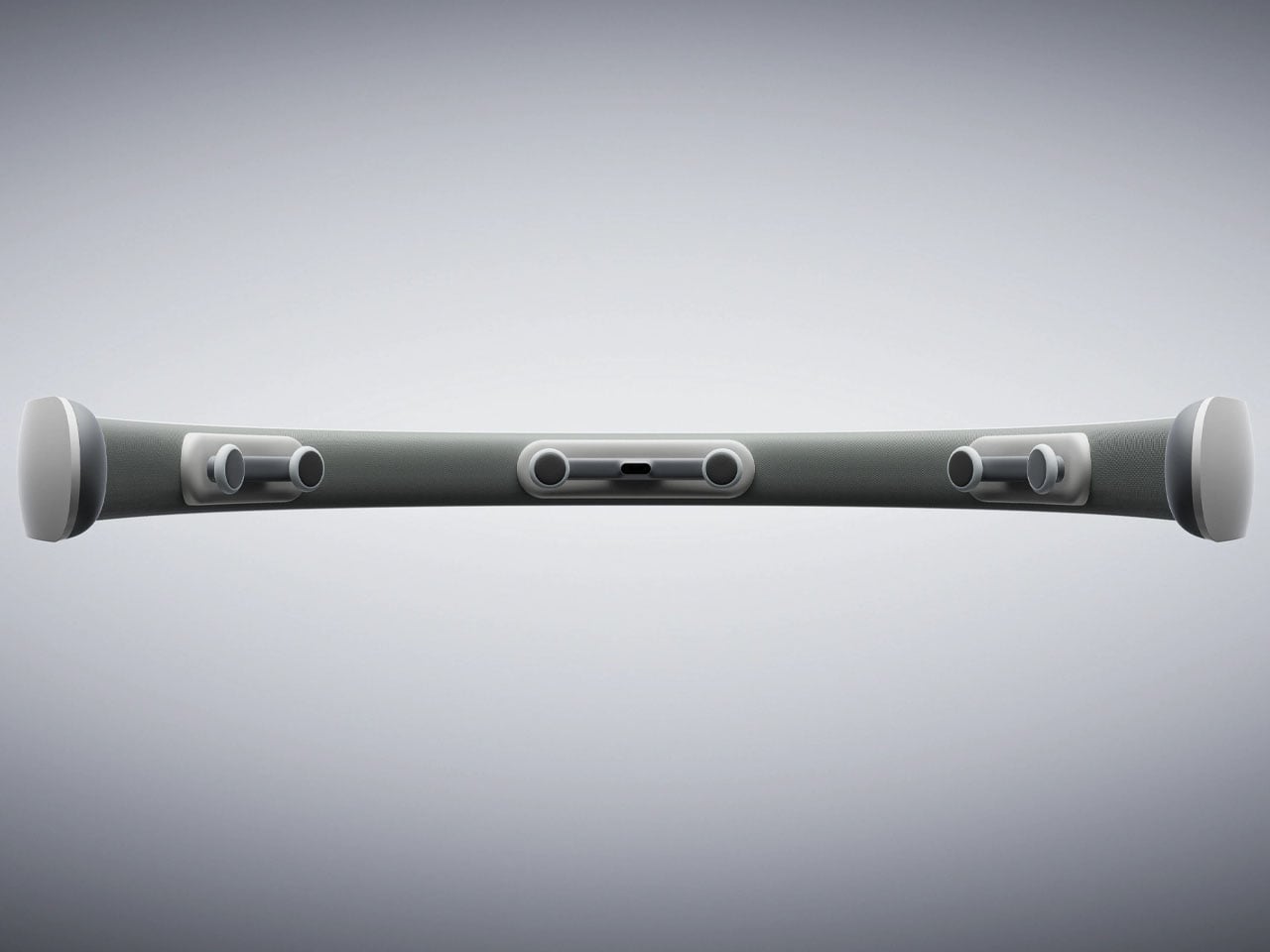
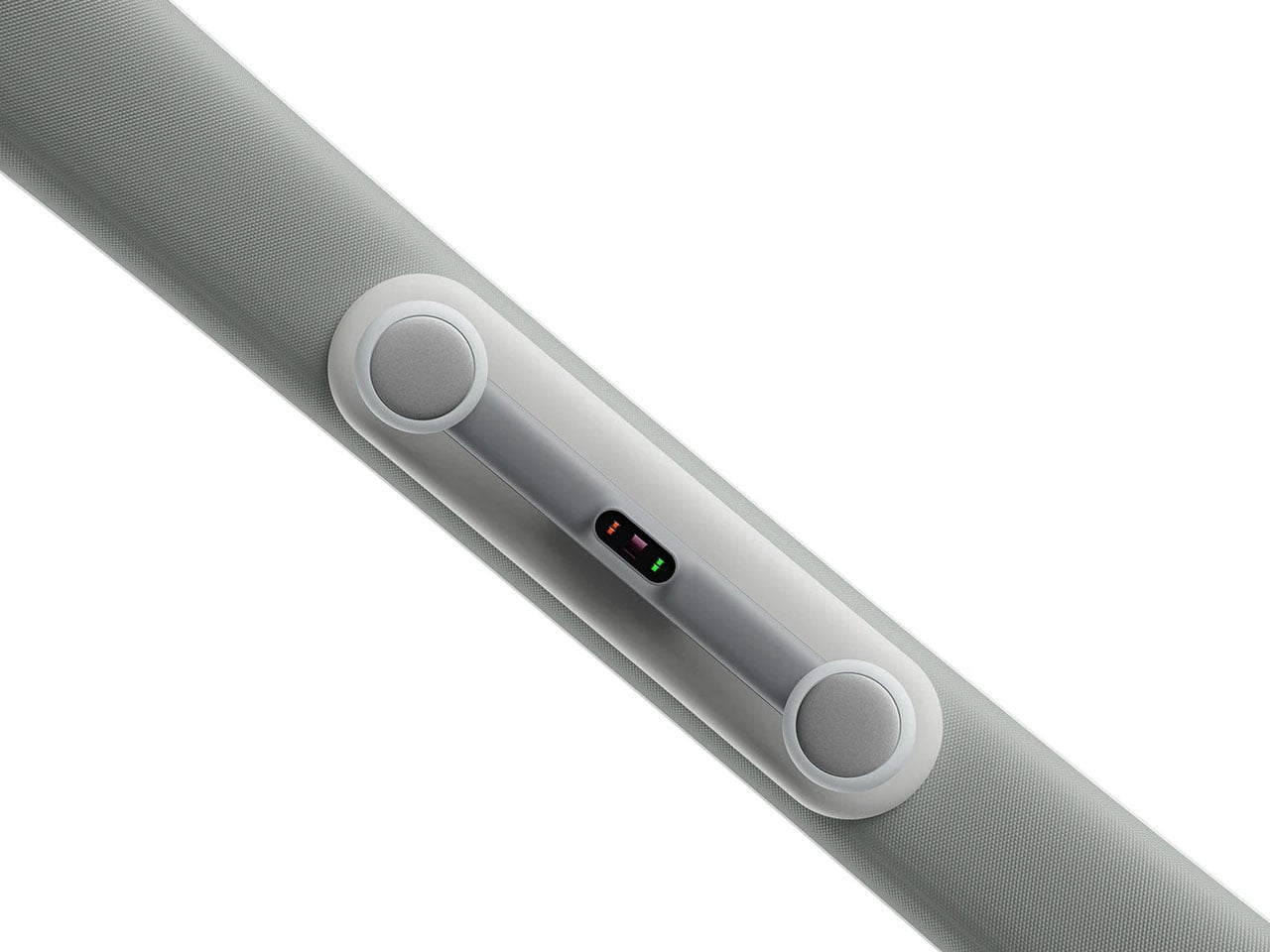
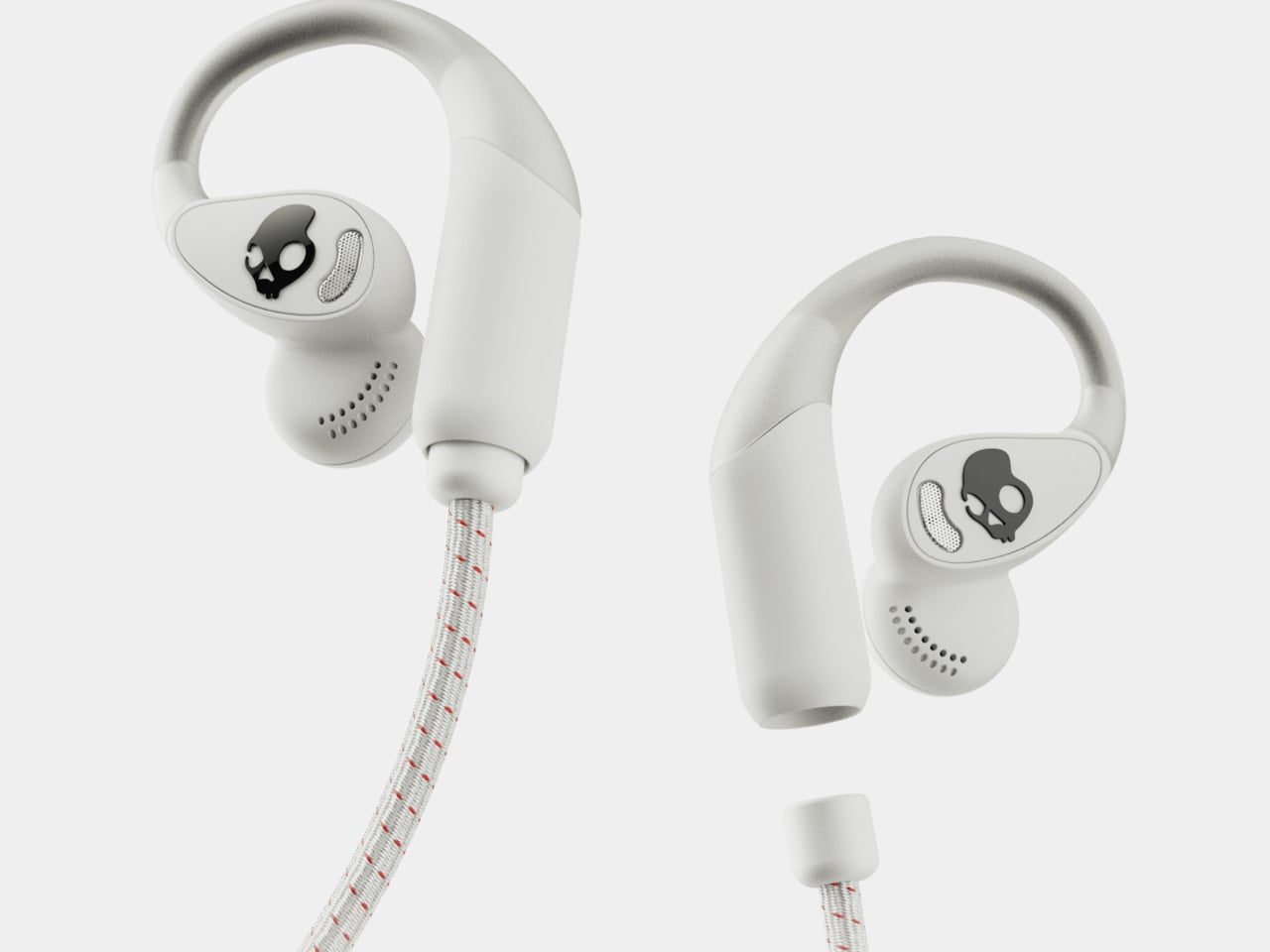
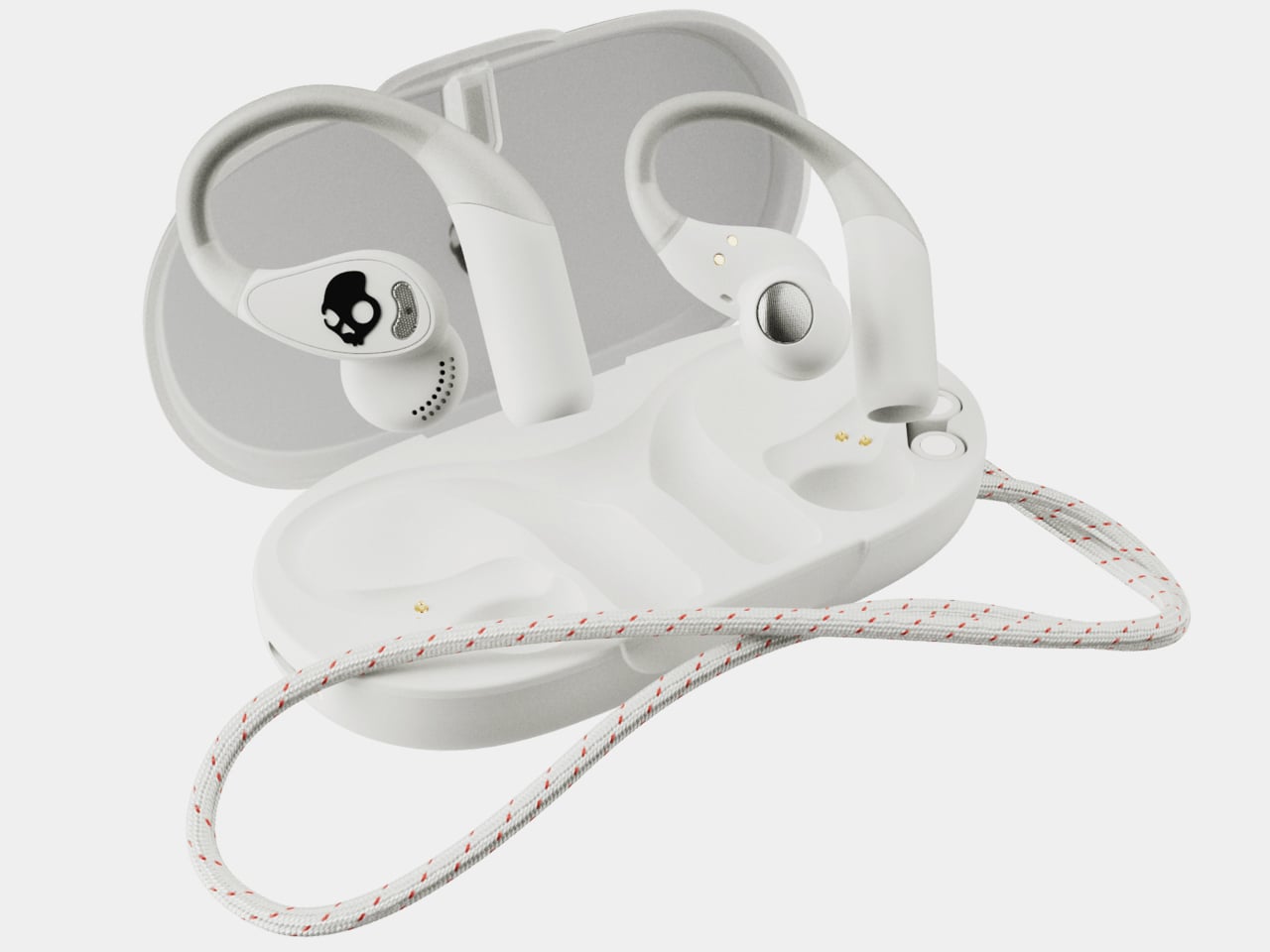
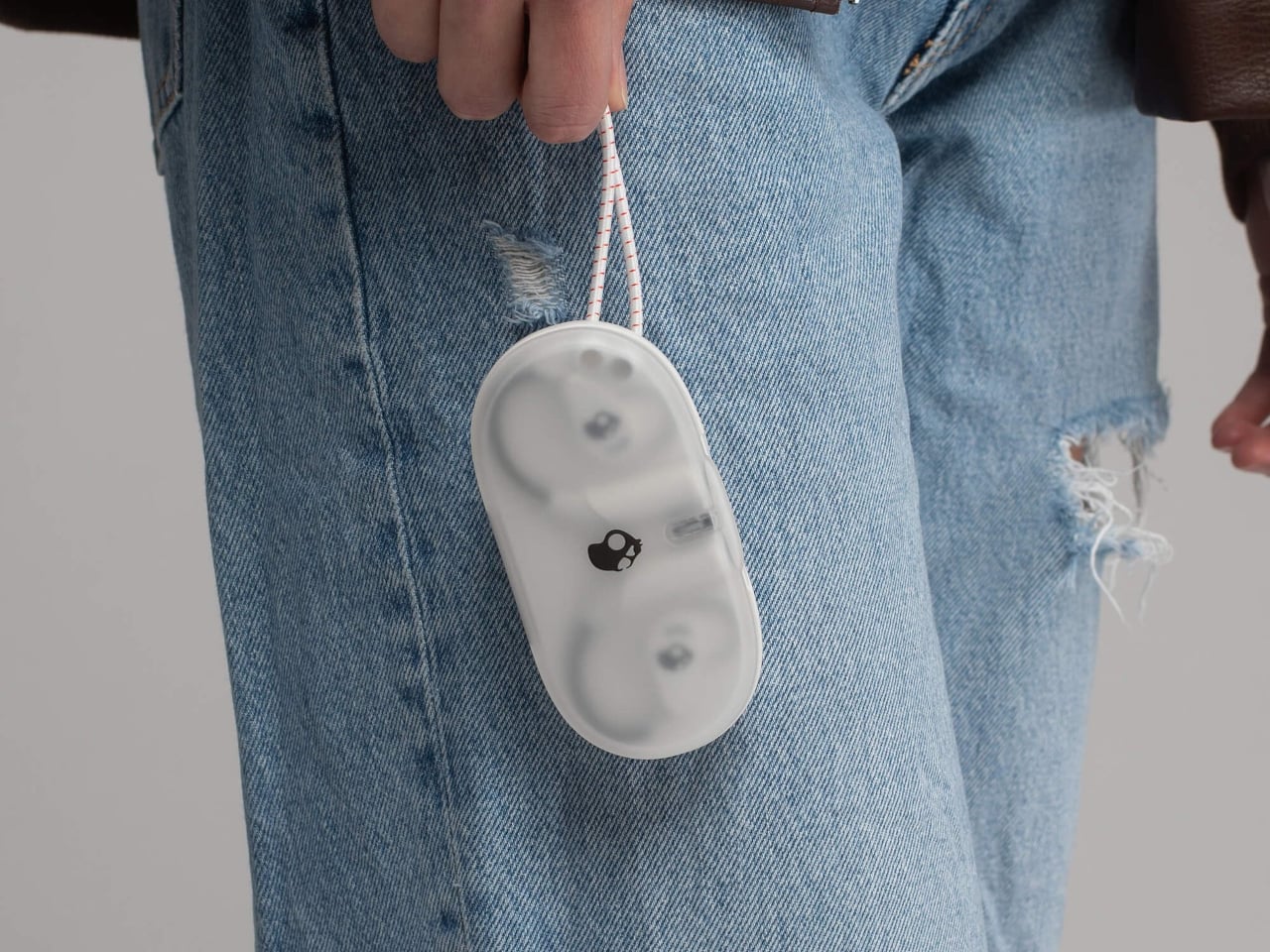
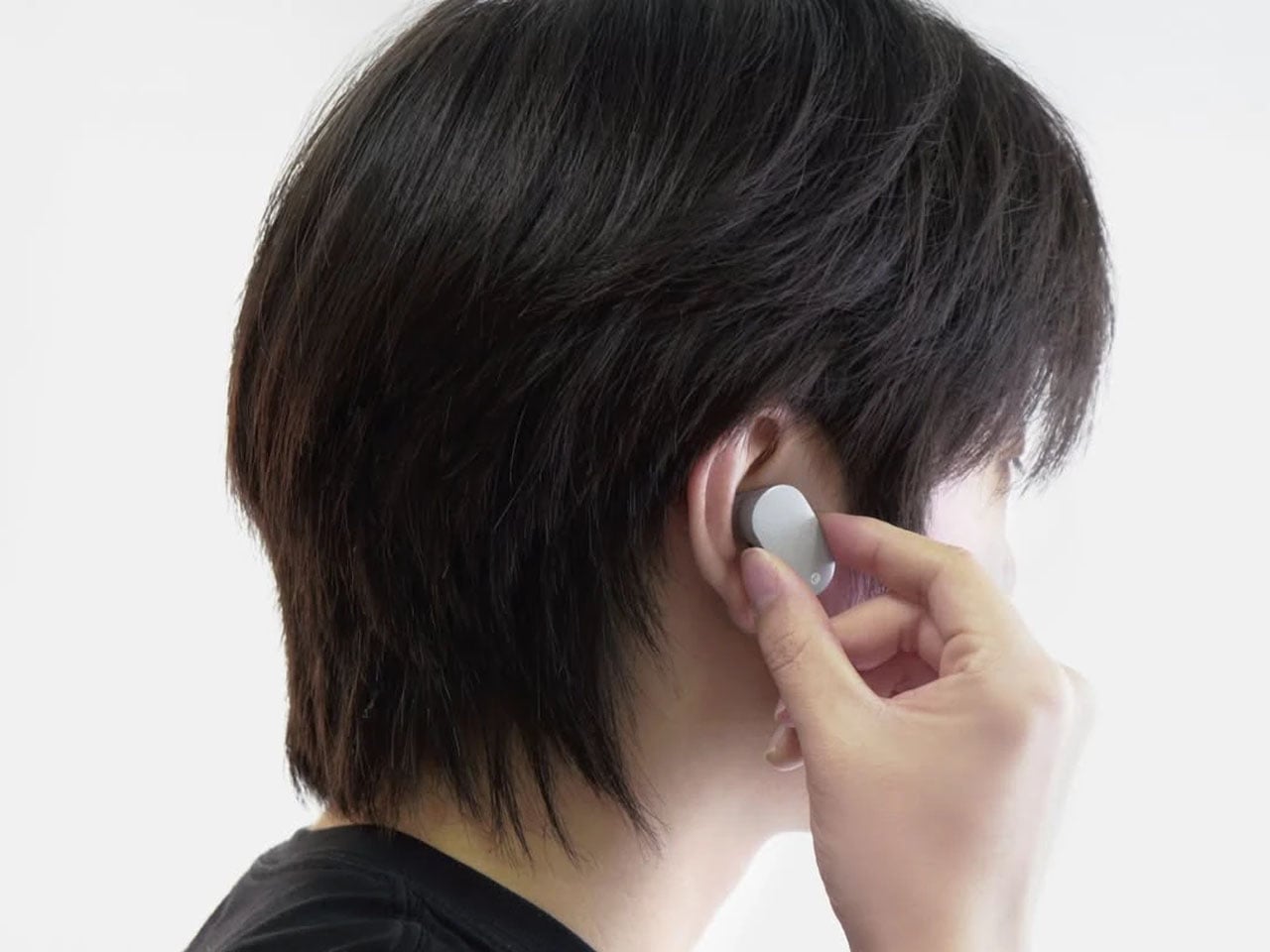
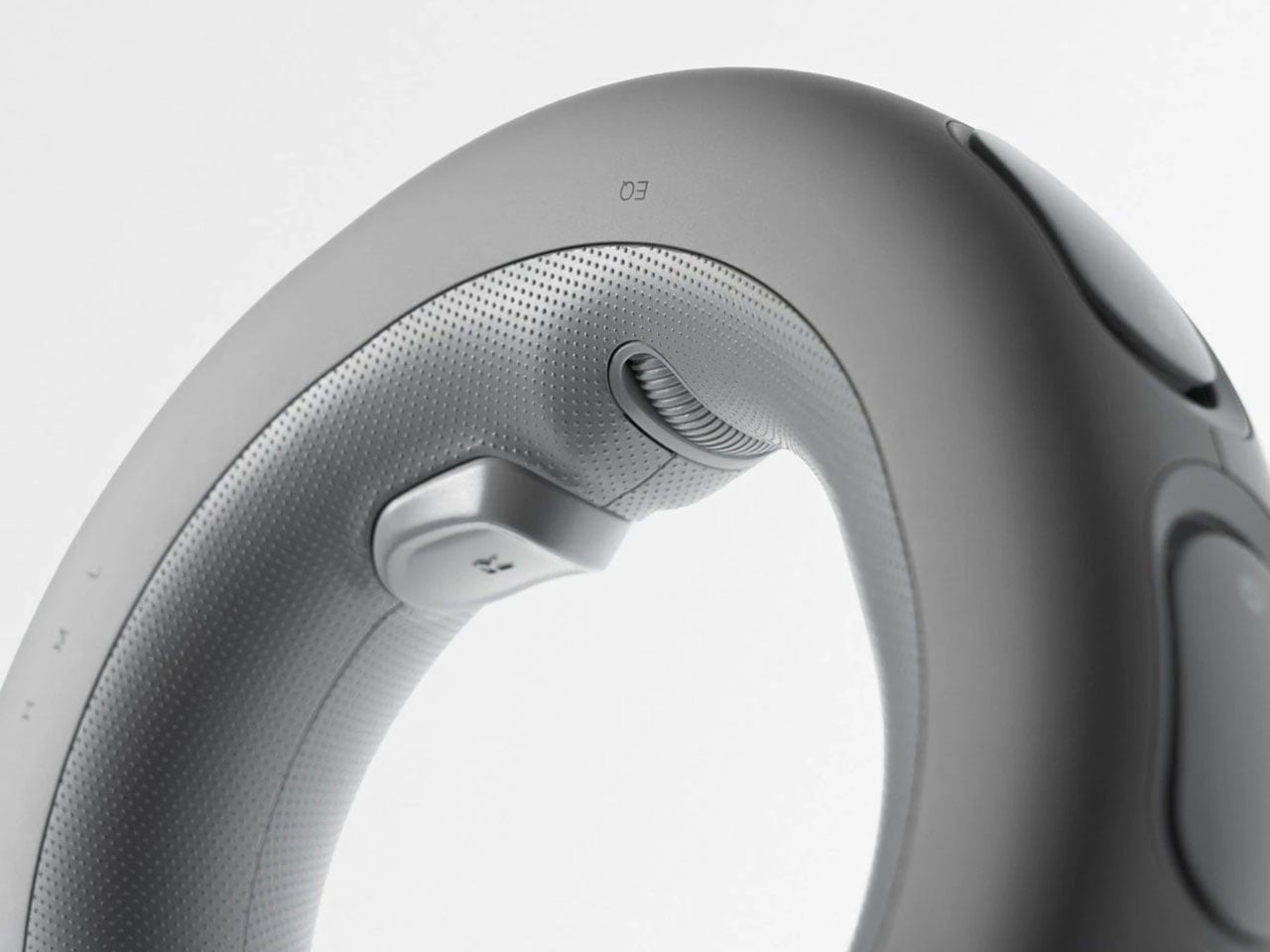
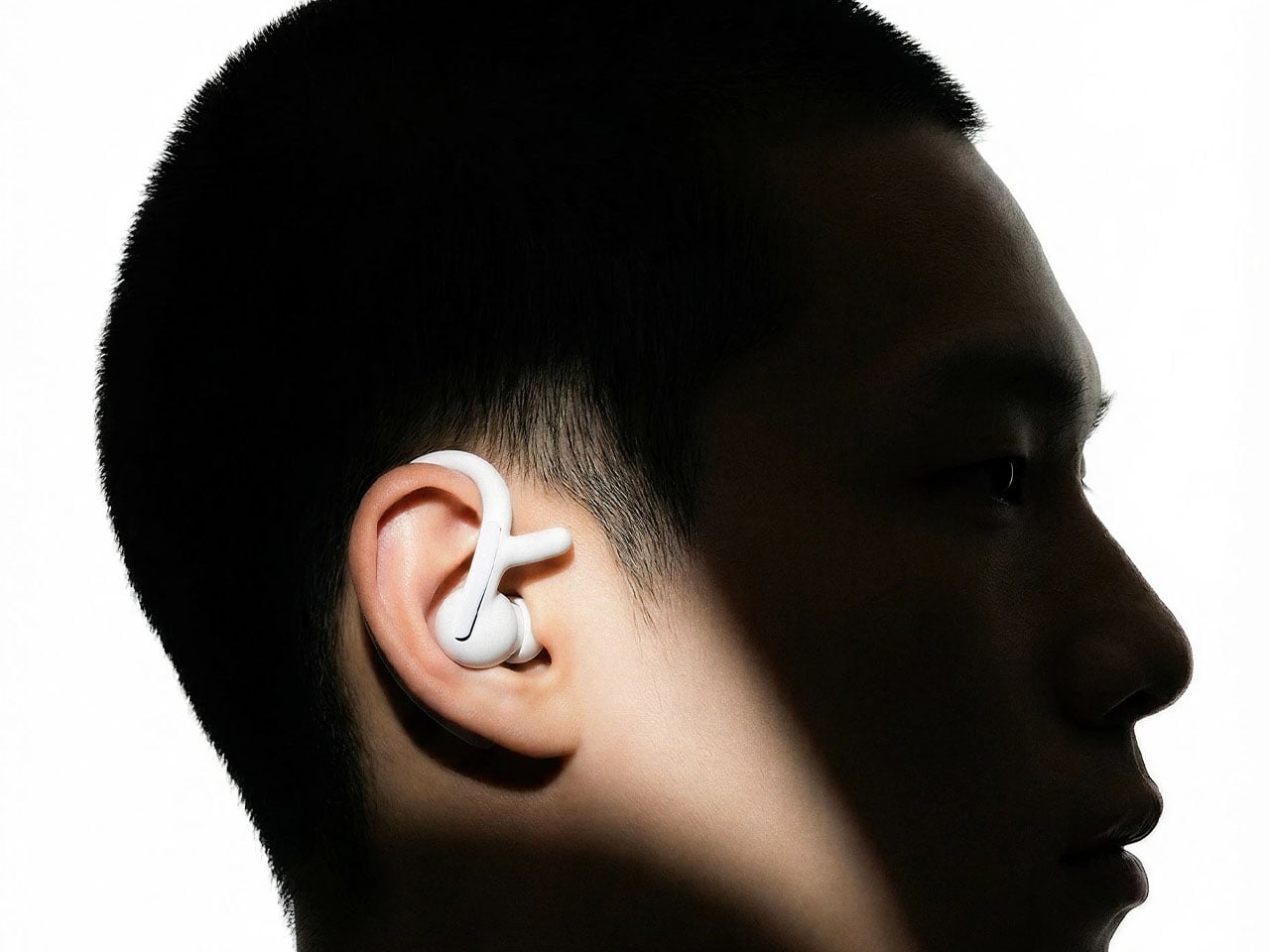
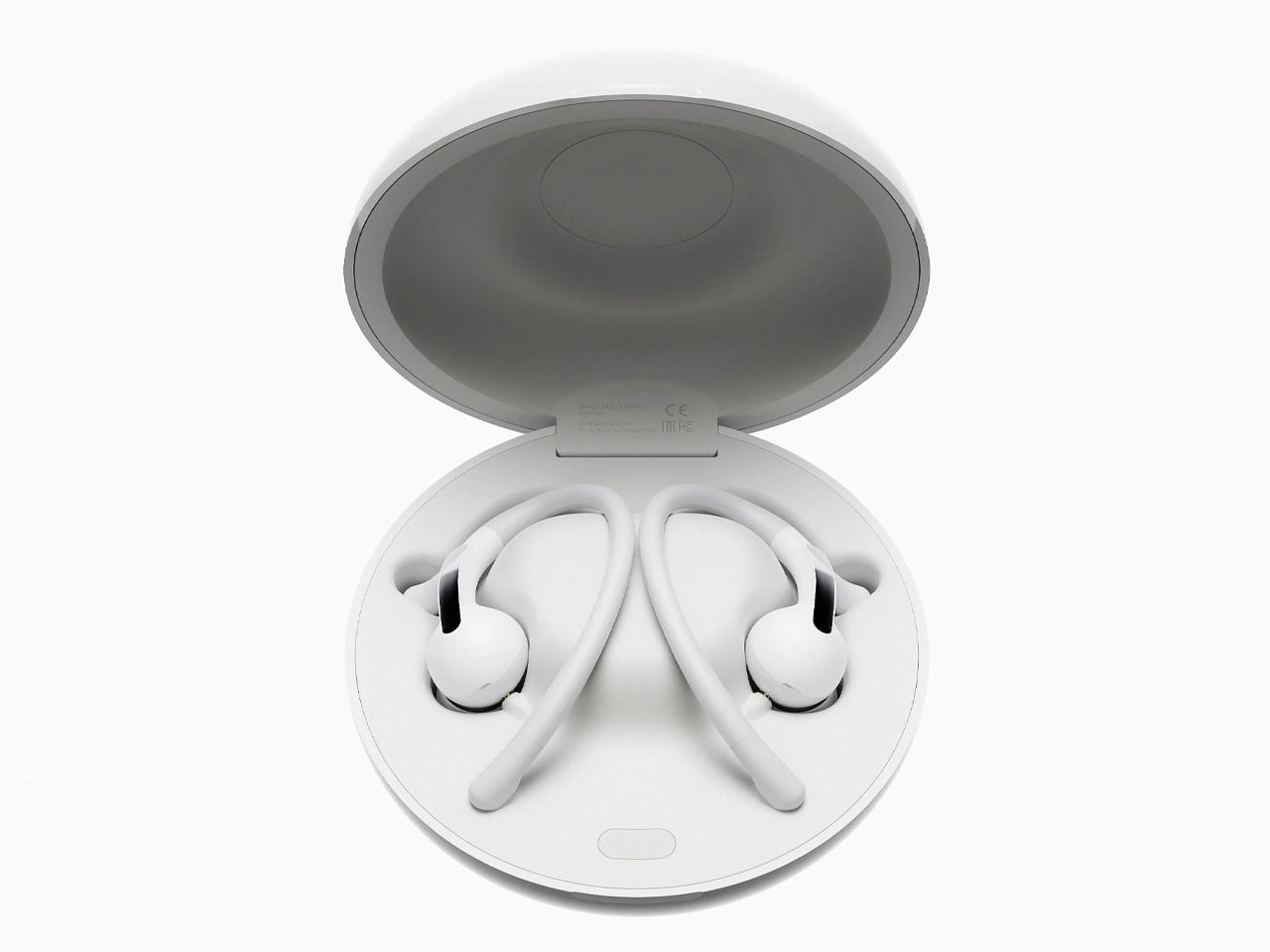
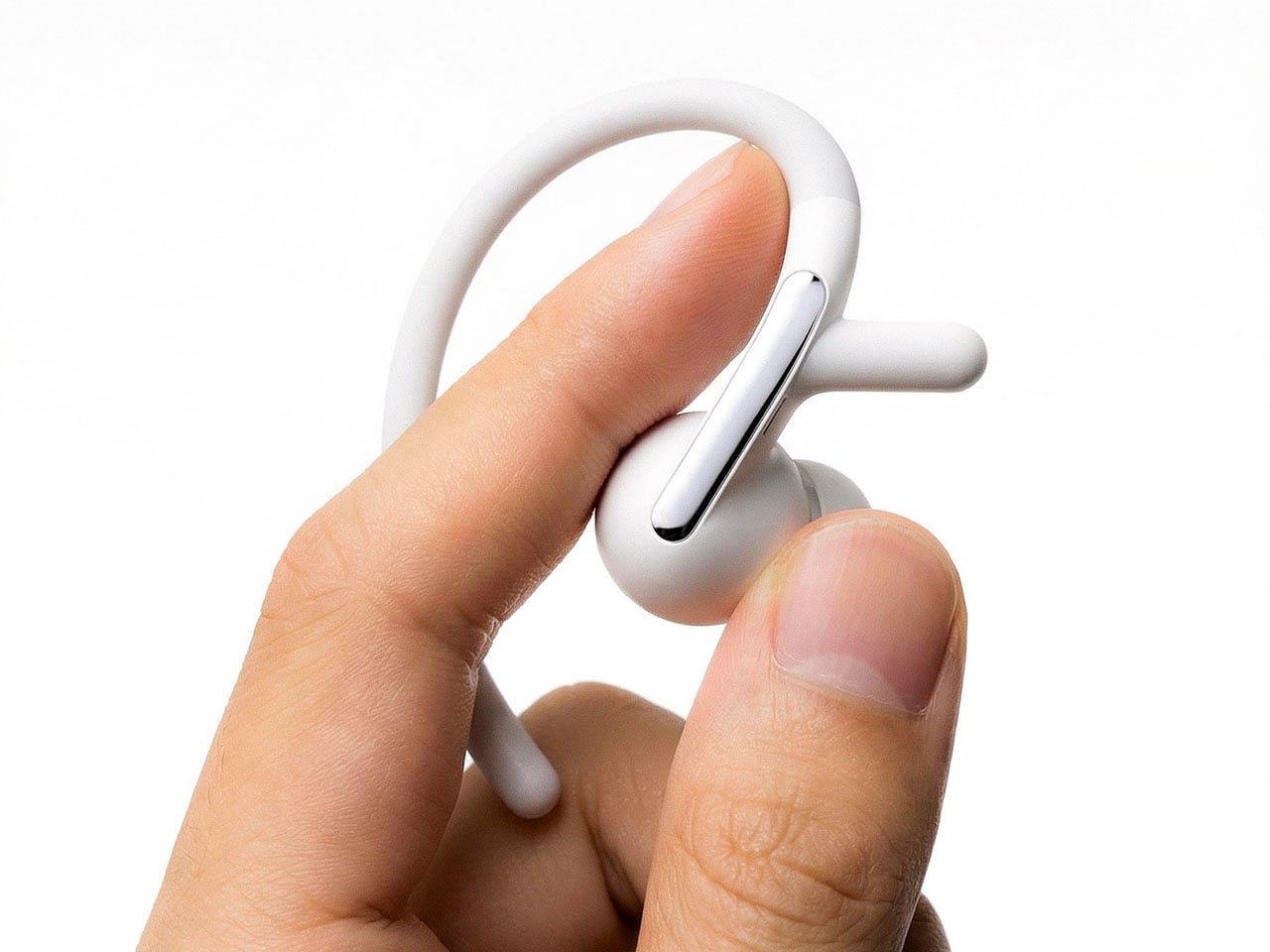
The ring-like portable speaker has a lanyard that lets users hook it onto a backpack or simply carry it around the wrist. Another option is to wear it around the neck, turning the device into a personal stereo system that surrounds the user with sound while remaining lightweight and portable. The most interesting aspect of the wearable speaker is the embedded pair of earbuds that are magnetically attached to the device. When you need a more personal audio listening session, simply detach the earbuds and slip into a more immersive listening mode.

The concept explores a flexible approach to audio consumption by blending communal listening with private listening in a single device. Instead of carrying separate accessories for each situation, the design combines the convenience of portable speakers with the intimacy of earbuds. When worn around the neck, the speaker projects audio outward, allowing nearby friends or companions to share the music. Once the earbuds are removed, the experience becomes more focused and isolated, ideal for commuting, working, or simply enjoying music alone.

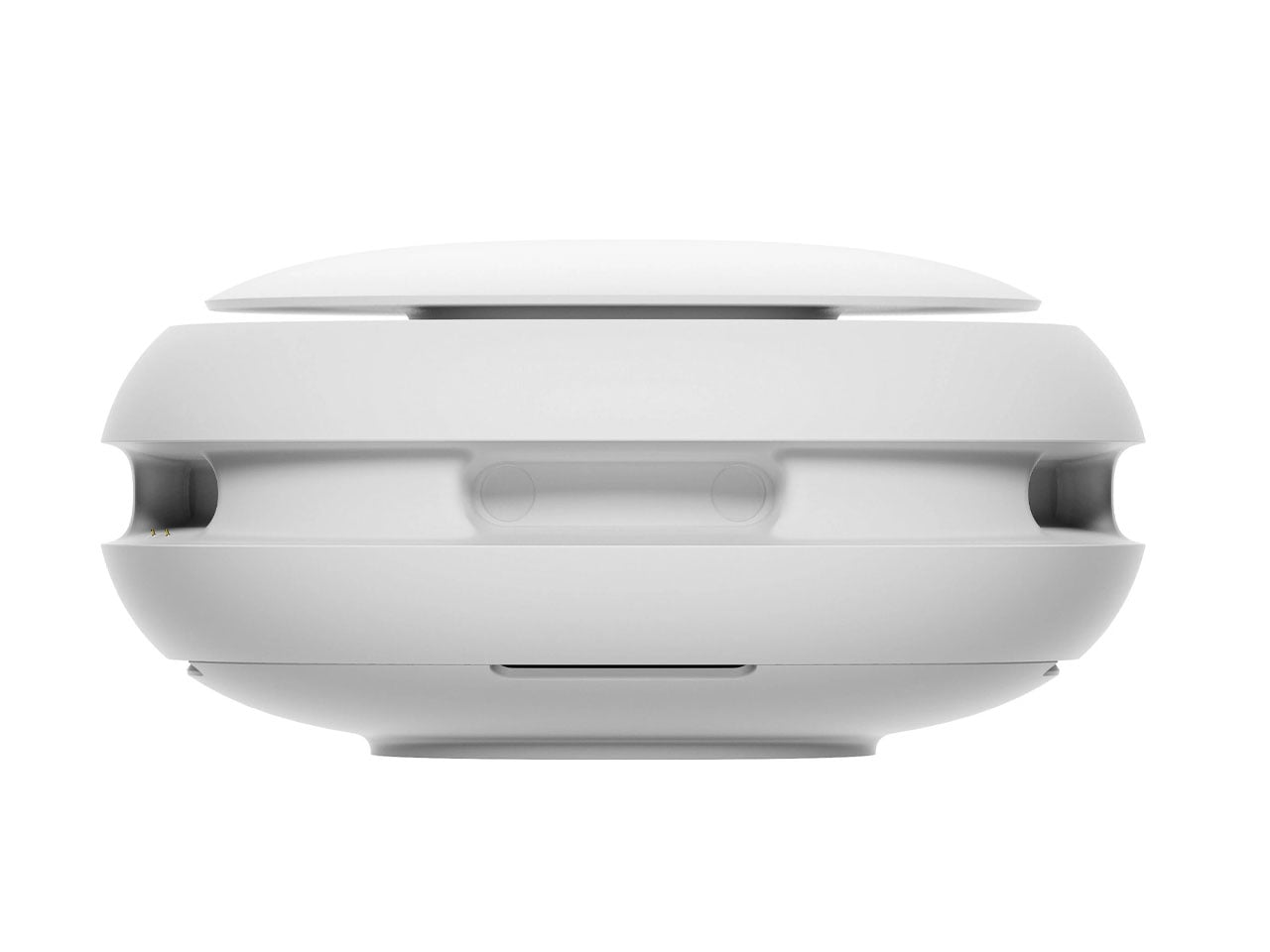
Visually, the wearable speaker follows a futuristic and minimal design language. The circular form keeps the product compact and balanced, while smooth surfaces and subtle detailing give it a clean aesthetic that aligns with contemporary wearable technology. The ring structure also makes the device easy to carry and interact with, whether it is hanging from a bag or resting around the neck. Magnetic integration ensures that the earbuds remain securely attached while also making them instantly accessible when needed.

The designers also explore how wearable audio devices can remain connected to the surrounding environment instead of completely isolating the user. Open acoustic elements and carefully placed sound outlets help distribute audio while maintaining awareness of nearby sounds. This approach reflects a broader shift in wearable technology where products are designed not only for immersion but also for maintaining a sense of connection with the real world, much the Clip-On Buds that are trending currently.

The post This ring-like wearable speaker has integrated magnetic earbuds for on-demand personal audio first appeared on Yanko Design.

Redmi Buds 8 Pro Review: This €69.90 Earbud Punches Way Above Its Weight

PROS:


  • Clear and balanced sound with rich bass

  • Strong ANC performance for the price

  • Comfortable, stable fit in the ears

  • Responsive touch controls with the slide for volume

CONS:


  • Not integrated with Google Find My Device

RATINGS:

AESTHETICS
ERGONOMICS
PERFORMANCE
SUSTAINABILITY / REPAIRABILITY
VALUE FOR MONEY

EDITOR'S QUOTE:

At this price, the combination of triple drivers, solid ANC, and excellent fit makes the Redmi Buds 8 Pro hard to beat.

Redmi Buds 8 Pro arrives as Redmi’s more ambitious take on everyday wireless earbuds. They aim to combine punchy sound, serious noise cancellation, and gaming-friendly latency in a package that still feels relatively affordable. This is not a basic budget pair built only for casual background listening, and it clearly wants to feel like a step up the moment you start using it.

What makes them interesting is how they chase premium style features without making the experience feel intimidating. The triple driver setup is the headline, but the real promise is a well-rounded daily companion that can handle commuting, workouts, and long listening sessions with minimal fuss. At 399 CNY in China, the value story is hard to ignore, and the key question is whether the real-world experience matches that strong first impression.

Designer: Xiaomi

Aesthetics
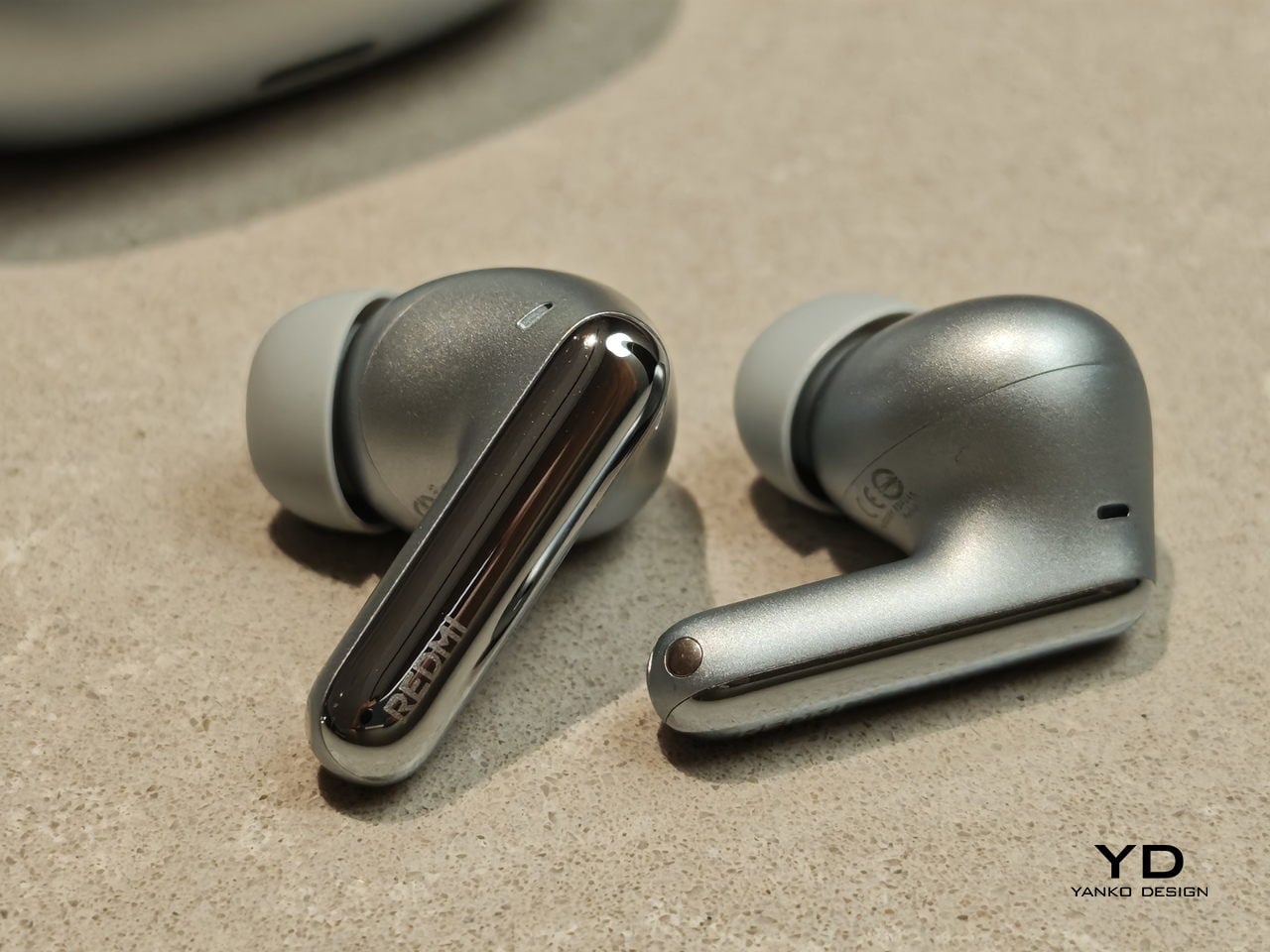
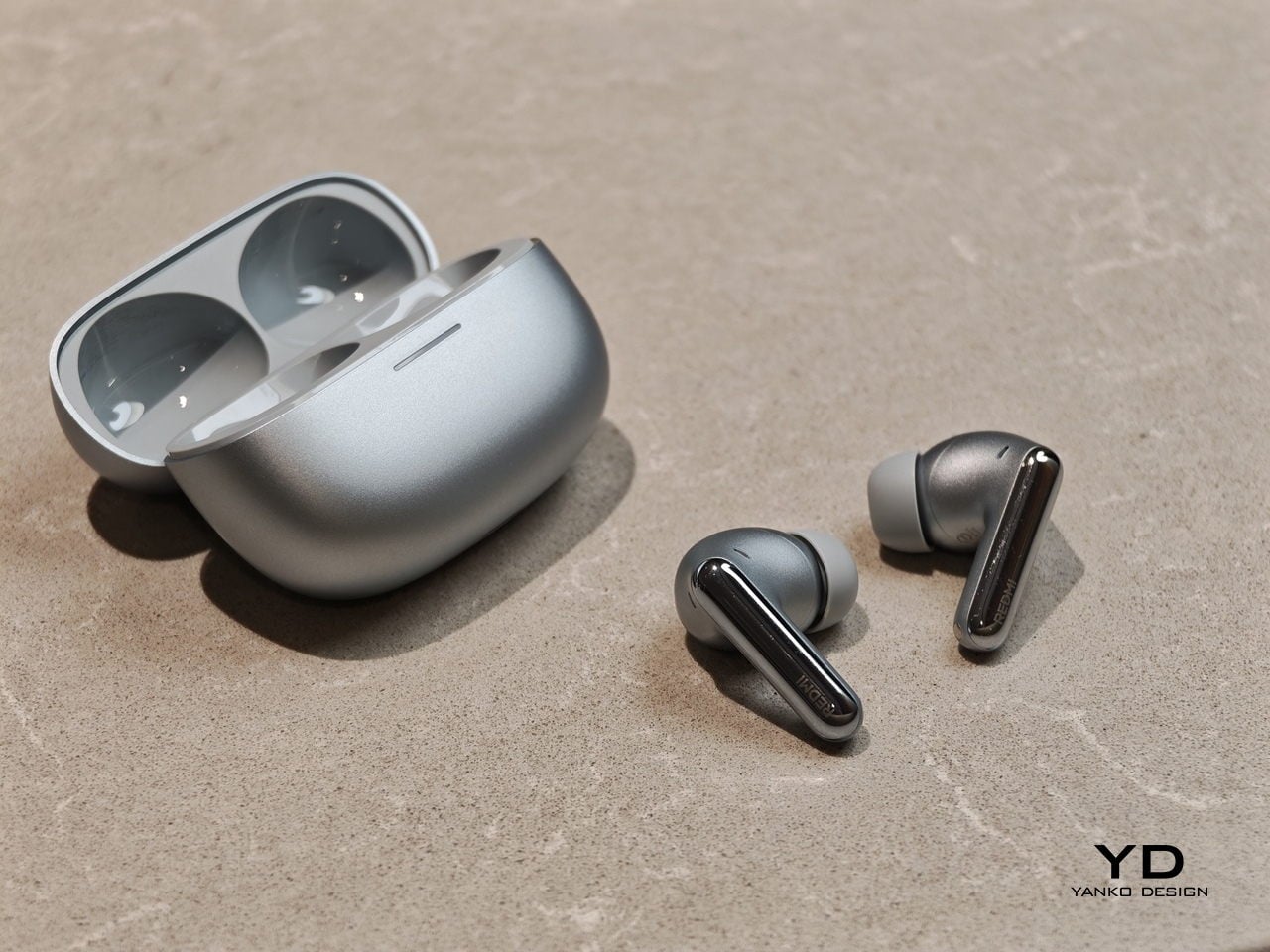
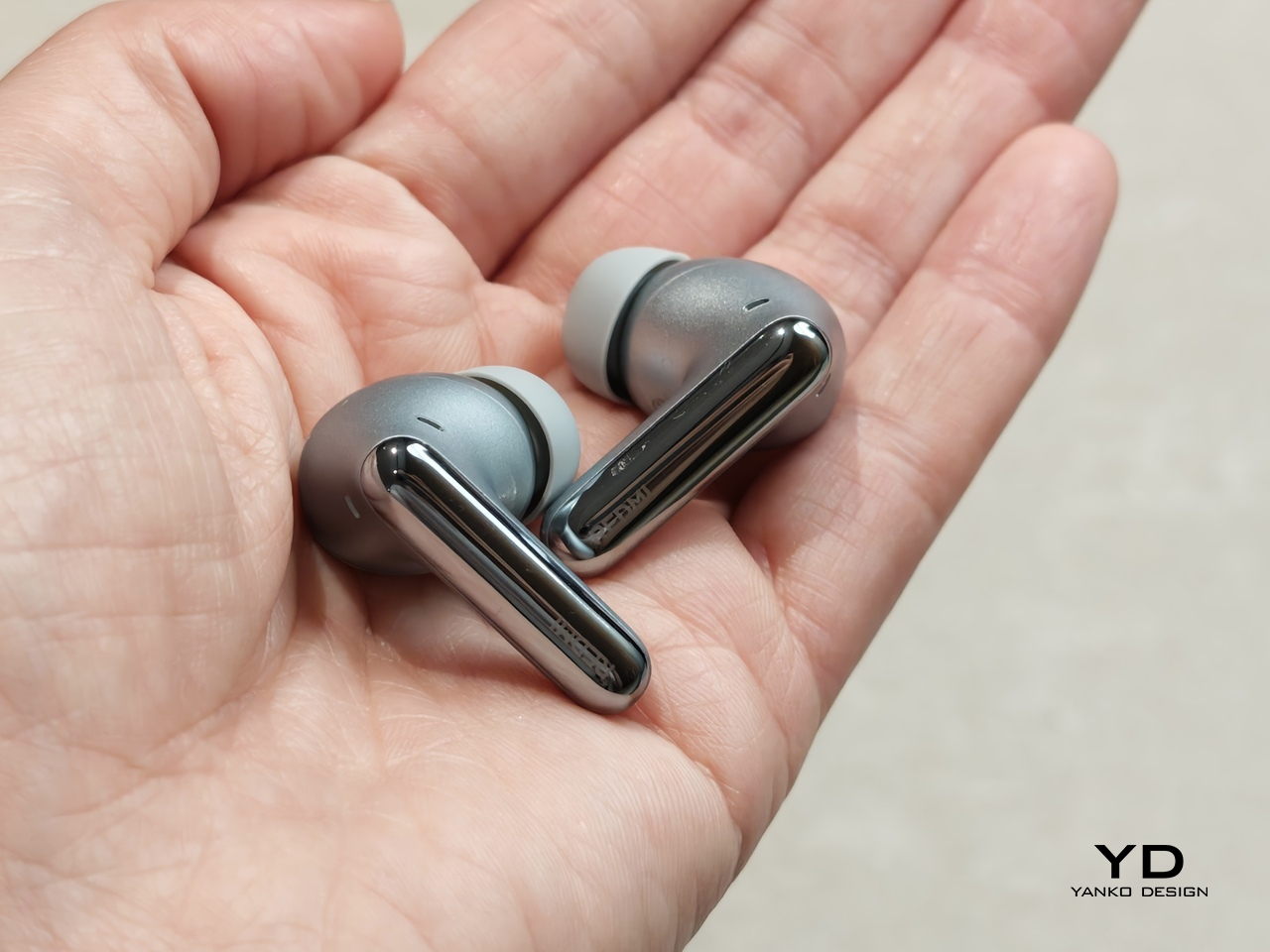
Redmi Buds 8 Pro follows a familiar stem style layout, but the visual language leans clean and modern rather than flashy. The earbuds have smooth, flowing lines, with a compact in-ear body that blends into a slim, rounded stem. Most of the earbud surface is finished in a soft matte texture that hides fingerprints and keeps the look understated. On the outside-facing side of each stem, Redmi adds a shiny strip that catches the light, with a small Redmi logo at the bottom as a neat visual anchor. This contrast between matte and gloss gives the buds a touch of sophistication while still keeping them low-key.

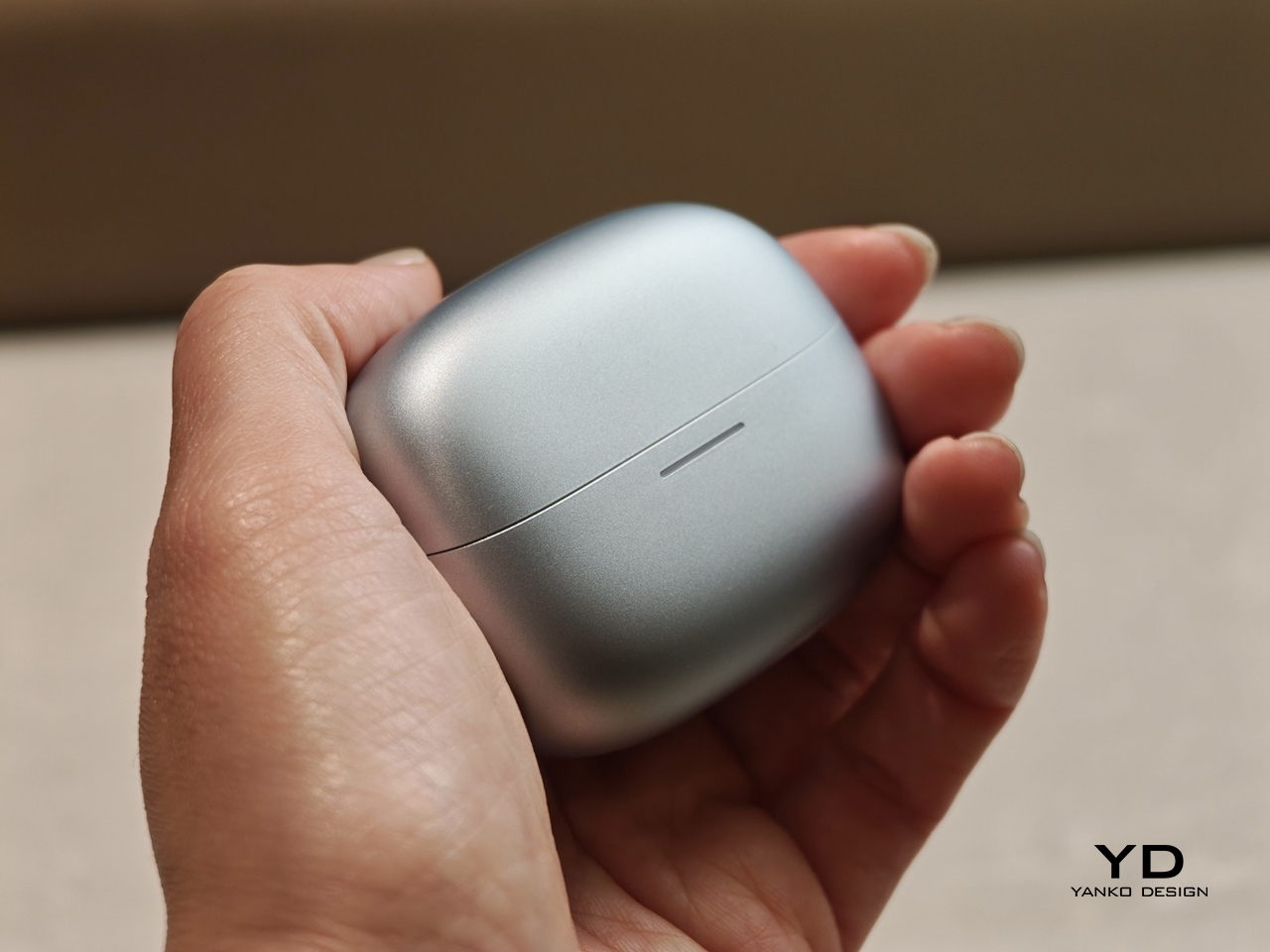
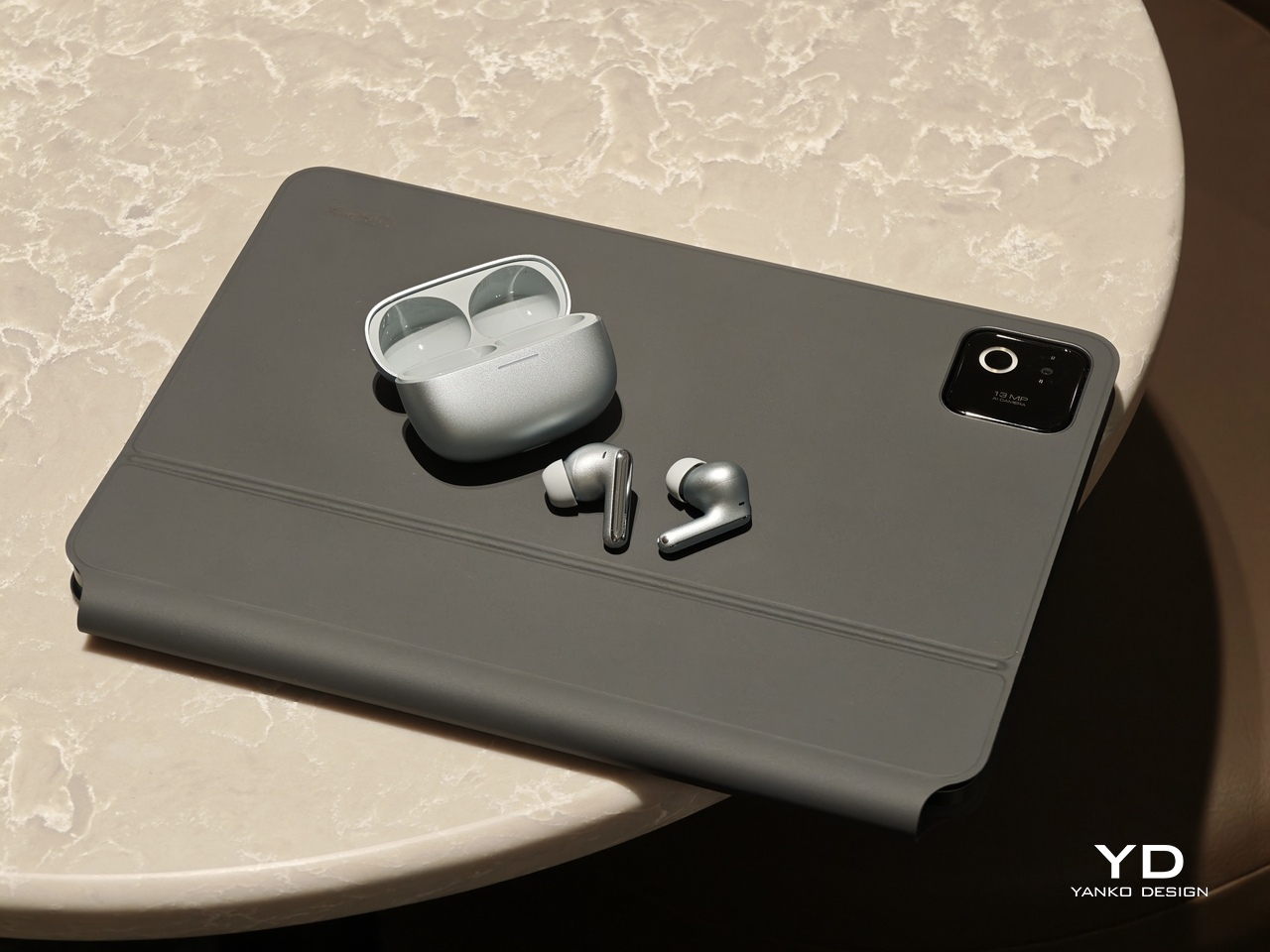
The charging case continues that restrained approach with a compact, pebble-like shape that slips easily into a pocket or bag. Its semi-matte shell feels smooth and resists smudges, while a subtle Redmi logo and “triple driver sound” text on the back quietly nod to the hardware inside. On the front, a slim bar of LEDs offers at a glance battery and pairing information but remains discreet when off, so the case still looks clean.
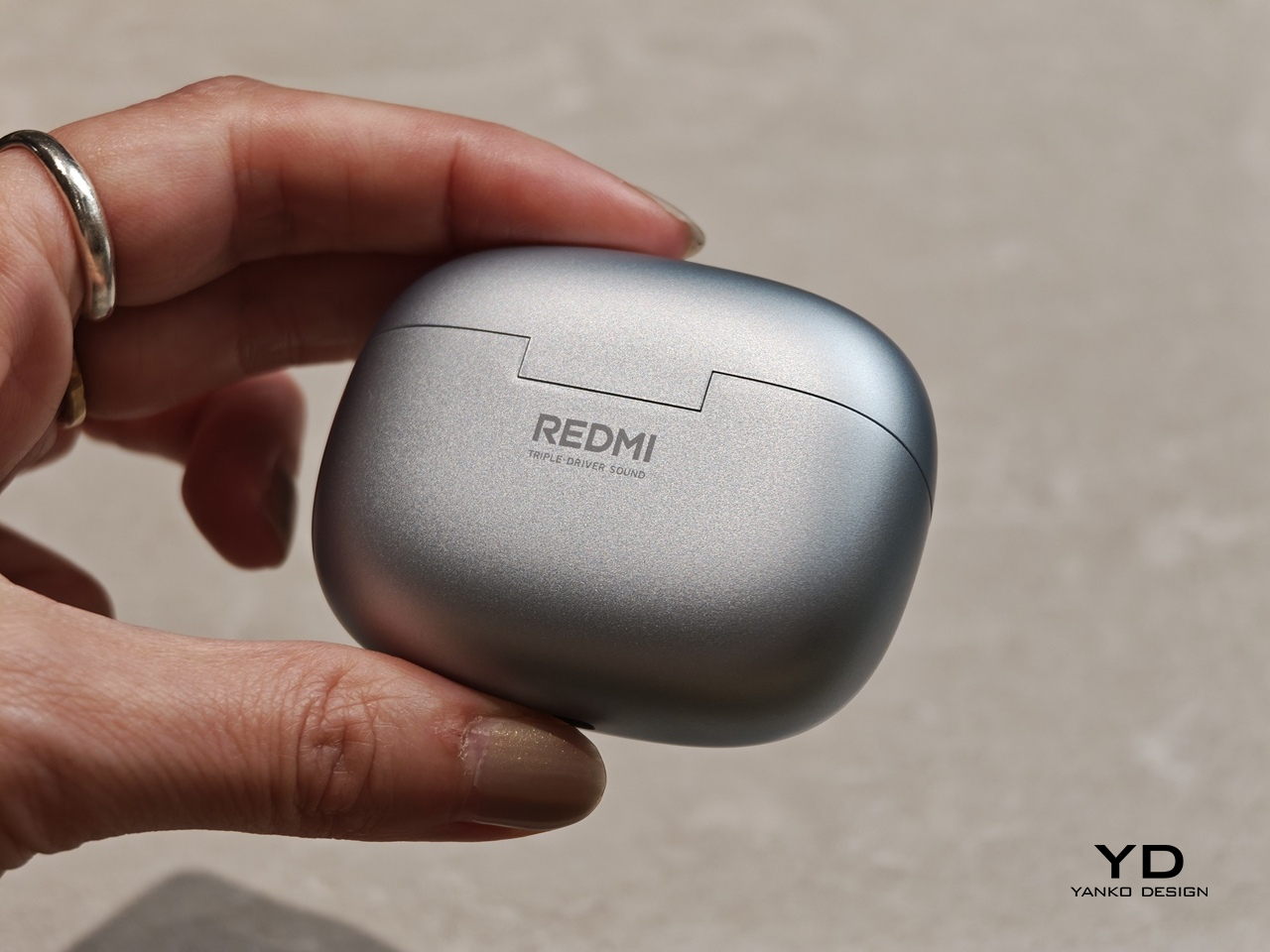
Color options and small accents may vary by region, yet the overall design clearly targets a wide audience. These are earbuds you can wear at the office, on public transport, or at the gym without drawing much attention. If you like bold, statement-making designs, they may feel a bit too reserved, but if you prefer tech that looks tidy and well finished, Redmi Buds 8 Pro sit in a very comfortable sweet spot.

Ergonomics

While the design focuses on clean lines and visual calm, the build of Redmi Buds 8 Pro focuses on comfort and practicality. Each earbud weighs about five point three grams, which helps them feel light enough for long listening sessions without that dragging sensation some heavier buds can cause. Of course, fit and comfort are different from person to person, but Redmi Buds 8 Pro fit my ears very well and never felt like they were about to fall out.
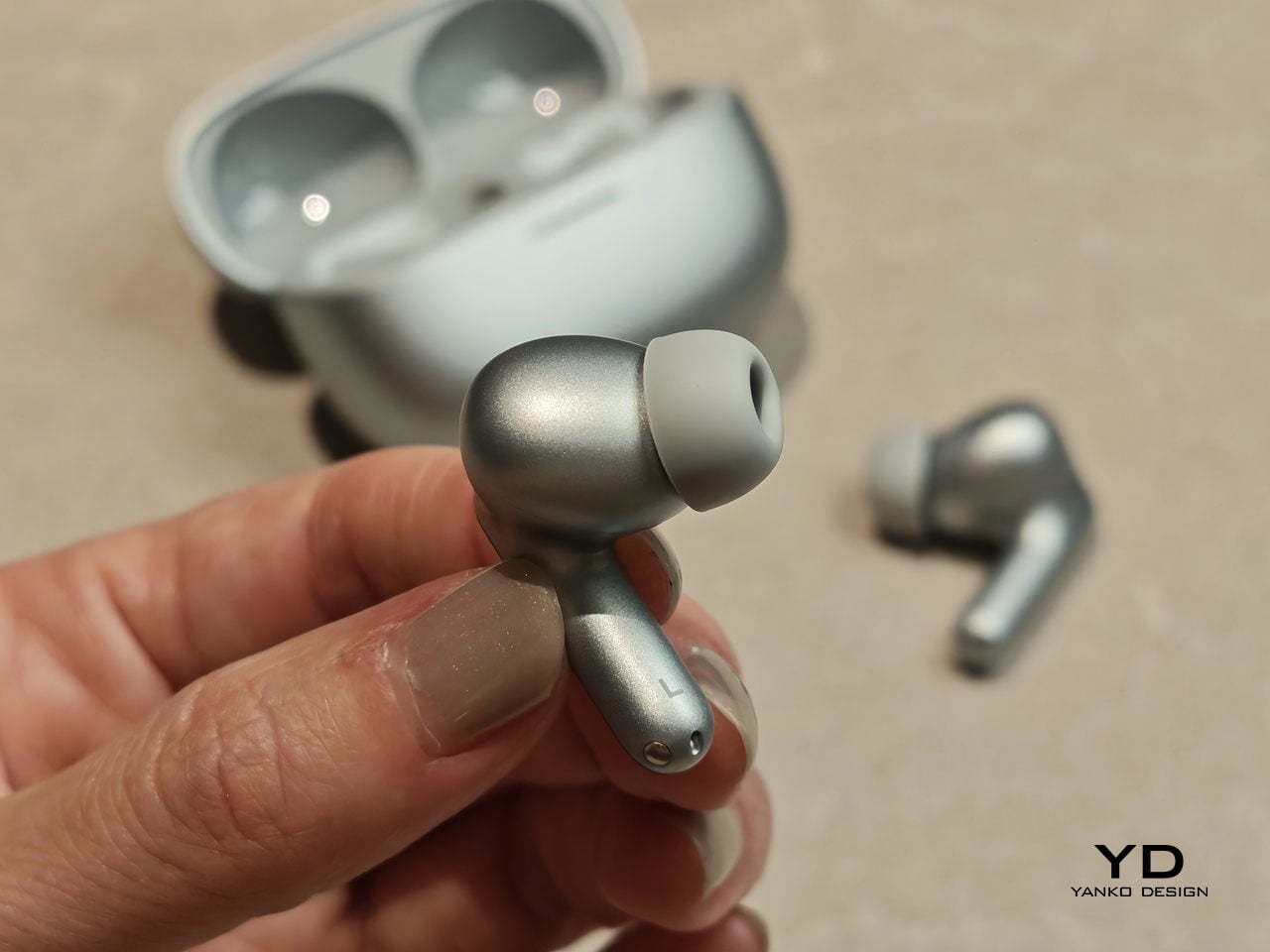
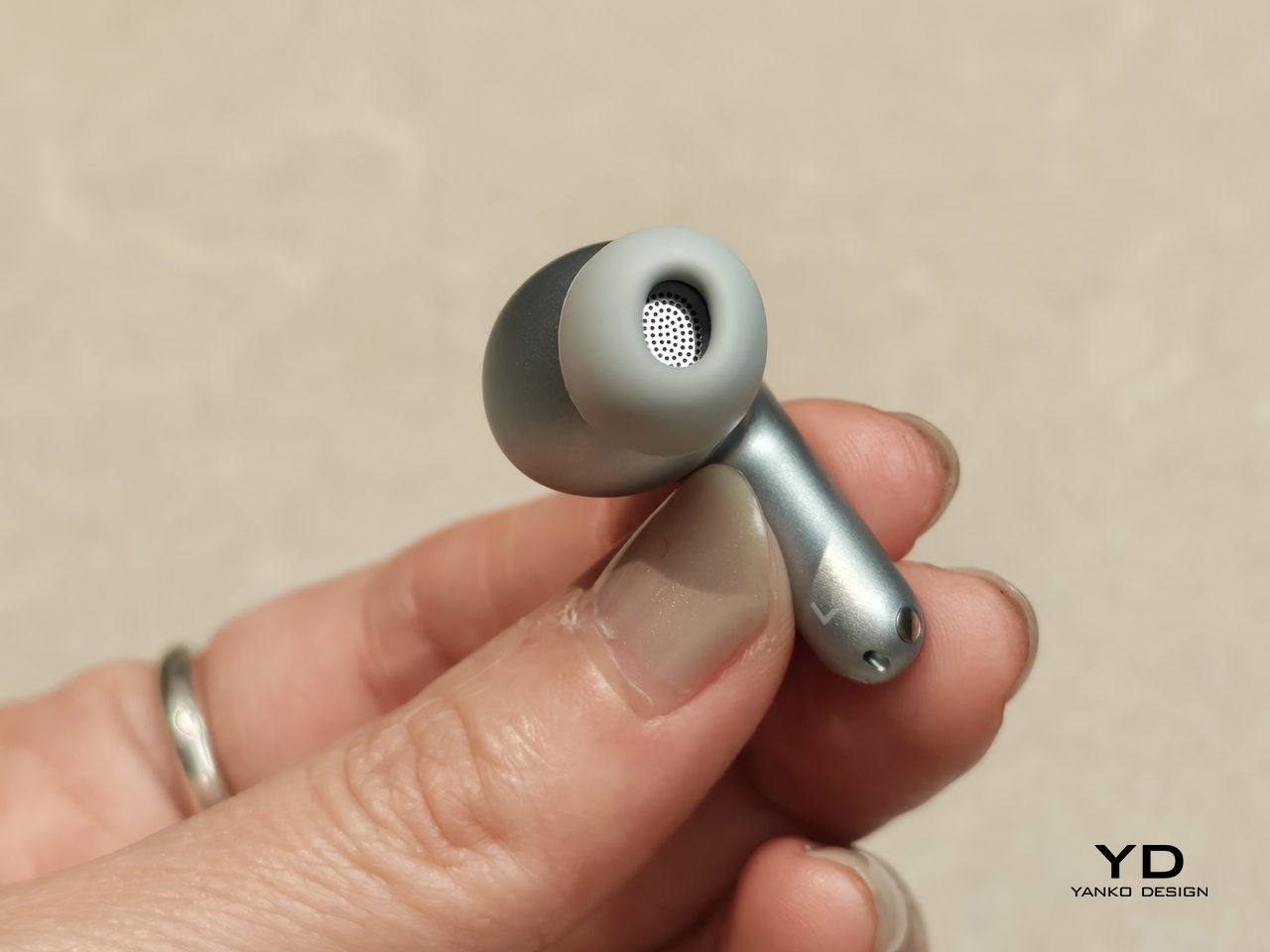
The medium-sized silicone tips come preinstalled, and Redmi also includes small and large tips in the box so you can fine-tune the seal. I usually go with medium-sized tips and sometimes switch to small tips on certain earbuds, but with Redmi Buds 8 Pro, the medium size worked best for me. Some earbuds struggle to stay put even when I am not moving or talking, yet here I had no problem with fit or comfort, even when I talked, ate, did yoga, or went for a jog with the earbuds in.

The charging case weighs about 47 grams, which keeps the full kit small and light enough to disappear into a jeans pocket or a slim sling bag. The rounded shape and smooth finish make it easy to grip and open, and the lid snaps shut with a reassuring click. Magnets inside guide the earbuds into place so they line up with the charging contacts without much effort. In everyday use, that means you can carry the case all day and quickly pop the buds in or out whenever you need them, without really noticing the extra bulk.
Performance

Redmi Buds 8 Pro pack impressive specifications for their price range, and the audio hardware is the main reason why. They use a coaxial triple driver configuration that combines an 11 mm driver with a titanium diaphragm and twin 6.7 mm PZT ceramic tweeters. In listening, the sound comes across as clear and nicely balanced, with bass that feels full and satisfying without overpowering vocals or detail.

Redmi Buds 8 Pro carry Hi-Res Audio Wireless certification and support codecs such as LDAC, but in day-to-day use, the bigger story is simply that the tuning feels well judged. Dolby Audio and Xiaomi Dimensional Audio are also supported, giving you extra options to change the sense of space and presentation, especially for movies and shows.
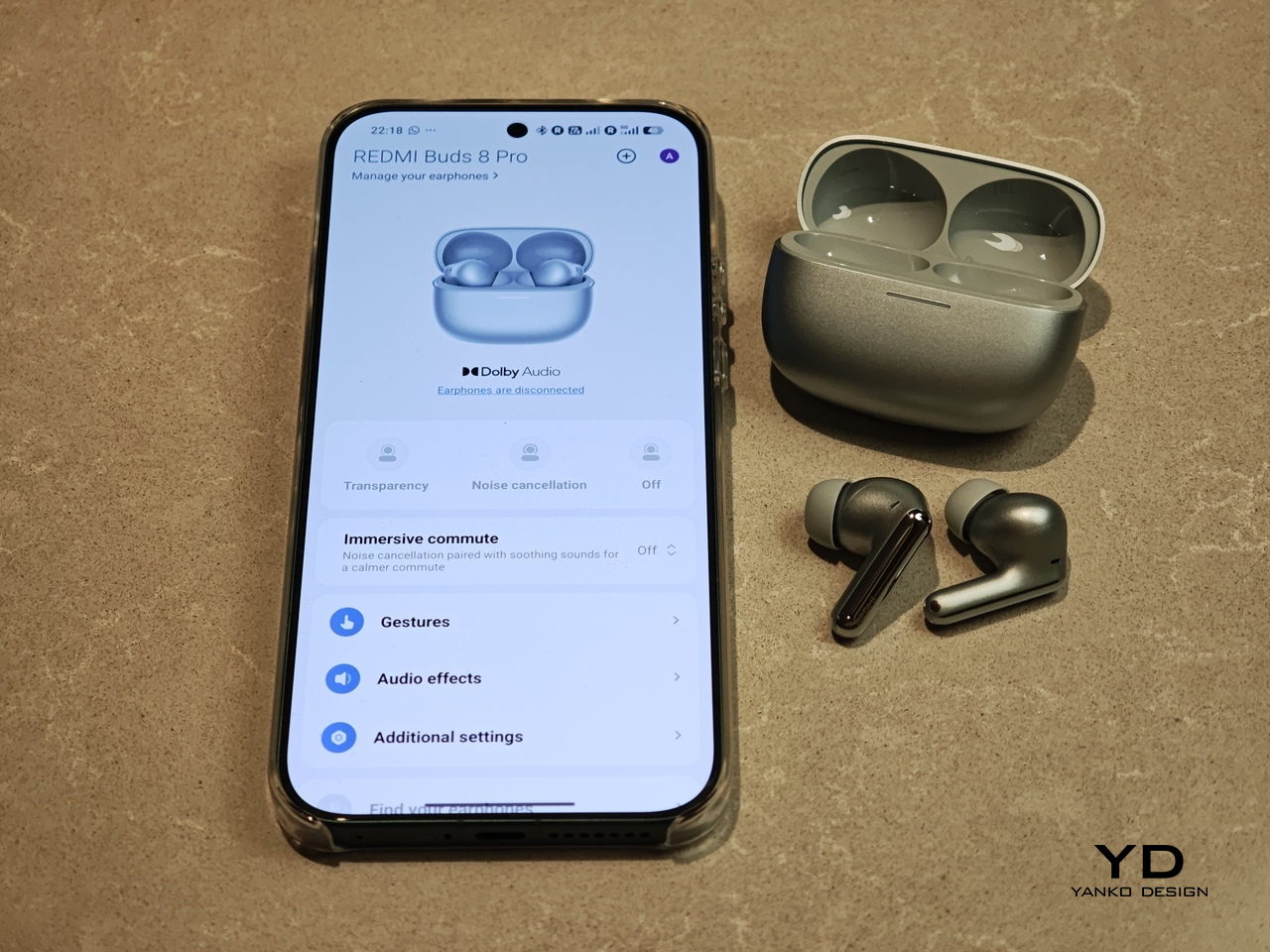
Active Noise Cancellation works great overall, especially considering the price. It does not completely block out train noise or airplane engine rumble, but it comes close, which makes music and podcasts easier to enjoy at lower volumes. With higher-pitched sounds like a baby crying, it still does not fully cancel everything out, yet it reduces the sharpness enough that you are less likely to get distracted from what you are doing.

One comfort note is heat. I felt the earbuds get slightly warm at first when ANC was on, but it did not seem to build up over time. It is also possible I simply got used to the sensation after wearing them for a while, so I would not call it a major issue, but it is worth mentioning if you are sensitive to heat on hot days.
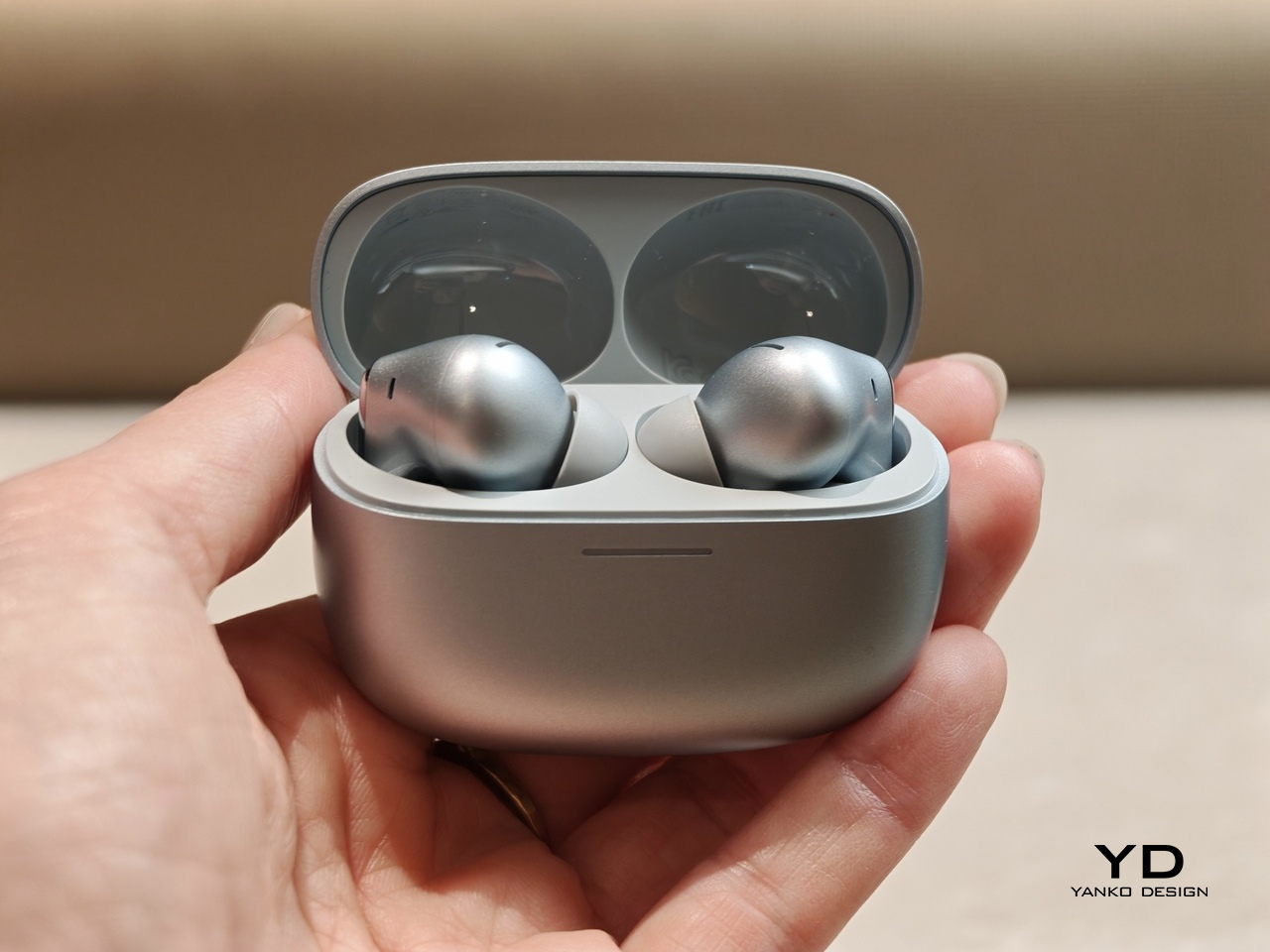
Battery life is solid on paper and practical in daily use. Each earbud houses a 54 mAh battery, with rated playback of up to about eight hours on a single charge when ANC is off. Turn ANC on and use higher volumes, and actual listening time will drop somewhat, which is typical for this type of product, while the 480 mAh charging case extends total listening time up to roughly 33 hours across multiple top-ups.  
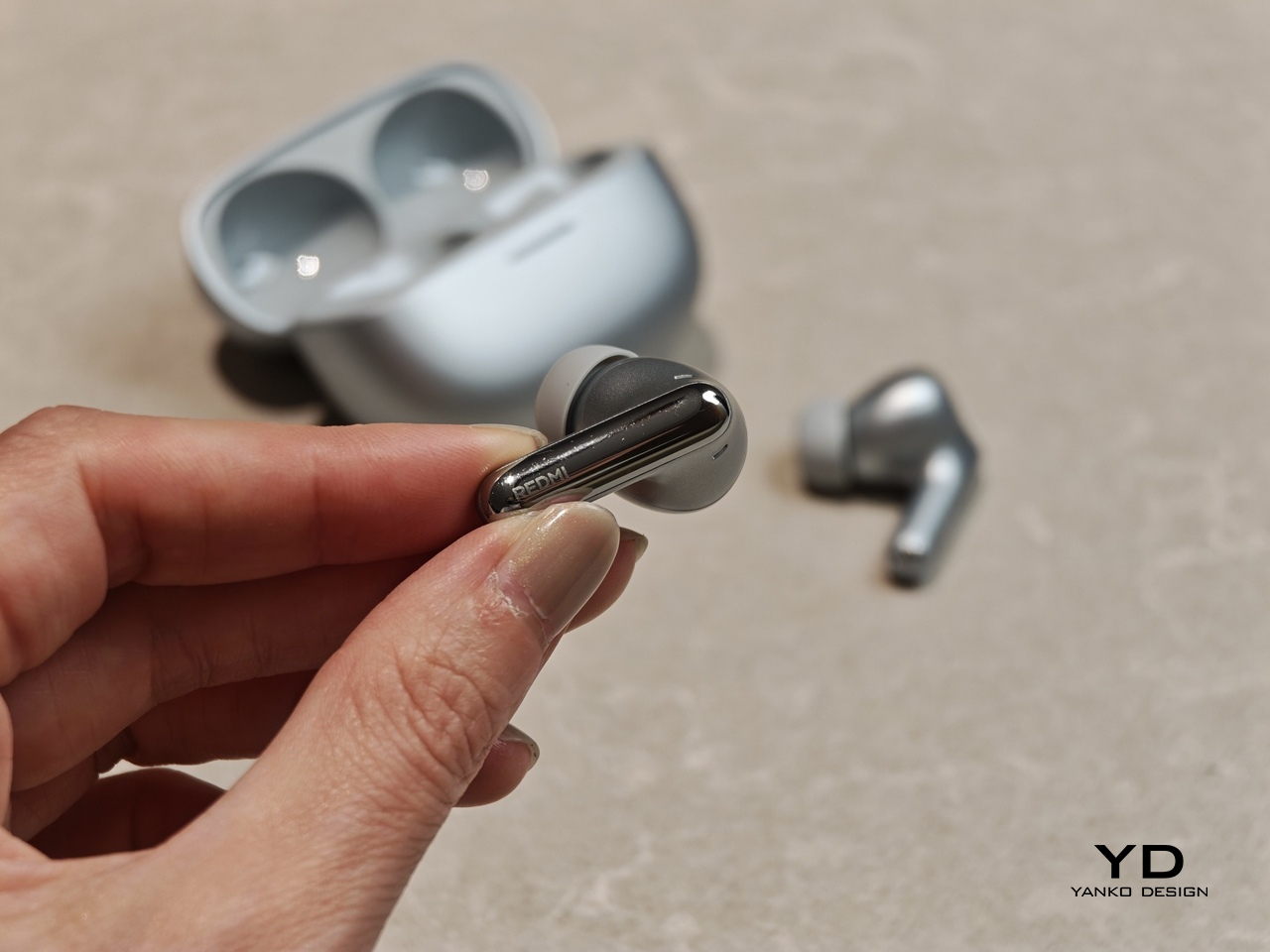
Touch controls on the stems worked great in my use, and the biggest usability upgrade is that volume control is supported via sliding on the stem. The controls support single tap, double tap, triple tap, press and hold, and swipe, which gives you a lot of flexibility without needing to reach for your phone. You can customize these gestures in the Xiaomi Earbuds app, so the controls can match your habits instead of forcing you into a fixed layout.
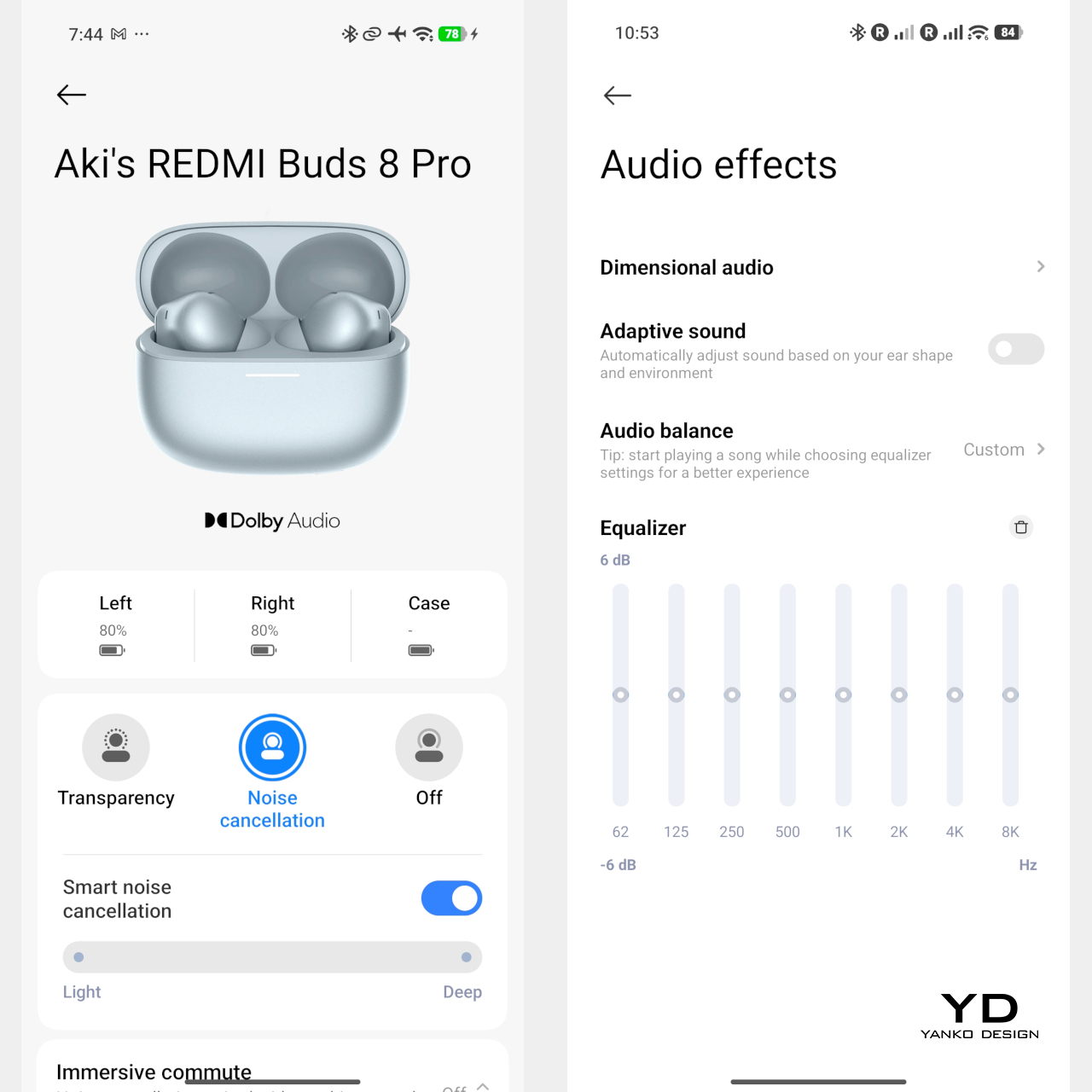
The app also gives you practical sound tuning options without making things feel overly technical. You can pick from preset audio profiles like Balanced sound, Enhanced bass, Enhanced treble, and Enhanced voice, depending on what you are listening to. If you want more control, there is also a custom EQ option that lets you adjust eight separate bands, with each slider running from plus six to minus six, so you can fine-tune the sound without guessing too much.

Sustainability

For a product category like true wireless earbuds, sustainability is rarely a strong point, and Redmi Buds 8 Pro are no exception. The compact, sealed design means the internal batteries are not user-replaceable, so once overall battery health drops, most people will end up replacing the whole set rather than repairing it. That pattern is common across almost all TWS earbuds today, but it still makes this a product that is easier to discard than to keep alive for many years.

The IP54 rating does offer a small positive by protecting against dust and splashes, which can reduce early failures from sweat, light rain, or accidental spills. One small feature that nudges in a better direction is the “find your earphones” function, which lets you play a tone from the left, right, or both earbuds via the app to help you track them down when they go missing. It is not a full integration with Google Find My Device, yet anything that helps you avoid losing a bud and replacing the whole set still counts as a quiet step toward better longevity.
Value

Redmi Buds 8 Pro is priced at 69.90 Euros, which works out to roughly $83. That puts them in the affordable end of the true wireless market. They still cost more than the absolute cheapest buds, but remain very accessible for anyone looking to step up from basic or bundled earphones.

From a value perspective, they make the most sense if you care about sound quality and noise cancellation more than simply paying the lowest possible price. Cheaper options can handle calls and casual listening, but usually lack the triple driver setup, stronger ANC, and more polished overall experience you get here. For many buyers, Redmi Buds 8 Pro will feel like a worthwhile upgrade that adds clear benefits without demanding a luxury-level budget.

Verdict

Redmi Buds 8 Pro is an easy recommendation if you want strong everyday performance without paying flagship prices. The triple driver setup delivers clear, balanced sound with bass that feels full but controlled, and the ANC is effective enough to make commutes and busy spaces noticeably calmer. Touch controls are reliable, and the volume slide gesture is a genuinely useful upgrade that makes daily listening feel smoother.
They are not perfect, with ANC that cannot fully erase the loudest train or plane noise and weaker results on some high-pitched sounds, plus the usual sealed battery limitations for sustainability. Still, the fit was excellent in my ears, the case is easy to carry, and the “find your earphones” tone feature helps prevent frustrating losses. If you care most about sound quality, noise cancelling, and a polished experience at a very competitive price, Redmi Buds 8 Pro hit a sweet spot.

The post Redmi Buds 8 Pro Review: This €69.90 Earbud Punches Way Above Its Weight first appeared on Yanko Design.

The best wireless workout headphones for 2026

Whether you’re lifting, running or squeezing in a quick session between errands, the last thing you want is a cable getting in the way or earbuds that won’t stay put. The best wireless headphones make it easier to focus on your workout, but not every pair is built to handle sweat, motion and long sessions.

Fitness-focused headphones put different demands on design and performance. Secure fit, water resistance and dependable battery life matter just as much as sound quality, especially if you plan to use them outside the gym as well. Some are tuned for awareness during outdoor runs, while others aim to block distractions during intense training.

We’ve tested a wide range of wireless headphones and wireless earbuds that are suited for exercise, narrowing the list down to options that hold up during workouts and still work well for everyday listening. Below, you’ll find our top picks, along with guidance to help you choose the right pair for how you train.

When it comes to running and working out, the edge that the AirPods Pro 3 have over the Pro 2, or even the top picks on our list, is built-in heart rate monitoring. That means you could go out with just your Pro 3 earbuds and your iPhone and still get heart rate information for your entire training session. But otherwise, the Pro 3 buds are just as capable as the Pro 2 when it comes to exercise. Some may prefer the soft-touch finish on our top picks to the AirPods' slick texture.

The Powerbeats Pro 2 are a good alternative to the Beats Fit Pro if you’re a stickler for a hook design. However, they cost $50 more than the Powerbeats Fit, and the main added advantage here is built-in heart rate sensors.

The Soundcore AeroFit Pro is Anker’s version of the Shokz OpenFit, but I found the fit to be less secure and not as comfortable. The actual earbuds on the AeroFit Pro are noticeably bulkier than those on the OpenFit and that caused them to shift and move much more during exercise. They never fell off of my ears completely, but I spent more time adjusting them than I did enjoying them.

The most noteworthy thing about the Endurance Peak 3 is that they have the same IP68 rating as the Jabra Elite 8 Active, except they only cost $100. But, while you get the same protection here, you’ll have to sacrifice in other areas. The Endurance Peak 3 didn’t blow me away when it came to sound quality or comfort (its hook is more rigid than those on my favorite similarly designed buds) and their charging case is massive compared to most competitors.

Before diving in, it’s worth mentioning that this guide focuses on wireless earbuds. While you could wear over-ear or on-ear headphones during a workout, most of the best headphones available now do not have the same level of durability. Water and dust resistance, particularly the former, is important for any audio gear you plan on sweating with or taking outdoors, and that’s more prevalent in the wireless earbuds world.

Most earbuds have one of three designs: in-ear, in-ear with hook or open-ear. The first two are the most popular. In-ears are arguably the most common, while those with hooks promise better security and fit since they have an appendage that curls around the top of your ear. Open-ear designs don’t stick into your ear canal, but rather sit just outside of it. This makes it easier to hear the world around you while also listening to audio, and could be more comfortable for those who don’t like the intrusiveness of in-ear buds.

Even if a pair of headphones for working out aren’t marketed specifically as exercise headphones, a sturdy, water-resistant design will, by default, make them suitable for exercise. To avoid repetition, here’s a quick primer on durability, or ingression protection (IP) ratings. The first digit you’ll see after the “IP” refers to protection from dust and other potential intrusions, measured on a scale from 1 to 6. The second refers to water resistance or even waterproofing, in the best cases. The ratings for water resistance are ranked on a scale of 1 to 9; higher numbers mean more protection, while the letter “X” means the device is not rated for protection in that regard.

All of the earbuds we tested for this guide have at least an IPX4 rating, which means there’s no dust protection, but the buds can withstand splashes from any direction and are sweat resistant, but probably shouldn't be submerged. For a detailed breakdown of all the possible permutations, check out this guide published by a supplier called The Enclosure Company.

Active noise cancellation (ANC) is becoming standard on wireless earbuds, at least those above a certain price point. If you’re looking for a pair of buds that can be your workout companion and serve you outside of the gym, too, noise cancelation is a good feature to have. It makes the buds more versatile, allowing you to block out the dull roar of your home or office so you can focus, or give you some solitude during a busy commute.

But an earbud’s ability to block out the world goes hand-in-hand with its ability to open things back up should you need it. Many ANC earbuds also support some sort of “transparency mode,” or various levels of noise reduction. This is important for running headphones because exercising outdoors, alongside busy streets, can be dangerous. You probably don’t want to be totally oblivious to what’s going on around you when you’re running outside; adjusting noise cancelation levels to increase your awareness will help with that. Stronger noise cancelation might be more appealing to those doing more indoor training if they want to block out the dull roar of a gym or the guy exaggeratingly lifting weights next to you.

All of the Bluetooth earbuds we tested have a battery life of six to eight hours. In general, that’s what you can expect from this space, with a few outliers that can get up to 15 hours of life on a charge. Even the low end of the spectrum should be good enough for most athletes and gym junkies, but it’ll be handy to keep the buds’ charging case on you if you think you’ll get close to using up all their juice during a single session.

You’ll get an average of 20 to 28 extra hours of battery out of most charging cases and all of the earbuds we tested had holders that provided at least an extra 15 hours. This will dictate how often you actually have to charge the device — as in physically connect the case with earbuds inside to a charging cable, or set it on a wireless charger to power up.

In testing wireless workout headphones, I wear them during every bit of exercise I do — be it a casual walk around the block, a brisk morning run or a challenging weight-lifting session. I’m looking for comfort arguably most of all, because you should never be fussing with your earbuds when you should be focusing on working out. In the same vein, I’m cognizant of if they get loose during fast movements or slippery when I’m sweating. I also use the earbuds when not exercising to take calls and listen to music throughout the day. Many people will want just one pair of earbuds that they can use while exercising and just doing everyday things, so I evaluate each pair on their ability to be comfortable and provide a good listening experience in multiple different activities.

While I am also evaluating sound quality, I’m admittedly not an audio expert. My colleague Billy Steele holds that title at Engadget, and you’ll find much more detailed information about audio quality for some of our top picks in his reviews and buying guides. With these headphones for working out, however, I will make note of related issues if they stood out (i.e. if a pair of earbuds had noticeably strong bass out of the box, weak highs, etc). Most of the wireless workout headphones we tested work with companion apps that have adjustable EQ settings, so you’ll be able to tweak sound profiles to your liking in most cases.

This article originally appeared on Engadget at https://www.engadget.com/audio/headphones/best-wireless-workout-headphones-191517835.html?src=rss

Sony WF-1000XM6 earbuds leak reveals pill-shaped design and angular case

Wireless earbuds are the new normal, branching into bold categories like the Clip-Ons and going strong with traditional ANC options. Flagship TWS earbuds are constantly improving with hardware upgrades every couple of years (depending on the brand) and firmware updates that bring new features and options to explore the tech inside.

Sony has long been a major player in the TWS earbuds market, taking on the likes of Bose, Apple, Samsung, Sennheiser, Jabra, Technics, Nothing, and OnePlus. The WF-1000XM5, released in 2023, is their tough competitor, but the two-year release cycle has made them lag behind a bit in the feature list. Their next flagship earbuds are just around the corner, and their design has leaked to give us critics something to hanker about.

Designer: Sony

Looking to take forward the solid legacy of the 1000XM5s, Sony needs to innovate to reclaim the market share that’s being steadily eaten up by the likes of Technics AZ-100, Bose QuietComfort Ultra Earbuds (2nd Gen), Beats Powerbeats Pro 2, AirPods Pro 3, Samsung Galaxy Buds 3 Pro, and Sennheiser Momentum True Wireless 4. Even though Sony still has solid products, the WF-1000XM6 should bring incremental upgrades that retain the Japanese brand’s supremacy in the market.

The leaked Sony earbuds were listed on Power Buy, a retail website, for a while, but were eventually taken down. However, The Walkman Blog managed to extract all the leaked images and a trail of information that got the internet buzzing. No specifications were mentioned in the listing, so we are still in the dark about the internal hardware of the upcoming flagship earbuds by Sony.

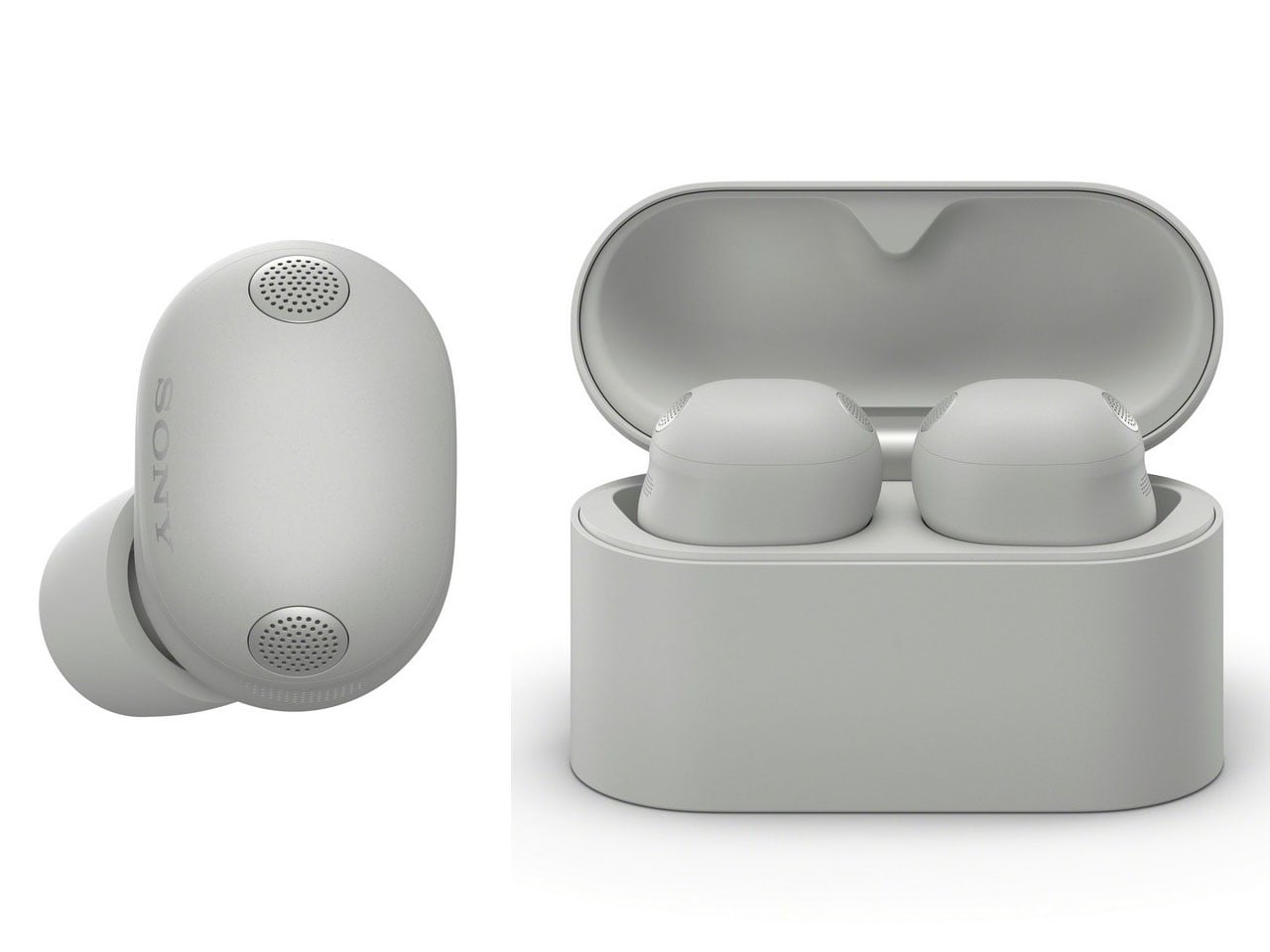
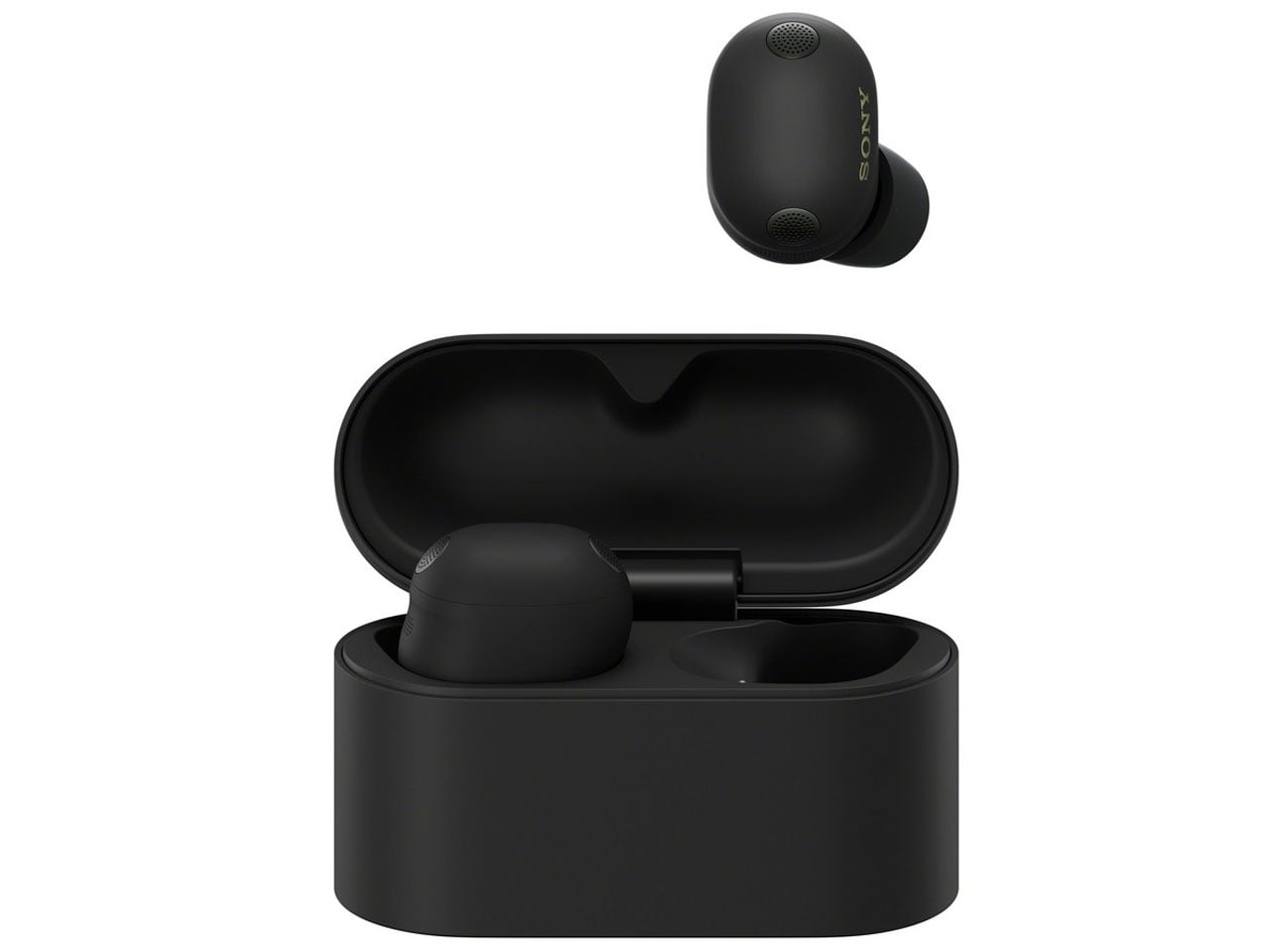
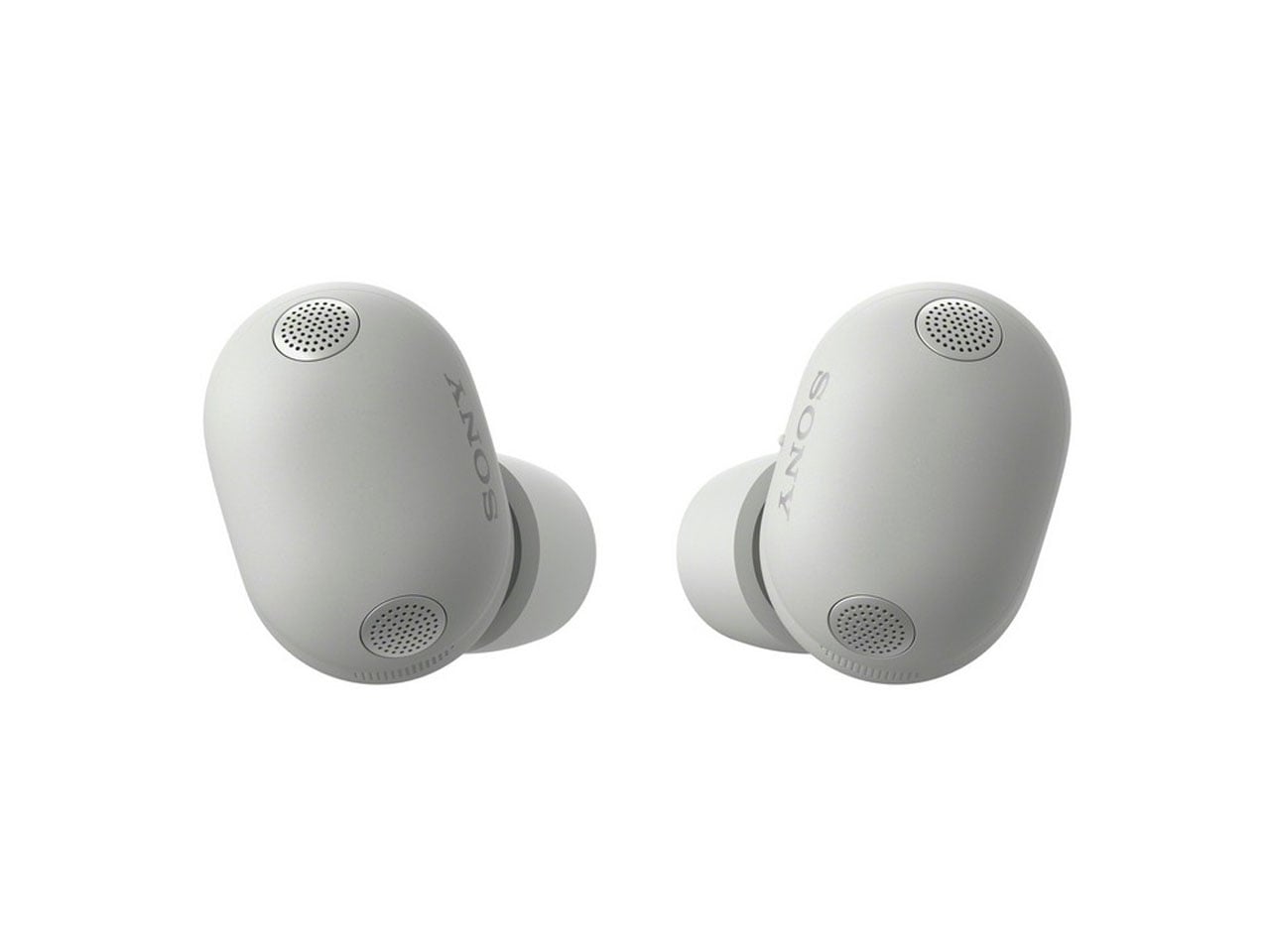
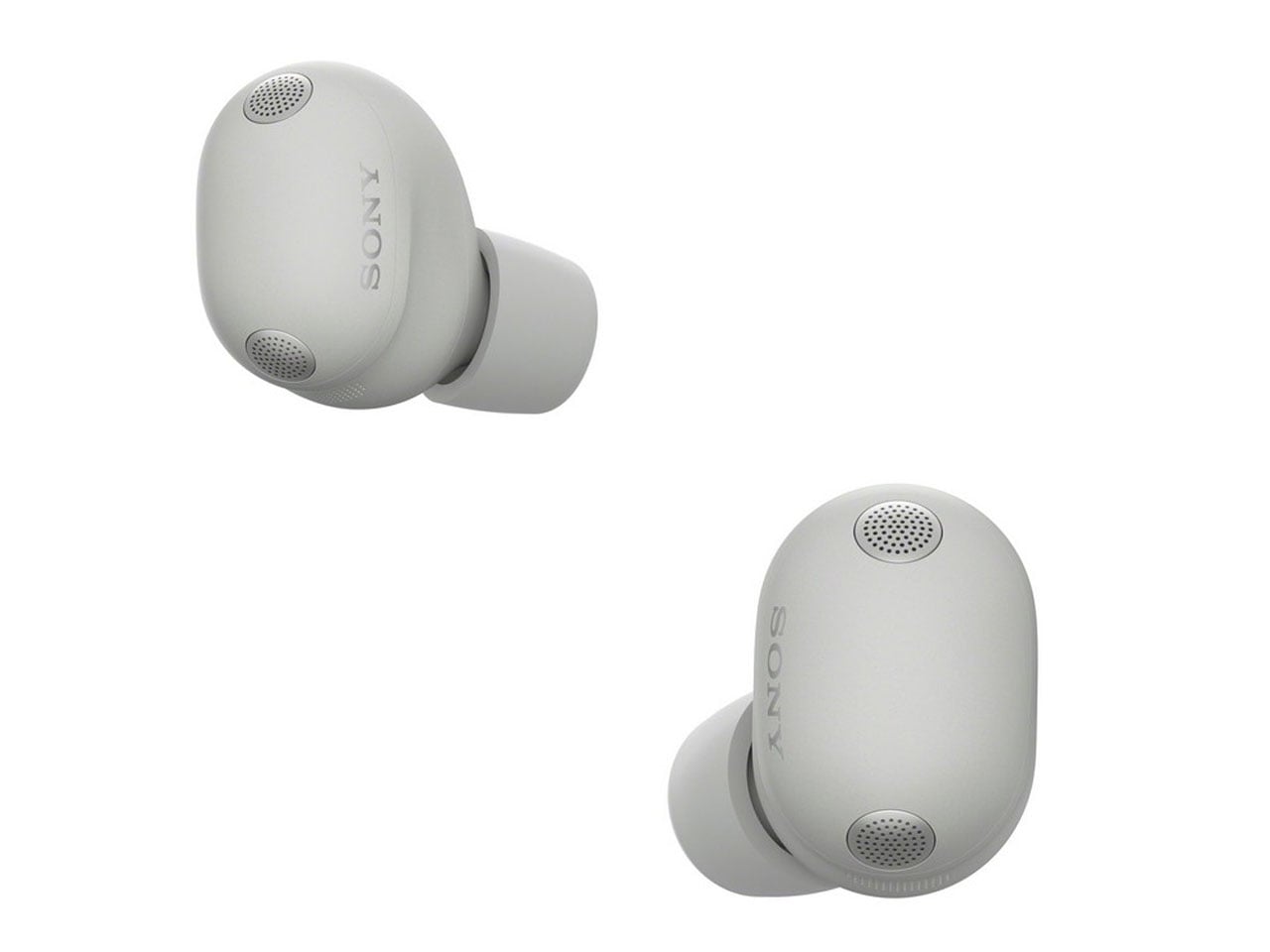
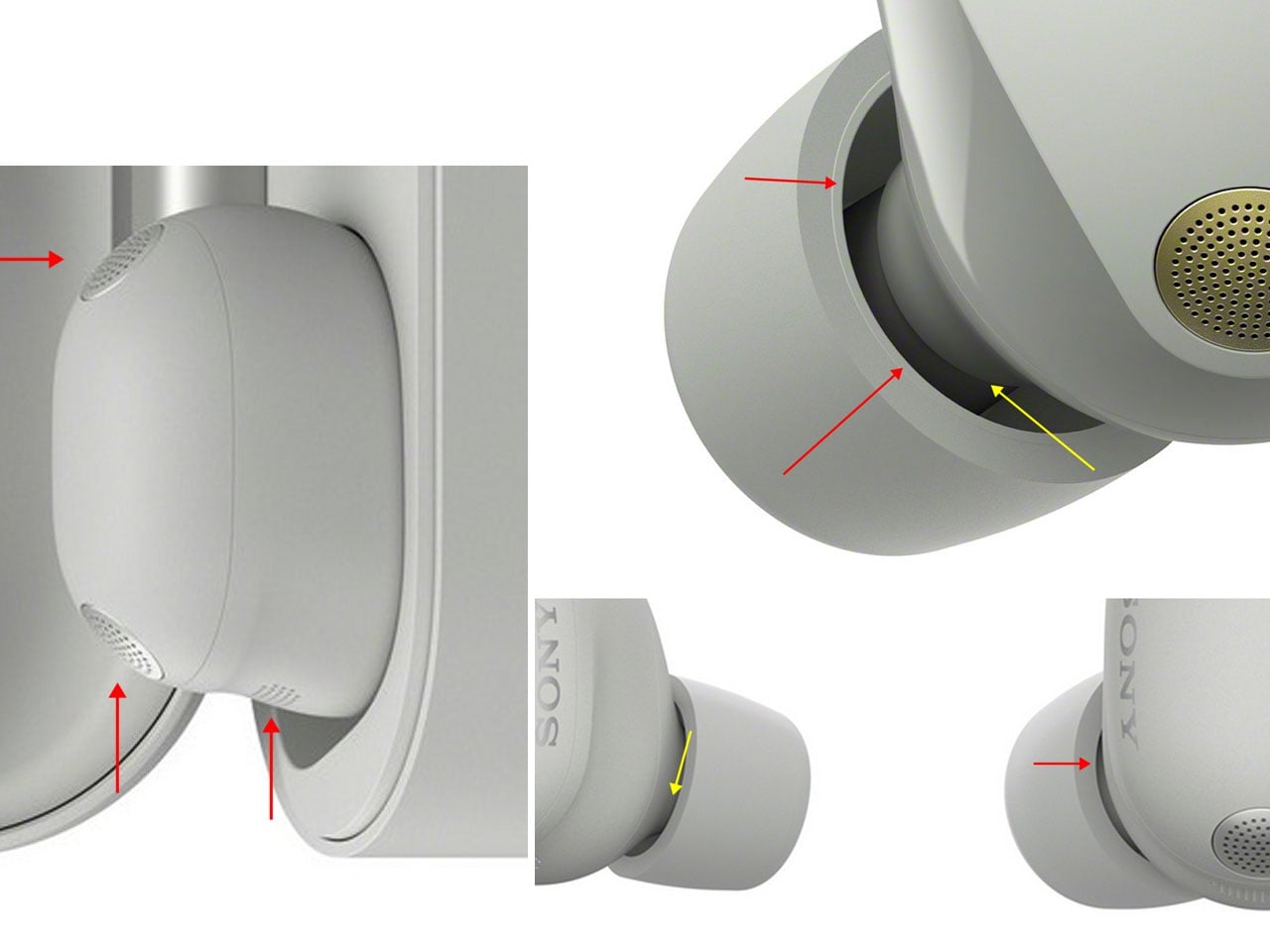
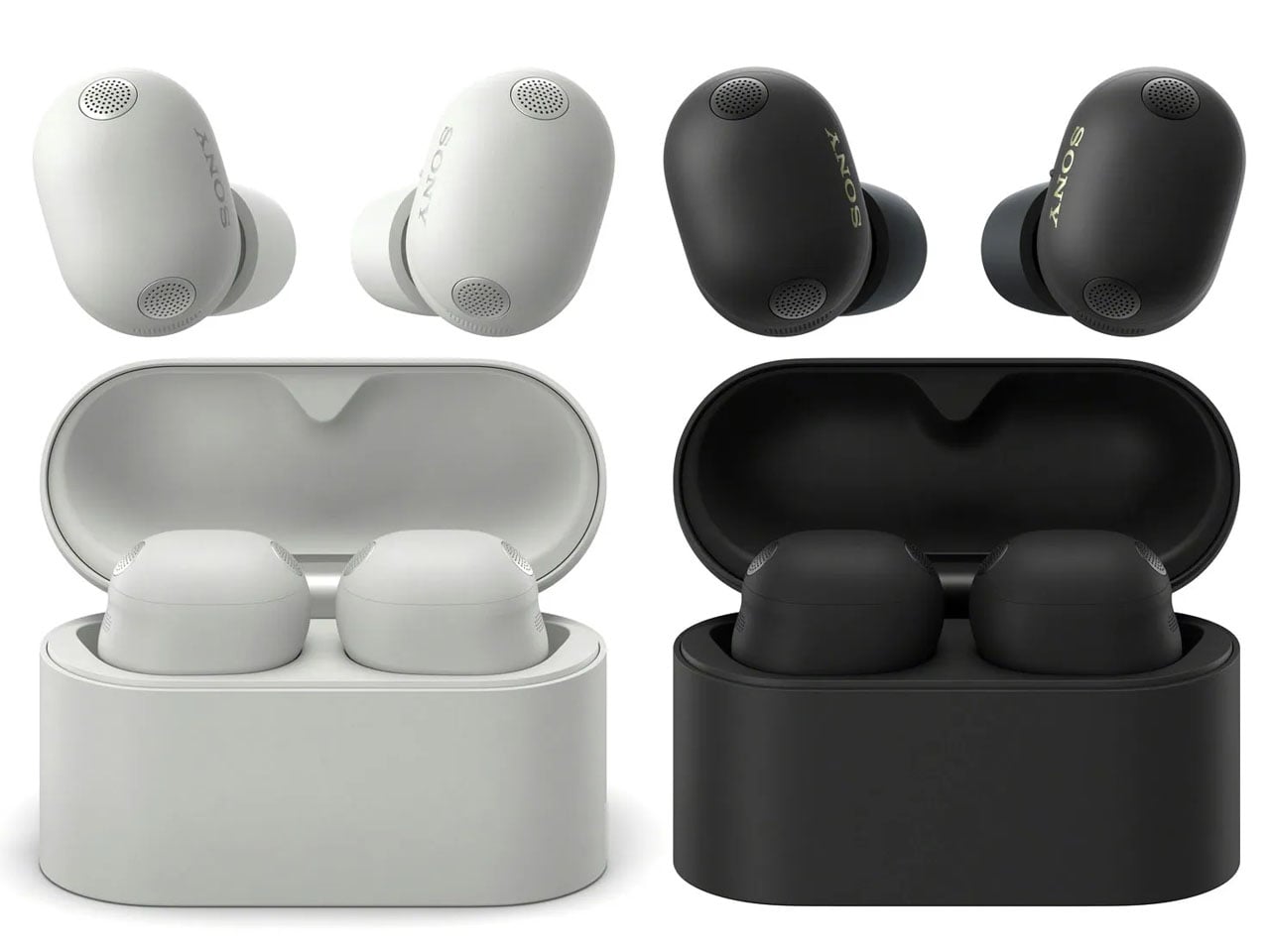
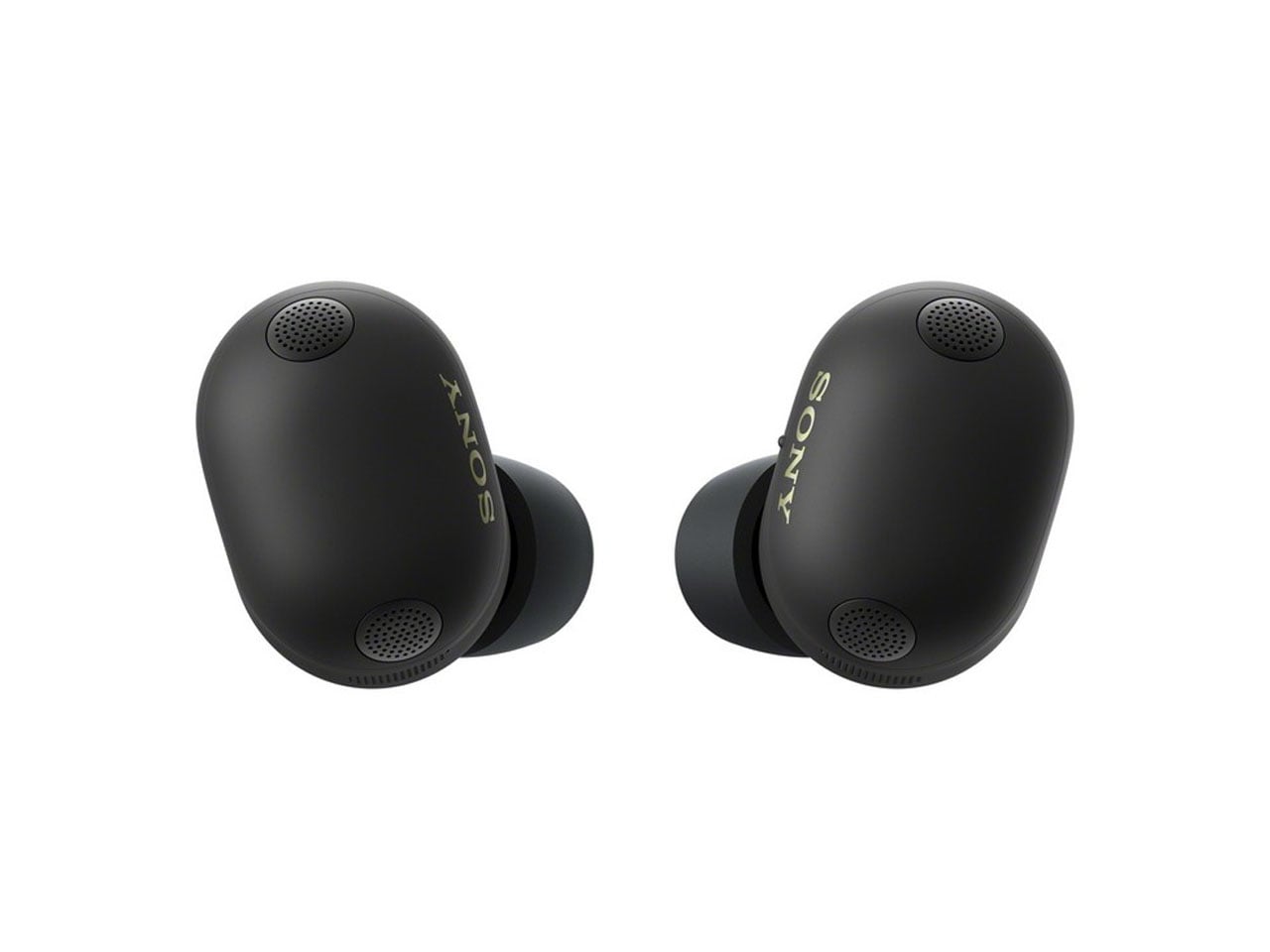
Compared to the contoured XM5, the successors have an elongated oval shape that makes them look bigger, but we’re sure they’re not. The listing mentioned the buds to have an IPX4 rating, which should be good to take them on a rainy day or listen to music by the poolside. Other than that, the earbuds will have ANC and transparency modes, which is predictable and nothing new in current times. From the very clear images, it is apparent that the glossy finish is gone (thank god) and the matte texture looks good with the aesthetics.

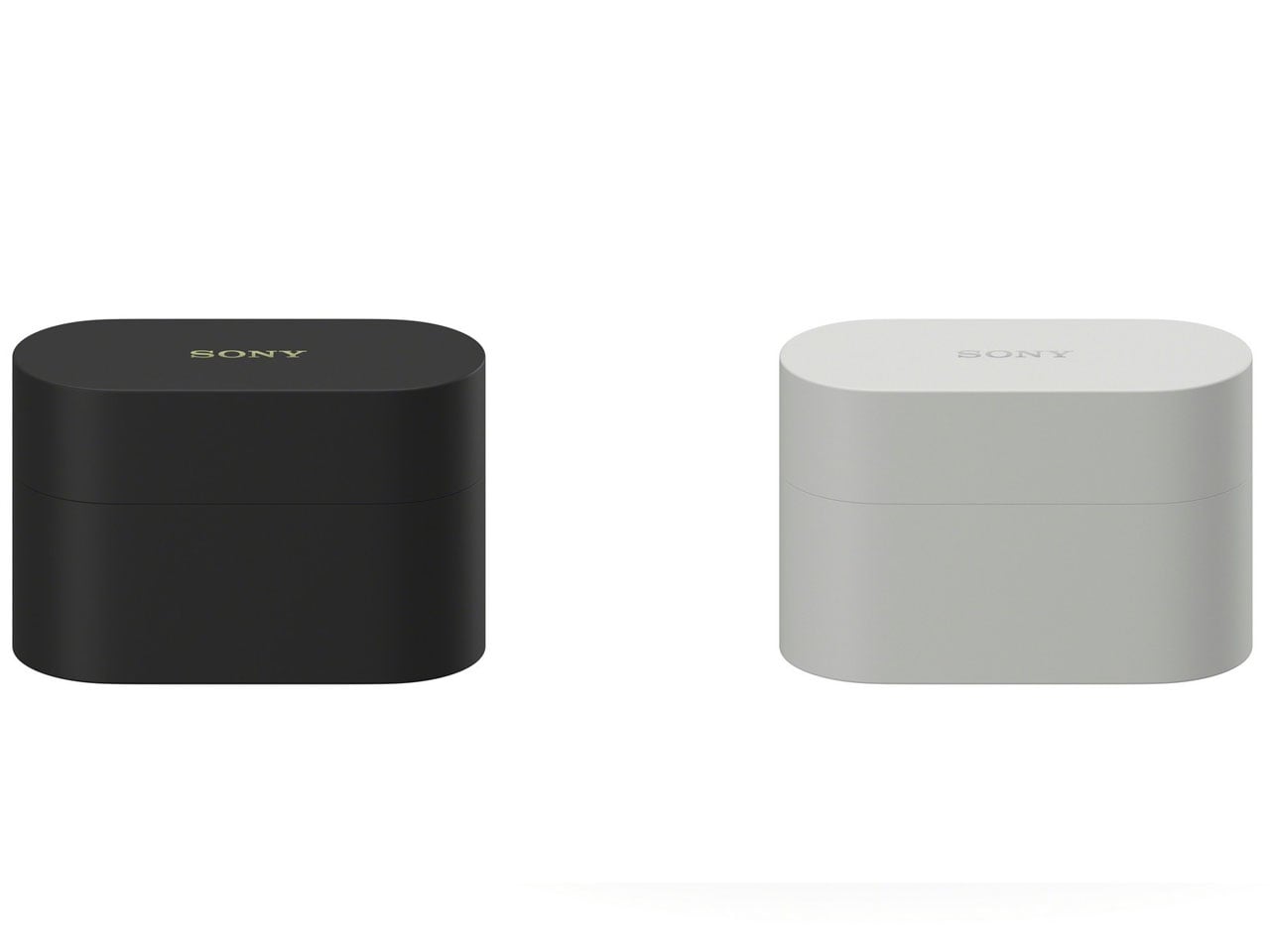
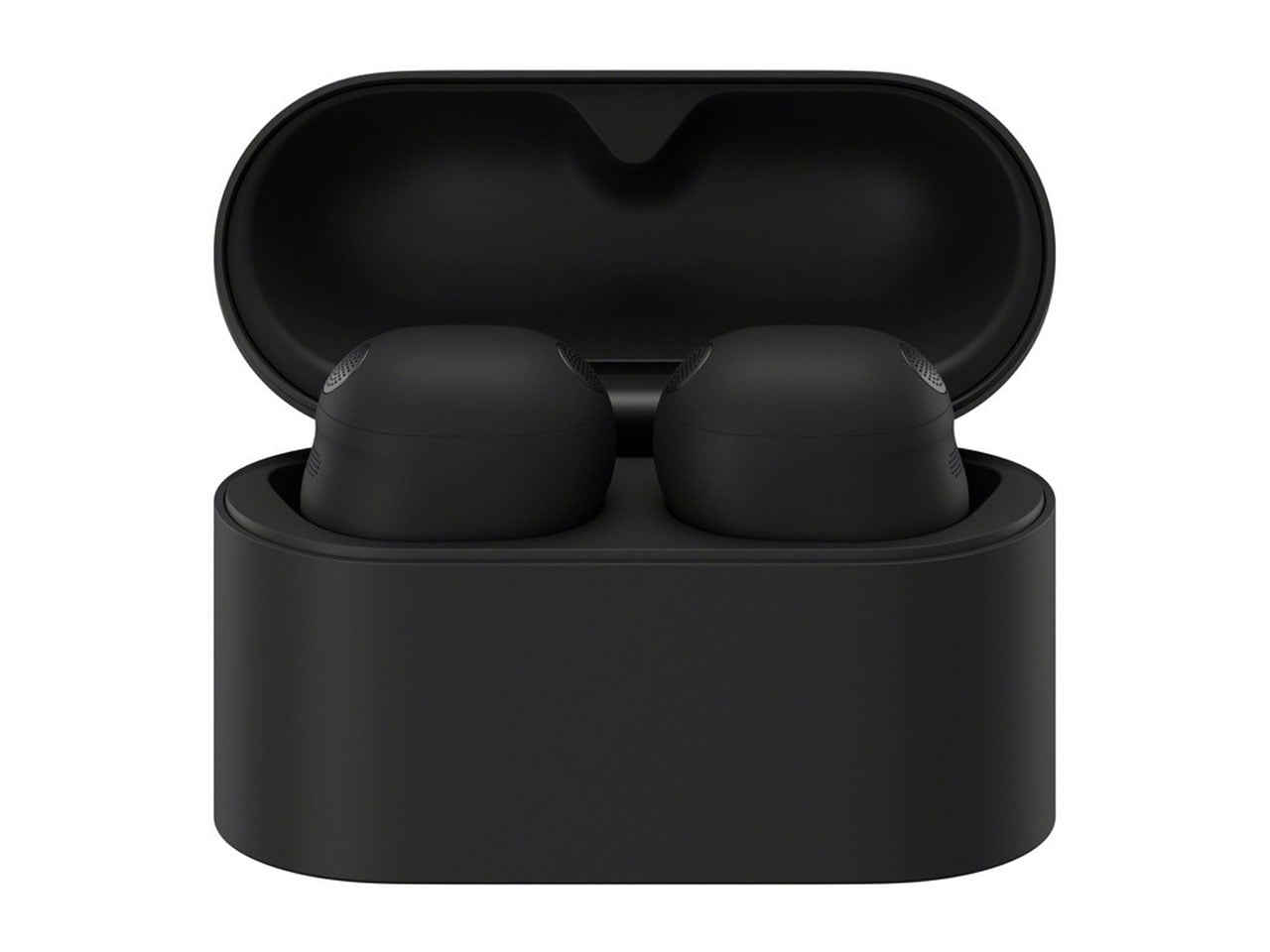
On closer look, one can clearly see three microphones on each earbud (two on top and one on the side), indicating better call audio quality and ANC performance. The charging case has also taken the upgrade route with a more geometric shape compared to the outgoing model. It sure looks bulkier than the older one, but we’ll have to see them side by side to make any conclusions. There are stock eartips on the buds, and we expect to see some good hybrid and silicone tips in the accessories package. If there’s one thing we didn’t love about the XM5s, it’s the eartips, which are fatiguing.

The pill-shaped earbuds will come in two color options: Black and Silver, but we’re sure there are a couple of more colors lurking in the space. Sony has this strategy of revealing more colors after the initial release, so it won’t be surprising if they’ve reserved the peppier options for later.

The post Sony WF-1000XM6 earbuds leak reveals pill-shaped design and angular case first appeared on Yanko Design.
Sony WF-1000XM6 earbuds leak reveals pill-shaped design and angular case

Wireless earbuds are the new normal, branching into bold categories like the Clip-Ons and going strong with traditional ANC options. Flagship TWS earbuds are constantly improving with hardware upgrades every couple of years (depending on the brand) and firmware updates that bring new features and options to explore the tech inside.

Sony has long been a major player in the TWS earbuds market, taking on the likes of Bose, Apple, Samsung, Sennheiser, Jabra, Technics, Nothing, and OnePlus. The WF-1000XM5, released in 2023, is their tough competitor, but the two-year release cycle has made them lag behind a bit in the feature list. Their next flagship earbuds are just around the corner, and their design has leaked to give us critics something to hanker about.

Designer: Sony

Looking to take forward the solid legacy of the 1000XM5s, Sony needs to innovate to reclaim the market share that’s being steadily eaten up by the likes of Technics AZ-100, Bose QuietComfort Ultra Earbuds (2nd Gen), Beats Powerbeats Pro 2, AirPods Pro 3, Samsung Galaxy Buds 3 Pro, and Sennheiser Momentum True Wireless 4. Even though Sony still has solid products, the WF-1000XM6 should bring incremental upgrades that retain the Japanese brand’s supremacy in the market.

The leaked Sony earbuds were listed on Power Buy, a retail website, for a while, but were eventually taken down. However, The Walkman Blog managed to extract all the leaked images and a trail of information that got the internet buzzing. No specifications were mentioned in the listing, so we are still in the dark about the internal hardware of the upcoming flagship earbuds by Sony.

Compared to the contoured XM5, the successors have an elongated oval shape that makes them look bigger, but we’re sure they’re not. The listing mentioned the buds to have an IPX4 rating, which should be good to take them on a rainy day or listen to music by the poolside. Other than that, the earbuds will have ANC and transparency modes, which is predictable and nothing new in current times. From the very clear images, it is apparent that the glossy finish is gone (thank god) and the matte texture looks good with the aesthetics.

On closer look, one can clearly see three microphones on each earbud (two on top and one on the side), indicating better call audio quality and ANC performance. The charging case has also taken the upgrade route with a more geometric shape compared to the outgoing model. It sure looks bulkier than the older one, but we’ll have to see them side by side to make any conclusions. There are stock eartips on the buds, and we expect to see some good hybrid and silicone tips in the accessories package. If there’s one thing we didn’t love about the XM5s, it’s the eartips, which are fatiguing.

The pill-shaped earbuds will come in two color options: Black and Silver, but we’re sure there are a couple of more colors lurking in the space. Sony has this strategy of revealing more colors after the initial release, so it won’t be surprising if they’ve reserved the peppier options for later.

The post Sony WF-1000XM6 earbuds leak reveals pill-shaped design and angular case first appeared on Yanko Design.
Sony WF-1000XM6 earbuds leak reveals pill-shaped design and angular case

Wireless earbuds are the new normal, branching into bold categories like the Clip-Ons and going strong with traditional ANC options. Flagship TWS earbuds are constantly improving with hardware upgrades every couple of years (depending on the brand) and firmware updates that bring new features and options to explore the tech inside.

Sony has long been a major player in the TWS earbuds market, taking on the likes of Bose, Apple, Samsung, Sennheiser, Jabra, Technics, Nothing, and OnePlus. The WF-1000XM5, released in 2023, is their tough competitor, but the two-year release cycle has made them lag behind a bit in the feature list. Their next flagship earbuds are just around the corner, and their design has leaked to give us critics something to hanker about.

Designer: Sony

Looking to take forward the solid legacy of the 1000XM5s, Sony needs to innovate to reclaim the market share that’s being steadily eaten up by the likes of Technics AZ-100, Bose QuietComfort Ultra Earbuds (2nd Gen), Beats Powerbeats Pro 2, AirPods Pro 3, Samsung Galaxy Buds 3 Pro, and Sennheiser Momentum True Wireless 4. Even though Sony still has solid products, the WF-1000XM6 should bring incremental upgrades that retain the Japanese brand’s supremacy in the market.

The leaked Sony earbuds were listed on Power Buy, a retail website, for a while, but were eventually taken down. However, The Walkman Blog managed to extract all the leaked images and a trail of information that got the internet buzzing. No specifications were mentioned in the listing, so we are still in the dark about the internal hardware of the upcoming flagship earbuds by Sony.

Compared to the contoured XM5, the successors have an elongated oval shape that makes them look bigger, but we’re sure they’re not. The listing mentioned the buds to have an IPX4 rating, which should be good to take them on a rainy day or listen to music by the poolside. Other than that, the earbuds will have ANC and transparency modes, which is predictable and nothing new in current times. From the very clear images, it is apparent that the glossy finish is gone (thank god) and the matte texture looks good with the aesthetics.

On closer look, one can clearly see three microphones on each earbud (two on top and one on the side), indicating better call audio quality and ANC performance. The charging case has also taken the upgrade route with a more geometric shape compared to the outgoing model. It sure looks bulkier than the older one, but we’ll have to see them side by side to make any conclusions. There are stock eartips on the buds, and we expect to see some good hybrid and silicone tips in the accessories package. If there’s one thing we didn’t love about the XM5s, it’s the eartips, which are fatiguing.

The pill-shaped earbuds will come in two color options: Black and Silver, but we’re sure there are a couple of more colors lurking in the space. Sony has this strategy of revealing more colors after the initial release, so it won’t be surprising if they’ve reserved the peppier options for later.

The post Sony WF-1000XM6 earbuds leak reveals pill-shaped design and angular case first appeared on Yanko Design.

Sony unveils LinkBuds Clip open-ear earbuds in peppy colors

Open earbuds are the fastest-growing segment of the headphone market, but long before they gained popularity, Sony initially introduced the concept to the market. From their first ever iteration, this style of earbuds has graduated into earhook and clip-style designs. When LinkBuds were first released in 2022, they came in a peculiar design with an ear hook and a circular housing that lets in ambient noises.

After the LinkBuds Open were released in 2024, Sony has now introduced the LinkBuds Clip, featuring an always-clip-on design similar to the Bose Open Earbuds, Edifier LolliClip, Shokz OpenDots One, and the JVC Nearphones. These new flagship earbuds improve on the previous open ear version in every aspect, making them a great choice for people who want situational awareness of their surroundings without any degradation in music quality.

Designer: Sony

Targeted towards active lifestyle users, the buds don’t block the ear canals to hear conversations better, and are ergonomically designed for all-day long wear comfort. The Japanese consumer electronics giant is positioning them as a flagship option for music lovers who are worried about losing their pricy pair of buds during workouts, sporting activities, or adventurous escapades. IPX4 splash-proof rated LinkBuds Clip have a glossy finish with a C-bad connecting the two contoured stems that rest on either side of the ear. While I’m not a big fan of the glossy finish on these, the design looks reassuring, and the buds won’t fall out even after rigorous activity.

The flexibility of adjusting the positioning of the buds depending on the comfort and desired audio output makes the pair recommendable. You can go for a closer proximity to the ear canal for a better sound signature with noticeably more bass, or have a laid-back setup that promotes comfort and consequently a more open input of the ambient noises around. The case of these open-ear earbuds is more or less the same as the LinkBuds Open and Fit, but it doesn’t support wireless charging, which is a bit of a disappointment.

As per independent reviewers who have spent time with the LinkBuds Clip, the touch controls on these are not as good as other Open ear options. The taps can be a miss at times or trigger unwanted action. That said, it is the issue with most touch control earbuds, and for people like me who love physical controls, the features can be a bit of a miss. The sound signature on the LinkBuds Clip is balanced when ideally placed in the ear openings. However, it will be interesting to see how they compare to the next version of Bose Ultra Open Earbuds (released back in early 2024), which are speculated to come out this year.

Battery life on the buds is typically hours that extends to 37 hours with the charging case. The clip-ons have three listening modes: Standard mode for more immersive sound with a lot of detail and clear vocals, Voice Boost mode for listening to the other person in crowded spaces, and the Sound Leakage Reduction mode for lesser disturbance to people in the vicinity.  LinkBuds Clip can be bought right away for $230 in peppy color options like black, greige, green, and lavender. The case covers and fitting cushions in coral green, blue, lavender, and black can be added on for $25 each.

The post Sony unveils LinkBuds Clip open-ear earbuds in peppy colors first appeared on Yanko Design.

Bird.zzz Turns Sleep Tracking into a Calm Earbud and Bedside Lamp Ritual

Most sleep gadgets feel like they belong in a gym or a lab: chunky watches, bright screens, and apps that want you to stare at charts before bed. There is a disconnect between wanting a soft, quiet bedroom and plugging in devices that blink, buzz, and look like mini computers parked on your nightstand. Sleep tech rarely starts from the mood of the room it lives in, focusing instead on metrics and dashboards that feel clinical.

Bird.zzz is a project from Jiyoun Kim Studio and LG Labs that begins with a softly lit, cozy bedroom. It is a sleep wellness earbud paired with a dome-shaped bedside cradle that doubles as a knock-on lamp. The earbuds measure sleep via EEG and physical data, then use that analysis to deliver sound designed to improve sleep quality, all while sitting on your nightstand like a small sculpture rather than a charging puck.

Designer: Jiyoun Kim

The design started from the cradle, imagined as a small object on a nightstand rather than a tech dock. It works as a bedside lamp using LG’s knock-on technology; a tap on the cover turns a warm, indirect LED halo on or off. The magnet-fixed top lifts to reveal the earbuds, and the weight is tuned so it feels stable and reassuring when you reach for it half-awake in the dark.

The earbuds had a specific challenge, needing skin contact for EEG sensing while staying loose enough for comfortable sleep. The team explored numerous forms and landed on a novel S-shaped ear tip, a hybrid of open and closed designs that keeps sensors in place without pressing hard into the ear canal. It borrows benefits from both types while avoiding the pressure points that make most in-ear devices unbearable after 20 minutes.

A typical evening means placing the earbuds in the cradle, tapping the dome to turn on a soft light, then lifting the lid to put the earbuds in as you settle into bed. As you fall asleep, the system reads brain activity and physical signals, adjusting soundscapes or audio cues based on your patterns. In the morning, the earbuds go back into their dome, and the object returns to being a quiet lamp.

The project covered product, packaging, and manual design, so the experience runs from unboxing to nightly use with consistent, minimal language. The warm white LED, indirect lighting, and knock-on interaction follow calm technology principles, asking for as little attention as possible. Bird.zzz launched after CES 2023, but it looks more like a small piece of bedroom architecture than a trade show gadget you plug in reluctantly.

Bird.zzz treats sleep as an environment to design for, not just a graph to optimize. The dome cradle, the S-shaped ear tip, and the soft interactions all point toward tech that respects the bedroom as a place to wind down. For anyone wary of strapping more screens to their body at night, an earbud and lamp combo that tries to disappear into the ritual of going to bed feels like a more thoughtful direction.

The post Bird.zzz Turns Sleep Tracking into a Calm Earbud and Bedside Lamp Ritual first appeared on Yanko Design.
JBL unveils lifestyle oriented open-ear earbuds at CES 2026

Open-ear earbuds and headphones are trending for good reason, and JBL has kick-started its year with some exciting announcements at CES 2026. They’ve launched three different lineups of open-ear audio and fitness-focused designs. These buds and headphones are broadly spread over three product lines: the Endurance, Sense, and Soundgear CLIPS – with 5 products in total.

The OpenSound Series lineup is the brand’s audio-first open buds, comprising the Sense Pro and Sense Lite earbuds. They make use of air conduction technology to deliver a lively, bass-rich sound. The Soundgear CLIPS are the most fashion-forward open ears shaped like earring cuffs, something like the Shokz OpenDots One. Along with these, the Endurance Series buds are tailored for active individuals who like the comfort of long hours of listening to their tunes.

Designer: JBL

OpenSound Series

Sense Pro earbuds are the flagship open-ear headphones specifically designed for audio lovers who value the nuances of music. In conjunction with the 16.2mm drivers and the Adaptive Bass Boost technology, they deliver an enjoyable sound even though they don’t sit flush against your ear canal. Making calls with the Sense Pro is a delight even in the most crowded places, as it comes with four mics and the Voice Pickup Sensor technology for a clear calling experience. The buds have 38 hours of playtime in total with the earbuds lasting eight hours on a single charge in the case. The adjustable ear hook ensures all-day comfort for extended listening. The Sense Pro priced at $200, will come in black or white colors when released in March 2026.

The Sense Lite earbuds are the toned-down version of the flagship Pro’s with a simplified aesthetic and feature list. Most of it is the same as the big brother, only the case battery is slightly less at 24 hours. The buds are rated for IP54 water and dust resistance, meaning you don’t need to worry about the odd splashes or listening sessions in a dusty environment. For the Sense Lite, you’ll have to pay $150, and they will also come in black and white color options when finally released in March.

Soundgear CLIPS

The style-driven Soundgear CLIPS hook onto your ear and are lightweight enough for all-day comfort. Soft TPU construction and the SonicArc shape of the earbuds deliver enhanced bass without any considerable sound leakage. The four AI-assisted mics ensure the calls are crystal clear even in super noisy places. These are also IP54 water and dust resistant, with the same 32 hours total battery life as the Sense Pro. The Soundgear CLIPS will come in more peppy color options, including metallic copper, blue, purple, and white. The clip-on earbuds will be priced at $150 and will have the same March 2026 release timeline.

The post JBL unveils lifestyle oriented open-ear earbuds at CES 2026 first appeared on Yanko Design.

The best wireless earbuds for 2026

Wireless earbuds are now the default option for everyday listening, whether you’re heading out for a commute, fitting in a workout or just watching videos at home. The best wireless earbuds combine reliable connectivity, comfortable fits and sound quality that holds up across music, calls and podcasts, all without the hassle of cables. Most are small enough to disappear into a pocket and pair quickly with phones, tablets and laptops.

What sets one pair apart from another often comes down to priorities. Some earbuds lean heavily on active noise cancellation, while others focus on long battery life, compact charging cases or lower prices. Features like water resistance, customizable controls and app support can also make a real difference day to day. This guide breaks down the best wireless earbuds available now to help you find the right match for how you listen.
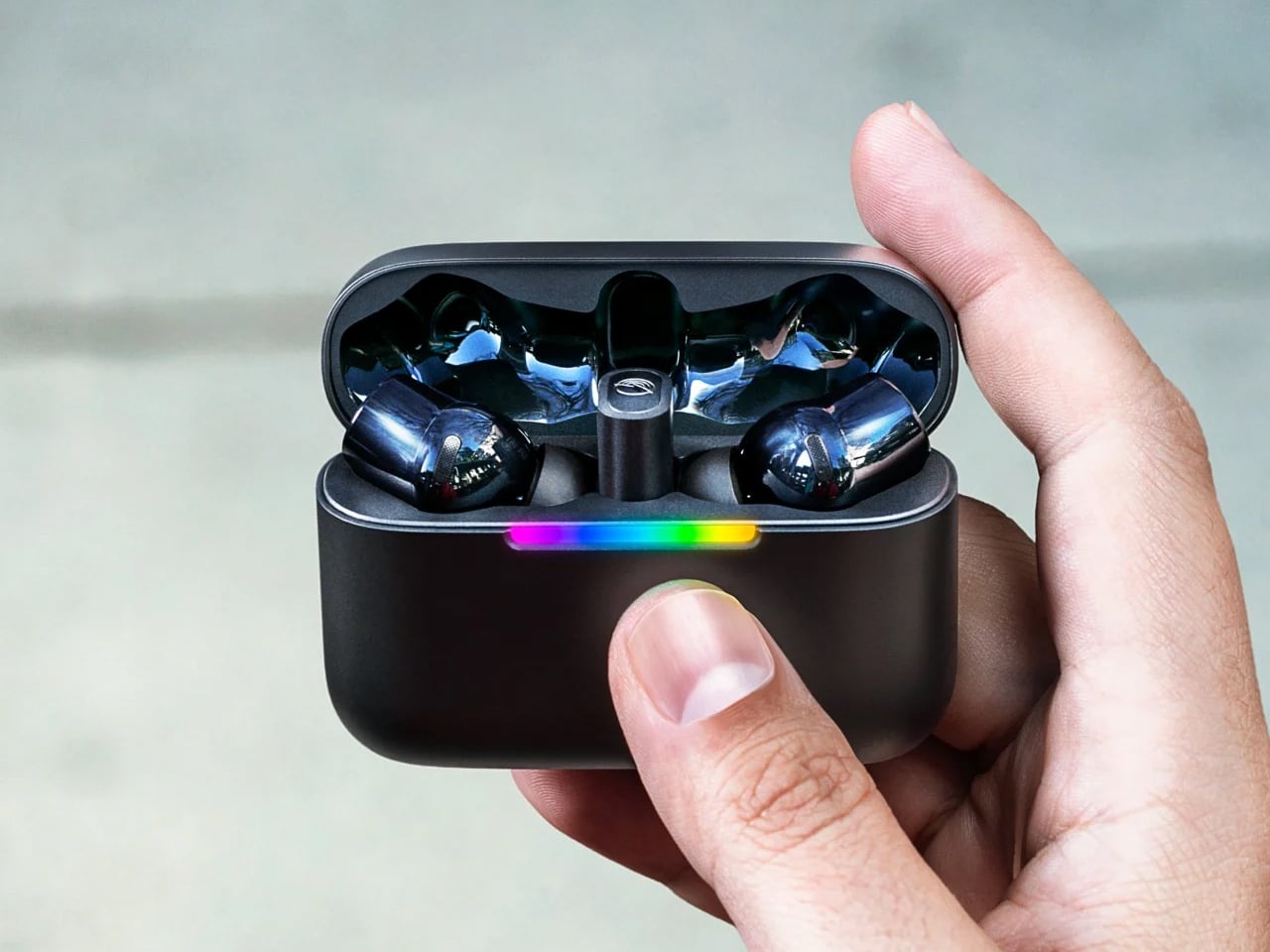
When it comes to shopping for earphones, the first thing to consider is design or wear style. Do you prefer a semi-open fit like AirPods or do you want something that completely closes off your ears? If you’re shopping for earbuds with active noise cancellation, you'll want the latter, but a case can be made for the former if you want to wear them all day or frequent places where you need to be tuned in to the ambient sounds. The overall shape of earbuds can determine whether you get a comfortable fit, so can the size and weight, so you’ll want to consider all that before deciding. And remember: audio companies aren’t perfect, so despite lots of research, the earbud shape they decided on may not fit you well. Don’t be afraid to return ill-fitting earbuds for something that’s more comfortable.
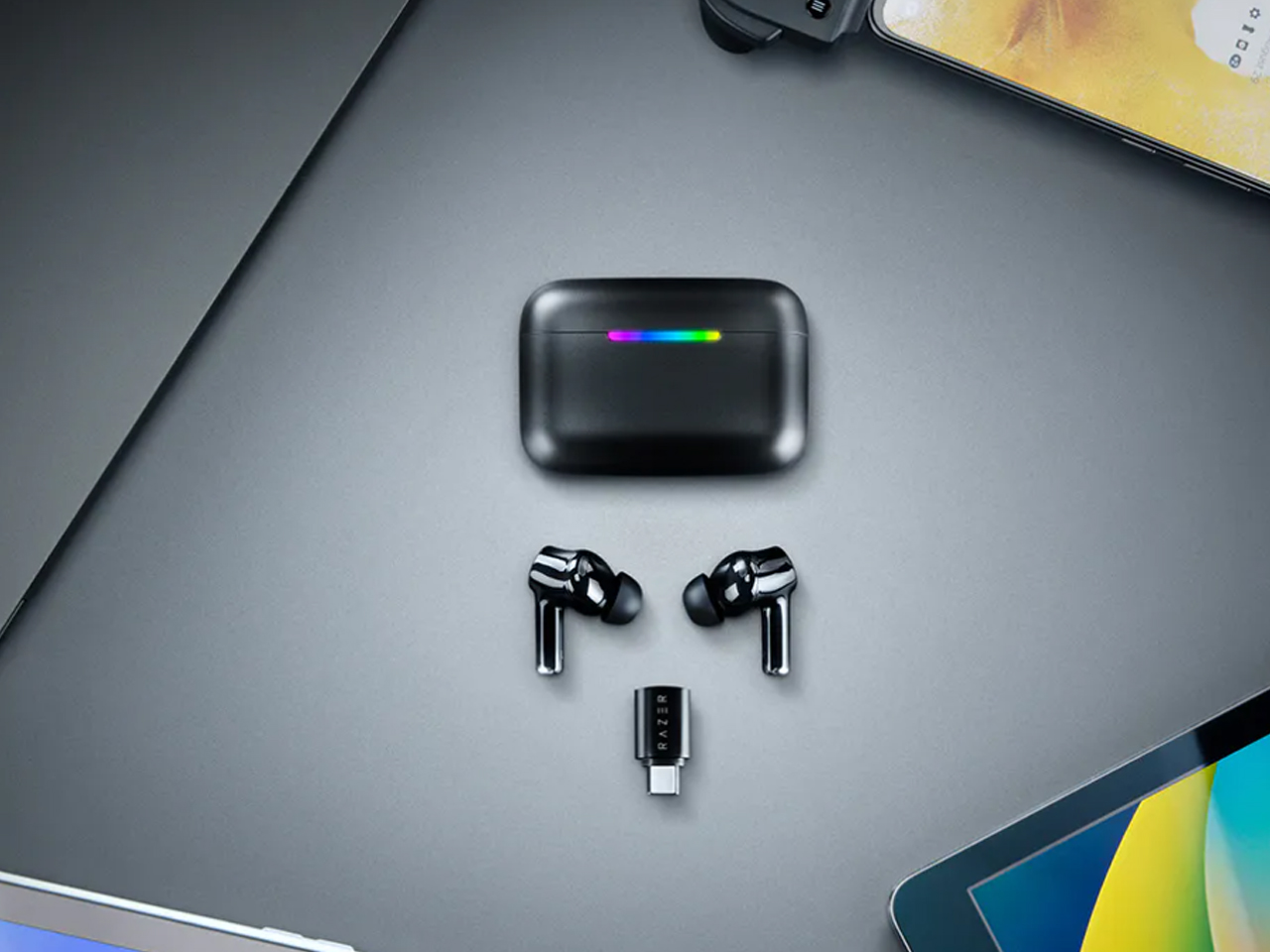
As wireless earbuds have become the norm, they’re now more reliable for basic things like consistent Bluetooth connectivity. Companies are still in a race to pack as much as they can into increasingly smaller designs. This typically means a longer list of features on the more premium sets of earbuds with basic functionality on the cheapest models. Carefully consider what you can’t live without when selecting your next earbuds, and make sure key items like automatic pausing and multipoint connectivity are on the spec sheet. You’ll also want to investigate the volume and touch controls as you’ll often have to sacrifice access to something else to make that adjustment via on-board taps or swipes. Some earbuds even offer app settings to tweak the audio profiles or firmware updates to improve performance over time.

For those in the Apple ecosystem, features like auto-pairing with devices, especially with AirPods Pro 3, can be an added advantage, while Android users may want to look for models that offer similar cross-device functionality.

When it comes to battery life, the average set of earbuds lasts about five hours on a single charge. You can find sets that last longer, but this is likely enough to get you through a work day if you’re docking the buds during lunch or the occasional meeting. You’ll want to check on how many extra charges are available via the case and if it supports wireless charging.

Companies will also make lofty claims about call quality on wireless earbuds. Despite lots of promises, the reality is most earbuds still leave you sounding like you’re on speakerphone. There are some sets that deliver, but don’t get your hopes up unless reviews confirm the claims.

Sound can be subjective, so we recommend trying before you buy if at all possible. This is especially true if you're an audiophile. We understand this isn’t easy when most of us do a lot of shopping online, but trying on a set of earbuds and listening to them for a few minutes can save you from an expensive case of buyer's remorse. If a store doesn’t allow a quick demo, most retailers have return policies that will let you take earbuds back you don’t like. Of course, you have to be willing to temporarily part with funds in order to do this.

We also recommend paying attention to things like Spatial Audio, Dolby Atmos, 360 Reality Audio and other immersive formats. Not all earbuds support them, so you’ll want to make sure a perspective pair does if that sort of thing excites you, especially if you plan to use them for playback of high-quality audio.

The primary way we test earbuds is to wear them as much as possible. We prefer to do this over a one- to two-week period, but sometimes embargoes don’t allow it. During this time, we listen to a mix of music and podcasts, while also using the earbuds to take both voice and video calls. Since battery life for earbuds is typically less than a full day, we drain the battery with looping music and the volume set at a comfortable level (usually around 75 percent).

To judge audio quality, we listen to a range of genres, noting any differences in the sound profile across the styles. We also test at both low and high volumes to check for consistency in the tuning. To assess call quality, we’ll record audio samples with the earbuds’ microphones as well as have third parties call us.

When it comes to features, we do a thorough review of companion apps, testing each feature as we work through the software. Any holdovers from previous models are double checked for improvements or regression. If the earbuds we’re testing are an updated version of a previous model, we’ll spend time getting reacquainted with the older buds. Ditto for the closest competition for each new set of earbuds that we review.

Since we established this best wireless earbuds guide, Sony’s current 1000X model has consistently been the top pick. However, with the WF-1000XM6, there are two key areas where the company’s latest flagship set doesn’t measure up well versus the competition. Overall ANC performance lags behind Bose, and even Sony’s own WF-1000XM5. Speaking of the M5, the company did well there to address the issues I had with fit when it switched to foam ear tips on the WF-1000XM4, but it regressed in that area on the M6. There’s still plenty to like in terms of features and sound quality, but there are also caveats to consider now that could be dealbreakers.

The WF-C710N is a set of compact and comfy earbuds that offer several of Sony’s best features. While the ANC performance is above average for this price ($120), sound quality isn’t as good as the company’s slightly more expensive options. Battery life fell below stated figures and call performance isn’t good enough to use these buds for work.

The newest version of the Powerbeats Pro have an improved, comfortable design, balanced bass and new H2 chips and a heart rate sensor inside. But heart rate support is currently limited on iOS.

The Galaxy Buds 3 combine ANC with an open-type design, which renders the noise-blocking abilities of the earbuds mostly useless. Still, there’s great low-end tone with ample bass when a track demands it. There are also lots of handy features, most of which require a Samsung phone. But at this price, there are better options from Google, Beats and Sony

I really like the overall shape of the Momentum Sport earbuds. They’re more comfortable than the Momentum True Wireless 4 and fit in my ears better. What’s more, the body temperature and heart rate sensors work well, sending those stats to a variety of apps. However, that sport-tracking feature works best with Polar’s app and devices, so there’s that consideration. Also, the audio quality and ANC performance isn’t as good as the MTW4, and these earbuds are pricey.

There’s a lot to like about the Solo Buds for $80. For me, the primary perk is they’re very comfortable to wear for long periods of time thanks to some thoughtful design considerations. You only get the basics here in terms of features and, as expected, the overall sound quality isn’t as good as the pricier models in the Beats lineup. You will get 18 hours of battery life though, since the company nixed the battery in the case and beefed up the listening time in the buds themselves.

Bose created something very unique for this set of earbuds that allows you to stay in-tune with the world while listening to audio content. The clip-on design is very comfortable, but sound quality suffers due to the open-type fit, especially when it comes to bass and spatial audio.

These stick buds have a compact design that’s comfortable to wear and the warm sound profile is great at times. However, overall audio performance is inconsistent and there’s no automatic pausing.

Retooled audio, better ambient sound mode and reliable multipoint Bluetooth are the best things the MW09 has to offer. They’re expensive though, and you can find better ANC performance elsewhere.

Most wireless earbuds will last five hours on a single charge, at the least. You can find some pairs that have even better battery life, lasting between six and eight hours before they need more juice. All of the best wireless earbuds come with a charging case, which will provide additional hours of battery life — but you'll have to return each bud to the case in order to charge them up.

Comparing sound quality on earbuds and headphones is a bit like comparing apples and oranges. There are a lot of variables to consider and the differences in components make a direct comparison difficult. Personally, I prefer the audio quality from over-ear headphones, but I can tell you the sound from earbuds like Sennheiser’s Momentum True Wireless 3 is also outstanding.

With new models coming out all the time, tracking the hours of battery life for each this can be difficult to keep tabs on. The longest-lasting earbuds we’ve reviewed are Audio-Technica’s ATH-CKS5TW. The company states they last 15 hours, but the app was still showing 40 percent at that mark during our tests. The only downside is these earbuds debuted in 2019 and both technology and features have improved since. In terms of current models, Master & Dynamic’s MW08 offers 12 hours of use on a charge with ANC off (10 with ANC on) and JBL has multiple options with 10-hour batteries.

There are plenty of options these days when it comes to increased water resistance. To determine the level of protection, you’ll want to look for an IP (ingress protection) rating. The first number indicates intrusion protection from things like dust. The second number is the level of moisture protection and you’ll want to make sure that figure is 7 or higher. At this water-resistance rating, earbuds can withstand full immersion for up to 30 minutes in depths up to one meter (3.28 feet). If either of the IP numbers is an X, that means it doesn’t have any special protection. For example, a pair of wireless earbuds that are IPX7 wouldn’t be built to avoid dust intrusion, but they would be ok if you dropped them in shallow water.

A secure fit can vary wildly from person to person. All of our ears are different, so audio companies are designing their products to fit the most people they can with a single shape. This is why AirPods will easily fall out for some but stay put for others. Design touches like wing tips or fins typically come on fitness models and those elements can help keep things in place. You’ll likely just have to try earbuds on, and if they don’t fit well return them.

PlayStation 5 doesn’t support Bluetooth audio without an adapter or dongle. Even Sony’s own gaming headsets come with a transmitter that connects to the console. There are universal options that allow you to use any headphones, headset or earbuds with a PS5. Once you have one, plug it into a USB port on the console and pair your earbuds with it.

February 2026: Updated to include new top picks.

January 2026: Updated to ensure our top picks have remained the same.

September 2025: Updated to add AirPods Pro 3 to our top picks.

May 2025: Updated to ensure top picks and buying advice remain accurate.

March 2025: Updated the top pick for the best sounding wireless earbuds - runner up.

January 2025: Updated the top pick for best sounding wireless earbuds.

This article originally appeared on Engadget at https://www.engadget.com/audio/headphones/best-wireless-earbuds-120058222.html?src=rss