Best Kitchen Essentials of 2025: 7 Tools Worth Adding To Your Collection

Kitchen design reached a turning point in 2025, moving beyond gadget proliferation toward thoughtful consolidation. The tools that stood out this year questioned whether we really need separate appliances cluttering our counters or if smarter design could deliver more capability in less space. From espresso machines that resemble modern sculpture to modular cooking systems that adapt to small kitchens, these innovations demonstrate that kitchen essentials can be both beautiful and highly efficient.

What makes these seven tools worth your attention is their refusal to compromise. They deliver professional capability without demanding professional-sized kitchens, embrace minimalist aesthetics without sacrificing functionality, and respect the reality that most of us cook in spaces far smaller than we’d prefer. Whether you’re drawn to all-in-one versatility or single-purpose perfection, these designs represent kitchen tools that have evolved beyond their utilitarian origins into objects worth keeping visible rather than hidden away in cabinets.

1. BØYD Espresso Machine: Minimalist Coffee Perfection

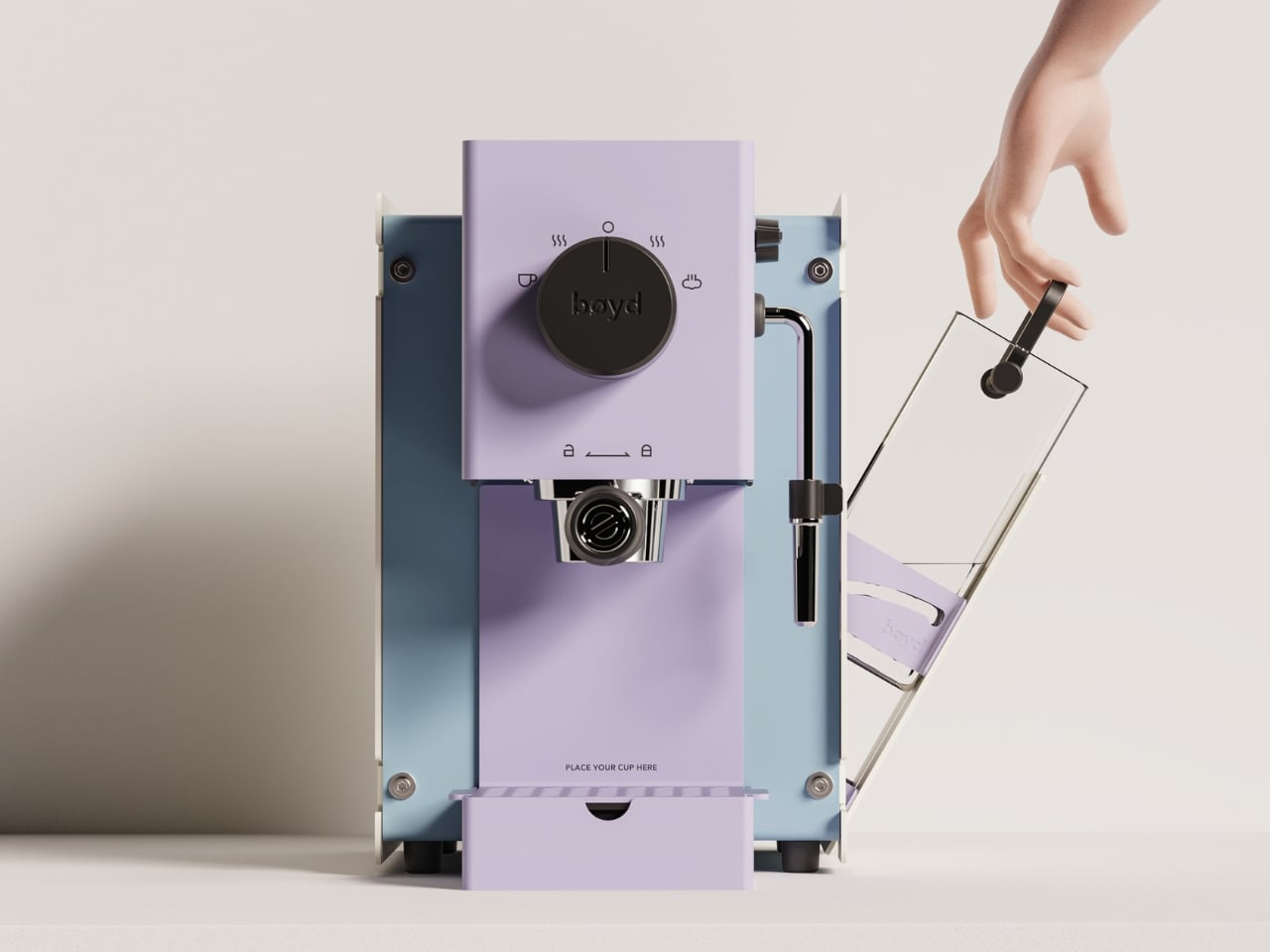
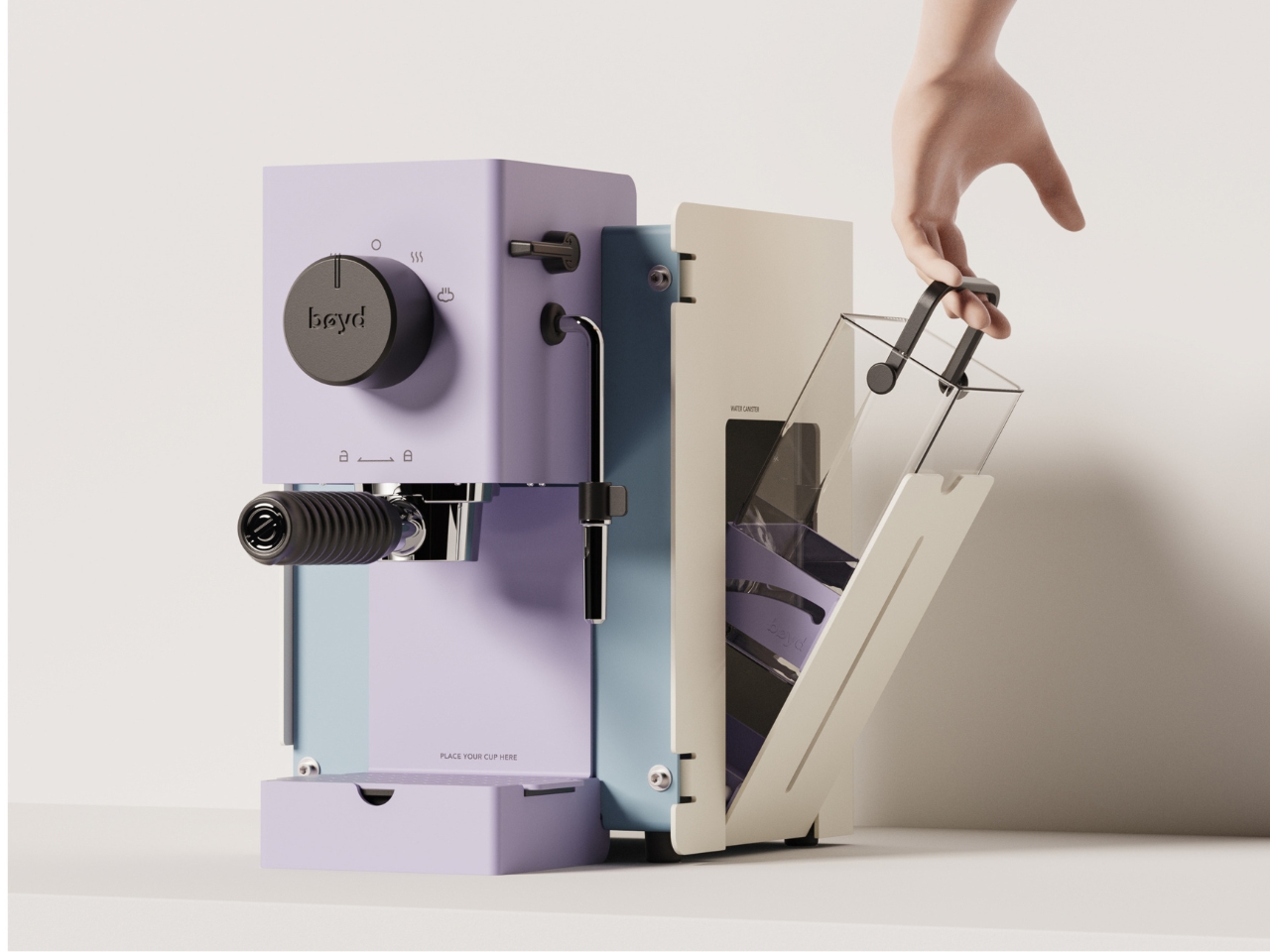
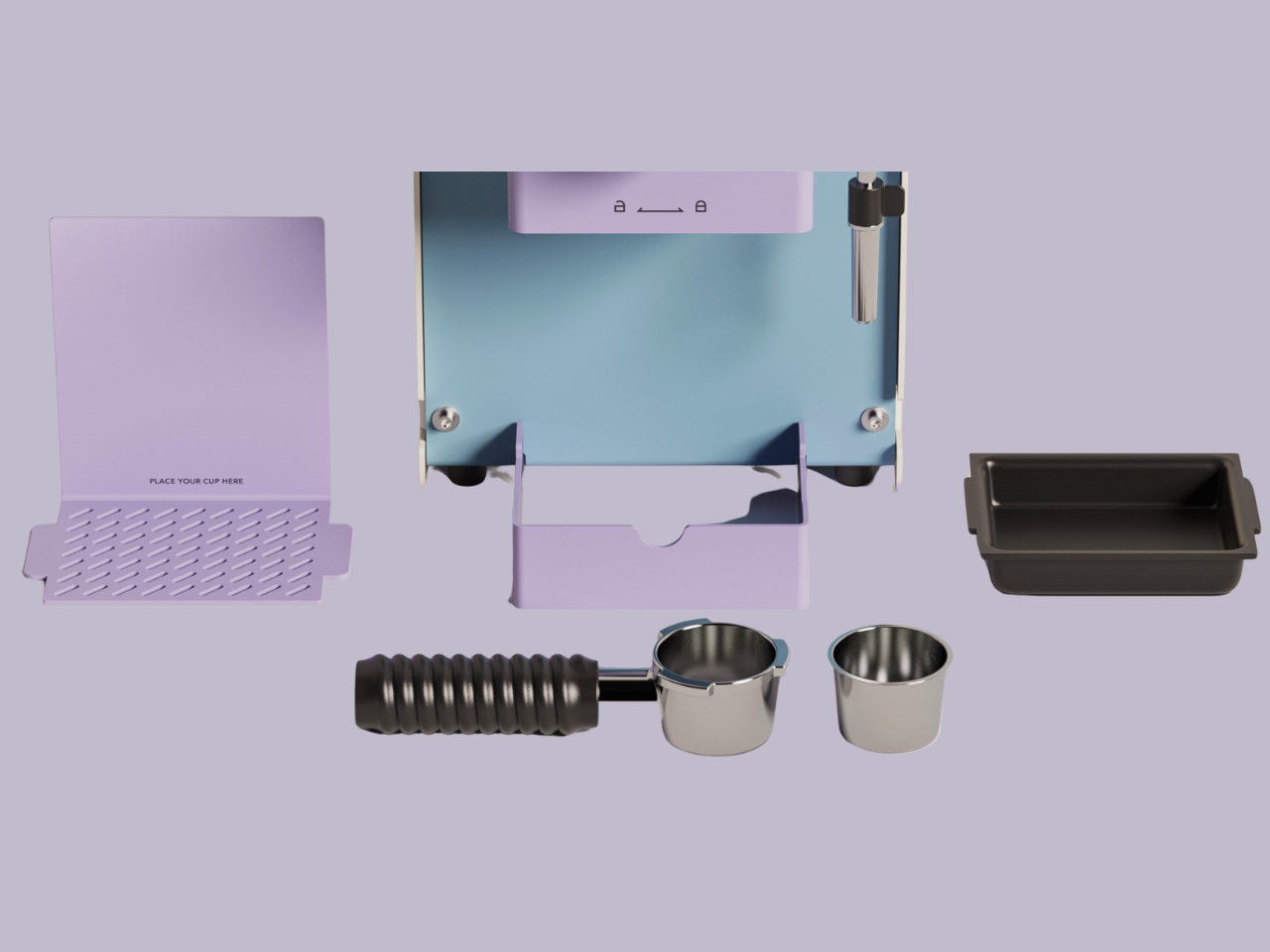
The BØYD espresso machine concept from NYZE Studio commands attention through bold geometric simplicity rather than technical intimidation. Smooth curves and pure lines create something resembling modern sculpture more than traditional coffee equipment, transforming countertop real estate into visual statement territory. The less-is-more philosophy strips away unnecessary details, leaving only what matters for making exceptional espresso. This machine invites display rather than storage.

Thoughtful ergonomics ground the aesthetic ambition in practical usability. The perfectly arched handle provides natural grip comfort, while the simplified interface eliminates button-fumbling before your first cup. Morning coffee preparation becomes intuitive rather than overwhelming, which matters when you’re operating pre-caffeine. The BØYD proves that espresso machines don’t need complexity to deliver quality, just clarity of purpose and execution that respects both the coffee and the person making it.

What we like

  • The bold minimalist form functions as a countertop sculpture while making espresso.
  • The arched handle and simple interface prioritize ergonomic comfort and intuitive operation.

What we dislike

  • The concept status means availability and pricing remain unknown.
  • The minimalist aesthetic may lack the visual warmth some prefer in kitchen appliances.

2. Concept Cooker: The All-in-One Kitchen Revolution

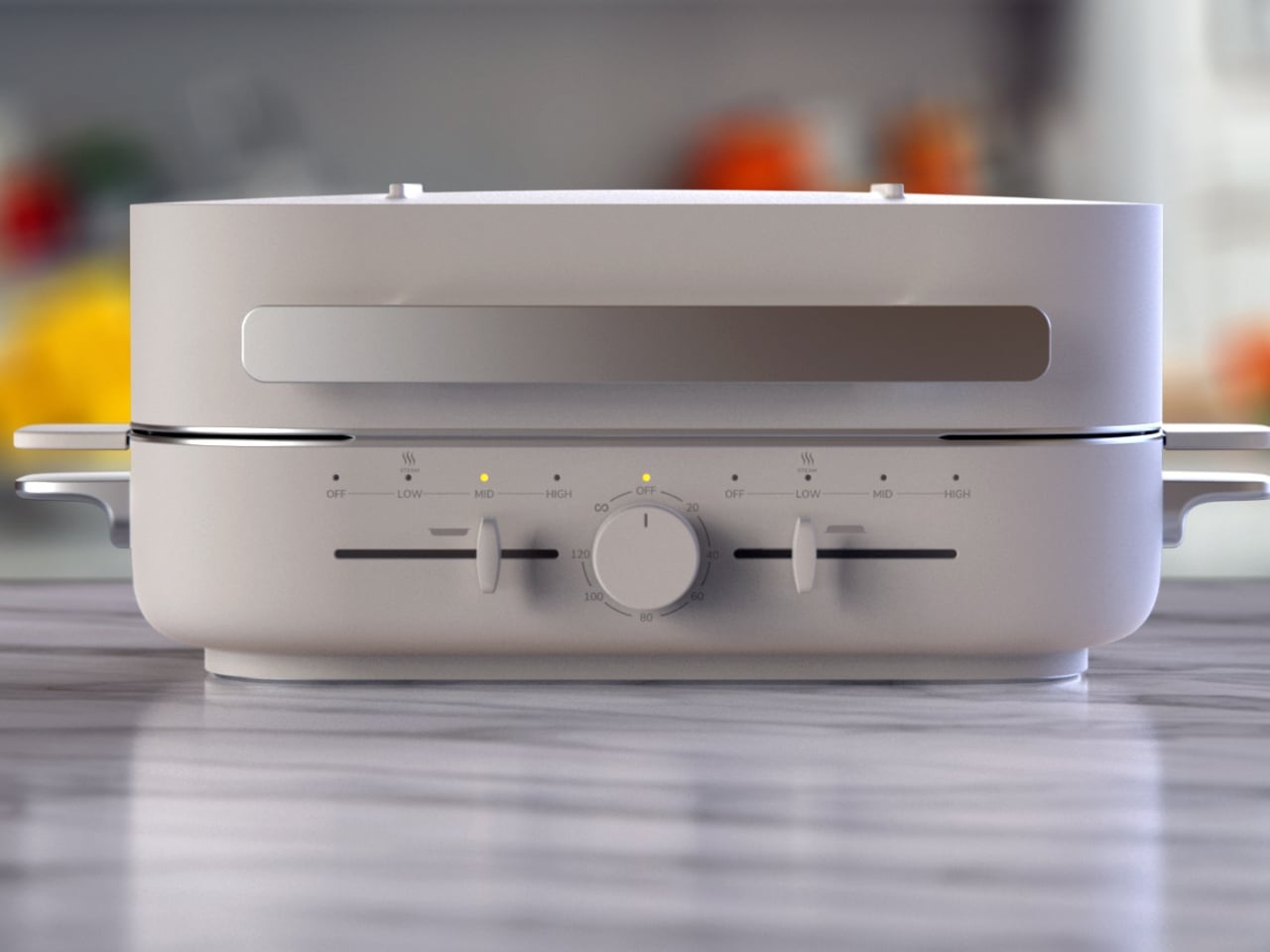
Vuk Dragović’s concept for Nanlong imagines replacing multiple appliances with one versatile countertop unit capable of grilling, steaming, baking, and hosting hot-pot dinners. Designed for China’s dynamic cooking culture, this all-in-one system simplifies both everyday meals and entertaining through intelligent consolidation. The clean control panel allows mode selection, temperature setting, and timer adjustment in a few taps, eliminating confusing menus and excessive knobs that plague traditional appliances.

Interchangeable accessories demonstrate the breadth of functionality. Snap-in grill racks deliver smoky finishes to meats and vegetables, steaming baskets preserve nutrients in seafood and dumplings, baking trays transform the unit into a miniature oven, and dedicated hot-pot inserts bring communal dining home. The compact footprint sits comfortably on most counters, freeing space otherwise occupied by separate grills, steamers, and ovens. Quick attachment and straightforward cleanup make the modular approach practical rather than theoretical, proving that versatility doesn’t require complexity.

What we like

  • The all-in-one design replaces multiple appliances with one compact countertop unit.
  • Interchangeable accessories enable grilling, steaming, baking, and hot-pot functionality.

What we dislike

  • The concept stage leaves questions about durability across multiple cooking methods.
  • The modular accessories require storage space when not actively in use.

3. Iron Frying Plate: Cook and Eat on the Same Surface

The Iron Frying Plate eliminates the transfer step between cooking and eating by making the frying pan your plate. This beautifully crafted cookware allows you to enjoy meals immediately after cooking them, served on the very surface that brought out their best flavors and textures. Made from 1.6mm-thick mill scale steel, the uncoated iron surface is rust-resistant, stick-resistant, and ready to use straight from the box without seasoning rituals that intimidate casual cooks.

The wooden handle attaches and detaches with one hand, transforming the pan from cooking tool to serving plate seamlessly. This design philosophy respects the reality that transferring hot food creates extra dishes and loses precious heat. Eating directly from the iron plate maintains optimal temperature while reducing cleanup to a single item. The handsome aesthetic makes tableside presentation feel intentional rather than lazy, proving that the shortest distance between stove and mouth deserves celebration rather than apology.

Click Here to Buy Now: $69.00

What we like

  • The cook-and-eat design eliminates food transfer and reduces dishes to one item.
  • The 1.6mm mill scale steel is rust-resistant and stick-resistant without coatings.

What we dislike

  • The iron construction retains heat intensely, requiring careful handling at the table.
  • The single-serve format doesn’t scale well for cooking family-sized meals.

4. Thanko Electric Bento Rice Cooker: Perfect Rice Anywhere

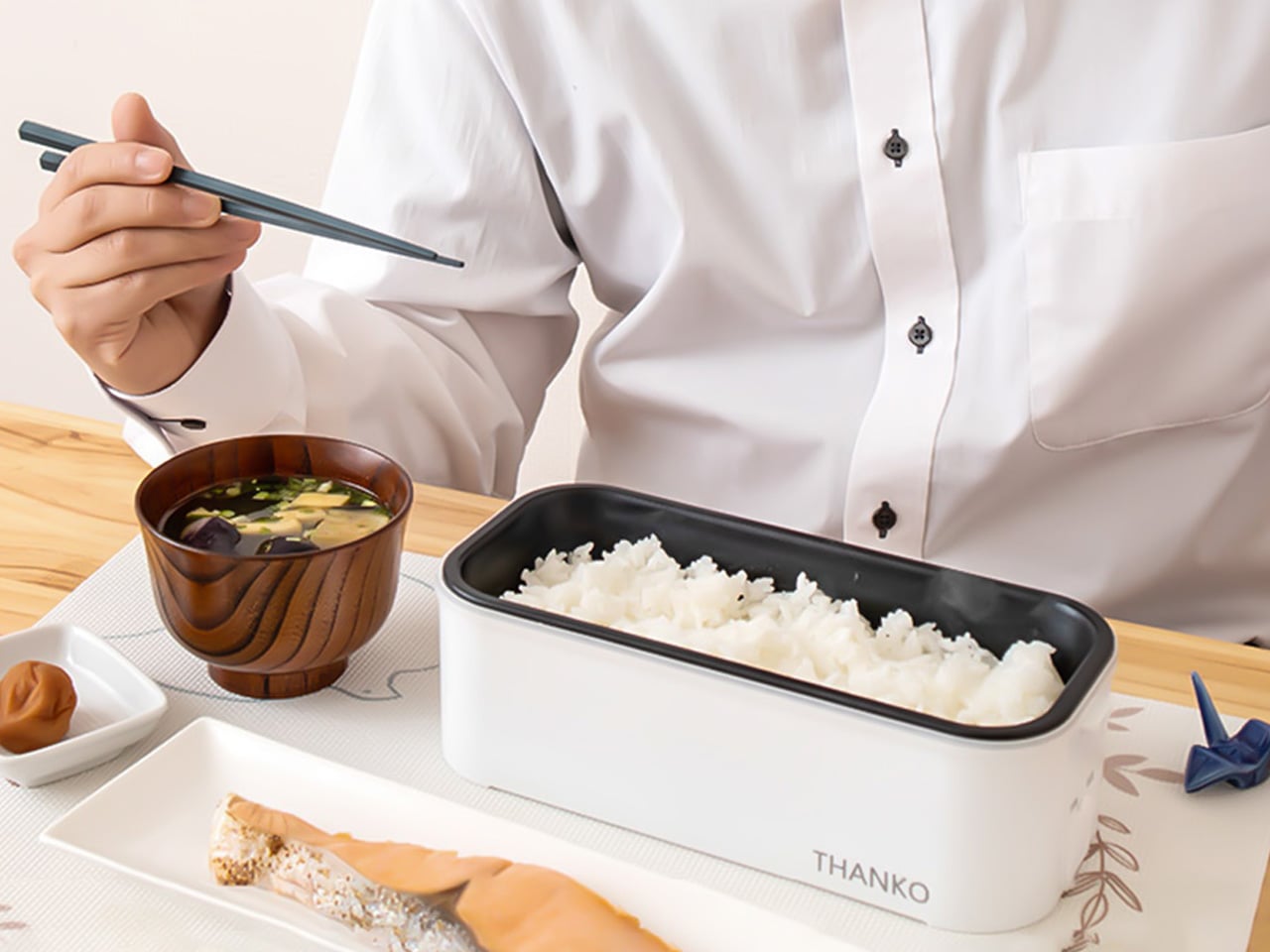
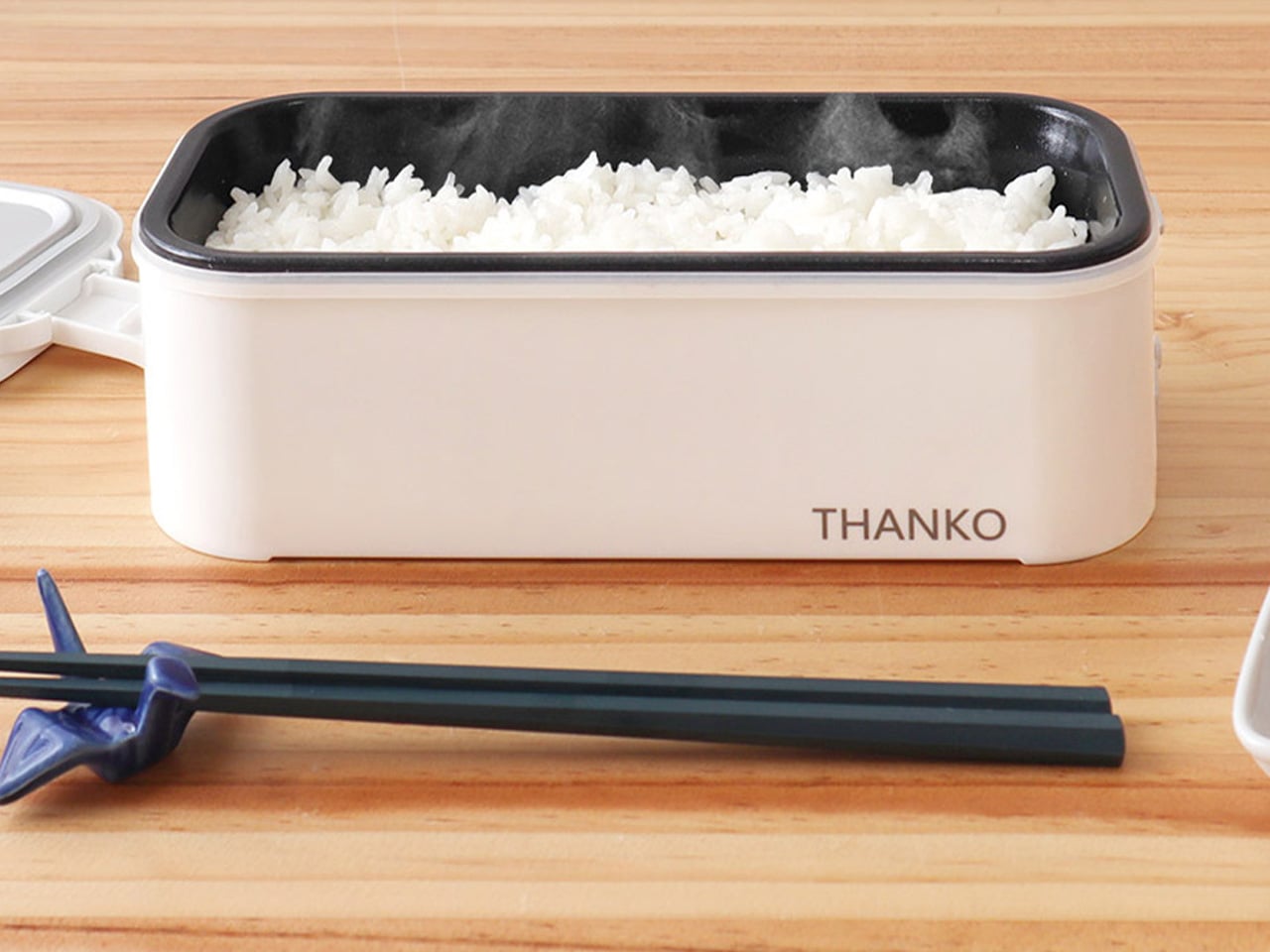
Rice deserves more appreciation as the global food icon that transcends cuisine boundaries and meal timing. The Thanko Electric Bento rice cooker makes this omnipresent grain literally portable, cooking single servings wherever you happen to be. The compact device cooks 6 ounces of rice in 14 to 20 minutes, with an LED indicator showing when it’s ready. Weighing just 2 pounds and fitting easily in bags, this cooker brings fresh food to offices and travel destinations without takeout compromises.

The device operates silently without releasing steam, making it discreet enough for practically anywhere. Add water, rice, and optional salt or broth for enhanced flavor, then wait while it works quietly. The best feature is eating rice directly from the cooking container, eliminating dish multiplication that usually accompanies meal preparation. This optimization suits solo diners, frequent travelers, and anyone wanting quick meals that go with everything. The included measuring cup adds convenience, proving that portable cooking doesn’t require guesswork or complicated processes.

What we like

  • The 2-pound weight and compact size make this genuinely portable for travel and office use.
  • Silent operation without steam release enables discreet cooking practically anywhere.

What we dislike

  • The 6-ounce capacity limits this to strict single-serving use.
  • The specialized function doesn’t justify the space for people with existing rice cookers at home.

5. Lehua Slow Cooker: Hawaiian Pit Cooking Reimagined

Slow cooking predates modern appliances by centuries. Hawaiian Imu underground pit cooking buried large quantities for communal feasting, creating a unique atmosphere while feeding many people. The Lehua slow cooker concept draws inspiration from this tradition, adapting lessons from pit cooking to modern lifestyles and small households. The design adds peculiar features, making the process more convenient and meaningful than standard slow cookers manage.

The actual pot separates from the cooker itself, allowing safe lifting of the hot vessel for food preparation away from the heating element. This seemingly simple feature addresses a common frustration with integrated slow cookers, where accessing food means awkward maneuvering around hot components. The Hawaiian inspiration isn’t just an aesthetic reference; it represents thoughtful consideration of how communal cooking traditions can inform contemporary appliance design. The Lehua proves that looking backward sometimes reveals better paths forward than pure technological advancement alone can offer.

What we like

  • The separate pot design allows safe lifting and food preparation away from the heating element.
  • Hawaiian Imu pit cooking inspiration brings cultural meaning to contemporary appliance design.

What we dislike

  • The concept stage leaves practical questions about capacity and cooking performance unanswered.
  • The separated pot design may reduce heat efficiency compared to integrated slow cookers.

6. Obsidian Black Precision Chopstick Tongs: Where Tradition Meets Practicality

Traditional Japanese chopsticks meet modern tong functionality in this unique utensil that handles delicate food with expert precision. Made from SUS821L1 stainless steel, these chopstick-style tongs blend elegance with practicality, offering chopstick precision combined with tong versatility. The obsidian black finish comes from special metal processing, ensuring the color never scratches or peels, preserving handsome looks indefinitely through daily use. These aren’t just kitchen tools; they’re craftsmanship designed to last years.

The design excels at picking up and turning small or delicate pieces, whether flipping sushi or handling tiny ingredients on the stovetop. There’s no wrong way to hold them, making confident use accessible regardless of chopstick skill level. The lightweight yet durable construction balances control with ease, perfect for both cooking and dining applications. The exceptional strength and corrosion resistance of the stainless steel withstand daily demands without degradation. These tongs prove that inspiration from tradition, when perfected for modern use, creates tools superior to purely contemporary designs.

Click Here to Buy Now: $25.00

What we like

  • The chopstick-tong hybrid delivers precise control for delicate food handling.
  • SUS821L1 stainless steel with black oxide processing ensures durability and lasting aesthetics.

What we dislike

  • The chopstick format may feel awkward for users accustomed to the traditional tong grip.
  • The specialized design doesn’t replace standard tongs for heavy-duty flipping and turning.

7. Magic Cube Cooking System: Modular Kitchen Efficiency

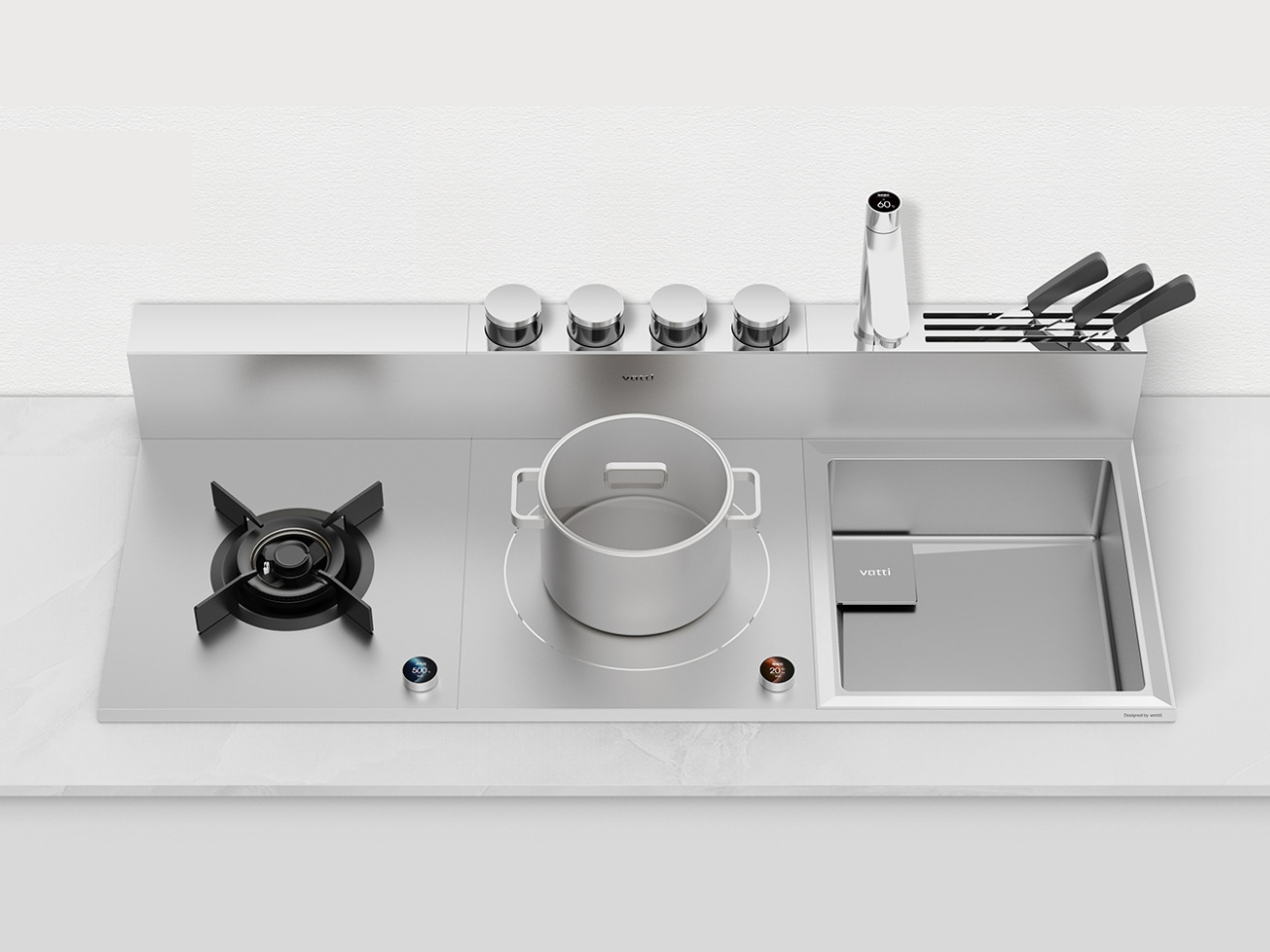
Tiny kitchens demand creative solutions beyond just buying smaller appliances. The Magic Cube Cooking System maximizes functionality and efficiency through a modular design that integrates essential cooking elements into a sleek, space-saving format. The customizable approach ensures you only get what you actually need by combining multiple crucial functions into interconnected modules. This system adapts to your specific cooking style rather than forcing you to adapt to predetermined configurations.

Available modules include open flame and induction cookers for easy fuel-type switching, integrated range hoods for clean, ventilated environments, built-in sinks for mid-cooking cleanup, and condiment storage with knife disinfection units for organization and hygiene. The modular nature allows seamless matching to maximize efficiency while enabling individual module replacement to extend overall system lifespan. Standardized dimensions mean integration into different kitchen layouts without custom fitting. This concept solves cooking-related space problems through intelligent consolidation that respects the reality of modern urban living, where kitchen square footage comes at a premium price.

What we like

  • The modular design allows customization to specific needs and cooking styles.
  • Standardized dimensions enable integration into various kitchen layouts without custom fitting.

What we dislike

  • The modular approach requires careful planning to avoid purchasing unnecessary components.
  • The interconnected system may create single points of failure affecting multiple functions.

Kitchen Tools Evolved

These seven innovations share a common philosophy that kitchen tools should adapt to our lives rather than demanding we adapt to them. They reject the assumption that capability requires counter sprawl, proving that thoughtful design can deliver professional results in compact formats. From espresso machines that double as sculpture to modular systems that transform with your needs, these tools represent evolution beyond pure functionality toward objects that enhance both cooking and the spaces where it happens.

What makes this collection particularly relevant is how each piece addresses different aspects of modern cooking life. Some prioritize portability for people who cook in multiple locations, others embrace all-in-one versatility for space-constrained kitchens, and a few perfect single functions to excellence. The common thread is respect for the people using them and the spaces they occupy. Kitchen essentials in 2025 finally acknowledged that most of us don’t have restaurant-sized kitchens, unlimited budgets, or patience for complicated equipment. These tools meet us where we actually are, and that feels worth celebrating.

The post Best Kitchen Essentials of 2025: 7 Tools Worth Adding To Your Collection first appeared on Yanko Design.
Best Kitchen Essentials of 2025: 7 Tools Worth Adding To Your Collection

Kitchen design reached a turning point in 2025, moving beyond gadget proliferation toward thoughtful consolidation. The tools that stood out this year questioned whether we really need separate appliances cluttering our counters or if smarter design could deliver more capability in less space. From espresso machines that resemble modern sculpture to modular cooking systems that adapt to small kitchens, these innovations demonstrate that kitchen essentials can be both beautiful and highly efficient.

What makes these seven tools worth your attention is their refusal to compromise. They deliver professional capability without demanding professional-sized kitchens, embrace minimalist aesthetics without sacrificing functionality, and respect the reality that most of us cook in spaces far smaller than we’d prefer. Whether you’re drawn to all-in-one versatility or single-purpose perfection, these designs represent kitchen tools that have evolved beyond their utilitarian origins into objects worth keeping visible rather than hidden away in cabinets.

1. BØYD Espresso Machine: Minimalist Coffee Perfection

The BØYD espresso machine concept from NYZE Studio commands attention through bold geometric simplicity rather than technical intimidation. Smooth curves and pure lines create something resembling modern sculpture more than traditional coffee equipment, transforming countertop real estate into visual statement territory. The less-is-more philosophy strips away unnecessary details, leaving only what matters for making exceptional espresso. This machine invites display rather than storage.

Thoughtful ergonomics ground the aesthetic ambition in practical usability. The perfectly arched handle provides natural grip comfort, while the simplified interface eliminates button-fumbling before your first cup. Morning coffee preparation becomes intuitive rather than overwhelming, which matters when you’re operating pre-caffeine. The BØYD proves that espresso machines don’t need complexity to deliver quality, just clarity of purpose and execution that respects both the coffee and the person making it.

What we like

  • The bold minimalist form functions as a countertop sculpture while making espresso.
  • The arched handle and simple interface prioritize ergonomic comfort and intuitive operation.

What we dislike

  • The concept status means availability and pricing remain unknown.
  • The minimalist aesthetic may lack the visual warmth some prefer in kitchen appliances.

2. Concept Cooker: The All-in-One Kitchen Revolution

Vuk Dragović’s concept for Nanlong imagines replacing multiple appliances with one versatile countertop unit capable of grilling, steaming, baking, and hosting hot-pot dinners. Designed for China’s dynamic cooking culture, this all-in-one system simplifies both everyday meals and entertaining through intelligent consolidation. The clean control panel allows mode selection, temperature setting, and timer adjustment in a few taps, eliminating confusing menus and excessive knobs that plague traditional appliances.

Interchangeable accessories demonstrate the breadth of functionality. Snap-in grill racks deliver smoky finishes to meats and vegetables, steaming baskets preserve nutrients in seafood and dumplings, baking trays transform the unit into a miniature oven, and dedicated hot-pot inserts bring communal dining home. The compact footprint sits comfortably on most counters, freeing space otherwise occupied by separate grills, steamers, and ovens. Quick attachment and straightforward cleanup make the modular approach practical rather than theoretical, proving that versatility doesn’t require complexity.

What we like

  • The all-in-one design replaces multiple appliances with one compact countertop unit.
  • Interchangeable accessories enable grilling, steaming, baking, and hot-pot functionality.

What we dislike

  • The concept stage leaves questions about durability across multiple cooking methods.
  • The modular accessories require storage space when not actively in use.

3. Iron Frying Plate: Cook and Eat on the Same Surface

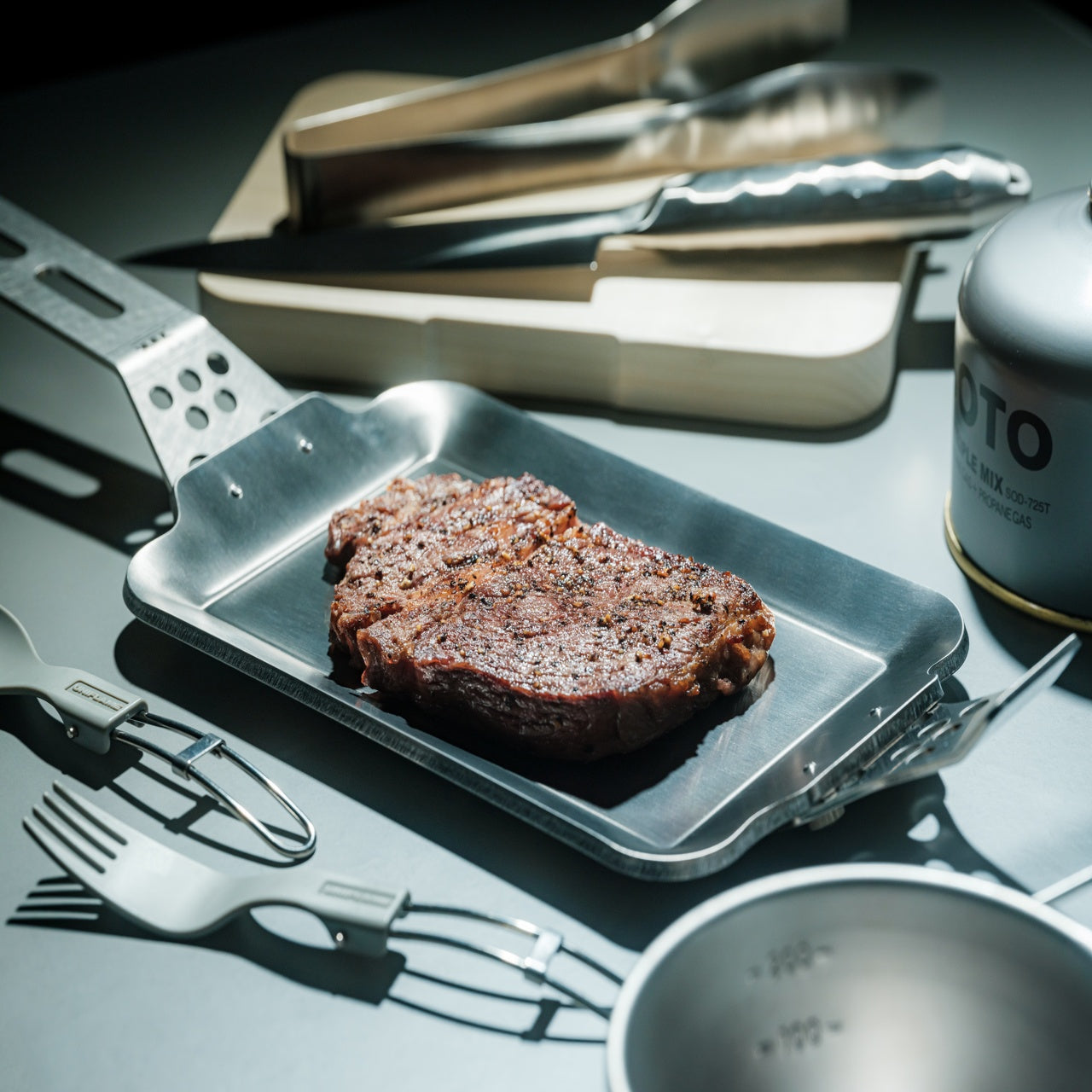
The Iron Frying Plate eliminates the transfer step between cooking and eating by making the frying pan your plate. This beautifully crafted cookware allows you to enjoy meals immediately after cooking them, served on the very surface that brought out their best flavors and textures. Made from 1.6mm-thick mill scale steel, the uncoated iron surface is rust-resistant, stick-resistant, and ready to use straight from the box without seasoning rituals that intimidate casual cooks.

The wooden handle attaches and detaches with one hand, transforming the pan from cooking tool to serving plate seamlessly. This design philosophy respects the reality that transferring hot food creates extra dishes and loses precious heat. Eating directly from the iron plate maintains optimal temperature while reducing cleanup to a single item. The handsome aesthetic makes tableside presentation feel intentional rather than lazy, proving that the shortest distance between stove and mouth deserves celebration rather than apology.

Click Here to Buy Now: $69.00

What we like

  • The cook-and-eat design eliminates food transfer and reduces dishes to one item.
  • The 1.6mm mill scale steel is rust-resistant and stick-resistant without coatings.

What we dislike

  • The iron construction retains heat intensely, requiring careful handling at the table.
  • The single-serve format doesn’t scale well for cooking family-sized meals.

4. Thanko Electric Bento Rice Cooker: Perfect Rice Anywhere

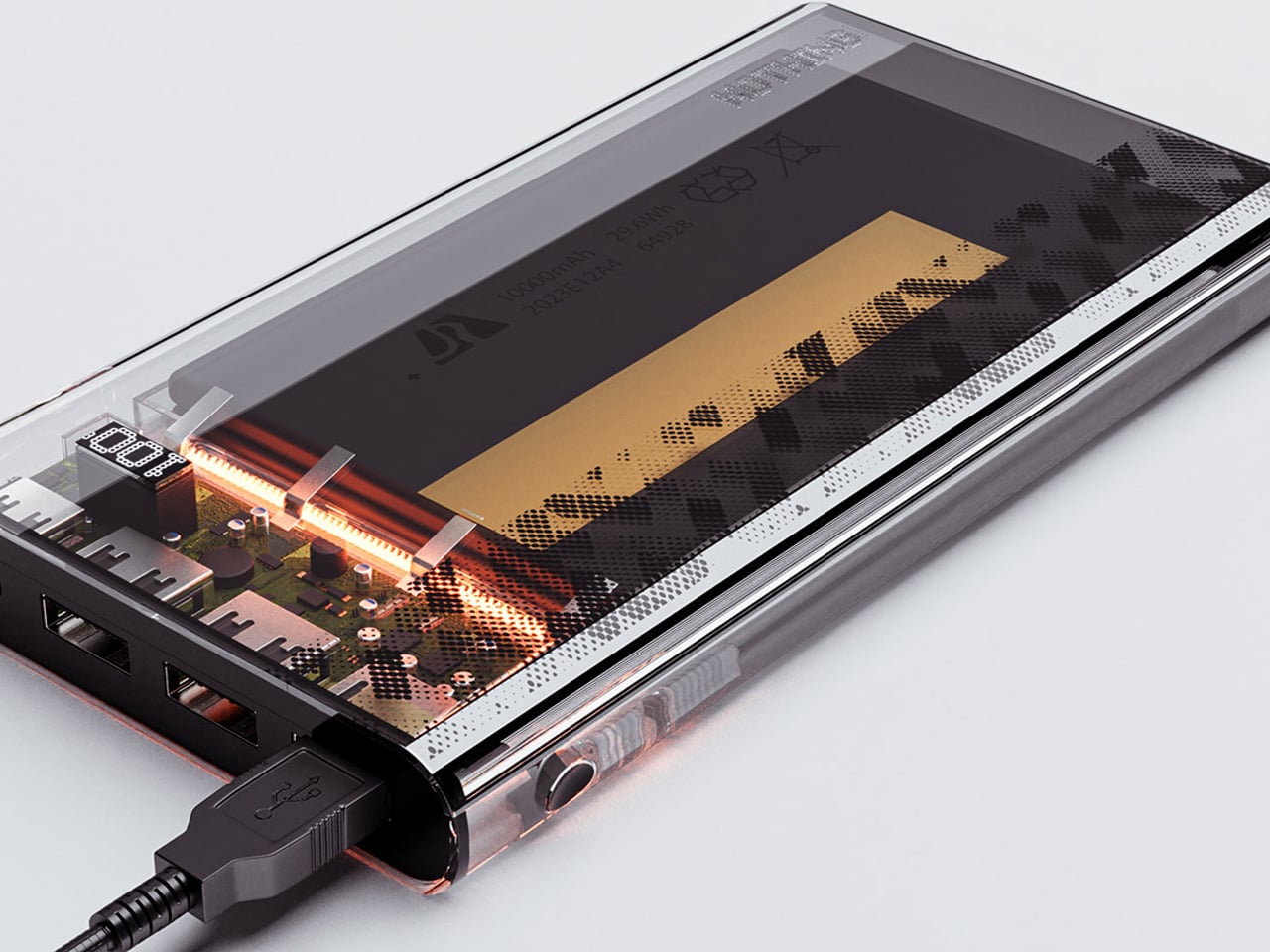
Rice deserves more appreciation as the global food icon that transcends cuisine boundaries and meal timing. The Thanko Electric Bento rice cooker makes this omnipresent grain literally portable, cooking single servings wherever you happen to be. The compact device cooks 6 ounces of rice in 14 to 20 minutes, with an LED indicator showing when it’s ready. Weighing just 2 pounds and fitting easily in bags, this cooker brings fresh food to offices and travel destinations without takeout compromises.

The device operates silently without releasing steam, making it discreet enough for practically anywhere. Add water, rice, and optional salt or broth for enhanced flavor, then wait while it works quietly. The best feature is eating rice directly from the cooking container, eliminating dish multiplication that usually accompanies meal preparation. This optimization suits solo diners, frequent travelers, and anyone wanting quick meals that go with everything. The included measuring cup adds convenience, proving that portable cooking doesn’t require guesswork or complicated processes.

What we like

  • The 2-pound weight and compact size make this genuinely portable for travel and office use.
  • Silent operation without steam release enables discreet cooking practically anywhere.

What we dislike

  • The 6-ounce capacity limits this to strict single-serving use.
  • The specialized function doesn’t justify the space for people with existing rice cookers at home.

5. Lehua Slow Cooker: Hawaiian Pit Cooking Reimagined

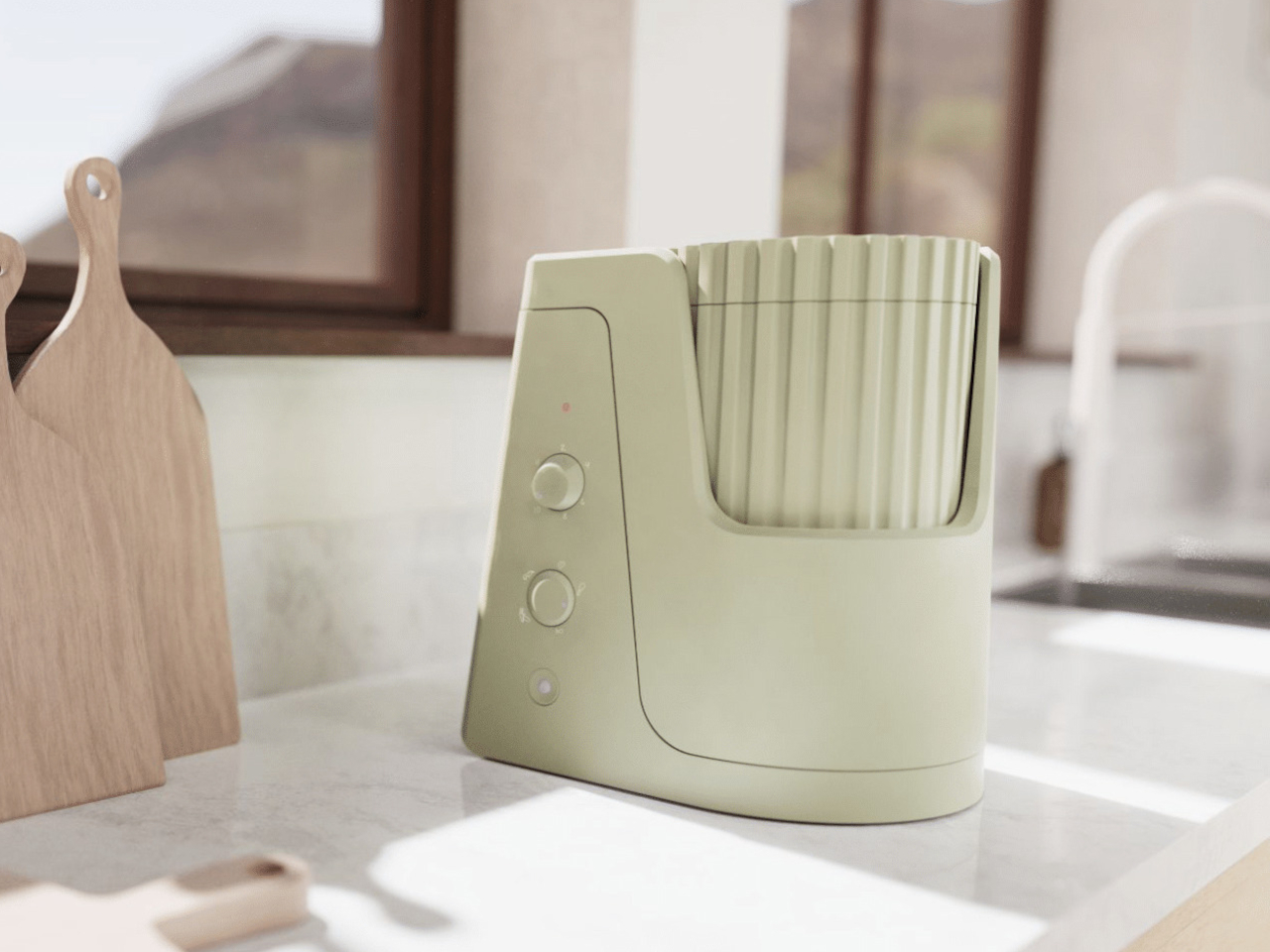
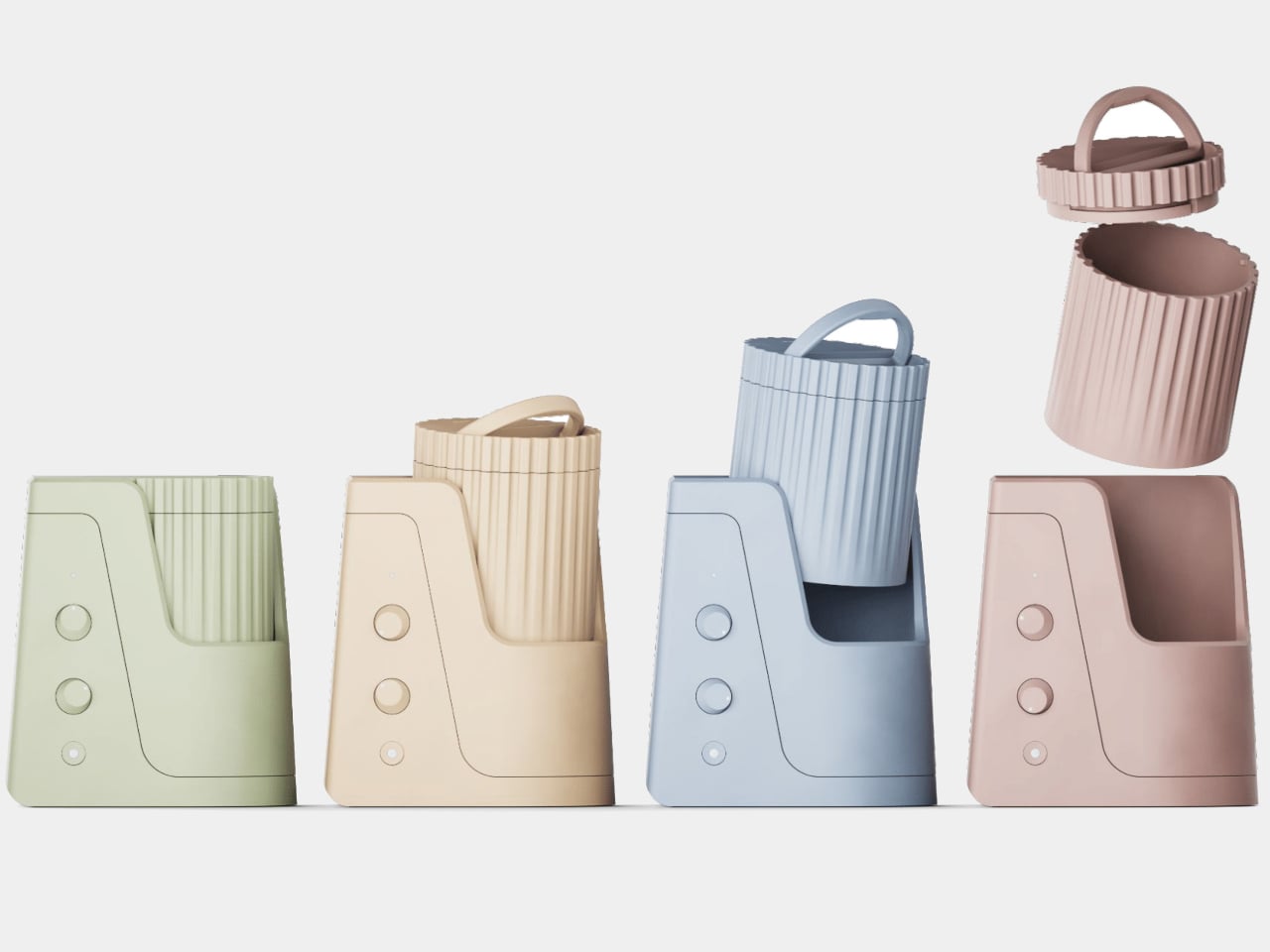
Slow cooking predates modern appliances by centuries. Hawaiian Imu underground pit cooking buried large quantities for communal feasting, creating a unique atmosphere while feeding many people. The Lehua slow cooker concept draws inspiration from this tradition, adapting lessons from pit cooking to modern lifestyles and small households. The design adds peculiar features, making the process more convenient and meaningful than standard slow cookers manage.

The actual pot separates from the cooker itself, allowing safe lifting of the hot vessel for food preparation away from the heating element. This seemingly simple feature addresses a common frustration with integrated slow cookers, where accessing food means awkward maneuvering around hot components. The Hawaiian inspiration isn’t just an aesthetic reference; it represents thoughtful consideration of how communal cooking traditions can inform contemporary appliance design. The Lehua proves that looking backward sometimes reveals better paths forward than pure technological advancement alone can offer.

What we like

  • The separate pot design allows safe lifting and food preparation away from the heating element.
  • Hawaiian Imu pit cooking inspiration brings cultural meaning to contemporary appliance design.

What we dislike

  • The concept stage leaves practical questions about capacity and cooking performance unanswered.
  • The separated pot design may reduce heat efficiency compared to integrated slow cookers.

6. Obsidian Black Precision Chopstick Tongs: Where Tradition Meets Practicality

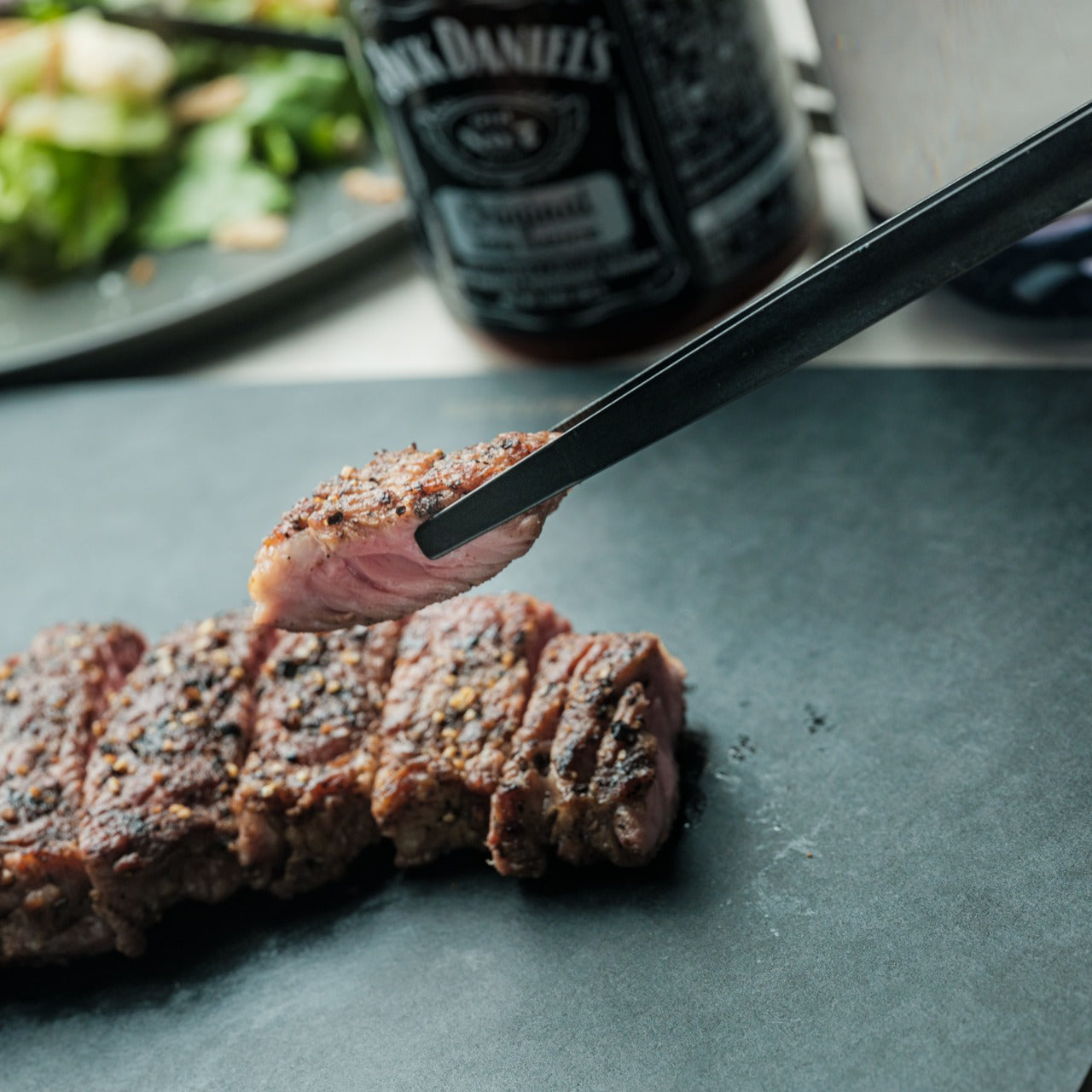
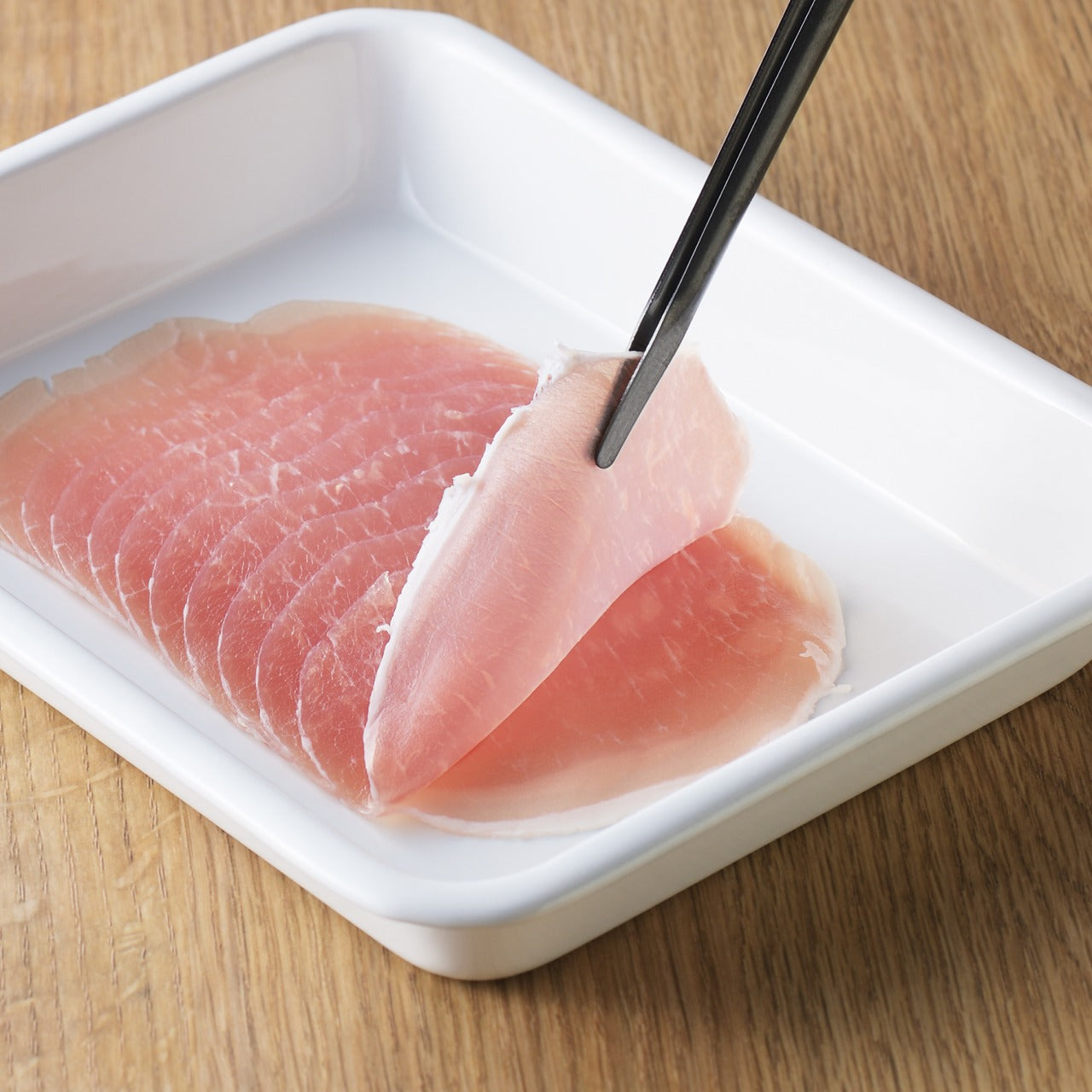
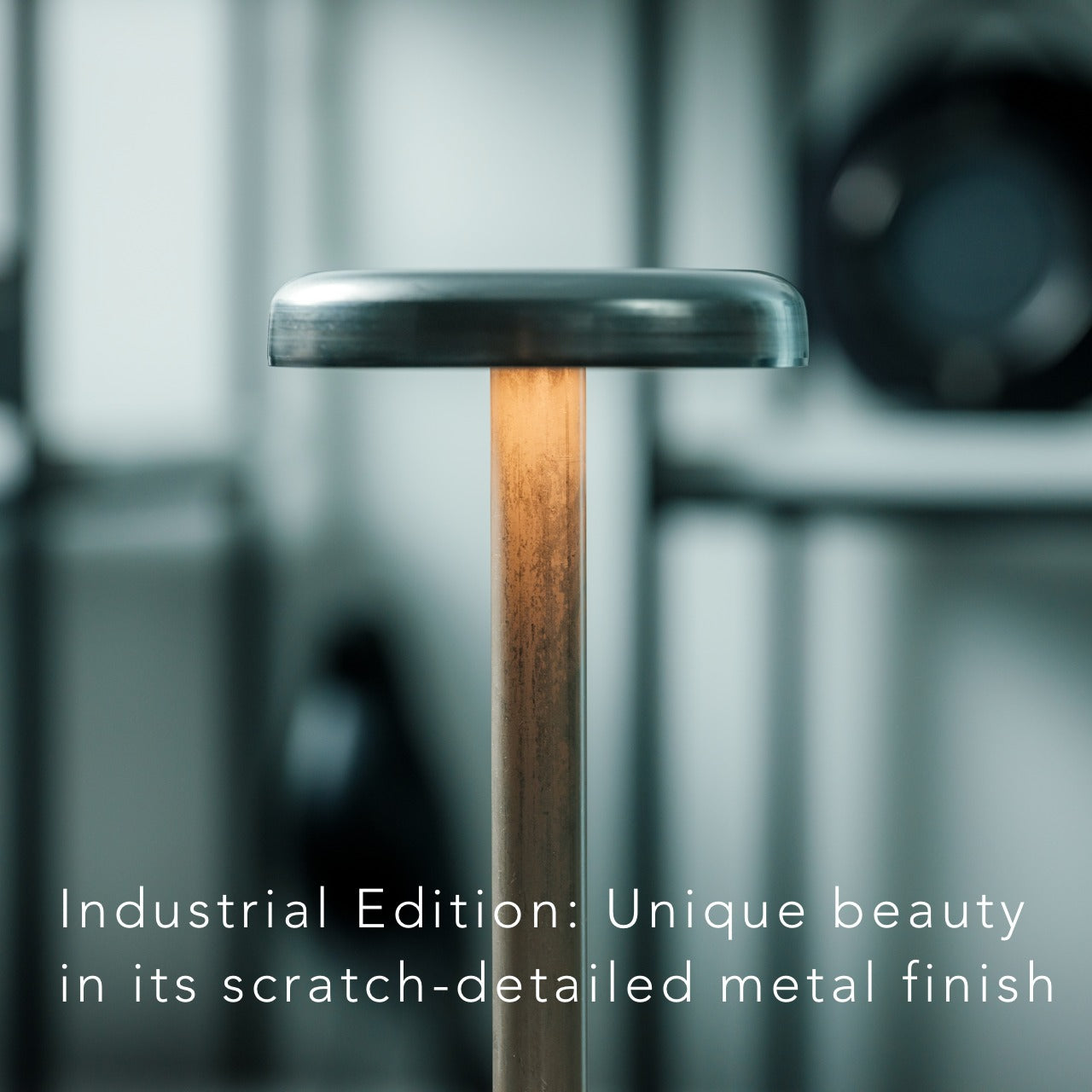
Traditional Japanese chopsticks meet modern tong functionality in this unique utensil that handles delicate food with expert precision. Made from SUS821L1 stainless steel, these chopstick-style tongs blend elegance with practicality, offering chopstick precision combined with tong versatility. The obsidian black finish comes from special metal processing, ensuring the color never scratches or peels, preserving handsome looks indefinitely through daily use. These aren’t just kitchen tools; they’re craftsmanship designed to last years.

The design excels at picking up and turning small or delicate pieces, whether flipping sushi or handling tiny ingredients on the stovetop. There’s no wrong way to hold them, making confident use accessible regardless of chopstick skill level. The lightweight yet durable construction balances control with ease, perfect for both cooking and dining applications. The exceptional strength and corrosion resistance of the stainless steel withstand daily demands without degradation. These tongs prove that inspiration from tradition, when perfected for modern use, creates tools superior to purely contemporary designs.

Click Here to Buy Now: $25.00

What we like

  • The chopstick-tong hybrid delivers precise control for delicate food handling.
  • SUS821L1 stainless steel with black oxide processing ensures durability and lasting aesthetics.

What we dislike

  • The chopstick format may feel awkward for users accustomed to the traditional tong grip.
  • The specialized design doesn’t replace standard tongs for heavy-duty flipping and turning.

7. Magic Cube Cooking System: Modular Kitchen Efficiency

Tiny kitchens demand creative solutions beyond just buying smaller appliances. The Magic Cube Cooking System maximizes functionality and efficiency through a modular design that integrates essential cooking elements into a sleek, space-saving format. The customizable approach ensures you only get what you actually need by combining multiple crucial functions into interconnected modules. This system adapts to your specific cooking style rather than forcing you to adapt to predetermined configurations.

Available modules include open flame and induction cookers for easy fuel-type switching, integrated range hoods for clean, ventilated environments, built-in sinks for mid-cooking cleanup, and condiment storage with knife disinfection units for organization and hygiene. The modular nature allows seamless matching to maximize efficiency while enabling individual module replacement to extend overall system lifespan. Standardized dimensions mean integration into different kitchen layouts without custom fitting. This concept solves cooking-related space problems through intelligent consolidation that respects the reality of modern urban living, where kitchen square footage comes at a premium price.

What we like

  • The modular design allows customization to specific needs and cooking styles.
  • Standardized dimensions enable integration into various kitchen layouts without custom fitting.

What we dislike

  • The modular approach requires careful planning to avoid purchasing unnecessary components.
  • The interconnected system may create single points of failure affecting multiple functions.

Kitchen Tools Evolved

These seven innovations share a common philosophy that kitchen tools should adapt to our lives rather than demanding we adapt to them. They reject the assumption that capability requires counter sprawl, proving that thoughtful design can deliver professional results in compact formats. From espresso machines that double as sculpture to modular systems that transform with your needs, these tools represent evolution beyond pure functionality toward objects that enhance both cooking and the spaces where it happens.

What makes this collection particularly relevant is how each piece addresses different aspects of modern cooking life. Some prioritize portability for people who cook in multiple locations, others embrace all-in-one versatility for space-constrained kitchens, and a few perfect single functions to excellence. The common thread is respect for the people using them and the spaces they occupy. Kitchen essentials in 2025 finally acknowledged that most of us don’t have restaurant-sized kitchens, unlimited budgets, or patience for complicated equipment. These tools meet us where we actually are, and that feels worth celebrating.

The post Best Kitchen Essentials of 2025: 7 Tools Worth Adding To Your Collection first appeared on Yanko Design.
Best Kitchen Essentials of 2025: 7 Tools Worth Adding To Your Collection

Kitchen design reached a turning point in 2025, moving beyond gadget proliferation toward thoughtful consolidation. The tools that stood out this year questioned whether we really need separate appliances cluttering our counters or if smarter design could deliver more capability in less space. From espresso machines that resemble modern sculpture to modular cooking systems that adapt to small kitchens, these innovations demonstrate that kitchen essentials can be both beautiful and highly efficient.

What makes these seven tools worth your attention is their refusal to compromise. They deliver professional capability without demanding professional-sized kitchens, embrace minimalist aesthetics without sacrificing functionality, and respect the reality that most of us cook in spaces far smaller than we’d prefer. Whether you’re drawn to all-in-one versatility or single-purpose perfection, these designs represent kitchen tools that have evolved beyond their utilitarian origins into objects worth keeping visible rather than hidden away in cabinets.

1. BØYD Espresso Machine: Minimalist Coffee Perfection

The BØYD espresso machine concept from NYZE Studio commands attention through bold geometric simplicity rather than technical intimidation. Smooth curves and pure lines create something resembling modern sculpture more than traditional coffee equipment, transforming countertop real estate into visual statement territory. The less-is-more philosophy strips away unnecessary details, leaving only what matters for making exceptional espresso. This machine invites display rather than storage.

Thoughtful ergonomics ground the aesthetic ambition in practical usability. The perfectly arched handle provides natural grip comfort, while the simplified interface eliminates button-fumbling before your first cup. Morning coffee preparation becomes intuitive rather than overwhelming, which matters when you’re operating pre-caffeine. The BØYD proves that espresso machines don’t need complexity to deliver quality, just clarity of purpose and execution that respects both the coffee and the person making it.

What we like

  • The bold minimalist form functions as a countertop sculpture while making espresso.
  • The arched handle and simple interface prioritize ergonomic comfort and intuitive operation.

What we dislike

  • The concept status means availability and pricing remain unknown.
  • The minimalist aesthetic may lack the visual warmth some prefer in kitchen appliances.

2. Concept Cooker: The All-in-One Kitchen Revolution

Vuk Dragović’s concept for Nanlong imagines replacing multiple appliances with one versatile countertop unit capable of grilling, steaming, baking, and hosting hot-pot dinners. Designed for China’s dynamic cooking culture, this all-in-one system simplifies both everyday meals and entertaining through intelligent consolidation. The clean control panel allows mode selection, temperature setting, and timer adjustment in a few taps, eliminating confusing menus and excessive knobs that plague traditional appliances.

Interchangeable accessories demonstrate the breadth of functionality. Snap-in grill racks deliver smoky finishes to meats and vegetables, steaming baskets preserve nutrients in seafood and dumplings, baking trays transform the unit into a miniature oven, and dedicated hot-pot inserts bring communal dining home. The compact footprint sits comfortably on most counters, freeing space otherwise occupied by separate grills, steamers, and ovens. Quick attachment and straightforward cleanup make the modular approach practical rather than theoretical, proving that versatility doesn’t require complexity.

What we like

  • The all-in-one design replaces multiple appliances with one compact countertop unit.
  • Interchangeable accessories enable grilling, steaming, baking, and hot-pot functionality.

What we dislike

  • The concept stage leaves questions about durability across multiple cooking methods.
  • The modular accessories require storage space when not actively in use.

3. Iron Frying Plate: Cook and Eat on the Same Surface

The Iron Frying Plate eliminates the transfer step between cooking and eating by making the frying pan your plate. This beautifully crafted cookware allows you to enjoy meals immediately after cooking them, served on the very surface that brought out their best flavors and textures. Made from 1.6mm-thick mill scale steel, the uncoated iron surface is rust-resistant, stick-resistant, and ready to use straight from the box without seasoning rituals that intimidate casual cooks.

The wooden handle attaches and detaches with one hand, transforming the pan from cooking tool to serving plate seamlessly. This design philosophy respects the reality that transferring hot food creates extra dishes and loses precious heat. Eating directly from the iron plate maintains optimal temperature while reducing cleanup to a single item. The handsome aesthetic makes tableside presentation feel intentional rather than lazy, proving that the shortest distance between stove and mouth deserves celebration rather than apology.

Click Here to Buy Now: $69.00

What we like

  • The cook-and-eat design eliminates food transfer and reduces dishes to one item.
  • The 1.6mm mill scale steel is rust-resistant and stick-resistant without coatings.

What we dislike

  • The iron construction retains heat intensely, requiring careful handling at the table.
  • The single-serve format doesn’t scale well for cooking family-sized meals.

4. Thanko Electric Bento Rice Cooker: Perfect Rice Anywhere

Rice deserves more appreciation as the global food icon that transcends cuisine boundaries and meal timing. The Thanko Electric Bento rice cooker makes this omnipresent grain literally portable, cooking single servings wherever you happen to be. The compact device cooks 6 ounces of rice in 14 to 20 minutes, with an LED indicator showing when it’s ready. Weighing just 2 pounds and fitting easily in bags, this cooker brings fresh food to offices and travel destinations without takeout compromises.

The device operates silently without releasing steam, making it discreet enough for practically anywhere. Add water, rice, and optional salt or broth for enhanced flavor, then wait while it works quietly. The best feature is eating rice directly from the cooking container, eliminating dish multiplication that usually accompanies meal preparation. This optimization suits solo diners, frequent travelers, and anyone wanting quick meals that go with everything. The included measuring cup adds convenience, proving that portable cooking doesn’t require guesswork or complicated processes.

What we like

  • The 2-pound weight and compact size make this genuinely portable for travel and office use.
  • Silent operation without steam release enables discreet cooking practically anywhere.

What we dislike

  • The 6-ounce capacity limits this to strict single-serving use.
  • The specialized function doesn’t justify the space for people with existing rice cookers at home.

5. Lehua Slow Cooker: Hawaiian Pit Cooking Reimagined

Slow cooking predates modern appliances by centuries. Hawaiian Imu underground pit cooking buried large quantities for communal feasting, creating a unique atmosphere while feeding many people. The Lehua slow cooker concept draws inspiration from this tradition, adapting lessons from pit cooking to modern lifestyles and small households. The design adds peculiar features, making the process more convenient and meaningful than standard slow cookers manage.

The actual pot separates from the cooker itself, allowing safe lifting of the hot vessel for food preparation away from the heating element. This seemingly simple feature addresses a common frustration with integrated slow cookers, where accessing food means awkward maneuvering around hot components. The Hawaiian inspiration isn’t just an aesthetic reference; it represents thoughtful consideration of how communal cooking traditions can inform contemporary appliance design. The Lehua proves that looking backward sometimes reveals better paths forward than pure technological advancement alone can offer.

What we like

  • The separate pot design allows safe lifting and food preparation away from the heating element.
  • Hawaiian Imu pit cooking inspiration brings cultural meaning to contemporary appliance design.

What we dislike

  • The concept stage leaves practical questions about capacity and cooking performance unanswered.
  • The separated pot design may reduce heat efficiency compared to integrated slow cookers.

6. Obsidian Black Precision Chopstick Tongs: Where Tradition Meets Practicality

Traditional Japanese chopsticks meet modern tong functionality in this unique utensil that handles delicate food with expert precision. Made from SUS821L1 stainless steel, these chopstick-style tongs blend elegance with practicality, offering chopstick precision combined with tong versatility. The obsidian black finish comes from special metal processing, ensuring the color never scratches or peels, preserving handsome looks indefinitely through daily use. These aren’t just kitchen tools; they’re craftsmanship designed to last years.

The design excels at picking up and turning small or delicate pieces, whether flipping sushi or handling tiny ingredients on the stovetop. There’s no wrong way to hold them, making confident use accessible regardless of chopstick skill level. The lightweight yet durable construction balances control with ease, perfect for both cooking and dining applications. The exceptional strength and corrosion resistance of the stainless steel withstand daily demands without degradation. These tongs prove that inspiration from tradition, when perfected for modern use, creates tools superior to purely contemporary designs.

Click Here to Buy Now: $25.00

What we like

  • The chopstick-tong hybrid delivers precise control for delicate food handling.
  • SUS821L1 stainless steel with black oxide processing ensures durability and lasting aesthetics.

What we dislike

  • The chopstick format may feel awkward for users accustomed to the traditional tong grip.
  • The specialized design doesn’t replace standard tongs for heavy-duty flipping and turning.

7. Magic Cube Cooking System: Modular Kitchen Efficiency

Tiny kitchens demand creative solutions beyond just buying smaller appliances. The Magic Cube Cooking System maximizes functionality and efficiency through a modular design that integrates essential cooking elements into a sleek, space-saving format. The customizable approach ensures you only get what you actually need by combining multiple crucial functions into interconnected modules. This system adapts to your specific cooking style rather than forcing you to adapt to predetermined configurations.

Available modules include open flame and induction cookers for easy fuel-type switching, integrated range hoods for clean, ventilated environments, built-in sinks for mid-cooking cleanup, and condiment storage with knife disinfection units for organization and hygiene. The modular nature allows seamless matching to maximize efficiency while enabling individual module replacement to extend overall system lifespan. Standardized dimensions mean integration into different kitchen layouts without custom fitting. This concept solves cooking-related space problems through intelligent consolidation that respects the reality of modern urban living, where kitchen square footage comes at a premium price.

What we like

  • The modular design allows customization to specific needs and cooking styles.
  • Standardized dimensions enable integration into various kitchen layouts without custom fitting.

What we dislike

  • The modular approach requires careful planning to avoid purchasing unnecessary components.
  • The interconnected system may create single points of failure affecting multiple functions.

Kitchen Tools Evolved

These seven innovations share a common philosophy that kitchen tools should adapt to our lives rather than demanding we adapt to them. They reject the assumption that capability requires counter sprawl, proving that thoughtful design can deliver professional results in compact formats. From espresso machines that double as sculpture to modular systems that transform with your needs, these tools represent evolution beyond pure functionality toward objects that enhance both cooking and the spaces where it happens.

What makes this collection particularly relevant is how each piece addresses different aspects of modern cooking life. Some prioritize portability for people who cook in multiple locations, others embrace all-in-one versatility for space-constrained kitchens, and a few perfect single functions to excellence. The common thread is respect for the people using them and the spaces they occupy. Kitchen essentials in 2025 finally acknowledged that most of us don’t have restaurant-sized kitchens, unlimited budgets, or patience for complicated equipment. These tools meet us where we actually are, and that feels worth celebrating.

The post Best Kitchen Essentials of 2025: 7 Tools Worth Adding To Your Collection first appeared on Yanko Design.
Best Kitchen Essentials of 2025: 7 Tools Worth Adding To Your Collection

Kitchen design reached a turning point in 2025, moving beyond gadget proliferation toward thoughtful consolidation. The tools that stood out this year questioned whether we really need separate appliances cluttering our counters or if smarter design could deliver more capability in less space. From espresso machines that resemble modern sculpture to modular cooking systems that adapt to small kitchens, these innovations demonstrate that kitchen essentials can be both beautiful and highly efficient.

What makes these seven tools worth your attention is their refusal to compromise. They deliver professional capability without demanding professional-sized kitchens, embrace minimalist aesthetics without sacrificing functionality, and respect the reality that most of us cook in spaces far smaller than we’d prefer. Whether you’re drawn to all-in-one versatility or single-purpose perfection, these designs represent kitchen tools that have evolved beyond their utilitarian origins into objects worth keeping visible rather than hidden away in cabinets.

1. BØYD Espresso Machine: Minimalist Coffee Perfection

The BØYD espresso machine concept from NYZE Studio commands attention through bold geometric simplicity rather than technical intimidation. Smooth curves and pure lines create something resembling modern sculpture more than traditional coffee equipment, transforming countertop real estate into visual statement territory. The less-is-more philosophy strips away unnecessary details, leaving only what matters for making exceptional espresso. This machine invites display rather than storage.

Thoughtful ergonomics ground the aesthetic ambition in practical usability. The perfectly arched handle provides natural grip comfort, while the simplified interface eliminates button-fumbling before your first cup. Morning coffee preparation becomes intuitive rather than overwhelming, which matters when you’re operating pre-caffeine. The BØYD proves that espresso machines don’t need complexity to deliver quality, just clarity of purpose and execution that respects both the coffee and the person making it.

What we like

  • The bold minimalist form functions as a countertop sculpture while making espresso.
  • The arched handle and simple interface prioritize ergonomic comfort and intuitive operation.

What we dislike

  • The concept status means availability and pricing remain unknown.
  • The minimalist aesthetic may lack the visual warmth some prefer in kitchen appliances.

2. Concept Cooker: The All-in-One Kitchen Revolution

Vuk Dragović’s concept for Nanlong imagines replacing multiple appliances with one versatile countertop unit capable of grilling, steaming, baking, and hosting hot-pot dinners. Designed for China’s dynamic cooking culture, this all-in-one system simplifies both everyday meals and entertaining through intelligent consolidation. The clean control panel allows mode selection, temperature setting, and timer adjustment in a few taps, eliminating confusing menus and excessive knobs that plague traditional appliances.

Interchangeable accessories demonstrate the breadth of functionality. Snap-in grill racks deliver smoky finishes to meats and vegetables, steaming baskets preserve nutrients in seafood and dumplings, baking trays transform the unit into a miniature oven, and dedicated hot-pot inserts bring communal dining home. The compact footprint sits comfortably on most counters, freeing space otherwise occupied by separate grills, steamers, and ovens. Quick attachment and straightforward cleanup make the modular approach practical rather than theoretical, proving that versatility doesn’t require complexity.

What we like

  • The all-in-one design replaces multiple appliances with one compact countertop unit.
  • Interchangeable accessories enable grilling, steaming, baking, and hot-pot functionality.

What we dislike

  • The concept stage leaves questions about durability across multiple cooking methods.
  • The modular accessories require storage space when not actively in use.

3. Iron Frying Plate: Cook and Eat on the Same Surface

The Iron Frying Plate eliminates the transfer step between cooking and eating by making the frying pan your plate. This beautifully crafted cookware allows you to enjoy meals immediately after cooking them, served on the very surface that brought out their best flavors and textures. Made from 1.6mm-thick mill scale steel, the uncoated iron surface is rust-resistant, stick-resistant, and ready to use straight from the box without seasoning rituals that intimidate casual cooks.

The wooden handle attaches and detaches with one hand, transforming the pan from cooking tool to serving plate seamlessly. This design philosophy respects the reality that transferring hot food creates extra dishes and loses precious heat. Eating directly from the iron plate maintains optimal temperature while reducing cleanup to a single item. The handsome aesthetic makes tableside presentation feel intentional rather than lazy, proving that the shortest distance between stove and mouth deserves celebration rather than apology.

Click Here to Buy Now: $69.00

What we like

  • The cook-and-eat design eliminates food transfer and reduces dishes to one item.
  • The 1.6mm mill scale steel is rust-resistant and stick-resistant without coatings.

What we dislike

  • The iron construction retains heat intensely, requiring careful handling at the table.
  • The single-serve format doesn’t scale well for cooking family-sized meals.

4. Thanko Electric Bento Rice Cooker: Perfect Rice Anywhere

Rice deserves more appreciation as the global food icon that transcends cuisine boundaries and meal timing. The Thanko Electric Bento rice cooker makes this omnipresent grain literally portable, cooking single servings wherever you happen to be. The compact device cooks 6 ounces of rice in 14 to 20 minutes, with an LED indicator showing when it’s ready. Weighing just 2 pounds and fitting easily in bags, this cooker brings fresh food to offices and travel destinations without takeout compromises.

The device operates silently without releasing steam, making it discreet enough for practically anywhere. Add water, rice, and optional salt or broth for enhanced flavor, then wait while it works quietly. The best feature is eating rice directly from the cooking container, eliminating dish multiplication that usually accompanies meal preparation. This optimization suits solo diners, frequent travelers, and anyone wanting quick meals that go with everything. The included measuring cup adds convenience, proving that portable cooking doesn’t require guesswork or complicated processes.

What we like

  • The 2-pound weight and compact size make this genuinely portable for travel and office use.
  • Silent operation without steam release enables discreet cooking practically anywhere.

What we dislike

  • The 6-ounce capacity limits this to strict single-serving use.
  • The specialized function doesn’t justify the space for people with existing rice cookers at home.

5. Lehua Slow Cooker: Hawaiian Pit Cooking Reimagined

Slow cooking predates modern appliances by centuries. Hawaiian Imu underground pit cooking buried large quantities for communal feasting, creating a unique atmosphere while feeding many people. The Lehua slow cooker concept draws inspiration from this tradition, adapting lessons from pit cooking to modern lifestyles and small households. The design adds peculiar features, making the process more convenient and meaningful than standard slow cookers manage.

The actual pot separates from the cooker itself, allowing safe lifting of the hot vessel for food preparation away from the heating element. This seemingly simple feature addresses a common frustration with integrated slow cookers, where accessing food means awkward maneuvering around hot components. The Hawaiian inspiration isn’t just an aesthetic reference; it represents thoughtful consideration of how communal cooking traditions can inform contemporary appliance design. The Lehua proves that looking backward sometimes reveals better paths forward than pure technological advancement alone can offer.

What we like

  • The separate pot design allows safe lifting and food preparation away from the heating element.
  • Hawaiian Imu pit cooking inspiration brings cultural meaning to contemporary appliance design.

What we dislike

  • The concept stage leaves practical questions about capacity and cooking performance unanswered.
  • The separated pot design may reduce heat efficiency compared to integrated slow cookers.

6. Obsidian Black Precision Chopstick Tongs: Where Tradition Meets Practicality

Traditional Japanese chopsticks meet modern tong functionality in this unique utensil that handles delicate food with expert precision. Made from SUS821L1 stainless steel, these chopstick-style tongs blend elegance with practicality, offering chopstick precision combined with tong versatility. The obsidian black finish comes from special metal processing, ensuring the color never scratches or peels, preserving handsome looks indefinitely through daily use. These aren’t just kitchen tools; they’re craftsmanship designed to last years.

The design excels at picking up and turning small or delicate pieces, whether flipping sushi or handling tiny ingredients on the stovetop. There’s no wrong way to hold them, making confident use accessible regardless of chopstick skill level. The lightweight yet durable construction balances control with ease, perfect for both cooking and dining applications. The exceptional strength and corrosion resistance of the stainless steel withstand daily demands without degradation. These tongs prove that inspiration from tradition, when perfected for modern use, creates tools superior to purely contemporary designs.

Click Here to Buy Now: $25.00

What we like

  • The chopstick-tong hybrid delivers precise control for delicate food handling.
  • SUS821L1 stainless steel with black oxide processing ensures durability and lasting aesthetics.

What we dislike

  • The chopstick format may feel awkward for users accustomed to the traditional tong grip.
  • The specialized design doesn’t replace standard tongs for heavy-duty flipping and turning.

7. Magic Cube Cooking System: Modular Kitchen Efficiency

Tiny kitchens demand creative solutions beyond just buying smaller appliances. The Magic Cube Cooking System maximizes functionality and efficiency through a modular design that integrates essential cooking elements into a sleek, space-saving format. The customizable approach ensures you only get what you actually need by combining multiple crucial functions into interconnected modules. This system adapts to your specific cooking style rather than forcing you to adapt to predetermined configurations.

Available modules include open flame and induction cookers for easy fuel-type switching, integrated range hoods for clean, ventilated environments, built-in sinks for mid-cooking cleanup, and condiment storage with knife disinfection units for organization and hygiene. The modular nature allows seamless matching to maximize efficiency while enabling individual module replacement to extend overall system lifespan. Standardized dimensions mean integration into different kitchen layouts without custom fitting. This concept solves cooking-related space problems through intelligent consolidation that respects the reality of modern urban living, where kitchen square footage comes at a premium price.

What we like

  • The modular design allows customization to specific needs and cooking styles.
  • Standardized dimensions enable integration into various kitchen layouts without custom fitting.

What we dislike

  • The modular approach requires careful planning to avoid purchasing unnecessary components.
  • The interconnected system may create single points of failure affecting multiple functions.

Kitchen Tools Evolved

These seven innovations share a common philosophy that kitchen tools should adapt to our lives rather than demanding we adapt to them. They reject the assumption that capability requires counter sprawl, proving that thoughtful design can deliver professional results in compact formats. From espresso machines that double as sculpture to modular systems that transform with your needs, these tools represent evolution beyond pure functionality toward objects that enhance both cooking and the spaces where it happens.

What makes this collection particularly relevant is how each piece addresses different aspects of modern cooking life. Some prioritize portability for people who cook in multiple locations, others embrace all-in-one versatility for space-constrained kitchens, and a few perfect single functions to excellence. The common thread is respect for the people using them and the spaces they occupy. Kitchen essentials in 2025 finally acknowledged that most of us don’t have restaurant-sized kitchens, unlimited budgets, or patience for complicated equipment. These tools meet us where we actually are, and that feels worth celebrating.

The post Best Kitchen Essentials of 2025: 7 Tools Worth Adding To Your Collection first appeared on Yanko Design.
Best Kitchen Essentials of 2025: 7 Tools Worth Adding To Your Collection

Kitchen design reached a turning point in 2025, moving beyond gadget proliferation toward thoughtful consolidation. The tools that stood out this year questioned whether we really need separate appliances cluttering our counters or if smarter design could deliver more capability in less space. From espresso machines that resemble modern sculpture to modular cooking systems that adapt to small kitchens, these innovations demonstrate that kitchen essentials can be both beautiful and highly efficient.

What makes these seven tools worth your attention is their refusal to compromise. They deliver professional capability without demanding professional-sized kitchens, embrace minimalist aesthetics without sacrificing functionality, and respect the reality that most of us cook in spaces far smaller than we’d prefer. Whether you’re drawn to all-in-one versatility or single-purpose perfection, these designs represent kitchen tools that have evolved beyond their utilitarian origins into objects worth keeping visible rather than hidden away in cabinets.

1. BØYD Espresso Machine: Minimalist Coffee Perfection

The BØYD espresso machine concept from NYZE Studio commands attention through bold geometric simplicity rather than technical intimidation. Smooth curves and pure lines create something resembling modern sculpture more than traditional coffee equipment, transforming countertop real estate into visual statement territory. The less-is-more philosophy strips away unnecessary details, leaving only what matters for making exceptional espresso. This machine invites display rather than storage.

Thoughtful ergonomics ground the aesthetic ambition in practical usability. The perfectly arched handle provides natural grip comfort, while the simplified interface eliminates button-fumbling before your first cup. Morning coffee preparation becomes intuitive rather than overwhelming, which matters when you’re operating pre-caffeine. The BØYD proves that espresso machines don’t need complexity to deliver quality, just clarity of purpose and execution that respects both the coffee and the person making it.

What we like

  • The bold minimalist form functions as a countertop sculpture while making espresso.
  • The arched handle and simple interface prioritize ergonomic comfort and intuitive operation.

What we dislike

  • The concept status means availability and pricing remain unknown.
  • The minimalist aesthetic may lack the visual warmth some prefer in kitchen appliances.

2. Concept Cooker: The All-in-One Kitchen Revolution

Vuk Dragović’s concept for Nanlong imagines replacing multiple appliances with one versatile countertop unit capable of grilling, steaming, baking, and hosting hot-pot dinners. Designed for China’s dynamic cooking culture, this all-in-one system simplifies both everyday meals and entertaining through intelligent consolidation. The clean control panel allows mode selection, temperature setting, and timer adjustment in a few taps, eliminating confusing menus and excessive knobs that plague traditional appliances.

Interchangeable accessories demonstrate the breadth of functionality. Snap-in grill racks deliver smoky finishes to meats and vegetables, steaming baskets preserve nutrients in seafood and dumplings, baking trays transform the unit into a miniature oven, and dedicated hot-pot inserts bring communal dining home. The compact footprint sits comfortably on most counters, freeing space otherwise occupied by separate grills, steamers, and ovens. Quick attachment and straightforward cleanup make the modular approach practical rather than theoretical, proving that versatility doesn’t require complexity.

What we like

  • The all-in-one design replaces multiple appliances with one compact countertop unit.
  • Interchangeable accessories enable grilling, steaming, baking, and hot-pot functionality.

What we dislike

  • The concept stage leaves questions about durability across multiple cooking methods.
  • The modular accessories require storage space when not actively in use.

3. Iron Frying Plate: Cook and Eat on the Same Surface

The Iron Frying Plate eliminates the transfer step between cooking and eating by making the frying pan your plate. This beautifully crafted cookware allows you to enjoy meals immediately after cooking them, served on the very surface that brought out their best flavors and textures. Made from 1.6mm-thick mill scale steel, the uncoated iron surface is rust-resistant, stick-resistant, and ready to use straight from the box without seasoning rituals that intimidate casual cooks.

The wooden handle attaches and detaches with one hand, transforming the pan from cooking tool to serving plate seamlessly. This design philosophy respects the reality that transferring hot food creates extra dishes and loses precious heat. Eating directly from the iron plate maintains optimal temperature while reducing cleanup to a single item. The handsome aesthetic makes tableside presentation feel intentional rather than lazy, proving that the shortest distance between stove and mouth deserves celebration rather than apology.

Click Here to Buy Now: $69.00

What we like

  • The cook-and-eat design eliminates food transfer and reduces dishes to one item.
  • The 1.6mm mill scale steel is rust-resistant and stick-resistant without coatings.

What we dislike

  • The iron construction retains heat intensely, requiring careful handling at the table.
  • The single-serve format doesn’t scale well for cooking family-sized meals.

4. Thanko Electric Bento Rice Cooker: Perfect Rice Anywhere

Rice deserves more appreciation as the global food icon that transcends cuisine boundaries and meal timing. The Thanko Electric Bento rice cooker makes this omnipresent grain literally portable, cooking single servings wherever you happen to be. The compact device cooks 6 ounces of rice in 14 to 20 minutes, with an LED indicator showing when it’s ready. Weighing just 2 pounds and fitting easily in bags, this cooker brings fresh food to offices and travel destinations without takeout compromises.

The device operates silently without releasing steam, making it discreet enough for practically anywhere. Add water, rice, and optional salt or broth for enhanced flavor, then wait while it works quietly. The best feature is eating rice directly from the cooking container, eliminating dish multiplication that usually accompanies meal preparation. This optimization suits solo diners, frequent travelers, and anyone wanting quick meals that go with everything. The included measuring cup adds convenience, proving that portable cooking doesn’t require guesswork or complicated processes.

What we like

  • The 2-pound weight and compact size make this genuinely portable for travel and office use.
  • Silent operation without steam release enables discreet cooking practically anywhere.

What we dislike

  • The 6-ounce capacity limits this to strict single-serving use.
  • The specialized function doesn’t justify the space for people with existing rice cookers at home.

5. Lehua Slow Cooker: Hawaiian Pit Cooking Reimagined

Slow cooking predates modern appliances by centuries. Hawaiian Imu underground pit cooking buried large quantities for communal feasting, creating a unique atmosphere while feeding many people. The Lehua slow cooker concept draws inspiration from this tradition, adapting lessons from pit cooking to modern lifestyles and small households. The design adds peculiar features, making the process more convenient and meaningful than standard slow cookers manage.

The actual pot separates from the cooker itself, allowing safe lifting of the hot vessel for food preparation away from the heating element. This seemingly simple feature addresses a common frustration with integrated slow cookers, where accessing food means awkward maneuvering around hot components. The Hawaiian inspiration isn’t just an aesthetic reference; it represents thoughtful consideration of how communal cooking traditions can inform contemporary appliance design. The Lehua proves that looking backward sometimes reveals better paths forward than pure technological advancement alone can offer.

What we like

  • The separate pot design allows safe lifting and food preparation away from the heating element.
  • Hawaiian Imu pit cooking inspiration brings cultural meaning to contemporary appliance design.

What we dislike

  • The concept stage leaves practical questions about capacity and cooking performance unanswered.
  • The separated pot design may reduce heat efficiency compared to integrated slow cookers.

6. Obsidian Black Precision Chopstick Tongs: Where Tradition Meets Practicality

Traditional Japanese chopsticks meet modern tong functionality in this unique utensil that handles delicate food with expert precision. Made from SUS821L1 stainless steel, these chopstick-style tongs blend elegance with practicality, offering chopstick precision combined with tong versatility. The obsidian black finish comes from special metal processing, ensuring the color never scratches or peels, preserving handsome looks indefinitely through daily use. These aren’t just kitchen tools; they’re craftsmanship designed to last years.

The design excels at picking up and turning small or delicate pieces, whether flipping sushi or handling tiny ingredients on the stovetop. There’s no wrong way to hold them, making confident use accessible regardless of chopstick skill level. The lightweight yet durable construction balances control with ease, perfect for both cooking and dining applications. The exceptional strength and corrosion resistance of the stainless steel withstand daily demands without degradation. These tongs prove that inspiration from tradition, when perfected for modern use, creates tools superior to purely contemporary designs.

Click Here to Buy Now: $25.00

What we like

  • The chopstick-tong hybrid delivers precise control for delicate food handling.
  • SUS821L1 stainless steel with black oxide processing ensures durability and lasting aesthetics.

What we dislike

  • The chopstick format may feel awkward for users accustomed to the traditional tong grip.
  • The specialized design doesn’t replace standard tongs for heavy-duty flipping and turning.

7. Magic Cube Cooking System: Modular Kitchen Efficiency

Tiny kitchens demand creative solutions beyond just buying smaller appliances. The Magic Cube Cooking System maximizes functionality and efficiency through a modular design that integrates essential cooking elements into a sleek, space-saving format. The customizable approach ensures you only get what you actually need by combining multiple crucial functions into interconnected modules. This system adapts to your specific cooking style rather than forcing you to adapt to predetermined configurations.

Available modules include open flame and induction cookers for easy fuel-type switching, integrated range hoods for clean, ventilated environments, built-in sinks for mid-cooking cleanup, and condiment storage with knife disinfection units for organization and hygiene. The modular nature allows seamless matching to maximize efficiency while enabling individual module replacement to extend overall system lifespan. Standardized dimensions mean integration into different kitchen layouts without custom fitting. This concept solves cooking-related space problems through intelligent consolidation that respects the reality of modern urban living, where kitchen square footage comes at a premium price.

What we like

  • The modular design allows customization to specific needs and cooking styles.
  • Standardized dimensions enable integration into various kitchen layouts without custom fitting.

What we dislike

  • The modular approach requires careful planning to avoid purchasing unnecessary components.
  • The interconnected system may create single points of failure affecting multiple functions.

Kitchen Tools Evolved

These seven innovations share a common philosophy that kitchen tools should adapt to our lives rather than demanding we adapt to them. They reject the assumption that capability requires counter sprawl, proving that thoughtful design can deliver professional results in compact formats. From espresso machines that double as sculpture to modular systems that transform with your needs, these tools represent evolution beyond pure functionality toward objects that enhance both cooking and the spaces where it happens.

What makes this collection particularly relevant is how each piece addresses different aspects of modern cooking life. Some prioritize portability for people who cook in multiple locations, others embrace all-in-one versatility for space-constrained kitchens, and a few perfect single functions to excellence. The common thread is respect for the people using them and the spaces they occupy. Kitchen essentials in 2025 finally acknowledged that most of us don’t have restaurant-sized kitchens, unlimited budgets, or patience for complicated equipment. These tools meet us where we actually are, and that feels worth celebrating.

The post Best Kitchen Essentials of 2025: 7 Tools Worth Adding To Your Collection first appeared on Yanko Design.

Best Kitchen Essentials of 2025: 7 Tools Worth Adding To Your Collection

Kitchen design reached a turning point in 2025, moving beyond gadget proliferation toward thoughtful consolidation. The tools that stood out this year questioned whether we really need separate appliances cluttering our counters or if smarter design could deliver more capability in less space. From espresso machines that resemble modern sculpture to modular cooking systems that adapt to small kitchens, these innovations demonstrate that kitchen essentials can be both beautiful and highly efficient.

What makes these seven tools worth your attention is their refusal to compromise. They deliver professional capability without demanding professional-sized kitchens, embrace minimalist aesthetics without sacrificing functionality, and respect the reality that most of us cook in spaces far smaller than we’d prefer. Whether you’re drawn to all-in-one versatility or single-purpose perfection, these designs represent kitchen tools that have evolved beyond their utilitarian origins into objects worth keeping visible rather than hidden away in cabinets.

1. BØYD Espresso Machine: Minimalist Coffee Perfection

The BØYD espresso machine concept from NYZE Studio commands attention through bold geometric simplicity rather than technical intimidation. Smooth curves and pure lines create something resembling modern sculpture more than traditional coffee equipment, transforming countertop real estate into visual statement territory. The less-is-more philosophy strips away unnecessary details, leaving only what matters for making exceptional espresso. This machine invites display rather than storage.

Thoughtful ergonomics ground the aesthetic ambition in practical usability. The perfectly arched handle provides natural grip comfort, while the simplified interface eliminates button-fumbling before your first cup. Morning coffee preparation becomes intuitive rather than overwhelming, which matters when you’re operating pre-caffeine. The BØYD proves that espresso machines don’t need complexity to deliver quality, just clarity of purpose and execution that respects both the coffee and the person making it.

What we like

  • The bold minimalist form functions as a countertop sculpture while making espresso.
  • The arched handle and simple interface prioritize ergonomic comfort and intuitive operation.

What we dislike

  • The concept status means availability and pricing remain unknown.
  • The minimalist aesthetic may lack the visual warmth some prefer in kitchen appliances.

2. Concept Cooker: The All-in-One Kitchen Revolution

Vuk Dragović’s concept for Nanlong imagines replacing multiple appliances with one versatile countertop unit capable of grilling, steaming, baking, and hosting hot-pot dinners. Designed for China’s dynamic cooking culture, this all-in-one system simplifies both everyday meals and entertaining through intelligent consolidation. The clean control panel allows mode selection, temperature setting, and timer adjustment in a few taps, eliminating confusing menus and excessive knobs that plague traditional appliances.

Interchangeable accessories demonstrate the breadth of functionality. Snap-in grill racks deliver smoky finishes to meats and vegetables, steaming baskets preserve nutrients in seafood and dumplings, baking trays transform the unit into a miniature oven, and dedicated hot-pot inserts bring communal dining home. The compact footprint sits comfortably on most counters, freeing space otherwise occupied by separate grills, steamers, and ovens. Quick attachment and straightforward cleanup make the modular approach practical rather than theoretical, proving that versatility doesn’t require complexity.

What we like

  • The all-in-one design replaces multiple appliances with one compact countertop unit.
  • Interchangeable accessories enable grilling, steaming, baking, and hot-pot functionality.

What we dislike

  • The concept stage leaves questions about durability across multiple cooking methods.
  • The modular accessories require storage space when not actively in use.

3. Iron Frying Plate: Cook and Eat on the Same Surface

The Iron Frying Plate eliminates the transfer step between cooking and eating by making the frying pan your plate. This beautifully crafted cookware allows you to enjoy meals immediately after cooking them, served on the very surface that brought out their best flavors and textures. Made from 1.6mm-thick mill scale steel, the uncoated iron surface is rust-resistant, stick-resistant, and ready to use straight from the box without seasoning rituals that intimidate casual cooks.

The wooden handle attaches and detaches with one hand, transforming the pan from cooking tool to serving plate seamlessly. This design philosophy respects the reality that transferring hot food creates extra dishes and loses precious heat. Eating directly from the iron plate maintains optimal temperature while reducing cleanup to a single item. The handsome aesthetic makes tableside presentation feel intentional rather than lazy, proving that the shortest distance between stove and mouth deserves celebration rather than apology.

Click Here to Buy Now: $69.00

What we like

  • The cook-and-eat design eliminates food transfer and reduces dishes to one item.
  • The 1.6mm mill scale steel is rust-resistant and stick-resistant without coatings.

What we dislike

  • The iron construction retains heat intensely, requiring careful handling at the table.
  • The single-serve format doesn’t scale well for cooking family-sized meals.

4. Thanko Electric Bento Rice Cooker: Perfect Rice Anywhere

Rice deserves more appreciation as the global food icon that transcends cuisine boundaries and meal timing. The Thanko Electric Bento rice cooker makes this omnipresent grain literally portable, cooking single servings wherever you happen to be. The compact device cooks 6 ounces of rice in 14 to 20 minutes, with an LED indicator showing when it’s ready. Weighing just 2 pounds and fitting easily in bags, this cooker brings fresh food to offices and travel destinations without takeout compromises.

The device operates silently without releasing steam, making it discreet enough for practically anywhere. Add water, rice, and optional salt or broth for enhanced flavor, then wait while it works quietly. The best feature is eating rice directly from the cooking container, eliminating dish multiplication that usually accompanies meal preparation. This optimization suits solo diners, frequent travelers, and anyone wanting quick meals that go with everything. The included measuring cup adds convenience, proving that portable cooking doesn’t require guesswork or complicated processes.

What we like

  • The 2-pound weight and compact size make this genuinely portable for travel and office use.
  • Silent operation without steam release enables discreet cooking practically anywhere.

What we dislike

  • The 6-ounce capacity limits this to strict single-serving use.
  • The specialized function doesn’t justify the space for people with existing rice cookers at home.

5. Lehua Slow Cooker: Hawaiian Pit Cooking Reimagined

Slow cooking predates modern appliances by centuries. Hawaiian Imu underground pit cooking buried large quantities for communal feasting, creating a unique atmosphere while feeding many people. The Lehua slow cooker concept draws inspiration from this tradition, adapting lessons from pit cooking to modern lifestyles and small households. The design adds peculiar features, making the process more convenient and meaningful than standard slow cookers manage.

The actual pot separates from the cooker itself, allowing safe lifting of the hot vessel for food preparation away from the heating element. This seemingly simple feature addresses a common frustration with integrated slow cookers, where accessing food means awkward maneuvering around hot components. The Hawaiian inspiration isn’t just an aesthetic reference; it represents thoughtful consideration of how communal cooking traditions can inform contemporary appliance design. The Lehua proves that looking backward sometimes reveals better paths forward than pure technological advancement alone can offer.

What we like

  • The separate pot design allows safe lifting and food preparation away from the heating element.
  • Hawaiian Imu pit cooking inspiration brings cultural meaning to contemporary appliance design.

What we dislike

  • The concept stage leaves practical questions about capacity and cooking performance unanswered.
  • The separated pot design may reduce heat efficiency compared to integrated slow cookers.

6. Obsidian Black Precision Chopstick Tongs: Where Tradition Meets Practicality

Traditional Japanese chopsticks meet modern tong functionality in this unique utensil that handles delicate food with expert precision. Made from SUS821L1 stainless steel, these chopstick-style tongs blend elegance with practicality, offering chopstick precision combined with tong versatility. The obsidian black finish comes from special metal processing, ensuring the color never scratches or peels, preserving handsome looks indefinitely through daily use. These aren’t just kitchen tools; they’re craftsmanship designed to last years.

The design excels at picking up and turning small or delicate pieces, whether flipping sushi or handling tiny ingredients on the stovetop. There’s no wrong way to hold them, making confident use accessible regardless of chopstick skill level. The lightweight yet durable construction balances control with ease, perfect for both cooking and dining applications. The exceptional strength and corrosion resistance of the stainless steel withstand daily demands without degradation. These tongs prove that inspiration from tradition, when perfected for modern use, creates tools superior to purely contemporary designs.

Click Here to Buy Now: $25.00

What we like

  • The chopstick-tong hybrid delivers precise control for delicate food handling.
  • SUS821L1 stainless steel with black oxide processing ensures durability and lasting aesthetics.

What we dislike

  • The chopstick format may feel awkward for users accustomed to the traditional tong grip.
  • The specialized design doesn’t replace standard tongs for heavy-duty flipping and turning.

7. Magic Cube Cooking System: Modular Kitchen Efficiency

Tiny kitchens demand creative solutions beyond just buying smaller appliances. The Magic Cube Cooking System maximizes functionality and efficiency through a modular design that integrates essential cooking elements into a sleek, space-saving format. The customizable approach ensures you only get what you actually need by combining multiple crucial functions into interconnected modules. This system adapts to your specific cooking style rather than forcing you to adapt to predetermined configurations.

Available modules include open flame and induction cookers for easy fuel-type switching, integrated range hoods for clean, ventilated environments, built-in sinks for mid-cooking cleanup, and condiment storage with knife disinfection units for organization and hygiene. The modular nature allows seamless matching to maximize efficiency while enabling individual module replacement to extend overall system lifespan. Standardized dimensions mean integration into different kitchen layouts without custom fitting. This concept solves cooking-related space problems through intelligent consolidation that respects the reality of modern urban living, where kitchen square footage comes at a premium price.

What we like

  • The modular design allows customization to specific needs and cooking styles.
  • Standardized dimensions enable integration into various kitchen layouts without custom fitting.

What we dislike

  • The modular approach requires careful planning to avoid purchasing unnecessary components.
  • The interconnected system may create single points of failure affecting multiple functions.

Kitchen Tools Evolved

These seven innovations share a common philosophy that kitchen tools should adapt to our lives rather than demanding we adapt to them. They reject the assumption that capability requires counter sprawl, proving that thoughtful design can deliver professional results in compact formats. From espresso machines that double as sculpture to modular systems that transform with your needs, these tools represent evolution beyond pure functionality toward objects that enhance both cooking and the spaces where it happens.

What makes this collection particularly relevant is how each piece addresses different aspects of modern cooking life. Some prioritize portability for people who cook in multiple locations, others embrace all-in-one versatility for space-constrained kitchens, and a few perfect single functions to excellence. The common thread is respect for the people using them and the spaces they occupy. Kitchen essentials in 2025 finally acknowledged that most of us don’t have restaurant-sized kitchens, unlimited budgets, or patience for complicated equipment. These tools meet us where we actually are, and that feels worth celebrating.

The post Best Kitchen Essentials of 2025: 7 Tools Worth Adding To Your Collection first appeared on Yanko Design.
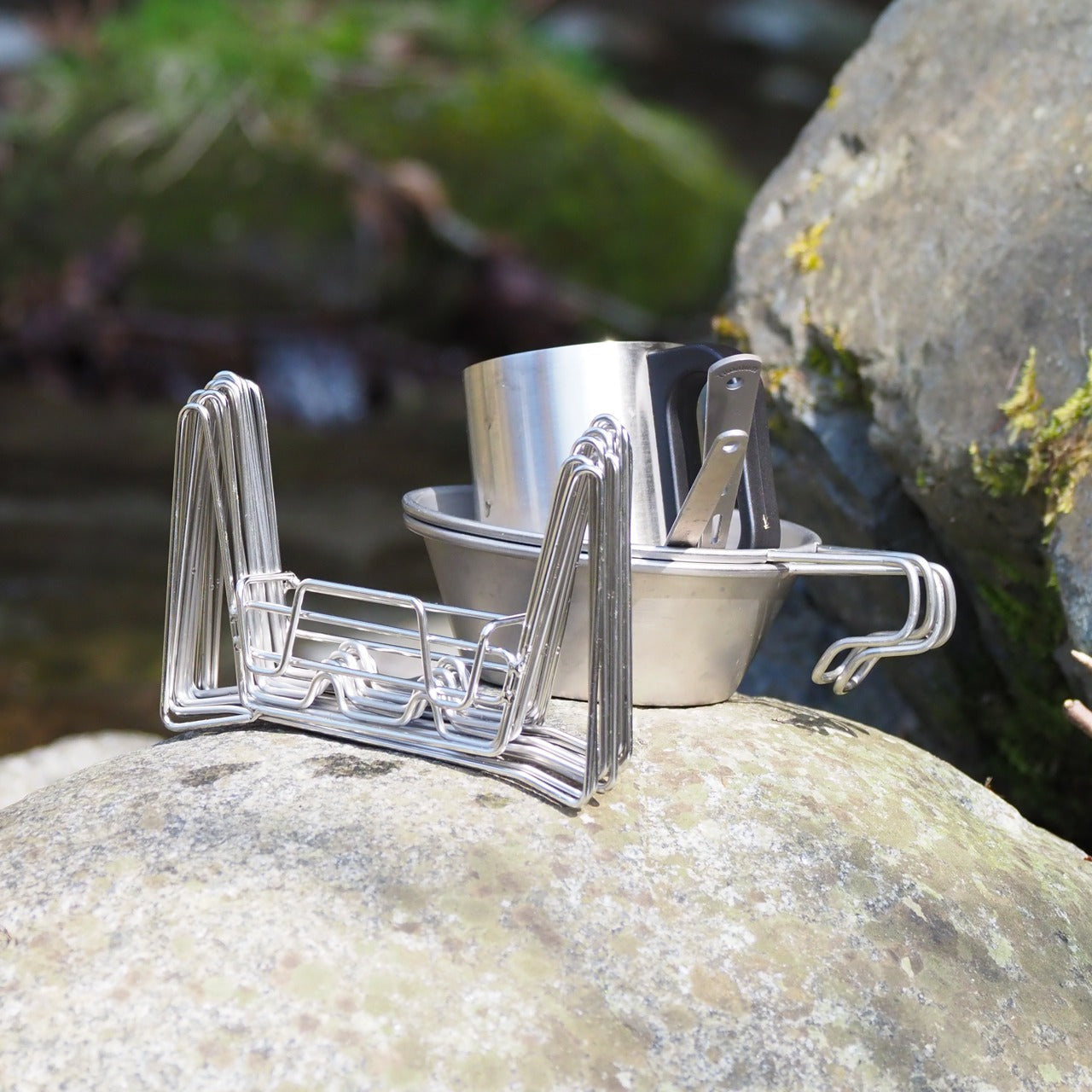
Best Kitchen Essentials of 2025: 7 Tools Worth Adding To Your Collection

Kitchen design reached a turning point in 2025, moving beyond gadget proliferation toward thoughtful consolidation. The tools that stood out this year questioned whether we really need separate appliances cluttering our counters or if smarter design could deliver more capability in less space. From espresso machines that resemble modern sculpture to modular cooking systems that adapt to small kitchens, these innovations demonstrate that kitchen essentials can be both beautiful and highly efficient.

What makes these seven tools worth your attention is their refusal to compromise. They deliver professional capability without demanding professional-sized kitchens, embrace minimalist aesthetics without sacrificing functionality, and respect the reality that most of us cook in spaces far smaller than we’d prefer. Whether you’re drawn to all-in-one versatility or single-purpose perfection, these designs represent kitchen tools that have evolved beyond their utilitarian origins into objects worth keeping visible rather than hidden away in cabinets.

1. BØYD Espresso Machine: Minimalist Coffee Perfection

The BØYD espresso machine concept from NYZE Studio commands attention through bold geometric simplicity rather than technical intimidation. Smooth curves and pure lines create something resembling modern sculpture more than traditional coffee equipment, transforming countertop real estate into visual statement territory. The less-is-more philosophy strips away unnecessary details, leaving only what matters for making exceptional espresso. This machine invites display rather than storage.

Thoughtful ergonomics ground the aesthetic ambition in practical usability. The perfectly arched handle provides natural grip comfort, while the simplified interface eliminates button-fumbling before your first cup. Morning coffee preparation becomes intuitive rather than overwhelming, which matters when you’re operating pre-caffeine. The BØYD proves that espresso machines don’t need complexity to deliver quality, just clarity of purpose and execution that respects both the coffee and the person making it.

What we like

  • The bold minimalist form functions as a countertop sculpture while making espresso.
  • The arched handle and simple interface prioritize ergonomic comfort and intuitive operation.

What we dislike

  • The concept status means availability and pricing remain unknown.
  • The minimalist aesthetic may lack the visual warmth some prefer in kitchen appliances.

2. Concept Cooker: The All-in-One Kitchen Revolution

Vuk Dragović’s concept for Nanlong imagines replacing multiple appliances with one versatile countertop unit capable of grilling, steaming, baking, and hosting hot-pot dinners. Designed for China’s dynamic cooking culture, this all-in-one system simplifies both everyday meals and entertaining through intelligent consolidation. The clean control panel allows mode selection, temperature setting, and timer adjustment in a few taps, eliminating confusing menus and excessive knobs that plague traditional appliances.

Interchangeable accessories demonstrate the breadth of functionality. Snap-in grill racks deliver smoky finishes to meats and vegetables, steaming baskets preserve nutrients in seafood and dumplings, baking trays transform the unit into a miniature oven, and dedicated hot-pot inserts bring communal dining home. The compact footprint sits comfortably on most counters, freeing space otherwise occupied by separate grills, steamers, and ovens. Quick attachment and straightforward cleanup make the modular approach practical rather than theoretical, proving that versatility doesn’t require complexity.

What we like

  • The all-in-one design replaces multiple appliances with one compact countertop unit.
  • Interchangeable accessories enable grilling, steaming, baking, and hot-pot functionality.

What we dislike

  • The concept stage leaves questions about durability across multiple cooking methods.
  • The modular accessories require storage space when not actively in use.

3. Iron Frying Plate: Cook and Eat on the Same Surface

The Iron Frying Plate eliminates the transfer step between cooking and eating by making the frying pan your plate. This beautifully crafted cookware allows you to enjoy meals immediately after cooking them, served on the very surface that brought out their best flavors and textures. Made from 1.6mm-thick mill scale steel, the uncoated iron surface is rust-resistant, stick-resistant, and ready to use straight from the box without seasoning rituals that intimidate casual cooks.

The wooden handle attaches and detaches with one hand, transforming the pan from cooking tool to serving plate seamlessly. This design philosophy respects the reality that transferring hot food creates extra dishes and loses precious heat. Eating directly from the iron plate maintains optimal temperature while reducing cleanup to a single item. The handsome aesthetic makes tableside presentation feel intentional rather than lazy, proving that the shortest distance between stove and mouth deserves celebration rather than apology.

Click Here to Buy Now: $69.00

What we like

  • The cook-and-eat design eliminates food transfer and reduces dishes to one item.
  • The 1.6mm mill scale steel is rust-resistant and stick-resistant without coatings.

What we dislike

  • The iron construction retains heat intensely, requiring careful handling at the table.
  • The single-serve format doesn’t scale well for cooking family-sized meals.

4. Thanko Electric Bento Rice Cooker: Perfect Rice Anywhere

Rice deserves more appreciation as the global food icon that transcends cuisine boundaries and meal timing. The Thanko Electric Bento rice cooker makes this omnipresent grain literally portable, cooking single servings wherever you happen to be. The compact device cooks 6 ounces of rice in 14 to 20 minutes, with an LED indicator showing when it’s ready. Weighing just 2 pounds and fitting easily in bags, this cooker brings fresh food to offices and travel destinations without takeout compromises.

The device operates silently without releasing steam, making it discreet enough for practically anywhere. Add water, rice, and optional salt or broth for enhanced flavor, then wait while it works quietly. The best feature is eating rice directly from the cooking container, eliminating dish multiplication that usually accompanies meal preparation. This optimization suits solo diners, frequent travelers, and anyone wanting quick meals that go with everything. The included measuring cup adds convenience, proving that portable cooking doesn’t require guesswork or complicated processes.

What we like

  • The 2-pound weight and compact size make this genuinely portable for travel and office use.
  • Silent operation without steam release enables discreet cooking practically anywhere.

What we dislike

  • The 6-ounce capacity limits this to strict single-serving use.
  • The specialized function doesn’t justify the space for people with existing rice cookers at home.

5. Lehua Slow Cooker: Hawaiian Pit Cooking Reimagined

Slow cooking predates modern appliances by centuries. Hawaiian Imu underground pit cooking buried large quantities for communal feasting, creating a unique atmosphere while feeding many people. The Lehua slow cooker concept draws inspiration from this tradition, adapting lessons from pit cooking to modern lifestyles and small households. The design adds peculiar features, making the process more convenient and meaningful than standard slow cookers manage.

The actual pot separates from the cooker itself, allowing safe lifting of the hot vessel for food preparation away from the heating element. This seemingly simple feature addresses a common frustration with integrated slow cookers, where accessing food means awkward maneuvering around hot components. The Hawaiian inspiration isn’t just an aesthetic reference; it represents thoughtful consideration of how communal cooking traditions can inform contemporary appliance design. The Lehua proves that looking backward sometimes reveals better paths forward than pure technological advancement alone can offer.

What we like

  • The separate pot design allows safe lifting and food preparation away from the heating element.
  • Hawaiian Imu pit cooking inspiration brings cultural meaning to contemporary appliance design.

What we dislike

  • The concept stage leaves practical questions about capacity and cooking performance unanswered.
  • The separated pot design may reduce heat efficiency compared to integrated slow cookers.

6. Obsidian Black Precision Chopstick Tongs: Where Tradition Meets Practicality

Traditional Japanese chopsticks meet modern tong functionality in this unique utensil that handles delicate food with expert precision. Made from SUS821L1 stainless steel, these chopstick-style tongs blend elegance with practicality, offering chopstick precision combined with tong versatility. The obsidian black finish comes from special metal processing, ensuring the color never scratches or peels, preserving handsome looks indefinitely through daily use. These aren’t just kitchen tools; they’re craftsmanship designed to last years.

The design excels at picking up and turning small or delicate pieces, whether flipping sushi or handling tiny ingredients on the stovetop. There’s no wrong way to hold them, making confident use accessible regardless of chopstick skill level. The lightweight yet durable construction balances control with ease, perfect for both cooking and dining applications. The exceptional strength and corrosion resistance of the stainless steel withstand daily demands without degradation. These tongs prove that inspiration from tradition, when perfected for modern use, creates tools superior to purely contemporary designs.

Click Here to Buy Now: $25.00

What we like

  • The chopstick-tong hybrid delivers precise control for delicate food handling.
  • SUS821L1 stainless steel with black oxide processing ensures durability and lasting aesthetics.

What we dislike

  • The chopstick format may feel awkward for users accustomed to the traditional tong grip.
  • The specialized design doesn’t replace standard tongs for heavy-duty flipping and turning.

7. Magic Cube Cooking System: Modular Kitchen Efficiency

Tiny kitchens demand creative solutions beyond just buying smaller appliances. The Magic Cube Cooking System maximizes functionality and efficiency through a modular design that integrates essential cooking elements into a sleek, space-saving format. The customizable approach ensures you only get what you actually need by combining multiple crucial functions into interconnected modules. This system adapts to your specific cooking style rather than forcing you to adapt to predetermined configurations.

Available modules include open flame and induction cookers for easy fuel-type switching, integrated range hoods for clean, ventilated environments, built-in sinks for mid-cooking cleanup, and condiment storage with knife disinfection units for organization and hygiene. The modular nature allows seamless matching to maximize efficiency while enabling individual module replacement to extend overall system lifespan. Standardized dimensions mean integration into different kitchen layouts without custom fitting. This concept solves cooking-related space problems through intelligent consolidation that respects the reality of modern urban living, where kitchen square footage comes at a premium price.

What we like

  • The modular design allows customization to specific needs and cooking styles.
  • Standardized dimensions enable integration into various kitchen layouts without custom fitting.

What we dislike

  • The modular approach requires careful planning to avoid purchasing unnecessary components.
  • The interconnected system may create single points of failure affecting multiple functions.

Kitchen Tools Evolved

These seven innovations share a common philosophy that kitchen tools should adapt to our lives rather than demanding we adapt to them. They reject the assumption that capability requires counter sprawl, proving that thoughtful design can deliver professional results in compact formats. From espresso machines that double as sculpture to modular systems that transform with your needs, these tools represent evolution beyond pure functionality toward objects that enhance both cooking and the spaces where it happens.

What makes this collection particularly relevant is how each piece addresses different aspects of modern cooking life. Some prioritize portability for people who cook in multiple locations, others embrace all-in-one versatility for space-constrained kitchens, and a few perfect single functions to excellence. The common thread is respect for the people using them and the spaces they occupy. Kitchen essentials in 2025 finally acknowledged that most of us don’t have restaurant-sized kitchens, unlimited budgets, or patience for complicated equipment. These tools meet us where we actually are, and that feels worth celebrating.

The post Best Kitchen Essentials of 2025: 7 Tools Worth Adding To Your Collection first appeared on Yanko Design.
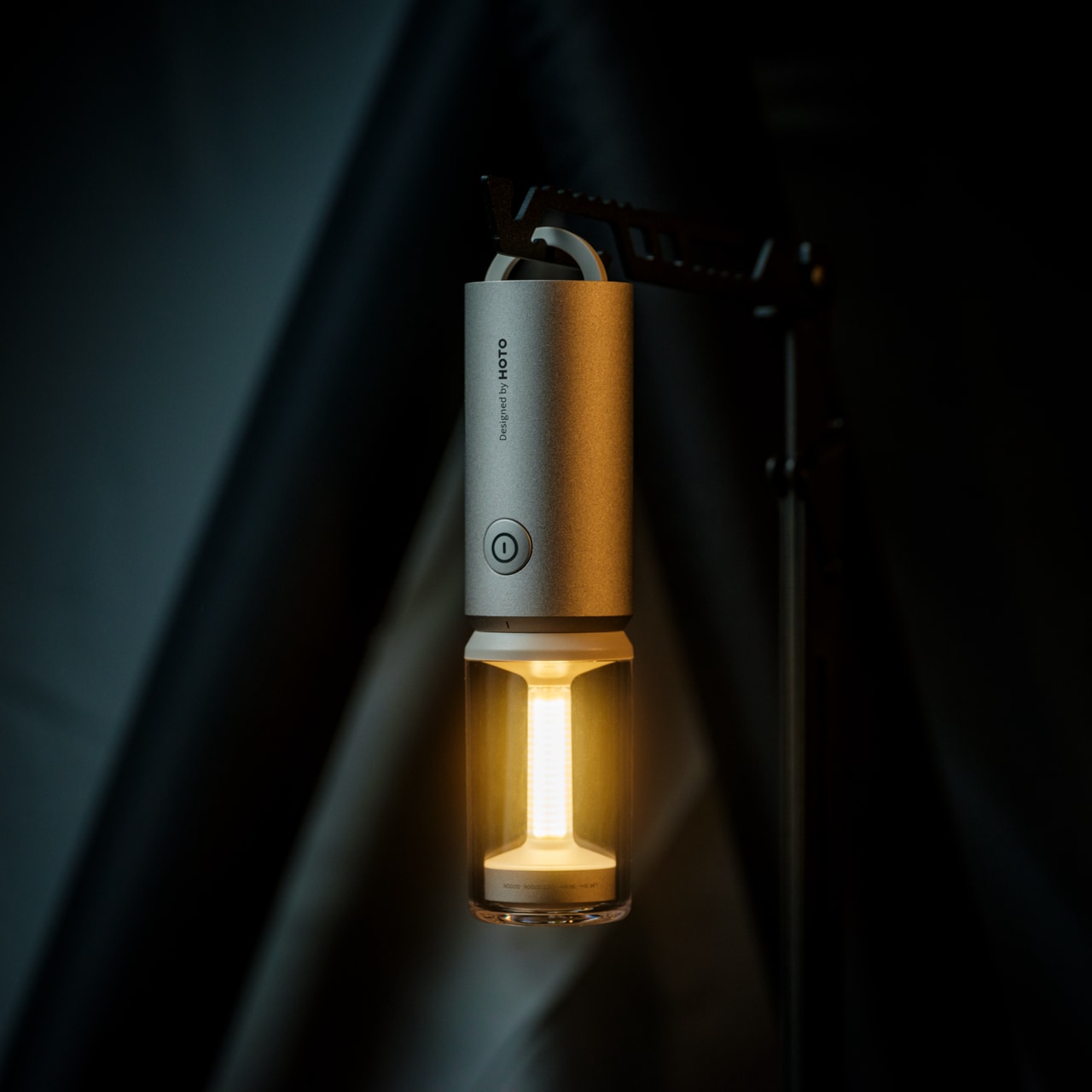
Best Kitchen Essentials of 2025: 7 Tools Worth Adding To Your Collection

Kitchen design reached a turning point in 2025, moving beyond gadget proliferation toward thoughtful consolidation. The tools that stood out this year questioned whether we really need separate appliances cluttering our counters or if smarter design could deliver more capability in less space. From espresso machines that resemble modern sculpture to modular cooking systems that adapt to small kitchens, these innovations demonstrate that kitchen essentials can be both beautiful and highly efficient.

What makes these seven tools worth your attention is their refusal to compromise. They deliver professional capability without demanding professional-sized kitchens, embrace minimalist aesthetics without sacrificing functionality, and respect the reality that most of us cook in spaces far smaller than we’d prefer. Whether you’re drawn to all-in-one versatility or single-purpose perfection, these designs represent kitchen tools that have evolved beyond their utilitarian origins into objects worth keeping visible rather than hidden away in cabinets.

1. BØYD Espresso Machine: Minimalist Coffee Perfection

The BØYD espresso machine concept from NYZE Studio commands attention through bold geometric simplicity rather than technical intimidation. Smooth curves and pure lines create something resembling modern sculpture more than traditional coffee equipment, transforming countertop real estate into visual statement territory. The less-is-more philosophy strips away unnecessary details, leaving only what matters for making exceptional espresso. This machine invites display rather than storage.

Thoughtful ergonomics ground the aesthetic ambition in practical usability. The perfectly arched handle provides natural grip comfort, while the simplified interface eliminates button-fumbling before your first cup. Morning coffee preparation becomes intuitive rather than overwhelming, which matters when you’re operating pre-caffeine. The BØYD proves that espresso machines don’t need complexity to deliver quality, just clarity of purpose and execution that respects both the coffee and the person making it.

What we like

  • The bold minimalist form functions as a countertop sculpture while making espresso.
  • The arched handle and simple interface prioritize ergonomic comfort and intuitive operation.

What we dislike

  • The concept status means availability and pricing remain unknown.
  • The minimalist aesthetic may lack the visual warmth some prefer in kitchen appliances.

2. Concept Cooker: The All-in-One Kitchen Revolution

Vuk Dragović’s concept for Nanlong imagines replacing multiple appliances with one versatile countertop unit capable of grilling, steaming, baking, and hosting hot-pot dinners. Designed for China’s dynamic cooking culture, this all-in-one system simplifies both everyday meals and entertaining through intelligent consolidation. The clean control panel allows mode selection, temperature setting, and timer adjustment in a few taps, eliminating confusing menus and excessive knobs that plague traditional appliances.

Interchangeable accessories demonstrate the breadth of functionality. Snap-in grill racks deliver smoky finishes to meats and vegetables, steaming baskets preserve nutrients in seafood and dumplings, baking trays transform the unit into a miniature oven, and dedicated hot-pot inserts bring communal dining home. The compact footprint sits comfortably on most counters, freeing space otherwise occupied by separate grills, steamers, and ovens. Quick attachment and straightforward cleanup make the modular approach practical rather than theoretical, proving that versatility doesn’t require complexity.

What we like

  • The all-in-one design replaces multiple appliances with one compact countertop unit.
  • Interchangeable accessories enable grilling, steaming, baking, and hot-pot functionality.

What we dislike

  • The concept stage leaves questions about durability across multiple cooking methods.
  • The modular accessories require storage space when not actively in use.

3. Iron Frying Plate: Cook and Eat on the Same Surface

The Iron Frying Plate eliminates the transfer step between cooking and eating by making the frying pan your plate. This beautifully crafted cookware allows you to enjoy meals immediately after cooking them, served on the very surface that brought out their best flavors and textures. Made from 1.6mm-thick mill scale steel, the uncoated iron surface is rust-resistant, stick-resistant, and ready to use straight from the box without seasoning rituals that intimidate casual cooks.

The wooden handle attaches and detaches with one hand, transforming the pan from cooking tool to serving plate seamlessly. This design philosophy respects the reality that transferring hot food creates extra dishes and loses precious heat. Eating directly from the iron plate maintains optimal temperature while reducing cleanup to a single item. The handsome aesthetic makes tableside presentation feel intentional rather than lazy, proving that the shortest distance between stove and mouth deserves celebration rather than apology.

Click Here to Buy Now: $69.00

What we like

  • The cook-and-eat design eliminates food transfer and reduces dishes to one item.
  • The 1.6mm mill scale steel is rust-resistant and stick-resistant without coatings.

What we dislike

  • The iron construction retains heat intensely, requiring careful handling at the table.
  • The single-serve format doesn’t scale well for cooking family-sized meals.

4. Thanko Electric Bento Rice Cooker: Perfect Rice Anywhere

Rice deserves more appreciation as the global food icon that transcends cuisine boundaries and meal timing. The Thanko Electric Bento rice cooker makes this omnipresent grain literally portable, cooking single servings wherever you happen to be. The compact device cooks 6 ounces of rice in 14 to 20 minutes, with an LED indicator showing when it’s ready. Weighing just 2 pounds and fitting easily in bags, this cooker brings fresh food to offices and travel destinations without takeout compromises.

The device operates silently without releasing steam, making it discreet enough for practically anywhere. Add water, rice, and optional salt or broth for enhanced flavor, then wait while it works quietly. The best feature is eating rice directly from the cooking container, eliminating dish multiplication that usually accompanies meal preparation. This optimization suits solo diners, frequent travelers, and anyone wanting quick meals that go with everything. The included measuring cup adds convenience, proving that portable cooking doesn’t require guesswork or complicated processes.

What we like

  • The 2-pound weight and compact size make this genuinely portable for travel and office use.
  • Silent operation without steam release enables discreet cooking practically anywhere.

What we dislike

  • The 6-ounce capacity limits this to strict single-serving use.
  • The specialized function doesn’t justify the space for people with existing rice cookers at home.

5. Lehua Slow Cooker: Hawaiian Pit Cooking Reimagined

Slow cooking predates modern appliances by centuries. Hawaiian Imu underground pit cooking buried large quantities for communal feasting, creating a unique atmosphere while feeding many people. The Lehua slow cooker concept draws inspiration from this tradition, adapting lessons from pit cooking to modern lifestyles and small households. The design adds peculiar features, making the process more convenient and meaningful than standard slow cookers manage.

The actual pot separates from the cooker itself, allowing safe lifting of the hot vessel for food preparation away from the heating element. This seemingly simple feature addresses a common frustration with integrated slow cookers, where accessing food means awkward maneuvering around hot components. The Hawaiian inspiration isn’t just an aesthetic reference; it represents thoughtful consideration of how communal cooking traditions can inform contemporary appliance design. The Lehua proves that looking backward sometimes reveals better paths forward than pure technological advancement alone can offer.

What we like

  • The separate pot design allows safe lifting and food preparation away from the heating element.
  • Hawaiian Imu pit cooking inspiration brings cultural meaning to contemporary appliance design.

What we dislike

  • The concept stage leaves practical questions about capacity and cooking performance unanswered.
  • The separated pot design may reduce heat efficiency compared to integrated slow cookers.

6. Obsidian Black Precision Chopstick Tongs: Where Tradition Meets Practicality

Traditional Japanese chopsticks meet modern tong functionality in this unique utensil that handles delicate food with expert precision. Made from SUS821L1 stainless steel, these chopstick-style tongs blend elegance with practicality, offering chopstick precision combined with tong versatility. The obsidian black finish comes from special metal processing, ensuring the color never scratches or peels, preserving handsome looks indefinitely through daily use. These aren’t just kitchen tools; they’re craftsmanship designed to last years.

The design excels at picking up and turning small or delicate pieces, whether flipping sushi or handling tiny ingredients on the stovetop. There’s no wrong way to hold them, making confident use accessible regardless of chopstick skill level. The lightweight yet durable construction balances control with ease, perfect for both cooking and dining applications. The exceptional strength and corrosion resistance of the stainless steel withstand daily demands without degradation. These tongs prove that inspiration from tradition, when perfected for modern use, creates tools superior to purely contemporary designs.

Click Here to Buy Now: $25.00

What we like

  • The chopstick-tong hybrid delivers precise control for delicate food handling.
  • SUS821L1 stainless steel with black oxide processing ensures durability and lasting aesthetics.

What we dislike

  • The chopstick format may feel awkward for users accustomed to the traditional tong grip.
  • The specialized design doesn’t replace standard tongs for heavy-duty flipping and turning.

7. Magic Cube Cooking System: Modular Kitchen Efficiency

Tiny kitchens demand creative solutions beyond just buying smaller appliances. The Magic Cube Cooking System maximizes functionality and efficiency through a modular design that integrates essential cooking elements into a sleek, space-saving format. The customizable approach ensures you only get what you actually need by combining multiple crucial functions into interconnected modules. This system adapts to your specific cooking style rather than forcing you to adapt to predetermined configurations.

Available modules include open flame and induction cookers for easy fuel-type switching, integrated range hoods for clean, ventilated environments, built-in sinks for mid-cooking cleanup, and condiment storage with knife disinfection units for organization and hygiene. The modular nature allows seamless matching to maximize efficiency while enabling individual module replacement to extend overall system lifespan. Standardized dimensions mean integration into different kitchen layouts without custom fitting. This concept solves cooking-related space problems through intelligent consolidation that respects the reality of modern urban living, where kitchen square footage comes at a premium price.

What we like

  • The modular design allows customization to specific needs and cooking styles.
  • Standardized dimensions enable integration into various kitchen layouts without custom fitting.

What we dislike

  • The modular approach requires careful planning to avoid purchasing unnecessary components.
  • The interconnected system may create single points of failure affecting multiple functions.

Kitchen Tools Evolved

These seven innovations share a common philosophy that kitchen tools should adapt to our lives rather than demanding we adapt to them. They reject the assumption that capability requires counter sprawl, proving that thoughtful design can deliver professional results in compact formats. From espresso machines that double as sculpture to modular systems that transform with your needs, these tools represent evolution beyond pure functionality toward objects that enhance both cooking and the spaces where it happens.

What makes this collection particularly relevant is how each piece addresses different aspects of modern cooking life. Some prioritize portability for people who cook in multiple locations, others embrace all-in-one versatility for space-constrained kitchens, and a few perfect single functions to excellence. The common thread is respect for the people using them and the spaces they occupy. Kitchen essentials in 2025 finally acknowledged that most of us don’t have restaurant-sized kitchens, unlimited budgets, or patience for complicated equipment. These tools meet us where we actually are, and that feels worth celebrating.

The post Best Kitchen Essentials of 2025: 7 Tools Worth Adding To Your Collection first appeared on Yanko Design.
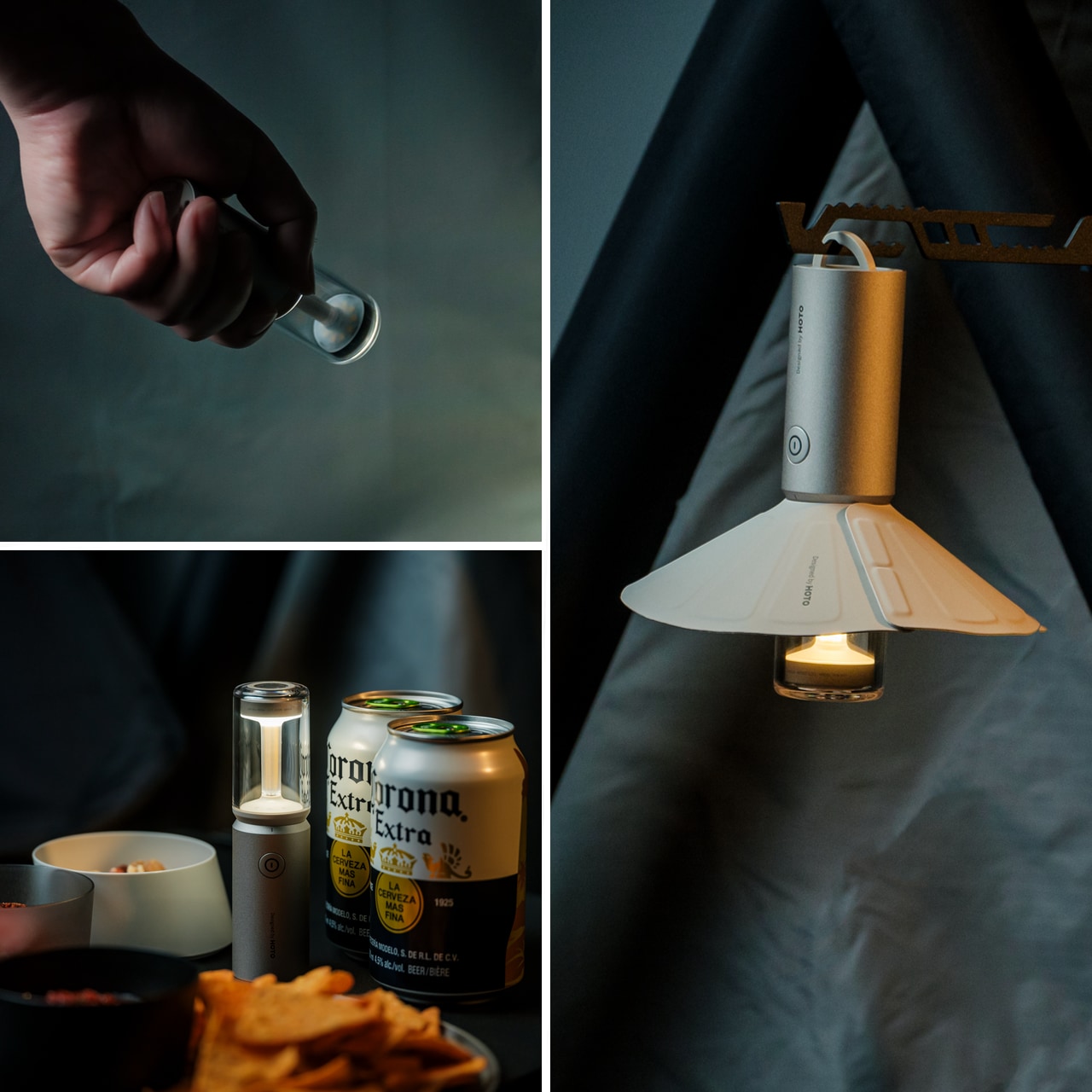
5 Travel Essentials Every Last-Minute 2025 Traveler Regrets Forgetting

There’s a particular kind of panic that sets in about thirty minutes before you need to leave for the airport. You’ve thrown clothes into a suitcase, triple-checked your passport, and convinced yourself that you’ve packed everything important. Then you arrive at your destination and realize you’ve brought three chargers for devices you don’t own but somehow forgot the one thing that would’ve made your entire trip better. Last-minute travel has a way of exposing what truly matters versus what we think we need.

The beauty of spontaneous trips lies in their unpolished edges, but that doesn’t mean you should suffer through bad coffee, tangled headphone cords, or eating with your hands because the airline meal came with a flimsy plastic fork that snapped on contact. The difference between a trip you remember fondly and one you spent complaining about comes down to a handful of well-chosen essentials that solve real problems. These five designs represent the kind of thoughtful gear that takes up minimal space but delivers maximum impact when you need it most.

1. Nikon 4x10D CF Pocket Binoculars

Binoculars feel like relics from another era, the kind of thing your grandfather kept in a leather case that smelled faintly of pipe tobacco. Nikon’s 4x10D CF pocket binoculars challenge that entire perception by shrinking the form factor down to something that actually fits in your pocket without creating an awkward bulge. These aren’t meant to compete with your smartphone’s digital zoom or replace professional birding equipment. They exist in a different category entirely, prioritizing the experience of optical viewing over pixel counts and processing power.

The genius lies in recognizing that people don’t carry traditional binoculars because they’re too bulky and conspicuous. Nikon solved that problem by creating something so discreet it almost disappears. The optical quality remains surprisingly sharp for such a compact device, delivering a viewing experience that feels immediate and artifact-free. Whether you’re trying to read a distant street sign in an unfamiliar city or want a closer look at architectural details without looking like a tourist with professional gear, these slip into your travel kit without demanding dedicated space or special protection.

What we like

• The form factor makes them genuinely pocketable, solving the primary reason people don’t carry binoculars.

• Optical viewing delivers a tactile, immediate experience that digital zoom can’t replicate.

• The updated colorways transform them from technical equipment into an accessory you want to carry.

• Multiple uses, from reading transit signs to appreciating distant landscapes without looking conspicuous.

What we dislike

• The 4x magnification is modest compared to traditional binoculars, limiting long-distance viewing.

• The compact size means smaller objective lenses, reducing light-gathering capability in low-light conditions.

2. StillFrame Headphones

Air travel has become an endurance test for your ears. Between engine noise, crying babies, and the passenger next to you who insists on watching action movies without headphones until a flight attendant intervenes, you need something that creates a barrier between you and chaos. StillFrame wireless headphones approach this problem with a design philosophy borrowed from a time when music felt like a deliberate choice rather than background noise. The aesthetic draws from compact disc geometry, creating a visual language that feels refreshingly analog in an aggressively digital world.

Weighing just 103 grams, these headphones occupy a middle ground between intrusive over-ear designs and in-ear buds that always seem to fall out at the worst possible moment. The 40mm drivers create a soundstage that gives music room to breathe, which matters when you’re spending hours in compressed airplane cabins where everything feels claustrophobic. The combination of active noise cancelling and transparency mode means you can shift between complete isolation and situational awareness without removing them. That flexibility proves essential when navigating unfamiliar airports or wanting to hear boarding announcements without sacrificing your peace during the actual flight.

Click Here to Buy Now: $245.00

What we like

• The 24-hour battery life eliminates anxiety about running out of power mid-journey.

• Magnetic fabric ear cushions swap easily, giving you color options that match different moods.

• Dual connectivity through Bluetooth 5.4 and USB-C cable offers wireless freedom or wired stability.

• The exposed circuit board aesthetic celebrates the technology rather than hiding it behind plastic shells.

What we dislike

• The on-ear design may cause discomfort during extremely long flights compared to over-ear alternatives.

• The fashion-forward aesthetic might not appeal to travelers who prefer more conventional headphone designs.

3. 0.25 oz Aero Spork

There’s something deeply frustrating about packing perfectly good food for a trip only to realize you have nothing reasonable to eat it with. Plastic cutlery snaps under minimal pressure, full-sized metal utensils add unnecessary weight, and trying to eat noodles with a standard spoon requires patience most travelers don’t have after a long day. The Aero Spork weighs less than a quarter of an ounce but manages to feel substantial enough to handle actual meals. That combination of minimal weight and genuine utility makes it the kind of item that earns permanent residence in your travel kit.

The ergonomic curve gives you a secure grip even when your hands are cold or wet, while the tapered design specifically addresses the noodle-eating problem that plagues travelers across Asia and increasingly everywhere else. The stackable design means you can carry multiple sporks without them taking up more space than a single standard utensil. This becomes relevant when you’re traveling with others or want a backup. The durability factor matters more than you’d expect; these survive being tossed into bags, stepped on accidentally, and subjected to the kind of casual abuse that destroys lesser travel utensils within weeks.

Click Here to Buy Now: $19.95

What we like

• The 7-gram weight makes it lighter than most travel accessories you’ll forget you’re carrying.

• Stackable design solves the multi-person dining situation without requiring a full cutlery set.

• The tapered shape genuinely improves noodle-eating, addressing a specific and common travel challenge.

• Metal construction means it lasts indefinitely, unlike disposable or plastic alternatives.

What we dislike

• The hybrid spoon-fork design means neither side works quite as well as a dedicated utensil.

• Cleaning can be tricky in the field without proper access to soap and water.

4. MokaMax Portable Coffee Maker

Hotel coffee represents a special category of disappointment. It tastes like regret mixed with lukewarm water, extracted from pods that somehow cost three dollars each. Even when you find a decent café, you’re either waiting in line behind seventeen people who each ordered customized drinks with five modifications, or you’re drinking something that went cold during your walk back to your hotel. MokaMax addresses this problem by building a legitimate pressure-brewing system into a form factor that looks like a standard travel mug. The ridged stainless steel body provides a secure grip while reinforcing the rugged, outdoor-ready aesthetic.

The design spent considerable effort getting those ridges right, balancing functional grip with comfortable handling and visual interest. The flexible rope attachment transforms it from just another mug into something that clips onto backpacks or hangs from hooks, integrating into your mobile gear rather than requiring dedicated carrying. The key advantage over simply buying coffee everywhere you go is consistency and timing. You control the strength, temperature, and exact moment you brew. That autonomy matters when you’re dealing with jet lag and need coffee at 4 AM when nothing is open, or when you’re hiking and want something better than instant crystals dissolved in lukewarm water.

What we like

• The pressure-brewing system delivers espresso-style coffee without electricity or complex equipment.

• Single-vessel design eliminates the need to carry separate brewing and drinking containers.

• Ridged stainless steel construction provides grip and durability for genuine outdoor use.

• The rope attachment integrates it into your travel gear ecosystem rather than requiring dedicated space.

What we dislike

• The brewing process takes longer than simply buying coffee if you’re in an area with good options.

• Cleaning requires more attention than a standard travel mug, especially after brewing dark roasts.

5. Craftmaster EDC Utility Knife

Most travelers don’t think they need a utility knife until they’re standing in a hotel room trying to open packaging with their keys, teeth, or increasingly desperate improvisation. The Craftmaster EDC utility knife occupies just 8mm of thickness and 12cm of length, making it slim enough to slip into pockets, bags, or organizer pouches without creating bulk. The metallic construction gives it heft that feels reassuring rather than burdensome, while the rotating knob deployment mechanism adds a tactile satisfaction that pure functionality doesn’t require but somehow makes the tool more enjoyable to use.

The magnetic back serves double duty by letting you dock the knife on any metal surface and providing a home for the companion metal scale. That scale includes both metric and imperial measurements, a raised edge for easy pickup, and a blade-breaker for maintaining the OLFA blade’s sharpness. The 15-degree curvature protects your fingers during cutting tasks, while the 45-degree inclination helps with opening boxes without damaging contents. These details transform a basic utility knife into something that solves multiple problems, from precise measuring for emergency clothing repairs to clean package opening without destroying whatever’s inside.

Click Here to Buy Now: $79.00

What we like

• The 8mm thickness makes it genuinely pocketable without the bulk of traditional utility knives.

• Magnetic docking turns any metal surface into convenient storage, preventing loss in hotel rooms.

• The included ruler with blade-breaker combines multiple functions without requiring separate tools.

• OLFA blades are replaceable and widely available, extending the knife’s useful life indefinitely.

What we dislike

• The minimalist metal design lacks texture that could improve grip in wet conditions.

• Airport security restrictions mean it needs to go in checked luggage, limiting accessibility during travel days.

Why These Five Items Matter for Last-Minute Travel

The connecting thread between these designs is that they solve specific problems while occupying minimal space and requiring almost no learning curve. You don’t need an instruction manual, a YouTube tutorial, or previous experience. They work immediately and continue working reliably. That reliability becomes essential when you’re already dealing with the stress of spontaneous travel, unfamiliar locations, and the general chaos that comes from not having time to plan properly.

The other advantage is that none of these items are single-use solutions. Pocket binoculars serve navigation, sightseeing, and practical reading purposes. Headphones deliver both entertainment and environmental control. A quality spork handles any meal situation. The portable coffee maker works everywhere from mountain peaks to hotel rooms. The utility knife solves dozens of cutting, measuring, and opening challenges. That versatility means carrying five items gives you solutions to dozens of potential problems, which is exactly the kind of efficiency last-minute travelers need most.

The post 5 Travel Essentials Every Last-Minute 2025 Traveler Regrets Forgetting first appeared on Yanko Design.
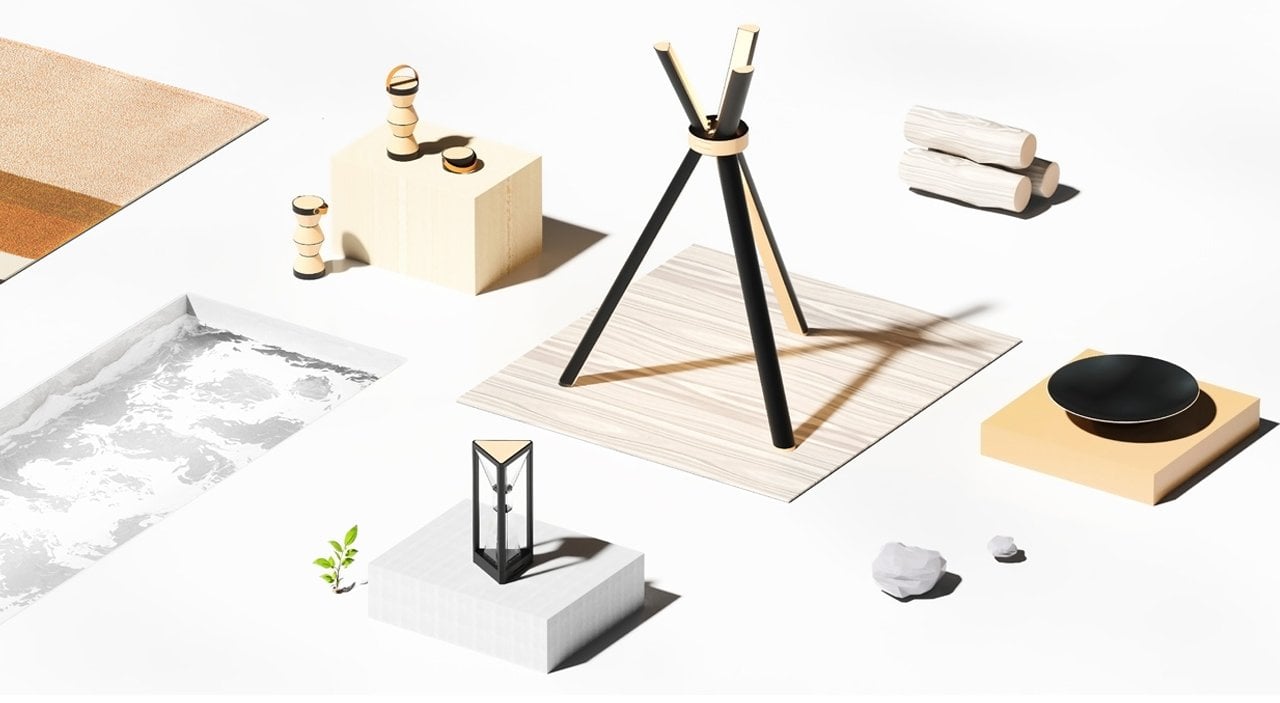
7 Best Camping Gear Essentials for Weekend Warriors

Weekend camping trips have evolved beyond basic survival. Today’s outdoor enthusiasts expect gear that performs multiple functions, weighs practically nothing, and looks good doing it. The days of hauling clunky Coleman equipment into the wilderness are fading, replaced by thoughtfully engineered tools that blend form with serious function. Modern camping gear speaks a different language—one where aerospace aluminum meets compact portability, where vintage aesthetics hide cutting-edge technology.

The best weekend warriors understand that quality gear transforms a trip from an endurance test to genuine enjoyment. Every ounce matters when you’re hiking to your campsite. Every feature counts when you’re miles from the nearest outlet or hardware store. The seven essentials gathered here represent a new standard in outdoor equipment: beautifully designed, seriously capable, and built to handle everything from mild evenings to legitimate emergencies. These aren’t gadgets. They’re investments in better experiences outdoors.

1. Lumitwin DL700

Most flashlights promise brightness. The Lumitwin DL700 delivers distance—an astonishing 2 kilometers of beam throw that turns night into navigable terrain. This isn’t achieved through brute-force LED arrays but through laser-excited phosphor modules housed in dual independently-controlled barrels. Each barrel operates separately, giving you precision control over where and how light gets deployed. The aerospace aluminum body weighs just over a kilogram, substantial enough to feel serious without becoming a burden clipped to your pack.

What sets this flashlight apart for weekend camping is its adaptability through swappable color filters. Red light preserves night vision around camp. Green cuts through fog on misty mornings. The flood filter transforms focused beams into area lighting when you need to illuminate your entire campsite. IP68 waterproofing means rain, river crossings, and accidental drops into streams won’t end your light source. The 1-meter drop rating ensures it survives the inevitable tumbles that come with outdoor adventure. This is engineered resilience meeting thoughtful design.

What we like

  • The 2-kilometer beam distance eliminates the anxiety of navigating unfamiliar trails after dark
  • Dual barrels with independent controls offer lighting flexibility that no single-beam flashlight can match

What we dislike

  • At over 1,000 grams, it’s heavier than ultralight backpackers typically prefer
  • The high-performance laser-excited phosphor technology comes with a premium price point

2. RetroWave 7-in-1 Radio

Behind its vintage Japanese aesthetic and tactile tuning dial sits genuinely useful modern technology wrapped in retro charm. The RetroWave pulls off the rare feat of looking like it belongs in a 1970s study while functioning like contemporary emergency equipment. Its seven functions—AM/FM/SW radio, Bluetooth speaker, MP3 player, flashlight, clock, power bank, and SOS alarm—make it the Swiss Army knife of communication and entertainment gear. That retro dial isn’t just decorative; it’s a genuinely satisfying way to tune analog stations without touchscreens or menus.

For weekend warriors, this radio solves the connectivity problem elegantly. Stream music via Bluetooth when you have a signal. Switch to stored MP3s from USB or microSD when you’re off-grid. The hand-crank and solar panel charging ensure you’re never completely powerless, even during extended trips. The built-in flashlight and SOS alarm transform it from an entertainment device to legitimate safety equipment. Its compact form fits easily into any camping setup, bringing both comfort and contingency planning into one beautifully designed package.

Click Here to Buy Now: $89.00

What we like

  • Seven genuinely useful functions in one device eliminate the need for multiple gadgets
  • Hand-crank and solar charging provide power independence when you’re far from outlets

What we dislike

  • The vintage aesthetic may not appeal to minimalists who prefer sleek modern design
  • Shortwave radio feels somewhat redundant for typical weekend camping scenarios

3. Airflow 8-Panel Fire Pit

Traditional campfires demand constant attention—poking, prodding, repositioning logs to maintain flames while managing smoke that invariably blows in your face. Sanyo Works reimagined this ancient ritual with engineering precision. Their eight-panel removable fire pit system creates adjustable secondary combustion, fundamentally changing how efficiently wood burns. Fresh air enters through strategically positioned holes at each panel’s base, then ascends through double-walled cavities where it heats before expelling from top vents. This creates a secondary burn that consumes smoke particles before they escape.

The genius lies in adjustability. All eight panels assembled create maximum secondary combustion—hotter fire, minimal smoke, perfect for cooking or cold nights. Remove panels to reduce intensity for ambient warmth without cooking-level heat. The system self-regulates based on your configuration, giving control without complexity. Cleanup becomes genuinely simple since efficient combustion leaves less ash and residue. For weekend warriors who want campfire ambiance without campfire hassle, this represents a significant upgrade over traditional fire rings. It’s campfire culture refined through thoughtful design and metalworking expertise.

Click Here to Buy Now: $325.00

What we like

  • Adjustable panel system provides unprecedented control over fire intensity and smoke output
  • Secondary combustion technology delivers cleaner burns with significantly less ash and residue

What we dislike

  • The eight-panel system adds bulk compared to simple collapsible fire rings
  • Higher initial cost than basic camping fire solutions

4. Compact Modular Grill Plate

Camp cooking typically involves uneven heating, flare-ups, and food that’s simultaneously burnt and undercooked. This modular grill plate solves the fundamental problem through a three-layer steel construction that distributes heat uniformly across its entire surface. The engineering creates consistent temperature zones, eliminating hot spots that char one side while leaving the other raw. The plate works equally well over unstable bonfires, gas camp stoves, or induction cooktops back home, making it genuinely versatile equipment.

The modular design shines in practical use. Handles swap out depending on your cooking situation—grab the appropriate configuration for direct flame or stable stovetop cooking. Everything breaks down into compact form for transport, fitting easily into camping gear without wasted space. Cleanup becomes straightforward since the flat surface has no crevices or grates where food debris hides. The three-layer construction means this plate will outlast dozens of camping seasons without warping or degrading. It transforms camp cooking from a chore into a genuine culinary opportunity.

Click Here to Buy Now: $89.00

What we like

  • Three-layer steel construction eliminates hot spots for consistently cooked food
  • Swappable handles and compact storage make it truly practical for varied camping situations

What we dislike

  • The solid plate design limits the ability to cook over open flames, the way traditional grill grates do
  • Weight from the three-layer construction adds heft compared to ultralight camping cookware

5. 8-in-1 EDC Scissors

Multi-tools often sacrifice quality for quantity, cramming mediocre versions of many functions into unwieldy packages. These palm-sized scissors flip that equation—they’re genuinely excellent scissors that happen to include seven additional capabilities. At just 13 centimeters, they disappear into pockets or pack compartments while delivering knife, lid opener, can opener, cap opener, bottle opener, shell splitter, and degasser functions. The oxidation film coating provides rust resistance critical for outdoor gear while adding a handsome matte black finish.

The brilliance lies in maintaining scissor quality while adding utility. These cut properly through packaging, rope, fabric, food—without the awkward compromises typical of combination tools. The additional functions feel natural rather than forced, positioned where your hands naturally grip during use. For weekend camping, this becomes the tool you reach for constantly: opening packages, cutting cord for tent guy-lines, preparing food, and opening beverages. It’s the kind of simple, elegant solution that seems obvious only after someone’s designed it. Compact capability without complexity.

Click Here to Buy Now: $59.00

What we like

  • Maintains excellent scissor functionality while adding seven useful tools in a palm-sized form
  • Oxidation coating provides rust resistance and an attractive finish, perfect for outdoor conditions

What we dislike

  • The compact 13cm size may feel small for users with larger hands
  • Individual tools sacrifice some capability compared to dedicated single-purpose versions

6. TriBeam Camp Light

Lighting for camping requires three distinct modes: focused beam for navigation, diffused area light for camp activities, and soft ambient glow for winding down. Most camping lights force you to choose one or carry multiple devices. The TriBeam delivers all three in an award-winning design that weighs just 135 grams and stands 12.8 centimeters tall. A single intuitive button cycles through Camping, Ambient, and Flashlight modes. Brightness adjusts from a gentle 5-lumen glow to a powerful 180-lumen focused beam.

The runtime impresses—up to 50 hours on a single charge, depending on brightness settings. For weekend trips, that typically means charging once before departure, then forgetting about power management entirely. The compact build slips into jacket pockets or pack side compartments, always accessible when light conditions change. The design earned awards not through gimmicks but through solving the fundamental lighting problem elegantly: one light, three genuinely useful modes, beautiful industrial design. It’s the kind of gear that enhances experiences simply by working perfectly when you need it.

Click Here to Buy Now: $65.00

What we like

  • Three distinct lighting modes cover every camping scenario, from trail navigation to ambient evening light
  • Up to 50 hours of runtime eliminates anxiety about battery life during weekend trips

What we dislike

  • Maximum 180-lumen output may feel insufficient for users accustomed to ultra-bright tactical lights
  • Single-button control through three modes and multiple brightness levels has a learning curve

7. DraftPro Top Can Opener

Most camping gear focuses on survival and function. DraftPro focuses on experience. This award-winning can opener from Japanese designer Shu Kanno completely removes can tops, transforming canned beverages into glass-like drinking vessels. The wide-mouth opening releases aromatics and allows taste to develop fully rather than funneling liquid through a small opening. The smooth edge eliminates the sharp rim typical of conventional openers, making drinking genuinely pleasant.

Beyond elevating beer and sparkling water, DraftPro adds practical versatility. Drop ice directly into opened cans for rapid cooling on hot days when your cooler isn’t keeping up. Mix cocktails directly in the can without dirtying shakers or glasses—combine ingredients, stir, enjoy, then recycle. The lightweight design packs easily, works with domestic and international can sizes, and requires no particular technique to operate. It’s the rare piece of camping gear that improves everyday enjoyment rather than just solving problems. Weekend warriors who appreciate their beverages will find that this changes the camping drink experience entirely.

Click Here to Buy Now: $59.00

What we like

  • Complete top removal creates a glass-like drinking experience that enhances aroma and flavor
  • Enables direct ice addition and in-can cocktail mixing for expanded beverage options

What we dislike

  • Adds another single-purpose tool to packing lists for minimalist campers
  • Smooth edges still require careful handling despite being safer than traditional can openings

Bringing It All Together

Modern camping gear has reached a fascinating inflection point where design excellence and functional capability merge seamlessly. The seven essentials gathered here represent this evolution—tools that perform beautifully because they’re designed thoughtfully, not despite it. Each piece solves specific problems weekend warriors actually encounter: inadequate lighting, communication gaps, inefficient fires, uneven cooking, missing tools, versatile illumination needs, and enhanced drinking experiences. These aren’t luxuries. They’re refinements that transform outdoor time from roughing it to genuinely enjoying it.

The best gear becomes invisible through perfect function. You stop noticing the flashlight’s weight because its beam lets you navigate confidently. The radio disappears into camp routine, providing exactly what you need when you need it. Fire, cooking, lighting, and convenience all happen smoothly, letting you focus on why you’re outside in the first place. Weekend warriors understand this truth: quality gear doesn’t diminish the outdoor experience through over-engineering. It enhances it by removing friction between intention and enjoyment. Invest in tools that work beautifully, and every weekend becomes better spent.

The post 7 Best Camping Gear Essentials for Weekend Warriors first appeared on Yanko Design.