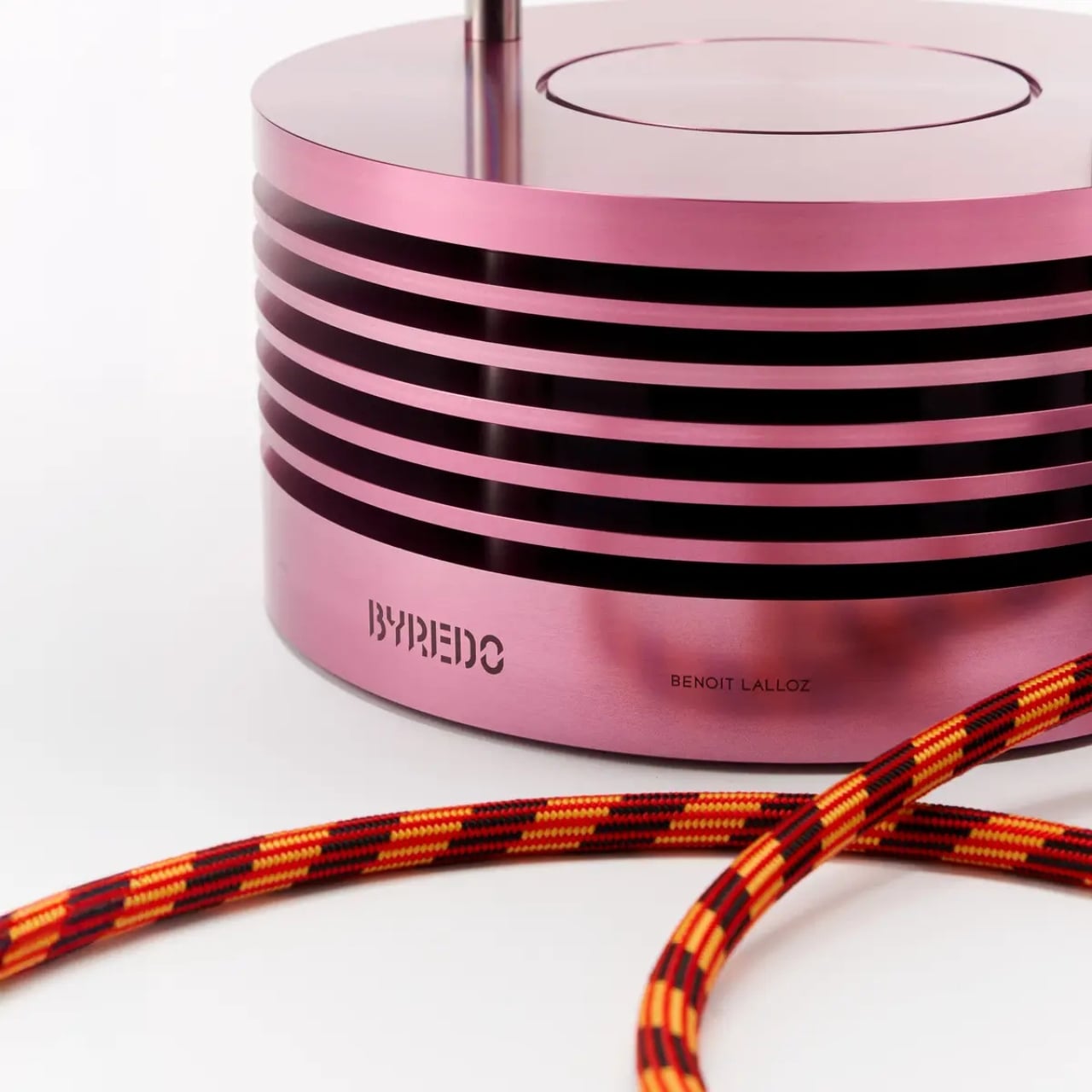
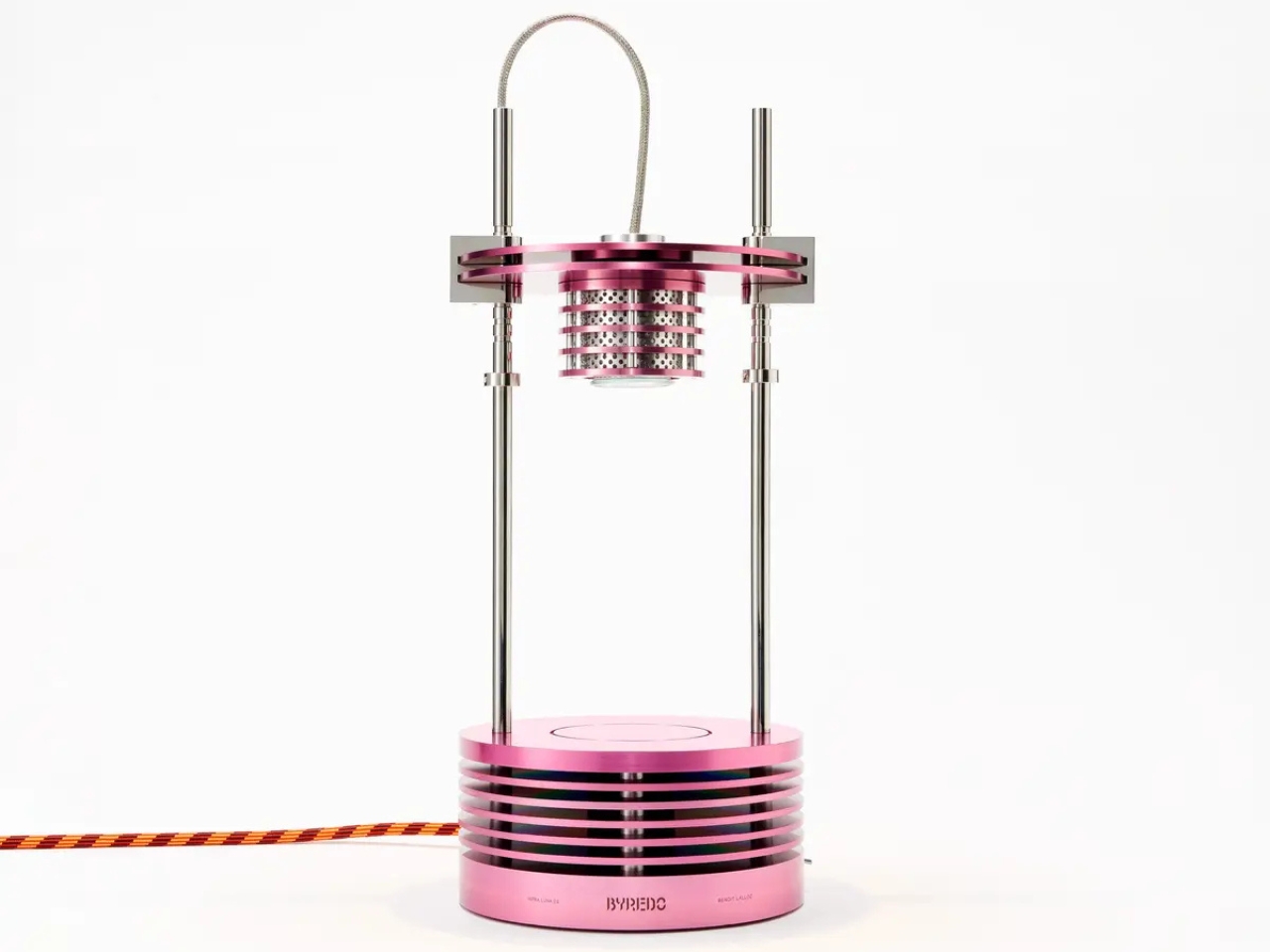
There’s something magnetic about objects that refuse to stay in their lane. Byredo and designer Benoit Lalloz have created exactly that kind of rule-breaker with Infra Luna 2.0, a desk lamp that doubles as a candle warmer, triples as a sculptural statement piece, and somehow manages to look like it landed here from a more aesthetically interesting future.
This is the second collaboration between Byredo founder Ben Gorham and Lalloz, and it’s clear they’ve hit their creative stride. The concept sounds almost too clever: a halogen lamp that uses its own heat to melt a candle placed beneath it, releasing fragrance while casting ambient light. It’s part science lab experiment, part art installation, and entirely functional. Hybrids like this don’t just mutate, they evolve into something that makes you rethink what everyday objects can be.
Lalloz brings serious design credentials to the table. Originally specializing in architectural projects, he’s expanded into creating his own objects that reflect what he calls a personal quest for design that melds the innovative with craftsmanship and the industrial with poetic narration. Translation: he makes things that look futuristic but feel human, technical but somehow soulful. The Infra Luna 2.0 embodies exactly that philosophy.
The inspiration behind the lamp’s striking aesthetic comes from an unexpected place: the insect world. Before you think that sounds unappealing, consider the visual universe of entomofauna, the technical term for bug life. It’s a realm of vibrant, almost unnatural color where iridescents and fluorescents completely redefine our perception of what nature actually looks like. Think of the metallic sheen on a beetle’s back, the holographic shimmer of dragonfly wings, or the electric blue of certain butterflies. Nature’s own color palette offers a kaleidoscope of vivid metallics that most human-made objects can’t touch.
The Infra Luna 2.0 takes its codes from these dynamic opalescent shades and shimmering insect bodies, translating them into bold industrial design. The result is a lamp finished in metallic pink that catches light like an exoskeleton, shifting and glowing depending on your angle. But there’s also a natural finish available, giving you options depending on whether you want statement piece or subtle sophistication.
Even the details tell a story. The striped cable isn’t just decorative; it references how stripes function in nature as both warning and camouflage. A wasp’s yellow and black bands signal danger, while a tiger’s stripes help it disappear into tall grass. Here, the stripes bring the design to life both metaphorically and literally, as the cable becomes an integrated element of the overall aesthetic rather than something you try to hide behind furniture.
The silhouette maintains a technical, raw identity that feels industrial and purposeful, but nature writes this story just as much as engineering does. It’s this tension between the manufactured and the organic, between form and function, that makes the piece so compelling. You can see the halogen bulb, understand the mechanism, appreciate the transparency of how it works, yet it never feels cold or purely utilitarian.
Using temperature to release fragrance creates what Byredo describes as a gentle halo of light paired with an additional halo of scent. Place one of their candles on the base, and as the halogen bulb warms the wax, your space becomes enveloped in fragrance without a flame. For anyone who loves candles but worries about open flames or wants a more even scent distribution, this solves that problem while looking impossibly cool doing it.
The surprise here is both visual and olfactory. It’s one thing to create a beautiful object; it’s another to create one that engages multiple senses and actually improves your daily rituals. This isn’t design for design’s sake. It’s thoughtful, intentional, and genuinely useful, which feels increasingly rare in a world full of objects that prioritize aesthetics over everything else.
Infra Luna 2.0 represents where Byredo is heading as a brand: beyond traditional perfumery into territories where scent intersects with other sensory experiences and design disciplines. It’s inventive, intriguing, and exactly the kind of hybrid object that makes sense for how we live now, wanting fewer things but better things, objects that earn their place through beauty and utility combined.
If you’re interested, the lamp is available online and at select Byredo stores including Soho, Wooster, South Coast Plaza, and Melrose, but quantities are very limited. Available in both that eye-catching metallic pink and a more understated natural finish, it’s the kind of piece that transforms a space simply by existing in it.
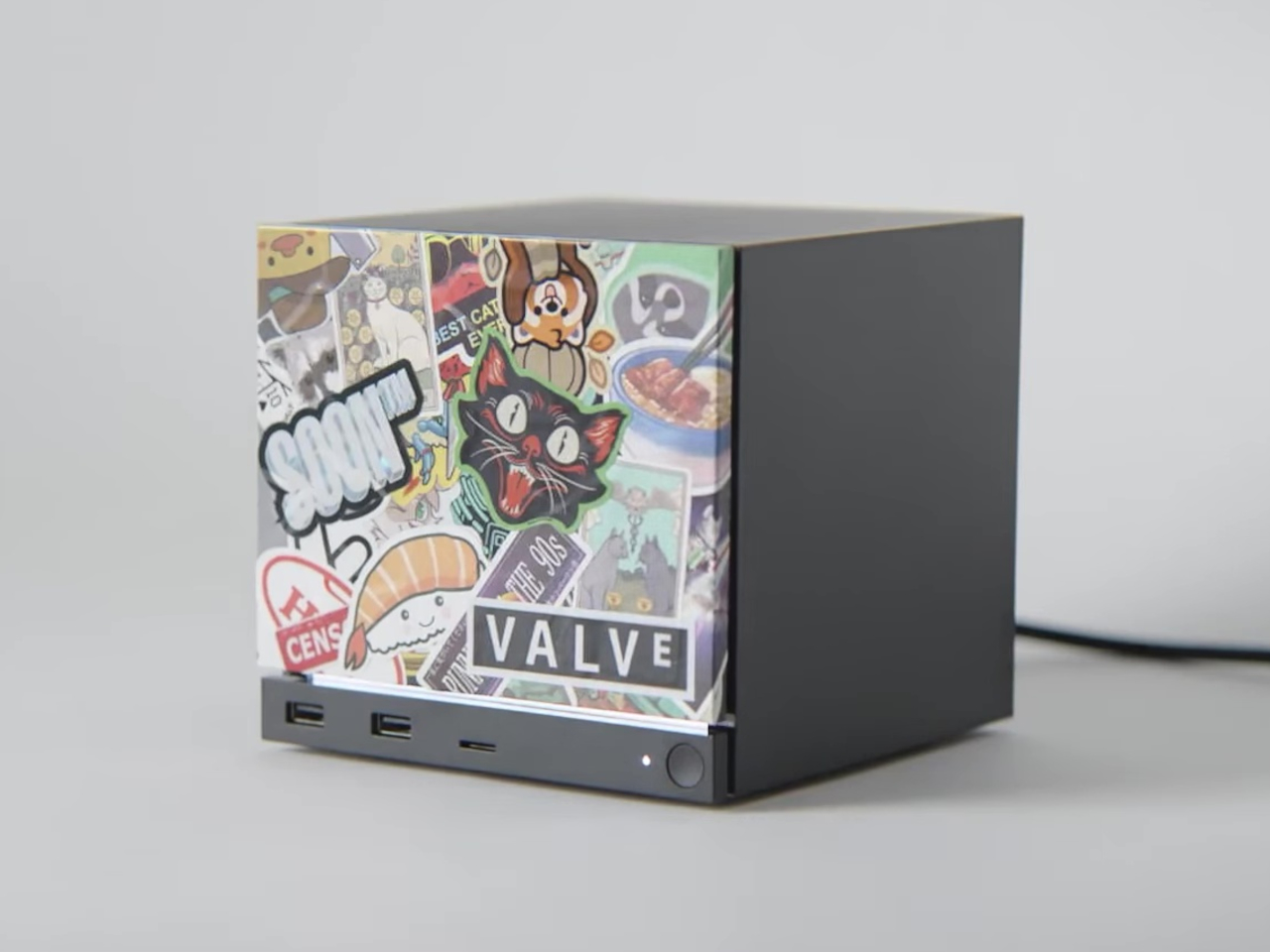
Valve’s second attempt at a console-like gaming PC for your living room is hopefully going to be a triumph worthy of plenty of cake, with or without fun accessories. But if you really want to make the Steam Machine feel extra special when it arrives in early 2026, you’re going to want to dress it up in Dbrand’s Companion Cube skin.
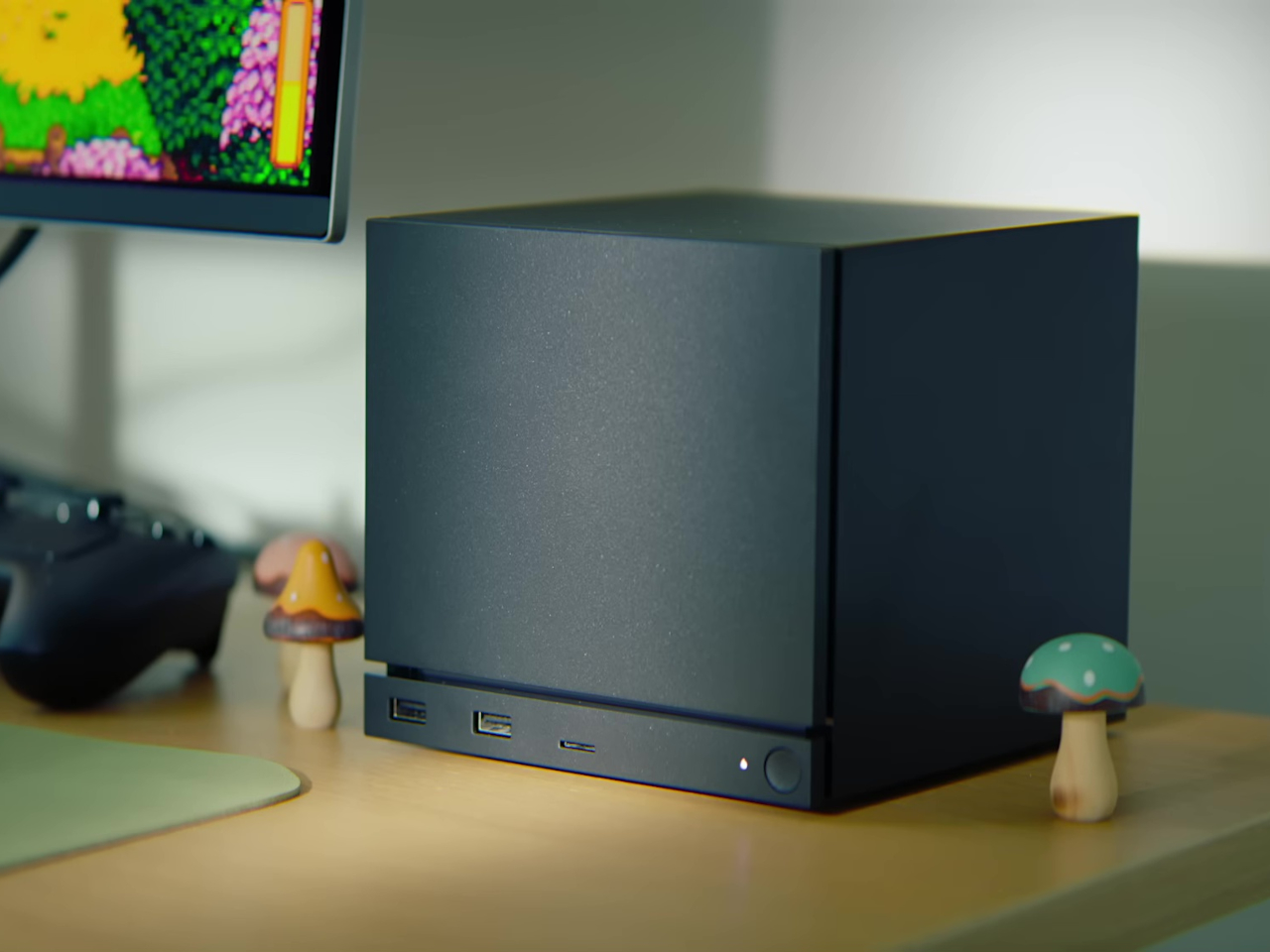
A tribute to the iconic Weighted Companion Cube from Valve’s beloved Portal series, it’s such a fitting design that I sort of wonder if the company is kicking itself for not making something similar for its cube-shaped compact PC. Of course, putting your Steam Machine inside this will ensure it stands out from the other consoles occupying your TV unit, which is the opposite effect that the standard design is going to have. While it does have a customizable front plate and an LED light strip, the default all-black colorway could hardly be less attention-grabbing.
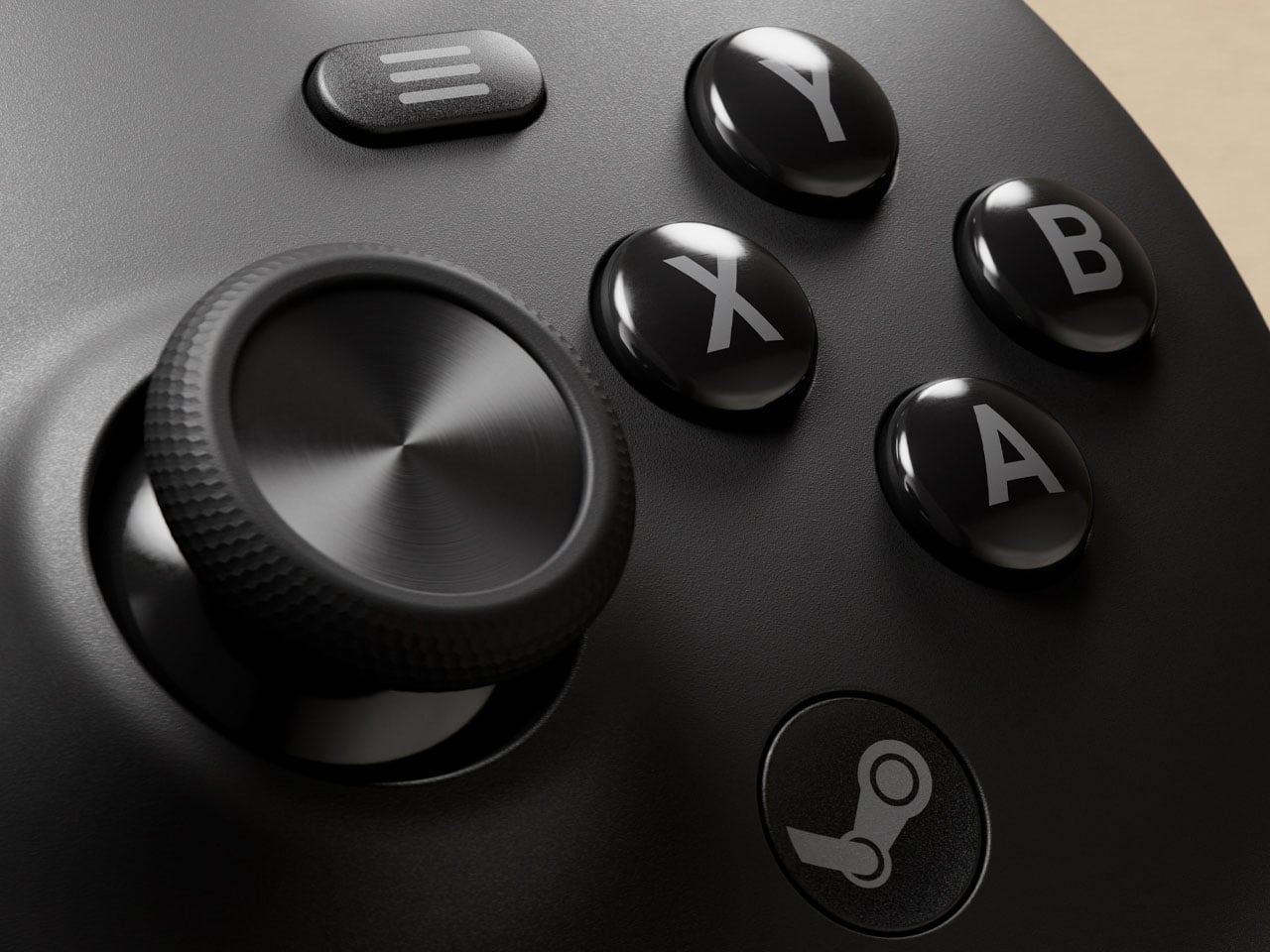
In case you missed yesterday's announcement, the Steam Machine is a Linux-based mini PC that runs SteamOS and is designed to be plugged into your TV, like a console. Valve says it’s roughly six times more powerful than a Steam Deck and is capable of supporting 4K/60fps gaming with FSR. You can also use it to stream VR games to the new Stream Frame headset, while the Steam Controller, with its distinctive trackpads, allows you to play your Steam games wirelessly.
Given that we don’t yet have a release date or price for the Steam Machine, Dbrand’s accessory doesn't have either of those yet either, but it is coming in 2026. And I’m fairly confident that isn’t a lie…
This article originally appeared on Engadget at https://www.engadget.com/gaming/pc/dbrands-companion-cube-is-the-perfect-partner-for-your-future-steam-machine-161634417.html?src=rss
We are about a month away from the premiere of Fallout season two on Prime Video. The streaming gods have blessed us with a beefy two-minute trailer that's packed with "blink and you'll miss it" Easter eggs and nods to the source material.
This is the first real-deal trailer for the upcoming season, though we did get a teaser back in August. It checks in on every major character from the first season and, of course, is absolutely littered with New Vegas stuff. The first batch of episodes ended with an acknowledgment that the show would be visiting the iconic location and this trailer further proves that.
There are new actors coming to the show, many of which are featured here. Justin Theroux is playing Mr. House, a fan favorite character from the games who was originally voiced by the late, great René Auberjonois. Kumail Nanjiani shows up, and so does Macaulay Culkin. Ron Perlman can also be heard speaking during the trailer, and he did all of the opening narrations for the Fallout games.
We have no idea what will happen this season, as the show is set in the Fallout universe but is telling its own story. The first season took the world by storm, given that nobody really expected it to be quite that good. The new batch of episodes begin on December 17, but this is a weekly release schedule. There will be no Netflix-style drop here.
This article originally appeared on Engadget at https://www.engadget.com/entertainment/tv-movies/fallouts-new-season-two-trailer-is-filled-with-quick-nods-to-the-source-material-161533128.html?src=rss
An MMO based on Sony's Horizon series is on the way. However, Horizon Steel Frontiers is not coming to PS5, at least not initially. It's a mobile-first game that's also coming to PC, in another example of Sony Interactive Entertainment expanding beyond its core PlayStation console business.
NCSoft, the MMO developer and publisher behind the likes of the Guild Wars series and Throne and Liberty, is taking the lead on Horizon Steel Frontiers. It's working on the game alongside original Horizon developer Guerrilla Games and Sony.
Horizon Steel Frontiers is said to build on the fun robot dinosaur hunting action of Horizon Zero Dawn and Horizon Forbidden West with greater player freedom, "deeply customizable combat" and other advanced MMORPG systems. You'll be able to undertake "large-scale raids" with other players. You'll likely end up competing with other players for resources too.
You'll create your own character, who belongs to a tribe of your choosing. Just like in the main games, status effects are a key component of combat. You'll also be able to grapple onto giant machines, chip parts of them off and use weapons that robot enemies drop against them. In a neat touch, you can carry these weapons on your mount and use them in your next fight. Horizon Steel Frontiers has Tallnecks too, so I'm happy about that.
The action is set in a region called the Deadlands, which is inspired by New Mexico and Arizona, and you'll share this part of the Horizon world with "thousands of other players," according to Guerrilla studio director Jan-Bart Van Beek. As with the series' core games, the story here concerns finding a balance between humanity, technology and nature.
Guerrilla said back in 2022 that it was working on more “epic solo adventures for Aloy” (the protagonist of the mainline entries) and it's said to be making its own Horizon multiplayer game. This MMO isn't the first Horizon spin-off either. Lego Horizon Adventures, from Guerilla Games and Studio Gobo, arrived a year ago. Co-op is a key aspect of that game, so that's a multiplayer title too.
Handing development of Horizon Steel Frontiers to a studio with vast experience in the MMO genre is a smart move on Sony's part. The company pivoted a few years back to focus heavily on live-service games, but that strategy hasn't panned out so well. Sure, Helldivers 2has been a major hit, but Concord was an utter disaster. An attempt to make a multiplayer game in the world of The Last of Us didn't work out. Sony's acquisition of Bungie hasn't gone as smoothly as expected either. The company said this week it wrote down the value of Bungie's assets by $204 million amid Destiny 2's struggles, putting even more pressure on the upcoming Marathon to succeed.
Sony and NCSoft have not yet revealed a release date for Horizon Steel Frontiers. In any case, Horizon is one of Sony's most popular franchises and it should make for strong fodder for an MMO. The action in the gameplay trailer looks as slick as you'd expect from this series and taking down robot dinos with friends in Monster Hunter-style action could be a lot of fun. It's probably a good thing that you're not playing as Aloy here, given how annoyingly reluctant she is to accept help from would-be allies in her own games.
This article originally appeared on Engadget at https://www.engadget.com/gaming/playstation/sonys-latest-horizon-spin-off-is-an-mmorpg-for-pc-and-mobile-but-not-ps5-153532860.html?src=rss
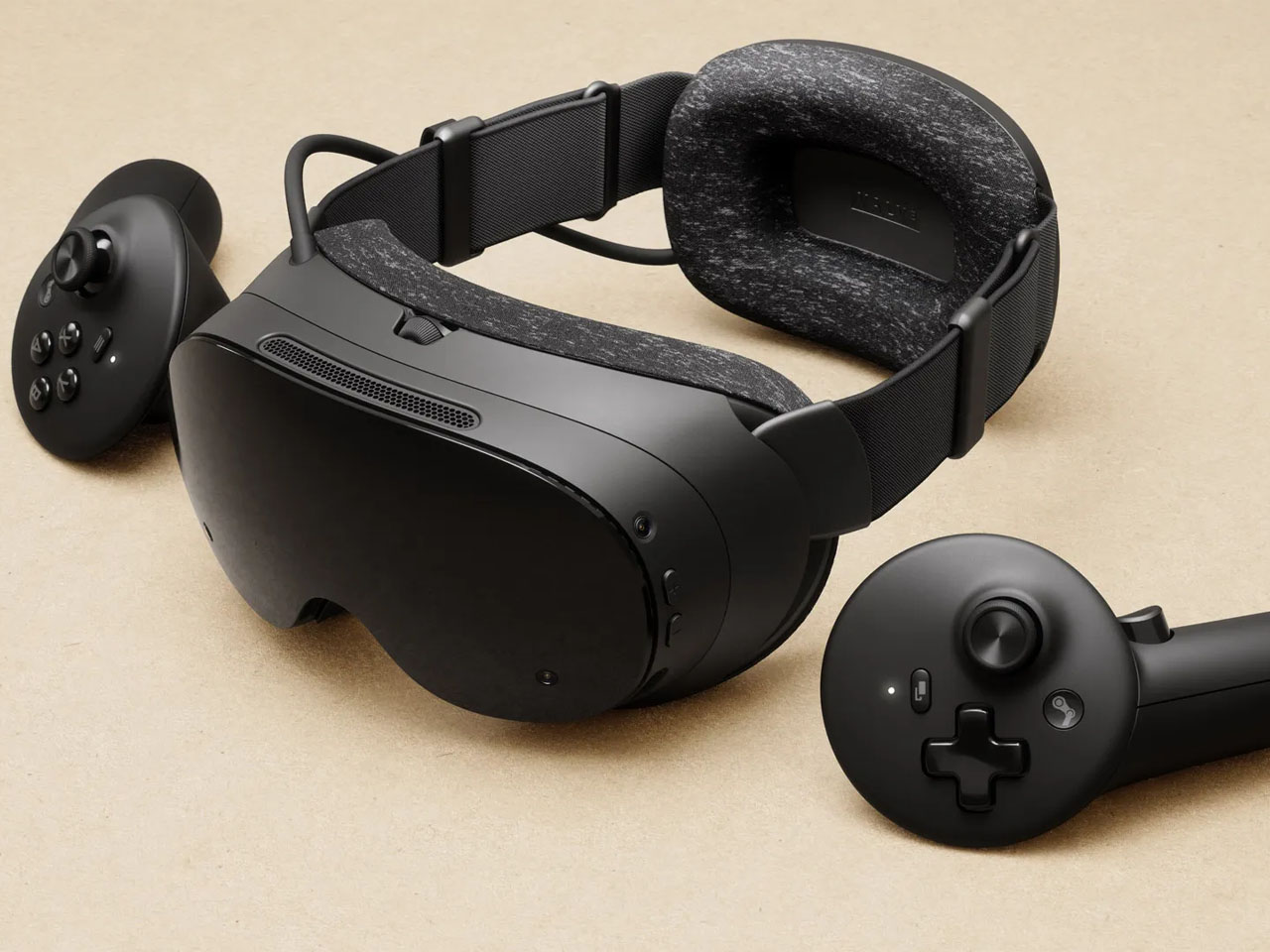
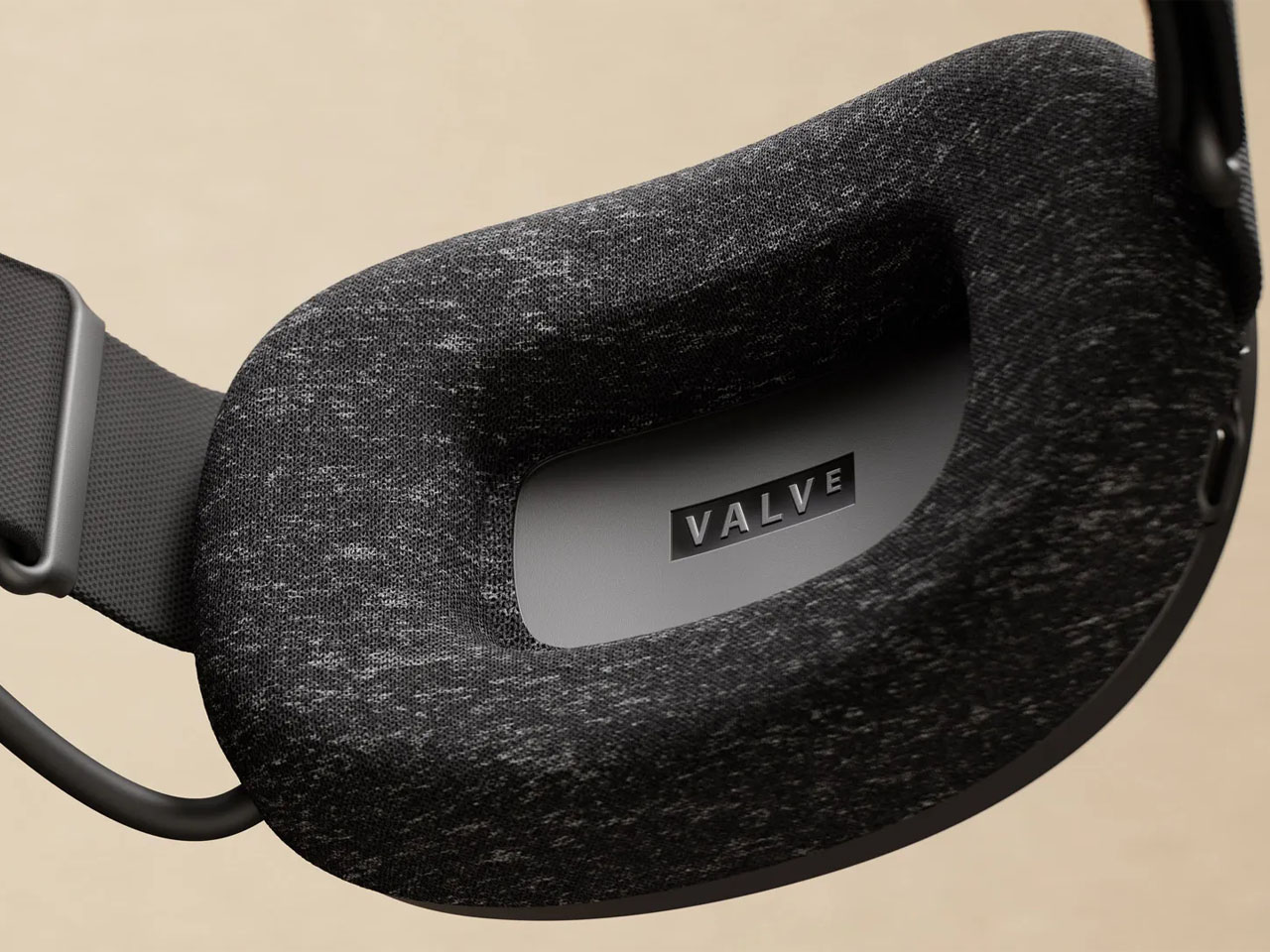
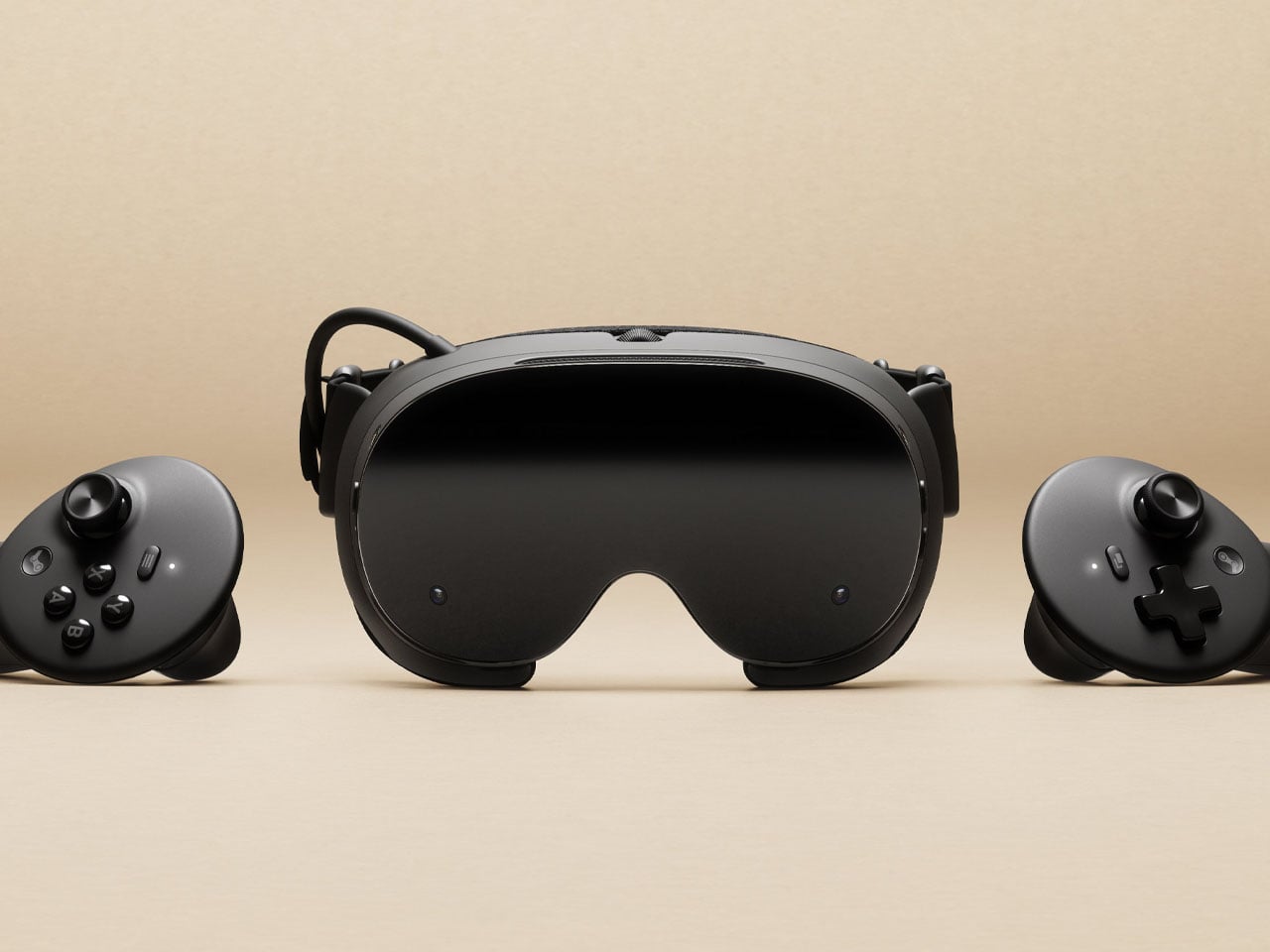
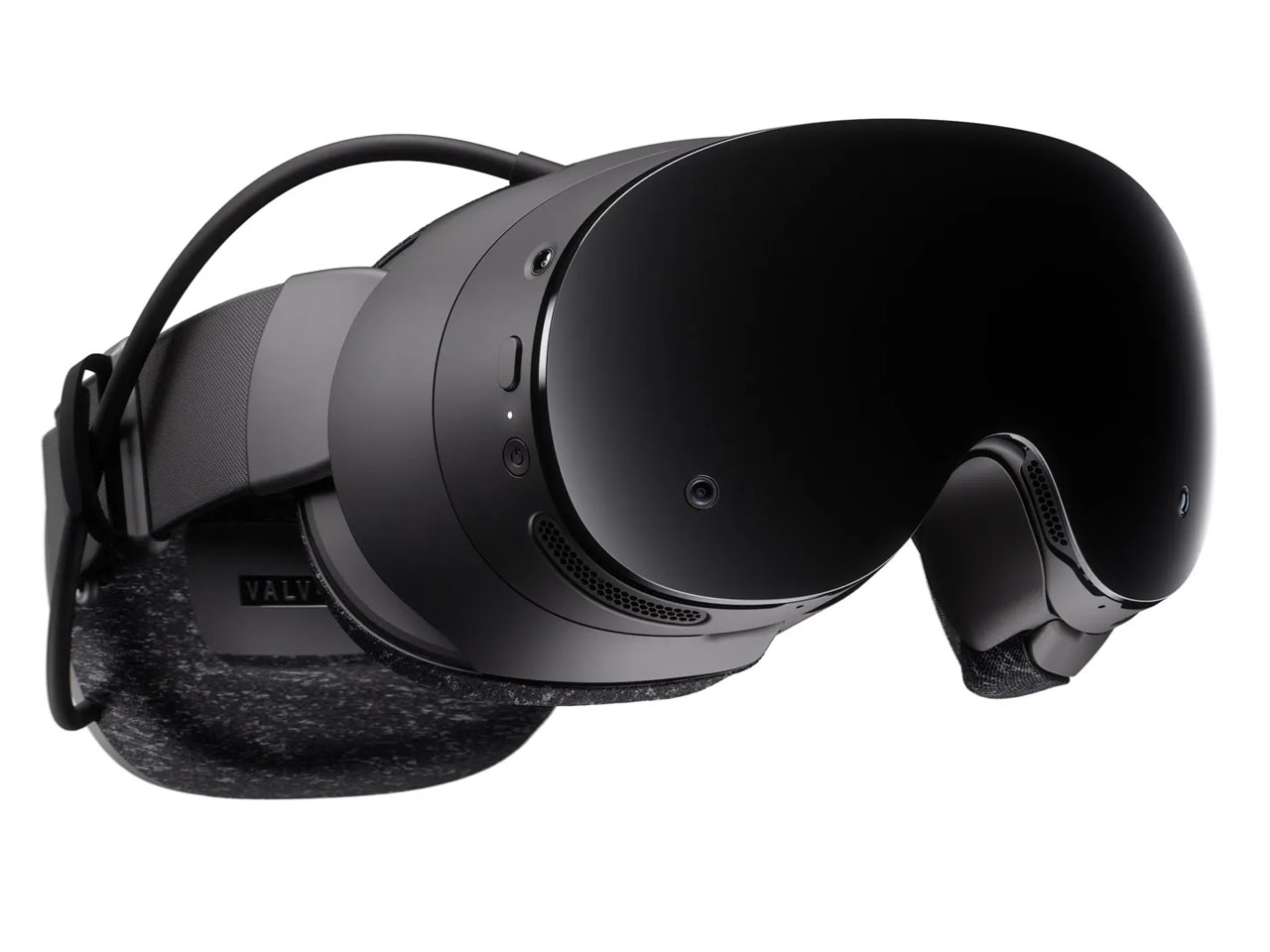
I can recall my experience strapping on a virtual reality headset for the first time. It promised me a new world experience, but the immersive presence was nothing more than stained eyes and a throbbing head. VR headsets have come a long way since then, and now the tech has advanced into a more comfortable and untethered domain. It has advanced beyond requiring cables and now connects to Steam wirelessly. Yes, this is made possible by the Steam Frame: a standalone VR headset that Valve Corporation has just announced silently on its website.
The new Steam Frame is designed to seamlessly connect with both PC and Steam games. You can also play games locally on the VR headset, thanks to an ARM chip onboard. After making its presence felt in the living room gaming scene, the American gaming giant, already recognized for its handheld Steam Deck, is now entering the immersive virtual reality gaming with the Steam Frame, which has been announced alongside the company’s gaming console, called the Steam Machine, and the Steam Controller featuring a cleaner design and a joystick.
While the cube-shaped Steam Machine gaming console is created to take on the market dominated by the PlayStation 5 and Xbox. To that accord, it is built compact, but it does not compromise power, which is assured by the custom AMD Zen 4 CPU, RDNA 3 GPU paired with Linux-based SteamOS. We have a detailed report on the gaming console here. Coming back to the Steam Frame, let’s try and understand what the VR headset entails.
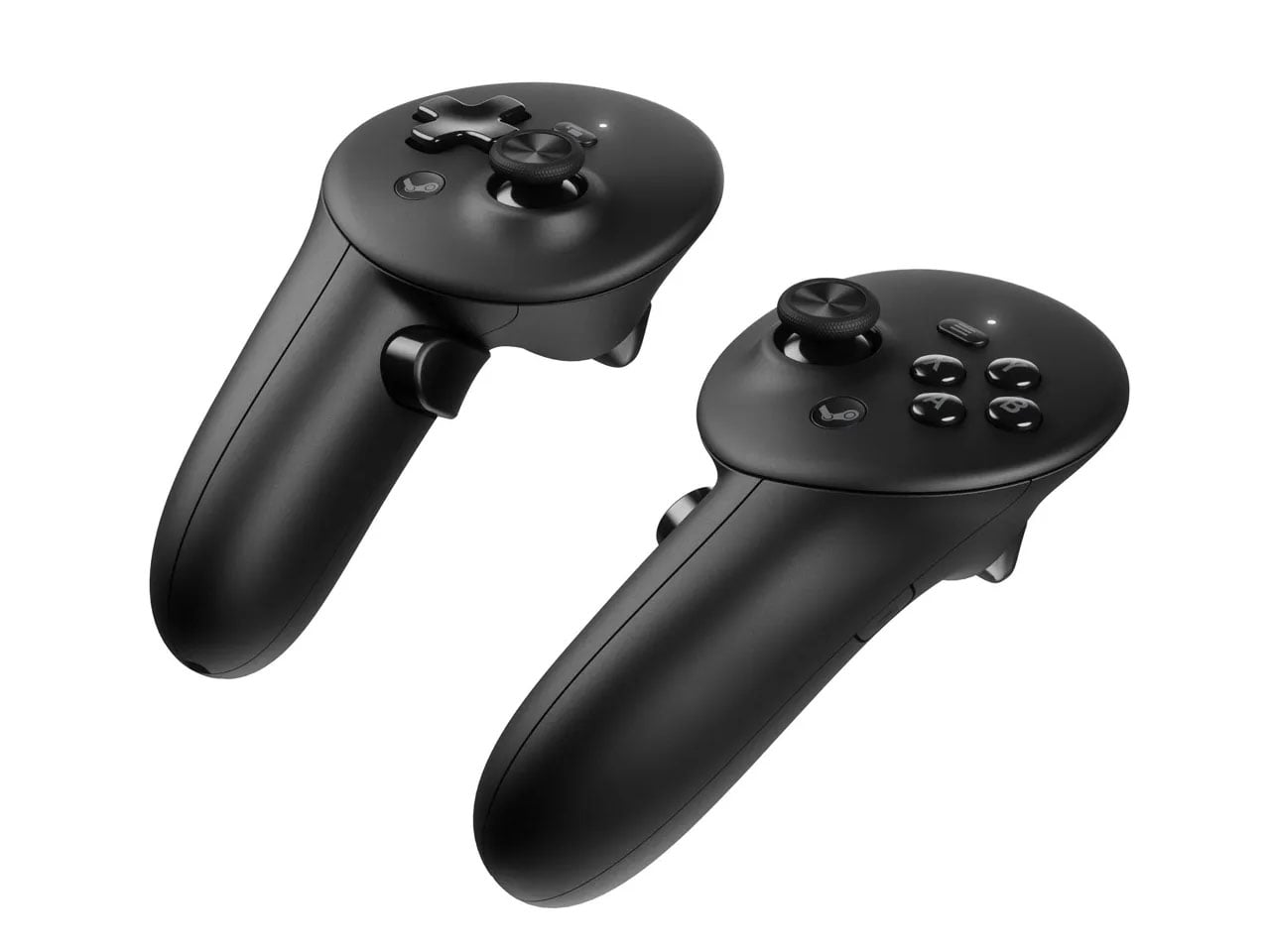
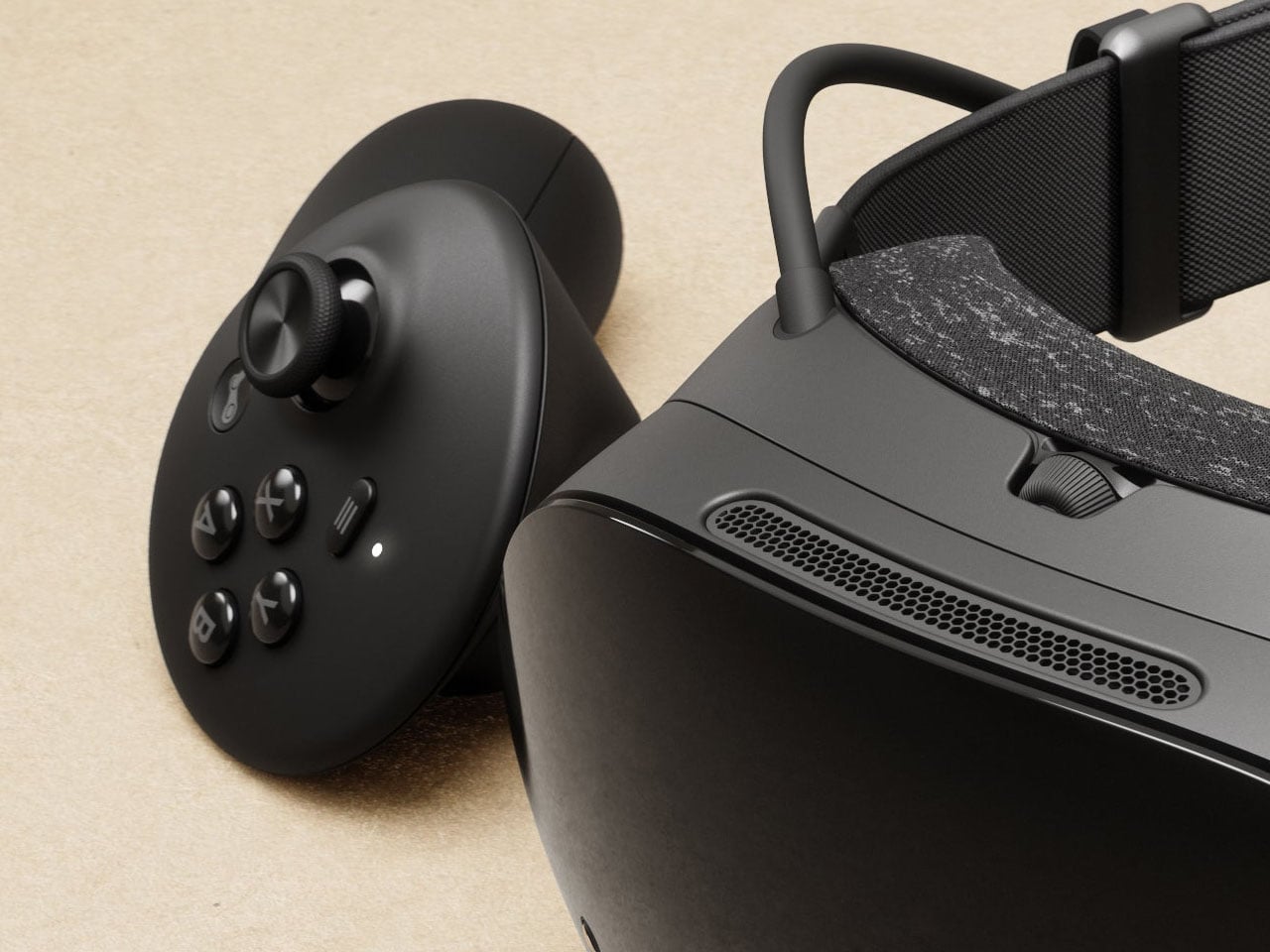
The first standalone, wireless Steam VR headset comes with its own hand controller and is designed to handle your entire Steam game library. Whether it’s an immersive VR or no VR game, the standalone headset supports both. Unlike those initial headsets, Steam Frame is designed with comfort and ease of use in mind, and it is powered by an ARM processor for local emulation of PC games as well. For streaming games directly from the computer, Valve provides a 6GHz wireless dongle, which it claims provides low latency and high bandwidth to ensure a smooth game experience.
The headset draws its processing power from a Snapdragon 8 Gen 3 chip onboard, which is paired with 16GB of LPDDR5X RAM. It is available in two storage variants: 256GB or 1TB of UFS internal storage, which can be expanded using a microSD card. The Steam Frame features a rechargeable 21.6Whr battery with 45W fast charging support, and the device runs on SteamOS 3.
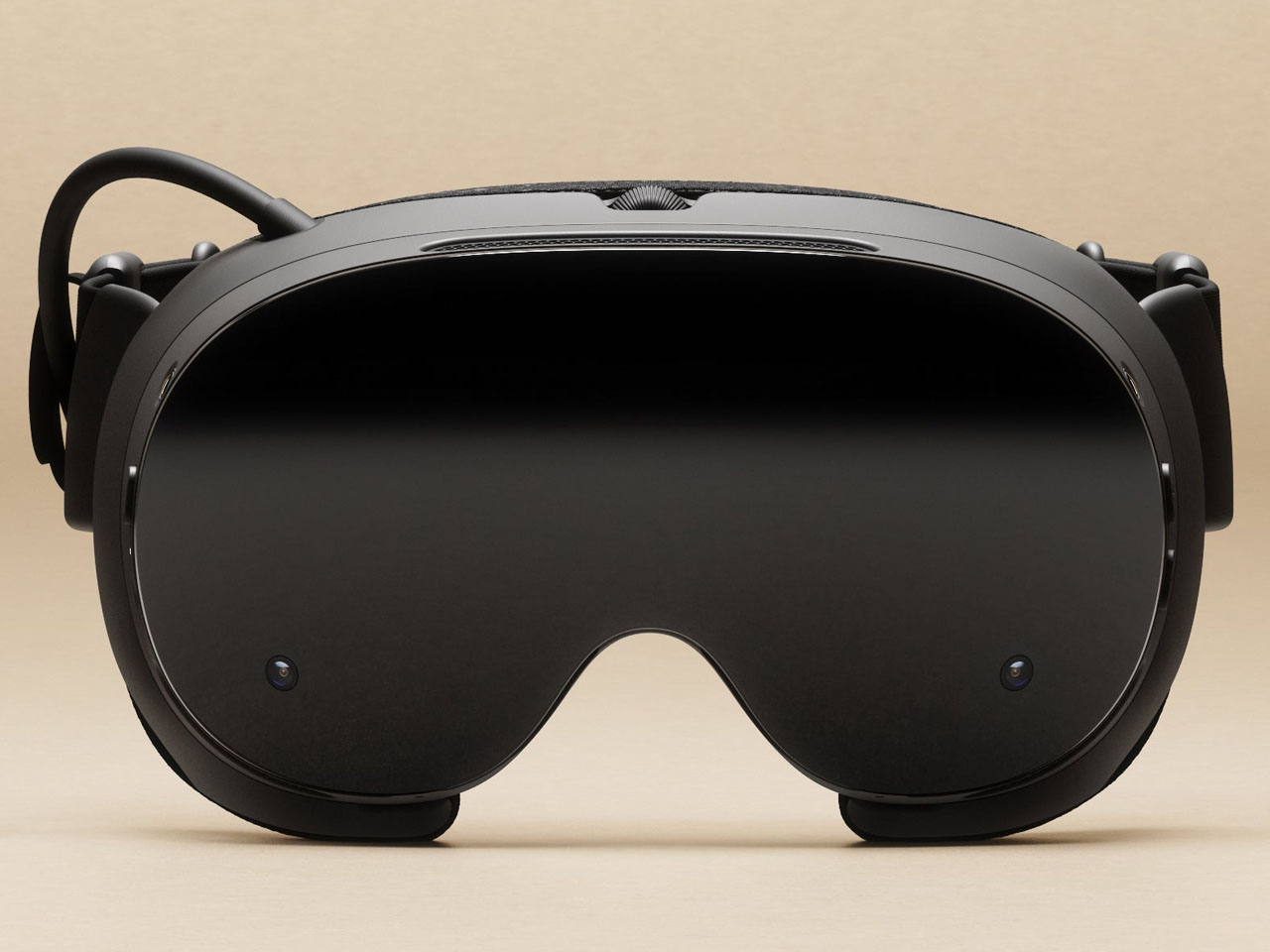
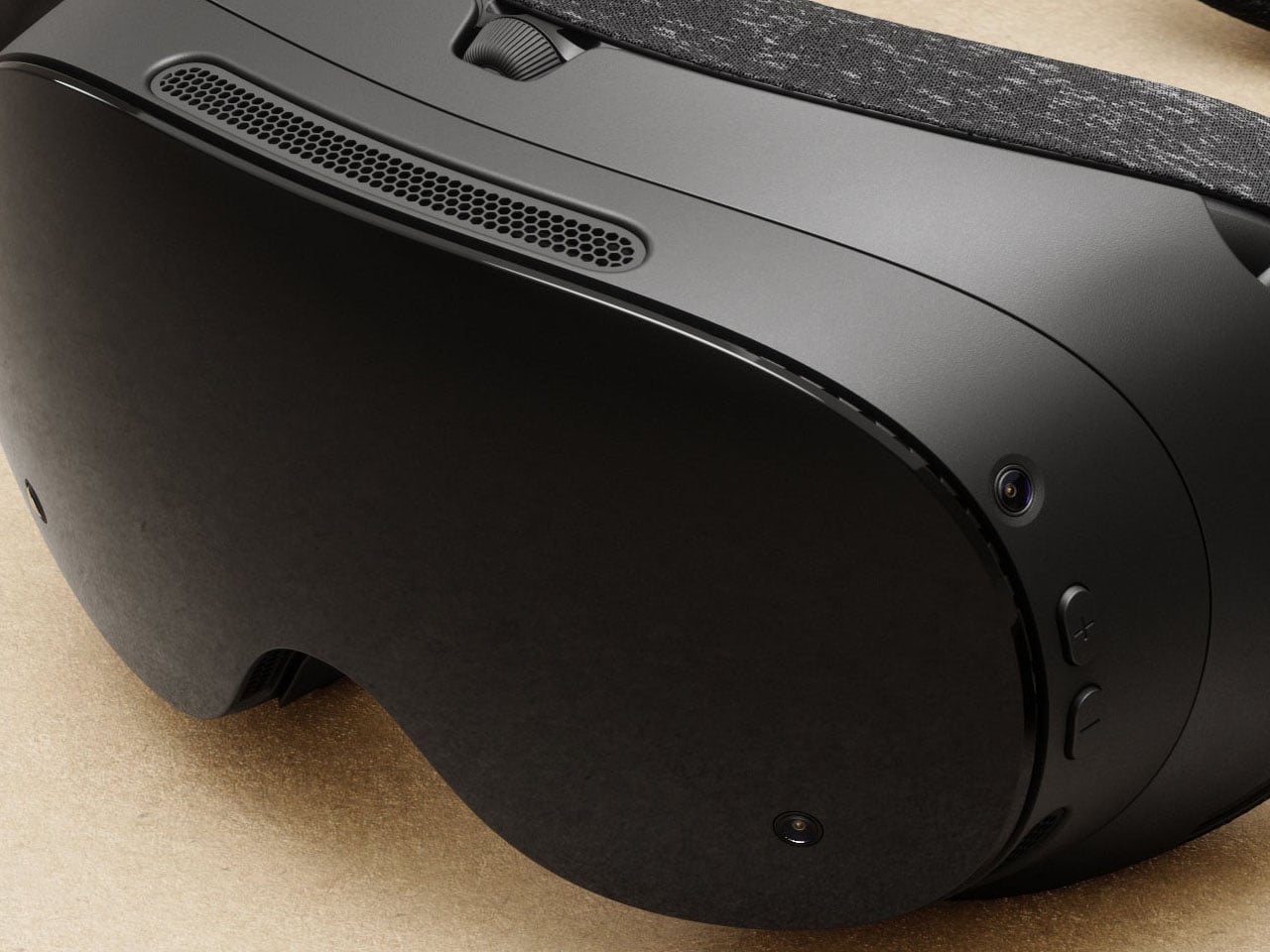
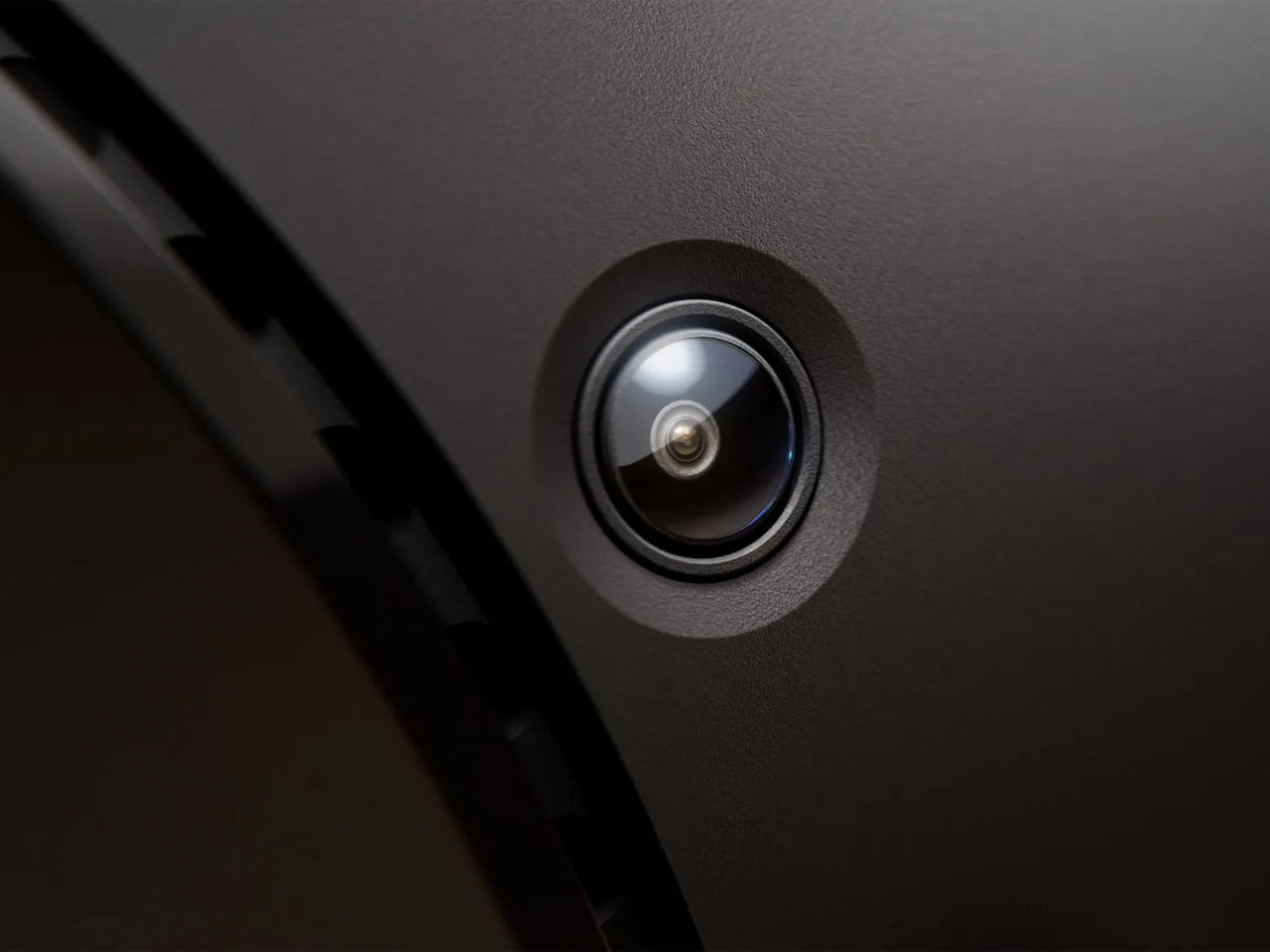
Starting off with the Steam Frame is as easy as lifting it up, strapping it around the head, and you’re right into the game. No setup, no wires required. The four high-res monochrome cameras are straight at tracking the headset and its controller, while the 2160 x 2160 LCD panels, one for each eye, with support for up to 144 Hz refresh rate make gameplay smooth and immersive. Thin and light custom pancake lenses provide up to 110 degrees FOV while infrared LEDs on the outside ensure the headset’s tracking right in all light conditions, even in a dark bedroom (letting you play quietly while your partner sleeps undisturbed).
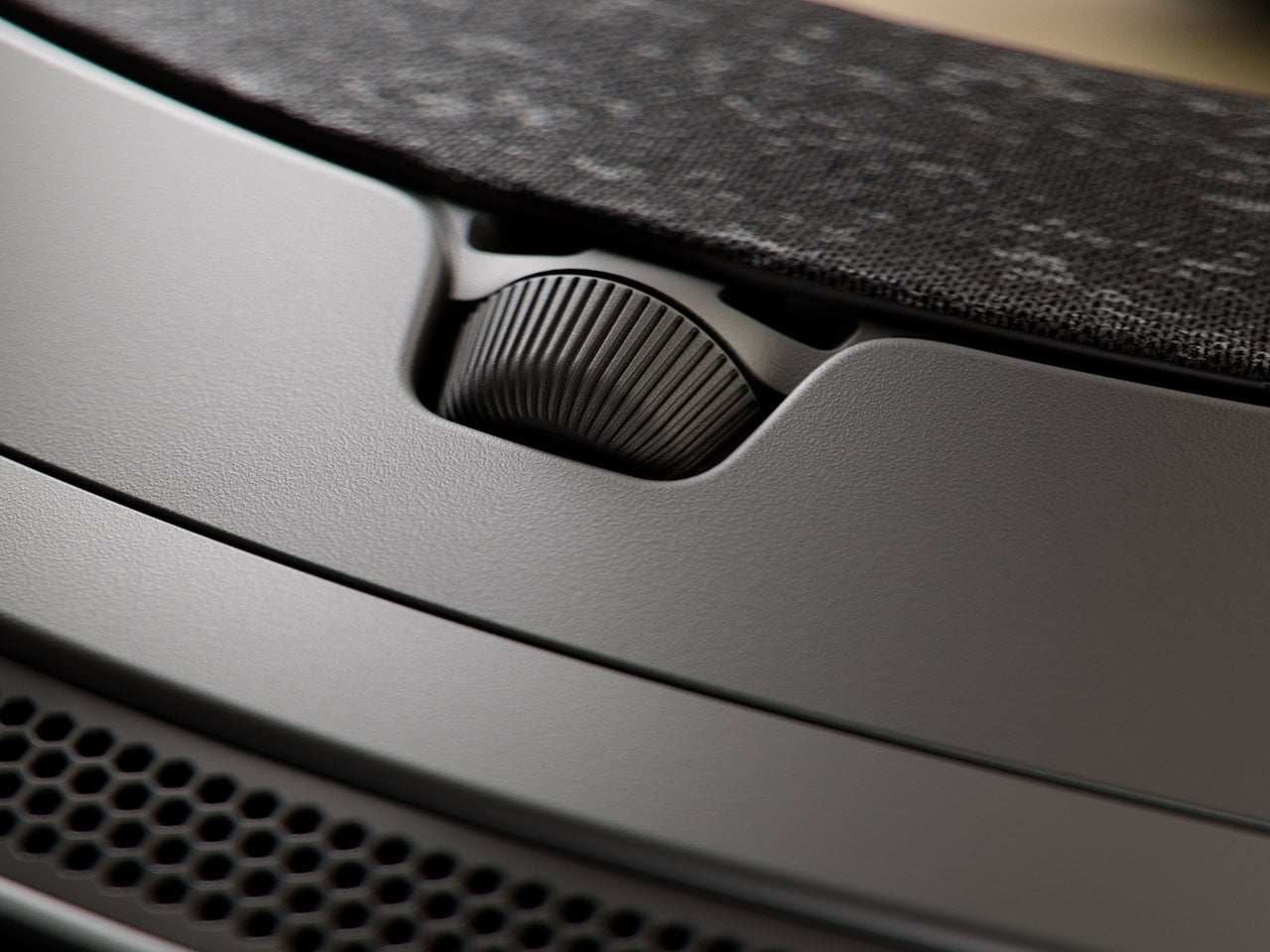
The pricing structure of the Steam Frame VR headset remains unconfirmed at the time of writing, but rumors suggest a tentative $1,000 tag for it. What we know for certain is that the headset will ship in Spring 2026 with a detachable head strap featuring integrated dual-speakers, a battery that keeps it going for up to 40 hours, and its charging port. The 440g headset will support dual-band Wi-Fi 7 and Bluetooth 5.3 for connectivity. One of the biggest selling points of the Steam Frame could be the Steam Frame developer kit program that Valve is offering developers to bring their Android apps to Steam as well.
In case you missed it, Valve announced a load of new hardware this week, including a second stab at the Steam Machine, a Steam controller, and a long-rumored new VR headset called the Steam Frame. But in with the new often means out with the old, and perhaps inevitably, the company has confirmed that its previous headset, the Valve Index, is no more.
Valve’s Lawrence Yang told The Vergethat it’s "no longer manufacturing" the Index, which we called "the best desktop VR yet" when it launched in 2019. The Index arrived around the same time as the Oculus Quest and its promise of an affordable all-in-one future for VR. By contrast, the Valve Index was very much still a high-end tethered device for the hardcore enthusiasts, with a price tag that reflected that.
We don’t know how much the Steam Frame will cost yet, but it definitely sounds like Valve is making a play for the more casual VR crowd here too, as well as those who want to play demanding 3D titles. You can stream flatscreen and VR games from your PC or Steam Machine using a wireless adapter, but the Steam Frame is also a standalone device like the Meta Quest 3, backed by a built-in Snapdragon 8 Gen 3 chipset and 16GB of RAM. Valve is supporting Android games too, seemingly a move to entice VR developers to bring their Quest games over to Steam.
In order to track your movements in virtual space, the Valve Index relied on external lighthouse base stations, which meant you had to go through a more than a little laborious setup process to play roomscale VR games. Consumer VR has moved towards built-in sensors since then, and it sounds like Valve wants to leave its lighthouses in the past too, with the company confirming to The Verge that they won’t be supported on the Steam Frame. The new headset instead has four high-res monochrome cameras for inside-out tracking, as well as infrared LEDs on the outside that help with tracking in darker environments.
This article originally appeared on Engadget at https://www.engadget.com/ar-vr/valve-confirms-that-it-has-stopped-making-the-index-vr-headset-150324456.html?src=rss
The Samsung Galaxy S26 Ultra is shaping up to be one of the most anticipated smartphone releases of early 2026. With leaks and rumors steadily emerging, the device appears to strike a balance between innovation and refinement, building on the strengths of its predecessors while introducing thoughtful updates. Scheduled for a January 2026 launch, the […]
OnePlus has launched its latest flagship smartphone, the OnePlus 15, today in a live event. It’s supposed to mark the availability of the phone outside of China, where it came out in October, but the US government shutdown apparently put a damper on the manufacturer’s plans. “As is the case with every smartphone manufacturer, the United States’ Federal Communications Commission certifies OnePlus devices before they are sold in the US,” said Spenser Blank, OnePlus North America’s Head of Marketing & Communications, in a statement. “As a result of the government shutdown, device certifications have been delayed.” That means the US release of the model has been postponed until the FCC approves its certifications.
The company explained that the OnePlus 15 has already gone through all the required tests from labs recognized by the government agency. It is also done submitting formal application for the certifications, and it’s just a matter of waiting for approvals at this point. “We are hopeful that approvals can be generated quickly and as a result, we can bring the OnePlus 15 to our customers in the US expeditiously,” Blank said.
OnePlus 15 is the first phone to ship with OxygenOS 16, the company’s take on Android 16. The OS combines Android’s new customization options with smoother animations and AI-enabled features. OnePlus 15 will be available in Canada today, as planned. Those in the US can visit the company’s page for US customers, where they can type in their contact details to be notified when they can purchase the device. The variant with 12GB of memory and 256GB of storage will set buyers in the US back $900, while the one with 16GB of memory and 512GB of storage will cost them $1,000.
This article originally appeared on Engadget at https://www.engadget.com/mobile/smartphones/the-us-government-shutdown-claims-an-unexpected-victim-oneplus-15-143000307.html?src=rss
If you’re reading this review, there’s a chance you’ve come to it with some confusion. Didn’t OnePlus already release a new flagship phone this year, and wasn’t it called the OnePlus 13? The answer is yes to both those questions. So, what gives? Well, over the last few years, OnePlus has been working to shorten the gap between when its phones debut in China and when they’re available in the rest of the world. This year, the OnePlus 15 arrives in North America just a few short weeks after its initial October 27 release. And like it did with the jump between the OP3 and OP5, OnePlus is skipping the OP14 because of the number four and its unlucky association in Chinese culture.
With that cleared up, you might think the OnePlus 15 suffers from following too soon after its predecessor. I’m happy to report it offers some clear upgrades over the OP13, including a faster processor and an absurdly big battery. What it doesn’t do, however, is change the OnePlus formula — for better and worse.
Pricing and availability
Due to the federal government shutdown, the OnePlus 15 does not have a US release date yet. The company had hoped to begin selling the phone starting today, November 13, but the phone has yet to obtain the necessary clearance.
"As is the case with every smartphone manufacturer, the United States’ Federal Communications Commission certifies OnePlus devices before they are sold in the US. As a result of the government shutdown, device certifications have been delayed," Spenser Blank, OnePlus North America’s head of marketing and communications, told Engadget.
"Subsequently, US sales for the OnePlus 15 will be postponed until they have been secured. The OnePlus 15 has already finished all the required tests from the FCC’s recognized labs and the certification application has been formally submitted. We are hopeful that approvals can be generated quickly and as a result, we can bring the OnePlus 15 to our customers in the U.S. expeditiously."
There's also some uncertainty around pricing. On release, OnePlus plans to offer two versions of the OnePlus 15. The base model, with 12GB of RAM and 256GB of storage, will cost $900. The company will also sell a 16GB/512GB variant that will cost $1,000. However, OnePlus warns the price of both models is "subject to change due to current market conditions."
Hardware and display
The OnePlus 15 offers a big, vibrant AMOLED display.
Igor Bonifacic for Engadget
The OnePlus 15 is a great phone with a boring, derivative design. It borrows its visual identity from the OnePlus 13s and 13T, a pair of smaller, 6.32-inch phones OnePlus released in India and China this past spring. There’s no two ways about it, in making its new flagship look more like those devices, OnePlus has at the same time made it look more like last year’s iPhone 16 Pro.
It’s a shame. The design of the OnePlus 13 was one of the things my co-worker Sam Rutherford praised that phone for, and it’s something I liked about it too. The 15 just looks generic, even if there are a few nice touches. For example, the sand storm color has a nice, ceramic-like feel to it. One other impressive aspect of the design is how thin OnePlus has managed to keep the 15 while adding a massive 7,300mAh battery. At 0.31 inches thick, the sand storm variant is only slightly fatter than the 0.29-inch thick Galaxy S25 FE I recently reviewed, which has a more modest 4,900mAh battery (the two other OP15 colorways, infinite black and ultra violet, are listed as slightly thicker at 0.32 inches).
Now, if you’re a longtime OnePlus fan, I need to mention the 15 doesn’t have the signature Alert Slider found on the company’s previous phones. I know what you’re thinking, did OnePlus do away with a fan favorite feature to add an AI button? The answer is both yes and no. The first time you tap the Plus Key, OxygenOS will prompt you to make it a shortcut for one of eight functions. Naturally, the default option is to use the button in conjunction with the company’s newish Mind Space AI hub, but you also can bind other functions to the Plus Key, including the old Alert Slider functionality. Even if it’s another thing that’s derivative of the iPhone, I like the flexibility the Plus Key gives.
Separately, OnePlus has gone with a different screen this time around. The OP15 offers a 6.78-inch AMOLED display with a 1,272 x 2,772 resolution. The new screen is both smaller and less dense than the one found on the OnePlus 13, which was 6.82 inches big and had a 1,440 x 3,168 resolution. It’s also faster, offering a 165Hz refresh rate in select games, up from 120Hz on the earlier model. OnePlus told me it went with the lower resolution display because there’s no OLED manufacturer making QHD panels that fast yet. I’ll have more to say about the display in the performance section, but for now I’ll say the OP15’s screen is one of the best parts of using the phone. It’s dense enough to make text and images look sharp, and with up to 1,800 nits of brightness available, it’s easy to see and use even in harsh sunlight.
Cameras
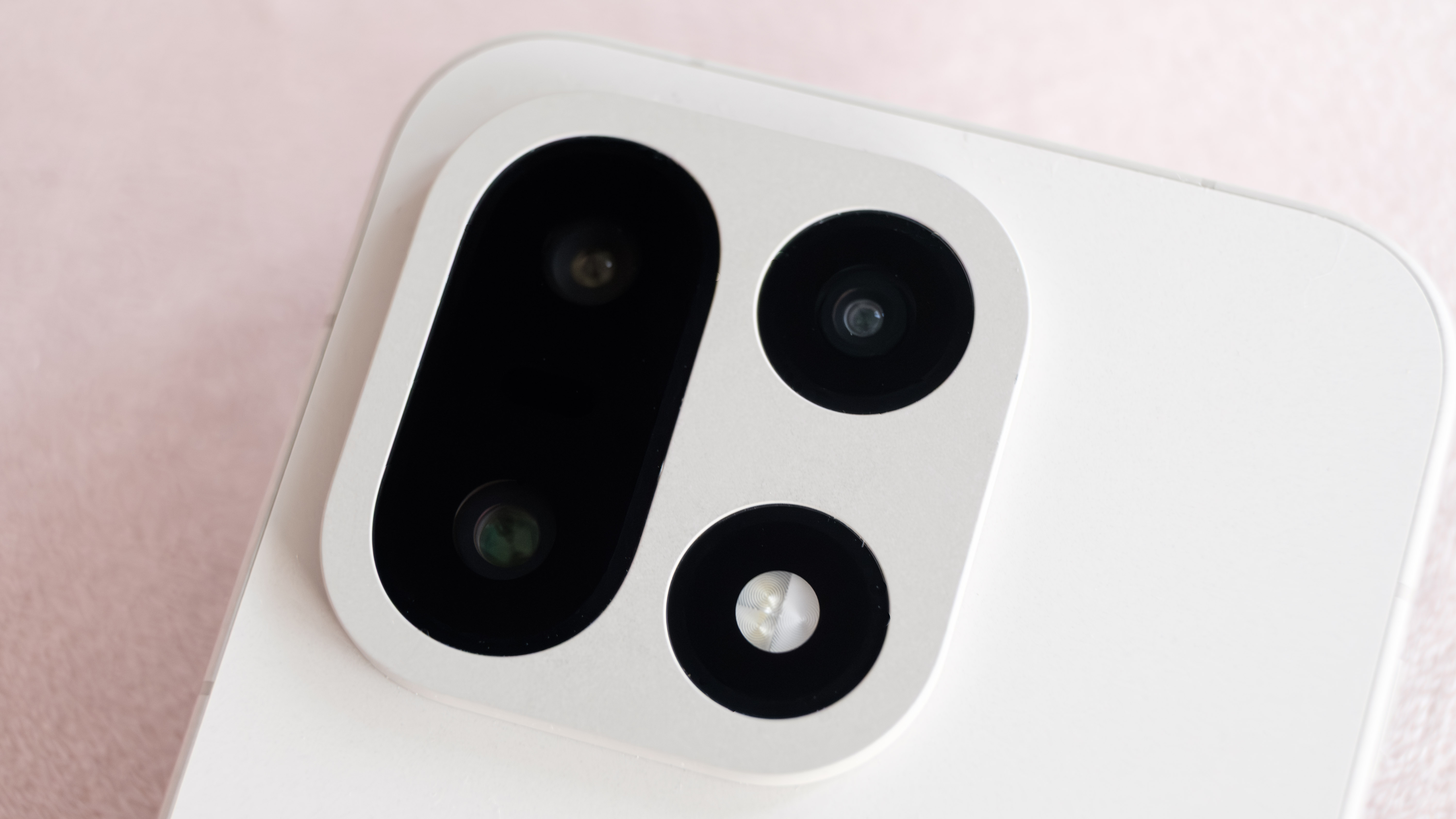
The OnePlus 15's cameras are a half step behind the competition.
Igor Bonifacic for Engadget
OnePlus and Hasselblad ended their partnership in September, and the OP15 marks the debut of the company’s new DetailMax imaging engine. I’ll get to the software in a moment. First, OnePlus has once again gone with a main camera system built around three 50-megapixel sensors. What’s different this time around are the lenses. Two of them are slightly slower than their counterparts on the OnePlus 13. The main camera now has an f/1.8 aperture lens, down from the f/1.6 glass found on last year’s model. At the same time, OnePlus has gone with an f/2.8 lens for the telephoto camera. For comparison, the OP13 had an f/2.6 lens for distant shots. The good news is both cameras still come with optical image stabilization (OIS).
Broadly, the OP15 suffers from the same problem its predecessor did. Most photos look good — sometimes great even — but they don’t come out as nice as what you might snap with the latest phones from Apple, Google or Samsung. The difference is most noticeable in nighttime and low-light photos where the OP15 can sometimes struggle to eke out shadow detail. It will also completely miss a shot because it used too slow of a shutter speed. I sometimes saw similar results in daytime photos in situations where the company’s high dynamic range algorithm would get tripped up by harsh lighting. Specifically, the shots had overly lifted shadows and unnatural highlights, resulting in photos that look flat with poor contrast.
I also wish the OP15 had a better telephoto camera. It’s not bad by any means, but after seeing what the Pixel 10 Pro can do with its 5x zoom, any phone with a 3x telephoto doesn’t feel special. The limitations of the OP15’s hardware is especially noticeable when you try to push the camera beyond its maximum optical zoom. OnePlus says the camera offers 7x lossless zoom, but in my testing, I found there was a subtle drop in picture quality above 6x. At 10x and beyond, there's very noticeable pixel smearing.
There are two areas where the OP15’s cameras impress. Across both stills and video, it does a great job of measuring color temperature and ensuring images come out true to life. Even more impressive is the phone’s ability to capture a burst of photos at 10 fps, up from 6 fps on the OP13. If you’ve read one of my reviews before, you’ve probably noticed I enjoy photographing the cats in my neighborhood, and no phone has made that task as easy as the OP15.
As it’s already wintery in Toronto, I wasn’t able to test the OP15 new underwater camera mode. But if you live in a warmer climate, the feature is designed to make it easier to snap photos in the water by temporarily turning the OP15’s physical buttons into camera controls. This is also as good as any time to mention that OnePlus has shored up the OP15’s waterproofing. The phone is now rated IP68 against water and dust, and carries IP69 and IP69K protection against pressurized water at up to 176 degrees Fahrenheit.
Performance and battery life
In North America, the OP15's SUPERVOOC adapter can charge the phone at 80W.
Igor Bonifacic for Engadget
The OP15 is the first phone in North America to ship with the Snapdragon 8 Elite Gen 5, and as you can probably guess, it’s a performance powerhouse. In Geekbench’s processor suite, the OP15 put up a single-core score of 3,696 and a multi-core mark of 11,187. That puts it in select company with the iPhone Air and its A19 Pro chipset, which in our testing had a slight edge in single-core performance but didn’t perform nearly as well in the multi-core suite (likely due to thermal limitations). In real-world use, I tried my best to find a game or application that could trip up the OP15, but between its new Snapdragon chipset and the 16GB of RAM that came in my unit, the phone handled everything with ease.
It’s hard to describe how smooth the OnePlus 15 feels relative to other phones I’ve used recently. Every swipe and scroll feels nearly instantaneous. I suspect that’s a byproduct of the OP15’s dedicated touch response chip, which samples the screen at 3,200Hz. Speaking of the display, that 165Hz refresh rate I mentioned at the top is more of a forward-looking feature right now. As things stand, there are only seven games that can render at 165 fps. One of those, PUBG, does so through frame interpolation. So unless you’re an avid Call of Duty Mobile or Clash of Clans player, you won’t notice that benefit of the OP15’s screen, yet. Things could change in time, especially as more OEMs bring 165Hz displays to their phones. For now, the OP15 is still a great gaming phone, but it has yet to live up to its true potential.
As much performance as the OnePlus 15 offers, what’s more impressive is its 7,300mAh battery. It’s the result of a new technology the company calls Silicon NanoStack. It allowed OnePlus to make a denser battery and one it claims will age more gracefully over time, thanks to a design that retains more than 80 percent of its health after four years. Obviously, I haven’t had the OP15 long enough to test that claim, but what I can say is that it offers tremendous battery life out of the box. On our local video rundown test, it posted a time of 38 hours and 30 minutes, which is eight hours longer than the OnePlus 13, the previous record holder.
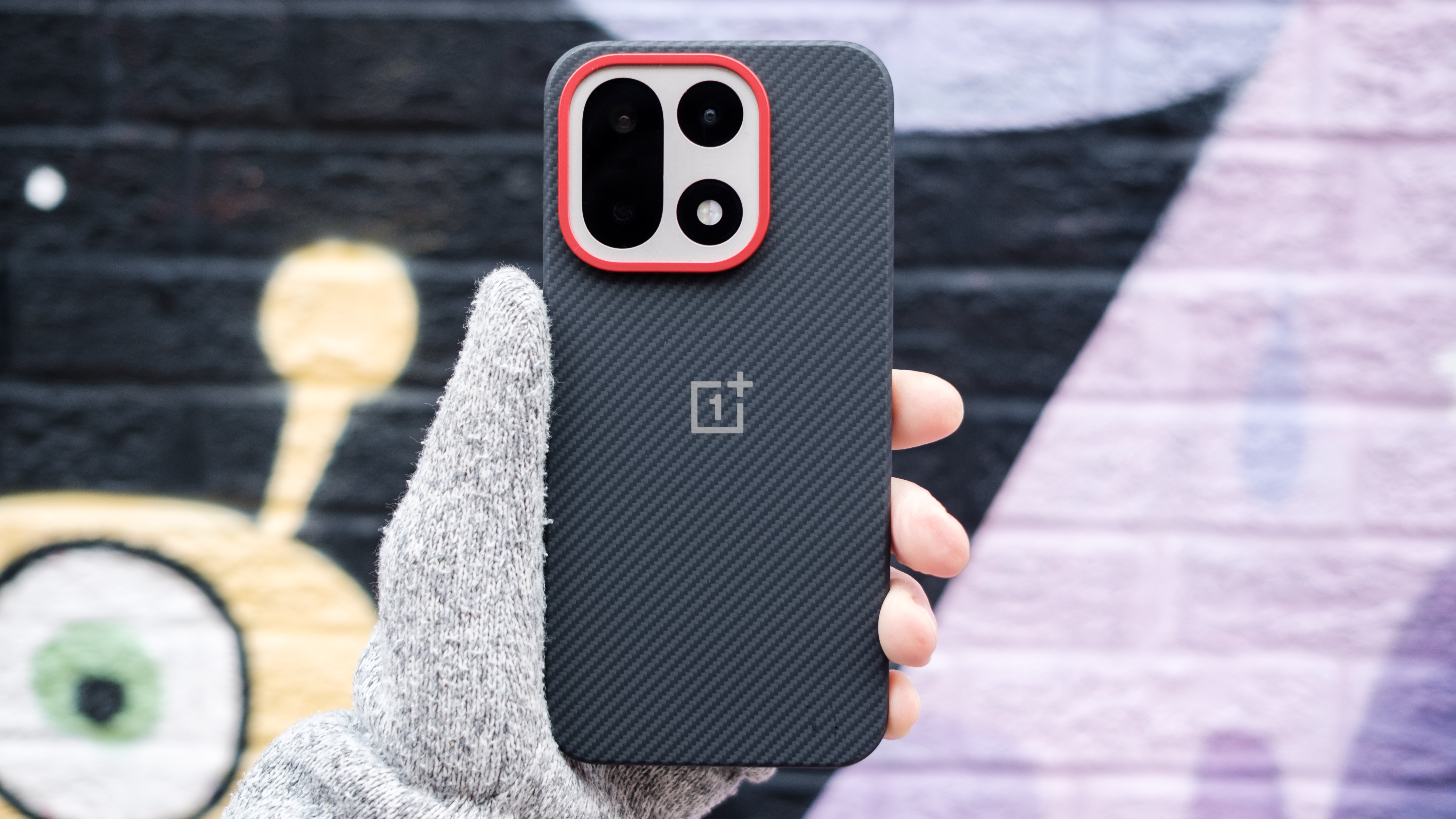
The Aramid case is one of three cases OnePlus offers alongside the OP15.
Igor Bonifacic for Engadget
Just as impressive is how quickly the OP15 can charge. With the included 80W SUPERVOOC adapter, the battery can go from dead to full in about 40 minutes. The one downside of how OnePlus has approached charging is that the phone doesn't support the Qi2 standard. It can wirelessly charge at 50W, but you'll need to buy the company's proprietary AIRVOOC magnetic puck.
Software
Two screenshots showing of the OnePlus Mind Space
Igor Bonifacic for Engadget
When he reviewed the OnePlus 13 in February, Engadget’s Sam Rutherford praised OnePlus for its restrained AI approach. Unfortunately, no company appears immune to the technology’s pull at this point, and in the months since, OnePlus has begun integrating more AI features into OxygenOS. Thankfully, many of those are either easy to ignore or situationally useful.
First, there’s Mind Space, which is functionally similar to Nothing’s Essential Space. You can either tap the Plus Key (if it’s configured for use with Mind Space) or swipe up on the touchscreen with three fingers to save a screenshot to the hub. From there, the OP15’s built-in LLM will summarize the image, and you can ask the model questions about it. It’s also possible to save voice memos to the hub, and OnePlus offers a few other AI tools there, including one for scanning documents. All of these work well, and like I said, if they’re not your thing, they’re easy to ignore.
The OnePlus 15's volume rocker and power button are located on the right side of the phone.
Igor Bonifacic for Engadget
It’s been a few years since I’ve used OxygenOS, so it was a pleasant surprise to learn it remains one of the more attractive and tasteful Android skins on the market. A standout is some of the custom animations OnePlus has baked into the OS to accentuate the speed of the phone. I also find OnePlus has one of the best organized quick settings menus. There are just enough customization options there to make it feel powerful, but not enough to overwhelm.
One area where OnePlus could do better is software support. The company has pledged to provide the OP15 with four years of software updates and six years of security patches. That’s worse than both Google and Samsung, which have committed to supporting their latest phones for seven years.
Wrap-up
The OnePlus 15 sits on a set of icy concrete steps.
Igor Bonifacic for Engadget
In using the OnePlus 15, I was frequently reminded of the last OnePlus phone I reviewed, the OnePlus 7 Pro. At the time, it was the company’s most expensive device ever, coming in at the same $750 price as the iPhone XR and Galaxy S10e. The appeal of that phone was its speedy Snapdragon 855 processor and the fact it was one of the first smartphones with a 90Hz AMOLED screen. It was also the first OnePlus phone with a camera that was more than just serviceable.
All these years later, the appeal of the OP15 feels similar. It’s a phone for those who value speed over everything else. The tricky thing about this phone is judging its value when its price could change tomorrow. As I mentioned earlier, in the US the OP15 will start at $900, with OnePlus warning pricing for both models could “change due to current market conditions.” At $1,000, the 16GB model is a compelling alternative to the Pixel 10 Pro XL, offering a newer processor, more storage and a significantly bigger battery.
Here’s the thing: Google has already aggressively discounted the entire Pixel 10 lineup, and until Black Friday, you can get the Pro XL for $899 — $100 less than the 16GB OnePlus 15. For most people, I think that’s the play, given both the Pro and Pro XL have the better telephoto camera and Google has promised to support all of its latest phones for seven years. That said, if you’re okay with a worse camera overall, the OP15 has a lot going for it, and provided OnePlus can successfully navigate an uncertain tariff regime, it will end up not just one of the best phones of 2025 but much of 2026 too.
This article originally appeared on Engadget at https://www.engadget.com/mobile/smartphones/oneplus-15-review-a-great-phone-if-photography-isnt-a-priority-143000489.html?src=rss
Living room gaming has always meant choosing between the simplicity of consoles and the raw power of PCs. Consoles offer plug-and-play convenience with hardware that fits neatly under your TV, but you’re locked into their ecosystems and performance limits. Gaming PCs deliver the horsepower and flexibility, but they’re often noisy, bulky, and require enough desk space to house a small village. Valve’s original Steam Machine experiment tried bridging this gap back in 2015, but awkward controllers and limited adoption meant the idea fizzled out before it could catch on.
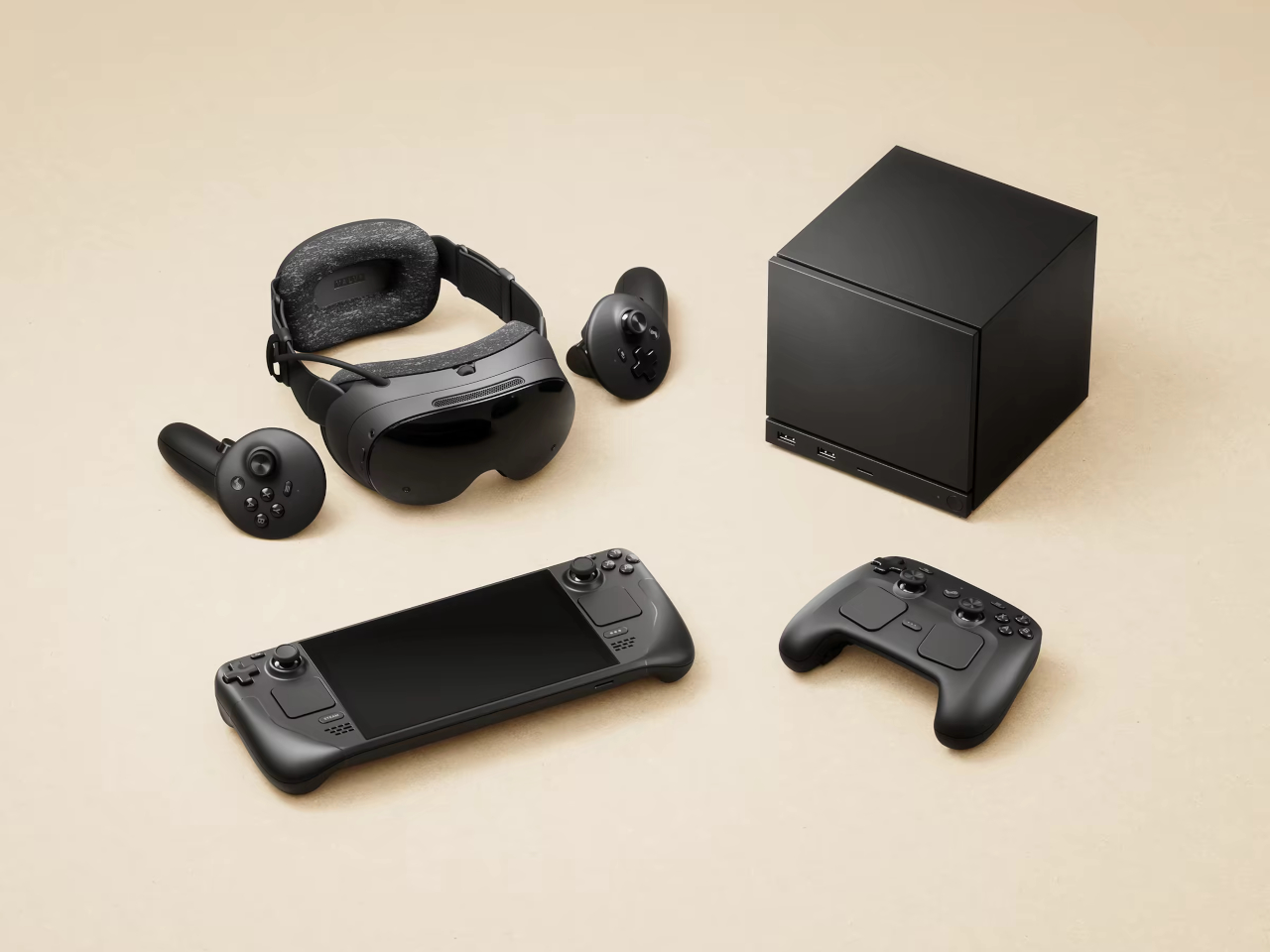
Now Valve is trying again, and this time the pieces actually fit together. The new Steam Machine and Steam Controller arrive in early 2026 as part of a broader hardware ecosystem that includes the Steam Deck and Steam Frame VR headset. These aren’t just updated versions of old ideas; they’re built on years of learning from the Steam Deck’s success, with designs that finally deliver on the promise of powerful, flexible PC gaming in a package your living room won’t reject.
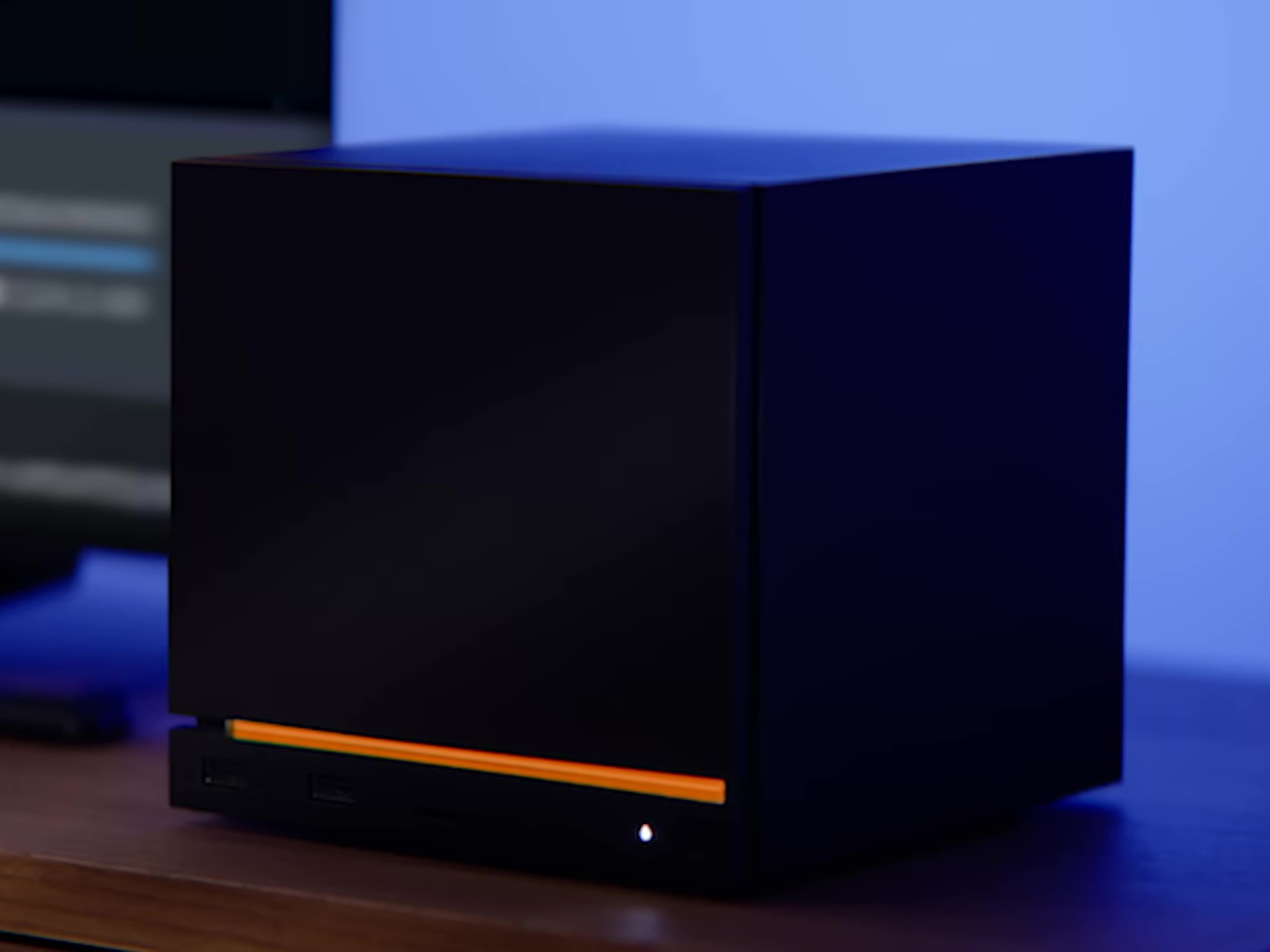
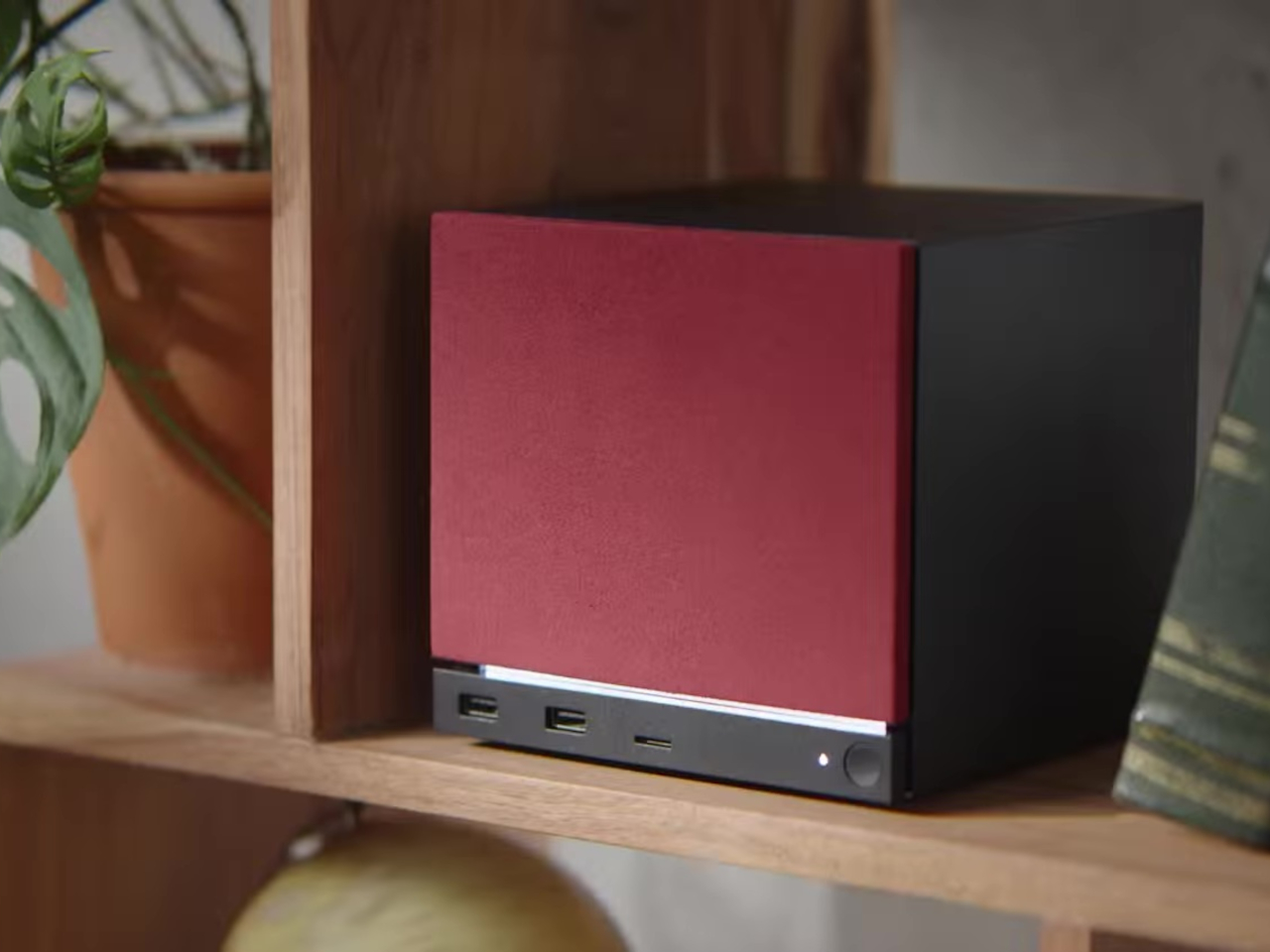
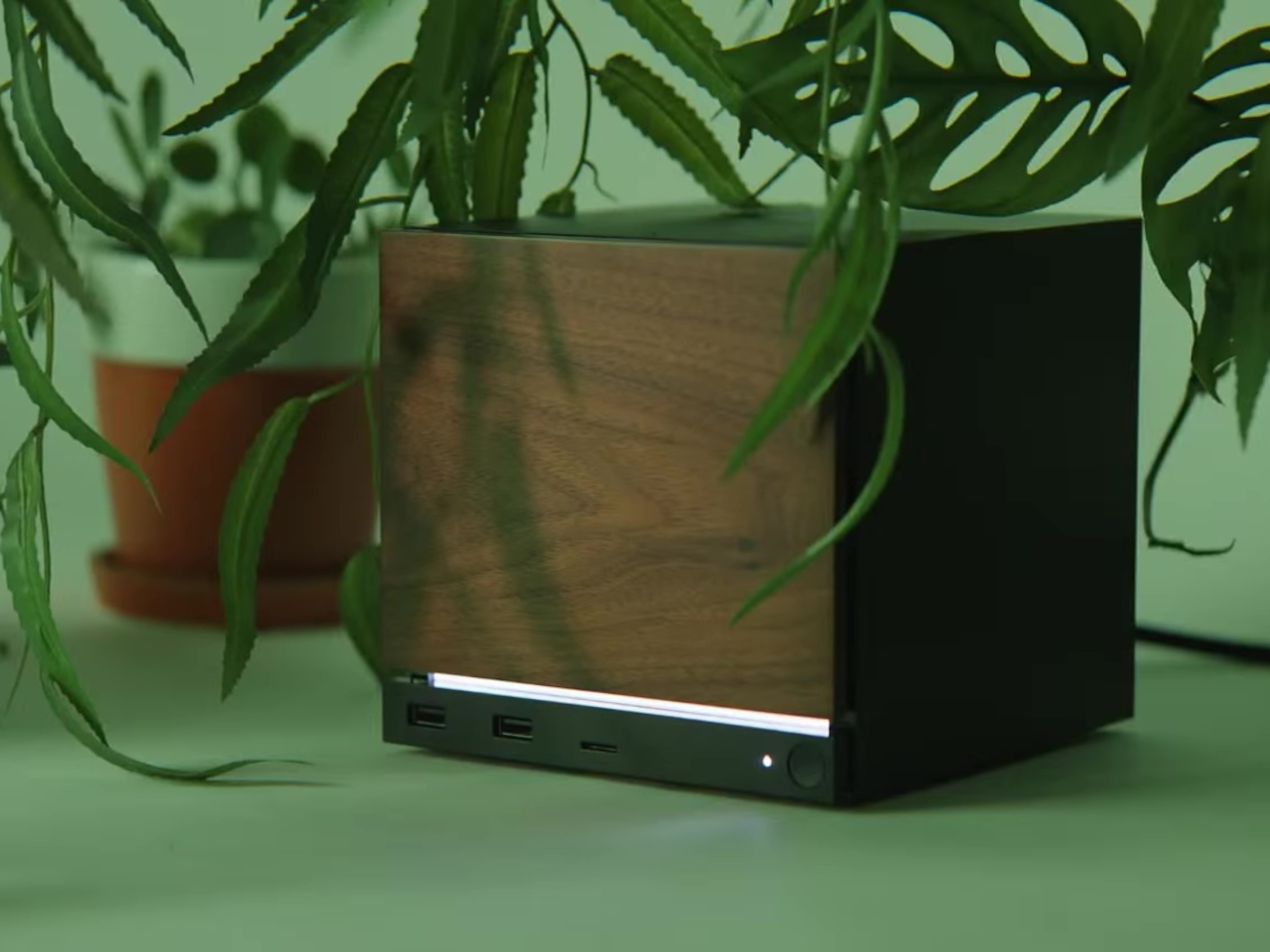
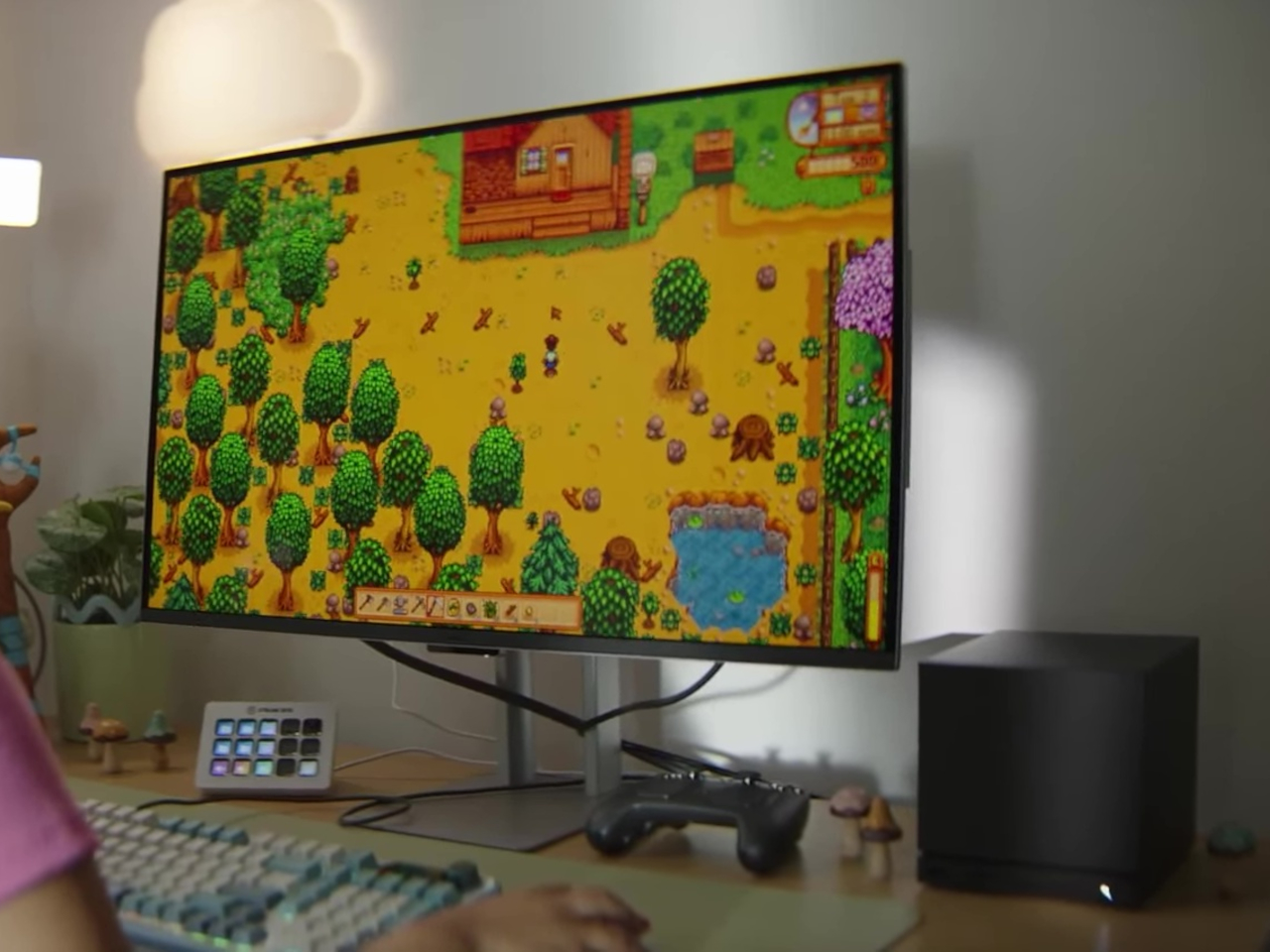
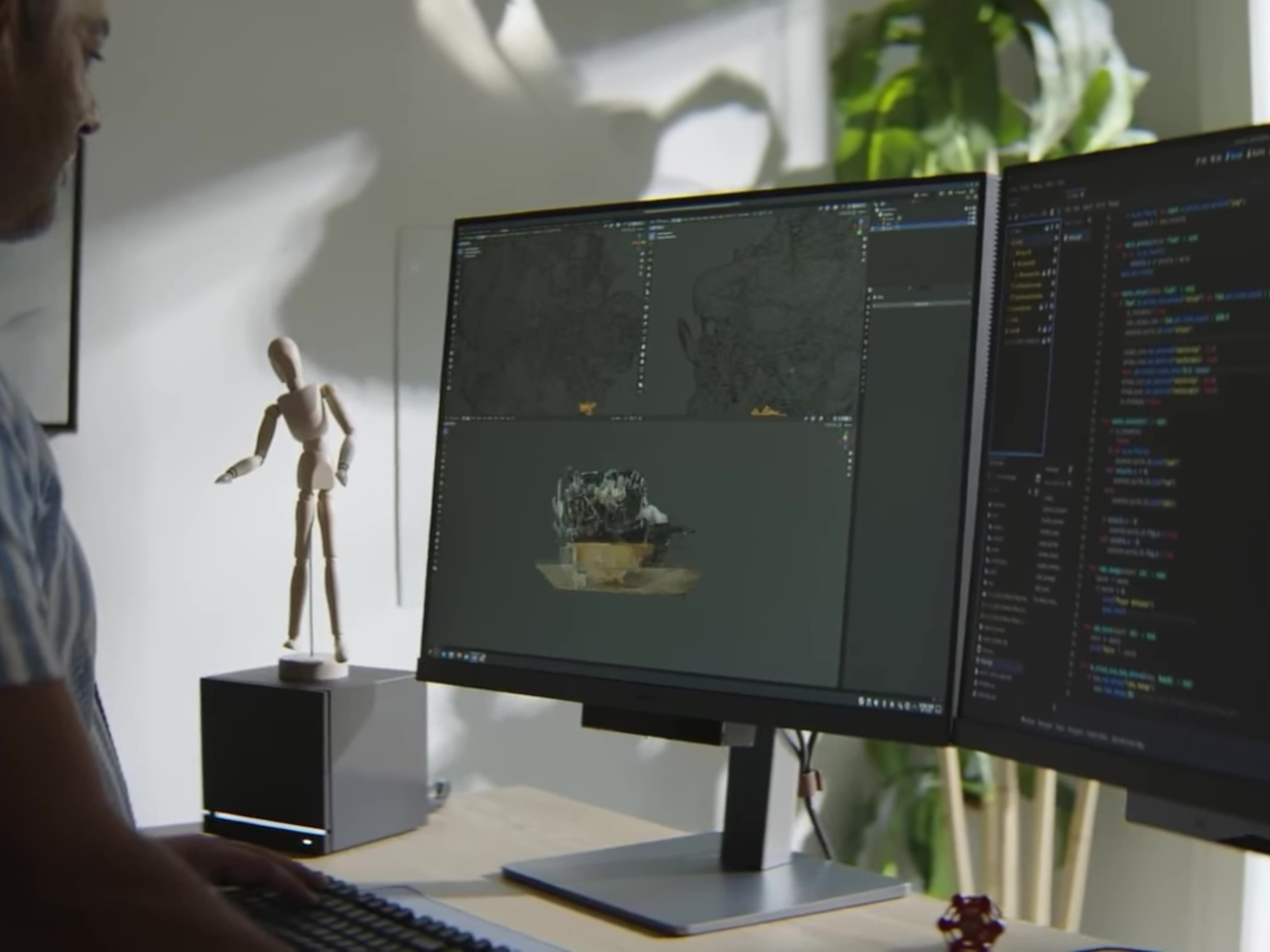
The Steam Machine packs desktop-class gaming into a cube that’s roughly six inches on each side. The matte black enclosure features a magnetically swappable front faceplate and a customizable LED strip that displays system status, download progress, or whatever color gradient suits your mood. It’s a minimalist design that hides pretty impressive hardware, including a semi-custom AMD Zen 4 CPU and RDNA3 GPU capable of 4K gaming at 60fps with FSR enabled. Valve claims it’s over six times more powerful than the Steam Deck, which should handle most AAA titles without breaking a sweat.
Inside, you get 16GB of DDR5 RAM plus 8GB of dedicated VRAM, with storage options of either 512GB or 2TB NVMe SSDs. Both models include microSD expansion if you need even more space. The internal power supply means no bulky external brick cluttering your entertainment center, and the whole thing runs whisper-quiet even under load. Valve designed the cooling system to handle demanding games without turning your living room into a wind tunnel, which is a thoughtful touch for something meant to sit in plain sight.
The I/O situation is refreshingly generous. You get DisplayPort 1.4 and HDMI 2.0 outputs for connecting to TVs or monitors, with support for resolutions up to 8K at 60Hz or 4K at 240Hz, depending on which port you use. There are five USB ports total, split between the front and back, plus Gigabit Ethernet and Wi-Fi 6E for connectivity. The Steam Machine also has a built-in wireless adapter that pairs directly with up to four Steam Controllers, letting you wake the system from your couch without fumbling for a keyboard.
Of course, the Steam Machine runs SteamOS, the same Linux-based operating system that powers the Steam Deck. The interface is designed for controllers rather than mice, with fast suspend and resume that works like a console. That said, it’s still a PC underneath, so you can install whatever apps or operating systems you want. Valve isn’t locking you into anything, which feels like a rare bit of freedom in hardware that’s otherwise pretty locked down these days.
Steam Controller
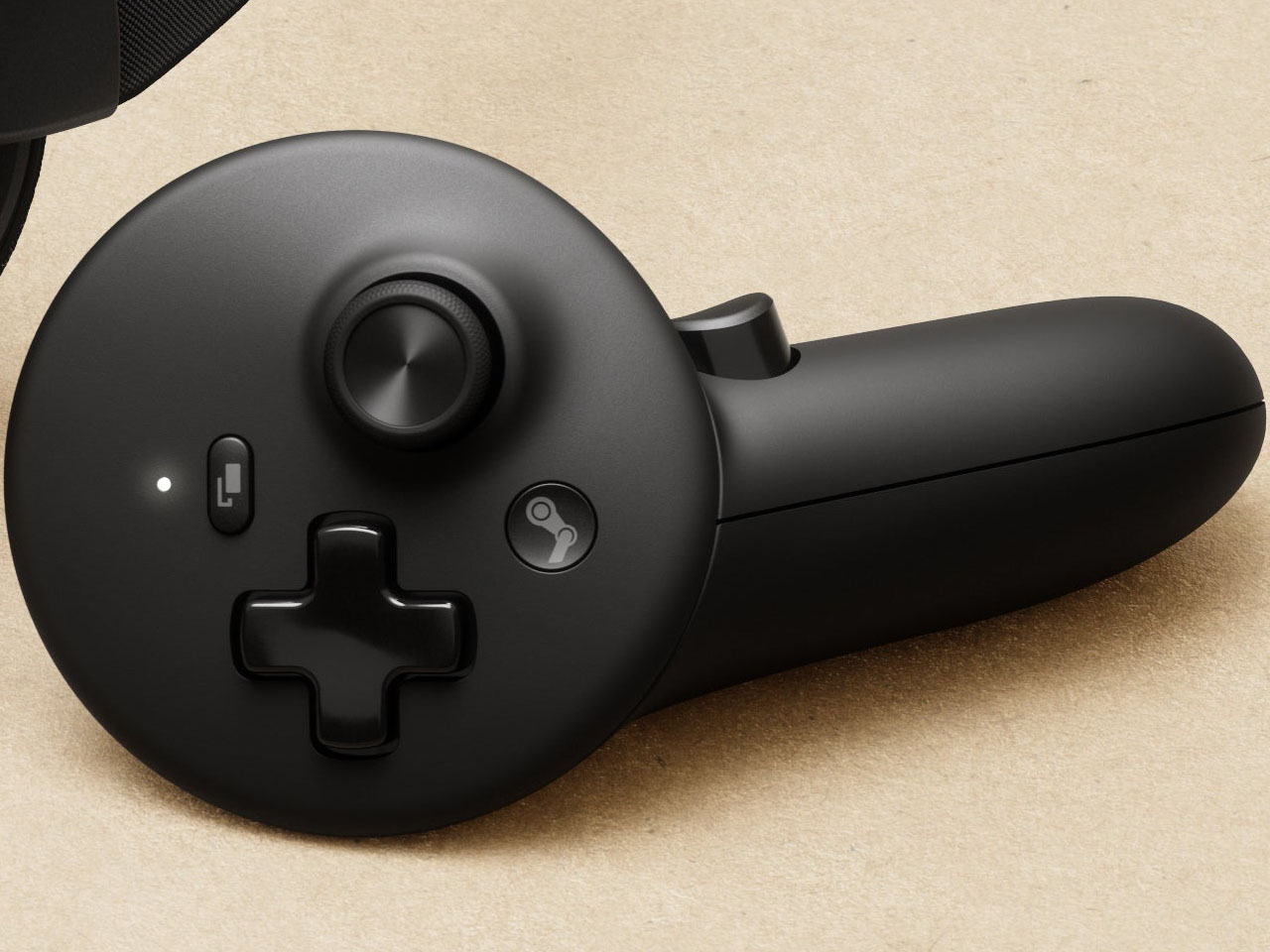
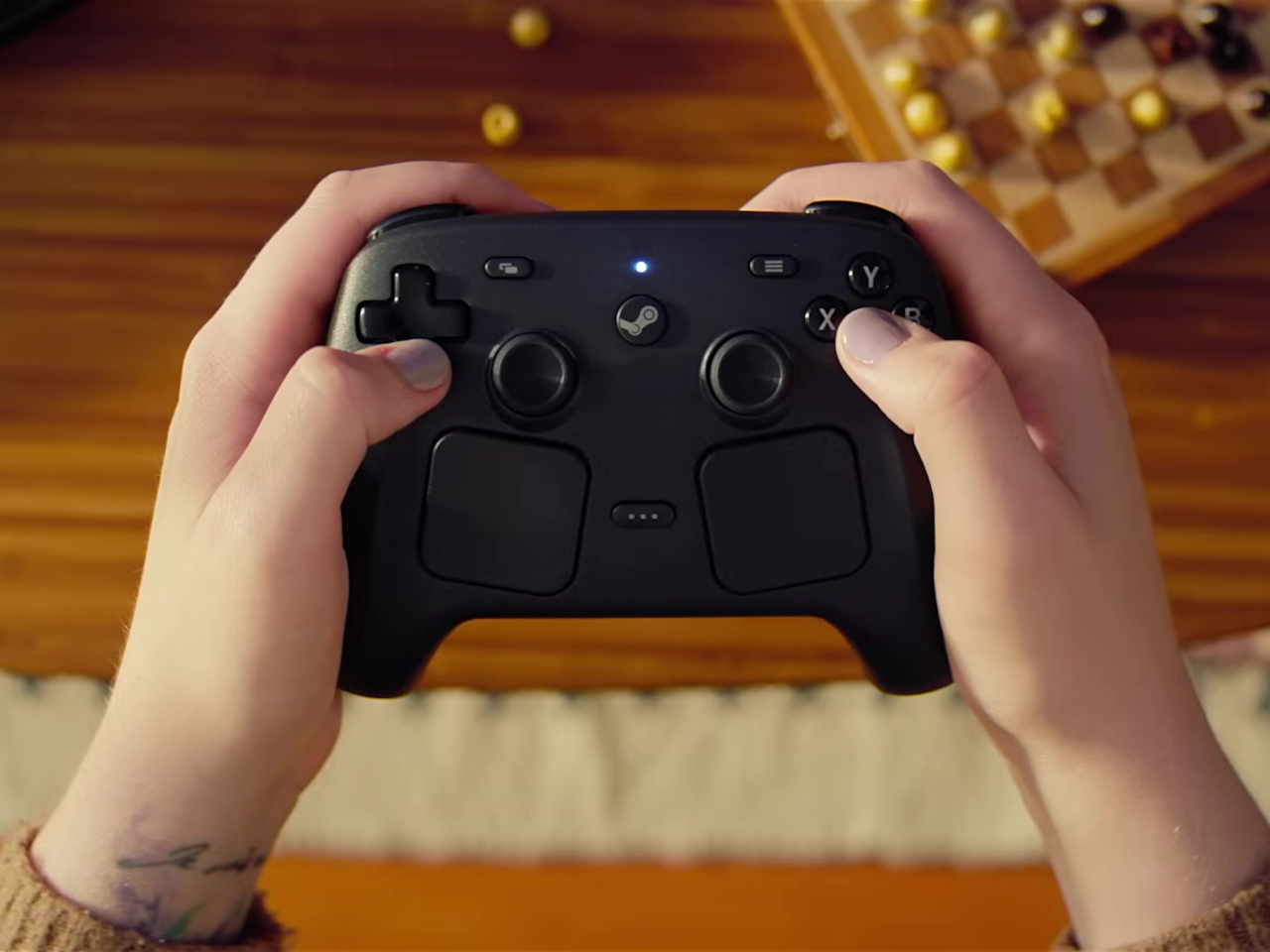
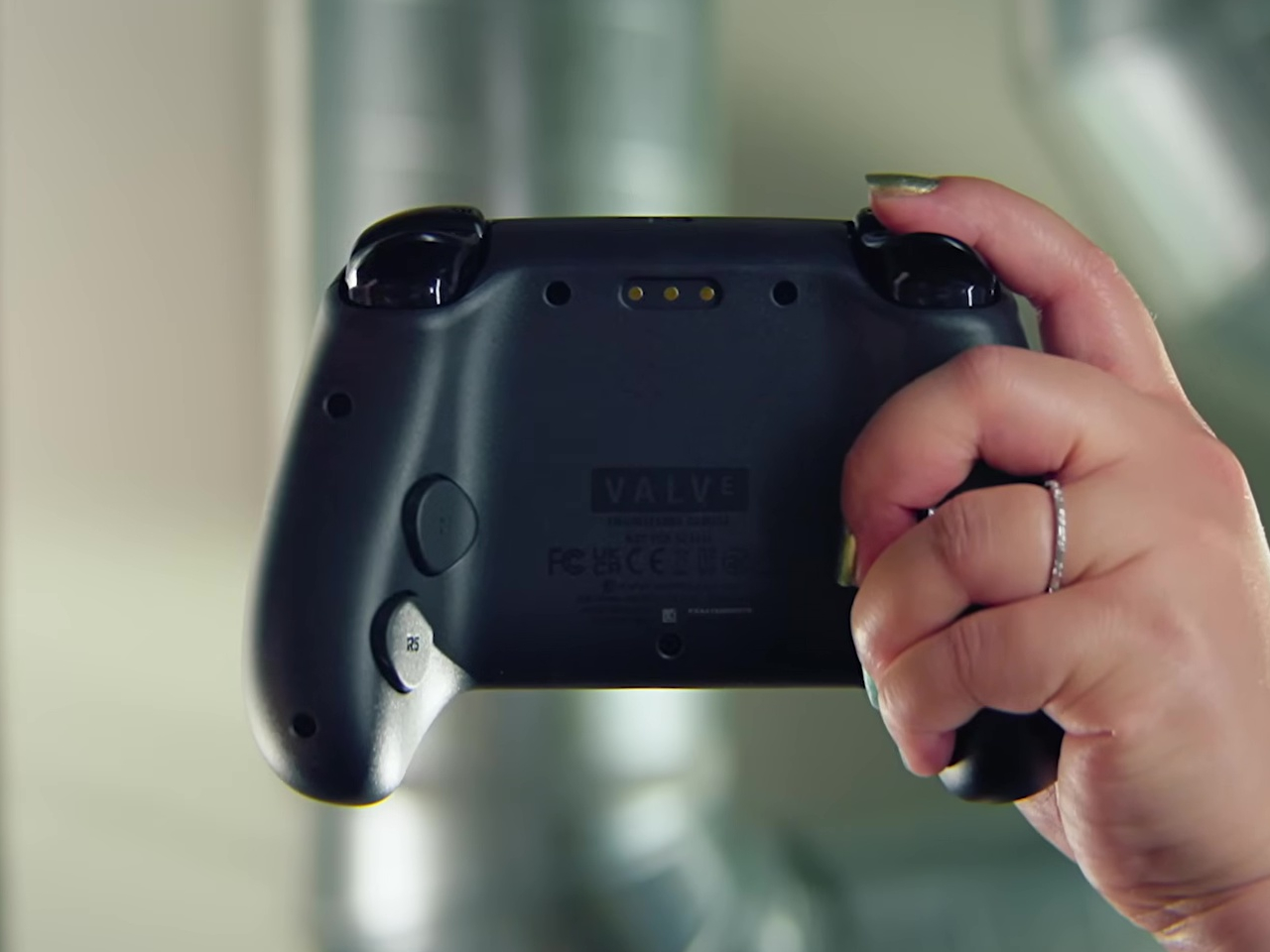
The new Steam Controller takes everything Valve learned from the Steam Deck’s controls and packages it into a standalone gamepad. The layout is familiar if you’ve used a Steam Deck, with two full-size magnetic thumbsticks, dual square trackpads, and all the standard buttons you’d expect. The thumbsticks use TMR technology for better durability and responsiveness, and they support capacitive touch for enabling motion controls. The trackpads are pressure-sensitive and include haptic feedback, making them viable for games that normally require a mouse.
What sets this controller apart are the extras. Four assignable grip buttons sit on the back, letting you map additional controls without taking your thumbs off the sticks or pads. There’s also a feature Valve calls Grip Sense, which uses capacitive sensors along the handles to enable gyro aiming when you hold the controller and disable it when you let go. It’s a small detail that makes aiming in shooters feel more natural without requiring you to toggle a button every time you want precision.
The controller connects via a dedicated wireless puck that doubles as a magnetic charging dock. The puck uses a 2.4GHz connection with about 8ms latency, which is noticeably faster than Bluetooth and feels snappy during gameplay. You can also connect via Bluetooth or USB-C if you prefer, and the 8.39Wh battery is rated for over 35 hours of play. One puck can handle up to four controllers, which makes local multiplayer setups pretty straightforward.
Customization runs deep thanks to Steam Input, which lets you remap every button, adjust sensitivity, and tweak haptics to your liking. Community configurations are available from day one, so you can load presets for thousands of games or build your own and share them. The controller also works across Valve’s entire ecosystem, from PCs and laptops to Steam Deck and the new Steam Machine, with infrared LEDs that let the Steam Frame VR headset track it for mixed-reality gameplay.
Valve’s hardware lineup is expanding into a proper ecosystem rather than just scattered experiments. The Steam Machine and Steam Controller arrive as the cornerstones of that vision, offering power and flexibility without forcing you to choose between the simplicity of consoles and the openness of PCs. Whether that’s enough to pull gamers off the couch and away from their PlayStations remains to be seen, but the pieces are finally in place.