Someone Finally Bent a Desk to Put Your Monitor Higher and Hands Low

Most desk design still treats the flat surface as a given. Monitor, keyboard, notepad, and coffee all land on the same plane, and we adjust our posture around that rather than the other way around. That convention has held even as ergonomic research has consistently noted that the ideal height for viewing a screen and the ideal height for typing with relaxed arms aren’t the same, and that bridging the gap usually falls to accessories rather than to the furniture itself.

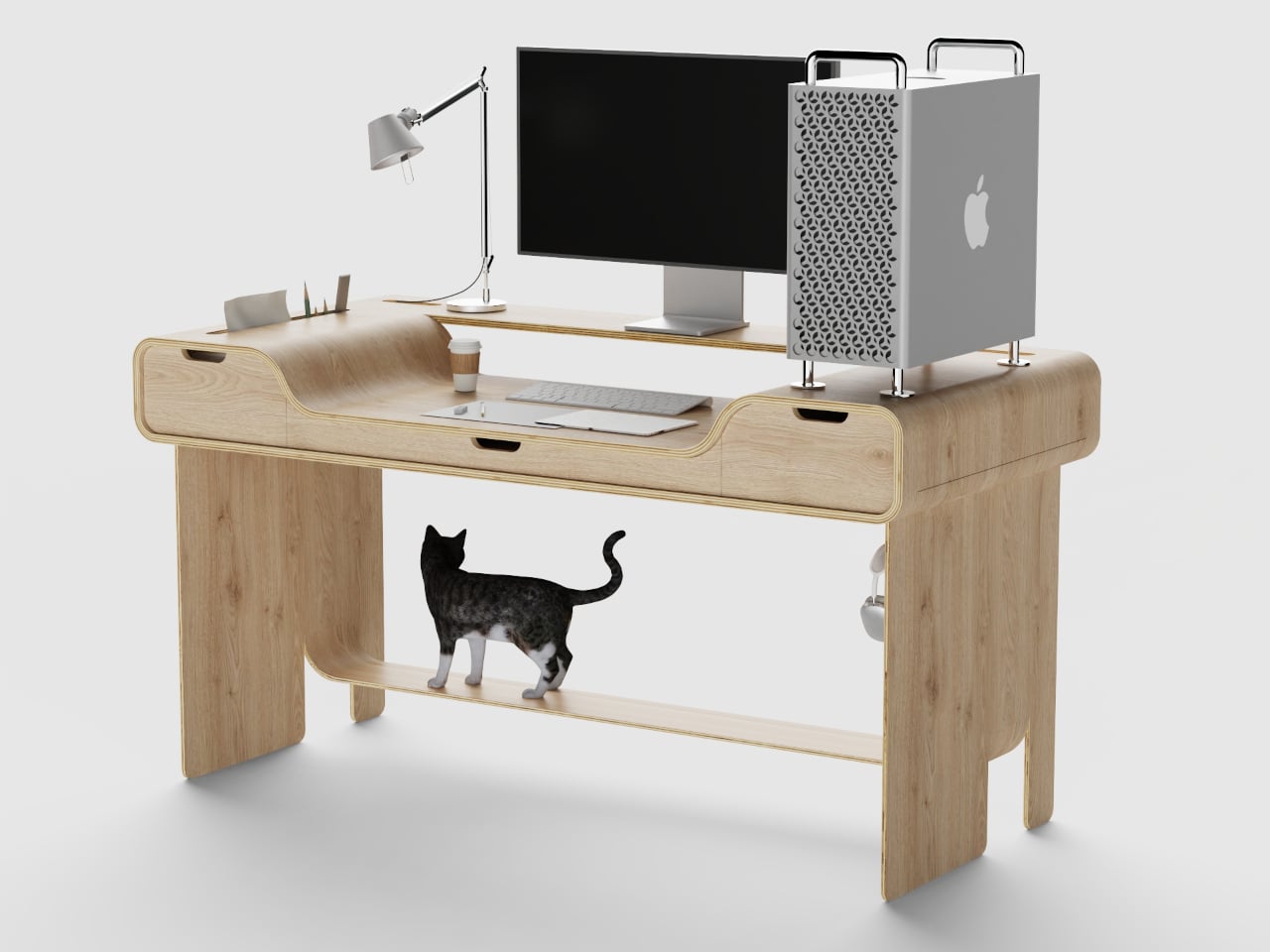
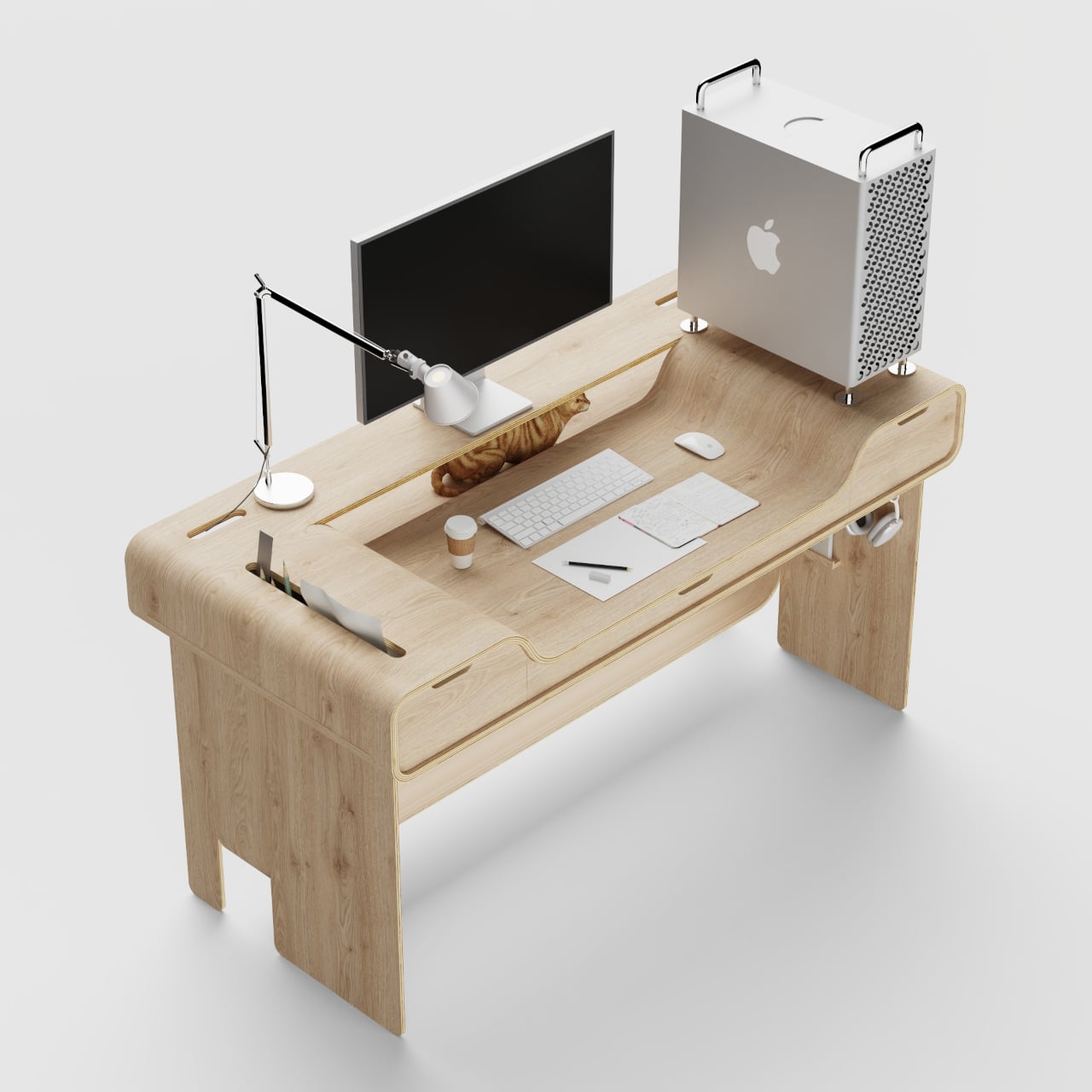
The Hollow Desk takes that problem seriously and solves it through the desk’s own structure. A “cut and bend” plywood technique creates two distinct surface levels in a single continuous form. The raised rear section supports the monitor and anything that lives near eye level. The front curves downward into a sunken working zone where the keyboard, mouse, notepad, and sketchbook sit at a lower, more natural arm height, keeping hands in a position the flat desk never quite manages.

Designer: SUNRIU Design
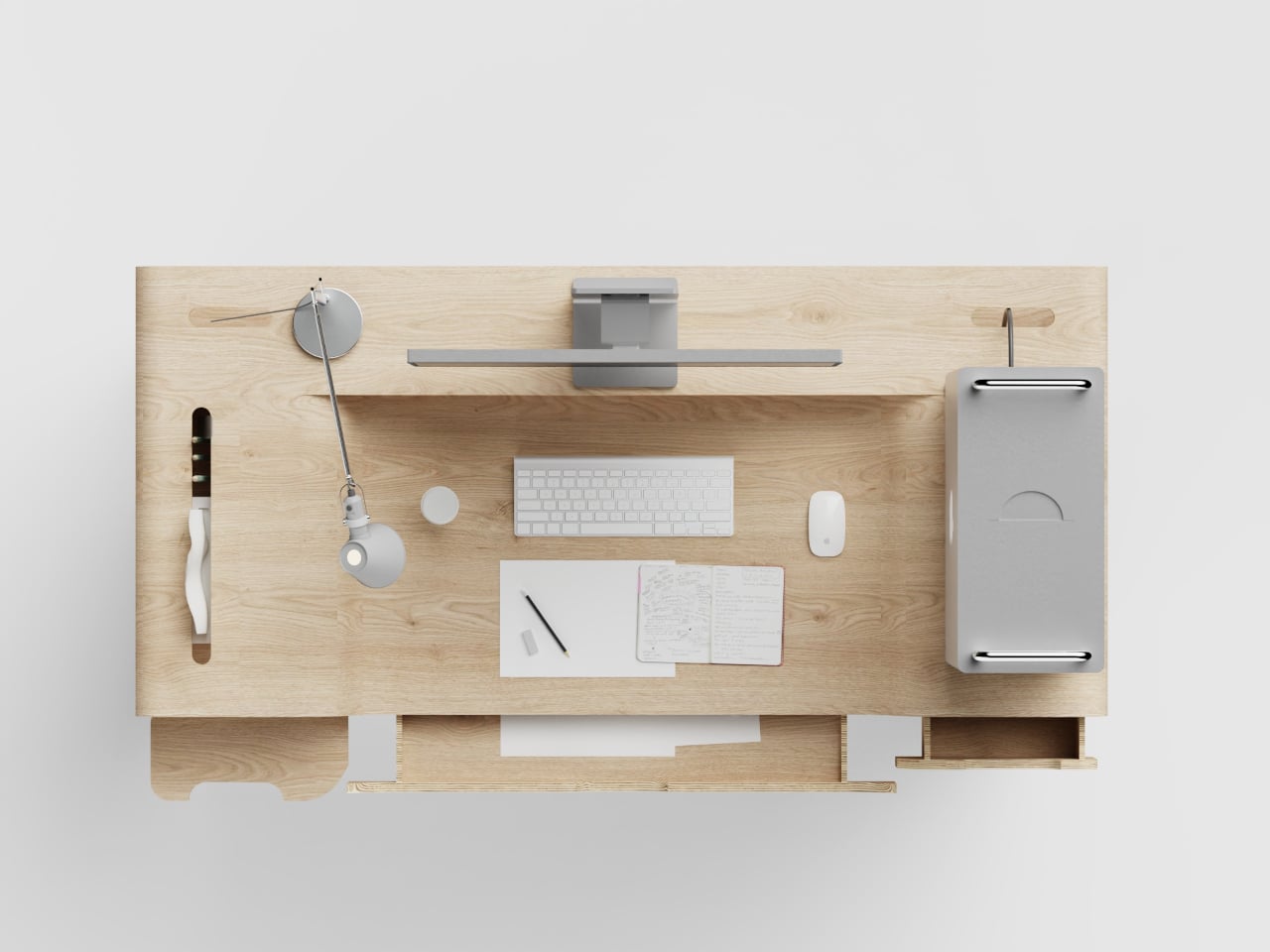
Framing it that way makes the change sound incremental, but the accumulated strain of typing at the wrong height over a full workday is measurable. The usual solutions are accessories: keyboard trays, wrist rests, monitor risers, each one a correction applied after the fact to furniture that wasn’t designed with this in mind. Most get purchased with good intentions and used inconsistently. The Hollow Desk puts the correction into the desk’s own geometry, and it stays there.
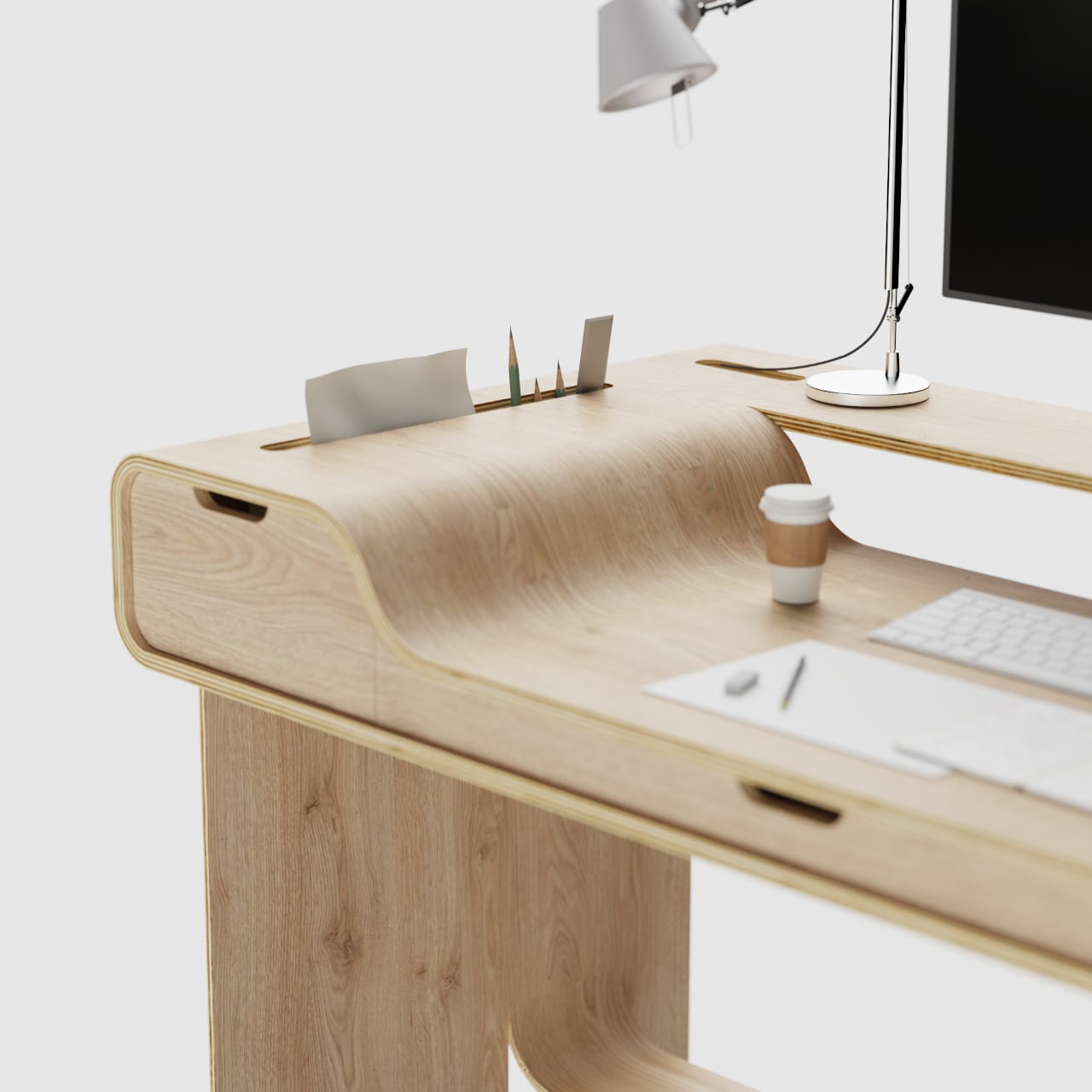
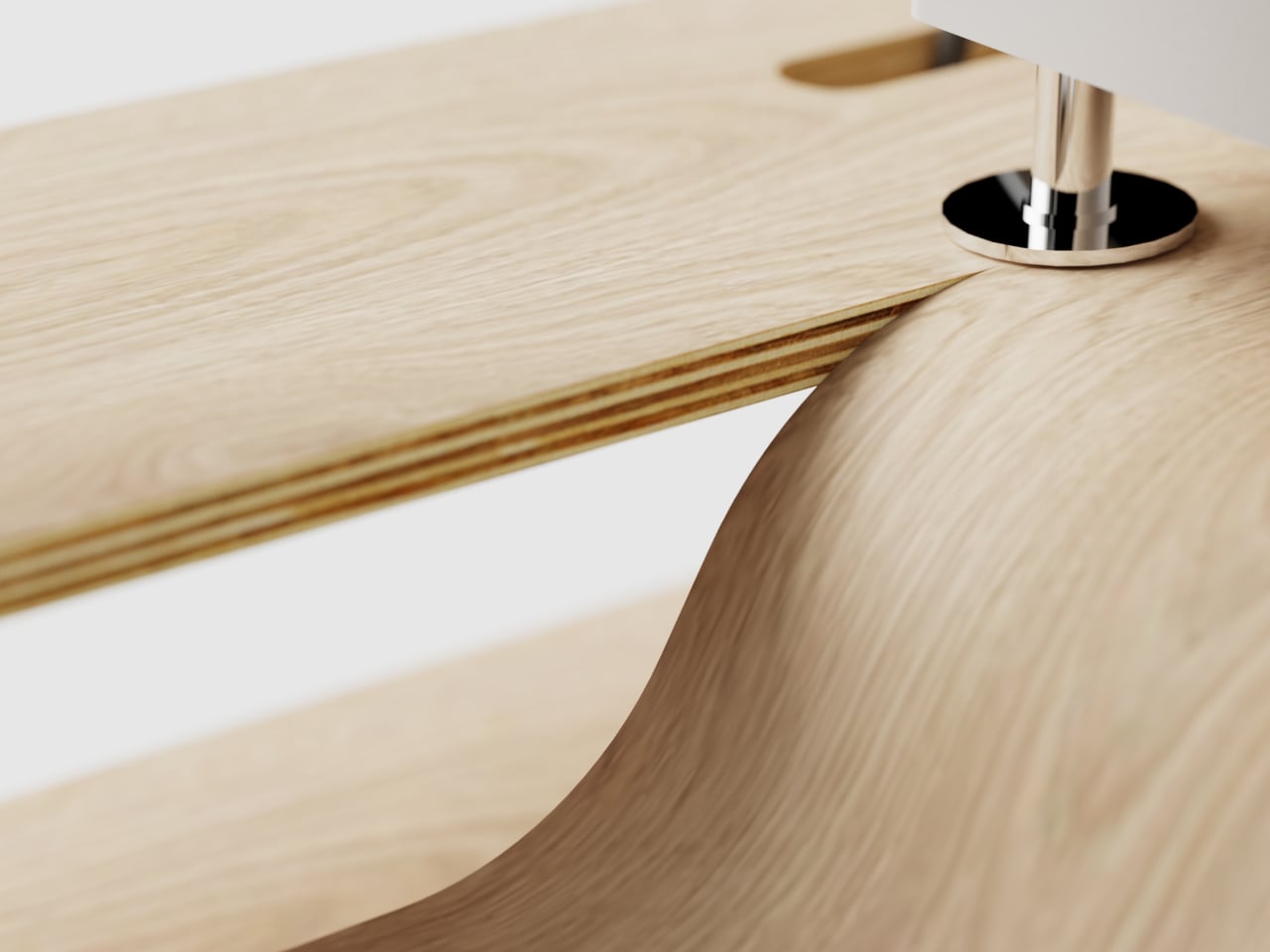
The plywood construction makes that organic form possible without complicated joinery. The bent curve that transitions from the raised rear surface down into the working zone exposes the layered plywood edge, and the design doesn’t try to conceal it. Those laminate layers become part of the visual identity, making the structural logic of the form visible at the transition rather than hiding it under a veneer that would smooth over the method entirely.
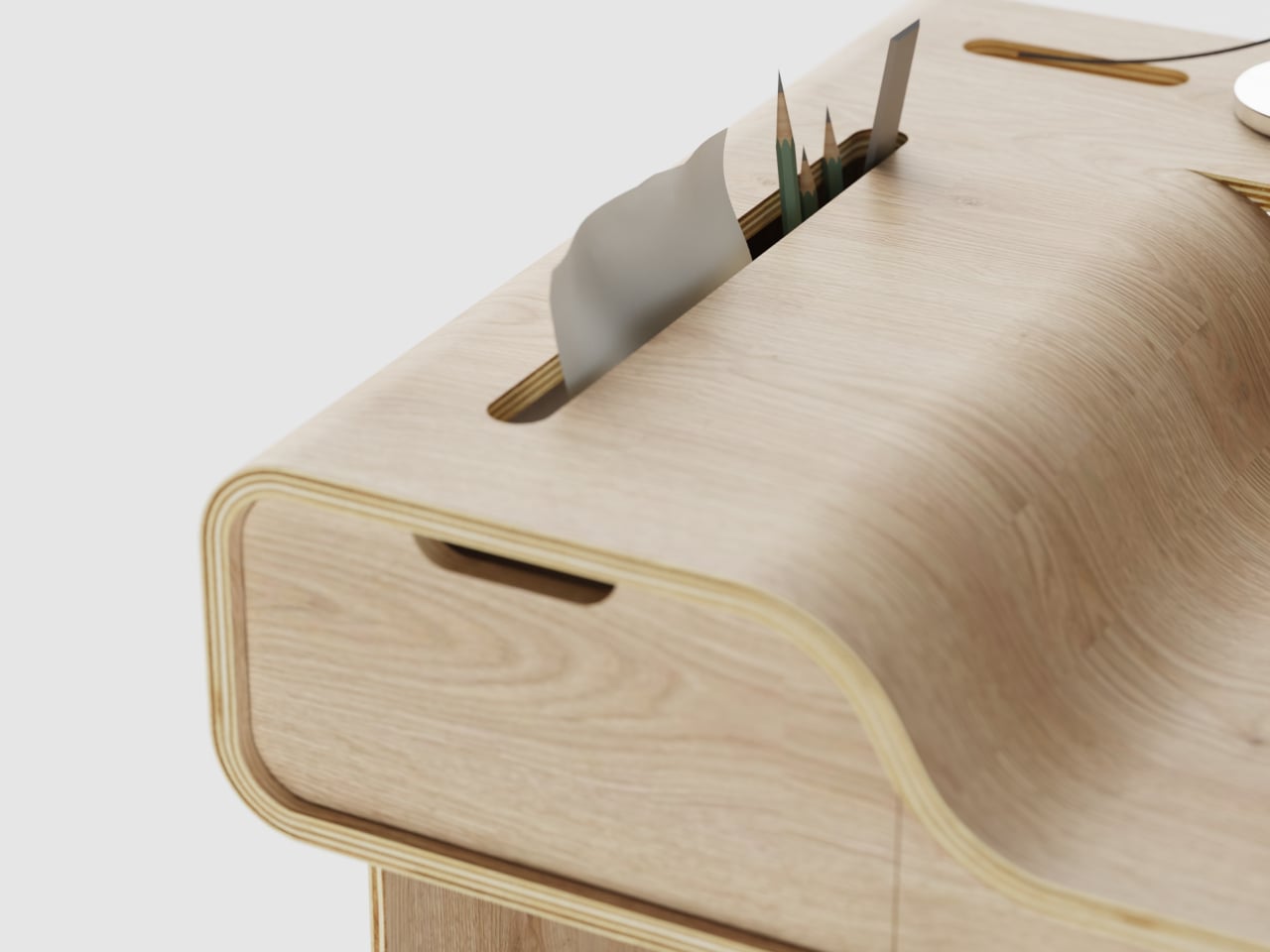
Storage is woven into the raised rear section without claiming any working surface. Vertical slots cut into the back panel keep pens, pencils, and cards upright within reach. A slim drawer with a finger-pull cutout sits flush under the front face of the raised section, invisible from above and accessible from the front. On the right side panel, a hook holds headphones off the desk, and a small ledge keeps a book at hand level without requiring a separate shelf.
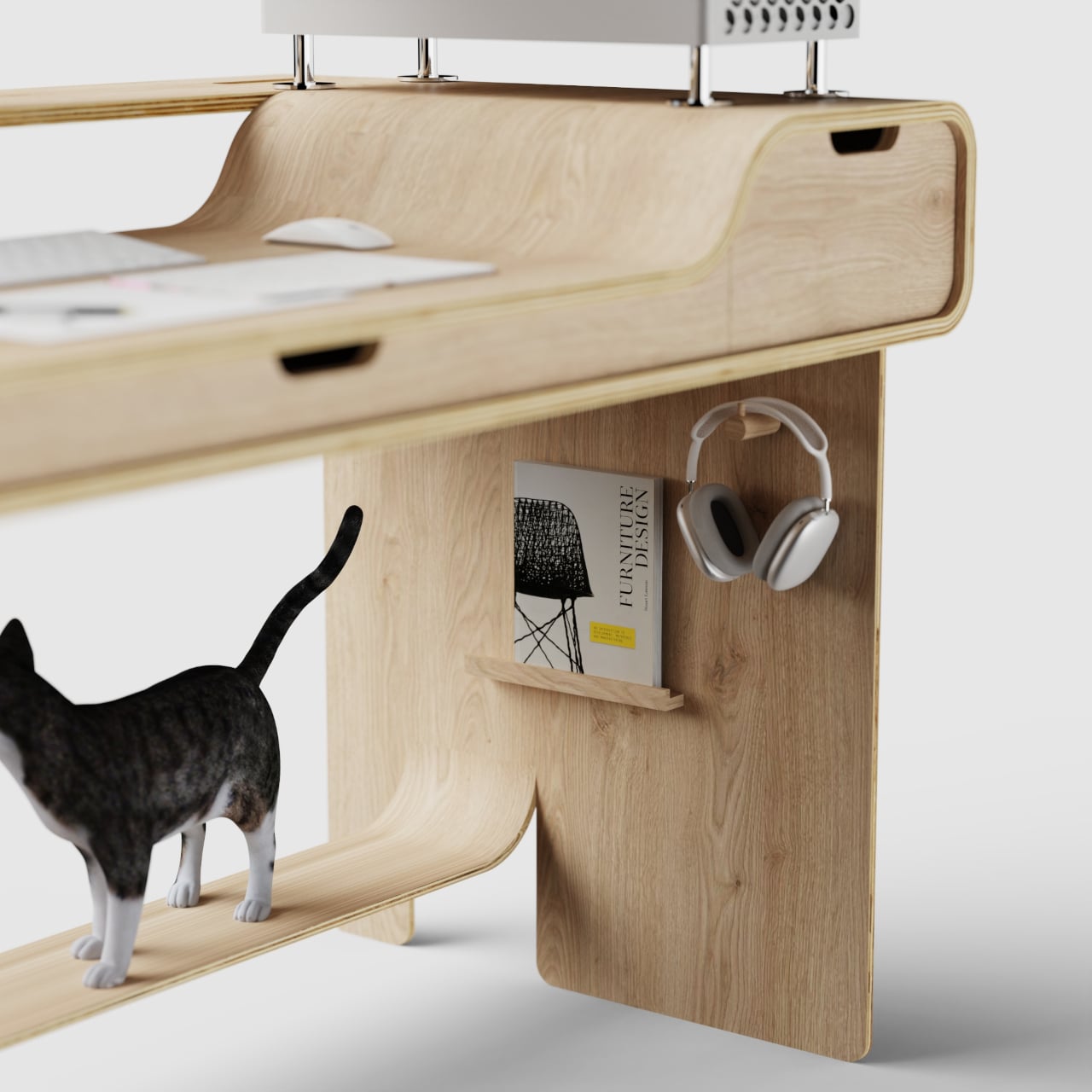
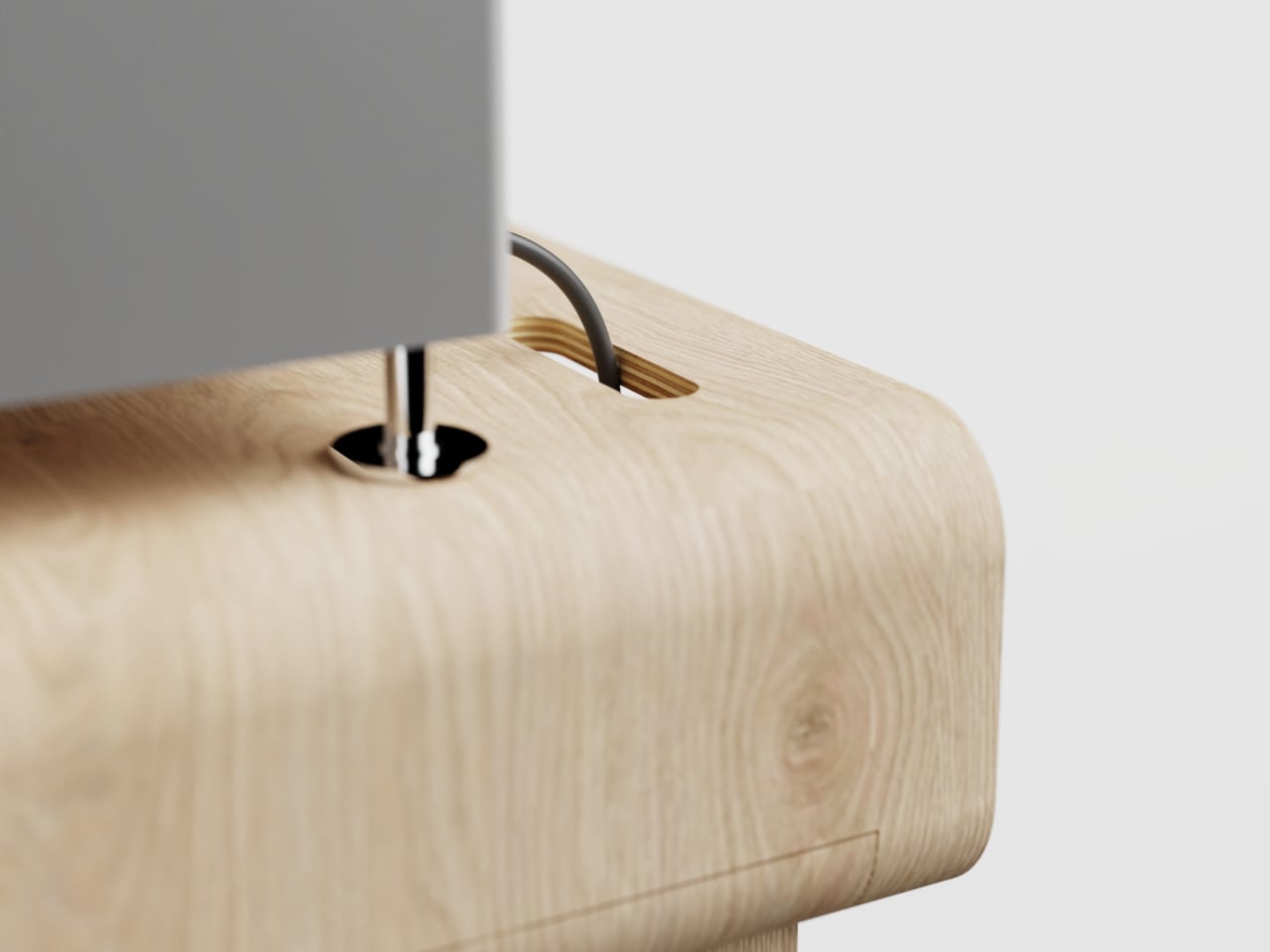
Cable management runs through pass-through holes in the raised rear platform, routing monitor cables out of view rather than leaving them to cross the working surface. A lower shelf at the base runs the full width and handles items that don’t need to stay immediately at hand. Both details are quiet, but on a desk this deliberate about surface hierarchy, leaving cables and secondary storage as afterthoughts would undercut the whole logic of the design.
The Hollow Desk is still a concept rendered in plywood. The raised rear platform works with whatever monitor or tower you already own, and the sunken working zone doesn’t favor any particular keyboard or input device. It isn’t trying to reorganize your workflow. It’s making a more fundamental intervention: changing where your hands sit while you work, which turns out to matter considerably more than any accessory applied on top of a flat surface ever does.
The post Someone Finally Bent a Desk to Put Your Monitor Higher and Hands Low first appeared on Yanko Design.

Xiaomi Built a $29 Speaker That Snaps to Your Phone and Stands It Up

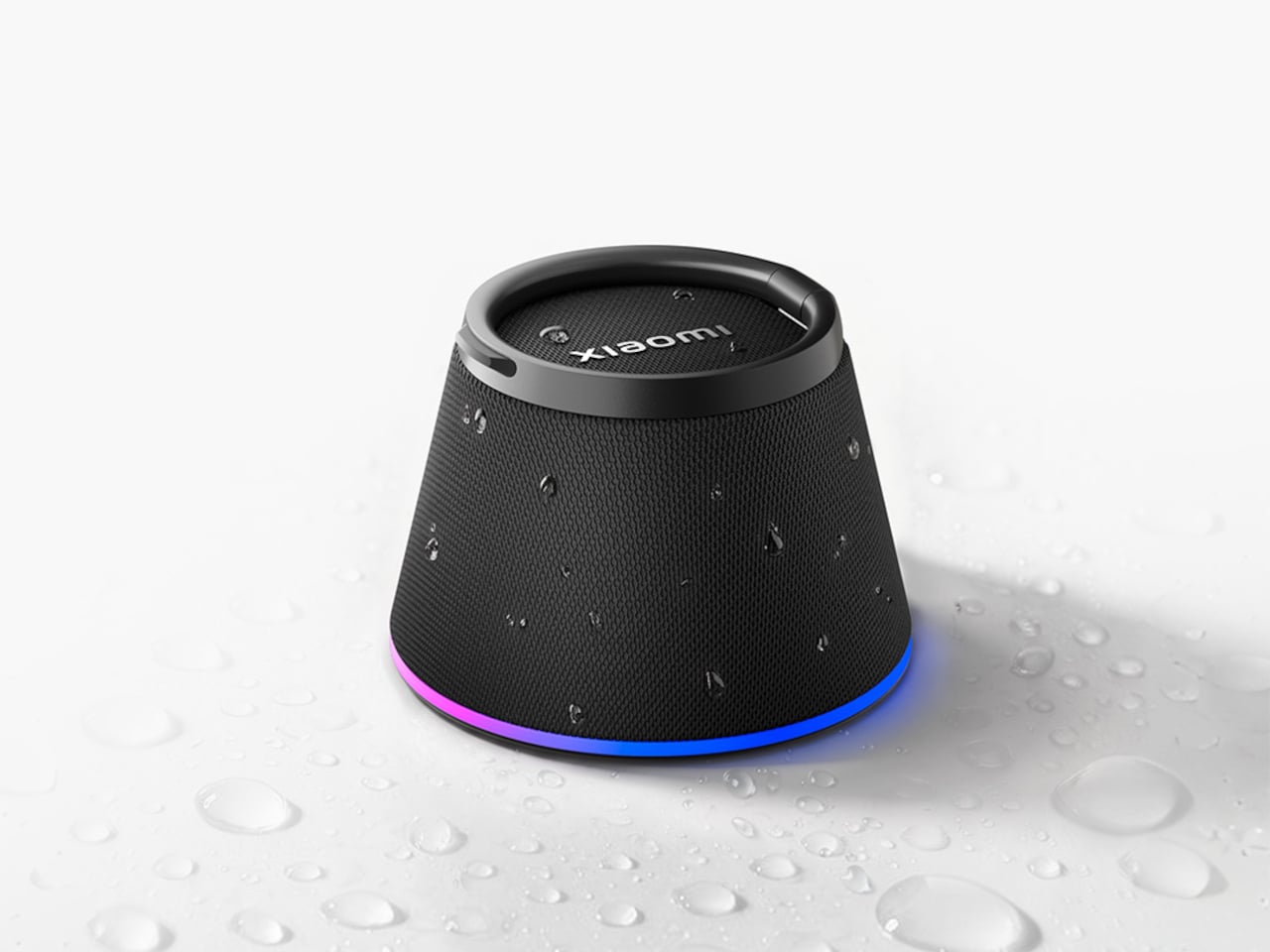
The compact Bluetooth speaker category has been fighting the same battle for years. Every new entry promises to be louder than your phone, smaller than a can of soda, and tough enough to survive a bag. Most deliver on those basics reasonably well, and most of them occupy the same category of objects that you put next to your phone rather than on it. That distinction tends to go unexamined, and it’s the one Xiaomi decided to question with its latest accessory.

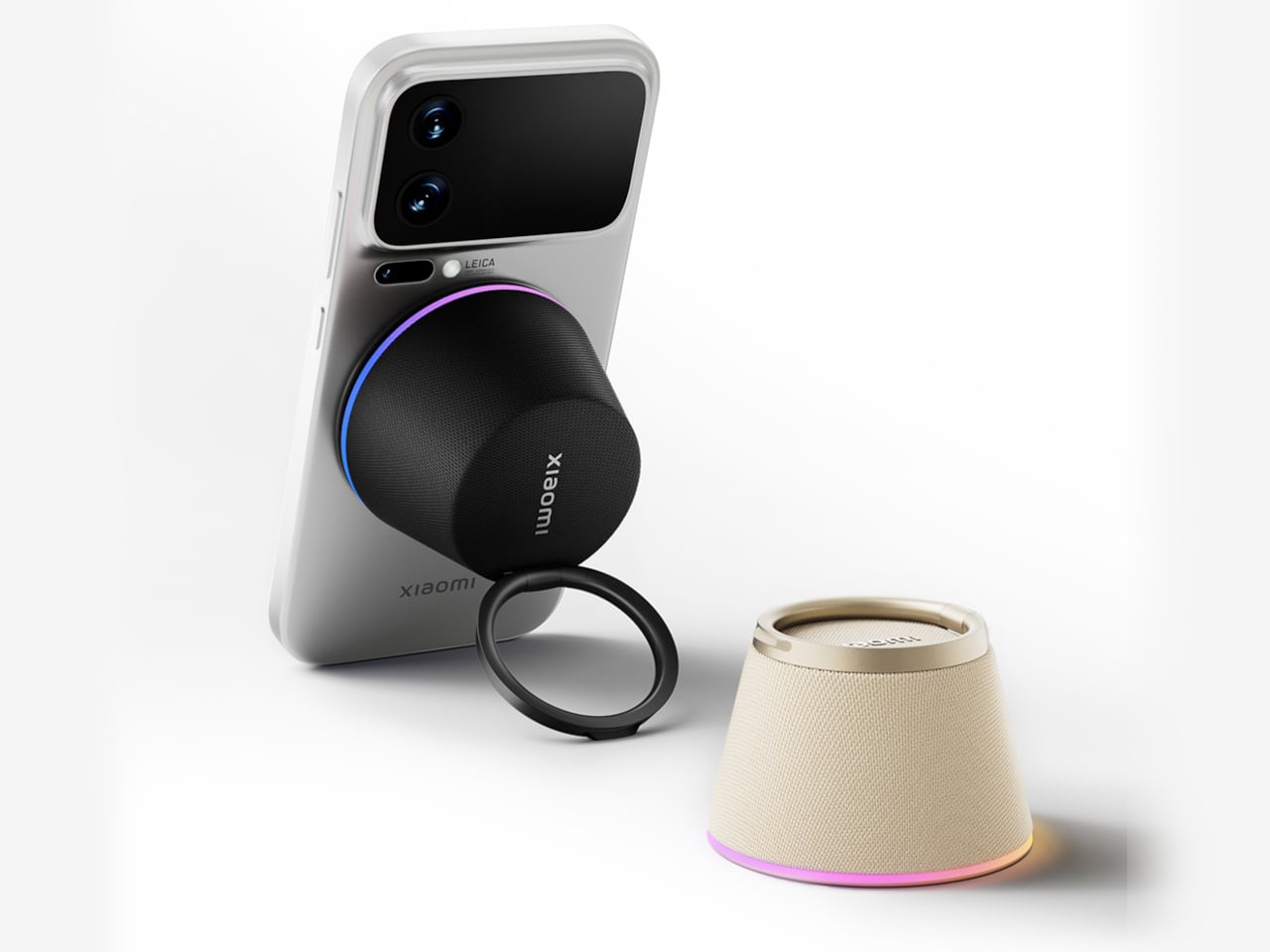
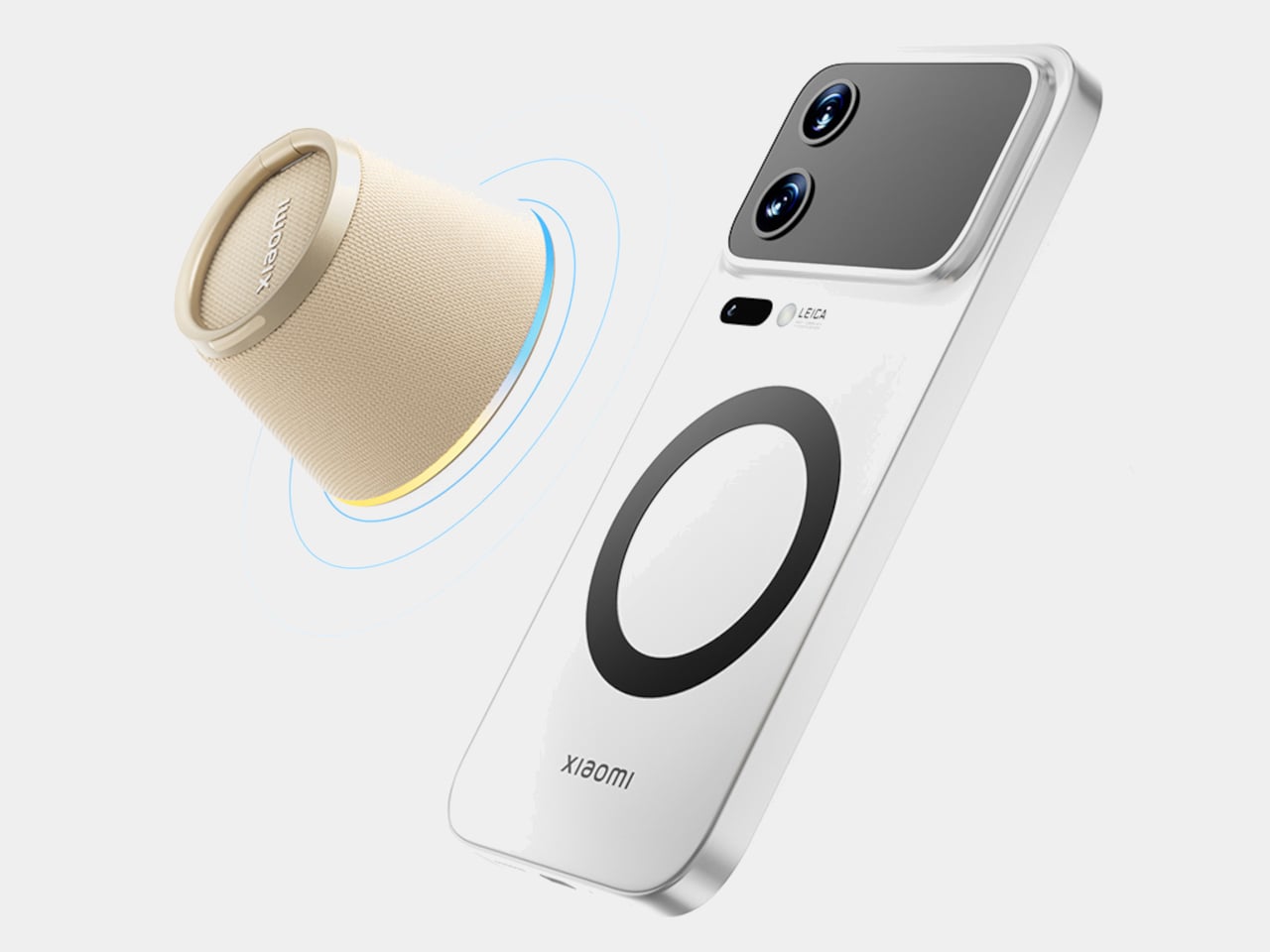
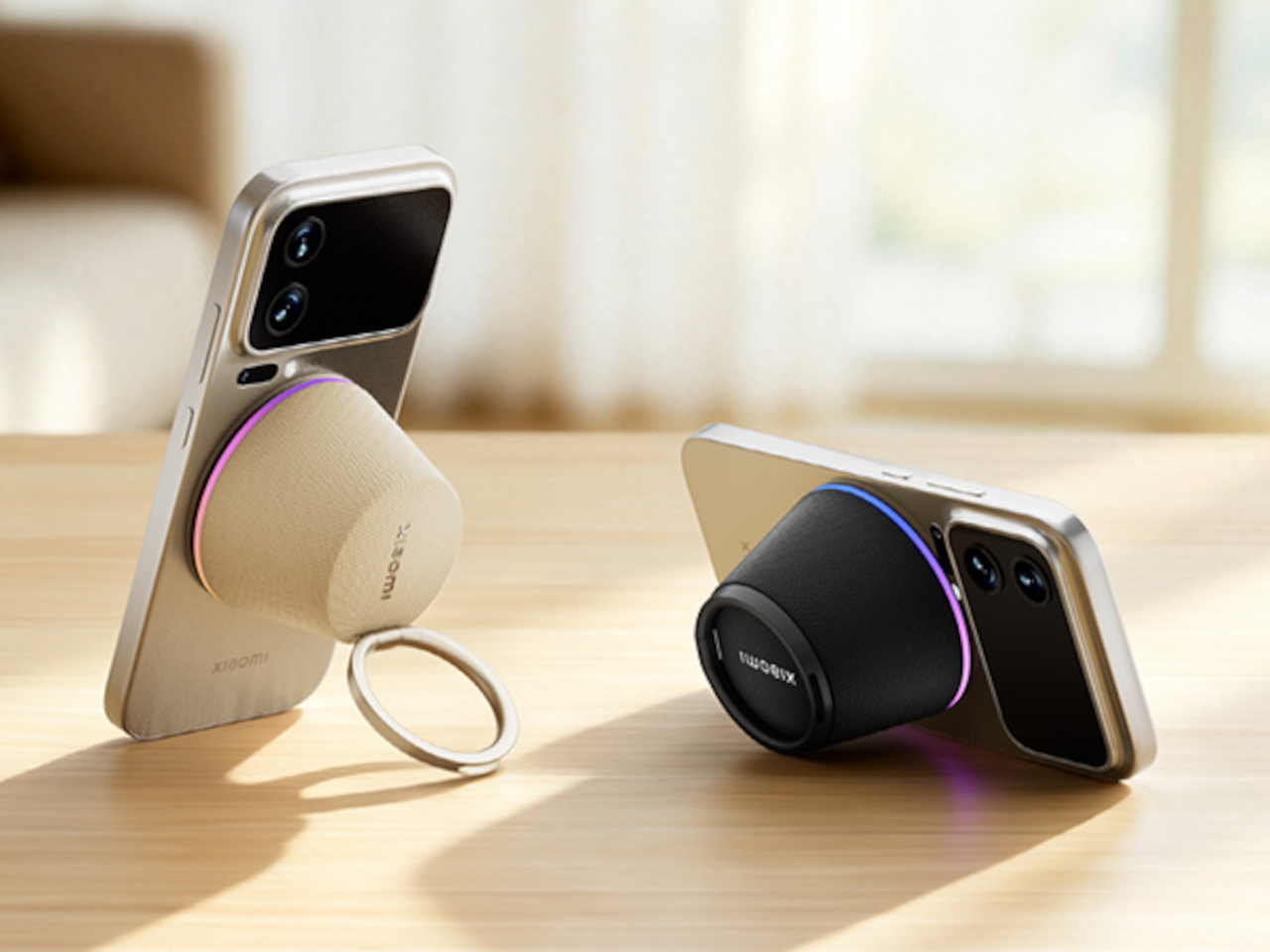
The Xiaomi Bluetooth Speaker Magnetic Edition attaches directly to the back of a smartphone. The connection is magnetic, and a built-in Hall sensor detects the moment it locks on, triggering the speaker to power on automatically. No button to find, no pairing ritual to repeat. You put it against your phone and it starts. Pull it off and it stops. The whole interaction is designed to be immediate enough that the speaker stops feeling like an accessory and starts feeling like part of the phone itself.

Designer: Xiaomi

The stand function is the idea that makes this more than a magnet trick. Rather than simply hanging on the back while the phone lies flat, the speaker’s base props the phone upright at a comfortable viewing angle. That solves two things at once: you get a better listening experience than the phone’s own speaker provides, and you get a hands-free viewing position without hunting for a stand or balancing the phone against something that will slide the moment you look away.

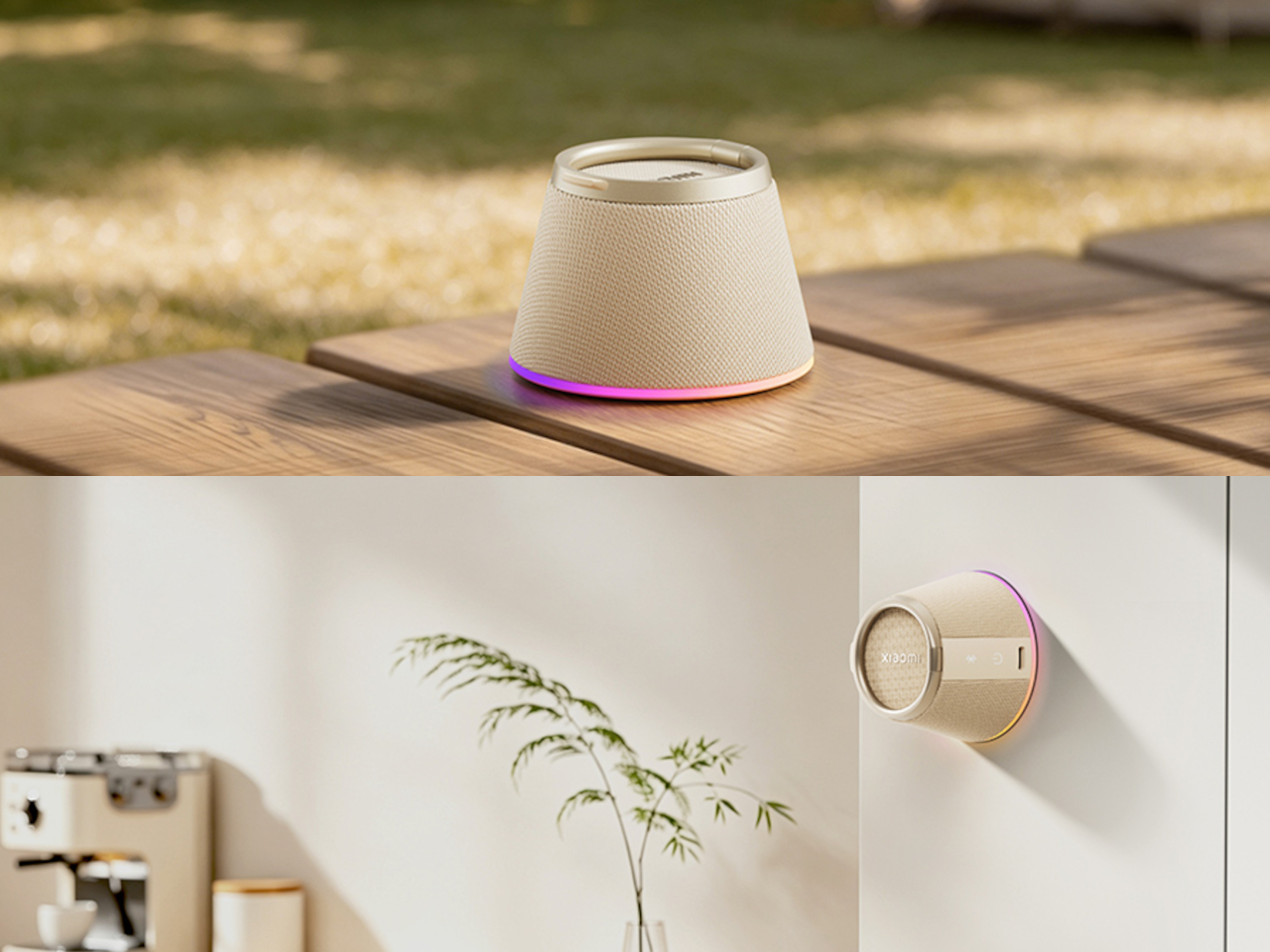
The audio hardware is modest by design. A 1.5-inch full-range driver running at 3W isn’t built for a living room, and the 200Hz to 20kHz frequency response tells you this is tuned for clear, near-field playback rather than bass-heavy output. For someone cooking in the kitchen and wanting to follow a video without holding their phone, or listening at a desk without headphones, that kind of output is exactly right. The speaker isn’t competing with a dedicated tabletop Bluetooth speaker; it’s competing with a phone’s built-in speaker, and that bar it clears comfortably.

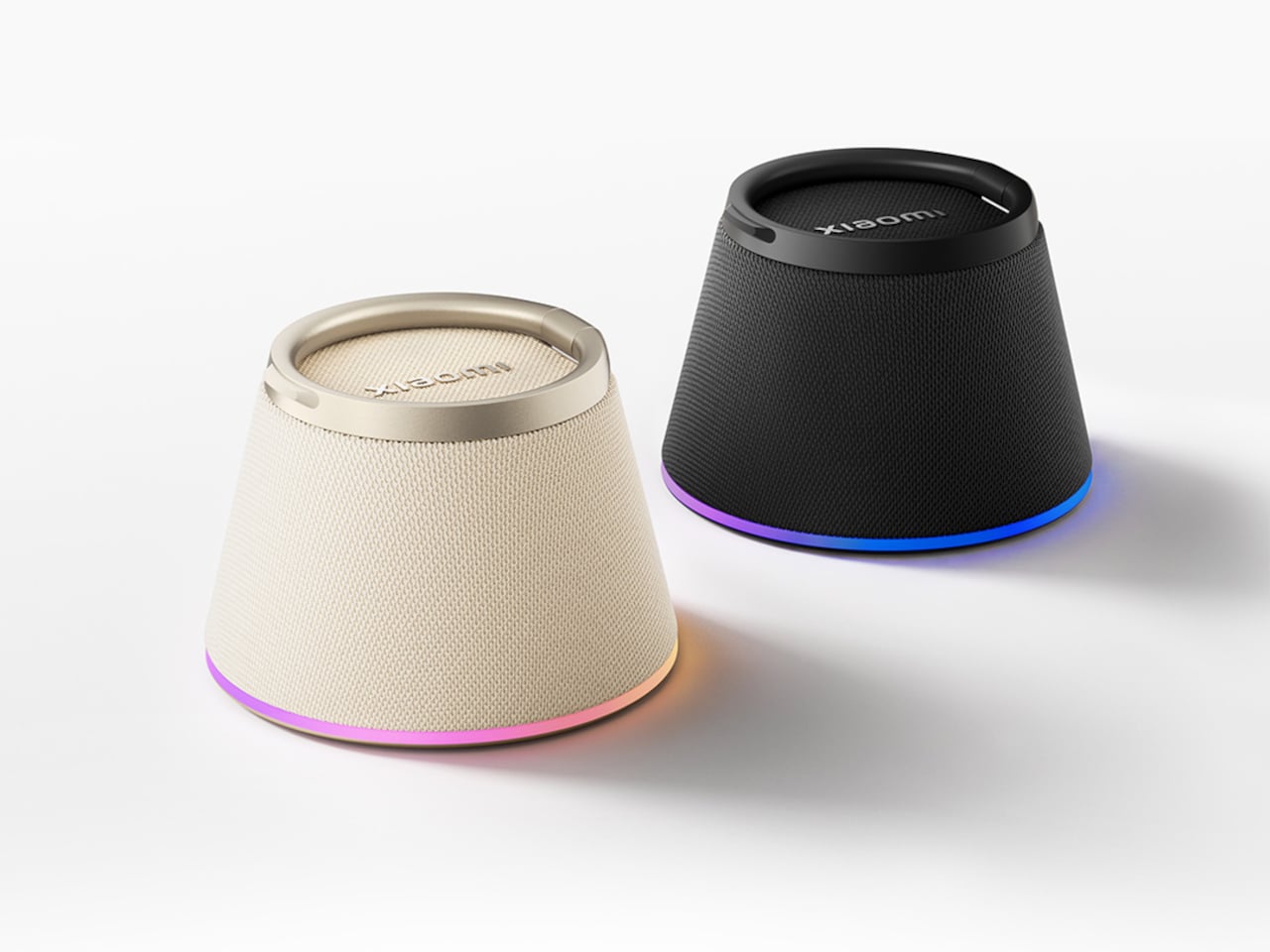
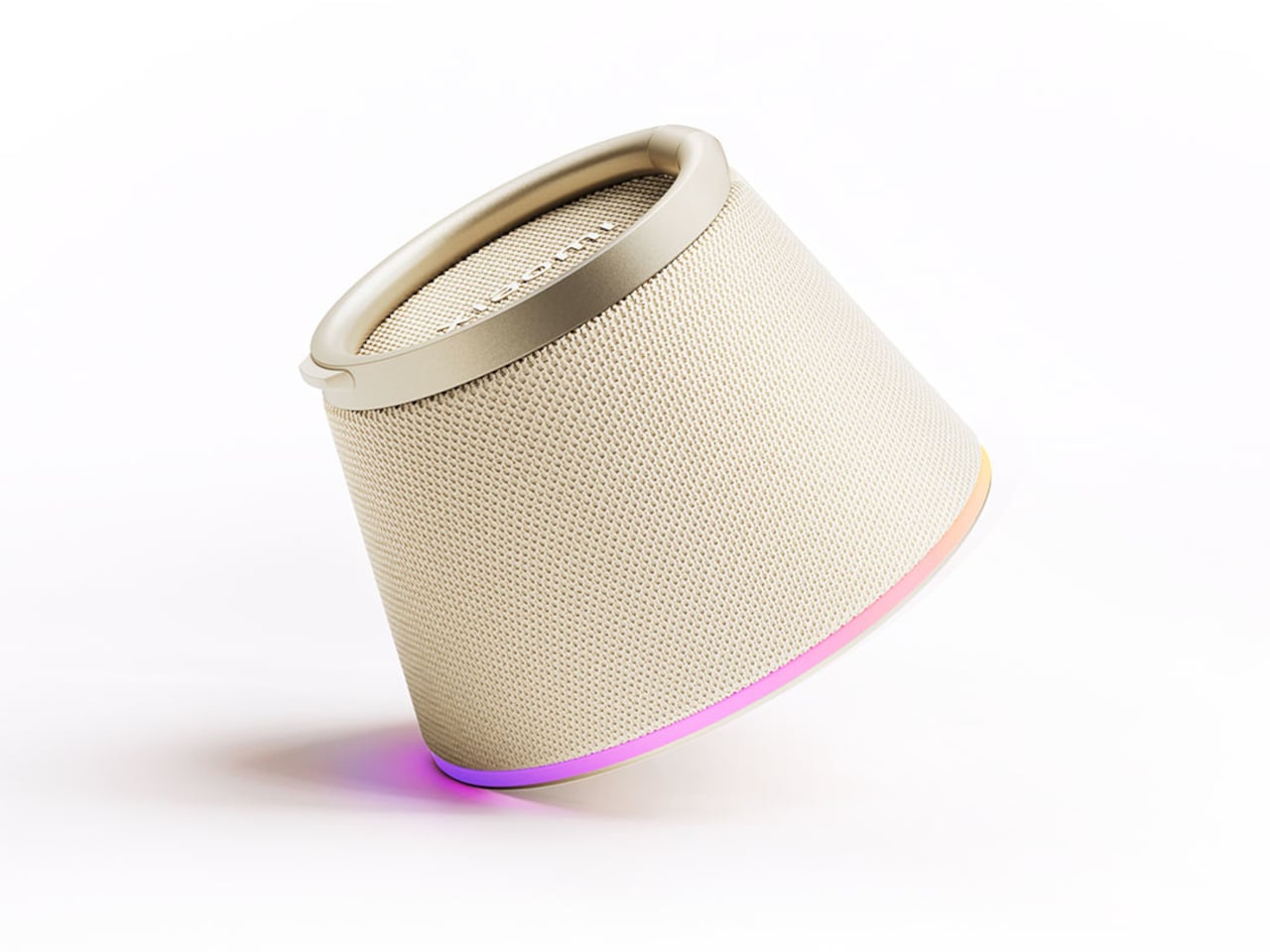
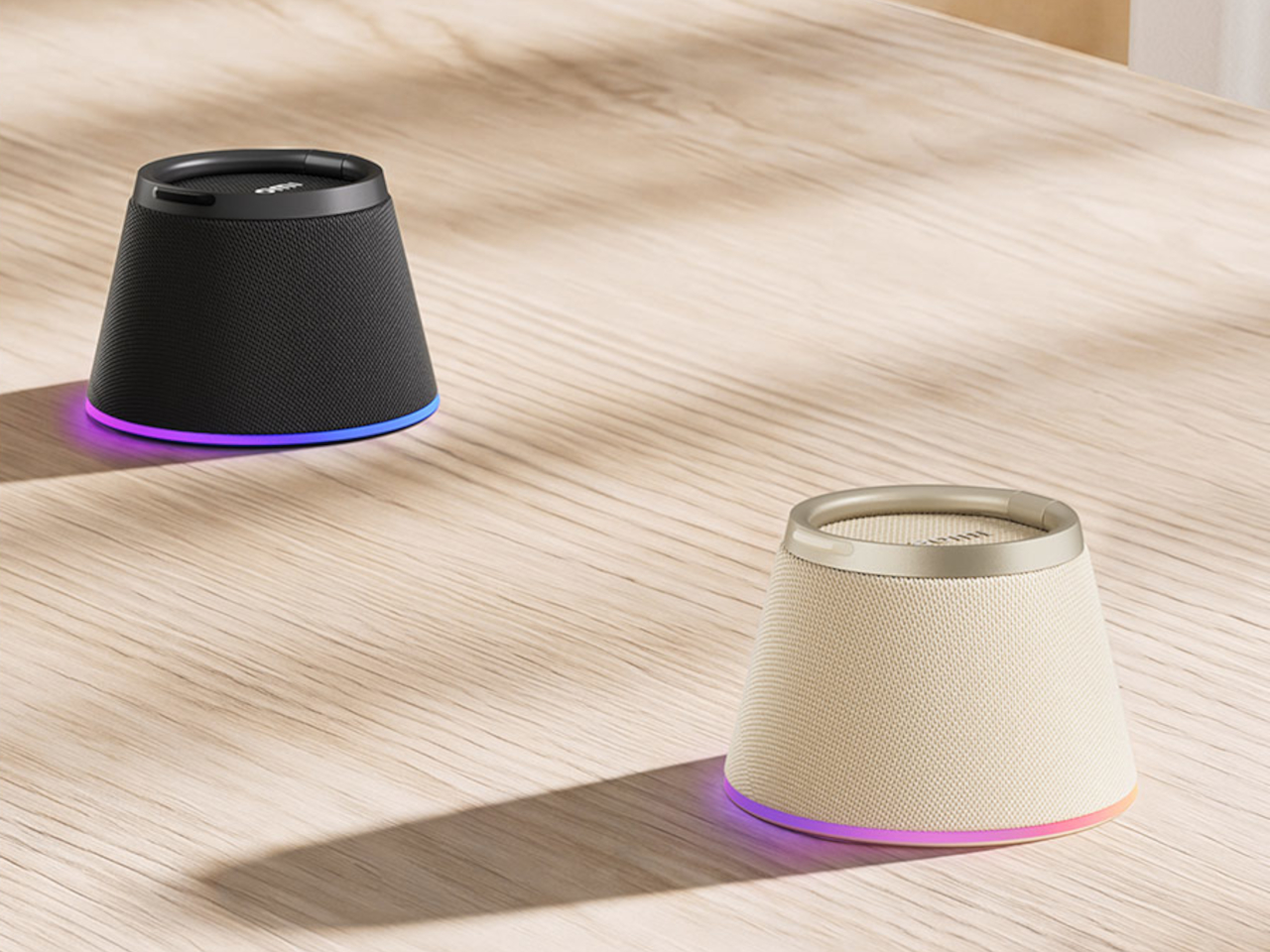
RGB lighting rings the base of the speaker and syncs its colors to the audio playing, adding some visual presence in lower light and keeping the device from reading as purely utilitarian when it’s sitting on a desk as a stand. The 650mAh battery powers the speaker independently from the phone’s own charge. Bluetooth 6.0 handles the wireless connection with AAC and SBC codec support, and the pairing typically carries over automatically each time the speaker is magnetically attached.

Two color options are available, with dark gray confirmed. Priced at 132 yuan during the Xiaomi Youpin launch period, with a suggested retail price of 199 yuan, roughly $29 or €25, it sits in a price range where the two-in-one premise doesn’t need to be flawless to be worth trying. That’s a meaningful advantage for an accessory built around a function that most people are currently meeting with improvised solutions anyway.

Most desk setups already include an accidental phone prop. A charging pad, a book corner, a keyboard edge, something doing the job that wasn’t designed for it. The Xiaomi speaker makes the argument that the prop might as well be a speaker too, and that at this size and price, consolidating both into one small object costs nothing in practicality and improves the experience every time you sit down to watch something, take a call, or simply want your hands back.

The post Xiaomi Built a $29 Speaker That Snaps to Your Phone and Stands It Up first appeared on Yanko Design.