The Samsung Galaxy Z Roll is a bold step forward in mobile technology, combining innovative features with practical applications to enhance everyday life. With its rollable display, integrated health monitoring sensors, air quality tracking, and holographic display, this device is designed to push the boundaries of what a smartphone can achieve. By merging futuristic innovation […]
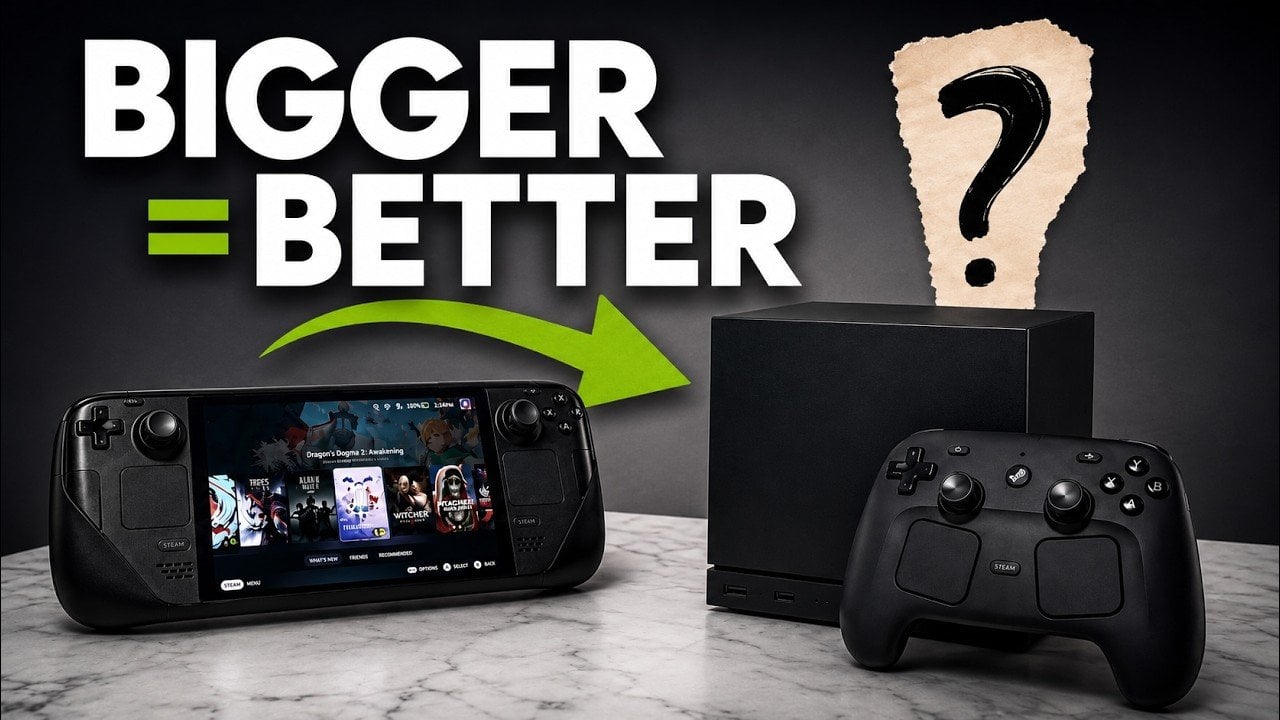
Valve’s Steam Deck and Steam Machine represent two different approaches to gaming, each with its own strengths. In a recent breakdown by PlayFever, Steam Deck games were tested on the Steam Machine to evaluate performance differences. For instance, graphically intensive titles like Star Wars Jedi: Fallen Order demonstrated the Steam Machine’s capacity for higher visual […]
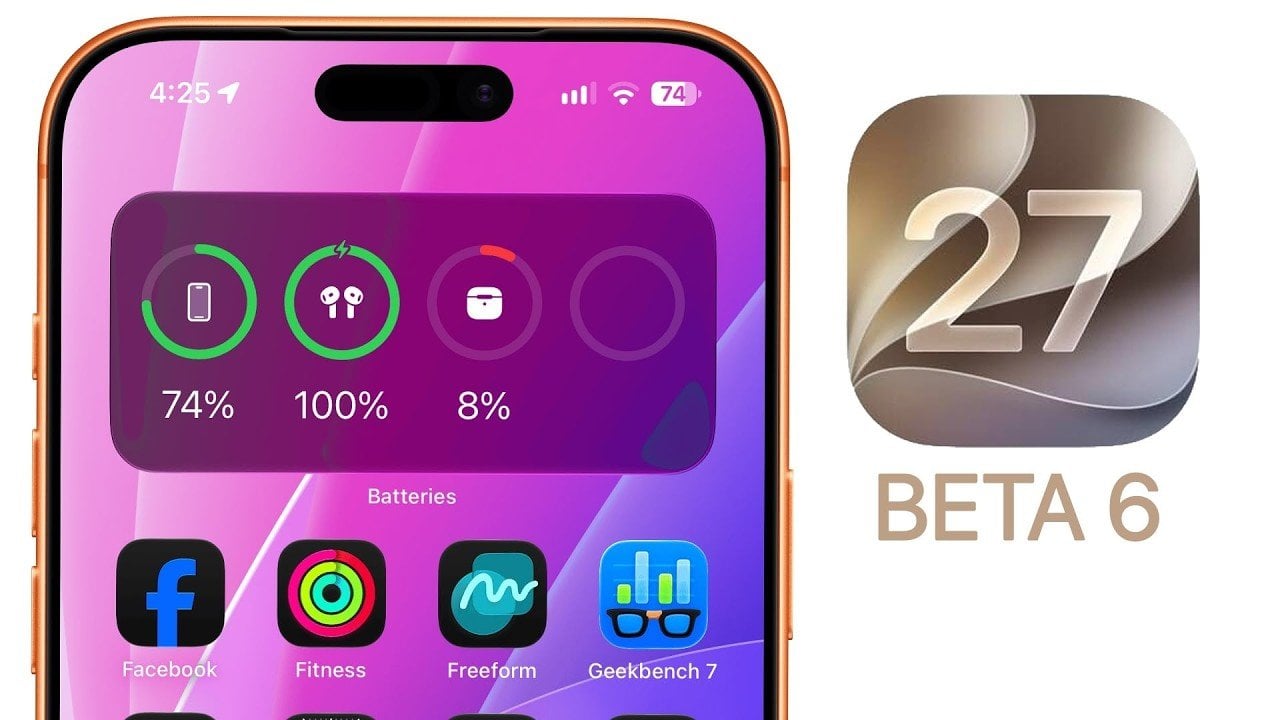
Apple has rolled out iOS 27 Beta 6 for developers, marking a significant milestone in the development of its latest operating system. With a download size of 2.2 GB, this update focuses on refining the user experience through targeted bug fixes, performance improvements, and subtle design tweaks. As the public beta looms on the horizon, […]
Apple has officially rolled out iOS 26.6.1, iPadOS 26.6.1, and iOS 18.7.10, alongside updates for macOS (26.6.2) and VisionOS (26.6.1). These updates are primarily focused on critical security enhancements and bug fixes, addressing vulnerabilities that could compromise your devices. While they do not introduce major new features, they are essential for maintaining the security, stability, […]
The Samsung Galaxy Z Fold 8 represents a significant step forward in foldable smartphone technology. Combining a sleek, premium design with robust performance and advanced multitasking capabilities, it caters to users who value both functionality and style. Whether you’re a professional seeking productivity tools or a media enthusiast looking for immersive experiences, this device is […]
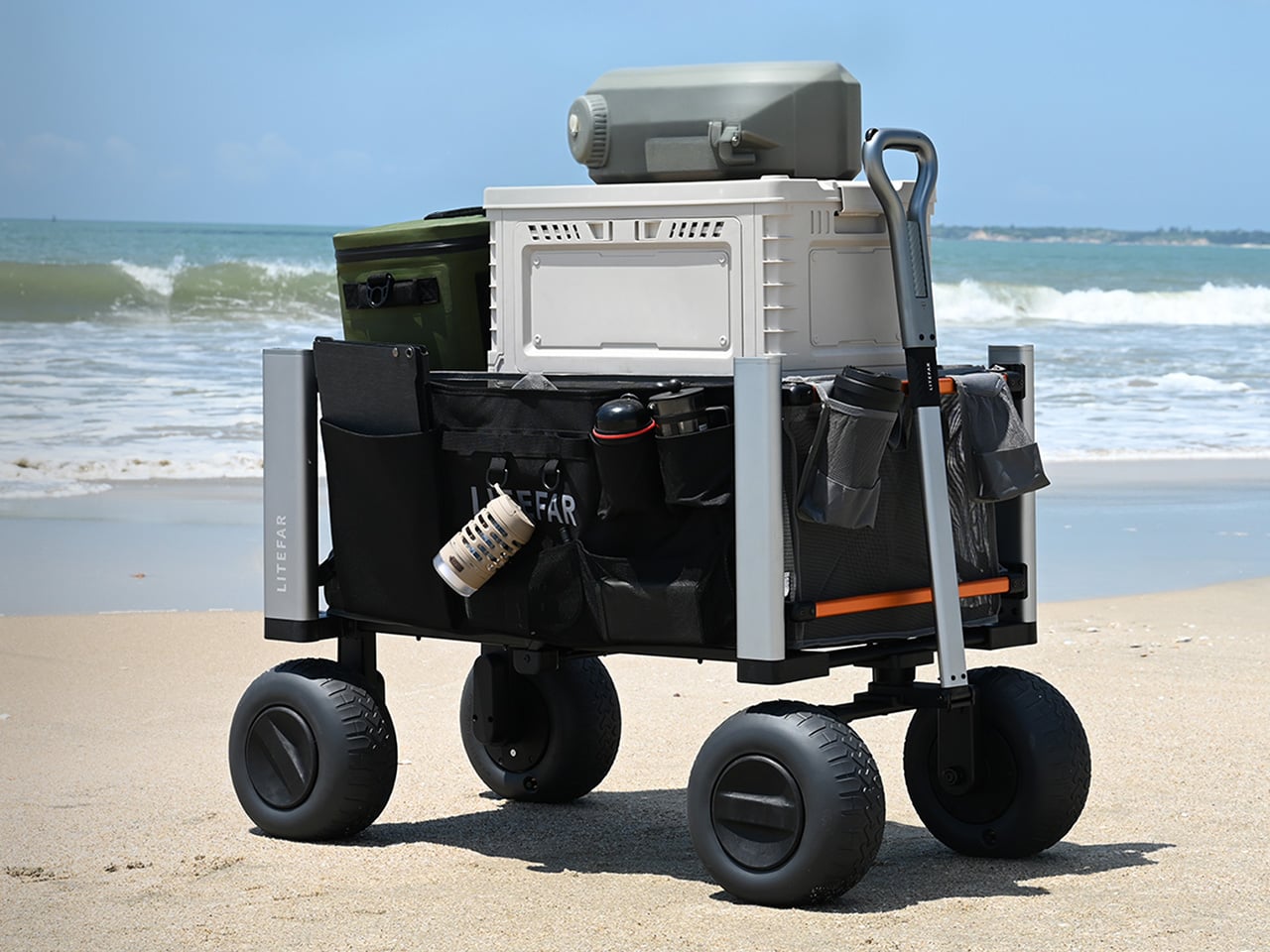
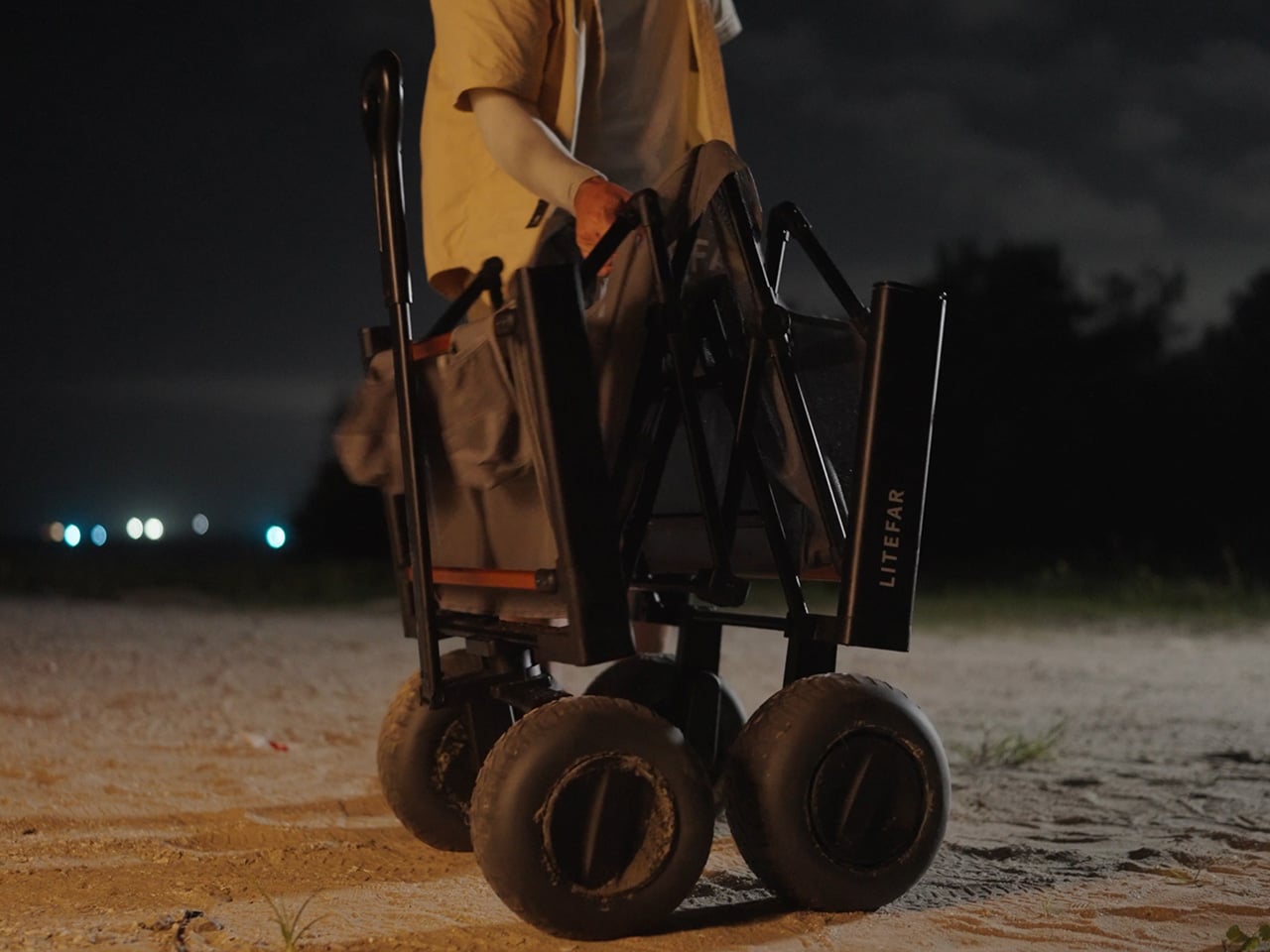
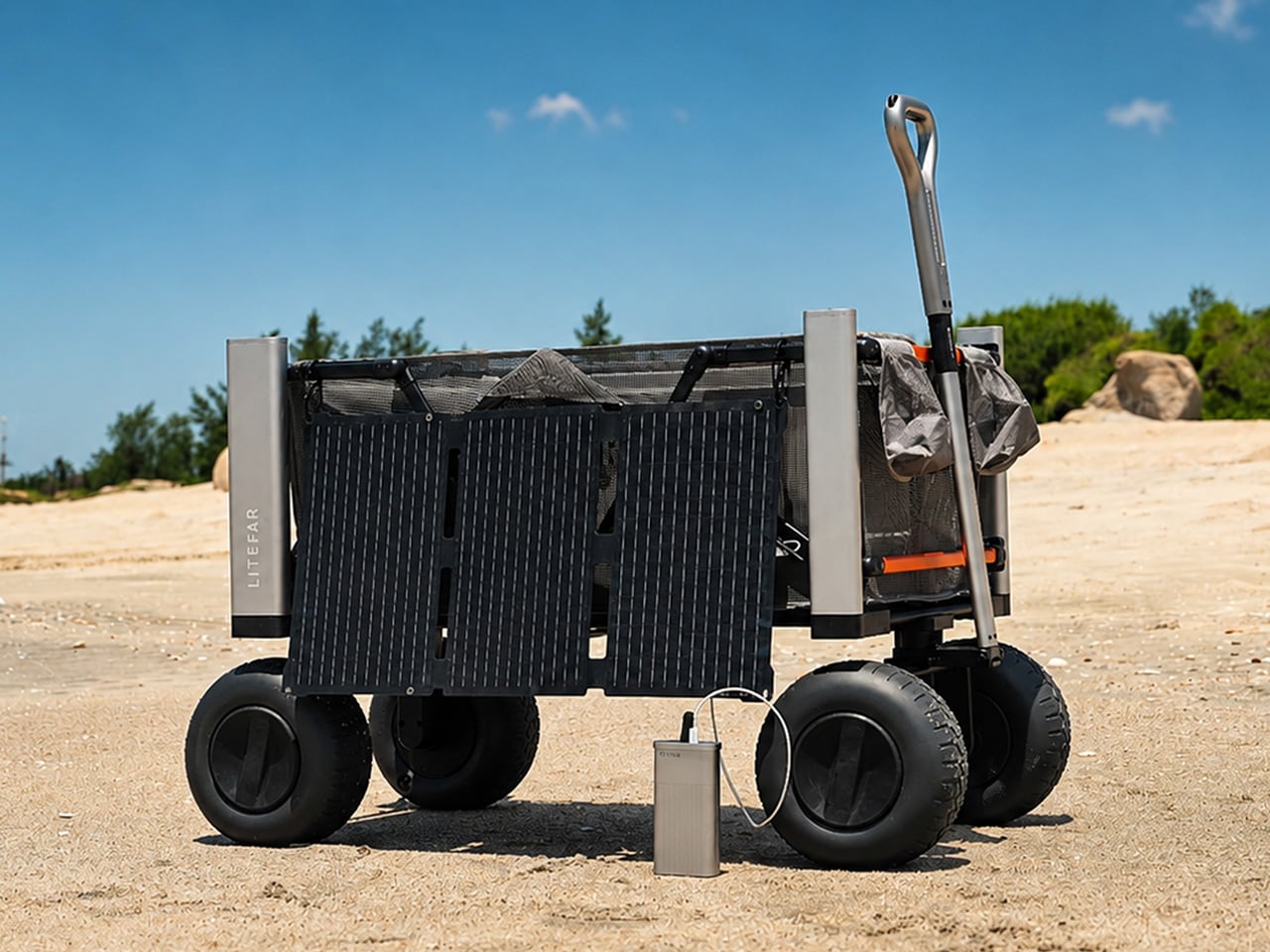
The walk from the car to the shoreline is, depending on your beach setup, a mild inconvenience or an actual workout. You’ve got the cooler, the chairs, the umbrella, the bags, the kids, more bags, a fishing rod you almost forgot, and at least one child who stopped walking because they spotted a crab. Standard wagons help, up until the pavement runs out and soft sand begins, at which point the wagon becomes dead weight with wheels. The sand wins every time. LITEFAR’s B1 Beach Edition is a direct answer to that exact moment, a foldable electric wagon built specifically for the terrain where ordinary carts tap out.
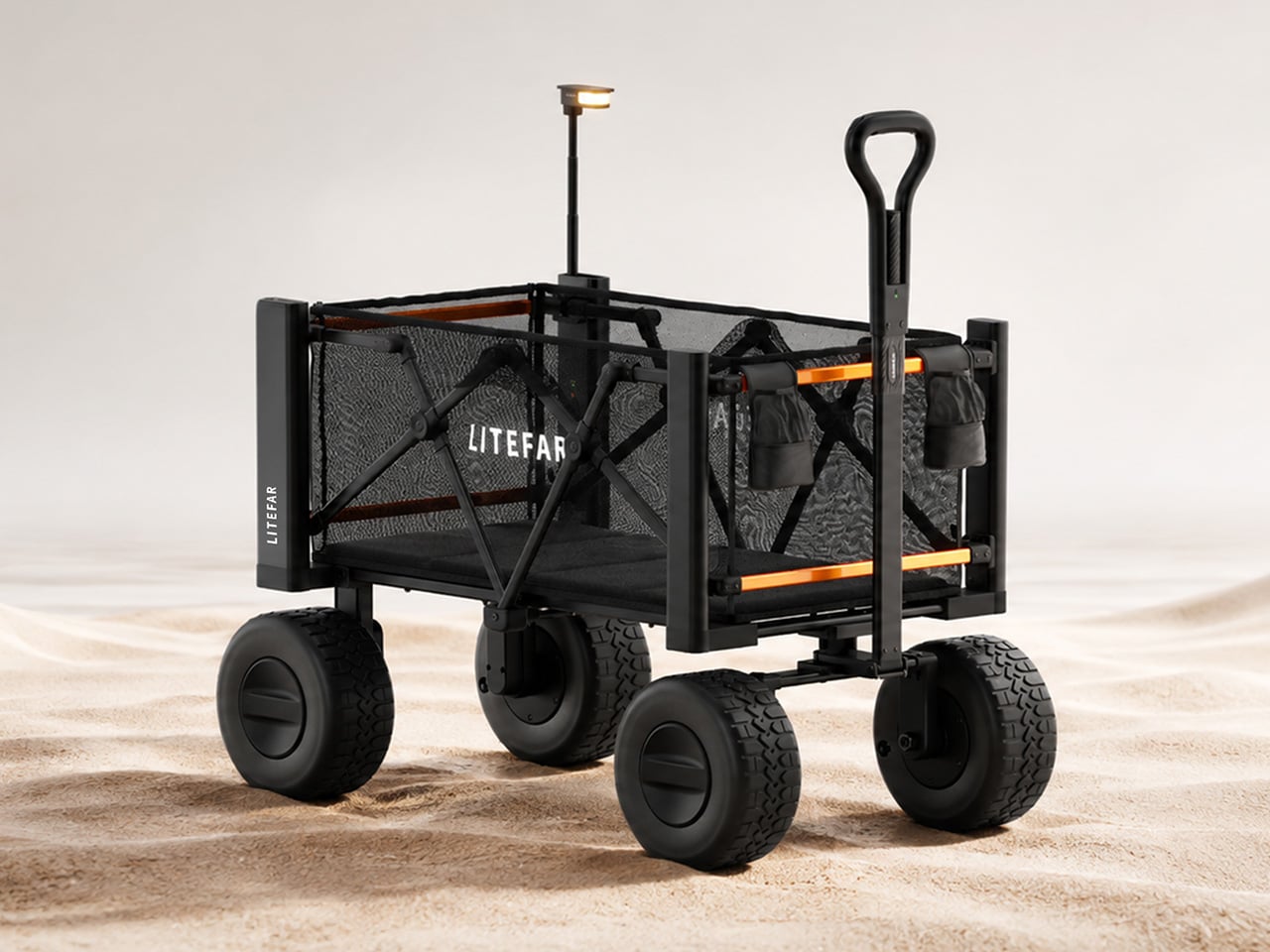
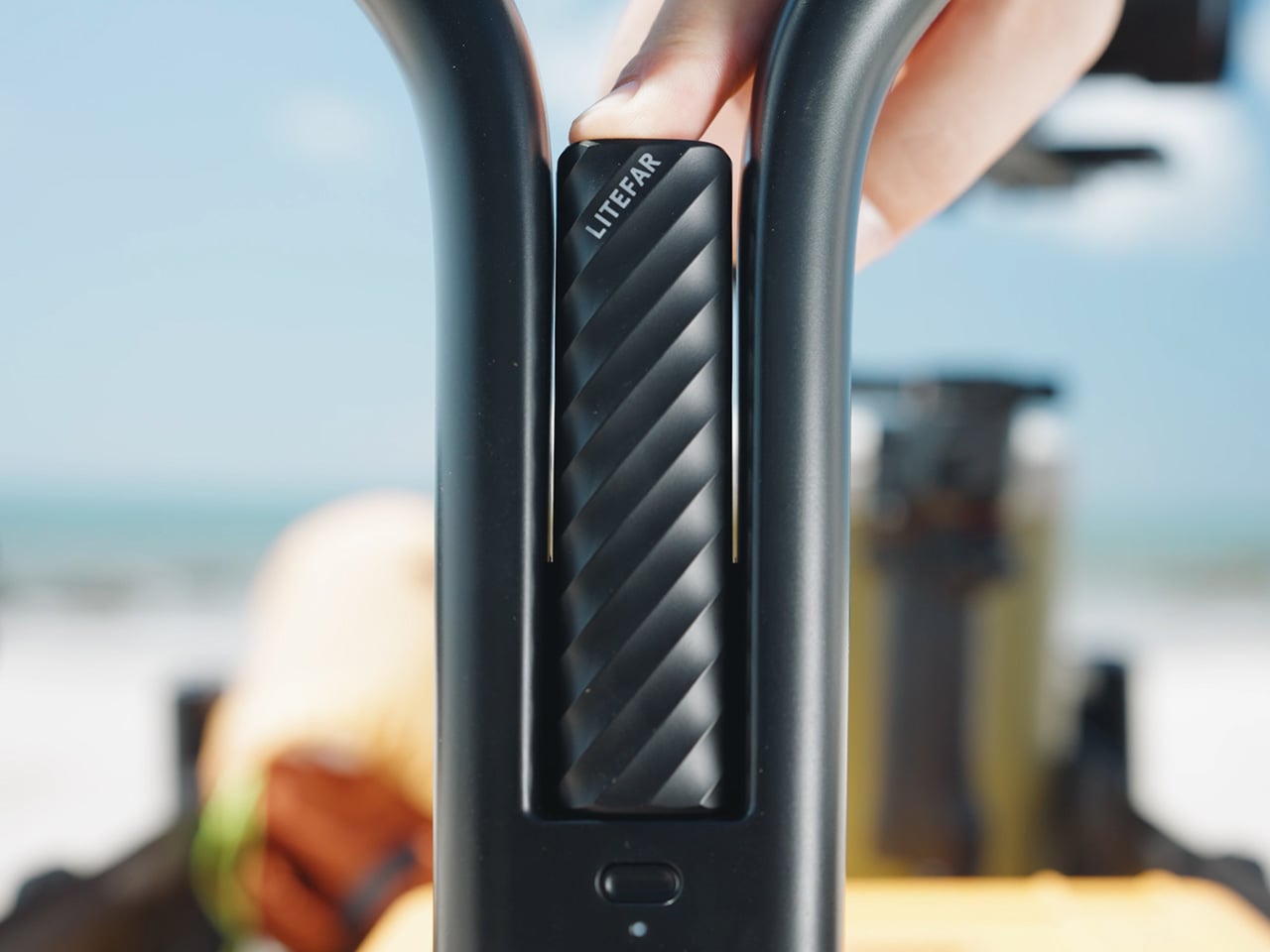
LITEFAR has been building smart electric wagons for a few years now, starting with the remote-controlled Orion and the handle-assisted H1, and the B1 is the most beach-specific product the brand has made. Dual 600W brushless hub motors sit inside the rear wheels, wide 10-inch low-pressure balloon tires keep the load from sinking into soft sand, and the cargo bed handles up to 220 lbs across 150 liters of space. The removable 24,000mAh A24 battery powers the drive system and doubles as a 100W USB-C power bank for phones, cameras, and laptops. A modular accessory system, a telescopic light, three control modes, and a swappable wheel system for off-beach terrain round out the package. It starts at $599, with global shipping expected between October and November 2026.
The design intelligence starts with weight distribution, not wattage. Narrow wheels concentrate load into a small contact patch, sand gives way, and traction disappears. B1’s 10-inch low-pressure balloon tires spread the load across a wider footprint, keeping the wagon on top rather than cutting through. The dual 600W brushless hub motors are mounted directly inside the rear wheels, with no exposed drivetrain or chain for sand to clog, and push forward with up to 36 N·m of torque once the tires have already won the flotation battle. It’s a tidy design sequence: solve the physics problem first, then add power.
B1 runs on three control modes. The smart handle responds to your movement and applies motor assist as you walk, preserving the feel of guiding a wagon while removing most of the effort. Cruise control lets you set a steady speed and keep moving without constant pulling, useful for longer beach walks with a full load. The LITEFAR app handles settings, battery status, and OTA firmware updates remotely. Cruise control is the sleeper feature here, the kind of thing that sounds minor until you’ve dragged 150 lbs of gear across 400 feet of loose sand and your arms give up before the water is even visible.
An optional remote controller takes things one step further, and on a wide-open beach with few obstacles, it is genuinely a little ridiculous how easy the whole operation becomes. Send the loaded wagon ahead of you, guide it alongside while you carry the board, or just let it roll while you keep both hands free for literally anything else. There is no wrestling with the handle, no leaning forward into the weight, just a loaded cart moving across soft sand while you walk next to it unbothered. Adults will appreciate the practicality of it pretty quickly. Kids will see it and immediately want a turn, which is either a bonus or a problem depending on how protective you are about your cargo.
The 6063 aluminum frame folds flat into pickups and larger SUVs without needing a trailer or roof rack. Unfolded, it delivers 150 liters of cargo volume and a dynamic load capacity of 220 lbs, with a static capacity of 440 lbs as a stationary platform. Teslin mesh fabric lines the bed, tough and easy to rinse down after a day in the sand. The rear section opens outward for longer items that don’t fit in a conventional cargo area, folded canopies, fishing rods, mats, and oversized gear. At 53 lbs and 40 by 24 by 21 inches folded, it’s real-world manageable.
Once B1 arrives at the shoreline, it transitions from hauler to base camp. The modular accessory system supports a tabletop for food and drinks, rod holders for surf fishing, a portable folding seat, umbrella support, and additional storage add-ons. Depending on who you are and what you brought, this becomes either a family beach station, a camera gear organizer, a fishing platform, or a powered outdoor workspace. Most motorized wagons stop being useful the moment they stop moving. This one keeps working after the walk is done, which is the design detail that genuinely sticks with me.
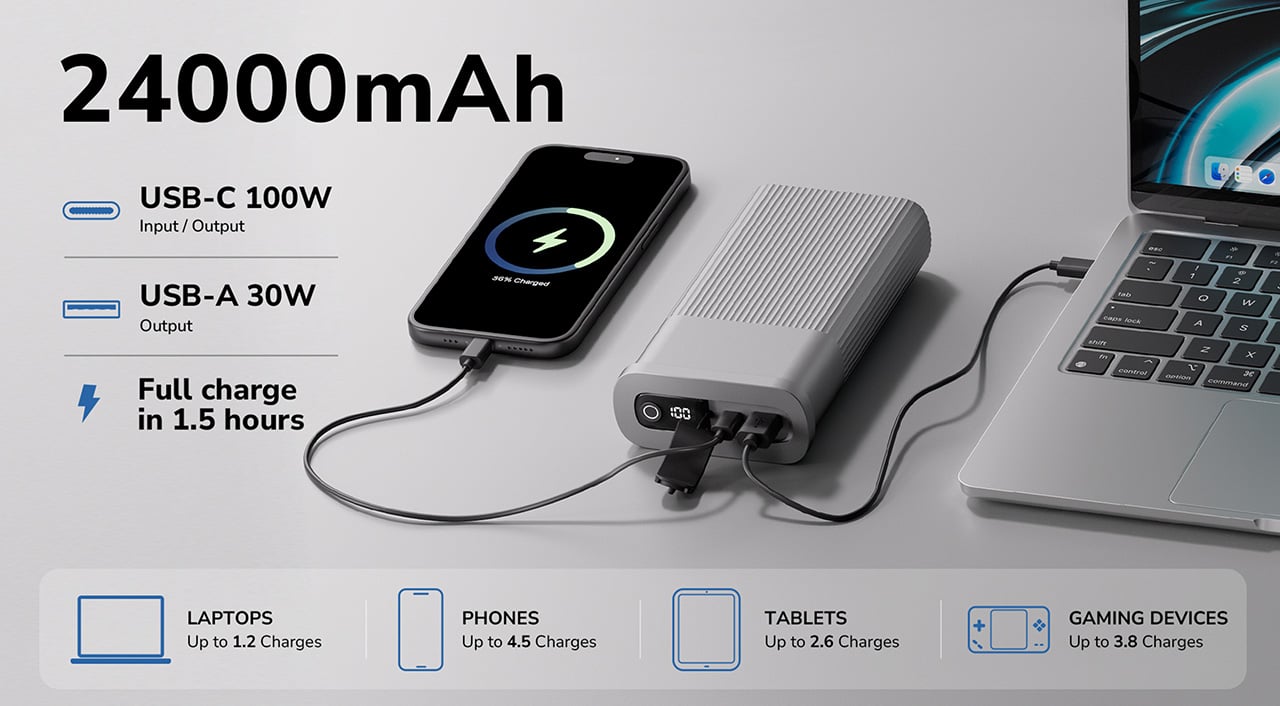
The 24,000mAh A24 battery is removable and does double duty. Pull it from the wagon at the beach and it functions as a standalone power bank, with a 100W USB-C input/output port and 30W USB-A output covering phones, laptops, cameras, and drone controllers. It fully recharges in 1.5 hours and is swappable in seconds if you bring a spare. An optional 50W solar panel adds off-grid flexibility for camping and fishing trips. B1 also includes a telescopic light that rises above the wagon frame, useful for sunset fishing setups and the walk back when the beach day runs longer than expected.
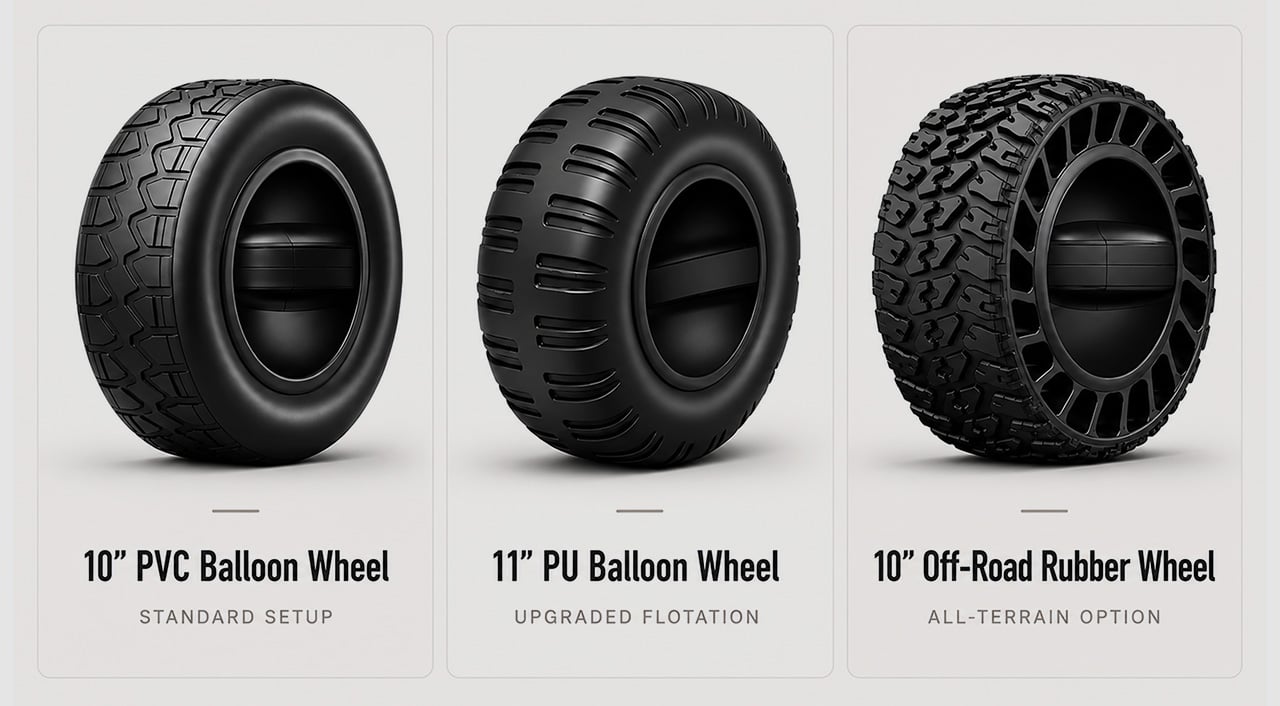
The standard 10-inch PVC balloon tires cover soft sand, but the wheel system is removable and upgradeable. Optional 11.5-inch PU balloon tires offer more cushioned flotation for heavy beach days, while 10-inch airless honeycomb rubber tires handle off-road trails, gravel, and campsites where puncture resistance matters more than flotation. All three share the same hub interface for fast, tool-free swaps, making B1 genuinely multi-season rather than a summer-only commitment. The LITEFAR B1 Beach Edition starts at $599 against an MSRP of $999, with wheel upgrades, the optional 50W solar panel, and modular accessories available separately. A non-motored version is available for $299 too. Global shipping is scheduled for November 2026.
For most of its existence, LEGO acted like anime didn’t exist. Star Wars, sure. Marvel, absolutely. Batman, SpongeBob, even the Titanic, all fair game. But anime sat in a weird blind spot for decades, despite fans on LEGO Ideas practically begging for a shot at Naruto, Totoro, or literally anything with a Kamehameha wave in it. Then One Piece happened in 2025, technically through Netflix’s live action version rather than the actual anime, and the door creaked open just enough for people to start hoping.
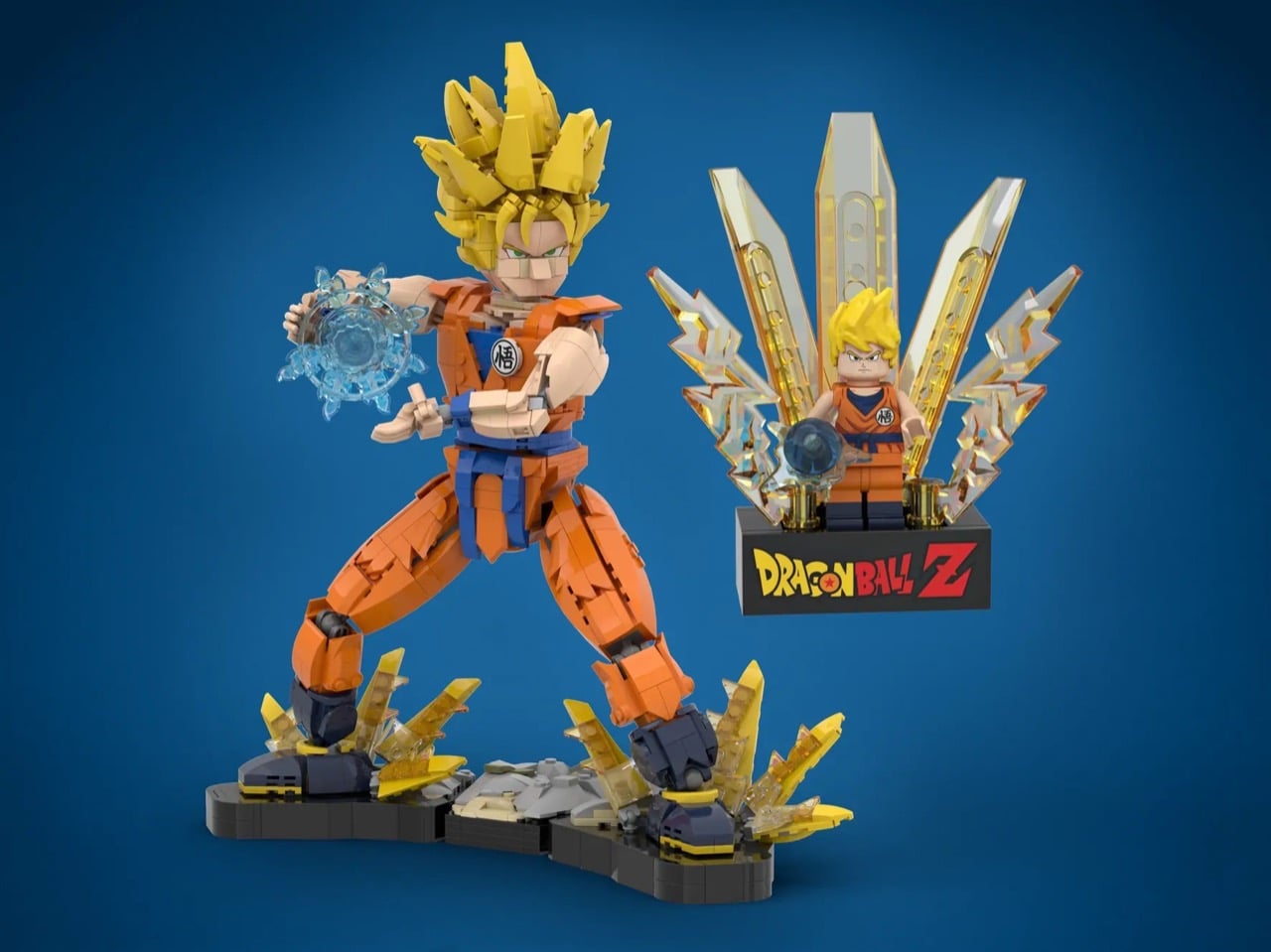
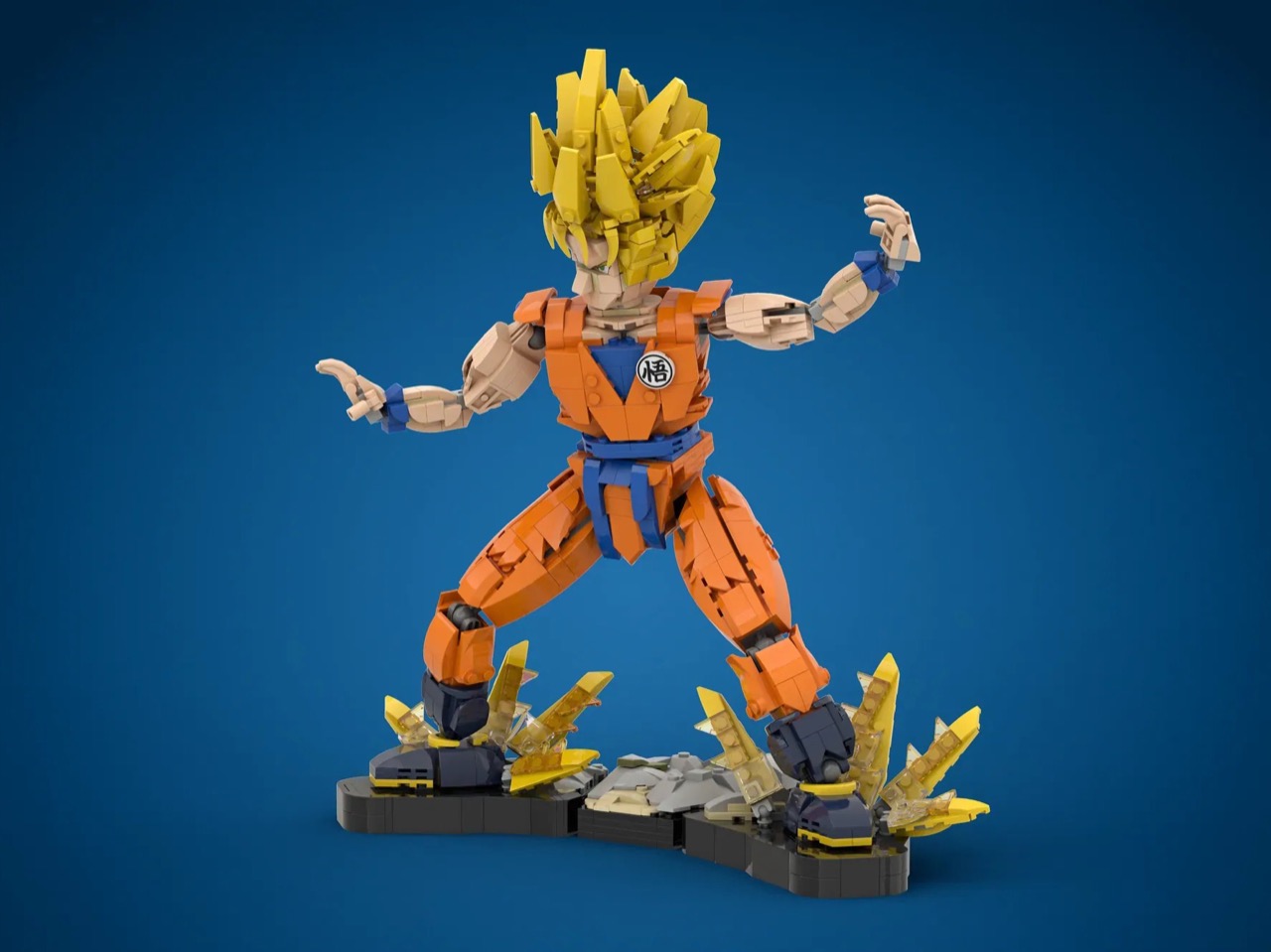
Enter tulodici, a LEGO Ideas builder who decided to test exactly how far that door swings with a full brick-built Super Saiyan Goku. It is dramatic, it is articulated within an inch of its life, and it uses a hair building trick borrowed from LEGO’s botanical sets, which is the kind of crossover I did not know I needed. Whether Bandai and Toei ever let this happen is a different question. But the build itself deserves the spotlight regardless.
Designer: tulodici
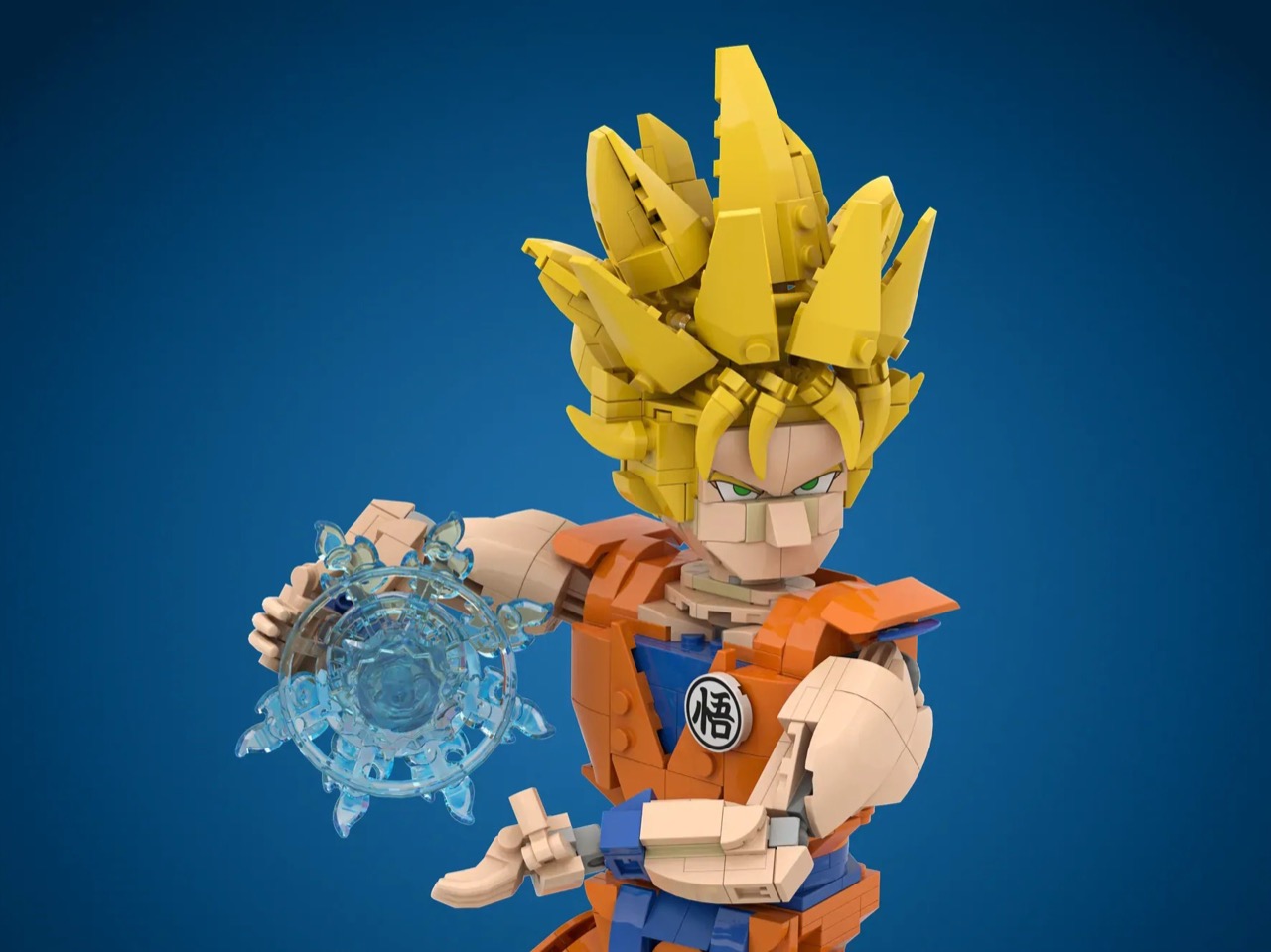
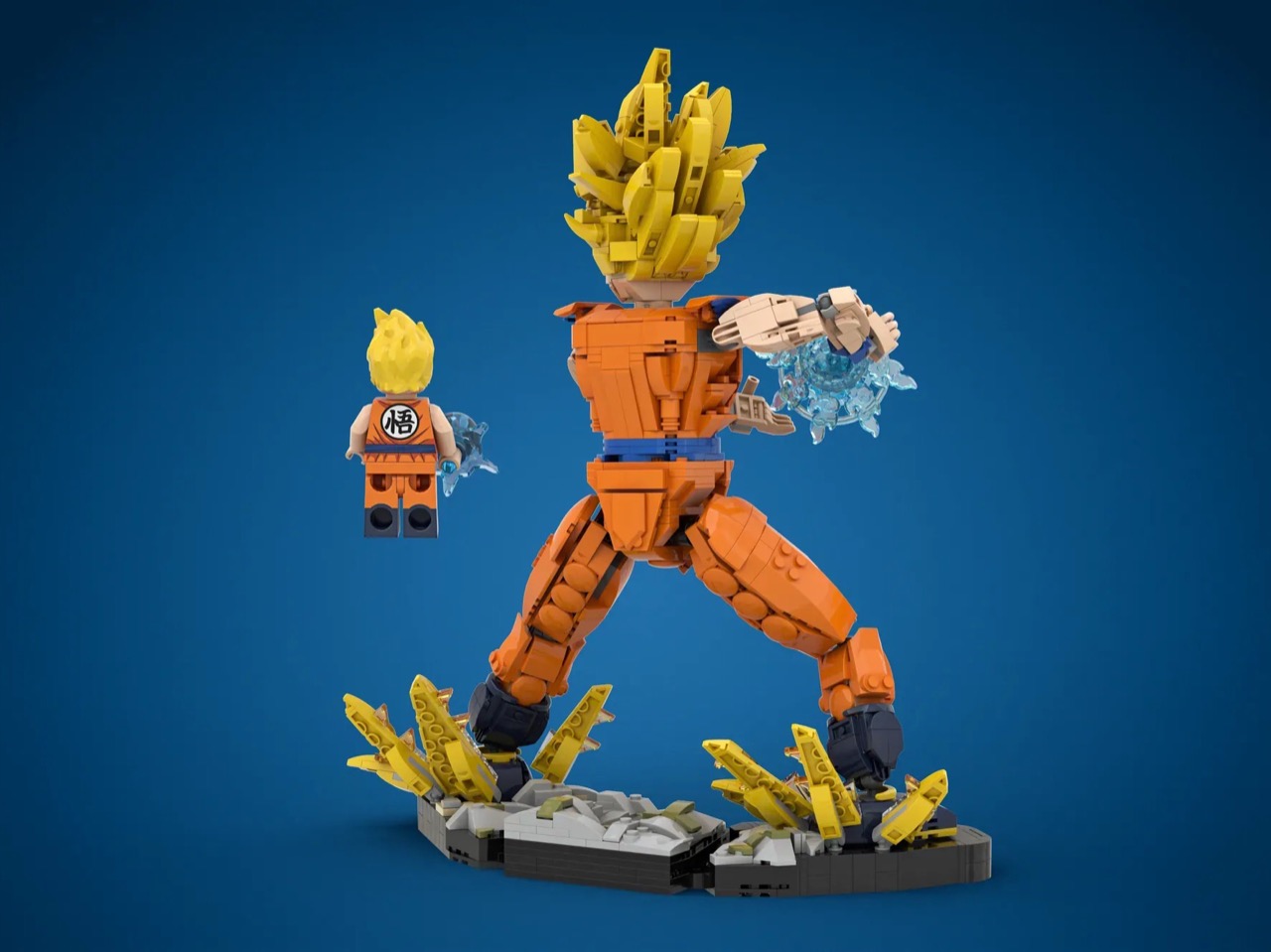
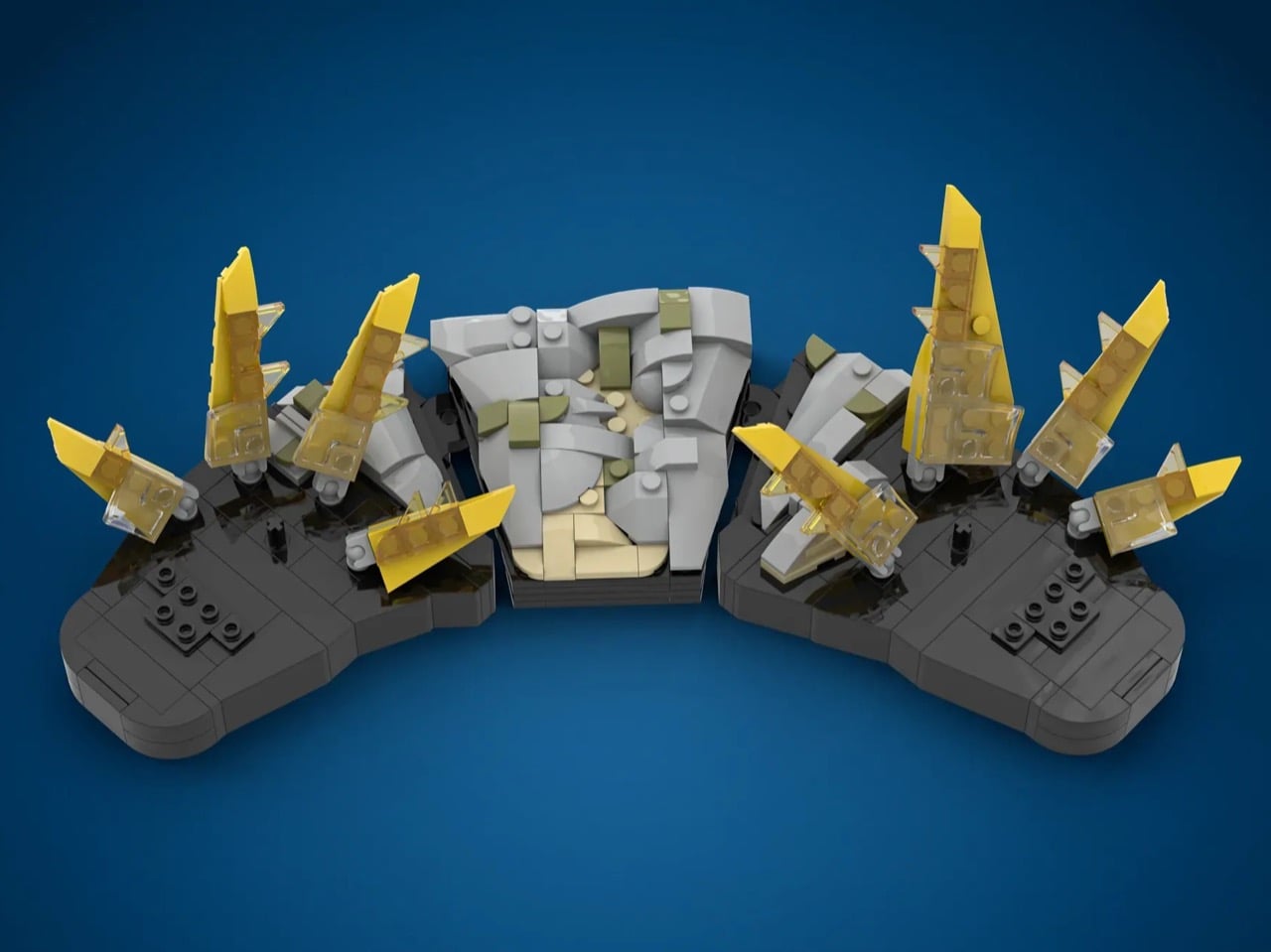
The build recreates Goku’s Namek transformation scene, mid Kamehameha charge, standing on a cracked chunk of alien terrain with translucent yellow aura shards erupting around his feet. It runs 1,064 pieces, and tulodici notes almost everything used is already in production, only eight colors would need to be newly molded, which is a genuinely reasonable ask by LEGO Ideas standards. The whole figure is built on ball and turntable joints, so it holds a proper dynamic fighting stance rather than the stiff, glued-in-place look a lot of big display figures fall into.
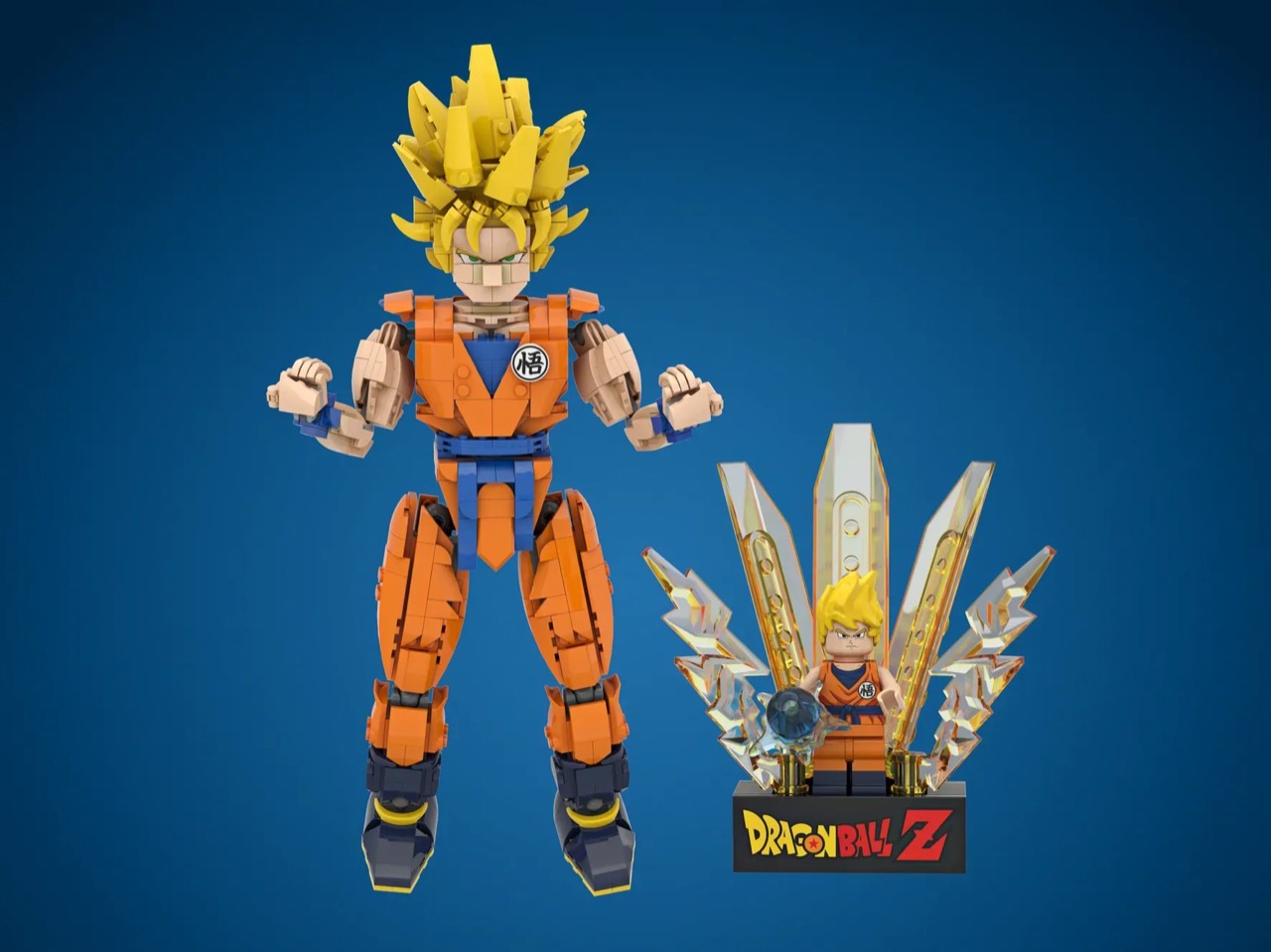
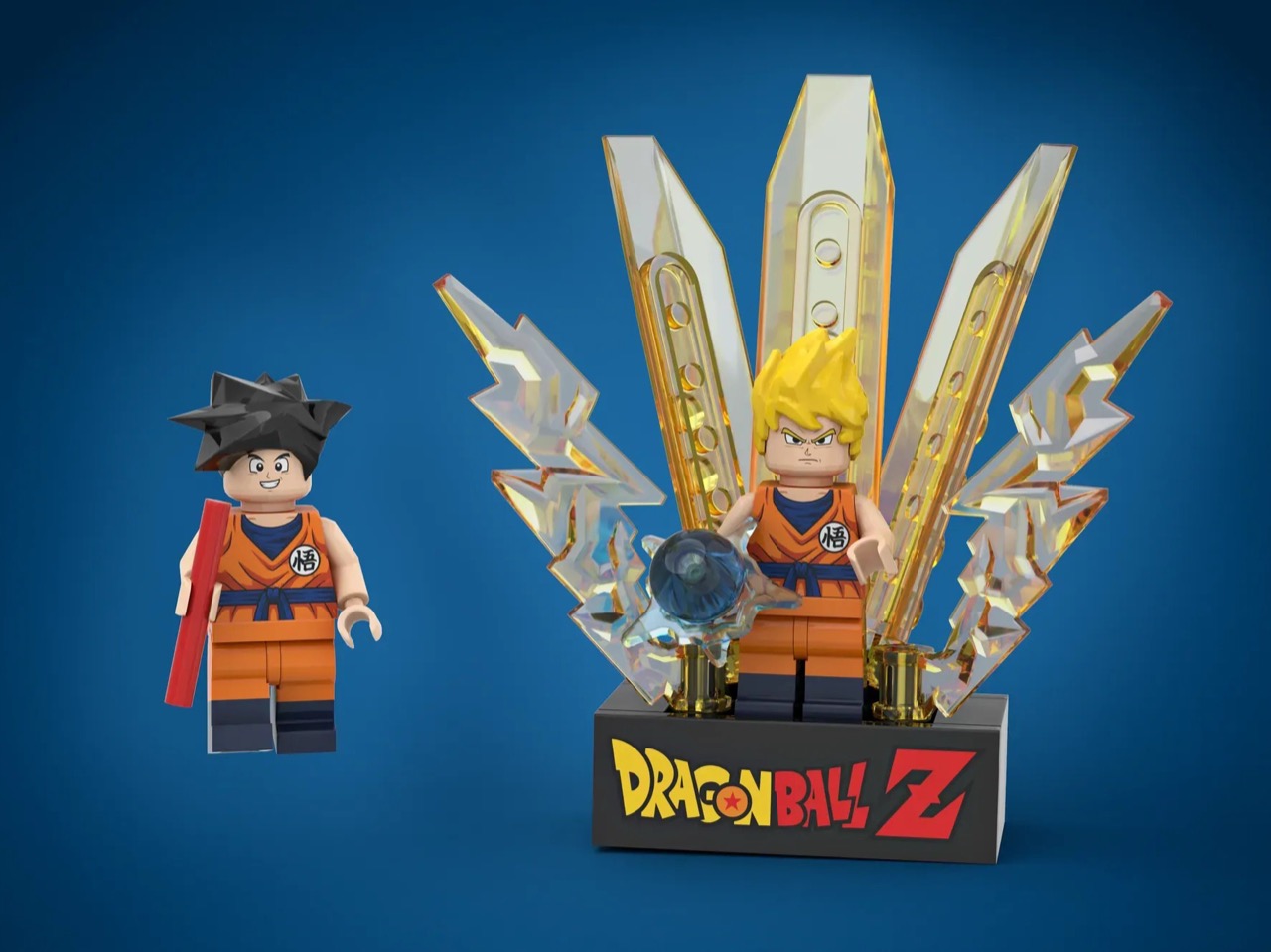
My favorite detail, though, is the hair. Anime hair is notoriously the hardest thing to replicate in bricks, all sharp angles and gravity defying spikes, and tulodici solved it by clipping yellow wedge pieces onto two stacked steering wheel elements, a technique he pulled from LEGO’s modern botanical plant sets. It is a smart piece of cross pollination, using a flower-building trick to fake spiky hair texture while keeping the whole thing structurally sound underneath. Elsewhere, spoiler pieces form the Turtle School gi’s shoulder pads without restricting arm movement, and mudguard pieces shape the boots. There is even a companion minifigure with a display stand and swappable hair, black for base Goku, yellow for Super Saiyan, so you can flex between forms depending on your mood that day.
As tulodici puts it, “turning this set into reality is going to take OVER 9000 supporters,” which, yes, is the joke you think it is, and I respect the commitment to the bit.
The bigger question is whether LEGO would ever greenlight this even with the votes. Dragon Ball’s license sits with Bandai and Toei, a much tougher door than the Netflix deal that got One Piece through. For context, Naruto’s Ichiraku Ramen build cleared 10,000 supporters and got pushed to LEGO’s Parking Lot stage this year, while two Avatar: The Last Airbender projects hit the same milestone and got rejected outright. So the votes matter, but they are not the whole battle.
Right now this Goku sits at 917 supporters with 405 days left to hit the first 1,000 milestone. If you want to see Namek rendered in ABS plastic, head over to the LEGO Ideas page and give it your vote.