Beautiful minimalist Apple accessories inspired by architecture and art

The accessory market for phones and computers is a wide and varied one, with designs that are all over the place and cover almost the entire range of the spectrum. Some try to offer everything, almost including the kitchen sink, resulting in a cornucopia of features and attachments, while others aim for the bare basics to keep things simple yet elegant. Minimalism continues to dominate the design world, and it has also started to grip the tech industry, particularly when it comes to gadgets and accessories. Minimalist design, though sometimes plain-looking, doesn’t exactly mean “boring,” especially when they take inspiration from some of mankind’s creative achievements to give these products an interesting visual and functional spin.

Belkin BoostCharge Pro 3-in-1 Wireless Charging Stand

Some say good things come in threes, and iPhone owners tend to own an Apple Watch and AirPods to complete a functional set. Keeping all three charged has become somewhat of a logistics problem, though thankfully it’s less of a mess now that none of them require charging cables all the time. Apple’s MagSafe technology has opened up a new world of designs, free from the tangles of wires, and it has given birth to a variety of charging docks and stations, including some pretty minimalist ones.

Designer: Belkin

The Belkin BoostCharge Pro really takes minimalism almost to an extreme, being nothing more than a metal post that branches in two, standing on a plain round disc. While there are quite a number of 3-in-1 MagSafe chargers that support a similar combination, Belkin’s design emphasizes keeping a tidy appearance, whether there are devices charging on it or not. The base holds the AirPods case, keeping your desk or shelf clean, while both the iPhone and Apple Watch are held up high for easier visibility.

The charger’s clean and minimalist appearance takes its cue from modern architecture, with well-defined lines and shapes and a simple yet functional design. It distills the whole structure down to its essentials, providing support and a place for your gadgets to call home, without overpowering Apple’s already elegant and stylish aesthetic.

MagSafe Origami Grip Stand

The ancient Japanese art of paper folding has inspired many designs across history, from simple children’s toys to mind-blowing structures even to complex robots. The main pull of origami has always been its ability to change shape from a flat sheet of material like paper to something three-dimensional any moving parts or without removing or adding any part at all. Because of that, something that takes up space can be made to collapse down to almost nothing, like this grip and stand that adds almost no thickness to your iPhone.

Designer: Marcy Arimoto

Click Here to Buy Now: MagSafe Origami Grip Stand ($45)

Thanks to its creative origami-inspired design, the MagSafe attachment transforms from a flat pad into a triangular shape that can do more than just prop up your phone on a table. It gives your fingers something stable to latch onto, making it perfect for taking selfies with confidence. It can even stick to metal posts, walls, and surfaces thanks to that strong magnetic power.

The best thing about its design is that it doesn’t get in the way when you don’t need it. It simply collapses back down to a flat shape that’s no thicker than the iPhone’s own camera bump. Nothing to snag when you slip it into your pocket and nothing to make it wiggle when placed on a table. It’s beautiful, functional, and as simple as it needs to be, nothing more.

Twelve South BookArc Flex Vertical MacBook Stand

A laptop stand is, more often than not, a horizontal plane meant to hold your laptop while it lies down. Of course, that’s the most common way to use a laptop, but it’s definitely not the only way, especially when you’re using it as a makeshift desktop computer. With the lid always closed and the laptop simply connected to a monitor and other peripherals, having a laptop lying flat or even on a horizontal stand is already a poor use of precious desk space. That’s where a vertical laptop stand comes in hand, and Twelve South just launched what is probably the most minimalist design in that category.

Designer: Twelve South

It might look like two simple metal arcs, but that ultra-minimalist design is what makes the BookArc Flex a work of genius. Designed to hold your closed MacBook vertically, it can save you precious desk space when all you really want to do is connect the MacBook to an external screen and some peripherals while it’s running. It keeps all the mess away without sacrificing any functionality, and you can still easily plug in other USB devices because the MacBook is still within reach.

The design is both simple yet elegant, perfectly complementing Apple’s design language with its bent all-metal rods in matte black, matte white, or premium chrome finishes. It is inspired by modern architecture, particularly the Noisette Creek Pedestrian Bridge in Charleston, South Carolina, in more ways than one. While it does owe its form to that bridge, it also takes a few lessons from a bridge’s structure and use of physics, particularly in how the stand uses the MacBook’s own weight to pull in the arcs and secure the laptop. That means that this simple design is also future-proof, supporting any MacBook or even any laptop that’s only an inch thick, making it a beautiful example of how good, simple design can be universal and timeless as well.

1

The post Beautiful minimalist Apple accessories inspired by architecture and art first appeared on Yanko Design.
Discover the Top Ten Types of Street Art

Street art is a form of visual art that is found in public buildings, streets, bridges, trains, and other spaces, particularly for public visibility and to reach a broader audience. Street art not only forms a powerful tool to convey messages to society but also enhances the beauty of public spaces. Street art is found all around the world and street artists are known to transform the streets with their creativity and imagination. The traditional form of street art included graffiti artists who worked with spray paint. Some of the other media include stencil art, mosaic tiling, LED art, and outdoor sculptures while the recent forms of street art include video projections of large city buildings.

Designer: Anthony Howe

How did street art evolve over the years?

The origin of street art can be found in ancient civilizations where graffiti was used to mark territories, express cultural identities, and served as historic records. The modern street art movement started in the 1960s in cities like New York and Philadelphia and 1970s artists in cities like Paris and London. In the 1980s and 1990s street art evolved, and artists like Jean-Michel Basquiat, Keith Haring, and Banksy rose to prominence. Today street art is touching new heights with the integration of new technology and adapting to the changing socio-political context.

Designer: BREAKFAST

Types of Street Art

Here are the top ten types of street art that one will often come across on urban streets. Each art comes with its distinct characteristics and techniques.

1. Graffiti Artwork

Designer: Banksy (via Banksy Archive)

Graffiti artwork is one of the most iconic forms of street art that has been around for ages. In this form of art images or text is painted on the building using spray paint, large bubble lettering, and decorative scripts to convey messages, evoke emotions and enhance the beauty of public walls. The term “graffiti” refers to inscriptions, figure drawings, and markings that have been found on the walls of ancient sepulchers or ruins just like those in the Catacombs of Rome or at Pompeii. Graffiti formed a part of the hip-hop culture in the 1970s, it is a form of self-expression and rebellion, allowing youth from disadvantaged communities to gain recognition for their creative ideas in public spaces.

2. 3D Wall Graffiti

Designer: Joe Fafard

3D wall graffiti is also known as anamorphic art which can create an optical illusion of objects popping out from the wall and the artwork coming to life. It makes two-dimensional paintings appear like three-dimensional paintings when viewed from a specific angle. This skill is honed through artists by employing perspective, shading, and anamorphic methods through dedicated time and practice as it appeals to both young and old when exhibited in public spaces. Chalk or paint is used to create these incredible pieces of art.

3. Stencil Graffiti

Designer: selfie_stencils

Stencil Graffiti employs stencils to create images on public spaces like walls, and buildings. The artists use pre-cut templates to reproduce the same image multiple times and then use spray paint to make a clear representation of the design. This ensures faster execution and replication and is effective in communicating ideas to a broader audience in multiple locations.

4. Street Poster Art

Street poster art involves the pasting of posters in public spaces like walls, poles, or any other visible surface to stimulate public thought. The posters may display controversial or abstract visuals to give political statements or social messages to bring forth public awareness about their causes.

Note: Wheatpasting art is the technique of applying posters in public using a mixture of wheat flour or natural adhesives to water to create a paste. These posters are weather resistant in comparison to other simple paper posters.

5. Video Projection

Designer: Eye Studio

Also known as projection mapping street art, it combines the use of video projections to project images, animations, or videos on buildings or other urban surfaces to create an immersive visual experience. The biggest difference between street art is that is static and uses paint for the surface, video projection is dynamic, and special software is used to map the content on the surface, including captivating animations and colorful visuals. It is temporary and used for special events and festivals.

6. Guerrilla Art

Designer: S.c. MeRo

Guerrilla art is also known as street intervention, where impromptu and temporary installations are created in public without seeking permission. It blurs the line between art and activism, raises awareness of social issues, urges the public to question their surroundings, and transforms the urban city into an ever-changing canvas for artistic expression. Some of the innovative methods of incorporating this art include wheat pasting, sculptures, and yarn bombing that aims to disrupt the urban environment.

7. Flash Mobbing

Among the various forms of street art, the flash mob is most enjoyable as it usually involves dancing in a public space. A flash mob involves a spontaneous assembly of individuals in a public space where they perform and then disperse swiftly. The main aim of flash mobbing is to deliver entertainment, satire, or artistic expression. They usually perform in crowded places like malls, parks, and public squares to spread a message. Street plays are also a form of art where a large group wears simple costumes and use banners and posters to attract attention.

8. Street Installations

Designer: Donald Lipski

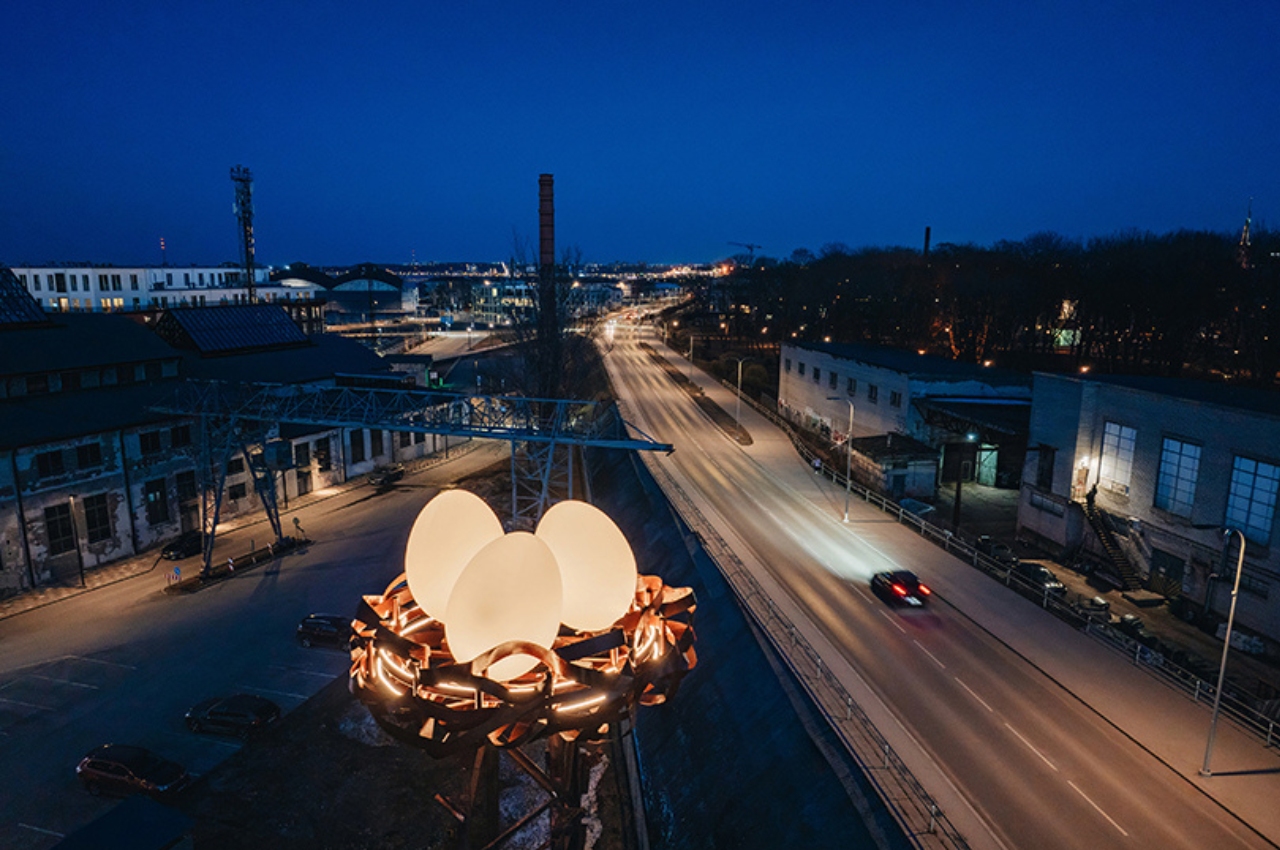
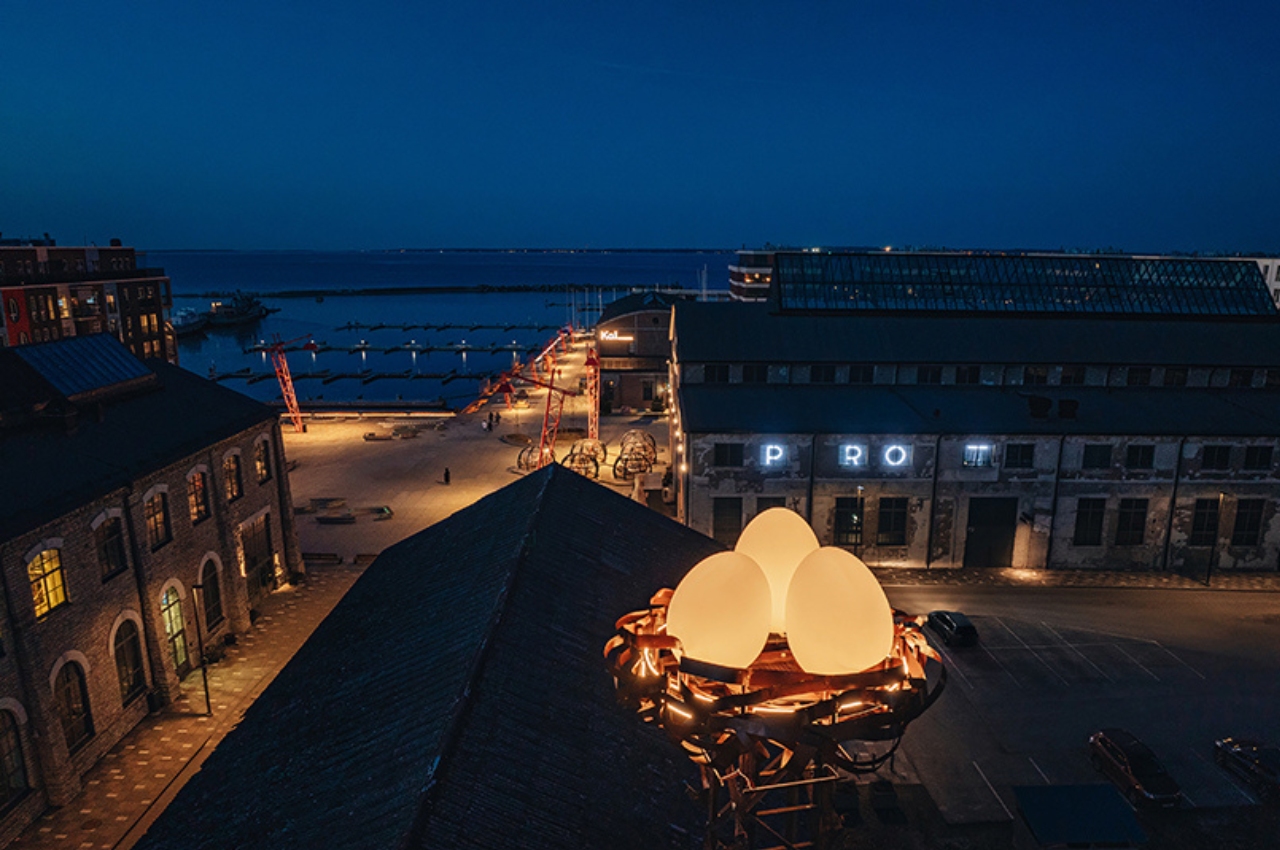
Designer: BREAKFAST

Designer: Etienne Krähenbühl

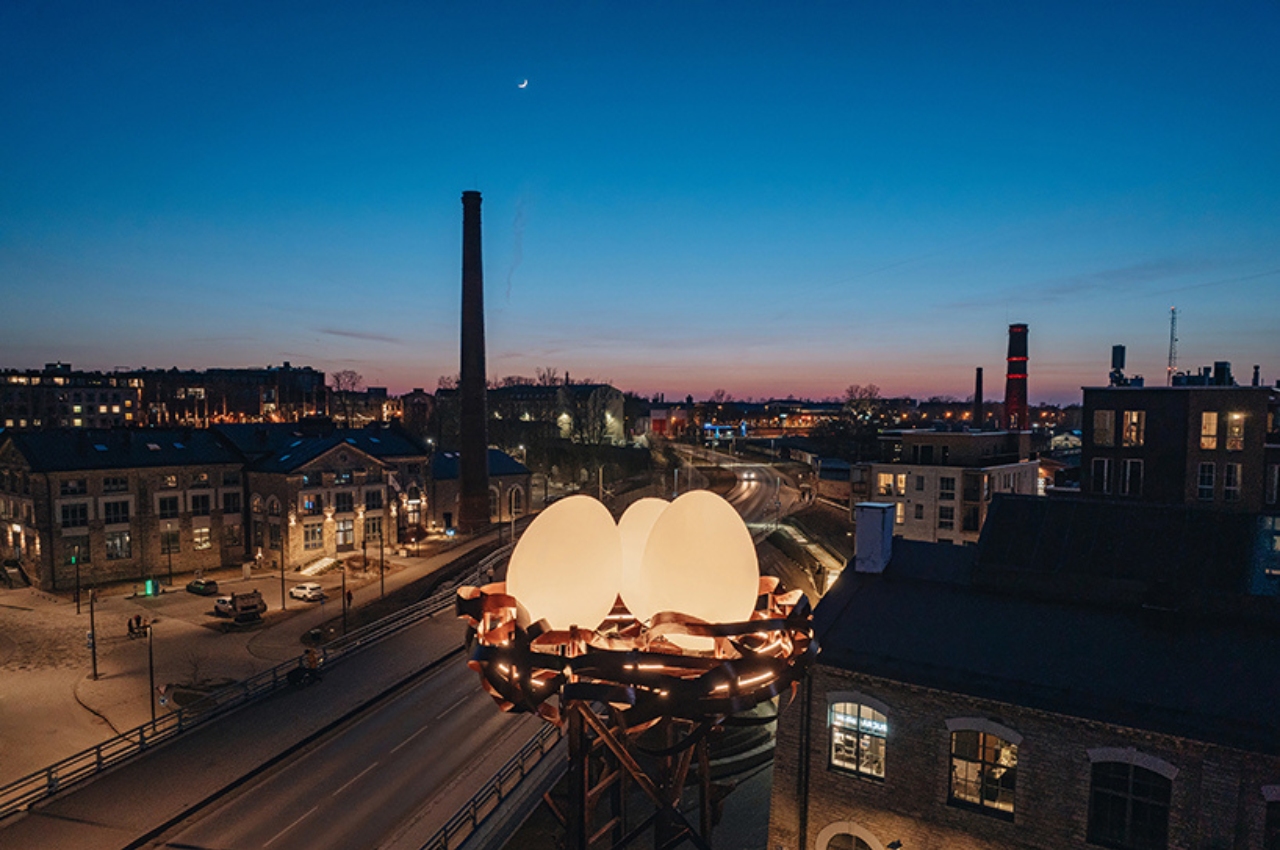
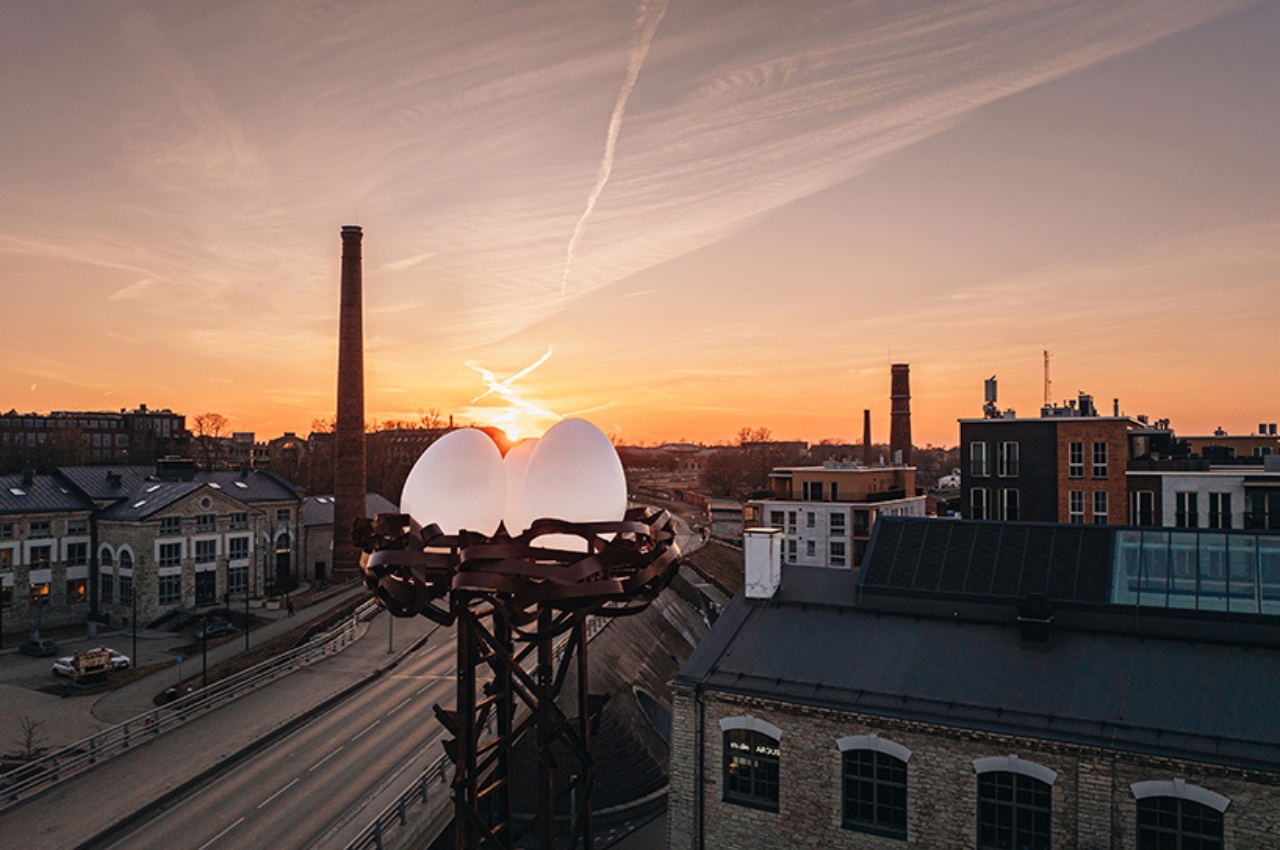
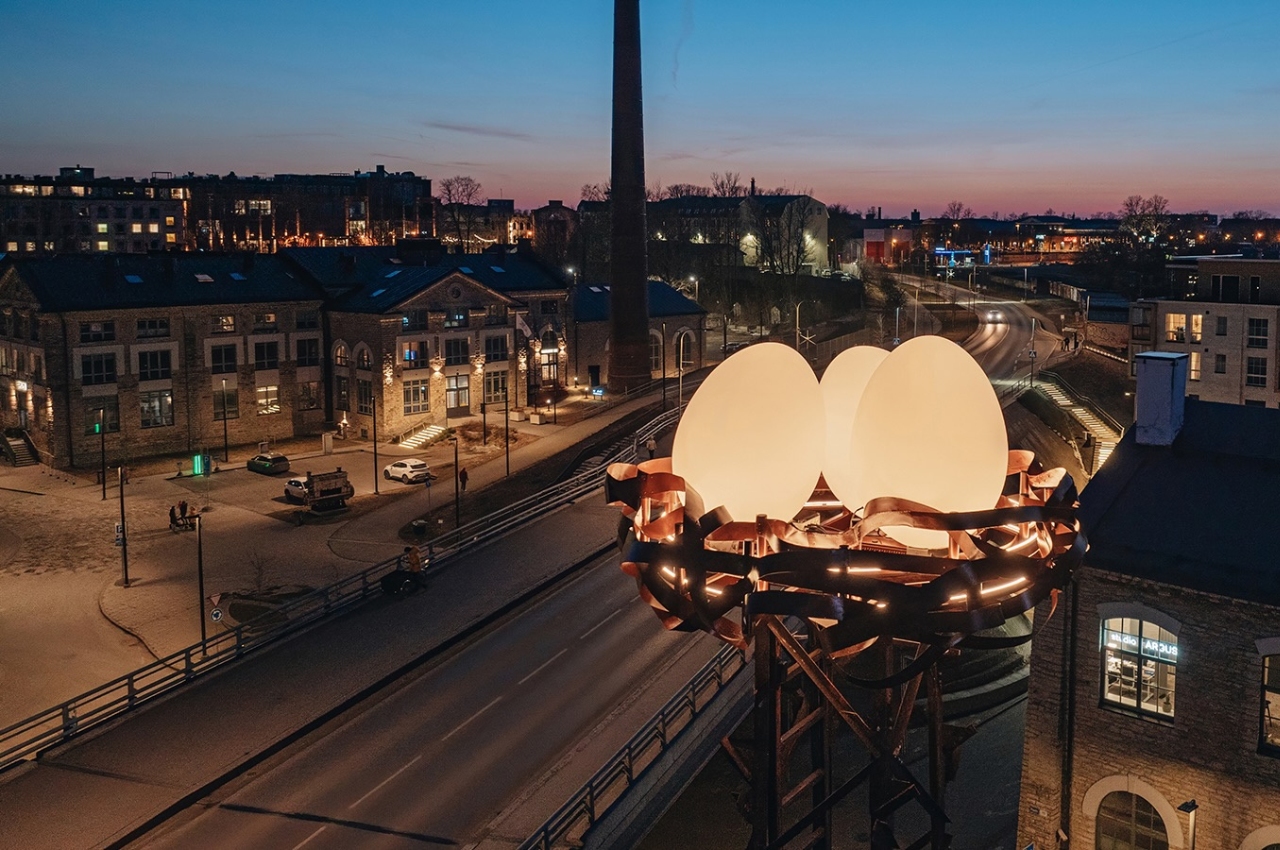
Street Installations are 3D structures made by artists that are displayed on the streets. They can be categorized as sculptures with or without historic significance and interactive or temporary art installations. These three-dimensional artworks are usually connected with political, religious, and historic belongings and are made in materials like stone, wood, metal, recycled materials, and fiber to name a few. Unlike conventional street art, street installations occupy physical space. It brings art to the public and blurs the boundaries between artwork and the urban environment. This is a beautiful form of street art as it evokes emotions and reactions from people who pass by. In addition, the installations can be interactive and invite viewers to engage with the art in unique ways. Kinetic sculptures, artworks incorporating movement often powered by natural elements or mechanical means, can be considered a form of street art. Installed in public spaces like streets, parks, and plazas, they offer engaging and interactive art experiences for passersby.

9. Environmental Art

Designer: Theo Jansen

Also known as Earth Art, it aims to bridge the gap between art and nature. Environmental art is an artistic expression where artists create site-specific artworks with natural materials found in the landscape like sand, rock, water, plants, and wood. These artworks are temporary and they emerged in the 1960s and early 1970s in response to the concern about environmental issues and indicate that it is our responsibility to protect it.

From the Beach…

Designer: Subodh Kerkar

10. Mural Art

Designer: Steven Teller

This is a large-scale artwork that is painted onto the walls or public surfaces of urban cities. It’s a great way to beautify public spaces with vibrant colors and themes that cover entire walls, including realistic portraits, landscapes, or abstract designs. The different techniques used in mural art may include spray paint, rollers, brushes, or any other technique. The best part about mural art is that it reflects the local culture, tells stories, and attracts both locals and tourists who appreciate its beauty in public spaces. The impressive artworks effortlessly transform the urban landscapes into iconic landmarks of the city.

https://www.instagram.com/reel/Co3zKdVsRmA/

Hence, every form of street art leaves a unique impression on urban landscapes and plays a vital role in the dynamic and continuously evolving global street art movement.

The post Discover the Top Ten Types of Street Art first appeared on Yanko Design.
Enjoy sheets of water through your fingers in sculpture-like faucet from Kohler

There are some things that you use every day that serve a certain function and you don’t really care about what it looks like or how it’s made, as long as it does what it’s supposed to do. One of these things is the water faucet which you most likely use more than once a day (unless you’re stuck in bed and can’t get up). What if this simple piece of your life “exists beyond conventional expectations” and still does its job?

Designer: Samuel Ross for Kohler

The Formation 01 Faucet is a creation from Samuel Ross’ design studio SR_A for luxury bathroom and kitchen manufacturer Kohler. It doesn’t really look like your ordinary or even high end faucets look like. Rather, it was designed as a functional piece of sculpture that is still able to give you the water that you need when you want to use a faucet. The way it was designed is to give you a continuous sheet of water, whether you’re using it for cleaning or cooling down.

The faucet is made from an advanced composite material called Neolast, which is the proprietary material from Kohler. They were able to form it into that kind of shape since the material is able to offer “boundless form, unexpected texture, and rich, saturated colors”. It sports the color orange since it is the designer’s signature shade. Underneath the fauce is an embossed cast iron escutcheon plate to celebrate the collaboration between the brand and the designer.

The Formation 01 Faucet does look extraordinary and innovative, from the color to the seemingly-abstract shape. But what I really enjoy, at least from the product renders, is how the water comes out in a sheet, which looks and hopefully feels pretty cool (maybe literally even).

The post Enjoy sheets of water through your fingers in sculpture-like faucet from Kohler first appeared on Yanko Design.
The Moving Mechanics Unveils Time Machine SOLARIS: A Kinetic Ode to the Fourth Dimension

According to Einstein’s theories, understanding one’s position in the universe requires acknowledging not only the three spatial dimensions—length, width, and height—but also the fourth dimension: time. Time, in this context, isn’t merely a linear progression but an intricate dance with the cosmos. It’s an element that influences our perception of reality and, in the words of Albert Einstein, demands consideration in both space and time.

In the pursuit of transcending the mundane ticking of standard clocks, The Moving Mechanics Company introduces a new marvel to its collection of time machines. November 2023 marks the unveiling of the Time Machine SOLARIS, a creation that transcends the boundaries of conventional time-telling and introduces a poetic element to the passage of hours.

Designer: Florian Schlumpf

The brainchild of Florian Schlumpf, The Moving Mechanics Company weaves a whimsical and mechanical language into its kinetic masterpieces. Schlumpf, drawing inspiration from sculpture, mechanical engineering, and his passion for cycling, first captured the world’s attention in 2014 with the release of the TM1 at BaselWorld. Since then, the company’s creations have continued to provoke contemplation on humanity’s intricate relationship with time.

Named after the Latin word for sun, the TM Solaris pays homage to the powerful celestial body that guides our days. This timepiece stands out with its elaborate layers of golden wheels and orbiting components, resembling the structure of a planetary system. Crafted from aluminum and adorned with an anodized black and gold finish, the SOLARIS adds a touch of opulence and visual intricacy to any interior space.

At the core of the TM Solaris’s mesmerizing display are 36 wheels that work together to create a symphony of motion. These wheels, meticulously engineered, bring to life an intricate system of patterned gear teeth and spokes, propelling the timepiece over its midnight foundation. Three distinct metal rings elegantly denote the progression of seconds, minutes, and hours, turning time into a visual and auditory experience.

The TM Solaris stands as a sophisticated timekeeping work of art, measuring 700 x 700 x 110 mm. This timepiece, weighing 9kg, can either stand independently or be wall-mounted, offering versatility in its display. The clockwork operates on a 12V synchronous micromotor, driving the 36 wheels that power the intricate movements. The material composition of black and gold anodized aluminum further enhances the aesthetic appeal of this captivating time machine.

As The Moving Mechanics Company continues to redefine the boundaries of time-telling, the TM Solaris stands as a testament to the marriage of art and engineering, inviting observers to transcend the conventional and contemplate the fourth dimension in all its poetic glory.

The post The Moving Mechanics Unveils Time Machine SOLARIS: A Kinetic Ode to the Fourth Dimension first appeared on Yanko Design.