Google has released the second iteration of their open weight models, Gemma 2, which includes three models with 2, 9, and 27 billion parameters. Currently, only the 9 and 27 billion parameter models are available. These models have shown impressive performance on various benchmarks, often outperforming larger models from other families. The technical report provides […]
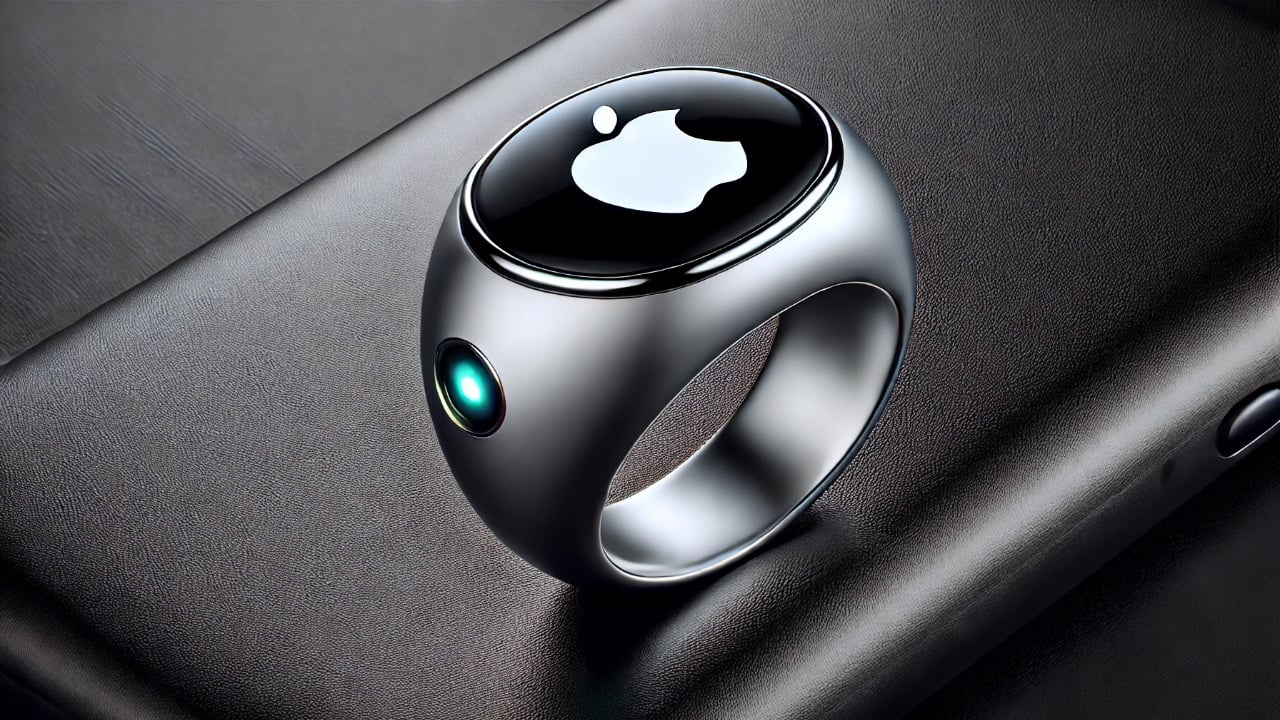
Apple is ready to shake up the wearable tech market again with the launch of the Apple Ring. This upcoming gadget is set to introduce a bunch of new features and conveniences for users looking for a more discreet yet powerful wearable. Let’s dive into what we know so far about the Apple Ring, including […]
The updated Microsoft Planner, accessible through Microsoft Teams, integrates features from Microsoft To-Do and Project to streamline task management within Microsoft 365. This update focuses on enhancing daily planning, task prioritization, and collaboration. It’s Monday morning, and you’re staring at a chaotic to-do list that seems to grow by the minute. You open Microsoft Teams, […]
The upcoming Siri 2.0 update for iPhone, set to release with iOS 18, promises to bring a range of new features and improvements to Apple’s virtual assistant. Based on observations from the beta testing phase, the video below from iDeviceHelp highlights the key changes and functionalities you can expect when the update rolls out. Enhanced […]
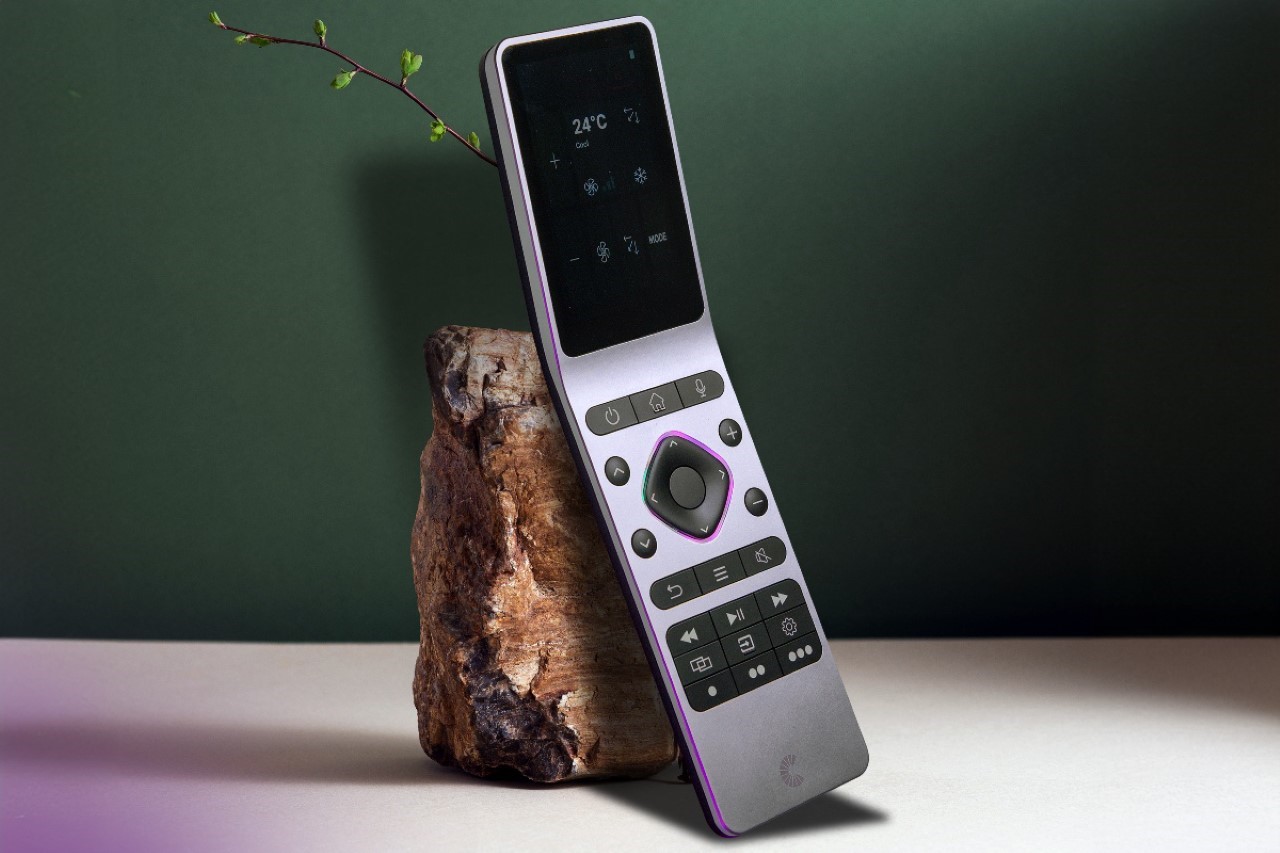
Isn’t it funny that somehow we went from universal remotes in the early 2000s to suddenly having these complicated hubs to connect all the devices in our smart homes? I won’t lie but talking to a hub isn’t as great as it promised to be. It’s a lot easier to point a remote at something and press a button than to tell Alexa to reduce the volume of music or raise the temperature of the AC… and while Amazon, Google, Apple, and the like just think hubs are the answer, one company is reverting back to the remote days. The Haptique RS90 is perhaps the world’s first universal remote controller designed to operate practically any wireless or smart device you’ve got around you. It uses a combination of infrared, WiFi, and Bluetooth to interface with devices around your house from smart TVs to Bluetooth speakers, ACs, soundbars, projectors, air purifiers, and even your PS5. You don’t need to talk to a hub, and better still, you don’t need to install twenty apps on your phone to manage multiple devices around your house.
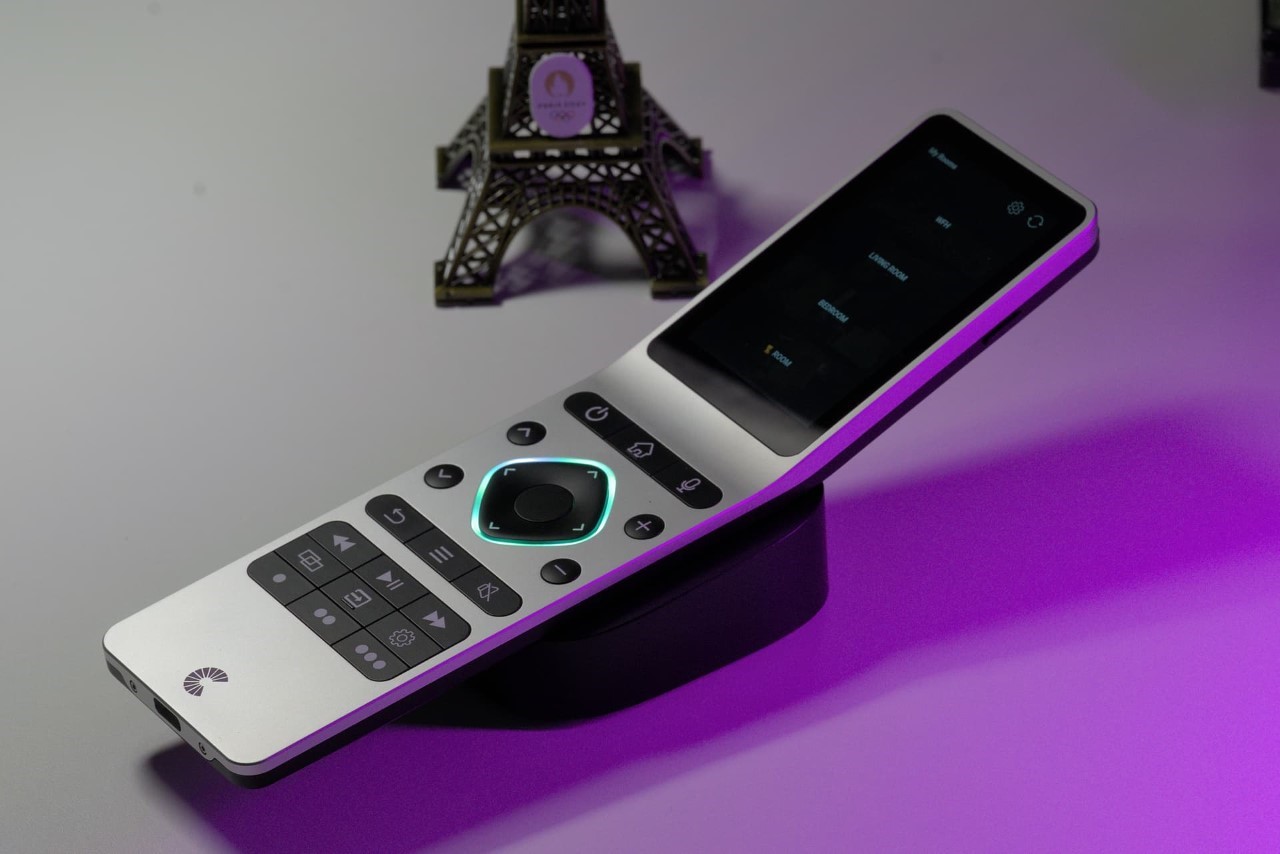
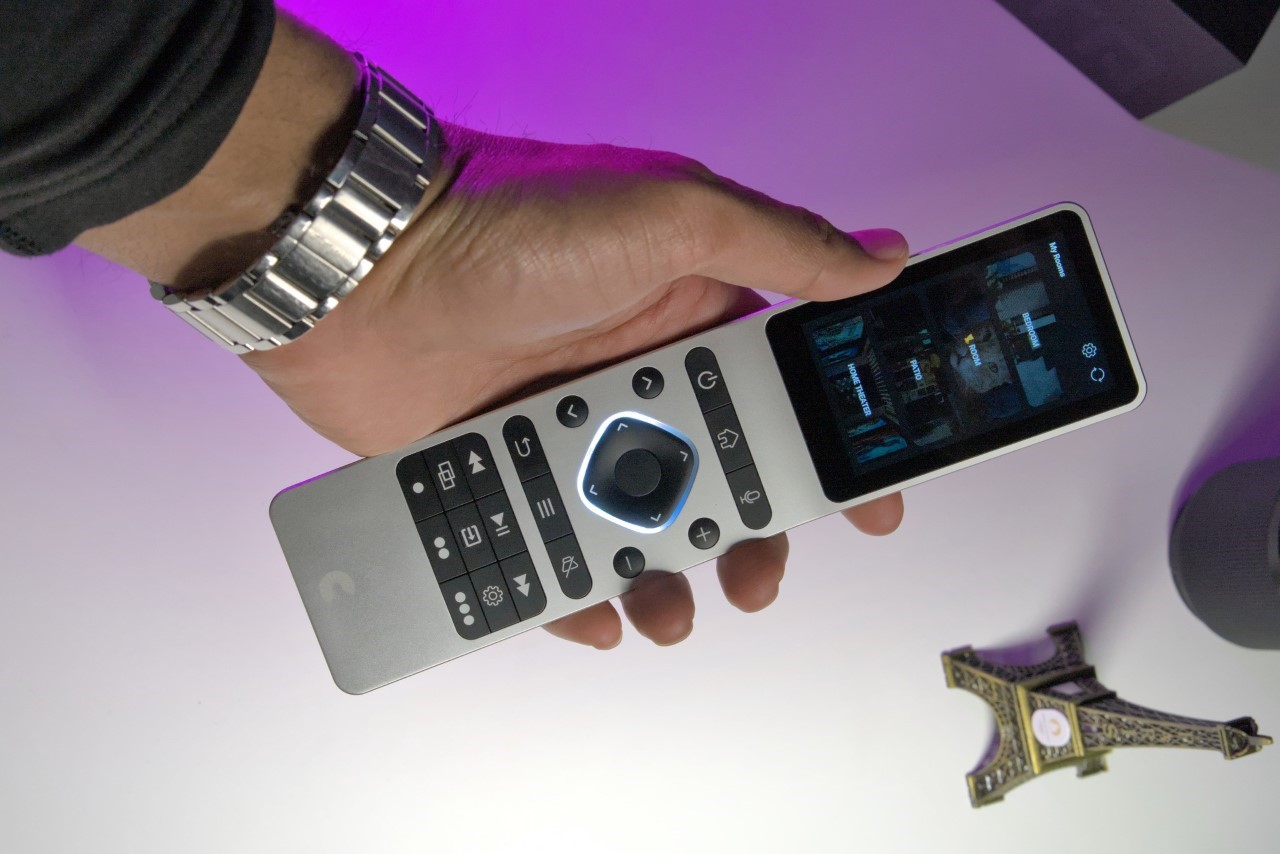
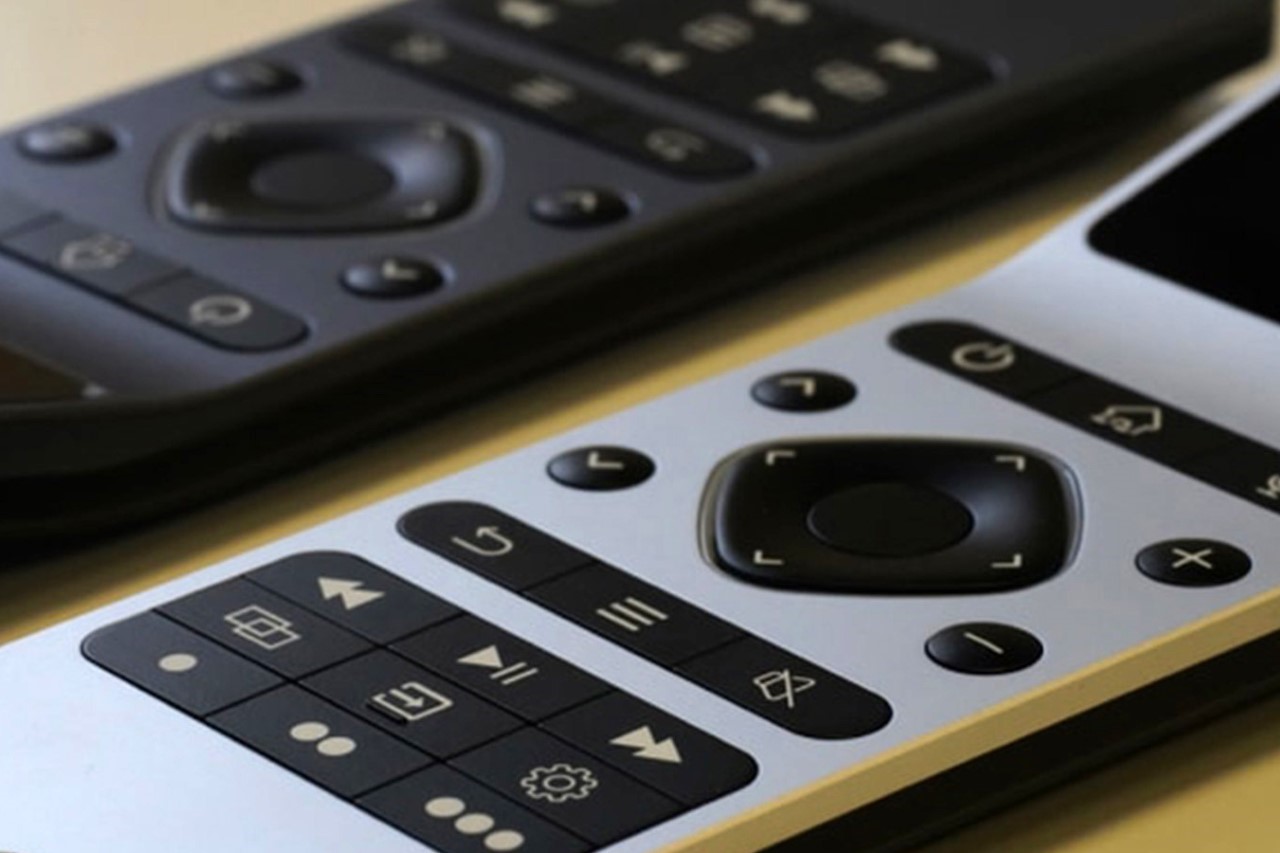
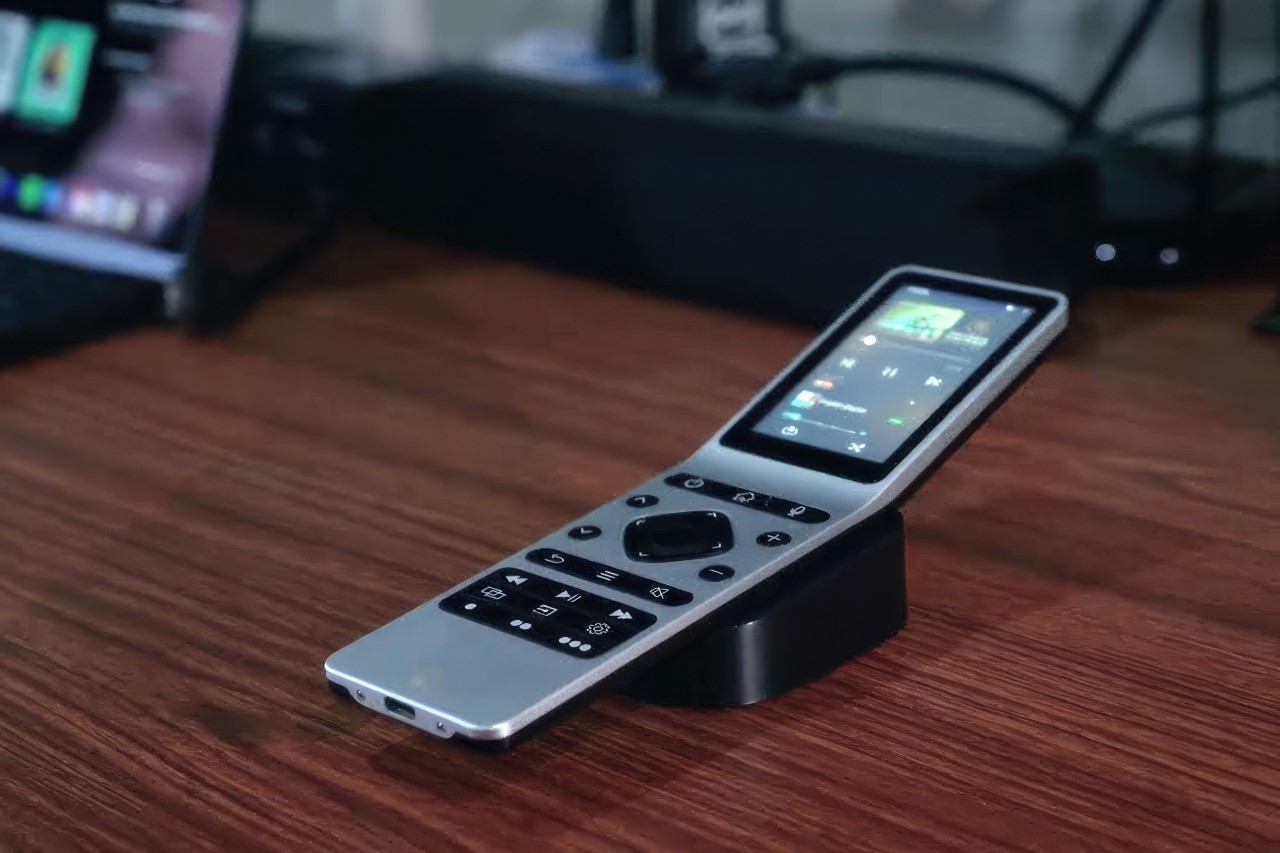
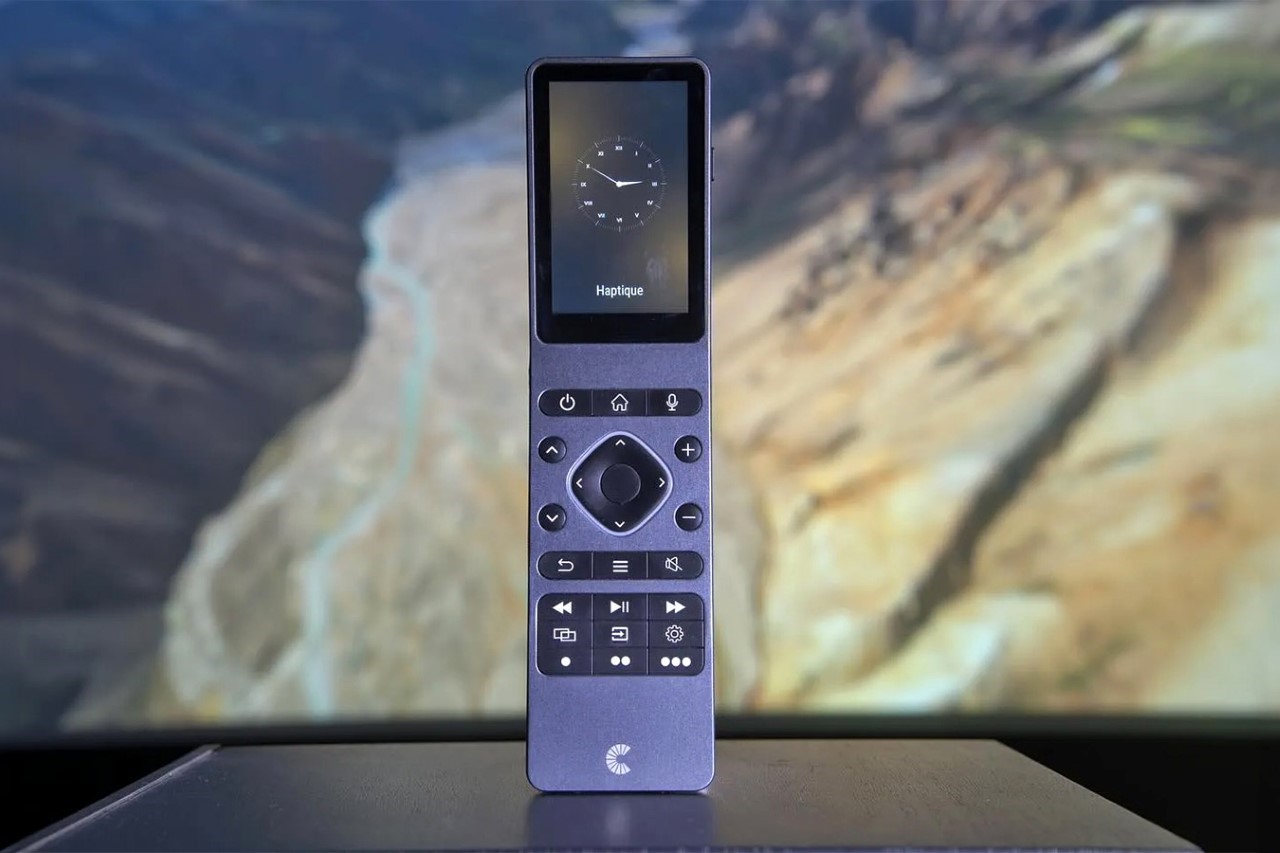
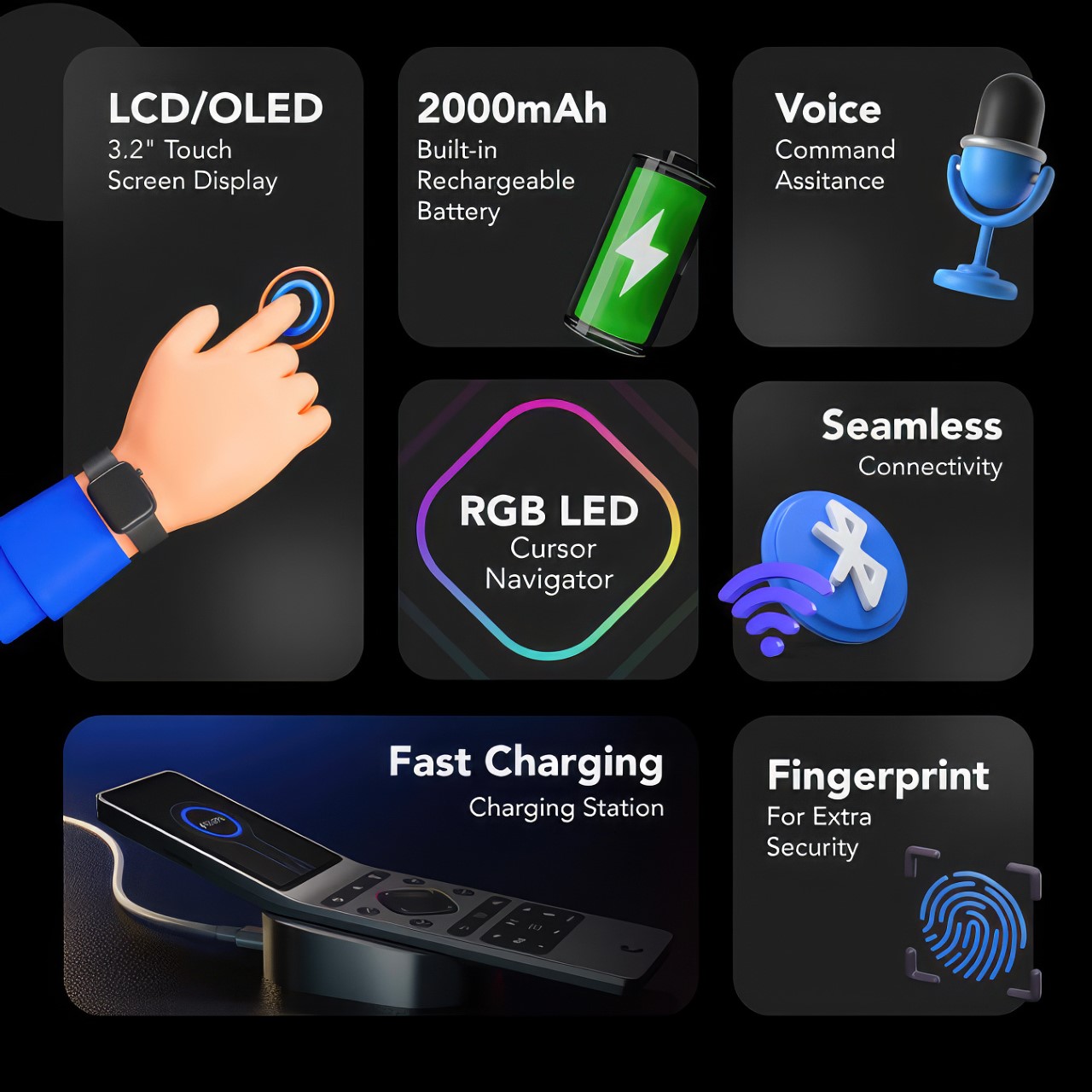
The Haptique RS90 departs from the clunky look of traditional universal remotes. Instead, it takes on the shape of a smartphone, albeit with physical controls along with a 3.2-inch touchscreen. This display serves as the central hub for navigating menus, controlling smart home features, and even watching tutorials. A well-curated set of essential buttons line the bottom, providing quick access to core functions like volume control, channel surfing, and playback options. This thoughtful blend of touch and physical controls caters to both those who prefer a tactile experience and users who want the ease of a touchscreen. The overall design of the RS90 sticks to a recognizable linear format of most remotes, which gives you a feeling of familiarity. Hold it and you intuitively know how to use it – there’s a minimal learning curve with the controls, and even less so with the touchscreen. The remote is sleek without being too sleek – it’s less likely to get lost, thanks to a tilted design that makes it impossible to slide in between sofa cushions. Simultaneously, the tilt allows the screen to face you when you’re holding the remote horizontally – a clever detail that ends up becoming the RS90’s defining iconic silhouette.
The Haptique RS90 isn’t just about controlling your TV – it aspires to be the central nervous system of your entire smart home. It boasts broad infrared (IR) compatibility, allowing it to command traditional TVs, projectors, sound systems, and more. But its true strength lies in its ability to connect with smart home devices too. The RS90 promises seamless integration with popular smart home interfaces like Philips Hue, Home Assistant, Tuya, Sonos, Zigbee, with Homey and Smart Things in the works. The remote can directly control popular streaming services like Netflix and Spotify, or devices like Apple TV and Amazon Fire Stick, eliminating the need to juggle multiple apps or even actual remotes. The list goes on, with integrations planned for Roku, and game consoles like the PS5 and Nvidia Shield too!
Tactile buttons (with backlights) provide a traditional remote control experience
With great power, as the saying goes, also comes great responsibility. Having a centralized remote for all your smart home gizmos also means needing to make sure your 12-year-old doesn’t go messing with devices around the house. The remote boasts fingerprint-based security, allowing you to pretty much lock it the way you would a smartphone (available in the higher-tier model). Aside from locking your remote, you can also personalize its UIs with macros and shortcuts (something even smartphone apps don’t let you do) to ensure that you have every possible command right under your fingertips. After all, nothing feels more frustrating than fumbling with a remote trying to figure out basic functions, right?
The Haptique RS90 arrives at a pivotal time in the smart home revolution. While it doesn’t currently support Matter, the new industry-wide standard for smart home communication, it demonstrates a clear understanding of the need for interconnectivity. Thankfully, the developers have indicated that Matter support is planned for future updates. This future-proofing ensures that the RS90 won’t become obsolete as the smart home landscape continues to evolve.
While discussing the battery life of a remote control seems pretty trivial, the RS90 is clearly more than your average remote control. Given how much functionality it packs, it also arms itself with a 2000mAh battery that keeps it going for days (the small screen helps reduce battery drain too). To charge your remote, the RS90 is also accompanied by a slick charging hub that lets you simply dock your controller when it needs a battery boost. This also means your remote is less likely to get lost because you aren’t carelessly leaving it around the house.
The Haptique RS90 ships in two variants – the regular RS90 itself with 1GB RAM, 2.4 GHz WiFi, Android 8.10.0, Bluetooth 4.1 (and BLE), and a Quad Core ARM chip. Alternatively, the higher-tier RS90x model ships with 2GB RAM, Dual-band WiFi, Android 12, Bluetooth 5.0 (and BLE), an Octa Core ARM chipset, and the fingerprint sensor to help you lock your remote. Personally, the RS90x just seems like a better future-proofed option, running newer OS on more powerful hardware. Smart homes aren’t going anywhere, in fact, they’re only going to expand. If hubs annoy you, it makes sense to own the best possible version of a universal smart remote that lasts you for years, doesn’t it? The RS90 starts at $257, while the RS90x has a starting price of $321. Both models come in silver and gun-metal grey options, and ship with the charging dock and USB-C cable included, along with a 3-year warranty.
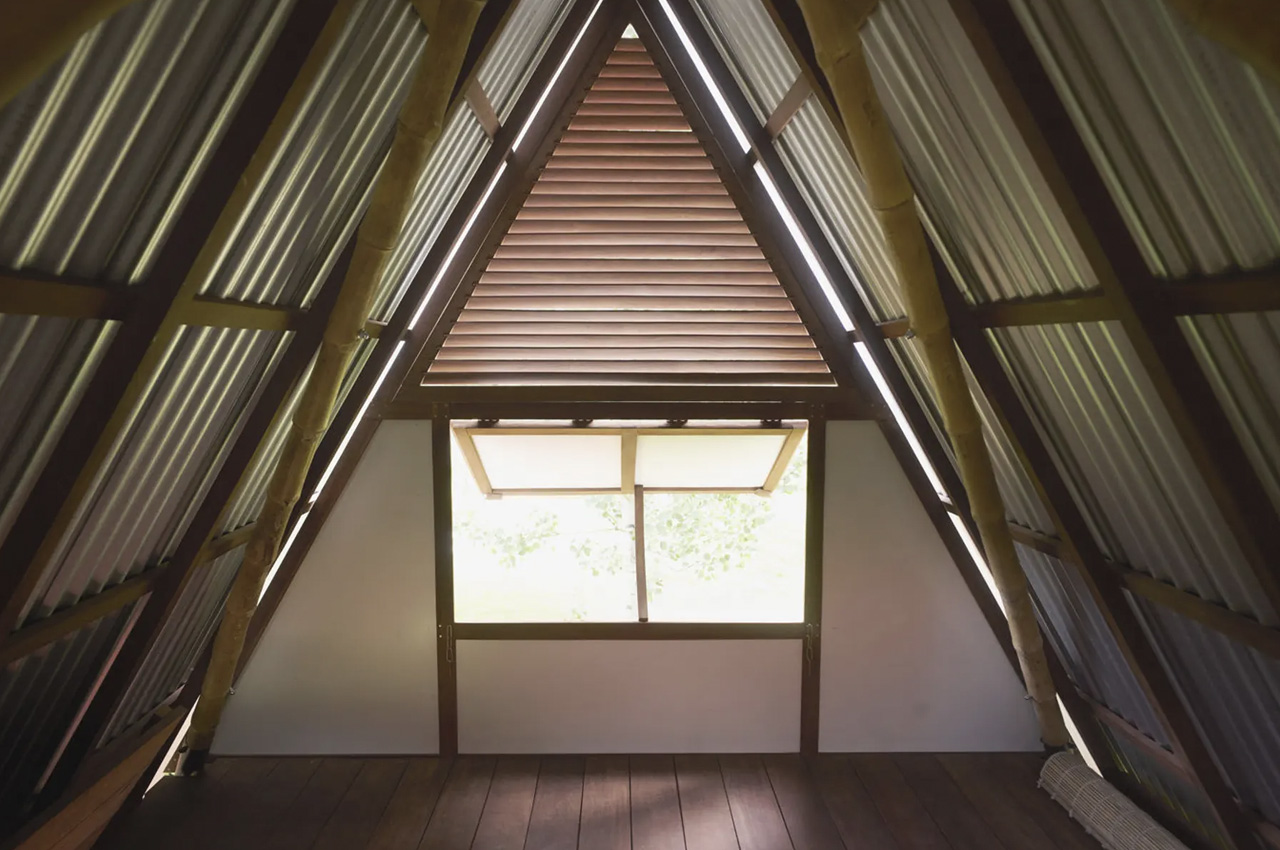
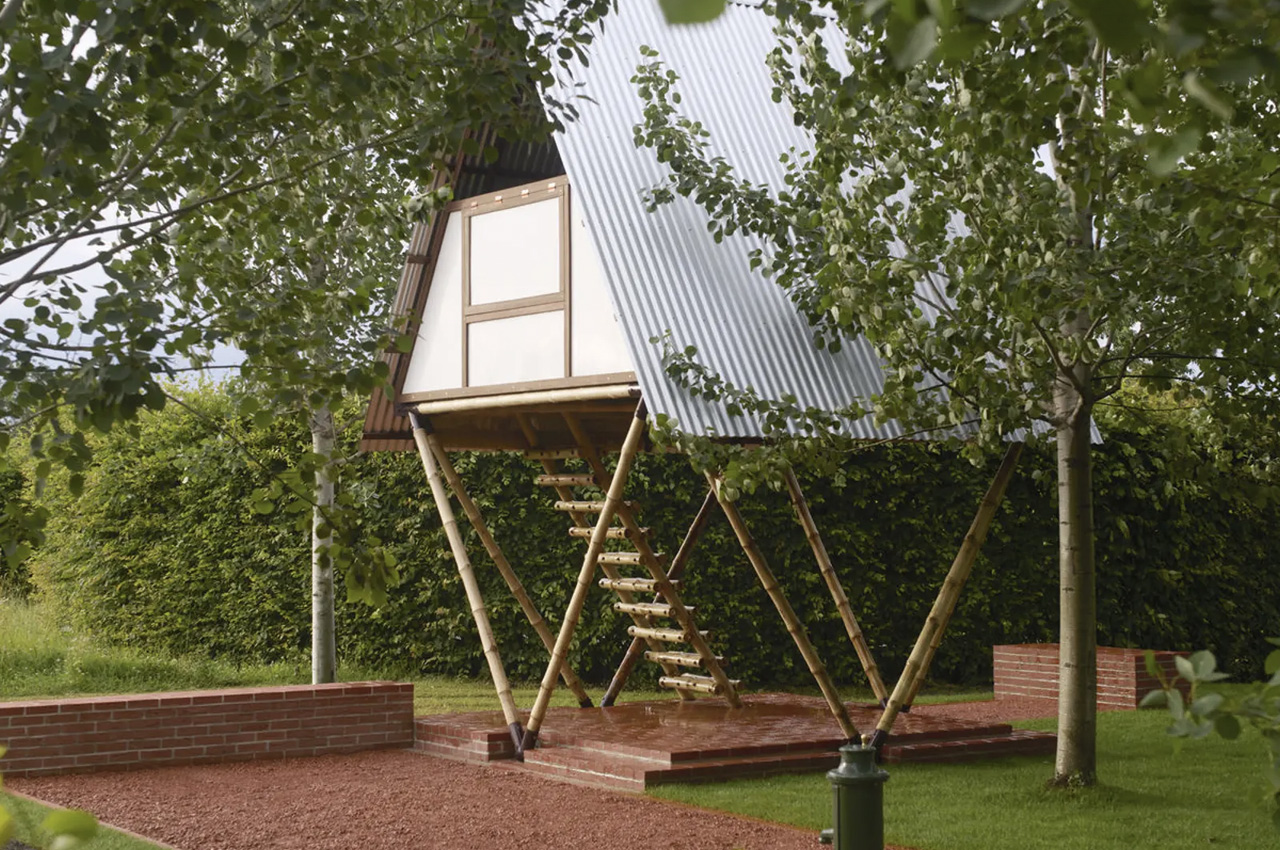
Bangladesh is quite prone to flooding, with about 80% of the country marked as floodplain. With a population of around 170 million, this is quite a severe and serious problem for the country. To serve as a solution to this issue, the Khudi Bari was designed. The Khudi Bari is a low-cost raised tiny home that has been created to serve as an economical and safe housing solution against the flooding problem. Designed by Bangladeshi architect Marina Tabassum and in collaboration with engineers AKT II, the Khudi Bari has been elevated above the ground and must be entered via a ladder.
The home isn’t equipped with wheels, but it can be easily assembled and disassembled, allowing it to be moved to a new location without the need for any special tools or expertise. This home will help the citizens of Bangladesh to evade the rising floodwater. Constructed from bamboo and prefabricated recycled aluminum nodes into which the bamboo is fitted, the humble home has an interior occupying around 64 sq ft to 144 sq ft. The walls and roof are locally sourced and built from materials such as metal and polycarbonate. The Khudi Bari includes one room, which includes space underneath, so you can expand it if the need arises.
The model home in the images is an installation in Vitra Campus, Germany. The Campus includes many stunning architectural designs including Renzo Piano’s Diogene. But the home isn’t simply a prototype, and 100 units have been delivered throughout Bangladesh already.
“It is an extremely low-cost, lightweight structure that can be assembled and dismantled by hand – without electricity or any other means of mechanical power,” said Vitra’s press release. “Marina Tabassum’s team has been building these houses in the chars [landmasses made from silt and sand] together with relief organizations and community groups, improving existential conditions for a vulnerable population living at the absolute minimum subsistence level. Over one hundred Khudi Bari have already been installed and more are yet to come.”
Currently, we aren’t aware of the exact pricing of the Khudi Bari, but AKT II said it is being produced for US$380, and they are trying to reduce the cost.
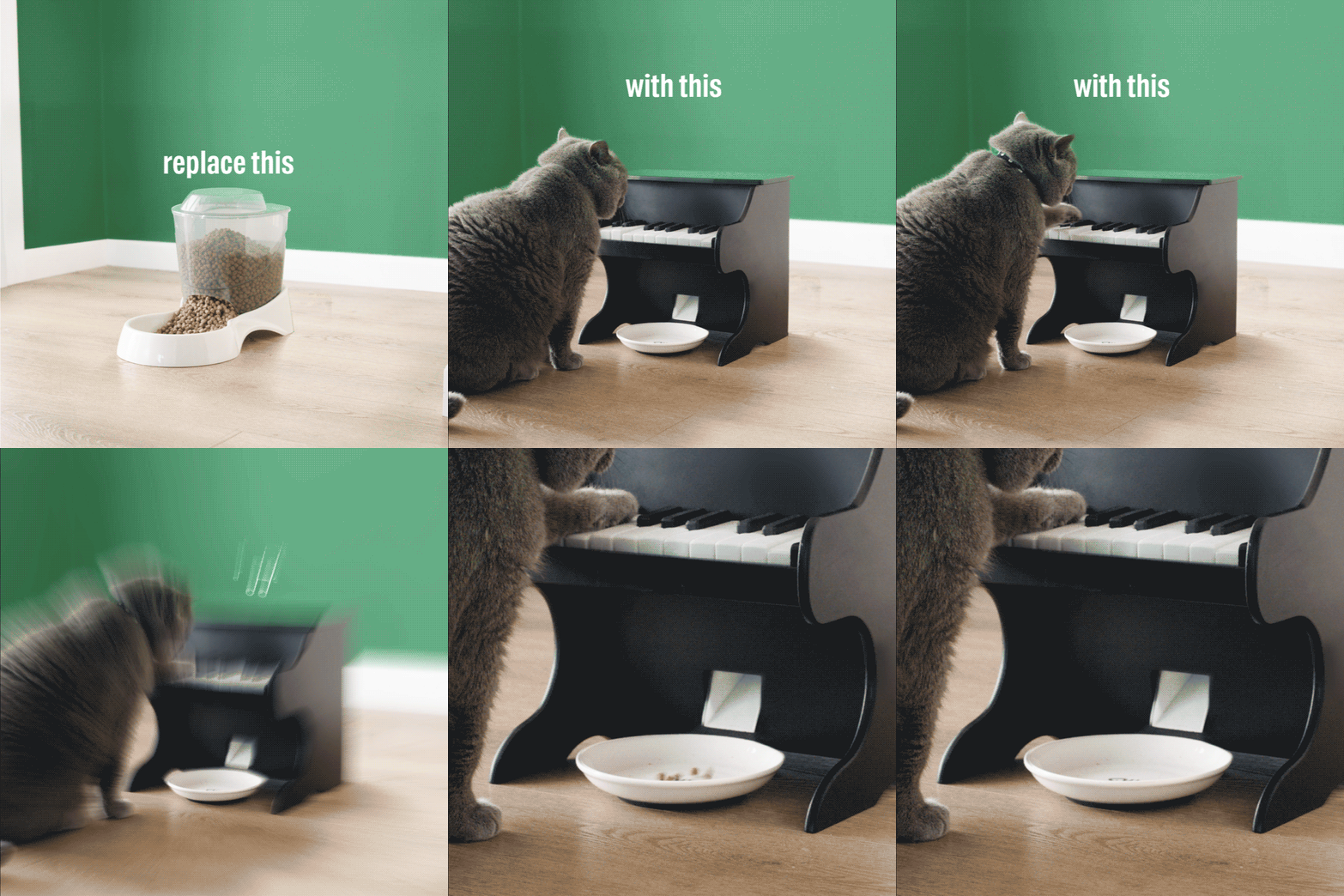
This takes Pavlov’s bell to a completely different level!
Pets react to different music in different ways. For instance, my doggo would curiously nod his head from left to right and right to left at every note he heard. But he would instantly forget it all and run for the bowl on the first note of his food dropping into it.
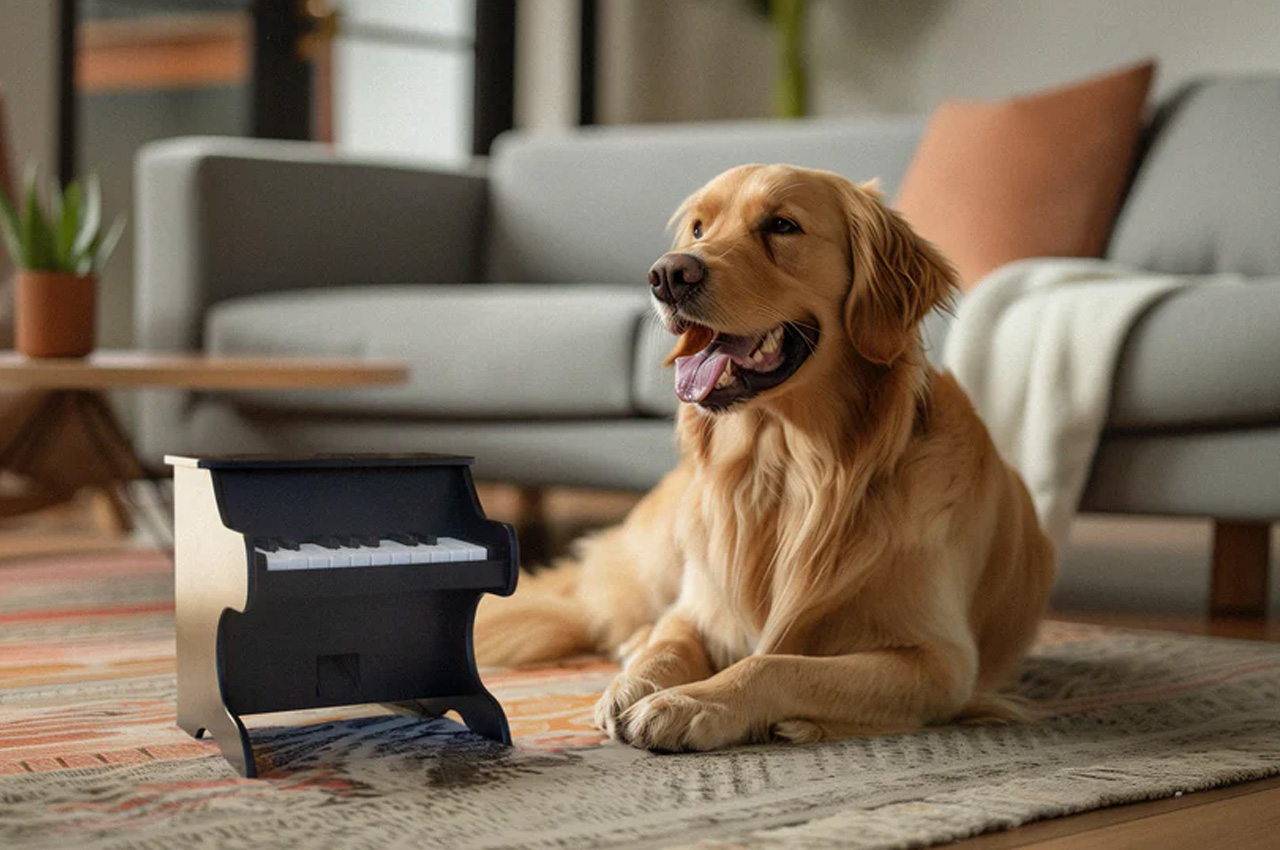
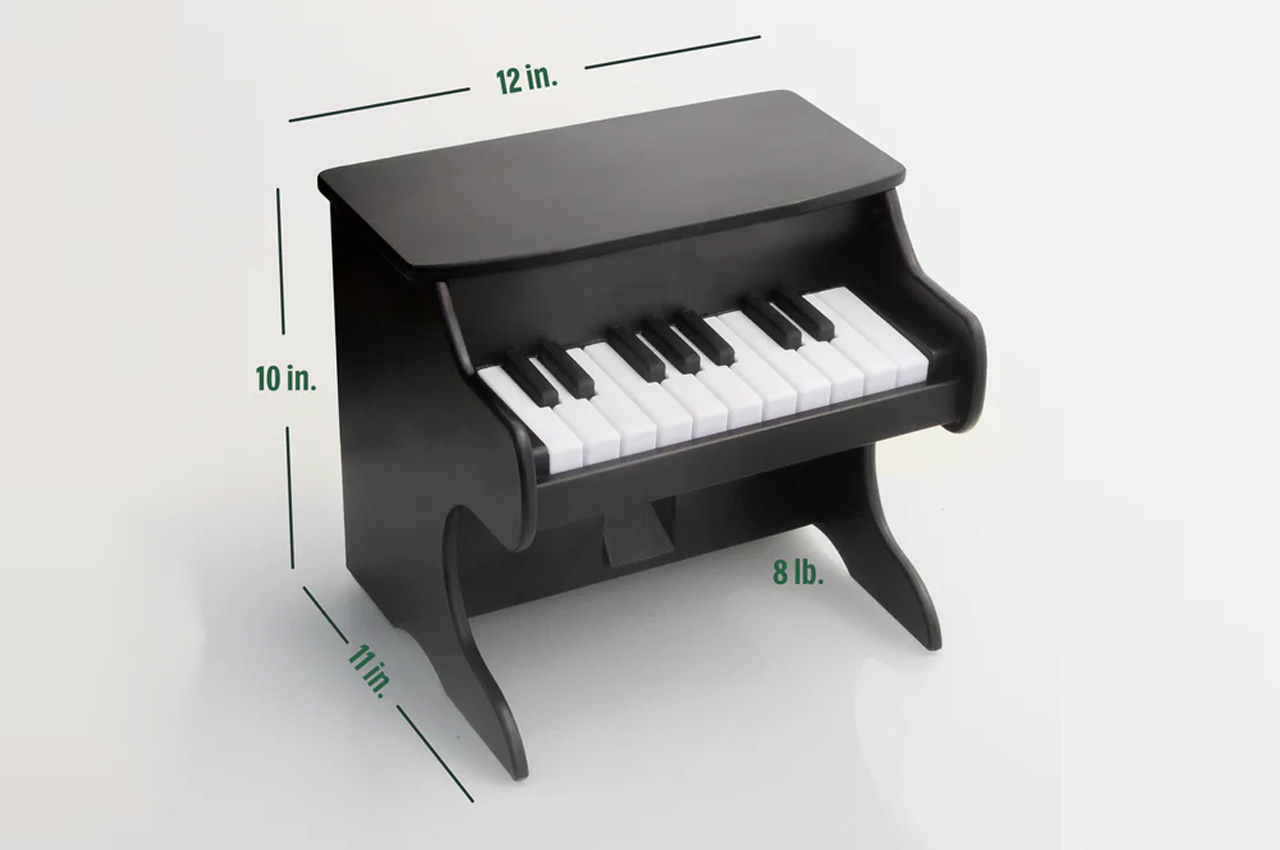
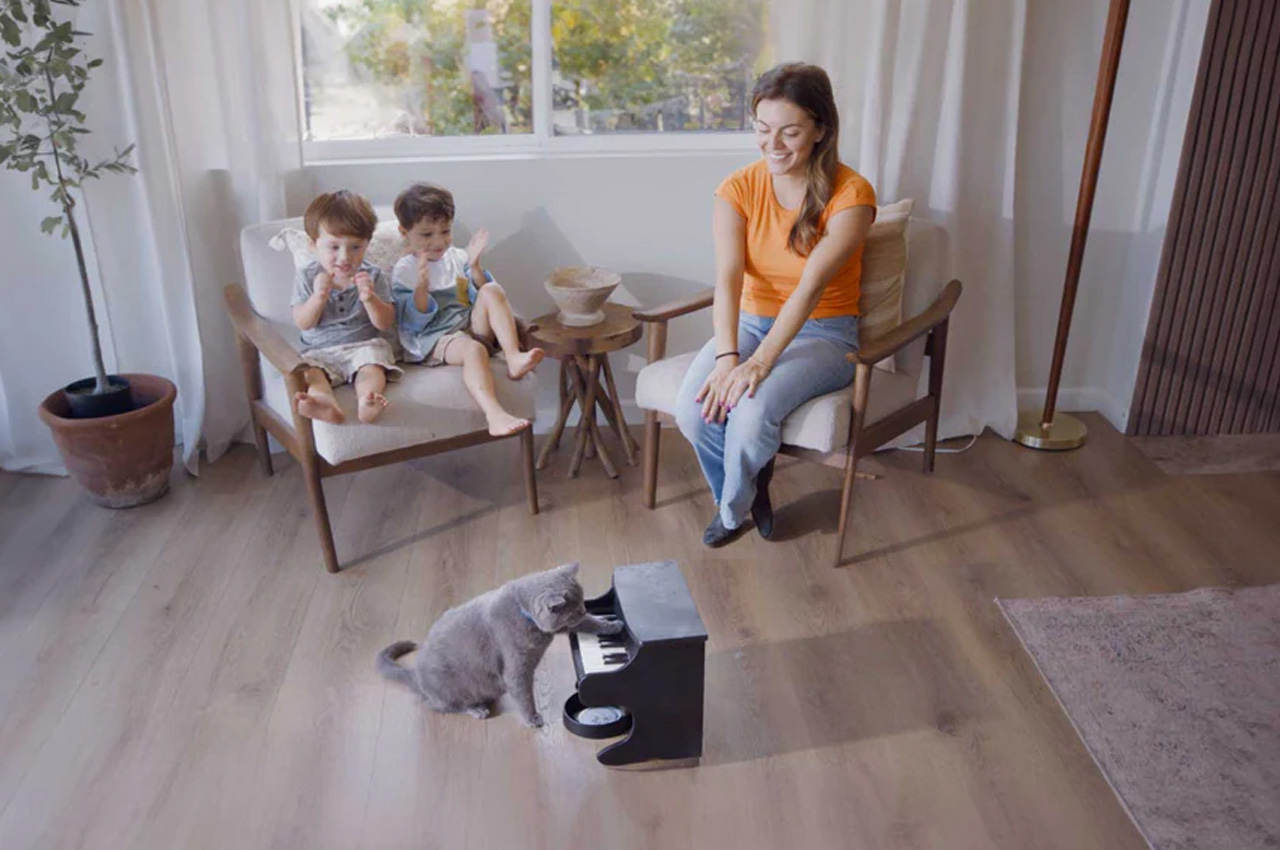
Food is dearer to music, but music is a certain entertainer: this is not only true for humans, but for cats and dogs as well. If you agree, there is a musical way to keep your pet entertained and fed when you’re at home or away with the Pet Piano, a cross of an automated pet feeder and a piano.
Essentially a DIY project carried out by YouTube channel Smart Solutions for Home on the behest of YouTuber Aaron’s Animals, the smart piano pet feeder is now a buyable product, available on preorder from the pet piano website. If you’re a DIYer, you can still follow the step-by-step instructions to build a piano for your cat (as it was initially intended to be), otherwise, you can buy a ready-to-ship product and get your pet trained to play Beethoven while keeping her fed even when you are away.
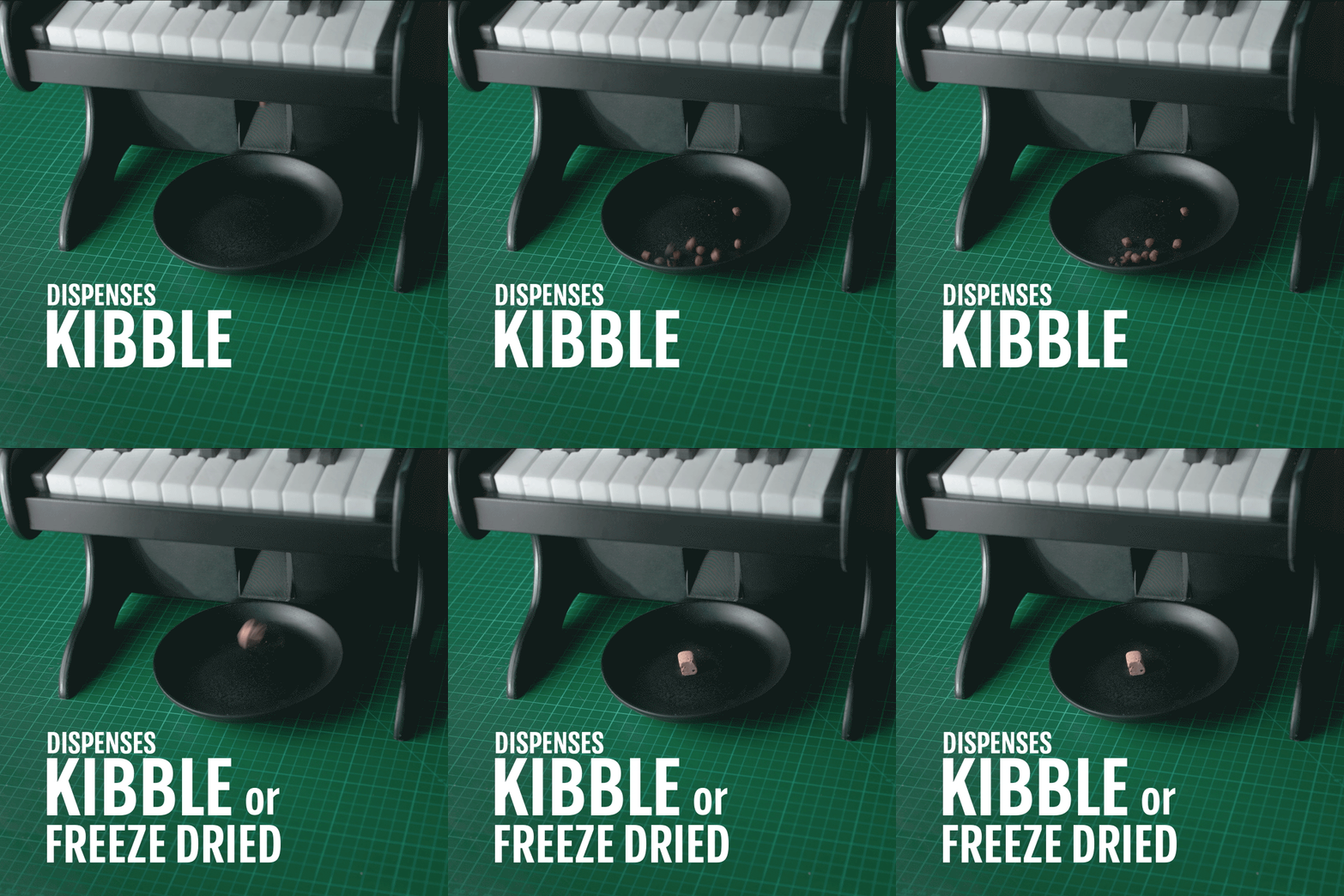
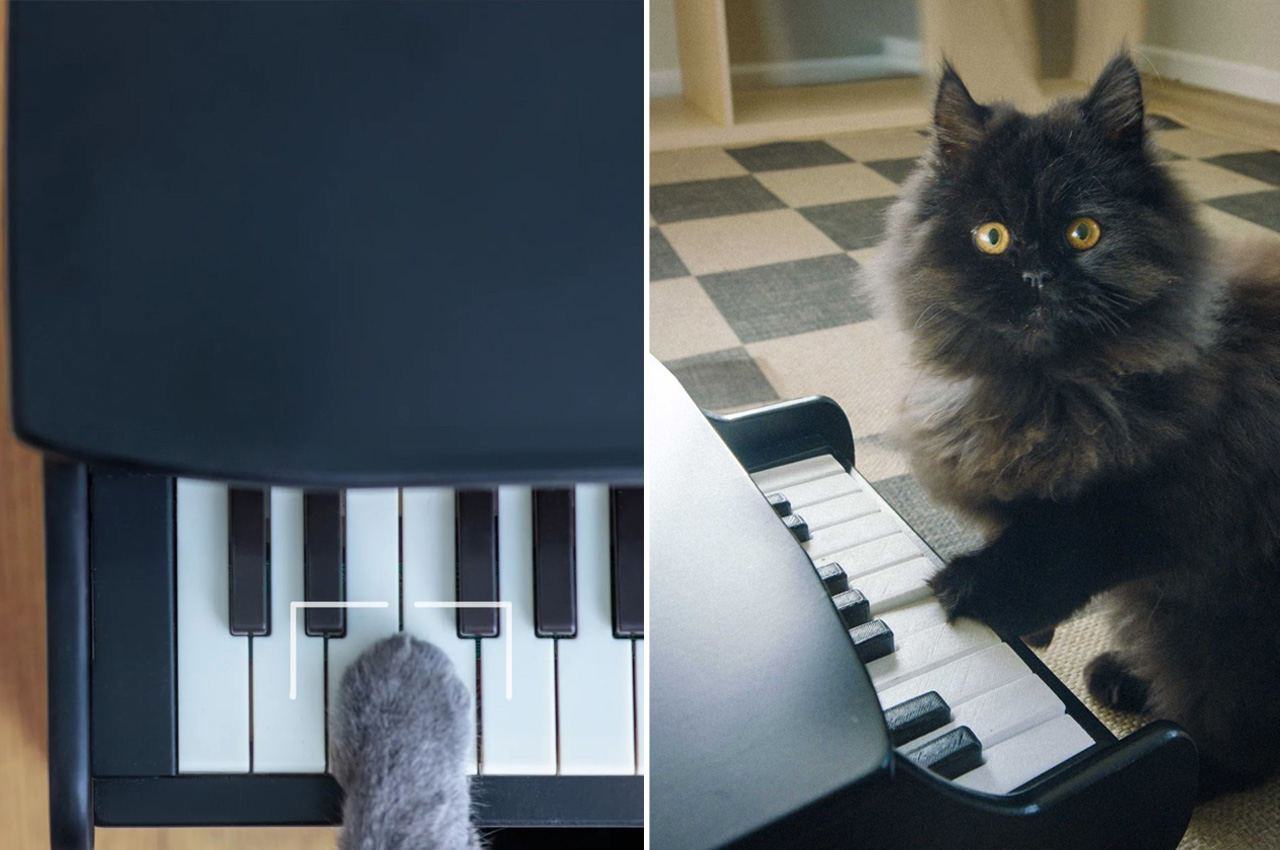
The interesting pet piano is created to release a measured quantity of food whenever the pet presses the key(s). Treat from creating music will be a phenomenal experience for your pet considering that a reward mechanism inculcates a behavioral change in a dog or cat’s cognitive development and mood. So, a reward (food) in return for pressing keys – that make melodious sounds – a positive behavior can in inculcated. As a safety measure, the Pet Piano is created to dispense treats at a moderate pace, which also promotes healthier eating habits.
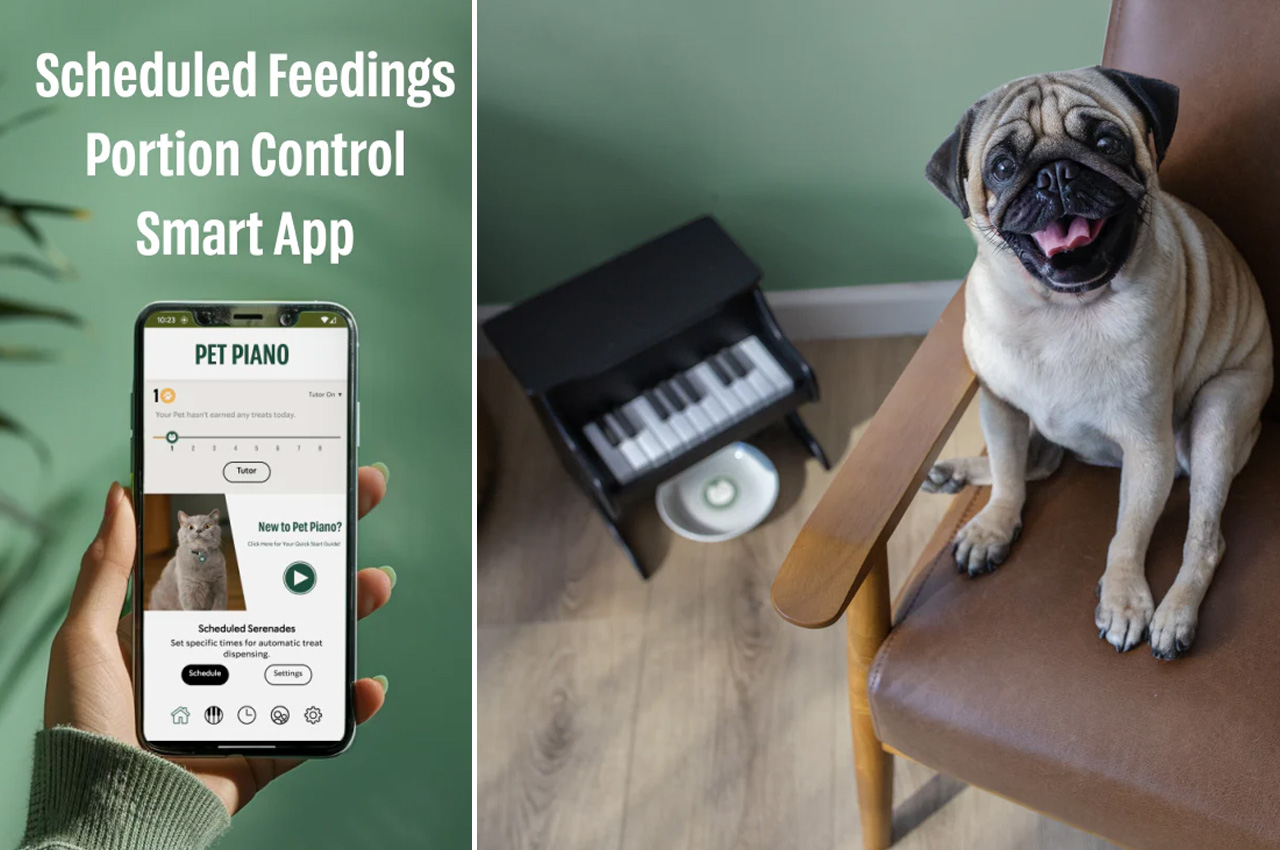
Further, your pet can also leverage the auto tutoring mode of the pet piano, which automatically trains your pet to level up her piano skills over time. And for days when the pet is not in the mood to play the instrument, the feeder can be scheduled to dispense food – at a scheduled time – through the dedicated mobile app which can also be used to control and monitor the meal portion and other features.
In comparison to other plastic and visually jarring pet feeders, the Pet Piano is made from durable MDF wood in a matte black finish so it can easily merge with your home aesthetic. Usable with cats and dogs of all shapes and sizes, it is provided with a locking mechanism to prevent break-ins and runs off batteries or can be plugged into a power source for nonstop functioning. We can’t guarantee your pianist pet will trend on TikTok, but it’s worth a shot, no?
Nothing as a transparent brand reflects its vision in the see-through aesthetics of each of its offerings. The intricate working of the tech is visible, highlighting the beauty of simplicity which has resonated with many fans of the Carl Pei. They’ve focused on audio products, mainly earbuds with an official pair of headphones not far from fruition.
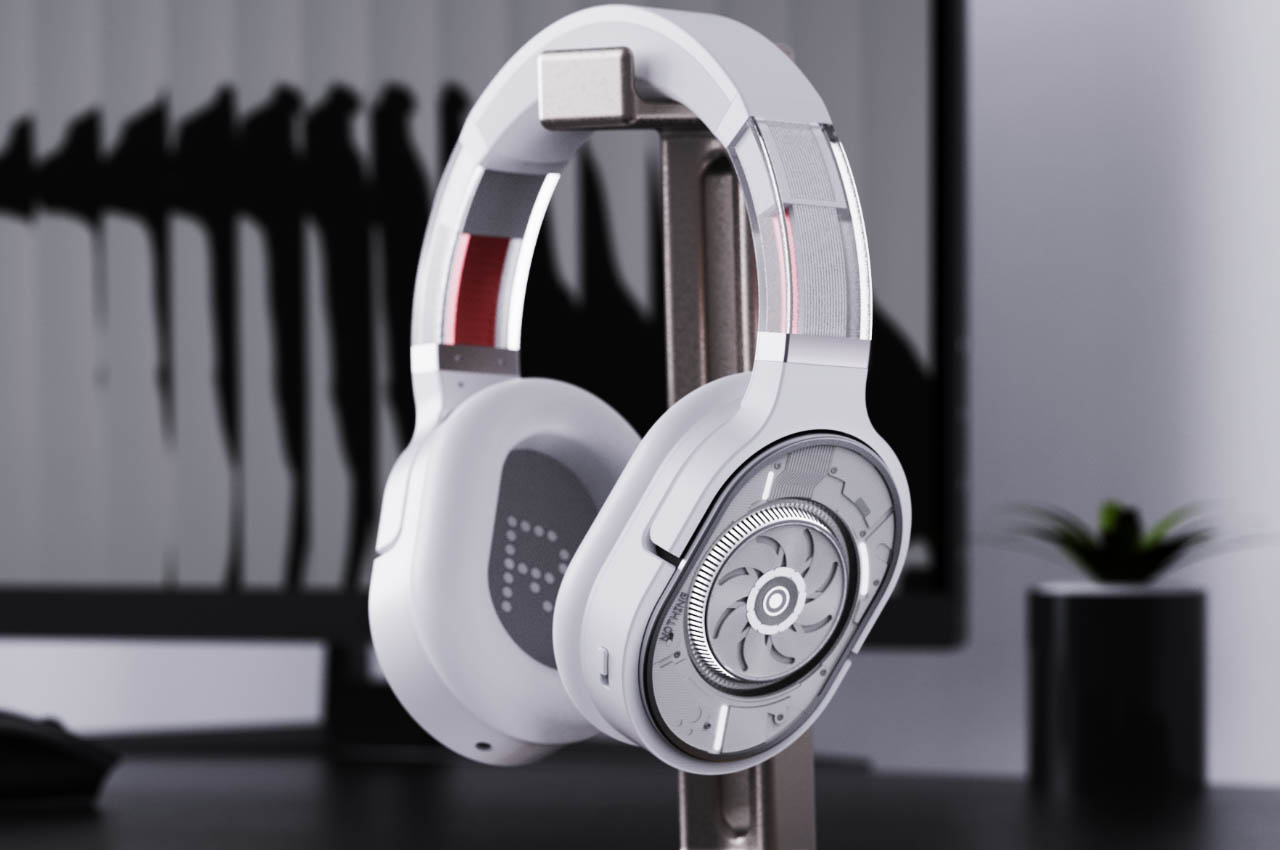
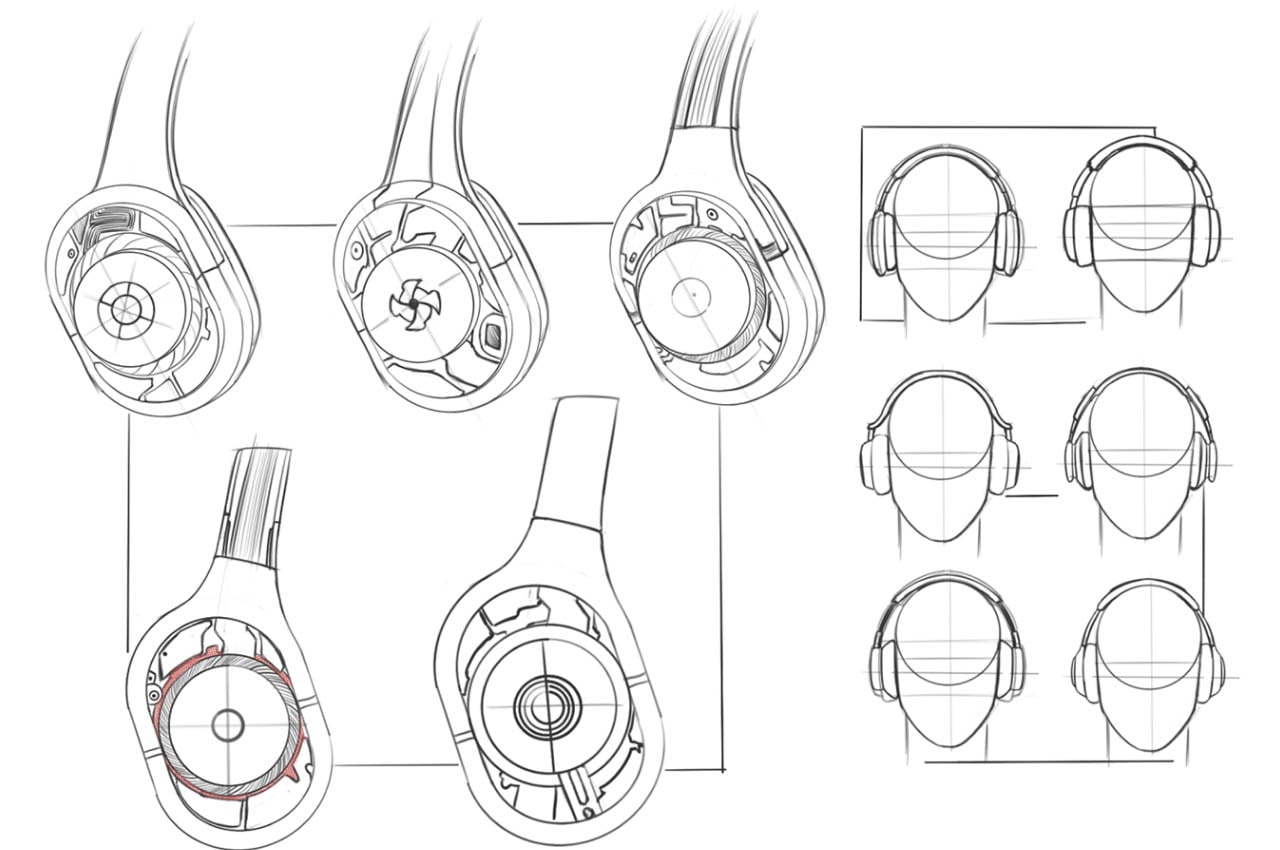
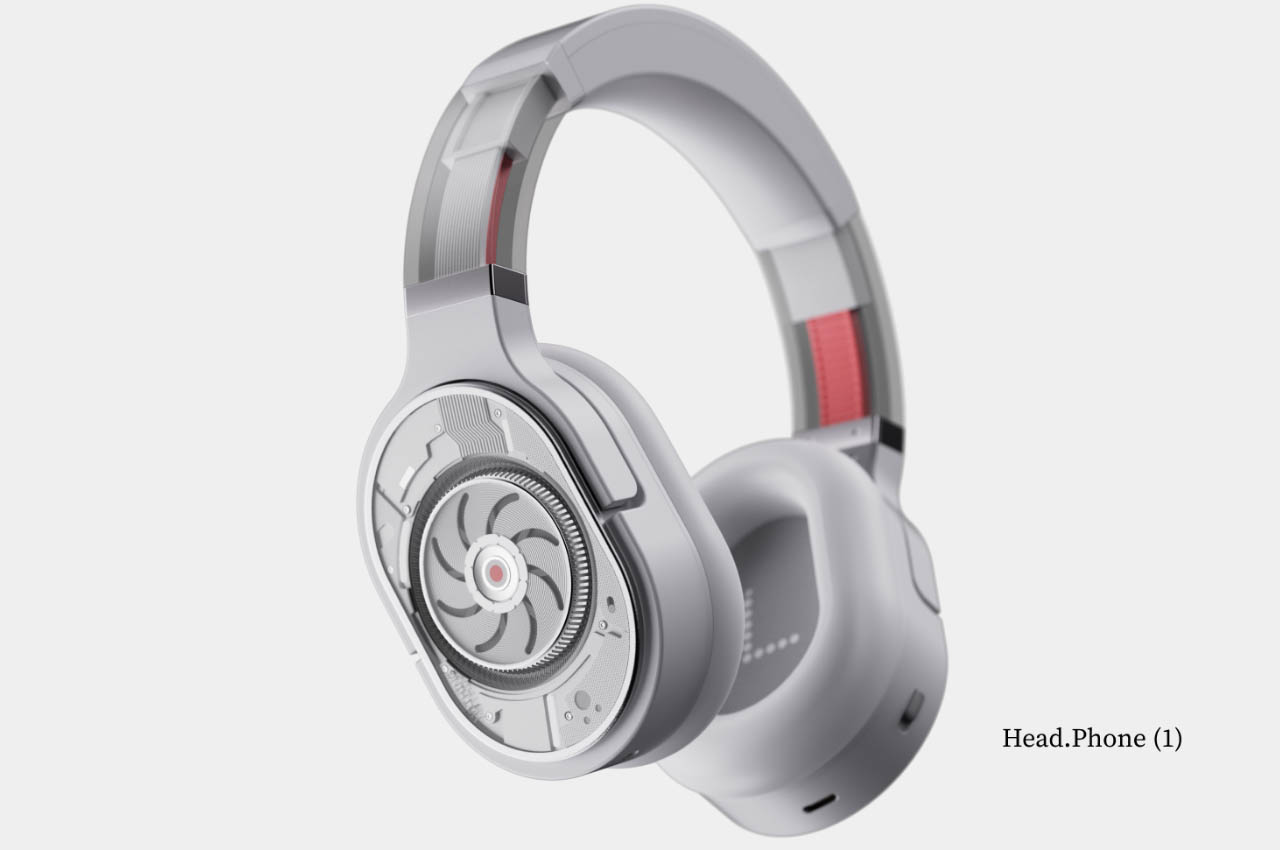
The inspirational transparent design of their phone and earbuds has captured the imagination of designers who’ve mustered up their thoughts on presenting what a pair of Nothing headphones would look and feel like. Case in point, the concept AIAIAI Headphones, Headset 1 and head (1). Now yet another concept pair dubbed Head.Phone (1) caught my attention for all the right reasons.
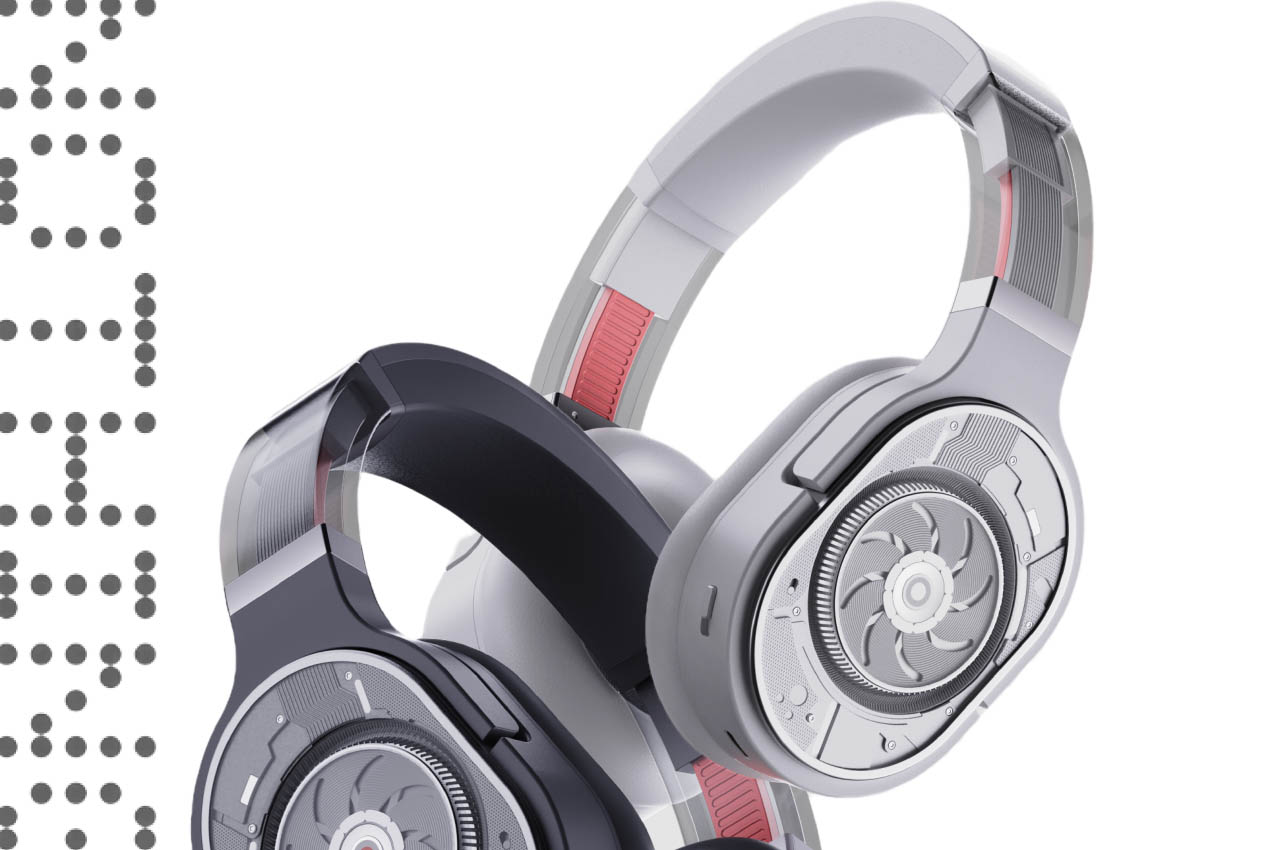
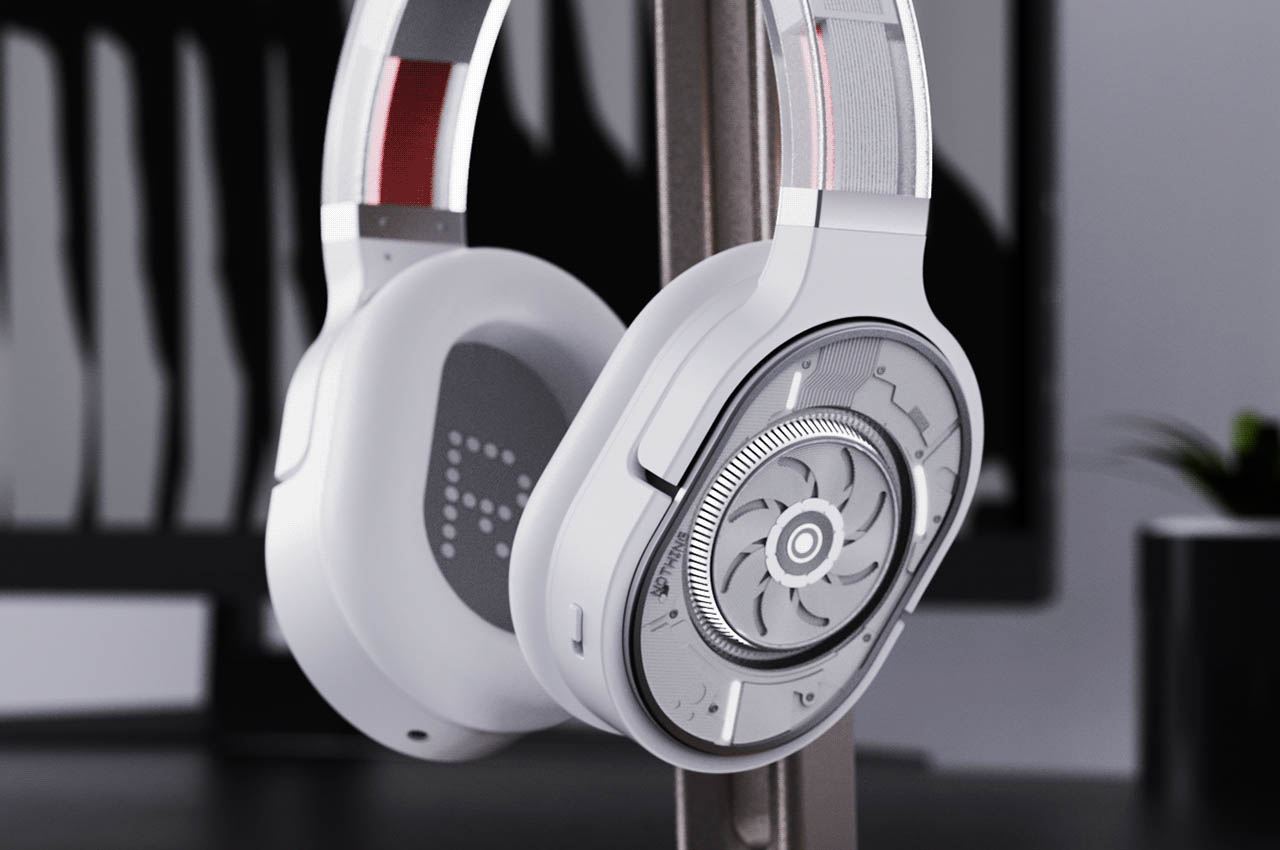
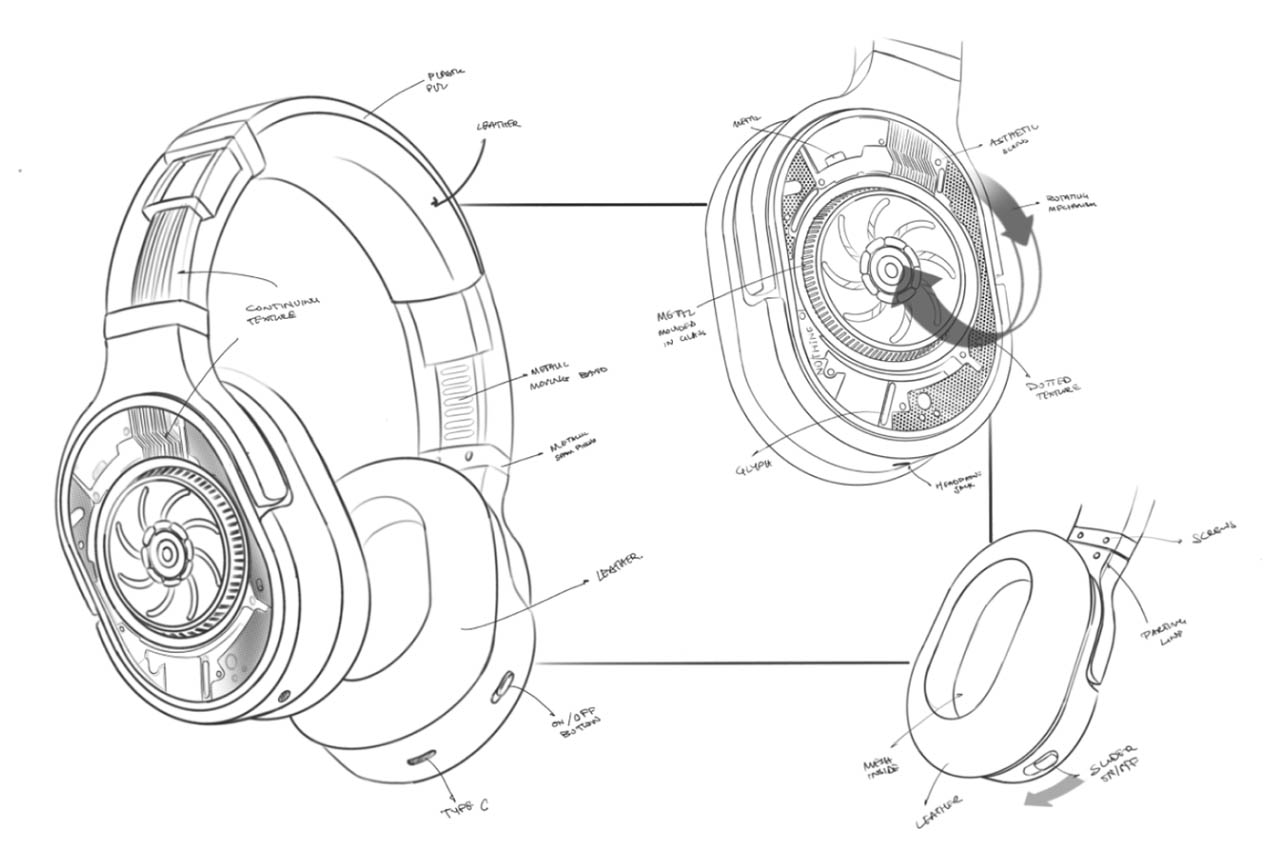
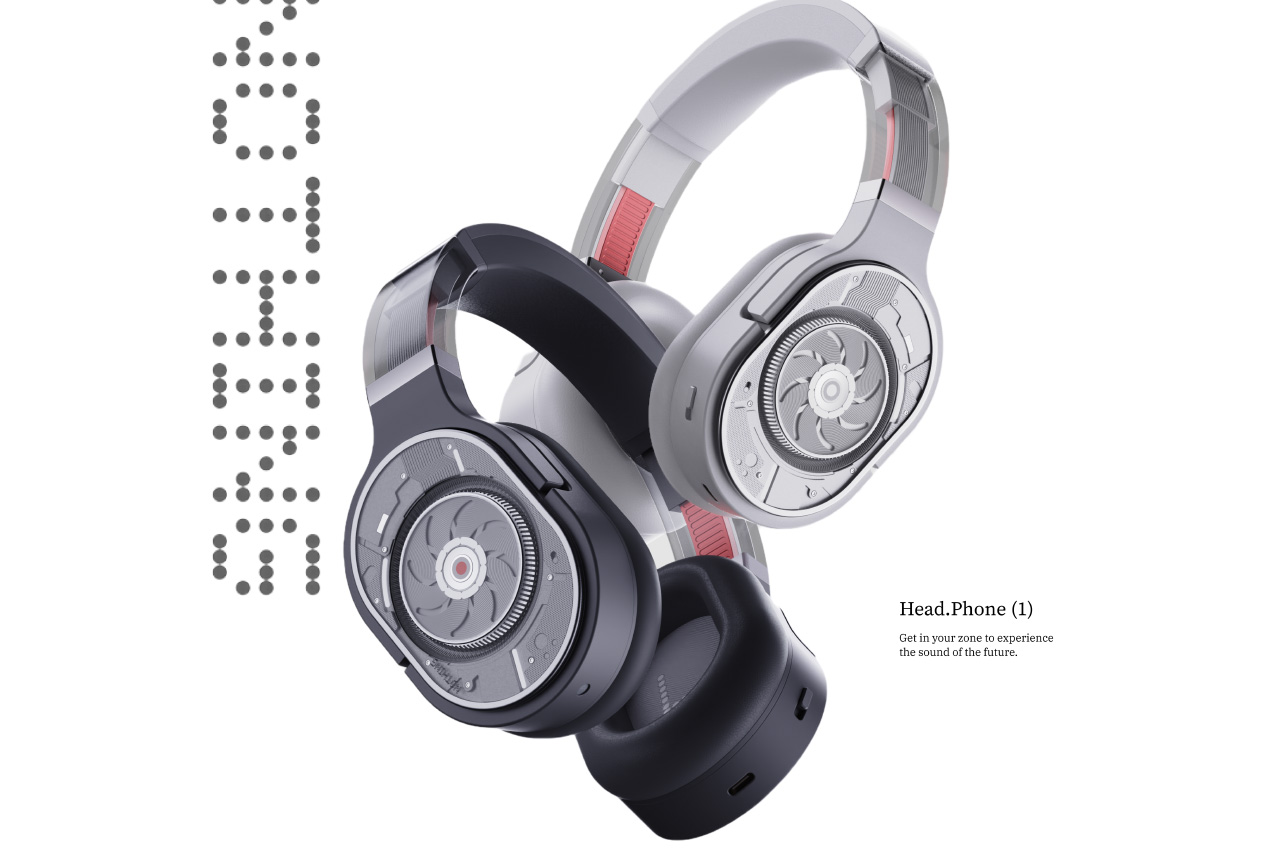
Where this concept design sets itself apart from those other iterations is the smart use of the Glyph interface in the headphones. It’s more aggressive looking with physically moving Glyphs that can be customized to send cool messages to the on-lookers. The texture is very nice, something that Nothing would love. The color and finish of the materials are impressive with detailing in the right places. Transparent design elements flow down to the headbands which give it the typical DNA of the brand.
The ANC, transparency and normal modes can be toggled from the physical glyph interface. The ANC mode is represented by the closing Glyph lights, while transparency has a more open representation. This way, anyone talking to you can visually understand whether you are open to conversations or just in your zone, preferring not to be disturbed. Features and specifications apart from these over-the-ear headphones will freshen up the otherwise predictable market led by consumer-centric options from Sony, Apple, Sennheiser and Bose.
Although the designer didn’t intend to create a pair that is inspired by the Teenage Engineering elements, this concept has telltale good looks. So why wear a pair that seems more or less contemporary, when you could (in the future) get the option to sport a one from Nothing?
According to the Prison Policy Institute, the US has a higher incarceration rate per 100,000 people in its population than any other NATO country and it’s even higher than the next five member states combined (the UK, Portugal, Canada, France and Belgium).
So what’s the solution? Hashem Al-Ghaili, a molecular biologist and science communicator from Yemen, claims he’s got it in an interview with Wired: build a virtual prison instead. He’s not talking about stapling a bunch of Meta Quest 3’s to prisoners' heads for years at a time, but it’s also not far off from that concept.
Al-Ghaili is proposing a new neurological prison system that he calls Cognify. He posted a proposal video of the virtual justice system on his Instagram and YouTube channel and it looks downright horrifying.
Here’s how Cognify works in a theoretical nutshell — Instead of locking prisoners up for long periods of time, prisoners would be subjected to artificial memories in a virtual environment. The system creates customized AI-generated content that’s converted to visual information and delivered to the prisoner’s brain as well as the parts of their DNA and RNA linked to memory formation to establish a long term memory pattern.
Currently, such technology does not exist and Cognify is only a proposal. However, Al-Ghaili claims that experiments conducted on animals prove this process could work on humans at some point in the future. For instance, a study published in March in the scientific journal Nature in March that used mice as its test subjects found that memories are possibly formed by broken and repaired strands of DNA.
Of course, there are ethical implications and effects that would need to be addressed if such a system were to become a reality. Al-Ghaili says Cognify could happen within a decade from now but only “if we could overcome the ethical restrictions that limit testing such technology.”
If that doesn’t send a shiver up your spine, then check your wrist for a pulse. Horror anthology fans like me will remember an episode from the 1990s reboot of The Outer Limits on Showtime called “The Sentence” in which a scientist played by David Hyde Pierce invents a very similar virtual prison system that simulates an entire life sentence within a matter of minutes. He, of course, subjects himself to his own invention that makes him believe he committed a murder and served an entire lifetime in prison. He wakes up only to start denouncing the very system he championed just a few minutes earlier.
This article originally appeared on Engadget at https://www.engadget.com/the-ai-prison-of-the-future-is-just-an-outer-limits-episode-200937257.html?src=rss
Microsoft killed its foldable smartphone adventure in 2023 after two iterations of its unique idea of a folding phone. The Surface Duo and Duo 2’s two-screen design didn’t pan out too well with the consumers. While the competition in the foldable Android phone market perfected the creaseless form factor, Microsoft – though having outsmarted Apple to the foldable phone category – lost out with its unprogressive design.
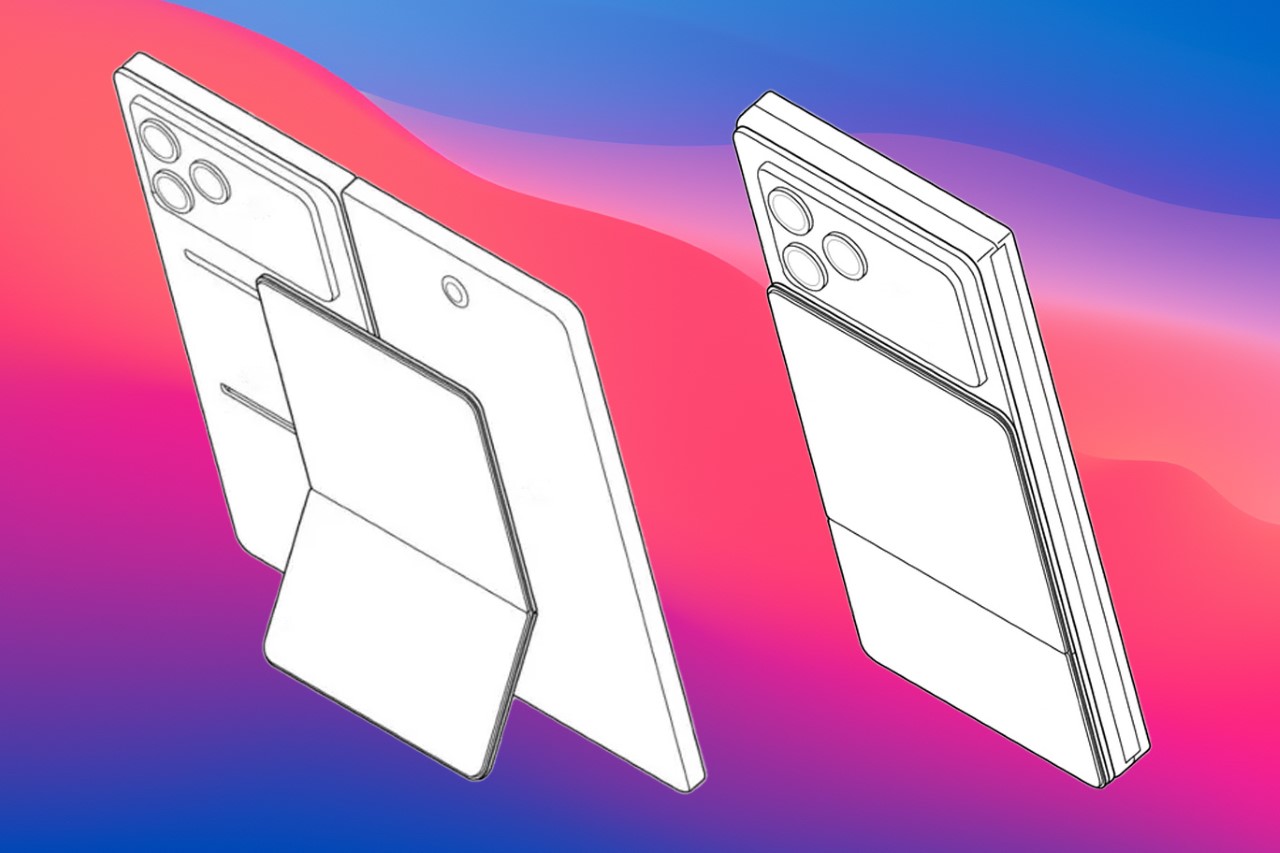
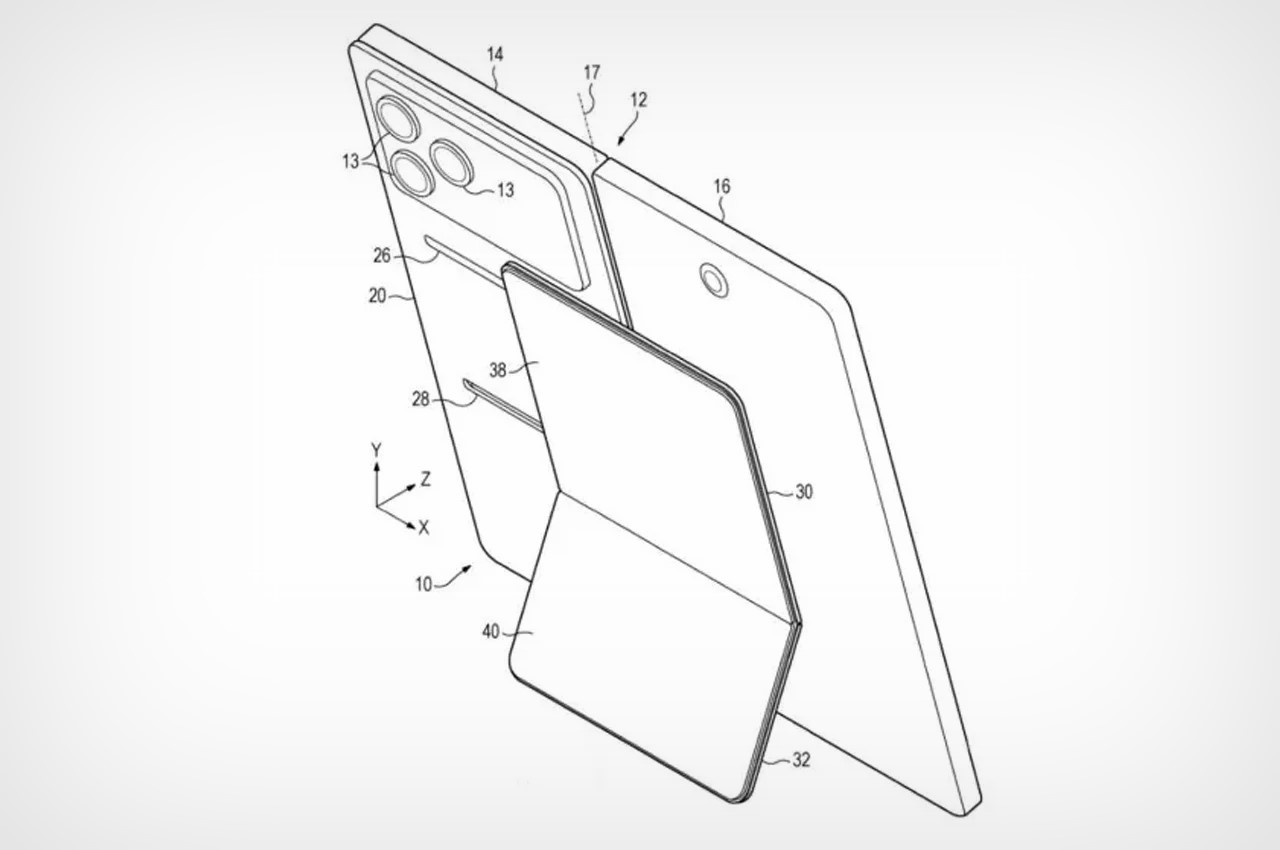
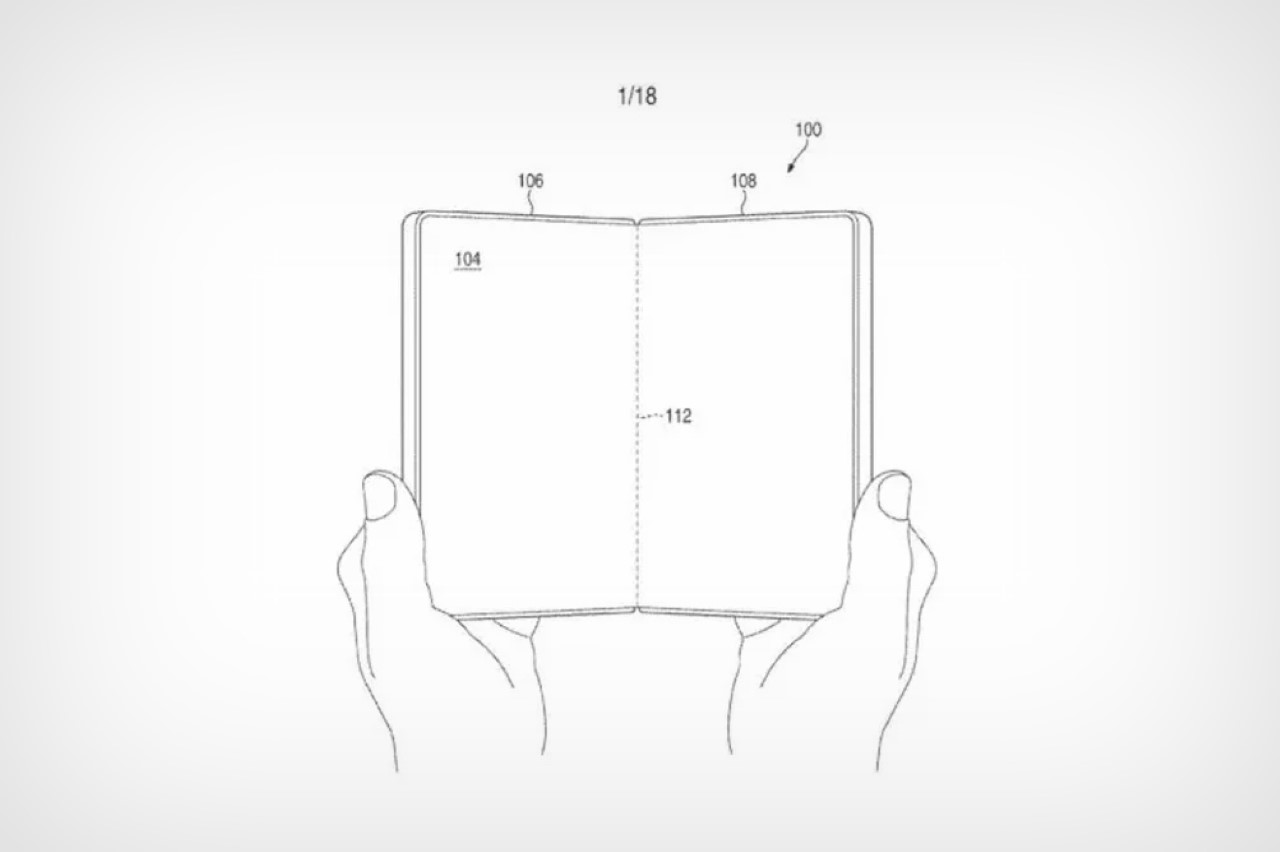
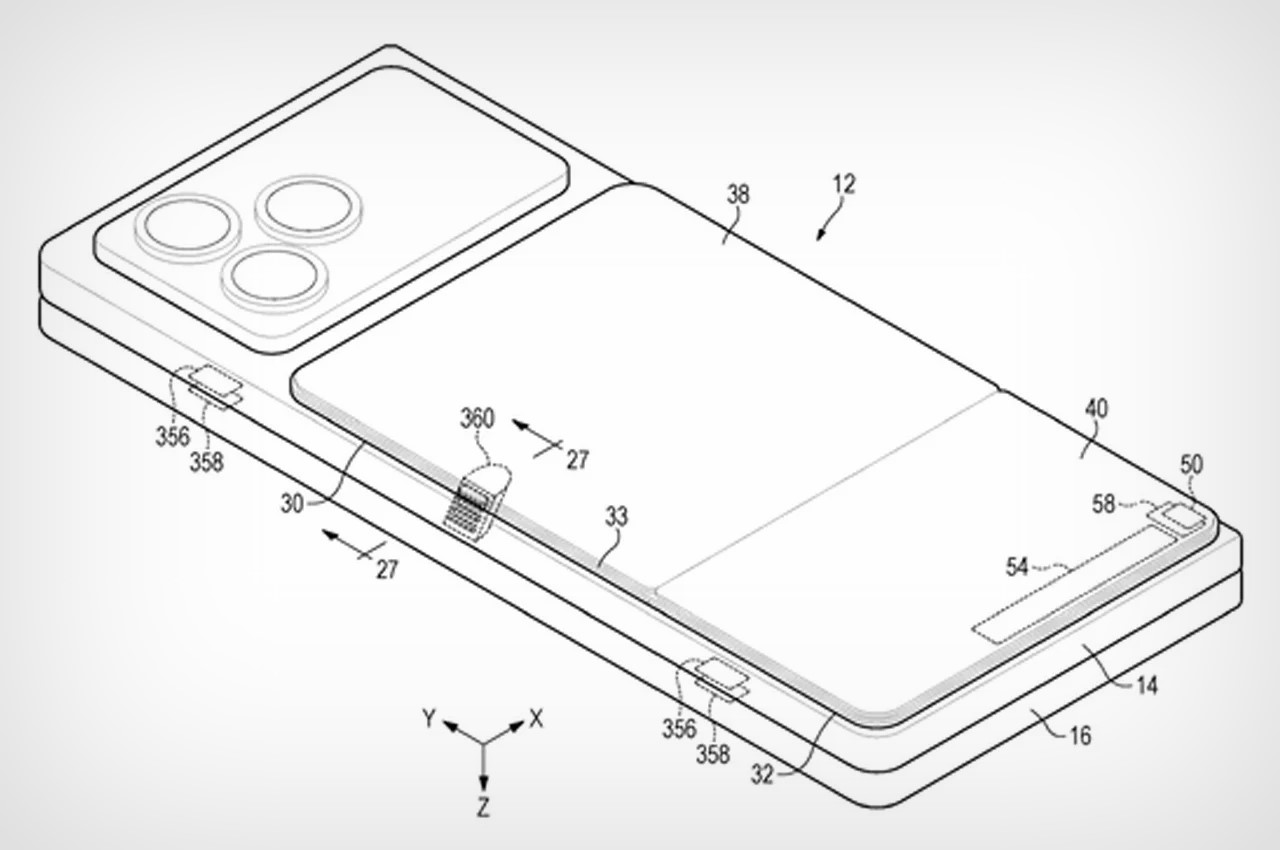
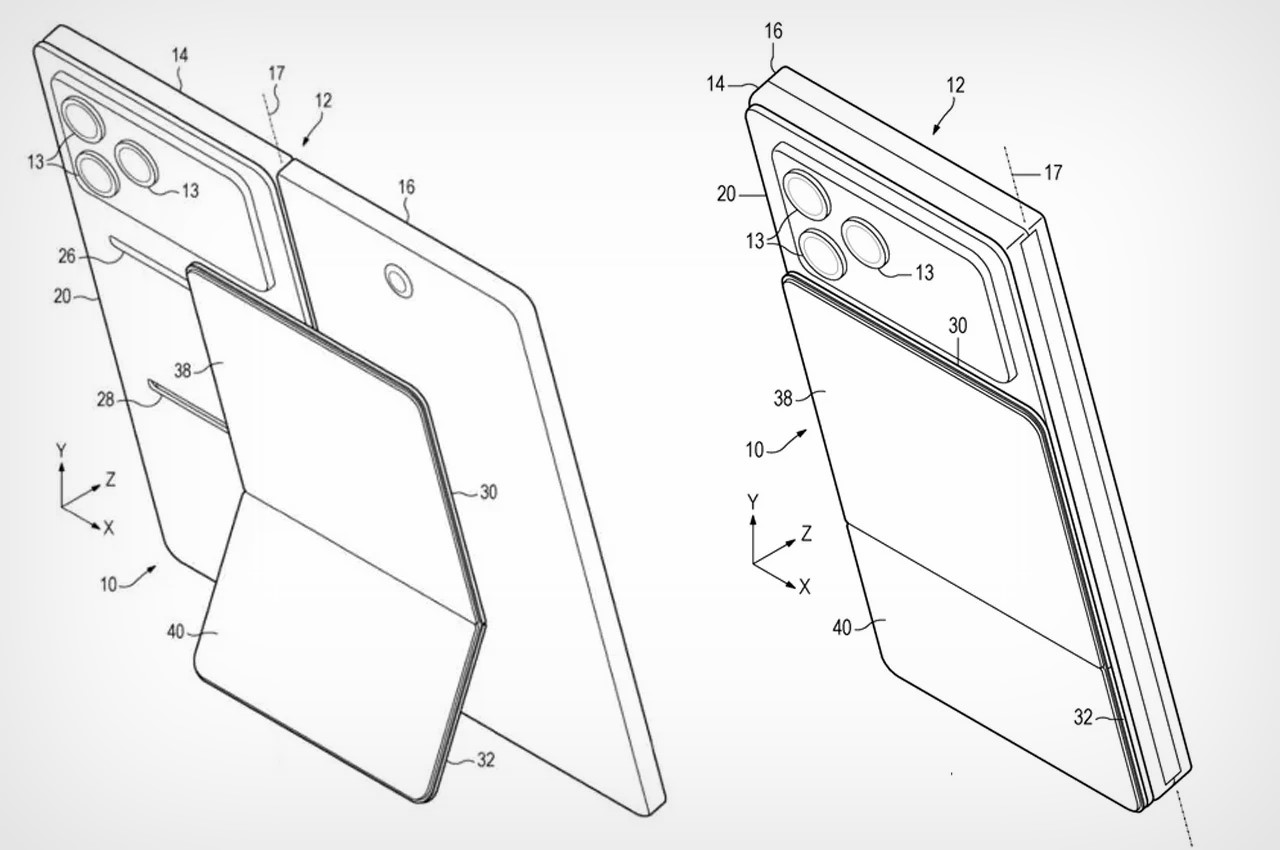
A new patent shared by Patently Apple shows that Microsoft, most likely, had made peace with the demanded form factor and may have been working on a design codenamed Neon (supposedly the now-canceled Surface Duo 3). The unreleased device detailed in the patent, shows how the phone would have looked with improvements like an external cover display, single folding screen without a crease, and Apple MagSafe-esque magnetic accessories.
The uncanny two high-resolution touchscreens of the Surface Duo 2 couldn’t open the users’ minds to adoption and Microsoft felt the pinch of it. A reason why the patent of a never-released phone suggests that the device was being visioned with a concealed hinge folding inner display – like in Galaxy Fold models – instead of two separate displays with a noticeable distinguishing hinge.
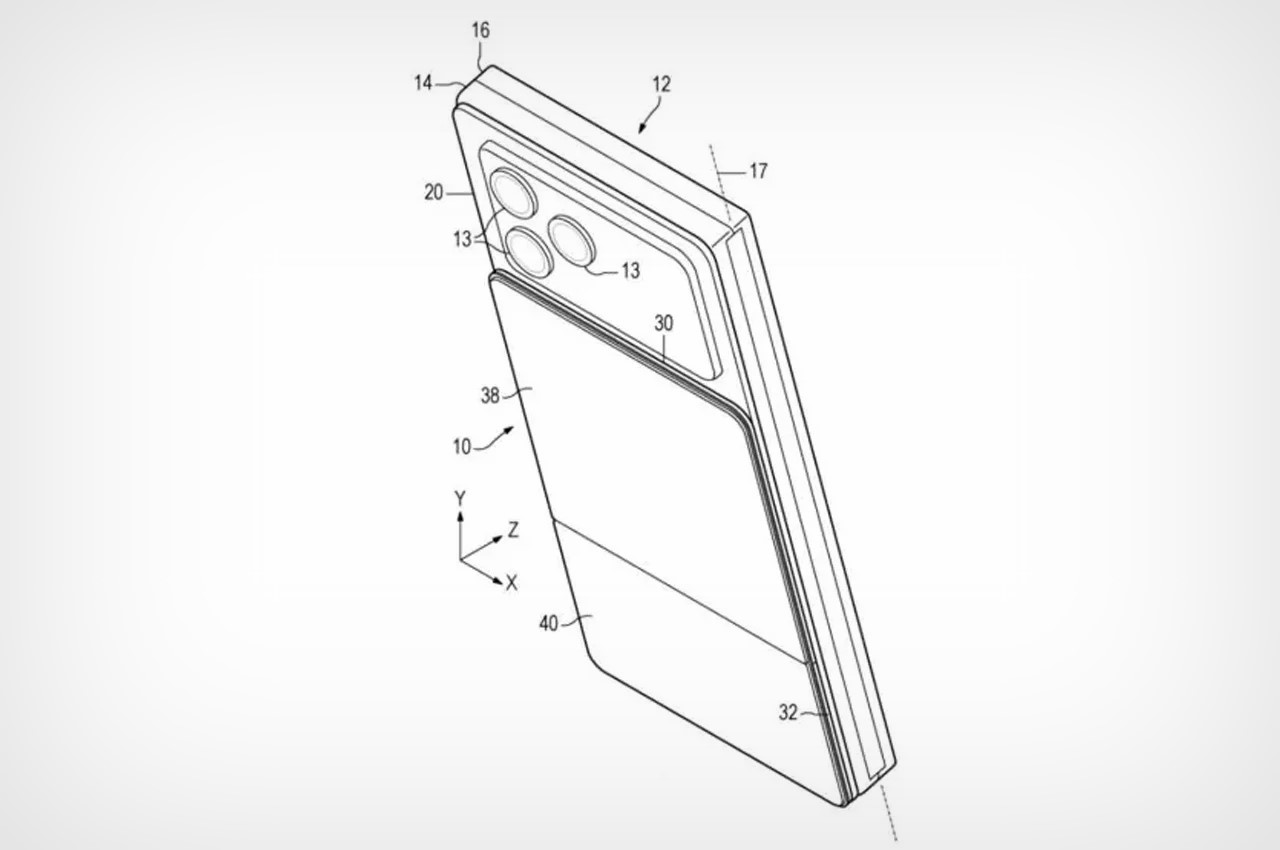
The new 180-degree hinge design of the device, in the patent, is accompanied by a cover screen on the outside, which was missing in the previous surface models. Interestingly, the design suggests the cover and inner folding screens with edge-to-edge, and a camera in the cover display for selfies and video calling. A larger camera array on the back – spanning the entire width of the device – features a triple camera module that looks identical to the iPhone’s camera array with lenses placed on the top left-hand side.
A standout feature revealed in the patent is support for magnetic accessories. This is an Apple MagSafe-style feature, which shows a kickstand attached to the device to prove its functionality and usability in different orientations. Additionally, the foldable phone featured a power button updated to pop open the phone – like a book – on a press, saving the user the effort of manually opening the two halves of the device. I know, Microsoft is not going to release a folding phone based on this revealed patent anytime in the future, but I think it did have the mettle to compete I presume.