Robocaller behind AI Biden deepfake faces charges and hefty FCC fine

A political consultant who admitted to using a deepfake of President Joe Biden's voice in a robocall scheme this year is facing several charges as well as a hefty fine from the Federal Communications Commission. Steve Kramer (pictured above) said his aim with the New Hampshire primary robocall was to warn people about the dangers of artificial intelligence, as The Hill notes.

Kramer previously worked for Dean Phillips, a long-shot Democratic presidential candidate who suspended his campaign in March. Kramer has called for "immediate action" on AI "across all regulatory bodies and platforms."

He has now been charged with 13 felony counts of voter suppression and 13 misdemeanor counts of impersonation of a candidate. The phony Biden voice allegedly urged people not to participate in the primary and to “save your vote for the November election.” New Hampshire Attorney General John Formella, who announced the charges, said in February that the robocall reached as many as 25,000 voters.

The FCC has proposed a $6 million fine against Kramer, citing an alleged violation of the Truth in Caller ID Act as the robocall is said to have spoofed a local political consultant's phone number. The agency also proposed a $2 million fine against Lingo Telecom, the telecom carrier that operated the phone lines, for allegedly violating caller ID authentication rules. The FCC banned AI-generated voices in robocalls soon after the Kramer incident.

“New Hampshire remains committed to ensuring that our elections remain free from unlawful interference and our investigation into this matter remains ongoing," AG Formella said. "The Federal Communications Commission will separately be announcing an enforcement action against Mr. Kramer based on violations of federal law. I am pleased to see that our federal partners are similarly committed to protecting consumers and voters from harmful robocalls and voter suppression."

Meanwhile, the FCC may soon require political advertisers to disclose the use of any AI in TV and radio spots. However, chairwoman Jessica Rosenworcel is not seeking to ban the use of AI-generated content in political ads. “As artificial intelligence tools become more accessible, the commission wants to make sure consumers are fully informed when the technology is used,” Rosenworcel said in a statement on Wednesday.

This article originally appeared on Engadget at https://www.engadget.com/robocaller-behind-ai-biden-deepfake-faces-charges-and-hefty-fcc-fine-201803214.html?src=rss

Google plans to run a fiber optic cable from Kenya to Australia

Google said on Thursday it will build a fiber optic cable to connect Africa and Australia. Named Umoja (a Swahili word meaning “unity”), one end of the cable will start in Kenya and pass through Uganda, Rwanda, the Democratic Republic of the Congo, Zambia, Zimbabwe and South Africa (with access points for the countries) before crossing the Indian Ocean to the land down under.

Google says the project is designed to “increase digital connectivity, accelerate economic growth, and deepen resilience across Africa.” In addition to the cable itself, the company says it will work with the Kenyan government to boost cybersecurity, data-driven innovation, digital upskilling and responsibly and safely deploying AI.

Umoja will join Equiano, Google’s private undersea cable running between Portugal and South Africa (with pitstops in other nations).

Google says the new route is critical to strengthen network resilience in the region, which has a history of “high-impact outages.” In other words, more network redundancy makes outages less catastrophic to the area’s broadband infrastructure.

“The new intercontinental fiber optic route will significantly enhance our global and regional digital infrastructure,” Kenyan President William Ruto wrote about the initiative in a Google blog post. “This initiative is crucial in ensuring the redundancy and resilience of our region’s connectivity to the rest of the world, especially in light of recent disruptions caused by cuts to sub-sea cables. By strengthening our digital backbone, we are not only improving reliability but also paving the way for increased digital inclusion, innovation, and economic opportunities for our people and businesses.”

This article originally appeared on Engadget at https://www.engadget.com/google-plans-to-run-a-fiber-optic-cable-from-kenya-to-australia-191744476.html?src=rss

Origami-inspired handbag shapeshifts into different forms to give you a new bag everyday

Imagine a single bag that transforms into countless forms, adapting to your mood and needs. This might sound like sci-fi, but it’s actually the beautiful Infinite Convertible Bag, designed by Maryam Hosseini. Addressing the need with elegance and innovation, the Infinite Bag emerges as a testament to timeless design inspired by the rich heritage of Iranian architecture while embracing the principles of sustainability and versatility.

Designer: Maryam Hosseini

The genesis of the Infinite Bag draws inspiration from the intricate geometry pattern beautifying the dome of the music hall of Aali Qapu, an imperial palace nestled in Iran, dating back to 1957 C.E. Iranian architecture during the Safavid period was deeply rooted in mathematical precision and geometric proportions, echoing the language of nature itself. The domes of this era exemplify a seamless fusion of art and mathematics, where 2D designs effortlessly transform into mesmerizing 3D spaces through meticulous layering.

Embracing this ethos, the bag ingeniously incorporates origami techniques to fold its leather pieces into an array of shapes, echoing the transformative essence of Iranian architectural masterpieces. Like a puzzle waiting to be solved, the bag offers over 40 different configurations, both symmetrical and asymmetrical, allowing users to tailor its shape to match their mood or occasion. Contemporarily, we all know that individuality reigns supreme, and the Infinite Bag emerges as a canvas for self-expression, empowering users to craft their unique narrative with every fold.

Crafted from 96 pieces of genuine cow leather and 18 sets of no-sew snap metal buttons, the Infinite Bag is a testament to meticulous craftsmanship and attention to detail. Each component is meticulously designed in both 2D and 3D using AutoCAD before being precision-cut with laser technology. The pieces are then delicately attached to a soft and foldable suede base, culminating in a masterpiece sewn entirely by hand. The design team grappled with the delicate balance between form and function, ensuring that the bag retained its exquisite aesthetics while remaining practical for everyday use. Furthermore, the selection of materials posed its own set of hurdles, with the team meticulously scrutinizing various options to find the perfect balance of durability and flexibility.

The post Origami-inspired handbag shapeshifts into different forms to give you a new bag everyday first appeared on Yanko Design.

Devolver Digital is celebrating its 15th birthday with a livestream on June 7

Devolver Digital is holding a livestream event on June 7 at 2PM ET to celebrate its 15th birthday and drop a bunch of “updates and release dates for upcoming titles.” It’s part of this year’s Summer Game Fest, which also kicks off on June 7 and is quickly becoming the de facto replacement for E3. You can stream the event in a number of ways, including the company's official website. 

What’s likely to be revealed by Devolver at the livestream? The company remains mum, but more information on Skate Story is practically guaranteed. The game was supposed to come out last year, so a release date is likely. We could also get updates on the action title The Plucky Squire and the bizarre man-baby walking simulator Baby Steps. The company has also promised “exciting new reveals”, which could mean just about anything from Hotline Miami 3 to previously unannounced IPs.

One thing’s for sure. The event will most definitely be quirky and entertaining. This has become Devolver’s trademark, as previous livestreams have included riffs on public access TV, parodies of massive game conferences like E3 and game designer Goichi Suda, sort of, in a mech suit.

There are other events already scheduled around Summer Game Fest. The biggest of the bunch will be the Xbox Games Showcase on June 9. This stream is likely to feature a deep dive into the next Call of Duty entry.

This article originally appeared on Engadget at https://www.engadget.com/devolver-digital-is-celebrating-its-15th-birthday-with-a-livestream-on-june-7-184301686.html?src=rss

Spotify’s Car Thing will soon transform into Spotify’s Car Brick

Spotify’s Car Thing, a limited hardware “test” the company began shipping only three years ago, is about to bite the dust. The company wrote on Thursday that the device, which brought Spotify to automobiles without Apple CarPlay or Android Auto, will “no longer be operational” as of December 9.

Car Thing was aimed at drivers who want to listen to Spotify in their cars but don’t have modern systems with built-in streaming apps. The $90 device let you control the service with voice recognition and preset buttons, and it had a four-inch color touchscreen. However, Spotify had already discontinued it by mid-2022.

In our 2021 preview, Engadget’s Billy Steele wrote that the gadget seemed unnecessary at first but proved useful after two weeks of use. “While it seems only Spotify die-hards would be interested in something like this, it does offer an upgrade for older cars,” our audio gear expert wrote. “I’m never getting built-in voice control in [the 2006 Honda] Element, and the ability to keep Waze on my phone and Spotify on another display definitely reduced the need to fiddle with either while driving.”

Left-side view of the Spotify Car Thing mounted in front of a car stereo.
Billy Steele for Engadget

Spotify’s official explanation for ditching its first hardware product is that it’s “part of our ongoing efforts to streamline our product offerings” (read: save money) and that it lets the streaming service “focus on developing new features and enhancements that will ultimately provide a better experience to all Spotify users.”

Those new features and enhancements are anyone’s guess because the company adds that it doesn’t plan on launching a replacement product or a new version of Car Thing. Of course, you can listen to Spotify in your car with your phone connected through Bluetooth or a cable, and many drivers now have Android Auto and Apple CarPlay, which provide access to much more than a single music app.

Spotify recommends factory resetting the Car Thing and disposing of it after it kicks the bucket in December. The company isn’t offering any refunds or trade-in options — something to keep in mind if it ever rolls out more limited hardware experiments.

This article originally appeared on Engadget at https://www.engadget.com/spotifys-car-thing-will-soon-transform-into-spotifys-car-brick-180208232.html?src=rss

Atari just bought Intellivision, putting an end to the very first console war

Atari just announced that it has acquired the Intellivision brand, along with more than 200 games from Intellivision Entertainment LLC. This puts an end to the very first console war, as Atari and Intellivison were bitter rivals going all the way back to 1979. The original Intellivision console, released by Mattel, went up against the Atari VCS (later named the 2600) a full decade before Nintendo and Sega started their beef.

“Uniting Atari and Intellivision after 45 years ends the longest-running console war in history,” said Mike Mika, the studio head at Atari-owned Digital Eclipse.

The deal doesn’t include the long-delayed Intellivision Amico retro console. Intellivision Entertainment LLC will continue working on the Amico as a separate and rebranded company and will use a license provided by Atari to release Intellivision games on it. The company has had a difficult time getting the console funded after originally announcing it back in 2018. It did manage, however, to release a truly bizarre app for iOS and Android devices that requires two smartphones or tablets to work. One device displays the game and the other acts as a controller. It’s a weird idea and, according to Kotaku, "one janky piece of crap."

As for Atari, it’s already making use of the Intellivision brand by adding items like t-shirts to its online store. Atari CEO and chairman Wade Rosen said on X that the acquisition presented a “very rare opportunity to unite former competitors and bring together fans of Atari, Intellivision and the golden age of gaming.” The ColecoVision, another console from the early 1980s, was also part of this golden age of gaming, but has yet to be snatched up by Atari.

This article originally appeared on Engadget at https://www.engadget.com/atari-just-bought-intellivision-putting-an-end-to-the-very-first-console-war-172320606.html?src=rss

Kia EV3: The Futuristic Subcompact Crossover Set to Electrify the EV Market

Kia has unveiled the EV3, a subcompact crossover that brings a new level of sophistication and technology to the electric vehicle market. As the latest addition to Kia’s rapidly expanding EV lineup, the EV3 leverages the innovative features of the flagship EV9 SUV while introducing them to a more compact and accessible form. By combining a sleek, modern design with advanced technology and impressive range capabilities, the EV3 is poised to set new standards in the subcompact crossover segment and drive mass adoption of electric vehicles.

Designer: KIA

Exterior Design: A Bold and Progressive Statement

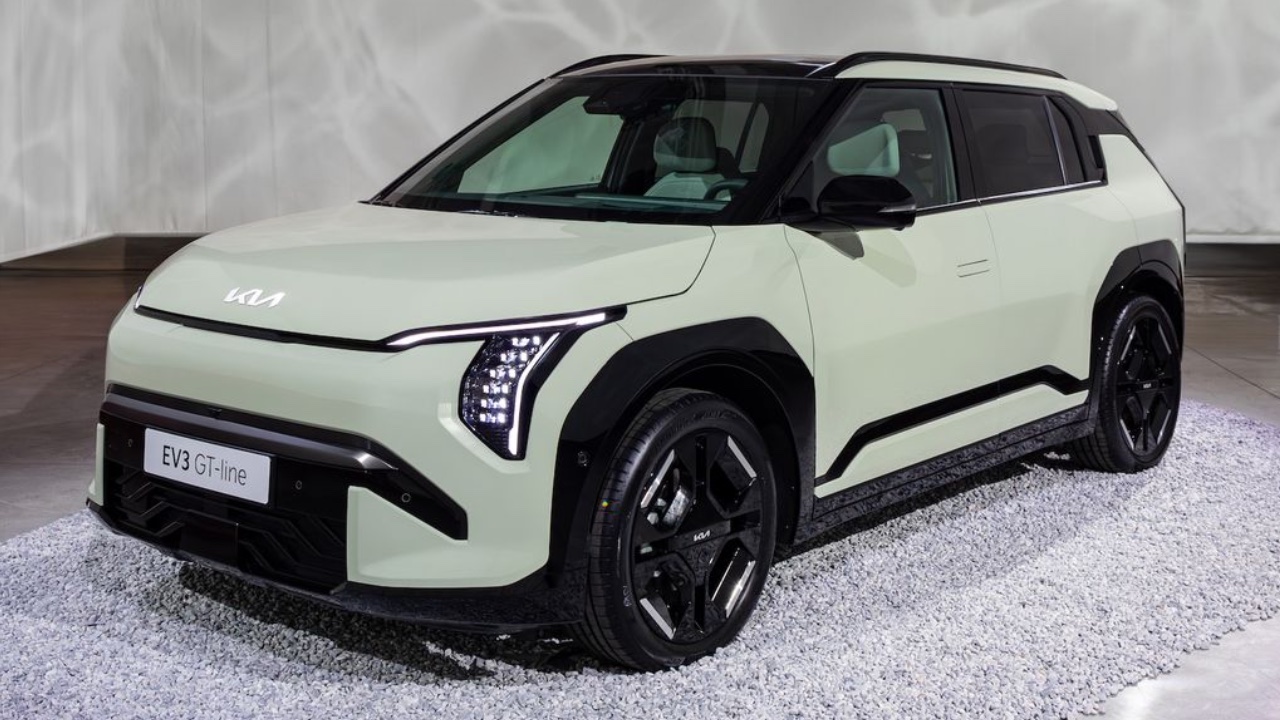
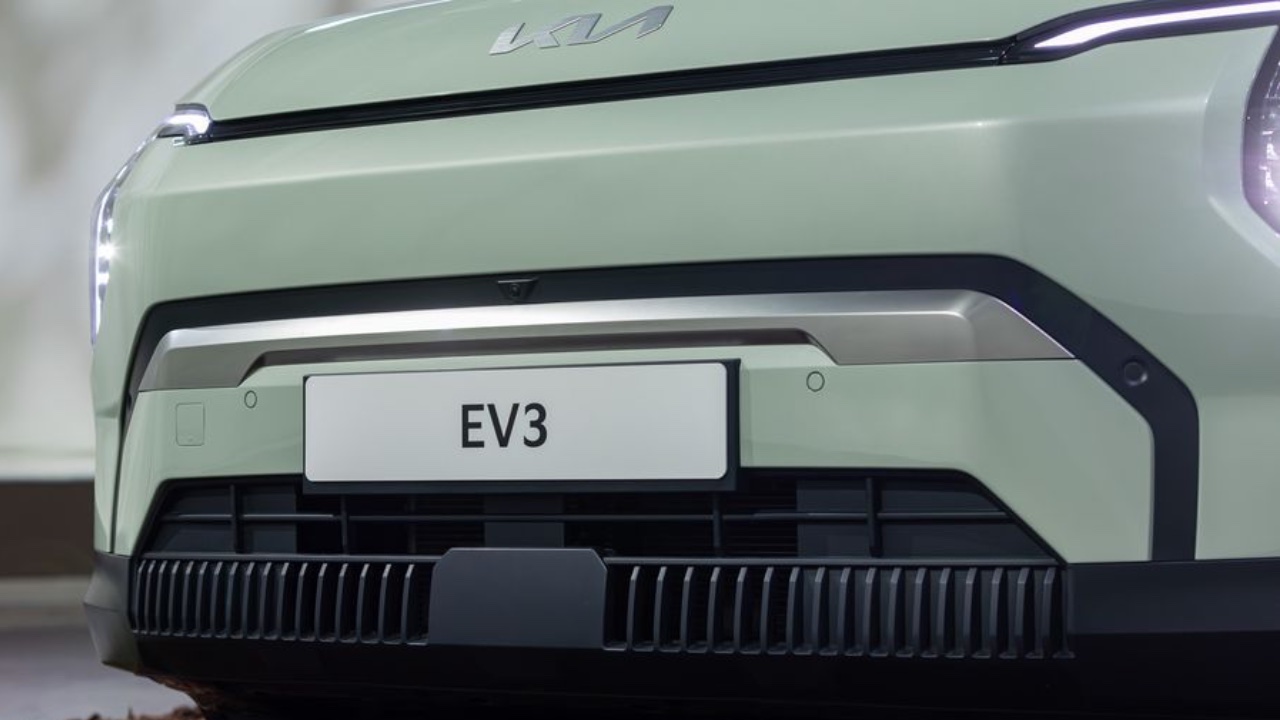
The EV3 embodies Kia’s ‘Opposites United’ design philosophy, blending the natural and the modern into a harmonious whole. This philosophy is evident in the EV3’s confident and assertive presence. The front end features vertical headlamps at the extremes, creating a wide and bold stance. The grille-less design and thin LED daytime running lights, known as Star Map, add to its futuristic appeal. This clean and uncluttered front end not only looks modern but also emphasizes the EV3’s electric nature.
Kia’s reinterpretation of the iconic Tiger Face design incorporates the latest Star Map signature lighting concept. The vertical Daytime Running Lights (DRLs) enhance the Tiger Face design, giving the EV3 a distinctive and recognizable look. These elements, combined with the black accents around the wheel arches and blacked-out pillars, contribute to the floating roof effect, enhancing the vehicle’s modern aesthetic.
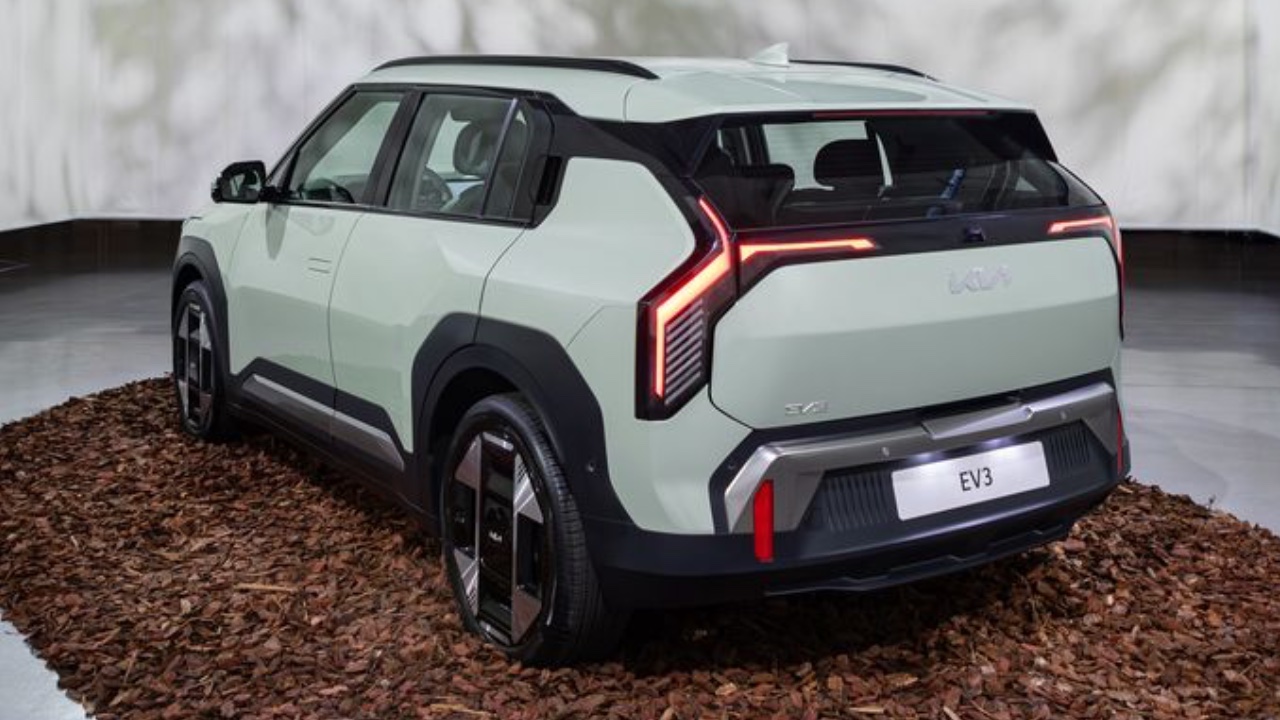
From the side, the EV3 showcases a sleek roofline that slopes gently into a hatchback-style tailgate. This design, paired with muscular wheel arches and dynamic lines, gives the EV3 a sporty and agile look. The long, smooth roofline adds to the vehicle’s aerodynamics and provides a spacious interior. The overall profile conveys strength and elegance, making the EV3 a compelling choice in the subcompact crossover segment.
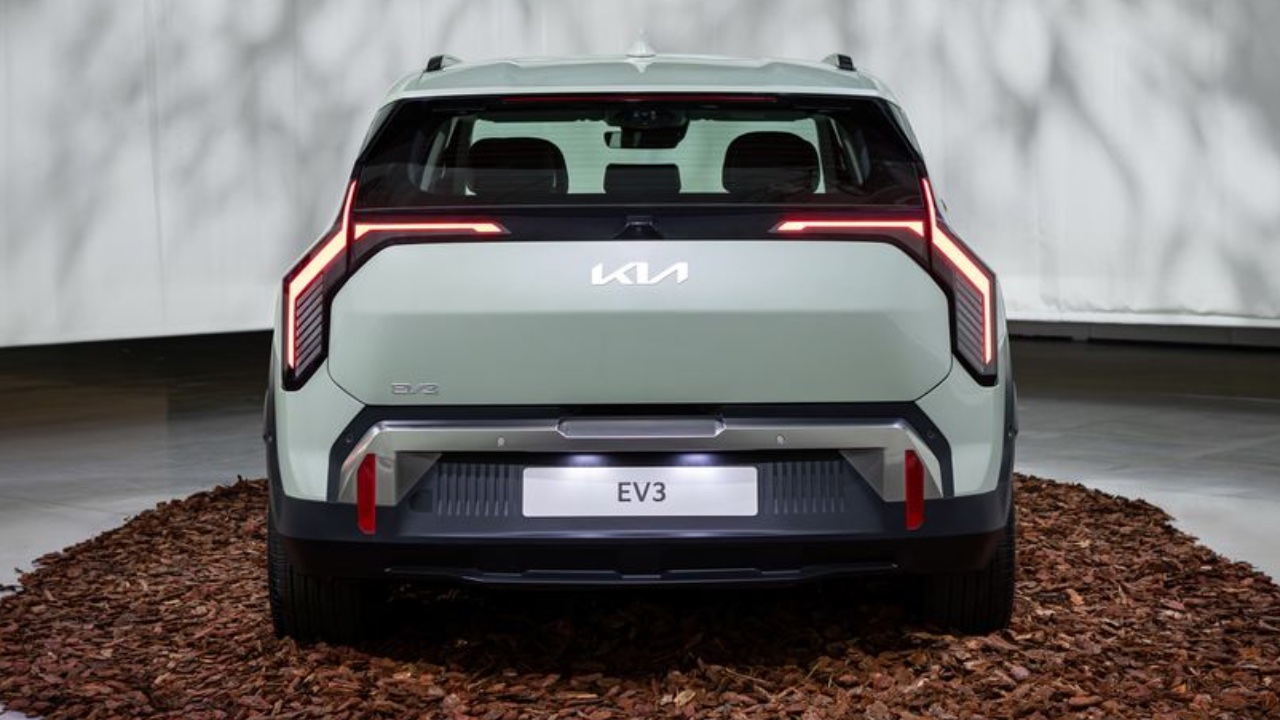
The EV3’s rear design continues this high-tech theme. Thick black trim lines emphasize the connection between the sturdy C-pillars and the dynamic roofline, adding to the vehicle’s robust appearance. The geometric rear lamps seamlessly integrate with the rear glass, creating a sleek and modern tailgate design. Inspired by the front’s Tiger Face Star Map lighting, the rear lights add a futuristic touch that ties the whole design together.
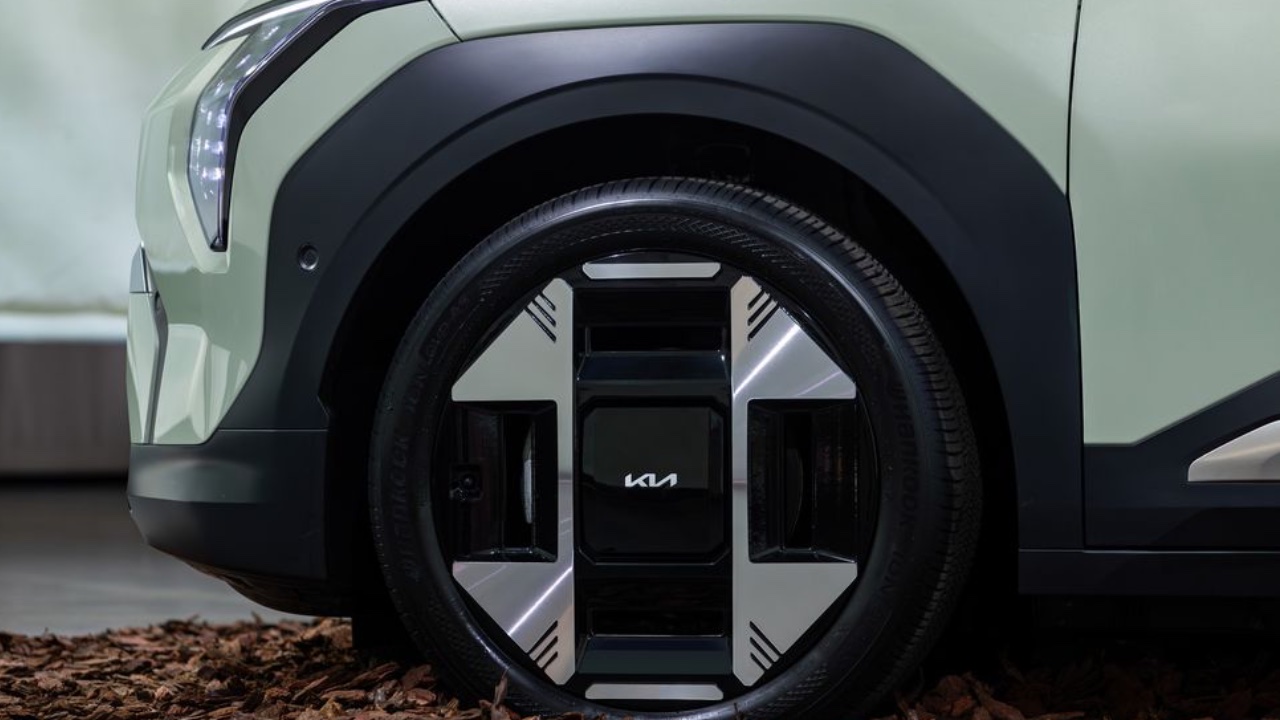
Interior Design: Comfort and Functionality

Step inside the EV3, and you’re greeted by an interior designed to maximize space and comfort. The cabin is spacious enough to comfortably accommodate five passengers, with a focus on creating a living room-like atmosphere. The elegant center console features a sliding table and storage area, perfect for drinks, snacks, and small backpacks. When parked, the table can hold personal electronics like laptops and tablets, turning the car into a mobile office or entertainment space.
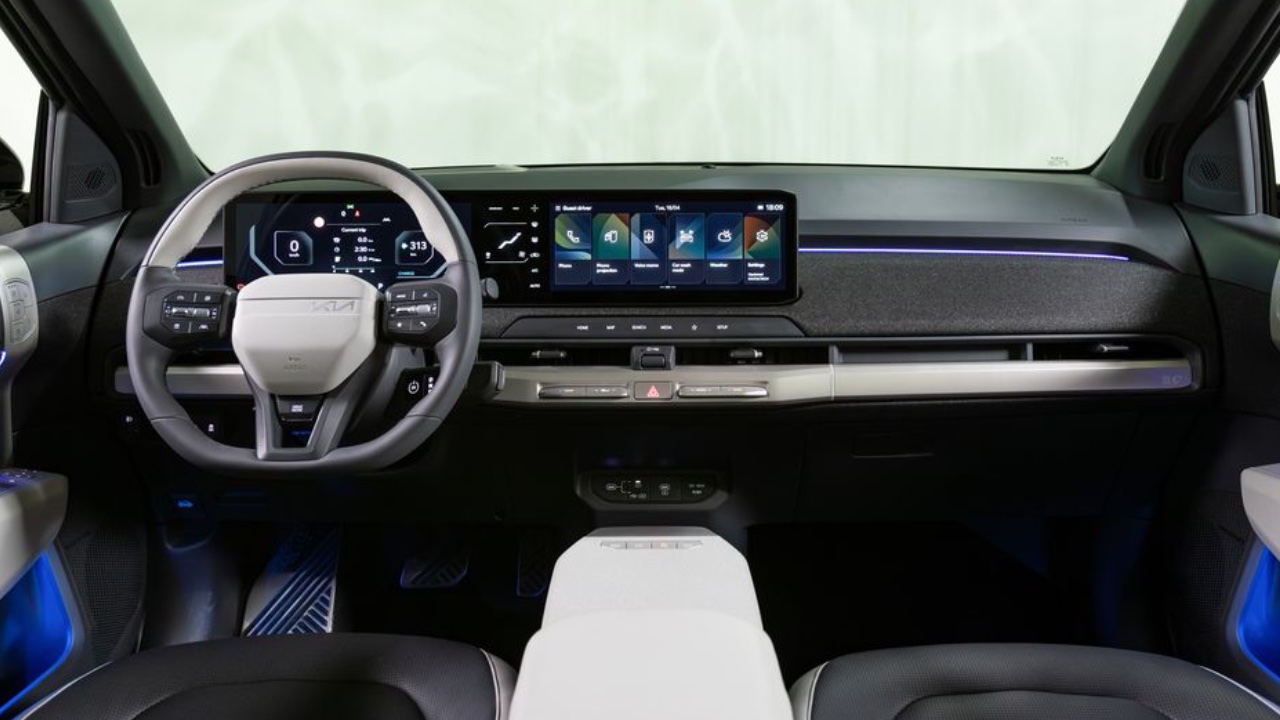
Kia has emphasized comfort with multi-adjustable ambient lighting and ultra-comfortable seats in fold-back relaxation mode. These features and the spacious interior make the EV3 an ideal vehicle for long journeys or just relaxing while charging. The EV3 offers a 25-liter frunk and a 460-liter rear load capacity, the largest in its class. The adjustable two-tier luggage board provides over 140mm of load height flexibility, catering to various needs, from daily commutes to family camping trips.
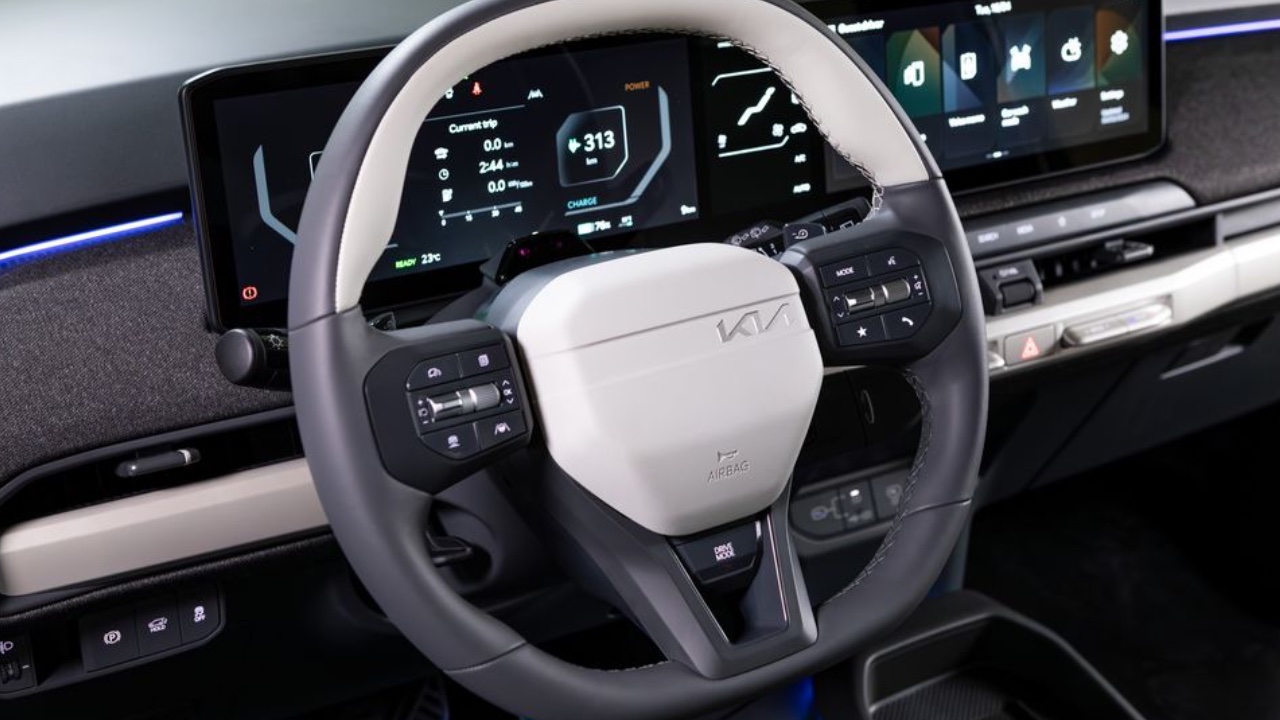

A big feature of the interior is the nearly 30-inch widescreen display, which includes a 12.3-inch digital instrument cluster, a five-inch air-conditioning panel, and another 12.3-inch AVN display. This integrated screen provides clear and intuitive information to the driver while extending to the center of the dashboard, giving the front-seat passenger access to entertainment and navigation features. Controls for drive modes, cruise control, and other functions are conveniently located on the steering wheel, ensuring ease of use.

Advanced Technology and Sustainability

The EV3 is packed with advanced technology that enhances both functionality and sustainability. The vehicle-to-load (V2L) function allows the battery to power external devices, such as laptops, coffee machines, and small fridges. The infotainment system includes streaming services, arcade games, and Kia’s AI Assistant technology, offering a comprehensive suite of entertainment and functionality. The introduction of the new i-Pedal 3.0 system for one-pedal driving with adjustable regenerative braking further enhances the driving experience, providing more control over energy recuperation.

Sustainability is a key focus for Kia, and the EV3 incorporates various sustainable materials throughout its interior. Recycled fabric is used in the dashboard and door trims, while polyethylene terephthalate (PET), one of the most easily recycled plastics, features in areas such as the seats, headliner, door armrests, garnish, floor mats, and luggage board. This commitment to using recycled materials highlights Kia’s dedication to accelerating sustainability at scale.
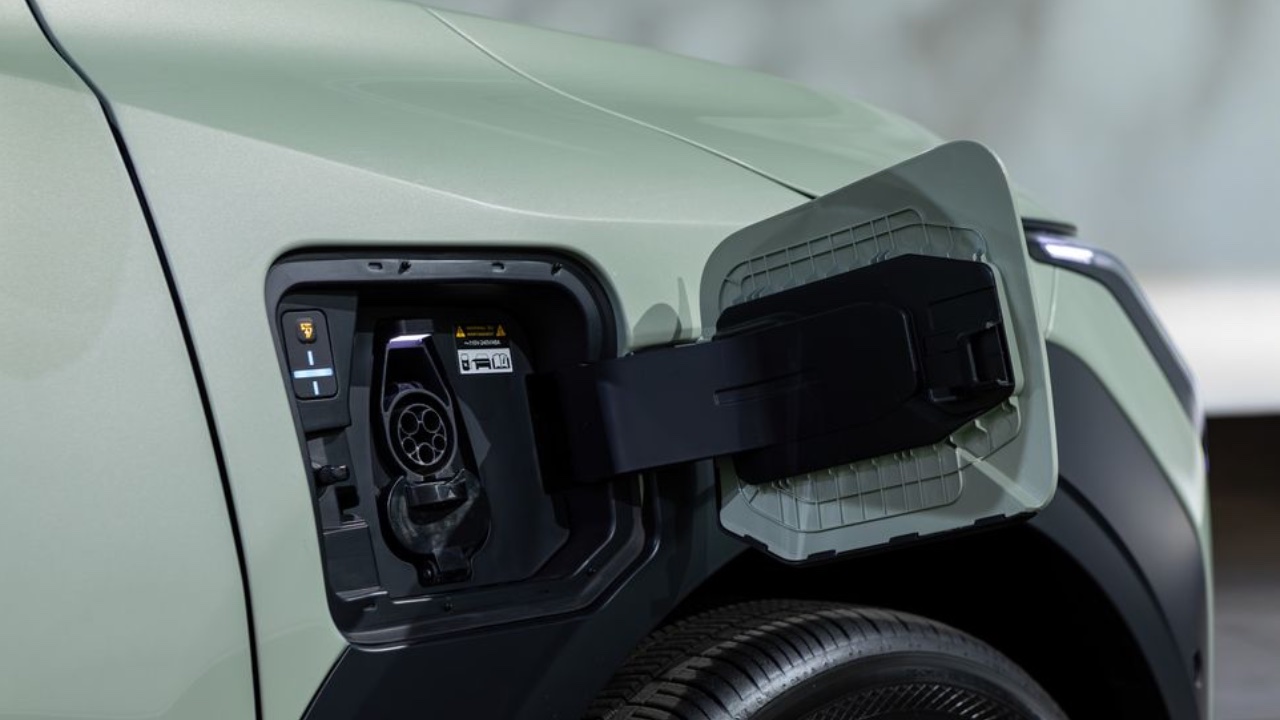
The EV3 is powered by Kia’s fourth-generation battery technology, with the Standard model featuring a 58.3kWh battery and the Long Range variant equipped with an 81.4kWh battery. Both models utilize a 150kW/283Nm electric motor, enabling a 0-100km/h acceleration time of 7.5 seconds and a maximum speed of 170km/h. The Long Range model offers an impressive WLTP driving range of up to 600km, addressing common concerns about electric vehicle range.

Future Developments: The EV3 GT

Kia is also developing a high-performance version of the EV3, known as the EV3 GT. Announced by Kia CEO Ho Sung Song, this model is expected to arrive in late 2025 or early 2026 and will offer more power than the standard EV3. Song stated, “By providing groundbreaking design, an industry-leading electric drivetrain, and practical, innovative lifestyle solutions, the EV3 aims to extend Kia’s exceptional EV SUV experience to a wider audience.”
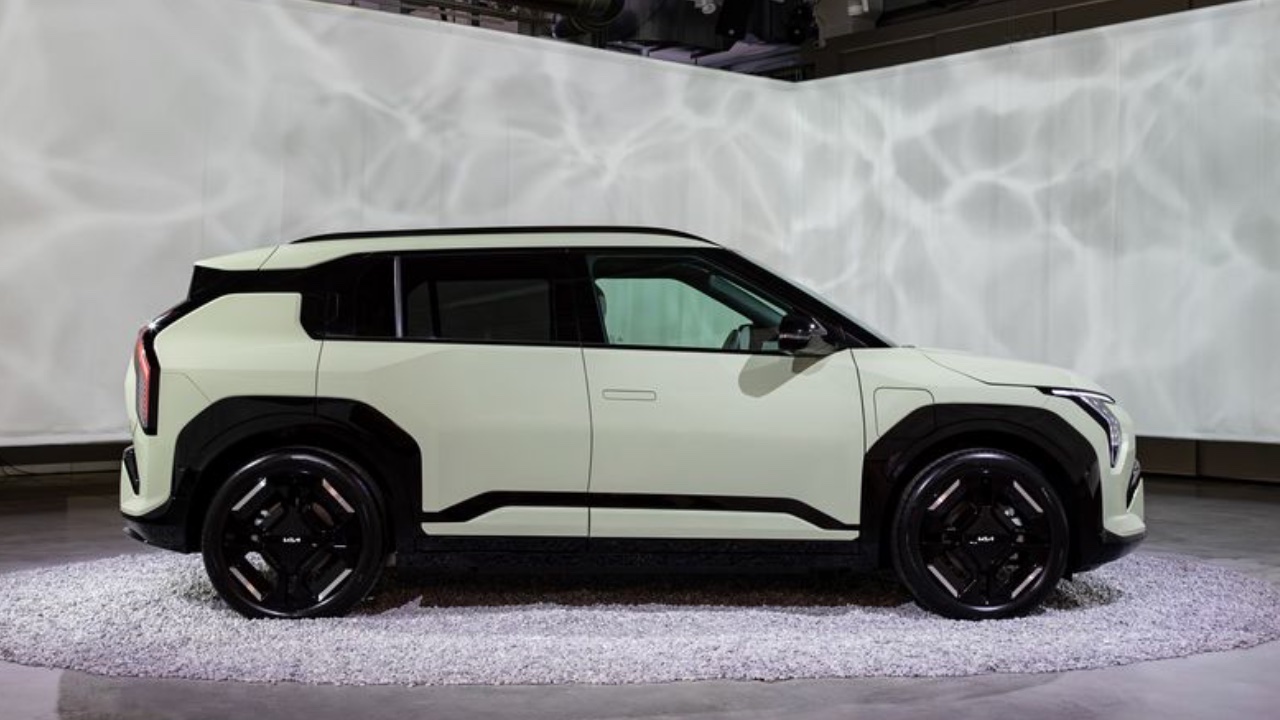
While details about the EV3 GT are limited, it will likely feature a dual-motor setup with a larger battery pack. This variant aims to provide a thrilling driving experience, further broadening the appeal of Kia’s electric vehicle lineup. It will deliver enhanced performance akin to the EV6 GT but tailored for the EV3’s smaller size.
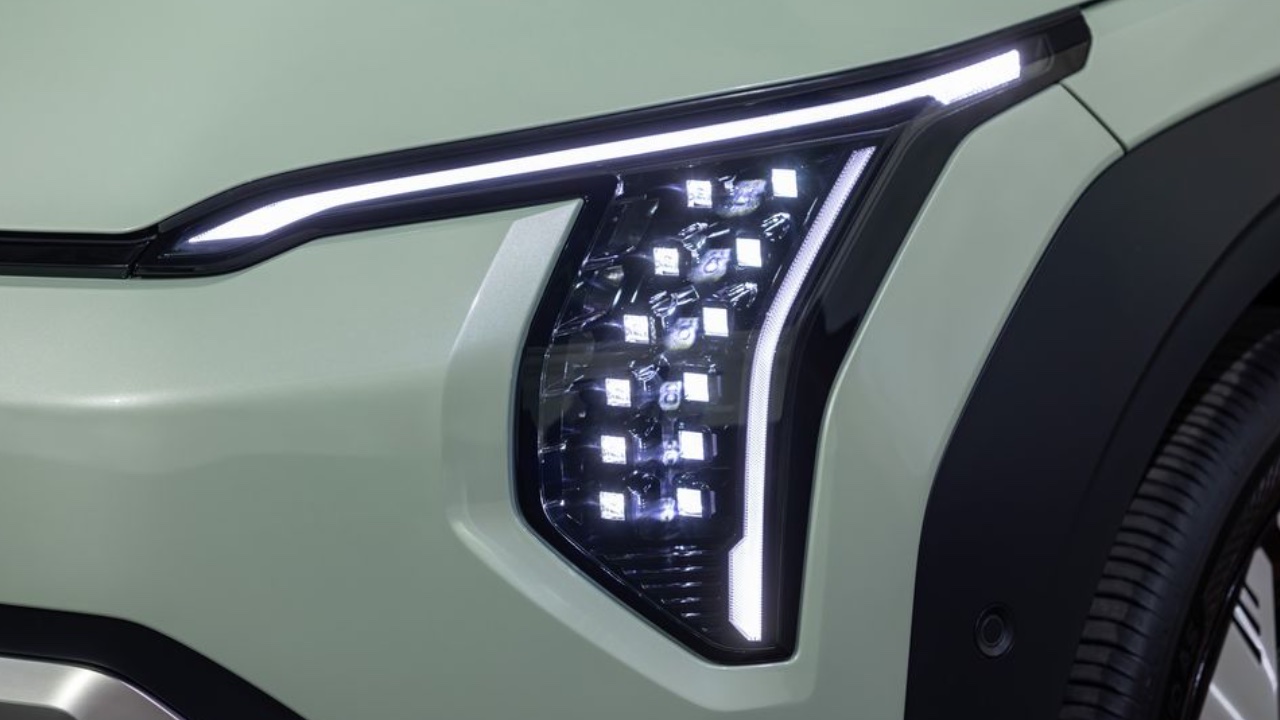
The Kia EV3 will debut in South Korea in July 2024, followed by a European launch later in the year. Although initially, there were uncertainties about its release in the US, Kia has now confirmed that the EV3 will be available in the American market, with an expected launch as early as 2025 or 2026. Pricing is speculated to be below $35,000, potentially closer to $30,000, making the EV3 an attractive option for customers seeking an affordable yet advanced electric vehicle. As the EV3’s release approaches, more details will emerge, solidifying its place in Kia’s electric vehicle strategy. Stay tuned for further updates on this promising new entry in Kia’s expanding lineup of innovative electric vehicles.

The post Kia EV3: The Futuristic Subcompact Crossover Set to Electrify the EV Market first appeared on Yanko Design.


The next Call of Duty is Black Ops 6

Activision has confirmed that the next Call of Duty game will be Black Ops 6. The publisher updated the website for the military shooter franchise to reveal the title, promising that “official lines of communication have begun,” which essentially means the game’s marketing is shifting from teaser mode to slow-trickle reveal mode.

Xbox’s X (Twitter) account posted in late April that a “[REDACTED] Direct” event would follow the Xbox Showcase on Sunday, June 9. It was never much of a mystery that it would be a Call of Duty reveal: The logo matched the franchise’s military art style, and it had already been reported that the next installment in the long-running series would arrive this year.

On Thursday, a short teaser video on Xbox’s X account removed the redaction to reveal Black Ops 6. So you can look forward to a hype session for the first Call of Duty game unveiled under Microsoft ownership.

Marketing image for Call of Duty: Black Ops 6. Mount Rushmore, except the Presidents' eyes are covered with blindfolds that read
Activision

The Call of Duty website shows additional teasers that capitalize on conspiracy theorists’ worldviews. A shadowy video shows law enforcement body cam footage, building up to the (fairly corny) reveal of Mount Rushmore (Six Grandfathers Mountain before it was carved up) with blindfolds covering each of the four US Presidents’ eyes, reading “The Truth Lies” followed by a logo. Other videos on the website show vandals (also in found-footage style) placing posters with the same slogan around a city.

In other words, marketers are marketing.

Microsoft apparently plans to use the new installment to boost Game Pass subscriptions. The Wall Street Journal reported this month that the title will be the first Call of Duty installment to appear on Game Pass on launch day. We’ll have to wait to see whether that strategy provides enough much-needed lift for the service to justify the (potentially enormous) loss of direct sales to Xbox console owners.

You can hear about Black Ops 6 on June 9, immediately following the Xbox Games Showcase, which starts at 1 PM ET. Engadget will have full coverage of all the day’s reveals.

This article originally appeared on Engadget at https://www.engadget.com/the-next-call-of-duty-is-black-ops-6-161916709.html?src=rss

LG C4 OLED TVs are down to record-low prices ahead of Memorial Day

LG’s latest OLED smart TVs are on sale via Amazon. These are the C4 models and not the pricier G4 flagship displays, but they still boast plenty of bells and whistles for the discerning couch potato. The deals apply to just about every size, from 42-inches all the way up to 83-inches.

The best discount for most people, however, is for the 55-inch evo C4. This model is available for $1,697, which is 15 percent off. The 65-inch model is also 15 percent off, bringing the price down to $2,297.

No matter which size you choose, this is a lot of TV bang for your buck. The LG C4 evo series feature powerful Alpha Gen 7 chips, improved brightness when compared to previous generations and plenty of built-in AI for upscaling and the like. They also include gorgeous OLED panels.

The brightness levels on these panels hit nearly 1,000 nits, which is a fantastic metric for OLED screens. It’s not as bright as Mini LED TVs, but it’s getting there. In addition, these TVs support 144Hz refresh rates for gaming and compatibility for both G-Sync and AMD Freesync. These sets can even pair wirelessly with compatible LG soundbars, for a hassle-free way to experiment with surround sound.

As previously mentioned, all C4 sizes are discounted, but that doesn’t mean they are budget-friendly. Even with today’s discount, the 83-inch model clocks in at a whopping $5,000. The 77-inch model comes in at $3,297 and the diminutive 42-inch version costs $1,297.

Follow @EngadgetDeals on Twitter and subscribe to the Engadget Deals newsletter for the latest tech deals and buying advice.

This article originally appeared on Engadget at https://www.engadget.com/lg-c4-oled-tvs-are-down-to-record-low-prices-ahead-of-memorial-day-160940240.html?src=rss

Ticketmaster owner sued by DOJ and 30 attorneys general over alleged monopoly

The Justice Department and 30 state and district attorneys general are attempting to break up Ticketmaster owner Live Nation. They claim in an antitrust suit filed in the Southern District of New York that the company has created an unlawful monopoly over the live entertainment industry. The suit argues that Live Nation has harmed fans, promoters and artists as its dominance has led to imposing higher ticket prices while stifling innovation and competition.

Live Nation owns and/or operates many venues and festivals. It also sells tickets to concerts and festivals, and manages many of the artists who play at them.

“We allege that Live Nation relies on unlawful, anticompetitive conduct to exercise its monopolistic control over the live events industry in the United States at the cost of fans, artists, smaller promoters and venue operators,” Attorney General Merrick Garland said in a statement. “The result is that fans pay more in fees, artists have fewer opportunities to play concerts, smaller promoters get squeezed out and venues have fewer real choices for ticketing services. It is time to break up Live Nation-Ticketmaster.”

It was reported back in 2022 amid Ticketmaster's struggle to handle overwhelming demand for Taylor Swift's The Eras Tour that the DOJ had been investigating whether Live Nation held a monopoly in the live music market. The Swift ticket debacle prompted a Senate antitrust hearing.

The DOJ claims that Live Nation established a dominant position by pushing artists to use its services and threatening possible competitors in the live music promotion space. The company is also accused of locking venues into long, exclusive contracts that prevent them from using alternative (and perhaps less expensive) ticketing platforms. The Justice Department says Live Nation handles about 60 percent of concert promotions at major venues in the US, as well as approximately 80 percent of primary ticketing at major concert venues.

According to the lawsuit, Live Nation sought to lock out competitors and protect its so-called "flywheel" model. The DOJ describes this as a "self-reinforcing business model that captures fees and revenue from concert fans and sponsorship, uses that revenue to lock up artists to exclusive promotion deals, and then uses its powerful cache of live content to sign venues into long term exclusive ticketing deals, thereby starting the cycle all over again."

A merger of Live Nation and Ticketmaster got the green light from the DOJ in 2010, but the deal was subject to some conditions. After the Justice Department found in 2019 that Live Nation violated a condition that banned it from threatening venues that chose to use a Ticketmaster competitor, the agency extended the consent decree by five years to 2025.

In a statement, Live Nation rejected the assertion that it held a monopoly. "The defining feature of a monopolist is monopoly profits derived from monopoly pricing," it said. "Live Nation in no way fits the profile. Service charges on Ticketmaster are no higher than elsewhere, and frequently lower."

The company argued that breaking it up wouldn't lead to lower ticket prices or service fees. It claims that concert promoters and ticketing companies don't control ticket prices, which have been driven higher by increased production costs and the growing popularity of artists. Live Nation also states that Ticketmaster "retains only a modest portion" of service fees and that its market share has decreased in recent years.

Other parts of the government have put Live Nation and Ticketmaster in their sightlines. The House of Representatives recently passed a bill that would force Ticketmaster and other ticketing companies to show the total price of tickets to buyers up front. There's a separate bill in the Senate that seeks to make ticket pricing more transparent too. Along similar lines, the Federal Trade Commission, has proposed a rule to ban junk fees that companies including Ticketmaster add to the total price at checkout. For their part, Live Nation and Ticketmaster said last year that they'd start showing customers the total price of tickets at the jump.

This article originally appeared on Engadget at https://www.engadget.com/ticketmaster-owner-sued-by-doj-and-30-attorneys-general-over-alleged-monopoly-160153725.html?src=rss