JBL Pulse 6 portable speaker is also an ambient lamp designed to set the mood anywhere, anytime

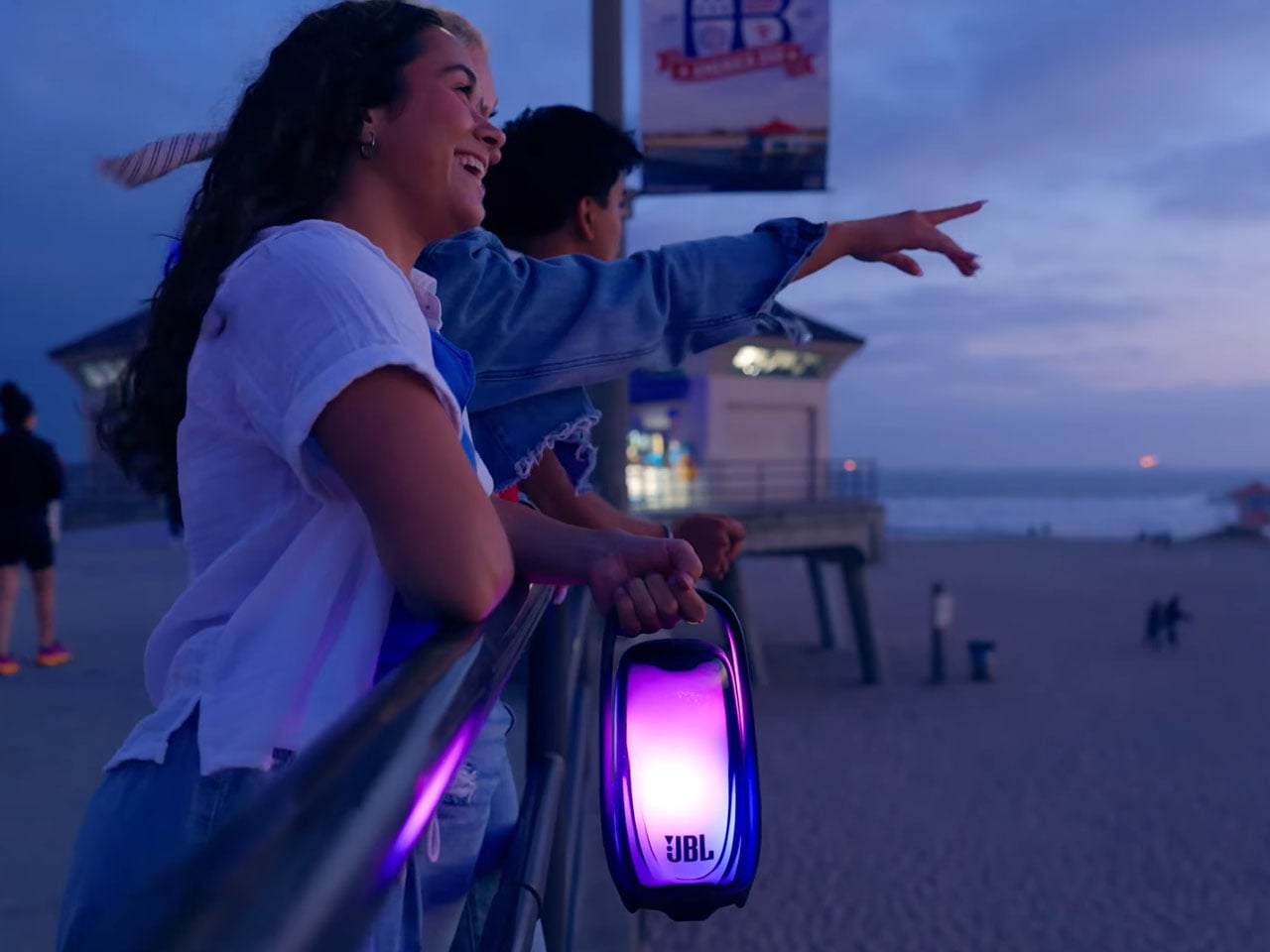
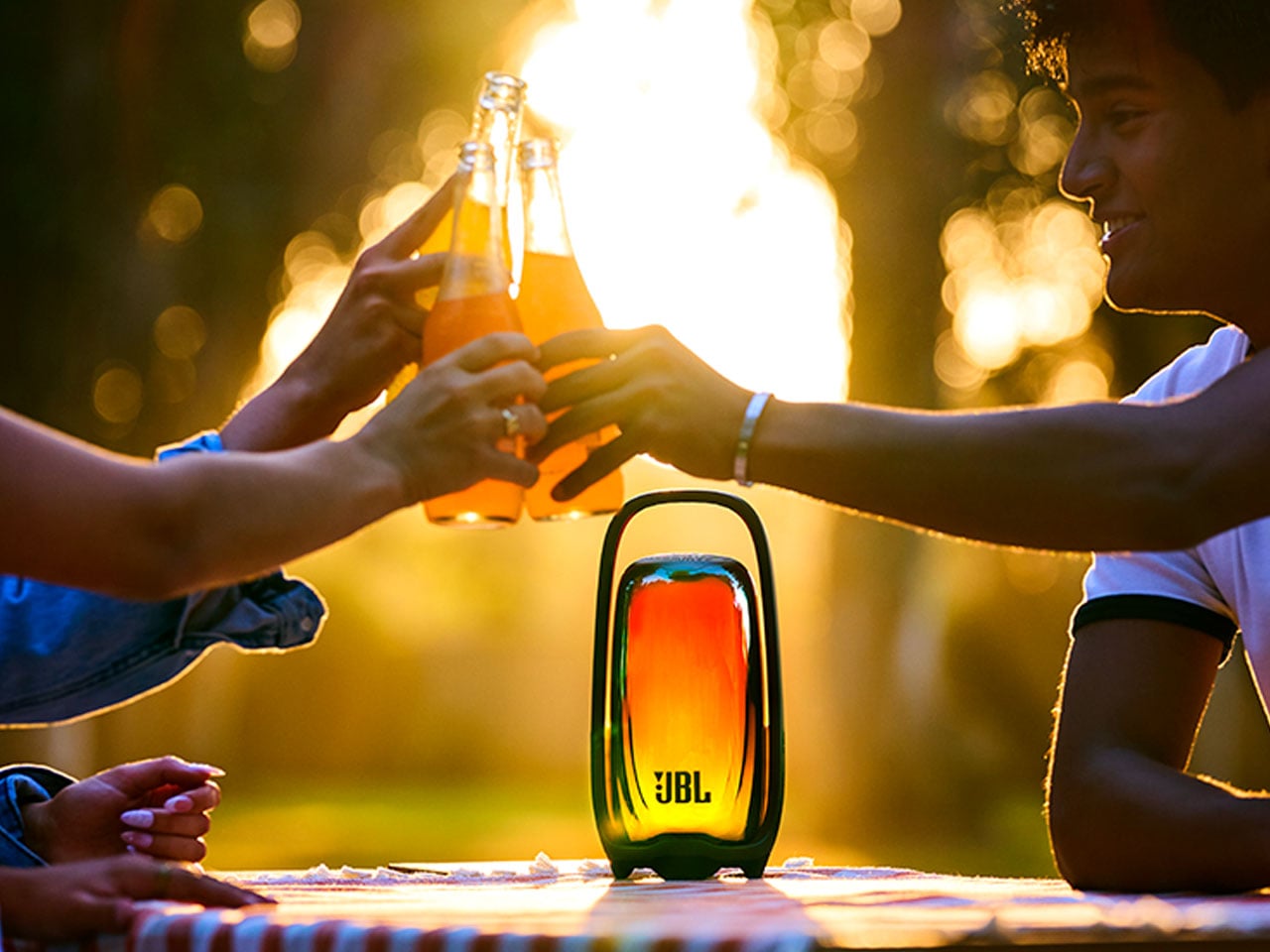
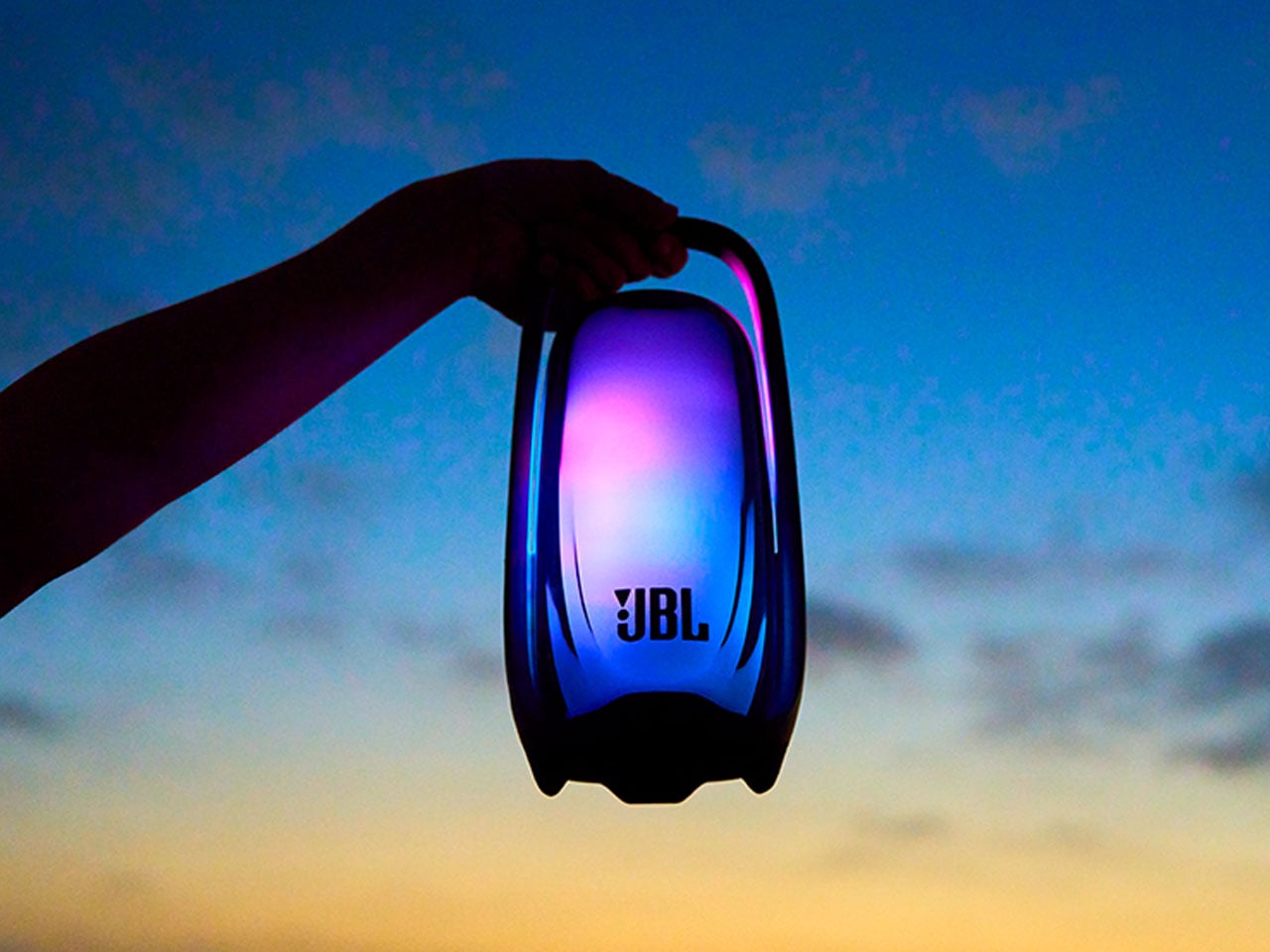
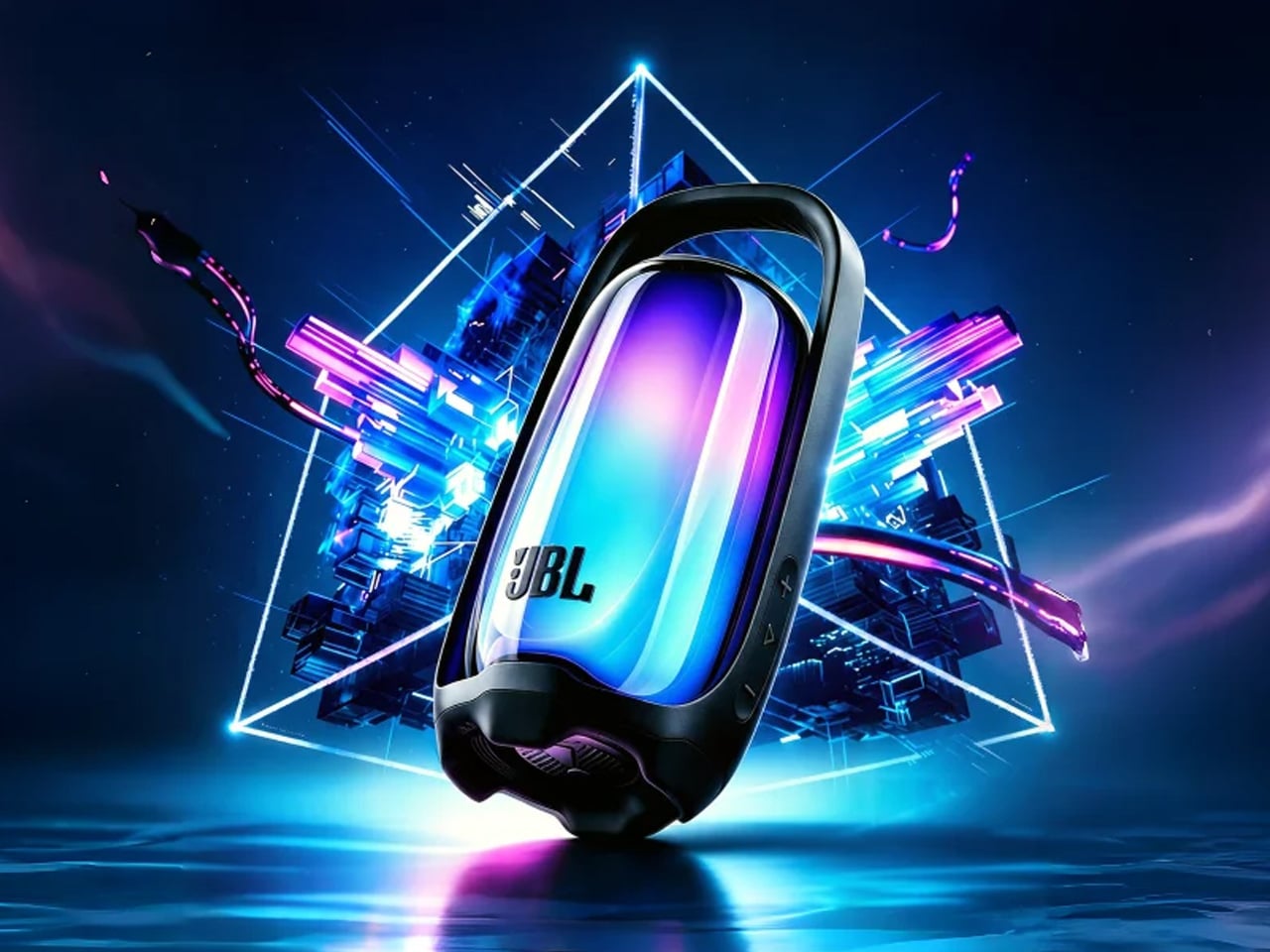
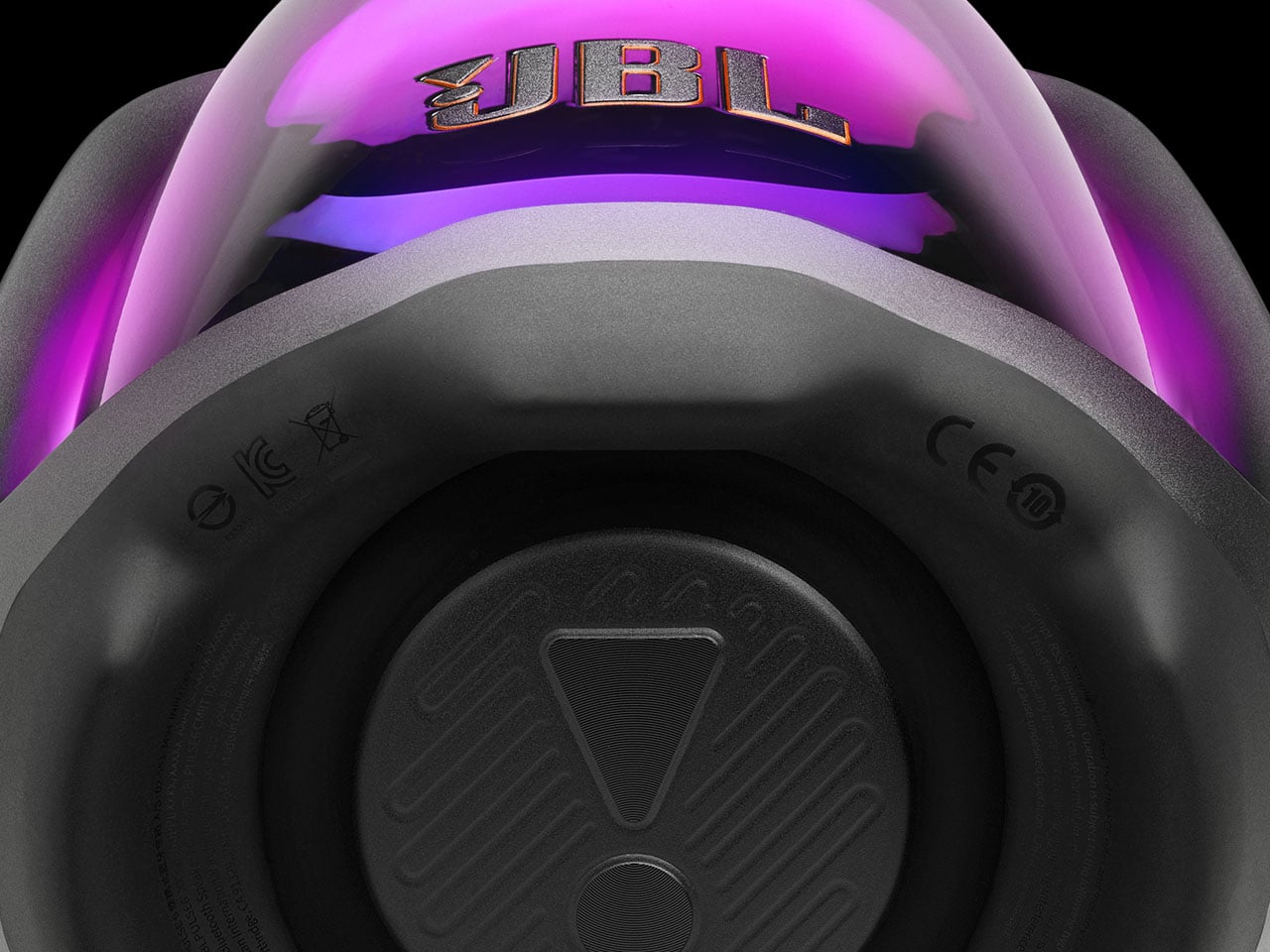
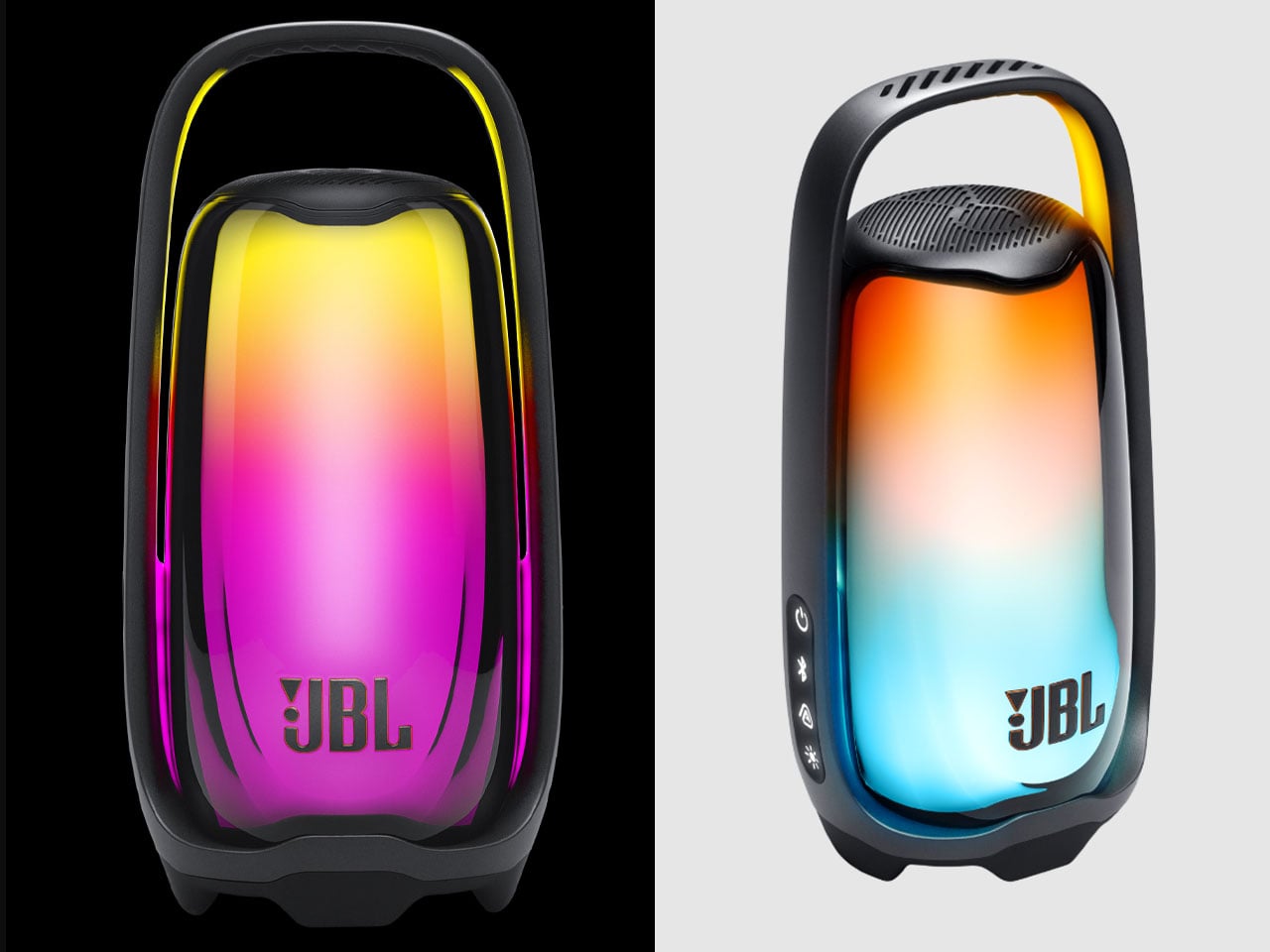
A Bluetooth speaker usually asks you to choose between sound and atmosphere. JBL’s new Pulse 6 is designed to make that choice feel unnecessary. Wrapped in a transparent cylindrical body, it turns music into a moving field of light, while a newly illuminated handle adds another glowing element to the object.

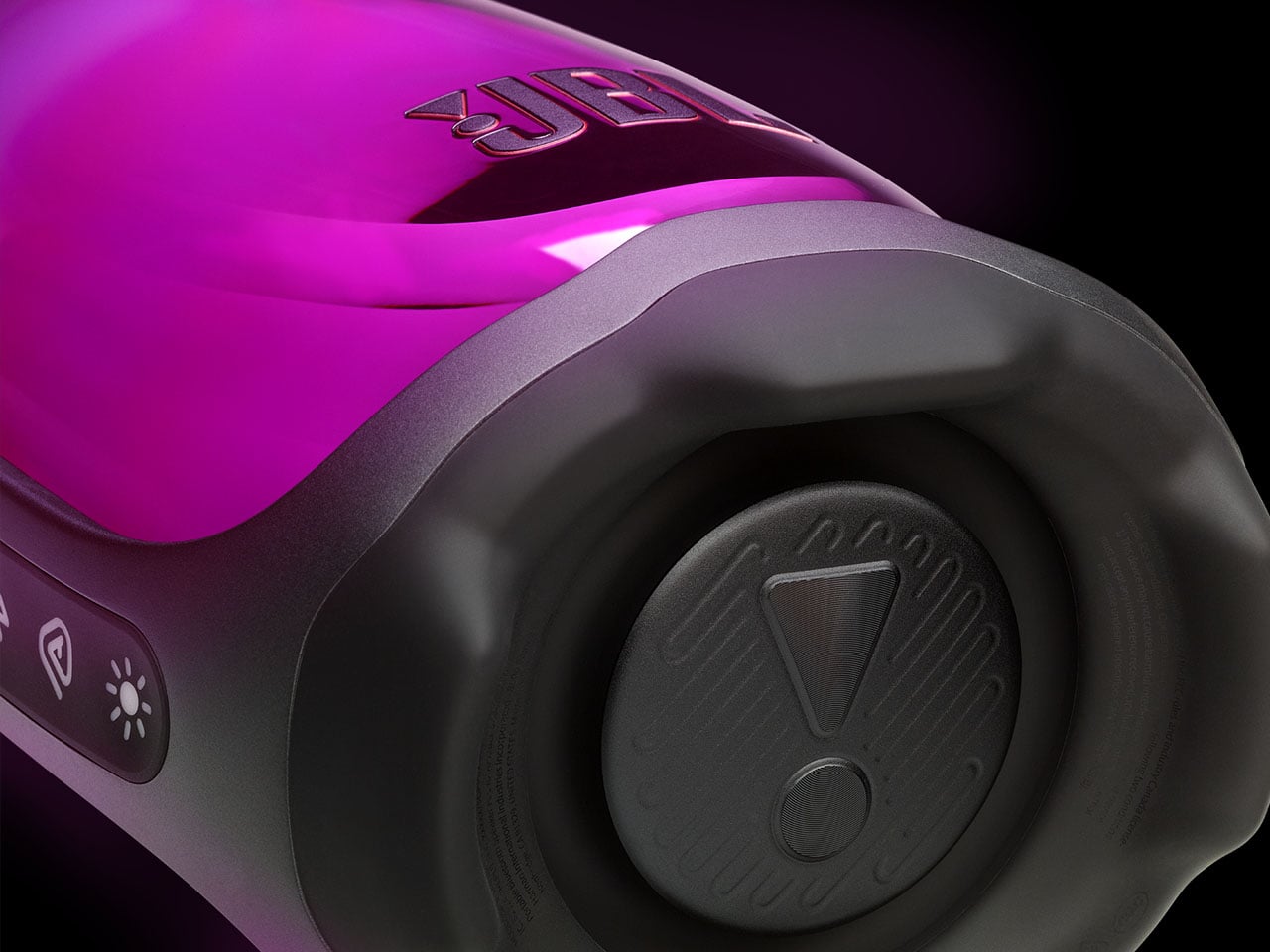
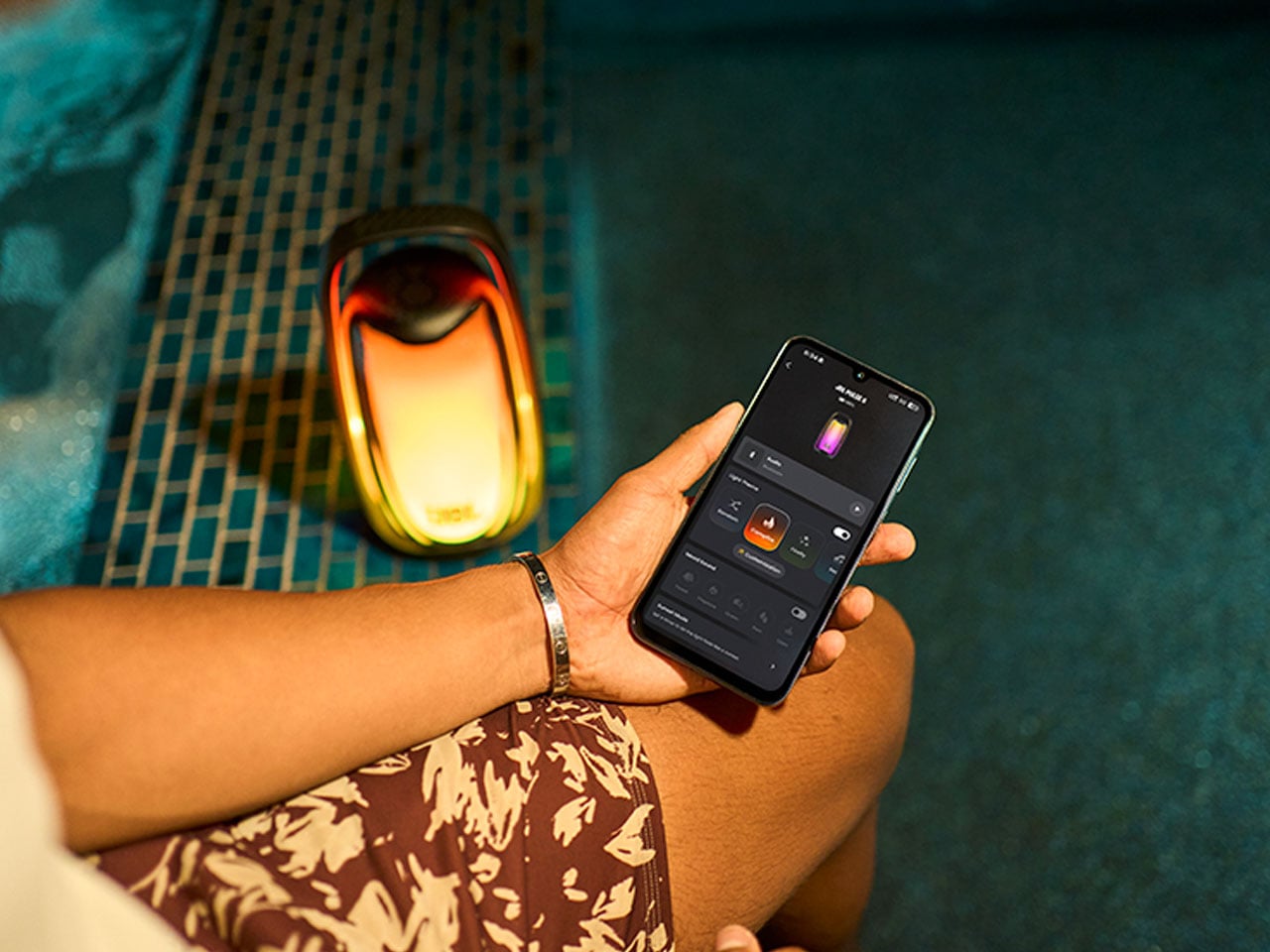
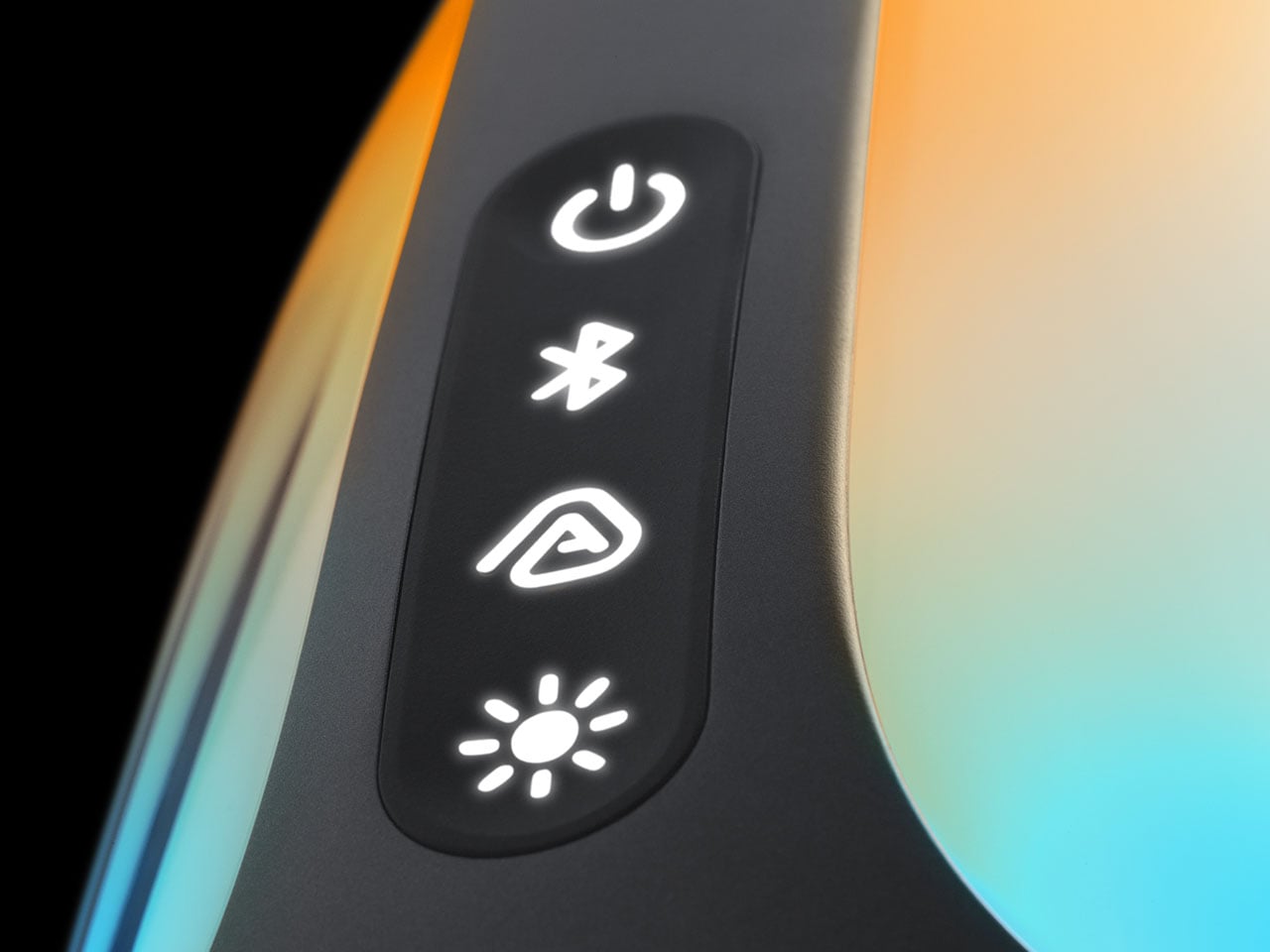
Launched today, the Pulse 6 portable speaker builds on JBL’s signature see-through aesthetic, surrounding its audio hardware with a 360-degree lighting system that responds to whatever is playing. Sixteen lighting patterns are available through the JBL One app, where the visual experience can be adjusted alongside basic EQ controls. When the music stops, the speaker can still remain a focal point of the room. A double-tap activates its ambient light, while the volume control doubles as a convenience to adjust brightness.

Designer: JBL
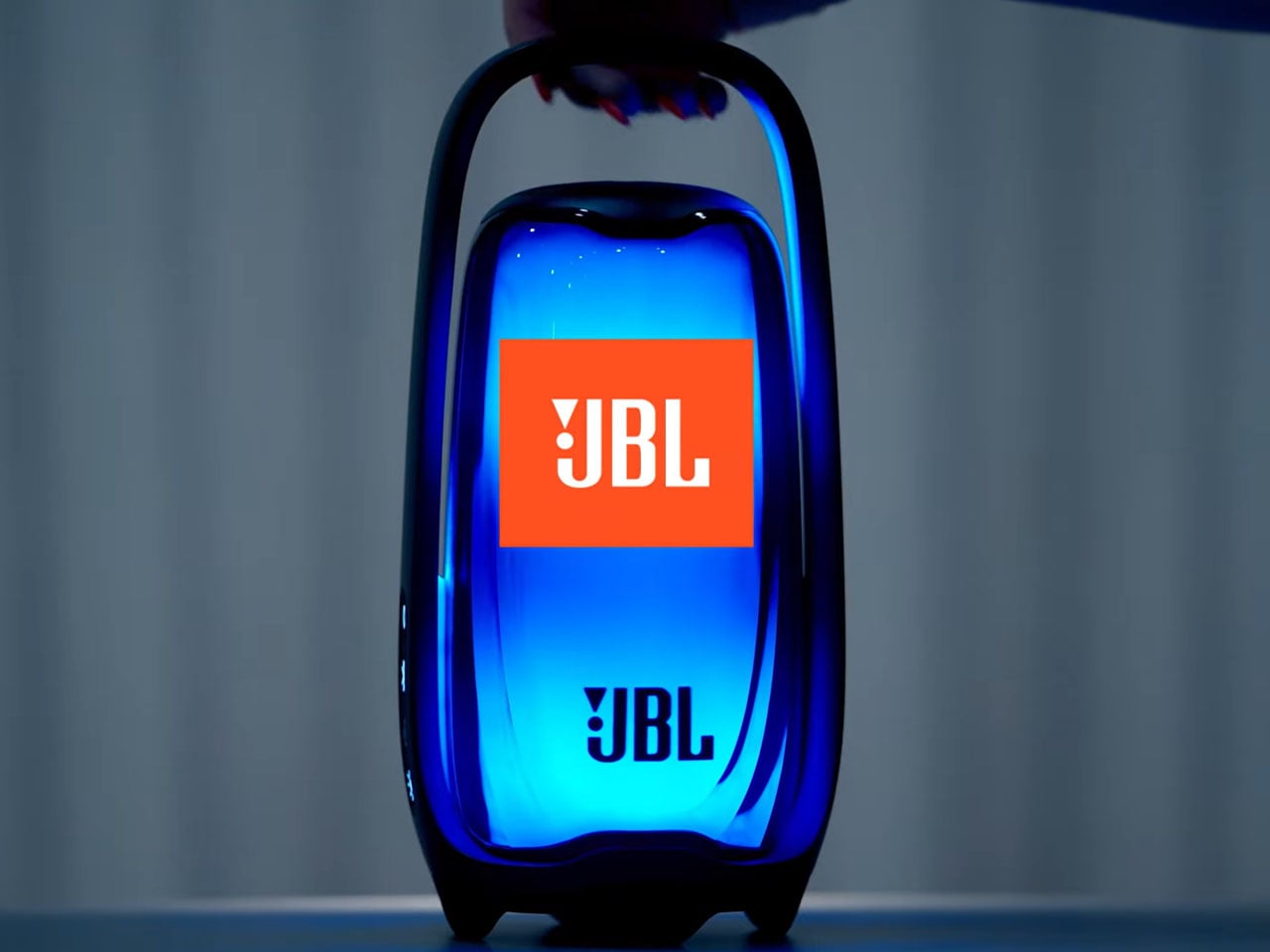
That idea of the speaker as an environmental object extends into Sunset Mode. Rather than simply switching off, the Pulse 6 can gradually fade its illumination and stop playback after a timer of up to 60 minutes, making it particularly suited to winding down at night. There is substance beneath all that glow. The 40W system combines a 30W RMS woofer with a 10W RMS tweeter, covering a 42Hz–20kHz frequency range. JBL’s AI Sound Boost continuously analyzes the audio and adjusts the output to help keep distortion under control as the volume climbs. For wired listening, a built-in DAC enables lossless audio through USB-C when connected to a Mac or Windows PC.
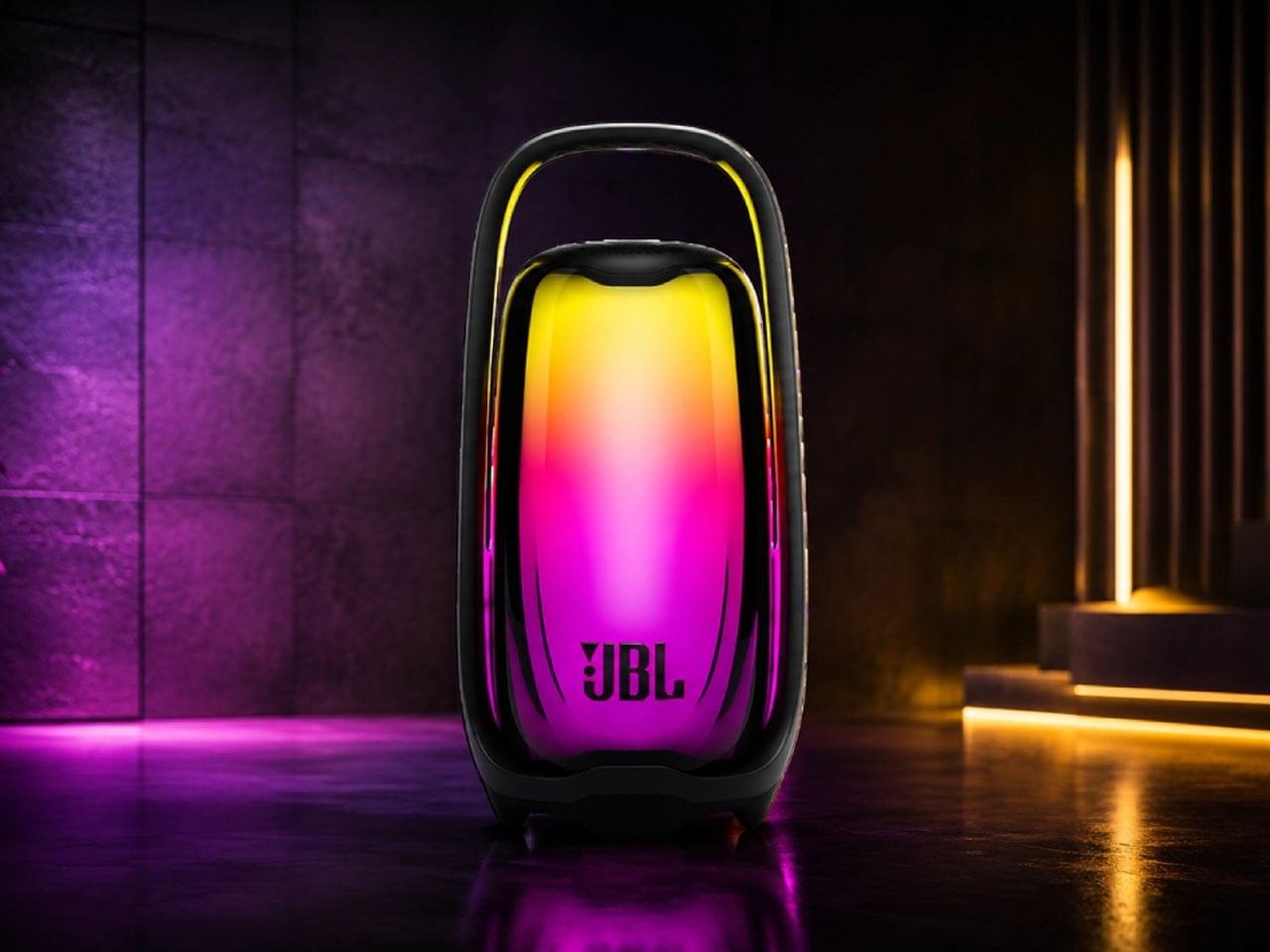
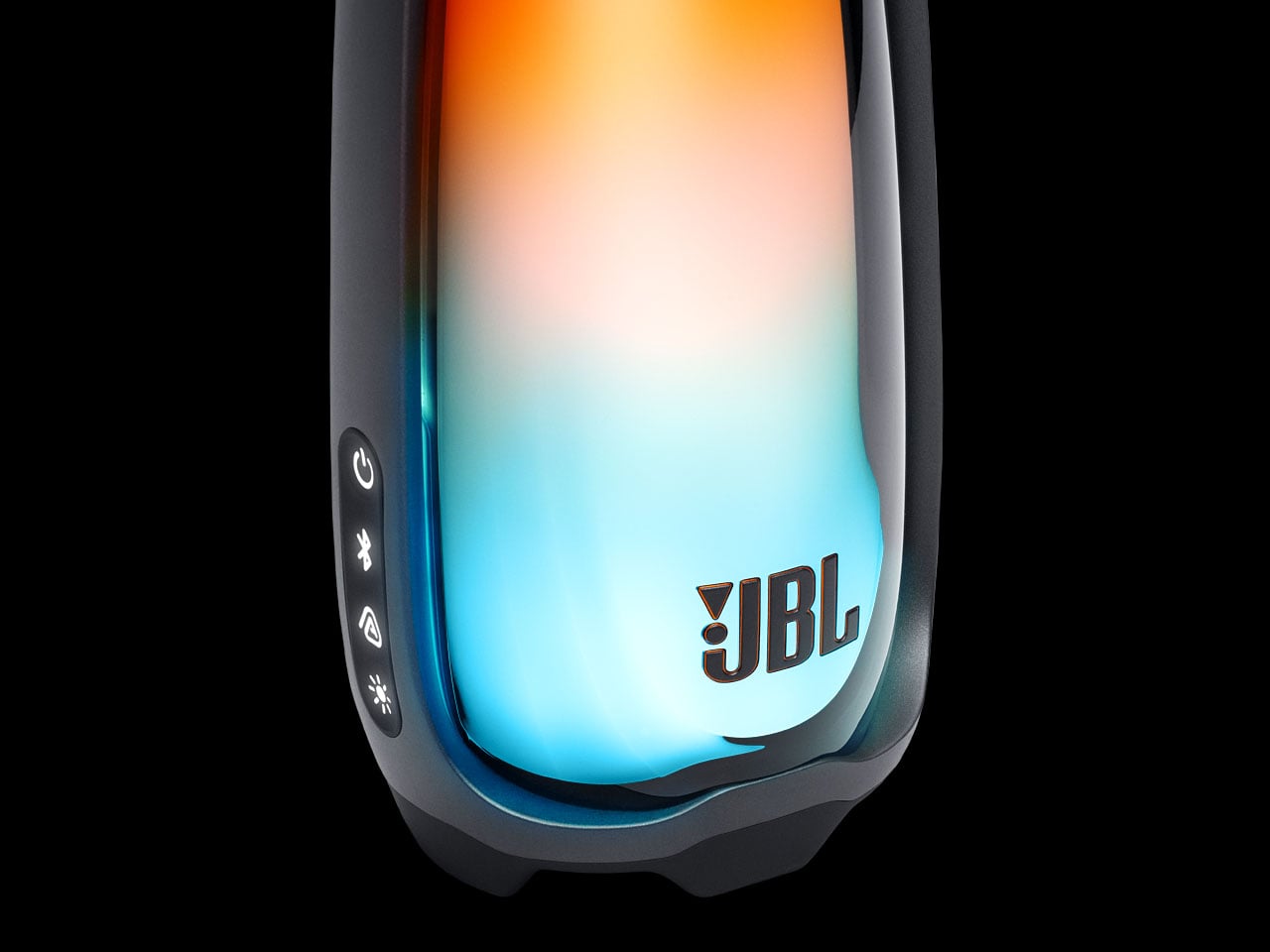
The wireless side is equally current, with Bluetooth 6.0 and support for SBC, AAC, and LC3 codecs. Auracast allows compatible JBL speakers to be connected for a larger synchronized listening setup, turning several individual glowing objects into one shared light-and-sound environment. Despite its sculptural appearance, the Pulse 6 is meant to leave the living room. The IP68 rating makes it dustproof and capable of surviving submersion in water, while the 34Wh battery delivers up to 12 hours of playback. Playtime Boost can extend that by another two hours, although USB-C charging at 15W takes around 4.5 hours for a full recharge. At 1.49kg and 131.7 x 264.1 x 106.4mm, it remains portable enough to carry from one setting to another.
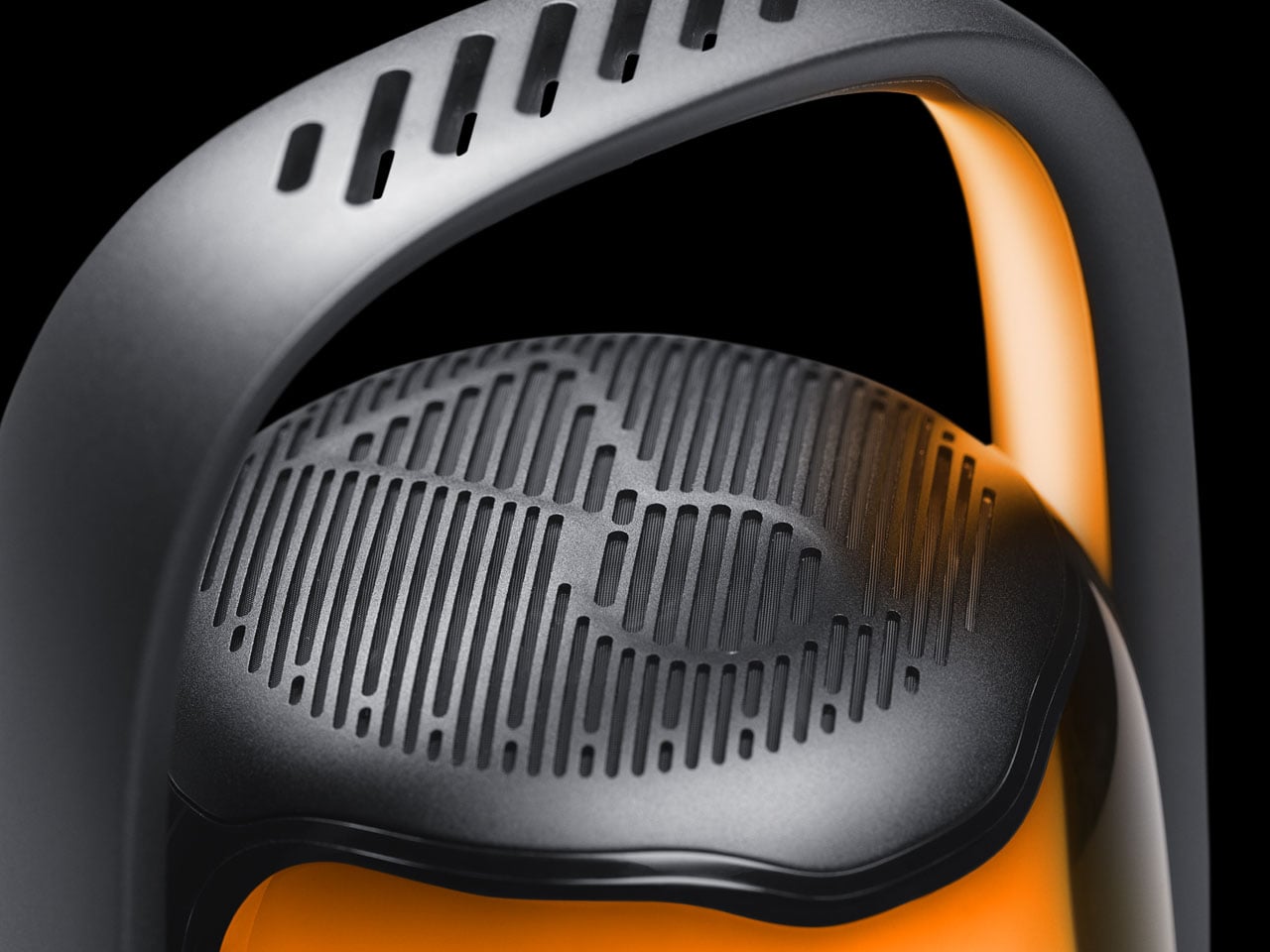
JBL is initially launching the Pulse 6 in China for 2,499 yuan (roughly $370), with availability expected to expand gradually to other regions. The dual functionality and the striking aesthetics have sold me on the portable speaker, as it stands out from any other option on the market.
 

The post JBL Pulse 6 portable speaker is also an ambient lamp designed to set the mood anywhere, anytime first appeared on Yanko Design.

Roca’s New Bathtub and Basin Turn Recycled PET Bottles Into Sculptural Bathroom Design

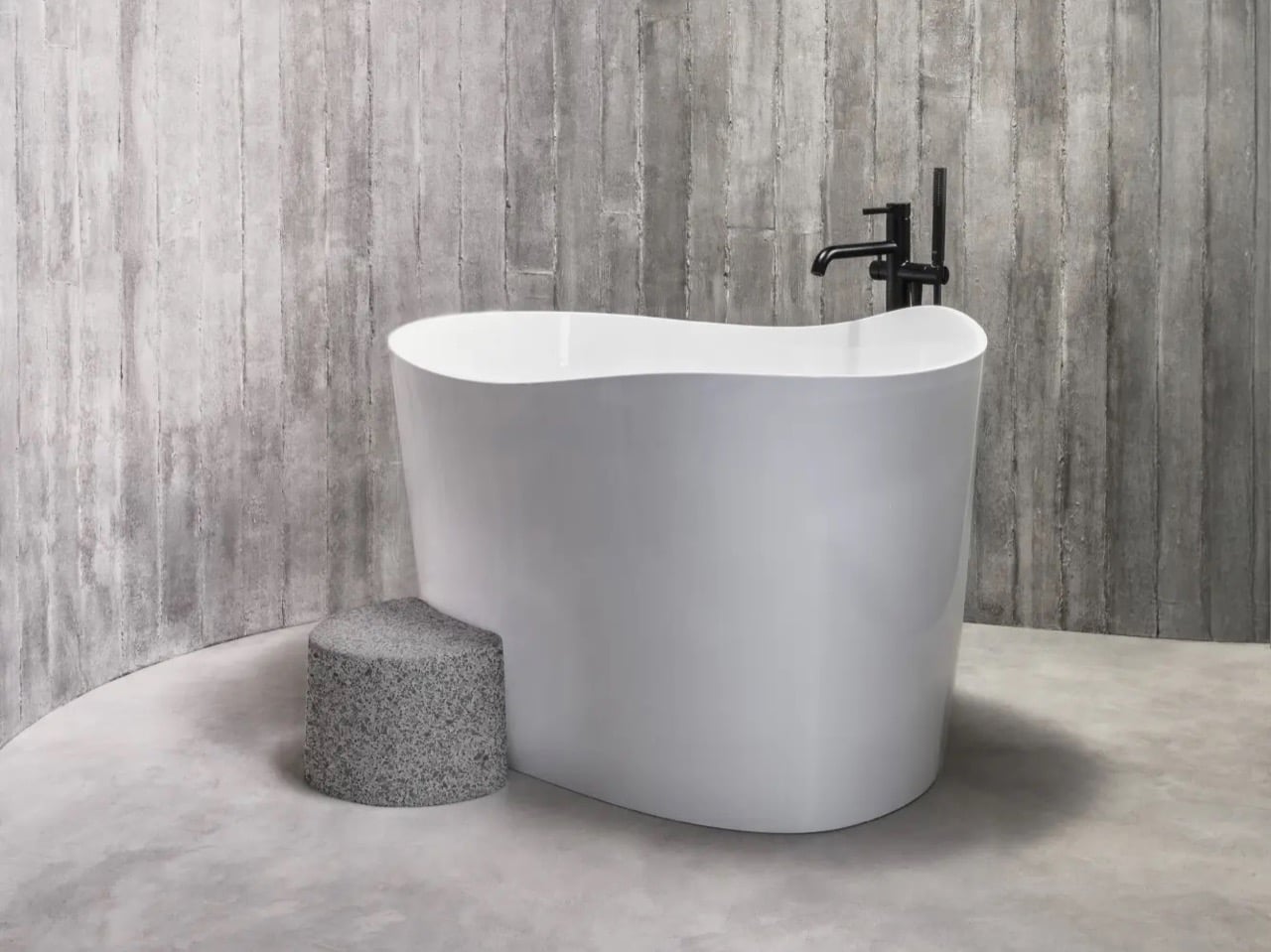
The plastic bottles in your recycling bin have a surprisingly glamorous potential future. Roca’s Stonex material comes from recycled PET resin, and the expanded Ohtake collection is probably the most design-forward version of that material the brand has produced yet. The new bathtub is compact, inspired by Japanese Ofuro soaking culture, and built in Stonex that is warm to the touch and resistant to the kind of wear and discoloration that makes bathroom surfaces look rough after a few years. From recycling bin to Red Dot winner. That’s a reasonable arc.

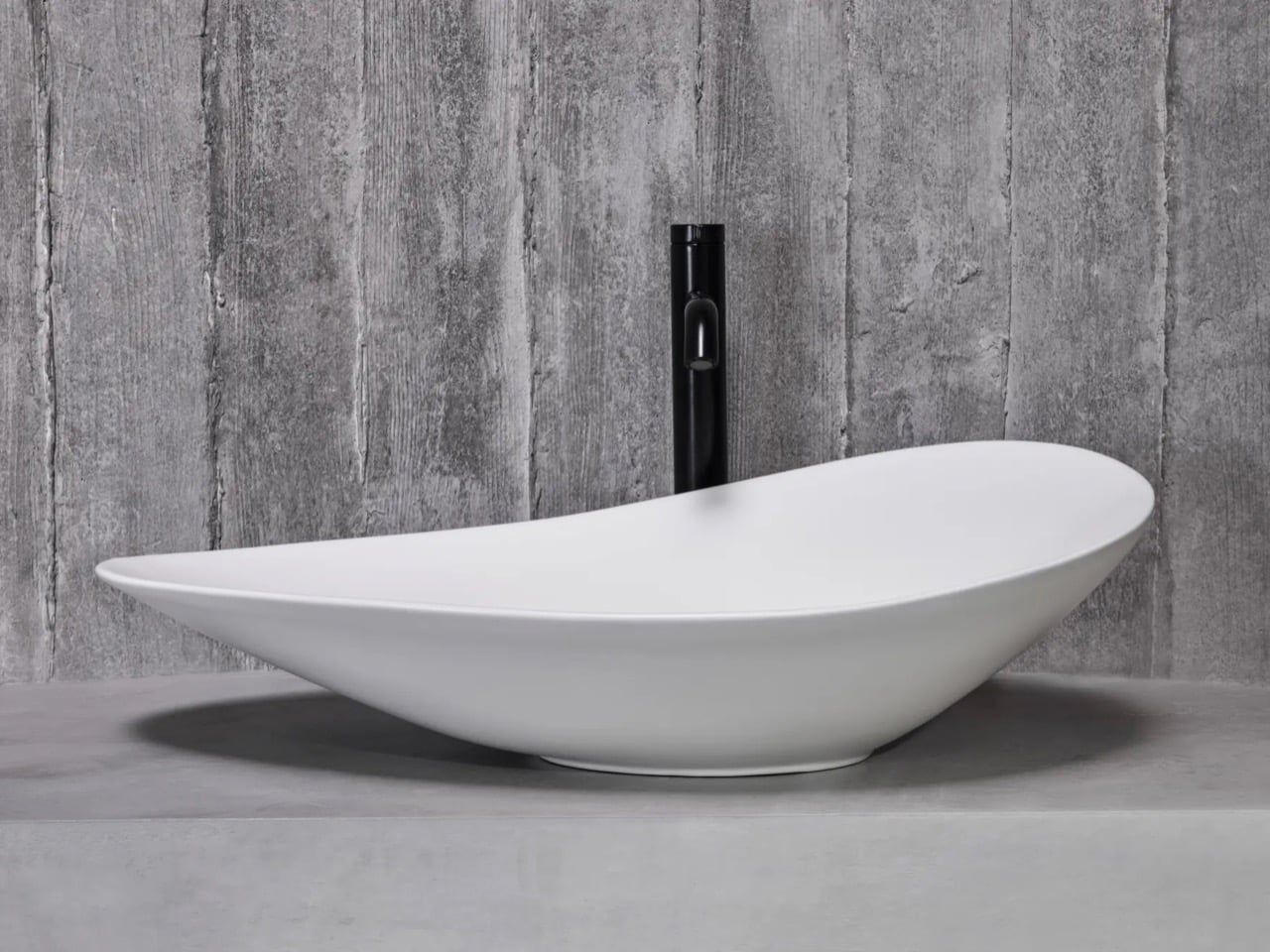
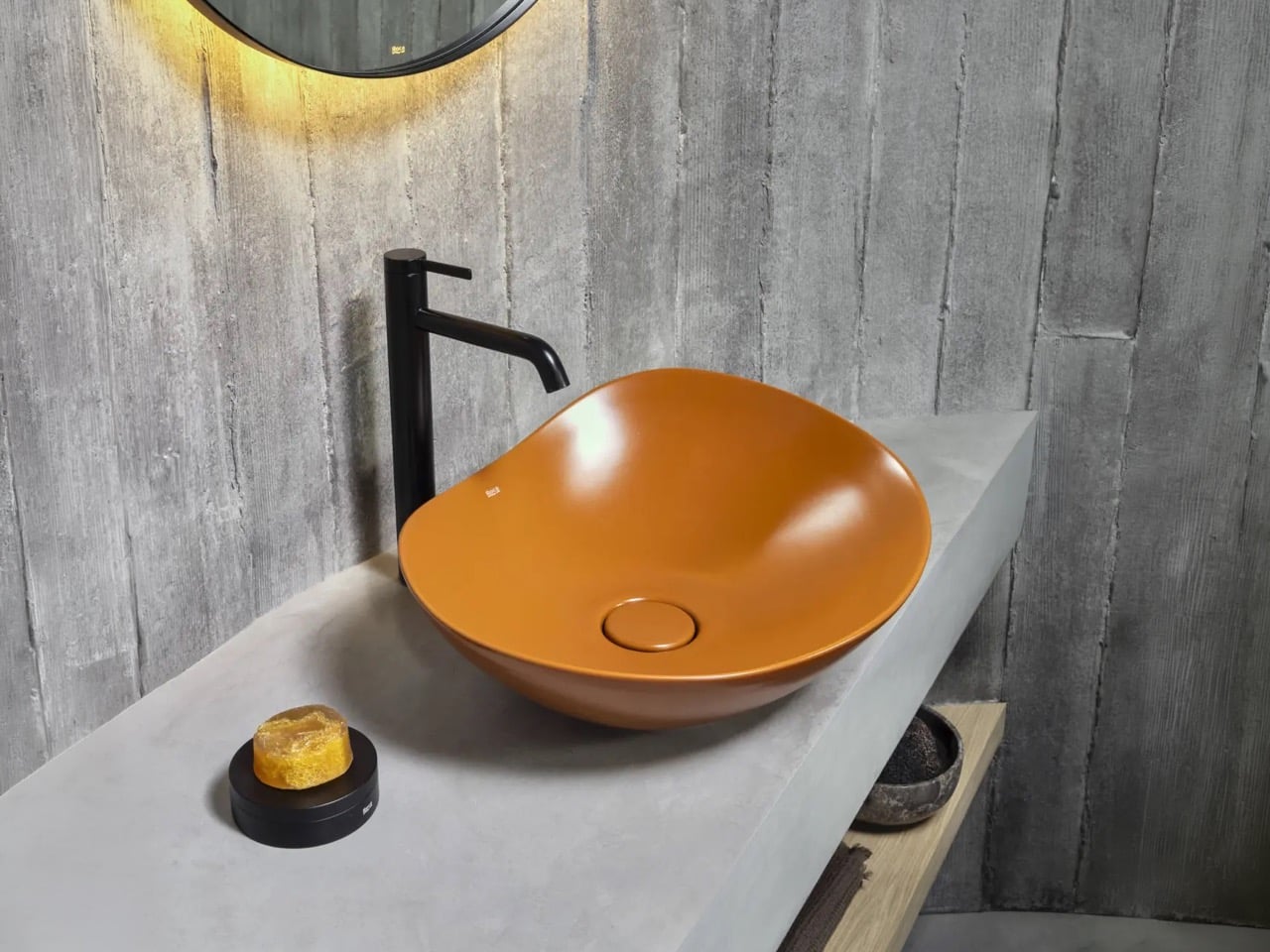
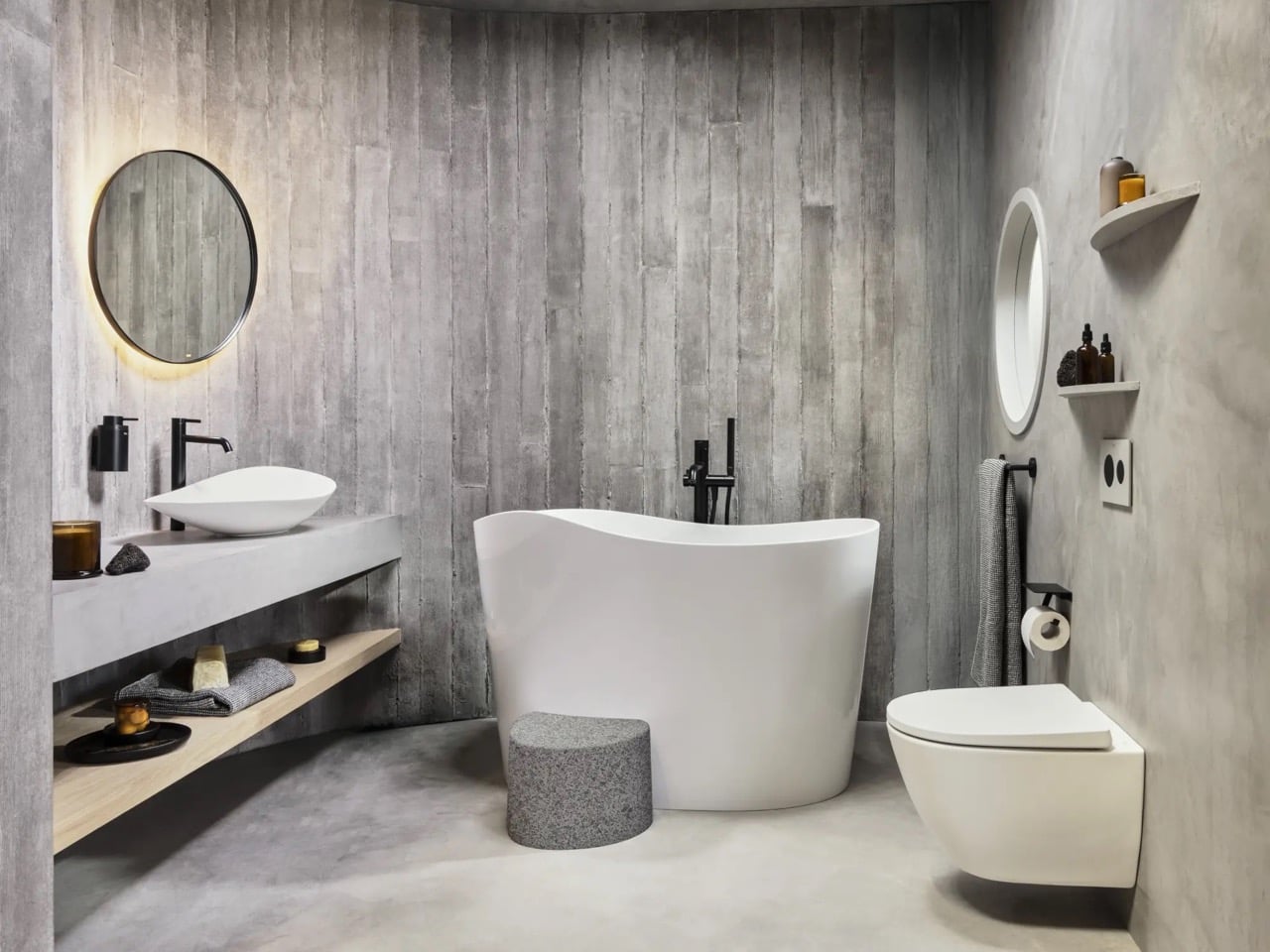
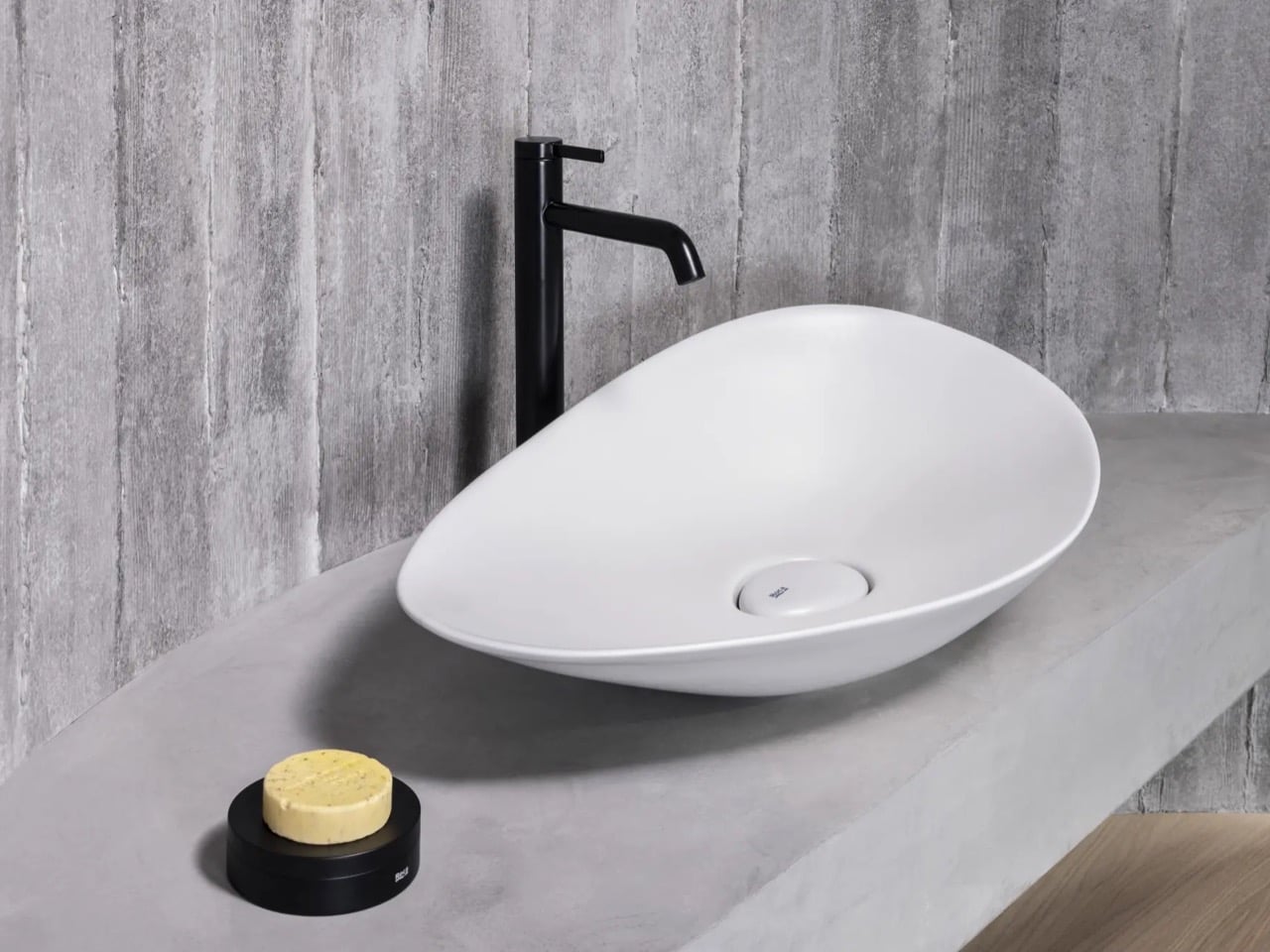
Rodrigo Ohtake designed the expansion, pulling forward a collection his father, the legendary Brazilian architect Ruy Ohtake, built with Roca. The two new basins came out of hand-sculpted clay models, which explains why they carry the shape of a calla lily rather than the usual flat-plane geometry bathroom design defaults to when nobody’s paying close attention. The bathtub accessories, a side shelf and an entry step that pulls double duty as a stool, arrive in soy resin. Roca built the whole expansion around the idea that sustainable material choices and strong design can be the same choice, resolved at the same time. Looking at the finished pieces, that idea lands.

Designer: Rodrigo Ohtake for Roca

The two basins cover different ground despite sharing the same botanical reference. One reads as a shallow, elongated vessel, almost like a leaf mid-curl, with edges that lift just enough to feel deliberate. The other is deeper and rounder, with walls that rise more confidently from the counter surface. Both began as physical clay models rather than digital geometry, which is where those specific curves came from, and both land in a finish range that goes well past the usual white-and-off-white defaults: matt black, onyx, coffee, beige, and a terracotta that is available in Brazil and on request everywhere else. That terracotta option is the one worth tracking down.

The Stonex bathtub is where the Ofuro influence lands most visibly. Ofuro baths are traditionally compact and steep-sided, built for soaking upright in hot water rather than reclining across the full length of a Western tub, and the whole point is immersion rather than rinsing. Rodrigo’s version holds that compact discipline and adds an integrated seat that makes the cocoon feeling more literal. The soy resin step and shelf arrive as standard, so the full ritual setup is sorted from the start. Stonex retains ambient heat on contact rather than pulling it away, which is a material detail that matters considerably more than it sounds.

Rodrigo took over the studio his father founded after Ruy Ohtake died in 2021, and the two practices formally merged into OHTAKE in 2022. Ruy built over 420 projects in Brazil across five decades, with a design philosophy that ran consistently on organic forms and curves drawn from the natural world. Rodrigo’s grandmother, Tomie Ohtake, was a celebrated Japanese-Brazilian abstract artist whose visual instincts filtered into the family’s work long before any of this became a bathroom collection. That three-generation lineage between Japanese heritage, Brazilian modernism, and contemporary sustainable design practice sits quietly behind every decision in this expansion. Rodrigo has said he tries to look to the future rather than the past, which is probably the right instinct when the past is that substantial.

The full collection is available through Roca globally, with basin finishes running from matt black and onyx to coffee, beige, and white. The iF Design Award and Red Dot both went to the new basin and bathtub in 2025, alongside Best in Show at Expo Revestir in Brazil. Those are the right awards for this kind of work: they measure execution as much as intent. For a collection that started on a workbench with clay and ended up in recycled resin and soy, the pieces carry almost none of the burden of either that origin story or the family legacy behind them. They just look like they belong.

The post Roca’s New Bathtub and Basin Turn Recycled PET Bottles Into Sculptural Bathroom Design first appeared on Yanko Design.

The Adidas Sneaker That Takes 24 Hours to Print and Seconds to Want

Footwear has always been a quiet conversation between technology and design. But every so often, a shoe comes along that forces the conversation out loud. Adidas’ Climacool Laced is that shoe for this season, and whether or not you’re a sneakerhead, it deserves your attention.

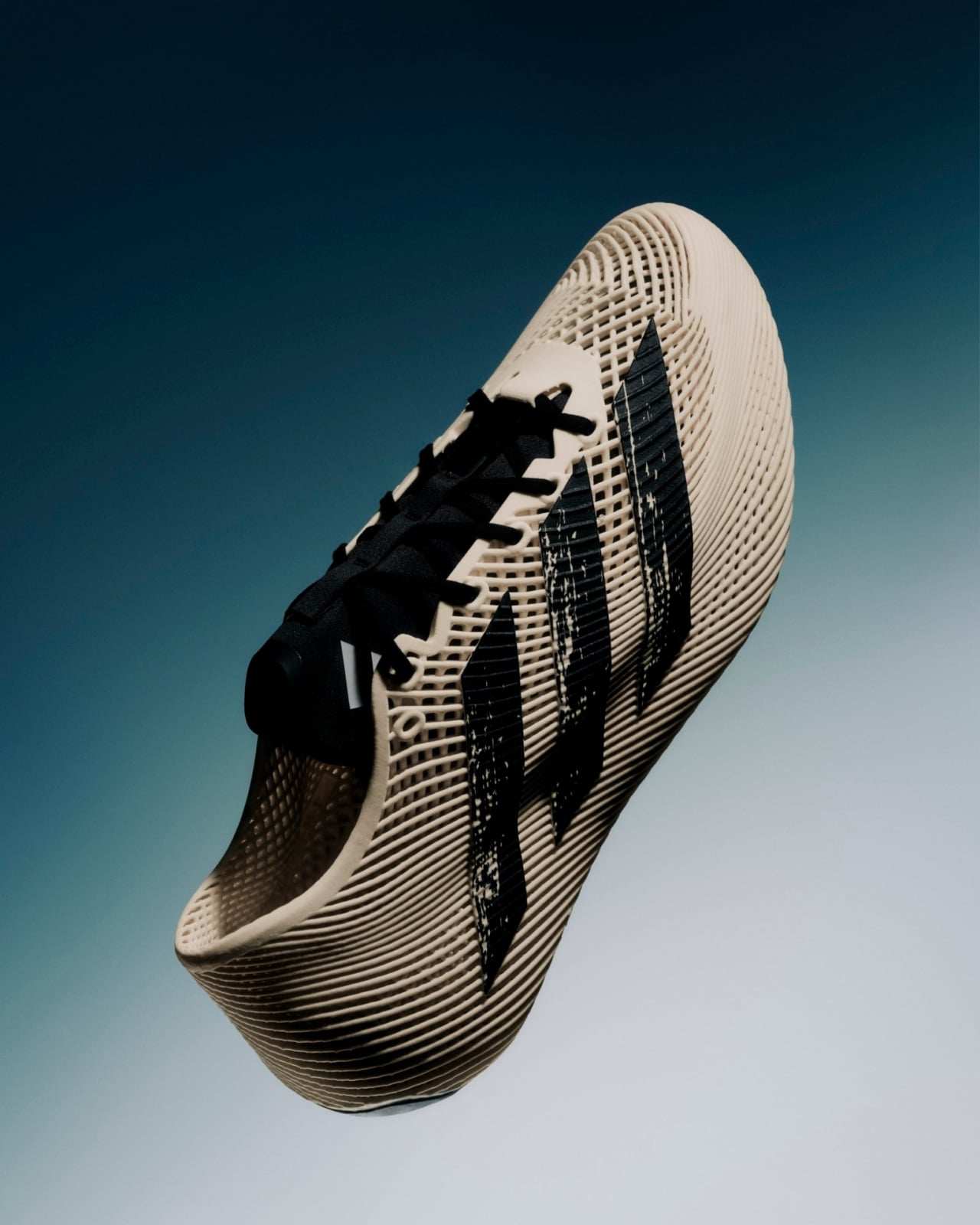
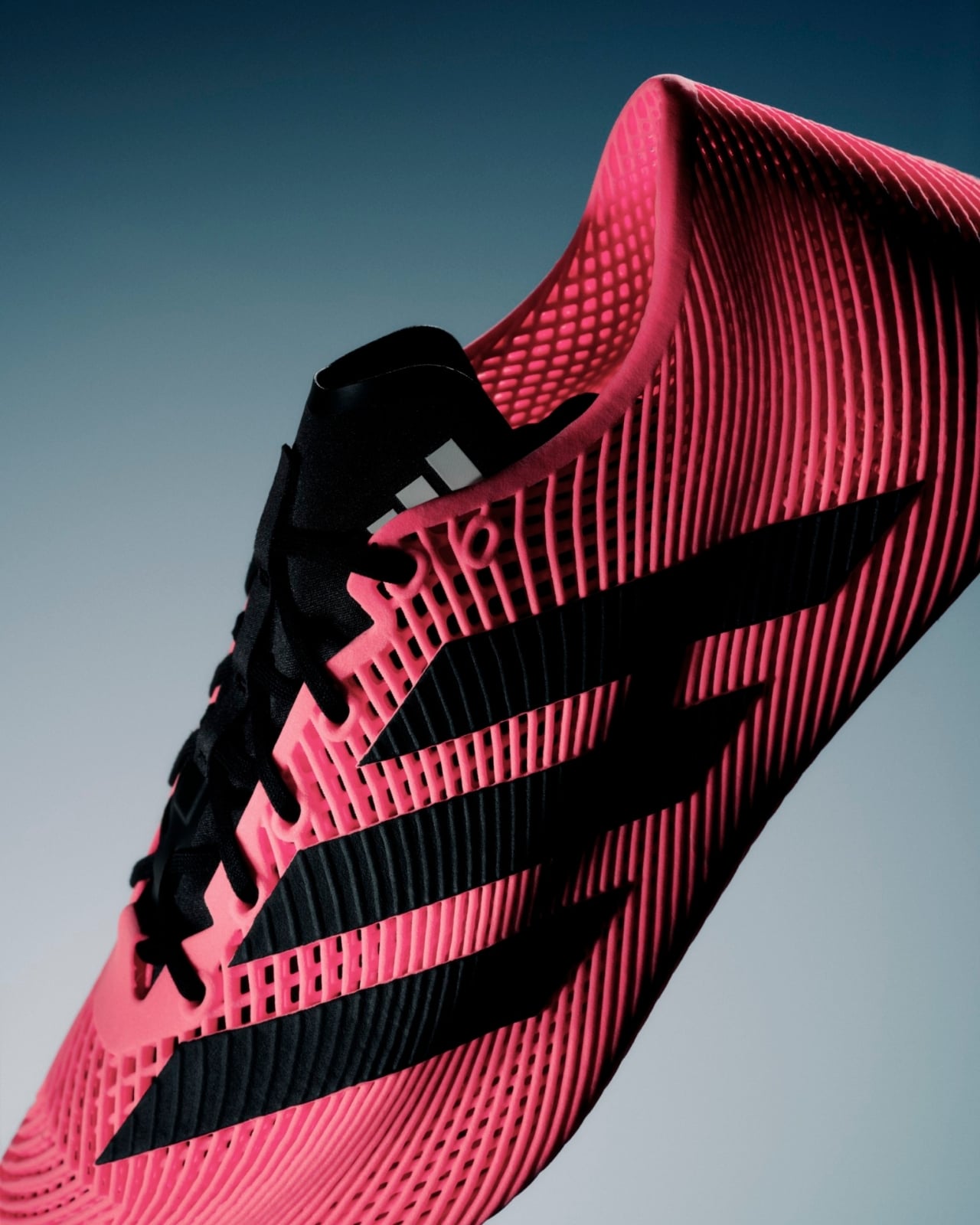
The Climacool story started in 2024, when Adidas introduced the original Climacool as a single-piece 3D-printed shoe built around one ambitious idea: a shoe “made like nothing, feels like nothing, looks like nothing.” Bold claim. Bolder execution. The original concept was all about a lattice structure that could mold to the foot while letting air move freely around it, a complete departure from how sneakers are traditionally assembled. For the FW26 season, Adidas evolved that vision with the Climacool Laced, and the update is both practical and surprisingly elegant.

Designer: Adidas

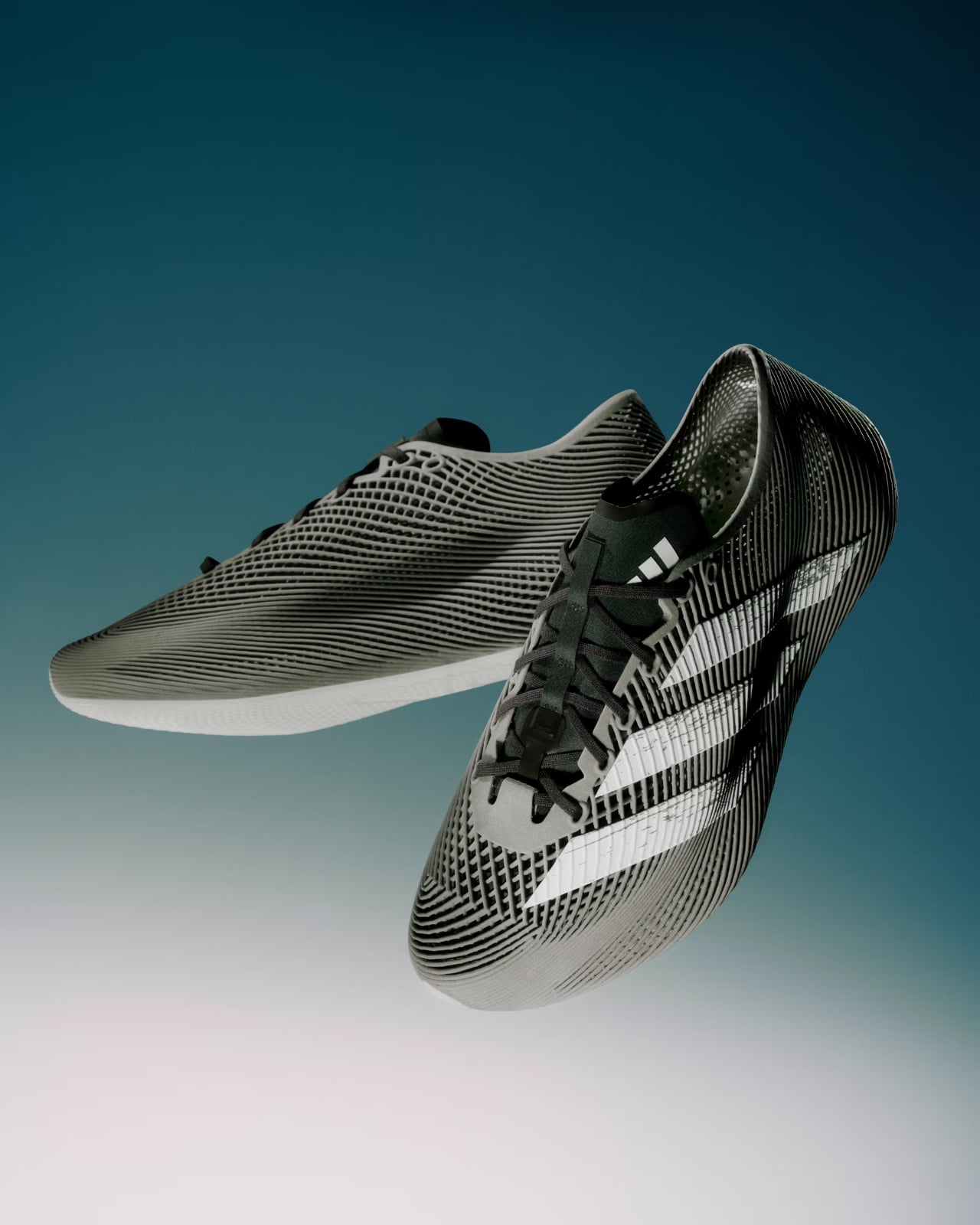
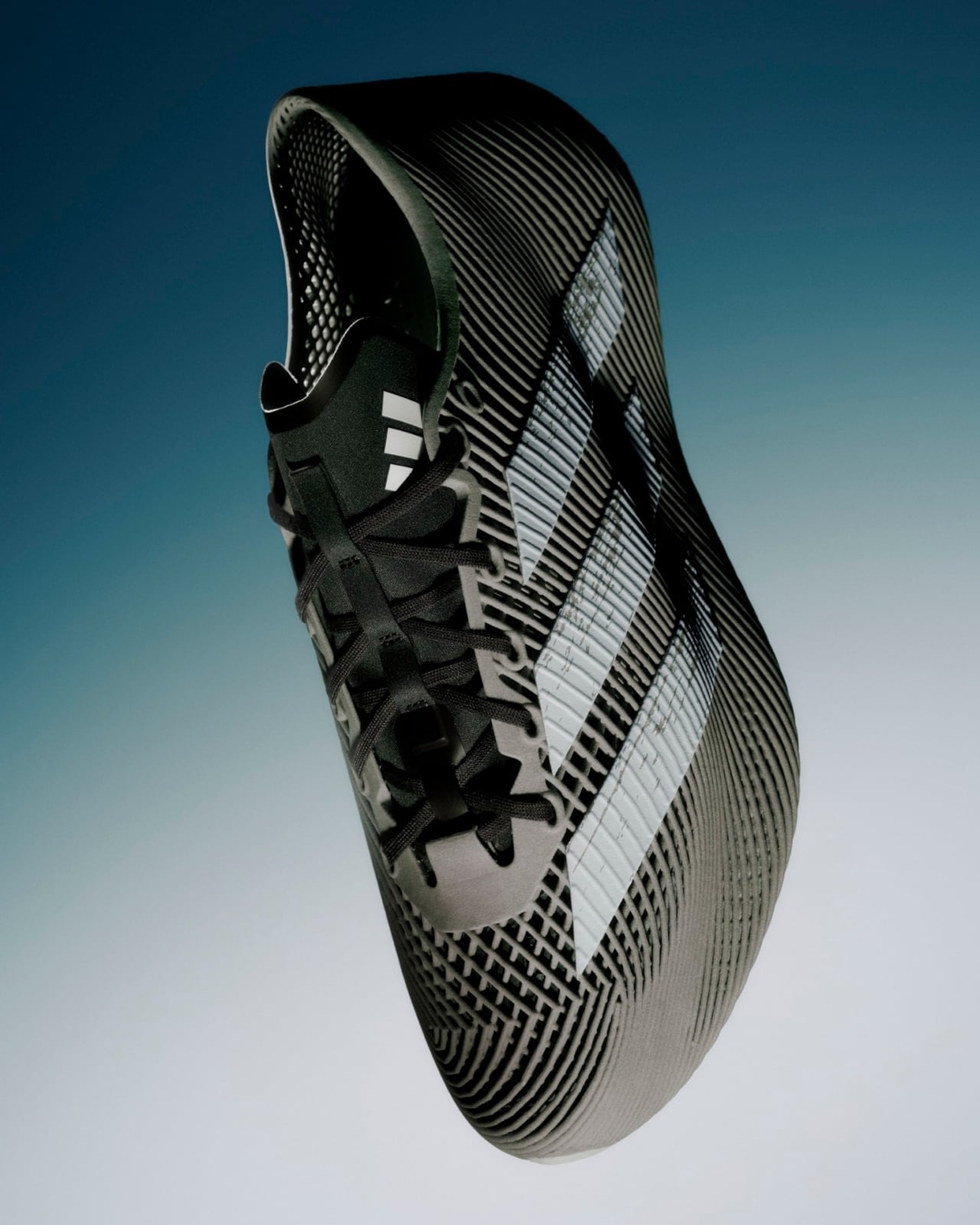
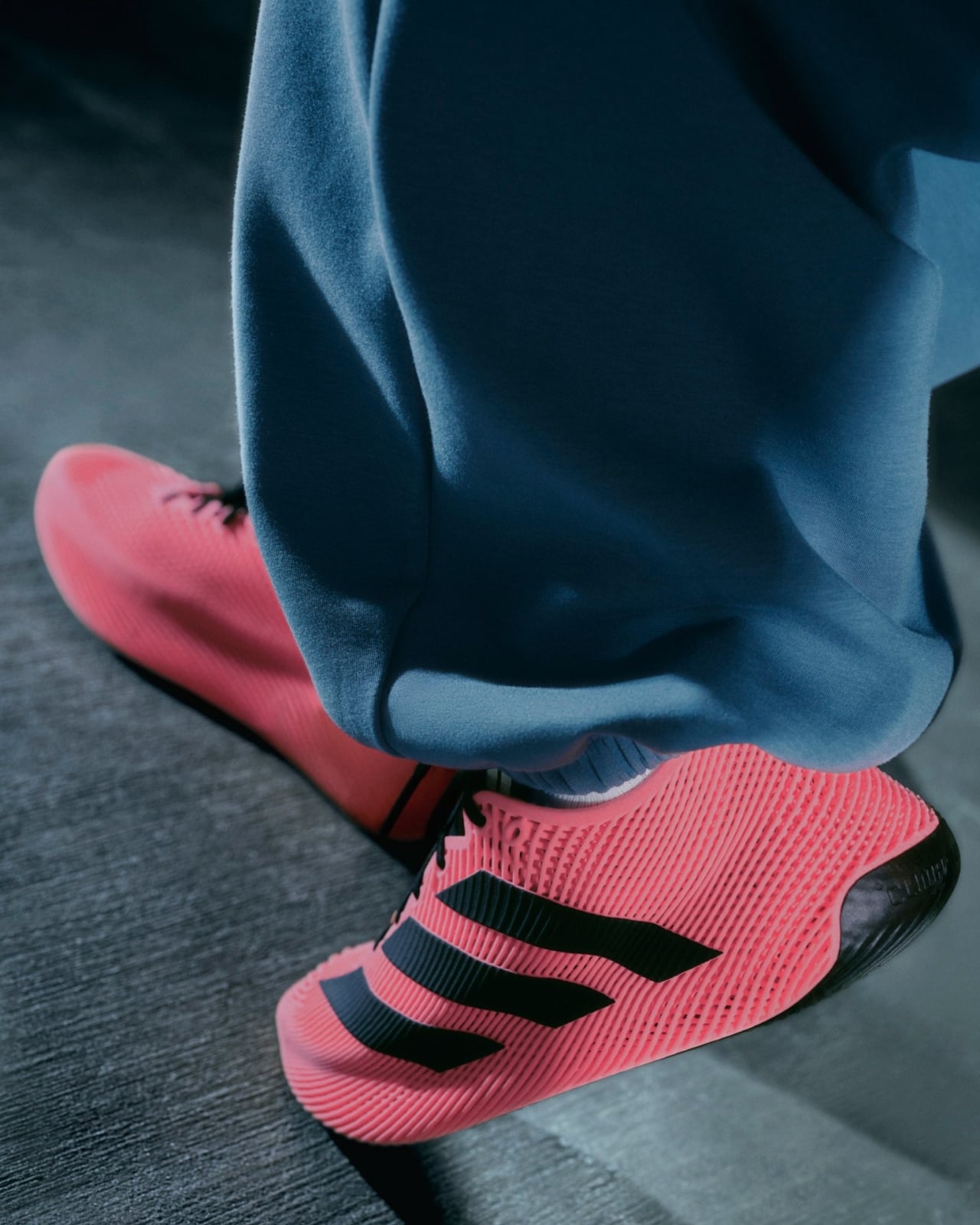
The key addition, as the name makes clear, is laces. That might sound minor, but it’s actually a thoughtful design decision. The original Climacool’s slip-on format was a statement in itself, but laces open the shoe up to more foot shapes, more wearers, and more moments. It’s the kind of iteration that shows a brand actually listening rather than just launching. The lace-up construction is also paired with updated traction and that signature ghost stripe detail, rendered in monochromatic white or contrasting black depending on the colorway.

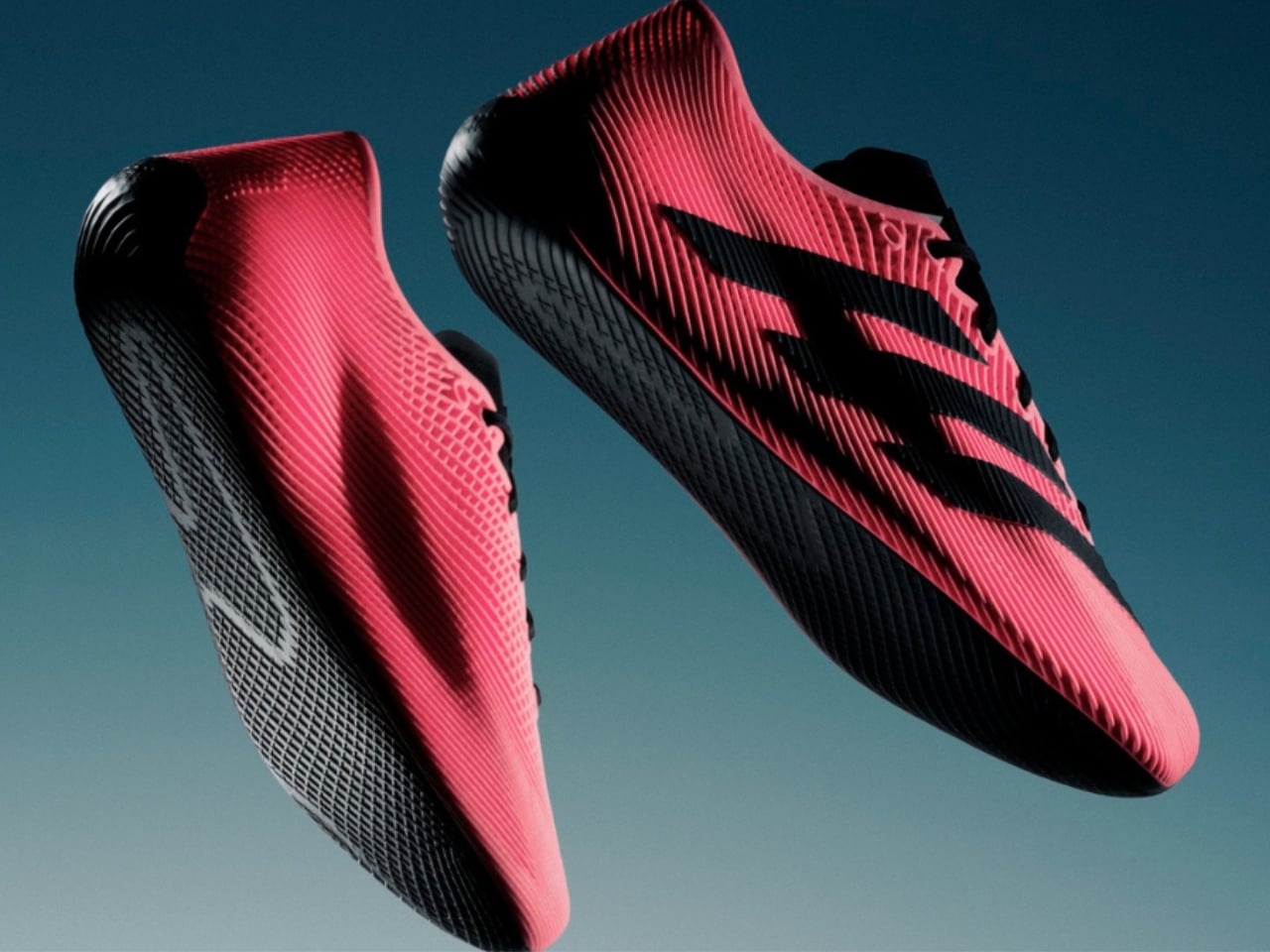
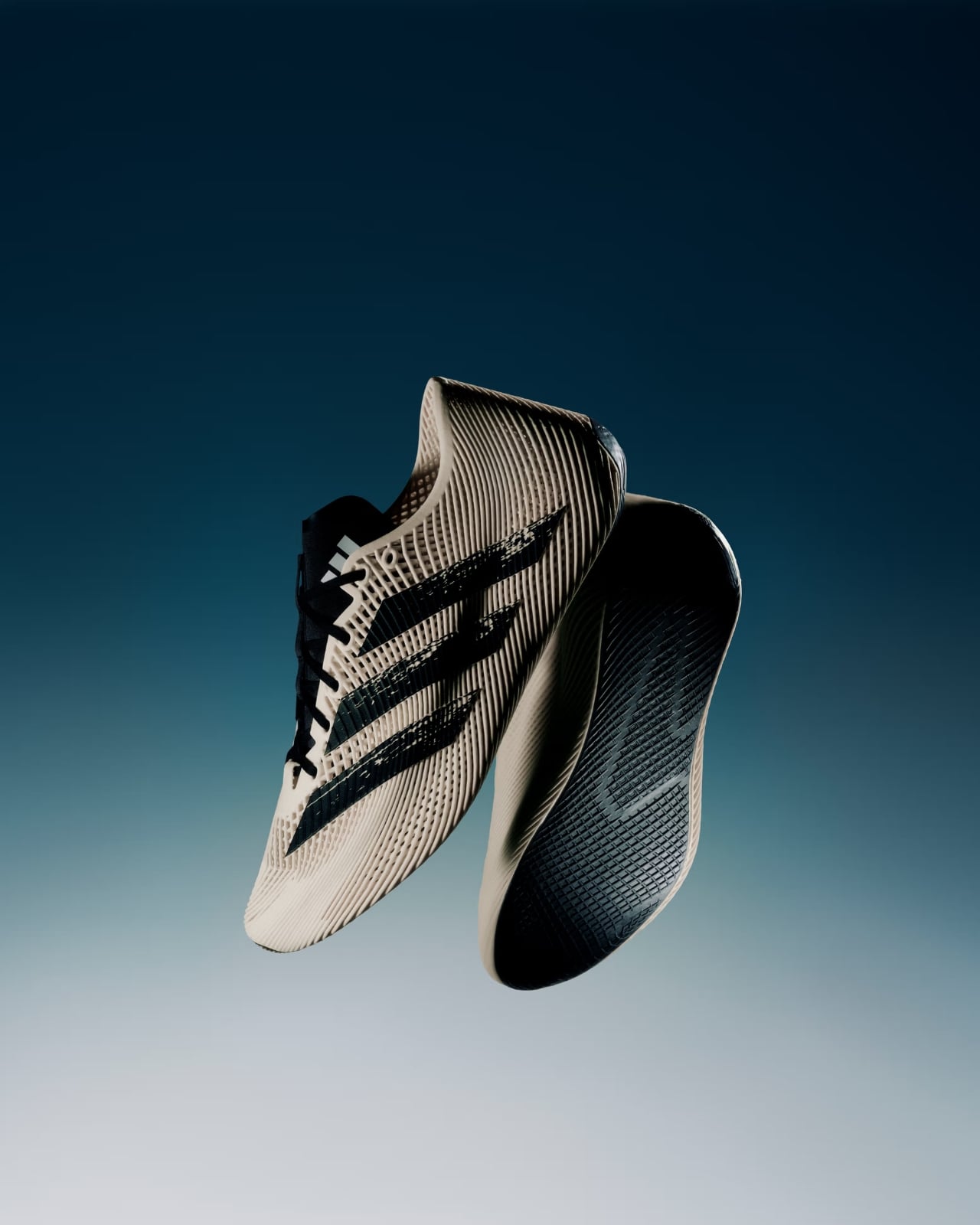
The construction process is still the headline. Each pair of Climacool Laced shoes is built using Digital Light Synthesis (DLS) 3D printing, a process that takes approximately 24 hours per shoe. DLS is not your average desktop 3D printer situation. It’s an advanced additive manufacturing technique that uses UV light to cure liquid resin layer by layer, producing structures with far more precision and flexibility than traditional methods. The result is the Climacool’s defining characteristic: a fully 3D-printed lattice upper that reads almost like a woven textile but behaves more like an engineering diagram.

That lattice is functional. Adidas engineered it to allow 360° airflow, with strategically placed mesh ventilation zones that keep feet cool during movement. The shoe also includes arch support and integrated heel pillows, features that might get lost in all the tech conversation but matter enormously for everyday wearability. This is not a shoe designed to live in a display case, even if it could pull off that assignment very convincingly.

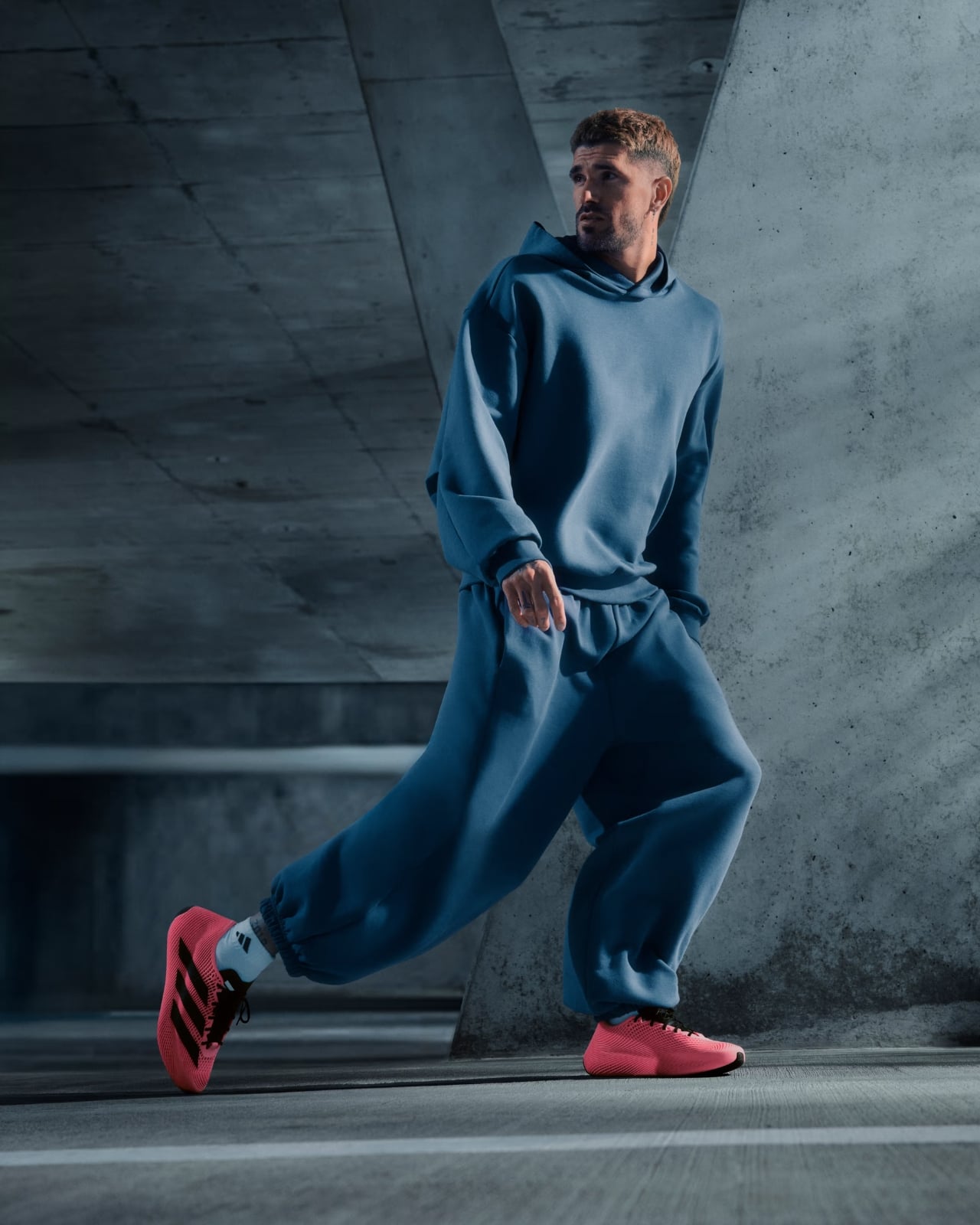
Visually, the Climacool Laced occupies an interesting space. It’s undeniably futuristic but somehow not alienating. The all-white or off-white colorway with contrasting black laces has a restraint to it that most tech-forward shoes abandon in favor of maximalism. It looks like something designed by someone who trusts the material to do the talking. A pink colorway has also surfaced, which adds a playful dimension and signals that Adidas is leaning into a broader audience rather than keeping this in the realm of experimental footwear for the few.

The campaign behind the shoe features Kahleah Copper and Jalen Williams, both known for their off-court style, which positions the Climacool Laced firmly in lifestyle territory rather than performance. That framing matters. Adidas is making a clear argument that 3D-printed construction isn’t a niche technology story. It’s a mainstream design choice. And with the original Climacool retailing at $140, they’re pricing it to be worn, not collected.

My take? The Climacool Laced feels like proof that fashion and manufacturing are finally having a productive conversation. Too often, 3D-printed shoes land as concepts that never quite cross the threshold into something you’d actually reach for in the morning. The Climacool Laced crosses it. The lace addition alone takes it from art object to wardrobe player, and the 24-hour production process behind each pair gives it a quiet sense of craft that fast fashion simply can’t replicate.

We’re at a point where the most interesting footwear design isn’t happening on a sketch pad. It’s happening in a digital file, cured by light, one layer at a time. The Climacool Laced makes that shift feel not just inevitable, but genuinely exciting.

The post The Adidas Sneaker That Takes 24 Hours to Print and Seconds to Want first appeared on Yanko Design.