World’s fastest FPV drone with a 350km/h Top Speed will radically change how we watch F1 Races

The fact that the world’s fastest FPV drone looks somewhat like a missile is simultaneously incredibly cool and incredibly scary. It might change how we watch F1 races, but it has the potential to change much more than just that.

This just seems like the kind of crazy thing Red Bull would pull off. The company decided to challenge multiple-time F1 champion Max Verstappen to a race – the catch, Verstappen would be behind the wheel of a Red Bull F1 car, while his opponent would be the world’s fastest FPV drone. The project was in collaboration with Dutch Drone Gods, a group of FPV drone makers and pilots known for holding the existing title of the world’s fastest FPV filming drone with a 150km/h top speed. The only problem – Verstappen’s F1 car is more than twice as fast.

Designers: Red Bull Advanced Technologies & Dutch Drone Gods

Drones aren’t new in the F1 circuit, given that the racing organization uses a combination of aerial filming methods to get their shots. Sustained footage is taken on helicopters that hover above the track, but for up-close shots, the F1 team relies on drones… the only problem is that these drones don’t follow the car around. They simply hover in the air, taking cinematic panning/dolly shots before the camera angle changes. Understandably, creating a drone that can follow an F1 car around like a third-person camera in a video game is just a tad bit short of impossible. Drones have a notoriously low flight time, outputting probably a maximum of 15-20 minutes of flight before their batteries get drained. Moreover, F1 cars can hit speeds of almost 400km/h and are designed to be highly responsive, making razor-sharp turns on the tarmac. The Dutch Drone Gods’ FPV maxes out at 150km/h, and can’t perform sharp maneuvers in mid-air. This meant redesigning the drone to hit higher speeds while being responsive, and perhaps most importantly, not melting or exploding in the air because of all the heat generated by hitting upwards of 300km/h speeds.

Pilot and Founder of DDG Ralph Hogenbirk and F1 World Champion Max Verstappen with the Red Bull PFV Drone

The process saw multiple iterations from the Dutch Drone Gods’ team, who took up the challenge of pushing their drone to be as fast as a Formula 1 racecar. The challenge, aside from speed, was also to make the drone maneuverable, and durable. Initial tests yielded a few pitfalls, wires would melt under extreme heat, parts would wear and tear or even explode, but more interestingly, the drone’s stability would take a beating just because of the wind turbulence created by the F1 car as it zoomed across the track. Two rounds of prototypes also showed that simple off-the-shelf components and 3D-printed outer shells couldn’t handle the task, so the DDG team decided to visit the Red Bull Advanced Technologies headquarters to partner with the team there to design the drone. The new drone had machined metal structures, speed-capable inner components, and an FRP composite outer shell that was lightweight but highly resilient.

The final drone prototype got one single chance to race against Verstappen in the latest RB20 car on the Silverstone track. It fared incredibly well against Verstappen, filming the car as it blitzed through the track. The goal wasn’t to go faster than Verstappen’s car, that would be a foolish mistake, but rather, to capture the racecar from a unique following PoV, giving the audience the effect of moving at the same speed as Verstappen. F1 race broadcasts are already pretty exciting to begin with, but imagine being able to follow a car with a camera, capturing the intense speed, adrenaline, and reflexes of the race in real-time…

The engineering of Red Bull’s FPV drone could potentially revolutionize the landscape of F1 filming. Instead of static camera shots or quick drone shots that just pan across a track, Red Bull has potentially unlocked the ability to now follow cars as they race, creating an even more thrilling broadcast that could practically reinvent how people enjoy the sport. Heck, I could totally conceive the creation of a drone racing championship as a result too. The implications for Hollywood are just as exciting too, with cinematic drones getting a whole lot faster thanks to the Red Bull FPV Drone’s unique shape.

However, a drone hitting speeds of 350km/h has its own pitfalls too. Reconnaissance, surveillance, or potentially even weapon-based payload delivery could somehow become even easier and more accessible to anyone with the right tools. Sure, the Red Bull FPV drone isn’t a ballistic missile, but it’s dangerously close to being unstoppable. Try stopping a drone cutting through a military zone or an airport at 350km/h. This new world is exciting, but just as scary too.

That doesn’t take away from how incredibly impressive Red Bull and Dutch Drone Gods’ demonstration was. The Red Bull FPV Drone currently holds the record for defeating its predecessor by a factor of nearly 200km/h. The new FPV drone also gets the bragging rights of being able to keep up with Verstappen, a feat that not even other F1 racers can hold claim to!

The post World’s fastest FPV drone with a 350km/h Top Speed will radically change how we watch F1 Races first appeared on Yanko Design.

This compact ATV hauling trailer is ultimate companion for your ice fishing escapades

There are different kinds of people with varied adventure/recreation demands. Trailer builders have been trying to cater to all the distinct needs through teardrops – compact trailers – for Overlanding expeditions, beaches, and campsites. Now leaping onto ice, Minnesota-based Eveland’s Inc has built the IcePro, a compact, lightweight toy hauling mobile house that you can take ice fishing.

Designed for ice anglers with the will to own a toy hauling fish house, the IcePro features a boxy profile that is based on an aluminum frame. A neon blue line divides the top white and bottom black color fiberglass exterior that renders the tiny trailer lightweight to tow behind an ATV. And to our surprise, the ATV is parked within the IcePro itself, when you’re not occupying it over a frozen lake.

Designer: IcePro Trailers

Inside the winterized fiberglass exterior, the IcePro has a well-insulated molded plastic interior that is comfortable and remains warm throughout your adventure on ice. This convenience is provided in 17 feet by 6.5 feet boxy structure, which is 6.8 feet high and apt to haul up to 1,200 lbs payload.

Envisioned to keep you comfy in harsh weather, the IcePro is priced at $24,995. With a dedicated garage – behind its double rear doors – for storing your ATV, the trailer can be easily towed by the ATV when you are ready to venture out. Once you reach the frozen ice, you can use the winch tire system to lower the IcePro down to the ice level so the occupant(s) can drill a hole in the ice from one of the (several) Catch Cover fishing holes and lower the fishing rods to begin with the business.

Since the IcePro isn’t meant to be a house on wheels; it has a minimalistic layout with overhead storage, large cabinets, and four Bluetooth speakers. It can be customized with an optional pair of swivel captain’s chairs, a generator, a fish finder system from Garmin, certain portable kitchen appliances, and an inflatable mattress. If you want to be on the ice, angling your heart’s content, the IcePro is a toy hauler you need. And I wish the ATV came complimentary with it!

The post This compact ATV hauling trailer is ultimate companion for your ice fishing escapades first appeared on Yanko Design.

The M-Hero 917 is a Military-Inspired SUV with a 1000hp Engine, Steer-By-Wire, and a Companion Drone

For an extra $14,000, the manufacturer will also sell you a companion drone to go with your mammoth SUV.

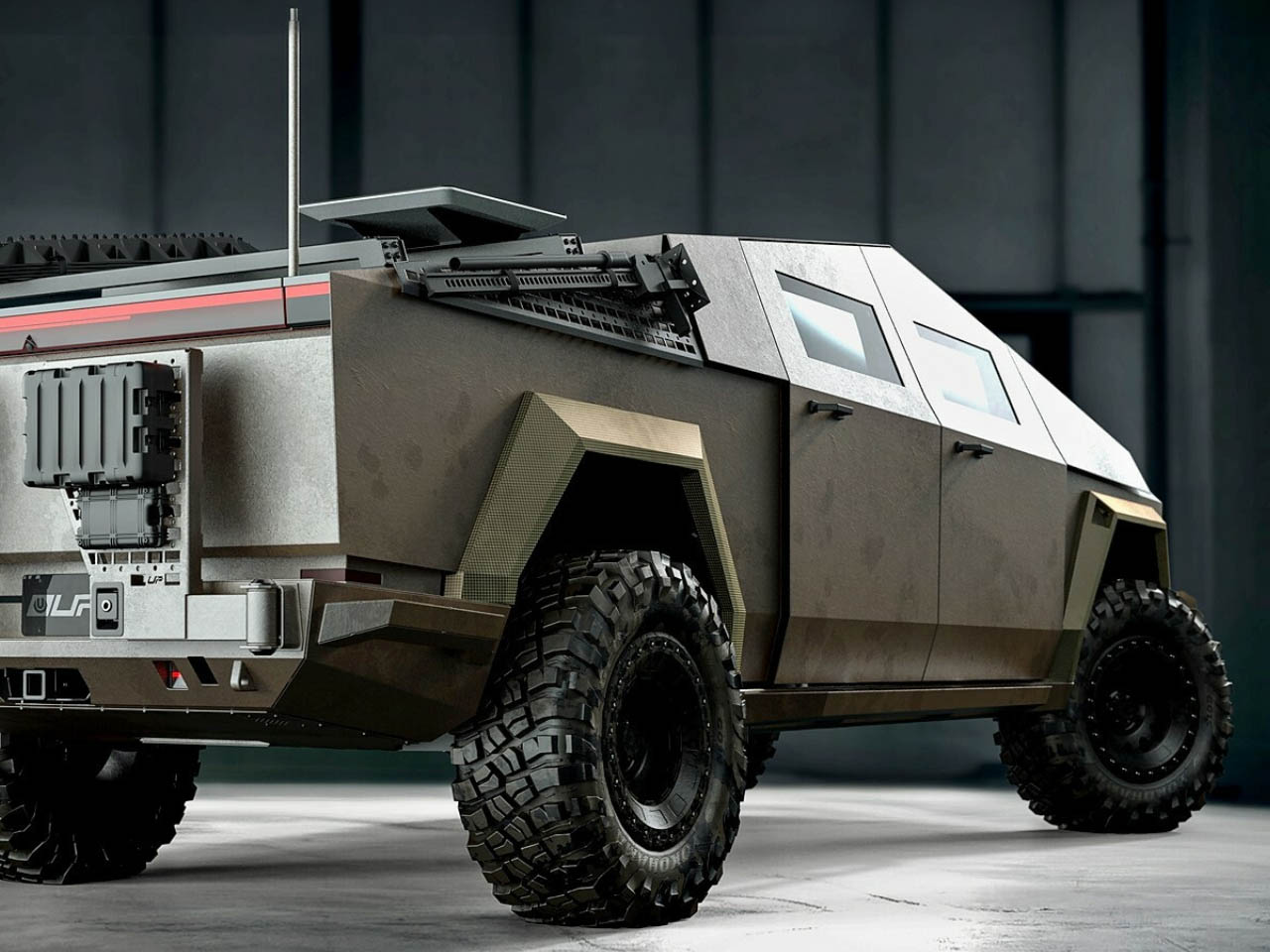
Meet the Meishi 917, also fondly dubbed the M-Hero 917 from Dongfeng – China’s first off-road automotive brand. Drawing inspiration from the robustness of military vehicles, the M-Hero 917 boasts a design characterized by sharp lines and a commanding presence. Its black matte finish and robust bumper lend it an unmistakably aggressive demeanor, reminiscent of a machine ready to conquer any terrain it encounters. However, despite its formidable appearance, it’s essential to recognize that beneath its rugged exterior lies a meticulously engineered chassis and a formidable powertrain.

Designer: Dongfeng Motor Corporation

The M-Hero 917 offers a choice between two powertrain options tailored to meet the diverse needs of modern drivers. For those inclined towards embracing sustainable mobility, there’s a fully electric variant equipped with four electric motors and a substantial 140-kilowatt-hour NMC battery. Alternatively, there’s a range-extender hybrid model featuring a 1.5-liter turbocharged four-cylinder engine serving as a generator, coupled with a 66-kWh battery pack and three electric motors, delivering an impressive output of 816 horsepower. Such capabilities translate into a blistering 0-62 miles per hour acceleration in a mere six seconds, reaffirming the SUV’s prowess on and off the beaten path.

However, what truly sets the M-Hero 917 apart are its standard and optional features, which elevate the driving experience to unprecedented heights. Inside the cabin, attention to detail reigns supreme, with interior door handles reminiscent of the iconic Desert Eagle pistol, and aircraft throttle-inspired levers adorning the center console, granting intuitive control over the vehicle’s transmission and driving modes. Complementing these design elements are three strategically positioned screens, comprising a digital instrument cluster, a navigation display, and a passenger infotainment screen, ensuring occupants are seamlessly connected and informed throughout their journey.

Yet, perhaps the pièce de résistance lies in the SUV’s optional drone package, a testament to the convergence of automotive and aerial technologies. Priced at $14,000, this package includes a state-of-the-art drone that can be effortlessly controlled via voice commands from within the vehicle, offering a unique perspective and enhancing the overall driving experience. Furthermore, the inclusion of a switchable rear steering system grants the M-Hero 917 the ability to execute the elusive crab walk maneuver, further showcasing its versatility and agility in navigating challenging terrains.

The post The M-Hero 917 is a Military-Inspired SUV with a 1000hp Engine, Steer-By-Wire, and a Companion Drone first appeared on Yanko Design.

FIAT unveils bold Panda concepts dressed as a pick-up, SUV, camper, fastback and city car

At the Geneva Auto Show FIAT has revealed its plans to launch a Panda-based vehicle every year until the year 2027. The initiative kicked off at the show with the reveal of five concept cars in line with this vision of a next-generation Panda family that’ll grow bigger with time.

For those who don’t know, the Panda is FIAT’s minicar that’s been in production ever since 2011. The vehicle comes in a basic hatchback form and a much tougher Panda Cross version that’s called the Panda Cross. For the future, FIAT wants to expand the basic body styles to the pickup, campervan, SUV and coupe crossover with the Panda concepts that’ll eventually take shape as production cars. The concepts in question for the global market here are all based on the platform by Stellantis, the parent company.

Designer: FIAT

At the time of writing, FIAT hasn’t given any insight into the technical details but has confirmed that all these variants will be bigger than the original Panda. Also, they’ve confirmed that the production version (sometime in the future) of these concepts will come with the option of gas, hybrid or electric powertrain. Other than that, around 80 percent of the components will be common to all the versions. So let’s have a look at all of them in detail right away.

City Car Concept

As clear from the name, the City Car will be a glimpse into the general direction of the brand in the future. This one is similar to the Panda in more ways than not. There are eye-candy square doors and peculiar pink tires (inspired by the Barbie, maybe). The car is inspired by the iconic Lingotto building in Turin known for its rooftop test track. Reminiscences of the structure are apparent in the design of the concept including things like the structural lightness, overall bright theme and the space optimization on the inside. Talking of the interiors, they are made from sustainable materials including bamboo and recycled plastics.


Pick-Up Concept

FIAT already has a foothold in the Brazilian pickup market in the form of the Strada. The second concept wants to build on the success by inculcating fun and functionality with this concept. The perfect amalgam of a pick-up with the functionality of an LCV and the comfort of an SUV, the vehicle is fit for urban lifestyle. For people who like an outdoorsy lifestyle, the FIAT pickup concept sets the tone for the future.

Fastback Concept

This concept is an ode to the success of FIAT Fastback in Brazil and the FIAT Tipo in the Middle East and Africa. Created on the same modular platform and bearing a very sporty look, the Fastback concept builds on the sustainable commitment of the brand without compromising on the performance quotient. This comes courtesy of the aerodynamic performance for lower fuel consumption.

SUV Concept

This is a more muscular version of the Panda resulting in a more spacious interior for a family to ride in comfort. On those lines, the car is loaded with all that a family would desire in a performance SUV. Top that off with the safety, versatility and attractive design of the concept and FIAT lovers will have enough reason not to go elsewhere.

Camper Concept

Lastly, FIAT has created the ultimate all-terrain vehicle that brings adventure seekers close to nature without much fuzz. According to FIAT, the concept pays homage to “Fun-ctionality” of the 80s Panda. It has the versatility of a regular car for urban commutes and the toughness of an SUV to go adventuring anytime, anywhere.

The post FIAT unveils bold Panda concepts dressed as a pick-up, SUV, camper, fastback and city car first appeared on Yanko Design.

Honda UNI-ONE wheelchair finds innovative use in VR worlds as extended reality mobility experience

Honda introduced the UNI-ONE personal mobility chair for people with lower limb immobilization at the end of 2022. The Segway-like version for people who want an advanced electric wheelchair contraption with flexible movement capabilities will officially debut at South by Southwest (SXSW) in Austin, Texas, next month, with a VR application twist.

The Japanese automaker will leverage the self-balancing personal mobility device (mostly intended for the disabled) for a seamless virtual reality world, which they are calling the “Honda Extended Reality (XR)” experience. The idea of fusing the real-world riding on the UNI-ONE with the virtual world environment sounds like a winning proposition, and Honda doesn’t want to let go of the opportunity.

Designer: Honda

The SXSW attendees will get the opportunity to get first-hand exposure to this unique VR experience from 10-13 March at Honda’s booth #729 at the SXSW Creative Industries Expo at the Austin Convention Center. This amalgam of two different technologies is directed towards solving the hardware limitation of a comprehensive metaverse reality that is otherwise only limited to the visual input and confined to a limited space. According to Hirokazu Hara, vice president of New Business Development, at American Honda Motor this will expand the “joy and freedom of personal mobility into entertainment applications.”

Hirokazu further added that the never-before thought of combination will elevate the multimodal immersive experience three-fold. The self-balancing tech dubbed Honda Omni Traction Drive System (HOT Drive System) and the advanced sensors on the 154 pounds UNI-ONE (permitting movement and tilt in any direction) will leverage a new VR and AR entertainment. This will shoot the extended reality technology and application development possibilities to another level, inducing the interest of early adopters more than ever before.

For instance, racing through a track on a virtual planet with lesser gravity than on Earth will be possible on a hands-free device capable of going at a top speed of 3.7 mph. The rig will combine the visual input from a VR headset and the freedom of movement to make the user feel as if racing on a real track in an alien landscape. The fact that Honda is vesting so much interest in this possibility with the UNI-ONE speaks a lot about how the future is going to pan out in the Metaverse world. According to Honda the extended reality (XR) technology will be perfect for malls, theme parks, or any other indoor or outdoor entertainment hubs with a lot of open space to move around.

The post Honda UNI-ONE wheelchair finds innovative use in VR worlds as extended reality mobility experience first appeared on Yanko Design.
Only 5 of these Alfa Romeo GTA Custom Restomods will be made

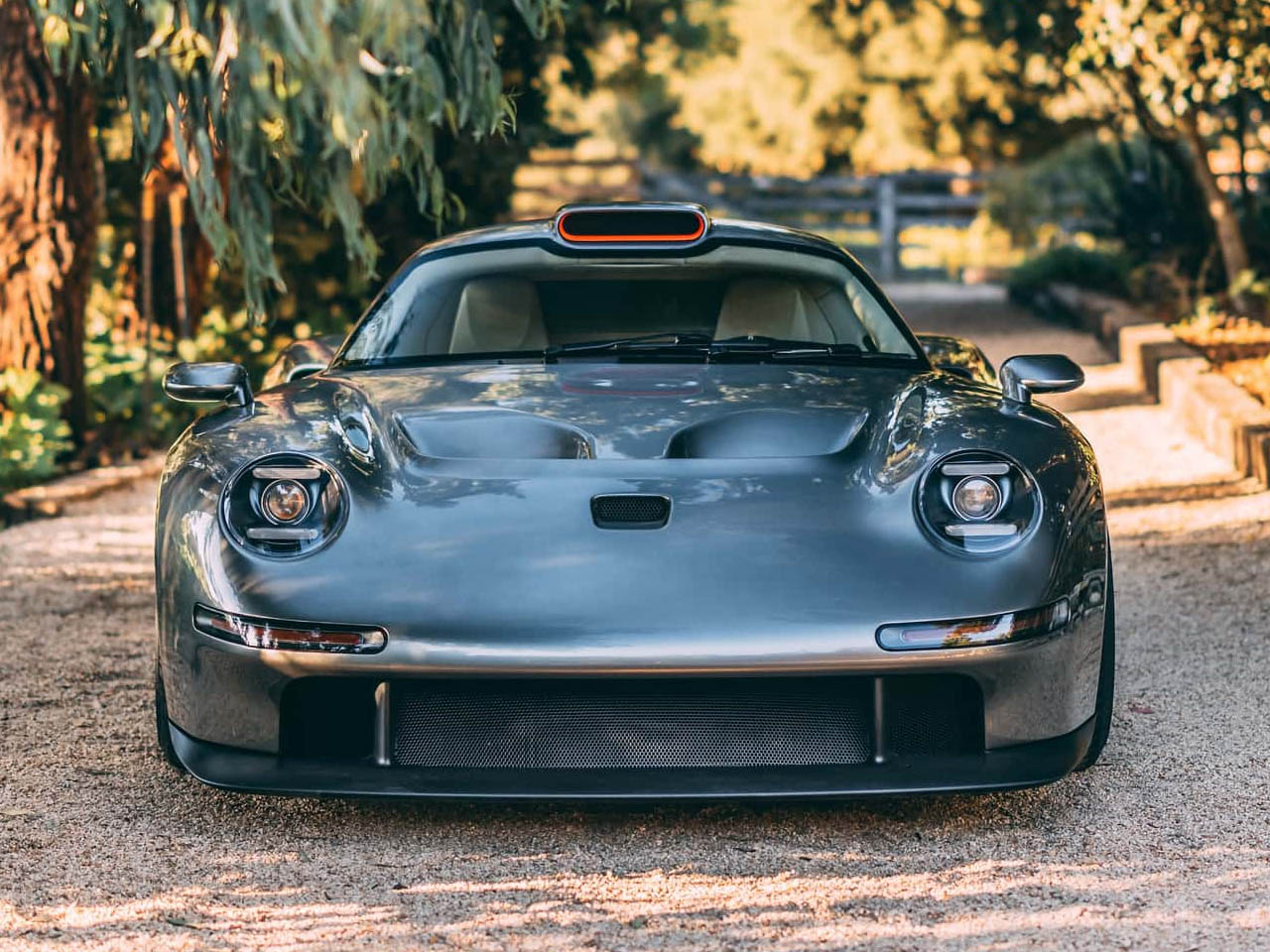
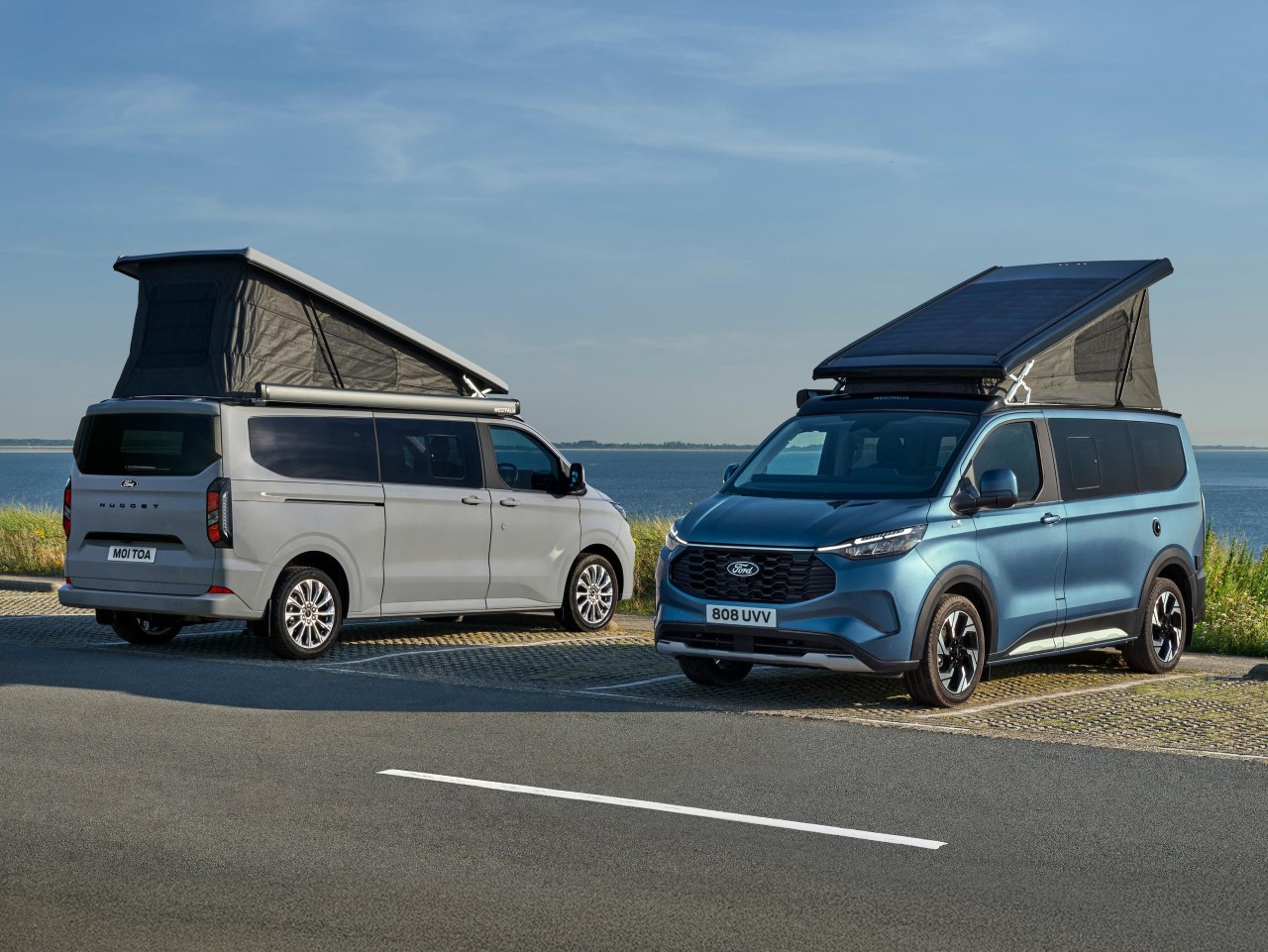
Totem Automobili, known for its impeccable craftsmanship and innovative automotive creations, has once again captured the essence of automotive history with the unveiling of its latest masterpiece: the GTAmodificata. This limited edition marvel pays homage to the legendary Alfa Romeo GTAm, blending classic aesthetics with cutting-edge technology to redefine the boundaries of automotive excellence.

Originally produced in limited quantities from 1965 to 1969, the Alfa Romeo GTA has always held a special place in the hearts of enthusiasts worldwide. Totem Automobili’s passion for reviving automotive icons shines through in their GTA-based restomods, and the GTAmodificata takes this dedication to the next level.

Designer: Totem Automobili

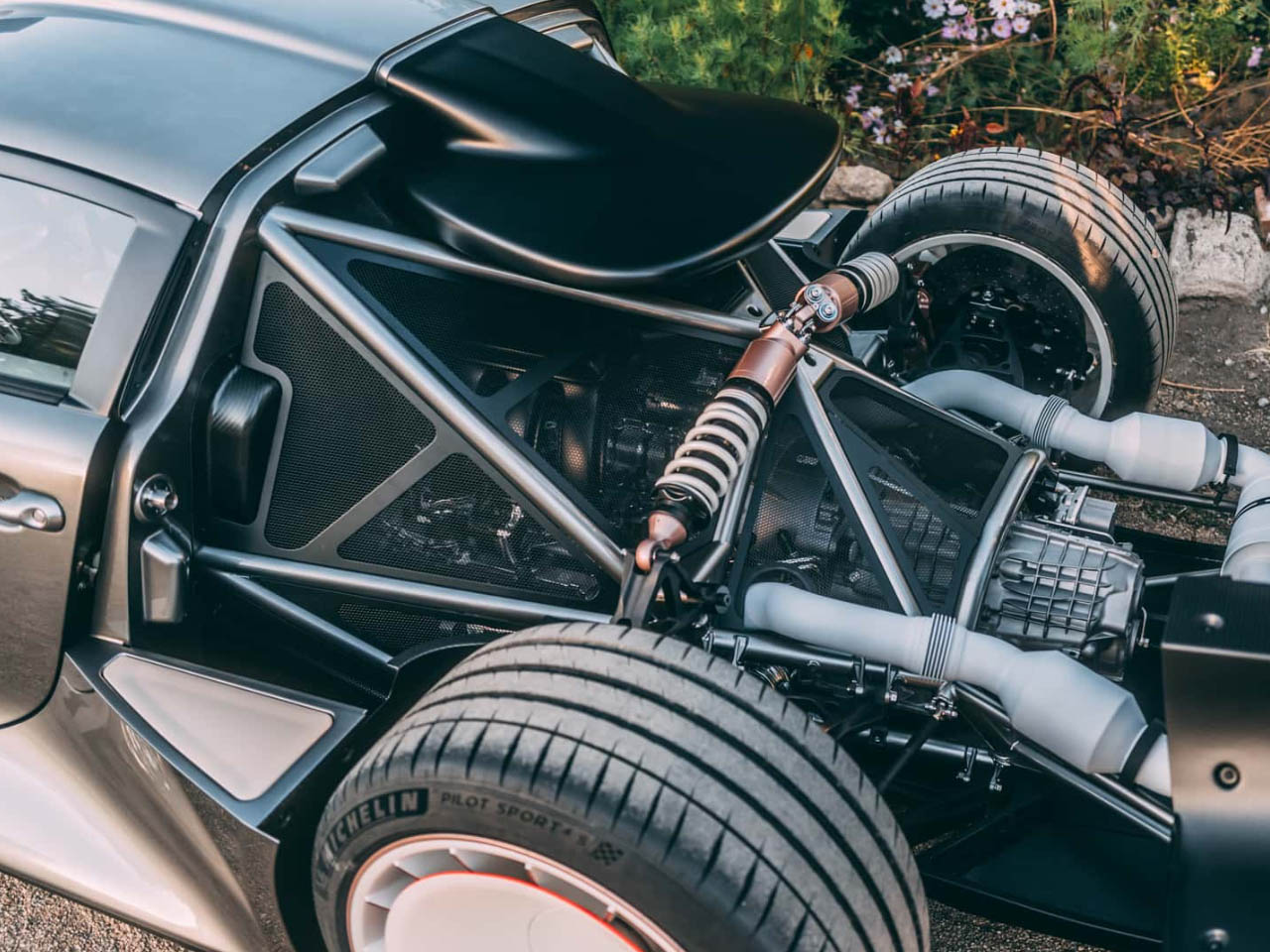
The GTAmodificata has a potent 3.2-liter twin-turbocharged V6 engine for a heart, meticulously crafted by Italtecnica Engineering. Boasting an impressive 810 horsepower and 538 ft-lbs of torque, this powerhouse propels the car from 0 to 60 mph in a blistering 2.6 seconds, with a top speed exceeding 186 mph. Yet, performance isn’t the only hallmark of this masterpiece. Weighing in at just 2,414 pounds, the GTAmodificata achieves a remarkable power-to-weight ratio, delivering exhilarating performance while retaining impeccable handling dynamics.

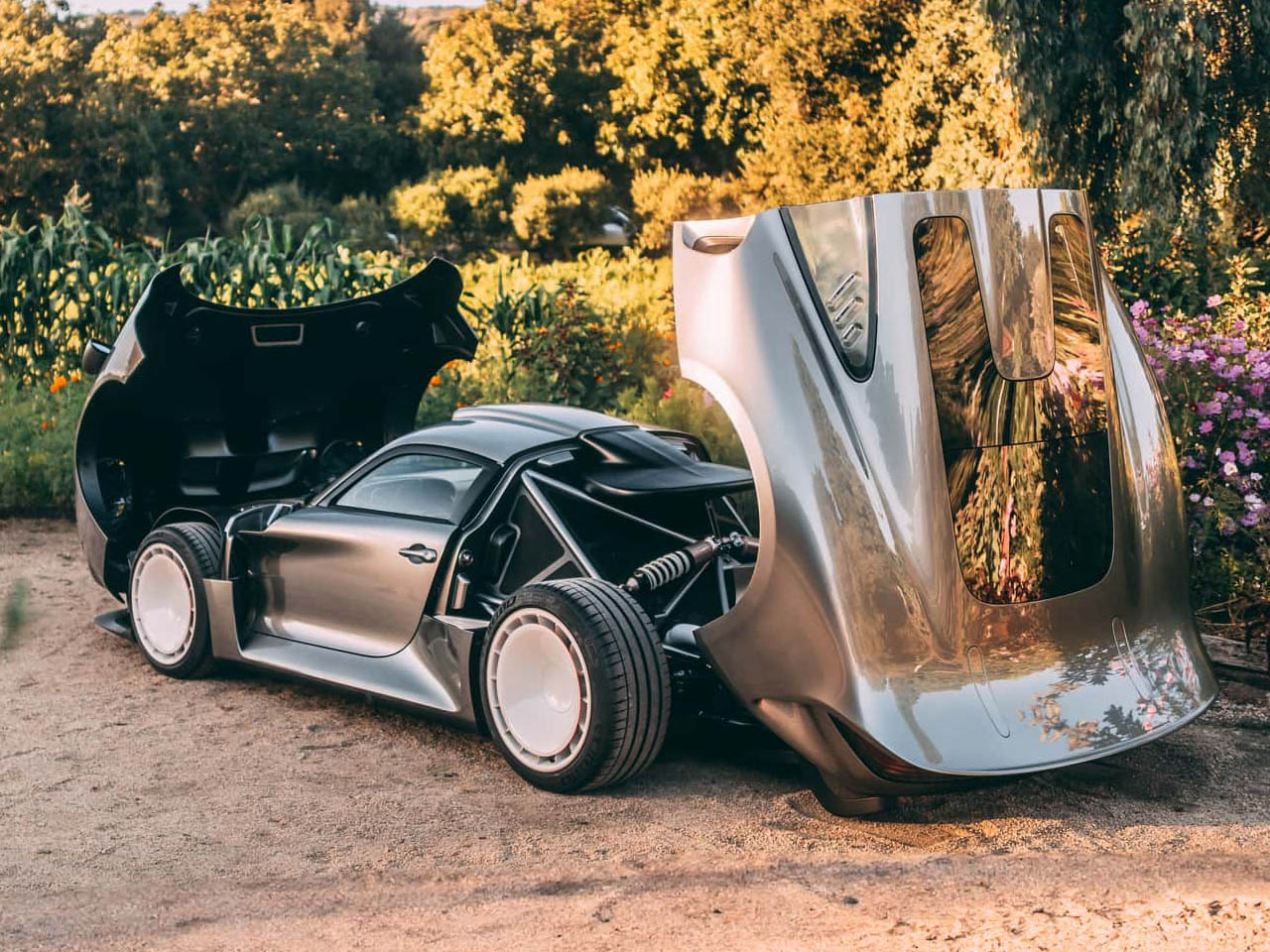
Crafted around a custom-built carbon-fiber monocoque, the GTAmodificata seamlessly blends lightweight construction with structural rigidity, resulting in a driving experience that’s as thrilling as it is refined. Custom-engineered billet aluminum double wishbone suspension units and R53 dampers ensure precise handling and stability, while bespoke carbon fiber bodywork, adorned with a metallic carbon finish, exudes timeless elegance.

The interior of the GTAmodificata features custom seats, instrumentation, and dash, trimmed in exquisite leather and Alcantara, enveloping occupants in comfort and style. Carbon fiber accents throughout the cabin underscore the car’s performance-focused ethos, while advanced LED lighting adds a modern flair.

Limited to just five units worldwide, the Totem Automobili GTAmodificata is easily one of the most exclusive cars we’ve featured on this website. Priced at €1,100,000 (~$1,203,000), this masterpiece represents a pinnacle of automotive engineering and design, surpassing its predecessors in both performance and prestige.

The post Only 5 of these Alfa Romeo GTA Custom Restomods will be made first appeared on Yanko Design.
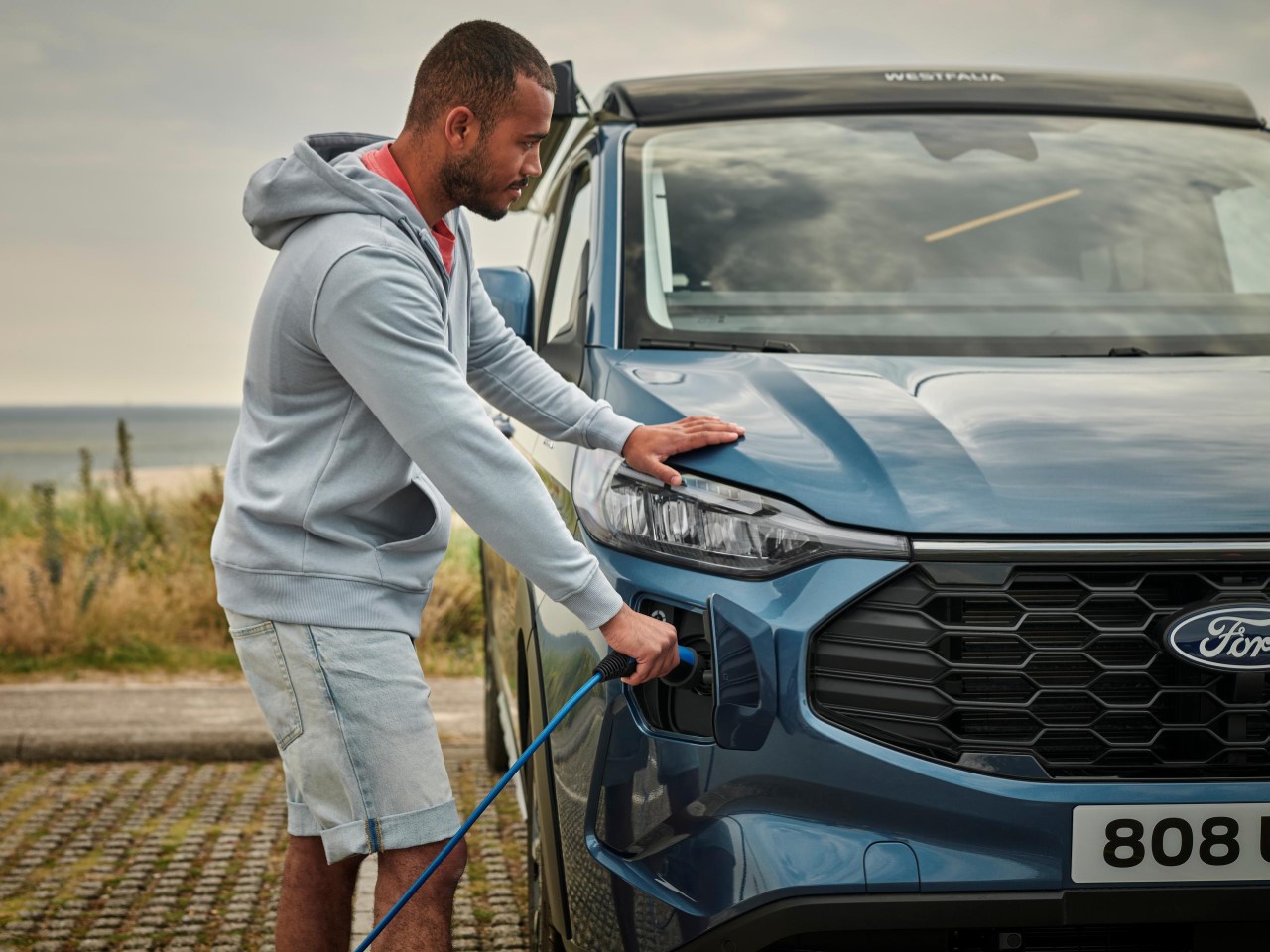
VW-inspired 10-ft towable camper pop-up roof increases standing headroom to 6 feet 4 inches

There are many hugely popular campervan base models around the world, but one that essentially overshadows them all, and has camping enthusiasts styling their own creations around it, is the Volkswagen van. VW-inspired campers have their takers in plenty thereof Type 2 founders, Hearth Gardella and Ryan Schassen, have created a VW-themed pop-up camping trailer from aircraft steel construction in a compact form factor that is faster to build.

The RV builders based in Woodburn, Oregon, Type 2, is hoping to create a sizable inroad in the expensive and heavier tow-campers with their T2.3 which thrives on its “lightweight, affordable, and timeless design.” Currently available for preorder for a non-refundable $1,000 deposit, T2.3 comes in three different variants with one classic pop-up roof that enhances the internal standing headroom to 6 feet 4 inches.

Designer: Type 2

Modeled after the 1940s Volkswagen bus, the T2.3’s design replaces fiberglass construction with aero-grade steel panels. This keeps the camper lightweight and adds to its durability. With the use of steel panels, the camper with its pop-up roof is faster to manufacture and fairly easy to tow behind a small electric vehicle.

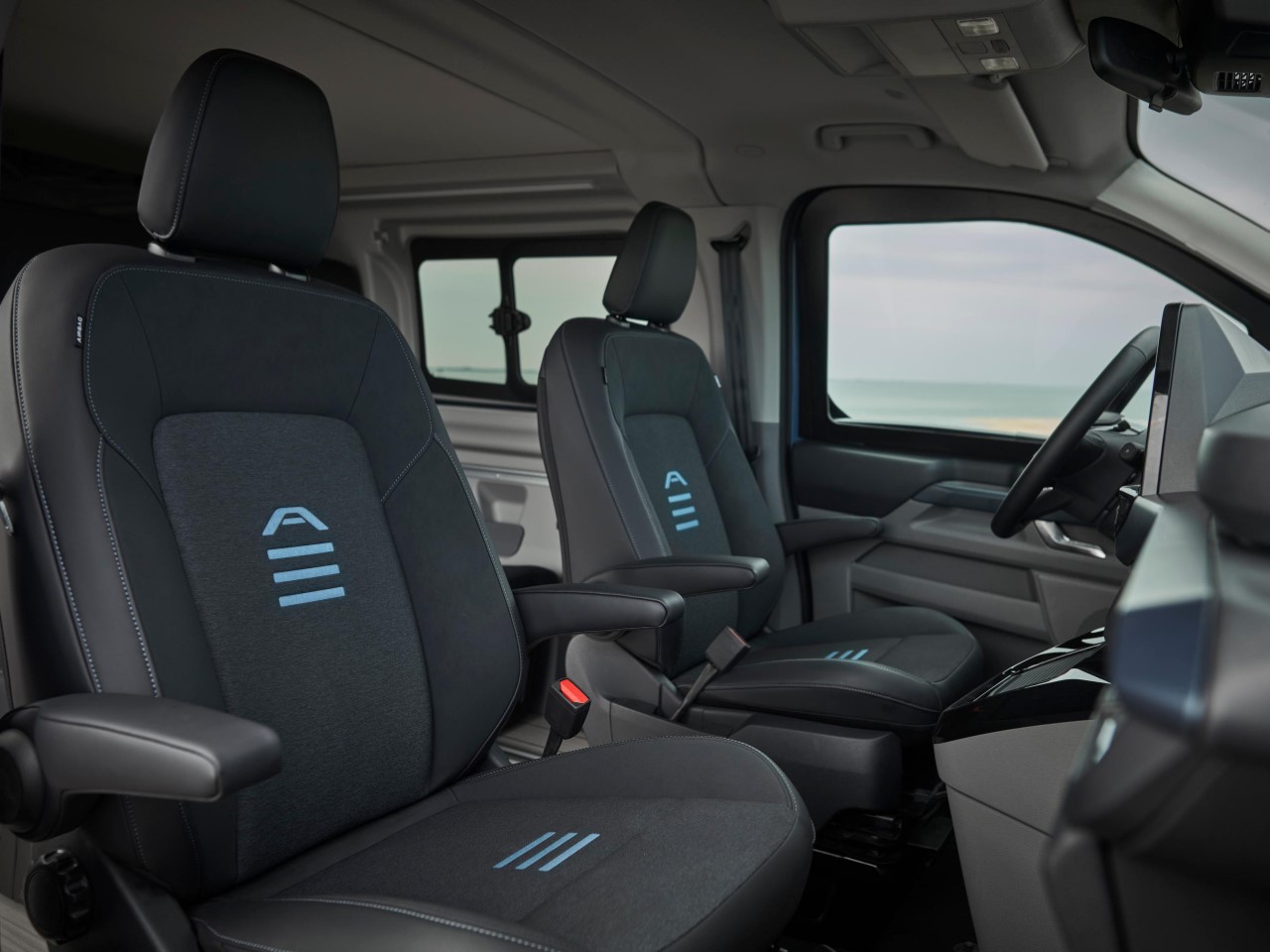
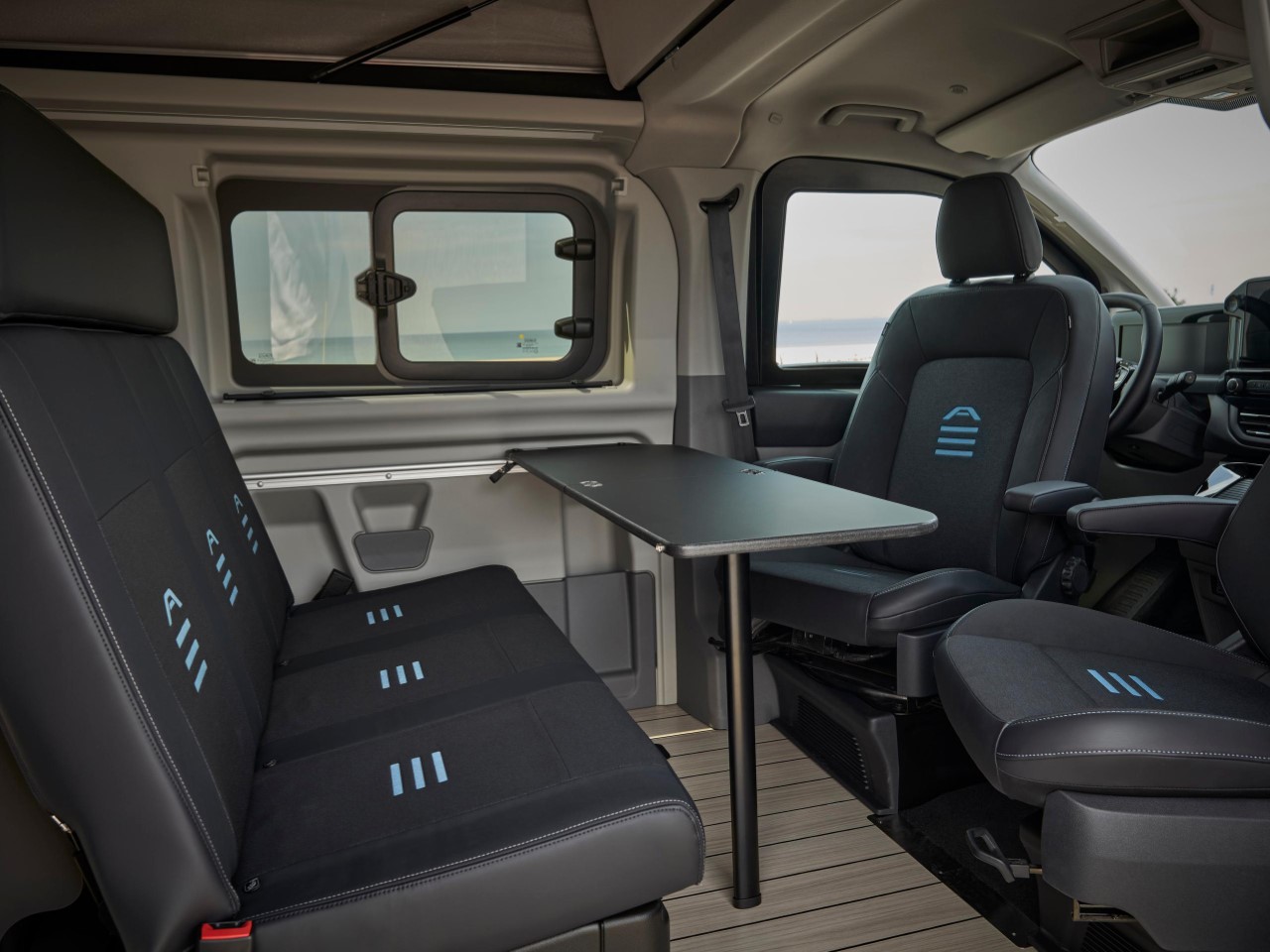
Measuring 9 feet 6 inches long and 5 feet wide, the camper weighs under 980 lbs in all three options (detailed below). Outfitted with three windows on each side, and a single door toward the back half, the camper has a liftgate hatch. For more space inside comprising a convertible U-shaped sofa, an expandable kitchen counter, and a rear window seat (in the entry-level Sleeper model), the T2.3’s entire roof rises above.

Adding an outdoor shower system and 1-gallon electric hot water heater to the Sleeper and we have the T2.3 Sleeper Plus. The most exciting option is the Kitchenette model. The rear window seat here is removed to accommodate a full L-shaped kitchen complete with a dining table, induction cooktop, and stainless-steel sink. Of course, the change in features makes for a change in the pricing structure as well. The Sleeper model starts at $29,950, the Sleeper Plus scales the figure to $35,000, while the one with a kitchenette will set you back $39,000.


The post VW-inspired 10-ft towable camper pop-up roof increases standing headroom to 6 feet 4 inches first appeared on Yanko Design.
This 5G eBike has a built-in action camera and infotainment system: Orbic 5G eBike Hands-On at MWC 2024

Amidst the bustling corridors of the 2024 Mobile World Congress in Barcelona, sustainable innovation company Orbic has unveiled a device that will radically alter last-mile and intra-urban commutes forever: the world’s first 5G-enabled eBike, equipped with AI for object avoidance and collision detection.

Designer: Orbic

Orbic’s leap into the eBike sector practically reshapes how we perceive mobility, safety, and connectivity on two wheels. “Introducing Orbic’s 5G e-Bike at MWC Barcelona is part of our innovation pipeline that implements advanced technology to expand connectivity and enhance user experiences,” said Mike Narula, President and CEO of Orbic. “By integrating 5G connectivity and AI technology, we aim to redefine the riding experience, making it safer, more connected, and environmentally responsible whether on city streets, in suburban neighborhoods or the challenging terrain of mountain trails. The 5G e-Bike represents a significant leap forward in electronic mobility, and we are excited about bringing this new technology to cities across the globe.”

Central to the eBike’s design is its AI-powered avoidance detection system, featuring a sensor with a 140-degree field of view at the rear, which actively monitors for potential hazards and alerts riders through audible and visual warnings. This focus on safety is further supported by the eBike’s array of cameras: a 64MP front-facing camera for capturing and livestreaming (yes, the Orbic bike has its own built-in action camera!), an 8MP camera on the front display ideal for video calls, and a 2MP rear camera dedicated to enhancing safety through collision avoidance and object detection.

The eBike’s frontal camera array

A rear camera helps with vehicle detection

Stuck in traffic? The touchscreen can be used for entertainment too!

Additionally, the eBike boasts a 7-inch, all-weather touchscreen display that provides riders with essential information such as battery status, speed, and navigation data, ensuring attention remains on the road. The eBike’s 5G connectivity not only minimizes lag for a responsive user experience but also enriches the riding experience by enabling features like live streaming, trail sharing, bike-to-bike communication, and real-time navigation.

Orbic’s 5G eBike reveal at MWC 2024 represents a seismic shift in eco-friendly transportation, operating without fossil fuels and emitting no carbon, aligning with the company’s dedication to sustainable technology development. This approach offers riders a guilt-free mode of transportation that doesn’t compromise on innovation or performance.

The post This 5G eBike has a built-in action camera and infotainment system: Orbic 5G eBike Hands-On at MWC 2024 first appeared on Yanko Design.
World’s Cleanest Electric Snowmobile launched this week in collaboration with Pininfarina

Traversing snowy terrains is now going to be even more fun and environmentally friendly with the Vidde Mobility electric snowmobile. Designed in collaboration with Pininfarina the vehicle makes minimal noise without compromising on the power delivery of a conventional gas-powered snowmobile.

According to Vidde founded by Christian Lystrup, the terrain vehicles around the globe create 30 megatons of CO2 every year. Out of which over “two-thirds of the total emissions produced by the entire country of Sweden.” The Vidde Alfa is deemed to solve this with an initial footprint of less than 100g co2/ km compared to the 550g co2/km of any gas-powered snowmobile. The vehicle is slated for a late 2024 release for a price tag with a wider production horizon planned for 2025. It was launched on February 18, 2024, at IceHotel in Swedish Lapland.

Designer: Vidde Mobility and Pininfarina

Standing out from the rest as a trailblazer of the snowmobile industry, this snowmobile is groundbreaking when it comes to eco-friendly performance. The electric snowmobile comes loaded with a battery heating system for operation at a low temperature of -39 degrees Celsius. For the looks, Pininfarina influence is apparent with a distinctive bold orange and white-hued theme on the sleek body shell placed on the runner and treads finished in industrial black.

The collaborative effort is focused on identifying a solution that elevates the pleasure of driving and making sure it is functional and attractive keeping in mind the longevity of use. This electric snowmobile will be tested at the vast expanse of Swedish Lapland by the Icehotel for the remainder of the season to get real-time data in real conditions. According to Christian, the first batch of units are signed up and there are some limited slots left to pre-book the Vidde snowmobile.

According to Annika Fredriksson CEO of Swedish Lapland Visitors Board, “During the winter a lot of people use snowmobiles for both personal and professional purposes. If we can turn all these snowmobiles into electrified versions it would have a hugely positive effect on nature and wildlife, both for the reduced CO2 emissions and sound disturbance. This fills us with hope and will play a part in reaching our sustainability goals for 2030.”

The post World’s Cleanest Electric Snowmobile launched this week in collaboration with Pininfarina first appeared on Yanko Design.

This amphibious electric vehicle has the smarts for practical urban mobility needs

Electric, Hydrogen and Hybrid vehicles are going to partly solve the environmental crisis, but the fact remains, the number of vehicles on the roads isn’t going to reduce. The battle for every inch of road space will intensify in the future, no matter how desperately the compact concept vehicles try to gain popularity.

The only viable solution then left are the flying cars which I’m now a great fan of due to their mostly impractical approach to things in real-life conditions when air space is going to get crowded. One probable solution for tropical regions in particular is an amphibious vehicle that’ll bypass traffic congestions on freeways for timely travel schedules.

Designer: Bernardo Pereira

The CROSSER V1 is designed keeping in mind the commuting needs of coastal cities. The primary idea of this kind of transportation is to have flexibility of transportation in such regions for speedy commuting. The fact that this is an electric vehicle reduces the amount of noise created, and also the levels of pollution. The fleet of CROSSER vehicles creates a customized service for inhabitants of urban cities to meet the 24×7 hour needs of every kind of user.
According to the designer, the rise in sea level will eventually lead most of the world’s population to migrate to these regions and look for viable means of earning livelihood. This will lead to an increase in road congestion and pressurize the already overburdened mobility systems. Thus, leading to the dire need for new mobility solutions when owning a private vehicle will no longer be of interest to the majority of Populus.
The future of mobility will be dominated by diverse needs that depend on the user’s travel intention, interaction and lifestyle. This leads to a transition that allows for interconnected mobility systems that are in line with sustainable practices and technologies. Bernardo initially created four different iterations for this concept and the final design is this amphibious transportation service that serves the users. The vehicle has an intelligent navigation system that takes the fastest route, either on land or water.

The CROSSER is developed to be an adaptable service that goes beyond passenger transportation and bears modular features for modifying the interiors depending on the needs of the user. By default, the vehicle comes with a four-seat configuration with a display to beam all the route information, weather and warnings. The vehicle boasting a panoramic view has seats with sensors and adjustable headrests.

When it’s time to tread on the waters, the CROSSER V1 employs the suspension system to raise the maximum height angle by 90 degrees. Everything is done autonomously aided by the LiDAR and Radar sensors, without the need to stop the vehicle. The in-built dual cameras with a 150-degree viewing angle further add to the feed of the user’s display. This whole system not only aids in water travel but also identifies obstacles on land.

The post This amphibious electric vehicle has the smarts for practical urban mobility needs first appeared on Yanko Design.