The release of iOS 26.6 marks the final update in the iOS 26 series, setting the stage for the highly anticipated iOS 27. While this update does not introduce major new features, it focuses on refining performance, enhancing security, and improving battery efficiency. To ensure your device is fully optimized and ready for the transition, […]
Unboxing your Samsung Galaxy Z Fold 8 is an exciting moment, but properly setting it up is essential to fully harness its capabilities. This guide provides a comprehensive walkthrough of the key steps to personalize, secure and optimize your device. From enhancing the foldable display to fine-tuning multitasking features, these tips will help you unlock […]
Apple’s iOS 27 brings a fantastic update to iMessage, reshaping how users communicate, organize, and express themselves. With enhanced contextual intelligence, deeper Siri AI integration, and a suite of creative tools, iMessage now delivers a more seamless, efficient, and engaging experience. Let’s explore the standout features that make this update a significant leap forward. The […]
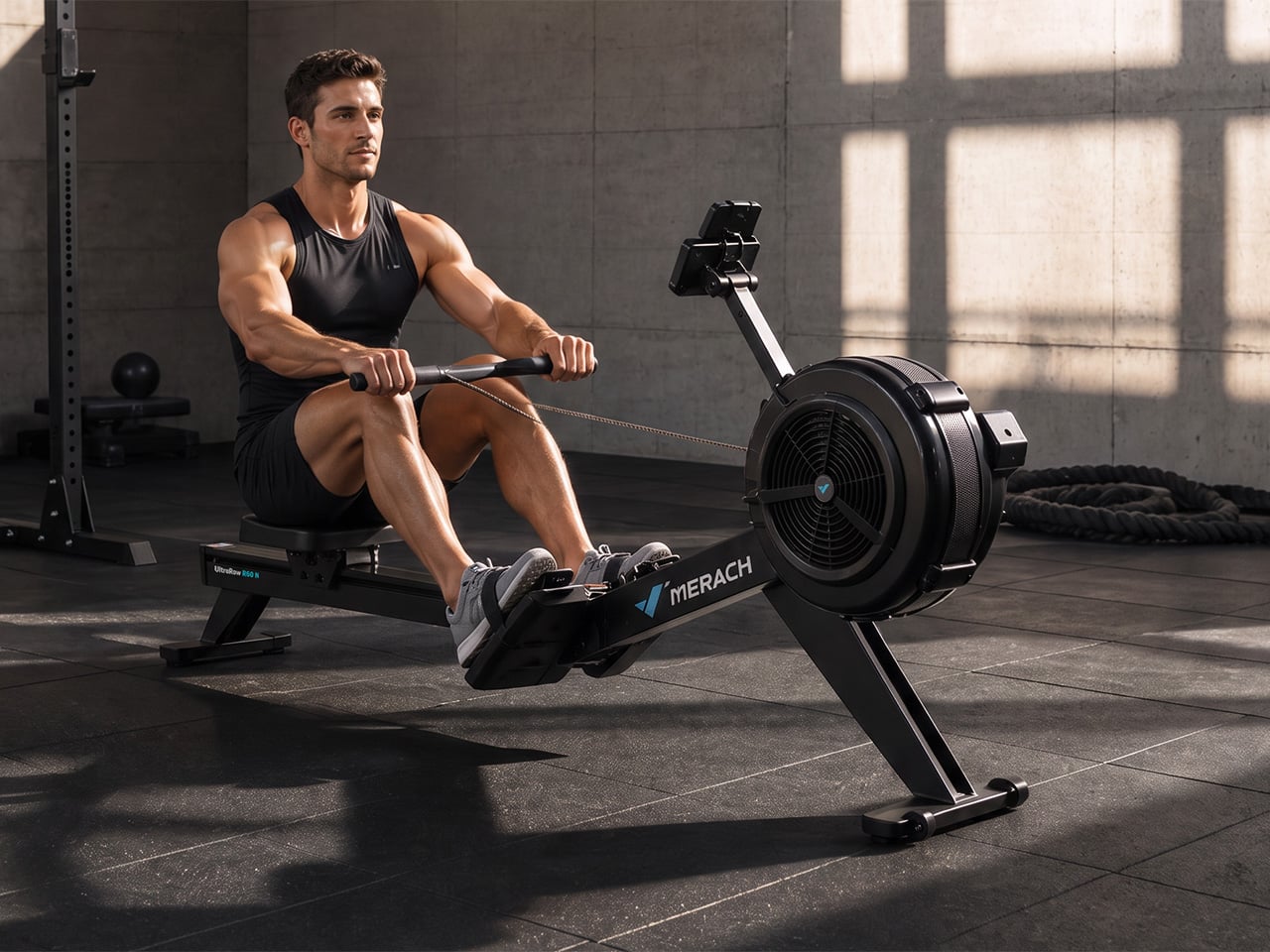
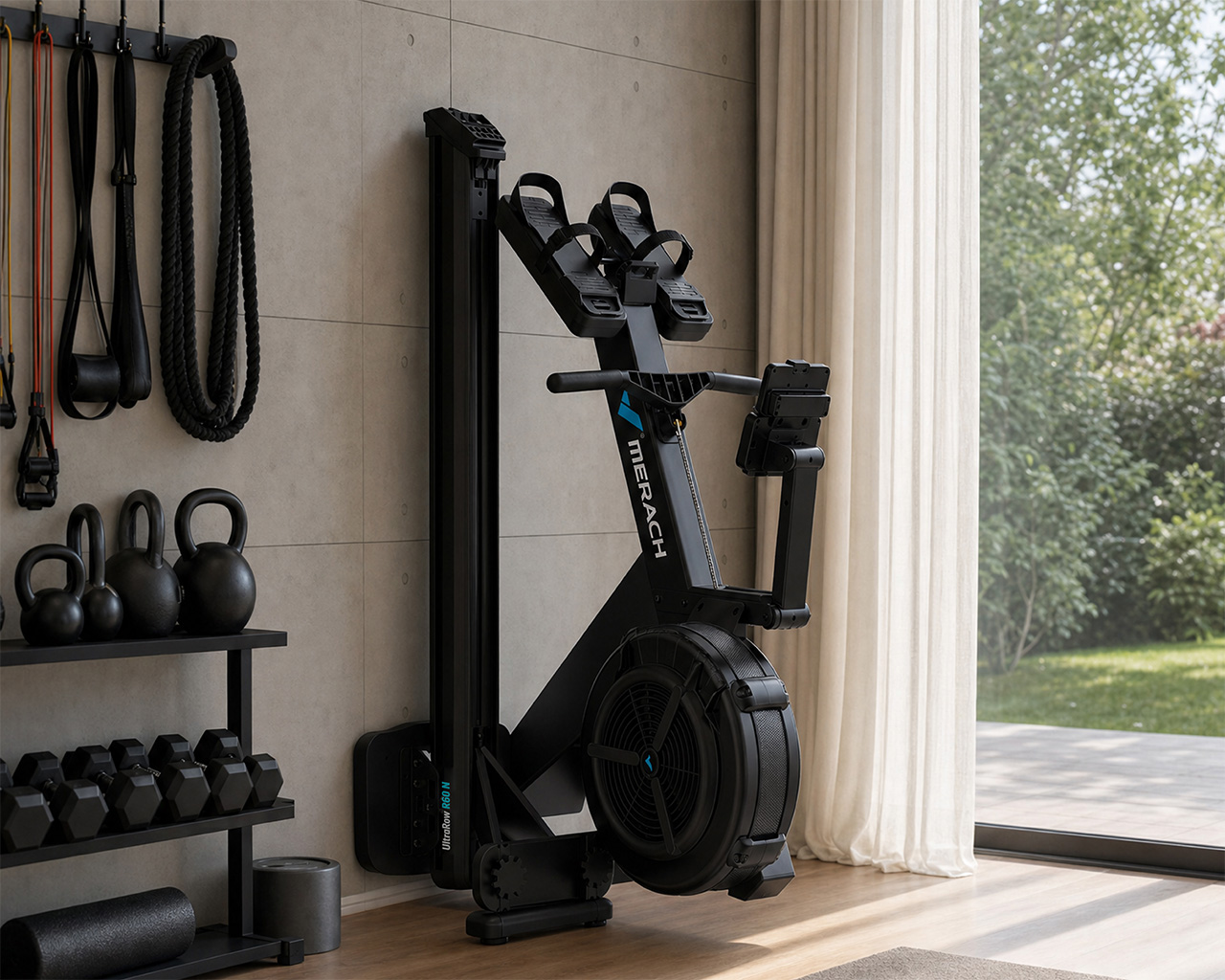
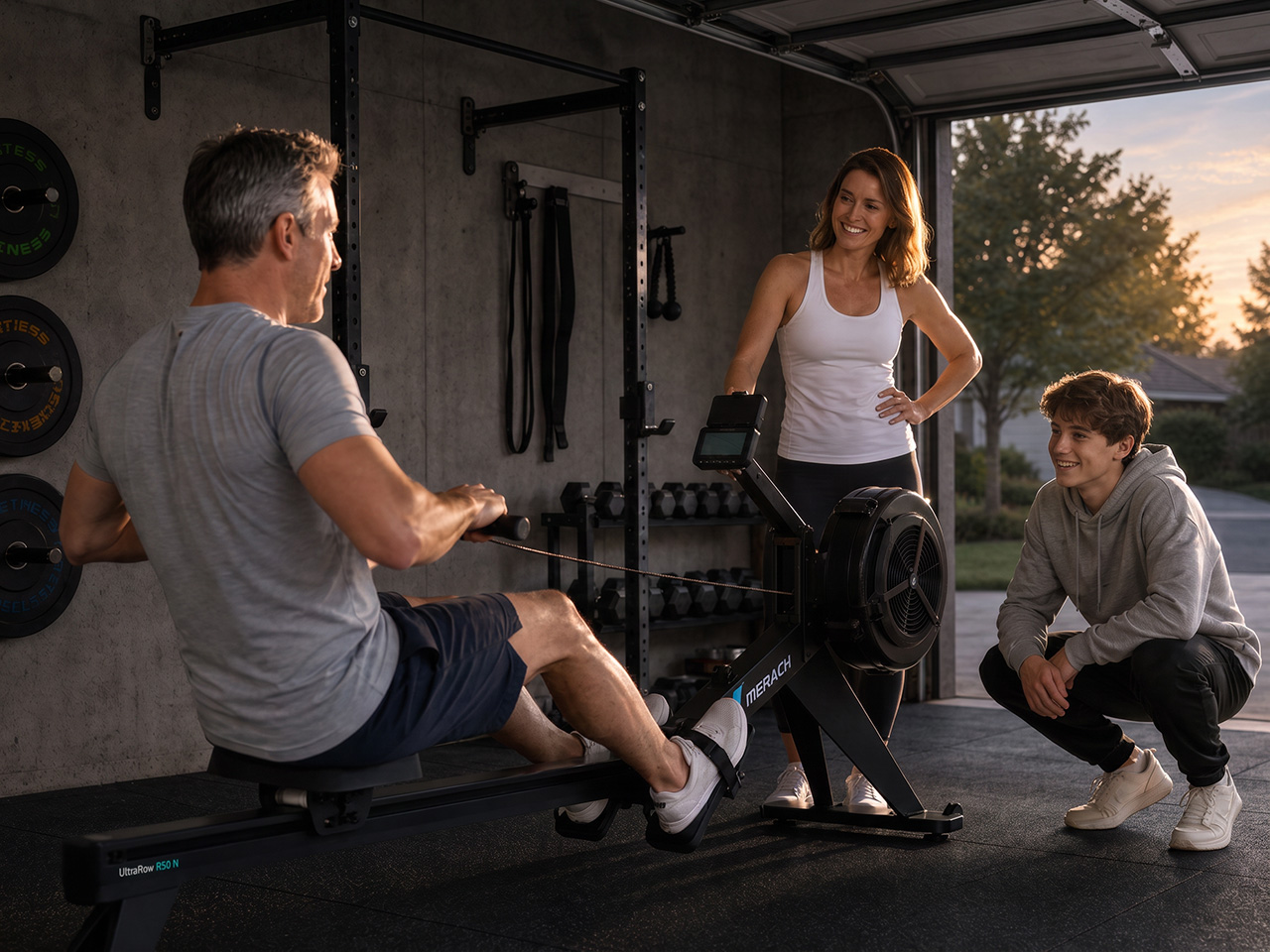
In the Season 1 finale of House of Cards, Frank Underwood rows himself into such a state of focused intensity that the handle snaps clean off the cord. It’s one of those small, telling moments: a machine built for sustained, steady cardio meeting effort it was never designed to handle. The image stuck because it captured something true about most rowing machines, that they’re engineered around a certain kind of effort, and past that point, something gives. The MERACH UltraRow R60N starts from the opposite premise. Where most rowers set a ceiling and hope you don’t find it, the R60N is specifically built to be pushed, with a resistance system designed for the kind of high-intensity, high-force training that would have kept Underwood’s handle in one piece.
The cleverness of the R60N is in how it resolves a real limitation that stronger users run into with traditional air rowers. Air resistance is dynamic and honest: the harder you pull, the more resistance you feel, which is exactly the kind of feedback that makes rowing intervals work. The problem is the ceiling. For advanced athletes or anyone chasing high-resistance strength training on the rower, air resistance alone eventually runs out of room. A standard air rower maxes out at around 600N at 25 SPM. Magnetic resistance added on top pushes that number to 900N at the same stroke rate, a 50% jump in peak handle force that opens up explosive power training, high-resistance interval work, and strength-focused sessions that a pure air machine simply cannot support. Levels 1 through 8 preserve the dynamic, effort-responsive air rowing feel entirely, with magnetic resistance gradually layering in above level 8 to extend the range rather than replace the experience.
A 32-vane internal fan generates air resistance across levels 1 through 7, scaling naturally with how hard and fast you pull. From level 8 onward, magnetic resistance stacks on top of that air baseline, pushing peak resistance to 900N at 25 SPM. That’s a number worth paying attention to: competitive indoor rowing demands resistance levels that most consumer rowers simply can’t reach, so having a hard ceiling that high gives serious athletes something to actually chase. The 10-level structure also keeps things useful across a range of users, from someone just trying to get their cardio in to someone chasing anaerobic output with the kind of focus Underwood would appreciate.
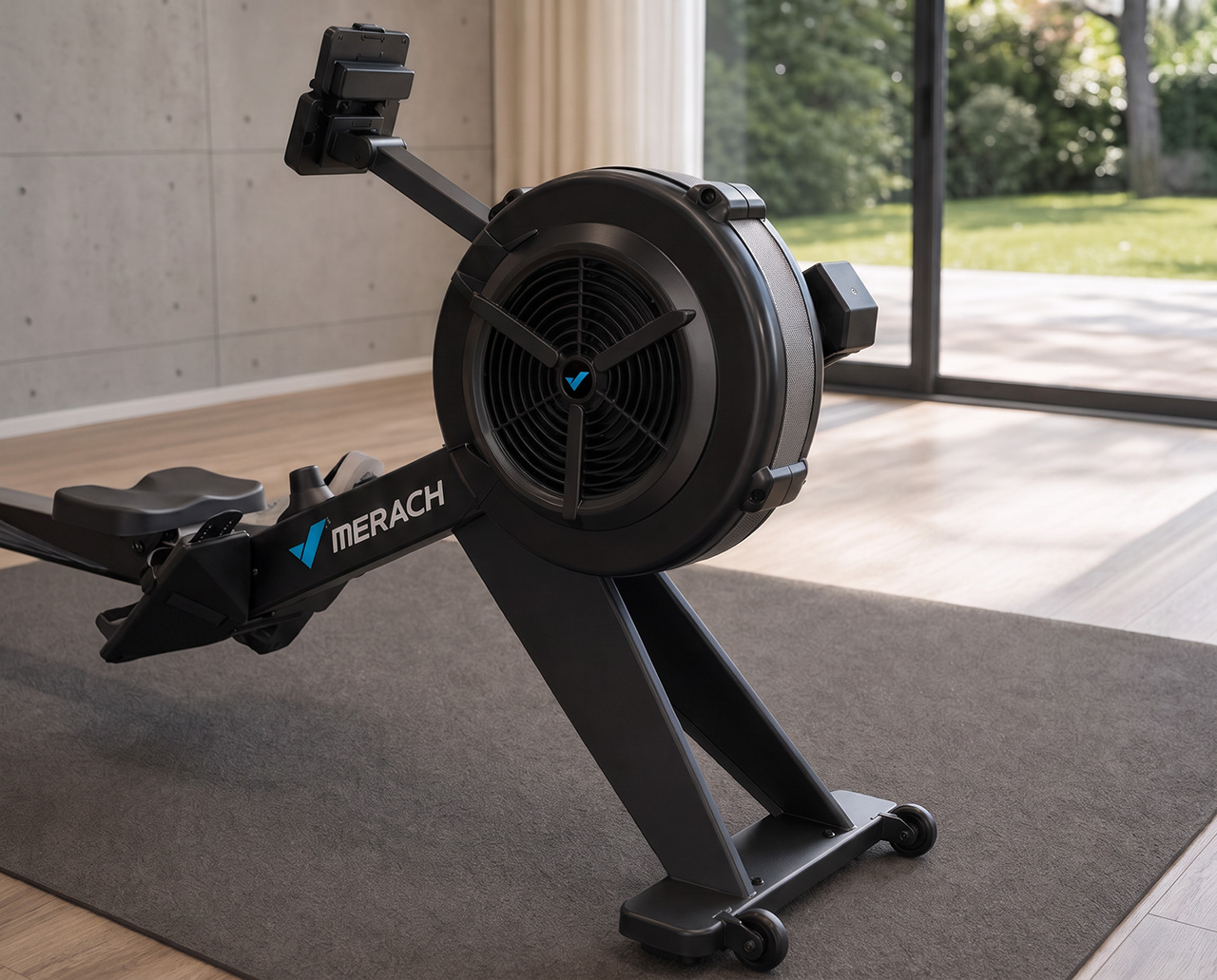
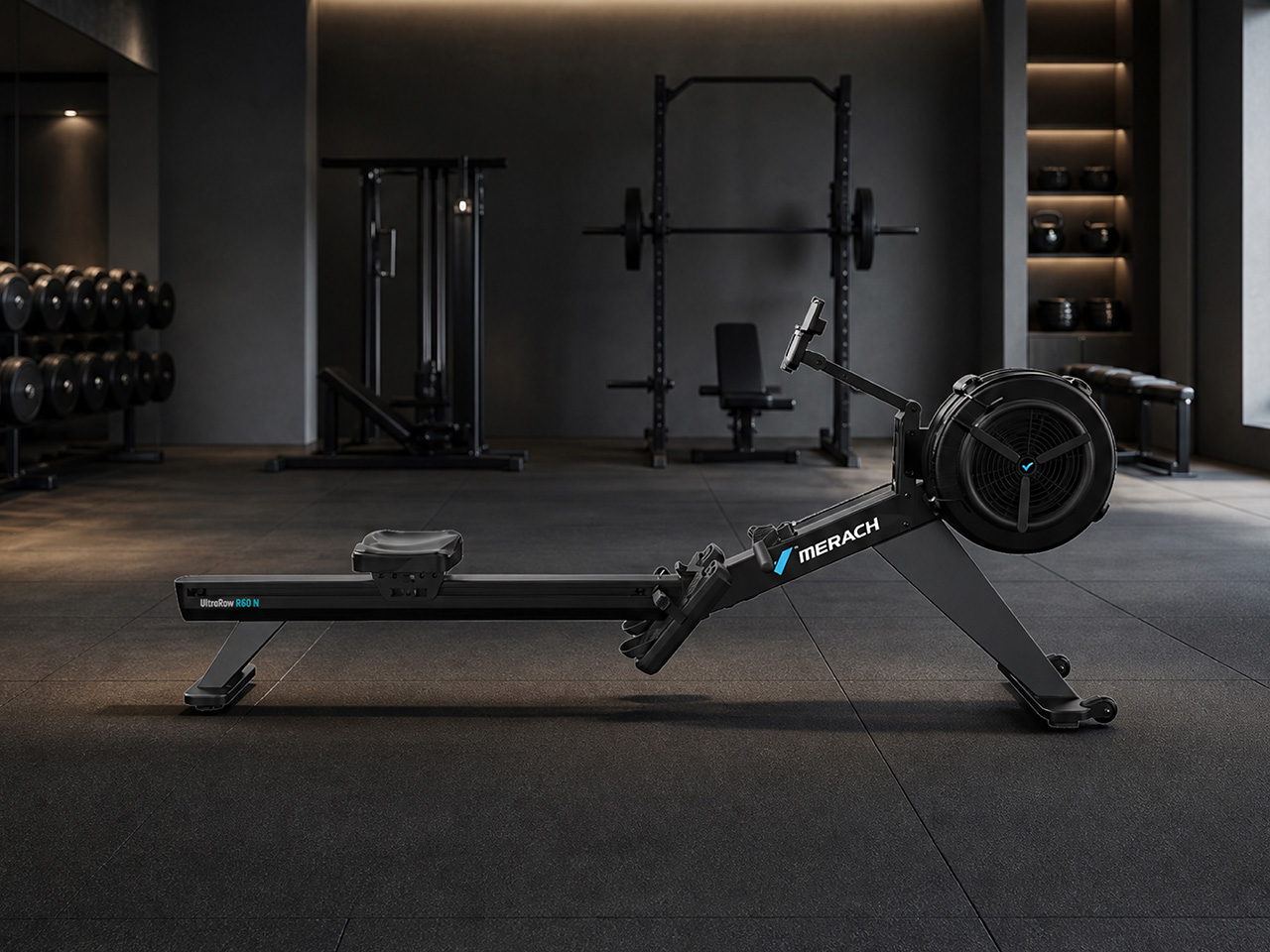
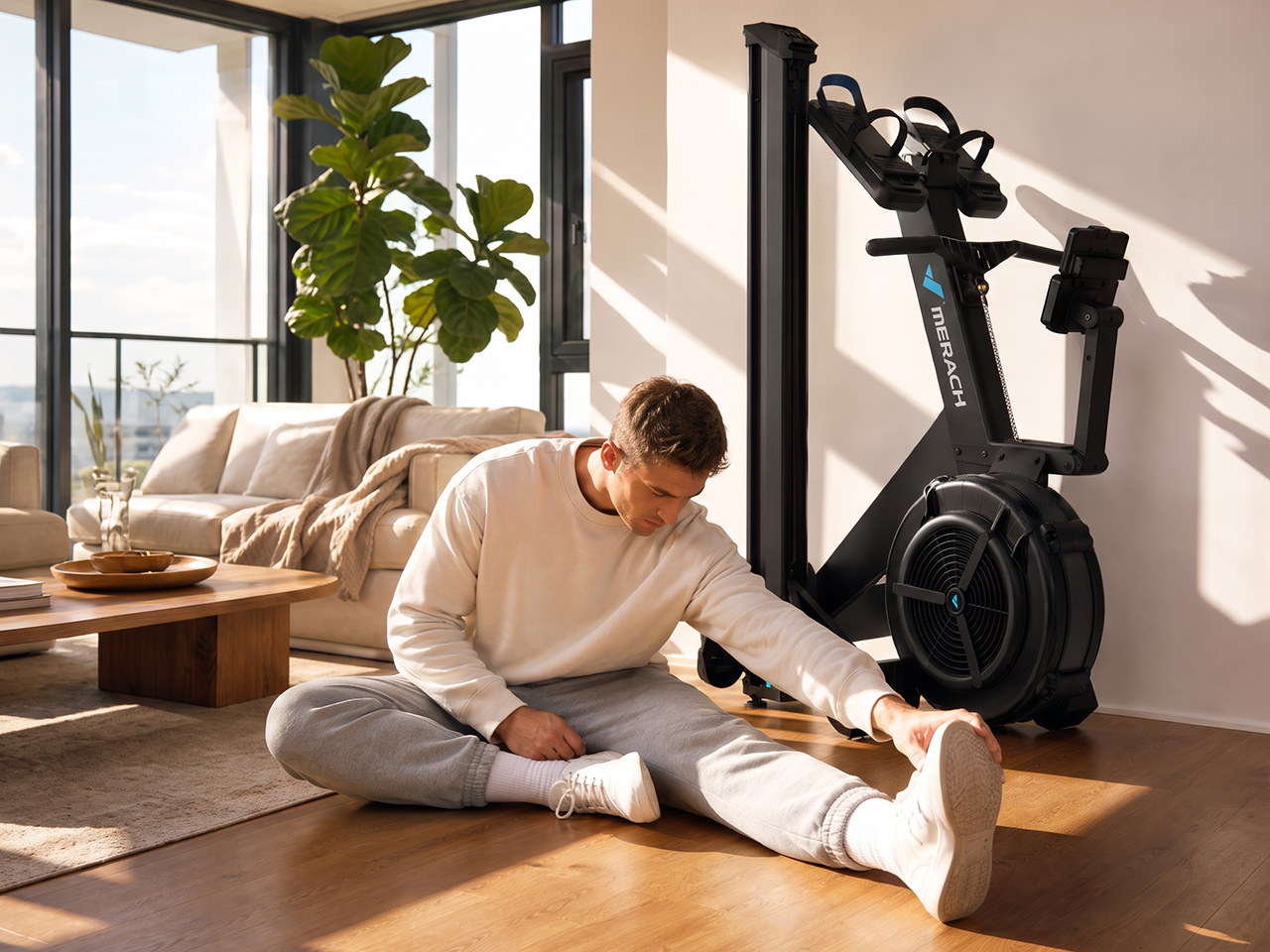
The 5mm one-piece extruded aluminum monorail keeps the frame planted with zero wobble and supports up to 500 lbs, which is a much bigger deal than it sounds. Most competing rowers under $1,000 cap out somewhere between 300 and 350 lbs, and that structural gap shows up as the flex and shake you feel mid-stroke rather than just a number in a spec table. Monorail construction beats bolted-segment frames here, both in rigidity and in how the machine feels when you’re pulling hard. The visual language reinforces the hardware, with a smoked-black flywheel grille and a minimalist matte-textured finish that looks more at home in a living room than a gym floor. It’s the kind of thing that matters when you don’t have a dedicated workout space and the rower is going to be sitting in full view.
The “N” in R60N stands for Non-Motorized, and it’s one of the more practically useful things about the machine. The console converts your rowing movement into energy to power itself, with four AA batteries on standby purely for the initial startup. There’s no wall outlet to hunt for, no power cord to trip over, and no awkward placement decisions forced by wherever the nearest socket happens to be. The 5.3-inch adjustable anti-glare backlit LCD logs up to 20 local workouts and tracks pro-level metrics including 500m split time, wattage, and SPM curves, alongside time, distance, calories, heart rate, stroke count, average wattage, and drag factor. Bluetooth 5.0 with FTMS protocol support means it plays nicely with third-party training apps too, so you’re not stuck with whatever the onboard console offers.
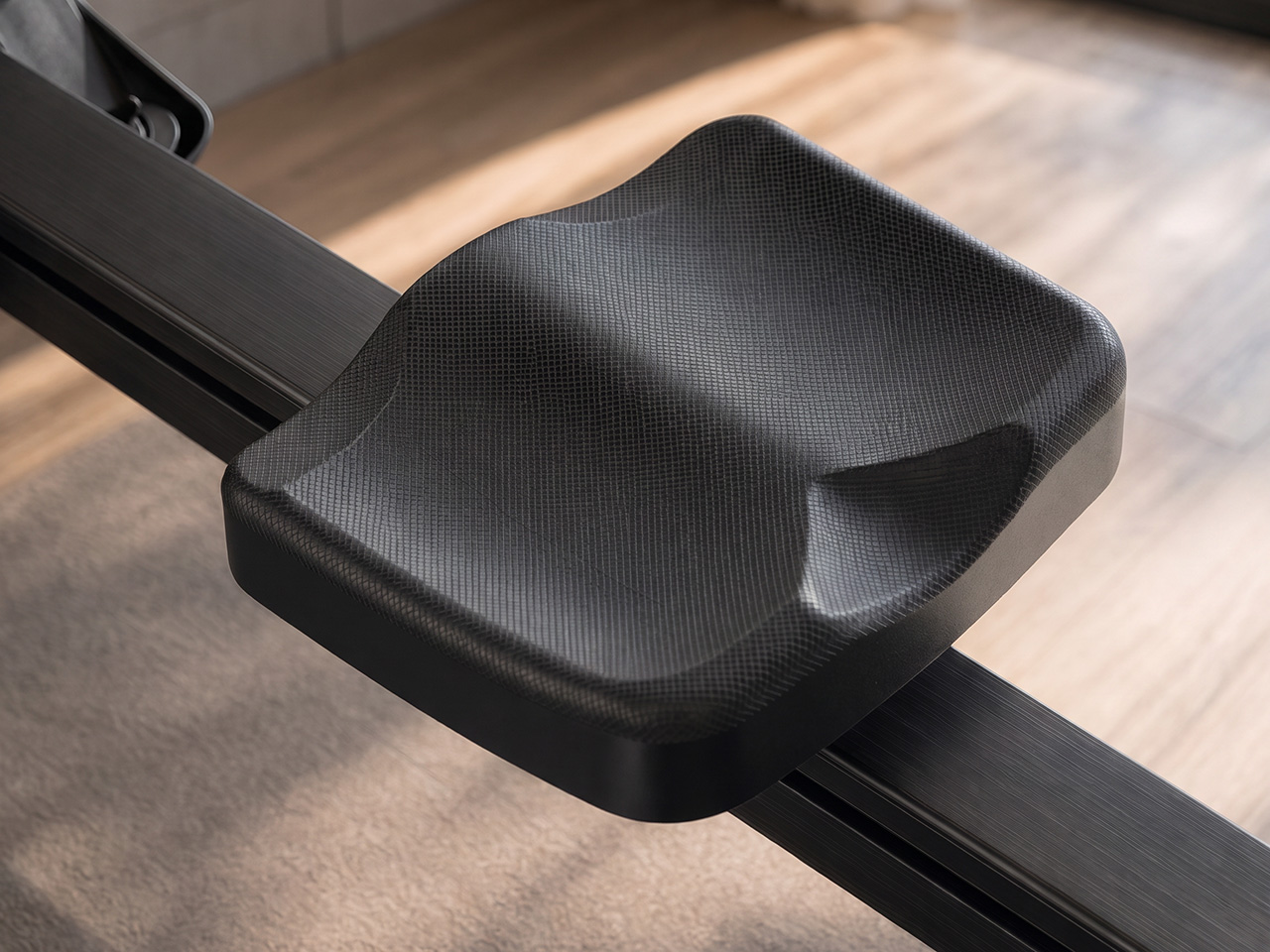
The seat is anatomically contoured with a coccyx relief groove and thigh-support channels that reduce pressure during long, high-intensity rowing workouts, because nobody wants to tap out early because the seat feels like a park bench. The 16-inch seat height makes getting on and off genuinely easy, especially for injured users or seniors, and the footrests adjust across 7 levels to accommodate different foot sizes without any tools. These are details that tend to get treated as afterthoughts on budget rowers, so having them actually thought through here makes a difference once sessions stretch past the 20-minute mark.
Storage comes down to two steps: the rail detaches quickly into two pieces for compact storage, with an integrated anti-pinch handle built into the joint so you don’t have to worry about catching your fingers. Front-stabilizer transport wheels let you tilt and roll the whole thing rather than carry it, which is the difference between a machine you actually put away and one that just lives permanently in the corner. Workout modes cover Manual, Target Mode where you set a goal and row to it, and an Interval Mode with four pre-set structures and customizable target intervals. That last one is the most directly useful for HIIT: the machine handles the interval counting so you’re not squinting at a phone timer between sprints.
The UltraRow R60N is priced at a discounted $690 and comes with free shipping and a two-year warranty included. A 500 lbs frame, one-piece monorail, non-motorized console, and 900N resistance ceiling would typically push a rower well into the $1,200 to $1,500 range, so the pricing is genuinely competitive for what’s on offer. For the next 30 days, using code YANKO at checkout unlocks the discounted price (down from an MSRP of $1099.99), making it a pretty good time to pull the trigger if a performance-grade home rower has been on the list.
Pick up a used tennis ball and you’re holding an object that had a lifespan shorter than most houseplants. In professional matches, tennis balls get swapped out every seven to nine games, roughly thirty minutes of play, then they’re gone. For the recreational player, they last a few sessions before losing pressure, turning soft, and finding their way to a bin. From there, it’s a one-way trip to a landfill, where they’ll spend the next 400 years doing nothing useful except releasing methane. Around 400 million of them are produced every year, and only about 1% ever get recycled. That number sits with you after a while.
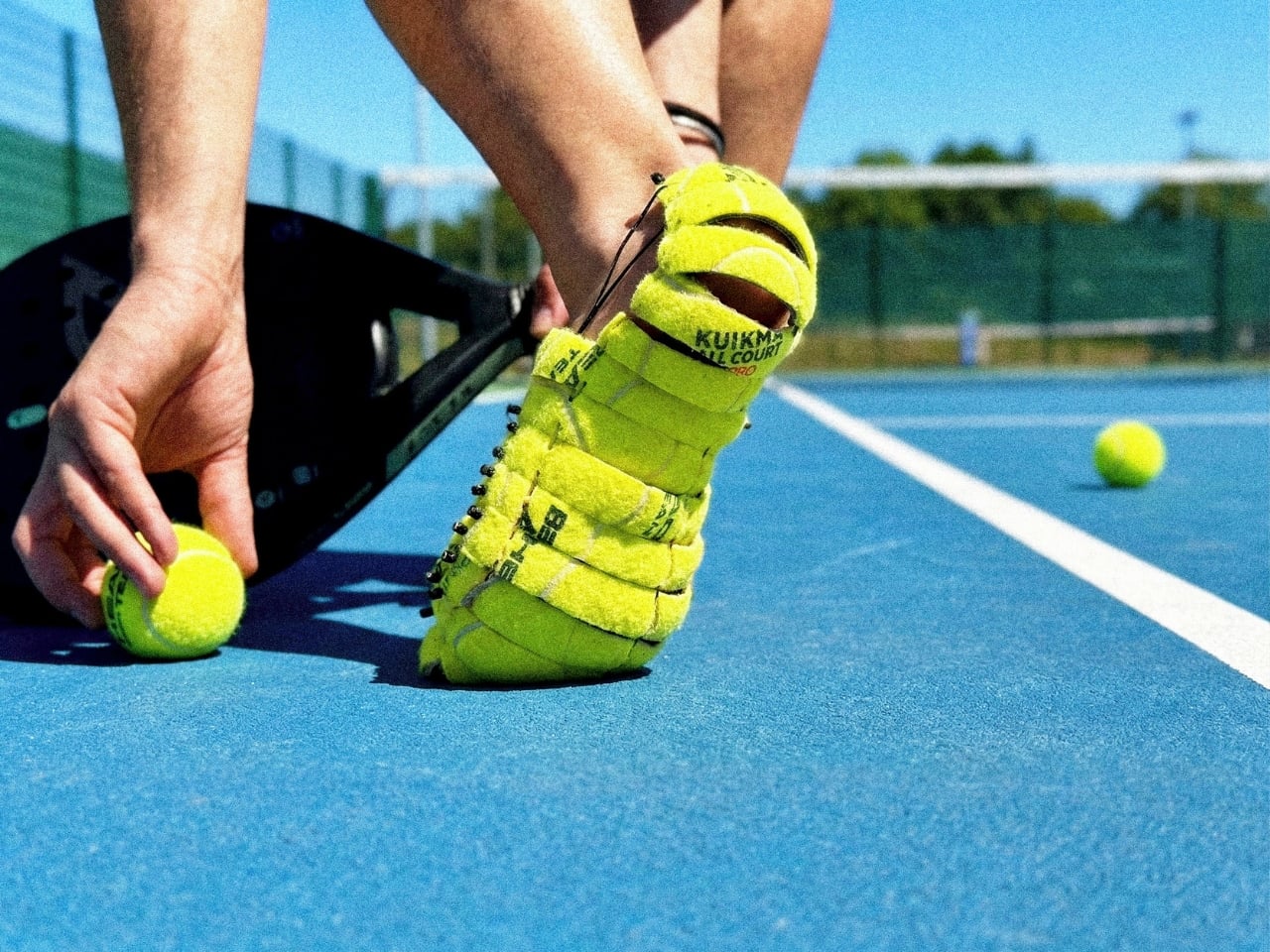
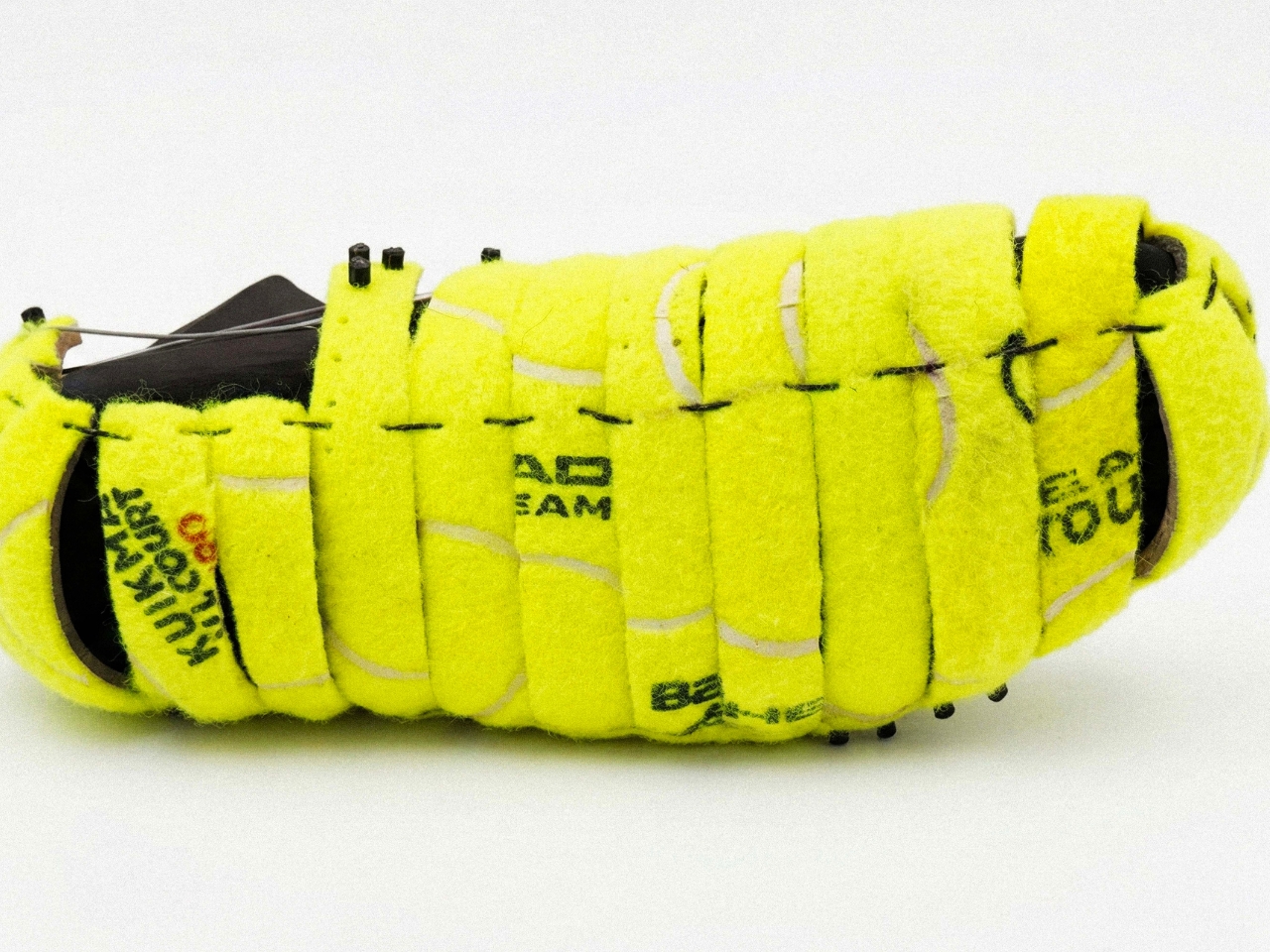
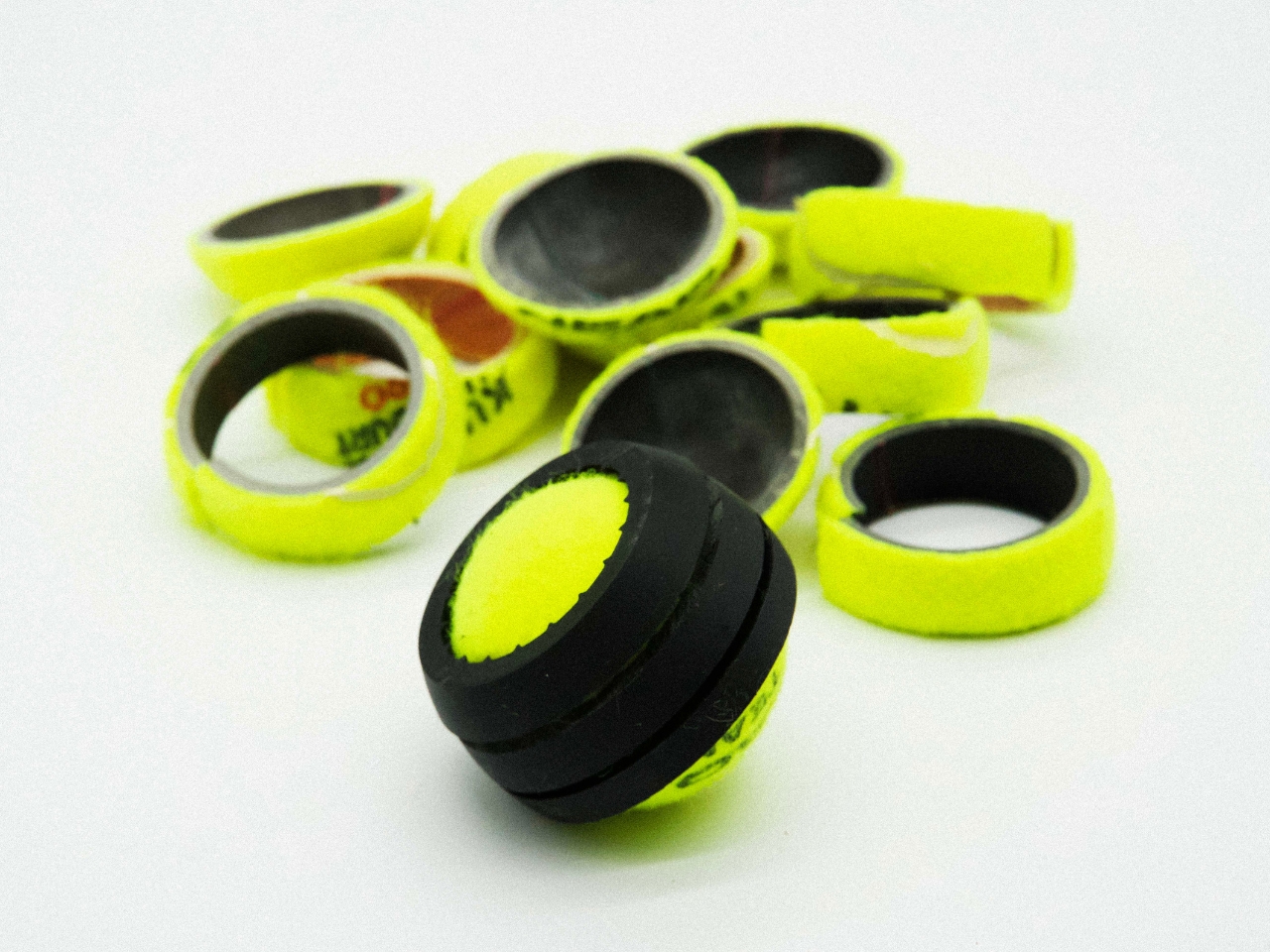
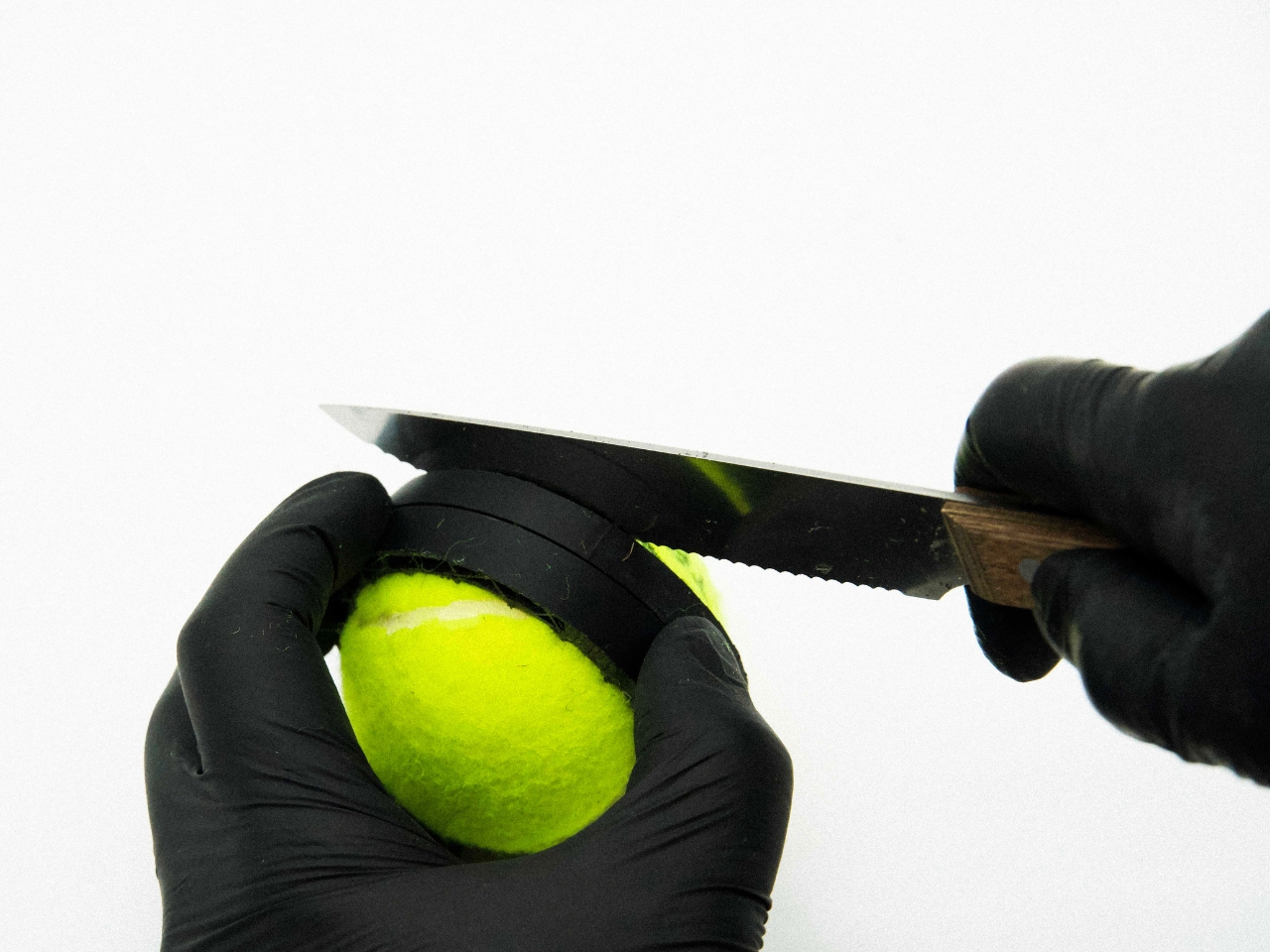
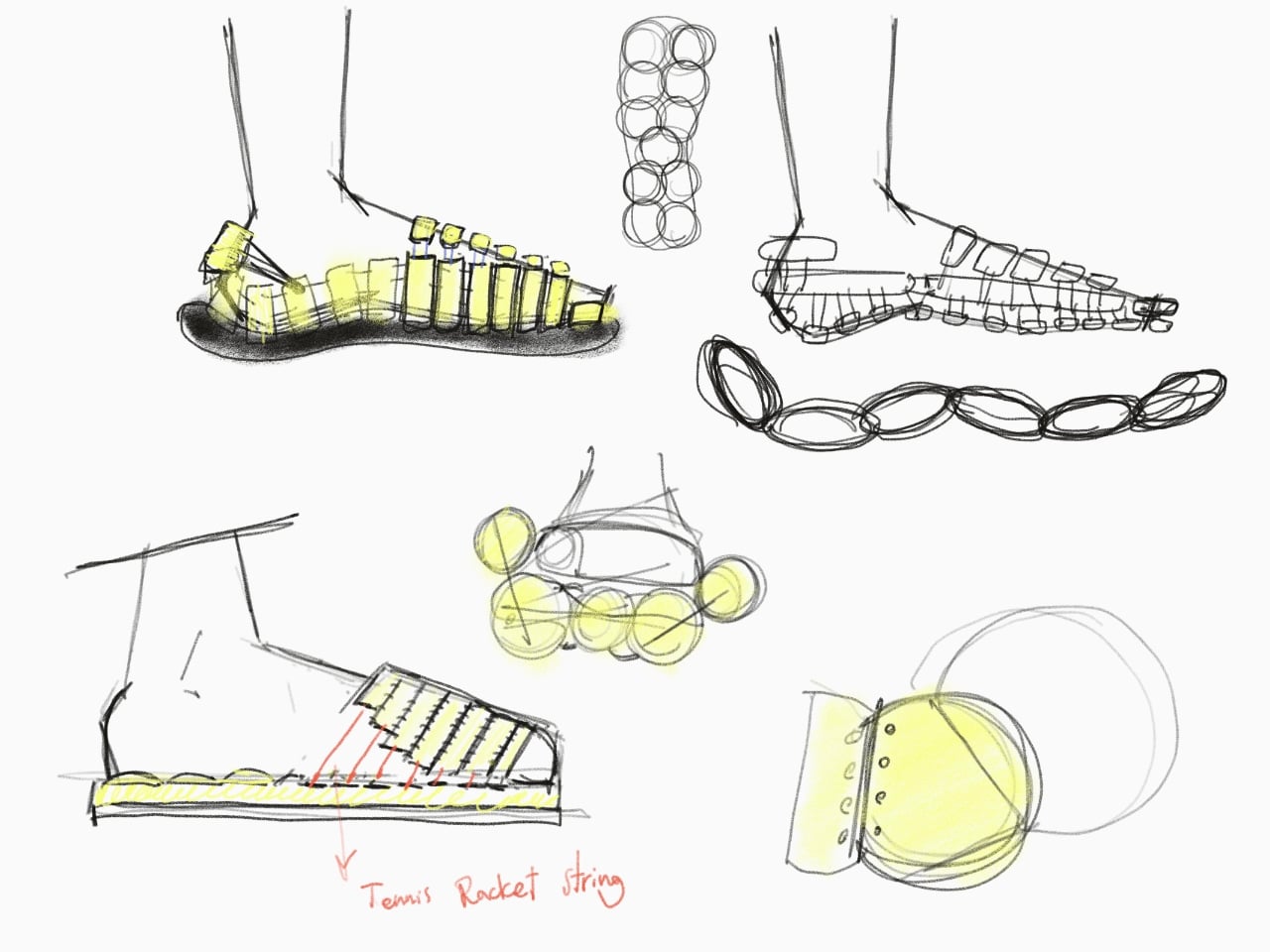
Soroosh Riazi Isfahani, a designer from the Royal College of Art and Imperial College London, has been sitting with it too, and his response is SLICE, a project currently entered into the James Dyson Award 2026. The concept: take used tennis balls and turn them into footwear. Not by grinding them down or melting them into something unrecognizable, but by actually cutting the ball into sections, using a custom guide to ensure precision, and then working those pieces into a shoe. The rubber and the felt stay intact. The material keeps its identity.
Designer: Soroosh Riazi Isfahani
That distinction matters more than it might seem. Most sustainable design approaches rely on breaking materials down into raw components before rebuilding them. It works, but it also requires energy, processing, and usually some loss of material quality along the way. SLICE skips that step entirely. The ball is sliced, shaped, and reassembled into something wearable. It’s a different kind of thinking, one that asks not “how do we recycle this?” but “what is this material already capable of being?”
Isfahani actually started in the more conventional place. His early process involved shredding used tennis balls and blending the material with natural rubber to create an outsole. It’s a reasonable approach and one plenty of designers have explored in the sustainability space. But he moved away from it, and understanding why he moved away from it is the more interesting part of the project. Shredding destroys what makes the ball structurally interesting: the layers, the bounce, the felt surface that has its own tactile quality. Cutting preserves all of that. The final shoe doesn’t just use the material; it respects it.
I’ll be honest that upcycling in fashion and footwear can sometimes feel performative. The “made from recycled materials” label has become so ubiquitous that it barely registers anymore. Brands slap it on shoes made from shredded ocean plastic and call it a day, and most of us accept it without looking too hard at what that actually means or whether the product will last. SLICE feels different because the sustainability logic is baked into the design method itself. You can’t separate the concept from the material. The tennis ball isn’t a marketing footnote; it’s the whole point.
The James Dyson Award has a history of surfacing ideas that sit at the intersection of elegant problem-solving and real-world urgency. What makes SLICE a compelling entry isn’t just that it finds a use for waste, it’s that it finds a use that genuinely fits. Tennis ball rubber is durable. The felt is grippy. These are properties that belong in a shoe, and yet for decades we’ve been throwing them into the ground and waiting four centuries for them to disappear.
The footwear industry is one of the more difficult spaces to make sustainable at scale, partly because shoes are complex objects and partly because the systems for recovering and reprocessing them are still underdeveloped. A project like SLICE doesn’t solve all of that. But it demonstrates a design logic that could scale if the right people decide to take it seriously. One custom cutting guide, one used tennis ball, one pair of shoes that didn’t have to extract anything new from the planet. For a ball that gets thirty minutes of professional play, that feels like a more fitting ending.
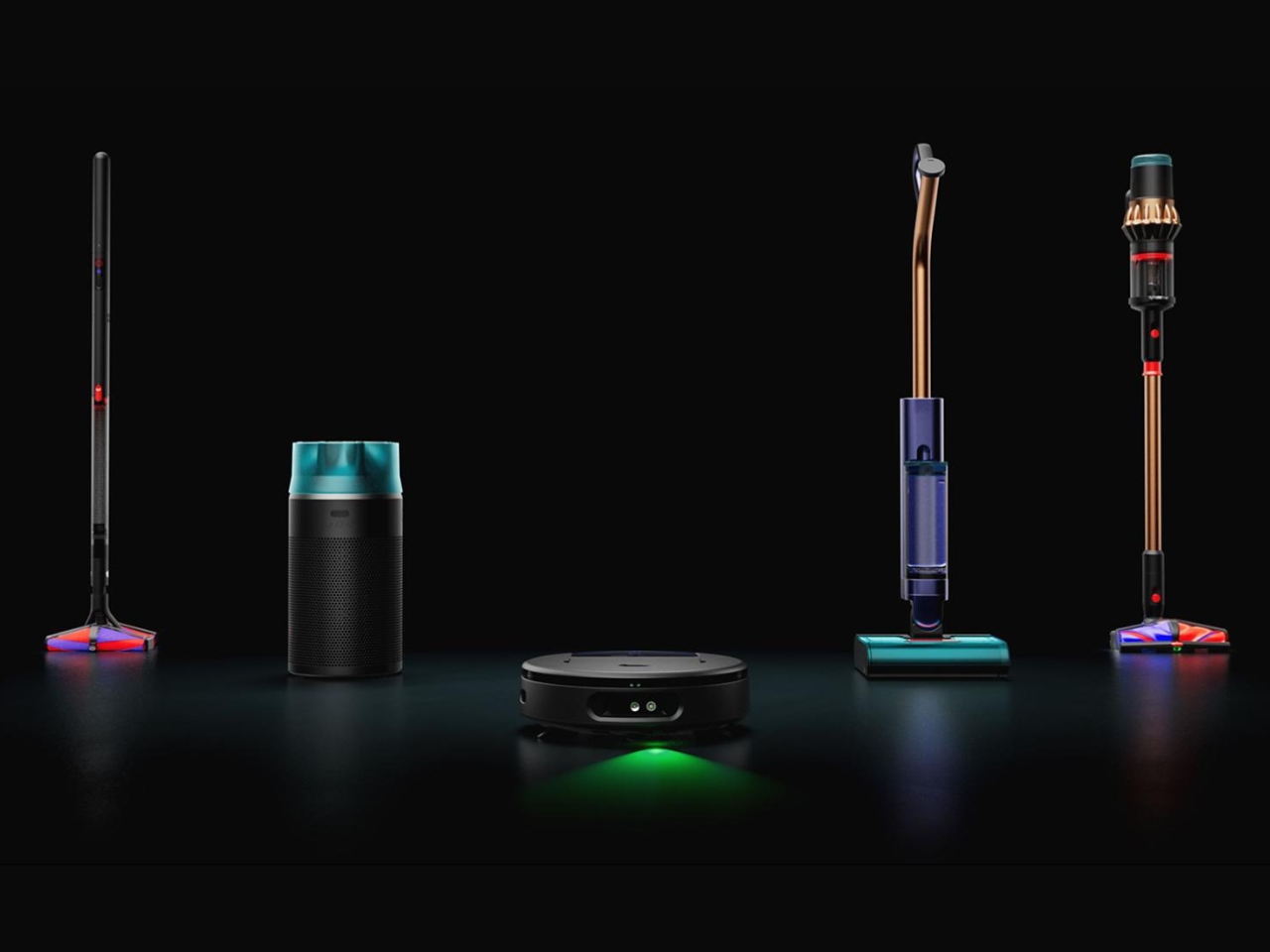
The best home products earn their place through specificity, not by doing everything, but by doing one thing with enough precision that every cheaper alternative starts to look like a guess. This month’s list spans five categories and five very different problems, and what ties them together isn’t a theme. It’s a standard: each product here has a specific reason to exist that a more general one cannot replicate.
Cleaning, listening, making coffee. Three of those sound like categories where the object barely matters. They’re not. The right tool changes a daily routine in a way that accumulates quietly over time. The five picks below make that case across the full breadth of a home, from the floor to the entryway, from the kitchen counter to the shelf where the music lives.
1. Dyson V16 Piston Animal
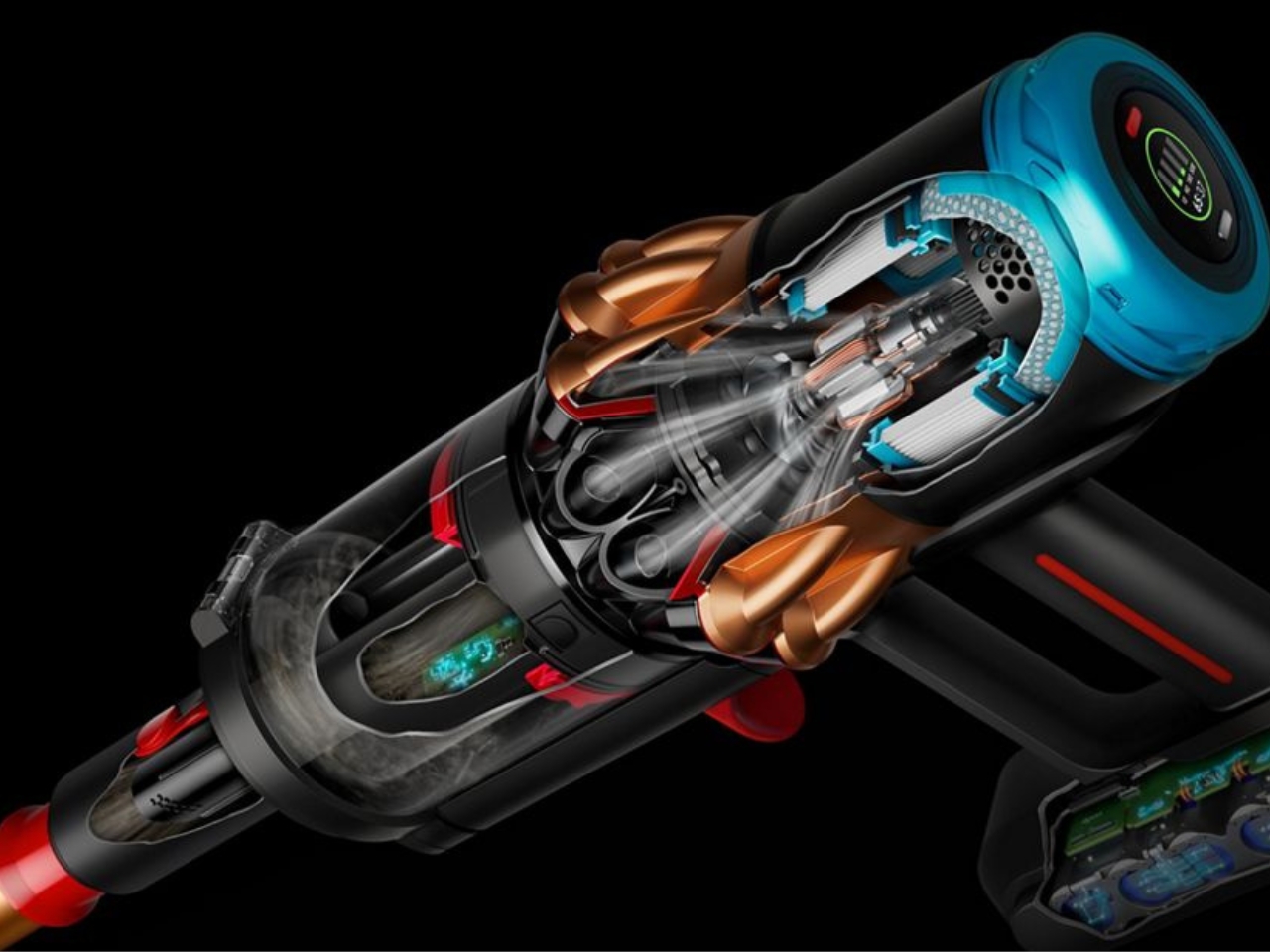
The Dyson V16 Piston Animal is what happens when a vacuum brand stops chasing raw suction numbers and starts solving the problems that live just beneath them. Smart suction adapts automatically to different floor types without any manual input from you. A green dust-revealing light makes the invisible visible, showing exactly where debris has been missed rather than asking you to trust the pass. The result is a machine that changes how you verify the work is actually done.
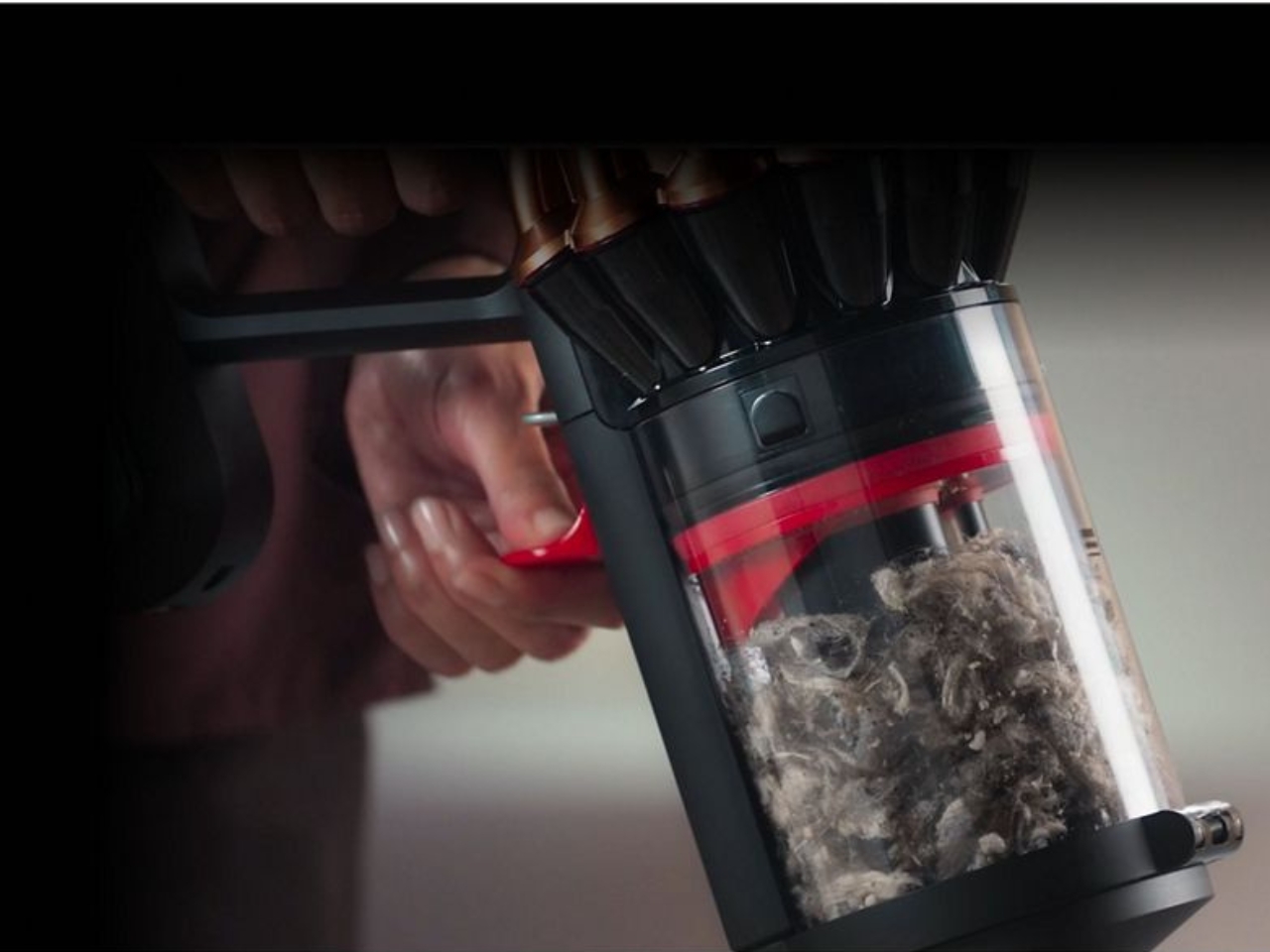
The dual conical brush bar addresses the problem that has quietly frustrated cordless vacuum users for years: hair. Rather than letting it wind around the bar until it needs manual removal, the system directs long hair outward to the ends for easy disposal. A compression mechanism lets you compact collected debris and empty the bin with considerably less mess than the standard push-and-hope approach. Compatibility with the Submarine 2.0 wet roller extends the V16 into wet floor cleaning without the need for a second machine.
What We Like
Smart suction adapts across floor types without switching modes or interrupting the clean
Green dust-revealing light gives you actual evidence of a clean floor, not just faith in the pass
What We Dislike
As a premium cordless machine, it represents a significant investment before attachments are even considered
The compression emptying system, while genuinely clever, still places your hand near the bin in a way some users will want to work around
2. Narwal Flow 2 White
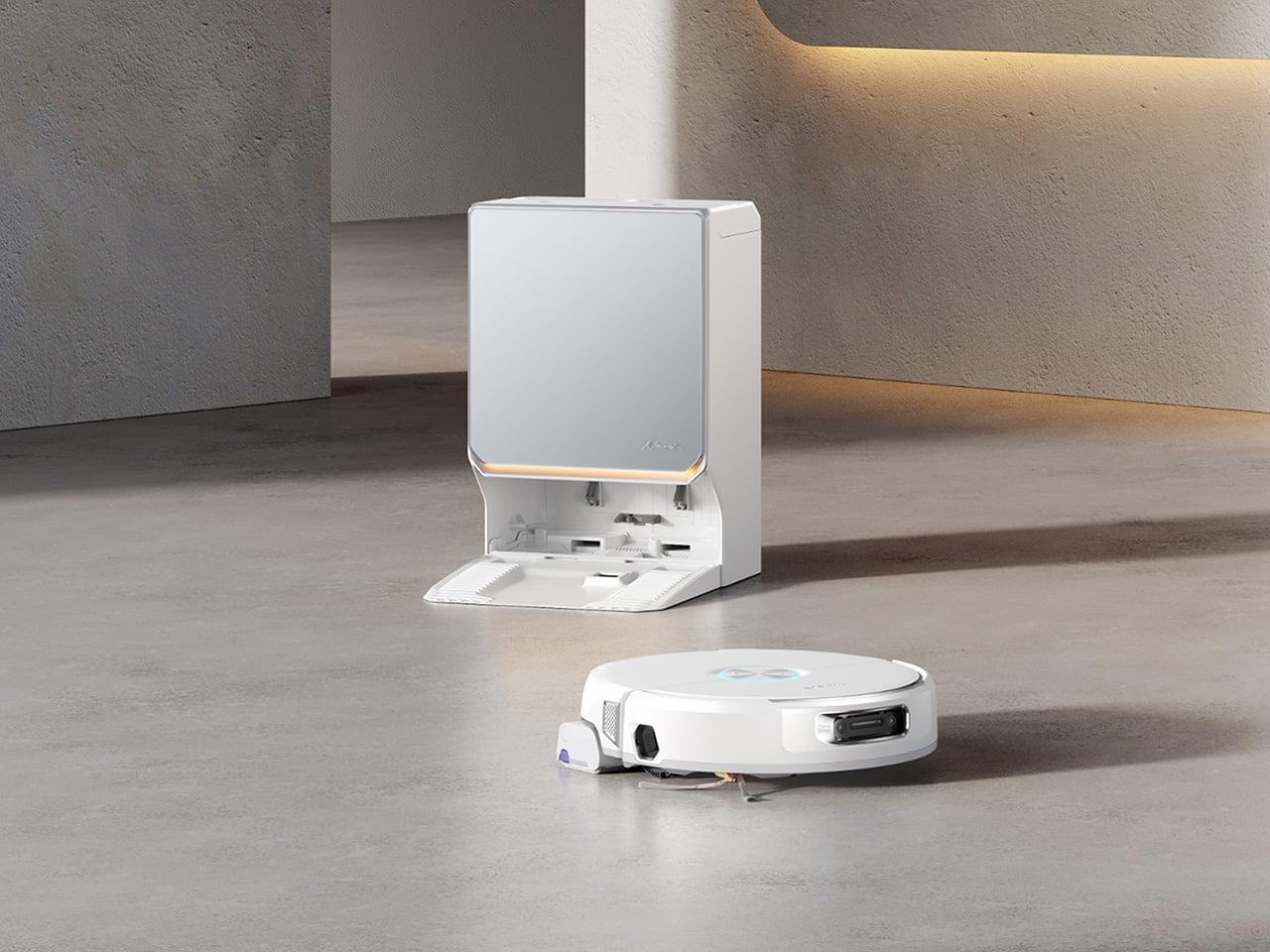
Most robot vacuums know how to read a floor. The Narwal Flow 2 White is one of the first that has started to read the room. Baby Care Mode runs quieter near nursery zones and uses the machine’s mapping intelligence to log displaced toys after each clean. Pet Mode directs deeper attention to high-traffic pet areas and includes a Find My Pet function through the app. These aren’t novelties. They’re evidence of a product designed around how a home actually operates, not just how it’s laid out on a map.
The white colorway carries a frosted glass-textured dock panel and a slim ambient status light bar that communicates the robot’s state without demanding attention. Together they give the system a composed, architectural presence in pale-toned interiors where most cleaning robots still look like they arrived from a utility room. The FlowWash system heats water to 140 degrees Fahrenheit to keep the mop clean throughout each cycle. 31,000 Pa suction and a 120-day self-emptying station sit underneath the considered exterior, fully intact.
What We Like
Baby Care Mode and Pet Mode reflect genuine design thinking about how domestic life actually works, not just how floors are laid out
The frosted glass dock and ambient light bar make this the first robot vacuum that earns a visible place in the room
What We Dislike
At over a thousand dollars, the value argument is strongest for households actively managing pets, young children, or both
The full feature set rewards regular app engagement to get the most from the AI-driven mapping intelligence
3. Portable CD Cover Player
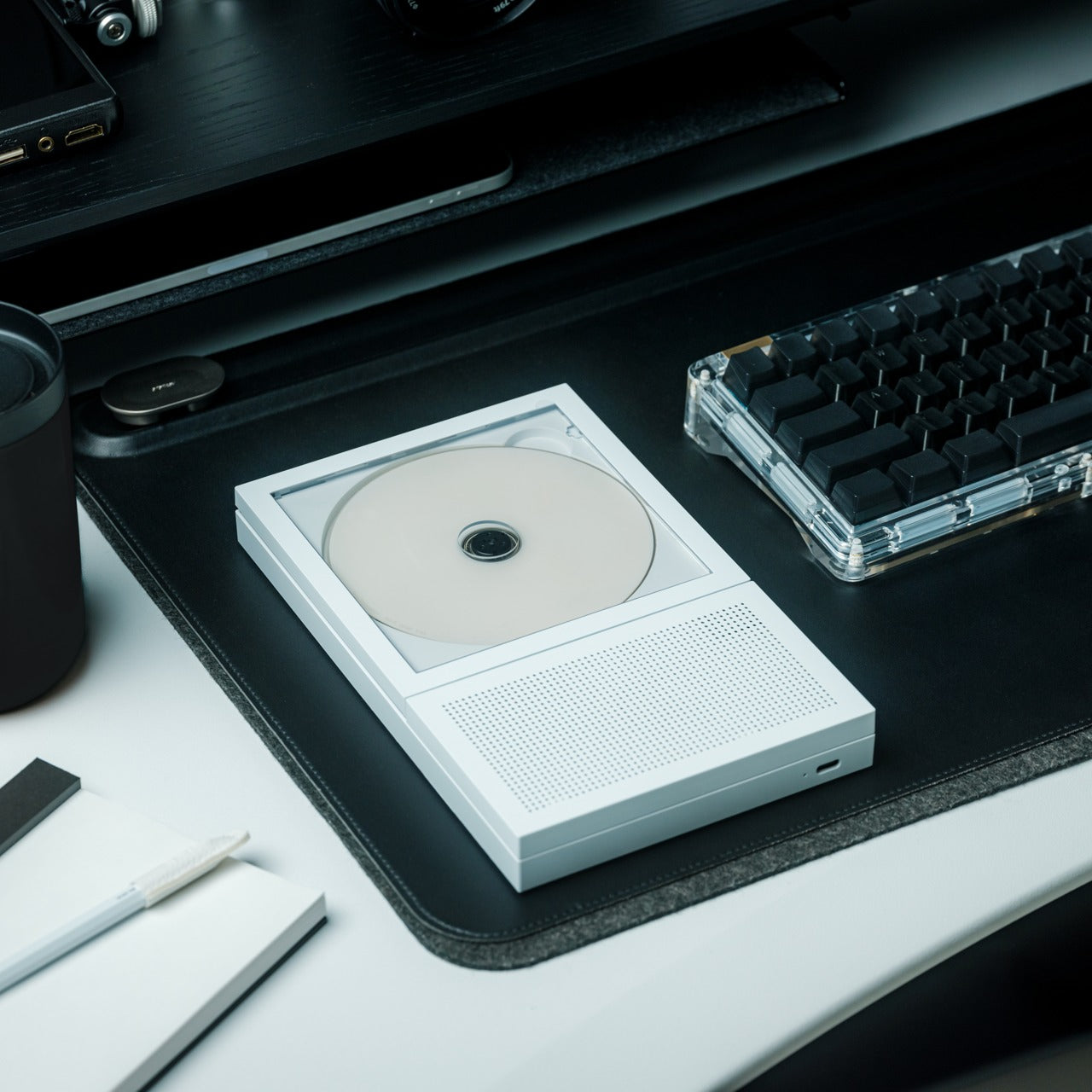
The album cover was never just packaging. For a generation of listeners, it was the first thing you saw before the music started, and it became inseparable from the sound in a way a two-inch streaming thumbnail never replicates. The Portable CD Cover Player treats that relationship as a design brief. Whichever disc you load, the jacket displays as part of the listening experience, giving the art around the music a reason to exist in the room again rather than a reason to be forgotten behind a queue.
Built-in speakers and a rechargeable battery make it a standalone object, not a peripheral waiting for something else to do the heavy lifting. A wall-mount bracket option takes it from desk accessory to room feature, turning the player into a rotating display of covers you’ve owned and music you still reach for. Starting at $199, it operates at the intersection of audio hardware and interior design in a space that streaming has spent fifteen years quietly dismantling, and this single object quietly rebuilds.
Album art displayed at real scale returns an emotional context to listening that streaming platforms removed by default
Wall-mount capability turns a CD player into a considered room object without any modification required
What We Dislike
At $199, the price asks you to weigh genuine affection for the format against the convenience of software that costs nothing
Audiophiles wanting precise control over output quality may find the built-in speaker setup limiting
4. Fellow Stagg EKG Pro
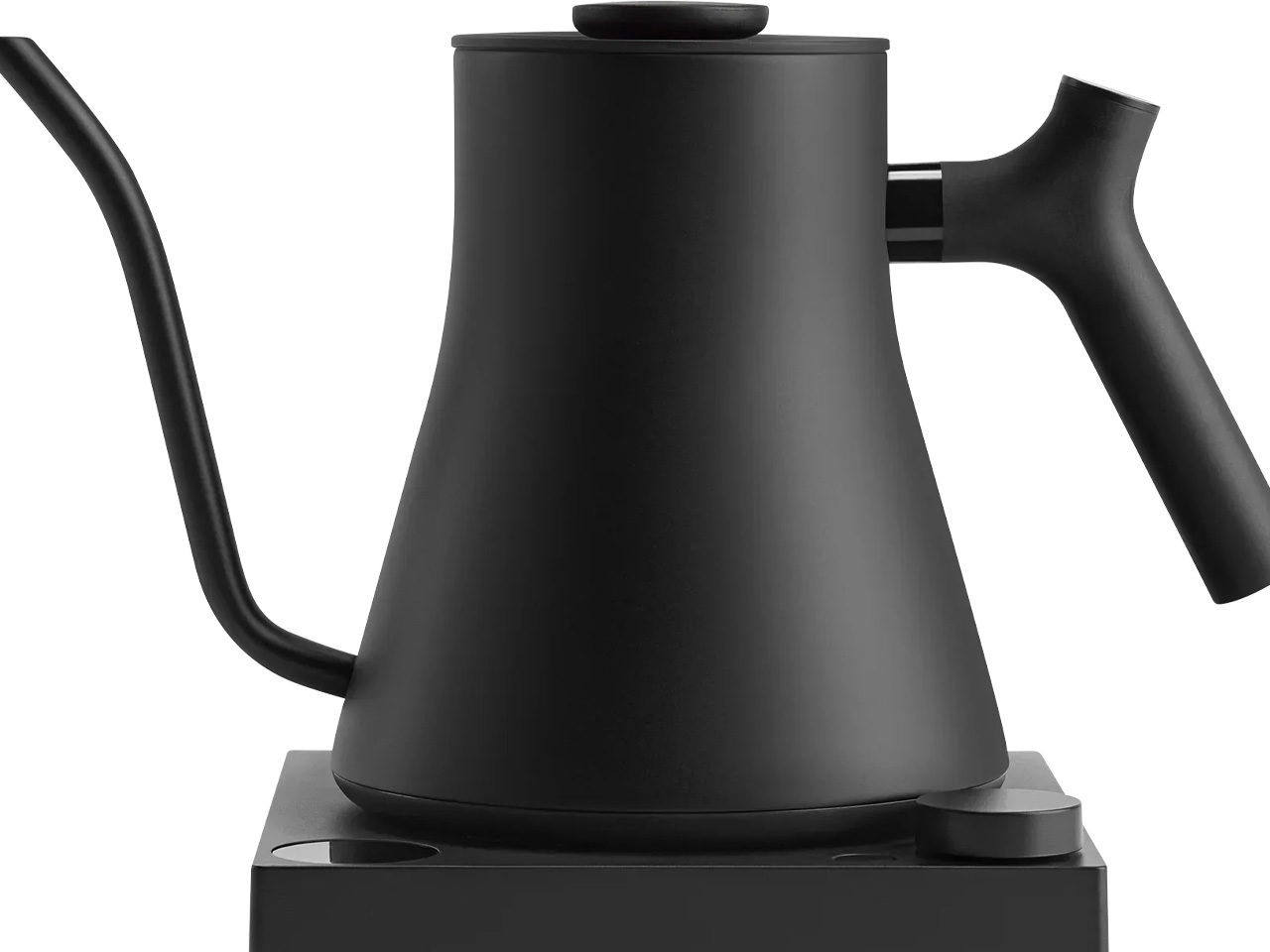
Most kettles are designed to boil water and stay out of the way. The Fellow Stagg EKG Pro starts from the position that the kettle is the wrong object to make invisible. It lives on the counter every morning. It is involved in the first deliberate thing most people do each day. A counterbalanced gooseneck handle, a precision spout, and variable temperature accurate to a single degree reflect the argument that if something earns daily use, it should earn daily consideration too.
A hold function keeps the target temperature stable for up to 60 minutes between pours, which matters for pour-over coffee and temperature-sensitive teas where a few degrees of cooling changes the result noticeably. Bluetooth connectivity links to the Fellow app for programmable presets, and a memory feature recalls the last-used temperature at startup. The 0.9L matte-finish body belongs on the counter rather than in a cabinet, which is a quieter but more durable argument than anything a spec sheet can make for a product in a category that rarely makes it.
What We Like
Variable temperature to one degree produces a measurably different result for specialty coffee and delicate teas
The counterbalanced handle makes a controlled slow pour feel entirely natural rather than effortful
What We Dislike
The 0.9L capacity limits households that regularly need to boil larger quantities in a single fill
Bluetooth and app connectivity are secondary to the hardware quality, and most users will likely never configure them
5. 3-in-1 Luminous Mirror Diffuser
Most bedside setups are a quiet negotiation. The lamp is tolerable but too directional. The mirror is functional but positioned wrong. The diffuser is somewhere on a shelf, half-forgotten after the first week. The Luminous Mirror Diffuser collapses all three into a single oval object crafted from anodized aluminum, and the result looks better than any of the items it replaces. Shadow-free reflected light technology eliminates the harsh contrast a single source creates, while the 360-degree rotatable mirror adjusts to any angle for grooming, makeup, or simply getting the reflection where it needs to be.
Three color temperatures do the work a fixed lamp never can. The 2400K warm setting creates the kind of amber glow most bulbs can’t reach without a separate swap. A neutral mid-range handles focused tasks without visual fatigue. The 6000K daylight mode delivers precision clarity where color accuracy matters. Four brightness levels sit beneath each temperature, and the patented aroma plate uses an aluminum matrix to diffuse fragrance from a few drops of essential oil. Wireless charging keeps the surface clean. At $800, it is one object doing the work of three, and doing it more elegantly than any of them managed alone.
Three color temperatures with four brightness levels each means the same object serves a 6 am routine and an evening wind-down without compromise
Anodized aluminum with a matte scratch-resistant finish feels premium at every point of contact
What We Dislike
At $800, it rewards people who use all three functions regularly and will underserve those who only need one
A dedicated studio mirror or a standalone high-end diffuser will outperform it in those individual categories
The Difference Is Always Specific
What this month’s list resists is the idea that a home product earns its place through specification alone. The Dyson V16 finds dust you missed. The Narwal adapts to the people living in the room. The CD player returns something streaming quietly removed. Each object here is defined by what it decided to care about most, and the best ones communicate that decision before you’ve read a single line of copy.
A well-chosen tool doesn’t announce itself. It changes a routine in a way that takes a few weeks to fully notice, and then becomes the thing you miss immediately when it’s gone. These five earn that standard across five very different moments in a home, from the floor on the way out the door to the kettle on the counter at six in the morning. The difference is specific, and specific is always worth it.
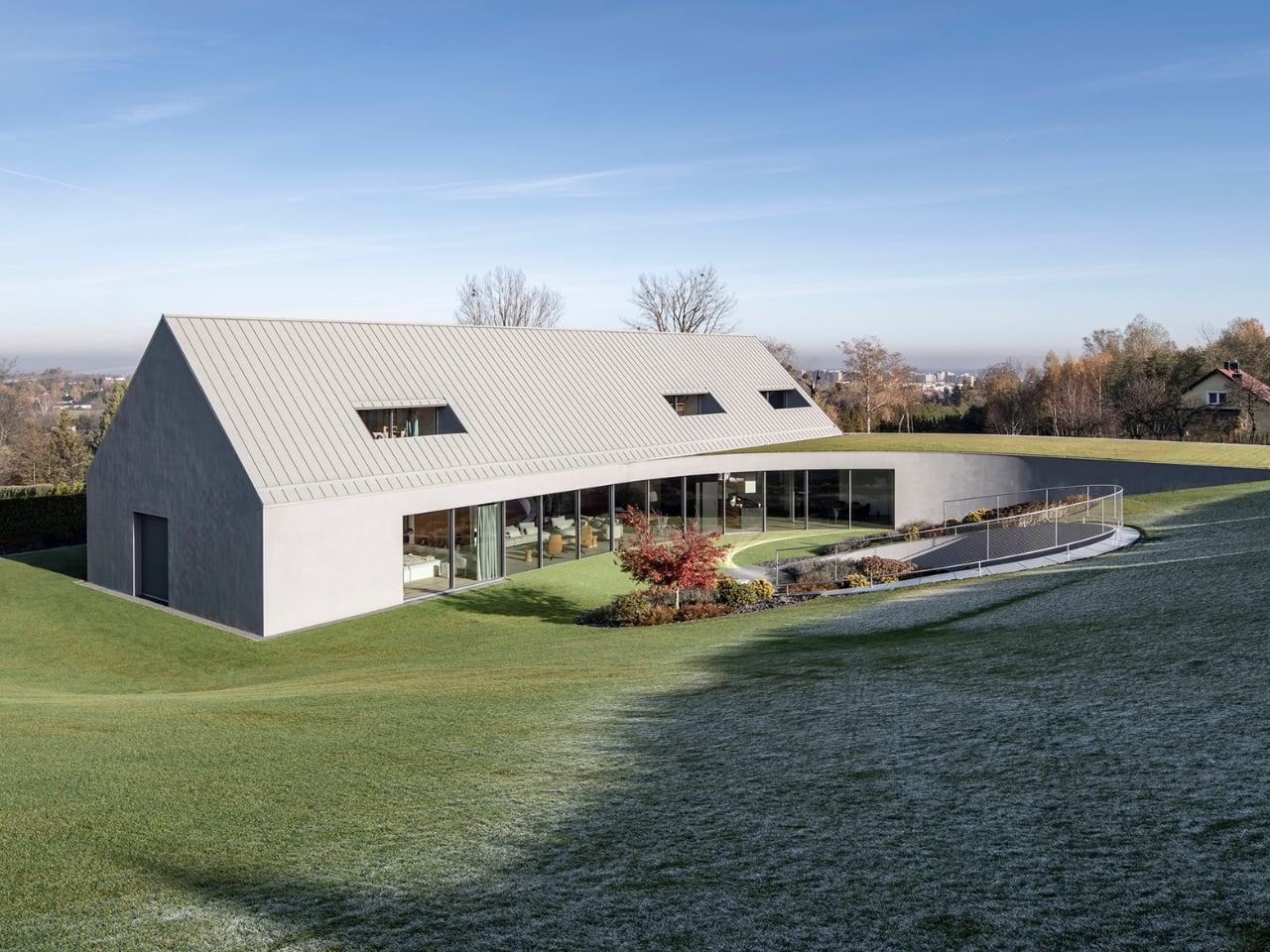
Most house designs start with a shape and then find a place for it. What KWK Promes did with the Yaw House, completed in 2025 and nestled in Poland’s Beskid Mountains, is almost the reverse. They let the land tell the building what to do, and the building listened.
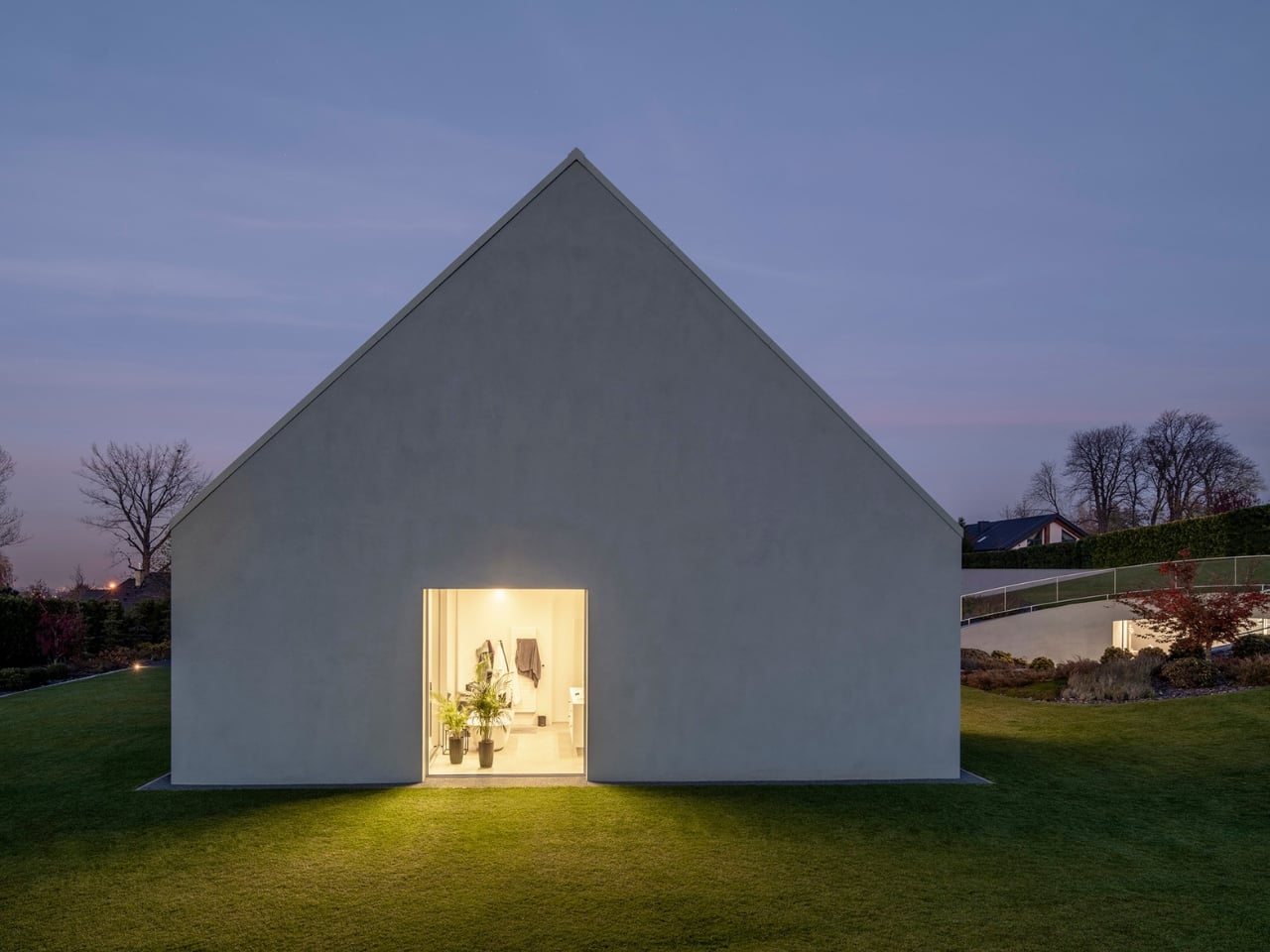
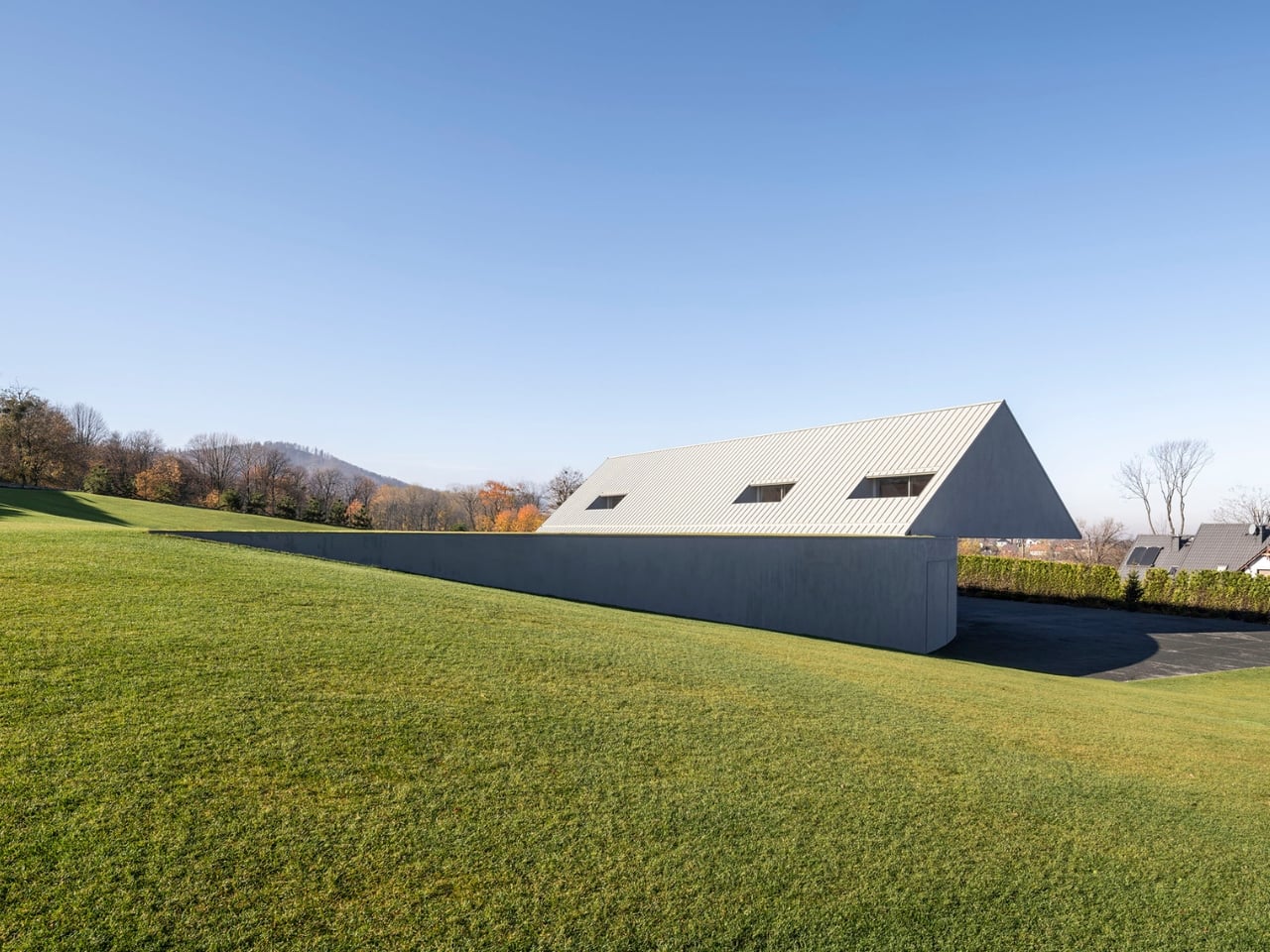
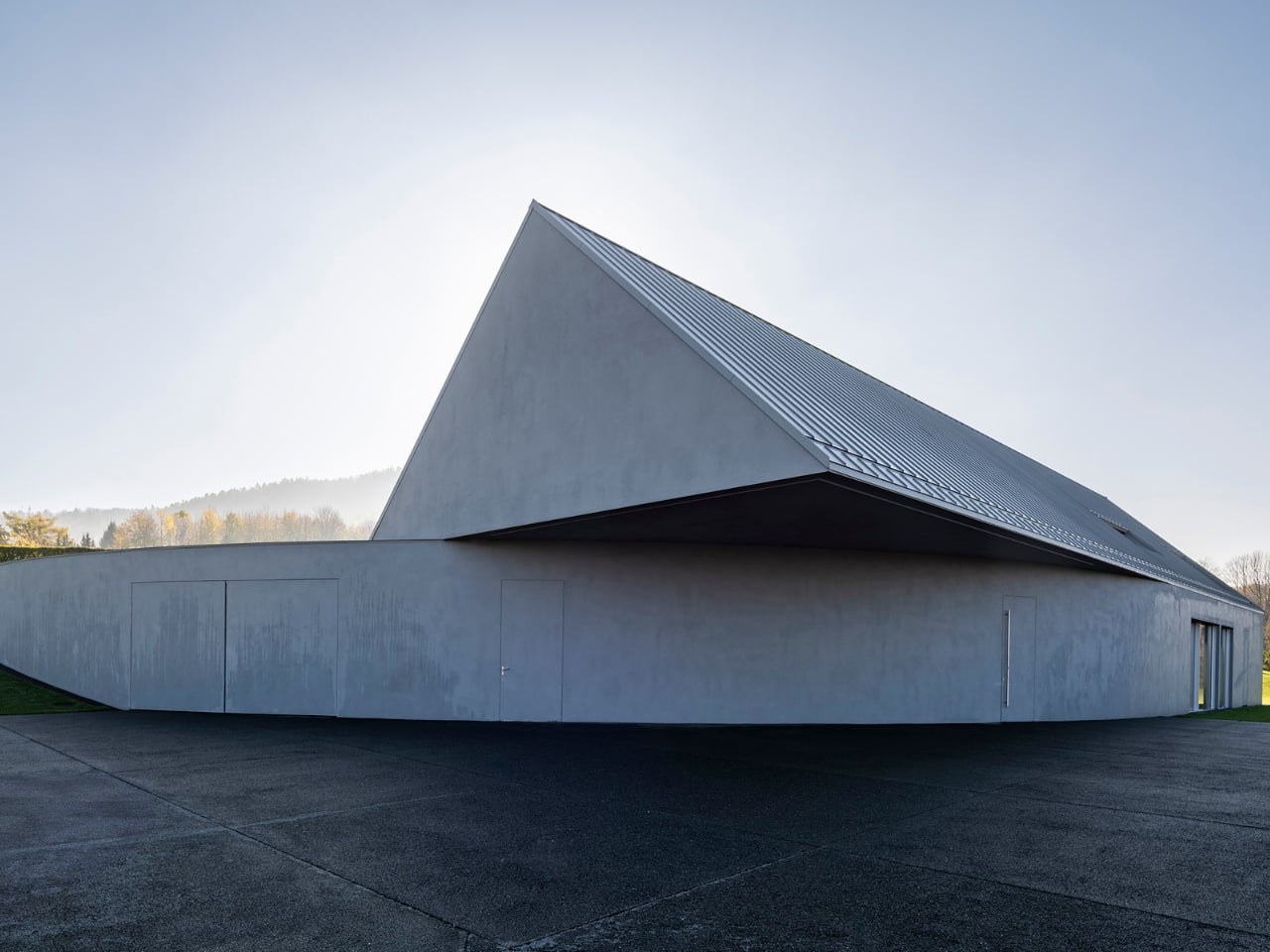
The project began conventionally enough. The original concept was a classic gabled form, set parallel to neighboring structures, the kind of thing that blends politely into a mountain village. Respectable. Contextual. Probably a little forgettable. But the terrain wasn’t playing along. The plot has a pronounced slope, and rather than flattening it or working around it, architect Robert Konieczny rotated the entire structure. He literally yawed it, which is where the name comes from: yaw, the aeronautical term for rotation along a vertical axis. The gabled roof pivoted, the building reoriented toward sun and valley views, and something altogether different emerged.
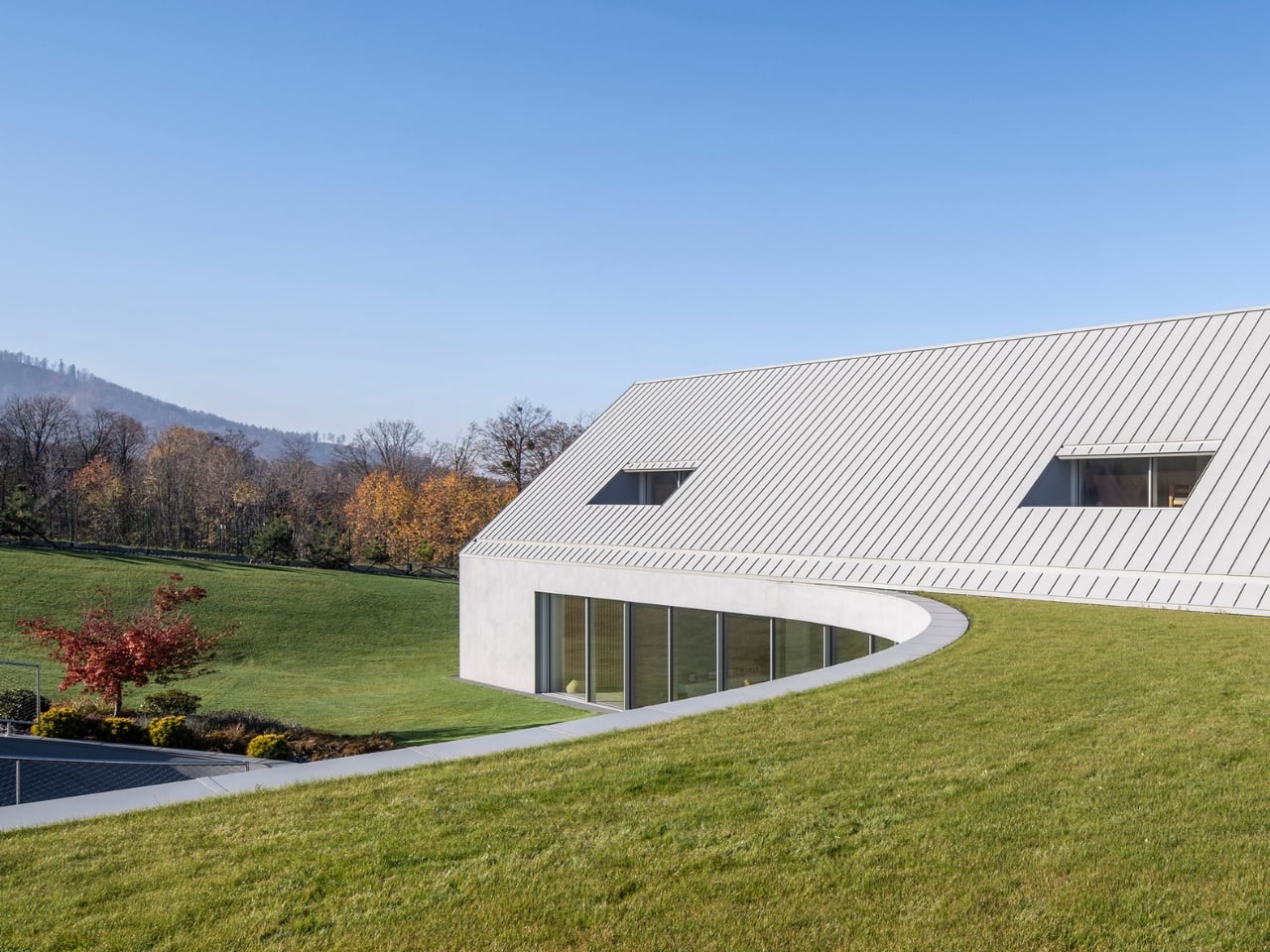
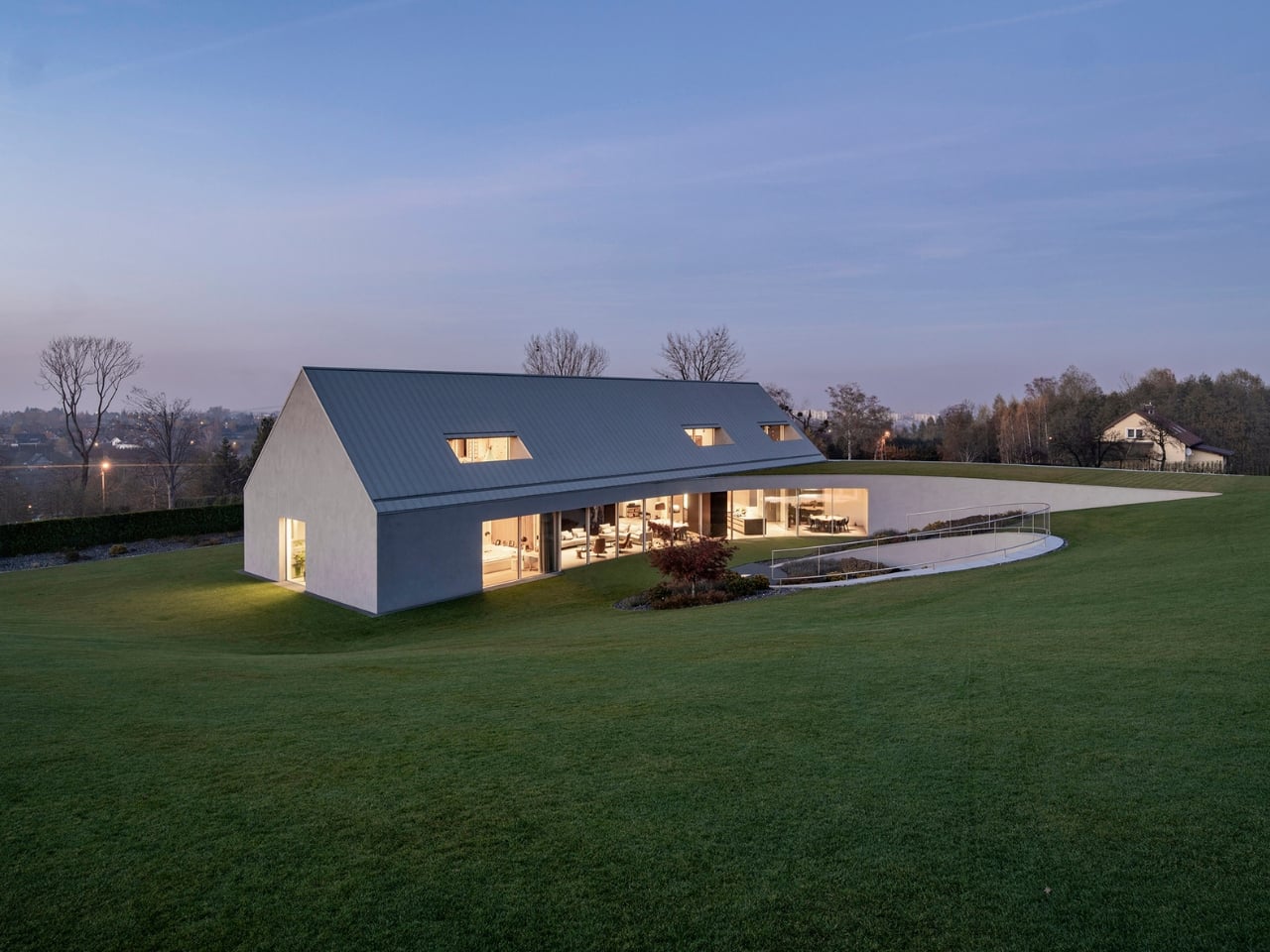
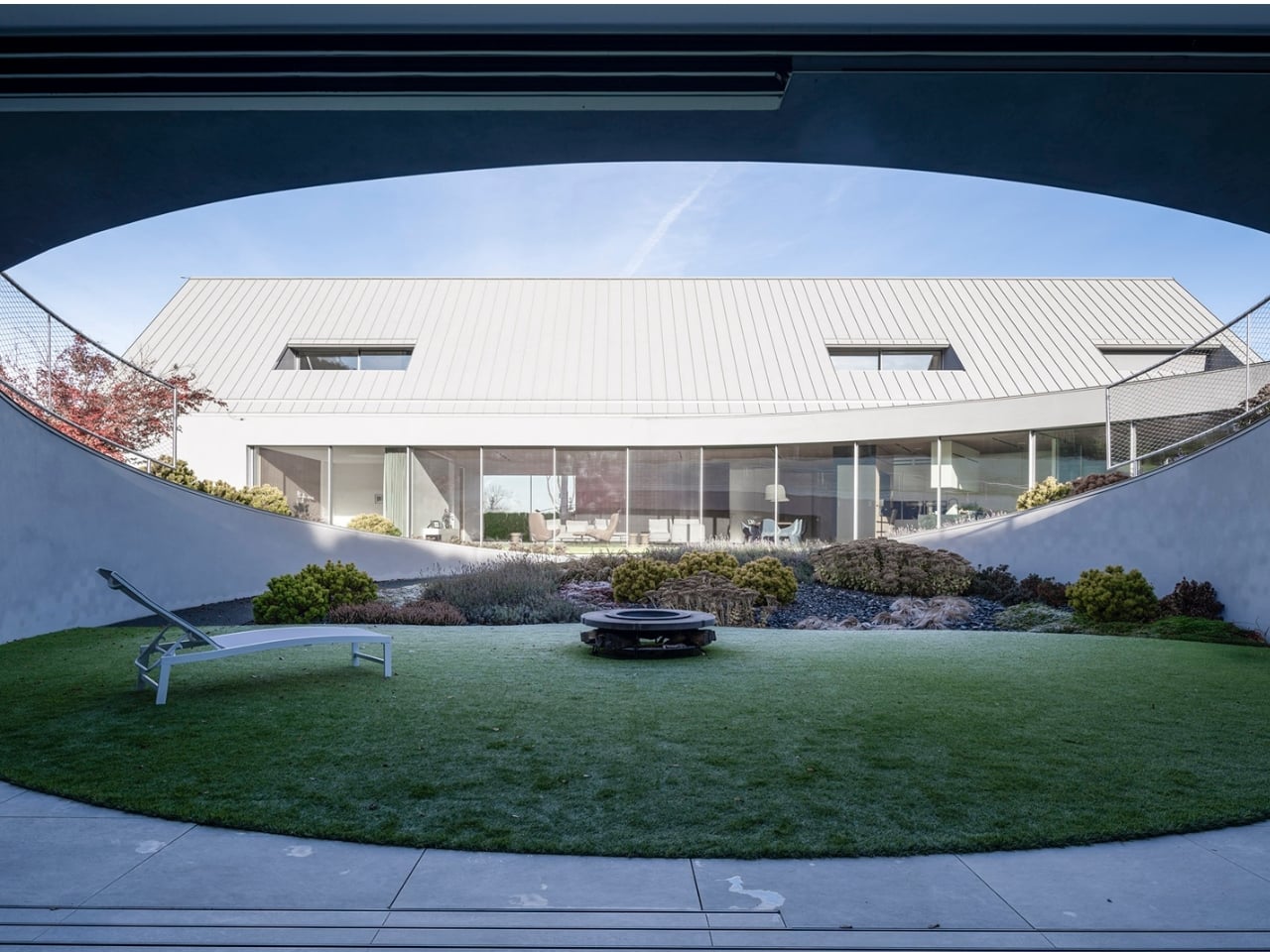
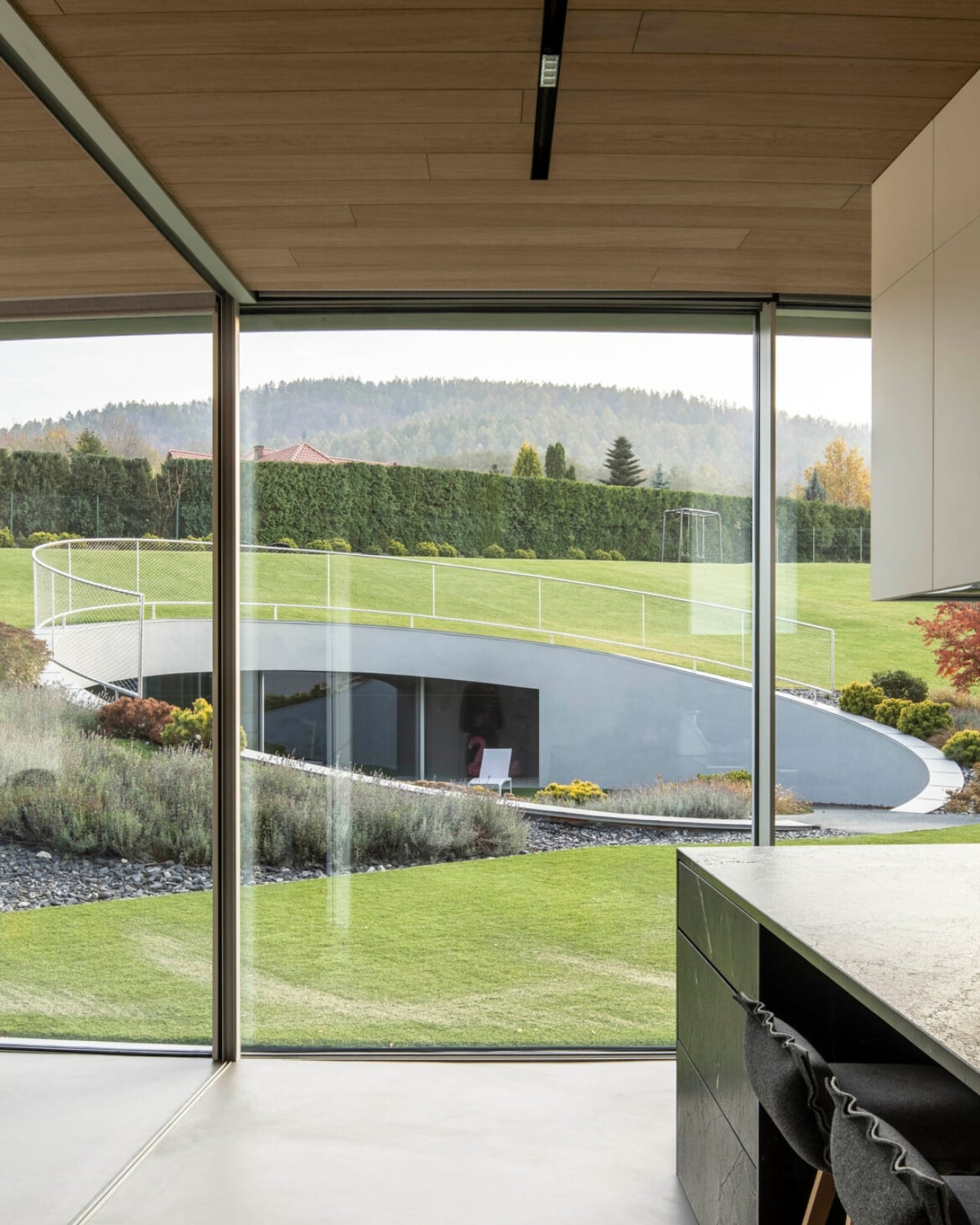
The result is a C-shaped house that embeds itself into the hillside rather than sitting on top of it. One corner barely makes contact with the ground. The rest of the structure hovers, tucks, leans in, to the point where the roofline peels away from the hill and dissolves into the surrounding lawn. Grass grows over it. The house doesn’t end where the mountain begins; they merge. From certain angles, you might not even register it as a building at first. That reads as a loss for anyone who wants their home to make a statement, but a quiet kind of brilliance if you’re more interested in belonging to a place than dominating it.
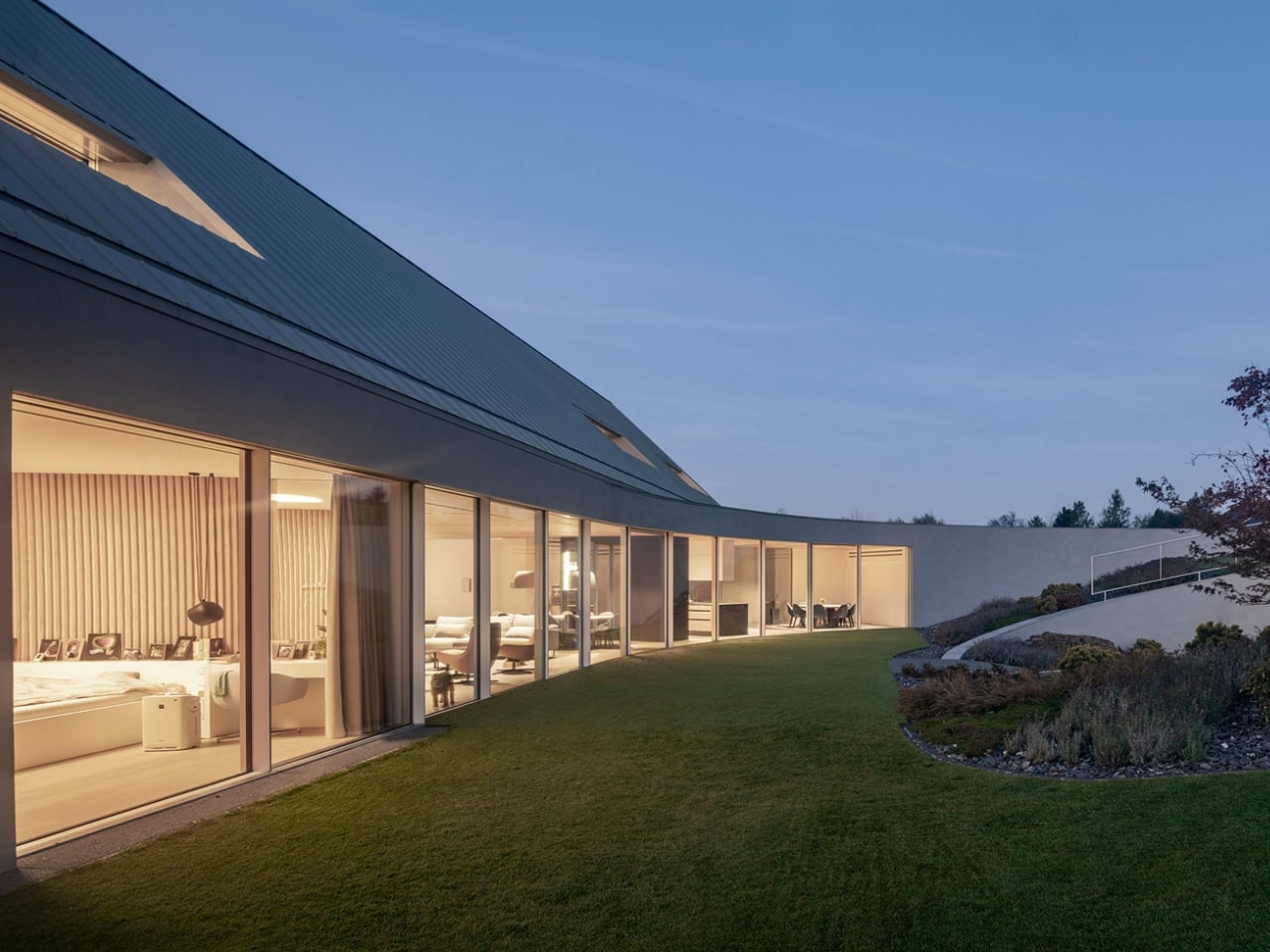
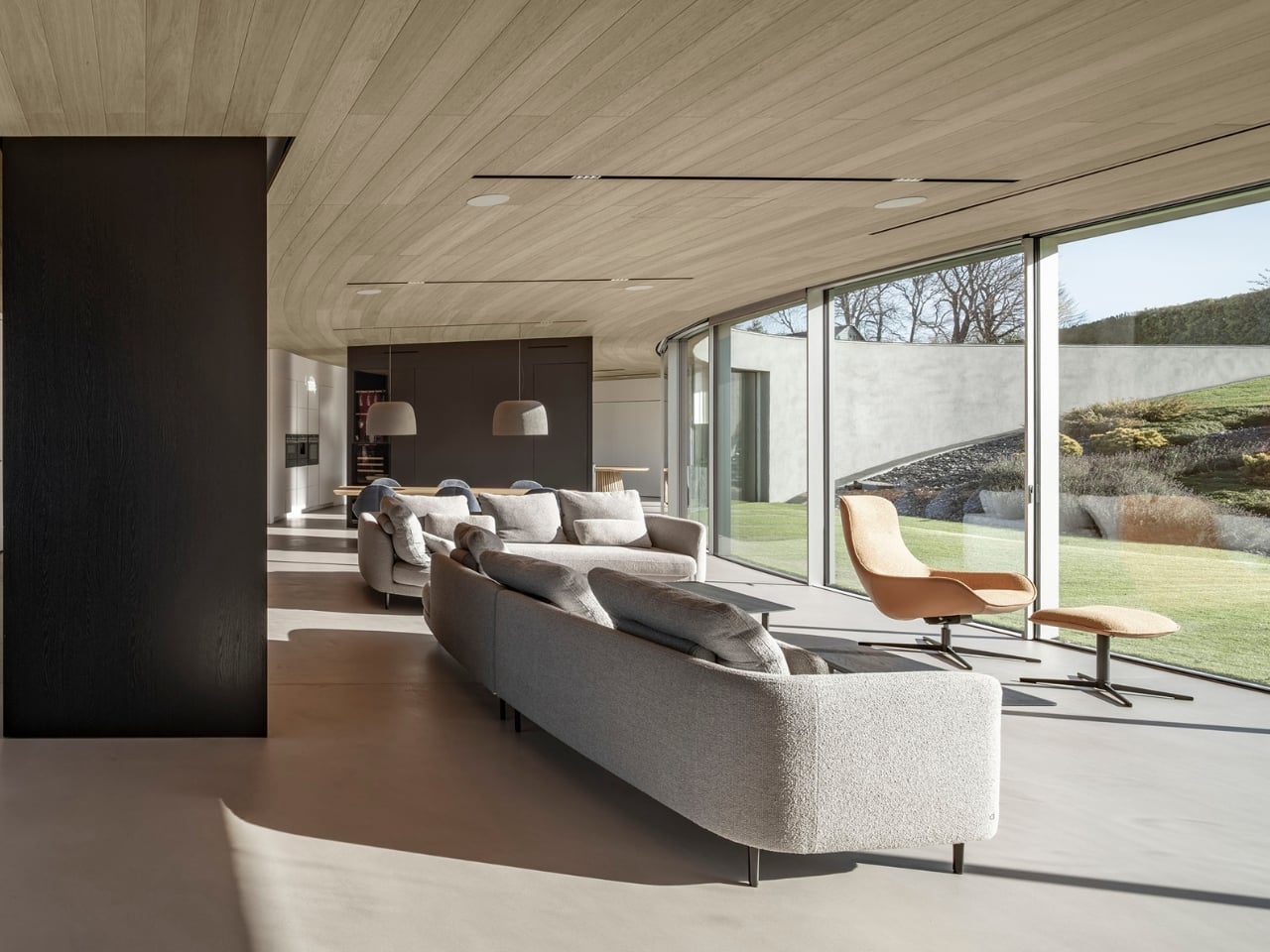
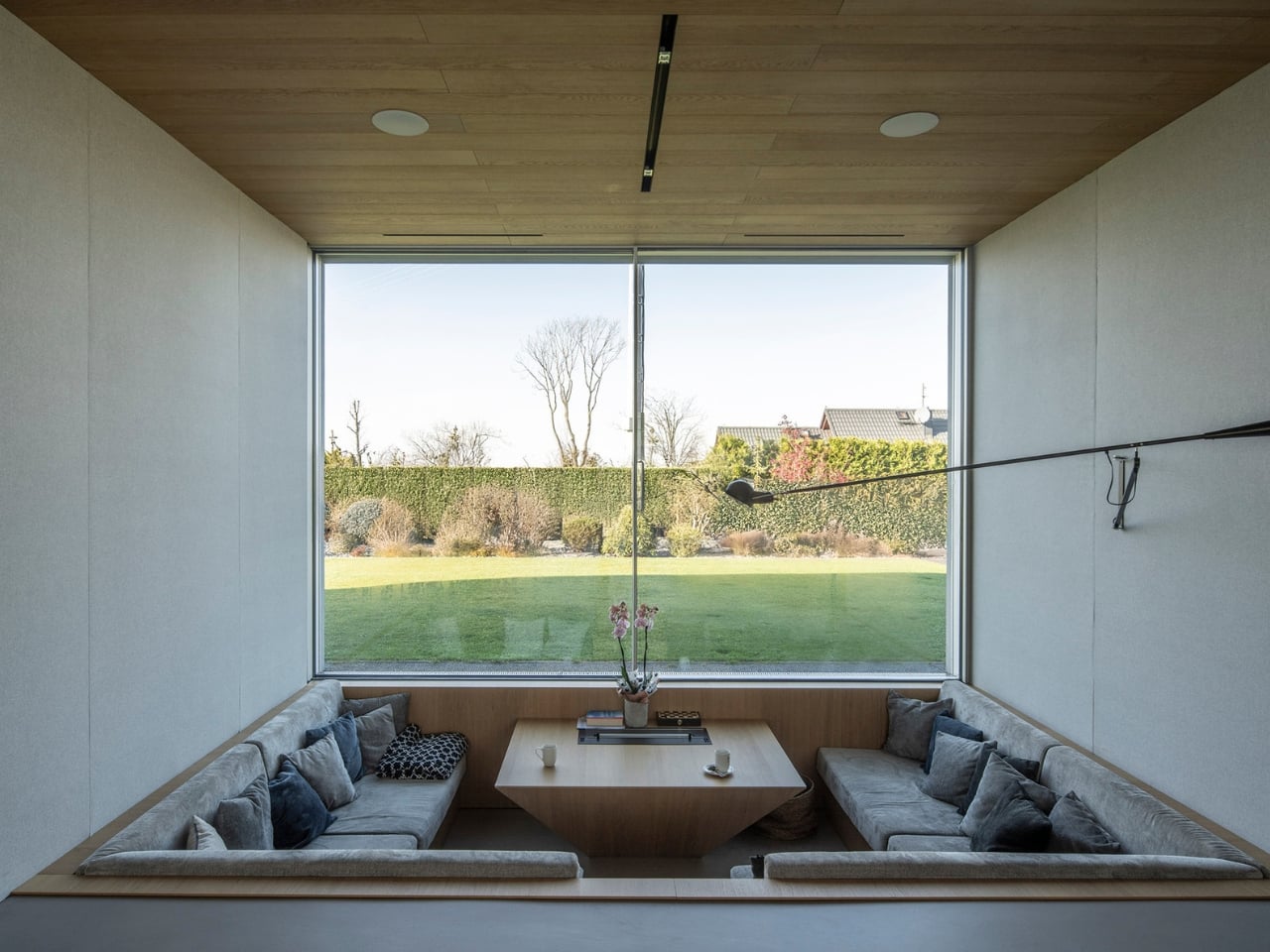
Interiors follow the geometry of the rotation, which gives the spaces a curved, almost circular quality that feels unusual for a residential home. On the ground floor, the orientation prioritizes what actually matters: greenery, natural sunlight, and wide views of the valley below. Private areas sit elsewhere in the plan, separated naturally by the structure’s layering into the slope. It doesn’t feel like a floor plan that was drawn and then decorated; it feels like one that was discovered.
The material choices reinforce all of this. Pine wood runs throughout, with plywood panels used for both the facade and interior walls. It’s warm, honest, and completely in line with the mountain setting. No marble-and-steel contrast trying to signal luxury, no jarring material moments designed to photograph well for social media. The palette is consistent because the thinking behind it is consistent.
I’ve been some residential architecture lately that feels performative, houses where the drama is the point and the living comes second. Yaw House is a useful counterargument. It makes bold moves, and rotating an entire structure to negotiate a difficult slope is not a timid decision, but it does so entirely in service of something real. The circular interior spaces aren’t there to be interesting in a magazine spread; they exist because the geometry demanded them. The green roof isn’t a lifestyle statement; it’s the terrain reclaiming its surface.
KWK Promes has a track record of this kind of thinking. Robert Konieczny’s firm has long been drawn to the challenge of how a building should respond to its specific conditions rather than impose a predetermined vision onto them. The Yaw House feels like a mature expression of that philosophy, one that is both technically ambitious and architecturally generous.
What stays with me, after reading more about this project, is how much restraint it takes to make something that disappears. Our instinct with ambitious architecture is to look for the spectacle. And yes, the Yaw House is spectacular if you know where to look. But it earns that quality quietly, through proportion, orientation, and a refusal to treat the landscape as a backdrop. The mountain isn’t framed in a window here. It’s invited in through the floor plan. That might be the most interesting thing a house can do.