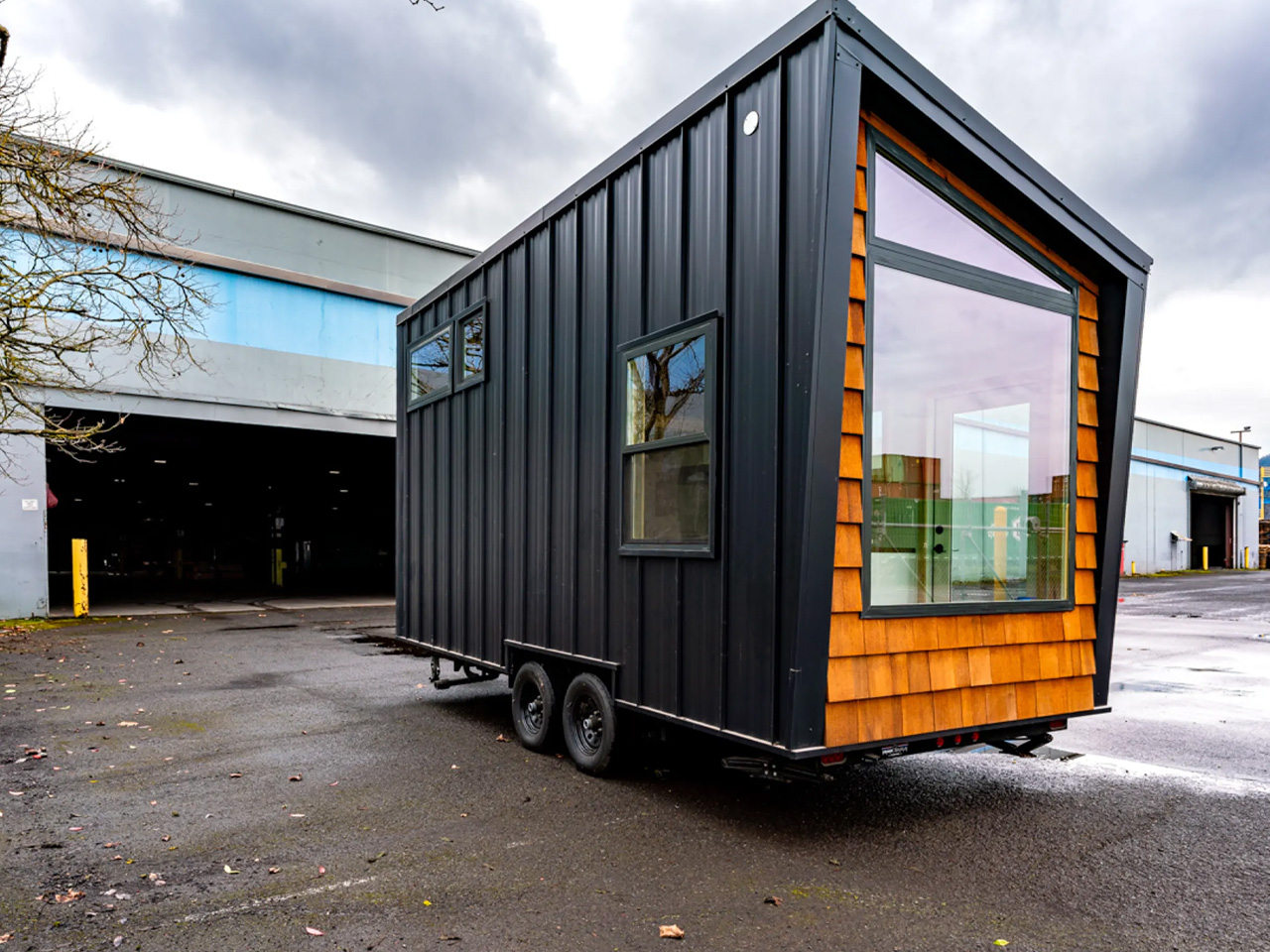
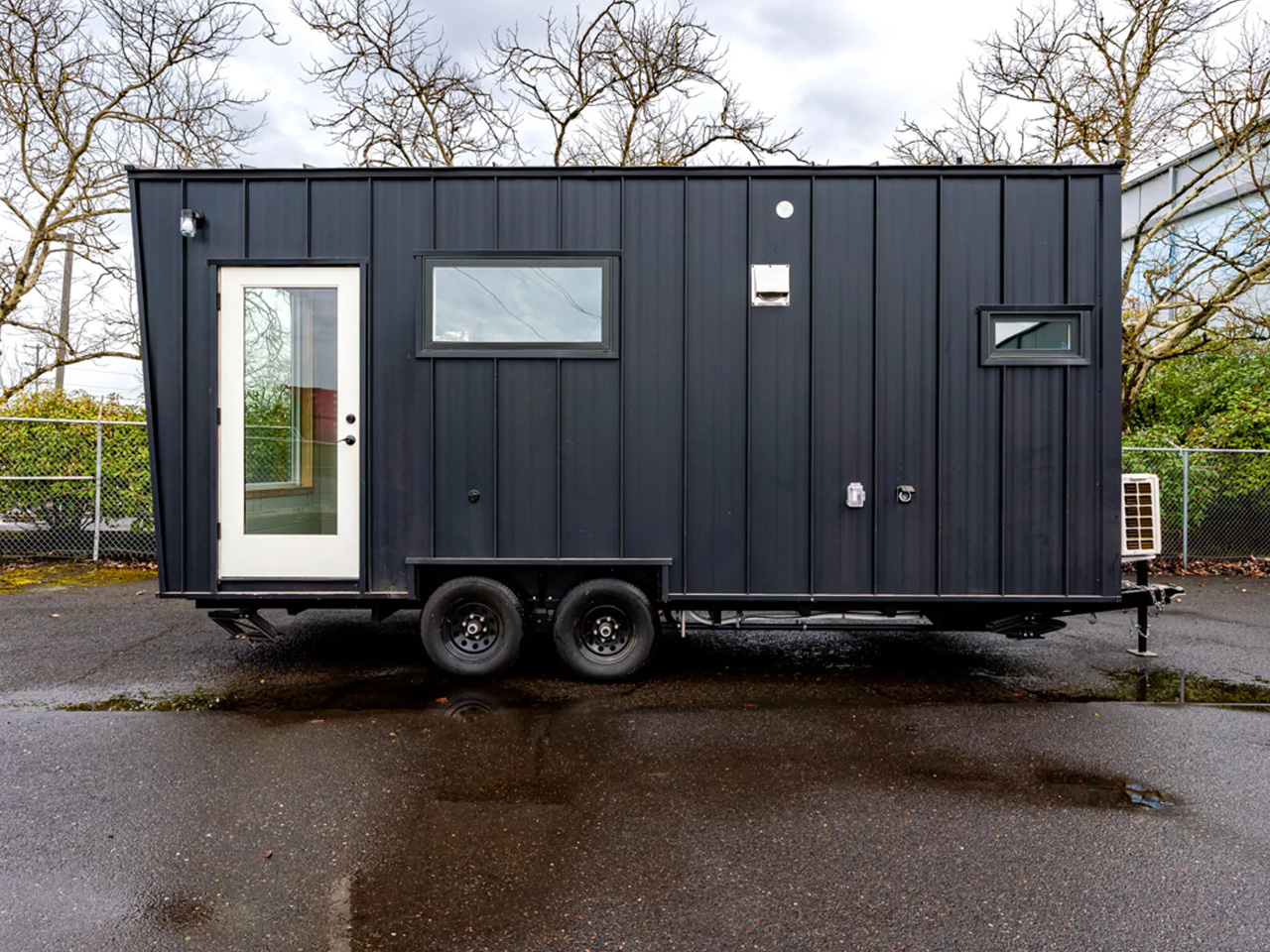
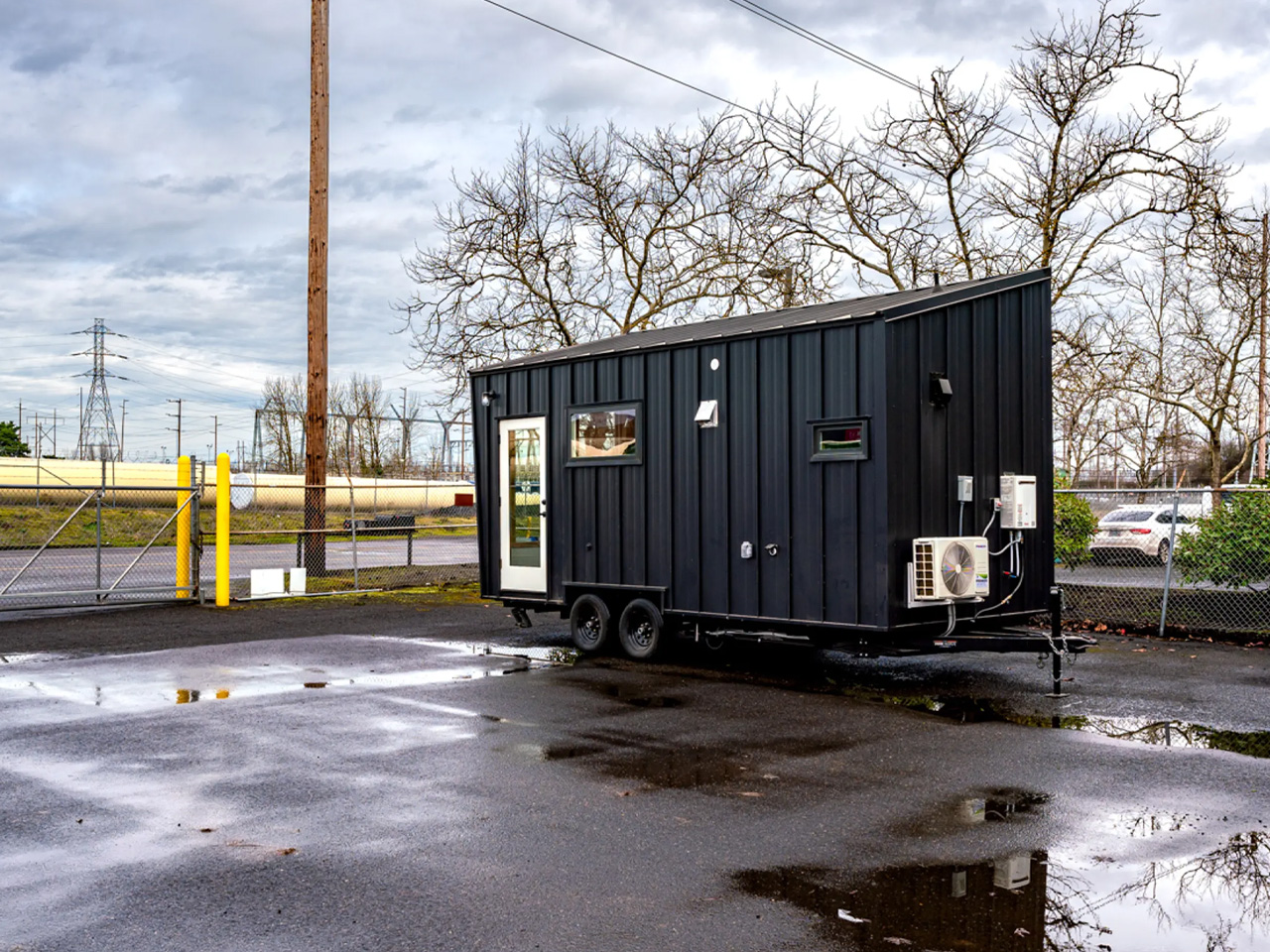
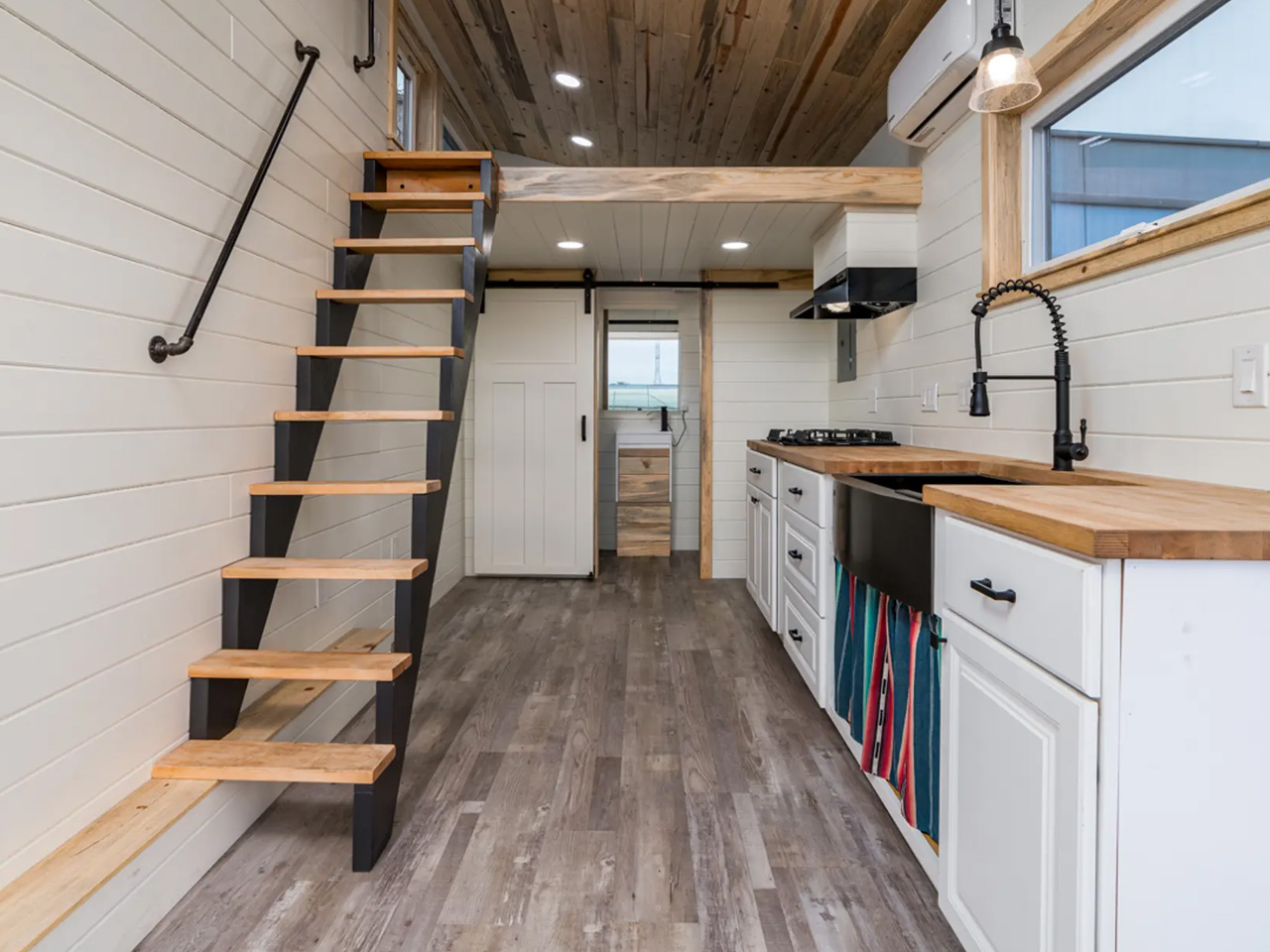
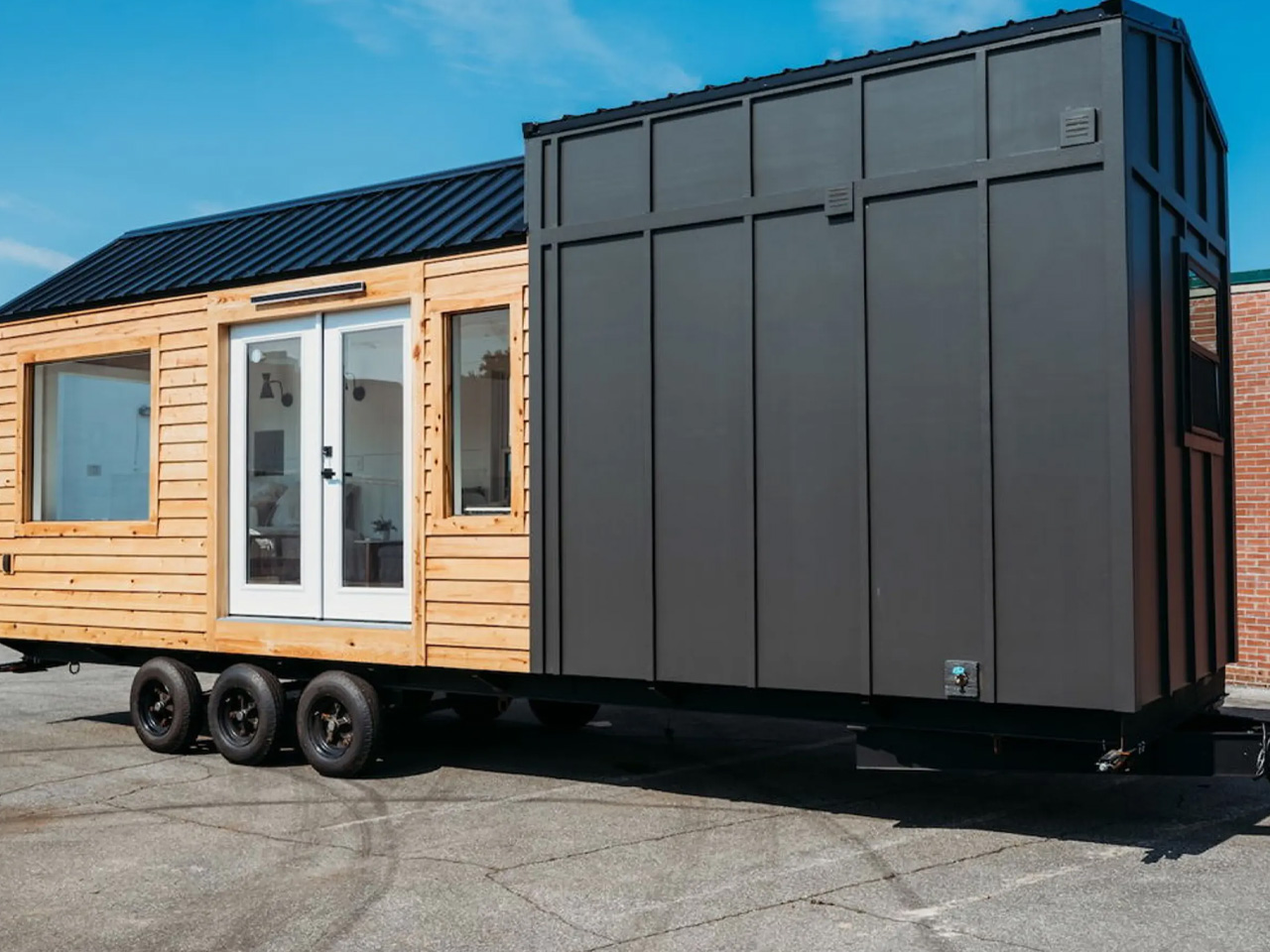
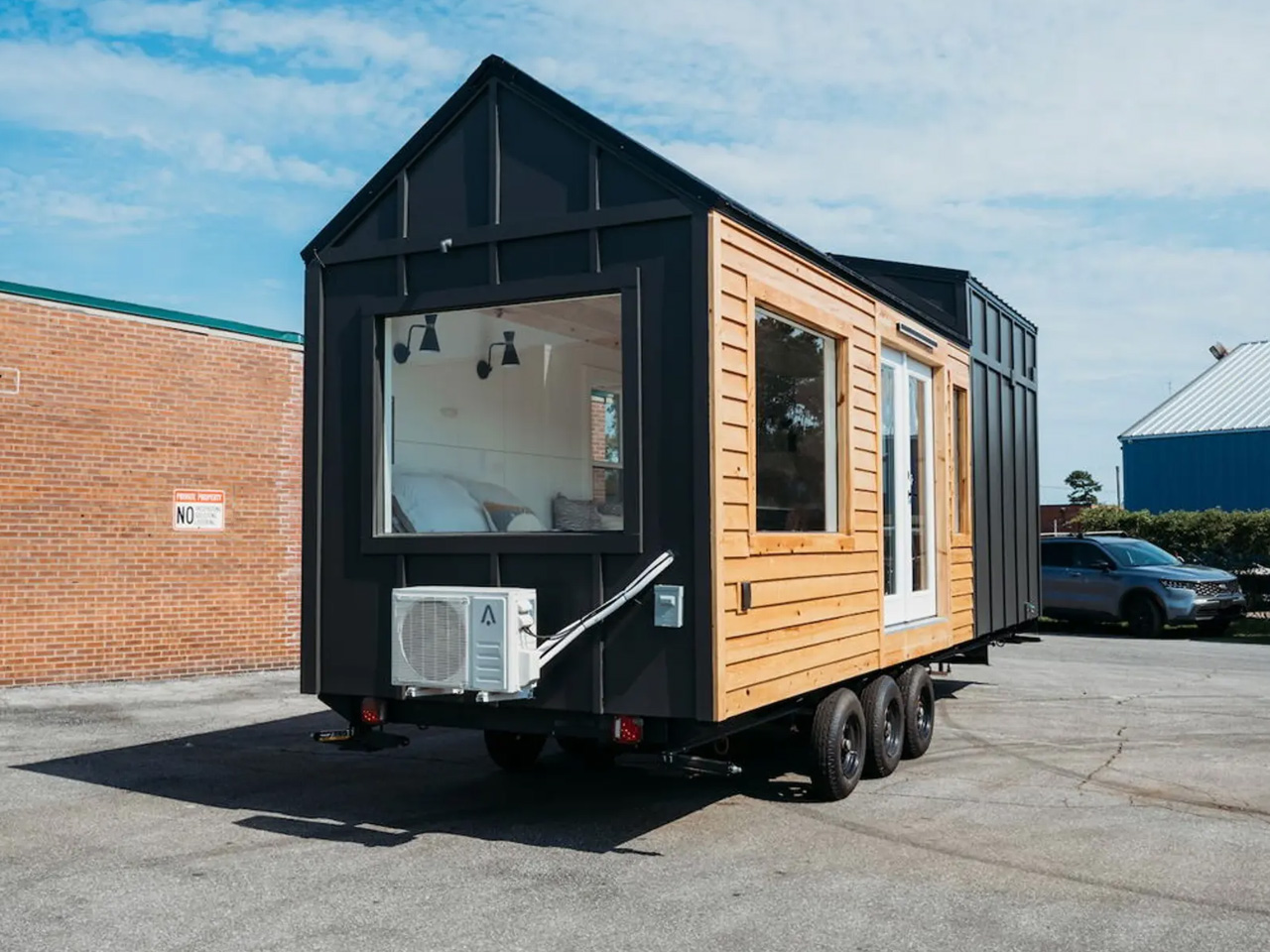
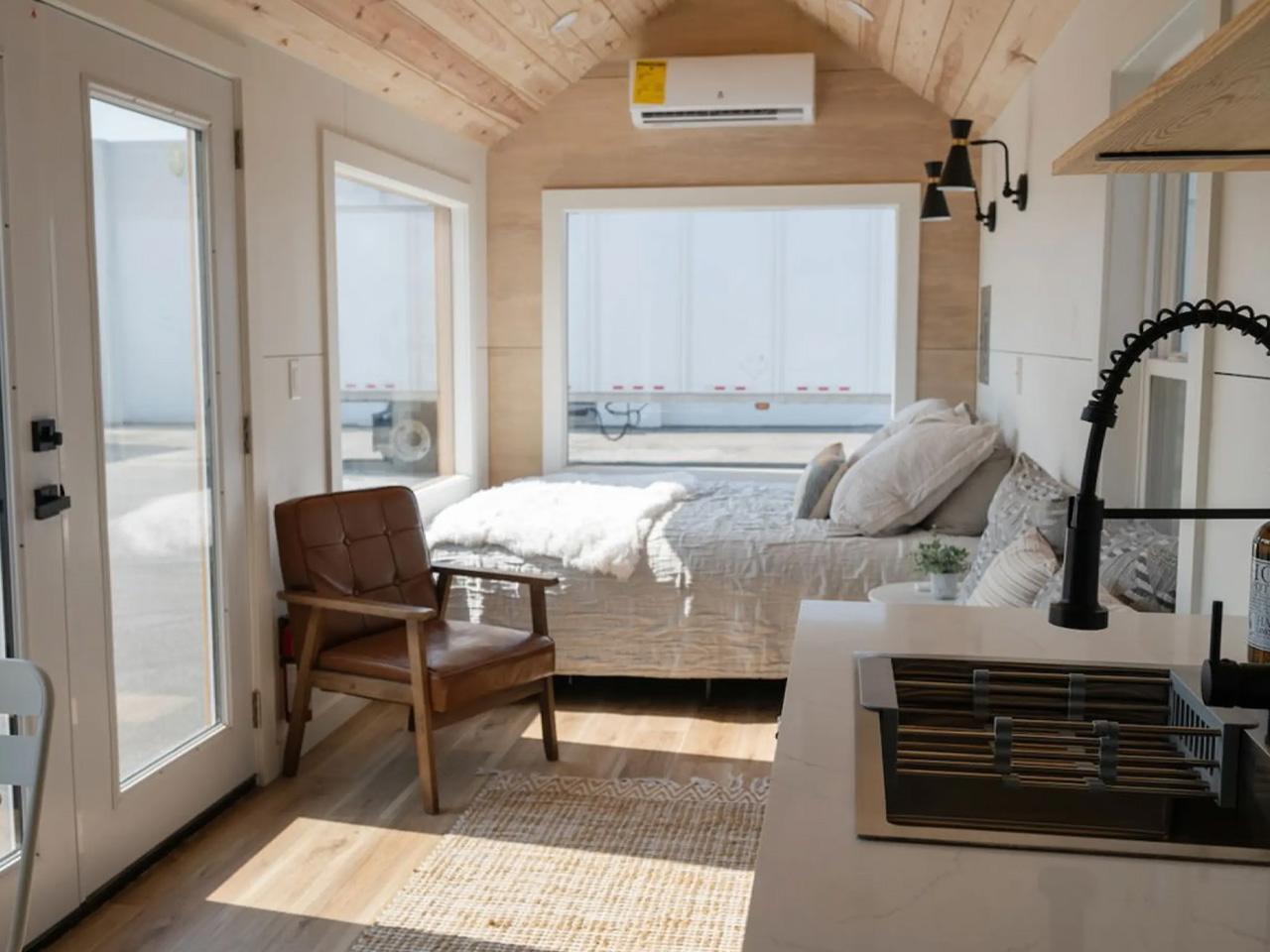
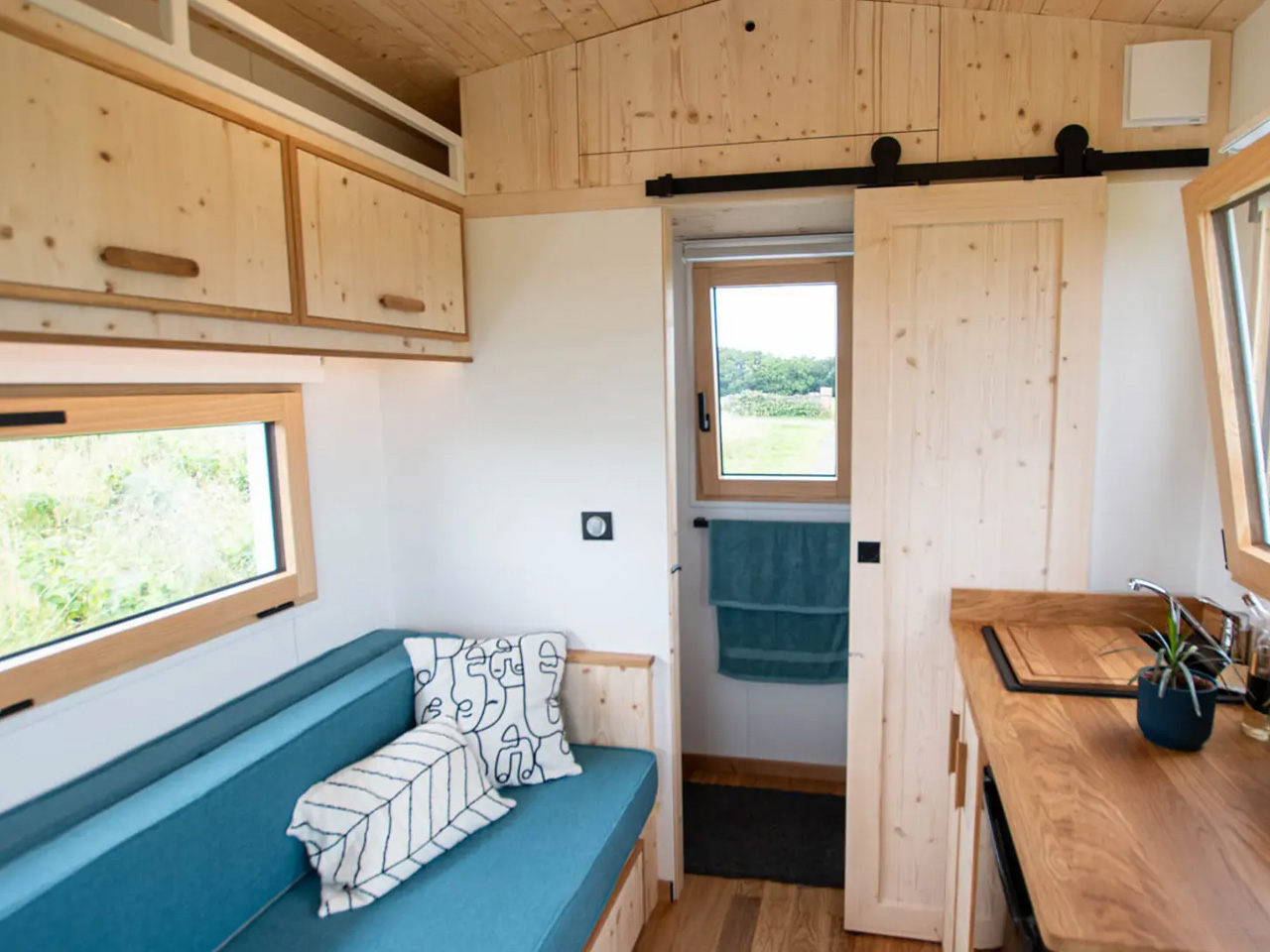
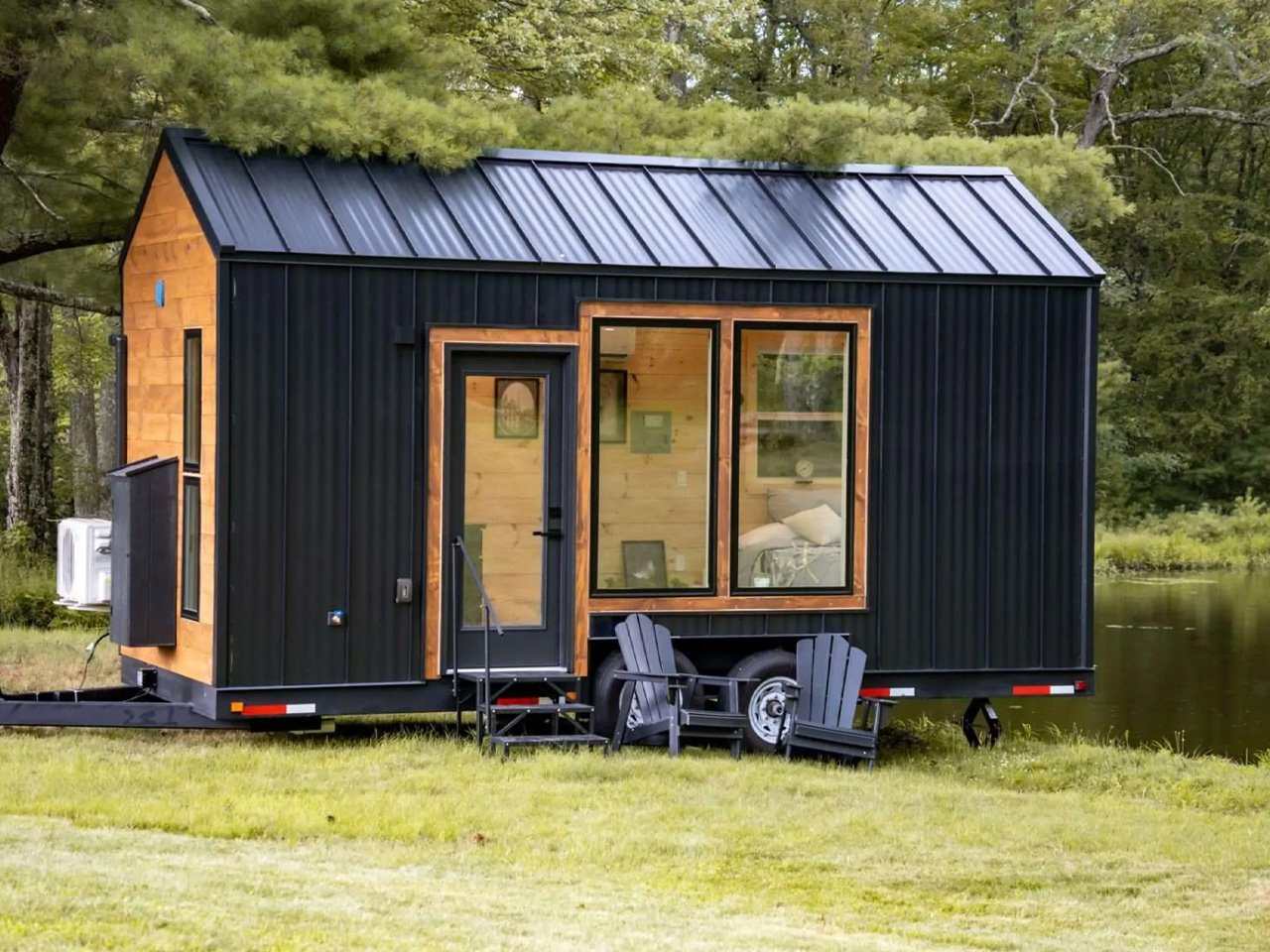
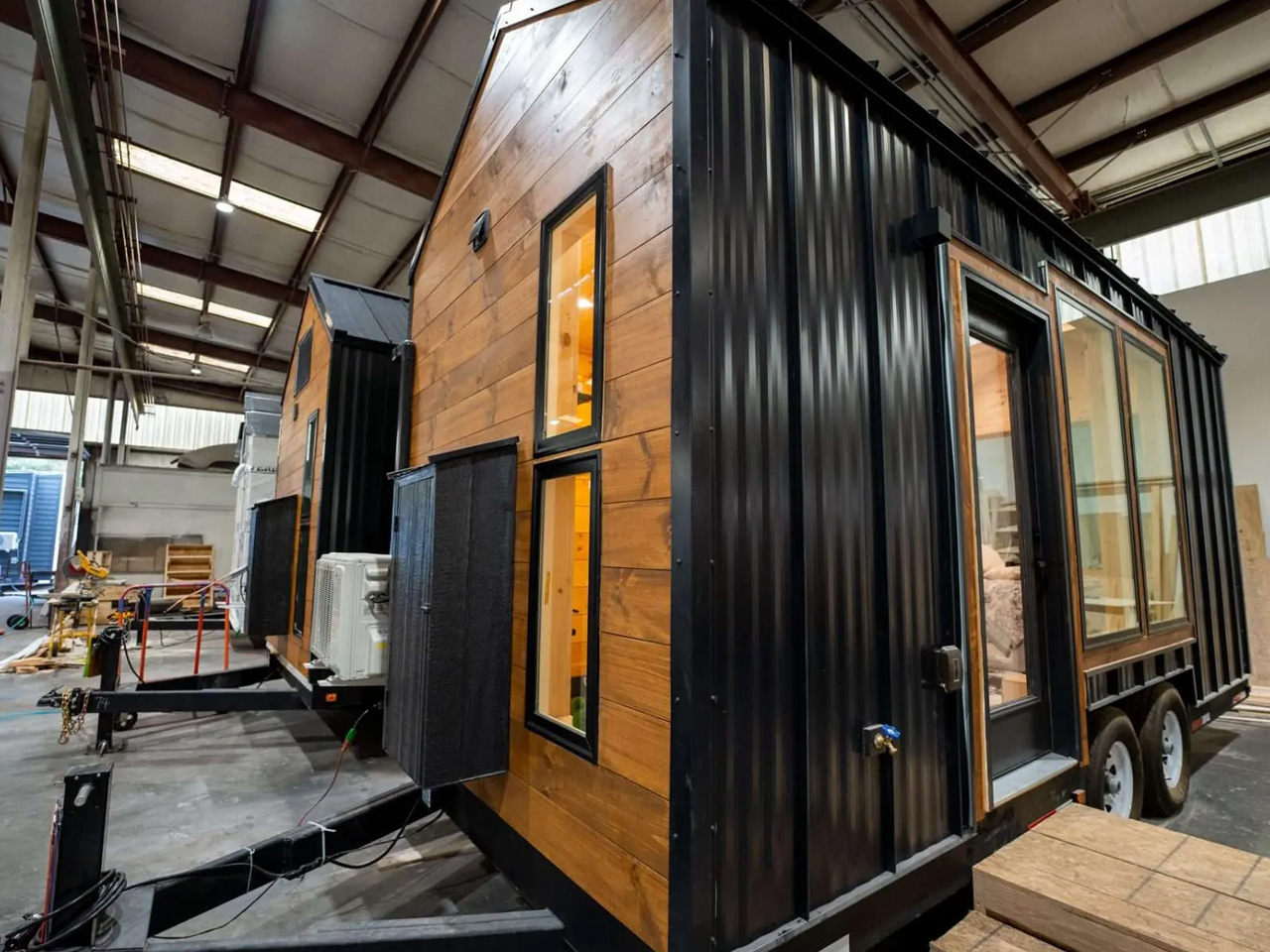
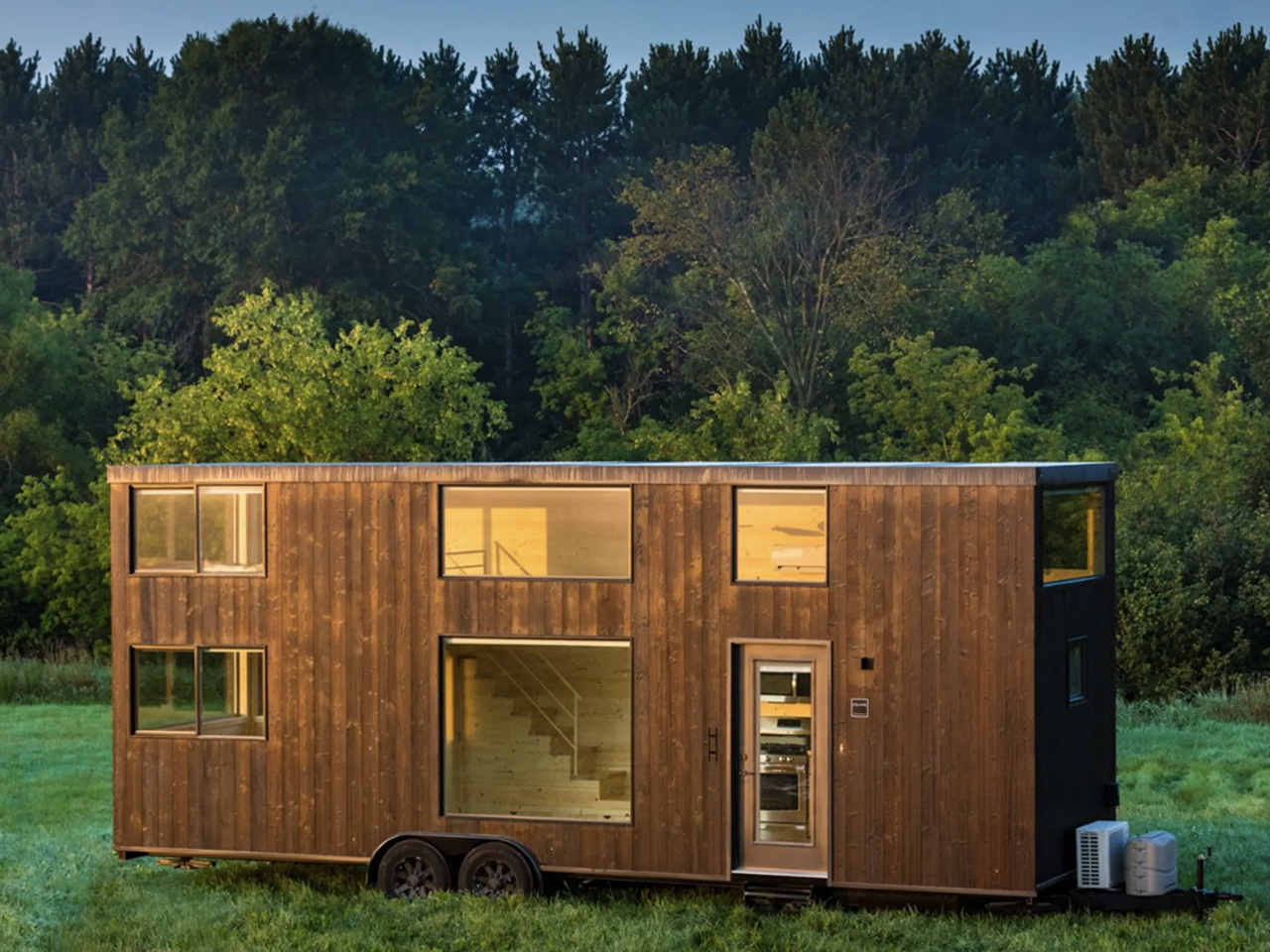
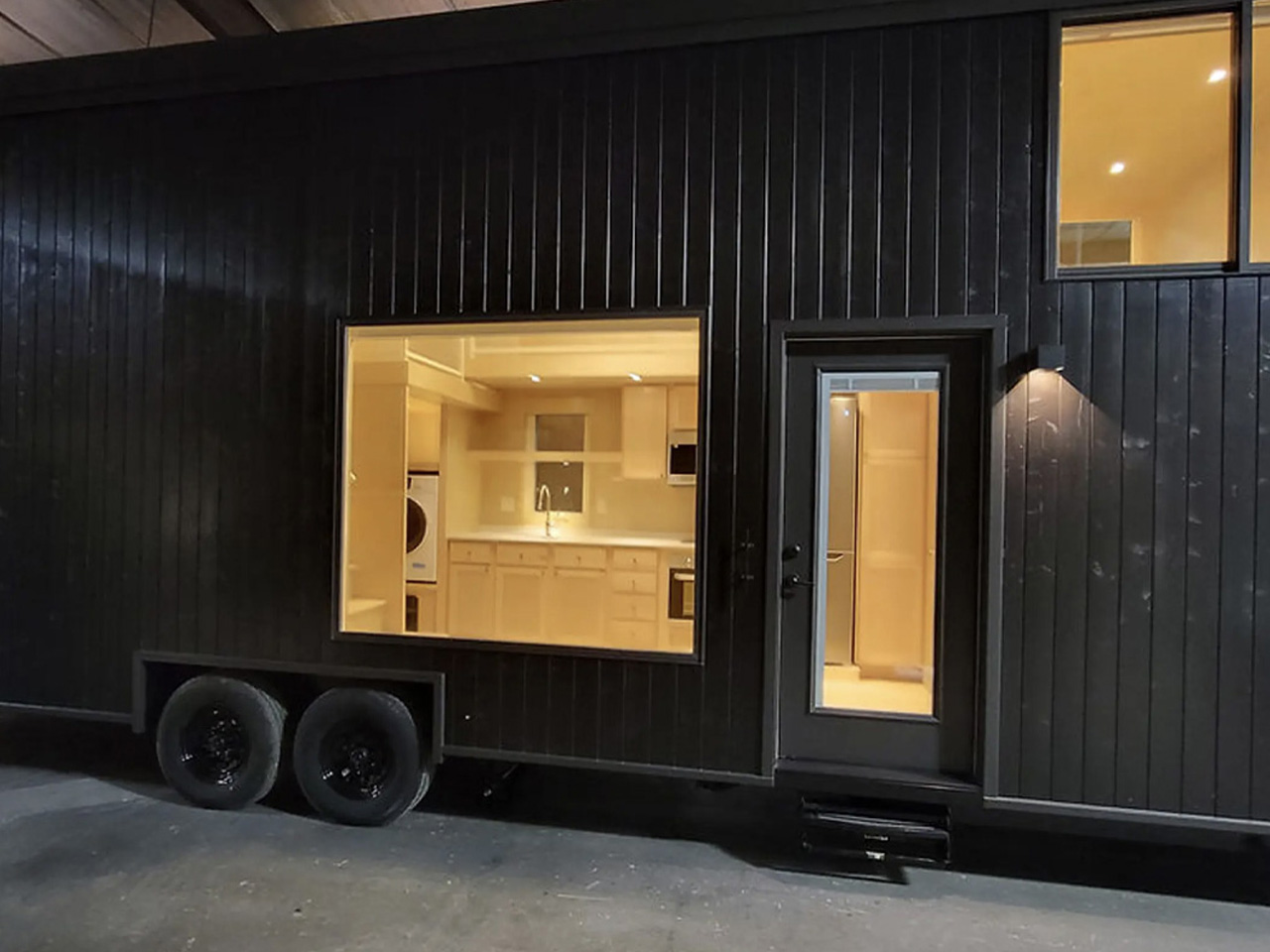
Designed by Stanley Tiny Homes, the Rogue tiny house rejects complicated and complex amenities, and adopts the pure basics. It is a compact home with more than sufficient space for two people. The home is pretty easy to tow and has a pocket-friendly price tag that will excite many prospective tiny home buyers. It is based on a double-axle trailer and features a length of 20 ft. It is pretty small for a North American-style tiny home, but will be a breeze to tow around. It is amped with a black metal finish and cedar shake siding. It is powered by a standard RV-style hookup, but you could integrate a solar panel setup as well if you’re seeking an off-the-grid lifestyle.
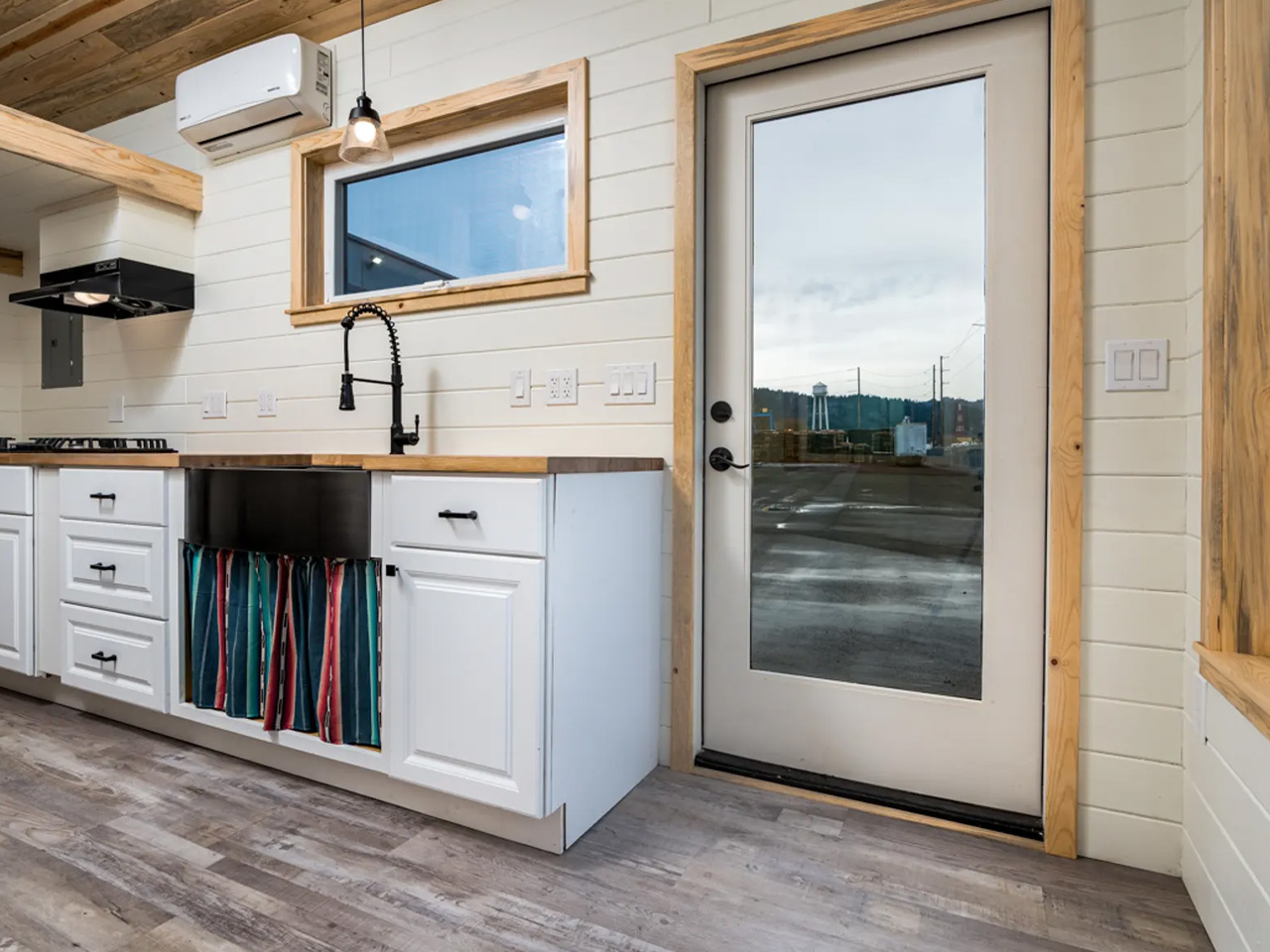
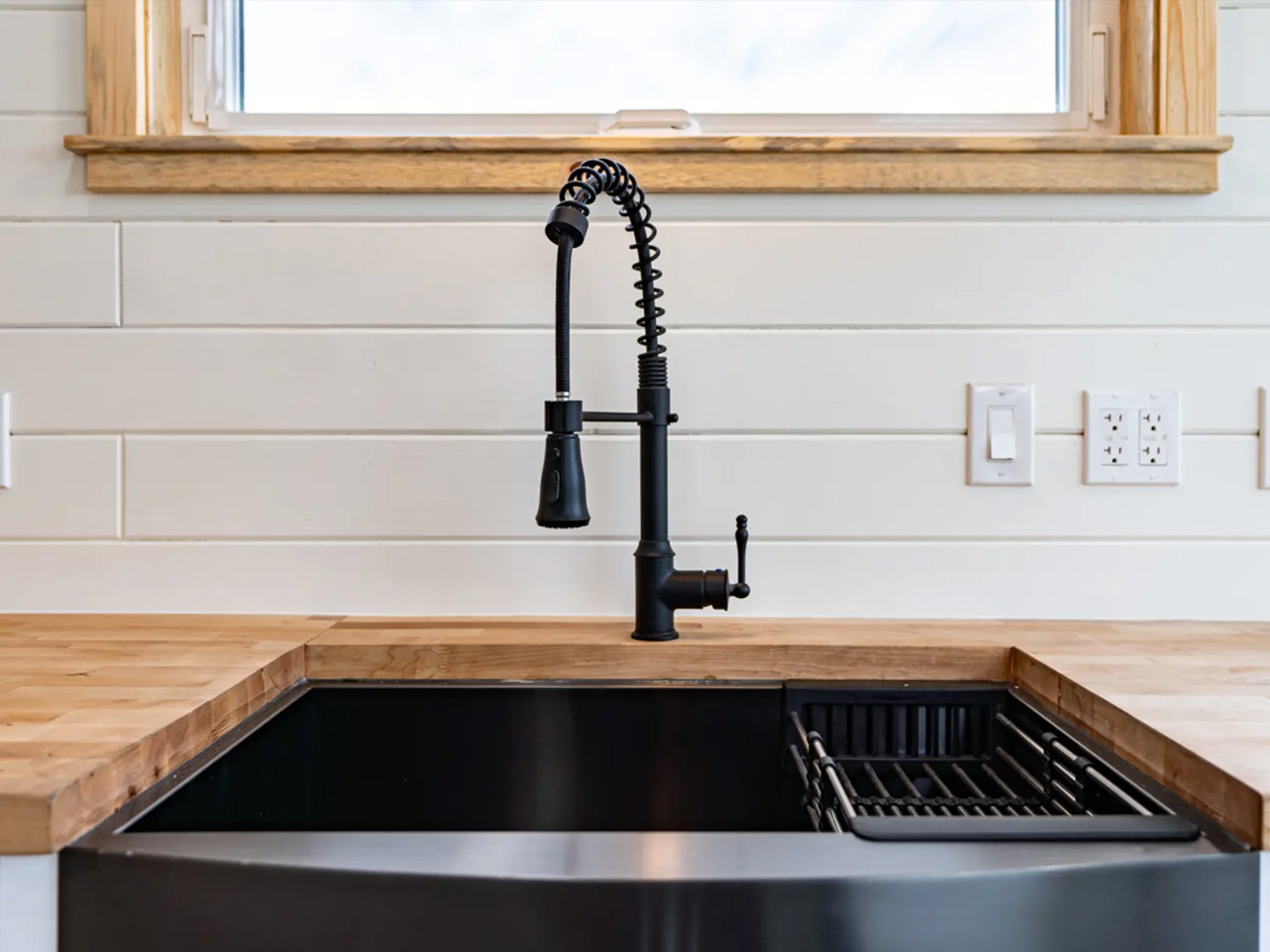
The interior of the Rogue tiny house spans over two floors. The amenities have been comfortably arranged over the two stories. A mini split air-conditioning system maintains a comfortable temperature. A single glass door leads you to the living area, which includes a sofa, and a big window to allow plenty of light to enter into the space. The kitchen is nearby, and it is equipped with a four-burner propane-powered stove, sink, cabinetry, and space for other appliances.
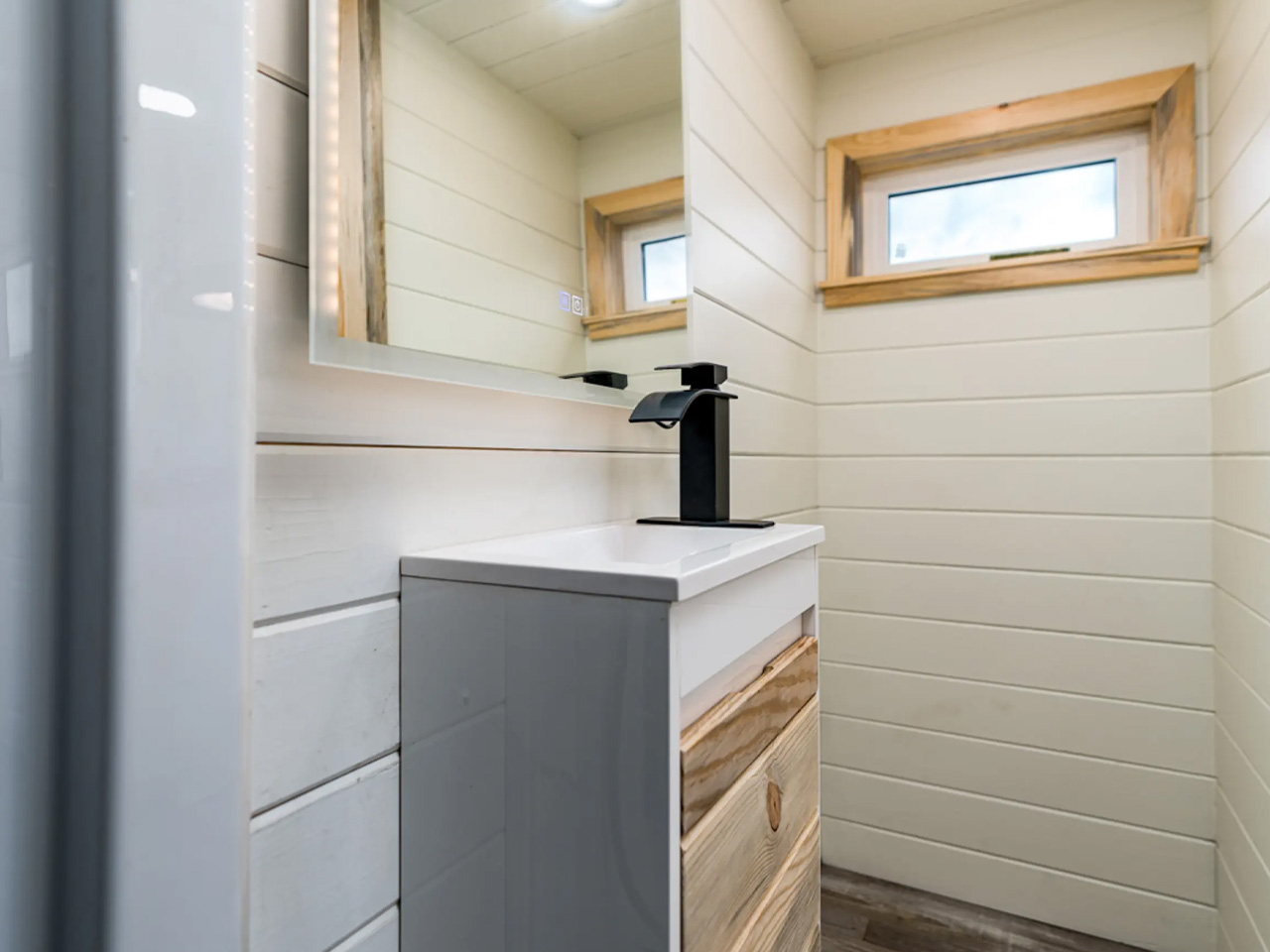
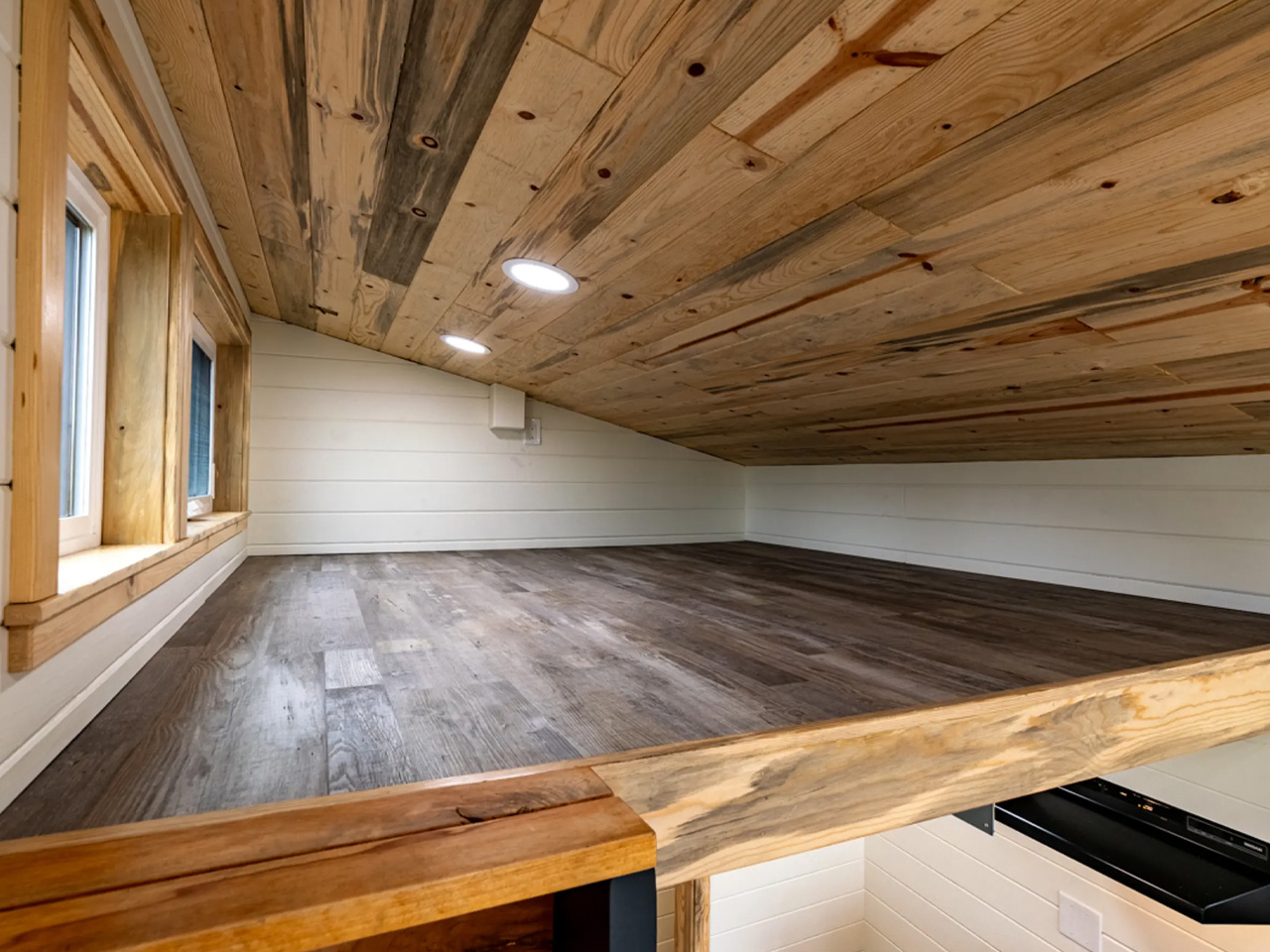
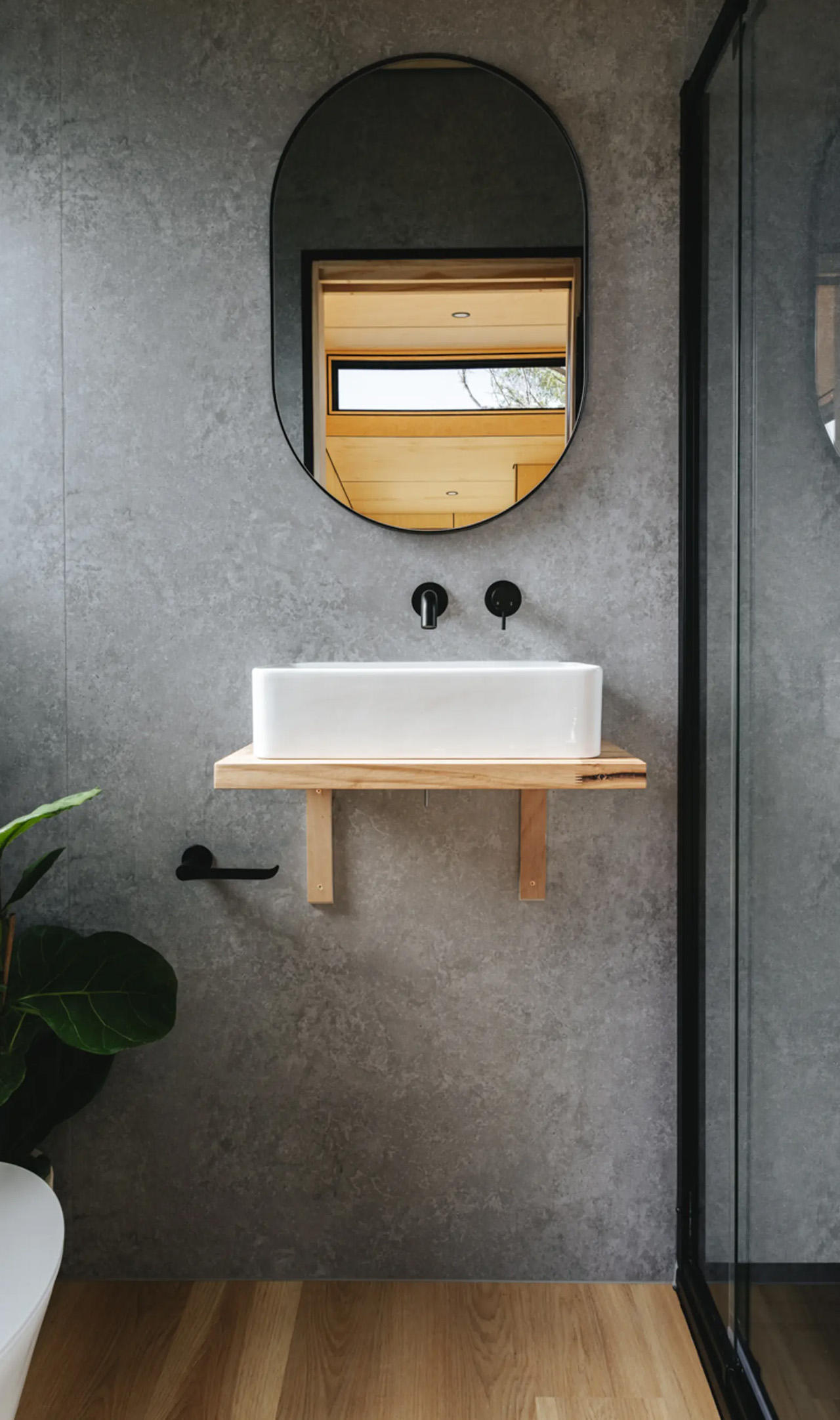
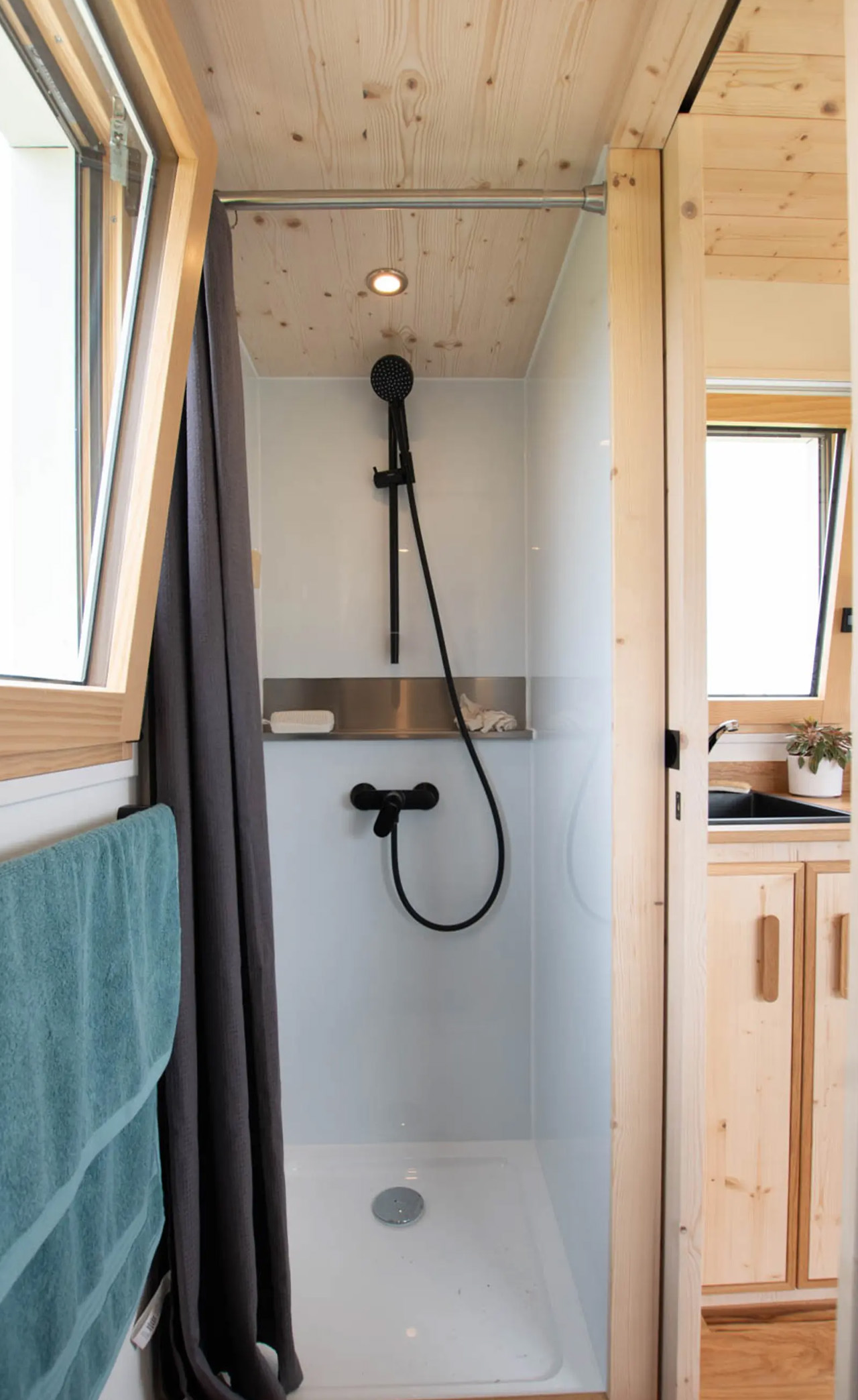
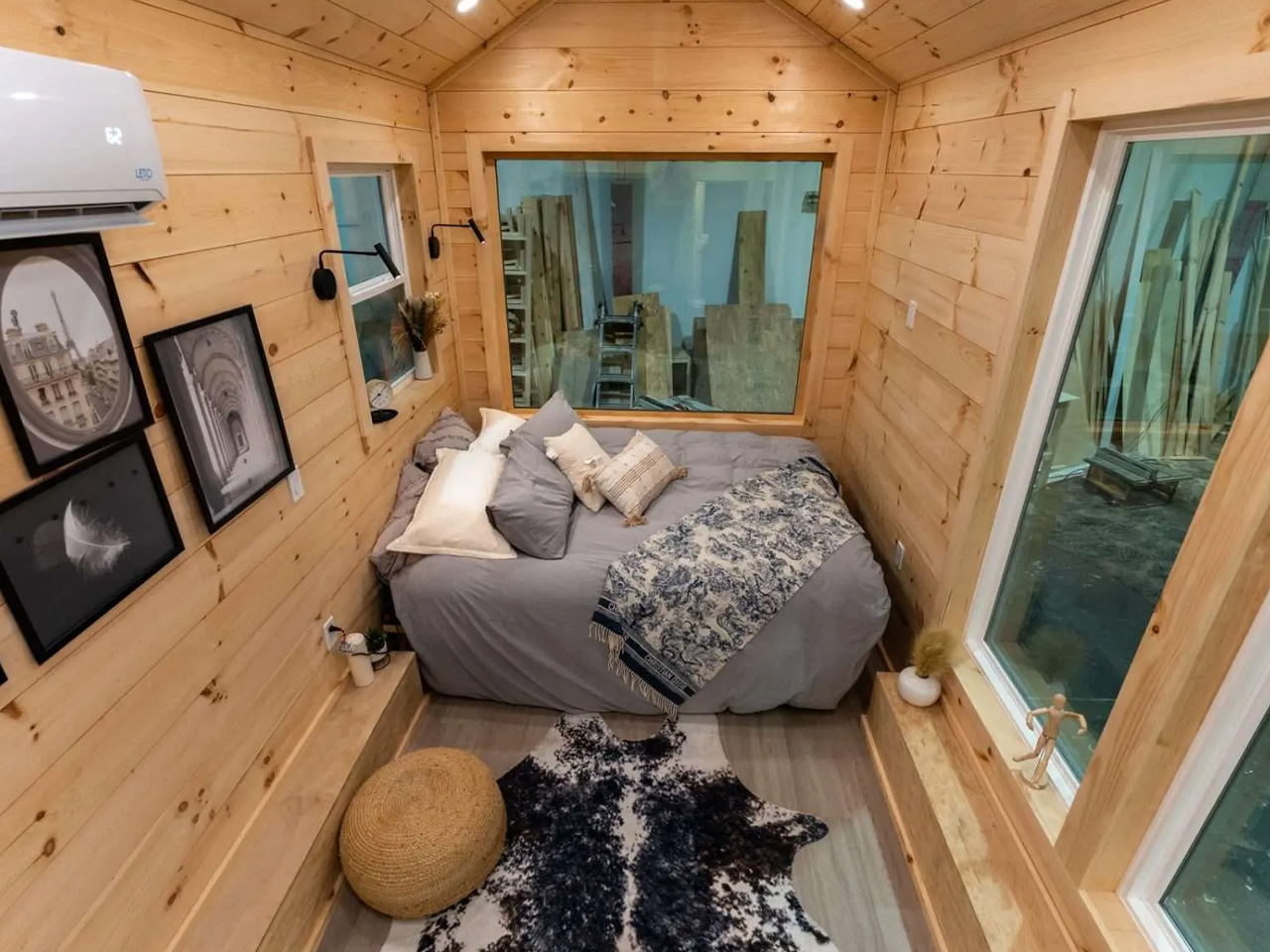
The bathroom can be accessed from the kitchen via a barn-style door. The bathroom is quite compact, and it includes a shower, composting toilet, and a tiny sink. The Rogue only includes one bedroom which can be accessed via a staircase. The bedroom is a typical loft-style space with a low ceiling. It is amped with windows and more than enough space for a double bed.
The Rogue Tiny Home is priced at an economical US$85,000, which is pretty cheap for a North American tiny home. It may not be the cheapest house we’ve seen, but it is still decently-priced. It makes for an excellent rental property guest house or vacation home.
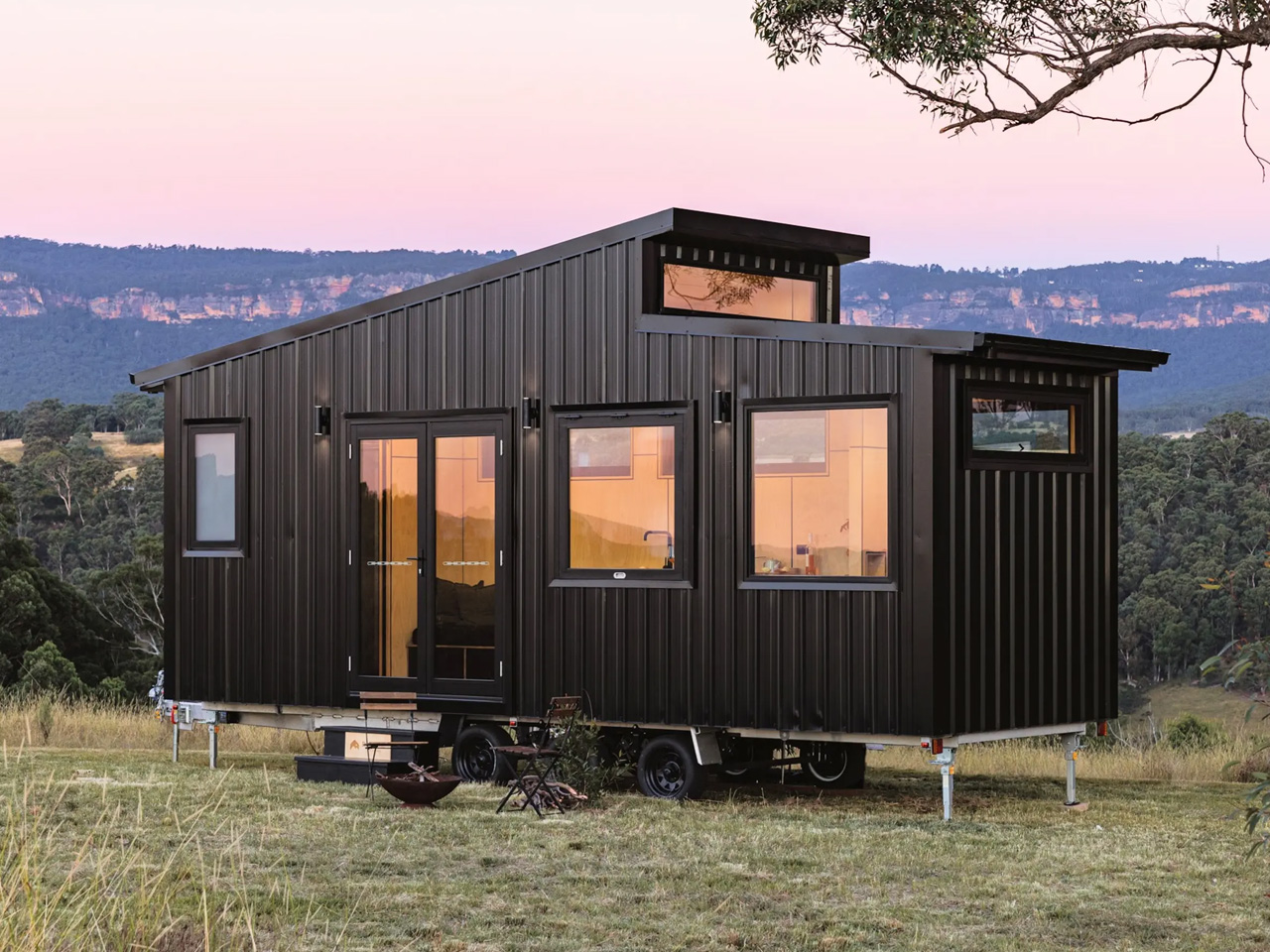
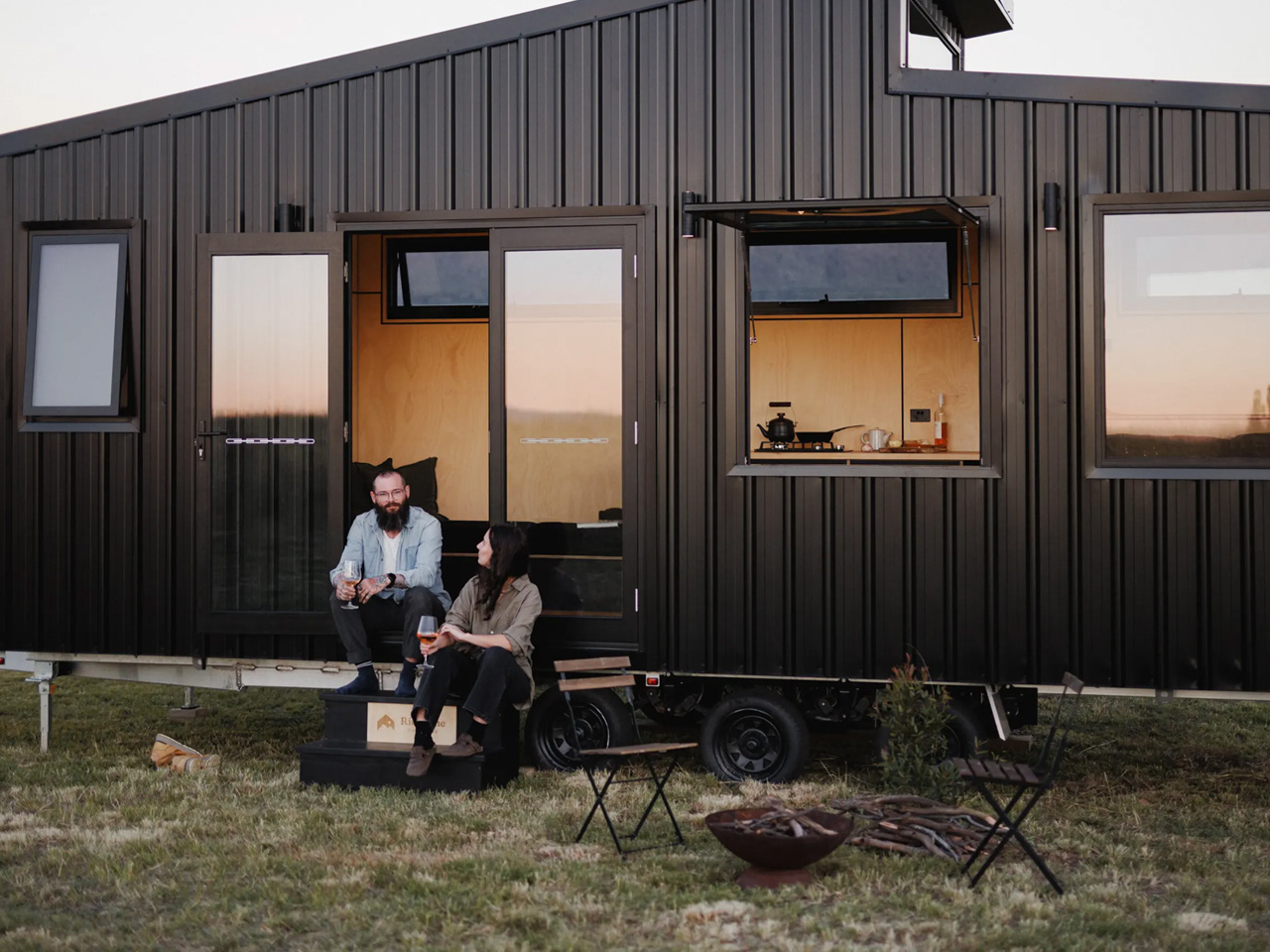
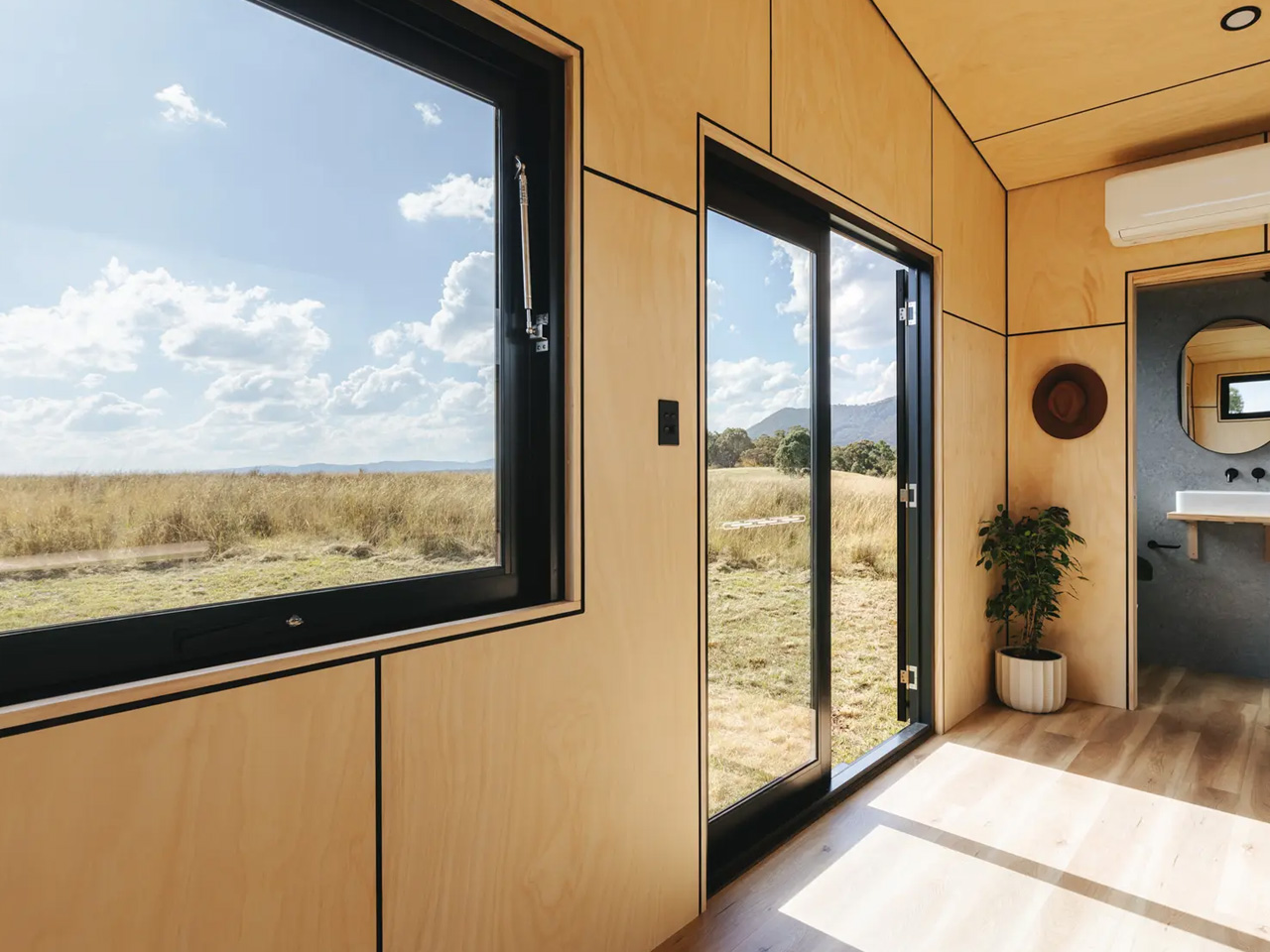
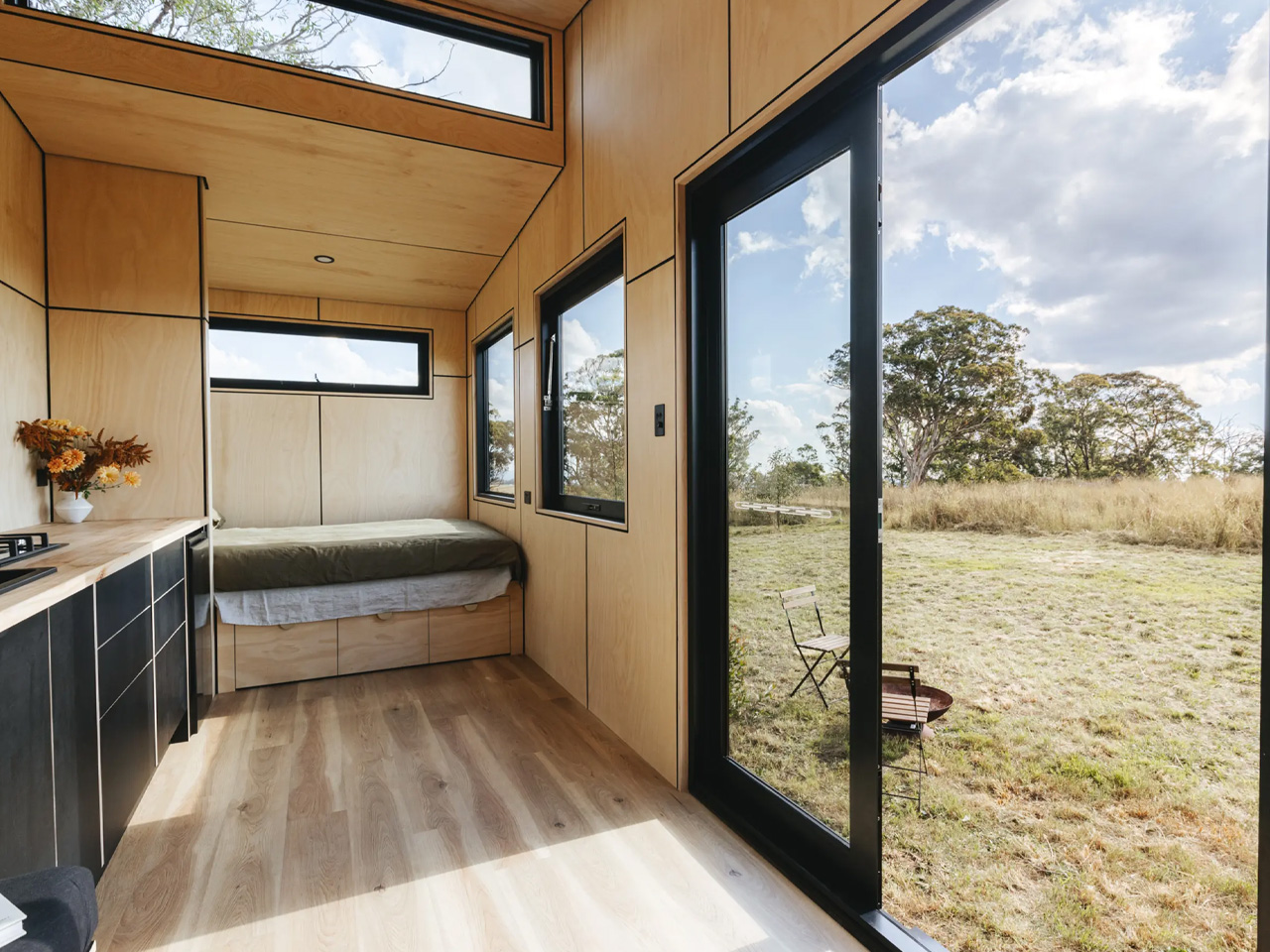
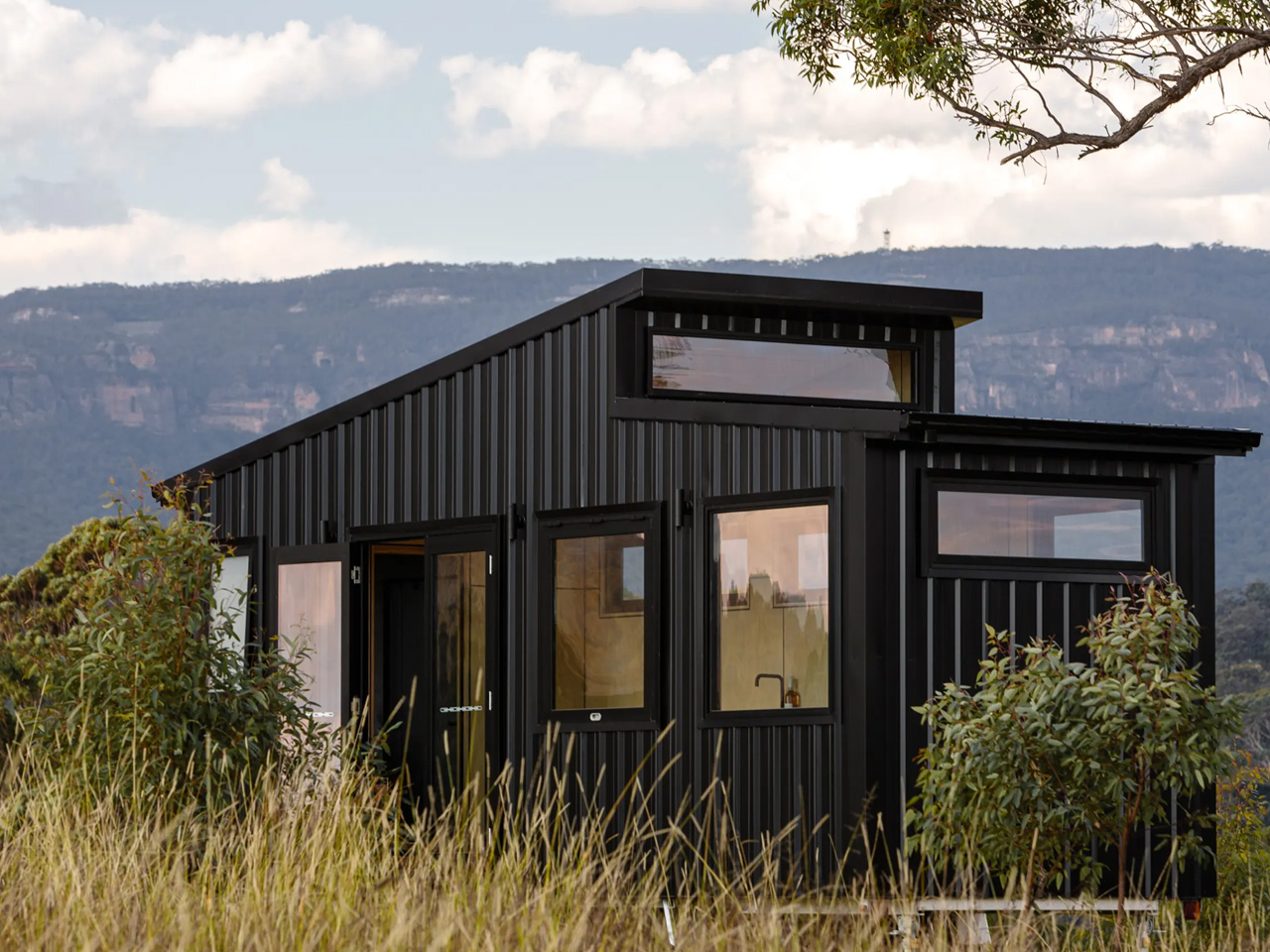
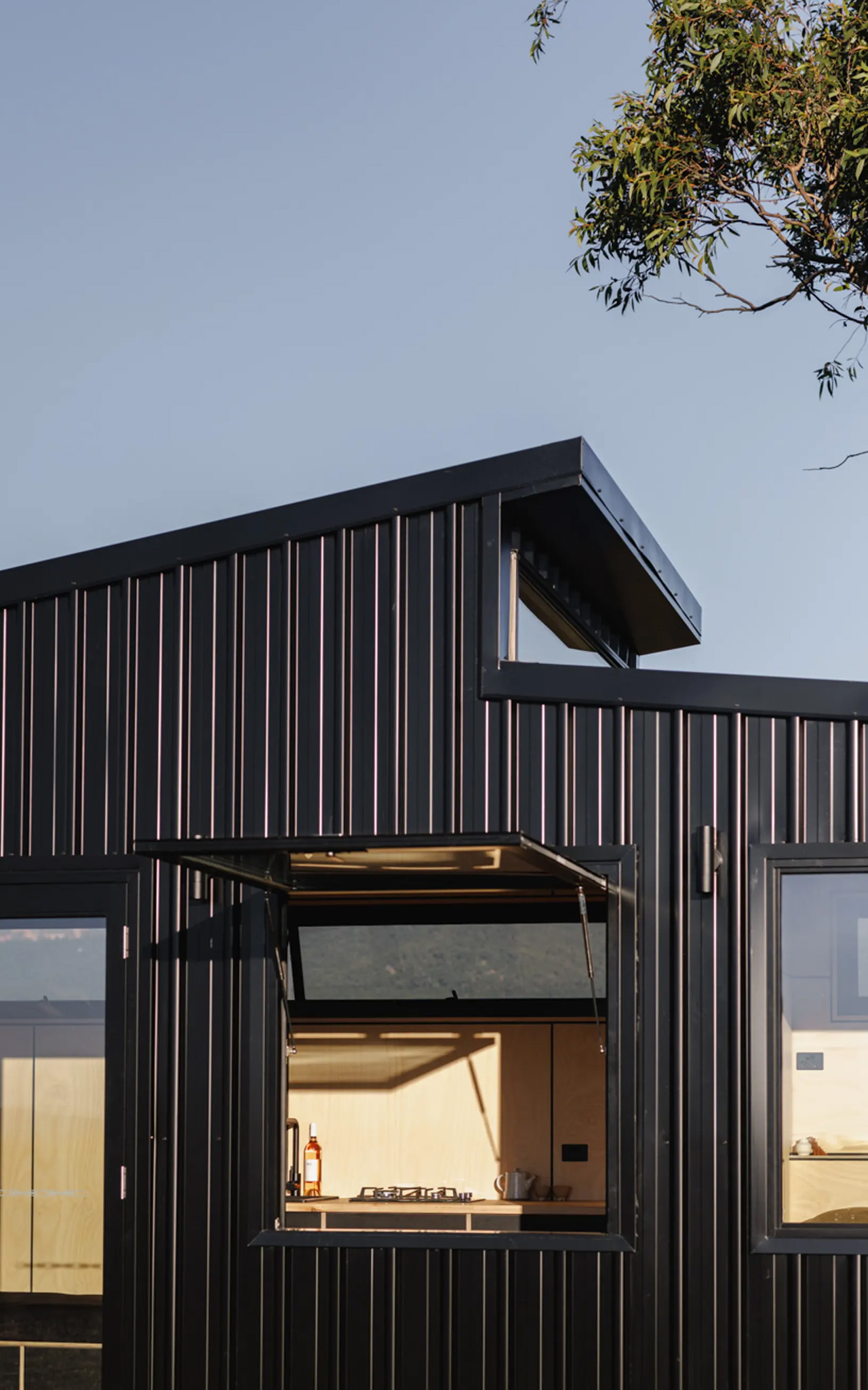
Designed by Australia’s Ridgeline Tiny Homes, the Sun Valley model showcases that sometimes less is truly more. The tiny home features a simple and light-filled layout, making the best use of available space. The home serves well as a vacation home, or a second home. The Sun Valley tiny home features a sloping roof, and a sleek black exterior. It is founded on a triple-axle trailer with a length of 23.7 feet. The home has a metal finish, and is amped with loads of glazing, which allows it to be pretty light-filled.
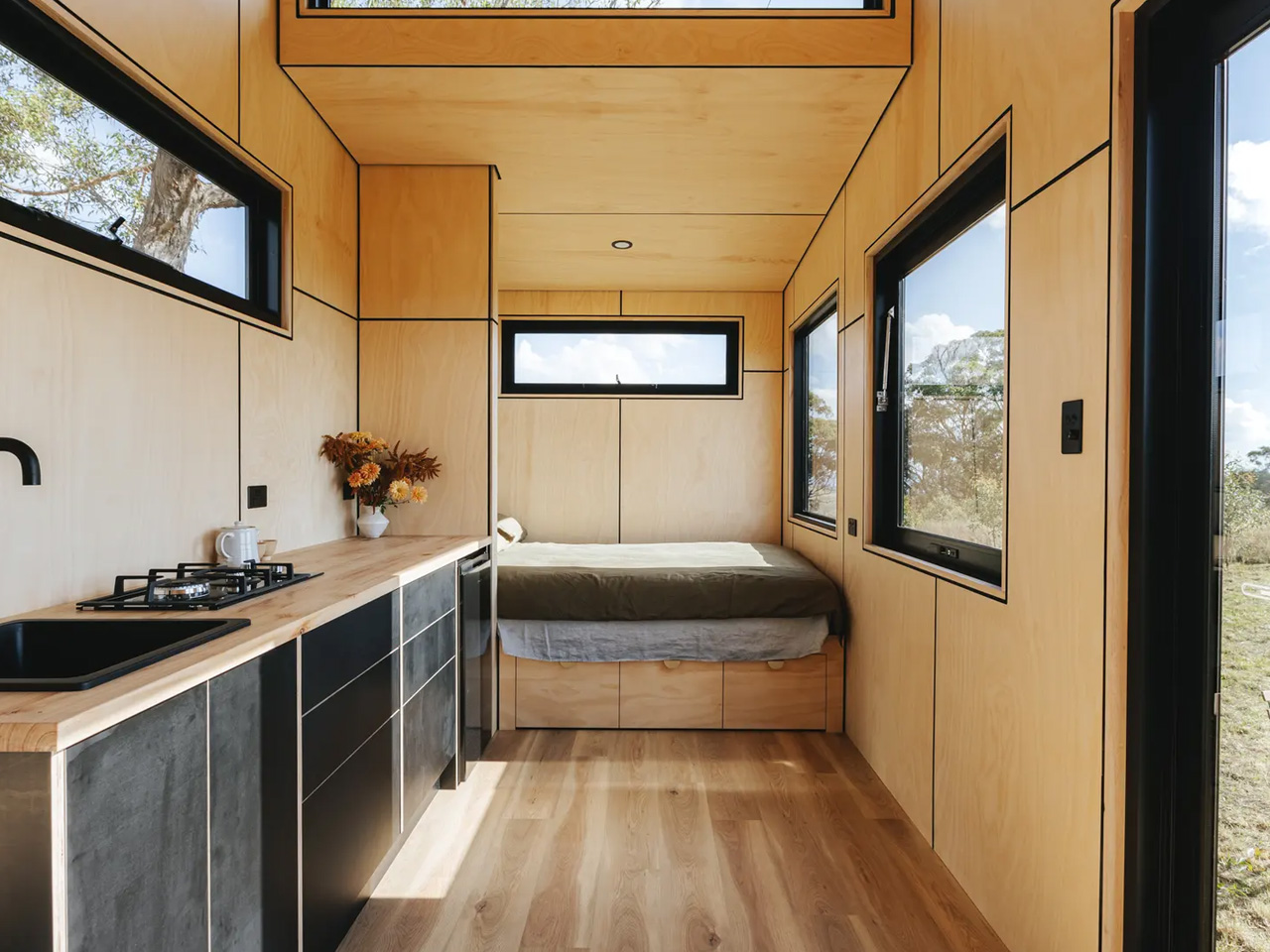
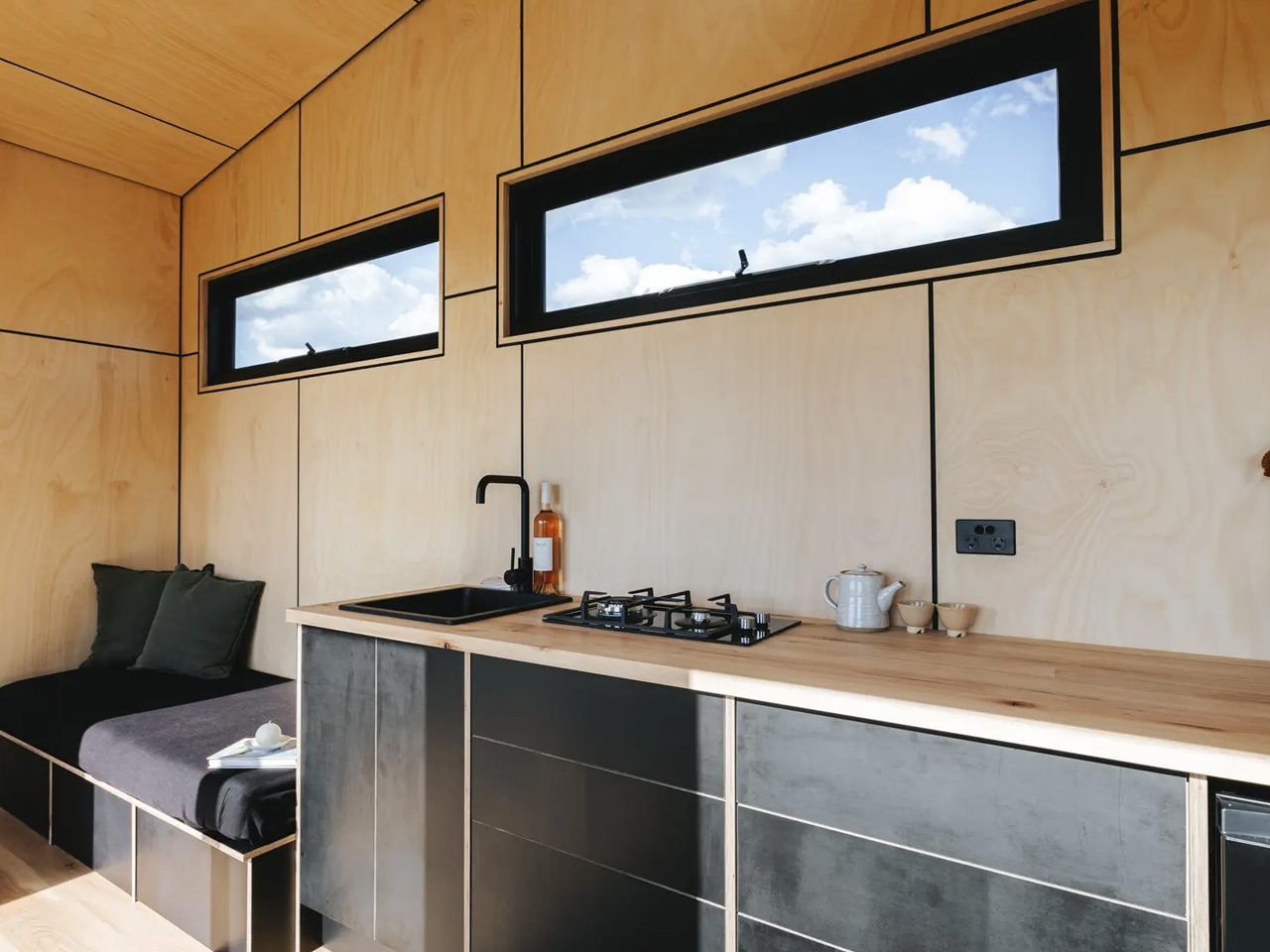
The Sun Valley tiny home can be entered via glass double doors, and the interior occupies around 15.4 sq m. The entire house is arranged on one floor, and there isn’t any loft, which helps the home feel more light-filled and airy. The entrance leads to the living room which is quite small and simple. The living room includes a sofa, and integrated storage. The kitchen is closely located, and it includes a sink, a two-burner propane-powered stove, plus a small fridge and some cabinetry.
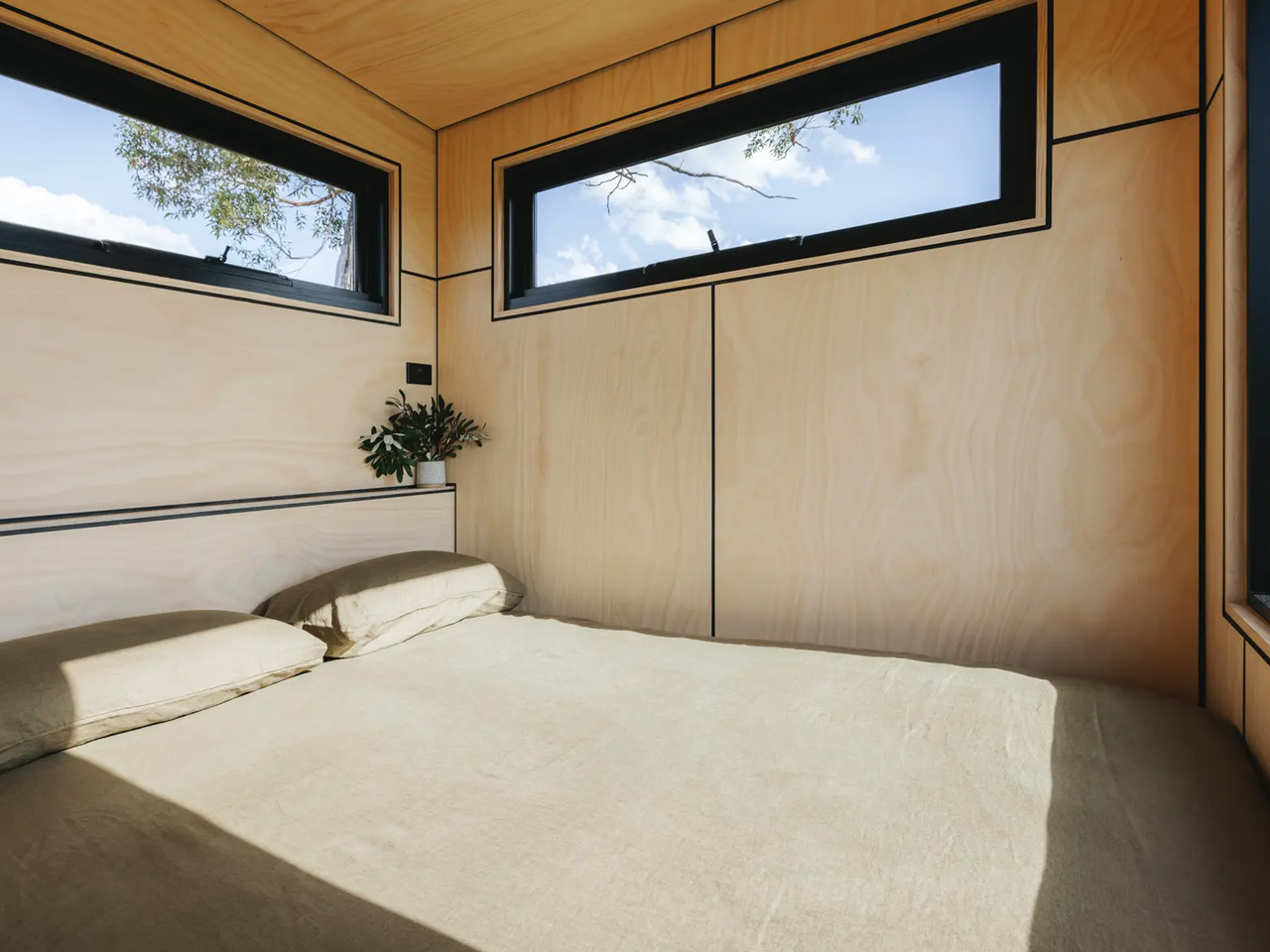
The kitchen is connected to the bedroom. As you enter the bedroom, you are welcomed by a double bed with built-in storage and generous glazing. Since the bedroom is located on the ground floor, there is plenty of headroom to stand straight, unlike typical loft-style bedrooms where residents need to bend and reach their beds.
Like other tiny homes, the Sun Valley has a lot of customization options available, such as the color of the home, the cladding, and the cabinetry. We are unaware of the price of the home, or on the availability of it. The Sun Valley home proves how you can actually do a lot with less, and represents the smart utilization of limited space. The layout of the home is simple but clever, with all the essential amenities integrated. If you’re looking for a compact and well-planned tiny home, then the Sun Valley house is the one for you.
The online marketplace Tiny House Listings recently created a new towable home which is pretty large and spacious. Called the 28′ Model Tiny, this cozy house features a light-filled interior that is great for those who hate climbing stairs into the bed every night. All the amenities are mostly arranged on one floor. The tiny home measures 8.5 meters, and it is on the smaller side for typical North American tiny home models. The tiny house is based on a triple-axle trailer and features a finishing of wood and cement board siding. It is accentuated by a steel roof.
The tiny home occupies 224 square feet and has a pretty airy and impressive layout. The interior is quite open and can be accessed via double glass doors which lead to the living room. The living area includes a sofa with integrated storage, as well as a bed. The glazing is pretty generous and offers stunning views of the surrounding landscape. It also allows light to generously stream in. The kitchen is located next to the living area, and this includes a sink, induction stove, cabinetry, and a big pantry. The kitchen also includes quartz counters, and an apartment-sized fridge/freezer, as well as a dining table for two people.
The 28′ Model Tiny Home’s kitchen and bathroom are connected via a pocket sliding door. The bathroom is pretty small and compact, and it includes a shower, a flushing toilet, and a wall-mounted sink. A loft is located above the bathroom, and this is big enough to be used as a bathroom, but since it doesn’t include any windows, it is better used as a storage space.
The 28′ Model Tiny is a well-designed and free-flowing home for those who prefer open layouts, and spaces that seem inviting and airy. It is well-equipped with generous glazing, and an ample amount of storage space. All the rooms are placed on one floor, which facilitates easy movement, and eliminates the need for stairs.
My ideal place to live in is one that is near enough to the sea that I can go to it whenever I want but still be able to live in the city and all its creature comforts. Having a river where I can also swim in and do other activities without spending hours to go there would be the next best thing. Alas, I currently don’t live in a place like that so I have to live vicariously through other people who live in cities that are blessed to be near bodies of water.
Designers: X Atelier and Atelier BAUM
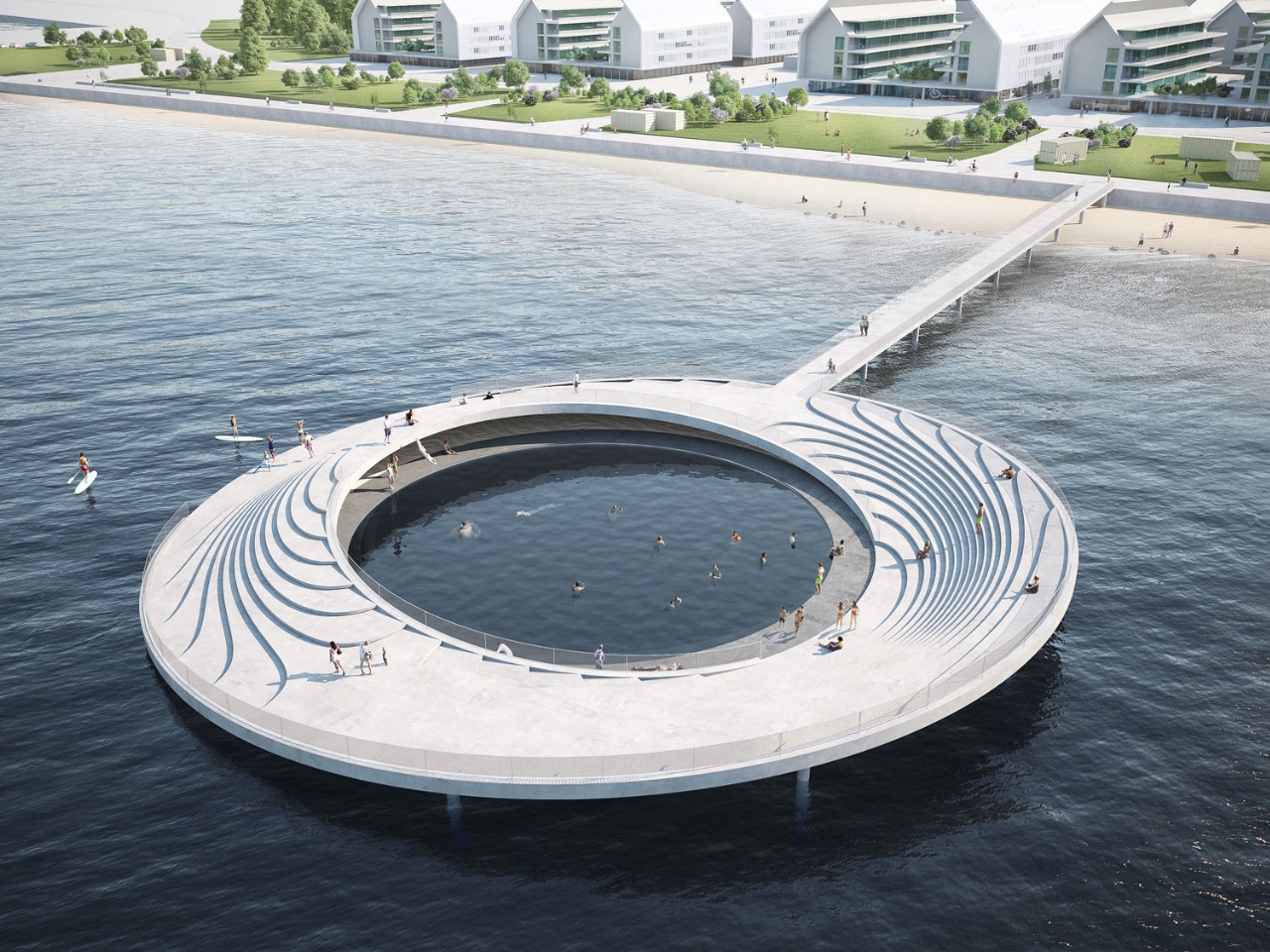
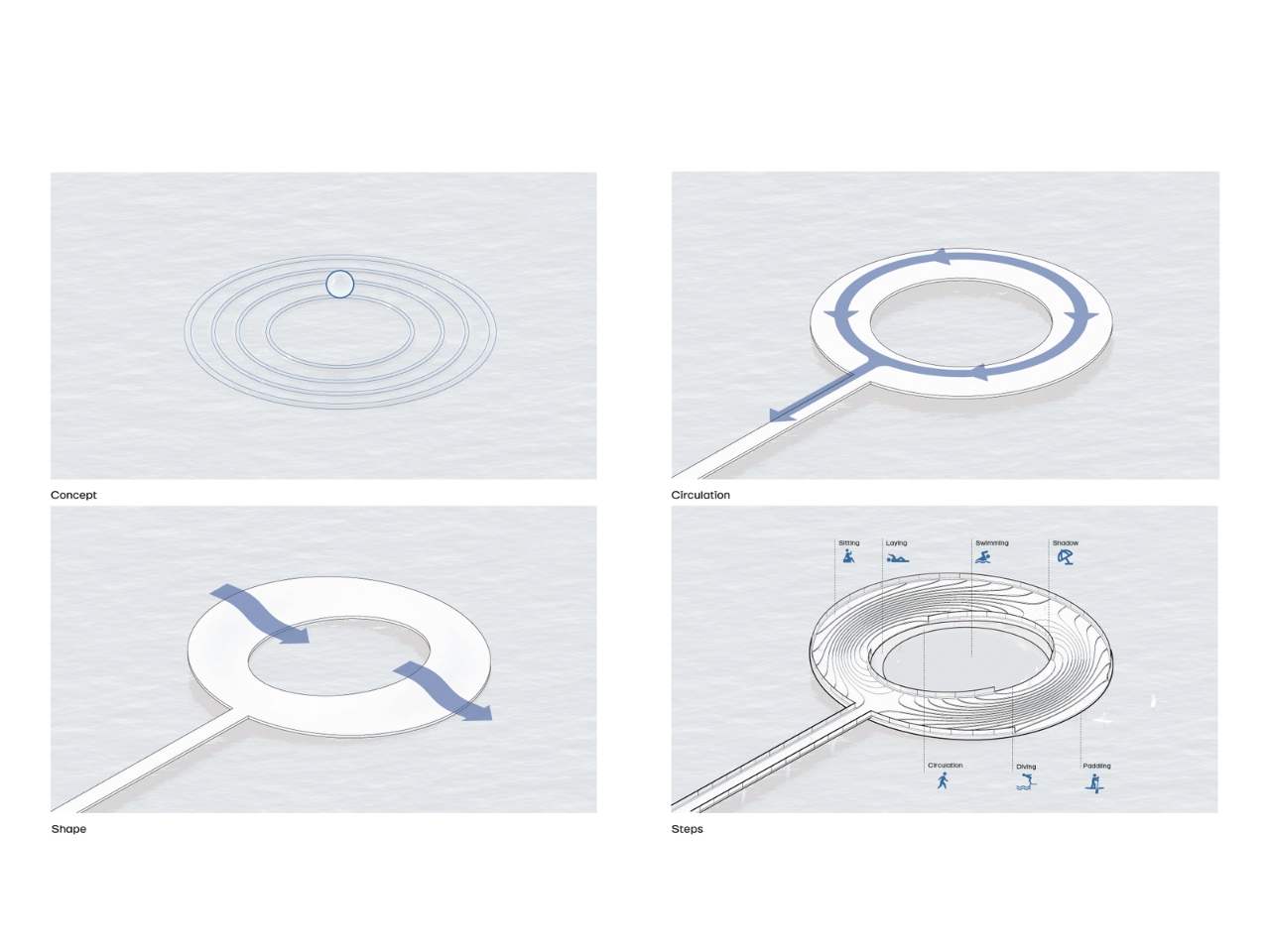
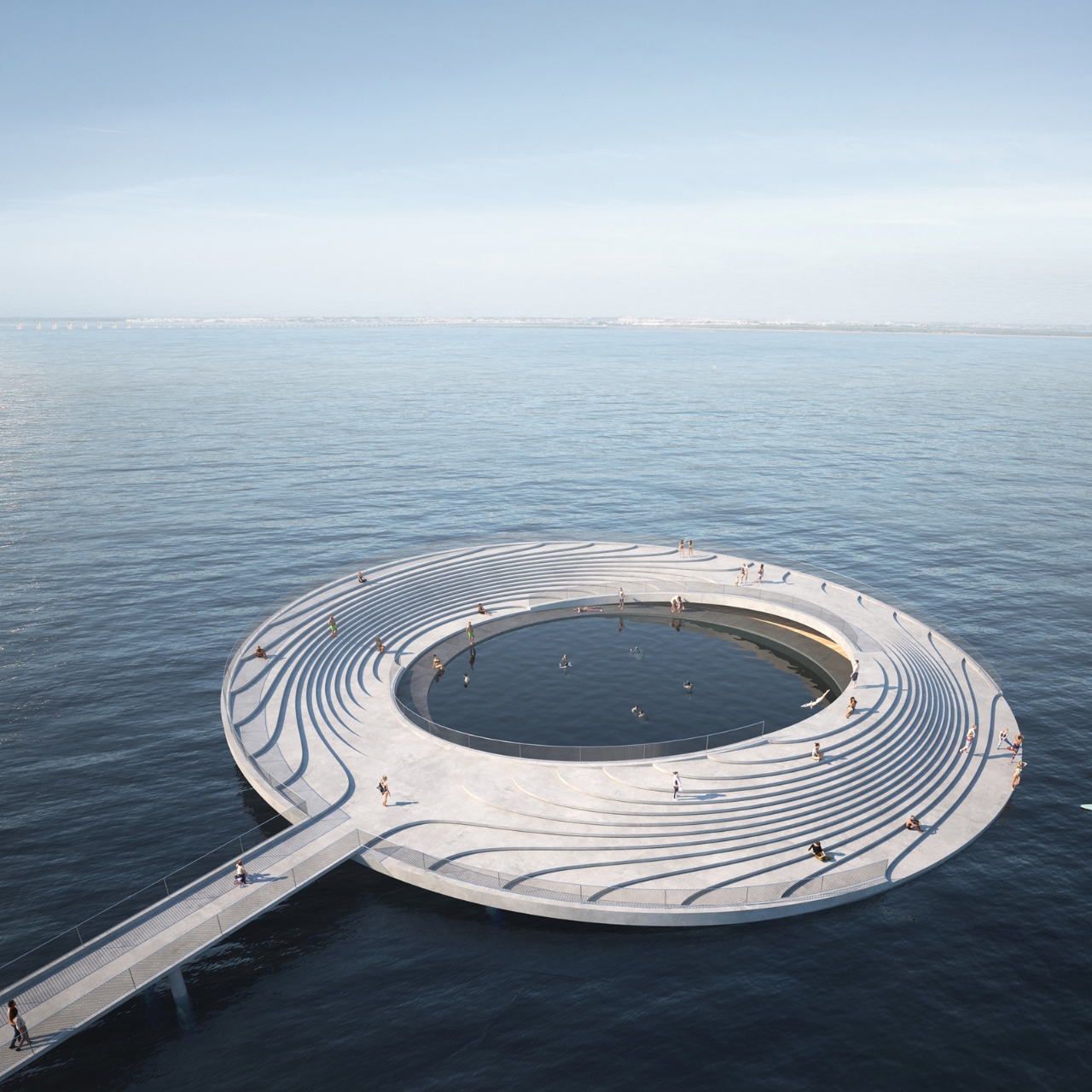
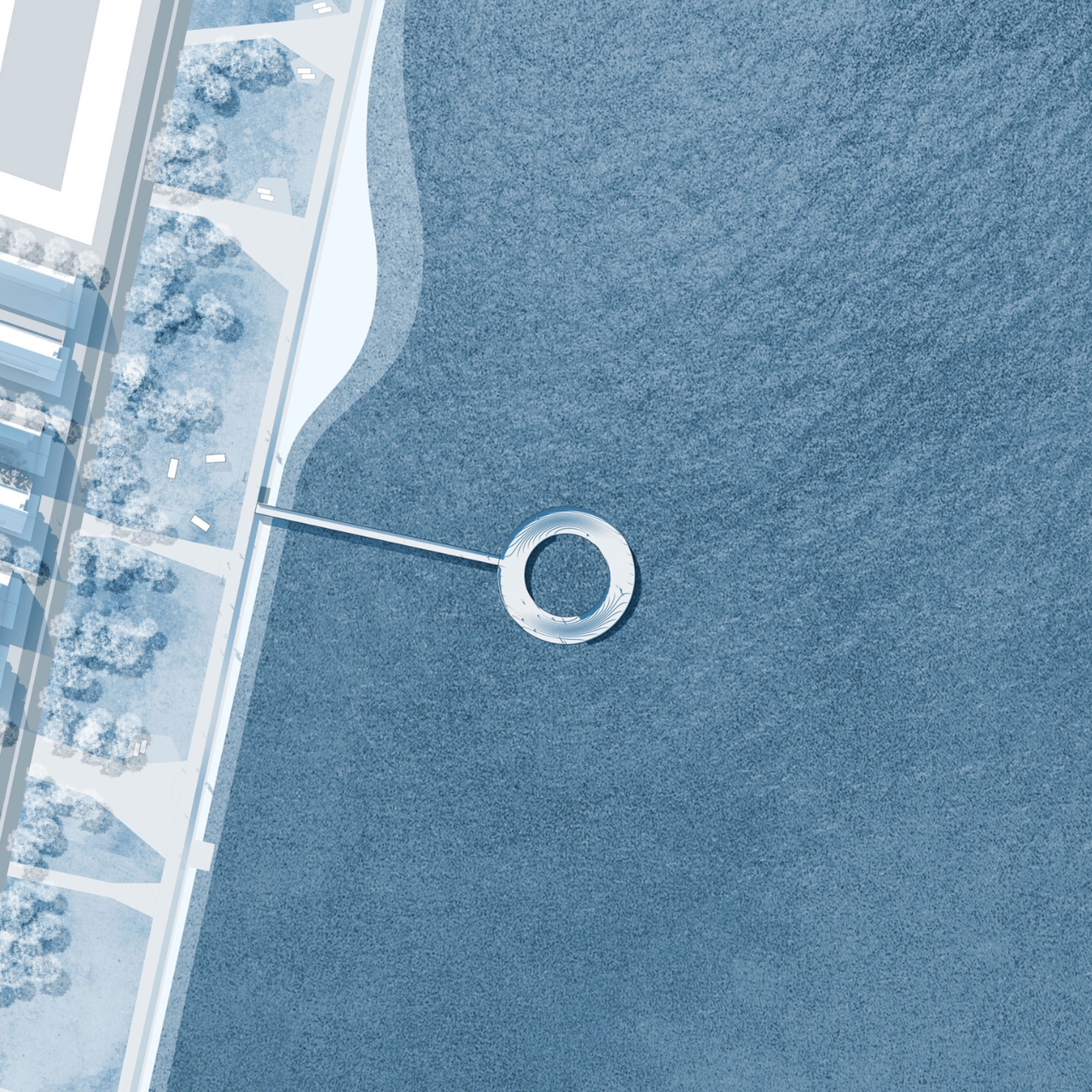
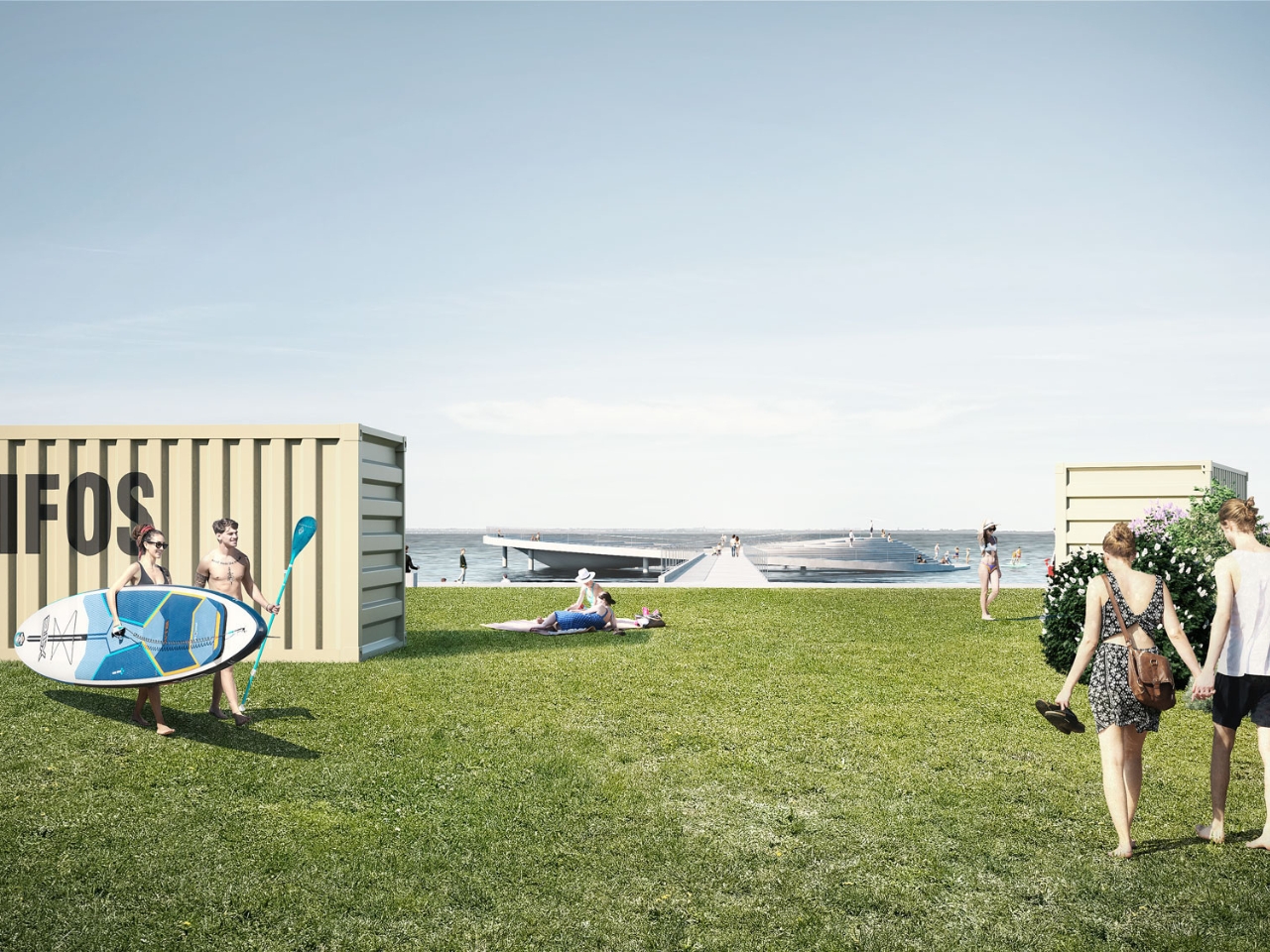
Lisbon is one such city although the nearby River Tagus is not immediately accessible to the city center. A couple of architectural firms have teamed up to propose an urban swimming pool to connect both residents and tourists to the river directly without having to travel or at least spend hours stuck in traffic jams. The Loop Pool Tejo is inspired by the movement of the water and wants to make several aquatic pursuits easier to access for whoever wants to spend a day at the river. It uses the industrial area of the Braço de Prata pontoon as the link from the city to the river.
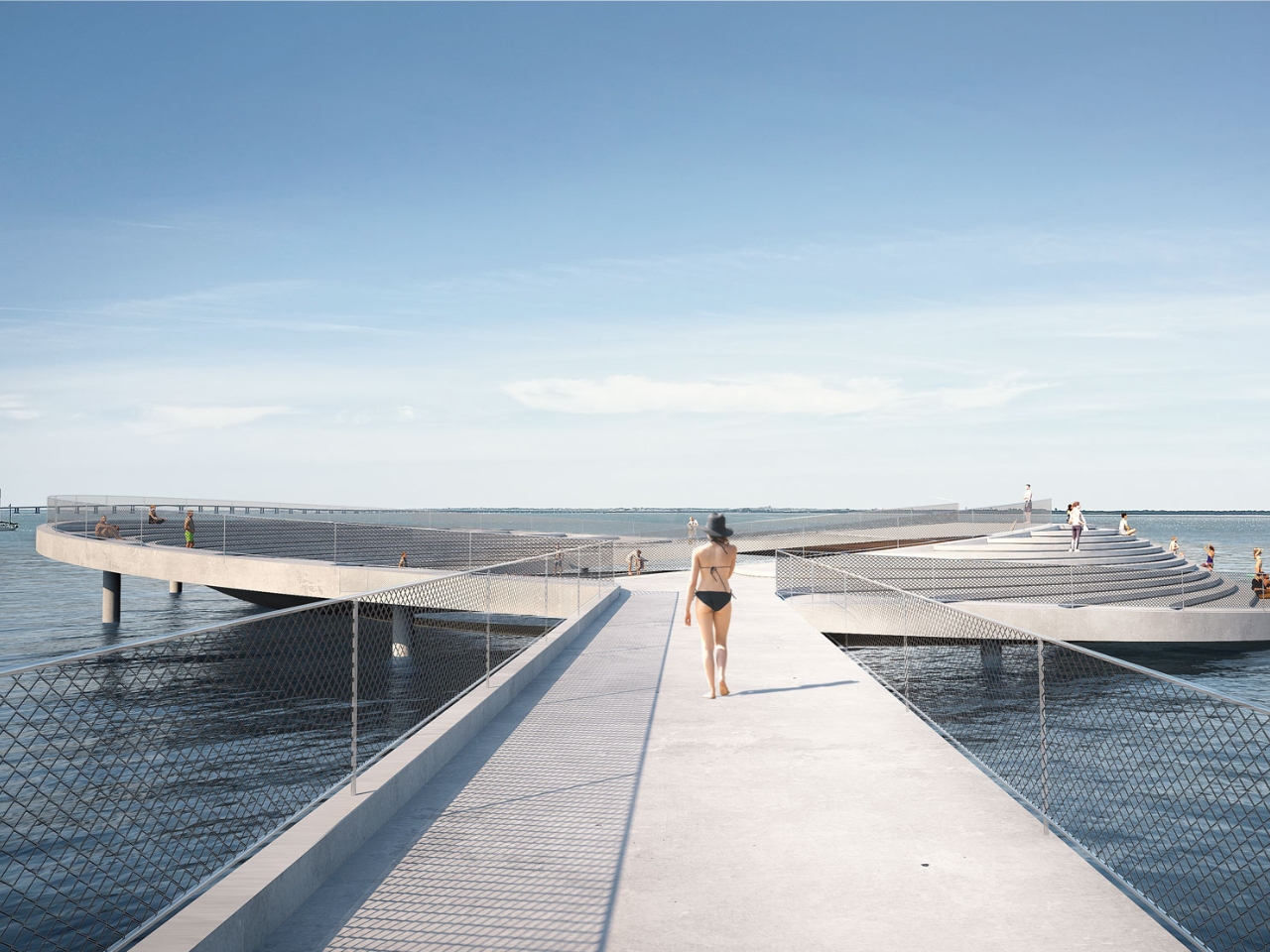
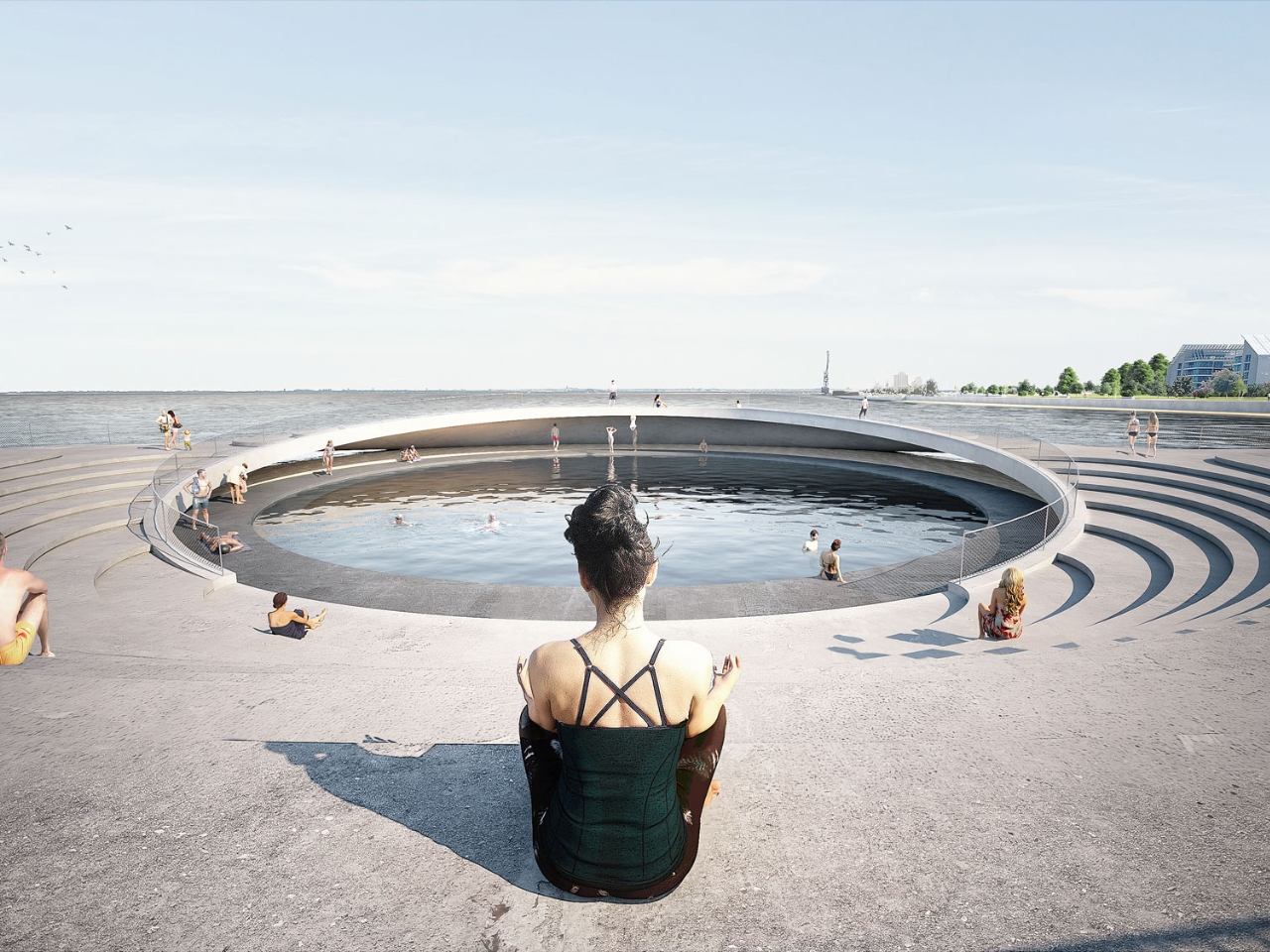
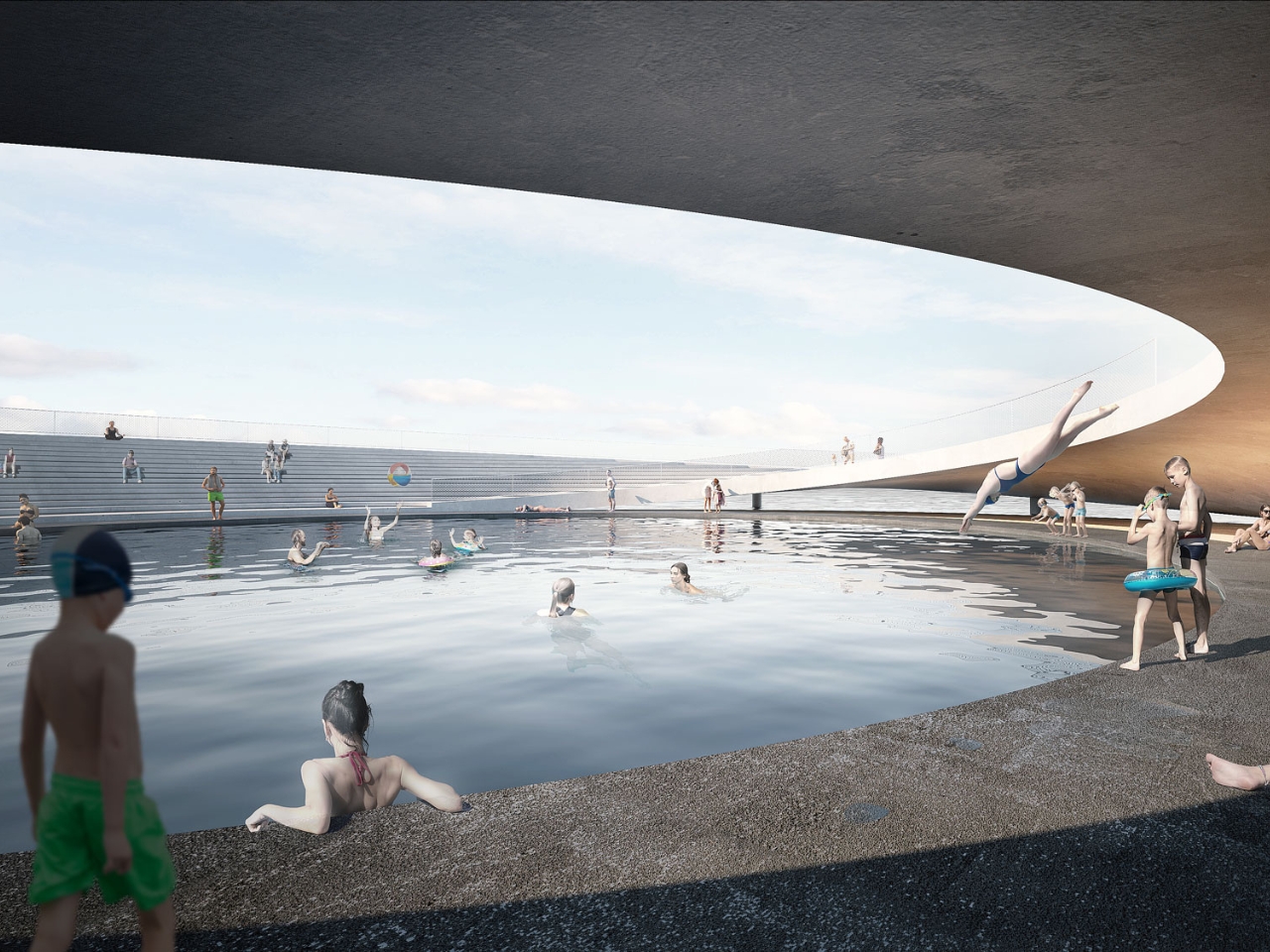
From the pontoon, you get a walkway to the circular center in the midst of the river which actually draws the circulation flow around it. There is a solarium and amphitheater facing the west and to the south, there is a second slope where people can sit and rest if they get tired from swimming. It’s also the entry point to other activities like paddling and rowing. The west wing also has a diving jump point into the tank in the middle while underneath the water level there is a shaded rest area for those who want to escape the sun.
If you just want to sit on the amphitheater, you’ll get a view of a rippling water drop and the steps around it create a looping effect. It’s a pretty interesting structure to place in the city and in the middle of the river and can also be inspiration for other cities that also have a nearby body of water that can be used for recreation.
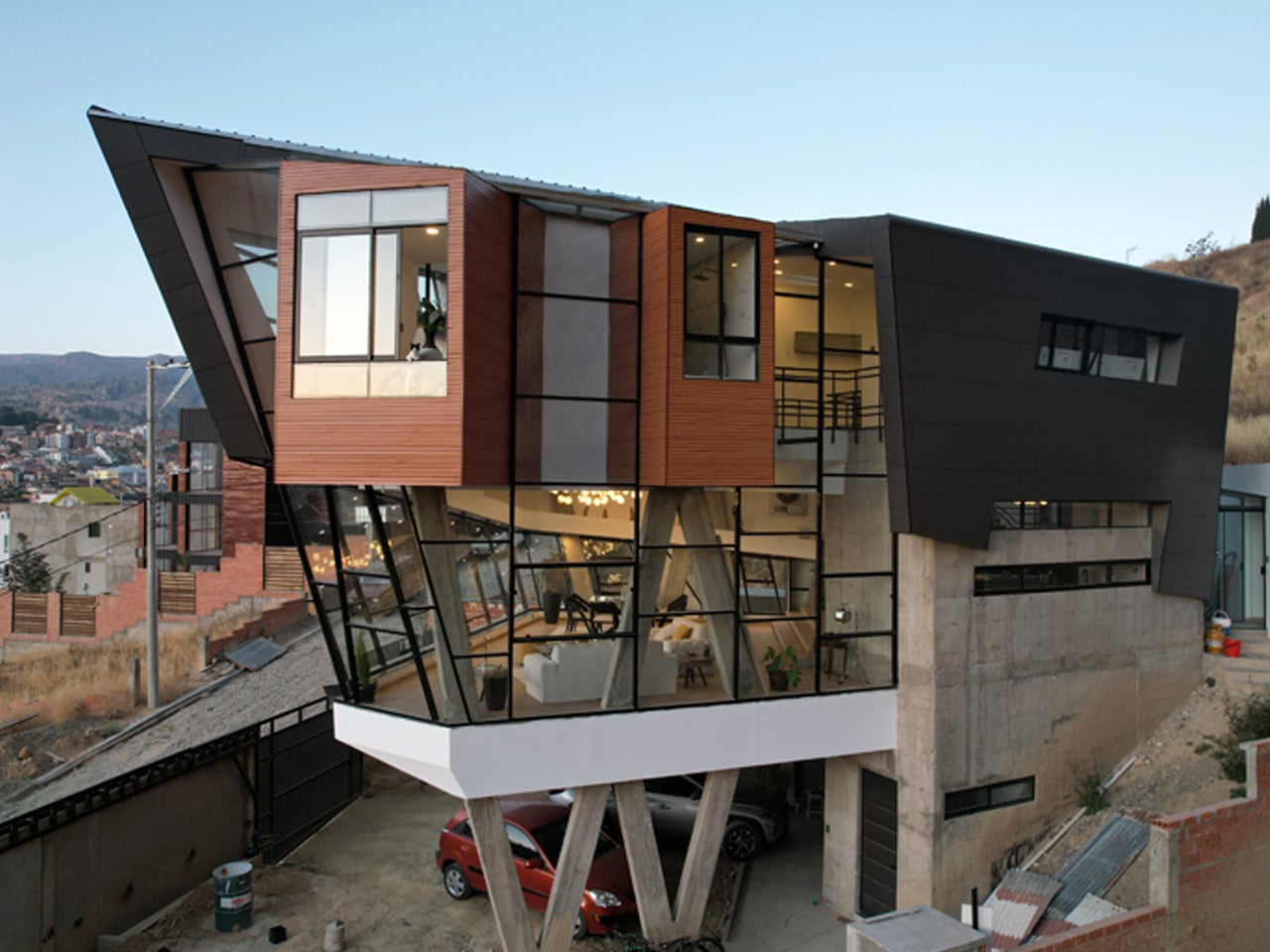
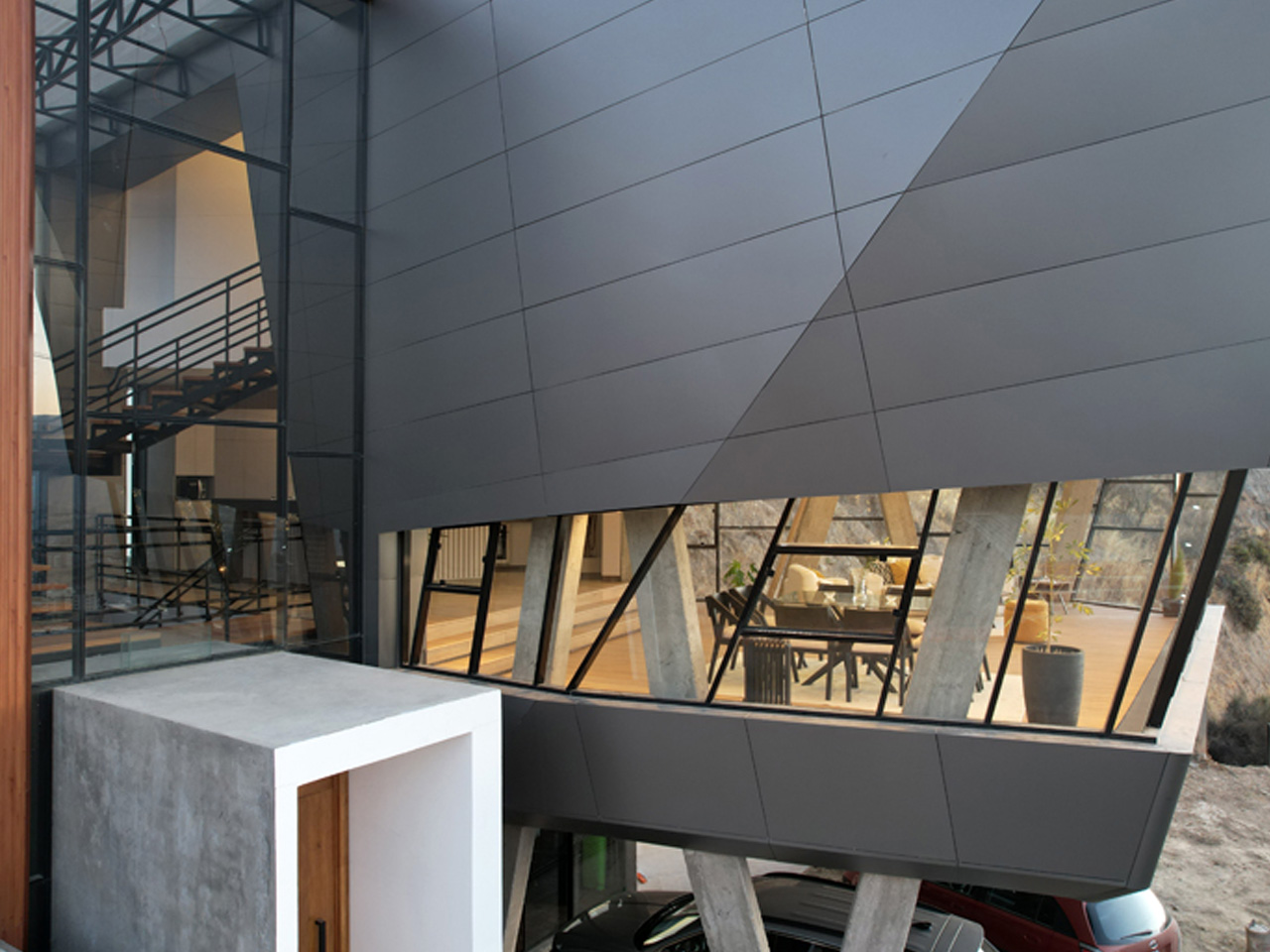
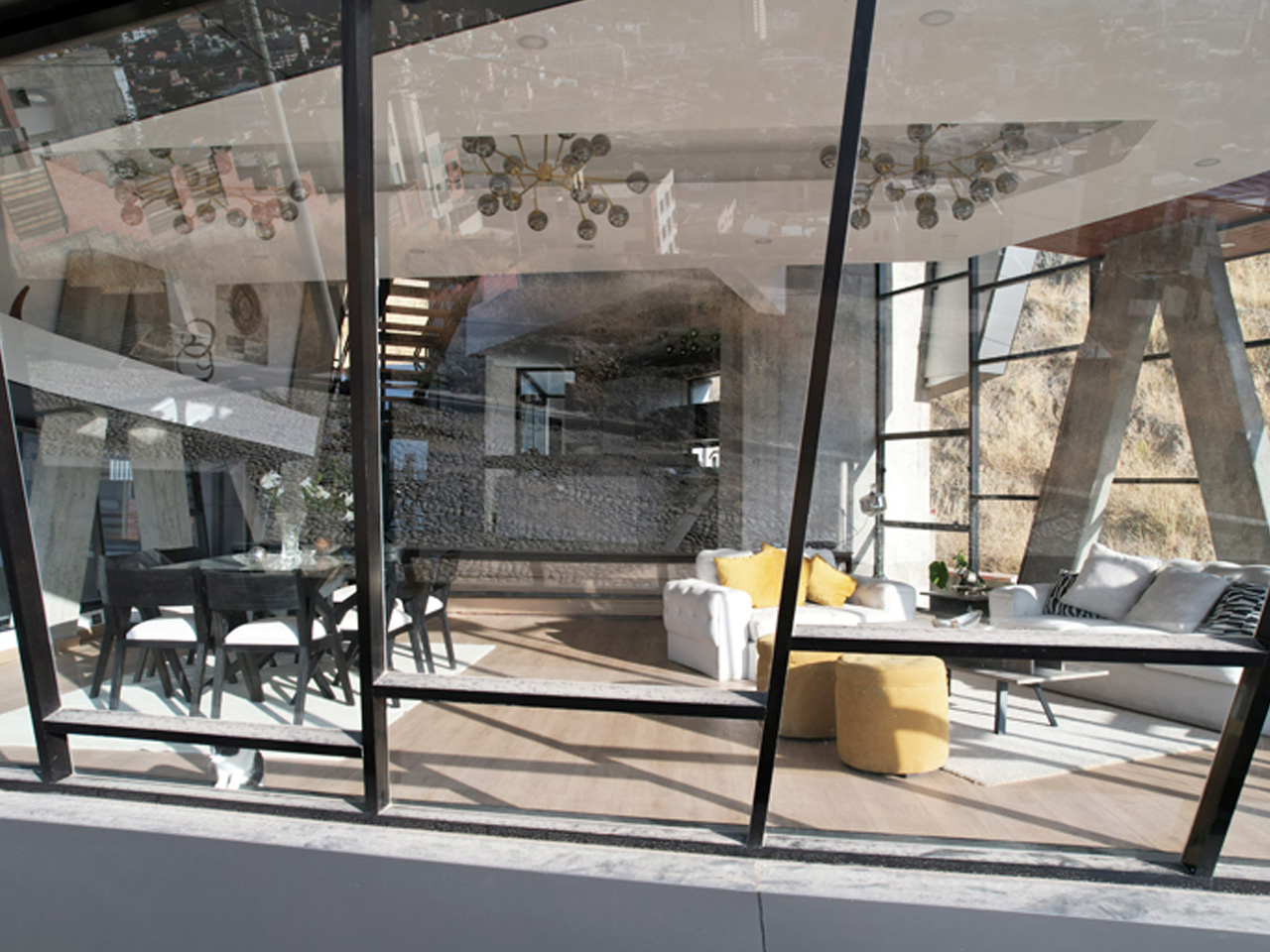
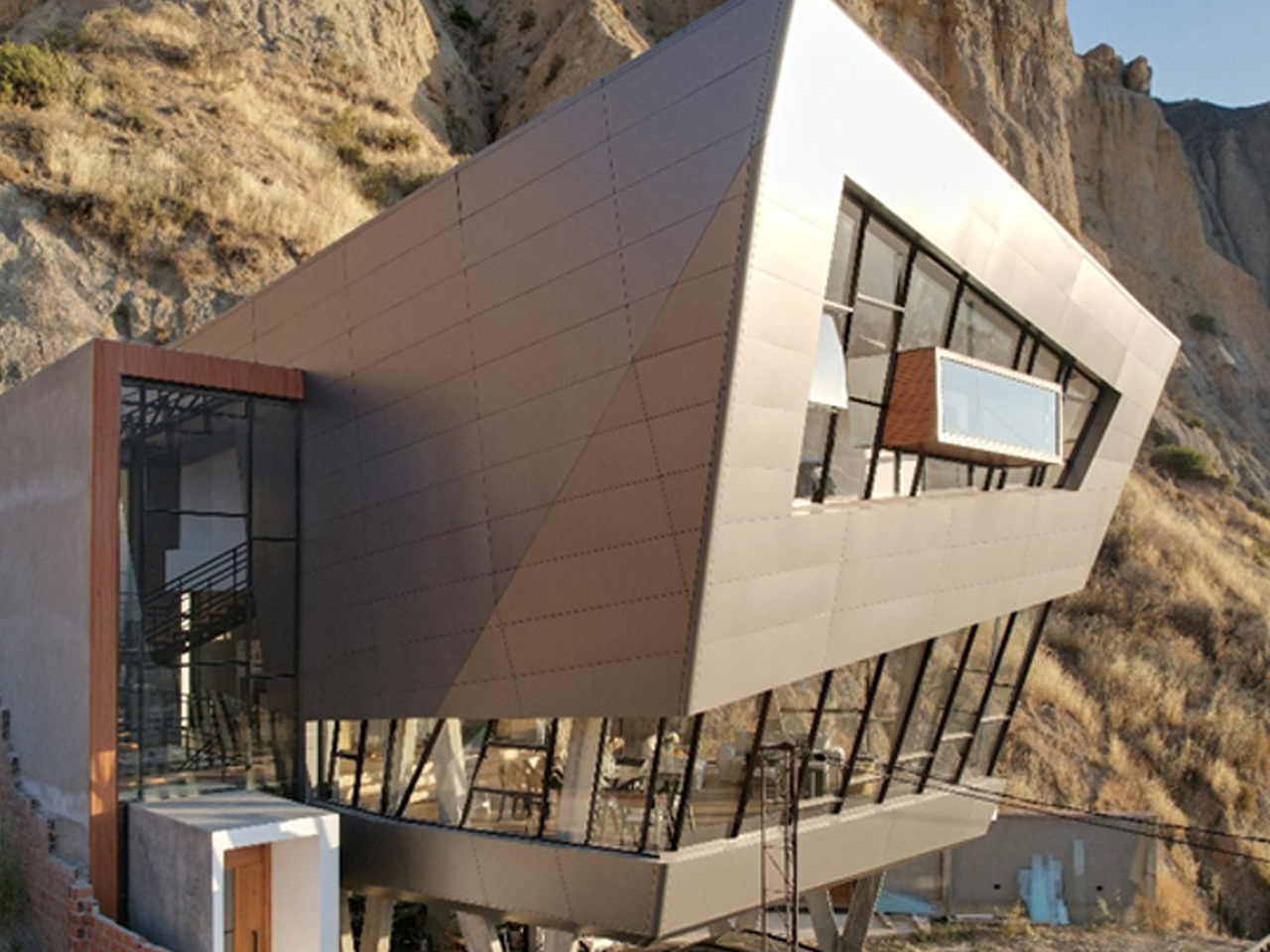
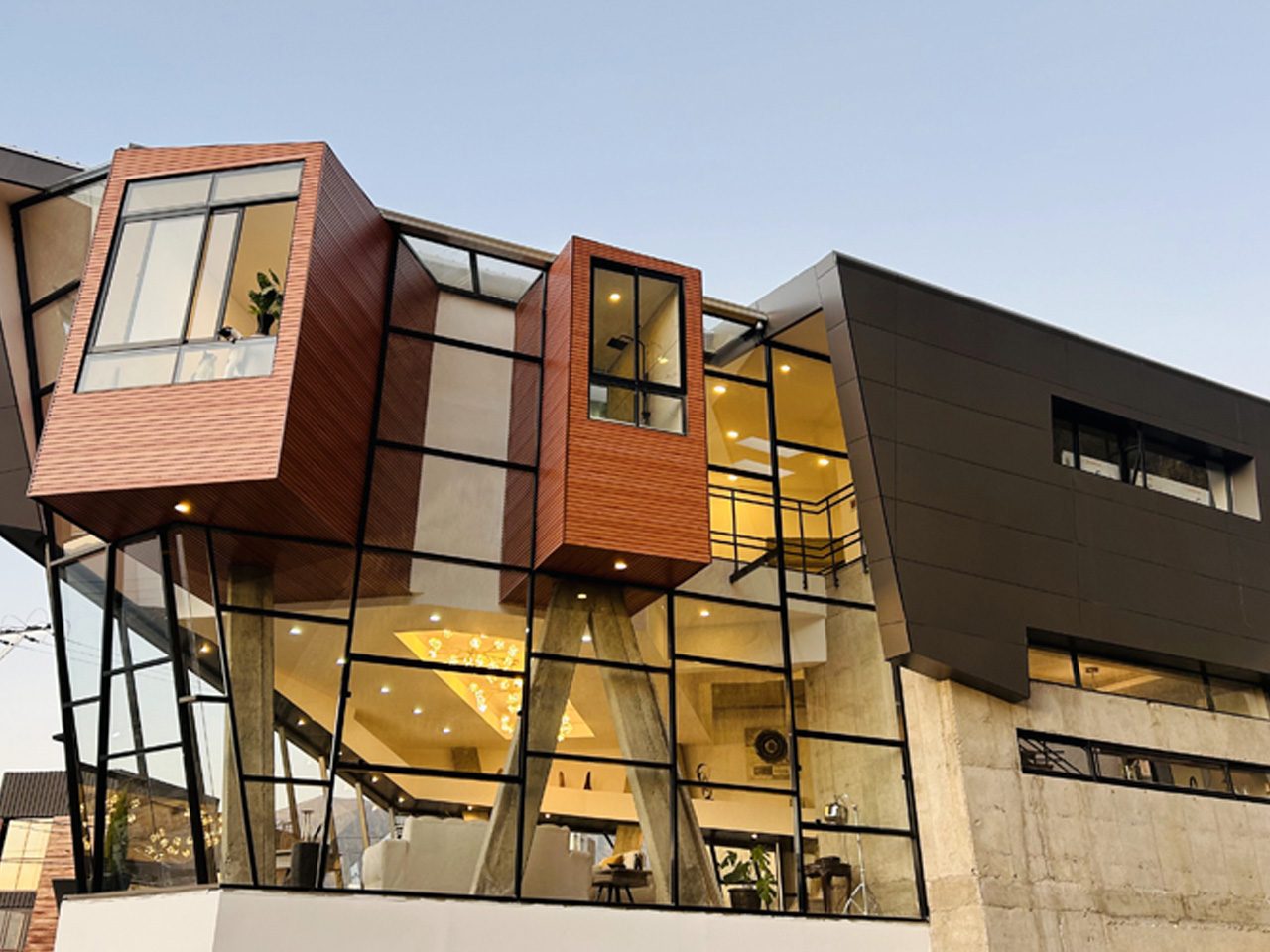
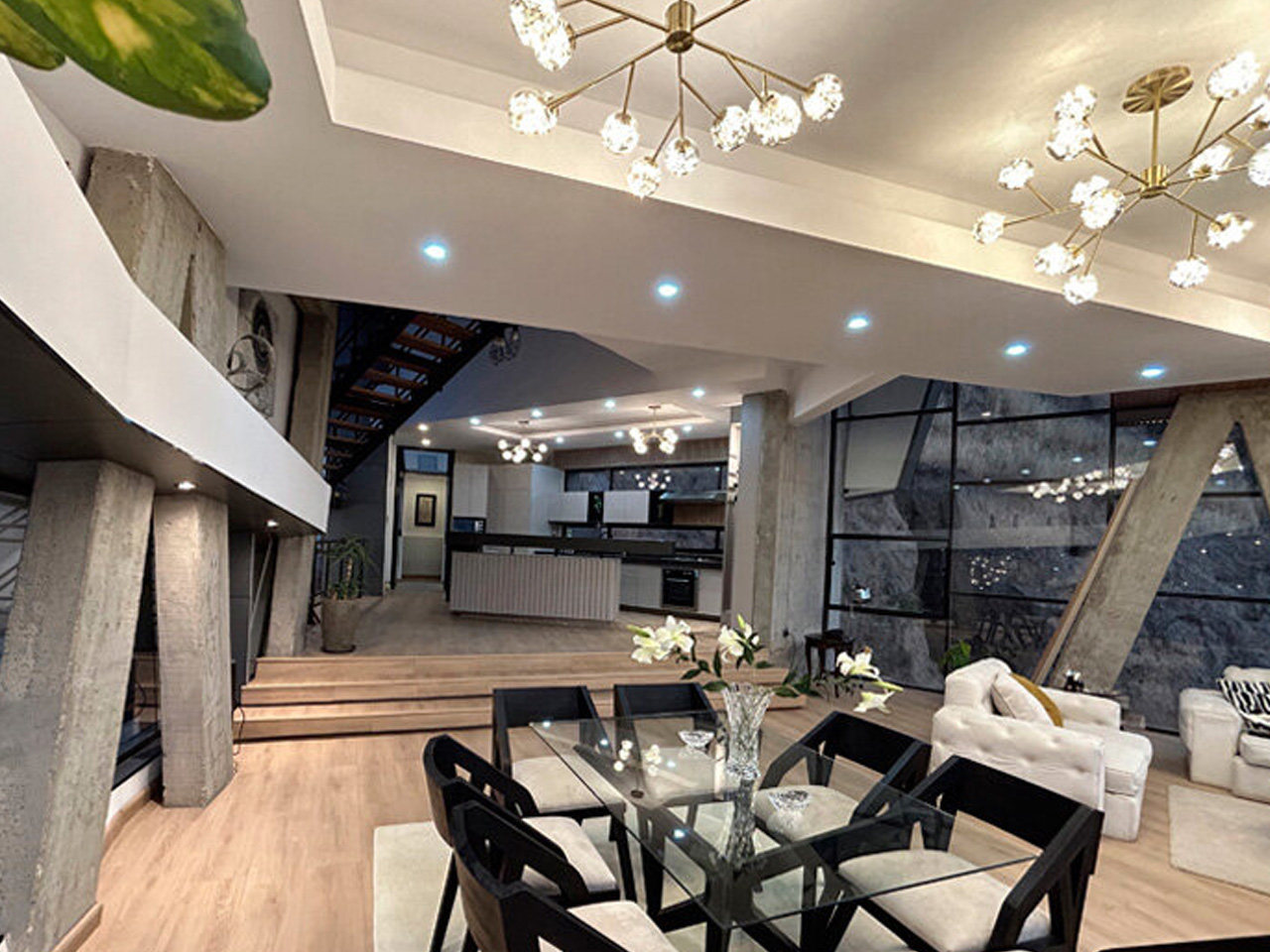
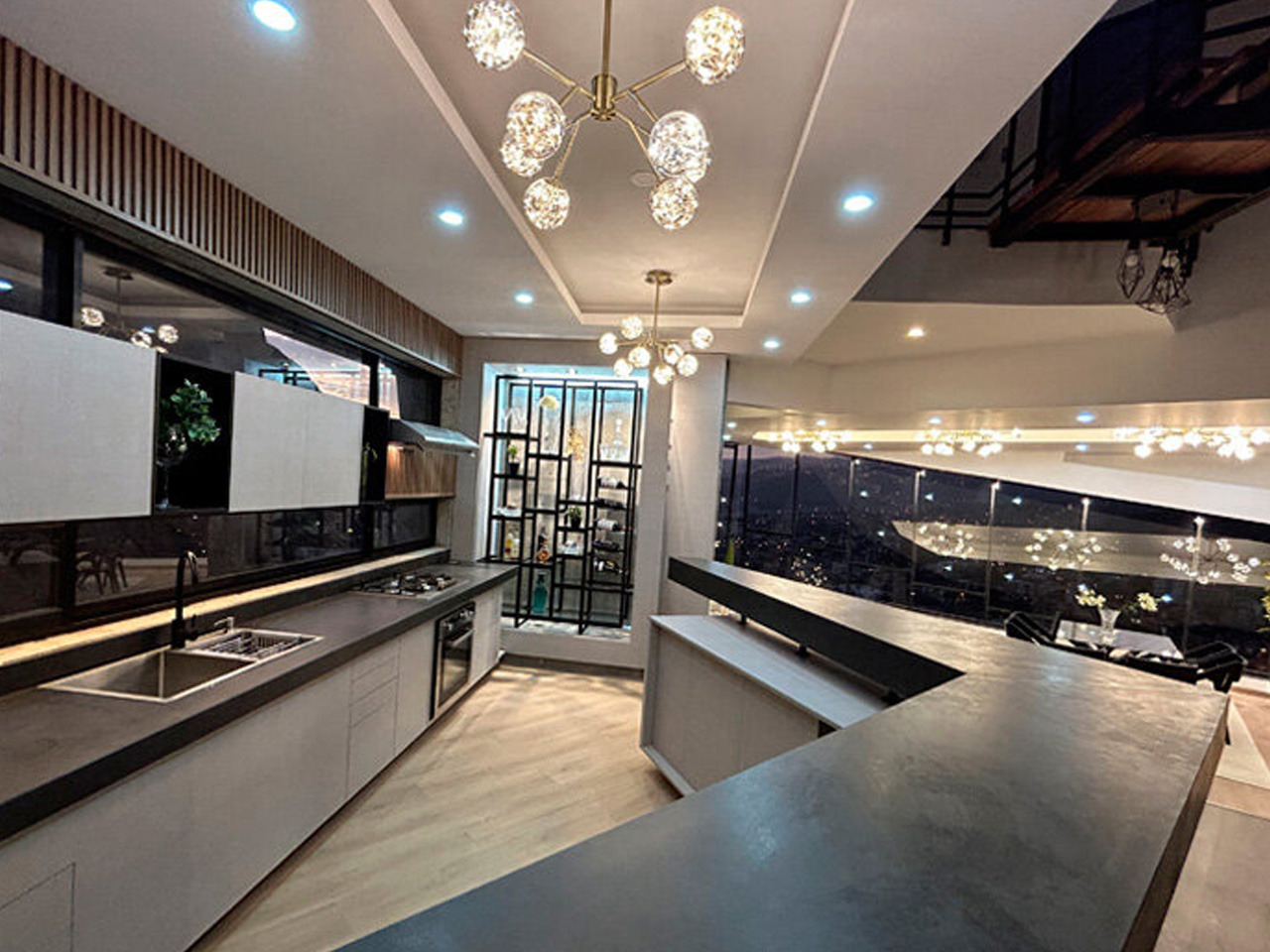
Designed by Alejandro Vazquez, the Levitae House is perched on a mountain, and creates the impression of levitation through its large and imposing volumes. The home is made using contemporary materials, and it exhibits an impressive level of complexity and detailing. The house seems to float in the air, while simultaneously tapering into slim columns that seem to harmoniously integrate with the natural topography.
Designer: Alejandro Vazquez
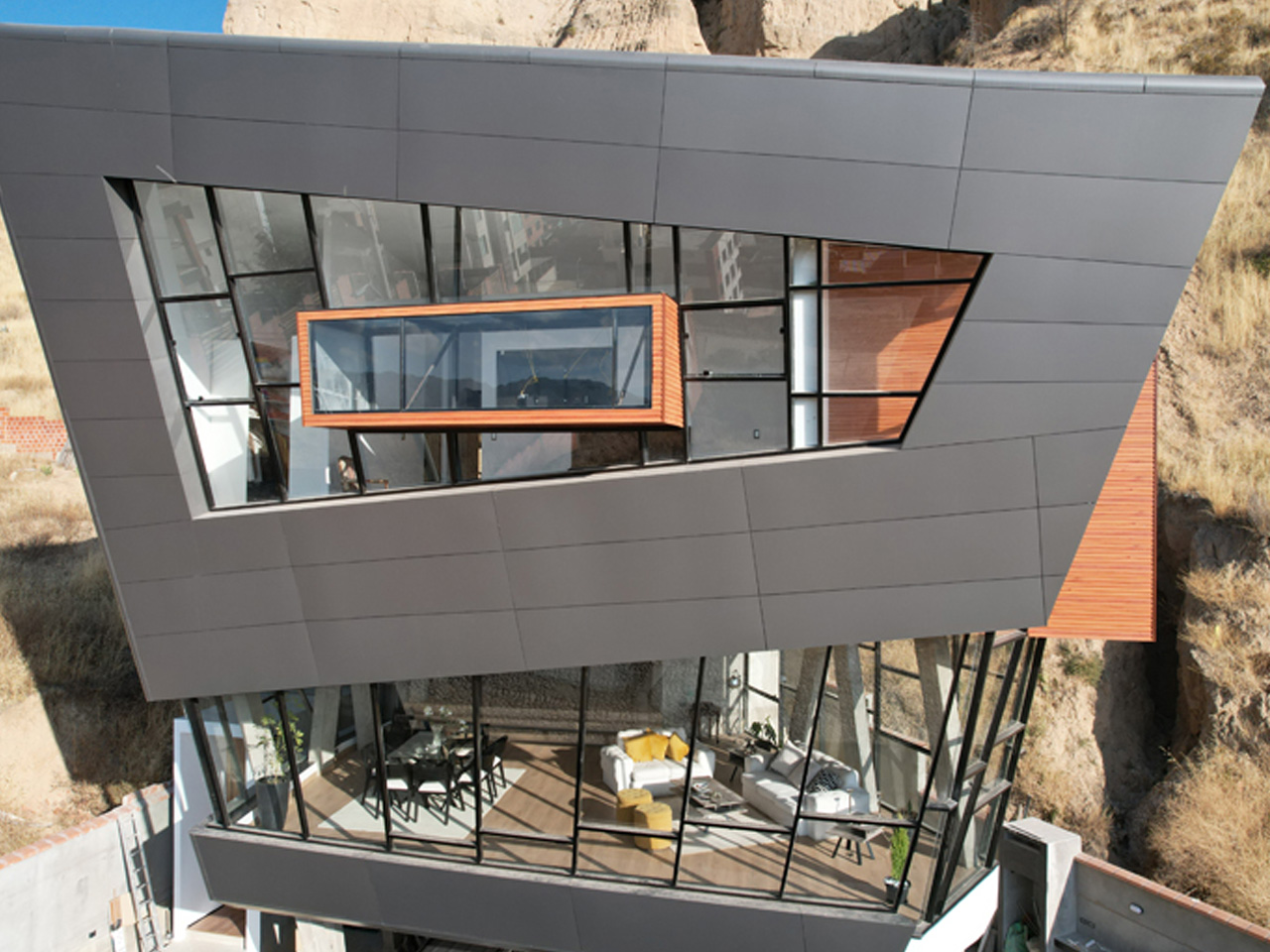
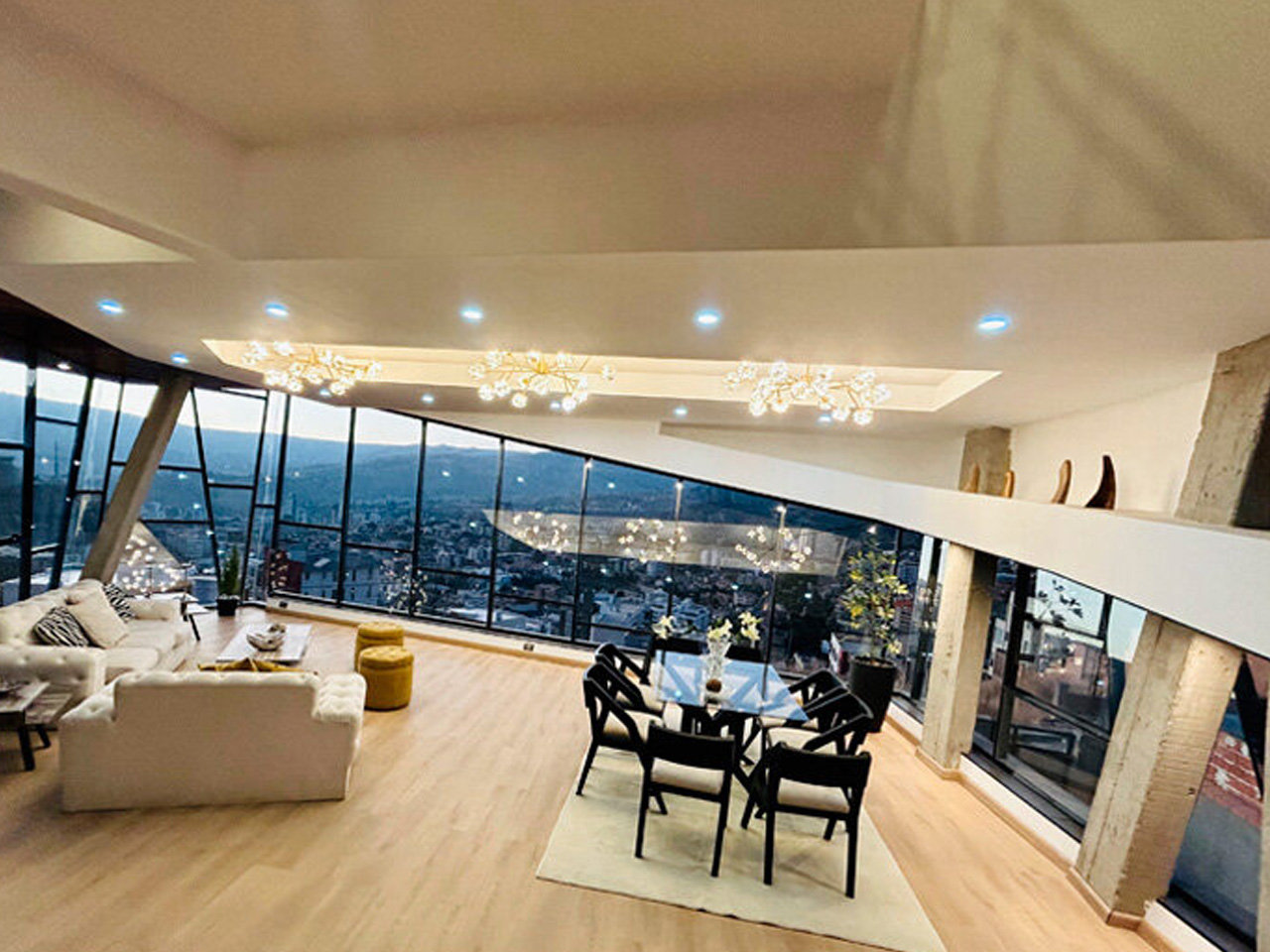
The Levitae House is located on the southern slope of La Paz, Mexico, and it faces the north, which allows sunlight to stream in throughout the day while ensuring it doesn’t get too hot either. The design of the home ensures there is constant access to the lovely views of the city, while certain spaces have been oriented to ensure more panoramic views. As you look at the external structure of the home, you will be quite impressed, as it showcases a certain uniqueness and complexity of character that we do not easily witness in modern architecture.
The architectural style of the home is called Neo Deconstructivist, and it is highlighted by an innovative structural system, and a detailed morphology. The Levitae House is built for a couple with cats, and it is equipped with a garden, music studio, barbecue area, parking space for two vehicles, and green spaces both inside and outside the home. It is also integrated with double and triple-height spaces, which offer an air of openness and spaciousness to the home.
The Levitae House occupies around 340 square meters, and building the home was no easy task. Local engineers in La Paz didn’t have much experience with inclined columns and massive cantilevers, and the standard labor construction practices also deepened the issues. Hence, the designers needed to be thoroughly present during the construction process to ensure the proper steps and care were taken. The complex nature of the materials and the structural components of the project needed proper attention.
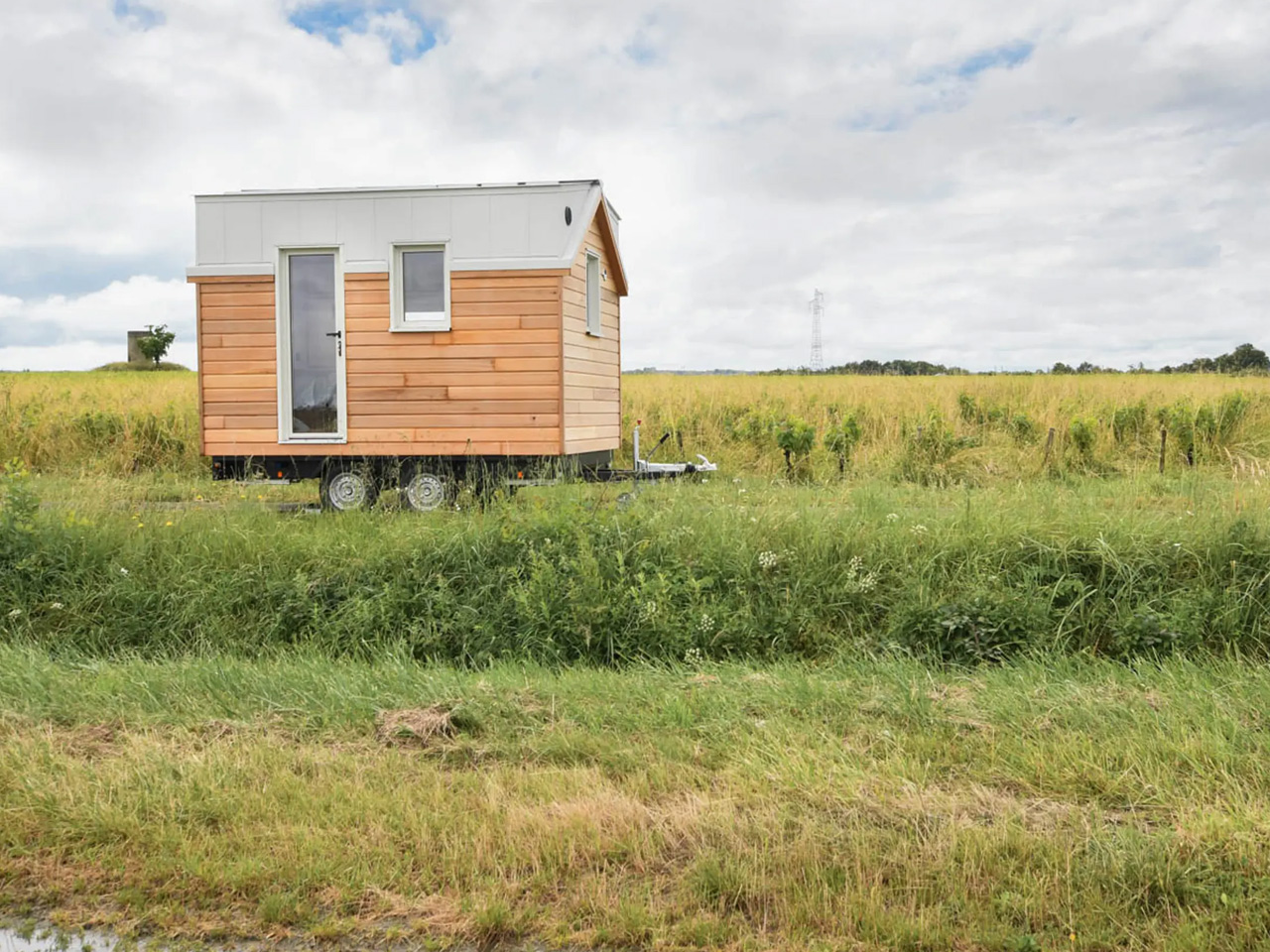
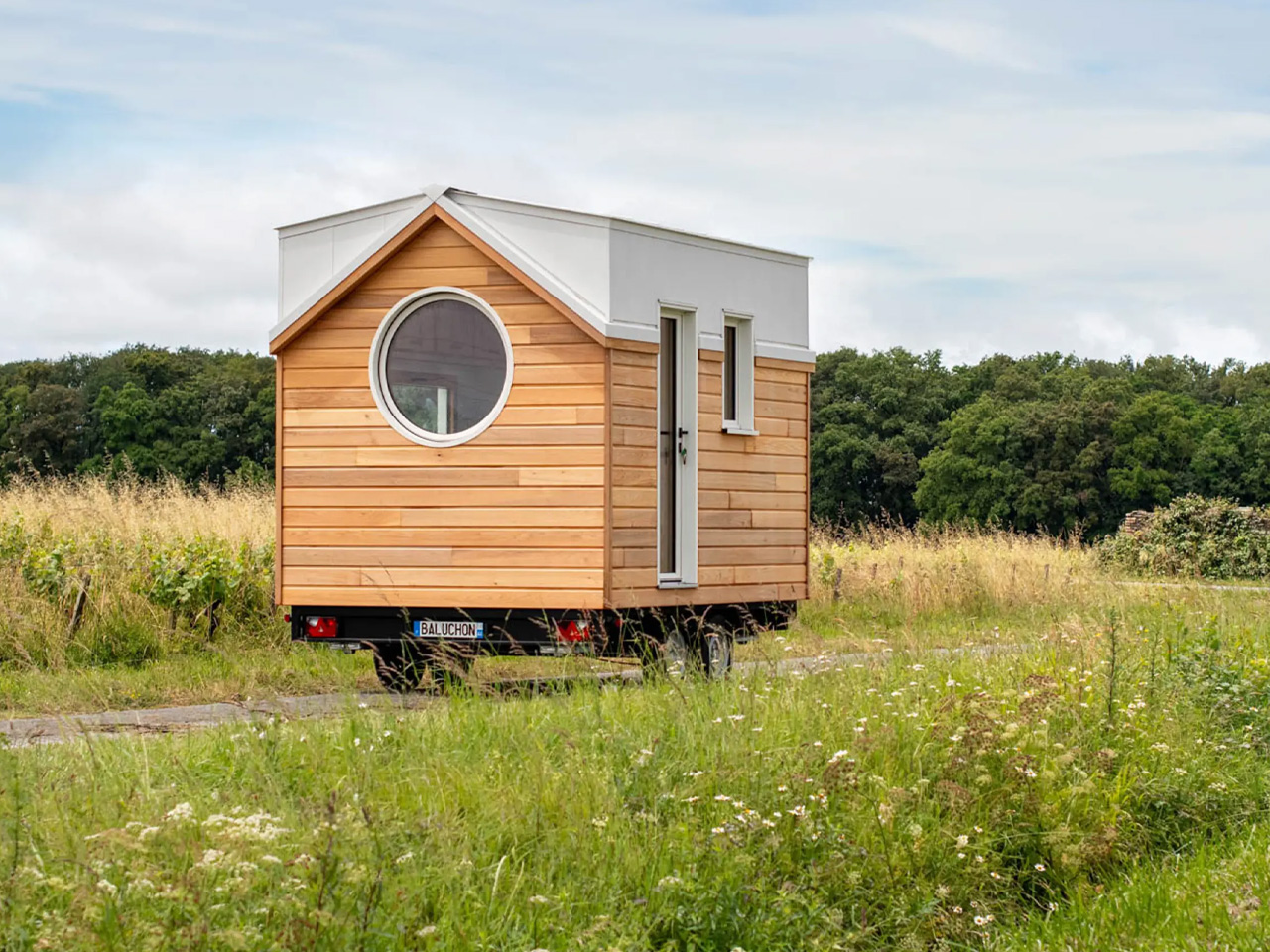
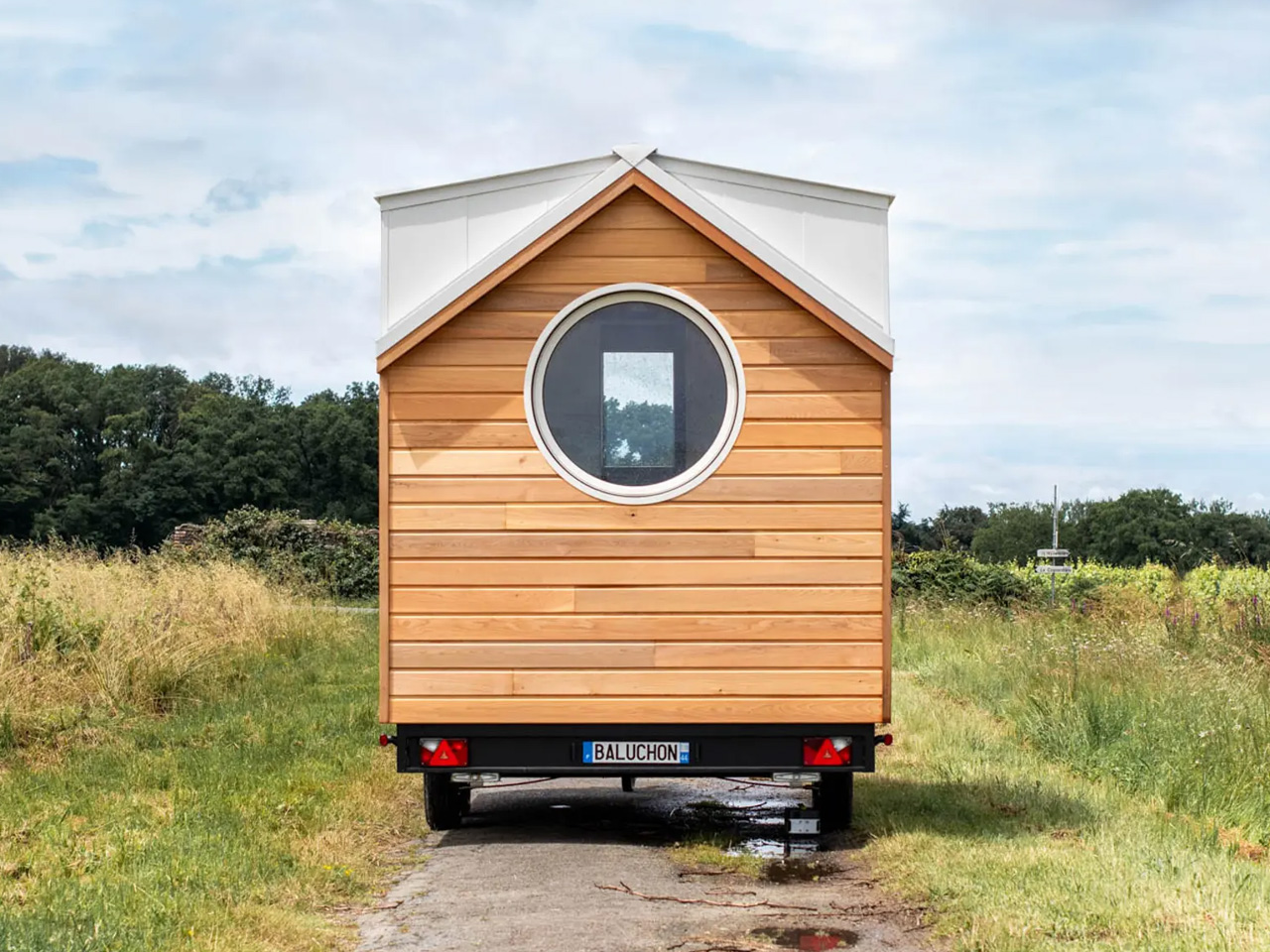
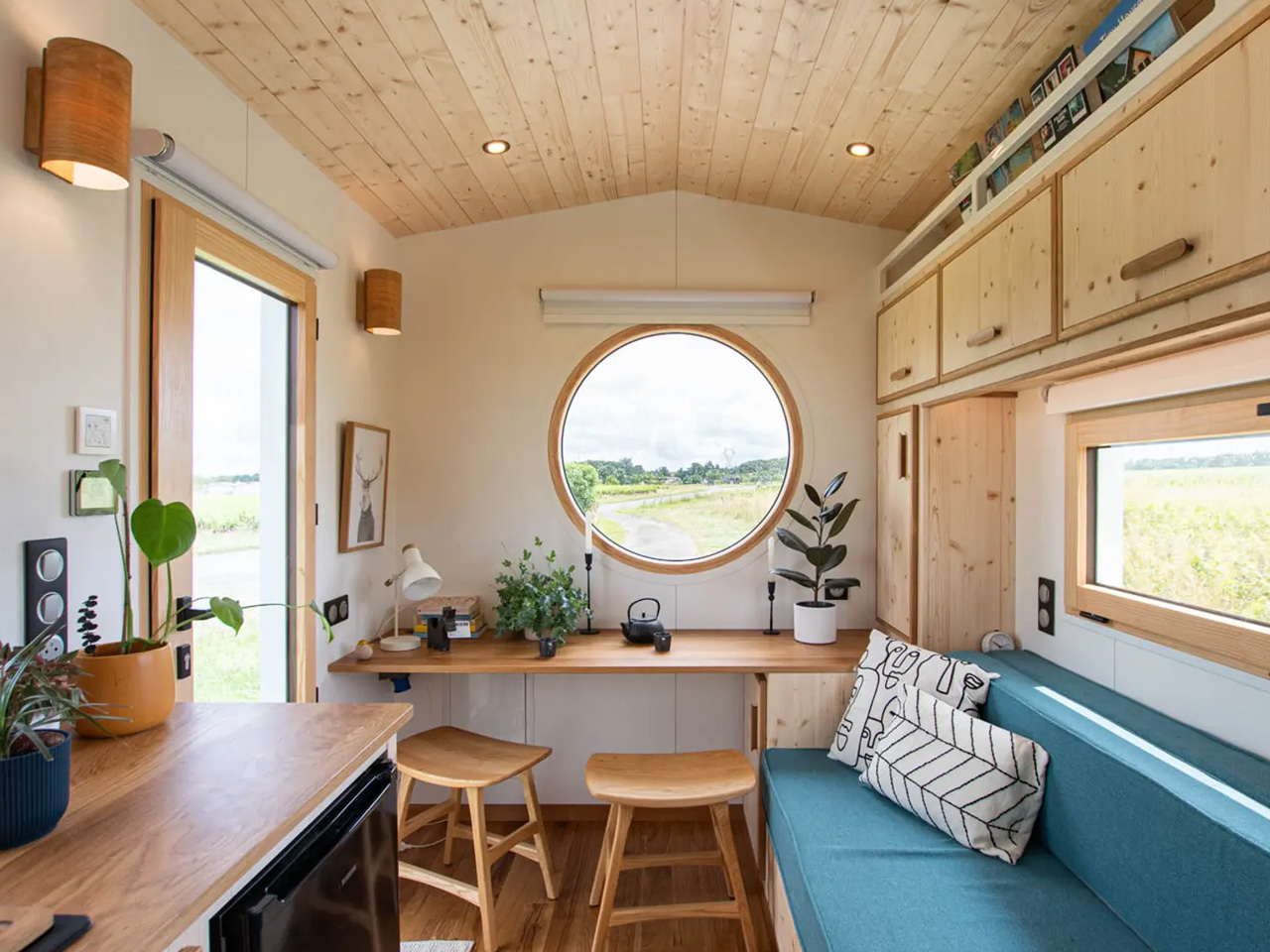
Designed by France’s Baluchon, the Nano Suisse is really one of the tiniest tiny homes we’ve ever seen. It may be super small, but it is still functional and practical enough to live in. It measures 3.5 m in length, and features a clever space-saving layout that can accommodate two people, and also house a home office. Typical Baluchon homes are twice the size of Nano Suisse, so it is quite small, although it is described as the “big sister” to Baluchon’s Nano home. However, the size difference isn’t much at all, since the Nano Suisse features an increased length of 7.8 inches. However, Suisse’s interior is pretty different and has plenty of storage options.
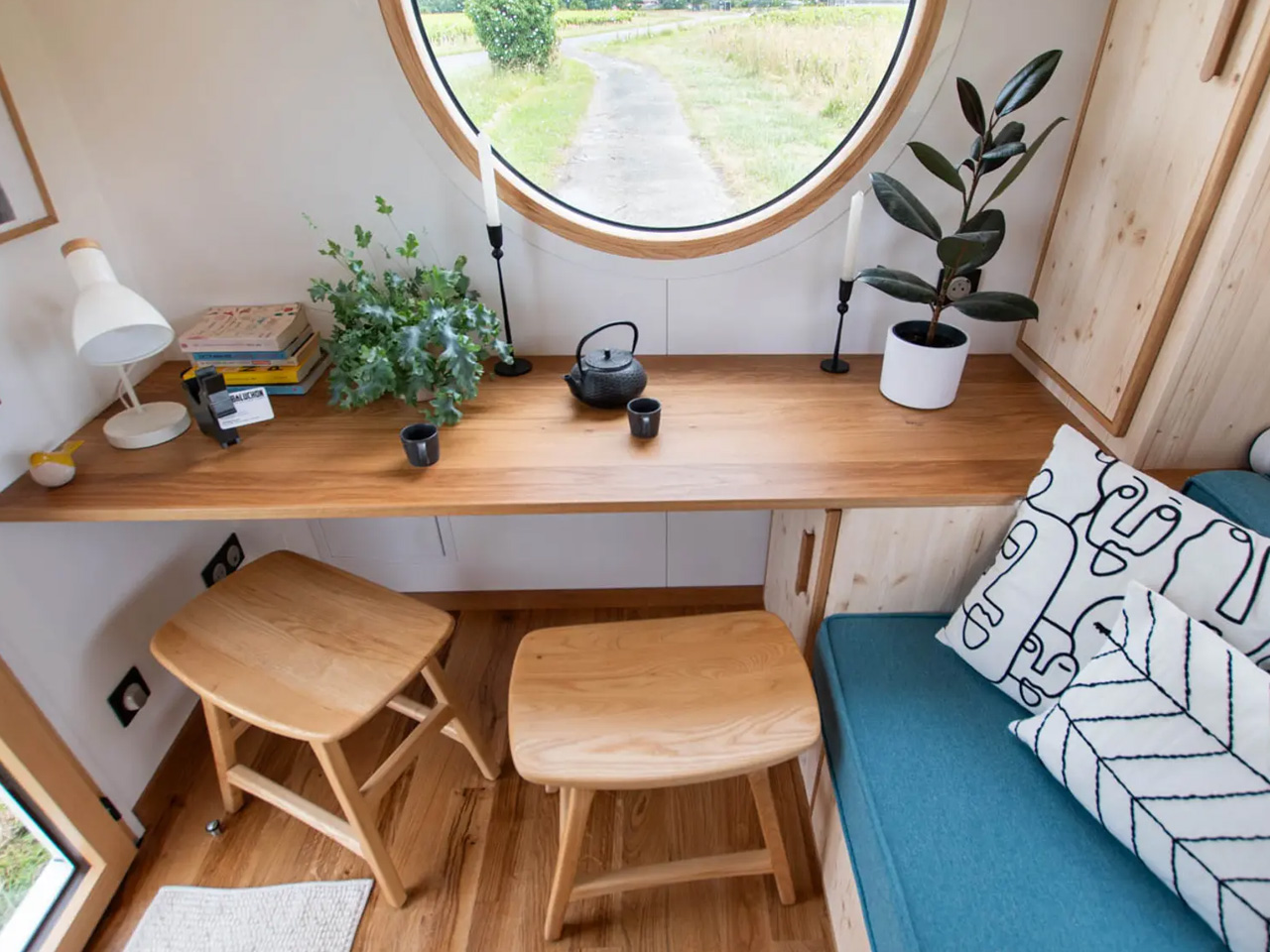
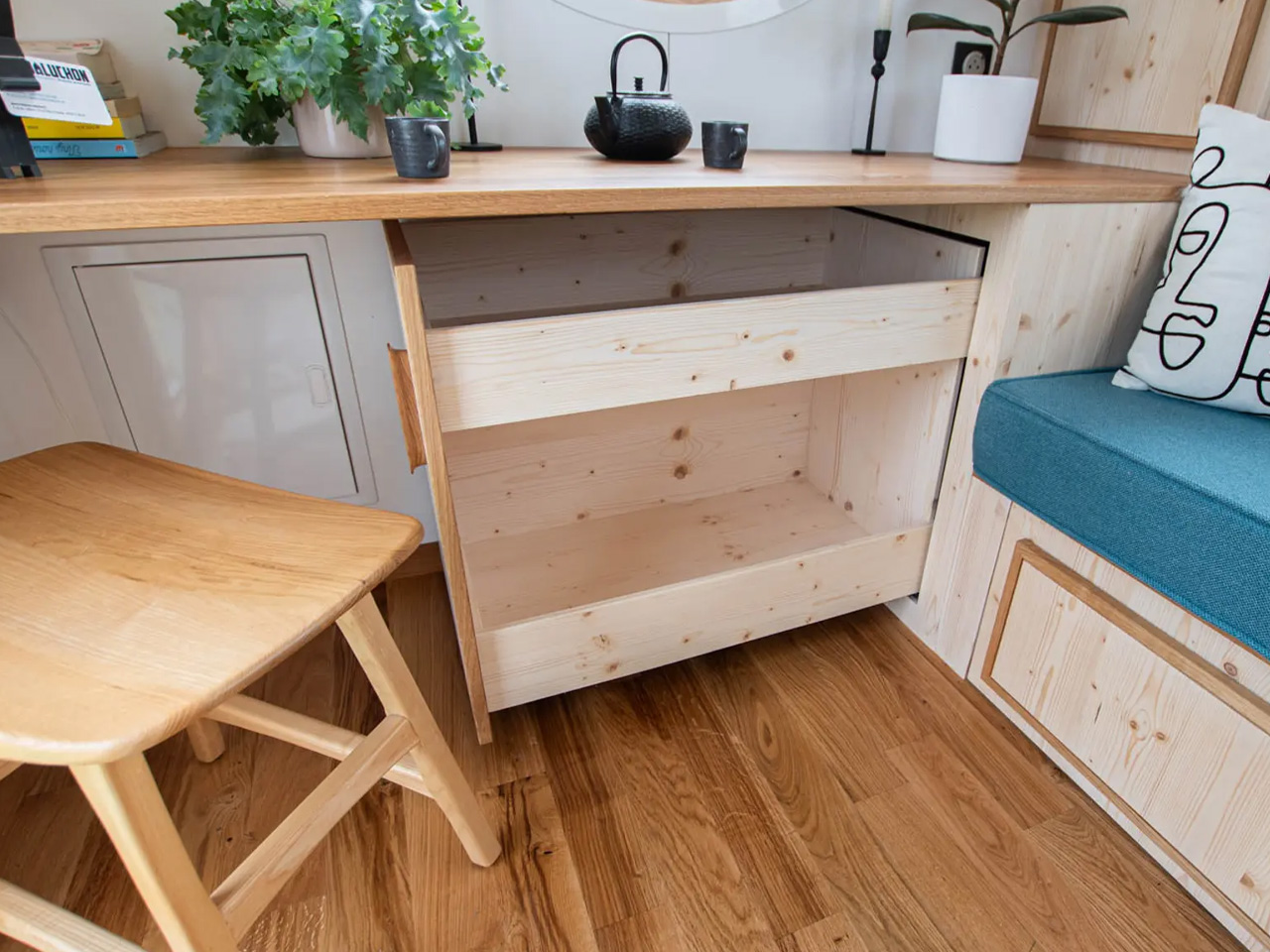
Founded on a double-axle trailer, the Nano Suisse features red cedar cladding amped with aluminum accenting. As you enter the home, you are welcomed by a home office area, which also serves as a dining area. It contains seating for two people, a big porthole-style window, and plenty of storage. The storage is pretty commendable when you consider the size of the tiny house. The space also includes a sofa bed, which can be used in the main living space and bedroom. This section includes more storage as well.
Although, you must take into consideration that the kitchen is quite small. It is basic – equipped with a fridge, sink and some storage. It also contains a portable stove, but besides that, it doesnt have any other amenities. This could be considered bare for some people, so the home is only suitable for short stays, or for people who are okay with a very simple life.
The bathroom is the only separate room in the tiny home, and you can access it via a sliding door from the kitchen. The bathroom is integrated with a shower and toilet, but there isn’t any sink, since there isn’t much space, to be honest. A small storage loft has been placed above the bathroom. Currently, the Nano Suisse has been delivered to the owner’s land in Switzerland. We are unsure of the home’s pricing, but Baluchon’s tiny homes usually start at around US$92,000.
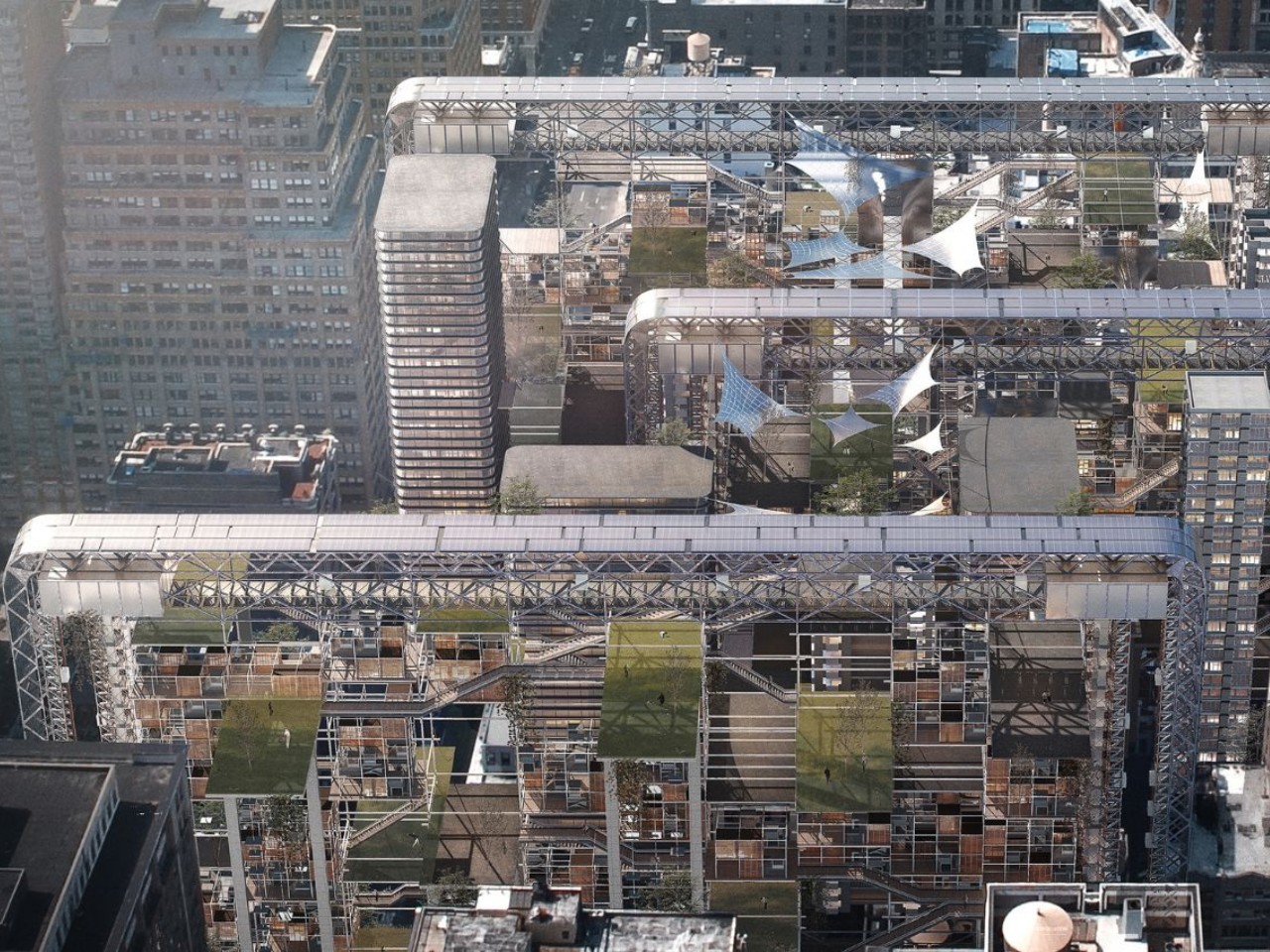
Lately, all we see around us are existing tall buildings and upcoming skyscrapers it’s surely a beautiful sight and enhances the skyline of the city and perhaps even benefits the economy, but it is imperative to also keep the sustainable approach in mind and the adverse effects of these skyscrapers on the society and its well being. The divide between urban centers, agricultural areas, and natural ecosystems is widening, leading to significant environmental, social, and logistical challenges. Urumqi, the political, economic, and cultural hub of Xinjiang in northwest China, epitomizes this conflict between urban development and agricultural ecological resources. To address these pressing issues, the innovative architectural design concept of “Urban Intercropping” has been proposed.
Designers: Penghao Zhao, Hanyu Sun, Sinuo Jia, Jingxuan Li, Songping Jing, Yibo Gao, YuJie Zeng, and An Jiang
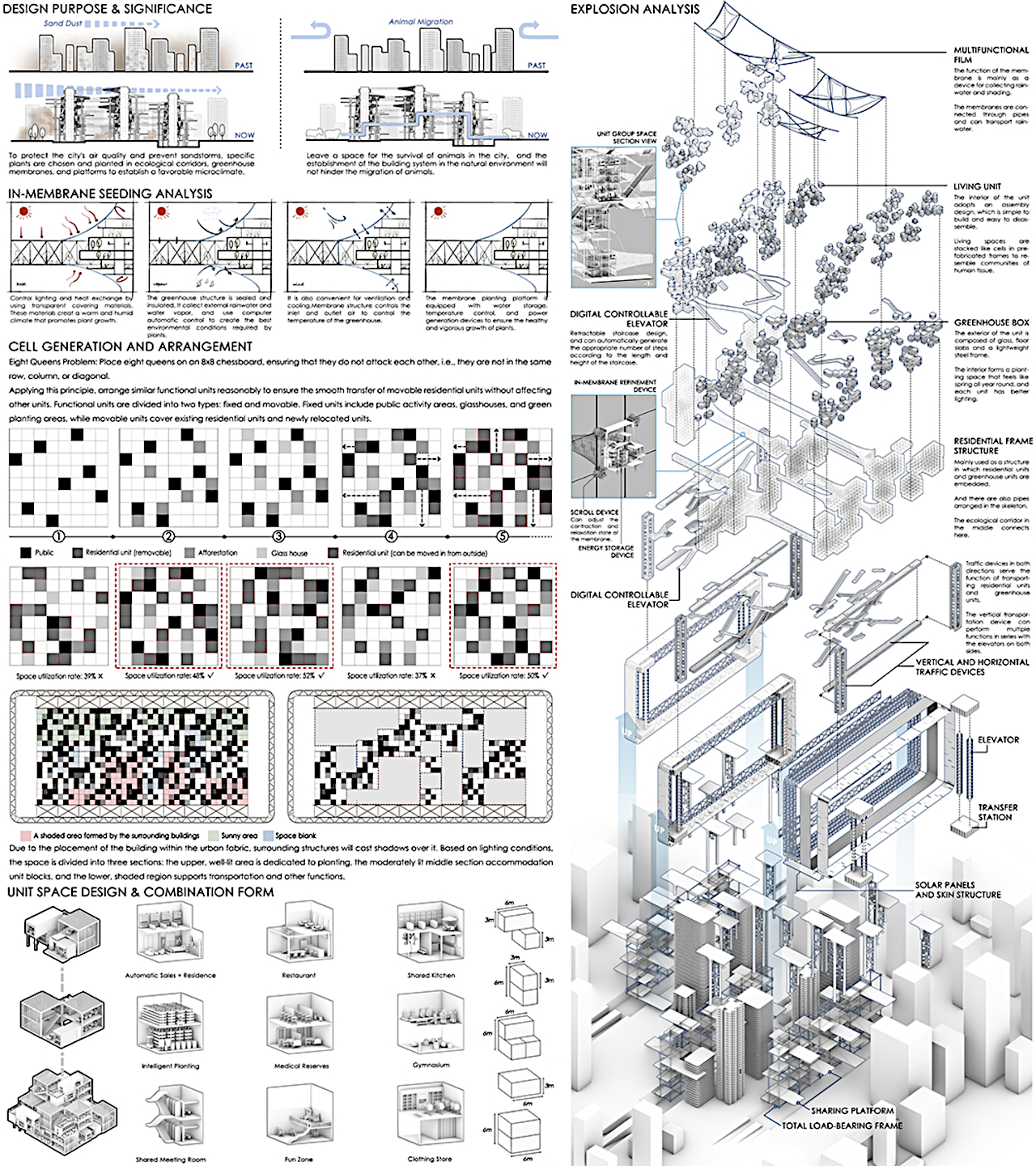
Inspired by traditional agricultural intercropping systems, where different crops are grown together to optimize the use of resources, the Urban Intercropping concept integrates this planting pattern with urban spatial planning. By strategically inserting architectural structures into the “gaps” of the city, a new urban system is formed. The Urban Intercropping model shifts from a centralized to a decentralized urban development approach. Architectural slicing devices are introduced into underutilized spaces within the city, transforming them into productive and functional areas. This approach maximizes the use of space and resources, addressing the issues of urban sprawl and inefficient land use.
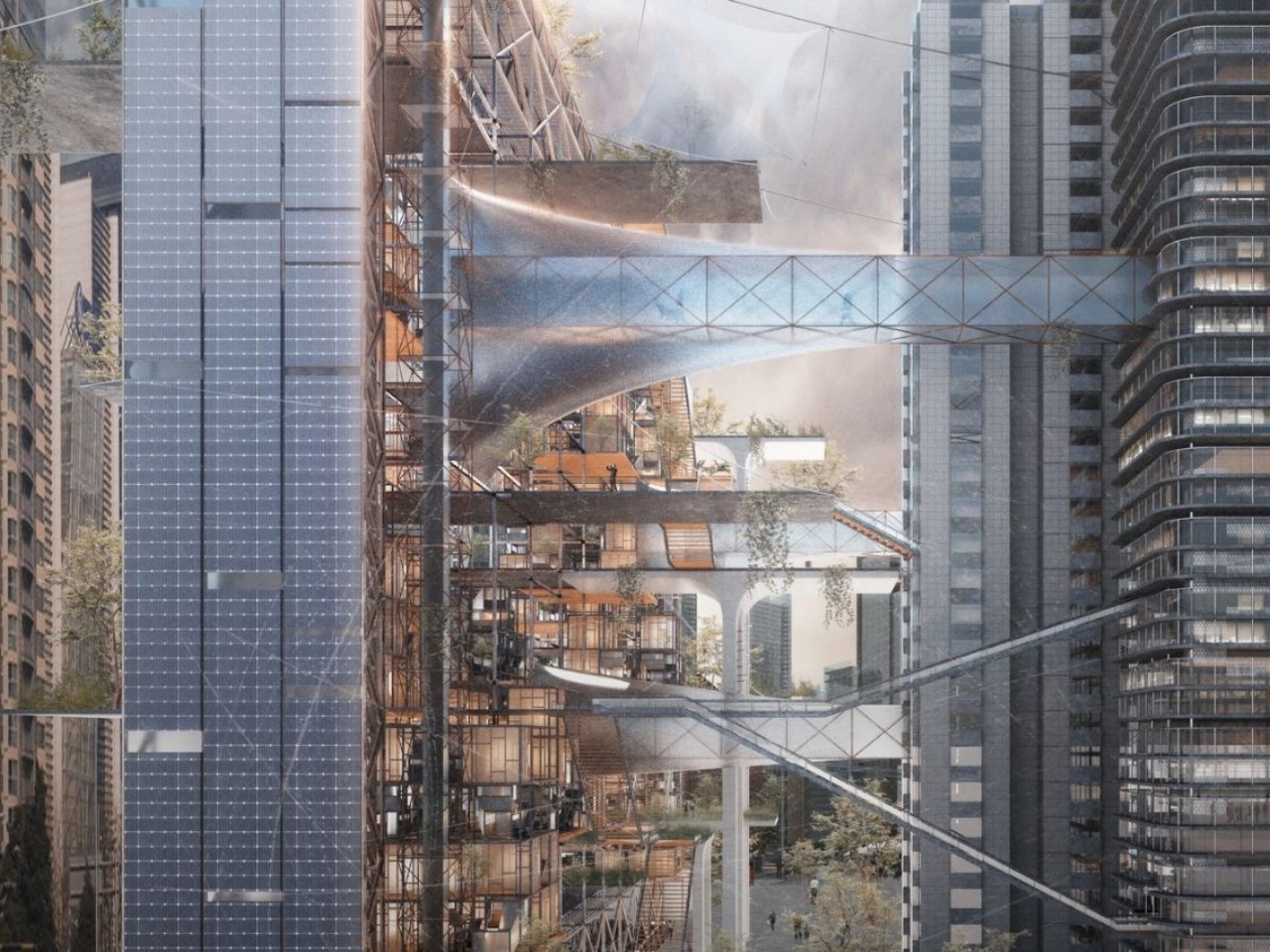
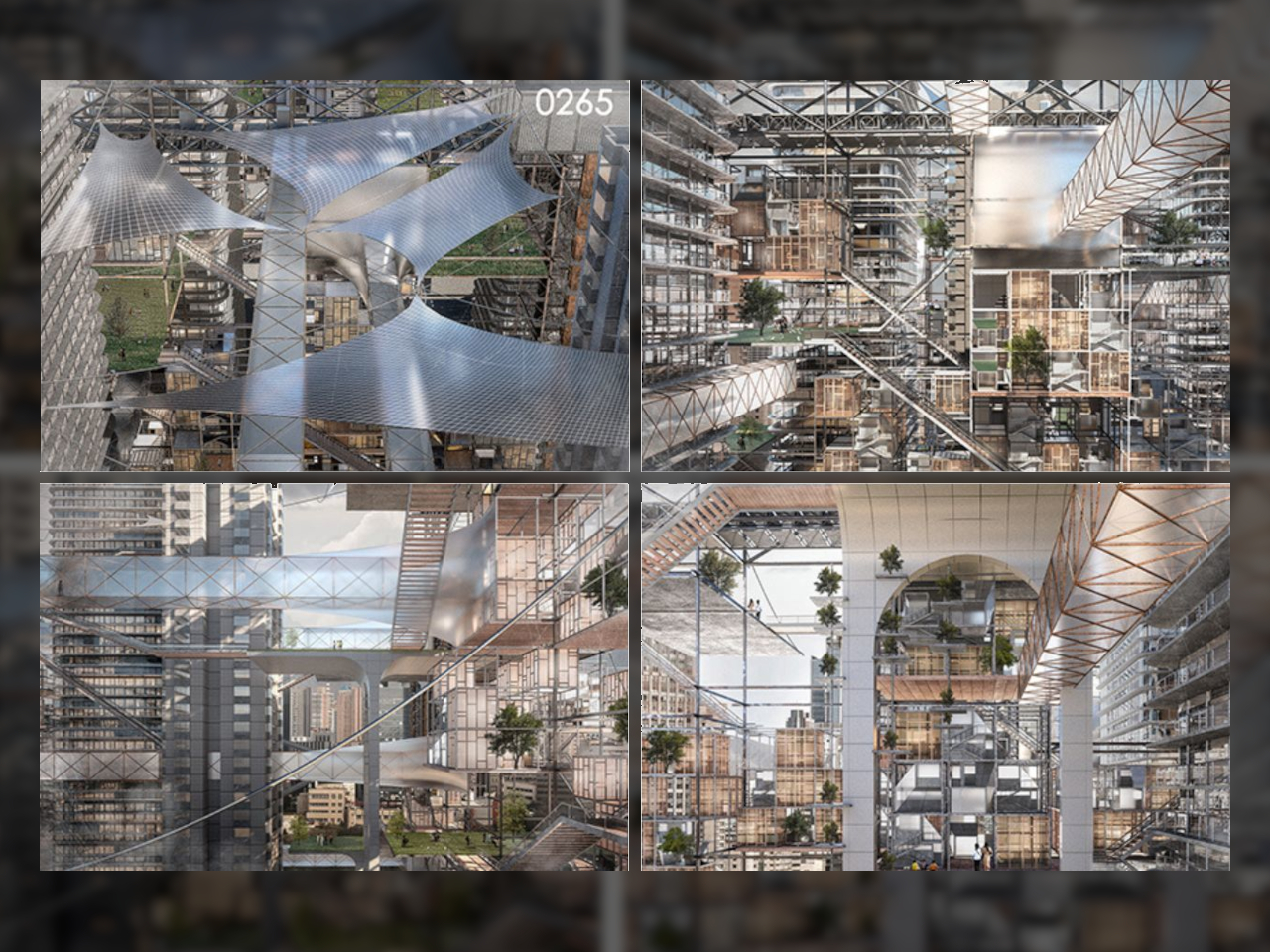
Central to this design is the concentration of agricultural industries in high-rise buildings using a vertical intercropping planting model. This model optimizes the use of space, light, and other resources, enabling high-density agricultural production within urban settings. These high-rise agricultural hubs are composed of mechanical devices, non-mechanical facilities, and movable living units, addressing urban housing shortages, traffic congestion, and the lack of green spaces. By enhancing urban efficiency and revitalizing intermediate urban areas, these structures create a dynamic and sustainable urban environment.
Urban Intercropping emphasizes the transformation of urban morphology by integrating skyscrapers and other tall structures into existing urban spaces. These buildings are designed to connect seamlessly with the underground transportation system, alleviating traffic congestion and improving urban mobility. The incorporation of these vertical elements redefines the city’s skyline and promotes a more efficient use of urban space.
A key component of the Urban Intercropping concept is the construction of ecological corridors. These corridors are designed to preserve air quality and prevent dust storms by planting specific types of vegetation that stabilize sand and purify the air. Greenhouse membranes and platforms support these plants, creating green spaces that serve as habitats for wildlife and recreational areas for residents. These corridors also facilitate the migration of animals and provide healthy, green environments for pedestrians and transportation networks.
The design also focuses on the generation and arrangement of social unit spaces, drawing inspiration from the Eight Queens Problem. This mathematical problem involves placing eight queens on a chessboard so that no two queens threaten each other, ensuring optimal spatial efficiency. Similarly, in Urban Intercropping, functional units are arranged to allow for the smooth transfer of movable community units without disrupting other activities. This ensures flexibility and efficiency in urban spaces, accommodating changing needs and uses.
To maximize the effectiveness of Urban Intercropping, detailed structural components are optimized. Multifunctional membranes, vertical and horizontal transportation equipment, modular units, and greenhouse boxes are integrated to form an interconnected system. These components work together to enhance the overall design, making urban spaces more adaptable and resilient.
The architectural design concept of Urban Intercropping offers a revolutionary approach to urban planning and development. By bridging the gap between cities, agriculture, and nature, this concept provides sustainable solutions for modern urban challenges. Through innovative design and technological advancements, Urban Intercropping promotes ecological environmental protection and sustainable urban development, paving the way for a harmonious coexistence of urban and natural ecosystems.
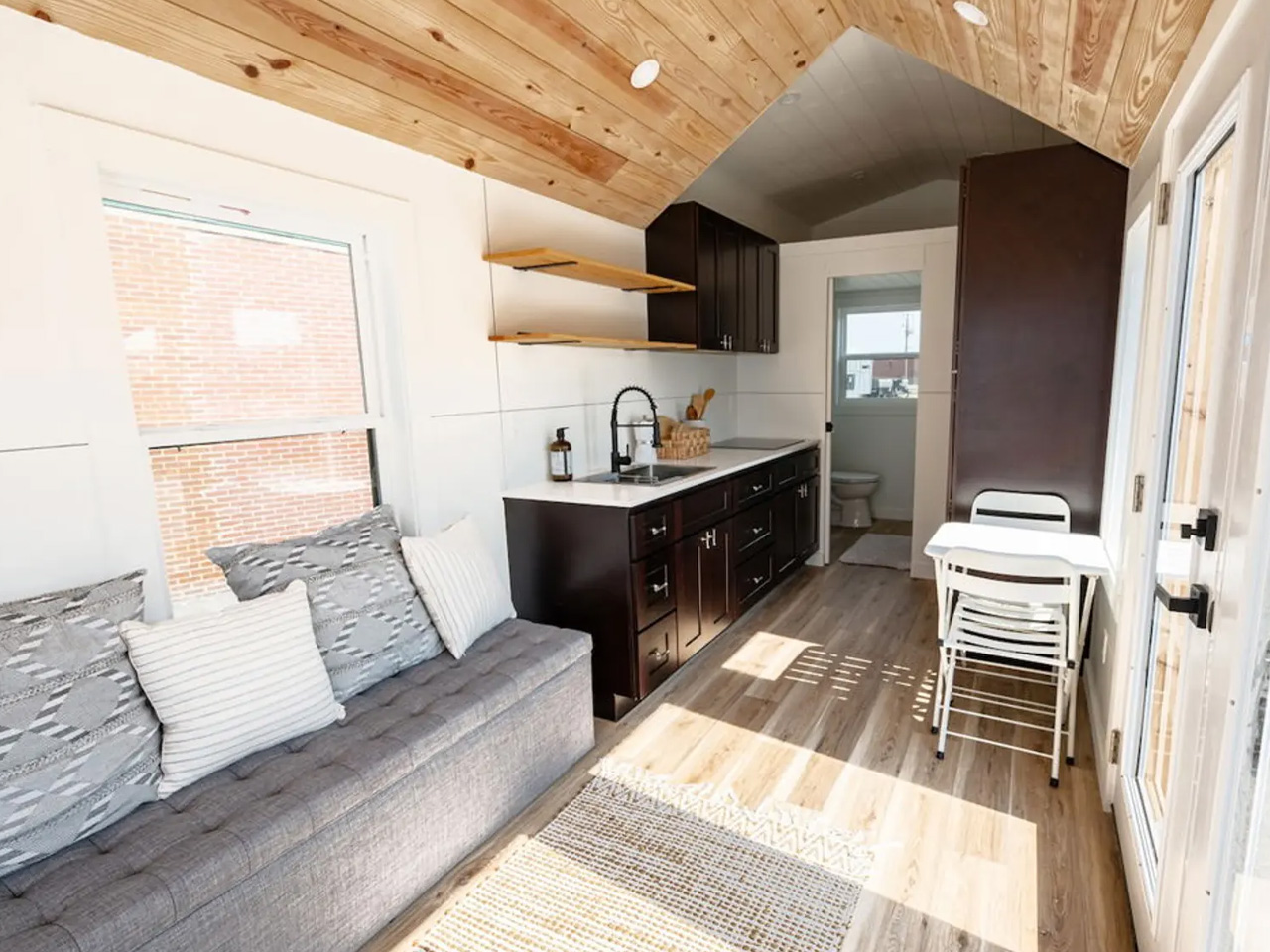
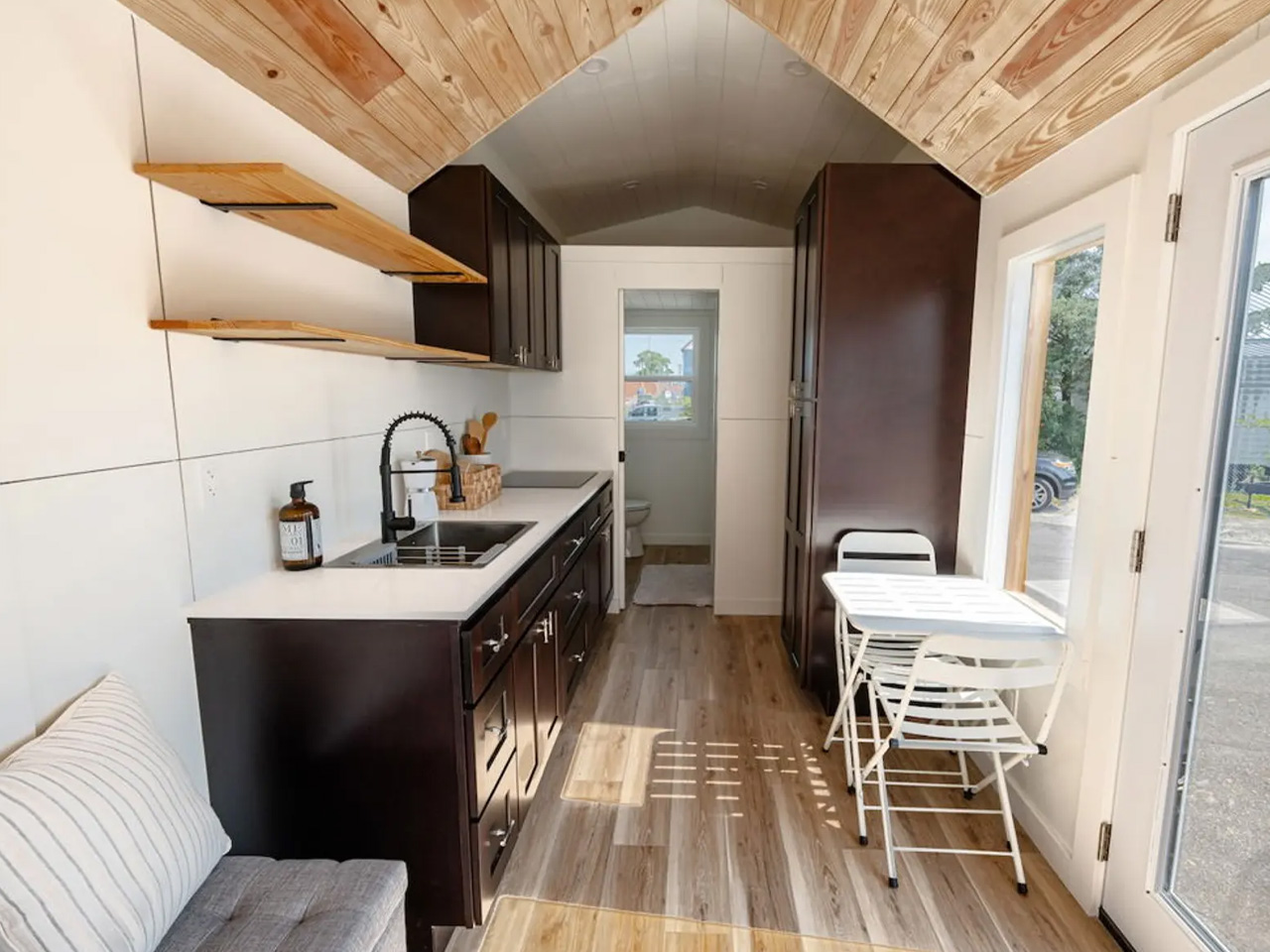
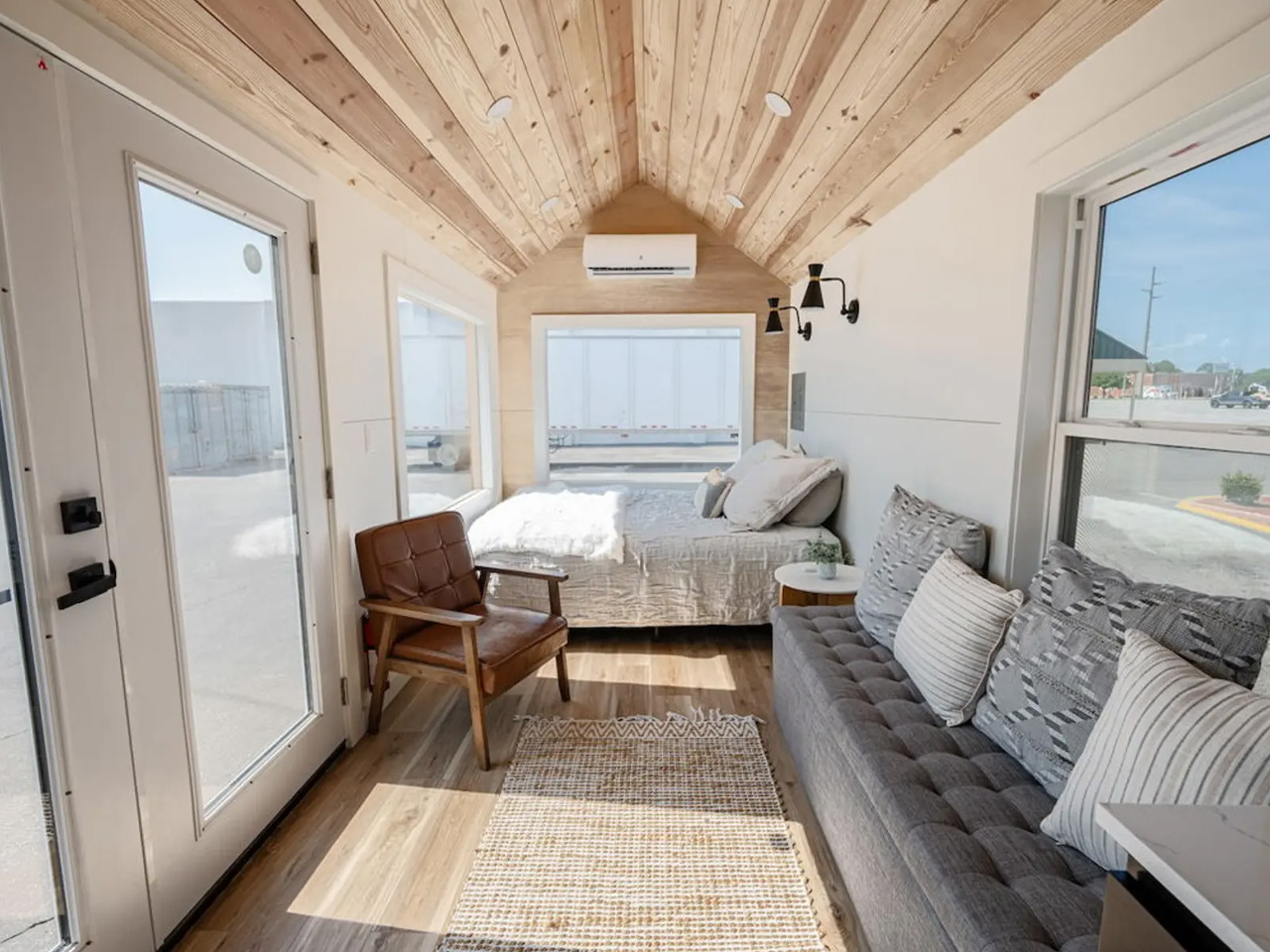
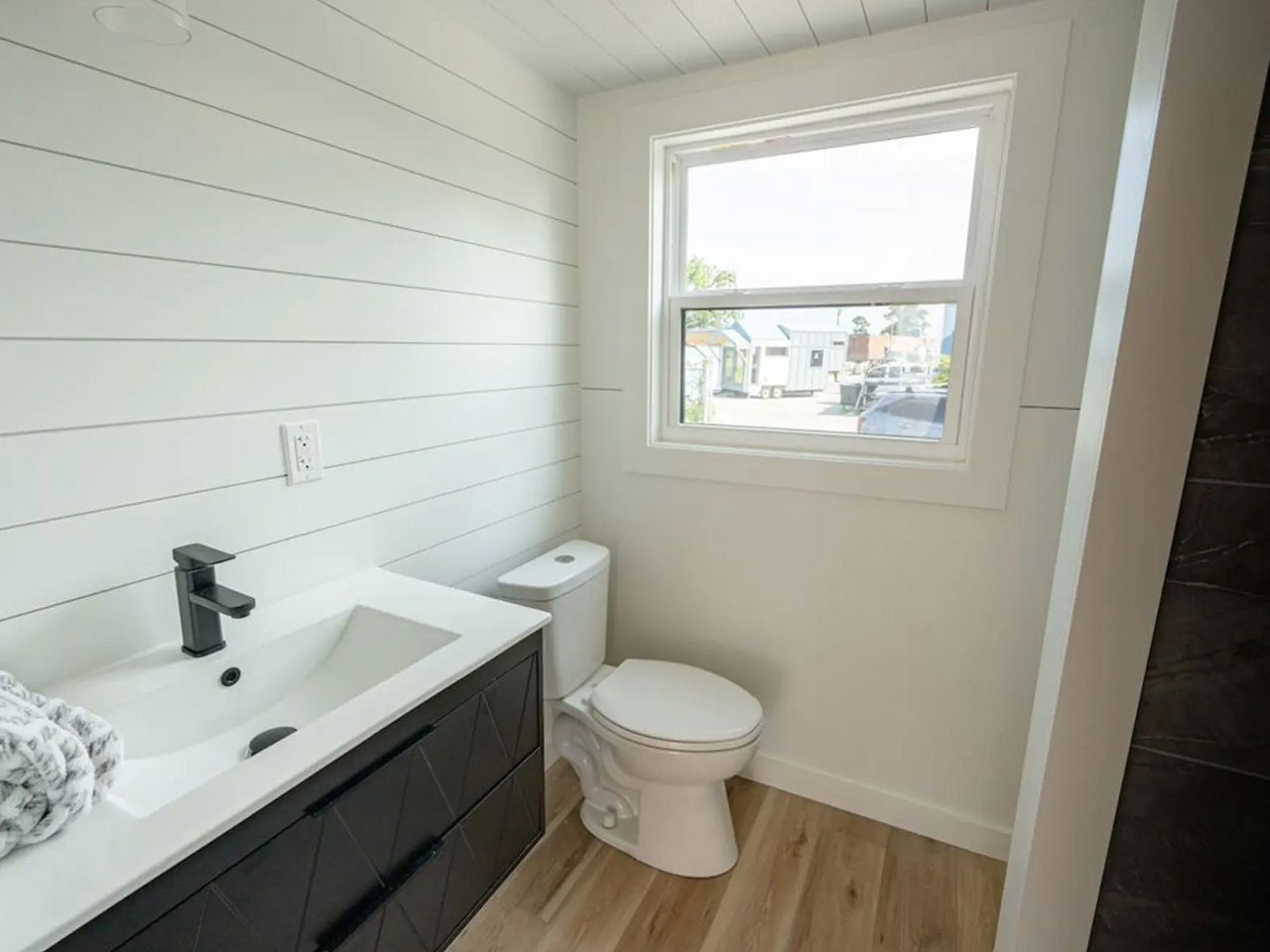
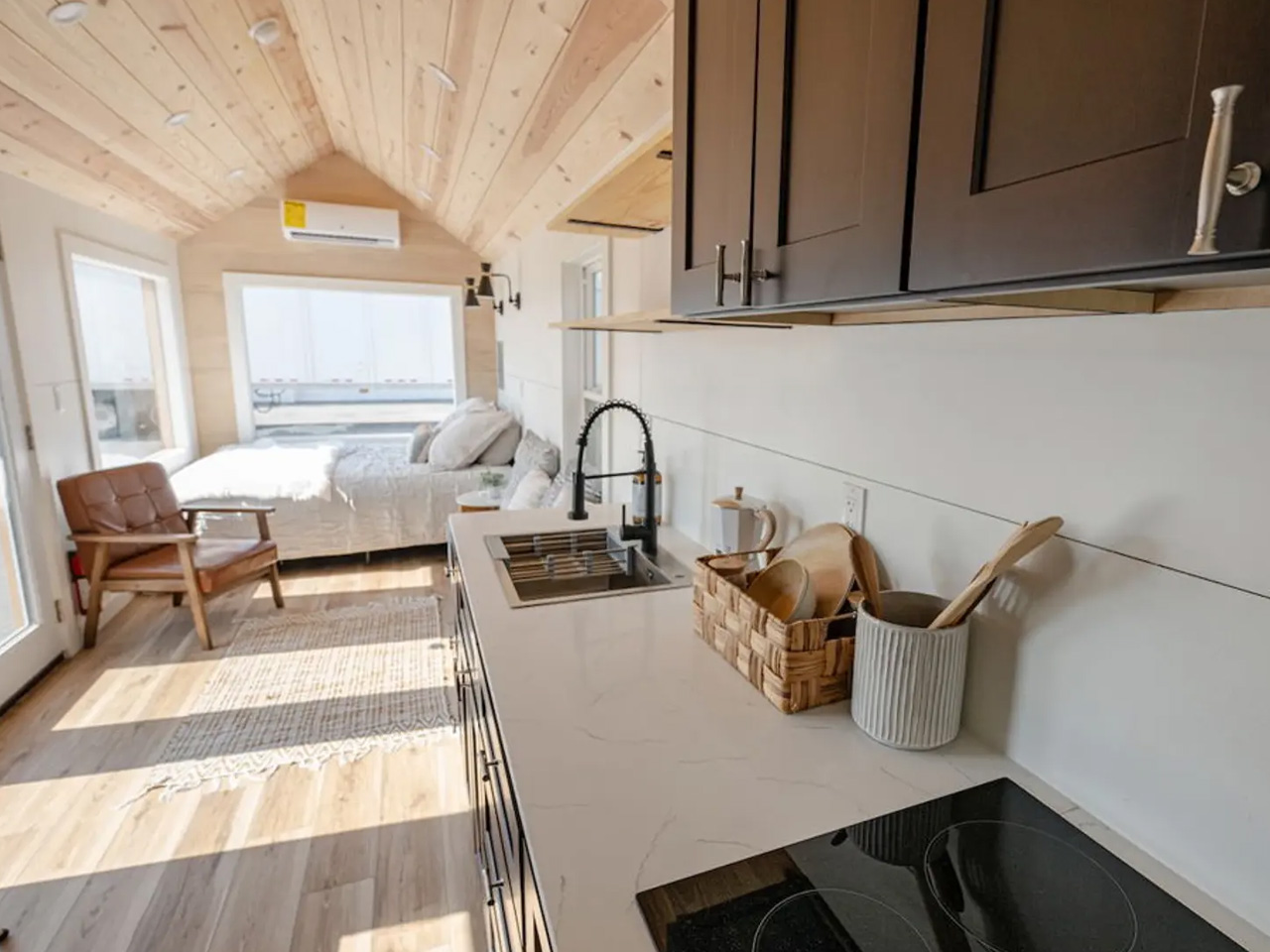
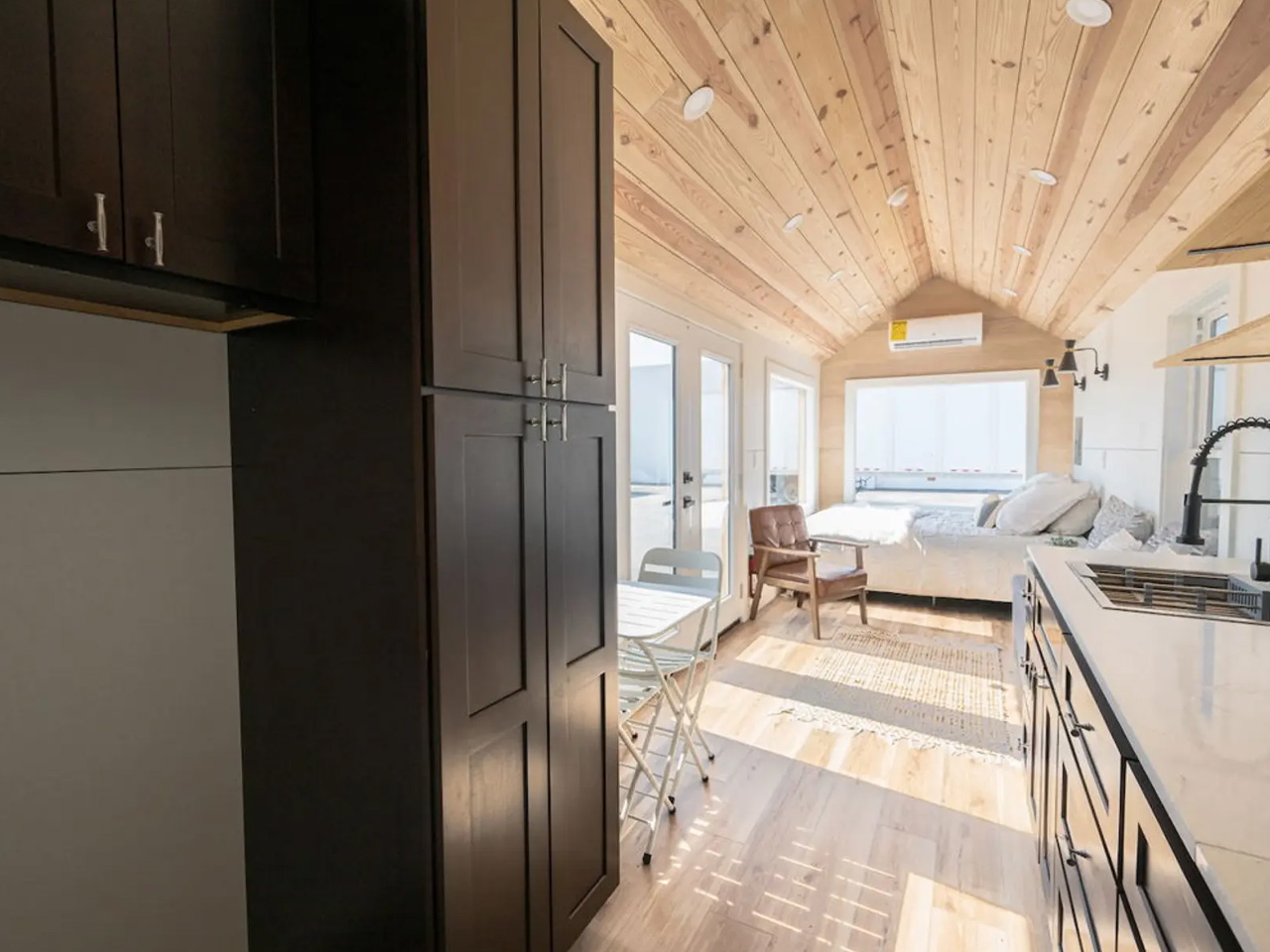
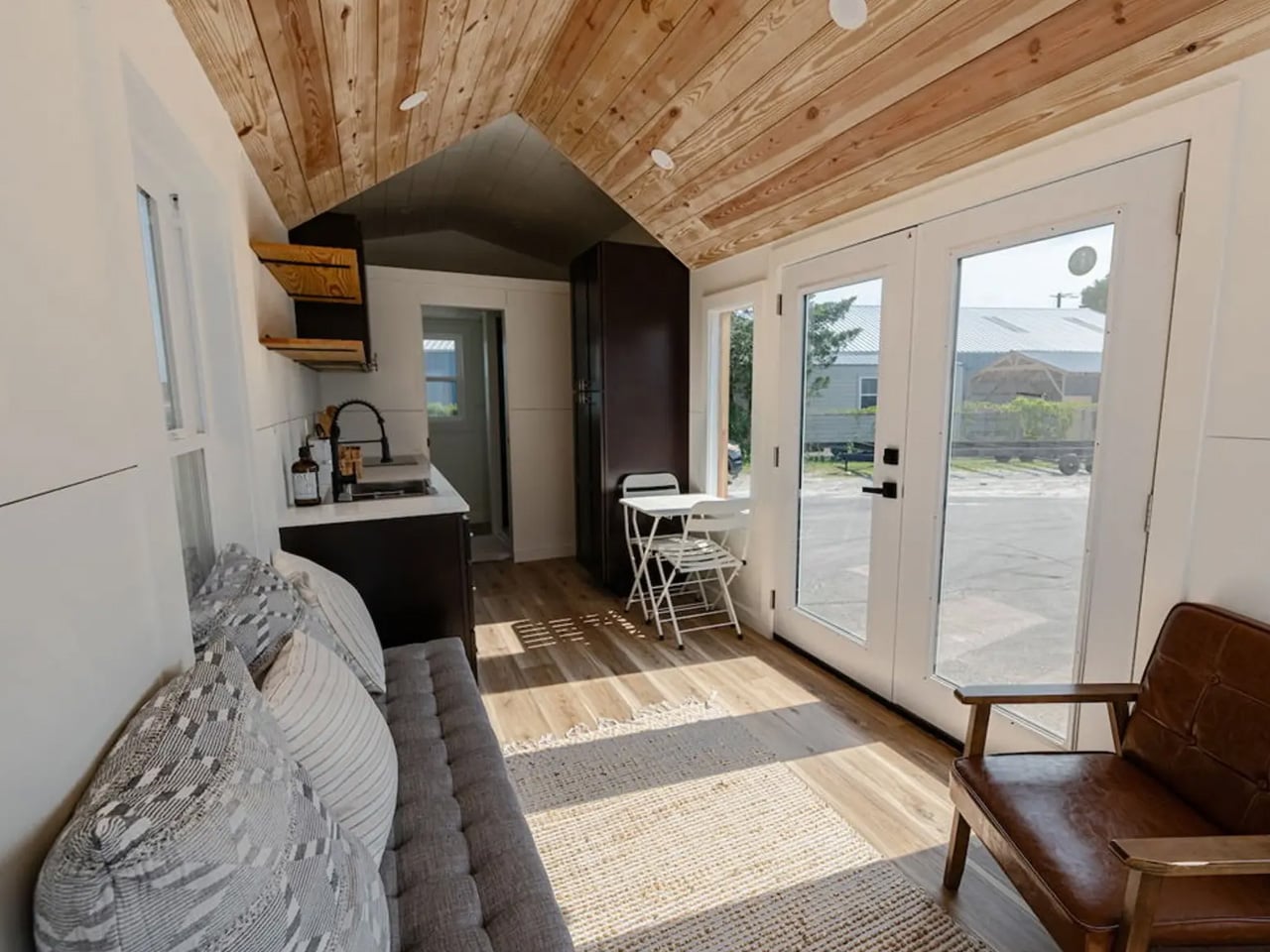
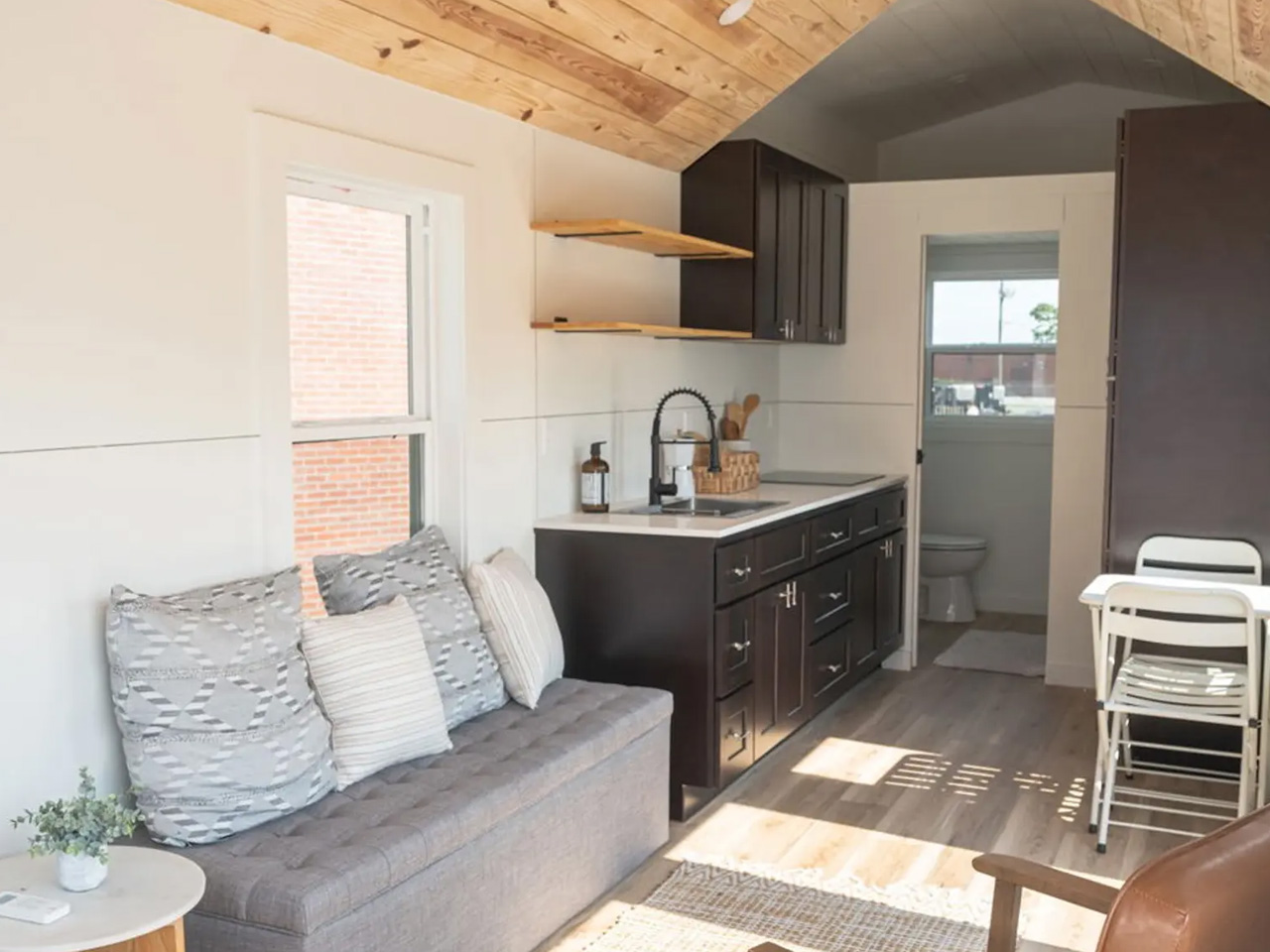
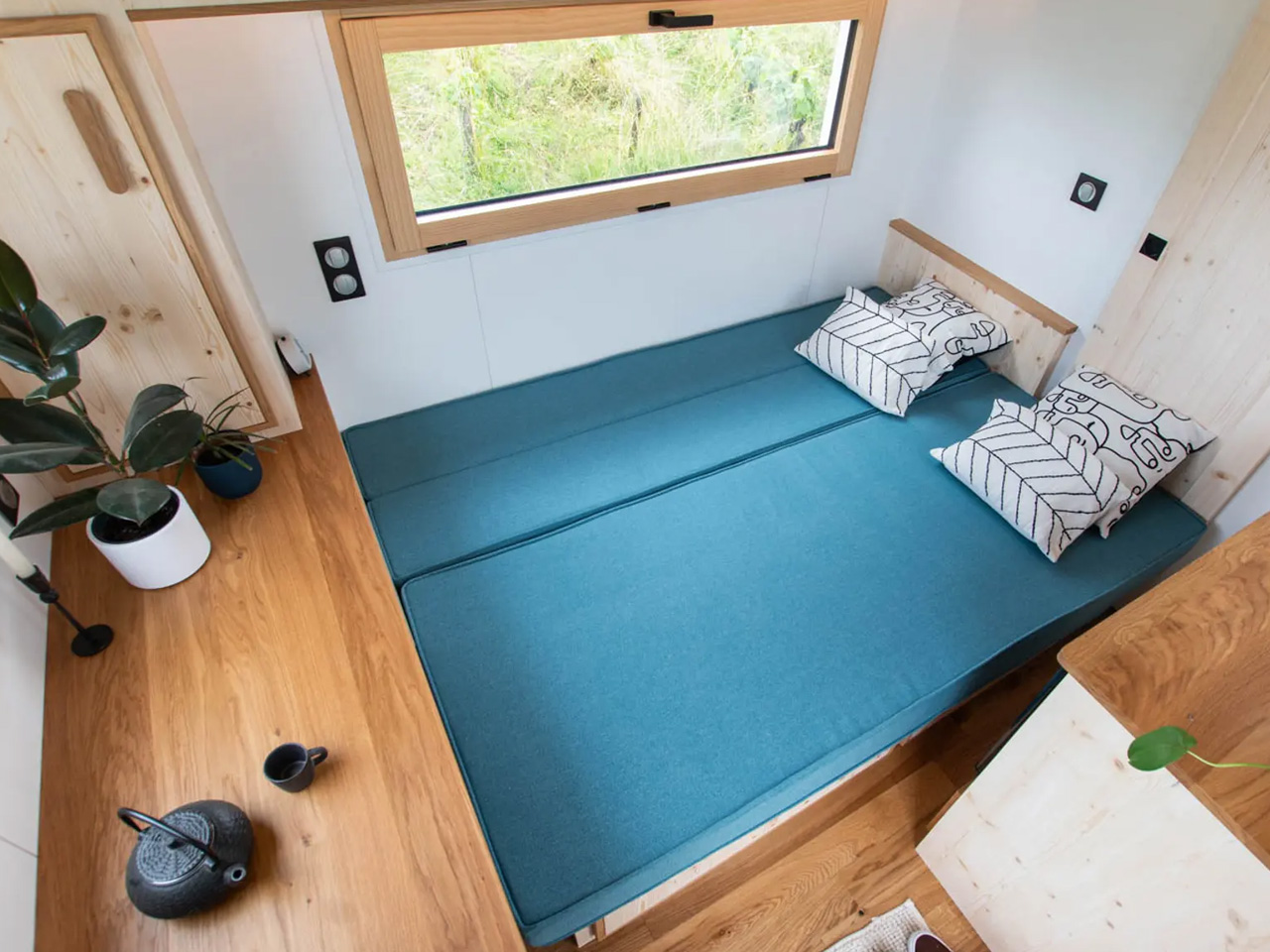
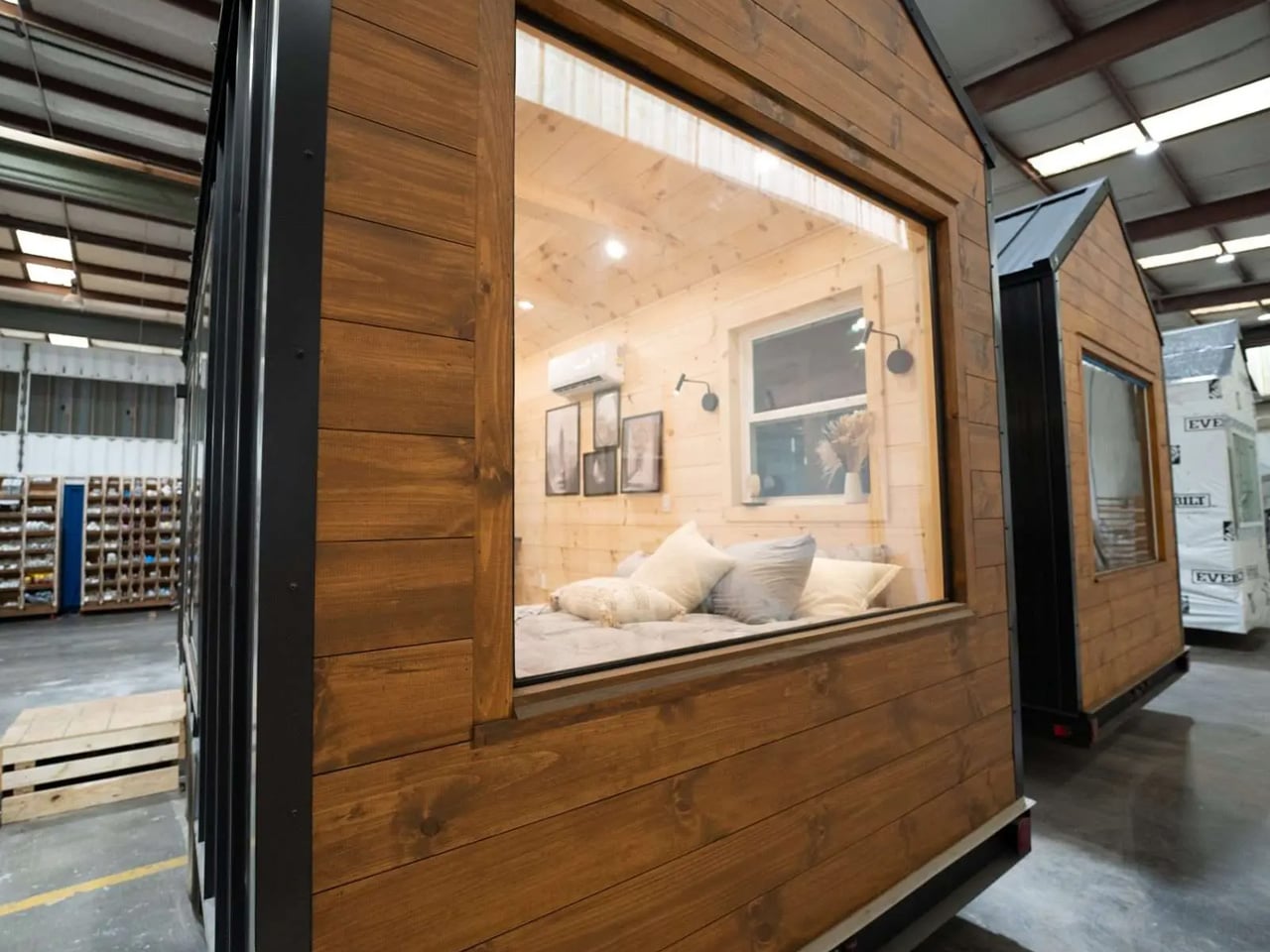
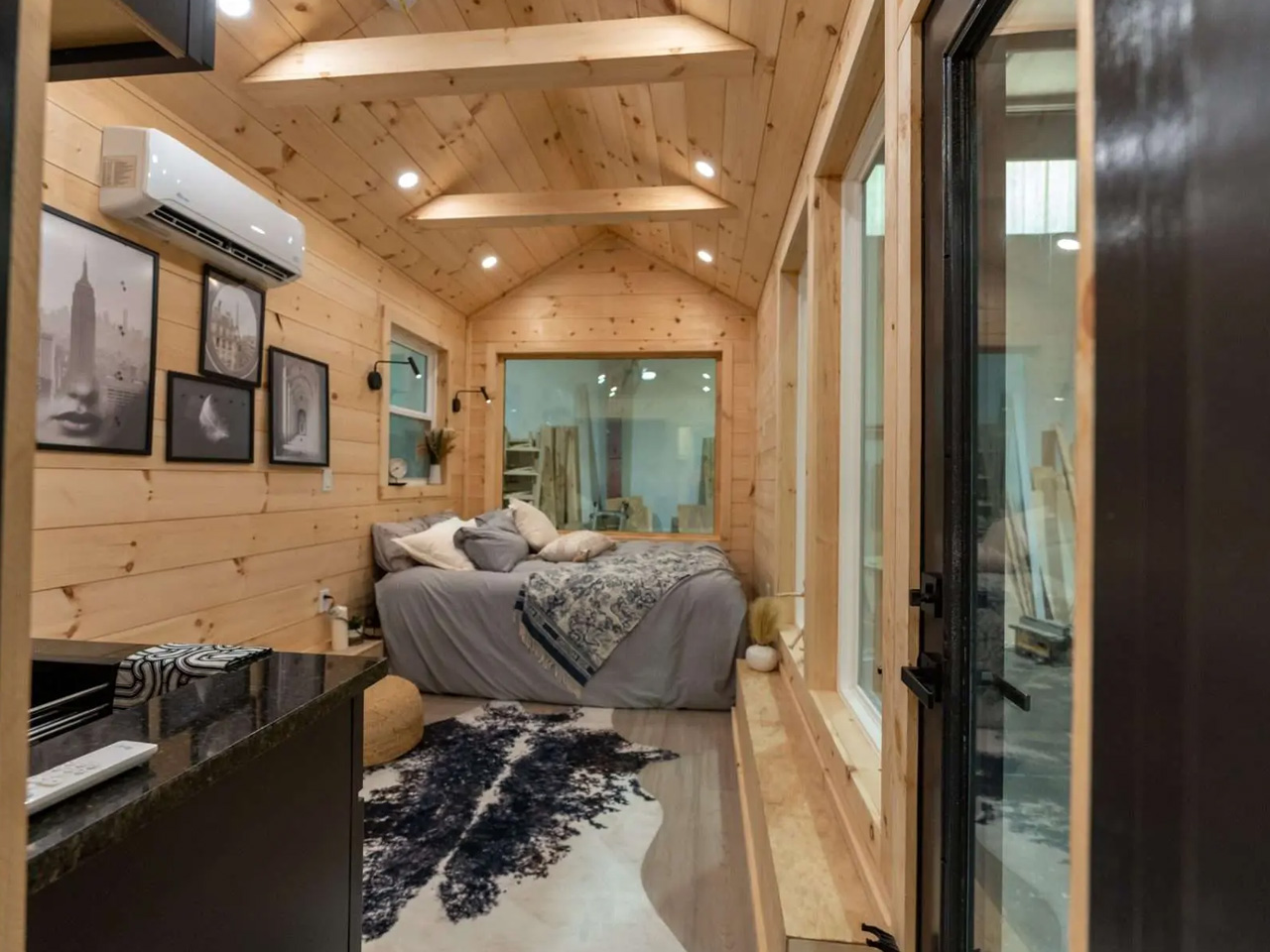
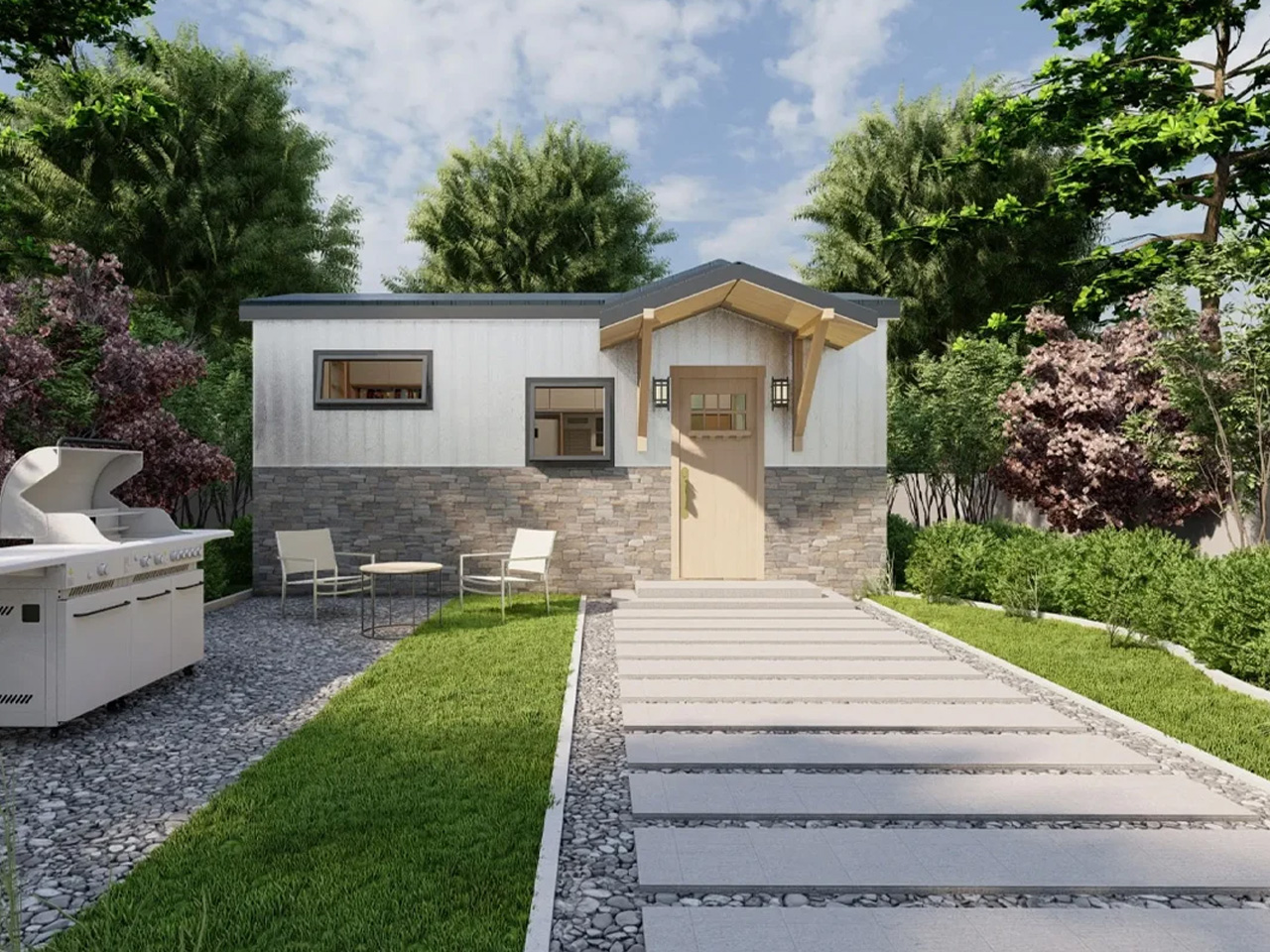
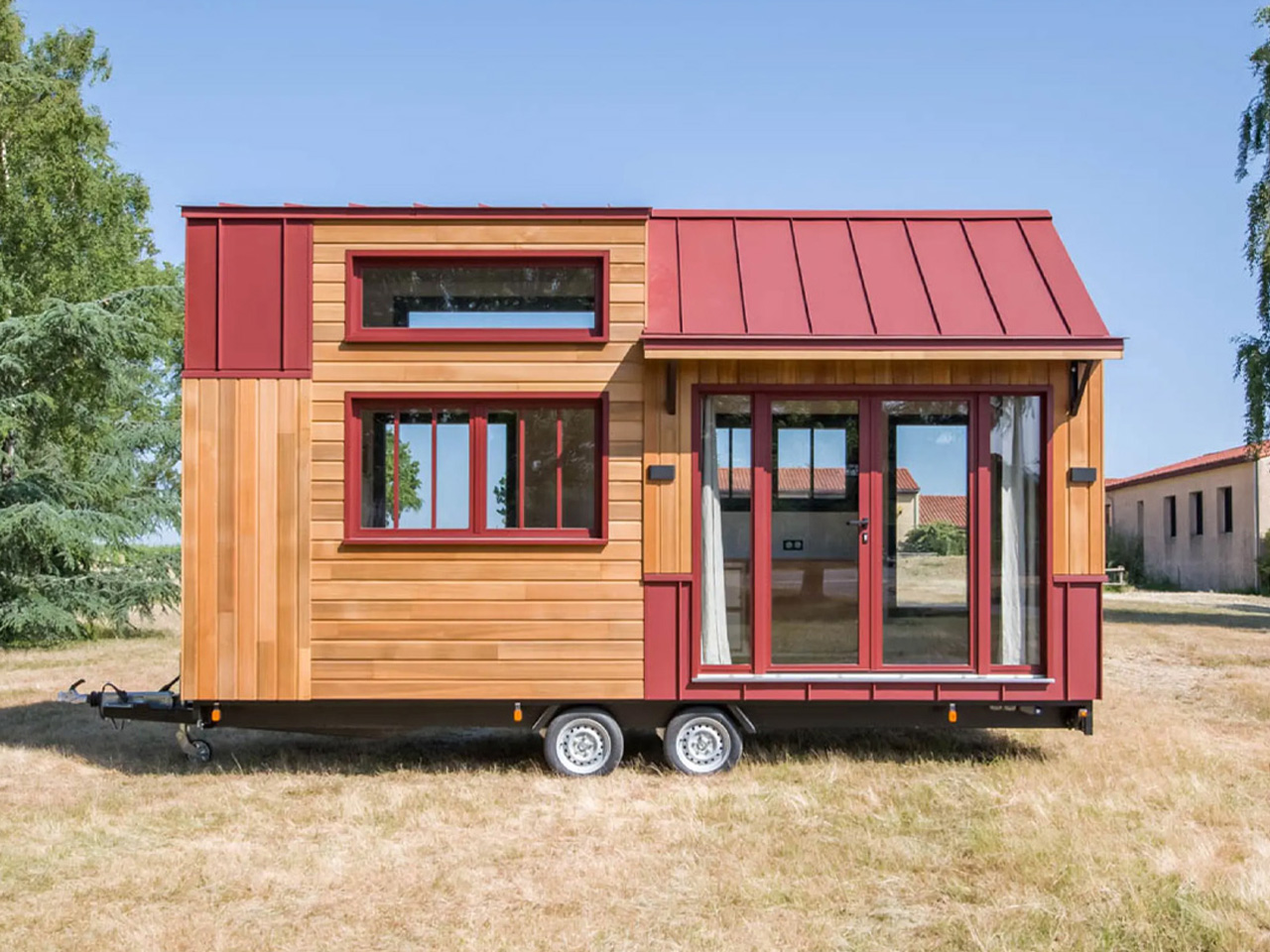
Called the Kemi, this tiny home by Dragon Tiny Homes is heavily inspired by Scandinavian design and is a simple and affordable house. Kemi is an excellent fit for those who want to use it as a vacation home or guesthouse. It is founded on a double-axle trailer and features a length of 20 feet. The home has a finish of black standing seam metal siding with wooden accenting.
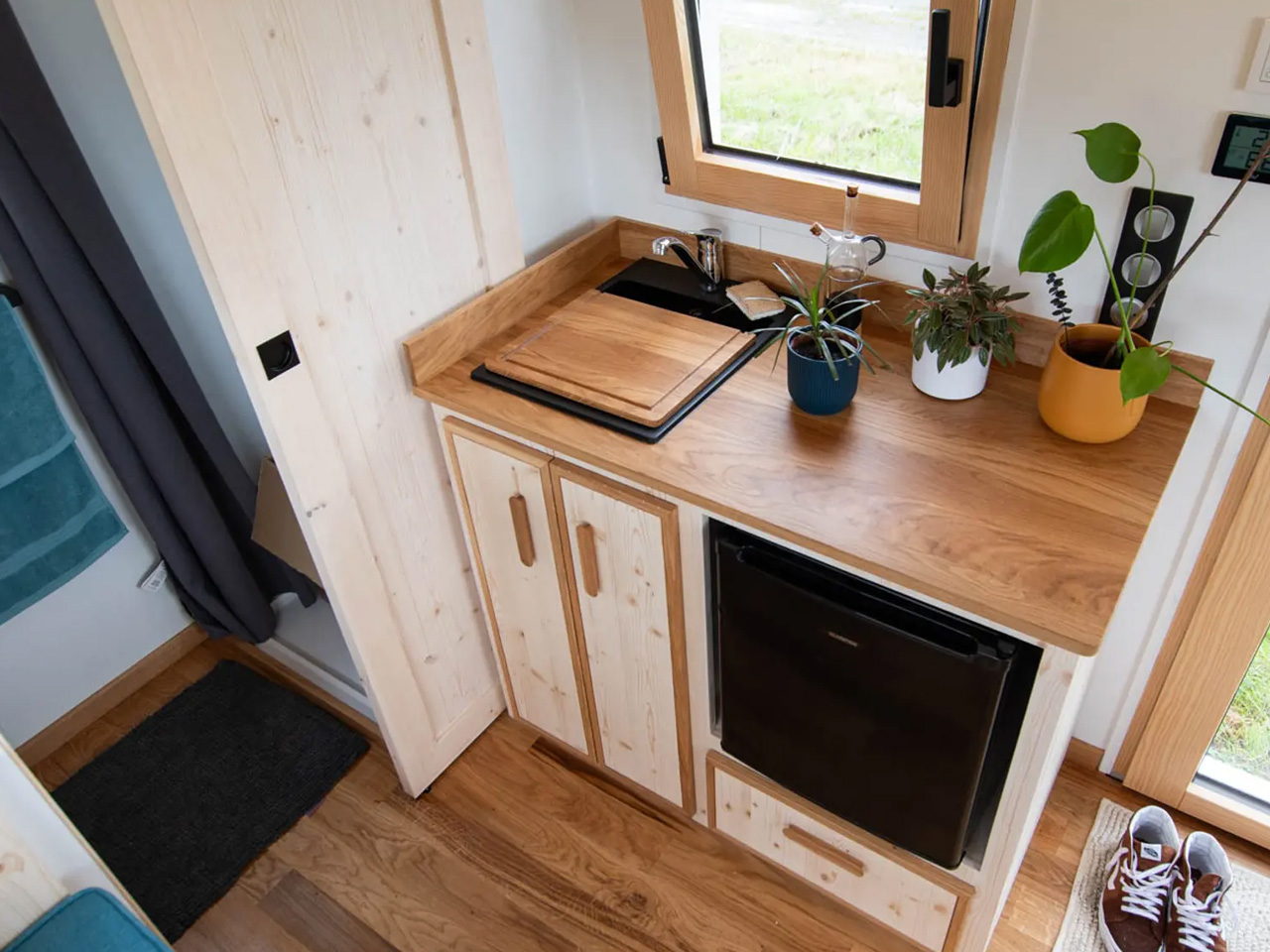
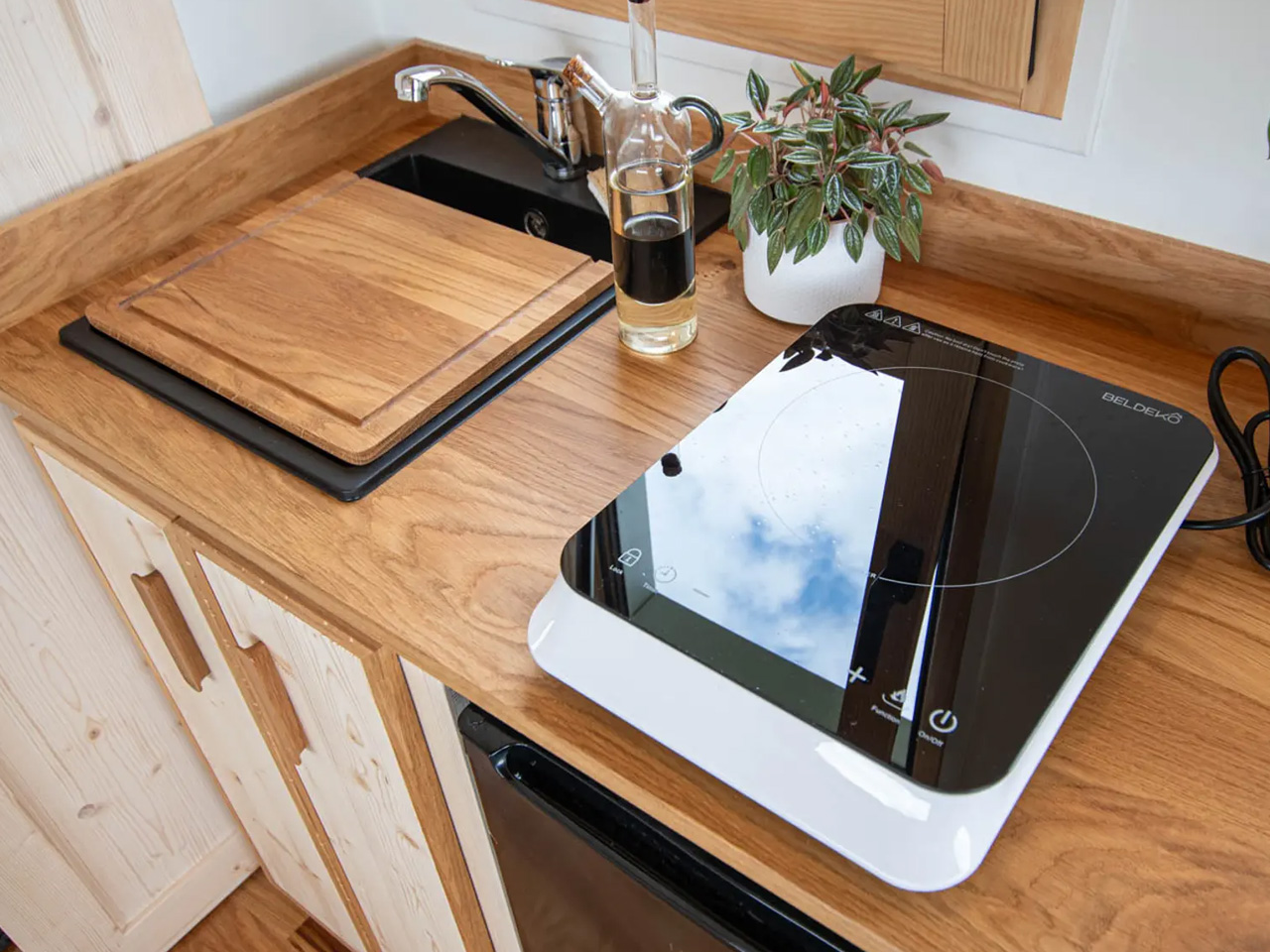
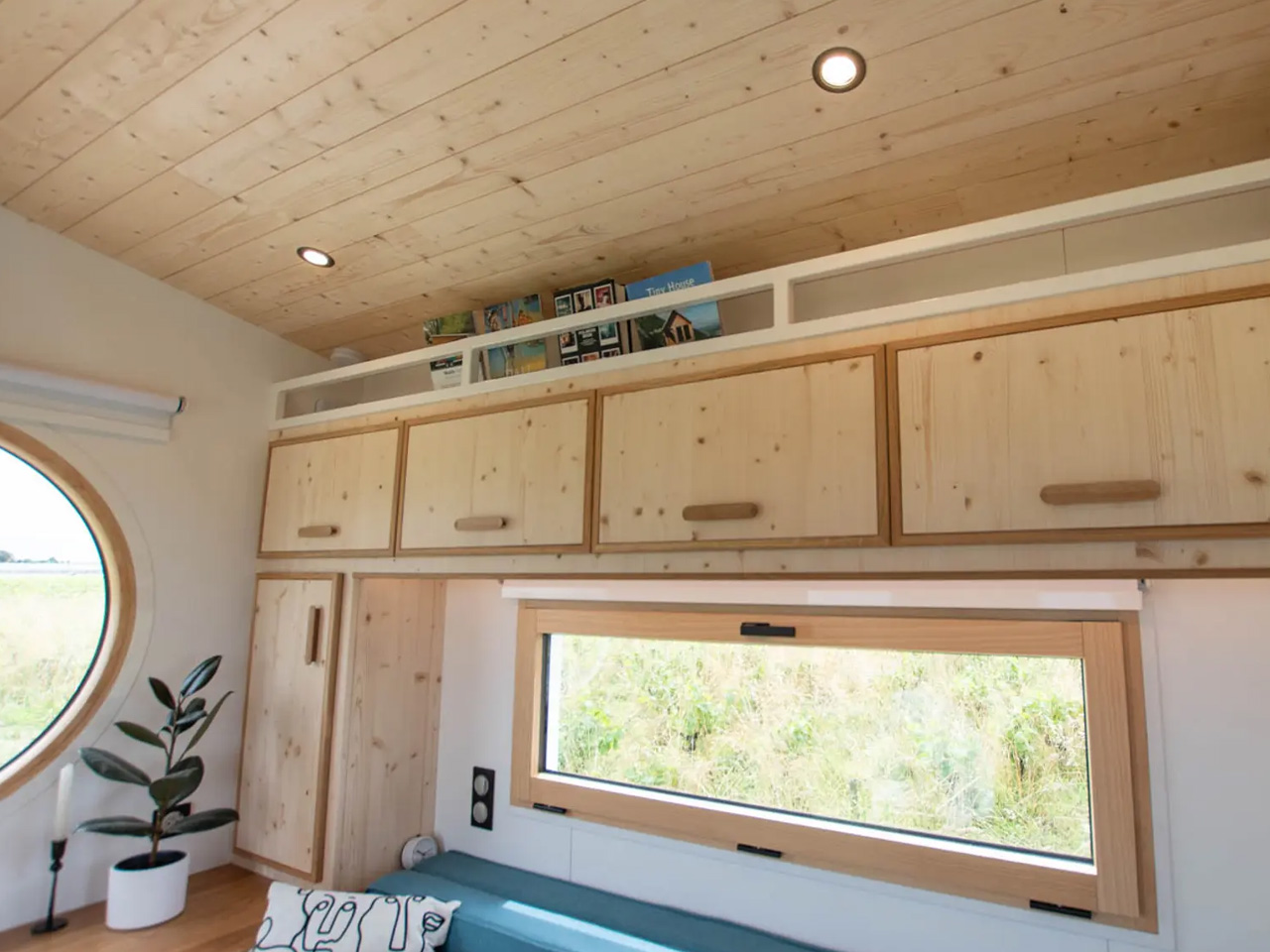
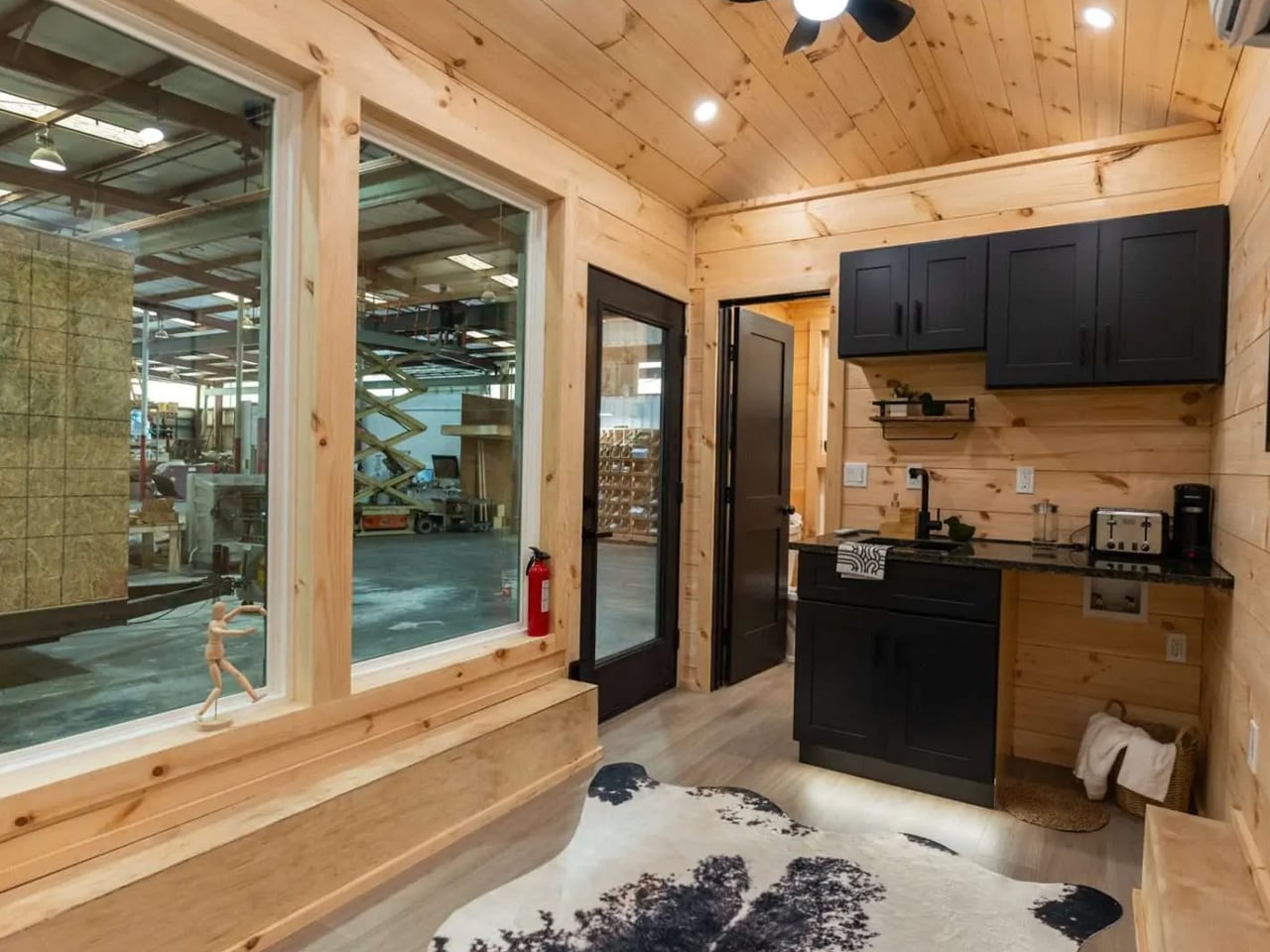
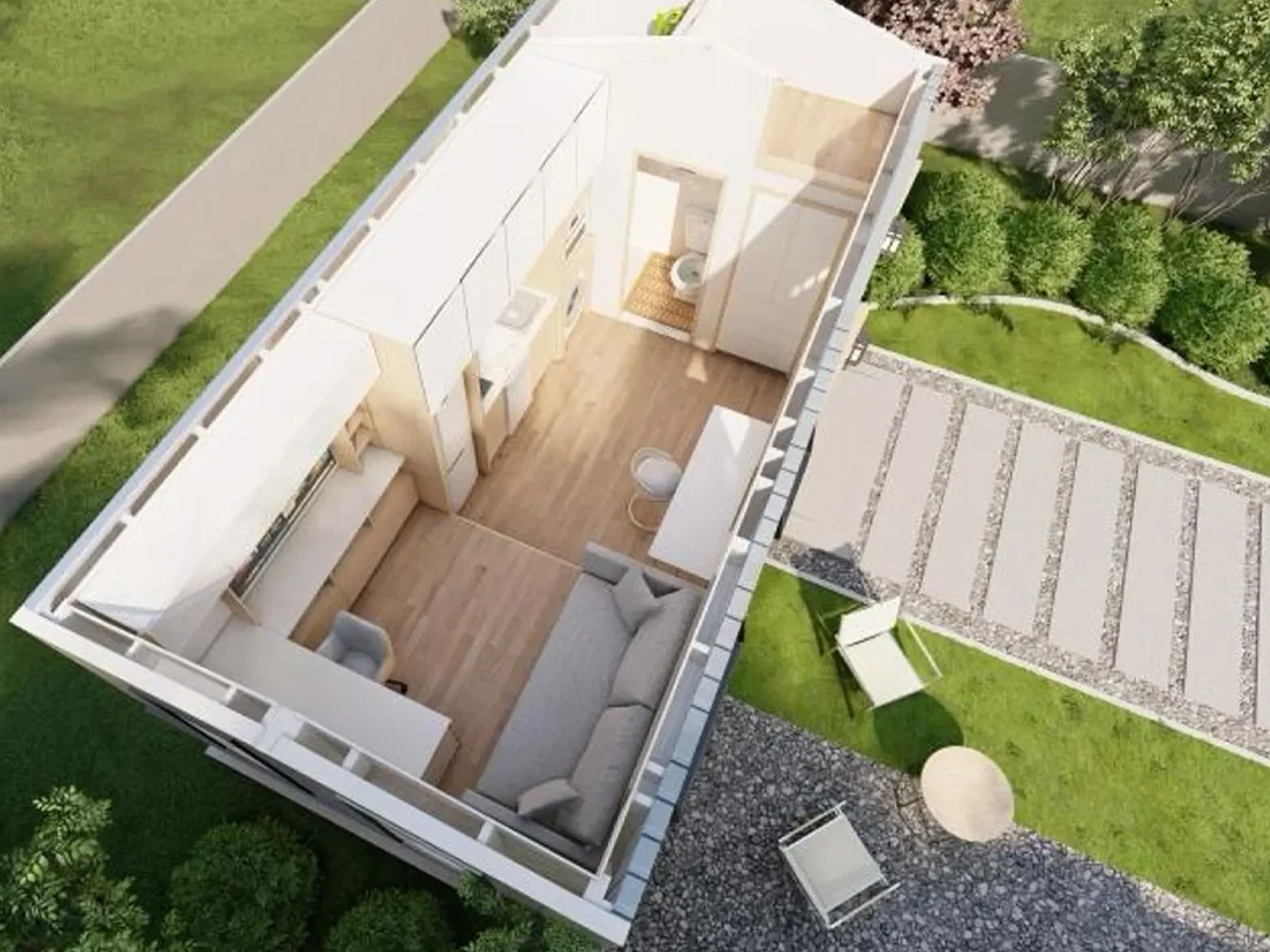
The Scandinavian design inspiration is quite subtle, and not very in the face. It is reflected in the light hues and open layout, while the interior is quite cozy and light-filled. Generous glazing, as well as the absence of a bedroom upstairs, helps in creating a home that is pretty lovely and spacious. The interior was kept quite small, to ensure too much wasn’t fitted into a compact space. The interior measures 160 sq ft, and is laid out on one floor. A glass front door leads you to the kitchen, which is quite tiny and basic. The kitchen includes cabinetry, a sink, as well as sufficient space for appliances.
The opposite end of the home includes a bedroom which includes a double bed. The home doesnt contain a living room, but there is more than enough space to accommodate a small sofa or some other seating piece. The wall contains a mini-split air-conditioning unit, while the home also includes a ceiling fan.
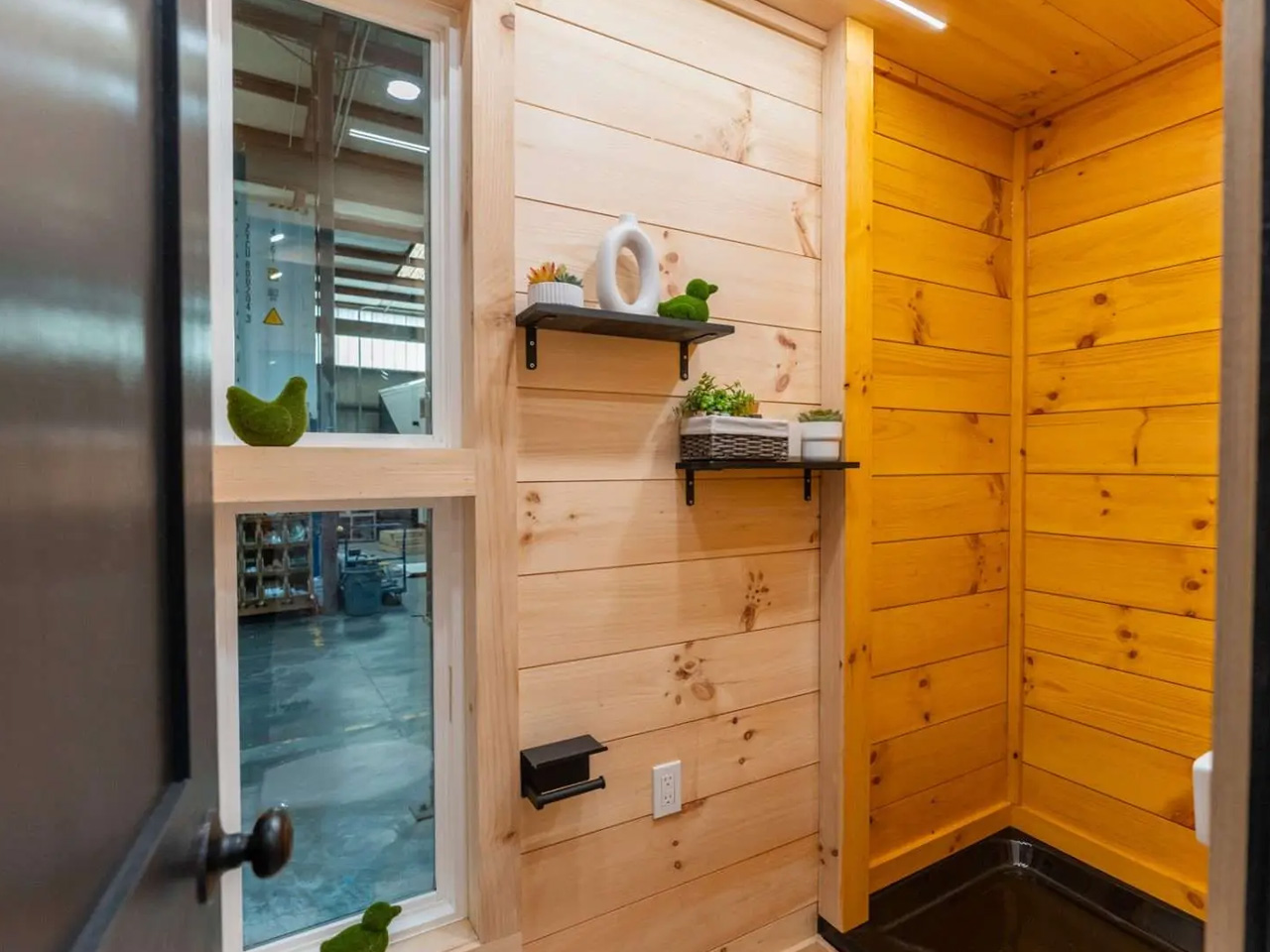
The bathroom isn’t connected to the rest of the home, and you can enter it via the kitchen. The bathroom contains a sink, shower, and a flushing toilet. A storage loft is integrated above the bathroom, and this can be converted into an upstairs bedroom if the need arises, but at an additional cost, of course. The Kemi tiny home is a simple and sophisticated house that captures the best of Scandinavian design influence, without it getting too extravagant or evident. If you’re looking for a cute and cozy vacation home for your family and you, then the Kemi is a good choice indeed.
We discovered the beauty and magic of tiny homes a couple of years ago, and we’re happy to see it was an excellent discovery. Since then, tiny homes have gained immense popularity, and been experimented with to create even better, more beautiful, and functional designs. We’ve seen a torrent of ingenious and thoughtfully designed tiny homes in 2024, and we’ve curated some of our favorites for you. These unique tiny homes are space-saving and eco-friendly, reducing the load on Mother Earth, while also managing to look as cute as a button. They will have you swooning!
1. Nestron’s Tiny Homes
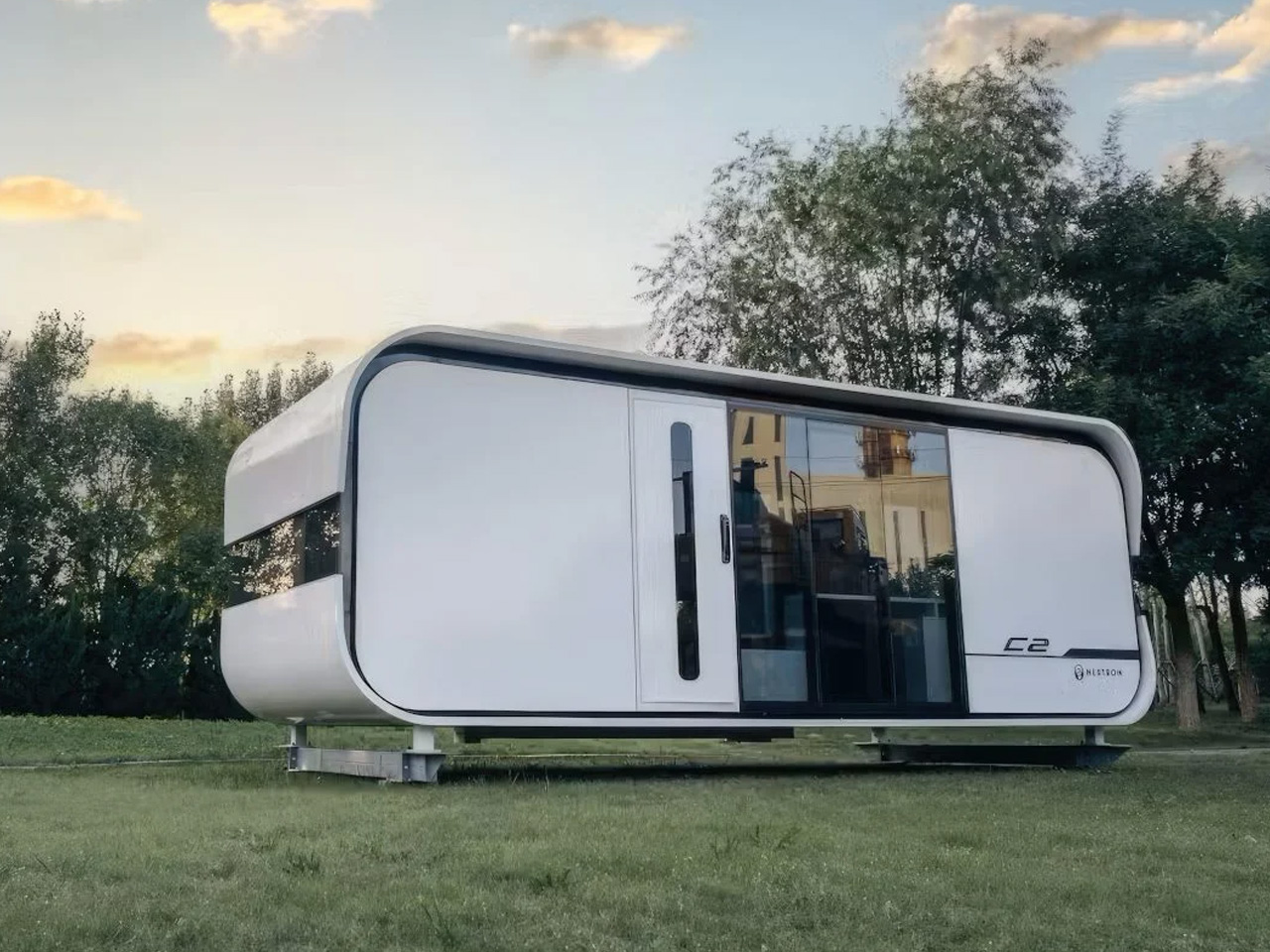
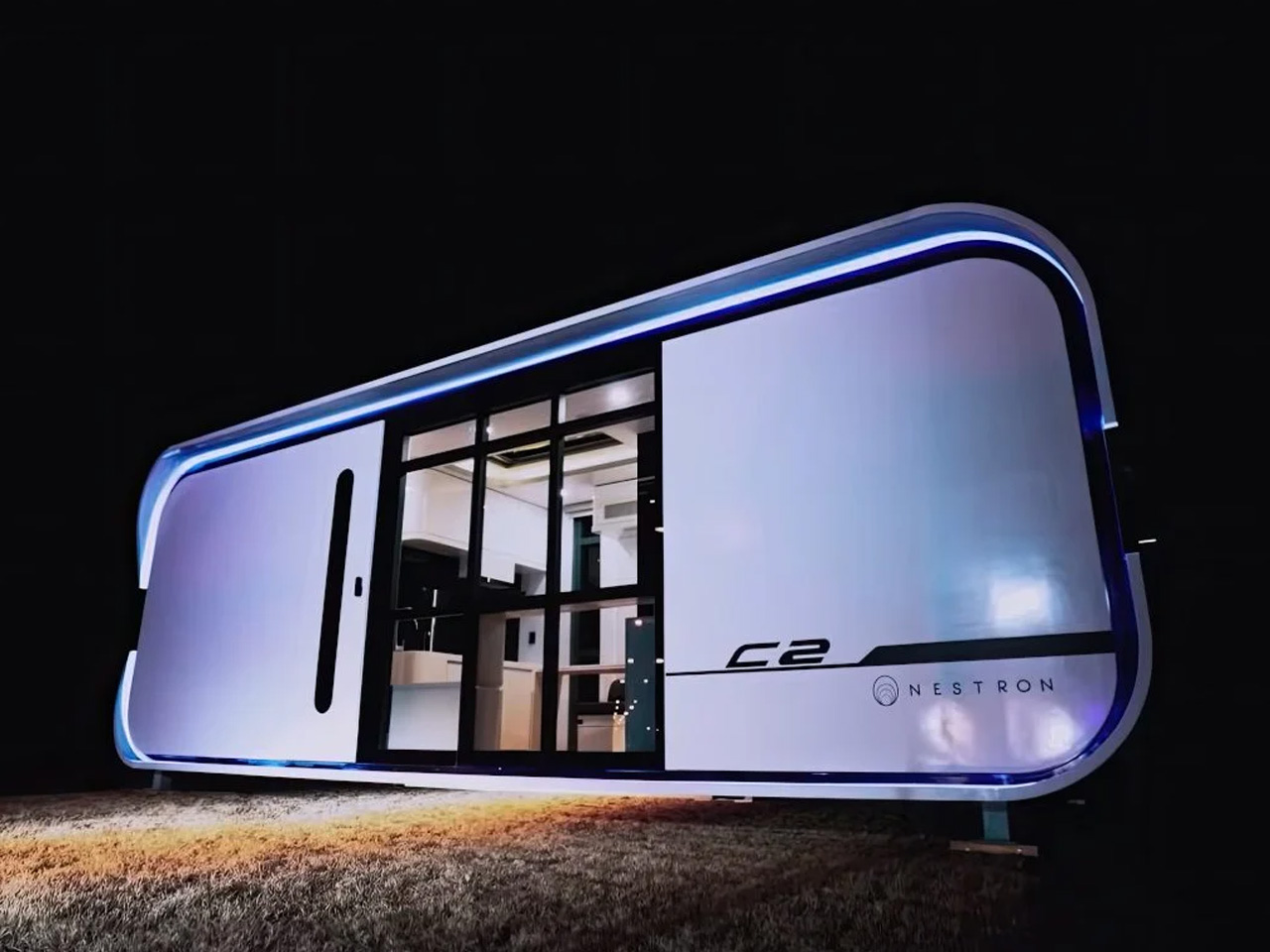
These tiny homes by Nestron are designed to be futuristic and sleek, with a customizable and visually appealing prefab design. The collection includes the Cube One (C1), Cube Two (C2), and Cube Two X (C2X) homes that cost from $42.2k to $126.6k. This also depends on the configuration you select at Nestron’s online showroom.
Why is it noteworthy?
The homes are amped with solar electricity, and heating, as well as a fully-equipped bathroom with a smart toilet. The interiors of the home can be customized, and they’re a great fit for sci-fi fans who want their own homes.
What we like
The entire process is handled by Nestron
Made from recyclable materials
What we dislike
The homes aren’t very spacious, not well-suited for big families
2. The eONE XL
The eONE XL tiny home is a spacious, light-filled, and free-flowing tiny home that is based on a double-axle trailer. The home features a Japanese-style charred wood exterior, which offers protection against bugs and decay. It has a length of 30 feet, and a width of 8.6 feet, and it even features an upgraded micro-living experience.
Why is it noteworthy?
The home includes massive windows, which let natural light stream in freely throughout the day. The home is made up of all-electric appliances, and it is also amped with storage space and floor space.
What we like
The kitchen is also spacious and well-equipped
What we dislike
We are unsure if the home comes with any furniture
3. The Pego
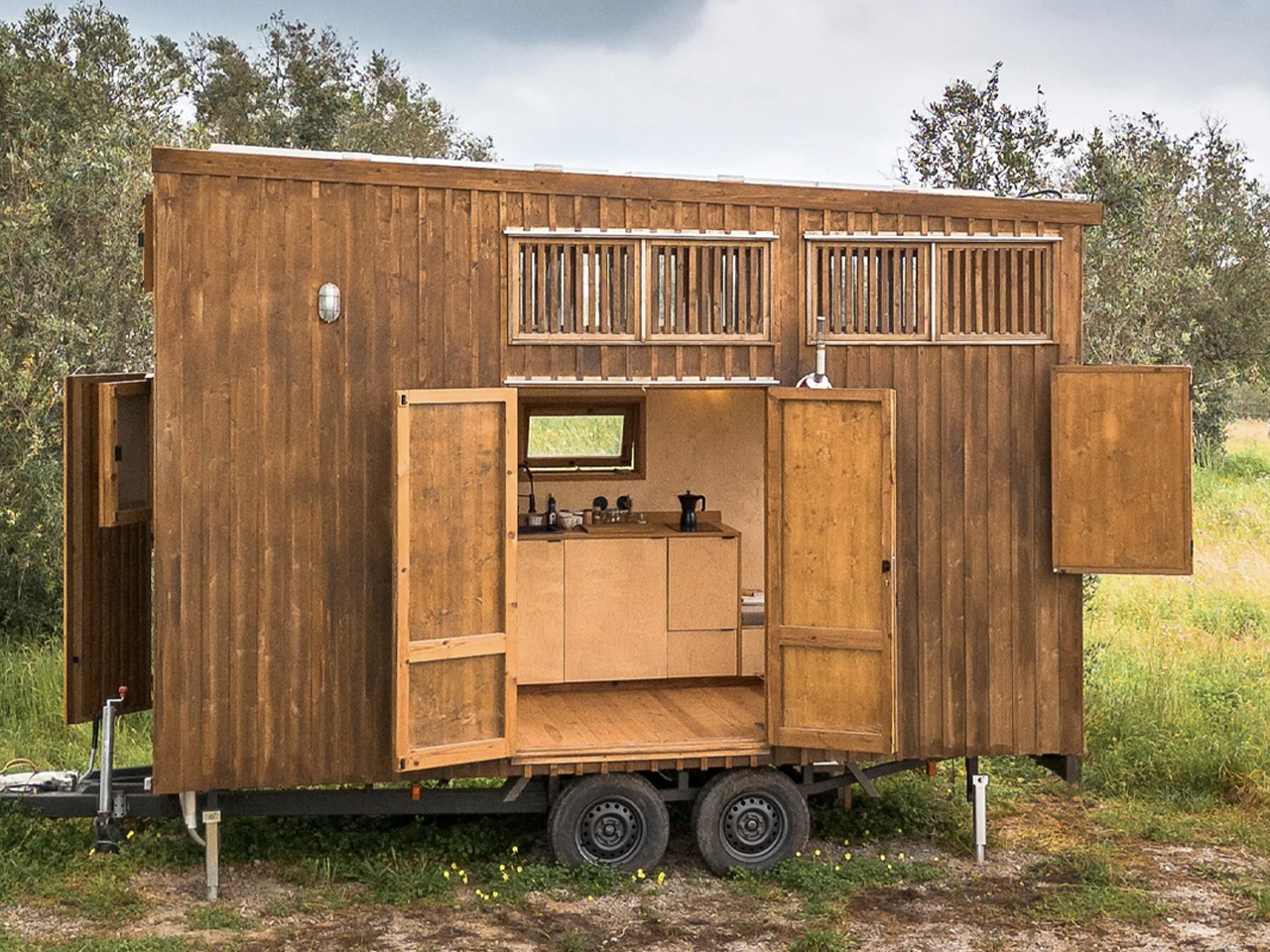
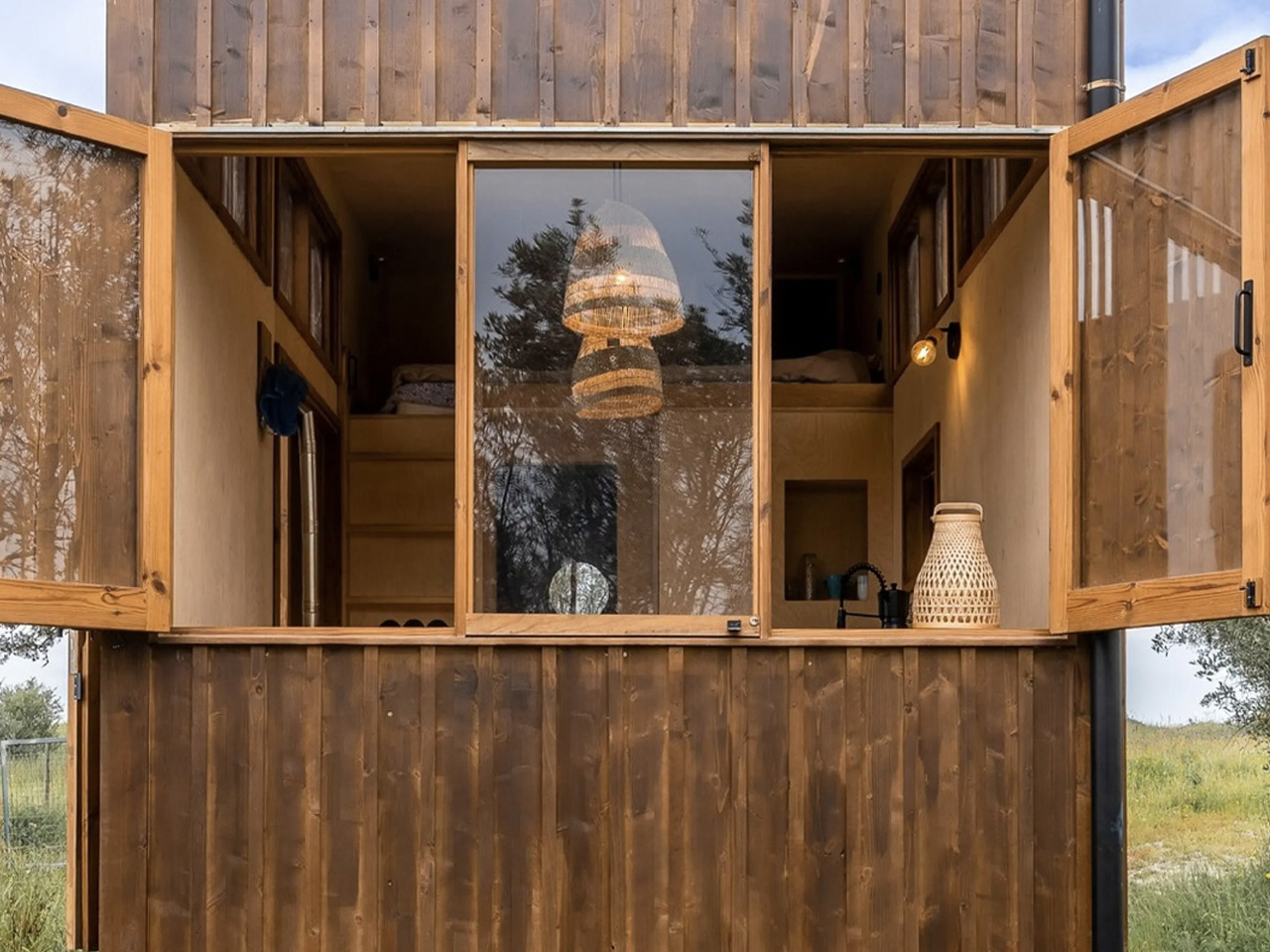
Named Pego, this compact little home will accompany you on your adventures into the wild, supported by a solar panel setup. The home is pretty compact, but you shouldn’t judge it by its size, as it is packed with functionality and utility, making for an excellent micro-living option.
Why is it noteworthy?
It is finished in wood, and the expert craftsmanship is represented in the shutters on the windows, and in the doors of the home. The house is powered by solar panels, irrespective of where it is parked. It also includes a standard RV-style hookup.
What we like
It contains a mini wood-burning stove, much like the ones you use while camping in a tent
What we dislike
The home is quite small for a European tiny house
4. Crest Guesthouse
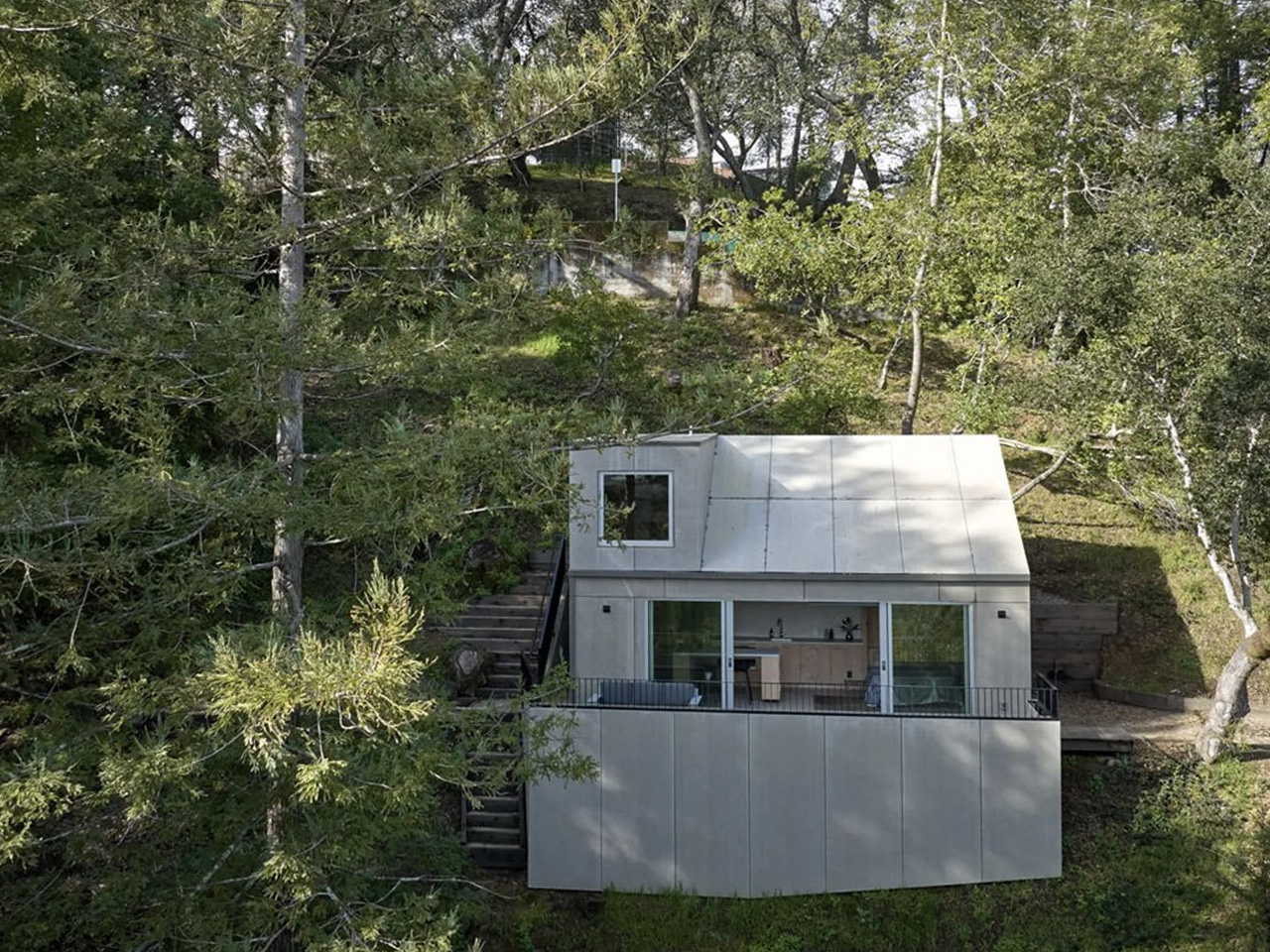
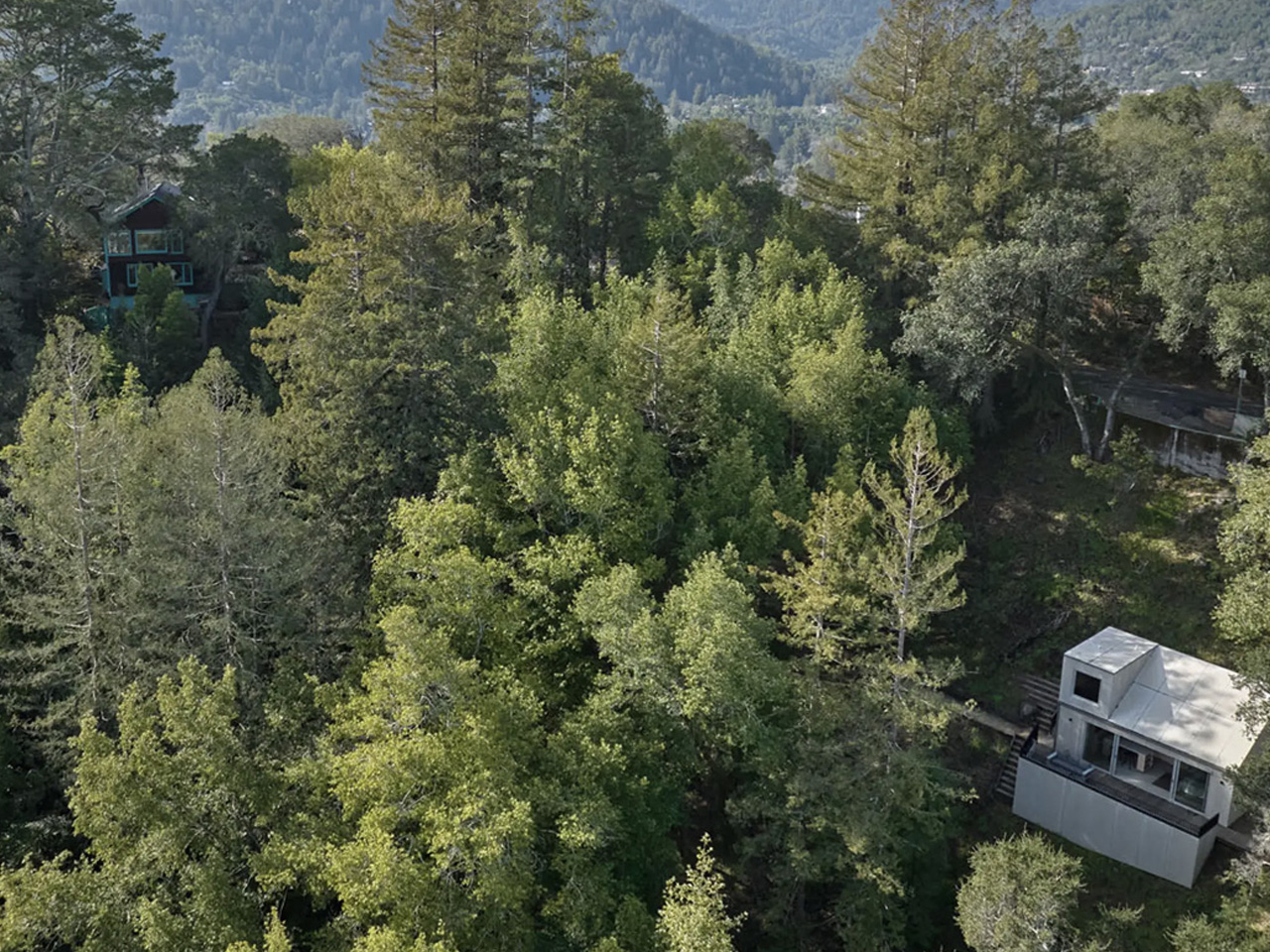
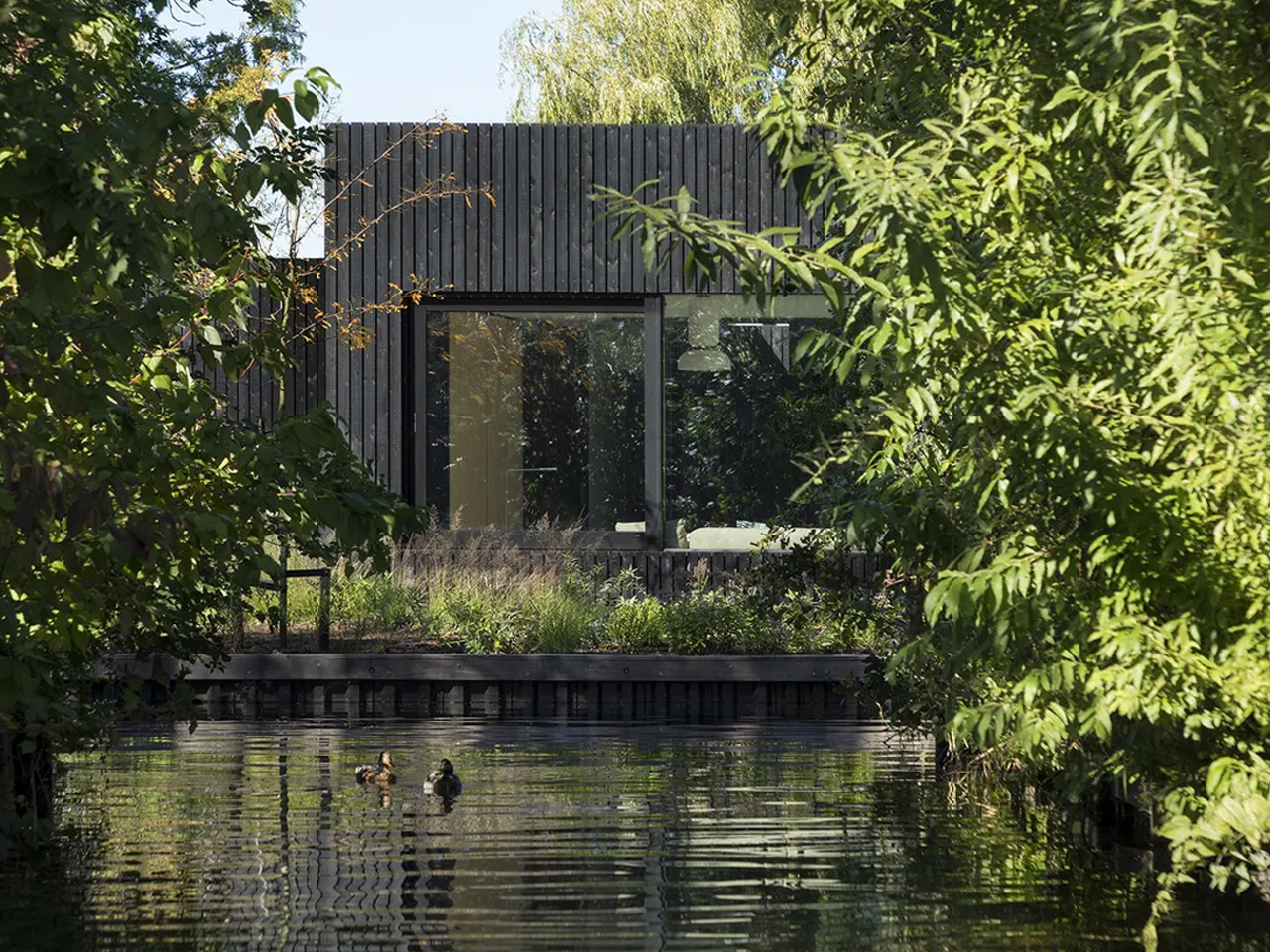
Designed by Mork-Ulnes Architects, the Crest Guesthouse is a lovely abode on a steep hillside plot in California. The home has a simple yet intriguing layout, one which resembles a Swiss Army knife. This maximizes the features of an otherwise compact, and not too spacious home. It represents how smart downsizing ideas can build a comfy home for a small family.
Why is it noteworthy?
The house measures around 400 square feet and is located in a forest. Since wildfires are common, the exterior is built using a fire-resistant cement board, which is pretty easy to maintain. A small deck was also incorporated to form a more usable outdoor space.
What we like
Since the bed is essentially a Murphy bed installed into a wall, this forms a lot of free floor space
What we dislike
Location makes wildfires a major concern
5. Fujitsubo
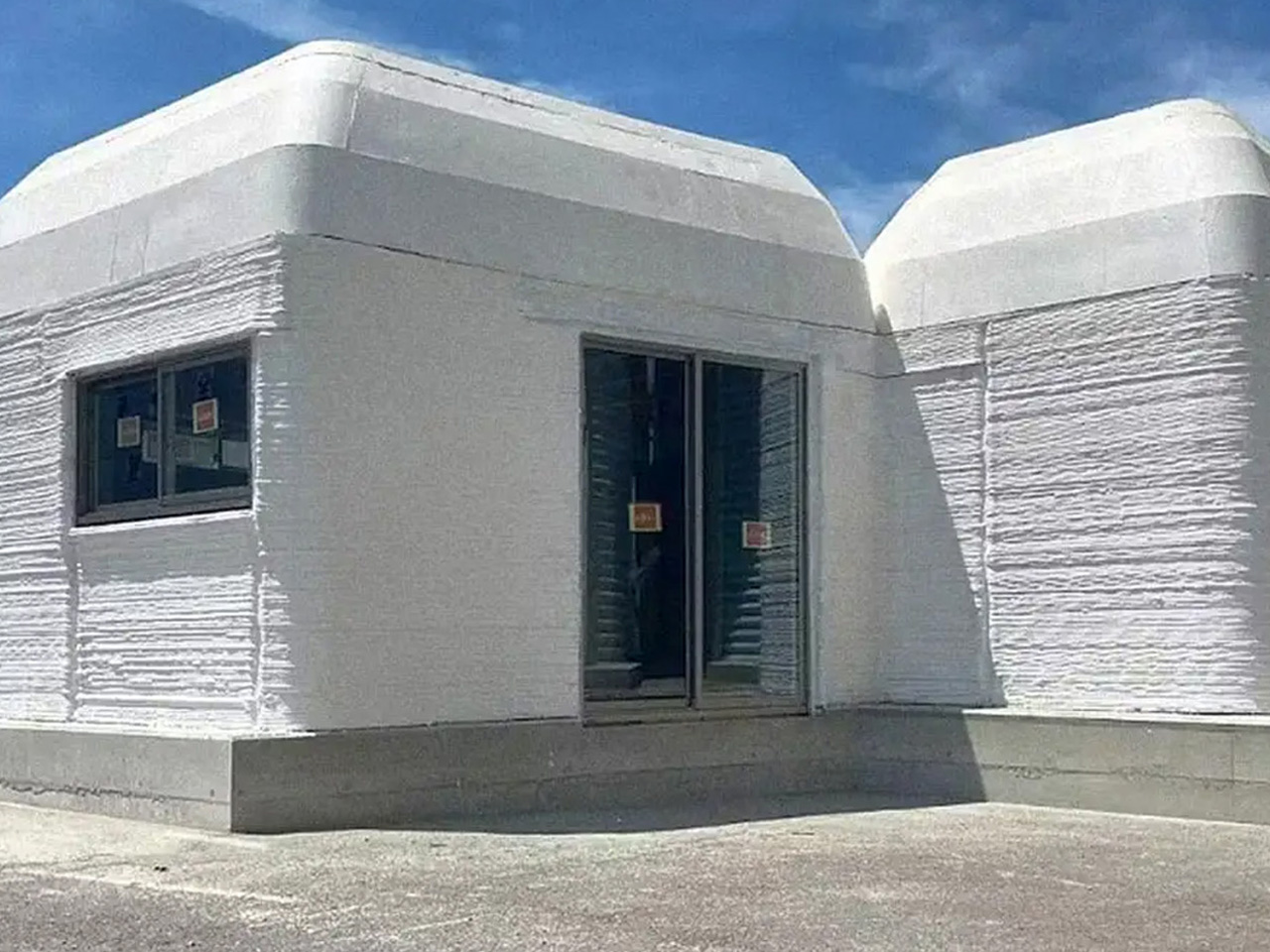
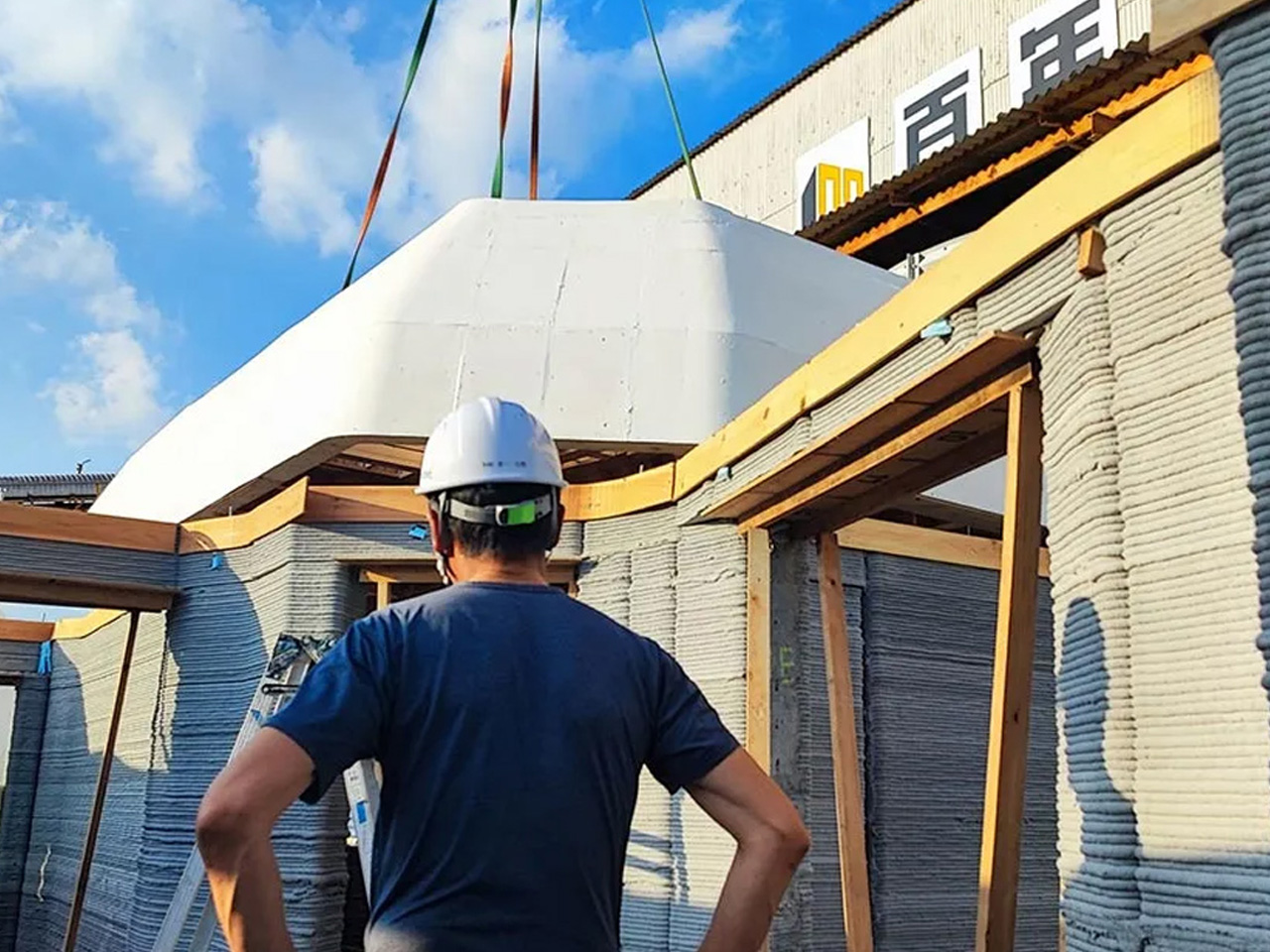
Designed by the Japanese construction startup Serendix – the Fujitsubo is a small home priced at around 5.5 million yen, or around $37,600. The home takes about 44.5 hours to print and assemble and serves as a functional tiny home for those who are looking for 3D-printed micro-living options.
Why is it noteworthy?
Fujitsubo translates to “the barnacle”, and it occupies a space of only 538 square feet. This is pretty small in comparison to an average American home, which is five times bigger. The 3D-printed home includes one bedroom, and bathroom, as well as an open living room that is connected to the kitchen.
What we like
Priced as much as a car while offering essential amenities and features
What we dislike
It’s still in the conceptual phase, so we’re not sure how the final structure will turn out to be
6. Monocoque Cabin
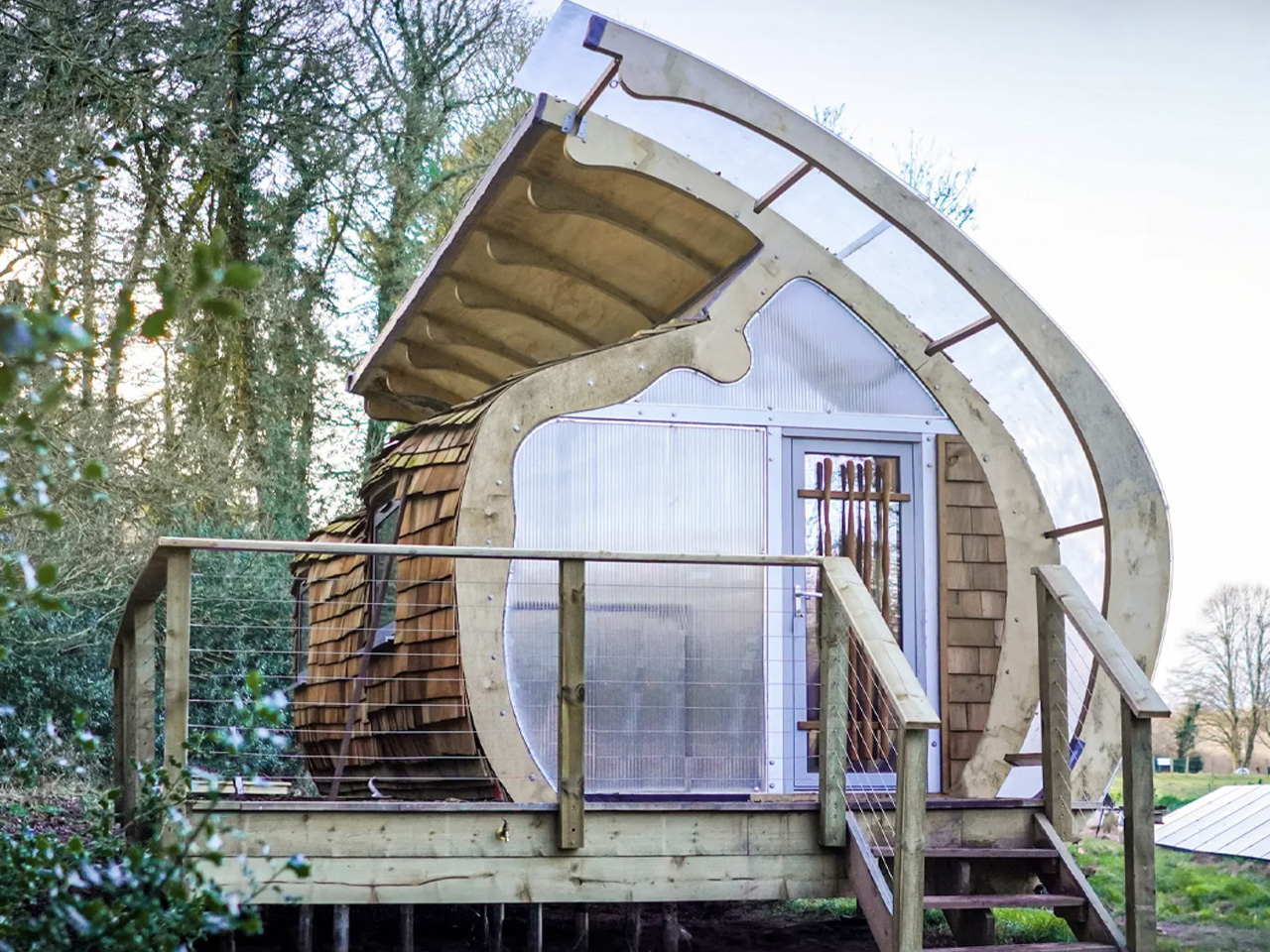
Named the Monocoque Cabin, this intriguing tiny home is inspired by a World War II airplane. It is a truly extraordinary home with a visually appealing curving exterior, and it comes along with a bunch of options – ranging from an interior layout, and the ability to run off-grid.
Why is it noteworthy?
The tiny cabin is inspired by the WWII de Havilland Mosquito monocoque structure. The fighter plane’s monocoque structure was used as the source of inspiration. The home is made from timber materials, building a lovely connection with the surrounding rural settings.
What we like
The materials used to build the home will age gracefully, creating a prettier structure with time
What we dislike
The unique aesthetics may not be to some people’s tastes
Isn’t equipped with wheels, so doesnt support an on-the-go lifestyle
7. Elevate Tiny Home
Named the Elevate tiny home, this house by Acorn Tiny Homes is equipped with a nifty interior layout and an elevating bed. This creates a flexible room that serves as a bedroom, and a light-filled study area. It can be tough to fit comfortable and practical interiors into tiny homes, but Acorn Tiny Homes has done it well.
Why is it noteworthy?
The Elevate is powered by a standard RV-style hookup, and the interior is amped with an ample amount of storage space. The floor space includes an open and light-filled study space, as well as a desk and chair. By pushing a button, a double bed is lowered down, and it can be stowed away near the ceiling when you’re done using it.
What we like
The living area transforms into a bedroom with the simple push of a button
What we dislike
All the rooms seem to be located on one floor, which can be limiting
8. Câpsula
Called Câpsula, this tiny home concept is designed by the architecture studio i29. It was unveiled at the Dutche Design Week 2023, and the cabins and homes have been inspired by design-led thinking, and they are quite simple yet highly functional.
Why is it noteworthy?
The project is pretty small-scale but the plans and ambitions for it are quite large. The goal and intention behind the project is to promote slow living and create the ideal cabin architecture with a couple of amazing options.
What we like
Inspired by minimal architecture
Features top-notch amenities
What we dislike
The home may be considered too compact and small by some
9. Sakura Tiny House
Named the Sakura tiny house, this home by Canada-based Acorn Tiny Homes is a complete game-changer in comparison to typical tiny homes on the market. The house doesn’t include wheels and features an innovative space-saving interior which contains a transforming bedroom and kitchen.
Why is it noteworthy?
The Sakura tiny home is breaking ground in the tiny home arena, by taking this popular housing style to a whole new and upgraded version. It is inspired by popular Japanese design trends, which can be even witnessed in its name.
What we like
Wholly inspired by Japanese design philosophy
A flexible multi-purpose space
What we dislike
Can only fit two residents and two guests, making it a tight fit
10. Browny
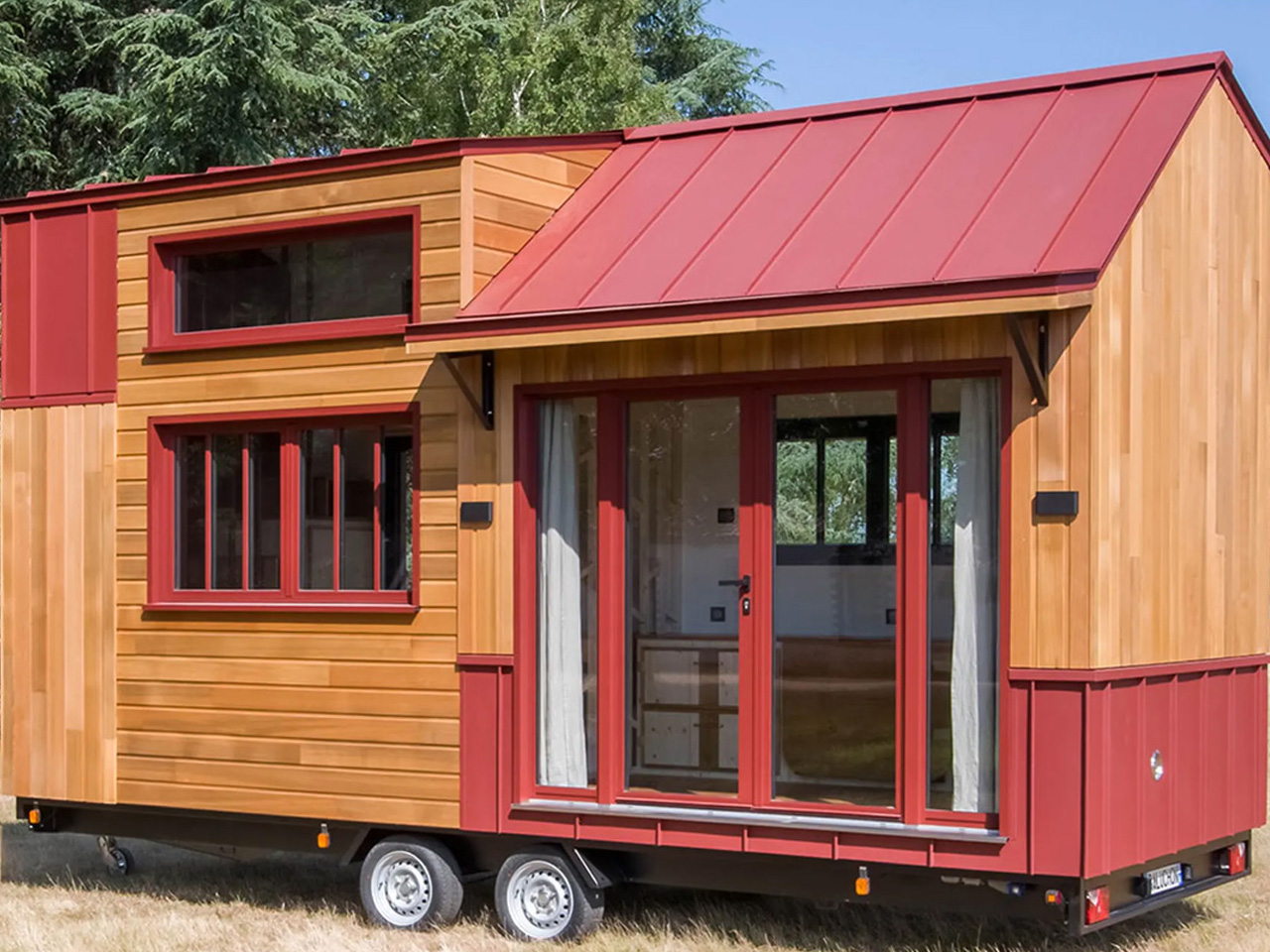
Named Browny, this cute tiny home is pretty versatile, and it can function as a home office, exercise area, or guest bedroom. All of these have been fit snugly into a length of 6 meters, but it is still quite comfortable.
Why is it noteworthy?
The tiny home is supported by a double-axle trailer and features a finishing of red cedar, which is further accentuated by aluminum accenting and a roof. This tiny home is equipped with a generous amount of glazing, ensuring there is maximum natural light within the home.
What we like
Accommodates multiple amenities in a small space
Features integrated storage space
What we dislike
Doesn’t feature a proper kitchen and bathroom, which can be inconvenient for users
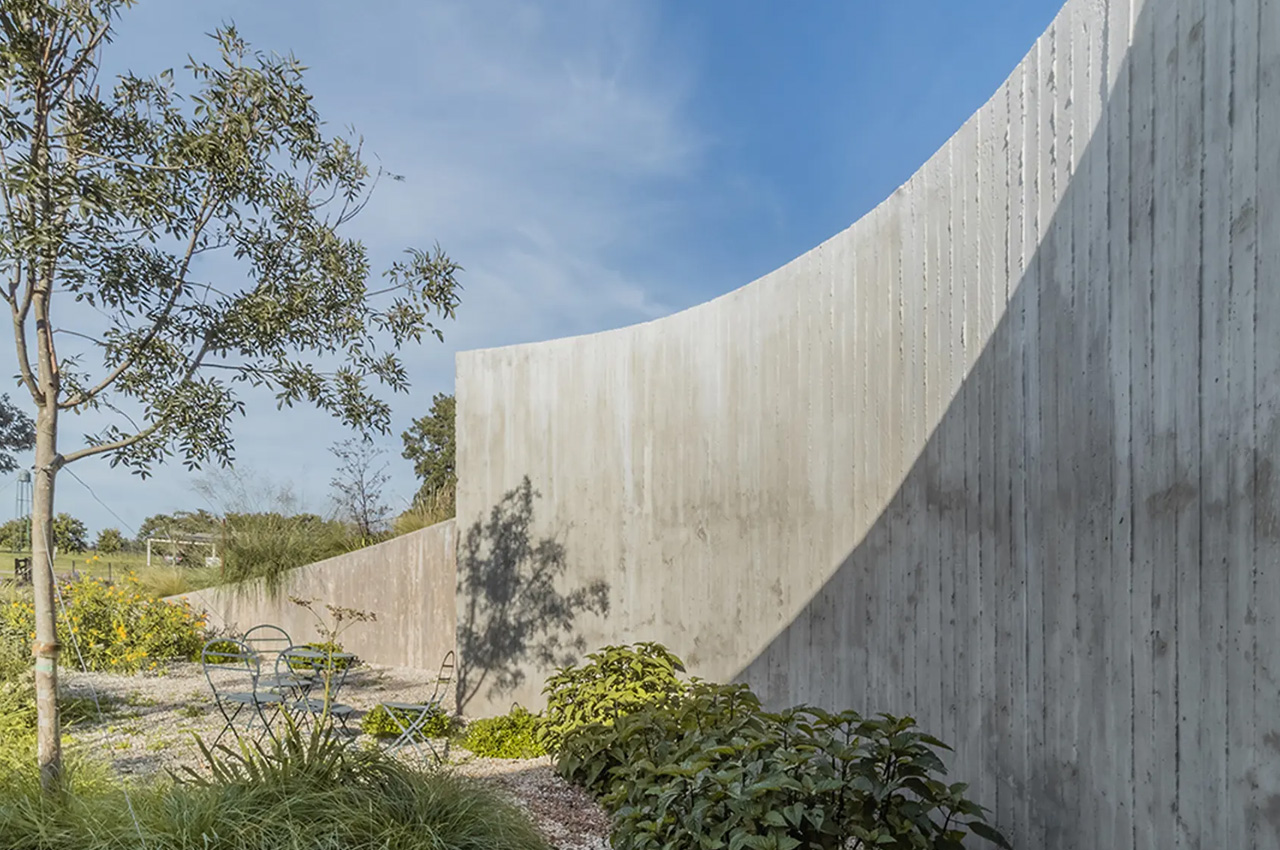
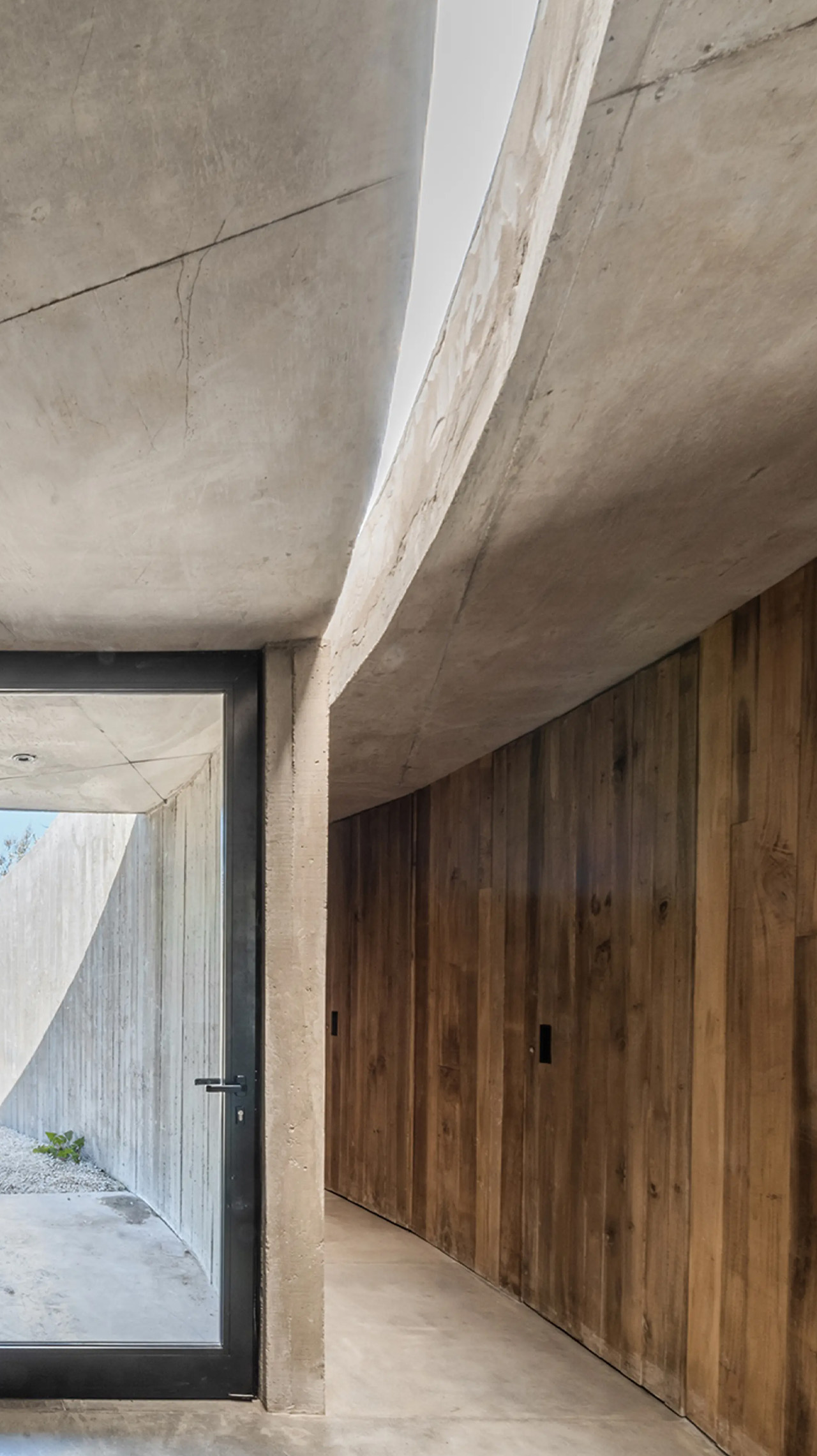
When we talk about modern architecture these days, you instantly get a vision of tall glass skyscrapers! Modern architecture is characterized by skyscrapers and glass structures. However, a growing trend is slowly making its place in the world of architecture, and that is – Concrete architectural designs. Concrete structures have a unique appeal to them. Raw, rustic, and organic, these real and unfiltered architectural structures immediately catch your eye. If you love concrete buildings, then you will approve of the Shire!
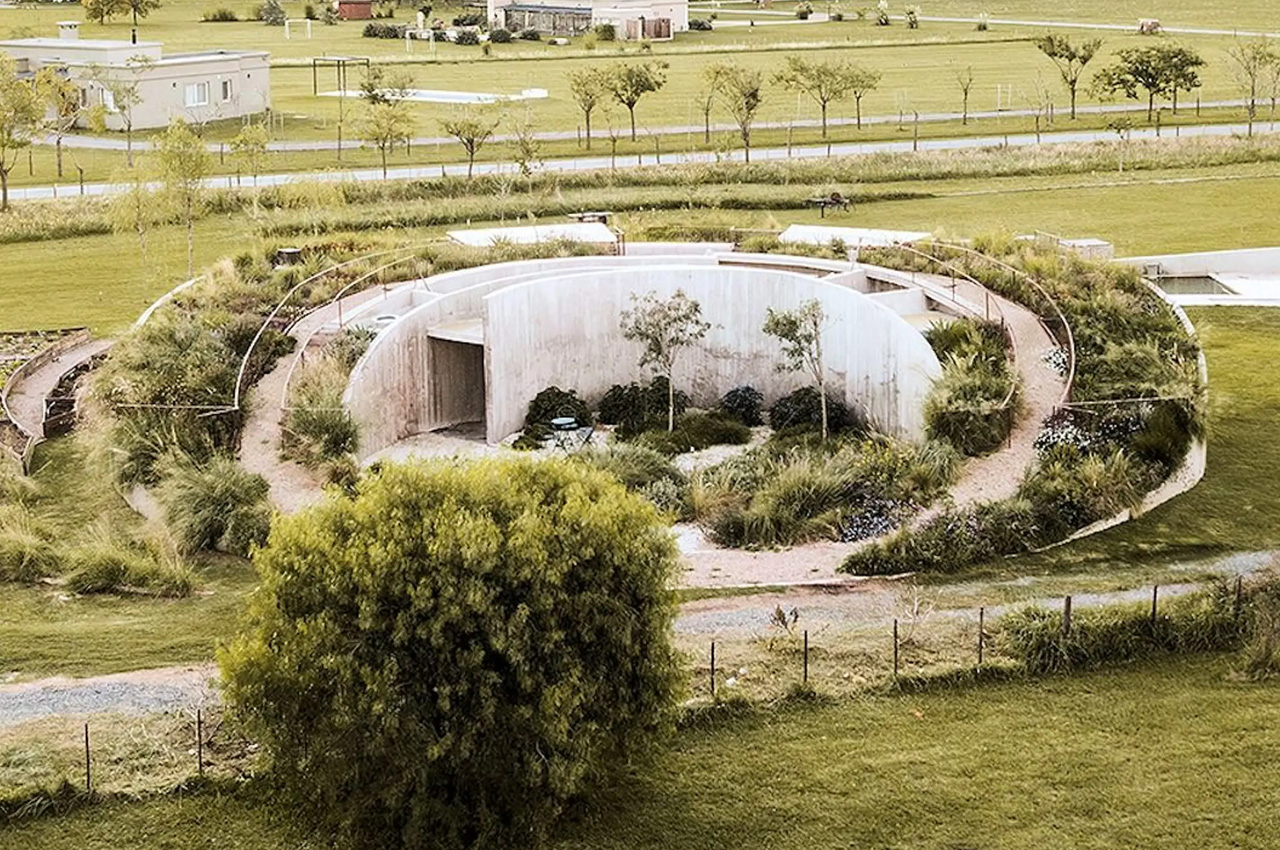
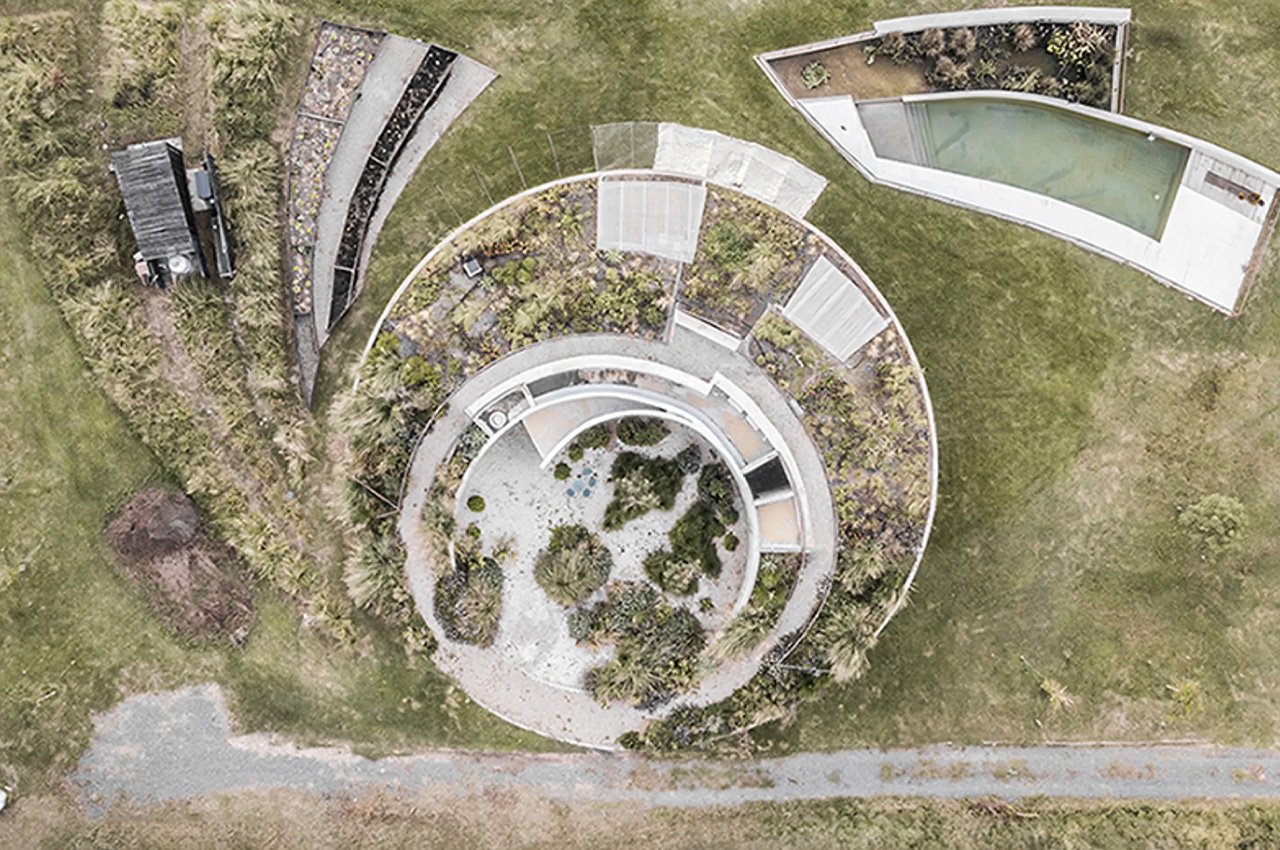
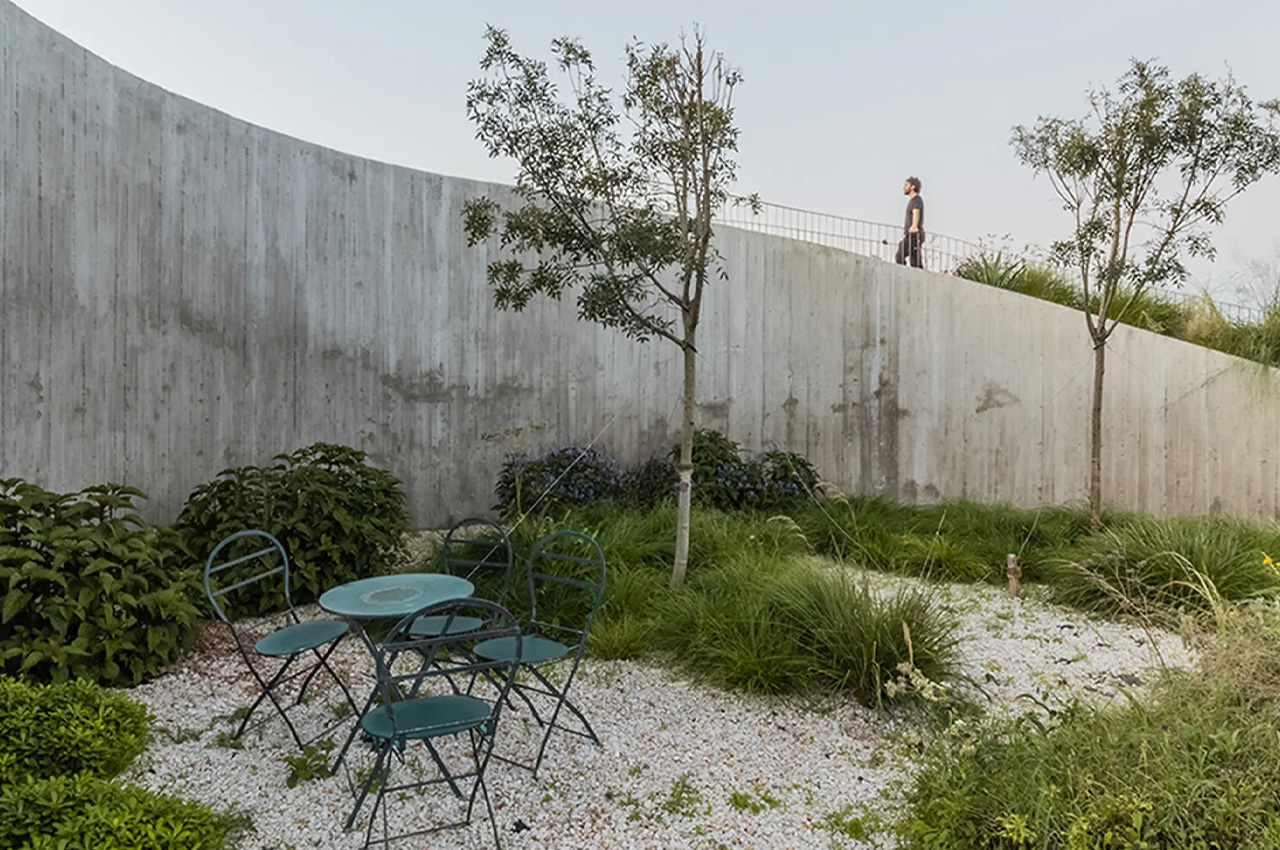
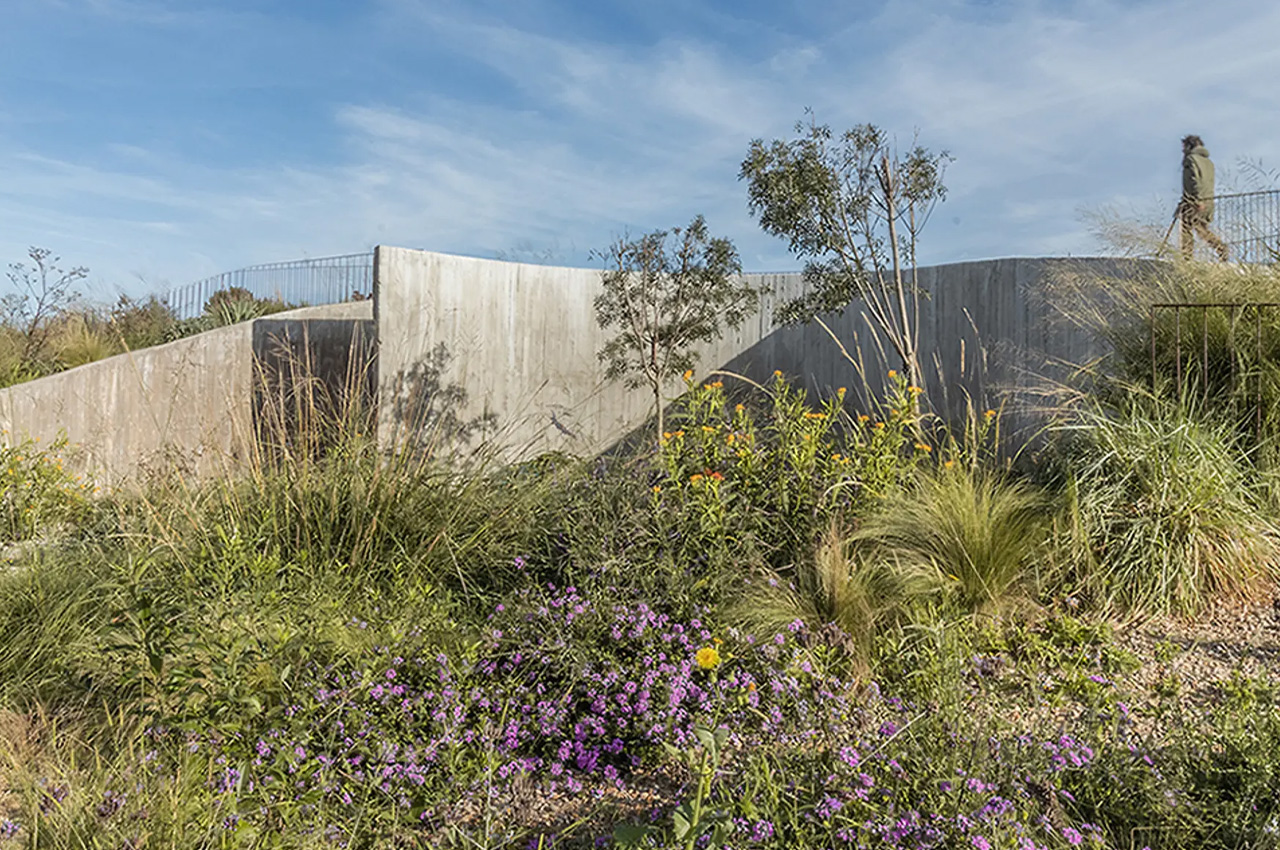
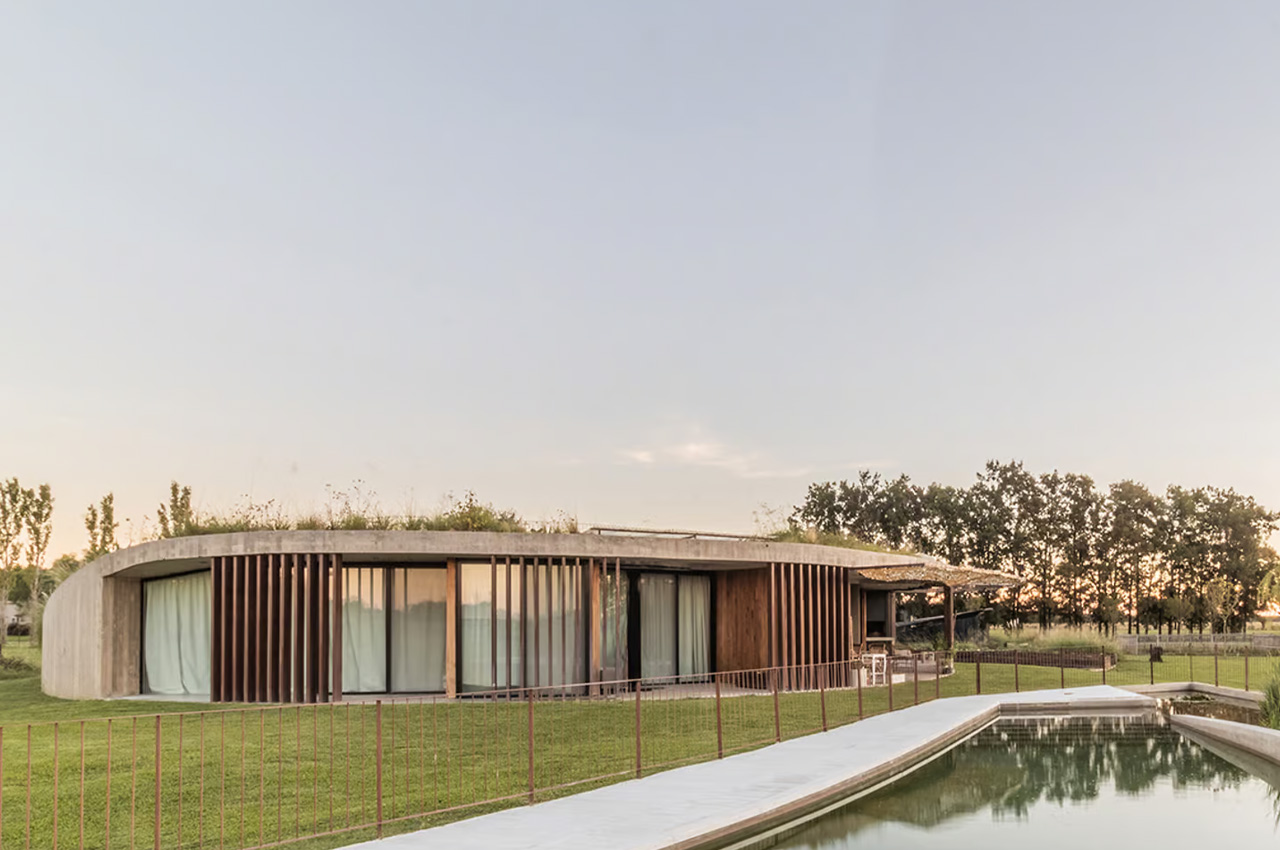
Designed by Atelier Matias Mosquera, the Shire is a one-of-a-kind and exceptional home that beautifully merges into its surrounding landscape. The home is self-sufficient in terms of power, water, and food. The home is inspired by the Shire by Tolkien’s iconic books, as its name suggests. It is tucked away in a rural space in Buenos Aires and is built mainly from concrete. The surrounding landscape is lush and green, which perfectly complements the greenery on top of the home. The greenery provides insulation from the heat and cold, while wooden slats offer shade from the sun as well.
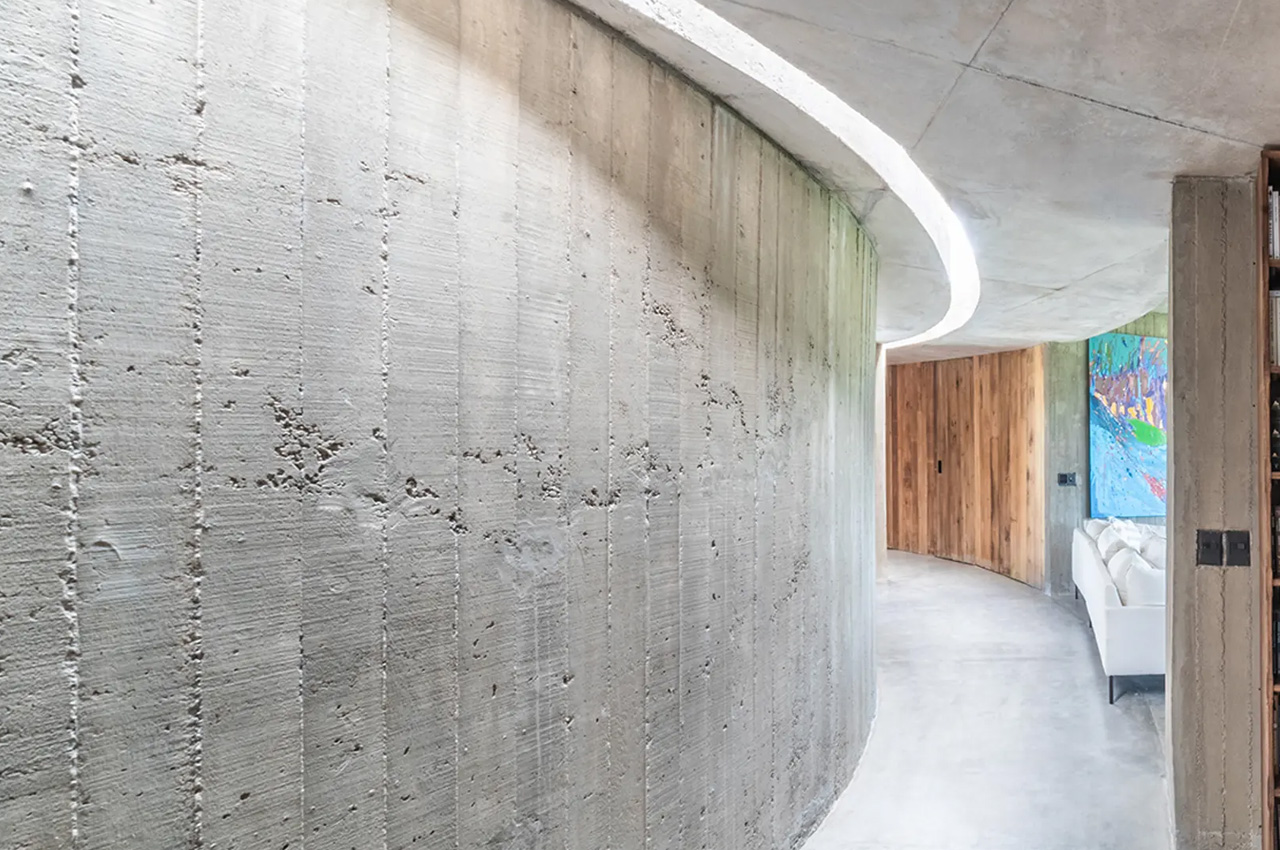
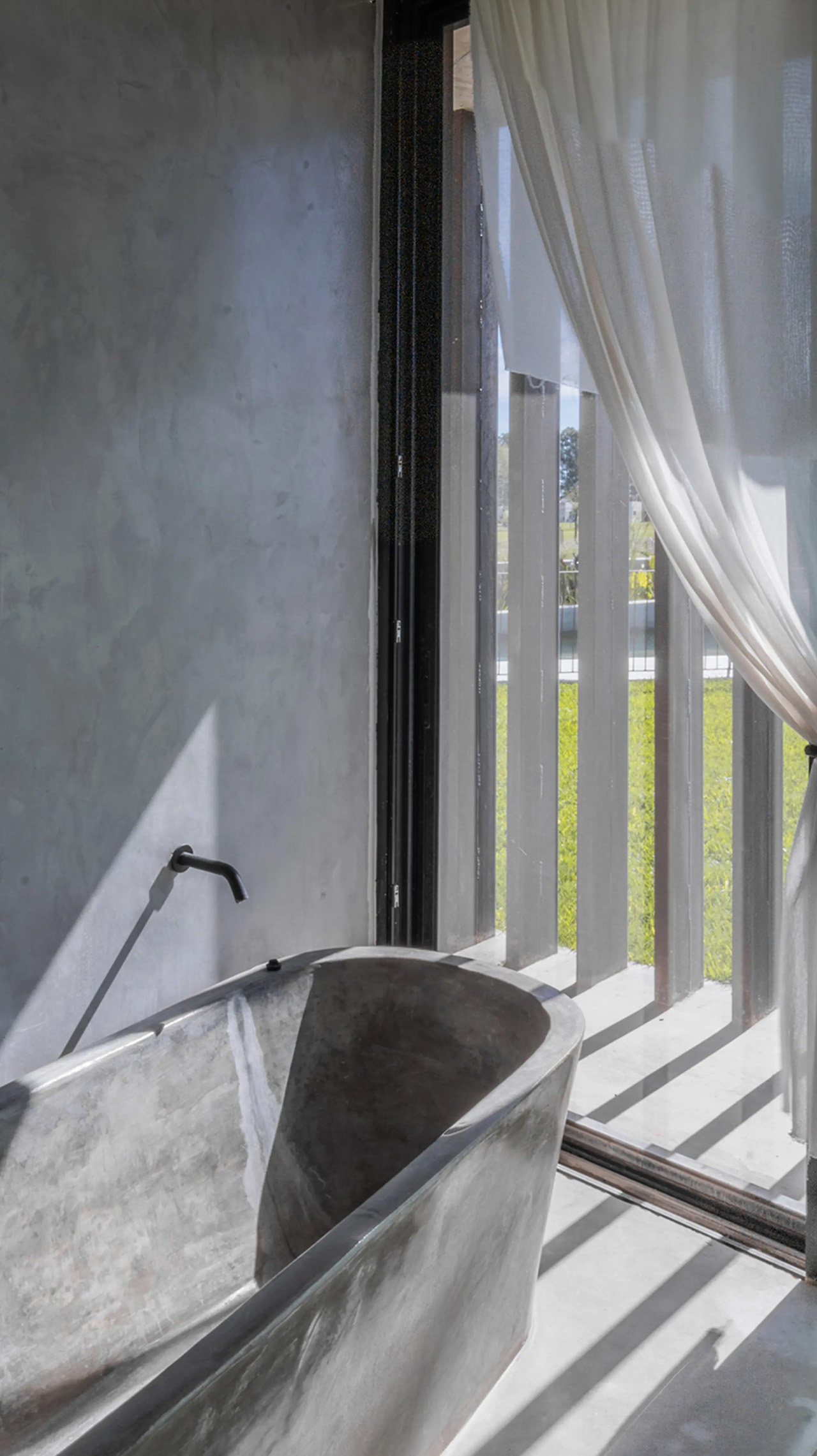
The interior is made up of exposed concrete and wood, including the bathroom which contains a unique stone-like bathtub. The home occupies around 200 sq m and houses three bedrooms, a living room, a kitchen, a library area, and a bathroom. It is surrounded by lush and detailed landscaping, which includes a swimming pool, as well as multiple pathways that let you walk on top of the structure.
“Instead of buying and throwing goods away, the idea is to produce, consume as needed, and then recycle,” said Atelier Matias Mosquera. “There would be no more garbage since the system would be self-sufficient. It generates its own electricity, heating, water, and, above all, food.”
The home runs off-grid as well since it is powered by solar panels, which are linked to a battery array, which makes sure the lights are on even when the sun isn’t shining too bright. It features a rainwater capture system which can be connected to the water tanks and a vegetable garden, to offer sustainable food production. The Shire was built to help the owner live near nature, providing a much-needed break from the hectic city life.