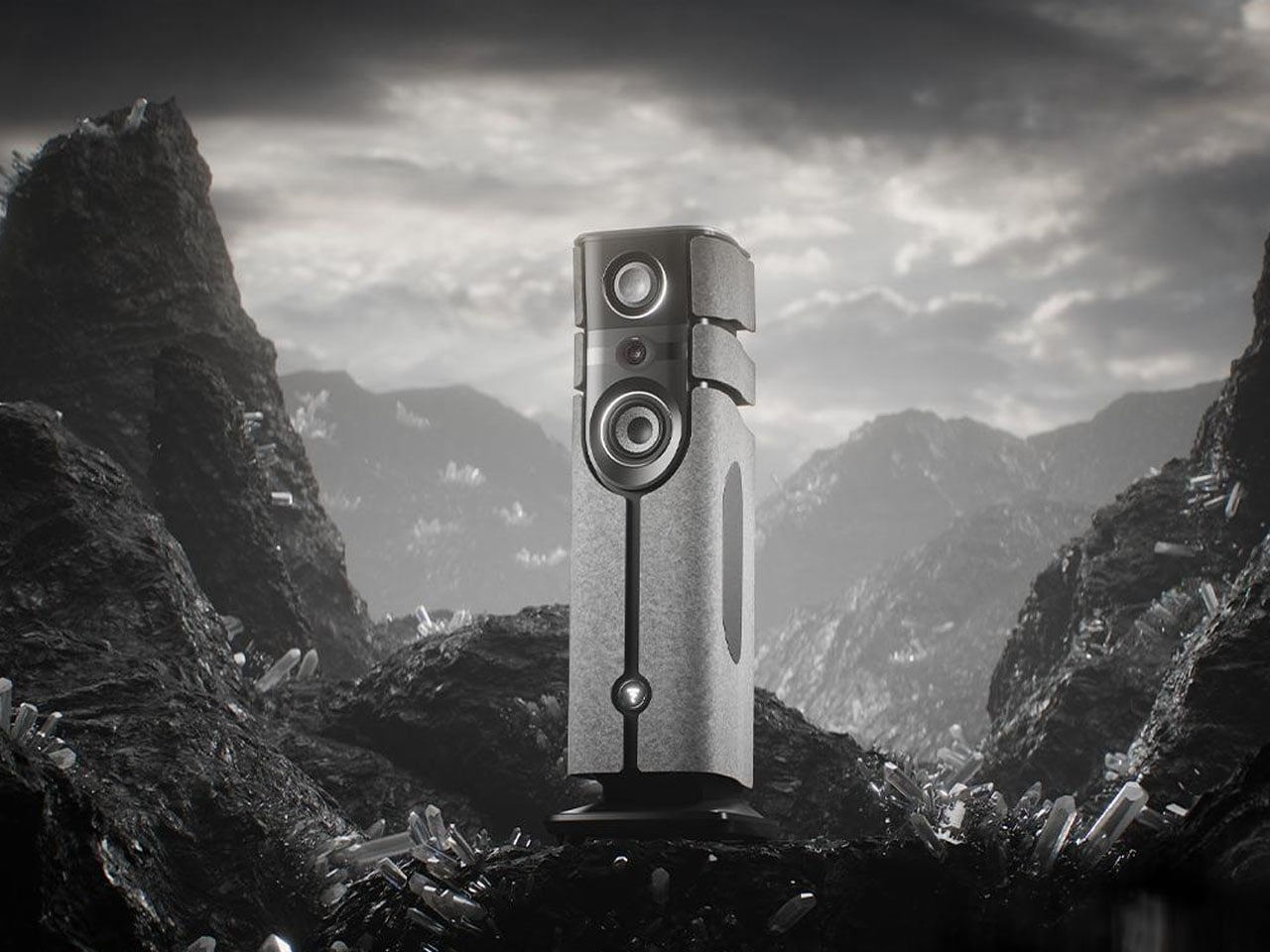
Focal’s $200,000 Diva Alta Utopia Speakers Make Traditional Audiophile Systems Feel Surprisingly Outdated

Focal and Naim’s partnership has already reshaped expectations around high-end wireless audio, proving that convenience no longer has to come at the expense of performance. With the new Diva Alta Utopia, the two brands push that idea to its absolute limit. They’ve created a flagship floorstanding speaker system that combines reference-grade acoustics and modern streaming technology in a package designed for the most demanding listeners.

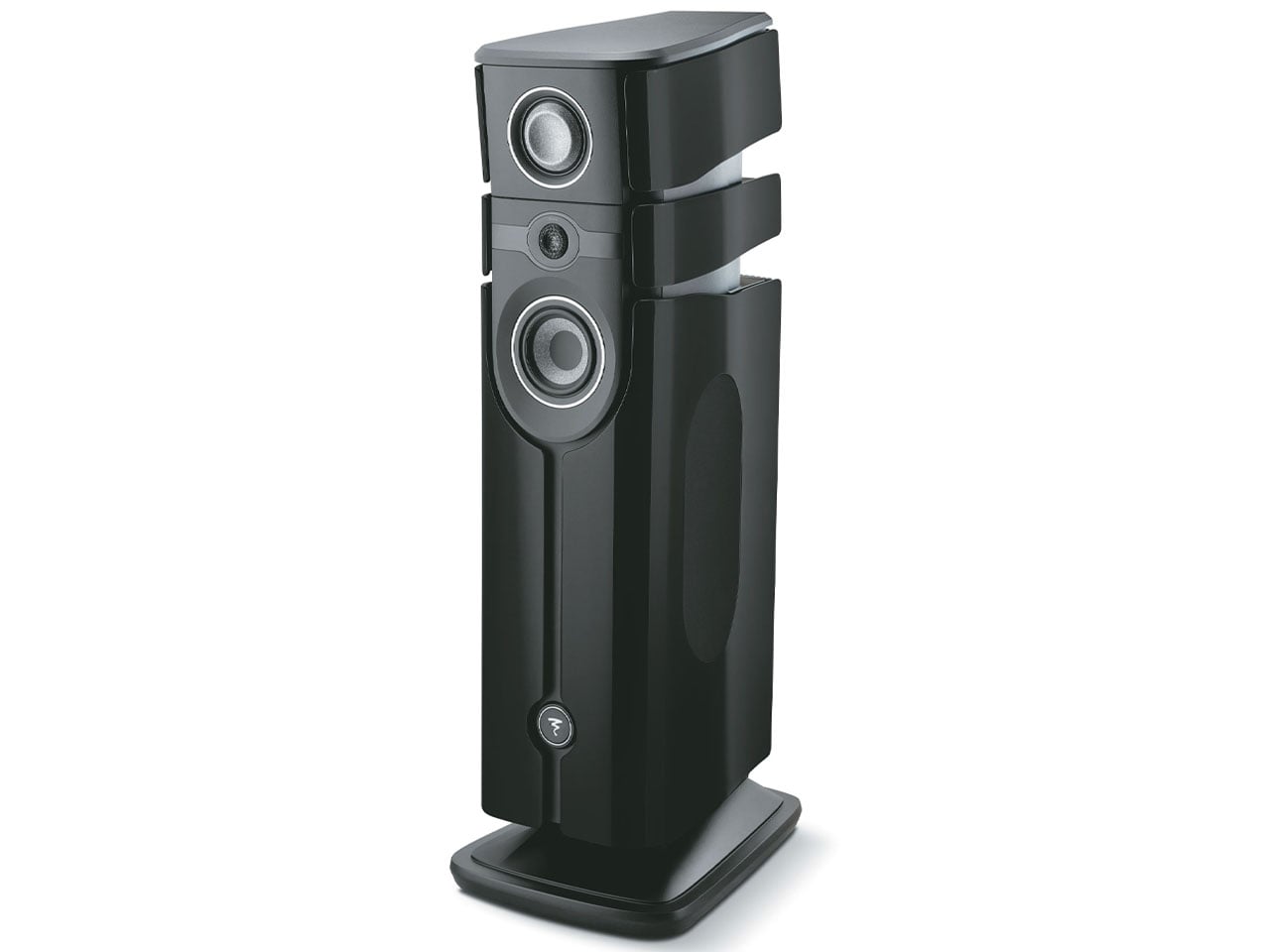
Positioned above the Diva Mezze Utopia, the Diva Alta Utopia is the largest and most advanced model in the lineup. Rather than requiring separate amplifiers, DACs, streamers, and racks full of equipment, the system integrates everything into a pair of sculptural floorstanding speakers. The result is a streamlined approach to high-end audio that preserves the performance expected from traditional audiophile setups while significantly reducing complexity.

Designer: Focal
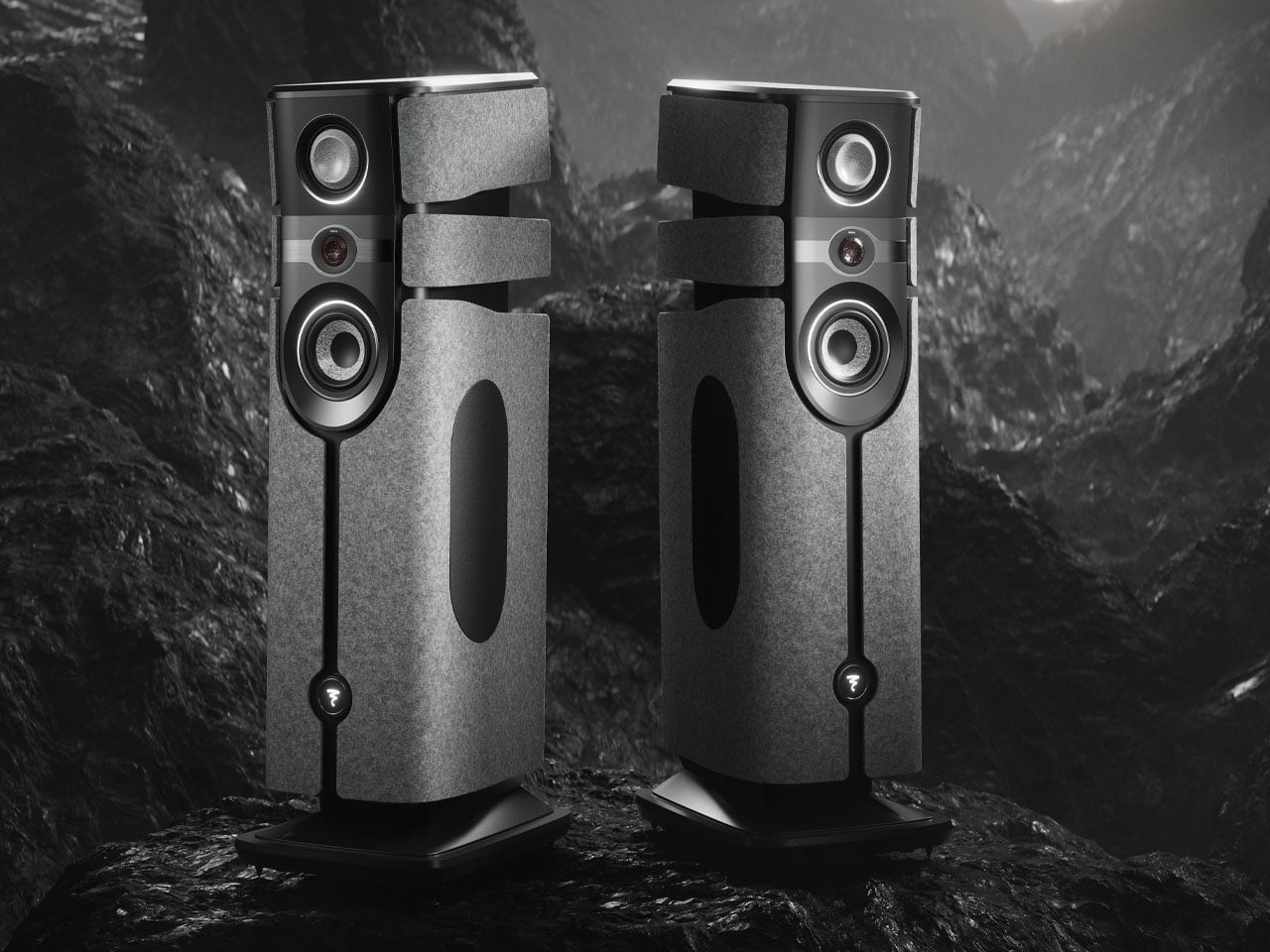
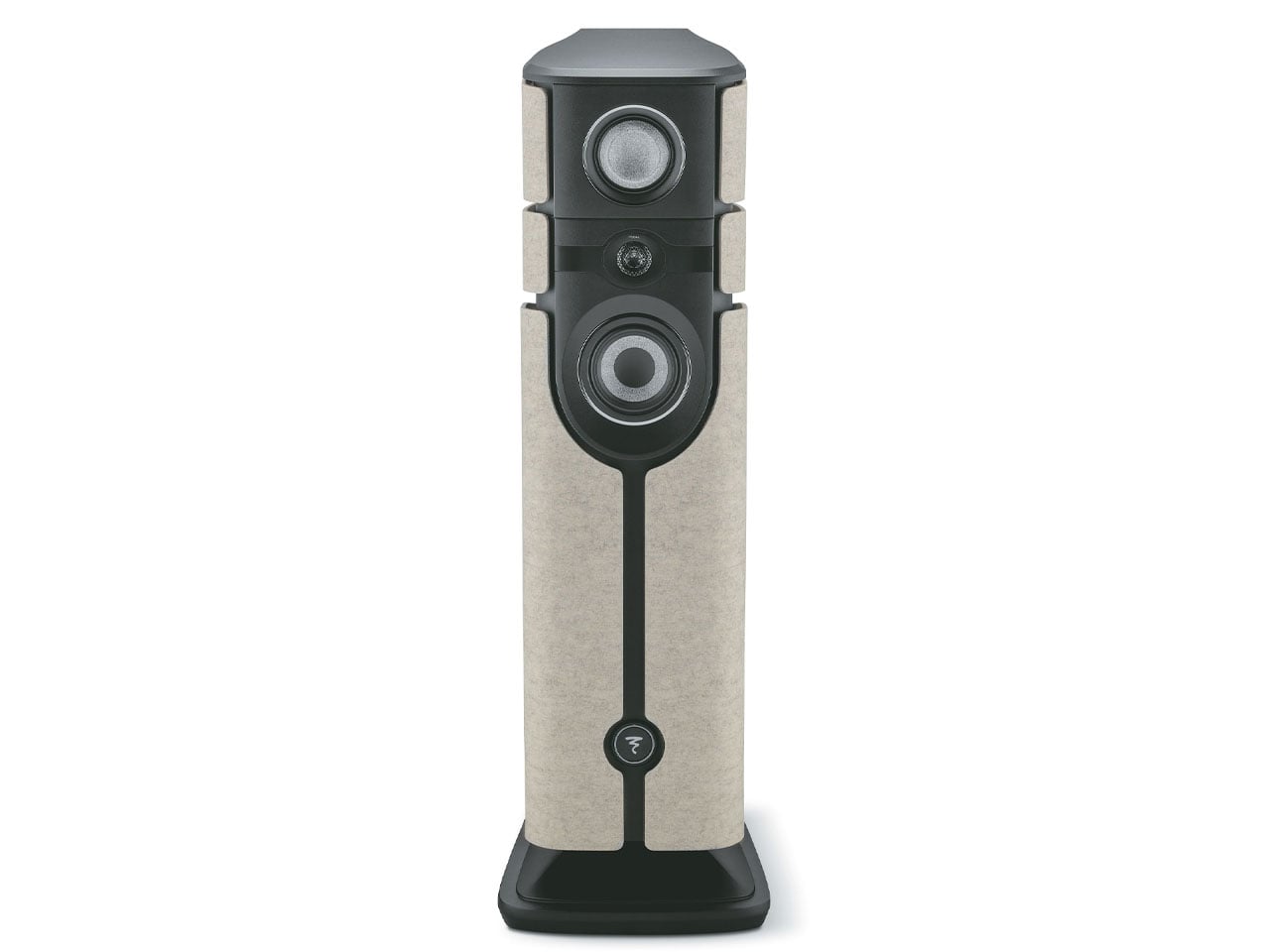
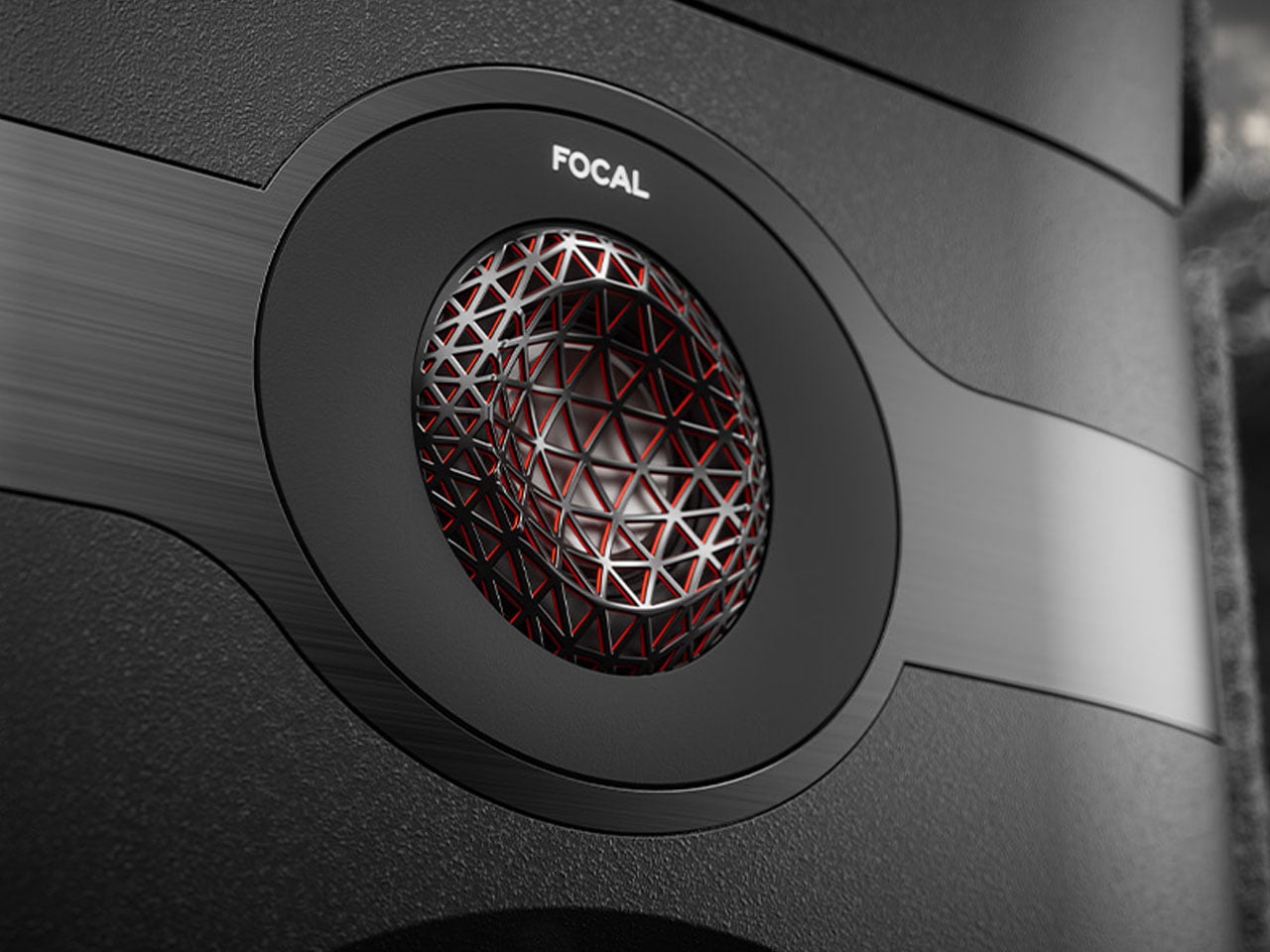
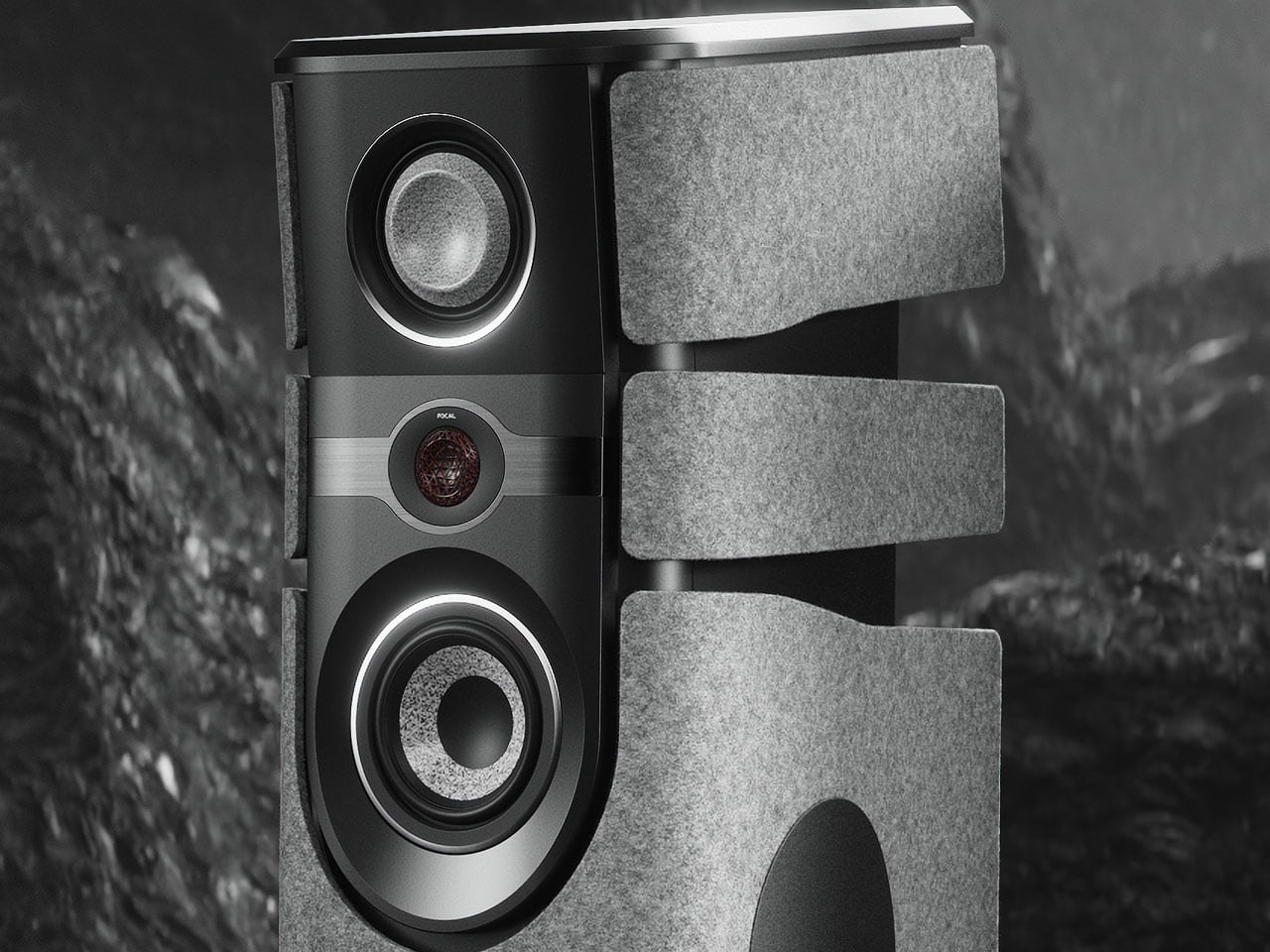
The speaker’s imposing form serves a functional purpose. Each cabinet houses a newly developed 27mm Prism tweeter engineered to balance rigidity, damping, and low mass for greater detail and precision. A carbon-reinforced 5-inch midrange driver handles vocals and instruments, while bass duties are shared by four 8-inch woofers and a dedicated 6.5-inch W-cone mid-bass driver. The drivers are arranged using Focal’s Time Management architecture, a design intended to align acoustic output for more accurate imaging and a convincing soundstage.
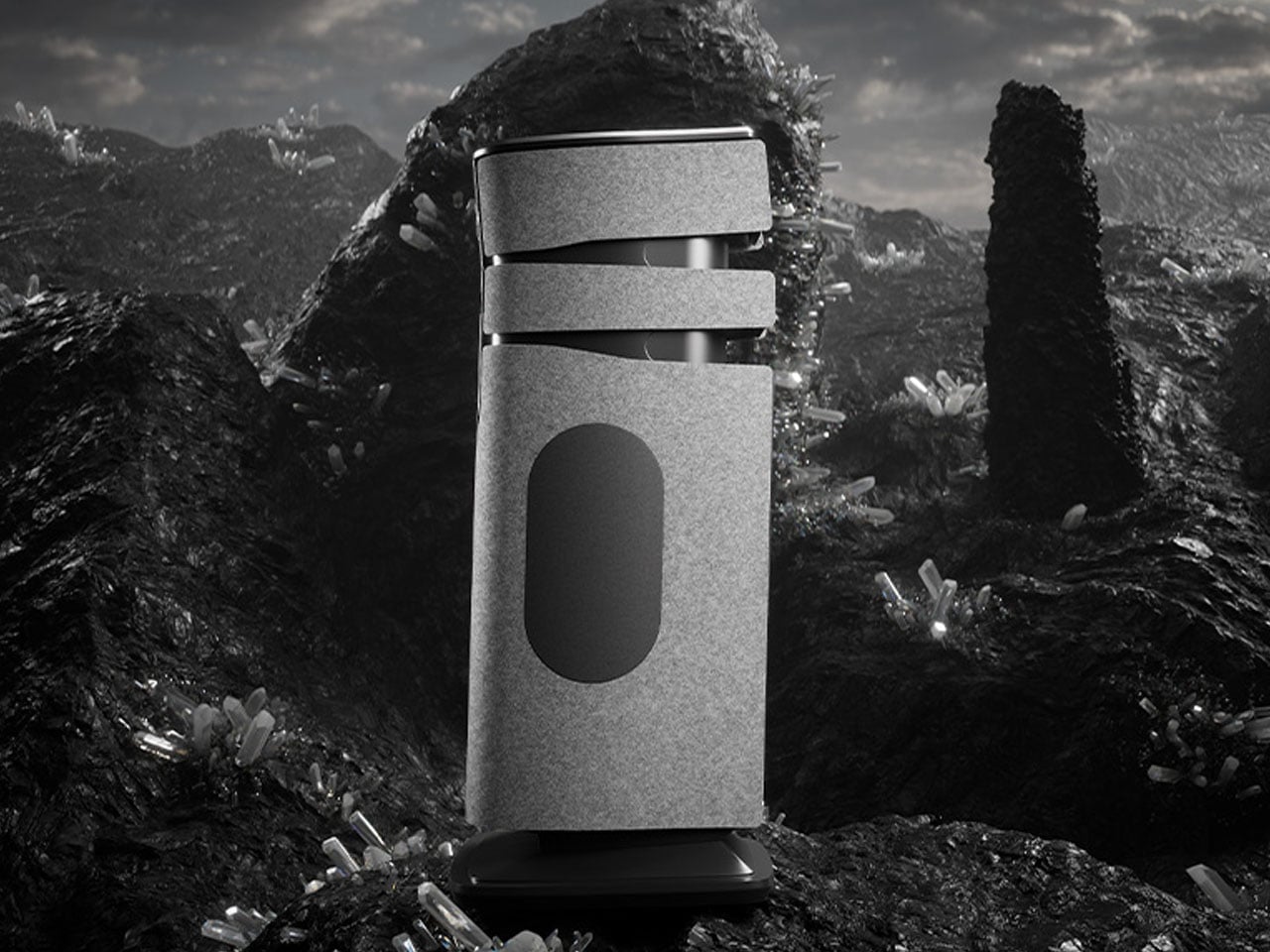
Every speaker contains four Class A/B amplifiers delivering a combined 600 watts, ensuring sufficient headroom for dynamic passages without compression. The system is capable of reaching deep into the low frequencies while maintaining clarity and control across the entire spectrum, making it suitable for everything from intimate acoustic recordings to large-scale orchestral performances.
Wireless performance has been a major focus of the design. Using Ultra Wideband transmission technology, the speakers can exchange audio wirelessly at up to 24-bit/192kHz resolution, while Naim’s Pulse streaming platform supports playback of PCM files up to 32-bit/384kHz. The platform provides access to a wide range of music services and protocols, including AirPlay 2, Google Cast, Spotify Connect, Tidal Connect, Qobuz, internet radio, and Bluetooth with aptX Adaptive support.
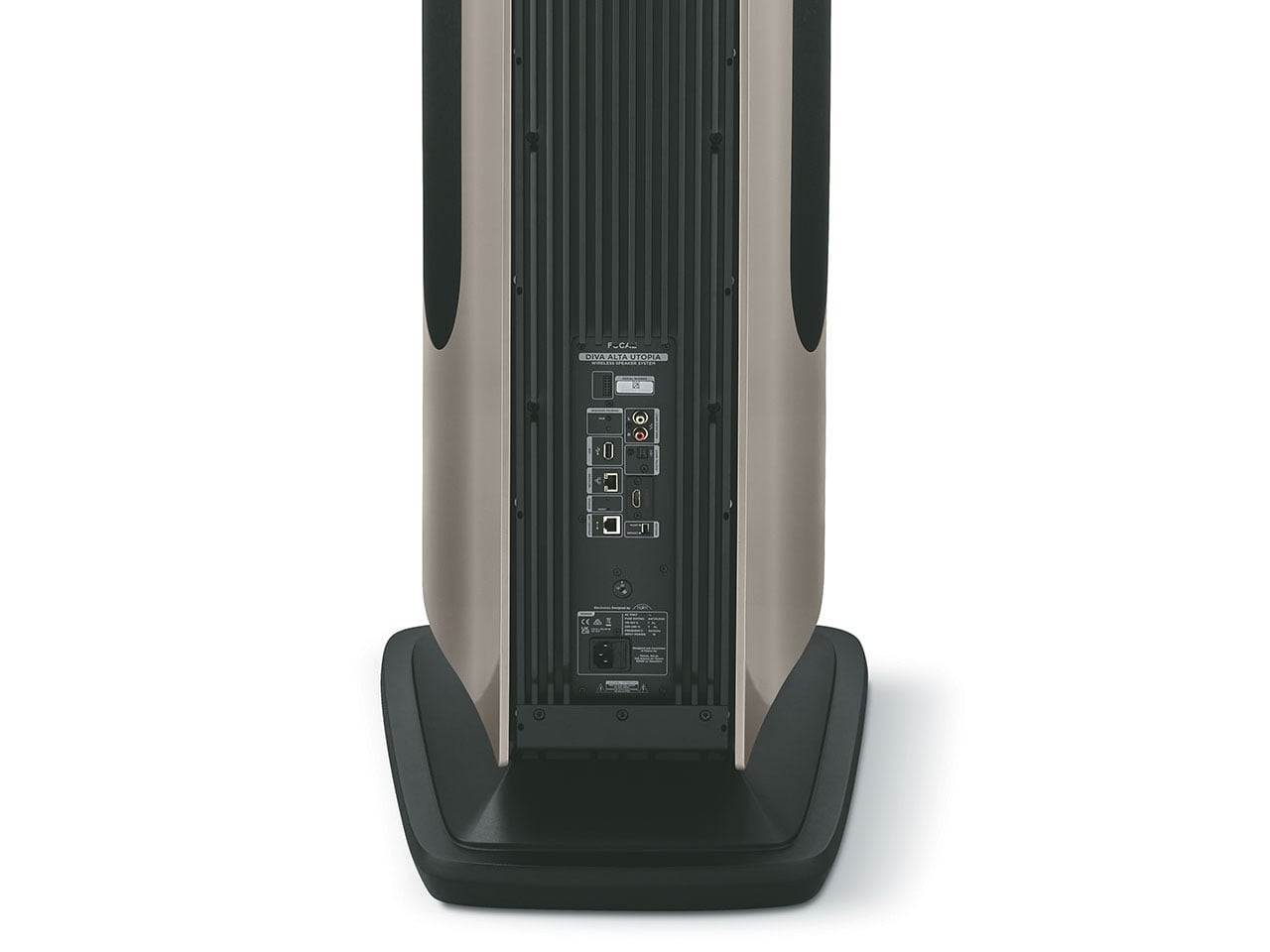
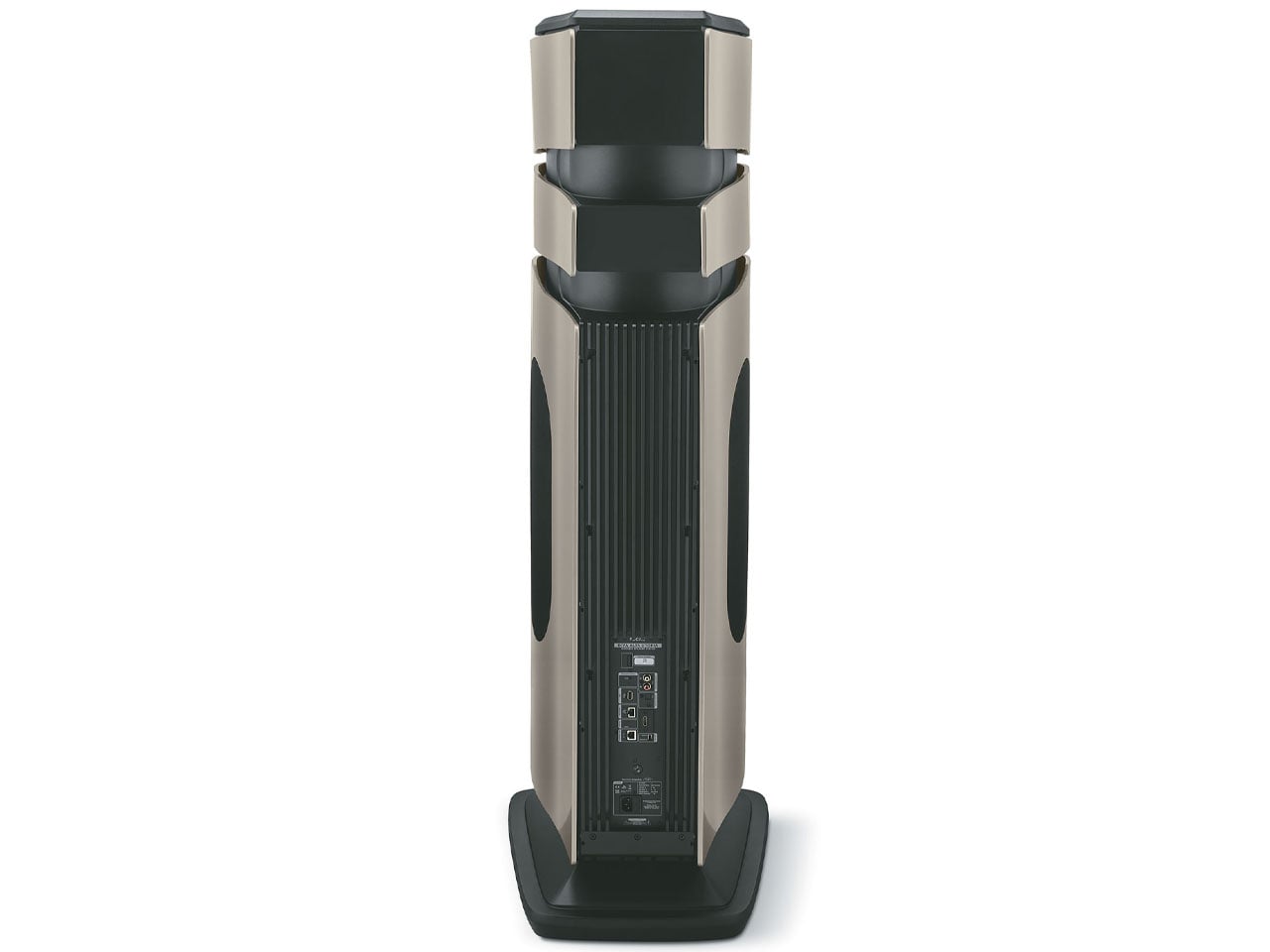
For users with additional sources, connectivity is extensive. HDMI eARC allows seamless integration with televisions, while optical, USB-C, RCA, Ethernet, and speaker-link connections accommodate everything from gaming consoles to high-resolution music libraries. Control is handled through the Focal & Naim app, which also enables ADAPT room calibration technology. This system analyses room acoustics and speaker placement to optimize performance for a specific listening environment.
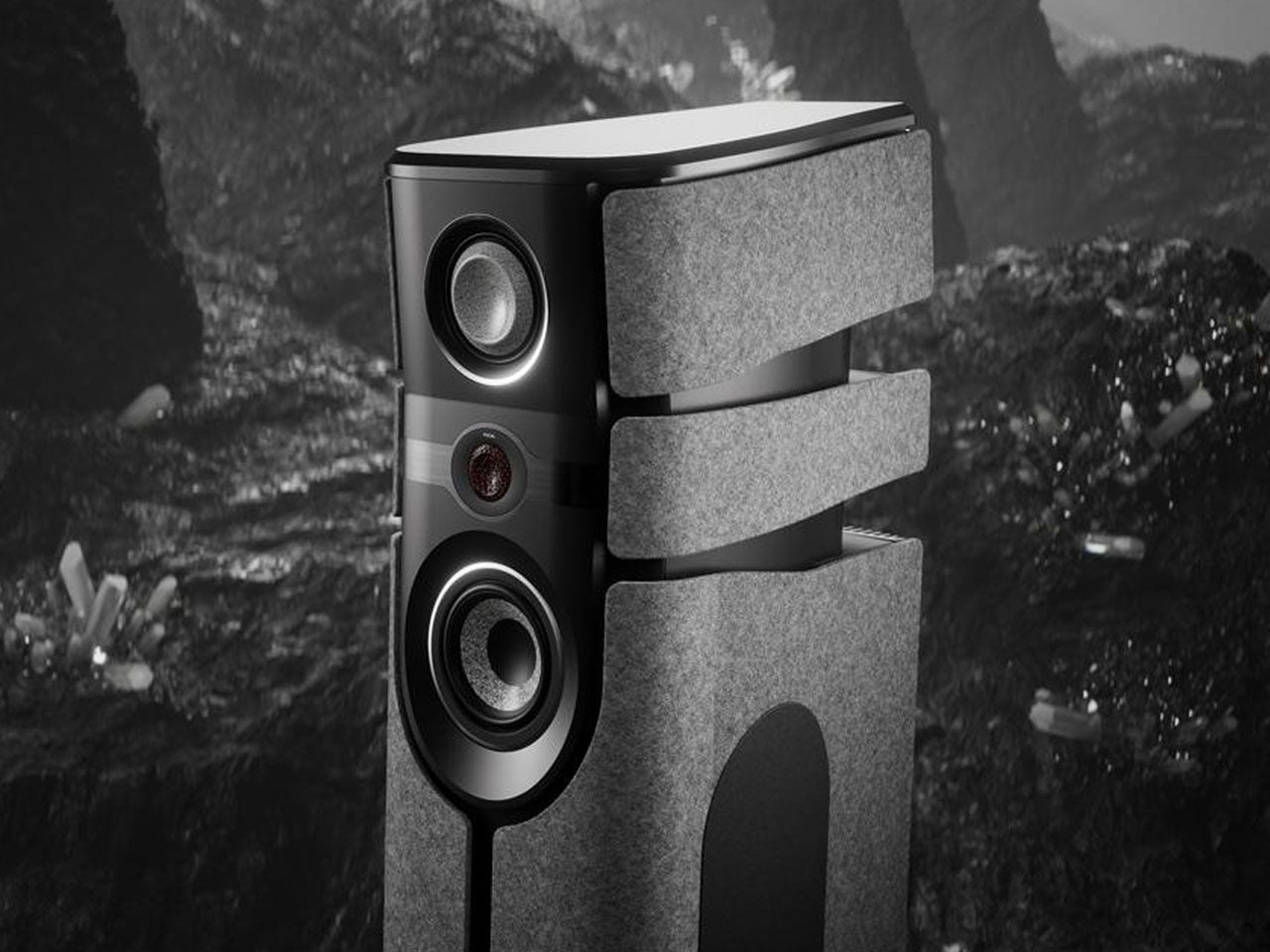
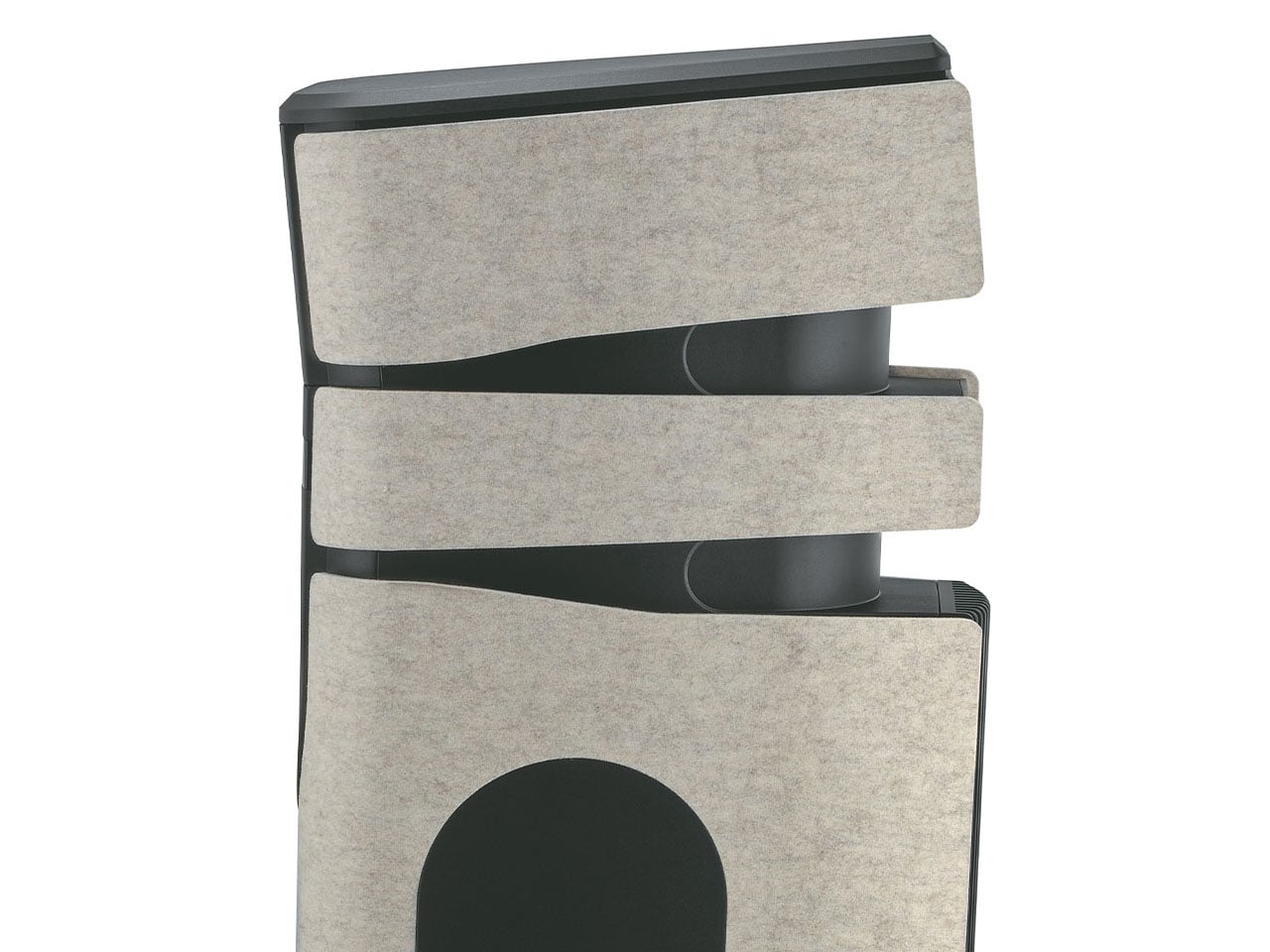
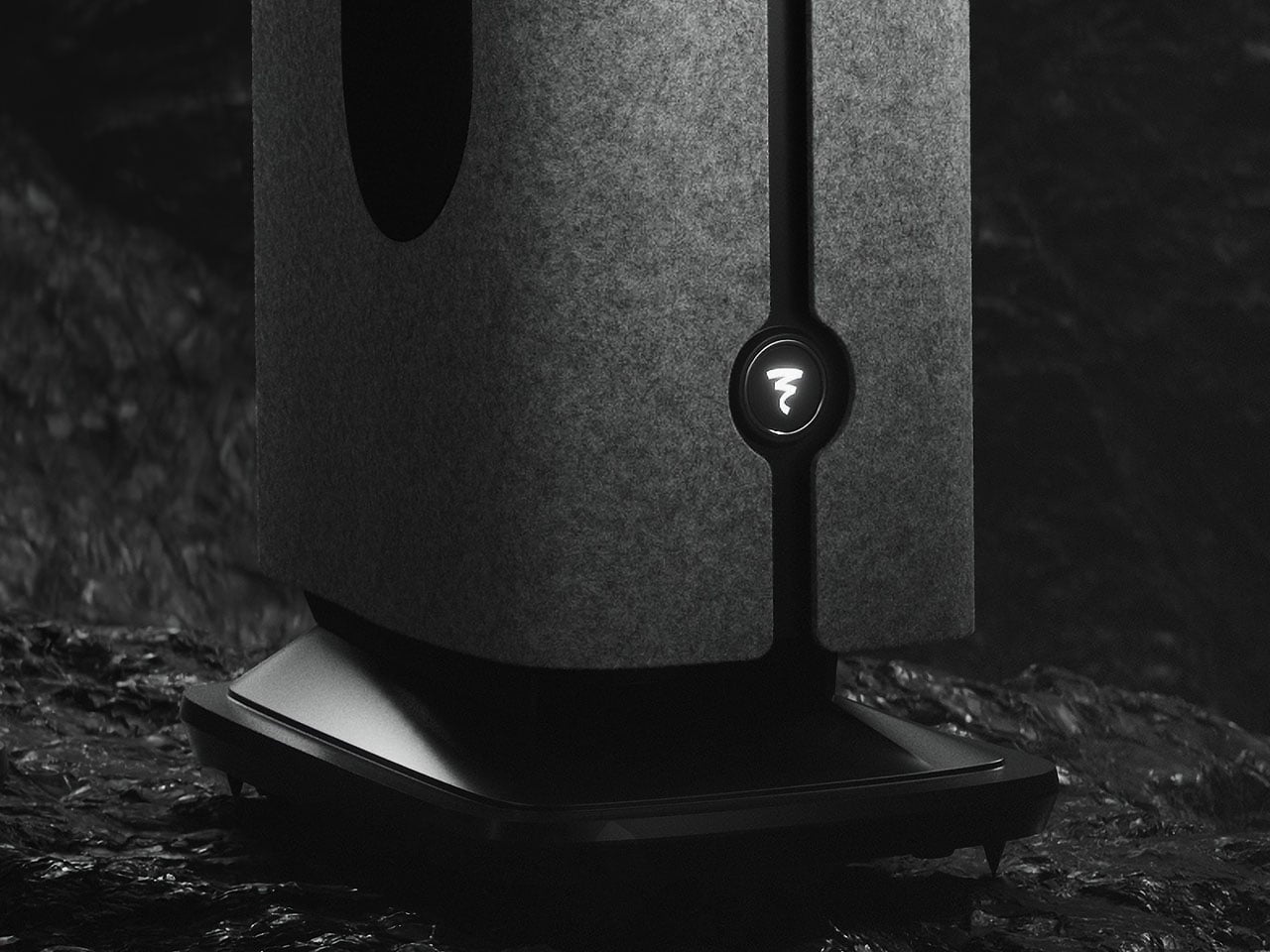
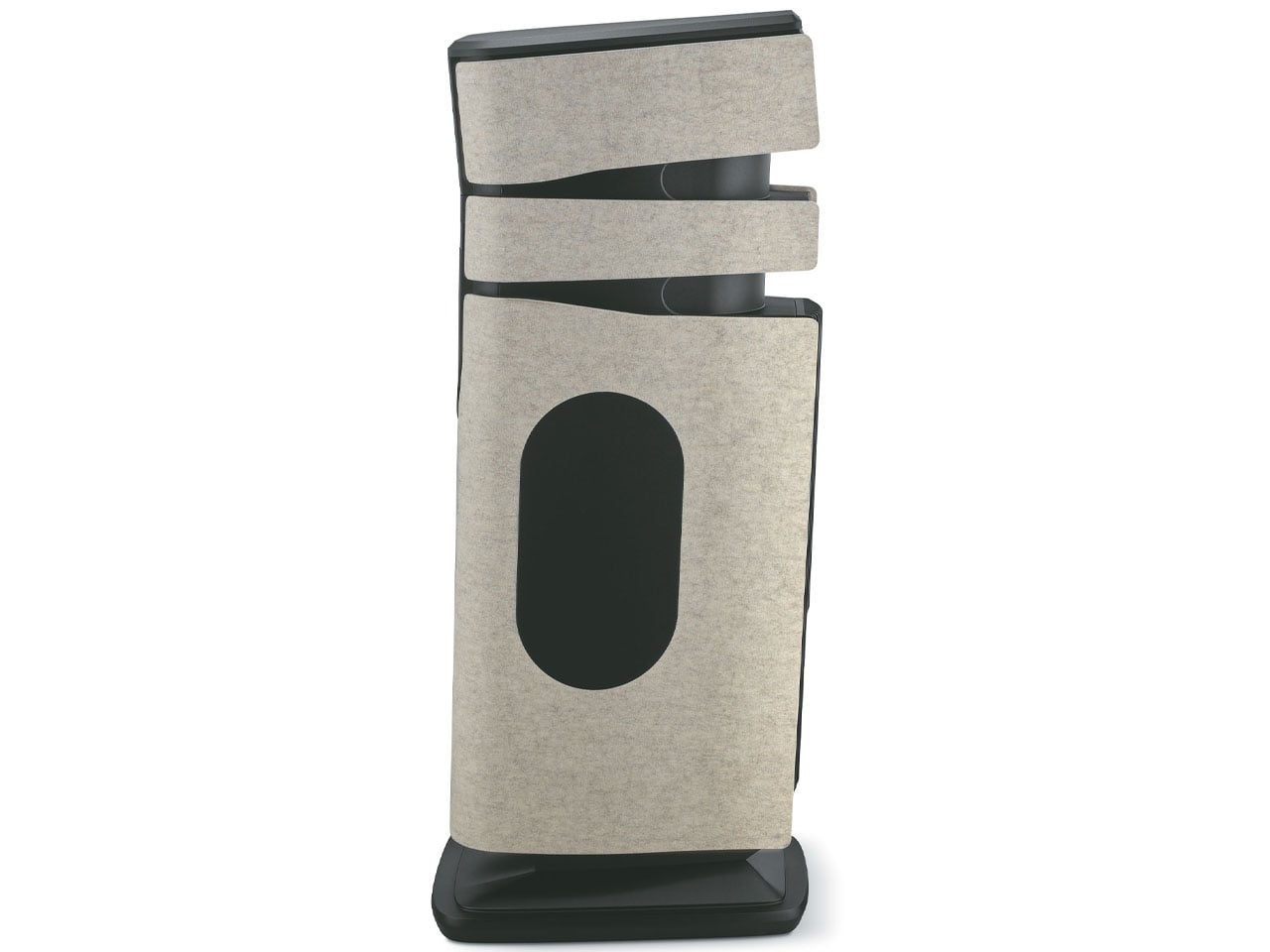
Despite its technical sophistication, Diva Alta Utopia remains unmistakably a design statement. Floating side panels, premium materials, and multiple finish options, including felt and high-gloss lacquer treatments, give the speakers a distinctive presence that blends luxury craftsmanship with contemporary aesthetics.
With pricing that starts around $200,000 per pair, the Diva Alta Utopia occupies a rarefied segment of the audio market. Yet it delivers the precision and emotional impact of an elite separates system while offering the simplicity and convenience of a modern wireless speaker.
The post Focal’s $200,000 Diva Alta Utopia Speakers Make Traditional Audiophile Systems Feel Surprisingly Outdated first appeared on Yanko Design.

This Solar Smartwatch Ran 9 Months on Battery, Then the Panel Kicked In

The smartwatch category has a battery problem it can’t seem to shake. Despite years of incremental improvements, most wearables still need to be charged every day or two, which is exactly the opposite of what a watch is supposed to be. A watch is supposed to be on your wrist and working, not sitting on a charging pad because you forgot to plug it in before bed.

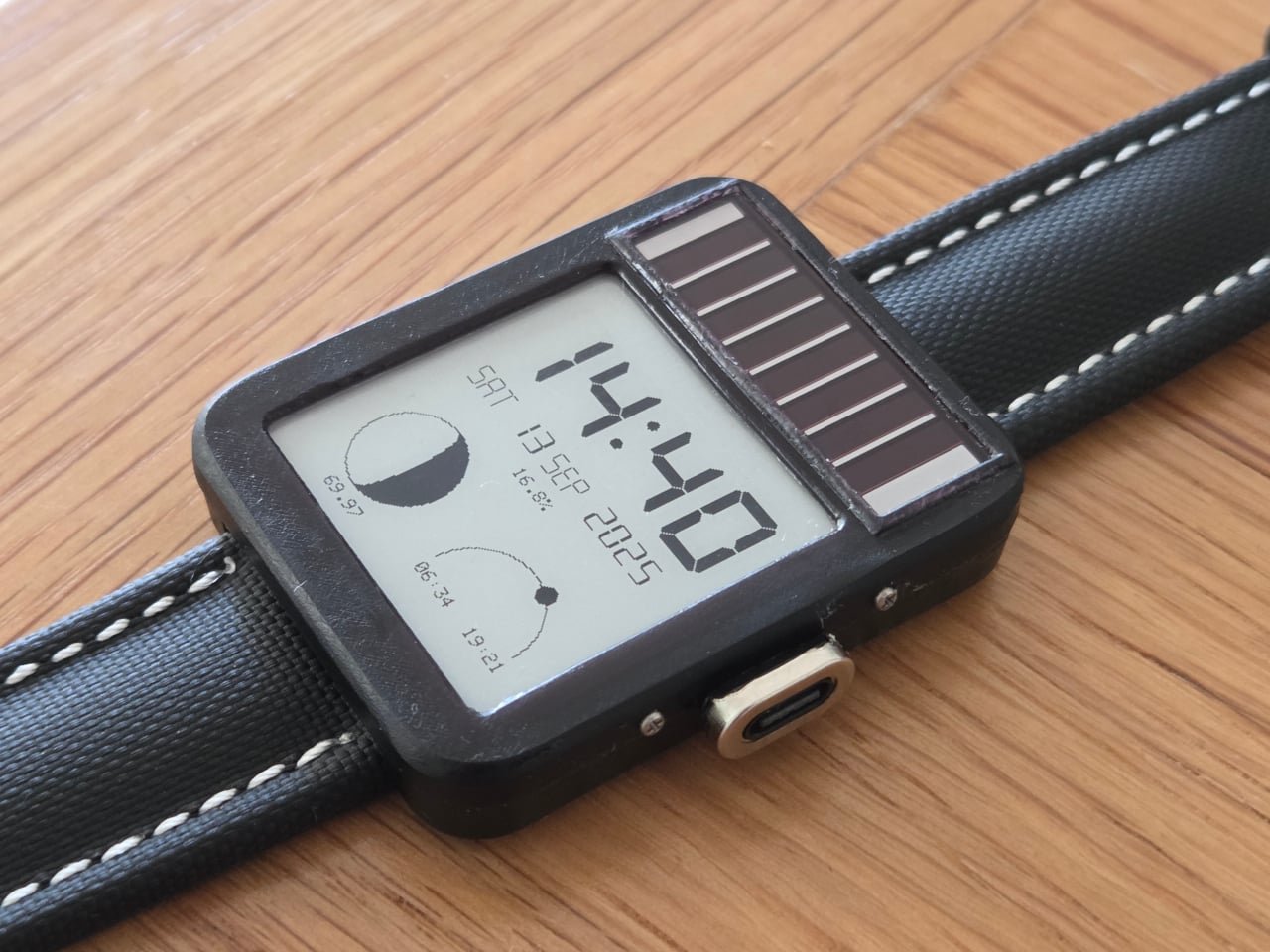
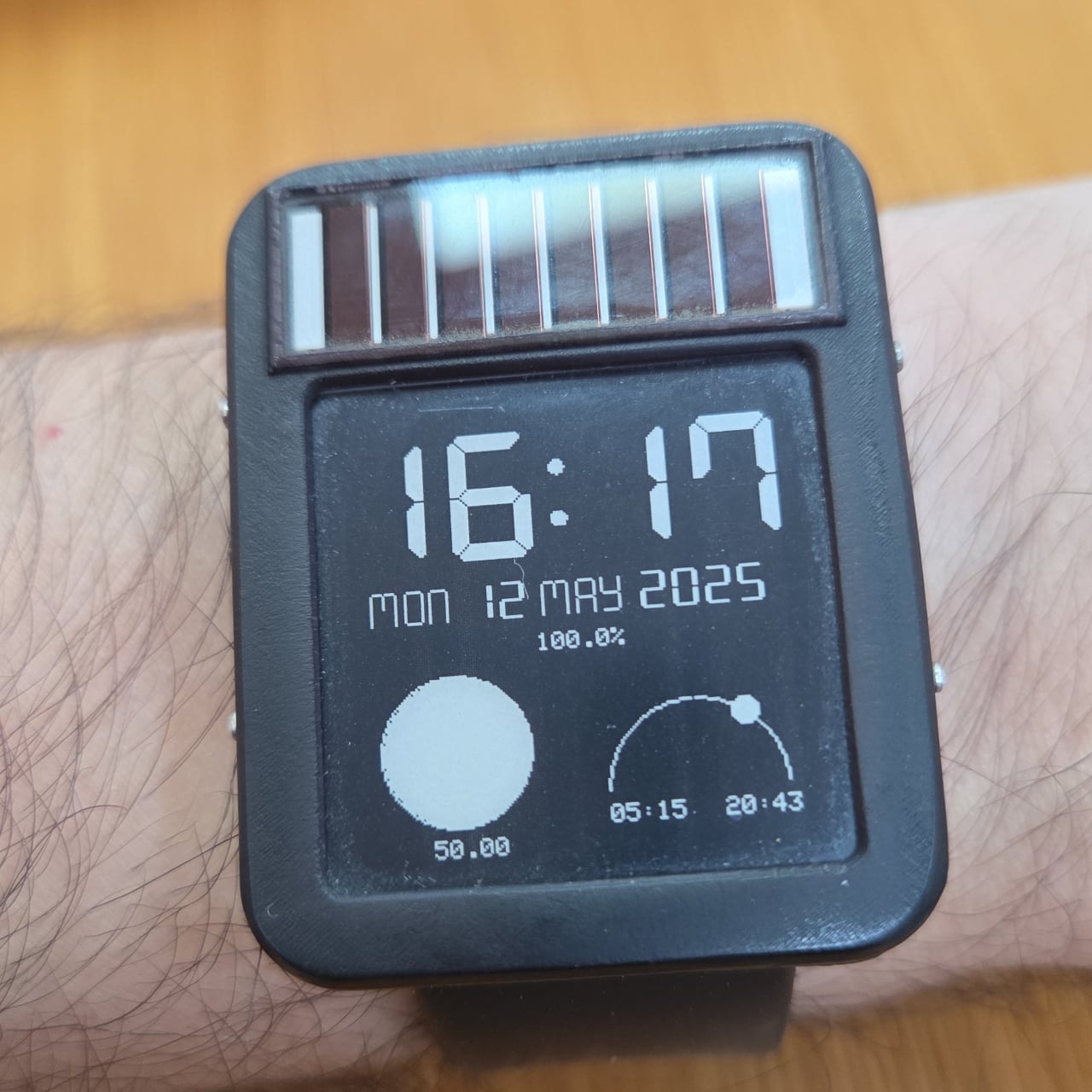
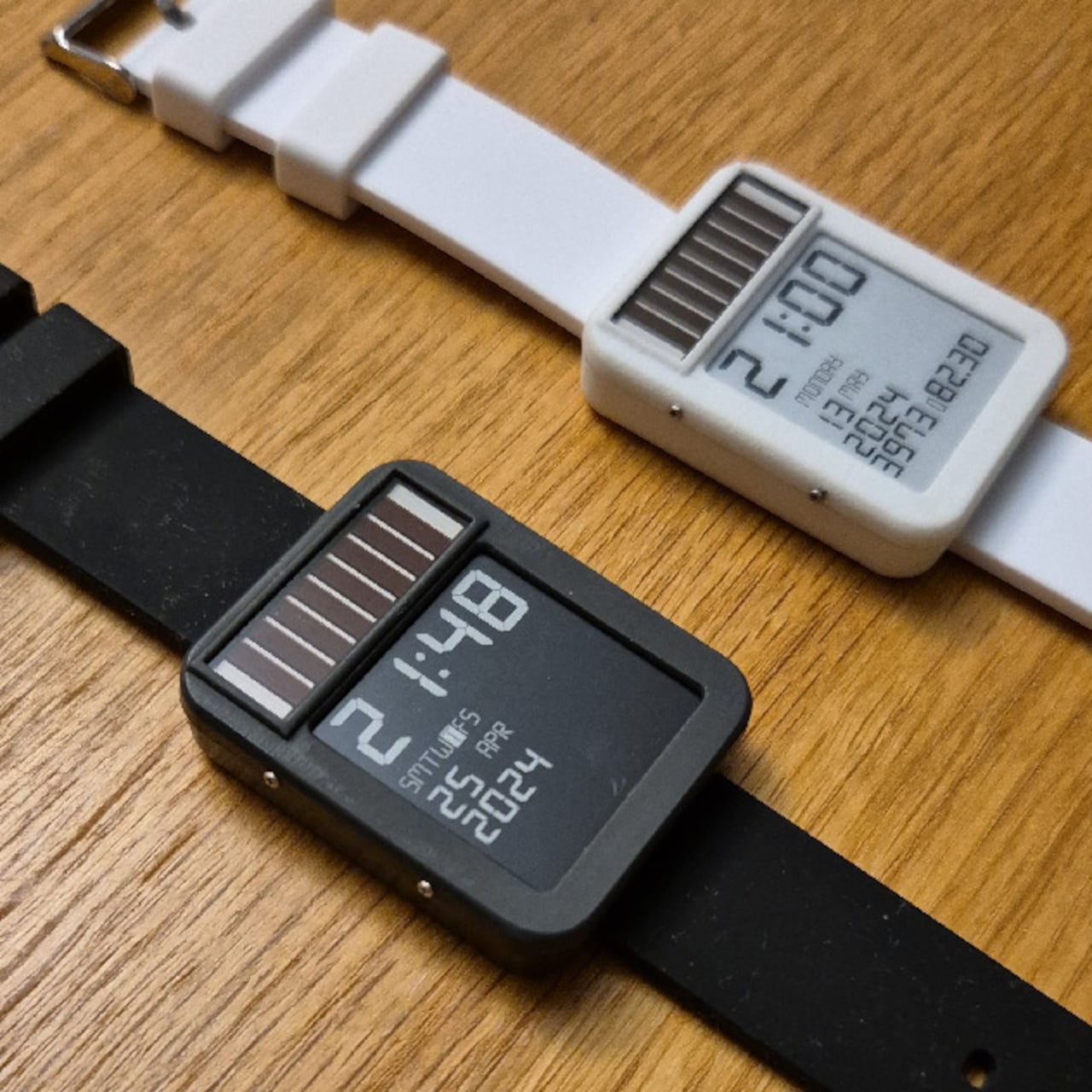
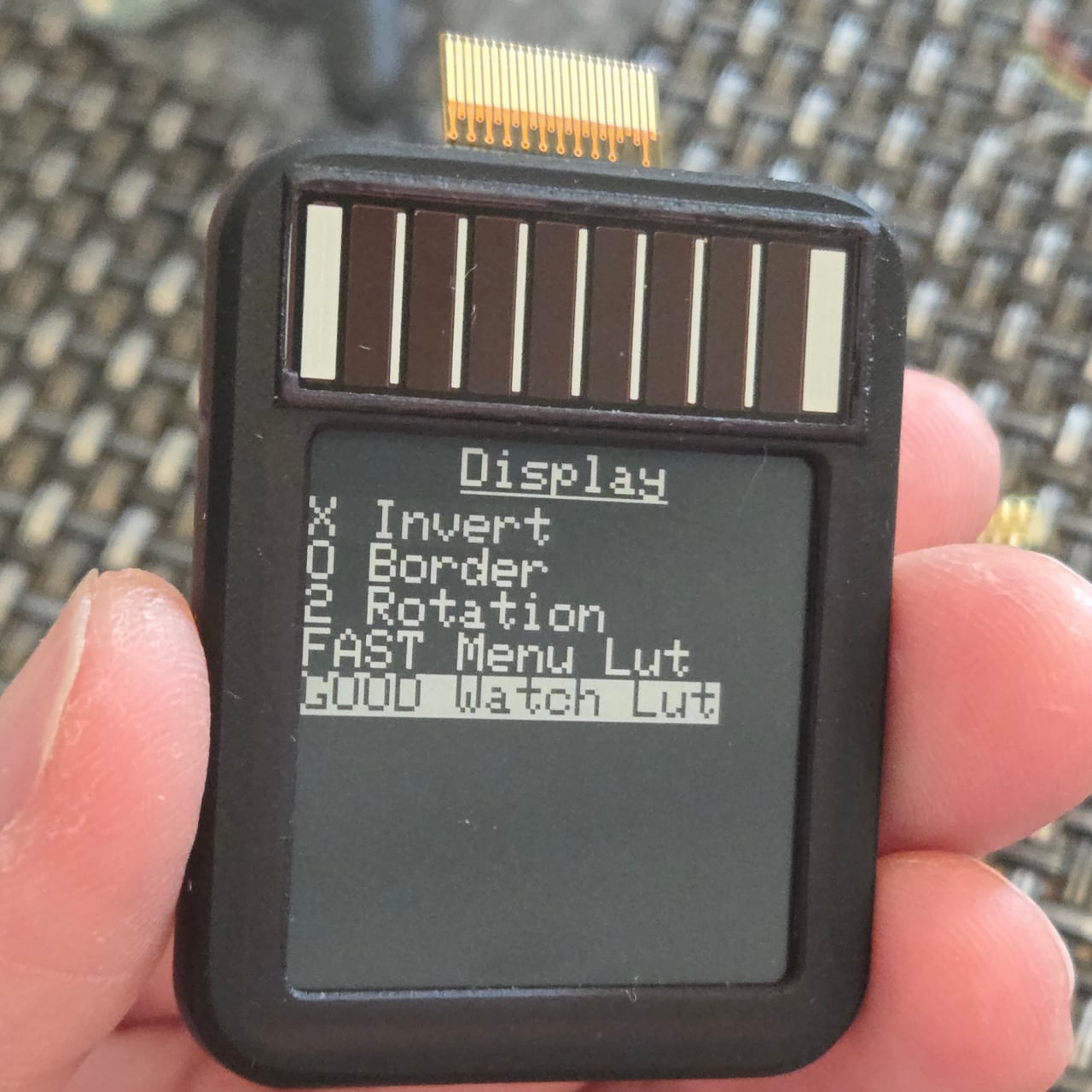
The LightInk is an attempt to solve that problem by going back to a design philosophy that worked decades ago: solar. The concept mimics the 90s solar digital watches that ran more or less indefinitely, but brings it into the present with an E-Ink display, an ESP32 microcontroller, WiFi, Bluetooth, LoRa radio, and a custom power management system built from scratch over several years.

Designer: Daniel Ansorregui

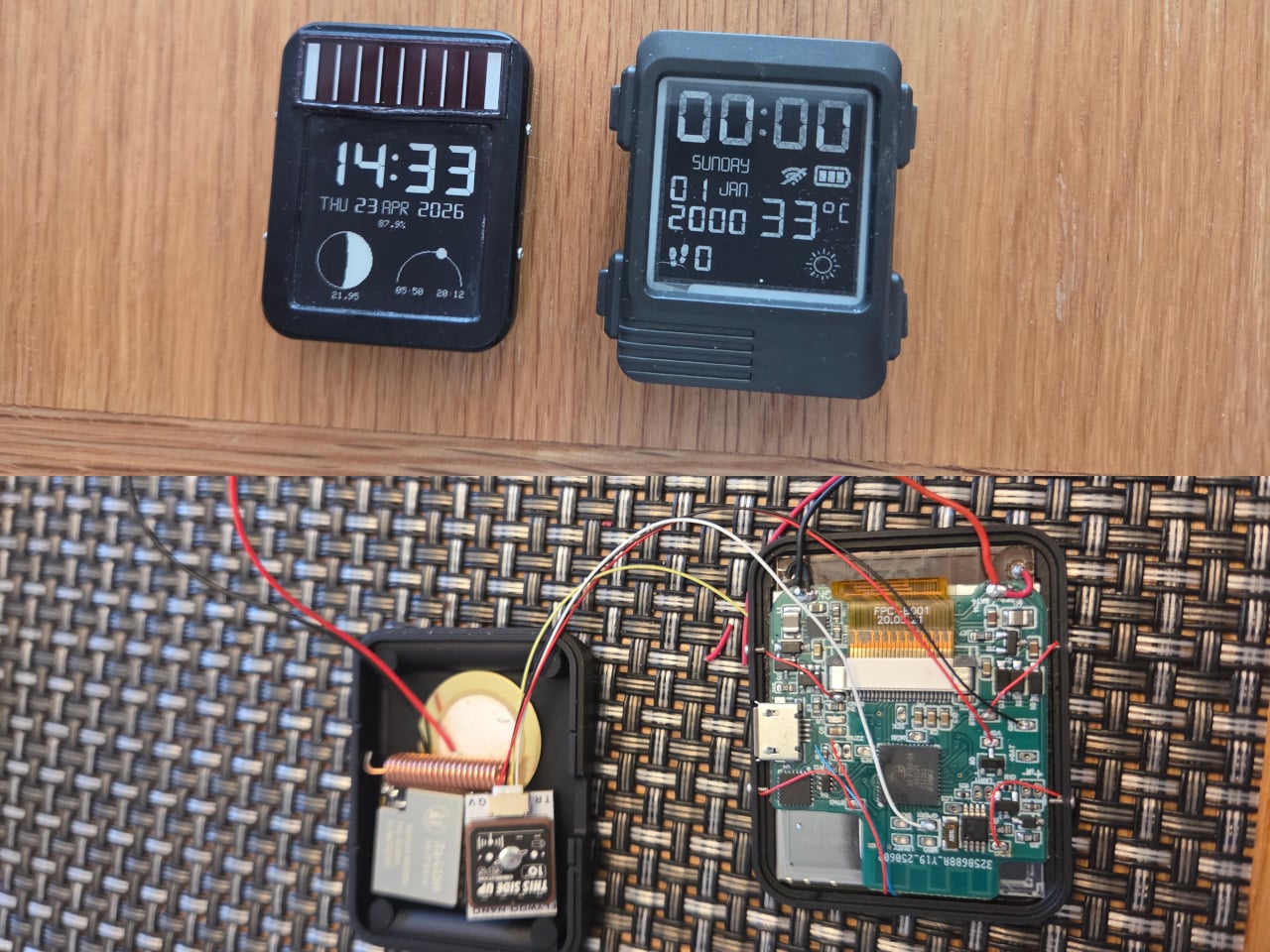
The project started in 2019 with a simple goal: build a solar-powered watch that could send LoRa packets to a receiver at home. After experimenting with early hardware and contributing display optimizations to the open-source Watchy project, the creator hit the limits of what off-the-shelf hardware could manage and built a custom PCB around a TPS63900 buck-boost converter, running the watch at 2.7V.

The biggest technical hurdle turned out to be the microcontroller itself. The ESP32 takes 28ms to boot, consuming around 1mA of current in the process, and that cycle was responsible for about 60% of the watch’s total power draw without contributing anything to the actual display update. The solution was to skip normal boot entirely and run code directly from the ESP32’s RTC memory via a wake stub.

That required reimplementing SPI communication from scratch within the RTC memory constraints, since no code outside that space can run during the stub phase. The payoff was significant: the entire boot, data send, and display update sequence now completes in under 1ms. Once the display is refreshed, the ESP32 immediately returns to deep sleep, saving an additional 1mA that would otherwise be consumed during light sleep.

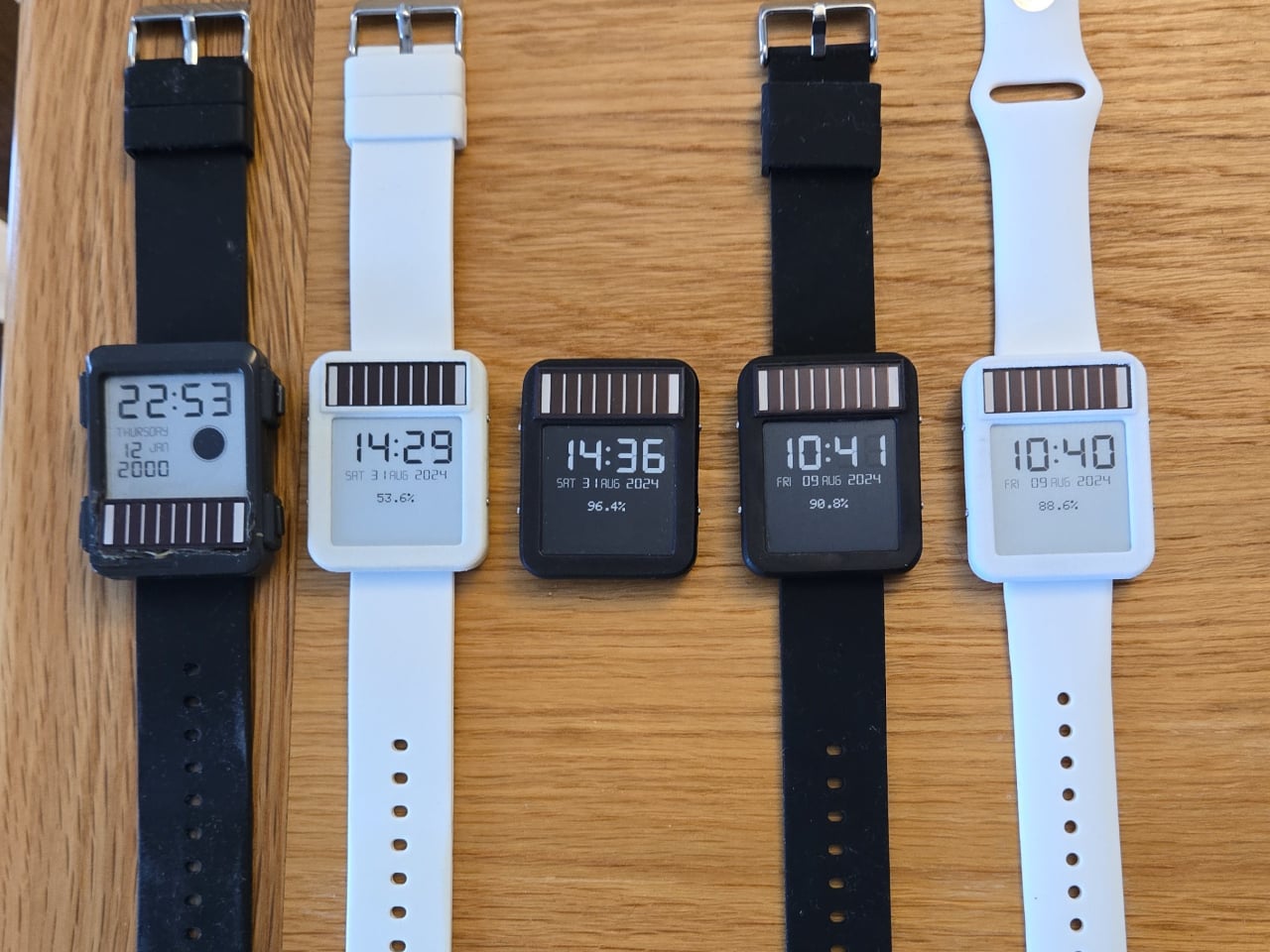
The result is a watch that runs for six to 10 months on a 100mAh battery, which is already an unusual number for a device this capable. Add the solar panel, similar in type to the kind found on pocket calculators, and the power equation starts to tilt toward indefinite. One hardware revision ran for nine months on battery alone before being retired for a newer build.

The 1.54-inch E-Ink display helps keep those numbers achievable. Electrophoretic displays only draw power when changing states and hold their image indefinitely without any power at all, which makes them an obvious fit for a watch face that updates once per minute rather than 60 times per second. Touch controls via the ESP32’s built-in capacitive touch capability handle navigation, making physical buttons unnecessary and allowing for a more compact case.

The watch supports WiFi, Bluetooth, and LoRa via a Wio-SX1262 radio module, and GPS can be added as an optional component, though the creator notes it wasn’t a particularly good idea given the space and power it consumes. The case is 3D printed in two pieces and accepts any standard 22mm wristband. Everything, including the firmware, PCB schematics, and case files, is open source and available on GitHub.

The post This Solar Smartwatch Ran 9 Months on Battery, Then the Panel Kicked In first appeared on Yanko Design.
SonicGlass A1: Transparent Glass Driver Speaker That Lets You Watch Your Music, Now on Kickstarter

SonicGlass A1: Transparent Glass Driver Speaker That Lets You Watch Your Music, Now on Kickstarter SonicGlass A1 Transparent Glass Driver Speaker

The SonicGlass A1 lets you watch its drivers move while a transparent display plays floating licensed lyrics and AI-generated music videos. It is MorningBlues’ boldest attempt yet to make music something you watch as well as hear. Most speakers hide their workings inside an opaque box. The SonicGlass A1 does the opposite. Its drivers are […]

The post SonicGlass A1: Transparent Glass Driver Speaker That Lets You Watch Your Music, Now on Kickstarter appeared first on Geeky Gadgets.

Posted in Uncategorized

The Pocket Camera Monopoly is Over: Why the XTRA MUSE 2 PRO is a Cinematic Game-Changer

The Pocket Camera Monopoly is Over: Why the XTRA MUSE 2 PRO is a Cinematic Game-Changer XTRA MUSE 2 PRO

For years, the pocket gimbal camera market has been dominated by the same few familiar names, leaving content creators, travel vloggers, and independent filmmakers with limited options. If you wanted true cinematic depth and professional color flexibility, you had to haul around a bulky DSLR or mirrorless rig. If you wanted portability, you had to […]

The post The Pocket Camera Monopoly is Over: Why the XTRA MUSE 2 PRO is a Cinematic Game-Changer appeared first on Geeky Gadgets.

Posted in Uncategorized

A Designer Just Made a Water Purifier That Skips the Technician Call

Water purifiers are practically mandatory in modern Indian homes, but for a category that handles something as critical as drinking water, they’ve never been particularly pleasant to live with. Most demand frequent service calls that add to their long-term cost, look like they were designed to be hidden under a counter, and turn something as simple as filling a bottle into a minor exercise in patience.

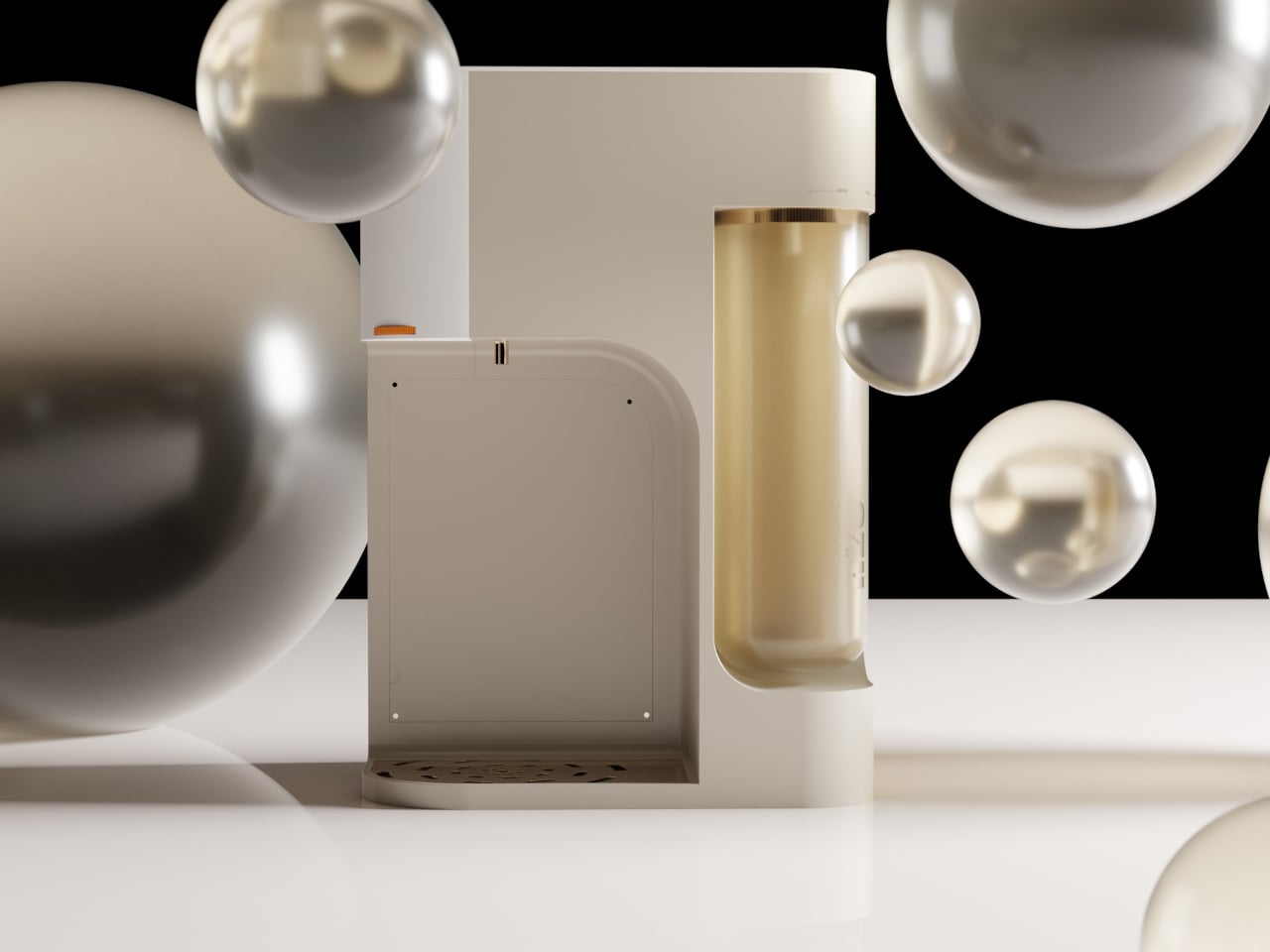
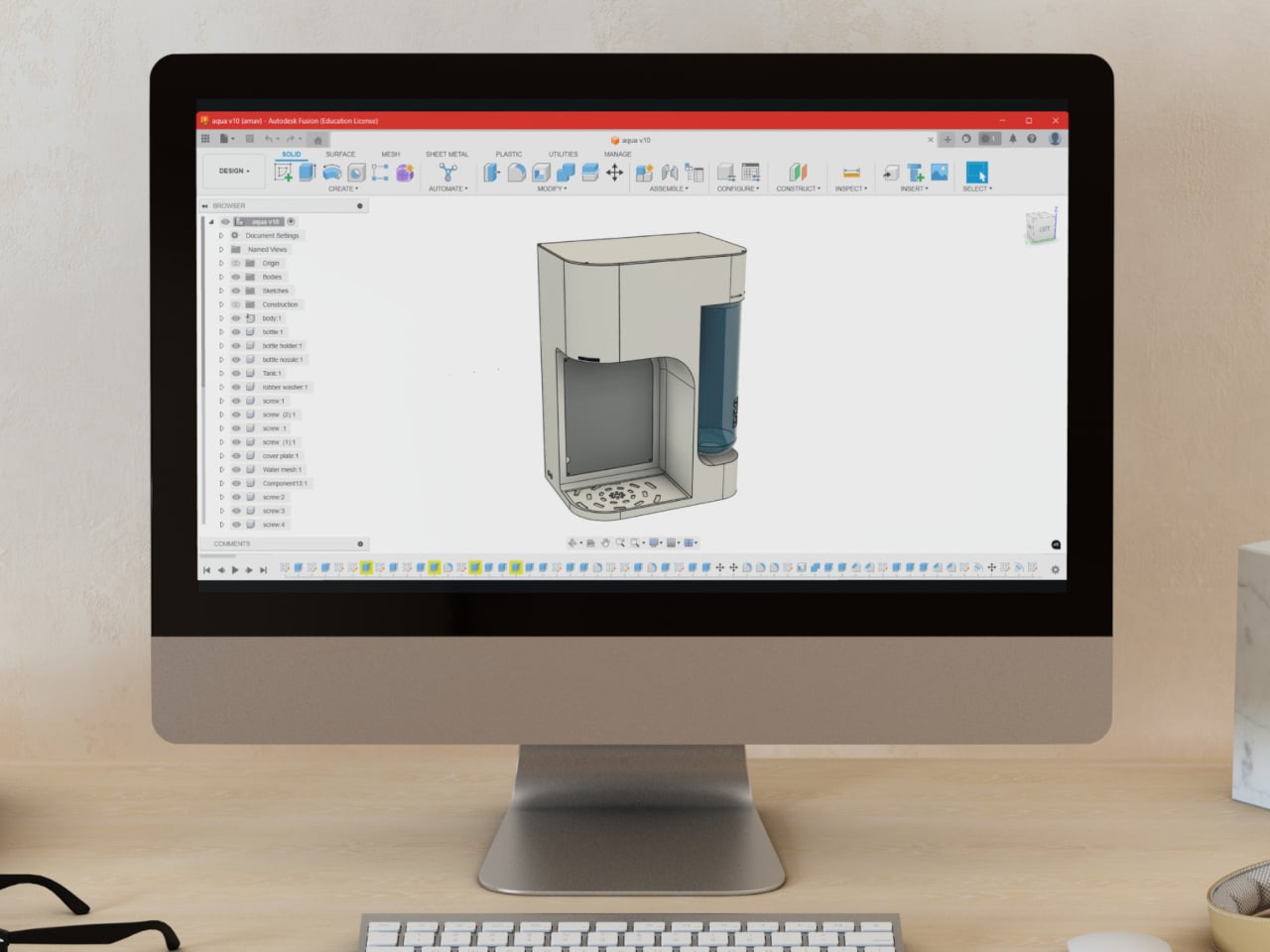
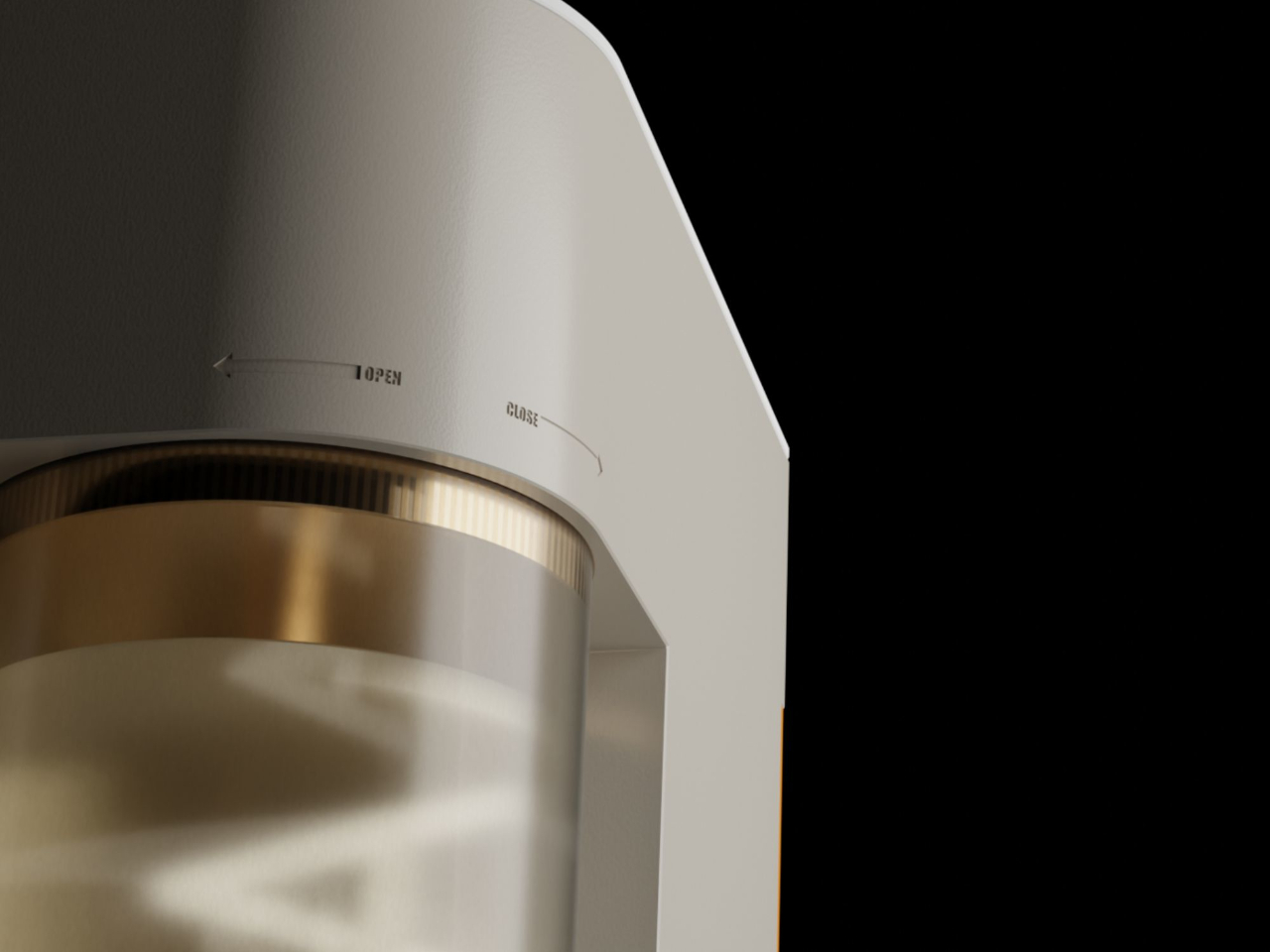
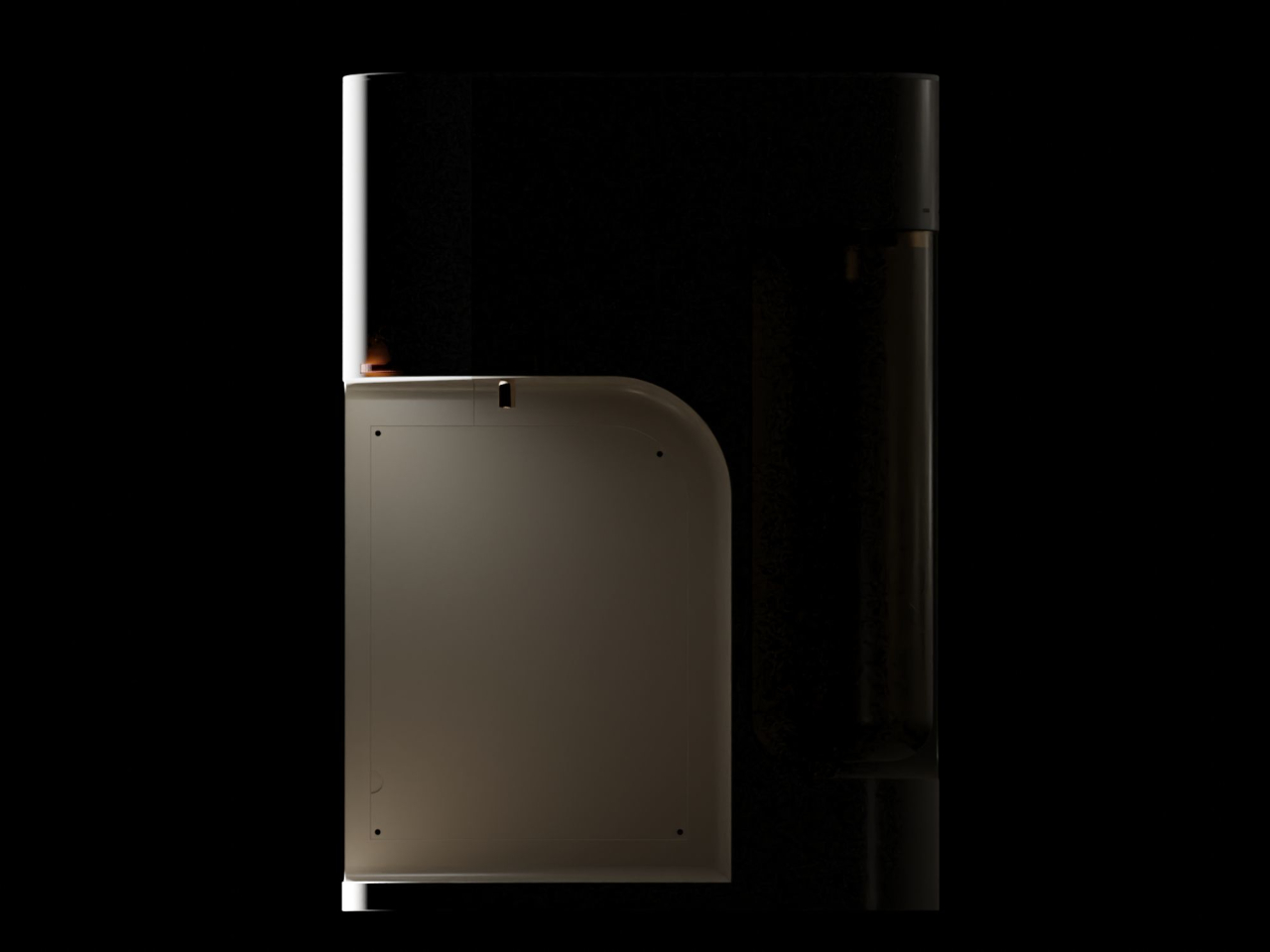
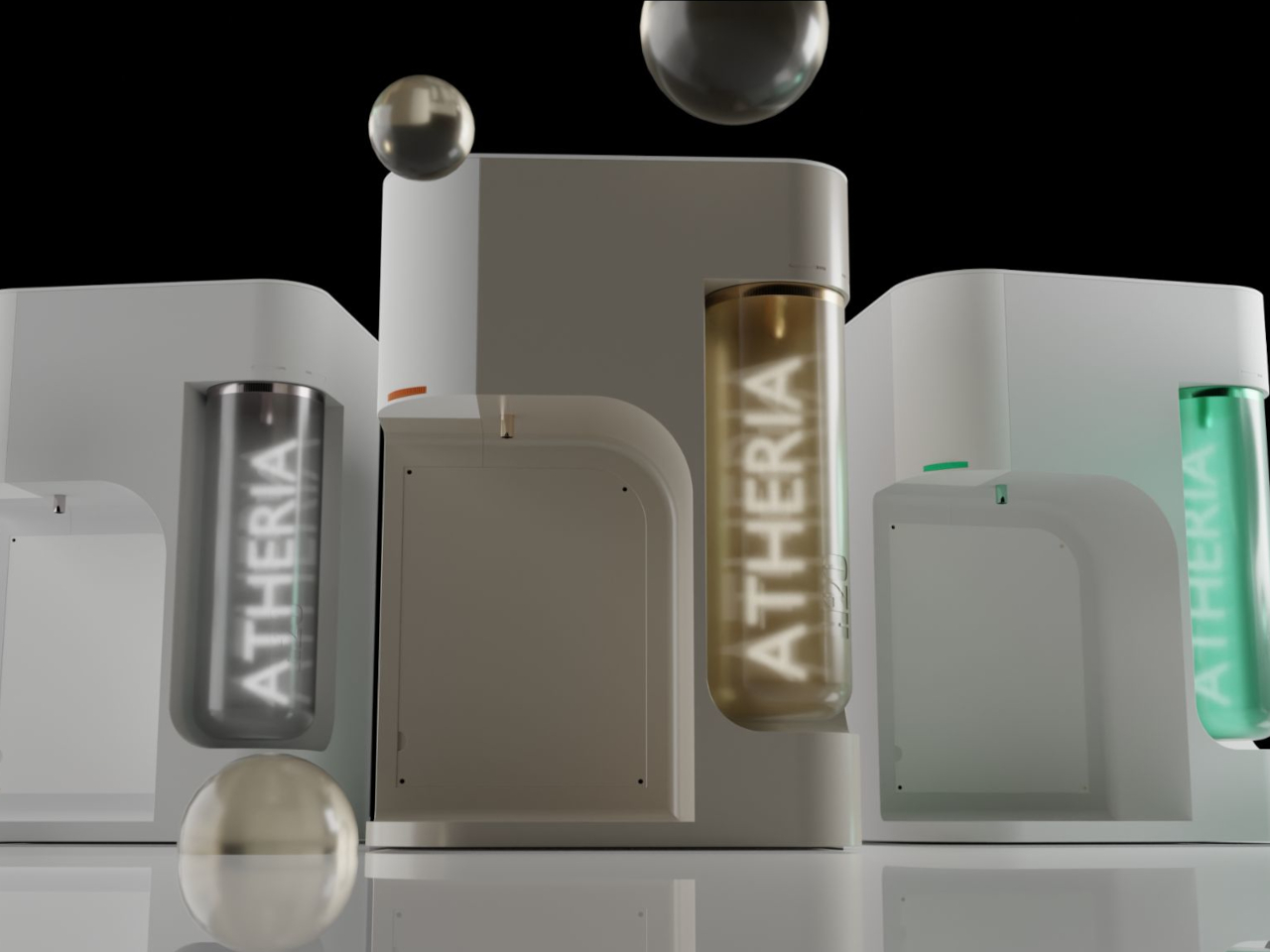
ATHERIA is a smart water purifier concept designed for modern Indian households, and it approaches the problem from multiple angles at once. Rather than improving a single element, it takes aim at several everyday friction points simultaneously, from how the unit looks on a kitchen counter to how easy it is to fill a bottle, replace a cartridge, or check water quality.

Designer: Arnav Ashwin

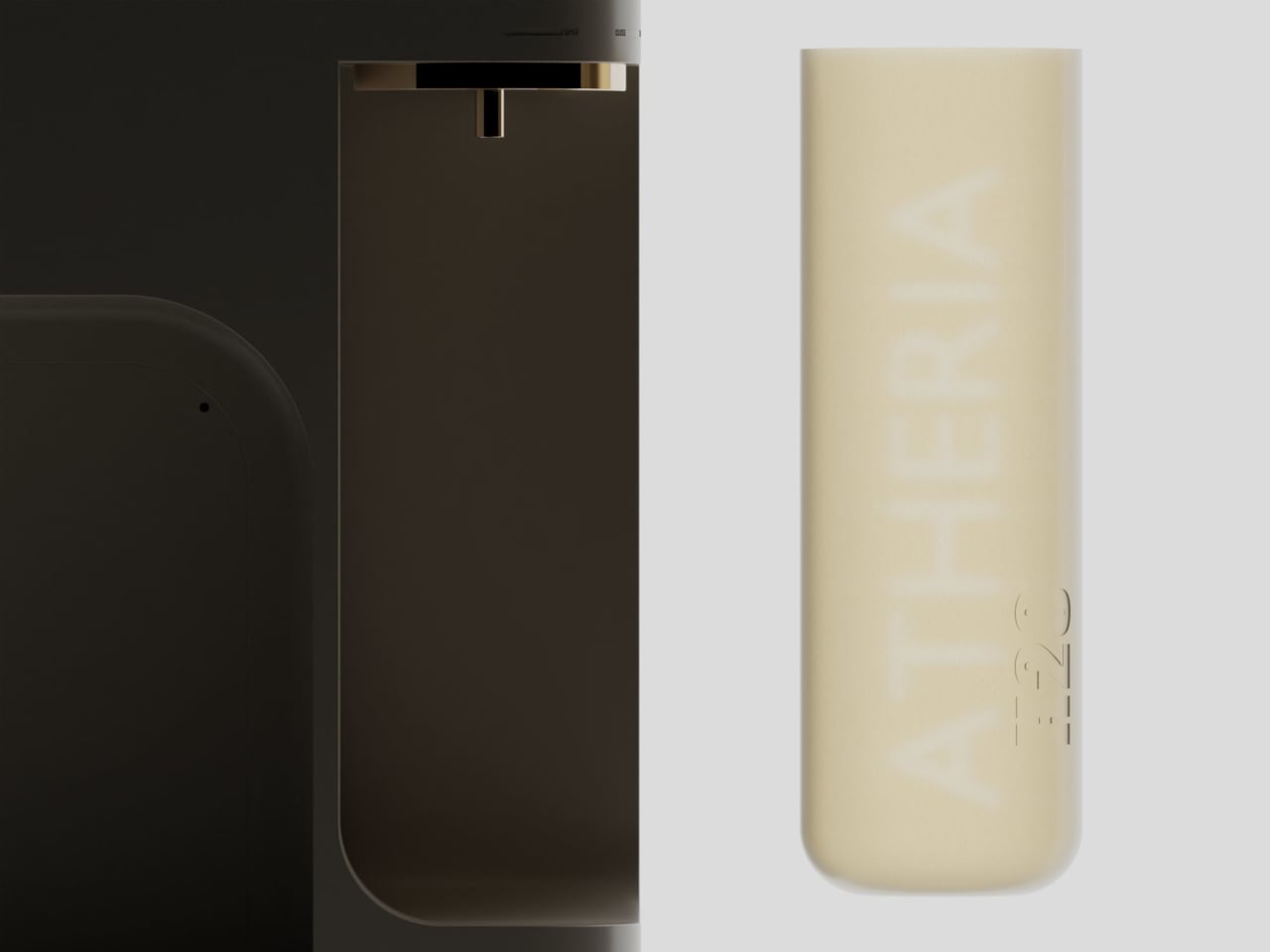
The design draws from Japandi principles, a blend of Japanese minimalism and Scandinavian sensibility focused on warmth, simplicity, and craftsmanship. The result is a compact, rounded purifier with a warm taupe and gold finish that reads more like a considered kitchen appliance than a water treatment machine. It comes in multiple colorways and sits on a countertop without dominating the space around it.

One of the more thoughtful additions is a 2.5-liter secondary detachable container. Filling a bottle or a cooking pot directly from a purifier tap can be slow and awkward, especially mid-cook. The container solves this by letting you pour pre-filled water directly into whatever you need, then reattach it to the purifier, which refills it automatically using analog weight sensors.

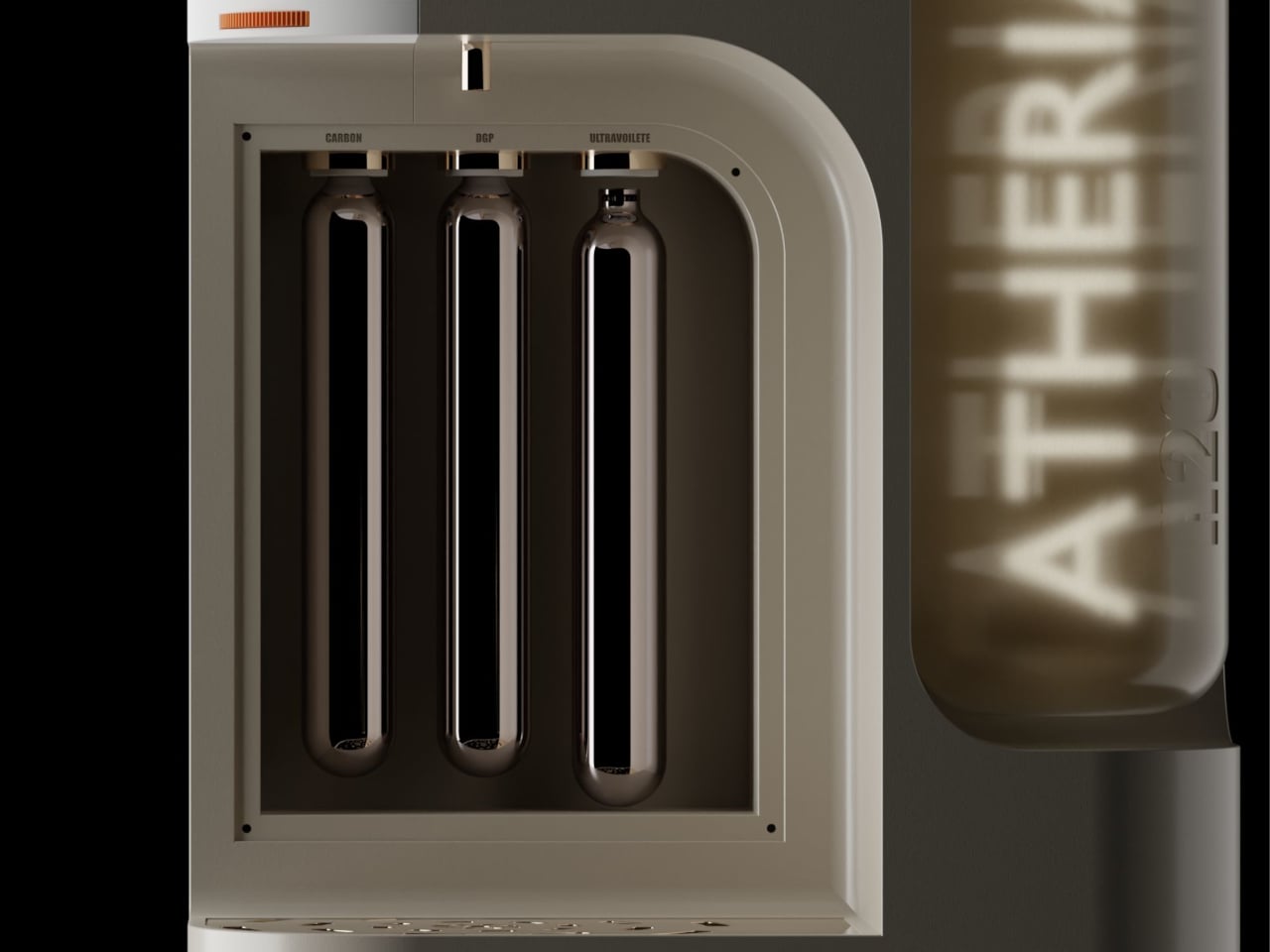
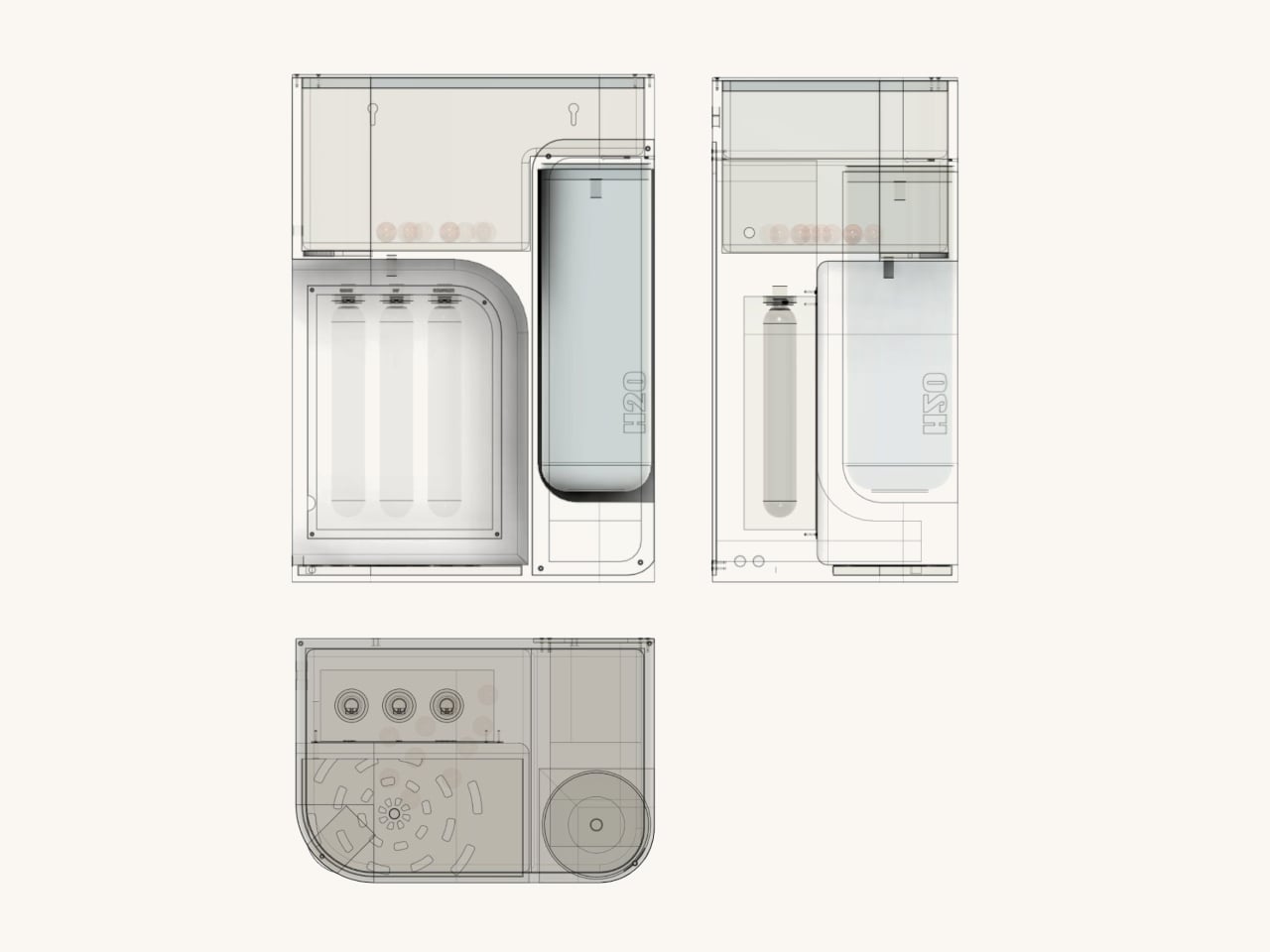
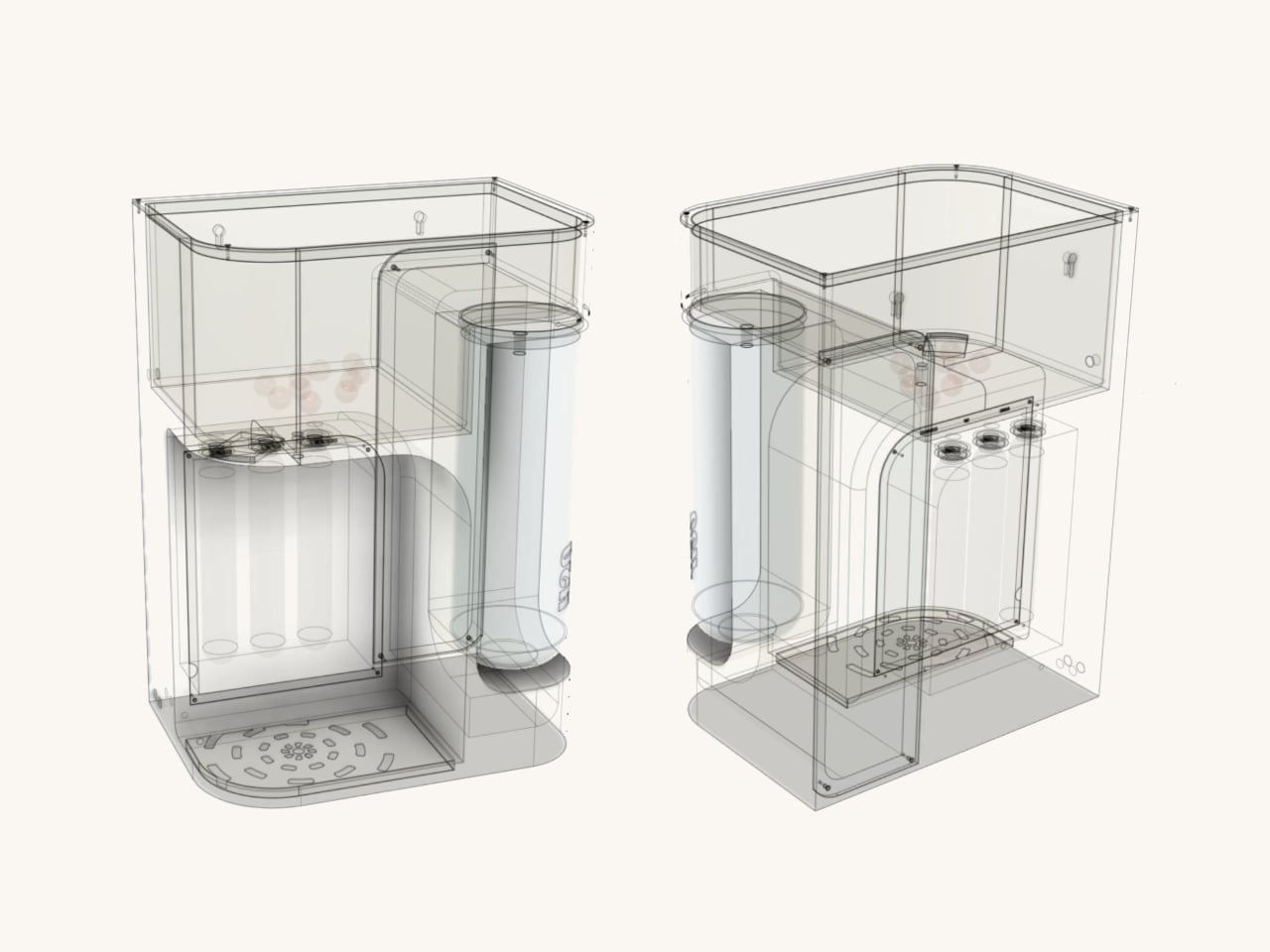
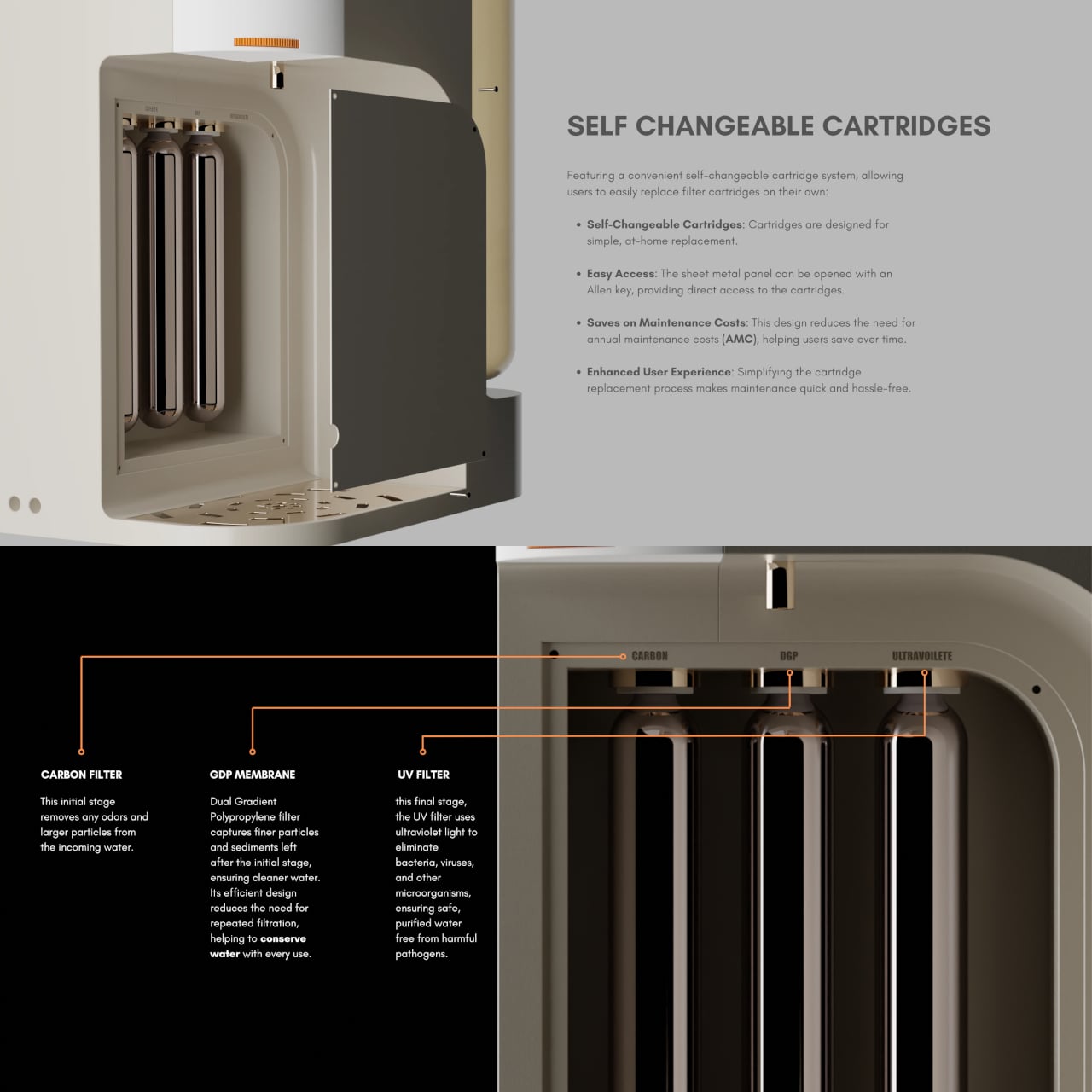
ATHERIA’s three-stage filtration runs water through a carbon filter to remove odors and larger particles, then a dual-gradient polypropylene membrane for finer sediment, and finally a UV filter to eliminate bacteria, viruses, and other microorganisms. The membrane’s efficient design reduces repeated filtration passes, conserving water in the process, which directly addresses a concern shared by 64% of users surveyed during the design research phase.

Maintenance usually drives up the long-term cost of owning a water purifier, mostly because replacing cartridges typically requires a paid technician visit. ATHERIA’s self-changeable cartridge system gets around that. The side panel opens with an Allen key, giving direct access to all three filter cartridges, each of which turns to fit or release. No service call needed, which cuts down on annual maintenance costs considerably.

The companion app displays tap TDS, output TDS, individual cartridge health, and daily water and energy usage. Output TDS is adjustable from the settings, and cartridge change reminders can be set manually. It also links to Google Nest, which can push voice alerts when TDS levels rise above safe standards or when a specific cartridge is approaching the end of its life.

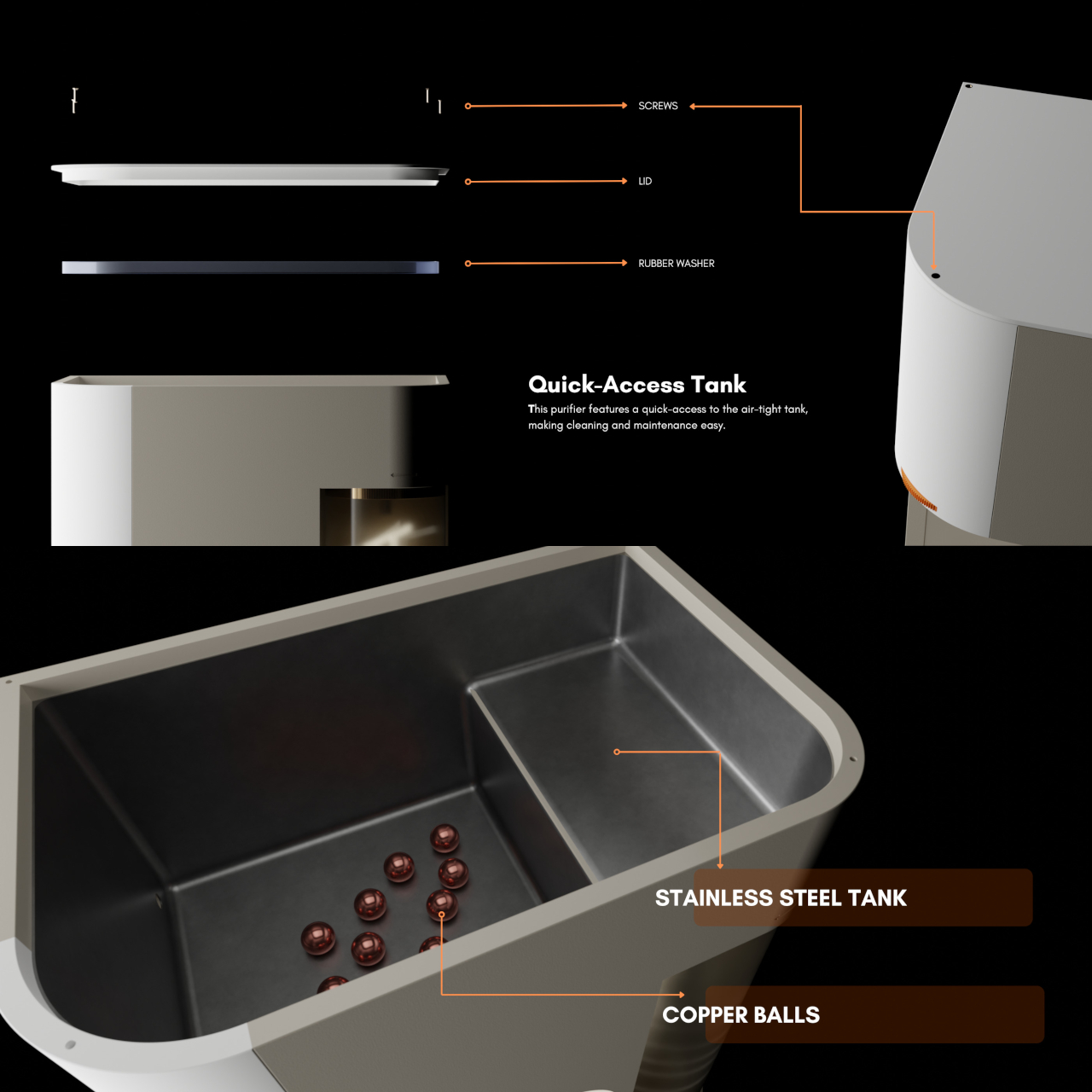
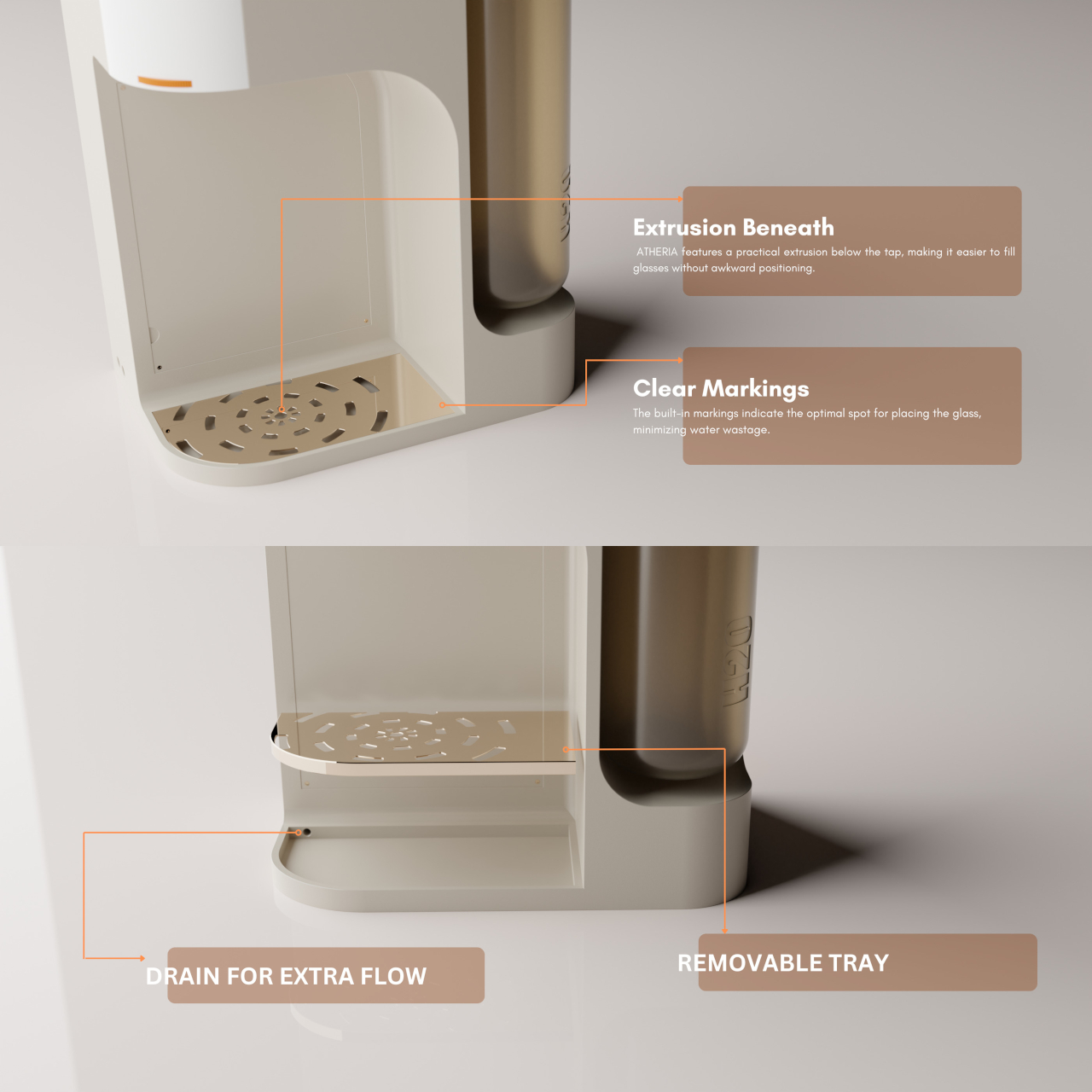
The stainless steel storage tank includes copper balls for natural antimicrobial contact, and the bi-directional ratchet tap controls flow speed by how far it’s turned, with built-in markings to minimize spillage. ATHERIA is still just a concept, but the depth of research behind each decision, from the detachable container to the cartridge access panel, gives every friction point in the experience a concrete answer rather than an afterthought.

The post A Designer Just Made a Water Purifier That Skips the Technician Call first appeared on Yanko Design.