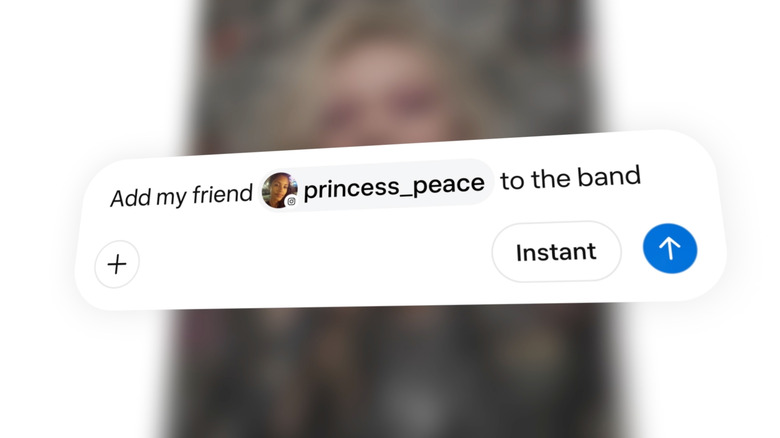
Meta’s new Muse Image model accepts Instagram accounts as a prompt
The new AI model is also powering effects in Stories and image generation in WhatsApp.
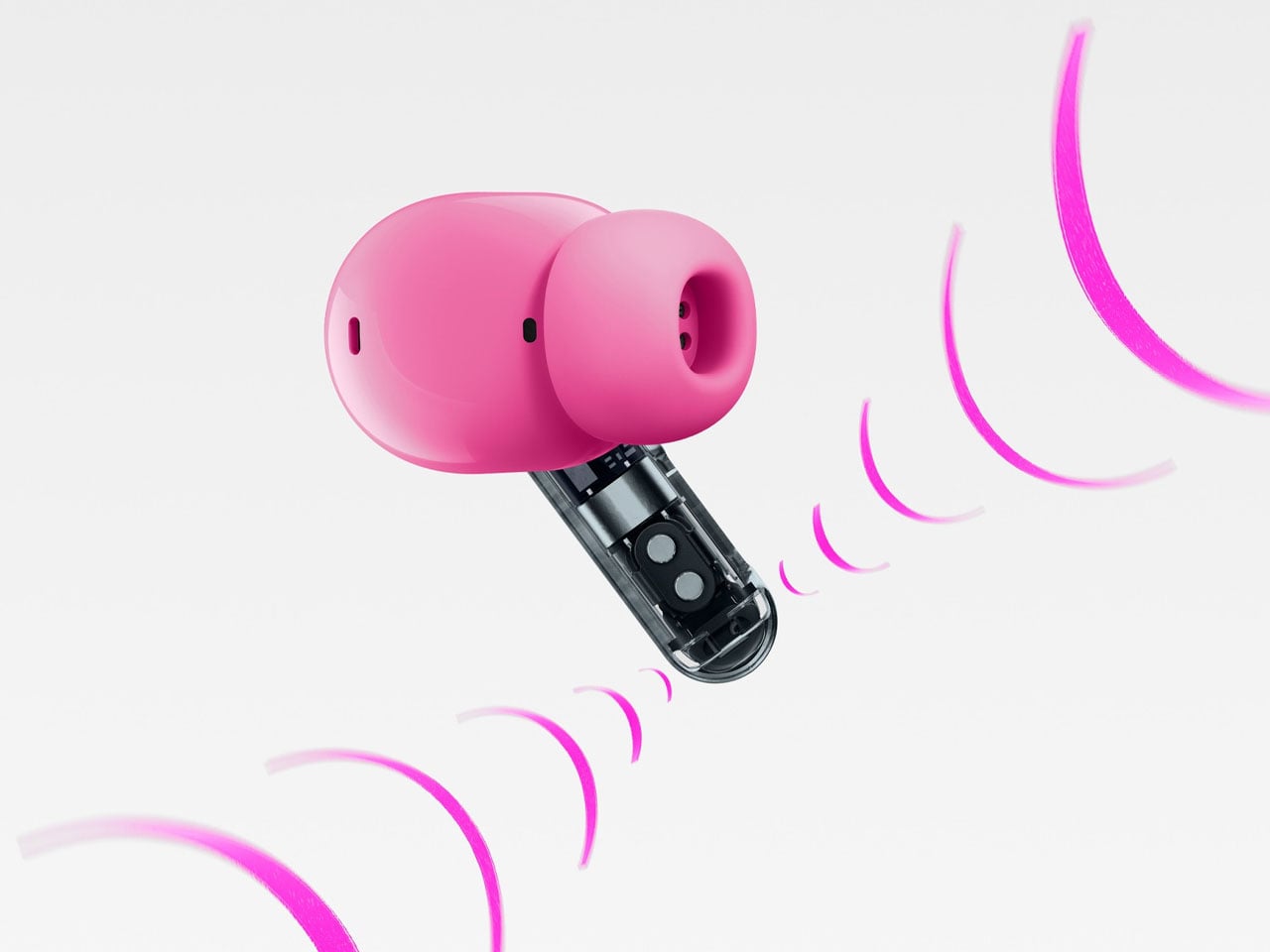
Most wireless earbuds are designed to disappear into your daily routine. The Nothing Ear (3a) does the opposite. While the pair of buds brings the expected upgrades in sound quality, active noise cancellation, and battery life, the most compelling feature isn’t about listening at all. Instead, it’s about capturing the moments you want to remember. Whether that’s a brilliant idea during a meeting, an important takeaway from a lecture, or a favorite quote from a podcast.
Priced at $99, the Ear (3a) is sandwiched right between the budget-focused Ear (a) and the flagship Ear (3), bringing several premium features to the affordable segment without losing the transparent design language that has become Nothing’s signature. From improved ANC and Hi-Res audio support to thoughtful software additions, the Ear (3a) feels less like an incremental refresh and more like a pair of earbuds designed to be genuinely useful throughout the day.
Designer: Nothing

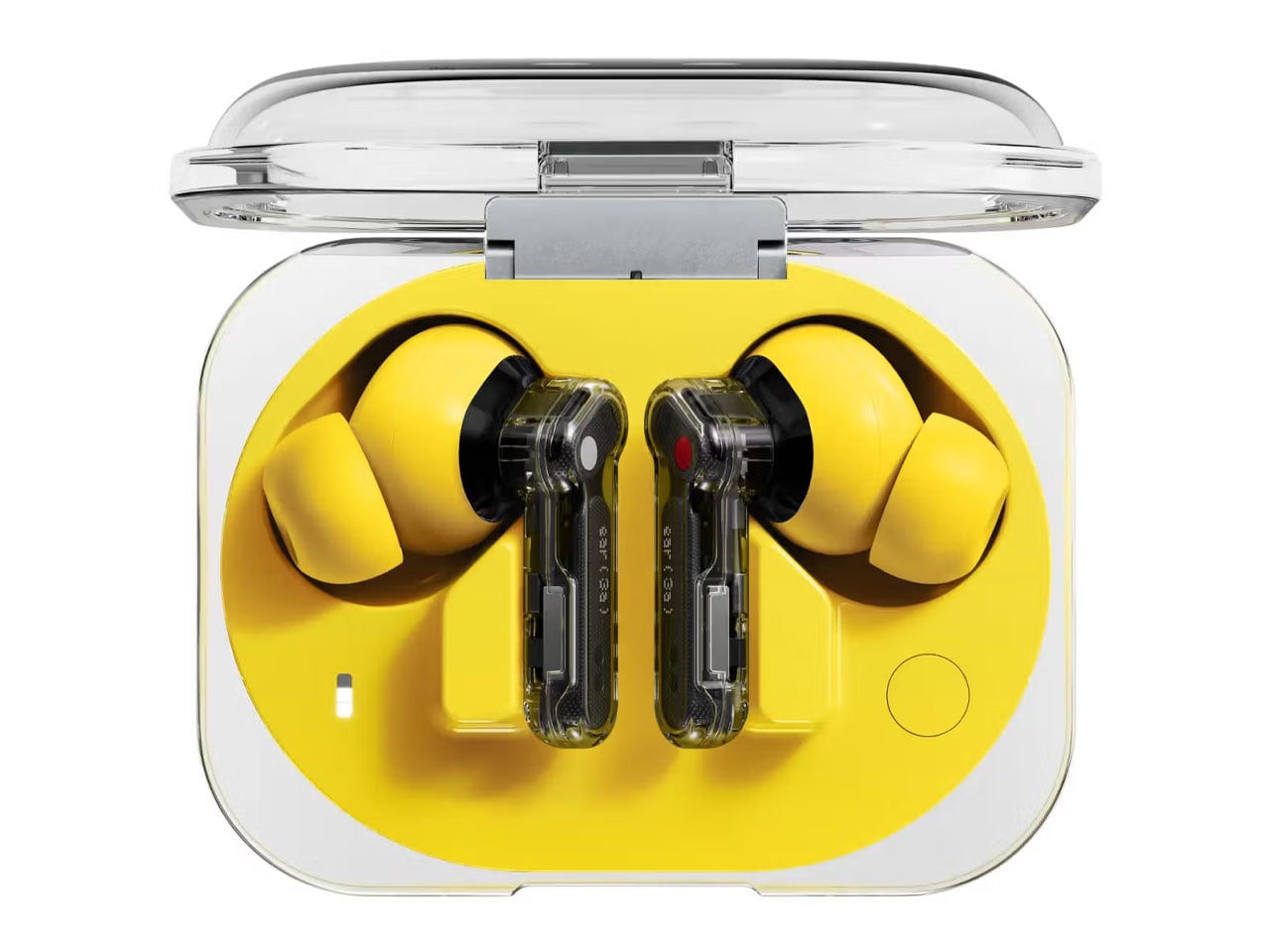
The biggest addition is Audio Snapshot, a feature powered by 32MB of onboard flash storage built into the earbuds. By pinching both earbuds simultaneously, users can instantly save short audio clips. These recordings automatically sync with the Nothing X app, where they can be edited, shared, and transcribed. The earbuds also support up to two hours of native phone calls and meeting recording, complete with audible notifications that let everyone know when recording begins. This is an uncommon capability in this price range and one that extends the earbuds’ usefulness well beyond music playback.
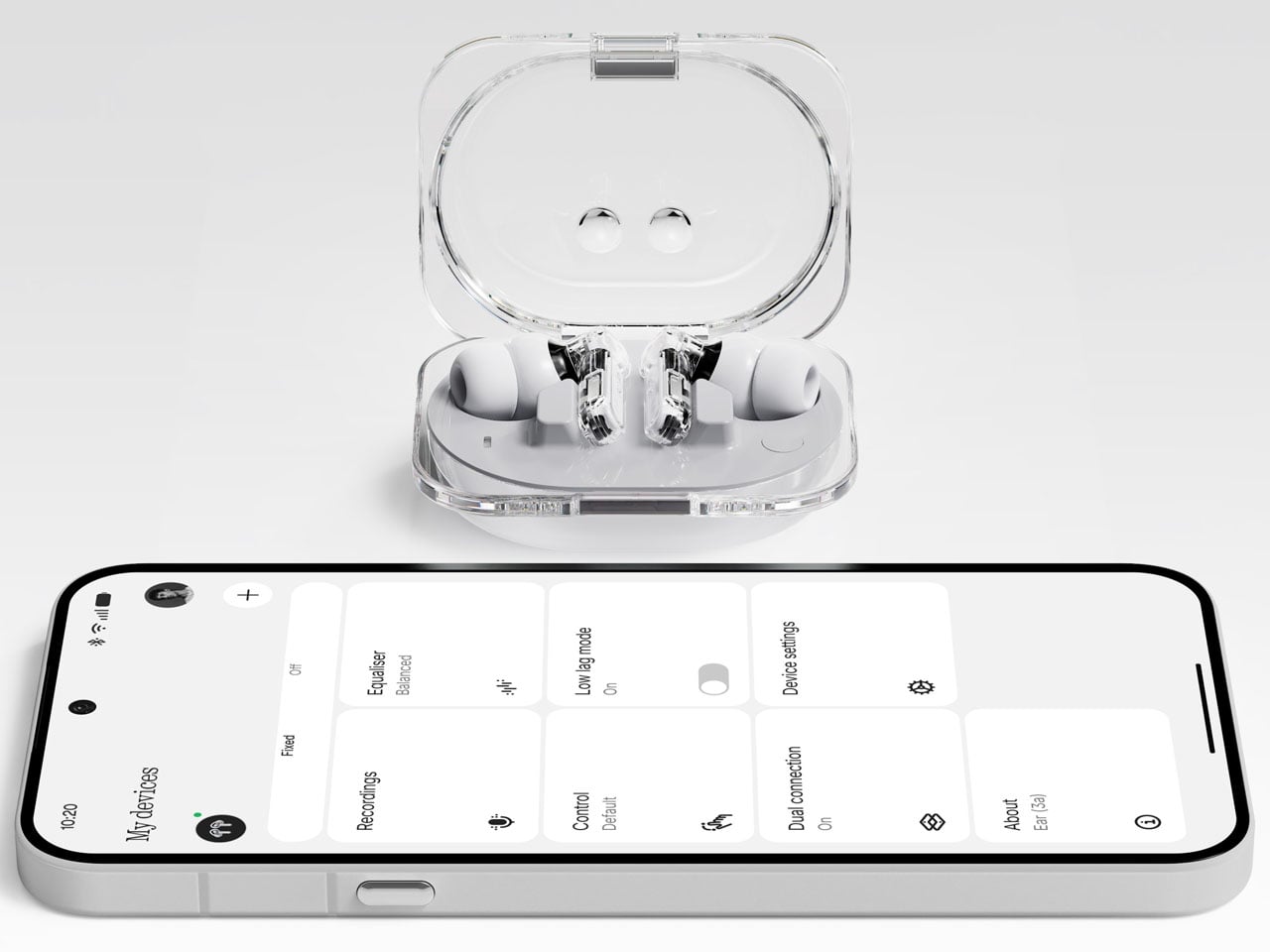
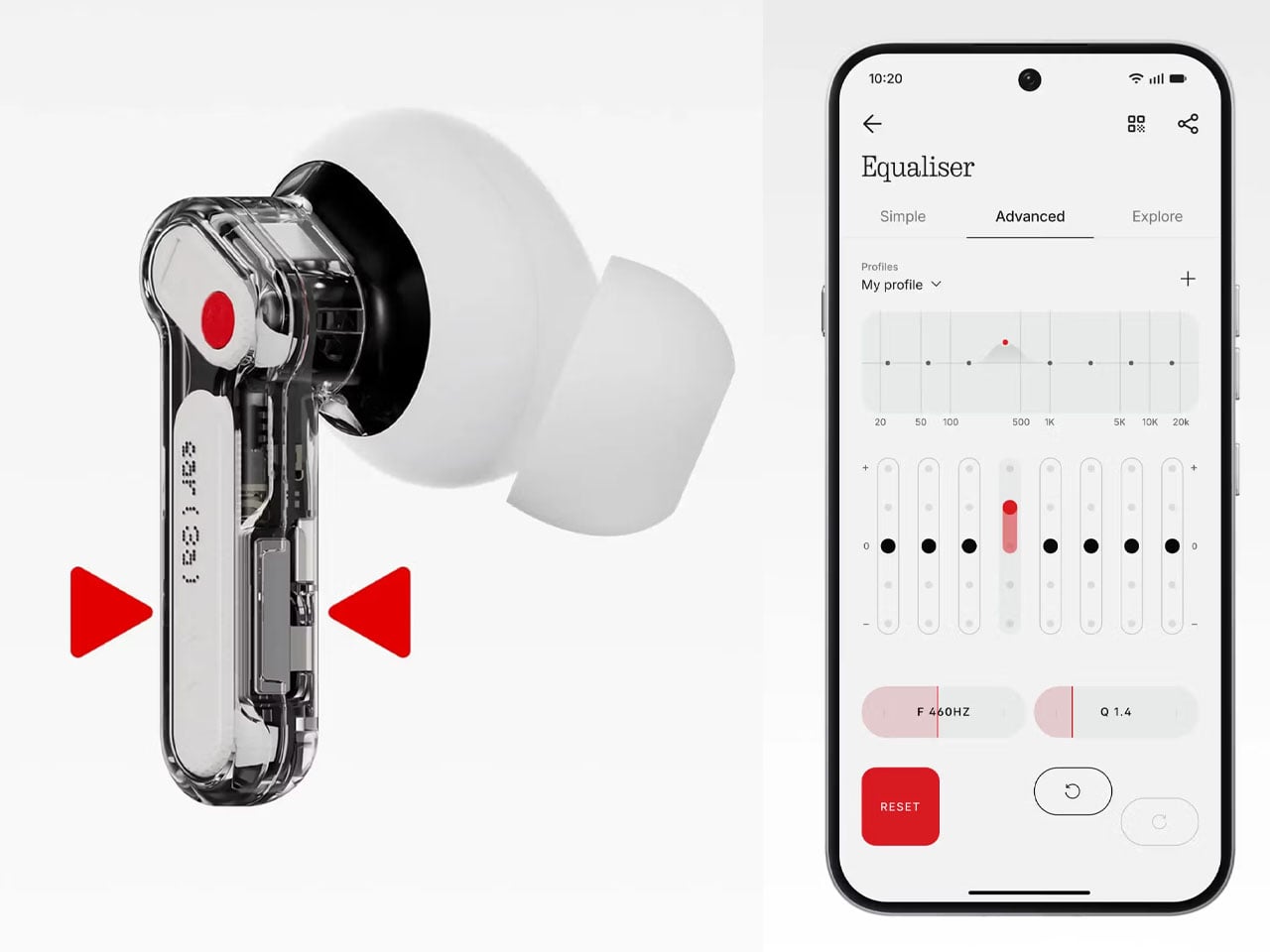
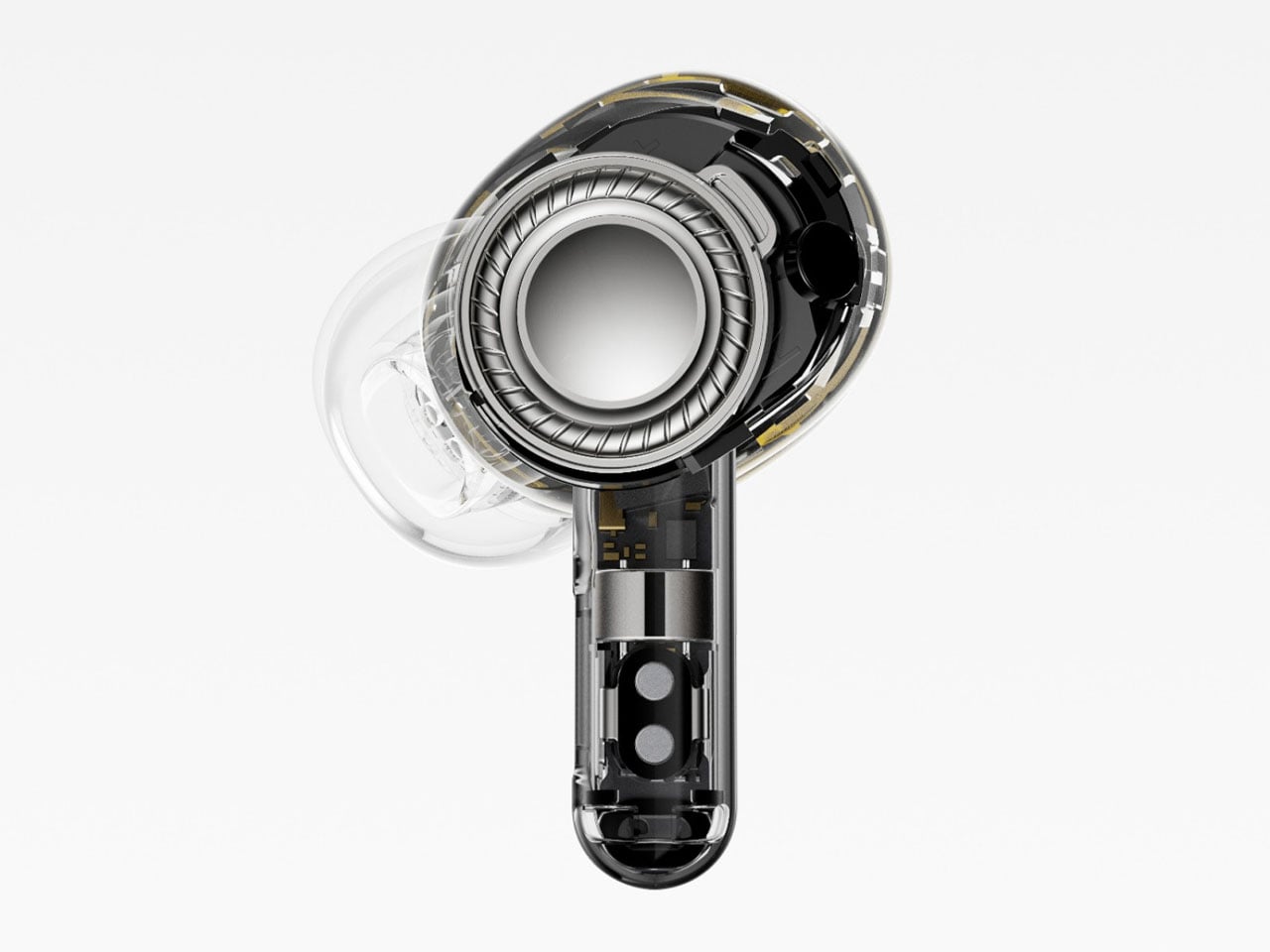
Nothing has also refined the listening experience with new 12mm dynamic drivers that deliver deeper bass while maintaining clarity across the frequency range. Support for Hi-Res Audio Wireless and LDAC allows compatible Android devices to stream higher-quality audio, while an expanded eight-band equalizer offers greater control for users who prefer to fine-tune their sound profile. Whether the preference is bass-heavy tracks or a more balanced signature, the earbuds provide enough flexibility to suit different listening styles.


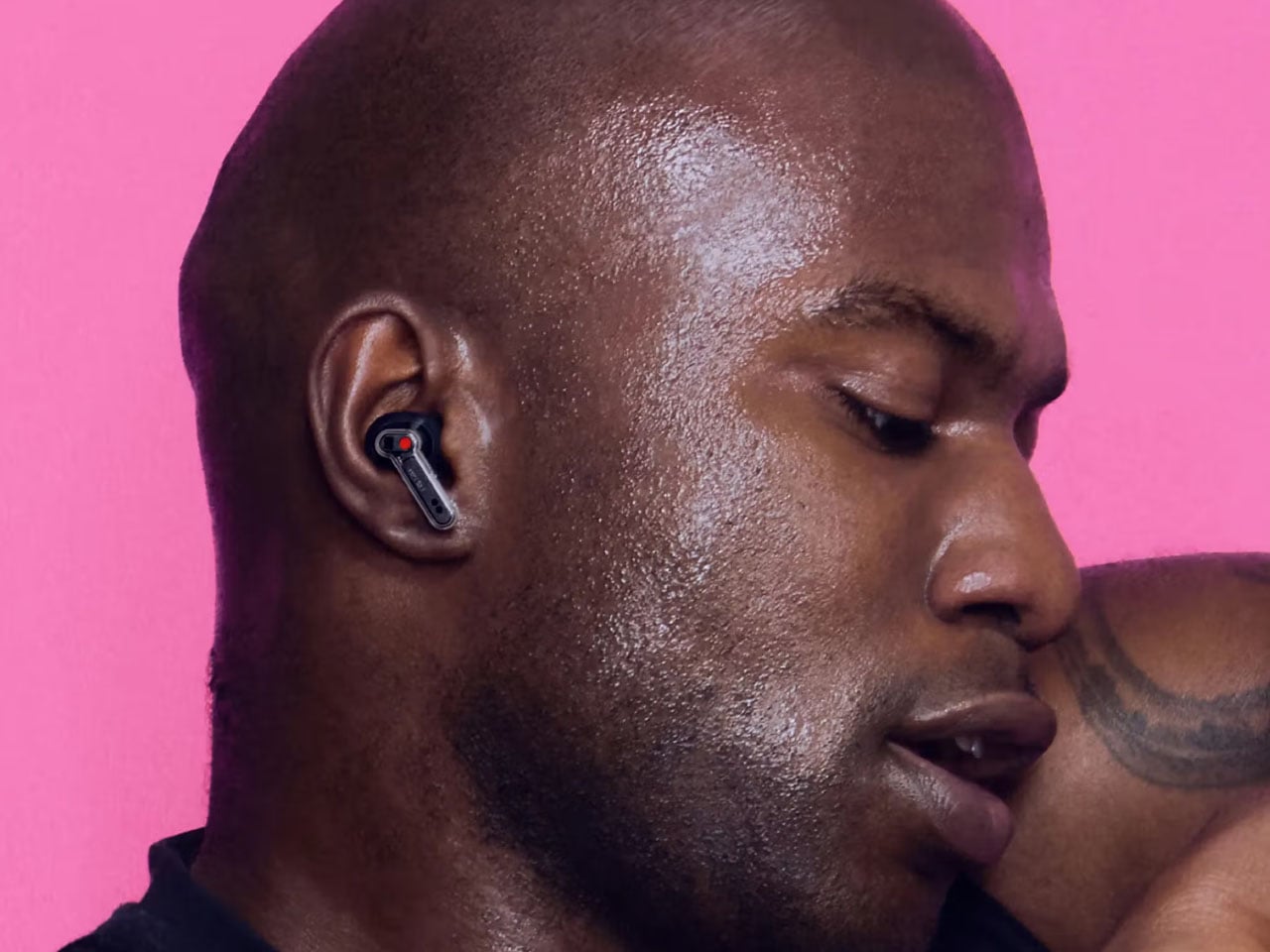
Active noise cancellation has also received a noticeable boost. The Ear (3a) delivers up to 45dB of ANC across a wider frequency range, with Nothing claiming roughly 17 percent better performance than its predecessor. Clear Voice technology improves call quality by making speech easier to understand in noisy surroundings, while the inclusion of an extra-small ear tip size helps accommodate a wider range of users and enhances passive noise isolation. The IP54 rating for dust and splash resistance also makes the earbuds suitable for commuting and workouts.

Battery life remains one of the Ear (3a)’s strongest selling points. The earbuds offer up to 10 hours of playback on a single charge with ANC turned off, while the charging case extends total listening time to as much as 42 hours. Even with noise cancellation enabled, users can expect up to 25 hours of combined playback. A quick five-minute charge delivers approximately an hour of listening time, and Bluetooth 6.0 with dual-device connectivity makes switching between a phone, tablet, and laptop effortless.

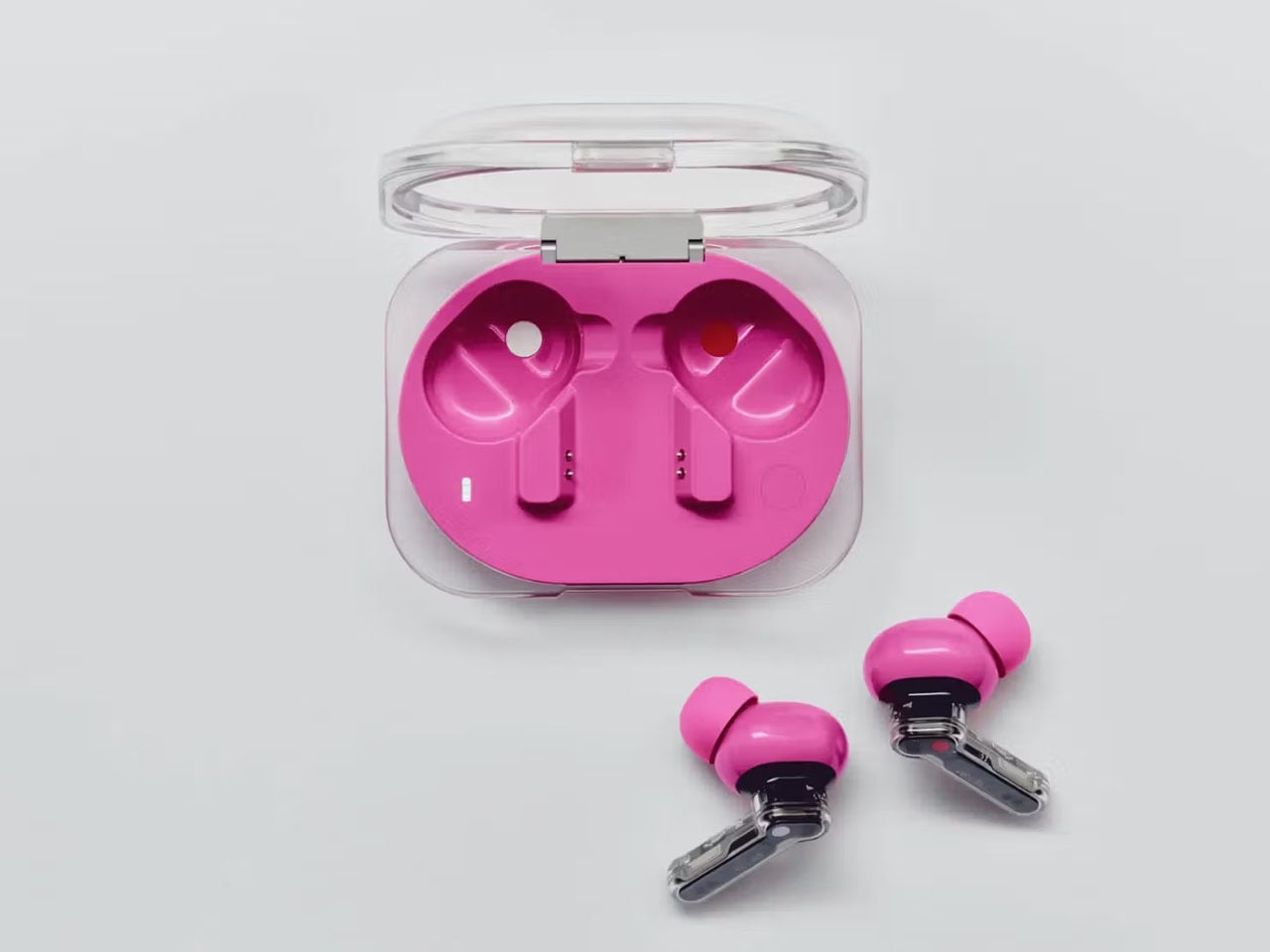
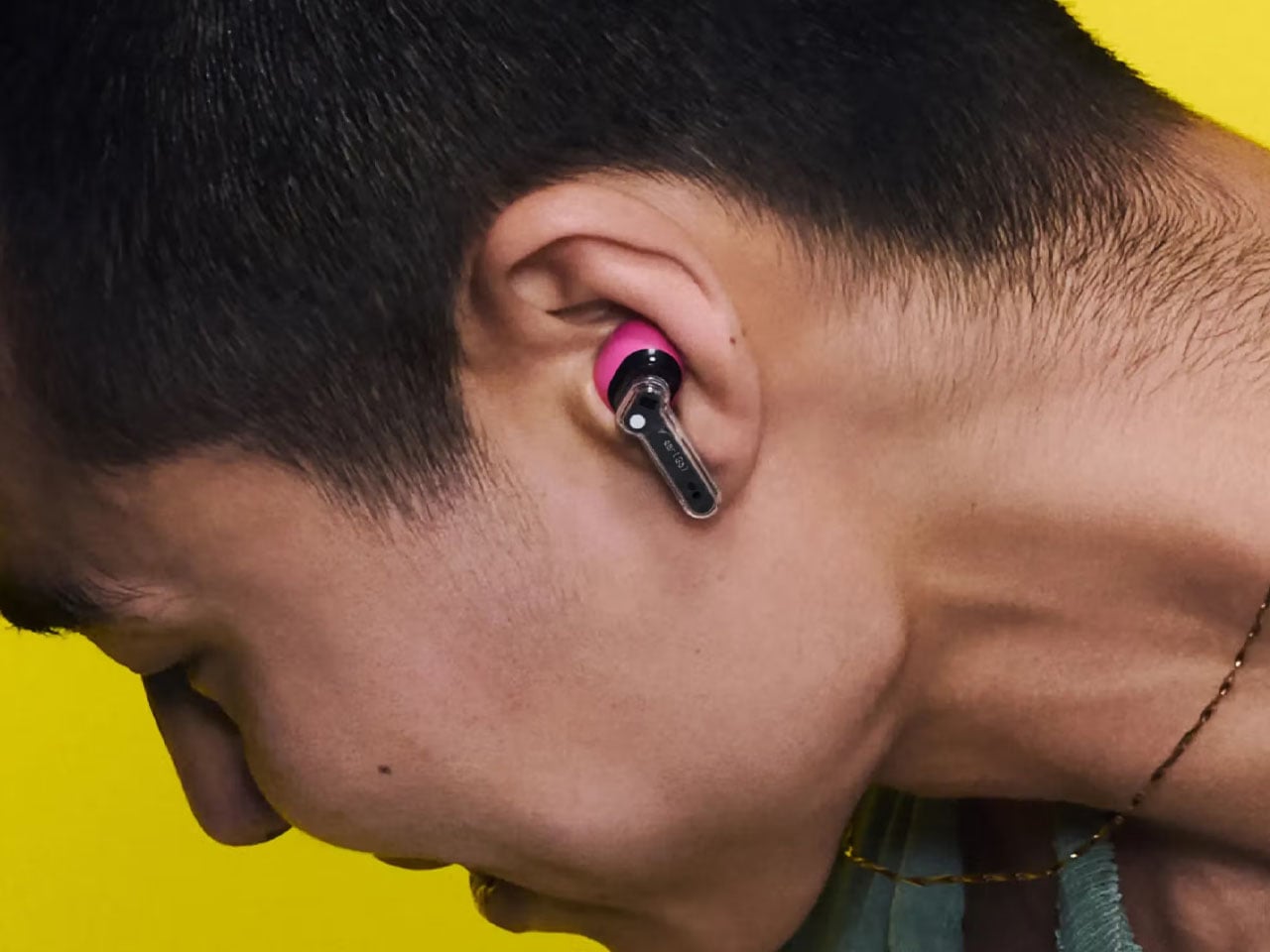
The earbuds arrive in attractive pink and yellow, along with the standard black or white colorway. In the package there’s a new XS ear tip size for users with very small ears. Rather than relying solely on incremental hardware improvements, Nothing Ear (3a) introduces features that make wireless earbuds more practical throughout the day. That’s an undeniable USP at a price tag under $100. Nothing has also released the highly anticipated Phone (4b), which we’ll cover shortly, so stay tuned!


The post Nothing Ear (3a) boasts built-in audio recording, smarter ANC, and 42-hour battery life for just $99 first appeared on Yanko Design.

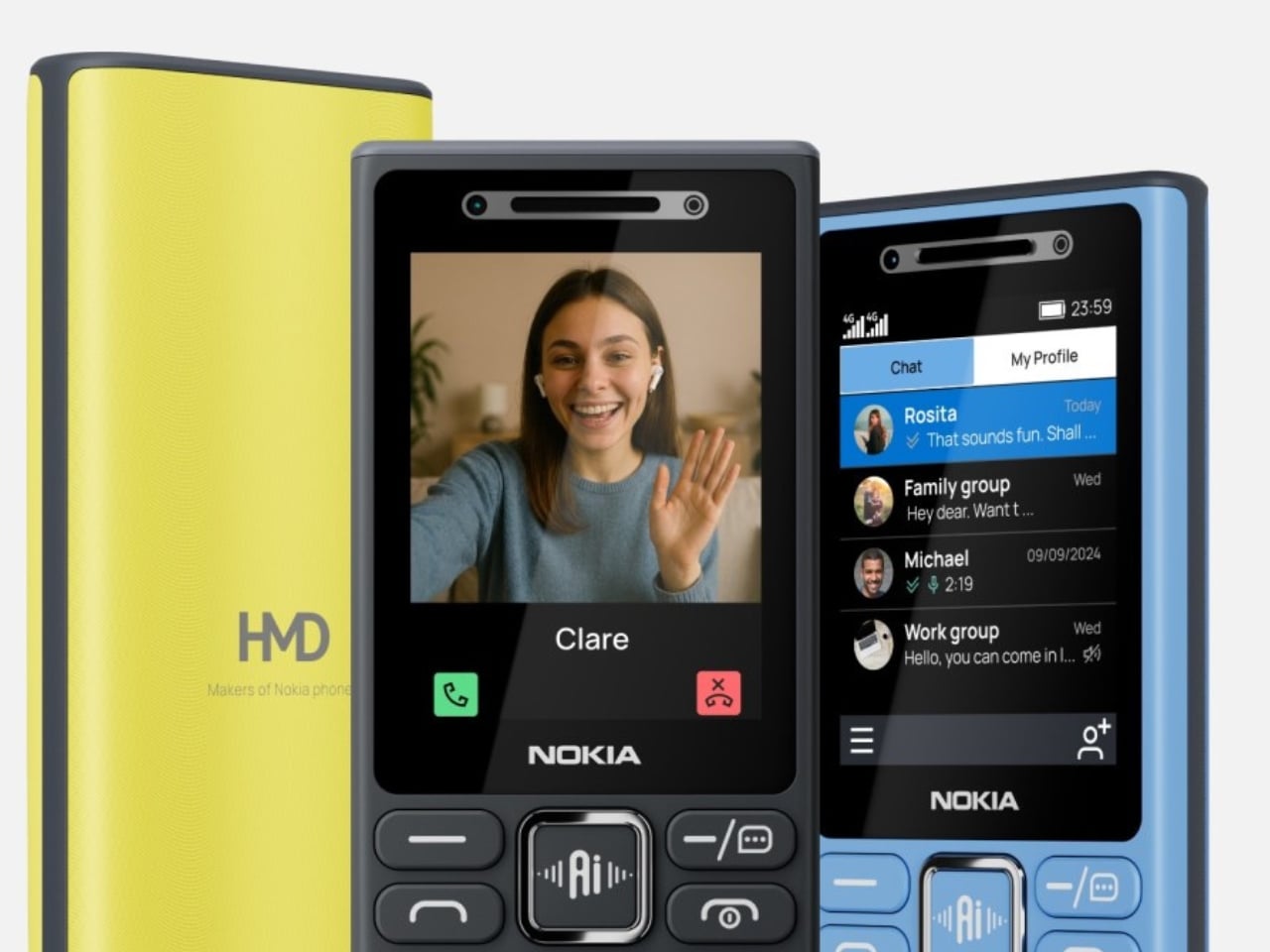
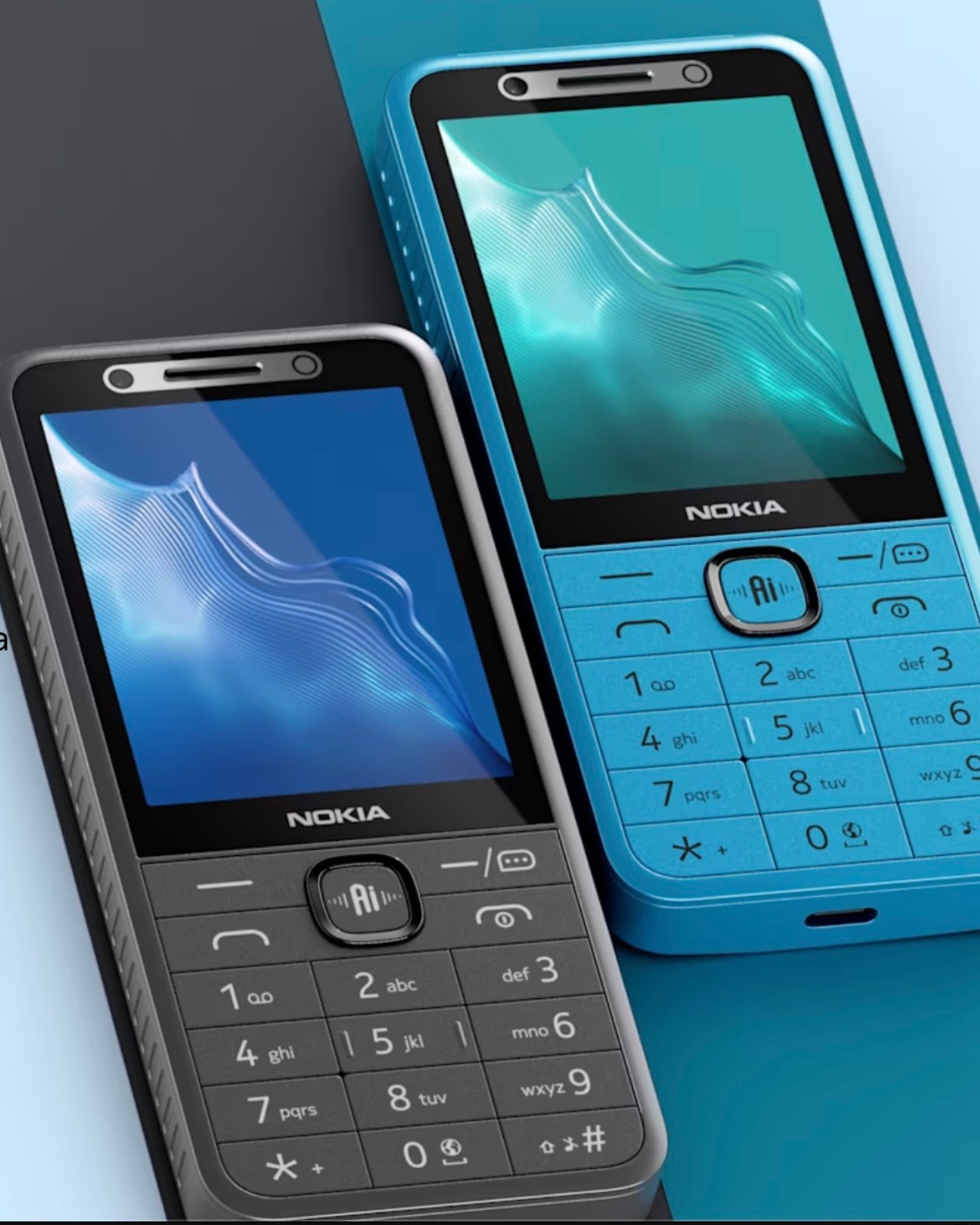
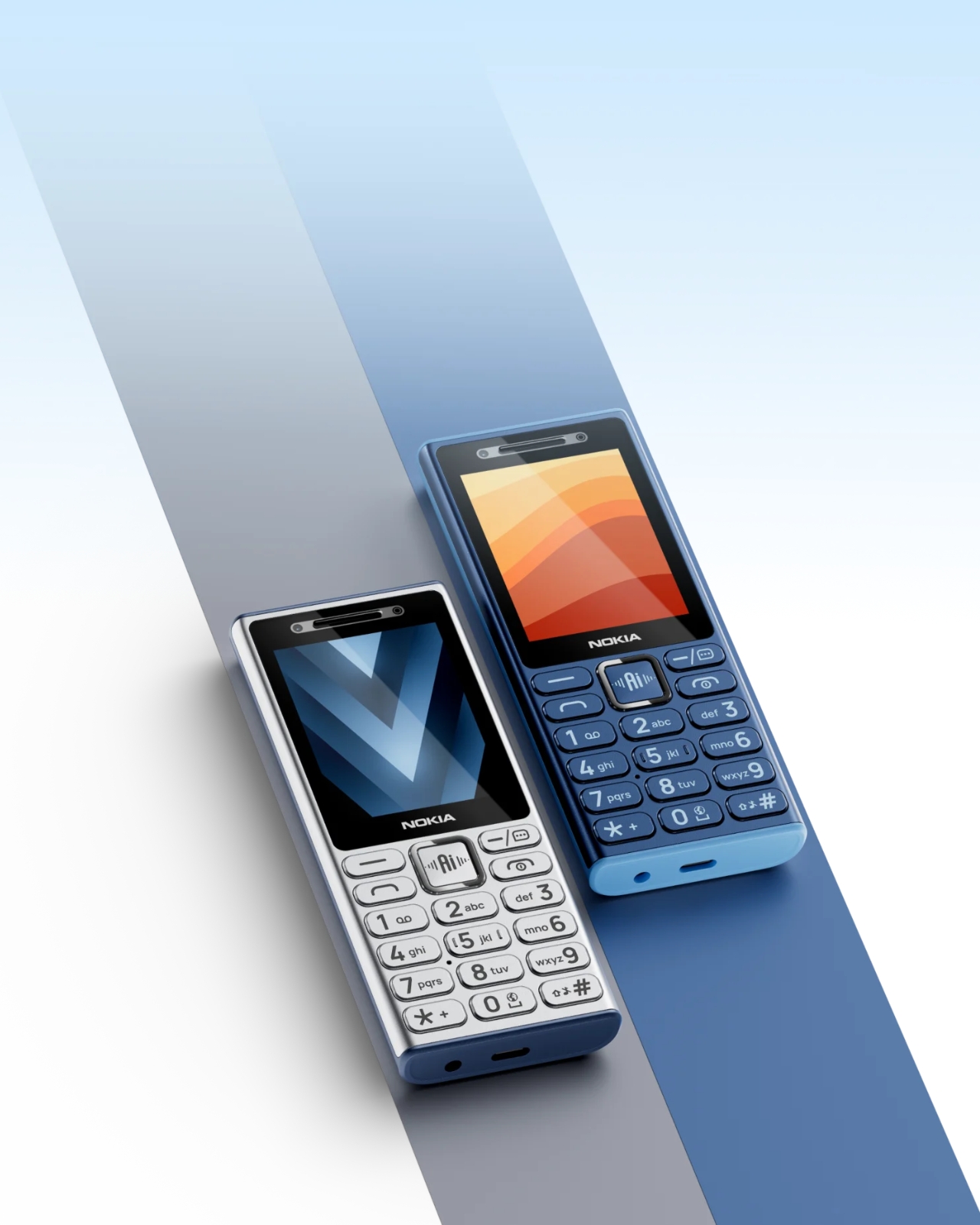
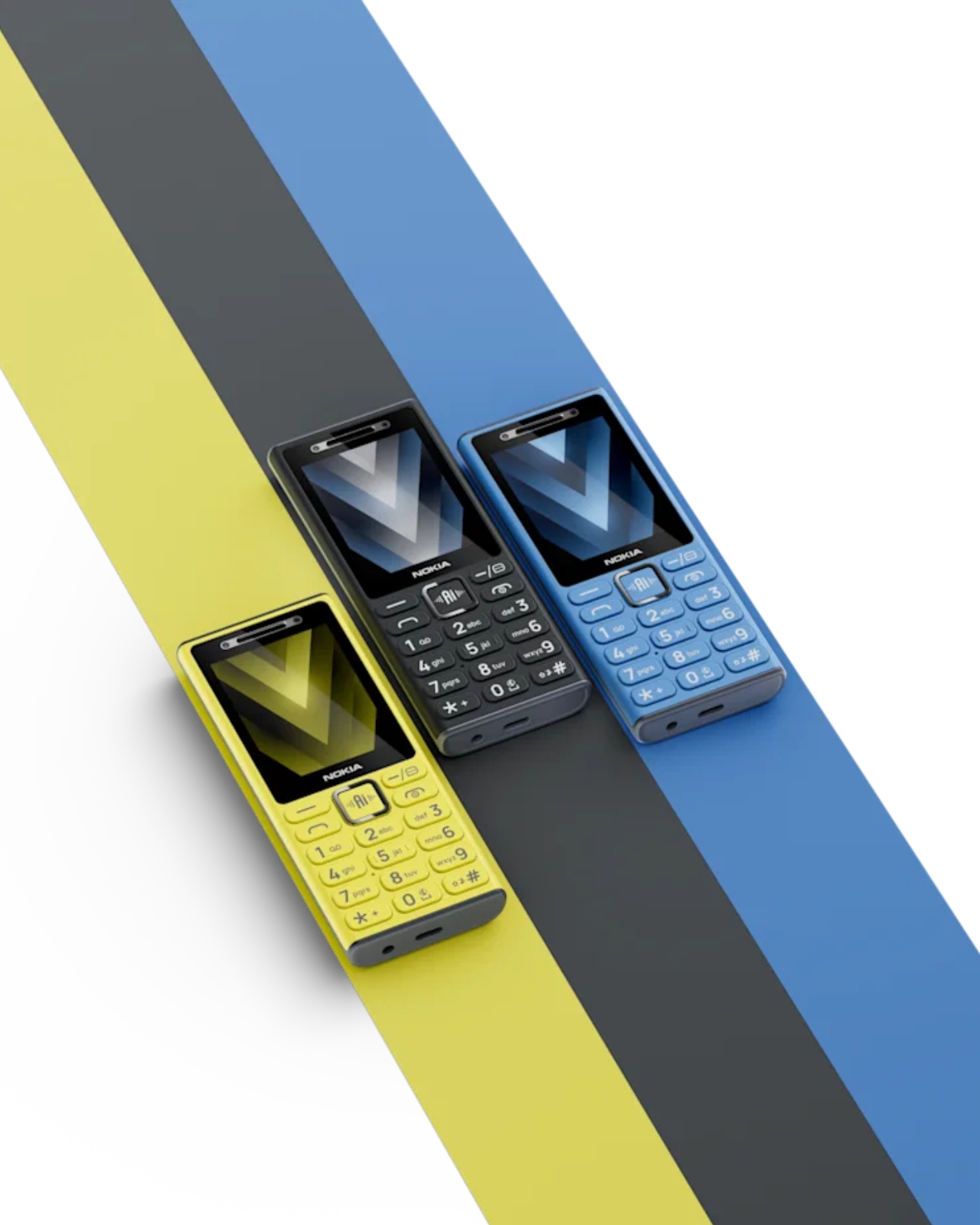
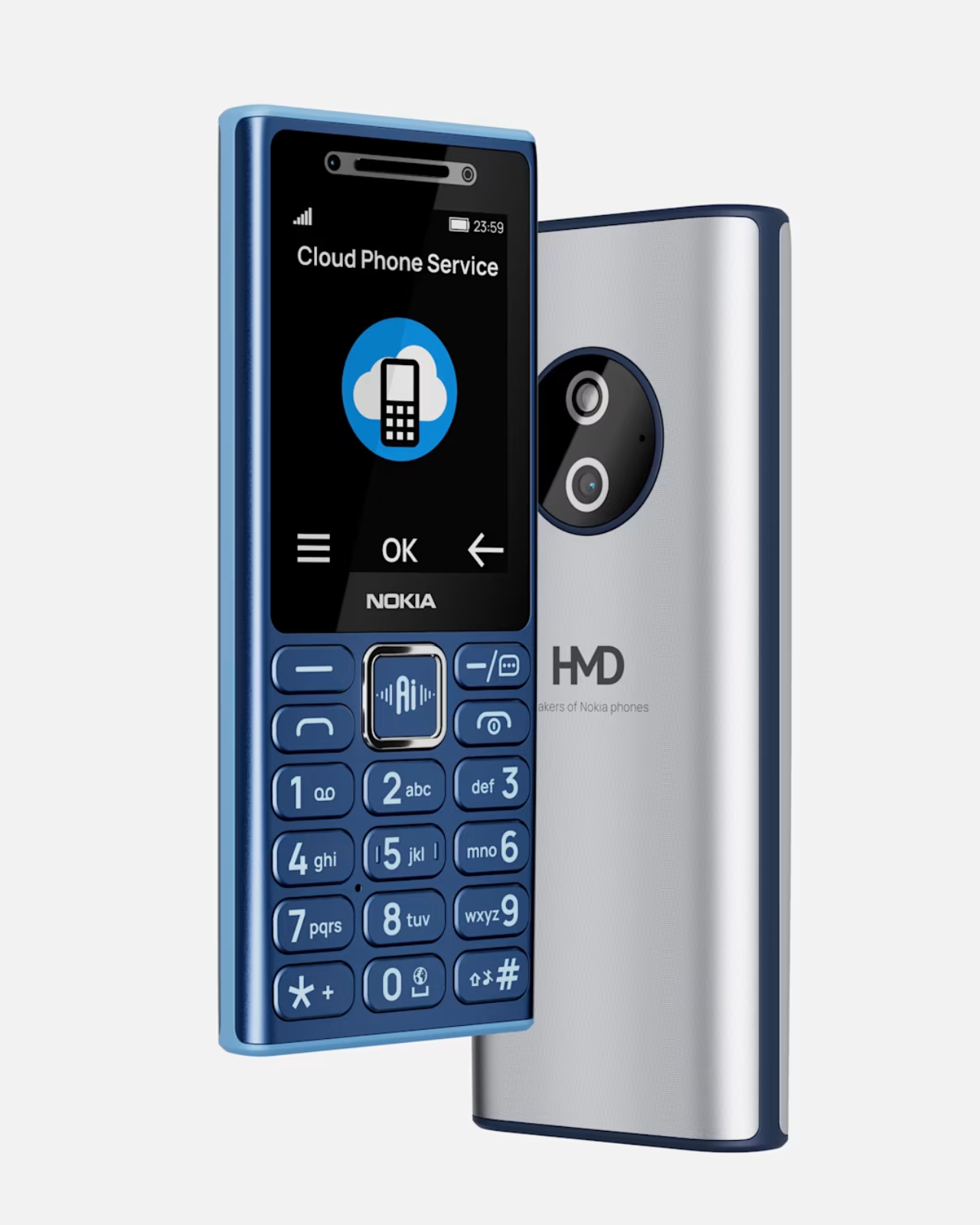
The dumb phone comeback has been one of the more quietly satisfying design stories of the last few years. People are tired. Tired of doom-scrolling, tired of notification overload, tired of carrying a pocket-sized anxiety machine everywhere. So when HMD quietly dropped four new Nokia feature phones — the Nokia 210 4G, Nokia 200 4G, Nokia 215 4G 2nd Edition, and Nokia 235 4G 2nd Edition — it felt like another chapter in that story. Except for one very notable detail sitting right on the side of each device: a dedicated AI button. Yes. An AI button. On a dumb phone.
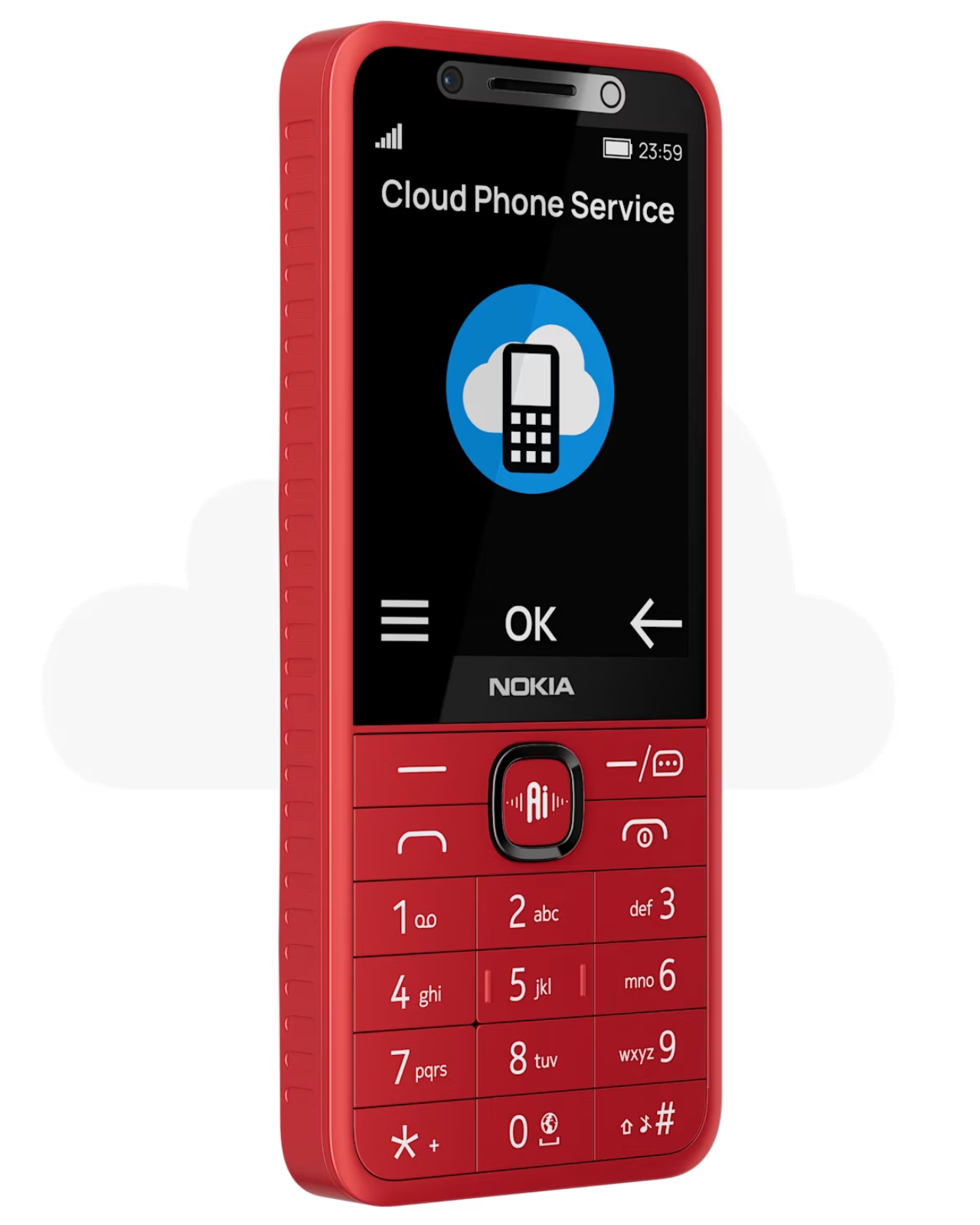
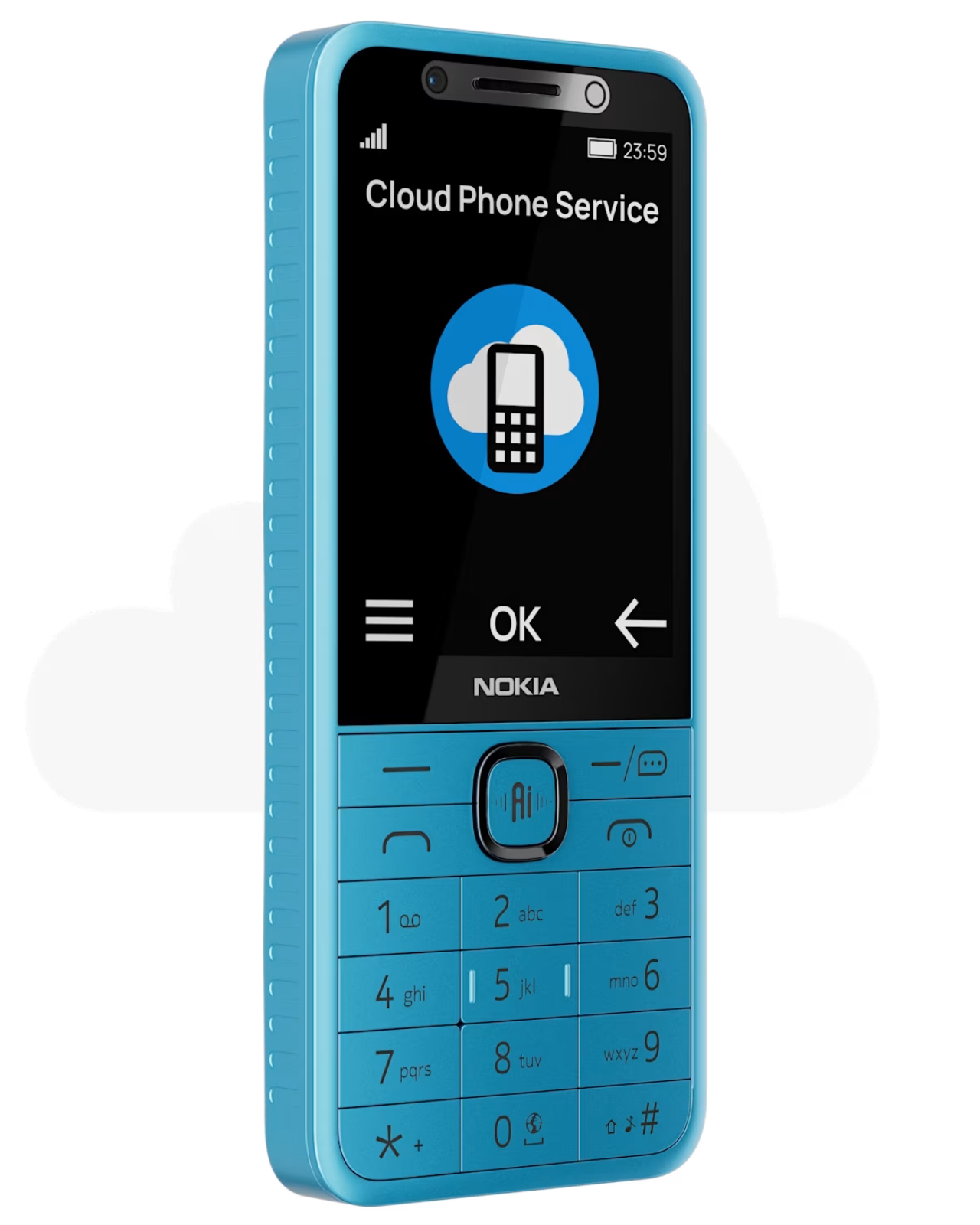
Let me back up. These phones are, by most definitions, exactly what the dumb phone crowd has been asking for. Compact candy-bar designs. That immediately recognizable Nokia build, now with a metallic frame around the selfie camera and speaker that gives it a slightly more premium feel. A 1,450 mAh battery. A 3.5mm headphone jack, because HMD remembers those exist. FM radio. USB-C charging. The Nokia 215 4G 2nd Edition and Nokia 235 4G 2nd Edition carry 2.8-inch IPS displays, while the Nokia 200 4G and Nokia 210 4G keep things even more minimal with 2.4-inch screens. You can make calls, send texts, set an alarm, and leave your house without dreading a 14-hour screen time report. Classic.
Designer: HMD
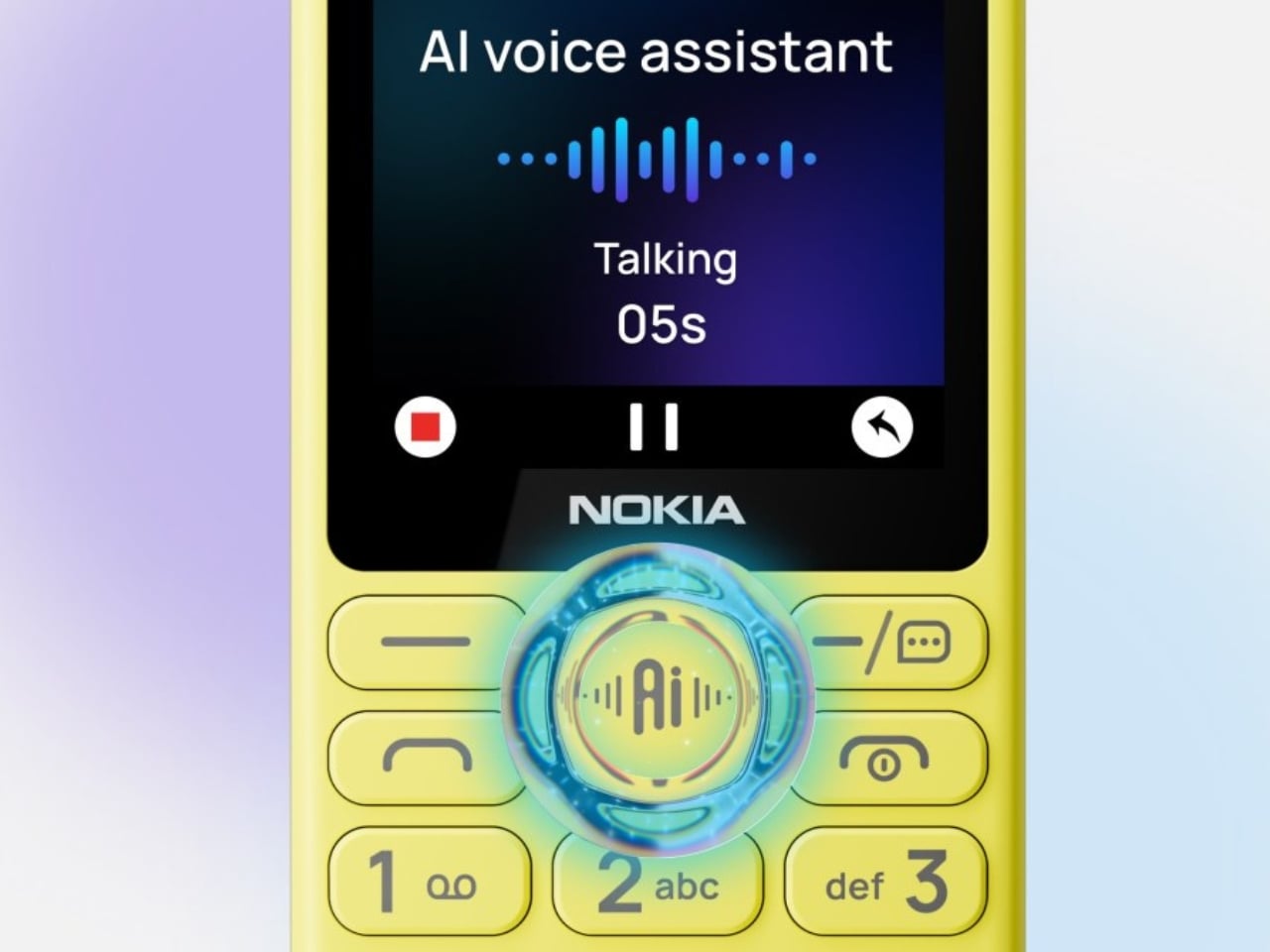
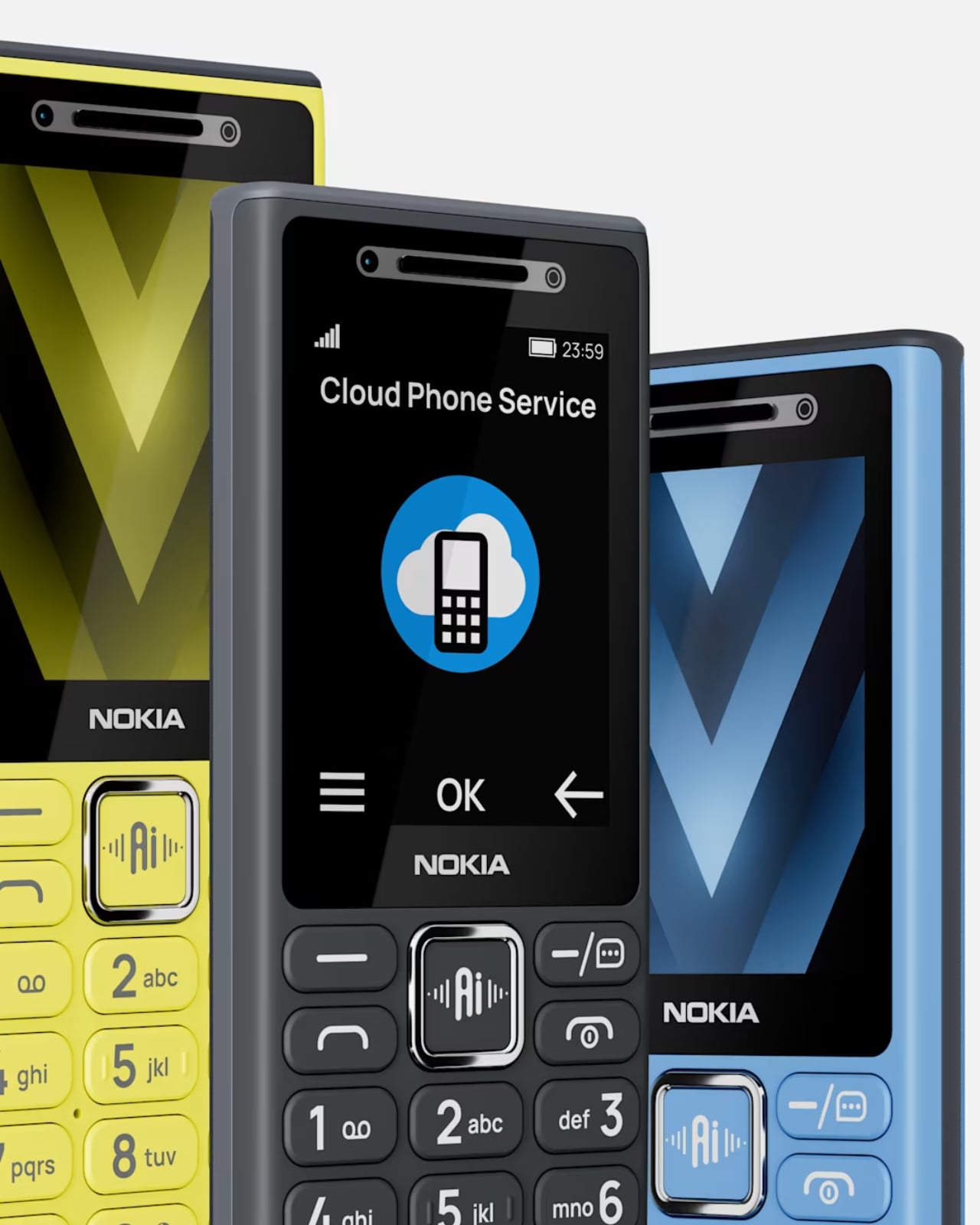
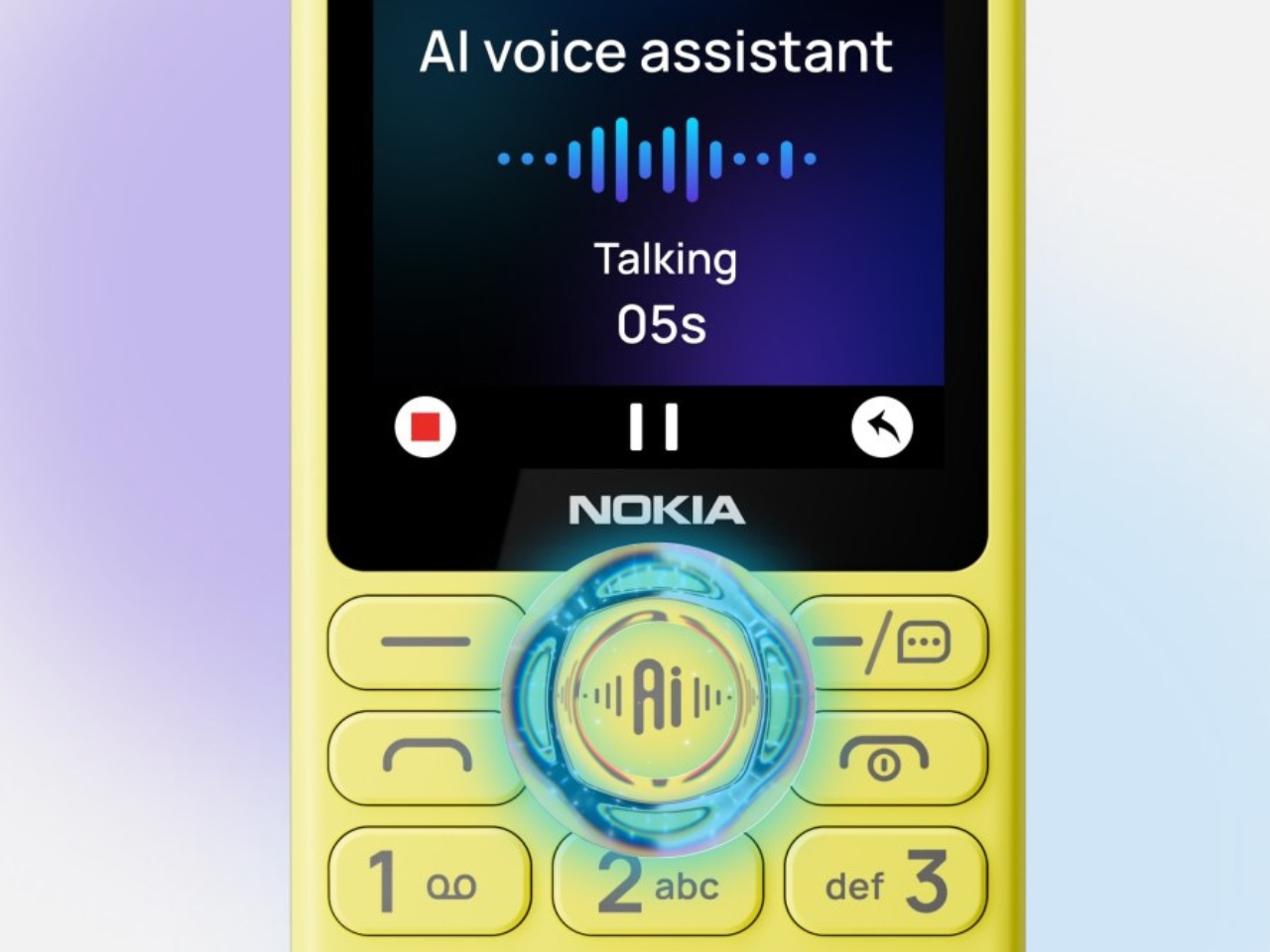
And then there’s the AI. The button accesses an on-device assistant powered by Sikey AI, which lets you do things like turn on the flashlight, set a reminder, open the camera, or place a call using voice commands. It even comes with cloud phone service support, so you can check weather forecasts, sports news, and short-form video without eating up local storage.
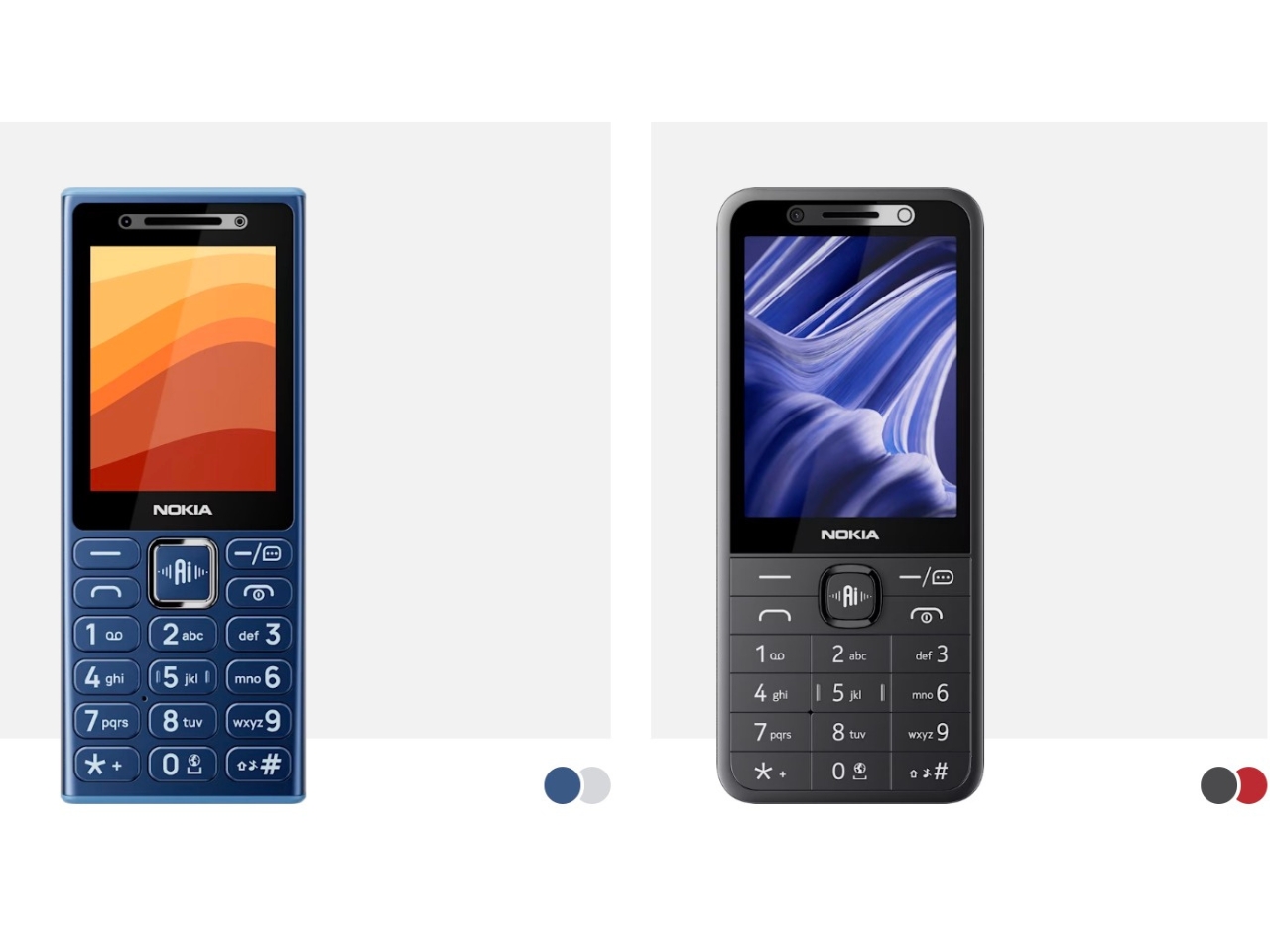
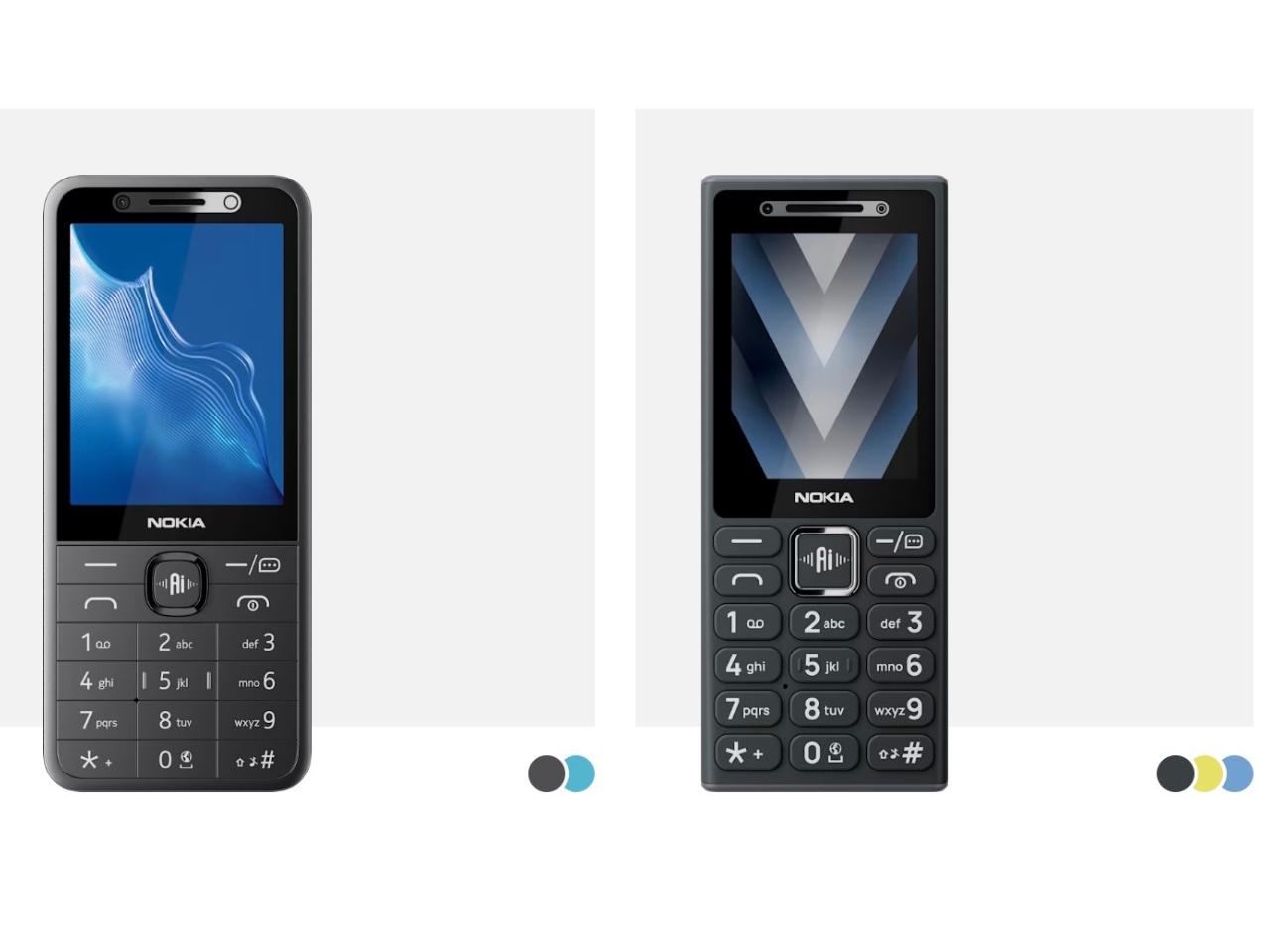
On paper, that sounds almost reasonable. Voice control on a small phone with no touchscreen? Fine, I get it. But the moment you start pulling on that thread, the whole premise of a “digital detox device” starts to unravel a little. A feature phone that checks your weather and streams video content via the cloud is not exactly the quiet, intentional tool that most dumb phone enthusiasts are reaching for. It starts to feel less like a step back and more like a regular phone wearing a disguise.
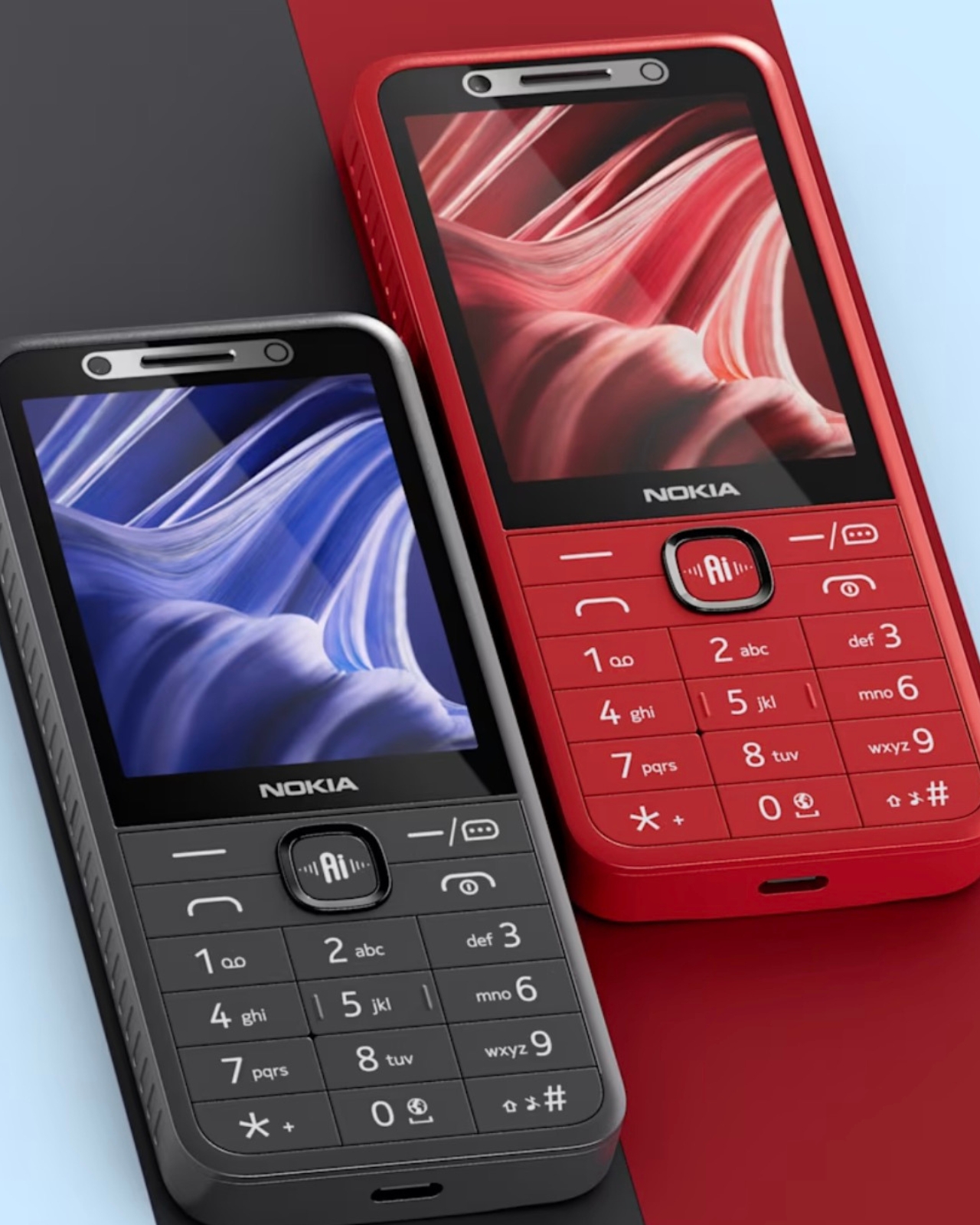
The subscription element makes it even more interesting. The Sikey AI features come with a free trial period, after which users need to subscribe to a paid plan. HMD notes, somewhat cheekily, that you’ll need an actual smartphone to complete that purchase. So your minimalist phone requires a smartphone to fully unlock its most marketed feature. That’s a sentence.
None of this makes the devices bad. For their actual intended market — likely first-time phone users, older users who want simplicity, or people in markets where smartphone data is still a real cost concern — these phones make a lot of sense. The design language is clean and familiar. The feature set is honest. And HMD has clearly put thought into making them feel more current with the USB-C port and 4G connectivity.
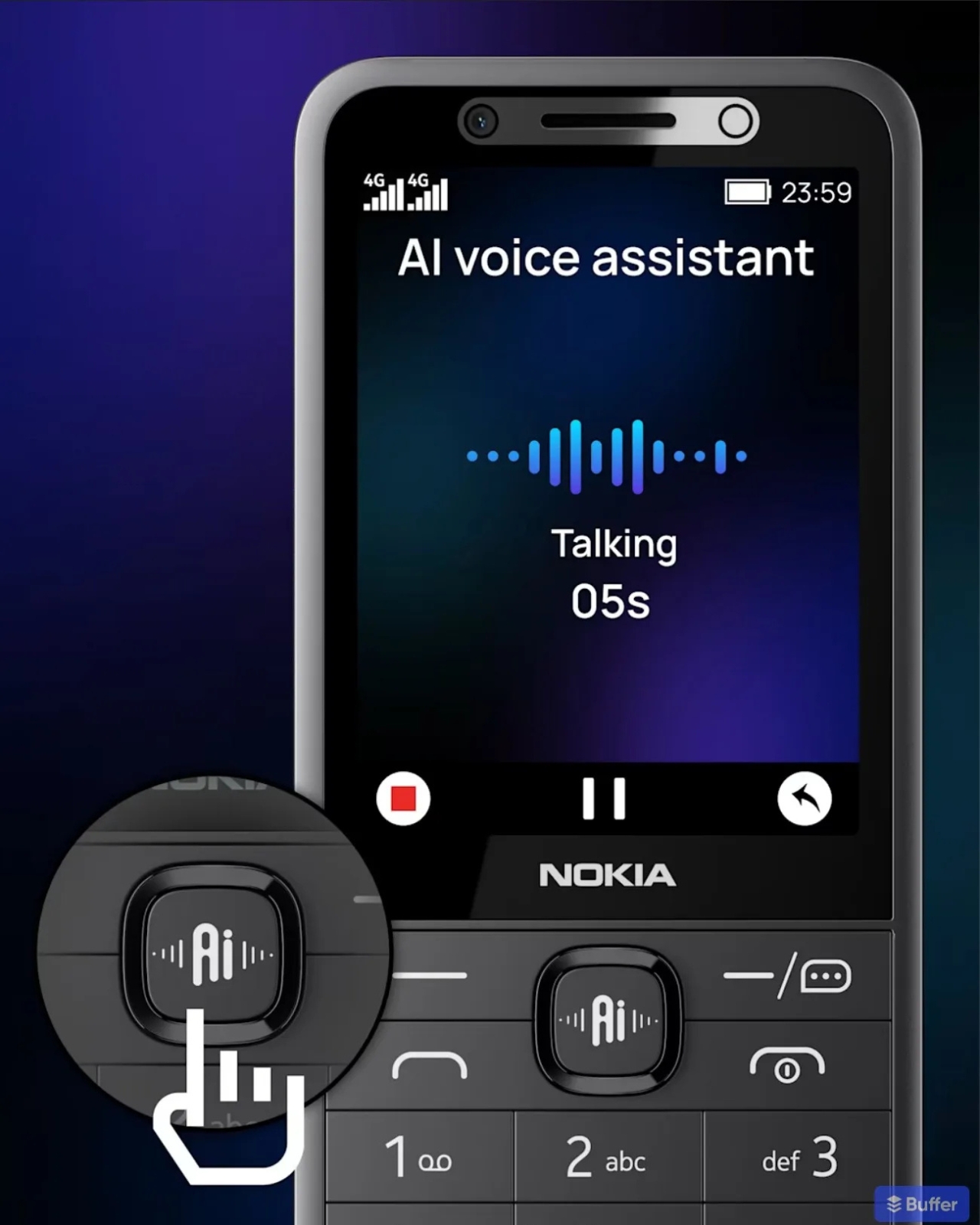
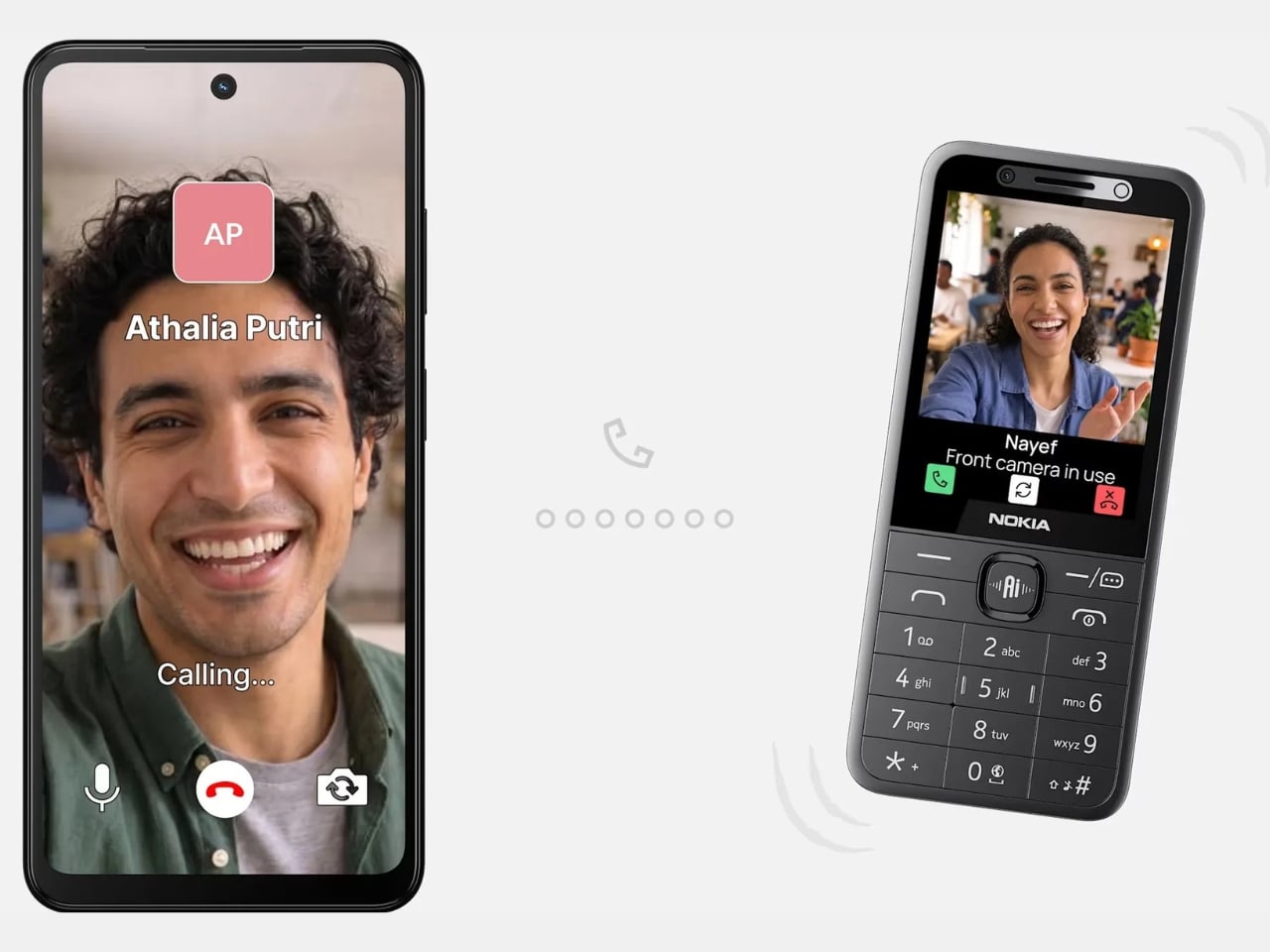
But I keep thinking about what the AI button is really doing here. Is it genuinely useful? For some users, absolutely. Is it a design choice that muddies the identity of a product built around the appeal of doing less? Also yes. The best thing about a dumb phone is the clarity of purpose. You pick it up, you make a call, you put it down. Every added layer of “smart” functionality chips away at that clarity, even if the layer is thin.
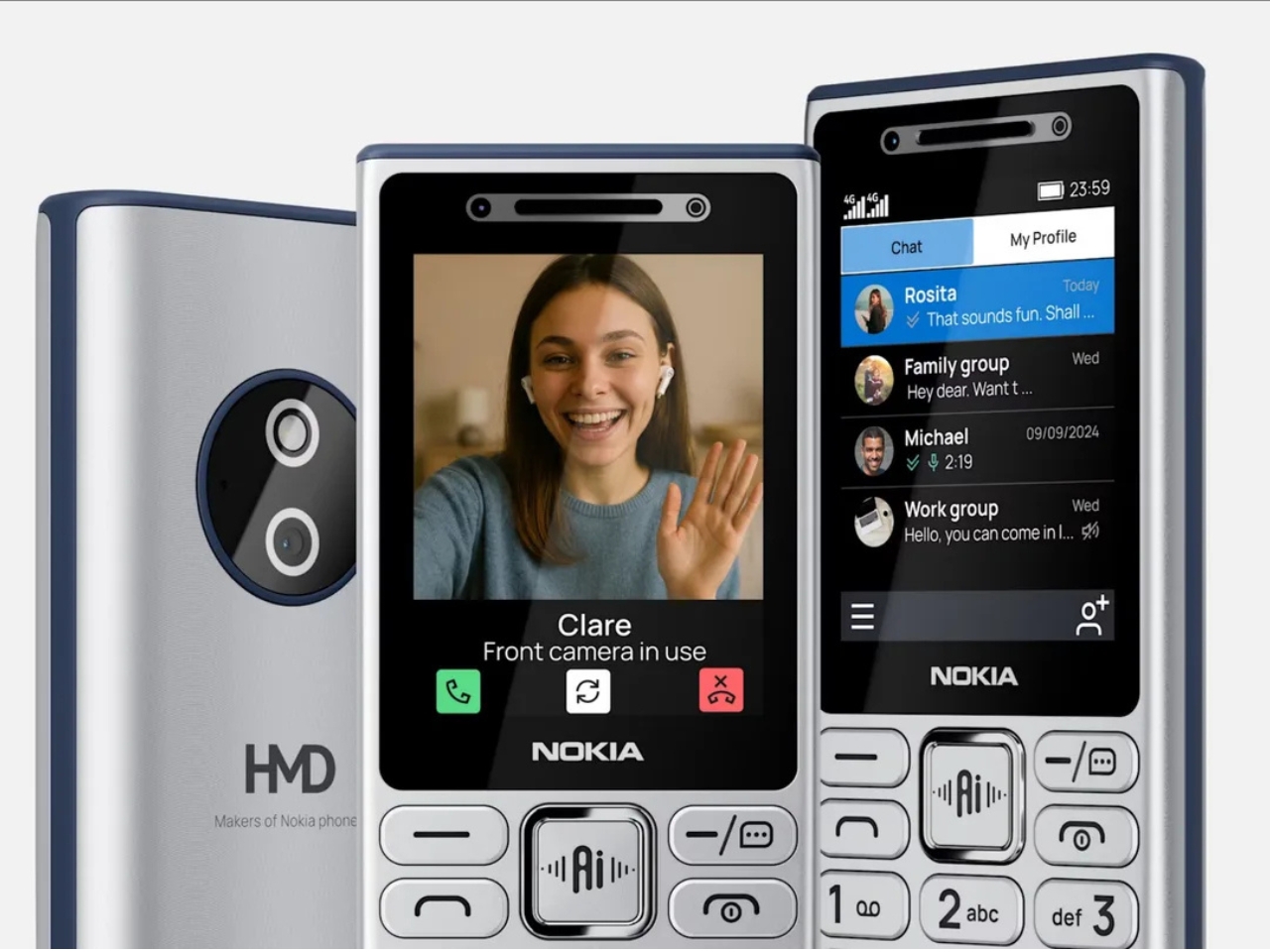
HMD is navigating a strange middle ground, honoring a legacy brand built on simplicity while trying to stay current in a market that rewards anything labeled AI. Whether that balance lands well depends entirely on who’s buying. For the digital detox crowd, these probably won’t scratch that itch. For everyone else, they’re solid little phones with a lot of nostalgic charm and a feature that might come in handy more often than expected.
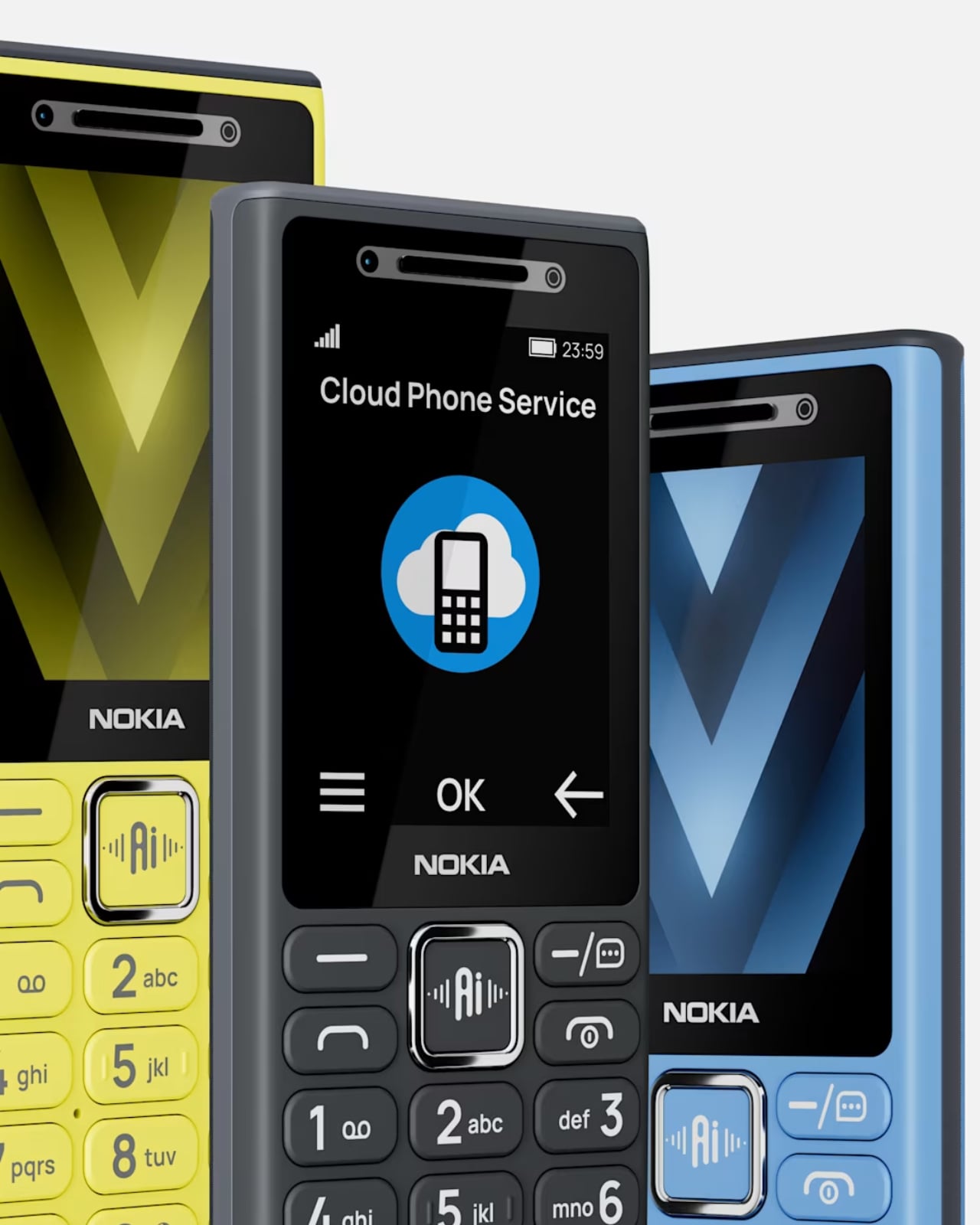
The post Nokia’s 4 New Dumb Phones Still Come With an AI Button first appeared on Yanko Design.