Silo’s season 3 trailer promises chaos and time jumps
Season 3 of Silo premieres on July 3.

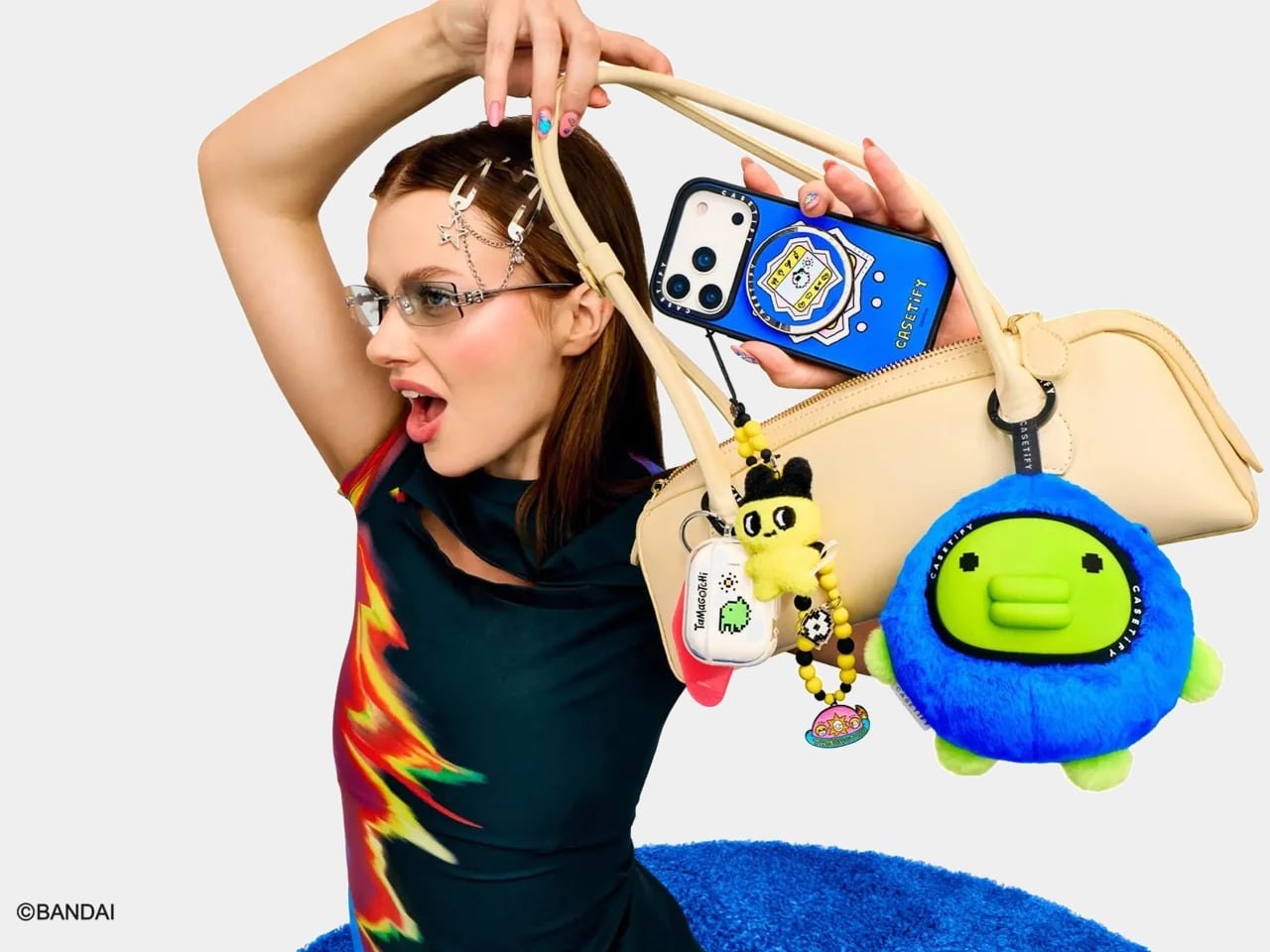
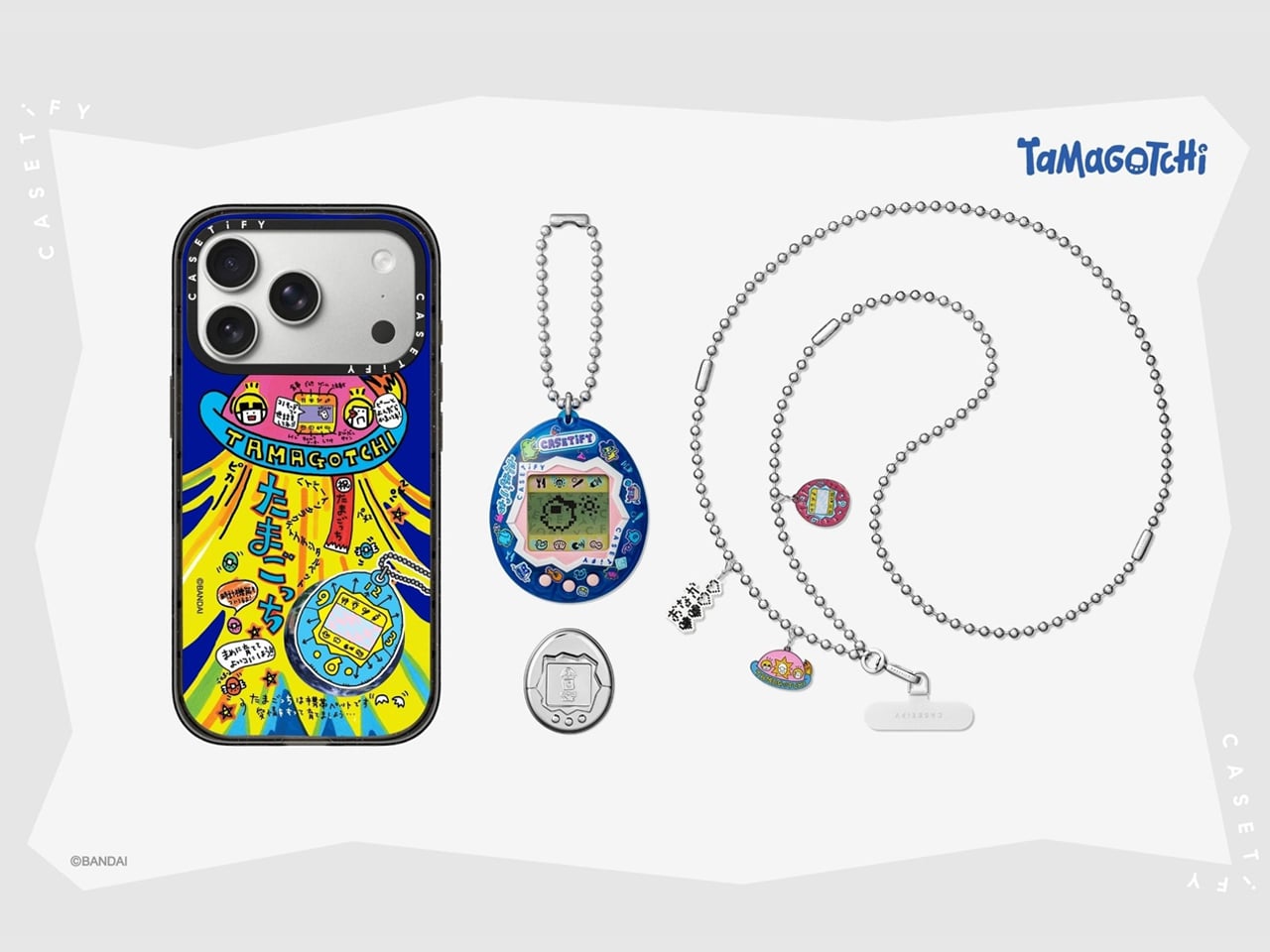
Tamagotchi, the virtual pet created by Bandai, a Japanese toy manufacturer, was seen constantly hanging from schoolbags in the late 1990s and early 2000s, when I was growing up. As brands now consistently mine millennial nostalgia for Gen-Z delight, many collaborations in the recent past have given birth to or revived the Y2K-era devices, of which the new Tamagotchi x CASETiFY collaboration is a true testament.
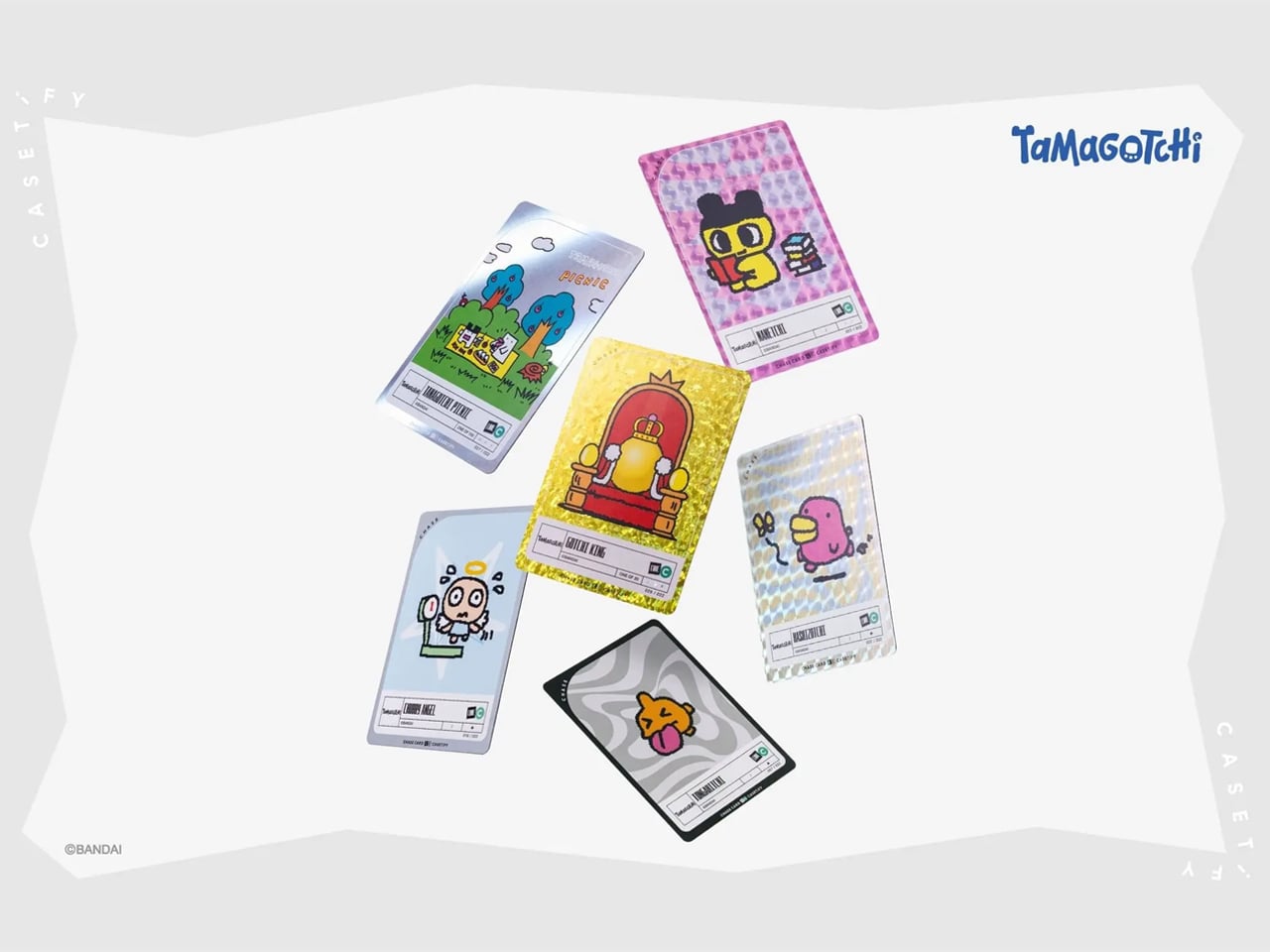
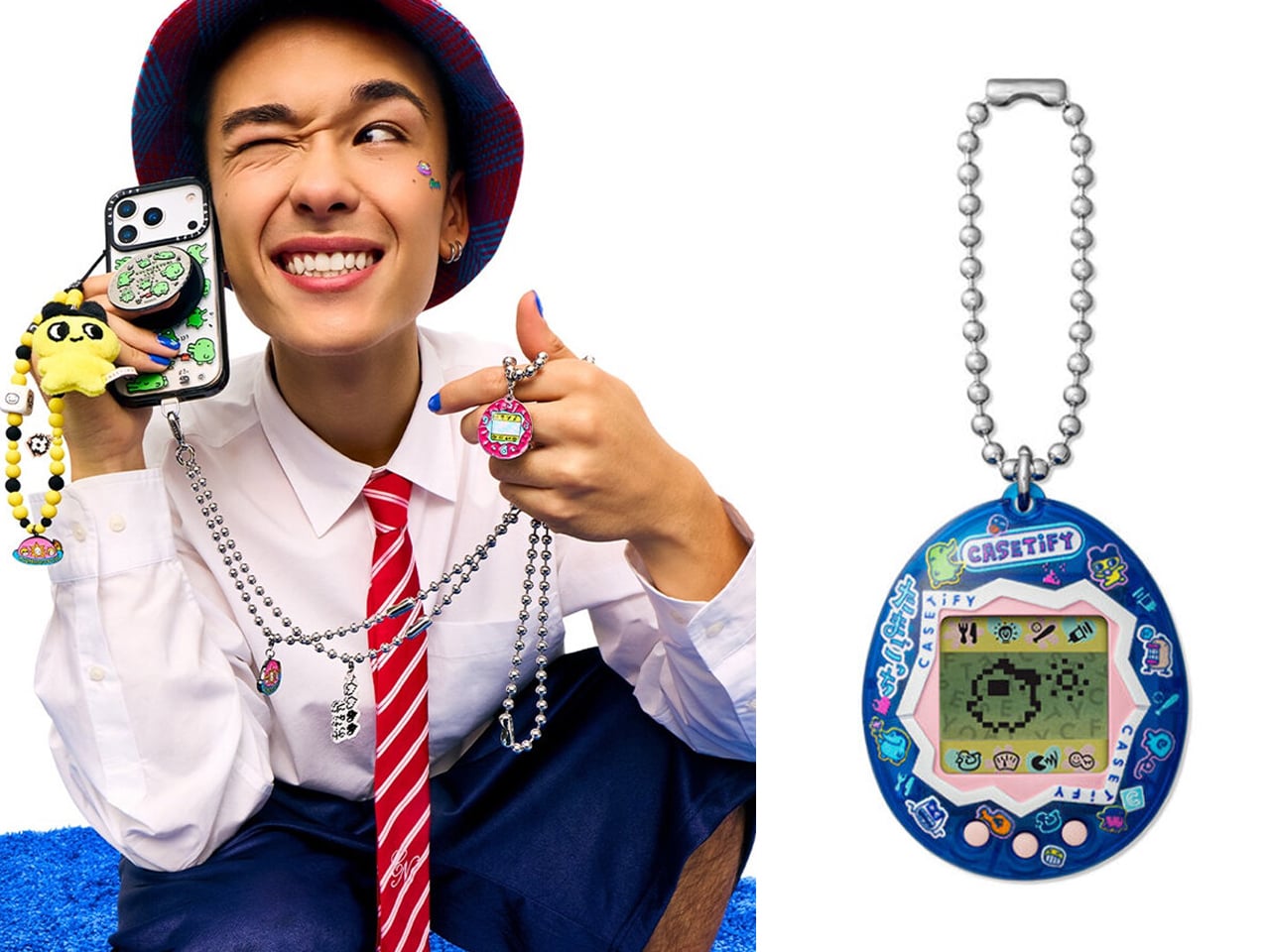
The device, which was a consistent charm for people, especially the kids, appeared clipped onto keychains or held as fidgets in the hand, is now getting a new life through the charismatic collaboration. The collection transforms the favorite nostalgic character into smartphone and tablet cases, charms, collectible accessories, and Tamagotchi chase cards.
Designer: CASETiFY
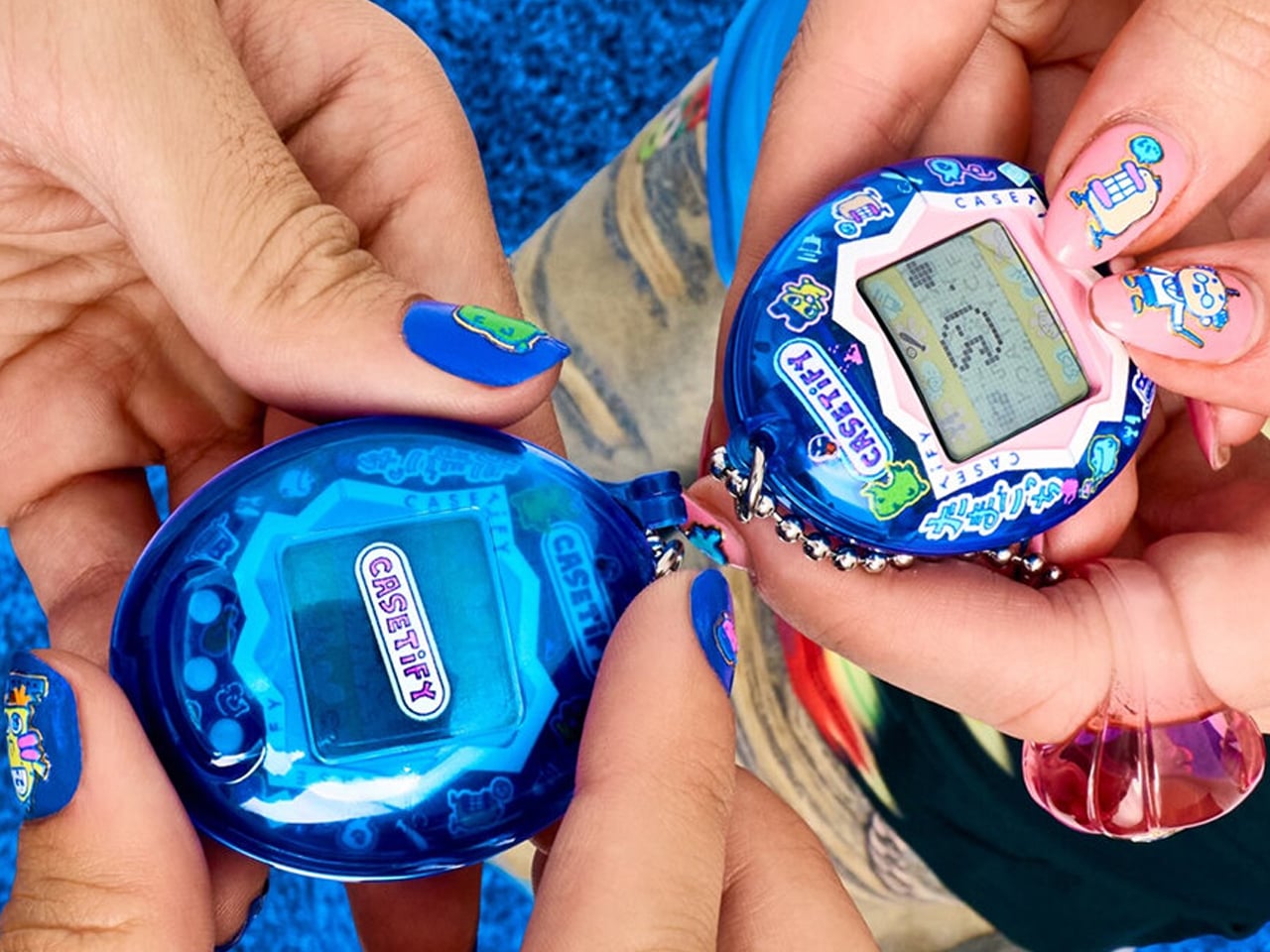
Officially launched on May 29, 2026, the CASETiFY’s Tamagotchi lineup includes customizable phone cases, earbud pouches, charms, a carry-on suitcase, and also features an original, limited-edition Tamagotchi device, each designed to be styled with interchangeable modular accessories. The exclusive range of products starts at roughly around $15 and goes up to $799.
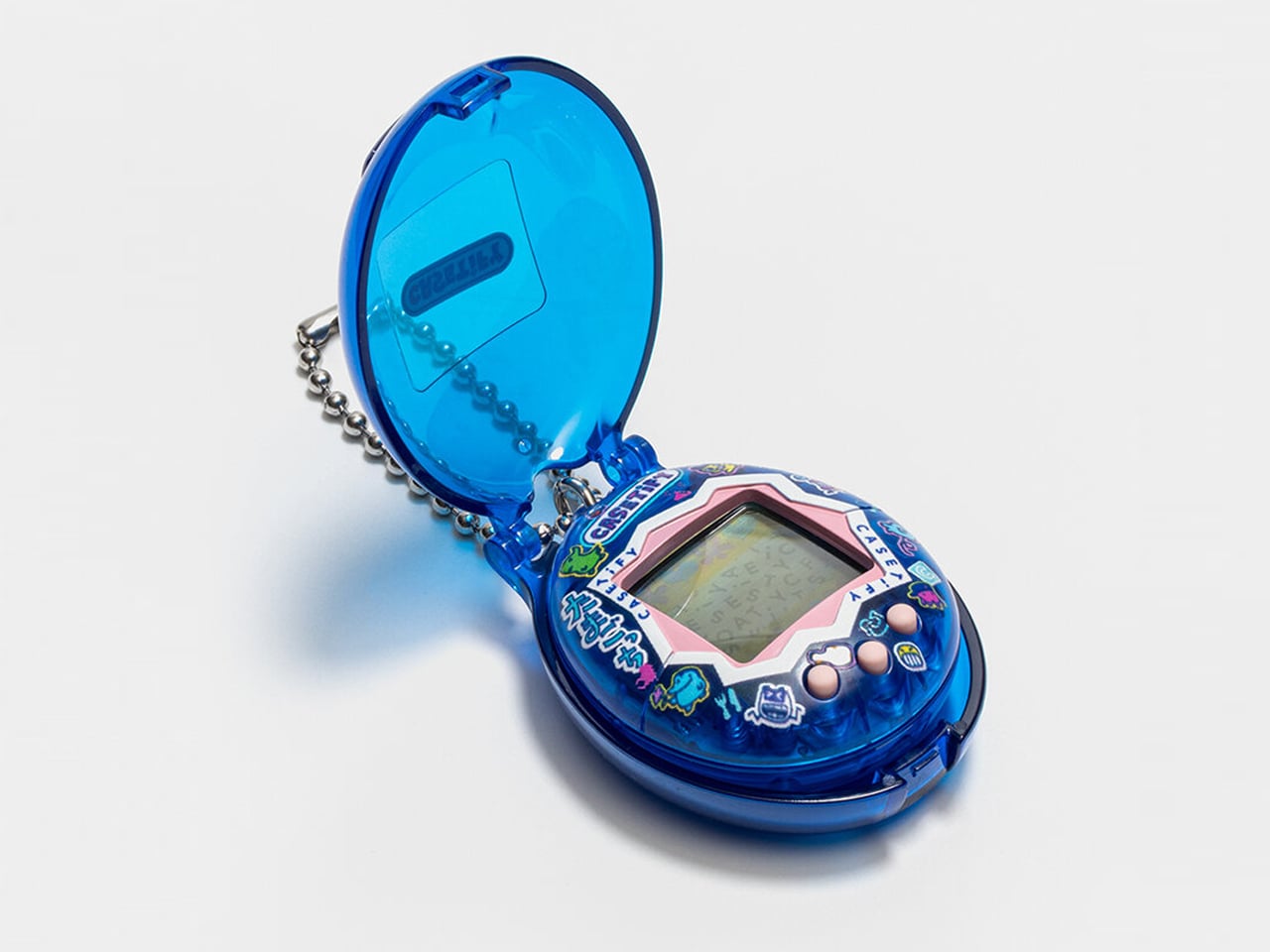
The highlight here, of course, is the release of the Original Tamagotchi Casetify Limited Edition. This collectible object, reimagined as a usable tech accessory, is priced at $45, and comes in a small, egg-shaped form factor with three buttons, just like the real thing launched in 1996. This playable device will be available in a strictly numbered quantity through CASETiFY.
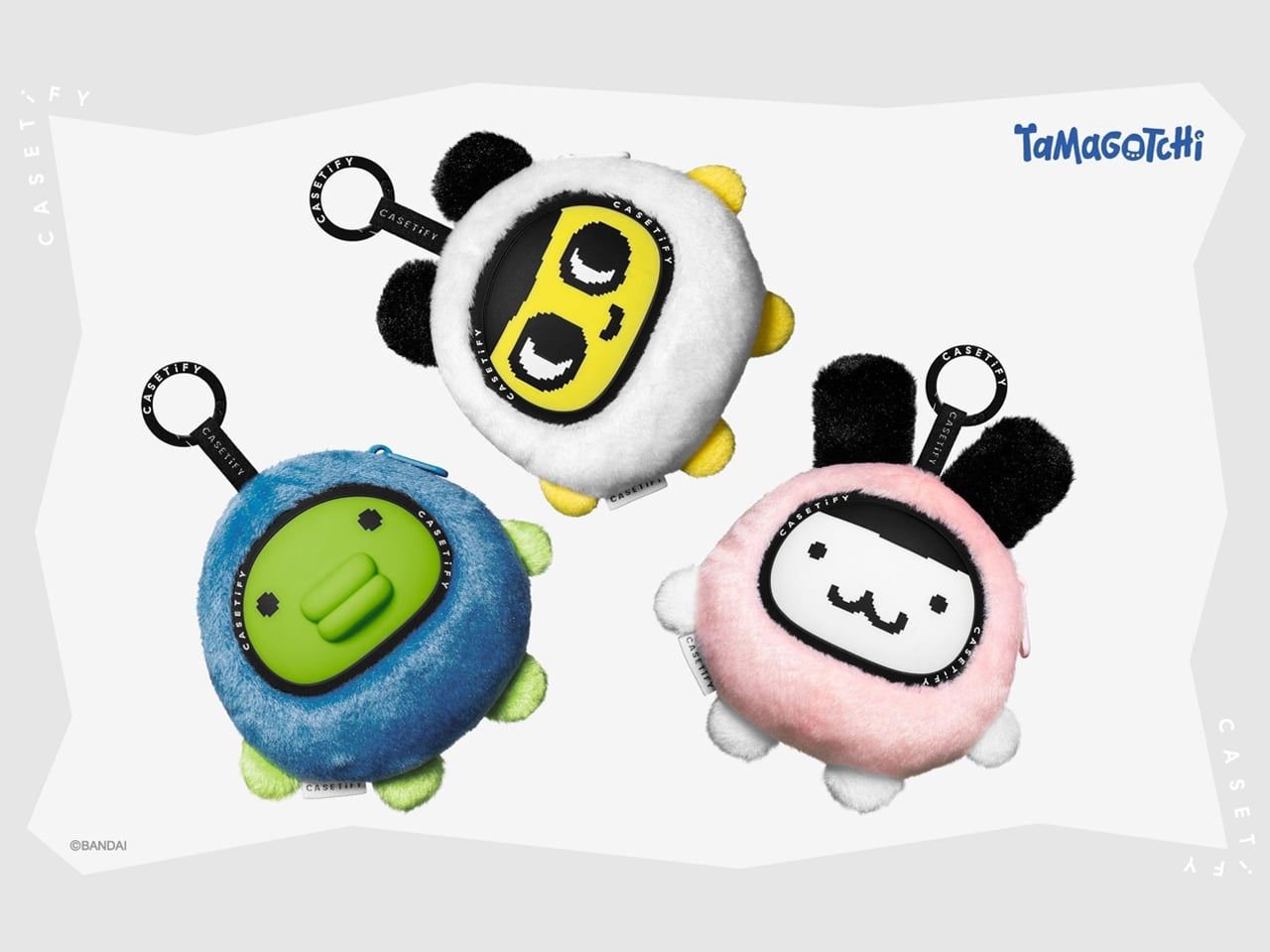
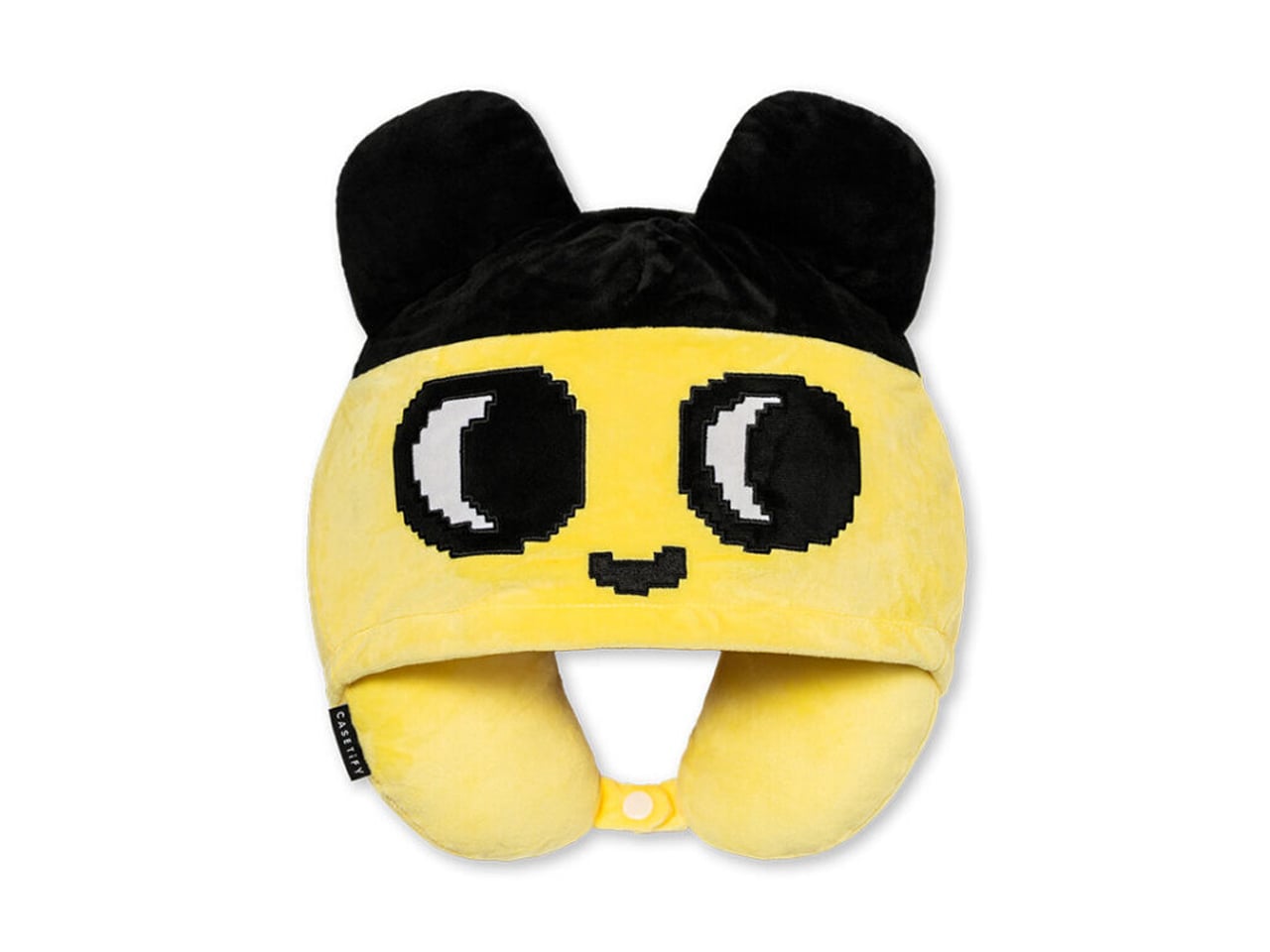
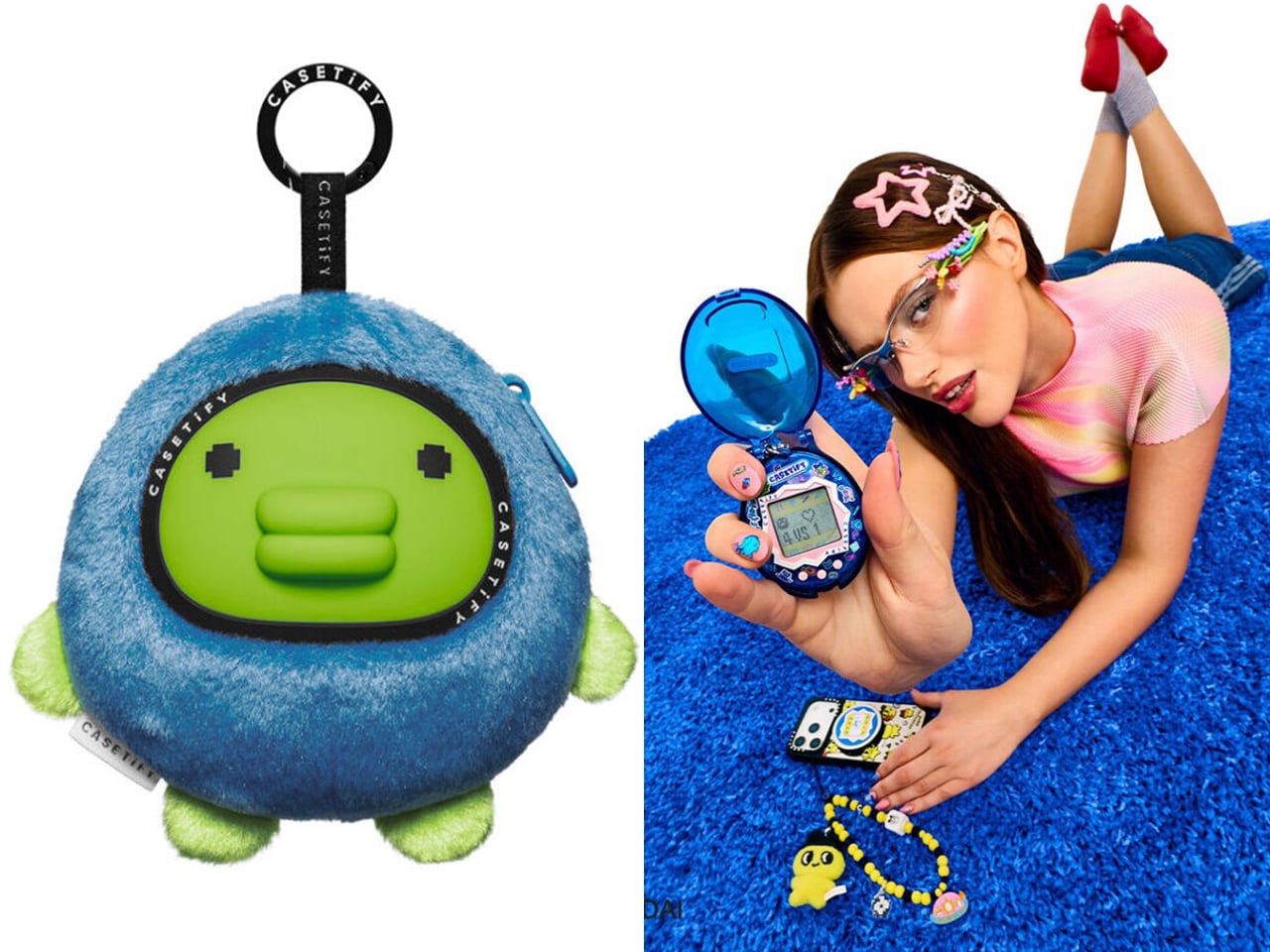
The full collection, including the original Tamagotchi, is now available at casetify.com and CASETiFY stores worldwide. Besides the rare piece, the collaboration, reviving the retro gaming imagery includes, Tamagotchi Collectible Plush Charm for $70, Tamagotchi Jumbo Pattern Snappy Cardholder Stand (MagSafe compatible) for $40, and Egg Tablet Case for the iPad at $79.
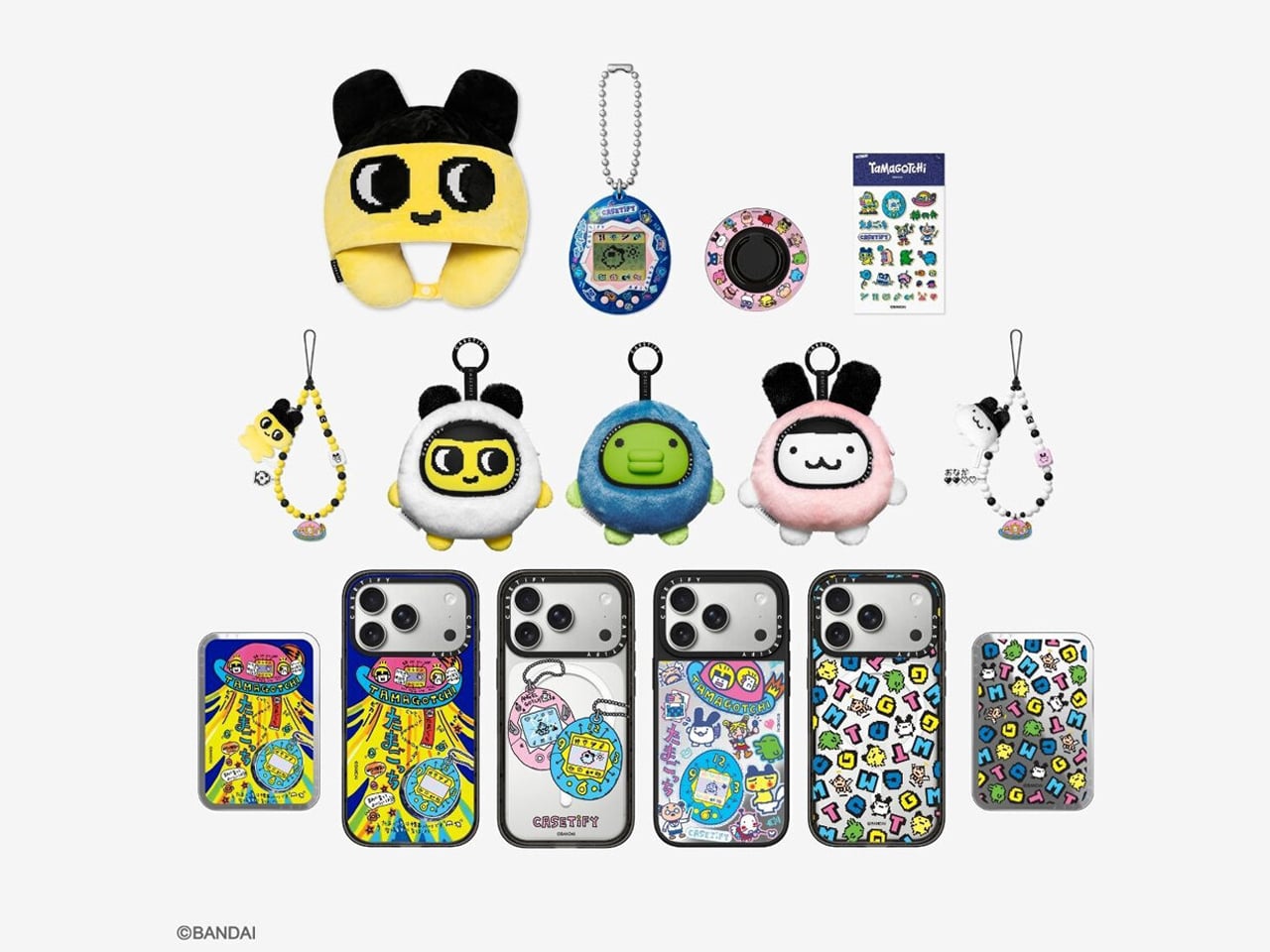
A restoration of the bright colors, character graphics, and the pixilated interfaces that made the Tamagotchi a force to reckon with is seen in the accessories covered in the character’s motifs, beyond the phone, tablet cases, detachable phone charms, and patterned straps. Amid these, the plush pouches designed to hold earbuds really stand out.
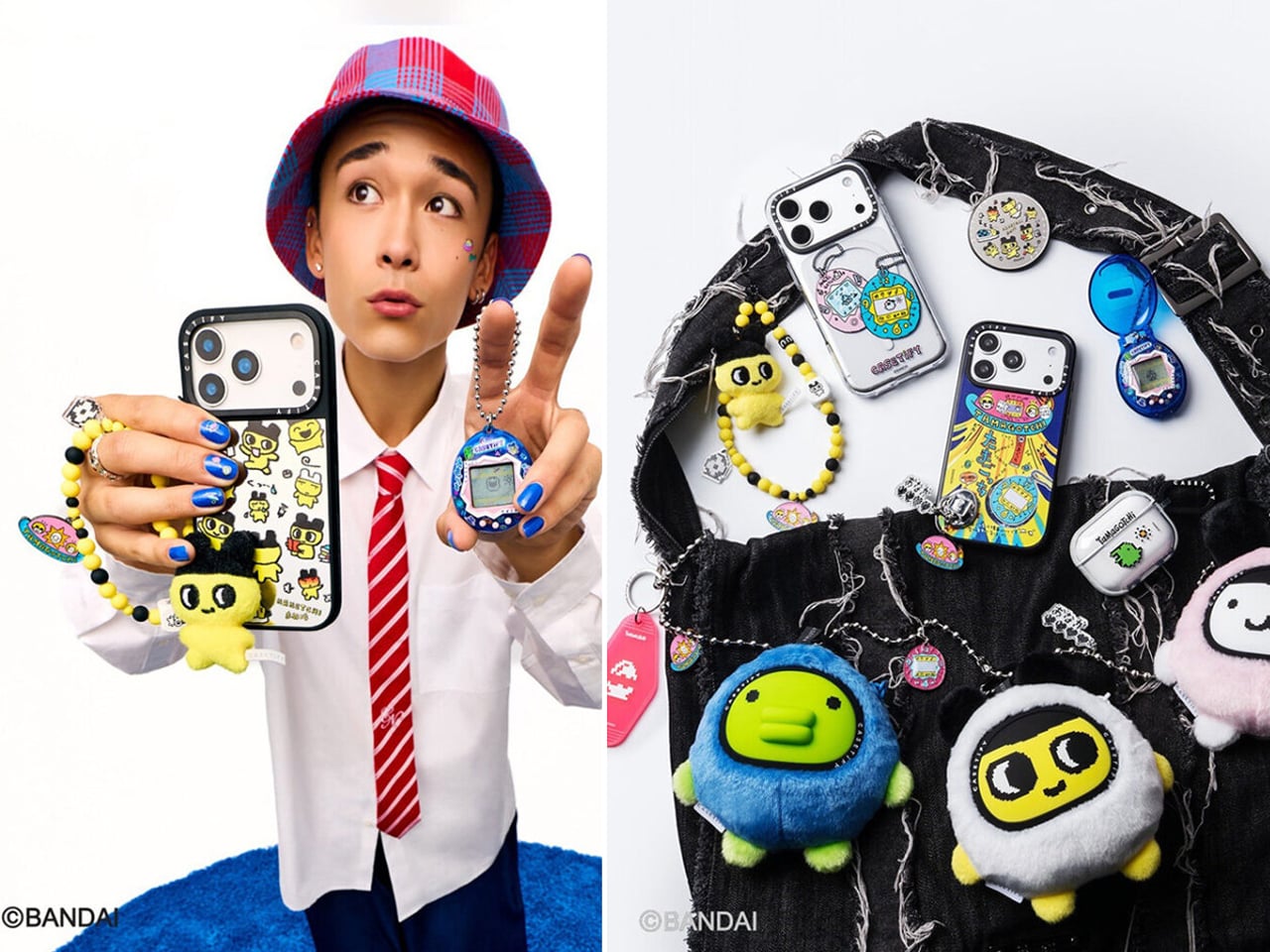
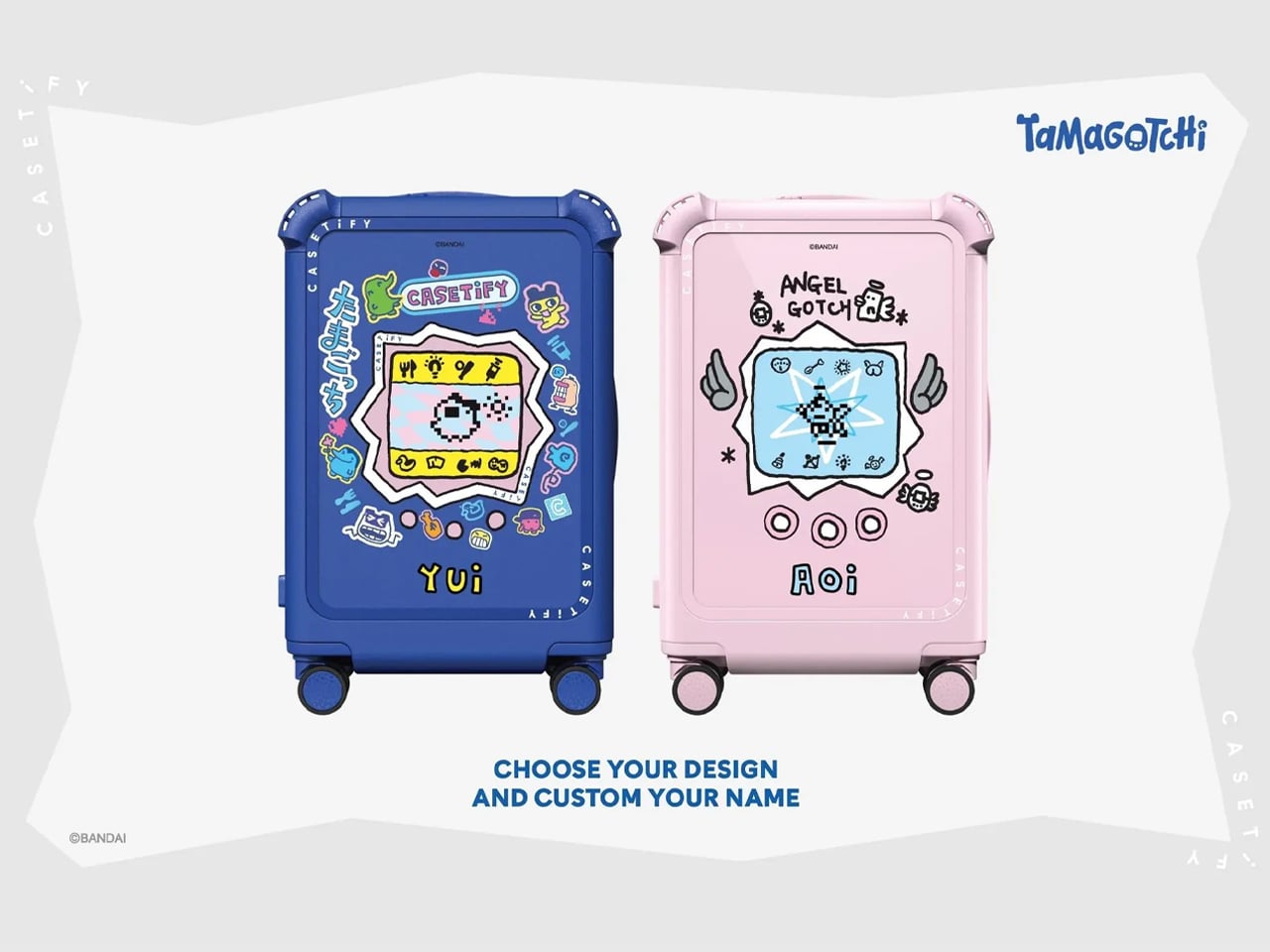
The collection, however, is not just about these smaller accessories. In fact, it comprises a customizable carry-on luggage from the CASETiFY Travel Tamagotchi luggage series. Using different Tamagotchi characters and retro typography, the appeal of the suitcase, available in pink and blue colors, can be enhanced to a decorative height that fans cannot deny.
It is difficult to point directly at what instigated Bandai for this collaboration with CASETiFY. But how it stands out, Tamagotchi nostalgia is seeing a rise in Japan. Themed displays inspired by Tamagotchi’s cute universe are everywhere, from cafes to parties. Reminding us that even after 30 years of its launch, Tamagotchi continues to have a fan following, which the two companies are leveraging through this collaboration.
The post CASETiFY releases an original Tamagotchi, phone cases, charms, and exclusive accessories to pique nostalgia first appeared on Yanko Design.

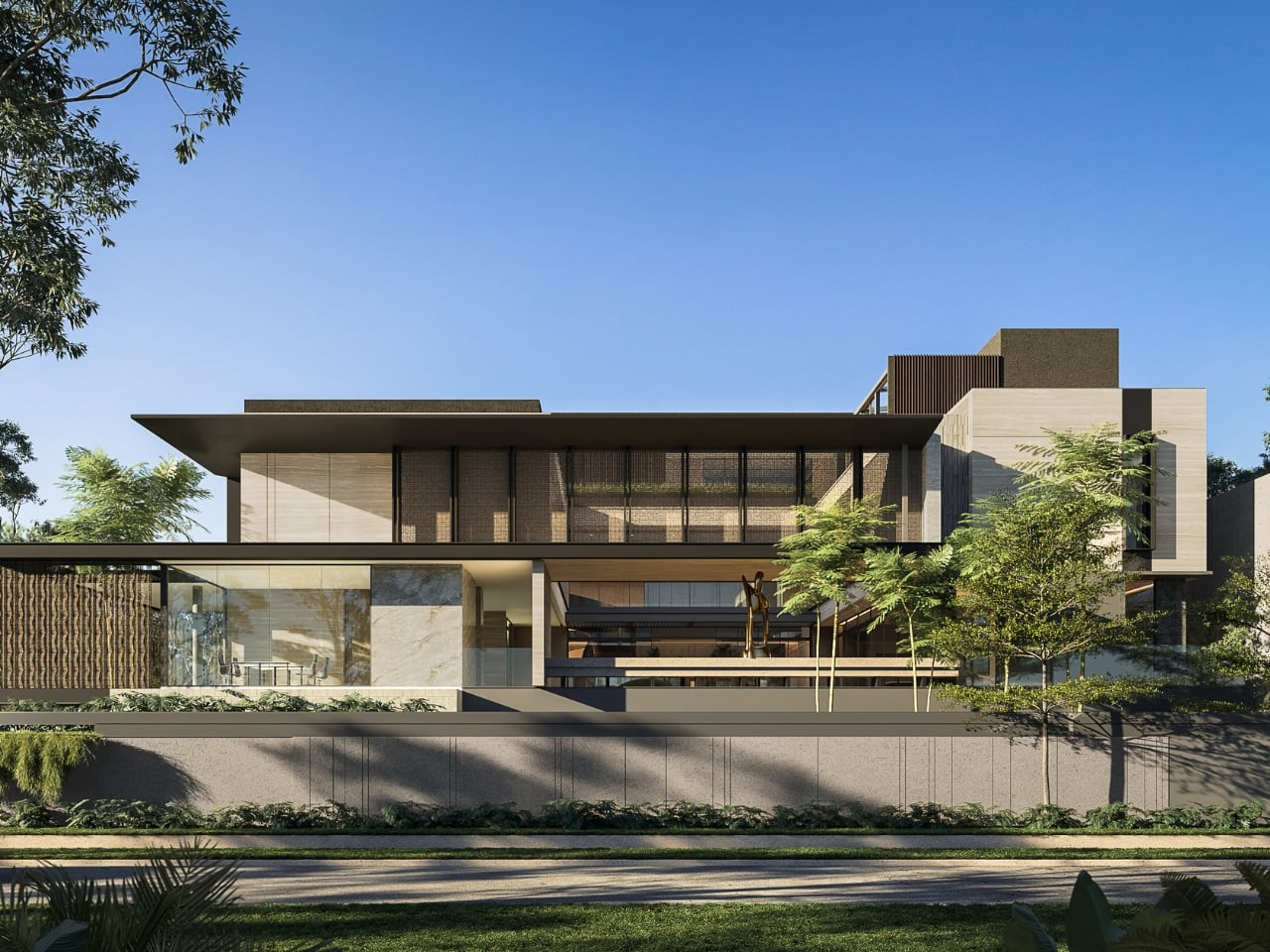
Most tropical homes try to open up. Floor-to-ceiling glass, wraparound terraces, the constant push-pull between inside and outside air. It’s practically a formula at this point. So when a house comes along that deliberately turns away from that instinct, you stop and pay attention.
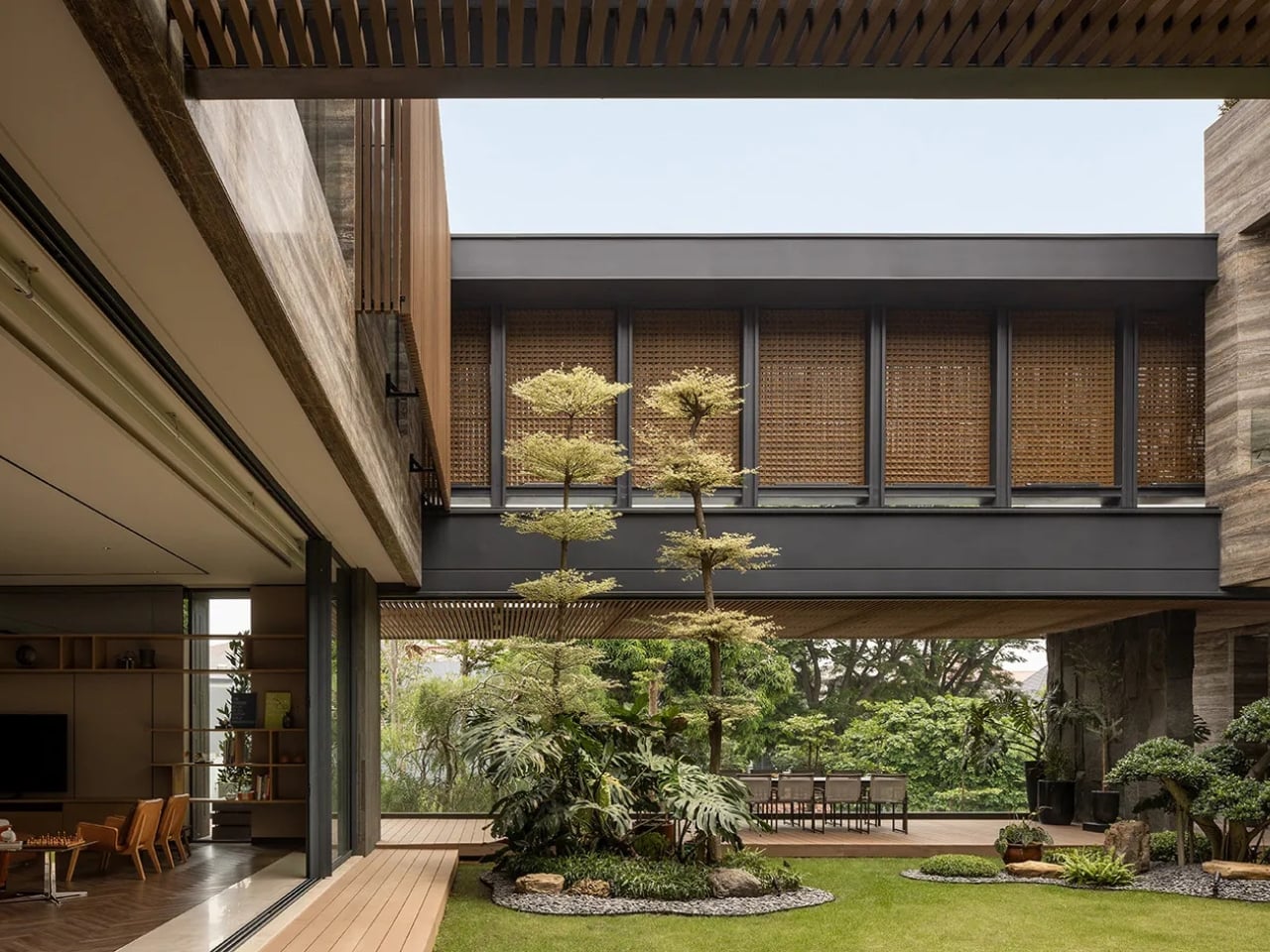
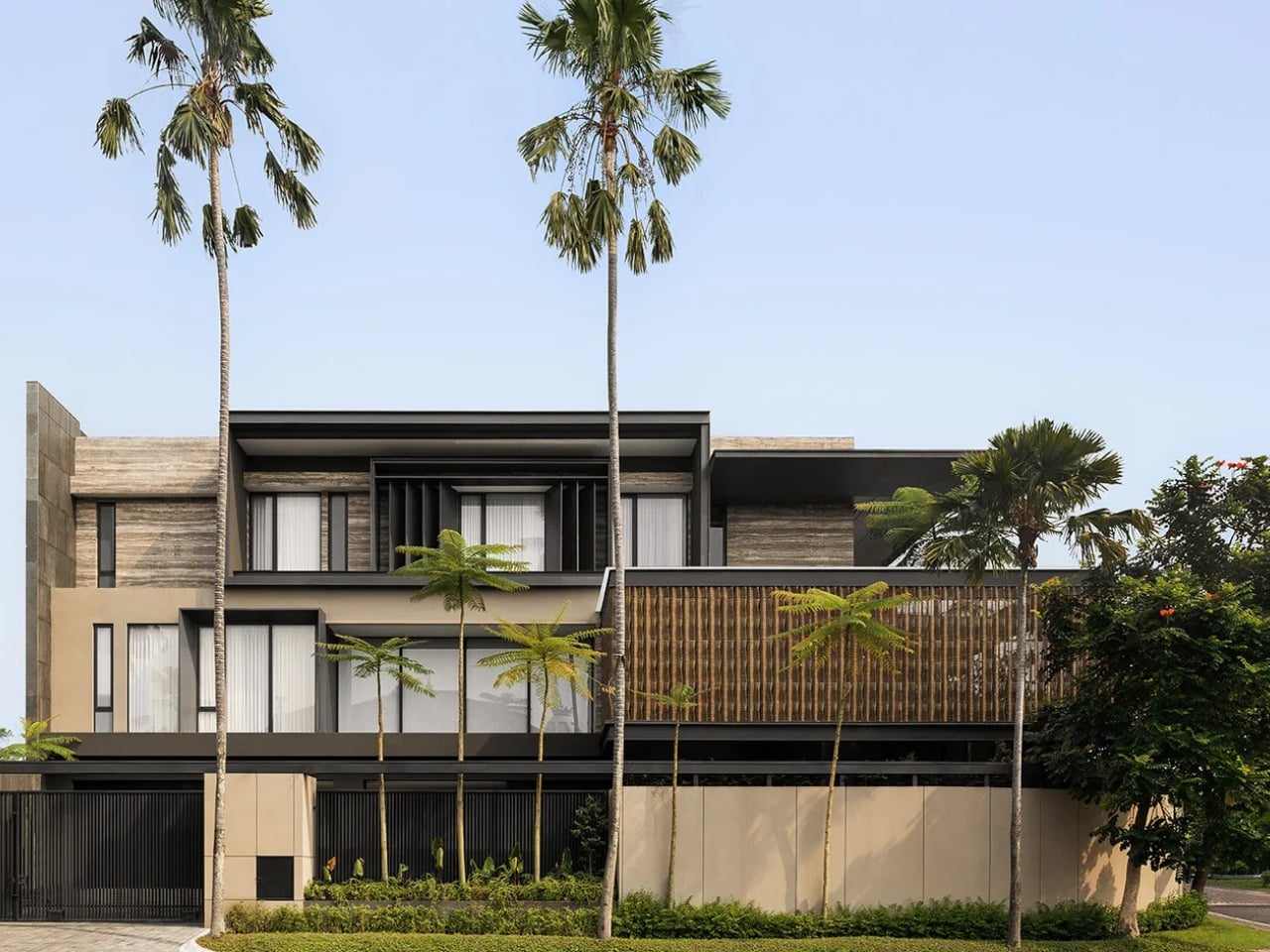
SE House, designed by Giovanni Gunawan of Surabaya-based studio KantorGG, sits at one of the city’s most recognizable residential corners and does something quietly radical: it pulls inward. Not to close off or shut the world out, but to create a kind of depth that most houses spend their entire floor plan actively avoiding.
Designer: Giovanni Gunawan for KantorGG (photos by Tristan Salim)
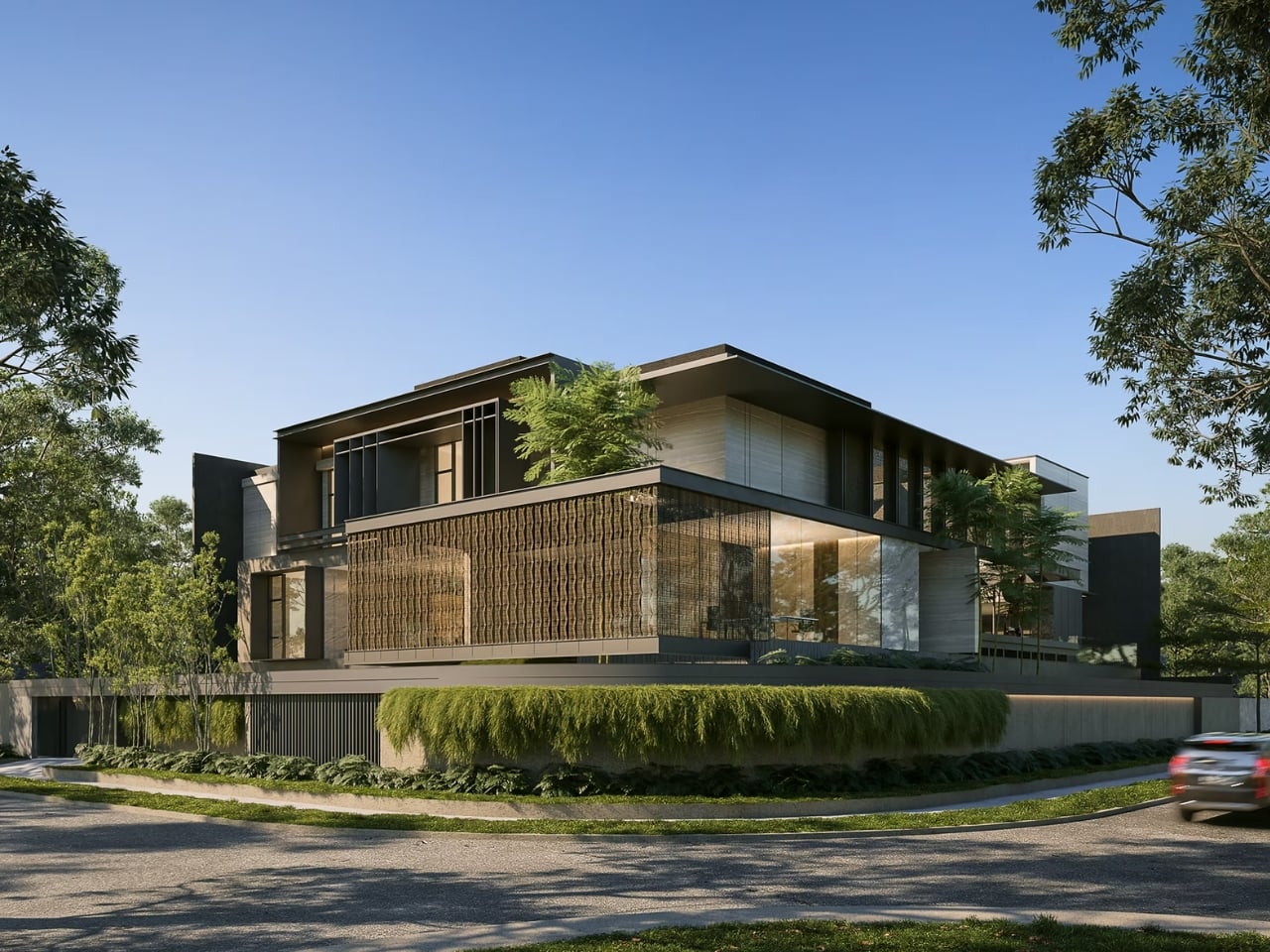
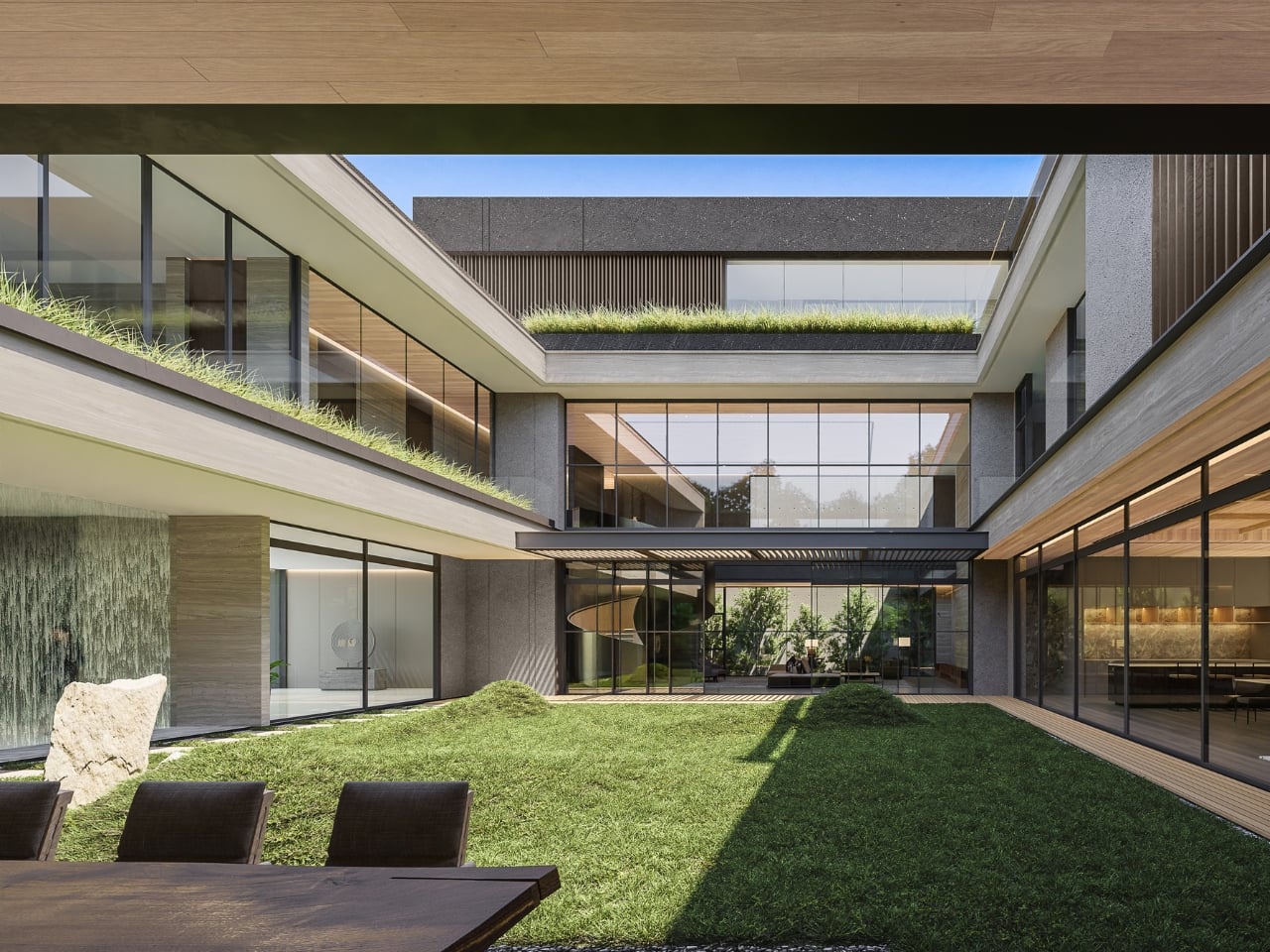
The concept is organized around a central courtyard, natural airflow, dry gardens, and the kind of deliberate voids that make space feel intentional rather than accidental. Gunawan placed dry gardens between the masses and the voids so residents experience the outdoors without sacrificing the comfort of being inside. It sounds simple enough. The execution is anything but. This is Gunawan’s stated interpretation of what tropical living can actually become, and I think he’s asking a question the design world has been skating past for years. We’ve gotten very good at making tropical homes look beautiful in photographs. We are considerably less practiced at making them feel like somewhere genuinely worth inhabiting on an ordinary Tuesday.
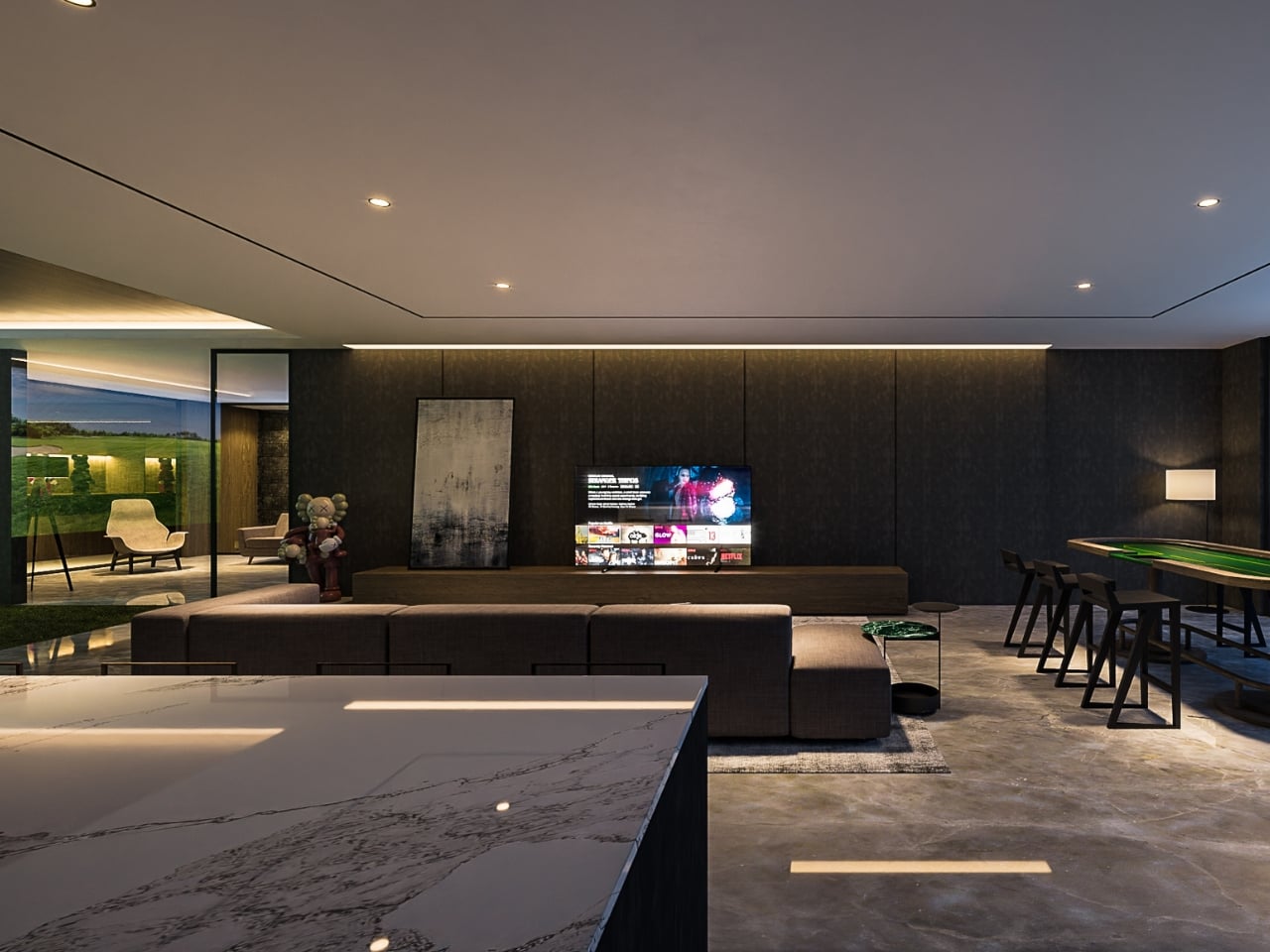
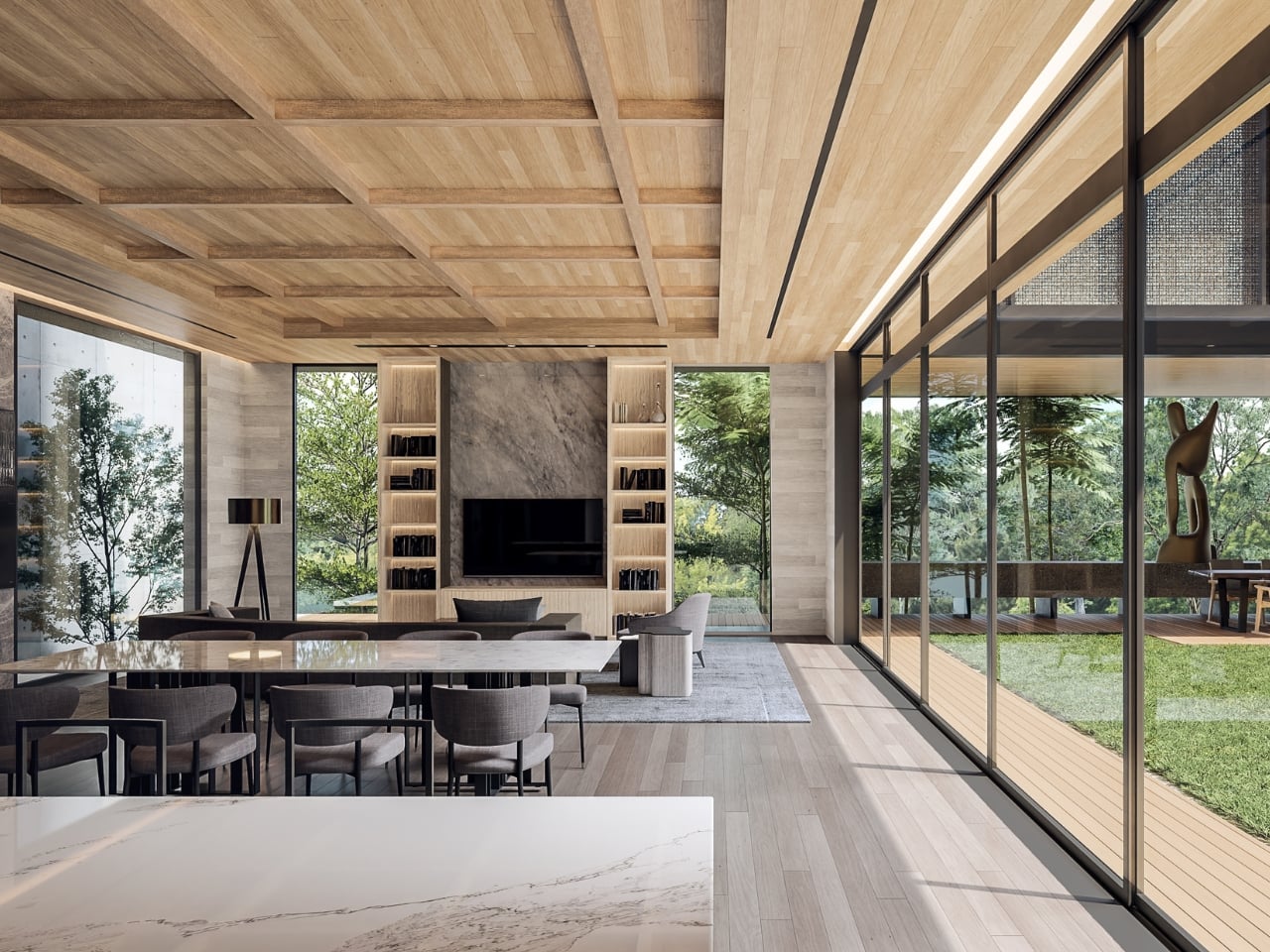
KantorGG’s design ethos centers on “living with nature, inside and out,” and SE House is probably the clearest expression of that philosophy yet. The existing mature trees on the site weren’t cleared to make room for clean lines. They were preserved as spatial anchors, the kind of decision that takes real confidence because it limits what you can do architecturally, and then rewards you generously in return. Shaded seating under dappled light, shifting reflections, the particular quality of sitting beneath something old and rooted. That’s not something you can manufacture after the fact.
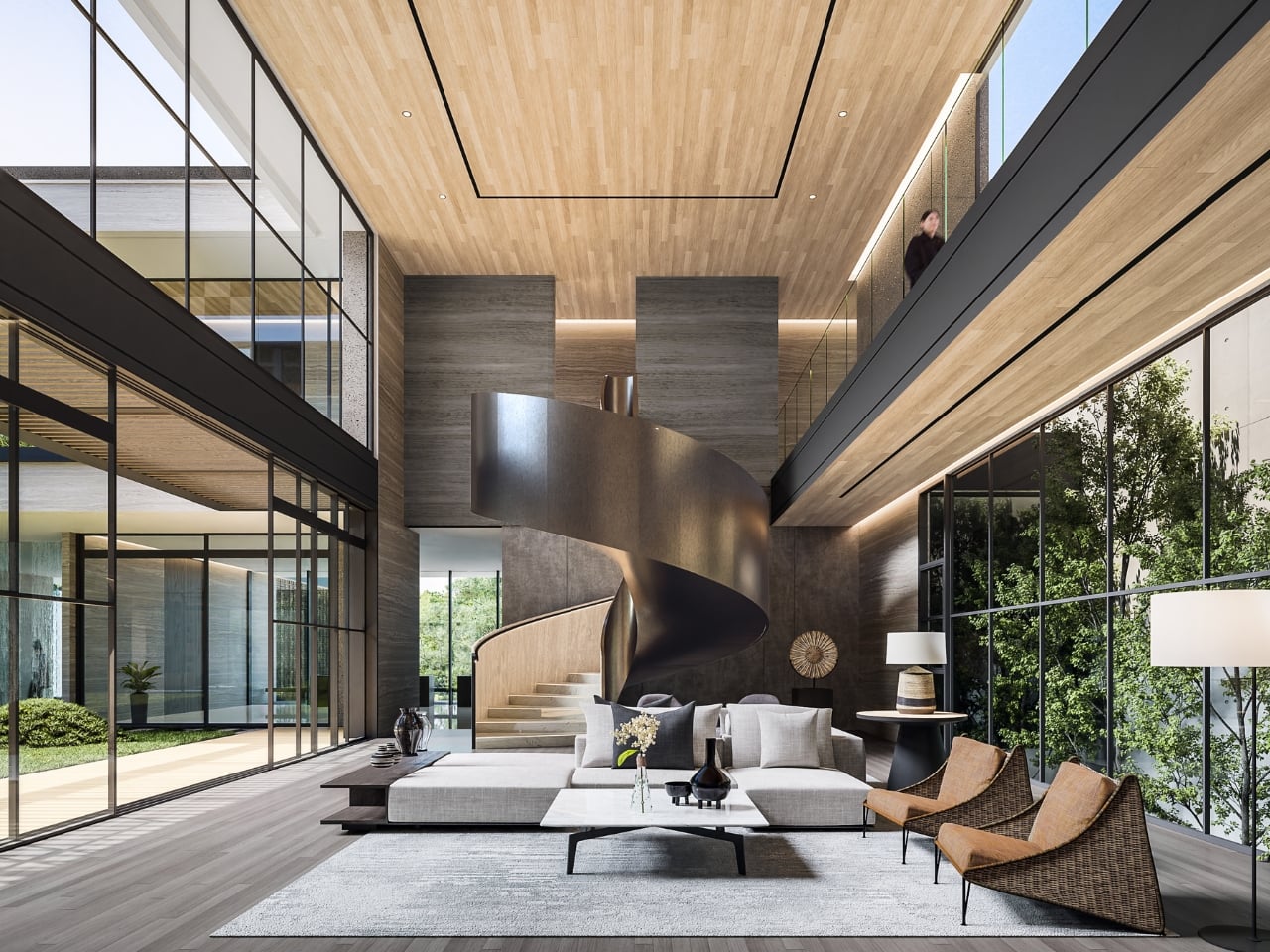
The Australian-inflected sensibility woven through the design deserves a closer look. Gunawan studied abroad, and that cross-pollination shows up in SE House’s structure without being heavy-handed about it. The house doesn’t read as imported or imitated. It reads as absorbed and reissued through a sensibility that is distinctly Indonesian. That tension between influences, when handled well, produces architecture that belongs nowhere else and everywhere at once.
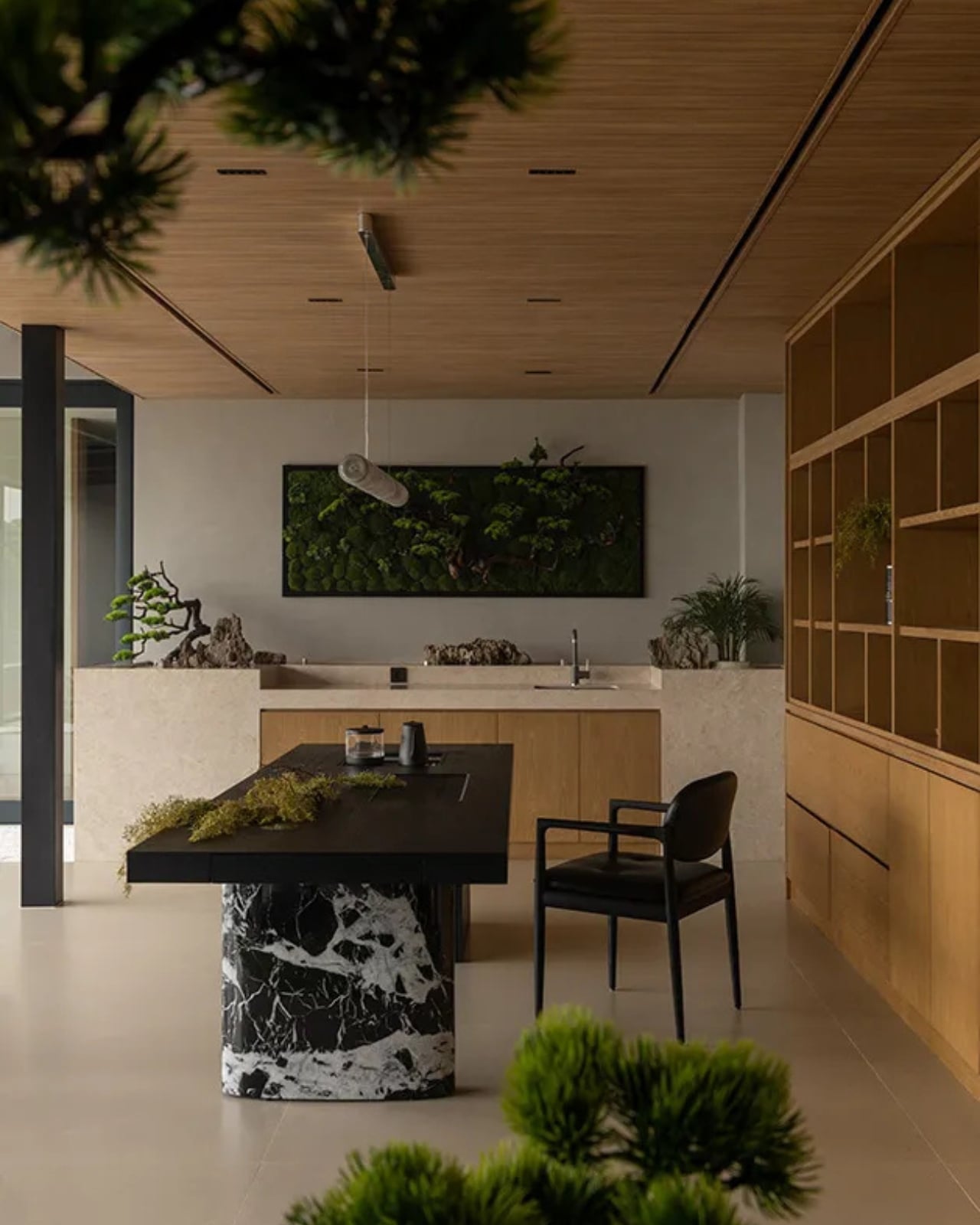
The 360-degree courtyard layout is worth sitting with on its own terms. It means the house has no single dominant view, no privileged front-row seat. Every room must negotiate with the central space, which keeps the architecture from becoming a spectacle and makes it a place to actually live inside. I find that rare, and more genuinely considered than most high-concept residential projects that pass through design media these days.
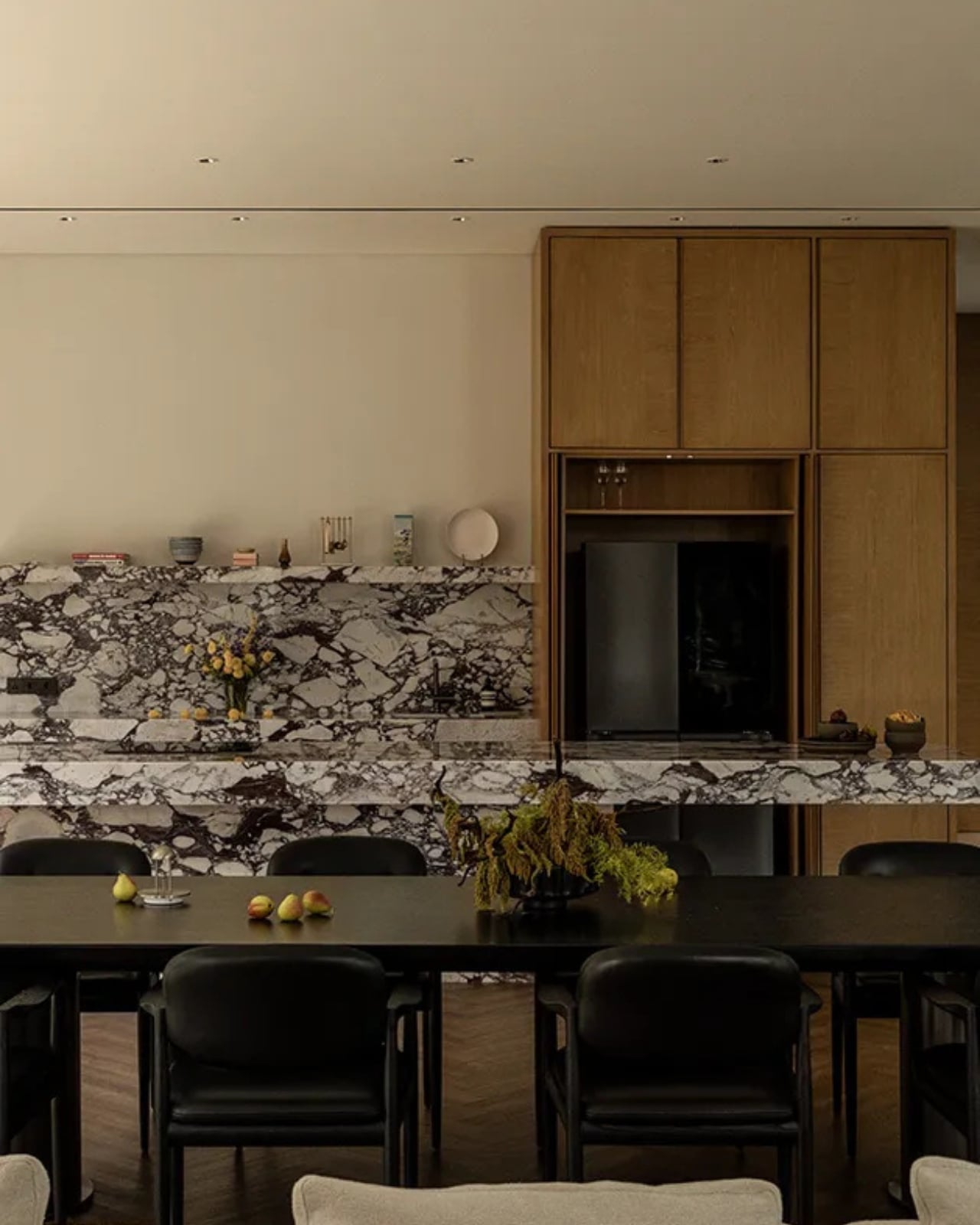
SE House has attracted the kind of attention that usually gravitates toward buildings with louder ambition. The buildings that announce themselves as you walk in. This one whispers, and that’s precisely why people are listening. Gunawan described it as a quiet manifesto for tropical living, and the word choice matters. A manifesto doesn’t have to be loud to carry weight.
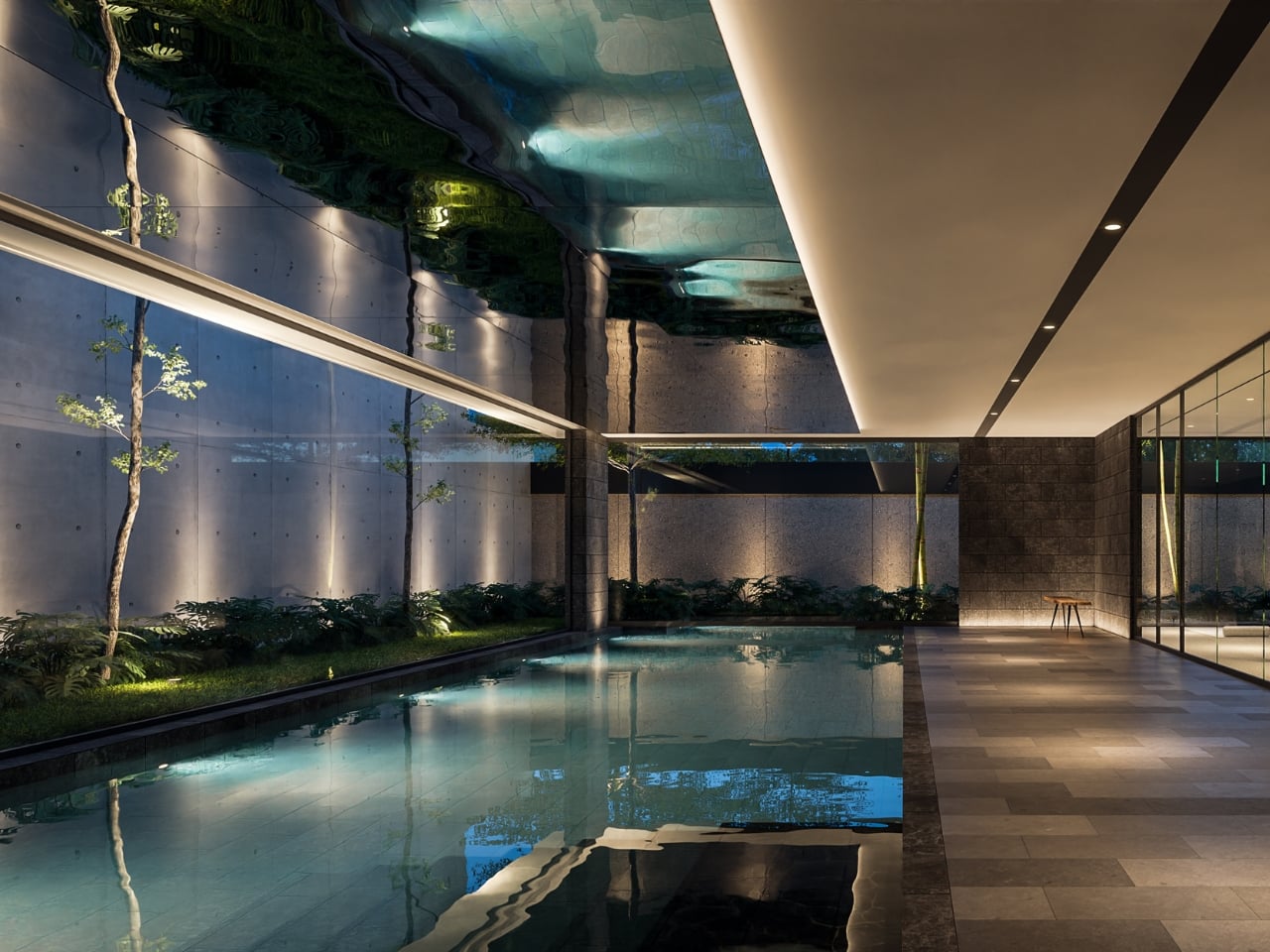
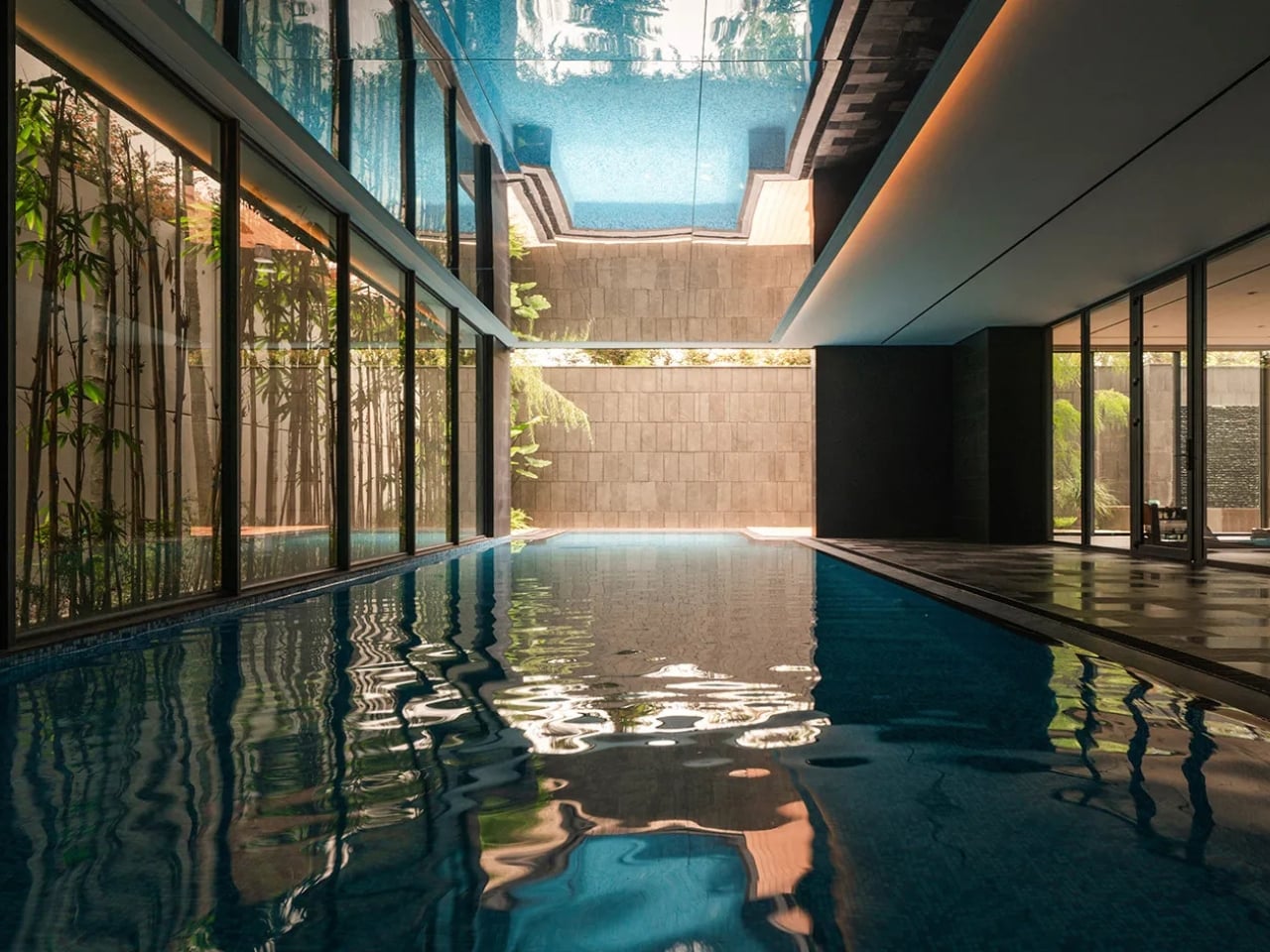
The broader argument SE House seems to be making is that restraint isn’t the enemy of richness. The absence of visual noise isn’t emptiness. The voids aren’t what’s missing from the design. They are the design, or at least a fundamental part of what makes the rest of it land. That’s an architectural lesson, but it also translates well into how we think about design at every scale, from the objects we choose to live with to the spaces we build up around ourselves over time.
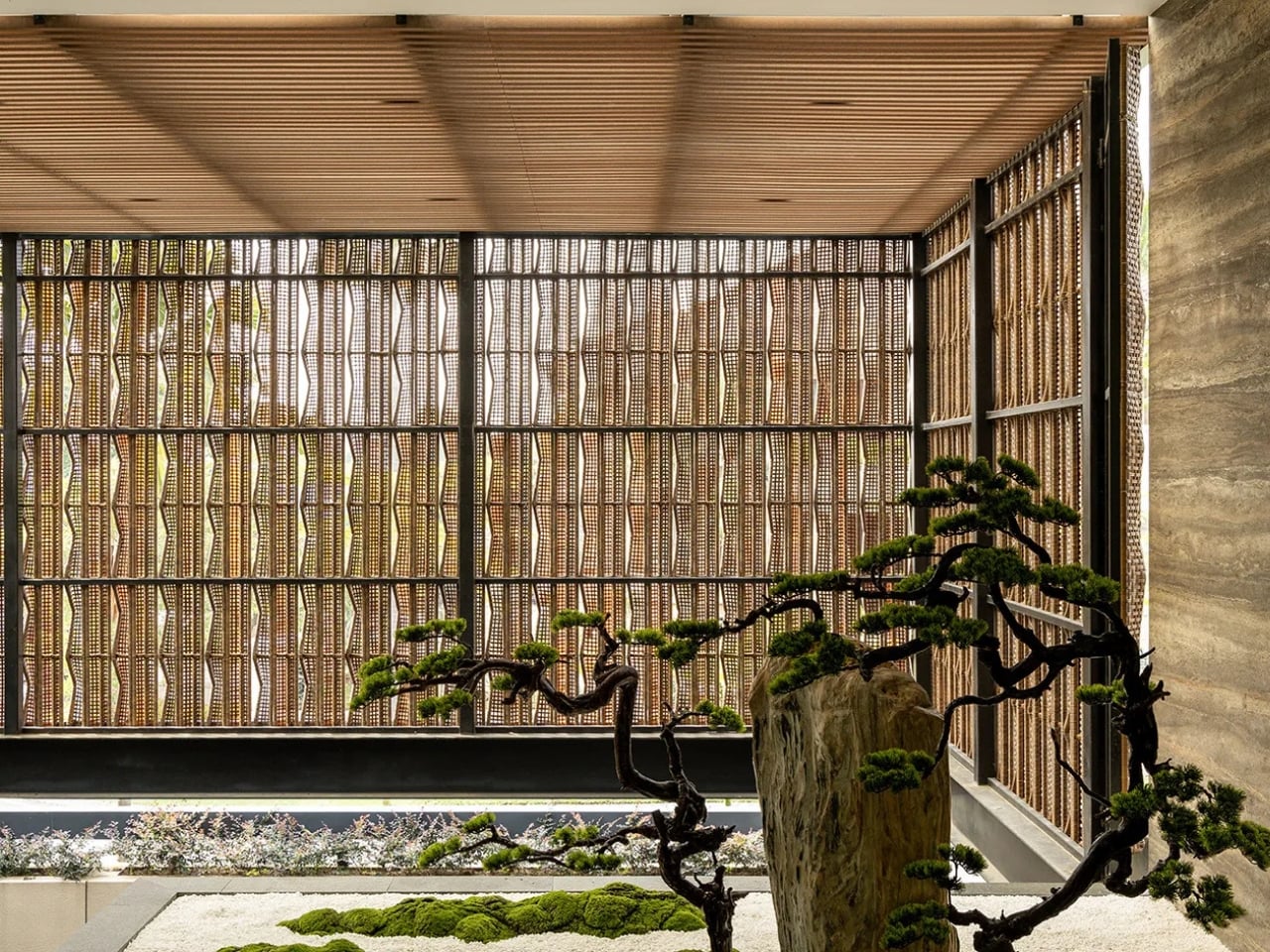
SE House is the kind of project that stays with you not because of one striking image but because of the underlying logic. It makes you want to look at your own spaces differently, and ask whether you’ve been opening up when you should have been pulling inward the whole time.
The post KantorGG Just Built a Tropical Home That Faces the Wrong Way first appeared on Yanko Design.
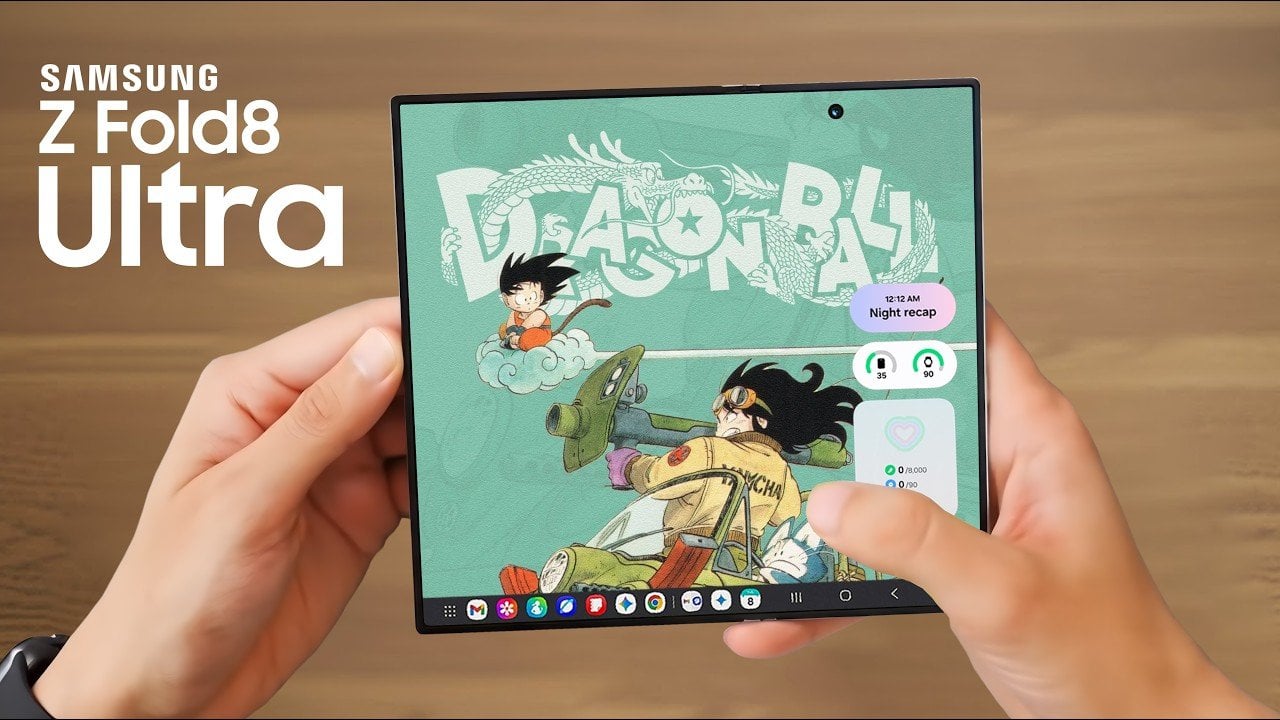
The Samsung Galaxy Z Fold 8 Ultra represents a pivotal advancement in foldable smartphone technology, surpassing expectations and addressing long-standing challenges in the industry. With significant improvements in areas such as crease design, battery performance, and camera capabilities, Samsung continues to solidify its position as a leader in the foldable market. As details about the […]
The post Everything We Thought About the Galaxy Z Fold 8 Ultra Was Wrong appeared first on Geeky Gadgets.